


Abstract
In biosensor design, molecularly imprinted polymers (MIPs) function as synthetic recognition matrices that create structurally selective binding sites through template-directed imprinting and can incorporate or interface with signal-generating units to convert binding events into measurable outputs. Although MIP-based sensors have traditionally focused on single-analyte detection, many applications in biomedical diagnostics, food safety, environmental monitoring, and point-of-care testing require simultaneous discrimination of multiple chemically related targets in complex samples. Conventional multiplexed MIP sensing relies primarily on spatially separated sensor elements or multi-template imprinting. Although these approaches have enabled substantial progress, they often require additional sensing compartments, electrodes, readout pathways, or spectrally resolved signals as the number of targets increases. Accordingly, a key challenge is to generate multiple analyte-dependent responses within a compact sensing format, such as a single well, sensing region, or integrated array, without expanding the number of physical channels. Cross-reactive MIP arrays offer a complementary strategy by employing partially selective receptors to generate multidimensional response patterns that can be computationally decoded. In this context, multiplexing capacity depends not only on imprinting chemistry but also on signal-generating materials that translate MIP–analyte interactions into measurable features. This review examines optical probes, electrochemical materials, plasmonic nanoparticles, porous frameworks, and two-dimensional materials as the candidate signal-generating components of cross-reactive MIP arrays. Such arrays have so far been directly demonstrated only with colorimetric, structural-color, and carbon-dot fluorescent readouts and with conducting-polymer electronic tongues, whereas the discussion of plasmonic, porous-framework, and two-dimensional materials rests on single-analyte demonstrations and is presented as a prospective design opportunity. It also discusses chemometric, machine learning, and artificial intelligence-based decoding strategies, which are increasingly important for extracting analyte-specific information from nonlinear, high-dimensional, and partially overlapping signals. Future advances will require the co-design of MIP receptors, signal-generating materials, compact array architectures, and drift-aware AI models for robust real-world multiplexed sensing.
1. Introduction
Molecular imprinting is a materials-based strategy for engineering molecular recognition into synthetic polymer networks. In analytical science, molecularly imprinted polymers (MIPs) have been developed as artificial receptors that reproduce the key aspects of biomolecular recognition while retaining the processability and robustness of synthetic materials [1]. In a typical imprinting process, a target molecule is used to organize functional monomers within a cross-linked polymer matrix and is then removed, leaving binding sites that preserve molecular complementarity in terms of size, shape, and chemical functionality [2]. The chemical environment, cavity geometry, accessibility, and binding-site heterogeneity of MIPs are collectively determined by monomer–template interactions, crosslinking density, porogen properties, and polymerization conditions. The imprinting format, such as surface or bulk imprinting, further affects mass transfer, site accessibility, and the distribution of binding-site affinities. The templated architecture allows MIPs to mimic the molecular selectivity exhibited by antibodies, while offering advantages that are difficult to obtain with biological receptors, including chemical stability, thermal tolerance, low production cost, and broad synthetic tunability. These properties render MIPs highly adaptable for sensor design. Over the past few decades, they have been integrated into a wide range of transduction platforms, including voltammetric and impedimetric electrodes, fluorescent nanomaterials, surface plasmon resonance interfaces, surface-enhanced Raman scattering substrates, and photoelectrochemical systems [3]. This expansion has led to the development of numerous MIP-based sensors, the majority of which are tailored to detect a single target analyte. Nonetheless, the analytical requirements for biomedical diagnostics, food safety surveillance, and environmental monitoring are increasingly surpassing the limitations of the single-analyte framework. Importantly, multi-analyte sensing includes three analytically distinct levels of demonstration: classification of individually presented analytes, discrimination of multicomponent mixtures, and simultaneous quantification of mixture constituents. In analyte classification, a measured response pattern is assigned to one of several predefined analyte categories. In mixture discrimination, mixtures of different composition are assigned to distinct classes without their component concentrations being resolved. In multicomponent mixture analysis, the concentrations of two or more coexisting analytes are quantified simultaneously from an unknown mixture. Real-world samples, such as serum, sweat, wastewater, and food extracts, seldom contain only one chemically relevant species. Clinical assessments frequently rely on biomarker panels. Food safety evaluations often necessitate simultaneous monitoring of multiple contaminants. Similarly, environmental risk assessment is influenced by complex mixtures of pollutants rather than individual compounds. Therefore, the key questions in MIP sensing are whether one target can be detected with high sensitivity and whether multiple targets can be discriminated and quantified in parallel within a single analytical workflow (Figure 1) [4]. The publication trend shown in Figure 1 was obtained from the Web of Science Core Collection using the Boolean search string displayed in the figure, restricted to original experimental research articles published between 1999 and 2025. Duplicate records identified across search terms were removed by DOI matching.
Figure 1.
Growth of multiplexed MIP sensing research (top) and comparison of three architectural strategies (bottom). Multi-template MIPs, spatially separated arrays, and cross-reactive MIP arrays. Publication counts were retrieved from the Web of Science Core Collection using the Boolean search string shown in the top panel, covering the period 1999–2025 and restricted to original research articles; review articles, conference proceedings, book chapters, editorials, and other non-experimental document types were excluded. Created in BioRender. S. Lee. (2026) https://BioRender.com/cbggauy.
Multiplexed MIP sensing has advanced primarily through two design strategies. The first is a spatially separated array, in which individual single-template MIPs are deposited on distinct electrodes, microwells, or microfluidic channels and measured in parallel [5]. This architecture avoids direct competition among the imprinted cavities because each sensing element can be optimized for a specific target. This has led to important developments in wearable sweat sensors, microneedle patches, and screen-printed multiplex platforms [6]. However, multiplexing in this format can only be achieved by increasing the number of required physical channels. Each new target required an additional recognition element, readout pathway, and calibration procedure. Consequently, the device footprint, interchannel variability, and readout complexity increased. The second strategy is multi-template imprinting, in which two or more templates are introduced into a single polymer matrix during synthesis [7]. This approach seeks to create distinct recognition sites within a single material and distinguish the corresponding analytes using resolvable electrochemical or spectroscopic features, such as oxidation potentials, emission wavelengths, or Raman bands. Multi-template MIPs have been used with structurally related neurotransmitters, dihydroxybenzene isomers, pharmaceutical compounds, and other small-molecule combinations [8]. The appeal of this strategy lies in its material simplicity because multiple targets are addressed on a single sensing surface. However, its scalability is limited by the imprinting chemistry. When several templates are incorporated into the same polymer network, the functional monomers and crosslinking environment must simultaneously accommodate different binding requirements. This compromise can weaken the quality and fidelity of the individual cavities. In addition, each analyte must produce a signal that is distinguishable from the others within the same readout window. As the number of targets increases, this requirement becomes increasingly restrictive, placing a practical ceiling on the multiplexing capacity.
Therefore, both strategies assume that the selectivity originates from the recognition material itself. In conventional design logic, cross-reactivity, which refers to the tendency of an MIP to respond to structurally related nontarget molecules, is usually treated as a defect that can be reduced through monomer selection, template design, surface modification, or more precise control of the polymer morphology. Nonetheless, research within the domains of electronic nose and electronic tongue technologies has consistently demonstrated that cross-reactivity can function as a valuable source of analytical information [9,10]. When several broadly responsive receptors are arranged in an array, each analyte generates a characteristic multidimensional pattern of partial responses. Discrimination then shifts from the chemistry of a single recognition event to a statistical analysis of the overall response pattern. In this setting, selectivity is generated computationally rather than solely through synthetic receptor design [11]. The recent maturation of artificial intelligence (AI) has further strengthened this concept [12]. AI and machine-learning methods can decode nonlinear, high-dimensional response patterns that are difficult to interpret with conventional single-channel analysis. Therefore, the bottleneck in cross-reactive MIP arrays moves from maximizing cavity-level selectivity to designing signal-generating materials that can convert MIP–analyte interactions into rich, multi-channel datasets suitable for computational decoding. The multiplexing capacity is no longer determined only by the number of cavities a polymer can contain or the number of physical channels that an array can accommodate. It is increasingly determined by the number of independent response dimensions the array can generate and by how effectively an algorithm can extract analyte-specific information from them.
The present review focuses on redefining multiplexed MIP sensing. First, we define cross-reactive MIP arrays and demonstrate how analyte discrimination is distributed across partially selective recognition, signal-generating materials, and computational decoding, depending on the choice of signal-generating material. We then examine the major classes of signal-generating materials that translate partially selective MIP–analyte interactions into measurable response patterns, including optical probes, electrochemical probes, plasmonic nanomaterials, porous frameworks, and two-dimensional materials. Next, we discuss chemometric, machine learning, and AI-based strategies for decoding these patterns to determine analyte identity and concentration. Finally, we discuss the challenges that remain for translating these arrays into practical multiplexed sensing. Throughout, directly demonstrated cross-reactive MIP arrays are distinguished from potentially transferable single-analyte technologies and prospective design strategies. Unlike previous reviews that have mainly emphasized MIP synthesis, receptor chemistry, template design, or individual sensing formats, this review places signal-generating materials at the center of multiplexed MIP sensor design. We specifically examine how each material class determines the dimensionality, reproducibility, and computational usability of response patterns generated from partially selective MIP–analyte interactions. In this framework, cross-reactivity is not treated simply as an interference to be minimized. Instead, reproducible partial responses are regarded as analyte-dependent information that can be converted into discriminative patterns by appropriate optical, electrochemical, plasmonic, or hybrid probes and by suitable chemometric, machine-learning, or AI-based decoding models. Thus, this review advances a co-design perspective in which MIP receptors, signal-generating materials, array architecture, and computational algorithms are considered together as interdependent components of a multiplexed sensing system.
2. Cross-Reactive MIP Arrays and Signal-Generating Materials for Signal-Rich Pattern Formation
2.1. Architectural Basis of Cross-Reactive MIP Arrays and the Role of Signal-Generating Materials
A cross-reactive MIP array is a sensing system in which multiple MIP elements are measured in parallel, with each element showing a distinct but overlapping response to more than one analyte (Figure 2). The combined output of these elements forms a multidimensional response pattern, in which individual analytes can be identified or quantified using chemometric, machine learning, or AI-based models [13]. In this architecture, analyte discrimination is distributed across partially selective recognition, signal generation, array-level response diversity, and computational decoding, rather than being assigned to a single target-specific receptor or analyte-specific signal. This design provides a multiplexing route that does not simply increase the number of sensor channels. In spatially separated arrays, each target typically requires a sensing element and a readout pathway. As the number of targets increases, the device area, calibration burden, and readout complexity also increase. Cross-reactive MIP arrays address this limitation by extracting analyte-specific information from the collective responses of multiple broadly selective elements. In this framing, cross-reactivity itself becomes a useful source of analytical information. Cross-reactive binding behavior primarily arises from the MIP recognition layer, where each receptor interacts with several analytes to varying extents. The cross-reactive behavior of MIP elements originates from the chemistry and morphology of the imprinted recognition layer. Monomer–template interactions determine the primary binding motifs, whereas porogen polarity, crosslinking density, and polymerization conditions influence the rigidity, accessibility, and heterogeneity of the resulting binding sites. Surface imprinting generally improves mass transfer and produces more accessible recognition sites, whereas bulk imprinting can generate a broader distribution of binding-site affinities after grinding or template removal. In conventional single-analyte MIP sensors, these variables are often optimized to maximize selectivity for one target. In cross-reactive MIP arrays, however, the objective is different. The recognition layer should generate reproducible and deliberately differentiated partial selectivities across structurally related analytes so that the resulting response patterns can be decoded computationally. For clarity, we distinguish throughout this review between selective recognition, in which the analytical response arises from analyte binding within template-shaped imprinted cavities that provide site-specific shape and chemical complementarity, and nonspecific material response, in which the response arises from generic analyte–surface interactions such as adsorption, electrostatic attraction, or matrix-induced perturbation of the transducer that occur independently of the imprinted cavities. We also distinguish throughout this review among five architectural categories into which MIP-based sensing studies can be assigned. Cross-reactive arrays containing several partially selective recognition elements whose overlapping responses are decoded computationally, multi-template MIPs containing several classes of binding sites within a single polymer matrix, spatially separated arrays of target-specific MIPs in which each element is assigned to one analyte and read out independently, multimodal or dual-signal sensors that return two or more independent signal channels from a single analyte binding event, and individual MIP sensors incorporating signal-amplifying nanomaterials to enhance sensitivity for a single target. Only cross-reactive arrays constitute cross-reactive array multiplexing in the strict sense used in this review and the other categories are discussed where relevant. These overlapping interactions can produce analyte-dependent response patterns when receptors are sufficiently diverse and reproducible. However, partial recognition provides only a chemical basis for discrimination. The interactions between MIPs and analytes must be expressed as measurable signals that contain sufficient information for pattern analysis.
Figure 2.
Conceptual working principle of cross-reactive MIP arrays for multiplexed sensing. A set of MIPs with deliberately diversified partial selectivities collectively binds multiple analytes, and each MIP–analyte interaction is transduced by a signal-generating material—including redox probes, conducting polymers, 2D materials, chromogenic dyes, fluorophores, MOFs/COFs, and quantum dots—into a multi-dimensional response vector composed of spectra, voltammograms, impedance profiles, or ratiometric emission bands. Chemometric or machine-learning models then decode these patterns to determine analyte identity and concentration. Created in BioRender. S. Lee. (2026) https://BioRender.com/cbggauy.
Signal-generating materials perform this function by translating partial recognition into optical, electrochemical, plasmonic, or hybrid outputs. Their function is different from simply improving the target specificity. They determine how cross-reactive binding is recorded, whether as a single intensity or current change or as a richer response containing multiple measurable features. Signal-generating material that returns only a scalar signal provides limited discriminatory information. By contrast, those that produce a spectrum, voltammogram, impedance profile, fluorescence lifetime, ratiometric emission, Raman fingerprint, or multimodal output can expand the number of independent response dimensions available for the array. Therefore, the same cross-reactive binding profile can yield different levels of multiplexing performance, depending on how it is transduced. However, raw signal dimensionality should be regarded as a potential response space rather than as a direct measure of multiplexing capacity. The practical multiplexing performance of a cross-reactive MIP array depends on whether these measured features are independent, reproducible, and analyte-dependent enough to support reliable decoding. Designing such an array therefore requires the coordinated consideration of three components. The first is a set of MIP receptors with reproducible and deliberately differentiated partial selectivities, which define the primary binding profiles of the array. The second is a set of signal-generating materials that convert these binding events into stable and information-rich outputs. The third is a decoding model that translates the resulting multidimensional and correlated response patterns into analyte identity or concentration. The selection of the signal-generating material shapes both the array’s sensitivity and its practical multiplexing capacity. Optical materials can encode binding through changes in the wavelength, intensity, lifetime, or ratiometric emission. Electrochemical materials can provide peak currents, peak potentials, impedance spectra, or full voltammetric profiles. Plasmonic and hybrid materials can combine colorimetric, Raman, refractive-index, and electrochemical outputs in a single sensing element. Beyond signal transduction, the probe may also contribute to the sensor’s effective selectivity by filtering out MIP–analyte interactions that fall outside its physicochemical response window, so that only binding events matching the probe’s transduction chemistry appear in the recorded signal. Each material class entails distinct trade-offs in signal dimensionality, reproducibility, channel density, signal separation, device integration, and compatibility with machine learning analysis (Table 1).
Notably, the role of signal-generating materials should be considered along with the requirements of pattern decoding. Chemometric, machine learning, and AI-based models can extract analyte-specific information from complex response patterns; however, their performance depends strongly on the quality of the input data. Low-dimensional or poorly reproducible signals limit the discriminatory power of the advanced algorithms. Conversely, stable, diverse, and high-dimensional outputs provide rich information for classification and quantification. Thus, material design and pattern decoding are coupled parts of the same multiplexed sensing strategy. From this perspective, the selection of signal-generating materials for cross-reactive MIP arrays must be evaluated against three coupled criteria: the intrinsic dimensionality of the output that a material can generate from a single binding event; the reproducibility with which that output can be preserved across array elements and measurements; and the compatibility of the material with the recognition polymer and array architecture in which it will be integrated. These criteria collectively determine whether a given material class can convert partially selective MIP–analyte interactions into stable, information-rich, and array-consistent response patterns suitable for pattern-based decoding. This material-to-pattern perspective provides the basis for the following sections and later discussion of chemometric, machine learning, and AI-based decoding strategies.
It should be noted, however, that the contribution of the signal-generating material cannot yet be separated experimentally from those of molecular recognition, nonspecific interactions, sensor architecture, and computational decoding. In every directly demonstrated cross-reactive MIP array in Table 2, all elements share the same signal-generating material, or none at all where the analyte’s own absorbance is measured [14], so that response diversity arises from the imprinted layers rather than from the materials. In addition, part of the measured response can originate outside the recognition event, for example from inner filter effects in carbon-dot arrays [15] or from direct oxidation of electroactive analytes at the electrode in voltammetric arrays [16,17]. To our knowledge, no study has compared the same set of MIP receptors transduced by different signal-generating materials under identical decoding, which would be the direct test of the material’s contribution. The advantages attributed to individual material classes in Section 3, Section 4 and Section 5 are therefore inferred from their photophysical or electrochemical properties and from single-analyte sensors, rather than from controlled comparisons within cross-reactive arrays.
Table 1.
Signal-generating materials for cross-reactive MIP arrays: functional role, output type, intrinsic dimensionality, and evidence status.
Table 2.
Representative MIP-based multi-analyte sensing systems classified by analytical architecture.
2.2. Operational Definition of Multiplexing Capacity and Grading of Evidence
The discussion above, and much of the MIP sensing literature, moves between several distinct quantities as though they were interchangeable. The number of MIP recognition elements, the number of physical sensing positions, the number of independent readout channels, the number of spectral bands or voltammetric features extracted from each measurement, and the number of analytes actually discriminated. They are not interchangeable, and conflating them inflates apparent multiplexing capacity. A high-dimensional spectrum, a dual-emission ratiometric response, or a dual-mode optical–electrochemical readout raises the dimensionality of the recorded signal but does not by itself constitute multiplexed detection. A ratiometric probe that reports one analyte through a response band and a reference band resolves one analyte, not two. We therefore define multiplexing capacity operationally as the number of analytes a system has been shown to classify, and separately the number it has been shown to quantify, from collective responses acquired within a single analytical workflow, together with the complexity of the mixtures in which this was demonstrated.
Accordingly, each system discussed in this review is described, as far as the primary report permits, by four descriptors: (i) R, the number of chemically distinct recognition elements, including any non-imprinted control incorporated in the array, (ii) P, the number of physical sensing positions, that is, spatially resolved elements such as wells, spots, electrodes, or microwells, (iii) C, the number of independent readout channels, defined strictly as independent hardware acquisition paths, (iv) F, the number of features extracted per sensing position and passed to the decoding model, including emission bands, voltametric peaks, impedance points, and ratiometric indices.
This scheme also fixes the meaning of the word channel, which is used inconsistently in the field. Throughout this review, channel denotes an independent hardware acquisition path (C), emission wavelengths, spectral bands, voltametric peaks, and impedance points are termed features (F), and the values presented to a chemometric or machine-learning model are termed model inputs. The claim that cross-reactive arrays can increase multiplexing capacity without a proportional increase in hardware therefore refers specifically to C, and not to F or to model inputs, which generally increase rather than decrease. Wherever the preceding and following sections state that the response space can be expanded without increasing the number of channels, the statement should be read in this restricted, hardware sense.
A second distinction is required on the evidence side, because the studies cited in the following sections differ substantially in how directly they bear on cross-reactive array performance. Each is therefore described by the kind of evidence it provides. Some results are directly demonstrated in a cross-reactive MIP array, that is, in a system with two or more partially selective recognition elements whose overlapping responses were decoded collectively to identify or quantify analytes. Others are demonstrated in another MIP architecture and are informative for array design and potentially transferable, but do not themselves establish array-level response diversity, analyte-pattern separability, or multiplexed decoding. A third group comprises prospective design hypotheses for which no MIP demonstration is yet available. Sections that rest predominantly on the latter two kinds of evidence are identified as such, so that plausible design hypotheses are not read as established performance.
A related question is how much of the decoded selectivity of a cross-reactive MIP array can be attributed to the imprinted cavities rather than to nonspecific interactions with the signal-generating material. Among the directly demonstrated arrays in Table 2, a non-imprinted polymer (NIP) was included as an array element in most systems [14,16,17,25,52,53,54] or measured as a separate control [15,26], and element-level comparisons show a measurable but incomplete imprinting effect; in the paracetamol/ascorbic acid/uric acid electronic tongue, for example, the NIP electrode retained a substantial response to the electroactive analytes [16]. However, none of these studies compared the decoding performance of the MIP array with that of a compositionally matched NIP array under identical data processing, and the electronic tongues were compared only with a single bare electrode [16,17]. This control is necessary because a non-imprinted responsive interface coupled with a classifier can itself generate discriminable patterns, as shown by the “MathMaterial” sensing interfaces reported by Cennamo and co-workers [81,82]. The contribution of molecular imprinting to computationally decoded selectivity therefore remains to be quantified, and a matched NIP-array comparison should accompany future array demonstrations.
3. Optical Signal-Generating Materials
Optical signal-generating materials convert MIP–analyte binding events into measurable changes in emission or absorbance [14,15]. Semiconductor quantum dots register binding as a perturbation of the particle surface, whose luminescence is governed by surface states [83]. In carbon and graphene quantum dots, the emission arises from several structural and chemical origins [84,85]. Organic fluorophores generate signals at designated binding sites built into polymers [86]. Lanthanide-based emitters shield the emitting ions from their environment and reach them through a sensitizer [87], whereas color-based transduction develops color through a chromogenic reagent added after capture [55] or dispenses with a reporter [56]. For cross-reactive MIP arrays, the main advantage of these materials is that the channel count is set by chemistry rather than by hardware. Optical elements do not need to be individually wired, and several elements can be interrogated in parallel from a single light source either because their signals are spectrally distinct or because they occupy separate positions on a common substrate. Therefore, the number of independent channels can be increased by preparing additional imprinted chemistries rather than by addressing the device components. This advantage is accompanied by several constraints. Most optical probes report the magnitude of a binding event but not its identity because non-specific adsorption often produces the same signal change as specific recognition; therefore, discrimination rests almost entirely on the imprinted layer. Emissions are also sensitive to surface chemistry, layer thickness, excitation wavelength, and sample-matrix autofluorescence, and these factors can shift multiple channels simultaneously. These issues are important for cross-reactive MIP arrays, because the decoding model relies on stable differences among partially overlapping responses. The following sections examine semiconductor quantum dots, carbon and graphene quantum dots, organic fluorophores, lanthanide-based emitters, and color-based transduction as five representative classes of optical-signal-generating materials (Figure 3). Most of the studies cited in Section 3.1, Section 3.2, Section 3.3 and Section 3.4 are used as potentially transferable MIP architectures rather than as direct demonstrations of cross-reactive array performance: they were performed on single-analyte or dual-signal MIP sensors and are included because the photophysics and integration chemistry they establish are transferable to array construction, not because they demonstrate array-level response diversity or multiplexed decoding. Directly demonstrated cross-reactive arrays in the optical domain are concentrated in Section 3.5 and in the carbon-dot arrays of Section 3.2, and are identified individually. The analytical figures of merit of these single-analyte systems are compiled in Supplementary Table S1.
Figure 3.
Semiconductor quantum dots generate fluorescence responses through surface-state modulation and charge/energy transfer upon target binding. Carbon and graphene quantum dots exhibit multiple emissive origins and enable excitation-dependent or spatially encoded fluorescence. Organic fluorophores localize recognition and signaling within the MIP cavity, where target binding modulates PET/ICT processes, producing fluorescence changes. Lanthanide-based emitters, including luminescent MOFs and upconversion nanoparticles (UCNPs), employ antenna-mediated or NIR-driven energy-transfer pathways to generate sharp, long-lived emission. Color-based transduction relies either on chromogenic reactions following MIP capture or on target-induced structural changes that shift the Bragg reflectance of photonic materials. This figure describes established optical transduction architectures rather than demonstrated array performance. Created in BioRender. S. Lee. (2026) https://BioRender.com/it1lvgf.
3.1. Semiconductor Quantum Dots
Semiconductor quantum dots (SQDs) are widely used as optical probes in MIP-based sensing because their emissions can be tuned via quantum confinement and are highly sensitive to surface chemistry. This size- and composition-dependent behavior has been described across II–VI, III–V, and IV–VI semiconductor families [88], and in CdSe QDs it can be controlled by synthetic conditions alone [89]. Several properties make SQDs attractive for MIP sensing applications. Their large absorption cross section and narrow band-edge emission provide high signal-to-background ratios in the thin recognition layers produced by surface imprinting. In optically matched CdSe QDs, full width at half-maximum values of approximately 30 nm have been reported [90], allowing emission channels to be positioned away from the sample autofluorescence. SQDs can also show strong photostability under suitable surface terminations, as shown by zincblende CdSe QDs, whose luminescence remains unchanged after two months under ambient conditions [90].
The most important feature of SQDs in MIP sensing is their surface-sensitive transduction ability. SQD luminescence is governed by surface states, where dangling bonds introduce trap levels within the bandgap and capture photogenerated carriers [91]. Photoluminescence quantum yields of emission375 have been reported for CdSe QDs with matched optical band gaps but different surface terminations [90], showing that surface chemistry alone can strongly affect emission efficiency. Therefore, an analyte bound to a nearby imprinted cavity can modulate fluorescence through charge or energy transfer without a separate reporter species. This property makes SQDs efficient signal-generating probes. However, this also limits their chemical specificity because SQDs mainly report the magnitude of local binding or adsorption rather than the molecular identity of the bound species. Therefore, in cross-reactive MIP arrays, analyte discrimination mainly depends on the partial selectivity of the imprinted layer and the optical response pattern generated across the array. Several strategies have been employed to generate resolvable optical channels using SQD-based MIP probes. One strategy involves varying the emitter. Norepinephrine- and epinephrine-imprinted CdTe@SiO2 and CdTe/CdS/ZnS/SiO2 constructs produced two fluorescence signals under a common excitation wavelength without spectral overlap [18]. The second strategy involves optical encoding. Water-dispersible imprinted microspheres bearing poly(2-hydroxyethyl methacrylate) brushes were used as embedding matrices for five emitter populations, including three semiconductor QD types, nitrogen-doped graphene quantum dots, and carbon dots, yielding five single-color and ten dual-color fluorescent systems [24]. This approach also illustrates a key issue in integration. Hydrophobically capped QDs can show low emission intensity and poor transparency in imprinted polymers, whereas water-soluble QDs can be unstable in the organic solvents used for imprinting [24]. Therefore, hydrophilic scaffolds or brush layers such as poly(glyceryl monomethacrylate), introduced after surface-initiated atom transfer radical polymerization, can be important for maintaining both emission and imprinting compatibility [20]. The third strategy introduced a reference channel for ratiometric detection. Silica-embedded red-emitting QDs have been used as both a support and a reference, while surfactant-modified green-emitting QDs have served as the response unit [21]. Mn-doped ZnS QDs were also coimmobilized with rhodamine B in mesoporous silica and read using a 411/582 nm intensity ratio [22]. These systems improve the signal correction and analytical reliability, although they should be distinguished from true multiplexed arrays when the two channels address only one analyte. The relevance of the cross-reactive MIP arrays lies in demonstrating how SQD-based probes can increase the number of measurable optical features available for pattern formation. All of the SQD systems described above are potentially transferable MIP architectures rather than direct demonstrations of cross-reactive array performance. The dual-emitter norepinephrine and epinephrine construct [18] uses two target-specific MIPs resolved spectrally (R: 2; P: 1; C: 1; F: 2; two analytes classified) rather than partially selective elements decoded collectively. The five-emitter encoded microspheres [24] were characterized optically rather than used for analyte discrimination; and the ratiometric systems [21,22] report a single analyte through a response band and a reference band (R: 1; F: 2; one analyte classified). Their extension to cross-reactive SQD arrays remains prospective.
The main limitation of SQDs stems from the very surface sensitivity that enables their sensing function. Passivating surface traps with a wider-bandgap shell improves the emission efficiency and photostability [92], but the shell can also act as a tunneling barrier between the bound analyte and the emissive core. In CdS/ZnS core–shell nanocrystals, an optimum ZnS shell thickness of approximately four monolayers (1.2 nm) has been reported, beyond which the energy-transfer quantum yield decreases [93]. Thicker shells can also introduce interfacial defects through core–shell lattice mismatch and broaden the photoluminescence linewidth [94]. Therefore, a layer that stabilizes the emitter can reduce its sensitivity to analyte-binding. Surface chemistry also makes the imprinting process a potential source of signal variability. Reducing agent treatment alone can alter the surface ligands, generate an oxide layer, and change the emission intensity, with the direction and magnitude depending on the initial surface termination [90]. Therefore, the silanes, initiators, monomers, and solvents used during imprinting can affect quantum yield in ways that are difficult to predict. The reported multiplexed SQD–MIP systems also remain largely dependent on Cd-based QDs. Cd- and Pb-free alternatives, such as InAs/InZnP, address toxicity concerns; however, they still face trade-offs among shell-induced interfacial defects, emission efficiency, and linewidth optimization [94]. For cross-reactive array designs, SQDs are best understood as sensitive but chemically nonspecific optical transducers. Because the emitter primarily reports the local binding magnitude, differential responses must arise from the imprinted layer, the arrangement of the emitters, or both. Mn-doped ZnS QDs with a cocaine-imprinted layer are useful examples. Fluorescence was quenched by cocaine and the related metabolites benzoylgonine and ecgonine methyl ester, whereas no response was observed for heroin or cannabis metabolites, and no quenching was observed in the non-imprinted control [23]. This result illustrates cross-reactivity within a chemical class. Therefore, for SQD-based cross-reactive MIP arrays, graded and reproducible responses are more useful than binary selectivity when the resulting optical patterns are distinct and sufficiently stable for computational decoding.
3.2. Carbon and Graphene Quantum Dots
Carbon and graphene quantum dots (GQDs) are the second major class of optical signal-generating materials used for MIP-based sensing. Their luminescence arises from multiple structural and chemical origins rather than from a single size-dependent excitonic transition. In GQDs, quantum confinement opens a gap between the π and π* bands as graphene sheets are reduced to nanoscale dimensions, and this gap scales inversely with sp2 domain size [84]. However, the measured emissions also include contributions from isolated sp2-bonded subdomains, oxidative defects, and edge functional groups. In one size-dependent study, intrinsic and extrinsic emission bands shifted from 419 to 430 nm and from 492 to 510 nm, respectively, as particle size increased from 2 ± 1 to 18 ± 2 nm, with peak broadening of up to 120% [95]. In carbon dots, molecular fluorophores can also contribute directly to the emission. For the citric acid–ethylenediamine system, the blue emission near 440 nm was assigned to 5-oxo-1,2,3,5-tetrahydroimidazo[1,2-a]pyridine-7-carboxylic acid, whereas the emission near 510 nm was assigned to a triazaacephenanthrylene-trione fluorophore derived from the former molecule [85]. Carbon-based emitters offer useful optical responses; however, their emission mechanisms are more heterogeneous than those of conventional semiconductor quantum dots.
Despite this complexity, carbon-based emitters are well-suited for MIP integration. Their surfaces commonly contain carboxyl and hydroxyl groups, which enable covalent immobilization on silanized substrates through carbodiimide coupling and direct participation in aqueous or ethanolic sol–gel imprinting [15]. Their intrinsic water dispersibility reduces the matrix polarity, and hydrothermal synthesis from inexpensive precursors such as citric acid, phenylalanine, and ethylenediamine can generate chemically distinct quantities of emitters [15,85]. Carbon-based emitters are also compatible with solid supports, including glass fiber paper and photonic crystal films [15,25]. These properties render them attractive candidates for low-cost aqueous and device-integrated MIP arrays. Two primary strategies have been employed to create multiple optical channels using carbon-based emitters. The first uses spectrally separated emitters. As most reported GQDs emit mainly in the blue-to-green region, channel separation is often achieved by pairing chemically distinct emitters rather than by tuning a single emitter [84]. Nitrogen-doped and o-phenylenediamine-derived carbon dots, each coated with an imprinted layer by reverse microemulsion, were excited at 400 nm and produced separate emissions at 445 and 545 nm [27]. Cross-family pairing has also been demonstrated using GQD- and CdTe QD-based imprinted composites emitting at 440 and 575 nm, with imprinting factors of 26.5 and 30.0, respectively [19]. Pairing organic fluorophores is another option. A sol–gel-derived CQD@MIP response channel emitting at 438 nm was paired with FITC@SiO2 emitting at 512 nm under a single 365 nm excitation, producing a bidirectional optical response in which the analyte quenched the carbon dot channel while enhancing the fluorescein channel [28]. The second strategy uses spatially separated recognition elements, while keeping the emitter composition unchanged. In a paper-based device, blue-emitting carbon dots were grafted onto silanized glass fiber paper, and three imprinted layers were polymerized in situ using 2-, 3-, and 4-nitrophenol as templates [15]. All channels emitted at the same wavelength; therefore, discrimination arose from different imprinted recognition layers rather than from spectral separation. A similar logic appears in a four-element carbon-dot photonic crystal array consisting of three imprinted units and one non-imprinted control [25], and in a four-unit array in which carbon dots of one composition are combined with sulfonamide templates of different molecular sizes to diversify the cavity dimensions [26]. In these architectures, the channel count is determined by the number of differentiated imprinting chemistries that can be prepared rather than by the number of emission wavelengths that can be optically resolved. Carbon-based emitters can tolerate diverse imprinting chemistries in single-analyte sensors. Polydopamine imprinting can be achieved via template-directed dopamine self-polymerization without an additional functional monomer or crosslinker [29]. Mesoporous silica shells can provide an imprinted coating [30], and mesoporous carbon can serve a related structural role in composite probes [31]. Carbon-based MIP probes can also support optical readouts beyond photoluminescence, as shown by a chemiluminescent system in which permanganate injection generates emissions from an imprinted composite [32]. These examples illustrate the synthetic flexibility of carbon-based emitters for coupling MIP recognition with various optical outputs. The kind of evidence varies within this subsection. The nitrophenol paper array [15], the carbon-dot photonic-crystal array [25], and the cavity-size-diversified sulfonamide array [26] are directly demonstrated cross-reactive arrays: each comprises three or four partially selective elements read at a single emission wavelength from spatially separated positions, so that each sensing position carries one recognition element and contributes a single feature, and there is a single readout channel. The paired-emitter systems [19,27,28] and the composite probes [29,30,31,32] are potentially transferable single-analyte constructs whose emitter chemistry could be transferred to array elements but which have not been shown to generate separable analyte patterns.
Several limitations remain important for the cross-reactive array design. Because the emissive center can be an sp2 domain, a surface defect, or a molecular fluorophore, depending on the synthesis, it is difficult to reliably predict the emission wavelength from the size or composition alone [85,95]. Excitation-dependent emission can complicate spectral channel design because small changes in the excitation wavelength may alter the relative intensities of the channels [85]. Environmental sensitivity is also significant. GQD emission intensity and lifetime can vary with pH, and in the nitrophenol paper array, responses decreased outside neutral pH because acidic conditions affected emitter recombination, and alkaline conditions weakened binding at recognition sites [15,95]. Quantum yields can be uneven, with two carbon dot populations showing values of 43% and 17% in one study [27], and fluorescence in a paper-based array recovering to only 55% of its initial value after template removal [15]. Mechanistic selectivity is also relevant for carbon-based MIP probes. In the nitrophenol paper array, fluorescence quenching was attributed to both an inner filter effect and a binding-dependent gate effect, and only the latter directly reflected recognition by the imprinted layer [15]. The imprinting factors of the three nitrophenol units were 4.4, 4.0, and 5.2 [15], whereas those of single-analyte probes in the same material family reached 26.5 and 30.0 [19]. Therefore, array-oriented systems may exhibit a lower single-element selectivity than conventional single-target sensors. In cross-reactive MIP arrays, this low element-level selectivity is useful for producing reproducible and differentiated response patterns. This point defines the value of carbon dots and GQDs in cross-reactive MIP arrays. The broad-spectrum recognition of structural analogs, usually regarded as interference, can support simultaneous multicomponent detection when converted into analyzable fingerprints [26]. Similarly, individual units with low selectivity can be assembled into an ensemble with high resolution [25]. Therefore, the design objective shifts from maximizing the selectivity of each element to engineering diversity in responses across multiple elements. Carbon dots and GQDs are well suited to this objective because their aqueous compatibility, surface functionality, and flexible integration with paper, silica, and photonic structures allow multiple partially selective MIP elements to be constructed in parallel. The main challenge is to ensure that the resulting optical patterns are sufficiently stable for chemometric or machine learning-based decoding.
3.3. Organic Fluorophores
Organic fluorophores constitute a molecularly defined class of optical signal-generating materials used in MIP-based sensing. Unlike semiconductors or carbon-based quantum dots, their emission is determined primarily by chemical structure rather than by particle size, surface states, or heterogeneous defect chemistry. This feature is useful for MIP design because the recognition site and reporter can be positioned close to each other and, in some cases, incorporated into the same polymerizable monomer.
A key advantage of organic fluorophores is their localized signal generation. In a polymerizable indicator monomer containing a 1,8-naphthalimide scaffold and a urea-binding site, carboxylate-containing guests induce a bathochromic shift in absorption and fluorescence quenching, with the signaling mechanism resolved spectroscopically [86]. In this design, the signal originated from a defined binding site rather than from a generic emitter surface. Therefore, specific binding can be separated more clearly from nonspecific adsorption than from surface-quenching probes. Since recognition and reporting are co-located at the molecular level, finer discrimination becomes accessible, including enantioselective recognition [86]. Organic fluorophores allow the design of response directions. Fluorescence can be quenched through photoinduced electron transfer [35] or enhanced by binding to carboxyl-containing molecules [36]. Covalent incorporation into the polymer backbone also reduces dye leaching and enables the modular control of reporter placement [34]. For example, BODIPY-based systems allow binding sites and emission wavelengths to vary independently [37]. Ratiometric and modular designs illustrate how organic fluorophores generate signal-rich outputs. In a doubly BODIPY-labeled particle, red-emitting BODIPY in the polystyrene core served as the internal standard, whereas a green-emitting BODIPY indicator monomer in the imprinted shell provided the response channel [37]. A related design replaced the indicator monomer with guanidine-BODIPY and used tris(bipyridine)ruthenium(II)-doped silica nanoparticles as an orange reference emitter [38]. Mixed-material ratiometric systems have also combined red-emitting CdTe QDs as an analyte-insensitive reference with a green organic fluorophore as the response channel, whereas imprinted layers and hydrophilic brushes have been introduced by surface-initiated atom transfer radical polymerization [39]. These examples demonstrate how organic fluorophores can be paired with other emitters to produce internally corrected optical responses. Organic fluorophores are compatible with spatially addressed optical formats. High-density optical fiber arrays were prepared by depositing imprinted and non-imprinted microspheres into microwells formed in a bundle of approximately 50,000 optical fibers, each 3.1 µm in diameter [34]. The bead populations were labeled with coumarin-30 or a ruthenium complex, and read through separate optical channels. Although this system distinguishes imprinted from non-imprinted beads rather than multiple analytes, its cross-reactivity profile is informative for designing cross-reactive MIPs. The inhibition response was below 1% for several non-target compounds, but reached 8% for ciprofloxacin, the closest structural analog to the enrofloxacin template [34]. This graded response across chemical classes demonstrates that organic fluorophore-based MIPs can provide partial responses that may support array-level pattern recognition. Related platforms include optical fiber tips carrying photopolymerized imprinted microstructures [40], evanescent-wave sensors with MIP-coated waveguides [36], and dual-layer structures that directly propagate light into the imprinted sensing layer [41]. The fiber-optic bead system [34] is a potentially transferable MIP architecture rather than a direct demonstration of array performance. It distinguishes imprinted from non-imprinted beads for a single template rather than discriminating multiple analytes (R: 2; one analyte classified), and the graded inhibition across structural analogues is a cross-reactivity profile measured element by element, not an array-level separability demonstration. Its use as a template for cross-reactive organic-fluorophore arrays is therefore prospective.
The main limitations of organic fluorophores are their synthesis, placement, and operating conditions. Photobleaching can constrain polymerization, although photostability depends strongly on the specific system [42,86]. Self-quenching can occur at high dye loadings, and post-synthetic labeling may place fluorophores outside the binding sites [43,86]. These issues favor polymerizable indicator monomers, but also increase the synthetic burden because each target class may require a new monomer with an appropriate binding group. Solvent compatibility introduces the following constraints: Indicator responses optimized in polar organic media may require extraction before aqueous analysis, whereas direct aqueous operation may require hydrophilic brushes [38,39]. Organic fluorophores provide highly designable signal generation; however, scaling them into large cross-reactive arrays is synthetically demanding. Despite these limitations, organic fluorophores offer a distinct opportunity for achieving cross-reactivity. Because the binding site chemistry can be chemically defined, the graded affinity across a molecular class can be tuned more deliberately than in probes dominated by nonspecific surface adsorption. In conventional selectivity testing, solvent- or class-dependent partial responses may be limited. In cross-reactive MIP arrays, same-graded responses can provide useful differential patterns for computational decoding. Fluorescence lifetime readout may add another signal dimension with reduced sensitivity to photobleaching, although its use with imprinted polymers remains underexplored [43]. Therefore, organic fluorophores are particularly valuable when chemical interpretability and tunable response diversity are required across an array of applications.
3.4. Lanthanide-Based Emitters: Luminescent Frameworks and Upconversion Nanoparticles
Lanthanide-based emitters form a distinctive group of optical signal-generating materials for MIP-based sensing because they offer narrow emission bands, long excited-state lifetimes, and a large separation between excitation and emission. Luminescent metal–organic frameworks (MOFs) and upconversion nanoparticles (UCNPs) are two representative classes. Both rely on 4f–4f transitions in trivalent lanthanide ions; however, they reach the emissive state through different routes. In luminescent MOFs, organic ligands absorb light and transfer energy to coordinated lanthanide ions through the antenna effect, because direct excitation of Ln3+ is inefficient [87]. In UCNPs, Yb3+ commonly absorbs near-infrared photons and transfers the accumulated energy to activators such as Er3+ or Tm3+, producing visible anti-Stokes emission [96]. These photophysical properties are useful for MIP sensing. UCNPs can exhibit anti-Stokes shifts of up to 500 nm, thereby separating visible emissions from infrared excitation [96]. In luminescent MOFs, ultraviolet ligand absorption and visible or near-infrared lanthanide emission reduce excitation leakage and scattering [87]. Near-infrared excitation also lowers biological autofluorescence, which is advantageous for complex samples [96]. In addition, lanthanide emission bands are narrow and excited-state lifetimes can reach the millisecond range, as shown for Eu3+ emission [44]. These features enable spectral- and time-resolved readouts that suppress the short-lived background fluorescence. In MOF-based systems, a porous and stable framework can support the imprinted layer, as reported for MOF-76, where the framework provides durable imprinted sites with enhanced analyte affinity [45].
Resolvable optical channels can be generated by controlling the identity and concentration of lanthanide dopants within a fixed host lattice. In a NaYF4 host, four emission colors from green to blue were obtained by varying Yb3+, Er3+, Gd3+, and Tm3+ contents under a single 980 nm excitation source [96]. Introducing 0.2 mol% Tm3+ changed the emission color while having little effect on nanocrystal phase or size [96]. This separation of optical encoding from surface chemistry is useful for array design because different elements can, in principle, present surfaces similar to the imprinting formulation while emitting at different wavelengths. However, the channel palette is constrained by energy-level matching. Sm3+ and Nd3+ can quench visible upconversion by accepting excitation energy from Yb3+ and Er3+, whereas Gd3+ avoids this pathway because its lowest excited level lies above the relevant upconversion states [96].
Dual-channel and dual-mode systems further illustrate the potential of this family of materials. Layer-by-layer growth of a neodymium framework over a ytterbium framework produced near-infrared emissions at 890, 980, and 1058 nm, with the 980/1058 nm pair used for the ratiometric readout [87]. The europium framework has also been investigated using fluorescence and colorimetric modes simultaneously [44]. MIP recognition layers have been introduced by the copolymerization of aminosilane with tetraethoxysilane on framework surfaces [45,46], radical polymerization on silica interlayers [47], in situ polymerization with hydrophilic monomers [48], encapsulation in imprinted amphiphilic copolymers [49], and combination with aptamers for dual recognition [50]. Therefore, lanthanide-based emitters can provide multiple optical dimensions, including wavelength, intensity ratio, lifetime, and readout mode, for pattern formation in cross-reactive MIP arrays. Their main limitation is the trade-off between signal modulation and luminescence protection. Dipole–dipole coupling not only allows nearby analytes to modulate lanthanide emission, but also allows solvents, ligands, and polymer matrices to quench it. In β-NaYF4:Yb,Er, energy transfer from lanthanide transitions to high-energy vibrations in surrounding molecules is a major loss pathway, and the transfer rate scales with the inverse sixth power of distance [97]. Because the imprinted polymer layer is an organic, C–H-rich environment close to the emitter, it can act as both a recognition interface and a quenching medium. Silica interlayers and inert shells can protect the emitter, as shown by β-NaLuF4 shells around β-NaYF4:Er, which enhanced the Yb3+ 2F5/2 lifetime sixteen-fold at a shell thickness of 13.0 nm [98]. However, increasing the emitter–analyte distance can weaken binding-induced signal changes. To our knowledge, no cross-reactive MIP array based on lanthanide emitters has been reported. The multicolor upconversion palette [96], the dual-emission framework [87], and the dual-mode europium system [44] are potentially transferable or prospective rather than demonstrated in arrays. They establish that multiple spectrally resolved features (F) can be generated from a common excitation source, but the MIP-integrated systems reported to date address one analyte at a time, so the translation of these features into analyte-pattern separability remains to be demonstrated.
The particle size and phase introduce additional constraints. Hexagonal NaYF4 provides approximately an order-of-magnitude higher upconversion efficiency than the cubic phase, but smaller particles can undergo a hexagonal-to-cubic transition and carry more surface quenching sites [96]. MIP sensing often favors small supports because surface imprinting improves mass transfer and rebinding [33], creating a mismatch between the optimal particle size for emission and that for recognition. Probe loading also requires optimization, as excessive loading can increase background emission faster than analyte-induced quenching [47]. Therefore, lanthanide-based emitters are promising for high-dimensional optical readouts; however, their use in cross-reactive MIP arrays depends on balancing emitter protection, analyte proximity, particle phase, and array-level reproducibility.
3.5. Color-Based Transduction: Chromogenic Reporters and Structural Color
Color-based transduction provides a simple and instrument-light route for linking MIP recognition to an optical readout. Two major architectures are identified. First, recognition and signal generation are separated. The imprinted polymer captures the analyte, and the chromogenic reagent develops a color. Established reactions have been coupled to MIP capture in this format, including 4-aminoantipyrine reactions for phenols and bisphenol A on paper [55,57], the Jaffé reaction with picrates for creatinine [58], diazotization and coupling for sulfamethoxazole [59], and the Folin–Ciocalteu reaction in a foldable paper device for maleic hydrazide [60]. In the second architecture, a separate reporter is avoided. An imprinted photonic hydrogel directly converts binding into a structural color through a Bragg diffraction shift. For vanillin detection, the diffraction peak shifted from 451 to 486 nm within 60 s as the concentration increased from 10−12 to 10−3 mol L−1, with little response to methyl or ethyl vanillin [56]. These architectures are attractive because the recognition layer is chemically flexible, no embedded emitter is required, and readout can be performed using an eye or smartphone camera. Photobleaching and self-quenching are also largely avoided because the chromophore is generated during the measurement or, in structural color systems, is absent. In decoupled chromogenic formats, capturing and washing before color development can further remove unbound interferents before the reporting reaction.
Color-based transduction is particularly important for cross-reactive MIP arrays because early studies have clearly shown that partially selective elements can generate useful classification patterns. For example, eight polymers, including seven aryl-amine-templated polymers and one non-imprinted polymer, were prepared using methacrylic acid and ethylene glycol dimethacrylate. Fractional depletion of analyte absorbance at 258 nm was measured for each element, and linear discriminant analysis of the resulting eight-dimensional patterns correctly classified 34 of the 36 measurements, corresponding to 94% accuracy [14]. Individual polymers responded not only to their own templates but also to structurally related analytes. Therefore, cross-reactivity served as the source of the differentiated response patterns rather than only as interference. Dye displacement chemistry extends this principle to analytes with intrinsic absorbances. A subsequent seven-polymer array used a benzofurazan dye, whose displacement generated a common optical signal independent of the absorbance of the analyte, identifying seven aromatic amines with 94% classification accuracy [52]. Related displacement assays were also performed on 2-methoxyphenidine and diarylethylamine analogs [61]. These studies demonstrate how a shared-color reporter can be combined with differentiated MIP-binding profiles to produce analyte-specific patterns. Structural color offers a reporter-free alternative. Bisphenol A, tetrabromobisphenol A, and 4,4′-biphenol were used as surrogate templates for the polybrominated diphenyl ethers, which are difficult to imprint directly because of their poor solubility and limited interaction sites. Together with a non-imprinted control, the four-element array detected and discriminated five analytes, two PBDEs and three bisphenol-type surrogates, down to 1 × 10⁻¹² M with 100% discrimination accuracy in approximately three minutes under high-interference conditions [53]. Because none of the elements were imprinted with the final flame-retardant targets, discrimination arose from differential cross-reactivity. A related four-element photonic crystal array discriminated six sulfonamides at 10−4, 10−6, and 10−8 mol L−1 with classification information ratios of 87.6%, 94.4%, and 95.8%, respectively, and identified spiked food samples with 90.9% accuracy within 10 min [54]. The carbon dot photonic crystal array discussed in Section 3.2 follows the same design logic [25]. These four systems [14,52,53,54] are the clearest direct demonstrations of cross-reactive arrays in the optical domain. Notably, all four achieve discrimination with a single readout channel (C: 1). Each element contributes a single feature, so that the number of model inputs equals the number of spatially separated imprinted elements, so that multiplexing arises from element diversity rather than from spectral or hardware multiplicity. All four also report classification of individually presented analytes, two of them also discriminated mixtures as classes [53,54], and none quantified the individual constituents of defined mixtures.
The limitations of color-based transduction depend on the architecture. In decoupled chromogenic systems, the reporter provides limited information about the identity of the captured analyte because reactions such as the 4-aminoantipyrine and Jaffé reactions respond to chemical classes rather than individual targets [55,57,58]. Therefore, the discrimination depends mainly on the imprinted layer and the array-level response pattern. A label-free absorbance readout avoids added reporters, but is restricted to chromophoric targets, which motivates dye-displacement formats [14,52]. Decoupled systems can also require multiple steps, including capture, washing, and color development, and reagent stability on paper substrates can be challenging [60]. Structural color systems avoid reporter chemistry and chromophore dependence; however, their signals arise from hydrogel swelling and photonic structural changes. Therefore, response time is governed by diffusion and mechanical relaxation, with reported response times of several minutes in photonic arrays [53,54]. Overall, color-based transduction is attractive for low-cost, visually readable, cross-reactive MIP arrays, particularly when the spatially patterned responses can be computationally decoded. Its broader use depends on improving the reagent stability, response speed, structural reproducibility, and compatibility with quantitative pattern analysis.
4. Electrochemical Signal-Generating Materials
Electrochemical signal-generating materials convert MIP–analyte binding events into measurable changes in current, potential, or impedance [3]. They are particularly attractive for multiplexed sensing because the electrochemical readouts are low-cost, compact, and compatible with portable, wearable, and point-of-care devices. The values of cross-reactive MIP arrays extend beyond practical device integration. A single voltammogram, impedance spectrum, or cyclic scan, rather than a single scalar value, can provide a full response profile. Therefore, even a small number of MIP-modified electrodes could generate input vectors with substantial dimensionality for pattern decoding. In the terminology of Section 2.2, this raises the feature count F rather than the channel count C, because each electrode remains a single physical sensing position and a single readout channel. This advantage is accompanied by several constraints. Each electrochemical sensing element generally requires a physical electrode; therefore, increasing the number of array elements can increase the device area and readout complexity. In addition, electrochemical responses are sensitive to electrode surface chemistry, film thickness, polymer swelling, and sample-matrix effects. These factors can simultaneously affect several channels and introduce batch-to-batch variability into response patterns. For cross-reactive MIP arrays, reproducibility is as important as sensitivity, because the decoding model relies on stable differences among partially overlapping responses. Electrochemical signal generation in MIP sensors can be organized into three main strategies (Figure 4). The first uses external redox probes dissolved in the measurement solution. The second method uses internal redox probes embedded within the MIP layer or the underlying transducer. The third method uses conducting polymer matrices that function as both the recognition layer and the signal-generating material. These strategies differ in the origin of the electrochemical signal, the amount of information each element can provide, and how readily the platform can be integrated into compact multiplexed devices. The following sections examine these three approaches, beginning with external redox probes, which remain the most widely used reference format for MIP-based electrochemical sensors.
Figure 4.
Three strategies for electrochemical signal generation in multiplexed MIP arrays. (1) External redox probes, such as hexacyanoferrate and ferrocene derivatives, are dissolved in the sample, and their diffusional access to the electrode is modulated by analyte-occupied MIP cavities (gate effect), producing a change in faradaic current. (2) Internal redox probes, such as Prussian blue and covalently immobilized ferrocene, are embedded within the MIP layer to generate reagent-free voltammetric peak shifts upon analyte binding. (3) Conducting polymer matrices, such as polypyrrole and PEDOT, integrate recognition and transduction in a single electroactive film whose doping state, ion exchange, and conductivity are all modulated by analyte binding, yielding voltammetric and impedimetric responses. Combining several such elements in an array would yield a multi-dimensional response vector suitable for chemometric or machine-learning decoding. Created in BioRender. S. Lee. (2026) https://BioRender.com/cbggauy.
4.1. External Redox Probes and the Gate-Effect Signal Generation
External redox probes were added to the measurement solution and used to interrogate the MIP-modified electrode. In this configuration, the redox species are outside the recognition layer, whereas the MIP controls its access to the electrode surface. The most widely used probe is the hexacyanoferrate couple, [Fe(CN)6]3−/[Fe(CN)6]4− [62]. Its signal is commonly interpreted through the gate effect, in which analyte binding within the imprinted cavities changes the diffusion or electron-transfer access of the redox probe to the underlying electrode. This change appears as an alteration of the Faradaic current. The widespread use of hexacyanoferrate reflects several practical advantages. It exhibits predictable one-electron kinetics at carbon and gold electrodes, remains stable in aqueous media, and is compatible with many MIP matrices. It also provides a common electrochemical basis for comparing array elements prepared using different recognition polymers. Ferrocene and its derivatives, ferrocenemethanol and ferrocenecarboxylic acid, constitute another important class of external probes [99]. Their oxidation potentials are different from those of hexacyanoferrates, and their more hydrophobic character can be useful in non-aqueous or lipid-rich environments. Hexaammineruthenium(III), [Ru(NH3)6]3+, offers a complementary charged probe because it is cationic, whereas hexacyanoferrate is anionic [100]. Therefore, probes with different charges, diffusion behaviors, and redox potentials can be used to investigate different aspects of MIP-modified interfaces.
For cross-reactive MIP arrays, the value of the external redox probes is less in any single probe than in the expansion of the response space by multiple probes. Each redox couple has its own oxidation potential, interfacial sensitivity, and diffusion behavior. Therefore, combining probes, such as hexacyanoferrate, ferrocene derivatives, and hexaammineruthenium, can increase the number of measurable electrochemical features without increasing the number of MIP receptors. External redox probes can help convert partially selective MIP binding into richer response patterns suitable for chemometric or machine-learning-based decoding. However, this design has some limitations. External redox probes require the addition of reagents, which reduces the suitability of reagent-free wearable point-of-care devices. Their responses strongly depend on the diffusion path through the MIP film. Therefore, variations in film thickness, porosity, swelling, and surface coverage can appear as variability in array-level response patterns. In cross-reactive MIP arrays, this variability can obscure analyte-dependent differences if they are not controlled for. These constraints have motivated the development of internal redox probes and conducting polymer matrices, in which signal generation is built directly into the sensing interface. The multi-probe strategy described here is prospective as applied to cross-reactive arrays. The individual probes [62,99,100] are well characterized at single MIP-modified electrodes, but no cross-reactive MIP array interrogated with a panel of external redox probes has been reported. In descriptor terms, such a design would raise F while leaving R, P, and C unchanged.
4.2. Internal Redox Probes for Reagent-Free Signal Generation
Internal redox probes integrate an electrochemical reporter into the MIP layer or the underlying transducer. In this format, the same sensing interface that recognizes the analyte generates an electrochemical signal. Therefore, no solution-phase redox probe is added during the measurement. This feature makes internal probe systems attractive for reagent-free, wearable, and point-of-care sensing formats. Prussian blue (PB) is the most widely used internal redox probe in MIP-based electrochemical sensing [101]. Its Fe3+/Fe2+ redox couple produces well-defined voltametric peaks in aqueous electrolyte and has been incorporated into MIP sensors for chloramphenicol-dual detection, as well as on-body cortisol and lactate sensing in wearable formats [64].
Complementary strategies involve using covalently integrated organometallic and organic redox units. In the design introduced by Kutner et al., a bis(bithien-5-yl) methylferrocene monomer served as both a cross-linker for a bithiophene-based imprinted polymer and an internal redox reporter, enabling the differential pulse voltametric determination of p-synephrine in a probe-free solution [65]. Similar self-reporting strategies have been extended to methylene blue-based MIPs for enantioselective phenylalanine sensing [102]. RuO2 represents another configuration, in which the redox-active layer is placed beneath the MIP rather than embedded within it. A RuO2 transducer coated with an MIP recognition layer can generate an analytical signal from the underlying oxide, reducing direct interference between the redox probe and the imprinted cavities [66]. Internal redox probes are valuable for cross-reactive MIP arrays because they provide compact and chemically distinct electrochemical channels. PB, ferrocene, and RuO2 occupy different potential regions, with approximate formal potentials around +0.2 V for PB, +0.4 V for ferrocene, and broader redox activity for RuO2. Therefore, array elements using different internal probes can, in principle, be investigated within a single voltammetric scan, with each element contributing to a characteristic redox feature. The absence of a solution-phase reporter also reduces one source of cross-channel correlation, thereby improving the stability of the array-level response patterns. The internal-probe systems cited here [64,65,66,101,102] are potentially transferable single-analyte reagent-free sensors rather than array demonstrations. The proposal that elements bearing different internal probes could be interrogated within a single voltammetric scan is a design hypothesis that has not been demonstrated in a cross-reactive MIP array.
The main limitations arise from the synthetic integration and channel density. Embedding a redox unit into an MIP can affect cavity formation, template binding, polymer morphology, and electron transfer pathways. Internal probes also offer a narrower library of mutually distinguishable redox potentials than external probes. Therefore, a purely internal probe array may support fewer independently resolvable channels unless the redox materials, electrode architecture, and decoding strategies are designed simultaneously. In cross-reactive MIP arrays, the value of internal probes lies in their reagent-free operation and compact integration, whereas their broader use depends on maintaining stable redox signals without compromising the partial recognition profiles required for pattern-based decoding.
4.3. Conducting Polymer Matrices as Combined Recognition and Signal-Generating Materials
Conducting polymer MIPs represent a third electrochemical strategy in which the imprinted polymer itself is electroactive. In this format, recognition and signal generation occur within the same material rather than between a passive MIP receptor and a separate redox reporter [103]. Polypyrrole, poly(3,4-ethylenedioxythiophene), polyaniline, and poly(o-phenylenediamine) are the conducting polymers most widely used for this purpose. They are commonly electropolymerized in the presence of a template, allowing control of film thickness, oxidation state, and cavity distribution under electrochemical conditions. Analyte binding can modulate the doping state, ion-exchange behavior, charge-transfer resistance, and local conductivity of conducting polymer films. These changes can be measured directly using voltammetry, potentiometry, or impedance measurements. Therefore, conducting polymer MIPs can generate signal-rich electrochemical profiles without requiring an external solution-phase probe or a separately embedded internal reporter. Voltammetric electronic tongues based on conducting polymer MIPs have been reported for the simultaneous determination of paracetamol, ascorbic acid, and uric acid; discrimination of ciprofloxacin, levofloxacin, moxifloxacin, and tobramycin residue detection; and classification of diphenyl phosphate exposure [16,17,68]. These platforms provide some of the clearest examples of cross-reactive MIP arrays operating in genuine multi-analyte settings. These voltammetric electronic tongues [16,17,68] are directly demonstrated cross-reactive arrays and, together with the colorimetric and photonic arrays of Section 3.5, constitute the core evidence base of this review. Among the cross-reactive arrays in Table 2, they are also the only systems in which the individual constituents of defined mixtures were quantified simultaneously [16,17].
The multiplexing value of this approach stems from the fact that the recognition and electrochemical response diversity can be engineered within a single polymer synthesis. By varying the functional monomer, template, electropolymerization conditions, and counterions across the array elements, conducting polymer MIPs can be designed to differ in both binding profile and electrochemical response spectrum. Therefore, a small number of conducting-polymer MIP elements can generate a response space with considerable dimensionality. Full voltammograms or impedance spectra from each element provide rich input vectors for chemometric or machine learning-based decoding.
The main limitations arise from reproducibility and structural characterization. Conducting polymer MIPs are more difficult to characterize at the cavity level than bulk-polymerized MIPs because standard methods for probing binding-site structures are less applicable to thin electroactive films. Their electrochemical properties are sensitive to overoxidation, mechanical stress, film thickness, dopant composition, and long-term operational drift. These factors can alter the response pattern, even when the target analyte remains unchanged. Therefore, conducting polymer matrices are powerful materials for cross-reactive MIP arrays. However, their practical use depends on maintaining stable and reproducible array-level responses across fabrication batches and repeated measurements.
5. Plasmonic and Hybrid Signal-Generating Materials
Plasmonic and hybrid signal-generating materials occupy distinct positions in cross-reactive MIP arrays because they can combine optical, electrochemical, catalytic, and interfacial signal amplification within the same sensing architecture. Metal nanoparticles couple molecular recognition to localized surface plasmon resonance, which can be read through color changes, Raman enhancements, or refractive index shifts [104]. Metal–organic frameworks and covalent–organic frameworks combine porosity, catalytic activity, and optical or electrochemical functions within crystalline hosts [105]. Two-dimensional materials such as graphene, molybdenum disulfide, and MXenes serve as transducer layers that amplify, diversify, or reshape signals generated by other recognition and reporting components [69]. For cross-reactive MIP arrays, the main advantage is their multimodal signal capacity. A single MIP element built on a plasmonic or hybrid material can generate multiple measurable responses to the same binding event. Therefore, the effective dimensionality of the array output can be increased without adding physical sensing elements; in the terminology of Section 2.2, F increases while P and C remain fixed. This feature is particularly useful when the device area or electrode count limits the number of independent channels that can be incorporated. This feature introduced design constraints. Signal enhancement in plasmonic and hybrid materials often depends on nanoscale geometry, surface chemistry, interparticle distance, crystallinity, or defect density. Therefore, small differences in synthesis or fabrication can produce substantial variations in signal intensity and response patterns. In addition, the interaction between the imprinted polymer and the underlying nanomaterial is often less clearly defined than that in single-mode systems. These issues are important for cross-reactive MIP arrays, because computational decoding requires response patterns that are not only information-rich but also reproducible across devices and measurements. Metal nanoparticles primarily play functional roles as optical reporters, porous frameworks as recognition–transduction integrators, and 2D materials as signal-amplifying transducer layers. Localized surface plasmon resonance (LSPR) in nanoparticles should be distinguished from conventional propagating SPR in continuous metal films, since the two arise from different geometries and are read out through different instrumentation. We note at the outset that many of the individual studies cited in this section correspond to categories ‘multimodal or dual-signal sensors’ and ‘individual MIP sensors incorporating signal-amplifying nanomaterials ‘ rather than to ’cross-reactive arrays’, that is, they are single-analyte designs employing plasmonic or hybrid materials for signal amplification or dual-mode readout, and their extension to true cross-reactive arrays with multiple partially selective recognition elements remains prospective in most cases. The following sections examine metal nanoparticles, porous crystalline frameworks, and two-dimensional transducer materials as the three representative classes of plasmonic and hybrid signal-generating materials (Figure 5). Essentially all primary studies cited in Section 5.1, Section 5.2 and Section 5.3 are potentially transferable MIP architectures or prospective designs rather than direct demonstrations of cross-reactive array performance. To our knowledge, no cross-reactive MIP array built on plasmonic, framework, or two-dimensional materials with collectively decoded multi-element responses has been reported, and the discussion below should therefore be read as a materials-level rationale for constructing such arrays rather than as evidence of their performance.
Figure 5.
Overview of plasmonic and hybrid signal-generating materials proposed for cross-reactive MIP arrays. This figure describes established signal-generating material architectures. Three material classes convert the binding event into distinct multimodal outputs: plasmonic nanoparticles (Au, Ag) generate colorimetric, SERS, and SPR responses via plasmon coupling and near-field enhancement; porous framework materials (MOFs, COFs) produce fluorescence, electrochemical, or porosity-enabled analyte-uptake signals through their ordered porosity and tunable metal or organic sites; and 2D transducer layers (graphene, MoS2, MXene) enhance electron transfer and amplify the signals of the recognition layer through their conductive, large-area surfaces. Created in BioRender. S. Lee. (2026) https://BioRender.com/cbggauy.
5.1. Metal Nanoparticles as Multi-Mode Optical Reporters
Gold and silver nanoparticles are the most widely used plasmonic materials in MIP-based sensors. Their optical responses arise from localized surface plasmon resonance, in which conduction electrons collectively oscillate under light excitation [106]. This phenomenon produces intense visible light absorption, strong near-field electromagnetic enhancement, and high sensitivity to changes in the local refractive index. Therefore, the same nanoparticle platform can support colorimetric readout, surface-enhanced Raman scattering, and surface plasmon resonance sensing.
Metal nanoparticles have been integrated into MIPs with several architectures. In colorimetric systems, AuNPs can be embedded in an imprinted polymer matrix. Analyte binding changes the polymer’s swelling or shrinking state, alters the interparticle distance, and shifts the plasmon absorption band. Matsui et al. demonstrated this strategy for adrenaline detection [71]. In SERS-based systems, the MIP layer positions the analyte near plasmonic hotspots, allowing molecularly specific Raman fingerprints to be amplified. Representative examples include AuNP-doped nano-MIPs for Sudan IV detection, MIP–AgNP dual sensors for chlorpyrifos in apple juice, and MIP-coated gold nanochips for 4-nitrophenol detection with picomolar sensitivity [72,73,74]. In SPR-based systems, MIP gels containing embedded AuNPs can be grafted onto SPR sensor chips. The analyte-induced swelling then changes the local refractive index and shifts the SPR angle, as shown for low-molecular-weight targets such as dopamine [75]. Metal nanoparticles are attractive candidates for cross-reactive MIP arrays because each element can provide multiple optical features from the same binding event. Colorimetric shifts, SERS spectra, and SPR responses can provide complementary information on polymer swelling, analyte identity, and local refractive index changes. Different array elements can also be prepared using nanoparticles of different sizes, shapes, compositions, or aggregation states, allowing response diversity to be engineered through both the MIP layer and the plasmonic transducer. Therefore, metal nanoparticles can expand the response space of the cross-reactive arrays without requiring a proportional increase in the number of recognition elements. Each of the systems cited here [71,72,73,74,75] is a single-analyte design (R: 1; one analyte classified) and is therefore a potentially transferable architecture rather than an array demonstration. The proposition that colorimetric, SERS, and SPR features can be combined across the elements of a cross-reactive array is prospective.
The main limitations arise from the reproducibility and signal standardization. Plasmonic responses are highly sensitive to nanoparticle aggregation, interparticle spacing, hotspot distribution, and surface coverage. These parameters can vary during synthesis, imprinting, drying, or sample exposure, leading to device-to-device differences in signal magnitude. SERS spectra are especially information-rich, but require careful control of hotspot geometry, baseline correction, and normalization before they can provide array-consistent data for chemometric or machine-learning-based decoding. Therefore, metal nanoparticles are powerful multimodal reporters for cross-reactive MIP arrays; however, their practical value depends on sufficiently controlling the nanoscale architecture to produce stable and reproducible response patterns.
5.2. Porous Framework Materials as Recognition–Signal Integrators
Metal–organic frameworks (MOFs) and covalent–organic frameworks (COFs) are crystalline porous materials with regular pore structures, tunable chemistry, and high surface area [107]. These features make them attractive signal-generating materials for MIP-based sensors. In contrast to simple supports, porous frameworks can serve multiple functions simultaneously. Their pores can concentrate analytes; their framework chemistry can provide fluorescence, catalytic, or electrochemical activity; and their pore geometry can support additional size- or shape-dependent discrimination.
MOFs can be integrated into MIPs in several ways. In many systems, an imprinted polymer layer is grown on the MOF surface, and the MOF acts as a porous support, signal-generating component, or both. In other designs, the intrinsic fluorescence of the MOF, which is often associated with metal nodes or organic linkers, is used as a reporter, whereas the MIP layer provides selective recognition. Representative examples include upconversion MOF-based fluorescent MIPs for alpha-cypermethrin, ratiometric MIP/MOF fluorescent sensors for antibiotics and biomolecules, Au@Cu-MOF/N-GQD hybrids for electrochemical patulin detection, and CoZn-bimetallic MOF colorimetric probes combined with MIP recognition for dimethoate [51,70,76,108]. Although COFs are less mature than MOFs for MIP integration, they offer a potentially useful platform. Their covalent bonding, tunable organic linkers, and π-conjugated structures can provide fluorescence, redox activity, and structural robustness. When combined with conductive or two-dimensional materials such as MXenes, COF-based hybrids can couple porous molecular recognition with enhanced charge transport. Therefore, MOFs and COFs can serve not only as supports for MIP layers, but also as active components that shape both analyte access and signal generation. Porous frameworks are valuable for cross-reactive MIP arrays because they allow multiple forms of response diversity to be engineered within the same class of materials. Metal-node substitution, linker modification, pore-size control, defect engineering, and post-synthetic functionalization can alter the optical, electrochemical, catalytic, and molecular-sieving properties of the framework. Therefore, array elements built from different MOF or COF compositions can differ simultaneously in their binding environment and signal output. This tunability is useful for generating partially overlapping, but distinguishable responses across structurally related analytes. Another advantage is its ability to produce ratiometric or dual-signal outputs from a single sensing element. Several MIP/MOF systems combine a responsive signal with a reference signal or integrate optical and electrochemical functions into a hybrid platform [51,70,76,108]. These designs can improve signal correction and reduce the dependence on external references. In cross-reactive arrays, internally corrected or multimodal outputs can increase the number of measurable features available for chemometric or machine learning-based decoding. The MIP/framework systems cited here [51,70,76,108] are potentially transferable rather than demonstrated in arrays. They are single-analyte sensors in which the framework supplies a response feature and, in the ratiometric cases, a reference feature (F: 2; one analyte classified). Compositional diversification of frameworks across array elements is a prospective design hypothesis.
The main limitations were reproducibility, stability, and mechanistic clarity. MOF and COF synthesis can be sensitive to reaction conditions, and small changes in the crystal size, defect density, pore accessibility, or surface functionalization can alter both recognition and signal generation. Some frameworks are vulnerable to hydrolysis or oxidative degradation during repeated sensing. In addition, the reported MIP/framework sensors often combine several functions in a single material, making it difficult to separate the contribution of the MIP layer from that of the porous framework. Therefore, porous framework materials are promising recognition signal integrators for cross-reactive MIP arrays; however, their broader use depends on improving the synthetic reproducibility, operational stability, and mechanistic understanding of how framework properties shape array-level response patterns.
5.3. Two-Dimensional Materials as Signal-Amplifying Transducer Layers
Two-dimensional (2D) materials, including graphene, molybdenum disulfide (MoS2), and MXenes, differ from metal nanoparticles and porous frameworks in that they often function less as independent reporters than as signal-amplifying transducer layers [109]. Their high surface area, electrical conductivity, tunable surface chemistry, and layered structure make them useful supports for MIP films and hybrid sensing architectures. When integrated with MIPs, 2D materials can enhance electron transfer, increase the loading of recognition sites, provide anchoring sites for polymer growth, and contribute additional Faradaic or pseudocapacitive features to the overall electrochemical response. Several MIP-based sensors use 2D materials for this purpose. Reduced graphene oxide combined with MXenes has been used for the selective voltammetric detection of acetaminophen [77]. MoS2/rGO composites have been paired with MIPs for dopamine sensing, and MXene fibers have been integrated with MIPs on disposable screen-printed electrodes for hydrocortisone detection [63,78]. More complex hybrid systems have been reported. For example, the MIP/RGO/PDA@MXene/FeCu-MOF architectures combine conductive 2D layers, adhesive polymer interfaces, and porous framework components to produce dual-action-sensing platforms [79]. Graphene quantum dots coated with MIPs were also used in paper-based fluorescent sensors with parallel sensing spots for tetracycline detection [80]. These examples demonstrate that 2D materials can be coupled with electrochemical, fluorescent, and framework-based signal-generating components. In cross-reactive MIP arrays, the value of 2D materials lies in their ability to increase the information content of other sensing elements. A conducting polymer MIP grown on a MXene-modified electrode can return a richer voltammetric profile than that of the same film grown on bare carbon. A QD–MIP assembled on graphene combines fluorescence with additional electrochemical features. A MOF–MIP hybrid anchored on rGO can benefit from improved charge transport and a broader dynamic range. Therefore, 2D materials can expand the response space of the arrays without increasing the number of recognition elements. They also provide a route for engineered response diversity. Differences in the 2D material composition, oxidation state, defect density, flake size, surface termination, and layer thickness can alter the charge transfer, adsorption, and interfacial capacitance. When these parameters are varied across array elements, they can generate partially overlapping but distinguishable electrochemical or optical response patterns. In this sense, 2D materials can act as response-shaping layers that diversify the transduction of MIP–analyte binding. The 2D-material systems cited here [63,77,78,79,80] are potentially transferable single-analyte sensors rather than array demonstrations. The paper-based tetracycline device [80] uses parallel spots for replicate measurement rather than for discrimination among analytes. The use of 2D-material diversity to engineer array-level response diversity is prospective.
The main limitations arise from the architectural complexity and material stability. Multilayer hybrids are difficult to reproduce because each interface contributes to the final signal. Graphene-based materials vary in terms of defect density and oxygen-containing functional groups, whereas MXenes are susceptible to oxidation and restacking during storage or operation. These changes can alter the conductivity, accessible surface area, and background current, leading to batch-to-batch variability in array-level response patterns. Nonspecific adsorption and fouling of 2D materials with high surface areas can also distort cross-reactive fingerprints. Therefore, 2D materials are valuable signal-amplifying components for cross-reactive MIP arrays; however, their practical use depends on controlling the surface chemistry, layer assembly, and long-term stability to preserve reproducible response patterns for computational decoding.
6. Pattern Decoding Through Chemometrics and Machine Learning
The signal-generating materials discussed in the preceding sections define the response space of cross-reactive MIP arrays (Table 2). Optical probes provide spectral, ratiometric, lifetime, colorimetric, and structural color features. The electrochemical materials provide voltammograms, impedance spectra, current responses, or potential shifts. Plasmonic and hybrid materials combine multiple modes within a single sensing element. However, these high-dimensional responses are not analyte identities or concentrations themselves. Therefore, pattern decoding is a computational step that converts partially overlapping array responses into multiplexed analytical outputs [110]. The choice of decoding method can influence the multiplexing performance as strongly as the choice of signal-generating material. An important consideration in pattern decoding is the distinction between raw signal dimensionality and effective analytical information. Raw dimensionality refers to the number of measured features, such as spectral bins, voltammetric points, impedance frequencies, or time-resolved data points, whereas effective dimensionality reflects the subset of reproducible and analyte-dependent features that provides discriminative information. Principal component analysis and related methods can help reveal whether high-dimensional array outputs contain independent analyte-specific variation or mainly redundant, correlated, or drift-affected signal components. Thus, practical multiplexing performance depends on effective, rather than raw, dimensionality. Three practical considerations are important. First, cross-reactive arrays produce correlated response vectors, because several elements respond to the same analyte to different degrees. Therefore, the decoding model must extract analyte-specific information from overlapping channels. Second, the training datasets are often modest in size because each labeled sample requires independent measurements from the MIP array. Therefore, methods that can generalize from limited data are valuable. Third, the array responses can drift across fabrication batches, storage times, and sample matrices. A useful decoding method should tolerate this variation while preserving the analyte-dependent structure of the response patterns. These considerations divide current approaches into classical chemometrics, supervised machine learning, and deep learning or data fusion strategies.
Before these approaches are examined, it is necessary to state which of them have actually been applied to eligible cross-reactive MIP arrays and which are drawn from adjacent fields. Only two families of methods have been demonstrated on eligible cross-reactive arrays: linear projection and discriminant methods, namely principal component analysis and linear discriminant analysis, applied to colorimetric, structural-color, and fluorescent MIP arrays [14,15,25,26,52,53,54], and partial least squares regression together with a feedforward artificial neural network applied to conducting-polymer voltametric electronic tongues [16,17,68,111]. Everything else discussed in Section 6.2 and Section 6.3 rests on references concerning electronic tongues without MIP recognition, generic fluorescent sensor arrays, non-MIP electrochemical sensing, single- or dual-template MIP sensors, or data fusion in other analytical domains [110,112,113,114,115,116,117,118,119,120,121]. These references motivate a research agenda; they do not establish that the corresponding methods have been validated in cross-reactive MIP arrays, and the following sections are written with that separation made explicit. Table 3 contrasts the decoding approaches discussed below and separates those demonstrated on the cross-reactive or multi-template arrays of Table 2 from those cited from other sensing domains as a research agenda.
Table 3.
Pattern-decoding approaches for MIP arrays: requirements, risks, and evidence status.
6.1. Classical Chemometrics as the Historical Baseline
Classical chemometric methods, including principal component analysis, partial least squares regression, linear and quadratic discriminant analysis, and principal component regression, have historically served as baselines for MIP-based sensor arrays [112]. Their appeal lies in their simplicity, interpretability, and compatibility with small datasets. Principal component analysis projects correlated multidimensional responses onto a smaller set of orthogonal directions that capture the largest variance, allowing analyte clusters and array element diversity to be visualized before quantitative modeling. Partial least squares regression extends this projection to predictive modeling by relating the reduced response space to analyte concentrations. Linear and quadratic discriminant analyses use related projections to classify the unknown samples into analyte groups.
In MIP-based arrays, PLS has been used to simultaneously quantify paracetamol, ascorbic acid, and uric acid from an integrated screen-printed array, and multivariate analysis has enabled the classification and prediction of diphenyl phosphate exposure in urine samples, with a regression coefficient (R) of 0.99 [16,68,111]. These examples demonstrate that relatively simple decoding methods can extract quantitative or categorical information from cross-reactive electrochemical patterns. The persistence of classical chemometrics reflects the practical advantages that remain important for multiplexed MIP sensing. These methods require relatively little training data, have a low computational burden, and provide interpretable loading vectors that reveal the array elements that contribute most strongly to discrimination. These features make MIPs useful for early-stage material screening, where the first objective is to determine whether a set of MIP elements produces sufficient response diversity. Their limitations become apparent when the response patterns are nonlinear or strongly affected by matrix variation. Principal component analysis and partial least squares regression rely on linear projections; therefore, they can struggle when the analyte concentration produces nonlinear responses or when cross-reactivity creates higher-order interactions among channels. Linear discriminant analysis also assumes class distributions that may be too simple for biological, environmental, or food matrices. Therefore, classical chemometrics remain valuable as transparent baseline methods. However, more flexible supervised models are often required when cross-reactive response patterns become nonlinear, high-dimensional, or matrix-dependent. These are the decoding results on which the present review rests, and they should be read together with the conditions under which they were obtained. The colorimetric and structural-color arrays report classification of individually presented analytes rather than resolution of defined mixtures: the eight-element aryl-amine array was assessed on 36 measurements [14], the seven-element dye-displacement array on seven aromatic amines [52], the four-element flame-retardant array on five analytes against a high-interference background [53], and the four-element sulfonamide array at three concentration levels with a separate test on spiked food samples [54]. The fluorescent arrays classified isomers or congeners presented individually [15,25,26], and two of them also discriminated binary to quaternary mixtures as classes without resolving component concentrations [15,25]. The conducting-polymer electronic tongues are the only cross-reactive arrays that quantify co-present analytes, using neural networks for ternary mixtures of pharmaceuticals [16] and of fluoroquinolones [17], with a further report of exposure classification and prediction in urine [68]. Where the primary reports permit, their validation conditions can be distinguished at three levels. The aryl-amine, dye-displacement, flame-retardant, sulfonamide photonic-crystal, and carbon-dot photonic-crystal arrays were validated by internal cross-validation (jack-knife or leave-one-out) on replicate measurements [14,25,52,53,54]. Independent test sets, prepared separately from the training data but measured with the same array, were used for the nitrophenol paper array (54 blind samples) [15], the twelve-sulfonamide array (a held-out test set of 120 samples) [26], and the two electronic tongues (10–11 test mixtures not included in the training design) [16,17], and several studies additionally tested spiked or real sample matrices [15,16,17,25,26,53,54]. None of these studies reports validation with an independently fabricated array or sensor batch, and none reports an assessment of drift or an uncertainty estimate accompanying its predictions. The one directly relevant stability observation is that fluorescence in the nitrophenol paper array recovered to only 55% of its initial value after template removal [15], which indicates that element-level response is not invariant across use cycles.
6.2. Supervised Machine Learning for Nonlinear Decoding
Supervised machine learning methods provide a more flexible approach to pattern decoding. Support vector machines, random forests, gradient-boosting frameworks such as XGBoost and LightGBM, and Bayesian-optimized versions of these algorithms have become increasingly common in MIP-based arrays [113]. Unlike classical chemometrics, these methods can capture nonlinear relationships and higher-order interactions among the array channels. This property is important for cross-reactive MIP arrays because useful analyte information is often distributed across several partially overlapping responses rather than being localized in a single channel.
Supervised models offer several advantages. Support vector machines can define complex decision boundaries in kernel-mapped feature spaces and are useful when training datasets are modest in size. Random forests aggregate many decision trees and provide robust predictions with reduced overfitting. Gradient-boosting methods build ensembles sequentially, allowing each tree to correct errors from previous trees, and often perform well on structured tabular data. Bayesian optimization can further improve model performance by reducing the need for manual hyperparameter tuning. Several MIP array studies have illustrated this shift toward nonlinear decoding. An artificial neural network has been used to decode a fluoroquinolone electronic tongue for the simultaneous quantification of ciprofloxacin, levofloxacin, and moxifloxacin [17]. A Bayesian-optimized XGBoost model resolved dopamine and acetaminophen from a dual-template MIP electrochemical sensor in the presence of biological interferents, corresponding to a multi-template MIP design rather than a cross-reactive array. A random forest regressor was applied to a single-analyte MIP sensor for point-of-care vancomycin monitoring in serum, achieving a coefficient of determination of 0.968 [67,122]. Algorithm selection in these studies reflects a broader pattern. RF and gradient boosting are typically favored when the dataset is modest and interpretability at the element level matters. SVMs are chosen when class boundaries are complex, but samples are limited. 1D-CNNs are preferred when the raw signal contains structured features that would be lost in manual feature engineering, provided that sufficient labeled data are available. Supervised machine learning is attractive for cross-reactive MIP arrays because it can treat cross-reactivity as information rather than only collinearity or interference. A nonlinear model can use a specific pattern of overlap across channels as a discriminative feature. This capability aligns with the design logic discussed in the preceding sections, in which signal-generating materials are selected to create stable, differentiated, and information-rich response spaces. Neither of the two model-based examples above is a direct demonstration of cross-reactive array performance. The dual-template sensor [67] is a multi-template MIP (R = 1 polymer carrying two template classes, C = 1) and the vancomycin sensor [122] is a single-analyte device, so their reported figures of merit speak to nonlinear regression on MIP signals in general rather than to multiplexed decoding. The same applies to the algorithm-selection heuristics summarized here, which are drawn from the wider chemical-sensing literature rather than from MIP-array benchmarks. Their validation conditions should also be stated. The dual-template sensor was evaluated in the presence of biological interferents for two analytes [67], and the vancomycin sensor in serum for a single analyte [122]. In neither case are the number of independent measurements, the separation of training, validation, and test partitions, or the presence of an external validation set from a separate fabrication batch reported, and neither reports drift assessment or predictive uncertainty. The coefficient of determination of 0.968 quoted for the latter [122] therefore characterizes regression performance under the measurement conditions of that study rather than transferability to independently fabricated sensors.
A recurring constraint in MIP-array studies is that each labeled sample requires an independent measurement of the array, so training sets rarely exceed a few hundred samples. Several strategies have emerged to address this data-scale mismatch. Data augmentation through controlled perturbation of raw signals (baseline shift, noise addition, small peak-position jitter) can enlarge the effective training set for tree-based models and 1D-CNNs without additional measurements. Semi-supervised learning uses a small labeled set together with a larger unlabeled set to improve feature representations, an approach that is compatible with the way MIP array data are typically collected. Transfer learning offers a further route. A model trained on one MIP array configuration or on a broader chemical-sensor dataset can be fine-tuned on a smaller target dataset from a new array, transferring learned features across configurations and reducing the labeled-sample requirement. These strategies are not yet routinely applied in MIP-array studies, but they represent a natural direction as arrays become larger and more heterogeneous. None of these strategies has been reported in a cross-reactive MIP array, and the supporting literature concerns other sensing domains. Therefore, they are stated here as a research agenda rather than as available methodology, and become a natural direction only as arrays become larger and more heterogeneous.
These methods have several limitations. Supervised models generally require more labeled data than classical chemometrics. They are less interpretable, and the contribution of each array element often needs to be examined using post-hoc tools, such as feature importance scores or SHAP analysis [114]. They can also be sensitive to distributional shifts between training and deployment. A model trained on one fabrication batch may perform poorly on another if array drift, matrix effects, or material aging alter the response pattern. Therefore, supervised machine learning is a powerful tool for nonlinear decoding. However, its practical value depends on adequate training data, careful validation, and explicit control of array-to-array variability.
Because performance figures in this literature are not directly comparable, the model-based examples cited in this review are appraised individually at the point where each is introduced, rather than being presented as a list of accuracies. For each, we state, as far as the primary report permits, the dataset size, whether independent experimental replicates were acquired, how training, validation, and test partitions were separated, whether an external validation set drawn from a separate batch, laboratory, or time window was used, whether replicates from the same sensing element or fabrication batch were confined to a single partition, the sample matrix, the mixture design, and whether drift and predictive uncertainty were assessed. Where a descriptor is not specified in the primary report, we say so explicitly rather than inferring it, because the omission is itself informative. This matters because a high classification accuracy is not evidence of robust multiplexed sensing when replicate measurements from the same sensor or the same fabrication batch are divided between training and test partitions. Under that partitioning, a model can approach perfect accuracy by recognizing sensor-specific or batch-specific signal characteristics that carry no analyte information. Accuracies obtained without sensor- or batch-level partitioning and without external validation should therefore be read as upper bounds obtained under favorable conditions rather than as estimates of field performance.
6.3. Deep Learning and Cross-Material Data Fusion
Deep-learning methods extend supervised machine learning by learning feature representations directly from raw or minimally processed array outputs [115]. Convolutional neural networks, long short-term memory networks, multilayer perceptrons, transfer learning models, and explainable AI approaches are particularly relevant when the raw signal is high-dimensional and structured. Full voltammograms, impedance spectra, emission wavelength scans, fluorescence lifetime traces, Raman spectra, and time-resolved binding curves can contain features that are difficult to reduce manually without losing information. Convolutional neural networks can learn local peak shapes, shifts, and pattern features from voltammetric or spectroscopic traces [116,117]. Long short-term memory networks can capture time-dependent binding and release kinetics [118]. Multilayer perceptrons can integrate concatenated feature vectors from different material classes, allowing optical and electrochemical array elements to be analyzed within a single model relevant to cross-reactive MIP arrays because the most informative signal may be distributed across material classes rather than confined to a single transduction mode. Data fusion strategies provide a framework for combining outputs from different signal-generating materials [119]. In low-level fusion, raw signals from multiple materials are concatenated into input vectors. In mid-level fusion, features are extracted from each material class and combined at an intermediate stage. In high-level fusion, independent models are trained for each material type, and their outputs are combined at the decision level. Each strategy involves trade-offs among flexibility, computational cost, and robustness to missing channels. Therefore, the appropriate choice depends on the correlation structure among the materials and the degree of alignment in their response patterns.
For cross-reactive MIP arrays that combine optical, electrochemical, plasmonic, and hybrid materials, deep learning and data fusion are attractive because they can reveal correlations that single-material analyses may miss. For example, a model analyzing both voltammograms and emission spectra from a hybrid array can identify concentration-dependent relationships between the electrochemical and optical channels. Transfer-learning approaches may also allow models trained on one array configuration to be adapted to another with limited additional data [120,121]. This capability is useful when new signal-generating materials are introduced into existing array platforms. However, these trade-offs are substantial. Deep learning models typically require hundreds to thousands of labeled samples, which exceed the scale of many MIP sensor studies. They are also less interpretable than classical chemometric models, making it more difficult to identify whether poor performance arises from a defective material, an unstable array element, or an inappropriate model. Therefore, deep learning and data fusion should be viewed as powerful but data-demanding extensions of material-to-pattern strategies. Their broader use in multiplexed MIP sensing depends on standardized datasets, benchmarked array platforms, drift-aware validation, and explainable models that link computational decisions to material-level response mechanisms. It should be stated plainly that none of this has yet been done in a cross-reactive MIP array. The convolutional, recurrent, and fusion studies cited here [116,117,118,119] were performed on fluorescent probes, non-MIP electrochemical sensors, electrochemical impedance data, and data fusion in food analysis, respectively, and the transfer-learning references [120,121] comprise a general survey and a single-analyte device. Deep learning and cross-material data fusion in cross-reactive MIP arrays are therefore prospective throughout: a research agenda whose first requirement is datasets of a size and provenance that the field does not currently produce.
A related and increasingly important consideration is response drift across fabrication batches, storage times, and sample matrices, which can degrade the transferability of trained decoding models even when the underlying material chemistry is unchanged. Several approaches to drift correction have been developed in the broader chemical-sensor and electronic-nose literature and are directly applicable to MIP arrays. Component correction, orthogonal signal correction, and related pre-processing methods remove drift-related variance from the response vector before decoding. Domain adaptation techniques, drawn from machine learning, align feature distributions between a source dataset and a target dataset so that a model trained on the former can be applied to the latter without full retraining. Standardization protocols including reference-analyte calibration measurements, internal standards embedded in the array, and periodic recalibration schedules, provide a complementary route by reducing the drift itself rather than correcting for it after the fact. The integration of these methods into MIP-array workflows remains an open area, and their systematic evaluation is essential for translating cross-reactive MIP arrays from single-batch demonstrations to durable multi-batch platforms. These drift-correction and domain-adaptation methods are likewise imported from the electronic-nose and chemical-sensor literature and have not, to our knowledge, been evaluated on cross-reactive MIP arrays.
Alongside these algorithmic considerations, the way in which decoding models are validated has substantial consequences for reported performance in MIP-array studies, and several validation pitfalls deserve explicit attention. Data leakage, the inadvertent sharing of information between training and test partitions, is a particularly common concern when replicate measurements from the same sample, the same fabrication batch, or the same sensor element are distributed across both partitions during random cross-validation, producing accuracy estimates that reflect memorization of shared conditions rather than genuine generalization. Batch effects, arising from systematic differences among fabrication batches, storage conditions, or measurement sessions, can dominate the response variance and confound both training and evaluation unless batch structure is explicitly accounted for. The absence of external validation, evaluation on an independent dataset acquired from a separate batch, laboratory, or time window, further limits the transferability of reported figures of merit, because same-batch cross-validation cannot detect model failure modes that only appear under distributional shift. Analytically sound reporting for cross-reactive MIP arrays therefore requires validation protocols that partition data at the level of sample or batch rather than individual measurement, that test models on independently prepared arrays, and that report performance separately for interpolative and extrapolative settings. These practices are not yet standard in the MIP-array literature, and their adoption is central to converting reported accuracies into predictors of real-world performance.
7. Challenges and Future Perspectives
Building on the material- and decoding-side considerations discussed in the preceding sections, this section identifies three interconnected challenges that must be addressed for cross-reactive MIP arrays to translate from proof-of-concept demonstrations to practical multiplexed sensing platforms. A distinct set of challenges emerges once cross-reactive MIP arrays are moved from controlled buffer experiments to realistic sample matrices, and this dimension of validation is currently underrepresented in the field. Matrix effects, the perturbation of array responses by non-target components, can shift or broaden the response distribution in ways that are difficult to predict from clean-buffer calibration alone. Fouling by proteins, particulates, or organic residues progressively alters the sensing interface during repeated exposure, and regeneration protocols that restore the array to a reproducible baseline without degrading the imprinted cavities have been developed only for a limited subset of MIP materials. Drift and long-term stability determine whether a calibrated array retains its response profile across days to months of storage or continuous use, while batch reproducibility determines whether independently fabricated arrays can be interchanged without re-calibration. Template bleeding of MIP can produce background signals that mimic low-concentration analyte responses and is particularly consequential in trace-level applications. Storage stability under realistic transport and shelf conditions is rarely characterized, and cross-validation against established reference analytical methods such as HPLC, LC-MS, ELISA, or accredited electrochemical assays is reported for only a small fraction of the cited studies. Systematic reporting of these parameters, together with reference-method comparison on shared sample sets, is a prerequisite for evaluating whether reported figures of merit will hold in real analytical settings.
The algorithmic strategies for drift correction and the validation protocols described in Section 6.3 are prerequisites for cross-study comparison rather than downstream analysis steps. Their integration into array design from the outset, together with consistent reporting across the MIP-array literature, remains a key open direction. A broader consequence of the challenges above is that the field lacks common benchmarks for comparing materials, array formats, and decoding methods on a consistent basis. Standardized datasets, reference matrices, drift-aware validation protocols, and explainable models that link computational decisions to material-level response mechanisms would allow individual advances to be reproduced and combined more effectively. This standardization is inseparable from the co-design of MIP receptors, signal-generating materials, compact array architectures, and decoding models. Progress along this coordinated trajectory, rather than through isolated improvements in any single component, is what will move cross-reactive MIP arrays from proof-of-concept demonstrations toward robust multiplexed sensing platforms for biological, environmental, food, and clinical samples.
8. Conclusions
Cross-reactive MIP arrays offer a route to multiplexed sensing in which partially selective recognition events, when combined with information-rich signal-generating materials and appropriate computational decoding, can produce analyte-specific response patterns. In this strategy, the choice of signal-generating material plays a central role in shaping the response space, while chemometric, machine-learning, or deep-learning models translate the resulting patterns into analyte identity or concentration. Direct demonstrations of this approach are, however, confined to a small number of colorimetric, structural-color, carbon-dot fluorescent, and conducting-polymer electrochemical arrays (Table 2), whereas the discussion of plasmonic, porous-framework, and two-dimensional materials rests on single-analyte sensors (Table S1); the design opportunities identified for these materials should therefore be read as hypotheses to be tested rather than as established multiplexing capabilities. Even among the demonstrated arrays, many reports remain at the level of proof-of-concept classification of pure analytes in controlled buffer, and comparatively few have progressed to quantitative analysis of mixtures in independent complex matrices under concentration variation, competing interferents, batch-to-batch fabrication variability, and temporal drift. Practical multiplexing capacity should therefore be attributed only to systems demonstrating discrimination or quantification of multiple analytes through collective, partially overlapping responses under such conditions, rather than being extrapolated from single-analyte demonstrations or clean-buffer classification alone. Progress toward this goal will depend on the coordinated design of MIP receptors, signal-generating materials, compact array architectures, and drift-aware decoding models, together with the real-world validation and standardized benchmarking through which cross-reactive MIP arrays can move beyond proof-of-concept demonstrations toward robust sensing platforms for biological, environmental, food, and clinical samples.
Supplementary Materials
The following supporting information can be downloaded at: https://www.mdpi.com/article/10.3390/bios16110638/s1, Table S1: Single-analyte MIP sensing systems—including dual-mode or dual-signal sensors and sensors with signal-amplifying transducer layers—cited for their signal-generating material or fabrication chemistry.
Author Contributions
Conceptualization, S.L. and Y.J.; writing—original draft preparation, S.L. and S.B.; writing—review and editing, S.L., S.B. and Y.J.; visualization, S.L. and S.B.; Supervision, Y.J. All authors have read and agreed to the published version of the manuscript.
Funding
This work was supported by grants from the National Research Foundation of Korea (NRF), funded by the Ministry of Science and ICT (MSIT) of the Republic of Korea (RS-2023-00302751, RS-2025-00560524, and RS-2026-25523544) and the Commercialization Promotion Agency for R&D Outcomes (COMPA), funded by MSIT (RS-2025-02311678).
Institutional Review Board Statement
Not applicable.
Informed Consent Statement
Not applicable.
Data Availability Statement
No new data were created or analyzed in this study. Data sharing is not applicable to this article. The publication counts shown in Figure 1 were retrieved from the Web of Science Core Collection using the search string given in the figure, and the underlying record lists are available from the corresponding author upon reasonable request.
Conflicts of Interest
The authors declare no conflicts of interest.
References
- Chen, L.; Wang, X.; Lu, W.; Wu, X.; Li, J. Molecular imprinting: Perspectives and applications. Chem. Soc. Rev. 2016, 45, 2137–2211. [Google Scholar] [CrossRef] [Scilit] [PubMed]
- BelBruno, J.J. Molecularly imprinted polymers. Chem. Rev. 2019, 119, 94–119. [Google Scholar] [CrossRef] [Scilit] [PubMed]
- Ahmad, O.S.; Bedwell, T.S.; Esen, C.; Garcia-Cruz, A.; Piletsky, S.A. Molecularly imprinted polymers in electrochemical and optical sensors. Trends Biotechnol. 2019, 37, 294–309. [Google Scholar] [CrossRef] [Scilit] [PubMed]
- Moussa, F.B.; Beduk, T.; Sena-Torralba, A.; Beduk, D.; Ait Lahcen, A.; Kutner, W.; Kaushik, A. Beyond single-analyte detection: Advancing molecularly imprinted polymers for simultaneous multi-target sensing. TrAC Trends Anal. Chem. 2025, 185, 118177. [Google Scholar] [CrossRef] [Scilit]
- Refaat, D.; Aggour, M.G.; Farghali, A.A.; Mahajan, R.; Wiklander, J.G.; Nicholls, I.A.; Piletsky, S.A. Strategies for molecular imprinting and the evolution of MIP nanoparticles as plastic antibodies—Synthesis and applications. Int. J. Mol. Sci. 2019, 20, 6304. [Google Scholar] [CrossRef] [Scilit] [PubMed]
- Mugo, S.M.; Robertson, S.V.; Lu, W. A molecularly imprinted electrochemical microneedle sensor for multiplexed metabolites detection in human sweat. Talanta 2023, 259, 124531. [Google Scholar] [CrossRef] [Scilit] [PubMed]
- Agar, M.; Laabei, M.; Leese, H.S.; Estrela, P. Multi-template molecularly imprinted polymeric electrochemical biosensors. Chemosensors 2025, 13, 11. [Google Scholar] [CrossRef] [Scilit]
- Hu, M.; Zhang, J.; Xu, L.; Li, J.; Xiong, X.; Jin, Z. Triple-template molecularly imprinted electrochemical sensor based on Ni, Co/NC@ CNTs derived from ZIF-67 for highly sensitive simultaneous detection of dihydroxybenzene isomers. Anal. Chem. 2025, 97, 21291–21302. [Google Scholar] [CrossRef] [Scilit] [PubMed]
- Albert, K.J.; Lewis, N.S.; Schauer, C.L.; Sotzing, G.A.; Stitzel, S.E.; Vaid, T.P.; Walt, D.R. Cross-reactive chemical sensor arrays. Chem. Rev. 2000, 100, 2595–2626. [Google Scholar] [CrossRef] [Scilit] [PubMed]
- Cuypers, W.; Lieberzeit, P.A. Combining two selection principles: Sensor arrays based on both biomimetic recognition and chemometrics. Front. Chem. 2018, 6, 268. [Google Scholar] [CrossRef] [Scilit] [PubMed]
- Huynh, T.-P.; Kutner, W. Molecularly imprinted polymers as recognition materials for electronic tongues. Biosens. Bioelectron. 2015, 74, 856–864. [Google Scholar] [CrossRef] [Scilit] [PubMed]
- Bordbar, M.M.; Tashkhourian, J.; Tavassoli, A.; Bahramali, E.; Hemmateenejad, B. Ultrafast detection of infectious bacteria using optoelectronic nose based on metallic nanoparticles. Sens. Actuators B Chem. 2020, 319, 128262. [Google Scholar] [CrossRef] [Scilit]
- Herrera-Chacón, A.; Cetó, X.; Del Valle, M. Molecularly imprinted polymers-towards electrochemical sensors and electronic tongues. Anal. Bioanal. Chem. 2021, 413, 6117–6140. [Google Scholar] [CrossRef] [Scilit] [PubMed]
- Greene, N.T.; Morgan, S.L.; Shimizu, K.D. Molecularly imprinted polymer sensor arrays. Chem. Commun. 2004, 40, 1172–1173. [Google Scholar]
- Zhu, L.; Mei, X.; Peng, Z.; Yang, J.; Li, Y. A paper-based microfluidic sensor array combining molecular imprinting technology and carbon quantum dots for the discrimination of nitrophenol isomers. J. Hazard. Mater. 2022, 435, 129012. [Google Scholar] [CrossRef] [Scilit] [PubMed]
- Wang, M.; Cetó, X.; Del Valle, M. A novel electronic tongue using electropolymerized molecularly imprinted polymers for the simultaneous determination of active pharmaceutical ingredients. Biosens. Bioelectron. 2022, 198, 113807. [Google Scholar] [CrossRef] [Scilit] [PubMed]
- Wang, M.; Cetó, X.; Del Valle, M. A sensor array based on molecularly imprinted polymers and machine learning for the analysis of fluoroquinolone antibiotics. ACS Sens. 2022, 7, 3318. [Google Scholar] [CrossRef] [Scilit] [PubMed]
- Wei, F.; Xu, G.; Wu, Y.; Wang, X.; Yang, J.; Liu, L.; Zhou, P.; Hu, Q. Molecularly imprinted polymers on dual-color quantum dots for simultaneous detection of norepinephrine and epinephrine. Sens. Actuators B Chem. 2016, 229, 38–46. [Google Scholar] [CrossRef] [Scilit]
- Chullasat, K.; Kanatharana, P.; Bunkoed, O. Nanocomposite optosensor of dual quantum dot fluorescence probes for simultaneous detection of cephalexin and ceftriaxone. Sens. Actuators B Chem. 2019, 281, 689–697. [Google Scholar] [CrossRef] [Scilit]
- Yang, Y.; Niu, H.; Zhang, H. Direct and highly selective drug optosensing in real, undiluted biological samples with quantum-dot-labeled hydrophilic molecularly imprinted polymer microparticles. ACS Appl. Mater. Interfaces 2016, 8, 15741–15749. [Google Scholar] [CrossRef] [Scilit] [PubMed]
- Wei, X.; Chen, H. Ratiometric fluorescence molecularly imprinted sensor based on dual-emission quantum dots hybrid for determination of tetracycline. Anal. Bioanal. Chem. 2019, 411, 5809–5816. [Google Scholar] [CrossRef] [Scilit] [PubMed]
- Luo, J.; Tan, H.; Yang, B.; Chen, D.; Fei, J. A mesoporous silica-based probe with a molecularly imprinted polymer recognition and Mn: ZnS QDs@ rhodamine B ratiometric fluorescence sensing strategy for the analysis of 4-nitrophenol. Anal. Methods 2022, 14, 3881–3889. [Google Scholar] [CrossRef] [Scilit] [PubMed]
- Chantada-Vázquez, M.P.; Sánchez-González, J.; Peña-Vázquez, E.; Tabernero, M.J.; Bermejo, A.M.; Bermejo-Barrera, P.; Moreda-Piñeiro, A. Synthesis and characterization of novel molecularly imprinted polymer–coated Mn-doped ZnS quantum dots for specific fluorescent recognition of cocaine. Biosens. Bioelectron. 2016, 75, 213–221. [Google Scholar] [CrossRef] [Scilit] [PubMed]
- Zhao, X.; Cui, Y.; He, Y.; Wang, S.; Wang, J. Synthesis of multi-mode quantum dots encoded molecularly imprinted polymers microspheres and application in quantitative detection for dopamine. Sens. Actuators B Chem. 2020, 304, 127265. [Google Scholar] [CrossRef] [Scilit]
- Zhang, S.; Shao, K.; Hong, C.; Chen, S.; Lin, Z.; Huang, Z.; Lai, Z. Fluorimetric identification of sulfonamides by carbon dots embedded photonic crystal molecularly imprinted sensor array. Food Chem. 2023, 407, 135045. [Google Scholar] [CrossRef] [Scilit] [PubMed]
- Zhang, Z.; Yuan, Y.; Tian, Y.; Zhao, Y.; Chen, T.; Gao, J.; Chen, L. Machine learning-assisted carbon quantum dots-molecularly imprinted polymer array for synchronous screening of multiple sulfonamides. Sens. Actuators B Chem. 2025, 444, 138374. [Google Scholar] [CrossRef] [Scilit]
- Ghani, S.M.; Rezaei, B.; Jamei, H.R.; Ensafi, A.A. Novel synthesis of a dual fluorimetric sensor for the simultaneous analysis of levodopa and pyridoxine. Anal. Bioanal. Chem. 2021, 413, 377–387. [Google Scholar] [CrossRef] [Scilit] [PubMed]
- Li, H.; Tian, Y.; Tan, L.; Wang, N.; Qiao, Y.; Wang, J. A double-emission molecularly imprinted ratiometric fluorescent sensor based on carbon quantum dots and fluorescein isothiocyanate for visual detection of p-nitroaniline. Microchim. Acta 2024, 191, 377. [Google Scholar] [CrossRef] [Scilit] [PubMed]
- Nie, Y.; Liu, Y.; Su, X.; Ma, Q. Nitrogen-rich quantum dots-based fluorescence molecularly imprinted paper strip for p-nitroaniline detection. Microchem. J. 2019, 148, 162–168. [Google Scholar] [CrossRef] [Scilit]
- Wu, J.; Du, H.; Zhu, X. Development of fluorescence sensor based on molecularly imprinted carbon quantum Dots for sensitive and selective detection of Rutin. Microchim. Acta 2025, 192, 383. [Google Scholar] [CrossRef] [Scilit] [PubMed]
- Orachorn, N.; Davis, F.; Bunkoed, O. Mesoporous carbon/N-doped graphene quantum dots integrated molecularly imprinted polymer explored as smartphone-assisted optosensing device for terbuthylazine detection. J. Food Compos. Anal. 2025, 140, 107195. [Google Scholar] [CrossRef] [Scilit]
- Amjadi, M.; Jalili, R. Molecularly imprinted polymer-capped nitrogen-doped graphene quantum dots as a novel chemiluminescence sensor for selective and sensitive determination of doxorubicin. RSC Adv. 2016, 6, 86736–86743. [Google Scholar] [CrossRef] [Scilit]
- Zhou, Y.; Qu, Z.-B.; Zeng, Y.; Zhou, T.; Shi, G. A novel composite of graphene quantum dots and molecularly imprinted polymer for fluorescent detection of paranitrophenol. Biosens. Bioelectron. 2014, 52, 317–323. [Google Scholar] [CrossRef] [Scilit] [PubMed]
- Carrasco, S.; Benito-Pena, E.; Walt, D.R.; Moreno-Bondi, M.C. Fiber-optic array using molecularly imprinted microspheres for antibiotic analysis. Chem. Sci. 2015, 6, 3139–3147. [Google Scholar] [CrossRef] [Scilit] [PubMed]
- Rouhani, S.; Nahavandifard, F. Molecular imprinting-based fluorescent optosensor using a polymerizable 1, 8-naphthalimide dye as a florescence functional monomer. Sens. Actuators B Chem. 2014, 197, 185–192. [Google Scholar] [CrossRef] [Scilit]
- Ton, X.-A.; Acha, V.; Bonomi, P.; Bui, B.T.S.; Haupt, K. A disposable evanescent wave fiber optic sensor coated with a molecularly imprinted polymer as a selective fluorescence probe. Biosens. Bioelectron. 2015, 64, 359–366. [Google Scholar] [CrossRef] [Scilit] [PubMed]
- Sun, Y.; Gawlitza, K.; Valderrey, V.; Bhattacharya, B.; Rurack, K. Ratiometric molecularly imprinted particle probes for reliable fluorescence signaling of carboxylate-containing molecules. ACS Appl. Mater. Interfaces 2024, 16, 49944. [Google Scholar] [CrossRef] [Scilit] [PubMed]
- Sun, Y.; Pérez-Padilla, V.; Valderrey, V.; Bell, J.; Gawlitza, K.; Rurack, K. Ratiometric detection of perfluoroalkyl carboxylic acids using dual fluorescent nanoparticles and a miniaturised microfluidic platform. Nat. Commun. 2025, 16, 10869. [Google Scholar] [CrossRef] [Scilit] [PubMed]
- Xu, S.; Zou, Y.; Zhang, H. Well-defined hydrophilic “turn-on”-type ratiometric fluorescent molecularly imprinted polymer microspheres for direct and highly selective herbicide optosensing in the undiluted pure milks. Talanta 2020, 211, 120711. [Google Scholar] [CrossRef] [Scilit] [PubMed]
- Ton, X.A.; Tse Sum Bui, B.; Resmini, M.; Bonomi, P.; Dika, I.; Soppera, O.; Haupt, K. A Versatile Fiber-Optic Fluorescence Sensor Based on Molecularly Imprinted Microstructures Polymerized in Situ. Angew. Chem. Int. Ed. 2013, 52, 8317–8321. [Google Scholar] [CrossRef] [Scilit] [PubMed]
- Xu, Y.; Zhou, Y.; Luo, H.; Li, H.; Ni, T.; Xu, G.; Sugihara, O.; Xie, J.; Cai, B. Molecularly imprinted polymer-coated hybrid optical waveguides for sub-aM fluorescence sensing. Analyst 2024, 149, 800–806. [Google Scholar] [CrossRef] [Scilit] [PubMed]
- Ashley, J.; Feng, X.; Sun, Y. A multifunctional molecularly imprinted polymer-based biosensor for direct detection of doxycycline in food samples. Talanta 2018, 182, 49–54. [Google Scholar] [CrossRef] [Scilit] [PubMed]
- Bossi, A.M.; Marinangeli, A.; Quaranta, A.; Pancheri, L.; Maniglio, D. Time-resolved fluorescence spectroscopy of molecularly imprinted nanoprobes as an ultralow detection nanosensing tool for protein contaminants. Biosensors 2023, 13, 745. [Google Scholar] [CrossRef] [Scilit] [PubMed]
- Li, B.; Liao, X.; Wang, L.; Chen, Y. Molecularly imprinted polymer coated Eu-BCA MOF for highly selective detection of Zearalenone in corn oil. Food Chem. 2025, 489, 144872. [Google Scholar] [CrossRef] [Scilit] [PubMed]
- Eskandari, H.; Amirzehni, M.; Hassanzadeh, J.; Vahid, B. Mesoporous MIP-capped luminescent MOF as specific and sensitive analytical probe: Application for chlorpyrifos. Microchim. Acta 2020, 187, 673. [Google Scholar] [CrossRef] [Scilit] [PubMed]
- Eskandari, H.; Amirzehni, M.; Asadollahzadeh, H.; Hassanzadeh, J.; Eslami, P.A. MIP-capped terbium MOF-76 for the selective fluorometric detection of cefixime after its preconcentration with magnetic graphene oxide. Sens. Actuators B Chem. 2018, 275, 145–154. [Google Scholar] [CrossRef] [Scilit]
- Yu, Q.; He, C.; Li, Q.; Zhou, Y.; Duan, N.; Wu, S. Fluorometric determination of acetamiprid using molecularly imprinted upconversion nanoparticles. Microchim. Acta 2020, 187, 222. [Google Scholar] [CrossRef] [Scilit] [PubMed]
- Chien, H.-W.; Tsai, M.-T.; Yang, C.-H.; Lee, R.-H.; Wang, T.-L. Interaction of LiYF4: Yb3+/Er3+/Ho3+/Tm3+@ LiYF4: Yb3+ upconversion nanoparticles, molecularly imprinted polymers, and templates. RSC Adv. 2020, 10, 35600–35610. [Google Scholar] [PubMed]
- Chien, H.-W.; Yang, C.-H.; Shih, Y.-T.; Wang, T.-L. Upconversion nanoparticles encapsulated with molecularly imprinted amphiphilic copolymer as a fluorescent probe for specific biorecognition. Polymers 2021, 13, 3522. [Google Scholar] [CrossRef] [Scilit] [PubMed]
- Duan, N.; Chen, X.; Lin, X.; Ying, D.; Wang, Z.; Yuan, W.; Wu, S. Based fluorometric sensing of malachite green using synergistic recognition of aptamer-molecularly imprinted polymers and luminescent metal–organic frameworks. Sens. Actuators B Chem. 2023, 384, 133665. [Google Scholar] [CrossRef] [Scilit]
- Hu, X.; Cao, Y.; Tian, Y.; Qi, Y.; Fang, G.; Wang, S. A molecularly imprinted fluorescence nanosensor based on upconversion metal–organic frameworks for alpha-cypermethrin specific recognition. Microchim. Acta 2020, 187, 632. [Google Scholar] [CrossRef] [Scilit] [PubMed]
- Greene, N.T.; Shimizu, K.D. Colorimetric molecularly imprinted polymer sensor array using dye displacement. J. Am. Chem. Soc. 2005, 127, 5695–5700. [Google Scholar] [CrossRef] [Scilit] [PubMed]
- Xu, D.; Zhu, W.; Wang, C.; Tian, T.; Li, J.; Lan, Y.; Zhang, G.; Zhang, D.; Li, G. Label-free detection and discrimination of poly-brominated diphenylethers using molecularly imprinted photonic cross-reactive sensor arrays. Chem. Commun. 2014, 50, 14133–14136. [Google Scholar] [CrossRef] [Scilit] [PubMed]
- Lin, Z.-Z.; Li, L.; Fu, G.-Y.; Lai, Z.-Z.; Peng, A.-H.; Huang, Z.-Y. Molecularly imprinted polymer-based photonic crystal sensor array for the discrimination of sulfonamides. Anal. Chim. Acta 2020, 1101, 32–40. [Google Scholar] [CrossRef] [Scilit] [PubMed]
- Sergeyeva, T.; Gorbach, L.; Slinchenko, O.; Goncharova, L.; Piletska, O.; Brovko, O.; Sergeeva, L.; Elska, G. Towards development of colorimetric test-systems for phenols detection based on computationally-designed molecularly imprinted polymer membranes. Mater. Sci. Eng. C 2010, 30, 431–436. [Google Scholar] [CrossRef] [Scilit]
- Peng, H.; Wang, S.; Zhang, Z.; Xiong, H.; Li, J.; Chen, L.; Li, Y. Molecularly imprinted photonic hydrogels as colorimetric sensors for rapid and label-free detection of vanillin. J. Agric. Food Chem. 2012, 60, 1921–1928. [Google Scholar] [CrossRef] [Scilit] [PubMed]
- Fadillah, G.; Apriyani, N.; Salmahanimati; Hidayat, R.; Nugroho, B.H.; Fauzan, A. Enhanced selectivity of colorimetric molecularly imprinted polymer paper-based sensor for detection of bisphenol-A in plastic bottles. J. Anal. Test. 2025, 9, 676–681. [Google Scholar] [CrossRef] [Scilit]
- Sergeyeva, T.; Gorbach, L.; Piletska, E.; Piletsky, S.; Brovko, O.; Honcharova, L.; Lutsyk, O.; Sergeeva, L.; Zinchenko, O.; El’Skaya, A. Colorimetric test-systems for creatinine detection based on composite molecularly imprinted polymer membranes. Anal. Chim. Acta 2013, 770, 161–168. [Google Scholar] [CrossRef] [Scilit] [PubMed]
- Lamaoui, A.; Karrat, A.; Amine, A. Molecularly imprinted polymer integrated into paper-based analytical device for smartphone-based detection: Application for sulfamethoxazole. Sens. Actuators B Chem. 2022, 368, 132122. [Google Scholar] [CrossRef] [Scilit]
- Elfadil, D.; Scroccarello, A.; Di Battista, P.; Della Pelle, F.; Compagnone, D. Integrated cloverleaf-like paper-based analytical device for quantitative colorimetric sensing of maleic hydrazide. Sens. Actuators B Chem. 2025, 451, 139354. [Google Scholar] [CrossRef] [Scilit]
- Lowdon, J.W.; Eersels, K.; Rogosic, R.; Heidt, B.; Diliën, H.; Redeker, E.S.; Peeters, M.; van Grinsven, B.; Cleij, T.J. Substrate displacement colorimetry for the detection of diarylethylamines. Sens. Actuators B Chem. 2019, 282, 137–144. [Google Scholar] [CrossRef] [Scilit]
- Yoshimi, Y.; Sato, K.; Ohshima, M.; Piletska, E. Application of the ‘gate effect’of a molecularly imprinted polymer grafted on an electrode for the real-time sensing of heparin in blood. Analyst 2013, 138, 5121–5128. [Google Scholar] [CrossRef] [Scilit] [PubMed]
- Shi, Z.; Wang, Z.; Li, K.; Wang, Y.; Li, Z.; Zhu, Z. MXene fibers-based molecularly imprinted disposable electrochemical sensor for sensitive and selective detection of hydrocortisone. Talanta 2024, 266, 125100. [Google Scholar] [CrossRef] [Scilit] [PubMed]
- Yang, S.; You, J.; Tong, Y.; Chai, F.; Tian, M. Rational design of high-activity Prussian blue nanozymes for dual-signal chloramphenicol sensing via molecular imprinting technology. Electrochim. Acta 2026, 552, 148214. [Google Scholar] [CrossRef] [Scilit]
- Lach, P.; Cieplak, M.; Noworyta, K.R.; Pieta, P.; Lisowski, W.; Kalecki, J.; Chitta, R.; D’Souza, F.; Kutner, W.; Sharma, P.S. Self-reporting molecularly imprinted polymer with the covalently immobilized ferrocene redox probe for selective electrochemical sensing of p-synephrine. Sens. Actuators B Chem. 2021, 344, 130276. [Google Scholar] [CrossRef] [Scilit]
- Ayankojo, A.G.; Reut, J.; Boroznjak, R.; Syritski, V. Ruthenium oxide electrode integrated with molecularly imprinted polymer for direct electrochemical sensing of a neurotrophic factor protein. Sens. Actuators B Chem. 2025, 429, 137301. [Google Scholar] [CrossRef] [Scilit]
- Xu, Y.; Rao, Z.; Zhou, Y.; Guo, B.; Yan, G.; Guo, W.; Yang, Y.; Guan, X. A dual-template molecularly imprinted electrochemical sensor assisted with BO-XGBoost algorithm for simultaneous determination of dopamine and acetaminophen. Microchem. J. 2024, 207, 112003. [Google Scholar] [CrossRef] [Scilit]
- Motia, S.; Bouchikhi, B.; El Bari, N. An electrochemical sensor based on molecularly imprinted polymer conjointly with a voltammetric electronic tongue for quantitative diphenyl phosphate detection in urine samples from cosmetic product users. Sens. Actuators B Chem. 2021, 332, 129449. [Google Scholar] [CrossRef] [Scilit]
- El Jaouhari, A.; Yan, L.; Zhu, J.; Zhao, D.; Khan, M.Z.H.; Liu, X. Enhanced molecular imprinted electrochemical sensor based on zeolitic imidazolate framework/reduced graphene oxide for highly recognition of rutin. Anal. Chim. Acta 2020, 1106, 103–114. [Google Scholar] [CrossRef] [Scilit] [PubMed]
- Hatamluyi, B.; Rezayi, M.; Beheshti, H.R.; Boroushaki, M.T. Ultra-sensitive molecularly imprinted electrochemical sensor for patulin detection based on a novel assembling strategy using Au@Cu-MOF/N-GQDs. Sens. Actuators B Chem. 2020, 318, 128219. [Google Scholar] [CrossRef] [Scilit]
- Matsui, J.; Akamatsu, K.; Nishiguchi, S.; Miyoshi, D.; Nawafune, H.; Tamaki, K.; Sugimoto, N. Composite of Au nanoparticles and molecularly imprinted polymer as a sensing material. Anal. Chem. 2004, 76, 1310–1315. [Google Scholar] [CrossRef] [Scilit] [PubMed]
- Shahar, T.; Sicron, T.; Mandler, D. Nanosphere molecularly imprinted polymers doped with gold nanoparticles for high selectivity molecular sensors. Nano Res. 2017, 10, 1056–1063. [Google Scholar] [CrossRef] [Scilit]
- Feng, S.; Hu, Y.; Ma, L.; Lu, X. Development of molecularly imprinted polymers-surface-enhanced Raman spectroscopy/colorimetric dual sensor for determination of chlorpyrifos in apple juice. Sens. Actuators B Chem. 2017, 241, 750–757. [Google Scholar] [CrossRef] [Scilit]
- Demydov, P.; Lopatynskyi, A.; Mazur, N.; Isaieva, O.; Lytvyn, V.; Khutko, M.; Yukhymchuk, V.; Monastyrsky, G.; Chegel, V. Gold nanochips with molecularly imprinted polymer coating for sensing explosives: A surface-enhanced Raman scattering approach. R. Soc. Open Sci. 2025, 12, 251279. [Google Scholar] [CrossRef] [Scilit] [PubMed]
- Matsunaga, T.; Hishiya, T.; Takeuchi, T. Surface plasmon resonance sensor for lysozyme based on molecularly imprinted thin films. Anal. Chim. Acta 2007, 591, 63–67. [Google Scholar] [CrossRef] [Scilit] [PubMed]
- Amirzehni, M.; Hassanzadeh, J.; Vahid, B. Surface imprinted CoZn-bimetalic MOFs as selective colorimetric probe: Application for detection of dimethoate. Sens. Actuators B Chem. 2020, 325, 128768. [Google Scholar] [CrossRef] [Scilit]
- Wang, Q.; Liu, J.; Ren, S.; Zheng, Z. Construction of molecularly imprinted voltammetric sensor based on rGO/Ti3C2Tx for the selective determination of acetaminophen. Microchem. J. 2024, 199, 109909. [Google Scholar] [CrossRef] [Scilit]
- Su, J.; Sun, Y.; Ben, Y.; Liu, R.; Lv, S.; Zhang, X.; Xu, Y. The investigation of voltammetry mechanism of MoS2/rGO nanocomposite-based molecularly imprinted sensors for the selective detection of dopamine. Microchem. J. 2025, 214, 114024. [Google Scholar] [CrossRef] [Scilit]
- Gao, H.; You, J.; Wu, H.; Tian, M. A dual action electrochemical molecular imprinting sensor based on FeCu-MOF and RGO/PDA@ MXene hybrid synergies for trace detection of ribavirin. Food Chem. 2025, 473, 143092. [Google Scholar] [CrossRef] [Scilit] [PubMed]
- Wang, L.; Hu, J.; Wei, W.; Song, Y.; Li, Y.; Gao, G.; Zhang, C.; Fu, F. Based Fluorescent Sensor for Rapid Multi-Channel Detection of Tetracycline Based on Graphene Quantum Dots Coated with Molecularly Imprinted Polymer. Polymers 2024, 16, 2540. [Google Scholar] [CrossRef] [Scilit] [PubMed]
- Cennamo, N.; Arcadio, F.; Capasso, F.; Maniglio, D.; Zeni, L.; Bossi, A.M. Non-specific responsive nanogels and plasmonics to design MathMaterial sensing interfaces: The case of a solvent sensor. Sensors 2022, 22, 10006. [Google Scholar] [CrossRef] [Scilit] [PubMed]
- Seggio, M.; Arcadio, F.; Radicchi, E.; Cennamo, N.; Zeni, L.; Bossi, A.M. Toward nano- and microplastic sensors: Identification of nano- and microplastic particles via artificial intelligence combined with a plasmonic probe functionalized with an estrogen receptor. ACS Omega 2024, 9, 18984–18994. [Google Scholar] [CrossRef] [Scilit] [PubMed]
- Giansante, C.; Infante, I. Surface traps in colloidal quantum dots: A combined experimental and theoretical perspective. J. Phys. Chem. Lett. 2017, 8, 5209. [Google Scholar] [CrossRef] [Scilit] [PubMed]
- Yan, Y.; Chen, J.; Li, N.; Tian, J.; Li, K.; Jiang, J.; Liu, J.; Tian, Q.; Chen, P. Systematic bandgap engineering of graphene quantum dots and applications for photocatalytic water splitting and CO2 reduction. ACS Nano 2018, 12, 3523–3532. [Google Scholar] [CrossRef] [Scilit] [PubMed]
- Han, X.; Xia, C.; Wu, H.; Xie, Y.; Li, R.; Sui, B.; Yu, Y.; Wang, B.; Yang, B. Unveiling the photoluminescence mechanism of carbonized polymer dots: Evolution and synergistic photoluminescence of multiple molecular fluorophores. Angew. Chem. Int. Ed. 2025, 64, e202422822. [Google Scholar] [CrossRef] [Scilit] [PubMed]
- Wagner, R.; Wan, W.; Biyikal, M.; Benito-Pena, E.; Moreno-Bondi, M.C.; Lazraq, I.; Rurack, K.; Sellergren, B. Synthesis, spectroscopic, and analyte-responsive behavior of a polymerizable naphthalimide-based carboxylate probe and molecularly imprinted polymers prepared thereof. J. Org. Chem. 2013, 78, 1377–1389. [Google Scholar] [CrossRef] [Scilit] [PubMed]
- Jiang, Y.-P.; Fang, X.-H.; Wang, Q.; Huo, J.-Z.; Liu, Y.-Y.; Wang, X.-R.; Ding, B. Near-infrared magnetic core-shell nanoparticles based on lanthanide metal-organic frameworks as a ratiometric felodipine sensing platform. Commun. Chem. 2023, 6, 96. [Google Scholar] [CrossRef] [Scilit] [PubMed]
- Aubert, T.; Golovatenko, A.A.; Samoli, M.; Lermusiaux, L.; Zinn, T.; Abécassis, B.; Rodina, A.V.; Hens, Z. General expression for the size-dependent optical properties of quantum dots. Nano Lett. 2022, 22, 1778–1785. [Google Scholar] [CrossRef] [Scilit] [PubMed]
- Kim, S.H.; Man, M.T.; Lee, J.W.; Park, K.-D.; Lee, H.S. Influence of size and shape anisotropy on optical properties of CdSe quantum dots. Nanomaterials 2020, 10, 1589. [Google Scholar] [CrossRef] [Scilit] [PubMed]
- Subila, K.; Kumar, G.K.; Shivaprasad, S.; Thomas, K.G. Luminescence properties of CdSe quantum dots: Role of crystal structure and surface composition. J. Phys. Chem. Lett. 2013, 4, 2774–2779. [Google Scholar] [CrossRef] [Scilit]
- Veamatahau, A.; Jiang, B.; Seifert, T.; Makuta, S.; Latham, K.; Kanehara, M.; Teranishi, T.; Tachibana, Y. Origin of surface trap states in CdS quantum dots: Relationship between size dependent photoluminescence and sulfur vacancy trap states. Phys. Chem. Chem. Phys. 2015, 17, 2850–2858. [Google Scholar] [CrossRef] [Scilit] [PubMed]
- Fernández-Delgado, N.; Herrera, M.; Tavabi, A.; Luysberg, M.; Dunin-Borkowski, R.; Rodriguez-Cantó, P.; Abargues, R.; Martínez-Pastor, J.; Molina, S. Structural and chemical characterization of CdSe-ZnS core-shell quantum dots. Appl. Surf. Sci. 2018, 457, 93–97. [Google Scholar] [CrossRef] [Scilit]
- Gray, V.; Xia, P.; Huang, Z.; Moses, E.; Fast, A.; Fishman, D.A.; Vullev, V.I.; Abrahamsson, M.; Moth-Poulsen, K.; Tang, M.L. CdS/ZnS core–shell nanocrystal photosensitizers for visible to UV upconversion. Chem. Sci. 2017, 8, 5488–5496. [Google Scholar] [CrossRef] [Scilit] [PubMed]
- Sagar, L.K.; Bappi, G.; Johnston, A.; Chen, B.; Todorović, P.; Levina, L.; Saidaminov, M.I.; de Arquer, F.P.G.; Hoogland, S.; Sargent, E.H. Single-precursor intermediate shelling enables bright, narrow line width InAs/InZnP-based QD emitters. Chem. Mater. 2020, 32, 2919–2925. [Google Scholar] [CrossRef] [Scilit]
- Song, S.-H.; Jang, M.; Yoon, H.; Cho, Y.-H.; Jeon, S.; Kim, B.-H. Size and pH dependent photoluminescence of graphene quantum dots with low oxygen content. RSC Adv. 2016, 6, 97990–97994. [Google Scholar] [CrossRef] [Scilit]
- Wang, F.; Han, Y.; Lim, C.S.; Lu, Y.; Wang, J.; Xu, J.; Chen, H.; Zhang, C.; Hong, M.; Liu, X. Simultaneous phase and size control of upconversion nanocrystals through lanthanide doping. Nature 2010, 463, 1061–1065. [Google Scholar] [CrossRef] [Scilit] [PubMed]
- Rabouw, F.T.; Prins, P.T.; Villanueva-Delgado, P.; Castelijns, M.; Geitenbeek, R.G.; Meijerink, A. Quenching pathways in NaYF4: Er3+, Yb3+ upconversion nanocrystals. ACS Nano 2018, 12, 4812. [Google Scholar] [PubMed]
- Fischer, S.; Bronstein, N.D.; Swabeck, J.K.; Chan, E.M.; Alivisatos, A.P. Precise tuning of surface quenching for luminescence enhancement in core–shell lanthanide-doped nanocrystals. Nano Lett. 2016, 16, 7241–7247. [Google Scholar] [CrossRef] [Scilit] [PubMed]
- Huang, Q.; Cao, J.; Huang, X.; Liu, Z. A robust electrochemical sensor for Gefitinib detection using three-dimensional framework molecularly imprinted polymer-loaded carbon nanotubes. Microchem. J. 2025, 208, 112485. [Google Scholar] [CrossRef] [Scilit]
- Wackerlig, J.; Lieberzeit, P.A. Molecularly imprinted polymer nanoparticles in chemical sensing–Synthesis, characterisation and application. Sens. Actuators B Chem. 2015, 207, 144–157. [Google Scholar] [CrossRef] [Scilit]
- Karyakin, A.A. Advances of Prussian blue and its analogues in (bio) sensors. Curr. Opin. Electrochem. 2017, 5, 92–98. [Google Scholar] [CrossRef] [Scilit]
- Lee, D.H.; Lee, W.-Y. Enantioselective electrochemical L-phenylalanine sensor based on molecularly imprinted polymer embedded with redox probes. Microchem. J. 2025, 209, 112641. [Google Scholar] [CrossRef] [Scilit]
- Sharma, P.S.; Pietrzyk-Le, A.; D’souza, F.; Kutner, W. Electrochemically synthesized polymers in molecular imprinting for chemical sensing. Anal. Bioanal. Chem. 2012, 402, 3177–3204. [Google Scholar] [CrossRef] [Scilit] [PubMed]
- Ashley, J.; Shahbazi, M.-A.; Kant, K.; Chidambara, V.A.; Wolff, A.; Bang, D.D.; Sun, Y. Molecularly imprinted polymers for sample preparation and biosensing in food analysis: Progress and perspectives. Biosens. Bioelectron. 2017, 91, 606–615. [Google Scholar] [CrossRef] [Scilit] [PubMed]
- Hua, Y.; Kukkar, D.; Brown, R.J.; Kim, K.-H. Recent advances in the synthesis of and sensing applications for metal-organic framework-molecularly imprinted polymer (MOF-MIP) composites. Crit. Rev. Environ. Sci. Technol. 2023, 53, 258–289. [Google Scholar] [CrossRef] [Scilit]
- Zhang, Z.; Liu, B.; Liu, J. Molecular imprinting for substrate selectivity and enhanced activity of enzyme mimics. Small 2017, 13, 1602730. [Google Scholar] [CrossRef] [Scilit] [PubMed]
- Zaidi, S.A. Molecular imprinting: A useful approach for drug delivery. Mater. Sci. Energy Technol. 2020, 3, 72–77. [Google Scholar] [CrossRef] [Scilit]
- Kayani, K.F. Molecularly imprinted polymer-combined with metal organic frameworks (MIP/MOFs) for ratiometric fluorescence sensing applications. Talanta 2025, 299, 129142. [Google Scholar] [CrossRef] [Scilit] [PubMed]
- Sanko, V.; Kuralay, F. Label-free electrochemical biosensor platforms for cancer diagnosis: Recent achievements and challenges. Biosensors 2023, 13, 333. [Google Scholar] [CrossRef] [Scilit] [PubMed]
- del Valle, M. Electronic tongues employing electrochemical sensors. Electroanalysis 2010, 22, 1539–1555. [Google Scholar] [CrossRef] [Scilit]
- Ortiz-Aguayo, D.; Bonet-San-Emeterio, M.; Del Valle, M. Simultaneous voltammetric determination of acetaminophen, ascorbic acid and uric acid by use of integrated array of screen-printed electrodes and chemometric tools. Sensors 2019, 19, 3286. [Google Scholar] [CrossRef] [Scilit] [PubMed]
- Podrażka, M.; Bączyńska, E.; Kundys, M.; Jeleń, P.S.; Witkowska Nery, E. Electronic tongue—A tool for all tastes? Biosensors 2017, 8, 3. [Google Scholar] [CrossRef] [Scilit] [PubMed]
- Guo, H.; Grover, K.; New, E.J. Machine learning assisted fluorescent sensor array for sensing applications. Adv. Sens. Res. 2026, 5, e00172. [Google Scholar] [CrossRef] [Scilit]
- Lundberg, S.M.; Lee, S.-I. A unified approach to interpreting model predictions. Adv. Neural Inf. Process. Syst. 2017, arXiv:1705.0787430. [Google Scholar]
- LeCun, Y.; Bengio, Y.; Hinton, G. Deep learning. Nature 2015, 521, 436–444. [Google Scholar] [CrossRef] [Scilit] [PubMed]
- Shi, Y.; Yang, S.; Li, W.; Wu, Y.; Luo, W. Deep learning-driven intelligent fluorescent probes: Advancements in molecular design for accurate food safety detection. Foods 2025, 14, 3114. [Google Scholar] [CrossRef] [Scilit] [PubMed]
- Li, Y.; Huang, X.; Witherspoon, E.; Wang, Z.; Dong, P.; Li, Q. Intelligent electrochemical sensors for precise identification of volatile organic compounds enabled by neural network analysis. IEEE Sens. J. 2024, 24, 15011–15022. [Google Scholar] [CrossRef] [Scilit]
- Lyu, Z.; Sciazko, A.; Shikazono, N.; Han, M. Enhanced temporal prediction of electrochemical impedance spectroscopy using long short-term memory neural networks. Electrochim. Acta 2024, 508, 145227. [Google Scholar] [CrossRef] [Scilit]
- Borràs, E.; Ferré, J.; Boqué, R.; Mestres, M.; Aceña, L.; Busto, O. Data fusion methodologies for food and beverage authentication and quality assessment—A review. Anal. Chim. Acta 2015, 891, 1–14. [Google Scholar] [CrossRef] [Scilit] [PubMed]
- Pan, S.J.; Yang, Q. A survey on transfer learning. IEEE Trans. Knowl. Data Eng. 2009, 22, 1345–1359. [Google Scholar] [CrossRef] [Scilit]
- Lahari, S.; Kumawat, N.; Amreen, K.; Ponnalagu, R.; Goel, S. IoT integrated and deep learning assisted electrochemical sensor for multiplexed heavy metal sensing in water samples. Npj Clean Water 2025, 8, 2025. [Google Scholar] [CrossRef] [Scilit]
- Deshpande, S.; Joy, A.M.; Riezk, A.; Federico, S.; Mohan, A.A.; Rawson, T.M.; Holmes, A.H.; Sharma, S. Machine Learning-Assisted Molecularly Imprinted Polymer Sensor for Point-of-Care Vancomycin Monitoring in Serum. ACS Appl. Bio Mater. 2026, 9, 5277–5288. [Google Scholar] [CrossRef] [Scilit] [PubMed]
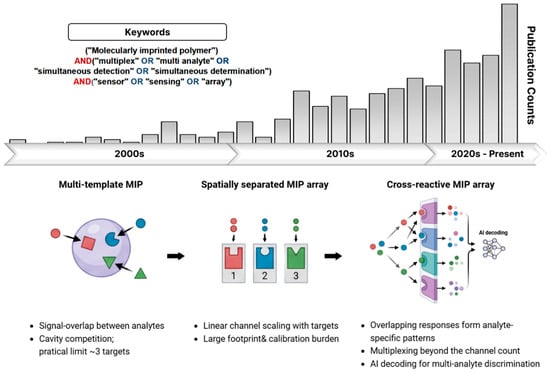
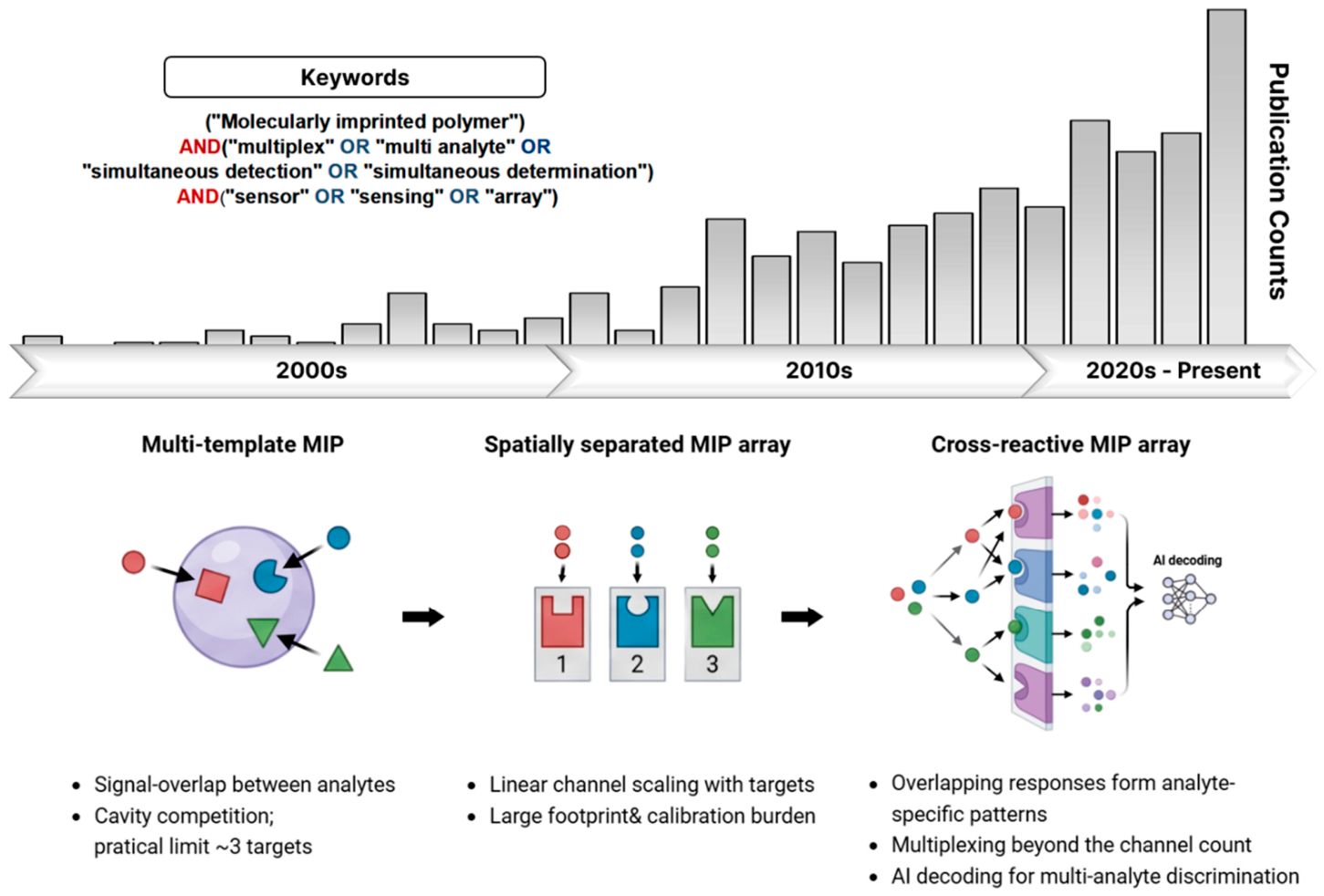
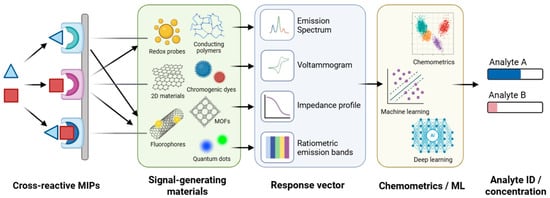
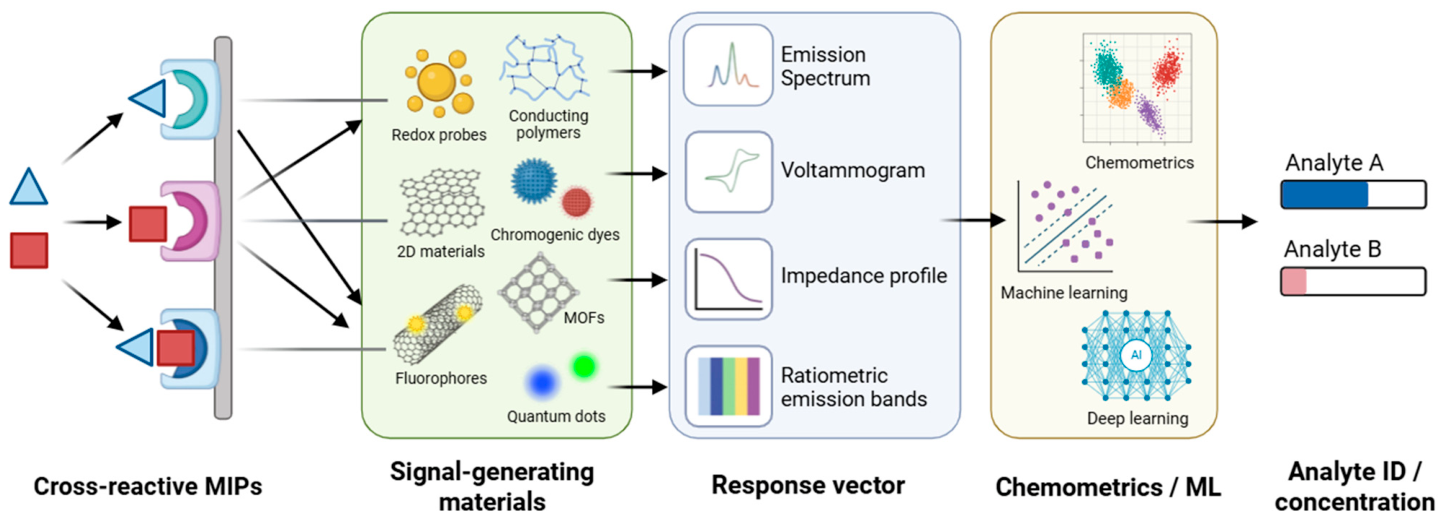
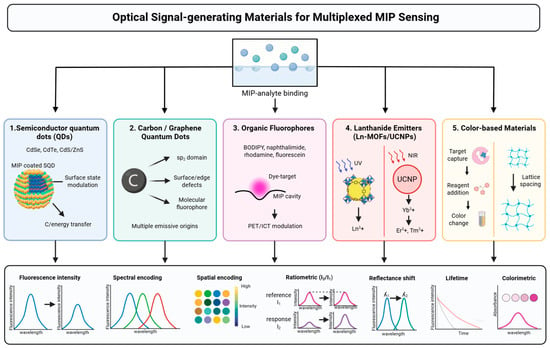
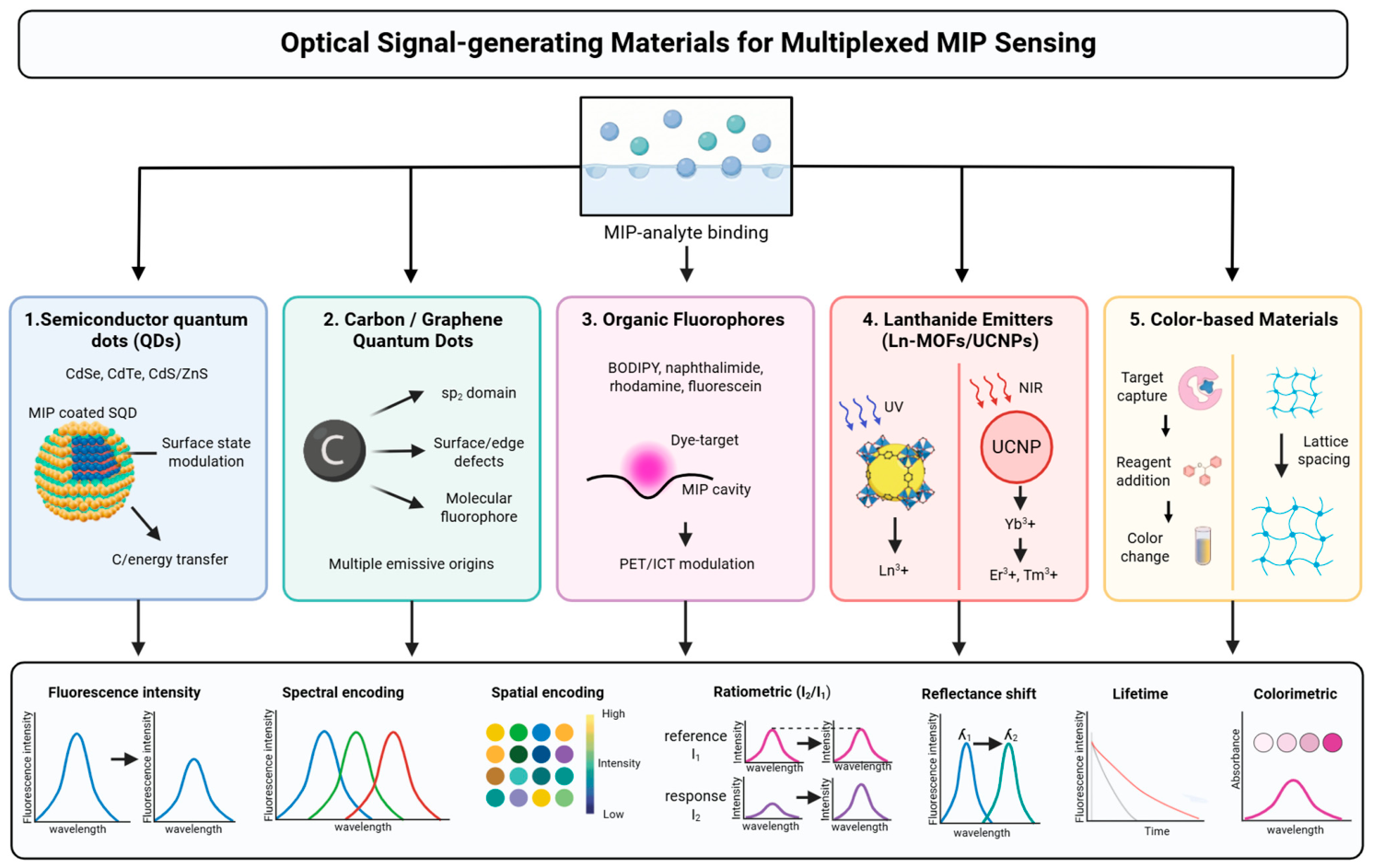
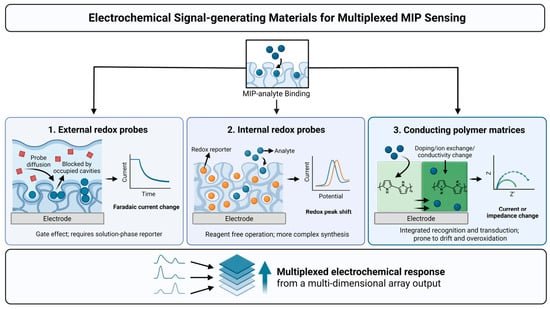
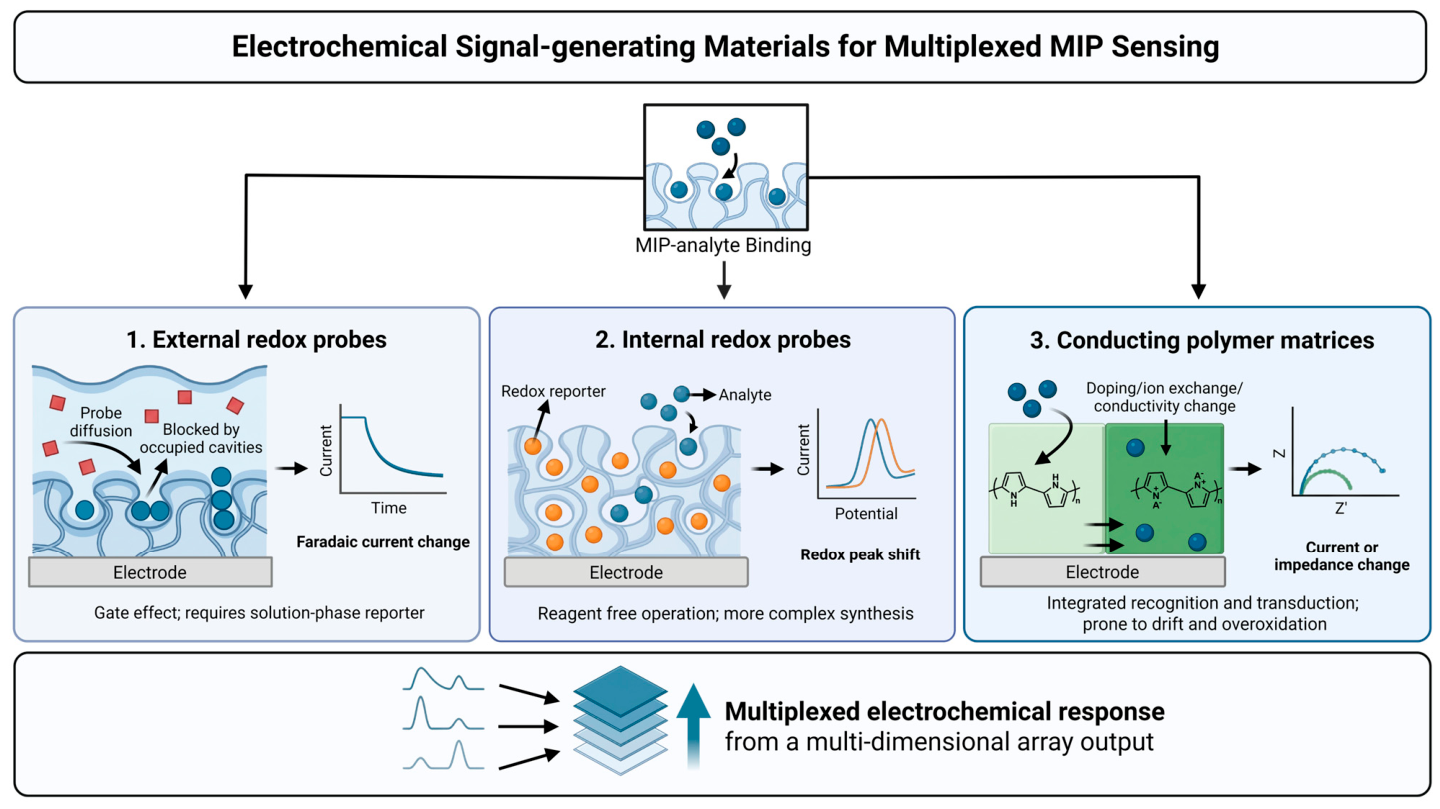
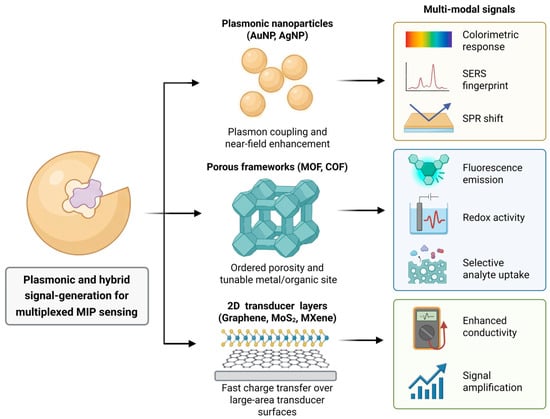
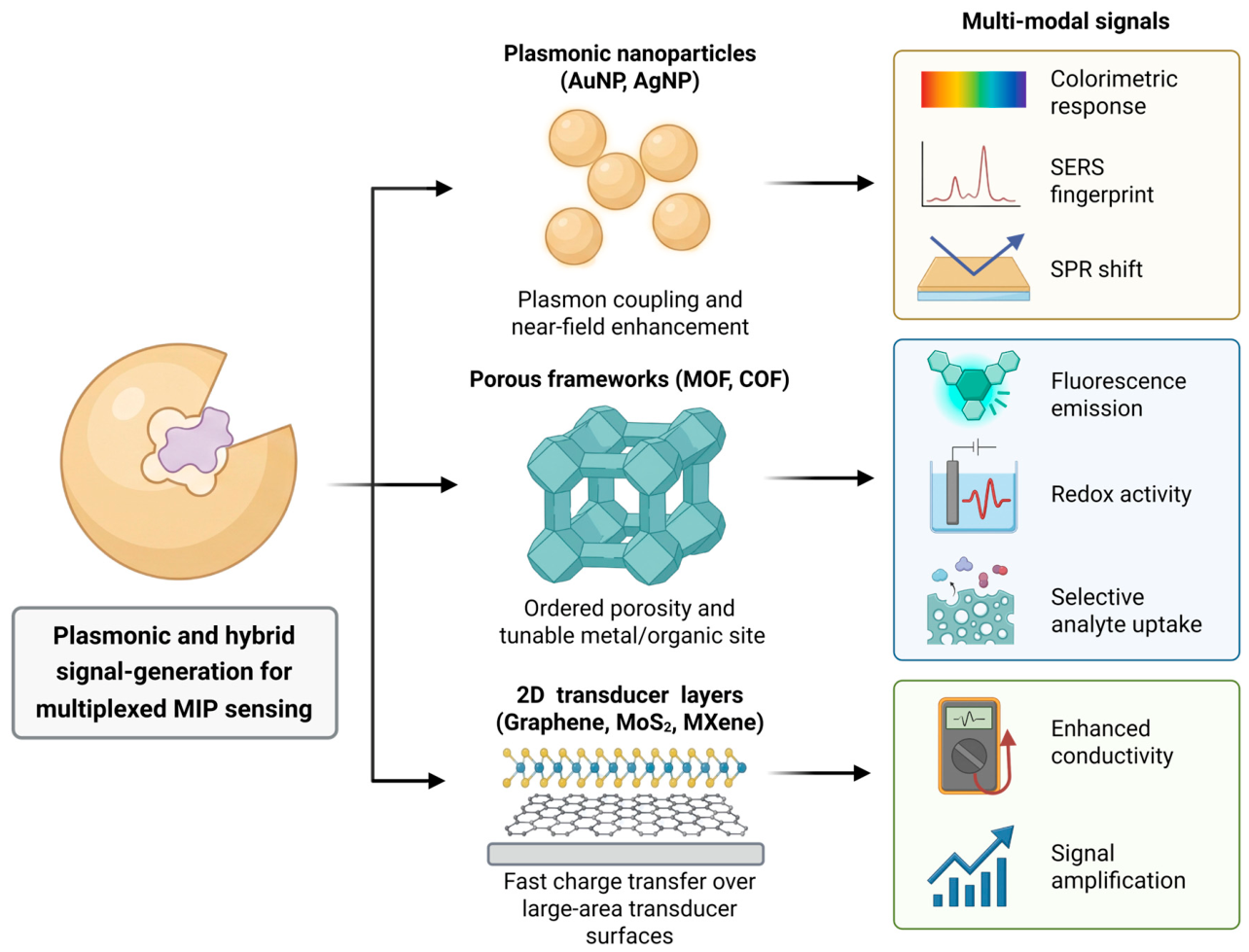

Disclaimer/Publisher’s Note: The statements, opinions and data contained in all publications are solely those of the individual author(s) and contributor(s) and not of MDPI and/or the editor(s). MDPI and/or the editor(s) disclaim responsibility for any injury to people or property resulting from any ideas, methods, instructions or products referred to in the content. |
© 2026 by the authors. Licensee MDPI, Basel, Switzerland. This article is an open access article distributed under the terms and conditions of the Creative Commons Attribution (CC BY) license.