


Abstract
Gait is a unique biometric characteristic that is observable and has become more prominent in forensic applications beyond its traditional use. Investigators often rely on it for suspect profiling and even for use in court. Because of its dynamic and flexible nature, it could remain viable in forensic applications where other biometric elements are diminished. Surveillance videos, even if long-range, low-resolution, and partially masked, can still convey gait. In this paper, the science, the methods, and the forensic applications of gait analysis are analyzed. Within this, we focus on modern research cited on the distinctiveness of an individual’s gait, the intra-individual constancy, and the frameworks and methods that regulate and assess the evidentiary quality of gait analysis. The use of gait in the court of law is still requires further development despite the increasing interest in its applications. Currently, forensic gait analysis primarily focuses on two issues: first, the lack of data from representative populations, which weakens the evaluation of evidential value through probabilistic reasoning—such as the likelihood ratio; and second, contextual biases that may influence the analysis of video footage. Formalized standards that regulate gait analysis and advancements that focus on procedural standards and the communication of evidence are positive steps towards creating a stable platform for probabilistic frameworks. Forensic gait analysis has potential, but the literature suggests that the class-feature level of gait, interpretive bias, control, and verification methodologies, along with representative populations, must be developed. The aim of this is to provide reliable and grounded evidence and support the evaluation of evidential strength.
1. Introduction
The convenience of modern video surveillance technologies combined with the prevalence of AI means intelligence agencies, police forces, and other government institutions are able to analyze behavioral patterns through monitoring gait. They can do this in ways that static biometric identifiers (fingerprints, facial recognition, DNA) are unable to match. Gait, unlike fingerprints and other biometrics, is useful for video surveillance that operates at long distance or low resolution, cameras that are obstructed, and/or with individuals who are unwilling to cooperate. As forensic evidence increasingly extends from static biometric identifiers to dynamic characteristics, evidence based on gait is receiving increasing attention in criminal investigation, suspect comparison, and forensic evidential interpretation [1,2], is presented in Figure 1.
Figure 1.
Methods for forensic gait analysis and identification and applications in forensic science.
The word gait refers to the way a person moves [3]. Walking style has both geometric and force aspects, such as how the legs move and the phases of a walking cycle. These aspects are very specific to an individual [4]. While gait analysis was originally developed and widely applied in the fields of medicine, engineering, and computer science, its potential forensic applications have garnered increasing attention in recent years [5,6]. Gait analysis, broadly defined, is the systematic study of human walking or running movements; forensic gait analysis, by contrast, integrates podiatric knowledge and skills from clinical gait assessment with forensic science principles and practices. DiMaggio and Vernon define forensic gait analysis as “the analysis and comparison of gait and gait features for the purposes of identification and recognition” [7]. Importantly, forensic gait analysis differs from automated gait recognition. The former is a process of observation, analysis, comparison, and evaluation regarding gait characteristics, led by experts within the context of forensic science. The latter primarily refers to automated matching, classification, or identity verification methods based on computer vision and biometric algorithms, typically producing match scores, classification results, or ranked lists of candidates. It is equally important to distinguish between different approaches that operate under the broad heading of FGA itself. The observational approach governed by the UK Code of Practice for Forensic Gait Analysis explicitly frames FGA as a tool for assisting criminal investigation through the analysis, comparison, and evaluation of gait features [8]; it states that isolated gait features, while potentially discriminating, cannot currently be used to identify a person from an open population. This method focuses on features of a class rather than distinctiveness and requires control mechanisms including cognitive bias control, blind verification, and structured analytical techniques [9]. A parallel but distinct discussion appears in the Royal Society’s Forensic Gait Analysis: A Primer for Courts [10], which evaluates the scientific grounding and the constraints of gait-based identification and primarily addresses a legal audience. Rather than contradicting one another, these two documents are complementary. The Primer determines what science can and cannot substantiate, and the Code establishes the procedural framework in which casework can be conducted to defensibly forensic standards. On the other hand, automated gait recognition is focused on biometric algorithms used for large-scale surveys and is based on different technical and evidence-based assumptions [11]. This review analyzes each method individually and accordingly.
Almost 186 years ago, a court case introduced gait analysis as a method of identification based on the study of human movement characteristics [12]. In 2004, Sweden admitted gait comparison evidence for the first time as part of the assassination of the Swedish Foreign Minister, building on earlier precedents like R. v. Saunders [5] in the UK. The combination of gait, facial, and body morphological features ultimately contributed to the identification of the suspect [5,13]. Strengthening Forensic Science in the United States: A Path Forward, commonly referred to as the NAS (National Academy of Sciences) Report [14], highlighted critical flaws across multiple forensic science disciplines, most notably the widespread lack of rigorous, systematic scientific validation for many commonly used methods [15]. Traditional morphologically based comparison techniques—such as fingerprint, footwear, ballistic, and toolmark analyses—have long operated without adequate testing of their scientific reliability and validity [16,17]. Forensic gait analysis has been similarly affected; the quality of gait evidence remains uneven, and the absence of empirical validation continues to provoke skepticism. Courts have expressed concern that reliance on gait analysis may fall short of the Daubert Standard, which requires demonstrated reliability through validation studies, known error rates, and peer-reviewed methodology. Instead, excessive reliance on expert subjective judgment has been observed in the absence of these criteria [5]. While robust protocols have been established in certain jurisdictions, their uneven international adoption and the absence of globally harmonized competency standards continue to limit the broader integration of forensic gait analysis into judicial practice [8].
This paper provides a critical and balanced review of forensic gait analysis from an international perspective. It explores the scientific basis of gait characteristics, including evidence of inter-individual variability and intra-individual consistency. It also reviews observational comparison, plantar pressure analysis, optical motion capture, and automated methods, discussing the evaluation and use of gait evidence under different jurisdictional and professional regulatory frameworks. Unlike reviews that mainly focus on specific techniques or biometric recognition performance, this review adopts the interpretation of forensic evidence as its organizational perspective. It links gait feature measurability, intra-individual consistency, inter-individual variability, method validation, and reporting limitations to issues such as standardization, cognitive bias control, population reference data, and likelihood ratio evaluation.
To ensure the systematic nature of the review and the traceability of the literature sources, this study employed a structured literature search and qualitative screening process to identify relevant studies. Literature was primarily retrieved from databases such as Web of Science, Scopus, PubMed, Google Scholar, and CNKI to cover relevant fields including forensic science, biomechanics, medical gait analysis, computer vision, biometrics, and Chinese forensic science research. Professional guidelines and practice manuals related to forensic gait analysis were supplemented through reference tracing and manual searches. Keywords included “forensic gait analysis”, “forensic podiatry”, “gait recognition”, “gait biometrics”, “CCTV gait analysis”, “video-based gait comparison”, “morphometric assessment”, “plantar pressure”, “optical motion capture”, “markerless motion capture”, “wearable sensor”, “likelihood ratio”, and “forensic evidence evaluation”. The search focused on literature published since 2000, reflecting the growing attention forensic gait analysis has received in modern forensic practice and academic research, while also including early literature of historical, methodological, or evidentiary significance.
The inclusion criteria for the literature were as follows: studies directly related to forensic gait analysis, gait recognition, biomechanical gait measurements, the evaluation of forensic scientific evidence, and capable of providing theoretical, methodological, or practical support for the measurability of gait characteristics, intra-individual stability, inter-individual variability, observational comparisons, video morphometry, plantar pressure analysis, 3D or markerless motion capture, automated gait recognition, database construction, standardization practices, or probabilistic evidence evaluation. Included literature types encompassed original research, reviews, methodological papers, professional guidelines, forensic science practice documents, and representative materials related to the admissibility of evidence. Excluded literature included studies focused solely on clinical diagnosis or rehabilitation assessment that lacked forensic relevance, as well as motion analysis studies not directly related to the interpretation of gait evidence. Following a relevance screening of titles, abstracts, and full texts, a total of 80 articles were ultimately included for the qualitative review analysis in this study.
2. Current Developments in Forensic Gait Analysis
2.1. Historical Evolution of Forensic Gait Analysis
Forensic gait analysis dates back to the 4th century BCE when Aristotle made some of the first human gait observations. With philosophical observations of human movement, Aristotle created the base of the intellectual origins of gait analysis [12]. In the 15th century, during the Renaissance, Leonardo da Vinci contributed extensively with descriptions of human anatomy and drawings of muscles and bones. He was a pioneer in visualizing the frameworks of anatomy, with a deep understanding of dynamic movements. He was later followed by Italian physicist Galileo Galilei, who extensively studied the basic principles of the laws of movement. Although his work primarily focused on physical objects, it significantly influenced the development of movement science. Galileo’s student, Giovanni Alfonso Borelli, extended his mentor’s mechanical reasoning into the realm of biology. In his seminal work De Motu Animalium (On the Movement of Animals), Borelli was the first to systematically apply principles of physics to explain the mechanics of biological motion. By analyzing the forward displacement of the body’s center of mass and the principles of dynamic balance during walking, he revealed the lever mechanics of muscle contraction [16]. This treatise is widely recognized as the founding work of biomechanics, marking the first systematic integration of mechanics, anatomy, and physiology in the study of human movement.
The application of gait analysis in the field of forensic science began in the mid-19th century. Early court cases revealed substantial variability in the quality of gait evidence; while some cases relied on subjective eyewitness accounts, others incorporated expert testimony supported by scientific observations [12]. The lack of methodological reliability and consistency in such evidence has limited its scientific evaluation and hindered its probative value in legal proceedings.
In the late 19th century, French criminologist Alphonse Bertillon introduced the anthropometric identification system, which recorded offenders’ physical traits such as stature, sitting height, arm span, head circumference, and ear length. Importantly, Bertillon also suggested using gait-related parameters, including step length, speed of walking, and posture, for identifying individuals. Despite its limitations, Bertillon’s work was a major contribution to the field of observational analysis of gait [12]. H. H. Wilder and B. Wentworth, building on this framework, proposed a systematic and reproducible approach to gait comparison [12]. In 1937, Sydney Smith, a police surgeon, was the first forensic expert to provide insight into gait comparison evidence in court [18]. Smith studied a suspect’s shoes to identify their physique and gait characteristics. This showcased the transition of gait analysis from theory to practice in the field of forensics [18].
The technological turning point for modern forensic gait analysis occurred in the late 20th century, marking the beginning of a phase characterized by increased scrutiny of its scientific foundations and methodological rigor. Stevenage et al. experimentally demonstrated that observers could reliably distinguish between individuals based on gait patterns captured in video recordings, facilitating the transition of gait recognition technology from clinical applications to forensic science contexts [4]. In other jurisdictions, forensic scientists have also explored the use of flat footprint sequences and gait-related characteristics to infer an individual’s walking patterns. This approach laid a practical foundation for early forensic gait analysis in China [19,20]. These early studies primarily served to analyze case leads and conduct empirical comparisons, demonstrating the potential value of gait analysis as an auxiliary tool in criminal investigations; however, its methodological reliability, reproducibility, and the boundaries of its evidentiary admissibility still require further validation. In the 1990s, Niyogi and Adelson utilized gait as a biometric feature in identification recognition, advancing the development of automated gait recognition and biometric algorithm development [21]. In July 2000, British podiatrist Haydn Kelly introduced forensic gait analysis as admissible evidence at the Central Criminal Court (Old Bailey) in London [22]. Since the early 21st century, the International Association for Identification (IAI) has formally recognized forensic podiatry as a distinct subdiscipline, with forensic gait analysis established as one of its core components [23,24]. The IAI advocates that gait analysis practice should conform to established principles and ethical standards used in traditional forensic comparison sciences, specifically adhering to the ACE-V framework (Analysis, Comparison, Evaluation, and Verification). In their co-authored monograph Forensic Podiatry: Principles and Methods, DiMaggio and Vernon proposed a dual classification approach distinguishing between pathological and behavioral gait features, aiming to integrate experiential interpretation with data-driven analysis [7,23].In the initial stages of development of forensic gait analysis, a good description of the situation included the concept of “practice preceding theory.” Many case applications did not have clear and replicable methods. In the 2011 case R. v. Otway, while the defense argued for expert gait analysis’ inadmissibility due to a lack of statistical support, the court still accepted the evidence. The acceptance of the evidence has caused extensive debate in academia as the court’s critics argued that the court had relied heavily upon the medical expert testimony while ignoring forensic standards and the Daubert criteria, in particular [25].
To address these problems, the Royal Society of Edinburgh, in partnership with the Judicial College, produced Forensic Gait Analysis: A Primer for Courts in 2017. This publication gives an in-depth description of the science, applications, and deficiencies of forensic gait analysis. The report recognized the restraint of scientific support for gait analysis and warned against the direct application of clinical gait analysis and adjacent technologies to forensic gait analysis. It warned that forensic gait analysis is in a transitional stage of development, from a subjective, experience-dependent evaluation to a scientific, evidence-based approach [10]. This primer document has been criticized for many things within the forensic community, including by Nirenberg et al., who state that the document has an overly simplistic view and understanding of the available literature. They also say the document considers observational practices of forensic science that do not claim individual identification, such as research that studies how different observers may be able to identify different subjects [12]. In 2018, both the Chartered Society of Forensic Sciences and the College of Podiatry published the Draft Forensic Gait Analysis: Code of Practice, where the authors highlighted the importance of the regulation of cognitive bias, the validation of analytical methods, and the assurance of the proficiency of forensic practitioners [8]. The main objective was to enhance the scientific rigor and operational dependability of gait analysis during legal procedures [8]. Following a year of amendments, the final publication of the Code of Practice for Forensic Gait Analysis offers a complete overview for the practice of gait analysis in forensic settings. The report emphasizes the importance of maintaining legal and ethical standards to uphold the integrity and evidential soundness of gait analysis in criminal case work [8]. It is necessary to analyze these documents in relation to their goals and reach. The Primer lays out an identification framework, where identification of what science can and cannot support gait-based identification is detailed. The Code of Practice, on the other hand, requires FGA to be treated as a class-level comparison technique, rather than identification from an open population, and sets operational requirements for limitation disclosure, validated analysis, ACE-V procedures, and blind verification, which all directly respond to limitations recognized by the Primer [10,12,26,27]. These two documents have contributions to the field that are complementary rather than contradictory. Together with the third document, these two mark a key advancement in the objectification and scientific standardization of forensic gait analysis. They represent the movement in the field from subjective interpretations based on personal experience to a structured, testable system. This movement advances the admissibility and legal credibility of gait evidence within a court system. Representative figures and key milestones in the historical development of forensic gait analysis are summarized in Table 1.
Table 1.
Evolution of forensic gait analysis.
2.2. Scientific Basis of Forensic Gait Analysis
2.2.1. Research on Inter-Individual Variability in Gait/Inter-Subject Gait Variability
In recent years, scholars have examined the inter-individual variability of human gait, commonly known as gait specificity, from multiple perspectives. These studies imply that gait characteristics tend to show some level of individuality, particularly with extended observation. Yang and others showed that the variation of joint angles at differing walking speeds impacts gait patterns, and that changes in the joints with respect to gait speeds have a pronounced impact on gait identification [28]. Yang et al. also focused on gait kinematic variability when analyzing different walking speed scenarios. They drew attention to the importance of speed consistency when comparing the gait patterns of the suspect and the perpetrator in a forensic context [29]. Another study by Lynnrupp and Larsen explored the use of gait as forensic evidence and scenarios in which presentation of the face is unfeasible. They also recognized that the considerable difference in gait is also affected by the individual gait and the environment, which may affect gait, resulting in variation of gait for the same individual in different scenarios [30]. Using the Footscan system to examine walking patterns, Zhang Tengdan and Guo Wei discovered that the gait of university students is also notably influenced by their sex [31]. Amirudin et al. studied different incline conditions of stair ambulation. They showed how the kinematic and kinetic characteristics of lower limb joints (hip, knee, ankle) can be helpful in differentiating individuals [32]. Wu Baoping and colleagues studied different body types among university students and found that the way students walked corresponded to their bodily condition, especially in terms of how pressure was distributed on their feet [33]. Ren Lu incorporated a 3D motion capture system and the Footscan platform to investigate gait parameters in individuals with a rightward trunk inclination as opposed to individuals with a neutral trunk position. The results of this study aided in the empirical understanding of the stability of gait characteristics [34]. This research has shown that factors related to plantar pressure, particularly in the heel and metatarsal areas, have the test-retest reliability to be used as frameworks to study intra-individual reproducibility in controlled environments.
According to some respondents, the primary concern regarding the use of gait analysis in forensic science is that practitioners can utilize gait analysis within the context of forensic science, to a certain extent, yet there is not sufficient evidence in support of gait analysis in forensic science. There are not sufficient and clear statistical data to describe the population frequency of gait characteristics, nor are there data to describe how particular combinations of gait characteristics can be used at the class level to differentiate individuals [35].
This perspective is also supported by Birch et al., as they highlighted that specificity of gait is only possible through accurate kinetic and kinematic measurements [9]. The evidence supporting gait analysis in forensics is inadequate, and that gait specificity needs empirical evidence. As stated in the Royal Society report Forensic Gait Analysis: A Primer for Courts [10], individual gait patterns may change substantially because of environmental factors, speed of walking, and/or physical condition. Furthermore, analysis of the angular and motion data from videos is often imprecise and does not allow for individual differences to be determined. The report indicates that gait features should be seen as class characteristics in gait analysis, as these features cannot uniquely identify an individual due to the possibility of their presence in many people. Such evidence should be evaluated in the context of forensic science practice, should be treated cautiously, and should be used as either supporting or disqualifying evidence, but should never be considered conclusive. Oliver Ludwig et al.’s study illustrated that typically, gait variability in different test settings is larger than the variability exhibited by the subjects in these settings. This is well known and considered by forensic gait analysts in the context of the like-for-like comparison requirement, which states that gait features should only be assessed in the same context and conditions, and any changes that are observed should be evaluated and assessed in the context of the report [36].
Kinematic distinctiveness in gait is grounded in the internal kinetic distributions in the body, especially the variation in the data of plantar pressure. Zhang and Guo’s study showed noticeable statistical differences in peak plantar pressures in different zones of the foot for both genders, thus showing the very high discriminative ability of kinetic gait features in sex classification [31]. Likewise, Wu described differences in the characteristics of plantar pressure when natural walking occurs among students of varying body types, verifying the significant role anatomy plays in defining the characteristics of gait [33].
The current research in gait features studies provides a clear synthesis of the essential difficulties. While forensic gait analysts work at the class level of characteristics—the level of analysis where they draw the line between compatibility (or exclusion), and where the latter class may possess individual uniqueness—the ground level in the empirical domain for the frequency of population for the combinations of gait features is missing. To improve the statistical foundation of class-level evidential assessment, a systematic study of controlled parameters is needed to support the construction of reference databases in order to employ likelihood-ratio-based assessments [37].
2.2.2. Research on Intra-Individual Consistency in Gait/Intra-Subject Gait Variability
Research on intra-individual consistency in gait, also referred to as gait stability, has primarily focused on analyzing the effects of different environments, walking speeds, and time intervals on gait, and has further extended to include multiple factors such as age, sex, physical constitution, and physical condition. Gao et al. used a plantar pressure measurement system to reveal the distribution patterns of plantar pressure across different age groups. Their results indicated that heel impression characteristics are relatively stable and reliable gait features and are significantly correlated with age, providing theoretical support for inferring age through gait analysis [38]. Xu Xing et al. reported that male and female young adults exhibited obvious differences in the regional stability of peak plantar pressure during walking, offering a basis for inferring gender through footprints or gait characteristics [39]. Tong Suyang et al. studied peak plantar pressure in young adults and examined its regional stability during normal walking. Their results validated the reliability and stability of certain gait characteristics based on traditional footprint theory [40].
In the meantime, Deng etc. analyzed knee joint movement stability. High consistency of kinematic parameters was observed in the same subject through different sessions of natural walking. Therefore, it can be suggested that knee joint movements are highly stable and provide a basis for a theoretical classification of gait characteristics [41]. In an unrelated study, Ludwig and colleagues examined the differences in gait patterns of eight subjects under a variety of walking conditions. These included walking barefoot, in athletic shoes, in military boots, after experiencing muscle fatigue, and walking with visual obstructions. Their research concluded that the variability in gait patterns caused by experimental conditions, such as those previously mentioned, far outweigh the variability seen between subjects. This presents a problem for the evidential stability of gait in forensic applications [36]. Kadaba et al. gathered kinematic, kinetic, and EMG data on 40 humans over 3 days and affirmed that gait is fairly consistent during self-paced walking [42]. Sangeux et al. examined the kinematic variability in children and said that the intra-individual consistency of gait improves with development [43]. Growney et al. studied gait stability in healthy adults by capturing normal walking data with an optical motion capture system. Their findings showed that although there was a lot of inter-day variability, there was good intra-day repeatability in kinematic and kinetic data [44]. Plantar pressure analysis is also used to assess intra-individual consistency in gait-related dynamic characteristics under controlled walking conditions. Some research has been conducted on the repeatability of plantar pressure within the realm of forensic gait analysis. In studies conducted by Gao et al., Xu et al., and Tong et al., stable repeatable patterns were found in the heel and metatarsal regions. These findings suggest that pressure variables in certain areas of the heel and metatarsal regions can provide information for evaluating the stability of gait characteristics associated with footprints [38,39,40]. However, whether such intra-individual repeatability is sufficient to support individual-level discrimination remains insufficiently supported by representative population data, feature-frequency information, and probabilistic evidence evaluation.
Gait consistency on an intra-individual level is influenced by age, sex, gait speed, and gait-related physical condition. Footwear and walking gait may be subject to a lot of variability. For this reason, forensic analysts should consider an environment’s external variables in regards to their use of gait evidence. In fact, the consideration of external variables does not lessen the value of the gait evidence in forensic science; rather, the variables should be compared and disclosed to avoid altering the findings of the analysis [26,45]. With continual advancements in measurement protocols and data processing, future studies should focus on evaluating the stability and variability of gait features in diverse populations and under different ecological settings. This would help build the empirical basis for class-level forensic gait assessment.
3. Research Methods and Techniques
3.1. Observational Gait Analysis
Observational gait analysis (OGA) is the main technique used within the forensic community due to its effectiveness for low-quality cases where reliable morphometric measurements cannot be made. Formerly known as visual gait comparison, OGA refers to a technique that relies on the non-invasive, systematic visual assessment of human locomotion. The technique requires an expert’s eye in the identification of specific features that can be analyzed within the scope of OGA. Examples of such features include, but are not limited to, trunk position, arm swing, gait symmetry, cadence, and stride length [3,46]. Variations in gait are often recorded, describing observations using an ordinal scale. OGA is the most practical method of assessing gait in forensics, given that it does not require expensive equipment. Forensic gait analysis applies this method to preliminary screening and evaluation of suspects in criminal cases [12,26].
In the past, critics have pointed to the subjective nature and cognitive biases involved in the analysis of OGA when questioning its scientific validity. Analysts examine departures from the norm in gait patterns through fast, short, dynamic observations. Exposure to contextual data, which are not gait-related, such as a person’s clothing, their companions, or the environment where the scene takes place, presents the risk of an unconscious impact on judgment [5]. Early critiques noted a lack of standardized metrics and a challenge in quantifying the error rate. In time, these critiques were addressed as techniques expanded. The Sheffield Features of Gait Tool (SFGT), designed by Birch and his team, provides a systematized tool for gait observation for forensic purposes. Empirical studies find that analysts who are subject to and experienced with the SFGT are able to reach high levels of inter-analyst/observer and intra-analyst/observer reliability. Observation is removed from the realm of the subjective and placed in a system of observation that can be justified and documented for forensic purposes [27,47]. The Code of Practice for Forensic Gait Analysis includes blind verification procedures that stipulate that a second independent analyst review the evidence without being informed of the conclusions drawn by the first analyst. This is a formal procedure for addressing cognitive bias [8]. All evidence suggests that OGA conducted with validated tools and set procedures can meet class-feature-level forensic standard analysis. The challenge is not standards; it is their consistent application across jurisdictions and types of casework [37].
3.2. Video-Based Morphometric Measurement Method
The morphometric measurement method that uses video is an extension of visual inspection with the addition of measurement. This method consists of the measurement of important anatomical landmarks (hip, knee, ankle) on a frame-by-frame basis on a recorded video. The software generates and measures gait cycle parameters, which include spatial and temporal metrics, as well as the stride length, cadence, and angles of the joints [13]. This method improves the objectivity and reliability of forensic gait analysis [13]. It is especially appropriate for footage with an unmoving camera that captures a distinct walking path and whole gait cycles, and it is most effective when video resolution and frame rates fit the standards [30]. Unlike the visual observation approach, it accounts for the observer’s limitations in tracking rapid movements and provides the option to replay the video in controlled time intervals for viewable analyses. Video analysis software has the potential to enhance consistency among raters in documenting features, but its use in forensic settings is confined to clinical validation studies [48]. Because most surveillance video is two-dimensional and shot from uncontrolled angles, measurement errors can occur. Analysis accuracy drops notably when the perspective stretches past the sagittal plane or when the video is at an insufficient frame rate. In addition, the technique still depends on forensic analysts to act on their discretion in terms of selecting marker points and measurement techniques. Interpretation of forensic gait aspects is still, in essence, subjective. The analysts’ expertise with this technique and the analysis quality itself are directly impacted. The analysis process is still partially and insufficiently automated, resulting in a low degree of repeatability [49]. According to Birch et al., while expert observations are critical to gait analysis in criminal courts, the reliability and repeatability of forensic gait analysis will be enhanced through the use of dedicated analytical techniques [27,47]. However, these increases in reproducibility are reliant on the quality of the footage and the conditions of the measurements, which are often beyond the control of the analyst during casework. This limits the confidence courts can meaningfully attach to findings derived from this method [49,50].
3.3. Plantar Pressure Analysis Method
Unlike the casework-oriented methods described behind, the techniques discussed in this section serve primarily as foundational validation tools. Within an integrated forensic evidence evaluation framework, laboratory-based kinetic methods serve to empirically validate the distinctiveness of gait features observed in lower-quality surveillance video and to support the construction of population reference databases essential for likelihood ratio calculation. Plantar pressure analysis is a popular method of gait analysis used in laboratories. Unlike force platform systems, which evaluate ground reaction forces, this method uses pressure sensors that record the distribution of force applied by the sole of the foot to the ground. This yields kinetic information like contact area, peak pressure, and center of pressure trajectory [51]. This has many applications in gait analysis, sports science, rehabilitation medicine, and shoe design. A detailed view of the attachment of sensors in different regions of the human body is shown in Figure 2a. It has many applications in the forensic sciences, especially in studying stability of gait, intra-individual consistency, and inter-individual variability. It has also been used to study the effects of gender, age, and physical condition on forensic gait characteristics. Some of the studies in the area show that young males and females experience significant differences in the stability of plantar pressure in different regions of the foot and that differences in the peak plantar pressure correspond to the impression patterns in the classical theory of footprints. However, its use is limited to a controlled experimental setup. It also has a limited application scope and does not lend itself easily to field or open experiments. It, at best, has a very limited foundation as a criminal evidence research tool to help document standard databases of gait analysis and study the phenomenon of differences in population gait. However, in recent years, many advances in sensing and material science have created many exciting opportunities in the area of gait analysis [52]. These sensors can record and provide feedback on human activities [53,54]. Wearable pressure sensor technologies and integrated multimodal systems offer promising directions for extending plantar pressure measurement beyond controlled laboratory settings, though their forensic applicability—with respect to standardization, error rate evaluation, and admissibility requirements—requires systematic investigation before contributing meaningfully to casework practice. Integrated with pressure sensors, this device enables on-site gait data acquisition and can assist in detecting abnormal motion patterns, as shown in Figure 2b [55]. Beigh et al. proposed a flexible pressure sensor array based on piezoelectric and triboelectric conversion mechanisms. Their single-electrode triboelectric pressure sensor enabled real-time tactile mapping and performed well in multipoint pressure detection, as shown in Figure 2c [56]. Li et al. constructed a plantar sensor system based on polyimide materials, characterized by high sensitivity, wide sensing range, strong interfacial toughness, and durability. This system is capable of real-time plantar pressure monitoring during various physical activities, as shown in Figure 2d [57]. The primary contribution of plantar pressure analysis to forensic gait assessment therefore lies not in direct casework application, but in providing the population-level kinetic reference data that any likelihood ratio framework for gait evidence will ultimately require.
Figure 2.
The sensors used in gait analysis: (a) detailed view of attachment of sensors in different region of human body [51]; (b) integrated sensing system for human gait analysis [55]; (c) triboelectric plantar pressure sensor [56]; (d) flexible multi-channel plantar pressure sensor [57].
3.4. Optical Motion Capture Analysis
The optical motion capture systems are camera-based technologies that reconstruct the spatial trajectories of joint and limb movements by tracking reflective markers placed on key anatomical landmarks. Recognized for their high precision and systematic capabilities, these systems are among the most accurate tools currently used in forensic gait analysis, as illustrated in Figure 3. Reflective markers are applied following widely adopted gait analysis protocols, such as the CAST and Conventional Gait Model. Previous studies have shown that knee joint movements exhibit high intra-individual consistency across repeated natural walking trials by the same individual, providing theoretical support for the study of gait stability and individuality [34,41]. However, their high cost, operational complexity, and limited field applicability currently restrict their use primarily to experimental and research contexts. Studies using optical motion capture have reported high reliability in kinematic parameter assessment and have demonstrated its utility in examining foot feature specificity and stability at the class-feature level [58,59]. In this context, Nguyen et al. developed a method that uses optical motion capture to track joint positions and analyze gait patterns from 28 participants under different conditions. Their findings demonstrated that gait movements, whether under normal walking or load-carrying conditions, still retained sufficient individual specificity for identification purposes, underscoring the practical value of the method [60]. Furthermore, Liang et al. validated the reliability and effectiveness of gait analysis systems using markerless 3D pose estimation techniques, thereby opening new possibilities for practical application [61]. Sandau assessed motion capture systems that used markers and those that did not. He found that the markerless methods were effective at measuring hip flexion-extension and hip abduction-adduction angles. In addition, he stated that the markerless methods were less effective when measuring ankle joint movements and internal–external rotation [62].
Figure 3.
Optical motion capture system. The red, green, and blue axes represent the X-, Y-, and Z-axes, respectively, of the global coordinate system in the Qualisys Track Manager (QTM) display.
In forensic gait research, optical motion capture systems are the lab reference methods of highest precision. They track reflective markers at specific anatomical landmarks. Then, 3D tracking systems reconstruct and analyze movement trajectories and kinematics for each joint through every phase of the gait cycle [63]. Motion capture platforms provide high-resolution motion data for gait analysis and are useful in establishing baseline stability and reference data for comparisons against lower-resolution or markerless methods. They are valuable in assessing baseline stability and gait distinctiveness. In forensic gait analysis, motion capture platforms are useful in validating, calibrating, and benchmarking methods. They are not routinely used in surveillance-led casework.
There is a growing body of research that applies motion capture technologies to examine gait and related sub-field elements, including gait consistency and inter-subject variance. However, while the benefits of motion capture research for the forensic sciences are clear, they should be treated with caution. The application of motion capture in forensic investigations is rarely within the controlled laboratory settings that the field’s boundary research is conducted in. Unlike the deliberately controlled laboratory conditions, real-world investigations may pose a variety of obstacles including, but not limited to, vantage point, frame rate, and occlusions that affect the ability to discern features. Therefore, without appropriate caveats, evidence of discrimination described in laboratory research cannot be applied directly to standard casework. Fortunately, methods that employ markerless 3D pose-estimation techniques are much more viable. Because they eliminate the need for laboratory settings, and research has shown promising results in more applied contexts, they are much more likely to benefit the field of forensic investigations. Even so, markerless systems continue to show differences relative to marker-based systems, particularly for ankle motion and rotational parameters, and further validation remains necessary before such methods can be relied upon as robust forensic tools [64].
3.5. Automated Gait Recognition Algorithms
Automatic gait recognition algorithms primarily fall under the categories of computer vision and biometric methods and can generally be classified into model-based and appearance-based methods [65]. Model-based methods characterize the human body using anatomical structures, joint positions, or skeletal pose sequences to extract gait parameters such as joint angles, angular velocity, and stride length [66]. Markerless methods can be viewed as a new approach within model-based methods, with the advantage of not requiring physical markers on the human body but instead performing human key point or skeletal pose estimation from video frames. Video-based morphometric measurement, as mentioned above, is mainly a frame-based geometric measurement approach that depends on the selection of visible anatomical landmarks in the video, whereas markerless methods generate dynamic gait representations through automated pose estimation. This is the difference between the two methods [67]. Under controlled benchmark conditions, appearance-based systems have reported recognition accuracy approaching 90% on standard datasets [11,65], and their capacity for large-scale screening makes them technically attractive for surveillance applications, where modern biometric systems increasingly prioritize efficiency, reliability, and privacy preservation [68]. In forensic science, automated gait recognition and observational forensic gait analysis differ in terms of underlying assumptions, threshold settings, output formats, and reporting requirements. Forensic gait analysis requires an evaluation of the differences between the evidence video and the reference video, the quality of video-observable gait features, uncertainties in the observation and interpretation process, and the scope of the conclusions that can be supported. In contrast, most biometric algorithms primarily generate match scores, classification results, or candidate rankings, and do not directly address issues such as evidence interpretation, error rate disclosure, or the boundaries of forensic reporting. The performance of the automated systems is heavily reliant on the quality of the footage, consistency of the viewpoint, the cooperation of the subject, and the quality of the footage. It fluctuates significantly in the non-standardized conditions of surveillance recordings. The lack of accepted standards for error-rate characterization and evidentiary reporting further restrict their current direct adoption in case analysis [11].
According to Birch et al., CCTV footage for gait analysis is now one type of support evidence that is common in modern courts [49]. However, the inconsistencies in video quality complicate analysis, and the conclusions may be unreliable because of this [69]. In line with other concerns regarding consistency and accuracy, Seckiner et al. suggested an analytical framework that merges both morphological and gait-related elements into a single evaluative framework. Their goal was to develop a method that could be utilized in a courtroom and would enable greater confidence in identification within context [70]. Sandau et al. performed a three-dimensional gait reconstruction of participants. They studied the gait of 16 participants and divided their analysis into different phases of walking. They used a random forest algorithm to classify the extracted parameters. The study went a step further to analyze to what degree the different observers’ annotations of gait features affected the overall analysis. The authors concluded that their method is a viable and more precise alternative to the existing methods in forensic gait analysis, which are primarily video based [71]. These developments signal a hybrid analytical model where computational technologies support feature extraction and quality assessment, yet forensic reporting retains structured expert interpretation, procedural safeguards, and disclosure evidence limitations [50,72].
Validation metrics vary across different gait analysis methods, making it difficult to conduct cross-comparisons using a single accuracy metric. Observational gait analysis typically focuses on observer agreement, repeatability, and reproducibility; video morphometry places greater emphasis on technical errors of measurement and the reliability of feature extraction; plantar pressure analysis and optical motion capture are primarily used under laboratory conditions to assess the gait stability, inter-individual variability, and kinematic reliability; automatic gait recognition algorithms often use recognition rates, match scores, or candidate ranking performance on benchmark datasets as performance metrics. From a practical perspective, the methods reviewed can be further categorized based on their forensic applications. Observational forensic gait analysis, video-based morphometrics, and automated gait recognition are closer to practical forensic tools, as they can be used for surveillance footage analysis, suspect comparison, screening, or candidate ranking. Plantar pressure analysis and optical motion capture primarily fall under laboratory validation methods, providing kinetic and kinematic evidence regarding gait stability, variability, and measurement reliability under controlled conditions; however, their conclusions must be interpreted with caution before being applied to surveillance footage. This distinction is important because laboratory validity does not automatically equate to direct forensic applicability.
The main methods used in forensic gait analysis, together with their principles, applicable settings, advantages, and limitations, are summarized in Table 2.
Table 2.
Forensic gait analysis research methods and techniques.
Overall, the methods described above should not be regarded as interchangeable technologies ranked by accuracy. Observational forensic gait analysis remains the method most closely aligned with casework practice, particularly in situations where surveillance footage quality is limited; however, its evidential value depends on the recording of structured features, control of bias, and expert review. Video-based morphometric measurement method analysis can enhance objectivity when camera angles, resolution, and gait cycle visibility are favorable, but should be used with caution under poor measurement conditions. Plantar pressure analysis and optical motion capture can provide important laboratory evidence regarding gait stability, variability, and gait kinematics reliability, but their conclusions cannot be directly applied to cases involving surveillance footage. Automated gait recognition can be used for screening, suspect prioritization, and technical support, but its outputs should not replace forensic scientific evidence interpretation. Therefore, forensic gait analysis does not involve replacing expert judgment with a single technology, but rather combines expert analysis, validated measurement methods, laboratory reference data, and probabilistic expression frameworks based on the quality of the evidence and the intended purpose.
4. Gait Practice and Applications
Gait analysis technology, as a dynamic biometric identification method, has begun to be utilized in various nations’ judicial systems. Substantial disparities are apparent across jurisdictions with respect to the routes for use, standards for admissibility, and the institutional structures that deal with the provision of gait evidence. The migration from qualitative assessments to quantitative assessments is indicative of a continuing work in progress to align the use of gait analysis with the scientific standards of evidence required by courts.
The United Kingdom was one of the first countries to adopt the use of gait evidence in judicial matters, with its first known use in the mid-19th century [12,73]. In its initial use, the British courts’ gait analysis relied on subjective expert judgments. Early gait analysis in British courts was primarily a supplementary identification method. The research community and legal practitioners alike condemned the reliance on evidence framework as an observer-driven model due to the lack of standardized terminologies, measurement frameworks, and error rate assessments. To address concerns about the scientific justification of this type of evidence, particular academic institutions and judiciary authorities in the UK initiated the development of standardized frameworks and procedures related to gait analysis. The Sheffield Features of Gait Tool was designed to address the analysis of forensic gait features in a structured and systematic way to improve the consistency and reliability of the analysis [27,47].
Danish practices managing gait evidence in forensic science offer an example of institutionalized practices that differ from the practices in the UK. Examples of this include having structured practices for the collection, handling, and evaluation of video evidence. This ensures uniformity from evidence collection to the writing of evaluation reports. It also describes having a dual-track assessment system for gait evidence in terms of its legal and scientific standing. Additionally, experts must prepare, alongside their reports, visual evidence, which may include 3D evidence and annotated evidence, as well as evidence constructs to show how the conclusions are drawn [37]. University of Copenhagen research shows that this model has been used in cases where suspects have hidden their facial features. In these cases, gait and anthropometric analysis are used for identification as a crucial supplement. Compared to the expert model used in the United Kingdom, the regulation model used in Denmark facilitates the order of the processes but may limit the pace of innovation in technology and the flexibility of the experts [30].
The Netherlands Forensic Institute is at the forefront of probabilistic systems for forensic gait evidence. Their approach involves gait feature analysts reviewing a gait video and assessing its comparison to a database. They then compute a likelihood ratio to provide the basis of their forensic gait evaluation. While forensic gait evidence is still underdeveloped, Dutch researchers have suggested three criteria that, if satisfied, are valuable to the field. These criteria include measurability, consistency within the individual, and contrast across individuals [37]. The Netherlands Forensic Institute has continued to support the development of internationally standardized analytical methods, construction of internationally shared databases of gait features, and the use of probabilistic models to improve the strength of statistical support and inference for diverse demographic datasets [74]. The Netherlands is spearheading evidence-based, quantifiable forensic gait assessment methods worldwide.
An illustrative example of Canada’s approach to judicial acceptance of forensic gait evidence is the case of R. v. Aitken, which has become a landmark case within common law jurisdictions. In this case, the Canadian courts accepted the gait assessment of a podiatrist, which was classified as “expert evidence acquired by means of experience and specialized training” rather than a clinical opinion. Cunliffe and Edmond critique that the court’s rationale failed to recognize the bounds of the established standards for reasoning and assessment of reliability and permitted clinical observations that were offered without sufficient forensic justification [5]. The case shows a gap between what is formally required of experts and how expert evidence is typically assessed and admitted in Canadian courts.
In China, gait analysis and gait comparison approaches have also been explored in criminal investigation and forensic science research. Gait analysis in surveillance video can provide supplementary information under specific case conditions; however, its evidential value remains dependent on footage quality, feature observability, method validation, and limitations [75]. While the technique is a valuable addition to the forensic toolkit, its courtroom reliability hinges on its proper use and continued development of both the scientific and legal infrastructure.
Across these jurisdictions, gait evidence has typically been used to endorse identification evidence rather than as a standalone basis for a conviction [37]. The process usually begins with extracting gait features from available video footage, followed by capturing reference samples, and making comparisons using one or more of the following complementary methods: observation, measurement, morphometrics, or an algorithm-based approach. The final step of the process is the submission of an expert opinion to the court. If the footage is of sufficient quality, the angle is appropriate, and the gait cycles are complete, then the evidence has been assessed to provide moderate to stronger levels of evidential support. Unfortunately, the aforementioned conditions for evidence collection are not typically present.
There are four main institutional approaches to gait evidence. The UK operates largely with an expert-based system. Evidence is assessed by an expert with the court’s discretion, which has mostly relied on the expert’s personal experience. In recent times, more standardized procedures have been introduced, with reforms including more validated procedural tools, frameworks, and standards, especially in the area of technical competence. Denmark focuses more on standardized procedures and technical reproducibility in evidence collection. The Netherlands strives to integrate a probabilistic approach and evaluation framework in forensic assessments, with evidence leaning toward a quantifiable approach. China has been especially cautious with evidence based on laboratory standards of gait research, where the legal framework is especially underdeveloped. In all of the above approaches, there are fundamental gaps in things such as the standard of surveillance video, the development of population databases of recorded gait, and the assessment and publishing of the standard rates of error. These factors are the basis for the cited fundamental challenges in evidence collection. International collaboration will be a stepping stone in overcoming these gaps [11,37].
5. Challenges and Limitations
5.1. Methodological Opacity and Incomplete Review Mechanisms
In forensic gait analysis, expert visual comparisons are often performed within an ACE-V framework—Analysis, Comparison, Evaluation, and Verification. This framework is derived from other disciplines that involve pattern comparisons, rather than being specifically developed for gait analysis [8]. The core analytical stages of the framework have yet to be formally operationalized in the context of gait analysis. The Sheffield Features of Gait Tool offers a level of structure in documentation and has been assessed for repeatability and reproducibility. The evaluations suggest that analysts with experience will be able to achieve similar results using the tool [27,47]. The SFGT focuses on how observations are recorded instead of describing error rates between case types and practitioners. The frameworks also remain underdeveloped. Black-box and white-box testing protocols, which have been used in fingerprint and facial comparison studies, have not yet been systematically applied in forensic gait analysis. This hinders benchmarking practitioner performance and population-level error estimation. The absence of these testing protocols restricts how transparent expert conclusions in court are, and how independent and quantitatively verifiable the reliability of the findings is [3,11].
5.2. Imaging Constraints and Feature Extraction Uncertainty
Forensic gait analysis primarily relies on surveillance video. However, the conditions under which surveillance video is recorded often fall short of what is established in validation research. Resolution, frame rate, camera angle, lens characteristics, compression, occlusion, the variability of lighting, and the gait direction in relation to the camera affect the visibility of gait features and the interpretability of the footage [11]. Movement outside the sagittal plane may impact perceived joint motion and stride metrics. Low frame rates may limit the visibility of events that occur during a cycle. Partial occlusion may hinder observation of relevant comparison features. These limitations are not merely technical issues. They directly affect which gait features can be observed, the extent to which these features can be described, and the degree of evidentiary weight that can be attributed to the analysis. Although the Code of Practice requires gait analysts to disclose limitations related to video quality [8,49], the relationship between specific image parameters and the reliability of forensic gait analysis has not yet been fully and systematically elucidated. Therefore, there remains a need to further establish a systematic framework and standards for video quality assessment to elucidate how reduced image quality affects the interpretation of evidence.
5.3. Expert Subjectivity and Cognitive Bias Risks
The vast majority of forensic gait analysts have postgraduate education in podiatry or movement rehabilitation. Even though they have implemented clinical knowledge and behavioral assessment in their profession, most of their evaluations take place in unstructured, uncontrolled, and unstandardized environments. When gait experts analyze a motion-related problem, they usually deal with a lot of contextual information of the surveillance video, such as clothing, vehicles, companions, and environment. These stimuli influence analysis and cause cognitive bias, without being noticed [76]. An expert may form a quick impression based on things such as what they think the subject’s posture says about them and what color their clothing is, which may lead to a premature directional judgment possibly even before gait features are established. Some of these cognitive challenges may be reduced with the use of stronger blind protocols and double-blind comparison methods. The UK’s Code of Practice is a good guide and should be adopted [8]. Reducing these challenges requires more than general procedural safeguards. Experts should form and document their initial impressions from the evidence before being exposed to contextual information, which is then introduced in a controlled, optimized sequence through linear sequential unmasking to reduce both bias [77].
5.4. Limited Empirical Basis for Class-Feature Evaluation and Discriminative Validation
Forensic gait analysts do not claim to accomplish open-population identification. Their work is explicitly positioned at the level of class-feature comparison, with analysts determining compatibility or exclusion, rather than asserting class-feature comparison uniqueness [13,50]. The question is not whether gait can be a way of differentiating individuals like a biometric, but the empiricism of the discriminative evaluation of gait features used in class-level forensic analysis. The available evidence is lacking on this question. There are minimal data on the frequency of populations that have certain gait features. In addition, insufficient research has characterized the stability gait features in many forensic contexts under changing conditions like footwear, walking speed, load, fatigue, surface, or even the conditions of the gait features being altered in a deliberate manner [36]. While their stability at the individual level and variability across individuals is measured under controlled conditions, these studies offer a noteworthy base, though their adaptability to real casework is restricted by the variables in the acquisition environment, quality of the footage, and the ecological diversity issues that have been raised elsewhere in this review. Furthermore, there is insufficient evidence to evaluate the performance of trained forensic gait analysts against casually trained gait analysts under casework conditions, which restricts the possible outcomes of the presence of forensic specialists. While these gaps do not undermine gait evidence, they do highlight the difficulties presented by class-feature evidence, the need for careful limitation of evidence, and the need for representative data that are continually improved.
5.5. Absence of Foundational Databases and Quantitative Modeling
When compared with static biomarkers like DNA, forensic gait analysis is limited by the lack of population data and quantitative modeling. Currently, there is no population delineated by demographics that can provide variance in spatial, temporal, and kinematic gait data. This issue becomes even more pronounced with surveillance data that have low resolution, are obstructed by out-of-plane camera angles, or have uneven coverage of the full gait cycle. As a result, using feature analysis to establish background frequencies and error limits become an impossible task. Although international forensic guidelines like the ENFSI provide path analysis, the ENFSI guidelines, especially in Section 3 on sending lateral gait data for tracking purposes, are still in their infancy [78]. Even with a shift toward Bayesian evaluative reporting, and despite a push for the practical judicial application of the score-based likelihood ratio (SLR) models, progress has come to a standstill. There are strict SLR computational requirements that need to be observed: the modeling of intra-individual similarity and of inter-individual typicality must be carried out simultaneously [79]. However, in the absence of representative background data, rigorous algorithmic calibration and empirical error-rate validation cannot be carried out to the extent required to allow such probabilistic models to be used in courts [74]. Recent documented studies on related visual forensic domains and automated facial comparison suggest that some particular calibration strategies—quality-score and feature-based calibrations—should be implemented to enhance the reliability of SLR estimations. These studies provide a useful, cross-disciplinary, methodological reference that could assist in the development and expansion of existing gait analysis systems [80]. Because of the need to work outside a mathematically defined SLR framework, the current casework reporting often resorts to subjective ordinal categorizations [8,11]. If forensic gait analysis relies on subjective and unquantified expert experience, it will undermine the transparency, repeatability, and reviewability of the interpretation process. The weight of the evidence should not depend solely on the expert’s experience, but rather on whether the relevant assumptions, methodological limitations, and uncertainties can be clearly explained within the framework of forensic science. Only when these limitations are fully disclosed and explained can gait evidence be used in a more prudent and evaluable manner during legal review.
5.6. Fragmented Interdisciplinary Systems and Lack of Training Standards
The practice of gait analysis is an integration of specific knowledge systems within forensic analysis, clinical gait analysis, biomechanics, and computer vision. However, the field currently lacks standardization for unified professional assessment and credentialing mechanisms [11]. The practitioners in this field are a highly diverse group, encompassing podiatrists, movement analysts, and forensic technicians, all of whom are disciplinary specialists and who apply comparative methods that are not of a uniform standard. The absence of cross-disciplinary standards (analogous to ‘unified language standards’ in the field of linguistics) results in inconsistent terminology, arbitrary comparative standards, sporadic reporting methods, and a myriad of other related problems. The literature has recognized the need for the establishment of a court-admissible gait analyst professional accreditation system and to facilitate/integrate cross-disciplinary research and communication. The standardization of the ‘interdisciplinary lexicon’ of forensic gait analysis is a critical factor in enhancing the potential use and credibility of forensic gait analysis in criminal court, and it is a necessary first step in the direction of the empirically based, institutionally integrated forensic gait analysis practices that the title of this review depicts as the ultimate goal.
6. Conclusions
Gait analysis in forensics has left the era of being completely based on examiner experience and advanced toward being more structured and accountable. However, there are some scientific and institutional predicaments that need to be resolved before it can be utilized in a manner that is consistent and transparent in comparison to other forms of evidence in forensics. The need for more standardized forms and procedures for analysis is monumental. Visual analysis remains the preferred method; however, this method tends to rely on the examiner’s subjective view and lacks thorough procedures and validation methods. The primary focus in the future should be to unify terminology, procedures, and report formats, with dual reviews and independent validations to enhance auditability and reproducibility.
We must also develop methods to control cognitive bias. Analysts are often unintentionally influenced by non-gait characteristics, whether by clothing or behavioral cues. To control unconscious bias, double-blind adjudication should be adopted, along with distinguishing between observational facts and reasoning and drawing conclusions to control subjective bias. The presentation of evidence should also be directed towards modeling the probability of the events. The SLR framework introduces a consistent inference framework, which allows presenting gait comparison results as evidence in opposition to other phenomena. This framework also provides better transparency and simplifies the issue for the interpreters of legal decisions.
Gait databases and variable control standards require both expansion and enhancement. Current datasets remain small and poorly distributed, thus restricting the generalizability of analytic models. The creation of a framework for multi-center data collection would facilitate improved representation of the population and, in turn, improve the robustness of models. The development of a framework for the consolidation of training and certification of analysts is also necessary. Current practitioners’ backgrounds are diverse, resulting in a lack of alignment in terminology and method, which adversely affects the technical output and its acceptance within the judiciary system. To facilitate the development of a professional cadre of analysts who conform to the standards of the discipline of forensic science, it is suggested that a controlled vocabulary, a structured assessment of competencies, and a system of institutional accreditation be developed. The movement from experience-based practice to an empirical science-based framework is ongoing, rather than complete. The movement will depend upon the field’s ability to implement representative databases, standardized and harmonized systematic controls of bias, and workflows to support probabilistic evaluations. The systematic implementation of this framework would establish forensic gait analysis as a transparent, robust, and scientifically grounded area of forensic identification practice.
Author Contributions
Conceptualization, Y.L. (Yiwen Liu), Y.S., Y.L. (Yaping Luo) and Z.L.; methodology, Y.L. (Yiwen Liu); validation, H.L.; formal analysis, Y.L. (Yiwen Liu), Y.T. and S.L.; investigation, Y.L. (Yiwen Liu) and S.L.; data curation, Y.L. (Yiwen Liu), Y.S., Y.T. and S.L.; resources, Y.L. (Yaping Luo) and Z.L.; visualization, Y.L. (Yiwen Liu), Y.S. and Y.T.; writing—original draft preparation, Y.L. (Yiwen Liu); writing—review and editing, Y.L. (Yiwen Liu), H.L., Y.L. (Yaping Luo) and Z.L.; supervision, Y.L. (Yaping Luo) and Z.L.; project administration, Y.L. (Yaping Luo) and Z.L.; funding acquisition, Y.L. (Yaping Luo) and Z.L. All authors have read and agreed to the published version of the manuscript.
Funding
This project was funded by the National Social Science Fund of China (No. 25CFX072), awarded by National Office of Philosophy and Social Sciences. And The APC was funded by Tsinghua University.
Institutional Review Board Statement
Not applicable.
Informed Consent Statement
Not applicable.
Data Availability Statement
No new data were created or analyzed in this study.
Conflicts of Interest
The authors declare no conflict of interest.
References
- Wang, G. Forensic Paradigm Development. Part 6: Paradigm Shift and Implementation Path. Forensic Sci. Technol. 2025, 50, 221–234. [Google Scholar]
- Saks, M.J.; Koehler, J.J. The Coming Paradigm Shift in Forensic Identification Science. Science 2005, 309, 892–895. [Google Scholar] [CrossRef] [Scilit] [PubMed]
- Birch, I.; Vernon, W.; Walker, J.; Young, M. Terminology and Forensic Gait Analysis. Sci. Justice 2015, 55, 279–284. [Google Scholar] [CrossRef] [Scilit] [PubMed]
- Stevenage, S.V.; Nixon, M.S.; Vince, K. Visual Analysis of Gait as a Cue to Identity. Appl. Cogn. Psychol. 1999, 13, 513–526. [Google Scholar] [CrossRef] [Scilit]
- Edmond, G.; Cunliffe, E. Cinderella Story? The Social Production of a Forensic Science. J. Crim. L. Criminol. 2017, 106, 219. [Google Scholar]
- Jha, A. A Systematic Review of Advancement in Gait Analysis Techniques. J. Forensic Sci. Res. 2025, 9, 059–066. [Google Scholar] [CrossRef] [Scilit]
- DiMaggio, J.A.; Vernon, W. Forensic Gait Analysis; Humana Press: Totowa, NJ, USA, 2011; pp. 103–115. [Google Scholar]
- Reel, S.; Birch, I.; Saxelby, J.; Reidy, S. Code of Practice for Forensic Gait Analysis; Crown Copyright: London, UK, 2019; pp. 6–8. [Google Scholar]
- Birch, I.; Gwinnett, C.; Walker, J. Aiding the Interpretation of Forensic Gait Analysis: Development of a Features of Gait Database. Sci. Justice 2016, 56, 426–430. [Google Scholar] [CrossRef] [Scilit] [PubMed]
- Abboud, R.; Baker, R.; Stebbins, J. Forensic Gait Analysis: A Primer for Courts; The Royal Society: London, UK, 2017. [Google Scholar]
- Macoveciuc, I.; Rando, C.J.; Borrion, H. Forensic Gait Analysis and Recognition: Standards of Evidence Admissibility. J. Forensic Sci. 2019, 64, 1294–1303. [Google Scholar] [CrossRef] [Scilit] [PubMed]
- Nirenberg, M.; Vernon, W.; Birch, I. A Review of the Historical Use and Criticisms of Gait Analysis Evidence. Sci. Justice 2018, 58, 292–298. [Google Scholar] [CrossRef] [Scilit] [PubMed]
- Seckiner, D.; Mallett, X.; Maynard, P.; Meuwly, D.; Roux, C. Forensic Gait Analysis—Morphometric Assessment from Surveillance Footage. Forensic Sci. Int. 2019, 296, 57–66. [Google Scholar] [PubMed]
- National Research Council. Strengthening Forensic Science in the United States: A Path Forward; National Academies Press: Washington, DC, USA, 2009. [Google Scholar]
- Xing, X. Feedbacks and Suggestions of ′Strengthening Forensic Science in The United States: A Path Forward. Evid. Sci. 2011, 19, 445–456. [Google Scholar]
- Richards, J.; Levine, D.; Whittle, M.W. Whittle’s Gait Analysis—E-Book; Elsevier Health Sciences: Amsterdam, The Netherlands, 2022; ISBN 978-0-7020-8498-0. [Google Scholar]
- Li, K.; Luo, Y. Responses to and Inspirations of the PCAST Report “Forensic Science in Criminal Courts: Ensuring Scientific Validity of Feature-Comparison Methods”. Evid. Sci. 2022, 30, 389–403. [Google Scholar]
- Smith, S.S. Mostly Murder. Police J. 1960, 33, 210–211. [Google Scholar] [CrossRef] [Scilit]
- Wang, Q. Newly Compiled Guiding Manual for Basic Knowledge of Footprint and Gait Examination; Chinese People’s Public Security University Press: Beijing, China, 2005. [Google Scholar]
- Ren, G. The Role of Footprint Analysis in Solving Cases. J. People’s Public Secur. Univ. China (Sci. Technol.) 2007, 29–30. [Google Scholar]
- Niyogi, S.A.; Adelson, E.H. Analyzing and recognizing walking figures in XYT. In Proceedings of the IEEE Computer Society Conference on Computer Vision and Pattern Recognition, Seattle, WA, USA, 21–23 June 1994; pp. 469–474. [Google Scholar]
- Kelly, H.D. (Ed.) Forensic Gait Analysis; CRC Press: Boca Raton, FL, USA, 2020. [Google Scholar]
- Nirenberg, M.S. Forensic Podiatry: Principles and Methods. J. Am. Podiatr. Med. Assoc. 2014, 104, 313–314. [Google Scholar] [CrossRef] [Scilit]
- Krishan, K.; Kanchan, T.; DiMaggio, J.A. Emergence of Forensic Podiatry—A Novel Sub-Discipline of Forensic Sciences. Forensic Sci. Int. 2015, 255, 16–27. [Google Scholar] [PubMed]
- Daubert, V. Merrell Dow Pharmaceuticals: A New Standard for Scientific. Evidence in the Courts. J. Am. Acad. Psychiatry Law Online 1994, 22, 309–325. [Google Scholar]
- Le Grand, A.M.; Neuschatz, J.S.; Golding, J.M.; Jenkins, B.D.; Cutler, B.L. A step too far: The problems with forensic gait analysis. In Advances in Psychology and Law; Springer: Berlin/Heidelberg, Germany, 2022; pp. 89–109. [Google Scholar]
- Birch, I.; Birch, M.; Lall, J. The Accuracy and Validity of the Sheffield Features of Gait Tool. Sci. Justice 2021, 61, 72–78. [Google Scholar] [CrossRef] [Scilit] [PubMed]
- Yang, S.X.M.; Larsen, P.K.; Alkjær, T.; Simonsen, E.B.; Lynnerup, N. Variability and Similarity of Gait as Evaluated by Joint Angles: Implications for Forensic Gait Analysis. J. Forensic Sci. 2014, 59, 494–504. [Google Scholar] [PubMed]
- Yang, S.X.M.; Larsen, P.K.; Alkjær, T.; Lynnerup, N.; Simonsen, E.B. Influence of Velocity on Variability in Gait Kinematics: Implications for Recognition in Forensic Science. J. Forensic Sci. 2014, 59, 1242–1247. [Google Scholar] [CrossRef] [Scilit] [PubMed]
- Lynnerup, N.; Larsen, P.K. Gait as Evidence. IET Biom. 2014, 3, 47–54. [Google Scholar] [CrossRef] [Scilit]
- Zhang, T.; Guo, W. Researches on Characteristics of Young College Students’ Gait Plantar Regional Pressure. J. Liaoning Police Coll. 2016, 18, 85–91. [Google Scholar]
- Amirudin, A.N.; Parasuraman, S.; Kadirvel, A.; Khan, M.K.A.A.; Elamvazuthi, I. Biomechanics of Hip, Knee and Ankle Joint Loading during Ascent and Descent Walking. Procedia Comput. Sci. 2014, 42, 336–344. [Google Scholar] [CrossRef] [Scilit]
- Wu, B.; Song, H.; Wang, H.; Zhang, K.; Qian, X.; Yan, S. Analysis on the Differences of Natural Plantar Pressure Feature among College Students with Different Physical Condition. Beijing Biomed. Eng. 2018, 37, 252–258. [Google Scholar]
- Ren, L.; Deng, H.; Zhang, X. Study on the Differences of Walking Gait Time Parameters between Right Trunk Tilt and Normal Persons. J. Yunnan Police Coll. 2020, 3, 116–121. [Google Scholar]
- Mangone, M.; Marinelli, E.; Santilli, G.; Finanore, N.; Agostini, F.; Santilli, V.; Bernetti, A.; Paoloni, M.; Zaami, S. Gait analysis advancements: Rehabilitation value and new perspectives from forensic application. Eur. Rev. Med. Pharmacol. Sci. 2023, 27, 3–12. [Google Scholar] [CrossRef] [Scilit] [PubMed]
- Ludwig, O.; Dillinger, S.; Marschall, F. Intra-Individual Gait Pattern Variability in Specific Situations: Implications for Forensic Gait Analysis. Forensic Sci. Int. 2016, 264, 15–23. [Google Scholar] [CrossRef] [Scilit] [PubMed]
- Van Mastrigt, N.M.; Celie, K.; Mieremet, A.L.; Ruifrok, A.C.C.; Geradts, Z. Critical Review of the Use and Scientific Basis of Forensic Gait Analysis. Forensic Sci. Res. 2018, 3, 183–193. [Google Scholar] [CrossRef] [Scilit] [PubMed]
- Gao, Y.; Xiao, W.; Liu, J.; Lin, Z. Study on the Stability of Footprint Heel Indentation Gait Features. J. People’s Public Secur. Univ. China (Sci. Technol.) 2016, 1, 19–23. [Google Scholar]
- Xu, X. The Research on Stability of Young People’s Plantar Pressure. J. Liaoning Police Coll. 2017, 19, 54–59. [Google Scholar]
- Tong, S.; He, H.; Tang, C. Stability of the Youth’s Gait Characteristics in Walking Based on the Plantar Pressure Analysis System. J. Sichuan Police Coll. 2017, 29, 77–83. [Google Scholar]
- Deng, H.; Ren, L.; Yao, L.; Yang, W. Preliminary Exploration into Measuring Stability of Knee Joint Movement with Euler Angles. Forensic Sci. Technol. 2021, 46, 354–359. [Google Scholar]
- Kadaba, M.P.; Ramakrishnan, H.K.; Wootten, M.E.; Gainey, J.; Gorton, G.; Cochran, G.V.B. Repeatability of Kinematic, Kinetic, and Electromyographic Data in Normal Adult Gait. J. Orthop. Res. 1989, 7, 849–860. [Google Scholar] [CrossRef] [Scilit] [PubMed]
- Sangeux, M.; Passmore, E.; Graham, H.K.; Tirosh, O. The Gait Standard Deviation, a Single Measure of Kinematic Variability. Gait Posture 2016, 46, 194–200. [Google Scholar] [CrossRef] [Scilit] [PubMed]
- Growney, E.; Meglan, D.; Johnson, M.; Cahalan, T.; An, K.-N. Repeated Measures of Adult Normal Walking Using a Video Tracking System. Gait Posture 1997, 6, 147–162. [Google Scholar] [CrossRef] [Scilit]
- Birch, I.; Nirenberg, M.; Vernon, W.; Birch, M. Forensic Gait Analysis: Principles and Practice; CRC Press: Boca Ranton, FL, USA, 2020; Volume 7. [Google Scholar]
- Lord, S.E.; Halligan, P.W.; Wade, D.T. Visual Gait Analysis: The Development of a Clinical Assessment and Scale. Clin. Rehabil. 1998, 12, 107–119. [Google Scholar] [CrossRef] [Scilit] [PubMed]
- Birch, I.; Birch, M.; Rutler, L.; Brown, S.; Burgos, L.R.; Otten, B.; Wiedemeijer, M. The Repeatability and Reproducibility of the Sheffield Features of Gait Tool. Sci. Justice 2019, 59, 544–551. [Google Scholar] [CrossRef] [Scilit] [PubMed]
- Borel, S.; Schneider, P.; Newman, C.J. Video Analysis Software Increases the Interrater Reliability of Video Gait Assessments in Children with Cerebral Palsy. Gait Posture 2011, 33, 727–729. [Google Scholar] [CrossRef] [Scilit] [PubMed]
- Birch, I.; Vernon, W.; Walker, J.; Saxelby, J. The Development of a Tool for Assessing the Quality of Closed Circuit Camera Footage for Use in Forensic Gait Analysis. J. Forensic Leg. Med. 2013, 20, 915–917. [Google Scholar] [CrossRef] [Scilit] [PubMed]
- Nixon, M.S.; Carter, J.N.; Grant, M.G.; Gordon, L.; Hayfron-Acquah, J.B. Automatic Recognition by Gait: Progress and Prospects. Sens. Rev. 2003, 23, 323–331. [Google Scholar] [CrossRef] [Scilit]
- Hutabarat, Y.; Owaki, D.; Hayashibe, M. Recent advances in quantitative gait analysis using wearable sensors: A review. IEEE Sens. J. 2021, 21, 26470–26487. [Google Scholar] [CrossRef] [Scilit]
- Blachowicz, T.; Kola, I.; Ehrmann, A.; Guenther, K.; Ehrmann, G. Magnetic Micro and Nano Sensors for Continuous Health Monitoring. Micro 2024, 4, 206–228. [Google Scholar] [CrossRef] [Scilit]
- Li, D.; Li, H.; Wei, Y.; Jiang, L.; Feng, H.; Zheng, Q. Semi-Interpenetrating Highly Conductive and Transparent Hydrogels for Wearable Sensors and Gesture-Driven Cryptography. Micro 2025, 5, 53. [Google Scholar]
- Mpofu, N.S.; Blachowicz, T.; Ehrmann, A.; Ehrmann, G. Wearable Electrospun Nanofibrous Sensors for Health Monitoring. Micro 2024, 4, 798–822. [Google Scholar] [CrossRef] [Scilit]
- Liu, X.; Sun, C.; Guo, Z.; Xia, X.; Jiang, Q.; Ye, X.; Shang, J.; Zhang, Y.; Zhu, X.; Li, R. Near-sensor Reservoir Computing for Gait Recognition via a Multi-gate Electrolyte-gated Transistor. Adv. Sci. 2023, 10, 2300471. [Google Scholar]
- Beigh, N.T.; Beigh, F.T.; Mallick, D. Machine Learning Assisted Hybrid Transduction Nanocomposite Based Flexible Pressure Sensor Matrix for Human Gait Analysis. Nano Energy 2023, 116, 108824. [Google Scholar] [CrossRef] [Scilit]
- Li, W.; Zou, K.; Guo, J.; Zhang, C.; Feng, J.; You, J.; Cheng, G.; Zhou, Q.; Kong, M.; Li, G.; et al. Integrated Fibrous Iontronic Pressure Sensors with High Sensitivity and Reliability for Human Plantar Pressure and Gait Analysis. ACS Nano 2024, 18, 14672–14684. [Google Scholar] [CrossRef] [Scilit] [PubMed]
- Chen, L.; Wang, J.; Gao, L.; Shi, L. Reliability Analysis on Gait Temporal-Spatial and Kinematic Parameters of Normal Young People. China Sport Sci. Technol. 2012, 48, 83–85. [Google Scholar]
- Sang, W. Research on Gait Recognition Based on Curve Similarity. China New Technol. Prod. 2020, 7, 19–21. [Google Scholar]
- Nguyen, D.-P.; Phan, C.-B.; Koo, S. Predicting Body Movements for Person Identification under Different Walking Conditions. Forensic Sci. Int. 2018, 290, 303–309. [Google Scholar] [CrossRef] [Scilit] [PubMed]
- Liang, S.; Zhang, Y.; Diao, Y.; Li, G.; Zhao, G. The Reliability and Validity of Gait Analysis System Using 3D Markerless Pose Estimation Algorithms. Front. Bioeng. Biotechnol. 2022, 10, 857975. [Google Scholar] [CrossRef] [Scilit] [PubMed]
- Sandau, M. Applications of Markerless Motion Capture in Gait Recognition. Dan. Med. J. 2016, 63, B5211. [Google Scholar] [PubMed]
- Sandau, M.; Koblauch, H.; Moeslund, T.B.; Aanæs, H.; Alkjær, T.; Simonsen, E.B. Markerless Motion Capture Can Provide Reliable 3D Gait Kinematics in the Sagittal and Frontal Plane. Med. Eng. Phys. 2014, 36, 1168–1175. [Google Scholar] [CrossRef] [Scilit] [PubMed]
- D’Souza, S.; Siebert, T.; Fohanno, V. A Comparison of Lower Body Gait Kinematics and Kinetics between Theia3D Markerless and Marker-Based Models in Healthy Subjects and Clinical Patients. Sci. Rep. 2024, 14, 29154. [Google Scholar] [PubMed]
- Bouchrika, I. Evidence Evaluation of Gait Biometrics for Forensic Investigation. In Multimedia Forensics and Security; Hassanien, A.E., Mostafa Fouad, M., Manaf, A.A., Zamani, M., Ahmad, R., Kacprzyk, J., Eds.; Intelligent Systems Reference Library: Cham, Switzerland; Springer International Publishing: Cham, Switzerland, 2017; Volume 115, pp. 307–326. [Google Scholar]
- Yam, C.; Nixon, M.S.; Carter, J.N. Automated Person Recognition by Walking and Running via Model-Based Approaches. Pattern Recognit. 2004, 37, 1057–1072. [Google Scholar] [CrossRef] [Scilit]
- Iwama, H.; Muramatsu, D.; Makihara, Y.; Yagi, Y. Gait-Based Person-Verification System for Forensics. In Proceedings of the 2012 IEEE Fifth International Conference on Biometrics: Theory, Applications and Systems (BTAS); IEEE: Arlington, VA, USA, 23–27 September 2012; pp. 113–120. [Google Scholar]
- Sequeira, A.F.; Gomez-Barrero, M.; Damer, N.; Correia, P.L. BIOSIG 2021 Special Issue on Efficient, Reliable, and Privacy-friendly Biometrics. IET Biom. 2022, 11, 355–358. [Google Scholar] [CrossRef] [Scilit]
- Castro-Méndez, A.; Tovaruela-Carrión, N.; Regife-Fernández, L.; García-Mora, S.; Vázquez-Castro, M.; Alvarez-Cordero, J. Forensic Podiatry in the Identification of Gait by CCTV. A Systematic Review. Forensic Sci. Med. Pathol. 2025, 21, 1855–1862. [Google Scholar] [CrossRef] [Scilit] [PubMed]
- Seckiner, D.; Mallett, X.; Roux, C.; Gittelson, S.; Maynard, P.; Meuwly, D. Forensic Interpretation Framework for Body and Gait Analysis: Feature Extraction, Frequency and Distinctiveness. Aust. J. Forensic Sci. 2023, 56, 338–354. [Google Scholar] [CrossRef] [Scilit]
- Sandau, M.; Heimbürger, R.V.; Jensen, K.E.; Moeslund, T.B.; Aanæs, H.; Alkjær, T.; Simonsen, E.B. Reliable Gait Recognition Using 3D Reconstructions and Random Forests—An Anthropometric Approach. J. Forensic Sci. 2016, 61, 637–648. [Google Scholar] [PubMed]
- McGinley, J.L.; Goldie, P.A.; Greenwood, K.M.; Olney, S.J. Accuracy and Reliability of Observational Gait Analysis Data: Judgments of Push-off in Gait after Stroke. Phys. Ther. 2003, 83, 146–160. [Google Scholar] [CrossRef] [Scilit] [PubMed]
- Bouchrika, I.; Goffredo, M.; Carter, J.; Nixon, M. On Using Gait in Forensic Biometrics: On Using Gait in Forensic Biometrics. J. Forensic Sci. 2011, 56, 882–889. [Google Scholar] [PubMed]
- Meuwly, D.; Ramos, D.; Haraksim, R. A Guideline for the Validation of Likelihood Ratio Methods Used for Forensic Evidence Evaluation. Forensic Sci. Int. 2017, 276, 142–153. [Google Scholar] [CrossRef] [Scilit] [PubMed]
- Lan, Y.W.; Li, Y.W.; Yu, S.C.; Chen, S.R.; Sui, X.; Ran, M.Y.; Qi, G.Y.; Wang, E.Y. Research on the Application Recognition Technology of Human Dynamic Features Based on Surveillance Video. Police Technol. 2013, 6, 11–16. [Google Scholar]
- Cooper, G.S. Cognitive Bias Research in Forensic Science: A Systematic Review. Forensic Sci. Int. 2019, 297, 35–46. [Google Scholar] [CrossRef] [Scilit] [PubMed]
- Dror, I.E.; Kukucka, J. Linear Sequential Unmasking–Expanded (LSU-E): A General Approach for Improving Decision Making as Well as Minimizing Noise and Bias. Forensic Sci. Int. Synerg. 2021, 3, 100161. [Google Scholar] [PubMed]
- Champod, C.; Biedermann, A.; Vuille, J.; Willis, S.; De Kinder, J. ENFSI Guideline for Evaluative Reporting in Forensic Science: A Primer for Legal Practitioners. Crim. Law Justice Wkly. 2016, 180, 189–193. [Google Scholar]
- Morrison, G.S.; Enzinger, E. Score Based Procedures for the Calculation of Forensic Likelihood Ratios—Scores Should Take Account of Both Similarity and Typicality. Sci. Justice 2018, 58, 47–58. [Google Scholar] [PubMed]
- Rodriguez, A.M.; Geradts, Z.; Worring, M. Calibration of Score Based Likelihood Ratio Estimation in Automated Forensic Facial Image Comparison. Forensic Sci. Int. 2022, 334, 111239. [Google Scholar] [CrossRef] [Scilit] [PubMed]
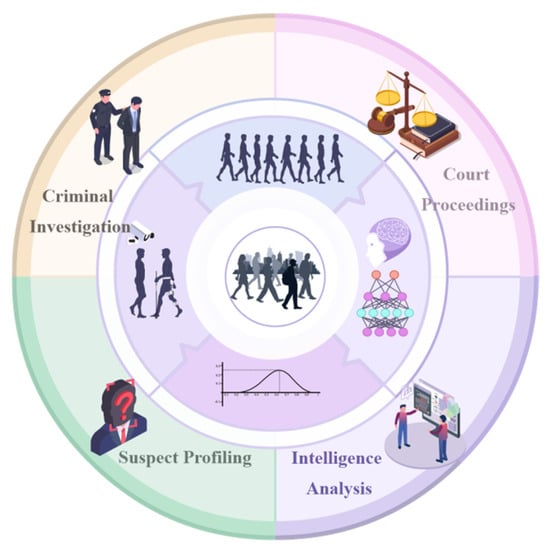
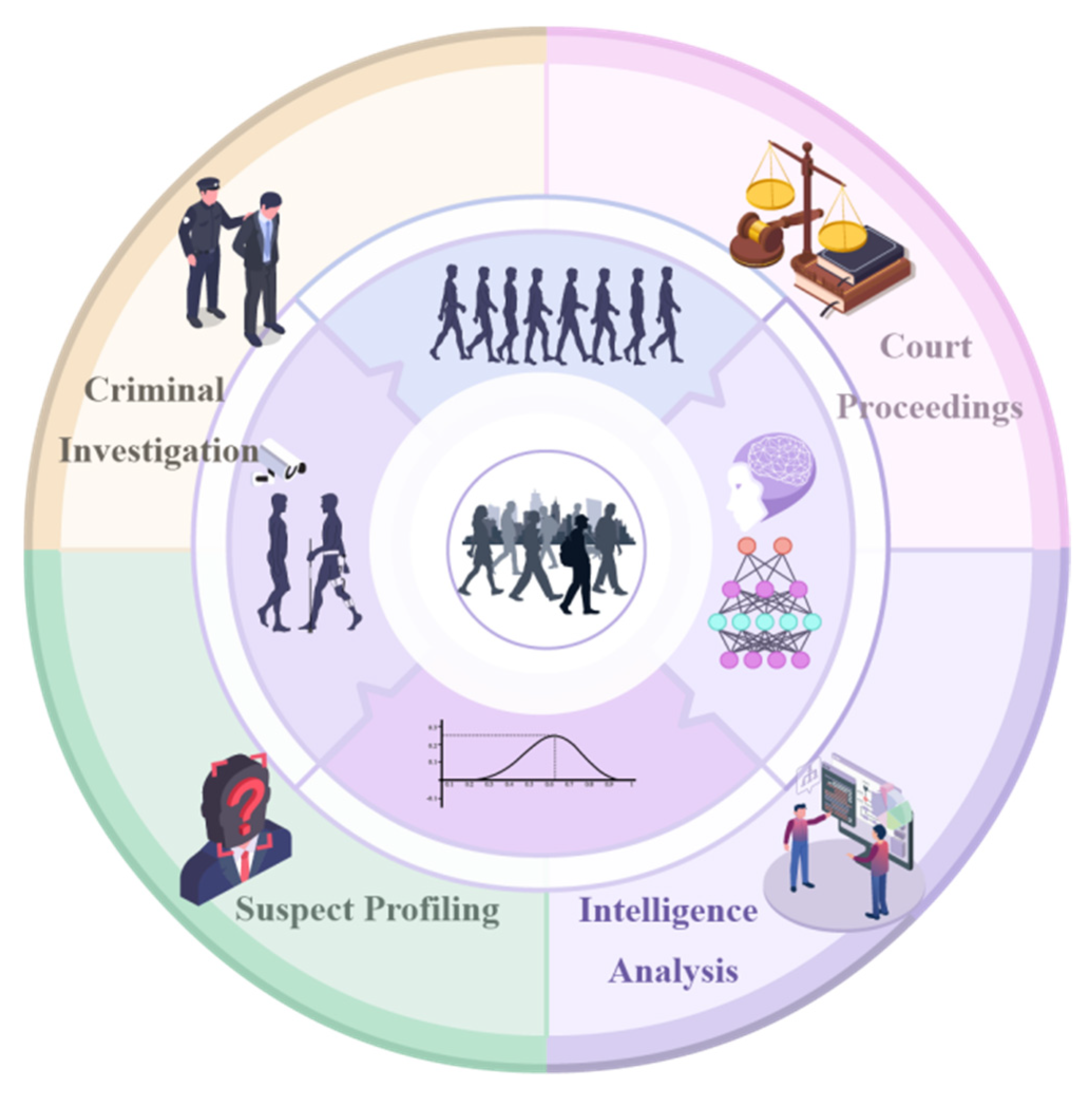
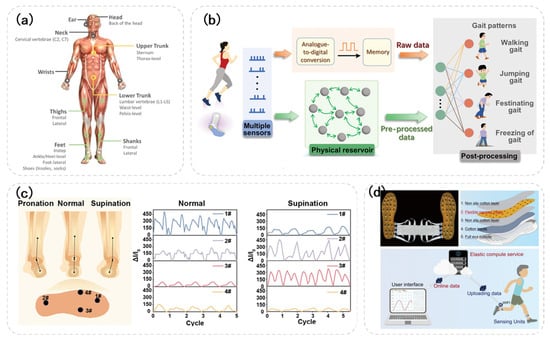
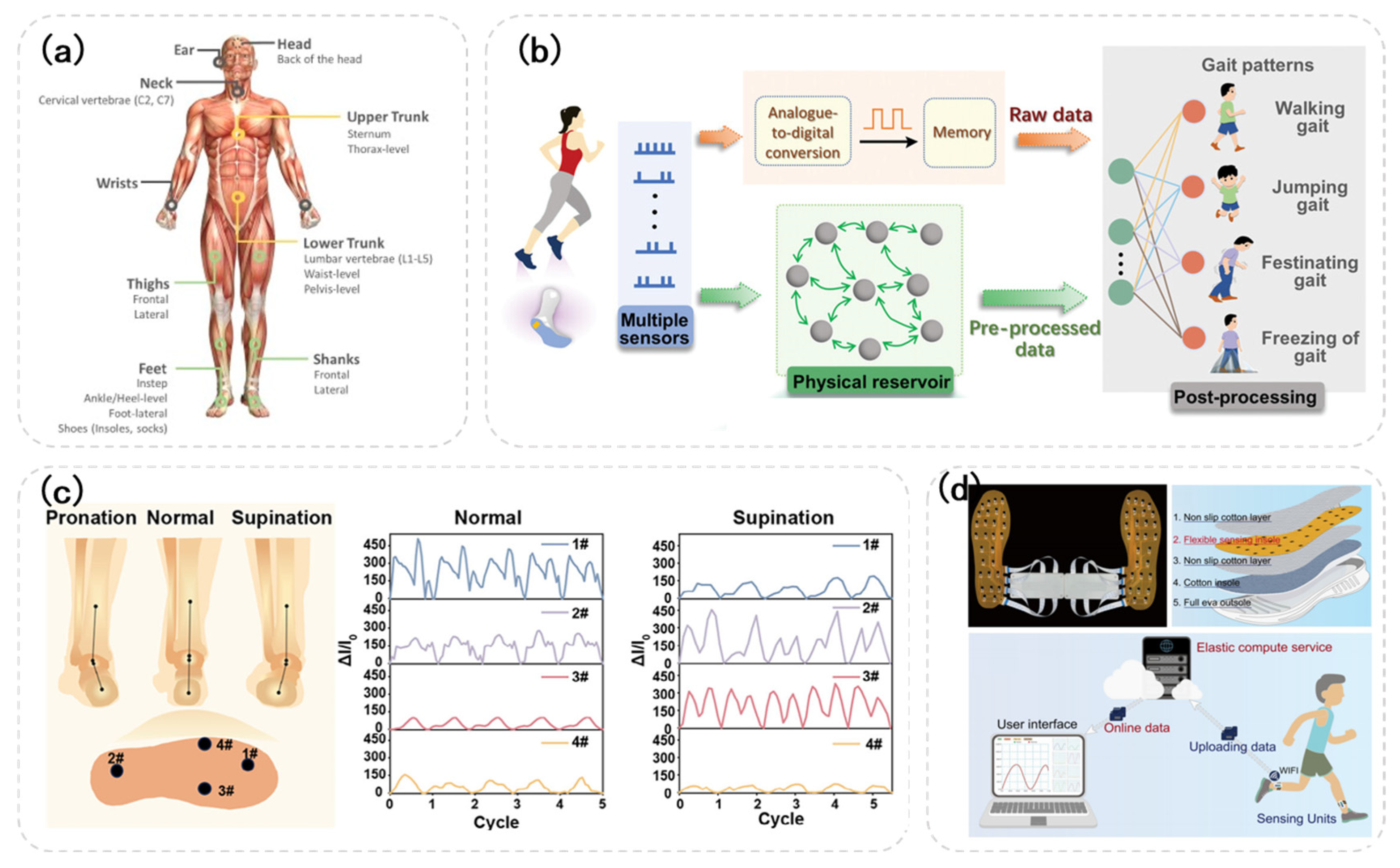
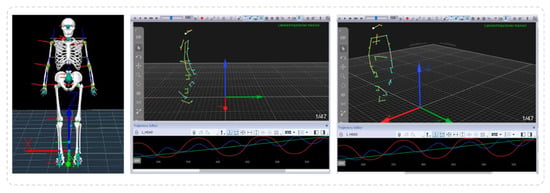
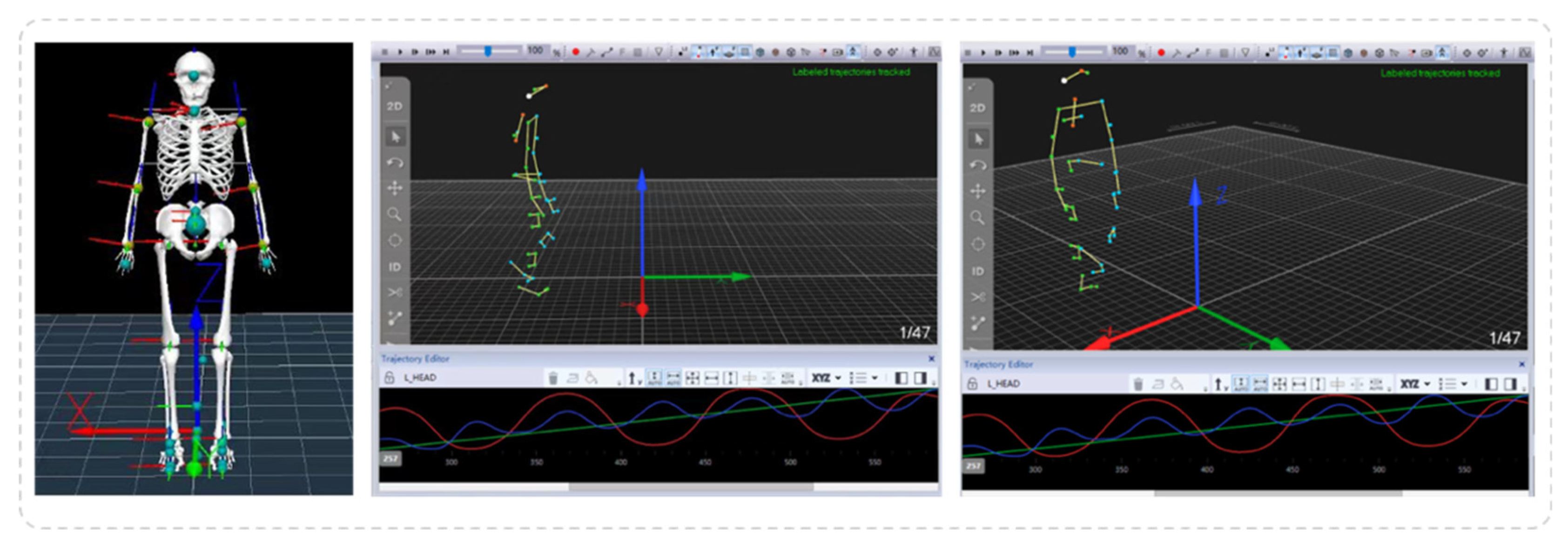

Disclaimer/Publisher’s Note: The statements, opinions and data contained in all publications are solely those of the individual author(s) and contributor(s) and not of MDPI and/or the editor(s). MDPI and/or the editor(s) disclaim responsibility for any injury to people or property resulting from any ideas, methods, instructions or products referred to in the content. |
© 2026 by the authors. Licensee MDPI, Basel, Switzerland. This article is an open access article distributed under the terms and conditions of the Creative Commons Attribution (CC BY) license.