


Abstract
Facial expression recognition (FER) is a well-established task in computer vision, yet its application to non-photorealistic domains, such as anime and manga, remains largely underexplored. The stylized, exaggerated, and often non-proportional facial features of illustrated characters present unique challenges for deep learning models trained predominantly on realistic imagery. In this work, we construct a balanced dataset of 3000 manga and anime face images spanning six emotion categories (Angry, Embarrassed, Happy, Manic–Euphoric, Sad, Scared) and conduct a systematic comparison of two major deep learning paradigms: Convolutional Neural Networks (CNNs) and Vision Transformers (ViTs). Specifically, we evaluate ResNet-18, ResNet-50, ViT-B/16, and ViT-S/16 under four fine-tuning strategies: linear probing, partial fine-tuning, full fine-tuning, and progressive unfreezing, enabling a controlled comparison of both architectural families and transfer learning depth. Our results show that fine-tuning strategy significantly impacts performance: the best configuration (ViT-B/16 with progressive unfreezing) achieves 81.33% test accuracy (single run, seed 42), compared to 61.33% for the weakest linear probe baseline (ViT-S/16), a gap of 20.00 percentage points. To isolate architectural differences from strategy effects, we note that under full fine-tuning, the only strategy applied identically to all four models, ViT-S/16 (76.00%) outperforms ResNet-18 (74.44%) by 1.56 percentage points and ViT-B/16 (74.22%) by 1.78 percentage points, confirming a modest but consistent architectural advantage for Transformers once backbone adaptation is permitted. Vision Transformers benefit disproportionately from fine-tuning, and the relative ranking of architectures changes across fine-tuning regimes. Confusion matrix analysis reveals persistent cross-class confusion between visually similar emotions (e.g., Happy vs. Embarrassed), while the highly distinctive Manic–Euphoric category is consistently well recognized across all architectures. To the best of our knowledge, this is the first work to conduct a controlled multi-architecture, multi-strategy transfer learning benchmark specifically for FER in anime and manga, revealing findings that are not predictable from photographic FER literature and that carry direct practical implications for model selection in non-photorealistic visual recognition tasks. The anime and manga domain provides a uniquely controlled testbed for studying transfer learning under deliberate stylization, where the domain gap from realistic imagery is not an artifact of image degradation or environmental noise but a principled artistic choice with codified visual conventions; observing that fine-tuning depth dominates architectural choice in this domain suggests the same conclusion likely holds in other non-photorealistic transfer scenarios such as medical illustrations, architectural drawings, and synthetic training data.
1. Introduction
Emotion recognition from facial expressions is a central problem in affective computing and computer vision [1]. Its applications span human–computer interaction, healthcare, entertainment, and security. While significant progress has been made using large-scale photographic datasets such as FER-2013 [2], RAF-DB [3], and AffectNet [4], these advances are predominantly confined to realistic imagery of human faces, leaving non-photorealistic domains largely unaddressed.
Anime and manga represent a culturally significant and computationally underexplored domain. Unlike photographic faces, illustrated characters exhibit intentional stylistic exaggeration: enlarged eyes, simplified or absent noses, minimal mouth detail, and non-proportional facial geometry. These conventions are deliberate artistic choices designed to convey emotional states with high efficiency to a trained reader [5], but they diverge substantially from the anatomical regularities that ImageNet pre-trained feature extractors are designed to exploit. Whether, and to what extent, modern deep learning architectures can bridge this domain gap through transfer learning is an open empirical question that this work addresses.
Prior work on emotion recognition in illustrated media is limited. Hill [5] applied a custom CNN to a 4800-image dataset of Tom and Jerry faces across three emotions, achieving approximately 80% accuracy. Köklü [6] used a PyTorch-based CNN for manga facial expression classification on a small dataset of five emotions. Neither study employed modern architectures such as ResNet or Vision Transformers, nor did they provide a systematic cross-architecture comparison.
The primary research objective of this work is to determine whether, and to what degree, modern pre-trained deep learning architectures can bridge the domain gap between photorealistic ImageNet imagery and stylized anime/manga illustrations through transfer learning, and specifically whether the depth of fine-tuning or the choice of architecture is the more important performance determinant in this setting. Existing solutions are limited in three concrete respects: (i) they employ single, shallow architectures without systematic cross-architecture comparison [5,6]; (ii) they do not evaluate more than one transfer learning strategy, preventing attribution of performance differences to architectural versus adaptation factors; and (iii) they do not provide per-class confusion analysis, obscuring the role of label ambiguity in residual errors. This work addresses all three gaps simultaneously through a controlled experiment matrix.
In this paper, we address these gaps with the following contributions:
- Dataset construction. We assemble a balanced dataset of 3000 anime and manga face images across six emotion categories, integrating multiple sources and performing manual annotation.
- Systematic architecture comparison. We evaluate four models, ResNet-18, ResNet-50, ViT-B/16, and ViT-S/16, under identical preprocessing and evaluation conditions, enabling a fair comparison between CNN and Transformer paradigms.
- Multi-strategy transfer learning analysis. We compare four fine-tuning strategies, linear probing, partial fine-tuning, full fine-tuning, and progressive unfreezing, across all architectures, demonstrating that fine-tuning depth significantly affects both absolute performance and the relative ranking of models.
- Detailed error analysis. We provide per-class confusion matrix analysis, identifying systematic patterns of misclassification linked to visual similarity between emotion categories.
- Efficiency analysis. We report training speed, inference throughput, and computational cost alongside accuracy metrics, offering practical guidance for resource-constrained deployment.
Research Hypotheses
This study is designed to test two pre-specified hypotheses. First (H1): fine-tuning depth is a stronger determinant of classification accuracy than architectural family for non-photorealistic FER, i.e., the performance variance attributable to the choice of fine-tuning strategy exceeds that attributable to the choice of architecture (CNN vs. ViT) when both are evaluated under identical conditions. Second (H2): Vision Transformers benefit disproportionately from domain adaptation relative to CNNs, owing to their lack of spatial inductive bias, which makes them more dependent on learned, domain-specific intermediate representations. Both hypotheses are evaluated against the full experiment matrix (four architectures, four strategies) reported in Section 5.
The remainder of this paper is organized as follows. Section 2 reviews related work. Section 3 describes the dataset construction process. Section 4 details the architectures and training methodology. Section 5 presents and analyzes the experimental results. Section 6 discusses the results. Section 7 concludes with a discussion of limitations and future directions.
2. Related Work
2.1. Facial Expression Recognition
Facial expression recognition has roots in the earliest connectionist models [7,8], though practical FER systems emerged only with the advent of large-scale labeled datasets and deep convolutional architectures. The field has evolved from hand-crafted feature approaches, using descriptors such as LBP [9], HOG [10], and SIFT [11] paired with classifiers like SVM or Random Forest, to end-to-end deep learning methods. The introduction of CNNs, particularly AlexNet [12] and later ResNet [13], marked a paradigm shift by enabling automatic hierarchical feature extraction directly from raw pixel data. For a broader review of deep learning methods in this context, see [14,15].
ResNet [13] introduced residual connections (skip connections) that allow the training of very deep networks by mitigating the vanishing gradient problem. As shown in Figure 1, the identity shortcut connection bypasses weight layers, enabling the network to learn a residual function rather than a complete mapping. On standard benchmarks, ResNet-based models achieve accuracies exceeding 70% on FER-2013 and 80–85% on RAF-DB.
Figure 1.
Residual learning block in ResNet. The identity shortcut connection bypasses two weight layers, allowing the network to learn a residual function rather than a complete mapping [13].
The Vision Transformer (ViT), introduced by Dosovitskiy et al. [16], adapted the Transformer architecture [17] from natural language processing to image classification. ViT divides an image into fixed-size patches (e.g., 16 × 16), linearly embeds them, and processes the resulting sequence through a standard Transformer encoder with global self-attention. This mechanism enables the model to capture long-range dependencies between distant regions of the image from the first layer, a capability that CNNs achieve only through stacking many convolutional layers.
Figure 2 illustrates the ViT architecture.
Figure 2.
Architecture of the Vision Transformer (ViT) as employed in this work. The input image is split into N non-overlapping 16 × 16 patches, linearly projected into a d-dimensional space, prepended with a learnable [CLS] token, and augmented with positional encodings before being processed by L Transformer encoder blocks. The [CLS] token output is passed to a linear classification head yielding emotion logits. ViT-B/16: , , , M parameters; ViT-S/16: , , , M parameters [16].
Each Transformer encoder block applies multi-head self-attention (MHSA) followed by a position-wise feed-forward network (FFN), with layer normalization applied before each sub-layer (pre-norm formulation). Formally, for an input sequence (where N is the number of patches plus the [CLS] token and d is the embedding dimension):
The [CLS] token output after the final encoder block is passed to a linear classification head. ViT-B/16 comprises encoder blocks, , and 12 attention heads (≈86 M parameters); ViT-S/16 uses with 6 attention heads (≈22 M parameters).
2.2. Transfer Learning and Domain Adaptation
Transfer learning [18] addresses the problem of applying knowledge acquired in a source domain to a target domain, particularly when labeled data in the target domain is scarce. The dominant paradigm in computer vision involves pre-training a model on a large-scale dataset (typically ImageNet-1K with 1.28 M images across 1000 classes) and subsequently adapting the learned representations to the target task via fine-tuning.
The depth of fine-tuning, i.e., how many layers of the pre-trained network are allowed to adapt, is a critical design choice governed by the trade-off between catastrophic forgetting and domain adaptation. When the source and target domains are similar (e.g., transferring between photographic datasets), shallow fine-tuning (linear probing or partial fine-tuning) typically suffices, as lower-level features such as edges, textures, and color blobs transfer well. When the domain gap is large, as is the case between photorealistic ImageNet imagery and hand-drawn manga, deeper adaptation is required to overwrite source-specific intermediate representations with target-specific ones.
Progressive unfreezing, introduced by Howard and Ruder [19] in the ULMFiT framework for natural language transfer learning, addresses the catastrophic forgetting risk of full fine-tuning by gradually exposing deeper layers to gradient updates in discrete stages. This allows the classifier head and high-level representations to stabilize before low-level features are perturbed, providing an implicit curriculum from abstract to concrete representations.
Domain adaptation theory [20] formalizes the generalization bound in terms of the source-target distribution divergence and the source-domain risk. A large domain gap, such as the stylistic divergence between photographic faces and anime illustrations, inflates this divergence term, predicting that frozen-backbone models will underperform relative to fine-tuned ones, a prediction confirmed empirically in our results.
Recent work has further investigated efficient fine-tuning strategies for Vision Transformers under data-scarce conditions. Liu et al.’s Swin Transformer [21] introduced hierarchical feature maps with shifted-window attention, bridging the inductive-bias gap between CNNs and ViTs. Concurrent work on parameter-efficient fine-tuning, such as LoRA [22] and visual prompt tuning [23], offers further strategies for adapting large pre-trained models to small datasets with minimal parameter overhead, representing a promising direction for future work in the anime/manga FER setting explored here. Note that parameter-efficient methods such as LoRA and visual prompt tuning were not included in the present comparison, which focuses on classical fine-tuning strategies; their evaluation constitutes a natural extension of this work.
2.3. Emotion Recognition in Illustrated Media
Beyond the works of Hill [5] and Köklü [6], which are briefly noted in the Introduction, the broader literature on illustrated facial expression recognition is notable primarily for what it lacks: systematic evaluation across multiple architectures, the use of modern pre-trained backbones, and any comparison of transfer learning strategies of varying depth.
The FERG dataset [24] is a notable precedent in synthetic facial expression recognition, comprising stylized 3D-rendered faces across seven emotion categories from six cartoon characters. Although FERG’s stylization differs from hand-drawn manga in that rendering is procedural rather than artist-authored, it established that models pre-trained on photorealistic faces transfer imperfectly to stylized domains, directly motivating the present study’s focus on transfer learning depth. Unlike manga and anime imagery, FERG expressions follow consistent geometric constraints imposed by 3D rigging, which reduces intra-class variability compared to the artist-driven diversity of our dataset.
More recently, KangaiSet [25] introduced a benchmark of animated cartoon character faces for emotion recognition across multiple emotion categories, demonstrating that stylized facial representations present systematic challenges for models pre-trained on photographic imagery. Unlike the present work, that study did not conduct a multi-strategy transfer learning comparison or systematically evaluate Vision Transformer architectures alongside CNNs, leaving open the question of how fine-tuning depth interacts with architectural choice in the cartoon domain.
Recent comparative studies have begun systematically evaluating CNN and Vision Transformer architectures for facial expression recognition tasks more broadly [26,27], though none of these works specifically target illustrated or non-photorealistic domains, leaving the fine-tuning depth dimension unaddressed. None of these studies systematically evaluate the interaction between architecture choice and fine-tuning depth across four distinct transfer learning strategies, which is the central experimental contribution of the present work.
Camerlingo et al. [28] explored a broader pipeline for neural network applications in comic strips, using Dilbert panels as a pedagogical case study. Their approach combined cascade classifiers for character face detection, OCR-based text extraction, and a Transformer network for dialogue generation. While not focused on emotion recognition per se, their work demonstrates the feasibility of applying deep learning to illustrated media for multiple tasks, including face detection, and highlights the unique challenges posed by the stylized, non-photorealistic visual conventions of comics. Their pipeline’s reliance on face detection as a prerequisite step underscores the importance of robust feature extraction in illustrated domains, a challenge that directly motivates the present study.
None of the aforementioned studies systematically evaluated modern pre-trained backbones (ResNet, ViT) on illustrated facial expression data; employed more than a single architecture; compared transfer learning strategies of varying depth; or analyzed per-class confusion patterns across architectures. The present work addresses all four gaps simultaneously. Specifically, it constitutes the first controlled multi-architecture, multi-strategy transfer learning benchmark for FER in anime and manga, revealing that fine-tuning depth is a stronger performance determinant than architectural choice, and that Vision Transformers benefit disproportionately from domain adaptation relative to CNNs, findings that have direct practical implications for model selection in non-photorealistic domains.
2.4. Subjectivity of Emotion Categories
Barrett et al. [29] argued that facial expressions do not constitute universal, unambiguous signals but depend on context and observer interpretation. Russell’s Circumplex Model of Affect [30] further posits that emotions are not rigid categories but vary along two continuous dimensions: valence (positive–negative) and arousal (high–low). These theoretical perspectives underscore the inherent difficulty of discrete emotion classification, a challenge amplified in illustrated media where artistic style introduces additional variability, and directly informed the choice and definition of the six emotion categories used in this work (Section 3.3).
3. Dataset Construction
3.1. Design Principles
A key requirement for reliable model evaluation is a balanced, sufficiently large, and consistently annotated dataset. We designed our dataset around three principles: (1) class balance to avoid bias toward dominant categories, (2) diversity of artistic styles to improve generalization, and (3) inclusion of both easily distinguishable and visually ambiguous emotion classes.
3.2. Data Sources
The final dataset comprises 3000 images drawn from three sources:
(1) Manga Facial Expression Dataset [6]: 450 pre-annotated images across five emotions (Happy, Sad, Angry, Surprised, Scared), serving as the initial seed.
(2) Face of Pixiv Top Daily Illustration 2018 [31]: Approximately 10,000 anime-style face images. Since this dataset lacked emotion labels, manual classification was performed, yielding ∼1500 usable images. An initial severe imbalance (1250 images in the “Happy” class alone) was resolved by down-sampling to 500 per class.
(3) Pinterest: Manual collection to fill remaining gaps, ensuring 500 images per class across all six categories.
Crucially, class balance was achieved exclusively through undersampling of over-represented classes (the Happy class was down-sampled from 1250 to 500 images) and natural collection from Pinterest to fill under-represented classes; no synthetic augmentation, SMOTE, or image-level oversampling was applied during dataset construction. Training-time augmentation (Section 4) is applied exclusively to the training partition and does not alter the underlying class distribution.
3.3. Emotion Categories
Six emotion classes were defined, each containing exactly 500 images: Angry (rage, frustration), Embarrassed (flushed, sheepish), Happy (smiling, joyful), Manic–Euphoric (maniacal, unhinged elation), Sad (sorrow, melancholy), and Scared (fear, shock).
The Manic–Euphoric class replaces the colloquial label used in earlier drafts. Following Russell’s Circumplex Model of Affect [30], which organises emotional states along valence and arousal axes, this category occupies the high-arousal, positively valenced quadrant in an extreme, pathological register. Within anime and manga, it corresponds precisely to the yandere archetype, a character type characterized by obsessive affection expressed through exaggerated, unsettling euphoria, whose facial conventions (spiraling irises, asymmetric grins, exaggerated tear lines) are visually distinctive enough to constitute a coherent and learnable category. This justifies its inclusion despite its absence from standard photographic FER benchmarks.
3.4. Annotation and Data Split
All images were annotated and managed via Roboflow [32], which provided structured labeling, cloud storage, dataset versioning, and export in PyTorch-compatible format. The manual annotation process spanned several months and was performed by a single annotator with familiarity with anime and manga visual conventions. Ambiguous cases were resolved by the same annotator using a set of internal guidelines developed during the first pass over the data, prioritizing the most salient emotion-specific cue (e.g., flushed cheeks for Embarrassed over any co-occurring smile). We acknowledge that single-annotator labeling introduces potential subjective bias, particularly for visually ambiguous categories such as Embarrassed and Happy. No inter-annotator agreement metric (e.g., Cohen’s ) was computed, as the annotation was conducted by one individual. This constitutes a limitation of the current dataset (discussed further in Section 6.5), and future versions should incorporate multiple annotators with agreement scoring to quantify and reduce label noise.
A potential source of data leakage in illustrated FER datasets is the presence of images from the same character or artist in both training and test partitions, which would allow a model to exploit stylistic memorization rather than genuine emotion generalization. In the present dataset, no explicit artist-disjoint or studio-disjoint constraint was enforced during the stratified split, because the source metadata required to identify individual artists is not available for all three constituent sources (Section 3.2). This constitutes a recognised limitation: images from the same artistic style may appear in both training and test sets, and the reported test-set accuracy may therefore partly reflect style memorization rather than purely emotional feature generalization. Future dataset versions should enforce artist-disjoint partitioning to provide a stricter bound on generalization performance. Note that the stratified split prevents index-level and temporal leakage, but not style-memorization leakage; these two properties should not be conflated.
The dataset was split into three stratified partitions maintaining class balance across all six categories: 70% training (2100 images, 350 per class), 15% validation (450 images, 75 per class), and 15% test (450 images, 75 per class). The split was generated once via Roboflow’s versioning system and frozen before any experiments began. The training set was used exclusively for gradient updates. The validation set was used for early stopping decisions and checkpoint selection. The held-out test set was reserved for final evaluation and was accessed only once, after all training and model selection decisions had been finalized, to provide an unbiased estimate of generalization performance.
4. Methodology
4.1. Architectures
We evaluate four models spanning two architectural families:
4.1.1. ResNet-18
A lightweight CNN with 18 layers and approximately 11.7 M parameters. Its shallow depth makes it fast to train and resistant to overfitting on small datasets, while residual connections ensure stable gradient flow [13].
4.1.2. ResNet-50
A deeper CNN with 50 layers using bottleneck residual blocks, totaling approximately 25.6 M parameters. It offers greater representational capacity but requires more computational resources and is more susceptible to overfitting on limited data.
4.1.3. ViT-B/16
The base Vision Transformer with 16 × 16 patch size, comprising 12 Transformer encoder layers, 12 attention heads, and approximately 86 M parameters. The global self-attention mechanism enables the model to capture long-range spatial dependencies from the first layer [16].
4.1.4. ViT-S/16
A smaller Vision Transformer variant with reduced embedding dimension and fewer attention heads (∼22 M parameters), providing a compromise between the computational cost of ViT-B/16 and the local inductive bias of CNNs.
4.2. Fine-Tuning Strategies
To investigate how the depth of fine-tuning affects performance across architectural families, we evaluate four transfer learning strategies under controlled conditions.
Given the well-documented data-hunger of Vision Transformers [16], which lack the translation-invariance and local-connectivity priors of CNNs, overfitting on a dataset of 3000 images represents a non-trivial risk. To mitigate this, all strategies employ a multi-component augmentation pipeline (random resized crop, random horizontal flip, color jitter, random rotation, and random erasing) combined with AdamW weight decay () and early stopping. For the deeper fine-tuning strategies (C and D), gradient clipping (max norm ) and cosine annealing with linear warmup further stabilize training and act as implicit regularisers.
4.2.1. Strategy A: Linear Probe (Frozen Backbone)
All backbone parameters are frozen; only the final classification head (a single fully connected layer mapping to 6 classes) is trained. This strategy evaluates the quality of pre-trained features without any domain adaptation of the feature extractor. Optimizer: AdamW with lr = 1 × 10⁻³, weight decay = 1 × 10⁻⁴. Maximum 20 epochs with early stopping (patience = 5).
4.2.2. Strategy B: Partial Fine-Tuning
The classification head and the final residual block (ResNet) or the final encoder block group (ViT) are unfrozen, while earlier layers remain frozen. This strategy enables the model to adapt high-level feature representations to the illustrated domain while preserving low-level visual features learned from ImageNet.
Differential learning rates are applied: for the classification head and for the unfrozen backbone layers (a reduction). Training is performed for a maximum of 30 epochs with early stopping enabled ().
4.2.3. Strategy C: Full Fine-Tuning
All parameters are trainable. Differential learning rates are used to prevent catastrophic forgetting: for the classification head and for the backbone layers (a reduction). Gradient clipping () and cosine annealing with linear warmup (3 epochs) are applied to improve training stability. Training is performed for a maximum of 40 epochs with early stopping enabled ().
4.2.4. Strategy D: Progressive Unfreezing
Progressive unfreezing was introduced by Howard and Ruder in the ULMFiT framework [19] and has since been adapted to vision transfer learning. In this implementation, all backbone parameters begin frozen; only the classification head and the final layer normalization are trainable at the start of training. Every 5 epochs, one additional group of encoder blocks is unfrozen in order from output toward input, following the schedule illustrated in Figure 2:
- Epochs 0–4: classification head and final layer normalization only;
- Epochs 5–9: additionally encoder blocks 9–11;
- Epochs 10–14: additionally encoder blocks 6–8;
- Epochs 15–19: additionally encoder blocks 3–5;
- Epochs 20–24: additionally encoder blocks 0–2;
- Epoch 25 onward: additionally patch embedding (fully open).
For ResNet architectures, the analogous grouping replaces encoder block groups with residual block groups (layer4, layer3, layer2, layer1 in reverse order, followed by the stem convolution). Differential learning rates mirror Strategy C: for the classification head and for any unfrozen backbone layers. Gradient clipping () and cosine annealing with a 3-epoch linear warmup are applied throughout. The maximum number of training epochs is 30 with early stopping (). The unfreezing schedule hyperparameters (group size and epochs-per-step) were held constant across all architectures rather than tuned per model; the effect of this choice on ViT-S/16 is discussed in Section 6.4. We note that the fully open phase begins at epoch 25 out of a 30-epoch maximum, leaving at most 5 epochs with all layers trainable; architecture-specific schedules with an earlier or extended open phase are a recommended direction for future work.
All strategies share the following settings:
- Pre-training: ImageNet-1K weights.
- Loss function: Cross-entropy on raw logits.
- Optimizer: AdamW.
- Batch size: 32.
- Input preprocessing:
- –
- resize to 256, random resized crop to (scale –)
- –
- random horizontal flip ()
- –
- color jitter (brightness , contrast , saturation , hue )
- –
- random rotation (±10°)
- –
- normalization to ImageNet statistics
- –
- random erasing ()
- Evaluation preprocessing: resize to 256, center crop to 224 × 224, normalization to ImageNet statistics.
- Hardware: Google Colab with CUDA-accelerated GPU.
- Framework: PyTorch 2.11 with Torchvision.
- Random seed: 42 (fixed for reproducibility).
4.3. Evaluation Metrics
Models were evaluated using accuracy, cross-entropy loss, precision (macro), recall (macro), F1-score (macro and weighted), training speed (average time per epoch and images per second), and per-class confusion matrices. The core per-class metrics are defined as:
where , , and denote true positives, false positives, and false negatives, respectively.
Evaluation followed a two-stage protocol. During training, all metrics were computed on the validation set to guide early stopping and checkpoint selection. After all training decisions were finalized, each model’s selected checkpoint was evaluated a single time on the held-out test set. The test-set metrics constitute the primary results reported in this paper. Validation metrics are reported alongside for transparency, allowing readers to assess the gap between the model-selection criterion and true generalization performance.
All experiments were conducted with a fixed random seed (42) for reproducibility. Reported metrics therefore reflect single-run estimates without confidence intervals. While this is a common constraint in small-dataset studies, readers should interpret relative rankings between configurations with appropriate caution, particularly where performance gaps are smaller than approximately 2–3 percentage points, as these may partly reflect random initialization variance rather than systematic differences. Due to hardware constraints on Google Colab’s free tier, formal statistical significance testing such as McNemar’s test or a paired t-test over multiple random seeds was not feasible; replication across at least five independent seeds, with reported mean ± standard deviation and a paired McNemar test between the top-two configurations, is identified as a priority for future work. The robustness of the top-performing configuration (ViT-B/16 with progressive unfreezing) is discussed further in Section 5.6; verification across multiple seeds is identified as a priority for future work.
5. Experimental Results
- Code Availability.
The full experimental code, including data preprocessing, model training, and evaluation scripts, is publicly available at https://github.com/dottorm/student_thesis/blob/main/Facial_Expression_Recognition_in_Anime_and_Manga-main.zip (accessed on 30 April 2026).
- Dataset Availability.
The raw images comprising the dataset include material sourced from Pixiv and Pinterest, which are subject to platform-specific terms of service and individual creator copyrights. Consequently, redistribution of the raw image files is not legally permissible. To support reproducibility and community reuse while respecting intellectual property constraints, we will release the following: (i) the full list of image URLs and source identifiers enabling third-party reconstruction of the dataset; (ii) the pre-computed feature embeddings (final-layer representations) extracted by each of the four trained models, sufficient for downstream linear evaluation without access to raw pixels; and (iii) the Roboflow dataset version identifier, which encodes the stratified split and annotation labels. These artifacts, together with the training and evaluation codebase, will be made available at the project repository upon acceptance.
5.1. Overall Performance
Table 1 summarizes the test set performance of all four models across four fine-tuning strategies. The results reveal two distinct performance regimes.
Table 1.
Final comparison across models and fine-tuning strategies. %Params = percentage of total model parameters that are trainable under each strategy; Acc = test accuracy (%); F1m = macro F1; Loss = cross-entropy test loss; Ep = epochs at best checkpoint; Time = average time per epoch.
Under linear probing (frozen backbone), all models cluster within a narrow 3.3 percentage point band (61.33–64.67%), with ViT-B/16 achieving the highest accuracy (64.67%) and lowest loss (0.972). This narrow spread indicates that ImageNet pre-trained features transfer to the anime/manga domain with roughly comparable effectiveness across architectures when no domain adaptation of the backbone is permitted.
Under fine-tuning, performance improves substantially for all models, but the gains are unevenly distributed. The best configuration, ViT-B/16 with progressive unfreezing, reaches 81.33% test accuracy (F1macro = 0.8119), representing a 16.66 percentage point improvement over its linear probe baseline. At the other end, ViT-S/16 with partial fine-tuning achieves only 66.22%, a modest 4.89 percentage point gain. The spread between the best and worst configurations across the entire experiment matrix is 20.00 percentage points (81.33% vs. 61.33%), demonstrating that the choice of fine-tuning strategy has a larger impact on performance than the choice of architecture.
To disentangle the contributions of architecture and fine-tuning strategy to this gap, Table 1 also permits a controlled within-strategy comparison. Under full fine-tuning, the only strategy applied to all four models with identical hyperparameters, ViT-S/16 (76.00%) outperforms both ResNet-18 (74.44%) and ResNet-50 (73.78%) by 1.56 and 2.22 percentage points, respectively; ViT-B/16 (74.22%) outperforms ResNet-50 by 0.44 percentage points but falls 0.22 percentage points below ResNet-18, the only within-strategy reversal of the CNN/ViT ranking observed in the experiment. While these within-strategy gaps are modest, they are directionally consistent with ViT superiority and are free from the confound of comparing different fine-tuning regimes simultaneously.
Both CNN models achieve their best results under partial fine-tuning (ResNet-18: 74.89%; ResNet-50: 74.22%), while the best ViT results require deeper adaptation: full fine-tuning for ViT-S/16 (76.00%) and progressive unfreezing for ViT-B/16 (81.33%). Section 6.4 provides a detailed analysis of these architecture-strategy interactions.
ResNet-50, the weakest model under linear probing (61.78%), recovers to 74.22% with partial fine-tuning, suggesting that its poor frozen-backbone performance reflects limited feature transferability rather than a fundamental capacity mismatch. ViT-B/16 achieves the lowest test loss under linear probing (0.972) and progressive unfreezing (0.786); under full fine-tuning, ViT-S/16 achieves a negligibly lower loss (0.656 vs. 0.660), confirming that both large Transformer variants produce well-calibrated probability estimates, which may be valuable for downstream applications where confidence scores matter.
5.2. Training Dynamics
Figure 3 shows the validation accuracy and loss curves across all epochs under the linear probe setting. Fine-tuning training dynamics are not shown but follow qualitatively similar convergence patterns; per-epoch training times for all strategies are reported in Table 1.
Figure 3.
Training dynamics for all four models. (a) Validation accuracy across epochs; accuracy converges between epochs 8–12 for all architectures. (b) Validation loss across epochs; ViT-B/16 achieves the lowest validation loss under linear probing, indicating better-calibrated predictions.
All models exhibit rapid improvement during the first 5 epochs, followed by convergence between epochs 8 and 12.
5.3. Computational Efficiency
Figure 4 illustrates the training throughput and per-epoch time under the linear probe setting. Table 1 reports per-epoch times for all fine-tuning strategies, which increase with the number of trainable parameters.
Figure 4.
Computational efficiency comparison under the linear probe configuration. Per-epoch times for all fine-tuning strategies are reported in Table 1.
ResNet-18 is the fastest model overall, approximately 2× faster than ViT-B/16 under linear probing (21.6 s vs. 42.0 s), and modestly faster than ResNet-50 (24.6 s) and ViT-S/16 (24.9 s). ViT-B/16 requires 42.0 s per epoch under linear probing, rising to 90.5 s under full fine-tuning, due to the quadratic complexity of self-attention with respect to the number of patches.
5.4. Confusion Matrix Analysis
Figure 5 presents the confusion matrices for all four models under the linear probe setting, computed on the held-out test set (450 images). Table 2 provides the corresponding per-class F1-scores on the same partition. Several consistent patterns emerge across all architectures.
Figure 5.
Confusion matrices for all four models on the held-out test set (450 images). Rows represent true labels and columns represent predicted labels. Darker cells along the diagonal indicate higher correct classification counts. All models show strong diagonal dominance for Manic–Euphoric and persistent off-diagonal confusion between Embarrassed and Happy.
Table 2.
Per-class F1-scores: linear probe vs. best fine-tuned configuration for each model. LP = Linear Probe; Best = best fine-tuning strategy for that model (see Table 1). All class names correspond to those defined in Section 3.3.
5.4.1. Best-Recognized Class: Manic–Euphoric
The Manic–Euphoric category achieves the highest F1-score across all models (0.77–0.81). This class features highly distinctive visual patterns, exaggerated eyes, distorted facial proportions, and extreme expressions, that provide strong discriminative cues for both CNNs and Transformers. ResNet-50 achieves the highest F1 (0.81) for this class, with a precision of 0.86 and recall of 0.77, indicating that its deeper feature hierarchy captures the distinctive cues of this category effectively despite its weaker overall performance. All models correctly classify 62–67 out of 81 Manic–Euphoric test images, confirming that globally exaggerated visual patterns are robust to architectural choice.
5.4.2. Most Confused Pair: Happy vs. Embarrassed
The confusion between Happy and Embarrassed remains the most persistent source of error across all architectures, with a pronounced asymmetry: Embarrassed images are frequently misclassified as Happy, while the reverse occurs less often. In ResNet-50 (Figure 5b), 30 out of 69 Embarrassed images are misclassified as Happy, the single largest off-diagonal cell in any confusion matrix. ViT-B/16 (Figure 5c) shows a similar pattern, with 25 Embarrassed images predicted as Happy. In the opposite direction, ViT-B/16 misclassifies only 6 Happy images as Embarrassed, while ResNet-18 misclassifies 13. This asymmetry suggests that features characteristic of the Embarrassed class (slight smiles, flushed cheeks, closed eyes) are a visual subset of the broader Happy category, making it easier for models to absorb Embarrassed into Happy than vice versa.
5.4.3. Confusion Among Negative High-Arousal Emotions
Angry is frequently confused with Scared and Manic–Euphoric across all models, reflecting the shared visual features of high-arousal negative emotions: furrowed brows, wide eyes, and tense mouths. This pattern is particularly pronounced in ResNet-50 (Figure 5b), where 22 Angry images are misclassified as Scared. ResNet-18 (Figure 5a) shows a different confusion profile for Angry, with 17 misclassifications toward Manic–Euphoric rather than Scared, suggesting that CNNs of different depths pick up on different subsets of high-arousal features. Sad images also show notable dispersion: in ResNet-50, 20 Sad images are misclassified as Scared, while in ResNet-18, 13 are misclassified as Scared and 10 as Embarrassed.
5.5. Architecture-Specific Observations
The following observations are based on the linear probe results reported in Table 1. Section 5.6 extends this analysis to the fine-tuned configurations.
5.5.1. ResNet-18
Under linear probing, ResNet-18 achieves a test accuracy of 62.22% and F1-macro of 0.612. It is the most stable CNN, completing all 20 training epochs without triggering early stopping. It obtains the highest per-class F1 among CNNs for both Sad (0.61) and Scared (0.66), and is competitive on all other categories. Its lightweight architecture (11.7 M parameters, 21.6 s per epoch) makes it the most efficient model for this dataset size. Under fine-tuning, ResNet-18 peaks at 74.89% with partial fine-tuning (Table 1), confirming its strong performance across training regimes. The confusion matrices for all four fine-tuning strategies applied to ResNet-18 are shown in Figure 6.
Figure 6.
Confusion matrices for all four fine-tuning approaches applied to ResNet-18.
5.5.2. ResNet-50
Under linear probing, ResNet-50 achieves the lowest test accuracy among all models (61.78%, F1-macro = 0.601). Despite greater depth, it shows higher validation loss and lower accuracy than ResNet-18, consistent with its excess capacity being poorly utilized when only the classification head is trained on 2100 images. The Embarrassed class is particularly degraded (F1 = 0.32), with 30 out of 69 Embarrassed images misclassified as Happy (Figure 5b). However, ResNet-50 achieves the highest Manic–Euphoric F1 (0.81) among all linear probe models, suggesting that its deeper feature hierarchy captures highly distinctive patterns even when it fails on subtler distinctions. Notably, ResNet-50 recovers substantially under partial fine-tuning, reaching 74.22% (Table 1), a 12.44 percentage point improvement that indicates its poor linear probe performance reflects limited feature transferability rather than a fundamental capacity mismatch. The confusion matrices for all four fine-tuning strategies applied to ResNet-50 are shown in Figure 7.
Figure 7.
Confusion matrices for all four fine-tuning approaches applied to ResNet-50.
5.5.3. ViT-B/16
Under linear probing, ViT-B/16 achieves the highest test accuracy (64.67%) and the lowest test loss (0.972) among all models, indicating the most well-calibrated probability estimates under this setting. It obtains the highest per-class F1 for both Angry (0.58) and Happy (0.66), suggesting that global self-attention helps disambiguate categories where spatial relationships between facial features matter. Its per-class metrics are more uniform than those of ResNet-50, though the Embarrassed class remains challenging (F1 = 0.43). Its computational cost is approximately 2× that of ResNet-18 under linear probing (42.0 s vs. 21.6 s per epoch). Under fine-tuning, ViT-B/16 shows the largest improvement of any model, reaching 81.33% with progressive unfreezing, the overall best result in our experiments. The confusion matrices for all four fine-tuning strategies applied to ViT-B/16 are shown in Figure 8.
Figure 8.
Confusion matrices for all four fine-tuning approaches applied to ViT-B/16.
5.5.4. ViT-S/16
Under linear probing, ViT-S/16 achieves a test accuracy of 61.33% (F1-macro = 0.607) and a competitive Manic–Euphoric F1 (0.78), demonstrating that even a compact Transformer can effectively capture globally distinctive patterns. It obtains the highest Embarrassed F1 (0.52) among all linear probe models, though this remains modest. Its overall performance falls between ResNet-50 and the top two models, at a training cost comparable to ResNet-50 (24.9 s per epoch). Under full fine-tuning, ViT-S/16 reaches 76.00%, the second-highest result overall, though its progressive unfreezing performance (66.67%) is anomalously low, as discussed in Section 5.6. The confusion matrices for all four fine-tuning strategies applied to ViT-S/16 are shown in Figure 9.
Figure 9.
Confusion matrices for all four fine-tuning approaches applied to ViT-S/16.
5.6. Impact of Fine-Tuning Strategy
Figure 10 and Figure 11 depict respectively the validation loss and validation accuracy for each model during the fine-tuning strategy.
Figure 10.
Training dynamics for all four models. (a) Validation Loss for ResNet Architectures. (b) Validation Loss for ViT Architectures.
Figure 11.
Training dynamics for all four models. (a) Validation accuracy for ResNet Architectures. (b) Validation accuracy for ViT Architectures.
Figure 12 summarizes the impact of the fine-tuning strategies on test accuracy.
Figure 12.
Fine-tuning impact on test accuracy across all models and strategies.
Table 1 reports performance across four fine-tuning strategies for each architecture. Three key patterns are observable in the data.
Universal improvement. Every model improves substantially when backbone parameters are allowed to adapt. The smallest gain from linear probing to the best strategy for a given model is +12.44 percentage points (ResNet-50), and the largest is +16.66 percentage points (ViT-B/16). No model achieves its best performance under linear probing.
Asymmetric gains across architectures. The two ViT models show a combined average improvement of 15.67 percentage points over their respective linear probe baselines (under their best strategy), compared to 12.56 percentage points for the two ResNets. ViT-B/16 progressive unfreezing (81.33%) outperforms all other configurations by at least 5.33 percentage points.
Strategy preference by architecture family. Both ResNets peak under partial fine-tuning (ResNet-18: 74.89%; ResNet-50: 74.22%). For ResNet-18, full fine-tuning and progressive unfreezing yield the same result (74.44%), just 0.45 percentage points below partial. For ResNet-50, full fine-tuning also causes a modest drop (73.78%), while progressive unfreezing leads to a more substantial reduction to 69.11%, suggesting sensitivity to the fixed unfreezing schedule. In contrast, ViT-B/16 peaks under progressive unfreezing and ViT-S/16 under full fine-tuning. A notable anomaly is ViT-S/16 under progressive unfreezing, which achieves only 66.67%, far below its full fine-tuning peak (76.00%), suggesting sensitivity to the unfreezing schedule hyperparameters, which were held constant across all models.
Loss vs. accuracy trade-off. ViT-S/16 full fine-tuning and ViT-B/16 full fine-tuning achieve the lowest test losses (0.6558 and 0.6598, respectively), even though ViT-B/16 progressive unfreezing achieves a higher accuracy (81.33%) at a higher loss (0.786). This divergence between loss and accuracy under progressive unfreezing warrants further investigation and may indicate that the model’s probability estimates become less calibrated as more layers are gradually unfrozen.
Robustness caveat. The ViT-B/16 progressive result (81.33%) represents a single run with seed 42. Given that this configuration outperforms the next best result (ViT-S/16 full, 76.00%) by 5.33 percentage points, we caution that some portion of this gap may reflect variance due to random initialization or data ordering rather than a systematic advantage of the progressive unfreezing schedule for this architecture. Future work should verify this result across multiple seeds and report confidence intervals.
Confusion Patterns Under Fine-Tuning
Figure 13 presents the confusion matrices for ViT-B/16 under full fine-tuning (74.22% test accuracy) and progressive unfreezing (81.33% test accuracy). Comparing these with the linear probe confusion matrix (Figure 5) reveals how increasing fine-tuning depth reshapes error patterns.
Figure 13.
Confusion matrix for ViT-B/16 with full and progressive unfreezing on the held-out test set (450 images), compared to the linear probe confusion matrices (Figure 5).
Manic–Euphoric recognition improves monotonically with fine-tuning depth. ViT-B/16 correctly classifies 62 out of 81 Manic–Euphoric images under linear probing (recall = 0.765), rising to 67 under full fine-tuning (0.827) and 74 under progressive unfreezing (0.914). This confirms that the already-strong discriminative cues of this class are further refined when backbone features are allowed to adapt.
The Happy/Embarrassed confusion is substantially reduced but exhibits an interesting reversal. Under linear probing, 25 out of 69 Embarrassed images are misclassified as Happy (the largest single off-diagonal cell), while only 6 Happy images are misclassified as Embarrassed. Progressive unfreezing reduces the Embarrassed → Happy errors from 25 to 9, improving Embarrassed recall from 0.348 to 0.826. However, the reverse direction worsens: Happy → Embarrassed misclassifications increase from 6 (linear probe) to 14 (progressive), slightly reducing Happy recall from 0.757 to 0.786 overall but shifting the confusion profile. This suggests that progressive unfreezing helps the model learn features specific to the Embarrassed class (e.g., flushed cheeks, averted gaze), but in doing so it occasionally over-applies these cues to Happy images that share partial visual overlap. The asymmetry of the original confusion is thus partially corrected, moving toward a more balanced, though not fully resolved, bidirectional error pattern.
Sad and Scared recognition improve markedly. Sad recall increases from 0.524 (linear probe) to 0.780 (progressive), and Scared recall from 0.739 to 0.913. These are among the largest per-class gains in the experiment, suggesting that fine-tuning is particularly effective for classes whose distinguishing features (e.g., downturned mouths for Sad, wide eyes with tense expressions for Scared) require domain-adapted intermediate representations that frozen ImageNet features do not provide.
Angry shows an uneven pattern across strategies. Angry recall improves from 0.608 (linear probe) to 0.734 under full fine-tuning, but drops back to 0.646 under progressive unfreezing. This decline is driven by a resurgence of Angry → Scared misclassifications: only 2 under full fine-tuning, but 13 under progressive unfreezing, comparable to the 12 observed under linear probing. The shared high-arousal visual features of these two categories (wide eyes, tense mouths, furrowed brows) appear to be re-entangled as progressive unfreezing adapts deeper layers, a pattern not observed for full fine-tuning where all layers are updated simultaneously from the start of training.
These results indicate that fine-tuning does not uniformly improve all classes. While overall accuracy rises from 64.67% to 81.33%, the per-class gains are uneven: Embarrassed, Sad, Scared, and Manic–Euphoric benefit substantially, Happy shows modest improvement, and Angry actually regresses under the best overall configuration. This class-level heterogeneity reinforces the importance of reporting per-class metrics alongside aggregate accuracy, and suggests that the residual errors at 80% accuracy reflect a combination of genuine visual ambiguity in the illustrated domain and annotation subjectivity from single-annotator labeling, rather than insufficient model capacity.
These patterns are analyzed in detail in Section 6.4.
6. Discussion
6.1. CNN vs. Transformer on Small Non-Photorealistic Datasets
The interaction between architecture and fine-tuning depth produces a nuanced picture of CNN-Transformer trade-offs on small illustrated datasets.
Under linear probing, the advantage of Vision Transformers over CNNs is marginal: all four models fall within a 3.3 percentage point band (61.33–64.67%). The strong inductive bias of CNNs, locality and translation equivariance, proves beneficial when no domain adaptation of the backbone is permitted, as it reduces the space of learnable functions and partially compensates for the domain gap between ImageNet and anime/manga imagery.
This picture changes substantially under fine-tuning. When backbone parameters are allowed to adapt, ViT-B/16 with progressive unfreezing reaches 81.33%, outperforming the best CNN configuration (ResNet-18 partial, 74.89%) by 6.44 percentage points. ViT-S/16 with full fine-tuning (76.00%) also surpasses both ResNets. The average gain from linear probing to the best strategy is 15.67 pp for ViTs versus 12.56 pp for CNNs, indicating that Transformers benefit disproportionately from domain adaptation. This is consistent with the view that, lacking spatial inductive biases, Transformers are more dependent on, and more responsive to, fine-tuning of intermediate representations.
A complementary finding concerns probability calibration. Under full fine-tuning, ViT-S/16 achieves the lowest test loss in the experiment (0.656), with ViT-B/16 close behind (0.660). Notably, ViT-B/16’s highest accuracy is obtained under progressive unfreezing at a higher loss (0.786), suggesting that progressive unfreezing trades calibration for discriminative accuracy, a trade-off that may matter in downstream applications where confidence scores are used for human-AI collaborative annotation or rejection thresholds.
6.2. The Role of Dataset Size and Domain
Under linear probing, test accuracies of 61–65% fall substantially below the 70–85% typically achieved on photographic FER benchmarks such as FER-2013 and RAF-DB, reflecting the inherent difficulty of the illustrated domain. Fine-tuning narrows this gap considerably: the best configuration (ViT-B/16 progressive, 81.33%) enters the lower range of photographic benchmark performance, demonstrating that modern architectures can achieve competitive accuracy on anime and manga faces when appropriate transfer learning strategies are applied.
A residual gap nonetheless persists, attributable to several domain-specific factors. Manga and anime expressions do not follow anatomical constraints; they are stylistically diverse across artists and series, and they often employ visual metaphors, steam emanating from the head for anger, heart-shaped eyes for love, spiral eyes for dizziness, that are difficult for pixel-level models to interpret without domain-specific priors. Furthermore, the subjectivity of emotion categories (Section 2.4) is amplified in illustrated media, where the same expression may be drawn in radically different styles depending on the artist’s conventions. The persistent Happy/Embarrassed confusion observed even at 80% overall accuracy (Section 5.6) likely reflects this combination of visual ambiguity and annotation subjectivity rather than a limitation of model capacity.
We further note that, since annotation was performed by a single individual without inter-annotator agreement scoring, it is not possible to exclude the possibility that a portion of the Happy/Embarrassed confusion originates from inconsistent labeling rather than visual feature overlap alone. Disentangling these two sources of error would require re-annotating a subset of the dataset with multiple independent annotators and computing Cohen’s ; we defer this to future work.
A further limitation concerns the absence of a direct numerical comparison with prior published methods. Hill [5] reported approximately 80% accuracy on a three-class cartoon dataset of 4800 images, and Köklü [6] evaluated a CNN on a five-class manga dataset; however, neither study reports results on a publicly available benchmark under comparable conditions, making direct numerical comparison unreliable. Similarly, while AffectNet [4] and RAF-DB [3] serve as standard photographic FER benchmarks, their photorealistic domain makes cross-benchmark accuracy comparisons methodologically unsound without domain adaptation. Establishing a reproducible baseline on a publicly released illustrated FER benchmark, ideally alongside a subset of AffectNet images processed through a style-transfer pipeline to standardise the domain gap, would enable rigorous competitive comparison and is a priority for future work.
Expanding the dataset beyond 3000 images, particularly with greater diversity of artistic styles and multiple annotators, remains the most promising avenue for closing the remaining gap with photographic benchmarks.
6.3. Implications for Model Selection
The results suggest a two-tier recommendation depending on deployment constraints.
When training time and computational resources are limited, ResNet-18 with partial fine-tuning offers the strongest speed-accuracy trade-off: 74.89% test accuracy (F1macro = 0.7461) at 21.8 s per epoch, with only 75.1% of parameters trainable. Its shallow architecture is resistant to overfitting on small datasets, and partial fine-tuning recovers nearly all of the accuracy gains available from deeper strategies (full fine-tuning yields 74.44%, i.e., no meaningful additional benefit). ResNet-50 with partial fine-tuning achieves comparable accuracy (74.22%) but at approximately 1.3× the training cost (27.4 s per epoch), making it a less efficient alternative.
When accuracy is the primary objective and computational cost is acceptable, ViT-B/16 with progressive unfreezing achieves the highest accuracy in our experiments (81.33%, F1macro = 0.8119), outperforming the best CNN by 6.44 percentage points. This configuration requires approximately 3.3× longer training time per epoch than ResNet-18 partial (72.1 s vs. 21.8 s), but the absolute training time remains modest given the small dataset size (under 40 min total on a single GPU).
For applications where well-calibrated probability estimates matter, such as human-AI collaborative annotation or confidence-based rejection, ViT-S/16 under full fine-tuning is the preferred choice: it achieves both the highest accuracy among fully fine-tuned models (76.00%) and the lowest test loss in the entire experiment (0.6558), making it dominant over ViT-B/16 full fine-tuning (74.22%, loss = 0.6598) on both metrics simultaneously.
ViT-S/16 thus occupies a valuable middle ground: its full fine-tuning result (76.00%) exceeds both ResNets while achieving the best calibration overall, at a training cost (40.0 s per epoch) substantially below that of ViT-B/16. It may therefore be the preferred choice when a moderate accuracy improvement over CNNs is desired without incurring the full computational overhead of the base Transformer.
6.4. Fine-Tuning Depth and Architectural Sensitivity
The comparison across fine-tuning strategies (Table 1) reveals three key findings regarding the interaction between architecture and transfer learning depth.
Finding 1: Fine-tuning strategy matters more than architecture. Under linear probing, all four models cluster within a narrow 3.3 percentage point band (61.33–64.67%). Under the best fine-tuning strategy for each model, this band widens to 6.67 percentage points (74.89–81.33%), and every model improves by at least 12 percentage points over its linear probe baseline. The gap between the worst and best configurations across the entire experiment matrix, ResNet-50 linear probe (61.78%) versus ViT-B/16 progressive (81.33%), is 19.55 percentage points, far larger than any inter-architecture difference within a single strategy. This demonstrates that the choice of fine-tuning regime has a greater impact on performance than the choice of architecture for this task and dataset size.
Finding 2: Vision Transformers benefit more from fine-tuning than CNNs. The two ViT models show an average improvement of 15.67 percentage points from linear probing to their respective best strategies (ViT-B/16: +16.66 pp via progressive unfreezing; ViT-S/16: +14.67 pp via full fine-tuning), compared to an average of 12.56 percentage points for the two ResNets (ResNet-18: +12.67 pp via partial; ResNet-50: +12.44 pp via partial). This is consistent with the hypothesis that Transformers’ lack of spatial inductive bias makes them more dependent on domain-specific adaptation of intermediate representations. Under linear probing, the CNN’s built-in locality and translation equivariance provide a stronger prior for the illustrated domain, partially compensating for the domain gap between ImageNet and anime/manga imagery. When backbone parameters are allowed to adapt, the Transformer’s greater representational flexibility enables it to learn domain-specific spatial relationships that frozen features could not capture.
Finding 3: CNNs and ViTs favor different fine-tuning regimes. Both ResNet models achieve their best performance under partial fine-tuning (ResNet-18: 74.89%; ResNet-50: 74.22%), with full fine-tuning offering no meaningful additional benefit and in some cases degrading performance (ResNet-50 progressive: 69.11%, a 5.11 percentage point drop from partial). This suggests that for CNNs on this dataset size, unfreezing only the last residual block provides sufficient domain adaptation while the frozen early layers act as an effective regularizer; the fixed progressive unfreezing schedule is particularly harmful to ResNet-50.
In contrast, ViT-B/16 achieves its best result under progressive unfreezing (81.33%), substantially outperforming both its partial (70.67%) and full (74.22%) fine-tuning configurations. The progressive schedule, which gradually exposes deeper layers to gradient updates, appears to provide a favorable regularization-adaptation trade-off for the large Transformer on this small dataset. ViT-S/16 instead peaks under full fine-tuning (76.00%), while its progressive result (66.67%) is anomalously low. This discrepancy may reflect sensitivity to the unfreezing schedule hyperparameters (e.g., the number of epochs between unfreezing steps), which were kept constant across all models rather than tuned per-architecture. Future work should investigate architecture-specific unfreezing schedules.
ResNet-50 recovery. A notable result is the recovery of ResNet-50, which was the weakest model under linear probing (61.78%) but becomes competitive under partial fine-tuning (74.22%, F1 = 0.74). This indicates that its poor frozen-backbone performance was primarily caused by the limited transferability of its deeper features to the illustrated domain, rather than by a fundamental capacity mismatch. Partial fine-tuning allows the final bottleneck block to adapt its high-level representations, recovering the model’s capacity advantage while the frozen early layers prevent overfitting.
Architectural ranking shift. Under linear probing, ResNet-18 (62.22%) outperforms both ViT-S/16 (61.33%) and ResNet-50 (61.78%), and is within 2.5 percentage points of the best model (ViT-B/16, 64.67%). Under the best fine-tuning strategy for each model, the ranking shifts: ViT-B/16 (81.33%) leads by a substantial margin, followed by ViT-S/16 (76.00%), ResNet-18 (74.89%), and ResNet-50 (74.22%). This reversal confirms that architectural comparisons based solely on frozen-backbone evaluation can be misleading, and underscores the importance of evaluating multiple transfer learning strategies when comparing deep learning architectures (Figure 14).
Figure 14.
Accuracy improvement (in percentage points) over the linear probe baseline for each model and fine-tuning strategy.
6.5. Limitations
Height limitations bound the scope of the conclusions reported here.
Dataset size. With 2100 training images, the dataset falls well below the scale typically used to train Vision Transformers from scratch; the results therefore characterize transfer learning performance rather than the architectures’ full representational potential. No learning curve analysis or data sufficiency study was conducted to determine whether 3000 images represent a plateau or an inflection point in the accuracy-versus-dataset-size curve for these architectures. Given that ImageNet pre-trained ViTs are typically fine-tuned on datasets one to three orders of magnitude larger, it is plausible that architectural rankings and the relative benefit of progressive unfreezing would shift substantially at 10,000 or 30,000 images. Future work should generate learning curves by sub-sampling the training set at multiple fractions (25%, 50%, 75%, 100%) and evaluate whether ViTs’ advantage over CNNs grows or shrinks with dataset size, which would directly inform the scalability of the conclusions reported here.
Single-annotator labeling. The absence of inter-annotator agreement quantification means that the extent of label noise, particularly for the Embarrassed and Happy categories, is unknown and potentially conflated with model errors. Crucially, it is not possible to determine what fraction of the persistent Happy/Embarrassed confusion reflects genuine visual ambiguity versus inconsistent labeling decisions. Re-annotating a subset of the dataset with multiple independent annotators and reporting Cohen’s is a prerequisite for resolving this ambiguity.
Single-seed evaluation. All results derive from a single run with random seed 42. Reported rankings between architectures and strategies should be interpreted with caution where performance differences fall within approximately 2–3 percentage points, as these may partly reflect random initialization variance rather than systematic advantages. The top-performing configuration (ViT-B/16 with progressive unfreezing, 81.33%) warrants particular caution given its 5.33 percentage point margin over the next best result; verification across multiple seeds with reported confidence intervals is a priority for future work.
Hardware constraints. Google Colab’s free tier precluded systematic hyperparameter search, so the reported results reflect a single fixed configuration per strategy rather than an optimised one.
Fixed unfreezing schedules. Progressive unfreezing hyperparameters were held constant across architectures, which likely explains the anomalously low performance of ViT-S/16 under that strategy (66.67% vs. 76.00% under full fine-tuning) and the substantial degradation of ResNet-50 progressive (69.11% vs. 74.22% under partial fine-tuning).
Partition difficulty imbalance. Test-set accuracies were on average 4.2 percentage points higher than the corresponding validation accuracies across all configurations, suggesting a potential imbalance in example difficulty across the stratified partitions. This could indicate that the stratified split, while class-balanced, is not difficulty-balanced; alternatively, early stopping on the validation set may over-regularize the model relative to the test distribution, causing systematic underestimation of the true generalization error during model selection. The consequence is that validation accuracy is a conservative proxy for test performance, and the reported test figures should be interpreted with this direction of bias in mind. Future work should investigate difficulty-aware splitting strategies and compare validation versus test accuracy distributions more explicitly.
Source conflation. The three data sources were merged before splitting, precluding assessment of cross-dataset generalization across artistic styles.
Unquantified domain gap. While the distribution shift between ImageNet-1K photorealistic imagery and anime/manga illustrations is the central motivation of this work, it is never formally quantified. Metrics such as the Fréchet Inception Distance (FID) between ImageNet and the target dataset, or t-SNE and UMAP visualizations of backbone feature spaces before and after fine-tuning, would provide a rigorous characterization of this gap and allow future work to correlate gap magnitude with the relative benefit of progressive unfreezing. Additionally, whether face-specific pre-training (e.g., VGGFace2 or MS-Celeb-1M) would yield substantially different transfer behavior compared to ImageNet-1K is an unexplored confounding variable; all models in this study were initialized from ImageNet-1K weights, but this choice was not experimentally ablated.
6.6. Scope and Novelty
The primary contribution of this work is not the proposal of a new architecture, but rather the construction of the first controlled multi-architecture, multi-strategy transfer learning benchmark for facial expression recognition in anime and manga. The four models selected (ResNet-18, ResNet-50, ViT-B/16, ViT-S/16) represent the two dominant paradigms in the transfer learning literature and are standard baselines in FER research [2,3]. These two families span the space from strong local inductive bias (CNNs) to global self-attention without spatial priors (ViTs), which is precisely the axis most relevant to the domain gap between ImageNet and illustrated media. A comparison involving more recent architectures, such as Swin Transformer [21] or ConvNeXt [33], is an important direction for future work and would allow further investigation of whether the fine-tuning strategy effects reported here generalize to hierarchical or hybrid architectures. Because our central finding concerns the relative importance of fine-tuning depth versus architectural choice, we expect this result to generalize to such hybrid models; direct experimental verification remains an open question.
7. Conclusions and Future Work
We presented a systematic comparison of CNN (ResNet-18, ResNet-50) and Vision Transformer (ViT-B/16, ViT-S/16) architectures for facial expression recognition in anime and manga characters, evaluated across four transfer learning strategies: linear probing, partial fine-tuning, full fine-tuning, and progressive unfreezing. Using a balanced dataset of 3000 images across six emotion categories, with a stratified train/validation/test split ensuring unbiased final evaluation, we demonstrated that:
- Fine-tuning strategy is the dominant performance factor. Under linear probing, all models cluster between 61% and 65% test accuracy. With appropriate fine-tuning, every model exceeds 73%, and the best configuration (ViT-B/16 with progressive unfreezing) reaches 81.33%. The 20-percentage-point gap between the worst and best configurations across the full experiment matrix exceeds any inter-architecture difference within a single strategy, establishing fine-tuning depth as the primary determinant of performance on this task.
- Vision Transformers benefit disproportionately from fine-tuning. ViTs improve by an average of 15.67 percentage points from linear probing to their best strategy, compared to 12.56 percentage points for CNNs. Under fine-tuning, ViT-B/16 achieves the highest accuracy overall (81.33%) and ViT-S/16 the second highest (76.00%), reversing the near-parity observed under linear probing. This confirms that frozen-backbone evaluations underestimate the potential of Transformers in domain-shifted settings.
- CNNs and ViTs favor different adaptation regimes. ResNets achieve their best performance under partial fine-tuning, where the frozen early layers act as an effective regularizer. ViTs require deeper adaptation, full fine-tuning or progressive unfreezing, to realize their representational advantage.
- Highly distinctive emotions are robustly recognized across all configurations, with Manic–Euphoric achieving F1 scores of 0.77–0.91 regardless of architecture or fine-tuning strategy. In contrast, visually similar emotions (Happy/Embarrassed) remain challenging even at higher overall accuracy levels, suggesting that label ambiguity, rather than model capacity, is the binding constraint for these categories.
These results carry a practical implication: for resource-constrained deployment with small non-photorealistic datasets, ResNet-18 with partial fine-tuning offers a strong speed-accuracy trade-off (74.89% accuracy at 21.8 s per epoch). When computational cost is less constrained, ViT-B/16 with progressive unfreezing achieves substantially higher accuracy (81.33%) but requires approximately 3.3× longer training time per epoch.
Future work should focus on: (1) expanding the dataset to 10,000+ images with multi-annotator labeling and Cohen’s scoring; (2) including more recent architectures (e.g., Swin Transformer [21], ConvNeXt [33]) to assess whether fine-tuning strategy effects generalize beyond the CNN/ViT dichotomy; (3) conducting architecture-specific hyperparameter tuning for progressive unfreezing schedules; (4) performing source-separated training and cross-style evaluation to quantify generalization across artistic conventions; (5) incorporating joint face localization and emotion classification via object detection frameworks such as YOLO; (6) replicating key configurations across multiple random seeds to establish confidence intervals and verify that the reported rankings reflect systematic rather than stochastic differences.
Author Contributions
Writing, original draft, E.S.; Writing, review & editing, M.P., L.L. and V.R. All authors have read and agreed to the published version of the manuscript.
Funding
This research received no external funding.
Institutional Review Board Statement
Not applicable.
Informed Consent Statement
Not applicable.
Data Availability Statement
The raw images comprising the dataset include material sourced from Pixiv and Pinterest, which are subject to platform-specific terms of service and individual creator copyrights. Consequently, redistribution of the raw image files is not legally permissible. To support reproducibility and community reuse while respecting intellectual property constraints, we will release the following: (i) the full list of image URLs and source identifiers enabling third-party reconstruction of the dataset; (ii) the pre-computed feature embeddings (final-layer representations) extracted by each of the four trained models, sufficient for downstream linear evaluation without access to raw pixels; and (iii) the Roboflow dataset version identifier, which encodes the stratified split and annotation labels. These artifacts, together with the training and evaluation codebase, will be made available at the project repository upon acceptance.
Conflicts of Interest
The authors declare no conflicts of interest.
References
- Ekman, P. Emotion in the Human Face; Cambridge University Press: Cambridge, UK, 1982. [Google Scholar]
- Goodfellow, I.J.; Erhan, D.; Carrier, P.L.; Courville, A.; Mirza, M.; Hamner, B.; Cukierski, W.; Tang, Y.; Thaler, D.; Lee, D.-H.; et al. Challenges in representation learning: A report on three machine learning contests. Neural Netw. 2013, 64, 59–63. [Google Scholar] [CrossRef] [Scilit] [PubMed]
- Li, S.; Deng, W.; Du, J. Reliable crowdsourcing and deep locality-preserving learning for unconstrained facial expression recognition. IEEE Trans. Image Process. 2017, 26, 1943–1956. [Google Scholar] [CrossRef] [Scilit] [PubMed]
- Mollahosseini, A.; Hasani, B.; Mahoor, M.H. AffectNet: A database for facial expression, valence, and arousal computing in the wild. IEEE Trans. Affect. Comput. 2017, 10, 18–31. [Google Scholar] [CrossRef] [Scilit]
- Hill, J.W. Deep Learning for Emotion Recognition in Cartoons. Master’s Thesis, University of Lincoln, Lincoln, UK, 2017. [Google Scholar]
- Köklü, M. Manga Facial Expression Classification Using Convolutional Neural Networks. PyTorch-Based Academic Project, 2020. Available online: https://www.kaggle.com/datasets/mertkkl/manga-facial-expressions (accessed on 13 January 2026).
- McCulloch, W.S.; Pitts, W. A logical calculus of the ideas immanent in nervous activity. Bull. Math. Biophys. 1943, 5, 115–133. [Google Scholar] [CrossRef] [Scilit]
- Rosenblatt, F. The perceptron: A probabilistic model for information storage and organization in the brain. Psychol. Rev. 1958, 65, 386–408. [Google Scholar] [CrossRef] [Scilit] [PubMed]
- Ojala, T.; Pietikäinen, M.; Mäenpää, M. Multiresolution gray-scale and rotation invariant texture classification with local binary patterns. IEEE Trans. PAMI 2002, 24, 971–987. [Google Scholar] [CrossRef] [Scilit]
- Dalal, N.; Triggs, B. Histograms of oriented gradients for human detection. In Proceedings of the 2005 IEEE Computer Society Conference on Computer Vision and Pattern Recognition (CVPR’05), San Diego, CA, USA, 20–25 June 2005; IEEE: New York, NY, USA, 2005; pp. 886–893. [Google Scholar]
- Lowe, D.G. Distinctive image features from scale-invariant keypoints. Int. J. Comput. Vis. 2004, 60, 91–110. [Google Scholar] [CrossRef] [Scilit]
- Krizhevsky, A.; Sutskever, I.; Hinton, G.E. ImageNet classification with deep convolutional neural networks. In Proceedings of the NeurIPS, Lake Tahoe, NV, USA, 3–6 December 2012; pp. 1097–1105. [Google Scholar]
- He, K.; Zhang, X.; Ren, S.; Sun, J. Deep residual learning for image recognition. In Proceedings of the 2016 IEEE Conference on Computer Vision and Pattern Recognition (CVPR), Las Vegas, NV, USA, 27–30 June 2016; IEEE: New York, NY, USA, 2016; pp. 770–778. [Google Scholar]
- LeCun, Y.; Bengio, Y.; Hinton, G. Deep learning. Nature 2015, 521, 436–444. [Google Scholar] [CrossRef] [Scilit] [PubMed]
- Krumhuber, E.G.; Skora, L.I.; Hill, H.C.H.; Lander, K. The role of facial movements in emotion recognition. Nat. Rev. Psychol. 2023, 2, 283–296. [Google Scholar] [CrossRef] [Scilit]
- Dosovitskiy, A.; Beyer, L.; Kolesnikov, A.; Weissenborn, D.; Zhai, X.; Unterthiner, T.; Dehghani, M.; Minderer, M.; Heigold, G.; Gelly, S.; et al. An image is worth 16x16 words: Transformers for image recognition at scale. In Proceedings of the ICLR, Virtual Event, 3–7 May 2021. [Google Scholar]
- Vaswani, A.; Shazeer, N.; Parmar, N.; Uszkoreit, J.; Jones, L.; Gomez, A.N.; Kaiser, Ł.; Polosukhin, I. Attention is all you need. In Proceedings of the NeurIPS, Long Beach, CA, USA, 4–9 December 2017; pp. 5998–6008. [Google Scholar]
- Goodfellow, I.; Bengio, Y.; Courville, A. Deep Learning; MIT Press: Cambridge, MA, USA, 2016. [Google Scholar]
- Howard, J.; Ruder, S. Universal language model fine-tuning for text classification. In Proceedings of the 56th Annual Meeting of the Association for Computational Linguistics (Volume 1: Long Papers), Melbourne, Australia, 15–20 July 2018; Association for Computational Linguistics: Stroudsburg, PA, USA, 2018; pp. 328–339. [Google Scholar] [CrossRef] [Scilit]
- Ben-David, S.; Blitzer, J.; Crammer, K.; Kulesza, A.; Pereira, F.; Vaughan, J.W. A theory of learning from different domains. Mach. Learn. 2010, 79, 151–175. [Google Scholar] [CrossRef] [Scilit]
- Liu, Z.; Lin, Y.; Cao, Y.; Hu, H.; Wei, Y.; Zhang, Z.; Lin, S.; Guo, B. Swin Transformer: Hierarchical Vision Transformer Using Shifted Windows. In Proceedings of the IEEE/CVF International Conference on Computer Vision (ICCV), Montreal, QC, Canada, 10–17 October 2021; pp. 10012–10022. [Google Scholar] [CrossRef] [Scilit]
- Hu, E.J.; Shen, Y.; Wallis, P.; Allen-Zhu, Z.; Li, Y.; Wang, S.; Wang, L.; Chen, W. LoRA: Low-rank adaptation of large language models. In Proceedings of the ICLR, Online, 25–29 April 2022. [Google Scholar]
- Jia, M.; Tang, L.; Chen, B.-C.; Cardie, C.; Belongie, S.; Hariharan, B.; Lim, S.-N. Visual prompt tuning. In Proceedings of the ECCV, Tel Aviv, Israel, 23–27 October 2022; pp. 709–727. [Google Scholar] [CrossRef] [Scilit]
- Aneja, S.; Colburn, A.; Faigin, G.; Shapiro, L.; Mones, B. Modeling stylized character expressions via deep learning. In Proceedings of the Asian Conference on Computer Vision (ACCV), Taipei, Taiwan, 20–24 November 2016; pp. 136–153. [Google Scholar]
- Théodose, R.; Burie, J.-C. KangaiSet: A Dataset for Visual Emotion Recognition on Manga. In Document Analysis and Recognition—ICDAR 2023 Workshops; Coustaty, M., Fornés, A., Eds.; Lecture Notes in Computer Science; Springer: Cham, Switzerland, 2023; Volume 14193, pp. 120–134. [Google Scholar] [CrossRef] [Scilit]
- Maurício, J.; Domingues, I.; Bernardino, J. Comparing Vision Transformers and Convolutional Neural Networks for Image Classification: A Literature Review. Appl. Sci. 2023, 13, 5521. [Google Scholar] [CrossRef] [Scilit]
- Dada, E.O.; Bassi, J.S.; Chiroma, H.; Adetunmbi, A.; Ajibuwa, O.E. Facial Emotion Recognition and Classification Using the Convolutional Neural Network-10 (CNN-10). Appl. Comput. Intell. Soft Comput. 2023, 2023, 2457898. [Google Scholar] [CrossRef] [Scilit]
- Camerlingo, G.; Fantozzi, P.; Laura, L.; Parrillo, M. Teaching neural networks using comic strips. In Methodologies and Intelligent Systems for Technology Enhanced Learning, 14th International Conference; Lecture Notes in Networks and Systems; Springer: Cham, Switzerland, 2024; Volume 1171, pp. 1–10. [Google Scholar]
- Barrett, L.F. The theory of constructed emotion: An active inference account of interoception and categorization. Soc. Cogn. Affect. Neurosci. 2017, 12, 1–23. [Google Scholar] [CrossRef] [PubMed]
- Russell, J.A. A circumplex model of affect. J. Personal. Soc. Psychol. 1980, 39, 1161–1178. [Google Scholar] [CrossRef] [Scilit]
- Evan, S. Face of Pixiv Top Daily Illustration 2018. Kaggle. Available online: https://www.kaggle.com/datasets/stevenevan99/face-of-pixiv-top-daily-illustration-2018 (accessed on 14 January 2026).
- Roboflow Inc. Roboflow: Dataset Management and Preprocessing for Computer Vision. Available online: https://roboflow.com/ (accessed on 1 January 2026).
- Liu, Z.; Mao, H.; Wu, C.Y.; Feichtenhofer, C.; Darrell, T.; Xie, S. A ConvNet for the 2020s. In Proceedings of the IEEE/CVF Conference Computer Vision and Pattern Recognition (CVPR), New Orleans, LA, USA, 18–24 June 2022; IEEE: New York, NY, USA, 2022; pp. 11976–11986. [Google Scholar] [CrossRef] [Scilit]
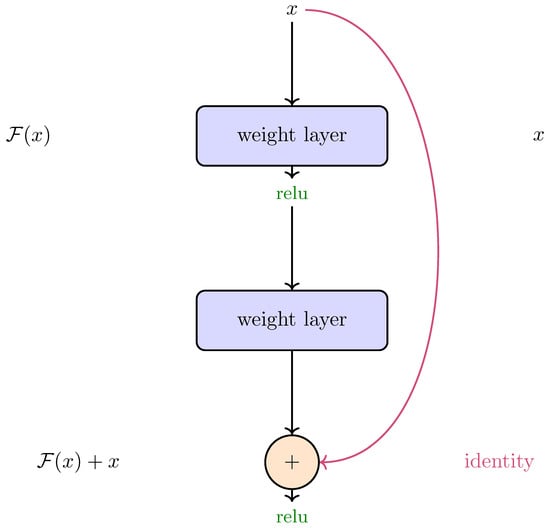
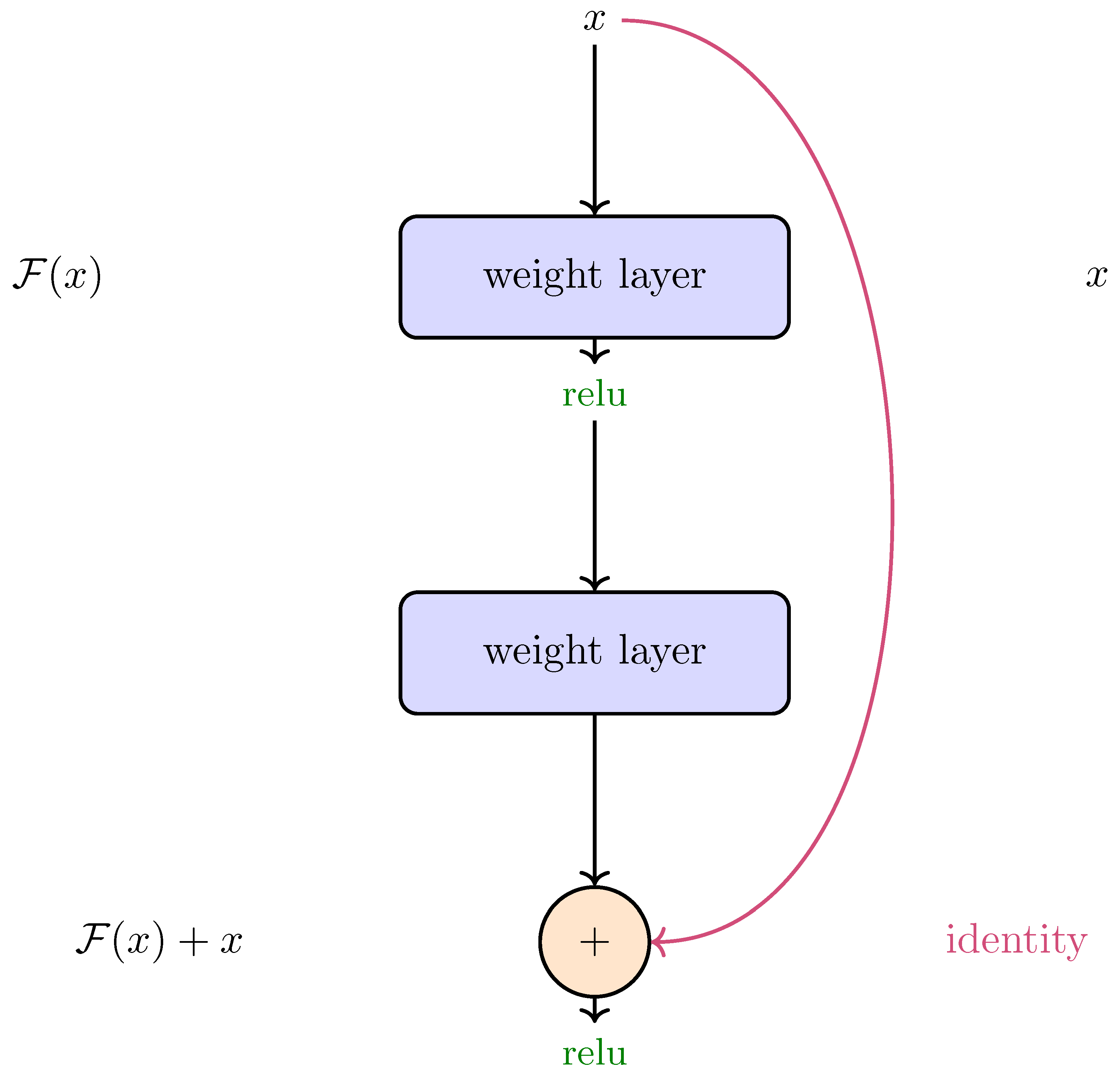
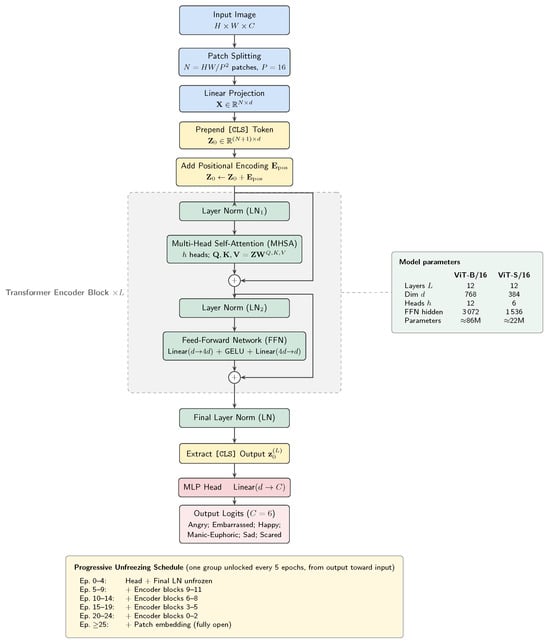
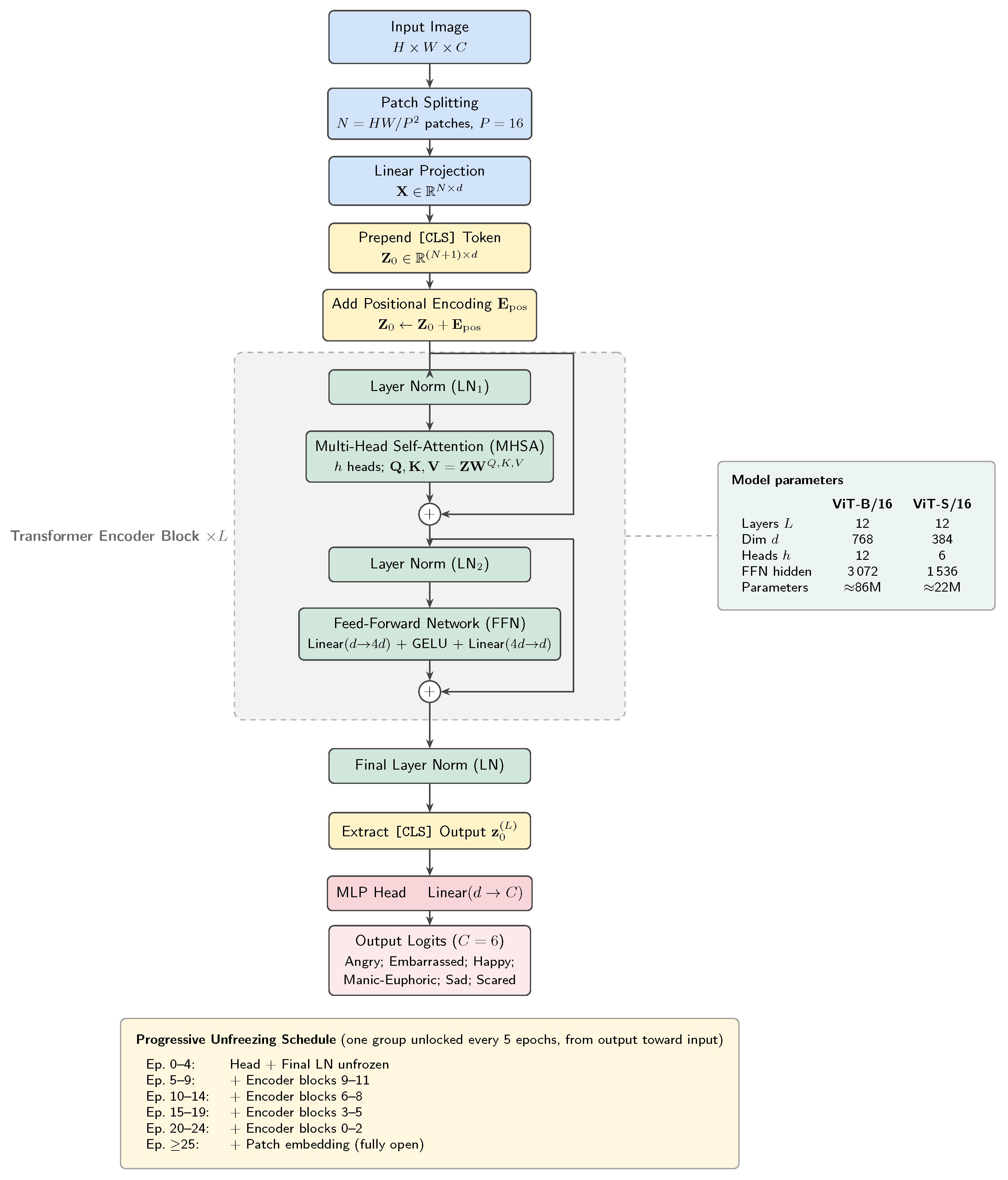
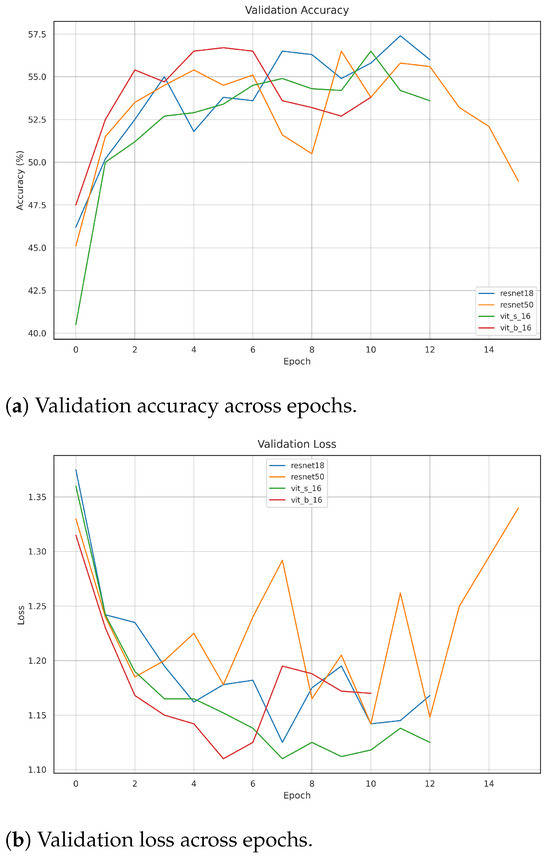
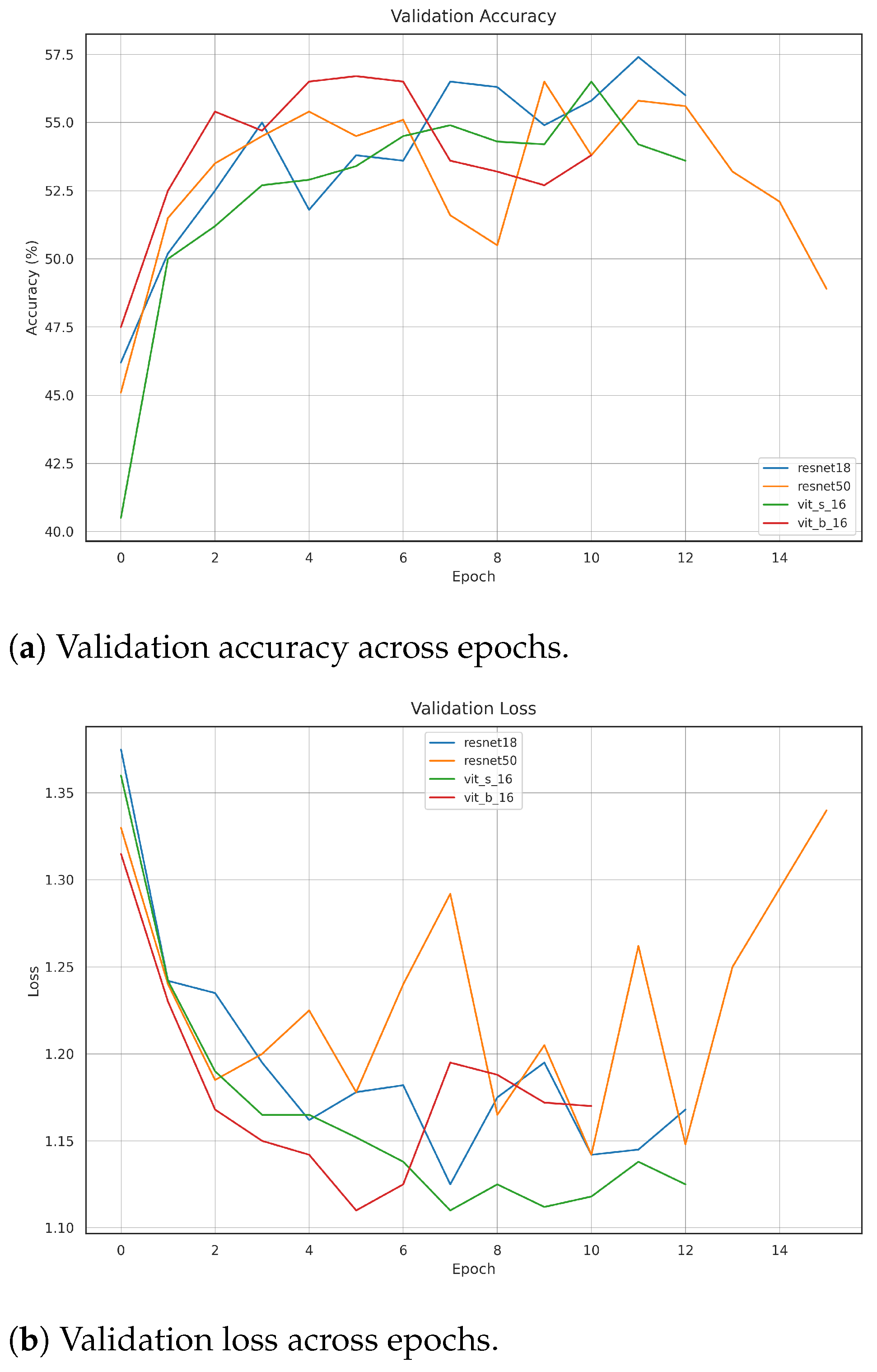
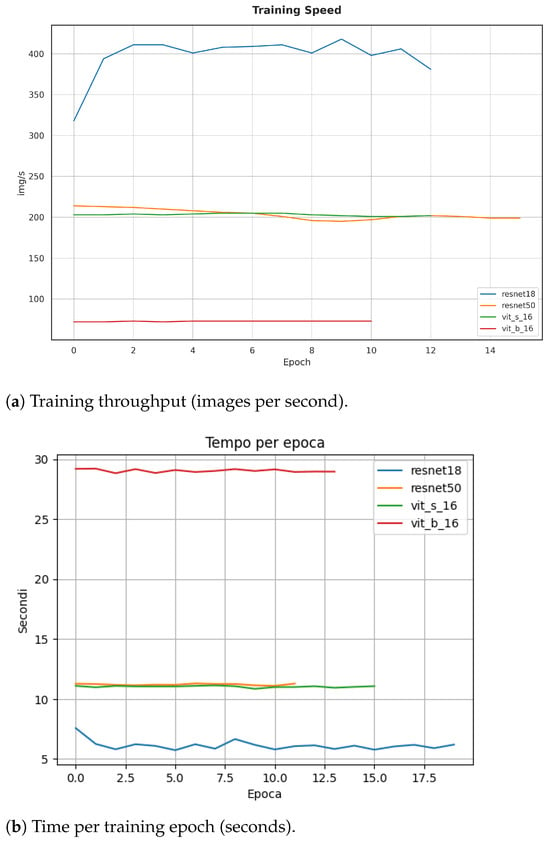
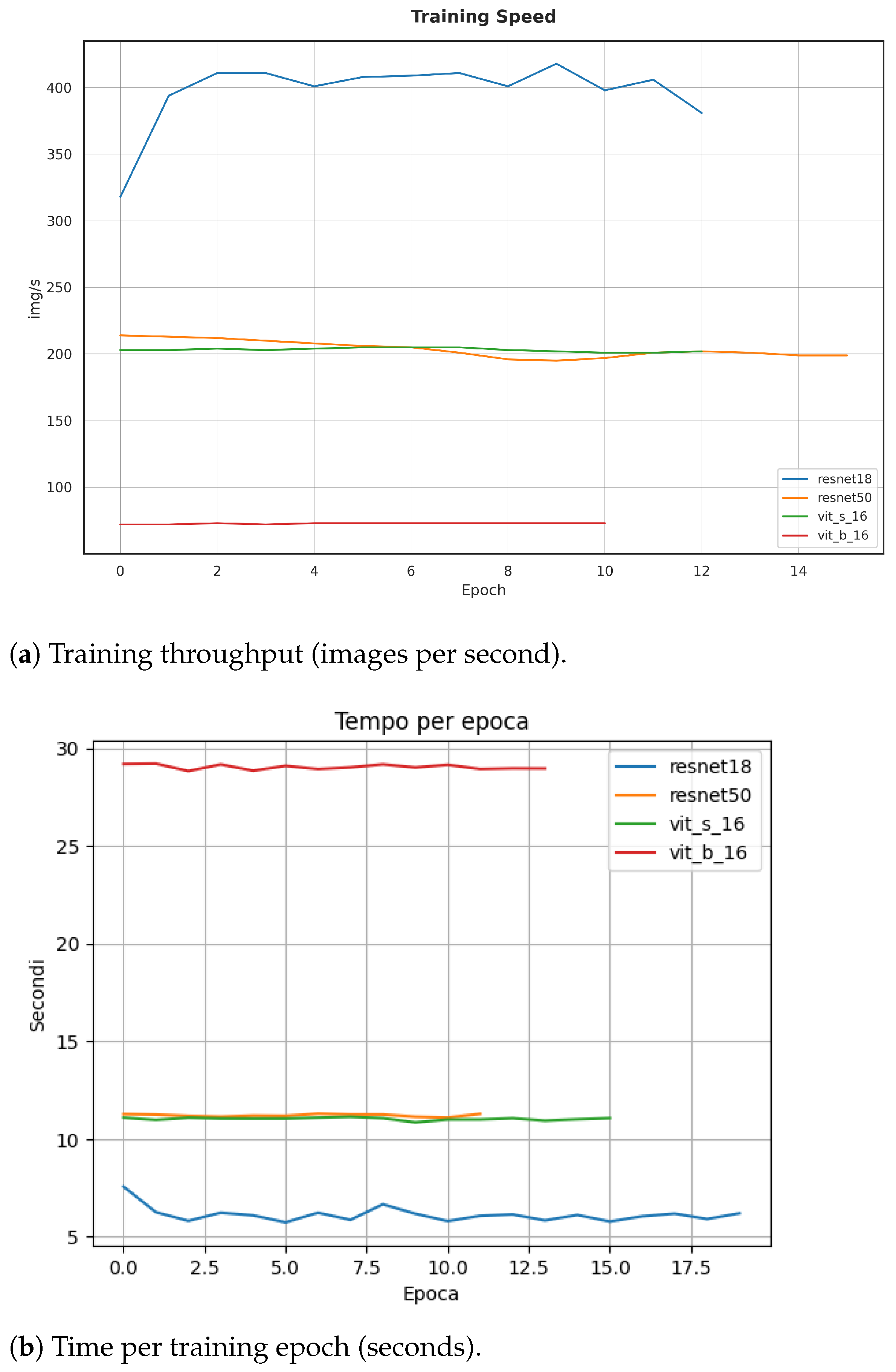
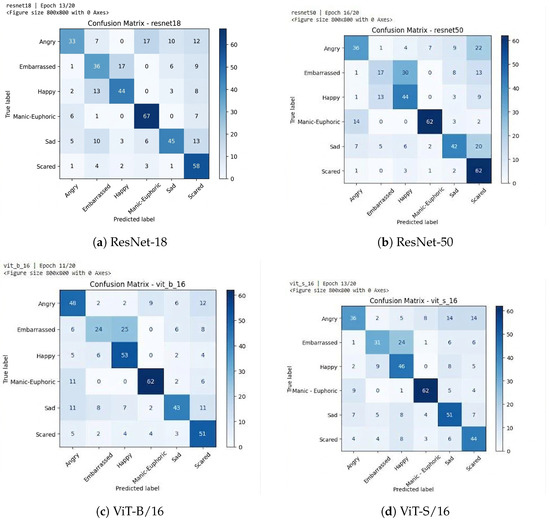
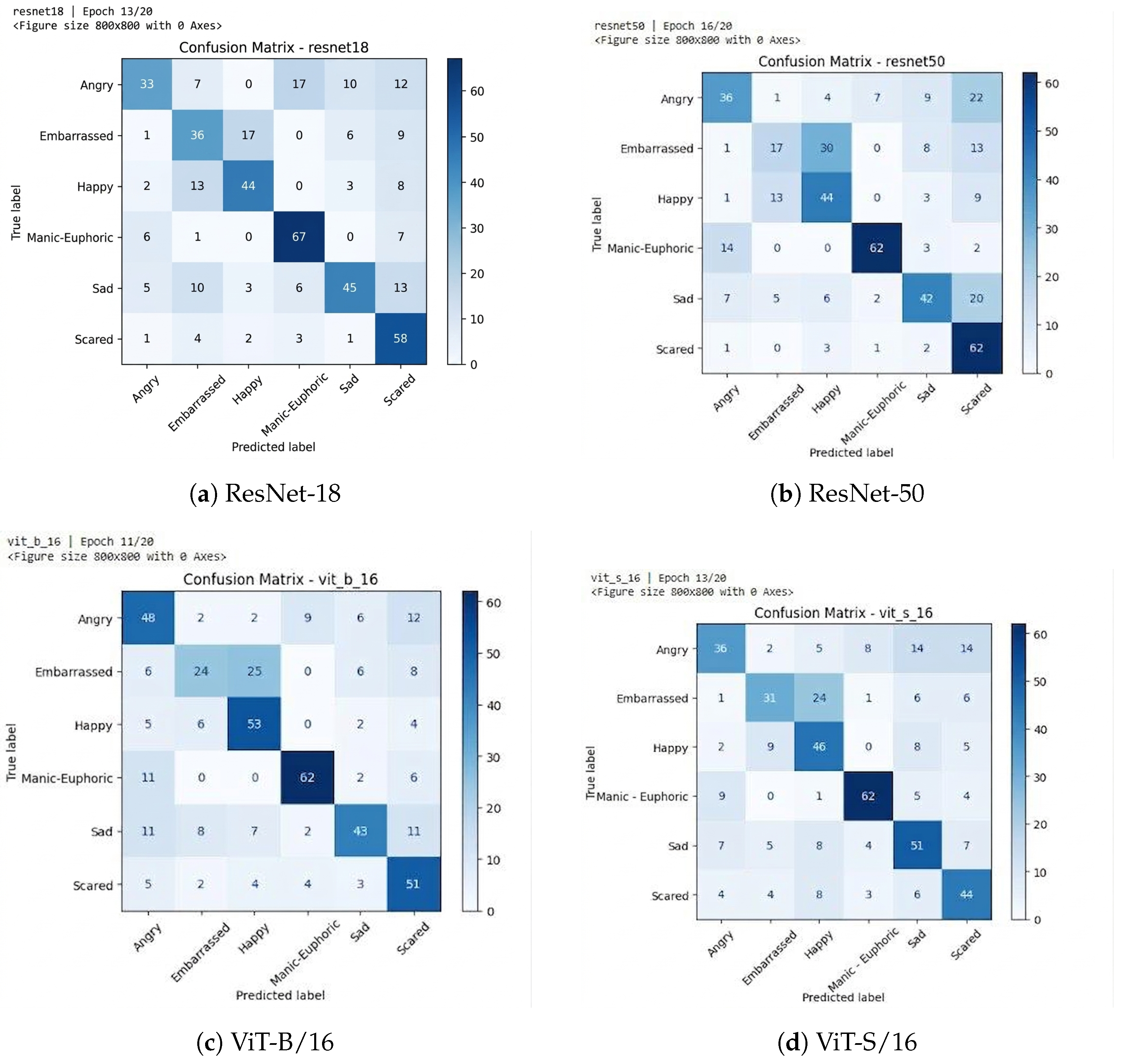
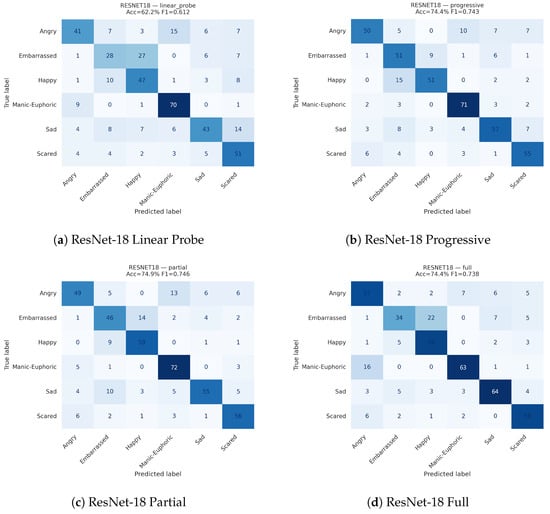
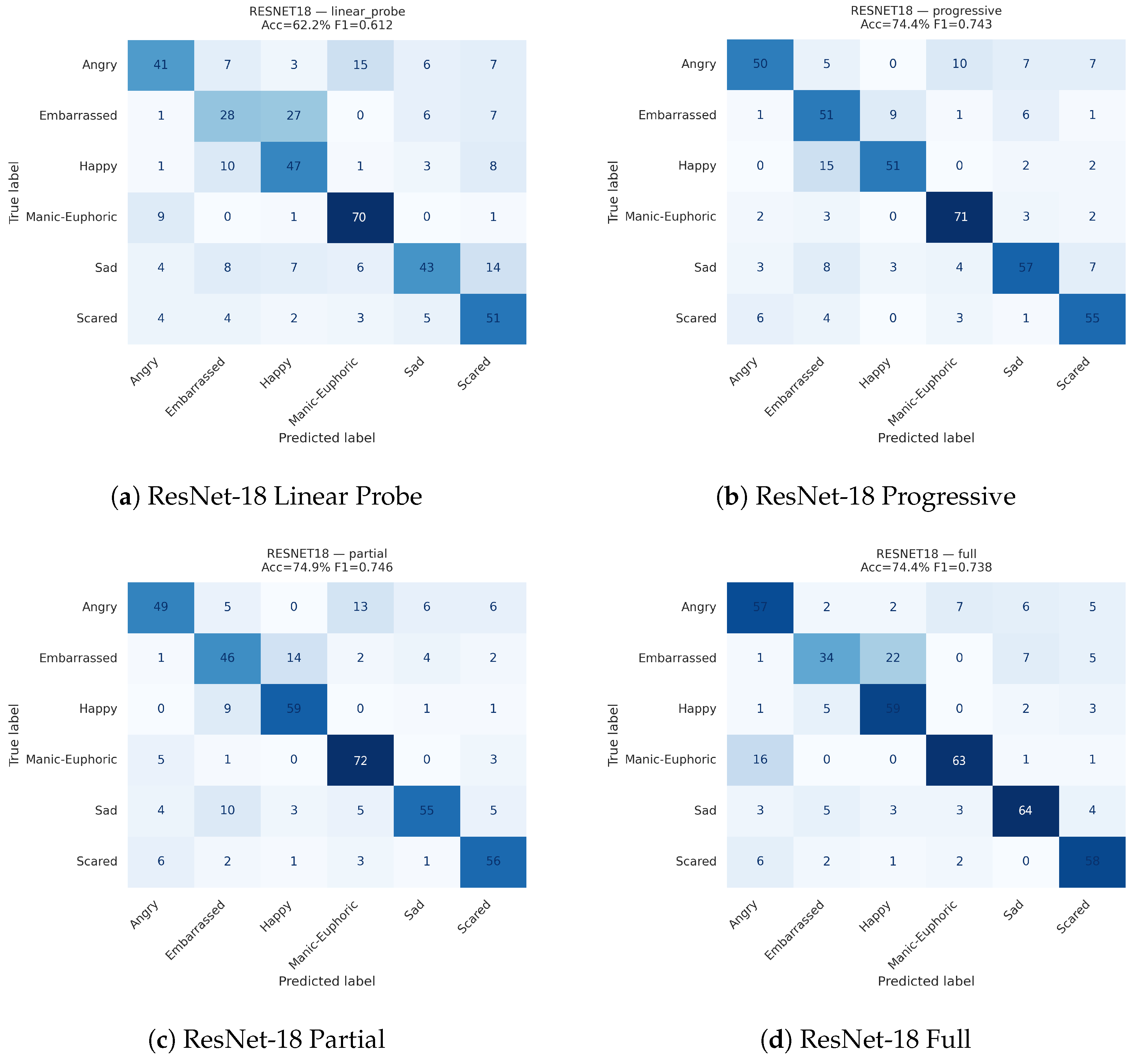
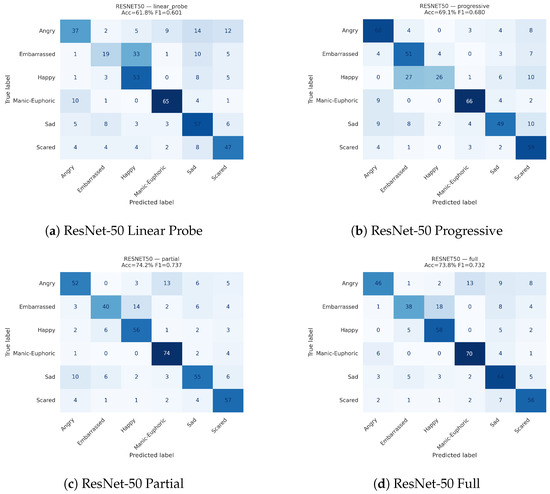
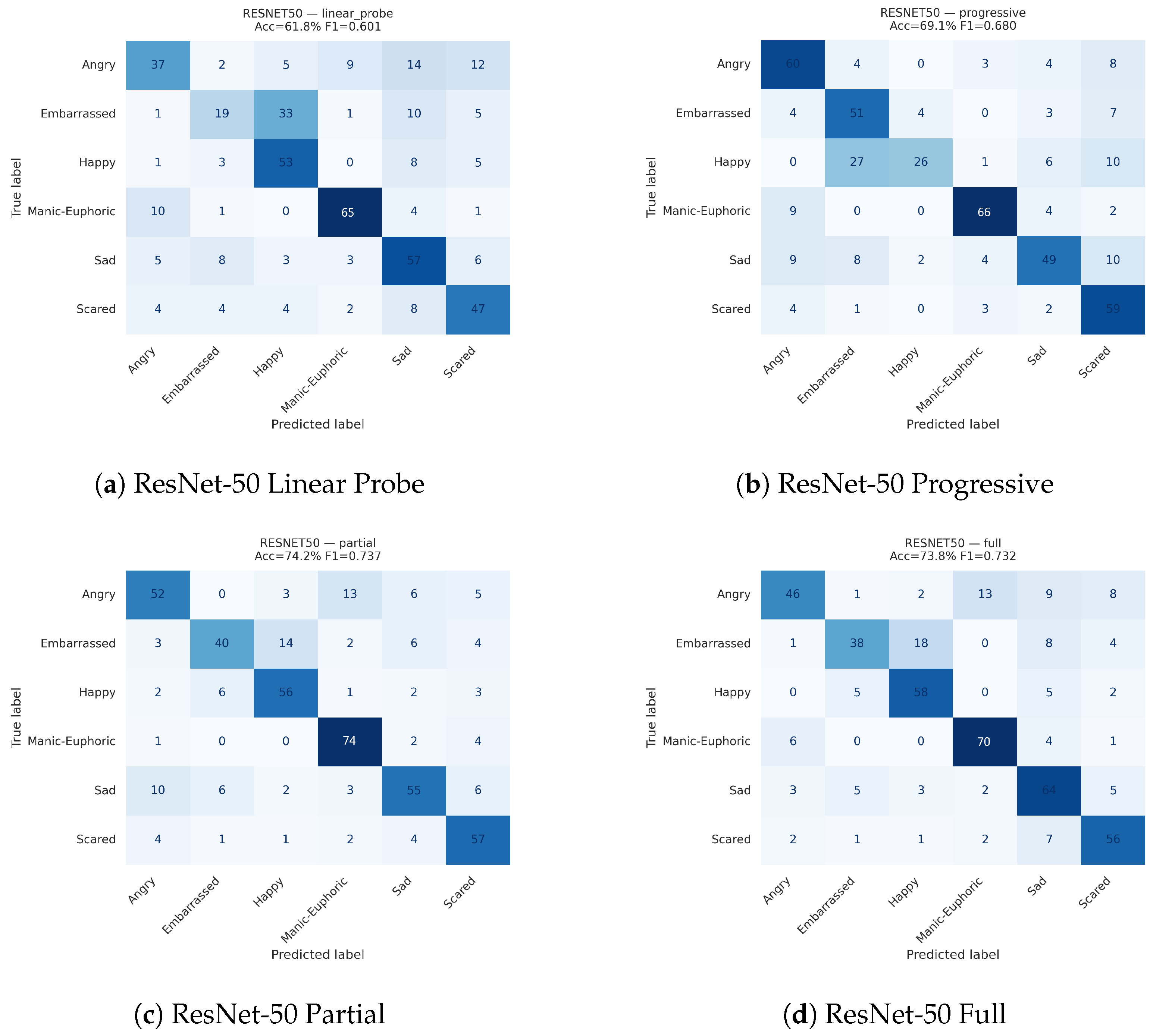
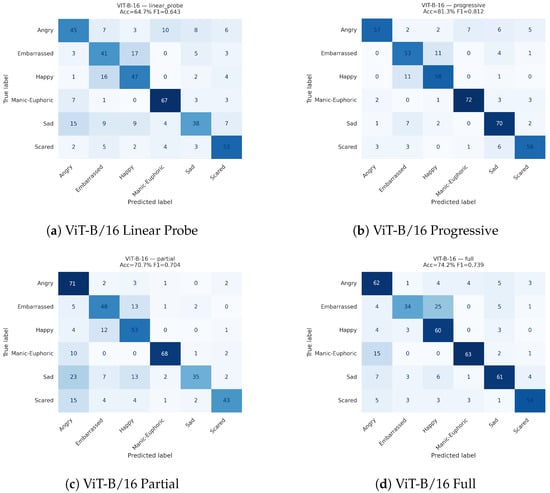
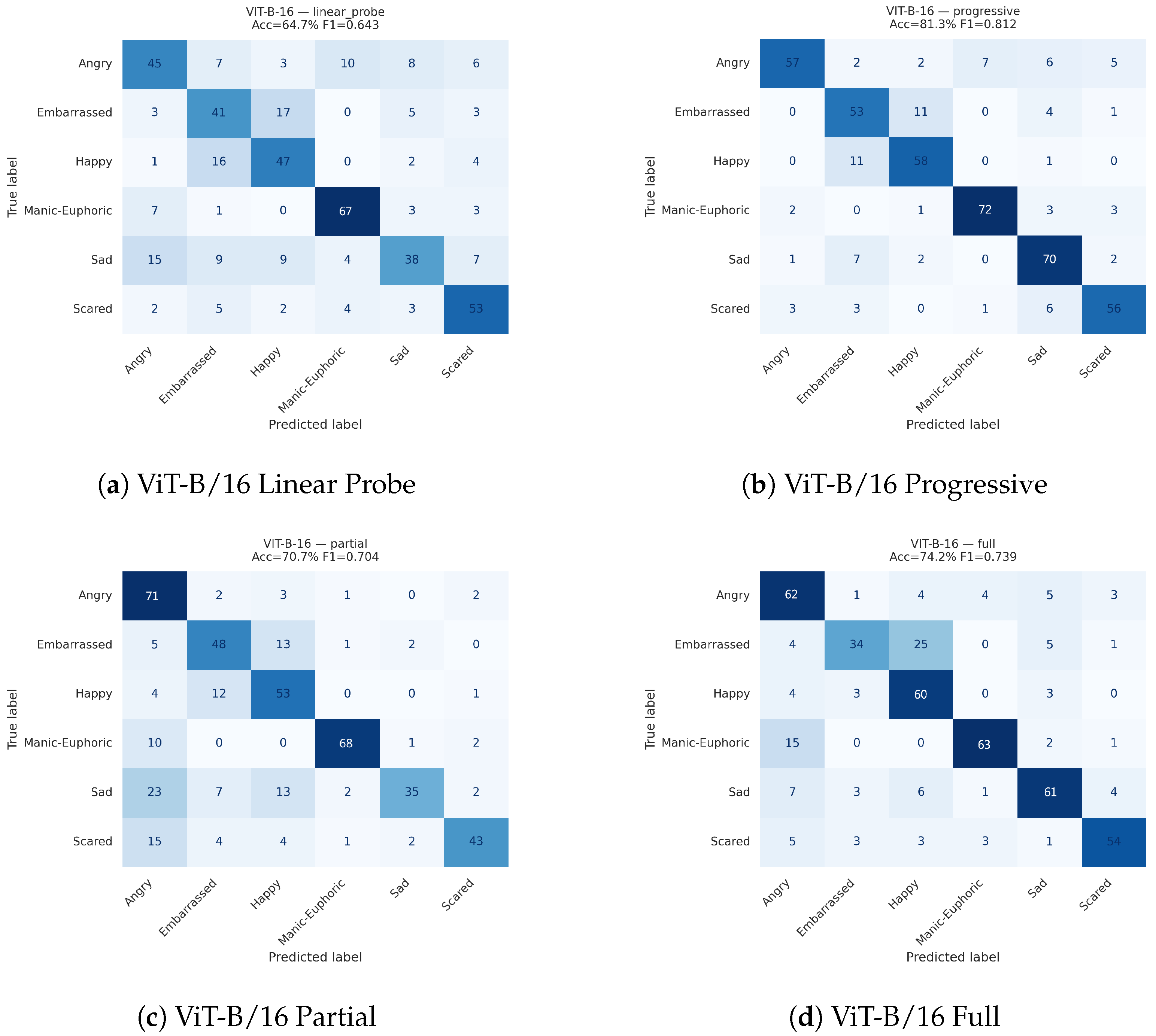
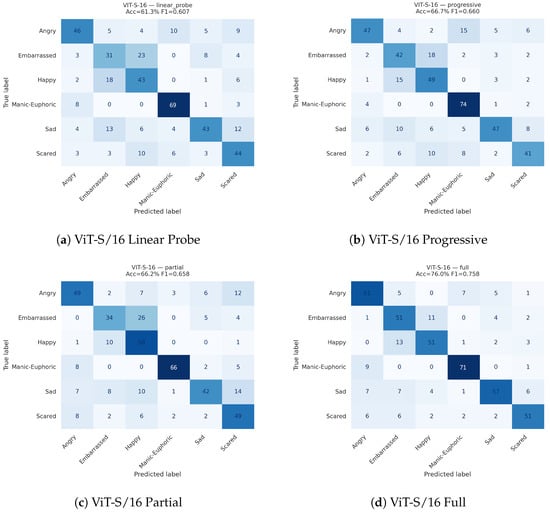
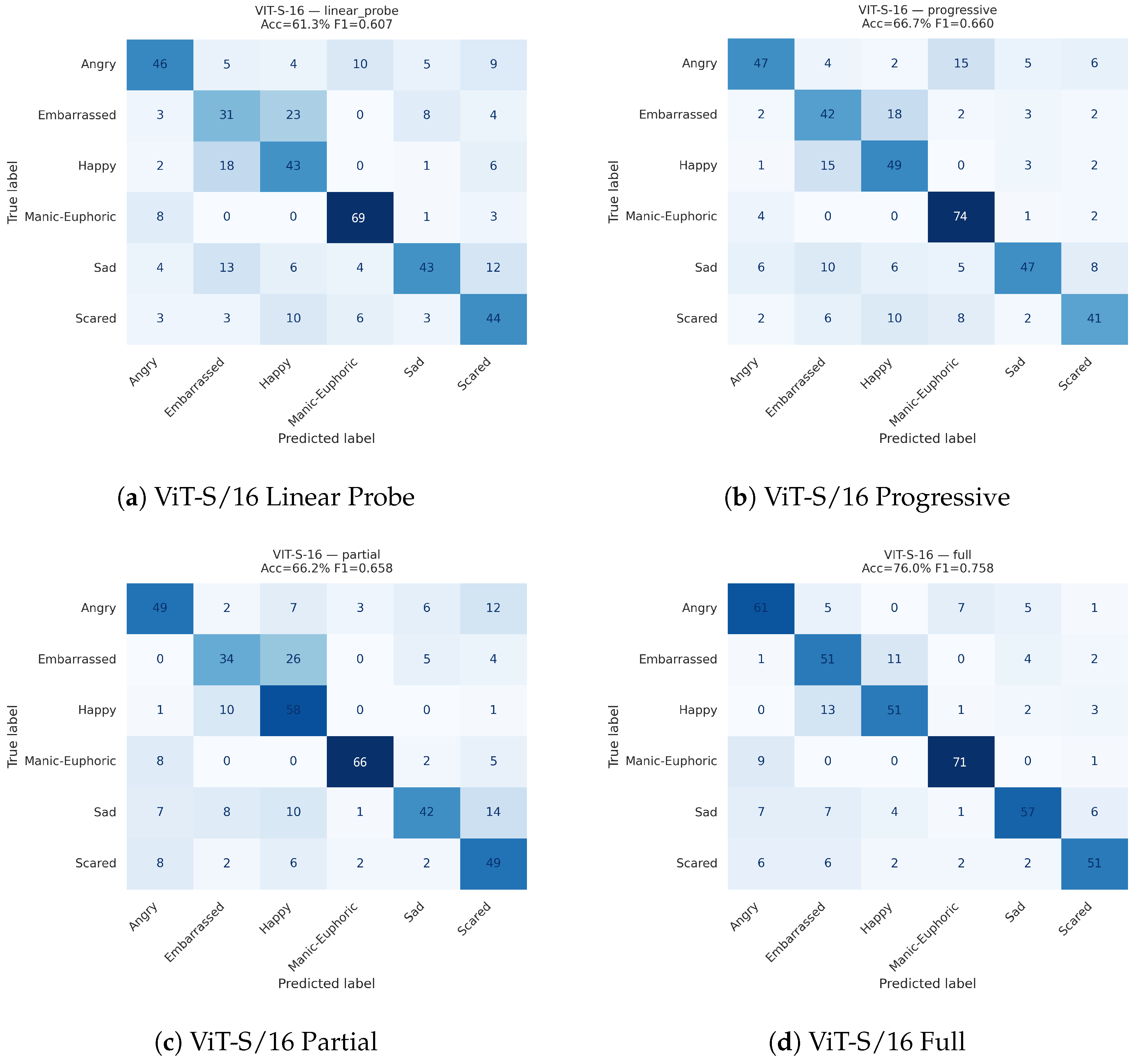
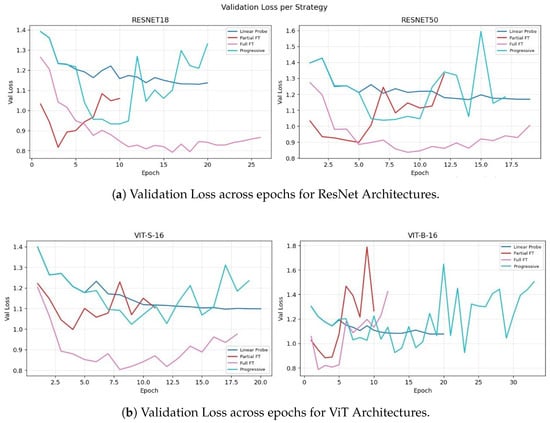
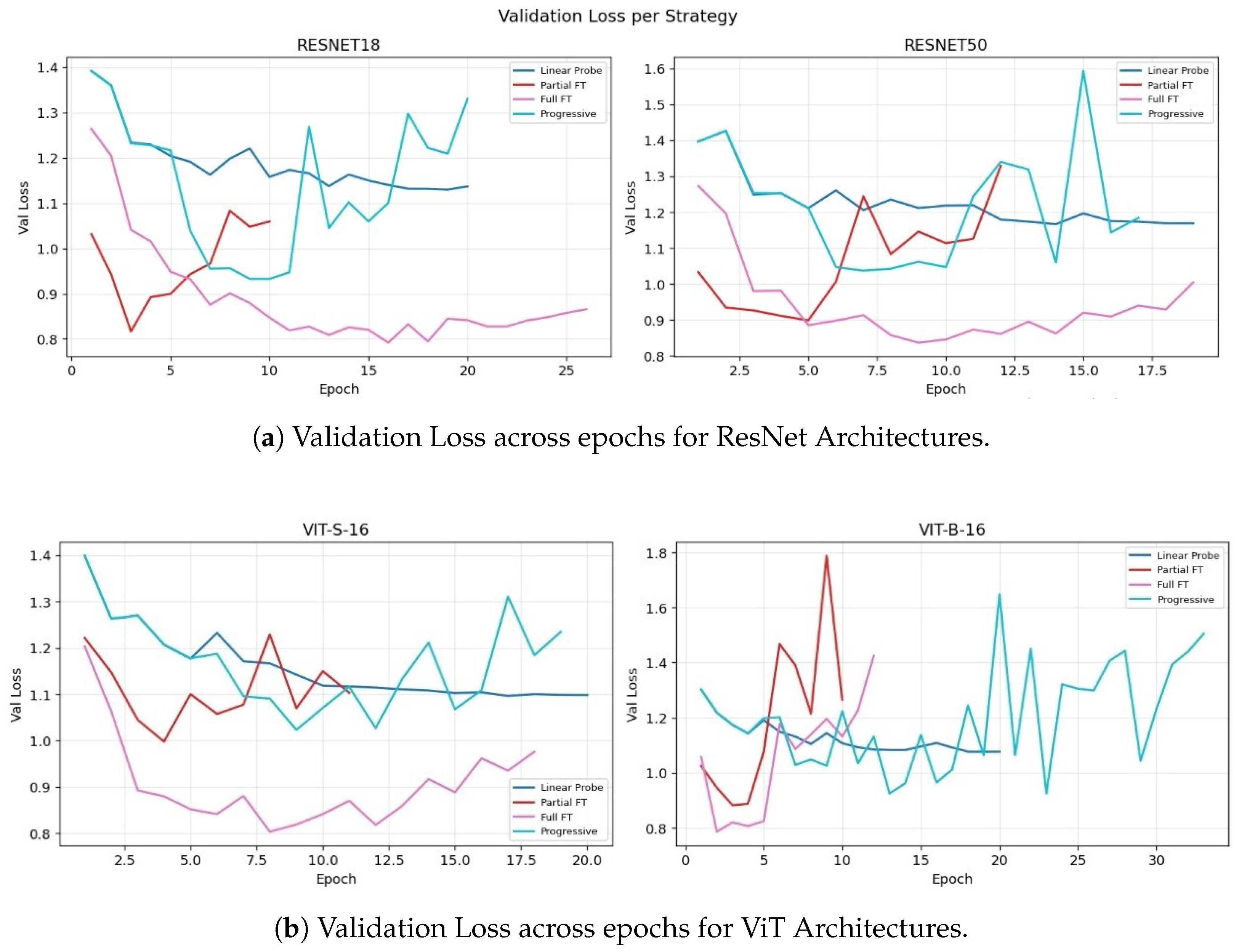
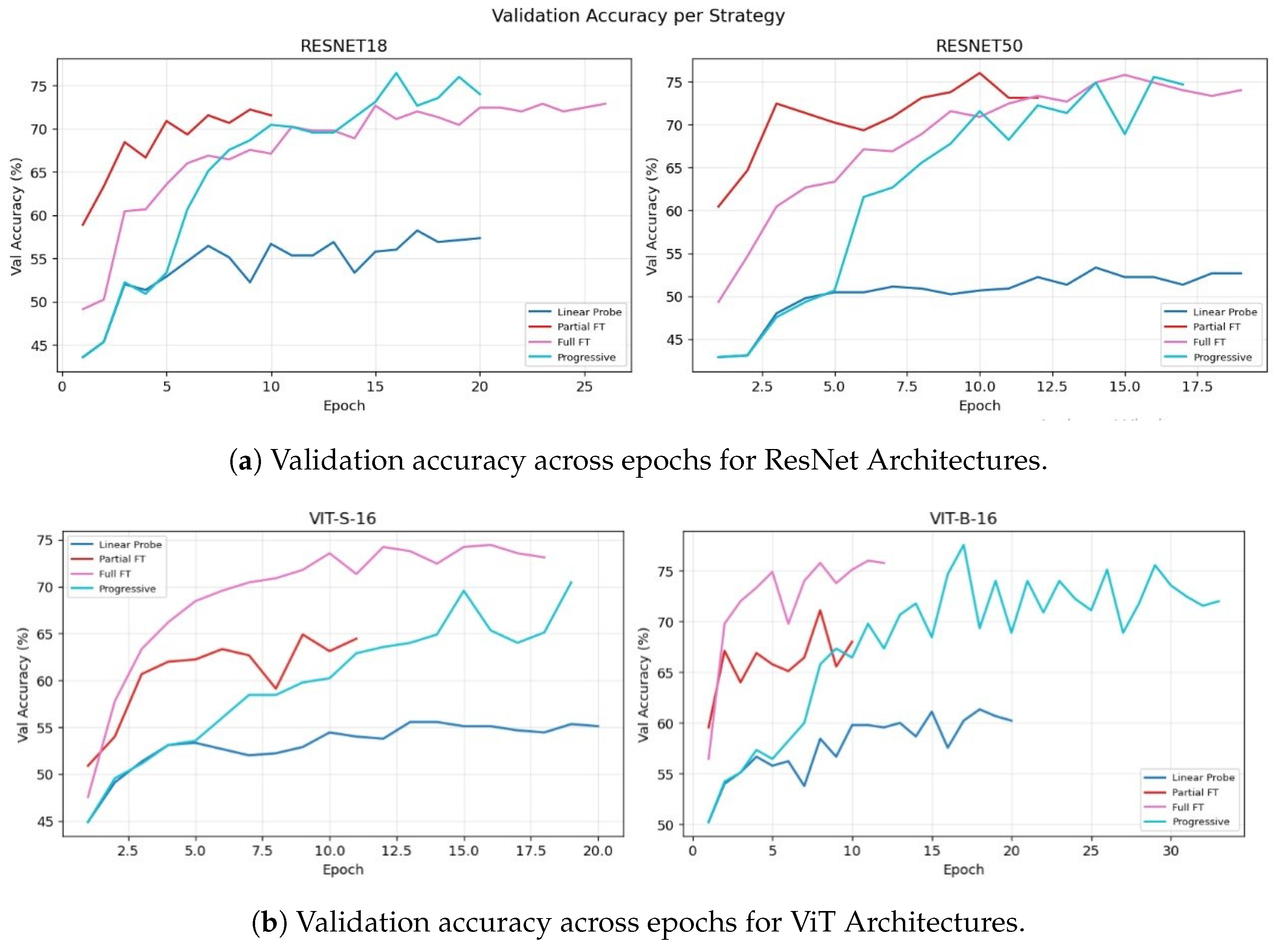
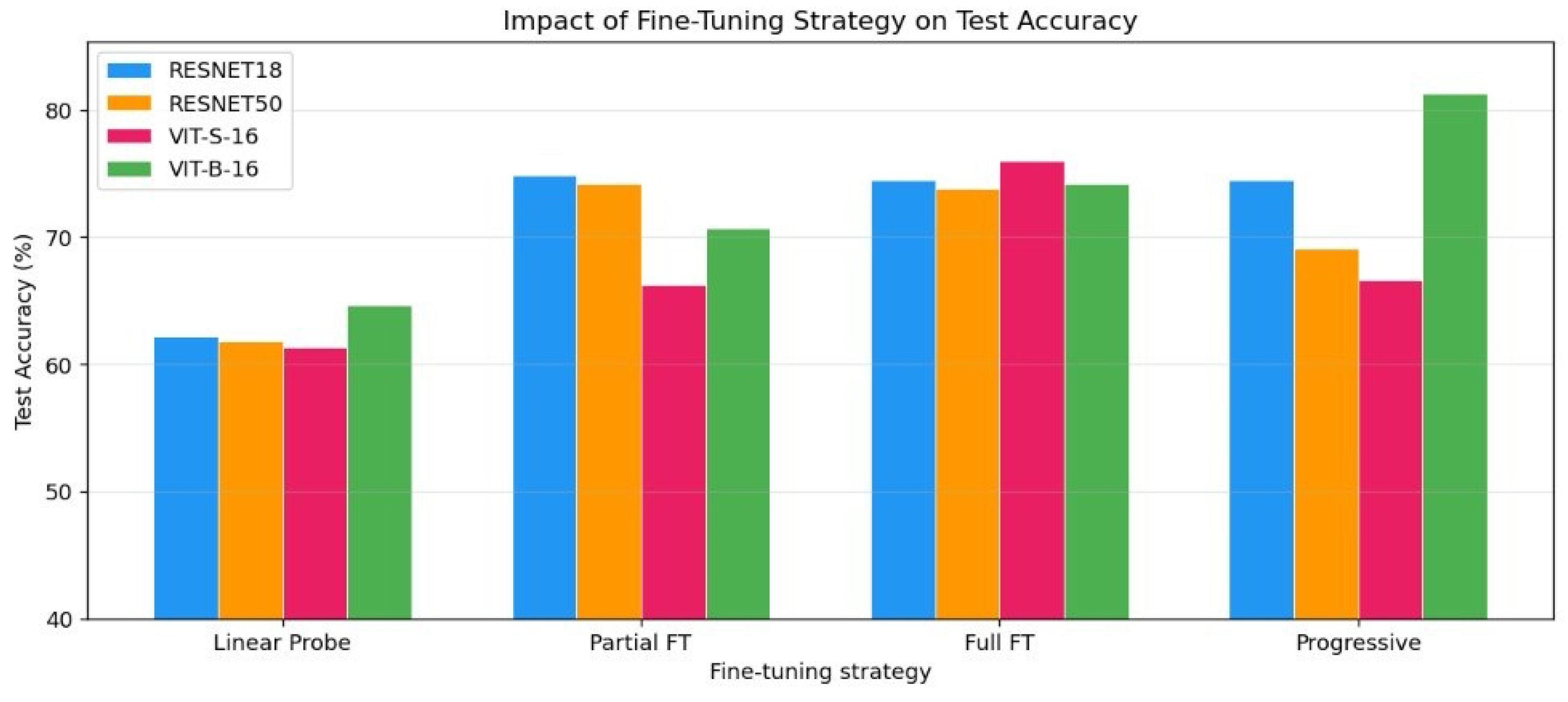
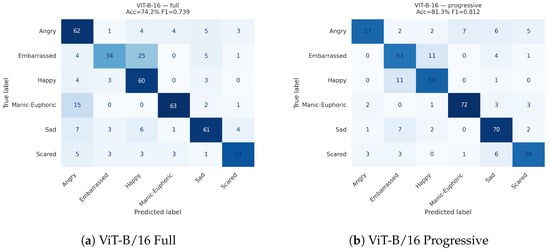
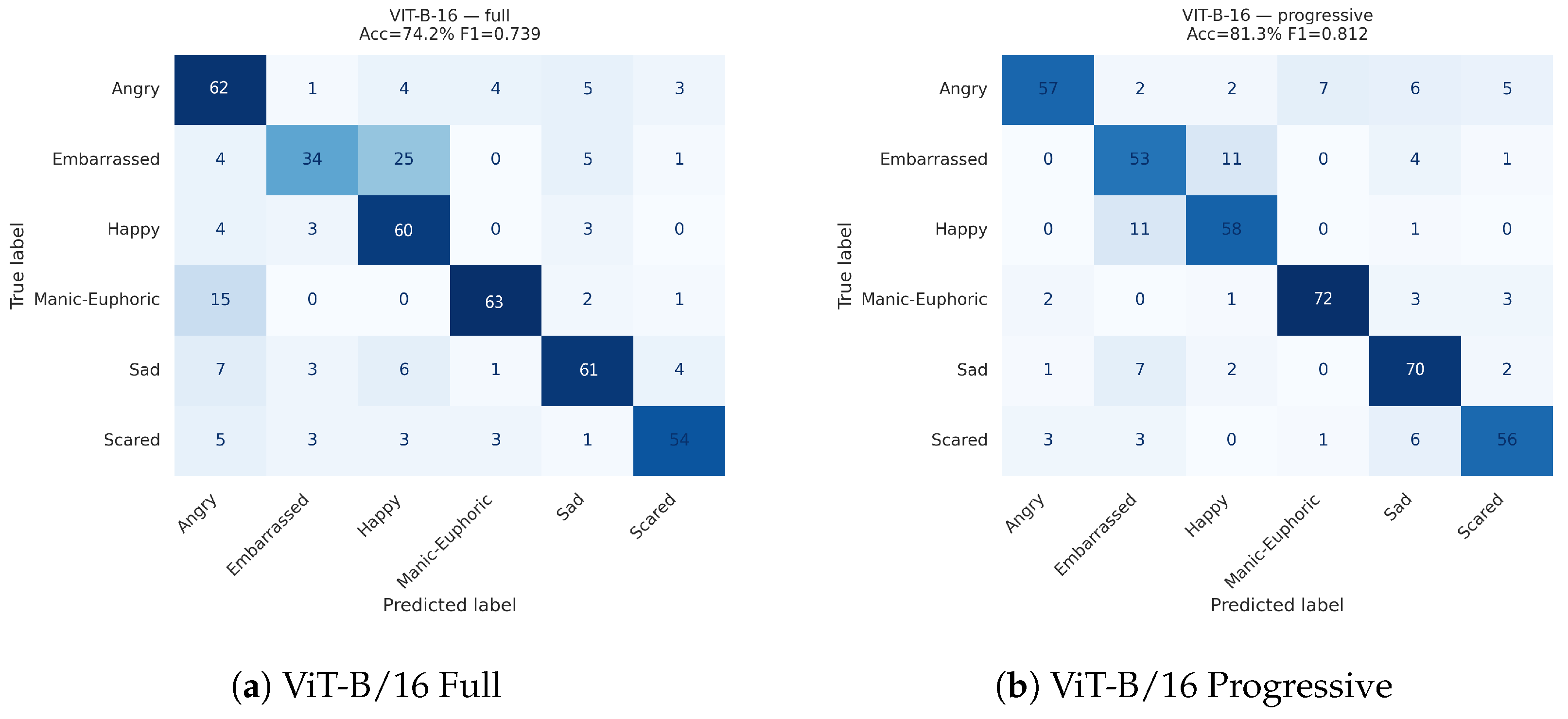
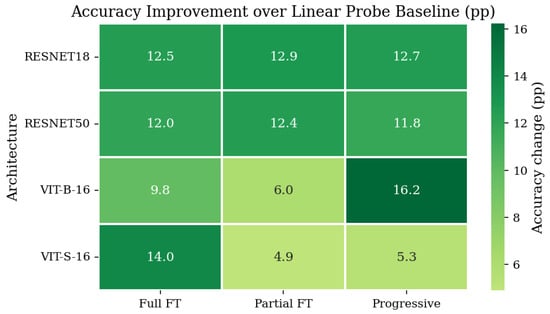
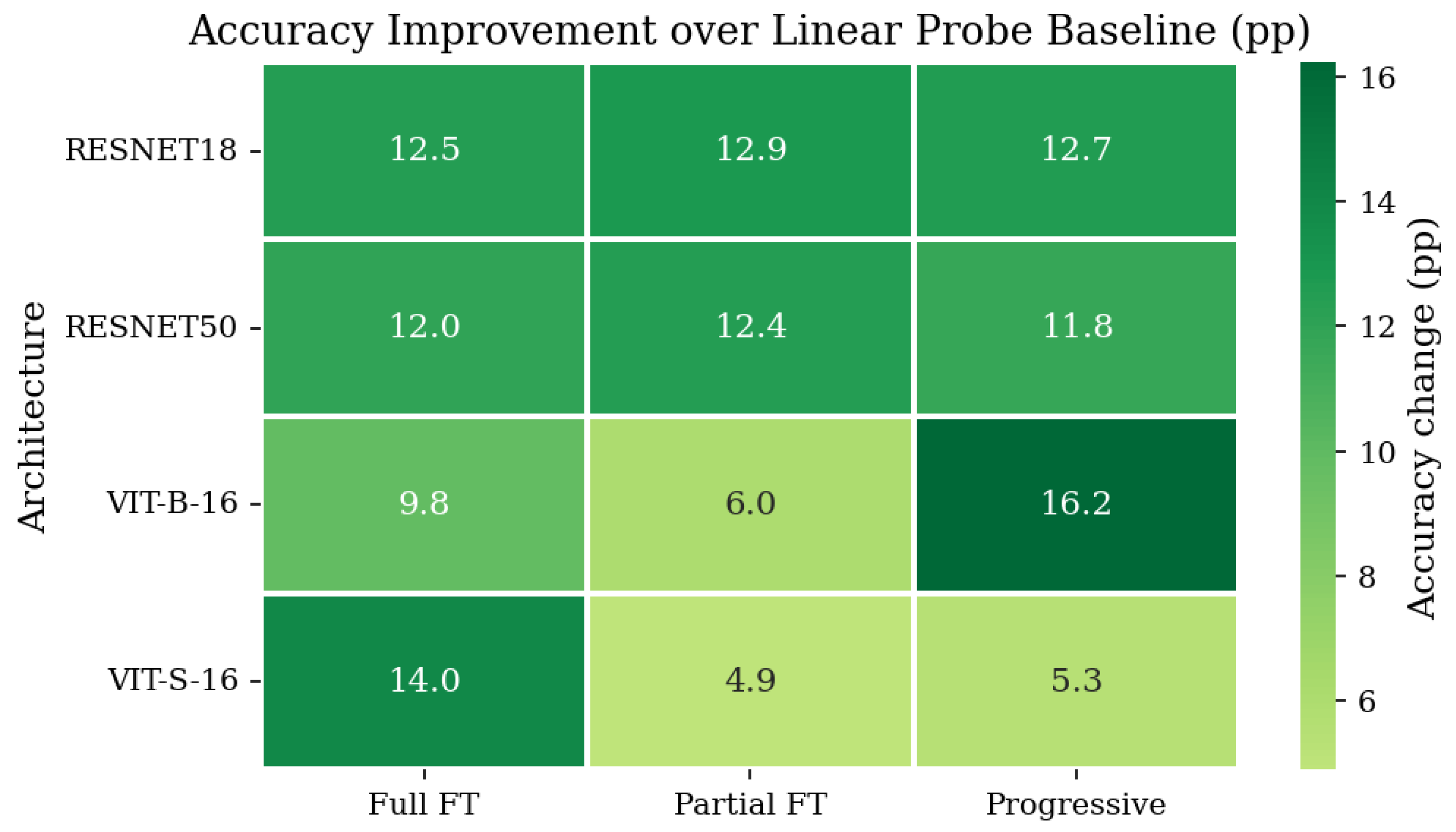

Disclaimer/Publisher’s Note: The statements, opinions and data contained in all publications are solely those of the individual author(s) and contributor(s) and not of MDPI and/or the editor(s). MDPI and/or the editor(s) disclaim responsibility for any injury to people or property resulting from any ideas, methods, instructions or products referred to in the content. |
© 2026 by the authors. Licensee MDPI, Basel, Switzerland. This article is an open access article distributed under the terms and conditions of the Creative Commons Attribution (CC BY) license.