


Abstract
Drug–drug interaction (DDI) prediction plays a critical role in optimizing therapeutic outcomes and enhancing patient safety. DDIs pose challenges in drug discovery, often leading to adverse effects, reduced efficacy, or unexpected outcomes. AI in DDIs acts as an effective tool for analyzing and predicting DDIs which introduced efficient computational approaches to DDI prediction. This paper aims to provide a comprehensive understanding of how ML and DL models perform in DDI prediction. This paper presents a comparative analysis based on key performance metrics such as accuracy, precision, recall and F-score for different ML and DL Models. We used Synthetic Minority Oversampling Technique (SMOTE) and the Gray Wolf Optimizer (GWO) which achieved the best accuracy of 95.42%. Combining the GWO with SMOTE addresses both optimization and data imbalance challenges in DDI prediction. Effectively, SMOTE addresses the class imbalance issue that leads to poor performance. SMOTE improves model performance by generating synthetic examples of the minority class rather than merely duplicating existing ones. This helps create a balanced dataset, enabling the model to learn the decision boundaries more accurately. SMOTE reduces the risk of overfitting. The GWO serves as a metaheuristic optimization framework that enhances model performance by guiding optimal feature selection subsets. This optimization process improves the model’s ability to capture complex, non-linear interaction patterns, leading to enhanced results. In our result, we achieve an accuracy of over 94% which helps in drug safety and therapeutic decision-making in health informatics.
1. Introduction
In the healthcare domain, medicine is critical to human progress and development. Products of the pharmaceutical industry act as the main substances people use to prevent, treat, and diagnose diseases. With the development of the modern healthcare domain, pharmacology, drug therapy, pharmacy research, and different combinations of drugs have been found to effectively treat individuals with diverse or complex disorders. However, the main problem of using multiple drugs in combination is that patients are at a considerably greater chance of adverse outcomes. The adverse drug reaction variety can occur due to DDIs. DDIs may lead to favorable or unfavorable changes in the activity of a drug when integrated or mixed with other drugs. This change can lead to toxicity and the loss of the therapeutic effect, posing a threat to the safety of the patients and increasing the disease incidence. This risk is particularly elevated among populations with underlying comorbidities. DDI knowledge is frequently constrained since these complicated interactions are uncommon, usually difficult to observe clinically, and can only be verified experimentally [1].
Experimental testing of drug interactions in both human and laboratory settings can assist scientists and pharmaceutical organizations in accurately identifying harmful DDIs. This can also aid in the development of modeling approaches to further recognize potential DDIs. However, laboratory research methods can be very expensive and, in some cases, impossible to conduct. Therefore, there is a significant trend towards utilizing computer and machine learning approaches to model and expedite the process of detecting DDIs. This helps to reduce associated social, financial, and health costs. The potential for artificial intelligence to improve clinical decision-making and patient outcomes is enormous [2].
Drug–drug interactions present a vital challenge in healthcare; usually, they lead to adverse drug reactions and unpredictable therapeutic outcomes. The occurrence of DDIs can occur when two or more drugs interact in ways that modify their expected effects, probably resulting in harmful consequences for patients. Clinicians are faced with the complex task of predicting and identifying these interactions to ensure patient safety. However, this process has depended on time-consuming in vivo and in vitro methods and clinical trials. Furthermore, these traditional approaches are costly and fail to comprehensively evaluate all possible interactions in large drug datasets. Based on these challenges, artificial intelligence (AI), especially machine learning and deep learning, has been proven as a powerful tool to predict and analyze DDIs with greater efficiency and accuracy. Recent advancements in these technologies have made it possible to utilize large-scale biomedical data to predict interactions more reliably, improving clinical outcomes and reducing risks [3].
Due to the rise of AI, especially with the usage of machine learning and deep learning, a committed approach to DDI prediction has been presented. These technologies specialize in complex processing and high-dimensional datasets, and can uncover patterns that may not be instantly visible through traditional methods. Both ML and DL algorithms can analyze the structures of molecules, properties of drugs, and clinical data to identify possible interactions between drugs. Moreover, the usage of DL algorithms, especially with their deep neural networks, acts as a special feature and plays a vital role in automatically extracting features from raw data, capturing non-linear relationships. Various studies have shown that the DL model proves itself perfect in DDI prediction tasks, demonstrating higher accuracy and precision, especially when working with intricate biomedical data [4].
According to many studies and research, AI-driven DDI prediction reduces both the time and costs associated with traditional methods of drug safety. Conventional approaches to DDI testing, including laboratory experiments and clinical trials, are expensive and time-consuming. In contrast, AI models can rapidly process large datasets to identify potential interactions, providing insights much faster. In addition, models of AI can represent interactions across a wide range of combinations of drugs which helps to identify interactions that may be missed during smaller-scale experiments. Because of the exposure to new data, it enhances the ability to continuously improve so that AI systems can keep up with emerging drug interactions, providing a dynamic and adaptive tool for ongoing drug safety monitoring [5].
Several challenges need to be addressed for AI models to be more effective and comprehensive. One of the main challenges is the data quality and completeness used in the training process of these models. In addition, high-quality, well-annotated datasets are primary to constructing reliable AI systems. However, there are many datasets used in DDI prediction which are incomplete or contain errors. Moreover, many AI models, especially those based on deep learning, are highly dependent on large data volumes. To a large extent, biased datasets can impact the prediction accuracy. Therefore, ensuring data quality and expanding datasets are ongoing challenges in this area [5].
Interpretability is considered a challenge in applying AI to DDI prediction in these models. Because of their “black-box” nature, deep learning models are often criticized. This can lead to difficulty in understanding how a specific prediction was made. Where healthcare professionals need to trust and understand the reasoning behind predictions, the lack of transparency can be a barrier to the widespread adoption of AI models in clinical settings. To handle this challenge, we can use the development of explainable AI (XAI) techniques that focus on improving the AI models’ interpretability. This tends to make these models even more understandable and transparent, as seen in Figure 1.
Figure 1.
Key aspects related to AI-driven drug–drug interaction (DDI) prediction.
In general, the usage of ML and DL techniques to predict drug–drug interactions plays an important role in the pharmacology field and the healthcare domain in general [6]. These technologies have the potential to improve drug–drug interaction prediction and drug safety, and accelerate drug discovery in general, which in the end leads to better clinical outcomes for patients. Despite challenges such as data quality and model interpretability, AI-driven models continue to evolve and show strong potential to transform how drug–drug interactions are predicted and managed. Furthermore, there is ongoing research that is primarily aimed at refining these models and ensuring their effectiveness in clinical practice.
Im et al. introduce a novel multimodal framework to enhance the of drug–drug interaction prediction by benefiting from Large Language Model (LLM) reasoning capabilities [7]. The authors discuss traditional DDI prediction model limitations that often include total dependence on structural data by integrating different data sources, including chemical structures, protein targets, and textual biomedical knowledge. By employing LLMs to interpret these complex data modalities, the framework achieves predictive accuracy and provides more interpretable visions into the mechanisms underlying adverse drug reactions. Significantly, the contextual understanding provided by LLMs can improve computational pharmacology reliability, offering a more robust approach to drug safety assessment in clinical settings.
Hu et al. introduce the framework of MPHGCL-DDI, which is based on meta-path heterogeneous graph contrastive learning and aims to improve DDI predictions [8]. Taking into consideration that drugs affect humans within a complex biological system, the researchers introduce the heterogeneous information network (HIN), which includes not only interactions among drugs but also other components such as protein–drug interactions, disease–drug interactions, and adverse drug events. The main innovation consists of the usage of meta-paths that allow description of a sequence of nodes in the network, thus giving the possibility to consider higher-level relations in the network. Using contrastive learning, MPHGCL-DDI allows separation of biological interactions from noise and, hence, improvement of the results achieved by previous models that failed to overcome data sparsity. The framework presented is expected to significantly advance the research field since it helps to achieve better results in DDI prediction, providing deeper insights into the issue.
In DDI prediction, cold-start and warm-start represent two different levels of data level availability. In cold-start, drugs are discussed with little or no prior interaction data, making prediction more challenging and often less accurate. However, warm-start includes drugs with enough historical data, allowing models to learn interaction patterns more effectively and achieve better performance. As a result, prediction accuracy generally improves as more drug-related data becomes available [9].
1.1. Key Datasets for DDI Modeling
In the healthcare domain, drug–drug interaction prediction plays a critical role, especially for enhancing patient safety, enabling strategies of personalized treatment, supporting efforts of drug development, and improving clinical decision-making processes. Drug interaction effective management lets healthcare providers optimize therapeutic outcomes and enhance overall patient care when drugs or medications interact, even by inhibiting, enhancing, or reducing a drug’s efficacy. However, a huge interaction number goes unnoticed, resulting in a wide medication combination range. Due to complex biological mechanisms, many diseases need multiple medications. It is impractical to identify every potential DDI during the early stages of drug development. Moreover, a huge number of adverse drug reactions often go unnoticed, despite pre-approval clinical trials. Therefore, DDIs should be analyzed by researchers to predict possible interactions that may have been previously unidentified and to check their connections with the drugs’ properties and features [10].
1.1.1. DrugBank
DrugBank acts as one of the most comprehensive and globally used datasets for drug-related research [11]. It contains detailed information on drugs, including their chemical structures, targets, enzymes, pathways, and known interactions. Moreover, it supports a drug–drug interaction structured dataset. In addition, DrugBank is a necessary and perfect choice for building knowledge graphs, applying machine learning models, and creating network-based DDI predictions—especially since this dataset is regularly updated and categorized into approved or investigational, making it an important dataset used in drug–drug interactions [12].
1.1.2. TWOSIDES
In drug–drug interactions, the TWOSIDES dataset acts as a large-scale collection with reported side effects [11]. It is derived from the FDA Adverse Event Reporting System. Unlike other datasets that focus on direct interactions, TWOSIDES captures adverse effects that emerge when two drugs are administered together. This makes it necessary for studies of pharmacovigilance and predicting unknown adverse interactions. Many papers use TWOSIDES to develop models for drug safety evaluation, risk prediction, and the identification of probably harmful drug combinations in clinical settings.
1.1.3. DDInter (Drug–Drug Interaction Database)
DDInter is a large database compiled from different sources, such as DrugBank, KEGG, and the biomedical literature [13]. This dataset supports much information on known drug–drug interactions, with evidence such as biochemical mechanisms and clinical outcomes. Usually, DDInter is used for DDI prediction based on machine learning. In drug–drug interactions, DDInter is considered one of the most comprehensive and professional open-access databases. To improve clinical decision-making and patient safety, DDInter provides huge annotations for each DDI association involving risk levels, management strategies, alternative medications, and mechanism descriptions. Moreover, it presents structured annotations that let researchers enhance predictive models. The dataset is utilized in biomedical informatics to enhance assessments of drug safety and to identify interactions. The dataset supports a drug–drug edge list that includes 65 types of drug–drug relationships. The relationship of a drug refers to the interactions of the drug. This database displays drug interaction events as a quadruple structure (drug A, drug B, mechanism, action). Action indicates an increase or decrease in the effects.
The main data sources that are commonly used for drug–drug interaction (DDI) research are DrugBank, TWOSIDES, and DDInter [13] which highlight their characteristics across many dimensions. DrugBank offers detailed drug-related data, focusing mainly on direct interactions, for applications such as knowledge graph construction, machine learning, and network-based prediction using structured data, including chemical structures, targets, pathways, and interaction features. TWOSIDES is based on the FDA Adverse Event Reporting System, mainly focusing on adverse effects, especially those caused by drug combinations for applications as large-scale adverse interaction prediction. On the other hand, DDInter combines data from DrugBank, KEGG [14], and the literature, providing curated data for machine learning-based DDI prediction, including structured annotations, drug property matrices, and interaction types. All the data sources are complementary, providing diverse data for the construction of reliable DDI modeling frameworks as mentioned in Figure 2. In addition, Table 1 represents a sample description of individual source datasets that have been used by many researchers [15].
Figure 2.
Comparison between DDI Datasets.
Table 1.
Sample of used data sets in drug-related interaction.
In this paper we use the DrugBank dataset. Actually, we do not present new algorithms, since both SMOTE and the GWO are already well known. However, we focus on how to use them together in a practical way for DDI prediction. By integrating data balancing with feature selection, we attempted to enhance the performance of several models, including Decision Tree, Random Forest, XGBoost, SVMs, and Logistic Regression. The results introduce an acceptable and stable performance, with high F1-score and AUROC, and good generalization. So, the main contribution of this paper is to introduce a comparative analysis for using ML and DL in DDIs and improve prediction results rather than proposing a new method.
First, we propose a DDI prediction pipeline that combines SMOTE-based oversampling with the Gray Wolf Optimizer (GWO) for feature selection, which effectively handles data imbalance and identifies the most informative drug features. Second, our work demonstrates that applying the GWO for feature selection in DDI prediction achieves high predictive performance with classical machine learning models, reaching good accuracy, precision, recall, and F1-scores on methodology datasets. Third, this study explores the integration of metaheuristic-based feature selection (GWO) with oversampling techniques for DDI prediction, providing a framework that may be extended to other biomedical interaction tasks. Finally, the pipeline emphasizes model interpretability and efficiency, as the GWO reduces redundant or irrelevant features, thus lowering computational cost while maintaining high performance.
The combined use of SMOTE and the GWO represents a critical contribution to drug–drug interaction prediction by addressing class imbalance and model optimization challenges. SMOTE improves the learning process by balancing interacting and non-interacting drug pairs, enabling models to better capture interaction-specific patterns and reduce false negatives. The GWO complements this by automatically optimizing feature selection and model hyperparameters through an efficient exploration–exploitation strategy, eliminating reliance on manual tuning. Together, these techniques enhance recall, precision and F-score, resulting in more accurate and clinically reliable drug–drug interaction prediction models. As illustrated, the main contributions of this paper are summarized as follows:
- We provide a comprehensive comparative analysis of both machine learning (ML) and deep learning (DL) approaches for drug–drug interaction (DDI) prediction, highlighting their respective strengths, limitations, and areas of application.
- We categorize existing computational methods into key families: text mining, similarity-based, and classification-based approaches, providing a structured framework for understanding current research directions.
- We review and offer a detailed review of many widely used DDI benchmark datasets (e.g., DrugBank [9], TWOSIDES [10], DDInter [13]), offering insights into their features and suitability for training predictive models.
- We perform a comparative experimental analysis using a neural network and five popular ML algorithms (Random Forest, SVMs, Logistic Regression, Decision Tree, XGBoost) on a real-world DDI dataset before and after applying SMOTE for class imbalance resolution to show how using SMOTE enhances accuracy.
- We demonstrate that SMOTE preprocessing significantly improves prediction accuracy with Random Forest and SVM models, and discuss the implications of these results for drug safety and decision support systems.
- We introduce an optimized pipeline by combining Gray Wolf Optimizer with SMOTE, whose advantage lies in their ability to address both optimization and data imbalance challenges in DDI prediction.
- We discuss critical research gaps by identifying key challenges in DDI prediction, such as data quality, interpretability, and generalizability, and propose future research directions, including hybrid models and explainable AI techniques.
A systematic review of recent literature [25,26] shows that SMOTE and metaheuristic-based feature selection methods have been individually applied in DDI prediction and related biomedical domains. The originality of our work is incorporating the GWO for feature selection into SMOTE within the DDI prediction pipeline. Unlike most of the previous studies that use all the available drug features, our approach applies the GWO to select the most informative biochemical and structural features, reducing redundancy, improving interpretability, and enhancing the model’s efficiency. To the best of our knowledge, relatively few studies have investigated the combination of metaheuristic-based feature selection with oversampling techniques in the DDI prediction domain.
Furthermore, our pipeline demonstrates that applying the GWO prior to machine learning not only enhances predictive performance but also enables good accuracy, precision, recall, and F1 scores of classical models such as RF, SVMs, and XGBoost, a result which outperforms most previous approaches depending merely on SMOTE. Hence, the study will contribute a methodologically different framework by balancing feature optimization and class imbalance handling to guarantee a high predictive performance that is reproducible and extensible to future biomedical interaction studies.
Figure 3 introduces the pipeline for DDI prediction that is designed to ensure reproducibility, and unbiased evaluation. The pipeline workflow starts using the DrugBank dataset in a data preparation phase. To prevent data leakage, with no overlap, the dataset is split into an 80% training set and a 20% independent test set. On the training set, a classified 3-fold cross-validation is applied for model development. Within each fold, SMOTE is used on the training to address class imbalance, while the validation fold remains untouched. Then, using the GWO, the feature selection is performed, which identifies the most informative subset of features for enhanced predictive performance. Machine learning models are trained using the selected features within each cross-validation fold. After completing cross-validation, the optimized pipeline (SMOTE + GWO + model training) is retrained on the full training set. The final evaluation is performed once on the independent test set, which remains completely unseen during all stages of training and resampling, ensuring an unbiased estimate of generalization performance. To ensure a comprehensive and reliable evaluation, multiple complementary metrics are applied, including accuracy, precision, recall, F1-score, AUROC, and AUPRC. Furthermore, confusion matrices and calibration curves are used to analyze classification behavior across classes, while cross-validation statistics are employed to assess model stability and robustness.
Figure 3.
The experimental pipeline.
This paper is organized as follows. Section 2 presents the fundamentals of machine learning and deep learning in DDI prediction. Section 3 provides a comprehensive review of existing computational methods for DDI prediction. Section 4 describes the experimental steps, preprocessing steps, and model evaluation. Finally, Section 5 concludes the paper and discusses challenges and future work.
2. Fundamentals of Machine Learning and Deep Learning in DDI Prediction
In the healthcare domain, drug–drug interaction is a major concern, as DDI can lead to reduced therapeutic efficacy, adverse drug reaction (ADR), or unexpected toxicities [27]. In vitro experiments and clinical trials act as traditional methods for identifying DDI, which are time-consuming and expensive [28]. The advancement of computational techniques such as ML and DL has enabled them to play a critical role as powerful tools for predicting potential DDIs efficiently and accurately.
Drug–drug interaction technology indicates the different methods and tools which are used for detecting, managing, or predicting the interactions between two or more drugs. These interactions can lead to the reduced efficacy of therapeutic drugs and adverse effects or accidental responses between drugs. Recent years have seen notable advancements in the technology used to predict DDIs, incorporating the use of computational models, machine learning, artificial intelligence (AI), deep learning, and other experimental techniques. The important technologies in predicting and controlling DDIs are computational and machine learning (ML) and artificial intelligence (AI). Computational models are represented by Pharmacokinetic (PK) and Pharmacodynamic (PD) Models or Molecular Docking and Simulation [29].
Both PK and PD Models can simulate how drugs behave in the body such as absorption, distribution, metabolism, excretion, and their effects on the physiology [30]. Moreover, these models can assist in predicting how the first drug may affect even the absorption or metabolism of the second drug, thus influencing their interaction. Molecular Docking and Simulation techniques predict how two drugs might interact at the molecular level [31]. They assess whether the drugs bind to the same receptors or enzymes and how this may affect their pharmacological activity. In addition, AI models using natural language processing (NLP) techniques analyze the scientific literature, medical records, and clinical trial reports to identify potential DDIs [32].
2.1. Machine Learning (ML) Approaches for DDI Prediction
In DDI prediction, techniques of machine learning have been applied because of their ability to process huge datasets and identify patterns. Common ML methods include logistic regression, naive Bayes, decision trees, and gradient boosting. These models typically rely on structured data, such as drug molecular structures, targets, and side effects, to predict interactions [33]. ML algorithms play an important role in extracting patterns from huge drug datasets. Supervised Learning Algorithms such as Support Vector Machines (SVMs), Random Forest, k-Nearest Neighbors (k-NN), and neural networks, are used to predict DDIs by analyzing huge drug interaction datasets [34]. These models can classify drugs as interacting or non-interacting based on their chemical and biological features [3,35].
According to the role of ML in DDI prediction, models of ML analyze different drug features as known interactions, and the structures of chemical and pharmacological properties that are used to predict possible DDIs. In addition, ML can process huge amounts of drug-related data in a short time, which can lead to increased efficiency. Random Forest and Support Vector Machines (SVMs) play an important role in feature selection in DDI, as ML algorithms can assist in identifying the most related contributing DDI features [25]. Moreover, DDI prediction, Decision Tree, and Gradient Boosting as ML models can provide robust predictions based on past interaction data, which introduces predictive power for DDI. However, methods of ML can be applied to different domains, including drug repurposing and the prediction of adverse effects. One of the strengths of ML models is interpretability and efficiency. ML models, especially Decision Tree and Logistic Regression, are often more interpretable than deep learning models, making them easier to understand for clinicians and researchers. In addition, ML models are computationally less intensive and can be trained on smaller datasets, making them suitable for scenarios where data is limited. Furthermore, ML models introduce the advantage of established frameworks, as many ML algorithms, such as XGBoost and AdaBoost, are well-established and have been successfully applied to tasks of DDI prediction [32,33].
However, ML models’ limitation is feature engineering. ML models require manual feature engineering, which can be time-consuming and may not capture complex patterns in the data. While ML models perform well on structured data, they often conflict with unstructured or high-dimensional data, such as molecular structures that may affect performance [36].
2.2. Deep Learning Models for DDI Prediction
Deep learning models are applied to large-scale datasets such as convolutional neural networks (CNNs). These models can learn complex patterns and interactions from both structured data (e.g., molecular descriptors) and unstructured data (e.g., drug sequence representations). Recurrent neural networks (RNNs) and graph neural networks (GNNs) have been increasingly applied to DDI prediction. These models are particularly effective at handling complex and unstructured data, such as molecular structures and knowledge graphs [37,38,39].
One of the DL models has points of strength such as automatic feature extraction, scalability, and high accuracy. DL models can automatically extract features from raw data, reducing the need for manual feature engineering. Moreover, DL models can scale to large datasets and handle different types of data, such as molecular structures. DL plays a critical role in achieving high accuracy. In drug interaction networks, convolutional neural networks (CNNs) and recurrent neural networks (RNNs) can be used to capture relationships effectively. By using graph neural networks (GNNs), one can analyze interactions within huge-scale drug graphs, largely improving DDI predictions. So DL models have proven outstanding performance in tasks of DDI prediction, achieving high accuracy, precision, and recall metrics [32,40]. According to this paper, a classification model (HAINI) of drug interaction was constructed based on the combination of two feature types. The first one depends on the chemical properties extracted from interacting drug pairs’ SMILES. SMILES (simplified molecular-input line-entry system) is a notation method to simplify the elements in the chemical structure of a molecule into chemical symbols. The second features depend on features generated from the calculation of the interaction vector of the CYP450 group of drug pairs [25].
C. Zhang et al. [41] used a convolutional neural network (CNN). CNN is an artificial neural network based on semi-supervised learning for predicting drug–drug interactions. Mainly, the method contains two parts: a combinational feature selection module and a CNN-based prediction module. The authors combine four drug features and have a low-dimensional representation as the CNN model input. Hence, the CNN model is built to calculate the types of DDI probability. First of all, they depend on extracting feature interactions from targets, pathways, drug categories, and enzymes as feature vectors, and Jaccard similarity will be employed for the drug similarity measurement. Then, based on the representation of features, a new convolutional neural network as the DDIs predictor has been built.
However, there are some limitations in deep learning models. DL models are often considered “black boxes,” making it difficult to interpret their predictions due to interpretability. Training DL models requires significant computational resources and large amounts of data, which can be a computational intensity limitation. Furthermore, DL models are prone to overfitting, especially when the training data is limited or imbalanced [39].
Both machine learning and deep learning offer valuable approaches for DDI prediction. ML models are beneficial when data is limited and interpretability is essential. In contrast, DL models exceed in capturing complex interaction patterns. Table 2 is a simple comparison between machine learning (ML) and deep learning (DL).
Table 2.
Machine learning vs. deep learning: key differences in DDI prediction.
3. A Review of Computational Methods for Drug–Drug Interaction Prediction
In drug–drug interaction prediction, there are multiple approaches, each using a different set of methodologies and techniques. These approaches can be classified as:
3.1. Computational Methods for DDI
Existing computational approaches can be classified into three categories: machine learning-based and deep learning-based methods, and text-mining-based methods. Using the FDA Adverse Event Reporting System, electronic medical records, and insurance claim databases, text mining-based approaches depend on discovering and collecting recorded drug–drug interactions. To extract DDI information from different text formats, they use natural language processing (NLP) technology that assists in building DDI-related datasets. Text-mining tools use natural language processing (NLP) techniques to identify meaningful associations between drugs. These tools use natural language processing techniques to extract valuable information from huge biomedical texts. This method is necessary for identifying possible DDIs that can greatly impact patient safety and efficacy of treatment. Different models have been developed to enhance the extraction process, each utilizing different methodologies and technologies [42]. Aside from these approaches being unable to detect unrecorded DDIs, they also cannot predict possible drug interactions before drug combination treatment. However, this usage has the advantages of high efficiency and low costs, and different machine learning methods have been showing promise in providing preliminary screening of DDIs for further experimental validation [3].
3.2. Similarity-Based DDI Prediction
The similarity-based approach is a framework that tends to measure even similarity degree or distance among data points. According to this assumption, similar data points will have similar outcomes. Based on the interaction between drugs, this approach depends on similar drugs’ chemical properties, which probably have similar interaction patterns with other drugs. This method can be utilized to identify possible DDIs and deal with the drug combinations effectively by using the chemical similarities between drugs [43]. Instead of entire chemical structures, substructures are used as a way to measure the similarity between drugs. For example, if both drug X and drug Y have been interacted, that will be a response from both drugs X and Y. Hence, the other drugs which are similar to drug X or drug Y are likely to have an impact the same as drug X or drug Y. By using drug similarity, similar properties between different drug interactions can be predicted [40].
3.3. Classification-Driven Prediction of DDI
The classification-based approach for predicting drug–drug interactions has evolved significantly, specifically with the integration of machine learning techniques. For accurately predicting DDIs, recent research confirms the effectiveness of deep learning and classification models that increase the enhancement for even the safety of patients and optimize therapeutic outcomes. In predicting drug–drug interactions, the classification-based approach is used to solve the challenge as a task of binary classification, where drug pairs are classified as interacting or non-interacting. A probability ensemble method has been used and developed to enhance the prediction of drug pairs using both molecular and pharmacological features. Additionally, the benefit of the traditional approaches of similarity-based and classification-based techniques can be employed to predict unknown drug–drug interaction [32,44].
However, the main challenge is that not all drug interactions are known, meaning some interactions remain undiscovered or unrecorded, requiring predictive models to infer them. ML algorithms have been used with different predictive techniques to handle this challenge. In addition, one of the approaches includes representing drugs in SMILES code features, which are processed by a Deep Neural Network (DNN). Moreover, a DL framework has been designed to enhance the prediction of DDI by integrating many different features of chemicals, such as substructures, targets, enzymes, and pathways within the deep learning model [40].
Farhana et al. [45] discuss drug–drug interactions as pharmacokinetic interactions, that can crucially impact the effectiveness of drugs and cause patient risks. This paper confirms the critical role of identifying these interactions because of their possible danger to patient health. Many researchers present a comparative analysis of machine learning (ML), deep learning (DL), and hybrid models for drug–drug interaction (DDI) prediction. For traditional ML approaches, Karabekmez et al. [33] discuss logistic regression and decision trees which achieve an accuracy between 85 and 90% under cross-validation settings using IoT and Health datasets, showing their effectiveness in capturing basic interaction patterns while maintaining model simplicity and interpretability. Meanwhile Shamami et al. [29] utilized an optimized DNN trained on DrugBank data to reach 88% accuracy. Shamami et al. [32] discuss that deep learning models, including convolutional neural networks (CNNs) and graph neural networks (GNNs) noticeably improve predictive performance, reaching 94.6% accuracy in cross-validation in a COVID-19 dataset. Visan and Negut [37] discuss integrating AI for drug delivery optimization using descriptors from DrugBank and pharmacokinetic databases.
This improvement reflects the DL strength architectures in automatically learning hierarchical and structural representations from drug features and molecular graphs. In addition, hybrid models which merge both ML and DL techniques provide a balanced framework by benefiting from the robustness of traditional classifiers and the representation power of deep networks. Reference [1] shows that hybrid approaches not only enhance predictive accuracy but also improve interpretability, making them particularly suitable for clinical and pharmaceutical decision-support systems. Overall, the comparison spots the growing advantage of deep and hybrid learning models for reliable and scalable DDI prediction.
To achieve this, the authors propose a classification modeling approach that uses metrics such as Side Effect Similarity (SES), Chemical Similarity (CS), and Target Protein Connectedness (TPC) to predict pharmacodynamic interactions. The authors use two classification techniques: Support Vector Machines (SVMs) and Random Forest. Firstly, they apply a preprocessing step on their dataset, including scaling, variable interaction, resampling, and binarization, to prepare the data for analysis. These steps are important to enhance the performance of the classification models. The SVM and Random Forest algorithms are then trained on the processed data to evaluate their effectiveness in predicting pharmacodynamic interactions.
The result of this paper shows that the SVM model did not perform as well as the Random Forest. This paper confirms that the Random Forest model exceeds the SVMs in accuracy and AUC. The Random Forest achieved an accuracy = 89.93% and an AUC = 79.96%, making it the outstanding model for predicting pharmacodynamic interactions between the tested techniques. This refers to the necessity of using machine learning approaches to improve the understanding and prediction of drug interactions.
According to ML and AI, Supervised Learning Algorithms such as machine learning techniques like Random Forest, Support Vector Machines (SVMs), k-Nearest Neighbors (k-NN), and neural networks, are used to predict DDIs by analyzing large datasets of drug interactions. These models can classify drugs as interacting or non-interacting based on their chemical and biological feature [35]. Moreover, deep learning models such as convolutional neural networks (CNNs) are applied to large-scale datasets [41]. These models can learn complex patterns and interactions from both structured data (e.g., molecular descriptors) and unstructured data (e.g., drug sequence representations) [46]. In addition, AI models using NLP techniques analyze scientific literature, medical records, and clinical trial reports to identify potential DDIs mentioned in texts.
Askr et al. [40] introduce a machine learning-based method to forecast drug–drug interactions, specifically for histamine antagonists. The authors used a hybrid feature-based approach, integrating both chemical structure-based features (as molecular descriptors and fingerprints) and biological features (as drug targets and pathways). The properties of chemical and biological interactions of the drugs are intended to be captured using a hybrid feature. The authors want to enhance DDI prediction accuracy by integrating both chemical and biological features of drugs. To enhance the model’s ability to predict interactions, they used a Hybrid feature set by capturing both the molecular structure of drugs and their biological interactions with targets and pathways. In addition, they used a machine learning-based model using the simplified molecular-input line-entry system (SMILES) of drug structure to predict multiple drug interaction types.
The authors worked on several steps: data preprocessing, feature extraction, model training, and evaluation. A range of metrics, including accuracy, F1-score, precision, and recall, is employed to evaluate the model’s predictive performance in DDI detection. The dataset used for training and validation is split into a training set and a testing set to validate the model’s performance. The applied methodology combines two key types of features: chemical features: These are based on molecular descriptors such as molecular fingerprints that represent the structural properties of histamine antagonists. Biological features: These are derived from known drug–target interactions, biological pathways, and other pharmacological data that explain how drugs interact with the body at a biological level.
Dang et al. [25] propose an approach that transforms drug representations, which are based on chemical and structural information, into sequential formats that CNN layers can process. Around 70% of the input data was used for the model training process with a hyperparameter tuning combination cross-validation (k = 5). To test the model’s efficiency, the paper used the remaining 30% of the data. Moreover, they applied five machine learning algorithms in the classification process: naive Bayes (NB), Decision Tree (DT), Random Forest (RF), Logistic Regression (LR), and XGBoost (XGB). The models were then assessed based on performance metrics such as accuracy, precision, recall, and F1-score to determine how well they could predict DDIs for histamine antagonists. The prediction performance shows that our model outperforms previously published works on DDI prediction with the best precision of 0.788, a recall of 0.921, and an F1-score of 0.838 among 19 given DDI types. An important finding of the study is that our prediction is based solely on SMILES and CYP450 and thus can be applied at the early stage of drug development. The results of the tests on both the training and validation datasets are high for most specific types of interactions. In the future, we intend to explore other structures of the neural network for multitasking learning to enhance the model’s performance in detecting DDIs of various drugs simultaneously, not only for drugs of the histamine antagonist group.
Zhang et al. [41] used ACC, AUPR, AUC, F1, precision, and recall as evaluation metrics to evaluate CNN-DDI, attaining ACC scores of 0.8871, 0.9251, 0.9980, 0.7496, 0.8556, and 0.7220, respectively. However, CNN-DDI consumes a longer time. Figure 4 presents a CNN-DDI prediction process.
Figure 4.
CNN-DDI prediction process.
Table 3 presents a simple comparative analysis of different methods and categorization for DDI detection shows that improvements in machine learning and deep learning have made these models more effective. Table 4 summarizes a comparison of prior DDI prediction studies showing their methods, datasets, features used, performance metrics, applications and reliability and key findings.
Table 3.
Summary of methods for drug–drug interaction prediction.
Table 4.
Comparative analysis of prior DDI prediction studies.
4. Experiments for DDI Prediction
4.1. Comparative Evaluation of ML Models for DDI Prediction
This comparative analysis explores and compares several widely used machine learning techniques, including Random Forest, Logistic Regression, Decision Tree, Support Vector Machines (SVMs), and Extreme Gradient Boosting (XGBoost), in the context of DDI prediction.
4.1.1. Random Forest
Random Forest is an ensemble learning method that constructs decision trees by using both bootstrap samples and random feature selection. Actually, each tree makes a prediction, and the final output is given by either the majority voting for a classification or averaging for regression. In drug–drug interaction prediction, random forests are popular and common because they can handle high-dimensional feature sets such as chemical fingerprints or ATC codes and are less prone to overfitting compared to a single decision tree. One advantage of random forest is that be integrated estimation of feature importance helps identify which drug features contribute most to predicting interactions. Moreover, it handles missing data and scales relatively well with large datasets. Here is the RF Pseudocode.
4.1.2. Logistic Regression
Logistic Regression is a linear model used for binary classification, which estimates a sample probability belonging to a special class using a logistic function. In DDI prediction, logistic regression is useful for its simplicity and interpretability, which allows us to examine how specific features, such as structural or biological similarities, impact the risk of interactions. The advantages of Logistic Regression are it being fast to train and easy to implement. Moreover, it is useful for baseline comparisons with relatively linearly separable data [34]. This is the Logistic Regression Pseudocode.
4.1.3. Decision Tree
A decision tree is a structure that recursively splits the dataset based on feature thresholds, leading to a tree of decisions. In the prediction of drug–drug interaction, a decision tree assists in capturing non-linear relationships among drug features and interactions and provides a model that is easy to visualize and interpret. The structure of the tree makes it highly interpretable and able to capture non-linear relationships. Moreover, there is no need for extensive data preprocessing in a decision tree. However, a decision tree is sensitive to small changes in the data [34].
4.1.4. Support Vector Machines (SVMs)
Support Vector Machines (SVMs) tend to find the optimal hyperplane that separates classes with the maximum margin. SVMs can handle non-linear decision boundaries by using kernel functions efficiently. SVMs are effective when the feature space is complex, as when using molecular descriptors or high-dimensional fingerprints. The effective way in high-dimensional spaces is one of the advantages of SVMs. In addition, SVMs are flexible with the use of various functions of kernels [22]. The main objective is to find the optimal hyperplane that maximizes the margin between two classes, with soft-margin tolerance for misclassified points.
4.1.5. XGBoost (Extreme Gradient Boosting)
Extreme Gradient Boosting (XGBoost) is a boosting algorithm that constructs an ensemble of weak learners as decision trees. Each new tree is trained to correct the errors of the previous ones, and regularization of terms help prevent overfitting. XGBoost has acquired popularity for its speed and performance, especially in DDI prediction. It often outperforms other models due to its ability to handle missing data and capture complex non-linear relationships. Table 5 represents a comparison between ML and DL algorithms used in DDI.
Table 5.
Simple comparison between the used ML and DL algorithms.
4.2. Experimental Results and Performance Evaluation
The experiment has two distinguished phases: a baseline phase and an optimization phase. In the baseline phase, both machine learning and deep learning models (neural network) are evaluated under two conditions (before and after applying SMOTE) to assess the impact of class imbalance handling where a neural network achieved up to 0.94, and machine learning models exceeded 0.90.
In the optimization phase, the proposed pipeline is applied, where SMOTE is used on the training data followed by GWO-based feature selection (for machine learning models only), then model training and final evaluation on an independent test set. In this phase, machine learning models achieved more than 0.89 when using the GWO alone, and exceeded 0.94 when combining SMOTE and the GWO, representing the best overall performance. All main results and conclusions reported in this study are based exclusively on this optimization phase, while baseline results are presented only for comparative purposes. We clarify that cross-validation is used only for internal validation and feature selection, while the independent held-out test set is reserved exclusively for final evaluation. Performance is reported using multiple metrics, including accuracy, F1-score, AUROC, and AUPRC, along with confusion matrices and calibration curves to ensure a comprehensive assessment.
The DrugBank dataset is inherently imbalanced; the number of non-interacting drug pairs far outnumbers the confirmed interactions. In order to address this issue, in this study, SMOTE is used, but again, its application is deliberately constrained and carefully assessed for avoiding common pitfalls seen with the oversampling of heterogeneous biomedical feature spaces.
SMOTE is applied solely to the training data after the train–test split, ensuring that no synthetic information leaks into the evaluation phase. All features are standardized previous to oversampling, and an evolutionary feature selection using the GWO is executed. This dimensional reduction removes redundant or weakly informative attributes, restricting the SMOTE interpolation to a compact and semantically meaningful feature space. This design choice was made because it is known how sensitive SMOTE is to high-dimensional representations where synthetic samples may otherwise be generated in sparse or noisy regions of the feature space. The effect of SMOTE on model performance can only be validated if experiments are performed on models using SMOTE as well as on models that do not make use of SMOTE oversampling. A comparison would enable us to identify how SMOTE contributes to model performance as well as understand its effect based on multiple performance measures.
The outcome reveals that SMOTE has led to improved recall for the second class; it has also resulted in a mild case of overfitting when used separately for feature optimization. Using GWO-based feature selection would lead to a decreased variance in model prediction as well as a well-adjusted bias–variance trade-off. Special attention is drawn to the existence of heterogeneous attributes such as encoded categorical attributes and text-derived attributes. All nominal attributes are converted into their numerical form before model building, with low-variance encoded attributes removed in the feature selection component. While SMOTE ignores the categorical semantics, the restriction of applying SMOTE only to an optimal subset of features reduces the possibility of creating biologically implausible samples in the oversampled subset. This has been acknowledged as the natural compromise of oversampling methods based on interpolation. Finally, cross-validation and ablation studies are used to demonstrate how potential overfitting caused by SMOTE may affect results. Model performances under three scenarios are compared: without SMOTE, with SMOTE alone, and with both SMOTE and the GWO. The experiment shows that standalone oversampling is inefficient for precise DDI prediction but is more reliable when combined with ES. This experiment verifies that although SMOTE has shortcomings in some aspects, in general applying a controlled optimization framework is a proper strategy to utilize this method correctly.
The DrugBank dataset used in this study contained 16,781 entries and 40 variables. Drug pairs were labeled as interacting or non-interacting according to curated DrugBank interaction records. Duplicate, incomplete, ambiguous, and conflicting entries were removed. Features were encoded and standardized before model training. SMOTE was applied only to the training set after the train–test split, and the final feature subset was selected using the GWO. Moreover, one of the most valuable aspects of this dataset is its detailed pharmacological information and interaction data—a widely used and validated source for drug information. Each drug pair is assigned a binary target label, where 1 indicates an interaction and 0 indicates no known interaction, based on curated pharmacological and clinical evidence reported in DrugBank. The features represent various chemical, structural, and biochemical properties of the drugs, which are standardized and encoded to facilitate machine learning. The dataset was preprocessed to remove duplicate and incomplete entries, ensuring that all training and evaluation instances correspond to real, biologically validated drug pairs. Our dataset includes mechanism-of-action, pharmacodynamics, metabolism, absorption, half-life, and protein-binding data, which are important for understanding the behavior of drugs inside the human body. Additionally, the dataset contains ‘drug-interactions’, specifying known interactions between drugs, which is necessary for predicting drug interactions and ADRs. In addition, it contains other related columns, such as ‘enzymes’, ‘targets’, ‘carriers’, and ‘transporters’, which provide insights into the molecular targets of drugs and their metabolic pathways. The dataset includes pathway and biochemical reaction data, as ‘pathways’, ‘reactions’, and ‘pdb-entries’, which can be used for network-based drug discovery and interaction prediction. Also, our dataset includes structural information, as ‘average-mass’ and ‘monoisotopic-mass’, which helps in chemical analysis and the process of drug design computations. In addition to the other fields, ‘synthesis-reference’ provides details on how the drugs are synthesized, which can be useful for chemists and pharmaceutical researchers. Finally, the dataset includes clinical and regulatory data, as ‘fda-label’, ‘msds’, and ‘food-interactions’. The columns of ‘snp-effects’ and ‘snp-adverse-drug-reactions’ provide pharmacogenomic insights, which can help understand how genetic variations influence drug responses. We used this dataset for machine learning and deep learning models in DDI prediction, making it a valuable resource for enhancing decision-making in the healthcare domain.
The positive interactions correspond to drug pairs for which DrugBank reports a documented pharmacological interaction, supported by experimental, clinical, or curated evidence. Negative interactions are defined as drug pairs for which no interaction has been reported in DrugBank, after removing any ambiguous, conflicting, or incomplete entries. During preprocessing, we ensured that duplicate pairs and missing data were excluded, so that the resulting dataset only contains biologically validated positive interactions and reliably defined negative interactions. This approach ensures that the machine learning models are trained and evaluated on meaningful and real interactions, providing a sound scientific basis for DDI prediction. DrugBank is a repository of curated information on drug–drug interactions. The drugs’ biochemical, structural, and pharmacological features are shared in the dataset. Each pair of drugs in the dataset was assigned a binary interaction label, where 1 indicates the presence of a documented interaction and 0 indicates that no known interaction exists. These labels are based on validated experimental and clinical data reported in DrugBank, ensuring that the interactions reflect real pharmacological relationships. In other words, we cleaned the dataset of duplicate pairs and incomplete entries, and all features were standardized and encoded for the effective learning of machine learning models. The use of SMOTE for oversampling was only applied to the training set; ensuring evaluation was strictly conducted on real, nonsynthetic data is a guarantee that the reported performance metrics of accuracy, precision, recall, and F1-score indeed show the model’s ability to predict actual pharmacologically validated interactions and not some sort of artifact introduced during preprocessing. In our approach, the GWO serves not only as a feature selection method but also as a tool for enhancing interpretability. By identifying the most informative biochemical and structural drug features, it highlights which characteristics of drugs contribute most to potential interactions. This provides insights into the underlying factors driving interactions, which can inform pharmacological research and safety assessments. Regarding clinical relevance, although our work primarily focuses on predictive modeling, all performance evaluations including accuracy, precision, recall and F-score are conducted on real, validated drug pairs from DrugBank, ensuring that predictions correspond to actual pharmacological interactions. By accurately predicting high-risk drug pairs, the proposed pipeline can assist clinicians and researchers in identifying potential adverse interactions, supporting safer prescribing decisions and guiding experimental validation of novel drug combinations.
4.2.1. Preprocessing Steps
We use the DrugBank dataset, which can be accessed by visiting the DrugBank website “https://go.drugbank.com”. It offers both free and subscription-based data access options: an online search/browse interface and downloadable data packages in machine-readable formats (e.g., CSV, XML, SDF). DrugBank is a global and publicly available bioinformatics resource that integrates detailed information about drugs, their chemical properties, pathways, reactions, targets, enzymes, and drug–drug interactions. The dataset is organized at the drug level, where each record corresponds to a single drug and includes structured attributes such as categorical metadata, mechanisms of action, pharmacodynamics, and clinical indications. Although the DrugBank dataset contains interaction information, these interactions are not provided in a pairwise format directly suitable for supervised learning and require supplementary preprocessing steps to construct a valid drug–drug interaction prediction dataset.
Problem formula: The drug–drug interaction (DDI) prediction task is formulated as a binary classification problem, where the objective is to determine whether a pharmacologically significant interaction exists between two drugs. Given a pair of drugs (di,dj) where i ≠ j, the model predicts a binary label y ∈ {0, 1}, where a label of 1 indicates the presence of a known interaction between the two drugs and a label of 0 indicates the absence of a documented interaction. This formulation aligns with established DDI prediction. A critical preprocessing step involves transforming the data into a drug–drug pair representation. Positive interaction pairs were constructed by parsing the “drug-interactions” field, which explicitly lists DrugBank identifiers of drugs known to interact with a given drug. For each listed interaction, a drug pair (di,dj) was generated and assigned a positive label. To avoid redundancy, duplicate and symmetric pairs (i.e., (di,dj) and (dj,di)) were removed, ensuring a unique representation of each interacting drug pair.
By randomly pairing drugs, negative samples were generated which do not appear in each other’s interaction lists. This step is necessary for constructing a balanced supervised learning dataset, as DrugBank provides information about positive interaction. Negative pairs were filtered carefully to ensure that no interaction exists between the selected drug pairs, which reduces the probability of false negatives. The constructed DDI dataset may present class imbalance, with non-interacting drug pairs greatly outnumbering interacting pairs. In our approach to address this issue, SMOTE is mainly used for handling the class imbalance problem within the DDI dataset, ensuring that there are representative instances for the minority class drug–drug interactions during learning. The proposed solution aims to boost the learning abilities for machine learning algorithms by ensuring there are enough learning instances for the minority class.
The total number of drug pairs used in the study is approximately 494,573 pairs, including 192,284 positive interactions and about 302,289 negative pairs. The dataset includes around 38 features used for modeling, and drug pairs are constructed via feature concatenation, resulting in 76 features per pair, which are subsequently reduced to 19 optimal features using the GWO. Categorical features were converted into numerical form using label encoding; this was done during preprocessing to ensure consistency. The class ratio was approximately 1:1.572. After applying SMOTE, only the training set was balanced, resulting in an approximately equal class distribution within the training data. Drug pairs were created by combining drugs into unique unordered pairs (A, B), where (A, B) is same as (B, A). We ensured that duplicate pairs were not included and self-pairs (A, A) were removed. Pairs with known interactions in DrugBank were labeled as positive (1), while pairs with no reported interactions were labeled as negative (0). For each pair, we combined the features of both drugs into a single input vector by concatenating their values of feature. Both categorical and textual features were converted into numerical values using label encoding. We handle missing values by removing rows and columns with excessive missing data, and the remaining numerical missing values were filled using the median. To reduce the risk of data leakage, we tried to split the data carefully so that similar or related drug pairs do not appear in both training and testing sets. To ensure no drug appears in both training and testing data, drugs were first divided into training and testing sets, and then drug pairs were constructed such that each pair contains drugs from only one set.
In the light of potential limitations, our approach uses the GWO for feature selection, where the GWO algorithm emphasizes the selection of the most informative or significant features, thus downplaying the effect of noisy or relatively less information-rich synthetic samples on the performance of the model. In addition, we are including the model evaluation criteria with cross-validation metrics such as accuracy, precision, recall, and F-score, which are indicative of the ability of the model to correctly classify the real-world samples rather than the synthetic ones.
The GWO is a population-based metaheuristic algorithm inspired by the social hierarchy and hunting behavior of gray wolves. In the algorithm, each gray wolf represents a candidate solution, which in the context of drug–drug interaction prediction corresponds to a specific machine learning or deep learning model configuration, such as a set of hyperparameters. In four groups, the population is organized as alpha (α), beta (β), delta (δ), and omega (ω). The alpha wolf represents the best-performing solution, while beta and delta represent the second- and third-best solutions, respectively. The remaining wolves are considered omega wolves and update their positions by following the guidance of the leading wolves. The hunting behavior of gray wolves is mathematically modeled through position update equations that simulate encircling and approaching the prey, which represents the optimal solution.
The GWO is used as a binary optimization algorithm, where each gray wolf represents a solution encoded as a binary vector. According to drug–drug interaction prediction, this binary vector typically represents feature selection decisions or binary hyperparameter choices, where a value of 1 indicates that a feature or option is selected and 0 indicates exclusion. The optimizer aims to identify the optimal binary configuration that maximizes a predefined fitness function The preprocessing step starts with a data frame creation that was constructed by incorporating features that had been resampled using SMOTE. We use a population size of 10 wolves and runs for 15 iterations. The fitness function is based on the weighted F1-score using 3-fold cross-validation to make sure of a robust feature subset selection. Before feature selection, the dataset contained 38 features, and after applying the GWO, a reduced subset of features was selected: 19.
We carefully examined SMOTE and implemented it in a controlled and methodological manner to address class imbalance in the DrugBank dataset without introducing bias. We applied SMOTE only on the training fold within cross-validation. Moreover, the oversampling process was performed in the feature space while maintaining the original statistical distribution of the minority class. That helped avoid distortion of clinically relevant patterns. By combining SMOTE within a well-defined and explained pipeline of machine learning with the Gray Wolf Optimizer and combining it with appropriate validation strategies, the study ensured a fair representation of interaction and non-interaction classes. The careful and safe SMOTE use enhanced model generalization and robustness while minimizing the risk of data bias, making the predictive outcomes more reliable for DDI prediction. Ensuring safety in drug–drug interaction (DDI) prediction centered on correlation validity requires careful control of false and non-causal associations. First, feature construction should depend on pharmacological and biological relevance, such as known pathway interactions. This reduces the risk that the machine learning model learns accidental correlations that lack mechanistic meaning. Second, correlation analysis and feature selection using techniques such as the Gray Wolf Optimizer prevent data bias that could raise visible predictive power. In addition, stability analysis across cross-validation folds should be conducted to verify that learned correlations are consistent. So, DDI prediction models become safer for clinical decision support.
This method is particularly useful for addressing class imbalance in datasets by generating synthetic samples. We use a dataset with different data, object and float types. To ensure data quality, the preprocessing steps included checking for null values and removing any empty columns or rows that contained only null values. Moreover, this step helps in understanding the structure of the dataset before cleaning it. This process of cleaning was essential to prepare the dataset for further analysis and modeling.
The next step of preprocessing, the dataset should be converted from text data into numerical values. This was achieved by using the label encoding technique, which assigns a unique integer to each unique value in the object columns. Many machine learning models cannot work with categorical (text) data, so we have to convert “Object” columns to numerical columns using “LabelEncoding”; it gives a number to every unique value in each column. Actually, this step is very important for many machine learning algorithms, including the Random Forest model, which requires numerical input for effective training. The null values were converted to the median of each column. Missing values are replaced with the median of each column. The median is chosen because it is less sensitive to extreme values (outliers). In addition, the preprocessing step involves standardizing features using the Standard Scaler, which adjusts the feature values to have a mean of zero and a standard deviation of one. This standardization is critical as it assists in enhancing the performance of machine learning algorithms. However, we should check the class distribution of the dataset, which can help us identify if the classes are imbalanced. We noticed that the classes of the output column are not balanced, so the model will be trained on some classes more than the others, so we have to balance these classes, and we will use SMOTE, a method for balancing the classes. Generating synthetic data points by using Synthetic Minority Oversampling Technique (SMOTE) for underrepresented classes, which makes the dataset balanced. According to machine learning, SMOTE acts as a powerful method used that is used to handle class imbalance in datasets. The problem of unbalanced classification in a wide range has been addressed as some classes have fewer samples than other classes, leading to biased models that favor majority classes. For the minority class, it assists by generating synthetic samples that improve model performance and generalization.
SMOTE works based on identifying minority class instances. It selects samples from the minority class. Then it finds k-Nearest Neighbors (k-NN). For each selected sample, it identifies its k-Nearest Neighbors within the same class. Moreover, it can generate synthetic samples, as new data points are created by interpolating between the selected sample and its nearest neighbors. This ensures that the new samples are realistic rather than mere duplications. In addition to checking the balance of the dataset, the synthetic data is added to the dataset, making the class distribution more even. As we mentioned, SMOTE reduces overfitting compared to simple duplication. Moreover, it improves model accuracy on minority classes. Also, it works well with various machine learning algorithms. To facilitate model evaluation, we split the dataset into training and testing sets. Around 80% of the data was used as the training set, while the remaining 20% was reserved for testing. This division is critical for assessing the model’s performance on unseen data. One of the machine learning algorithms used in our comparative analysis is Random Forest. Our preprocessing steps, including data cleaning, transformation, and splitting, were necessary to ensure that the model could learn effectively and provide accurate predictions on the test set.
4.2.2. Model Performance Metrics and Evaluation
We recognize that hyperparameter optimization is necessary for enhancing the model’s performance because it has a direct impact on metrics such as model accuracy, precision, recall, and F1 measurements. Our proposed model for drug–drug interaction prediction employs the use of both SMOTE, for handling the problem of data imbalance, and the GWO, for performing feature selection, followed by traditional machine learning models such as Random Forest, SVMs, and XGBoost for prediction tasks. The major aim of our work is proving the capabilities of GWO-based feature selection and SMOTE oversampling in predicting DDI. The use of the GWO ensures the most relevant features for the model are selected. Also, SMOTE helps balance the classes. This will result in the model generally improving the recall and F1 score. With this technique, the initial results posted acceptable values of metrics above 94% for accuracy, precision, recall, and F1 score.
We use hyperparameter optimization; this involves the tuning of the number of estimators, maximum tree depth, and minimum samples per split for Random Forest. In the case of SVMs, we will optimize the regularization parameter C and kernel coefficient gamma. For XGBoost, the learning rate, maximum depth, number of estimators, and subsample ratio will be tuned. The choice of hyperparameters will be done using Grid Search or Bayesian Optimization, guided by cross-validation on the training set to avoid overfitting. We further believe that this will result in further improvements in both precision and recall for the minority class, as well as generalization to unseen drug pairs, and will present a more robust test of model performance. Our present study has proven that GWO combined with SMOTE can provide a superior predictive performance for the DDI prediction.
To address the severe class imbalance inherent in drug–drug interaction (DDI) datasets, Synthetic Minority Oversampling Technique (SMOTE) was applied to the training data in order to generate informative synthetic samples for underrepresented interaction classes and reduce model bias toward majority classes. The use of SMOTE increases sample diversity but also raises the risk of overfitting if classifiers are not properly regularized. Subsequently, hyperparameters of each algorithm were carefully selected to balance learning capacity and generalization. For the Decision Tree, we use a maximum depth of 15 combined with min_samples_split = 5 and min_samples_leaf = 2 to limit excessive tree growth on the augmented data, to forbid the model from memorizing synthetic instances. Similarly, the Random Forest model employed 300 trees with a maximum depth of 20 and max_features = ‘sqrt’ to enhance ensemble diversity while maintaining robustness against noise introduced by oversampling. The RBF kernel was used to model the non-linear pharmacological interactions in Support Vector Machines, while a rather large regularization parameter (C = 10) enabled the classifier to leverage the increased decision boundary density created by SMOTE, and gamma = ‘scale’ scaled the kernel feature response based on the variance of the features to prevent overfitting on the generated samples. Logistic Regression combines L2 regularization with a regularization parameter C = 0.5 to provide robust estimation of coefficients in the presence of correlated and generated features using SMOTE. In addition, the XGBoost model was constructed with a learning rate of 0.05, and subsampling parameters (subsample = 0.8, colsample_bytree = 0.8) were used to void and handle the noise magnification effects of the oversampled minority class, while multiple iterations improved the prediction performance. On the other hand, we trained the neural network with hyperparameters chosen to be suitable for optimal capacity and generalization. A dropout rate of 0.3 was incorporated into the training process, which involved randomly dropping 30% of the neural network’s hidden neurons. According to our results, there was a reduction in overfitting. By dropping 30% of the hidden neurons, complex co-adaptations were avoided. Therefore, a high-dimensional feature space, like in DDI prediction, was addressed. Furthermore, a batch size of 32 was chosen. This ensured optimal updates for the neural network. It offered a balance between noise and computational costs. Additionally, a total of 30 epochs was chosen. This ensured optimal iterations for training and convergence. Therefore, a high-dimensional feature space was addressed, and a reliable neural architecture was ensured. Taken together, these hyperparameters enable each model to influence the enhanced class balance created by SMOTE while controlling variance, thus improving accuracy, recall, precision and F-score for accurate DDI prediction.
According to our results, Random Forest achieves an accuracy above 0.92. They indicate a well-balanced performance via precision and recall, which is important in drug discovery and drug–drug interaction prediction contexts where missing any real interaction (false negative) or flagging too many incorrect interactions (false positive) can be costly. The accuracy of SVMs achieves about 0.92, which is also strong, though slightly behind the tree-based methods in precision and recall. Figure 5 presents results after using SMOTE. Table 6 shows the performance in results before and after applying SMOTE to address class imbalance in the dataset. Before applying SMOTE, most algorithms achieved accuracy ranging between 0.8459 and 0.8671, but the recall values were relatively low, ranging from 0.5056 to 0.6343, indicating that the models struggle to correctly identify minority class instances. Both SVMs and neural network present low recall values of 0.5067 and 0.5056, that resulted in lower F-scores (0.6367 and 0.6375). Moreover, models such as Decision Tree and Random Forest achieved recall values of 0.6108 and 0.6041, which present the impact of class imbalance on predictive performance.
Figure 5.
The result of different models.
Table 6.
Our result of different machine and deep learning algorithm performance.
Extraordinarily after applying SMOTE, the performance of all algorithms improved on a large scale. Accuracy increased across all models, reaching values between 0.9081 and 0.9457. In addition, the values of recall improved highly, increasing by more than 0.90 for most models, which indicates that the classifiers became much more effective at detecting minority class samples. However, the neural network achieved the best performance after SMOTE, with a value of more than 0.94 in accuracy, precision of 0.9502, recall of 0.9407, and an F-score of 0.9578. In neural network, per-model FLOPs of 48,012 represent an approximate computational cost per prediction/sample, based on model complexity (tree depth, number of estimators, or number of parameters in the case of neural networks). The total FLOPs for the test set of 127,999,992 is calculated by multiplying the per-sample FLOPs by the number of test samples. This suggests that deep learning methods may be effective when class imbalance is properly addressed. Also both the XGBoost and Random Forest models show great performance, with accuracy values of 0.925 and 0.9242.
Generally, our results confirm that applying SMOTE enhances the performance of different machine learning and deep learning models for drug–drug interaction prediction, especially by improving recall and F-score values, which are critical metrics when dealing with imbalanced biomedical datasets.
We evaluate the performance of different DDI prediction models using the evaluation matrix (accuracy, recall, precision and F-score). Accuracy: This metric represents the overall percentage of correct predictions made by the model as expressed in Equation (1). It is calculated as:
where, P (True Positives) correctly predicted interacting drug pairs. TN (True Negatives) correctly predicted non-interacting drug pairs. FP (False Positives) are a non-interacting pair incorrectly predicted as interacting. FN (False Negatives) are interacting pairs that the model failed to predict.
A high recall indicates that the model is effective at identifying most drug pairs that truly interact, which is critical in safety-critical applications where missing an interaction could have severe consequences. Recall measures the model’s ability to capture actual interactions. It is the proportion of true interacting pairs that are correctly identified in Equation (2)
Precision assesses the correctness of the model’s positive predictions. It is the ratio of correctly predicted interacting pairs to all pairs predicted as in Equation (3):
High precision means that when the model predicts an interaction, it is likely to be correct. This is particularly important to avoid false alarms that might lead to unnecessary changes in treatment.
Significantly, after using the Gray Wolf Optimizer (GWO) as a feature selection technique in combination with SMOTE, there was a substantial improvement in the predictive accuracy of DDI models. The GWO algorithm selects an optimal set of significant features using its search strategy based on the presence of an alpha, beta, and delta wolf. The search strategy involves a balance between exploration and exploitation. The GWO algorithm reduces irrelevant features, thereby increasing the signal-to-noise ratio of the data generated using SMOTE. The predictive accuracy of DDI models using this combined technique has improved substantially.
In Table 7, we have included additional experiments using only the GWO (without SMOTE). The results show that the GWO alone improves feature selection and provides reasonable performance (F1-score up to 0.88 with Random Forest and 0.87 with XGBoost). Applying the GWO without SMOTE, the models get an accuracy of around 89% to 93%. Both Random Forest and XGBoost get the highest accuracy, while SVMs get a high recall, which means it works well at identifying most of the interactions. Decision Tree presents balanced results across all metrics. Logistic Regression has acceptable precision that means it is more reserved in predicting interactions. Overall, the GWO tries to enhance performance through better feature selection, but the lower recall in some models suggests that data imbalance is still an issue without using SMOTE. The neural network was not included in the GWO-based feature selection experiments because the GWO was used as a wrapper method with a decision tree classifier as a lightweight evaluator to reduce computational cost during the feature search process. Since NNs are more computationally expensive and sensitive to repeated retraining during feature evaluation, we limited the GWO feature selection step to classical machine learning models. However, in future work we will consider applying embedded or deep feature selection techniques suitable for neural network integration.
Table 7.
Result of using Gray Wolf Optimizer (NO SMOTE).
Table 8 presents the results of our experiment, which indicate that all models achieved acceptable performance, with accuracy and F1-scores close to 95%, which shows that the dataset is learned well and the features are informative for DDI prediction. Among all models, Random Forest and XGBoost performed the best overall. Random Forest achieved good scores across all metrics, including AUROC = 0.981 and AUPRC = 0.975, which means it is very good at distinguishing between interacting and non-interacting drug pairs. It also has low variance and a small standard deviation, showing that the model is stable across different folds with the gap between training and validation ≈ 0.037. Moreover, XGBoost indicates a competitive performance, with the highest accuracy = 0.9542 and good AUROC and AUPRC values. It also has the lowest variance among tree-based models, presenting consistent performance. It shows a tiny gap between training and validation, but still within an acceptable range. The Decision Tree model gave acceptable results. SVMs have almost no gap between training and validation, which means they generalize very well and do not overfit. Logistic Regression presents small variance and a minimal gap, making it the most stable model.
Table 8.
The performance of the evaluated ML experiment result (SMOTE +GWO).
According to the cross-validation results, all models have a low variance and small standard deviation, which indicates that the models are reliable and not sensitive to data splits. The nested cross-validation F1-scores are also consistent with the main results, which strengthens the validity of the evaluation.
The GWO was configured with 10 wolves and a maximum of 15 iterations. The GWO presents fast and effective convergence during the feature selection process. At iteration 0, with an initial F1-score the performance improves by iteration 5, after which it is stable with no further improvement up to iteration 10. This early convergence proves that the algorithm quickly identifies a near-optimal subset of features without requiring many iterations, demonstrating both efficiency and stability. Importantly, the GWO reduced the feature space from 38 features to only 19 features (around 50% reduction), while still achieving an acceptable F1-score (~0.967) result, which resulted in strong predictive performance across all machine learning models.
Figure 6 presents a comparative analysis of the evaluated models of the accuracy, precision, recall, and F1-score, with error bars representing the standard deviation across cross-validation folds. Overall, all models achieve high performance, with scores consistently above 0.94, indicating the effectiveness of the proposed feature set for DDI prediction
Figure 6.
Result after applying SMOTE and GWO.
Figure 7a presents the performance of the evaluated models’ F1-score, with the standard deviation across cross-validation folds. The results indicate that Random Forest and XGBoost achieve the highest performance, while all models demonstrate relatively small variability, reflecting stable behavior. Figure 7b indicates the ability of the models using AUROC and AUPRC. It can be observed that ensemble models again outperform the others, achieving acceptable scores in distinguishing between interacting and non-interacting drug pairs. Overall, the results confirm that the combination of the GWO and SMOTE approach provides both good predictive performance and reliable model stability.
Figure 7.
The performance of the evaluated models.
To address concerns regarding overfitting introduced by SMOTE, we provide the calibration curve represented in Figure 8, and cross-validation variance analysis across all evaluated models in Figure 9. The results demonstrate consistently low variance in F1-scores across folds, particularly for ensemble methods such as Random Forest and XGBoost, indicating stable learning behavior. In addition, we add the learning curves (training vs. validation F1-score) for all models. These curves provide direct insight into generalization behavior. The learning curves show that while simpler models such as Decision Tree exhibit overfitting behavior, ensemble methods explain minor generalization gaps, and SVMs show nearly identical training and validation performance as shown in Figure 10. Figure 11 represents the confusion matrix.
Figure 8.
Calibration plots for all models.
Figure 9.
Cross-validation fold variance for all models.
Figure 10.
Learning curve for all models.
Figure 11.
Confusion matrix for all models.
Table 9 presents the statistical comparison between models. Random Forest performs better than Logistic Regression and also shows a significant improvement over XGBoost. But, the difference between XGBoost and Logistic Regression is not statistically significant. This suggests that, although some models achieve slightly higher performance, the overall differences between models remain relatively small.
Table 9.
Statistical comparison between models.
Table 10 shows a comparison table that includes recent DDI prediction studies using DrugBank. This table reports key performance metrics such as accuracy, F1-score, AUROC, and AUPRC from several recent methods, including both traditional machine learning and deep learning approaches.
Table 10.
Comparison for performance of machine learning models for DDI prediction.
5. Conclusions and Future Work
In this paper, we applied SMOTE and the GWO, compared multiple models, and analyzed and controlled the bias introduced by SMOTE in DDI prediction. We show that standard SMOTE violates independence assumptions in DDI graphs and causes performance inflation. We propose a DDI-safe SMOTE protocol that avoids synthetic overlap across drug neighborhoods.
5.1. Summary of Findings and Challenges
Regarding drug–drug interaction prediction, the usage of machine learning and deep learning has shown a great impact for enhancing drug safety and efficacy. These advanced computational techniques use major datasets to identify possible interactions that can be neglected by traditional methods. Therefore, those models improve patient outcomes and facilitate drug development. We combine the GWO with SMOTE with direct effect on the results values.
In this paper, we explored a comprehensive range of machine learning and deep learning techniques for predicting drug–drug interactions. Our comparative evaluation demonstrated that tree-based ensemble models such as Random Forest and SVMs achieved acceptable predictive accuracy, particularly when enhanced with the GWO and SMOTE.
Despite these advancements, several key challenges persist. These include the availability of high-quality, well-annotated datasets, difficulties in model interpretability, and the need for generalization to unseen drug combinations. Addressing these challenges is critical to ensure clinical applicability and integration into decision support systems. There are some challenges in DDIs, such as data limitations. Many DDI prediction models suffer from data limitations, such as imbalanced datasets and a lack of known severe interactions. The lack of interpretability is one of the challenges faced by DDI models, where understanding predictions is very important for decision-making.
5.2. Future Work
In drug–drug interaction (DDI) prediction, cold and warm settings describe the level of familiarity the predictive model has with the drugs involved during training. In the warm setting, all drugs used for prediction are present in the training set, but some interaction pairs are missing. The model is therefore required to infer new interactions between already known drugs. This scenario is often referred to as a transductive setting, as it focuses on link prediction within a known drug network.
The cold setting also known as the cold-start or inductive setting poses a more challenging and realistic problem. The model must predict interactions involving new or unseen drugs that were not included during training. This setting evaluates the model’s ability to generalize beyond previously encountered entities, which is crucial for practical drug discovery, where novel compounds are continuously developed. Cold-start prediction thus emphasizes the importance of learning robust and generalizable molecular representations that can effectively transfer to unseen drugs or interaction contexts. Cold setting methods focus on predicting interactions involving new drugs with no prior DDI data, while warm setting methods typically rely on existing data from known drugs. In our future work, we want to propose an inductive approach for DDI prediction that introduces a scalable and knowledge-driven methodology designed to overcome the limitations of transductive learning models that depend exclusively on pre-defined graphs. The core objective is to achieve cold-start prediction, where the proposal approach can deduce the possible interactions for unseen drugs without retraining the entire model. To achieve this, the method integrates knowledge graph construction, graph-based embedding generation, and a deep learning model within a unified framework.
Moreover, we can apply more hybrid models. Combining ML and DL techniques as a hybrid model may offer a committed approach, benefiting from the strengths of both models. For example, using ML for feature engineering and DL for model training could improve both accuracy and interpretability. In addition to integrating knowledge graphs, ML or DL models can provide a more comprehensive understanding of drug interactions. Explainable AI (XAI) can be used to improve model transparency to ensure trust in AI-driven predictions.
To further advance the state of DDI prediction, future work should explore and integrate emerging and underutilized modeling strategies:
- •
- Transformer-based architectures, such as BioBERT and ClinicalBERT, can be leveraged to extract potential interactions from unstructured clinical texts and biomedical literature with improved contextual understanding.
- •
- Knowledge graph-based embeddings and graph attention networks (GATs) are promising directions for modeling relational drug data and improving interpretability.
- •
- Explainable AI (XAI) frameworks such as SHAP and LIME should be integrated to provide transparency and trustworthiness, especially for clinical deployment.
Finally, hybrid systems combine the strengths of ML and DL. For example, using ML for feature selection and DL for modeling may offer an ideal balance between interpretability and predictive power.
Author Contributions
Conceptualization, B.E., A.A., O.G.E.B. and N.M.; methodology, B.E.; validation A.A., O.G.E.B. and H.A.; investigation, B.E.; data curation, B.E. and N.M.; writing—original draft preparation, B.E. and N.M.; writing—review and editing, B.E., A.A., O.G.E.B. and N.M.; supervision A.A., O.G.E.B. and H.A.; funding acquisition, B.E. All authors have read and agreed to the published version of the manuscript.
Funding
This research received no external funding.
Institutional Review Board Statement
Not Applicable.
Informed Consent Statement
Not Applicable.
Data Availability Statement
The datasets generated in the current paper are available from the corresponding author when request.
Conflicts of Interest
The authors declare that they have no conflicts of interest.
References
- Lin, X.; Dai, L.; Zhou, Y.; Yu, Z.-G.; Zhang, W.; Shi, J.-Y.; Cao, D.-S.; Zeng, L.; Chen, H.; Song, B.; et al. Comprehensive evaluation of deep and graph learning on drug–drug interactions prediction. Brief. Bioinform. 2023, 24, bbad235. [Google Scholar]
- Sonaji, L.P.; Subramanian, L.; Rajesh, M. Artificial intelligence-driven drug interaction prediction. World J. Biol. Pharm. Health Sci. 2024, 17, 297–305. [Google Scholar] [CrossRef] [Scilit]
- Zhang, Y.; Deng, Z.; Xu, X.; Feng, Y.; Sun, J. Application of artificial intelligence in drug–drug interactions prediction: A review. J. Chem. Inf. Model. 2023, 64, 2158–2173. [Google Scholar] [CrossRef] [Scilit] [PubMed]
- Li, X.; Xiong, Z.; Zhang, W.; Liu, S. Deep learning for drug-drug interaction prediction: A comprehensive review. Quant. Biol. 2024, 12, 30–52. [Google Scholar] [CrossRef] [Scilit] [PubMed]
- Han, K.; Cao, P.; Wang, Y.; Xie, F.; Ma, J.; Yu, M.; Wang, J.; Xu, Y.; Zhang, Y.; Wan, J. A review of approaches for predicting drug–drug interactions based on machine learning. Front. Pharmacol. 2022, 12, 814858. [Google Scholar] [CrossRef] [Scilit] [PubMed]
- Marqas, R.B.; Simó, Z.; Mousa, A.; Özyurt, F.; Iantovics, L.B. Advancing Drug–Drug Interaction Prediction with Biomimetic Improvements: Leveraging the Latest Artificial Intelligence Techniques to Guide Researchers in the Field. Biomimetics 2026, 11, 39. [Google Scholar] [CrossRef] [Scilit]
- Im, S.; Ko, Y. LLM-Enhanced Multimodal Framework for Drug–Drug Interaction Prediction. Biomedicines 2025, 13, 2355. [Google Scholar] [CrossRef] [Scilit]
- Hu, B.; Yu, Z.; Li, M. MPHGCL-DDI: Meta-Path-Based Heterogeneous Graph Contrastive Learning for Drug-Drug Interaction Prediction. Molecules 2024, 29, 2483. [Google Scholar] [CrossRef] [Scilit]
- Dewulf, P.; Stock, M.; De Baets, B. Cold-start problems in data-driven prediction of drug–drug interaction effects. Pharmaceuticals 2021, 14, 429. [Google Scholar] [CrossRef] [Scilit]
- Bumgardner, B.; Tanvir, F.; Saifuddin, K.M.; Akbas, E. Drug-drug interaction prediction: A purely SMILES based approach. In Proceedings of the IEEE International Conference on Big Data, Orlando, FL, USA, 15–18 December 2021; pp. 5571–5579. [Google Scholar]
- ChandraUmakantham, O.; Srinivasan, S.; Pathak, V. Detecting side effects of adverse drug reactions through drug-drug interactions using graph neural networks and self-supervised learning. IEEE Access 2024, 12, 93823–93840. [Google Scholar] [CrossRef] [Scilit]
- Knox, C.; Wilson, M.; Klinger, C.M.; Franklin, M.; Oler, E.; Wilson, A.; Pon, A.; Cox, J.; Chin, N.E.L.; Strawbridge, S.A.; et al. DrugBank 6.0: The DrugBank knowledgebase for 2024. Nucleic Acids Res. 2024, 52, D1265–D1275. [Google Scholar] [CrossRef] [Scilit] [PubMed]
- Xiong, G.; Yang, Z.; Yi, J.; Wang, N.; Wang, L.; Zhu, H.; Wu, C.; Lu, A.; Chen, X.; Liu, S.; et al. DDInter: An online drug–drug interaction database towards improving clinical decision-making and patient safety. Nucleic Acids Res. 2022, 50, D1200–D1207. [Google Scholar] [CrossRef] [Scilit]
- Tian, Y.; Yi, J.; Wang, N.; Wu, C.; Peng, J.; Liu, S.; Yang, G.; Cao, D. DDInter 2.0: An enhanced drug interaction resource with expanded data coverage, new interaction types, and improved user interface. Nucleic Acids Res. 2025, 53, D1356–D1362. [Google Scholar] [CrossRef] [Scilit]
- Koler, K. A Systematic Pathway-Based Network Approach for In Silico Drug Repositioning. PhD Thesis, University of Sheffield, Sheffield, UK, 2020. [Google Scholar]
- WHO Collaborating Centre for Drug Statistics Methodology ATC/DDD Index. 2024. Available online: https://www.whocc.no/atc/ (accessed on 27 January 2026).
- BindingDB. BindingDB Database. 2024. Available online: https://www.bindingdb.org/ (accessed on 27 January 2026).
- European Bioinformatics Institute. ChEMBL Database. 2024. Available online: https://www.ebi.ac.uk/chembl/ (accessed on 12 February 2026).
- CMaptoATC Dataset. 2024. Available online: http://www.gepedia.org/instances.html (accessed on 17 February 2026).
- Comparative Toxicogenomics Database. 2024. Available online: http://ctdbase.org/ (accessed on 19 February 2026).
- DrugBank Database. 2024. Available online: https://www.drugbank.ca/ (accessed on 1 February 2026).
- DrugCentral Database. 2024. Available online: http://drugcentral.org/download (accessed on 1 February 2026).
- European Medicines Agency. 2024. Available online: https://www.ema.europa.eu/en (accessed on 25 February 2026).
- KEGG Database. 2024. Available online: https://www.genome.jp/kegg/ (accessed on 20 February 2026).
- Dang, L.H.; Dung, N.T.; Quang, L.X.; Hung, L.Q.; Le, N.H.T.; Diem, N.T.; Nga, N.T.T.; Hung, S.-H.; Le, N.Q.K. Machine learning-based prediction of drug-drug interactions for histamine antagonist using hybrid chemical features. Cells 2021, 10, 3092. [Google Scholar] [CrossRef] [Scilit]
- Feng, Q.; Huang, X. Multi-feature machine learning for enhanced drug–drug interaction prediction. J. Biomed. Inform. 2025, 171, 104923. [Google Scholar] [CrossRef] [Scilit]
- Jeong, E.; Su, Y.; Li, L.; Chen, Y. Discovering Severe Adverse Reactions from Pharmacokinetic Drug–Drug Interactions Through Literature Analysis and Electronic Health Record Verification. Clin. Pharmacol. Ther. 2025, 117, 1078–1087. [Google Scholar] [CrossRef] [Scilit]
- Ran, B.; Chen, L.; Li, M.; Han, Y.; Dai, Q. Drug-Drug Interactions Prediction Using Fingerprint Only. Comput. Math. Methods Med. 2022, 2022, 7818480. [Google Scholar] [CrossRef] [Scilit]
- Shamami, M.A.; Ilani, M.A.; Teimourpour, B. An optimized deep neural network framework for classification of drug–drug interactions. preprints 2024, 8. [Google Scholar] [CrossRef] [Scilit]
- Bartlett, D.W.; Gilbert, A.M. Translational PK–PD for targeted protein degradation. Chem. Soc. Rev. 2022, 51, 3477–3486. [Google Scholar] [CrossRef] [Scilit]
- Zhang, X.; Fraczkiewicz, G.; Lukacova, V. PBPK Modeling Addresses Oral Absorption-Mediated Drug Interactions. Drug Metab. Pharmacokinet. 2026, 67, 101523. [Google Scholar] [CrossRef] [Scilit]
- Shamami, M.; Farahzadi, H.; Amini, L.; Ilani, M.; Banad, Y. Advanced classification of drug-drug interactions for assessing adverse effect risks of fluvoxamine and curcumin using deep learning in covid-19. J. Infrastruct. Policy Dev. 2024, 8, 9734. [Google Scholar] [CrossRef] [Scilit]
- Karabekmez, M.E.; Aydiner, A.S.; Sener, A. Drug-drug interaction, interaction type and resulting severity forecasting by machine learning-based approaches. In Proceedings of the International Conference on IoT and Health 2023, Bratislava, Slovakia, 24–296 October 2023; pp. 1–11. [Google Scholar]
- Joshi-Barr, S.; Wampole, M. Artificial intelligence for drug toxicity and safety. In Drug Discovery and Evaluation: Safety and Pharmacokinetic Assays; Springer: Berlin/Heidelberg, Germany, 2024; pp. 2637–2671. [Google Scholar]
- Hung, T.N.K.; Le, N.Q.K.; Le, N.H.; Van Tuan, L.; Nguyen, T.P.; Thi, C.; Kang, J. An AI-based prediction model for drug-drug interactions in osteoporosis and Paget’s diseases from SMILES. Mol. Inform. 2022, 41, e2100264. [Google Scholar] [CrossRef] [Scilit] [PubMed]
- Kiouri, D.P.; Batsis, G.C.; Chasapis, C.T. Structure-based approaches for protein–protein interaction prediction using machine learning and deep learning. Biomolecules 2025, 15, 141. [Google Scholar] [CrossRef] [Scilit]
- Visan, A.I.; Negut, I. Integrating artificial intelligence for drug discovery in the context of revolutionizing drug delivery. Life 2024, 14, 233. [Google Scholar] [CrossRef] [Scilit] [PubMed]
- Silva, A.; Mourao, J.; Vale, N. Molecular precision medicine: Application of physiologically based pharmacokinetic modeling to predict drug–drug interactions. Int. J. Mol. Sci. 2025, 26, 1506. [Google Scholar] [CrossRef] [Scilit]
- Shukla, P.K.; Shukla, P.K.; Sharma, P.; Rawat, P.; Samar, J.; Moriwal, R.; Kaur, M. Efficient prediction of drug–drug interaction using deep learning models. IET Syst. Biol. 2020, 14, 211–216. [Google Scholar] [CrossRef] [Scilit]
- Askr, H.; Elgeldawi, E.; Ella, H.A.; Elshaier, Y.A.; Gomaa, M.M.; Hassanien, A.E. Deep learning in drug discovery: An integrative review and future challenges. Artif. Intell. Rev. 2023, 56, 5975–6037. [Google Scholar] [CrossRef] [Scilit]
- Zhang, C.; Lu, Y.; Zang, T. CNN-DDI: A learning-based method for predicting drug–drug interactions using convolution neural networks. BMC Bioinform. 2022, 23, 88. [Google Scholar] [CrossRef] [Scilit] [PubMed]
- Dou, M.; Tang, J.; Tiwari, P.; Ding, Y.; Guo, F. Drug–drug interaction relation extraction based on deep learning: A review. ACM Comput. Surv. 2024, 56, 1–33. [Google Scholar] [CrossRef] [Scilit]
- Lin, Y.; Hong, B.; Cai, Z.; Lu, P.; Lin, K. MASMDDI: Multi-layer adaptive soft-mask graph neural network for drug-drug interaction prediction. Front. Pharmacol. 2024, 15, 1369403. [Google Scholar] [CrossRef] [Scilit] [PubMed]
- Sun, J.; Zheng, H. HDN-DDI: A novel framework for predicting drug-drug interactions using hierarchical molecular graphs and enhanced dual-view representation learning. BMC Bioinform. 2025, 26, 28. [Google Scholar] [CrossRef] [Scilit]
- Farhana, N.; Afendi, F.; Fitrianto, A.; Wijaya, S. Classification modeling of support vector machine (SVM) and random forest in predicting pharmacodynamics interactions. J. Phys. Conf. Ser. 2021, 1863, 012067. [Google Scholar] [CrossRef] [Scilit]
- Wang, J.; Liu, X.; Shen, S.; Deng, L.; Liu, H. DeepDDS: Deep graph neural network with attention mechanism to predict synergistic drug combinations. Brief. Bioinform. 2022, 23, bbab390. [Google Scholar] [CrossRef] [Scilit] [PubMed]
- Bai, H.; Lu, S.; Zhang, T.; Cui, H.; Nakaguchi, T.; Xuan, P. Graph reasoning method enhanced by relational transformers and knowledge distillation for drug-related side effect prediction. Iscience 2024, 27, 109571. [Google Scholar] [CrossRef] [Scilit]
- Dietterich, T.G. Ensemble methods in machine learning. In International Workshop on Multiple Classifier Systems; Springer: Berlin/Heidelberg, Germany, 2000; pp. 1–15. [Google Scholar]
- Zhong, Y.; Zheng, H.; Chen, X.; Zhao, Y.; Gao, T.; Dong, H.; Luo, H.; Weng, Z. DDI-GCN: Drug-drug interaction prediction via explainable graph convolutional networks. Artif. Intell. Med. 2023, 144, 102640. [Google Scholar] [CrossRef] [Scilit]
- Andersson, P.; Brisander, M.; Liljebris, C.; Jesson, G.; Lennernäs, H. Severe Impact of Omeprazole Timing on pH-Sensitive Dasatinib Absorption: Unveiling Substantial Drug–Drug Interaction. J. Clin. Pharmacol. 2025, 65, 588–597. [Google Scholar] [CrossRef] [Scilit]
- Luong, K.-D.; Singh, A. Application of transformers in cheminformatics. J. Chem. Inf. Model. 2024, 64, 4392–4409. [Google Scholar] [CrossRef] [Scilit]
- Mohiuddin, K.; Alam, M.A.; Alam, M.M.; Welke, P.; Martin, M.; Lehmann, J.; Vahdati, S. Retention is all you need. In Proceedings of the 32nd ACM International Conference on Information and Knowledge Management, Birmingham, UK, 21–25 October 2023; pp. 4752–4758. [Google Scholar]
- Park, M.; Kim, D.; Kim, I.; Im, S.-H.; Kim, S. Drug approval prediction based on the discrepancy in gene perturbation effects between cells and humans. EBioMedicine 2023, 94, 104705. [Google Scholar] [CrossRef] [Scilit]
- Yang, Z.; Tong, K.; Jin, S.; Wang, S.; Yang, C.; Jiang, F. CNN-Siam: Multimodal siamese CNN-based deep learning approach for drug–drug interaction prediction. BMC Bioinform. 2023, 24, 110. [Google Scholar] [CrossRef] [Scilit]
- Qiu, J.; Yan, X.; Tian, Y.; Li, Q.; Liu, X.; Yang, Y.; Tong, H.H.; Liu, H. Ptb-ddi: An accurate and simple framework for drug–drug interaction prediction based on pre-trained tokenizer and bilstm model. Int. J. Mol. Sci. 2024, 25, 11385. [Google Scholar] [CrossRef] [Scilit]
- Kong, D.; Ha, Y.; Yoo, H.E.; Bang, D.; Kim, S. Survey on ai-drug discovery with knowledge graphs: Data, algorithm, and application. J. Comput. Sci. Eng. 2025, 19, 1–15. [Google Scholar] [CrossRef]
- Loer, H.L.H.; Kovar, C.; Rüdesheim, S.; Marok, F.Z.; Fuhr, L.M.; Selzer, D.; Schwab, M.; Lehr, T. Physiologically based pharmacokinetic modeling of imatinib and N-desmethyl imatinib for drug–drug interaction predictions. CPT Pharmacomet. Syst. Pharmacol. 2024, 13, 926–940. [Google Scholar]
- Perrier, J.; Gualano, V.; Helmer, E.; Namour, F.; Lukacova, V.; Taneja, A. Drug–drug interaction prediction of ziritaxestat using a physiologically based enzyme and transporter pharmacokinetic network interaction model. Clin. Transl. Sci. 2023, 16, 2222–2235. [Google Scholar] [CrossRef] [Scilit]
- Nyamabo, A.K.; Yu, H.; Liu, Z.; Shi, J.-Y. Drug–drug interaction prediction with learnable size-adaptive molecular substructures. Brief. Bioinform. 2022, 23, bbab441. [Google Scholar]
- Saqr, A.; Al-Kofahi, M.; Mohamed, M.; Dorr, C.; Remmel, R.P.; Onyeaghala, G.; Oetting, W.S.; Guan, W.; Mannon, R.B.; Matas, A.J.; et al. Steroid–tacrolimus drug–drug interaction and the effect of CYP3A genotypes. Br. J. Clin. Pharmacol. 2024, 90, 2837–2848. [Google Scholar] [CrossRef] [Scilit]
- Zheng, X.; Chen, H.; Lin, D.; Hu, G.-X.; Zhou, H. Inhibition Mechanism of Ketamine-Apatinib by CYP2C9 and 3A4: A Prediction of Possible Drug-Drug Interaction. Biopharm. Drug Dispos. 2025, 46, 2837–2848. [Google Scholar]
- Demirsoy, I.; Karaibrahimoğlu, A. Identifying drug interactions using machine learning. Adv. Clin. Exp. Med. 2023, 32, 8. [Google Scholar] [CrossRef] [Scilit]
- Gheorghita, F.-I.; Bocanet, V.-I.; Iantovics, L.B. Machine learning-based drug-drug interaction prediction: A critical review of models, limitations, and data challenges. Front. Pharmacol. 2025, 16, 1632775. [Google Scholar] [CrossRef] [Scilit] [PubMed]
- Kumari, D.; Joseph, K.A.; Tarigopula, P.; Gattu, R.K.; Seemakurthi, M.; Panda, S.; Christopher, J. A Study on Drug Similarity Measures for Predicting Drug-Drug Interactions and Severity Using Machine Learning Techniques. In Proceedings of the 16th International Conference on Agents and Artificial Intelligence, Rome, Italy, 24–26 February 2024; pp. 72–79. [Google Scholar]
- Radwan, Y.A.; Gouda, K.A.; Abdelbaky, I.Z.; Arafa, M.M. Predicting Drug-Drug Interactions with Machine-Learning and ATC-SMILES Combined Representation. In Proceedings of the 2024 Sixth International Conference on Intelligent Computing in Data Sciences (ICDS), Marrakech, Morocco, 24–26 October 2024; pp. 1–8. [Google Scholar]
- Deng, Y.; Xu, X.; Qiu, Y.; Xia, J.; Zhang, W.; Liu, S. A multimodal deep learning framework for predicting drug–drug interaction events. Bioinformatics 2020, 36, 4316–4322. [Google Scholar] [CrossRef] [Scilit]
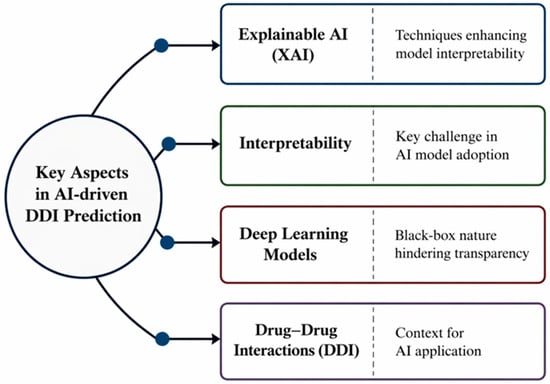
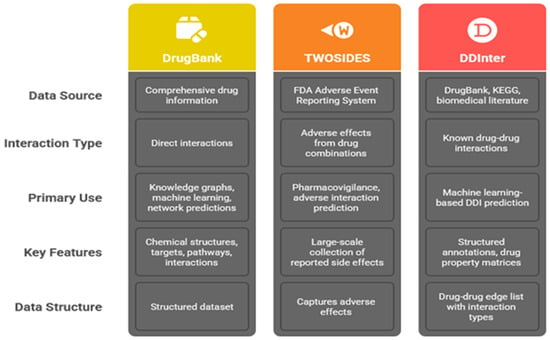
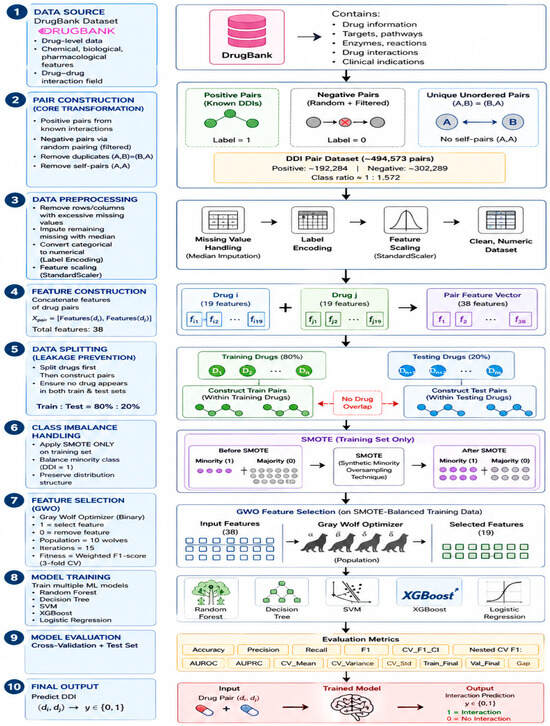
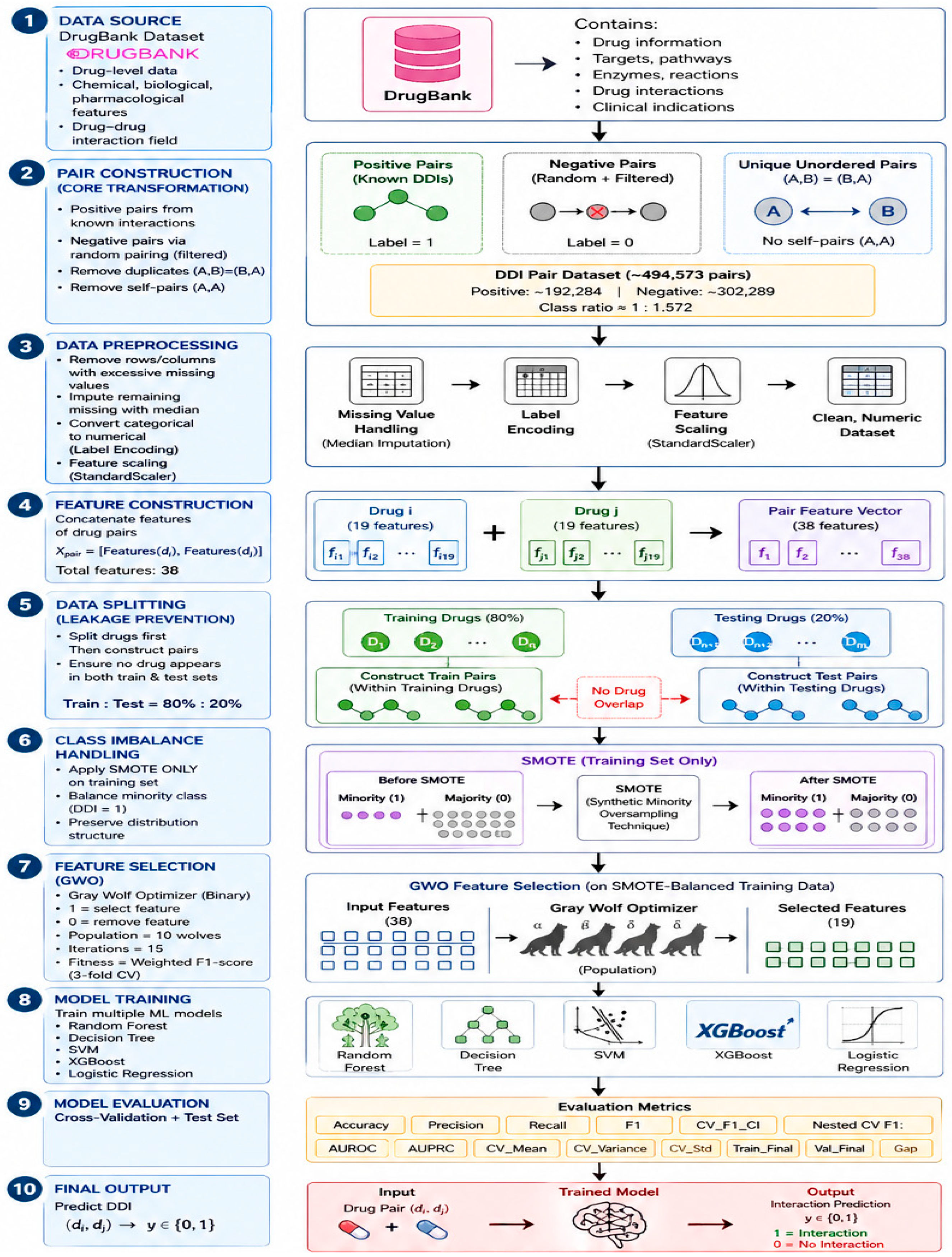
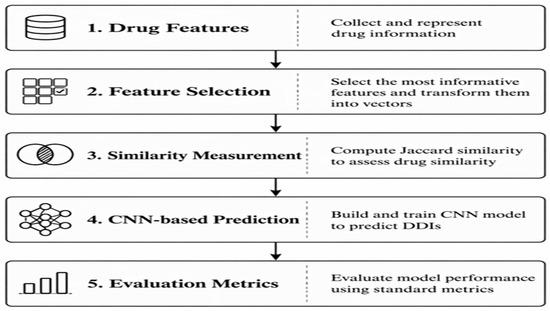
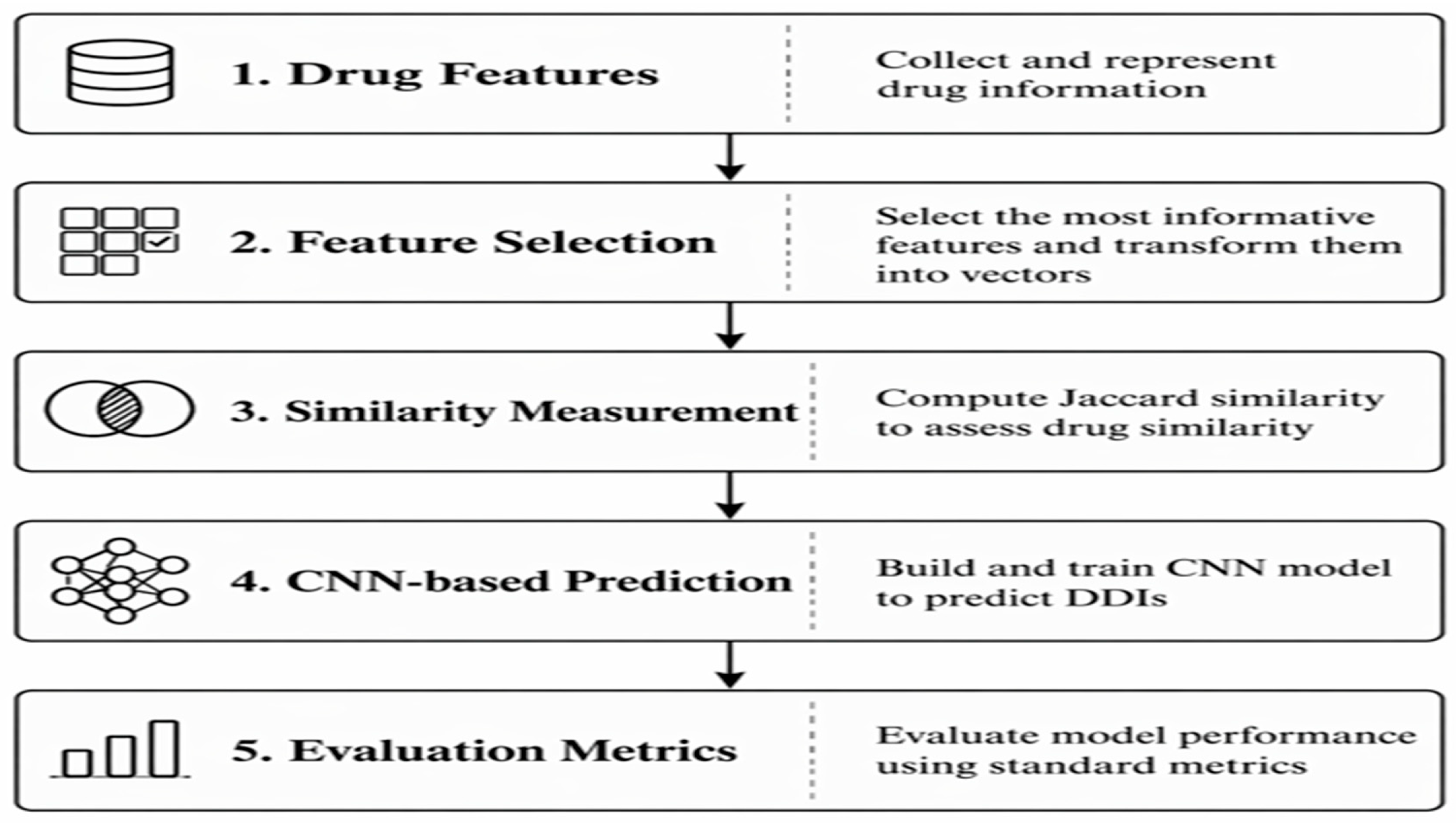
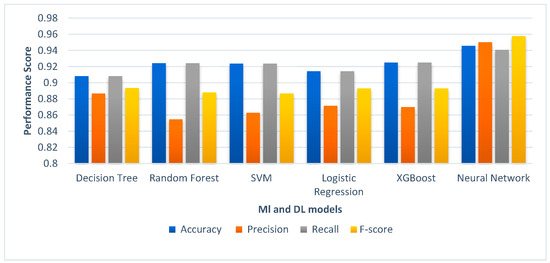
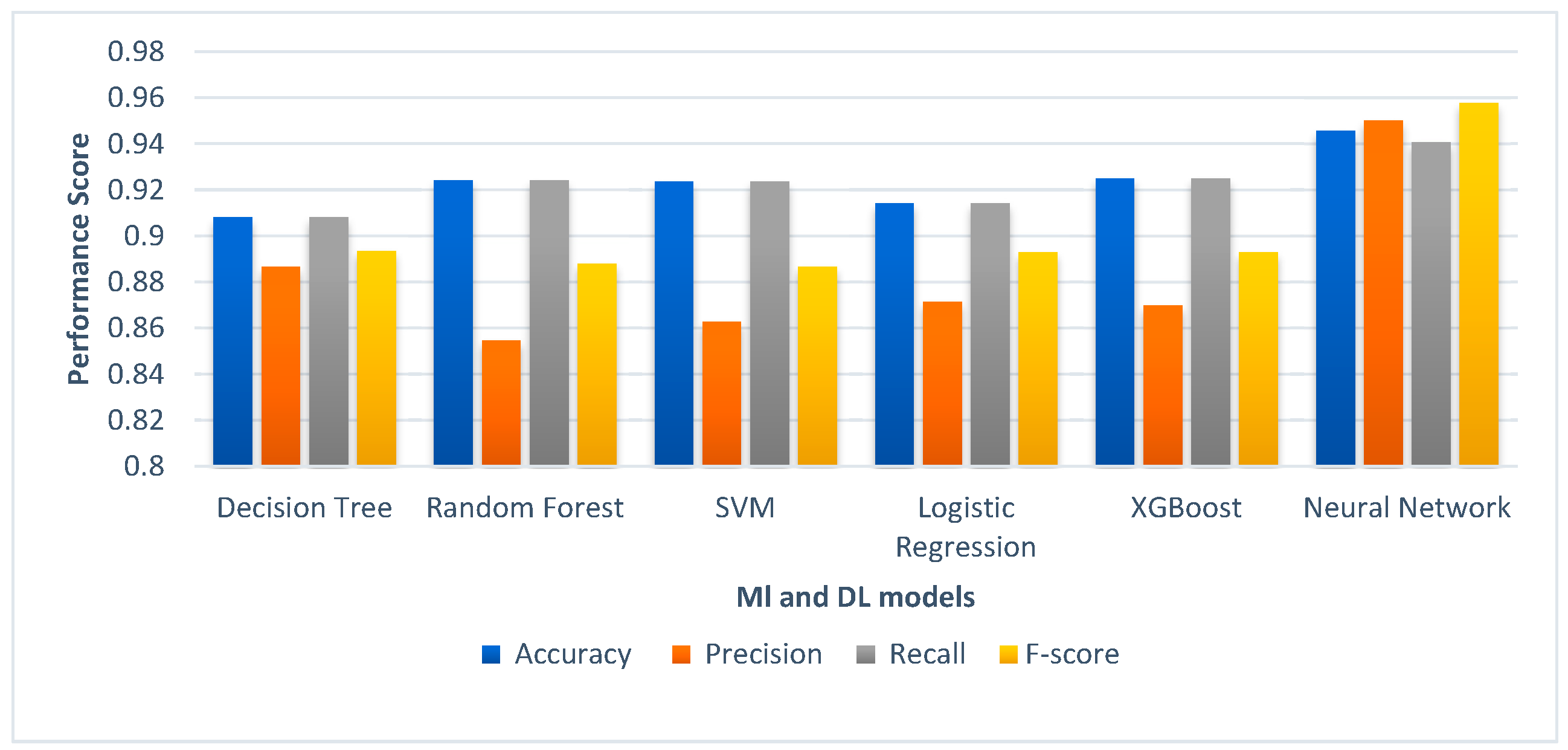
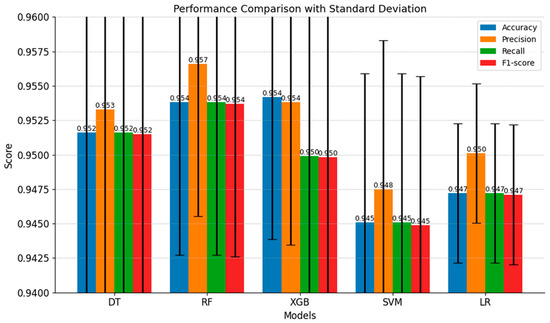
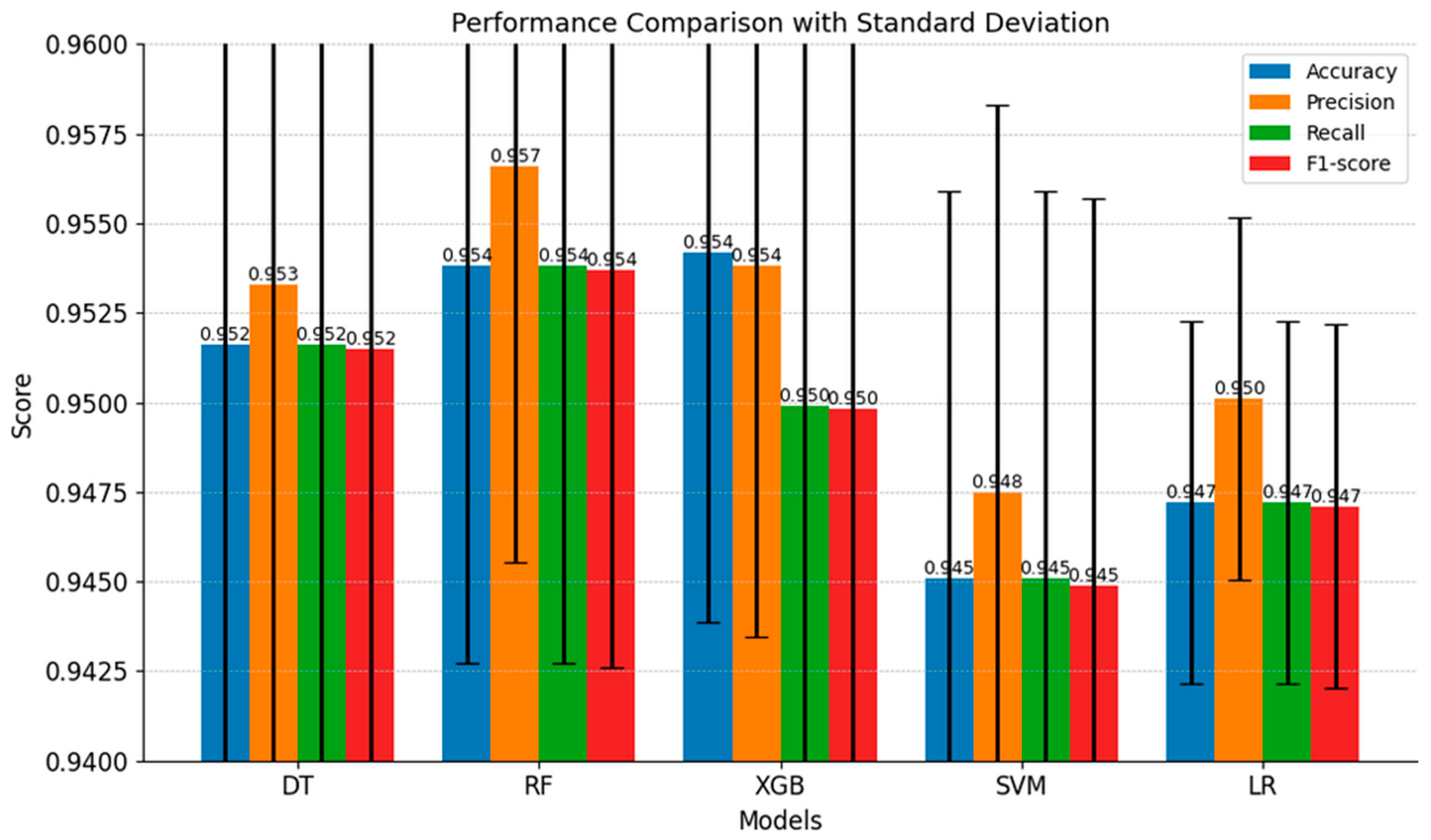
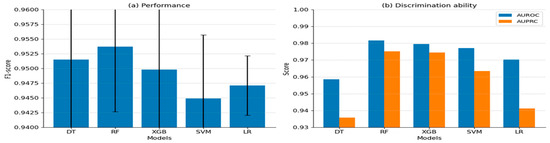
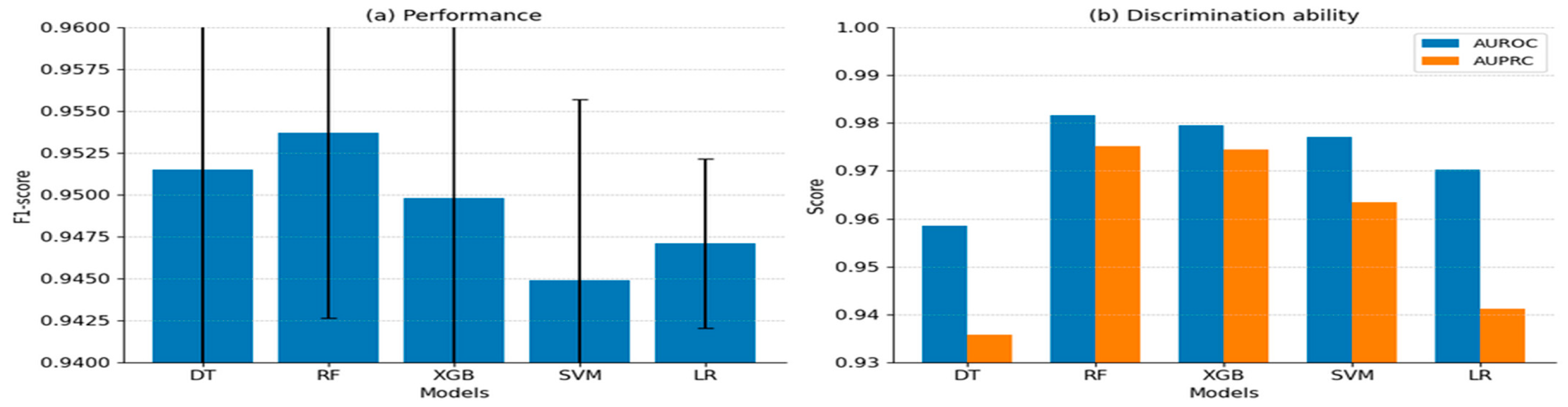
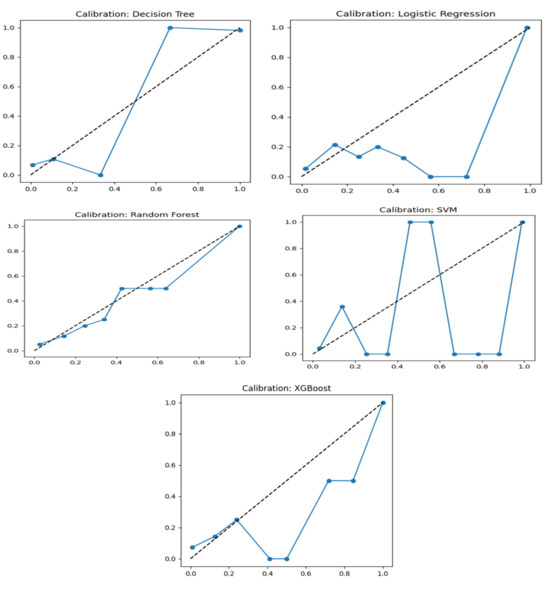
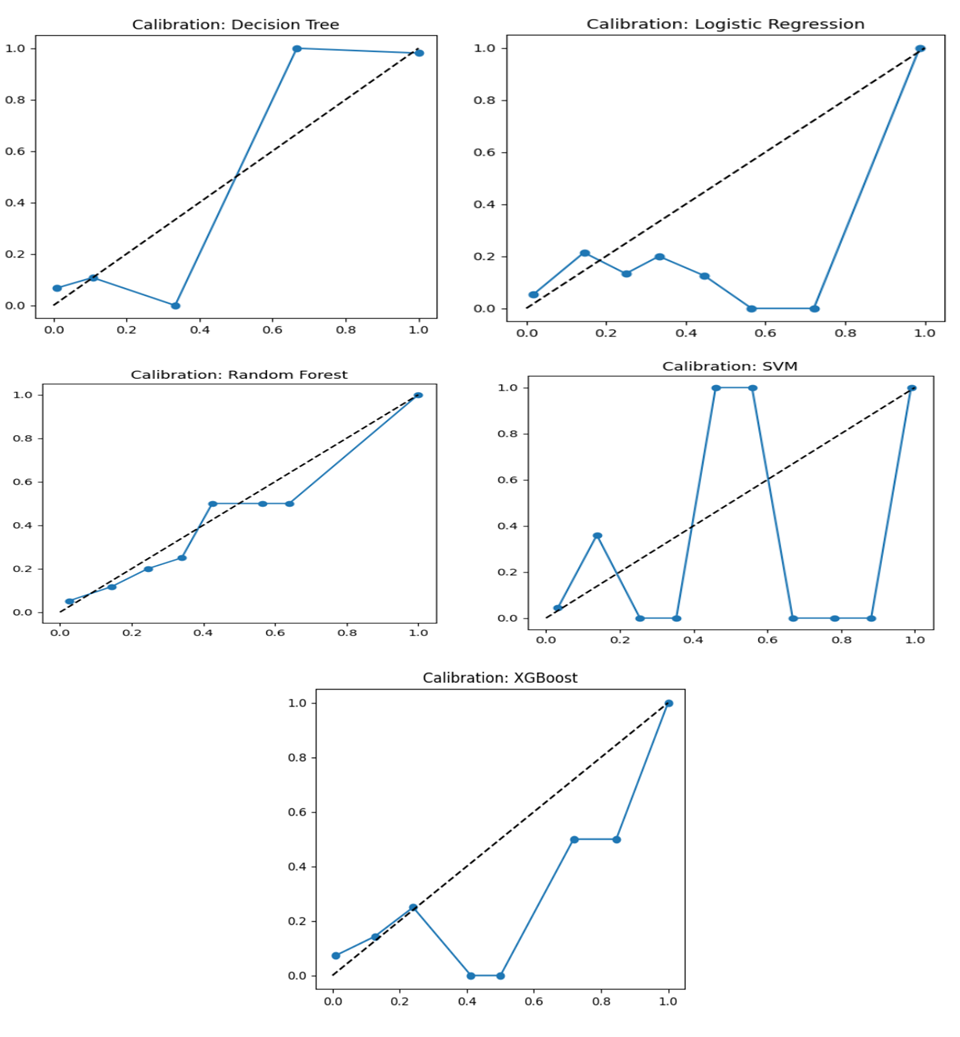
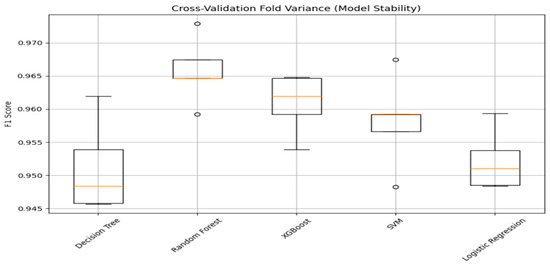
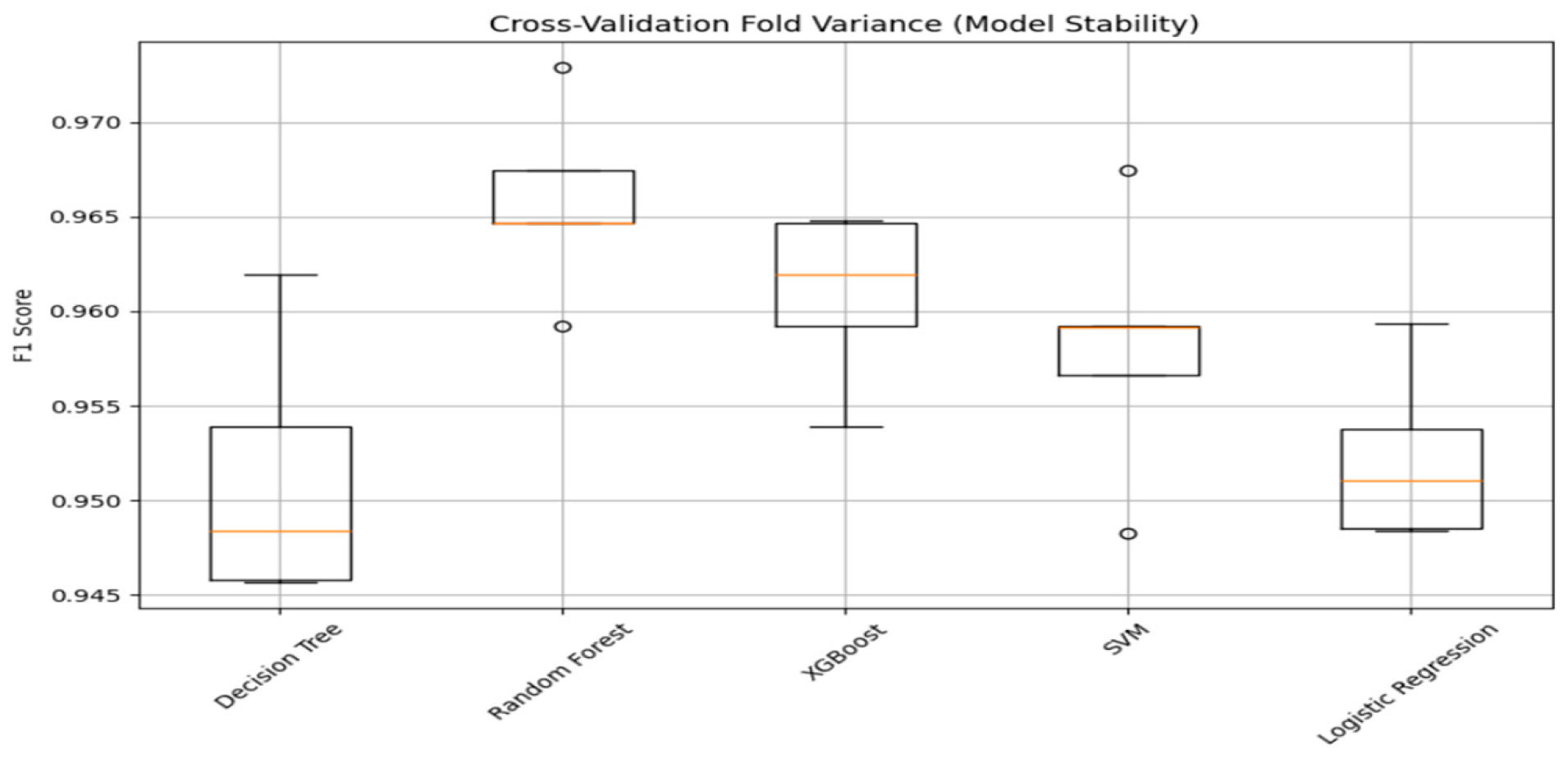
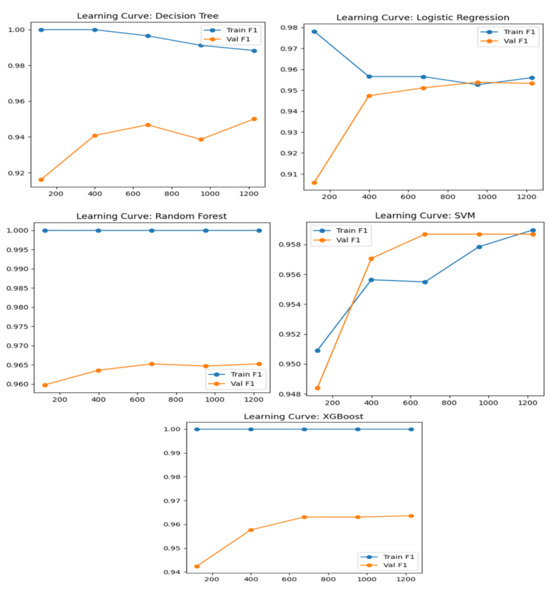
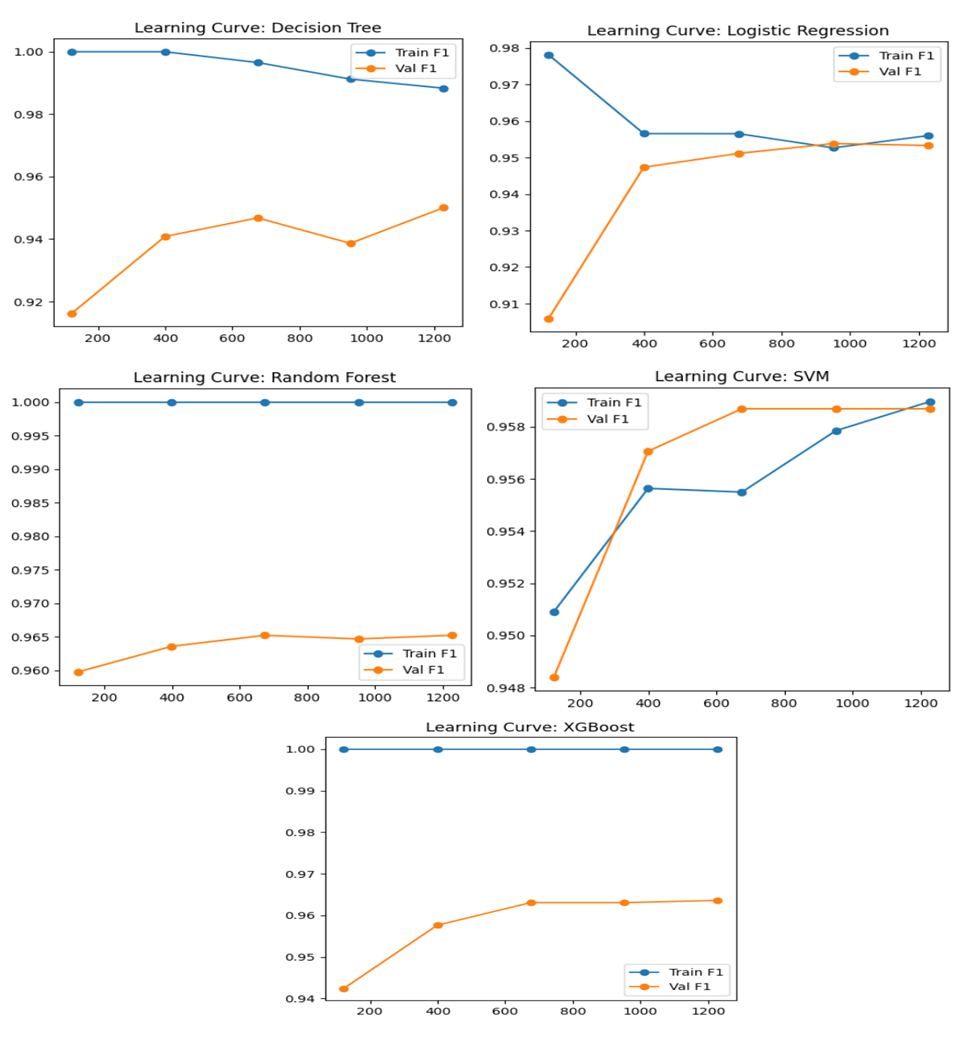
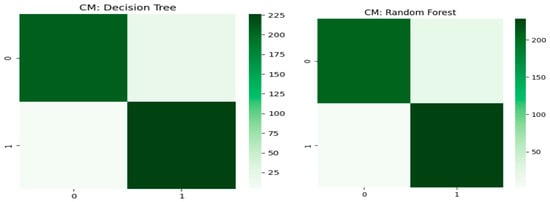
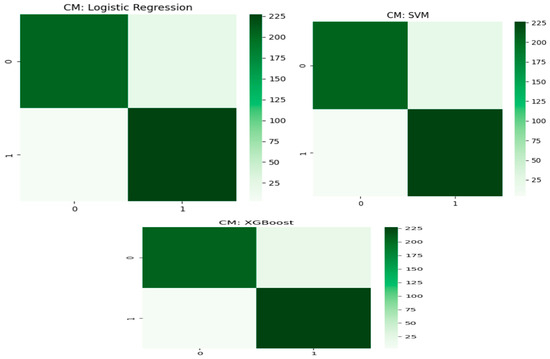
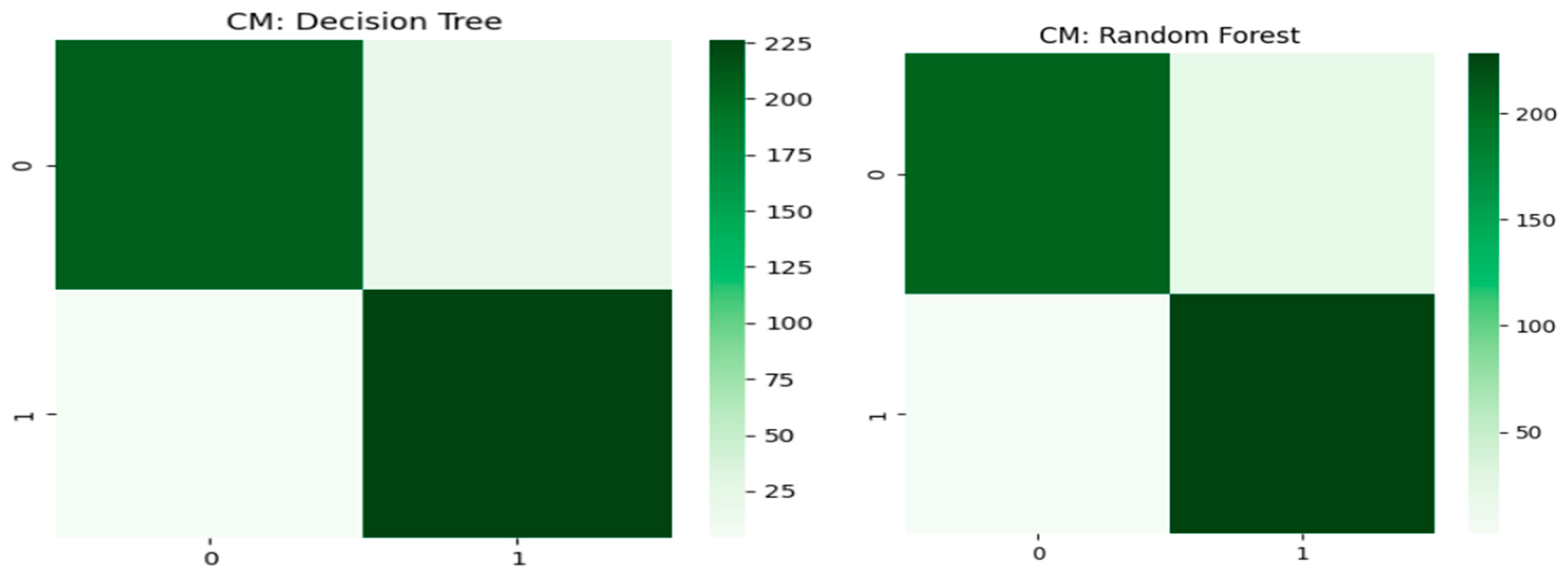
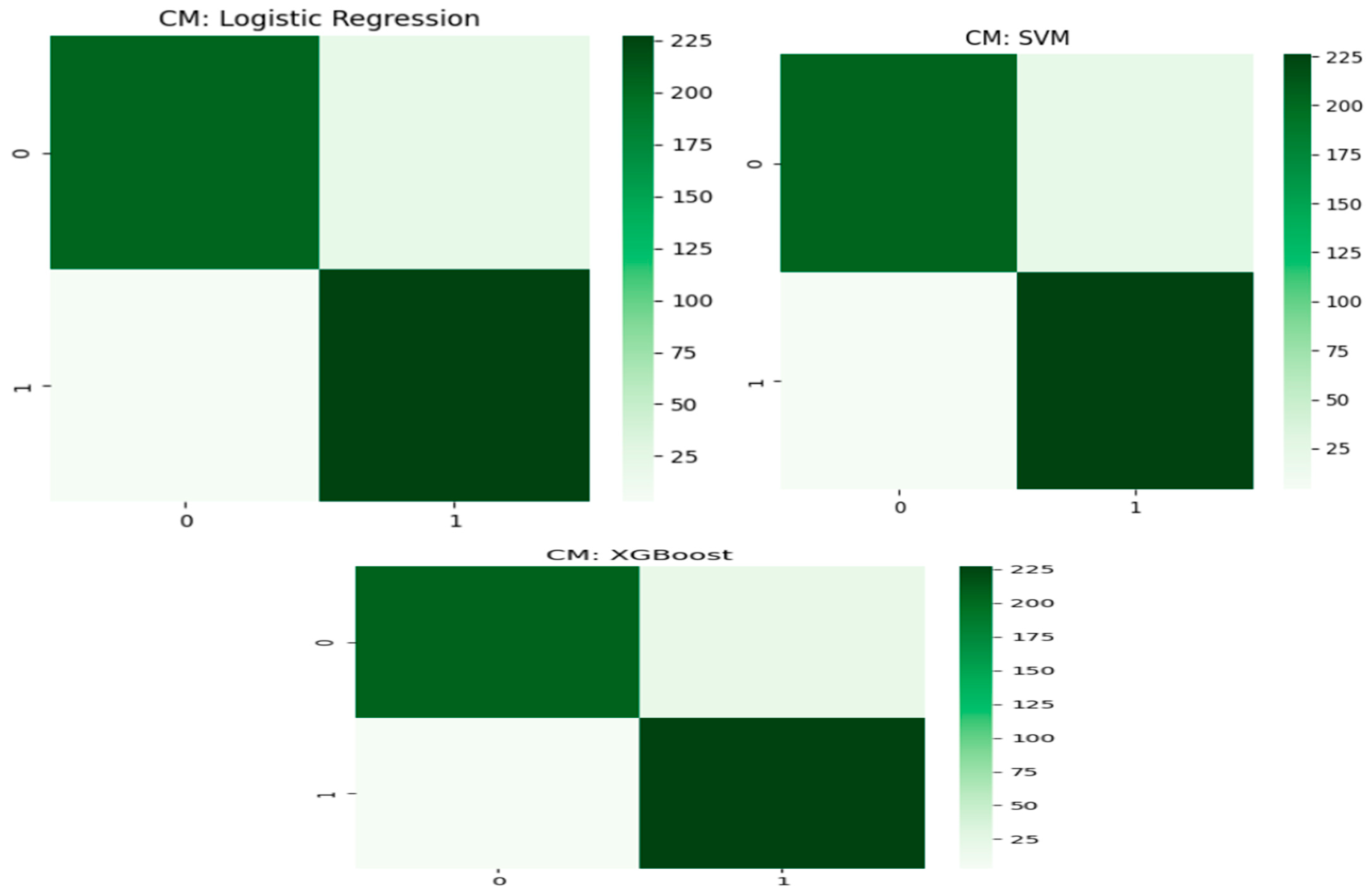

Disclaimer/Publisher’s Note: The statements, opinions and data contained in all publications are solely those of the individual author(s) and contributor(s) and not of MDPI and/or the editor(s). MDPI and/or the editor(s) disclaim responsibility for any injury to people or property resulting from any ideas, methods, instructions or products referred to in the content. |
© 2026 by the authors. Licensee MDPI, Basel, Switzerland. This article is an open access article distributed under the terms and conditions of the Creative Commons Attribution (CC BY) license.