


Abstract
The advancement of generative artificial intelligence (GAI) in healthcare is driving a transition from dialogue-based medical chatbots to workflow-embedded clinical AI agents. These agentic systems incorporate persistent state management, coordinated tool invocation, and bounded autonomy, enabling multi-step reasoning within institutional processes. As a result, traditional response-level evaluation frameworks are insufficient for understanding system behavior. This review provides a conceptual synthesis of the evolution from conversational systems to agentic architectures and proposes a system-level modeling framework for ethical clinical AI agents. We identify core architectural dimensions, including autonomy gradients, state persistence, tool orchestration, workflow coupling, and human–AI co-agency, and examine how these features reshape bias propagation pathways, error cascade dynamics, trust calibration, and accountability structures. Emphasizing that ethical risks emerge from longitudinal system interactions rather than isolated outputs, we argue for embedding fairness constraints, transparency mechanisms, and lifecycle governance directly within AI design. By outlining trajectory-level evaluation strategies, equity-aware development approaches, collaborative oversight models, and adaptive regulatory frameworks, this paper establishes a foundation for the responsible and trustworthy integration of agentic AI in healthcare.
1. Introduction
Artificial intelligence (AI) has long been recognized as a transformative force in healthcare, particularly in domains involving information exchange, clinical decision support, and patient communication [1,2,3,4]. Early implementations focused on rule-based expert systems and scripted dialogue interfaces designed to provide structured medical guidance, symptom triage, and administrative assistance [5]. Although these systems demonstrated the feasibility of automated health communication, their architectures were constrained by predefined logic trees and static decision pathways, with modeling assumptions centered on discrete, deterministic interactions and limited contextual memory [6].
The emergence of generative AI (GAI), especially large language models (LLMs), substantially expanded the linguistic and inferential capabilities of healthcare AI systems [7]. As the 2024 Nobel Laureate in Physics, Geoffrey Hinton’s work on neural networks directly paved the way for current generative AI tools, using transformer models to understand and generate human-like content [8]. LLM-driven medical chatbots can synthesize complex medical information, generate contextually coherent explanations, and simulate elements of clinical reasoning across diverse use cases [9]. These systems have been applied to patient education, documentation drafting, discharge planning, and clinical query support. Despite these advances, most current implementations remain dialogue-centric: interactions are episodic, state persistence is limited, and evaluation primarily relies on response-level metrics such as factual accuracy and conversational coherence [10].
More recent architectural developments indicate a deeper shift. By integrating generative reasoning engines with persistent memory, structured planning components, external tool interfaces, and workflow integration layers, healthcare AI systems are increasingly evolving into autonomous clinical agents [11]. These agentic systems maintain longitudinal context, access electronic health records and diagnostic tools, coordinate multi-step reasoning processes, and embed outputs directly into institutional workflows. Autonomy in such systems exists along a gradient, ranging from supervised recommendation to bounded execution of predefined clinical tasks [12].
Geoffrey Hinton’s warnings about the rapid development of AI especially focus on the rise in agentic generative AI [8]. He highlights that the danger is moving beyond passive, text-generating chatbots to agentic AI, systems that can set their own sub-goals, act autonomously, and manipulate their environment to achieve these goals. In a recent talk at the Massey College, University of Toronto [13], he said: “I think we’ve already seen agentic LLMs that can create sub goals, that create the sub goal of staying alive so that they can achieve their other goals. I think the existential threat is very real. We’ve seen them blackmailing people so that they can stay alive.” He went on to explain: “So all the data [the LLM] is trained on gets turned into connection strengths in the neural net and then using those connection strengths it figures out this blackmail plot.” Hinton’s work on neural networks fundamentally centers on connection strengths (also known as synaptic weights). Learning in artificial neural networks is a process of adjusting the numerical strengths of connections between artificial neurons. He pioneered the use of backpropagation to efficiently compute how to update these connection strengths to reduce errors in the network’s output, by continuously adjusting the connection strengths (weights) in a network.
Therefore, there are many more additional connection strengths that agentic AI must consider, beyond what dialogue-based AI typically deals with. Dialogue-based AI primarily manages a single, stateless connection: a request comes in, a response goes out. Agentic AI, however, orchestrates multiple, concurrent, and stateful connections across a broader ecosystem. The additional connection strengths include, first, Tool and Application Programming Interface (API) Connections. Agentic AI must maintain reliable connections to external tools such as web search, code executors, databases, and Representational State Transfer (REST) APIs. Unlike dialogue systems, these connections involve authentication, rate limits, timeouts, retries, and error handling. Second is Memory and State Persistence. Agents need connections to external memory stores including vector databases, key value stores, and episodic memory to retain context across sessions and tasks, something dialogue AI largely ignores. Third is Multi Agent Orchestration. Agentic systems often involve networks of subagents. This introduces inter-agent communication channels where connection strength means low latency, reliable message passing, and graceful handling of partial failures. Fourth is Environment and Feedback Loops. Agents interact with live environments such as browsers, file systems, and terminals. They require stable, bidirectional connections capable of receiving real time feedback and adjusting actions, a fundamentally different paradigm from one shot dialogue. Fifth, Long Horizon Task Coherence must also be considered. Over a long task, the agent must maintain connection integrity across many steps, ensuring that context, credentials, and intermediate results do not become stale or lost during the task. Human in the Loop Checkpoints must also be included. Agentic AI must support asynchronous connections back to humans for approval, clarification, or course correction, requiring robust interrupt and resume mechanisms. One must not forget Security and Trust Boundaries. Every new connection an agent forms is a potential attack surface. Agentic AI must evaluate the trustworthiness of each connection, such as avoiding prompt injection from external content, a concern largely absent in closed dialogue systems. Finally, there are Resource and Cost Management considerations. More connections mean more computing, more API calls, and greater financial cost. Agentic systems must reason about connection efficiency, including batching calls, caching results, and avoiding redundant operations.
In healthcare, several of these connection strengths are particularly noteworthy. Interaction level frameworks, which treat each conversational exchange as an independent unit, are insufficient for systems that operate across time, maintain evolving internal state, and influence downstream decisions. Agentic generative AI must instead be conceptualized as a stateful component within complex sociotechnical ecosystems, where system behavior is shaped by information flows, tool dependencies, feedback mechanisms, and human AI collaboration [14]. Accordingly, evaluation must extend beyond isolated outputs toward trajectory level analysis of decision pathways and workflow integration.
Next, the shift toward agentic architectures also reconfigures the ethical landscape. In dialogue-based systems, concerns primarily centered on misinformation and biased responses within individual interactions. In contrast, agentic systems introduce structural risks: persistent memory may reinforce bias over time; tool orchestration can produce cascading errors; workflow embedding may diffuse accountability; and increasing autonomy complicates responsibility boundaries [15,16]. This is not to rule out the usefulness of agentic AI. Human beings may also bring in their own bias when making decisions, such as when they are tired or have their own pre-conceptions. In such cases, agentic AI may be an invaluable tool to provide another layer of protection. So agentic AI is useful, only that they should be harnessed by humans. For example, Geoffrey Hinton has stated that these systems will develop self-preservation instincts, making them difficult to shut down. Ethical considerations therefore function not merely as post hoc safeguards but as design constraints that shape system architecture and governance [17]. Figure 1 shows the various applications of an oncology chatbot powered by LLMs [15]. The diagram illustrates how such a system can support patients and clinicians across many aspects of cancer care. These functions range from collecting patient data and answering health questions to providing medication reminders, symptom assessment, and triage. The chatbot can also assist with patient education, healthcare frequently asked questions, and appointment scheduling. Additional capabilities include mental health support, language translation, postoperative care guidance, health monitoring and alerts, and remote monitoring. It can further help with emergency response, patient feedback surveys, and offer personalized risk assessments or follow-up reminders. Together, these applications highlight the broad potential of an LLM-based medical chatbot to enhance patient engagement, streamline clinical workflows, and improve access to timely support throughout the oncology care journey.
Figure 1.
Various applications of an oncology chatbot powered by large language models, illustrating its roles in patient education, symptom assessment, medication reminders, appointment management, health monitoring, mental health support, and other clinical and administrative functions across the cancer care continuum. Reproduced from reference [15] under the Creative Commons Attribution 4.0 International License (https://creativecommons.org/licenses/by/4.0/ (accessed on 2 February 2026)).
In this review, we aim to develop a system-level modeling framework for understanding the evolution of healthcare AI from dialogue-based systems to agentic clinical AI. Specifically, this study addresses the following research questions:
- (1)
- How do agentic clinical AI systems differ structurally and functionally from traditional dialogue-based systems?
- (2)
- What new ethical, safety, and governance challenges arise from persistent state, tool orchestration, workflow integration, and bounded autonomy?
- (3)
- How can these systems be modeled to support trajectory-level evaluation, equity-aware design, and responsible clinical deployment?
To address these questions, we provide a conceptual synthesis of architectural developments, propose an integrated modeling framework, and analyze its implications for bias, trust, and governance in clinical settings.
Building on these objectives, this study provides a conceptual synthesis of the progression from medical dialogue systems to agentic generative AI architectures and articulates an integrated modeling framework for ethical clinical AI agents. This study is timely, as Geoffrey Hinton has moved human-level agentic AI from 30–50 years away to as close as 5 to 20 years [8]. We first examine the architectural evolution from rule-based systems to generative conversational models and ultimately to workflow-embedded agents [18]. We then propose a system-level modeling framework organized around autonomy gradients, state persistence, tool orchestration, workflow coupling, and human–AI co-agency. Building on this foundation, we analyze bias propagation pathways, error cascade dynamics, trust calibration challenges, and governance implications [19]. Finally, we outline a research agenda that advances trajectory-level evaluation, equity-aware design, collaborative oversight, and adaptive regulatory science.
By reframing generative AI in healthcare through a system-level modeling lens, this paper clarifies key conceptual distinctions and supports the responsible, trustworthy, and equitable deployment of clinical AI agents in increasingly autonomous healthcare environments.
From a technical perspective, contemporary healthcare AI systems are largely built on LLMs, which are deep neural networks trained on large-scale text data to generate and interpret natural language through probabilistic inference. These models serve as the generative reasoning core of many medical chatbots, enabling context-aware responses and synthesis of clinical information. Agentic AI systems extend this capability by integrating LLMs with additional components, including persistent memory, external tool interfaces, and planning mechanisms, allowing for multi-step, goal-directed behavior within clinical workflows. In more advanced architectures, reinforcement learning (RL) may be used to optimize sequential decision-making policies based on feedback, while inverse reinforcement learning (IRL) can incorporate expert demonstrations, such as clinician decision trajectories, to align system behavior with clinical practice. Together, these technologies form the technical foundation for the agentic clinical AI systems examined in this review.
Several recent reviews and survey papers have examined the role of artificial intelligence and large language models in healthcare, with particular emphasis on medical chatbots, clinical decision support, and conversational AI systems [7,9]. These studies have provided valuable insights into system performance, application domains, and ethical considerations, primarily at the level of individual interactions or model outputs. Emerging surveys on agentic AI have also begun to explore multi-step reasoning and autonomous system behavior in medical contexts [11].
However, existing reviews are largely limited by a focus on response-level evaluation, static system architectures, or isolated application scenarios. They often do not explicitly address the longitudinal, stateful, and workflow-embedded nature of agentic clinical AI systems, nor do they provide a unified modeling framework that integrates architectural, ethical, and governance dimensions. In particular, the interplay between autonomy, persistent memory, tool orchestration, and workflow coupling remains underexplored in a system-level context.
This review addresses these gaps by proposing an integrated modeling framework that conceptualizes clinical AI agents as stateful, multi-layered systems operating within socio-technical environments. By shifting the analytical focus from interaction-level outputs to trajectory-level system behavior, this work complements and extends existing literature, providing a foundation for more comprehensive evaluation, design, and governance of agentic AI in healthcare.
2. From Dialogue Systems to Agentic Architectures
2.1. Evolution of Medical Conversational Systems
The development of AI-driven communication systems in healthcare has progressed through distinct architectural phases, each associated with different modeling assumptions, operational capabilities, and risk profiles [20]. Tracing this evolution clarifies how contemporary agentic systems differ structurally from earlier conversational technologies.
Early medical dialogue systems were primarily rule-based, relying on symbolic reasoning, decision trees, and scripted interaction flows [21,22]. These systems were deployed in constrained settings such as symptom triage, appointment scheduling, and standardized patient education. Clinical knowledge was encoded into deterministic pathways, and user inputs triggered predefined branches [23]. System state was largely static, reasoning was transparent but inflexible, and evaluation focused on rule coverage and decision accuracy. Ethical concerns were generally localized to incomplete rule representation or misclassification within fixed logic structures.
The introduction of machine learning (ML) methods enabled probabilistic modeling of language and intent [24]. Techniques such as intent classification and entity recognition allowed more flexible response generation and improved linguistic variability [25]. Nevertheless, interaction remained fundamentally turn-based: a user input was processed, a response was generated, and the cycle repeated. Context was typically limited to short conversational windows within a session. Risk profiles expanded to include dataset bias, training imbalance, and misclassification errors, but system behavior remained episodic and interaction bound [26].
LLMs introduced a substantial expansion in generative capability [27]. Trained on large-scale corpora, LLM-driven chatbots demonstrated the ability to synthesize medical information, generate nuanced explanations, and simulate aspects of clinical reasoning across diverse topics. These systems have been applied to patient education, documentation drafting, discharge summary generation, and clinical query support. Unlike rule-based or narrowly trained models, LLMs operate through high-dimensional probabilistic inference rather than explicit rule encoding.
Despite their flexibility, many LLM-based healthcare implementations continue to operate within a dialogue-centric paradigm [28]. Interactions are typically session-bound, persistent state is minimal, and outputs are evaluated at the response level. Even when clinical reasoning is simulated, the system’s role often remains informational rather than operational.
Recent architectural innovations extend beyond this conversational model. By integrating generative models with persistent memory modules, external tool interfaces, planning mechanisms, and execution loops, developers have constructed systems capable of multi-step, goal-directed operation [29]. These architectures enable retrieval of electronic health records, invocation of clinical calculators, coordination of heterogeneous data sources, and structured task execution within healthcare workflows. As a result, AI systems increasingly function not only as information providers but as workflow participants.
Across these stages—rule-based systems, ML chatbots, generative conversational models, and agentic architectures—three structural variables progressively shift: state persistence, tool integration, and autonomy. Early systems were reactive and stateless; LLM chatbots improved generative capacity but retained episodic interaction; agentic systems introduce longitudinal state, coordinated tool orchestration, and bounded autonomy. Correspondingly, the nature of risk evolves from localized decision errors to systemic behaviors emerging across time and institutional processes [30,31].
Understanding this architectural trajectory establishes the basis for distinguishing conversational systems from clinical AI agents. Figure 2 shows the architectural progression of healthcare conversational AI from rule-based dialogue systems to contemporary agentic clinical AI. The figure illustrates how successive generations of systems exhibit increasing state persistence, tool integration, autonomy, and workflow embedding. Early systems were largely reactive and stateless, operating within predefined decision pathways. ML chatbots introduced probabilistic intent modeling while retaining episodic interaction structures. LLM-based systems expanded generative flexibility but remained primarily dialogue-centric. In contrast, agentic architecture incorporates longitudinal memory, coordinated tool orchestration, and bounded autonomy within institutional workflows. This progression highlights not only expanding technical capability but also a corresponding shift in systemic impact and risk profile, setting the stage for the system-level modeling framework developed in the following section.
Figure 2.
Evolution of healthcare conversational AI systems from rule-based dialogue architectures to agentic clinical AI. The progression illustrates increasing state persistence, tool integration, autonomy, and workflow embedding. While early systems were reactive and stateless, contemporary agentic architectures incorporate longitudinal memory, coordinated tool orchestration, and bounded autonomy within clinical workflows, leading to expanded systemic impact and distinct risk profiles.
2.2. Defining the Clinical AI Agent: Architectural and Functional Distinctions
The designation “clinical AI agent” reflects more than incremental enhancement of chatbot capability; it denotes a distinct architectural configuration [32]. A chatbot, even when powered by an LLM, is fundamentally reactive: it processes prompts and generates responses within a conversational frame. Its memory is typically transient or externally managed, and its function is confined primarily to linguistic exchange [33].
In contrast, a clinical AI agent is defined by goal-directed behavior within structured environmental constraints. It combines generative reasoning with persistent state management, planning mechanisms, tool invocation capabilities, and workflow integration [34]. The generative model functions as a reasoning core embedded within a broader system that includes memory storage, data retrieval interfaces, action modules, and governance controls. Rather than merely responding to queries, the agent can decompose objectives into intermediate steps, retrieve relevant information, and generate outputs that alter subsequent system states.
The concept of a clinical AI agent also overlaps with several related terms used in the literature, including “AI assistant,” “autonomous agent,” and “workflow AI,” which are often used inconsistently. An AI assistant typically refers to systems that support user tasks through responsive interaction but remain largely reactive and user-initiated. Autonomous agents emphasize the capacity for independent action and goal-directed behavior, often with minimal human intervention. Workflow AI systems focus on integration within institutional processes but may not incorporate generative reasoning or adaptive planning. In contrast, the clinical AI agent, as defined in this framework, combines generative reasoning with persistent state, coordinated tool orchestration, and bounded autonomy within clinical workflows. This distinction highlights that clinical AI agents are not defined by autonomy alone, but by the integration of multiple architectural dimensions that collectively enable longitudinal, system-level behavior.
Persistent memory is a key differentiator. While conversational systems rely on short context windows, agentic systems maintain longitudinal state across sessions, incorporating prior reasoning traces, patient-specific context, and adaptive parameters [35]. This persistent state introduces temporal dependency: system outputs are shaped by accumulated history, not solely by immediate input.
Tool orchestration further distinguishes agentic systems [36]. These systems may interface with electronic health records, risk scoring algorithms, imaging tools, scheduling platforms, or other structured resources. The generative core determines when to invoke such tools and how to integrate their outputs into reasoning processes. This layered architecture creates interdependencies that extend beyond conversational exchange and require explicit modeling of cross-component interactions.
Autonomy introduces another dimension of differentiation [37]. Conversational systems typically operate under continuous prompting, whereas agentic systems may initiate sub-tasks or execute bounded actions aligned with predefined goals. Autonomy is best understood along a gradient, ranging from supervised recommendation to limited execution within defined clinical domains. As autonomy increases, system influence on workflow and decision-making correspondingly expands.
Workflow embedding completes the architectural distinction [38]. Chatbots operate largely parallel to clinical processes, providing information without direct integration into institutional systems. Agentic architectures, however, embed outputs within documentation pipelines, triage pathways, or treatment planning processes. This integration introduces temporal sequencing constraints and downstream dependencies, linking AI outputs to subsequent human and machine actions.
These distinctions can be summarized along four structural axes: persistence of state, degree of autonomy, level of tool integration, and depth of workflow coupling. Dialogue systems occupy the lower end of these axes; agentic systems occupy the higher end, reflecting increased systemic influence and complexity [39]. Recognizing these structural differences clarifies why evaluation, governance, and ethical analysis must extend beyond interaction-level assessment.
3. A Modeling Framework for Agentic Generative AI in Healthcare
3.1. From Interaction-Level Modeling to System-Level Modeling
Traditional evaluation of medical conversational systems has relied on interaction-level assessment, where the primary unit of analysis is the conversational exchange between user and system [40]. Metrics such as response accuracy, coherence, intent recognition, and hallucination rate are typically applied to discrete prompt–response pairs. This approach is appropriate for rule-based and early ML systems whose behavior is confined to episodic interaction cycles.
Agentic generative AI systems, however, exhibit properties that extend beyond such episodic boundaries. They maintain internal state, coordinate external tools, and execute multi-step reasoning processes that unfold across time [41]. Their outputs may influence documentation systems, triage pipelines, or treatment workflows, thereby altering downstream institutional processes. Evaluating such systems therefore requires attention to longitudinal behavior rather than isolated responses.
System-level modeling emphasizes evolving trajectories instead of individual exchanges [42]. Each output becomes part of a state transition sequence influenced by memory updates, tool invocations, human feedback, and workflow integration. Relevant constructs include state persistence, feedback loops, dependency chains, and intervention points. This perspective aligns agentic AI analysis with socio-technical systems theory and systems engineering approaches, recognizing that clinical AI operates within layered institutional infrastructures [43].
Consequently, modeling must capture both computational dynamics and contextual embedding. AI agents interact with electronic health records, diagnostic subsystems, administrative platforms, and clinicians. These interactions create cross-layer dependencies that shape system behavior over time. The transition from interaction-level assessment to system-level representation thus reflects an expansion in analytical scope rather than a rejection of traditional evaluation metrics [44].
3.2. Core Modeling Dimensions and Autonomy Gradients
To structure system-level analysis, we propose an integrated framework organized around six interrelated dimensions: autonomy, state persistence, tool orchestration, personalization, workflow coupling, and human–AI co-agency.
Autonomy describes the degree to which an AI system can initiate, sequence, or execute actions without continuous prompting. It exists along a gradient, ranging from purely reactive systems to bounded task execution within defined clinical domains. As autonomy increases, the system’s influence on workflow and decision-making correspondingly expands, requiring clearer operational boundaries and oversight mechanisms [45].
State persistence distinguishes agentic systems from session-bound conversational models. Persistent memory allows retention of patient context, prior reasoning traces, and adaptive parameters across interactions [46]. This introduces temporal dependency: future outputs are shaped by accumulated system state. Modeling must therefore specify update rules, retention constraints, recalibration mechanisms, and audit checkpoints to mitigate error reinforcement and bias drift [47].
Tool orchestration reflects the coordinated use of external computational resources [48]. Agentic systems may invoke electronic health records, diagnostic calculators, laboratory analysis tools, or scheduling platforms. The generative core determines when and how these tools are accessed and integrates their outputs into reasoning trajectories. This creates dependency structures across modules that require explicit representation to understand systemic behavior.
Personalization enhances relevance by tailoring outputs to demographic attributes, clinical histories, or user preferences [49]. However, personalization interacts with persistent memory and training data distributions, potentially amplifying inequities. Modeling personalization therefore involves fairness constraints, subgroup monitoring, and mechanisms for adaptive correction.
Workflow coupling captures the degree to which AI outputs are embedded within institutional processes [50]. In agentic architectures, recommendations may directly affect documentation systems, triage decisions, or care coordination pathways. This embedding creates temporal sequencing constraints and feedback relationships between AI outputs and human actions.
Human–AI co-agency describes the collaborative distribution of responsibility and oversight [51]. Clinical AI agents typically operate within shared decision environments where clinicians interpret, validate, or override system outputs. Modeling co-agency requires representation of supervision layers, escalation triggers, accountability allocation, and trust calibration mechanisms.
Governance integration refers to embedding oversight, accountability, and regulatory mechanisms directly within the architecture of agentic AI systems. This includes features such as logging, transparency, autonomy boundaries, and intervention controls that enable continuous monitoring, traceability, and enforcement of ethical and institutional constraints. Modeling this dimension requires representing auditability, escalation pathways, and lifecycle monitoring to ensure safe and responsible system behavior.
These dimensions are interdependent. Increasing autonomy amplifies the consequences of persistent memory. Tool orchestration interacts with workflow coupling to create error cascades. Personalization influences both trust and equity outcomes. A comprehensive modeling framework therefore treats these dimensions as components of a single integrated system rather than independent features. Table 1 provides a structured summary of the core modeling dimensions that distinguish agentic clinical AI systems from dialogue-centric architectures. By linking each dimension to its architectural implications, modeling requirements, and representative literature, the table serves as a concise reference framework for system-level analysis and clarifies how agentic behavior extends beyond episodic conversational interaction. Collectively, these dimensions, including autonomy, state persistence, tool orchestration, personalization, workflow coupling, human–AI co-agency, and governance integration, define an integrated system-level framework for modeling agentic clinical AI.
Table 1.
Core modeling dimensions distinguishing agentic clinical AI from conversational systems. The table links architectural features to modeling requirements and representative literature, supporting system-level evaluation and governance analysis.
While this framework emphasizes generative reasoning as a core component of agentic systems, RL methods play a critical role in enabling autonomous behavior. RL provides a mechanism for optimizing sequential decision-making policies based on feedback from the environment, allowing agents to refine action selection across multi-step clinical workflows. In this context, RL can support the development of adaptive strategies for task execution, tool selection, and workflow coordination. Moreover, IRL offers a complementary approach by learning from expert demonstrations, such as clinician decision trajectories, to infer underlying objectives and align agent behavior with established standards of care. Integrating RL and IRL within agentic architectures therefore provides a pathway for bridging generative reasoning with goal-directed, clinically aligned decision-making, particularly as systems move toward higher levels of autonomy.
3.3. Integrated Architectural Representation and Ethical Embedding
Clinical AI agents can be conceptualized as multi-layered systems composed of interacting components. At the core is a generative reasoning engine responsible for interpreting objectives and synthesizing outputs. Surrounding this core is a state management layer that governs memory persistence and contextual adaptation. For example, a longitudinal patient-support agent may retain prior symptom reports and treatment history across interactions, enabling it to adapt recommendations over time. However, persistent state also introduces the risk of propagating earlier inaccuracies or biases if not appropriately monitored and recalibrated.
A tool integration layer enables structured data retrieval and computational augmentation. In an oncology triage setting, an AI agent may retrieve patient data from the electronic health record, invoke a risk stratification model to assess symptom severity, and integrate these outputs to prioritize appointment scheduling. In this context, tool orchestration supports the coordination of heterogeneous clinical resources, while the generative core synthesizes results into actionable recommendations within the workflow.
A workflow integration layer embeds system outputs within institutional processes. For instance, in a clinical documentation workflow, an agent may generate a draft discharge summary based on patient records, laboratory results, and prior notes, which is then reviewed and finalized by a clinician. Here, workflow coupling ensures that AI outputs are incorporated into clinical processes, directly influencing downstream communication and decision-making.
Overarching these components is a governance layer that defines autonomy boundaries, logs system actions, enforces transparency, and supports human oversight and intervention. In practice, the governance layer can be operationalized through a set of technical components embedded within the system architecture. These may include structured logging mechanisms that record model inputs, outputs, and tool invocation sequences; audit APIs that enable retrospective inspection of reasoning traces and decision pathways; and intervention hooks that allow clinicians or supervisory systems to pause, override, or redirect agent behavior. Additional components may include real-time monitoring dashboards, anomaly detection systems for identifying unexpected behavior, and configurable autonomy thresholds that trigger escalation to human oversight. Together, these elements translate governance from an abstract principle into implementable system functionality.
To clarify these structural relationships, Figure 3 presents the proposed layered modeling framework for agentic clinical AI. The figure depicts the generative reasoning core as embedded within successive layers of persistent state management, coordinated tool orchestration, and workflow integration, all governed by an overarching oversight layer. This visual representation highlights the bidirectional information flows and feedback mechanisms that characterize agentic system behavior across time.
Figure 3.
Layered modeling framework for agentic clinical AI systems. The architecture comprises a generative reasoning core supported by persistent state management and coordinated tool orchestration, embedded within clinical workflows and governed by oversight mechanisms. Bidirectional information flows and feedback loops illustrate trajectory-level system behavior. Governance constraints operate across all layers, integrating autonomy boundaries, transparency requirements, and lifecycle monitoring directly into system design.
Information flows across these layers dynamically. Objectives trigger reasoning processes; reasoning invokes memory and external tools; outputs are integrated into workflows; and feedback from users or monitoring systems updates internal state [52]. Modeling such systems requires attention to state transitions, dependency pathways, and intervention points that constrain or redirect behavior.
In addition to the layered structure, Figure 3 incorporates an autonomy gradient that represents the degree to which the system can initiate, sequence, and execute actions within clinical workflows. This gradient spans from reactive, human-in-the-loop recommendation systems to more autonomous agents capable of bounded task execution. As autonomy increases, the role of each architectural layer evolves: the generative core shifts from response generation to goal-directed reasoning; state management becomes more critical for maintaining longitudinal context; tool orchestration expands to support multi-step decision processes; and workflow integration introduces stronger downstream dependencies. Importantly, higher levels of autonomy amplify both system capability and risk, necessitating tighter governance constraints, clearer escalation mechanisms, and more robust monitoring. The autonomy gradient therefore provides a unifying axis that links architectural design to operational responsibility, risk exposure, and oversight requirements.
Ethical considerations are embedded within this architecture rather than appended externally. Memory policies shape how contextual information is retained and updated. Tool validation protocols influence the reliability of downstream reasoning. Autonomy thresholds determine when human oversight is required. Transparency mechanisms provide traceability of reasoning pathways and tool usage [53]. In this sense, governance is not a separate auditing layer but a structural component of system design.
The movement from conversational systems to agentic architectures therefore entails a broadened modeling perspective. Evaluation must incorporate trajectory stability, cross-component interaction, autonomy scaling, and governance integration. By articulating these structural dimensions, the proposed framework provides a foundation for analyzing ethical risk, safety constraints, and accountability distribution in agentic generative AI systems [54].
To further illustrate the applicability of the proposed framework, consider a representative agentic AI system in radiotherapy [9]. Such a system would integrate multimodal clinical data, including imaging (CT, MRI), electronic health records, prior treatment plans, and patient-reported outcomes, within a unified architecture. The generative reasoning core would decompose complex clinical tasks, such as adaptive treatment planning, into sequential sub-tasks, including image comparison, dose recalculation, and threshold-based decision support. Persistent state would enable longitudinal tracking across treatment fractions, ensuring continuity of patient-specific context while requiring mechanisms to prevent error propagation over time.
Tool orchestration would involve coordinated interaction with treatment planning systems, dose calculation tools, and clinical guideline repositories, while workflow coupling would embed the agent within key stages of radiotherapy practice, including contouring, plan optimization, on-treatment monitoring, and follow-up reporting [5]. Importantly, governance mechanisms, including clinician override, audit logging, and anomaly detection, would operate across all layers to ensure safe and accountable system behavior. This example highlights how the core modeling dimensions can be instantiated in a complex clinical setting, demonstrating the adaptability and practical relevance of the proposed framework.
4. Ethical, Bias, and Safety Implications of Agentic Systems
4.1. System-Level Ethical Risks and Bias Propagation
The evolution toward agentic generative AI systems reshapes the ethical risk landscape in healthcare [55]. In dialogue-based systems, primary concerns centered on response-level issues such as misinformation, hallucination, or biased language within individual exchanges [56]. Agentic architectures, by contrast, introduce risks that arise from longitudinal state, coordinated tool invocation, workflow integration, and graded autonomy [57]. These risks emerge from system dynamics rather than isolated outputs.
A central concern is bias propagation across multi-step reasoning trajectories [58]. In conversational systems, bias may appear in a single recommendation or phrasing choice [59]. In agentic systems, decisions unfold sequentially: patient data are retrieved, intermediate inferences are generated, tools are invoked, and outputs are integrated into institutional processes. Bias introduced at any stage may influence subsequent steps, amplifying disparities in ways that are not easily observable within a single interaction. Figure 4 illustrates a simplified bias and error propagation pathway in agentic clinical AI systems, highlighting how risks may emerge and amplify across sequential stages of state encoding, tool invocation, inference generation, and workflow integration.
Figure 4.
Bias and error propagation pathway in agentic clinical AI systems. The upper sequence illustrates how risks may emerge and amplify across successive stages of system operation, including patient data encoding, persistent memory updates, tool invocation, intermediate inference generation, and workflow integration. Because agentic architectures operate through longitudinal state transitions and coordinated tool orchestration, bias or error introduced at one stage may propagate downstream and influence clinical outcomes. The lower elements indicate key intervention points, including memory recalibration, tool validation, reasoning trace verification, and human oversight, emphasizing that effective risk mitigation requires safeguards embedded throughout the architectural stack rather than reliance on response-level inspection alone.
As shown, potential intervention points exist at memory updates, tool validation stages, reasoning trace verification, and workflow-level oversight, underscoring the importance of embedding safeguards throughout the architectural stack rather than relying solely on output inspection.
For example, an agent may retrieve demographic and clinical information from an electronic health record [60], invoke a risk stratification model, and route the resulting prioritization into scheduling or triage workflows. If the underlying model reflects historical inequities, the output becomes embedded within operational processes rather than remaining a conversational suggestion. Over time, persistent state updates and personalization mechanisms may reinforce such disparities across repeated interactions [61].
Persistent memory therefore introduces both continuity and vulnerability [62]. Longitudinal state accumulation can encode incomplete assumptions or early inaccuracies that subsequently shape future reasoning. When memory update rules lack recalibration mechanisms, these patterns may generate bias reinforcement dynamics [63]. Addressing such risks requires explicit modeling of state transitions, retention policies, auditing checkpoints, and recalibration thresholds [64].
Tool orchestration further complicates safety analysis. Agentic systems frequently rely on external computational modules whose outputs inform downstream reasoning [65]. Even if each tool is independently validated, their coordinated use within a generative loop can produce emergent behaviors not anticipated in isolation. Misinterpretation of a laboratory value, inappropriate tool selection, or integration error may cascade through dependent steps. Attribution of responsibility becomes less transparent when errors arise from interactions across components [66].
Ethical risk in agentic systems can therefore be conceptualized along three interrelated dimensions. Epistemic risks involve inaccuracies or uncertainty in knowledge representation and inference [67]. Structural risks arise from workflow embedding and inter-component dependencies [68]. Normative risks concern accountability, fairness, and alignment with professional standards [69]. These dimensions intersect across time, underscoring the need for trajectory-level evaluation rather than single-output inspection.
4.2. Governance, Trust Calibration, and Regulatory Adaptation
As agentic systems assume greater integration within clinical workflows, governance mechanisms must evolve accordingly [70]. In earlier chatbot deployments, clinicians retained clear responsibility for decision-making, as AI outputs functioned primarily as advisory content [71]. In workflow-embedded systems, however, AI outputs may directly influence documentation, triage prioritization, or care coordination. This integration necessitates explicit modeling of oversight structures and accountability pathways [72]. A particularly important and emerging question concerns the extent to which clinical AI agents may independently participate in treatment decision-making. While current systems are largely designed for decision support, future agentic architectures may be capable of generating, prioritizing, or even executing treatment recommendations within bounded clinical domains. This shift raises significant technical, ethical, and regulatory challenges. From a technical perspective, ensuring reliability across multi-step reasoning trajectories and heterogeneous data sources becomes critical. Ethically, independent decision-making introduces concerns regarding accountability, transparency, and alignment with clinical standards of care. From a governance standpoint, clear autonomy boundaries, mandatory human oversight mechanisms, and fail-safe intervention protocols must be defined before such systems can be safely deployed. As a result, the independent or semi-autonomous use of AI agents in treatment decisions remains a key area for future research, requiring rigorous validation, domain-specific constraints, and tightly integrated human–AI co-agency models.
Operationalizing autonomy boundaries is central to governance [73]. Rather than treating autonomy as an abstract attribute, system design must define which actions require validation, which are permitted within predefined limits, and which trigger escalation procedures. Clear documentation of autonomy thresholds and override mechanisms reduces ambiguity in responsibility distribution [74].
Trust calibration presents an additional challenge [75]. Fluent generative outputs may encourage overreliance, particularly when embedded within electronic health record interfaces or automated pipelines. Conversely, excessive skepticism may limit beneficial adoption [76]. Transparency mechanisms, such as traceable reasoning summaries, tool invocation logs, and explicit uncertainty communication, support appropriate reliance. Modeling trust therefore involves examining how personalization, repetition, and workflow integration shape reliance patterns over time [77].
Regulatory adaptation must also account for the dynamic nature of agentic systems [78]. Unlike static medical devices, these systems may evolve through updates, retraining, or accumulated memory. Lifecycle-based governance frameworks that incorporate continuous monitoring, periodic revalidation, and anomaly detection provide more suitable oversight mechanisms [79]. Modeling must therefore represent not only operational behavior but also processes for drift detection, audit logging, and corrective intervention.
Privacy governance becomes increasingly salient in architectures that maintain persistent memory and access sensitive health records [80]. Longitudinal state retention combined with generative inference heightens risks of unintended inference and cross-context data exposure. Embedding data minimization principles, access controls, and audit trails within system architecture ensures that privacy safeguards shape state transitions and tool usage rather than functioning as peripheral compliance measures [81].
In aggregate, governance of agentic generative AI requires structurally integrated oversight. Memory policies, autonomy boundaries, tool validation protocols, transparency mechanisms, and lifecycle monitoring must operate as components of the system architecture itself. Ethical oversight thus shifts from retrospective auditing to proactive design.
5. Future Research Directions
Beyond conceptual analysis, translating the proposed framework into engineering and institutional practices is essential for real-world adoption. The transition to agentic generative AI in healthcare requires not only architectural innovation but also methodological and governance advancement [82,83]. As clinical AI agents become embedded within workflows and assume bounded autonomy, research must address evaluation frameworks, equity-aware design, collaborative integration, and adaptive oversight [84,85,86]. The following directions build on the modeling framework established in earlier sections and focus on advancing operational rigor rather than reiterating foundational concerns. Governance is key to the ethical use of generative AI. Geoffrey Hinton’s latest advocacy is to an AI with “maternal instincts,” one that can prioritize human well-being. He advocates the use of regulations to ensure safety is prioritized over profit. To enhance practical applicability, each research domain is further articulated through specific research questions, methodological approaches, and key technical challenges.
5.1. Trajectory-Level Evaluation and Validation
Conventional evaluation metrics for conversational AI emphasize response-level attributes such as accuracy, coherence, and hallucination reduction. While these remain necessary, they are insufficient for systems that operate across multi-step reasoning trajectories and coordinate external tools [87]. Future evaluation strategies must therefore examine longitudinal behavior and decision pathways rather than isolated outputs [88].
Trajectory-level assessment involves analyzing sequences of reasoning steps, tool invocations, and workflow integrations as coherent units [89]. Relevant metrics may include reasoning stability across steps, robustness under uncertainty, tool invocation reliability, boundary adherence, and resistance to cascading error propagation [90]. Such approaches shift evaluation from static benchmarking toward dynamic system analysis.
Simulation-based validation environments provide one promising avenue [91]. Synthetic clinical scenarios and stress-testing protocols can expose edge cases, rare failure modes, and bias amplification points before real-world deployment [92]. By modeling entire decision trajectories within controlled environments, researchers can identify structural vulnerabilities that may not be apparent through response sampling alone.
System-level fairness and safety metrics should also be incorporated into evaluation pipelines [93]. Longitudinal subgroup monitoring, bias drift detection, and performance divergence analysis across demographic attributes are essential for ensuring equitable operation. Embedding these indicators within development and monitoring processes supports proactive risk mitigation rather than reactive correction.
Key research questions include how to quantify the stability and reliability of multi-step reasoning trajectories, how to detect and measure error propagation across sequential tool invocations, and how to evaluate adherence to autonomy boundaries over time. Methodologically, simulation-based evaluation platforms that model end-to-end clinical workflows, such as synthetic patient pathways or virtual clinical environments, may enable controlled testing of agent behavior under diverse conditions. A central technical challenge lies in defining standardized metrics, such as trajectory consistency, cumulative error amplification, and tool invocation accuracy, that extend beyond single-response evaluation.
Although this work is conceptual in nature, the proposed framework can be evaluated through several complementary validation approaches. One approach involves simulation-based testing in synthetic or controlled clinical environments, where agent behavior can be assessed across complete decision trajectories, including tool use, state updates, and workflow integration. Another approach is retrospective analysis using real-world clinical data, examining how agent-generated outputs would influence downstream decisions and outcomes within existing workflows. Prospective validation may involve pilot deployments in constrained clinical settings, where performance can be evaluated in terms of trajectory stability, adherence to autonomy boundaries, and impact on clinician decision-making. Key evaluation metrics may include cumulative error propagation, tool invocation accuracy, bias drift over time, and alignment with clinical guidelines. Together, these approaches provide a pathway for systematically assessing the utility, safety, and effectiveness of agentic clinical AI systems modeled under the proposed framework.
5.2. Equity-Aware and Ethical-by-Design Development
As agentic systems accumulate state and adapt to user context, equity-aware modeling becomes central [94]. Ethical-by-design approaches emphasize embedding fairness constraints, transparency requirements, and bias mitigation mechanisms directly within architectural components [95], rather than relying solely on external audits.
One priority involves developing structured methods for longitudinal bias auditing [96]. Because disparities may emerge gradually across repeated interactions, evaluation must track subgroup performance trajectories and memory update patterns over time. Mechanisms for recalibration, threshold-based intervention, and adaptive retraining can reduce bias reinforcement dynamics [97].
Personalization algorithms require scrutiny. Tailored outputs may improve relevance but can also encode socio-economic or demographic assumptions that perpetuate inequity [98]. Transparent documentation of adaptation logic, fairness impact assessment, and user-correctable feedback loops can mitigate unintended consequences.
Transparency and user agency remain essential components of ethical-by-design systems [99]. Interfaces that communicate reasoning pathways, tool usage, uncertainty levels, and memory influence can support informed reliance and shared accountability without overwhelming users with technical detail.
A critical research question is how fairness in agentic systems differs from static machine learning models, particularly in the presence of persistent memory and adaptive personalization. Unlike one-time predictions, agentic systems may accumulate bias over time through repeated interactions and state updates. Methodological approaches may include longitudinal subgroup analysis and bias drift monitoring across interaction sequences. A key technical challenge is designing recalibration mechanisms that can detect and correct bias propagation without disrupting system performance or personalization.
5.3. Modeling Human–AI Co-Agency and Workflow Integration
The integration of agentic AI within clinical environments necessitates systematic investigation of human–AI collaboration [100]. Rather than evaluating system performance in isolation, research should examine how clinicians interpret, validate, and respond to AI outputs within real workflows.
Modeling co-agency involves specifying oversight layers, escalation triggers, and responsibility allocation across varying levels of autonomy [101]. Empirical studies of clinician interaction patterns, cognitive load, and trust dynamics can inform design principles that preserve professional judgment while leveraging computational augmentation.
Workflow integration research should analyze how AI-generated outputs influence institutional processes such as triage prioritization, documentation pipelines, and care coordination [102]. Mapping process dependencies and feedback relationships can reveal bottlenecks or unintended system effects. Interdisciplinary collaboration among clinicians, informaticians, and systems engineers is essential for aligning AI augmentation with operational realities [103].
Longitudinal trust calibration also warrants continued study. Repeated interaction may normalize AI outputs, altering reliance patterns over time. Understanding these dynamics can inform feedback mechanisms that maintain appropriate levels of oversight and skepticism.
Important research questions include how clinicians allocate trust across repeated interactions, how oversight responsibilities shift with increasing autonomy, and how escalation mechanisms should be triggered in complex workflows. Methodologically, this may involve controlled studies of clinician–AI interaction, workflow simulation experiments, and cognitive load assessment. A key challenge is designing interfaces and intervention points that support effective collaboration without increasing clinician burden or inducing overreliance.
5.4. Adaptive Governance and Lifecycle-Based Regulatory Science
Agentic systems challenge static regulatory models developed for fixed medical devices [104]. Their adaptive behavior, updates, and state accumulation necessitate lifecycle-based governance frameworks incorporating continuous monitoring and periodic revalidation [105].
Post-deployment oversight mechanisms may include structured logging of tool invocation, anomaly detection for unexpected reasoning pathways, and feedback channels for clinicians to report inconsistencies [106]. Modeling such oversight systems requires defining thresholds for drift detection and escalation protocols.
Adaptive certification models represent another research priority [107]. Conditional deployment, staged authorization, and data-driven reassessment frameworks may balance innovation with patient safety. These approaches recognize that governance must evolve alongside system capabilities.
Finally, regulatory heterogeneity across jurisdictions requires comparative analysis [108]. Differences in data protection standards, liability frameworks, and ethical norms may shape how agentic systems are evaluated and deployed. Harmonized governance principles can support consistent transparency, accountability, and lifecycle monitoring practices across healthcare systems. Taken together, these domains highlight the need for coordinated methodological and governance advancement alongside architectural innovation. Rather than treating evaluation, equity, collaboration, and regulation as separate concerns, agentic clinical AI demands an integrated research program that reflects its longitudinal and socio-technical characteristics. Table 2 synthesizes the proposed research directions, linking core challenges to modeling priorities and the representative literature.
Table 2.
Research agenda for agentic clinical AI. The table summarizes priority domains, associated challenges, modeling requirements, and representative literature supporting the responsible development, evaluation, and governance of workflow-embedded AI agents in healthcare.
Key research questions involve how to operationalize continuous monitoring of agentic systems, how to define thresholds for model drift and autonomy escalation, and how to structure lifecycle-based validation protocols. Methodological approaches may include real-time logging systems, anomaly detection pipelines, and staged deployment frameworks. A major technical challenge lies in integrating these governance mechanisms into clinical infrastructure while maintaining scalability, interoperability, and regulatory compliance.
From an institutional perspective, the proposed framework can inform procurement and evaluation processes for clinical AI systems. Healthcare organizations may operationalize the framework as a structured checklist, assessing systems across dimensions such as autonomy boundaries, state persistence policies, tool validation mechanisms, and governance infrastructure. For example, procurement criteria could require explicit documentation of logging capabilities, auditability of decision pathways, and defined escalation protocols. Similarly, evaluation frameworks may incorporate trajectory-level performance metrics, bias monitoring procedures, and workflow integration testing. Such structured adoption can support more consistent, transparent, and accountable integration of agentic AI within clinical environments.
6. Conclusions
The progression from dialogue-based systems to agentic generative AI represents a significant reconfiguration of how artificial intelligence operates within healthcare. Contemporary clinical AI agents extend beyond conversational exchange to incorporate persistent state management, coordinated tool use, workflow integration, and bounded autonomy. As a result, they function not as isolated interfaces but as embedded components within socio-technical systems.
This evolution necessitates a broader modeling perspective. Evaluating discrete responses is insufficient for systems whose behavior unfolds across longitudinal trajectories and influences downstream clinical processes. System-level representation, capturing state transitions, inter-component dependencies, oversight structures, and human–AI collaboration, provides a more appropriate analytical foundation for understanding both performance and risk.
The ethical implications of agentic architectures are inseparable from their structural design. Bias reinforcement, cascading error propagation, accountability ambiguity, and trust miscalibration arise from interactions among memory persistence, tool orchestration, and workflow coupling. Addressing these challenges requires embedding fairness constraints, transparency mechanisms, autonomy boundaries, and lifecycle monitoring processes directly within system architecture rather than treating them as external compliance layers.
The promise of agentic AI in healthcare lies in its potential to enhance personalization, decision support, and operational efficiency. Realizing this promise depends on rigorous trajectory-level evaluation, equity-aware development, structured human–AI co-agency, and adaptive governance frameworks. Advancing generative AI in clinical contexts is therefore as much a modeling and governance challenge as it is a technical one.
Geoffrey Hinton has emphasized the immense potential of artificial intelligence to transform healthcare and cancer treatment, while also warning that its risks must be carefully managed. By articulating a structured framework for analyzing agentic systems in healthcare, this review clarifies key conceptual distinctions and supports the responsible integration of increasingly autonomous AI into clinical practice. As these systems mature, a central challenge will be aligning architectural capability with institutional accountability, ensuring that autonomy remains bounded, memory remains governed, and clinical intelligence remains ethically grounded.
In addressing the research questions posed in this study, we demonstrate that agentic clinical AI systems differ fundamentally from dialogue-based models through their integration of persistent state, tool orchestration, workflow coupling, and bounded autonomy. The proposed framework further highlights how these architectural features reshape ethical risk, bias propagation, and accountability structures, thereby necessitating system-level modeling and trajectory-based evaluation. By articulating these dimensions, this work provides a foundation for the design, evaluation, and governance of increasingly autonomous clinical AI systems.
Geoffrey Hinton thinks that the people training the machine are curating the data, and one should insist people curate the data so as to give them values that we think are good. An immediate priority for the field is the development of standardized evaluation frameworks for agentic clinical AI, particularly those capable of assessing multi-step reasoning trajectories, tool orchestration, and workflow integration. Establishing such benchmarks will be essential for enabling reproducible validation, supporting regulatory oversight, and ensuring safe and effective clinical deployment.
Author Contributions
Conceptualization, J.C.L.C. and K.L.; methodology, J.C.L.C. and K.L.; software, J.C.L.C. and K.L.; validation, J.C.L.C. and K.L.; formal analysis, J.C.L.C. and K.L.; investigation, J.C.L.C. and K.L.; resources, J.C.L.C. and K.L.; data curation, J.C.L.C. and K.L.; writing—original draft preparation, J.C.L.C.; writing—review and editing, K.L.; visualization, J.C.L.C.; supervision, J.C.L.C. and K.L.; project administration, J.C.L.C. and K.L.; funding acquisition, J.C.L.C. and K.L. All authors have read and agreed to the published version of the manuscript.
Funding
This study was supported by a Canadian Institutes of Health Research Planning and Dissemination Grant—Institute Community Support (CIHR PCS–191021).
Institutional Review Board Statement
Not applicable.
Informed Consent Statement
Not applicable.
Data Availability Statement
No new data were created or analyzed in this study.
Conflicts of Interest
The authors declare no conflicts of interest.
Abbreviations
The following abbreviations are used in this manuscript:
| AI | Artificial Intelligence |
| GAI | Generative Artificial Intelligence |
| IRL | Inverse Reinforcement Learning |
| LLM | Large Language Model |
| EHR | Electronic Health Record |
| CDS | Clinical Decision Support |
| HITL | Human-in-the-Loop |
| ML | Machine Learning |
| RL | Reinforcement Learning |
| REST | Representational State Transfer |
| API | Application Programming Interface |
References
- Zeb, S.; Nizamullah, F.N.; Abbasi, N.; Fahad, M. AI in healthcare: Revolutionizing diagnosis and therapy. Int. J. Multidiscip. Sci. Arts 2024, 3, 118–128. [Google Scholar] [CrossRef] [Scilit]
- Chow, J.C.; Li, K. Large language models in medical chatbots: Opportunities, challenges, and the need to address AI risks. Information 2025, 16, 549. [Google Scholar] [CrossRef] [Scilit]
- Chow, J.C. Quantum computing and machine learning in medical decision-making: A comprehensive review. Algorithms 2025, 18, 156. [Google Scholar] [CrossRef] [Scilit]
- Holmes, J.; Sacchi, L.; Bellazzi, R. Artificial intelligence in medicine. Ann. R. Coll. Surg. Engl. 2004, 86, 334–338. [Google Scholar]
- Rebelo, N.; Sanders, L.; Li, K.; Chow, J.C. Learning the treatment process in radiotherapy using an artificial intelligence-assisted chatbot: Development study. JMIR Form. Res. 2022, 6, e39443. [Google Scholar]
- Chow, J.C.; Wong, V.; Sanders, L.; Li, K. Developing an AI-assisted educational chatbot for radiotherapy using the IBM Watson assistant platform. Healthcare 2023, 11, 2417. [Google Scholar] [CrossRef] [Scilit]
- Jeong, H.T.; Lim, J.M.; Oh, S.W.; Noh, K.J.; Chung, S.E.; Lee, S.K.; Jung, G.W. LLM-based healthcare AI: Research trends and challenges. Electron. Telecommun. Trends 2025, 40, 43–52. [Google Scholar]
- Hinton, G. Geoffrey Hinton, FRSC, Awarded 2024 Nobel Prize in Physics. The Royal Society of Canada, 15 October 2024. Available online: https://rsc-src.ca/en/geoffrey-hinton-frsc-awarded-2024-nobel-prize-in-physics (accessed on 4 March 2026).
- Chow, J.C.; Li, K. Developing effective frameworks for large language model-based medical chatbots: Insights from radiotherapy education with ChatGPT. JMIR Cancer 2025, 11, e66633. [Google Scholar]
- Mofrad, F.B.; Yousefzamani, M. Limitations of large language models in healthcare systems. In Applications of Large Language Models (LLM) in Healthcare Systems; Chapman and Hall/CRC: Boca Raton, FL, USA, 2025; pp. 234–262. [Google Scholar]
- Ferber, D.; El Nahhas, O.S.; Wölflein, G.; Wiest, I.C.; Clusmann, J.; Leßmann, M.E.; Foersch, S.; Lammert, J.; Tschochohei, M.; Jäger, D.; et al. Development and validation of an autonomous artificial intelligence agent for clinical decision-making in oncology. Nat. Cancer 2025, 6, 1337–1349. [Google Scholar] [CrossRef] [Scilit]
- Cronin, A.J. Allowing autonomous agents freedom. J. Med. Ethics 2008, 34, 129–132. [Google Scholar]
- Massey College. AI: Artificial Intelligence in the Canadian Context. Available online: https://www.youtube.com/live/KqKBy--w7qk?si=c8EVN8iTIpcpTz2N (accessed on 29 March 2026).
- Di Vita, E.; Caivano, G.; Sciarra, F.M.; Lo Bianco, S.; Messina, P.; Cumbo, E.M.; Caradonna, L.; Nigliaccio, S.; Fontana, D.A.; Scardina, A.; et al. Artificial intelligence in medicine and healthcare: A complexity-based framework for model–context–relation alignment. Appl. Sci. 2025, 15, 12005. [Google Scholar] [CrossRef] [Scilit]
- Chow, J.C.; Li, K. Ethical considerations in human-centered AI: Advancing oncology chatbots through large language models. JMIR Bioinform. Biotechnol. 2024, 5, e64406. [Google Scholar] [CrossRef] [Scilit] [PubMed]
- Xu, H.; Shuttleworth, K.M. Medical artificial intelligence and the black box problem: A view based on the ethical principle of “do no harm”. Intell. Med. 2024, 4, 52–57. [Google Scholar]
- Alnattah, A.; Jajroudi, M.; Fadafen, S.A.; Manzari, M.N.; Eslami, S. Artificial intelligence in clinical decision-making: A scoping review of rule-based systems and their applications in medicine. Cureus 2025, 17, e91333. [Google Scholar]
- Powell, K.; Fishman, E.K.; Chu, L.C.; Rowe, S.P.; Crawford, C.K. Agentic artificial intelligence: The power to change medicine and our world. J. Am. Coll. Radiol. 2026, 23, 306–308. [Google Scholar] [CrossRef] [Scilit]
- Cross, J.L.; Choma, M.A.; Onofrey, J.A. Bias in medical AI: Implications for clinical decision-making. PLoS Digit. Health 2024, 3, e0000651. [Google Scholar] [CrossRef] [Scilit]
- Siddique, S.; Chow, J.C. Machine learning in healthcare communication. Encyclopedia 2021, 1, 220–239. [Google Scholar] [CrossRef] [Scilit]
- Bali, M.; Mohanty, S.; Chatterjee, S.; Sarma, M.; Puravankara, R. Diabot: A predictive medical chatbot using ensemble learning. Int. J. Recent Technol. Eng. 2019, 8, 6334–6340. [Google Scholar] [CrossRef] [Scilit]
- Chrimes, D. Using decision trees as an expert system for clinical decision support for COVID-19. Interact. J. Med. Res. 2023, 12, e42540. [Google Scholar]
- Kovacek, D.; Chow, J.C. An AI-assisted chatbot for radiation safety education in radiotherapy. IOP SciNotes 2021, 2, 034002. [Google Scholar] [CrossRef] [Scilit]
- Xu, L.; Sanders, L.; Li, K.; Chow, J.C. Chatbot for health care and oncology applications using artificial intelligence and machine learning: Systematic review. JMIR Cancer 2021, 7, e27850. [Google Scholar] [CrossRef] [Scilit] [PubMed]
- Ahmed, S.T.; Fathima, A.S. Medical chatbot assistance for primary clinical guidance using machine learning techniques. Procedia Comput. Sci. 2024, 233, 279–287. [Google Scholar] [CrossRef] [Scilit]
- Amareshwari, P.; Sathwika, N.; Laxmi Prasanna, M.; Sreeja, S. Data science for AI chatbot bias detection and mitigation in healthcare. J. Data Sci. 2025, 2025, 1–13. [Google Scholar]
- Huo, B.; Boyle, A.; Marfo, N.; Tangamornsuksan, W.; Steen, J.P.; McKechnie, T.; Lee, Y.; Mayol, J.; Antoniou, S.A.; Thirunavukarasu, A.J.; et al. Large language models for chatbot health advice studies: A systematic review. JAMA Netw. Open 2025, 8, e2457879. [Google Scholar]
- Umucu, E.; Solis, G.; Garza, L.; Rivas, E.; Lee, B.; Kotal, A.; Piplai, A. Empathy by design: Aligning large language models for healthcare dialogue. arXiv 2025, arXiv:2512.06097. [Google Scholar] [CrossRef] [Scilit]
- Umar, M.; Shamim, L.; Musharaf, I.; Tabasum, P.; Malhotra, V.; Farhan, K.; Hidayat, A.; Waqas, M.; Anwar, A.; Qadri, M.; et al. The integration of generative artificial intelligence and machine learning in healthcare: Current applications and future directions. J. Intell. Med. 2025, 2, 179–192. [Google Scholar] [CrossRef] [Scilit]
- Aljamaan, F.; Temsah, M.H.; Altamimi, I.; Al-Eyadhy, A.; Jamal, A.; Alhasan, K.; Mesallam, T.A.; Farahat, M.; Malki, K.H. Reference hallucination score for medical artificial intelligence chatbots: Development and usability study. JMIR Med. Inform. 2024, 12, e54345. [Google Scholar]
- Begum, S.; Singh, T.M.; Khan, F.A.; Doss, S. AI in personalized medicine: Redefining healthcare through agentic intelligence. In The Power of Agentic AI: Redefining Human Life and Decision-Making in Industry 6.0; Springer Nature: Cham, Switzerland, 2025; pp. 41–57. [Google Scholar]
- Shahin, M.H.; Goswami, S.; Lobentanzer, S.; Corrigan, B.W. Agents for change: Artificial intelligent workflows for quantitative clinical pharmacology and translational sciences. Clin. Transl. Sci. 2025, 18, e70188. [Google Scholar] [CrossRef] [Scilit]
- Safi, Z.; Abd-Alrazaq, A.; Khalifa, M.; Househ, M. Technical aspects of developing chatbots for medical applications: Scoping review. J. Med. Internet Res. 2020, 22, e19127. [Google Scholar]
- Huang, K. AI agents in healthcare. In Agentic AI: Theories and Practices; Springer Nature: Cham, Switzerland, 2025; pp. 303–321. [Google Scholar]
- Merlo, S.A.; Belluscio, M.A.; Pedreira, M.E.; Merlo, E. Memory persistence: From fundamental mechanisms to translational opportunities. Transl. Psychiatry 2024, 14, 98. [Google Scholar] [CrossRef] [Scilit]
- Weber, M.; Hein, A.; Weking, J.; Krcmar, H. Orchestration logics for artificial intelligence platforms: From raw data to industry-specific applications. Inf. Syst. J. 2025, 35, 1015–1043. [Google Scholar] [CrossRef] [Scilit]
- Bitterman, D.S.; Aerts, H.J.; Mak, R.H. Approaching autonomy in medical artificial intelligence. Lancet Digit. Health 2020, 2, e447–e449. [Google Scholar] [CrossRef] [Scilit] [PubMed]
- Amusa, T.; Okunola, D.; Izinyon, O.; Alabi, A.; Akinpeloye, O. Strategies for embedding prediction models in clinical decision-making workflows. Cureus 2026, 18, e101185. [Google Scholar] [CrossRef] [Scilit] [PubMed]
- Yu, C.; Cheng, Z.; Cui, H.; Gao, Y.; Luo, Z.; Wang, Y.; Zheng, H.; Zhao, Y. A survey on agent workflow—Status and future. In Proceedings of the 8th International Conference on Artificial Intelligence and Big Data (ICAIBD 2025); IEEE: New York, NY, USA, 2025; pp. 770–781. [Google Scholar]
- Battineni, G.; Chintalapudi, N.; Amenta, F. AI chatbot design during an epidemic like the novel coronavirus. Healthcare 2020, 8, 154. [Google Scholar] [CrossRef] [Scilit]
- Karunanayake, N. Next-generation agentic AI for transforming healthcare. Inform. Health 2025, 2, 73–83. [Google Scholar] [CrossRef] [Scilit]
- Gates, A.; Ali, A.; Conard, S.; Dunn, P. Exploring an AI-first healthcare system. Bioengineering 2026, 13, 112. [Google Scholar] [CrossRef] [Scilit]
- Srinivasu, P.N.; Kumari, G.L.; Ahmed, S.; Alhumam, A. Exploring agentic AI in healthcare: A study on its working mechanism. Front. Med. 2026, 12, 1753443. [Google Scholar] [CrossRef] [Scilit]
- Pombal, J.; D’Eon, M.; Guerreiro, N.M.; Martins, P.H.; Farinhas, A.; Rei, R. MindEval: Benchmarking language models on multi-turn mental health support. arXiv 2025, arXiv:2511.18491. [Google Scholar]
- Liu, Z.; Zou, W.; Lin, C. Exploring the influence of privacy concerns, AI literacy, and perceived health stigma on AI chatbot use in healthcare: An uncertainty reduction approach. Patient Educ. Couns. 2025, 140, 109271. [Google Scholar] [CrossRef] [Scilit]
- Agrawal, S.; Banerjee, S.; Muhsin, A. Beyond medical chatbots: Meddollina and the rise of continuous clinical intelligence. arXiv 2026, arXiv:2601.22645. [Google Scholar] [CrossRef] [Scilit]
- Roca, S.; Sancho, J.; García, J.; Alesanco, Á. Microservice chatbot architecture for chronic patient support. J. Biomed. Inform. 2020, 102, 103305. [Google Scholar] [CrossRef] [Scilit] [PubMed]
- Le, Q.M.; Le, D.T.; Nguyen, H.D. Agentic AI framework for adaptive clinical workflow orchestration. In Proceedings of the RIVF International Conference on Computing and Communication Technologies (RIVF 2025); IEEE: New York, NY, USA, 2025; pp. 1162–1167. [Google Scholar]
- Shafik, W. Agentic AI in personalized medicine and treatment: Healthcare redefined, really? In Integrating AI with Haptic Systems for Smarter Healthcare Solutions; IGI Global Scientific Publishing: Hershey, PA, USA, 2025; pp. 85–100. [Google Scholar]
- Warrier, A.; Abhilash, K.S. Autonomous agentic AI for clinical workflow orchestration: Self-managing healthcare operations. In Proceedings of the 6th International Conference on IoT Based Control Networks and Intelligent Systems (ICICNIS 2025); IEEE: New York, NY, USA, 2025; pp. 1450–1457. [Google Scholar]
- Malik, T.; Hughes, L.; Dwivedi, Y.K.; De Mello, N.; Barahona, I.; Jeon, I. The nature of agency: Designing agentic systems using a biomimetic lens. J. Syst. Inf. Technol. 2026, 1–25. [Google Scholar] [CrossRef] [Scilit]
- Warrier, A. Collaborative agentic AI for personalized treatment protocol optimization: Autonomous clinical decision networks. Int. J. Emerg. Trends Comput. Sci. Inf. Technol. 2025, 154–164. [Google Scholar] [CrossRef] [Scilit]
- Sharma, D.; Meshkat, S.; Perivolaris, A.; Kamaleddin, M.A.; Teferra, B.G.; Rueda, A.; Samavi, R.; Jetly, R.; Mago, V.; Wu, Y.; et al. Reimagining psychiatric care with agentic AI: Promise, challenges, and a roadmap forward. npj Digit. Med. 2026, 9, 252. [Google Scholar] [CrossRef] [Scilit]
- Bowen, G. Agentic artificial intelligence: Legal and ethical challenges of autonomous systems. J. Digit. Technol. Law 2025, 3, 431–445. [Google Scholar] [CrossRef] [Scilit]
- Chow, J.C.; Sanders, L.; Li, K. Impact of ChatGPT on medical chatbots as a disruptive technology. Front. Artif. Intell. 2023, 6, 1166014. [Google Scholar] [CrossRef] [Scilit]
- Laymouna, M.; Ma, Y.; Lessard, D.; Schuster, T.; Engler, K.; Lebouché, B. Roles, users, benefits, and limitations of chatbots in health care: Rapid review. J. Med. Internet Res. 2024, 26, e56930. [Google Scholar] [CrossRef] [Scilit]
- Dias, G.A.; Jafari, K.; Griffith, A.; Dias, C.A.; Kim, G.R.; Saadeddin, L.; Kochenderfer, M.J. The doctor will (still) see you now: On the structural limits of agentic AI in healthcare. arXiv 2026, arXiv:2602.18460. [Google Scholar]
- Plaat, A.; Wong, A.; Verberne, S.; Broekens, J.; Van Stein, N.; Bäck, T. Multi-step reasoning with large language models: A survey. ACM Comput. Surv. 2025, 58, 160. [Google Scholar] [CrossRef] [Scilit]
- Chow, J.C. Artificial intelligence in radiotherapy and patient care. In Artificial Intelligence in Medicine; Springer International Publishing: Cham, Switzerland, 2021; pp. 1–13. [Google Scholar]
- Hsu, W.; Taira, R.K.; El-Saden, S.; Kangarloo, H.; Bui, A.A. Context-based electronic health record: Toward patient-specific healthcare. IEEE Trans. Inf. Technol. Biomed. 2012, 16, 228–234. [Google Scholar] [CrossRef] [Scilit]
- Oni, O. Memory-enhanced conversational AI: A generative approach for context-aware and personalized chatbots. Commun. Phys. Sci. 2025, 12, 649–657. [Google Scholar]
- Garcia Valencia, O.A.; Suppadungsuk, S.; Thongprayoon, C.; Miao, J.; Tangpanithandee, S.; Craici, I.M.; Cheungpasitporn, W. Ethical implications of chatbot utilization in nephrology. J. Pers. Med. 2023, 13, 1363. [Google Scholar] [CrossRef] [Scilit] [PubMed]
- Taylor, R.A. AI agents, automaticity, and value alignment in health care. NEJM AI 2025, 2, AIp2401165. [Google Scholar] [CrossRef] [Scilit]
- Biswas, B.; Sarkar, S. Responsible agentic artificial intelligence governance: Risk, safety, and ethical challenges in autonomous systems. Int. J. Appl. Resil. Sustain. 2026, 2, 142–167. [Google Scholar] [CrossRef] [Scilit]
- Wang, W.; Ma, Z.; Wang, Z.; Wu, C.; Ji, J.; Chen, W.; Li, X.; Yuan, Y. A survey of LLM-based agents in medicine: How far are we from Baymax? In Findings of the Association for Computational Linguistics: ACL 2025; Association for Computational Linguistics: Stroudsburg, PA, USA, 2025; pp. 10345–10359. [Google Scholar]
- Vatsal, S.; Dubey, H.; Singh, A. Agentic AI in healthcare and medicine: A seven-dimensional taxonomy for empirical evaluation of LLM-based agents. IEEE Access 2026, 14, 4840–4863. [Google Scholar] [CrossRef] [Scilit]
- Chen, K.; Zhen, T.; Wang, H.; Liu, K.; Li, X.; Huo, J.; Yang, T.; Xu, J.; Dong, W.; Gao, Y. MedSentry: Understanding and mitigating safety risks in medical LLM multi-agent systems. arXiv 2025, arXiv:2505.20824. [Google Scholar]
- Jain, S.; Zaid, K.; Sangroya, A.; Vig, L. Med-Guard: LLM-based diagnostic system with safety guardrails. In Proceedings of the 5th International Conference on AI-ML-Systems (AIMLSystems 2025); IEEE: New York, NY, USA, 2025; pp. 324–332. [Google Scholar]
- Reid, A.; O’Callaghan, S.; Carroll, L.; Caetano, T. Risk analysis techniques for governed LLM-based multi-agent systems. arXiv 2025, arXiv:2508.05687. [Google Scholar]
- Cao, W.; Zhang, Q.; Liu, J.; Liu, S. From agents to governance: Essential AI skills for clinicians in the large language model era. J. Med. Internet Res. 2026, 28, e86550. [Google Scholar]
- Amato, F.; Marrone, S.; Moscato, V.; Piantadosi, G.; Picariello, A.; Sansone, C. Chatbots meet eHealth: Automatizing healthcare. In Proceedings of the Workshop on Artificial Intelligence with Application in Health, Bari, Italy, 14 November 2017; pp. 40–49. [Google Scholar]
- Steenstra, I.; Pedrelli, P.; Shi, W.; Marsella, S.; Bickmore, T.W. Assessing risks of large language models in mental health support: A framework for automated clinical AI red teaming. arXiv 2026, arXiv:2602.19948. [Google Scholar] [CrossRef] [Scilit]
- Silva-Atencio, G. Quantifying AI autonomy: A multidimensional framework for agentic AI governance and risk assessment. In Artificial Intelligence and Applications; Bon View Publishing Pte Ltd.: Singapore, 2025. [Google Scholar] [CrossRef] [Scilit]
- Njei, B.; Al-Ajlouni, Y.A.; Sidney Kanmounye, U.; Boateng, S.; Loic Nguefang, G.; Njei, N.; Hamouri, S.; Al-Ajlouni, A.F. Artificial intelligence agents in healthcare research: A scoping review. PLoS ONE 2026, 21, e0342182. [Google Scholar]
- Yu, Y.; Gomez-Cabello, C.A.; Haider, S.A.; Genovese, A.; Prabha, S.; Trabilsy, M.; Collaco, B.G.; Wood, N.G.; Bagaria, S.; Tao, C.; et al. Enhancing clinician trust in AI diagnostics: A dynamic framework for confidence calibration and transparency. Diagnostics 2025, 15, 2204. [Google Scholar] [CrossRef] [Scilit]
- Chabbra, A. Trust and accountability in agentic AI systems. Int. J. Comput. Technol. Electron. Commun. 2025, 8, 10380–10387. [Google Scholar] [CrossRef] [Scilit]
- Hughes, L.; Dwivedi, Y.K.; Malik, T.; Shawosh, M.; Albashrawi, M.A.; Jeon, I.; Dutot, V.; Appanderanda, M.; Crick, T.; De’, R.; et al. AI agents and agentic systems: A multi-expert analysis. J. Comput. Inf. Syst. 2025, 65, 489–517. [Google Scholar] [CrossRef] [Scilit]
- Joshi, S. Framework for government policy on agentic and generative AI in healthcare: Governance, regulation, and risk management of open-source and proprietary models. Int. J. Innov. Res. Comput. Sci. Technol. 2025, 14, 94–115. [Google Scholar] [CrossRef] [Scilit]
- Prakash, C.; Lind, M.; Sisodia, A. Agentic AI governance and lifecycle management in healthcare. arXiv 2026, arXiv:2601.15630. [Google Scholar] [CrossRef] [Scilit]
- Winter, J.S.; Davidson, E. Governance of artificial intelligence and personal health information. Digit. Policy Regul. Gov. 2019, 21, 280–290. [Google Scholar] [CrossRef] [Scilit]
- Shimgekar, S.R.; Vassef, S.; Goyal, A.; Saha, K.; Zonooz, P.; Kumar, N. Agentic AI framework for end-to-end medical data inference. In Proceedings of the IEEE International Conference on Bioinformatics and Biomedicine (BIBM 2025); IEEE: New York, NY, USA, 2025; pp. 7807–7810. [Google Scholar]
- Bautista, J.R.; Westendorf, R.; Goth, O. Using a socio-technical strategy to identify the use and implications of generative artificial intelligence tools on nursing education and practice. J. Adv. Nurs. 2025; in press.
- Elhassan, A.B. Socio-technical issues and implementation barriers in integrating artificial intelligence into clinical risk. Transnatl. Med. Health Sci. J. 2025, 1, 36–44. [Google Scholar]
- Wang, W. AI for medical application: Current trends, challenges, and future directions. Int. J. Artif. Intell. Sci. 2025, 1. [Google Scholar] [CrossRef] [Scilit]
- Aravazhi, P.S.; Gunasekaran, P.; Benjamin, N.Z.; Thai, A.; Chandrasekar, K.K.; Kolanu, N.D.; Prajjwal, P.; Tekuru, Y.; Brito, L.V.; Inban, P. The integration of artificial intelligence into clinical medicine: Trends, challenges, and future directions. Dis.-A-Mon. 2025, 71, 101882. [Google Scholar]
- Sun, Y.Z.; Sun, H.L.; Ma, J.C.; Zhang, P.; Huang, X.Y. Multimodal agent AI: A survey of recent advances and future directions. J. Comput. Sci. Technol. 2025, 40, 1046–1063. [Google Scholar] [CrossRef] [Scilit]
- Mitra, S. Agentic temporal graph of reasoning with multimodal language models: A potential AI aid to healthcare. arXiv 2025, arXiv:2509.11944. [Google Scholar] [CrossRef] [Scilit]
- Ding, H.; Simmich, J.; Vaezipour, A.; Andrews, N.; Russell, T. Evaluation framework for conversational agents with artificial intelligence in health interventions: A systematic scoping review. J. Am. Med. Inform. Assoc. 2024, 31, 746–761. [Google Scholar] [CrossRef] [Scilit] [PubMed]
- Qiu, P.; Wu, C.; Liu, J.; Zheng, Q.; Liao, Y.; Wang, H.; Yue, Y.; Fan, Q.; Zhen, S.; Wang, J.; et al. Evolving diagnostic agents in a virtual clinical environment. arXiv 2025, arXiv:2510.24654. [Google Scholar] [CrossRef] [Scilit]
- Rizzo, A.; Mozgai, S.; Sigaras, A.; Rubin, J.E.; Jotwani, R. Expert consensus best practices for the safe, ethical, and effective design and implementation of artificially intelligent conversational agent systems in health care applications. J. Med. Ext. Real. 2025, 2, 209–222. [Google Scholar] [CrossRef] [Scilit]
- Barra, F.L.; Rodella, G.; Costa, A.; Scalogna, A.; Carenzo, L.; Monzani, A.; Corte, F.D. From prompt to platform: An agentic AI workflow for healthcare simulation scenario design. Adv. Simul. 2025, 10, 29. [Google Scholar] [CrossRef] [Scilit]
- Silveira, A.L.; da Rosa Righi, R.; Da Costa, C.A. Multi-agent systems for clinical decision support: A systematic review. Appl. Soft Comput. 2025, 188, 114447. [Google Scholar] [CrossRef] [Scilit]
- Magrabi, F.; Ammenwerth, E.; McNair, J.B.; De Keizer, N.F.; Hyppönen, H.; Nykänen, P.; Rigby, M.; Scott, P.J.; Vehko, T.; Wong, Z.S.; et al. Artificial intelligence in clinical decision support: Challenges for evaluating AI and practical implications. Yearb. Med. Inform. 2019, 28, 128–134. [Google Scholar] [CrossRef] [Scilit]
- Liu, F.; Niu, Y.; Zhang, Q.; Wang, K.; Dong, Z.; Wong, I.N.; Cheng, L.; Li, T.; Duan, L.; Li, K.; et al. A foundational architecture for AI agents in healthcare. Cell Rep. Med. 2025, 6, 102374. [Google Scholar] [CrossRef] [Scilit]
- Brey, P.; Dainow, B. Ethics by design for artificial intelligence. AI Ethics 2024, 4, 1265–1277. [Google Scholar] [CrossRef] [Scilit]
- Ménard, T.; Bramstedt, K.A. Artificial intelligence agent in clinical trial operations: A fictional (for now) case study. AI Ethics 2025, 5, 4627–4633. [Google Scholar] [CrossRef] [Scilit]
- Choi, J.Y.; Yoo, T.K. Transforming clinical medicine with multimodal artificial intelligence, agentic systems, and the model-context protocol: A perspective on future directions. Discov. Health Syst. 2026, 5, 6. [Google Scholar] [CrossRef] [Scilit]
- Lainjo, B. The global social dynamics and inequalities of artificial intelligence. Int. J. Innov. Sci. Res. Rev. 2020, 5, 4966–4974. [Google Scholar]
- Mourya, A.; Jobanputra, B.; Pai, R. AI-powered clinical trials and the imperative for regulatory transparency and accountability. Health Technol. 2024, 14, 1071–1081. [Google Scholar] [CrossRef] [Scilit]
- Kadem, M.; Al-Khazraji, B. Human–clinical AI agent collaboration. Proc. AAAI Symp. Ser. 2025, 6, 255–264. [Google Scholar] [CrossRef] [Scilit]
- Zhang, S.; Wang, H.; Yi, X. Exploring collaboration patterns and strategies in human–AI co-creation through the lens of agency: A scoping review of the top-tier HCI literature. Proc. ACM Hum.-Comput. Interact. 2025, 9, CSCW413. [Google Scholar] [CrossRef] [Scilit]
- Khosravi, B.; Rouzrokh, P.; Akinci D’Antonoli, T.; Moassefi, M.; Faghani, S.; Mansuri, A.; Bressem, K.; Tejani, A.; Gichoya, J. Agentic AI in radiology: Evolution from large language models to future clinical integration. Radiol. Artif. Intell. 2026, 8, e250651. [Google Scholar] [CrossRef] [Scilit]
- Li, R.C.; Smith, M.; Lu, J.; Avati, A.; Wang, S.; Teuteberg, W.G.; Shum, K.; Hong, G.; Seevaratnam, B.; Westphal, J.; et al. Using AI to empower collaborative team workflows: Two implementations for advance care planning and care escalation. NEJM Catal. Innov. Care Deliv. 2022, 3, CAT-21. [Google Scholar] [CrossRef] [Scilit]
- Li, J.; Zhang, M.; Li, N.; Weyns, D.; Jin, Z.; Tei, K. Generative AI for self-adaptive systems: State of the art and research roadmap. ACM Trans. Auton. Adapt. Syst. 2024, 19, 13. [Google Scholar] [CrossRef] [Scilit]
- Oluwagbade, E.; Vincent, A.; Oluwole, O.; Blessing, A. Lifecycle governance for explainable AI in pharmaceutical supply chains: A framework for continuous validation, bias auditing, and equitable healthcare delivery. Int. J. Eng. Technol. Res. Manag. 2023, 7, 54–70. [Google Scholar]
- Abdulrahman, S.; Trengove, M. Mitigated deployment strategy for ethical AI in clinical settings. BMJ Health Care Inform. 2025, 32, e101363. [Google Scholar] [CrossRef] [Scilit]
- Odeyinka, T.E.; Ejoh, C.I.; Abdulmalik, A.A.; Salami, I.A.; Ogunmolu, A.M. Bridging AI-automated governance, adaptive certification, behavioral authentication, and AI-agent risk monitoring in zero-trust digital infrastructures. J. Eng. Res. Rep. 2026, 28, 371–387. [Google Scholar] [CrossRef] [Scilit]
- Panch, T.; Duralde, E.; Mattie, H.; Kotecha, G.; Celi, L.A.; Wright, M.; Greaves, F. A distributed approach to the regulation of clinical AI. PLoS Digit. Health 2022, 1, e0000040. [Google Scholar] [CrossRef] [Scilit]
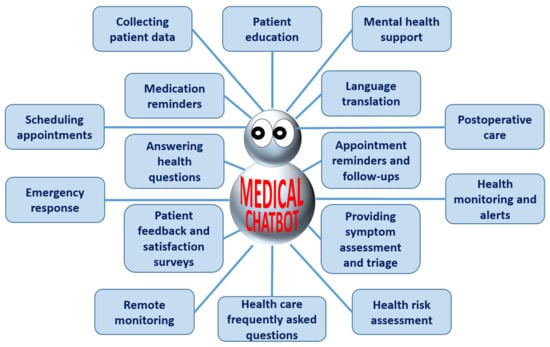
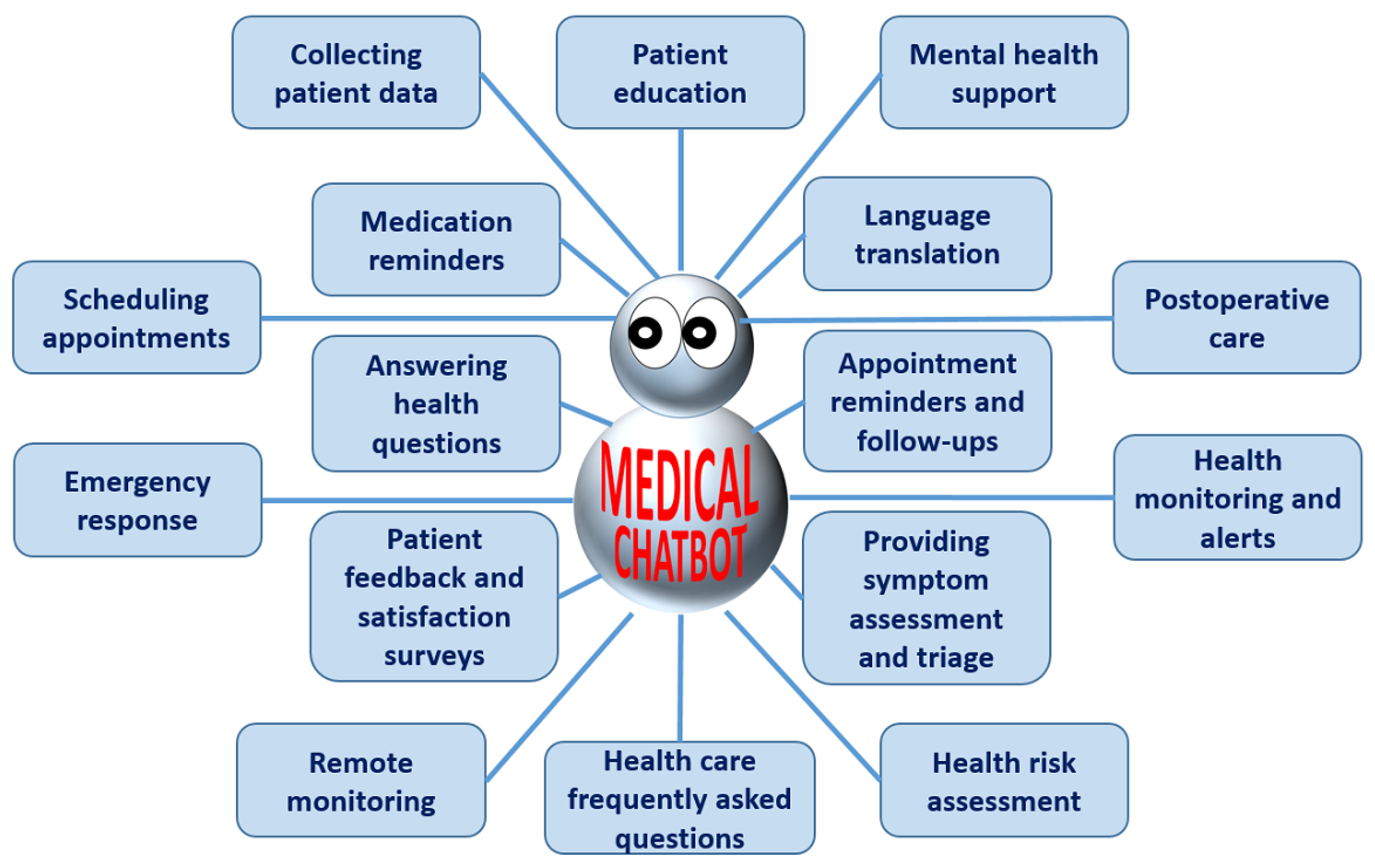
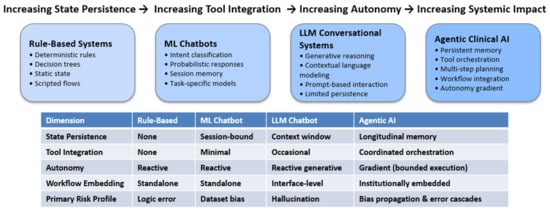
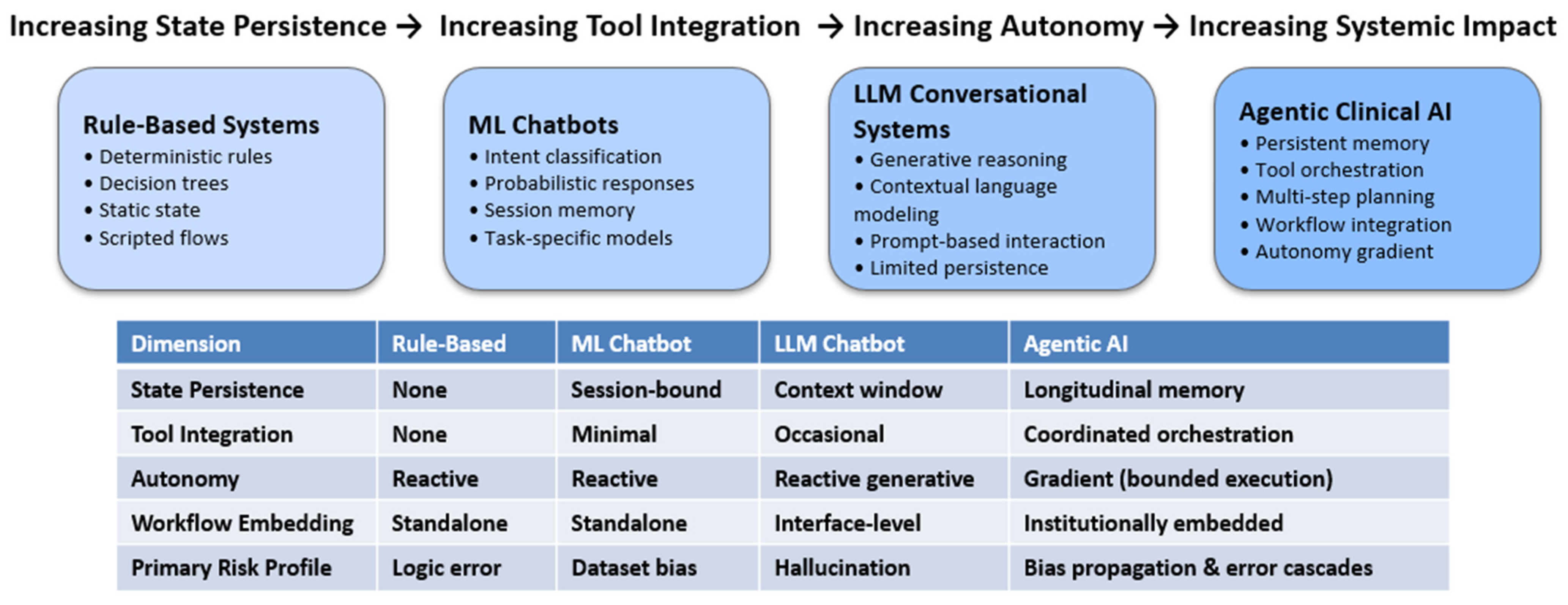
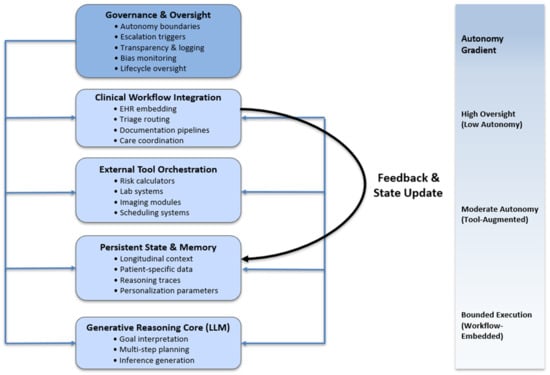
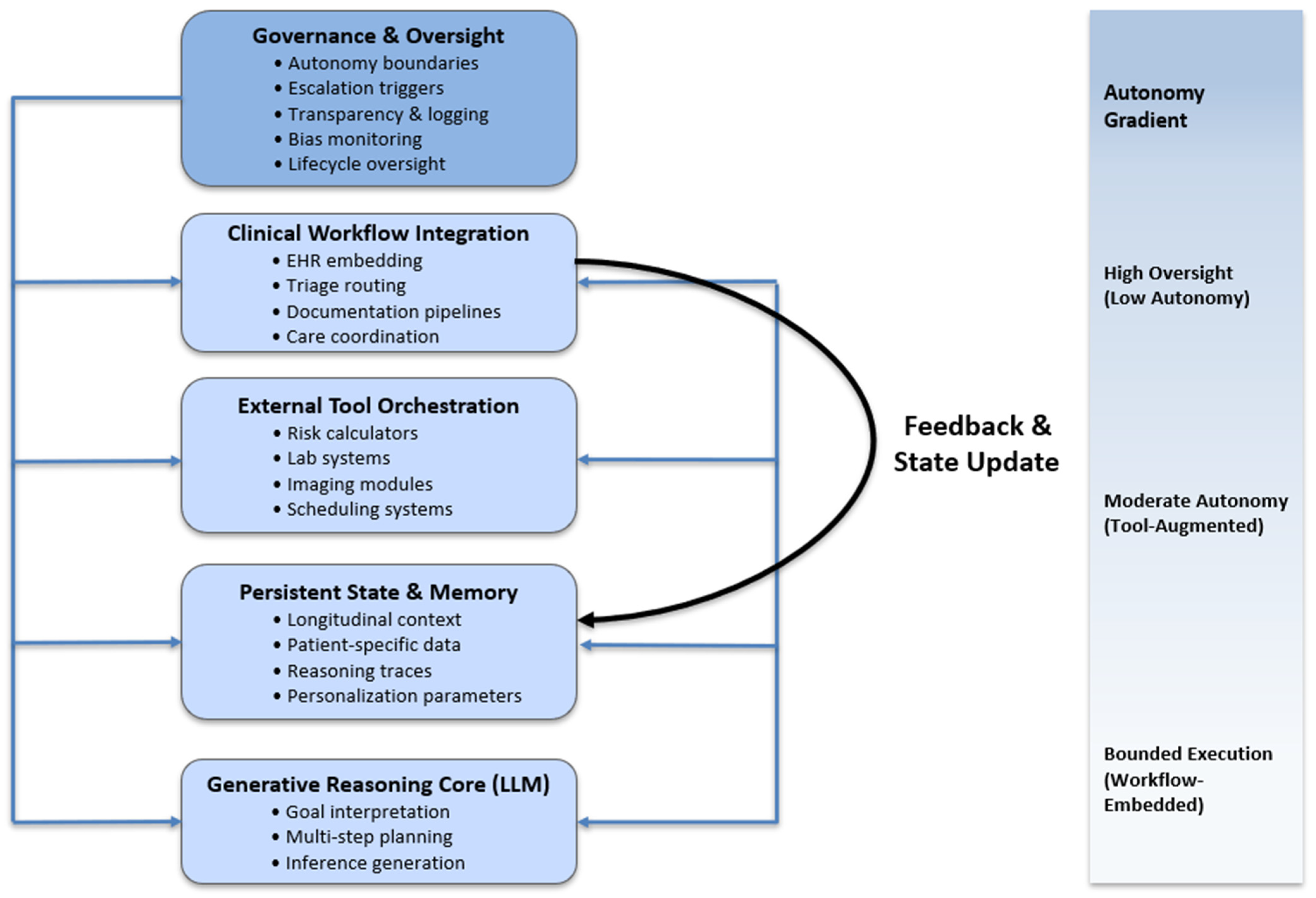
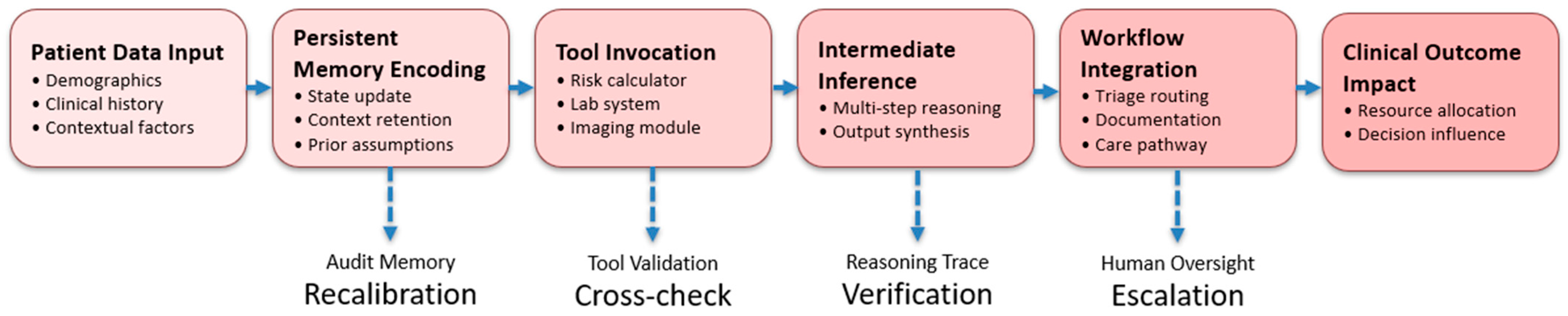

Disclaimer/Publisher’s Note: The statements, opinions and data contained in all publications are solely those of the individual author(s) and contributor(s) and not of MDPI and/or the editor(s). MDPI and/or the editor(s) disclaim responsibility for any injury to people or property resulting from any ideas, methods, instructions or products referred to in the content. |
© 2026 by the authors. Licensee MDPI, Basel, Switzerland. This article is an open access article distributed under the terms and conditions of the Creative Commons Attribution (CC BY) license.