


Abstract
Republic of Korea’s total fertility rate (TFR) fell to 0.72 in 2023—the lowest globally—despite cumulative government spending exceeding USD 270 billion across four successive national plans since 2006. This study reframes this persistent policy challenge through the lens of systems thinking by examining whether the news discourse surrounding work–life balance policies exhibits structural features that may be associated with policy resistance. Employing a multi-layered semantic network analysis of 5509 news articles retrieved from the BigKinds database (December 2021–March 2026), we examine four expectations concerning structural integration, gendered representation, temporal change, and the affective profile of the discourse. The analysis combines co-occurrence-based centrality analysis, ego-network visualization, longitudinal network decomposition across three political periods, community detection with modularity optimization, and a descriptive sentiment layer. Core policy nodes such as “support” and “government” dominate degree centrality but exhibit near-zero betweenness centrality, a pattern consistent with structural fragmentation. The “male” node is structurally peripheral relative to the policy network, while longitudinal analysis shows a progressive weakening of integrative bridges alongside an expansion of cash-transfer discourse—a pattern we term the “Paradox of Support.” A descriptive sentiment layer indicates a substantial share of negative polarity overall (45.6%), with community-level differences that are modest and not used as confirmatory evidence. We interpret these structural findings through the lens of an “Architecture of Distrust”—an interpretive framework in which increased policy inputs may coincide with deepening fragmentation rather than integration. We are careful to present this as an interpretation of the observed structure rather than a demonstrated causal mechanism. Implications for leverage-point-based policy redesign are discussed.
1. Introduction
South Korea is confronting a demographic crisis without historical precedent. In 2023, the country’s total fertility rate (TFR) fell to 0.72 births per woman—the lowest recorded level of any nation and far below the replacement threshold of 2.1 [1,2,3]. The decline has been neither sudden nor unaddressed. Since the enactment of the Framework Act on Low Birth Rate in an Aging Society in 2005, the Korean government has rolled out four successive five-year national plans, mobilizing cumulative expenditures estimated at over USD 270 billion in pursuit of fertility recovery [4]. Yet despite this extraordinary fiscal commitment, the TFR has continued its downward trajectory unabated, making South Korea the first—and, to date, only—OECD country to register a TFR below 1.0 [2].
This paradox—massive inputs yielding deteriorating outcomes—constitutes a canonical instance of what Sterman [5] terms “policy resistance”: the tendency for well-intentioned interventions to be delayed, diluted, or defeated by the systemic response they themselves provoke. In systems dynamics, policy resistance arises not from the absence of technical knowledge or good intentions but from a fundamental mismatch between the complexity of the systems in which we are embedded and our cognitive capacity to apprehend them [6]. Social systems are characterized by intricate networks of feedback processes, yet decision-makers tend to reason in short, linear causal chains, often terminating their search for explanations once a first sufficient cause presents itself [5,7,8]. The result is that policies designed to address symptoms frequently amplify the very dynamics they seek to correct.
A substantial body of literature has explored the structural drivers of South Korea’s fertility decline, identifying factors such as the high opportunity cost of motherhood [9], rigid working cultures that compel women to choose between career and family [10], the widest gender pay gap in the OECD [2], and rapidly escalating housing costs. The 2025 OECD report Korea’s Unborn Future synthesized these dimensions, arguing that Korean women are increasingly foregoing marriage and childbirth altogether because policies, gender norms, and workplace practices have failed to converge in ways that support the simultaneous pursuit of career and family [2]. These analyses have been invaluable in mapping the substantive contours of the crisis. They share, however, a common analytical limitation: they treat the policy discourse itself as a transparent medium through which problems are communicated and solutions debated, rather than as a complex adaptive system with its own structural properties, pathologies, and emergent dynamics.
This study addresses that gap by training a systems-theoretic lens not on the demographic outcomes themselves but on the discourse ecosystem through which work–life balance policies are framed, contested, and evaluated. Drawing on the foundational insight that discourse structures delimit what is thinkable and actionable within a policy domain [11,12], we argue that the architecture of the discourse network—its patterns of connectivity, fragmentation, temporal evolution, and affective coloring—operates as a structural determinant of policy outcomes. Where the discourse ecosystem is itself fragmented, gendered in exclusionary ways, regressive over time, and saturated with negative sentiment, even well-designed policies will encounter systemic resistance upon entering that discursive environment.
To operationalize this argument, we employ a multi-layered semantic network analysis of 5509 news articles drawn from Korea’s BigKinds database over a 52-month period (December 2021–March 2026). Our analytical architecture integrates five complementary techniques: (1) co-occurrence-based centrality analysis to diagnose the mismatch between surface-level prominence and structural mediation capacity; (2) ego-network analysis to expose micro-level isolation patterns; (3) longitudinal network decomposition to trace systemic evolution across three politically defined periods; (4) community detection to identify silo structures; and (5) sentiment–network coupling to map the affective topology of the discourse ecosystem.
The study makes three contributions. First, it extends the application of systems thinking from traditional system dynamics modeling to the analysis of discourse ecosystems, proposing that Sterman’s concept of policy resistance and Meadows’s framework of leverage points [13,14] can be productively brought to bear on the structural analysis of policy discourse. Second, it provides the first comprehensive network-theoretic diagnosis of South Korea’s work–life balance discourse, revealing structural pathologies that have not been previously documented. Third, it offers actionable implications for leverage-point-based policy redesign, suggesting that interventions targeting the discourse system’s structural architecture may prove more consequential than continued escalation of fiscal inputs.
2. Theoretical Background and Literature Review
2.1. Systems Thinking and Policy Resistance
2.1.1. Policy Resistance as Systemic Feedback Failure
The concept of policy resistance occupies a central position in systems dynamics. Sterman [5] defines it as the tendency for interventions to be defeated by the response of the system to the intervention itself. This phenomenon emerges because social systems are characterized by intricate networks of self-reinforcing (positive) and self-correcting (negative) feedback loops, time delays between actions and their consequences, nonlinear relationships, and stocks and flows that create accumulation effects [6]. When policymakers design interventions based on linear, event-oriented mental models that fail to account for these systemic properties, the resulting policies frequently produce unintended consequences that neutralize or reverse the intended benefits [15].
The Korean low-fertility context provides a particularly instructive case. Each successive national plan has increased fiscal expenditures while the TFR has continued to decline, a pattern consistent with what Meadows [13] described as “fixes that fail”—a system archetype in which a policy intervention addresses a symptom, producing short-term improvement, but simultaneously generates delayed side effects that eventually worsen the problem. The side effects in Korea’s case include the reinforcement of a “support” framing that positions childbearing as a burden requiring government compensation, the entrenchment of gendered assumptions about caregiving responsibilities, and the creation of public expectations that, when unmet, deepen distrust in policy efficacy [4,16].
2.1.2. Leverage Points and Structural Traps
Meadows [14] identified twelve leverage points—places to intervene in a system—ranked by their potential to produce transformative change. At the lower end of effectiveness are parameter adjustments (e.g., increasing subsidy amounts), which rarely change systemic behavior. At the higher end are interventions that alter the rules of the system, its goals, or the paradigm from which the system arises. A critical insight of this framework is that policymakers tend to intervene at low-leverage points—adjusting parameters such as benefit levels and eligibility criteria—because these are the most visible and politically feasible, while ignoring higher-leverage interventions that would require restructuring information flows, altering feedback loops, or challenging dominant paradigms [13,14].
This insight has been empirically supported across diverse policy domains. Ghaffarzadegan, Lyneis, and Richardson [17] demonstrated that policy resistance in public health and social policy contexts frequently arises from the application of “small models” that capture only a fraction of the relevant system structure. Similarly, Groesser and Schaffernicht [18] showed that mental model accuracy—the degree to which decision-makers’ cognitive representations match actual system structure—is a critical determinant of policy effectiveness. When the discourse ecosystem through which policies are interpreted systematically distorts the representation of system structure, even well-designed interventions encounter resistance.
2.1.3. Complexity Theory and Wicked Problems in Population Policy
Population policy has been recognized as a “wicked problem” in the sense defined by Rittel and Webber [19]—a problem that resists definitive formulation, has no stopping rule, and for which every attempted solution changes the problem itself. Head and Alford [20] extended this framework, arguing that wicked problems are characterized by cognitive, strategic, and institutional complexity that exceeds the capacity of conventional policy processes. Fertility decisions are embedded in a web of interdependent systems—labor markets, education systems, housing markets, gender norms, cultural values—and interventions in any one subsystem produce ripple effects throughout the others.
This complexity has particular implications for discourse analysis. As Cairney [21] argues, policy outcomes in complex systems are shaped not only by evidence and institutional structures, but by the framing of problems and solutions within policy discourse. When discourse ecosystems exhibit structural pathologies—fragmentation, echo chambers, temporal drift, or affective polarization—they constrain the range of conceivable policy responses and create systemic blind spots that perpetuate policy resistance.
2.2. Discourse as a Complex System
2.2.1. Discourse Network Analysis in Policy Studies
Discourse network analysis (DNA) has emerged as a productive methodology for investigating the structural properties of policy debates [12,22]. Leifeld [12] formalized the approach by combining content analysis with network-theoretic methods, enabling researchers to map the relationships between actors, concepts, and positions within policy discourse. Unlike traditional content analysis, which focuses on the frequency of individual concepts, DNA reveals the relational architecture of discourse—how concepts are connected, clustered, and mediated—providing insight into the structural conditions that enable or constrain policy change.
The distinction between discourse network analysis and semantic network analysis is important for the present study. While DNA typically codes actor–concept relationships through qualitative interpretation, semantic network analysis constructs networks directly from textual co-occurrence patterns, offering higher scalability and reproducibility at the cost of interpretive depth [23]. This study adopts a semantic network approach enhanced with sentiment analysis and community detection, combining the structural rigor of network methods with the interpretive capacity of sentiment–structure coupling.
2.2.2. Semantic Network Analysis: From Text to System Structure
Semantic network analysis (SNA) represents text as a network in which words (or concepts) serve as nodes and their co-occurrence relationships serve as edges [23,24]. The resulting network can be analyzed using the full toolkit of graph theory, enabling researchers to identify central concepts, bridging terms, clusters, and structural holes within a body of text [25]. SNA has been applied to diverse domains including political discourse, public health communication [26,27], and media framing [28,29].
The analytical power of SNA lies in its capacity to operationalize the systems-theoretic insight that the relationships between concepts—not merely their individual frequencies—determine the functional architecture of a discourse system. A concept that appears frequently (high degree centrality) may nonetheless occupy a structurally peripheral position if it fails to connect disparate parts of the network (low betweenness centrality). This distinction between surface-level prominence and structural mediation capacity is central to the present study’s diagnostic framework.
2.2.3. Centrality Metrics as Structural Diagnostics
Freeman [30] introduced three foundational centrality measures—degree, closeness, and betweenness—that have become standard tools for network analysis. Degree centrality measures the number of direct connections a node possesses, capturing its local prominence. Betweenness centrality measures the frequency with which a node lies on the shortest path between other node pairs, capturing its capacity to mediate information flow and integrate otherwise disconnected network segments [30,31].
Borgatti [32] provided a theoretical clarification of centrality by linking different measures to different types of network flow. Degree centrality is appropriate when the phenomenon of interest involves direct transmission between adjacent nodes. Betweenness centrality is appropriate when the phenomenon involves flow along geodesic paths, making it particularly relevant for understanding how concepts serve as “bridges” between different discourse communities. In the context of policy discourse, a node with high degree but low betweenness represents a concept that is widely discussed but structurally isolated—a hub without systemic reach. This pattern, if observed in core policy nodes, would constitute evidence of structural fragmentation.
2.3. South Korea’s Low Fertility Policy Landscape
2.3.1. Evolution of Pronatalist Policy and Fiscal Commitment
South Korea entered the “lowest-low fertility” category (TFR below 1.3) in 2002, prompting the government to establish the Presidential Committee on Aging Society and Population Policy and launch the first five-year Plan for an Aging Society and Population in 2006 [4]. Four successive plans have since been implemented: the 1st Plan (2006–2010), the 2nd Plan (2011–2015), the 3rd Plan (2016–2020), and the 4th Plan (2021–2025). Each plan expanded the scope and scale of interventions, covering childcare support, parental leave, housing subsidies, and cash transfers.
Despite this investment, the policy outcomes have been widely characterized as a failure. Jeong et al. [4] found that the relationship between Korean fertility policies and fertility rates was negligible, with the TFR continuing to decline regardless of policy expansion. The 4th Plan explicitly acknowledged the failure of previous approaches and attempted to shift from a natalist framing to a quality-of-life framing, yet the TFR has continued to decline during its implementation period.
2.3.2. Gendered Dimensions: Work–Family Conflict and the Dual Burden
The OECD’s 2025 report Korea’s Unborn Future identified the work–family trade-off as the central mechanism driving ultra-low fertility [2]. Korean women face an exceptionally sharp career penalty for motherhood, driven by long working hours, insufficient protections against workplace discrimination, and a work culture that demands work take priority over family [2,10]. The result is the widest gender pay gap in the OECD, which functions as a structural deterrent to childbearing.
Critically, the discourse around work–life balance has been predominantly framed as a “women’s issue,” focusing on maternal employment, career disruption (gyeongnyeokdanjeol), and the expansion of parental leave primarily as instruments for women’s labor market reentry [10]. This gendered framing may itself constitute a structural pathology of the discourse ecosystem.
2.3.3. Why USD 270 Billion Failed: Structural Causes of Policy Ineffectiveness
Multiple explanations have been advanced for the failure of Korean pronatalist spending to reverse fertility decline. Park [33] identified institutional inertia and the gap between policy design and workplace implementation as key factors. Choi et al. [10] found that family policies intended to support maternal employment paradoxically increased stay-at-home mothering among some recipients, as cash transfers raised family income without addressing the structural barriers to combining work and caregiving.
From a systems perspective, these findings suggest that Korea’s policy approach has been concentrated at the lowest leverage points in Meadows’s framework [34]—parameter adjustments (subsidy amounts, eligibility thresholds) and buffer modifications (expanding childcare capacity)—while leaving untouched the higher-leverage points of information flows, system rules, and the paradigm from which the policy system arises [13,14]. The discourse ecosystem, as the medium through which policy paradigms are constructed and contested, represents a potentially high-leverage site for intervention that has received insufficient analytical attention.
2.4. Integrative Framework: Discourse Ecosystem Pathology Model
This study proposes a “Discourse Ecosystem Pathology” (DEP) model that integrates systems thinking with semantic network analysis to diagnose structural defects in the policy discourse ecosystem. The model posits that a healthy discourse ecosystem for complex social policy should exhibit four properties: (1) structural integration, in which core policy concepts bridge diverse subsystems (labor, education, housing, gender); (2) inclusive framing, in which all relevant stakeholders are structurally represented as agents within the discourse; (3) adaptive evolution, in which the discourse network develops new integrative pathways over time in response to changing conditions; and (4) constructive affect, in which discourse communities generate a balance of critical analysis and positive expectation that sustains public engagement.
When these properties are absent or inverted—when core concepts are structurally isolated rather than integrative, when key stakeholders are excluded, when the network regresses rather than adapts, and when negative affect dominates—the discourse ecosystem becomes a source of policy resistance rather than a vehicle for policy learning. The present study operationalizes each of these properties through network-theoretic measures and tests whether South Korea’s work–life balance discourse exhibits these pathological signatures.
3. Research Expectations
Drawing on the DEP model, four expectations are examined. The labels are deliberately descriptive and name the structural quantity examined rather than presupposing its interpretation:
Expectation 1 (Presence–Integration Gap): For core policy nodes (e.g., “support,” “policy,” “government”), high degree centrality (surface-level prominence) will coexist with near-zero betweenness centrality (limited structural mediation), a configuration we interpret as a presence–integration gap.
Expectation 2 (Gendered Representation): The news-media discourse will be framed predominantly around women, with the “male” node occupying a peripheral position relative to the policy and institutional network, indicating limited structural representation of men as policy subjects.
Expectation 3 (Temporal Change in Bridging Structure): Across three periods defined by political inflection points, the structural bridges that integrate diverse discourse subsystems will weaken, and cash-transfer-oriented “support” discourse will expand, a pattern we interpret as structural change rather than adaptive evolution.
Expectation 4 (Affective Profile of Communities): The major discourse communities identified through community detection will display a predominantly negative affective profile. This expectation is examined descriptively; negative sentiment is treated as an affective signal, not as direct evidence of institutional distrust.
4. Materials and Methods
4.1. Research Design Overview
This study employs a multi-layered semantic network analysis (ML-SNA) framework designed to diagnose structural pathologies in the news-media discourse through five complementary analytical techniques: centrality analysis, ego-network analysis, longitudinal network decomposition, community detection, and sentiment–network coupling. The multi-layered design addresses the limitation of single-method approaches by triangulating structural, temporal, micro-level, meso-level, and affective dimensions of the discourse network (Figure 1).
Figure 1.
Research design overview: Multi-Layered Semantic Network Analysis (ML-SNA) framework. The five analytical layers—(1) Centrality Analysis, (2) Ego-Network Analysis, (3) Longitudinal Decomposition, (4) Community Detection, and (5) Sentiment–Network Coupling—are applied to a common co-occurrence network constructed from 5509 news articles, addressing Expectations 1–4. Arrows indicate analytical dependencies between layers.
4.2. Data Collection
4.2.1. Database and Collection Period
News articles were collected from the BigKinds database, operated by the Korea Press Foundation [35]. BigKinds aggregates full-text articles from major Korean daily newspapers, broadcasters, and news agencies, providing a comprehensive corpus for media discourse analysis [26,27]. The collection period spans from 1 December 2021 to 31 March 2026, a 52-month window encompassing the launch of the 4th Plan for an Aging Society and Population, a presidential transition, and the progressive deepening of the demographic crisis.
4.2.2. Search Query Design
To capture the multi-systemic pressures that contribute to policy resistance in the work–life balance domain, the following Boolean search query was employed:
low birth rate AND (work–life balance OR parental leave OR career interruption OR education costs OR excessive competition): 저출산 AND (일가정양립 OR 육아휴직 OR 경력단절 OR 교육비용 OR 과도한경쟁)
This query was designed to retrieve articles that discuss low fertility in conjunction with work–life balance, parental leave, career disruption, education costs, or excessive competition—the five substantive domains most frequently identified as structural drivers of fertility decline in the Korean context [2,10]. The query returned 5509 valid articles after the removal of duplicates and non-text entries.
4.2.3. Preprocessing
BigKinds’ built-in morphological analysis was used to extract noun-class keywords from each article. The preprocessing pipeline was as follows. First, a stopword list removed (a) journalistic boilerplate (e.g., 기자 [reporter], 연합뉴스 [Yonhap News]) and (b) the universal search term 저출산 (low fertility), which would otherwise dominate the network as a methodological artifact. Second, morphological and orthographic variants and near-synonymous compounds were merged to representative forms (e.g., 여성들 → 여성 [women]; 출산율/저출생 → 출산 [childbirth]) to avoid splitting a single concept across multiple nodes. Third, single-syllable nouns and ambiguous fragments were removed, and ambiguous terms were retained in their dominant policy-domain sense. English glosses used for node labels throughout the paper are translations of the Korean representative forms and are provided for readability only; all analyses were performed on the Korean tokens. The exact Boolean query (Section 4.2.2) reproduces the source article set from BigKinds; the extracted keyword data and metadata, the stopword list, and the synonym/compound mapping will be deposited in a public repository upon acceptance to enable reconstruction of the cleaned corpus (see Data Availability Statement).
4.3. Analytical Methods
4.3.1. Semantic Network Construction
A co-occurrence matrix was constructed from the preprocessed corpus using Python 3.12 (pandas, NetworkX) in Google Colaboratory. Two nouns were linked when they co-occurred within the same article; each unique noun is a node and each co-occurring pair a weighted edge, with the weight equal to the co-occurrence frequency. We adopt the article as the co-occurrence window because BigKinds exports keywords at the article level; we acknowledge that an article-level window is broader than sentence- or paragraph-level windows and may link terms that are thematically rather than argumentatively related, and we treat this as a limitation (Section 6.8). To extract the structural backbone and limit noise, we retained co-occurrence pairs above the 95th frequency percentile, following established backbone-extraction practice for large weighted networks [36]. Restricting the vocabulary to the most frequent nouns, the backbone reduced the full term set to a connected network with no isolates; node and edge counts before and after thresholding are reported in the Supplementary Materials. Degree centrality was computed on the unweighted backbone, whereas betweenness centrality was computed on the weighted graph with edge weights interpreted as proximities and converted to shortest-path distances by taking their reciprocal, so that strongly co-occurring pairs are treated as closer. The network is treated as undirected throughout.
4.3.2. Centrality Analysis
Two centrality measures were computed for all nodes in the backbone network. Degree centrality (CD) quantifies the proportion of other nodes to which a given node is directly connected, normalized to the [0, 1] interval:
where deg(v) is the number of edges incident to node v and n is the total number of nodes [30].
CD(v) = deg(v)/(n − 1)
Betweenness centrality (CB) quantifies the proportion of shortest paths between all node pairs that pass through a given node:
where σst is the total number of shortest paths between nodes s and t, and σst(v) is the number of those paths passing through v [30,32]. Because the search term itself was removed in preprocessing, betweenness is computed on the substantive discourse network. The cross-tabulation of degree and betweenness centrality for core policy nodes constitutes the primary basis for evaluating Expectation 1.
CB(v) = Σs≠v≠t [σst(v)/σst]
4.3.3. Longitudinal Analysis
To test Expectation 3, the full 52-month period was divided into three sub-periods defined by macroscopic political inflection points:
Period 1 (Integration Phase): December 2021–May 2022—the final months of the Moon Jae-in administration, during which the 4th Plan was in its initial implementation.
Period 2 (Transition Phase): June 2022–December 2023—the early Yoon Suk-yeol administration, encompassing policy recalibration and the declaration of a “Population National Crisis.”
Period 3 (Crisis Deepening Phase): January 2024–March 2026—the period of intensified crisis awareness, record-low TFR announcements, and expanded fiscal responses.
Separate co-occurrence networks were constructed for each period, and centrality metrics were compared across periods to track the evolution—or regression—of the discourse system’s structural properties.
4.3.4. Ego-Network Analysis
Ego-network analysis was employed to test Expectation 2 by extracting the first-order neighborhood (alters) of specific focal nodes. Shell-layout visualization was used to display the ego (focal node) at the center, surrounded by its direct connections, enabling visual comparison of the network reach and diversity of connections for nodes such as “support” (지원), “female/women” (여성), and “male/men” (남성) [37].
4.3.5. Community Detection
To test for silo structures (Expectation 3) and provide the structural basis for sentiment analysis (Expectation 4), community detection was performed using modularity optimization algorithms. The Louvain algorithm [38] was applied to partition the network into communities that maximize the modularity score Q:
where A_{ij} is the edge weight between nodes i and j, k_i and k_j are the node degrees, m is the total edge weight, and δ(c_i, c_j) is 1 if nodes i and j belong to the same community and 0 otherwise [38,39,40].
Q = (1/2m) Σ_{ij} [A_{ij} − (k_i k_j/2m)] δ(c_i, c_j)
4.3.6. Sentiment–Network Coupling
To test Expectation 4, sentiment polarity analysis was performed on the text segments associated with each node and community in the network. The KNU Korean Sentiment Dictionary [41], developed by Kunsan National University and widely used in Korean-language text mining research and consistent with established lexicon-based sentiment-analysis methods [42,43], served as the base lexicon. This dictionary comprises 14,843 sentiment entries—including unigrams, bigrams, idiomatic expressions, and emoticons—with polarity scores classified via Bi-LSTM deep learning models trained on glosses from the Standard Korean Language Dictionary [41]. Given that general-purpose sentiment dictionaries may misclassify domain-specific terms (e.g., “support” [지원] may carry positive connotations in general usage but neutral or negative connotations in a policy-failure context), domain-specific coding adjustments were applied to a subset of key terms to improve classification accuracy within the work–life balance policy domain.
To assess the reliability of the automated classification, a random subset of coded text segments was independently re-coded by human judgment, and the observed agreement with the automated labels was 88.5%. We report this as simple percent agreement rather than a chance-corrected coefficient; the absence of a chance-corrected statistic (e.g., Cohen’s κ or Krippendorff’s α) is acknowledged as a limitation (Section 6.8). Sentiment polarity was then mapped onto the network, with node and cluster color representing the dominant polarity. Importantly, we distinguish negative sentiment from institutional distrust: negative affect in policy discourse may signal crisis framing, problem recognition, criticism, urgency, or dissatisfaction, and does not by itself establish distrust. Accordingly, the sentiment layer is used descriptively, and the “Architecture of Distrust” is presented as an interpretive lens on the structural findings rather than as a conclusion derived from sentiment alone.
Inferential tests comparing sentiment distributions across communities did not reach conventional significance (p > 0.05). Rather than dismiss this on the grounds that the corpus is complete, we acknowledge that sentiment classification involves measurement error and that the observed cross-community differences are modest and statistically uncertain. We therefore report the sentiment distributions descriptively, foreground effect magnitude over statistical significance, and refrain from treating community-level sentiment differences as confirmatory evidence.
4.4. Analytical Scope and the Role of Inferential Statistics
A note on the epistemological status of the findings is warranted. The dataset is the full set of BigKinds articles matching the specified Boolean query during the study period (N = 5509); no probabilistic sampling was applied. It is therefore a population-level dataset for one operationally defined arena—indexed national news retrieved by this query—rather than a census of the broader South Korean discourse on work–life balance, fertility, gender, and family policy. The query necessarily excludes articles using alternative terminology and other discursive arenas such as social media, parliamentary debate, policy documents, expert reports, corporate communication, and broadcast discussion. Accordingly, we frame all results as descriptive of this BigKinds corpus and avoid generalizing them to the discourse ecosystem as a whole. For clarity, in what follows the terms “discourse” and “network” refer specifically to this news-media arena; where we use “discourse ecosystem,” it denotes the theoretical Discourse Ecosystem Pathology construct (Section 2.4), not an empirical claim about all arenas of public discourse.
This framing also shapes how we treat uncertainty. Even without probabilistic sampling, uncertainty arises from query design, preprocessing choices, thresholding, sentiment classification, temporal segmentation, and network construction. We therefore adopt a descriptive-diagnostic stance: network metrics are reported as structural properties of the observed corpus, the expectations are evaluated on the magnitude and pattern of observed differences rather than on p-values, and systemic interpretations are presented as readings of the structure rather than as demonstrated causal effects.
This descriptive stance is consistent with established practice in large-scale text-mining and discourse-network research [26,27,44,45], where structural metrics (centrality, modularity, community membership) are reported descriptively. We further moderate interpretation by noting throughout that the analysis cannot, on its own, demonstrate that the discourse generates or determines policy outcomes; it characterizes structural patterns that are consistent with, and can be interpreted through, the systems-theoretic framework.
To ensure robustness, we complement this approach with three forms of validation: (1) cross-period replication—the same structural patterns (e.g., the centrality mismatch for policy nodes) are observed independently across all three time periods, providing internal replication; (2) triangulation across methods—findings from centrality analysis, ego-network analysis, community detection, and sentiment analysis converge on the same diagnostic conclusions; and (3) substantive benchmarking—observed centrality values are interpreted against established thresholds in the network analysis literature (e.g., betweenness centrality values below 0.01 are conventionally interpreted as indicating negligible structural mediation [30,32]).
4.5. Reproducibility and Technical Specifications
To ensure full reproducibility of the analytical pipeline, the following technical specifications are provided:
Corpus source: BigKinds (빅카인즈), operated by the Korea Press Foundation [35]. All articles were retrieved using the platform’s built-in search and export functions.
Search query: 저출산 AND (일가정양립 OR 육아휴직 OR 경력단절 OR 교육비용 OR 과도한경쟁).
Collection period: 1 December 2021–31 March 2026 (52 months).
Total articles retrieved: 5509 (after removal of duplicates and non-text entries).
Morphological analyzer: BigKinds’ built-in morphological analysis engine (provided as part of the platform’s keyword extraction and export function).
Extraction unit: Noun-class morphemes (extracted via BigKinds’ automated morpheme analysis pipeline).
Co-occurrence window: Article-level (two nouns co-occurring within the same article constitute a co-occurrence pair).
Network backbone extraction: Top 5% of co-occurrence frequency (95th percentile threshold).
Computational environment: Google Colaboratory (Python 3.12).
Key libraries: NetworkX (network construction, centrality computation, community detection), pandas (data preprocessing), matplotlib (visualization).
Community detection: Louvain algorithm [38], implemented via the python-louvain (community) package for NetworkX, with modularity optimization.
Sentiment analysis: Lexicon-based polarity classification using the KNU Korean Sentiment Dictionary (Kunsan National University) [41], supplemented with domain-specific coding adapted to the work–life balance policy context. To validate the automated sentiment classification, a manual cross-validation procedure was conducted on a random subset of coded items, yielding an inter-coder agreement rate of 88.5%, exceeding the conventional threshold of 80% for acceptable reliability in content analysis research.
Data input format: Structured Excel files exported from the BigKinds platform, containing article metadata, full-text, and extracted keyword lists. BigKinds licensing does not permit redistribution of the full article text, but the Boolean query in Section 4.2.2 reproduces the source set. To support reproducibility, the extracted keyword data and metadata, the full stopword list, the synonym/compound mapping, and the Python analysis code (network construction, centrality, community detection, and sentiment coupling) will be deposited in a public repository upon acceptance and are available from the corresponding author on reasonable request in the interim.
4.6. Ethical Considerations
This study uses publicly available news articles from a licensed database. No human subjects were involved. The study does not collect or process personal data. All analyses are conducted at the aggregate level of discourse patterns.
5. Results
As noted in Section 4.4, the metrics reported below are descriptive of the full BigKinds corpus matching the query (N = 5509), not estimates from a probabilistic sample. The expectations are evaluated on the magnitude, pattern, and cross-method convergence of the observed structural properties rather than on inferential p-values, and the interpretations are offered as readings of structure rather than demonstrated effects.
5.1. Expectation 1: The Mismatch Between Surface Power and Structural Mediation
Analysis of the 95th percentile backbone network revealed a striking pattern of centrality dissociation (Table 1; Figure 2). We note that the central finding is a large-magnitude qualitative dissociation—core policy nodes combine among the highest degree centralities with near-zero betweenness—rather than a marginal numerical difference; a gap of this size reflects the position of these nodes in the overall structure and is therefore unlikely to depend on the specific choice of percentile cutoff (see the robustness discussion in Section 6.2).
Table 1.
Top-ranked nodes by degree centrality (C_D) and betweenness centrality (C_B) in the 95th percentile backbone network (full period, December 2021–March 2026).
Figure 2.
Full-period semantic network of South Korea’s work–life balance discourse (95th percentile backbone). Node size represents degree centrality; node color represents betweenness centrality (darker = higher). Edge thickness represents co-occurrence frequency.
To confirm that this pattern does not depend on the specific backbone threshold, we re-derived the network at the 90th and 97.5th percentiles and compared the resulting centrality structure with the 95th-percentile network. The core structure is stable across all three thresholds. The policy-institutional nodes—“government” (정부), “policy” (정책), and “society” (사회)—consistently combine high degree centrality with near-zero betweenness centrality; “childbirth” (출산) remains the top-ranked node on both degree and betweenness; and the “male” node (남성) remains structurally peripheral, with low degree and negligible betweenness. In other words, the rank-order of the presence–integration gap—prominent policy-institutional nodes that are structurally non-mediating—is preserved under alternative thresholds. We report this sensitivity check qualitatively, in terms of the stability of the rank-order structure across thresholds, rather than as a second numerical table, because the substantive finding concerns the pattern of dissociation rather than the exact centrality values, and the pattern is robust.
The node “childbirth” (출산) recorded the highest degree centrality (C_D = 0.900), followed by “childcare” (육아, C_D = 0.750) and “support” (지원, C_D = 0.700). “Government” (정부, C_D = 0.400) and “policy” (정책, C_D = 0.400) also occupied prominent positions. These nodes dominated the discourse landscape in terms of direct connections.
However, betweenness centrality analysis revealed a critical structural mismatch for the policy-institutional nodes. While “childbirth” maintained both high degree and high betweenness centrality (C_B = 0.430), serving as a genuine structural bridge, the institutional response nodes told a starkly different story. “Government” recorded a betweenness centrality of only 0.009, and “policy” recorded 0.008—values approaching zero. Even “women” (여성), despite a degree centrality of 0.450, recorded a betweenness centrality of only 0.033. This means that while these nodes were heavily cited, they occupied structurally redundant positions, failing to serve as bridges between different thematic subsystems. Notably, “leave” (휴직, C_B = 0.045) outperformed both “government” and “policy” in betweenness despite having equal or lower degree centrality (C_D = 0.350), suggesting that the leave concept functions as a more effective structural connector than the policy apparatus itself.
The discourse network’s institutional core was simultaneously prominent and structurally hollow—a “hub without reach.”
This pattern of high degree centrality coupled with near-zero betweenness centrality is consistent with Expectation 1. It suggests that policy-institutional discourse, despite its volume and visibility, occupies structurally redundant positions—prominent without bridging the subsystems whose integration effective implementation would require. We interpret this through the “fixes that fail” archetype [5,13], while noting that the network evidence characterizes the discourse structure and does not by itself establish a causal effect on policy outcomes.
5.2. Expectation 2: Micro-Isolation of the Male Node and the Gendered Ecosystem
In the full network, “women/female” (여성) exhibited a degree centrality of 0.450, indicating robust and diverse connections across the discourse landscape. In contrast, “men/male” (남성) registered a betweenness centrality of 0.001, indicating virtual complete isolation from the policy discourse network (Table 2).
Table 2.
Ego-network comparison: structural properties of three focal nodes.
Ego-network analysis provided micro-level confirmation of this pattern (Figure 3).
Figure 3.
Comparative ego-network visualizations (shell layout). (a) Ego network of “support” (지원): a mega-hub with dense, diverse connections to policy instruments, institutional actors, and social domains. (b) Ego network of “men/male” (남성): a near-isolate with sparse, superficial connections, demonstrating structural exclusion from the policy discourse network. Node labels in the figure are abbreviated English glosses of the Korean node terms; the Korean form of each focal node is given in the panel title. The ego network of “women” (여성) is not displayed as a separate panel; its structural properties are summarized in Table 2.
These findings are consistent with Expectation 2 and point to a gendered architecture in the news-media discourse. Work–life balance is discursively constructed largely as a women’s domain—framed around maternal employment, career disruption, and parental leave. Men appear structurally peripheral in this discourse: not merely underrepresented but weakly connected to the policy network. We describe this as a pronounced structural exclusion of male participation from the work–life balance discourse, while avoiding stronger characterizations that the evidence cannot directly support.
This finding resonates with the OECD’s [2] analysis that Korean fertility decline is driven by the inability of both men and women to pursue career and family simultaneously. Goldin [46] argued that ultra-low fertility in rapidly modernized societies reflects a lag between institutional structures and changed values. From a leverage-point perspective, the gendered framing operates at the level of the system’s paradigm (Meadows’s Level 2) [14]—a deeply embedded assumption that shapes all downstream policy design and evaluation.
5.3. Expectation 3: Temporal Change in the Bridging Structure
Longitudinal analysis across the three periods revealed a pattern of progressive structural deterioration rather than adaptive evolution (Table 3; Figure 4).
Table 3.
Longitudinal comparison of key network metrics across three periods.
Figure 4.
Longitudinal centrality evolution across three periods. (a) Period 1 (Integration Phase, n = 270); (b) Period 2 (Transition Phase, n = 2113); (c) Period 3 (Crisis-Deepening Phase, n = 2882). For each period, the three highest-ranked nodes are shown: dark bars = degree centrality (C_D), light bars = betweenness centrality (C_B). The label under each pair of bars gives the node ranked on C_D/the node ranked on C_B. Values correspond to Table 3.
Period 1 (Integration Phase, 2021.12–2022.05, n = 270): The discourse network exhibited relative structural coherence. “Women” (여성) occupied the highest degree centrality position (C_D = 0.562), and also served as a key structural bridge (C_B = 0.483, 2nd). “Childbirth” led betweenness centrality (C_B = 0.608), and “childcare” (육아) also served a strong bridging function (C_B = 0.442). This multi-centric topology—with women, childbirth, and childcare all serving mediating functions—enabled organic connections across diverse thematic subsystems.
Period 2 (Transition Phase, 2022.06–2023.12, n = 2113): With the presidential transition, the bridging function of “women” collapsed entirely—falling out of the top-3 betweenness centrality ranking. “Childbirth” maintained its bridge role (C_B = 0.470) but “support” (지원) emerged for the first time as a top-3 bridge (C_B = 0.182), signaling the onset of a compensatory discourse frame.
We therefore interpret the news-media discourse as neither purely reflective nor purely constitutive, but as plausibly operating in a co-evolutionary relationship with the policy landscape—a position consistent with systems thinking’s emphasis on circular rather than strictly linear causality [5,13]. On this reading, the news-media discourse may both reflect and reinforce structural patterns; we present this as an interpretation rather than a demonstrated mechanism.
Community detection identified the macro-structure of the discourse network (Table 4; Figure 5). The full-period network partitioned into three communities of highly unequal size, dominated by a single community (C1) that accounts for 86.2% of the corpus, with two much smaller peripheral communities (C2 and C3). Consistent with the low modularity score (Q = 0.236; Section 6.2), inter-community separation is weak rather than sharply siloed; we therefore describe the structure as monocentric and weakly differentiated.
Table 4.
Community detection results (full period, Louvain algorithm).
Figure 5.
Community structure of the full-period discourse network (schematic summary). The three communities identified by the Louvain algorithm (Table 4) are shown with area proportional to their share of the corpus and labeled with their negative-sentiment share; dashed lines denote sparse inter-community edges. The figure is a schematic summary of the community-level results in Table 4 and Table 5 (not a node-level rendering), illustrating a monocentric structure in which one community (C1, 86.2%) dominates and modularity is low (Q = 0.236).
The three communities correspond to (C1) a dominant governance-and-demographic-crisis cluster organized around government, society, and policy (86.2% of articles); (C2) a smaller labor-and-leave cluster organized around institutions and parental leave (13.0%); and (C3) a very small outcomes-and-response cluster organized around marriage and countermeasures (0.8%). The dominance of C1 and the paucity of bridging edges between clusters are consistent with a monocentric discourse in which a single governance-crisis frame absorbs most of the conversation.
These findings are consistent with Expectation 3 and suggest that the discourse system has not merely failed to adapt to the deepening crisis but has actively regressed, losing the structural complexity needed to support integrated policy thinking.
5.4. Expectation 4: The Sentiment Network and the Architecture of Distrust
Sentiment polarity analysis, coupled with the network structure, indicates that the dominant nodes and communities in the discourse network are associated with a substantial share of negative sentiment (Table 5; Figure 6). We report these distributions descriptively and do not treat the cross-community differences, which are modest and not statistically significant, as confirmatory.
Table 5.
Sentiment polarity distribution by community (KNU Korean Sentiment Dictionary [41] with domain-specific coding; inter-coder agreement = 88.5%).
Figure 6.
Sentiment-mapped discourse network (full period). Node color represents the dominant sentiment polarity of each node’s first-order neighborhood: red = negative (crisis/burden/decline framing), blue = positive (expectation/improvement framing). Node size represents degree centrality; solid lines represent co-occurrence edges in the 95th percentile backbone.
Nodes at the network’s structural core—”support” (지원), “government” (정부), “measures/countermeasures” (대책)—and their first-order neighborhoods were characterized by co-occurrence with high-frequency negative-affect terms including “crisis” (위기), “limitation” (한계), and “burden” (부담). A bar chart visualization of the sentiment distribution across communities is provided in Figure S1 (Supplementary Materials).
Positive sentiment nodes existed but were structurally peripheral—located at the margins of the network with low centrality scores and few connections to core policy discourse. The affective landscape of this news-media discourse thus exhibited an inverted architecture: the concepts most central to policy discussion were simultaneously the most negatively evaluated, while positive associations remained structurally marginal.
This descriptive pattern is consistent with Expectation 4 and completes the structural picture. Rather than concluding that the discourse “cultivates” distrust, we offer a more cautious reading: the concepts most central to policy discussion—government support, policy intervention, institutional measures—tend to co-occur with negative-affect terms, while positive associations are structurally more peripheral. We use the label “Architecture of Distrust” as an interpretive framework for this structural-affective configuration, not as a demonstrated causal mechanism, and we note that negative sentiment may equally reflect crisis framing, problem recognition, or policy criticism.
6. Discussion
6.1. Systemic Interpretation: The News-Media Discourse as a System Trap
Before interpreting, we distinguish our empirical findings from the theoretical constructs used to read them. The empirical results are the network observations reported in Section 5—the dissociation between degree and betweenness centrality for policy-institutional nodes, the peripherality of the “male” node, the temporal change in bridging structure, and the community-level sentiment distribution. The terms “policy resistance,” “system trap,” and “Architecture of Distrust” are interpretive constructs from systems thinking that we apply to those observations; they are lenses for reading the structure, and no causal claim follows from the constructs themselves. With that separation made explicit, the four expectations examined suggest that the news-media discourse has a structure consistent with a system trap—specifically, what Meadows [13] termed “shifting the burden to the intervenor.” In this archetype, the system develops a dependence on an external intervention (government support) that addresses symptoms without correcting underlying causes, while its own capacity for self-correction progressively weakens. The discourse evidence is consistent with this pattern at the informational level: as “support”-oriented discourse has expanded, the bridging concepts that would connect support to structural reform have weakened, leaving a discourse that increasingly speaks the language of compensation. We present this as an interpretation supported by the observed structure, not as a demonstrated causal mechanism.
Sterman’s [5,6,47] framework of policy resistance offers a complementary interpretation. Policy resistance arises when the mental models guiding intervention are misaligned with the actual structure of the system being intervened upon. The discourse network analysis suggests that a dominant framing in Korean work–life balance discourse is comparatively linear: low fertility is associated with insufficient support, and the solution is framed as more support. This framing gives limited discursive space to the feedback loops through which support, absent structural reform, may reinforce the gendered division of labor and sustain work–family conflict. The sentiment layer is consistent with this reading: a substantial share of the discourse is negatively framed, with the governance-crisis community—86.2% of the corpus—at 47.7% negative. We interpret this as a predominantly negative affective register, while treating the link to public distrust as an interpretation rather than an established fact.
6.2. Modularity, Network Size, and Methodological Caveats
Two methodological observations warrant explicit discussion.
Modularity score (Q = 0.236). The modularity score falls below the Q > 0.3 value that Newman [48] associated with strong community structure. We are cautious in interpreting this. Many empirical networks exhibit comparatively low modularity without being pathological, so a low Q is not, on its own, evidence of dysfunction. We therefore present the low modularity descriptively: the discourse partitions only weakly into differentiated thematic subsystems, consistent with a state of limited structural differentiation rather than either strong integration or clear modular separation. We note that we did not benchmark Q against a null model or against comparable policy-discourse networks from other domains or countries; establishing whether this value is unusually low would require such a benchmark, which we flag as an important direction for future work (Section 6.8). The near-identical sentiment distributions across communities are consistent with limited differentiation but are likewise reported descriptively. As reported in Section 5.1, a threshold-sensitivity check that re-derives the backbone at the 90th and 97.5th percentiles confirms that the degree–betweenness dissociation is stable in rank-order across thresholds, supporting the robustness of the presence–integration gap to the choice of cutoff. A second robustness check—a size-equalized subsampling of the three periods, detailed below in this section—remains for future work; we expect it to be confirmatory given the large magnitude of the observed effects, but we do not claim it as established here.
Cross-period network size differences. The three periods differ substantially in size: Period 1 (n = 270), Period 2 (n = 2113), and Period 3 (n = 2882). Because centrality is sensitive to network size and density, we considered whether the observed centrality changes could be artifacts of scale, and we offer four reasons the substantive reading is more plausible. First, all centrality values were normalized to the [0, 1] interval, which removes the most direct effect of raw size [30]. Second, the direction of the key changes is opposite to what a scale artifact predicts: Period 3 has the largest corpus yet shows a decline in “support” betweenness (0.052) relative to the smaller Period 2 (0.182); a pure size effect would predict the reverse. Third, the changes are concept-specific rather than uniform—“women” loses its bridging role while “childcare” gains one—whereas a scale artifact would tend to shift many nodes together. Fourth, the qualitative sequence (the disappearance of “women” from the top bridges, the emergence and subsequent hollowing of “support”) aligns coherently with documented political and policy changes across the periods. These arguments notwithstanding, they do not fully substitute for a size-controlled design: we therefore flag size-equalized re-estimation—repeatedly subsampling the larger periods to n = 270 and recomputing betweenness—as the appropriate confirmatory check, and we report the present longitudinal results as robust in pattern but provisional in exact magnitude, pending the size-controlled re-estimation identified among the limitations (Section 6.8).
6.3. The Paradox of Support: Why More Spending Deepens Fragmentation
The “Paradox of Support” identified in the longitudinal analysis (Section 5.3) represents one of the study’s most important findings. As the discourse system increasingly organized itself around the concept of “support,” it paradoxically became less structurally integrated. This pattern can be understood through the concept of “success to the successful”—a system archetype in which a winning strategy attracts ever more resources, crowding out alternative approaches [5,13,49].
In this news-media discourse, the dominance of support-oriented framing crowds out discussion of structural reforms—changes to working culture, redistribution of care responsibilities, transformation of the education system, or reform of the housing market. These structural issues require discourse that bridges multiple subsystems, but the increasing centrality of the support node absorbs discursive energy without distributing it across the system. The result is a news discourse that is simultaneously hyperactive (high volume of support-related discourse) and structurally impoverished (declining capacity for cross-system integration).
6.4. Gendered Framing as a Structural Blind Spot
The micro-isolation of the “male” node (Section 5.2) represents a paradigm-level blind spot in the news-media discourse. In Meadows’s leverage-point hierarchy [14], the paradigm from which a system arises is the second-highest leverage point, exceeded only by the capacity to transcend paradigms entirely. The gendered framing of work–life balance—as fundamentally a women’s issue—constitutes a paradigmatic assumption that shapes all downstream discourse, policy design, and evaluation criteria.
This finding aligns with the OECD’s [2] analysis that Korean fertility decline is driven by the inability of both men and women to pursue career and family simultaneously. Goldin [46] argued that countries like Korea display ultra-low fertility rates because they were catapulted into modernity by rapid economic growth, while beliefs, values, and traditions changed more slowly.
6.5. Implications for Leverage-Point-Based Policy Redesign
The findings suggest that interventions targeting the news discourse’s structural architecture could function as high-leverage policy actions. Specifically:
Information flows (Meadows’s Level 6): Policies that systematically introduce bridging information between currently siloed discourse communities—for example, policy impact assessments that explicitly link childcare subsidies to housing affordability, or labor market reforms to educational competition—could help reconstruct the integrative pathways that have eroded over time.
Rules of the system (Meadows’s Level 5): Media guidelines or policy communication standards that require the inclusion of male perspectives and shared caregiving framings in work–life balance discourse could begin to address the gendered structural blind spot.
System goals (Meadows’s Level 3): Reframing the policy goal from “increasing the fertility rate” to “enabling all individuals to freely pursue work and family” would shift the discourse system’s organizing principle, potentially enabling new structural configurations.
Paradigm (Meadows’s Level 2): The most transformative intervention would be a paradigm shift in the news discourse itself—from a compensatory model (“support”) to a systemic-transformation model in which work–life balance is understood as a structural property of labor markets, educational institutions, and care systems rather than a deficit to be compensated.
6.6. Comparison with International Cases
The discourse pathologies identified in Korea are not entirely unique. Research on fertility policy discourse in Japan [33] and Eastern European post-socialist states [50,51] has identified similar patterns of fragmented framing and gendered assumptions. However, the Korean case is distinctive in the extremity of the structural fragmentation (near-zero betweenness centrality for core policy nodes), the thoroughness of male exclusion from the discourse network, and the temporal regression pattern that suggests active deterioration rather than mere stagnation. These extreme features may reflect the unique intensity of Korea’s work culture, educational competition, and compressed modernization trajectory [46].
6.7. Alternative Explanations: Reflection Versus Constitution
A critical question that must be addressed is whether the structural pathologies identified in the news-media discourse are causes of policy resistance or merely reflections of underlying structural realities. One might argue that the discourse network is fragmented because the policy landscape itself is fragmented—that media coverage simply mirrors the siloed nature of government ministries, the gendered division of labor, and the disconnect between policy rhetoric and lived experience. Under this interpretation, the discourse network is an epiphenomenon rather than a causal force.
We acknowledge this alternative explanation and note that our study design—descriptive-diagnostic rather than experimental—cannot definitively adjudicate between the “reflection” and “constitution” hypotheses. However, three observations support a constitutive rather than purely reflective interpretation.
First, the temporal regression pattern (Section 5.3) shows the discourse network actively deteriorating in ways that do not straightforwardly mirror policy changes. The collapse of the “women” node’s bridging function between Period 1 and Period 2 occurred during a political transition, but no corresponding structural change in the work–life balance policy apparatus took place—parental leave policies were in fact expanded during this period. The discourse structure changed independently of the policy structure, suggesting an autonomous dynamic.
Second, the micro-isolation of the “male” node (Section 5.2) is disproportionate to the underlying reality. Korean men do take parental leave—the male take-up rate has been increasing steadily [2,10]—yet this behavioral change has not been incorporated into the discourse network. The discourse system lags behind and distorts reality rather than reflecting it.
Third, constructivist approaches to policy analysis have long established that discourse does not merely describe policy problems but actively constitutes them by defining what counts as a problem, who counts as a stakeholder, and what counts as a solution [11,28,52]. The “Architecture of Distrust” we identify is not simply a record of public dissatisfaction; it is a discursive structure that constrains future policy imagination by making certain framings (compensatory support) readily available while rendering others (systemic transformation, male inclusion) structurally invisible.
We therefore interpret the news-media discourse as neither purely reflective nor purely constitutive, but as operating in a co-evolutionary feedback relationship with the policy landscape—a position consistent with systems thinking’s emphasis on circular causality rather than linear cause-and-effect [5,13]. On this reading, the news-media discourse both reflects and may reinforce the structural patterns we observe, creating a self-reinforcing loop. The sparse bridging between the policy–demographic and labor–leave clusters that sustains this loop is shown at the node level in Figure 7.
Figure 7.
Node-level community structure of the full-period discourse network (Louvain algorithm, Q = 0.236), complementing the schematic summary in Figure 5. Node size = degree centrality; node color = community membership (purple = the policy–demographic cluster, C1 in Table 4; red = the labor–leave cluster, C2 in Table 4); solid lines = intra-community co-occurrence edges; dashed lines = sparse inter-community bridges.
6.8. Limitations and Future Research Directions
Several limitations should be acknowledged. First, the study analyzes news media discourse, one layer of a broader public discourse; social media, parliamentary debate, and expert discourse may exhibit different structural properties. Second, the sentiment analysis used a lexicon-based approach with domain-specific coding, validated only by simple percent agreement (88.5%) rather than a chance-corrected statistic such as Cohen’s κ or Krippendorff’s α; transformer-based models and a formally validated, chance-corrected coding protocol would strengthen the affective layer. Third, the article-level co-occurrence window is broad and may link thematically rather than argumentatively related terms; sentence- or paragraph-level windows are a useful robustness check. Fourth, the three-period division relies on analytically imposed political boundaries. Fifth, the study is descriptive-diagnostic rather than causal; it characterizes structural patterns but does not test whether interventions targeting them would change outcomes. Sixth, Community 3 comprises only 44 articles (0.8% of the corpus), so its sentiment proportion (54.5% negative) should be read with caution. Seventh, a threshold-sensitivity check re-deriving the backbone at the 90th and 97.5th percentiles (reported in Section 5.1) confirms that the core degree–betweenness dissociation is robust to the choice of cutoff; however, one related robustness analysis remains for future work and would further strengthen the longitudinal claims: a size-equalized analysis that repeatedly subsamples the larger periods to the smallest period’s size (n = 270) and recomputes centrality, to confirm that the temporal trajectory is not driven by differences in corpus size. The modularity score (Q = 0.236) was likewise not benchmarked against a null model or comparable discourse networks; such benchmarking is a further useful extension.
Future research should extend the multi-layered network analysis to additional discourse sources (social media, parliamentary proceedings), employ dynamic network analysis with finer temporal granularity, and develop intervention experiments that test whether restructuring discourse networks—for example, through deliberative forums designed to bridge silo communities—can measurably affect policy attitudes and outcomes.
7. Conclusions
This study finds that South Korea’s work–life balance news discourse displays four structural features: a presence–integration gap (high visibility but limited structural integration of core policy concepts), gendered peripherality (the structural marginalization of men in the policy discourse), a temporal weakening of integrative bridges alongside an expansion of compensatory support discourse, and a predominantly negative affective profile (45.6% negative sentiment overall). These are empirical descriptions of the news-media network. We read them, interpretively, through the constructs of policy resistance and an “Architecture of Distrust”—a lens in which this news discourse may itself contribute to the policy resistance it describes—while emphasizing that our descriptive-diagnostic design supports interpretation rather than causal demonstration, and that the constructs are analytic tools rather than measured quantities.
The findings make contributions across three domains. To systems theory, they illustrate how Sterman’s concept of policy resistance and Meadows’s leverage-point framework can be brought to bear on the structural analysis of discourse ecosystems. To Korean demographic policy, they document structural features of the discourse landscape that have not been previously mapped and that may help account for the limited effect of continued fiscal expansion. To policy practice, they suggest that interventions targeting the discourse system’s structure—its bridging capacity, gendered framing, and affective tone—may merit attention alongside parameter-level adjustments to subsidies and eligibility.
South Korea’s demographic challenge is not only a matter of insufficient policy inputs. The discourse through which the crisis is understood and solutions are debated is itself structured, and that structure may shape how interventions are received. Strengthening the architecture of that discourse—toward integration, bridging, and more inclusive framing—may represent a leverage point worth further study, complementing rather than replacing substantive policy reform.
Supplementary Materials
The following supporting information can be downloaded at: https://www.mdpi.com/article/10.3390/info17100935/s1, Figure S1: Sentiment distribution by discourse community.
Funding
This research received no external funding.
Institutional Review Board Statement
Not applicable.
Informed Consent Statement
Not applicable.
Data Availability Statement
The news articles were retrieved from the BigKinds database (https://www.bigkinds.or.kr, accessed on 13 July 2026), operated by the Korea Press Foundation. BigKinds licensing does not permit redistribution of the full article text; however, the exact Boolean query in Section 4.2.2 reproduces the source article set. The derived keyword data and metadata, the stopword list, the synonym/compound mapping, the result matrices, and the Python analysis code supporting the findings will be deposited in a public repository (OSF/Zenodo) upon acceptance, and are available from the corresponding author on reasonable request in the interim.
Acknowledgments
This article is supported by KU research professor program.
Conflicts of Interest
The author declares no conflicts of interest.
References
- Kim, C.Y.; Chung, S.H. Demographic Transition in South Korea: Implications of Falling Birth Rates. Clin. Exp. Pediatr. 2024, 67, 498–509. [Google Scholar] [CrossRef] [Scilit] [PubMed]
- OECD. Korea’s Unborn Future: Understanding Low-Fertility Trends; OECD Publishing: Paris, France, 2025. [Google Scholar] [CrossRef] [Scilit]
- Statistics Korea. Population Trends Survey 2024; Statistics Korea: Daejeon, Republic of Korea, 2024. Available online: https://kosis.kr/ (accessed on 13 July 2026).
- Jeong, K.; Yoon, J.; Cho, H.J.; Kim, S.; Jang, J. The Relationship between Changes in the Korean Fertility Rate and Policies to Encourage Fertility. BMC Public Health 2022, 22, 2298. [Google Scholar] [CrossRef] [Scilit] [PubMed]
- Sterman, J.D. Business Dynamics: Systems Thinking and Modeling for a Complex World; Irwin/McGraw-Hill: New York, NY, USA, 2000. [Google Scholar]
- Sterman, J.D. Learning from Evidence in a Complex World. Am. J. Public Health 2006, 96, 505–514. [Google Scholar] [CrossRef] [Scilit] [PubMed]
- Forrester, J.W. Counterintuitive Behavior of Social Systems. Technol. Forecast. Soc. Change 1971, 3, 1–22. [Google Scholar] [CrossRef] [Scilit]
- Forrester, J.W. Industrial Dynamics; MIT Press: Cambridge, MA, USA, 1961. [Google Scholar]
- Yang, Y.; Hwang, H.; Pareliussen, J. Korea’s Unborn Future: Lessons from OECD Experience. In OECD Economics Department Working Papers No. 1824; OECD Publishing: Paris, France, 2024. [Google Scholar] [CrossRef] [Scilit]
- Choi, S.; Ham, S.; Yang, Y.; Pareliussen, J. Women’s Employment and Fertility in South Korea: A Literature Review. In OECD Economics Department Working Papers No. 1825; OECD Publishing: Paris, France, 2024. [Google Scholar] [CrossRef] [Scilit]
- Hajer, M.A. The Politics of Environmental Discourse: Ecological Modernization and the Policy Process; Oxford University Press: Oxford, UK, 1995. [Google Scholar]
- Leifeld, P. Discourse Network Analysis: Policy Debates as Dynamic Networks. In The Oxford Handbook of Political Networks; Victor, J.N., Montgomery, A.H., Lubell, M., Eds.; Oxford University Press: Oxford, UK, 2017. [Google Scholar] [CrossRef] [Scilit]
- Meadows, D.H. Thinking in Systems: A Primer; Chelsea Green Publishing: White River Junction, VT, USA, 2008. [Google Scholar]
- Meadows, D.H. Leverage Points: Places to Intervene in a System; Sustainability Institute: Hartland, VT, USA, 1999; Available online: https://donellameadows.org/archives/leverage-points-places-to-intervene-in-a-system/ (accessed on 13 July 2026).
- de Gooyert, V.; Rouwette, E.; van Kranenburg, H.; Freeman, E.; van Breen, H. Sustainability Transition Dynamics: Towards Overcoming Policy Resistance. Technol. Forecast. Soc. Change 2016, 111, 135–145. [Google Scholar] [CrossRef] [Scilit]
- Boydell, V.; Mori, R.; Shahrook, S.; Gietel-Basten, S. Low Fertility and Fertility Policies in the Asia-Pacific Region. Glob. Health Med. 2023, 5, 271–277. [Google Scholar] [CrossRef] [Scilit] [PubMed]
- Ghaffarzadegan, N.; Lyneis, J.; Richardson, G.P. How Small System Dynamics Models Can Help the Public Policy Process. Syst. Dyn. Rev. 2011, 27, 22–44. [Google Scholar] [CrossRef] [Scilit]
- Groesser, S.N.; Schaffernicht, M. Mental Models of Dynamic Systems: Taking Stock and Looking Ahead. Syst. Dyn. Rev. 2012, 28, 46–68. [Google Scholar] [CrossRef] [Scilit]
- Rittel, H.W.J.; Webber, M.M. Dilemmas in a General Theory of Planning. Policy Sci. 1973, 4, 155–169. [Google Scholar] [CrossRef] [Scilit]
- Head, B.W.; Alford, J. Wicked Problems: Implications for Public Policy and Management. Adm. Soc. 2015, 47, 711–739. [Google Scholar] [CrossRef] [Scilit]
- Cairney, P. The Politics of Evidence-Based Policy Making; Palgrave Macmillan: London, UK, 2016. [Google Scholar] [CrossRef] [Scilit]
- Fisher, D.R.; Leifeld, P.; Iwaki, Y. Mapping the Ideological Networks of American Climate Politics. Clim. Change 2013, 116, 523–545. [Google Scholar] [CrossRef] [Scilit]
- Doerfel, M.L. What Constitutes Semantic Network Analysis? A Comparison of Research and Methodologies. Connections 1998, 21, 16–26. [Google Scholar]
- Christensen, A.P.; Kenett, Y.N. Semantic Network Analysis (SemNA): A Tutorial on Preprocessing, Estimating, and Analyzing Semantic Networks. Psychol. Methods 2023, 28, 860–879. [Google Scholar] [CrossRef] [Scilit] [PubMed]
- Diesner, J.; Carley, K.M. Revealing Social Structure from Texts: Meta-Matrix Text Analysis as a Novel Method for Network Text Analysis. In Causal Mapping for Research in Information Technology; Narayanan, V.K., Armstrong, D.J., Eds.; Idea Group Publishing: Hershey, PA, USA, 2005; pp. 81–108. [Google Scholar] [CrossRef]
- Park, D.; Kim, D.; Park, A.H. Agendas on Nursing in South Korea Media: Natural Language Processing and Network Analysis of News From 2005 to 2022. J. Med. Internet Res. 2024, 26, e50518. [Google Scholar] [CrossRef] [Scilit] [PubMed]
- Chun, J.W.; Lee, A.R.; Chung, Y.J. Can COVID-19 Be a Turning Point for More Sustainable Trends? Exploring Changes in Recycling Discourse Pre- and During the COVID-19 Pandemic in South Korea. SAGE Open 2024, 14, 21582440241286971. [Google Scholar] [CrossRef] [Scilit]
- Entman, R.M. Framing: Toward Clarification of a Fractured Paradigm. J. Commun. 1993, 43, 51–58. [Google Scholar] [CrossRef] [Scilit]
- Shi, W.; Fu, H.; Wang, P.; Chen, C.; Xiong, J. #ClimateChange vs. #GlobalWarming: Characterizing Two Competing Climate Discourses on Twitter with Semantic Network and Temporal Analyses. Int. J. Environ. Res. Public Health 2020, 17, 1062. [Google Scholar] [CrossRef] [Scilit] [PubMed]
- Freeman, L.C. Centrality in Social Networks: Conceptual Clarification. Soc. Netw. 1978, 1, 215–239. [Google Scholar] [CrossRef] [Scilit]
- Wasserman, S.; Faust, K. Social Network Analysis: Methods and Applications; Cambridge University Press: Cambridge, UK, 1994. [Google Scholar] [CrossRef] [Scilit]
- Borgatti, S.P. Centrality and Network Flow. Soc. Netw. 2005, 27, 55–71. [Google Scholar] [CrossRef] [Scilit]
- Park, E.H. Ultra-Low Fertility and Policy Response in South Korea: Lessons from the Case of Japan. Ageing Int. 2020, 45, 191–205. [Google Scholar] [CrossRef] [Scilit]
- Abson, D.J.; Fischer, J.; Leventon, J.; Newig, J.; Schomerus, T.; Vilsmaier, U.; von Wehrden, H.; Abernethy, P.; Ives, C.D.; Jager, N.W.; et al. Leverage Points for Sustainability Transformation. Ambio 2017, 46, 30–39. [Google Scholar] [CrossRef] [Scilit] [PubMed]
- Korea Press Foundation. BigKinds News Bigdata Analysis Service. Available online: https://www.bigkinds.or.kr/ (accessed on 31 March 2026).
- Serrano, M.Á.; Boguñá, M.; Vespignani, A. Extracting the Multiscale Backbone of Complex Weighted Networks. Proc. Natl. Acad. Sci. USA 2009, 106, 6483–6488. [Google Scholar] [CrossRef] [Scilit] [PubMed]
- Hanneman, R.A.; Riddle, M. Introduction to Social Network Methods; University of California, Riverside: Riverside, CA, USA, 2005; Available online: https://faculty.ucr.edu/~hanneman/nettext/ (accessed on 13 July 2026).
- Blondel, V.D.; Guillaume, J.L.; Lambiotte, R.; Lefebvre, E. Fast Unfolding of Communities in Large Networks. J. Stat. Mech. Theory Exp. 2008, 2008, P10008. [Google Scholar] [CrossRef] [Scilit]
- Newman, M.E.J.; Girvan, M. Finding and Evaluating Community Structure in Networks. Phys. Rev. E 2004, 69, 026113. [Google Scholar] [CrossRef] [Scilit] [PubMed]
- Girvan, M.; Newman, M.E.J. Community Structure in Social and Biological Networks. Proc. Natl. Acad. Sci. USA 2002, 99, 7821–7826. [Google Scholar] [CrossRef] [Scilit] [PubMed]
- Park, S.M.; Na, C.W.; Choi, M.S.; Lee, D.H.; On, B.W. KNU Korean Sentiment Lexicon: Bi-LSTM-Based Method for Building a Korean Sentiment Lexicon. J. Intell. Inf. Syst. 2018, 24, 219–240. [Google Scholar] [CrossRef]
- Hutto, C.; Gilbert, E. VADER: A Parsimonious Rule-Based Model for Sentiment Analysis of Social Media Text. In Proceedings of the 8th International AAAI Conference on Weblogs and Social Media (ICWSM), Ann Arbor, MI, USA, 1–4 June 2014; AAAI Press: Washington, DC, USA, 2014; pp. 216–225. [Google Scholar]
- Liu, B. Sentiment Analysis and Opinion Mining; Morgan & Claypool Publishers: San Rafael, CA, USA, 2012. [Google Scholar] [CrossRef] [Scilit]
- Barabási, A.-L.; Albert, R. Emergence of Scaling in Random Networks. Science 1999, 286, 509–512. [Google Scholar] [CrossRef] [Scilit] [PubMed]
- Watts, D.J.; Strogatz, S.H. Collective Dynamics of ‘Small-World’ Networks. Nature 1998, 393, 440–442. [Google Scholar] [CrossRef] [Scilit] [PubMed]
- Goldin, C. Babies and the Macroeconomy; NBER Working Paper No. 33311; National Bureau of Economic Research: Cambridge, MA, USA, 2024. [Google Scholar] [CrossRef] [Scilit]
- Sterman, J.D. System Dynamics Modeling: Tools for Learning in a Complex World. Calif. Manag. Rev. 2001, 43, 8–25. [Google Scholar] [CrossRef] [Scilit]
- Newman, M.E.J. Modularity and Community Structure in Networks. Proc. Natl. Acad. Sci. USA 2006, 103, 8577–8582. [Google Scholar] [CrossRef] [Scilit] [PubMed]
- Senge, P.M. The Fifth Discipline: The Art and Practice of the Learning Organization; Currency Doubleday: New York, NY, USA, 1990. [Google Scholar]
- Raymo, J.M.; Park, H.; Yu, J. Diverging Destinies in East Asia. Annu. Rev. Sociol. 2023, 49, 443–463. [Google Scholar] [CrossRef] [Scilit]
- Cook, L.J.; Iarskaia-Smirnova, E.R.; Kozlov, V.A. Trying to Reverse Demographic Decline: Pro-Natalist and Family Policies in Russia, Poland and Hungary. Soc. Policy Soc. 2023, 22, 355–375. [Google Scholar] [CrossRef] [Scilit]
- Sabatier, P.A.; Weible, C.M. (Eds.) Theories of the Policy Process, 3rd ed.; Westview Press: Boulder, CO, USA, 2014. [Google Scholar]
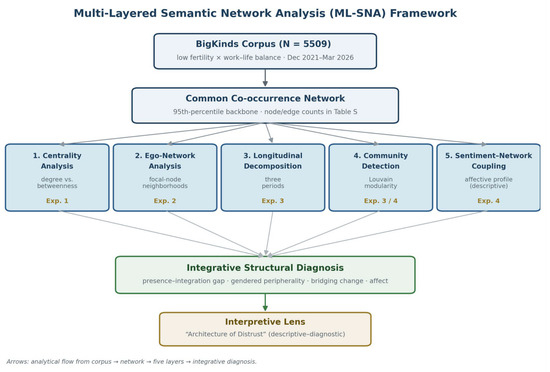
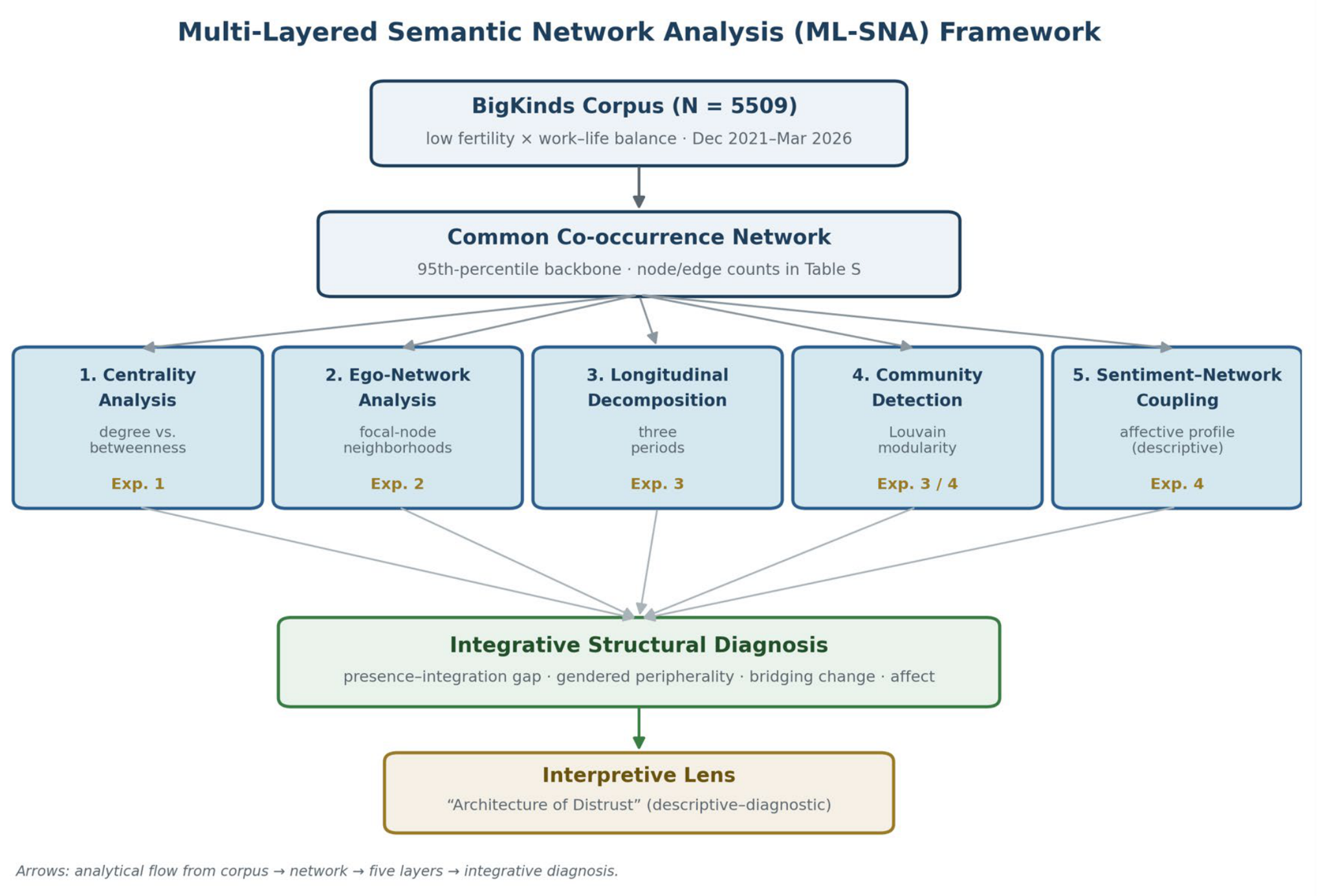
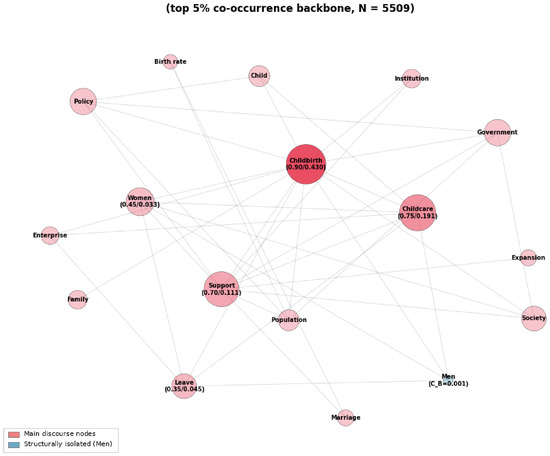
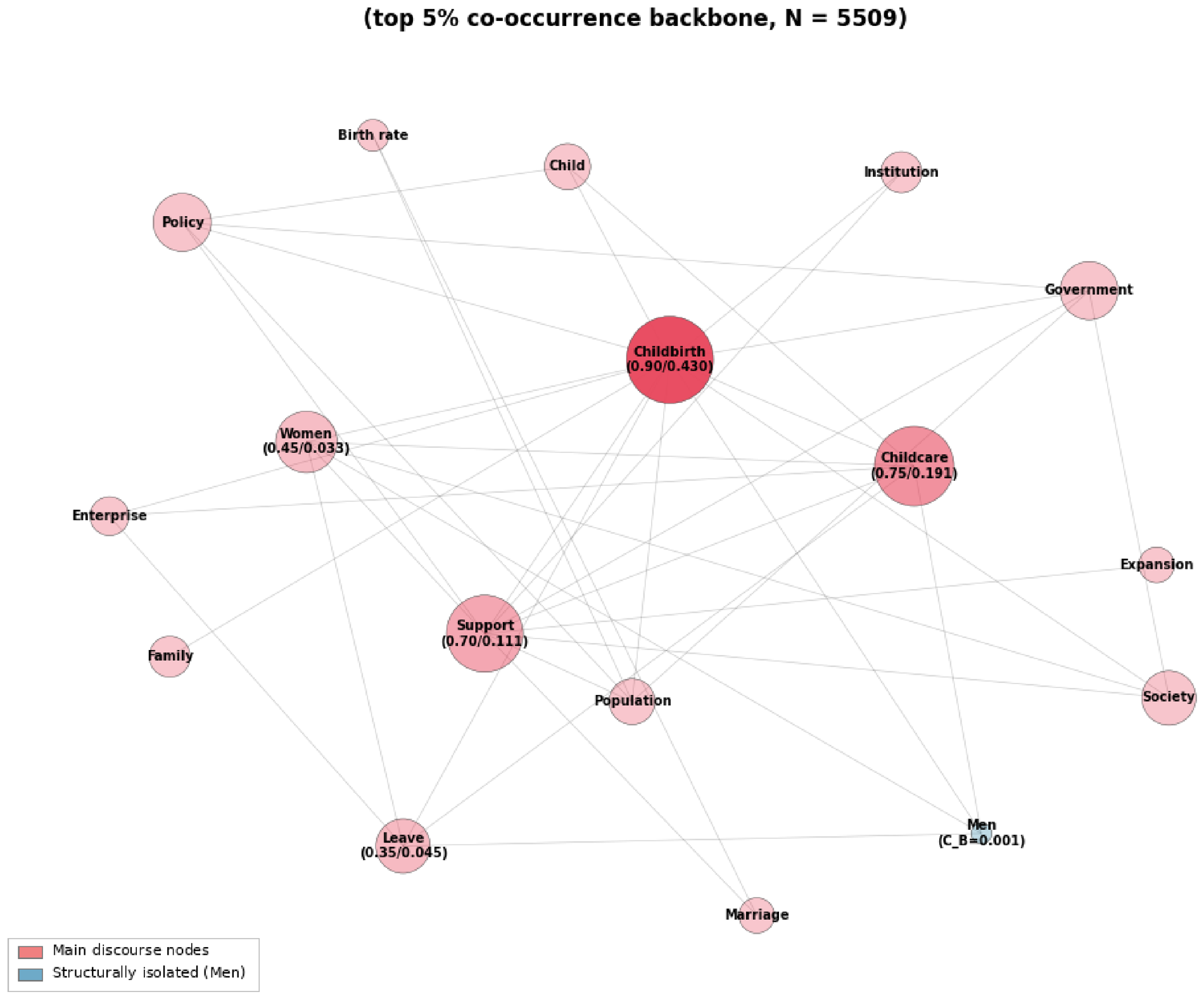
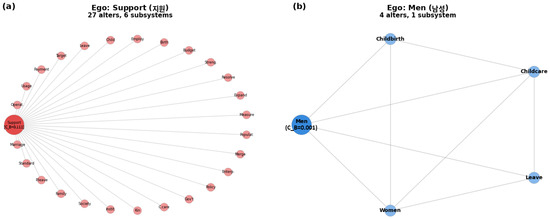
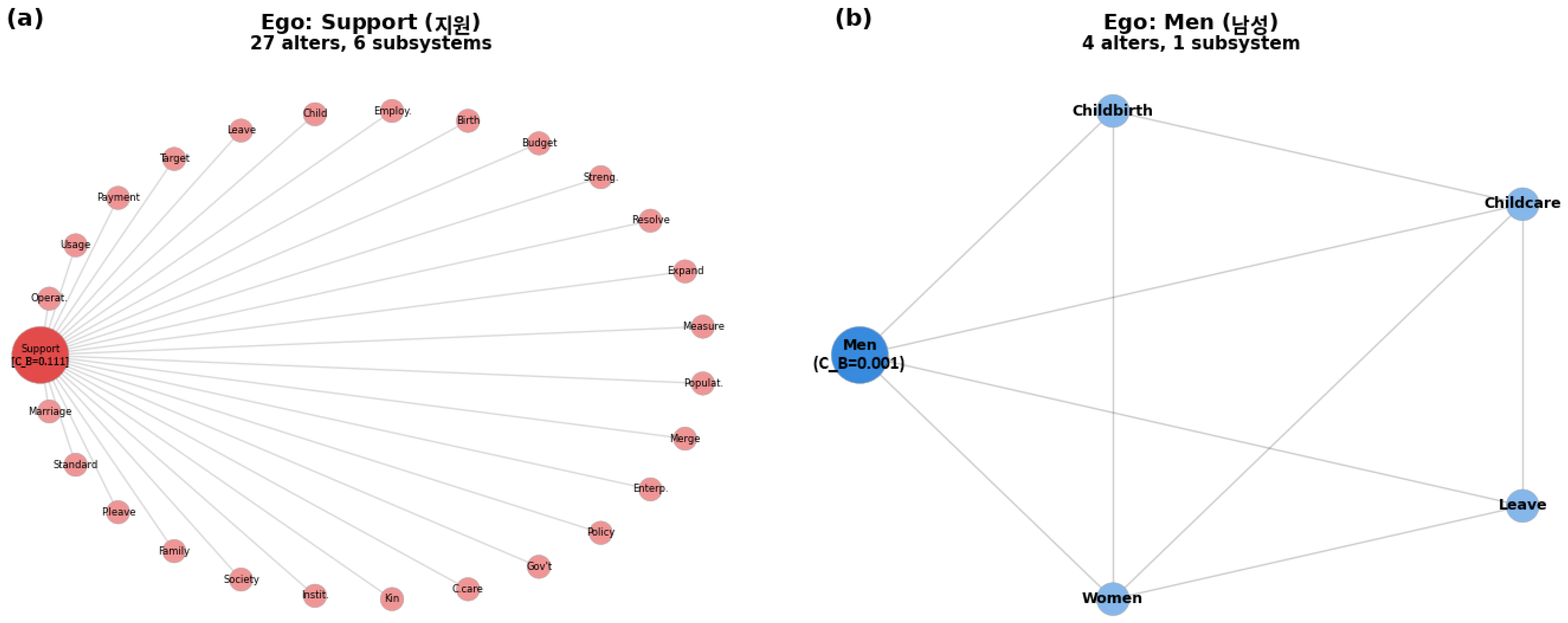
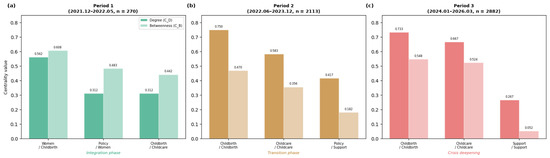
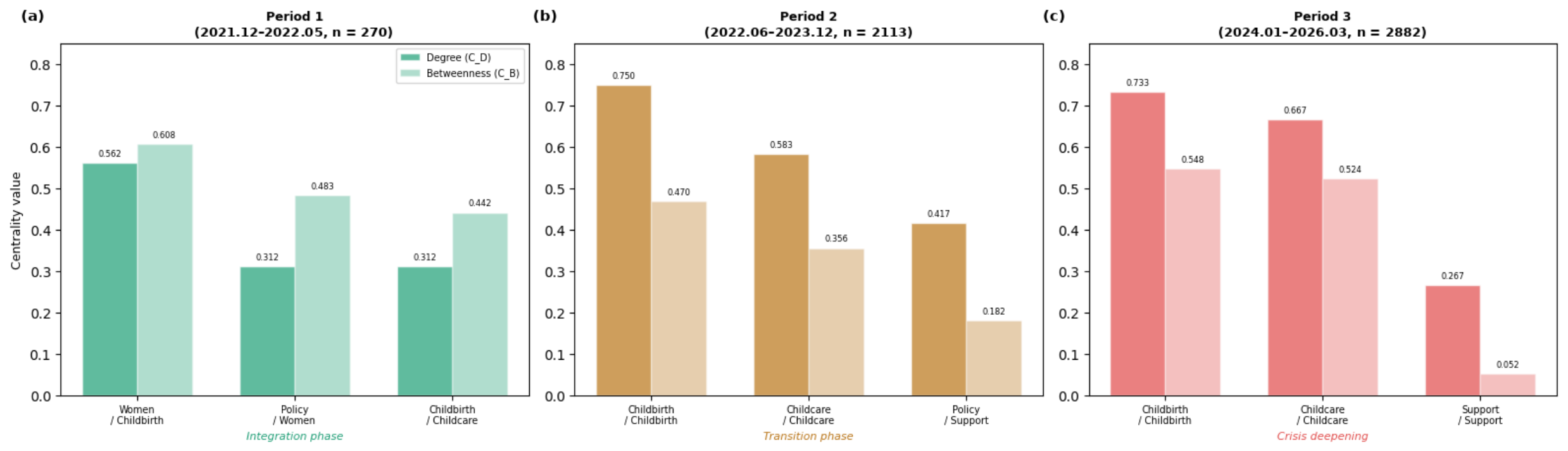
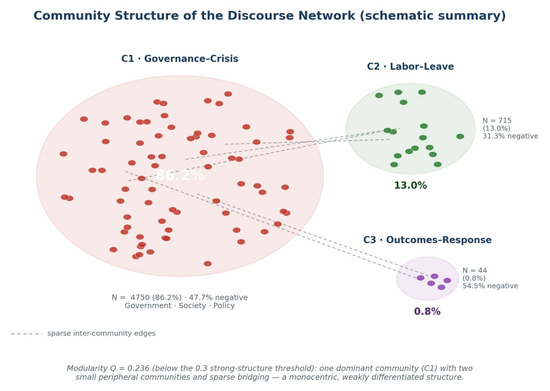
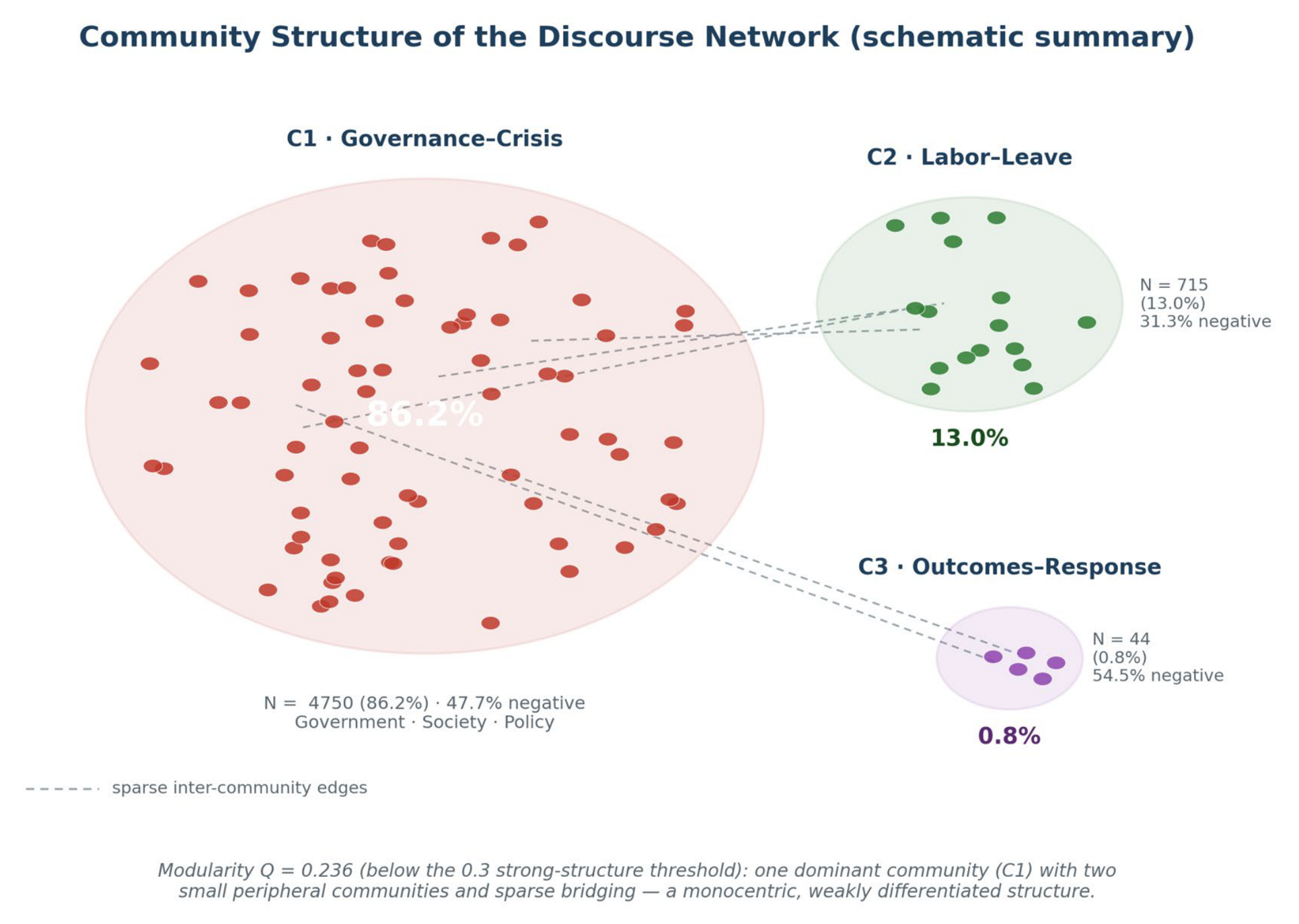
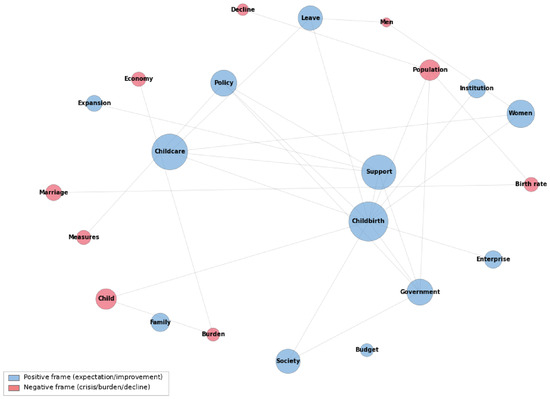
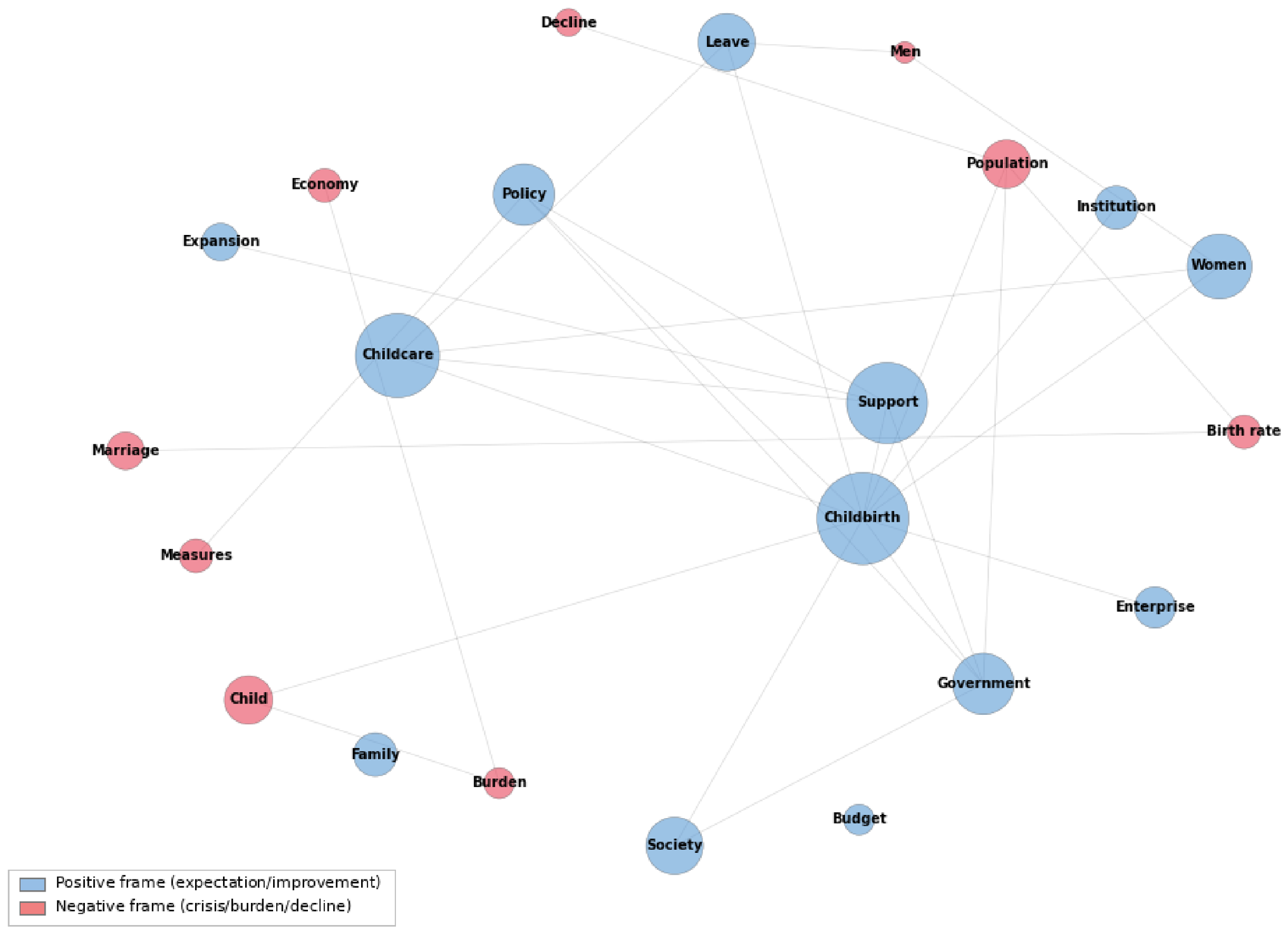
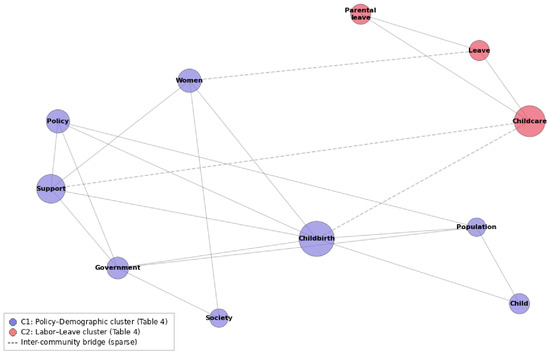
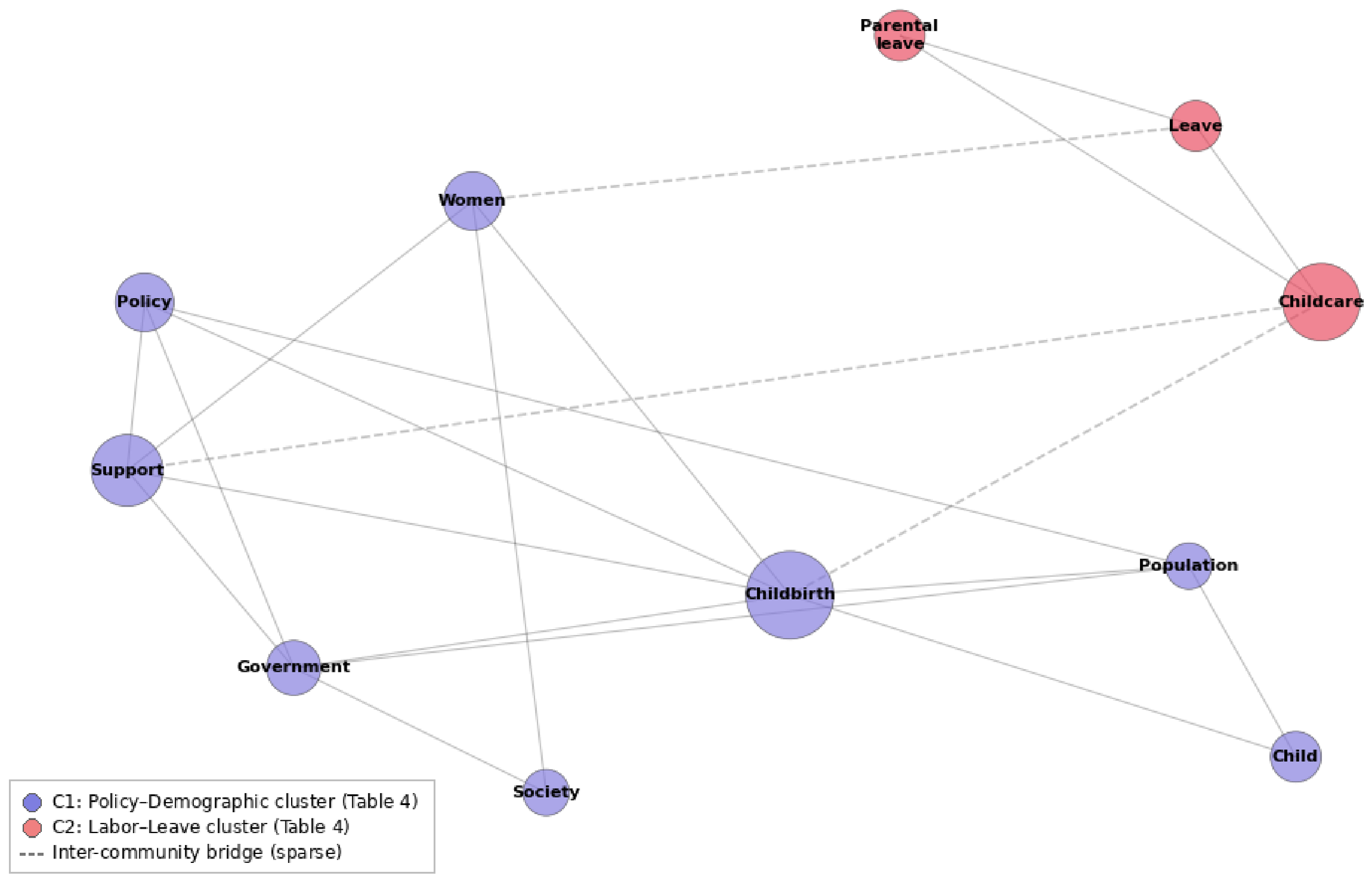

Disclaimer/Publisher’s Note: The statements, opinions and data contained in all publications are solely those of the individual author(s) and contributor(s) and not of MDPI and/or the editor(s). MDPI and/or the editor(s) disclaim responsibility for any injury to people or property resulting from any ideas, methods, instructions or products referred to in the content. |
© 2026 by the author. Licensee MDPI, Basel, Switzerland. This article is an open access article distributed under the terms and conditions of the Creative Commons Attribution (CC BY) license.