


Abstract
Spiritual care competence (SCC) is increasingly recognized as relevant in mental health, yet no validated tool exists in Slovenia. This study aimed to translate and validate the Spiritual Care Competence Questionnaire (SCCQ) in a Slovene sample of mental-health professionals. Guided by this aim, our research question was the following: to what extent does the SCCQ demonstrate a replicable seven-factor structure, acceptable reliability, construct validity, and coherent group differences in a Slovene sample of mental-health professionals? In a cross-sectional survey (n = 291) across outpatient, inpatient, private, and other settings, we administered the SCCQ together with measures of spiritual sensitivity (SSS), spiritual transcendence (STS), and the BFI-S. Following forward–backward translation and expert review, we conducted item analysis, exploratory and confirmatory factor analyses, and assessed reliability and construct validity. After removing seven psychometrically weak items, a 35-item, seven-factor structure—perception of spiritual needs, team spirit, documentation/tools, spiritual self-awareness, knowledge of other religions, conversation, and empowerment/proactive opening—showed borderline to acceptable fit (TLI = 0.917, CFI = 0.892, RMSEA = 0.068, SRMR = 0.073) and internal consistency (Cronbach’s alpha = 0.67–0.87). Convergent validity was supported by positive associations with SSS/STS, while expected correlations with Big Five traits were small but significant (negative for Emotional Instability). Older age and psychotherapist profession predicted higher SCC. The Slovene SCCQ is a confession-neutral, psychometrically adequate instrument for assessing SCC in mental-health services. Findings highlight curricular needs—especially documentation/tools and team-based engagement—and enable research, education, and quality improvement aligned with international SCCQ validations.
1. Introduction
The World Psychiatric Association (WPA) and the World Health Organization (WHO) have consistently worked to ensure that the promotion of and care for mental health are both scientifically grounded and compassionate, as well as culturally sensitive. In recent decades, public and scholarly awareness of the significance of spirituality and religion for health-related issues has grown markedly. Systematic reviews of the academic literature had identified by 2015 more than 3000 empirical studies examining the relationship between religion/spirituality and health; bibliometric analyses indicate that the number of such studies has increased substantially over the past ten years (Yaminfirooz et al. 2024). Empirical research has further shown that religious and spiritual values, beliefs, and practices are salient for the majority of the world’s population and that patients wish their religious and spiritual concerns to be appropriately addressed within healthcare settings (WPA 2016).
Many contemporary scholars, including those studying human experience, prefer the term spirituality over religiosity, partly because spirituality is broader, less concrete, and less closely associated with institutional structures. Others, however, contend that spirituality constitutes the heart of religion—its true center—characterized above all by religious and mystical experience (Grün 2017). Spirituality can be defined in various ways, and these definitions often differ across cultural contexts. In the Western research literature, the most widely used definition is the following: “Spirituality is the aspect of humanity that refers to the way individuals seek and express meaning and purpose and the way they experience their connectedness to the moment, to self, to others, to nature, and to the significant or sacred” (Puchalski et al. 2009). Spirituality may therefore be understood as a fundamental dimension of human experience, encompassing a broad spectrum of beliefs, practices, and values—both religious and secular.
Psychology has already responded to the rise in psychopathological symptoms by supplementing the classical linear biomedical model with the so-called biopsychosocial model—an approach to which scholars have more recently begun to add a spiritual component, particularly in relation to coping with psychopathological symptoms (McLaren 2002). Many authors have argued that the biopsychosocial model insufficiently addresses spiritual factors, even though such factors have proven to be important in treatment outcomes (e.g., Hatala 2013; McCullough et al. 2000; Plante and Sherman 2001). Consequently, an expanded version of the biopsychosocial model was proposed by adding a spiritual component. This four-component framework—referred to as a “multilevel integrative analysis”—is explicitly multidisciplinary and assumes the equal standing of all disciplines. It therefore transcends the dichotomies between nature and environment, biology and psychology, and science and spirituality (Cacioppo et al. 2000; Hefti 2003). Such an expanded model provides a useful framework for understanding the spiritual dimension in clinical practice and research, as spirituality may function as a causal, maintaining, and protective factor in both physical and mental health.
Within psychiatry, spirituality has increasingly been recognized as a salient dimension of treatment, insofar as it can provide constructive coping mechanisms and supportive resources. Studies (e.g., Gollnick 2004) indicate that personal identity, values, and worldviews—core psychological constructs—are shaped by implicit spiritual factors. Spiritual affinity also appears to be protective in the context of suicidal behavior: rates of suicidality are higher among individuals lacking religious or spiritual orientation (Lester 2000). Moreover, spirituality functions as a source of social integration and fosters altruistic dispositions. Empirical work further suggests that patients who actively engage with spiritual themes in the face of severe life stressors (e.g., serious illness, suffering, life-threatening conditions, palliative care)—for instance, by seeking meaning or through prayer—cope more effectively than matched controls who do not engage such practices (Büssing et al. 2005). A comprehensive meta-analysis likewise found that spirituality is associated with better physical and mental (especially emotional) well-being and with lower mortality (McCullough et al. 2000). Finally, interpreting adversity as an opportunity for growth, pursuing deeper meaning, and assisting trauma-exposed others are all linked to reduced mood disturbance and diminished anxiety symptoms (Bonanno 2006). Spiritual virtues can assist individuals in integrating and reframing seemingly overwhelming traumatic experiences within a broader framework of meaning—a process of spiritual reappraisal that facilitates more rapid post-traumatic growth and more effective coping (Koenig 2012). Both positive and negative forms of religious/spiritual coping play a significant role in mental-health outcomes, including in disorders such as depression (Koenig 2012), while maladaptive or conflict-laden spiritual coping may also generate distress and negatively affect well-being (Stauner et al. 2016). Spirituality has additionally been associated with increased longevity (Alimujiang et al. 2019) and enhanced psychological well-being (Greenfield et al. 2009), and a growing body of research continues to document its beneficial effects on physical and mental health (De Diego-Cordero et al. 2023).
Spirituality is a construct that encompasses a diversity of strongly held beliefs and pursuits related to life’s meaning and purpose. Empirical studies in key domains of spirituality related to substance use disorder can be valuable in guiding research and potentially clinical care. In Psychology, topics include the attribution of substance use disorder to a spiritual outlook, spiritual awakening, the relationship between spirituality and drug craving, and spirituality in the context of psychedelic-assisted psychotherapy. In Biology, areas of focus are the heritability of traits related to shared spiritual experience, neurophysiological correlates of spiritually related experiences, and findings from brain imaging. In Culture, considerations include spiritual aspects of substance use disorder in different cultural settings, distinctions between spiritual and religious phenomena, the roles played by international organizations, and the context of acquiring recovery capital. The need for further research in each area is identified (Galanter et al. 2024). Taken together, these findings suggest that spirituality plays a meaningful role in mental health and illness and may be linked to improved coping, greater resilience, and a higher quality of life.
Over the past decade, psychotherapy has seen the development of spiritually integrated therapy (SIT), an approach that incorporates religious and spiritual practices into the therapeutic process. Meta-analytic evidence indicates that SIT is at least as effective as standard therapy and may be particularly beneficial for religious clients, for whom it is associated with reductions in depression, anxiety, and trauma-related symptoms (Chen and VanderWelle 2018). A qualitative meta-analysis published in 2025 further illuminates how therapists perceive and engage with spirituality in clinical practice, emphasizing the importance of cultural sensitivity. Recent scholarship has additionally highlighted the need to train therapists to work competently with diverse religious and spiritual backgrounds (Lin et al. 2026).
In nursing, spiritual care constitutes an essential component of holistic practice, particularly within palliative and long-term care settings. Research indicates that nurses frequently incorporate spiritual interventions that enhance patient well-being, reduce anxiety, and support the management of chronic illness (Kwan et al. 2019).
An expanding body of research indicates that a growing proportion of patients wish spiritual concerns to be integrated into the treatment of physical and mental illness (Best et al. 2015; Büssing et al. 2009). Within mental health care specifically, many patients consider spiritually oriented care important and express a desire to discuss spiritual challenges with their therapists (e.g., Currier et al. 2020). At the same time, international findings suggest a persistent gap between patients’ preferences and what they receive: patients report obtaining less spiritual care in clinical settings than they would like (Fuchs et al. 2019). These patterns underscore the need to strengthen professional competencies in spiritual care across therapeutic and clinical environments.
Spiritual care competence is defined as “the ability to assess for and provide interventions to care for a patient’s spiritual needs” (Green et al. 2020). It constitutes a shared responsibility among physicians, psychologists, nurses, psychotherapists, hospital chaplains, and other healthcare professionals. Key facilitating factors in the development of spiritual care competence include cultural openness, respect for diversity, ongoing education in spiritual issues, and the establishment of clear professional and ethical guidelines for addressing spirituality in clinical practice (Frick 2017). For mental-health professionals in particular, spiritual care competence is essential. It involves the ability to take a spiritual history, to discern and evaluate a patient’s spiritual needs, and to distinguish these from potential psychopathological content of a spiritual or religious nature. Recommendations by the task force of the Deutsche Gesellschaft für Psychiatrie, Psychotherapie, Psychosomatik und Nervenheilkunde (DGPPN 2017) stress the importance of intercultural competence, spiritual assessment, and awareness of religiosity and spirituality in treatment, as well as maintaining therapeutic neutrality, boundaries, and continued professional education. Nevertheless, evidence indicates that insufficient training remains a primary reason why many mental-health professionals do not provide spiritual care (Green et al. 2020).
In Slovenia as elsewhere, spiritual concerns in psychiatric and psychotherapeutic care are frequently marginalized, which can limit treatment. Training opportunities remain scarce, and neither pathologizing nor idealizing spirituality is clinically useful; instead, clinicians benefit from culturally sensitive, diversity-aware practice. Reluctance reflects fears of “non-scientific” content, conceptual conflation of spirituality, religiosity, and psychopathology, and secular professional cultures that weaken confidence (Košir 2020). Some therapists avoid spiritual themes by defining psychotherapy narrowly; others import their own spirituality, with mixed implications (Žorž 2007). Personal biases, cultural assumptions, and fear of value conflict further contribute, and Slovenian studies describe “de-spiritualized” patterns—from privately religious clinicians who bracket spirituality, to secular or antitheistic orientations carried into practice (Žorž 2007).
Conversely, a Slovenian meta-study on spirituality in nursing (Štrancar and Mihelič Zajec 2019) shows that several scholarly contributions address spiritual care, identifying three main themes: (1) understanding spirituality and spiritual care and their perceived relevance for patients; (2) recognition of patients’ spiritual needs and the provision of spiritual care practices; and (3) the potential of existential–phenomenological approaches to deepen caregivers’ self-understanding in providing spiritual support. Overall, interest in spirituality is present in Slovenian scholarship, although most publications focus on palliative care and end-of-life contexts.
Slovenia is a Central-European EU member with a largely secular public sphere and a historically Christian cultural profile; the last official census to record religion (2002) reported 57.8% Catholic, ~2.4% Muslim, ~2.3% Orthodox, and ~0.9% Protestant, alongside sizeable “no religion/undeclared” categories—important because subsequent register censuses no longer collect religion—so 2002 remains the final official benchmark for denominational shares (Statistical Office of the Republic of Slovenia SURS 2002). Within health care, Slovenia provides near-universal coverage through statutory social health insurance with a single public purchaser (ZZZS); provision is predominantly public with licensed private providers, public sources finance roughly three-quarters of current health expenditure (≈74% in 2022; ≈73–74% in 2023), and a 2024 reform replaced complementary voluntary health insurance with a fixed compulsory contribution within SHI to cover co-payments; total spending has been around 8.8–9.3% of GDP (2022–2023) (Polin et al. 2024). Spiritual care is shaped by national guarantees of religious freedom and hospital practice evidence indicating that most patients’ religious/spiritual needs are largely accommodated in state hospitals (e.g., clergy access, rites), though implementation varies by institution and minority needs (Ramšak 2022). In this manuscript, chaplains (also referred to as spiritual care providers) denotes professionals who specialize in the assessment and provision of spiritual/religious care in institutional settings; credentialing pathways vary by country and sector.
Research Questions and Research Objectives
Based on the theoretical background outlined above, we consider the development of spiritual care competence essential for healthcare professionals, as it enhances understanding of patients and supports more effective therapeutic engagement. Addressing spiritual concerns can facilitate healing, improve clinical outcomes, and strengthen the therapeutic relationship; however, this requires professionals who are both available and sensitive to such issues. A review of the literature shows that Slovenia currently lacks a validated instrument for assessing spiritual care competence that could also be used for research purposes. The aim of this study, therefore, was to translate into Slovene and validate the Spiritual Care Competence Questionnaire (SCCQ; Frick et al. 2019), an instrument applicable across different professions and healthcare settings, as well as in non-clinical environments.
The present study aims to examine whether the SCCQ’s baseline factor structure replicates in a Slovene sample as in the original German validation. We also assess the instrument’s psychometric properties in Slovenia—reliability and validity—testing, in particular, convergent and discriminant aspects of the construct of spiritual care competence. The SCCQ has previously been validated in German (Frick et al. 2019), French (Neves Oliviera 2019), Spanish (Pastrana et al. 2021), Norwegian (Mandelkow et al. 2022), Japanese (Shimizu et al. 2023), and Dutch (Schoot et al. 2024).
Building on these aims, we articulate the following research question (RQ) to guide the study: RQ. To what extent does the Spiritual Care Competence Questionnaire (SCCQ) constitute a reliable and valid instrument for assessing spiritual care competence among mental-health professionals in Slovenia?
To operationalize this overarching question, we specified research sub-questions aligned with standard validation steps:
- RQ1 (Structure). Does the SCCQ’s seven-factor structure replicate in a Slovene sample (EFA/CFA)?
- RQ2 (Reliability). Do the SCCQ subscales achieve acceptable internal consistency in this context?
- RQ3 (Construct validity). Does the SCCQ demonstrate expected convergent and discriminant validity with Spiritual Sensitivity (SSS), Spiritual Transcendence (STS), and Big Five traits (BFI-S)?
- RQ4 (Correlates/Differences). How do SCCQ scores vary by age, gender, profession, and institutional setting (outpatient, hospital, private/other)?
These sub-questions motivate the analyses below; we therefore preface them with concise hypotheses that indicate what we examined.
- H1: The SCCQ will exhibit a coherent multifactor structure in this sample.
- H2: Subscales will reach acceptable internal consistency.
- H3: Construct validity will be supported by expected patterns with SSS/STS and Big Five traits.
- H4: Group differences/correlates (age, profession, institutional setting; gender) will be observable and theory-consistent in direction and magnitude.
2. Materials and Methods
In 2022, we conducted a cross-sectional survey among mental health professionals in Slovenia working across diverse clinical settings. The National Medical Ethics Committee of the Republic of Slovenia (under the Ministry of Health) reviewed the protocol and, on 25 January 2022, issued a favorable opinion, granting ethical approval for the study (registered it under research number 0120-446/2021/10).
2.1. Participants
Participants were recruited using purposive convenience sampling. After obtaining the necessary permissions, an email invitation was distributed to psychiatrists, physicians, psychotherapists, nurses, psychologists, and other mental health professionals. Invitees worked in outpatient or inpatient settings and across public or private services, but all were engaged in mental health care. The email included a link to the study landing page with the informed-consent form and the online questionnaire. The survey also collected demographic information (gender, age, marital status, profession and education, years of professional experience, and—where applicable—religious affiliation). Data collection ran for three months (February–April 2022), with one email reminder sent during this period. Responses were gathered using the web-based platform and online research tool for data collection 1KA. Data were pseudonymized during data collection.
A total of 325 participants took part in the study. Of these, 297 completed the online questionnaire in full, and 291 met the metric inclusion criteria (with outliers removed).
Women comprised 78.7% of the sample, men 21.3%.
Regarding marital status, 54.8% were married, 27.4% were in a committed partnership, 5.3% were divorced, 8.7% were single, and 3.8% were widowed.
The mean age of participants was 42 years (M = 41.60; SD = 17.31).
With respect to place of residence, 27.7% reported living in a larger town (10,000–100,000 inhabitants), 44.5% indicated living in a rural area, while 27.8% did not specify their place of residence (Missing/NA).
Among the respondents, 96 were psychiatrists, 49 worked in family medicine, 8 were clinical psychologists, 27 were psychotherapists, 95 worked in nursing, and 16 worked in other areas. In this study, chaplains/spiritual care providers were eligible to participate (including those embedded in mental-health or acute-care services). In our sampling frame, chaplains—if present—were recorded under the “other” category; however, their number was small and is reported descriptively without subgroup analyses. This approach reflects heterogeneous credentialing and deployment of chaplains in Slovenia and other European settings, where chaplaincy roles are recognized but professionalization pathways and staffing models differ from Anglophone systems.
Regarding professional satisfaction, 57.5% of participants reported being satisfied with their work, and 24.4% reported being very satisfied. An additional 13.4% were neither satisfied nor dissatisfied, while 4.7% reported dissatisfaction.
Participants worked an average of 41.3 h per week.
In terms of professional experience, 22.4% had up to 10 years of experience, 26.8% had 20–30 years, 27.8% had between 30 and 40 or more years of experience, and 23% did not specify.
Concerning the type of workplace, 36.8% were employed in outpatient public settings, 27.1% in inpatient (hospital) settings, 22.7% in private outpatient clinics, and 13.4% in other contexts, including settings outside healthcare.
Regarding religious affiliation, 76.6% identified as believers- of whom 70.2% identified as Catholic, with the remainder identifying as Protestant or Muslim. 23.4% reported no religious affiliation.
As for religious or spiritual practices, 45.2% reported meditating or praying regularly, 25.8% occasionally, and 29.1% rarely or never. Further details are presented in Table 1.
Table 1.
Demographic variables and characteristics of participants.
2.2. Measures
2.2.1. Spiritual Care Competence Questionnaire
To assess self-perceived competence in spiritual care, we used the Spiritual Care Competence Questionnaire (SCCQ). The main questionnaire is scored on a 4-point Likert scale (0—strongly disagree, 1—disagree, 2—agree, 3—strongly agree). In the original German version, the SCCQ identifies seven factors: (1) perception of spiritual needs competencies [5 items; Cronbach’s alpha = 0.82]; (2) team spirit/teamwork [5 items; Cronbach’s alpha = 0.81]; (3) documentation/tools competencies [3 items; Cronbach’s alpha = 0.84]; (4) spiritual self-awareness competencies [5 items; Cronbach’s alpha = 0.83]; (5) knowledge about other religions [2 items; Cronbach’s alpha = 0.73]; (6) conversation (interviewing) competencies [2 items; Cronbach’s alpha = 0.86]; and (7) empowerment and proactive opening competencies [4 items; Cronbach’s alpha = 0.79] (Frick et al. 2019).
The first factor, Perception of Spiritual Needs, captures the practitioner’s sensitivity to and accurate recognition of patients’ spiritual/existential needs, including implicitly expressed concerns (e.g., meaning, guilt, hope, forgiveness) irrespective of formal religious affiliation. Higher competence reflects an ability to notice spiritual cues in narratives and behavior and to differentiate them from purely psychosocial or psychopathological content. The second factor, Team Spirit/Teamwork, denotes a collaborative stance within the interprofessional team whenever spiritual concerns arise. It includes sharing relevant observations within professional boundaries, co-ordinating care where appropriate, and involving chaplains/spiritual-care providers or other colleagues as needed; it does not require the clinician to conduct joint, team-based spiritual assessments, but rather to work collegially when spiritual themes matter for care. In addition to individual collaboration, this domain also reflects the perceived openness and routines of the team/institution (e.g., regular discussion of spiritual issues, team rituals) that enable collaborative spiritual care. The third factor, Documentation/Tools Competencies, assesses the use of appropriate tools and procedures to record spiritual needs/resources in a traceable, respectful manner (e.g., brief spiritual history, structured notes). Competence implies integrating such information into planning/handovers while observing ethical, legal, and institutional standards of documentation. The fourth factor, Spiritual Self-Awareness, reflects the clinician’s reflective attitude, ethical sensitivity, and clarity about personal values/beliefs, including limits. It emphasizes openness to diversity (religious and nonreligious worldviews) and the capacity to keep professional boundaries while responding empathically to patients’ spiritual concerns. The fifth factor, Knowledge about Other Religions, refers to basic, practice-relevant knowledge of major religious traditions and needs (e.g., rituals, dietary practices, end-of-life customs) sufficient to avoid stereotypes and to facilitate timely accommodation or referral. It does not require advanced theological training, but functional cultural-religious literacy. The sixth factor, Conversation Competencies, captures the ability to open and hold respectful, non-intrusive dialogs about spiritual/existential topics—titrated to the patient’s readiness and clinical context. It involves attuned listening, clear boundaries, and language that supports meaning-making without imposing beliefs. Finally, the seventh factor, Empowerment and Proactive Opening, includes the gentle initiation of spiritual themes when clinically relevant (e.g., suffering, loss, end-of-life) and the support of patients in mobilizing their own spiritual resources (practices, communities, values). It stresses non-coercive, autonomy-supportive engagement and the ability to recognize when referral (e.g., to a chaplain) would benefit the patient (Frick et al. 2019).
The original German questionnaire was forward-translated into Slovene by the first and second authors; the second author has prior experience translating German research instruments. A back-translation into German was then performed by a bilingual (German–Slovene) speaker. To ensure accuracy and conceptual equivalence, the translation was reviewed by the SCCQ developers. In a pilot test, three psychologists reviewed and completed the Slovene version, which informed minor revisions and final adaptations of the instrument.
2.2.2. Spiritual Sensitivity Scale
This study used the first Slovene version of a Spiritual Sensitivity Scale (SSS) designed to assess spiritual sensitivity. The final version consists of 20 items, including four pictorial items, all rated on a five-point Likert scale. Preliminary validation procedures indicated that the scale possesses solid psychometric properties. The internal consistency of the total scale was high [Cronbach’s alpha = 0.86]. In the original Slovene version, the SSI identifies four factors: (1) Awareness and perception [5 items; Cronbach’s alpha = 0.72]; (2) Receptivity to spirituality [5 items; Cronbach’s alpha = 0.77]; (3) Sense of mystery [5 items; Cronbach’s alpha = 0.70]; and (4) Relationality [5 items; Cronbach’s alpha = 0.71]. All items are positively keyed, with higher scores indicating a higher level of spiritual sensitivity. Scoring is straightforward: responses within each subscale are summed according to the scoring key, and no reverse-scored items are required. Percentile norms are available for the total score (Brkič Golob 2019). In the present study, the reliability of the total scale was likewise high [Cronbach’s alpha = 0.89].
2.2.3. Spiritual Transcendence Scale
The Spiritual Transcendence Scale (STS) is designed to assess aspects of spirituality that are independent of the traits captured by the Big Five model. The short version consists of nine items, each rated on a five-point Likert scale. The reliability of the short form is satisfactory [Cronbach’s alpha = 0.85]. Predictive validity was examined through correlations between each factor and indicators of psychosocial functioning, while criterion validity was supported by positive correlations with other measures of religiosity (r = 0.32–0.58). Both the full and short versions comprise three dimensions: (1) Contemplative Fulfillment [3 items; Cronbach’s alpha = 0.91]; (2) Universality [3 items; Cronbach’s alpha = 0.67]; and (3) Connectedness [3 items; Cronbach’s alpha = 0.65] (Piedmont 1999).
The short form has also been translated into Slovene. All items are positively keyed except for item 5, which requires reverse scoring. Scoring follows the standard key and allows for calculation of both subscale and total scores (Tisovec et al. 2011). In the present study, the internal consistency of the total scale was likewise high [Cronbach’s alpha = 0.90].
2.2.4. The Short Big Five Inventory
The short Big Five Inventory (BFI-S) is designed to assess the prototypical components of personality traits as defined by the Five-Factor Model. It is a short form consisting of 21 items, each rated on a five-point Likert scale. The questionnaire measures the following personality dimensions: (1) Extraversion [4 items; Cronbach’s alpha = 0.65]; (2) Agreeableness [4 items; Cronbach’s alpha = 0.68]; (3) Conscientiousness [4 items; Cronbach’s alpha = 0.63]; (4) Emotional Instability [sometimes labeled Neuroticism, this construct refers—within the Big Five—to a non-clinical personality trait (emotional instability/negative affectivity), not a diagnosis; 4 items; Cronbach’s alpha = 0.65]; and (5) Openness [5 items; Cronbach’s alpha = 0.65] (Rammstedt and John 2005).
The scale has been translated into Slovene, with reliability coefficients comparable to those reported by the original authors. Several items require reverse scoring. Scoring is straightforward and follows the scoring key: responses are summed within each of the five subscales to produce five separate dimension scores, while no total score can be calculated (Avsec and Sočan 2007).
2.3. Procedure and Statistical Analyses
Data were processed using Microsoft Excel and IBM SPSS Statistics 25. Descriptive statistics, along with skewness and kurtosis coefficients, indicated distributions within acceptable bounds; therefore, non-parametric tests were not required.
Subsequent analyses included descriptive statistics and internal consistency analyses (Cronbach’s alpha). We conducted both exploratory factor analysis (EFA) and confirmatory factor analysis (CFA), employing oblimin rotation with Kaiser normalization, on the same full sample (n = 291). A hold-out or split-sample validation was not implemented; therefore, model fit indices should be interpreted with this constraint in mind. The factor-loading cutoff was set at ≥0.30 (Stevens 1992). Oblimin rotation was chosen, since this analysis enables a simple and more interpretable structure while allowing inter-factor correlations, which can better reflect the underlying structure of the data. Prior to factor extraction, we verified that the data met factor-analytic assumptions. Univariate normality was evaluated via skewness and kurtosis; we considered skewness < 3 and kurtosis < 8 as acceptable criteria met for all variables in the present dataset (Kline 2005). Measures of sampling adequacy supported factorability: the Kaiser–Meyer–Olkin (KMO) coefficient was 0.88, indicating meritorious adequacy (Field 2009), and Bartlett’s test of sphericity was significant (p < 0.001). Inspection of the correlation matrix showed no evidence of problematic multicollinearity (determinant = 0.001).
Given the total n = 291 and the number of free parameters in the SCCQ model, a random split would have reduced per-group power for CFA below commonly cited thresholds for modest-to-complex CFA/SEM models (e.g., rules of thumb of n ≥ 200 and case-to-parameter ratios ≥ 5:1–10:1 for more stable estimation) (Kyriazos 2018). Therefore, we estimated EFA and CFA on the full sample and explicitly disclose this trade-off. To mitigate capitalization on chance, our model specification was theory-driven (based on the original seven-factor SCCQ), we used oblique rotation to allow correlated factors, and we report the full set of fit indices and factor-loading ranges. Recent methodological work indicates that split-sample cross-validation is primarily advantageous at larger samples and favorable model conditions, whereas with modest N whole-sample estimation coupled with transparent reporting and planned replication remains acceptable. In line with this guidance, we interpret our CFA cautiously and highlight the need for replication (e.g., independent sample or a planned split-sample in future data collections).
Confirmatory factor analysis (CFA) was conducted using the Lavaan package (Rosseel 2012) to evaluate the best-fitting model. Model fit was assessed with the following indices: root mean square error of approximation (RMSEA), standardized root mean square residual (SRMR), comparative fit index (CFI), and Tucker–Lewis index (TLI). Thresholds for good fit were CFI and TLI > 0.90, SRMR < 0.07, and RMSEA < 0.06.
Convergent validity was examined via associations with closely related spiritual constructs (SSS and STS), whereas correlations with the Big Five traits were interpreted as evidence of theoretical differentiation—placing the SCCQ within its expected nomological network—rather than as a formal test of psychometric discriminant validity. Pearson correlations were interpreted as follows: r > 0.50 strong, 0.30 ≤ r ≤ 0.50 moderate, 0.10 ≤ r < 0.30 weak, and r < 0.10 negligible (i.e., effectively no correlation) (Cohen 1988).
For between-group comparisons on SCCQ scores, we used independent-samples t-tests and one-way ANOVA. Levene’s test indicated no violation of the homogeneity-of-variance assumption for ANOVA. Statistical significance was set at two-tailed p < 0.05. Effect sizes were reported as Cohen’s d for t-tests and as eta-squared and Cohen’s f for ANOVA. Conventional benchmarks were d(f) = 0.20 (small), d(f) = 0.50 (medium), d(f) = 0.80 (large); for eta-squared, thresholds were 0.01 (small), 0.06 (medium), and 0.14 (large) (Field 2009).
Item analysis and screening were performed prior to factor extraction. We evaluated corrected item–total correlations (rit), item discrimination indices, response distributions, and cross-loadings in preliminary EFA. Following commonly used cutoffs (e.g., rit < 0.30; weak discrimination; substantial cross-loading > |0.30| on non-target factors), seven items were flagged as psychometrically inadequate and removed before confirming the model. Specifically, items [13], [25], [33], [34], [35], [36], and [42] were excluded due to [low rit: 0.14–0.22], [poor discrimination], and/or [substantive cross-loadings]. The final Slovene version thus comprised 35 items.
3. Results
3.1. Factor Analysis
We present the final version of the Spiritual Care Competence Questionnaire (SCCQ) validated in the Slovenian context. Applying the Kaiser–Guttman criterion (eigenvalues > 1; Nunnally and Bernstein 1994), nine factors could be retained, jointly accounting for 59.95% of the total variance. The Cattell scree test indicated a relatively strong first factor followed by an elbow at approximately four factors, yielding no unequivocal guidance regarding the optimal dimensionality. On the basis of oblique rotation and the observed pattern of factor loadings (with no loading below 0.30), it is methodologically defensible to retain a seven-factor solution—mirroring the structure of the original scale—although a five-factor model would also be plausible. Internal consistency for the subscales ranged from moderate [Cronbach’s alpha = 0.67 for Documentation Competencies] to very good [Cronbach’s alpha = 0.87 for Empowerment and Proactive Opening Competencies]. The seven-factor, 35-item factor structure of the SCCQ is reported in Table 2.
Table 2.
Factorial Structure of the 35-Item SCCQ.
A confirmatory factor analysis (CFA) was conducted on the full dataset to evaluate the seven-factor solution suggested by EFA. CFA supported the target model (Bartlett’s p < 0.001; KMO = 0.89), with borderline to acceptable global fit indices (chi-square(df = 539) = 1261.78, chi-square/df = 2.34, CFI = 0.892, TLI = 0.917, RMSEA = 0.068, 90% CI [0.063, 0.073], SRMR = 0.073), see Figure 1. The seven-factor model was therefore used. We retained a seven-factor solution on theoretical and comparative grounds. The SCCQ was originally conceptualized and validated with seven correlated dimensions in German samples and subsequent validations in other languages have replicated this structure with similar subscale profiles—particularly the comparatively weaker reliability/performance of the documentation factor. In deciding between solutions, we prioritized cross-study comparability and interpretability. Specifically, we retained seven factors to mirror the original SCCQ framework and because additional factors beyond seven offered limited incremental interpretability while complicating the factorial map. The seven-factor solution produced a clear simple structure aligned with the instrument’s intended content domains.
Figure 1.
Outcome of confirmatory factor analysis.
Evidence for the questionnaire’s validity is also provided by the intercorrelation matrix (Table 3), which demonstrates predominantly moderate to strong, positive, and statistically significant inter-factor correlations. Furthermore, all dimensions are positively and significantly correlated with the overall SCCQ score, indicating coherent scale structure.
Table 3.
Intercorrelation matrix.
3.2. Construct Validity
Construct validity was further examined by comparing the Spiritual Care Competence Questionnaire (SCCQ) with other scales that assess related, but distinct, constructs. Notably, all comparison instruments have been previously employed with Slovenian samples. The analyses—summarized in Table 4—indicated positive, statistically significant correlations of low to moderate magnitude between spiritual competence and measures of spiritual sensitivity and general spirituality, thereby providing additional evidence for the SCCQ’s construct validity (i.e., expected convergence with theoretically adjacent constructs).
Table 4.
Evidence of construct validity.
Beyond convergence with SSS/STS, correlations with Big Five traits primarily serve to demonstrate theoretical differentiation of SCCQ from broad personality domains (i.e., nomological distinctivene. Table 5 presents the associations between spiritual competence and personality dimensions within the Big Five model. In line with this framework, correlations between Extraversion, Agreeableness, Conscientiousness, and Openness to Experience and the SCCQ factors were positive, small in magnitude, yet statistically significant. In contrast, Emotional Instability showed a negative, small, but statistically significant association with spiritual competence. Practically, individuals who are more extraverted, agreeable, conscientious, and open—and lower in emotional instability—tend to achieve higher scores in spiritual competence.
Table 5.
Association between Spiritual Competence and Personality Traits within the Big Five Model.
3.3. Distribution of SCCQ Scores in the Sample in Relation to Other Variables
The highest-rated items were Item 23 (“In my thoughts and feelings, I remain emotionally present with the individuals under my care”) and Item 16 (“I am able to engage openly in discussions about existential topics”), whereas the lowest-rated were Item 3 (“I am familiar with tools [e.g., thematic checklists] for conducting a brief spiritual history”) and Item 4 (“I am familiar with tools and thematic questions used for the structured assessment of spiritual needs”). At the factor level, scores were highest on Factor 3 (Empowerment and proactive opening competencies) and Factor 7 (Conversation competencies), and lowest on Factor 5 (Documentation, tool and instrument recognition competencies).
ANOVA and t-tests were conducted, with the assumption of homogeneity of variances being met (Levene’s test was not statistically significant). The corresponding results and findings are presented in Table 6.
Table 6.
SCCQ score and differences between other variables (age, gender, profession, institution, religion).
Age emerged as a relevant variable, with results indicating that higher age was associated with greater spiritual competence (r = 0.16, ** p < 0.001). Analyses at the factor level further revealed statistically significant age-related differences, with older participants achieving higher scores across several dimensions. The effect of age on the competence in knowledge of other religions was small to moderate (Eta2 = 0.044; Cohen’s f = 0.215). A moderate effect was observed for age and the empowerment and proactive opening competencies (Eta2 = 0.074; Cohen’s f = 0.284), as well as for age and the perception of spiritual needs competencies (Eta2 = 0.082; Cohen’s f = 0.299). Similarly, the association between age and the overall SCCQ score was of moderate magnitude (Eta2 = 0.064; Cohen’s f = 0.262).
Gender differences were observed in favor of women, most notably for Factor 3, which assesses the competence of empowerment and proactive opening. The associated effect was small to moderate in magnitude (Eta2 = 0.037; Cohen’s d = 0.39).
Profession and education were significantly associated with spiritual competence across all factors except empowerment and proactive opening competencies. Psychotherapists achieved the highest scores on all competencies, whereas psychologists scored the lowest; for the documentation, tool and instrument recognition competencies, nurses obtained the highest scores. Effects (in favor of psychotherapists) were moderate in size across competencies: knowledge of religiosity/spirituality (Eta2 = 0.062; Cohen’s f = 0.258), teamwork (Eta2 = 0.072; Cohen’s f = 0.278), proactive opening (Eta2 = 0.048; Cohen’s f = 0.225), documentation (Eta2 = 0.058; Cohen’s f = 0.248), perceiving spiritual needs (Eta2 = 0.085; Cohen’s f = 0.306), and ability to guide conversations (Eta2 = 0.090; Cohen’s f = 0.315). The overall SCCQ score showed a moderate effect as well (Eta2 = 0.079; robust Omega2 = 0.066; Cohen’s f = 0.293).
Institutional setting was also associated with significant differences in spiritual competence. Participants employed in the private sector or other settings (predominantly outside healthcare, e.g., pastoral or spiritual care roles) demonstrated higher competence across all factors compared with those working in outpatient or hospital settings. Effects were small for knowledge of religiosity and spirituality, proactive opening and spiritual self-awareness, and identifying tools and instruments (Eta2 = 0.031–0.036; Cohen’s f = 0.178–0.184). Moderate effects were observed for perceiving spiritual needs and ability to guide conversations (Eta2 = 0.045–0.098; Cohen’s f = 0.218–0.328), as well as for the overall SCCQ score (Eta2 = 0.068; Cohen’s f = 0.270). The largest effect was found for teamwork competence, indicating a moderate-to-large association (Eta2 = 0.111; Cohen’s f = 0.354).
Regarding religious affiliation, religiously affiliated individuals scored significantly higher on the empowerment and proactive opening competencies, with an effect size in the moderate-to-large range (Eta2 = 0.097; Cohen’s d = 0.66).
In addition, no statistically significant differences were observed between work experience and spiritual competencies, nor between marital status and levels of spiritual competencies.
Overall, the seven-factor configuration achieved borderline-to-acceptable fit, consistent with H1. Subscales met acceptable internal consistency thresholds, with documentation/tools comparatively lower (H2). Convergent and discriminant patterns with SSS/STS and BFI-S were small-to-moderate and theory-consistent (H3). Age, profession, and setting differences emerged with small-to-moderate effects; overall gender effects were minimal, apart from domain-specific nuances (H4).
4. Discussion
Based on our review of the literature and available measurement tools, we found that no validated instrument exists in the Slovenian context to assist mental health professionals in assessing their own capacities—such as recognizing patients’ spiritual needs, engaging in dialog about religious and existential questions, and developing relevant competencies. To address this gap, we translated and validated the Spiritual Care Competence Questionnaire (SCCQ) into Slovenian. Our findings align with prior SCCQ validations, which consistently support a seven-factor representation and report similar patterns at the subscale level—most notably, lower psychometric robustness for the documentation/tools factor relative to dialogical and perception-related factors (Frick et al. 2019).
In a sample of 291 mental health professionals, the seven-factor model was supported, aligning with the structure of the original German version. The sample was female-skewed (78.3%), which is consistent with the gender distribution typically observed across psychiatry, family medicine, psychology, and nursing and is thus unsurprising for this professional context. The initial 42-item pool was reduced by eliminating seven items on the basis of low corrected item discrimination and/or excessively high corrected item–total correlations (Field 2009), yielding a 35-item instrument. Exploratory factor analysis (principal-axis factoring with oblimin rotation) corroborated the seven-factor solution, taking into account the Kaiser–Guttman criterion and the Cattell scree test (although nine factors could have been extracted, the incremental explained variance was not substantively improved). The model was further corroborated by confirmatory factor analysis. Although global fit indices indicate a borderline–acceptable solution (e.g., chi-square/df ≈ 2.34; CFI just below 0.90; RMSEA ≈ 0.07 with a narrow 90% CI), the overall configuration is consistent with the Dutch SCCQ-NL validation (Schoot et al. 2024) and the original German validation model (Frick et al. 2019), where similar trade-offs between global fit and factorial interpretability have been reported and the documentation domain typically emerges as psychometrically weakest across settings. This supports treating the seven-factor solution as structurally continuous across languages while recommending replication and cross-validation in future studies. We therefore treated the seven-factor solution as the most defensible balance between empirical fit, conceptual coherence, and cross-validation continuity with prior SCCQ studies, while openly reporting that eigenvalue-based criteria alone would suggest additional factors.
Based on the results, and in line with the originally proposed theoretical model (Frick et al. 2019), the factors can be interpreted as follows:
- Factor: Competencies in Knowledge of Other Religions. Basic familiarity with diverse religious/spiritual traditions and culturally sensitive responding (without requiring advanced theological expertise). Higher scores indicate fewer stereotypes, greater cultural-religious sensitivity, and communicative confidence in plural settings;
- Factor: Teamwork Competencies. The extent to which the work/team environment enables and supports discussion of spiritual/existential issues—an index of institutional and team culture, not personal conviction. Higher scores reflect an open, safe climate, regular exchange, and integration of spiritual themes into team reflection;
- Factor: Empowerment and Proactive Opening Competencies. Capacity to reflect on one’s spiritual/existential convictions, acknowledge limits and resources, and remain open to diverse views without imposing norms—a core of mature spiritual competence that guards against instrumentalizing spirituality;
- Factor: Spiritual Self-Awareness Competencies. Ability to strengthen a person’s own spiritual/existential resources without directing or norming them (supporting meaning, hope, inner orientation). Higher scores imply autonomy-support, space for personal meaning-making, and non-coercive accompaniment;
- Factor: Documentation, Tool and Instrument Recognition Competencies. Skill in structuring, documenting, and ethically recording spiritual/existential needs and interventions. Lower scores often reflect training gaps, institutional constraints, or unclear documentation standards rather than insensitivity;
- Factor: Perception of Spiritual Needs Competencies. Recognition of spiritual, existential, and religious needs irrespective of affiliation or religiosity, including implicitly expressed needs. Higher scores denote sensitivity to existential concerns beyond biomedical/behavioral frames and recognition of needs among non-religious persons;
- Factor: Conversation Competencies. Ability to conduct open, non-intrusive conversations on spiritual/existential topics, attune to the interlocutor’s readiness, and maintain professional boundaries—not initiating such topics, but responding ethically when they arise.
The scale demonstrated adequate metric properties. Reliability estimates based on internal consistency were satisfactory across all seven dimensions, with most coefficients exceeding 0.70; only the dimension assessing documentation, tool and instrument recognition competencies showed a slightly lower reliability (Cronbach’s alpha = 0.67). This pattern is consistent with the original validation of the SCCQ (Frick et al. 2019). Subsequent Dutch validation corroborated these findings, likewise identifying the documentation/identification of tools and instruments dimension as yielding the lowest reliability estimates (Schoot et al. 2024). Collectively, these results indicate that documentation-related competence represents the least psychometrically robust dimension across cultural contexts. Prior authors have attributed this to the lack of standardization in documenting spiritual content within most institutions, its strong dependence on organizational practices, and the fact that it is not typically included in formal professional training. We further note that this dimension reflects a secondary (technical) competence rather than a personal–relational capacity, which likely contributes to greater response variability and, consequently, lower internal consistency. Overall, this factor appears to tap a domain that is less consolidated, more culturally variable, and institutionally contingent.
Convergent validity of the SCCQ was examined through its associations with measures of spiritual sensitivity (SSS; Brkič Golob 2019) and general spirituality (STS; Piedmont 1999), following the multitrait–multimethod framework (Campbell and Fiske 1959). As theoretically expected, spiritual competence showed moderate, statistically significant correlations with general spirituality and lower but significant correlations with spiritual sensitivity, the latter reflecting a related but non-competence construct. This pattern supports the construct validity of the SCCQ, indicating convergence with conceptually adjacent measures while maintaining adequate discriminant differentiation, as intercorrelations remained predominantly low to moderate. Overall, the findings suggest that the SCCQ captures a coherent dimension of spirituality-related competence that is aligned with, yet distinct from, broader spirituality constructs.
We also examined how spiritual competence relates to personality within the Big Five framework (McCrae and Costa 1996). Consistent with contemporary recommendations, we interpret the Big Five pattern as evidence of theoretical/nomological differentiation. Prior work has documented robust links between religiosity and personality (e.g., intrinsic religiosity with higher Extraversion, Agreeableness, and Conscientiousness; extrinsic religiosity with higher Emotional Instability; Saroglou 2002), whereas studies addressing spirituality—and especially spiritual competence—remain comparatively scarce. In our data, individuals higher in Extraversion, Agreeableness, Conscientiousness, and Openness achieved higher SCCQ scores, whereas Emotional Instability correlated negatively with spiritual competence, mirroring patterns previously observed for spirituality more broadly (Saroglou 2010). In this study, Emotional Instability (sometimes labeled as Neuroticism) is used strictly in the Big Five sense (negative affectivity/emotional instability) rather than as a clinical label. Importantly, the observed associations are modest, and spiritual care competence is a trainable, practice-dependent capacity; personality does not preclude growth through education, supervision, and organizational support.
Notably, the association with Conscientiousness—defined in the Big Five as responsibility, reliability, self-control, persistence, and a norm-guided orientation to ethical action (Costa and McCrae 1992)—is theoretically coherent. The SCCQ operationalizes spirituality as a competence: reflective, ethically attuned engagement with existential/spiritual themes; respectful boundary-keeping; and the integration of inner values into concrete professional behavior. It therefore taps an operational–ethical dimension rather than merely private experience. Practitioners who habitually assume responsibility (high Conscientiousness) are also more likely to recognize and address existential/spiritual concerns in ways that support patient understanding and needs—consistent with literature linking Conscientiousness to ethical sensitivity and prosocial, value-integrated behavior (e.g., McCullough and Willoughby 2009). Taken together, these findings suggest that spiritual competence aligns with a prosocial, self-regulated, and open personality profile, while being attenuated by affective instability.
Participants were largely unfamiliar with formal instruments for assessing spiritual competence or documenting patients’ spiritual needs, which aligns with their lowest scores on Factor 5 (identifying tools/instruments). This suggests that knowledge and documentation of spiritual concerns require specific skills that are often underemphasized in training. Prior literature attributes such gaps to heterogeneous curricula, unclear interprofessional responsibilities, and the lack of standardized documentation practices for spiritual content across institutions (e.g., role delineation in spiritual care) (Ross and McSherry 2020). Lower scores on Factor 2 (teamwork competence) do not reflect personal conviction but rather the institutional/team ecosystem—whether the clinical environment permits and supports open, safe discussion of spiritual and existential themes. In secularized Western contexts (including Slovenia), broad cultural shifts have privileged rationalization, abstraction, and systematization, while holistic perception, intuition, and embodied experience receive less emphasis. As a result, spirituality is often individualized, moving from community-anchored, institutionally supported practices toward more self-directed, private forms. This shift can weaken collective readiness for team-based reflection on spiritual issues in clinical settings, leading staff to perceive spiritual themes as primarily “personal” rather than team-level matters. In such climates, clinicians may rate themselves higher on individual dialogical capacities with patients (e.g., Factors 3 and 7) while reporting lower competence for team-based engagement. Moreover, insufficient awareness of one’s own spiritual identity can manifest as countertransference-like avoidance of patients’ spiritual concerns, further discouraging shared, team-mediated discussion (Magaldi-Dopman et al. 2011). By contrast, the highest scores appeared on Factor 3 (proactive opening competencies and recognition of one’s experiences) and Factor 7 (conversation competencies)—typically cultivated in clinical and psychotherapeutic training. While socially desirable responding cannot be ruled out, the pattern of lower team-culture alongside higher individual-dialog scores may indicate a more expert-centered stance within the therapeutic dyad. Such a posture aligns more closely with a classical biomedical orientation than with a biopsychosocial–spiritual model that emphasizes interprofessional collaboration, holistic needs (including spiritual care), and patient- and family-level goals such as meaning-making (McLaren 2002; Doherty et al. 2020).
Our findings point to a need for curricular adjustments in the education of mental health professionals. We observed statistically significant between-profession differences: psychotherapists scored highest on most factors of spiritual competence—as well as on the overall SCCQ—with moderate effect sizes, followed by nurses, physicians, and, lastly, psychologists. This pattern is interpretable in light of psychotherapy training, which typically emphasizes self-reflection, recognition of limits and responsibilities, protection of patient autonomy, acceptance, and meaning-oriented dialog—all of which align with the SCCQ’s focus on operational (rather than doctrinal) competences such as discerning spiritual needs and opening these themes in a proactive, non-intrusive manner (see also the instrument’s original rationale) (Frick et al. 2019). Consistent with prior validations, professional differences in SCCQ scores—though generally small to moderate—are repeatedly observed; some groups (e.g., nursing) more strongly endorse relational and communication competences, and profession and years of practice tend to matter beyond formal degree status. The Dutch validation (SCCQ-NL) on a large mental health sample similarly reports profession-related differences and effects of practice habits (e.g., prayer/meditation), age, and experience (Schoot et al. 2024). Against this backdrop, it is plausible that psychotherapists—as a group with highly reflexive training and routine work with existential content—would rank highest. By contrast, psychologists showed the lowest scores (noting their smaller subsample). We tentatively hypothesize that this may reflect limited discipline-specific training on spiritual care, minimal curricular attention to spiritual themes in academic psychology, and a relative paucity of disciplinary debate on religious/spiritual identity—factors that may contribute to a de facto taboo. Where accredited programs include spiritual care content, it is often confined to specific contexts (e.g., palliative care modules), rather than embedded across the broader mental health curriculum. Taken together, these results argue for targeted educational reforms that integrate spiritual care competencies—including assessment, documentation, team communication, and ethical boundary-keeping—across disciplines and levels of training.
Beyond formal education, age emerged as a key correlate of spiritual competence, with positive associations between age and SCCQ scores—particularly for knowledge in other religions, empowerment and proactive opening, and perception of spiritual needs. This pattern suggests that seniority is linked to higher spiritual competence. Our findings replicate those of the original German validation, which likewise reported positive age-related correlations on the same dimensions (Frick et al. 2019). A plausible account is that these are experiential and reflective competences that accumulate through years of practice.
In our study, no statistically significant gender differences were observed in overall spiritual competence, with one exception: women scored higher on empowerment and proactive opening competencies. A plausible explanation lies in professional socialization. In work environments with a higher proportion of women (e.g., nursing, psychology, psychiatry, psychotherapy), there are typically more opportunities for reflective practice, and women are often socially and culturally trained toward verbal emotion regulation and sharing of personal experience, which may benefit this specific competence. At the same time, the broader literature suggests that gender differences are more pronounced for religiosity than for spirituality, where effects tend to be smaller or negligible (e.g., Rich 2012). Our findings therefore largely align with comparable studies showing that—even where statistically significant—gender effects on spirituality measures are very small or absent (e.g., Simpson et al. 2008). Consistently, the original German validation of the SCCQ (n = 717) did not report significant gender differences (Frick et al. 2019).
We also observed differences in spiritual competence by institutional setting. While scores did not differ between outpatient settings and hospitals, they were significantly higher among professionals working in the private sector or in spiritual care roles not necessarily embedded in the public health system. A plausible explanation is that non-public contexts entail less taboo and greater latitude for addressing spirituality. This interpretation is consistent with Slovenian evidence showing that nursing students express reservations about incorporating spiritual-care topics into formal curricula (Karnjuš et al. 2019). The educational culture in which healthcare training occurs tends to prioritize physiological needs and a biomedical model of health and illness, rendering psychosocial and spiritual dimensions less salient. Moreover, healthcare professionals themselves shape social representations that, through model learning during clinical placements, are transmitted to students and residents (Karnjuš et al. 2019). Within this context, lower spiritual-competence scores among practitioners employed in the public health system are understandable.
Finally, religious affiliation versus non-affiliation did not substantially affect overall ratings of spiritual competence, with one exception: empowerment and proactive opening competencies showed higher scores among the religiously affiliated, consistent with its items’ emphasis on self-reflection and awareness of one’s own spirituality. This aligns with the primary SCCQ validation, in which the authors argue that spiritual competence is not causally tied to institutional religiosity, and that affiliation per se is not a reliable indicator of competence; rather, these competences develop through experience, practice, and reflective work, not through identity alone (Frick et al. 2019).
Our findings are broadly consistent with both the original German validation of the SCCQ and the Dutch validation (SCCQ-NL), suggesting comparable patterns across culturally proximate settings (Frick et al. 2019; Schoot et al. 2024). This convergence is plausible given the shared late-modern Western context, in which Slovenia—despite a historically Christian profile—exhibits secularization and the individualization of spirituality. Notably, Slovenia ceased collecting religious-affiliation data after the 2002 census (transition to register-based censuses); the last official snapshot already showed a Catholic majority alongside sizeable “no religion/undeclared” categories, while later representative surveys (e.g., Slovene Public Opinion, 2019) report a substantial non-affiliated share (Statistical Office of the Republic of Slovenia SURS 2002; EUREL 2019). Long-series infrastructures such as the European Values Study position Slovenia with Western/Central European societies where attendance and self-assessed religiosity trend downward and non-affiliation rises—a pattern consistent with secularization and a shift toward privatized, self-directed spirituality (EVS Consortium 2017–2023; Polak and Rohs 2023). Slovenian sociological work documents persistent declines in institutional religiosity across national value surveys (Toš 2000), while some others interpret recent trajectories as distancing from the Church together with more individualized meaning-making (Smrke 2016). More broadly, recent Slovenian analyses read secularization not as the disappearance of the spiritual field but as its reconfiguration: questions of meaning, purpose, and existential concern remain salient irrespective of formal belonging—an interpretation consistent with European comparisons and with domestic debates on religion in public life (Ančič 2024; Mastnak 1998).
Taken together, evidence for factorial structure (H1), reliability (H2), and construct validity (H3), alongside expected correlates/differences (H4), supports the use of the SCCQ in Slovenian mental-health services, with documentation/tools remaining a priority for training and organizational support.
4.1. Strengths and Limitations
A key strength of the present study is that it provides the first empirical validation of a psychometrically adequate instrument in Slovenia for assessing spiritual care competence among mental health professionals, independent of religious affiliation. This addresses a notable measurement gap and enables structured assessment of competencies such as recognizing spiritual needs, engaging in existential/religious dialog, and acting ethically and non-intrusively in clinical contexts. A further strength is the professionally diverse sample (psychotherapists, psychologists, nurses, physicians), which broadens the perspective on spiritual care competence in mental health services and allows profession-level comparisons that are rarely reported in a single national validation.
The SCCQ can support self-assessment and reflective practice by clinicians, helping them identify strengths and developmental needs in areas often under-recognized or neglected in routine care (e.g., documentation of spiritual needs, team-based discussion of spiritual themes). Beyond individual feedback, the instrument is suitable for organizational development, including targeted continuing education and quality-improvement initiatives (e.g., case reviews, supervision). It may also inform human-resources decisions—for instance, in assembling palliative-care or consultation-liaison teams where spiritual care competence is desirable and sometimes pivotal. Finally, the SCCQ can serve as an outcome measure for evaluating the effectiveness of training in spirituality-informed care (pre/post designs; responsiveness to change).
Several limitations should be acknowledged. First, the sample size and composition—although adequate for the main analyses—limit generalizability; a larger and more diverse national sample would strengthen population-level inferences. Also, the sample composition did not allow us to analyze chaplains/spiritual-care providers as a dedicated subgroup; future research should purposively recruit chaplains to examine role-specific competence patterns and interprofessional measurement invariance. Second, the SCCQ is a self-report measure and therefore subject to self-awareness constraints, introspective limits, and social desirability. Third, some convergent measures used (e.g., instruments tapping spiritual sensitivity or general spirituality) are not yet widely established in the Slovenian context, which may constrain the interpretability and uptake of convergent-validity findings. Forth, the documentation/tools dimension—consistently the weakest psychometric subscale across validations—likely reflects cross-institutional variability in training and standards rather than a lack of clinical sensitivity per se. Finally, a key limitation is that EFA and CFA were both performed on the same sample, without a hold-out set or split-sample cross-validation. As such, the reported fit indices may be optimistic, and the factor structure warrants replication using split-sample or out-of-sample validation (e.g., multi-group CFA or test–retest).
4.2. Recommendations for Further Research
Future work should clarify whether spiritual competence is best understood as a trainable ability or a more trait-like disposition, using mixed methods (qualitative inquiry and quantitative modeling alongside the Big Five) to identify which aspects are most amenable to education and intervention. Broader, multi-site sampling is needed, with multi-group CFA to establish measurement invariance across professions, genders, ages, and institutional settings—including cross-cultural tests in secularized and multireligious contexts. To reduce mono-method bias, combine self-report with multi-informant (supervisor/peer ratings), performance-based evidence (vignettes/OSCEs), and chart audits, adding social-desirability controls and, where feasible, implicit/behavioral tasks. Psychometrically, extend evidence with test–retest, responsiveness (pre/post training), and predictive validity (links to patient- and family-reported outcomes). Given the persistent weakness of the Documentation/Tools factor, conduct process evaluations of real-world documentation practices and pilot micro-interventions (brief trainings, EHR prompts) to improve both practice and subscale performance. Finally, map curricular gaps in mental health education and implement modular training on identifying needs, ethical boundary-keeping, team communication, and documentation; use the SCCQ for reflective practice, quality-improvement, and HR applications (e.g., assembling palliative or C-L teams), and as an outcome measure in educational and implementation projects.
5. Conclusions
The Slovenian SCCQ provides a psychometrically sound, confession-neutral tool for assessing spiritual care competence among mental health professionals. By validating a seven-dimensional, operationalized construct—covering perception of spiritual needs, existential dialog, self-reflection, empowerment, documentation, and team culture—the study turns an often abstract notion into something measurable, comparable, and developable. Because the SCCQ evaluates competencies rather than the clinician’s religiosity, it enables objective gap-identification and targeted capacity-building in healthcare and psychosocial teams across settings (e.g., palliative care, oncology, psychiatry, crisis work). The instrument is suitable for educational, research, evaluative, and HR uses (e.g., team composition, training outcomes).
Findings also indicate a need for additional training to strengthen spiritual care competence along the professional pipeline. Higher-education programs and specialty curricula should consider embedding dedicated coursework in spiritual care and integrating it into routine clinical training (assessment, ethical boundary-keeping, team communication, documentation). Given time pressures and biomedical priorities that often sideline spiritual concerns, a more structured and comprehensive educational approach is warranted so that spiritual needs—an essential component of patient- and family-centered care—are addressed with the same rigor as physical and psychological needs.
Author Contributions
Conceptualization, J.K. and K.B.G.; translation of the scale, J.K.; methodology, K.B.G.; software, K.B.G.; validation, K.B.G. and J.K.; formal analysis, K.B.G. and J.K.; investigation, K.B.G.; resources, K.B.G. and J.K.; data curation, K.B.G. and J.K.; writing—original draft preparation, K.B.G.; writing—review and editing, K.B.G. and J.K.; visualization, K.B.G.; supervision, K.B.G.; project administration, J.K. All authors have read and agreed to the published version of the manuscript.
Funding
This research received no external funding.
Institutional Review Board Statement
The National Medical Ethics Committee of the Republic of Slovenia (under the Ministry of Health) reviewed the protocol and, on 25 January 2022, issued a favorable opinion, granting ethical approval for the study (registered under research number 0120-446/2021/10).
Informed Consent Statement
Informed consent was obtained from all subjects involved in the study.
Data Availability Statement
Due to data protection regulations, the data file is not publicly available.
Acknowledgments
Lara Menegatti, Filip Veber, Ivan Platovnjak, Peter Golob, and Lidija Kociper. The manuscript has undergone an additional editorial and language-polishing revision to improve.
Conflicts of Interest
Author Katja Brkič Golob was employed by the company BG-CENTRUM, Ltd. Author Jožef Kociper was employed by the company LE SKUPAJ, Ltd. Both authors declare that the research was conducted in the absence of any commercial or financial relationships that could be construed as a potential conflict of interest.
References
- Alimujiang, Aliya, Ashley Wiensch, Jonathan Boss, Nancy L. Fleisher, Alison M. Mondul, Karen McLean, Bhramar Mukherjee, and Celeste L. Pearce. 2019. Association between Life Purpose and Mortality among US Adults Older than 50 Years. JAMA Network Open 2: e194270. [Google Scholar] [CrossRef] [Scilit]
- Ančič, Sanja. 2024. Trendi na Področju Religioznosti v Sloveniji in Izbranih Evropskih Državah. Master’s Thesis, University of Maribor, Maribor, Slovenia. [Google Scholar]
- Avsec, Andreja, and Gregor Sočan. 2007. Vprašalnik petih velikih faktorjev BFI. In Psihodiagnostika Osebnosti. Edited by Andreja Avsec. Ljubljana: Faculty of Arts, University of Ljubljana, pp. 171–78. [Google Scholar]
- Best, Megan, Phyllis Butow, and Ian Olver. 2015. Do Patients Want Doctors to Talk about Spirituality? A Systematic Literature Review. Patient Education and Counseling 98: 1320–28. [Google Scholar] [CrossRef] [Scilit] [PubMed]
- Bonanno, George A. 2006. Is Complicated Grief a Valid Construct? Clinical Psychology: Science and Practice 13: 129–34. [Google Scholar] [CrossRef] [Scilit]
- Brkič Golob, Katja. 2019. Conceptual Framework for Spiritual Sensitivity. Doctoral Thesis, University of Ljubljana, Ljubljana, Slovenia. [Google Scholar]
- Büssing, Arndt, Andreas Michalesen, Hans-Joachim Balzat, Ralf-Achim Grunther, Thomas Ostermann, Edmund A. M. Neugebauer, and Peter F. Matthiessen. 2009. Are Spirituality and Religiosity Resources for Patients with Chronic Pain Conditions? Pain Medicine 10: 327–39. [Google Scholar] [CrossRef] [Scilit]
- Büssing, Arndt, Thomas Ostermann, and Peter F. Matthiessen. 2005. Role of Religion and Spirituality in Medical Patients: Confirmatory Results with the SpREUK Questionnaire. Health and Quality of Life Outcomes 3: 310. [Google Scholar] [CrossRef] [Scilit]
- Cacioppo, John T., Gary G. Berntson, John F. Sheridan, and Martha K. McClintock. 2000. Multilevel Integrative Analyses of Human Behavior: Social Neuroscience and the Complementing Nature of Social and Biological Approaches. Psychological Bulletin 126: 829–43. [Google Scholar] [CrossRef] [PubMed]
- Campbell, Donald T., and Donald W. Fiske. 1959. Convergent and Discriminant Validation by the Multitrait-Multimethod Matrix. Psychological Bulletin 56: 81–105. [Google Scholar] [CrossRef] [Scilit]
- Chen, Ying, and Tyler J. VanderWelle. 2018. Associations of Religious Upbringing with Subsequent Health and Well-Being From Adolescence to Young Adulthood: An Outcome-Wide Analysis. American Journal of Epidemiology 187: 2355–64. [Google Scholar] [CrossRef] [Scilit]
- Cohen, Jacob W. 1988. Statistical Power Analysis for the Behavioral Science, 2nd ed. Hillsdale: Lawrence Erlbaum Associates. [Google Scholar]
- Costa, Paul T., and Robert R. McCrae. 1992. The Five-Factor Model of Personality and Its Relevance to Personality Disorders. Journal of Personality Disorders 6: 343–59. [Google Scholar] [CrossRef] [Scilit]
- Currier, Joseph M., Laura T. Stevens, Stephen L. Isaak, Tracey Smith, and Kimerly Zlomke. 2020. Understanding Preferences for Addressing Spirituality Among Adults Seeking Outpatient Mental Health Care. The Journal of Nervous and Mental Disease 208: 514–16. [Google Scholar] [CrossRef] [Scilit] [PubMed]
- De Diego-Cordero, Rocio, Angeles C. Loper-Tarrida, Carmen Linero-Narvaez, and Jose Maria Galan Gonzales-Cerna. 2023. More Spiritual Health Professionals Provide Different Care: A Qualitative Study in the Field of Mental Health. Healthcare 11: 303. [Google Scholar] [CrossRef] [Scilit]
- Deutsche Gesellschaft Für Psychiatrie, Psychotherapie, Psychosomatik Und Nervenheilkunde (DGPPN). 2017. Available online: https://www.dgppn.de/presse/pressemitteilungen/pressemitteilungen-2017/psychiatrie-und-gesellschaft.html (accessed on 10 January 2026).
- Doherty, Meredith, Lynden Bond, Lauren Jessel, Julie Tennille, and Victoria Stanhop. 2020. Transitioning to Person-Centered Care: A Qualitative Study of Provider Perspectives. Journal of Behavioral Health Services and Research 47: 399–408. [Google Scholar] [CrossRef] [Scilit]
- EUREL (European Religion Information). 2019. Religious Context—Slovenia. Available online: https://eurel.info/spip.php?rubrique529&lang=en (accessed on 1 January 2026).
- EVS Consortium. 2017–2023. European Values Study: Data, Documentation and Trend Files (1981–2017/2022). Cologne: GESIS. Tilburg: Tilburg University. Available online: https://www.gesis.org/en/european-values-study (accessed on 1 January 2026).
- Field, Andy. 2009. Discovering Statistics Using SPSS, 2nd ed. London: Sage Publications. [Google Scholar]
- Frick, Eckhard. 2017. Spiritual Care—How Does It Work. Spiritual Care 6: 223–24. [Google Scholar] [CrossRef] [Scilit]
- Frick, Eckhard, Mayla Theiss, Daniela Rodrigues Recchia, and Arndt Büssing. 2019. Validierung Einer Deutschsprachigen Skala Zur Messung Der Spiritual Care Kompetenz. Spiritual Care 8: 193–207. [Google Scholar] [CrossRef] [Scilit]
- Fuchs, Joseph R., Jeffrey W. Fuchs, Joshua M. Hauser, and Marilyn E. Coors. 2019. Patient Desire for Spiritual Assessment Is Unmet in Urban and Rural Primary Care Settings. BMC Health Services Research 21: 152–61. [Google Scholar] [CrossRef] [Scilit]
- Galanter, Marc, William L. White, Jag Khalsa, and Helena Hansen. 2024. A Scoping Review of Spirituality in Relation to Substance Use Disorders: Psychological, Biological, and cultural Issues. Journal of Addicted Diseases 42: 210–18. [Google Scholar] [CrossRef] [Scilit]
- Gollnick, James. 2004. Religion, Spirituality and Implicit Religion in Psychotherapy. Implicit Religion 7: 120–41. [Google Scholar] [CrossRef]
- Green, Alexis, Yeoun Soo Kim-Godwin, and Carolyn W. Jones. 2020. Perceptions of Spiritual Care Education, Competence, and Barriers in Providing Spiritual Care Among Registered Nurses. Journal of Holistic Nursing 38: 41–51. [Google Scholar] [CrossRef] [Scilit] [PubMed]
- Greenfield, Emily A., George E. Vaillant, and Nadine F. Marks. 2009. Do Formal Religious Participation and Spiritual Perceptions Have Independent Linkages with Diverse Dimensions of Psychological Well-Being? Journal of Health and Social Behavior 50: 196–212. [Google Scholar] [CrossRef] [Scilit]
- Grün, Anselm. 2017. Mistika. Ljubljana: Dravlje Publishers. [Google Scholar]
- Hatala, Andrew R. 2013. Towards a Biopsychosocial-Spiritual Approach in Health Psychology: Exploring Theoretical Orientations and Future Directions. Journal of Spirituality in Mental Health 15: 256–76. [Google Scholar] [CrossRef] [Scilit]
- Hefti, Rene. 2003. Unser Therapiekonzept. Langenthal: Infomagazin. [Google Scholar]
- Karnjuš, Igor, Jelena Bašić, and Katarina Babnik. 2019. How Students Understand Spirituality and Spiritual Care: Descriptive Study on a Sample of Bachelor Nursing Students from Slovenia. Kontakt 21: 367–73. [Google Scholar] [CrossRef] [Scilit]
- Kline, Rex B. 2005. Principles and Practice of Structural Equation Modeling, 2nd ed. New York: Guilford Press. [Google Scholar]
- Koenig, Harold G. 2012. Religion, Spirituality, and Health: The Research and Clinical Implications. ISRN Psychiatry 2012: 1–33. [Google Scholar] [CrossRef] [Scilit] [PubMed]
- Košir, Meta. 2020. Duhovnost in religioznost v stresnih situacijah in mesto duhovnosti v psihoterapiji. Bogoslovni vestnik 80: 915–25. [Google Scholar] [CrossRef] [Scilit]
- Kwan, Cecilia W. M., Carmen W. H. Chan, and Kai Chow Choi. 2019. The Effectiveness of a Nurse-Led Short Term Life Review Intervention in Enhancing the Spiritual and Psychological Well-Being of People Receiving Palliative Care: A Mixed Method Study. International Journal of Nursing Studies 91: 134–43. [Google Scholar] [CrossRef] [Scilit]
- Kyriazos, Theodoros A. 2018. Applied Psychometrics: Sample Size and Sample Power Considerations in Factor Analysis (EFA, CFA) and SEM in General. Psychology 9: 2207–30. [Google Scholar] [CrossRef]
- Lester, David. 2000. Religious Homogeneity and Suicide. Psychological Reports 87: 766–76. [Google Scholar] [CrossRef] [Scilit] [PubMed]
- Lin, Xiangbin, Jonathan E. Ramsay, and Joanna Barlas. 2026. Integrating Religion and Spirituality with Psychotherapy in a Religiously Diverse Nation—A Mixed Methods Study on Client Attitudes and Experiences in Singapore. Psychotherapy Research 36: 270–86. [Google Scholar] [CrossRef] [Scilit] [PubMed]
- Magaldi-Dopman, Danielle, Jennie Park-Taylor, and Joseph G. Ponterotto. 2011. Psychotherapists’ Spiritual, Religious, Atheist or Agnostic Identity and Their Practice of Psychotherapy: A Grounded Theory Study. Psychotherapy Research 21: 286–303. [Google Scholar] [CrossRef] [Scilit]
- Mandelkow, Lars, Eckhard Frick, Arndt Büssing, and Silje Endresen Reme. 2022. Norwegian Psychotherapy: Religiosity Gap and Spiritual Care Competence. Journal of Spirituality in Mental Health 24: 359–80. [Google Scholar] [CrossRef] [Scilit]
- Mastnak, Tomaž. 1998. Sekularizem, resakralizacija posvetne oblasti in civilna religija. Filozofski vestnik 19: 159–75. [Google Scholar]
- McCrae, Robert R., and Paul T. Costa, Jr. 1996. Toward a New Generation of Personality Theories: Theoretical Contexts for the Five-Factor Model. In The Five-Factor Model of Personality: Theoretical Perspectives. Edited by Jerry S. Wiggins. New York: Guilford Press, pp. 51–87. [Google Scholar]
- McCullough, Michael E., and Brian L. B. Willoughby. 2009. Religion, Self-regulation, and Self-control: Associations, Explanations, and Implications. Psychological Bulletin 135: 69–93. [Google Scholar] [CrossRef] [Scilit] [PubMed]
- McCullough, Michael E., William T. Hoyt, David B. Larson, Harold G. Koenig, and Carl Thoresen. 2000. Religious Involvement and Mortality: A Meta-Analytic Review. Health Psychology 19: 211–22. [Google Scholar] [CrossRef]
- McLaren, Niall. 2002. The Myth of the Biopsychosocial Model. Australian and New Zealand Journal of Psychiatry 36: 701–3. [Google Scholar]
- Neves Oliviera, Alda. 2019. Spiritual Care—Compétences (Auto-Évalués) Auprès D’infirmièr·e·s Aux Cliniques Universitaires Saint- Luc. In Validation Française Du Questionnaire “Spiritual Care Competencies Questionnaire”. Leuven: Faculté de Santé Publique, Université Catholique de Louvain. [Google Scholar]
- Nunnally, Jum C., and Ira H. Bernstein. 1994. Psychometric Theory. New York: McGraw-Hill. [Google Scholar]
- Pastrana, Tania, Eckhard Frick, Alicia Krikorian, Leticia Ascencio, Florencia Galeazzi, and Arndt Büssing. 2021. Translation and Validation of the Spanish Version of the Spiritual Care Competence Questionnaire. Journal of Religion and Health 60: 3621–39. [Google Scholar] [CrossRef] [Scilit]
- Piedmont, Ralph L. 1999. Does Spirituality Represent the Sixth Factor of Personality? Spiritual Transcendence and the Five-Factor Model. Journal of Personality 67: 985–1013. [Google Scholar] [CrossRef] [Scilit]
- Plante, Thomas G., and Allen C. Sherman. 2001. Faith and Health: Psychological Perspectives. New York: Guilford Press. [Google Scholar]
- Polak, Regina, and Patrick Rohs. 2023. Values-Politics-Religions: The European Values Study. In Depth Analysis—Interdisciplinary Perspectives—Future Prospects. Edited by Regina Polak and Patrick Rohs. Cham: Springer, pp. 187–202. [Google Scholar]
- Polin, Katherine, Mircha Poldrugovac, and Tit Albreht. 2024. Slovenia: Health System Summary. Brussels: European Observatory on Health Systems and Policies (WHO/OECD). [Google Scholar]
- Puchalski, Christina, Betty Ferrel, Rose Virani, Shirley Otis-Green, Pamela Baird, Janet Bull, Harvey Chochinov, George Handzo, Holy Nelson-Becker, Maryjo Prince-Paul, and et al. 2009. Improving the Quality of Spiritual Care as a Dimension of Palliative Care: The Report of the Consensus Conference. Journal of Palliative Medicine 12: 885–904. [Google Scholar] [CrossRef] [Scilit]
- Rammstedt, Beatrice, and Oliver P. John. 2005. Kurzversion Des Big Five Inventory (BFI-K). Diagnostica 51: 195–206. [Google Scholar] [CrossRef] [Scilit]
- Ramšak, Mojca. 2022. Spiritual Care of Religious Communities and Believers in Slovenian Hospitals. Edinost in Dialog 77: 225–46. [Google Scholar] [CrossRef] [Scilit]
- Rich, Alvin. 2012. Gender and Spirituality: Are Women Really More Spiritual? Bachelor’s Thesis, Liberty University, Lynchburg, VA, USA. [Google Scholar]
- Ross, Linda, and Wilfred McSherry. 2020. Spiritual Care Charting/Documenting/Recording/Assessment: A Perspective from the United Kingdom. In Charting Spiritual Care: The Emerging Role of Chaplaincy Records in Global Health Care. Edited by Simon Peng-Keller and David Neuhold. Cham: Springer, pp. 97–113. [Google Scholar]
- Rosseel, Yves. 2012. Lavaan: An R Package for Structural Equation Modeling. Journal of Statistical Software 48: 1–36. [Google Scholar] [CrossRef] [Scilit]
- Saroglou, Vassilis. 2002. Religion and the Five Factors of Personality: A Meta-Analytic Review. Personality and Individual Differences 32: 15–25. [Google Scholar] [CrossRef] [Scilit]
- Saroglou, Vassilis. 2010. Religiousness as a Cultural Adaptation of Basic Traits: A Five-Factor Model Perspective. Personality and Social Psychology Review 14: 108–25. [Google Scholar] [CrossRef] [Scilit]
- Schoot, Merel, Agna A. Bartels-Velthuis, Daniela Rodrigues Recchia, Eckhard Frick, Arndt Büssing, and Rogier Hoenders. 2024. Translation and Validation of the Dutch Version of the Spiritual Care Competence Questionnaire (SCCQ-NL). Religions 15: 496. [Google Scholar] [CrossRef] [Scilit]
- Shimizu, Hiroko, Eckhard Frick, Arndt Büssing, Hoshina Uehara, Akihito Tsuji, and Keiko Matsumoto. 2023. Validation of the Japanese Version of the Spiritual Care Competence Questionnaire. International Journal of Nursing and Health Care Research 6: 1383. [Google Scholar] [CrossRef] [Scilit]
- Simpson, David B., Dinah S. Cloud, Jody L. Newman, and Dale R. Fuqua. 2008. Sex and Gender Differences in Religiousness and Spirituality. Journal of Psychology and Theology 36: 42–52. [Google Scholar] [CrossRef] [Scilit]
- Smrke, Marjan. 2016. Odtis poloma Slovenske Katoliške Cerkve na podatkih raziskave SJM. Teorija in Praksa 53: 197–210. [Google Scholar]
- Statistical Office of the Republic of Slovenia SURS. 2002. Population by Religion, Statistical Regions, Slovenia, Census 2002. Available online: https://pxweb.stat.si/SiStatData/pxweb/en/Data/-/05W2206S.px (accessed on 10 January 2026).
- Stauner, Nick, Julie Exline, and Kenneth Pargament. 2016. Religious and Spiritual Struggles as Concerns for Health and Well-Being. Horizonte 14: 48–75. [Google Scholar] [CrossRef] [Scilit]
- Stevens, Jame. 1992. Applied Multivariate Statistics for the Social Sciences, 2nd ed. Hillsdale: Erlbaum. [Google Scholar]
- Štrancar, Klelija, and Andreja Mihelič Zajec. 2019. Duhovnost v zdravstveni negi v Sloveniji: Pregled literature. Obzornik Zdravstvene nege 53: 232–42. [Google Scholar] [CrossRef] [Scilit]
- Tisovec, Maja, Petja Kovačevič, and Peter Golob. 2011. Attachment, Love Styles and Spirituality as Predictors for Changing Partners in Adulthood. Horizons of Psychology 20: 61–82. [Google Scholar] [CrossRef] [Scilit]
- Toš, Niko. 2000. Primerjalna analiza religioznosti v Sloveniji in državah srednje in vzhodne Evrope. Teorija in Praksa 37: 976–79. [Google Scholar]
- World Psychiatric Association. 2016. A Position Statement on Spirituality and Religion. Available online: https://www.wpanet.org/post/wpa-position-statement-on-spirituality-and-religion-in-psychiatry (accessed on 9 October 2025).
- Yaminfirooz, Mousa, Mohammad Karim Saberi, Hossein Vakilimofrad, Leila Hashempour, Davoud Haseli, Abbas Doluani, and Ronak Hamzehei. 2024. Global Research Trends in Spirituality, Religion and Health: A Bibliometric Analysis and Visualization. Informology 3: 111–26. [Google Scholar]
- Žorž, Bogdan. 2007. Psihoterapija in duhovnost. Kairos—Slovenska Revija za Psihoterapijo 1: 44–51. [Google Scholar]
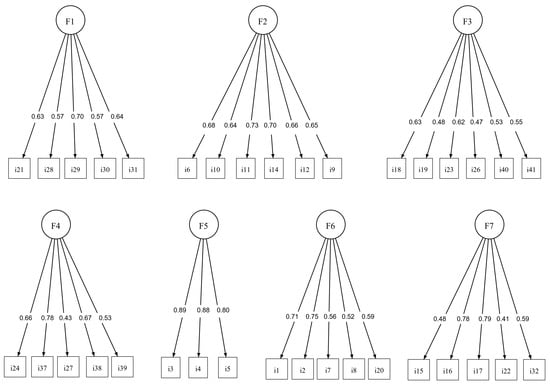

Disclaimer/Publisher’s Note: The statements, opinions and data contained in all publications are solely those of the individual author(s) and contributor(s) and not of MDPI and/or the editor(s). MDPI and/or the editor(s) disclaim responsibility for any injury to people or property resulting from any ideas, methods, instructions or products referred to in the content. |
© 2026 by the authors. Licensee MDPI, Basel, Switzerland. This article is an open access article distributed under the terms and conditions of the Creative Commons Attribution (CC BY) license.