


Abstract
This study presents SEAF-Net, a lightweight and efficient detection network designed for low-contrast and highly dynamic underwater environments. Built upon YOLOv11n, SEAF-Net introduces three complementary structural enhancements: (1) Omni-Dimensional Dynamic Convolution (ODConv) to improve adaptive modeling of multi-scale and directional texture variations; (2) SimA-SPPF, which embeds the SimAM attention mechanism into the SPPF module to enable neuron-level saliency reweighting and effective suppression of complex background interference; and (3) GhostC3k2 to reduce redundant computation while preserving sufficient representational capacity. Evaluated on a standardized 13-class underwater fish dataset under a unified training and evaluation protocol, SEAF-Net achieves 6.1 GFLOPs, 92.683% Precision, 88.459% Recall, 93.333% mAP50, 73.445% mAP, and a 90.522% F1-score. Compared with the YOLOv11n baseline, SEAF-Net improves F1-score and Recall by 0.510% and 0.575%, respectively, while reducing computational cost by approximately 6%, demonstrating a favorable accuracy–efficiency trade-off under lightweight constraints. Ablation results further confirm that SimA-SPPF plays a dominant role in background suppression, ODConv consistently enhances deformation and directional texture modeling, and GhostC3k2 effectively controls computational overhead without degrading detection accuracy. To assess deployment feasibility, additional test set evaluations were conducted under deployment-oriented conditions using resource-limited hardware, yielding an F1-score of 88.54%. This result confirms that the proposed model maintains stable detection performance and robustness beyond training and validation stages. Overall, SEAF-Net provides an effective balance of accuracy, efficiency, and robustness, offering practical support for low-carbon, scalable, and sustainable intelligent aquaculture monitoring and underwater ecological assessment in real-world environments.
1. Introduction
With the continued growth of the global population, the demand for high-quality protein sources has steadily increased [1]. As one of the fastest-growing sectors in the global food and protein production system, aquaculture plays an irreplaceable role in ensuring food security, improving dietary structure, and promoting both coastal and inland economic development [2,3]. At present, aquaculture has developed toward diversified, intensive, and large-scale production in many regions worldwide. China, as the largest aquaculture producer, accounts for more than 60% of global output [4]. Aquatic products are rich in high-quality proteins, bioactive peptides, and essential amino acids, and also provide selenium, phosphorus, calcium, and a variety of micronutrients and vitamins, offering significant nutritional and health benefits [5,6]. Therefore, enhancing the level of intelligent and precise management in aquaculture is of great significance for promoting its efficient, environmentally sustainable, and resilient development.
In practical aquaculture operations, accurate detection and quantitative monitoring of fish are central components of intelligent farming systems [7]. However, the underwater environment is highly complex and dynamic [8,9,10]. Factors such as turbidity, uneven illumination, color attenuation, rapid fish movement, diverse postures, and dense occlusions often result in blurred imagery, low contrast, and weak feature representation in underwater visual data [11,12]. Consequently, achieving high-precision, real-time, and robust fish detection in such challenging underwater conditions remains a key difficulty for both research and industrial applications, and represents a critical breakthrough point for developing intelligent aquaculture monitoring systems [13,14]. Notably, as underwater image degradation poses a significant obstacle to automated analysis, it has prompted the development of specialized restoration techniques for removing geometric distortion [15].
Despite the continuous expansion of aquaculture production, fine-grained management during farming operations still faces considerable challenges [1]. Early studies largely relied on traditional image processing and machine learning methods (such as Random Forest (RF), Support Vector Machine (SVM), and Gradient Boosting (GB)) for tasks including underwater fish behavior analysis, mortality risk prediction, and growth modeling [16,17,18,19,20]. For example, Ramadhona et al. [18] developed a mortality risk prediction model for marine farmed fish based on RF; Nguyen et al. [19] employed multiple machine learning algorithms (including RF, GB, SVM, and neural networks) to predict abalone yield and guide farming strategy adjustments; Nishikawa et al. [20] estimated fish quantities in aquaculture cages using echogram images combined with machine learning, achieving an error range of −0.86% to 6.89%; Ahmed et al. [21] applied SVM for feature extraction and incorporated interpolation and adaptive histogram equalization to denoise and enhance raw images, thereby achieving 94.12% accuracy in fish disease identification and classification. However, these methods generally rely on handcrafted feature design, making it difficult to effectively capture fish texture, contours, and behavioral patterns. Their performance degrades significantly under occlusion, noise interference, and unstable imaging conditions. Moreover, traditional manual counting remains inefficient and error-prone, and cannot meet the real-time and large-scale requirements of modern aquaculture operations [22].
With the rapid development of artificial intelligence and computer vision, deep learning has demonstrated strong end-to-end feature extraction and nonlinear representation capabilities [23,24,25,26,27,28,29,30,31,32] and has achieved notable success across industrial, agricultural, forestry, and remote sensing applications, exhibiting stable performance advantages [33,34,35,36,37,38,39,40,41,42,43,44,45,46,47,48,49,50,51]. These strengths have facilitated the increasing adoption of deep learning in underwater fish detection, body length estimation, and behavior monitoring, making it the prevailing technical paradigm in underwater biological identification [1,52]. Meanwhile, related graph-theoretic studies on connectivity, diagnosability and fault tolerance of large-scale interconnection networks, together with recent attention-based graph neural networks for non-stationary financial systems, further highlight the importance of robust and interpretable networked computation in safety-critical, data-intensive applications [53,54,55,56,57,58,59,60,61,62].
In early work, Girshick et al. [63] introduced a Region-Based Convolutional Neural Network (R-CNN) approach for underwater target detection, which enhances detection accuracy by feeding numerous region proposals into a CNN for feature extraction and classification. Liu et al. [64] developed a deep residual convolutional neural network with a hybrid attention mechanism for underwater marine organism recognition, achieving 93.17% accuracy at 20.95 FPS. Wang et al. [65] proposed a lightweight instance segmentation network based on YOLOv8 with deformable convolutional networks, enabling fast and high-precision fish detection in aquaculture ponds. Similarly, Li et al. [66] presented the DCM-ATM-YOLOv5 model, which demonstrated strong robustness in detecting underwater fish under blurred and occluded conditions in real aquatic environments. In addition, Dewi et al. [67] constructed a hybrid optimization system integrating Random Forest and Long Short-Term Memory Recurrent Neural Networks (LSTM-RNN) for sustainable energy management in aquaponic systems. Notably, Bakht et al. [68] introduced MuLA-GAN, which integrates Generative Adversarial Networks (GANs) with spatio-channel attention mechanisms for underwater image enhancement, providing valuable insights for accurate underwater scene analysis. Additionally, Wang et al. [69] based on Detection Transformer (DETR), proposed DyFish-DETR for underwater fish detection tasks. Similarly, Fu et al. [70] proposed a Real-Time Detection Transformer (RT-DETR)-based object detection network (Dead-Fish Detection Transformer) to recognize dead fish in recirculating aquaculture system.
However, current methods still face limitations when dealing with small fish targets, motion blur caused by rapid movement, and densely occluded scenes, often resulting in insufficient feature capture, unclear edge representation, and suboptimal detection stability [71,72]. To address the aforementioned challenges, this study proposes an improved lightweight and high-precision underwater fish detection model based on the YOLO architecture, with systematic optimizations in network structure design, feature representation enhancement, and computational efficiency. The main contributions are as follows:
- Task-oriented lightweight architecture design: Instead of introducing a single standalone module, this work develops a task-driven architectural enhancement strategy for underwater fish detection. By jointly integrating ODConv, SimAM-enhanced SPPF, and GhostC3k2, the proposed SEAF-Net simultaneously addresses three key challenges of underwater imagery: background interference suppression, small-target representation, and computational efficiency under lightweight constraints. This coordinated design provides a practical advancement beyond isolated module usage by tailoring the architecture to underwater detection characteristics.
- Standardized dataset construction and public release: A curated dataset covering 13 fish species was constructed through multi-source acquisition, web crawling, and multi-stage quality control. The dataset and training configurations are publicly released to improve reproducibility and support future research on underwater detection.
- Comprehensive empirical validation for deployment-oriented detection: Extensive experiments demonstrate that the proposed SEAF-Net improves detection accuracy and recall while maintaining low computational complexity (6.1 GFLOPs). The results confirm that the proposed integration strategy enhances performance and deployment suitability for resource-constrained underwater monitoring scenarios.
Overall, this study aims to enhance the adaptability and practical applicability of underwater fish detection under complex conditions, providing theoretical support and system reference for smart aquaculture and sustainable marine resource monitoring. The remainder of this paper is organized as follows: Section 2 presents the dataset construction and model improvement methods; Section 3 describes the experimental environment and evaluation metrics, reports the experimental designs, and analyzes the experimental results; Section 4 discusses the advantages, limitations, and future directions; and Section 5 concludes the study.
2. Materials and Methods
2.1. Dataset
The dataset used in this study was constructed through a systematic workflow consisting of eight main steps: (1) investigating species distributions in freshwater and marine aquaculture as well as natural water environments to determine the target category scope; (2) collecting publicly available fish image datasets from open-source platforms; (3) automatically acquiring additional fish images using web crawler tools; (4) organizing a volunteer team to manually screen and annotate the collected images with fine-grained class labels; (5) removing low-quality, blurred, and heavily noise-interfered samples; (6) standardizing all images by converting them to JPG format and unifying resolution; (7) cleaning and merging the valid samples obtained from open-source and web-scraped sources; and (8) dividing the final dataset into training, validation, and testing subsets. The overall dataset construction workflow is illustrated in Figure 1.
Figure 1.
Workflow of constructing our proposed dataset.
During the data acquisition phase, fish-related object detection datasets were first extensively searched on mainstream open-source platforms such as GitHub and Kaggle. Additionally, keywords including “Machine Learning,” “Deep Learning,” “Fish Detection,” and “Aquaculture” were used in Google Scholar to identify previously published, publicly accessible datasets, ensuring academic traceability and representative sample coverage. The collected datasets were initially filtered based on source reliability, category completeness, annotation consistency, and label integrity [73]. Images with ambiguous boundaries, incorrect annotations, excessive background noise, or irrelevant content were manually removed. To prevent sampling bias, duplicate images appearing across platforms were identified and eliminated.
To further expand scene diversity and morphological variation beyond the limitations of existing open-source datasets, a Python-based web crawler was implemented to automatically collect additional fish images from publicly accessible web sources. The crawler queried combinations of scientific species names and habitat-related keywords (e.g., freshwater, marine, aquaculture tank, coral reef) using search engines and image repositories. During crawling, coarse pre-filtering rules based on minimum resolution thresholds and basic image-quality indicators were applied to exclude extremely low-resolution, heavily compressed, or visually corrupted samples at the source. The crawled images, together with the open-source images, were then subjected to expert-guided verification by four trained volunteers, who performed manual screening, class correction, and fine-grained label auditing to ensure annotation reliability and category consistency. In total, the combined acquisition process (both open-source aggregation and web crawling) produced approximately 9500 candidate images before quality control. Subsequently, a multi-stage quality control procedure was applied to remove low-quality, blurred, and duplicate images, yielding a final curated dataset of 8242 images. The curated dataset was randomly divided into training, validation, and testing subsets following a 7:2:1 ratio, corresponding to 5770 training images, 1648 validation images, and 824 testing images, respectively.
To ensure consistent input conditions for model training and evaluation, all retained images were standardized during preprocessing. Specifically, all images were converted to RGB color space and stored in JPG format and subsequently resized to a unified spatial resolution of 640 × 640 pixels using bilinear interpolation. This resolution was selected as a balance between preserving small-target details and maintaining computational efficiency under lightweight detection constraints. All images were saved using JPEG compression with a fixed high-quality setting (quality factor = 95), which provides an effective trade-off between storage efficiency and visual fidelity while avoiding noticeable compression artifacts that could adversely affect fine-grained feature representation. The JPEG compression level was kept consistent across the entire dataset and was not treated as a tunable parameter during training or evaluation.
The final dataset consists of 13 fish categories: Angel Fish, Blue Tang, Butterfly Fish, Clown Fish, Gold Fish, Gourami, Morish Idol, Platy Fish, Ribboned Sweetlips, Three Striped Damselfish, Yellow Cichlid, Yellow Tang, and Zebra Fish (as illustrated in Figure 2). This dataset exhibits substantial diversity in morphological characteristics, color distribution, body size, and underwater scene conditions, which is beneficial for enhancing feature extraction capability and improving model generalization in complex underwater environments.
Figure 2.
Representative samples in the proposed dataset: (a) Angel Fish; (b) Blue Tang; (c) Butterfly Fish; (d) Clown Fish; (e) Gold Fish; (f) Gourami; (g) Morish Idol; (h) Platy Fish; (i) Ribboned Sweetlips; (j) Three Striped Damselfish; (k) Yellow Cichlid; (l) Yellow Tang; (m) Zebra Fish.
2.2. Baseline Model
In underwater fish detection tasks, object detection models are required to achieve high recognition accuracy, efficient inference speed, and strong deployability to meet the real-time and stability demands of practical aquaculture environments. The YOLO (You Only Look Once) family, as one of the most widely used single-stage detection frameworks [74,75], has been extensively adopted in agricultural target detection due to its simple architecture, fast detection speed, and competitive accuracy [25,46,73]. Since the introduction of the first YOLO model [76], the series has undergone continuous iteration and optimization, leading to multiple high-performing variants, including YOLOv8 [77], YOLOv9 [78], YOLOv10 [79], YOLOv11 [80], and YOLOv12 [81], all of which exhibit stable and reliable performance in terms of accuracy, network structure, and inference efficiency.
To rigorously and scientifically determine a suitable baseline model for underwater fish detection, this study trained and evaluated both lightweight and medium-lightweight versions of YOLOv8 through YOLOv12 on the constructed dataset and systematically compared their performance. The experimental results are summarized in Table 1.
Table 1.
Results of baseline model selection pre-experiments.
Based on the baseline model comparison results presented in Table 1, the YOLOv8–YOLOv12 series models exhibit different performance characteristics on the constructed dataset. The medium-lightweight variants, such as YOLOv8s, YOLOv9s, and YOLOv12s, offer relatively higher detection accuracy but require larger computational costs (higher GFLOPs), which limits their suitability for real-time deployment in resource-constrained aquaculture environments [1,82]. In contrast, the lightweight models, including YOLOv9t, YOLOv10n, and YOLOv11n, achieve more efficient performance under lower computational budgets. Among these, YOLOv11n demonstrates a superior balance between accuracy and inference efficiency, achieving high mAP50, mAP, and with only 6.5 GFLOPs. Therefore, considering real-time applicability, deployment feasibility, and detection performance, YOLOv11n (as illustrated in Figure 3) is selected as the baseline model for subsequent model improvements.
Figure 3.
The architecture diagram of YOLOv11n network.
YOLOv11 maintains the three-stage architecture consisting of a Backbone, Neck, and Head but incorporates further optimizations in feature extraction and fusion mechanisms [83]. In the Backbone, lightweight convolutions and re-parameterization strategies are introduced on top of the CSP and ELAN structures from YOLOv10, reducing computational cost while enhancing the representation of fine-grained features such as fish contours, textures, and color details [84,85]. The Neck employs an improved Bi-directional Feature Pyramid Network (BiFPN) to achieve more effective weighted fusion across multi-scale feature maps, thereby improving robustness when detecting fish of varying sizes and distances [86]. In the Head, a decoupled detection structure separately models classification and regression tasks, improving bounding-box regression accuracy and reducing false positives and false negatives caused by complex underwater backgrounds [87].
Compared with the YOLOv8, YOLOv9, and YOLOv10 series, YOLOv11 provides a more balanced performance in detection accuracy, inference efficiency, and structural scalability [88]. These characteristics make it particularly suitable for real-time underwater fish detection where computing resources are limited. Its advantages in small-target recognition, complex background robustness, and model lightweighting enable reliable operation under challenging underwater conditions such as uneven illumination, suspended particles, and frequent occlusions [1]. Therefore, performing module-level optimization and performance enhancement on YOLOv11n offers a feasible and scalable foundation for the model improvements proposed in this study.
2.3. Omni-Dimensional Dynamic Convolution
To further enhance the model’s robustness in perceiving fish texture patterns, directional features, and complex underwater backgrounds, this study incorporates the Omni-Dimensional Dynamic Convolution (ODConv) module into the Backbone of YOLOv11n. Proposed by Li et al. [89], ODConv performs dynamic modeling across four dimensions, including spatial domain, input channels, output channels, and convolution kernel numbers. In contrast to traditional convolution or attention mechanisms that operate only along the channel dimension, ODConv significantly improves the model’s adaptability to directional texture variations and contextual structural dependencies while maintaining low computational overhead [90]. This enhancement allows the model to achieve more stable detection performance under challenging underwater imaging conditions.
The core idea of ODConv is to introduce learnable attention weights across four dimensions and to dynamically generate the effective convolution kernel by aggregating multiple kernel candidates [91]. This enables more fine-grained feature representation compared with standard convolution. The formal definition of ODConv is given in Equation (1):
where X denotes the input feature map, represents the ith learnable convolution kernel, is the dynamically generated weight coefficient produced through direction- and channel-aware attention mechanisms, ∗ indicates the convolution operator, and K denotes the number of kernels. As illustrated in Figure 4, ODConv employs global average pooling combined with a lightweight attention network to generate multi-dimensional attention vectors, which are then fused to obtain the final weights . Compared with CondConv [92], which introduces dynamism along only a single dimension, ODConv enables full-dimensional dynamic adjustment and provides stronger nonlinear representation and directional feature modeling capabilities.
Figure 4.
Structural diagram of ODConv: GAP = Global Average Pooling; FC = Fully Connected Layer.
In underwater fish detection, target fish are often affected by light attenuation, suspended particulate scattering, color shifts, pose variation, and partial occlusion, resulting in blurred contours and unstable directional texture cues. With ODConv, the model can adaptively adjust kernel orientation and receptive field range in response to spatial region characteristics, texture directionality, and channel activation patterns [89,93]. This allows for more effective extraction of fin-edge patterns, surface markings, body contours, and pose changes. Moreover, ODConv enhances feature separation in scenes with dense small fish, mixed near–far scales, and interference from aquatic vegetation or reef structures, thereby reducing false detections and missed detections.
Crucially, ODConv improves detection performance with only a marginal additional computational burden [94], which is particularly suitable for optimizing the lightweight YOLOv11n model used in this study. This enables the model to maintain real-time and reliable detection performance when deployed on edge devices (e.g., Jetson, Raspberry Pi) in aquaculture monitoring, ecological assessment, and underwater surveillance scenarios, providing a solid foundation for practical field applications.
2.4. Simple & Parameter-Free Attention Module-Enhanced Spatial Pyramid Pooling-Fast Layer
SimAM (Simple Attention Module) [95] is a parameter-free attention mechanism inspired by the spatial suppression principle in neuroscience. Its core idea is to construct an energy function that measures the importance of each neuron in a feature map by capturing the contrast between a target neuron and its local neighborhood (Figure 5). Neurons that exhibit stronger discriminative responses relative to their surroundings obtain lower energy values and therefore receive higher attention weights [96]. Owing to its closed-form analytical solution, SimAM enables fine-grained reweighting of every neuron in a 3D feature tensor (C × H × W) without introducing additional trainable parameters, effectively enhancing feature saliency and discriminative representation. The core formulation is given in Equation (2):
where denotes the attention weight of the ith pixel, k is a normalization constant, represents the neighborhood of the ith pixel, and measures the similarity between pixels ith and jth.
Figure 5.
Structural diagram of SimAM module: (a) Channel-wise attention; (b) Spatial-wise attention; (c) Full 3-D weights for attention.
In underwater fish detection, image quality is often degraded by weak illumination, color shifts, turbidity scattering, and background texture interference. These factors obscure fish contours, surface patterns, and shape cues during feature extraction [97]. This challenge is especially evident in lightweight models such as YOLOv11n, where limited network capacity makes it difficult to adequately capture fine-grained details. By modeling the saliency of each neuron based on local contrast, SimAM suppresses background noise and enhances fish-related structural cues without increasing model parameters or computational cost, thereby improving feature separability and signal-to-noise ratio (SNR) in underwater scenarios.
To leverage these benefits, this study integrates SimAM into the Spatial Pyramid Pooling-Fast (SPPF) module of YOLOv11n, forming the SimA-SPPF module (Figure 6). Specifically, the input features are first compressed using a 1 × 1 convolution, followed by three max-pooling operations of different receptive field sizes. The pooled results are then concatenated along the channel dimension to form multi-scale contextual features. Unlike the original SPPF, which directly aggregates these features, we apply SimAM after feature concatenation to perform neuron-wise saliency reweighting, enhancing fish-specific texture information while suppressing ambiguous background regions. Finally, a 1 × 1 convolution is used to fuse and output the refined multi-scale representation.
Figure 6.
Structural diagram of SimA-SPPF.
This design achieves a synergistic effect of “multi-scale context aggregation + energy-based neuron-level attention enhancement.” While SPPF provides rich cross-scale representation, SimAM selectively amplifies key cues such as contours, pose variations, and fine texture patterns during the fusion process (without introducing inference overhead). As a result, the improved module significantly enhances small-target recognition, robustness against complex underwater backgrounds, and overall detection precision.
2.5. GhostC3k2
The C3 series modules serve as key structures in the YOLO framework for local feature extraction and channel interaction enhancement. The original C3k module employs stacked residual bottlenecks to achieve efficient feature representation [98]. However, under lightweight model settings, this structure still contains redundant convolution operations, leading to non-negligible computational overhead and limiting real-time deployment on resource-constrained devices. To further reduce computation and improve feature representation efficiency, this study reconstructs the C3k module based on the GhostBottleneck structure introduced in GhostNet [99] and extends it into the GhostC3k2 module (Figure 7).
Figure 7.
Structural diagram of GhostC3k2 module.
The core idea of GhostBottleneck (GhostB) is to decompose feature maps into intrinsic features and ghost features. Traditional convolution operations inevitably produce numerous redundant responses with limited informative contribution. The Ghost architecture instead first extracts intrinsic features using lightweight convolution and then generates redundant features through linear transformations and channel-wise operations, thereby significantly reducing kernel computation while maintaining representational capacity [99]. Specifically, GhostBottleneck applies the Ghost operation across channel expansion, depthwise convolution, and channel compression stages, enabling effective feature modeling at substantially lower FLOPs.
In this study, the standard Bottleneck block in the C3k module is replaced with GhostBottleneck, allowing local contextual representation to be maintained with fewer parameters. Building upon this, the GhostC3k2 module increases the depth and connectivity of GhostBottleneck units within the dual-branch C3 structure, enabling richer semantic interaction across feature hierarchies. This facilitates stronger coupling between high- and low-frequency texture patterns and structural boundaries, improving detection robustness in scenarios with complex backgrounds or diverse morphological variations.
In underwater fish detection, this enhancement has clear applicability. Underwater imaging is prone to illumination attenuation, scattering, color distortion, and noise interference, resulting in sparse features and weakened object boundaries. The redundancy suppression mechanism of GhostBottleneck prevents excessive convolutional responses in noise-dominated regions, enabling the network to extract more discriminative contour and texture cues even under low SNR conditions. Meanwhile, fish typically exhibit considerable pose variation and scale diversity. The strengthened cross-layer fusion capability of GhostC3k2 improves consistency in geometric and fine-detail representation, enhancing small-object detection and recall under partial occlusion.
Overall, the GhostBottleneck-based refinement of C3k and C3k2 achieves synergistic improvements in computational efficiency, noise robustness, and multi-scale representation. This enables the model to maintain real-time inference speed while significantly enhancing detection accuracy and stability for underwater fish targets.
2.6. Proposed Model
As illustrated in Figure 8, this study develops the Sustainable and Efficient Attention-Enhanced Fish Detection Network (SEAF-Net) based on the YOLOv11n architecture, aiming to achieve high detection accuracy, strong robustness, and practical deployability under low computational cost. Considering that underwater fish appearance is frequently degraded by illumination attenuation, turbidity-induced scattering, and background noise interference, SEAF-Net introduces systematic enhancements at three levels: feature extraction, multi-scale contextual representation, and lightweight feature interaction.
Figure 8.
The structural diagram of the proposed Sustainable and Efficient Attention-Enhanced Fish Detection Network (SEAF-Net). Note: The modified modules are highlighted by the black boundary boxes.
To strengthen fine-grained feature perception, ODConv is integrated into the backbone to replace the initial standard convolution layer. By enabling dynamic adjustment across spatial scales, channel dimensions, and kernel directions, ODConv adaptively enhances texture patterns, contour boundaries, and pose variations according to local feature differences, improving representation expressiveness without significantly increasing computational complexity.
To mitigate the insufficient feature separability caused by background clutter in underwater environments, the SPPF module is further enhanced with SimAM, forming the SimA-SPPF structure. While SPPF aggregates multi-scale contextual information, SimAM performs neuron-wise saliency reweighting based on an energy function, selectively highlighting fish-structure-related cues while suppressing irrelevant background responses. This design substantially improves the feature signal-to-noise ratio and discriminability in complex scenes.
Additionally, to ensure real-time deployment on resource-constrained edge devices commonly used in aquaculture monitoring systems, the C3k module is reconstructed as GhostC3k2. By leveraging the GhostBottleneck mechanism to replace redundant convolutional computation with linear and per-channel generation operations, GhostC3k2 reduces computational cost while enhancing cross-layer semantic interaction. This improves detection robustness for small fish targets, scale variation, and partial occlusion, while maintaining fast inference efficiency.
In summary, SEAF-Net effectively strengthens texture detail representation, saliency modeling, and multi-scale semantic fusion through the coordinated integration of ODConv, SimA-SPPF, and GhostC3k2 while preserving the lightweight nature and real-time performance of the network. This makes SEAF-Net a practical and scalable solution for underwater fish detection in intelligent aquaculture monitoring, ecological assessment, and real-time underwater perception systems.
3. Experiments and Results
3.1. Experimental Settings
All experiments were conducted on a workstation equipped with an NVIDIA V100 GPU to ensure efficient computational performance. Data preprocessing and augmentation were executed in parallel using a 16-core CPU to improve data loading efficiency. To improve experimental transparency and reproducibility, the key training parameters and their corresponding settings are summarized in Table 2.
Table 2.
Experimental parameters and configuration used in this study.
The above parameters were selected to balance training stability, detection accuracy, and computational efficiency. The batch size was fixed at 32 to match GPU memory constraints while maintaining stable gradient updates. The initial learning rate of 0.001 follows commonly adopted settings in YOLO-based detection frameworks and was further verified through preliminary experiments to ensure stable convergence. AdamW was chosen for its effectiveness in improving generalization through decoupled weight decay, while the weight decay coefficient was kept fixed to avoid introducing additional tuning bias. A relatively large maximum epoch number was specified to allow sufficient training, with an early stopping mechanism applied to prevent overfitting and unnecessary computation. Unless otherwise stated, all parameters were kept fixed across comparative and ablation experiments to ensure fair error measurement.
3.2. Evaluation Metrics
To evaluate the effectiveness of the proposed model in underwater fish detection, a set of commonly used performance metrics in object detection were adopted. The primary evaluation indicators include Precision (P), Recall (R), F1-Score (), mean Average Precision (mAP), Giga-Floating Point Operations (GFLOPs), and the confusion matrix. Precision measures the accuracy of positive predictions, while Recall reflects the sensitivity of the model in identifying positive samples. The F1-Score represents the harmonic mean of Precision and Recall. The mAP is used as a comprehensive metric for assessing detection performance, where mAP50 denotes the average precision at an IoU threshold of 0.5, and mAP represents the average precision calculated across multiple IoU thresholds ranging from 0.5 to 0.95 with a step size of 0.05. GFLOPs quantify the computational complexity by indicating the total number of floating-point operations required during inference. The confusion matrix provides a visual interpretation of the model’s classification performance. The mathematical formulations for Precision, Recall, F1-Score, mAP, and GFLOPs are presented in Equations (3)–(7).
where , , and denote true positives, false positives, and false negatives, respectively, and N denotes the number of classes.
3.3. Comparative Experiments
To rigorously validate the effectiveness of the proposed SEAF-Net in underwater fish detection, comparative experiments were conducted against representative lightweight models from the YOLO family. To ensure fairness and consistency, the comparison scope was restricted to lightweight (n/t) and medium-lightweight (s) variants of YOLOv8 through YOLOv12 (with YOLOv9 using the t version as its lightweight configuration). All models were trained and evaluated under identical datasets, training settings, and inference configurations, and were assessed using Precision, Recall, mAP@50, mAP, F1-score, and GFLOPs.
From an evolutionary perspective, YOLOv8 emphasizes structural simplification and deployability [101,102,103]; YOLOv9 improves detection stability through architectural refinement and loss optimization [104,105]; YOLOv10 reduces redundant computation to improve efficiency [106,107]; YOLOv11 enhances the backbone and multi-scale aggregation for a high accuracy–speed balance [73,83,108]; and YOLOv12 further optimizes decoder design and feature fusion for better inference efficiency [109,110]. Therefore, comparing SEAF-Net with these versions is both representative and instructive. As shown in Table 3, two performance baselines are established corresponding to lightweight (n/t) and medium-lightweight (s) computational levels.
Table 3.
Comparative experimental results of SEAF-Net and YOLO family models for underwater fish detection.
Within the lightweight category (n/t group), SEAF-Net achieves the highest Recall (88.459%) and highest F1-score (90.522%) while also presenting the lowest computational complexity (6.1 GFLOPs). Compared with the most competitive baseline, YOLOv11n, SEAF-Net improves Recall by 0.575% and F1-score by 0.510% while reducing compute cost by approximately 6%, indicating that the proposed structural enhancements improve detection capability without increasing inference overhead, particularly in reducing missed detections.
This improvement is especially meaningful in underwater scenarios, where low-contrast textures, blurred boundaries, and cluttered backgrounds commonly degrade detection quality. In such settings, Recall is more important than further gains in mAP, as it directly reflects the network’s capacity to identify the presence of a target. The notable enhancement in Recall and F1-score demonstrates that SEAF-Net possesses stronger robustness and target existence discrimination, which is attributed to the combined effect of SimA-SPPF and GhostC3k2 in enhancing feature signal-to-noise ratio and structural saliency. Figure 9 depicts SEAF-Net’s performance trajectory, and the confusion matrix in Figure 10 further corroborates its strong performance in unerwater fish recognition.
Figure 9.
Performance iteration process of SEAF-Net.
Figure 10.
Confusion matrix of trained SEAF-Net model for 13 kinds of fish.
In summary, the experimental results confirm that SEAF-Net achieves superior detection performance under equal or lower computational cost and is better suited for underwater fish detection tasks characterized by low texture contrast, strong background interference, and real-time deployment constraints.
3.4. Ablation Study
To quantitatively assess the individual and combined contributions of the core structural components in SEAF-Net, systematic ablation experiments were conducted under identical training settings and hyperparameter configurations. Four network variants were evaluated: (1) SEAF-Net with the full configuration (baseline + ODConv + SimA-SPPF + GhostC3k2); (2) R_GhostC3k2, in which GhostC3k2 was removed while retaining ODConv and SimA-SPPF; (3) R_ODConv, in which ODConv was removed while preserving SimA-SPPF and GhostC3k2; and (4) R_SimAM, in which SimA-SPPF was replaced with the original SPPF module while keeping all other components unchanged. Precision, Recall, mAP50, mAP, F1-score, and GFLOPs were adopted as evaluation metrics to jointly characterize detection accuracy, recall robustness, multi-scale representation capability, and computational efficiency.
As shown in Table 4, all three structural components contribute positively to detection performance while playing distinct and complementary roles. Removing GhostC3k2 results in an increase in computational cost from 6.1 to 6.5 GFLOPs, while the F1-score decreases slightly from 90.522% to 90.386%. This indicates that GhostC3k2 effectively reduces redundant convolution operations and improves feature interaction efficiency, enabling computational savings without sacrificing detection accuracy. Such efficiency gains are particularly valuable for real-time and resource-constrained underwater deployment scenarios.
Table 4.
Ablation study results of SEAF-Net.
When ODConv is removed, the model exhibits consistent performance degradation, with F1-score decreasing from 90.522% to 90.375% and mAP decreasing from 73.445% to 73.391%. Although the numerical drop appears moderate, the trend is stable across multiple metrics, confirming that ODConv enhances robustness by dynamically adjusting receptive fields and directional responses. This adaptive capability is especially important for modeling underwater targets with variable shapes, orientations, and blurred boundaries caused by water motion and optical distortion.
The most pronounced performance degradation is observed when SimA-SPPF is replaced by the original SPPF module. In this case, Precision drops from 92.683% to 90.799%, F1-score decreases by more than 1.1 percentage points, and mAP declines from 73.445% to 72.309%. These results indicate that SimAM-based neuron-level saliency reweighting plays a dominant role in enhancing feature discriminability by suppressing background clutter, turbidity-induced pseudo-textures, and irrelevant responses, while emphasizing informative structural cues. This behavior is particularly beneficial in underwater environments characterized by low contrast and heavy background interference. In addition to the quantitative improvements reported in Table 4, qualitative inspection of detection results indicates that the most noticeable improvements are observed in cluttered backgrounds and small-target scenarios, where SimA-SPPF and ODConv jointly reduce background interference and improve detection stability. A detailed per-class impact analysis is an important direction for future work.
Overall, the ablation results demonstrate that GhostC3k2 primarily contributes to computational efficiency, ODConv strengthens multi-scale and morphological feature modeling, and SimA-SPPF serves as the key driver for background suppression and feature signal enhancement. The synergistic integration of these components enables SEAF-Net to achieve superior detection performance under lightweight computational constraints, validating the effectiveness and rationality of the proposed architectural design for underwater fish detection.
3.5. Test Evaluation
To further evaluate the deployment performance and real-world applicability of SEAF-Net, inference testing was conducted on the test set using the best-performing model checkpoint (best.pt) on a laptop equipped with an NVIDIA RTX 3060 GPU. This hardware configuration is representative of the computational resources typically available in practical aquaculture monitoring systems, thereby providing a realistic assessment of operational feasibility under deployment-oriented conditions.
To ensure a fair and meaningful comparison, the test set evaluation was limited to lightweight YOLO-series models with computational complexity and model size comparable to SEAF-Net, including YOLOv8, YOLOv9t, YOLOv10, YOLOv11n, and YOLOv12. These models operate within a similar range of GFLOPs and parameter scale, allowing an objective comparison under consistent efficiency constraints rather than raw accuracy dominance.
As summarized in Table 5, SEAF-Net achieves a Precision of 87.06%, Recall of 90.08%, mAP50 of 92.17%, mAP of 70.12%, and an F1-score of 88.54% on the test set. Although several baseline models exhibit competitive performance on individual metrics, SEAF-Net demonstrates the most balanced overall behavior, particularly in terms of Recall and F1-score. The improved Recall reflects a reduced missed-detection rate, which is especially critical for underwater fish monitoring tasks where targets often present blurred boundaries, partial occlusion, and low contrast against cluttered backgrounds.
Table 5.
Performance comparison of different models on the test set.
Compared with other lightweight YOLO variants, SEAF-Net effectively avoids the common trade-off between Precision and Recall, maintaining stable detection confidence while improving target coverage. This balanced performance indicates that the proposed architectural enhancements enhance feature discrimination and robustness without introducing additional computational overhead, resulting in a favorable accuracy–efficiency trade-off for practical deployment.
Qualitative detection examples shown in Figure 11 further support these quantitative findings. SEAF-Net consistently adapts to diverse underwater scenes with complex background disturbances, uneven illumination, and varying fish poses. The model preserves object contour integrity while suppressing background noise responses, demonstrating strong localization consistency and boundary discrimination across multiple species.
Figure 11.
Detection results of SEAF-Net on the test set. Note: ‘AF’ is Angel Fish; ‘BT’ represents Blue Tang; ‘BF’ stands for Butterfly Fish; ‘CF’ is Clown Fish; ‘GF’ represents Gold Fish; ‘GR’ stands for Gourami; ‘MI’ is Morish Idol; ‘PF’ represents Platy Fish; ‘RS’ stands for Ribboned Sweetlips; ‘TSD’ is Three Striped Damselfish; ‘YC’ represents Yellow Cichlid; ‘YT’ stands for Yellow Tang; ‘ZF’ is Zebra Fish.
Overall, the test set results confirm that SEAF-Net not only generalizes well beyond the training and validation phases but also maintains stable and reliable performance under deployment-oriented conditions. These results highlight the practical superiority of SEAF-Net among lightweight detectors and demonstrate its strong potential for real-world applications such as intelligent aquaculture monitoring, underwater ecological assessment, and fishery resource investigation.
4. Discussion
The proposed SEAF-Net demonstrates strong overall performance and promising application potential in underwater fish detection. By incorporating GhostC3k2, ODConv, and SimA-SPPF, the model achieves collaborative improvements in feature representation efficiency, multi-scale geometric adaptability, and complex background suppression. Experimental results indicate that SEAF-Net enhances target recall, overall detection accuracy, and deployment feasibility without introducing significant computational overhead, effectively addressing typical challenges in underwater environments such as weakened texture cues, uneven illumination, and heavy background interference. Overall, the model attains a practical balance between lightweight design and high robustness. Notably, test set evaluations conducted under deployment-oriented conditions further confirm that these advantages are preserved beyond the training and validation stages, demonstrating stable generalization performance among lightweight models with comparable computational complexity.
Despite these advantages, certain limitations remain. First, underwater image degradation factors (e.g., suspended particles, turbidity scattering, and spectral absorption) exhibit strong environmental dependency, leaving room for improvement in cross-scene generalization [111]. Second, although SEAF-Net achieves efficient computation under lightweight constraints, inference latency and memory consumption still require further reduction for deployment on ultra-low-power embedded platforms [111,112,113,114]. Additionally, model performance is dependent on annotation quality, while collecting high-quality annotated underwater monitoring data is costly, which may limit rapid scaling in large-scale ecological monitoring applications.
Furthermore, a qualitative analysis of challenging samples indicates several typical failure scenarios. First, under extreme turbidity or heavy suspended-particle interference, severe contrast degradation and color distortion may weaken boundary cues, occasionally leading to missed detections or inaccurate localization. Second, heavy occlusion caused by overlapping fish or complex coral and vegetation structures may result in partial feature loss, increasing the likelihood of false negatives. Third, visually similar species with highly comparable shape and color patterns may occasionally lead to inter-class confusion, especially when the target occupies a very small image region or appears under non-ideal illumination conditions. These observations suggest that the model still faces challenges in highly degraded or visually ambiguous underwater scenes.
Future research may explore several directions to improve applicability and extensibility. One direction involves integrating underwater image enhancement and scene-adaptive normalization as preprocessing strategies to jointly improve image quality and detection robustness, thereby enhancing generalization across water regions, camera depths, and seasonal variations [115]. Another avenue is to employ knowledge distillation and neural architecture search (NAS) techniques to further compress model size [116,117,118], enabling deployment under stricter real-time and energy constraints. Additionally, incorporating temporal modeling in video-based scenarios may improve detection stability for fast-moving fish or those exhibiting large pose variations [12,119,120]. Another promising direction is the integration of multi-modal underwater sensing. In addition to optical imagery, sonar imaging has recently shown strong potential for robust perception in visually degraded underwater environments. For example, Tolie et al. [121] proposed a promptable sonar image segmentation approach based on SAM to automatically localize underwater objects and estimate their distance using low-cost Ping360 sonar devices. By leveraging prompt-based segmentation, their method can identify connected components without requiring large labeled datasets, demonstrating the practical value of sonar sensing under low-visibility conditions. Inspired by this line of research, future work may explore combining optical imagery with sonar or other sensing modalities to improve robustness under extreme turbidity and low-light conditions. Furthermore, the integration of foundation segmentation models (e.g., SAM-like frameworks [122,123,124]) into underwater perception pipelines may provide new opportunities for data-efficient and cross-modal underwater monitoring. Finally, integrating detection with high-level ecological monitoring tasks, such as behavior recognition, population estimation, and community structure analysis, may facilitate the development of intelligent monitoring systems that directly support aquaculture management and marine ecosystem research. Future work will specifically investigate strategies to address the identified failure cases, including turbidity-aware image enhancement, occlusion-robust detection mechanisms, and fine-grained species discrimination under visually similar conditions. Additionally, future work will also aim to incorporate external and independently collected datasets, when resources and suitable data become available, to further evaluate cross-dataset generalization. Future work will also incorporate deployment-oriented evaluation metrics, such as inference speed (FPS), memory consumption, and model size, to better assess real-world deployment feasibility.
In conclusion, while SEAF-Net provides a practical structural enhancement framework for underwater target detection, further work is needed to improve cross-scene robustness, ultra-low-power deployability, and ecological monitoring task integration. These aspects represent key directions for future research.
5. Conclusions
This study proposes SEAF-Net, a lightweight detection network designed for low-contrast underwater environments. Built upon YOLOv11n, the model integrates ODConv to enhance dynamic modeling of directional and scale variation, embeds SimAM within the SPPF module for neuron-level saliency reweighting, and adopts GhostC3k2 to suppress redundant computation while strengthening efficient feature representation. These components jointly improve representational sufficiency, adaptive robustness, and computational controllability. Under a unified dataset and evaluation protocol, SEAF-Net achieves 6.1 GFLOPs, an F1-score of 90.522%, Precision of 92.683%, Recall of 88.459%, mAP50 of 93.333%, and mAP of 73.445%, outperforming other lightweight models with lower computational cost. Compared with YOLOv11n, F1 and Recall increase by 0.510% and 0.575%, respectively, while computation is reduced by 6%. Ablation experiments indicate that SimA-SPPF plays a dominant role in suppressing complex background interference, ODConv consistently enhances modeling of deformation and directional textures, and GhostC3k2 reduces computational overhead without sacrificing accuracy. Test evaluations under simulated deployment conditions yield an F1-score of 88.54%, confirming the practicality and stability of the proposed approach. Furthermore, test set evaluations against lightweight YOLO-series models with comparable GFLOPs and model size yield an F1-score of 88.54%, demonstrating that SEAF-Net maintains stable detection performance and robustness under deployment-oriented conditions.
Author Contributions
Conceptualization, K.C. and R.-F.W.; methodology, R.-F.W.; software, Y.-S.H., S.-L.Z. and C.C.; validation, Y.-S.H., S.-L.Z. and P.H.; formal analysis, Y.-S.H., S.-L.Z., P.H., C.C., K.C. and R.-F.W.; investigation, Y.-S.H., S.-L.Z. and P.H.; resources, K.C. and R.-F.W.; data curation, Y.-S.H. and S.-L.Z.; writing—original draft preparation, Y.-S.H. and S.-L.Z.; writing—review and editing, P.H., K.C. and R.-F.W.; visualization, Y.-S.H., S.-L.Z., P.H. and C.C.; supervision, K.C. and R.-F.W.; project administration, R.-F.W. All authors have read and agreed to the published version of the manuscript.
Funding
This research received no external funding.
Data Availability Statement
The codes project and dataset can be found here https://github.com/aimzs14723-droid/SEAF-Net.git (accessed on 2 January 2026).
Conflicts of Interest
The authors declare no conflicts of interest.
References
- Wu, A.Q.; Li, K.L.; Song, Z.Y.; Lou, X.; Hu, P.; Yang, W.; Wang, R.F. Deep Learning for Sustainable Aquaculture: Opportunities and Challenges. Sustainability 2025, 17, 5084. [Google Scholar] [CrossRef] [Scilit]
- Yang, X.; Zhang, S.; Liu, J.; Gao, Q.; Dong, S.; Zhou, C. Deep learning for smart fish farming: Applications, opportunities and challenges. Rev. Aquac. 2021, 13, 66–90. [Google Scholar] [CrossRef] [Scilit]
- Li, D.; Du, L. Recent advances of deep learning algorithms for aquacultural machine vision systems with emphasis on fish. Artif. Intell. Rev. 2022, 55, 4077–4116. [Google Scholar] [CrossRef] [Scilit]
- Sun, M.; Yang, X.; Xie, Y. Deep learning in aquaculture: A review. J. Comput. 2020, 31, 294–319. [Google Scholar]
- Khalili Tilami, S.; Sampels, S. Nutritional value of fish: Lipids, proteins, vitamins, and minerals. Rev. Fish. Sci. Aquac. 2018, 26, 243–253. [Google Scholar] [CrossRef] [Scilit]
- Wang, H.; Zhang, S.; Zhao, S.; Wang, Q.; Li, D.; Zhao, R. Real-time detection and tracking of fish abnormal behavior based on improved YOLOV5 and SiamRPN++. Comput. Electron. Agric. 2022, 192, 106512. [Google Scholar] [CrossRef] [Scilit]
- Yassir, A.; Andaloussi, S.J.; Ouchetto, O.; Mamza, K.; Serghini, M. Acoustic fish species identification using deep learning and machine learning algorithms: A systematic review. Fish. Res. 2023, 266, 106790. [Google Scholar] [CrossRef] [Scilit]
- Li, M.; Li, X.; Chen, S.; Huang, H. A high-precision and lightweight underwater fish detection and recognition approach based on the improved YOLOX-nano algorithm. Aquac. Eng. 2025, 110, 102533. [Google Scholar] [CrossRef] [Scilit]
- Vijayalakshmi, M.; Sasithradevi, A. AquaYOLO: Advanced YOLO-based fish detection for optimized aquaculture pond monitoring. Sci. Rep. 2025, 15, 6151. [Google Scholar] [CrossRef] [Scilit]
- Fu, Y.; Shi, W.; Chen, D.; Zhu, J.; Lv, C. An Improved YOLO-Based Algorithm for Aquaculture Object Detection. Appl. Sci. 2025, 15, 11724. [Google Scholar] [CrossRef] [Scilit]
- Al Muksit, A.; Hasan, F.; Emon, M.F.H.B.; Haque, M.R.; Anwary, A.R.; Shatabda, S. YOLO-Fish: A robust fish detection model to detect fish in realistic underwater environment. Ecol. Inform. 2022, 72, 101847. [Google Scholar] [CrossRef] [Scilit]
- Yao, M.; Huo, Y.; Tian, Q.; Zhao, J.; Liu, X.; Wang, R.; Xue, L.; Wang, H. FMRFT: Fusion Mamba and DETR for Query Time Sequence Intersection Fish Tracking. Comput. Electron. Agric. 2025, 237, 110742. [Google Scholar] [CrossRef] [Scilit]
- Liu, C.; Wang, Z.; Li, Y.; Zhang, Z.; Li, J.; Xu, C.; Du, R.; Li, D.; Duan, Q. Research progress of computer vision technology in abnormal fish detection. Aquac. Eng. 2023, 103, 102350. [Google Scholar] [CrossRef] [Scilit]
- Yang, L.; Liu, Y.; Yu, H.; Fang, X.; Song, L.; Li, D.; Chen, Y. Computer vision models in intelligent aquaculture with emphasis on fish detection and behavior analysis: A review. Arch. Comput. Methods Eng. 2021, 28, 2785–2816. [Google Scholar] [CrossRef] [Scilit]
- Chen, C.; Zhang, H.; Lui, L.M. Circular Image Deturbulence using Quasi-conformal Geometry. arXiv 2025, arXiv:2504.13432. [Google Scholar] [CrossRef] [Scilit]
- Lalabadi, H.M.; Sadeghi, M.; Mireei, S.A. Fish freshness categorization from eyes and gills color features using multi-class artificial neural network and support vector machines. Aquac. Eng. 2020, 90, 102076. [Google Scholar] [CrossRef] [Scilit]
- Zhao, Y.P.; Sun, Z.Y.; Du, H.; Bi, C.W.; Meng, J.; Cheng, Y. A novel centerline extraction method for overlapping fish body length measurement in aquaculture images. Aquac. Eng. 2022, 99, 102302. [Google Scholar] [CrossRef] [Scilit]
- Saville, R.; Fujiwara, A.; Hatanaka, K.; Wada, M.; Yaman, A.; Puspasari, R.; Albasri, H.; Dwiyoga, N. Ai-Powered Decision Support System for Mariculture: Real-Time Fish Mortality Prediction with Random Forest. Aquac. Eng. 2025, 112, 102621. [Google Scholar] [CrossRef] [Scilit]
- Khiem, N.M.; Takahashi, Y.; Masumura, T.; Kotake, G.; Yasuma, H.; Kimura, N. A machine learning ensemble approach for predicting growth of abalone reared in land-based aquaculture in Hokkaido, Japan. Aquac. Eng. 2023, 103, 102372. [Google Scholar] [CrossRef] [Scilit]
- Nishikawa, H.; Matsuoka, D.; Nishimori, Y.; Yamaguchi, T.; Ito, M.; Watanabe, Y.; Sugiyama, D.; Kuwatani, T.; Ishikawa, Y. Estimation of the fish number in farming cage from the fish finder echo images via machine learning. Aquac. Eng. 2025, 109, 102505. [Google Scholar] [CrossRef] [Scilit]
- Ahmed, M.S.; Aurpa, T.T.; Azad, M.A.K. Fish disease detection using image based machine learning technique in aquaculture. J. King Saud-Univ.-Comput. Inf. Sci. 2022, 34, 5170–5182. [Google Scholar] [CrossRef] [Scilit]
- Yu, J.T.; Jia, R.S.; Li, Y.C.; Sun, H.M. Automatic fish counting via a multi-scale dense residual network. Multimed. Tools Appl. 2022, 81, 17223–17243. [Google Scholar] [CrossRef] [Scilit]
- Wang, R.F.; Qu, H.R.; Su, W.H. From sensors to insights: Technological trends in image-based high-throughput plant phenotyping. Smart Agric. Technol. 2025, 12, 101257. [Google Scholar] [CrossRef] [Scilit]
- Lai, Y.; Zhong, J.; Li, M.; Zhao, S.; Li, Y.; Psounis, K.; Yang, X. Med-r1: Reinforcement learning for generalizable medical reasoning in vision-language models. arXiv 2025, arXiv:2503.13939. [Google Scholar] [CrossRef] [Scilit] [PubMed]
- Cui, K.; Zhu, R.; Wang, M.; Tang, W.; Larsen, G.D.; Pauca, V.P.; Alqahtani, S.; Yang, F.; Segurado, D.; Lutz, D.A.; et al. Detection and Geographic Localization of Natural Objects in the Wild: A Case Study on Palms. In Proceedings of the Thirty-Fourth International Joint Conference on Artificial Intelligence, IJCAI-25; International Joint Conferences on Artificial Intelligence Organization: Montreal, CA, USA, 2025; pp. 9601–9609. [Google Scholar] [CrossRef] [Scilit]
- Sun, P.; Zheng, Y.; Xu, W.; Li, J.; Yang, J. Completing Missing Entities: Exploring Consistency Reasoning for Remote Sensing Object Detection. IEEE Trans. Image Process. 2026, 35, 569–584. [Google Scholar] [CrossRef] [Scilit] [PubMed]
- Li, M.; Zhong, J.; Zhao, S.; Lai, Y.; Zhang, H.; Zhu, W.B.; Zhang, K. Think or not think: A study of explicit thinking in rule-based visual reinforcement fine-tuning. arXiv 2025, arXiv:2503.16188. [Google Scholar]
- Chen, C.; Cui, K.; Cascarano, P.; Tang, W.; Piccolomini, E.L.; Chan, R.H. Blind Restoration of High-Resolution Ultrasound Video. In Proceedings of the International Conference on Medical Image Computing and Computer-Assisted Intervention; Springer: Berlin/Heidelberg, Germany, 2025; pp. 77–87. [Google Scholar]
- Gao, M.; Zhou, S.; Gu, W.; Wu, Z.; Liu, H.; Zhou, A.; Wang, X. MMGPT4LF: Leveraging an optimized pre-trained GPT-2 model with multi-modal cross-attention for load forecasting. Appl. Energy 2025, 392, 125965. [Google Scholar] [CrossRef] [Scilit]
- Li, M.; Zhong, J.; Li, C.; Li, L.; Lin, N.; Sugiyama, M. Vision-language model fine-tuning via simple parameter-efficient modification. arXiv 2024, arXiv:2409.16718. [Google Scholar]
- Lv, C.; Lv, X.l.; Wang, Z.; Zhao, T.; Tian, W.; Zhou, Q.; Zeng, L.; Wan, M.; Liu, C. A focal quotient gradient system method for deep neural network training. Appl. Soft Comput. 2025, 184, 113704. [Google Scholar] [CrossRef] [Scilit]
- Cui, K.; Shao, Z.; Larsen, G.; Pauca, V.; Alqahtani, S.; Segurado, D.; Pinheiro, J.; Wang, M.; Lutz, D.; Plemmons, R.; et al. Palmprobnet: A probabilistic approach to understanding palm distributions in ecuadorian tropical forest via transfer learning. In Proceedings of the 2024 ACM Southeast Conference; Association for Computing Machinery: New York, NY, USA, 2024; pp. 272–277. [Google Scholar]
- Guan, A.; Zhou, S.; Gu, W.; Wu, Z.; Gao, M.; Liu, H.; Zhang, X.P. Dynamic Simulation and Parameter Calibration-Based Experimental Digital Twin Platform for Heat-Electric Coupled System. IEEE Trans. Sustain. Energy 2025. [Google Scholar] [CrossRef] [Scilit]
- Wang, H.; Liu, J.; Liu, L.; Zhao, M.; Mei, S. Coupling technology of OpenSURF and Shannon-Cosine wavelet interpolation for locust slice images inpainting. Comput. Electron. Agric. 2022, 198, 107110. [Google Scholar] [CrossRef] [Scilit]
- Deng, C.; Li, Y.; Xiong, F.; Liu, H.; Li, X.; Zeng, Y. Detection of Rupture Damage Degree in Laminated Rubber Bearings Using a Piezoelectric-Based Active Sensing Method and Hybrid Machine Learning Algorithms. Struct. Control. Health Monit. 2025, 2025, 6694610. [Google Scholar] [CrossRef] [Scilit]
- Zhou, Y.; Liu, C.; Urgaonkar, B.; Wang, Z.; Mueller, M.; Zhang, C.; Zhang, S.; Pfeil, P.; Horn, D.; Liu, Z.; et al. PBench: Workload Synthesizer with Real Statistics for Cloud Analytics Benchmarking. arXiv 2025, arXiv:2506.16379. [Google Scholar] [CrossRef] [Scilit]
- Zhang, J.; Dong, Y.; Frangopol, D.M.; Zhu, S.; Yang, H. Synergistic operation and maintenance enabling lifecycle-aware opportunistic management of offshore wind energy. Appl. Energy 2026, 408, 127424. [Google Scholar] [CrossRef] [Scilit]
- Wang, R.F.; Su, W.H. The application of deep learning in the whole potato production Chain: A Comprehensive review. Agriculture 2024, 14, 1225. [Google Scholar] [CrossRef] [Scilit]
- Zhang, J.; Chen, W.; Zhang, J. UAV-based quantitative crack measurement for bridges integrating four-point laser metric calibration and mamba segmentation. Autom. Constr. 2026, 182, 106774. [Google Scholar] [CrossRef] [Scilit]
- Li, L.; Han, L.; Ye, Y.; Xiang, Y.; Zhang, T. Deep learning in remote sensing image matching: A survey. ISPRS J. Photogramm. Remote. Sens. 2025, 225, 88–112. [Google Scholar] [CrossRef] [Scilit]
- Li, M.; Li, Q.; Wang, Y. Class balanced adaptive pseudo labeling for federated semi-supervised learning. In Proceedings of the IEEE/CVF Conference on Computer Vision and Pattern Recognition, Vancouver, BC, Canada, 17–24 June 2023; pp. 16292–16301. [Google Scholar]
- Zhang, J.; Zhang, Y.; Yao, E. A New Framework for Traffic Conflict Identification by Incorporating Predicted High-Resolution Trajectory and Vehicle Profiles in a CAV Context. Transp. Res. Rec. 2025, 2679, 445–462. [Google Scholar] [CrossRef] [Scilit]
- Wang, T.; Zuo, Y.; Manda, T.; Hwarari, D.; Yang, L. Harnessing Artificial Intelligence, Machine Learning and Deep Learning for Sustainable Forestry Management and Conservation: Transformative Potential and Future Perspectives. Plants 2025, 14, 998. [Google Scholar] [CrossRef] [Scilit]
- Zhao, S.; Zhang, H.; Lin, S.; Li, M.; Wu, Q.; Zhang, K.; Wei, C. Pyvision: Agentic vision with dynamic tooling. arXiv 2025, arXiv:2507.07998. [Google Scholar] [CrossRef] [Scilit]
- Zhang, Y.; Liang, K.; Loo, B.P. Measuring dynamic accessibility by metro system under travel time uncertainty based on smart card data. J. Transp. Geogr. 2025, 127, 104294. [Google Scholar] [CrossRef] [Scilit]
- Cui, K.; Tang, W.; Zhu, R.; Wang, M.; Larsen, G.D.; Pauca, V.P.; Alqahtani, S.; Yang, F.; Segurado, D.; Fine, P.; et al. Efficient Localization and Spatial Distribution Modeling of Canopy Palms Using UAV Imagery. IEEE Trans. Geosci. Remote. Sens. 2025, 63, 4413815. [Google Scholar] [CrossRef] [Scilit]
- Wen, Y.; Gao, T.; Li, Z.; Zhang, J.; Zhang, K.; Chen, T. All-in-one Weather-degraded Image Restoration via Adaptive Degradation-aware Self-prompting Model. IEEE Trans. Multimed. 2025, 27, 3343–3355. [Google Scholar] [CrossRef] [Scilit]
- Li, M.; Zhong, J.; Chen, T.; Lai, Y.; Psounis, K. Eee-bench: A comprehensive multimodal electrical and electronics engineering benchmark. In Proceedings of the Computer Vision and Pattern Recognition Conference; The Computer Vision Foundation: New York, NY, USA, 2025; pp. 13337–13349. [Google Scholar]
- Guan, R.; Tu, W.; Li, Z.; Yu, H.; Hu, D.; Chen, Y.; Tang, C.; Yuan, Q.; Liu, X. Spatial-Spectral Graph Contrastive Clustering with Hard Sample Mining for Hyperspectral Images. IEEE Trans. Geosci. Remote. Sens. 2024, 62, 5535216. [Google Scholar] [CrossRef] [Scilit]
- Zhang, K.; Luo, W.; Zhong, Y.; Ma, L.; Liu, W.; Li, H. Adversarial spatio-temporal learning for video deblurring. IEEE Trans. Image Process. 2018, 28, 291–301. [Google Scholar] [CrossRef] [Scilit] [PubMed]
- Tang, W.; Cui, K.; Chan, R.H. Optimized hard exudate detection with supervised contrastive learning. In Proceedings of the 2024 IEEE International Symposium on Biomedical Imaging (ISBI); IEEE: New York, NY, USA, 2024; pp. 1–5. [Google Scholar]
- Liu, H.; Ma, X.; Yu, Y.; Wang, L.; Hao, L. Application of deep learning-based object detection techniques in fish aquaculture: A review. J. Mar. Sci. Eng. 2023, 11, 867. [Google Scholar] [CrossRef] [Scilit]
- Wang, M.; Yang, W.; Wang, S. Conditional matching preclusion number for the Cayley graph on the symmetric group. Acta Math. Appl. Sin. 2013, 36, 813–820. [Google Scholar]
- Wang, M.; Lin, Y.; Wang, S.; Wang, M. Sufficient conditions for graphs to be maximally 4-restricted edge connected. Australas. J Comb. 2018, 70, 123–136. [Google Scholar]
- Cui, K.; Li, R.; Polk, S.L.; Lin, Y.; Zhang, H.; Murphy, J.M.; Plemmons, R.J.; Chan, R.H. Superpixel-based and spatially regularized diffusion learning for unsupervised hyperspectral image clustering. IEEE Trans. Geosci. Remote. Sens. 2024, 62, 4405818. [Google Scholar] [CrossRef] [Scilit]
- Lin, Y.; Wang, M.; Xu, L.; Zhang, F. The maximum forcing number of a polyomino. Australas. J. Comb. 2017, 69, 306–314. [Google Scholar]
- Wang, S.; Wang, M. A Note on the Connectivity of m-Ary n-Dimensional Hypercubes. Parallel Process. Lett. 2019, 29, 1950017. [Google Scholar] [CrossRef] [Scilit]
- Wang, M.; Xiang, D.; Wang, S. Connectivity and diagnosability of leaf-sort graphs. Parallel Process. Lett. 2020, 30, 2040004. [Google Scholar] [CrossRef] [Scilit]
- Wang, M.; Xiang, D.; Qu, Y.; Li, G. The diagnosability of interconnection networks. Discret. Appl. Math. 2024, 357, 413–428. [Google Scholar] [CrossRef] [Scilit]
- Wang, M.; Xu, S.; Jiang, J.; Xiang, D.; Hsieh, S.Y. Global reliable diagnosis of networks based on Self-Comparative Diagnosis Model and g-good-neighbor property. J. Comput. Syst. Sci. 2025, 155, 103698. [Google Scholar] [CrossRef] [Scilit]
- Xiang, D.; Hsieh, S.Y. G-good-neighbor diagnosability under the modified comparison model for multiprocessor systems. Theor. Comput. Sci. 2025, 1028, 115027. [Google Scholar]
- Wei, Z.L.; An, H.Y.; Yao, Y.; Su, W.C.; Li, G.; Saifullah; Sun, B.F.; Wang, M.J.S. FSTGAT: Financial Spatio-Temporal Graph Attention Network for Non-Stationary Financial Systems and Its Application in Stock Price Prediction. Symmetry 2025, 17, 1344. [Google Scholar] [CrossRef] [Scilit]
- Girshick, R.; Donahue, J.; Darrell, T.; Malik, J. Rich feature hierarchies for accurate object detection and semantic segmentation. In Proceedings of the IEEE Conference on Computer Vision and Pattern Recognition; IEEE: New York, NY, USA, 2014; pp. 580–587. [Google Scholar]
- Liu, J.; Zhang, L.; Li, Y.; Liu, H. Deep residual convolutional neural network based on hybrid attention mechanism for ecological monitoring of marine fishery. Ecol. Inform. 2023, 77, 102204. [Google Scholar] [CrossRef] [Scilit]
- Wang, G.; Yu, J.; Xu, W.; Muhammad, A.; Li, D. Automated fish counting system based on instance segmentation in aquaculture. Expert Syst. Appl. 2025, 259, 125318. [Google Scholar] [CrossRef] [Scilit]
- Li, H.; Yu, H.; Gao, H.; Zhang, P.; Wei, S.; Xu, J.; Cheng, S.; Wu, J. Robust detection of farmed fish by fusing YOLOv5 with DCM and ATM. Aquac. Eng. 2022, 99, 102301. [Google Scholar] [CrossRef] [Scilit]
- Dewi, T.; Mardiyati, E.N.; Risma, P.; Oktarina, Y. Hybrid Machine learning models for PV output prediction: Harnessing Random Forest and LSTM-RNN for sustainable energy management in aquaponic system. Energy Convers. Manag. 2025, 330, 119663. [Google Scholar] [CrossRef] [Scilit]
- Bakht, A.B.; Jia, Z.; Din, M.U.; Akram, W.; Saoud, L.S.; Seneviratne, L.; Lin, D.; He, S.; Hussain, I. Mula-gan: Multi-level attention gan for enhanced underwater visibility. Ecol. Inform. 2024, 81, 102631. [Google Scholar] [CrossRef] [Scilit]
- Wang, Z.; Ruan, Z.; Chen, C. DyFish-DETR: Underwater fish image recognition based on detection transformer. J. Mar. Sci. Eng. 2024, 12, 864. [Google Scholar] [CrossRef] [Scilit]
- Fu, T.; Feng, D.; Ma, P.; Hu, W.; Yang, X.; Li, S.; Zhou, C. DF-DETR: Dead fish-detection transformer in recirculating aquaculture system. Aquac. Int. 2025, 33, 43. [Google Scholar] [CrossRef] [Scilit]
- Elmezain, M.; Saoud, L.S.; Sultan, A.; Heshmat, M.; Seneviratne, L.; Hussain, I. Advancing underwater vision: A survey of deep learning models for underwater object recognition and tracking. IEEE Access 2025, 13, 17830–17867. [Google Scholar] [CrossRef] [Scilit]
- Chen, L.; Huang, Y.; Dong, J.; Xu, Q.; Kwong, S.; Lu, H.; Lu, H.; Li, C. Underwater optical object detection in the era of artificial intelligence: Current, challenge, and future. ACM Comput. Surv. 2025, 58, 1–34. [Google Scholar] [CrossRef] [Scilit]
- Wang, R.F.; Qin, Y.M.; Zhao, Y.Y.; Xu, M.; Schardong, I.B.; Cui, K. RA-CottNet: A Real-Time High-Precision Deep Learning Model for Cotton Boll and Flower Recognition. AI 2025, 6, 235. [Google Scholar] [CrossRef] [Scilit]
- Jiang, P.; Ergu, D.; Liu, F.; Cai, Y.; Ma, B. A Review of Yolo algorithm developments. Procedia Comput. Sci. 2022, 199, 1066–1073. [Google Scholar] [CrossRef] [Scilit]
- Murat, A.A.; Kiran, M.S. A comprehensive review on YOLO versions for object detection. Eng. Sci. Technol. Int. J. 2025, 70, 102161. [Google Scholar] [CrossRef] [Scilit]
- Redmon, J.; Divvala, S.; Girshick, R.; Farhadi, A. You only look once: Unified, real-time object detection. In Proceedings of the IEEE Conference on Computer Vision and Pattern Recognition; IEEE: New York, NY, USA, 2016; pp. 779–788. [Google Scholar]
- Sohan, M.; Sai Ram, T.; Rami Reddy, C.V. A review on yolov8 and its advancements. In Proceedings of the International Conference on Data Intelligence and Cognitive Informatics; Springer: Berlin/Heidelberg, Germany, 2024; pp. 529–545. [Google Scholar]
- Wang, C.Y.; Yeh, I.H.; Mark Liao, H.Y. Yolov9: Learning what you want to learn using programmable gradient information. In Proceedings of the European Conference on Computer Vision; Springer: Berlin/Heidelberg, Germany, 2024; pp. 1–21. [Google Scholar]
- Wang, A.; Chen, H.; Liu, L.; Chen, K.; Lin, Z.; Han, J. Yolov10: Real-time end-to-end object detection. Adv. Neural Inf. Process. Syst. 2024, 37, 107984–108011. [Google Scholar]
- Khanam, R.; Hussain, M. Yolov11: An overview of the key architectural enhancements. arXiv 2024, arXiv:2410.17725. [Google Scholar] [CrossRef] [Scilit]
- Tian, Y.; Ye, Q.; Doermann, D. Yolov12: Attention-centric real-time object detectors. arXiv 2025, arXiv:2502.12524. [Google Scholar]
- Ouyang, C.; Peng, H.; Tan, M.; Yang, L.; Deng, J.; Jiang, P.; Hu, W.; Wang, Y. YOLO-TPS: A multi-module synergistic high-precision fish-disease detection model for complex aquaculture environments. Animals 2025, 15, 2356. [Google Scholar] [CrossRef] [Scilit]
- Wang, R.F.; Tu, Y.H.; Li, X.C.; Chen, Z.Q.; Zhao, C.T.; Yang, C.; Su, W.H. An Intelligent Robot Based on Optimized YOLOv11l for Weed Control in Lettuce. In Proceedings of the 2025 ASABE Annual International Meeting; American Society of Agricultural and Biological Engineers: St. Joseph, MI, USA, 2025; p. 1. [Google Scholar]
- Wang, R.; Chen, Y.; Zhang, G.; Yang, C.; Teng, X.; Zhao, C. YOLO11-PGM: High-Precision Lightweight Pomegranate Growth Monitoring Model for Smart Agriculture. Agronomy 2025, 15, 1123. [Google Scholar] [CrossRef] [Scilit]
- Eliwa, E.H.I.; Abd El-Hafeez, T. Advancing crop health with YOLOv11 classification of plant diseases. Neural Comput. Appl. 2025, 37, 15223–15253. [Google Scholar] [CrossRef] [Scilit]
- Haoran, M.; Ma, H.; Le, Z.; Chunxu, H.; Wenhui, D.; Xiaoying, Z.; Fuzhong, L.; Xiaoqing, X.; Gongqing, S. YOLOv11-GSF: An optimized deep learning model for strawberry ripeness detection in agriculture. Front. Plant Sci. 2025, 16, 1584669. [Google Scholar] [CrossRef] [Scilit]
- Cao, L.; Xiao, W.; Hu, Z.; Li, X.; Wu, Z. Detection of Citrus Huanglongbing in Natural Field Conditions Using an Enhanced YOLO11 Framework. Mathematics 2025, 13, 2223. [Google Scholar] [CrossRef] [Scilit]
- Sharma, A.; Kumar, V.; Longchamps, L. Comparative performance of YOLOv8, YOLOv9, YOLOv10, YOLOv11 and Faster R-CNN models for detection of multiple weed species. Smart Agric. Technol. 2024, 9, 100648. [Google Scholar] [CrossRef] [Scilit]
- Li, C.; Zhou, A.; Yao, A. Omni-dimensional dynamic convolution. arXiv 2022, arXiv:2209.07947. [Google Scholar] [CrossRef] [Scilit]
- Xue, P.; Chen, T.; Zhao, X.; Zhu, J.; Liao, B.; Wang, X. A Study of Lightweight Classroom Abnormal Behavior Recognition by Incorporating ODConv. In Proceedings of the 2023 5th International Conference on Frontiers Technology of Information and Computer (ICFTIC); IEEE: New York, NY, USA, 2023; pp. 491–500. [Google Scholar]
- Guan, X.; Guan, Z.; Zhu, S.; Chen, B. Research on the application of YOLOv8 model based on ODConv and SAHI optimization in dense small target crowd detection. In Proceedings of the 2024 IEEE 2nd International Conference on Control, Electronics and Computer Technology (ICCECT); IEEE: New York, NY, USA, 2024; pp. 726–732. [Google Scholar]
- Yang, B.; Bender, G.; Le, Q.V.; Ngiam, J. Condconv: Conditionally parameterized convolutions for efficient inference. Adv. Neural Inf. Process. Syst. 2019, 32. [Google Scholar]
- Chen, X.; Wu, Z.; Zhang, W.; Bi, T.; Tian, C. An Omni-Dimensional Dynamic Convolutional Network for Single-Image Super-Resolution Tasks. Mathematics 2025, 13, 2388. [Google Scholar] [CrossRef] [Scilit]
- Li, Y.; Xin, Y.; Li, X.; Zhang, Y.; Liu, C.; Cao, Z.; Du, S.; Wang, L. Omni-dimensional dynamic convolution feature coordinate attention network for pneumonia classification. Vis. Comput. Ind. Biomed. Art 2024, 7, 17. [Google Scholar] [CrossRef] [Scilit]
- Yang, L.; Zhang, R.Y.; Li, L.; Xie, X. Simam: A simple, parameter-free attention module for convolutional neural networks. In Proceedings of the International Conference on Machine Learning; PMLR: New York, NY, USA, 2021; pp. 11863–11874. [Google Scholar]
- You, H.; Lu, Y.; Tang, H. Plant disease classification and adversarial attack using SimAM-EfficientNet and GP-MI-FGSM. Sustainability 2023, 15, 1233. [Google Scholar] [CrossRef] [Scilit]
- Xu, W.; Matzner, S. Underwater fish detection using deep learning for water power applications. In Proceedings of the 2018 International Conference on Computational Science and Computational Intelligence (CSCI); IEEE: New York, NY, USA, 2018; pp. 313–318. [Google Scholar]
- Song, J.; Xie, J.; Wang, Q.; Shen, T. An improved YOLO-based method with lightweight C3 modules for object detection in resource-constrained environments. J. Supercomput. 2025, 81, 702. [Google Scholar] [CrossRef] [Scilit]
- Han, K.; Wang, Y.; Tian, Q.; Guo, J.; Xu, C.; Xu, C. Ghostnet: More features from cheap operations. In Proceedings of the IEEE/CVF conference on Computer Vision and Pattern Recognition; IEEE: New York, NY, USA, 2020; pp. 1580–1589. [Google Scholar]
- Muhammad, A.R.; Utomo, H.P.; Hidayatullah, P.; Syakrani, N. Early Stopping Effectiveness for YOLOv4. J. Inf. Syst. Eng. Bus. Intell. 2022, 8. [Google Scholar] [CrossRef] [Scilit]
- Zhang, Z.; Li, J.; Su, C.; Wang, Z.; Li, Y.; Li, D.; Chen, Y.; Liu, C. A method for counting fish based on improved YOLOv8. Aquac. Eng. 2024, 107, 102450. [Google Scholar] [CrossRef] [Scilit]
- Li, E.; Wang, Q.; Zhang, J.; Zhang, W.; Mo, H.; Wu, Y. Fish detection under occlusion using modified you only look once v8 integrating real-time detection transformer features. Appl. Sci. 2023, 13, 12645. [Google Scholar] [CrossRef] [Scilit]
- Lu, Z.; Zhu, X.; Guo, H.; Xie, X.; Chen, X.; Quan, X. FishFocusNet: An improved method based on YOLOv8 for underwater tropical fish identification. IET Image Process. 2024, 18, 3634–3649. [Google Scholar] [CrossRef] [Scilit]
- Wang, J.; Liu, N.; Liu, G.; Liu, Y.; Zhuang, X.; Zhang, L.; Wang, Y.; Yu, G. RSD-YOLO: A Defect Detection Model for Wind Turbine Blade Images. In Proceedings of the International Conference on Computer Engineering and Networks; Springer: Berlin/Heidelberg, Germany, 2024; pp. 423–435. [Google Scholar]
- Wang, J.; Liu, N.; Zhuang, X.; Wang, Y.; Liu, G.; Liu, Y.; Wang, C.; Gong, Z.; Liu, K.; Yu, G.; et al. LSC-YOLO: Small Target Defects Detection Model for Wind Turbine Blade Based on YOLOv9. In Proceedings of the International Conference on Neural Information Processing; Springer: Berlin/Heidelberg, Germany, 2024; pp. 256–270. [Google Scholar]
- Wang, D.; Wu, M.; Zhu, X.; Qin, Q.; Wang, S.; Ye, H.; Guo, K.; Wu, C.; Shi, Y. Real-time detection and identification of fish skin health in the underwater environment based on improved YOLOv10 model. Aquac. Rep. 2025, 42, 102723. [Google Scholar] [CrossRef] [Scilit]
- Hu, Z.; Chen, Q. MOA-YOLO: An Accurate, Real-time and Lightweight YOLOv10-based Algorithm for Deep-Sea Fish Detection. IEEE Sensors J. 2025, 25, 23933–23947. [Google Scholar] [CrossRef] [Scilit]
- Tall, M.M.; Ngom, I.; Sadio, O.; Diagne, I.; Coulibaly, A.; Ndiaye, M. Detection of Fish Species Captured by Artisanal Canoes Using YOLOv11. In Proceedings of the 2024 International Conference on Intelligent Computing and Next Generation Networks (ICNGN); IEEE: New York, NY, USA, 2024; pp. 1–5. [Google Scholar]
- KM, L.K.; Aishwarya, N. Underwater Fish Detection Using YOLOv11 and YOLOv12. In Proceedings of the 2025 3rd International Conference on Self Sustainable Artificial Intelligence Systems (ICSSAS); IEEE: New York, NY, USA, 2025; pp. 228–232. [Google Scholar]
- Sun, H.; Xi, X.; Wu, A.Q.; Wang, R.F. ToRLNet: A Lightweight Deep Learning Model for Tomato Detection and Quality Assessment Across Ripeness Stages. Horticulturae 2025, 11, 1334. [Google Scholar] [CrossRef] [Scilit]
- Islam, S.I.; Ahammad, F.; Mohammed, H. Cutting-edge technologies for detecting and controlling fish diseases: Current status, outlook, and challenges. J. World Aquac. Soc. 2024, 55, e13051. [Google Scholar] [CrossRef] [Scilit]
- Yang, Z.X.; Li, Y.; Wang, R.F.; Hu, P.; Su, W.H. Deep Learning in Multimodal Fusion for Sustainable Plant Care: A Comprehensive Review. Sustainability 2025, 17, 5255. [Google Scholar] [CrossRef] [Scilit]
- Yang, Y.; Elsinghorst, R.; Martinez, J.J.; Hou, H.; Lu, J.; Deng, Z.D. A real-time underwater acoustic telemetry receiver with edge computing for studying fish behavior and environmental sensing. IEEE Internet Things J. 2022, 9, 17821–17831. [Google Scholar] [CrossRef] [Scilit]
- Shao, Z.; Wang, Y.; Wang, Q.; Jiang, T.; Du, Z.; Ye, H.; Zhuo, D.; Chen, Y.; Li, H. Flashsvd: Memory-efficient inference with streaming for low-rank models. arXiv 2025, arXiv:2508.01506. [Google Scholar]
- Huang, J.; Zhu, F.; Huang, Z.; Wan, J.; Ren, Y. Research on Real-Time Anomaly Detection of Fishing Vessels in a Marine Edge Computing Environment. Mob. Inf. Syst. 2021, 2021, 5598988. [Google Scholar] [CrossRef] [Scilit]
- Nagel, M.; Fournarakis, M.; Bondarenko, Y.; Blankevoort, T. Overcoming oscillations in quantization-aware training. In Proceedings of the International Conference on Machine Learning; PMLR: New York, NY, USA, 2022; pp. 16318–16330. [Google Scholar]
- Chen, M.; Shao, W.; Xu, P.; Wang, J.; Gao, P.; Zhang, K.; Luo, P. Efficientqat: Efficient quantization-aware training for large language models. In Proceedings of the 63rd Annual Meeting of the Association for Computational Linguistics; Association for Computational Linguistics: Stroudsburg, PA, USA, 2025; Volume 1, pp. 10081–10100. [Google Scholar]
- Wang, N.; Gao, Y.; Chen, H.; Wang, P.; Tian, Z.; Shen, C.; Zhang, Y. NAS-FCOS: Fast neural architecture search for object detection. In Proceedings of the IEEE/CVF Conference on Computer Vision and Pattern Recognition; IEEE: New York, NY, USA, 2020; pp. 11943–11951. [Google Scholar]
- Xu, Y.; Ban, Y.; Delorme, G.; Gan, C.; Rus, D.; Alameda-Pineda, X. TransCenter: Transformers with dense representations for multiple-object tracking. IEEE Trans. Pattern Anal. Mach. Intell. 2022, 45, 7820–7835. [Google Scholar] [CrossRef] [Scilit]
- Zeng, F.; Dong, B.; Zhang, Y.; Wang, T.; Zhang, X.; Wei, Y. Motr: End-to-end multiple-object tracking with transformer. In Proceedings of the European Conference on Computer Vision; Springer: Berlin/Heidelberg, Germany, 2022; pp. 659–675. [Google Scholar]
- Tolie, H.F.; Ren, J.; Hasan, M.J.; Kannan, S.; Fough, N. Promptable Sonar Image Segmentation for Distance Measurement Using SAM. In Proceedings of the 2024 IEEE International Workshop on Metrology for the Sea; Learning to Measure Sea Health Parameters (MetroSea); IEEE: New York, NY, USA, 2024; pp. 229–233. [Google Scholar]
- Kirillov, A.; Mintun, E.; Ravi, N.; Mao, H.; Rolland, C.; Gustafson, L.; Xiao, T.; Whitehead, S.; Berg, A.C.; Lo, W.Y.; et al. Segment anything. In Proceedings of the IEEE/CVF International Conference on Computer Vision; IEEE: New York, NY, USA, 2023; pp. 4015–4026. [Google Scholar]
- Ravi, N.; Gabeur, V.; Hu, Y.T.; Hu, R.; Ryali, C.; Ma, T.; Khedr, H.; Rädle, R.; Rolland, C.; Gustafson, L.; et al. Sam 2: Segment anything in images and videos. arXiv 2024, arXiv:2408.00714. [Google Scholar]
- Carion, N.; Gustafson, L.; Hu, Y.T.; Debnath, S.; Hu, R.; Suris, D.; Ryali, C.; Alwala, K.V.; Khedr, H.; Huang, A.; et al. Sam 3: Segment anything with concepts. arXiv 2025, arXiv:2511.16719. [Google Scholar] [CrossRef] [Scilit]
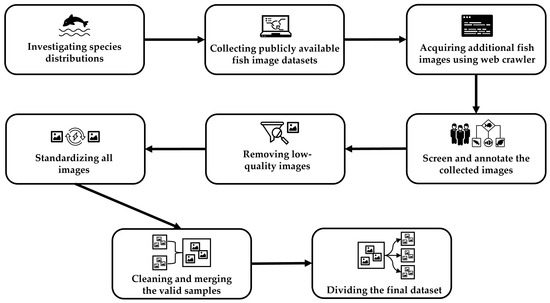
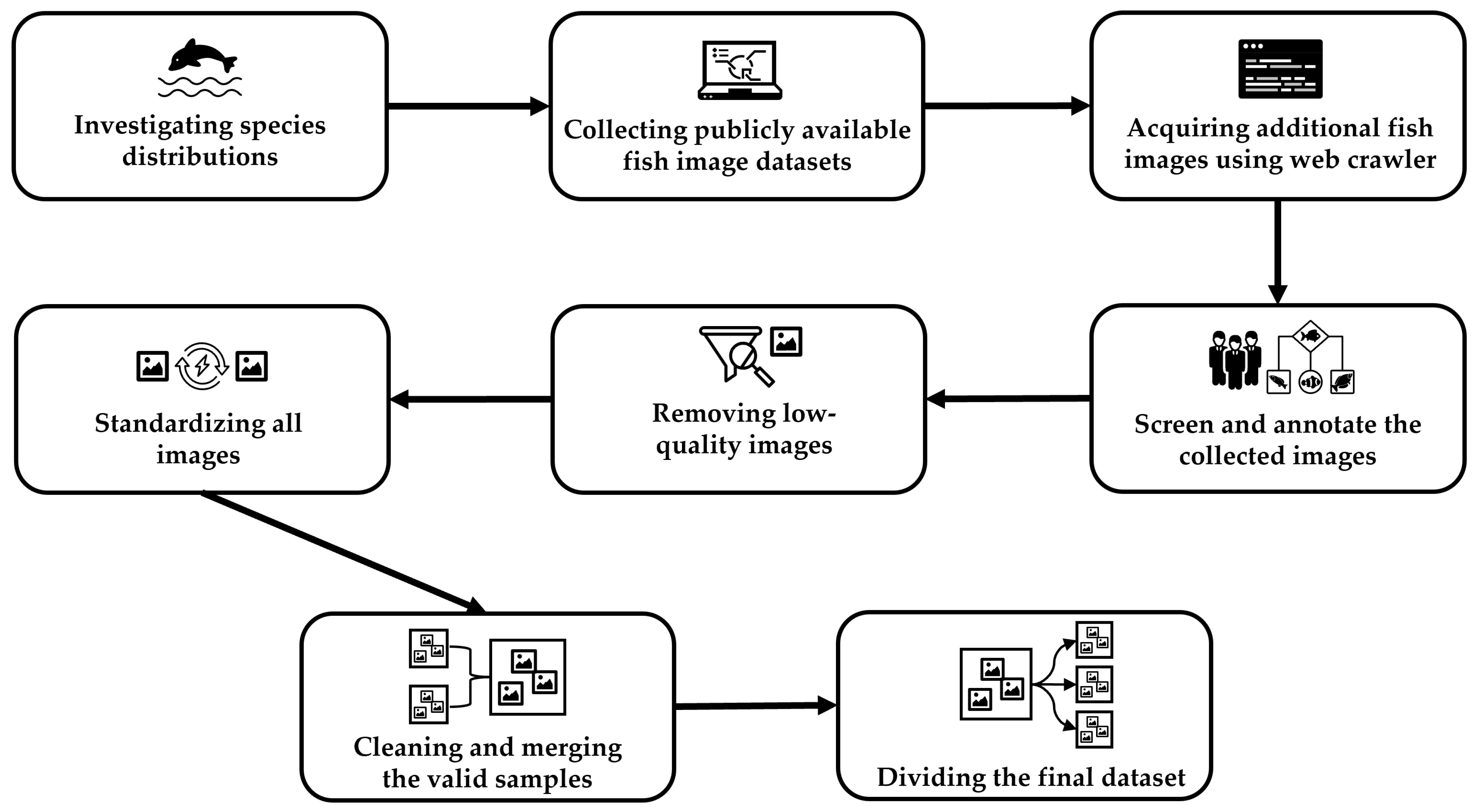
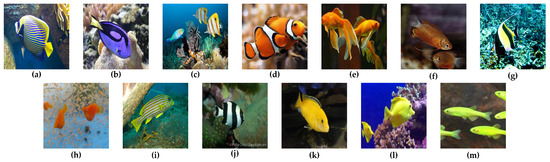
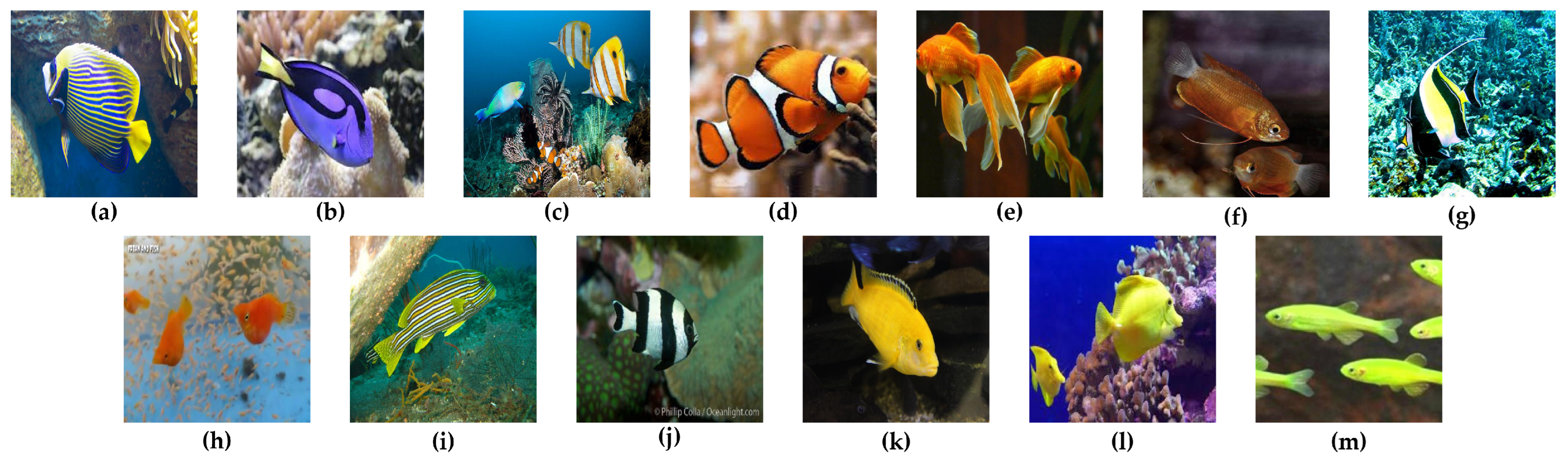
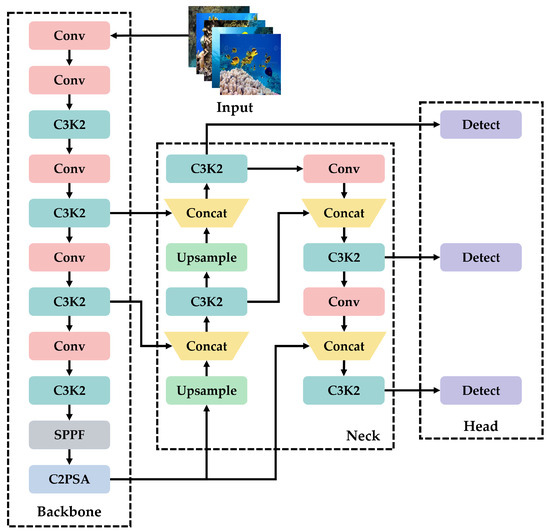
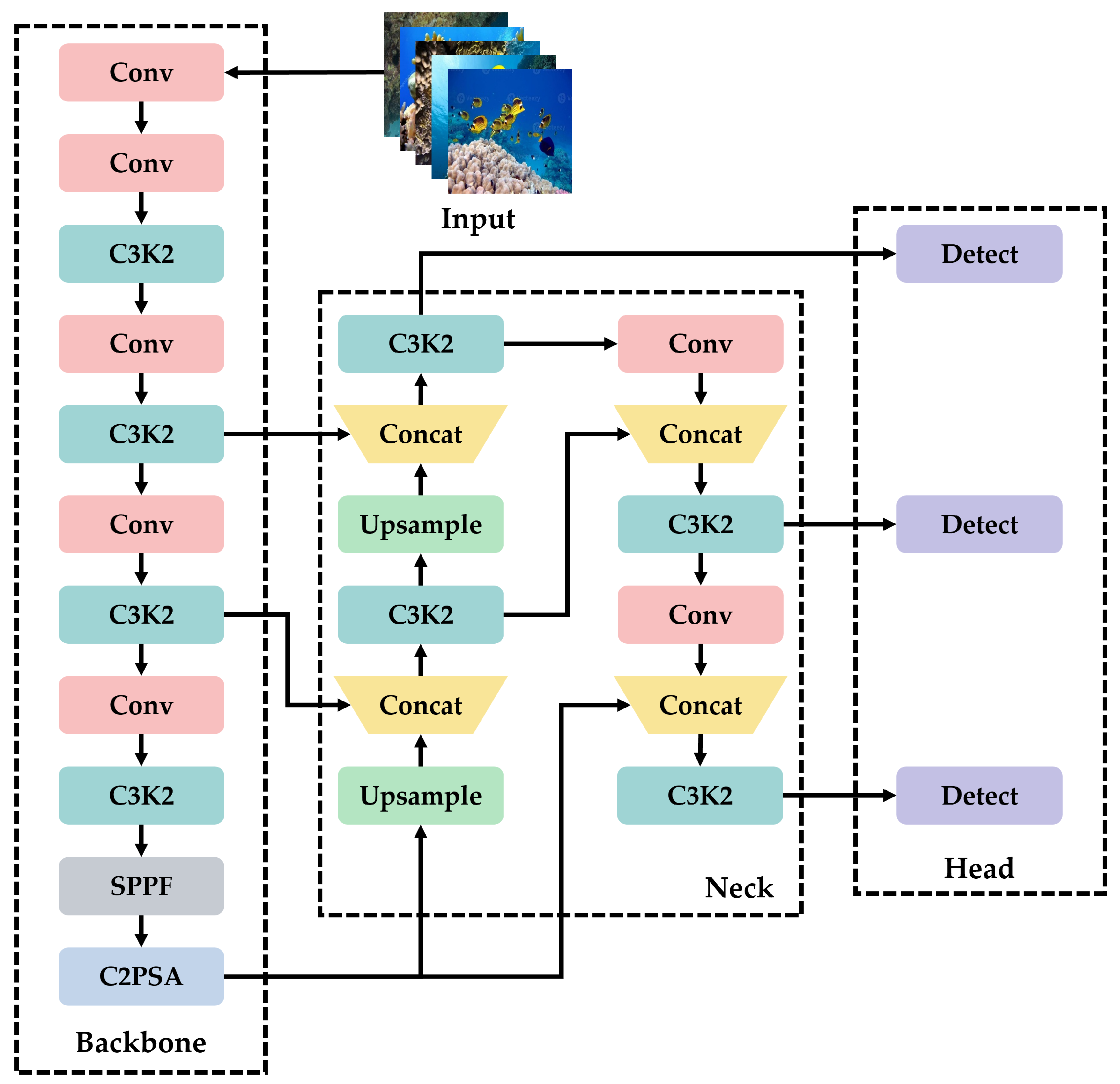
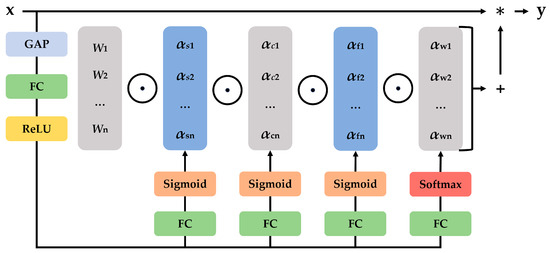
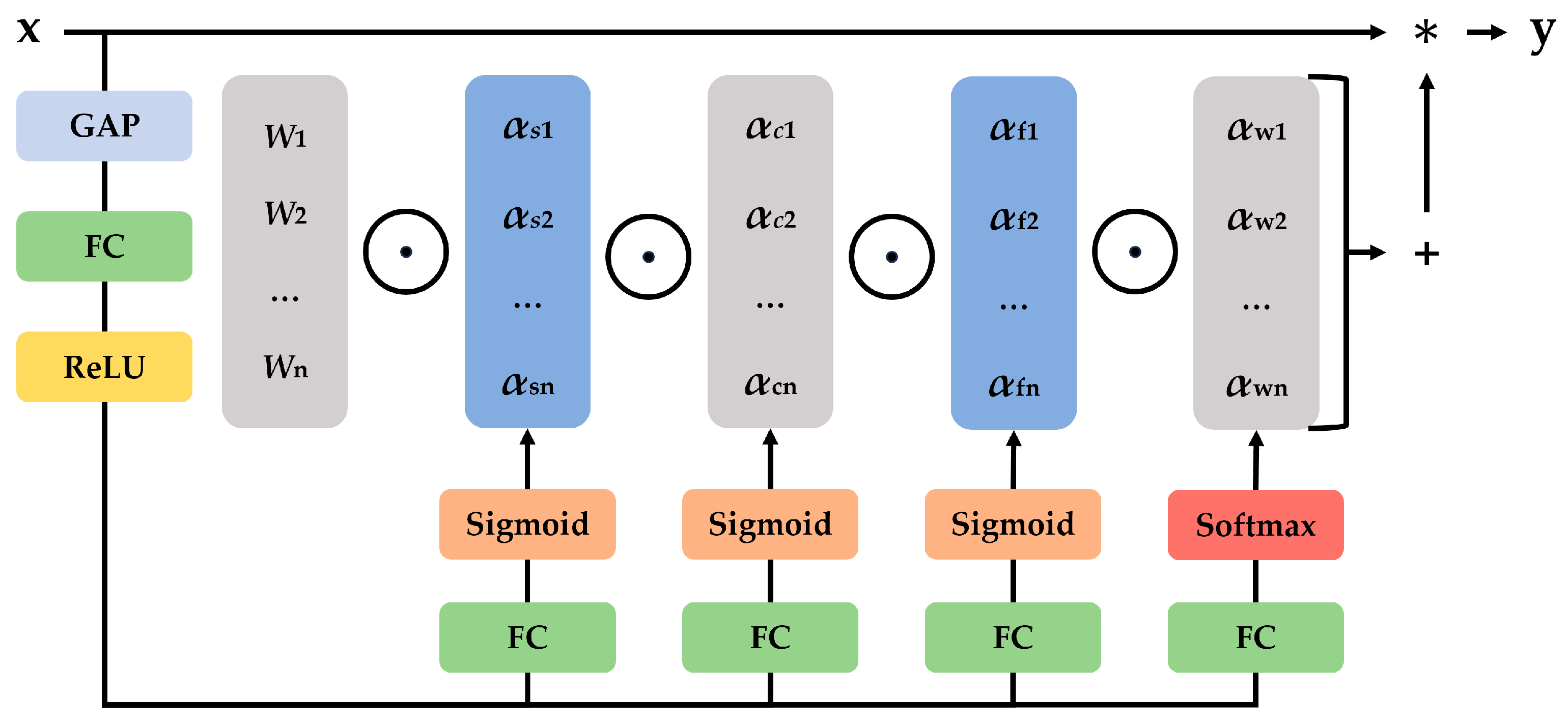
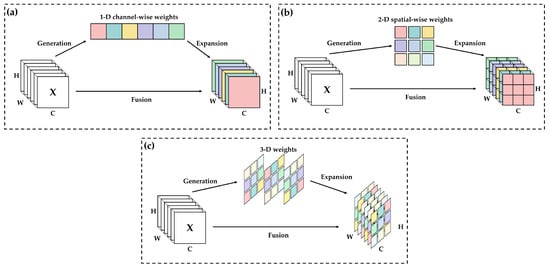
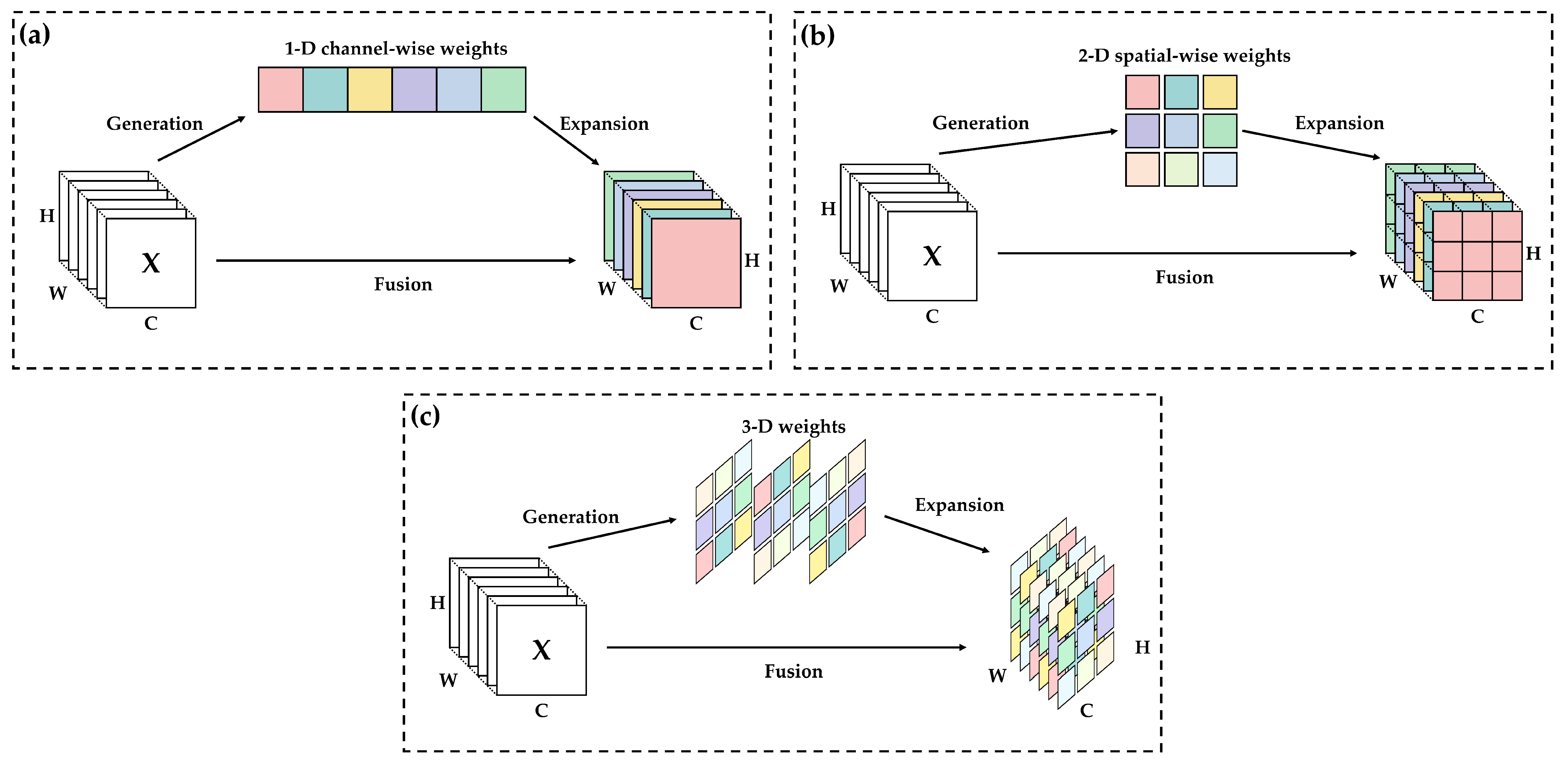
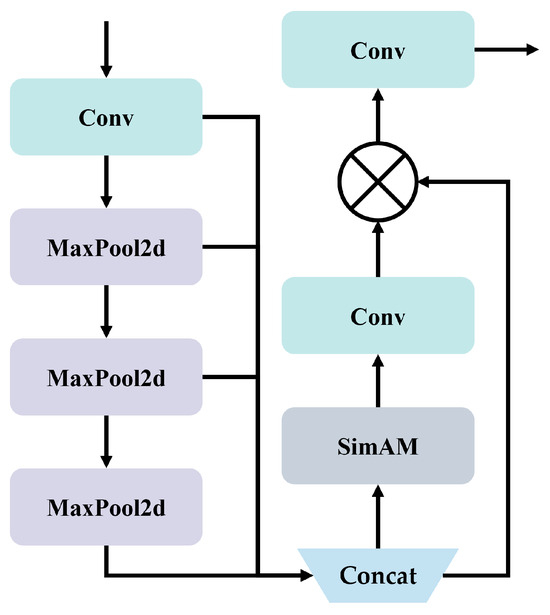
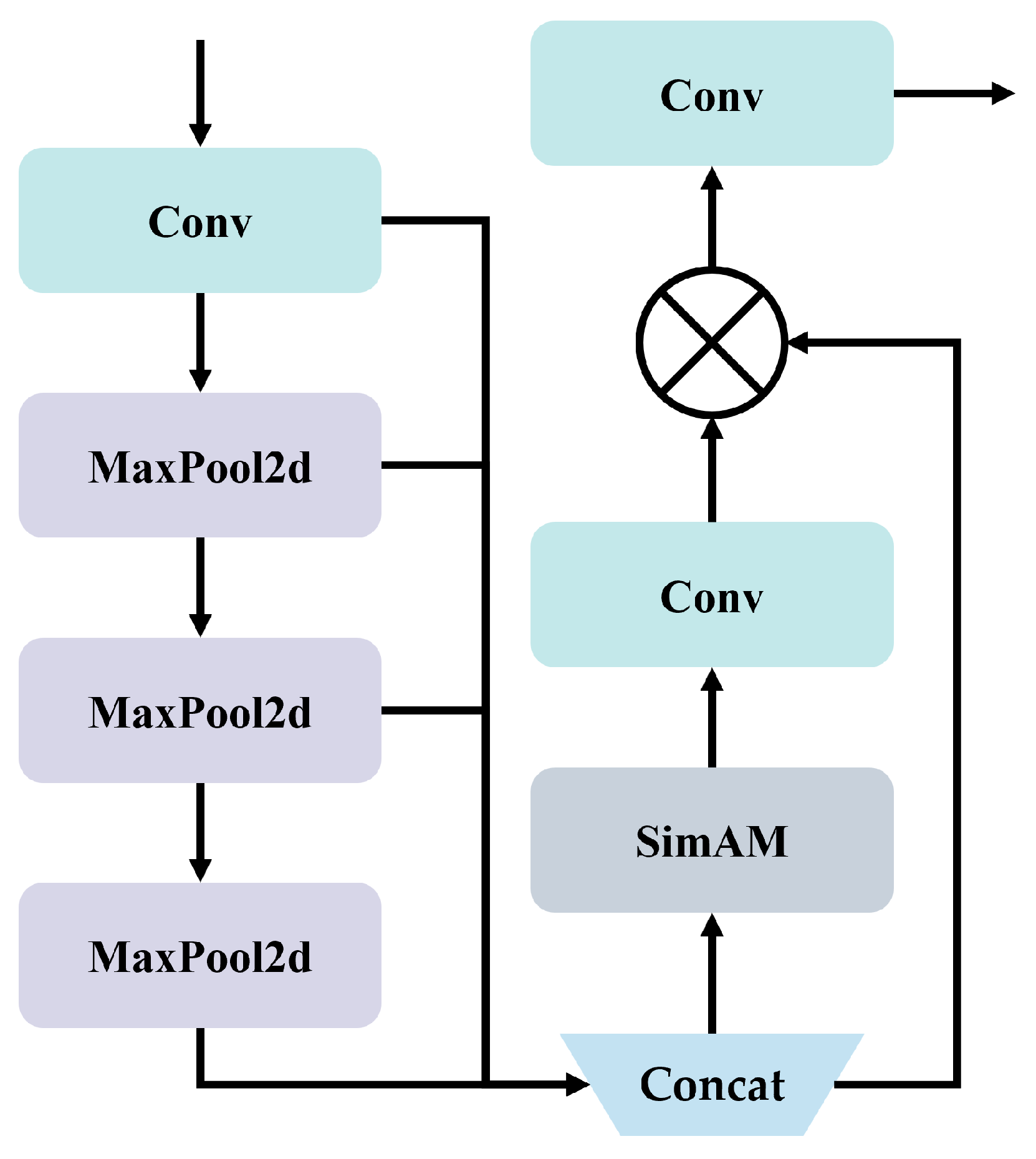
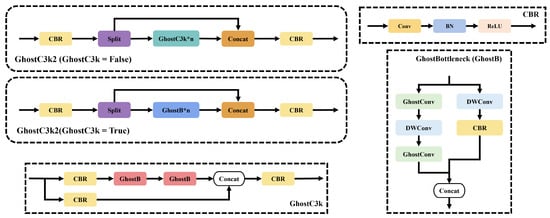
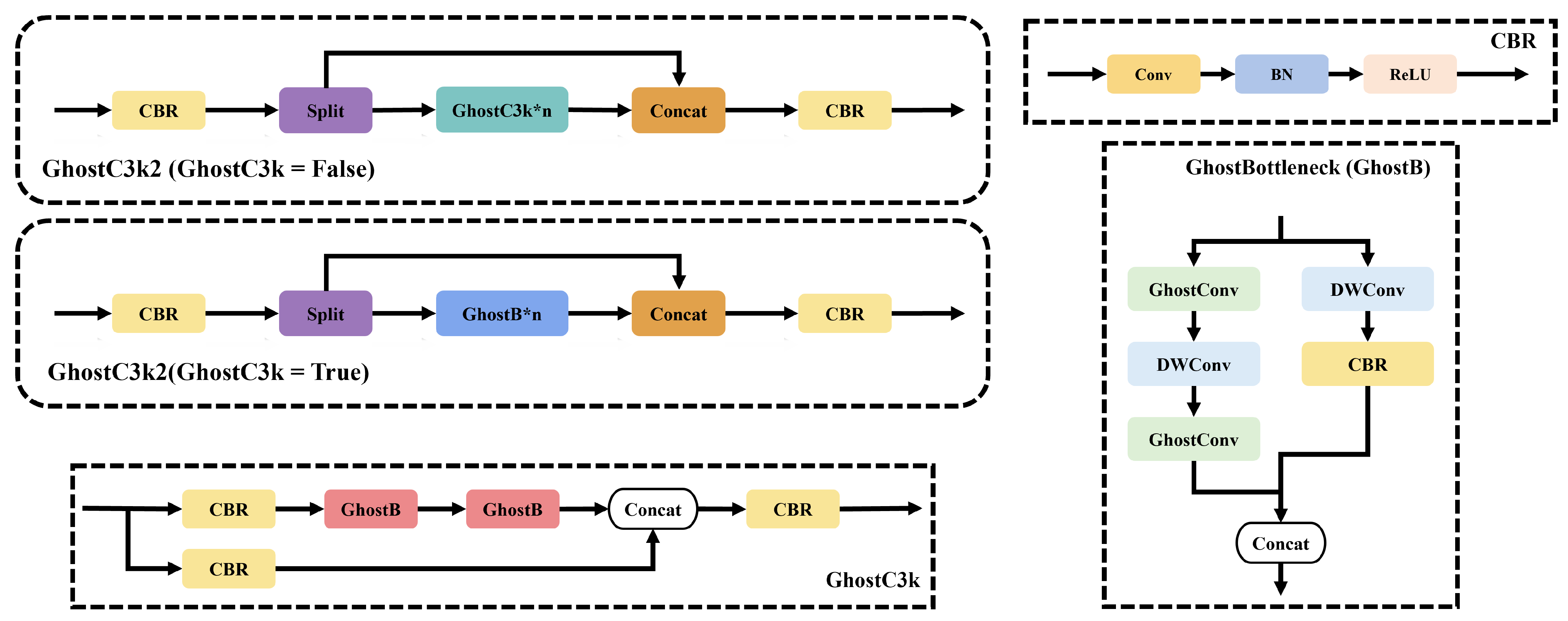
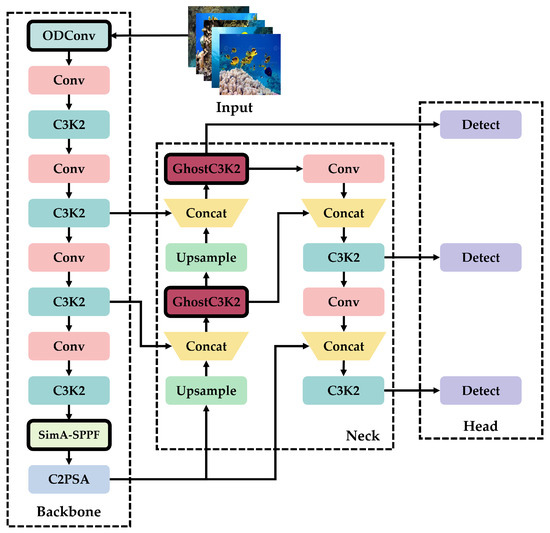
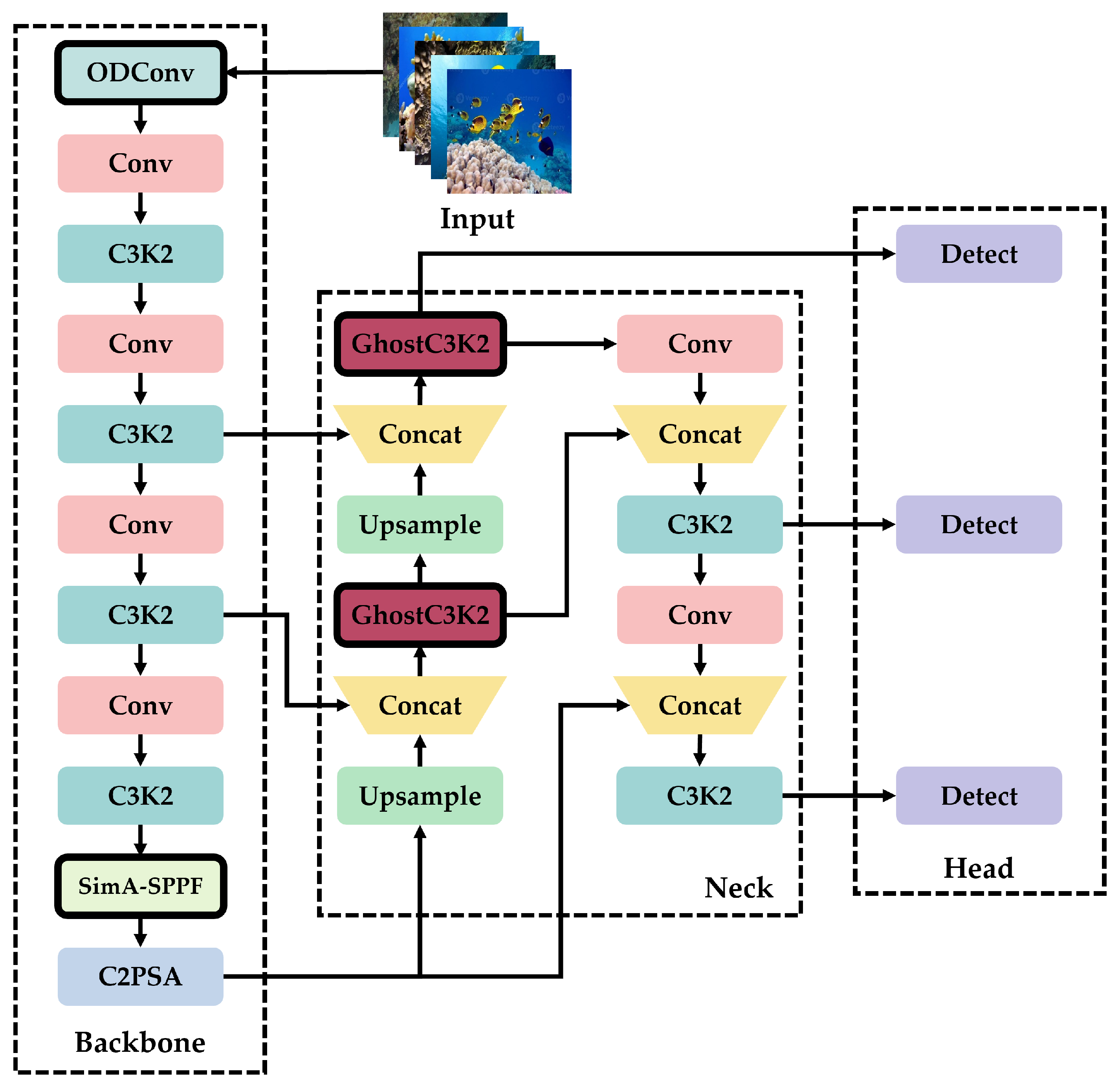
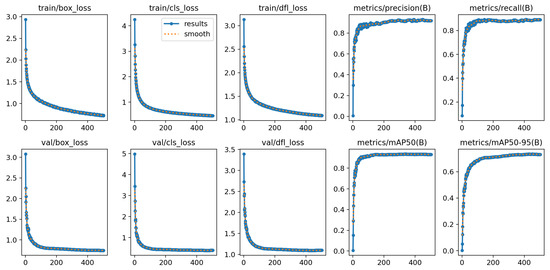
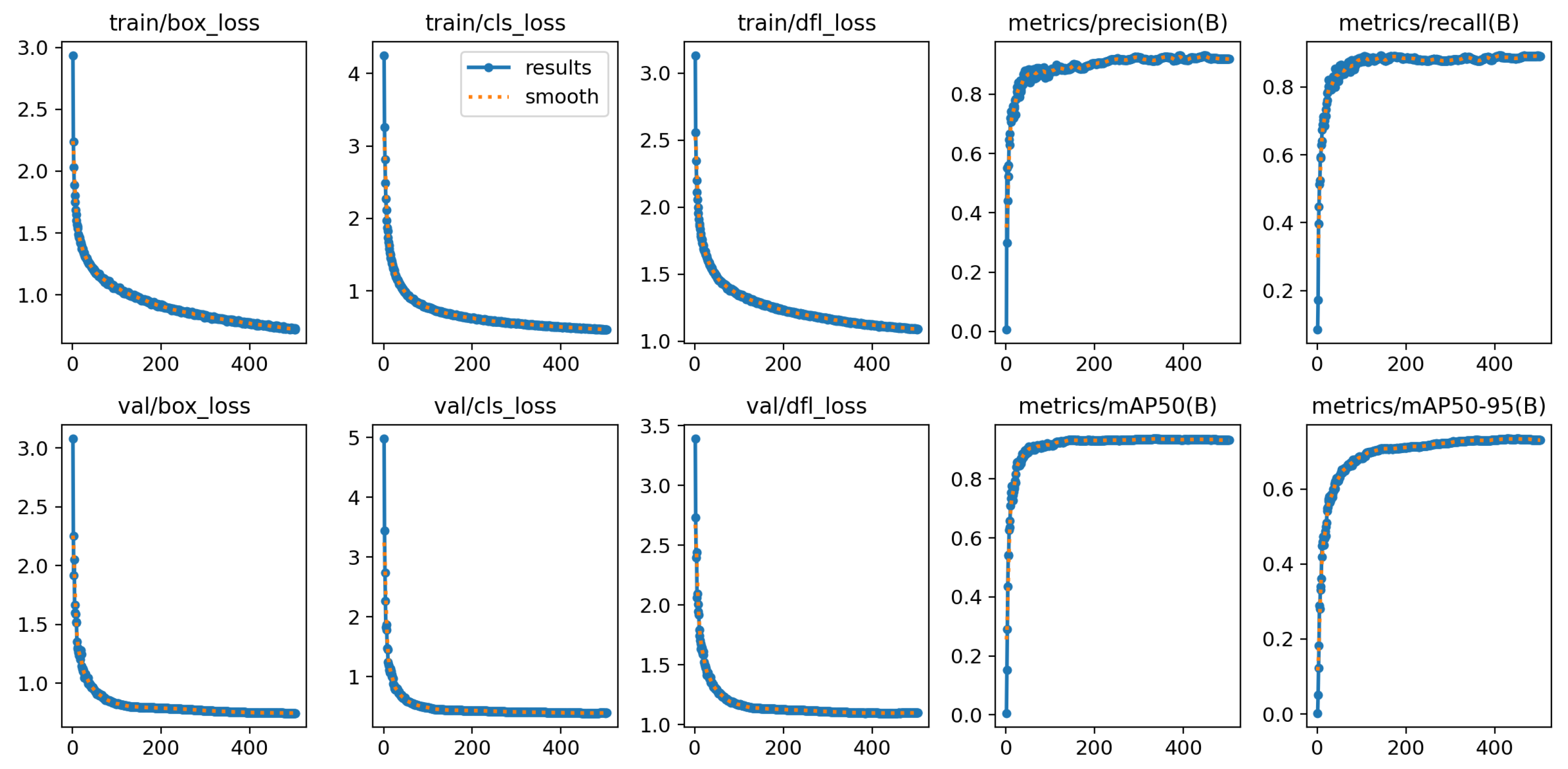
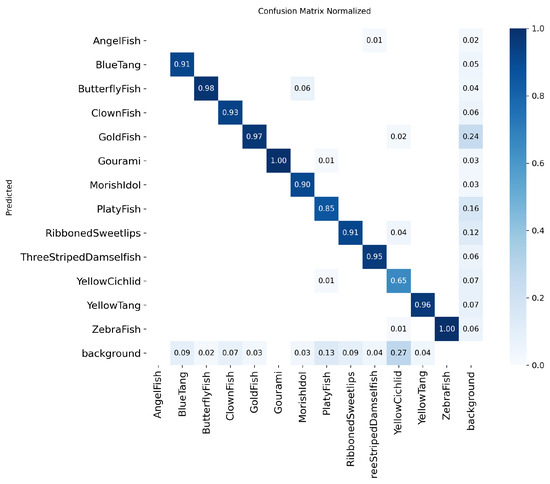
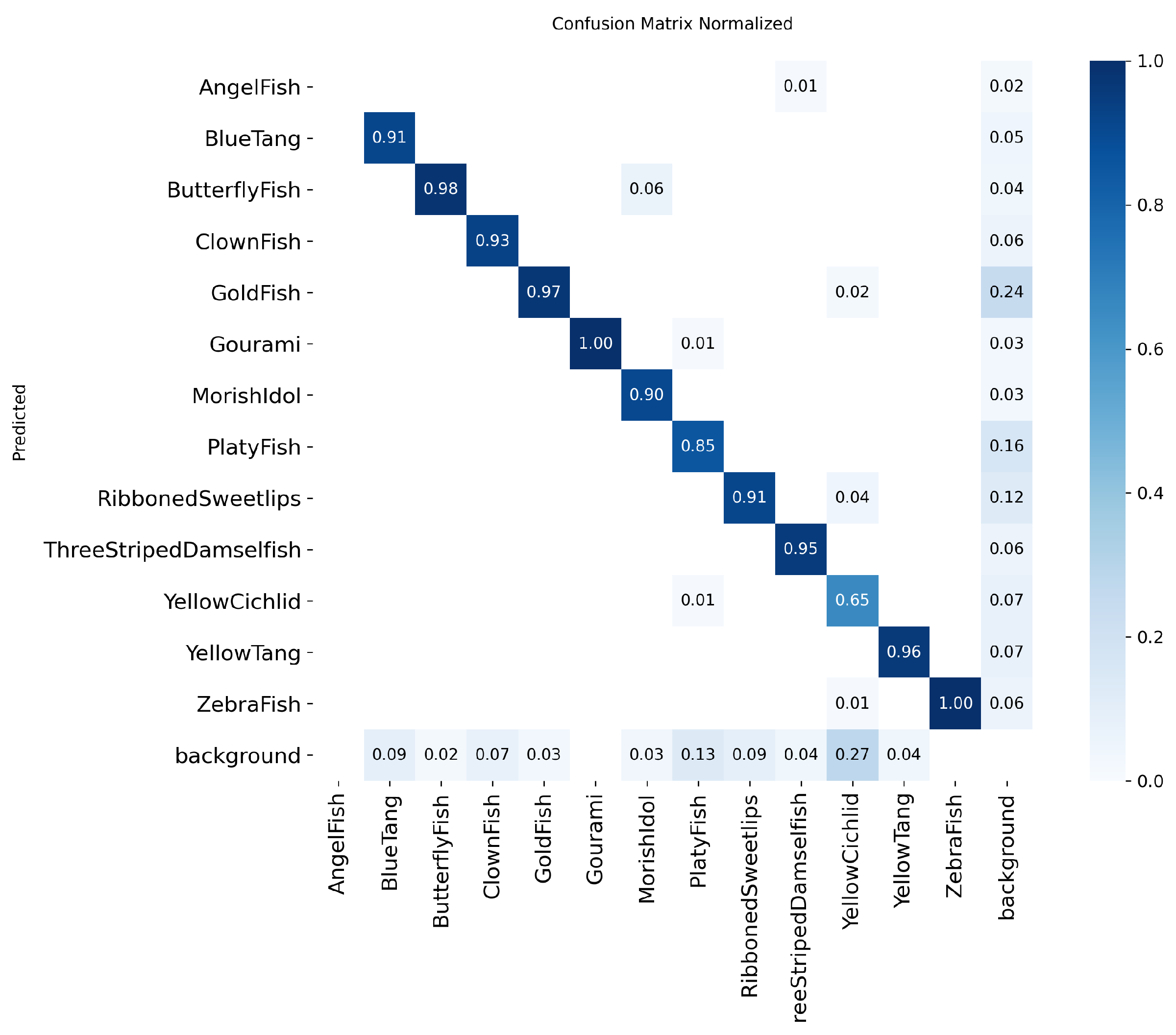
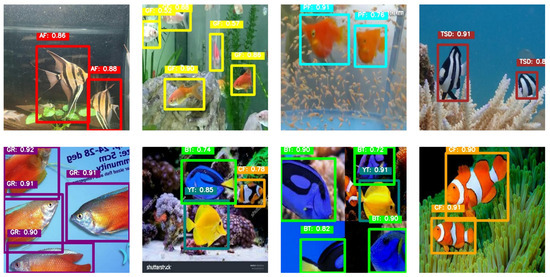
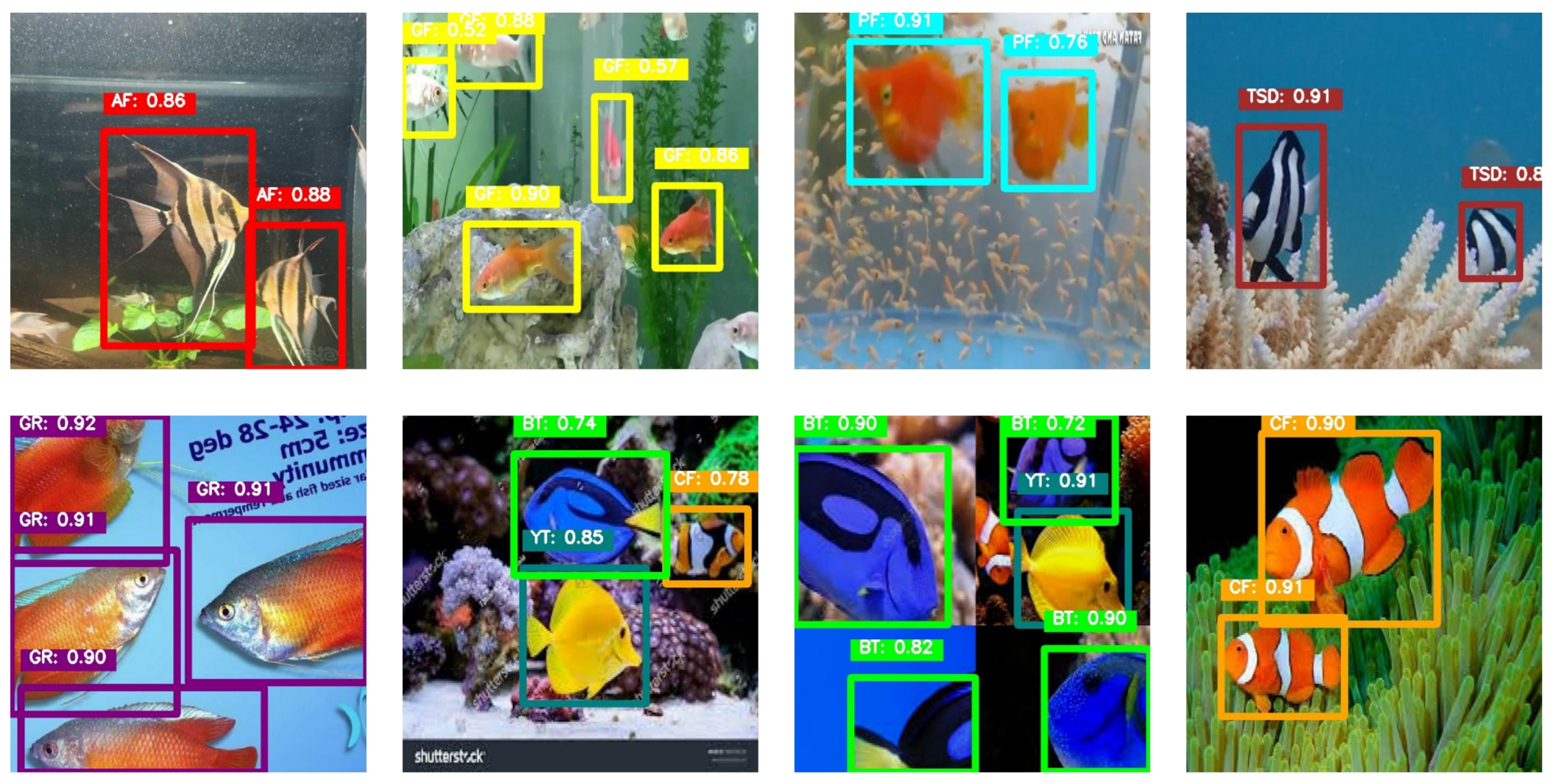

Disclaimer/Publisher’s Note: The statements, opinions and data contained in all publications are solely those of the individual author(s) and contributor(s) and not of MDPI and/or the editor(s). MDPI and/or the editor(s) disclaim responsibility for any injury to people or property resulting from any ideas, methods, instructions or products referred to in the content. |
© 2026 by the authors. Licensee MDPI, Basel, Switzerland. This article is an open access article distributed under the terms and conditions of the Creative Commons Attribution (CC BY) license.