


Abstract
Autonomous Underwater Vehicles have become essential platforms for ocean exploration, environmental monitoring, offshore engineering, and military applications. As the primary hydrodynamic component of an AUV, the hull significantly influences drag, endurance, maneuverability, and payload capacity. With advances in computational fluid dynamics (CFD), parametric modeling, optimization algorithms, and artificial intelligence, AUV hull design has evolved from empirical approaches to simulation-driven and intelligent optimization frameworks. This paper reviews recent progress in AUV hull design, focusing on representative AUV platforms, classical hull design theories, parametric geometric modeling methods, CFD-based hydrodynamic evaluation, and hull shape optimization techniques. Gradient-based optimization, evolutionary algorithms, surrogate-assisted optimization, and AI-driven methods are systematically compared, together with recent developments in global optimization, adaptive sampling, multi-fidelity surrogate modeling, and integrated optimization frameworks. Finally, future trends in AUV hull design are discussed, including the integration of digital twins, multidisciplinary design optimization, high-performance computing, and AI-assisted intelligent design. These emerging technologies are expected to improve the efficiency, accuracy, and automation of next-generation AUV hull design.
1. Introduction
AUVs have emerged as one of the most transformative technologies in ocean exploration and engineering over the past six decades [1]. Since the debut of the first Self-Propelled Underwater Research Vehicle (SPURV) in 1957, these untethered robotic systems have evolved from simple experimental platforms into highly autonomous underwater systems capable of executing complex scientific, commercial, and military missions across the full ocean depth [1,2]. Today, AUVs have become indispensable tools for hydrographic surveying, seabed mapping, offshore infrastructure inspection, marine resource exploration, environmental monitoring, deep-sea scientific research, and defense operations [1,2,3].
The hydrodynamic design of the AUV hull is central to vehicle performance [4,5]. As the primary structural and hydrodynamic component, the hull directly determines operational endurance, maneuverability, payload capacity, and overall mission effectiveness [4,6]. Unlike surface vessels, AUVs operate entirely within a high-density fluid environment, where hydrodynamic drag dominates propulsion power requirements [5,6]. Even modest geometric refinements can yield significant reductions in energy consumption and substantially extend mission endurance [5,7]. Over the decades, hull design has progressed from empirical geometric approaches, through CFD-based numerical analysis, to contemporary data-driven intelligent optimization frameworks [4,5,7].
Concurrent with advances in hydrodynamic optimization, AUV engineering design has progressively expanded from isolated subsystem optimization toward fully coupled multidisciplinary system integration [8]. Modern AUVs consist of highly coupled subsystems—including the hull, propeller, control surfaces, pressure vessels, internal equipment layout, energy systems, navigation, perception, communication, and intelligent control—that interact through complex multiphysics mechanisms [8,9]. A hull shape optimized solely for minimum drag may severely degrade propeller inflow quality; conversely, a maximum-efficiency propeller designed without accounting for hull wake non-uniformity may exhibit severe thrust fluctuations and cavitation in actual operation [9,10]. This local-optimum, global-suboptimal design trap has driven the field toward Multidisciplinary Design Optimization (MDO) as a systematic methodology for holistic vehicle design [8,9,10].
Furthermore, the gap between numerical simulation and physical reality poses a fundamental challenge to purely simulation-driven design [11,12]. Turbulence model errors, numerical dissipation, idealized boundary conditions, and manufacturing deviations all contribute to discrepancies between predicted and actual performance [12,13]. Bridging this virtual–reality gap requires systematic experimental validation and full-lifecycle data feedback mechanisms, ranging from Experimental Fluid Dynamics (EFD) calibration to digital twin architectures that connect design, as-built, and in-service vehicle states [11,12,14].
This review aims to systematically summarize the evolution of AUV hull design methodologies, from classical hydrodynamic theory to modern simulation-driven optimization frameworks [4,5]. The review begins with representative AUV platforms and their technical architectures, illustrating how diverse mission requirements drive different hull configurations and design constraints [1,15]. It then reviews the fundamental principles of hull design, including design requirements, conventional streamlined hull configurations, classical axisymmetric body theory, traditional hull curves, and the development of parametric geometric modeling methods such as Bézier curves, B-splines, NURBS, and CST representations [16,17,18]. Subsequently, the review discusses CFD-based hydrodynamic evaluation techniques and systematically analyzes hull shape optimization methods, covering gradient-based methods, evolutionary algorithms, surrogate-assisted optimization, and AI-driven approaches [5,19]. Building on these foundations, the review further explores simulation-driven optimization paradigms [20,21]. Finally, future trends in AUV hull design are discussed, examining emerging technologies that promise to enhance the efficiency, reliability, and autonomy of next-generation AUV development [11,14].
The literature search followed a structured, PRISMA-inspired process. The following databases were searched: Web of Science, Scopus, IEEE Xplore, ScienceDirect, and Google Scholar. The systematic search covered publications from 1990 to 2026, while foundational theoretical works published before 1990 were also included when they remain directly relevant to axisymmetric body theory, hull-form parameterization, or hydrodynamic design. Keywords were combined using Boolean operators and grouped into four categories: (i) vehicle and design terms, including “autonomous underwater vehicle,” “AUV,” “autonomous underwater helicopter,” “underwater glider,” “underwater vehicle,” “hull design,” “hull form,” “hull shape,” and “axisymmetric body”; (ii) hydrodynamic evaluation terms, including “hydrodynamic performance,” “drag,” “resistance,” “computational fluid dynamics,” “CFD,” “RANS,” “turbulence model,” “wake,” “boundary layer,” “validation,” “towing tank,” and “PIV”; (iii) optimization and modeling terms, including “parametric modeling,” “Myring,” “DREA,” “Haack,” “Bezier,” “B-spline,” “NURBS,” “CST,” “shape optimization,” “gradient-based,” “adjoint,” “genetic algorithm,” “NSGA-II,” “particle swarm optimization,” “surrogate-assisted optimization,” “Kriging,” “Co-Kriging,” “multi-fidelity,” “adaptive sampling,” “machine learning,” “deep neural network,” “reinforcement learning,” “generative model,” “reduced-order model,” “POD,” “active subspace,” “digital twin,” and “multidisciplinary design optimization”; and (iv) mission and platform terms, including “survey AUV,” “deep-sea AUV,” “biomimetic AUV,” “modular AUV,” “endurance,” “maneuverability,” and “payload.”
Studies were included if they were peer-reviewed journal articles, major conference papers, or foundational monographs that directly addressed AUV hull design, hydrodynamic evaluation, shape optimization, CFD validation, or design methodology. Related vehicle classes such as autonomous underwater helicopters, underwater gliders, and unmanned underwater vehicles were included only when their methods, hydrodynamic findings, or validation strategies were transferable to AUV hull design; in such cases, the vehicle class is explicitly identified in the text. Studies were excluded if they were not written in English, contained no methodological or validation content, focused only on control, navigation, or communication without relevance to hull design, were duplicate publications, or addressed unrelated marine vehicle classes. The search and screening procedure was informed by recent methodological recommendations for marine engineering and autonomous shipping reviews.
The selection process consisted of title and abstract screening, followed by full-text assessment and citation snowballing from the reference lists of key studies. Priority was given to benchmark studies, widely cited works, recent high-impact studies, and studies supported by experimental or high-fidelity CFD validation. For the quantitative synthesis, only studies reporting geometry, operating depth, speed, power, drag, or optimization performance were considered; missing data are marked as N/A. This review is not intended to be an exhaustive bibliometric analysis. Rather, it aims to synthesize representative and methodologically relevant studies to clarify the evolution, current practice, and future directions of AUV hull design and optimization.
2. Typical AUV Platforms
Terminology note: In this review, the term AUV is used for autonomous underwater vehicles with a self-propelled, untethered hull. Related vehicle classes, including autonomous underwater helicopters (AUHs), underwater gliders, and unmanned underwater vehicles (UUVs), are explicitly identified when discussed. Their inclusion does not imply equivalence to conventional AUVs; rather, methods and findings are considered transferable only when the hydrodynamic and mission assumptions are compatible.
2.1. Development of AUVs
Since the debut of the first Self-Propelled Underwater Research Vehicle (SPURV) in 1957, AUV technology has progressed from simple experimental platforms into highly autonomous underwater systems capable of executing complex scientific, commercial, and military missions [1,2]. Compared with conventional Remotely Operated Vehicles (ROVs), AUVs operate without tethers, offering greater operational flexibility and enhanced environmental adaptability [3,15]. Consequently, they have become indispensable tools for hydrographic surveying, seabed mapping, marine resource exploration, environmental monitoring, underwater facility inspection, and deep-sea scientific research [1,2,3].
As mission requirements have become increasingly diverse, modern AUVs have gradually evolved from standardized torpedo-shaped vehicles into specialized platforms optimized for distinct operational environments [15,22]. Contemporary AUV design emphasizes mission-oriented development, in which hull geometry, propulsion systems, payload integration, and navigation architecture are co-optimized according to specific applications [15,23]. Representative AUV platforms are shown in Figure 1. They can be classified, based on operating depth, maneuverability, payload capacity, endurance, and maintainability, into survey AUVs (Figure 1a–c), deep-sea AUVs (Figure 1f), biomimetic AUVs (Figure 1d,e), and modular AUVs.
Figure 1.
Representative AUV platforms. (a) REMUS [24], (b) HUGIN [25], (c) Sentry [26], (d) Manta-ray-inspired AUV [27], (e) U-CAT [28], (f) Wukong [29].
Understanding the characteristics of representative AUV platforms thus provides a research foundation for subsequent hull configuration design and hydrodynamic optimization studies [1,15].
2.2. Representative AUV Platforms
2.2.1. Survey AUVs
Survey AUVs represent the most mature and widely deployed category of autonomous underwater vehicles [1,2]. They are primarily employed for hydrographic surveying, seabed mapping, underwater engineering inspection, environmental monitoring, and military reconnaissance [1,2,3]. Since these missions typically demand long-range cruising and high-precision navigation, survey AUVs generally adopt streamlined torpedo-shaped hulls to minimize hydrodynamic drag and maximize propulsive efficiency [1,3,30].
The REMUS series developed by the Woods Hole Oceanographic Institution (WHOI) ranks among the most successful AUV survey families [24,31]. As shown in Figure 1a, REMUS vehicles feature a slender axisymmetric hull and modular payload sections and have demonstrated exceptional operational reliability in mine countermeasure missions, oceanographic surveys, and search-and-rescue operations [24]. The successful deployment of REMUS 6000 during the search for Air France Flight 447 further underscored its deep-water exploration capability [32].
Another representative platform is the HUGIN series developed by Kongsberg Maritime [25]. HUGIN vehicles have become an industry standard for offshore hydrographic surveying owing to their high navigation accuracy, large payload capacity, and extended operational endurance [25]. As shown in Figure 1b, their highly optimized torpedo-shaped configuration significantly reduces hydrodynamic drag while maintaining excellent stability during long-duration missions [25,33].
The Sentry autonomous underwater vehicle, developed by Woods Hole Oceanographic Institution, demonstrated its operational versatility during two distinct response missions in 2010 following the Deepwater Horizon oil spill. In the first mission, Sentry was deployed in coordination with an underwater mass spectrometer to track subsurface hydrocarbon plumes, enabling real-time detection and mapping of dissolved petroleum compounds. The second mission, conducted in December 2010, repurposed Sentry as a reconnaissance tool to identify suitable sites for deep-sea biological community sampling; these locations were subsequently targeted for specimen collection and laboratory-based ecological analysis. Together, these deployments highlighted Sentry’s capacity for rapid mission reconfiguration in emergency response scenarios, underscoring the value of modular AUV platforms for both chemical and biological oceanographic investigations [26].
Overall, survey AUVs prioritize hydrodynamic efficiency, navigation accuracy, and endurance [30,34]. Accordingly, the torpedo-shaped hull, with its superior drag characteristics and ease of internal equipment integration, has become the dominant configuration [6,33,34].
2.2.2. Deep-Sea AUVs
Deep-sea AUVs are specifically designed for operations at water depths exceeding several thousand meters, where extreme hydrostatic pressure becomes the primary design constraint [35,36]. Compared with conventional survey AUVs, deep-sea AUVs require advanced pressure hulls, lightweight buoyancy materials, and high-reliability designs capable of functioning in the deep-water environment [35,36,37].
One of the most representative deep-sea AUVs is Wukong, which is shown in Figure 1f and was developed by Harbin Engineering University [35]. In 2021, Wukong descended to 10,896 m in the Mariana Trench, setting a world record for autonomous underwater vehicles [35,36]. Its innovative combination of a spherical pressure capsule and lightweight structural design significantly enhanced pressure resistance and buoyancy efficiency [36,38].
REMUS 6000, as a benchmark deep-sea survey platform, is capable of operating at depths approaching 6000 m. Its successful scientific expeditions have demonstrated the importance of integrating pressure-resistant structures with reliable navigation and sensing systems [32,39].
Compared with shallow-diving AUVs, deep-sea AUVs place greater emphasis on pressure hull optimization, structural lightweight design, and pressure-resistant material selection [38,40]. These requirements significantly influence hull geometry, which typically combines cylindrical and spherical structural elements in a hybrid configuration [38,40,41].
2.2.3. Biomimetic AUVs
Unlike conventional survey platforms, biomimetic AUVs enhance maneuverability, propulsive efficiency, and environmental compatibility by emulating the locomotion of marine organisms such as manta rays, sea turtles, and jellyfish [42,43].
As shown in Figure 1e, Tallinn University of Technology developed U-CAT, a turtle-inspired autonomous underwater vehicle that employs four independently actuated flapping fins in place of conventional propellers to achieve omnidirectional maneuvering in confined underwater spaces [28]. This design effectively reduces propeller-induced turbulence and noise while enabling precise operations during underwater inspection.
The manta-ray-inspired AUV designed by Cao Yong’s team, as shown in Figure 1d, is capable of efficient low-speed cruising with agile maneuvering [27,44]. Compared with conventional AUVs, biomimetic propulsion generates a lower acoustic signature, rendering it particularly attractive for marine ecological observation and military applications.
Although biomimetic AUVs generally exhibit lower cruising speeds and shorter endurance, they offer superior maneuverability, obstacle-avoidance capability, environmental adaptability, and acoustic performance. Biomimetic design has accordingly become an important research direction for next-generation underwater AUVs [42,43,45].
2.2.4. Modular AUVs
With increasing diversity in underwater missions, modular design has emerged as a significant trend in modern AUV development [15,22]. Modular AUVs employ standardized interfaces that permit rapid changeover of payloads, batteries, navigation systems, and scientific instruments [15,46].
Typical examples include the Bluefin series and the Gavia AUV developed by Teledyne Gavia [46]. Their modular architectures allow users to configure different payload combinations according to specific operational requirements, substantially reducing maintenance costs while enhancing mission flexibility [46].
Modular configurations also simplify future system upgrades, enabling the integration of new sensors and communication equipment without redesigning the entire AUV platform [15,46]. Modular design has become one of the most important engineering philosophies in commercial AUV development [15,22].
2.3. Comparison of Representative AUV Platforms
Divergent mission requirements give rise to significant differences among representative AUV platforms in hull configuration, propulsion systems, and structural design [1,15]. These differences are detailed in Table 1 [15]. Survey AUVs pursue minimum hydrodynamic drag and maximum cruising efficiency primarily through streamlined torpedo-shaped forms [1,3,30]. Deep-sea AUVs emphasize structural reliability under extreme hydrostatic pressure by adopting hybrid spherical pressure hulls [35,36]. Biomimetic AUVs achieve enhanced maneuverability and low-noise operation through bio-inspired propulsion systems, albeit at the expense of cruising efficiency [42,43]. Modular AUVs promote rapid payload integration and thereby enhance mission flexibility by employing standardized structural interfaces [15,46].
Table 1.
Comparison of representative AUV platforms.
These differences indicate that no single hull configuration can satisfy all operational requirements [15,34]. Rather, hull geometry is increasingly optimized according to specific mission objectives, operating environments, and engineering constraints [30,34]. Consequently, modern AUV design is progressively shifting from the pursuit of a universal hydrodynamic optimum toward application-oriented multidisciplinary design [8,9].
2.4. Key Technologies for AUVs
The overall performance of an AUV is determined by the coordinated interplay of multiple disciplines, including hydrodynamics, structural engineering, propulsion systems, energy management, navigation, perception, communication, and intelligent control [15,23]. These technologies do not function as isolated components; rather, they are tightly integrated throughout the AUV platform design process and collectively determine the endurance, maneuverability, reliability, and mission capability of modern AUV platforms [4,15,23,47].
As shown in Figure 2, a typical AUV comprises multiple functional subsystems, including the hull structure, propulsion system, power system, navigation system, perception system, communication system, and control system [15,23]. The hull structure, as the foundation of the vehicle, determines the hull geometry, pressure hull configuration, internal layout, and payload integration, which directly influence hydrodynamic characteristics, structural strength, buoyancy distribution, and system integration [4,6]. The propulsion and power systems jointly determine vehicle endurance and maneuverability, while the navigation, perception, communication, and control systems provide the sensing, localization, decision-making, and autonomous operation capabilities required in complex underwater environments [23,47].
Figure 2.
Typical AUV system.
Although these subsystems have traditionally been studied independently, recent years have witnessed increasing research focus on their integrated optimization [8,9]. Advances in computational fluid dynamics, multidisciplinary design optimization, artificial intelligence, digital twins, and high-fidelity numerical simulation have substantially transformed AUV design methodology. Modern AUV development is no longer confined to improving the performance of individual subsystems; instead, it emphasizes collaborative optimization across hydrodynamics, structures, energy consumption, sensing, and intelligent decision-making to achieve higher overall system performance [5,8,11].
2.5. Holistic AUV Design: Stability, Control, and Propulsion Integration
The design of an AUV hull cannot be reduced to minimizing resistance while providing sufficient payload volume and displacement. In practice, the hull must simultaneously satisfy dynamic course stability, controllability in combination with control fins, and favorable hull–propeller matching. These requirements are strongly coupled and are central to the holistic design of AUVs [48,49,50].
Dynamic stability and controllability determine whether the vehicle can maintain a desired course, execute turns, and reject disturbances in the presence of ocean currents and waves. Hull form, fin configuration, center of gravity, center of buoyancy, and hydrodynamic derivatives jointly govern these characteristics. Studies on AUV maneuvering and control have shown that hull geometry and appendage layout can significantly affect the hydrodynamic derivatives used in maneuvering models, and that stability indices must account for gravity and buoyancy effects [51,52,53,54]. The NPS ARIES and NPS AUVII testbeds provide early examples of integrated hull, control, and navigation design for autonomous underwater vehicles [49,55].
Hull–propeller matching is equally important. A hull optimized solely for minimum bare-hull drag may produce non-uniform wake, adverse pressure gradients, or poor inflow quality at the propeller plane, leading to reduced propulsive efficiency, thrust fluctuations, and cavitation. Conversely, a high-efficiency propeller designed without considering hull wake non-uniformity may perform poorly in actual operation. Recent AUV studies have addressed hull–propeller interaction, propeller positioning, ducted propulsors, low-Reynolds-number propeller transition modeling, and hydroelastic effects of 3D-printed propellers [56,57,58,59,60,61]. These works demonstrate that propulsion performance must be evaluated as part of the hull design loop rather than as an isolated subsystem.
The hydrodynamic design of the hull is also tightly coupled with propulsion and powering. The hull wake field determines propeller inflow quality, which in turn affects thrust, torque, cavitation, and noise. Propulsion and powering are inseparable from hull design. The hull wake field determines propeller inflow quality, which in turn affects thrust, torque, cavitation, and noise. Miller and Brizzolara conducted a qualitative and quantitative study of hull–propeller interaction for an X-fin AUV using different propeller models [56]. Pang et al. investigated optimum propeller positioning and sizing for underwater vehicles [57]. Pawar and Brizzolara examined the relevance of transition turbulent models for low-Reynolds-number propellers [58], while they analyzed hydroelastic effects of 3D-printed marine propellers [59]. Sanghyun et al. [60] designed ducted propulsors for AUVs. Alternative propulsion concepts have also been explored. Webster et al. [61] developed Reynolds stress transition modeling for marine propellers at low Reynolds numbers. Sha et al. [62] designed and experimentally validated a novel high-speed omnidirectional underwater propulsion mechanism. Bansal and Brizzolara [63] reviewed application perspectives of magnetohydrodynamics for AUV propulsion. Johansen et al. [64] developed an intelligent monitoring system for an AUV using Bayes risk, linking propulsion power to safe behavior management. These studies show that hull–propeller matching should be considered during hull shape optimization. A multi-objective optimization framework for AUV hull design may include, in addition to drag and volume, wake uniformity at the propeller plane, propulsive efficiency, cavitation margin, and power consumption.
In addition, alternative hull forms and propulsion concepts have been explored for specific AUV missions. These include hull forms for drag reduction and power optimization [65], finless torpedo-shaped micro AUVs with high maneuverability [66], shallow-water AUV designs [67], and omnidirectional propulsion mechanisms [62]. Magneto-hydrodynamic propulsion has also been investigated as a potential alternative for AUVs [63]. These studies collectively show that AUV hull design is a multidisciplinary problem in which hydrodynamics, dynamics, control, propulsion, and mission requirements must be considered together. Table 2 summarizes the principal dimensions, speed, endurance, and installed power of the representative AUV platforms discussed above.
Table 2.
Major structure and performance parameters of the representative AUV platforms.
3. AUV Hull Design
3.1. Design Requirements for AUV Hulls
The hull is the primary structural and hydrodynamic component of an AUV, directly determining its mission performance, endurance, maneuverability, and payload capacity [4,6]. Hull design has long been regarded as one of the most critical aspects of AUV development; even minor improvements in hull geometry can significantly reduce energy consumption and extend mission endurance [5,6,7,68].
In addition to drag reduction, payload volume, and structural integrity, AUV hull design must account for dynamic course stability, controllability, and hull–propeller matching. These requirements are not independent design constraints; they are coupled through hull geometry, appendage configuration, mass distribution, and wake field. A hull with favorable bare-hull resistance may still exhibit poor course stability or degraded propeller inflow quality. Therefore, modern AUV hull design increasingly adopts a holistic perspective in which hydrodynamic performance, maneuvering characteristics, control authority, and propulsion efficiency are evaluated together [48,50,51,56].
Table 3 shows that the core element design of an AUV hull involves balancing multiple, often conflicting, engineering objectives [6,9]. From a hydrodynamic perspective, the hull should minimize drag while maintaining favorable flow characteristics around the vehicle [17,69]. A streamlined external geometry reduces viscous friction, suppresses flow separation, and lowers pressure drag, thereby improving propulsive efficiency [6,69]. However, minimizing hydrodynamic drag alone is insufficient to meet the diverse operational requirements of modern AUVs [6,9]. The hull must also provide adequate internal volume to accommodate batteries, propulsion systems, navigation equipment, scientific payloads, communication devices, and pressure-resistant electronics housings [6,17,69].
Table 3.
Design requirements for AUV hulls.
Structural integrity constitutes another fundamental design requirement [37]. Since AUVs frequently operate under high hydrostatic pressure, particularly during deep-sea exploration, the pressure hull must withstand external compression without excessive structural deformation or failure [37,38]. This requirement generally favors thicker shells and stronger materials, which inevitably increase structural weight and reduce payload capacity [38,40]. Lightweight design and pressure resistance must therefore be carefully balanced throughout the design process [37,38,40].
Stability and maneuverability also play critical roles in hull design [4,34]. The longitudinal distribution of buoyancy, center of gravity, and mass directly influences pitch, roll, and yaw stability during underwater operations [4,70]. Longer, more slender hulls generally exhibit lower hydrodynamic drag and better directional stability, but tend to compromise turning performance and maneuverability [34,70]. Conversely, shorter hulls or shrouded configurations may offer enhanced maneuverability at the expense of increased drag [70]. Selecting an appropriate hull aspect ratio therefore requires consideration of the intended mission profile rather than relying solely on hydrodynamic performance [4,34,70].
Payload integration is another important consideration. Scientific exploration AUVs typically require large payload bays for sonar arrays, cameras, sampling equipment, and environmental sensors, whereas military platforms may prioritize stealth, compactness, and endurance [22,46]. Modular design concepts have accordingly gained popularity, enabling payload modules to be exchanged without substantially altering the primary hull structure. Such modularity enhances mission flexibility while simplifying maintenance and future upgrades [22,46,71].
Manufacturing feasibility and lifecycle cost also influence hull design decisions [38]. Conventional metallic pressure hulls offer excellent structural reliability but are relatively heavy and incur high fabrication costs [37]. In recent years, advanced composite materials and additive manufacturing technologies have enabled more complex hull geometries while reducing structural weight and production time. These emerging manufacturing methods broaden the design space for hydrodynamic optimization and facilitate the rapid development of AUV prototype platforms [38].
Because these design objectives—including drag reduction, structural strength, buoyancy, maneuverability, payload accommodation, and manufacturability—are tightly coupled, hull design has evolved from empirical geometric design toward multidisciplinary optimization [8,9]. Modern AUV development increasingly integrates CFD, Finite Element Analysis (FEA), MDO, and Artificial Intelligence (AI)-assisted optimization to simultaneously address hydrodynamic, structural, and operational performance. Hull design is thus no longer regarded as an isolated geometric problem but as the foundation of the entire AUV system, influencing the efficiency and effectiveness of nearly all onboard subsystems [5,8,9].
3.2. Conventional Hull Design Methods
3.2.1. Classical Design Theory
The hydrodynamic design of AUVs originates from decades of theoretical and experimental research on axisymmetric underwater bodies [16,17]. Since most AUVs operate at relatively low speeds in incompressible fluids, reducing hydrodynamic drag has consistently been the primary objective of hull design [6,17]. Streamlined axisymmetric body forms, derived from torpedo and submarine designs, have therefore become the dominant hull configuration for modern AUVs owing to their favorable drag characteristics, structural simplicity, and ease of fabrication [17,33,34,72].
One of the earliest theoretical foundations for streamlined underwater body design was established through minimum-drag axisymmetric body theory. McNown and Hsu [16] developed an irrotational-flow-based method for approximating axisymmetric body forms that correspond to prescribed pressure distributions. The method does not directly compute drag; rather, it provides a relationship between body geometry and pressure distribution for sufficiently regular axisymmetric bodies. When the maximum body diameter does not exceed approximately 0.3 times the body length, the pressure distributions predicted by the method agree closely with prescribed or experimentally measured values. This makes the approach useful for designing underwater bodies with favorable pressure distributions, which can indirectly contribute to low drag and low cavitation inception [16]. Myring’s theoretical work remains a cornerstone of modern AUV hull design. Myring proposed a mathematical description of axisymmetric bodies under subcritical flow conditions and developed analytical equations for the nose and tail profiles. Unlike simple geometric approximations, the Myring profile ensures continuous curvature transitions among the nose, cylindrical mid-body, and tail sections, thereby reducing adverse pressure gradients and delaying flow separation. More importantly, the model requires only a small number of geometric parameters—including body diameter, nose length, cylindrical section length, and tail length—to fully define the hull shape, making it particularly well suited for engineering design and numerical optimization [17,73].
Subsequent research further revealed that the hydrodynamic performance of an AUV is influenced not only by the overall length-to-diameter ratio (L/D) but also by local geometric features such as nose curvature, tail cone angle, and pressure recovery characteristics. These findings provided the theoretical basis for subsequent parametric hull optimization, in which both global and local shape parameters are simultaneously adjusted to achieve higher hydrodynamic efficiency [72,74,75].
Thus, despite rapid advances in computational optimization techniques, the classical axisymmetric body theory proposed by Myring and other early researchers remains a foundational reference for contemporary AUV hull design [7,17,76].
3.2.2. Conventional Hull Curve Design
Building on classical axisymmetric body theory, several standard hull curves have been developed and widely applied in underwater vehicle design [17,72]. These conventional curves differ primarily in the mathematical representation of the nose and tail profiles while sharing a common cylindrical mid-body section used to house pressure vessels, batteries, propulsion systems, and scientific payloads [17,72,77].
Among all conventional geometries, the Myring hull is the most widely used in both academia and industry. Its nose and tail profiles are described by continuously differentiable polynomial functions that provide smooth curvature transitions, effectively suppressing adverse pressure gradients [17]. Research by Mehmet Zeki Sener et al. demonstrated that the Myring profile yields lower total drag and more stable wake characteristics than many other streamlined body forms [74]. It has consequently become the standard baseline geometry for CFD analysis, hydrodynamic optimization, and benchmark comparisons [17,74].
The DREA model is a standard body of revolution featuring a smooth nose, cylindrical mid-body, and tapered tail cone, with relatively complete towing-tank experimental data [72,76]. It has therefore been widely adopted as a validation benchmark for CFD methods [76]. Systematic validation of drag coefficients, surface pressure distributions, and wake structures has been performed by comparing RANS numerical results with experimental measurements of the DREA model. The results demonstrate good agreement between numerical predictions and experimental data, with the capability to accurately reproduce the pressure distribution and boundary layer development around the hull. Related studies further confirm that the DREA model provides a reliable reference geometry for evaluating CFD solver accuracy and turbulence model performance before optimizing novel hull designs [76,78].
Mohammad Saghafi et al. introduced the Haack series into underwater applications. Although originally developed for minimum wave-drag bodies in compressible flow, the Haack profile exhibits desirable curvature continuity and pressure distribution characteristics. Haack-derived nose profiles have been investigated as candidate reference geometries for underwater shape optimization studies [79].
Overall, conventional analytical hull curves remain the dominant starting point for AUV conceptual design, as they offer superior hydrodynamic performance while requiring only a limited set of design parameters [18,72,77].
3.2.3. CFD-Based Validation of Conventional Hull Designs
CFD has become the primary tool for evaluating and validating AUV hull hydrodynamic performance [5,7]. Early CFD studies focused on verifying whether conventional analytical curves could reliably predict the drag and flow-field characteristics of practical AUV hulls [76,78]. Tuhin Sarkar et al. performed one of the earliest systematic CFD investigations of AUV hull forms, comparing the hydrodynamic performance of several axisymmetric configurations using Reynolds-Averaged Navier–Stokes (RANS) simulations. Their results confirmed that the Myring profile yields favorable drag characteristics and stable flow fields under typical AUV operating conditions [76].
Alexander Phillips et al. used CFD to assess the hull resistance of conceptual AUV designs, demonstrating that CFD can serve as a cost-effective alternative to towing-tank experiments during early-stage design. The study further highlighted that accurate turbulence modeling and careful mesh generation are essential for reliable resistance prediction [7,78].
More recent investigations have extended CFD-based validation to unconventional and biomimetic hull forms [5,19]. Mehmet Zeki Sener and Ercan Aksu conducted a detailed parametric study of nose shape effects on resistance and flow characteristics for streamlined AUV hulls, systematically quantifying how variations in nose curvature influence pressure distributions, boundary layer transition, and total drag [74]. Hai Phong Vu et al. optimized the hull form of a twin hybrid AUV using CFD, demonstrating that dual-hull configurations can achieve favorable trade-offs between internal volume and hydrodynamic efficiency [80]. Muhammad Zeeshan Parvez and R. Vijayakumar combined biomimetic and analytical CFD approaches to parametrically study forebody geometry effects on underwater vehicle hydrodynamic performance, providing quantitative insights into the drag-reduction mechanisms of bio-inspired shapes [81].
In the broader context of CFD methodology for AUV applications, Liang Hong et al. published a comprehensive survey of CFD-based hydrodynamic performance investigations for AUVs, systematically reviewing turbulence modeling strategies, mesh generation techniques, and validation protocols [5]. K. Vasudev et al. conducted a comparative study on hydrodynamic optimization approaches for AUV design using CFD, comparing drag, lift-to-drag ratio, and delivered-power-based optimization strategies [19].
For turbulence modeling—a critical factor in CFD prediction accuracy [5,7]—both the SST k-ω model proposed by Florian R. Menter and the Spalart–Allmaras one-equation model have been applied in AUV hydrodynamic simulations [12,13,78]. The SST k-ω model offers good accuracy for flows with adverse pressure gradients and separation, making it well suited for AUV afterbody and control surface simulations, while the Spalart–Allmaras model provides good robustness and computational efficiency for attached boundary layer flows [7,12,13,78].
Collectively, AUV-specific validation studies demonstrate three key findings: (1) CFD, when properly validated against experimental data for AUV hull forms, can reliably predict resistance and flow characteristics [7,74,76,78,80,81]; (2) in AUV hull simulations, the choice of turbulence model, mesh resolution, and near-wall treatment significantly affects predicted resistance, pressure distribution, and wake development, as shown in comparative AUV CFD studies [5,7,19,74,76,78,80,81]; and (3) emerging CFD-based optimization frameworks, combined with parametric geometry modeling and surrogate-assisted strategies, are fundamentally transforming AUV hull design from an empirical iterative process to a simulation-driven systematic methodology [5,7,19,82,83].
3.3. Parametric Modeling and Optimization Methods for AUV Hulls
3.3.1. Parametric Geometric Modeling Methods
Parametric geometric modeling lies at the heart of modern AUV hull optimization, as it determines the set of attainable hull shapes and directly influences the dimensional complexity and computational cost of the optimization problem [18,77]. Over the past two decades, a spectrum of parametric techniques has been developed to represent AUV hull geometry with varying degrees of flexibility and compactness [18,77,84,85].
Conventional analytical hull curves—including Myring, DREA, and Haack profiles—represent the simplest form of parametric modeling, defining the hull shape with fewer than ten geometric parameters such as nose length, tail length, maximum diameter, and cylindrical section length [17,72]. These methods offer high computational efficiency and excellent physical interpretability, making them well suited for conceptual design and rapid trade-off studies [17,72,74,79].
To enable greater geometric flexibility, Bezier curves, B-splines, and Non-Uniform Rational B-Splines (NURBS) have been progressively introduced into AUV hull design [18,84]. Bézier curves provide intuitive shape control through control polygons but exhibit global modification characteristics; B-splines overcome this limitation through local support properties, allowing localized shape modifications without affecting the entire curve; and NURBS further extend B-spline capabilities by introducing weight factors that enable exact representation of conic sections, making them particularly suitable for complex hull profiles [18,84,85].
Zhanglin Wang et al. conducted a comprehensive comparative study of B-spline, NURBS, and Class-Shape Transformation (CST) parameterization methods for the shape optimization of autonomous underwater helicopters [85]. Their results demonstrated that the choice of parameterization scheme has a significant impact on both the achievable drag reduction and the computational cost of optimization, with NURBS offering a favorable balance between geometric flexibility and the number of design variables. Xinyu An et al. applied NURBS-based parametric design to the profile optimization of autonomous underwater helicopters, achieving a notable improvement in the lift-to-drag ratio. The physical mechanisms underlying the optimal profile were analyzed in detail, providing a valuable reference for similar shape design [86].
The CST method, originally developed for aerodynamic airfoil parameterization, has also been extended to AUV hull design. CST represents the geometry through a class function that defines the basic shape category and a shape function that captures local variations, offering intuitive control with a relatively small number of design variables [84].
In summary, the selection of a parametric modeling method involves a fundamental trade-off between geometric expressiveness and optimization tractability [77,84]. Low-dimensional analytical methods enable rapid optimization but restrict design innovation; high-dimensional free-form methods offer greater design freedom but substantially increase optimization complexity [18,77,84]. The trend is toward adaptive parameterization strategies that dynamically adjust the number and distribution of control parameters based on the local curvature characteristics of the evolving design [8,18,77,84,85].
3.3.2. Gradient-Based Optimization Methods
Gradient-based optimization methods utilize the gradient (sensitivity) information of the objective function with respect to design variables to efficiently guide the search toward a local optimum [87,88]. In the context of AUV hull design, these methods have been applied primarily through two approaches: finite-difference gradient approximation and adjoint-based sensitivity analysis [87,88,89].
The finite-difference approach estimates gradients by perturbing each design variable individually and evaluating the resulting change in the objective function through CFD simulations. While straightforward to implement, this method incurs a computational cost proportional to the number of design variables, rendering it impractical for high-dimensional hull optimization problems. Moreover, the accuracy of finite-difference gradients is sensitive to the choice of perturbation step size: steps that are too large introduce truncation errors, while steps that are too small amplify numerical noise [82,83].
The adjoint method, pioneered by Antony Jameson for aerodynamic design, overcomes the dimensionality limitation of finite differences by computing the gradient of the objective function with respect to all design variables at a cost nearly independent of the number of design variables [87]. This is achieved by solving the adjoint equations, which propagate sensitivity information backward through the governing flow equations [87,88]. Dimitri J. Mavriplis extended adjoint-based optimization to unstructured meshes, enabling application to complex geometries [88]. In the underwater vehicle domain, Bijan Mohammadi and Olivier Pironneau reviewed the application of adjoint methods in fluid mechanics shape optimization, demonstrating their effectiveness for drag minimization of axisymmetric bodies [90].
Several studies have applied gradient-based and adjoint-based methods to underwater vehicle shape optimization, including drag minimization of axisymmetric bodies [87,88,90]. However, gradient-based methods possess several inherent limitations: they converge to local optima when the design space exhibits multiple extrema, require continuous differentiability of the objective function, and are sensitive to the choice of initial design point. These methods are therefore most effective when combined with global exploration strategies or applied to design spaces characterized by favorable smoothness and well-understood physics—precisely the typical features of conventional axisymmetric AUV hull optimization problems, where the flow physics is mature, and the design space is relatively regular [87,88,90]. However, gradient-based methods possess several inherent limitations: they converge to local optima when the design space exhibits multiple extrema, require continuous differentiability of the objective function, and are sensitive to the choice of initial design point. These methods are therefore most effective when combined with global exploration strategies or applied to design spaces characterized by favorable smoothness and well-understood physics—precisely the typical features of conventional axisymmetric AUV hull optimization problems, where the flow physics is mature, and the design space is relatively regular [87,88,91].
3.3.3. Evolutionary Algorithms
Evolutionary Algorithms (EAs) constitute the most widely applied class of global optimization methods in AUV hull shape optimization [20]. Unlike gradient-based methods, EAs are derivative-free, population-based stochastic search algorithms inspired by biological evolution [20,92]. Their principal advantage lies in the ability to explore highly nonlinear, discontinuous, or multimodal design spaces without requiring gradient information, making them particularly well suited for complex hull optimization problems where the relationship between design variables and hydrodynamic performance is difficult to characterize analytically [20,92,93,94].
Among the various EA paradigms, Genetic Algorithms (GAs) and their multi-objective variants—most notably the Non-dominated Sorting Genetic Algorithm II (NSGA-II)—are the most widely adopted in AUV hull optimization. NSGA-II maintains a population of candidate designs and iteratively applies selection, crossover, and mutation operators to evolve toward the Pareto-optimal front [20]. A study employed a genetic algorithm for the forebody shape optimization of an underwater axisymmetric body [95]. A multi-objective optimization framework coupling NSGA-II with CFD has been employed to simultaneously minimize drag and maximize AUV hull internal volume, identifying a set of Pareto-optimal designs that systematically reveal the trade-off between hydrodynamic efficiency and payload capacity [95,96].
Particle Swarm Optimization (PSO) is another popular evolutionary method in AUV hull design [89]. Unlike GAs, which rely on crossover and mutation, PSO updates positions in the design space based on each particle’s individual best and the global best positions [89,91]. A comprehensive comparative study of AUV shape optimization using different parametric curves and multiple optimization algorithms demonstrated that PSO often converges faster than GA in continuous design spaces while maintaining comparable solution quality [84,89]. An Optuna-tuned NSGA-II framework was developed for the hydrodynamic shape optimization of a sea-turtle-inspired autonomous underwater helicopter, showing that automated hyperparameter tuning significantly enhances both the convergence and diversity of the Pareto front relative to the default NSGA-II configuration [84,89,97].
Zheng Qiang et al. improved PSO for hull-form optimization by homogenizing the initial population, iteratively reducing the design space through partial-correlation analysis, adaptively adjusting velocity bounds, and reconfiguring out-of-bounds particles [89]. The modified algorithm improved convergence and robustness, while the authors cautioned that excessive space reduction can discard the global optimum and suggested adaptive reduction thresholds and multi-fidelity surrogates as future refinements [89,97].
Other representative methods within evolutionary strategies include Differential Evolution (DE), the Strength Pareto Evolutionary Algorithm (SPEA-2), and the Multi-Objective Evolutionary Algorithm based on Decomposition (MOEA/D) [20]. Recent work has also explored hybrid approaches that combine evolutionary global search with gradient-based local refinement to leverage the strengths of both paradigms [95,96]. Despite their robustness and global search capability, evolutionary algorithms suffer from a critical drawback: they typically require thousands of function evaluations to converge, each of which may involve an expensive CFD simulation [20,95]. This computational burden has motivated the development of surrogate-assisted and AI-driven optimization methods [94,95,96].
3.3.4. Surrogate-Assisted Optimization
Surrogate-Assisted Optimization (SAO), also referred to as metamodel-based design optimization, aims to fundamentally alleviate the computational bottleneck arising from directly coupling evolutionary algorithms with high-fidelity CFD solvers [98,99]. In this framework, the original expensive CFD simulations are replaced by computationally inexpensive approximate models that capture the implicit functional relationship between design variables and hydrodynamic performance metrics [98,100]. These surrogate models are constructed from a limited number of high-fidelity training samples and iteratively updated through adaptive sampling strategies, thereby achieving a dynamic balance between exploration of unknown regions and exploitation of the current best solutions [21,98,99,100,101,102,103].
Several surrogate modeling techniques have been widely applied in engineering design optimization [100,102]. Among these, the Kriging (Gaussian process regression) method is the most prevalent, as it provides both a prediction at unsampled points and an associated uncertainty estimate [102,103]. One study combined a Kriging-based response surface method with multi-objective optimization for the hull shape optimization of a small underwater vehicle, demonstrating that the surrogate not only accurately predicted drag coefficients but also reduced the required number of CFD simulations [101].
Beyond Kriging, Radial Basis Function (RBF) networks, Polynomial Response Surface (PRS) models, and Support Vector Regression (SVR) have also been introduced as alternative modeling approaches in AUV hull optimization, each exhibiting distinct performance characteristics. RBF networks offer advantages in handling highly nonlinear response surfaces, while PRS models provide strong interpretability at the expense of modeling flexibility [99,100]. A systematic comparative study of hydrodynamic shape optimization for autonomous and remotely operated underwater vehicles demonstrated that ensemble models combining multiple surrogates outperform any single model in terms of both prediction accuracy and optimization robustness. Additionally, a dynamic surrogate-driven multi-objective shape optimization framework has been developed for photovoltaic-powered underwater vehicles, in which the surrogate model is continuously updated during the optimization process to adapt to shifting regions of interest [99,100,104].
Co-Kriging extends surrogate modeling to multi-fidelity data by combining sparse high-fidelity samples with abundant low-fidelity evaluations. Liu Xinwang et al. showed that this strategy retains accuracy while substantially reducing the number of expensive CFD simulations [103]. Adaptive sampling strategies—also termed infill sampling or active learning—constitute a critical enabler of efficient SAO frameworks [100,102]. Expected Improvement (EI), Probability of Improvement (PoI), and Lower Confidence Bound (LCB) are the most commonly employed infill criteria for guiding the selection of new sampling points [102]. One study optimized a carbon-fiber composite hull AUV using a response surface model, validating the effectiveness of sequential sampling strategies in reducing both experimental and computational costs [101]. Another work extended the surrogate-based optimization paradigm to a bi-level shape optimization of a blended-wing-body underwater glider: the upper level employs a global surrogate model to guide overall configuration design, while the lower level uses a local surrogate to refine detailed geometric features [101,102]. In summary, surrogate-assisted methods have progressively evolved into the mainstream technical pathway for AUV hull optimization, achieving an engineering-practical compromise between optimization accuracy and computational cost [100,101,102].
3.3.5. AI-Driven Optimization
The latest frontier in AUV hull shape optimization is the integration of AI and Machine Learning (ML) techniques to accelerate the design process, enhance prediction accuracy, and automate decision-making [105]. While surrogate-assisted optimization employs classical statistical models, AI-driven methods leverage deep neural networks, reinforcement learning, generative models, and other advanced ML paradigms to learn complex hydrodynamic mappings directly from data, often achieving orders-of-magnitude speedup once the models are trained [106,107].
Deep Neural Networks (DNNs) have emerged as powerful surrogate models capable of approximating highly nonlinear and high-dimensional input–output relationships [105,106]. A novel hull form optimization framework based on multi-fidelity deep neural networks was proposed, in which the DNN is trained on a combination of low-fidelity (potential flow) and high-fidelity (RANS CFD) data, enabling accurate drag prediction at a fraction of the cost of a high-fidelity-only surrogate [108]. A machine learning-enhanced rapid design methodology was developed for underwater vehicle pedigrees, demonstrating that a properly trained Convolutional Neural Network (CNN) can predict the drag coefficient of arbitrary hull geometries on a millisecond timescale, thereby enabling real-time design space exploration [106,109].
A rapid data-driven personalized AUV shape design method based on CFD and machine learning was proposed, in which deep learning models are trained on a large dataset of parametrically generated hull geometries and their corresponding CFD-computed drag values [109]. The data-driven model not only predicts drag with high accuracy but also identifies the most influential geometric parameters through sensitivity analysis [106,109]. A comprehensive review of intelligent optimization techniques for energy-efficient ship hull form design was published, systematically categorizing AI-driven methods into supervised learning for prediction, unsupervised learning for design space clustering, and reinforcement learning for sequential decision-making toward optimization [105,107].
Reinforcement Learning (RL) represents an emerging paradigm in AUV hull optimization, reframing the optimization process as a sequential decision-making problem [105,110]. In this framework, the optimizer learns a policy that maps the current state of the design process to the next action (i.e., updates to the design variables) to maximize a cumulative reward signal that directly reflects successive improvements in hydrodynamic performance. Although the application of RL to AUV hull shapes remains at a relatively early exploratory stage compared with DNN-based surrogate methods, preliminary studies have shown promising results, particularly in multi-stage optimization workflows where upstream decisions significantly constrain the feasibility of subsequent design modifications [110].
Generative models, including Variational Autoencoders (VAEs) and Generative Adversarial Networks (GANs), have also been introduced into AUV hull design [105]. These models learn the latent distribution of feasible, high-performance hull geometries from training data and can subsequently generate entirely new design candidates that inherit desirable characteristics [105]. A particularly noteworthy direction is the coupling of generative AI with physics constraints, through approaches such as Physics-Informed Neural Networks (PINNs) or differentiable CFD solvers [111]. This direction aims to combine the powerful nonlinear representational capacity of deep learning models with the physical consistency guaranteed by the governing equations, thereby laying the foundation for the engineering practicality of generative design methods.
Despite the notable progress of AI-driven optimization in AUV hull design, this technological pathway still faces several pressing challenges. First, the performance of AI-based surrogate models is highly dependent on the quality, quantity, and design-space coverage of training data, whose acquisition relies on computationally expensive CFD simulations. Second, overfitting is particularly severe under conditions of high-dimensional design spaces with limited training samples, constituting a key factor limiting model generalization capability [105]. Furthermore, the inherent lack of interpretability of deep learning models represents a significant limitation—engineers typically require mechanistic understanding of the causal relationships between geometry and flow physics, rather than relying on unobservable black-box predictions [105]. Nevertheless, the rapid convergence of AI, high-performance computing, and CFD technologies is fundamentally driving the AUV hull design paradigm from human-expertise-driven iterative workflows toward automated, intelligent, and data-driven processes [112].
In summary, the field of AUV hull shape optimization has undergone a remarkable evolution from single-objective, single-fidelity parametric studies to multi-objective, multi-fidelity, AI-accelerated frameworks [19,20]. The choice of optimization method ultimately depends on the dimensionality of the design space, the available computational budget, the desired prediction accuracy, and the mathematical nature of the objective function. Among existing methodological options, gradient-based optimization remains the most computationally efficient approach for local refinement in smooth design spaces; evolutionary algorithms offer superior global exploration capability at the cost of substantially higher computational expense; surrogate-assisted optimization provides a practical compromise between accuracy and cost; and AI-driven methods represent the current technological frontier, with the potential to fundamentally transform the design process [19,20]. Integrating these methods into a hybrid cascade framework—with global evolutionary search as the front end, surrogate-assisted optimization as the intermediate refinement layer, and gradient-based methods as the back-end local tuning—offers a highly promising pathway for future AUV hull design [19,20].
3.4. AUV Dynamics and Control Considerations in Hull Shape Design
Hull shape optimization for AUVs must consider not only resistance but also dynamic stability and control. Hydrodynamic derivatives obtained from CFD, virtual planar motion mechanism (VPMM) simulations, or experiments are essential inputs to maneuvering and control models. Miller and Brizzolara [52,53] investigated the effects of amplitudes and frequencies on VPMM simulations for AUVs, providing 3DOF implementations, comparisons with RANSE, and field trials. Ahmad et al. [54] developed a free-surface corrected lumped-parameter model for near-surface horizontal maneuvers of underwater vehicles in waves. Kim et al. [113] provided a guide for CFD-informed AUV maneuvering models. These studies demonstrate that hull geometry, fin arrangement, and operating depth significantly influence maneuvering derivatives and control performance.
Stability is another critical consideration. Dzielski [51] presented a novel stability index for automated underwater vehicles, which identifies hydrodynamic parameters to achieve target maneuvering characteristics and assesses parameter acquisition strategies via hydrodynamics and software approaches. Lin et al. [114] analyzed control design for long-endurance AUVs, highlighting the interaction between endurance, control authority, and hull configuration. Advanced hydrodynamic simulation and validation studies for torpedo-shaped AUVs further support the need to integrate CFD, maneuvering models, and control design [115].
These works indicate that hull shape optimization should be embedded within a broader dynamics and control framework. Objective functions that include only drag are insufficient for AUVs that must operate in complex ocean environments, perform precise maneuvers, or maintain course stability over long durations.
4. Simulation-Driven Hull Shape Optimization Methodology
The central contradiction in modern AUV hull design is that the design space is vast and highly multimodal, yet each high-fidelity CFD evaluation may require hours or even days of computation time. Pursuing the optimal balance between exploration accuracy and computational cost has driven the evolution of optimization strategies from simple parametric studies to complex multi-stage frameworks integrating global search, local optimization, surrogate model construction, machine learning, and lifecycle digital twin technologies [20,21].
4.1. Modeling and Solving the Hull Optimization Problem
Before optimization algorithms can be applied, the AUV hull design problem must be translated into a mathematical model comprising design variables, objective functions, and constraints. The manner in which the problem is formulated directly affects the optimization landscape, search efficiency, and the quality of the resulting hull configurations [9,21].
4.1.1. Design Variables
The design variables encode the parametric model selected in Section 3.3.1 into the optimization vector. Their number defines the dimensionality of the search space: compact analytical parameterizations improve efficiency but restrict the attainable hull family, whereas high-dimensional free-form parameterizations enlarge design freedom at higher computational cost. The parameterization trade-off discussed in Section 3.3.1 therefore directly shapes the optimization formulation [18,77,84].
4.1.2. Objective Functions
The primary hydrodynamic objective of AUV hull optimization is drag minimization, since hydrodynamic drag directly determines energy consumption, endurance, and operational range. The total drag of an AUV comprises frictional drag and pressure drag: frictional drag is primarily governed by wetted surface area and boundary layer characteristics, while pressure drag depends on the shape of the nose, parallel mid-body, and tail regions [6,7]. Phillips et al. systematically analyzed the relationship between hull parameters and drag performance using CFD, laying the foundation for subsequent optimization studies [7,20,78].
Beyond pure drag minimization, practical engineering optimization models typically incorporate multiple performance metrics [20,70]. These may include the lift-to-drag ratio for gliding-capable vehicles, maneuverability indices derived from hydrodynamic derivatives, acoustic signature constraints for stealth missions, and structural mass or stress limits. For non-conventional AUV configurations such as blended-wing-body underwater gliders or multi-hull vehicles, the objective function must also capture additional hydrodynamic phenomena, including interference effects among individual hull components [70,116,117].
4.1.3. Multidisciplinary Design Optimization
Real-world AUV design is never a purely hydrodynamic problem. The optimized hull must simultaneously satisfy requirements spanning structures, buoyancy, stability, manufacturability, and mission-specific constraints [8,9]. Structural constraints ensure that the hull can withstand operating pressure loads: for deep-diving vehicles in particular, the pressure hull must resist collapse while minimizing weight [38,40]. Buoyancy and trim constraints require correct displacement volume and the proper position of the center of buoyancy relative to the center of gravity [4,34]. Internal volume constraints ensure sufficient space for payload sensors, batteries, and control systems [6,22]. Yuanhang Hou et al. introduced Six Sigma reliability constraints into AUV hull optimization, demonstrating how manufacturing uncertainties and operational variability can be explicitly accounted for within the optimization framework [21]. Feng Liu et al. further established a multidisciplinary design optimization framework encompassing hull, propulsion, energy, and system-level models, achieving collaborative optimization of overall AUV performance [118]. Chen and Huang proposed a multidisciplinary collaborative conceptual design approach for autonomous underwater helicopters, extending MDO concepts to related vehicle classes [119].
4.1.4. Multi-Objective Characteristics and the Pareto Front
A distinguishing feature of AUV hull optimization is the inherent conflict among multiple design objectives [93,94]. The most fundamental trade-off exists between hydrodynamic efficiency and internal volume: slender hulls with high length-to-diameter ratios (L/D) reduce wave-making and pressure drag but constrain payload bay capacity and battery volume, whereas fuller hulls offer larger internal space at the expense of increased drag. Similarly, reducing wetted surface area to lower frictional drag may conflict with the need for sufficient hull surface area to accommodate sensors, thrusters, and access panels [6,71].
These conflicts give rise to the Pareto front—the set of non-dominated solutions in objective space in which any improvement in one objective necessarily entails degradation in at least one other [20,94]. Identifying this front is generally more valuable than finding a single optimum, as it enables designers to quantitatively understand the trade-offs involved and make informed decisions based on mission priorities [93,94].
Xiaodong Chen et al. coupled CFD simulation with a genetic algorithm for AUV multi-objective shape optimization and obtained a set of Pareto-optimal solutions representing the trade-off between drag and other performance metrics [92].
4.1.5. CFD-Driven Optimization Workflow
Modern AUV hull optimization workflows integrate the aforementioned elements into a systematic computational process (Figure 3) [5,7]. The workflow begins with mission requirements that define the operational envelope, which are translated into specific design variables, objective functions, and constraints [5,82]. A parametric geometric model generates candidate hull shapes [18,84]. Each candidate is discretized into a computational mesh, and CFD simulations solve the RANS equations to evaluate hydrodynamic performance [5,7,82]. The optimization algorithm processes the simulation results, proposes new candidate designs, and iterates until convergence criteria are satisfied [5,20]. The final optimized hull is validated through higher-fidelity simulations or experimental testing [5,7,20,82].
Figure 3.
CFD-driven optimization workflow.
4.2. Global Search for Candidate Hulls
Following the global exploration stage, candidate hull configurations identified by global optimization algorithms usually require further refinement through local optimization techniques. Current AUV hull optimization frameworks commonly combine global search algorithms, local refinement methods, and computational acceleration strategies to achieve an effective balance between exploration capability and optimization efficiency. The main optimization approaches employed in this process are summarized in Table 4 [20,87].
Table 4.
Feature-based comparison of representative optimization methods for AUV hull design.
AUV hull optimization problems are typically high-dimensional, nonlinear, and multimodal [20]. Because of the complex nonlinear coupling between hull geometric parameters and hydrodynamic performance, the objective function often contains numerous local optima [20,94]. Conventional gradient-based optimization methods are therefore highly sensitive to the initial design and prone to becoming trapped in local optima, making it difficult to obtain globally optimal hull configurations [87,90]. Accordingly, modern AUV hull optimization typically begins with a global search strategy to broadly explore the design space and identify promising design regions, followed by local refinement methods to fine-tune candidate solutions [20,87,88,89,91,92,93,94,95,96,97]. The objective of global search is not to directly obtain the final optimal hull but rather to screen candidate configurations with high performance potential from the complex design space, providing favorable initial designs for subsequent local optimization [20,87,88,89,91,92,93,94,95,96,97].
4.2.1. Global Search Method Selection
The global search stage is dominated by evolutionary algorithms, which are treated in detail in Section 3.3.3. GA/NSGA-II and PSO are the most widely used variants; their derivative-free, population-based operation is robust in multimodal design spaces, but each generation may require many CFD evaluations. Accordingly, global search is used to screen promising hull families rather than to produce the final optimum.
4.2.2. Hybrid Global–Local Search Strategy
Despite their excellent global search capability and strong robustness, evolutionary algorithms share the common drawback of requiring a large number of objective function evaluations to converge. In CFD-driven AUV hull optimization, each objective function evaluation typically corresponds to a high-fidelity RANS numerical simulation; the entire optimization process thus often demands hundreds or even thousands of CFD computations, imposing an extremely high computational cost. In recent years, increasing research has adopted hybrid optimization strategies that leverage the complementary strengths of different optimization methods. A typical hybrid optimization workflow first employs genetic algorithms or particle swarm optimization to complete global exploration of the design space, then adopts surrogate-model-assisted optimization to reduce the number of high-fidelity CFD evaluations, and finally applies gradient-based or adjoint methods for local fine-tuning of candidate hull shapes. This three-level optimization framework—global search, surrogate-assisted optimization, and local refinement—balances global search capability, local convergence efficiency, and computational cost control. It is increasingly adopted in AUV hull optimization research and represents a promising technical pathway [95,96,108]. However, systematic comparative evidence across different hull types and mission profiles is still limited, and standardized benchmarks are needed before this framework can be regarded as universally established.
4.3. Computational Acceleration Strategies
The fundamental bottleneck of simulation-driven hull optimization is computational cost. For AUV hulls, a single high-fidelity RANS simulation may require several hours of computation time, while a typical optimization task demands hundreds or even thousands of evaluations. This computational burden has spurred the development of acceleration strategies aimed at reducing the number of high-fidelity simulations required to identify the optimal hull without sacrificing the accuracy of the final design [21,98,120].
4.3.1. Surrogate Models and Adaptive Sampling in the Workflow
The acceleration methods introduced in Section 3.3.4 and Section 3.3.5 are integrated into the optimization loop rather than treated as separate design approaches. Surrogate models replace expensive CFD evaluations; adaptive sampling selects new high-fidelity points; and multi-fidelity models combine cheap and expensive data. Together, they reduce the number of high-fidelity CFD calls before local refinement.
4.3.2. Reduced-Order Models and Design-Space Dimensionality Reduction
Reduced-order models (ROMs) and design-space dimensionality reduction techniques provide an alternative pathway for alleviating the computational burden of high-fidelity AUV hull optimization [105,112,117]. Rather than replacing the CFD solver directly, these methods reduce the effective dimensionality of the design space by identifying dominant modes, latent variables, or physically meaningful subspaces that capture most of the geometric and hydrodynamic variability [105,117].
Common approaches include proper orthogonal decomposition (POD), principal component analysis (PCA), active subspace methods, and parametric model embedding. POD and PCA extract dominant spatial or parametric modes from a set of sampled hull geometries or flow fields, enabling the original high-dimensional design space to be represented by a much smaller number of latent variables [105,117]. Active subspace methods identify directions in the design space along which the objective function varies most strongly, allowing optimization to focus on the most influential geometric parameters [105]. Parametric model embedding goes further by embedding the parametric geometry representation itself into a lower-dimensional space, often with physical constraints or prior knowledge incorporated into the embedding [68,85,105].
A recent study by Serani et al. [121] extended parametric model embedding with physical information for design-space dimensionality reduction in shape optimization. Using an underwater glider as a case study, they demonstrated that embedding physical information into the dimensionality-reduction process can preserve physically meaningful geometric features while substantially reducing the number of design variables. This is particularly relevant to AUV hull optimization, where high-dimensional free-form parameterizations such as NURBS or B-spline surfaces can easily generate dozens or hundreds of design variables, leading to prohibitive CFD costs.
ROM-based dimensionality reduction is complementary to surrogate-assisted and multi-fidelity optimization [98,99,100,120,122]. Dimensionality reduction reduces the number of design variables; surrogate models reduce the cost of each objective evaluation; and multi-fidelity methods reduce the required number of high-fidelity samples. When combined, these strategies can significantly improve the tractability of high-dimensional AUV hull shape optimization. Future work should investigate how physics-informed ROMs [110,111] can be integrated with adaptive sampling [98,99,100], multi-fidelity Co-Kriging [103], and gradient-based local refinement [87,88] within a unified AUV hull design framework.
4.4. Integrated Multi-Stage Optimization Framework
Currently, intelligent hull design is progressively evolving from single optimization algorithms toward multi-stage, multi-model collaborative optimization frameworks [87,95]. A typical workflow generally encompasses five stages: global exploration, surrogate model screening, deep-learning rapid prediction, adjoint-based gradient local refinement, and high-fidelity validation. In this framework, evolutionary algorithms handle global search of the design space; surrogate models and deep learning models respectively assume the roles of computational acceleration and local rapid evaluation; adjoint-based optimization exploits precise gradient information for fine-tuning of high-dimensional geometries; and the design is ultimately validated through high-fidelity CFD and experimental testing. This hybrid optimization framework integrating global search, data-driven modeling, and gradient-based optimization balances exploration capability, computational efficiency, and optimization accuracy. It represents the current development direction of intelligent AUV hull optimization and a key technical pathway for future digital and intelligent hull design [87,95,108].
Future work should evaluate the integrated framework on standardized benchmarks across different hull classes and mission profiles. Physics-informed ROMs should be coupled with adaptive multi-fidelity sampling and adjoint refinement, with uncertainty quantification propagated through each stage of the pipeline.
Representative hull-shape optimization studies discussed in Section 3.3 and Section 4 are summarized in Table 5.
Table 5.
Summary of Typical Representative Optimization Method Research.
5. Development Trends and Future Outlook for AUV Hull Design
Taken together, the future development trajectory of AUV hull design will no longer rely on any single optimization algorithm but will progressively converge toward an intelligent closed-loop optimization system integrating parametric modeling, high-fidelity CFD, surrogate models, artificial intelligence, multidisciplinary optimization, and digital twins [11,14].
5.1. Digital-Twin-Driven Full-Lifecycle Hull Design
At present, most AUV hull optimization remains confined to the design phase, with optimization results derived primarily from CFD simulations and towing-tank experiments. However, the marine environment encountered during actual operation is complex and variable; ocean currents, biofouling, structural aging, and propulsion system performance degradation all cause actual performance to gradually deviate from design values [11,14].
The development of digital twin technology offers a new solution to this problem [71,123]. Digital twins establish a virtual model that operates synchronously with the physical AUV, continuously fusing the design model, CFD simulations, experimental data, and sensor data acquired during voyages to achieve real-time prediction and updating of hull performance [11,14,123,124,125,126].
As shown in Figure 4, in the future, digital twins will not only serve for condition monitoring and fault diagnosis but will also continuously update surrogate models based on operational data, enabling closed-loop feedback between the design model and actual operating conditions [11,123]. This design–validation–operation–feedback–redesign full-lifecycle optimization paradigm will significantly enhance the reliability and service life of AUV designs and drive the evolution of hull design from static optimization toward continuous optimization [11,14,123,124].
Figure 4.
Digital-Twin-Driven Full-Lifecycle Hull Design Process.
5.2. AI-Driven Autonomous Design
In recent years, artificial intelligence has been progressively reshaping traditional hull optimization workflows. Currently, AI serves primarily as a surrogate model for rapid drag prediction, but future development trends point toward autonomous design capabilities [107].
With advances in deep learning, large language models, reinforcement learning, and generative AI, future AI systems will be capable not only of predicting performance but also of autonomously generating hull configurations, analyzing design constraints, and completing optimization decisions. For instance, generative models can directly learn the geometric features of existing high-performance hulls and rapidly produce new hull configurations under specified design constraints; reinforcement learning can autonomously learn optimal design strategies through continuous interaction with the CFD environment [110,127].
On another front, emerging AI methods such as PINNs, differentiable CFD, and neural operators are being explored for incorporating the governing equations of fluid mechanics, endowing AI models with not only rapid prediction capability but also superior physical consistency and generalization ability. In the future, AI will evolve from an auxiliary optimization tool into an intelligent design platform, enabling end-to-end automation of the AUV hull design process [110,111,127,128].
5.3. Convergence of High-Fidelity Computation and High-Performance Computing
Although surrogate models can substantially reduce optimization cost, high-fidelity CFD remains an irreplaceable core tool for hull design validation [5].
In the future, with the development of GPU parallel computing, heterogeneous computing platforms, and cloud computing, the computational efficiency of high-fidelity simulations will continue to improve. High-precision flow solvers such as Large Eddy Simulation (LES), Detached Eddy Simulation (DES), and the Lattice Boltzmann Method (LBM) will see broader application in AUV hull design, enabling accurate prediction of turbulent structures, wake evolution, and propeller–hull coupled flows [110,111,112].
Concurrently, multi-fidelity computational frameworks will become mainstream: low-fidelity models will rapidly complete global search, high-fidelity simulations will handle local validation, and machine learning will facilitate information transfer among models of different fidelity levels, substantially reducing overall computational cost while preserving prediction accuracy [106,120,122].
5.4. Novel Hull Configurations and Advanced Manufacturing Technologies
The continued expansion of future AUV mission requirements will drive the evolution beyond the traditional torpedo-type hull toward diversified configurations [27,44,117]. In addition to classical axisymmetric hulls, novel configurations such as blended-wing-body forms, underwater gliders, multi-body cooperative platforms, and biomimetic hulls will be progressively deployed for different mission scenarios to satisfy diverse requirements including high-speed cruising, high maneuverability, low acoustic signature, and complex-environment operations [27,44,104,116,117,129].
Concurrently, advances in manufacturing technologies are further broadening the hull design space [38]. Additive manufacturing, continuous-fiber composite fabrication, and topology optimization techniques make possible complex curved-surface structures, high-performance lightweight pressure hulls, and functionally integrated components. In the future, manufacturing constraints will be more tightly integrated into the optimization process, forming a new design–manufacturing collaborative optimization paradigm that enables the rapid fabrication and engineering application of high-performance hulls [38,90].
6. Conclusions
This review has systematically examined the evolution of AUV hull design, from classical axisymmetric body theory and conventional hull curves to CFD-based hydrodynamic evaluation, parametric shape optimization, surrogate-assisted optimization, AI-driven design, and integrated multi-stage frameworks. Based on the reviewed literature, the following conclusions can be drawn.
6.1. Most Mature Hull Design Approach
The most mature and widely validated workflow for AUV hull design combines an axisymmetric streamlined hull form, often a Myring-type profile, with RANS-based CFD evaluation and experimental validation against benchmark data such as the DREA model. Myring profiles provide continuous curvature transitions among the nose, cylindrical mid-body, and tail, require only a small number of geometric parameters, and have been extensively validated in both academic and industrial AUV design. For conceptual and preliminary design, analytical parameterizations combined with RANS simulations remain the most reliable and computationally practical pathway.
6.2. Most Practical Optimization Strategy
The most practical optimization strategy for AUV hull design is surrogate-assisted multi-objective evolutionary optimization, especially Kriging or Co-Kriging surrogate models coupled with NSGA-II or particle swarm optimization. This approach offers a favorable balance between global exploration, multi-objective trade-off analysis, and computational cost. For high-fidelity local refinement, gradient-based or adjoint methods remain the most efficient choice when the design space is smooth and reliable gradients are available. The most promising overall framework is a hybrid three-stage workflow: global evolutionary search, surrogate-assisted screening, and gradient-based local refinement, followed by high-fidelity CFD and experimental validation.
6.3. Key Limitations of CFD for AUV Hull Design
Despite its widespread use, CFD for AUV hull design still faces several important limitations. These include turbulence-model uncertainty, sensitivity to near-wall treatment and mesh resolution, scale effects between model-scale and full-scale predictions, idealized boundary conditions, limited treatment of propeller–hull interaction, and insufficient uncertainty quantification. Cavitation, free-surface effects, and unsteady maneuvering conditions remain particularly challenging. In addition, most CFD-based optimization studies do not systematically quantify numerical uncertainty or validate the final optimized design against experimental data. These limitations mean that CFD should be used as part of a validation hierarchy rather than as a standalone replacement for physical testing.
6.4. Essential Experiments for CFD Validation
Validation of AUV hull CFD requires a hierarchy of experimental data. The most important experiments include towing-tank resistance measurements, surface pressure distribution measurements, boundary-layer and wake measurements using PIV or LDV, cavitation-tunnel tests for high-speed or control-surface configurations, and lake or sea trials for full-system validation. For optimized hulls, experimental validation should cover not only drag but also wake uniformity, pressure recovery, maneuverability derivatives, and propeller–hull interaction. Digital twin architectures can further extend validation from the design phase to the full lifecycle by feeding operational data back into the surrogate and CFD models.
6.5. Outlook
Future AUV hull design will increasingly rely on an intelligent closed-loop optimization system integrating parametric modeling, high-fidelity CFD, surrogate models, reduced-order models, artificial intelligence, multidisciplinary design optimization, and digital twins. The most important research needs are standardized benchmark cases, systematic comparative studies of optimization algorithms, uncertainty quantification, physics-informed machine learning, design-space dimensionality reduction, and full-lifecycle data feedback. These developments will enable more efficient, reliable, and autonomous AUV hull design for next-generation ocean exploration and engineering missions.
Author Contributions
Conceptualization, Y.M., J.C., T.C., J.X. and Q.C.; methodology, Y.M., J.C., Z.X., T.C. and J.X.; investigation, Y.M., J.C., Z.X., T.C. and J.X.; writing—original draft preparation, Y.M., J.C. and Z.X.; writing—review and editing, Y.M., J.C., T.C. and J.X.; supervision, T.C., J.X. and Q.C. All authors have read and agreed to the published version of the manuscript.
Funding
This research received no external funding.
Data Availability Statement
Data sharing is not applicable. No new data were created or analyzed in this study.
Conflicts of Interest
The authors declare no conflicts of interest.
References
- Wynn, R.B.; Huvenne, V.A.I.; Le Bas, T.P.; Murton, B.J.; Connelly, D.P.; Bett, B.J.; Ruhl, H.A.; Morris, K.J.; Peakall, J.; Parsons, D.R.; et al. Autonomous Underwater Vehicles (AUVs): Their past, present and future contributions to the advancement of marine geoscience. J. Mar. Geol. 2014, 352, 451–468. [Google Scholar] [CrossRef] [Scilit]
- Nicholson, J.W.; Healey, A.J. The Present State of Autonomous Underwater Vehicle (AUV) Applications and Technologies. Mar. Technol. Soc. J. 2008, 42, 44–51. [Google Scholar] [CrossRef] [Scilit]
- Bovio, E.; Cecchi, D.; Baralli, F. Autonomous underwater vehicles for scientific and naval operations. Annu. Rev. Control 2006, 30, 117–130. [Google Scholar] [CrossRef] [Scilit]
- Fossen, T.I. Handbook of Marine Craft Hydrodynamics and Motion Control, 2nd ed.; John Wiley & Sons: Chichester, UK, 2011. [Google Scholar]
- Hong, L.; Wang, X.; Zhang, D.-S. CFD-based hydrodynamic performance investigation of autonomous underwater vehicles: A survey. Ocean Eng. 2024, 306, 117911. [Google Scholar] [CrossRef] [Scilit]
- Hoerner, S.F. Fluid-Dynamic Drag: Practical Information on Aerodynamic Drag and Hydrodynamic Resistance, 2nd ed.; Hoerner Fluid Dynamics: Bakersfield, CA, USA, 1965. [Google Scholar]
- Phillips, A.B.; Turnock, S.R.; Furlong, M. The Use of Computational Fluid Dynamics to Aid Cost-Effective Hydrodynamic Design of Autonomous Underwater Vehicles. Proc. Inst. Mech. Eng. Part M J. Eng. Marit. Environ. 2010, 224, 239–254. [Google Scholar] [CrossRef] [Scilit]
- Yang, C.; Wang, Z.; Ding, W.; Wei, D.; Wen, Q.; Huang, H. Profile Curve Optimization Design and Research on Shape Characteristics of Autonomous Underwater Helicopter. SSRN 2023. [Google Scholar] [CrossRef] [Scilit]
- Simpson, T.W.; Martins, J.R.R.A. Multidisciplinary Design Optimization for Complex Engineered Systems: Report from a National Science Foundation Workshop. J. Mech. Des. 2011, 133, 101002. [Google Scholar] [CrossRef] [Scilit]
- Martins, J.R.R.A.; Lambe, A.B. Multidisciplinary Design Optimization: A Survey of Architectures. AIAA J. 2013, 51, 2049–2075. [Google Scholar] [CrossRef] [Scilit]
- Rudnick, D.L.; Davis, R.E.; Eriksen, C.C.; Fratantoni, D.M.; Perry, M.J. Underwater gliders for ocean research. Mar. Technol. Soc. J. 2004, 38, 73–84. [Google Scholar] [CrossRef] [Scilit]
- Spalart, P.R.; Allmaras, S.R. A one-equation turbulence model for aerodynamic flows. In Proceedings of the 30th Aerospace Sciences Meeting and Exhibit, Reno, NV, USA, 6–9 January 1992. [Google Scholar]
- Menter, F.R. Two-equation eddy-viscosity turbulence models for engineering applications. AIAA J. 1994, 32, 1598–1605. [Google Scholar] [CrossRef] [Scilit] [PubMed]
- Eriksen, C.; Osse, T.; Light, R.; Wen, T.; Lehman, T.; Sabin, P.; Ballard, J.; Chiodi, A. Seaglider: A long-range autonomous underwater vehicle for oceanographic research. IEEE J. Ocean. Eng. 2001, 26, 424–436. [Google Scholar] [CrossRef] [Scilit]
- Antonelli, G. Underwater Robots, 4th ed.; Springer International Publishing: Cham, Switzerland, 2018. [Google Scholar]
- McNown, J.S.; Hsu, E.-Y. Approximation of Axisymmetric Body Forms for Specified Pressure Distributions. J. Appl. Phys. 1951, 22, 864–868. [Google Scholar] [CrossRef] [Scilit]
- Myring, D.F. A Theoretical Study of Body Drag in Subcritical Axisymmetric Flow. Aeronaut. Q. 1976, 27, 186–194. [Google Scholar] [CrossRef] [Scilit]
- Zhang, P.; Zhu, D.-X.; Leng, W.-H. Parametric Approach to Design of Hull Forms. J. Hydrodyn. 2008, 20, 804–810. [Google Scholar] [CrossRef] [Scilit]
- Vasudev, K.; Pandey, M.; Pu, J.H. A Comparative Study on Hydrodynamic Optimization Approaches for AUV Design Using CFD. Fluid Dyn. Mater. Process. 2025, 21, 1545–1569. [Google Scholar] [CrossRef] [Scilit]
- Deb, K.; Pratap, A.; Agarwal, S.; Meyarivan, T. A fast and elitist multiobjective genetic algorithm: NSGA-II. IEEE Trans. Evol. Comput. 2002, 6, 182–197. [Google Scholar] [CrossRef] [Scilit]
- Hou, Y.H.; Liang, X.; Mu, X.Y. AUV hull lines optimization with uncertainty parameters based on six sigma reliability design. Int. J. Nav. Arch. Ocean Eng. 2018, 10, 499–507. [Google Scholar] [CrossRef] [Scilit]
- Alam, K.; Ray, T.; Anavatti, S.G. Design and construction of an autonomous underwater vehicle. Neurocomputing 2014, 142, 16–29. [Google Scholar] [CrossRef] [Scilit]
- Paull, L.; Saeedi, S.; Seto, M.; Li, H. AUV Navigation and Localization: A Review. IEEE J. Ocean. Eng. 2014, 39, 131–149. [Google Scholar] [CrossRef] [Scilit]
- Allen, B.; Stokey, R.; Austin, T.; Forrester, N.; Goldsborough, R.; Purcell, M.; von Alt, C. REMUS: A small, low cost AUV; system description, field trials and performance results. In Proceedings of the Oceans ’97 MTS/IEEE Conference, Halifax, NS, Canada, 6–9 October 1997; Volume 2, pp. 994–1000. [Google Scholar]
- Hagen, P.E.; Storkersen, N.J.; Vestgård, K. HUGIN-use of UUV technology in marine applications. In Proceedings of the OCEANS ’99 MTS/IEEE Conference, Seattle, WA, USA, 13–16 September 1999; pp. 967–972. [Google Scholar]
- Kinsey, J.C.; Yoerger, D.R.; Jakuba, M.V.; Camilli, R.; Fisher, C.R.; German, C.R. Assessing the Deepwater Horizon oil spill with the sentry autonomous underwater vehicle. In Proceedings of the 2011 IEEE/RSJ International Conference on Intelligent Robots and Systems (IROS), San Francisco, CA, USA, 25–30 September 2011; pp. 261–267. [Google Scholar]
- Bao, T.; Cao, Y.; Cao, Y.; Pan, G.; Lu, Y.; Xing, C.; Huang, Q. Effects of motion parameters on the propulsion characteristics of flexible pectoral fins in bio-manta robots. Ocean Eng. 2024, 309, 118377. [Google Scholar] [CrossRef] [Scilit]
- Salumäe, T.; Raag, R.; Rebane, J.; Ernits, A.; Toming, G.; Ratas, M.; Kruusmaa, M. Design Principle of a Biomimetic Underwater Robot U-CAT. In Proceedings of the OCEANS 2014 MTS/IEEE St. John’s, St. John’s, NL, Canada, 14–19 September 2014; IEEE: Piscataway, NJ, USA, 2014; pp. 1–5. [Google Scholar]
- Zhang, L.; Li, Y.; Cao, J.; Wang, B.; Zhao, Z. Autonomous Recovery Control and Experiment of AUV for Ice-Covered Lake Exploration. In Proceedings of the IEEE/OES OCEANS 2026 Sanya, Sanya, China, 25–28 May 2026; pp. 1–8. [Google Scholar]
- Allmendinger, E.E. Submersible Vehicle Systems Design; SNAME: Jersey City, NJ, USA, 1990. [Google Scholar]
- Prestero, T. Development of a six-degree of freedom simulation model for the REMUS autonomous underwater vehicle. In Proceedings of the MTS/IEEE Oceans 2001, Honolulu, HI, USA, 5–8 November 2001; pp. 450–455. [Google Scholar]
- Stokey, R.P.; Roup, A.; von Alt, C.; Allen, B.; Forrester, N.; Austin, T.; Goldsborough, R.; Purcell, M.; Jaffre, F.; Packard, G.; et al. Development of the REMUS 600 autonomous underwater vehicle. In Proceedings of the OCEANS 2005, Washington, DC, USA, 17–23 September 2005; pp. 1301–1304. [Google Scholar]
- Burcher, R.; Rydill, L. Concepts in Submarine Design; Cambridge University Press: Cambridge, UK, 1994. [Google Scholar]
- Jackson, H.A. Fundamentals of submarine concept design. SNAME Trans. 1992, 100, 419–448. [Google Scholar]
- Wang, Y.; Wang, Y.; Zhang, T.; Yao, F. Bayesian network-based security decision-making method for the full-ocean-depth “Wukong” AUV. Proc. Inst. Mech. Eng. Part M J. Eng. Marit. Environ. 2023, 237, 206–214. [Google Scholar] [CrossRef] [Scilit]
- Xu, J.; Du, Z.; Huang, X.; Ren, C.; Fa, S.; Yang, S. Design and Development of 10,000-Meter Class Autonomous Underwater Vehicle. J. Mar. Sci. Eng. 2024, 12, 2097. [Google Scholar] [CrossRef] [Scilit]
- Ross, C.T.F. A conceptual design of an underwater vehicle. Ocean Eng. 2006, 33, 2087–2104. [Google Scholar] [CrossRef] [Scilit]
- Tan, Z.; Li, H.; Yu, J.; Yan, S.; Ren, K.; Wang, Z. Design Optimization and Experiments of Composite Structure Based Pressure Hull for Full-Ocean-Depth Underwater Vehicles. J. Mar. Sci. Eng. 2025, 13, 1737. [Google Scholar] [CrossRef] [Scilit]
- Yoerger, D.; Bradley, A.; Jakuba, M.; German, C.; Shank, T.; Tivey, M. Autonomous and remotely operated vehicle technology for hydrothermal vent discovery, exploration, and sampling. Oceanography 2007, 20, 152–161. [Google Scholar] [CrossRef] [Scilit]
- Liang, C.-C.; Shiah, S.-W.; Jen, C.-Y.; Chen, H.-W. Optimum design of multiple intersecting spheres deep-submerged pressure hull. Ocean Eng. 2004, 31, 177–199. [Google Scholar] [CrossRef] [Scilit]
- Pranesh, S.B.; Kumar, D.; Subramanian, V.A.; Sathianarayanan, D.; Ramadass, G.A. Non-linear buckling analysis of deep-sea spherical pressure hull for manned submersible. J. Ocean Eng. Sci. 2017, 2, 293–300. [Google Scholar] [CrossRef] [Scilit]
- Raj, A.; Thakur, A. Fish-inspired robots: Design, sensing, actuation, and autonomy—A review of research. Bioinspir. Biomim. 2016, 11, 031001. [Google Scholar] [CrossRef] [Scilit] [PubMed]
- Salazar, R.; Fuentes, V.; Abdelkefi, A. Classification of biological and bioinspired aquatic systems: A review. Ocean Eng. 2018, 148, 75–114. [Google Scholar] [CrossRef] [Scilit]
- Zhang, D.; Pan, G.; Cao, Y.; Huang, Q.; Cao, Y. A Novel Integrated Gliding and Flapping Propulsion Biomimetic Manta-Ray Robot. J. Mar. Sci. Eng. 2022, 10, 924. [Google Scholar] [CrossRef] [Scilit]
- Kandel, P.; Wang, J.; Deng, J. Flapping Foil-Based Propulsion and Power Generation: A Comprehensive Review. Biomimetics 2026, 11, 86. [Google Scholar] [CrossRef] [Scilit] [PubMed]
- Ribas, D.; Palomeras, N.; Ridao, P.; Carreras, M.; Mallios, A. Girona 500 AUV: From survey to intervention. IEEE/ASME Trans. Mechatron. 2011, 17, 46–53. [Google Scholar] [CrossRef] [Scilit]
- Uchihori, H. The future of autonomous underwater vehicle control. Adv. Control. Appl. Eng. Ind. Syst. 2021, 3, e86. [Google Scholar] [CrossRef] [Scilit]
- Dhanak, M.R.; Xiros, N.I. Springer Handbook of Ocean Engineering. Part B: Autonomous Ocean Vehicles; Springer International Publishing: Cham, Switzerland, 2016. [Google Scholar]
- Zhang, H.W.; Hao, L. Structure and Hydrodynamics Optimizations of Landing Autonomous Underwater Vehicle. Adv. Mater. Res. 2013, 694–697, 1641–1645. [Google Scholar] [CrossRef] [Scilit]
- Wang, Y.; Gao, T.; Pang, Y.; Tang, Y. Investigation and optimization of appendage influence on the hydrodynamic performance of AUVs. J. Mar. Sci. Technol. 2019, 24, 297–305. [Google Scholar] [CrossRef] [Scilit]
- Dzielski, J. Origins of Stability in Automated Underwater Vehicle Systems. IEEE Access 2026, 14, 45896–45911. [Google Scholar] [CrossRef] [Scilit]
- Lee, S. Numerical modelling techniques for an elliptic cylinder type UUV using vertical planar motion mechanism. Ships Offshore Struct. 2026, 1–26. [Google Scholar] [CrossRef] [Scilit]
- Miller, L.M.; Krauss, S.; Brizzolara, S.; Gilbert, C.; Stilwell, D. Effect of amplitudes and frequencies on Virtual Planar Motion Mechanism of AUVs, Part II: 3DOF implementation, comparison with RANSE and field trials. Ocean Eng. 2023, 289, 116242. [Google Scholar] [CrossRef] [Scilit]
- Ahmad, M.S.; Hasnan, M.A.A.; Shaharuddin, N.M.R.; Yazid, M.N.A.W.M.; Shah, I.; Mohsin, M. Numerical Simulation of Hydrodynamic Forces on an Underwater Vehicle Near the Free Surface. J. Appl. Fluid Mech. 2025, 18, 2239–2251. [Google Scholar] [CrossRef] [Scilit]
- Zhang, B.; Ji, D.; Liu, S.; Zhu, X.; Xu, W. Autonomous Underwater Vehicle navigation: A review. Ocean Eng. 2023, 273, 113861. [Google Scholar] [CrossRef] [Scilit]
- Liu, K.; Ding, M.; Pan, B.; Yu, P.; Lu, D.; Chen, S.; Zhang, S.; Wang, G. A maneuverable underwater vehicle for near-seabed observation. Nat. Commun. 2025, 15, 10284. [Google Scholar] [CrossRef] [Scilit] [PubMed]
- Pang, Y.; Wang, Y.; Gao, T.; Zhuang, J. Optimum arrangement of propeller and rudder for an autonomous underwater vehicle. Ship Build. China 2014, 55, 11–19. [Google Scholar]
- Xu, P.; Zhang, J.; Zhao, W.; Yu, H.; Cao, L.; Wu, D. Effects of Reynolds number on flow structures and broadband forces of a pump-jet propulsor under non-uniform inflow. Phys. Fluids 2026, 38, 085169. [Google Scholar] [CrossRef] [Scilit]
- Li, H.; Huang, Q.; Pan, G.; Xu, L.; Dong, X. Effects of Reynolds number on the unsteady performance and flow of a pre-swirl stator pump-jet propulsor. Ships Offshore Struct. 2024, 20, 1161–1180. [Google Scholar] [CrossRef] [Scilit]
- Kim, S.; Kim, J. Design and Performance Analysis of Ducted Propeller for 10kW-class Autonomous Underwater Vehicle. J. Korean Inst. Mil. Sci. Technol. 2025, 28, 81–91. [Google Scholar] [CrossRef] [Scilit]
- Lolli, A.; Corsi, G.; DeSimone, A. Control and navigation problems for model bio-inspired microswimmers. Meccanica 2022, 57, 2431–2445. [Google Scholar] [CrossRef] [Scilit]
- Sha, Z.; Wang, X.; Yang, M.; Lei, H.; Zhang, F. A Portable Autonomous Underwater Vehicle with Multi-Thruster Propulsion: Design, Development, and Vision-Based Tracking Control. IEEE Robot. Autom. Lett. 2025, 10, 3046–3053. [Google Scholar] [CrossRef] [Scilit]
- Bansal, P.; Brizzolara, S. Application Perspectives of Magneto-Hydro-Dynamics to Propel Autonomous Underwater Vehicles. In Proceedings of the SNAME Maritime Convention 2018, Providence, RI, USA, 24–27 October 2018; SNAME: Jersey City, NJ, USA, 2018; pp. 1–8. [Google Scholar]
- Johansen, T.; Blindheim, S.; Torben, T.R.; Utne, I.B.; Johansen, T.A.; Sørensen, A.J. Development and testing of a risk-based control system for autonomous ships. Reliab. Eng. Syst. Saf. 2023, 234, 109195. [Google Scholar] [CrossRef] [Scilit]
- McNeill, C.; Cooper-Baldock, Z.; Sammut, K. Design and Computational Modelling of AUV Tunnel Thruster Covers for Efficient Operation. J. Mar. Sci. Eng. 2024, 12, 2021. [Google Scholar] [CrossRef] [Scilit]
- Chao, S.; Guan, G.; Hong, G.S. Design of a Finless Torpedo Shaped Micro AUV with High Maneuverability. In Proceedings of the OCEANS 2017—Anchorage, Anchorage, AK, USA, 18–21 September 2017; IEEE: Piscataway, NJ, USA, 2017; pp. 1–6. [Google Scholar]
- Shaik, S.; Madeswaran, S.; Manickavasagam, P.; Venkataraman, H. Design and Development of H-AUV for Shallow Water Applications. In Proceedings of the 2024 IEEE Transportation Electrification Conference and Expo (ITEC), Chicago, IL, USA, 19–21 June 2024. [Google Scholar]
- Harries, S. Parametric Design and Hydrodynamic Optimization of Ship Hull Forms. Ph.D. Thesis, Technische Universität Berlin, Berlin, Germany, 1998. [Google Scholar]
- Newman, J.N. Marine Hydrodynamics, 40th Anniversary ed.; The MIT Press: Cambridge, MA, USA, 2017. [Google Scholar]
- Jagadeesh, P.; Murali, K.; Idichandy, V. Experimental investigation of hydrodynamic force coefficients over AUV hull form. Ocean Eng. 2009, 36, 113–118. [Google Scholar] [CrossRef] [Scilit]
- Rasheed, A.; San, O.; Kvamsdal, T. Digital twin: Values, challenges and enablers from a modeling perspective. IEEE Access 2020, 8, 21980–22012. [Google Scholar] [CrossRef] [Scilit]
- Moonesun, M.; Korol, Y.M. A review study on the bare hull form equations of submarine. In Proceedings of the 16th Marine Industries Conference (MIC2014), Bandar Abbas, Iran, 2–3 December 2014. [Google Scholar]
- Choi, H.; Jeon, W.-P.; Kim, J. Control of flow over a bluff body. Annu. Rev. Fluid Mech. 2008, 40, 113–139. [Google Scholar] [CrossRef] [Scilit]
- Sener, M.Z.; Aksu, E. The effects of head form on resistance performance and flow characteristics for a streamlined AUV hull design. Ocean Eng. 2022, 257, 111630. [Google Scholar] [CrossRef] [Scilit]
- Pellizzari, G.; Franciosa, F.; Miller, L.M.; Brizzolara, S. Hydrodynamic effects due to varying the form factor of AUV hull. In Proceedings of the OCEANS 2025, Great Lakes, Chicago, IL, USA, 29 September–2 October 2025. [Google Scholar]
- Sarkar, T.; Sayer, P.G.; Fraser, S.M. A study of autonomous underwater vehicle hull forms using computational fluid dynamics. Int. J. Numer. Methods Fluids 1997, 25, 1301–1313. [Google Scholar] [CrossRef]
- de Barros, E.A.; Dantas, J.L.D.; Pascoal, A.M.; de Sá, E. Investigation of normal force and moment coefficients for an AUV. IEEE J. Ocean. Eng. 2008, 33, 538–549. [Google Scholar] [CrossRef] [Scilit]
- Phillips, A.B.; Furlong, M.; Turnock, S.R. The Use of Computational Fluid Dynamics to Assess the Hull Resistance of Concept Autonomous Underwater Vehicles. In Proceedings of the OCEANS 2007—Europe, Aberdeen, Scotland, UK, 18–21 June 2007; pp. 1–6. [Google Scholar]
- Saghafi, M.; Lavimi, R. Optimal design of nose and tail of an autonomous underwater vehicle hull to reduce drag force using numerical simulation. Proc. Inst. Mech. Eng. Part M J. Eng. Marit. Environ. 2019, 234, 76–88. [Google Scholar] [CrossRef] [Scilit]
- Vu, H.-P.; Le, T.-L.; Ngo, N.-A.; Truong, N.T.; Vuong, T.-H. A CFD study on the optimal hull form design of a twin hybrid autonomous underwater vehicle. Ocean Eng. 2026, 360, 126130. [Google Scholar] [CrossRef] [Scilit]
- Parvez, M.Z.; Vijayakumar, R. Hybrid biomimetic–analytical CFD-based parametric study of forebody geometry effects on underwater vehicles hydrodynamic performance. Ocean Eng. 2026, 360, 125963. [Google Scholar] [CrossRef] [Scilit]
- Ferziger, J.H.; Perić, M. Computational Methods for Fluid Dynamics, 3rd ed.; Springer: Berlin/Heidelberg, Germany, 2002. [Google Scholar]
- Versteeg, H.K.; Malalasekera, W. An Introduction to Computational Fluid Dynamics: The Finite Volume Method, 2nd ed.; Pearson Education: Harlow, UK, 2007. [Google Scholar]
- Han, S.; Lee, Y.-S.; Choi, Y.B. Hydrodynamic hull form optimization using parametric models. J. Mar. Sci. Technol. 2012, 17, 1–17. [Google Scholar] [CrossRef] [Scilit]
- Wang, Z.; Yang, C.; Wen, Q.; Chen, L.; Feng, R.; Chen, Y.; Huang, H. Shape optimization of autonomous underwater helicopters based on different parameter curves and various optimization algorithms. Ocean Eng. 2024, 309, 118420. [Google Scholar] [CrossRef] [Scilit]
- An, X.; Chen, Y.; Huang, H. Parametric Design and Optimization of the Profile of Autonomous Underwater Helicopter Based on NURBS. J. Mar. Sci. Eng. 2021, 9, 668. [Google Scholar] [CrossRef] [Scilit]
- Jameson, A. Aerodynamic design via control theory. J. Sci. Comput. 1988, 3, 233–260. [Google Scholar] [CrossRef] [Scilit]
- Carpentieri, G.; Koren, B.; van Tooren, M.J.L. Adjoint-based aerodynamic shape optimization on unstructured meshes. J. Comput. Phys. 2007, 224, 267–287. [Google Scholar] [CrossRef] [Scilit]
- Zheng, Q.; Feng, B.-W.; Liu, Z.-Y.; Chang, H.-C. Application of Improved Particle Swarm Optimisation Algorithm in Hull form Optimisation. J. Mar. Sci. Eng. 2021, 9, 955. [Google Scholar] [CrossRef] [Scilit]
- Mohammadi, B.; Pironneau, O. Shape optimization in fluid mechanics. Annu. Rev. Fluid Mech. 2004, 36, 255–279. [Google Scholar] [CrossRef] [Scilit]
- Tang, Q.; Li, Y.; Deng, Z.; Chen, D.; Guo, R.; Huang, H. Optimal shape design of an autonomous underwater vehicle based on multi-objective particle swarm optimization. Nat. Comput. 2019, 19, 733–742. [Google Scholar] [CrossRef] [Scilit]
- Chen, X.; Yu, L.; Liu, L.Y.; Yang, L.; Xu, S.; Wu, J. Multi-objective shape optimization of autonomous underwater vehicle by coupling CFD simulation with genetic algorithm. Ocean Eng. 2023, 286, 115722. [Google Scholar] [CrossRef] [Scilit]
- Gao, T.; Wang, Y.; Pang, Y.; Cao, J. Hull shape optimization for autonomous underwater vehicles using CFD. Comput. Fluid Mech. 2016, 10, 599–607. [Google Scholar] [CrossRef] [Scilit]
- Liu, F.; Deng, X. Multi-objective optimization of an autonomous underwater vehicle shape based on an improved Kriging model. Ocean Eng. 2024, 313, 119388. [Google Scholar] [CrossRef] [Scilit]
- Lv, J.; Liu, J.; Zhang, Y.; Liu, J. Optimization design of forebody shape of an underwater axisymmetric body for transition delay using a genetic algorithm. Ocean Eng. 2024, 301, 117529. [Google Scholar] [CrossRef] [Scilit]
- Guo, X.; Huang, H.; Yuan, C.; Gao, X.; Zhong, H.; Wang, L. Efficient Hydrodynamic Shape Optimization of a Sea-Turtle-Inspired AUH Using an Optuna-Tuned NSGA-II. J. Mar. Sci. Eng. 2025, 13, 1541. [Google Scholar] [CrossRef] [Scilit]
- Bidoki, M.; Mortazavi, M.; Sabzehparvar, M. A new approach in system and tactic design optimization of an autonomous underwater vehicle by using Multidisciplinary Design Optimization. Ocean Eng. 2018, 147, 517–530. [Google Scholar] [CrossRef] [Scilit]
- Forrester, A.I.; Keane, A.J. Recent advances in surrogate-based optimization. Prog. Aerosp. Sci. 2009, 45, 50–79. [Google Scholar] [CrossRef] [Scilit]
- Queipo, N.V.; Haftka, R.T.; Shyy, W.; Goel, T.; Vaidyanathan, R.; Tucker, P.K. Surrogate-based analysis and optimization. Prog. Aerosp. Sci. 2005, 41, 1–28. [Google Scholar] [CrossRef] [Scilit]
- Wang, G.G.; Shan, S. Review of metamodeling techniques in support of engineering design optimization. J. Mech. Des. 2006, 129, 370–380. [Google Scholar] [CrossRef] [Scilit]
- Hou, S.; Zhang, Z.; Lian, H.; Xing, X.; Gong, H.; Xu, X. Hull Shape Optimization of Small Underwater Vehicle Based on Kriging-Based Response Surface Method and Multi-Objective Optimization. Brodogradnja 2022, 73, 111–134. [Google Scholar] [CrossRef] [Scilit]
- Kleijnen, J.P. Kriging metamodeling in simulation: A review. Eur. Eur. J. Oper. Res. 2009, 192, 707–716. [Google Scholar] [CrossRef] [Scilit]
- Liu, X.; Zhao, W.; Wan, D. Multi-fidelity Co-Kriging surrogate model for ship hull form optimization. Ocean Eng. 2022, 243, 110239. [Google Scholar] [CrossRef] [Scilit]
- Li, C.; Wang, P.; Li, T.; Dong, H. Performance study of a simplified shape optimization strategy for blended-wing-body underwater gliders. Int. J. Nav. Arch. Ocean Eng. 2020, 12, 455–467. [Google Scholar] [CrossRef] [Scilit]
- Brunton, S.L.; Noack, B.R.; Koumoutsakos, P. Machine learning for fluid mechanics. Annu. Rev. Fluid Mech. 2020, 52, 477–508. [Google Scholar] [CrossRef] [Scilit]
- Liu, M.; Ma, W.; Wang, C.; Wang, P.; Yang, M. Machine Learning-Enhanced Rapid Design of Hydrodynamic Shape for Underwater Vehicles Pedigrees. IEEE/ASME Trans. Mechatron. 2025, 31, 3107–3117. [Google Scholar] [CrossRef] [Scilit]
- Walker, J.M.; Coraddu, A.; Oneto, L. A review on shape optimization of hulls and airfoils leveraging Computational Fluid Dynamics Data-Driven Surrogate models. Ocean Eng. 2024, 312, 119263. [Google Scholar] [CrossRef] [Scilit]
- Wei, Y.; Wang, Y.; Wan, D. Hull form optimization based on multi-fidelity deep neural network. Chin. J. Ship Res. 2024, 19, 74–81. [Google Scholar]
- Si, X.; Ge, Y.; Zhu, J.; Liu, W.; Liu, H.; Yu, L. Autonomous underwater vehicles hull shape resistance prediction and multi-objective optimization using CFD. IET Conf. Proc. 2024, 2024, 666–673. [Google Scholar] [CrossRef] [Scilit]
- Raissi, M.; Perdikaris, P.; Karniadakis, G.E. Physics-informed neural networks: A deep learning framework for solving forward and inverse problems involving nonlinear PDEs. J. Comput. Phys. 2019, 378, 686–707. [Google Scholar] [CrossRef] [Scilit]
- Karniadakis, G.E.; Kevrekidis, I.G.; Lu, L.; Perdikaris, P.; Wang, S.; Yang, L. Physics-informed machine learning. Nat. Rev. Phys. 2021, 3, 422–440. [Google Scholar] [CrossRef] [Scilit]
- Kochkov, D.; Smith, J.A.; Alieva, A.; Wang, Q.; Brenner, M.P.; Hoyer, S. Machine learning–accelerated computational fluid dynamics. Proc. Natl. Acad. Sci. USA 2021, 118, e2101784118. [Google Scholar] [CrossRef] [Scilit] [PubMed]
- Kim, D.-H.; Kwon, Y.; Rhyu, S.; Chung, H. A Free-Running CFD-Data-Driven Component-Wise Hydrodynamic Operator Model for 3DoF AUV Maneuvering. Preprints 2026, 202606.1809. [Google Scholar]
- Lin, Z.; Qin, D.; Huang, Q.; Dong, H.; Pan, G. Review of Energy Technologies for Unmanned Underwater Vehicles. Energies 2026, 19, 592. [Google Scholar] [CrossRef] [Scilit]
- Wang, X.; Zhang, H.; Chen, J.; Nian, M.; Li, Z.; Zheng, P. Advanced hydrodynamic simulation and validation of a torpedo-shaped AUV. J. Mar. Sci. Appl. 2026, 1–26. [Google Scholar] [CrossRef] [Scilit]
- Duraisamy, K.; Iaccarino, G.; Xiao, H. Turbulence modeling in the age of data. Annu. Rev. Fluid Mech. 2019, 51, 357–377. [Google Scholar] [CrossRef] [Scilit]
- Vinuesa, R.; Brunton, S.L. Enhancing computational fluid dynamics with machine learning. Nat. Comput. Sci. 2022, 2, 358–366. [Google Scholar] [CrossRef] [Scilit] [PubMed]
- Liu, F.; Yang, S.; Wang, H.; Zhang, W. Multidisciplinary design optimization of an autonomous underwater vehicles based on random uncertainty. Ocean Eng. 2024, 312, 119298. [Google Scholar] [CrossRef] [Scilit]
- Chen, Y.-J.; Huang, H. A novel conceptual design approach for autonomous underwater helicopter based on multidisciplinary collaborative optimization. Eng. Appl. Comput. Fluid Mech. 2024, 18, 2325494. [Google Scholar] [CrossRef] [Scilit]
- Kennedy, M.; O’Hagan, A. Predicting the output from a complex computer code when fast approximations are available. Biometrika 2000, 87, 1–13. [Google Scholar] [CrossRef] [Scilit]
- Serani, A.; Palma, G.; Wackers, J.; Quagliarella, D.; Gaggero, S.; Diez, M. Extending parametric model embedding with physical information for design-space dimensionality reduction in shape optimization. Eng. Comput. 2025, 41, 4643–4663. [Google Scholar] [CrossRef] [Scilit]
- Peherstorfer, B.; Willcox, K.; Gunzburger, M. Survey of multifidelity methods in uncertainty propagation, inference, and optimization. SIAM Rev. 2018, 60, 550–591. [Google Scholar] [CrossRef] [Scilit]
- Tao, F.; Zhang, H.; Liu, A.; Nee, A.Y.C. Digital twin in industry: State-of-the-art. IEEE Trans. Ind. Inform. 2019, 15, 2405–2415. [Google Scholar] [CrossRef] [Scilit]
- Li, Y.-Z.; Yu, D.-F.; Yang, L.; Zhang, L.-Q.; Chen, P.; Tao, B.-Y.; Wang, W.-J.; Kong, Q.-L.; Dai, R.-H.; Miao, B.; et al. A Review of the Applications of Digital Twin Technology in Marine Research. China Ocean Eng. 2025, 39, 383–394. [Google Scholar] [CrossRef] [Scilit]
- Yan, J.; Zhang, T.; Guan, X.; Yang, X.; Chen, C. Digital twin-driven swarm of autonomous underwater vehicles for marine exploration. Commun. Eng. 2026, 5, 18. [Google Scholar] [CrossRef] [Scilit] [PubMed]
- Grieves, M.; Vickers, J. Digital Twin: Mitigating Unpredictable, Undesirable Emergent Behavior in Complex Systems. In Transdisciplinary Perspectives on Complex Systems; Springer: Cham, Switzerland, 2017; pp. 85–113. [Google Scholar]
- Tian, W.; Mao, Z.; Zhao, F.; Zhao, Z. Layout Optimization of Two Autonomous Underwater Vehicles for Drag Reduction with a Combined CFD and Neural Network Method. Complexity 2017, 2017, 5769794. [Google Scholar] [CrossRef] [Scilit]
- Liu, Z.; Zhang, D.; Wang, N.; Bao, C.; Liu, Q.; Chen, H. A Shape Optimization Method Based on Sensitivity-Driven Surrogate Model for a Rim-Driven-Propelled UUV. J. Mar. Sci. Eng. 2026, 14, 809. [Google Scholar] [CrossRef] [Scilit]
- Li, J.-L.; Wang, X.-J.; Wang, P.; Dong, H.-C.; Chen, C.-H. Shape Optimization for A Conventional Underwater Glider to Decrease Average Periodic Resistance. China Ocean Eng. 2021, 35, 724–735. [Google Scholar] [CrossRef] [Scilit]
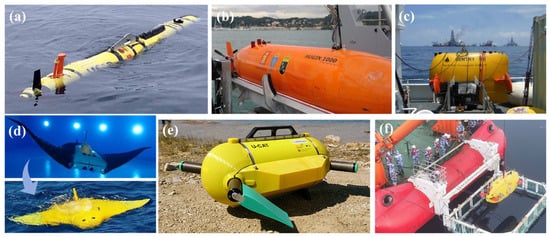
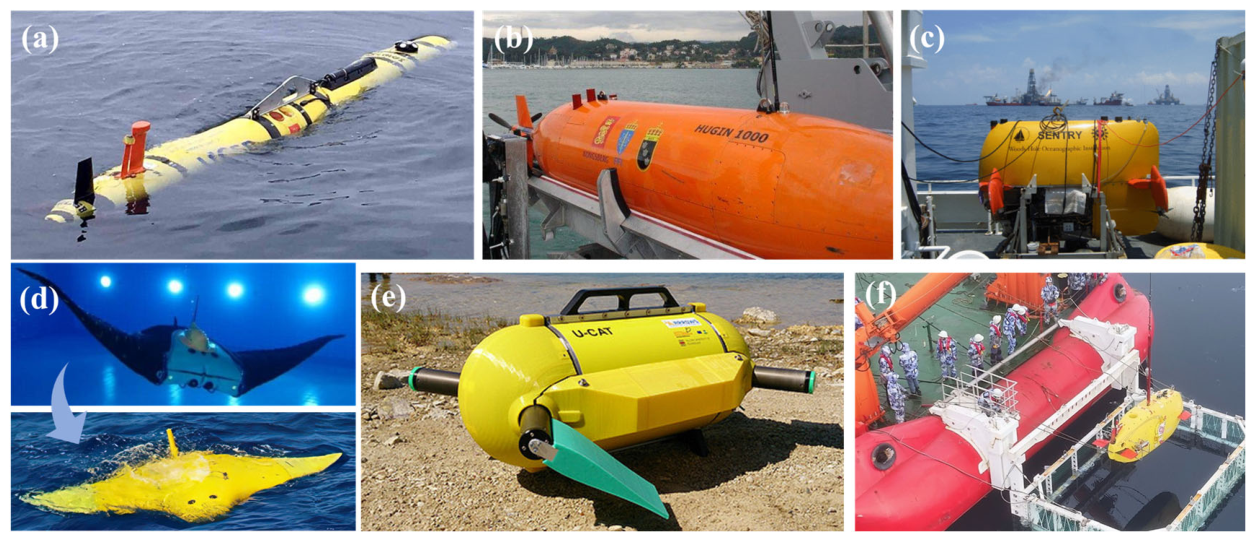
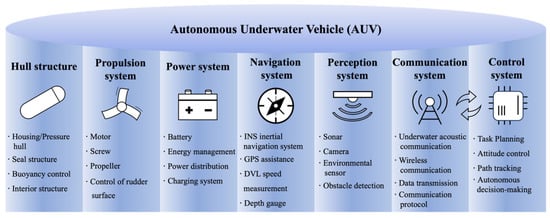
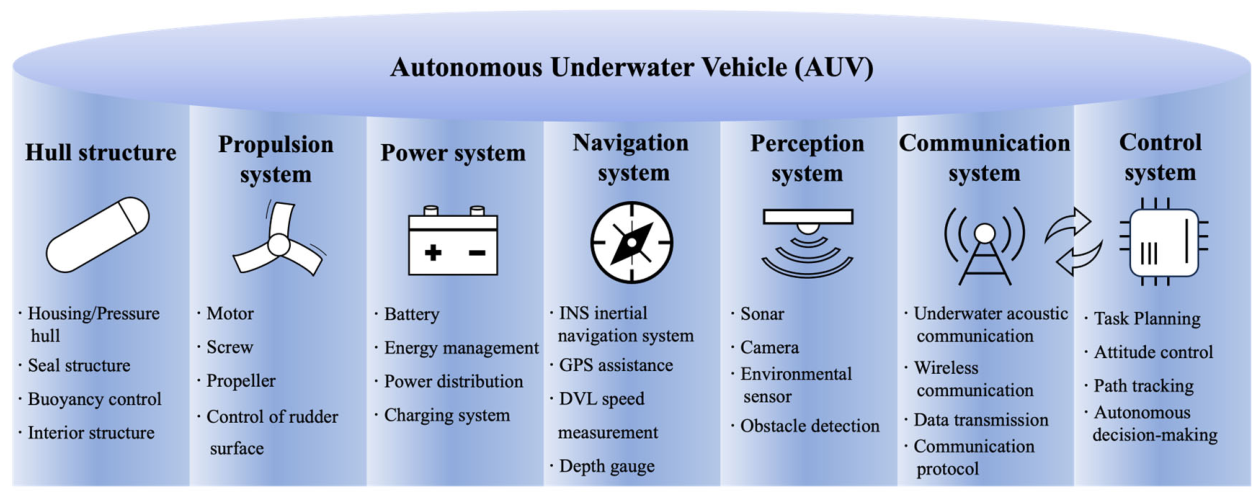
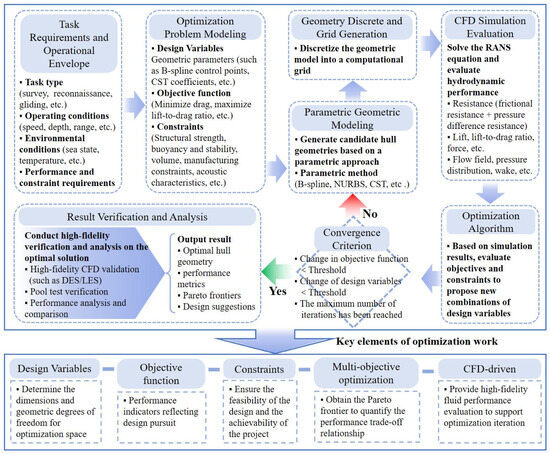
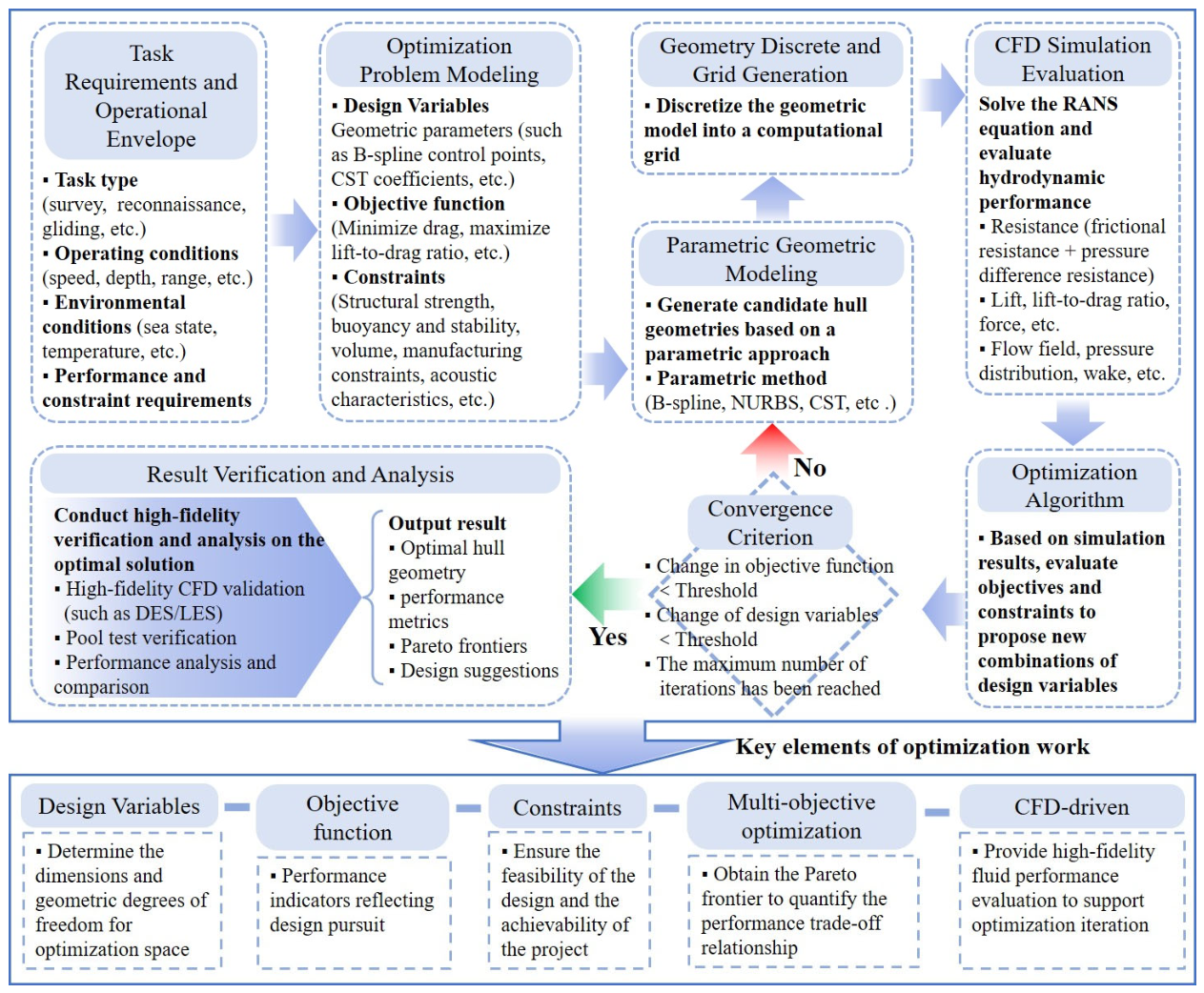
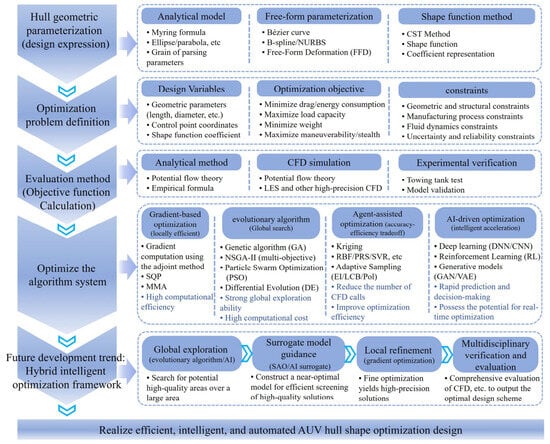
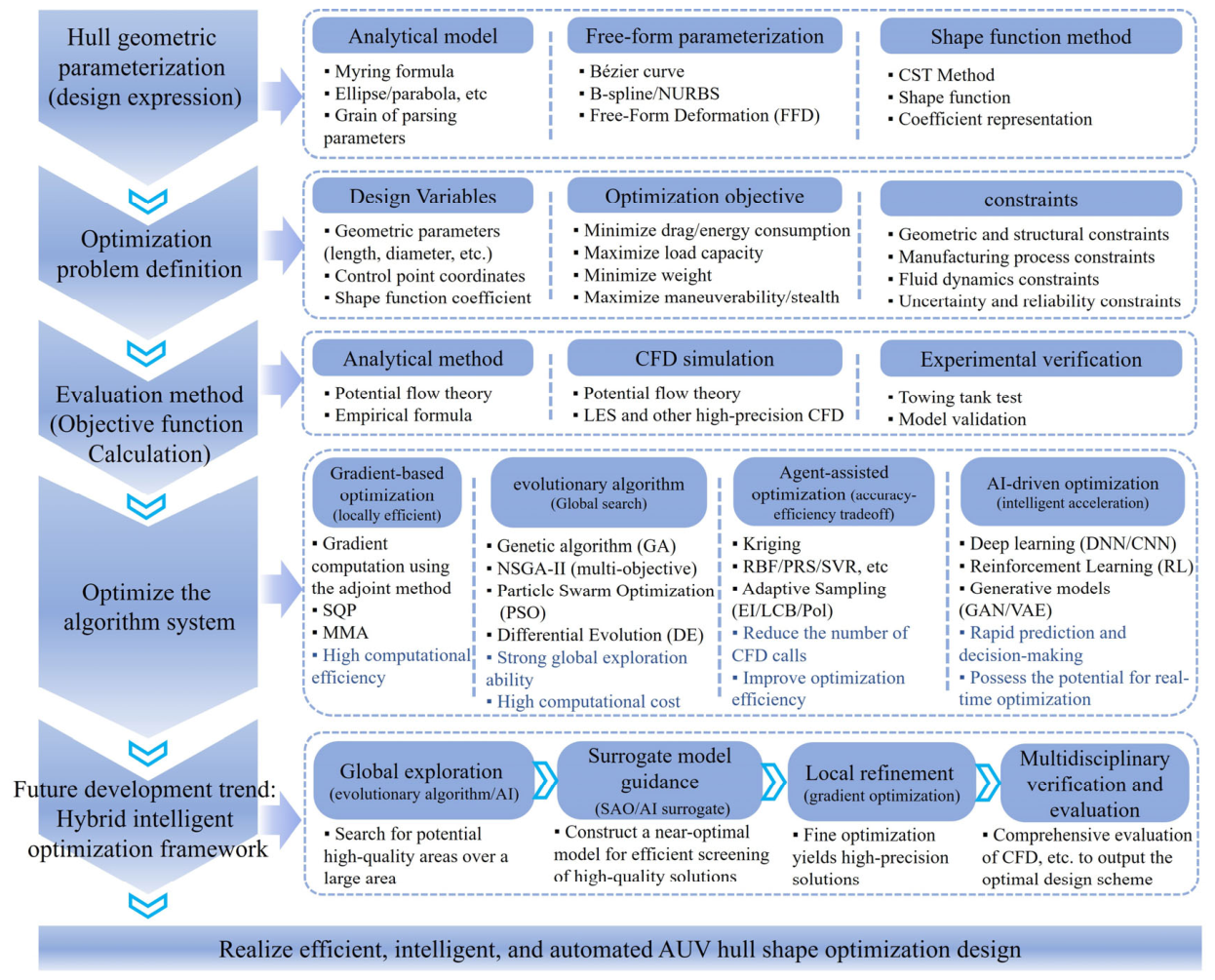

Disclaimer/Publisher’s Note: The statements, opinions and data contained in all publications are solely those of the individual author(s) and contributor(s) and not of MDPI and/or the editor(s). MDPI and/or the editor(s) disclaim responsibility for any injury to people or property resulting from any ideas, methods, instructions or products referred to in the content. |
© 2026 by the authors. Licensee MDPI, Basel, Switzerland. This article is an open access article distributed under the terms and conditions of the Creative Commons Attribution (CC BY) license.