


Abstract
Coastal zones rank among the most productive, densely populated, and rapidly transforming systems on Earth, yet the very development that sustains them increasingly compromises their long-term viability. Drawing on the international coastal management and marine science literature, this narrative review traces the ways in which human development along the coast drives environmental degradation and, in turn, elicits institutional and ecological responses. It shows that three principal activities—land reclamation, mariculture and marine aquaculture, and urban coastal sprawl—recur as the sources of a recurring suite of environmental harms, spanning shoreline erosion, plastic and heavy-metal pollution, invasive-species incursions, and the loss of blue-carbon habitat. In response, a growing literature documents integrated coastal management, marine functional zoning, carrying-capacity assessment, and climate-adaptive and nature-based solutions as progressively more integrated instruments of governance. The review argues that these three stages form a single development–degradation–response cycle, and that whether that cycle closes constructively depends less on the mere presence of development than on the quality of the governance response it elicits. Across the cases synthesized here, the most acute pressure–degradation couplings arise where rapid urbanization and intensive coastal use coincide with weak or fragmented governance, whereas durable institutions of integrated coastal management and zoning have demonstrably contained or reversed degradation. The review closes by identifying the most pressing research gaps and the policy levers available to decision-makers seeking to reconcile coastal development with sustainability.
1. Introduction
Coastal and ocean spaces support an outsized share of global food, energy, transport, and amenity, and they host the majority of the world’s megacities and economic activity. Yet these same spaces are undergoing unprecedented environmental transformation, as growing coastal populations pursue economic development that frequently conflicts with the natural functioning of estuaries, wetlands, reefs, and shallow seas [1,2]. Two fundamental tensions define the modern coastal dilemma. The first is temporal: the benefits of reclamation, aquaculture, and urbanization accrue immediately, whereas their environmental costs—erosion, pollution, habitat loss, and long-term carbon release—are deferred and often borne by different communities. The second is spatial: pressures originate locally and sectorally, but their consequences propagate across administrative boundaries and into the open ocean, rendering any single-sector remedy insufficient [3,4].
Over the past decade, international scholarship has therefore come to frame coastal systems not as sectoral concerns but as coupled socio-ecological systems in which development must be balanced against environmental integrity [1,5]. This framing finds expression in a rapidly maturing policy vocabulary—integrated coastal management (ICM), marine functional zoning (MFZ), marine spatial planning (MSP) [6], carrying capacity, and nature-based solutions (NbS)—all of which share the premise that the degradation caused by coastal development can, in principle, be moderated by deliberate, evidence-based governance [7,8,9].
Against this backdrop, the present review offers a synthesis of international experience at the interface of coastal development, environmental degradation, and governance response. Its purpose is twofold: to read the fragmented evidence as a single, coherent development–degradation–response narrative, and to translate that evidence into research priorities and policy recommendations. The review is deliberately global in scope, drawing cases from Asia, Africa, Europe, the Americas, and Oceania, in recognition that while pressures differ in intensity, the underlying development–degradation–response logic is broadly comparable across coastal regions worldwide [10,11].
Figure 1 provides the organizing framework against which the review is structured. Its left-hand column groups the three development pressures—land reclamation, mariculture and marine aquaculture, and urban coastal sprawl—that form the first stage of the chain; its center column collects the suite of environmental degradations these pressures produce (shoreline erosion, plastic and heavy-metal pollution, invasive invasions, and ecological and blue-carbon loss); and its right-hand column arrays the governance and adaptation responses (ICM, policy and marine-functional zoning, carrying-capacity management, and climate adaptation and nature-based solutions). The solid arrows trace the causal direction from development to degradation to response, while the curved feedback arrow at the top signals that successful responses act back upon the original development pressures. In this way, the figure functions both as a map of the article and as the theoretical claim the review argues throughout: coastal sustainability is best understood as a single coupled cycle in which response quality, rather than the mere presence of development, determines whether the cycle closes constructively [1,5].
Figure 1.
Conceptual framework organizing the review: a development–degradation–response chain in which development pressures (land reclamation, mariculture/aquaculture, urban coastal sprawl) drive environmental degradation (erosion, pollution, ecological and blue-carbon loss), which in turn elicits governance and adaptation responses (ICM, policy/planning/zoning, carrying capacity, climate adaptation and NbS). Adaptation and nature-based solutions close a feedback loop back onto the original development pressures. Author original.
The remainder of this article is organized around this framework. Section 2 sets out the scope and approach of the review. Section 3 examines the development pressures that drive coastal change. Section 4 examines the suite of environmental degradations these pressures produce. Section 5 reviews the governance and planning responses. Section 6 extends this to climate adaptation and nature-based solutions. Section 7 integrates the findings, articulates research gaps, and closes with policy recommendations for decision-makers.
2. Scope and Approach
This review is a narrative synthesis of the international literature on coastal sustainability, spanning both foundational work and recent lines of research. It is not a systematic review in the strict PRISMA sense: it does not proceed by a pre-registered database search, formal screening, or quantitative pooling, and no effect estimates or meta-analytic summaries are reported. Instead, the review brings together evidence from peer-reviewed journal articles, book chapters, and edited volumes—from coastal management, marine science, and related policy studies—and reads that evidence thematically, in order to trace how a common logic connects development, degradation, and response across many particular cases. The narrative approach is well suited to a diffuse, interdisciplinary evidence base in which comparable quantitative data are often absent, and it is adopted here deliberately so that consistent patterns, tensions, and gaps—rather than pooled magnitudes—can be brought to the fore.
Within this narrative frame, the review is organized along a single thematic argument: that development pressures, environmental degradation, and governance response are best understood as stages of one coupled cycle. The chapters that follow develop this argument in turn, drawing on the breadth of the literature to show that the same logic recurs across regions of very different institutional and ecological character. Because the aim is synthesis rather than a catalog, the review draws throughout on both the foundational studies that defined each topic and the recent work that has advanced it, so that the treatment reads as the state of a field rather than a summary of any single retrieval.
Regionally, the corpus concentrates on Asia and Europe, and where a comparison is instructive, the discussion groups the cases accordingly; African, American, and island settings are drawn on where they extend or test the general pattern.
3. Development Pressures
3.1. Land Reclamation
Land reclamation—the conversion of marine, wetland, or intertidal area to usable land—is among the most consequential of coastal interventions, precisely because its benefits and costs are separated both in time and across jurisdictions. The literature documents reclamation at a broad range of scales and national contexts, from port-and-airport mega-projects in East Asia to piecemeal wetland infill in South Asia and West Africa [12,13,14].
In China, where reclamation has been pursued most intensively, scholarship has characterized both the scale of the activity and its environmental consequences. National audit studies document the suite of impacts—including habitat loss, hydrodynamic alteration, and resource pressure—that have accompanied the development of ports, airports, and industrial parks on reclaimed land [12]. Regional assessments quantify how tidal-flat reclamation in Jiangsu between 2009 and 2017 altered local hydrodynamics and placed the greatest pressure on ecological and water-resource systems [15], while ecosystem-service valuations around Tianjin and sediment assessments near island-reclamation sites further illustrate the environmental price of such land gains [13,16]. Engineering studies complement these ecological accounts: hydrodynamic modeling of reclaimed port areas, such as EFDC-based waterway design supporting navigation and circulation in the Liaodong Bay ports, shows how the physical design of reclaimed land itself shapes the water-quality and sediment regimes that determine whether the reclaimed space remains sustainable [17]. The engineering and ecological studies thus converge: the environmental cost of reclamation is not fixed but is modulated by how the reclaimed land is designed, operated, and governed.
Comparable dynamics appear in South Asia and Africa. Historical analyses of the Indian Sundarbans trace how phase-wise reclamation since the colonial era drove deforestation, unplanned settlement, and ecosystem change that now amplify coastal hazards [18]. In West Bengal and Bihar, contemporary reclamation and drainage schemes trade productive land against the ecological services of wetlands [19,20]. In the Niger Delta, uncontrolled reclamation for urban expansion, sand mining, and oil infrastructure has removed mangroves without systematic environmental impact assessment [21]. And in Namibia, blue-economy-driven reclamation is recognized to lift port, tourism, and aquaculture opportunities while threatening habitats, underscoring the need for spatially explicit, ecosystem-based regulation [22]. European experience—such as the long-term wetland loss along Portugal’s Ria Formosa—demonstrates both the persistence of reclamation legacies and the possibility of reconciling past reclamation with compatible low-impact uses such as integrated multi-trophic aquaculture [23].
Taken together, the reclamation literature converges on a central lesson: reclamation rarely eliminates, and sometimes amplifies, the very pressures—erosion, depositional instability, and pollution—that coastal management seeks to control. That these consequences are recurring rather than incidental reflects the disciplinary framing of the practice itself. Where land reclamation is elevated to a systematic branch of science, as it is in the hydraulic-engineering tradition, the technical treatment of soil, water, and drainage tends to be privileged over ecological and social accounting, so that the externalities documented empirically emerge partly from the professional categories used to plan reclamation in the first place [24]. The assessment is not uniformly negative; several studies note that reclamation can be planned and regulated, particularly where marine functional zoning or ecosystem-service accounting precedes development [15,16].
A longer historical perspective is instructive here, and so too is a closer look at the reclaimed substrate itself. Experimental soil studies show that amending coastal soils with phosphogypsum—an industrial by-product—can improve the hydraulic conductivity and leaching chemistry of otherwise marginal reclaimed soils, offering a concrete materials pathway that reduces the long-term drainage and maintenance burden that reclaimed land otherwise imposes [25]. Practical management of that substrate likewise rests on monitoring tools: operational methods for determining soil-moisture and drainage status in reclaimed land, such as tensiometer-based sensing, are the instruments through which the engineered behavior of reclaimed soils is made observable and, in turn, adjustable [26]. Analyses of centuries-old reclaimed landscapes in Italy and the Netherlands reveal that reclamation systems tend to accumulate dependencies—on continuous pumping, drainage, and maintenance—that are not fully resilient to changing environmental and social conditions, a finding with direct lessons for modern reclamation and for coastal-rewilding agendas that inherit these legacies [27]. The critical requirement, across both old and new reclamation, is that decisions be made within an institutional framework that prices environmental costs rather than externalizing them, and that anticipates the maintenance burden and future sea-level hazards that reclaimed land will carry for generations.
3.2. Mariculture and Marine Aquaculture
Marine aquaculture and mariculture—including cage culture, integrated multi-trophic aquaculture (IMTA), sea-ranching, and seaweed farming—have expanded rapidly as solutions to global food security. The literature positions mariculture simultaneously as a development pressure, a food-security asset, and, under the right management, a partial solution [28,29,30]. Commodity-specific treatments extend the picture beyond finfish and seaweed to whole crustacean industries: the comprehensive treatment of lobster biology, fisheries, and culture documents both the scale of existing wild harvests and the prospects for hatchery-based and sea-ranching aquaculture, showing how a valuable but biologically demanding species becomes a test case for whether intensive cultivation can be reconciled with wild-stock conservation [31]. Gentry and colleagues estimate that expanding marine aquaculture could meet rising seafood demand using an extraordinarily small fraction of the global ocean and emphasize that spatial planning can make that expansion mangrove-sparing [28]. This optimistic, spatially explicit vision is, however, contingent on managing the environmental footprint of intensive production.
The environmental pressures of mariculture are well documented. Studies of Chinese deep-sea cage culture highlight both the feasibility of industrialization and the associated risks of organic loading and ecosystem alteration [32]. In Ningbo, constructed-wetland and biofilm-biofilter systems were shown to restructure benthic bacterial communities and nutrient fluxes associated with mariculture wastewater, illustrating both the problem (nutrient and bacterial pollution) and a potential treatment pathway [33]. The behavior of such biofilms is not incidental to treatment design: experimental work demonstrates that extracellular polymeric substances are the mechanism by which aquatic biofilm-forming bacteria coaggregate, that this aggregation is what allows biofilm-based filters to retain and transform nutrients, and hence that their performance can be unpredictable under changing effluent composition [34]. Direct evidence also links aquaculture to plastic contamination, with microplastic fibers recovered from aquaculture surface sediments and adjacent tidal flats in the Zhoushan and Maowei seas, attributable in part to gear- and cage-derived white pollution [35].
The socio-economic dimension of mariculture is equally prominent. In the Indonesian Anambas small-island marine protected area, small-scale fish farming achieved livelihood sustainability comparable to fishing and ecotourism and outperformed them in human-capital terms through strong social networks, indicating that mariculture can be compatible with conservation objectives when well integrated [36]. By contrast, in the Bangladesh Sundarbans, heavy livelihood reliance on mangroves combined with ongoing deforestation and weak enforcement threatens the mangrove–fishery socio-ecological system [37], even as coastal mariculture is advanced as a route to augment marine food production in the Bay of Bengal [30]. Climate change adds further stress to tropical mariculture, as rising water temperatures and altered rainfall regimes disrupt seaweed production, while the socio-economic barriers faced by coastal producers—particularly women—constrain adaptation to deeper-water farming sites [38].
The decisive variable, across virtually all case studies, is governance. In the Philippines, where milkfish cage culture is the dominant form of mariculture, scholarship emphasizes that expansion must proceed alongside environmental monitoring, escape prevention, and clear institutional allocation of responsibility if the sector is to grow without degrading the very bays that support it [29]. Reviews of Tanzanian mariculture trace a sector evolving from subsistence to semi-commercial farming and argue that its past failures and future potential both hinge on coherent national policy, spatial zoning, and integration with coastal communities [38]. Even at the industrial frontier—the push toward deep-sea cage mariculture capable of moving production offshore and reducing nearshore impacts—scholarship notes that industrialization creates new governance demands, including navigational-safety coordination, shared-infrastructure planning, and biosecurity [32].
The overarching message of the mariculture literature is therefore that the technology for sustainable intensification exists—spatial planning, effluent treatment, habitat-friendly siting, offshore relocation—but that its deployment depends on governance and monitoring that few producing regions yet possess [29,38]. Mariculture is thus a development pressure whose sustainability is a function of the institutional response it elicits, a theme developed further in Section 5.
3.3. Urban Coastal Sprawl
Urbanization along the coast is the third principal development pressure. Satellite-based land-cover analyses document rapid, often unplanned transformation of coastal land across the eastern Mediterranean [39], on Greek islands [40], around Concepción in Chile [41], in the Philippines [42], in Mexico [43], and across European suburban zones [44]. The consistent finding is that urban sprawl and tourism-driven construction consume wetlands, beaches, and open coastal land, and in doing so erode the very ecosystem services—flood regulation, storm buffering, amenity—on which coastal settlements depend [40,41].
The consequences are manifest in damage to both natural and built environments. Urbanization around Concepción drove drastic wetland loss that undermines tsunami- and flood-regulation services [41]. Along the Athens waterfront, intense land–sea intensification requires multidimensional ICM planning to remain sustainable [45]. Gulf-state and West African port and container-terminal reclamation projects illustrate the scale of engineering infrastructure that coastal urbanization entails, and the design and construction risk that accompanies it [14,46]. At the same time, urbanization redistributes development pressure; policy instruments such as the spatial concentration of development rights have been advanced as mechanisms to curb sprawl by sharing property-value losses [47], and constructed-wetland parks have been shown to improve urban water quality when integrated into the urban fabric [48].
The urban literature frames sprawl not merely as land-use change but as a governance failure—the result of weak land-use planning and zoning that externalize environmental costs. Quantitative accounts make the scale concrete: land-cover analyses of the eastern Mediterranean coast recorded rapid, systematic transformation of coastal cover types over two decades [39], while assessments of Mexican coastal zones documented built-up area peaking around 14,500 square kilometers before raising explicit sustainability concerns [43]. These are not marginal phenomena but systemic land conversion driven by demographic growth, tourism economies, and downstream port and industrial development [46]. The urban scholarship therefore directs attention squarely to the planning and governance responses examined in Section 5, and particularly to land-use zoning, marine functional zoning, and integrated coastal management as the principal countervailing instruments.
Figure 2 summarizes the indicative scale of the three pressures and the representative quantitative indicators reported for each.
4. Environmental Degradation
4.1. Erosion and Shoreline Change
Shoreline erosion is the most visible and economically consequential expression of coastal degradation. The literature documents two broad classes of erosion: that driven by energetic climate and wave regimes, and that exacerbated by human modification of the coast itself. In many locations the two interact—reclamation, harbor works, and groin construction interrupt sediment supply and starve downdrift coasts, while sea-level rise and storms intensify the energy available to erode them [49,50]. The Mediterranean illustrates how multiple climate hazards converge on a single shoreline: assessments of the basin’s coasts show that rising sea level, intensifying storms, and coastal erosion act together on a coastline that is both densely built and largely unmanaged, making Mediterranean coastal morphology a case in which climate forcing and human exposure compound rather than simply coexist [51].
Remote sensing now provides the dominant observational lens. Global shoreline extraction from Landsat archives permits long-term, comparable assessments of coastal change [52], and regional studies have used such data to track erosion and accretion from the southwestern Alaskan coast [53] to the eastern coast of India [54]. At the site scale, the observational toolkit has diversified beyond archival imagery. Unmanned-aerial-system photogrammetry with structure-from-motion processing has been used to monitor beach nourishment fronting notched groins along the New Jersey coast, resolving the decimetre-scale sediment redistribution that conventional satellite products miss [55], while reduced-complexity shoreline models have been developed to track morphological change under variable water levels on large lakes such as Lake Michigan [56]. These innovations matter because coastal managers increasingly require monitoring that is frequent and fine enough to detect change within project timeframes, not merely multi-decadal trends.
Site-specific analyses are particularly illuminating. Along the Egyptian Nile delta at Damietta, DSAS analysis spanning 1980–2023 shows that detached breakwaters stabilized the Ras El-Bar headland while downdrift coastlines continue to erode at rates up to 45 m per year—a textbook illustration of the downdrift consequences of coastal protection [50]. In West Africa, the design of jetties, headlands, and harbor works at Cotonou, Benin, sought explicitly to minimize downdrift retreat of roughly 400 m, illustrating that progressive engineering can internalize—though not eliminate—downdrift impacts [57]. Engineering studies further quantify how hard structures respond to intensified wave loads under climate change, with numerical and physical modeling used to optimize groin and breakwater configurations [58,59,60].
A key governance insight emerges from the erosion literature: strategies that address the causes of erosion—restoring sediment supply, retreating from vulnerable land, removing impediments to sediment transport—are more effective and sustainable than the piecemeal application of hard protection that merely relocates the problem downdrift [49]. Conceptual frameworks explicitly rank cause-based interventions—captured in the idea of integrated coastal erosion control (ICEC)—above symptom-based hard engineering, on both economic and ecological grounds. Where hard structures remain necessary, the literature nonetheless shows that design can significantly limit harm: physical modeling demonstrates how submerged and properly configured breakwaters attenuate wave pressure substantially [59,60], and groin-and-headland arrangements have been designed to stabilize advancing shorelines while limiting downdrift starvation on the north coast of Java [58]. The lesson that no structure is costless is reinforced at every scale. This cause-based perspective, in turn, motivates the nature-based and hybrid protection approaches reviewed in Section 6.
Among the softer, cause-based responses, beach nourishment, the artificial replenishment of beach sediment, has become a widespread erosion control measure; Mediterranean experience along the Israeli coast demonstrates that it can hold a shoreline where a sustained sediment supply is available, although it remains a recurrent intervention rather than a permanent cure [61].
Coastal change is also forced by tectonics as much as by climate and land use: earthquake-induced chains of geologic hazards, including tsunamis, coseismic subsidence, and landsliding, can abruptly reshape shorelines over large distances [62].
Global satellite-based compilations confirm that erosion and accretion are geographically widespread and that, alongside natural forcing, human shoreline modification is a first-order control on observed change; eroded land totals roughly 28,000 km2, about twice the area gained [63].
Figure 3 contrasts the downdrift erosion and breakwater-protected accretion at Damietta, a concrete illustration of how a specific protection action modifies shoreline change.
Figure 3.
Contrasting shoreline change rates at the Nile delta (Damietta): −45 m yr−1 downdrift erosion versus +7.75 m yr−1 accretion behind detached breakwaters. Redrawn from data reported in [50].
4.2. Pollution
4.2.1. Microplastics
Plastic pollution is among the most intensively studied degradations in the literature, and its treatment reveals a trajectory from global diagnostic modeling toward regional and fine-scale empirical assessment. Global mass-balance models established that riverine inputs dominate marine plastic pollution and that a relatively small number of major rivers—disproportionately in Asia—contribute the bulk of emissions [64]. Refined, data-validated models subsequently demonstrated that more than one thousand rivers contribute approximately eighty percent of global riverine plastic emissions, and that small urban rivers are often the most polluting per unit length, redirecting attention toward diffuse urban sources [65]. The conceptual understanding of microplastics also deepened, with recognition that microplastics in the environment are not inert particles but dynamic “ecocorona” surfaces whose chronic effects—reduced feeding, growth, and reproduction—propagate through marine food webs [66]. Synthetic reviews further consolidate the state of knowledge on where marine particles originate, how they are transported within and across basins, and where they ultimately accumulate, providing the conceptual frame within which regional empirical studies are now interpreted [67].
Figure 4, Figure 5 and Figure 6 translate the refined ocean-plastic budget of [65] into three policy-relevant findings. Figure 4 shows that the release of plastics into the ocean is highly concentrated: approximately 1656 rivers—rather than the large set of rivers implied by earlier work—account for about eighty percent of total riverine plastic emissions, so that a modest, well-targeted set of rivers dominates the problem. Figure 5 reports the attendant best-estimate annual flux of 1.0 (range 0.8–2.7) megatonnes of plastic emitted by rivers into the ocean in 2015, a central value that is lower and better constrained than earlier estimates and that anchors subsequent mass-balance reasoning. Figure 6 then disaggregates the contribution by river class, and its central message is that small, urban rivers are the most polluting per unit length—so that the burden of mitigation falls disproportionately on diffuse urban sources embedded within cities rather than on a few large systems. Taken together, the three panels redirect where mitigation effort is best spent, framing the regional monitoring and source-reduction priorities considered in Section 7.3.
Figure 4.
Cumulative share of global riverine plastic emissions versus the number of contributing rivers, showing that approximately 1656 rivers account for ~80% of emissions, with a global total of 1.0 (range 0.8–2.7) Mt yr−1 in 2015. Redrawn from data reported in [65].
Figure 5.
Best-estimate annual riverine plastic emissions to the ocean of 1.0 Mt (lower 0.8 Mt, upper 2.7 Mt) in 2015. Redrawn from data reported in [65].
Figure 6.
Relative contribution of small urban rivers, other small rivers, and large rivers to global riverine plastic emissions, with small urban rivers dominating. Redrawn from data reported in [65].
Regional and national empirical studies across the literature map the on-the-ground reality of plastic pollution. High concentrations of micro- and mesoplastics have been recovered from beaches in Hawai’i [68], Tenerife [69], and Tuticorin, India [70], and from Taiwan, where a twelve-year citizen-science dataset found that 63.6 percent of coastal debris was plastic [71]. Debris surveys in Morocco [72], Alaska [73], South Africa [74], and Indonesia’s Citarum River [75] consistently attribute plastic to tourism, land runoff, fishing, and urbanization, with population density emerging as a robust predictor in rivers such as Thailand’s Chao Phraya [76]. Read together, these studies reveal a pronounced clustering of concern and empirical effort around densely populated, monsoon-affected coasts and island states, and a sharp reduction in coverage across many interior continental and polar shorelines—an unevenness that itself complicates any global picture. Microplastics also act as vectors for chemical contaminants, including sorbed metals and UV filters, raising food-chain transfer concerns [76,77,78]. Reviews nonetheless caution that direct evidence of human-health harm from seafood-borne microplastics remains limited and contested, underscoring the need for rigorous exposure research and caution in interpreting particle-count data across incomparable sampling protocols [79].
Once ingested, microplastics are transferred through the food web, moving from phytoplankton and zooplankton through herbivorous and carnivorous consumers to top predators; their physico-chemical properties favor the sorption of co-occurring contaminants, so that particles act as vectors, and their transfer carries the potential for bioaccumulation and biomagnification, with bioaccumulation factors for higher trophic levels still poorly quantified [80].
Because the projected growth in plastic waste now exceeds the capacity of current mitigation efforts, source reduction at the urban and river scale, rather than post hoc removal, is identified as the most effective lever for curbing marine microplastic input [81]. An estimated 19–23 million metric tons, roughly 11% of global plastic waste generated in 2016, already entered aquatic ecosystems, and even the most ambitious current commitments would only marginally reduce projected annual emissions [81].
Figure 7 illustrates the wide range of reported microplastic abundance across contrasting coastal settings.
Figure 7.
Indicative microplastic abundance at three contrasting coastal sites; the units differ across sites. Author original, data from [69,70,74,82,83].
4.2.2. Heavy Metals
Coastal contamination by heavy metals is documented across a geographically broad set of studies. Sediment and water analyses reveal anthropogenic elevation of metals in Pakistan over 2001–2011 [84], lead and cadmium exceedances in Suva, Fiji [82], anthropogenic cadmium and lead with high arsenic and mercury ecological risk in Palau [85], and highly polluted, anthropogenic mercury at Bandar Abbas, Iran [83]. A recurring analytical distinction is between geogenic (naturally occurring) and anthropogenic metal loading; studies that apply enrichment and contamination indices distinguish between metals whose elevated concentrations reflect underlying geology and those that clearly track industrial and urban discharge [83,84]. Bioindicator studies demonstrate the capacity of seagrasses and other macrophytes to accumulate metals, supporting multi-species monitoring of subtle contamination gradients [86]. Antibiotic and metal co-resistance in coastal bacteria further links pollution to subtle ecological and public-health risk, since contaminated sediments can act as reservoirs selecting for resistance traits [87]. Although the specific metals and sources vary, the pattern is consistent: metal contamination clusters where urban, industrial, and land-based inputs meet the coast, and it demands continuous monitoring and management. Because metal contamination is persistent and sediment-bound, remediation is harder than prevention; a consolidated treatment of available technologies—spanning chemical stabilization, biological uptake, and engineered removal—makes clear that effective clean-up must be matched to both contaminant speciation and site conditions, and that it is rarely a substitute for reducing the industrial and urban discharges that sustain contamination at coastal margins [88].
Coastal metal contamination is persistent because sediment-bound metals remain bioavailable for decades; reviews of coastal pollution therefore stress that remediation must be matched to contaminant speciation and site conditions, with immobilization, phytoremediation, and engineered removal as the principal options, and with abatement of land-based discharges remaining the most cost-effective measure [89,90].
4.2.3. Ballast Water and Invasive Species
Ballast water is a distinctive transboundary pollution pathway, transferring heavy metals and, more importantly, entire biological communities between ports. Studies document heavy-metal loading in ballast water at Bushehr Port in the Persian Gulf and note that concentrations declined after implementation of the Ballast Water Management Convention, providing evidence that international regulation can reduce these loads [91]. At Shanghai’s Yangshan deep-water port, ballast transported twenty-one bloom-forming species, some toxic, indicating secondary-invasion risk despite nominal compliance [92]. Methodological work developed invasion-risk assessments for port operations [93] and proposed green, natural-filtration approaches to ballast treatment as an alternative to chemicals [94].
The broader invasive-species dimension is captured by global syntheses of coastal ecological impacts [95], network-building for invasive-species management [96], horizon-scanning that identified twenty-seven potential shipping-introduced invaders in the Baltic [97], and international regulatory analyses linking ballast water and shipping operations to pollution and invasion pathways [91,92]. Where invasion has already occurred, management must move from prevention to control; reviews of tools for managing invasive avian species along coasts illustrate the range of adaptive-management options—from physical removal to reproductive control—that managers increasingly require as invasion spreads [98]. Notably, the literature portrays biological invasion as a distributional and economic problem with an information asymmetry at its core: prevention is far cheaper than eradication, yet effective prevention depends on early detection, shared data, and international coordination of exactly the kind that networks such as the invasive-species surveillance initiatives are designed to provide [96]. Together, these studies establish invasive species as a degradation that is simultaneously ecological and regulatory in character—demanding international cooperation and prevention more than local cure.
A further set of acute, high-profile events underscores how concentrated and long-lived coastal pollution can be. The 2010 Deepwater Horizon blowout released on the order of 4.9 million barrels of oil into the Gulf of Mexico, constituting an ecosystem-level injury that contaminated wetlands, sediments, and deepwater habitats alike [99]. Armed conflict likewise degrades coastal and marine environments through oil pollution and habitat destruction, as documented in the Black Sea and the Strait of Hormuz, alongside broader harm to biodiversity [100]. Even non-petroleum disasters carry coastal consequences: the 2020 ammonium nitrate explosion in the port of Beirut dispersed contaminant loadings into the adjacent coastal environment [101].
Figure 8 summarizes the spatial extent of the Deepwater Horizon oil slick and the flora and fauna it affected, a concrete quantitative example of the consequences of a major oil spill.
Figure 8.
Spatial extent and ecological consequences of the Deepwater Horizon oil spill. (a) The wellhead (Macondo MC252, 66 km off Louisiana, 1522 m depth) released 3.19 million barrels of oil; the surface slick reached approximately 40,000 km2 at its maximum and approximately 112,000 km2 cumulatively, oiling at least 2100 km of shoreline, while a deep plume extended more than 400 km southwest at 1100–1300 m depth. (b) The affected flora and fauna, with long-term impacts on sea turtles, cetaceans, and deep-sea corals. Redrawn from data reported in [99].
4.3. Ecological Degradation and Blue-Carbon Loss
The most globally consequential degradation documented in the literature is the loss of coastal vegetated habitats and their associated blue-carbon storage. Global satellite assessment of salt marshes found an average decline of 0.28 percent per year over 2000–2019, releasing an estimated 16.3 teragrams of CO2-equivalent annually, with Russia and the United States accounting for a majority of losses [102]. This decline is conditioned by the direct responses of coastal wetland plants to a warming climate: syntheses of the physiological and distributional evidence show that both temperature-driven shifts in species tolerance and altered water-level regimes reorganize wetland vegetation, so that the observed marsh loss cannot be attributed to coastal development alone but emerges from the interaction of climate forcing and human pressure [103]. Macroalgae and vegetated coastal ecosystems are recognized as major and underappreciated blue-carbon reservoirs [104], and modeling projects sea-level rise to drive further coastal-habitat and carbon-storage loss [105]. Diatom diversity has been linked to the efficiency of marine carbon export [106], connecting microscopic biodiversity to global carbon cycling.
Figure 9 quantifies the net change in marsh extent over 2000–2019: a net loss of 1452.8 square kilometers, equivalent to roughly twice the area of Singapore, with the gross-loss side dominating the figure and thereby signaling that global marshes are, on balance, contracting. Figure 10 and Figure 11 decompose the global salt-marsh budget of [102] into extent, rate, and carbon consequence. Figure 10 shows that this contraction is not steady but accelerating, with the annual loss rate rising toward a peak of 0.33 percent per year in 2015–2019 against a twenty-year global mean of 0.28 percent per year—evidence that the marsh system is degrading faster in the most recent interval even as the headline mean is often quoted. Figure 11 converts the extent change into its blue-carbon penalty, attributing roughly 16.3 teragrams of CO2-equivalent emissions to marsh loss each year, and the annotation notes that Russia and the United States together account for 64 percent of total losses, concentrating both the problem and, therefore, the highest-leverage conservation opportunities. The figure thus links a biophysical trajectory to its climate relevance and its geographic concentration, providing the quantitative backbone for the blue-carbon recommendations developed in Section 6 and Section 7.3.
Figure 9.
Net global coastal-wetland area change (2000–2019), showing that gross loss dominates while gain and recovery are negligible, with net loss driven mainly by Russia and the USA (64%). Redrawn from data reported in [102].
Figure 10.
Annual salt-marsh loss rate by epoch (2000–2019), peaking at 0.33% yr−1 in 2015–2019 against a global mean of 0.28% yr−1. Redrawn from data reported in [102].
Figure 11.
Salt-marsh blue-carbon emissions of 16.3 Tg CO2e yr−1 (90% CI 0.4–33.2) from net salt-marsh loss (2000–2019). Redrawn from data reported in [102].
Coral reefs receive particular attention as ecosystems facing intersecting climate and human stressors. Marine heatwaves have increased globally in frequency and altered ecological structure, with corals among the most affected foundation species [107,108]. Modeling projects that more than seventy percent of tropical reefs will reach net-erosional states by 2040 and nearly all by 2100 under elevated warming, with sea-level rise deepening reef platforms by 0.7–1.2 m—a threshold that fundamentally compromises the reef-based protection of shorelines [109]. On tropical intertidal flats, dispersal-assembled coral communities challenge simple niche-based predictions [110], while paleontological evidence of symbiosis in Devonian reefs provides deep-time context for the vulnerability of modern coral–algal partnerships [111]. Even in ostensibly healthy urban reefs, such as those in the Red Sea, transcriptomic evidence reveals disturbed circadian rhythms and symbiont performance under sensory pollution, suggesting that subtle degradation precedes visible decline [112]. Beyond reefs, the evidence also cautions that global trend analyses of ecosystem condition are sensitive to uncertainty in underlying records, so confidence in any single trajectory should be modulated accordingly [113]. Furthermore, large-scale hydrological modification such as the damming of the Amazon basin has been shown to fragment the river–coast continuum on which downstream coastal and marine productivity depends, underscoring that the drivers of ecological degradation reach far inland [114].
Figure 12 distills the projected crossing of coral-reef erosional thresholds reported by [109] into a two-panel forward-looking read. Figure 12a traces the share of tropical western-Atlantic reefs that enter a net-erosional—rather than net-accreting—state over 2020–2100 under two SSP emission scenarios; more than seventy percent of reefs are already projected to be net-erosional by 2040, and under warming at or above 2 °C (SSP5–8.5) that share rises to at least 99 percent by 2100, leaving essentially no functionally accreting reef. Figure 12b reports the mean net reef-growth rate (RAPmax) in 2100, which is negative in every subregion under both low and high scenarios, confirming that the transition to net erosion is not confined to a few systems but is geographically pervasive. The two panels also recall that sea-level rise deepens reef platforms by 0.7–1.2 meters, so that an already net-erosional reef is progressively less able to keep pace with rising water. Collectively, they establish that reef degradation is neither hypothetical nor purely historical but an imminent, scenario-dependent threshold, which is exactly why Section 6 frames reef conservation and erosion control as inseparable components of climate adaptation.
Figure 12.
Coral-reef net-erosional thresholds and sea-level-rise implications. (a) Projected share of tropical western-Atlantic reefs entering net-erosional states over 2020–2100 undertwo SSP emission scenarios(>70% by 2040; ≥99% by 2100 under >2 °C warming, SSP5–8.5); (b) mean net reef-growth rate (RAPmax) at 2100 is negative (net erosional) in all subregions under both low and high scenarios. Redrawn from data reported in [109].
Coastal land use and shoreline armoring are implicated across these declines. Synthesis of the Chesapeake Bay literature shows that armoring and developed land use degrade estuarine water quality, submerged aquatic vegetation, and fauna, while living shorelines mitigate harm [115]. In the tropics, interacting land- and sea-use stressors, compounded by weak governance, threaten whole ecosystem futures [116]. Yet the evidence is not uniformly pessimistic: synthesis indicates that substantial recovery of marine life is achievable by 2050 if major pressures are actively mitigated [117], positioning ecological degradation not as an inevitability but as a function of the governance response—the subject of the next chapter.
5. Governance and Planning Responses
5.1. Integrated Coastal Management
Integrated coastal management (ICM) is the central governance response documented in the literature, and it has evolved from a normative ideal into an empirically studied practice. Chinese experience provides the most detailed implementation narrative. In Xiamen, marine functional zoning operationalized ICM across multiple integration dimensions, shifting the concept from principle to practice [7], and a complementary assessment of roughly thirty years of four-stage ICM practice documented significant water-quality and habitat improvements, presenting a replicable model [8]. These Chinese accounts are important because they demonstrate that ICM can produce measurable environmental improvement when backed by durable institutions and legal instruments.
Comparative and critical studies temper the optimism. Assessments in Brazil emphasize that delimiting the coastal zone is a foundational but often contentious step in ICM design [3]. In Cameroon, centralized public-sector governance has stalled ICM in Kribi Campo, and decentralization is argued to be urgent for sustainable development [118]. In Malaysia, Penang’s ICZM is disadvantaged by the absence of a lead authority and weak horizontal and vertical integration [119]. In Australia, resilience-thinking assessments found low resilience capacity in Tasmanian coastal governance overall, with regional and local bodies outperforming state and federal agencies [120], while practitioner perspectives in Victoria argue that transformational change, community collaboration, and leadership are required to build climate resilience [121]. In South Africa, a DPSIR-based assessment of KwaZulu-Natal links development drivers to shoreline degradation and identifies institutional response gaps [4]. In India, the post-dredging crisis in Chilika Lake pushed fisherfolk toward unsustainable motorboat dolphin-tourism and juvenile fishing, demanding adaptive governance [122].
A common thread is that ICM succeeds where integration is institutionalized—where a lead authority, clear boundaries, stakeholder participation, and feedback loops exist—and fails where governance is fragmented or tokenistic. The European case studies sharpen this diagnosis. In Sweden, analysis of vertical government conflicts shows that incoherence between national, regional, and municipal responsibilities hampers the integration of climate and coastal management objectives, so that even well-designed instruments founder on administrative friction [123]. Baltic Sea analyses reach the same conclusion from the opposite direction: public participation emerges as essential not merely for legitimacy but for the information and adaptive learning that make ecosystem-based management workable [124]. At the level of conceptual orientation, Portuguese scholarship frames ICM as a necessary paradigm shift from protection-at-all-costs toward a mature spectrum of protect, accommodate, and retreat responses—a framing that reconnects governance to the adaptation choices elaborated in Section 7 [125]. Participatory seascape mapping has been advanced as a concrete mechanism to add the missing social and community layer to ocean governance and marine spatial planning, building trust and supplying reliable data at low cost [126]. Beach management in large coastal cities has likewise been argued to require integrated models linking the city and the beach rather than sectoral approaches [5].
Figure 13 summarizes the four stages of integrated coastal management and the measurable water-quality and habitat outcomes reported for Xiamen.
Figure 13.
The four stages of integrated coastal management, with the measurable outcome (water quality and habitat improvement) observed in Xiamen. Author original, synthesized from [7] and [8].
5.2. Policy, Planning, and Zoning
Beyond ICM itself, the literature documents a range of planning instruments. Marine functional zoning figures prominently as an operational planning tool, particularly in China, where it integrates coastal development with the environment [7]. Land-use conflict mapping across the Bohai Rim identified high-conflict areas constituting some 17.5 percent of the coastal zone, with differentiated governance strategies recommended for each zone [127]. Regional and national policy assessments evaluate coastal development siting—such as wind farms in South Australia, which reveal shortfalls in coastal policy and planning frameworks [128]—and market-based instruments, including Transfer of Development Rights as a retreat mechanism on South Carolina’s shifting coastline [129].
Global-scale planning instruments are also prominent, reflecting a shift toward international and ecosystem-based governance. Modeling demonstrates that expanding highly protected marine protected areas yields triple benefits for fisheries catch, carbon, and biodiversity, and that a globally coordinated strategy is roughly twice as efficient as national-only action [130]. Small-scale fisheries, which provide at least forty percent of global catch, are advanced as both livelihood and governance priority [131]. Port governance has become a domain of applied policy analysis: niche-theory frameworks support port-cluster functional division and coordination in the Yangtze River Delta [132], bi-level optimization models show how subsidies to railway and waterway multimodal transport can cut carbon emissions while maintaining resilience [133], and port smartization policies are shown to have improved carbon-emission efficiency of major Chinese ports [134]. International regulation of maritime decarbonization through MARPOL Annex VI and FuelEU is argued to be pivotal in driving alternative-fuel adoption [135].
The planning literature collectively demonstrates that zoning, spatial planning, and economic instruments can channel coastal development away from environmentally critical areas, but only where they are embedded in enforceable, coordinated institutions. Two further lessons warrant emphasis. First, planning instruments increasingly target the maritime economy itself: port governance, maritime sustainable-development analysis, and shipping decarbonization are now recognized as coastal-planning concerns because the transport nodes they govern concentrate pollution, invasive-species risk, and carbon emissions along the shore [134,135]. Second, the economic framing is bidirectional—market-based tools such as transferable development rights can steer retreat from eroding coastlines [129], while well-governed, spatially planned protection can simultaneously secure fisheries, carbon, and biodiversity returns that justify the investment [130]. Planning is thus not a one-way constraint on development but a means of aligning private incentives with public environmental goods.
Smart-port infrastructures, which apply information and communications technology to port operations, logistics, and energy management, are the mechanism through which this digitalization is argued to improve carbon-emission efficiency [136].
Marine functional zoning operationalizes such planning by classifying sea areas according to their dominant use and ecological function, assigning each zone a designated purpose such as navigation, aquaculture, tourism, or conservation, so that competing uses are spatially separated rather than reconciled case by case [6,7].
Figure 14 illustrates how marine functional zoning classifies sea areas by dominant use and ecological function.
Figure 14.
Marine functional zoning: sea areas classified by dominant use and ecological function. Author original, synthesized from [7] and [6].
5.3. Carrying Capacity
Tourism and environmental carrying capacity is a mature and methodologically rich strand of the literature, with strong roots in Mediterranean and Chinese scholarship. The conceptual foundation is the classic typology of physical, real, effective, and social carrying capacity, linking tourism growth to acceptable ecological and social limits [137]. Contemporary operationalizations use pressure–state–response frameworks to build indices, such as the tourism carrying-capacity index applied to Mediterranean islands like Naxos [138] and to Bohai Rim coastal cities in China [139]. Early-warning models achieved very high accuracy in assessing tourism environmental carrying capacity for Chinese coast and island regions [140], and ecological-footprint and eco-efficiency analyses show how improved efficiency can move coastal tourism from unsustainable toward sustainable carrying capacity [141,142,143].
Empirical application reveals both feasibility and tension. Estimates of operative visitor capacity at Bakkhali beach in the Indian Sundarbans (~2040 visitors per day) and at Ungapan Beach, Indonesia (physical/real/effective capacities of 12,960/1993/1533 visitors per day) provide concrete planning baselines [144,145]. Structural analyses in Nepal show social carrying capacity correlates with overall tourism carrying capacity [146], and policy work in Liguria, Italy, demonstrates how tourism carrying capacity can be integrated into strategic plans [147]. In Taiwan, rapid tourism growth raised the ecological footprint of a coastal scenic area by 65.3 percent and pushed the pressure index above carrying capacity, signaling growing environmental vulnerability [142]. Assessments in Albania likewise support sustainable coastal-tourism capacity management [148]. The same logic extends beyond the shore: analyses of tourism-dependent Himalayan destinations show how physical and socio-economic constraints bound the prospects of sustainable development in places where natural capacity is low and dependence on visitors high, reinforcing that carrying-capacity thinking is a transferable—though context-sensitive—tool wherever tourism meets a fragile natural resource base [149].
Carrying capacity thus provides one of the most directly implementable governance tools in the literature—a quantitative bridge between the pressures of development and the degradation they cause. And yet the empirical record reveals a persistent translation gap: capacities are frequently estimated, less frequently adopted as binding limits, and rarely enforced through monitoring and adaptive adjustment. Closing this gap—embedding carrying-capacity ceilings within statutory zoning and permitting, with triggers that systematically reduce visitation or development pressure as thresholds are approached—is among the clearest opportunities to convert well-developed assessment science into enforceable governance, and is returned to in the recommendations in Section 7.
6. Climate Adaptation and Nature-Based Solutions
6.1. Sea-Level-Rise Adaptation
Sea-level rise (SLR) reframes coastal degradation as a permanent, accelerating state change rather than a sequence of discrete events [2]. Global mean sea level has risen by approximately 0.20 m since 1901, driven primarily by thermal expansion and the loss of glacier and ice-sheet mass [150,151], and the consequences for low coasts—groundwater inundation, saltwater intrusion, infrastructure loss, and wetland drowning—are increasingly modeled and documented [105,152]. A particularly insidious mechanism is the inland penetration of saltwater and the raising of coastal water tables, which submerges basements, corrodes infrastructure, and contaminates freshwater supplies well beyond the shoreline itself; numerical analysis of coastal aquifers shows that groundwater inundation and intrusion can extend SLR impacts kilometers inland, with effects that are only partially visible at the surface [152]. The exposure is profound: foundational assessments estimated that flood risk to some hundreds of millions of people could be reduced from roughly one hundred million to around twelve million at risk if coastal defense and management were provided [153]. Contemporary syntheses emphasize that more than 300 million coastal residents, concentrated in twenty megacities such as Shanghai, Mumbai, New York, and Tokyo within the low-elevation coastal zone, face adaptation challenges that existing governance is ill-equipped to meet [2,154].
The literature documents adaptation responses arrayed across the classic spectrum of protect, accommodate, and retreat. Developing-country coastal cities combine these options, but small and medium cities in particular lack adaptation capacity [155], and few African coastal cities are prepared for SLR and storm impacts, with rapid unplanned growth increasing their vulnerability [11]. The reference point for contextualizing these gaps is the African Handbook of Climate Change Adaptation, which assembles case studies from across the continent and demonstrates both the diversity of climate threats facing African coastal and inland communities and the recurring shortage of institutional capacity to convert assessment into protective action [156]. Site-specific studies range from low-lying Sri Lankan peninsulas [157] to Bangladesh’s densely populated coast [158] and Cameroon’s food-security concerns [159]. Perception studies in South Florida demonstrate that resident risk perception and views shape the political viability of adaptation responses [160]. Superimposed on these physical and institutional dimensions is a biological one: climate-driven redistribution is already causing marine species to track their thermal niches toward the poles at rates roughly six times faster than their terrestrial counterparts, and heavily developed coasts impede that migration by fragmenting habitat—so that adaptation planning that ignores ecological connectivity self-defeats both conservation and protection goals [161]. The overarching research trend is accordingly a recognition that SLR adaptation is as much a governance and ecological problem as an engineering one—a theme that connects directly to the nature-based and resilience approaches discussed next.
6.2. Nature-Based Solutions and Engineered Ecological Protection
Nature-based solutions (NbS) emerge as the most rapidly growing adaptation response in recent scholarship, driven by evidence that vegetated coastal habitats attenuate waves and protect shorelines more sustainably than hard gray infrastructure. Modeling and global synthesis show that mangroves, salt marshes, and seagrasses—salt marshes in particular—can reduce wave energy substantially, offering sustainable alternatives to gray coastal flood defenses; reported attenuation is substantial, with salt marshes capable of cutting incoming wave energy by up to roughly seventy percent in some settings [162]. Crucially, the protective value of these ecosystems is not static: it depends on habitat extent, health, and continuity, which means that preserving and restoring the habitats both delivers adaptation and secures the additional co-benefits of biodiversity conservation and carbon sequestration. This bundling of protection with carbon and conservation outcomes is precisely why NbS has been so readily taken up in climate-policy instruments [9]. At the same time, the literature is candid about implementation uncertainties and limits—attenuation varies non-linearly with storm magnitude, habitat resilience under cumulative stress is not guaranteed, and performance under extreme events is less well characterized—so NbS must be evaluated and monitored rather than assumed to be universally superior [162,163].
Field evidence demonstrates NbS efficacy in restoration settings. Progress in aquatic-botany methods—including physiological, genomic, and remote-sensing tools for diagnosing stress and tracking the recovery of macrophyte beds—underpins the feasibility of these restoration programs and their upscaling to the extent conservation now demands [164]. In Vietnam’s Kien Giang coast, melaleuca-entrapping microsites accumulated fine sediment and achieved complete natural mangrove regeneration, providing a low-cost restoration of an eroded muddy coast [165]. In the Mekong Delta, field evaluation of coastal protections led to the articulation of a green-infrastructure “Multiple Lines of Defense” NbS approach to reduce erosion, restore mangroves, and secure livelihoods [166]. In the Upper Gulf of Thailand, stakeholder and field studies found NbS preferred over gray engineering for muddy-coast erosion, though success depends on holistic collaborative adaptive management given weak local governance [167]. At the policy scale, small-island developing states in the Indian Ocean have framed NbS in their nationally determined contributions as a means to deliver both marine and coastal biodiversity conservation and climate adaptation simultaneously [9].
Hybrid “building-with-nature” approaches integrate engineered and ecological elements. XBeach simulations for the Galveston, Texas coastline tested hybrid coastal risk-reduction measures [168], and the literature documents a broader critique of hard-armoring paradigms [169]. Community and household response is an integral part of this story: surveys of Florida homeowners show that attitudes toward shoreline armoring versus retreat and living shorelines are shaped by perceived flood risk and trust in authorities, meaning that the social feasibility of nature-based or hybrid solutions is itself a function of governance and risk communication [170]. Community-level adaptation is likewise emphasized in global and Pacific syntheses, which stress that the uptake of ecological and hybrid approaches depends on local capacity and environmental education [10]. Quantitative resilience frameworks, such as a 25-indicator coastal-resilience scoring method for New Haven, Connecticut, provide structured assessment for SLR and climate adaptation [171]. Research also cautions, however, that NbS is far from a universal remedy: coastal issues constitute only a secondary focus within the broader NbS literature, and the urban dimension is weakly connected to coastal NbS, calling for hybrid and regulatory coastal-risk responses [163]. In England, habitat-compensation offsetting for SLR coastal squeeze is critiqued for relying on an area-balance sheet that overlooks uncertainty, underscoring the need for ecosystem-based responses that account for risk [172].
The nature-based literature thus represents not a rejection of engineering but its re-imagination: the use of living, self-maintaining systems that protect coasts and sustain biodiversity and carbon simultaneously, embedded within, rather than replacing, broader adaptation governance. For the review’s development–degradation–response narrative, NbS occupies a pivotal bridging position: it is simultaneously a technical (protection), ecological (biodiversity and carbon), and governance (institutional and participatory) response, and its effectiveness depends on all three being delivered together rather than in isolation. This is why NbS recurs as a unifying theme across the climate-adaptation, blue-carbon, and ICM threads of the literature, and why its successful scaling will hinge less on habitat-engineering alone than on embedding living, adaptive infrastructure within the integrated and adaptive governance institutions characterized in Section 5.
Figure 15 compares the indicative wave-energy attenuation of the principal vegetated coastal habitats.
Figure 15.
Indicative wave-energy attenuation of vegetated coastal habitats. Author original, synthesized from the nature-based solution reviews cited in Section 6.2.
7. Integrated Discussion and Outlook
7.1. Synthesis: The Development–Degradation–Response Cycle
Across the five chapters, a coherent and well-supported development–degradation–response narrative emerges. Development pressures—land reclamation, mariculture, and urban coastal sprawl—are consistently documented as drivers of a limited suite of degradations: shoreline erosion, plastic and heavy-metal pollution, invasive-species incursions, and ecological and blue-carbon loss. These degradations, in turn, provoke governance responses—integrated coastal management, marine functional zoning, carrying-capacity management, and climate-adaptive nature-based solutions—that, where effective, feed back to constrain or redirect the original development pressures. The cycle is not automatic; whether it closes constructively depends on institutional integration, enforcement, and feedback [1,5]. Reframing this chain within the standard Drivers–Pressures–State–Impact–Response (DPSIR) convention clarifies how the governance and adaptation responses close the loop back onto the original drivers, and where sustainability limits (carrying capacity) and climate-adaptive nature-based solutions enter the system (Figure 16). The feedback arrows are the least well-constrained element of the framework: they represent intended causal pathways whose realization depends on enforcement, capacity, and scale-matching, as the case studies in Section 5 and Section 6 illustrate.
Figure 16.
The development–degradation–response framework expressed in Drivers–Pressures–State–Impact–Response (DPSIR) terms. Solid arrows trace the causal chain from development drivers (land reclamation, mariculture, urban coastal sprawl) through degraded ecosystem state and impact to governance response (ICM, policy/zoning, carrying capacity); dashed arrows indicate the governance feedback to the drivers and the adaptive, nature-based-solutions (NbS) loop that reduces pressure/impact; a carrying-capacity sustainability threshold mediates between response planning and adaptation. Author original, synthesized from the review framework (Figure 1).
The synthesis yields three cross-cutting conclusions. First, the same degradation processes recur across regions with very different institutional contexts, from the North Atlantic [102,115] to the Indo-Pacific [109] and the African and Mediterranean coasts [4,50]. Second, the most acute pressure–degradation couplings occur where rapid urbanization and intensive coastal use coincide with weak or fragmented governance—evident in Southeast Asia, South Asia, West Africa, and the Persian Gulf—whereas regions with durable ICM and zoning institutions have contained or even reversed degradation [7,8]. The Asian experience is particularly revealing on this front, because it concerns the governance of very intensive coastal use—reclamation, mariculture, and port systems—where zoning and ICM institutions are comparatively advanced, yielding both the most detailed implementation narratives [7,8] and the clearest evidence that degradation can be moderated. In South Asia and the Indian Ocean, by contrast, rapid development and dense coastal populations interact with weaker institutional capacity, so that the case literature emphasizes both acute pressure–degradation couplings and the acute need for adaptive governance [37,122,158]. African and island-state contexts are characterized by a growing but still thin evidence base on both degradation and climate adaptation, with exposure often outstripping adaptive capacity [11,38]. The Americas and Europe, for their part, show a strong emphasis on procedural governance lessons—planning instruments, perceived risk and community engagement, and resilience assessment—indicating a comparatively mature governance dialog [121,170,171]. Third, there is an accelerating temporal shift from diagnosing pressures and degradations toward designing and evaluating responses, adaptation, and governance—a shift that reflects a field increasingly oriented toward solutions rather than diagnosis alone.
7.2. Research Gaps
The narrative synthesis surfaces several persistent research gaps that future work should address, none of which is methodological in the narrow sense but all of which bear directly on whether the development–degradation–response cycle can be closed in practice.
First, integrated and counterfactual evaluation is scarce. While many studies document degradation or propose responses, relatively few rigorously evaluate whether specific ICM, zoning, or NbS interventions caused measurable environmental improvement, as opposed to demonstrating correlation [7,8]. The Xiamen studies are an exception, and their approach should be replicated elsewhere.
Second, the microplastic literature now emphasizes urban and small-river sources [65], yet monitoring coverage remains geographically uneven, and the transfer of plastics and sorbed contaminants through food webs to human consumers remains poorly quantified [77,79]. Standardized, longitudinal monitoring is needed, particularly in South Asia, Southeast Asia, and West Africa.
Third, blue-carbon accounting is incomplete. Global assessments of salt-marsh loss [102] and macroalgal carbon [104] demonstrate progress, but data for mangroves, seagrasses, and particularly macroalgal and sediment carbon pools across tropical and small-island systems remain sparse, impeding carbon-focused planning.
Fourth, carrying-capacity science is methodologically advanced but institutionally under-utilized. Indices are well developed [138,139] but rarely enforced as binding planning constraints; research on the governance mechanisms that translate carrying-capacity assessments into enforceable limits is needed.
Fifth, research on climate adaptation is unevenly distributed. African, small-island, and South Asian contexts are understudied relative to their exposure [11,155], and the interplay between SLR, erosion, and NbS efficacy across these regions requires sustained empirical and participatory work.
Sixth, there is a conspicuous methodological integration gap. Physical, geospatial, and economic studies frequently operate in parallel rather than in combination: remote-sensing analyses document degradation while social-survey or policy analyses propose responses, but relatively few studies couple the two so that biophysical change is quantitatively linked to governance effectiveness and to the human dimensions of carrying capacity and adaptation [41,126]. Closing this gap will require interdisciplinary study designs that integrate environmental observation with institutional analysis within a common spatial frame.
Finally, the evidence base remains dominated by case-specific and often single-sector studies [5]. More multi-sectoral, cross-regional, and longitudinal research is required to establish whether the development–degradation–response cycle closes constructively at scale, and under which institutional conditions. This is especially pressing for the under-monitored plastic and blue-carbon systems identified above, where consistent, standardized, and repeated measurement is a prerequisite for any credible trend statement.
7.3. Recommendations for Policy and Research
For decision-makers, the evidence assembled here supports a set of concrete, actionable recommendations. They are organized around three cross-cutting governance principles that recur across the chapters: institutional integration, anticipatory limits, and adaptive feedback.
Decision-makers should institutionalize integrated coastal management with a clear lead authority, defined coastal boundaries, and statutory marine functional zoning, since these are the instruments empirically associated with contained or reversed degradation [3,7,8,123]. They should translate carrying-capacity assessments into legally binding planning limits for coastal tourism and development, rather than treating them as aspirational indices [138,139,144]. For erosion management, they should prioritize cause-based and nature-based or hybrid strategies—restoring sediment supply and using living shorelines, mangroves, and mud motors—over piecemeal hard protection that merely relocates downdrift erosion [49,166,167], while recognizing that the social acceptance of such strategies must be actively built through risk communication and community engagement [170]. To protect blue-carbon habitats and reef function, they should integrate habitat conservation and erosion control within climate-adaptation and carbon strategies, recognizing that reef erosion thresholds and salt-marsh loss have global carbon and protection implications [102,109,117]. Plastic pollution, being diffuse and urban in origin, requires source reduction at the city and river scale together with the international regulation already proven effective for ballast water [65,91], and monitoring protocols should be standardized so that trend statements are credible [79]. Finally, marine protected areas and adaptive governance should be expanded and coordinated nationally and internationally, given the demonstrated triple dividends of well-governed protection [130,131]. Across all of these instruments, the evidence consistently points to the decisive importance of adaptive feedback: legal and budgetary mechanisms that monitor outcomes, learn from them, and adjust limits and land-use decisions accordingly are what convert a static plan into a resilient institution.
For research funders and the research community, the priority is to move the development–degradation–response framework from a descriptive synthesis to a predictive and evaluative tool. That will require integrated intervention evaluation, filling regional data gaps in Africa and small-island states, standardizing blue-carbon accounting, and building participatory governance capacity [1,126]. Given the field’s demonstrated shift toward response- and adaptation-oriented scholarship, there is an opportunity to consolidate this momentum into longitudinal, multi-sectoral study designs that test—rather than merely assert—whether the governance instruments documented here actually close the cycle, and under which institutional and ecological conditions they do so.
8. Conclusions
The evidence on coastal sustainability is unified by a development–degradation–response logic. Land reclamation, mariculture, and urban coastal sprawl drive erosion, pollution, and ecological and blue-carbon loss; integrated coastal management, zoning, carrying capacity, and nature-based solutions constitute the governance and adaptation responses. Across the many individual cases reviewed here, the same logic recurs regardless of region or institutional setting, and the most acute risks concentrate where rapid development coincides with weak governance—underscoring that coastal sustainability is fundamentally a governance challenge. The evidence shows both that the tools exist and that, where they are institutionally embedded, they measurably contain or reverse degradation. The task ahead is therefore less a matter of new science than of sustained, well-governed implementation—and of ensuring that research effort and investment are directed to the regions where future risk and present capacity diverge most sharply. The recommendations advanced above, institutional integration, statutory carrying-capacity limits, cause-based and nature-based erosion control, source reduction in plastic pollution, and expanded coordinated protection, translate this synthesis into the concrete actions through which the cycle can be closed constructively.
For decision-makers, the review supports several concrete priorities. Integrated coastal management should be institutionalized with a clear lead authority, defined coastal boundaries, and statutory marine functional zoning, the instruments most consistently associated with contained or reversed degradation [3,7,8,123]. Carrying-capacity assessments should be converted from advisory indices into legally binding planning limits for coastal tourism and development [138,139,144]. Erosion management should favor cause-based and nature-based or hybrid strategies—restoring sediment supply and deploying living shorelines, mangroves, and mud motors—over hard protection that merely relocates downdrift erosion [49,166,167]. Blue-carbon habitat conservation and reef protection should be embedded within climate-adaptation and carbon strategies [102,109,117]; plastic pollution should be tackled through urban- and river-scale source reduction [65,91]; and marine protection should be expanded and coordinated for its fisheries, carbon, and biodiversity dividends [130,131].
For the research community, the priority is to move the development–degradation–response framework from a descriptive synthesis toward a predictive and evaluative tool. This requires integrated intervention evaluation that links biophysical change to governance effectiveness, standardized blue-carbon and microplastic monitoring, and the filling of regional data gaps in Africa and small-island states, where exposure most sharply outstrips adaptive capacity [1,126]. None of this demands fundamentally new science; it demands the disciplined application of existing knowledge under durable, adaptive institutions—the condition under which, as the evidence assembled here shows, the cycle closes constructively.
Author Contributions
Conceptualization, Y.Z. and J.W.; methodology, J.W.; software, J.W.; validation, Y.Z.; formal analysis, J.W.; investigation, J.W.; resources, Y.Z.; data curation, J.W.; writing—original draft preparation, J.W.; writing—review and editing, Y.Z.; visualization, J.W.; supervision, Y.Z.; project administration, J.W.; funding acquisition, Y.Z. All authors have read and agreed to the published version of the manuscript.
Funding
This work was supported by the National Natural Science Foundation of China (U24A20582) and the National Training Program of Innovation and Entrepreneurship for Undergraduates (20261014110384).
Data Availability Statement
This review did not generate or analyze any new primary data. All evidence and data presented herein are derived from the previously published sources listed in the reference list, which were curated in a corpus of 158 peer-reviewed publications and are publicly accessible via the original journal databases and publishers. The corpus metadata and the figures synthesized from the cited articles are available from the corresponding author upon reasonable request.
Acknowledgments
I would like to express my sincere gratitude to all those who have supported me throughout the completion of this manuscript. I am profoundly grateful to Liu Yonggang from Peking University for his generosity in providing me with office space and the invaluable opportunity to conduct full-time, dedicated research and study in marine science—a precious experience that has allowed me to fully immerse myself in academic exploration in the field, deepen my professional knowledge, and build solid research competencies that will be of great value to my future academic path.During the preparation of this manuscript, the authors used generative artificial intelligence (AI) tools in a strictly assistive capacity. DeepSeek (deepseek-v4-pro, accessed through the opencode interface) was employed for three purposes: to polish the academic English expression of the manuscript, to help organize the overall review framework, and to assist in writing and debugging the Python plotting program (Python 3.13.7; matplotlib 3.10.6) used to generate all figures. The vision-language model Zhipu GLM-4V-Plus was used separately to review the rendered figures and to recommend adjustments to their color scheme, layout, and text placement so that labels and annotations do not overlap. Neither tool was used to generate data, empirical results, or bibliographic references; all data were extracted from the cited literature, and all figures were generated by the authors’ own Python program. The authors reviewed, verified, and edited all AI-assisted output, and take full responsibility for the accuracy, originality, and integrity of the final manuscript.
Conflicts of Interest
The authors declare no conflicts of interest. The funders had no role in the design of the study; in the collection, analyses, or interpretation of data; in the writing of the manuscript; or in the decision to publish the results.
References
- Heidkamp, C.P.; Morrissey, J. Towards Coastal Resilience and Sustainability; Routledge: London, UK, 2019. [Google Scholar]
- Griggs, G.; Reguero, B.G. Coastal Adaptation to Climate Change and Sea-Level Rise. Water 2021, 13, 2151. [Google Scholar] [CrossRef] [Scilit]
- De Andrés, M.; Barragán, J.M.; Scherer, M. Urban centres and coastal zone definition: Which area should we manage? Land Use Policy 2018, 71, 121–128. [Google Scholar] [CrossRef] [Scilit]
- Goble, B.J.; Hill, T.R.; Phillips, M.R. An Assessment of Integrated Coastal Management Governance and Implementation Using the DPSIR Framework: KwaZulu-Natal, South Africa. Coast. Manag. 2017, 45, 107–124. [Google Scholar] [CrossRef] [Scilit]
- Cabioch, B.; Robert, S. Integrated beach management in large coastal cities. A review. Ocean Coast. Manag. 2022, 217, 106019. [Google Scholar] [CrossRef] [Scilit]
- Domínguez-Tejo, E.; Metternicht, G.; Johnston, E.; Hedge, L. Marine Spatial Planning advancing the Ecosystem-Based Approach to coastal zone management: A review. Mar. Policy 2016, 72, 115–130. [Google Scholar] [CrossRef] [Scilit]
- Fang, Q.; Ma, D.; Zhang, L.; Zhu, S. Marine functional zoning: A practical approach for integrated coastal management (ICM) in Xiamen. Ocean Coast. Manag. 2021, 207, 104433. [Google Scholar] [CrossRef] [Scilit]
- Yuting, H.; Yidan, X.; Xiongzhi, X. The Evolution of ICM Practices in Xiamen: Lessons and Challenges. Coast. Manag. 2021, 49, 133–156. [Google Scholar] [CrossRef] [Scilit]
- Techera, E.J. The intersection of marine and coastal conservation and nature-based solutions to climate change: Governance insights from Indian Ocean small island States. Ocean Coast. Manag. 2023, 239, 106579. [Google Scholar] [CrossRef] [Scilit]
- Leal Filho, W. Climate Change Impacts and Adaptation Strategies for Coastal Communities; Springer International Publishing: Cham, Switzerland, 2018. [Google Scholar] [CrossRef] [Scilit]
- Nhantumbo, B.J.; Dada, O.A.; Ghomsi, F.E.K. Sea Level Rise and Climate Change—Impacts on African Coastal Systems and Cities. In Environmental Sciences; IntechOpen: London, UK, 2023; p. $1. [Google Scholar] [CrossRef] [Scilit]
- Duan, H.; Zhang, H.; Huang, Q.; Zhang, Y.; Hu, M.; Niu, Y.; Zhu, J. Characterization and environmental impact analysis of sea land reclamation activities in China. Ocean Coast. Manag. 2016, 130, 128–137. [Google Scholar] [CrossRef] [Scilit]
- Tu, M.; Huang, Y. Impact of Land Reclamation on Coastal Water in a Semi-Enclosed Bay. Remote Sens. 2023, 15, 510. [Google Scholar] [CrossRef] [Scilit]
- Joubert, F.J.; Pretorius, L. Design and Construction Risks for a Shipping Port and Container Terminal: Case Study. J. Waterw. Port. Coast. Ocean Eng. 2020, 146, 05019003. [Google Scholar] [CrossRef] [Scilit]
- Chen, X.; Yu, S.; Chen, J.; Zhang, C.; Dai, W.; Zhang, Q. Environmental Impact of Large-scale Tidal Flats Reclamation in Jiangsu, China. J. Coast. Res. 2020, 95, 315. [Google Scholar] [CrossRef] [Scilit]
- Qiao, Y.; Yin, X.; Luo, Y. Assessment of the Impact of a Sea Reclamation Project in an Emerging Port City in Tianjin. J. Coast. Res. 2020, 104, 584–592. [Google Scholar] [CrossRef] [Scilit]
- Jiang, W.; Zhang, H.; Peng, J.; Song, C.; Li, X. Waterway Design Criteria of Land Reclamation Based on an Environmental Fluid Dynamics Computer Model. J. Coast. Res. 2020, 108, 89–94. [Google Scholar] [CrossRef] [Scilit]
- Gour, J. Stages of land reclamation and their impact on the fluvio-geomorphological environment of Indian Sundarbans with special reference to Matla–Bidyadhari Interfluve. In Modern Cartography Series; Elsevier: Amsterdam, The Netherlands, 2021; pp. 17–32. [Google Scholar] [CrossRef] [Scilit]
- Roy, P.K.; Roy, M.B.; Chatterjee, S.; Halder, S.; Nag, S.; Majumder, A. Land reclamation and reuse of waste water on the backdrop of urban sprawl of Kolkata metropolitan: A case study of East Kolkata, Wetland, India. In Modern Cartography Series; Elsevier: Amsterdam, The Netherlands, 2021; pp. 557–579. [Google Scholar] [CrossRef] [Scilit]
- Verdhen, A. Wetland formation and reclamation in the flood prone areas: A case study in Bihar, India. In Modern Cartography Series; Elsevier: Amsterdam, The Netherlands, 2021; pp. 581–602. [Google Scholar] [CrossRef] [Scilit]
- Numbere, A.O. The Impact of Landscape Reclamation on Mangrove Forest and Coastal Areas in the Niger Delta, Nigeria. In Landscape Reclamation—Rising from What’s Left; IntechOpen: London, UK, 2020; p. $1. [Google Scholar] [CrossRef] [Scilit]
- Buabeng, D.F.; Yankson, E.; Mensah, P. Economic and Environmental Impacts of Coastal Land Reclamation on the Blue Economy. In Handbook of Sustainable Blue Economy; Springer Nature: Cham, Switzerland, 2025; pp. 1–24. [Google Scholar] [CrossRef] [Scilit]
- Sousa, C.A.M.; Cunha, M.E.; Ribeiro, L. Tracking 130 years of coastal wetland reclamation in Ria Formosa, Portugal: Opportunities for conservation and aquaculture. Land Use Policy 2020, 94, 104544. [Google Scholar] [CrossRef] [Scilit]
- Ivonin, V.M. Land reclamation as a branch of science. Land Reclam. Hydraul. Eng. 2021, 11, 140–162. [Google Scholar] [CrossRef] [Scilit]
- AbouRizk, J.S.; Dhar, A.; Naeth, M.A. Sandy soil with phosphogypsum improves hydraulic conductivity and leachate chemical properties for reclamation. Environ. Sustain. 2024, 7, 85–91. [Google Scholar] [CrossRef] [Scilit]
- Engineering, V.R.I.H.; Reclamation, L.; Shadskikh, V.A.; Kizhaeva, V.E.; Engineering, V.R.I.H.; Reclamation, L.; Peshkova, V.O.; Engineering, V.R.I.H.; Reclamation, L.; Shushpanov, I.A.; et al. THE APPLICATION POTENTIAL OF USING A TENSIOMETER (SOIL MOISTURE METER) FOR SOIL MOISTURE OPERATIONAL DETERMINING. Sci. J. Russ. Sci. Res. Inst. Land Improv. Probl. 2019, 1, 12–25. [Google Scholar] [CrossRef] [Scilit]
- De Haas, T.; Schepers, M. Wetland Reclamation and the Development of Reclamation Landscapes: A Comparative Framework. J. Wetl. Archaeol. 2022, 22, 75–96. [Google Scholar] [CrossRef] [Scilit]
- Gentry, R.R.; Froehlich, H.E.; Grimm, D.; Kareiva, P.; Parke, M.; Rust, M.; Gaines, S.D.; Halpern, B.S. Mapping the global potential for marine aquaculture. Nat. Ecol. Evol. 2017, 1, 1317–1324. [Google Scholar] [CrossRef] [Scilit] [PubMed]
- de Jesus-Ayson, E.G.; Ventura, A.M.; Ayson, F.G.; Nakayasu, C. Lessons in Sustainable Mariculture. Trans. Natl. Acad. Sci. Technol. 2021, 39, 1–13. [Google Scholar] [CrossRef] [Scilit]
- Sharifuzzaman, S.M.; Golder, M.I.; Hossain, M.S. Augmenting Marine Food Production Through Fisheries Management and Mariculture. J. Ocean Coast. Econ. 2019, 6, 7. [Google Scholar] [CrossRef] [Scilit]
- Radhakrishnan, E.V.; Phillips, B.F.; Achamveetil, G. Lobsters: Biology, Fisheries and Aquaculture; Springer: Singapore, 2019. [Google Scholar] [CrossRef] [Scilit]
- Yu, J.; Yan, T. Analyzing Industrialization of Deep-Sea Cage Mariculture in China: Review and Performance. Rev. Fish. Sci. Aquac. 2023, 31, 483–496. [Google Scholar] [CrossRef] [Scilit]
- Nicholaus, R.; Lukwambe, B.; Zheng, Z. The impact of mariculture biofilters on the distribution of benthic nutrient fluxes, organic matters and bacterial community in a mariculture wastewater treatment system. Aquac. Rep. 2024, 34, 101907. [Google Scholar] [CrossRef] [Scilit]
- Hede, N.; Khandeparker, L. Extracellular polymeric substances mediate the coaggregation of aquatic biofilm-forming bacteria. Hydrobiologia 2020, 847, 4249–4272. [Google Scholar] [CrossRef] [Scilit]
- Zheng, N. The ecological impact of white pollution from offshore fisheries and aquaculture on coastal areas. Theor. Nat. Sci. 2023, 16, 123–128. [Google Scholar] [CrossRef] [Scilit]
- Albasri, H.; Sammut, J. A comparative study of sustainability profiles between small-scale mariculture, capture fisheries and tourism communities within the Anambas Archipelago Small Island MPA, Indonesia. Aquaculture 2022, 551, 737906. [Google Scholar] [CrossRef] [Scilit]
- Hoque Mozumder, M.M.; Shamsuzzaman, M.M.; Rashed-Un-Nabi, M.; Karim, E. Social-ecological dynamics of the small scale fisheries in Sundarban Mangrove Forest, Bangladesh. Aquac. Fish. 2018, 3, 38–49. [Google Scholar] [CrossRef] [Scilit]
- Lukwambe, B.; Bwathondi, P. The past, present and future developments in mariculture in the coastal waters of mainland Tanzania. Aquac. Fish. Fish. 2024, 4, e201. [Google Scholar] [CrossRef] [Scilit]
- Alphan, H.; Güvensoy, L. Detecting coastal urbanization and land use change in Southern Turkey. J. Environ. Eng. Landsc. Manag. 2016, 24, 97–107. [Google Scholar] [CrossRef] [Scilit]
- Kotsoni, A.; Dimelli, D.; Ragia, L. Land Use Planning for Sustainable Development of Coastal Regions. In Proceedings of the 3rd International Conference on Geographical Information Systems Theory, Applications and Management; SCITEPRESS—Science and Technology Publications: Setúbal, Portugal, 2017; pp. 290–294. [Google Scholar] [CrossRef] [Scilit]
- Rojas, C.; Munizaga, J.; Rojas, O.; Martínez, C.; Pino, J. Urban development versus wetland loss in a coastal Latin American city: Lessons for sustainable land use planning. Land Use Policy 2019, 80, 47–56. [Google Scholar] [CrossRef] [Scilit]
- Soriano, M.; Hilvano, N.; Garcia, R.; Hao, A.J.; Alegre, A.; Tiburan, J.C. Land Use/Land Cover Change Detection and Urban Sprawl Analysis in the Mount Makiling Forest Reserve Watersheds and Buffer Zone, Philippines. Environments 2019, 6, 9. [Google Scholar] [CrossRef] [Scilit]
- Manikandababu, C.S.; Alzaben, N.; Maashi, M.; Geetha, M. Mapping coastal urbanization impacts with object-based image classification and land use/land cover change detection: A focus on sustainable development. J. S. Am. Earth Sci. 2025, 161, 105559. [Google Scholar] [CrossRef] [Scilit]
- Kazak, J.K.; Błasik, M.; Świąder, M. Land use change in suburban zone: European context of urban sprawl. J. Water Land Dev. 2022, 92–98. [Google Scholar] [CrossRef] [Scilit]
- Theodora, Y.; Spanogianni, E. Assessing coastal urban sprawl in the Athens’ southern waterfront for reaching sustainability and resilience objectives. Ocean Coast. Manag. 2022, 222, 106090. [Google Scholar] [CrossRef] [Scilit]
- Li, X.; Li, G. Research on the Driving Force of the Regional Economy to the Development of Ocean Port Shipping Based on Multiple Regression Analysis. J. Coast. Res. 2020, 111, 168–171. [Google Scholar] [CrossRef] [Scilit]
- Klaus, J. Sharing property value losses: The spatial concentration of development rights as a way to limit urban sprawl. Land Use Policy 2020, 94, 104540. [Google Scholar] [CrossRef] [Scilit]
- Xiang, L.; Zhang, H.; Chen, Z.; Chen, C.; Chen, P.; Sang, K.; Hua, G. Purification effect of aquatic plant communities in constructed wetland park: A comparative experiment of Tianhe wetland park in China. Environ. Res. Commun. 2022, 4, 055007. [Google Scholar] [CrossRef] [Scilit]
- Rangel-Buitrago, N.; De Jonge, V.N.; Neal, W. How to make Integrated Coastal Erosion Management a reality. Ocean Coast. Manag. 2018, 156, 290–299. [Google Scholar] [CrossRef] [Scilit]
- Tharwat, E.; Saad, M.E.; Sarhan, T. Assessment the impact of coastal protective structures on Damietta shoreline behaviour. J. Coast. Conserv. 2025, 29, 75. [Google Scholar] [CrossRef] [Scilit]
- Leal Filho, W. Climate Change, Hazards and Adaptation Options: Handling the Impacts of a Changing Climate; Springer International Publishing: Cham, Switzerland, 2020. [Google Scholar] [CrossRef] [Scilit]
- Do, A.T.K.; Vries, S.D.; Stive, M.J.F. The Estimation and Evaluation of Shoreline Locations, Shoreline-Change Rates, and Coastal Volume Changes Derived from Landsat Images. J. Coast. Res. 2019, 35, 56. [Google Scholar] [CrossRef] [Scilit]
- Marks, S.; Potter, C. Mapping Recent Coastal Shoreline Changes in Southwestern Alaska Using Landsat 8 Satellite Imagery. J. Coast. Res. 2024, 40, 661–671. [Google Scholar] [CrossRef] [Scilit]
- Paul, A.K.; Paul, A. Crisis on the Coast and Hinterland: Assessing India’s East Coast with Geomorphological, Environmental and Remote Sensing and GIS Approaches; Springer Nature: Cham, Switzerland, 2023. [Google Scholar] [CrossRef] [Scilit]
- Zimmerman, T.; Miller, J.K. UAS-SfM approach to evaluate the performance of notched groins within a groin field and their impact on the morphological evolution of a beach nourishment. Coast. Eng. 2021, 170, 103997. [Google Scholar] [CrossRef] [Scilit]
- Abdelhady, H.U.; Troy, C.D. A reduced-complexity shoreline model for coastal areas with large water level fluctuations. Coast. Eng. 2023, 179, 104249. [Google Scholar] [CrossRef] [Scilit]
- Dibajnia, M.; Anglin, D.; Nairn, R. LARGE SCALE SHORELINE PROTECTION WITH MINIMIZED DOWNDRIFT IMPACT, COTONOU, WEST AFRICA. Coast. Eng. Proc. 2018, 36, 41. [Google Scholar] [CrossRef] [Scilit]
- Setyandito, O.; Purnama, A.C.; Yuwono, N.; Juliastuti, J.; Wijayanti, Y. Shoreline Change with Groin Coastal Protection Structure at North Java Beach. ComTech Comput. Math. Eng. Appl. 2020, 11, 19–28. [Google Scholar] [CrossRef] [Scilit]
- Nimma, R.; Srineash, V.K. EFFECT OF TANDEM BREAKWATER ON PRESSURE REDUCTION ON VERTICAL SEAWALL. Coast. Eng. Proc. 2023, 37, 74. [Google Scholar] [CrossRef] [Scilit]
- Takahashi, K.; Souma, Y.; Ishii, T.; Nishihata, T.; Michimae, T.; Yokohata, T. EXPERIMENTAL STUDY ON RANDOM WAVE PRESSURE AFTER WAVE BREAKING ACTING ON SEAWALL ON LAND SIDE OF SHORELINE. J. Jpn. Soc. Civ. Eng. Ser. B2 (Coast. Eng.) 2018, 74, I_1063–I_1068. [Google Scholar] [CrossRef] [Scilit] [PubMed]
- Bitan, M.; Zviely, D. Sand Beach Nourishment: Experience from the Mediterranean Coast of Israel. J. Mar. Sci. Eng. 2020, 8, 273. [Google Scholar] [CrossRef] [Scilit]
- Fan, X.; Scaringi, G.; Korup, O.; West, A.J.; van Westen, C.J.; Tanyas, H.; Hovius, N.; Hales, T.C.; Jibson, R.W.; Allstadt, K.E.; et al. Earthquake-Induced Chains of Geologic Hazards: Patterns, Mechanisms, and Impacts. Rev. Geophys. 2019, 57, 421–503. [Google Scholar] [CrossRef] [Scilit]
- Mentaschi, L.; Vousdoukas, M.I.; Pekel, J.-F.; Voukouvalas, E.; Feyen, L. Global long-term observations of coastal erosion and accretion. Sci. Rep. 2018, 8, 12876. [Google Scholar] [CrossRef] [Scilit] [PubMed]
- Lebreton, L.C.M.; Van Der Zwet, J.; Damsteeg, J.W.; Slat, B.; Andrady, A.; Reisser, J. River plastic emissions to the world’s oceans. Nat. Commun. 2017, 8, 15611. [Google Scholar] [CrossRef] [Scilit] [PubMed]
- Meijer, L.J.J.; Van Emmerik, T.; Van Der Ent, R.; Schmidt, C.; Lebreton, L. More than 1000 rivers account for 80% of global riverine plastic emissions into the ocean. Sci. Adv. 2021, 7, eaaz5803. [Google Scholar] [CrossRef] [Scilit] [PubMed]
- Galloway, T.S.; Cole, M.; Lewis, C. Interactions of microplastic debris throughout the marine ecosystem. Nat. Ecol. Evol. 2017, 1, 0116. [Google Scholar] [CrossRef] [Scilit] [PubMed]
- Zinke, L. Moving marine microplastics. Nat. Rev. Earth Environ. 2020, 1, 186. [Google Scholar] [CrossRef] [Scilit]
- Young, A.M.; Elliott, J.A. Characterization of microplastic and mesoplastic debris in sediments from Kamilo Beach and Kahuku Beach, Hawai’i. Mar. Pollut. Bull. 2016, 113, 477–482. [Google Scholar] [CrossRef] [Scilit] [PubMed]
- Álvarez-Hernández, C.; Cairós, C.; López-Darias, J.; Mazzetti, E.; Hernández-Sánchez, C.; González-Sálamo, J.; Hernández-Borges, J. Microplastic debris in beaches of Tenerife (Canary Islands, Spain). Mar. Pollut. Bull. 2019, 146, 26–32. [Google Scholar] [CrossRef] [Scilit] [PubMed]
- Jeyasanta, K.I.; Sathish, N.; Patterson, J.; Edward, J.K.P. Macro-, meso- and microplastic debris in the beaches of Tuticorin district, Southeast coast of India. Mar. Pollut. Bull. 2020, 154, 111055. [Google Scholar] [CrossRef] [Scilit] [PubMed]
- Walther, B.A.; Kunz, A.; Hu, C.S. Type and quantity of coastal debris pollution in Taiwan: A 12-year nationwide assessment using citizen science data. Mar. Pollut. Bull. 2018, 135, 862–872. [Google Scholar] [CrossRef] [Scilit] [PubMed]
- Alshawafi, A.; Analla, M.; Alwashali, E.; Aksissou, M. Assessment of marine debris on the coastal wetland of Martil in the North-East of Morocco. Mar. Pollut. Bull. 2017, 117, 302–310. [Google Scholar] [CrossRef] [Scilit] [PubMed]
- Polasek, L.; Bering, J.; Kim, H.; Neitlich, P.; Pister, B.; Terwilliger, M.; Nicolato, K.; Turner, C.; Jones, T. Marine debris in five national parks in Alaska. Mar. Pollut. Bull. 2017, 117, 371–379. [Google Scholar] [CrossRef] [Scilit] [PubMed]
- Naidoo, T.; Glassom, D. Sea-surface microplastic concentrations along the coastal shelf of KwaZulu–Natal, South Africa. Mar. Pollut. Bull. 2019, 149, 110514. [Google Scholar] [CrossRef] [Scilit] [PubMed]
- Cordova, M.R.; Nurhati, I.S.; Shiomoto, A.; Hatanaka, K.; Saville, R.; Riani, E. Spatiotemporal macro debris and microplastic variations linked to domestic waste and textile industry in the supercritical Citarum River, Indonesia. Mar. Pollut. Bull. 2022, 175, 113338. [Google Scholar] [CrossRef] [Scilit] [PubMed]
- Ta, A.T.; Babel, S. Occurrence and spatial distribution of microplastic contaminated with heavy metals in a tropical river: Effect of land use and population density. Mar. Pollut. Bull. 2023, 191, 114919. [Google Scholar] [CrossRef] [Scilit] [PubMed]
- Santana-Viera, S.; Montesdeoca-Esponda, S.; Sosa-Ferrera, Z.; Santana-Rodríguez, J.J. UV filters and UV stabilisers adsorbed in microplastic debris from beach sand. Mar. Pollut. Bull. 2021, 168, 112434. [Google Scholar] [CrossRef] [Scilit] [PubMed]
- Sleight, V.A.; Bakir, A.; Thompson, R.C.; Henry, T.B. Assessment of microplastic-sorbed contaminant bioavailability through analysis of biomarker gene expression in larval zebrafish. Mar. Pollut. Bull. 2017, 116, 291–297. [Google Scholar] [CrossRef] [Scilit] [PubMed]
- Barboza, L.G.A.; Dick Vethaak, A.; Lavorante, B.R.B.O.; Lundebye, A.K.; Guilhermino, L. Marine microplastic debris: An emerging issue for food security, food safety and human health. Mar. Pollut. Bull. 2018, 133, 336–348. [Google Scholar] [CrossRef] [Scilit] [PubMed]
- Carbery, M.; O’Connor, W.; Palanisami, T. Trophic transfer of microplastics and mixed contaminants in the marine food web and implications for human health. Environ. Int. 2018, 115, 400–409. [Google Scholar] [CrossRef] [Scilit] [PubMed]
- Borrelle, S.B.; Ringma, J.; Law, K.L.; Monnahan, C.C.; Lebreton, L.; McGivern, A.; Murphy, E.; Jambeck, J.; Leonard, G.H.; Hilleary, M.A.; et al. Predicted growth in plastic waste exceeds efforts to mitigate plastic pollution. Science 2020, 369, 1515–1518. [Google Scholar] [CrossRef] [Scilit] [PubMed]
- Arikibe, J.E.; Prasad, S. Determination and comparison of selected heavy metal concentrations in seawater and sediment samples in the coastal area of Suva, Fiji. Mar. Pollut. Bull. 2020, 157, 111157. [Google Scholar] [CrossRef] [Scilit] [PubMed]
- Elsagh, A.; Jalilian, H.; Ghaderi Aslshabestari, M. Evaluation of heavy metal pollution in coastal sediments of Bandar Abbas, the Persian Gulf, Iran: Mercury pollution and environmental geochemical indices. Mar. Pollut. Bull. 2021, 167, 112314. [Google Scholar] [CrossRef] [Scilit] [PubMed]
- Saher, N.U.; Siddiqui, A.S. Comparison of heavy metal contamination during the last decade along the coastal sediment of Pakistan: Multiple pollution indices approach. Mar. Pollut. Bull. 2016, 105, 403–410. [Google Scholar] [CrossRef] [Scilit] [PubMed]
- Jeong, H.; Choi, J.Y.; Choi, D.H.; Noh, J.H.; Ra, K. Heavy metal pollution assessment in coastal sediments and bioaccumulation on seagrass (Enhalus acoroides) of Palau. Mar. Pollut. Bull. 2021, 163, 111912. [Google Scholar] [CrossRef] [Scilit] [PubMed]
- Farias, D.R.; Hurd, C.L.; Eriksen, R.S.; Macleod, C.K. Macrophytes as bioindicators of heavy metal pollution in estuarine and coastal environments. Mar. Pollut. Bull. 2018, 128, 175–184. [Google Scholar] [CrossRef] [Scilit] [PubMed]
- Vignaroli, C.; Pasquaroli, S.; Citterio, B.; Di Cesare, A.; Mangiaterra, G.; Fattorini, D.; Biavasco, F. Antibiotic and heavy metal resistance in enterococci from coastal marine sediment. Environ. Pollut. 2018, 237, 406–413. [Google Scholar] [CrossRef] [Scilit] [PubMed]
- Inamuddin, I.; Ahamed, M.I.; Lichtfouse, E.; Altalhi, T. Remediation of Heavy Metals; Springer International Publishing: Cham, Switzerland, 2021. [Google Scholar] [CrossRef] [Scilit]
- Zhang, C.; Yu, Z.; Zeng, G.; Jiang, M.; Yang, Z.; Cui, F.; Zhu, M.; Shen, L.; Hu, L. Effects of sediment geochemical properties on heavy metal bioavailability. Environ. Int. 2014, 73, 270–281. [Google Scholar] [CrossRef] [Scilit] [PubMed]
- El-Sharkawy, M.; Alotaibi, M.O.; Li, J.; Du, D.; Mahmoud, E. Heavy Metal Pollution in Coastal Environments: Ecological Implications and Management Strategies: A Review. Sustainability 2025, 17, 701. [Google Scholar] [CrossRef] [Scilit]
- Tolian, R.; Makhsoosi, A.H.; Bushehri, P.K. Investigation of heavy metals in the ballast water of ship tanks after and before the implementation of the ballast water convention: Bushehr Port, Persian Gulf. Mar. Pollut. Bull. 2020, 157, 111378. [Google Scholar] [CrossRef] [Scilit] [PubMed]
- Wang, Q.; Lin, L.; Chen, X.; Wu, W.; Wu, H. Transportation of bloom forming species in ballast water by commercial vessels at Yangshan deep water port. Ocean Coast. Manag. 2022, 219, 106045. [Google Scholar] [CrossRef] [Scilit]
- Bouda, A.; Bachari, N.E.I.; Bahmed, L.; Boubenia, R. Design of a risk assessment methodology for the introduction of invasive species from ship ballast waters: The case of Arzew port. Manag. Environ. Qual. An. Int. J. 2016, 27, 474–490. [Google Scholar] [CrossRef] [Scilit]
- Kumar, J.P.P.J.; Ragumaran, S.; Nandagopal, G.; Ravichandran, V.; Mallavarapu, R.M.; Missimer, T.M. Green method of stemming the tide of invasive marine and freshwater organisms by natural filtration of shipping ballast water. Environ. Sci. Pollut. Res. 2021, 28, 5116–5125. [Google Scholar] [CrossRef] [Scilit] [PubMed]
- Makowski, C.; Finkl, C.W. Impacts of Invasive Species on Coastal Environments: Coasts in Crisis; Springer International Publishing: Cham, Switzerland, 2019. [Google Scholar] [CrossRef] [Scilit]
- Lucy, F.; Roy, H.; Simpson, A.; Carlton, J.; Hanson, J.M.; Magellan, K.; Campbell, M.; Costello, M.; Pagad, S.; Hewitt, C.; et al. INVASIVESNET towards an International Association for Open Knowledge on Invasive Alien Species. Manag. Biol. Invasions 2016, 7, 131–139. [Google Scholar] [CrossRef] [Scilit]
- Dobrzycka-Krahel, A.; Medina-Villar, S. A New Horizon-Scanning Tool to Identify Potential Aquatic Invasive Alien Species Introduced into the Baltic Sea by Shipping. Water 2023, 15, 531. [Google Scholar] [CrossRef] [Scilit]
- Klug, P.; Shiels, A.; Kluever, B.; Anderson, J.; Hess, S.; Ruell, E.; Bukoski, W.; Siers, S. A review of nonlethal and lethal control tools for managing the damage of invasive birds to human assets and economic activities. Manag. Biol. Invasions 2023, 14, 1–44. [Google Scholar] [CrossRef] [Scilit]
- Beyer, J.; Trannum, H.C.; Bakke, T.; Hodson, P.V.; Collier, T.K. Environmental effects of the Deepwater Horizon oil spill: A review. Mar. Pollut. Bull. 2016, 110, 28–51. [Google Scholar] [CrossRef] [Scilit] [PubMed]
- Lawrence, M.J.; Stemberger, H.L.J.; Zolderdo, A.J.; Struthers, D.P.; Cooke, S.J. The effects of modern war and military activities on biodiversity and the environment. Environ. Rev. 2015, 23, 443–460. [Google Scholar] [CrossRef] [Scilit]
- Ur Rehman, S.; Ahmed, R.; Ma, K.; Xu, S.; Aslam, M.A.; Bi, H.; Liu, J.; Wang, J. Ammonium nitrate is a risk for environment: A case study of Beirut (Lebanon) chemical explosion and the effects on environment. Ecotoxicol. Environ. Saf. 2021, 210, 111834. [Google Scholar] [CrossRef] [Scilit] [PubMed]
- Campbell, A.D.; Fatoyinbo, L.; Goldberg, L.; Lagomasino, D. Global hotspots of salt marsh change and carbon emissions. Nature 2022, 612, 701–706. [Google Scholar] [CrossRef] [Scilit] [PubMed]
- Zhou, C.; Wong, K.; Zhao, J. Coastal Wetland Vegetation in Response to Global Warming and Climate Change. In Sea Level Rise and Coastal Infrastructure; InTech: London, UK, 2018; p. $1. [Google Scholar] [CrossRef] [Scilit]
- Krause-Jensen, D.; Duarte, C.M. Substantial role of macroalgae in marine carbon sequestration. Nat. Geosci. 2016, 9, 737–742. [Google Scholar] [CrossRef] [Scilit]
- Warnell, K.; Olander, L.; Currin, C. Sea level rise drives carbon and habitat loss in the U.S. mid-Atlantic coastal zone. PLoS Clim. 2022, 1, e0000044. [Google Scholar] [CrossRef] [Scilit]
- Tréguer, P.; Bowler, C.; Moriceau, B.; Dutkiewicz, S.; Gehlen, M.; Aumont, O.; Bittner, L.; Dugdale, R.; Finkel, Z.; Iudicone, D.; et al. Influence of diatom diversity on the ocean biological carbon pump. Nat. Geosci. 2018, 11, 27–37. [Google Scholar] [CrossRef] [Scilit]
- Smale, D.A.; Wernberg, T.; Oliver, E.C.J.; Thomsen, M.; Harvey, B.P.; Straub, S.C.; Burrows, M.T.; Alexander, L.V.; Benthuysen, J.A.; Donat, M.G.; et al. Marine heatwaves threaten global biodiversity and the provision of ecosystem services. Nat. Clim. Change 2019, 9, 306–312. [Google Scholar] [CrossRef] [Scilit]
- Di Lorenzo, E.; Mantua, N. Multi-year persistence of the 2014/15 North Pacific marine heatwave. Nat. Clim. Change 2016, 6, 1042–1047. [Google Scholar] [CrossRef] [Scilit]
- Perry, C.T.; De Bakker, D.M.; Webb, A.E.; Comeau, S.; Harvey, B.P.; Cornwall, C.E.; Alvarez-Filip, L.; Pérez-Cervantes, E.; Morris, J.; Enochs, I.C.; et al. Reduced Atlantic reef growth past 2 °C warming amplifies sea-level impacts. Nature 2025, 646, 619–626. [Google Scholar] [CrossRef] [Scilit] [PubMed]
- Loke, L.H.L.; Chisholm, R.A. Unveiling the transition from niche to dispersal assembly in ecology. Nature 2023, 618, 537–542. [Google Scholar] [CrossRef] [Scilit] [PubMed]
- Jung, J.; Zoppe, S.F.; Söte, T.; Moretti, S.; Duprey, N.N.; Foreman, A.D.; Wald, T.; Vonhof, H.; Haug, G.H.; Sigman, D.M.; et al. Coral photosymbiosis on Mid-Devonian reefs. Nature 2024, 636, 647–653. [Google Scholar] [CrossRef] [Scilit] [PubMed]
- Rosenberg, Y.; Simon-Blecher, N.; Lalzar, M.; Yam, R.; Shemesh, A.; Alon, S.; Perna, G.; Cárdenas, A.; Voolstra, C.R.; Miller, D.J.; et al. Urbanization comprehensively impairs biological rhythms in coral holobionts. Glob. Change Biol. 2022, 28, 3349–3364. [Google Scholar] [CrossRef] [Scilit] [PubMed]
- Johnson, T.F.; Beckerman, A.P.; Childs, D.Z.; Webb, T.J.; Evans, K.L.; Griffiths, C.A.; Capdevila, P.; Clements, C.F.; Besson, M.; Gregory, R.D.; et al. Revealing uncertainty in the status of biodiversity change. Nature 2024, 628, 788–794. [Google Scholar] [CrossRef] [Scilit] [PubMed]
- Latrubesse, E.M.; Arima, E.Y.; Dunne, T.; Park, E.; Baker, V.R.; d’Horta, F.M.; Wight, C.; Wittmann, F.; Zuanon, J.; Baker, P.A.; et al. Damming the rivers of the Amazon basin. Nature 2017, 546, 363–369. [Google Scholar] [CrossRef] [Scilit] [PubMed]
- Prosser, D.J.; Jordan, T.E.; Nagel, J.L.; Seitz, R.D.; Weller, D.E.; Whigham, D.F. Impacts of Coastal Land Use and Shoreline Armoring on Estuarine Ecosystems: An Introduction to a Special Issue. Estuaries Coasts 2018, 41, 2–18. [Google Scholar] [CrossRef] [Scilit]
- Barlow, J.; França, F.; Gardner, T.A.; Hicks, C.C.; Lennox, G.D.; Berenguer, E.; Castello, L.; Economo, E.P.; Ferreira, J.; Guénard, B.; et al. The future of hyperdiverse tropical ecosystems. Nature 2018, 559, 517–526. [Google Scholar] [CrossRef] [Scilit] [PubMed]
- Duarte, C.M.; Agusti, S.; Barbier, E.; Britten, G.L.; Castilla, J.C.; Gattuso, J.P.; Fulweiler, R.W.; Hughes, T.P.; Knowlton, N.; Lovelock, C.E.; et al. Rebuilding marine life. Nature 2020, 580, 39–51. [Google Scholar] [CrossRef] [Scilit] [PubMed]
- Ngoran, S.D.; Xue, X. Public sector governance in Cameroon: A valuable opportunity or fatal aberration from the Kribi Campo integrated coastal management? Ocean Coast. Manag. 2017, 138, 83–92. [Google Scholar] [CrossRef] [Scilit]
- Albotoush, R.; Tan Shau-Hwai, A. Evaluating Integrated Coastal Zone Management efforts in penang Malaysia. Ocean Coast. Manag. 2019, 181, 104899. [Google Scholar] [CrossRef] [Scilit]
- Jozaei, J.; Mitchell, M. An assessment for developing resilience capacity of Tasmanian coastal governance. Ocean Coast. Manag. 2018, 163, 130–140. [Google Scholar] [CrossRef] [Scilit]
- Boxshall, A. Perspectives on building climate resilience via marine and coastal management from the governance frontline in Victoria, Australia. Ocean Coast. Manag. 2022, 228, 106291. [Google Scholar] [CrossRef] [Scilit]
- Dash, B.; Balamurugan, G. Sustainable tourism, livelihood and coastal governance: Chilika lake, India. Ocean Coast. Manag. 2024, 253, 107128. [Google Scholar] [CrossRef] [Scilit]
- Antonson, H.; Isaksson, K.; Storbjörk, S.; Hjerpe, M. Negotiating climate change responses: Regional and local perspectives on transport and coastal zone planning in South Sweden. Land Use Policy 2016, 52, 297–305. [Google Scholar] [CrossRef] [Scilit]
- Gillgren, C.; Støttrup, J.G.; Schumacher, J.; Dinesen, G.E. Working together: Collaborative decision making for sustainable Integrated Coastal Management (ICM). J. Coast. Conserv. 2019, 23, 959–968. [Google Scholar] [CrossRef] [Scilit]
- Carmo, J.S.A.D. Climate Change, Adaptation Measures, and Integrated Coastal Zone Management: The New Protection Paradigm for the Portuguese Coastal Zone. J. Coast. Res. 2018, 34, 687. [Google Scholar] [CrossRef] [Scilit]
- James, I. Participatory seascape mapping: A community-based approach to ocean governance and marine conservation. Ocean Coast. Manag. 2025, 261, 107531. [Google Scholar] [CrossRef] [Scilit]
- Zong, S.; Hu, Y.; Bai, Y.; Guo, Z.; Wang, J. Analysis of the distribution characteristics and driving factors of land use conflict potentials in the Bohai Rim coastal zone. Ocean Coast. Manag. 2022, 226, 106260. [Google Scholar] [CrossRef] [Scilit]
- Harvey, N.; Dew, R.E.C.; Hender, S. Rapid land use change by coastal wind farm development: Australian policies, politics and planning. Land Use Policy 2017, 61, 368–378. [Google Scholar] [CrossRef] [Scilit]
- Nellermoe, E.M. Coastal TDRs: A Solution for Shifting Sands on Folly Beach? Coast. Manag. 2016, 44, 223–240. [Google Scholar] [CrossRef] [Scilit]
- Sala, E.; Mayorga, J.; Bradley, D.; Cabral, R.B.; Atwood, T.B.; Auber, A.; Cheung, W.; Costello, C.; Ferretti, F.; Friedlander, A.M.; et al. Protecting the global ocean for biodiversity, food and climate. Nature 2021, 592, 397–402. [Google Scholar] [CrossRef] [Scilit] [PubMed]
- Basurto, X.; Gutierrez, N.L.; Franz, N.; Mancha-Cisneros, M.D.M.; Gorelli, G.; Aguión, A.; Funge-Smith, S.; Harper, S.; Mills, D.J.; Nico, G.; et al. Illuminating the multidimensional contributions of small-scale fisheries. Nature 2025, 637, 875–884. [Google Scholar] [CrossRef] [Scilit] [PubMed]
- Li, D.; Xin, X.; Zhou, S. Integrated governance of the Yangtze River Delta port cluster using niche theory: A case study of Shanghai Port and Ningbo-Zhoushan Port. Ocean Coast. Manag. 2023, 234, 106474. [Google Scholar] [CrossRef] [Scilit]
- Chen, Z.; Zhang, Z.; Bian, Z.; Dai, L.; Hu, H. Subsidy policy optimization of multimodal transport on emission reduction considering carrier pricing game and shipping resilience: A case study of Shanghai port. Ocean Coast. Manag. 2023, 243, 106760. [Google Scholar] [CrossRef] [Scilit]
- Zhang, C.; Yang, Y.; Wang, N. Port governance and sustainable development: The impact of port smartization on port carbon emission efficiency. Ocean Coast. Manag. 2024, 259, 107485. [Google Scholar] [CrossRef] [Scilit]
- Zincir, B.A. Transitioning to sustainable shipping: A multidimensional analysis of maritime emission strategies. Ocean Coast. Manag. 2025, 269, 107823. [Google Scholar] [CrossRef] [Scilit]
- Yau, K.-L.A.; Peng, S.; Qadir, J.; Low, Y.-C.; Ling, M.H. Towards Smart Port Infrastructures: Enhancing Port Activities Using Information and Communications Technology. IEEE Access 2020, 8, 83387–83404. [Google Scholar] [CrossRef] [Scilit]
- Coccossis, H.; Mexa, A. The Challenge of Tourism Carrying Capacity Assessment; Routledge: London, UK, 2017. [Google Scholar]
- Leka, A.; Lagarias, A.; Panagiotopoulou, M.; Stratigea, A. Development of a Tourism Carrying Capacity Index (TCCI) for sustainable management of coastal areas in Mediterranean islands—Case study Naxos, Greece. Ocean Coast. Manag. 2022, 216, 105978. [Google Scholar] [CrossRef] [Scilit]
- Xu, N.; Li, H. Towards management of sustainable tourism development in coastal destinations of the Bohai Rim: Insights from a tourism carrying capacity analysis. Discov. Sustain. 2025, 6, 168. [Google Scholar] [CrossRef] [Scilit]
- Sha, S. The Early Warning Model of Tourism Environmental Carrying Capacity Measurement in Coast and Island Regions. J. Coast. Res. 2020, 103, 1042. [Google Scholar] [CrossRef] [Scilit]
- Han, J. Carrying Capacity of Low Carbon Tourism Environment in Coastal Areas from the Perspective of Ecological Efficiency. J. Coast. Res. 2019, 83, 199. [Google Scholar] [CrossRef] [Scilit]
- Chen, H.S. Sustainable tourism and ecological challenges in Taiwan’s southwest coast national scenic area: An ecological footprint and carrying capacity assessment. Environ. Sustain. Indic. 2025, 27, 100863. [Google Scholar] [CrossRef] [Scilit]
- Sang, S.; Liu, K. Calculating Method for Environmental Carrying Capacity of Low-Carbon Tourism in Coastal Areas Under Ecological Efficiency. In 2019 International Conference on Economic Management and Model Engineering (ICEMME); IEEE: Piscataway, NJ, USA, 2019; pp. 234–239. [Google Scholar] [CrossRef] [Scilit]
- Bardhan, S.; Sarkar, S. Optimizing tourist flows through operative carrying capacity assessment: The case of Bakkhali coastal tourism, W.B., India. Sustain. Soc. Dev. 2024, 2, 2550. [Google Scholar] [CrossRef] [Scilit]
- Insani, N.; Ariani, Y.; Arachman, F.R.; Wibowo, D.A. Carrying capacity estimations to support tourism coastal management in Ungapan Beach Indonesia. IOP Conf. Ser. Earth Environ. Sci. 2020, 485, 012036. [Google Scholar] [CrossRef] [Scilit]
- Joshi, S.; Dahal, R. Relationship between Social Carrying Capacity and Tourism Carrying Capacity: A Case of Annapurna Conservation Area, Nepal. J. Tour. Hosp. Educ. 2019, 9, 9–29. [Google Scholar] [CrossRef] [Scilit]
- Candia, S.; Pirlone, F.; Spadaro, I. Integrating the Carrying Capacity Methodology into Tourism Strategic Plans: A Sustainable Approach to Tourism. Int. J. Sustain. Dev. Plan. 2020, 15, 393–401. [Google Scholar] [CrossRef] [Scilit]
- Pasko, G. Carrying Capacity Assessment—An Essential Tool for Sustainable Tourism Development in Coastal Areas of Albania. Eur. J. Econ. Bus. Stud. 2016, 4, 163. [Google Scholar] [CrossRef] [Scilit]
- Sati, V.P. Sustainable Tourism Development in the Himalaya: Constraints and Prospects; Springer International Publishing: Cham, Switzerland, 2020. [Google Scholar] [CrossRef] [Scilit]
- Reguero, B.G.; Griggs, G. Editorial: Adaptation to Coastal Climate Change and Sea-Level Rise. Water 2022, 14, 996. [Google Scholar] [CrossRef] [Scilit]
- IPCC. Sea Level Rise and Implications for Low-Lying Islands, Coasts and Communities. In The Ocean and Cryosphere in a Changing Climate; Cambridge University Press: Cambridge, UK, 2022; pp. 321–445. [Google Scholar] [CrossRef] [Scilit]
- Manda, A.K.; Klein, W.A. Adaptation Strategies to Address Rising Water Tables in Coastal Environments Under Future Climate and Sea-Level Rise Scenarios. In Coastal Zone Management; Elsevier: Amsterdam, The Netherlands, 2019; pp. 403–409. [Google Scholar] [CrossRef] [Scilit]
- Eisma, D. Climate Change; Impact on Coastal Habitation; CRC Press: Boca Raton, FL, USA, 2021. [Google Scholar]
- Neumann, B.; Vafeidis, A.T.; Zimmermann, J.; Nicholls, R.J. Future Coastal Population Growth and Exposure to Sea-Level Rise and Coastal Flooding—A Global Assessment. PLoS ONE 2015, 10, e0118571. [Google Scholar] [CrossRef] [Scilit] [PubMed]
- Le, T.D.N.; Awal, R. Adaptation to climate extremes and sea level rise in coastal cities of developing countries. In Climate Change and Extreme Events; Elsevier: Amsterdam, The Netherlands, 2021; pp. 145–170. [Google Scholar] [CrossRef] [Scilit]
- Oguge, N.; Ayal, D.; Adeleke, L.; Da Silva, I. African Handbook of Climate Change Adaptation; Springer International Publishing: Cham, Switzerland, 2021. [Google Scholar] [CrossRef] [Scilit]
- Gopalakrishnan, T.; Kumar, L. Potential Impacts of Sea-Level Rise upon the Jaffna Peninsula, Sri Lanka: How Climate Change Can Adversely Affect the Coastal Zone. J. Coast. Res. 2020, 36, 951. [Google Scholar] [CrossRef] [Scilit]
- Samiul Islam, F.A. Impact of Climate Change and Sea Level Rise on Coastal Zone of Bangladesh. Am. J. Innov. Sci. Eng. 2025, 4, 112–122. [Google Scholar] [CrossRef] [Scilit]
- Abia, W.A.; Onya, C.A.; Shum, C.E.; Amba, W.E.; Niba, K.L.; Abia, E.A. Food Security Concerns, Climate Change, and Sea Level Rise in Coastal Cameroon. In African Handbook of Climate Change Adaptation; Springer International Publishing: Cham, Switzerland, 2021; pp. 261–273. [Google Scholar] [CrossRef] [Scilit]
- Palm, R.; Bolsen, T. Climate Change and Sea Level Rise in South Florida: The View of Coastal Residents; Springer International Publishing: Cham, Switzerland, 2020. [Google Scholar] [CrossRef] [Scilit]
- Lenoir, J.; Bertrand, R.; Comte, L.; Bourgeaud, L.; Hattab, T.; Murienne, J.; Grenouillet, G. Species better track climate warming in the oceans than on land. Nat. Ecol. Evol. 2020, 4, 1044–1059. [Google Scholar] [CrossRef] [Scilit] [PubMed]
- Daro Justine, Y.E.; Seenath, A. Vegetative nature-based solutions for coastal flood risk management: Benefits, challenges, and uncertainties. Ocean Coast. Manag. 2025, 261, 107520. [Google Scholar] [CrossRef] [Scilit]
- Louarn, A.; Meur-Ferec, C.; Hervé-Fournereau, N. The concept of ’nature-based solutions’ applied to urban coastal risks: A bibliometric and content analysis review. Ocean Coast. Manag. 2025, 261, 107530. [Google Scholar] [CrossRef] [Scilit]
- Cherry, J.A.; Pec, G.J. Advances, applications, and prospects in aquatic botany. Appl. Plant Sci. 2022, 10, e11488. [Google Scholar] [CrossRef] [Scilit]
- Nguyen, T.P. Melaleuca entrapping microsites as a nature based solution to coastal erosion: A pilot study in Kien Giang, Vietnam. Ocean Coast. Manag. 2018, 155, 98–103. [Google Scholar] [CrossRef] [Scilit]
- Le Xuan, T.; Ba, H.T.; Thanh, V.Q.; Wright, D.P.; Hasan Tanim, A.; Tran Anh, D. Evaluation of coastal protection strategies and proposing multiple lines of defense under climate change in the Mekong Delta for sustainable shoreline protection. Ocean Coast. Manag. 2022, 228, 106301. [Google Scholar] [CrossRef] [Scilit]
- Yasmeen, A.; Pumijumnong, N.; Arunrat, N.; Punwong, P.; Sereenonchai, S.; Chareonwong, U. Nature-based solution for coastal erosion protection in the muddy coasts: Empirical perceptibility from the Upper Gulf of Thailand. Ocean Coast. Manag. 2024, 259, 107488. [Google Scholar] [CrossRef] [Scilit]
- Muller, J.R.M.; Figlus, J.; de Vries, S. XBEACH SIMULATIONS OF A HYBRID COASTAL RISK-REDUCTION MEASURE: A GALVESTON SEAWALL TEST CASE. Coast. Eng. Proc. 2018, 1, papers.100. [Google Scholar] [CrossRef] [Scilit]
- McGuire, C.J. Armoring Against Coastal Climate Adaptation in the US: A Massachusetts Perspective. Coast. Manag. 2017, 45, 271–276. [Google Scholar] [CrossRef] [Scilit]
- Hill, M.K.; Monroe, M.C.; Ankersen, T.T.; Carthy, R.R.; Kay, T.A. Coastal Armoring and Sea Turtles: Beachfront Homeowners’ Opinions and Intent. Coast. Manag. 2019, 47, 594–610. [Google Scholar] [CrossRef] [Scilit]
- Wu, T. Quantitative Coastal Resilience Assessment Framework under Climate Change and Sea Level Rise. Preprints 2021. [Google Scholar] [CrossRef] [Scilit]
- Brown, I. Do habitat compensation schemes to offset losses from sea level rise and coastal squeeze represent a robust climate change adaptation response? Ocean Coast. Manag. 2022, 219, 106072. [Google Scholar] [CrossRef] [Scilit]
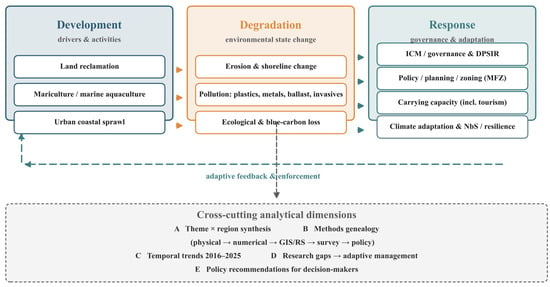
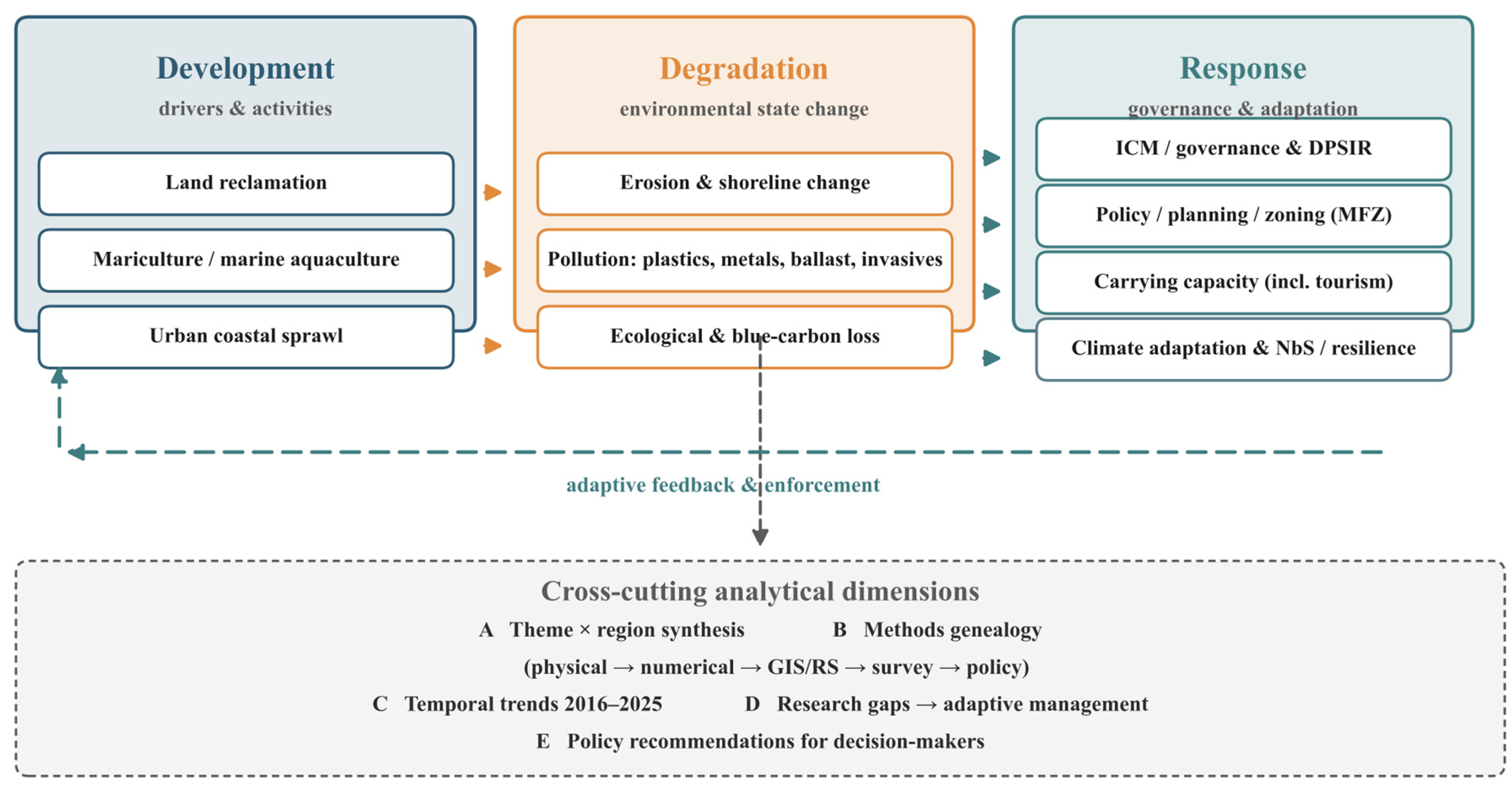
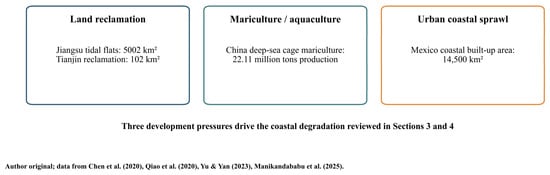
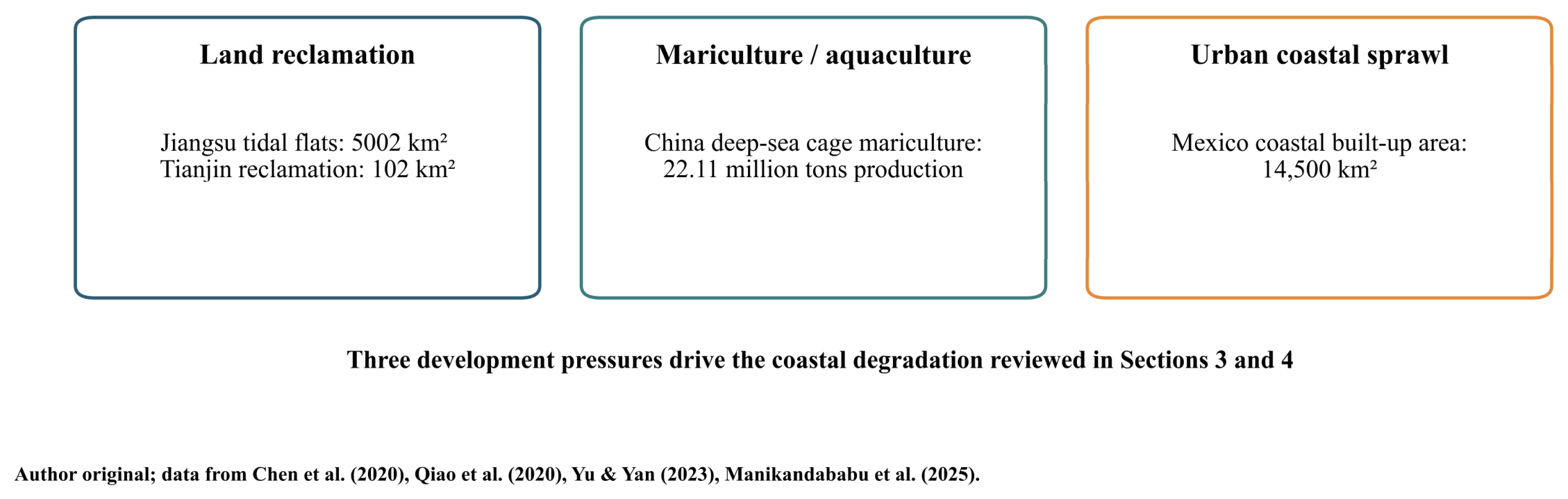
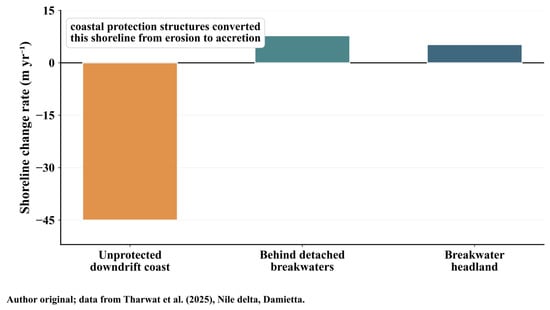
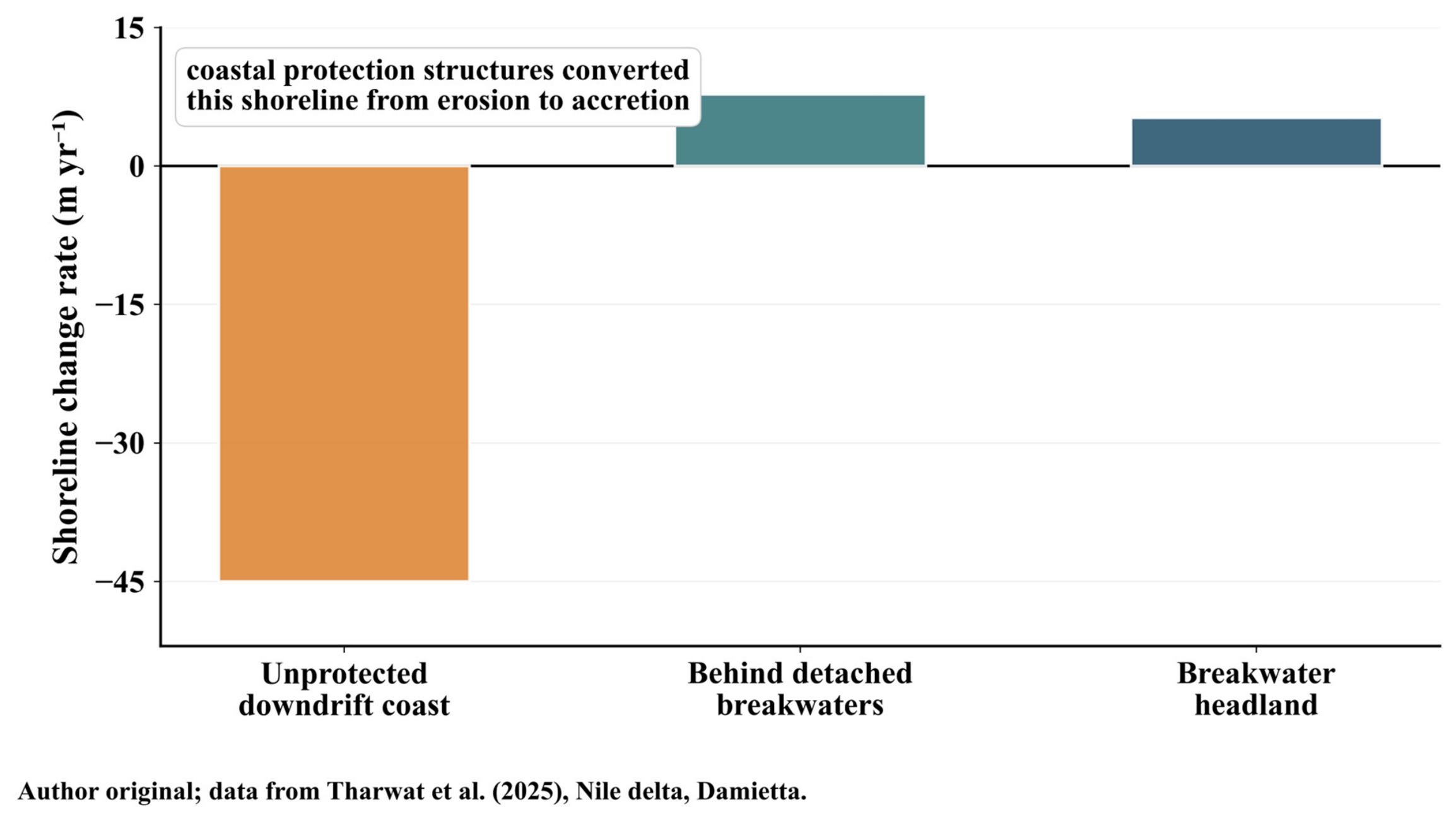
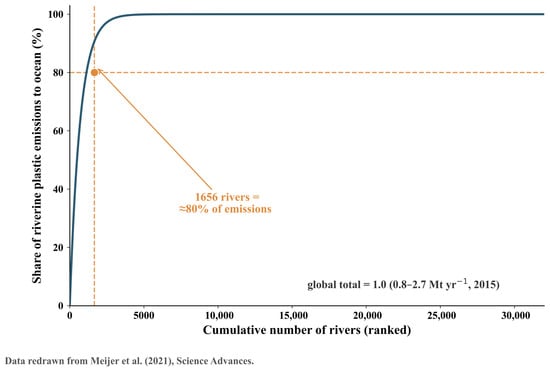
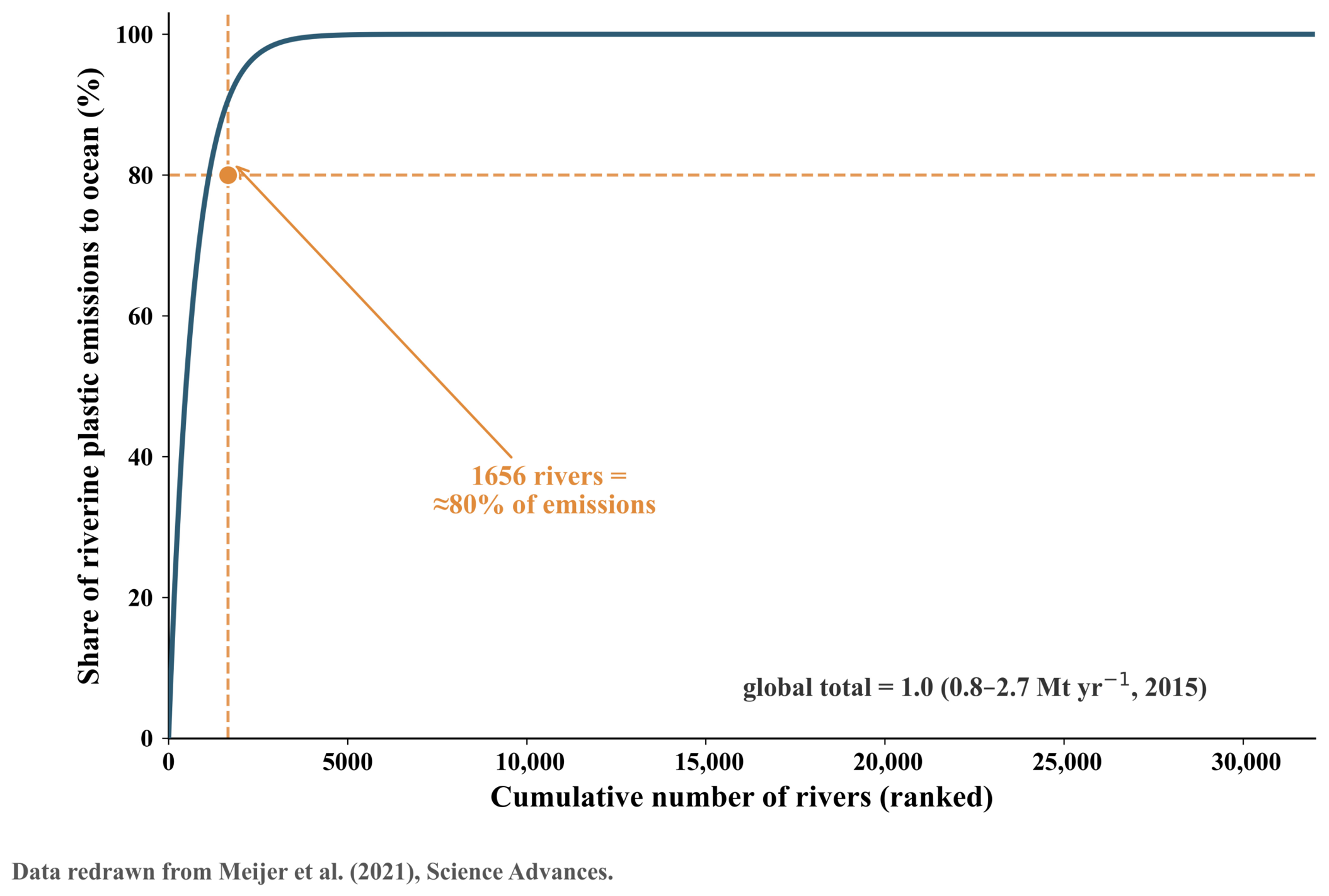
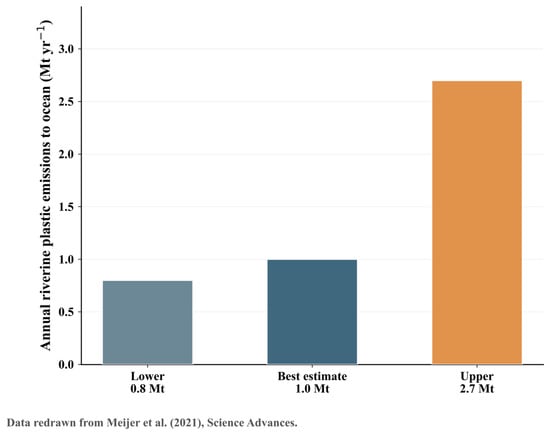
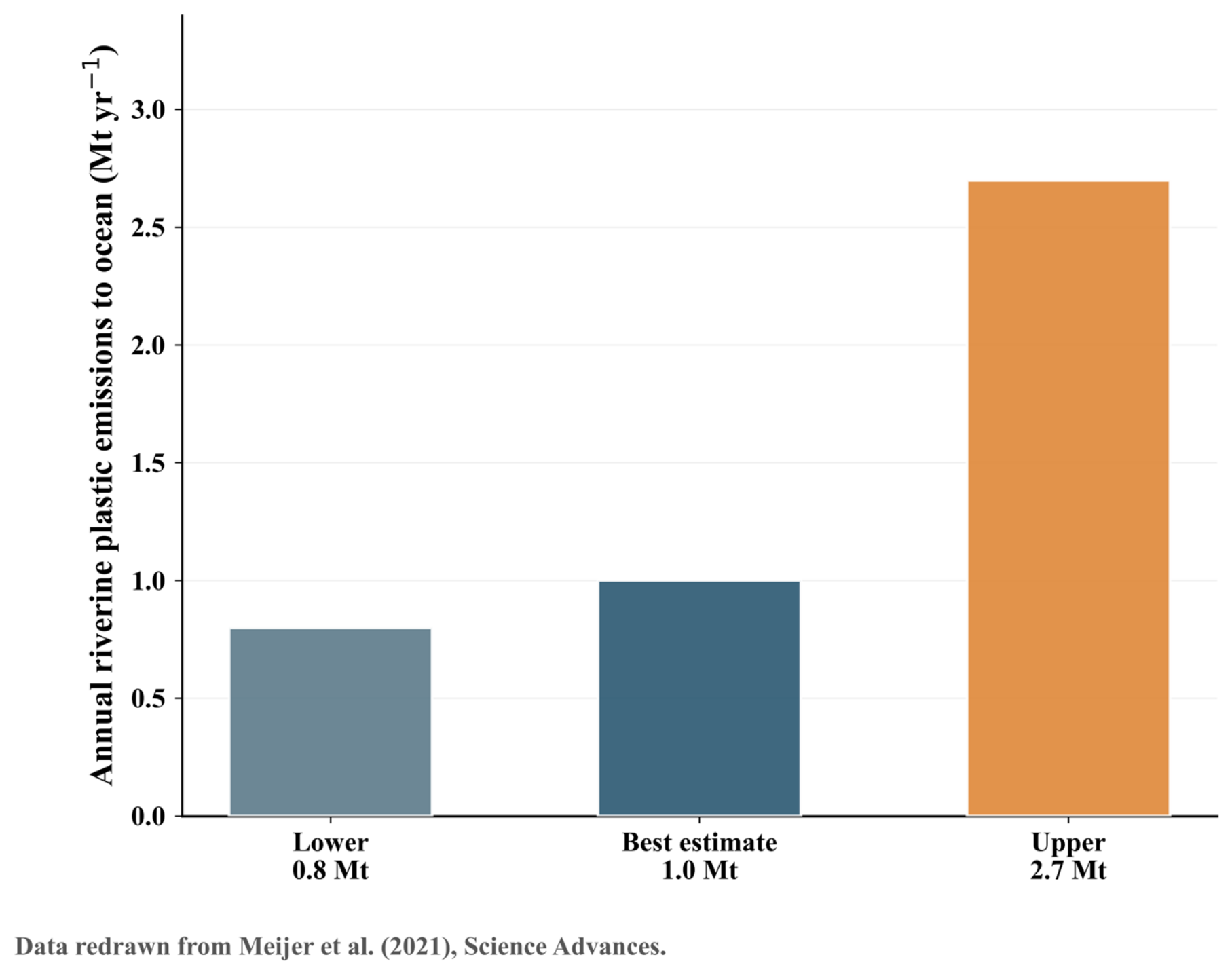
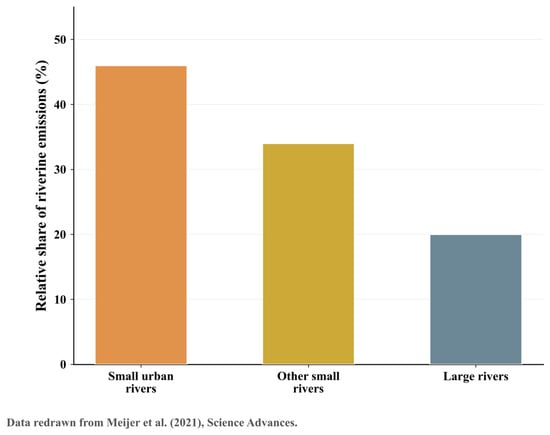
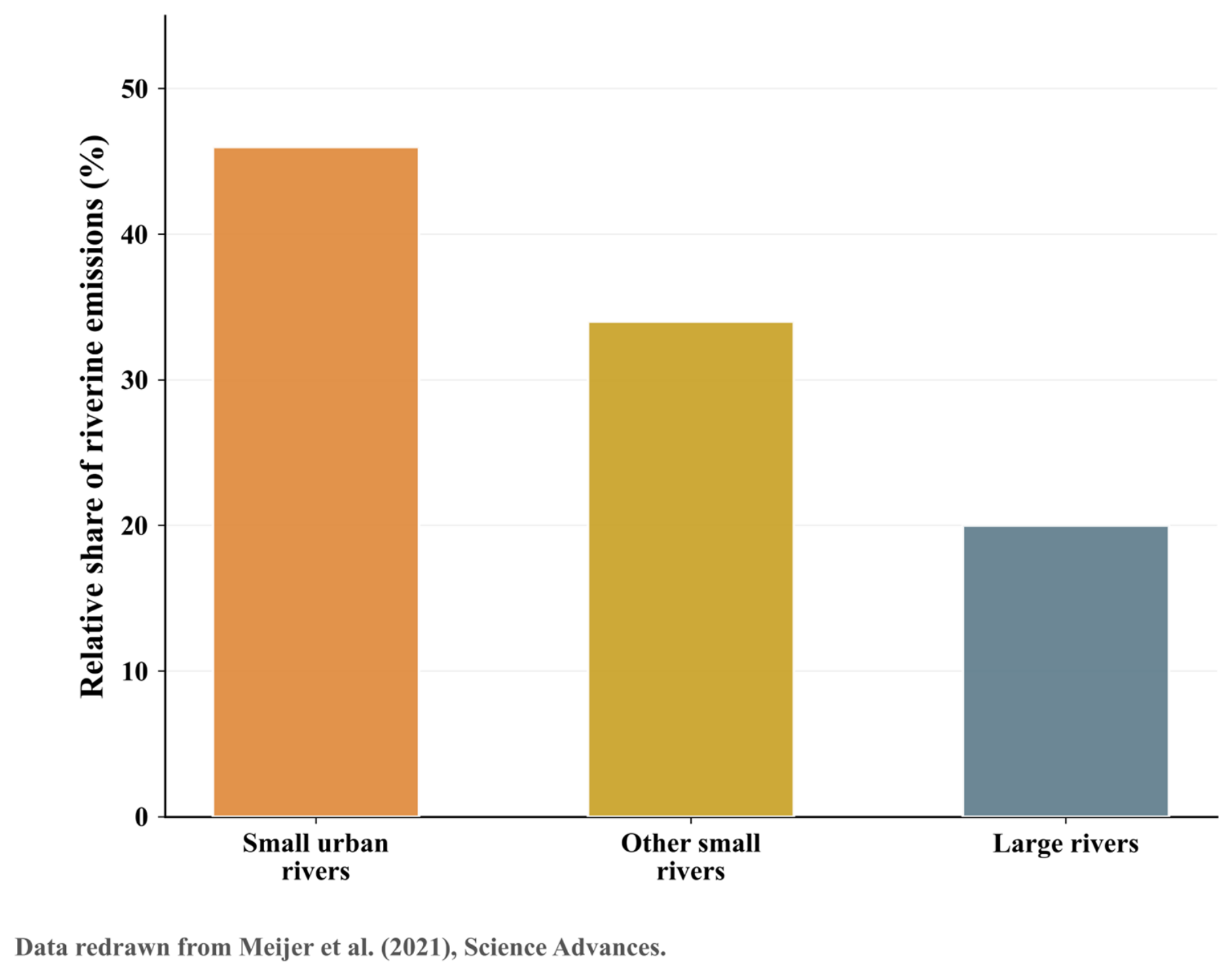
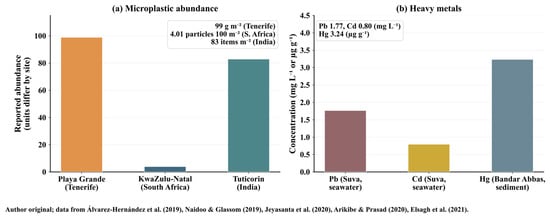
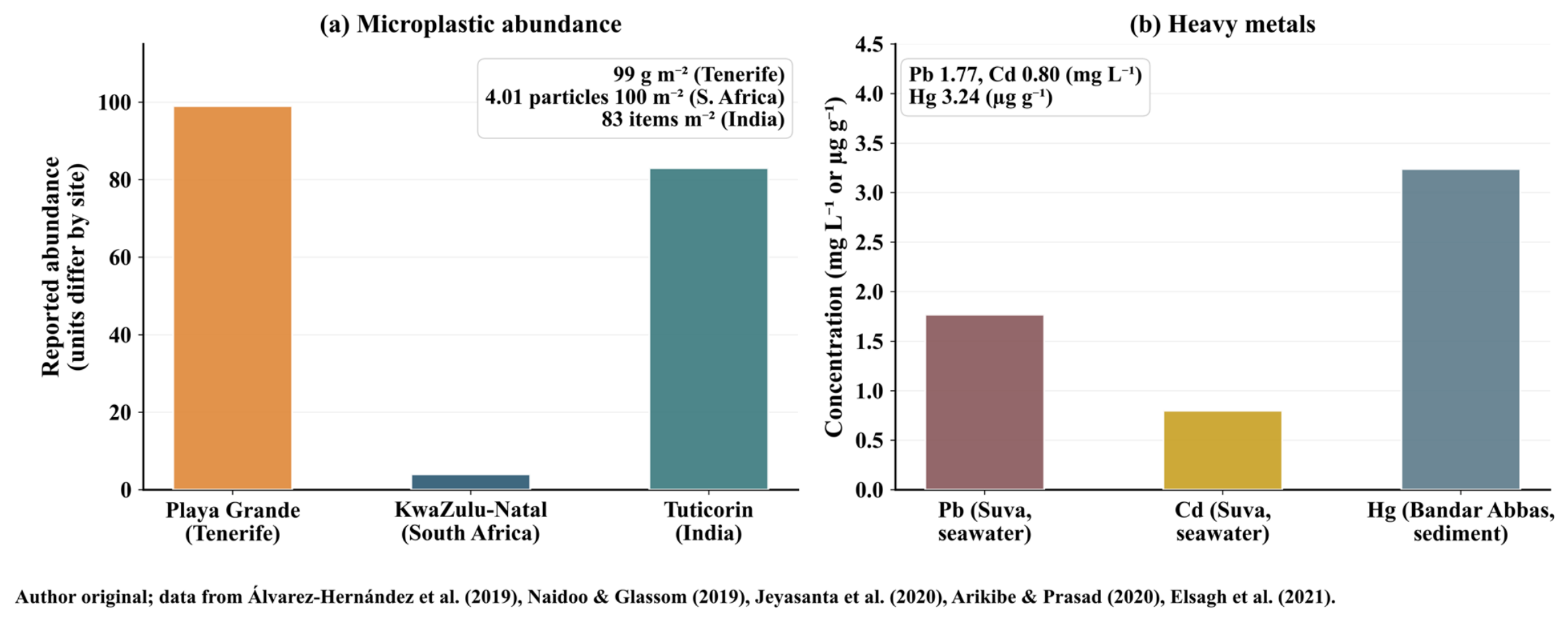
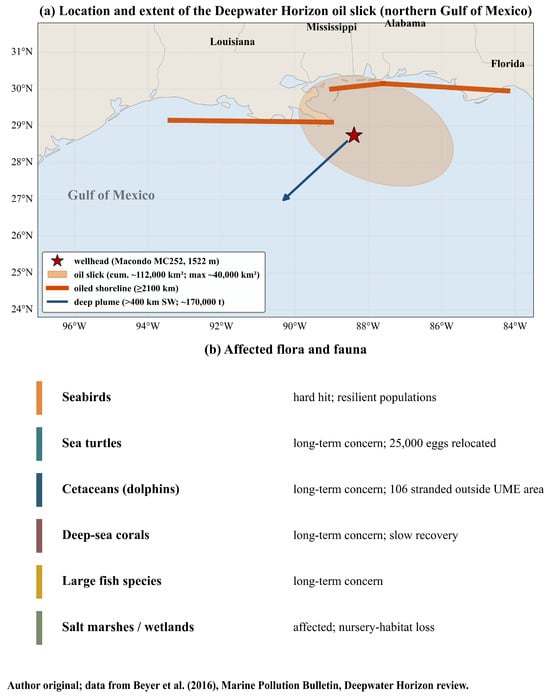
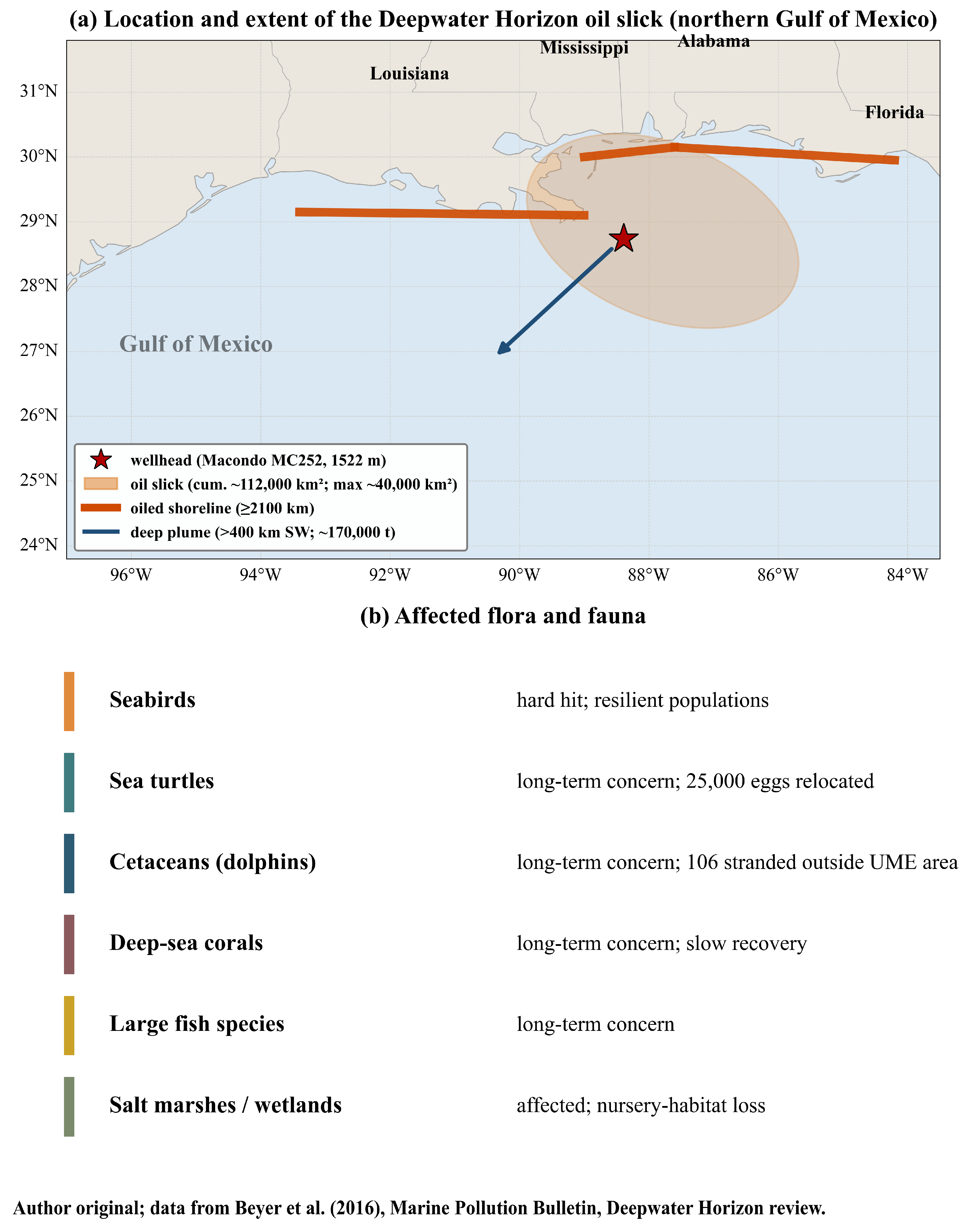
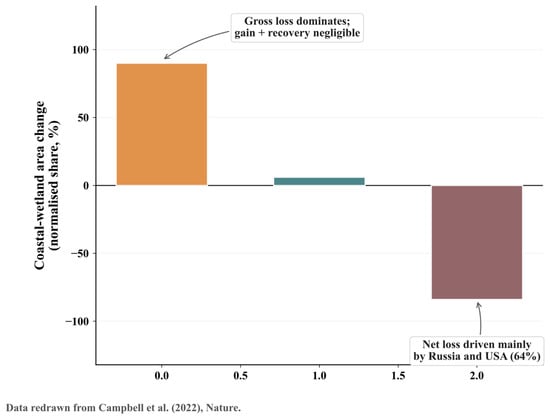
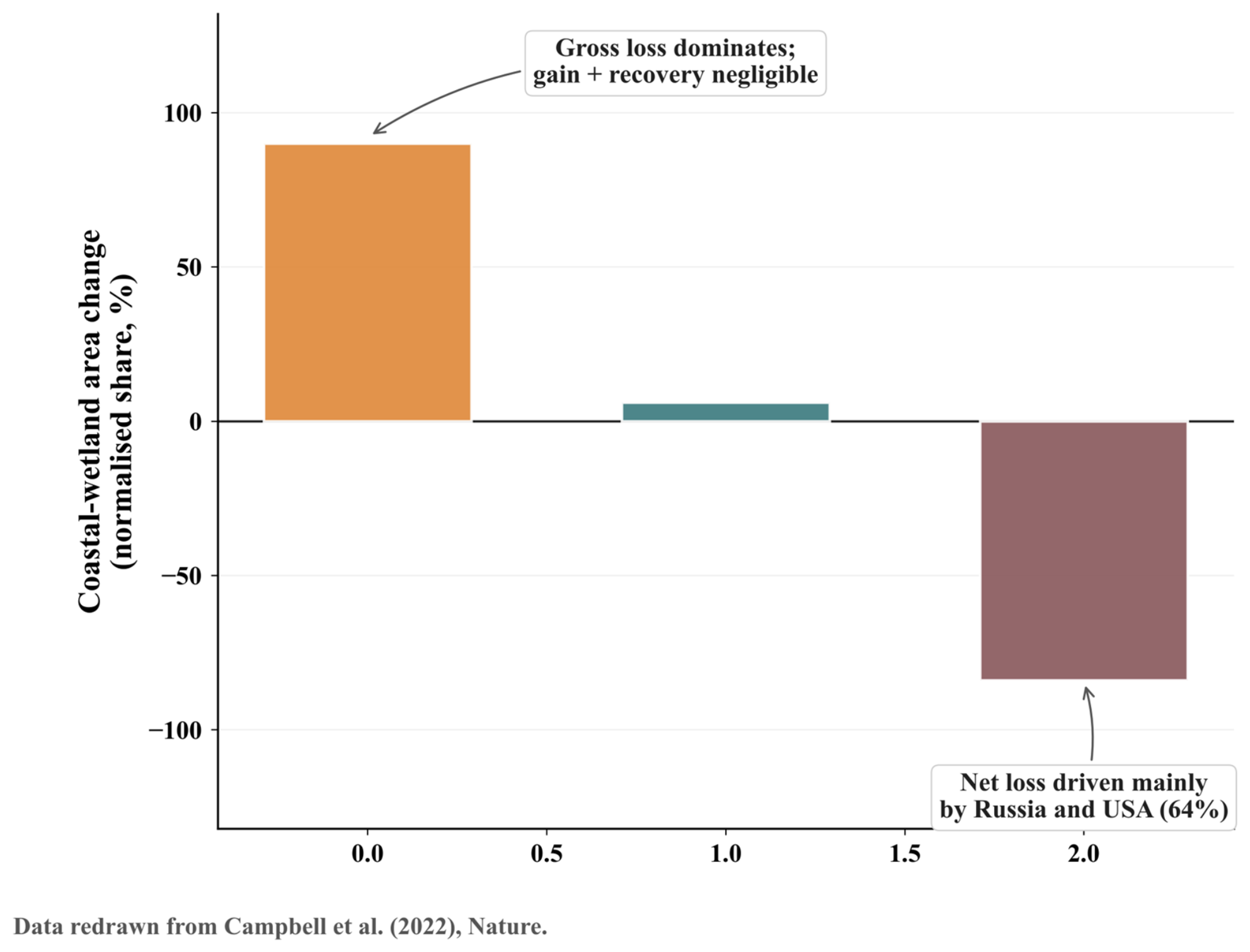
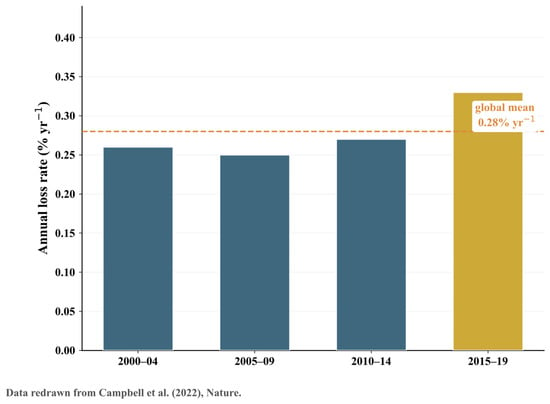
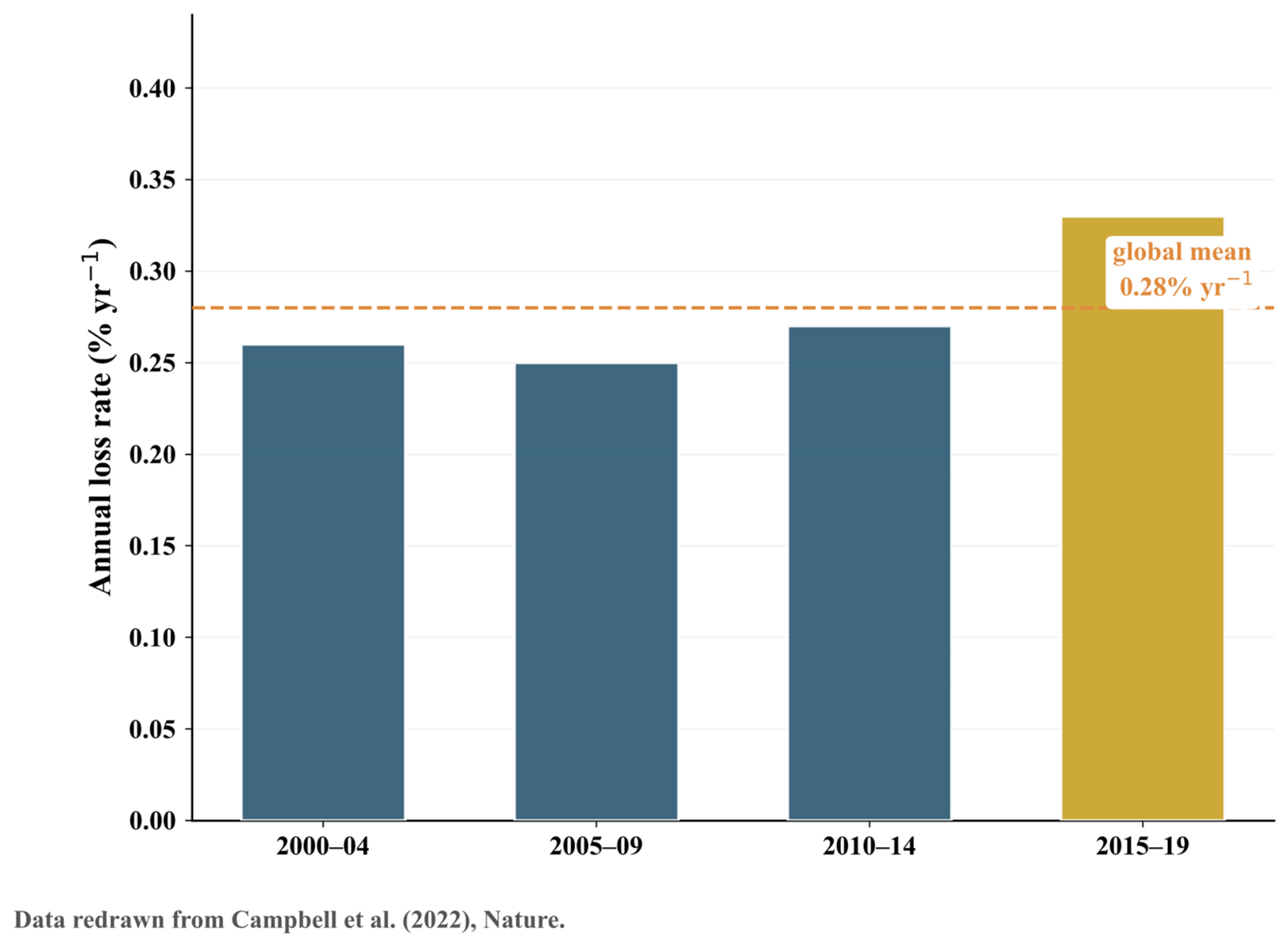
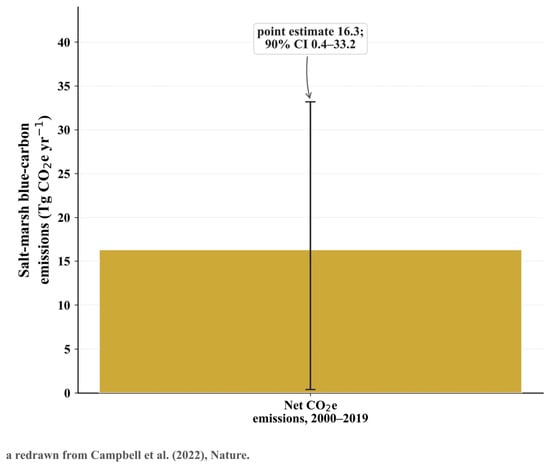
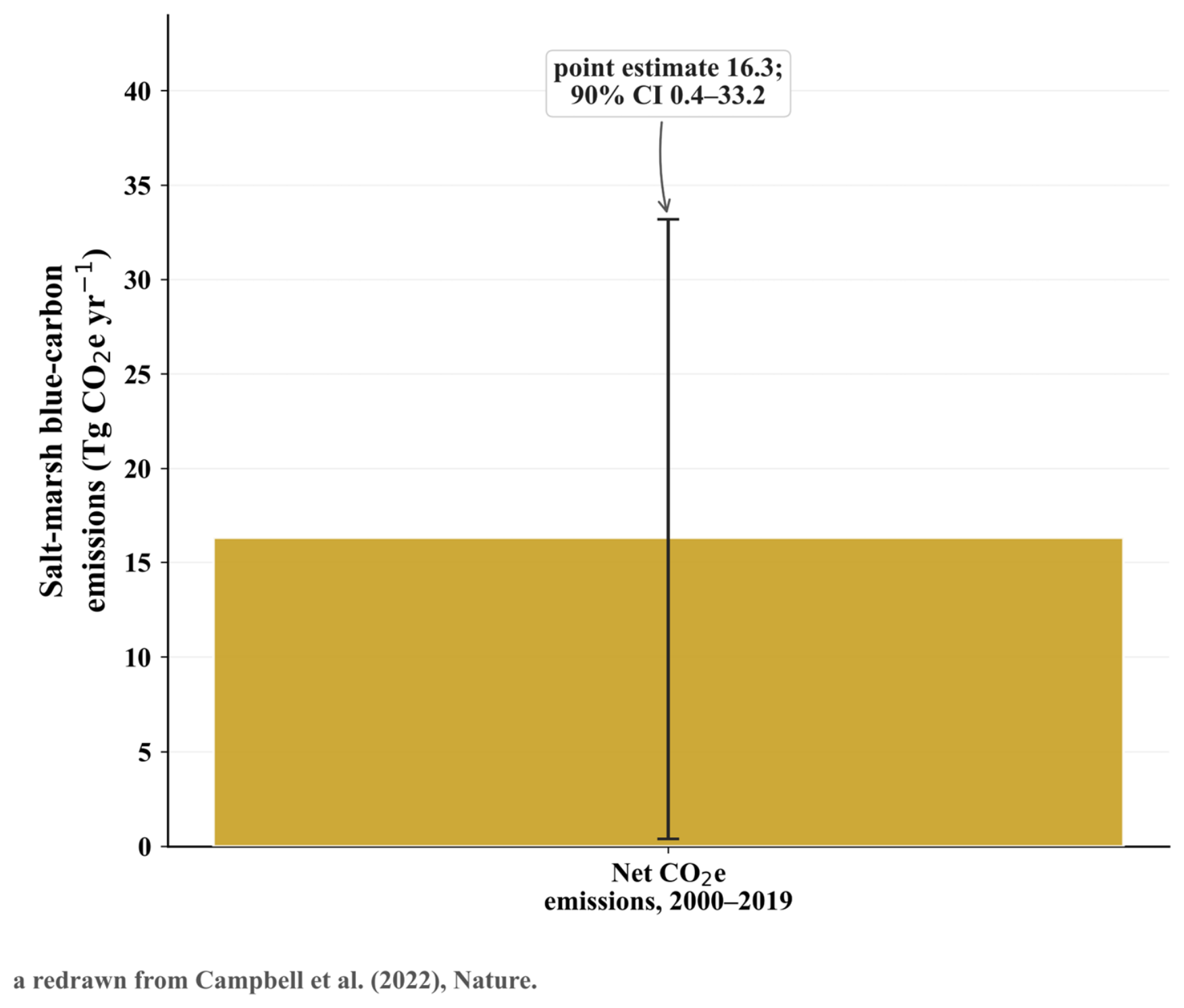
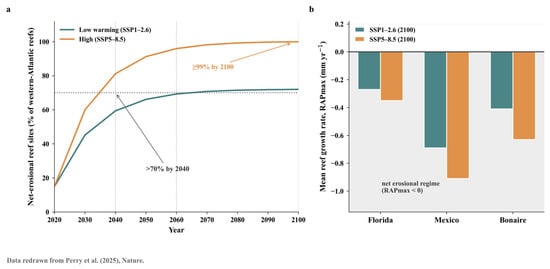
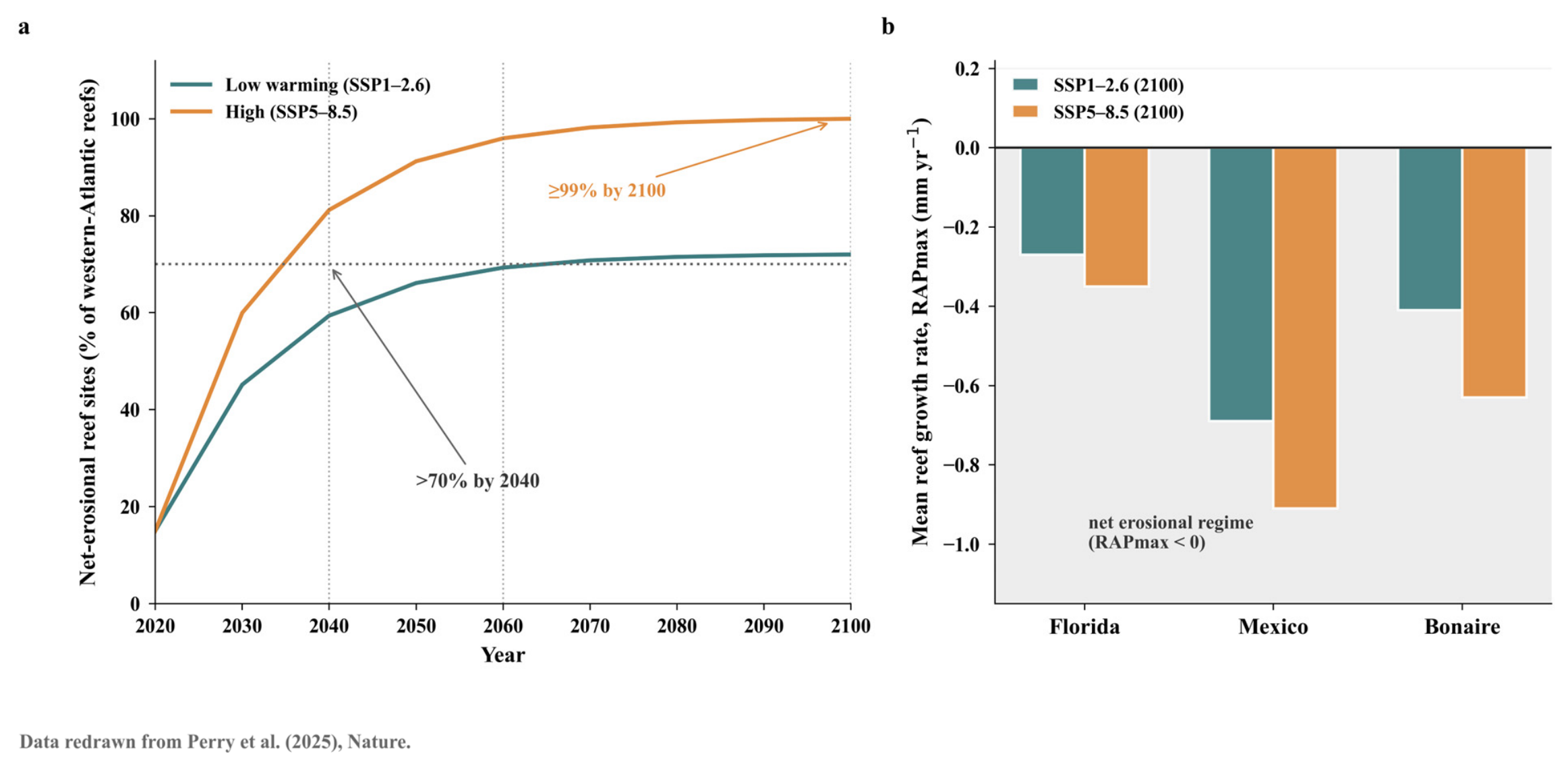
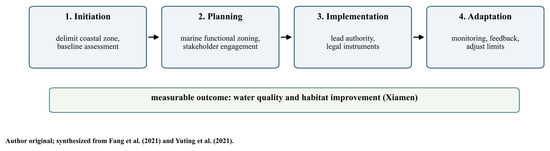
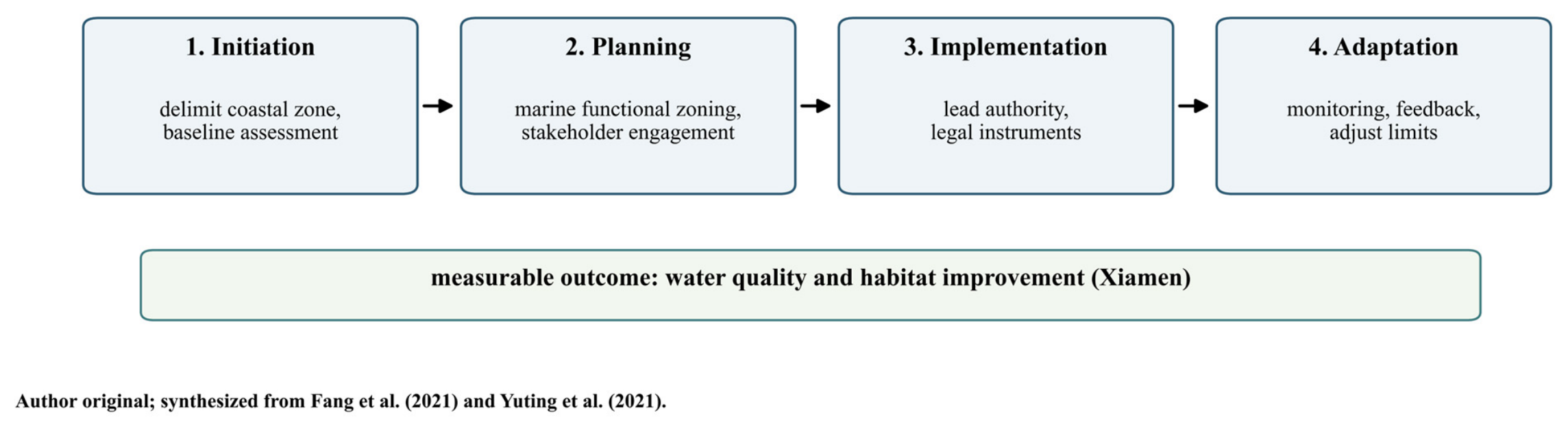
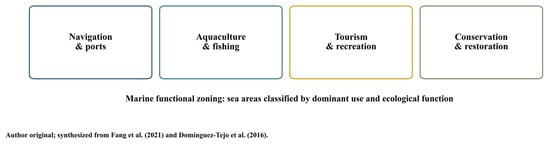
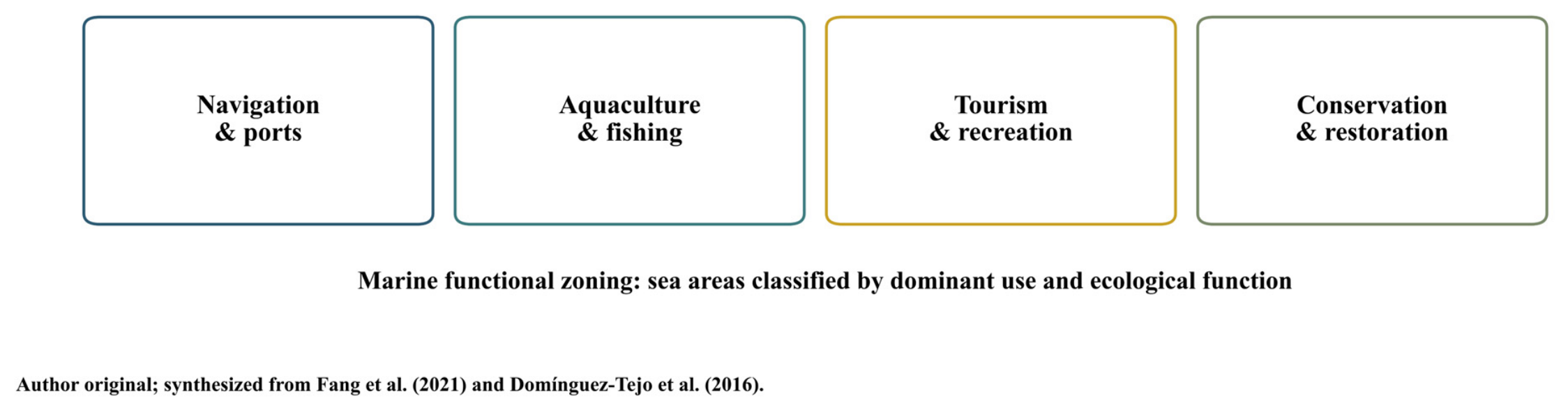
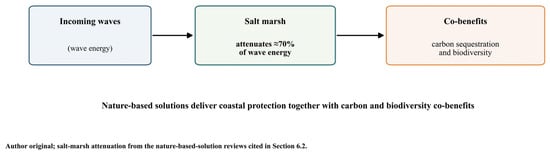
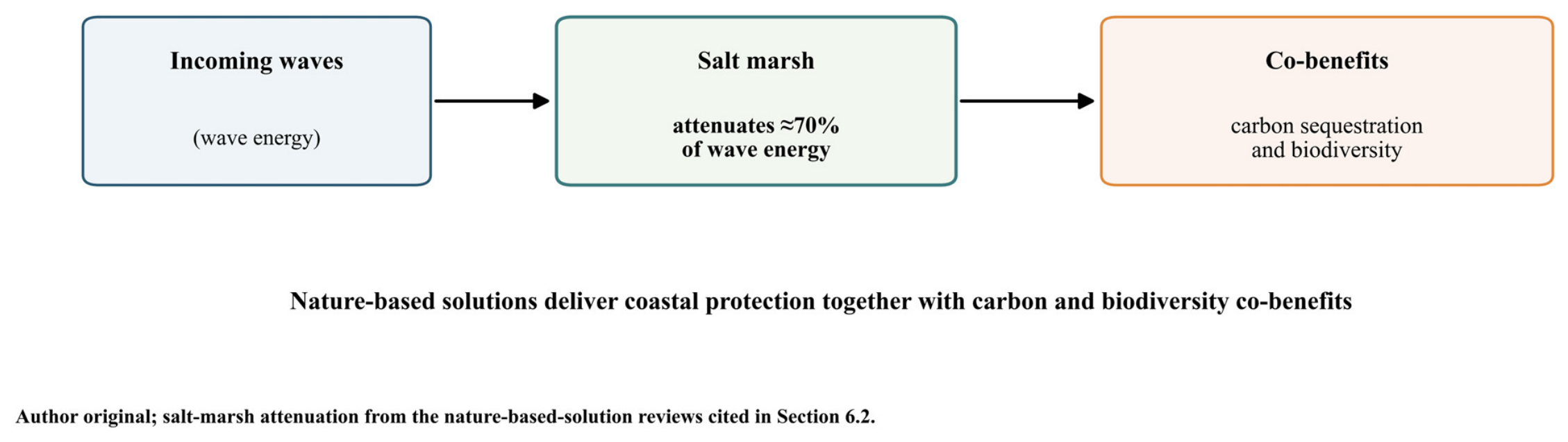
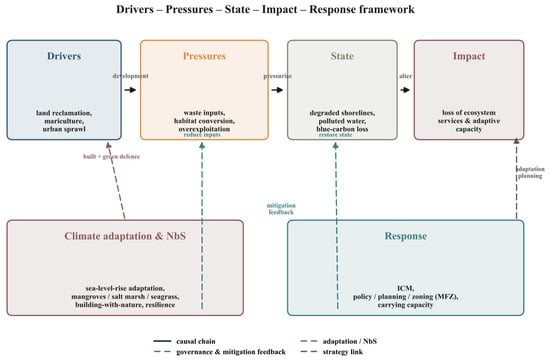
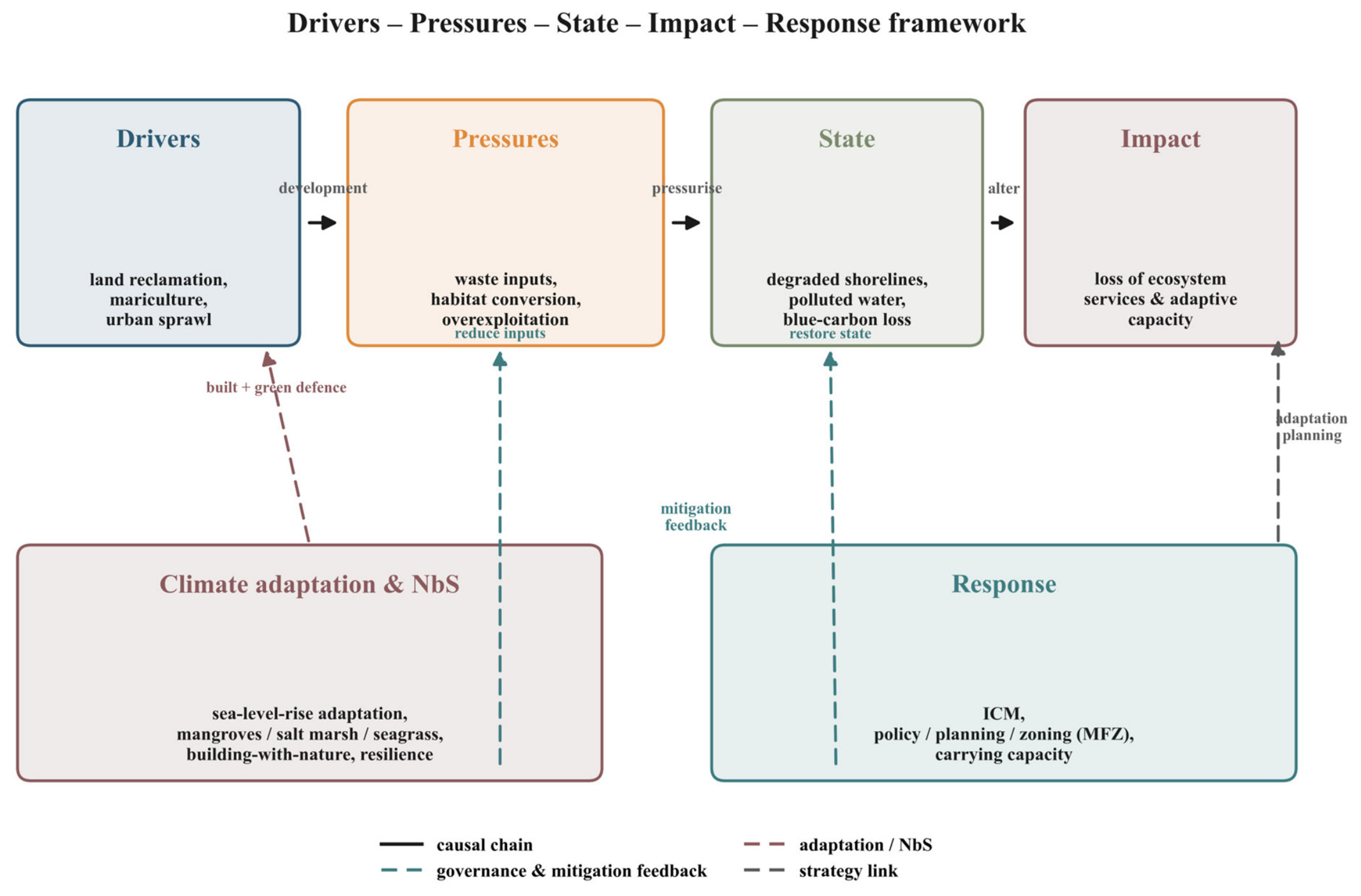
Disclaimer/Publisher’s Note: The statements, opinions and data contained in all publications are solely those of the individual author(s) and contributor(s) and not of MDPI and/or the editor(s). MDPI and/or the editor(s) disclaim responsibility for any injury to people or property resulting from any ideas, methods, instructions or products referred to in the content. |
© 2026 by the authors. Licensee MDPI, Basel, Switzerland. This article is an open access article distributed under the terms and conditions of the Creative Commons Attribution (CC BY) license.