


Abstract
Against the background of climate uncertainty, market volatility, and evolving regulatory environments, firms embedded in agricultural value chains face increasing pressure to maintain sustainable growth. This study examines China’s A-share-listed Traditional Chinese Medicine (TCM) firms to explore how internal organizational factors and external institutional conditions jointly shape firm-level sustainable growth capability. This setting is characterized by strong ecological dependence, strict quality regulation, deep policy embeddedness, and supply-chain sensitivity. Drawing on the resource-based view, dynamic capability theory, contingency theory, and the institutional environment perspective, this study applies fuzzy-set qualitative comparative analysis (fsQCA) to 2023 cross-sectional data from 59 A-share-listed TCM firms. The results show that no single condition constitutes a necessary condition for high sustainable growth capability. Instead, high sustainable growth capability is mainly achieved through three configurational pathways: innovation-driven growth, policy-supported development, and market-responsive strategy. Low sustainable growth capability follows asymmetric pathways, mainly reflected in the mismatch between innovation capability and the institutional environment, and the coexistence of high financing constraints and low agility response. The findings indicate that sustainable growth capability is not the result of isolated factors, but a context-specific configurational outcome shaped by innovation, agility response, internationalization, equity governance, ESG performance, government support, marketization level, and financing conditions. This study provides a configurational explanation for growth research on agriculture-related firms and offers differentiated pathway implications for managers and policymakers.
1. Introduction
Agribusiness firms are typically embedded in agricultural production, processing, and downstream value-chain coordination. Against the background of increasing climate uncertainty, intensified market volatility, and evolving regulatory environments, these firms are facing growing pressure to achieve sustainable development. Compared with firms in general manufacturing and service sectors, the sustainable development of agribusiness firms is more deeply shaped by natural resource constraints, supply-chain vulnerability, and institutional heterogeneity. Therefore, understanding how firms achieve sustainable development under the interaction of complex internal and external conditions has become an important issue in agricultural economics and agricultural policy research.
In this context, Traditional Chinese Medicine (TCM) firms in China provide a theoretically meaningful and policy-relevant setting for examining the sustainable growth capability of agribusiness firms. These firms are located at the intersection of medicinal plant cultivation, raw material procurement, processing and manufacturing, and market distribution, and therefore combine agricultural attributes, pharmaceutical attributes, and institutional sensitivity. On the one hand, their development depends heavily on medicinal plant resources, ecological conditions, and raw material quality control, exposing them to strong resource constraints, strict quality regulation, and highly sensitive supply-chain management pressures. On the other hand, their continued growth is strongly influenced by marketization, financing conditions, and policy support [1,2,3,4,5,6]. Therefore, this study places TCM-related firms in China within the broader framework of agribusiness research and treats them as an analytically valuable contextual case for observing and explaining the mechanisms underlying sustainable growth capability in agribusiness. By examining this context, which combines resource dependence, quality regulation, policy embeddedness, and market competition, this study aims to enrich research on the sustainable growth capability of agribusiness firms.
Furthermore, this study selects China’s A-share-listed TCM firms as the research sample for three main reasons. First, listed firms provide more complete information disclosure. Annual reports, financial data, governance structures, government subsidies, ESG performance, patent activities, and internationalization information are more accessible and comparable. Second, listed TCM firms usually occupy key positions in the industrial value chain. They connect upstream medicinal plant resources and raw material supply with midstream processing and downstream market distribution, thereby reflecting the growth characteristics of relatively large-scale, capitalized, and institutionalized business entities in the TCM-related agricultural value chain. Third, listed firms simultaneously face capital market constraints, industry regulatory requirements, and performance pressures, making their sustainable growth issues more salient. According to Wind data, in the first three quarters of 2024, among 72 A-share-listed TCM firms, more than 65% experienced year-on-year declines in operating revenue, and more than 60% reported decreases in net profit. This trend suggests that how to help TCM-related firms maintain sustainable growth capability under complex market conditions has become a shared concern for governments, firms, and other stakeholders.
Although the importance of corporate sustainable development has been widely recognized, existing studies on how firms achieve and maintain high sustainable growth capability have mainly focused on the net effects of single factors. The resource-based view argues that heterogeneous resources and capabilities are important sources of competitive advantage. Dynamic capability theory further suggests that sustained firm growth depends not only on existing resource endowments but also on the ability to integrate, reconfigure, and renew resources in changing environments. Meanwhile, contingency theory emphasizes that firm performance depends on the fit among internal capabilities, governance arrangements, and external environments. From the institutional environment perspective, firm development paths are also shaped by external conditions such as government support, marketization, and financing environments. Based on these theoretical perspectives, this study defines sustainable growth capability as a firm’s ability to maintain continued growth under given financial structures, resource constraints, and institutional pressures. It is understood as a configurational outcome jointly shaped by multiple internal and external conditions, rather than as a direct measure of broad environmental, social, and economic sustainability. Accordingly, ESG is treated in this study as an antecedent condition influencing sustainable growth capability, rather than as the outcome itself.
Existing studies have identified several important antecedents of firms’ sustainable growth capability from different perspectives. At the firm level, innovation capability is regarded as an important source of long-term competitive advantage and sustained growth [7,8,9,10]. Strong ESG performance can enhance corporate responsibility orientation and stakeholder trust, and may support long-term development by improving the financing environment [11,12]. Internationalization can also strengthen cross-market learning and resource integration to some extent [13]. Appropriate governance structures and equity balance can alleviate agency problems and improve the quality of strategic decision-making. Agility response helps firms sense and respond quickly to environmental changes [14,15]. Other studies suggest that entrepreneurial orientation, organizational culture, and corporate social responsibility awareness are necessary conditions for sustainable growth [16,17]. At the external environment level, government subsidies, regional marketization, and financing constraints significantly affect firms’ access to resources, strategic adjustment, and long-term growth capability [18,19,20,21,22]. However, internal capabilities and external conditions are interdependent and co-evolve within complex business ecosystems [23]. Three limitations remain in the existing literature. First, prior studies have generally examined factors such as innovation capability, agility response, ESG performance, government support, marketization, and financing constraints as relatively independent variables, focusing mainly on their separate effects on sustainable growth capability while paying less attention to how these factors complement, substitute for, or jointly reinforce one another. Second, limited attention has been paid to sustainable growth mechanisms in specific agricultural industrial contexts, especially agriculture-related industries characterized by deep institutional embeddedness, strong resource dependence, and strict quality regulation. Third, existing research has not systematically tested, from a configurational perspective, a theoretical analytical framework that simultaneously connects firms’ internal organizational factors with external institutional factors.
Because this issue involves conjunctural causation, equifinality, and causal asymmetry, traditional regression approaches based on net effects and linear relationships may not fully capture its complex mechanisms [24,25,26]. Therefore, this study applies fuzzy-set qualitative comparative analysis (fsQCA). Using China’s A-share-listed TCM firms as the research sample, this study constructs an “internal organizational factors–external institutional factors” theoretical analytical framework and integrates five internal conditions—innovation capability, agility response, internationalization, equity balance, and ESG performance—with three external conditions—government subsidies, marketization level, and financing constraints. It then systematically examines how these conditions influence firms’ sustainable growth capability through different configurations. This study seeks to answer the following research questions: In the specific agriculture-related industrial context of China’s A-share-listed TCM firms, which combinations of internal capabilities and external institutional conditions lead to high sustainable growth capability? How can these findings help us better understand the formation mechanisms of sustainable growth capability in agribusiness?
This study makes three main contributions. First, based on the specific context of China’s A-share-listed TCM firms, which combine agricultural attributes, pharmaceutical attributes, and institutional sensitivity, this study shifts the research focus from “which single factors matter” to “how different factors combine to shape firms’ sustainable growth capability.” In doing so, it provides a configurational perspective for research on sustainable growth in agribusiness. Second, drawing on the resource-based view, dynamic capability theory, contingency theory, and institutional environment theory, this study constructs an “internal organizational factors–external institutional factors” analytical framework, offering a theoretical basis for explaining multiple pathways to sustainable growth capability. Third, by identifying which combinations of firm capabilities and external support conditions are more likely to support high sustainable growth capability in the specific context of listed TCM firms in China, this study provides implications for differentiated policy design and more targeted policy coordination.
It should be noted that this study is based on cross-sectional data from 2023 and aims to reveal configurational associations behind differences in firms’ sustainable growth capability in that year. It provides a stage-specific reference for understanding the dynamic evolution of firms’ long-term sustainable growth capability, rather than a direct test of such long-term dynamics. Since the sample consists of China’s A-share-listed TCM firms, the conclusions mainly apply to agriculture-related firms that are deeply embedded in capital markets and strongly influenced by policy and regulation. For other agricultural subsectors or institutional contexts outside China, the findings may offer useful comparative insights, but they should be interpreted in light of specific industry characteristics and institutional backgrounds.
2. Materials and Methods
2.1. Research Design
Fuzzy-set qualitative comparative analysis (fsQCA), proposed by Ragin in the 1980s, is an analytical approach that combines qualitative comparative logic with quantitative analytical features. Its basic premise is that research outcomes are often not produced by the independent effect of a single variable, but rather by specific configurations of multiple conditions. Based on set-theoretic logic, fsQCA identifies the conditions and configurations associated with the presence or absence of an outcome through necessity and sufficiency analyses. In doing so, it can reveal complex causal features such as conjunctural causation, equifinality, and causal asymmetry [27].
Compared with traditional quantitative methods that rely on large samples and assumptions of normality, regression analysis mainly focuses on average net effects, linear relationships, and causal symmetry. By contrast, fsQCA is better suited to answering the question of “which combinations of conditions are jointly associated with a given outcome.” It is also particularly appropriate for studies involving small- and medium-sized samples, non-normal distributions, and substantial case heterogeneity [24,25,26]. In the context of this study, China’s A-share-listed TCM firms show considerable heterogeneity in their resource bases, organizational arrangements, policy support, market environments, and financing conditions. Therefore, firms’ sustainable growth capability is unlikely to be determined by any single factor alone; rather, it is more likely to result from the joint effects of multiple internal organizational factors and external institutional factors. In other words, similarly high sustainable growth capability may be achieved through different configurations of conditions, while low growth capability is not necessarily the simple opposite of high-growth pathways. For this reason, fsQCA is highly consistent with this study’s focus on multi-condition interdependence, pathway heterogeneity, and contextual dependence.
It should be noted that traditional net-effect methods remain valuable for identifying the average marginal effects of individual variables. However, this study focuses more on how multiple internal organizational factors and external institutional factors jointly influence firms’ sustainable growth capability through different configurations. Because the research question emphasizes the interdependence, substitution, and contextual dependence among conditions rather than the independent net effect of a single variable, fsQCA is more aligned with the objectives of this study than conventional regression-based approaches.
This study is based on cross-sectional data from China’s A-share-listed TCM firms in 2023. The analysis proceeds through the following steps: (1) constructing the outcome set and antecedent condition sets; (2) calibrating the raw data into fuzzy-set membership scores; (3) conducting necessity analysis for individual conditions; (4) constructing the truth table by setting the consistency threshold, case frequency threshold, and PRI consistency threshold; and (5) identifying configurations of conditions leading to high or low firm-level sustainable growth capability.
2.2. Variable Selection
The selection of antecedent conditions in this study is grounded in the theoretical analysis developed in the Introduction. In general, the sustainable growth capability of agribusiness firms depends not only on firms’ internal resources, capabilities, and organizational arrangements, but also on the external institutional environment and resource constraints. Therefore, this study integrates the resource-based view, dynamic capability theory, contingency theory, and institutional environment theory to construct an “internal organizational factors–external institutional factors” theoretical analytical framework (Figure 1). This framework is used to explain the differentiated formation mechanisms of sustainable growth capability among China’s A-share-listed TCM firms.
Figure 1.
Theoretical framework of sustainable growth capability.
Specifically, the resource-based view and dynamic capability theory jointly suggest that sustained firm growth does not simply arise from existing resource stocks. Rather, it depends to a large extent on firms’ ability to accumulate, integrate, renew, and reconfigure key resources. For TCM firms, innovation capability, agility response, and internationalization respectively reflect the internal capability foundations of technological and knowledge accumulation, responsiveness to environmental change, and cross-border resource expansion. Meanwhile, sustained growth depends not only on “what resources a firm possesses” and “how it adjusts these resources,” but also on “how these resources are organized and governed.” According to contingency theory, there is no universally optimal model for firm performance; instead, performance depends on the fit between internal organizational arrangements and external contexts. Therefore, equity balance and ESG performance are included as internal organizational factors to capture how governance structure and responsibility orientation affect resource allocation efficiency, stakeholder relationships, and long-term growth-supporting capability.
Furthermore, institutional environment theory emphasizes that firm development does not occur in a vacuum, but is embedded in specific policy, market, and financing environments. For TCM-related firms, government subsidies provide important policy-based resource support, marketization level reflects the maturity of the institutional environment and the efficiency of resource allocation, and financing constraints directly affect firms’ capacity for continuous investment and growth expansion. Accordingly, this study includes government subsidies, marketization level, and financing constraints as external institutional factors.
In summary, this study selects five internal organizational factors—innovation capability, agility response, internationalization, equity balance, and ESG performance—and three external institutional factors—government subsidies, marketization level, and financing constraints—as the key antecedent conditions influencing firms’ sustainable growth capability. This selection is highly consistent with the industry’s practical characteristics, including strong resource dependence, strict quality regulation, deep policy embeddedness, and prominent financing pressure. At the same time, this set of conditions meets the fsQCA requirement that condition selection should be theoretically interpretable and moderately parsimonious in number, thereby helping to identify multiple configurational pathways generated by the joint effects of internal organizational factors and external institutional factors.
2.2.1. Outcome Variable
Sustainable Growth Capability of Listed TCM Firms (SGC). This study defines the outcome variable as firm-level sustainable growth capability. Specifically, it refers to a firm’s ability to maintain sustained growth under the constraints of a given financial structure, profitability, earnings retention capacity, and asset turnover efficiency. Following previous studies [28,29,30], this study adopts the Van Horne sustainable growth model to measure firms’ sustainable growth capability. The formula is shown in Equation (1):
In Equation (1), NPM represents the net profit margin of the enterprise, RER stands for the retained earnings rate, ER refers to the equity ratio, and TATR represents the total asset turnover ratio. Based on this calculation, the sustainable growth capability of each TCM firm is obtained. To compare provincial-level differences in sustainable growth capability among the sample firms, this study further calculates the average SGC of sample firms within the same province (Figure 2). The results show substantial regional variation in the sustainable growth capability of the sampled TCM firms. The average sustainable growth capability of TCM firms in Yunnan, Hubei, Hainan, and Shanxi is notably higher than that in other regions, whereas the average sustainable growth capability of firms in Chongqing and Neimenggu is negative.
Figure 2.
Average sustainable growth capability of sample listed TCM firms across provinces.
2.2.2. Antecedent Condition Variables
Based on the above “internal organizational factors–external institutional factors” analytical framework, this study selects eight antecedent conditions that may influence the sustainable growth capability of TCM firms.
- (1)
- Internal Organizational Factors
Innovation Capability (INNO). Innovation capability is an important source of sustained competitive advantage and growth capability. For TCM firms, R&D investment and innovation capability play a key role in the development of new TCM products. The use of intelligent technologies, such as artificial intelligence-assisted prescription development and smart technologies in medicinal herb cultivation, can significantly improve resource utilization efficiency. In the digital era, integrating artificial intelligence into the management practices of TCM firms can help promote their sustainable development [31]. This study uses the number of patent applications filed by listed TCM firms as a proxy for innovation capability. This indicator effectively reflects the output activity and technological output intensity of firm innovation and was widely accepted and used in empirical studies of innovation capability [32,33,34].
Agility Response (AGR). Agility response reflects a firm’s ability to sense, make decisions, and respond rapidly to changes in the external environment. TCM firms rely heavily on region-specific medicinal herb resources, such as Panax notoginseng and Dendrobium officinale, whose production is strongly affected by climate, land resources, and ecological conditions. In addition, TCM products often display seasonal consumption patterns; for example, products with heat-clearing and detoxifying functions tend to experience higher demand during influenza seasons. Therefore, TCM firms need the capability to adjust their business strategies rapidly in response to fluctuating market demand and environmental change. In modern enterprises, especially listed firms, major decisions are usually discussed and made through the board of directors. The frequency and quality of board meetings reflect management’s ability to respond rapidly to market changes and can serve as a reliable indicator of a firm’s response to external shocks [35]. In addition, frequent decision-making often indicates greater organizational attention to, and adaptability in, dynamic environments [36]. Therefore, this study uses the frequency of board meetings as a proxy for agility response.
Degree of Internationalization (INTER). Internationalization enables firms to access broader markets, obtain external resources, and enhance learning capabilities. In recent years, the global demand for natural herbal medicines has continued to grow, creating new growth opportunities for the TCM industry [37]. For TCM firms, internationalization not only reflects the expansion of cross-border organizational arrangements but also indicates the formation of overseas operating revenue and the degree of market embeddedness abroad. To avoid the limitations of a single indicator, and considering data availability and previous studies [38,39,40,41], this study constructs a composite internationalization index using the entropy weight method. Specifically, two first-level indicators are selected: the number of overseas subsidiaries, which reflects the breadth of international organizational presence, and the ratio of overseas sales revenue to total revenue, which reflects the depth of international operations and revenue embeddedness. The entropy weight method is then used to assign objective weights to these two indicators and measure firms’ degree of internationalization.
Equity Balance (EQB). Ownership structure is an important component of corporate governance. An appropriate degree of equity balance can help alleviate agency problems arising from excessive dominance by the controlling shareholder and is important for reducing operational risks in TCM firms. This study uses the ratio of the shareholding percentage of the second-largest shareholder to that of the largest shareholder as a proxy for equity balance. This indicator reflects the relative balance of power among major shareholders.
Environmental, Social, and Governance Performance (ESG). ESG performance can be viewed as a form of social capital that improves a firm’s performance in social responsibility, environmental protection, and governance structure. For TCM firms, higher ESG performance can enhance legitimacy, improve stakeholder relationships, and, to some extent, alleviate financing pressure. Therefore, ESG performance is treated in this study as an important internal organizational factor influencing firms’ sustainable growth capability. This study uses the Huazheng ESG rating index as a proxy for ESG performance. This index is widely used in studies of Chinese-listed firms and has good comparability.
- (2)
- External Institutional Factors
Government Subsidies (GOV). Government subsidies reflect the intensity of external policy support. TCM firms are often strongly influenced by policy support in R&D, standardization, raw material base construction, and market expansion [42]. This study measures government subsidies as the ratio of government grants to total assets, capturing the relative intensity of policy-based resource support received by firms.
Marketization Level (MAR). Regional marketization affects resource allocation efficiency, property rights protection, the market competition environment, and the mobility of production factors. In regions with higher levels of marketization, firms can access resources more easily, thereby enhancing their sustainable growth capability. Following previous studies, this study uses the regional marketization index to measure marketization level [43].
Financing Constraints (FC). Financing constraints reflect the restrictions firms face in terms of external financing availability and financing costs. For TCM firms, whose R&D cycles are long and returns are uncertain, financing constraints can significantly affect continuous investment and growth capability. In recent years, leading TCM firms such as Yunnan Baiyao and Pien Tze Huang have improved liquidity and market competitiveness through listing and mergers and acquisitions. Following Hadlock and Pierce (2010), this study calculates the financing constraint level of TCM firms using the following formula [44]:
In Formula (2), Size represents the natural logarithm of a firm’s total assets, while Age denotes the number of years the firm has been in operation.
To compare provincial-level differences in the internal organizational factors and external institutional factors faced by the sample firms, this study further calculates the average value of each variable for sample firms within the same province (Figure 3, Figure 4, Figure 5, Figure 6, Figure 7, Figure 8, Figure 9 and Figure 10). Overall, sample firms in eastern China are generally located in more highly marketized environments and show relatively stronger innovation output activity. By contrast, sample firms in western China face lower marketization levels and stronger financing constraints, but receive relatively higher levels of government subsidies. Additionally, the degree of internationalization among TCM firms remains generally low across all regions.
Figure 3.
Average ESG performance of sample listed TCM firms across provinces.
Figure 4.
Average FC of sample listed TCM firms across provinces.
Figure 5.
Average MAR of sample listed TCM firms across provinces.
Figure 6.
Average GOV of sample listed TCM firms across provinces.
Figure 7.
Average INNO of sample listed TCM firms across provinces.
Figure 8.
Average EQB of sample listed TCM firms across provinces.
Figure 9.
Average AGR of sample listed TCM firms across provinces.
Figure 10.
Average INTER of sample listed TCM firms across provinces.
2.3. Data Sources
This study focuses on China’s A-share-listed TCM firms in 2023 and uses single-year cross-sectional data for analysis. The sample data are mainly obtained from listed firms’ annual reports, the CSMAR database, the Wind database, and the CNRDS database. Specifically, firm financial data, ownership structure data, board meeting data, and part of the internationalization-related data are mainly collected from annual reports and the CSMAR database. Government subsidy data, patent data, and part of the innovation-related data are collected from the CNRDS database and the Wind database. ESG data are obtained from Huazheng ESG rating information, while the marketization level is matched using the regional marketization index. For the overseas sales revenue ratio used in the internationalization indicator, this study mainly collects and calculates the data based on annual reports and relevant database disclosures.
During the sample screening process, firms under ST status and firms with serious missing values in key variables were excluded. The final valid sample consists of 59 Chinese A-share-listed TCM firms. The use of 2023 cross-sectional data is mainly based on considerations of data completeness, variable comparability, and the feasibility of the research design. It should be emphasized that this design is suitable for identifying the configurational characteristics associated with differences in firms’ sustainable growth capability at the 2023 observation point. It provides stage-specific supporting evidence for examining firms’ long-term growth trajectories or dynamic evolution.
2.4. Data Calibration
Calibration is the process of assigning membership scores to cases within a set, requiring the establishment of three threshold values: full membership, crossover point, and full non-membership [45,46]. In this study, we apply the direct calibration method [47], setting the 90th, 50th, and 10th percentiles of the sample data as the anchors for full membership, crossover point, and full non-membership, respectively [48]. Table 1 presents the anchor values for each variable. Since cases with a membership score of 0.5 cannot be classified and included in the truth table for standard analysis, we adjust all calibrated membership scores of 0.5 by adding 0.001 to ensure proper categorization [49].
Table 1.
Variable calibration anchors.
3. Results and Discussion
3.1. Necessity Analysis
This study uses the consistency indicator to conduct a necessity analysis of the antecedent conditions, examining whether each condition constitutes a necessary condition for high or low sustainable growth capability among TCM firms. In fsQCA, if the consistency score of an antecedent condition exceeds 0.9, the condition is considered necessary, meaning that it is always present when the outcome occurs [24].
As shown in Table 2, the consistency scores of all variables are below 0.9. This indicates that neither the presence nor the absence of any single antecedent condition constitutes a necessary condition for high or low sustainable growth capability among TCM firms. Therefore, no single factor alone is sufficient to drive sustainable growth capability. Instead, it is necessary to identify combinations of conditions that contribute to sustainable growth capability from a configurational perspective.
Table 2.
Necessity analysis results.
3.2. Configuration Path Analysis
For the construction of the truth table, this study sets the consistency threshold at 0.8 and the case number threshold at 1. Condition configurations with fewer cases than the specified threshold are considered logical remainders. Additionally, scholars such as Greckhamer et al. (2018) have pointed out that configurations with PRI scores below 0.5 exhibit significant inconsistencies [50,51]. Therefore, in this study, the PRI consistency threshold is set to 0.7, based on both PRI consistency and the specific circumstances of the case samples, in order to further filter the truth table.
This study uses fsQCA 3.0 software to conduct a standardized analysis of the truth table and obtain parsimonious, intermediate, and complex solutions. The parsimonious solution has the broadest analytical scope, as it includes both configurations with observed empirical cases and all logical remainders. The intermediate solution excludes logical remainders, whereas the complex solution analyzes only configurations with observed empirical cases. Based on the intermediate and parsimonious solutions, this study identifies configurational pathways leading to sustainable growth capability among TCM firms. When a condition appears in both the intermediate and parsimonious solutions, it is regarded as a core condition; when it appears only in the intermediate solution, it is regarded as a peripheral condition [25].
3.2.1. High Sustainable Growth Capability Paths
Table 3 presents the configurational pathways leading to high sustainable growth capability among TCM firms. Based on their configurational characteristics, the nine high-growth pathways are classified into three types: Type A, the “innovation-driven growth pathway”; Type B, the “policy-supported development pathway”; and Type C, the “market-responsive strategic pathway”. Overall, the solution coverage of all high sustainable growth capability pathways is 0.4887, and the solution consistency is 0.9113, indicating that these configurations provide a good explanation of the formation logic of high sustainable growth capability among the sample firms in 2023. A comparison of individual pathways shows that pathway B1 has the highest raw coverage (0.2150), suggesting that it has broad empirical relevance in the sample. Pathway B3 has the highest unique coverage (0.0315), indicating stronger unique explanatory power. Pathway C2 has the highest consistency (0.9482), suggesting that its internal logic is the most stable. If membership greater than 0.5 is used as the criterion for identifying typical firms, Type A pathways cover five firms, Type B pathways cover five firms, and Type C pathways cover two firms. These three pathway types do not have identical implications: Type A contains the largest number of sub-pathways, indicating stronger heterogeneity within the innovation-driven logic; Type B is more prominent in terms of empirical coverage; and Type C covers fewer firms but shows higher consistency, reflecting a more concentrated pathway pattern.
Table 3.
High sustainable growth capability paths.
- (1)
- Innovation-driven growth path (Type A). Type A includes four sub-pathways: A1–A4. Their common feature is that high innovation capability appears as a core condition in all four pathways, indicating that innovation is the basic engine through which this type of firm achieves high sustainable growth capability. However, Type A does not imply that “high innovation alone guarantees success.” Instead, Table 3 shows that innovation can be translated into high growth capability only when it is combined with other internal organizational factors and external institutional factors.
In terms of indicators, the raw coverage of the four Type A sub-pathways ranges from 0.0619 to 0.1481. A1 has the highest raw coverage (0.1481), indicating the strongest empirical relevance. Unique coverage ranges from 0.0200 to 0.0261, with A3 showing the highest unique coverage (0.0261), indicating that A3 has a stronger unique explanatory contribution within Type A. Consistency ranges from 0.9105 to 0.9452, with A1 showing the highest consistency (0.9452), suggesting that the internal configurational relationship of A1 is the most stable.
In terms of configurational meaning, Type A also shows clear internal differences. A1 and A3 indicate that high innovation capability can be combined with strong government support and a relatively favorable marketization environment to form an “innovation–institutional support” pathway. A3 and A4 further show that, when firms also have a high degree of internationalization, innovation capability can create stronger growth support through cross-market resource integration and market expansion. In A2, A3, and A4, financing constraints appear as a peripheral condition, suggesting that in some innovation-driven pathways, financing pressure does not necessarily block growth capability; rather, it may coexist with corporate expansion, R&D investment, and resource reallocation. Meanwhile, the presence of low ESG performance and low equity balance in A4 indicates that even when some governance- or responsibility-related conditions are not advantageous, firms may still maintain high growth capability if innovation, organizational responsiveness, and international expansion form a strong combined effect. Therefore, the core of Type A is not that “innovation substitutes for everything,” but that innovation serves as a basic condition and forms different types of complementarity with marketization, policy resources, international expansion, and agility response.
Representative listed TCM firms following this pathway, with membership scores greater than 0.5, include CR Sanjiu, Jiangzhong Pharmaceutical, Tasly, Hongri Pharmaceutical, and Buchang Pharmaceutical. CR Sanjiu is a typical case of this pathway. The sample data show that the firm is located in Guangdong Province, and ranks second in innovation capability, first in ESG performance, and fourth in regional marketization level, all of which are at relatively high levels. However, its level of government subsidies is relatively low, ranking 23rd. This pattern is highly consistent with the Type A logic of “innovation-led growth supported by a favorable market environment and internal organizational conditions.” Publicly disclosed data show that CR Sanjiu achieved operating revenue of RMB 24.739 billion in 2023, representing year-on-year growth of 36.83%; net profit attributable to shareholders of the parent company reached RMB 2.853 billion, an increase of 16.50%; and net cash flow from operating activities reached RMB 4.192 billion, an increase of 39.40%. These figures suggest that the firm’s growth did not rely mainly on external subsidies but had strong endogenous operational support. In terms of R&D, the company invested RMB 889 million in 2023, maintained 112 ongoing research projects, and obtained 71 authorized invention patents and 64 utility model patents, reflecting strong innovation input and technological output capability. In recent years, the company has adhered to a dual-wheel strategy of “brand + innovation,” promoting the development of innovative drugs, improved new drugs, generic drugs, and classical prescriptions in areas such as oncology, orthopedics, dermatology, respiratory diseases, and anti-infection treatment. It has also achieved market growth through mature brands and distribution channels such as 999 Ganmaoling and Sanjiu Weitai. For firms of this type, high growth capability depends less on subsidy input and more on the synergy among technological and knowledge accumulation, standardized governance, and a mature market environment. This also suggests that, under the parallel advancement of TCM modernization and market competition, innovation capability is more likely to translate into high current sustainable growth capability only when it is combined with a favorable institutional environment and organizational foundation.
- (2)
- Policy-supported growth path (Type B). Type B includes three sub-pathways: B1–B3. Their common feature is that high government support appears as a core condition, while high agility response also plays a key role in all three pathways. At the same time, all three pathways occur under conditions of relatively low marketization. This indicates that Type B reflects a typical “institutional substitution growth logic”: when market mechanisms are not sufficiently mature and resource allocation efficiency is relatively limited, policy support and organizational responsiveness can jointly compensate for firms’ weaknesses in other areas and help maintain high sustainable growth capability.
B1 and B2 best reflect this logic. In both pathways, low innovation capability and low ESG performance coexist with high growth capability. If viewed outside the configurational context, this result may appear counterintuitive. However, it can be explained within the policy-supported pathway: for some TCM firms, short-term growth capability may not depend entirely on high-intensity innovation or high-level ESG performance, but may rely more on policy subsidies, institutional protection, regional resource allocation, and rapid firm responses to external policy changes. In other words, in Type B pathways, government support and agility response can partly compensate for insufficient innovation and weak responsibility orientation. However, this substitution does not operate unconditionally; the pathway is viable only when subsidies can be effectively transformed into resource allocation and improved operational capability. Meanwhile, B3 indicates that the policy-supported pathway does not necessarily remain in a “low innovation–low ESG” pattern. In B3, high internationalization and relatively balanced internal conditions appear together, suggesting that, on the basis of policy support, firms may still develop a more robust growth model through internal capability upgrading and external market expansion.
Statistically, B1 has the highest raw coverage among all individual pathways (0.2150), indicating that it is the most empirically relevant high-growth pathway in the sample. B3 has the highest unique coverage (0.0315), suggesting that although it is not the most common pathway, it has stronger unique explanatory value. Type B covers five representative firms with membership scores greater than 0.5: Fangsheng Pharmaceutical, Xin Tian Pharmaceutical, Longshen Rongfa, Yiling Pharmaceutical, and KPC Pharmaceuticals. Fangsheng Pharmaceutical provides a representative example. The sample data show that the firm is located in Hunan Province, with a relatively high level of government subsidies (ranked fifth) and agility response (ranked eighth), but relatively low regional marketization (ranked 33rd) and innovation capability (ranked 37th). This profile is highly consistent with the Type B pathway: the firm does not gain growth advantages mainly through high innovation or a highly marketized environment, but relies more on policy-based resource support and converts external support into business performance through strong organizational responsiveness. Public data show that Fangsheng Pharmaceutical achieved operating revenue of approximately RMB 1.628–1.629 billion in 2023. Although revenue declined year on year, its net profit attributable to shareholders after deducting non-recurring gains and losses reached approximately RMB 133–134 million, increasing by 25.35%, indicating an improvement in the quality of its core business operations. Its growth logic does not rely solely on high-intensity innovation, but on the conversion of policy resources, product operations, and organizational responsiveness. In recent years, the company has promoted its “338 major product development plan,” focusing on core products such as Xiao’er Jingxing Zhike Granules, Xuanqi Jiangu Tablets, and Qiangli Pipa Syrup. Among them, Xiao’er Jingxing Zhike Granules had covered nearly 900 graded hospitals and about 400 primary healthcare institutions by the end of 2023, with annual operating revenue approaching RMB 60 million. Xuanqi Jiangu Tablets passed the national medical insurance catalog negotiation in 2023 and officially entered implementation on March 1 of the same year. These facts indicate that, in contexts where market mechanisms remain underdeveloped, the combination of government support and agility response can constitute an important alternative pathway that supports firms’ growth capability.
- (3)
- Market-responsive growth path (Type C). Type C includes two sub-pathways: C1 and C2. Their common feature is that a high marketization level, high agility response, and low financing constraints all appear as core conditions. Unlike Type A and Type B, Type C places greater emphasis on the combination of a mature market environment, smooth resource flows, and rapid organizational response mechanisms. It represents a typical “market-led growth logic.” In this pathway, firms do not necessarily rely on high-intensity innovation or strong government subsidies; rather, they maintain high growth capability through market-oriented resource allocation, lower financing pressure, and organizational responsiveness.
Both C1 and C2 are characterized by low innovation capability, low internationalization, and low equity balance, while C1 is also accompanied by low ESG performance. From a single-variable perspective, this may seem to suggest that firms with insufficient innovation and weak governance can still succeed. However, from a configurational perspective, these pathways are more likely to reflect another reality: when firms operate in a relatively mature market environment, possess strong market responsiveness, and face relatively low financing pressure, their growth capability may rely more on the optimization of existing product lines, channel capacity, operational efficiency, and organizational execution, rather than on short-term high innovation intensity or international expansion. In other words, Type C emphasizes the direct support provided by “market environment + agility response + financing conditions” for growth capability. However, this pathway also implies certain vulnerabilities. The repeated presence of low equity balance and low innovation capability suggests that, although firms may achieve high growth capability at the current observation point, some conditions may create medium- and long-term governance and upgrading risks.
The statistical results show that C2 has the highest consistency (0.9482), indicating that its internal configurational relationship is the most stable. However, Type C includes only two typical firms, indicating that although this pathway is valid, its scope of applicability is relatively concentrated. Typical firms include Huashen Technology and Jianmin Group. Taking Jianmin Group as an example, the sample data show that the firm is located in Hubei Province, with a relatively high marketization level (ranked 19th) and agility response (ranked second), as well as relatively low financing constraints (ranked 55th), but relatively low innovation capability (ranked 42nd). The firm operates in a relatively marketized region, has strong organizational responsiveness, and faces comparatively low financing pressure, which is highly consistent with the core conditions of Type C. As China’s pharmaceutical market reform has continued to deepen, Jianmin Group has effectively used market mechanisms to flexibly adjust its product portfolio and market strategy, thereby strengthening its competitive advantage. For example, in response to changing demand in the pediatric medicine market, the company has continued to optimize core products, such as Xiao’er Huatan Zhike Granules, and expand its pediatric TCM product categories. At the same time, the company supported the construction of new production bases through private placement financing, improving production capacity and efficiency. In addition, Jianmin Group has actively participated in government-led TCM industry revitalization initiatives, promoted green TCM production technologies, and aligned with China’s “dual carbon” policy to enhance its corporate social responsibility image. This model indicates that market-driven decision-making, capital empowerment, and resource optimization can enable TCM firms to achieve sustainable growth. For firms of this type, growth-supporting capability comes more from rapid adaptation to the market environment and efficient resource allocation than from reliance on innovation or subsidies alone. At the same time, such firms should also strengthen governance structures and guard against operational risks while benefiting from agile market responses.
- (4)
- Comparison of the three paths leading to high sustainable growth capability. Overall, Type A, Type B, and Type C represent three different growth-supporting mechanisms. Type A emphasizes internal driving forces centered on innovation. Type B emphasizes institutional substitution based on policy support and agility response. Type C emphasizes market-led growth based on a marketized environment, rapid response, and low financing pressure. Together, these three pathway types show that high sustainable growth capability does not follow a single optimal model; rather, it can be achieved through different combinations of internal organizational factors and external institutional factors.
At the same time, some seemingly counterintuitive results cannot be explained from a single-variable perspective and must be understood within their configurational contexts. First, why does low innovation appear in some successful pathways? This does not mean that innovation is unimportant. Rather, it indicates that for some firms, current growth capability may rely more on mature product lines, channel efficiency, policy resources, or market conditions than on frontier innovation characterized by high R&D intensity. In policy-supported or market-responsive pathways, firms may rely more on mature products, channel efficiency, organizational execution, and external resource support to maintain growth. Second, why does low ESG appear in favorable pathways? This does not imply that low ESG is beneficial to firm development. Instead, it more likely reflects that this study measures firm-level sustainable growth capability rather than broad sustainability. The advantages associated with ESG may involve time lags and may not have been fully translated into growth advantages in the 2023 cross-sectional data. Finally, why do high financing constraints not always hinder sustainable growth capability? The reason is that financing constraints have different meanings across configurations. In Type A or Type B pathways, for some innovation-driven or policy-supported firms, high financing constraints may reflect financial pressure associated with expansion, R&D, or upgrading. As long as innovation foundations, policy resources, or agility response are sufficient to offset this pressure, firms may still maintain high growth capability. However, when high financing constraints are combined with low agility response or insufficient external support, they may become a real bottleneck to sustainable growth.
3.2.2. Pathways Contributing to Low Sustainable Growth Capability
Table 4 presents the configurational pathways leading to low sustainable growth capability among listed TCM firms. Based on their configurational characteristics, these pathways are classified into two types: Type D, the “innovation capability–institutional environment mismatch pathway,” and Type E, the “high financing constraints combined with low agility response pathway.” This indicates that the factors leading to failure are not merely the inverse of those driving success; causality is asymmetric. The solution coverage of the low sustainable growth capability pathways is 0.3150, and the solution consistency is 0.9323, indicating that these configurations provide a good explanation of the formation mechanism of low sustainable growth capability among the sample firms in 2023. Among individual pathways, E1 has the highest raw coverage and unique coverage, indicating the strongest empirical relevance and unique explanatory power. E3 has the highest consistency, indicating the most stable internal logic. Compared with the pathways leading to high sustainable growth capability, the low-growth pathways have lower overall coverage but higher consistency, suggesting that the formation logic of low growth is more concentrated.
Table 4.
Pathways contributing to low sustainable growth capability.
- (1)
- Innovation capability–institutional environment mismatch path (Type D). Type D includes two sub-pathways: D1 and D2. Their common feature is that high innovation capability appears as a core presence condition, while low equity balance appears as a core absence condition. At the same time, the absence of government support, low financing constraints, and a low regional marketization level are also present. This means that even firms with strong innovation input and some degree of organizational responsiveness may not necessarily achieve high growth capability. When governance foundations are weak, external institutional support is insufficient, and the market environment is underdeveloped, innovation does not automatically translate into sustainable growth outcomes.
In terms of indicators, the raw coverage values of D1 and D2 are 0.1412 and 0.0573, respectively; their unique coverage values are 0.0619 and 0.0209, respectively; and their consistency values are 0.9106 and 0.8990, respectively. D1, therefore, shows stronger empirical relevance and a stronger unique explanatory contribution. Compared with the Type A high-growth pathway, the most notable feature of Type D is that high innovation capability can appear in both high-growth and low-growth pathways. This further indicates that innovation is not a sufficient condition. It is more likely to become a growth-supporting factor only when it is aligned with effective governance, institutional support, and a favorable market environment. The differences between D1 and D2 mainly lie in the peripheral conditions of ESG performance and internationalization. However, under the main framework of innovation capability–institutional environment mismatch, these peripheral conditions do not fundamentally change the low-growth outcome. Because TCM ingredients are complex and do not always have clear pharmacological mechanisms in the same way as chemical drugs, effective coordination among research institutions, firms, and governments is often lacking in regions with lower marketization levels. As a result, even when firms possess strong innovation capability, insufficient market mechanisms and government support can hinder the commercialization of innovation outcomes. In addition, limited market access further restricts the rapid diffusion of new products, thereby weakening firms’ long-term sustainability.
Therefore, the key contradiction in Type D pathways is not whether firms possess innovation capability, but whether innovation is effectively organized, governed, and embedded in a sufficiently supportive institutional environment. This helps explain why some firms appear to possess certain innovation advantages but still show low sustainable growth capability.
- (2)
- High financing constraints combined with a low agility response path (Type E). Type E includes four sub-pathways: E1–E4. Their common feature is that high financing constraints appear as a core presence condition, while low agility response appears as a core absence condition. This indicates that, regardless of differences in innovation, governance, internationalization, or market environment, firms are more likely to develop low sustainable growth capability when they simultaneously fall into the dual dilemma of “financial constraint” and “slow response.”
In terms of indicators, E1 has the highest raw coverage and unique coverage, indicating the strongest empirical relevance and unique explanatory power. E3 has the highest consistency, suggesting that its internal logic is the most stable. Specifically, E1 shows that even when firms are located in a relatively mature market environment, the market environment itself cannot automatically translate into growth capability if low innovation, low government support, high financing constraints, and low agility response coexist. E2 and E3 indicate that, although equity balance can improve governance structure, it is insufficient to offset the dual pressure of financing constraints and low agility response. E4 further shows that when low innovation, low equity balance, low ESG performance, and low marketization coexist, even some degree of government support may not be enough to reverse a low-growth outcome. For TCM firms, new product development usually involves active ingredient extraction, clinical validation, quality certification, and market access, all of which require continuous capital investment. At the same time, industry regulatory standards, consumer demand, and technological conditions are constantly changing. Therefore, financing constraints weaken firms’ ability to upgrade R&D, maintain quality compliance, and expand markets, while low agility response further reduces their speed of adjustment to policy, market, and technological changes. When the two are combined, firms are more likely to fall into a growth bottleneck.
Therefore, Type E reveals an important fact: the finding that financing constraints are not necessarily negative in some high-growth pathways does not mean that financing constraints are harmless. Financing pressure can be absorbed only when firms possess strong organizational responsiveness or other compensatory mechanisms. Once financing constraints are combined with low agility response, they may become one of the most destructive barriers to growth.
3.3. Robustness Test
3.3.1. Replacing the Variable Measurement
This study changes the measurement of agility response by using the number of shareholders’ meetings held in the current year as an alternative proxy. The resulting pathways leading to high sustainable growth capability can still be classified into the three types identified in the baseline analysis: Type A, Type B, and Type C (Table 5).
Table 5.
High sustainable growth capability paths (alternative variables).
3.3.2. Adjusting Parameters
In QCA research, if the solutions obtained under different parameter settings have a subset relationship or remain largely consistent, and if their substantive interpretation does not change, the results can be considered robust [51,52,53]. First, this study increases the consistency threshold from 0.80 to 0.85 while keeping other parameters unchanged. The results are completely consistent with the original solution (Table 6). Second, the case frequency threshold is adjusted from 1 to 2. Although the number of pathways is reduced to three, they can still be classified into the three pathway types A, B, and C (Table 7). Third, the PRI consistency threshold is increased from 0.70 to 0.75 while other parameters remain unchanged. The resulting configurations are largely contained within the original configurations, and the substantive interpretation remains unchanged (Table 8).
Table 6.
High sustainable growth capability paths (consistency = 0.85).
Table 7.
High sustainable growth capability paths (case frequency = 2).
Table 8.
High sustainable growth capability paths (PRI = 0.75).
3.3.3. Changing Calibration Anchors
This study changes the full membership anchor from the 90th percentile to the 75th percentile of the sample data and the full non-membership anchor from the 10th percentile to the 25th percentile. As a result, seven configurational pathways are obtained. Based on their pathway characteristics, they can still be classified into the three pathway types A, B, and C identified in the baseline analysis. Except for one configuration in Type B whose consistency value is below 0.8, all other configurations have consistency values above 0.8, indicating strong explanatory power (Table 9).
Table 9.
High sustainable growth capability paths (varying calibration anchors).
3.4. Discussion
Based on the “internal organizational factors–external institutional factors” analytical framework, this study uses China’s A-share-listed TCM firms as an agricultural industrial context to examine the formation mechanism of firms’ sustainable growth capability from a configurational perspective. Unlike previous studies that mainly focus on the average net effects of single variables such as innovation, ESG performance, financing constraints, or market environment [7,18,54,55], this study further demonstrates that sustainable growth capability is not the natural result of any single advantageous factor. Instead, it is a configurational outcome shaped by the alignment of multiple internal organizational factors and external institutional factors. This finding suggests that the explanatory logic of firm growth capability should shift from “single-variable linear effects” toward greater attention to “multi-condition interdependence and contextual fit.”
From a theoretical perspective, this study further enriches the configurational explanation of sustainable growth capability in agribusiness. First, it shows that the internal capabilities emphasized by the resource-based view and dynamic capability theory are more likely to translate into firm growth capability only when embedded in specific institutional environments and market conditions. Innovation capability, agility response, and internationalization do not operate in isolation; rather, they need to be aligned with marketization level, government support, and financing conditions. Second, this study extends the explanation of firm growth mechanisms from the institutional environment perspective. In Type B pathways, government support and organizational responsiveness can partly compensate for insufficient marketization and weak innovation capability, indicating that institutional resources can play substitutive and compensatory roles in agricultural industrial contexts with deep institutional embeddedness. Third, this study provides a configurational explanation for several seemingly counterintuitive results. The presence of low innovation or low ESG performance in some high-growth pathways does not mean that innovation and ESG are unimportant. Instead, it indicates that what this study measures is firm-level sustainable growth capability in 2023, which may depend more on mature product lines, channel efficiency, policy resources, or market responsiveness in some contexts. High financing constraints also do not necessarily lead to low growth in all situations. They are more likely to become a growth bottleneck only when combined with low agility response, insufficient external support, or weak resource transformation capability. This suggests that firm growth capability should not be evaluated on the basis of any single indicator without considering its specific configurational context.
From a practical perspective, the core implication of this study is that firms and policymakers should not pursue the maximization of a single indicator in isolation, but should instead identify the growth pathway in which a firm is located and make corresponding adjustments. In other words, managers and policymakers should first determine whether a firm follows an innovation-driven, policy-supported, or market-responsive growth logic, and then allocate resources and policy tools accordingly. For Type A innovation-driven firms, the managerial focus should be on combining innovation capability with market expansion, organizational responsiveness, and governance foundations to avoid the failure of innovation investment to translate into business outcomes. Governments should provide more support through R&D incentives, intellectual property protection, and technology platform development. For Type B policy-supported firms, the key is not merely to obtain subsidies, but to improve policy responsiveness, resource allocation, and operational transformation capability, thereby avoiding passive dependence on subsidies. Governments should link subsidies with quality certification, traceability systems, channel expansion, and innovation capability building. For Type C market-responsive firms, firms should use mature market environments and lower financing pressure to improve operational efficiency, while remaining alert to medium- and long-term risks associated with low innovation and weak equity balance. Governments should focus on optimizing market access, fair competition, and supply-chain finance systems. Therefore, this study provides not only a pathway diagnosis framework for managers but also a basis for government agencies to develop classified support policies.
4. Conclusions and Policy Implications
4.1. Conclusions
Using China’s A-share-listed TCM firms as an agricultural industrial context, this study applies fsQCA to identify configurational pathways leading to high and low sustainable growth capability in 2023. Unlike previous studies that mainly estimate the average net effects of single variables such as innovation, ESG, market environment, or financing conditions, the main contribution of this study lies in conceptualizing sustainable growth capability as a configurational outcome jointly shaped by internal organizational factors and external institutional factors. In the clearly bounded and institutionally embedded context of Chinese TCM firms, this study reveals multiple pathways through which sustainable growth capability is formed.
This study draws the following main conclusions:
- (1)
- In the 2023 sample, no single condition constitutes a necessary condition for high sustainable growth capability. This indicates that a single advantageous factor alone is insufficient to explain differences in firm growth capability; rather, firm development depends more on the fit between internal organizational factors and external institutional factors.
- (2)
- Pathways leading to high sustainable growth capability can be classified into three main types: innovation-driven growth pathways, policy-supported development pathways, and market-responsive strategic pathways. Type A emphasizes innovation as the core driver, complemented by market environment, international expansion, organizational responsiveness, or policy support. Type B emphasizes the joint role of policy support and agility response under conditions of relatively low marketization. Type C emphasizes the direct support provided by organizational responsiveness and low financing pressure in a highly marketized environment.
- (3)
- Pathways leading to low growth capability are not simply the opposite of high-growth pathways. Both innovation capability–institutional environment mismatch and the coexistence of high financing constraints with low agility response show that impaired growth capability is also configurational and causally asymmetric.
It should be noted that the findings should be understood as identifying configurational associations related to differences in sustainable growth capability at a specific point in time. They may provide stage-specific reference for understanding firms’ long-term sustainable growth trajectories or dynamic evolution, but they do not directly prove such long-term processes.
Compared with similar studies, the distinctive value of this study is reflected in two aspects. First, it focuses on China’s A-share-listed TCM firms, an agricultural industrial context that combines agricultural attributes, pharmaceutical attributes, and institutional sensitivity. This provides a contextual case for understanding the configurational mechanisms underlying sustainable growth capability in agribusiness. Second, methodologically, this study emphasizes configurational logic rather than average net effects, which helps explain why the same condition may play different roles across different firms.
4.2. Policy Implications
Based on the results, TCM firms are characterized by dependence on medicinal plant resources, strict quality regulation, sensitive supply chains, and deep policy embeddedness. Their experience is therefore useful not only for understanding the industry itself, but also for other agribusiness firms facing strong resource constraints, regional disparities, and high policy dependence. Accordingly, policy design should shift from “general support” to “classified support based on firm pathways and regional contexts.”
First, at the national level, a differentiated support system based on pathway classification should be established. Regulatory authorities and industrial authorities should not place all TCM firms under a single support framework, but should provide more targeted support according to each firm’s pathway type. For Type A innovation-driven firms, national policies should prioritize R&D tax incentives, intellectual property protection, key technology platform construction, support for the secondary development of classical prescriptions, and services related to international registration and standards alignment. These measures can help firms convert high innovation capability into more stable growth support. For other agribusiness firms, this implication is also relevant to innovation-intensive fields such as seed industry development, green agricultural product processing, and functional agricultural products. Policy should help firms connect technological innovation, product standards, and market transformation. For Type B policy-supported firms, national and provincial governments should shift subsidy policies from “general financial input” to “conditional support,” linking fiscal subsidies with GMP/GAP certification, traceability system construction, quality standard improvement, marketing network expansion, and innovation capability building, so as to avoid passive dependence on subsidies. For Type C market-responsive firms, policy should focus on optimizing market access, building a fair competition environment, standardizing supply-chain finance, and improving circulation systems, enabling firms to form growth support through market mechanisms, channel efficiency, and rapid responsiveness.
Second, at the local level, priority should be given to improving the institutional environment and industrial public service platforms, especially in regions with relatively low marketization levels and concentrated agricultural resources. The results show that Type B policy-supported pathways often occur in regions with relatively low marketization. This suggests that what many firms truly need is not only financial support, but also a local institutional environment and industrial service system that can improve resource transformation efficiency. Local governments, especially those in provinces and municipalities rich in TCM resources, should improve the regional business environment, promote the construction of TCM quality testing and certification platforms, improve traceability systems, strengthen standardized management of raw material bases, and reduce transaction costs in raw material procurement, quality control, certification compliance, and market expansion through logistics networks, information platforms, and industrial coordination mechanisms. For broader agribusiness firms, this logic also has practical implications: local governments should provide more public services such as testing, quality certification, cold-chain logistics, information services, brand promotion, and industrial cluster coordination, rather than relying solely on fiscal subsidies.
Third, targeted financial and risk-sharing instruments should be implemented, rather than broadly pursuing “comprehensive relaxation of financing.” This study shows that financing constraints do not have the same meaning in all pathways. For some innovation-driven or policy-supported firms, financing pressure may coexist with expansion, R&D, and resource reallocation, and therefore does not necessarily lead to low growth. However, when financing constraints coexist with low agility response, they are likely to become a growth bottleneck. Therefore, financial support should not simply pursue broad credit expansion, but should distinguish among firms’ pathway types. For Type A firms, support should focus on R&D loans, intellectual property pledge financing, and funds for technological upgrading. For Type B firms, fiscal subsidies should be combined with capability-enhancing financing. For Type C firms, working capital support, circulation-stage financing, and supply-chain finance tools should be strengthened. For other agribusiness firms, financial policy should also consider the long production cycles, insufficient collateral assets, raw material price volatility, and high supply-chain risks that characterize agriculture. Accordingly, order financing, agricultural insurance, warehouse receipt pledging, supply-chain finance, and risk compensation mechanisms should be developed. In other words, financial policy should shift from “uniformly easing financing constraints” to “financial support matched with firms’ growth pathways.”
Overall, this study, based on the agricultural industrial context of China’s A-share-listed TCM firms, suggests that enhancing the sustainable growth capability of agribusiness firms requires the joint efforts of classified national guidance, local institutional optimization, and differentiated financial support tools. Policy design should pay greater attention to the fit between firms’ internal capabilities and external institutional conditions, rather than relying solely on any single support instrument.
4.3. Research Limitations and Future Directions
This study has several limitations. First, it is based on single-year cross-sectional data from 2023. Although this design is suitable for identifying configurational differences at a specific point in time, it is insufficient for testing the long-term dynamic evolution of firms’ sustainable growth capability. Second, the sample covers only China’s A-share-listed TCM firms and does not include non-listed firms, small- and medium-sized enterprises, or upstream cultivation entities. Therefore, the conclusions are more representative of agribusiness firms with deeper capital market embeddedness. Third, this study conducts robustness tests; it does not further combine traditional regression analysis, case tracing, or interview data for cross-validation. Fourth, some proxy indicators have certain limitations. For example, the number of patents and the frequency of board meetings cannot fully capture innovation quality and organizational agility. Finally, China’s TCM industry has distinctive institutional, quality regulatory, and resource-dependent characteristics. Therefore, the external generalizability of the findings has clear boundaries.
Future research can be advanced in three directions. First, multi-year panel data can be used to conduct dynamic fsQCA, or fsQCA can be combined with time-series analysis and regression analysis to examine the stability and evolutionary mechanisms of different pathways. Second, future studies can extend the research context to other agricultural subsectors, other types of pharmaceutical firms, or conduct cross-regional and cross-national comparisons to further identify how the industrial context and institutional environment shape configurational pathways. Third, future research can introduce richer indicators of innovation quality, organizational responsiveness, supply-chain agility, and internationalization depth, and combine configurational analysis with case studies or interview data to further improve the explanatory precision and robustness of the findings.
Author Contributions
Conceptualization, H.C. and Y.G.; methodology, Y.G.; software, H.C.; validation, T.Z. and Y.J.; formal analysis, H.C.; investigation, Y.G.; resources, Y.G.; data curation, Y.G.; writing—original draft preparation, H.C. and Y.G.; writing—review and editing, S.F. and L.M.; visualization, X.W.; supervision, L.M.; project administration, S.F.; funding acquisition, S.F. and L.M. All authors have read and agreed to the published version of the manuscript.
Funding
This research was funded by the Fujian Provincial Science and Education Special Fund: Overall Conception and Development Strategies for Rural Industry Revitalization (K8119A01A); and the Fujian Provincial Science and Education Special Fund: Technology Integration and Mechanisms for Characteristic Modern Agricultural “Industrial Micro-Institutes” (K8120K01a).
Institutional Review Board Statement
Not applicable.
Data Availability Statement
The original contributions presented in this study are included in the article. Further inquiries can be directed to the corresponding author.
Acknowledgments
We gratefully thank the Agriculture journal and the journal’s Academic Editor.
Conflicts of Interest
The authors declare no conflicts of interest.
References
- Zhu, Y.J.; Shen, J.L. Strategy and mechanism of green productivity realization in green supply chain of Chinese materia medica. Chin. Tradit. Herb. Drugs 2019, 50, 1515–1522. [Google Scholar]
- Chen, H.W.; Li, K.; Tan, Y.Q.; Jia, F.; Chen, L. Traditional Chinese medicines: A supply chain management perspective. Int. J. Logist. Res. Appl. 2025, 1–20. [Google Scholar] [CrossRef] [Scilit]
- Li, X.; Chen, Y.; Lai, Y.; Yang, Q.; Hu, H.; Wang, Y. Sustainable utilization of traditional Chinese medicine resources: Systematic evaluation on different production modes. Evid. Based Complement. Altern. Med. 2015, 2015, 218901. [Google Scholar] [CrossRef] [Scilit] [PubMed]
- Chen, J.; Li, L.F.; Lin, Z.Z.; Cheng, X.L.; Wei, F.; Ma, S.C. A quality-comprehensive-e valuation-index-based model for evaluating traditional Chinese medicine quality. Chin. Med. 2023, 18, 89. [Google Scholar] [CrossRef] [Scilit]
- Luo, H.; Chen, H.; Liu, C.; Zhang, S.; Vong, C.T.; Tan, D.; Dai, Y.; Wang, Y.; Chen, S. The key issues and development strategy of Chinese classical formulas pharmaceutical preparations. Chin. Med. 2021, 16, 70. [Google Scholar] [CrossRef] [Scilit]
- Ni, J.; Zhao, J.; Ung, C.O.L.; Hu, Y.; Hu, H.; Wang, Y. Obstacles and opportunities in Chinese pharmaceutical innovation. Glob. Health 2017, 13, 21. [Google Scholar] [CrossRef] [Scilit] [PubMed]
- Yadav, S.; Samadhiya, A.; Kumar, A.; Majumdar, A.; Garza-Reyes, J.A.; Luthra, S. Achieving the sustainable development goals through net zero emissions: Innovation-driven strategies for transitioning from incremental to radical lean, green and digital technologies. Resour. Conserv. Recycl. 2023, 197, 107094. [Google Scholar] [CrossRef] [Scilit]
- Hu, D.; Huang, Y.; Zhong, C. Does environmental information disclosure affect the sustainable development of enterprises: The role of green innovation. Sustainability 2021, 13, 11064. [Google Scholar] [CrossRef] [Scilit]
- Pu, X.; Zeng, M.; Zhang, W. Corporate sustainable development driven by high-quality innovation: Does fiscal decentralization really matter? Econ. Anal. Policy 2023, 78, 273–289. [Google Scholar] [CrossRef] [Scilit]
- Yuan, B.; Zhang, Y. Flexible environmental policy, technological innovation and sustainable development of China’s industry: The moderating effect of environment regulatory enforcement. J. Clean. Prod. 2020, 243, 118543. [Google Scholar] [CrossRef] [Scilit]
- Zhang, C.; Jin, S. What drives sustainable development of enterprises? Focusing on ESG management and green technology innovation. Sustainability 2022, 14, 11695. [Google Scholar] [CrossRef] [Scilit]
- Lian, Y.; Li, Y.; Cao, H. How does corporate ESG performance affect sustainable development: A green innovation perspective. Front. Environ. Sci. 2023, 11, 1170582. [Google Scholar] [CrossRef] [Scilit]
- DasGupta, R.; Kumar, S.; Pathak, R. Multinational enterprises’ internationalization and adoption of sustainable development goals. Int. J. Manag. Financ. 2022, 18, 617–638. [Google Scholar] [CrossRef] [Scilit]
- Abdi, A.A.; Wanjau, J.; Maguta, A. Effect of strategic agility on sustainable organization performance: A case of kajiado county. Int. J. Educ. Sci. Soc. Sci. 2025, 4, 26–55. [Google Scholar]
- Sreenivasan, A.; Suresh, M. Agile readiness for sustainable operations in start-ups. Int. J. Innov. Sci. 2024, 16, 166–192. [Google Scholar] [CrossRef] [Scilit]
- Rocha, R.G.; Ed-Dafali, S.; Sharma, N. Entrepreneurial orientation, agility and responsibility: A triad for sustainable competitive advantage. J. Small Bus. Enterp. Dev. 2025, 32, 470–495. [Google Scholar] [CrossRef] [Scilit]
- Siyal, S.; Ahmad, R.; Riaz, S.; Xin, C.L.; Tang, F.C. The impact of corporate culture on corporate social responsibility: Role of reputation and corporate sustainability. Sustainability 2022, 14, 10105. [Google Scholar] [CrossRef] [Scilit]
- Dong, Z.; Zhang, Z. Does the business environment improve the sustainable development of enterprises? Sustainability 2022, 14, 13499. [Google Scholar] [CrossRef] [Scilit]
- Su, Y.; Wu, J. Digital transformation and enterprise sustainable development. Financ. Res. Lett. 2024, 60, 104902. [Google Scholar] [CrossRef] [Scilit]
- Tien, N.H.; Anh, D.B.H.; Ngoc, N.M. Corporate financial performance due to sustainable development in Vietnam. Corp. Soc. Responsib. Environ. Manag. 2020, 27, 694–705. [Google Scholar] [CrossRef] [Scilit]
- Hu, D.; Qiu, L.; She, M.; Wang, Y. Sustaining the sustainable development: How do firms turn government green subsidies into financial performance through green innovation? Bus. Strategy Environ. 2021, 30, 2271–2292. [Google Scholar] [CrossRef] [Scilit]
- Ullah, R.; Ahmad, H.; Rehman, F.U.; Fawad, A. Green innovation and sustainable development goals in SMEs: The moderating role of government incentives. J. Econ. Adm. Sci. 2023, 39, 830–846. [Google Scholar] [CrossRef] [Scilit]
- Arthur, W.B. Foundations of complexity economics. Nat. Rev. Phys. 2021, 3, 136–145. [Google Scholar] [CrossRef] [Scilit] [PubMed]
- Du, Y.Z.; Jia, L.D. Configurable perspective and qualitative comparative analysis (QCA): A new way of management research. J. Manag. World 2017, 285, 155–167. [Google Scholar]
- Fiss, P.C. Building better causal theories: A fuzzy set approach to typologies in organization research. Acad. Manag. J. 2011, 54, 393–420. [Google Scholar] [CrossRef] [Scilit]
- Misangyi, V.F.; Greckhamer, T.; Furnari, S.; Fiss, P.C.; Crilly, D.; Aguilera, R. Embracing causal complexity: The emergence of a neo-configurational perspective. J. Manag. 2017, 43, 255–282. [Google Scholar]
- Ragin, C.C. The Comparative Method: Moving Beyond Qualitative and Quantitative Strategies; University of California Press: Oakland, CA, USA, 2014. [Google Scholar]
- Wang, H.B.; Han, B. Social responsibility, internal control and corporate sustainable development—Based on an empirical analysis of Chinese A-share main board enterprises. J. Beijing Technol. Bus. Univ. (Soc. Sci.) 2016, 31, 75–84. [Google Scholar]
- Wang, X.Y.; Wang, Q.W.; Wang, C.Y. Research on the impact of strategic charitable donation on corporate sustainable development. Soft Sci. 2024, 38, 130–136. [Google Scholar]
- Yang, X.D.; Peng, C.C.; Yao, A.L. Management ability, internal control and enterprise sustainable development. Audit. Res. 2018, 34, 121–128. [Google Scholar]
- Liu, Y.; Ho, T.C.; Omar, R.; Ning, B. AI-enabled governance in traditional Chinese medicine enterprise clusters: A lifecycle and stakeholder perspective for sustainable development. Bus. Strategy Dev. 2025, 8, e70069. [Google Scholar] [CrossRef] [Scilit]
- Yang, H.; Ma, G.; Tan, B. The impact of higher education revitalisation on regional innovation capability. Financ. Res. Lett. 2025, 75, 106908. [Google Scholar] [CrossRef] [Scilit]
- Li, Q.; Zhang, Y.; Yan, J. ESG: Resource or Burden? Evidence from Chinese Listed Firms with Innovation Capability as the Mediating Mechanism. Systems 2025, 13, 831. [Google Scholar] [CrossRef] [Scilit]
- Luo, H.; Yu, Y.; Wang, L.; Wu, Y.; Liu, Y. The impact of supply chain finance on the total factor productivity of agricultural enterprises: Evidence from China. Agriculture 2025, 15, 1325. [Google Scholar] [CrossRef] [Scilit]
- Ahammad, M.F.; Glaister, K.W.; Gomes, E. Strategic agility and human resource management. Hum. Resour. Manag. Rev. 2020, 30, 100700. [Google Scholar] [CrossRef] [Scilit]
- Zhang, J.; Li, H.; Zhao, H. The impact of digital transformation on organizational resilience: The role of innovation capability and agile response. Systems 2025, 13, 75. [Google Scholar] [CrossRef] [Scilit]
- Tang, H.; Huang, W.; Ma, J.; Liu, L. SWOT analysis and revelation in traditional Chinese medicine internationalization. Chin. Med. 2018, 13, 5. [Google Scholar] [CrossRef] [Scilit] [PubMed]
- Di, L.; Bu, D. Introduction of Foreign Shareholders and the Internationalization Strategy of State-owned Enterprises: Taking the Realization of Overseas Sales Income as an Example. World Econ. Stud. 2021, 5, 83–102. [Google Scholar]
- Benito, G.R.G.; Rygh, A.; Lunnan, R. The benefits of internationalization for state-owned enterprises. Glob. Strategy J. 2016, 6, 269–288. [Google Scholar] [CrossRef] [Scilit]
- Wang, C.; Feng, C. Digital technology and degree of internationalization–The mediating role of supply chain concentration. Financ. Res. Lett. 2025, 85, 107875. [Google Scholar] [CrossRef] [Scilit]
- Ding, Z.; Yang, X.; Huang, S.; Ouyang, X. International experience, degree of digitalization and speed of internationalization. Manag. Decis. 2025, 63, 2555–2596. [Google Scholar] [CrossRef] [Scilit]
- Liu, H.; Ma, Z.G. Analysis on situation of traditional Chinese medicine development and protection strategies in China. Chin. J. Integr. Med. 2020, 26, 943–946. [Google Scholar] [CrossRef] [Scilit]
- Xie, X.M.; Zhu, Q.W. How can green innovation solve the dilemmas of “harmonious coexistence”. J. Manag. World 2021, 37, 128–149. [Google Scholar]
- Hadlock, C.J.; Pierce, J.R. New evidence on measuring financial constraints: Moving beyond the KZ index. Rev. Financ. Stud. 2010, 23, 1909–1940. [Google Scholar] [CrossRef] [Scilit]
- Schneider, C.Q.; Wagemann, C. Set-Theoretic Methods for the Social Sciences: A Guide to Qualitative Comparative Analysis; Cambridge University Press: Cambridge, UK, 2012. [Google Scholar]
- Du, Y.Z.; Liu, Q.C.; Cheng, J.Q. What kind of business environment ecology produces high entrepreneurial activity in cities--analysis based on institutional configuration. J. Manag. World 2020, 36, 141–155. [Google Scholar]
- Ragin, C.C. Redesigning Social Inquiry: Fuzzy Sets and Beyond; University of Chicago Press: Chicago, IL, USA, 2009. [Google Scholar]
- Fan, D.; Li, Y.; Chen, L. Configuring innovative societies: The crossvergent role of cultural and institutional varieties. Technovation 2017, 66, 43–56. [Google Scholar] [CrossRef] [Scilit]
- Wagemann, C.; Buche, J.; Siewert, M.B. QCA and business research: Work in progress or a consolidated agenda. J. Bus. Res. 2016, 69, 2531–2540. [Google Scholar] [CrossRef] [Scilit]
- Du, Y.Z.; Kim, P.H. One size does not fit all: Strategy configurations, complex environments, and new venture performance in emerging economies. J. Bus. Res. 2021, 124, 272–285. [Google Scholar] [CrossRef] [Scilit]
- Greckhamer, T.; Furnari, S.; Fiss, P.C.; Aguilera, R.V. Studying configurations with qualitative comparative analysis: Best practices in strategy and organization research. Strateg. Organ. 2018, 16, 482–495. [Google Scholar] [CrossRef] [Scilit]
- Mattke, J.; Maier, C.; Weitzel, T.; Gerow, J.E.; Thatcher, J.B. Qualitative comparative analysis (QCA) in information systems research: Status quo, guidelines, and future directions. Commun. Assoc. Inf. Syst. 2022, 50, 8. [Google Scholar] [CrossRef] [Scilit]
- Cooper, B.; Glaesser, J. Exploring the robustness of set theoretic findings from a large n fsQCA: An illustration from the sociology of education. Int. J. Soc. Res. Methodol. 2016, 19, 445–459. [Google Scholar] [CrossRef] [Scilit]
- Liu, Y.; Ho, T.C.; Omar, R.; Ning, B. Green entrepreneurial leadership and AI-driven green process innovation: Advancing environmental sustainability in the Traditional Chinese Medicine industry. J. Environ. Manag. 2025, 375, 124438. [Google Scholar] [CrossRef] [Scilit] [PubMed]
- Belas, J.; Çera, G.; Dvorský, J.; Čepel, M. Corporate social responsibility and sustainability issues of small-and medium-sized enterprises. Corp. Soc. Responsib. Environ. Manag. 2021, 28, 721–730. [Google Scholar] [CrossRef] [Scilit]
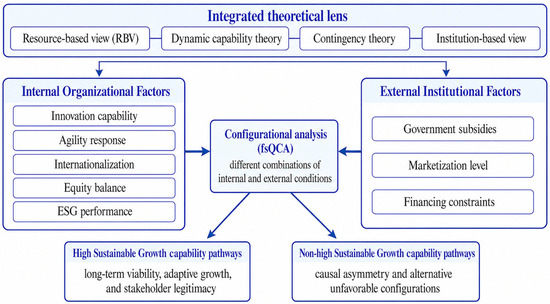
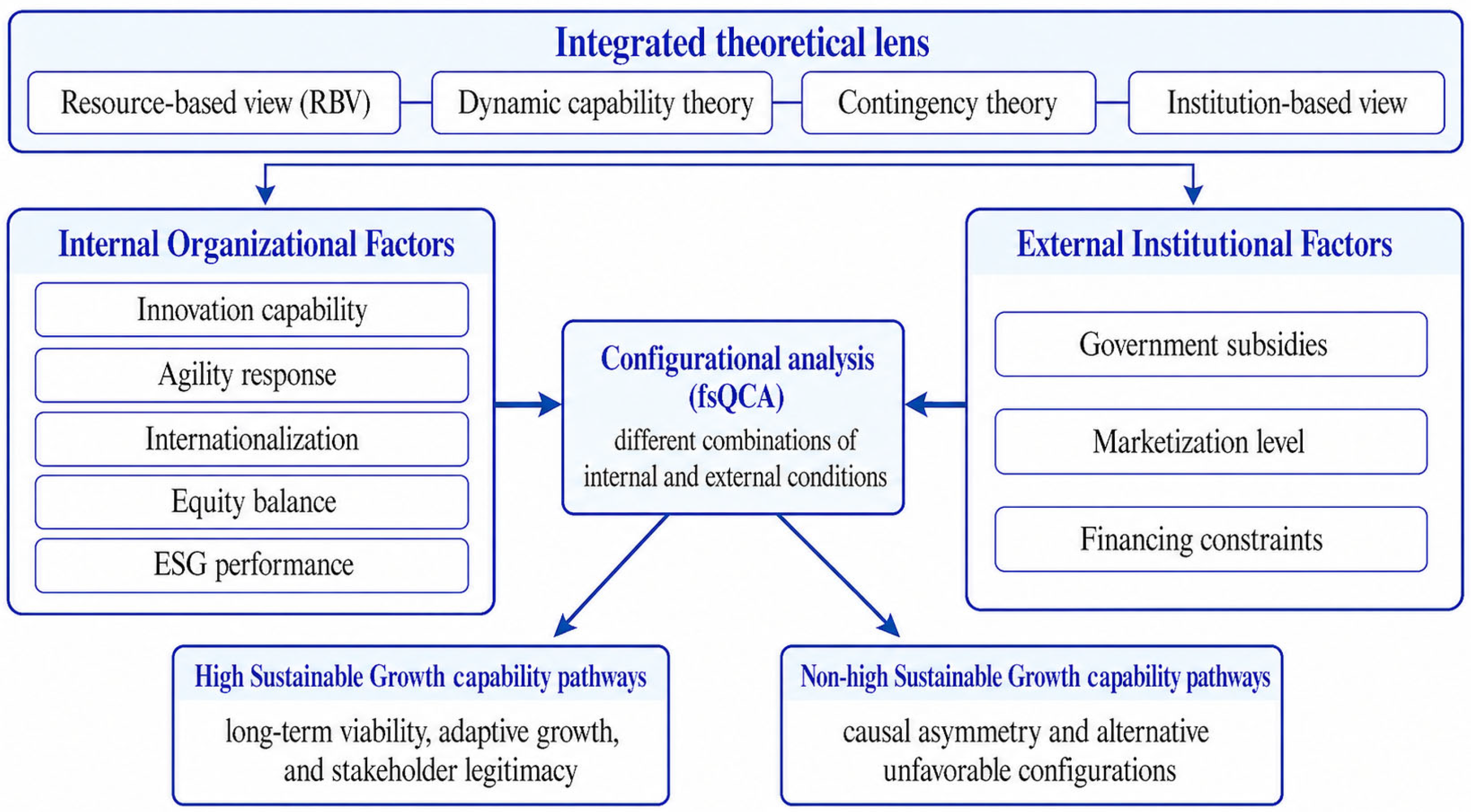
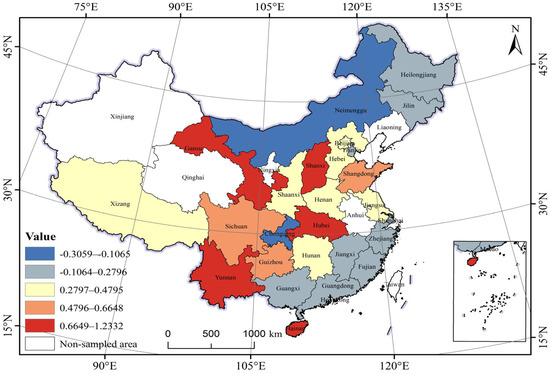
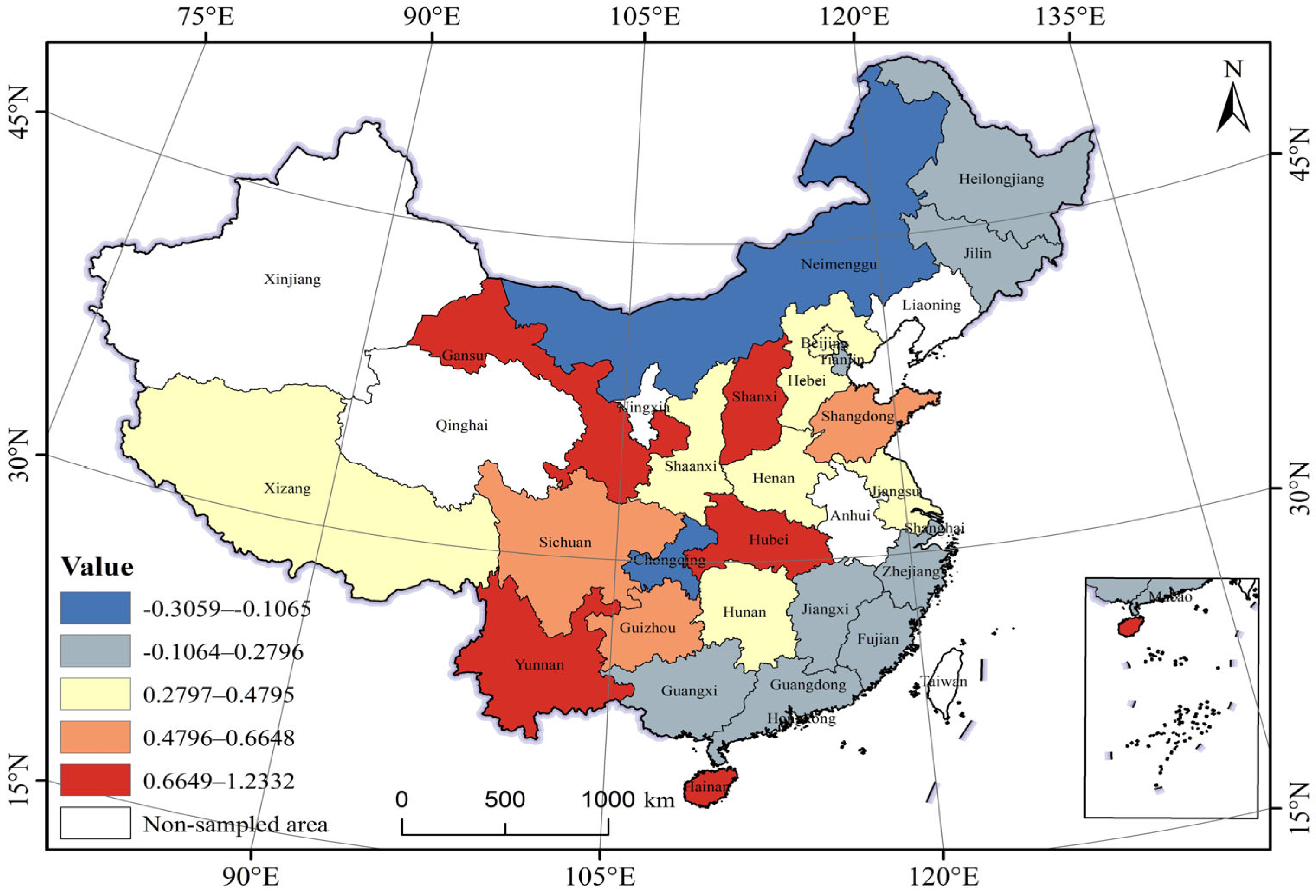
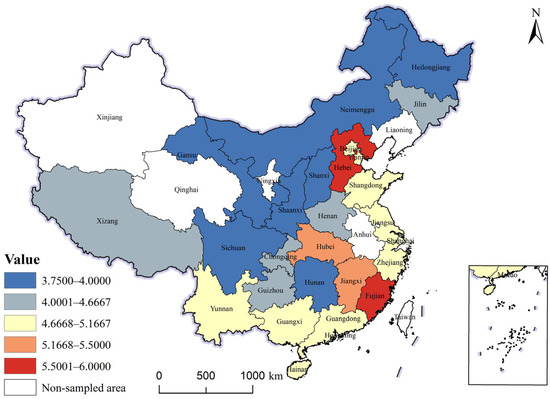
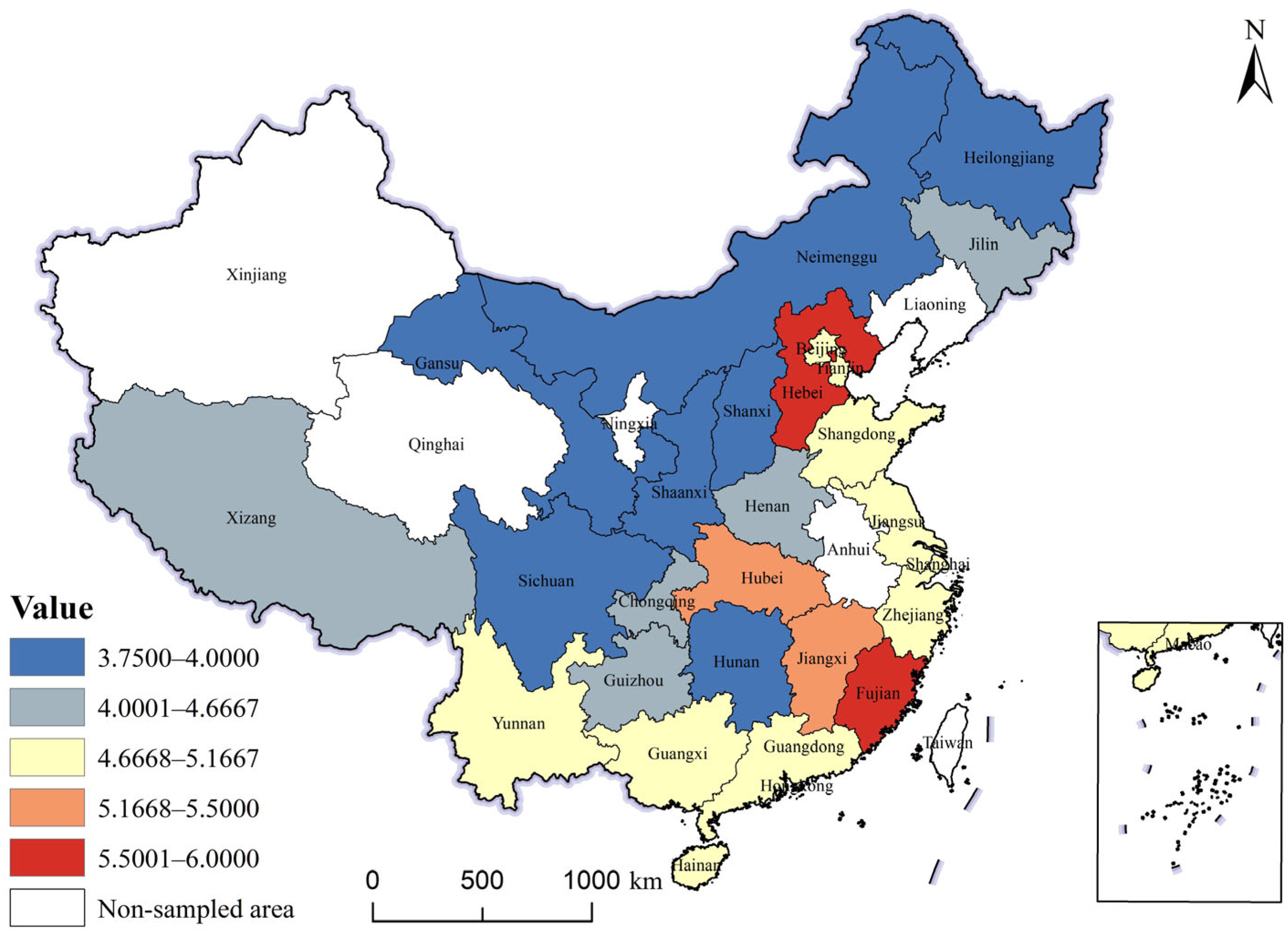
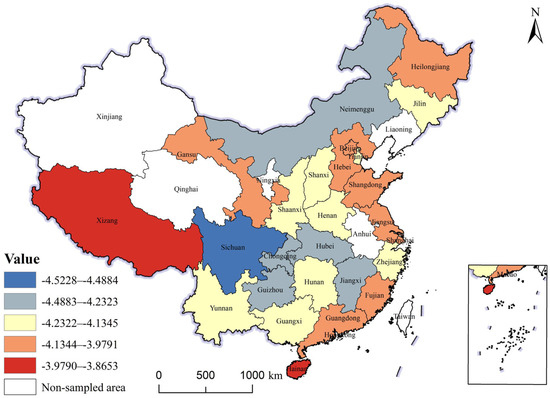
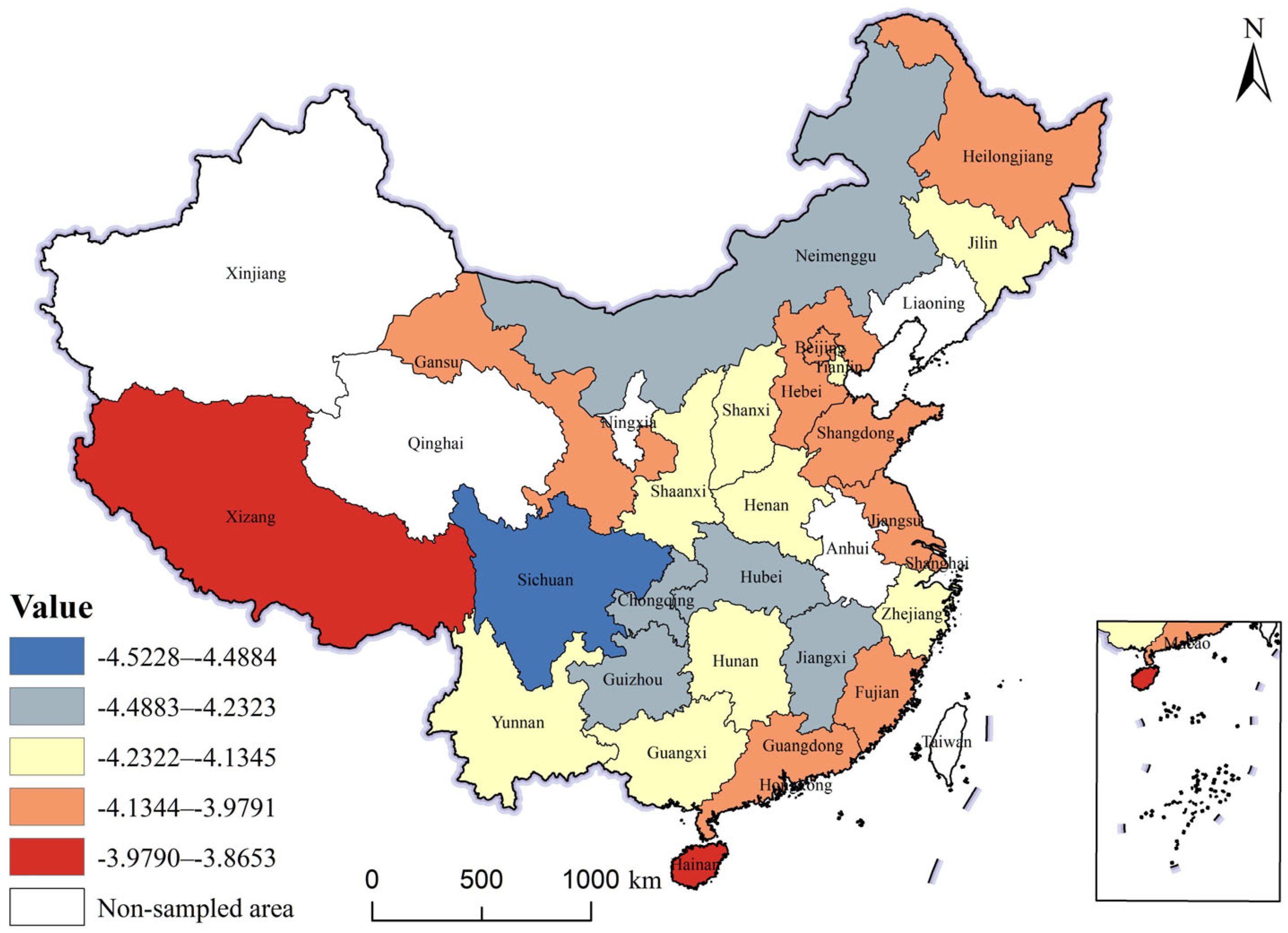
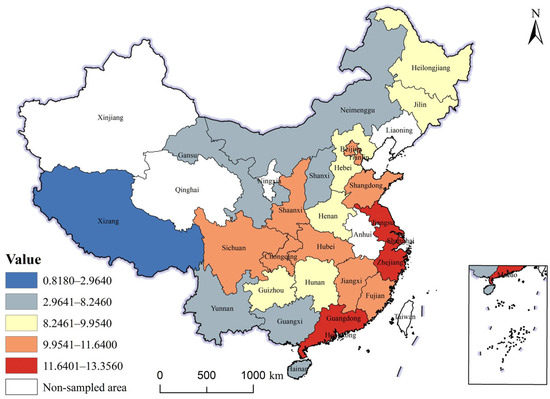
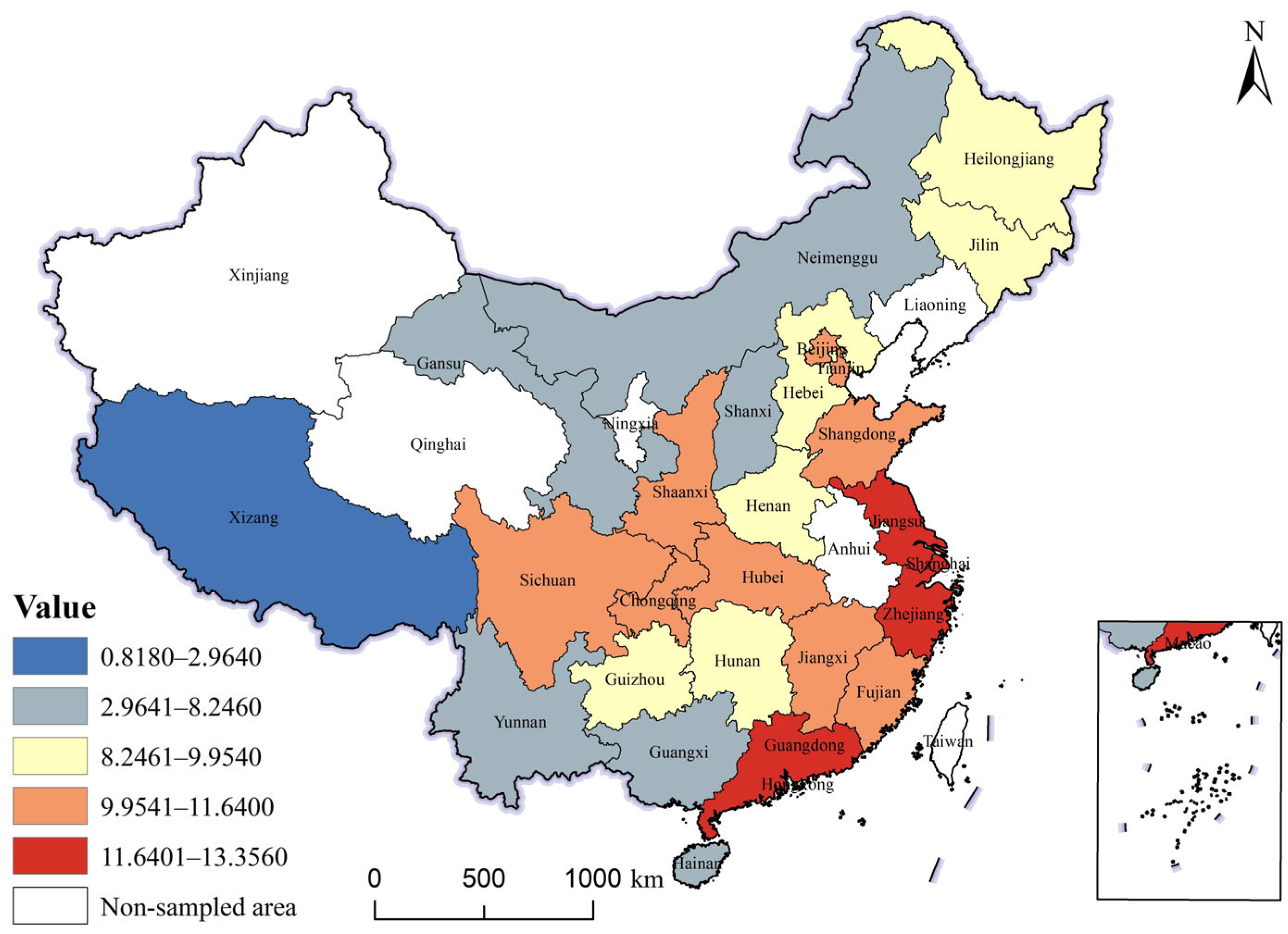
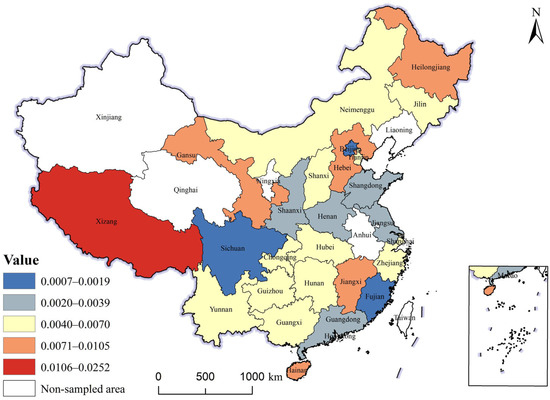
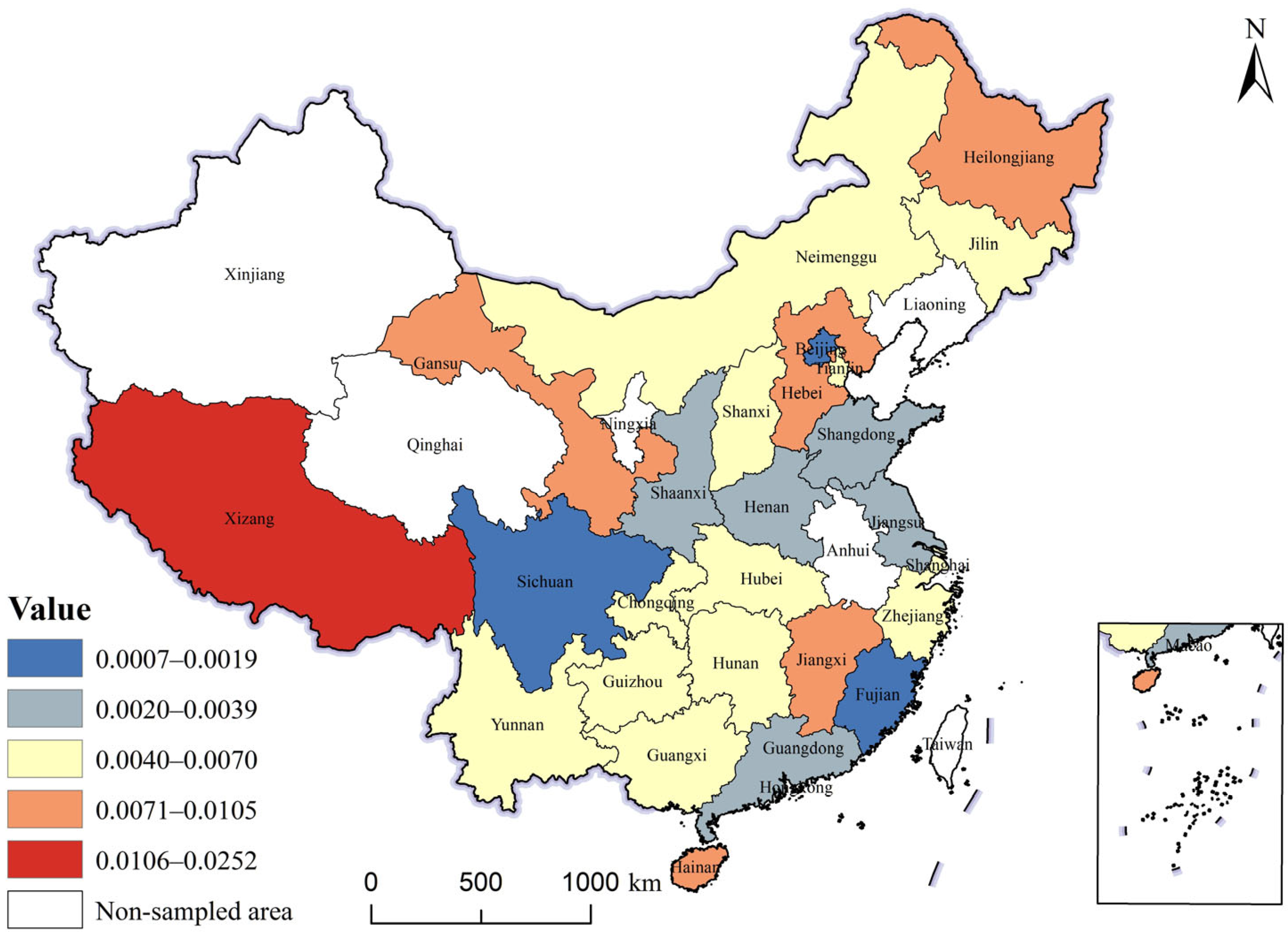
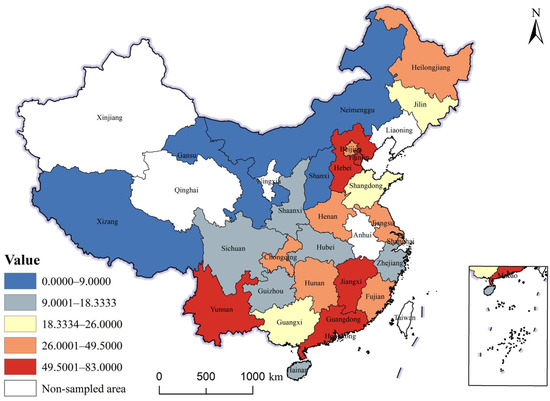
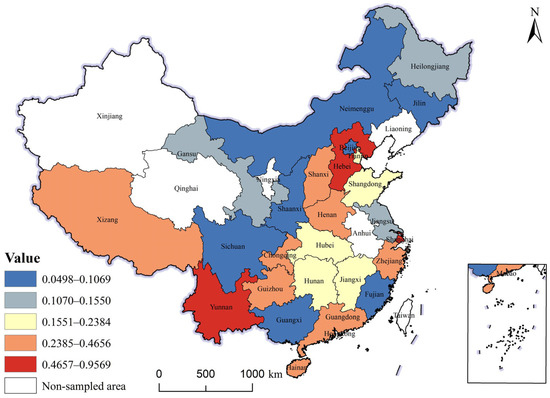
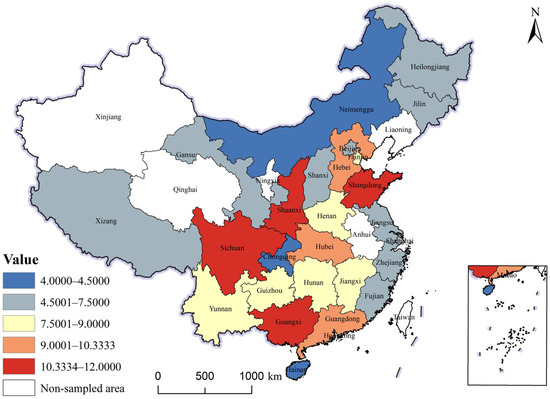
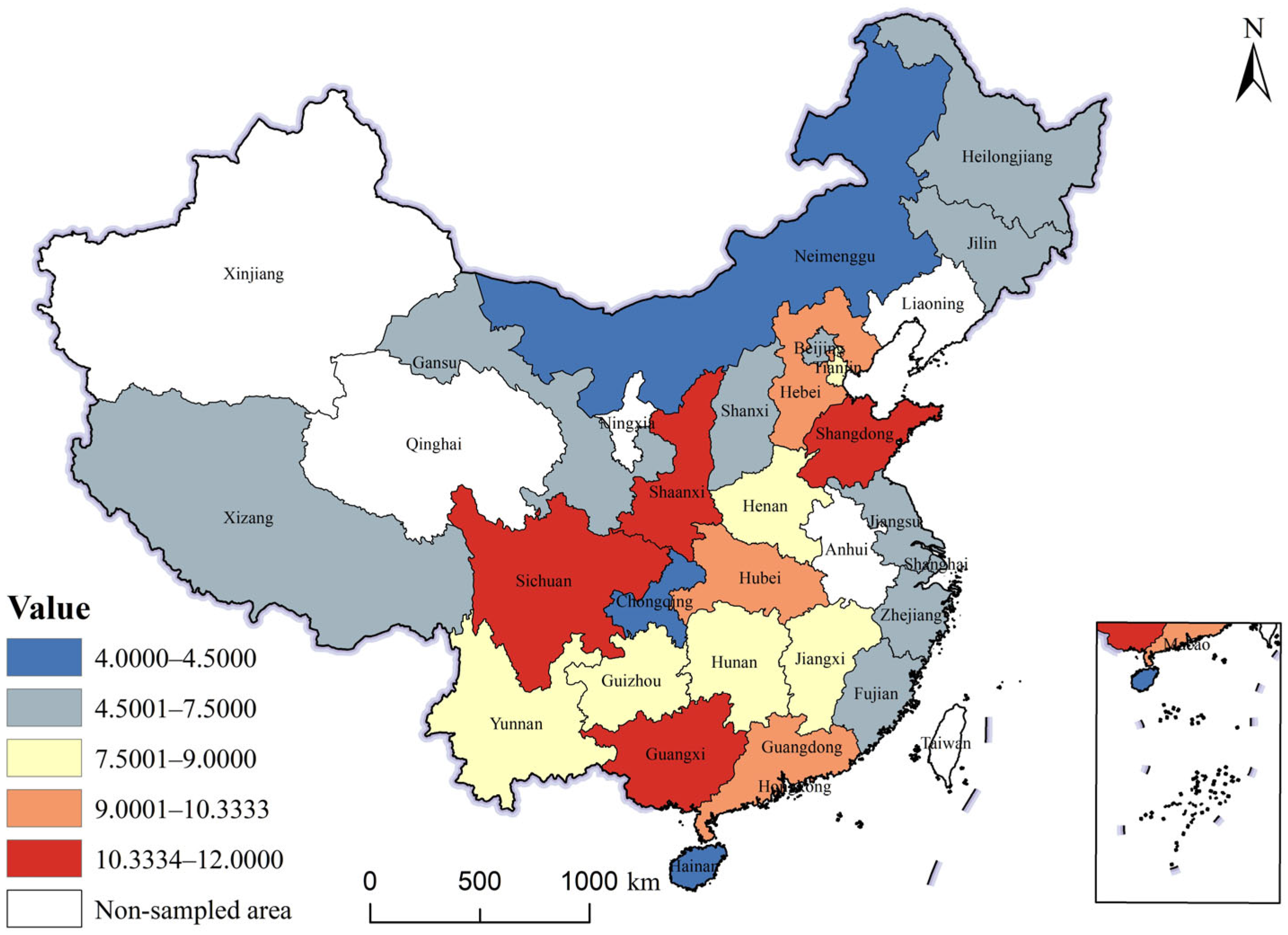
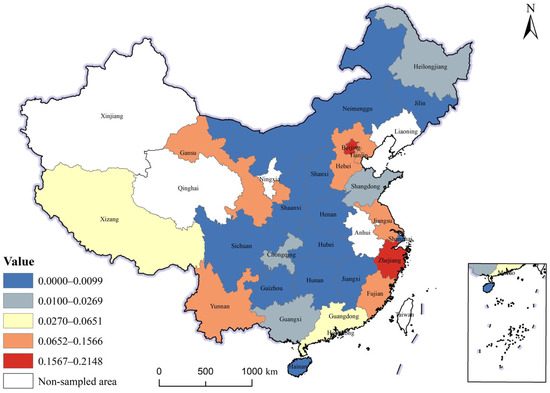
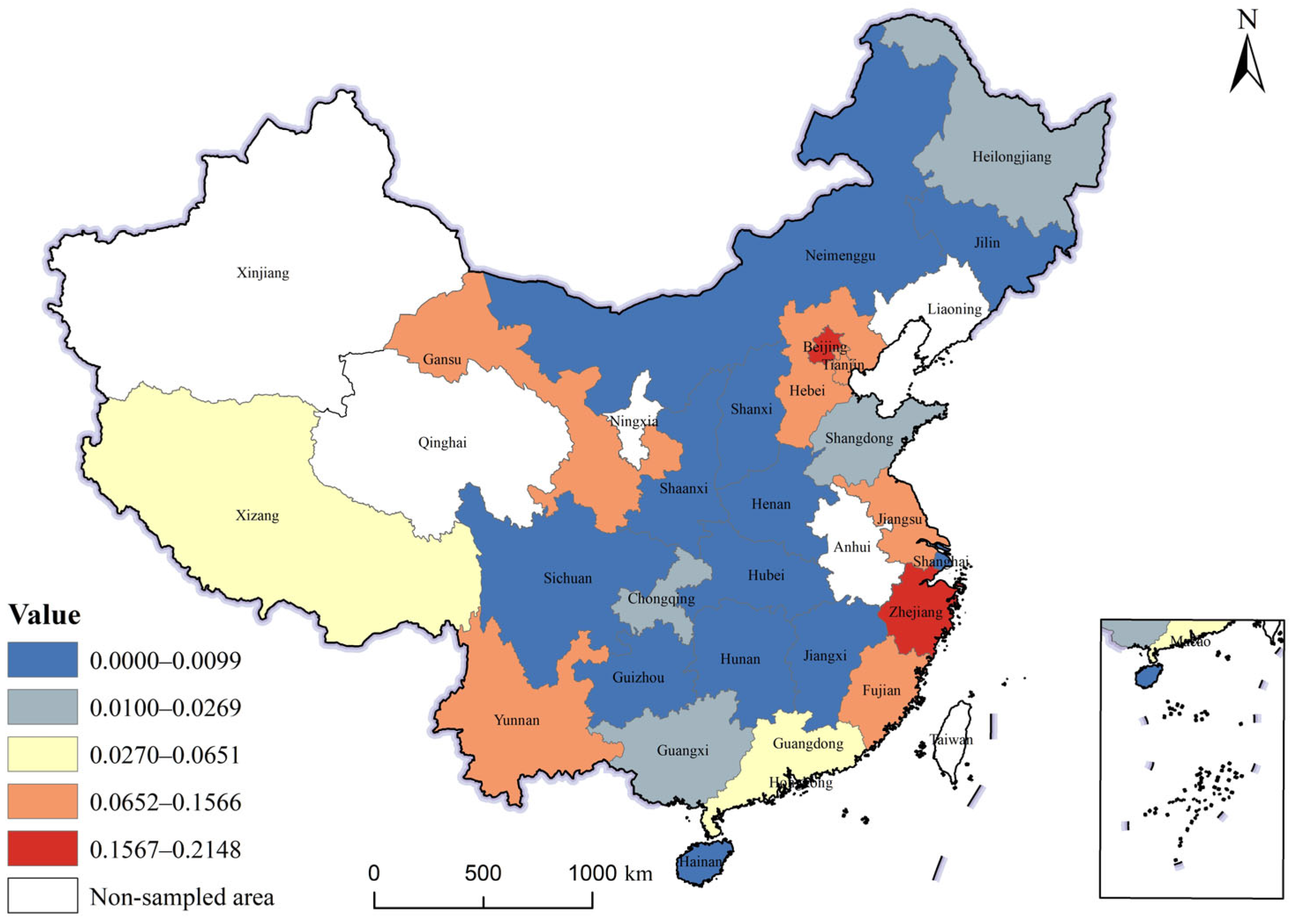

Disclaimer/Publisher’s Note: The statements, opinions and data contained in all publications are solely those of the individual author(s) and contributor(s) and not of MDPI and/or the editor(s). MDPI and/or the editor(s) disclaim responsibility for any injury to people or property resulting from any ideas, methods, instructions or products referred to in the content. |
© 2026 by the authors. Licensee MDPI, Basel, Switzerland. This article is an open access article distributed under the terms and conditions of the Creative Commons Attribution (CC BY) license.