


Abstract
Coffee production spans nursery operations, plantation establishment, field management, harvesting, and cross-stage digital integration. This scoping review mapped technologies and gaps in field validation across these stages. We searched the Web of Science Core Collection, China National Knowledge Infrastructure, and Google Scholar through 15 August 2026. The evidence map covers 203 publications. Eligible publications addressed coffee-production tasks from nursery to harvest or provided evidence transferable to a specified coffee-production task; we charted each source by context, primary technical theme, and validation level. We classified the publications as coffee-specific evidence, evidence from comparable crops or nursery systems, or general agricultural and adjacent engineering evidence. Separately, we assigned four validation levels according to the setting and measured outcome, ranging from Level I field-system or management-outcome validation to Level IV conceptual or contextual evidence. Direct coffee evidence covered plantation sensing, irrigation support, variable-rate fertilization, crop protection deposition and efficacy, maturity detection, vibration-based detachment, and continuous mechanical harvesting. Precision sowing, automated seedling grading, end-to-end weeding, robotic pruning, selective single-cherry harvesting, digital twins, and multi-machine coordination relied mainly on analogous or general engineering research. Fifteen publications reached Level I, including 13 coffee field publications and two crop analogs. None of the 30 publications coded to full-process digital integration demonstrated Level I validation. Field studies should test whether sensing can inform prescriptions, whether equipment executes them, and whether measured outcomes improve subsequent decisions.
1. Introduction
1.1. Need for Mechanization, Digitalization, and Intelligent Technologies in Coffee Production
Coffee production encompasses seed treatment, nursery production, plantation establishment, field management, and harvesting. Operational targets change from seeds and container-grown seedlings to perennial trees with complex canopies [1,2,3,4,5]. In coffee plantations, slopes, irregular row widths, and wet soil can limitthe ability of machinery to move between rows [6,7]. Cherries may ripen unevenly on the same tree, making it difficult to maintain harvest quality in a single pass [7,8]. Labor and machinery service costs also affect the choice between manual work, farm-owned equipment, and contracting [8,9]. These constraints create a need to design fields, operating procedures, and equipment together.
Mechanization, digitalization, and intelligent operation perform distinct but interdependent roles [10]. Mechanization supplies repeatable force, displacement, and flow; digitalization represents plots, plants, equipment, and batches as locatable and traceable data objects; and intelligent operation uses observations, constraint models, and feedback to generate decisions and adjust parameters [11,12]. Their value should therefore be judged through plant establishment, resource use, crop protection efficacy, harvest integrity, cost, and inter-seasonal stability rather than algorithm accuracy or equipment speed alone. Variable-rate fertilization already converts spatial prescriptions into mechanical outputs through positioning and independent metering, but execution consistency remains an intermediate outcome that requires agronomic and long-term soil validation.
These technologies must also match the time scales of production. Terrain and road layers may require annual revision; soil moisture and pest status may change daily or after specific events; and navigation safety and machine control require second-scale responses. High offline accuracy does not ensure reliable operation when update frequency and failure consequences are ignored.
Technology pathways also differ by farm scale. Accuracy must be balanced against investment, maintenance, and operational complexity; offline capability, ease of calibration, and modular replacement are especially important for mountainous plantations and smallholders. Production needs therefore differ by farm scale and terrain. Evidence on the combined effects of equipment, operating conditions, and management remains limited.
1.2. Current Status of Coffee Production Technologies and Equipment
Research has moved toward combining aerial imagery, ground sensors, spatial information, and machine learning [13,14,15,16,17,18]. Uncrewed aerial vehicle (UAV) imagery can characterize coffee canopy structure and crop cover [19,20]. Terrain mapping with light detection and ranging (LiDAR) can also provide inputs for plantation and traffic-lane planning. Farm design must account for machine dimensions, clearance, stability, turning space, and soil bearing capacity.
Soil sampling grids characterize the spatial variation in soil properties within coffee fields [21]. Digital soil mapping, irrigation decision support, variable-rate fertilization and targeted crop protection address different field-management tasks. Low-data irrigation tools for Robusta coffee illustrate the trade-off between accessible recommendations and data requirements. Drone spraying trials in mountain coffee show that low-volume application can achieve disease control under the tested conditions. Vertical differences in canopy deposition make coverage and efficacy separate evaluation endpoints.
Intelligent harvesting has one of the stronger coffee-specific evidence bases. Multispectral image classification distinguished maturity stages of harvested coffee cherries under controlled illumination [22]. Vibration studies relate excitation frequency, amplitude and contact position to fruit detachment and branch damage, and self-propelled prototypes for terraced terrain integrate tracked mobility, detachment and collection. Stable performance under changing illumination and occlusion, and across cultivars, slopes and seasons, requires independent validation.
Cross-stage integration is beginning to progress from data connectivity to bidirectional control. The Internet of Things (IoT) can support monitoring, alerts, and task transmission. Communication losses in mountainous terrain and sensor drift can affect the quality of decision inputs. Digital twins, multi-machine coordination, and blockchain-based traceability can support state prediction, task reassignment, and data auditing. Research has established several stage-specific capabilities. Cross-season field evidence linking nursery, field-management, and harvesting records to the same plants and production batches remains scarce.
1.3. Review Scope, Core Concepts, and Analytical Framework
This scoping review covered nursery operations, plantation establishment, field management, harvesting, and digital integration across these stages; roasting, flavor evaluation, and general supply-chain digitalization were outside its main scope. Mechanization denotes controlled machine action on biological materials, soil, and inputs; digitalization denotes standardized records of object identity, location, state, and operations; and intelligent operation denotes data- and model-based prediction, prescription, autonomous execution, and feedback. Together, these functions form a closed loop of environment and crop sensing, state diagnosis, task and parameter decisions, equipment execution, operational-quality verification, and data feedback.
Because the literature spans production stages, technology types, study designs, and validation endpoints, a scoping review was used to map the range and characteristics of the evidence and identify gaps rather than to estimate a pooled effect.
To synthesize heterogeneous evidence, the review prioritized direct coffee field studies, used fruit-tree, grape, nursery, and other crop research as analog evidence for mechanisms and methods, and treated surveying, communication, optimization, and blockchain studies as enabling methodological evidence. Each production stage was assessed through four elements—objects and constraints, sensing and modeling, equipment and execution, and operational and agronomic outcomes—with common attention to accuracy, efficiency, completeness, cost, robustness, and transferability. Section 3, Section 4, Section 5, Section 6, Section 7 and Section 8 address mechanization-oriented plantation establishment, smart nursery production and transplanting, water–fertilizer–soil–weed management, tree architecture and crop protection, intelligent harvesting, and full-process digital integration.
The evaluation distinguishes perception accuracy, decision quality, and operational outcomes. Classification performance is not treated as agronomic validation, and economic feasibility is not treated as evidence of mechanical safety or spatial suitability. This distinction supports comparable judgments of evidence level and technology maturity.
In Figure 1, horizontal arrows represent progression within a production stage from sensing and diagnosis to execution and outcome evaluation. Vertical arrows represent transfers of data, constraints, and outcomes between stages, while return arrows represent recalibration of problem definitions, model parameters, and evidence levels after field verification. The scoping review addressed three questions. Which technologies have been studied at each production stage? What settings and outcomes have been used to validate them in coffee or in potentially transferable studies? Where does field evidence remain limited, particularly for systems that link sensing, prescription, equipment operation, outcome verification, and data feedback? The framework therefore maps both demonstrated functions and missing links between stages.
Figure 1.
Analytical framework used in this review. Figure 1 summarizes how the review links evidence classification to production stages and follows information from sensing through action to outcome verification. The feedback arrows show where results can inform the next decision or operation.
2. Scoping Review Methods
We used a scoping review design to map research on mechanization, digitalization, intelligent technologies, and system integration from coffee nursery production to harvest. We used a structured search to identify sources and charted each publication in the evidence map by evidence source, primary technical theme, and validation level. Evidence mapping and narrative synthesis summarized what the available studies established and where field validation remained limited. This scoping review was reported in accordance with the PRISMA Extension for Scoping Reviews (PRISMA-ScR) [23]. The completed 22-item PRISMA-ScR checklist, including the corresponding locations in the manuscript and Supplementary Materials, is provided in Supplementary Table S3.1. No written review protocol was prepared, and the review was not registered.
2.1. Literature Search and Study Selection
We searched the Web of Science Core Collection, China National Knowledge Infrastructure (CNKI), and Google Scholar. Eligible publications were dated from 2010 through 15 August 2026; the final search was completed on 15 August 2026. We used English search terms in Web of Science and Google Scholar and Chinese terms in CNKI. For each of four Google Scholar query groups, we screened the first 100 relevance-ranked results. We did not use forward or backward citation tracking. We applied no publication-language exclusion.
The four core search groups used database-specific coffee terms. Web of Science used (coffee OR Coffea), CNKI used the Chinese terms listed in Table S1.3, and Google Scholar used coffee in all four groups. Group 1 covered mechanization, machinery, robots, and automation. Group 2 covered terrain, transplanting, soil sensing, irrigation, and fertilization. Group 3 covered phenotyping, pruning, diseases, pests, and spraying. Group 4 covered maturity, vibration, harvesting, digital twins, the Internet of Things (IoT), and traceability. Alternative terms within each concept group were combined with OR. The coffee and technology groups were combined with AND. Tables S1.1 and S1.3 report the search settings and executed queries. Google Scholar was searched using the four core queries only, yielding 400 records for screening.
The Web of Science and CNKI searches used the Topic field. In Web of Science, the basic structure was TS = ((coffee OR Coffea) AND (technical terms)). The CNKI search covered journal articles, dissertations, and conference papers. Supplementary searches in Web of Science and CNKI combined technology terms with related-crop terms. Eligible sources addressed a production task from coffee nursery operations through harvest or provided evidence that could inform a specific task in that scope. A publication from another crop or engineering setting was eligible when it identified the crop or application, described the relevant operating or validation conditions, and provided a mechanism, method, or result that could inform a specified coffee-production task. Transferability was judged from the correspondence between the original task and the coffee task, including relevant biological, mechanical, or information requirements. Conceptual and contextual sources were eligible when they described an applicable mechanism, system architecture, interface, or decision criterion in sufficient detail for charting. Reports without enough task-specific technical information to assess this correspondence were excluded as providing insufficient technical information. Sources concerned solely with roasting, flavor evaluation, or unrelated supply chains were outside the scope.
We deduplicated records by standardized digital object identifier (DOI) or, when unavailable, by title, authors, year, and source. The first through fourth authors independently screened titles and abstracts, and the fifth author adjudicated disagreements at this stage. The first and second authors independently assessed full-text eligibility, and the third author adjudicated disagreements at this stage. For multiple reports from the same platform, dataset, or experiment, we retained the most complete report unless another provided independent conditions, results or substantive improvements. The searches identified 8248 records in Web of Science, 1160 in CNKI and 400 in Google Scholar. We screened 9238 records after removing duplicates and excluded 8506 at this stage. Of the 732 reports sought for retrieval, 48 could not be retrieved, and 684 were assessed for eligibility. After full-text assessment, we excluded 481 reports for the following reasons: outside the production scope (n = 361), insufficient technical information (n = 94), and duplicate reports without new evidence (n = 26). We included 203 publications in the qualitative evidence synthesis (Figure 2).
Figure 2.
Literature search and study-selection flow diagram.
2.2. Data Charting and Evidence Classification
Evidence source described how a publication related to coffee production, independently of validation level. Coffee-specific evidence concerned coffee plants, production environments, products, dedicated equipment, or digital systems. Comparable crop or nursery evidence provided a task-specific mechanism, method, or operational result that could inform a corresponding coffee-production task. This category included non-coffee crops when the transfer concerned a specified task, rather than requiring the crop to be a perennial horticultural species. General agricultural and adjacent engineering evidence provided enabling methods, such as surveying, communication, interoperability, optimization, coordination, or trusted records. Source categories were assigned according to the role of each publication in the synthesis; a crop name alone did not determine whether a source was a task-specific analog or general engineering support. Thus, a coffee review remained coffee-specific by source even when classified as Level IV.
Yu Zhang (Y.Z.) and Xingjian Yang (X.Y.) independently charted the evidence source, primary technical theme, and validation level of each publication. They compared and cross-checked their assignments against the reported study setting and highest measured endpoint. Disagreements were resolved by Xingzhu Qian (X.Q.). The publication-level assignments are reported in Table S2.3. We did not contact authors of the included reports to obtain or confirm additional data. Funding sources of the included publications were not extracted or analyzed.
Validation scale described the highest endpoint demonstrated by a study, independently of evidence source. Level I required continuous field-system performance or a field management intervention linked to operational or agronomic outcomes. Level II covered field-tested subsystems, deployed prototypes, or single operations. Level III covered object, laboratory, controlled-environment, dataset, simulation, or model validation. Level IV covered conceptual architectures, reviews, bibliometric studies, economic or adoption surveys, and method-only evidence without validation of an operational physical task. Thus, a coffee review remained coffee-specific by source but was Level IV by validation scale, whereas an orchard robot could be analog evidence by source and Level II by validation scale.
For example, the coffee-rust study in Ref. [24] evaluated a predictive model using observational field data and spatiotemporal cross-validation. It was classified as Level III because its highest validated endpoint was model performance, rather than the performance of a deployed field subsystem or an implemented physical operation. Level II required validation of such a subsystem or operation under production conditions. Field origin of the data alone was therefore insufficient to assign Level II.
Figure 2 reports search and selection counts. Figure 3 summarizes the 203 publications included in the evidence map. We recorded evidence source separately from the primary technology theme and validation level. Each publication was counted once in the theme and validation-level totals. Cross-cutting sources without a single primary theme were tabulated separately. We applied the validation criteria in Table 1 to the highest reported endpoint. A field management treatment with a measured agronomic or operational result could meet Level I. A subsystem measurement or isolated device test under field conditions met Level II. Table S2.3 reports the assignments and measured endpoints, while Table S2.2 documents Level I outcomes and observation windows. Classification remains limited by reporting detail.
Figure 3.
Validation levels by primary theme for the 203 cited publications. Each publication is counted once.
Table 1.
Evidence levels and boundaries of conclusions in research on coffee mechanization, digitalization, and intelligent technologies.
When the source did not report a relevant observation period or operational endpoint, we did not infer one. Table S2.3 identifies the measured outcome or citation role; a dash indicates that no separate observation-period or evidence note is listed. We did not conduct a separate formal critical appraisal or risk-of-bias assessment. The validation levels describe the setting and highest demonstrated endpoint, rather than constituting a formal assessment of methodological quality.
2.3. Composition of the Evidence Base
Figure 2 reports the 203 publications included in the evidence synthesis. The reference list contains 205 entries because it also includes the PRISMA-ScR reporting guideline and the technical standard for ISOBUS cited in Section 8.1. The evidence map includes 9 cross-cutting background publications. Figure 3 presents their distribution by primary theme and validation level. The totals for Levels I to IV were 15, 45, 92, and 51, respectively. Fifteen publications reached Level I, including 13 coffee field publications and two crop analogs. Table 2 cross-tabulates evidence source and validation level: 66 publications were coffee-specific, 78 concerned comparable crops or nursery systems, and 59 provided general agricultural or adjacent engineering evidence. Table S2.3 provides the publication-level source assignments, themes, levels, and reported endpoints; Table S2.2 documents the field outcomes and observation periods for Level I publications.
Coffee-specific publications accounted for 13 of 15 Level I publications and 18 of 45 Level II publications. At Levels III and IV, the coffee-specific counts were 28 of 92 and 7 of 51, respectively. The two non-coffee Level I publications concerned tea frost protection and variable-rate fertilization in winter wheat; they provide task-specific analogs rather than direct coffee validation. These distributions distinguish the setting and outcome of validation from the crop or engineering context in which the evidence was produced.
None of the 30 publications coded to full-process digital integration demonstrated Level I validation. The digital integration studies demonstrated functions such as monitoring, data exchange and batch association. Evidence for improved farm-level traceability and fewer repeat measurements still requires field evaluation. Table 3 gives the common evaluation framework.
Table 2.
Distribution of the 203 mapped publications by evidence source and validation level.
Table 3.
Unified evaluation framework for mechanization, digitalization, and intelligent technologies across coffee production.
3. Digital Planning and Mechanization-Oriented Establishment of Coffee Plantations
3.1. Multisource Data Acquisition for Terrain, Soil, and Plants in Coffee Plantations
The information required for machinery planning is not a general resource survey, but spatial evidence that can describe equipment passage, operations, and risk boundaries [24,25]. Terrain undulations determine slope stability and drainage direction, soil conditions affect bearing capacity and slippage, and the position of plants and canopy scale define the net width between rows, while ditches, roads, and obstacles together form accessible areas.
Satellite imagery provides broad coverage and can be updated at relatively long intervals. UAV red, green, and blue (RGB) or multispectral imagery offers finer detail at periodic intervals. Ground real-time kinematic (RTK) positioning and soil sensors support local calibration. LiDAR adds elevation, obstacle, and three-dimensional canopy information. In a coffee field study, imagery and ground measurements were combined to produce orthomosaics and estimate canopy traits [26]. Figure 4 shows that workflow from image acquisition to spatial layers.
Figure 4.
UAV image processing and coffee plant information extraction workflow. Cited from Barata et al. [25], reproduced unchanged under the CC BY 4.0 license, with no modifications.
Figure 4 illustrates the steps needed to convert aerial images into spatial layers. Registration and canopy delineation determine whether those layers support later planning. Field imagery has been used to count coffee plants [27]. Separately, low-altitude flights aligned with coffee rows provided close views of foliage for rust detection in a shaded plantation [28]. That study informs flight-path and visibility considerations. Independent ground checks are still needed to establish the accuracy and completeness of a plantation map.
In mechanized farmland, airborne LiDAR and calibration of the global navigation satellite system (GNSS) and inertial navigation system (INS) improved terrain and obstacle representation [29]. The results depended on system calibration, overlap between flight lines, and trajectory correction. Canopy occlusion and distance from the flight path can reduce point density, so coffee-plantation performance should be checked with local ground measurements.
Satellites provide regional context, and UAVs update canopy and surface layers. Ground measurements calibrate local geometry and soil properties. Geographic information systems (GIS) align the records in space and time. Evaluate the contribution to planning using positioning and elevation errors, canopy-boundary completeness, temporal consistency, missing-data rates, update costs, and measured improvements in zoning and route planning.
Field imagery supports canopy and plant mapping. Independent checks of completeness and positioning are needed before the layers are used for machine routing.
3.2. Evaluation and Zoning of Suitability for Mechanization
Mechanization suitability describes whether a specified machine can complete a specified operation in a particular plot [30,31]. Growth suitability instead depends on factors such as climate, soil, and water availability [32,33]. A plot can support vigorous coffee growth while dense mature canopies reduce effective clearance, or wet soil reduces traction. A small scouting platform may still traverse the plot when a loaded harvester lacks the width or space to turn at the headland. Suitability zones should therefore specify the machine, implement, load, canopy stage, and soil conditions. Candidate thresholds should be tested against pass rate, slip, turning success, or the quality of the completed operation.
Existing methods include expert-weighted multicriteria evaluation, threshold-based rules, and data-driven classification. The analytic hierarchy process (AHP) helps weigh climatic, soil, topographic, and socioeconomic factors. GIS tools combine these factors in spatial layers. Salas López et al. combined AHP, GIS, and remote sensing to assess coffee growth suitability [32]. Figure 5 shows the resulting layered submodels. To use these layers for mechanization zoning, the analysis also needs to account for machine width, soil bearing capacity, and vehicle kinematics.
Figure 5.
Multi-factor spatial zoning results of coffee suitability based on AHP, GIS, and remote sensing. (a) Climatic condition suitability zoning; (b) soil condition suitability zoning; (c) topographical condition suitability zoning; (d) socio-economic condition suitability zoning; (e) coffee pest and disease limitation condition suitability zoning. In the figure, dark blue, green, and yellow represent highly suitable, moderately suitable, and unsuitable areas, respectively, while light blue represents major water bodies. Cited from Salas López et al. [32], reproduced unchanged under CC BY 4.0 license, without modification.
GIS-based parametric zoning combines climatic, topographic and soil variables to classify land suitability for coffee cultivation [33]. The resulting suitability classes can guide agronomic planning. Machine passability and work performance require equipment-specific thresholds and checks on independent plots.
Oliveira et al. compared repeated mechanical picking passes, and Dias et al. evaluated semi-mechanical harvesting across sites and years [8,34]. Repeated passes can increase fruit recovery, but their efficiency and cost depend on the additional work required. Semi-mechanical harvest performance can also vary across sites and years at similar row spacing. These findings support using several operational measures to assess spatial suitability.
B. R. De Oliveira et al. assessed the cost of repeated mechanical harvesting [8], whereas G. M. De Oliveira and Zylbersztajn compared owner-operated, contracted, and mixed service arrangements [9]. These studies inform adoption mode and operation frequency, not spatial safety or machine capability. Mechanization zoning should therefore classify machine-specific suitable, restricted, and prohibited areas and refine its thresholds using trajectories, failure cases, and costs. Table 2 summarizes the supporting evidence. Land-suitability studies provide useful spatial inputs, while machine-specific access and operating limits still require validation under representative loading and soil conditions.
3.3. Coordinated Design of Row Orientation, Planting Density, and Machinery Operating Space
Row orientation and spacing must address both agronomic objectives and machine clearance. Field trials of Arabica planting density measured processed-bean yield and bean grading across cultivars and spacing treatments [6]. Semi-mechanized harvesting trials measured detachment force, harvest efficiency, and canopy damage indicators across coffee progenies [34]. These outcomes inform cultivar choice and row design. Mature canopy width and actual machine clearance still require direct measurement [35,36].
Row orientation and spatial arrangement affect canopy light interception, shade timing, and ventilation. Somarriba et al. compared shade configurations in coffee agroforestry systems [37]. Even at the same basal area and cover, shade varied with trunk diameter, canopy width, tree height, and spatial arrangement. North–south and east–west alleys also differed in the timing of shade. Studies on other crops suggest that greater planting density can improve early light interception but can also accelerate canopy closure and increase the need for ventilation and disease management [38].
Mechanical space verification should incorporate inter-row net width, equipment lateral envelope, headland width, minimum turning radius, and slope stability margin into the same geometric constraints. Li et al. demonstrated through orchard headland turning tests that when available space is insufficient, vehicles need to use reversing or more complex steering paths, leading to increased path length, non-working time, and curvature [39]. A reasonable scheme should establish a conditional range between agronomic density and mechanical efficiency.
Coffee-plantation layout should therefore be verified throughout the production cycle. Initial row and plant spacing should reflect cultivar and target density; after canopy closure, measured clear width and observed passage, turning, spraying, and harvesting performance should update the design limits. UAV imagery and point clouds can support this process, although resolution, occlusion, and sample size affect their estimates [40,41]. Agronomic performance and machine-space requirements must jointly define the final range.
3.4. Planning Roads, Headlands, and Machinery Traffic Lanes
Field boundaries, headlands, and inter-row lanes define where machines can travel, turn, and cover a plot [42,43,44]. For coffee plantations, we propose connecting these elements with locations for supply, transfer, and emergency refuge. Main roads serve transport and maintenance. Branch roads connect plots, and inter-row lanes serve spraying, pruning, and harvesting. Drainage, bearing capacity, clearance, and stability require verification across the network.
Akpan et al. used a multi-attribute utility model to screen candidate roads. Modinpuroju et al. used ArcGIS to build a road-network database [45,46]. GIS cost surfaces and multicriteria methods can compare road functions, construction requirements, and the locations served. The comparison can help prioritize routes and establish a road hierarchy.
Field-end design is dominated by vehicle kinematics. The feasibility of semicircular, bulb-shaped, or reverse-trajectory paths is jointly determined by usable width, row spacing, minimum turning radius, and obstacle distribution, and path optimization can simultaneously reduce non-operational distance, steering time, and curvature [39].
Workman et al.’s all-weather road-accessibility indicators support a sequence of constraint identification, network layout, coverage planning, and field verification, although accessibility changes with road condition, season, and data age [47]. Coffee plantations should update traffic classes from machine trajectories and evaluate drainage, skid resistance, slope stability, and worker safety alongside transport efficiency.
Existing methods can help lay out access routes. Load-bearing, clearance and seasonal safety still require tests with the intended machine.
3.5. Digital Base Maps and Foundational Databases for Coffee Plantations
Digital base maps can link terrain, soil, plants, facilities, and records to identifiable field objects [48,49,50]. Spatial layers should record their resolution and intended use because a layer suitable for broad zoning may lack the detail required for row navigation. Stable identifiers can link plots, rows, plants, roads, equipment, and tasks across updates. Coordinates, units, dates, and versions should accompany the layers and operational records.
The review of digital coffee agriculture by Sott et al. and the GIS study of mountain coffee by Bosly et al. indicate that soil, plant attributes, and yield can form continuous spatial layers, but the update cycles and sources of different data vary greatly [51,52].
Open object models and interfaces support semantic interoperability. Roccatello et al. compared IoT frameworks and described how the Open Geospatial Consortium (OGC) SensorThings standard aligns heterogeneous records by observation, location, sensor, data stream, and time [53]. Connectors can check data integrity and consistency before converting formats. A coffee implementation would need fields specific to seedlings, plants, tasks, and batches, along with rules for who can write or modify records.
Casilimas et al. validated a hierarchical information model with independent coffee data, showing that base-map value must ultimately be tested in production rather than inferred from database size or prediction accuracy [54]. Relevant measures include field completeness, coordinate and unit consistency, update delay, version recovery, and equipment read/write success. Table 4 summarizes these planning requirements; the resulting plant, road, headland, and traffic layers provide the coordinate framework for Section 4.
Table 4.
Representative Methods and Evidence Boundaries for Digital Planning and Mechanization-Oriented Establishment of Coffee Plantations.
Layering and persistent identifiers help build a usable base map. Field evidence is still needed on whether equipment can read, update and act on those layers.
4. Smart Coffee Nursery Production and Precision Transplanting
Direct coffee evidence in this chapter covers germination, nursery environments, and post-transplant establishment. Precision sowing, machine grading, and several transplanting mechanisms rely on nursery or crop analogs; their parameters are treated as transferable methods rather than validated coffee-machine settings.
4.1. Quality Assessment and Precision Sowing Requirements for Coffee Propagation Seed
The technical chain for coffee seed propagation should distinguish between external defects, internal condition, and actual viability, and pass the sorting results on to sowing and seedling evaluation [55,56,57]. RGB vision is suitable for identifying size, color, insect holes, and mechanical damage, but commodity bean grading focuses on appearance and processing quality, which cannot directly represent the germination potential of propagation materials.
Coffee studies reveal complementary information layers. Vachmanus et al. validated an active-learning vision model on commercial Robusta green coffee beans, whereas Casas et al. analyzed green-coffee-bean chemistry [58,59]. The first study reduces annotation effort for surface-defect screening, and the second shows that visually similar beans may differ internally. Cardoso-Magaña et al. provided direct reproductive evidence by testing how seed age and light quality affected germination rate and speed [60].
Figure 6 shows how the germination of coffee seeds of different ages varies under different light conditions. This coffee-specific Level III experiment can inform seed quality grading. Ansar et al.’s drum-sieve tests show that size grades should be interpreted alongside mechanical damage and germination results [61]. At sowing, the system needs to link qualified seed to the planting position and coordinate single-seed release, depth control, missed-position detection, and reseeding. Sorting accuracy describes input quality. Continuous seed delivery and uniform emergence are the operational outcomes.
Figure 6.
Germination performance of coffee seeds after 30 days of culture under different seed ages and light quality conditions. (A) Four-month-old seeds, white light; (B) 4-month-old seeds, dark; (C) 4-month-old seeds, red light; (D) 4-month-old seeds, blue light; (E) 9-month-old seeds, white light; (F) 9-month-old seeds, dark; (G) 9-month-old seeds, red light; (H) 9-month-old seeds, blue light. Scale bar = 0.5 cm. Reproduced from Cardoso-Magaña et al. [60], cited as is under CC BY 4.0 license, without adaptation.
Coffee studies support surface-defect screening and the relationship between seed age and germination, whereas precision sowing and automatic reseeding remain method-transfer problems. Evaluation should link grading consistency, seed damage, singulation, misses and doubles, emergence timing, and seedling uniformity. Table 5 retains the detailed samples and performance values.
Table 5.
Representative evidence and end-point validation across the smart coffee nursery and precision transplanting technology chain.
4.2. Digital Monitoring of Nursery Environments
Coffee seedling monitoring should be centered around the rhizosphere substrate, seedbed air, and canopy light environment to construct the ‘point measurement—spatial representation—seedling response’ chain [62,63,64]. Moisture content, electrical conductivity (EC), pH, temperature, and available nutrients reflect root zone conditions, while air temperature, humidity, and light describe the seedbed environment, but these indicators can only explain seedling quality when associated with seedling height, leaf number, and stress status.
Ezequelle et al. continuously monitored container substrate [65], Caron et al. tested nitrate sensors [66], and Khoddamzadeh et al. compared SPAD, atLEAF, and the normalized difference vegetation index (NDVI) [67]. These studies represent direct substrate sensing, ion-specific nutrient measurement, and leaf-proxy phenotyping, respectively. Substrate EC and moisture respond to irrigation distribution; nitrate sensors face saturation and drift; and leaf indices cannot readily separate water, age, and nutrient effects.
Data quality depends on communication, power supply, and maintenance. Greenhouse experiments by Ezequelle and Pizzileo illustrate the use of long-range (LoRa) radio links, the RS-485 serial communication interface, Wi-Fi, and local caching to connect zone-level nodes to a database [65,68]. Obstructions, fouling of solar panels, and power outages can leave different irrigation zones with different rates of missing data.
Nursery and related-crop studies support sensor selection and placement, but coffee-specific thresholds require calibration by container, substrate, seedling age, and season. Measurement error, spatial representativeness, missing-data records, and seedling response should be passed to the controller in Section 4.3 so that unreliable readings do not directly trigger irrigation or fertilization.
4.3. Intelligent Control of Nursery Environments
Seedling regulation should convert water content, EC, air temperature and humidity, and light into irrigation, fertilization, shading, and ventilation commands, and use the restored environment and seedling growth after execution to adjust the set values [69,70]. Threshold control is suitable for quickly handling water deficiency and limit-exceeding risks, fuzzy control can express gradual demands, and model prediction or optimization methods are suitable for coordinating water and fertilizer, equipment capacity, and crop stages.
McCauley and Nackley compared micro-lysimeter feedback with fixed-time irrigation. Weight feedback better captured container water use and diurnal variation and reduced irrigation frequency and water use without reducing biomass [71,72]. Plant growth, drainage, and temperature drift can nevertheless alter the mass signal, so coffee transfer requires calibration by container and growth stage.
Pizzileo et al. tested constrained water and nutrient control in vegetable and strawberry greenhouses, incorporating EC, moisture, crop stage, pump flow, and fertilizer-dilution capacity into zoned scheduling [68]. The trials show that multi-objective control can jointly affect inputs, output, and environmental performance, but do not establish coffee-seedling thresholds or exclude trade-offs such as salinity and nonuniform growth.
Fail-safe control requires sensor redundancy, power-off valves, maximum run times, and conservative fallback rules. Lichtenberg et al.’s survey of nursery and greenhouse operators also identified cost and reliability as adoption constraints [73]. Coffee nursery trials should therefore connect overshoot, recovery time, resource use, uniformity, failure rate, and disease risk with subsequent transplant performance.
Nursery and greenhouse studies demonstrate sensing and resource control. Coffee trials should link these functions to seedling quality and establishment after transplanting.
4.4. Coffee Seedling Phenotyping and Quality Grading for Transplanting
Coffee seedling quality reflects shoot growth and root-system development. Leaf area, root development, and shoot and root biomass are relevant nursery traits in coffee [74]. Studies of automated grading in other vegetables provide methods for extracting visible traits [75,76]. Their grading thresholds require calibration for coffee. A coffee grading benchmark should account for seedling age, container type, and substrate, and should be tested against establishment after transplanting.
Hamidon and Ahamed detected defects in lettuce seedlings, and Wu et al. counted rice seedlings. Falk et al. tested root imaging in transparent growth bags, and Xia et al. developed a three-dimensional phenotyping workflow for fruit trees [77,78,79,80]. These studies illustrate two-dimensional (2D) vision, dedicated root imaging, and three-dimensional (3D) reconstruction. Low-cost 2D imaging can record leaf counts and visible defects, although overlapping leaves, reflections, and container edges can obscure stems and roots. Root imaging can measure root length, branching, and angles under suitable imaging conditions. Depth cameras and point clouds can estimate height, crown diameter, and crown volume. Occlusion, supports, and incomplete reconstruction can affect these estimates.
The key to moving from grading to establishment is not to continue improving the recognition accuracy of a single phenotype, but to determine whether the machine grading can explain subsequent field differences. Above-ground visuals are suitable for rapid initial screening, while root balls and three-dimensional structural information can verify boundary samples; when different sensor results conflict, weights should be adjusted based on traits that have a more stable relationship with survival and recovery. The model also needs to report misclassification by category and the proportion of unobservable qualities to prevent the average accuracy from masking defective roots and a small number of weak seedlings.
Current grading methods derive mainly from lettuce, rice, soybean, and fruit-tree studies. Coffee thresholds must be rebuilt and calibrated against field survival, establishment lag, stem and height growth, and new-leaf production. Only grades that consistently predict establishment can support automated rejection or zoned transplanting.
4.5. Autonomous Navigation and Precision Transplanting of Coffee Seedlings
Precise planting of coffee seedlings requires forming a continuous operation chain consisting of seedling identification, seedling supply, picking, hole digging, seedling placement, covering soil, tamping, and navigation [81,82,83,84]. The grading of seedlings at the front end determines the input quality, the seedling supply rhythm and vehicle speed determine missed plantings and spacing, and soil and slope affect hole digging and verticality. Post-transplanting inspection is responsible for locating rework; high performance in any single link does not represent successful planting.
A review by Cheng et al. on the structure of automatic transplanting machines indicates that automatic transplanting mechanisms mainly include duckbill-type, cup-lifting type, and clamping-type paths. Their differences lie in the mode of seedling restraint, planting rhythm, and the ability to perform zero-speed planting [85]. Evidence from vegetable plug seedlings can illustrate mechanism combinations, but coffee seedling root balls are larger and their stems and leaves are more lignified, so clamping force, hole-opening scale, and pressing force need to be redesigned around root ball integrity and post-planting recovery.
Navigation and planting errors can accumulate across operations. Yin et al. used BeiDou differential positioning and composite fuzzy proportional–integral–derivative (PID) control on rice transplanters [86]. The system maintained row tracking, although turning and slip could increase trajectory errors. Santana et al. used aerial images to assess Arabica coffee planting [87]. They identified irregular seedling delivery, travel speed, slip, and obstacles as contributors to uneven spacing and missed plants. These results support calibrating path tracking and seedling placement together.
Wu et al. used post-transplant vision in tomato plots to distinguish acceptable plants, exposed roots, buried seedlings, and missing positions, providing targets for rework [88]. Coffee evaluation should combine trajectory error, spacing, depth, uprightness, misses, damage, work rate, survival, and recovery. Table 5 reports the detailed parameters; plant identity and planting quality should be written back as the initial state for subsequent management.
Navigation and placement can be measured during transplanting. Evidence linking those results to coffee establishment over time remains limited.
5. Precision Management of Water, Fertilizer, Soil, and Weeds in Coffee Plantations
Direct coffee evidence supports soil zoning, irrigation decisions, and variable-rate fertilization. End-to-end weeding and joint water-fertilizer-soil-weed optimization still depend mainly on general agricultural methods, so local mechanisms are distinguished from validated coffee-plantation capability.
5.1. Multisource Sensing and Spatial Mapping of Coffee Root-Zone Soil Conditions
Coffee root-zone mapping should combine stratified sampling and standardized laboratory analysis with proximal sensing, remote sensing and terrain covariates [89,90]. Vegetation cover can weaken direct spectral responses from soil properties [91]. Close-range photogrammetry has quantified clod size and surface flatness in laboratory plots representing post-tillage soil [92]. Root-zone properties still require depth-specific sampling. Texture, parent material and gravel change slowly, while moisture, temperature, pH and available nutrients vary with seasons and management events. Sampling depth, map scale and update interval should reflect those differences.
Ribeiro et al. combined stratified sampling, portable X-ray fluorescence (pXRF) scanning, and terrain analysis in a coffee plantation in the Brazilian Cerrado [93]. Parent-material elements, terrain, and sampling at multiple depths helped distinguish soil types that field-wide averages would obscure. Soil water storage, infiltration, and nutrient retention also varied by soil type. Figure 7 shows the soil profiles, boundaries, and sampling points used to delineate root-zone conditions.
Figure 7.
Soil types, profile morphology, and spatial distribution of sampling points in the Brazilian Cerrado coffee plantation. The left image shows a typical CX soil profile; the middle image shows the boundary between CX and LV soil types and the locations of 15 sampling points; the right image shows a typical LV soil profile. CX represents a typical nutrient-poor leached soil, and LV represents a typical nutrient-poor red oxidized soil. Cited from Ribeiro et al. [93], reproduced unchanged under CC BY 4.0 license, without adaptation.
Figure 7 shows why mapping continuous soil zones requires information on soil profiles and depths. Coelho et al. distinguished agreement with existing map boundaries from validation against independent field samples [94]. Their review also found that a larger sample alone did not ensure better classification. Pásztor et al.’s regional soil information system illustrates how historical databases can provide base maps and support version management [95]. Updating local boundaries requires new sampling, terrain data, and imagery.
Spatial maps should report continuous-variable error, classification agreement, uncertainty, pixel scale, sampling depth, and missing data. Their production value depends on whether zoning changes irrigation, fertilization, or traffic decisions. Table 6 retains the detailed samples and accuracy values.
Table 6.
Evidence for state inputs, decision and execution processes, and outcome feedback in precision management of water, fertilizer, soil, and weeds in coffee plantations.
Soil maps can distinguish spatial variability. Effects on the choice of treatment and on resulting field outcomes need separate evaluation.
5.2. Irrigation Demand Prediction and Intelligent Control
Coffee irrigation decisions address whether to irrigate, when to irrigate and how much water to apply. Scheduling should account for crop development, root-zone water storage and rainfall uncertainty [96,97,98]. In drip-irrigated coffee, leaf temperature and leaf water potential can indicate plant water status under controlled conditions [99]. Empirical thresholds are inexpensive but can overlook differences across sites and weather conditions. Water-balance models require continuous meteorological and soil inputs, and tools with fewer data requirements may be easier for smallholders to use.
Scobie et al. evaluated a low-data water-balance model for Vietnamese Robusta coffee [100]. They used field measurements of root-zone soil moisture to calibrate and validate the model. In a separate analysis of the 2005–2018 irrigation seasons, they compared its recommended irrigation dates with those from the FAO56 Penman–Monteith reference model. Agreement was closer in wet years. These comparisons support irrigation scheduling. Field trials are needed to measure water use and crop response under the recommended schedules.
Nguyen et al.’s traffic-light tool converted farmers’ assessments of soil feel and slope, together with seasonal forecasts, into accessible irrigation recommendations, but did not demonstrate water savings, yield gains, or automatic control [101]. Tran et al.’s farm survey identified theoretical water-saving potential and adoption constraints, but cross-sectional economic associations cannot replace controlled irrigation trials [102]. Usability and agronomic effectiveness must therefore be assessed separately.
A complete irrigation system should update water balance from local rainfall and root-zone sensing, retain forecast uncertainty, revert to safe rules after communication or input failure, and record delivered water. Evaluation should connect timing and volume error with water use, yield and quality, pumping energy, and stress risk. Until automatic execution and fallback are field-validated, these models remain decision support.
5.3. Nutrient Diagnosis and Variable-Rate Fertilization
Variable-rate fertilization requires location-specific nutrient assessments that can be converted into doses a machine can apply [103,104,105,106]. Soil tests indicate nutrient supply, and standard leaf analysis reflects plant uptake. Canopy spectra expand spatial coverage, and historical yield records help assess long-term responses. A prescription should combine these sources. A single spectral dataset cannot establish fertilizer rates.
Spectral methods are sensitive to leaf age, moisture, and canopy structure. Munera et al. conducted hyperspectral nutrient inversion experiments on citrus leaves and showed that distinguishing leaf developmental stages before predicting elemental levels can improve stability, but most models are better suited for classifying high and low levels rather than accurately inverting concentrations [107].
From diagnosis to prescription, Romano et al. combined satellite, vehicle-mounted canopy indices, and historical yields into management zones in the wheat variable-rate fertilization trial, and then allocated doses according to target yields and equipment capabilities [108].
Barros et al. modified a coffee fertilizer applicator and tested it in the field using prescription rates [109]. The system used GNSS position and travel speed to read the prescription map. Independent electrohydraulic drives metered fertilizer to each side of the tree row. Figure 8 shows the two-sided application and hopper modifications. Fertilizer properties, response delay, and lateral spread can still cause deviations from the prescribed rate.
Figure 8.
Dual-side independent fertilizer supply and storage hopper modification structure of the coffee variable-rate fertilization machine. (a) Electro-hydraulic control, hydraulic drive, and conveying system of the variable-rate fertilization machine; (b) partitioned storage hopper and dual-side independent fertilizer supply structure. Cited from Barros et al. [109], reproduced unchanged under CC BY 4.0 license, without modifications.
Figure 8 shows why variable-rate fertilization must be assessed across diagnosis, prescription, and execution. Crause et al.’s aerial foliar-fertilizer trials on Conilon coffee clarify how flight height and nozzle settings affect deposition and absorption, but do not establish root-zone prescriptions or pesticide efficacy [110]. Table 6 contains the detailed performance data; subsequent trials should test fertilizer savings, nutrient-use efficiency, yield, cost, and runoff risk.
5.4. Weed Detection and Precision Control in Coffee Plantations
Precision weeding in coffee plantations requires an integrated chain of image acquisition, weed detection, conversion to ground coordinates, actuator triggering, and post-operation verification [111,112,113]. Dappled shade from perennial canopies, mixtures of litter and bare soil, and inter-row vegetation that may provide ground cover and ecological functions mean that not every green target should be removed. Plant morphology and spectral characteristics change with growth stage. Lighting, occlusion, overlapping leaves, and dataset differences can also reduce robustness across seasons [114]. Therefore, the detection stage must include coffee plants and vegetation to be retained as negative samples.
Moldvai et al. tested small-sample weed classification, and Xu et al. validated deployable recognition platforms; these studies, along with other deep detection research, collectively cover small-sample feature methods, deep models, and software platforms [115,116]. Handcrafted features have lower data requirements when the background is relatively simple, deep models are better suited for handling scale and pose variations, and localized interfaces make it easier to add new weed categories and record continuous videos.
Weed control can use chemical spot spraying or mechanical removal. Spot spraying can reduce applications outside target areas. Its performance depends on nozzle response, pressure buildup, and drift. Mechanical removal avoids herbicides but depends more on crop localization, clearance, implement response, and weed entanglement. Zhao et al. tested a vision-guided pneumatic weeding implement on a conveyor-belt test rig [117]. Mia et al. reviewed nonchemical weed control in orchards [118]. High detection accuracy alone did not produce equally high removal rates in end-to-end tests. Coordinate error, vehicle speed, processing delay, and actuator dynamics can each reduce removal performance. Table 6 summarizes these endpoints.
Existing studies provide transferable recognition and execution methods, but coffee-field end-to-end evidence remains limited. Trials should report class-specific recall, localization error, weed removal, coffee damage, input savings, work rate, and regrowth across canopy positions, seasons, and weed stages, while compensating for camera-to-actuator delay. The endpoint is continuous operational quality and crop safety.
5.5. Integrated Management and Optimization of Water, Fertilizer, Soil, and Weeds in Coffee Plantations
The target of coordinated management of water, fertilizer, soil, and crops is not several independent prescriptions, but the coupling relationships among root-zone water and nutrients, soil traffickability, and inter-row vegetation [119,120]. Water affects nutrient migration and root uptake, overly wet soil limits machinery access, and inter-row vegetation both competes with coffee for water and nutrients and may cover the soil to regulate erosion and evaporation. Decision-making therefore requires an overall trade-off among management zoning, input dosage, operational timing, equipment utilization, and energy costs.
Existing studies validate separate components of this framework. Pizzileo et al. used sensor readings and pump and fertilizer-injection constraints to automate greenhouse fertigation, then compared resource inputs and crop yield with those under conventional management [68]. In coffee, Scobie et al. evaluated modeled irrigation schedules. Nguyen et al. used farmers’ assessments of soil feel and slope and seasonal forecasts to generate irrigation advice [100,101]. These coffee studies provide evidence for decision support.
Collaborative optimization also needs to address conflicts in operation time and resources. Woodill et al. established a dynamic optimization model for coffee pest management, demonstrating that the optimal timing of operations depends on risk changes, expected losses, and monitoring costs, and that improved model accuracy does not necessarily enhance the practicability of the plan [121]. In coffee plantations, rainfall and moisture content not only determine irrigation needs but also affect fertilization losses, weed competition, and the risk of mechanical compaction; the same equipment, labor, and energy resources may be simultaneously occupied by multiple tasks.
A practical coffee framework would update water and nutrient demand from soil and weather data, restrict traffic by soil condition, represent inter-row vegetation as a spatial and temporal constraint, and schedule tasks within equipment and energy limits. Abnormal conditions should invoke conservative rules and operator confirmation. Because these mechanisms have not been integrated in long-term coffee trials, Table 6 distinguishes state sensing, decision and execution, and outcome feedback.
6. Intelligent Management of Coffee Tree Architecture, Diseases, and Pests
Coffee-specific evidence supports phenotyping, disease and pest monitoring, and spray efficacy. Robotic pruning still relies mainly on fruit-tree and grape studies that demonstrate 3D perception, cut planning, and reachability methods.
6.1. Digital Monitoring of Coffee Tree Architecture and Growth Phenotypes
Individual-plant phenotyping and repeated measurements provide a basis for monitoring coffee trees. A rice study illustrates how three-dimensional point clouds can estimate crop height distributions [122]. Coffee studies use field measurements and aerial imagery to characterize plants and canopies [123,124,125]. Canopy dimensions can inform pruning, spray targeting and harvest clearance planning. Machine clearance still needs to be checked with the intended equipment.
Barbosa et al. monitored one coffee plantation repeatedly with UAV RGB imagery, Silva et al. compared multispectral observations across two production seasons, and Bolaños et al. sampled plantations with trees of different ages [123,124,125]. These coffee-specific Level II field-sensing studies show that UAV structure-from-motion can estimate external height and canopy diameter at relatively low cost, while multispectral imagery adds vegetation status. Shadows, background, point cloud gaps, protruding branches, small samples, and seasonal change nevertheless produce large local errors even when mean performance appears adequate.
When used for mechanical operations, boundary errors, point cloud integrity, and repeat measurement deviations should be reported first, and plants that cannot be segmented or have canopy adhesion should be retained as failed samples rather than excluded from the statistics.
UAVs can cover whole plantations, but imagery may miss branches and gaps inside evergreen canopies. Ground-based depth cameras and LiDAR can capture more lateral and internal structure. Their performance across different coffee-tree ages remains uncertain. Table 7 summarizes the evidence. Current studies support measurement of external canopy traits. Field tests linking these measurements to improved pruning, spraying, or harvesting decisions are still needed.
Table 7.
Technical evidence and outcome boundaries for intelligent management of coffee tree architecture, diseases, and pests.
6.2. Intelligent Pruning Methods for Coffee Canopy Training
Intelligent pruning requires converting the tree phenotype into executable cutting tasks. Its chain includes 3D reconstruction, trunk and main branch identification, pruning target determination, cutting point localization, mechanical reachability analysis, and collision-free path generation [126,127]. Coffee pruning also needs to serve to update fruiting branches, improve light and ventilation, ensure spray penetration, and provide harvesting clearance.
Mhamed et al. and Navone et al. reviewed automated fruit-tree pruning, while Dukić et al. reconstructed pear-tree point clouds and predicted pruning targets [128,129,130]. RGB, stereo, and depth imaging can recover branch diameter, orientation, and topology before rule-based or learned models select cuts. Figure 9 links reconstruction, pruning annotation, and predicted locations. Occlusion and missing point cloud regions can remove branches from the model, making reconstruction completeness a more practical bottleneck than classification accuracy alone.
Figure 9.
Automatic pruning annotation process based on the differences between tree models before and after pruning: (a) 3D model of the pear tree reconstructed before pruning; (b) 3D model of the pear tree reconstructed after pruning; (c) Aligned point clouds before pruning (blue) and after pruning (red); (d) points identified as belonging to branches removed during pruning (yellow). From Dukić et al. [130], cited as is under CC BY 4.0 license, without modifications.
After transitioning from perception to execution, performance usually declines further. Results across different fruit tree systems indicate that even when branch or cutting point recognition is good, the robotic arm may still fail due to redundant postures, insufficient end-effector space, and collisions between branches. Liu et al. conducted hierarchical path planning and cutting experiments with robotic arms, also showing that planning success does not equate to final cutting success [130,131]. Representative datasets are listed in Table 7.
Apple, grape, cherry, and pear studies support pruning-method transfer but do not constitute a coffee field robot. A coffee system should label retained, renewal, and removed branches, generate cuts from diameter and accessibility, and re-perceive locally after branch motion or occlusion. Evaluation must connect reachability, cut quality, and cycle time with subsequent canopy openness, disease, yield, and harvest access.
6.3. Intelligent Monitoring and Identification of Diseases and Pests
Coffee pest and disease monitoring should answer in layers whether it occurs, what type of organism it belongs to, how severe it is, and where it is located [132,133,134,135]. Close-up images of leaves retain fine textures, suitable for categorizing type and severity; ground platforms can continuously observe the sides of the canopy; drones cover a large area, but symptoms on the undersides of leaves, occlusion, and mixed pixels limit early detection. Different scales produce different outputs and cannot be generalized with a single overall accuracy.
Leaf-image studies show a gap between internal testing and generalization across varieties. Zuñiga Cajas et al.’s coffee leaf rust severity model performed well on images acquired under controlled conditions after the classes were balanced. Performance declined on other varieties and under different imaging conditions. Manual background segmentation recovered some of that performance [136].
Low-altitude UAV imagery can support screening for the presence of coffee leaf rust under shade [28]. The study evaluated binary detection on field-acquired images and used image cropping and filtering to limit distracting background features. It did not validate georeferenced disease maps or leaf-level severity grades. Plot screening, plant confirmation, and leaf diagnosis therefore require separate validation.
Pest and disease results should be reported separately. Fragoso et al. trained a multiclass model on expert-revised BRACOL data to detect rust, leaf spot, and coffee leaf miner [137]. Class imbalance can yield high overall recall even when some lesions are poorly localized. Similar lesions can also be confused. Figure 10 shows examples of these detection results.
Figure 10.
Detection results of coffee leaf diseases and pests by YOLOv8s. (a) Detection results of rust on Sample 1 under the original BRACOL data conditions; (b) Detection results of rust on Sample 1 under the augmented BRACOL data conditions; (c) Detection results of rust and Cercospora leaf spot on Sample 2 under the original BRACOL data conditions; (d) Detection results of rust and Cercospora leaf spot on Sample 2 under the augmented BRACOL data conditions. Cited from Fragoso et al. [137], reproduced unchanged under CC BY 4.0 license, without adaptation.
Figure 10 illustrates missed detections, class confusion, and localization errors. Existing coffee studies support leaf-image classification, severity grading, and low-altitude screening as separate tasks. The field-validation gap is to test whether those detections can guide timely, localized interventions that reduce pest damage or disease severity. Cross-region and cross-season tests should report class-specific recall, severity error, the share of the canopy left unobserved, and spatial error alongside the measured control outcomes.
6.4. Disease and Pest Risk Prediction and Control Prescription Generation
Risk prediction starts with the disease or pest location, category and severity described in Section 6.3. For coffee leaf rust, models can combine weather observations, leaf wetness, past disease incidence and management records to estimate the probability of occurrence [138]. Weather-based early warning requires a defined prediction horizon and quality-checked meteorological inputs [139,140]. Mechanistic models describe infection or pest development, while optimization can translate estimated risk and control costs into prescriptions.
Merle et al. monitored coffee leaves and microclimate across elevations and shade conditions. The study linked lesion emergence, sporulation, and lesion growth to inoculum, leaf temperature, and rainfall over different time windows [141]. Pozza et al. used weather-station observations and lagged predictors to develop rust warnings [142]. Requiring a threshold to remain exceeded can help limit occasional false alarms. A process model helps explain disease development, while a weather-based model supports warnings. Both require local calibration.
Monitoring errors can affect risk estimates and prescriptions. Zuñiga Cajas et al.’s coffee leaf rust model had lower recall when applied across varieties [136]. Missed detections may delay control, while false alarms can trigger unnecessary applications. The costs of these errors differ. Woodill et al. used a Markov chain and dynamic programming to study coffee berry borer management [121]. The preferred month for treatment depended on expected losses, chemical costs, and monitoring costs. A more complex prescription offers little advantage when its expected benefit does not cover the extra monitoring cost.
Risk systems should update crop and weather states, return probabilities with uncertainty, and compare calendar schedules, threshold warnings, and dynamic prescriptions. Beyond fit and lead time, evaluation should include calibration, threshold hits, asymmetric false-alarm and miss costs, pesticide use, and avoided losses. Detection accuracy is an input; production outcomes after prescription execution are the endpoint.
6.5. Targeted Spraying, Droplet Deposition, and Autonomous Crop Protection Operations
Autonomous crop protection links target or prescription input to platform positioning, variable-rate application, canopy deposition, and disease-control efficacy [143,144,145,146]. Drones can reach sites with poor ground access, including steep terrain. Their spray payload is limited, and wind and rotor downwash affect deposition. Ground platforms can carry larger loads and operate longer but require adequate row spacing, turning space, and obstacle clearance. Platform comparisons should therefore report terrain, canopy penetration, work rate, and control efficacy.
Vitória et al. compared low-volume UAV spraying with pneumatic spraying in mountainous Arabica coffee. UAV deposition was lower and declined from the upper to lower canopy, although control efficacy did not decline proportionally [147]. Figure 11 shows the water-sensitive-paper positions used to measure deposition in the upper, middle, and lower canopy, linking platform settings to vertical deposition and disease-control results.
Figure 11.
Measurement setup for droplet deposition at different canopy levels of coffee. The left image shows a PVC frame installed in the coffee canopy; the middle image shows water-sensitive paper fixed to the PVC frame; the right image shows the arrangement of water-sensitive paper at the upper, middle, and lower canopy levels. From Vitória et al. [147], reproduced unchanged under a CC BY 4.0 license, without adaptation.
Figure 11 shows that a single average coverage rate can mask differences among canopy layers. Cunha et al. compared spray volume, nozzles, and adjuvants through aerial coffee spraying trials and found that all three factors together can change droplet size, deposition, and drift resistance. Higher flow rates or air-assisted nozzles may increase lower-layer deposition, but simultaneously alter operational efficiency and pesticide consumption [148]. Therefore, variable control should be combined with the target canopy layer and wind conditions, rather than simply increasing the spray volume.
The deposition of foliar fertilizers and the effectiveness of pesticides must be explained separately. The foliar fertilizer trials on Conilon coffee conducted by Crause et al. can demonstrate that flight height and centrifugal nozzle rotation speed affect coverage and nutrient absorption, but they cannot infer the control results under different pesticides, pathogens, and modes of action [110]. Deposition trials are suitable for calibrating spraying parameters, while pesticide evidence still requires untreated and conventionally treated controls.
For ground platforms, row tracking, dynamic obstacle avoidance, and smooth takeover can inform the design of coffee equipment. El Bou et al. tested shared control and manual takeover with an uncrewed ground vehicle (UGV) in apple orchards [149]. Their monitoring results inform platform guidance. A coffee sprayer still requires separate measurements of deposition and control efficacy. Camera-to-nozzle distance, travel speed, pressure buildup, and communication delay can contribute to missed or incorrect spraying.
Coffee studies have linked platform settings, within-canopy deposition, and disease control, but not prescription-driven per-plant actuation. Future trials should jointly report target hits, deposition by canopy layer, uniformity, drift, misses, chemical savings, work rate, and control efficacy while preserving trajectory and flow logs. Table 7 contains the detailed performance data.
7. Intelligent Mechanical Harvesting of Coffee
Coffee-specific evidence covers maturity recognition, fruit load, vibration detachment, and continuous mechanical harvesting. The single-fruit robot section instead evaluates a prospective selective-harvest chain; it does not imply that a mature coffee field robot exists.
7.1. Coffee Fruit Maturity Detection and Mechanical Harvest Timing
The mechanical harvesting window should be derived step by step based on individual fruit maturity recognition, the proportion of mature fruits per plant, block maturity zoning, and harvest date [150,151,152]. Color is suitable for quickly distinguishing visual stages, while spectral data and sugar content are used to identify false maturity. Multimodal methods can incorporate microtopography and plant status; however, multiple maturity levels on the same plant, occlusion, and class imbalance can cause biases when transferring individual fruit results to block proportions.
There is not a stable one-to-one correspondence between color and internal sugar content. Zhao et al. collected mountain Arabica fruits and simultaneously measured their spectra, sugar content, and microtopography. Results showed that commonly used color indices have limited explanatory power for continuous sugar content, spectra can provide supplementary internal information in specific bands, and integrating spectra, microtopography, and plant physiology only brings limited classification improvement [153].
Ye et al. detected four maturity classes. Liu et al. combined a lightweight You Only Look Once (YOLO) model with vision transformers to identify five classes [154,155]. These studies address deployment efficiency and recognition under occlusion. High mean precision can still mask false positives, missed fruit, and poor representation of rare maturity stages. Model size and frame rate matter for field deployment. Class-specific recall and independent orchard tests are needed to establish whether the estimated maturity distribution is reliable.
Complex lighting, cluster occlusion, and fruit scale together determine the locations of detection failures. To present the differences between the baseline model and the fusion model under these conditions, representative recognition results for five maturity states are shown in Figure 12 [155]. Figure 12 illustrates environmental robustness and class-specific errors rather than overall performance.
Figure 12.
Detection results of coffee fruit maturity by YOLOv11n and SSViT-YOLOv11 under different environmental conditions. (a) Low light, slight occlusion, and medium-scale fruits; (b) normal lighting, severe occlusion, and medium-scale fruits; (c) normal lighting, severe occlusion, and small-scale fruits; (d) normal lighting, severe occlusion, and mixed-scale fruits; (e) low light, slight occlusion, and small-scale fruits; (f) strong light, slight occlusion, and large-scale fruits. Each group shows the original image, manual annotation, and detection results of YOLOv11n and SSViT-YOLOv11. Cited from Liu et al. [155], reproduced unchanged under CC BY 4.0 license, without modification.
After Figure 12, it is still necessary to convert the visible fruit proportion into individual plant and plot maturity. Kazama et al. set maturity sampling points in coffee plantations and implemented staged mechanical harvesting accordingly, demonstrating that stratified sampling can support phased operations. However, maturity zoning did not automatically result in selective fruit detachment, and harvesting parameters and premature detachment of unripe fruit still limit the window value [156]. Therefore, the maturity proportion must be interpreted together with machine selectivity, damage, and subsequent ripening potential.
Cross-year harvest-date models combining weather, phenology, and ripening rate remain scarce. Multi-temporal trials should connect sugar-content error, class recall, plot-level maturity, and date error with equipment scheduling, parameter selection, and harvested-fruit maturity. Only verified operational and quality gains complete the transition from fruit recognition to harvest timing.
7.2. Fruit Distribution Sensing and Yield Prediction
Early yield forecasting and preharvest load measurement answer different operational questions. Multisource environmental data provide a transferable approach to early forecasting [157], with coffee-specific evidence discussed below. Early forecasts can inform labor, machinery, and transport planning. Near harvest, fruit counts and fruit distribution within the canopy inform routing and collection capacity [158,159,160]. Evaluation should report forecast lead time and the error associated with the outcome that each method is designed to estimate.
Barbosa et al. used consecutive RGB time series, while Bolaños et al. used individual tree segmentation and canopy volume to predict the yield of individual coffee trees or plots, respectively. Cross-study comparisons indicate that the choice of phenological stage is often more important than simply increasing time points. Individual tree segmentation can reduce interference from the ground and adjacent canopies, but canopy surrogate variables still cannot directly describe fruit location [123,125]. As a result, correlations or annual fits are suitable for supporting early zoning but do not equate to pre-harvest counting accuracy.
Silva et al. integrated UAV phenotyping, soil moisture, leaf water potential, fertility, and nutrient status across two seasons in the same coffee plantation, but interannual drift remained [124]. Differences between seasons show that internal accuracy after small-sample augmentation does not establish next-year generalization. Yield maps should therefore report prediction time and uncertainty and separate model drift from actual load change.
A practical sensing hierarchy would use UAVs for plot and plant delineation, ground multi-view imaging for lateral and internal fruit observations, and manual sampling to estimate occlusion and missed detections. Tests should report count and spatial errors, year-to-year stability, and effects on machine allocation, container capacity, transport, and routing. Table 8 retains model performance values.
Table 8.
Representative evidence, performance transfer, and validation boundaries across the intelligent mechanical coffee harvesting technology chain.
Yield-estimation studies support planning from imagery and field samples. Independent season-level validation is needed before the estimates guide harvest logistics.
7.3. Fruit–Peduncle–Branch Vibration and Detachment Mechanisms and Harvest Parameter Matching
Coffee vibration harvesting transmits alternating loads through the branches to the fruit–peduncle junction, and its selectivity is determined jointly by the natural frequency, damping, amplitude, contact position, and duration [161,162]. During maturation, changes in fruit mass, peduncle geometry, and material stiffness cause differences in the modes and detachment forces between mature and unripe fruits; therefore, frequency cannot be optimized independently of energy input and tree structure.
Santos et al. established a finite element model of the fruit–peduncle system for two types of coffee to compare the modes, stress concentration, and potential resonance intervals of different maturities and varieties. Results show that certain out-of-phase modes are more likely to reveal differences in the response of green and ripe fruits than lower-order oscillations [163].
Villibor et al. used an electromagnetic shaker and high-speed photography to carry out forced vibration tests on single fruits, converting frequency and amplitude combinations into fruit tip displacement and transmission rate, which can verify the frequency bands filtered by finite element analysis. Existing coffee tests suggest that high-frequency and high-amplitude combinations may enhance the translational response of ripe fruits, but simultaneously increase energy consumption, and individual variation can weaken statistical stability [164]. To illustrate the relationship between input displacement, peduncle constraints, and fruit tip observation, the high-frequency forced vibration device for fruit–peduncle is shown in Figure 13.
Figure 13.
Coffee fruit–peduncle system high-frequency forced-vibration test apparatus. Cited from Villibor et al. [164], reproduced unchanged under the CC BY 4.0 license without modification.
Figure 13 shows the limits of controlled tests on individual cherries. At the harvester-component level, rod length, brake settings, and drum frequency also affect displacement and contact with branches. Ferreira Júnior et al. varied drum frequency, brake settings, and harvesting-rod length in stationary machine tests. These tests allow comparison of component responses but do not directly demonstrate fruit detachment and damage under field conditions [165]. Results show that parameters must be transferred from the fruit–peduncle system to branches and then to the whole machine, rather than fixed at any single level.
Validation should progress from finite-element frequency screening to single-fruit transmission and detachment, branch contact, whole-tree response, and continuous field operation. Online control may initialize frequency from maturity and tree structure, then constrain amplitude and duration by energy and damage. Table 8 reports the parameters and the required endpoints: ripe- and green-fruit detachment, plant and fruit damage, energy per unit yield, and robustness across trees.
Vibration measurements explain how settings affect fruit detachment. Selectivity, damage and throughput still need joint evaluation during field operation.
7.4. Whole-Row Mechanical Harvesters and Autonomous Operation Control
Whole-row harvesting couples machine travel, fruit detachment, and collection. Coffee field studies show that forward speed, vibration settings, and crop structure should be evaluated together [166,167,168]. Relevant endpoints include fruit removed, fruit left on the tree or ground, damage, and work rate. For operation on slopes, evaluation also needs to address safe row entry, load stability, turning, and interruption recovery.
Field trials compared selective harvest settings across maturity zones and distinguished an early selective pass from a later whole-plant harvest [156]. The study evaluated the composition of harvested fruit, harvest efficiency, and fruit left on the plants. These endpoints help assess whether zone-specific settings achieve the intended harvest. Long-term effects on later ripening and bean quality require separate follow-up.
Component testing further revealed the synergistic effects of frequency, amplitude, and contact position. Yu et al. optimized a handheld vibration device through a rigid-flexible coupling model, orthogonal design, and field tests, achieving relatively high mature fruit harvesting while controlling green-fruit detachment [169] when the operator selected branches and contact points.
Mountain operations couple chassis stability with the harvesting chain. Souza et al. tested a self-propelled coffee prototype on multi-level terraced slopes. This equipment integrates tracked mobility, position adjustment, vibration-based fruit detachment, embracing reception, and unloading, and completed continuous trials within the range of terraced slopes [170]; its functional modules are shown in Figure 14. The figure illustrates that hillside harvesting is not merely a problem of a single vibration device, but a system integration of walking, contact, reception, and logistics.
Figure 14.
Self-propelled harvester for mountainous coffee plantations and its functional modules. Cited from Souza et al. [170], reproduced unchanged under CC BY 4.0 license without modification.
Although the equipment shown in Figure 14 demonstrates the feasibility of the whole machine on prepared terraces, it cannot cover side slopes, soft ground, and steep slopes without terraces. Subsequently, stability needs to be evaluated using tilt, slip, braking distance, trajectory error, and frequency of manual takeover, and the robustness of parameters under load and slope changes should be tested.
B. R. De Oliveira et al. calculated the costs of multiple mechanical harvesting [8], while G. M. De Oliveira and Zylbersztajn investigated farmers’ own machinery, outsourced services, and mixed organizational methods [9]; related economic studies indicate that repeated operations yield marginal benefits, and the method of equipment organization is influenced by farm size, service distance, credit, and experience.
Coffee evidence covers vibration settings, maturity-zone operation, and whole-machine performance on slopes, but not an autonomous loop combining row tracking, obstacle detection, online parameter adjustment, and fault protection. Speed and excitation should respond to maturity, load, and vibration feedback, and tests should jointly report clean harvest, selectivity, damage, productivity, energy, stability, and labor. Detailed values appear in Table 8.
7.5. Robotic Approaches to Selective Harvesting of Individual Coffee Cherries
Selective harvesting of individual fruits should be evaluated based on fruit maturity identification, three-dimensional positioning, contact-free approach, peduncle separation, stable reception, and material transfer [171,172,173,174]. The system results are jointly determined by each link; the fruit being identified does not mean it is within the robotic arm’s working space, and completing detachment does not mean it can enter the collection device without damage. Evaluation should therefore track performance loss across the chain rather than report vision accuracy alone.
Xiao et al. verified target recognition and compliant gripping in citrus harvesting, while Li et al. compared fruit visiting order and path planning; these experiments indicate that there is cumulative error between recognition, localization, and path planning [175,176]. Stereo vision can provide target coordinates, and optimizing the visiting order can reduce empty travel, but occlusion in natural canopies, calibration deviations, joint errors, and workspace boundaries can gradually reduce localization and picking success rates. The relevant numbers are listed in Table 8, and this performance degradation requires coffee systems to separately record the proportions of fruits that are visible, locatable, reachable, and successfully harvested.
End effectors must balance selectivity, damage, and speed. Ji et al. tested a flexible three-finger gripper [177], while Wang et al. reviewed sensing, grasping, and detachment methods for berry-harvesting robots [178]. Compliant wrapping, rotation, or pulling can reduce surface compression, and tactile, pressure, or proximity sensing can regulate contact, but added feedback often lengthens the single-fruit cycle. Coffee cherries are small, short-pedicelled, and densely clustered, so an actuator must detach a ripe cherry within narrow branches without entraining adjacent green fruit. Parameters from larger fruits and soft berries therefore provide design concepts, not coffee settings.
Selective harvesting must also include fruit reception, transport, missed collection, blockage, and secondary damage. Compliant supports, flexible conduits, or vacuum transport may shorten free fall, while in-place sensing can document collection completeness. No complete coffee field loop has yet been demonstrated; maturity, position, reachability, detachment, damage, and batch records should therefore be written back under the common evidence structure in Table 8.
8. Full-Process Digital Integration and Intelligent Coordination in Coffee Production
This chapter uses coffee-specific Level II monitoring and Level III traceability evidence together with general research on standards, digital twins, and multi-robot systems. The central question is whether these elements can form a bidirectional information and operational loop across coffee-production stages.
8.1. Data Standards and Information Integration Across the Production Cycle
Cross-stage data exchange requires shared object identities, semantics, and machine-readable records [179,180]. Coffee plots, seedlings, trees, equipment, tasks, and harvest batches need stable identifiers. Records should include coordinates, time, units, origin, precision, and version. Revision logs should preserve the links between field operations and the data later used for analysis or auditing.
Data interoperability has three layers: record specification, semantic representation, and device interfaces. Basir et al. developed Meta Ag and tested field records, showing that geofencing and controlled options reduce missing entries and that comma-separated values (CSV), JavaScript Object Notation (JSON), and Resource Description Framework (RDF) exports can connect external ontologies [181]. Roccatello et al. built multi-format sensor connectors and used OGC SensorThings to align observed properties, locations, sensors, data streams, and time [53]. Both approaches still require a coffee-specific object model.
Phillips et al. examined digital platforms in Canadian agriculture [182]. ISOBUS, based on the ISO 11783 series [183] communication standard, and cross-brand data models can help agricultural machinery exchange information. Cloud platforms also raise questions about authorization, access restrictions, and control over data use. Open interfaces alone cannot settle data ownership or establish that boundaries, timestamps, and sensor inputs are accurate. Exchange rules should therefore include quality checks, access permissions, and version recovery.
Pereira et al. found that many agricultural digital-twin cases lack full physical-digital synchronization, confirming that higher-level models cannot compensate for weak data standards [184]. Coffee standards should therefore be tested for field completeness, semantic and unit consistency, cross-device read/write success, synchronization delay, version recovery, and batch traceability. Table 9 summarizes the system-level evidence.
Table 9.
System types, empirical results, and closed-loop boundaries in representative studies of full-process digital integration.
Existing data models show how records can be linked. Cross-platform write-back and the use of those records in the next coffee operation remain to be demonstrated.
8.2. IoT and Smart Coffee Plantation Management Platforms
A smart coffee plantation platform should link on-site sensing, network transmission, edge processing, cloud services, task execution, and outcome feedback [185,186,187]. The long-range wide-area network (LoRaWAN) protocol can carry low-rate status data over long distances. Cellular networks or Wi-Fi can carry images and model updates. Edge devices handle verification, caching, anomaly detection, and offline control. Cloud services support long-term storage, cross-plot analysis, prescriptions, and permissions.
Ruíz Martínez et al. deployed ZigBee nodes in coffee plantations and connected them to a cloud platform, proving that environmental and soil conditions can be uploaded via a gateway and trigger threshold alarms. However, coverage is affected by node spacing, high humidity, and device durability, and monitoring alarms have not yet extended to actuators [188]. This coffee-specific Level II field-subsystem evidence supports sensing and alerting, not closed-loop execution.
Codeluppi et al. deployed LoRaWAN and multiprotocol gateways on Italian farms for three months [189]. The deployment showed that the gateways could link heterogeneous nodes. A gateway can also support data aggregation, edge processing, and local task execution. Node communication and endurance depended on deployment location, rainy weather, and solar charging. Theoretical coverage therefore does not establish long-term network availability. Figure 15 shows how field nodes, gateways, and the cloud are connected.
Figure 15.
Network architecture of agricultural IoT field nodes based on LoRaWAN and multi-protocol gateways. Cited from Codeluppi et al. [189], reproduced unchanged under CC BY 4.0 license, without adaptation.
Figure 15 shows direct device access, protocol conversion, and edge aggregation within one platform. Bouchemal et al. deployed TinyML on ESP32 and STM32 nodes so that sensors transmitted inference results rather than raw data, reducing communication demand and extending battery life [190]. Because their tests used short, line-of-sight links, mountain coverage remains unverified. Edge intelligence should be assessed by end-to-end latency, false alarms, and energy use.
Sott et al.’s thematic analysis identified IoT, machine learning, and geostatistics as major clusters in digital coffee agriculture, while weak connectivity, maintenance capacity, and organizational support constrained sustained use [51]. Empirical platforms should therefore report availability, data loss, latency, node endurance, outage recovery, maintenance cost, and closed-loop task completion across seasons.
8.3. Digital Twin Architecture and Decision Frameworks for Coffee Production
A digital model is created offline and updated manually. A digital shadow receives sensor data that updates the virtual state in one direction. A digital twin maintains a bidirectional link. Model decisions influence the physical system, and measured results update the model states and parameters [191,192,193]. In coffee production, the physical system can be a plot, a plant, a machine, or an entire production system. Broader implementations need more explicit object identities, shared semantics, time scales, and model coupling.
Wang et al. reviewed three complementary methods for agricultural digital twins [194]. Mechanistic models can represent crop growth, water balance, and equipment motion. Data-driven models can identify pests, diseases, maturity stages, and operational responses. Online data assimilation can estimate states that are difficult to measure directly. Figure 16 summarizes the links between physical entities, data connections, virtual models, and user decisions. Cross-stage models should compare management and harvesting scenarios under joint resource, equipment, labor, and risk constraints. They should also report prediction intervals and conditions of applicability.
Figure 16.
Overall agricultural digital-twin architecture linking physical entities, data connections, and virtual entities. Cited from Wang [194], reproduced unchanged under CC BY 4.0 license, without adaptation.
Du et al. built an interactive digital crop shadow, and Pylianidis et al. reviewed agricultural twin cases [195,196]. Most reported systems collect states, render 3D scenes, or support manual correction; few automatically issue decisions and ingest execution results. Manual correction can improve a virtual representation but remains closer to an interactive digital shadow. Table 9 summarizes data direction, feedback, and empirical validation.
A coffee digital twin should be verified as a continuous observation-assimilation-prediction-decision-execution-recalibration cycle and assessed through state error, update delay, drift, uncertainty, and decision benefit. Current evidence supports architecture design and local synchronization, not a bidirectional system spanning nursery, field management, and harvest. Cross-stage capability exists only when operational outcomes update model parameters and subsequent tasks.
8.4. Multi-Machine and Human–Machine Collaboration for Coffee Plantation Operations
Multi-machine coordination assigns inspection, input application, transport, and harvesting tasks to different machines. Task order, routes, and timing depend on roads, slopes, operating windows, and supply capacity [197,198]. Centralized methods can produce a shared plan, but loss of the controller or its communication link can stop coordination. Distributed methods let machines reassign tasks using local information, which can improve fault tolerance. They may increase communication load and sacrifice plan-wide efficiency. Xie, Zhu, and Mao discuss coordination architectures and allocation methods for agricultural robots [199]. Their applicability to coffee plantations depends on communication coverage, space for machines to pass, and the ability to reassign tasks after a failure.
Communication, energy, and information value need to be jointly considered in scheduling. Robots can continuously maintain communication graph connectivity, or operate independently in weak network areas and periodically converge to exchange data; the latter increases path freedom but also increases data latency and the risk of state inconsistency. Dutta et al. discussed the potential role of blockchain consensus in multi-robot information collection and distributed record integrity maintenance, and pointed out that security mechanisms will increase computational and communication burdens [200].
Human participation extends beyond emergency stops to supervision, risk assessment, and smooth takeover. El Bou et al.’s shared-control trials in apple orchards combined automatic row tracking with human input, although muddy slip could still breach safety limits [149]. Interfaces should display position, progress, communication, and safety state and define takeover conditions and responsibility. Multi-robot coordination and shared control have not yet converged in a coffee hillside operation chain.
8.5. Closed-Loop Control of Full-Process Operations and Coffee Quality Traceability
Full-process digitalization in coffee production links operational feedback and quality traceability [201]. Operational feedback uses planning, execution records, quality checks, and parameter adjustments to improve subsequent work. Quality traceability links plots, inputs, equipment, operators, batches, and quality results to locate the sources of problems. Both require stable identifiers, measured execution values, and change records that cannot be overwritten.
Ligar et al. developed a blockchain traceability and green-coffee-bean inspection system for Java Preanger Arabica [202]. The system linked plantation coordinates, harvest activities, product status, and visual quality records using quick-scanning two-dimensional barcodes (QR codes). It supported batch association and backward tracing. The controlled-background postharvest inspection did not assess automatic adjustment of nursery, field-management, or harvesting parameters.
Tsang et al. built a food traceability prototype using blockchain and IoT [203]. It organized batch information, transport conditions, sensory scores, and shelf-life assessments into off-chain data, on-chain credentials, and quality models. Figure 17 shows how sensor data enter a trusted record and inform quality evaluation. The system provides a reference architecture for coffee traceability. Its case study did not evaluate a closed loop for field operations in coffee plantations.
Figure 17.
Blockchain–IoT architecture for food traceability and quality evaluation. (A) Customized food shelf life. (B) Arrhenius model of food quality decay. Reproduced without modification from Tsang et al. [203] under the CC BY 4.0 license.
Figure 17 shows that a blockchain mainly secures data associations and hashes, whereas raw sensor data, models, and control functions still operate off-chain. Applications involving multiple entities also require standardized key traceability events, data elements, role permissions, and service interfaces. Pham et al. tested smart contracts in a seafood supply chain. Their experiments provide a basis for comparing functions and costs, but they did not verify latency under load or performance in coffee-production scenarios [204].
Long-term records also create storage and maintenance burdens. Chen et al. verified through long-term data growth simulation that off-chain offloading can reduce blockchain data size, but storage savings do not equate to improvement in task quality [205]. Likewise, blockchain cannot guarantee the authenticity of sensor inputs, and source errors must be controlled through device calibration, manual sampling inspection, and permission audits.
Breaks occur when adjacent stages exchange insufficient information. A sensor alert cannot define an executable prescription unless it identifies the affected object, the applicable threshold, and the permitted action. A prescription may be lost at execution if the machine cannot interpret its coordinates, units, or task definitions. Execution records alone cannot validate benefit unless they are matched to an outcome measured at the same plot or batch and within a meaningful observation window. Feedback requires a rule, a responsible actor or controller, and a record of whether that information changed the next operation. Coffee evidence supports monitoring and batch association [188,202], while demonstrating field control requires tracing a complete chain from an observed condition to a measured outcome and a documented update. Useful field endpoints include prescription-execution error, operational quality, traceability completeness, and the number of repeated measurements.
9. Conclusions and Outlook
9.1. Major Advances and Overall Benefits
The scoping review mapped three related trends in research on coffee-production technology. Mechanization research is moving from isolated mechanisms toward continuous operations evaluated for passability, stability, and quality under actual terrain, canopy, and soil conditions. Digital technologies are progressing from recognition and measurement toward diagnosis, prescription, and parameter control, shifting attention from measurement accuracy to executable decisions and verified outcomes. Meanwhile, dispersed records are increasingly linked through plot, plant, equipment, task, and batch identities, creating a basis for cross-stage data reuse.
Mechanization, digitalization, and intelligent operation are therefore complementary rather than sequential technology levels. Machines execute decisions, sensing and modeling provide state information, and operational outcomes test whether perception and decisions were effective. A production system becomes genuinely intelligent only when prescription delivery, process monitoring, quality inspection, and outcome feedback form a closed loop.
Shared spatial layers and object identities could reduce repeated measurement, and consistent task and batch records could improve traceability. These are anticipated benefits. None of the 30 publications coded to full-process digital integration demonstrated Level I validation. Field evaluation should test whether integration changes measurement burden, the ability to trace outcomes to prior operations, and agronomic performance. It should also track resource use, reliability, safety, and cost.
9.2. Research Gaps and Barriers to Commercialization
The principal research gap is incomplete progression across evidence levels. Controlled environments, isolated biological objects, and component benches establish measurement principles, material properties, and mechanism feasibility, but not continuous field capability; individual field trials likewise cannot support general conclusions across terrains, seasons, and management systems. Breaks between sensing, planning, control, and production outcomes continue to blur the distinction among method availability, component feasibility, and system maturity.
Cross-study comparison is further limited by differences in scale, experimental setting, indicator definitions, and calculation methods; mean accuracy or efficiency can conceal local failure, rare-class errors, and extreme condition risk. Inconsistent representations of plots, plants, equipment, tasks, and batches also constrain cross-device exchange, prescription execution, feedback, and anomaly tracing. Platforms, digital twins, and traceability systems that lack bidirectional links to physical operations demonstrate information display or storage, not a production closed loop.
Commercialization depends on environmental adaptability and sustained operation. Slopes, wet soil, gravel, canopy occlusion, and narrow roads affect localization, access, mobility, and safety. Communication loss, limited energy, sensor drift, and wear reduce equipment availability. Fault detection, safe fallback, manual takeover, and maintenance cost remain underreported. Differences in farm scale, infrastructure, and technical capacity favor modular equipment, shared services, maintenance networks, and explicit data rights. The immediate research gap is evidence that integrated systems maintain performance and recover from predictable interruptions on commercial farms.
9.3. Limitations of This Review
Search coverage was shaped by the databases, indexing, and query languages. English and Chinese search terms may have missed locally indexed studies in other languages. Screening only the first 100 relevance-ranked Google Scholar results per query group may have favored higher-ranked record0s. The lack of citation tracking may also have missed related reports. The review covers production through harvest. It excludes roasting, flavor evaluation, and downstream coffee processing as technical topics. Studies linking production data to downstream quality were used only where they informed production-stage traceability.
Because evidence for coffee-specific equipment and integrated field systems was limited, the review included analog studies from perennial horticulture, nurseries, and adjacent engineering. Although subjects, validation scales, and permissible conclusions were distinguished, judgments of structural similarity, transferability, and applicability retained some subjectivity. Assigning each publication to one primary theme prevented double counting but reduced the visibility of cross-theme contributions.
Study conditions, technologies, and outcome measures varied substantially. Evidence mapping and narrative synthesis were used to describe the distribution of evidence, the findings reported under specific conditions, and priorities for further field validation. Publication bias may favor successful or significant outcomes, whereas failed prototypes, internal company tests, and unpublished validations remain difficult to obtain. The conclusions should consequently be interpreted as evidence-structure and research-priority assessments rather than absolute rankings of technologies.
9.4. Phased Research Priorities and Commercialization Pathways
Near-term research should establish comparable coffee-production benchmarks with unified object identities, sampling and annotation rules, and evaluation metrics, together with staged verification from local principles and components to field operations. Reports should include failure conditions, error distributions, and applicability boundaries so that model improvements can be separated from equipment and environmental effects.
Mid-term research should connect perception outputs to operational objects and control parameters, record equipment execution, and return operational quality and production responses to the model. Validation should extend from short demonstrations to continuous and cross-season comparisons that include occlusion, weak connectivity, wet soil, slopes, and component faults. Stable application requires concurrent evidence of execution accuracy, agronomic benefit, controllable failure, and acceptable cost.
Long-term research should integrate data and decisions across stages. Digital twins must progress from static mapping and offline simulation to bidirectional systems that assimilate field states, predict production responses, compare decisions, and update from execution results. Multi-machine systems should coordinate task allocation and fault recovery under road, energy, replenishment, communication, and safety constraints, while traceability should connect final quality to auditable plot conditions, inputs, equipment, operations, and parameters.
Commercialization strategies should reflect farm scale and infrastructure. Smallholders may prioritize affordable modular tools that work offline, alongside shared services. Coffee estates with stronger infrastructure can progressively deploy closed-loop control, coordinated machinery, and digital models across production stages. Both need to account for maintenance, training, safety responsibilities, data rights, and investment risk. Research should progress from comparable tests to cross-season operation and then to multi-stage validation under actual farm conditions. The goal is measurable improvement in production stability, resource efficiency, and quality consistency.
Supplementary Materials
The following supporting information can be downloaded at https://www.mdpi.com/article/10.3390/agriculture16232604/s1: Table S1.1. Search sources and settings. Table S1.2. Search and selection counts. Table S1.3. Search queries as executed. Table S2.1. Evidence distribution by primary theme and validation level. Table S2.2. Level I field outcomes and observation windows. Table S2.3. Evidence chart for the 203 cited publications. Table S3.1. PRISMA-ScR checklist and reported locations.
Author Contributions
Conceptualization, Y.Z., X.Y. and Z.T.; methodology, Y.Z., X.Y., X.Q. and Z.T.; investigation, Y.Z. and X.Y.; data curation, Y.Z., X.Y., R.Z. and Y.W.; formal analysis, Y.Z., X.Y. and X.Q.; validation, X.Q. and Z.T.; visualization, Y.Z. and X.Q.; writing—original draft preparation, Y.Z.; writing—review and editing, Y.Z., X.Y., X.Q. and Z.T.; supervision, Z.T.; project administration, Z.T. All authors have read and agreed to the published version of the manuscript.
Funding
This research was funded by the Modern Agricultural Machinery Equipment and Technology Promotion Project of Jiangsu Province (NJ2025-16); the Modern Agricultural Machinery Equipment and Technology Demonstration and Promotion Project in Jiangsu Province (Specialized Agricultural Machinery Pilot and Maturation Project); the University-level College Students’ Innovation and Entrepreneurship Training Program of Jiangsu University (X202610299792); and the 25th Batch of College Student Scientific Research Projects of Jiangsu University (25B002).
Institutional Review Board Statement
Not applicable.
Informed Consent Statement
Not applicable.
Data Availability Statement
The data analyzed in this scoping review were obtained from the published literature cited in this article. The search settings, queries, and selection counts are provided in Tables S1.1–S1.3. Evidence summaries and the publication-level evidence chart for the 203 included publications are provided in Tables S2.1–S2.3. No original experimental data were generated for this review. The reported search results reflect the records retrieved by the final search on 15 August 2026, and rerunning the same searches may yield different results as the databases are updated.
Acknowledgments
The authors thank those who provided technical support and resources for this research.
Conflicts of Interest
The authors declare no conflicts of interest.
References
- Taha, M.F.; Mao, H.; Zhang, Z.; Elmasry, G.; Awad, M.A.; Abdalla, A.; Mousa, S.; Elwakeel, A.E.; Elsherbiny, O. Emerging Technologies for Precision Crop Management Towards Agriculture 5.0: A Comprehensive Overview. Agriculture 2025, 15, 582. [Google Scholar] [CrossRef] [Scilit]
- Yuan, J.; Ji, W.; Feng, Q. Robots and Autonomous Machines for Sustainable Agriculture Production. Agriculture 2023, 13, 1340. [Google Scholar] [CrossRef] [Scilit]
- Jiang, L.; Xu, B.; Husnain, N.; Wang, Q. Overview of Agricultural Machinery Automation Technology for Sustainable Agriculture. Agronomy 2025, 15, 1471. [Google Scholar] [CrossRef] [Scilit]
- Zhao, J.; Fan, S.; Zhang, B.; Wang, A.; Zhang, L.; Zhu, Q. Research Status and Development Trends of Deep Reinforcement Learning in the Intelligent Transformation of Agricultural Machinery. Agriculture 2025, 15, 1223. [Google Scholar] [CrossRef] [Scilit]
- Shen, Y.; Yang, F.; Wu, J.; Luo, S.; Khan, Z.; Zhang, L.; Liu, H. Advances and Future Trends in Electrified Agricultural Machinery for Sustainable Agriculture. Agriculture 2025, 15, 2367. [Google Scholar] [CrossRef] [Scilit]
- Silveira, J.M.D.C.; Nasser, M.D.; Mariano-Nasser, F.A.D.C.; Pagliarini, M.K.; Giomo, G.S. Population Density of Arabica Coffee Cultivars for Bean Quality and Yield. Pesqui. Agropecuária Trop. 2018, 48, 358–363. [Google Scholar] [CrossRef] [Scilit]
- Tavares, T.D.O.; De Oliveira, B.R.; Silva, V.D.A.; Pereira Da Silva, R.; Dos Santos, A.F.; Okida, E.S. The Times, Movements and Operational Efficiency of Mechanized Coffee Harvesting in Sloped Areas. PLoS ONE 2019, 14, e0217286. [Google Scholar] [CrossRef] [Scilit] [PubMed]
- De Oliveira, B.R.; Tavares, T.D.O.; De Oliveira, L.P.; Da Silva, R.P.; Chicone, L.C.G. Technical-Economic Viability of Mechanized Picking Coffee (Coffea arabica L.) in up to Three Annual Operations. Span. J. Agric. Res. 2020, 18, e0201. [Google Scholar] [CrossRef] [Scilit]
- De Oliveira, G.M.; Zylbersztajn, D. Make or Buy: The Case of Harvesting Mechanization in Coffee Crop in Brazil. Int. Food Agribus. Manag. Rev. 2018, 21, 895–914. [Google Scholar] [CrossRef] [Scilit]
- Saiz-Rubio, V.; Rovira-Más, F. From Smart Farming towards Agriculture 5.0: A Review on Crop Data Management. Agronomy 2020, 10, 207. [Google Scholar] [CrossRef] [Scilit]
- Coelho, A.L.D.F.; Santos, F.L.; Pinto, F.D.A.D.C.; Queiroz, D.M.D. Detachment Efficiency of Fruits from Coffee Plants Subjected to Mechanical Vibrations. Pesqui. Agropecuária Trop. 2015, 45, 406–412. [Google Scholar] [CrossRef] [Scilit]
- San Emeterio De La Parte, M.; Martínez-Ortega, J.-F.; Hernández Díaz, V.; Martínez, N.L. Big Data and Precision Agriculture: A Novel Spatio-Temporal Semantic IoT Data Management Framework for Improved Interoperability. J. Big Data 2023, 10, 52. [Google Scholar] [CrossRef] [Scilit]
- Zhang, Y.Y.; Zhang, B.; Shen, C.; Liu, H.L.; Huang, J.C.; Tian, K.P.; Tang, Z. Review of the field environmental sensing methods based on multi-sensor information fusion technology. Int. J. Agric. Biol. Eng. 2024, 17, 1–13. [Google Scholar] [CrossRef] [Scilit]
- Guan, X.; Ge, H.; Nie, S.; Ding, Y. Research on Agricultural Autonomous Positioning and Navigation System Based on LIO-SAM and Apriltag Fusion. Agronomy 2025, 15, 2731. [Google Scholar] [CrossRef] [Scilit]
- Li, Y.; Qi, B.; Bao, E.; Tang, Z.; Lian, Y.; Sun, M. Design and Analysis of a Sowing Depth Detection and Control Device for a Wheat Row Planter Based on Fuzzy PID and Multi-Sensor Fusion. Agronomy 2025, 15, 1490. [Google Scholar] [CrossRef] [Scilit]
- Wu, M.; Liu, S.; Li, Z.; Ou, M.; Dai, S.; Dong, X.; Wang, X.; Jiang, L.; Jia, W. A Review of Intelligent Orchard Sprayer Technologies: Perception, Control, and System Integration. Horticulturae 2025, 11, 668. [Google Scholar] [CrossRef] [Scilit]
- Xu, S.; Xu, X.; Zhu, Q.; Meng, Y.; Yang, G.; Feng, H.; Yang, M.; Zhu, Q.; Xue, H.; Wang, B. Monitoring leaf nitrogen content in rice based on information fusion of multi-sensor imagery from UAV. Precis. Agric. 2023, 24, 2327–2349. [Google Scholar] [CrossRef] [Scilit]
- Santana, L.S.; Ferraz, G.A.E.S.; Teodoro, A.J.D.S.; Santana, M.S.; Rossi, G.; Palchetti, E. Advances in Precision Coffee Growing Research: A Bibliometric Review. Agronomy 2021, 11, 1557. [Google Scholar] [CrossRef] [Scilit]
- Barbosa, B.D.S.; Araújo E Silva Ferraz, G.; Mendes Dos Santos, L.; Santana, L.S.; Bedin Marin, D.; Rossi, G.; Conti, L. Application of RGB Images Obtained by UAV in Coffee Farming. Remote Sens. 2021, 13, 2397. [Google Scholar] [CrossRef] [Scilit]
- Mendes Dos Santos, L.; Ferraz, G.A.E.S.; Barbosa, B.D.D.S.; Diotto, A.V.; Andrade, M.T.; Conti, L.; Rossi, G. Determining the Leaf Area Index and Percentage of Area Covered by Coffee Crops Using UAV RGB Images. IEEE J. Sel. Top. Appl. Earth Obs. Remote Sens. 2020, 13, 6401–6409. [Google Scholar] [CrossRef] [Scilit]
- Ferraz, G.A.E.S.; de Oliveira, M.S.; Da Silva, F.M.; Avelar, R.C.; Da Silva, F.C.; Ferraz, P.F.P. Methodology to Determine the Soil Sampling Grid for Precision Agriculture in a Coffee Field. DYNA 2017, 84, 316–325. [Google Scholar] [CrossRef] [Scilit]
- Tamayo-Monsalve, M.A.; Mercado-Ruiz, E.; Villa-Pulgarin, J.P.; Bravo-Ortiz, M.A.; Arteaga-Arteaga, H.B.; Mora-Rubio, A.; Alzate-Grisales, J.A.; Arias-Garzon, D.; Romero-Cano, V.; Orozco-Arias, S.; et al. Coffee Maturity Classification Using Convolutional Neural Networks and Transfer Learning. IEEE Access 2022, 10, 42971–42982. [Google Scholar] [CrossRef] [Scilit]
- Tricco, A.C.; Lillie, E.; Zarin, W.; O’Brien, K.K.; Colquhoun, H.; Levac, D.; Moher, D.; Peters, M.D.J.; Horsley, T.; Weeks, L.; et al. PRISMA Extension for Scoping Reviews (PRISMA-ScR): Checklist and Explanation. Ann. Intern. Med. 2018, 169, 467–473. [Google Scholar] [CrossRef] [Scilit]
- Liu, N.; Zhang, W.; Liu, F.; Zhang, M.; Du, C.; Sun, C.; Cao, J.; Ji, S.; Sun, H. Development of a Crop Spectral Reflectance Sensor. Agronomy 2022, 12, 2139. [Google Scholar] [CrossRef] [Scilit]
- Yu, Y.; Li, Z.; Dai, B.; Pan, J.; Xu, L. High-Precision Mapping and Real-Time Localization for Agricultural Machinery Sheds and Farm Access Roads Environments. Agriculture 2025, 15, 2248. [Google Scholar] [CrossRef] [Scilit]
- Barata, R.A.P.; Ferraz, G.A.E.S.; Bento, N.L.; Santana, L.S.; Marin, D.B.; Mattos, D.G.; Schwerz, F.; Rossi, G.; Conti, L.; Bambi, G. UAV-Based Vegetation Indices to Evaluate Coffee Crop Response after Transplanting Seedlings Grown in Different Containers. Agriculture 2024, 14, 356. [Google Scholar] [CrossRef] [Scilit]
- Wang, X.; Zhang, C.; Qiang, Z.; Liu, C.; Wei, X.; Cheng, F. A Coffee Plant Counting Method Based on Dual-Channel NMS and YOLOv9 Leveraging UAV Multispectral Imaging. Remote Sens. 2024, 16, 3810. [Google Scholar] [CrossRef] [Scilit]
- Rodriguez-Gallo, Y.; Escobar-Benitez, B.; Rodriguez-Lainez, J. Robust Coffee Rust Detection Using UAV-Based Aerial RGB Imagery. AgriEngineering 2023, 5, 1415–1431. [Google Scholar] [CrossRef] [Scilit]
- Manish, R.; Habib, A. In-Situ Calibration and Trajectory Enhancement of UAV LiDAR Systems for Mapping Mechanized Agricultural Fields. IEEE J. Sel. Top. Appl. Earth Obs. Remote Sens. 2024, 17, 7460–7474. [Google Scholar] [CrossRef] [Scilit]
- Hu, J.; Pan, J.; Dai, B.; Chai, X.; Sun, Y.; Xu, L. Development of an Attitude Adjustment Crawler Chassis for Combine Harvester and Experiment of Adaptive Leveling System. Agronomy 2022, 12, 717. [Google Scholar] [CrossRef] [Scilit]
- Hu, J.; Yu, Y.; Ma, T.; Liu, P.; Xu, L. Design of attitude-adjustable chassis and dynamic stress analysis of key components for crawler combine harvester. J. Agric. Eng. 2025, 56, 1685. [Google Scholar] [CrossRef] [Scilit]
- Salas López, R.; Gómez Fernández, D.; Silva López, J.O.; Rojas Briceño, N.B.; Oliva, M.; Terrones Murga, R.E.; Iliquín Trigoso, D.; Barboza Castillo, E.; Barrena Gurbillón, M.Á. Land Suitability for Coffee (Coffea arabica) Growing in Amazonas, Peru: Integrated Use of AHP, GIS and RS. ISPRS Int. J. Geo-Inf. 2020, 9, 673. [Google Scholar] [CrossRef] [Scilit]
- Fekadu, A.; Andarege, B. GIS and Parametric Based Coffee Site Suitability Zonation in North Shewa Zone of Oromia Region, Central Ethiopia. Environ. Sustain. Indic. 2025, 26, 100674. [Google Scholar] [CrossRef] [Scilit]
- Dias, R.E.B.A.; Dias, R.A.A.; Botelho, C.E.; Abrahão, J.C.D.R.; Rezende, T.T.; Carvalho, G.R. Genetic Determination of Characteristics Related to Semi-Mechanized Coffee Harvests. Crop Breed. Appl. Biotechnol. 2020, 20, e218820116. [Google Scholar] [CrossRef] [Scilit]
- Jiang, Y.; Chen, J.; Zhao, S. A review of fruit tree canopy branch feature extraction and 3D reconstruction algorithms. Agronomy 2026, 16, 1274. [Google Scholar] [CrossRef] [Scilit]
- Zhou, H.; Jia, W.; Li, Y.; Ou, M. Method for Estimating Canopy Thickness Using Ultrasonic Sensor Technology. Agriculture 2021, 11, 1011. [Google Scholar] [CrossRef] [Scilit]
- Somarriba, E.; Saj, S.; Orozco-Aguilar, L.; Somarriba, A.; Rapidel, B. Shade Canopy Density Variables in Cocoa and Coffee Agroforestry Systems. Agrofor. Syst. 2024, 98, 585–601. [Google Scholar] [CrossRef] [Scilit]
- Lu, Z.; Gao, J.; Wang, Q.; Ning, Z.; Tan, X.; Lei, Y.; Zhang, J.; Zou, J.; Wang, L.; Yang, C.; et al. Light Energy Utilization and Measurement Methods in Crop Production. Crop Environ. 2024, 3, 91–100. [Google Scholar] [CrossRef] [Scilit]
- Li, D.; Tang, Z.; Yan, R.; Tian, W.; Bao, H. Quadratic Optimization-Based Path Planning for Autonomous Agricultural Vehicles Headland Turning in Orchard Environments. Comput. Electron. Agric. 2026, 247, 111684. [Google Scholar] [CrossRef] [Scilit]
- Shen, J.; Wang, Q.; Zhao, M.; Hu, J.; Wang, J.; Shu, M.; Liu, Y.; Guo, W.; Qiao, H.; Niu, Q.; et al. Mapping Maize Planting Densities Using Unmanned Aerial Vehicles, Multispectral Remote Sensing, and Deep Learning Technology. Drones 2024, 8, 140. [Google Scholar] [CrossRef] [Scilit]
- Hu, J.; Zhang, B.; Peng, D.; Yu, R.; Liu, Y.; Xiao, C.; Li, C.; Dong, T.; Fang, M.; Ye, H.; et al. Estimation of Wheat Tiller Density Using Remote Sensing Data and Machine Learning Methods. Front. Plant Sci. 2022, 13, 1075856. [Google Scholar] [CrossRef] [Scilit] [PubMed]
- Lu, E.; Xu, L.; Li, Y.; Tang, Z.; Ma, Z. Modeling of working environment and coverage path planning method of combine harvesters. Int. J. Agric. Biol. Eng. 2020, 13, 132–137. [Google Scholar] [CrossRef] [Scilit]
- Zhu, F.; Chen, J.; Guan, Z.; Zhu, Y.; Shi, H.; Cheng, K. Development of a combined harvester navigation control system based on visual simultaneous localization and mapping-inertial guidance fusion. J. Agric. Eng. 2024, 55, 1583. [Google Scholar] [CrossRef] [Scilit]
- Mier, G.; Valente, J.; De Bruin, S. Fields2Cover: An Open-Source Coverage Path Planning Library for Unmanned Agricultural Vehicles. IEEE Robot. Autom. Lett. 2023, 8, 2166–2172. [Google Scholar] [CrossRef] [Scilit]
- Akpan, U.; Morimoto, R. An Application of Multi-Attribute Utility Theory (MAUT) to the Prioritization of Rural Roads to Improve Rural Accessibility in Nigeria. Socio-Econ. Plan. Sci. 2022, 82, 101256. [Google Scholar] [CrossRef] [Scilit]
- Modinpuroju, A.; Prasad, C.S.R.K.; Chandra, M. Facility-Based Planning Methodology for Rural Roads Using Spatial Techniques. Innov. Infrastruct. Solut. 2016, 1, 41. [Google Scholar] [CrossRef] [Scilit]
- Workman, R.; McPherson, K. Measuring Rural Access for SDG 9.1.1. Trans. GIS 2021, 25, 721–734. [Google Scholar] [CrossRef] [Scilit]
- Dong, Y.; Wu, Y.; Wang, S.; Guo, X.; Lu, X.; Tang, Z. Farmland electronic maps and digital archives for drip-irrigated wheat-maize rotation: Technologies, applications, and future perspectives. Front. Sustain. Food Syst. 2026, 10, 1887946. [Google Scholar] [CrossRef] [Scilit]
- Ma, W.; Han, W.; Cui, X.; Zhang, L.; Niu, Y.; Fu, X. Effects of spatial resolution on reflectance responses to soil salinity in plastic-mulched farmland. Agronomy 2026, 16, 863. [Google Scholar] [CrossRef] [Scilit]
- Dhonju, H.K.; Walsh, K.B.; Bhattarai, T. Web Mapping for Farm Management Information Systems: A Review and Australian Orchard Case Study. Agronomy 2023, 13, 2563. [Google Scholar] [CrossRef] [Scilit]
- Sott, M.K.; Furstenau, L.B.; Kipper, L.M.; Giraldo, F.D.; Lopez-Robles, J.R.; Cobo, M.J.; Zahid, A.; Abbasi, Q.H.; Imran, M.A. Precision Techniques and Agriculture 4.0 Technologies to Promote Sustainability in the Coffee Sector: State of the Art, Challenges and Future Trends. IEEE Access 2020, 8, 149854–149867. [Google Scholar] [CrossRef] [Scilit]
- Bosly, H.A.E.-K.; Dawoud, R.A.; Noreldin, T.; Hassani, R.; Khemira, H. The Role of Precision Coffee Farming in Mitigating the Biotic and Abiotic Stresses Related to Climate Change in Saudi Arabia: A Review. Sustainability 2025, 17, 10550. [Google Scholar] [CrossRef] [Scilit]
- Roccatello, E.; Pagano, A.; Levorato, N.; Rumor, M. State of the Art in Internet of Things Standards and Protocols for Precision Agriculture with an Approach to Semantic Interoperability. Network 2025, 5, 14. [Google Scholar] [CrossRef] [Scilit]
- Casilimas, L.; Corrales, D.C.; Solarte Montoya, M.; Rahn, E.; Robin, M.-H.; Aubertot, J.-N.; Corrales, J.C. HMP-Coffee: A Hierarchical Multicriteria Model to Estimate the Profitability for Small Coffee Farming in Colombia. Appl. Sci. 2021, 11, 6880. [Google Scholar] [CrossRef] [Scilit]
- Zhang, J.; Dai, L. Application of Hyperspectral Imaging and Deep Convolutional Neural Network for Freezing Damage Identification on Embryo and Endosperm Side of Single Corn Seed. Foods 2025, 14, 659. [Google Scholar] [CrossRef] [Scilit] [PubMed]
- Zhu, Y.; Fan, S.; Zuo, M.; Zhang, B.; Zhu, Q.; Kong, J. Discrimination of New and Aged Seeds Based on On-Line Near-Infrared Spectroscopy Technology Combined with Machine Learning. Foods 2024, 13, 1570. [Google Scholar] [CrossRef] [Scilit] [PubMed]
- Trujillo, H.A.; Guilhien Gomes-Junior, F.; Lara, I.A.R.D.; Cicero, S.M. Radiographic Analysis and Performance of Coffee Seeds. J. Seed Sci. 2019, 41, 431–440. [Google Scholar] [CrossRef] [Scilit]
- Vachmanus, S.; Pridasawas, W.; Kusakunniran, W.; Thamrongaphichartkul, K.; Phinklao, N. AL-ViT: Label-Efficient Robusta Coffee-Bean Defect Detection in Thailand Using Active Learning Vision Transformers. Intell. Syst. Appl. 2026, 29, 200612. [Google Scholar] [CrossRef] [Scilit]
- Casas, M.I.; Vaughan, M.J.; Bonello, P.; McSpadden Gardener, B.; Grotewold, E.; Alonso, A.P. Identification of Biochemical Features of Defective Coffea arabica L. Beans. Food Res. Int. 2017, 95, 59–67. [Google Scholar] [CrossRef] [Scilit] [PubMed]
- Cardoso-Magaña, A.J.; Montero-Cortés, M.I.; Qui-Zapata, J.A.; Chávez-Rodríguez, A.M.; Mancilla-Margalli, N.A.; López-Velázquez, J.C.; Farias-Cervantes, V.S.; Andrade-González, I.; Rivera-Rodríguez, D.M.; Bejarano-Rebolledo, F. Effect of Light Quality on the Seed Germination and Development of Coffee Seedlings (Coffea arabica). Plants 2024, 13, 1772. [Google Scholar] [CrossRef] [Scilit] [PubMed]
- Ansar; Sukmawaty; Murad; Muttalib, S.A.; Putra, R.H. Abdurrahim Design and Performance Test of the Coffee Bean Classifier. Processes 2021, 9, 1462. [Google Scholar] [CrossRef] [Scilit]
- Yu, H.; Yu, H.; Zhang, B.; Chen, M.; Liu, Y.; Sui, Y. Quantitative Perturbation Analysis of Plant Factory LED Heat Dissipation on Crop Microclimate. Horticulturae 2023, 9, 660. [Google Scholar] [CrossRef] [Scilit]
- Shen, P.; Wang, L.; Qureshi, W.A.; Gao, J. Influence of Rhizosphere Temperature and Humidity Regulation on Rooting, Mortality, and Transplant Survival of Aeroponically Rapid Growth Mulberry Cutting. Agronomy 2025, 15, 583. [Google Scholar] [CrossRef] [Scilit]
- Mahmud, M.S.; Zahid, A.; Das, A.K. Sensing and Automation Technologies for Ornamental Nursery Crop Production: Current Status and Future Prospects. Sensors 2023, 23, 1818. [Google Scholar] [CrossRef] [Scilit] [PubMed]
- Ezequelle, M.; Xiao, K.; Zhang, Y.; Fisher, P.; Martin-Ryals, A. Development of a Wireless IoT Sensor System as an Alternative to the Pour-through Method for Substrate Fertility Monitoring. Smart Agric. Technol. 2025, 12, 101663. [Google Scholar] [CrossRef] [Scilit]
- Caron, W.-O.; Lamhamedi, M.; Viens, J.; Messaddeq, Y. Practical Application of Electrochemical Nitrate Sensor under Laboratory and Forest Nursery Conditions. Sensors 2016, 16, 1190. [Google Scholar] [CrossRef] [Scilit] [PubMed]
- Khoddamzadeh, A.A.; Souza Costa, B.N. Best Nitrogen Management Practices Using Sensor-Based Smart Agriculture in Nursery Production of Cacao. Horticulturae 2023, 9, 454. [Google Scholar] [CrossRef] [Scilit]
- Pizzileo, G.; Colizzi, L.; Guerriero, E.; Adamo, T.; Chiriacò, M.V. Resource Use Efficiency and Environmental Sustainability in Greenhouse Agriculture through IoT-Based Irrigation and Fertilization Management. Smart Agric. Technol. 2025, 12, 101180. [Google Scholar] [CrossRef] [Scilit]
- Pan, Q.; Lu, Y.; Hu, Y. Influences of Sprinkler Frost Protection on Air and Soil Temperature and Chlorophyll Fluorescence of Tea Plants in Tea Gardens. Agriculture 2024, 14, 2302. [Google Scholar] [CrossRef] [Scilit]
- Song, J.; Zhang, R.; Yang, F.; Wang, J.; Cai, W.; Zhang, Y. Nocturnal LED Supplemental Lighting Improves Quality of Tomato Seedlings by Increasing Biomass Accumulation in a Controlled Environment. Agronomy 2024, 14, 1888. [Google Scholar] [CrossRef] [Scilit]
- McCauely, D.M.; Nackley, L.L. Development of Mini-Lysimeter System for Use in Irrigation Automation of Container-Grown Crops. HardwareX 2022, 11, e00298. [Google Scholar] [CrossRef] [Scilit] [PubMed]
- McCauley, D.; Levin, A.; Nackley, L. Reviewing Mini-Lysimeter Controlled Irrigation in Container Crop Systems. HortTechnology 2021, 31, 634–641. [Google Scholar] [CrossRef] [Scilit]
- Lichtenberg, E.; Majsztrik, J.; Saavoss, M. Grower Demand for Sensor-Controlled Irrigation. Water Resour. Res. 2015, 51, 341–358. [Google Scholar] [CrossRef] [Scilit]
- Giuriatto Júnior, J.J.T.; Espindula, M.C.; de Araújo, L.F.B.; Vasconcelos, J.M.; Campanharo, M. Growth and physiological quality in clonal seedlings of Robusta coffee. Rev. Ciênc. Agron. 2020, 51, e20196920. [Google Scholar] [CrossRef] [Scilit]
- Zhang, X.; Han, X.; Zhang, Y.; Hu, L.; Li, T. Multi-Trait Phenotypic Extraction and Fresh Weight Estimation of Greenhouse Lettuce Based on Inspection Robot. Agriculture 2025, 15, 1929. [Google Scholar] [CrossRef] [Scilit]
- Tian, S.; Wang, Z.; Yang, J.; Huang, Z.; Wang, R.; Wang, L.; Dong, J. Development of an Automatic Visual Grading System for Grafting Seedlings. Adv. Mech. Eng. 2017, 9, 1687814016686265. [Google Scholar] [CrossRef] [Scilit]
- Hamidon, M.H.; Ahamed, T. Detection of Defective Lettuce Seedlings Grown in an Indoor Environment under Different Lighting Conditions Using Deep Learning Algorithms. Sensors 2023, 23, 5790. [Google Scholar] [CrossRef] [Scilit] [PubMed]
- Wu, J.; Yang, G.; Yang, X.; Xu, B.; Han, L.; Zhu, Y. Automatic Counting of in Situ Rice Seedlings from UAV Images Based on a Deep Fully Convolutional Neural Network. Remote Sens. 2019, 11, 691. [Google Scholar] [CrossRef] [Scilit]
- Falk, K.G.; Jubery, T.Z.; Mirnezami, S.V.; Parmley, K.A.; Sarkar, S.; Singh, A.; Ganapathysubramanian, B.; Singh, A.K. Computer Vision and Machine Learning Enabled Soybean Root Phenotyping Pipeline. Plant Methods 2020, 16, 5. [Google Scholar] [CrossRef] [Scilit] [PubMed]
- Xia, Y.; Li, H.; Zhang, F.; Sun, G.; Qi, K.; Jackson, R.; Pinheiro, F.; Liu, X.; Mu, Y.; Zhang, S.; et al. OrchardQuant-3D: Combining Drone and LiDAR to Perform Scalable 3D Phenotyping for Characterising Key Canopy and Floral Traits in Fruit Orchards. Plant Biotechnol. J. 2025, 23, 4910–4929. [Google Scholar] [CrossRef] [Scilit] [PubMed]
- Zhou, M.; Shan, Y.; Xue, X.; Yin, D. Theoretical analysis and development of a mechanism with punching device for transplanting potted vegetable seedlings. Int. J. Agric. Biol. Eng. 2020, 13, 85–92. [Google Scholar] [CrossRef] [Scilit]
- Zhang, T.; Zhou, J.; Liu, W.; Yue, R.; Yao, M.; Shi, J.; Hu, J. Seedling-YOLO: High-Efficiency Target Detection Algorithm for Field Broccoli Seedling Transplanting Quality Based on YOLOv7-Tiny. Agronomy 2024, 14, 931. [Google Scholar] [CrossRef] [Scilit]
- Song, Q.; Shi, J.; Li, X.; Du, D.; Wang, A.; Cui, X.; Wei, X. Path Tracking Control of Rice Transplanter Based on Fuzzy Sliding Mode and Extended Line-of-Sight Guidance Method. Agronomy 2026, 16, 215. [Google Scholar] [CrossRef] [Scilit]
- Khadatkar, A.; Pandirwar, A.P.; Paradkar, V. Design, Development and Application of a Compact Robotic Transplanter with Automatic Seedling Picking Mechanism for Plug-Type Seedlings. Sci. Rep. 2023, 13, 1883. [Google Scholar] [CrossRef] [Scilit] [PubMed]
- Cheng, B.; Wu, H.; Zhu, H.; Liang, J.; Miao, Y.; Cui, Y.; Song, W. Current Status and Analysis of Key Technologies in Automatic Transplanters for Vegetables in China. Agriculture 2024, 14, 2168. [Google Scholar] [CrossRef] [Scilit]
- Yin, J.; Zhu, D.; Liao, J.; Zhu, G.; Wang, Y.; Zhang, S. Automatic Steering Control Algorithm Based on Compound Fuzzy PID for Rice Transplanter. Appl. Sci. 2019, 9, 2666. [Google Scholar] [CrossRef] [Scilit]
- Santana, L.S.; Ferraz, G.A.E.S.; Cunha, J.P.B.; Marin, D.B.; Bento, N.L.; Faria, R.d.O. Quality of Coffee Planting Techniques by Aerial Sensors and Statistical Process Control. Rev. Ciênc. Agron. 2025, 56, e202192203. [Google Scholar] [CrossRef] [Scilit]
- Wu, X.; Dong, Z.; Wang, C.; Zhu, Z.; Guo, Y.; Zheng, S. ESG-YOLO: An Efficient Object Detection Algorithm for Transplant Quality Assessment of Field-Grown Tomato Seedlings Based on YOLOv8n. Agronomy 2025, 15, 2088. [Google Scholar] [CrossRef] [Scilit]
- Solangi, K.A.; Siyal, A.A.; Wu, Y.; Abbasi, B.; Solangi, F.; Lakhiar, I.A.; Zhou, G. An Assessment of the Spatial and Temporal Distribution of Soil Salinity in Combination with Field and Satellite Data: A Case Study in Sujawal District. Agronomy 2019, 9, 869. [Google Scholar] [CrossRef] [Scilit]
- Zheng, W.; Lan, R.; Zhangzhong, L.; Yang, L.; Gao, L.; Yu, J. A Hybrid Approach for Soil Total Nitrogen Anomaly Detection Integrating Machine Learning and Spatial Statistics. Agronomy 2023, 13, 2669. [Google Scholar] [CrossRef] [Scilit]
- Richer-de-Forges, A.C.; Chen, Q.; Baghdadi, N.; Chen, S.; Gomez, C.; Jacquemoud, S.; Martelet, G.; Mulder, V.L.; Urbina-Salazar, D.; Vaudour, E.; et al. Remote Sensing Data for Digital Soil Mapping in French Research—A Review. Remote Sens. 2023, 15, 3070. [Google Scholar] [CrossRef] [Scilit]
- Chen, X.; Guo, Y.; Hu, J.; Xu, G.; Liu, W.; Ma, G.; Ding, Q.; He, R. Quantitative Evaluation of Post-Tillage Soil Structure Based on Close-Range Photogrammetry. Agriculture 2024, 14, 2124. [Google Scholar] [CrossRef] [Scilit]
- Ribeiro, D.; Bócoli, F.A.; Pádua, E.J.D.; Teixeira, A.F.D.S.; Guilherme, L.R.G.; Menezes, M.D.D.; Curi, N.; Silva, S.H.G. Effectiveness of Proximal and Remote Sensing to Trace Soils Spatial Variability: A Study Case in a Brazilian Cerrado Coffee Farm. Ciênc. Agrotecnologia 2024, 48, e013824. [Google Scholar] [CrossRef] [Scilit]
- Coelho, F.F.; Giasson, E.; Campos, A.R.; Tiecher, T.; Costa, J.J.F.; Coblinski, J.A. Digital Soil Class Mapping in Brazil: A Systematic Review. Sci. Agric. 2021, 78, e20190227. [Google Scholar] [CrossRef] [Scilit]
- Pásztor, L.; Szabó, J.; Bakacsi, Z.; Matus, J.; Laborczi, A. Compilation of 1:50,000 Scale Digital Soil Maps for Hungary Based on the Digital Kreybig Soil Information System. J. Maps 2012, 8, 215–219. [Google Scholar] [CrossRef] [Scilit]
- Chauhdary, J.N.; Li, H.; Jiang, Y.; Pan, X.; Hussain, Z.; Javaid, M.; Rizwan, M. Advances in sprinkler irrigation: A review in the context of precision irrigation for crop production. Agronomy 2024, 14, 47. [Google Scholar] [CrossRef] [Scilit]
- Chen, Y.; Yu, Z.; Han, Z.; Sun, W.; He, L. A Decision-Making System for Cotton Irrigation Based on Reinforcement Learning Strategy. Agronomy 2023, 14, 11. [Google Scholar] [CrossRef] [Scilit]
- Evangelista, A.W.P.; Lima, L.A.; Silva, A.C.d.; Martins, C.d.P.; Ribeiro, M.S. Soil water potential during different phenological phases of coffee irrigated by center pivot. Eng. Agríc. 2013, 33, 269–278. [Google Scholar] [CrossRef] [Scilit]
- Costa, J.d.O.; Coelho, R.D.; Barros, T.H.d.S.; Fraga, E.F., Jr.; Fernandes, A.L.T. Physiological Responses of Coffee Tree under Different Irrigation Levels. Eng. Agríc. 2018, 38, 648–656. [Google Scholar] [CrossRef] [Scilit]
- Scobie, M.; Freebairn, D.; Mushtaq, S.; Donahue, D. How Much Is Enough? Data Requirements for Practical Irrigation Decision-Making in Vietnamese Coffee Production. Water 2025, 17, 646. [Google Scholar] [CrossRef] [Scilit]
- Nguyen, K.T.; Craparo, A.; Nguyen, P.M.; Turreira-García, N.; Talsma, T.; Deniau, A.; Bossolasco, L.; Le, T.D.; Bosselmann, A.S. ThIRST: Targeted IRrigation Support Tool for Sustainable Coffee Production. Front. Sustain. Food Syst. 2023, 7, 1267388. [Google Scholar] [CrossRef] [Scilit]
- Tran, D.N.L.; Nguyen, T.D.; Pham, T.T.; Rañola, R.F.; Nguyen, T.A. Improving Irrigation Water Use Efficiency of Robusta Coffee (Coffea canephora) Production in Lam Dong Province, Vietnam. Sustainability 2021, 13, 6603. [Google Scholar] [CrossRef] [Scilit]
- Wang, L.; Gao, J.; Qureshi, W.A. Evolution and Application of Precision Fertilizer: A Review. Agronomy 2025, 15, 1939. [Google Scholar] [CrossRef] [Scilit]
- Gao, Y.; Feng, K.; Yang, S.; Han, X.; Wei, X.; Zhu, Q.; Chen, L. Design and Experiment of an Unmanned Variable-Rate Fertilization Control System with Self-Calibration of Fertilizer Discharging Shaft Speed. Agronomy 2024, 14, 2336. [Google Scholar] [CrossRef] [Scilit]
- Zhu, C.; Hao, S.; Liu, C.; Wang, Y.; Jia, X.; Xu, J.; Guo, S.; Huo, J.; Wang, W. An Efficient Computer Vision-Based Dual-Face Target Precision Variable Spraying Robotic System for Foliar Fertilisers. Agronomy 2024, 14, 2770. [Google Scholar] [CrossRef] [Scilit]
- Dubberstein, D.; Partelli, F.L.; Espíndula, M.C.; Dias, J.R.M. Concentration and Accumulation of Micronutrients in Robust Coffee. Acta Sci. Agron. 2019, 41, 42685. [Google Scholar] [CrossRef] [Scilit]
- Munera, S.; Acosta, M.; Rodríguez-Ortega, A.; Rodríguez-Carretero, I.; Blasco, J.; Quiñones, A. Towards a Non-Destructive Foliar Nutrient Estimation in “Clementina de Nules” Mandarin through Hyperspectral Imaging-Based Leaf Age Discrimination. Plant Soil 2026, 519, 385–401. [Google Scholar] [CrossRef] [Scilit]
- Romano, E.; Bragaglio, A.; Bisaglia, C.; Assirelli, A.; Premoli, E.; Bergonzoli, S. Case Study on the Economic and Environmental Impact of the Introduction of the Variable-Rate Distribution of Fertilizer in Wheat (Triticum aestivum L.) Cultivation. Sustainability 2024, 16, 1612. [Google Scholar] [CrossRef] [Scilit]
- Barros, M.M.D.; Cunha, J.P.B.; Conceição, F.G.D.; Volpato, C.E.S.; Ferraz, G.A.E.S.; Silva, F.M.D. Development and Evaluation of a Variable-Rate Fertilizer Distribution System for Coffee Plants. AgriEngineering 2024, 6, 4064–4076. [Google Scholar] [CrossRef] [Scilit]
- Crause, D.H.; Vitória, E.L.D.; Ribeiro, L.F.O.; Ferreira, F.D.A.; Lan, Y.; Chen, P. Droplet Deposition of Leaf Fertilizers Applied by an Unmanned Aerial Vehicle in Coffea canephora Plants. Agronomy 2023, 13, 1506. [Google Scholar] [CrossRef] [Scilit]
- Gao, X.; Gao, J.; Qureshi, W.A. Applications, Trends, and Challenges of Precision Weed Control Technologies Based on Deep Learning and Machine Vision. Agronomy 2025, 15, 1954. [Google Scholar] [CrossRef] [Scilit]
- Liu, J.; Abbas, I.; Noor, R.S. Development of Deep Learning-Based Variable Rate Agrochemical Spraying System for Targeted Weeds Control in Strawberry Crop. Agronomy 2021, 11, 1480. [Google Scholar] [CrossRef] [Scilit]
- Yang, Z.; Khan, Z.; Shen, Y.; Liu, H. GTDR-YOLOv12: Optimizing YOLO for Efficient and Accurate Weed Detection in Agriculture. Agronomy 2025, 15, 1824. [Google Scholar] [CrossRef] [Scilit]
- Wu, Z.; Chen, Y.; Zhao, B.; Kang, X.; Ding, Y. Review of Weed Detection Methods Based on Computer Vision. Sensors 2021, 21, 3647. [Google Scholar] [CrossRef] [Scilit] [PubMed]
- Moldvai, L.; Mesterházi, P.Á.; Teschner, G.; Nyéki, A. Weed Detection and Classification with Computer Vision Using a Limited Image Dataset. Appl. Sci. 2024, 14, 4839. [Google Scholar] [CrossRef] [Scilit]
- Xu, J.; Lu, Y.; Deng, B. OpenWeedGUI: An Open-Source Graphical Tool for Weed Imaging and YOLO-Based Weed Detection. Electronics 2024, 13, 1699. [Google Scholar] [CrossRef] [Scilit]
- Zhao, C.-T.; Wang, R.-F.; Tu, Y.-H.; Pang, X.-X.; Su, W.-H. Automatic Lettuce Weed Detection and Classification Based on Optimized Convolutional Neural Networks for Robotic Weed Control. Agronomy 2024, 14, 2838. [Google Scholar] [CrossRef] [Scilit]
- Mia, M.J.; Massetani, F.; Murri, G.; Neri, D. Sustainable Alternatives to Chemicals for Weed Control in the Orchard—A Review. Hortic. Sci. 2020, 47, 1–12. [Google Scholar] [CrossRef] [Scilit]
- Zuo, Z.; Lü, T.; Sun, J.; Peng, H.; Yang, D.; Song, J.; Ma, G.; Mao, H. Dynamic Water and Fertilizer Management Strategy for Greenhouse Tomato Based on Morphological Characteristics. Agriculture 2025, 15, 304. [Google Scholar] [CrossRef] [Scilit]
- Li, P.; Wang, X.; Zhang, C.; Chen, K.; Junejo, A.R.; Liu, J.; Li, H. Effects of Water–Fertilizer–Gas Coupling on Emitter Clogging and Uniformity of Drip Irrigation System. Horticulturae 2025, 11, 333. [Google Scholar] [CrossRef] [Scilit]
- Woodill, A.J.; Nakamoto, S.T.; Kawabata, A.M.; Leung, P. Optimal Spraying Strategy to Combat the Coffee Berry Borer: A Dynamic Approach. J. Agric. Food Res. 2021, 4, 100125. [Google Scholar] [CrossRef] [Scilit]
- Sun, Y.; Luo, Y.; Zhang, Q.; Xu, L.; Wang, L.; Zhang, P. Estimation of Crop Height Distribution for Mature Rice Based on a Moving Surface and 3D Point Cloud Elevation. Agronomy 2022, 12, 836. [Google Scholar] [CrossRef] [Scilit]
- Barbosa, B.D.S.; Ferraz, G.A.E.S.; Costa, L.; Ampatzidis, Y.; Vijayakumar, V.; Dos Santos, L.M. UAV-Based Coffee Yield Prediction Utilizing Feature Selection and Deep Learning. Smart Agric. Technol. 2021, 1, 100010. [Google Scholar] [CrossRef] [Scilit]
- Silva, S.A.D.S.; Ferraz, G.A.E.S.; Figueiredo, V.C.; Volpato, M.M.L.; Ferreira, D.D.; Machado, M.L.; Borges, F.E.D.M.; Conti, L. Integration of Field Data and UAV Imagery for Coffee Yield Modeling Using Machine Learning. Drones 2025, 9, 717. [Google Scholar] [CrossRef] [Scilit]
- Bolaños, J.; Corrales, J.C.; Campo, L.V. Feasibility of Early Yield Prediction per Coffee Tree Based on Multispectral Aerial Imagery: Case of Arabica Coffee Crops in Cauca-Colombia. Remote Sens. 2023, 15, 282. [Google Scholar] [CrossRef] [Scilit]
- Fu, Y.; Xia, Y.; Zhang, H.; Fu, M.; Wang, Y.; Fu, W.; Shen, C. Skeleton extraction and pruning point identification of jujube tree for dormant pruning using space colonization algorithm. Front. Plant Sci. 2023, 13, 1103794. [Google Scholar] [CrossRef] [Scilit] [PubMed]
- Gao, W.; Liu, J.; Deng, J.; Jiang, Y.; Jin, Y. Research Status and Trends in Universal Robotic Picking End-Effectors for Various Fruits. Agronomy 2025, 15, 2283. [Google Scholar] [CrossRef] [Scilit]
- Mhamed, M.; Zhang, Z.; Yu, J.; Li, Y.; Zhang, M. Advances in Apple’s Automated Orchard Equipment: A Comprehensive Research. Comput. Electron. Agric. 2024, 221, 108926. [Google Scholar] [CrossRef] [Scilit]
- Navone, A.; Martini, M.; Chiaberge, M. Autonomous Robotic Pruning in Orchards and Vineyards: A Review. Smart Agric. Technol. 2025, 12, 101283. [Google Scholar] [CrossRef] [Scilit]
- Dukić, J.; Pejić, P.; Vidović, I.; Nyarko, E.K. Towards Robotic Pruning: Automated Annotation and Prediction of Branches for Pruning on Trees Reconstructed Using RGB-D Images. Sensors 2025, 25, 5648. [Google Scholar] [CrossRef] [Scilit] [PubMed]
- Liu, G.; Boom, B.; Slob, N.; Durodié, Y.; Nowé, A.; Vanderborght, B. Automated Behavior Planning for Fruit Tree Pruning via Redundant Robot Manipulators: Addressing the Behavior Planning Challenge. IEEE Robot. Autom. Mag. 2026, 33, 65–75. [Google Scholar] [CrossRef] [Scilit]
- Mahmood ur Rehman, M.; Liu, J.; Nijabat, A.; Faheem, M.; Wang, W.; Zhao, S. Leveraging Convolutional Neural Networks for Disease Detection in Vegetables: A Comprehensive Review. Agronomy 2024, 14, 2231. [Google Scholar] [CrossRef] [Scilit]
- Wan, L.; Li, H.; Li, C.; Wang, A.; Yang, Y.; Wang, P. Hyperspectral Sensing of Plant Diseases: Principle and Methods. Agronomy 2022, 12, 1451. [Google Scholar] [CrossRef] [Scilit]
- dos Santos, L.M.; Ferraz, G.A.e.S.; Bento, N.L.; Marin, D.B.; Rossi, G.; Bambi, G.; Conti, L. Use of Images Obtained by Remotely Piloted Aircraft and Random Forest for the Detection of Leaf Miner (Leucoptera coffeella) in Newly Planted Coffee Trees. Remote Sens. 2024, 16, 728. [Google Scholar] [CrossRef] [Scilit]
- Esgario, J.G.M.; De Castro, P.B.C.; Tassis, L.M.; Krohling, R.A. An App to Assist Farmers in the Identification of Diseases and Pests of Coffee Leaves Using Deep Learning. Inf. Process. Agric. 2022, 9, 38–47. [Google Scholar] [CrossRef] [Scilit]
- Zuñiga Cajas, J.J.; Peña Ramos, O.D.; Lasso, E.; Avelino, J.; Corrales, J.C.; Figueroa Martínez, C.N. Estimating the Severity of Coffee Leaf Rust Using Deep Learning and Image Processing. Intel. Artif. 2025, 28, 200–222. [Google Scholar] [CrossRef] [Scilit]
- Fragoso, J.; Silva, C.; Paixão, T.; Alvarez, A.B.; Júnior, O.C.; Florez, R.; Palomino-Quispe, F.; Savian, L.G.; Trazzi, P.A. Coffee-Leaf Diseases and Pests Detection Based on YOLO Models. Appl. Sci. 2025, 15, 5040. [Google Scholar] [CrossRef] [Scilit]
- Wanyonyi, M.; Akelo, J.G.; Njenga, V.N.; Keraro, F.O.; Kioko, T.M. Comparative and Complementary Use of Bayesian Inference and Supervised Learning for Predictive Modeling of Coffee Rust Incidence among Kenyan Smallholder Farmers. PLoS Clim. 2026, 5, e0000754. [Google Scholar] [CrossRef] [Scilit]
- Zhang, Z.; Li, P.; Wang, J. An Interpretable Machine Learning Framework for Next-Day Frost Forecasting in Tea Plantations Using Multi-Source Meteorological Data. Horticulturae 2026, 12, 392. [Google Scholar] [CrossRef] [Scilit]
- Zhang, Z.; Li, P.; Wang, J. A Meteorological Data Quality Control Framework for Tea Plantations Using Association Rules Mined from ERA5 Reanalysis Data. Agriculture 2026, 16, 226. [Google Scholar] [CrossRef] [Scilit]
- Merle, I.; Tixier, P.; Virginio Filho, E.D.M.; Cilas, C.; Avelino, J. Forecast Models of Coffee Leaf Rust Symptoms and Signs Based on Identified Microclimatic Combinations in Coffee-Based Agroforestry Systems in Costa Rica. Crop Prot. 2020, 130, 105046. [Google Scholar] [CrossRef] [Scilit]
- Pozza, E.A.; Santos, É.R.D.; Gaspar, N.A.; Vilela, X.M.D.S.; Alves, M.D.C.; Colares, M.R.N. Coffee Rust Forecast Systems: Development of a Warning Platform in a Minas Gerais State, Brazil. Agronomy 2021, 11, 2284. [Google Scholar] [CrossRef] [Scilit]
- Wang, Y.; Zhang, Z.; Jia, W.; Ou, M.; Dong, X.; Dai, S. A Review of Environmental Sensing Technologies for Targeted Spraying in Orchards. Horticulturae 2025, 11, 551. [Google Scholar] [CrossRef] [Scilit]
- Gao, Z.; Ma, J.; Hu, W.; Wang, K.; Liu, K.; Chen, J.; Wang, T.; Dong, X.; Qiu, B. Wind-Induced Bending Characteristics of Crop Leaves and Their Potential Applications in Air-Assisted Spray Optimization. Horticulturae 2025, 11, 1002. [Google Scholar] [CrossRef] [Scilit]
- Ahmad, F.; Zhang, S.; Qiu, B.; Ma, J.; Xin, H.; Qiu, W.; Ahmed, S.; Chandio, F.A.; Khaliq, A. Comparison of Water Sensitive Paper and Glass Strip Sampling Approaches to Access Spray Deposit by UAV Sprayers. Agronomy 2022, 12, 1302. [Google Scholar] [CrossRef] [Scilit]
- Souza, F.G.; Portes, M.F.; Silva, M.V.; Teixeira, M.M.; Furtado Júnior, M.R. Impact of Sprayer Drone Flight Height on Droplet Spectrum in Mountainous Coffee Plantation. Rev. Bras. Eng. Agríc. Ambient. 2022, 26, 901–906. [Google Scholar] [CrossRef] [Scilit]
- Vitória, E.L.d.; Krohling, C.A.; Borges, F.R.P.; Ribeiro, L.F.O.; Ribeiro, M.E.A.; Chen, P.; Lan, Y.; Wang, S.; Moraes, H.M.F.e.; Furtado Júnior, M.R. Efficiency of Fungicide Application an Using an Unmanned Aerial Vehicle and Pneumatic Sprayer for Control of Hemileia vastatrix and Cercospora coffeicola in Mountain Coffee Crops. Agronomy 2023, 13, 340. [Google Scholar] [CrossRef] [Scilit]
- Cunha, J.P.A.R.D.; Fonseca, L.F.D.; Alvarenga, C.B.D.; Lopes, L.D.L.; Martins Filho, R.M.S. Spray deposition from an unmanned aerial vehicle on a coffee crop. Eng. Agríc. 2024, 44, e20240021. [Google Scholar] [CrossRef] [Scilit]
- El Bou, C.M.; Focchi, M.; Chang, M.R.; Camurri, M.; Von Ellenrieder, K.D. Smooth Human–Robot Shared Control for Autonomous Orchard Monitoring with UGVs. IEEE Trans. Autom. Sci. Eng. 2025, 22, 13603–13620. [Google Scholar] [CrossRef] [Scilit]
- Ma, J.; Li, M.; Fan, W.; Liu, J. State-of-the-Art Techniques for Fruit Maturity Detection. Agronomy 2024, 14, 2783. [Google Scholar] [CrossRef] [Scilit]
- Wang, C.; Li, X.; Zhang, Z.; Luo, X.; Cai, J.; Wang, A. Nondestructive Quality Detection of Characteristic Fruits Based on Vis/NIR Spectroscopy: Principles, Systems, and Applications. Agriculture 2025, 15, 2167. [Google Scholar] [CrossRef] [Scilit]
- Li, A.; Wang, C.; Wang, A.; Sun, J.; Gu, F.; Zhang, T. YOLO-MSRF: A Multimodal Segmentation and Refinement Framework for Tomato Fruit Detection and Segmentation with Count and Size Estimation Under Complex Illumination. Agriculture 2026, 16, 277. [Google Scholar] [CrossRef] [Scilit]
- Zhao, H.; Wang, Z.; Deng, L.; Yang, H.; Zheng, L.; Jian, G.; Cai, J.; Zhang, Y.; Cao, Z. Deciphering “False Maturity” in Mountain Coffee: A Multimodal Hyperspectral Framework for Non-Destructive Sugar Content Assessment. Foods 2026, 15, 2149. [Google Scholar] [CrossRef] [Scilit] [PubMed]
- Ye, B.; Xue, R.; Xu, H. ASD-YOLO: A Lightweight Network for Coffee Fruit Ripening Detection in Complex Scenarios. Front. Plant Sci. 2025, 16, 1484784. [Google Scholar] [CrossRef] [Scilit] [PubMed]
- Liu, Y.; Yu, Q.; Geng, S.; Guo, S.; Liu, L. SSViT-YOLOv11: Fusing Lightweight YOLO & ViT for Coffee Fruit Maturity Detection. Front. Plant Sci. 2025, 16, 1691643. [Google Scholar] [CrossRef] [Scilit] [PubMed]
- Kazama, E.H.; Da Silva, R.P.; Tavares, T.D.O.; Correa, L.N.; De Lima Estevam, F.N.; Nicolau, F.E.D.A.; Maldonado Júnior, W. Methodology for Selective Coffee Harvesting in Management Zones of Yield and Maturation. Precis. Agric. 2021, 22, 711–733. [Google Scholar] [CrossRef] [Scilit]
- Xu, H.; Yin, H.; Liu, Y.; Wang, B.; Song, H.; Zheng, Z.; Zhang, X.; Jiang, L.; Wang, S. Regional Winter Wheat Yield Prediction and Variable Importance Analysis Based on Multisource Environmental Data. Agronomy 2024, 14, 1623. [Google Scholar] [CrossRef] [Scilit]
- Jiang, L.; Wang, Y.; Wu, C.; Wu, H. Fruit Distribution Density Estimation in YOLO-Detected Strawberry Images: A Kernel Density and Nearest Neighbor Analysis Approach. Agriculture 2024, 14, 1848. [Google Scholar] [CrossRef] [Scilit]
- Xie, L.; Ji, W.; Xu, B.; Wu, D.; Ao, J. Research and Implementation of Peach Fruit Detection and Growth Posture Recognition Algorithms. Agriculture 2026, 16, 193. [Google Scholar] [CrossRef] [Scilit]
- Abreu Júnior, C.A.M.D.; Martins, G.D.; Xavier, L.C.M.; Vieira, B.S.; Gallis, R.B.D.A.; Fraga Junior, E.F.; Martins, R.S.; Paes, A.P.B.; Mendonça, R.C.P.; Lima, J.V.D.N. Estimating Coffee Plant Yield Based on Multispectral Images and Machine Learning Models. Agronomy 2022, 12, 3195. [Google Scholar] [CrossRef] [Scilit]
- Faheem, M.; Liu, J.; Chang, G.; Abbas, I.; Xie, B.; Shan, Z.; Yang, K. Experimental Research on Grape Cluster Vibration Signals during Transportation and Placing for Harvest and Post-Harvest Handling. Agriculture 2021, 11, 902. [Google Scholar] [CrossRef] [Scilit]
- Wang, G.; Dong, X.; Jia, W.; Ou, M.; Yu, P.; Wu, M.; Zhang, Z.; Hu, X.; Huang, Y.; Lu, F. Influence of Wind Speed on the Motion Characteristics of Peach Leaves (Prunus persica). Agriculture 2024, 14, 2307. [Google Scholar] [CrossRef] [Scilit]
- Santos, F.L.; Queiroz, D.M.D.; Valente, D.S.M.; Coelho, A.L.D.F. Simulation of the Dynamic Behavior of the Coffee Fruit-Stem System Using Finite Element Method. Acta Sci. Technol. 2015, 37, 11–17. [Google Scholar] [CrossRef] [Scilit]
- Villibor, G.P.; Santos, F.L.; Queiroz, D.M.; Khoury Junior, J.K.; Pinto, F.A.C. Vibration transmissibility of the coffee fruit-peduncle system: A forced vibration study of high frequency aiming mechanical harvesting. Eng. Agríc. 2023, 43, e20220201. [Google Scholar] [CrossRef] [Scilit]
- Ferreira Júnior, L.D.G.; Silva, F.M.D.; Ferreira, D.D.; Sales, R.S. Recomendação para colheita mecânica do café baseado no comportamento de vibração das hastes derriçadoras. Ciênc. Rural 2015, 46, 273–278. [Google Scholar] [CrossRef] [Scilit]
- Souza, G.S.d.; Lani, J.A.; Infantini, M.B.; Krohling, C.A.; Senra, J.F.d.B. Mechanized harvesting of ‘Conilon’ coffee clones. Pesqui. Agropecuária Bras. 2020, 55, e01240. [Google Scholar] [CrossRef] [Scilit]
- Souza, G.S.d.; Bouzan, A.M.B.; Infantini, M.B.; Silva, S.d.A.; Almeida, R.F.d. Mechanized harvesting of conilon coffee plants using a self-propelled machine. Rev. Bras. Eng. Agríc. Ambient. 2023, 27, 140–148. [Google Scholar] [CrossRef] [Scilit]
- Amâncio, M.E.; Volpato, C.E.S.; de Abreu, A.L.; Correia, K.L.R.; Barbosa, R.L.; Dadalto, J.P.; Zanella, M.A. Effects of displacement speed and rod vibration frequency on the efficiency of mechanized coffee harvesting. Coffee Sci. 2025, 20, e202290. [Google Scholar] [CrossRef] [Scilit]
- Yu, Y.; Cao, Y.; Lai, Q.; Zhao, Q.; Sun, Z.; Zhou, S.; Song, D. Design and Operation Parameters of Vibrating Harvester for Coffea arabica L. Agriculture 2023, 13, 700. [Google Scholar] [CrossRef] [Scilit]
- Souza, F.G.; Teixeira, M.M.; Villibor, G.P.; Furtado Júnior, M.R.; Cecon, P.R. Experimental Model for Optimizing Mechanized Mountain Coffee Harvesting. Rev. Bras. Eng. Agríc. Ambient. 2024, 28, e279179. [Google Scholar] [CrossRef] [Scilit]
- Chen, K.; Li, T.; Yan, T.; Xie, F.; Feng, Q.; Zhu, Q.; Zhao, C. A Soft Gripper Design for Apple Harvesting with Force Feedback and Fruit Slip Detection. Agriculture 2022, 12, 1802. [Google Scholar] [CrossRef] [Scilit]
- Ao, J.; Ji, W.; Yu, X.; Ruan, C.; Xu, B. End-Effectors for Fruit and Vegetable Harvesting Robots: A Review of Key Technologies, Challenges, and Future Prospects. Agronomy 2025, 15, 2650. [Google Scholar] [CrossRef] [Scilit]
- Zhang, Q.; Zhao, Z.; Gao, G. Fuzzy Comprehensive Evaluation for Grasping Prioritization of Stacked Fruit Clusters Based on Relative Hierarchy Factor Set. Agronomy 2022, 12, 663. [Google Scholar] [CrossRef] [Scilit]
- Bazame, H.C.; Molin, J.P.; Althoff, D.; Martello, M. Detection of Coffee Fruits on Tree Branches Using Computer Vision. Sci. Agric. 2023, 80, e20220064. [Google Scholar] [CrossRef] [Scilit]
- Xiao, X.; Wang, Y.; Zhou, B.; Jiang, Y. Flexible Hand Claw Picking Method for Citrus-Picking Robot Based on Target Fruit Recognition. Agriculture 2024, 14, 1227. [Google Scholar] [CrossRef] [Scilit]
- Li, H. A Visual Recognition and Path Planning Method for Intelligent Fruit-Picking Robots. Sci. Program. 2022, 2022, 1297274. [Google Scholar] [CrossRef] [Scilit]
- Ji, W.; He, G.; Xu, B.; Zhang, H.; Yu, X. A New Picking Pattern of a Flexible Three-Fingered End-Effector for Apple Harvesting Robot. Agriculture 2024, 14, 102. [Google Scholar] [CrossRef] [Scilit]
- Wang, C.; Pan, W.; Zou, T.; Li, C.; Han, Q.; Wang, H.; Yang, J.; Zou, X. A Review of Perception Technologies for Berry Fruit-Picking Robots: Advantages, Disadvantages, Challenges, and Prospects. Agriculture 2024, 14, 1346. [Google Scholar] [CrossRef] [Scilit]
- Aydin, S.; Aydin, M.N. Semantic and Syntactic Interoperability for Agricultural Open-Data Platforms in the Context of IoT Using Crop-Specific Trait Ontologies. Appl. Sci. 2020, 10, 4460. [Google Scholar] [CrossRef] [Scilit]
- Wang, Y.; Liu, H.; Krogmeier, J.; Reibman, A.; Buckmaster, D. ISOBlue HD: An Open-Source Platform for Collecting Context-Rich Agricultural Machinery Datasets. Sensors 2020, 20, 5768. [Google Scholar] [CrossRef] [Scilit] [PubMed]
- Basir, M.S.; Zhang, Y.; Buckmaster, D.; Raturi, A.; Krogmeier, J.V. Meta Ag: An Automatic Agricultural Contextual Metadata Collection App. Smart Agric. Technol. 2025, 12, 101073. [Google Scholar] [CrossRef] [Scilit]
- Phillips, P.W.B.; Relf-Eckstein, J.-A.; Jobe, G.; Wixted, B. Configuring the New Digital Landscape in Western Canadian Agriculture. NJAS Wagening. J. Life Sci. 2019, 90–91, 1–11. [Google Scholar] [CrossRef] [Scilit]
- Standard’s ISO 11783-1:2017; Tractors and Machinery for Agriculture and Forestry—Serial Control and Communications Data Network—Part 1: General Standard for Mobile Data Communication. International Organization for Standardization: Geneva, Switzerland, 2017.
- Morgan Pereira, P.H.; Costa Piazza, G.; Usman, K.; Santos Comelli Da Silveira, L.; Cella Ceriotti, V.; De Souza Pazin, Y.; Pignaton De Freitas, E. Digital Twins in Agriculture: A Systematic Literature Review on Modeling, Semantics, and Interoperability. Smart Agric. Technol. 2026, 14, 102283. [Google Scholar] [CrossRef] [Scilit]
- Mahrous Korany Mohamed, T.; Gao, J.; Tunio, M.H. Development and Experiment of the Intelligent Control System for Rhizosphere Temperature of Aeroponic Lettuce via the Internet of Things. Int. J. Agric. Biol. Eng. 2022, 15, 225–233. [Google Scholar] [CrossRef] [Scilit]
- Qureshi, W.A.; Gao, J.; Elsherbiny, O.; Mosha, A.H.; Tunio, M.H.; Qureshi, J.A. Boosting Aeroponic System Development with Plasma and High-Efficiency Tools: AI and IoT—A Review. Agronomy 2025, 15, 546. [Google Scholar] [CrossRef] [Scilit]
- Navarro, E.; Costa, N.; Pereira, A. A Systematic Review of IoT Solutions for Smart Farming. Sensors 2020, 20, 4231. [Google Scholar] [CrossRef] [Scilit] [PubMed]
- Ruíz Martínez, W.; Díaz-Gutiérrez, Y.; Ferro-Escobar, R.; Pallares, L. Application of the Internet of Things through a Network of Wireless Sensors in a Coffee Crop for Monitoring and Control Its Environmental Variables. TecnoLógicas 2019, 22, 155–170. [Google Scholar] [CrossRef] [Scilit]
- Codeluppi, G.; Cilfone, A.; Davoli, L.; Ferrari, G. LoRaFarM: A LoRaWAN-Based Smart Farming Modular IoT Architecture. Sensors 2020, 20, 2028. [Google Scholar] [CrossRef] [Scilit] [PubMed]
- Bouchemal, N.; Chollet, N.; Ramdane-Cherif, A. Intelligent IoT Platform for Agroecology: Testbed. J. Sens. Actuator Netw. 2024, 13, 83. [Google Scholar] [CrossRef] [Scilit]
- Ding, P.; Gao, J. Digital Twin- and AI-Enabled Intelligent Optimisation Design of Agricultural Machinery: A Review. Agronomy 2026, 16, 1038. [Google Scholar] [CrossRef] [Scilit]
- Wang, W.; Yang, S.; Zhang, X.; Xia, X. Research on the Smart Broad Bean Harvesting System and the Self-Adaptive Control Method Based on CPS Technologies. Agronomy 2024, 14, 1405. [Google Scholar] [CrossRef] [Scilit]
- Tekinerdogan, B.; Verdouw, C. Systems Architecture Design Pattern Catalog for Developing Digital Twins. Sensors 2020, 20, 5103. [Google Scholar] [CrossRef] [Scilit] [PubMed]
- Wang, L. Digital Twins in Agriculture: A Review of Recent Progress and Open Issues. Electronics 2024, 13, 2209. [Google Scholar] [CrossRef] [Scilit]
- Du, W.; Jin, P.; Jin, W. Smart Farm Digital Twin Model Based on Edge-Cloud Architecture for Tomato Monitoring and Detection. Smart Agric. Technol. 2025, 12, 101254. [Google Scholar] [CrossRef] [Scilit]
- Pylianidis, C.; Osinga, S.; Athanasiadis, I.N. Introducing Digital Twins to Agriculture. Comput. Electron. Agric. 2021, 184, 105942. [Google Scholar] [CrossRef] [Scilit]
- Xie, F.; Guo, Z.; Li, T.; Feng, Q.; Zhao, C. Dynamic Task Planning for Multi-Arm Harvesting Robots Under Multiple Constraints Using Deep Reinforcement Learning. Horticulturae 2025, 11, 88. [Google Scholar] [CrossRef] [Scilit]
- Zhu, S.; Wang, B.; Pan, S.; Ye, Y.; Wang, E.; Mao, H. Task Allocation of Multi-Machine Collaborative Operation for Agricultural Machinery Based on the Improved Fireworks Algorithm. Agronomy 2024, 14, 710. [Google Scholar] [CrossRef] [Scilit]
- Mao, W.; Liu, Z.; Liu, H.; Yang, F.; Wang, M. Research Progress on Synergistic Technologies of Agricultural Multi-Robots. Appl. Sci. 2021, 11, 1448. [Google Scholar] [CrossRef] [Scilit]
- Dutta, A.; Roy, S.; Kreidl, O.P.; Boloni, L. Multi-Robot Information Gathering for Precision Agriculture: Current State, Scope, and Challenges. IEEE Access 2021, 9, 161416–161430. [Google Scholar] [CrossRef] [Scilit]
- Zhang, Y.; Chen, L.; Battino, M.; Farag, M.A.; Xiao, J.; Simal-Gandara, J.; Gao, H.; Jiang, W. Blockchain: An Emerging Novel Technology to Upgrade the Current Fresh Fruit Supply Chain. Trends Food Sci. Technol. 2022, 124, 1–12. [Google Scholar] [CrossRef] [Scilit]
- Ligar, B.; Madenda, S.; Mardjan, S.; Kusuma, T. Design of a Traceability System for a Coffee Supply Chain Based on Blockchain and Machine Learning. J. Ind. Eng. Manag. 2024, 17, 151. [Google Scholar] [CrossRef] [Scilit]
- Tsang, Y.P.; Choy, K.L.; Wu, C.H.; Ho, G.T.S.; Lam, H.Y. Blockchain-Driven IoT for Food Traceability with an Integrated Consensus Mechanism. IEEE Access 2019, 7, 129000–129017. [Google Scholar] [CrossRef] [Scilit]
- Pham, H.T.T.; Huang, C.; Jiang, F.; Elphick-Darling, R.; Bonti, A.; Pan, L.; Abdelrazek, M. Blockchain-Empowered Unified Services for Streamlined Traceability Implementation in Food Supply Chain: A Demonstration in Australian Seafood Traceability. Sci. Rep. 2026, 16, 18281. [Google Scholar] [CrossRef] [Scilit] [PubMed]
- Chen, F.; Zhao, C.; Yang, X.; Luo, N.; Sun, C. A Lightweight Accountable Parallel Blockchain Architecture Based on Redactable Blockchain for Agri-Food Traceability. Foods 2025, 14, 623. [Google Scholar] [CrossRef] [Scilit] [PubMed]
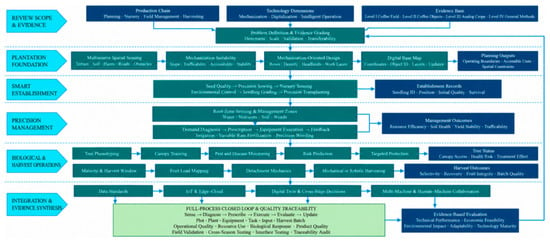
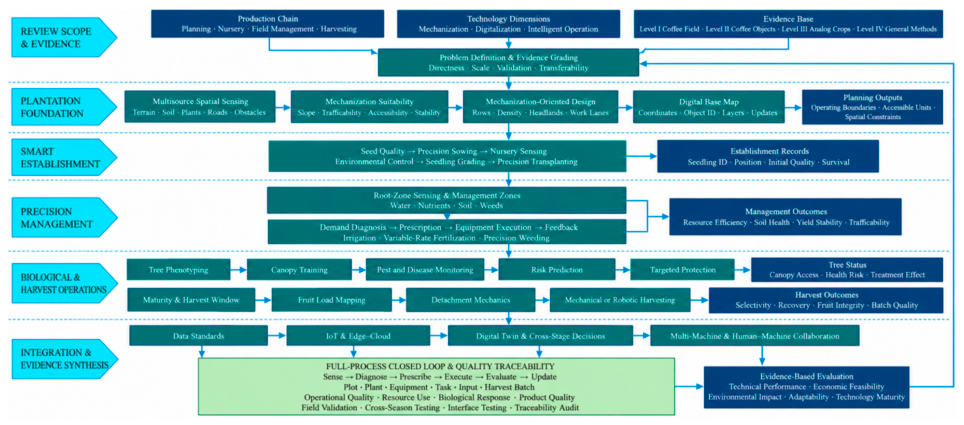
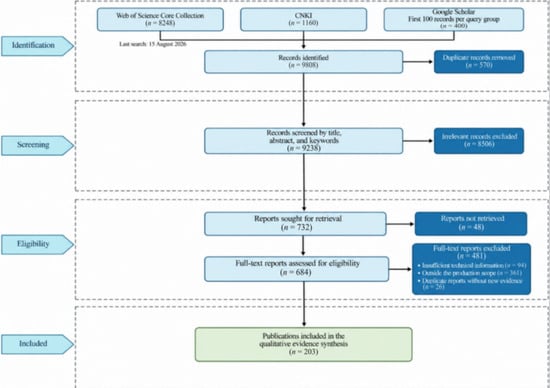
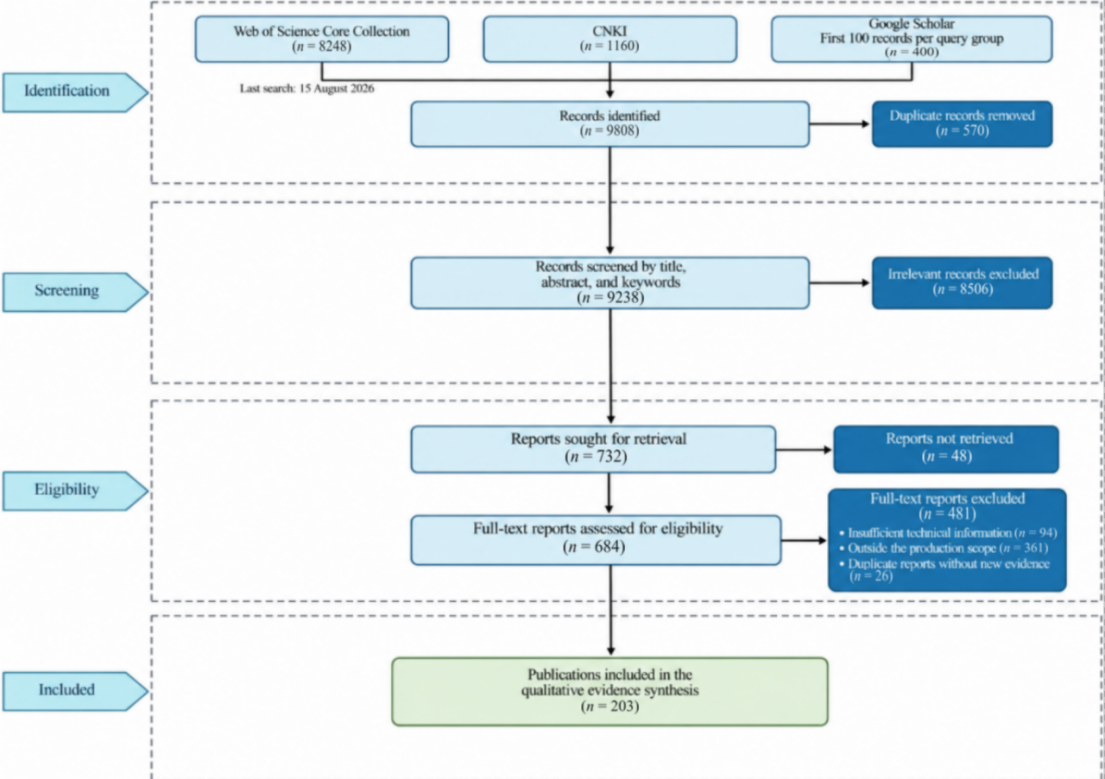
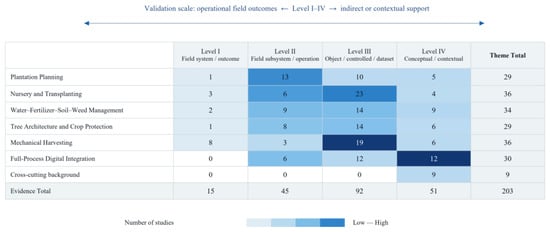
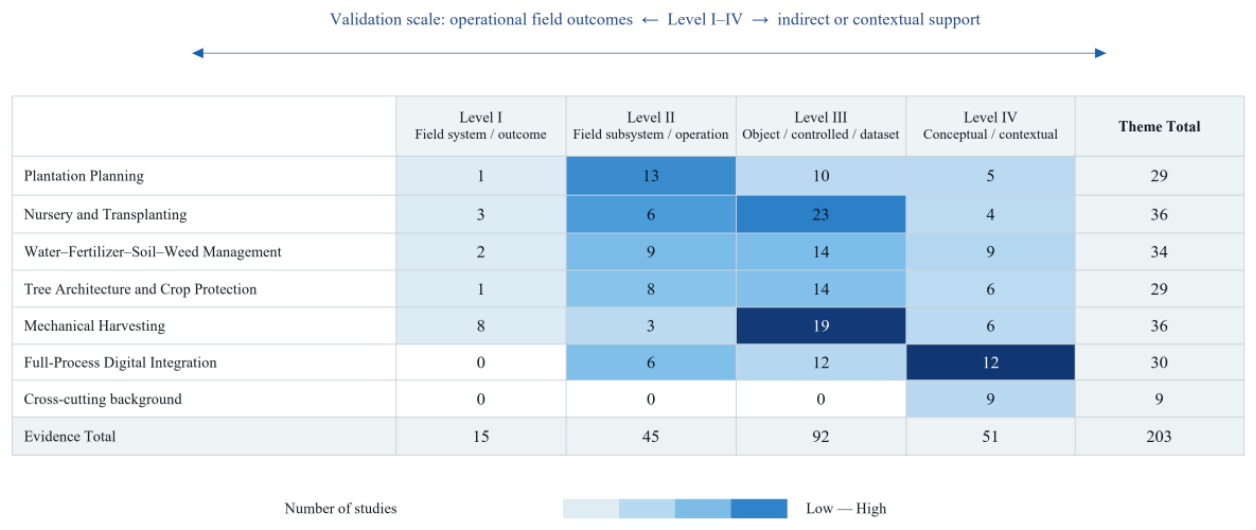
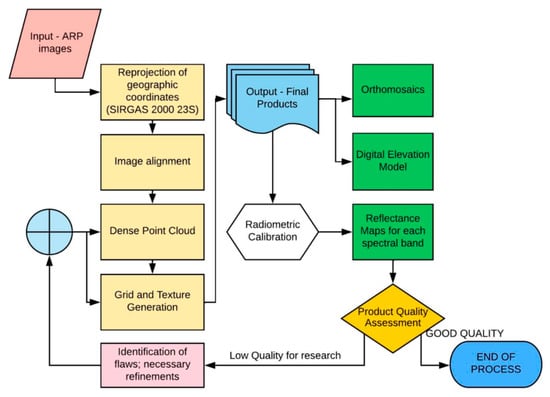
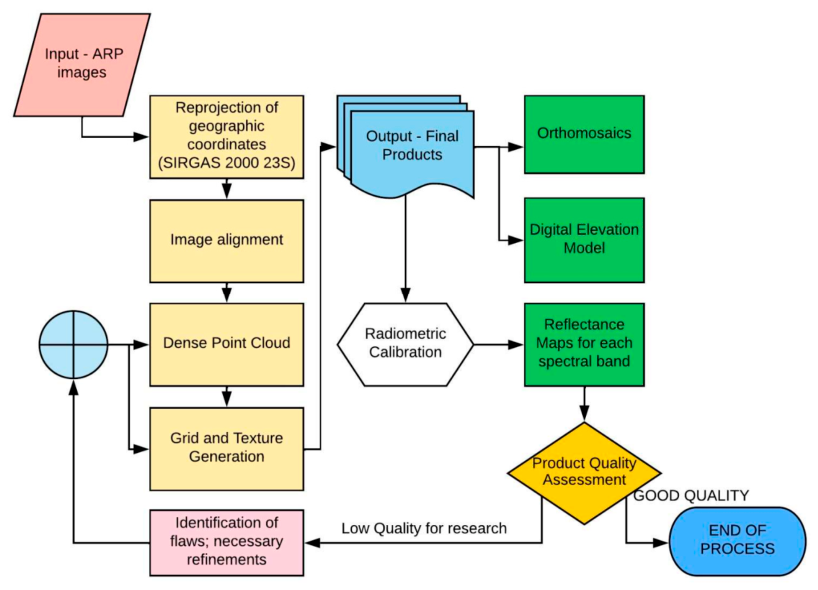
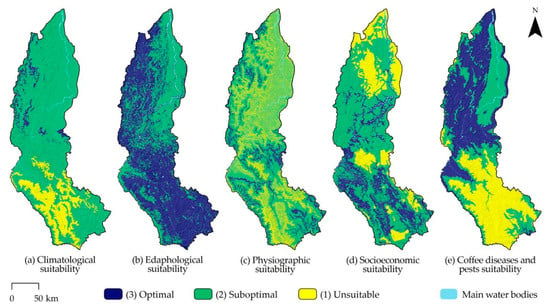
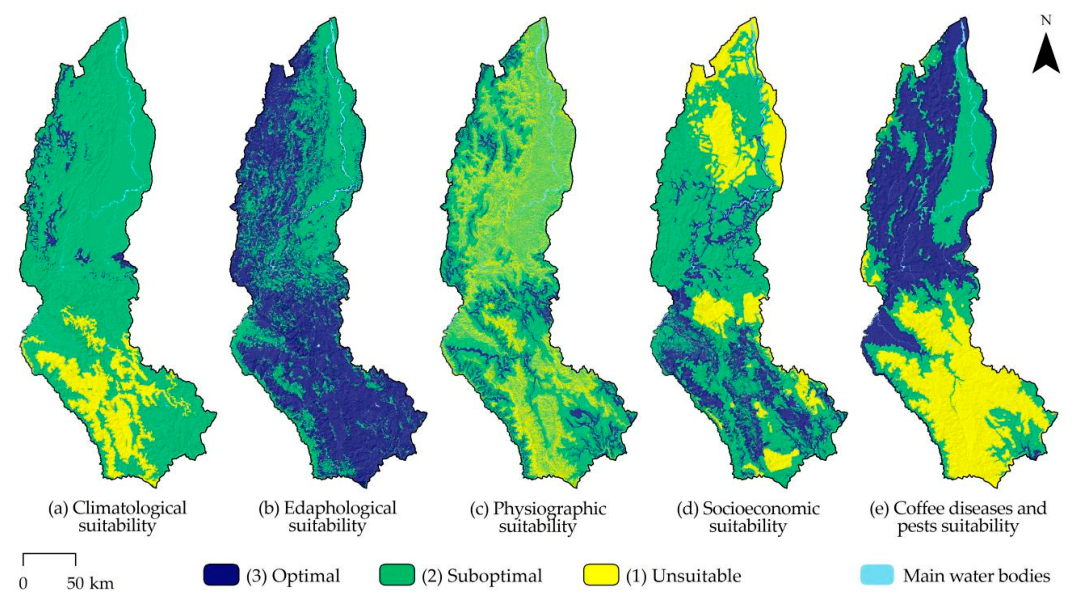
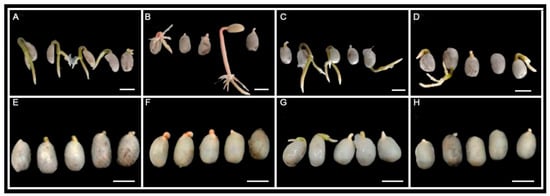
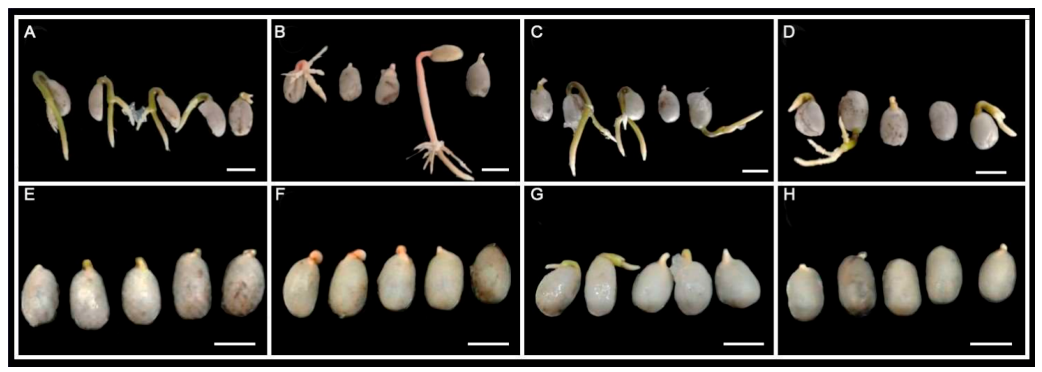
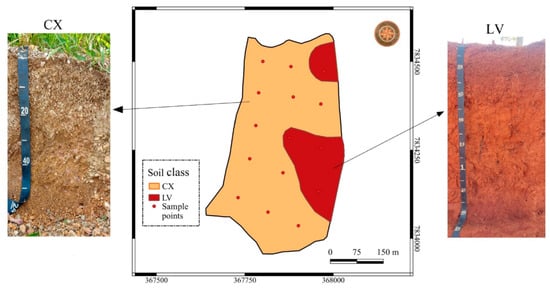
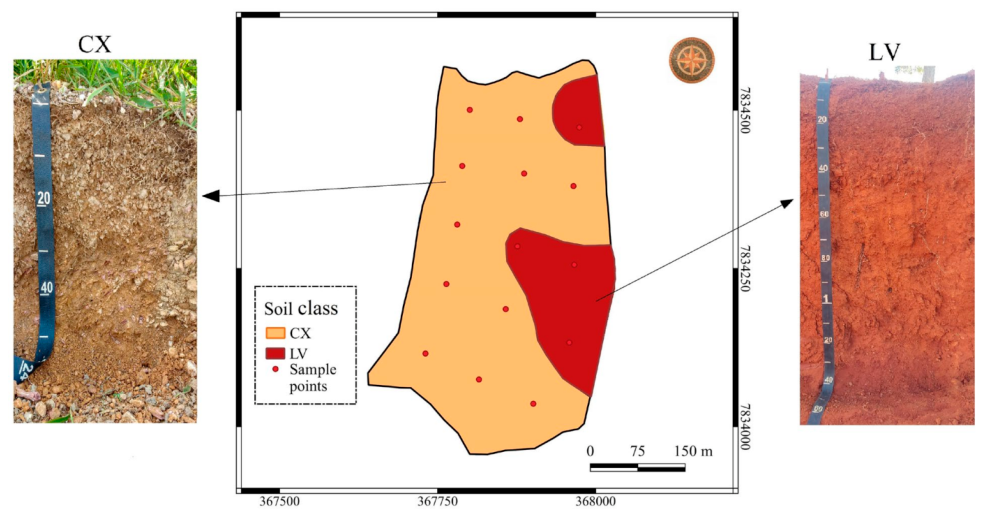
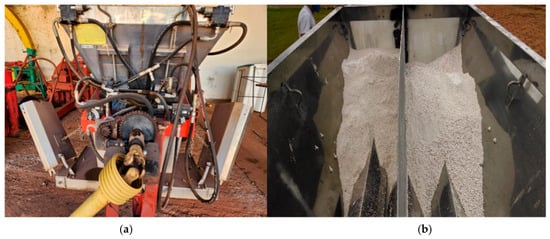
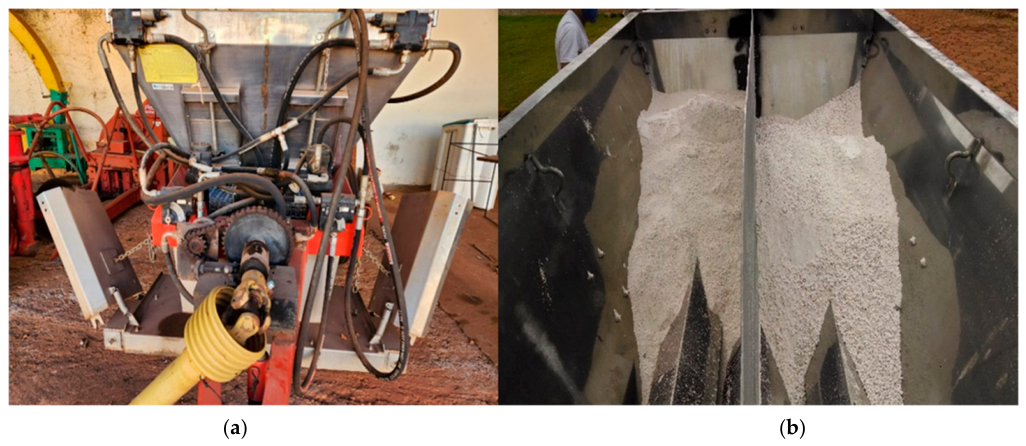
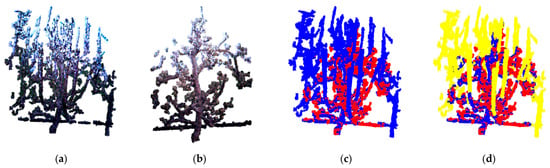
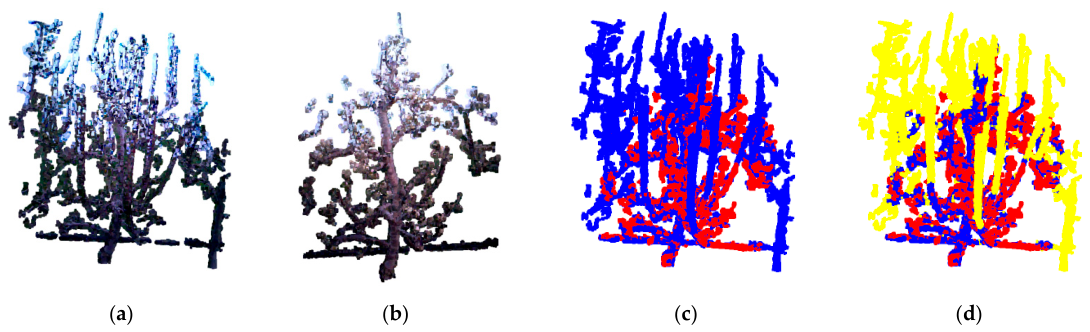
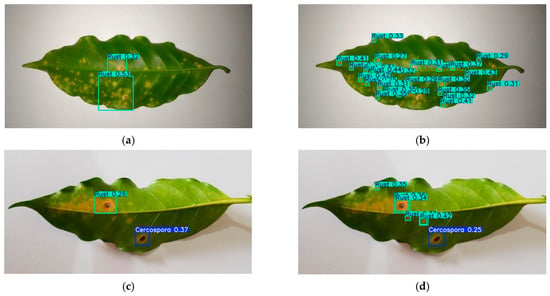
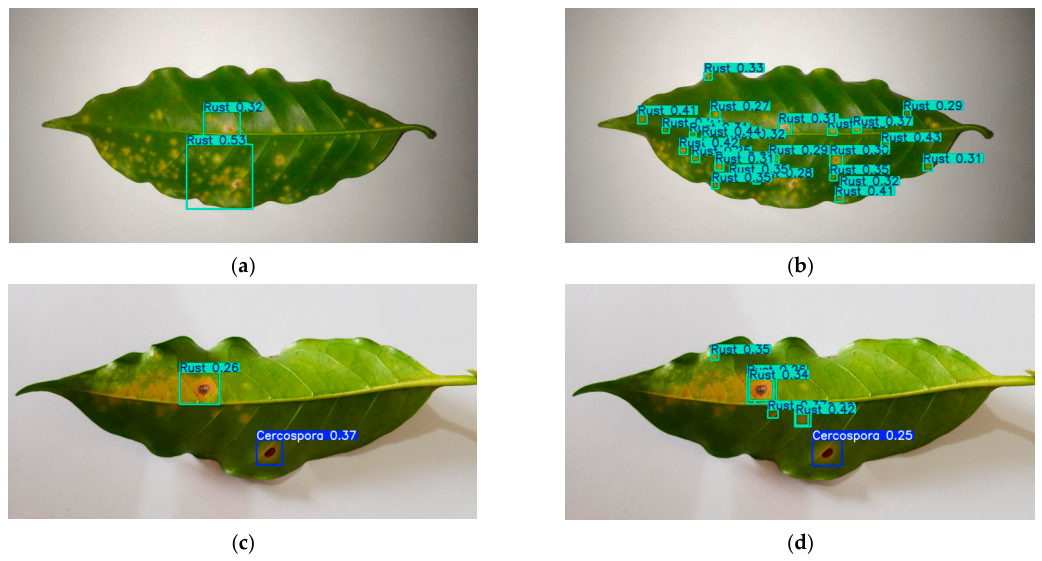
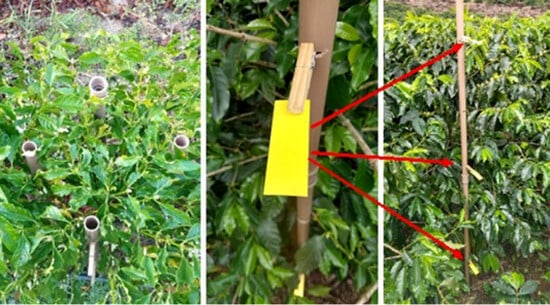
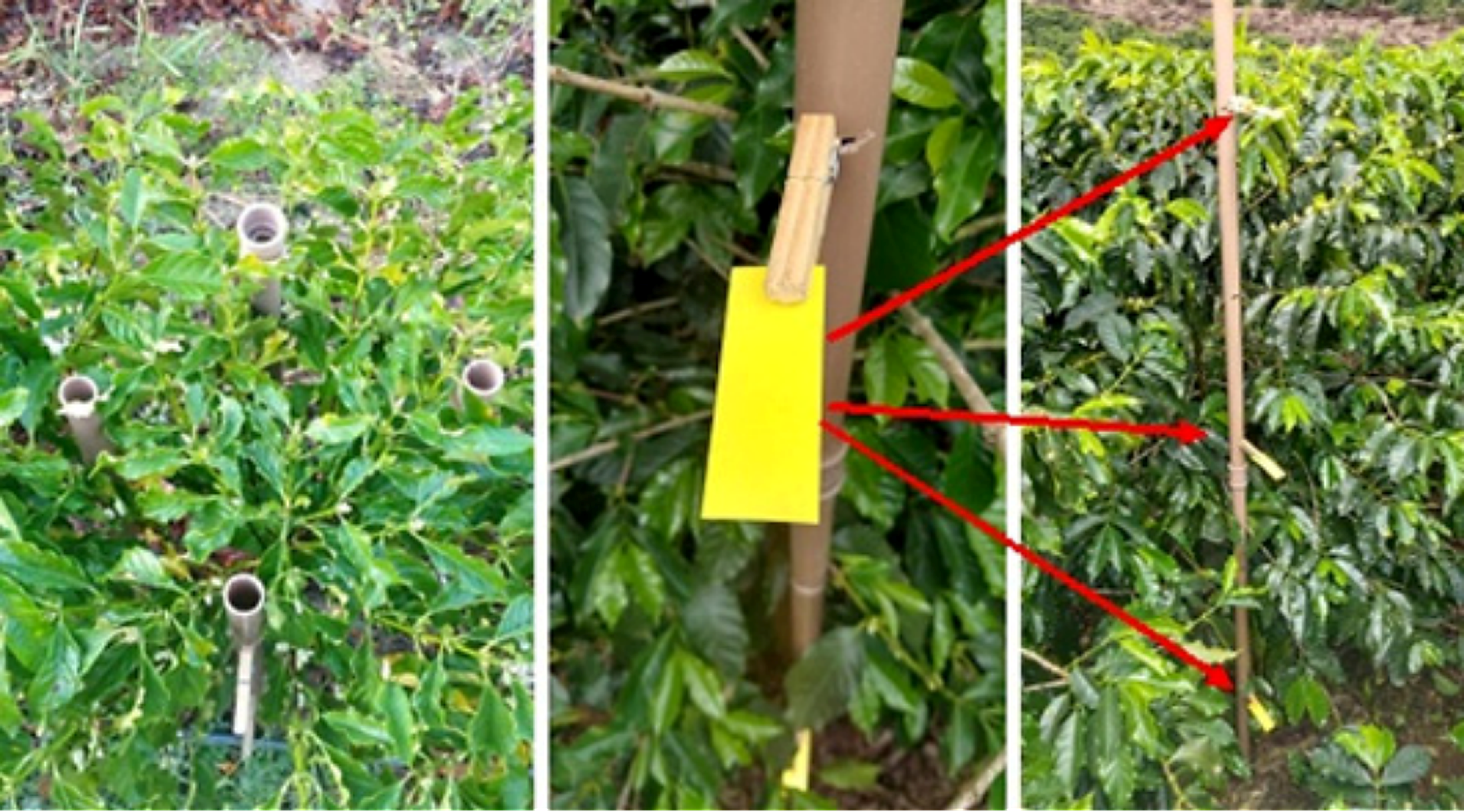
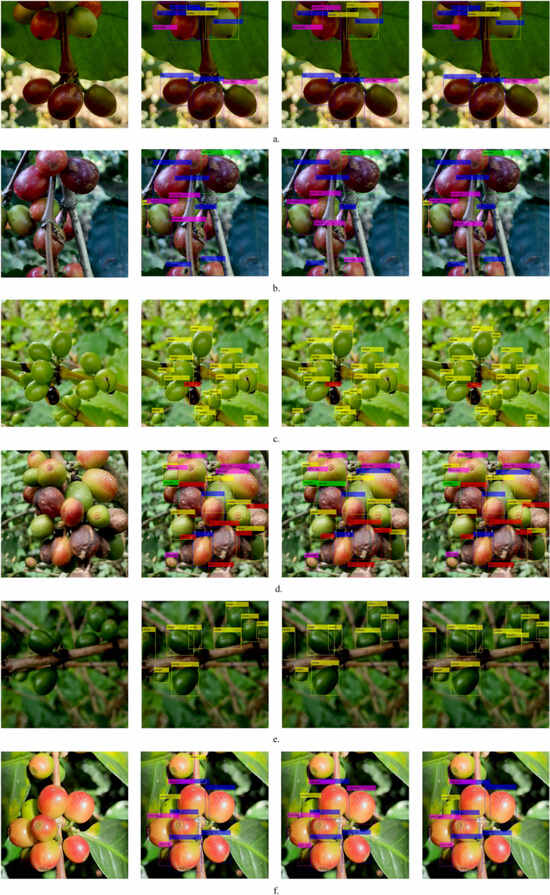
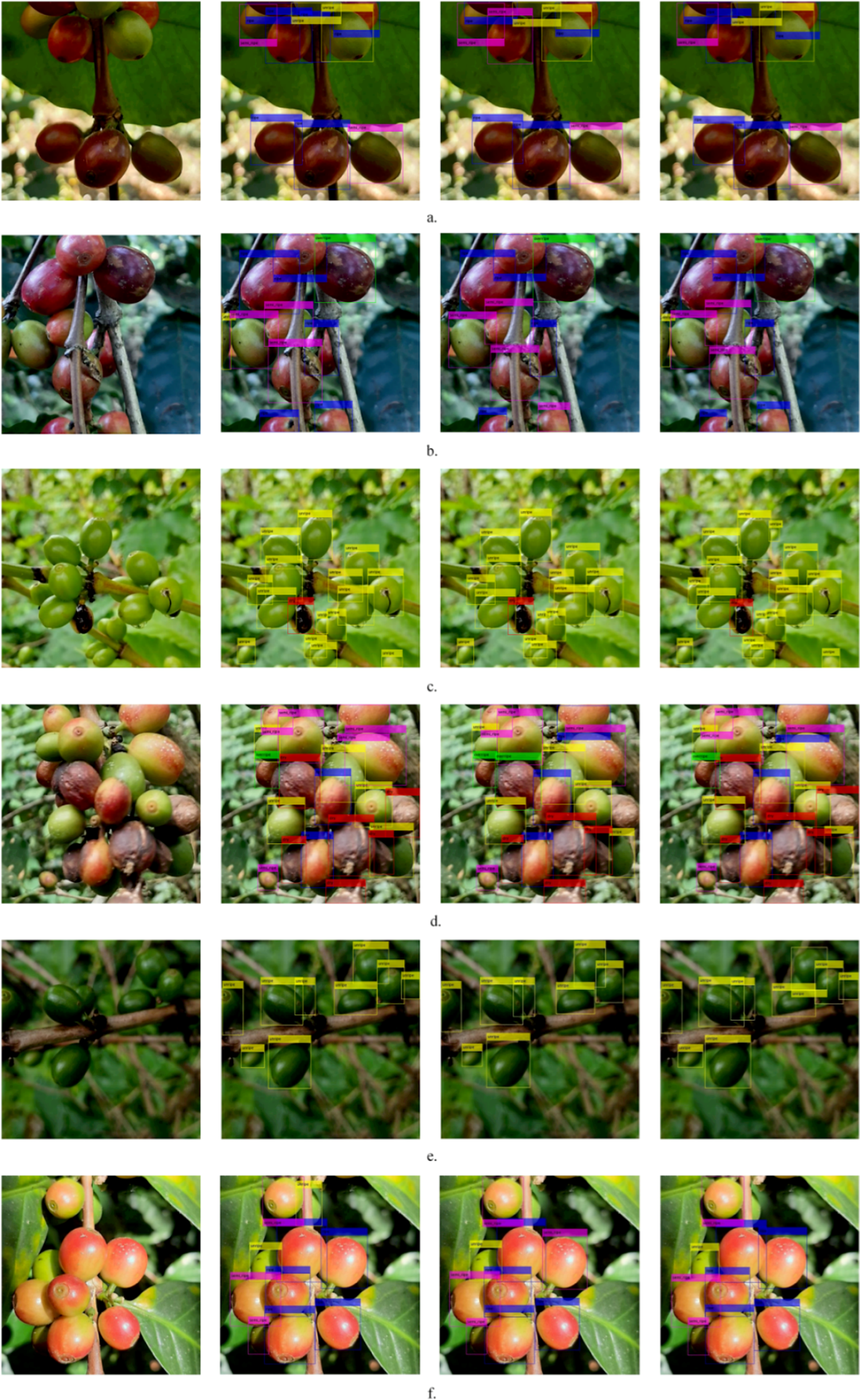

Disclaimer/Publisher’s Note: The statements, opinions and data contained in all publications are solely those of the individual author(s) and contributor(s) and not of MDPI and/or the editor(s). MDPI and/or the editor(s) disclaim responsibility for any injury to people or property resulting from any ideas, methods, instructions or products referred to in the content. |
© 2026 by the authors. Licensee MDPI, Basel, Switzerland. This article is an open access article distributed under the terms and conditions of the Creative Commons Attribution (CC BY) license.