


Abstract
Rural industrial integration in China remains at a relatively low level and is characterized by substantial regional disparities. Exploring effective pathways to enhance rural industrial integration has therefore become an important research issue. This study investigates the impact and mechanisms of rural e-commerce on rural industrial integration using panel data from 30 Chinese provinces during 2012–2023 and a two-way fixed-effects model. The results reveal that (1) there is a significant positive correlation between the development of rural e-commerce and rural industrial integration; (2) the level of rural entrepreneurial activity may serve as an important channel for rural industrial integration; (3) rural e-commerce promotes rural industrial integration through both direct effects and indirect effects by stimulating rural entrepreneurial activity; and (4) digital inclusive finance positively moderates the relationship between rural e-commerce and rural industrial integration. Based on these findings, this study suggests improving the rural e-commerce development environment, strengthening digital infrastructure, promoting rural entrepreneurship, and enhancing the synergy between digital inclusive finance and rural e-commerce. Furthermore, differentiated regional strategies should be implemented to facilitate the high-quality development of rural industrial integration.
1. Introduction
The “Plan for Accelerating the Development of a Strong Agricultural Nation (2024–2035),” issued by the Central Committee of the Communist Party of China and the State Council, emphasizes the need to “promote the comprehensive integration of digital technology and modern agriculture.” How to leverage rural e-commerce to unlock new momentum for rural industrial integration has become a critical issue that urgently needs to be addressed in the current development of rural industries. Recently, e-commerce, as the largest and most pervasive core sector within the digital economy, has not only significantly accelerated the pace of economic and social development but has also laid a solid foundation for deep industrial integration. The “Implementation Opinions on Promoting the High-Quality Development of Rural E-commerce,” released in 2024, clearly states that rural e-commerce is a key measure for building a modern rural circulation system and a vital lever for increasing farmers’ incomes and boosting rural consumption. It emphasizes the need to promote “in-depth, full-chain integration” between e-commerce and rural industries, cultivate new business formats and models, and build a collaborative and efficient rural e-commerce ecosystem. Although China has made some progress in rural industrial integration, the overall level of development remains relatively low, and regional imbalances remain pronounced [1,2,3]. Since rural e-commerce can extend industrial chains, reshape farmers’ production and management paradigms, and reform the operational mechanisms of the rural economy, thereby fostering close connections among various rural industrial actors, it effectively empowers the deep integration of rural industries. Therefore, fully unleashing the growth potential of rural e-commerce is the key pathway to overcoming the bottlenecks in rural industrial integration.
Currently, the academic community has conducted extensive research on rural e-commerce and the integration of rural industries. First, research on rural e-commerce. Existing studies on rural e-commerce primarily focus on development models, influencing factors, and economic effects. Research has found that rural e-commerce can expand sales channels for agricultural products and reduce transaction costs through platform model innovation, improvements to logistics infrastructure, and optimisation of supply chain coordination [4,5,6]. Furthermore, e-commerce can strengthen the connection between rural areas and external markets by overcoming logistical and geographical barriers in rural regions and reducing spatial friction in market transactions [7]. Further research indicates that rural e-commerce has a broad economic spillover effect: it not only increases farmers’ incomes [8,9] but also stimulates rural entrepreneurship and promotes non-agricultural employment [10,11], while driving the optimisation of the rural industrial structure through industrial chain extension, industrial agglomeration, and the flow of production factors [12,13]. Furthermore, rural e-commerce can further increase rural residents’ income through industrial structure upgrading [14]. It is evident, therefore, that rural e-commerce has gradually evolved from a traditional sales channel for agricultural products into a comprehensive platform connecting production, distribution, and consumption, demonstrating strong capacity to drive industrial development.
Second, research on rural industrial integration. Studies on rural industrial integration primarily focus on defining its scope, measuring its level, and identifying influencing factors. Regarding the definition of rural industrial integration, scholars generally agree that it is a process in which, with agriculture as the foundation, deep integration between agriculture and the secondary and tertiary sectors is achieved through the extension of industrial chains, the expansion of functions, the penetration of technology, and the cultivation of new business models [15,16,17]. Regarding influencing factors, existing research suggests that production factors such as land, capital, technology, and information form the crucial foundation for industrial integration [18,19]. Digital technology can strengthen inter-industry linkages through information transmission, resource allocation, and model innovation [20], while digital inclusive finance can alleviate financing constraints and boost entrepreneurial activity, thereby driving industrial chain extension and industrial integration [21,22,23]. This indicates that digital development and the resulting entrepreneurial and financial support are becoming significant drivers of rural industrial integration.
Although existing research has laid an important foundation for studying rural e-commerce and rural industrial integration, there is still room for further exploration. On the one hand, existing research on rural e-commerce has primarily focused on its impact on individual economic outcomes—such as farmers’ income, entrepreneurship and employment, consumption, and industrial structure—while studies directly linking rural e-commerce to rural industrial integration remain relatively limited. There is still a lack of systematic theoretical explanations and empirical evidence regarding whether and how rural e-commerce can drive rural industrial integration. On the other hand, existing research has paid insufficient attention to the mechanisms underlying the relationship between the two and to regional differences. In particular, whether rural e-commerce can promote industrial integration by stimulating rural entrepreneurial activity and whether digital inclusive finance can reinforce the impact between the two remain to be further tested. At the same time, given the significant differences among regions in terms of economic foundations, resource endowments, digital infrastructure, and industrial development conditions, further exploration is needed to determine whether the impact of rural e-commerce on rural industrial integration exhibits significant regional heterogeneity.
Therefore, based on the above analysis, this paper seeks to answer the following three questions: First, can the development of rural e-commerce significantly promote rural industrial integration? That is, does a stable positive relationship exist between the two? Second, through what channels does rural e-commerce influence rural industrial integration? In particular, does the level of rural entrepreneurial activity constitute an important transmission mechanism through which rural e-commerce promotes rural industrial integration, and does digital inclusive finance strengthen the impact between the two? Third, does the impact of rural e-commerce on rural industrial integration vary significantly depending on regional development conditions? Based on these research questions, this paper utilises panel data from 30 Chinese provinces (autonomous regions and municipalities) covering the period 2012–2023 to construct separate evaluation indicator systems for rural e-commerce development and rural industrial integration and employs a two-way fixed-effects model to assess the overall impact of rural e-commerce development on rural industrial integration. Building on these findings, the study further examines the transmission mechanisms and conditions under which rural e-commerce influences rural industrial integration from the dual dimensions of rural entrepreneurial activity and digital financial inclusion. It also investigates the regional heterogeneity of these effects based on the economic development foundations, resource endowments, and industrial development conditions of different regions.
2. Materials and Methods
2.1. Theoretical Analysis and Research Hypotheses
2.1.1. The Mechanism of the Direct Impact of Rural E-Commerce Development on Industrial Integration in Rural E-Commerce
Rural industrial integration is, at its core, a deep synergy between agriculture and the secondary and tertiary sectors in terms of industrial chains, functional forms, and organizational models. It is primarily achieved through five pathways: the extension of agricultural industrial chains, the expansion of agriculture’s multifunctionality, the integration of agriculture and the service sector, the penetration of agricultural technology, and the improvement of benefit-sharing mechanisms.
First, regarding the extension of agricultural industrial chains, rural e-commerce significantly drives the vertical expansion of these chains by integrating into every stage of agricultural production, processing, distribution, and sales. On the production side, the data-driven information services provided by e-commerce platforms help farmers optimize production decisions, improve resource utilization efficiency, and enhance product quality; in the processing stage, platforms facilitate the transition of agricultural products from primary to deep processing by connecting them with diverse market demands, thereby increasing added value; in distribution and sales, e-commerce integrates online transaction and logistics resources to shorten distribution chains, improve transaction efficiency, and provide agricultural products with broader market access. Furthermore, by integrating the agricultural input supply chain, e-commerce platforms enable the efficient allocation of production resources and facilitate the “downstream flow of industrial goods” [24], thereby extending the agricultural industrial chain and enhancing its value. Second, regarding the expansion of agriculture’s multifunctional roles, the development of e-commerce has driven the transformation of agriculture from a single production function to a multifunctional one. Economically, e-commerce has expanded sales channels for agricultural products, achieved precise matching of supply and demand, and enhanced agriculture’s income-generating capacity [25]; on the social level, it has spawned new business models such as agritourism and rural tourism, driving employment and facilitating labor transfer; on the cultural level, e-commerce has provided new avenues for the dissemination of distinctive rural products and farming culture, promoting the transformation of cultural value; on the ecological level, leveraging information technology and shifting consumer preferences, it has promoted the widespread adoption of green production methods and fostered sustainable agricultural development [26]. Overall, rural e-commerce continues to expand the functional boundaries of agriculture in economic, social, cultural, and ecological dimensions, injecting new momentum into industrial integration. Third, regarding the integration of agriculture and the service sector, rural e-commerce drives the deep integration of agriculture with the service sector and tourism through resource integration and platform empowerment. On the one hand, e-commerce platforms have become key promotional channels for agritourism and rural tourism, driving the development of diverse business models such as sightseeing and experiential tourism, thereby extending the industrial chain; on the other hand, the information services, marketing support, and management tools provided by these platforms help improve the operational efficiency of new types of business entities. At the same time, the development of e-commerce drives the continuous improvement of production-oriented service industries such as logistics and information services, facilitating the efficient flow of information, capital, and goods, alleviating information asymmetry, and promoting the transfer of rural labor to non-agricultural sectors, thereby deepening the interactive integration between agriculture and the service sector. Fourth, regarding the penetration of agricultural technology, the impact can be divided into two main aspects. On the one hand, high technology affects agricultural production: improvements in agricultural machinery provide the material foundation for increasing agricultural productivity and reducing production costs, serving as the technological backbone for the steady advancement of agricultural modernization. The continuous improvement in agricultural mechanization can further promote the integration of rural industries. On the other hand, the penetration of modern information technology into agriculture, driven by the continuous optimization of network infrastructure, the expanding reach of e-commerce platforms into rural areas, and the gradual improvement of rural residents’ digital literacy, is expected to sustain the growth momentum of the rural online retail market. This will facilitate the value transformation of agricultural products, broaden channels for farmers’ income growth, and consequently drive rural industrial integration. Fifth, against the backdrop of the ongoing optimization of interest-linkage mechanisms, new types of agricultural business entities such as farmers’ professional cooperatives and family farms have gradually become key drivers of rural industrial integration. Through multi-party collaboration involving e-commerce platforms and agricultural technology companies, not only has the supply of agricultural products and services been optimized, but these business entities have also received multi-level technical training, significantly enhancing their ability to apply modern agricultural technologies. At the same time, with the continuous improvement of the rural vocational education system and distance learning resources, these entities have seen systematic improvements in agricultural expertise, financial literacy, and overall competence, further stimulating their endogenous development momentum [27]. This has accelerated the transformation of traditional agricultural business entities into new types of entities, with both the scale and quality of industry integration participants improving simultaneously, thereby providing sustained momentum and support for rural industrial integration. Based on this, Hypothesis 1 is proposed:
H1.
There is a significant positive correlation between the development of rural e-commerce and rural industrial integration.
2.1.2. The Mechanism of the Mediating Role of Rural Entrepreneurial Activity in the Development of Rural E-Commerce and Rural Industrial Integration
The rise of rural e-commerce has injected new development momentum into entrepreneurial activities in rural areas. Accompanied by the continuous improvement of e-commerce infrastructure and the ongoing enhancement of regional informatization levels, its role in promoting entrepreneurial vitality is mainly reflected in two aspects: “opportunity recognition” and “opportunity creation.” From the perspective of opportunity recognition, the application of internet technology has significantly reduced the cost of information acquisition [28], enabling potential entrepreneurs to access market information more conveniently and efficiently. As an important component of digital infrastructure, e-commerce platforms not only create a medium for information exchange and product display but also effectively break through the limitations of time and space, broadening the channels through which farmers can access information. In regions with a high level of e-commerce development, individuals are more likely to access cutting-edge market trends, thereby alleviating information asymmetry, enhancing their ability to identify and seize entrepreneurial opportunities, and subsequently stimulating their entrepreneurial intentions and actions. From the perspective of opportunity creation, the development of rural e-commerce has driven the extension and refinement of industrial chains, leading to the continuous emergence of related supporting industries. This has created more non-agricultural employment opportunities in rural areas and facilitated the transfer of surplus labor to diversified fields. In this process, some pioneering entrepreneurs have driven more farmers to participate in e-commerce entrepreneurship through the demonstration effect, promoting the spread of entrepreneurial activities in rural areas. At the same time, the development of e-commerce has strengthened the integration of factors and the efficiency of resource allocation. The agglomeration of talent, capital, and technology has created richer development conditions for entrepreneurs. The agglomeration of talent not only aids in knowledge accumulation and the enhancement of innovation capabilities but also reduces the cost of information transmission and accelerates the speed of knowledge spillover and diffusion, enabling entrepreneurs to respond more precisely to market changes. The continuous emergence of new entrepreneurial forms overall enhances the level of entrepreneurship [29]. The increase in rural entrepreneurship activity can also become an important internal driving force for promoting industrial integration. Entrepreneurial entities, by engaging in diverse business activities such as agricultural product processing, brand management, agricultural services, and leisure agriculture, can promote resource integration and industrial synergy between agriculture and the secondary and tertiary industries, extend the agricultural industry chain, and enhance product added value. At the same time, entrepreneurial activities can promote the aggregation of capital, technology, and talent to rural industries, strengthening the foundational and resource support for industrial integration [27]. Thus, rural e-commerce may further promote industrial integration by stimulating the activity level of rural entrepreneurship. Based on the above analysis, Hypothesis 2 is proposed:
H2.
The level of entrepreneurial activity in rural areas may serve as a positive feedback loop between the development of rural e-commerce and the integration of rural industries.
2.1.3. The Mechanism of Digital Inclusive Finance’s Mediating Role in the Development of Rural E-Commerce and the Integration of Rural Industries
Digital inclusive finance plays a crucial moderating role in the relationship between rural e-commerce and the integration of rural industries. Inclusive finance plays a crucial moderating role in the relationship between the two by alleviating capital constraints, optimizing resource allocation, and enhancing the efficiency of factor mobility. The level of development of digital inclusive finance is closely linked to the stage of regional economic development, and since industrial development serves as the core driver of economic growth, an intrinsic coupling relationship has formed between the two. Compared to traditional financial models, digital inclusive finance relies on technologies such as the internet and big data to effectively overcome temporal and spatial constraints, significantly lower the barriers to financial services, and improve the accessibility and allocation efficiency of financial resources in rural areas, thereby providing critical support for the integration of rural e-commerce and rural industries. Digital inclusive finance primarily reinforces the process by which rural e-commerce promotes industrial integration through dual pathways: “demand-driven” and “supply-responsive.” On the demand side, the development of rural e-commerce has significantly boosted regional innovation activity and market participation. However, such innovative activities often involve high initial investments and uncertain return cycles, leading to a greater reliance on capital. Against this backdrop, digital inclusive finance effectively meets the funding needs of rural e-commerce entities by broadening financing channels and reducing financing costs, thereby enhancing their capacity to drive industrial chain extension and multi-sector integration. On the other hand, on the supply side, the rapid development of rural e-commerce has provided social capital with a more attractive investment environment and clear return expectations, prompting financial resources, especially digital inclusive finance, to accelerate their penetration into rural areas, thereby achieving a virtuous cycle between capital supply and industrial development [30]. Therefore, the higher the level of development of digital inclusive finance, the more readily the role of rural e-commerce in promoting rural industrial integration can be realized. Based on the above analysis, this paper proposes Hypothesis 3:
H3.
Digital inclusive finance has a positive impact on the relationship between the development of rural e-commerce and the integration of rural industries; that is, the higher the level of development of digital inclusive finance, the stronger the positive correlation between rural e-commerce and the integration of rural industries.
Based on the theoretical analysis and the research hypotheses, a diagram illustrating the analytical framework of this paper was drawn, as shown in Figure 1.
Figure 1.
Diagram of the Mechanism Linking the Development of Rural E-commerce and the Integration of Rural Industries.
2.2. Data Sources, Variable Selection and Model Construction
2.2.1. Data Sources
This paper selects 30 provinces (autonomous regions and municipalities directly under the central government) in China from 2012 to 2023 as the research sample. Due to severe data gaps in Hong Kong, Macao, Taiwan, and the Tibet Autonomous Region, these areas were excluded, resulting in a total of 360 data samples. The data in this study are primarily divided into the following three categories: First, the dependent variables. Data were compiled from the China Statistical Yearbook, Population and Employment Statistical Yearbook, China Rural Statistical Yearbook, China Leisure Agriculture Yearbook, China Agricultural Statistical Yearbook, and China Agricultural Products Processing Yearbook for the years 2012–2023. Data sources include the following: Second, data for the core explanatory variables. The data set was compiled from the China Statistical Yearbook, the China Taobao Research Report, the Statistical Report on the Development of the Internet in China, the China Rural Statistical Yearbook, and the Alibaba Research Institute for the years 2012–2023. Data for control variables were obtained from the National Bureau of Statistics, government departments, and the Annual Statistical Report on China’s Cooperative Economy, as well as the China Statistical Yearbook, Population and Employment Statistical Yearbook, China Rural Statistical Yearbook, China Agricultural Statistical Yearbook, and China Agricultural Product Processing Yearbook. Individual missing data points were imputed using the mean and linear interpolation methods.
2.2.2. Variable Selection
(1) Dependent Variable
Rural Industrial Integration (RIC) serves as the dependent variable in this paper. This indicator is derived through a comprehensive calculation using the entropy method, based on a constructed evaluation system. While most scholars have explored the measurement of rural industrial integration and attempted various approaches from different perspectives, constructing an indicator system for rural industrial integration is relatively complex. As a result, no consensus has yet been reached on a standardized measurement method or indicator system. Many researchers have conducted quantitative analyses and discussions at multiple levels based on their specific research objectives. Taking data availability into account, this paper draws on relevant measurement methods and indicator system frameworks from existing research to construct a comprehensive evaluation indicator system for the development level of rural industrial integration across seven dimensions: extension of the agricultural industrial chain, expansion of agriculture’s multifunctionality, integration of agricultural and service industries, and improvement of benefit-sharing mechanisms. First, the dimension of agricultural industrial chain extension primarily reflects the extent to which agriculture expands into the processing sector, indicating the level of integration between agriculture and manufacturing. This study selects three indicators—per capita consumer expenditure of farmers and total agricultural output value; the share of primary industry value-added in regional GDP; the ratio of main business revenue from agricultural product processing enterprises to total agricultural output value; and total agricultural machinery power—to measure industrial structure, processing capacity, and production equipment levels, respectively. Second, the dimension of expanding agricultural multifunctionality focuses on reflecting the transformation of agriculture from a single production function to multifunctional roles such as ecological, recreational, and social services. This paper uses three indicators, i.e., per capita consumer expenditure of farmers and total agricultural output value, per capita grain production, and fertilizer application intensity, to measure this dimension: the level of leisure agriculture development. Specifically, the level of leisure agriculture development is represented by the proportion of its operating revenue in the total output value of the primary sector; per capita grain production reflects the foundation of traditional agriculture; and fertilizer application intensity is measured by the application rate per unit of arable land. Third, the dimension of integration between agriculture and the service sector reflects the degree of synergy between agriculture and the service sector in production and management. This study measures this dimension based on three aspects: the development level of protected agriculture, the agricultural, forestry, animal husbandry, and fishery service sectors, and rural electricity usage. Among these, the area of protected agriculture is expressed as the proportion of arable land, reflecting the degree of integration between modern agriculture and diversified services; the agricultural, forestry, animal husbandry, and fishery service sectors are measured by their share of output value to assess the level of agricultural service orientation; and rural electricity usage reflects the level of electrification in agricultural production and rural life, serving as a crucial pillar for agricultural modernization and industrial integration. Fourth, the agricultural technology penetration dimension shows how much modern technologies, like machinery and information systems, are used in agriculture. Given data availability, this paper selects the level of agricultural mechanization and the status of the agricultural labor force as measures to reflect the impact of technological progress on agricultural production efficiency and organizational methods [17]. Sixth, the interest-linking mechanism dimension is used to measure the strength of connections among diverse actors in the process of industrial integration. Stable and effective interest-linking mechanisms help enhance farmers’ participation and income levels. Drawing on the research by Zhang Lin et al. and Yang Touping et al., this study uses the number of farmers’ professional cooperatives per 10,000 rural residents as a measure [17,31]. This measure reflects the level of development of cooperative organizations and their capacity to drive the growth of farming households. Seventh, the economic benefits dimension is used to characterize the role of industrial integration in driving rural economic growth. This study selects two indicators, per capita consumer expenditure of farmers and total agricultural output value, to measure the economic benefits dimension from the perspectives of residents’ consumption capacity and the scale of agricultural output. Seventh, the social benefits dimension primarily reflects the role of industrial integration in improving people’s livelihoods and narrowing the urban-rural gap. This study uses the urban-rural income ratio and the urban-rural consumption expenditure ratio as metrics to assess changes in the development gap between urban and rural areas. Therefore, this study constructs an evaluation system comprising 16 secondary indicators across seven dimensions: extension of the agricultural industrial chain, expansion of agriculture’s multifunctionality, integration of agriculture and the service sector, penetration of agricultural technology, benefit-sharing mechanisms, economic benefits, and social benefits, to calculate the rural industrial integration development level index for each province, as detailed in Table 1.
Table 1.
Indicator System for Measuring Rural Industrial Integration.
(2) Explanatory Variable
Rural e-commerce (ECOM) is the core explanatory variable in this paper, measured through a multidimensional indicator system. Although rural e-commerce in China has entered a phase of rapid development, systematic assessments of its development level remain in the exploratory stage, and a unified and authoritative evaluation system has yet to be established. Currently, the academic community has not yet developed a universally recognized set of evaluation indicators for the development level of rural e-commerce. Most scholars currently measure the development level of rural e-commerce primarily through three approaches: the number of Taobao Villages in each province; the “County-Level E-commerce Development Index” constructed by the Alibaba Research Institute based on two primary indicators (the Online Shopping Index and the Online Merchant Index) and four secondary indicators; and the use of internet penetration, logistics development, and talent development as indicators to gauge rural e-commerce development. These methods have certain limitations and struggle to comprehensively reflect the overall level and internal structure of rural e-commerce development. Therefore, drawing on the approaches of Mu Yanhong and Wang Duchun, Duan Lufeng and Tang Wenwen, Yu Xinyu, Wang Yihai, and Guo Xinmei and Guo Jinyang [32,33,34,35,36], this paper constructs a framework for measuring the development level of rural e-commerce across three dimensions: readiness, application, and impact. First, readiness primarily reflects the foundational supporting conditions for rural e-commerce development, encompassing both traditional infrastructure such as transportation and logistics systems and the digital infrastructure environment, including internet communications. Its core lies in ensuring the smooth flow of goods and transactions. Well developed foundational conditions are a prerequisite for the development of rural e-commerce. Based on these factors, this paper selects six indicators under this dimension: freight turnover, mobile phone penetration rate, proportion of rural broadband subscribers, ratio of rural delivery routes, number of postal service outlets, proportion of administrative villages with postal service access, and proportion of Taobao Villages to comprehensively measure the development of rural areas in terms of transportation, communications, and logistics. Second, the “Adoption Level” is used to characterize the actual usage and development level of e-commerce in rural areas, with a focus on reflecting the level of activity and the scope of penetration of e-commerce. This paper measures this level from two aspects: the participation of e-commerce entities and the scale of transactions. It selects four indicators: the proportion of Taobao villages, the proportion of enterprises engaged in e-commerce transactions, e-commerce transaction volume, and online retail sales to comprehensively evaluate the adoption level of rural e-commerce. Third, the “Impact Dimension” looks at how e-commerce affects the rural economy as a whole, mainly by increasing consumption, improving what people buy, raising incomes, and boosting market activity. Taking data availability into account, this paper selects a total of six indicators: postal and telecommunications business volume, the economic contribution rate of e-commerce, the proportion of online retail sales in total retail sales of consumer goods, rural retail sales of consumer goods, express delivery revenue, and per capita express delivery volume to measure the economic impact of rural e-commerce. Through this multidimensional, comprehensive assessment, we aim to provide a more systematic and comprehensive portrayal of the development status of rural e-commerce. Based on the three dimensions of readiness, application, and impact, this paper selects corresponding indicators and employs the entropy method to calculate composite scores, thereby reflecting the development status of rural e-commerce in various regions across different time periods. The specific indicator system is detailed in Table 2.
Table 2.
Indicator System for Measuring Rural E-commerce Development.
(3) Control Variables
Drawing on the research by You Xiaodong et al. [30], Zhang Lin and Wen Tao [37], and Wang Dingxiang and Ran Ximei [38], this paper selects the following control variables: (1) industrial structure upgrading (INS). This paper uses the share of value added from the secondary and tertiary sectors in regional gross domestic product (GDP) as a metric to characterize the process of regional industrial structure transitioning from low-end to high-end and from a single-sector to a diversified structure. A higher share indicates that the region’s economic development is gradually shifting from being dominated by traditional agriculture to being led by industry and services, with the industrial structure exhibiting distinct characteristics of advancement. (2) Per capita fixed-asset investment in rural areas (FIX). This study uses per capita fixed-asset investment among rural residents as a measure; this indicator reflects the intensity of capital investment and the level of infrastructure development in rural areas. (3) Rural human capital (EDU). This study measures the level of rural human capital using the average years of education among the rural population, calculated using the following formula: 6 × the proportion of the population with a primary school education + 9 × the proportion with a junior high school education + 12 × the proportion with a high school education + 16 × the proportion with a college degree or higher. Improvements in the capital level of the rural population help enhance the quality of the labor force, drive the transformation of rural industries toward technology- and knowledge-intensive sectors, strengthen the labor force’s adaptability to changes in industrial structure, and promote broader participation by farmers in industrial integration. (4) Intensity of Fiscal Support for Agriculture (CZN). This study uses the proportion of fiscal expenditures on agriculture, forestry, and water affairs in each region relative to the total output value of agriculture, forestry, animal husbandry, and fisheries as a metric to reflect the government’s investment in and policy support for agricultural and rural development. (5) Urbanization Level (URB). This study uses the proportion of the urban population relative to the total population to measure regional urbanization levels. The advancement of urbanization, on the one hand, facilitates the transfer of rural labor to non-agricultural industries and promotes the optimal allocation of factors between urban and rural areas; on the other hand, the expansion of urban residents’ consumption demand also provides a vast market for industries such as agricultural product processing, agritourism, and rural tourism. Furthermore, urbanization improves the rural development environment through infrastructure construction and enhanced public services, thereby promoting rural industrial integration. (6) Transportation Infrastructure (RODE). Transportation conditions are a key factor influencing the efficiency of agricultural production and the distribution of agricultural products. This study uses the number of highway miles per capita to measure the level of regional transportation infrastructure. (7) Level of Openness (OPEN). Expressed as the ratio of total imports and exports to regional gross domestic product (GDP), this indicator reflects a region’s degree of openness to the outside world and the extent of technological spillover effects. At the same time, the development of foreign trade has broadened sales channels for agricultural products, helping to promote the standardization and branding of agricultural production, thereby further facilitating rural industrial integration.
(4) Mediating Variables
This study uses rural entrepreneurial activity as a mediating variable to analyze its mechanism of action. Existing research has not yet established a unified measurement standard for this variable; most studies rely primarily on the level of market participation by private-sector entities as the main metric. Taking into account the characteristics of rural e-commerce development and the actual conditions in various regions, this study draws on Li Xiaoyuan and selects the proportion of employees in rural private enterprises and self-employed individuals relative to the total rural population [39] as an indicator to measure rural entrepreneurial activity. The relevant data were compiled and calculated from the China Statistical Yearbook (2012–2023) [40].
(5) Moderating Variable
Digital inclusive finance serves as the moderating variable in this study, used to characterize differences in the development of financial digitization across regions. Specifically, this study adopts the Digital Inclusive Finance Index published by the Center for Digital Inclusive Finance at Peking University to represent the level of digital inclusive finance development in each region. To ensure consistency in units with the rural e-commerce and rural industrial integration indicators, this study divides the index by 100. A higher value indicates a higher level of digital financial inclusion development in that region. All relevant data are sourced from the Center for Digital Finance at Peking University. Descriptions of each variable are shown in Table 3:
Table 3.
Variable Selection.
2.3. Model Construction
2.3.1. Construction of the Baseline Regression Model
Based on the preceding theoretical analysis and research design, this paper employs a two-way fixed-effects model to systematically examine the impact of rural e-commerce development on rural industrial integration. With rural industrial integration as the dependent variable and rural e-commerce as the key independent variable, the baseline regression model is constructed as follows:
In particular, represents the level of rural industrial integration in the th province in the th year, while represents the level of rural e-commerce development in the th province in the th year. is a set of control variables, including industrial structure upgrading (INS), fixed investment in per capita rural assets (FIX), rural human capital (EDU), intensity of fiscal support for agriculture (CZN), urbanization level (URB), transportation and road infrastructure (RODE), and level of openness (OPEN). represents the provincial fixed effects, used to control for individual differences across regions that do not change over time. represents the time fixed effects, used to control for macro-level time-varying factors; represents the random error term; , and are the parameters to be estimated; is the key coefficient of focus in this study, used to measure the extent of rural e-commerce’s impact on rural industrial integration. To eliminate differences in variable units, the corresponding variables were log-transformed in this study.
2.3.2. Construction of the Mediation Effect Model
The theoretical analysis in the preceding section suggests that rural e-commerce promotes rural industrial integration through the level of rural entrepreneurial activity. To verify the mechanism through which the development of rural e-commerce affects rural industrial integration, this study adopts the testing method proposed by Wen Zhonglin [41] and employs a stepwise analysis method to test the mechanism. The model is set as follows:
Model 1: Testing the Impact of Rural E-commerce Development on Rural Industrial Integration
Model 2: Testing the effect of rural e-commerce on rural entrepreneurial activity
Model 3: Testing the effects of rural e-commerce and entrepreneurial activity on rural industrial integration
where represents rural industrial integration; represents rural e-commerce; represents control variables; represents the mediating variable, i.e., rural entrepreneurial activity. Among these, , and are constant terms; and represent time and region fixed effects, respectively; and is the random error term. According to the criteria for testing mediation effects, if , , and are significant, this indicates that a mediation effect exists. If is also significant, this indicates a partial mediation effect; if is not significant, this indicates a full mediation effect.
2.3.3. Construction of the Moderation Effect Model
The moderation analysis in the preceding section suggests that digital financial inclusion may play a moderating role in the process by which rural e-commerce influences rural industrial integration. To empirically test this mechanism, this paper builds upon the baseline model (1) by introducing a moderating variable () and an interaction term between rural e-commerce and digital financial inclusion ( × ), thereby constructing an extended model to further analyze its effects. The specific form is as follows:
Here, represents the level of digital inclusive finance, while the definitions of the remaining variables remain consistent with those in Equation (1) above. According to the criteria for determining moderating effects, if the coefficient of the interaction term is significant, it indicates that digital inclusive finance plays a moderating role in the process by which rural e-commerce influences rural industrial integration; conversely, it indicates that the moderating effect is not significant. Furthermore, if the sign of is the same as that of the coefficient of the core explanatory variable in the baseline model, it indicates that digital financial inclusion exerts a positive moderating effect, i.e., it strengthens the promotional effect of rural e-commerce on industrial integration; if the signs are opposite, it indicates a negative moderating effect.
3. Results
3.1. Analysis of Regional Differences and Their Causes in the Integration of Rural E-Commerce and Rural Industries
To more accurately characterize regional differences in the level of integration between rural e-commerce and rural industries, as well as their sources, this paper conducts further analysis using the Dagum Gini coefficient and its decomposition method, based on results obtained from the entropy method for calculating the level of integration between rural e-commerce and rural industries. Compared with traditional inequality measurement methods, the Dagum Gini coefficient introduces a moderation parameter in its model specification, enhancing the flexibility of the measure and enabling it to better adapt to complex distribution characteristics. At the same time, this method effectively overcomes the bias caused by sample overlap across regions. It not only reflects the distribution patterns within each subsample but also decomposes overall differences into their various sources, thereby enabling a clearer identification of the structural causes of regional disparities.
3.1.1. Analysis of Regional Disparities and Sources in Rural E-Commerce
According to the Gini coefficient for rural e-commerce and its decomposition results shown in Table 4 below, between 2012 and 2023, the overall Gini coefficient for rural e-commerce development in China rose from 0.3026 to 0.4107, exhibiting a generally fluctuating upward trend, which indicates that regional development imbalances continue to worsen. In terms of intra-regional Gini coefficients, disparities within the Eastern Region were the most pronounced. The Gini coefficient there rose from 0.2238 to 0.3234, consistently ranking highest among the three major regions. This reflects that while the eastern coastal provinces lead in overall development, significant internal disparities persist. Internal disparities in the Central Region were relatively small, with the Gini coefficient fluctuating between 0.0818 and 0.1163, indicating that development levels among provinces in the Central Region were relatively balanced and that the region effectively served as a buffer and bridge to promote coordinated regional development. Internal disparities in the Western Region fell between those of the Eastern and Central Regions, with the Gini coefficient fluctuating upward from 0.1606 to 0.1785, showing a certain trend of internal differentiation. In terms of inter-regional Gini coefficients, the disparity between the Eastern and Western regions is the most pronounced, with the Gini coefficient rising from 0.2852 to 0.4417, consistently remaining at the highest level and showing a widening trend; the gap between the eastern and central regions was the second widest, with the Gini coefficient fluctuating upward from 0.2591 to 0.2423 and remaining at a relatively high level overall; the gap between the central and western regions was relatively the smallest, with the Gini coefficient increasing from 0.2074 to 0.2423, although it widened somewhat, it remained lower than the gaps between the eastern and western regions and between the eastern and central regions.
Table 4.
Gini Coefficient of Rural E-commerce and Its Decomposition Results.
According to the results in Table 5 below, the sources of regional disparities in rural e-commerce development between 2012 and 2023 exhibited distinct structural characteristics. In terms of contribution values, the Gini coefficient for intergroup disparities rose steadily from 0.2129 to 0.3078, representing a significant overall increase, indicating that the development gap between the three major regions—Eastern, Central, and Western—continued to widen during the sample period; the Gini coefficient for intragroup disparities also rose steadily from 0.0657 to 0.0961, reflecting that development imbalances among provinces within each region were likewise gradually intensifying; the Gini coefficient for super-variable density, however, fell sharply from 0.0240 to 0.0068, indicating that the contribution of sample overlap between regions to overall disparities continued to decline and the differentiation among the three major regions became increasingly distinct. In terms of contribution rates, inter-group contributions have consistently been the dominant factor in spatial disparities in rural e-commerce. Their share fluctuated upward from 70.36% in 2012 to 74.95% in 2023, remaining above 70% throughout and showing a steady upward trend. This indicates that inter-regional disparities are the primary source of overall variation, and their dominant role continues to strengthen; intra-group contribution rates, meanwhile, remained stable between 21.71% and 24.06%, standing at 23.39% in 2023, suggesting that differences among provinces within each region contribute relatively stably to the overall variation; the contribution rate of hypervariability density declined steadily from 7.94% in 2012 to 1.67% in 2023, a decrease of more than 6 percentage points—reflecting a continuous weakening of sample overlap among the three major regions and an increasingly solidified spatial stratification structure across the eastern, central, and western regions.
Table 5.
Sources of Spatial Differences in Rural E-commerce Levels.
3.1.2. Analysis of Regional Differences and Sources in Rural Industrial Integration
Based on the calculation method described above, as shown in Table 6, the overall regional disparities in China’s rural industrial integration, as measured by the Gini coefficient and its decomposition results for 2012–2023, exhibit a fluctuating downward trend. The overall Gini coefficient decreased from 0.2323 in 2012 to 0.2049 in 2023, indicating that the gaps between regions narrowed during the study period. In terms of intra-regional disparities, the Gini coefficient within the Eastern Region fluctuated between 0.16 and 0.18, rising to 0.1847 in 2023, indicating a slight widening of internal disparities; the intra-regional Gini coefficient in the Central Region consistently remained between 0.08 and 0.10, making it the most balanced of the three major regions; the intra-regional Gini coefficient in the Western Region fluctuated between 0.09 and 0.13, stabilizing overall after 2018. In terms of interregional disparities, although the Gini coefficient between the eastern and western regions fell from 0.3751 in 2012 to 0.3008 in 2023, it remained the highest among all interregional pairings, indicating that a relatively significant gap still exists between the east and west; the Gini coefficient between the eastern and central regions decreased from 0.2084 to 0.1972, signaling a narrowing of the gap; the Gini coefficient between the central and western regions fell from 0.2192 to 0.1637, a relatively significant decline reflecting the gradually strengthening synergy in industrial integration and development between the central and western regions. Overall, regional disparities in rural industrial integration and development are showing a trend toward convergence, with the Central region continuing to demonstrate advantages in internal balance, while structural disparities between the Eastern and Western regions still require attention.
Table 6.
Gini Coefficient of Rural Industrial Integration Development and Its Decomposition Results.
The results in Table 7 below further reveal the structural characteristics of spatial disparities in the integrated development of rural industries. In terms of contribution rates, inter-group disparities have consistently been the primary source of overall disparities; however, their contribution rate has shown a fluctuating downward trend, gradually declining from 76.86% in 2012 to 65.77% in 2023. This indicates that the dominant role of disparities among the three major regions, the East, Central, and West, in overall spatial disparities has weakened. Conversely, the contribution rate of intra-group disparities rose from 18.68% in 2012 to 24.37% in 2023, reflecting a relative widening of disparities among provinces within each region and an increase in intra-regional development imbalances. It is worth noting that the contribution rate of the overlapping portion between regions, as reflected by the hyper-variation density, followed a pattern of first rising and then falling: it rose from 4.47% in 2012 to 12.29% in 2018 before declining slightly, reaching 9.86% in 2023. This indicates that the degree of overlap in the distribution of rural industrial integration levels among the three major regions generally increased during the study period, the “stratification” between regions weakened, and the level of integrated development in some central and western provinces gradually converged with that of the eastern regions. Overall, spatial disparities in the integrated development of rural industries are shifting from a pattern “dominated by inter-regional differences” to one that “emphasizes both intra-regional and inter-regional factors,” and the pattern of spatial disparities is exhibiting a more complex evolutionary trend.
Table 7.
Sources of Spatial Differences in the Level of Rural Industry Integration Development.
3.2. Trends in the Dynamic Evolution of Rural E-Commerce and the Integrated Development of Rural Industries
Through the Dagum Gini coefficient and its decomposition, it is possible to measure the overall level of disparity in the development of rural e-commerce and the integrated development of rural industries, further identify the structural sources of these disparities, and reveal the evolutionary characteristics of relative disparities among the eastern, central, and western regions. However, this method still has certain limitations in characterizing the dynamic distribution of absolute interregional disparities over time. Therefore, this paper introduces kernel density estimation to further analyze the distributional characteristics of the level of rural industrial integration. As a nonparametric estimation method, kernel density estimation offers the advantages of low dependence on model specifications and high robustness of results. By observing changes in the position, morphological characteristics, and tail extension of the kernel density curves, one can intuitively reflect the distribution status and dynamic evolution of development levels across different regions, thereby more comprehensively characterizing the spatial imbalances in the development of rural industrial integration nationwide and across the three major regions—the East, Central, and West. The resulting kernel density plots for rural e-commerce at the national level and across the three major regions are shown in Figure 2, Figure 3, Figure 4 and Figure 5.
Figure 2.
National Kernel Density of Rural E-commerce.
Figure 3.
KDE of Rural E-commerce in Eastern Region.
Figure 4.
KDE of Rural E-commerce in Central Region.
Figure 5.
KDE of Rural E-commerce in Western Region.
As shown in Figure 2, Figure 3, Figure 4 and Figure 5, between 2012 and 2023, the main peak of the national rural e-commerce nuclear density curve continued to shift to the right, indicating that the overall level of development has steadily improved while exhibiting significant multipolar polarization, with imbalances in development both between and within regions becoming increasingly pronounced. The nuclear density curve for the eastern region reflects that the level of rural e-commerce development in the eastern region leads among the three major regions, with strong growth momentum; development levels are relatively concentrated among the provinces, with relatively small gaps between the leading provinces. Overall development is relatively balanced, with no obvious internal polarization, resulting in a relatively harmonious development pattern. The kernel density curve for the Central Region indicates that the level of rural e-commerce development in the Central Region is steadily improving but remains in a catch-up phase. Development disparities among provinces are gradually widening, and the degree of concentration has noticeably weakened. Furthermore, while some provinces are advancing rapidly and gradually establishing a lead, others are lagging behind. Internal differentiation in development levels has emerged, creating a pattern where “leading provinces” and “lagging provinces” coexist. The kernel density curve for the Western Region primarily reflects that the level of rural e-commerce development in the region is relatively low, with a slow rate of improvement. There are significant disparities in development levels among provinces, and the degree of concentration is low. Furthermore, there are a large number of provinces with low levels of development, and the overall distribution is quite widespread. Development within the region is extremely unbalanced, presenting a complex pattern where multipolar differentiation and low-level clustering coexist.
As shown in Figure 6, Figure 7, Figure 8 and Figure 9, the position of the main peak of the national rural industrial integration kernel density curve exhibits a clear rightward shift over time, indicating that the level of rural industrial integration across the country continued to rise between 2012 and 2023. This reflects a process in which the concentration of development levels across provinces shifted from centralization to dispersion. While some provinces achieved levels of rural industrial integration significantly higher than the national average, with their lead gradually widening, other provinces still lagged behind. In terms of polarization trends, the data indicates that the development of rural industrial integration nationwide exhibits significant multipolar differentiation, and the issue of development imbalances both between and within regions is becoming increasingly prominent. The kernel density curve for the eastern region shows that the level of rural industrial integration in the eastern region leads among the three major regions, with strong growth momentum. Development disparities among provinces are gradually widening, and the degree of concentration has weakened. Differentiation has already emerged within the region: some provinces have rapidly improved their development levels and established a leading advantage, while the number of provinces with lower development levels is small. Although internal polarization is not yet pronounced, a trend toward differentiation has begun to emerge. The kernel density curve for the Central Region indicates that the level of rural industrial integration is steadily improving, though it remains in a catch-up phase. Disparities in development levels among provinces have widened significantly, and the degree of concentration has noticeably weakened. Significant differentiation in development levels has emerged within the region, with clear signs of stratification. The kernel density curve for the Western Region reflects a relatively low level of rural industrial integration and a relatively slow pace of improvement. Development disparities among provinces are significant, and the degree of concentration is low. The Western Region contains a large number of provinces with low levels of development; the overall distribution is quite widespread, and the foundation for development is relatively weak. Furthermore, development within the region is extremely unbalanced, presenting a complex pattern where multipolar differentiation and low-level clustering coexist. It is the region with the greatest internal disparities and the most severe differentiation among the three major regions.
Figure 6.
National Kernel Density Map of Rural Industry Integration.
Figure 7.
Eastern Kernel Density Map of Rural Industry Integration.
Figure 8.
Kernel Density Map of Rural Industry Integration in Central Regions.
Figure 9.
Kernel Density Map of Rural Industry Integration in Western Regions.
3.3. Analysis of Baseline Regression Results
This study employs a benchmark regression model for empirical analysis and uses stepwise regression to examine the mechanisms through which rural e-commerce influences rural industrial integration. The analysis results are presented in Table 8. In Model 1, rural e-commerce is treated as the sole core explanatory variable, with no other factors controlled for. The regression results show a coefficient of 0.449, which is positive at the 1% significance level, indicating that the development of rural e-commerce significantly promotes industrial integration. As control variables were progressively introduced, the coefficients of all variables remained statistically significant overall, indicating that the model results are relatively robust. In Model 8, after incorporating all control variables and controlling for provincial and time fixed effects, the regression coefficient for rural e-commerce was 0.458, which remained significantly positive at the 1% significance level. The empirical results indicate a stable, positive statistical relationship between the development of rural e-commerce and rural industrial integration, thereby confirming research hypothesis H1 proposed in this paper.
Table 8.
Baseline Regression Results.
In these analysis results, industrial structure upgrading exhibits a significant positive effect in all models that include it, indicating that an increase in the share of the secondary and tertiary sectors contributes to rural industrial integration. The level of urbanization has a significant negative impact on rural industrial integration at the 5% significance level, suggesting that, after controlling for other influencing factors, regions with higher levels of urbanization actually exhibit relatively lower levels of rural industrial integration. A possible reason for this phenomenon is that, at the current stage of urbanization, factors of production such as labor, capital, and talent continue to concentrate in cities, creating a certain “resource siphoning effect” on rural areas. This constrains the supply of factors necessary for rural industrial development, thereby hindering the deep integration of agriculture with industries such as manufacturing, services, and leisure tourism. The level of economic openness exhibits a significant positive effect on rural industrial integration at the 1% significance level, indicating that the technology, capital, and ideas introduced through regional economic openness provide an important external environment and driving force for rural industrial integration. The effects of rural human capital and the intensity of fiscal support for agriculture are conditional. Although not significant in the baseline model, they start to show significant positive effects in Model 6, when more variables are added. This indicates that education and fiscal support can only fully promote industrial integration at a certain stage of development. On the other hand, the impact of per capita rural fixed-asset investment is relatively weak and negative, detected at the 10% significance level only in some models. This may reflect structural and efficiency issues in current rural fixed-asset investment, which has failed to effectively translate into a driving force for industrial integration. The coefficient for transportation infrastructure remained consistently insignificant, suggesting that, within the framework of this study, the mere expansion of highway mileage is not a key constraint on industrial integration. In summary, the introduction of control variables not only enhances the robustness of the positive impact of rural e-commerce on rural industrial integration but also reveals that rural industrial integration is a process influenced by multiple factors. It is driven by external forces such as urbanization and economic openness—which are forms of human capital—while also being constrained by internal conditions such as industrial structure and investment efficiency.
3.4. Mediation Effect Results
From a theoretical perspective, this study proposes that rural entrepreneurial activity may constitute an important transmission pathway linking rural e-commerce development and rural industrial integration. Existing studies suggest that rural e-commerce development may be associated with increased entrepreneurial vitality, which may in turn contribute to the development of rural industrial integration. Building on this theoretical expectation, this study further examines the potential mediating role of rural entrepreneurial activity. The corresponding empirical results are presented in Table 9.
Table 9.
Mediating Effect Test.
As shown in Table 9, Model (1) examines the association between rural e-commerce development and rural industrial integration without including the mediating variable. The estimated coefficient of the rural e-commerce development index (ECOM) is 0.4576 and is statistically significant at the 1% level. This result indicates that rural e-commerce development is significantly and positively associated with rural industrial integration. Model (2) takes rural entrepreneurial activity (ACT) as the dependent variable. The coefficient of ECOM is 0.7130 and is statistically significant at the 1% level, indicating a significant positive association between rural e-commerce development and rural entrepreneurial activity. Model (3) simultaneously includes ECOM and ACT. The estimated coefficient of ACT is 0.0667 and is statistically significant at the 5% level, while the coefficient of ECOM remains positive and statistically significant at the 1% level, with its magnitude declining from 0.4576 to 0.4100. These results indicate that rural e-commerce development, rural entrepreneurial activity, and rural industrial integration are statistically positively associated with one another, and that the inclusion of rural entrepreneurial activity is accompanied by a reduction in the estimated coefficient of ECOM. This pattern is consistent with the proposed partial mediation pathway. Therefore, the results provide statistical support for Hypothesis H2.
To further examine the stability of the proposed transmission pathway, this study employs a structural equation model as a supplementary analysis. The results are reported in Table 10. The path coefficient from rural e-commerce development to rural entrepreneurial activity is 1.5321 and is statistically significant at the 1% level, while the path coefficient from rural entrepreneurial activity to rural industrial integration is 0.02473 and is statistically significant at the 1% level. These results are consistent with the positive associations identified in the three-step mediation analysis. The estimated indirect effect of rural e-commerce development on rural industrial integration through rural entrepreneurial activity is 0.03789, with a 95% confidence interval of [0.01032, 0.06545]. Because the confidence interval does not include zero, the indirect effect is statistically significant. The direct effect of rural e-commerce development on rural industrial integration is 0.4091 and is statistically significant at the 1% level. The SEM results therefore provide supplementary statistical evidence that rural entrepreneurial activity may serve as a potential transmission pathway between rural e-commerce development and rural industrial integration.
Table 10.
Supplementary Tests for SEM Mediating Effects.
It should be noted that the indirect effect estimated by SEM differs from the indirect effect obtained from the three-step mediation analysis. This difference arises because the two approaches are based on different estimation procedures and model specifications. Therefore, the two estimates are not treated as identical measures of the mediation effect. Rather, the SEM results are used as supplementary evidence to assess the consistency of the proposed pathway. More importantly, SEM can provide evidence regarding the statistical relationships among variables and the significance of indirect effects, but it cannot independently resolve potential endogeneity, reverse causality, or time-varying unobserved confounding in observational data. Accordingly, the SEM results should not be interpreted as establishing a strict causal mechanism. Overall, the mediation analysis and SEM results consistently suggest that rural entrepreneurial activity may represent an important potential transmission pathway associated with the relationship between rural e-commerce development and rural industrial integration.
3.5. Moderation Effect Results
To further explore the factors influencing the integrated development of rural e-commerce and rural industries, this section examines the moderating role of digital inclusive finance in the relationship between rural e-commerce and rural industrial integration. This study incorporates the interaction effect between digital inclusive finance and the rural e-commerce index into the constructed model, aiming to test the actual moderating effect of this interaction on rural industrial integration through empirical analysis. The regression results for the moderating effect in Table 11 clearly reveal the key moderating role of digital inclusive finance in the relationship between rural e-commerce and rural industrial integration. Specifically, digital inclusive finance significantly strengthens the positive association between rural e-commerce and industrial integration, thereby validating Hypothesis H3. After incorporating the moderating term, the main effect coefficient of rural e-commerce dropped significantly from the baseline value of 0.458 to 0.119, and its significance level weakened from the 1% level to the 10% level. This indicates that the positive association between rural e-commerce and industrial integration may depend, to some extent, on the development of digital financial inclusion. When the interaction between the two is not considered, the effect of rural e-commerce may be overestimated; the coefficient of the interaction term (ECOM × FID) is 0.159 and is highly significant at the 1% level. This suggests that the higher the level of digital financial inclusion, the stronger the positive association between rural e-commerce and industrial integration. Digital inclusive finance provides critical support for the operation and development of rural e-commerce by enhancing payment convenience, lowering financing barriers, and expanding financial service coverage, thereby potentially enabling a stronger association between e-commerce and industrial integration. The signs and significance of the vast majority of control variables remained stable after adding the moderation term, indicating that the model specification is reliable. Meanwhile, the loss of significance for the intensity of fiscal support for agriculture may imply that part of its effect has been replaced or subsumed by the moderation pathway of digital inclusive finance.
Table 11.
Regression Results for Moderation Effects.
To further examine the potential nonlinear characteristics of the moderating effect of digital inclusive finance, this study introduces a quadratic term for digital inclusive finance and its quadratic interaction term with rural e-commerce into the baseline moderation model and applies mean-centering to the digital inclusive finance variable. The regression results in Table 12 show that the coefficient of the first-order interaction term between rural e-commerce and digital inclusive finance is 0.0111, which did not pass the significance test, while the coefficient of the interaction term between rural e-commerce and the squared term of digital inclusive finance is 0.0661 and is significantly positive at the 5% statistical level. This indicates that the moderating effect of digital inclusive finance on the relationship between rural e-commerce and rural industrial integration is not a simple linear relationship but exhibits certain nonlinear characteristics.
Table 12.
Nonlinear Moderating Effects of Digital Inclusive Finance.
To further examine changes in the marginal effects of rural e-commerce under different levels of digital financial inclusion, this paper calculates the marginal effects of rural e-commerce when digital financial inclusion is at the mean minus one standard deviation, the mean, and the mean plus one standard deviation. The mean for digital financial inclusion is 2.7134, and the standard deviation is 0.9561. The results in Table 13 show that when digital financial inclusion is at a low level, the marginal association of rural e-commerce with rural industrial integration is 0.3486, but this result does not pass the significance test; when digital financial inclusion is at the mean level, the marginal association of rural e-commerce with rural industrial integration is 0.2988, and it is significant at the 5% statistical level; when digital financial inclusion is at a high level, the marginal association of rural e-commerce with rural industrial integration increases to 0.3699 and is statistically significant at the 1% level. Overall, as the level of digital financial inclusion increases, the marginal association of rural e-commerce with rural industrial integration first shows a slight change and then strengthens significantly, indicating that a higher level of digital financial inclusion is associated with a stronger positive relationship between rural e-commerce and rural industrial integration.
Table 13.
Marginal Effects of Rural E-commerce at Different Levels of Digital Financial Inclusion.
3.6. Robustness Tests
Building upon the analysis of the impact of rural e-commerce on rural industrial integration using a two-way fixed-effects model, this paper further conducts robustness tests to verify the reliability and robustness of the regression results. The specific methods are as follows: (1) Replacing the measurement methods of core explanatory variables. Following the research by Zeng Yiwu [8], Gao Yanyan [42], and Li Hongbing [43], we used the number of “Taobao Villages” in each province as a proxy variable for the level of rural e-commerce development and conducted a new regression analysis, keeping all other control variables constant, to examine the impact of changes in indicator selection on the results. (2) Recalculate the rural industrial integration index by excluding welfare outcome indicators. The development of rural e-commerce may directly influence certain welfare outcome indicators by expanding market demand, broadening sales channels for agricultural products, increasing farmers’ incomes, and improving rural consumption; therefore, including such indicators in the comprehensive evaluation index for rural industrial integration could result in conceptual overlap and spurious correlations between the core explanatory variables and the dependent variable. To further test the construct validity of the rural industrial integration indicators, this paper reprocesses the original rural industrial integration evaluation system based on the economic implications of the indicators, excluding those that reflect income, consumption, the Engel coefficient, and other welfare outcome indicators, and retaining only those indicators that directly reflect structural and process-oriented characteristics, such as industrial chain extension, expansion of agricultural functions, integration of agriculture and the service sector, penetration of agricultural technology, and benefit-sharing mechanisms. We then recalculated the level of rural industrial integration development using the entropy method consistent with the benchmark analysis to derive a structural rural industrial integration index. On this basis, we conducted a new regression analysis using the rural industrial integration index as the dependent variable to test the stability of the relationship between rural e-commerce and rural industrial integration after excluding welfare outcome indicators. (3) Truncation. Considering the possible presence of outliers in the sample, we applied a 1% two-sided truncation to the dependent variable, core explanatory variables, and relevant control variables to mitigate the interference of outliers on the estimation results, and then re-ran the regression based on this. (4) Adjustment of the sample scope. Given that municipalities directly under the central government differ significantly from general provinces in terms of economic development levels and structures, which may influence the results, this study drew on relevant research methods to exclude the four municipalities directly under the central government from the sample and re-estimated the model to test the robustness of the conclusions. (5) Changing the econometric model. In addition to the baseline model, we further conducted regressions using a random-effects model and an ordinary least squares (OLS) model, comparing the estimation results under different model specifications to enhance the reliability of the conclusions. (6) Lagging the dependent variable. We incorporated the level of rural industrial integration lagged by one period into the model and re-estimated it to mitigate potential endogeneity issues and test the stability of the results. The results of the various robustness tests are presented in Table 14.
Table 14.
Robustness Test Results.
Table 14 presents the regression results under the five robustness tests described above. In Column (1), the core explanatory variable was replaced with the number of Taobao villages as a new proxy for rural e-commerce, and the coefficient was found to be significantly positive. This confirms, in terms of measurement validity, that the promotional effect of rural e-commerce remains consistent regardless of whether the comprehensive rural e-commerce index or specific, objective proxy indicators are used. After excluding the welfare outcome indicators from Column (2) and recalculating the rural industrial integration index, the estimated coefficient for the core explanatory variable—the level of rural e-commerce development—was found to be essentially consistent with the results of the baseline regression in terms of both direction and statistical significance. This indicates that the promotional effect of rural e-commerce on rural industrial integration is not driven by the specific choice of indicators, and the core findings remain largely unchanged. In Column (3), which examines truncation, after truncating variables at the 1% level, the coefficient for rural e-commerce is highly similar to the baseline result, and its significance remains unchanged. This indicates that the baseline regression results are not distorted by extreme outliers, and the conclusions are statistically robust. In Column (4), after adjusting the sample scope by excluding the four municipalities directly under the central government, Beijing, Shanghai, Tianjin, and Chongqing, the coefficient for rural e-commerce remains highly significant and even increases slightly. This indicates that the positive effects of rural e-commerce are not driven by these municipalities with unique economic structures, and the conclusions are generally applicable to a broader sample of provinces. In columns (5) and (6), the econometric models were changed; model (5) uses a random-effects model, and rural e-commerce is positively significant at the 1% level. Column (6) employs an OLS model that does not account for individual heterogeneity; rural e-commerce is positively significant at the 1% level, further confirming the existence of a positive relationship. Compared with the results of the baseline two-way fixed-effects model, the slight differences in these coefficients precisely highlight the importance of controlling for unobservable individual and time effects; however, regardless of the model chosen, the core conclusion remains unchanged. Column (7) includes a one-period lag of the dependent variable (L.RIC); rural e-commerce remains significantly positive at the 1% level. This finding, to some extent, alleviates concerns about reverse causality, namely, that regions with high levels of industrial integration may simply be more conducive to e-commerce development, and strengthens the persuasiveness of the causal inference.
3.7. Heterogeneity Analysis
The results of the Dagum Gini coefficient decomposition and kernel density estimation presented earlier indicate that there are significant differences in the integrated development of rural industries across different regions, and these differences are reflected not only in overall disparities in development levels but also in the heterogeneity of the distribution and evolution processes across various regions. These findings suggest that the role of rural e-commerce in rural industrial integration may be influenced by regional industrial foundations and resource allocation conditions. Furthermore, rural e-commerce does not translate into industrial integration capacity in the same way across all regions: in areas with relatively well-developed industrial support systems and digital infrastructure, e-commerce platforms can more seamlessly connect production, processing, distribution, and service segments, whereas in regions with relatively weak industrial foundations, structural factors such as logistics systems, the cultivation of market entities, and digital application capabilities may impose certain constraints on this transformation. At the same time, however, regions with weaker foundations also offer greater potential for industrial upgrading and market expansion, and the marginal improvements brought about by rural e-commerce to traditional industrial organization may be more pronounced. Therefore, these spatial distribution characteristics not only reveal regional disparities in the integrated development of rural industries but also provide empirical evidence for further examination of the regional heterogeneity in the impact of rural e-commerce. Based on these findings, this paper further conducts grouped regressions by eastern, central, and western regions to examine whether there are regional differences in the role of rural e-commerce in promoting rural industrial integration. Table 15 reports the impact of rural e-commerce on rural industrial integration in the eastern, central, and western regions.
Table 15.
Regional Heterogeneity Results.
The results of the regional heterogeneity test in Table 15 reveal that the impact of rural e-commerce (ECOM) on rural industrial integration (RIC) varies significantly across different regions, reflecting a consistent direction of effect but varying in intensity. The development of rural e-commerce has a significant positive impact on rural industrial integration in all three regions, but the degree of impact varies markedly; overall, the estimated coefficients for the western region are higher than those for the central and eastern regions. These results are consistent to some extent with the spatial distribution analysis discussed earlier, indicating that regional disparities in rural industrial integration are linked to the industrial empowerment effects of rural e-commerce. Based on the main regression results, the promotional effect of rural e-commerce is strongest in the western region, followed by the central region, and finally the eastern region. In the western region, because e-commerce development began relatively late and infrastructure and market demand are not yet well-developed, the introduction of e-commerce produces the most pronounced marginal improvement in industrial integration. In the central region, e-commerce is in a phase of rapid growth and plays a crucial role in connecting agricultural products with markets and promoting linkages among the primary, secondary, and tertiary industries; its effects are similarly significant. In the eastern region, the development of rural e-commerce is relatively mature and saturated, and its marginal contribution to industrial integration may be shifting from opening new pathways to optimizing existing systems. To further examine the regional differences in how rural e-commerce influences rural industrial integration, this paper conducts grouped regressions by eastern, central, and western regions.
In terms of control variables, industrial structure upgrading exhibits a significant positive impact in the western region, suggesting that in the west, where the industrial foundation is relatively weak, increasing the share of the secondary and tertiary sectors can more effectively drive rural industrial integration. Rural human capital is significantly positive only in the central region, indicating that in this region, the skill and knowledge levels of the workforce may be key factors in unlocking the benefits of e-commerce and promoting industrial integration. The level of openness exhibits an extremely significant and substantial positive impact in the central region but is not significant in either the eastern or western regions. This highlights that, as a hub connecting the east and west, rural industrial integration in the central region particularly benefits from the markets, technologies, and capital brought about by openness to the outside world. The intensity of fiscal support for agriculture shows only a weakly significant positive impact in the eastern region, which may indicate that in the east, where fiscal resources are relatively abundant, targeted government funding can more effectively empower new rural business models.
In terms of the underlying mechanisms, the development of rural e-commerce and the supporting industrial infrastructure in the eastern region are relatively mature. E-commerce platforms are already well-integrated into the production, processing, distribution, and service systems for agricultural products; consequently, the scope for further expansion of rural e-commerce to drive industrial integration is relatively limited. In contrast, in the central and western regions, there remains significant room for connection between traditional agricultural industrial systems and digital market systems. Rural e-commerce can provide new opportunities for agricultural operators to enter broader markets by expanding market channels, reducing transaction costs, facilitating the flow of information, and promoting the extension of industrial chains. This is particularly true in the western regions, where, although some areas still face certain constraints in logistics, digital infrastructure, and industrial support systems, the relatively low baseline of industrial integration also implies substantial room for incremental improvement. Therefore, as rural e-commerce develops, its impact on traditional industrial organization and market connectivity is likely to become more pronounced, thereby exhibiting a higher marginal promotional effect.
The aforementioned findings on regional heterogeneity reflect differences in the estimated effects of rural e-commerce across samples from different regions; they imply that development constraints such as those related to infrastructure and industrial support are absent in the western regions. On the contrary, these structural constraints may simultaneously limit the full realization of rural e-commerce’s potential, while the incremental room for growth created by the lower baseline of development may amplify its marginal impact. Consequently, the regional impact of rural e-commerce is the result of the combined effects of “structural constraints” and “room for growth.”
4. Discussion
First, this study finds that rural e-commerce plays a significant role in promoting rural industrial integration. This finding is largely consistent with the conclusions of existing research indicating that digitization and e-commerce can facilitate the transformation of rural industrial structures. Using county-level data from China and a quasi-experimental design based on the Comprehensive Demonstration Policy for Rural E-commerce, Hong and Su found that the development of rural e-commerce platforms can significantly promote industrial structural transformation, with the mechanism primarily manifested through technological progress and reduced transaction costs [44]. Qin et al. similarly found that the development of rural e-commerce can promote county-level economic development through channels such as industrial restructuring and employment transformation [45]. These studies indicate that the economic impact of rural e-commerce has transcended mere online transaction activities and is gradually extending to the organizational patterns of rural economic activities and industrial structure. Building on these findings, this paper further expands its research perspective from industrial restructuring in a general sense to rural industrial integration. Rural e-commerce can expand the market reach of agricultural producers, improve the flow of market information, reduce transaction costs, and strengthen the links between agricultural production and downstream activities such as agricultural product processing, logistics, marketing, and services. As the links between different industries continue to strengthen, the boundaries between agriculture, the secondary sector, and the tertiary sector are gradually blurring, thereby driving rural industrial integration. Therefore, the significant positive impact identified in this paper suggests that rural e-commerce should not be viewed merely as a new channel for selling agricultural products but rather understood as a crucial mechanism for digital market connectivity. Through this mechanism, the digital market is gradually penetrating the rural production system and fostering closer ties among previously relatively dispersed industrial activities.
In terms of testing the mechanism of action, the study demonstrated that rural entrepreneurial activity serves as a key channel through which rural e-commerce promotes rural industrial integration. Tests of the mediating effect indicate that rural e-commerce not only directly promotes rural industrial integration but also exerts an indirect influence by increasing rural entrepreneurial activity. This finding is consistent with existing research on the role of digital e-commerce in promoting rural entrepreneurship. Mei found that rural e-commerce clusters can significantly influence rural household entrepreneurial behaviour, indicating that e-commerce agglomeration can provide new entrepreneurial opportunities for rural residents [46]. Lin et al. further found, based on CFPS data, that participation in rural e-commerce can promote farmers’ entrepreneurial behaviour [47]. Building on these findings, this paper further posits rural entrepreneurial activity as an intermediary link between rural e-commerce and rural industrial integration, illustrating that the market opportunities created by e-commerce can be further transformed into industrial integration effects by stimulating rural entrepreneurial activity. As the number of entrepreneurial actors increases, related business activities—such as agricultural product processing, logistics and distribution, online marketing, and rural services—continue to develop. Consequently, the division of labour and collaborative relationships among different industrial actors are strengthened, thereby providing a broader micro-level foundation for rural industrial integration. Subsequently, this study verified that digital inclusive finance exerts a significant positive moderating effect on the relationship between rural e-commerce and rural industrial integration. Existing research has primarily examined the impact of digital inclusive finance on rural industrial development from the perspective of its direct effects. For example, Zhang et al. found that digital inclusive finance can significantly promote rural industrial integration and pointed out that financial accessibility and agricultural digitisation are important transmission channels [48]. Qin et al. [45], on the other hand, found that digital inclusive finance promotes the development of rural logistics and that this promotional effect exhibits marked regional variations. Compared with the aforementioned studies, this paper further examines the boundary conditions of digital inclusive finance in the “rural e-commerce–rural industrial integration” relationship, finding that digital inclusive finance not only directly impacts rural economic development but also strengthens the industrial spillover effects of rural e-commerce. This phenomenon may be because rural e-commerce creates new market opportunities for rural business entities, while digital inclusive finance—by improving access to financial services and alleviating financing constraints—provides the necessary financial support for these entities to expand production, improve logistics conditions, and engage in digital operations. Consequently, a complementary relationship forms between digital e-commerce and digital finance, jointly strengthening the foundational conditions for rural industrial integration. This study also finds that the effect of rural e-commerce on rural industrial integration varies by region. The effect of rural e-commerce on rural industrial integration generally exhibits regional differences, with the effect being stronger in the western regions than in the central regions and stronger in the central regions than in the eastern ones. This is consistent with the findings of Wang et al., who noted that e-commerce has a stronger promotional effect in less developed regions and areas with lower levels of digitalisation [49]. Cao et al. further found that the economic promotion effects of rural e-commerce are more pronounced in underdeveloped western regions, providing additional evidence to support the regional heterogeneity results of this study [50].
Based on the above analysis, this study also has certain limitations. First, this study overlooks the spatial impacts of rural e-commerce and rural industrial integration. The empirical analysis in this paper primarily employs standard panel econometric models, which fail to fully account for the potential spatial correlation and spatial spillover effects between rural e-commerce and rural industrial integration. Second, this study uses panel data from 30 Chinese provinces (autonomous regions and municipalities) covering the period from 2012 to 2023 for its empirical analysis, and some indicators contain missing values. To handle these missing values, linear interpolation was applied based on the data characteristics; this method may have some impact on the precision of the empirical results. Third, although this study employed a two-way fixed-effects model and conducted a series of robustness tests, the current identification strategy cannot completely rule out potential reverse causality or unobserved confounding factors that vary over time. Therefore, the empirical results should be interpreted as statistically significant associations rather than strictly established causal effects. Consequently, future research could incorporate spatial econometric models to further explore the spatial spillover effects of rural e-commerce on industrial integration and its spatial heterogeneity. Second, food preservation, transportation distance, and supply chain length should be incorporated into the analytical framework examining the relationship between rural e-commerce and rural industrial integration. This would enable an investigation into the effects of short supply chains on food freshness and distribution efficiency, as well as an exploration of how e-commerce platforms, digital logistics, and integrated online-offline delivery models can connect short supply chains on food freshness and distribution efficiency, as well as an exploration of how e-commerce platforms, digital logistics, and integrated online-offline delivery models can bridge the gap between agricultural producers and consumers, thereby facilitating the formation of short supply chains and analyzing their impact on rural industrial integration. Finally, future research may employ more credible exogenous shocks, natural experiments, or other external identification strategies to further examine the causal relationship between the development of rural e-commerce and rural industrial integration.
5. Conclusions
Based on panel data from 30 provinces (autonomous regions and municipalities) in China from 2012 to 2023, this paper constructs an evaluation indicator system for the development of rural e-commerce and rural industrial integration. It employs a two-way fixed-effects model to examine the relationship between the two, further analyzing the potential transmission mechanism of rural entrepreneurial activity and the moderating role of digital inclusive finance. The main conclusions are as follows:
First, the levels of rural e-commerce development and rural industrial integration both exhibited an overall upward trend during the sample period, but regional development imbalances remained pronounced. Results from the Dagum Gini coefficient and kernel density estimates indicate significant development disparities in rural e-commerce and rural industrial integration among the eastern, central, and western regions, with interregional gaps remaining a major source of spatial disparities. Second, there is a significant positive statistical association between the development of rural e-commerce and rural industrial integration. This finding remains stable after robustness tests, indicating that the positive relationship between the two possesses strong statistical stability. Third, rural entrepreneurial activity may serve as a key transmission channel linking the development of rural e-commerce and rural industrial integration. Rural e-commerce may stimulate rural entrepreneurial activity to create new industrial entities and business operations, thereby forming a closer connection with rural industrial integration. Fourth, digital inclusive finance exerts a significant positive moderating effect on the relationship between rural e-commerce and rural industrial integration. In regions with a higher level of digital inclusive finance development, the positive association between rural e-commerce and rural industrial integration is more pronounced, and the moderating relationship may exhibit certain nonlinear characteristics.
Based on the above analysis, this study proposes the following four policy recommendations.
First, strengthen the enabling role of rural e-commerce to lay a solid foundation for industrial integration. Continuously improve rural logistics, warehousing, distribution and digital infrastructure to reduce the distribution costs of agricultural products and promote deep integration between e-commerce and agricultural production, processing, distribution, and services. By relying on the development of e-commerce brands and new business models that focus on local specialty industries, we can promote the extension of industrial chains and the upgrading of value chains, thereby transforming the traffic advantages of e-commerce into a driving force for integrated industrial development.
Second, implement differentiated regional development strategies to unlock the potential of e-commerce empowerment. Given the regional disparities in how rural e-commerce promotes industrial integration, a “one-size-fits-all” development model should be avoided. Central and western regions should prioritize strengthening digital infrastructure, e-commerce talent, and logistics systems to fully leverage their late-mover advantages; eastern regions, meanwhile, should shift from scale expansion to quality improvement, focusing on advancing supply chain digitization and deepening industrial chain integration to enhance the marginal spillover effects of rural e-commerce.
Third, strengthen the cultivation of rural entrepreneurial entities to facilitate the transmission of industrial integration. Given the intermediary role of rural entrepreneurial activity, barriers to entry for rural e-commerce startups should be lowered, and systems for entrepreneurial training, technical support, and market services should be improved to foster new types of agricultural business entities with digital management capabilities. E-commerce entrepreneurs should expand into agricultural product processing, brand management, and agricultural services to drive industrial chain growth and integrate business models.
Fourth, deepen collaboration with digital inclusive finance to amplify the enabling effects of the e-commerce industry. Given the positive regulatory role of digital inclusive finance, efforts should be made to further extend digital financial services to rural areas, reduce financing and information costs for rural business entities, and provide targeted financial support for needs such as e-commerce entrepreneurship, production expansion, and industrial upgrading. This will promote the effective alignment of financial resources with the needs of rural e-commerce and industrial integration, thereby further unleashing the industrial empowerment potential of rural e-commerce.
Author Contributions
Conceptualization, G.Z. and X.L.; methodology, X.L.; software, X.L.; validation, G.Z. and X.L.; formal analysis, X.L.; investigation, X.L.; resources, G.Z.; data curation, X.L.; writing—original draft preparation, X.L.; writing—review and editing, G.Z.; supervision, G.Z. and X.L.; project administration, G.Z.; funding acquisition, G.Z. All authors have read and agreed to the published version of the manuscript.
Funding
This study was funded by the Jilin Provincial Department of Education Scientific Research Project: “Evaluation of the Current Status and Pathways for Enhancing Quality and Efficiency in the Development of New Village Collective Economies in Jilin Province” (JJKH20260362SK).
Institutional Review Board Statement
Not applicable.
Informed Consent Statement
Not applicable.
Data Availability Statement
The original contributions presented in this study are included in this article. Further inquiries can be directed to the corresponding author.
Conflicts of Interest
The authors declare no conflicts of interest.
References
- Li, X.; Ran, G. How Does the Integrated Development of Rural Industries Affect the Urban-Rural Income Gap?—A Dual Perspective on Rural Economic Growth and Urbanization. Agric. Technol. Econ. 2019, 8, 17–28. [Google Scholar]
- Xiong, L.; Wen, Z.; Xiao, J. The Impact of Transaction Efficiency on the Integrated Development of Rural Industries from the Perspective of Division of Labor. J. Chongqing Univ. 2023, 29, 61–76. [Google Scholar]
- Fang, H.; Ding, Y.; Chen, D. Mechanisms and Effects of the Digital Economy in Driving Rural Industrial Integration. China Distrib. Econ. 2025, 39, 57–70. [Google Scholar]
- Guan, H.; Chen, J.; Qian, Y. A Study on Agricultural Product Trading Models and Development in the E-commerce Environment. China Distrib. Econ. 2010, 24, 45–47. [Google Scholar]
- Ma, J. A Brief Discussion on the Blue Ocean Strategy of Agricultural Product E-Commerce Under the Booming O2O Model. In Proceedings of the 22nd International Conference on Industrial Engineering and Engineering Management, Guangzhou, China, 7–8 November 2015; Atlantis Press: Dordrecht, The Netherlands, 2015; pp. 685–693. [Google Scholar]
- Wang, F.; Wang, M.; Lin, J.; Zhang, Y.; Kuang, A. Analysis of Supply Chain Collaboration Levels and Their Impact Mechanisms on the Development of Rural E-commerce: A Case Study of the Yangtze River Delta Region. World Geogr. Res. 2025, 34, 95–107. [Google Scholar]
- Couture, V.; Faber, B.; Gu, Y.; Liu, L. Connecting the countryside via e-commerce: Evidence from China. Am. Econ. Rev. Insights 2021, 3, 35–50. [Google Scholar] [CrossRef] [Scilit]
- Zeng, Y.; Guo, H.; Jin, S. Does E-commerce Contribute to Farmers’ Income Growth?—Evidence from Shuyang, Jiangsu. Chin. Rural Econ. 2018, 02, 49–64. [Google Scholar]
- Li, Q.; Tang, Y.; Ren, X. E-commerce Development, Spatial Spillovers, and Farmers’ Income Growth. Agric. Technol. Econ. 2019, 4, 119–131. [Google Scholar]
- Wang, F.; Xu, J. How Does the Digital Economy Promote Income Growth for Farm Households?—Evidence from the Development of Rural E-commerce. Economics 2022, 22, 591–612. [Google Scholar]
- Fang, Q.; Wang, K. The Entrepreneurial Effects of E-commerce Development: Evidence from Micro-Household Data. Financ. Trade Econ. 2023, 44, 154–168. [Google Scholar]
- Gao, Y.; Zang, L.; Sun, J. Does Computer Penetration Increase Farmers’ Income? An Empirical Study from China. Telecommun. Policy 2018, 42, 345–360. [Google Scholar] [CrossRef] [Scilit]
- Huang, Y.; Yan, T.; Wei, M.; Jiang, W. How Does Rural E-commerce Promote Industrial Structure Upgrading at the County Level? Econ. Rev. 2026, 1, 146–160. [Google Scholar]
- Li, G.; Qin, J. Income effect of rural E-commerce: Empirical evidence from Taobao villages in China. J. Rural Stud. 2022, 96, 129–140. [Google Scholar] [CrossRef] [Scilit]
- Jiang, C. Japan’s “Sixth Industrialization” and China’s Promotion of Integrated Development of the Primary, Secondary, and Tertiary Sectors in Rural Areas. Agric. Econ. Manag. 2015, 3, 5–10. [Google Scholar]
- Qiuju, M. A Study on the Connotation of Rural Industrial Integration. J. Sichuan Univ. Sci. Technol. 2018, 33, 76–83. [Google Scholar]
- Zhang, L.; Luo, X.; Wang, X. Rural Industrial Integration at the County Level and Farmers’ Quality of Life: Empirical Evidence from 37 Districts and Counties in Chongqing. Macro Qual. Res. 2021, 9, 100–113. [Google Scholar]
- Li, C.; Fangxia, K. Measurement of the Development Level of Rural Industrial Integration in the Upper Yangtze River Region and Its Influencing Factors. Forum Stat. Inf. 2020, 35, 101–111. [Google Scholar]
- Zelin, J. Further Exploration of the Integrated Development of the Primary, Secondary, and Tertiary Sectors in Rural Areas. Issues Agric. Econ. 2021, 6, 8–18. [Google Scholar]
- Wang, H.; Qian, Q. A Study on How the Digital Economy Empowers the Integrated Development of the Three Sectors in China’s Rural Areas. Gansu Soc. Sci. 2024, 2, 196–205. [Google Scholar]
- Meng, W.; Ren, B. Impact Mechanisms and Spatial Effects of Digital Finance on Rural Industrial Integration. J. Southwest Minzu Univ. 2023, 44, 96–106. [Google Scholar]
- Pang, J.; Wu, N.-L. A Study on the Effects and Mechanisms of Digital Inclusive Finance on the Integrated Development of Rural Industries. J. Hubei Minzu Univ. 2023, 41, 94–103. [Google Scholar]
- Wei, F.; Xie, B.; Chen, M. Digital financial inclusion, e-commerce development and entrepreneurial activity. Int. Rev. Financ. Anal. 2025, 97, 103806. [Google Scholar] [CrossRef] [Scilit]
- Wang, B.; Yang, F. New Models and Strategies for ‘Internet+’ to Restructure Agricultural Supply Chains. Econ. Horiz. 2016, 5, 75–78. [Google Scholar]
- Zhan, J.; Zhou, J.; Yu, J. Gathering Small Streams: A Study on the Income and Spillover Effects of Rural E-commerce—Evidence from 1809 Counties Nationwide. J. Nanjing Agric. Univ. 2024, 24, 136–147. [Google Scholar]
- Meng, W.; Zheng, S.; Liu, J. The Impact Mechanism and Empirical Testing of the Digital Economy in Promoting Rural Industrial Integration. Theory Pract. Financ. Econ. 2023, 44, 84–91. [Google Scholar]
- Glavas, C.; Mathews, S. How International Entrepreneurship Characteristics Influence Internet Capabilities for a Firm’s International Business Processes. Int. Bus. Rev. 2014, 23, 228–245.59. [Google Scholar] [CrossRef] [Scilit]
- Bai, J.; Zhang, Y.; Bian, Y. Do Innovation-Driven Policies Enhance Urban Entrepreneurial Activity? Empirical Evidence from the National Innovative City Pilot Program. Chin. Ind. Econ. 2022, 6, 61–78. [Google Scholar]
- Yao, L.; Yi, F.; Sun, Y. Synergistic Promotion of County-Level Economic Growth through Rural E-commerce and Digital Inclusive Finance. Res. Financ. Econ. Issues 2022, 11, 67–76. [Google Scholar]
- You, X.; Chen, L.; Wang, H.; Zhou, Z. Rural E-commerce, Digital Inclusive Finance, and Income Growth Among Rural Residents. Res. Bus. Econ. 2024, 19, 102–105. [Google Scholar]
- Yang, T.; Zhu, J. Rural Financial Resource Allocation and Rural Industrial Integration: Impact Effects, Mechanism Analysis, and Policy Recommendations. Rural Econ. 2025, 5, 126–136. [Google Scholar]
- Mu, Y.; Wang, D. An Empirical Analysis of the Development Level of Rural E-commerce in Heilongjiang Province: A Case Study of 15 Comprehensive Rural E-commerce Demonstration Counties. Jiangsu Agric. Sci. 2016, 44, 608–611+619. [Google Scholar]
- Duan, L.; Tang, W. Measurement of Rural E-commerce Readiness in Shaanxi. J. Xi’an Univ. Posts Telecommun. 2017, 22, 105–113. [Google Scholar]
- Yu, X.; Dong, L.; Yu, Y. Measurement of the Rural E-commerce Development Index in China. Res. Commer. Econ. 2019, 8, 125–127. [Google Scholar]
- Wang, Y. A Study on the Evaluation of Rural E-commerce Development Levels and Strategic Driving Mechanisms in the Context of Urban-Rural Integration. Res. Commer. Econ. 2020, 9, 140–142. [Google Scholar]
- Guo, X.; Guo, J. A Study on the Impact of Rural E-commerce Development on Rural Industrial Revitalization: An Analysis Based on the Moderating Effect of Urban-Rural Integrated Development. Price Theory Pract. 2024, 6, 34–38+224. [Google Scholar]
- Lin, Z.; Tao, W. How Digital Inclusive Finance Influences the Integrated Development of Rural Industries. Chin. Rural Econ. 2022, 7, 59–80. [Google Scholar]
- Wang, D.; Ran, X. Rural Digitalization, Human Capital, and the Integrated Development of Rural Industries: Empirical Evidence Based on Provincial Panel Data from China. J. Chongqing Univ. 2022, 28, 1–14. [Google Scholar]
- Li, X.; Liu, Y. How Does Digital Inclusive Finance Promote Rural Entrepreneurship? Econ. Manag. 2021, 43, 24–40. [Google Scholar]
- National Bureau of Statistics of China. (2012–2023). China Statistical Yearbook (2012–2023 Editions); China Statistics Press: Beijing, China, 2023. [Google Scholar]
- Wen, Z.; Ye, B. Analysis of Mediating Effects: Methodological and Model Developments. Adv. Psychol. Sci. 2014, 22, 731–745. [Google Scholar]
- Gao, Y.; Rong, Y.; Ji, S. Estimating the Income-Increasing Effects of Rural E-commerce on Farmers: Evidence from Taobao Villages and Towns in Zhejiang Province. Mod. Manag. Sci. 2021, 2, 112–120. [Google Scholar]
- Li, H.; Wang, S.; Zhao, C. A Study on the Income Distribution Effects of Rural E-commerce Development: Empirical Evidence from “Taobao Villages”. Econ. Latit. Longit. 2021, 38, 37–47. [Google Scholar]
- Hong, Q.; Su, J. The impact of rural e-commerce platforms on the transformation of industrial structure: Evidence from China. Rev. Dev. Econ. 2024, 28, 1267–1291. [Google Scholar] [CrossRef] [Scilit]
- Qin, Q.; Guo, H.; Shi, X.; Chen, K. Rural e-commerce and county economic development in China. China World Econ. 2023, 31, 26–60. [Google Scholar] [CrossRef] [Scilit]
- Mei, Y.; Mao, D.; Lu, Y.; Chu, W. Effects and mechanisms of rural e-commerce clusters on households’ entrepreneurship behavior in China. Growth Change 2020, 51, 1588–1610. [Google Scholar] [CrossRef] [Scilit]
- Lin, H.; Wu, H.; Lin, H.; Zhu, T.; Umer Arshad, M.; Chen, H.; Li, W. The impact of rural e-commerce participation on farmers’ entrepreneurial behavior: Evidence based on CFPS data in China. PLoS ONE 2024, 19, e0300418. [Google Scholar] [CrossRef] [Scilit] [PubMed]
- Zhang, L.; Ning, M.; Yang, C. Evaluation of the mechanism and effectiveness of digital inclusive finance to drive rural industry prosperity. Sustainability 2023, 15, 5032. [Google Scholar] [CrossRef] [Scilit]
- Wang, B.; Liu, P.; Han, A. Can e-commerce development improve farmers’ incomes? Evidence from prefecture-level data and the spatial difference-in-difference approach. Aust. J. Agric. Resour. Econ. 2025, 69, 344–368. [Google Scholar] [CrossRef] [Scilit]
- Cao, A.; Li, H. Revolutionizing rural poverty reduction in China: The impact of e-commerce strategies. Agribusiness 2025, 42, 1972–1993. [Google Scholar] [CrossRef] [Scilit]
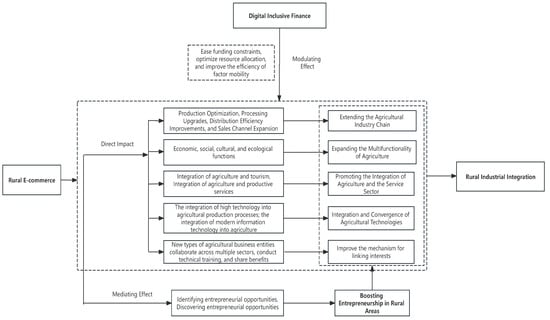
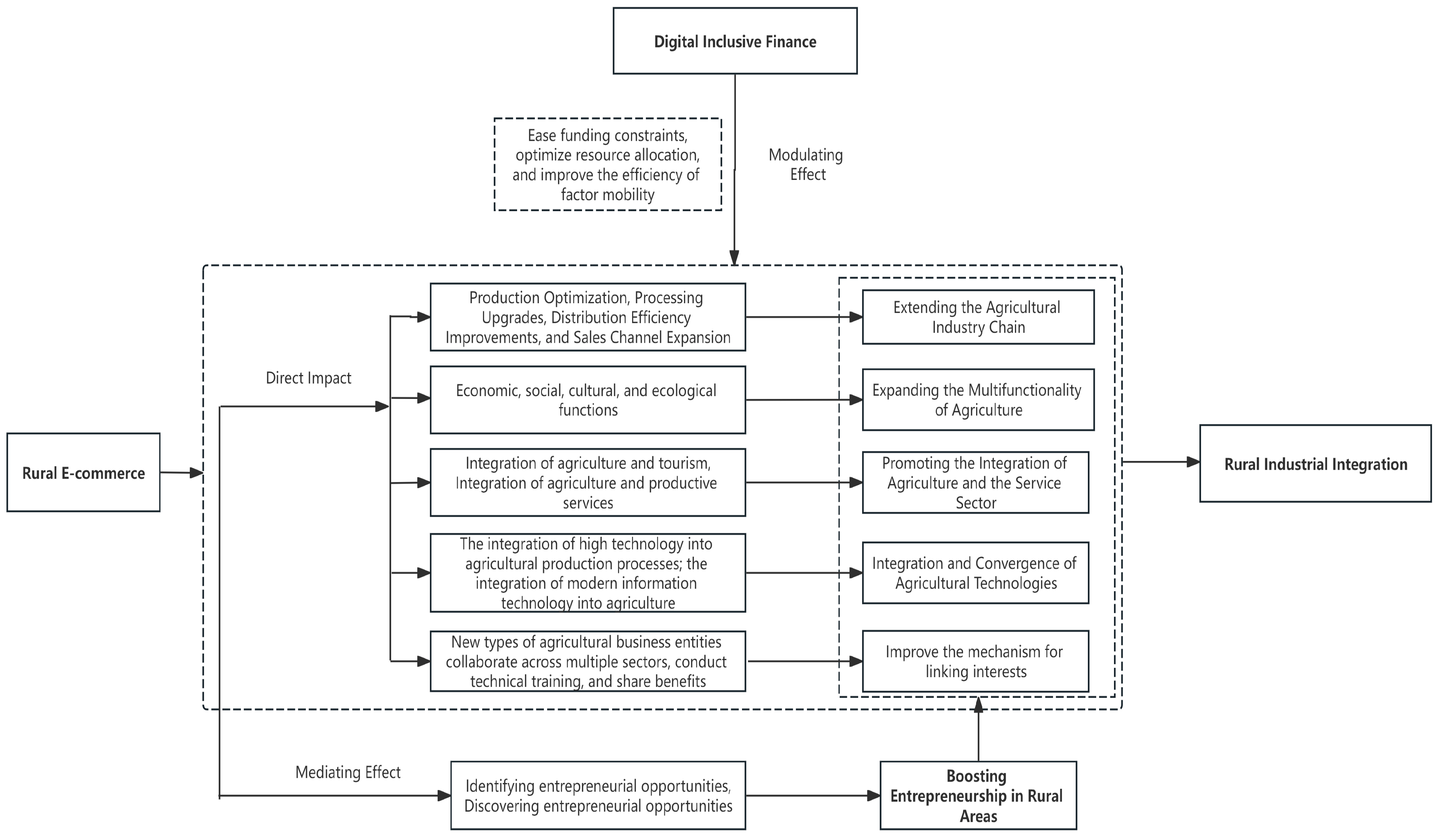
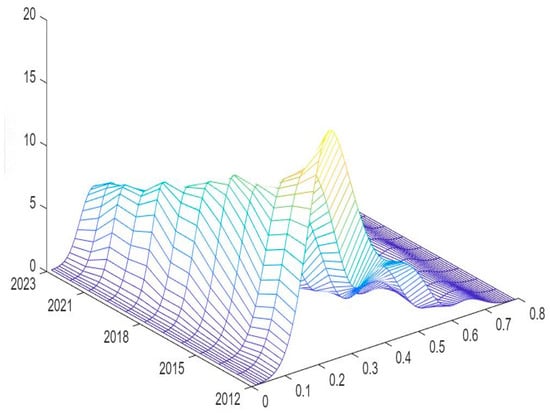
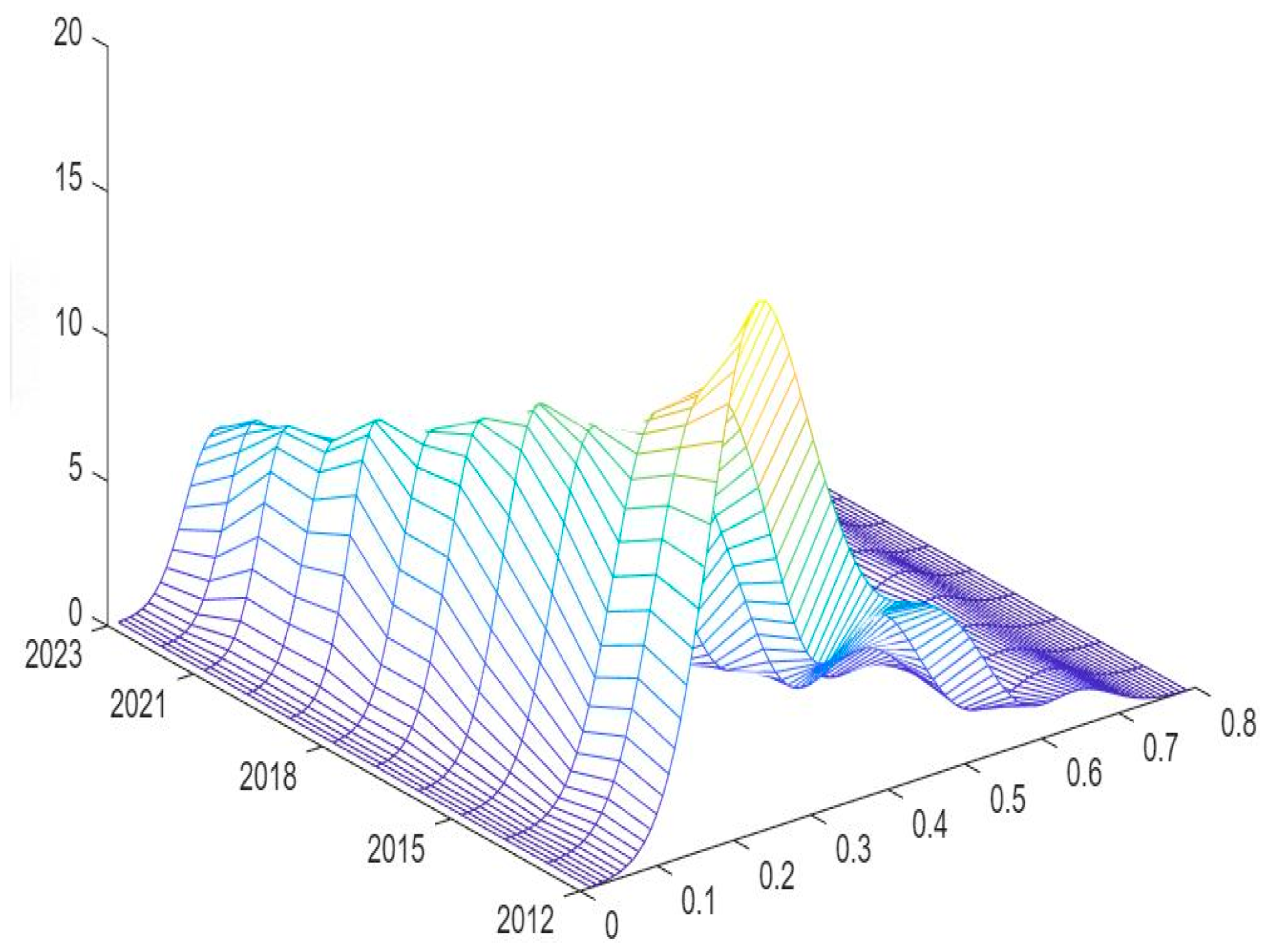
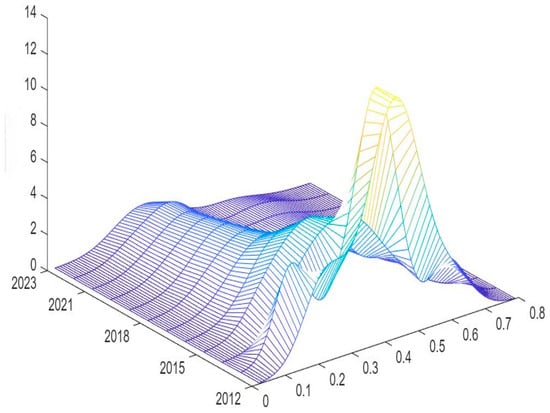
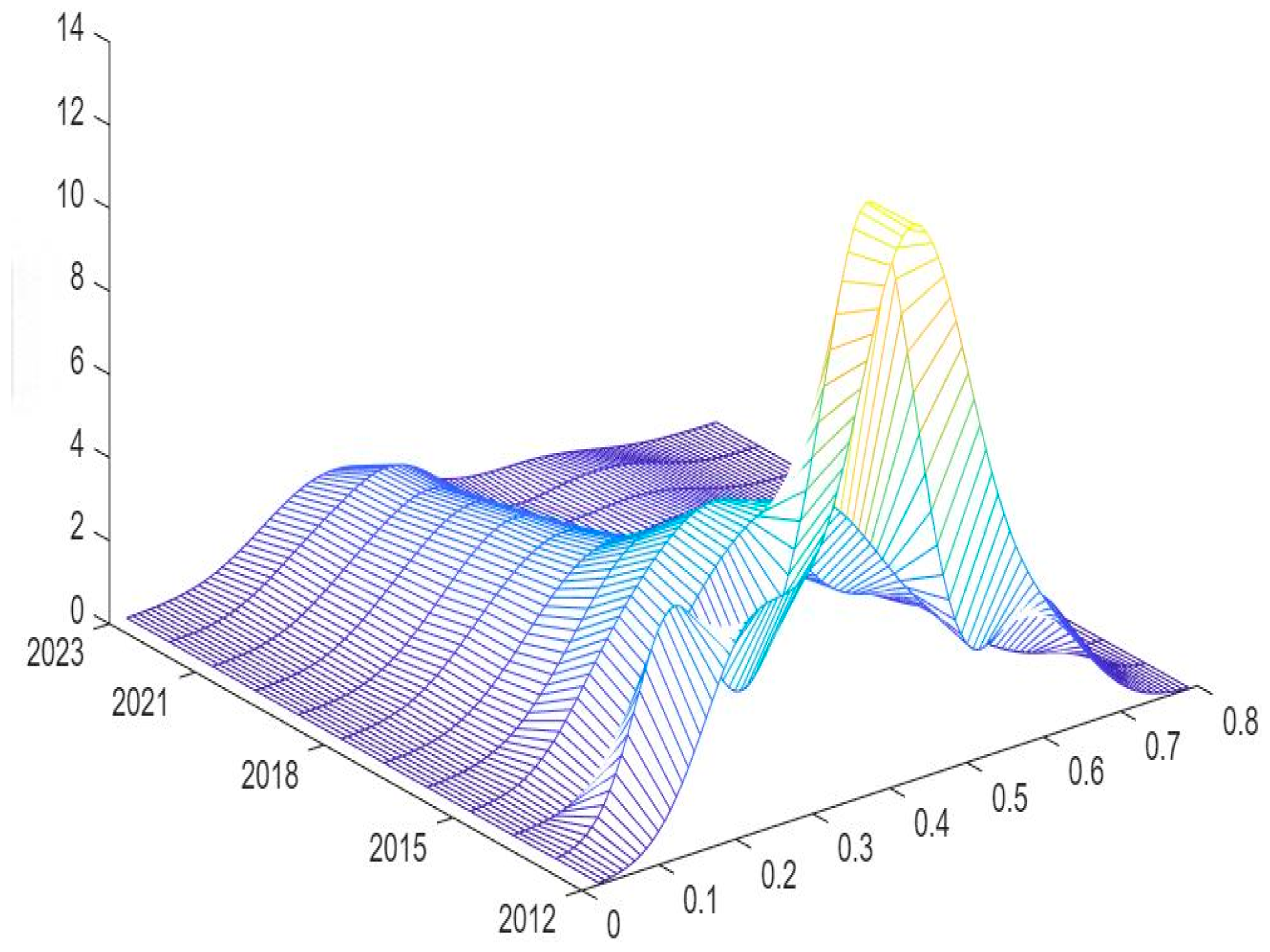
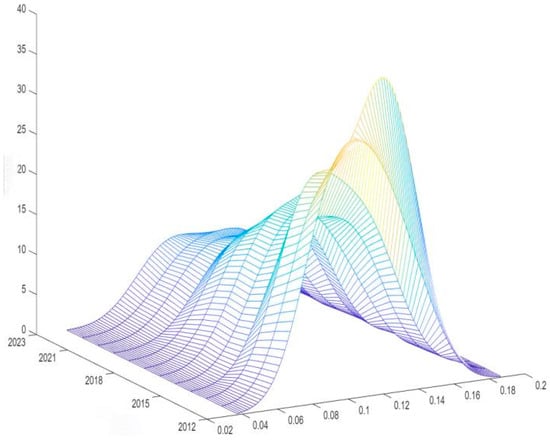
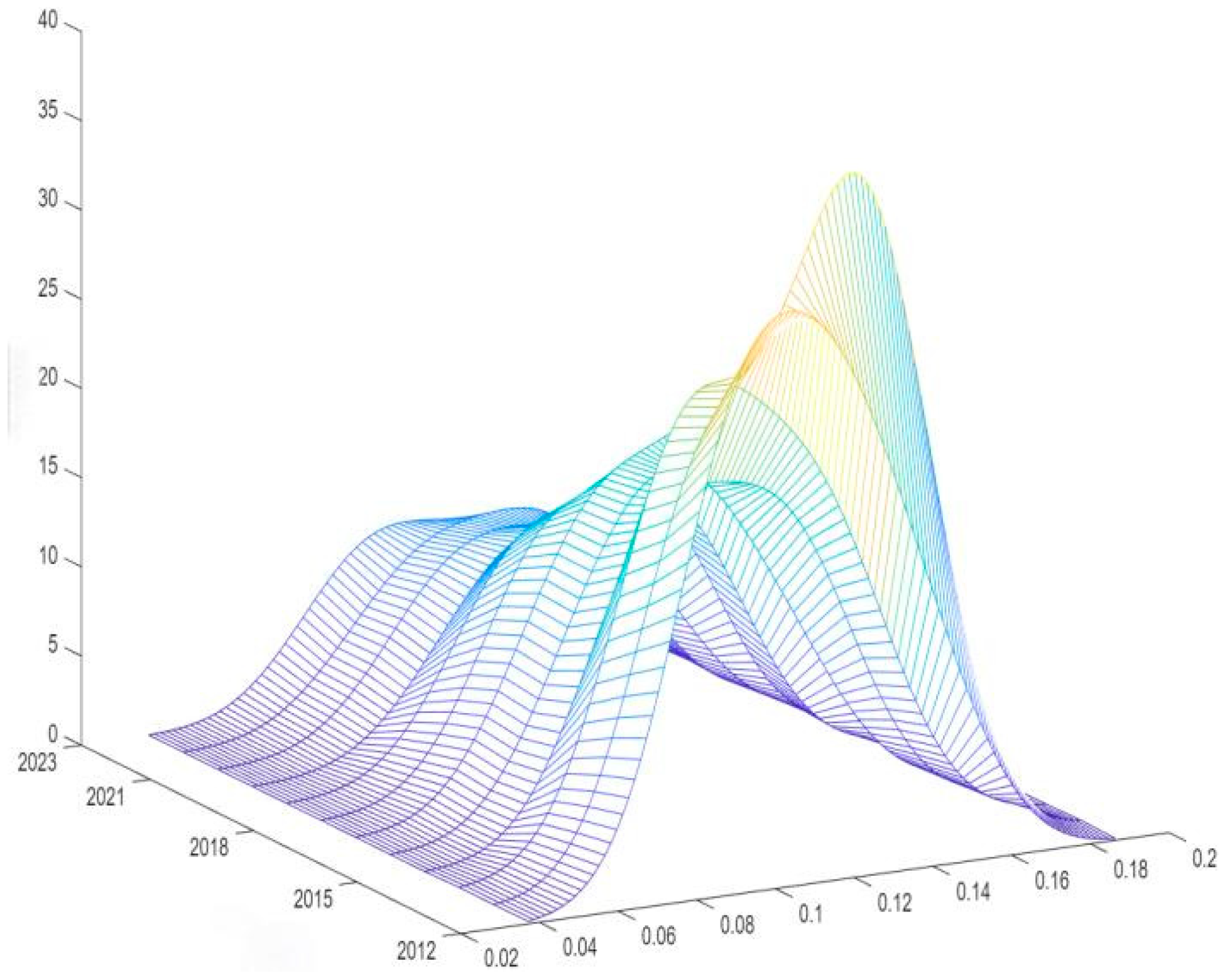
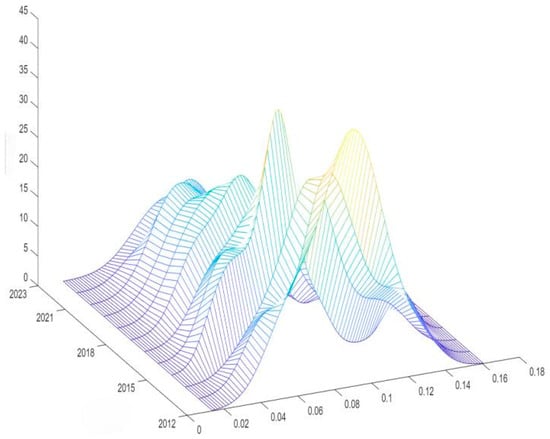
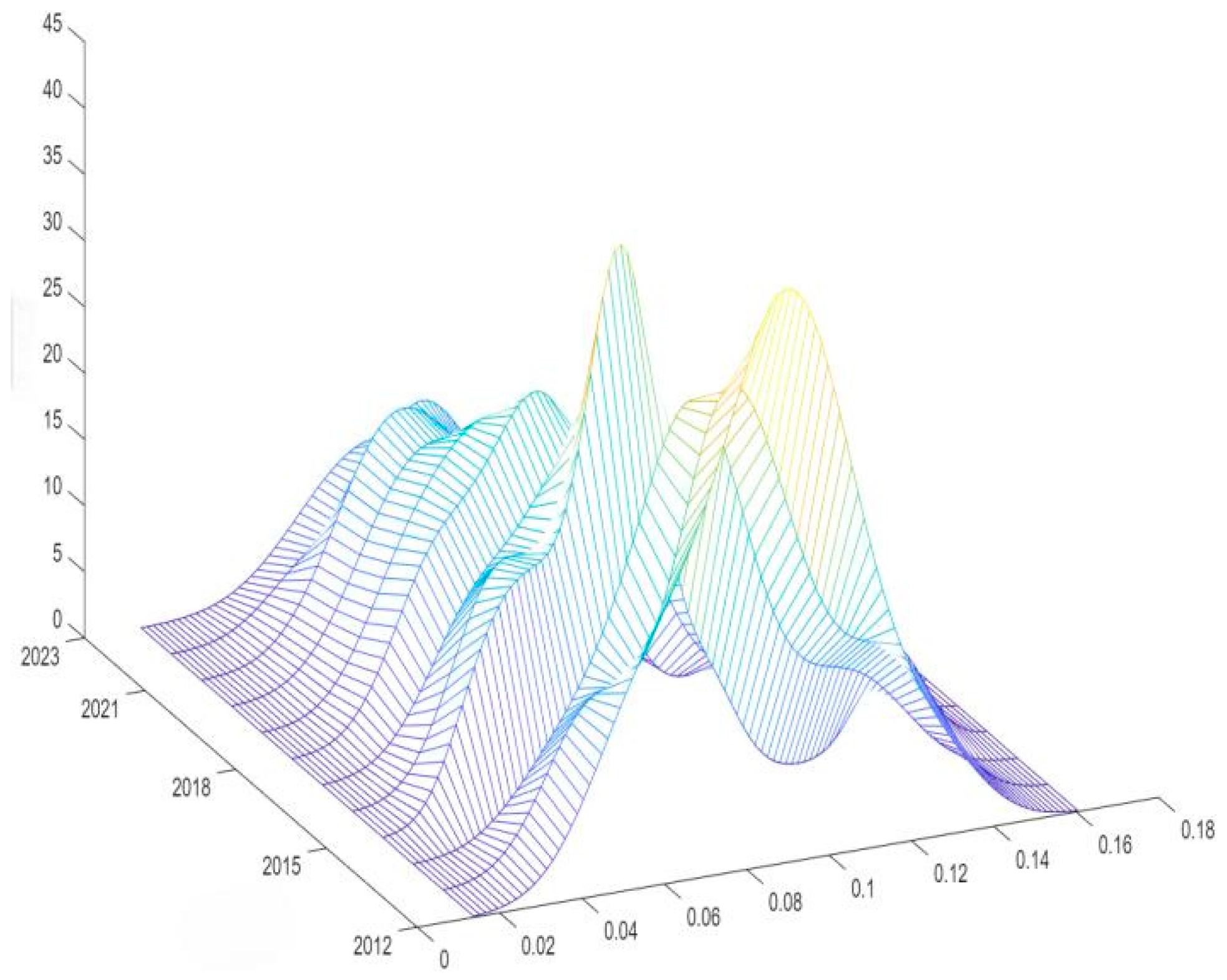
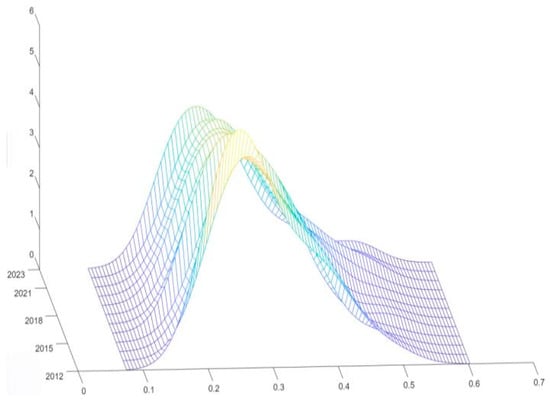
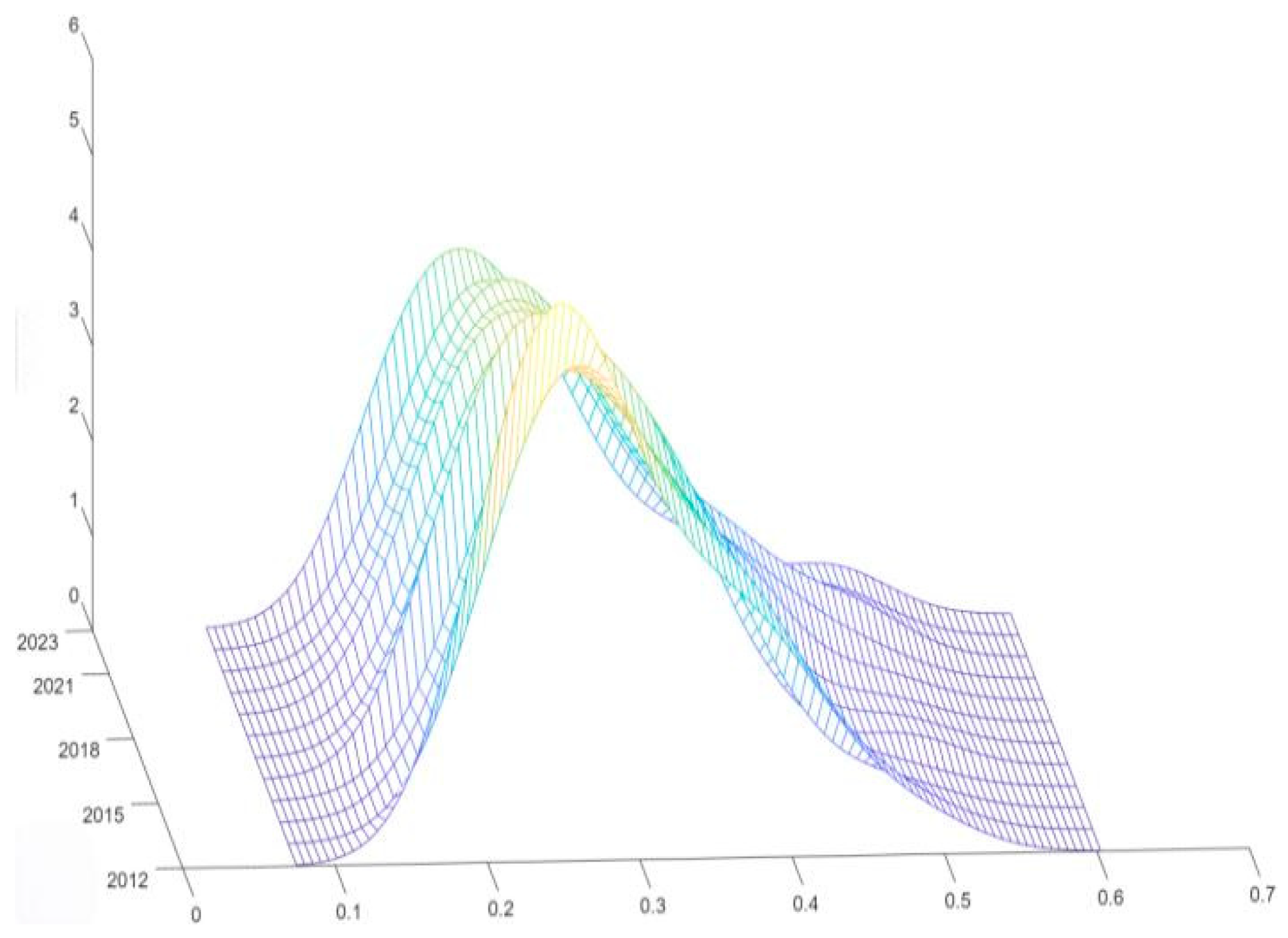
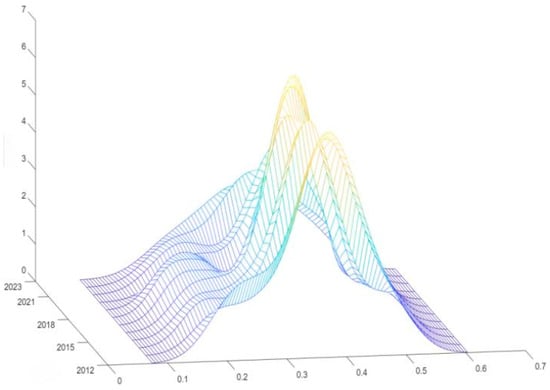
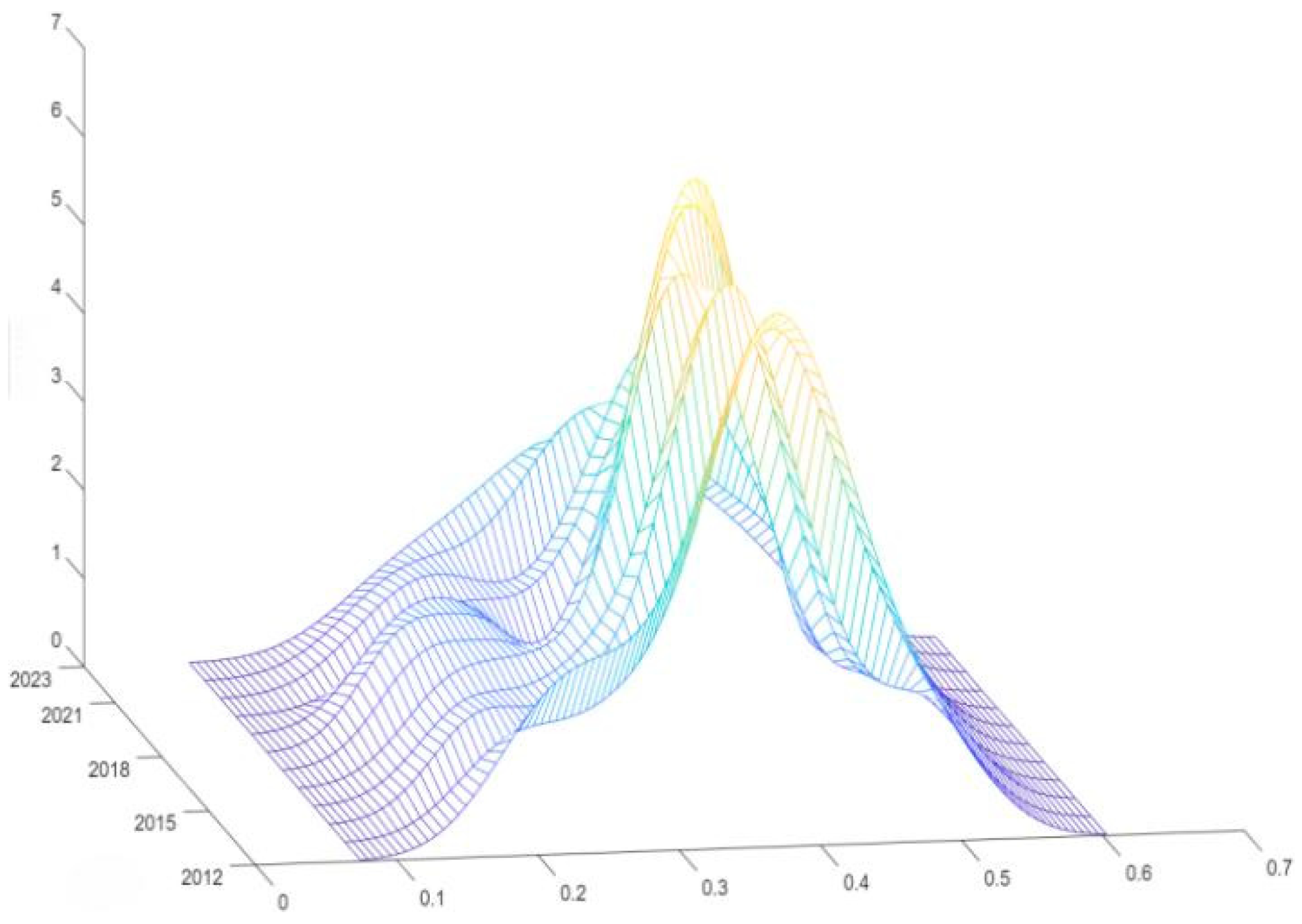
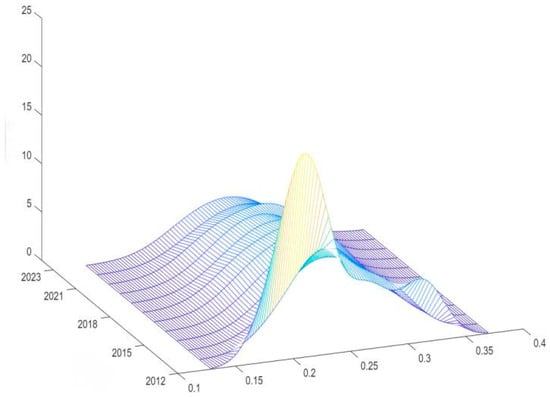
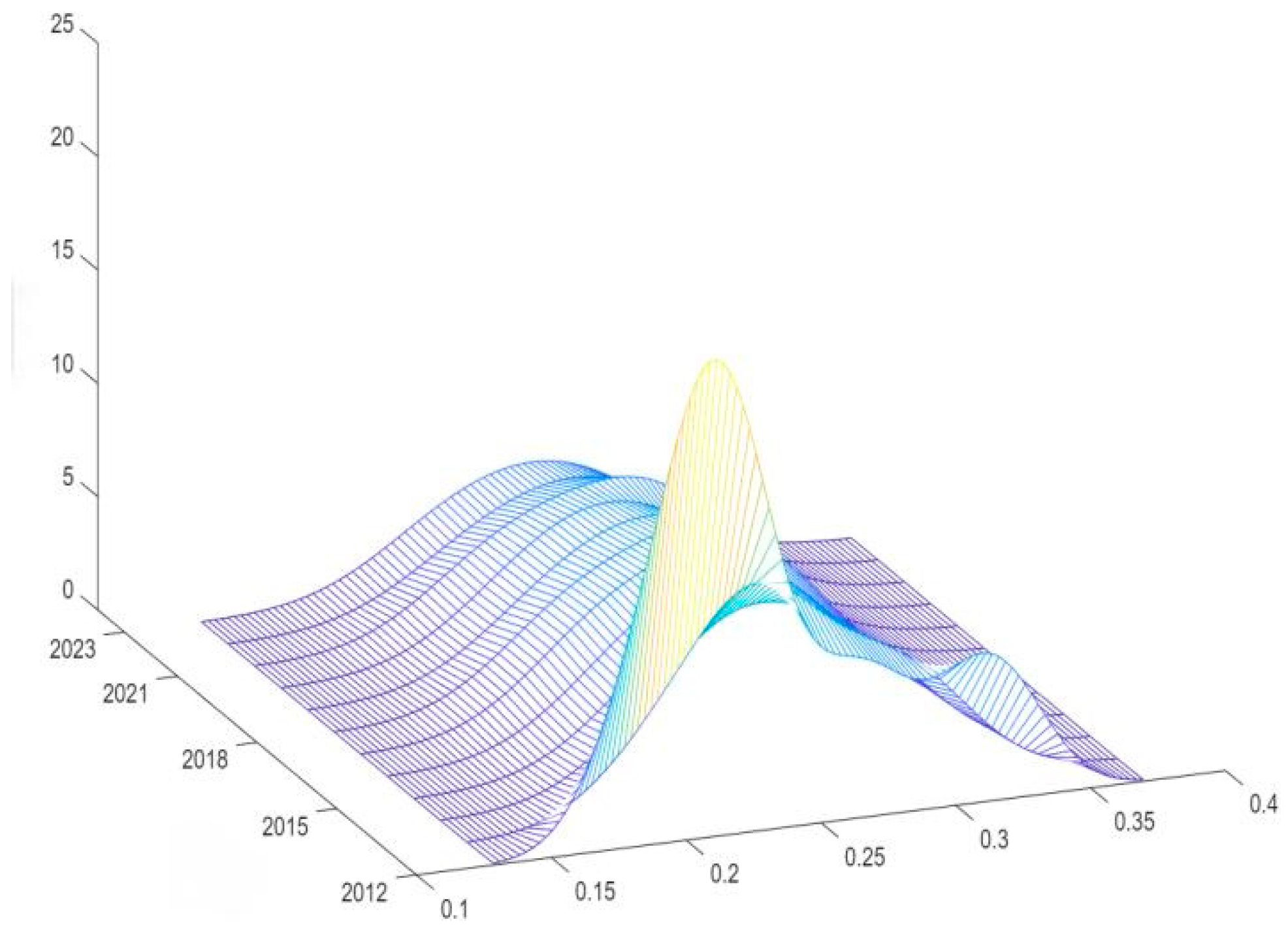
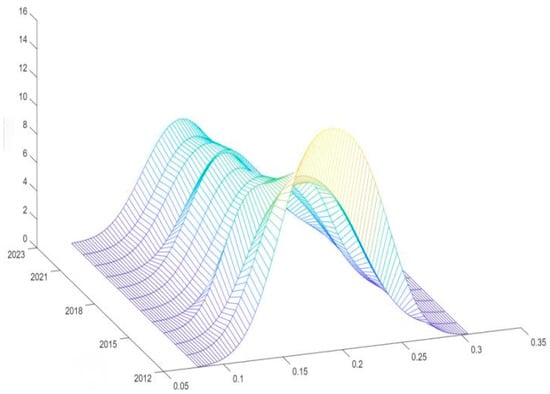
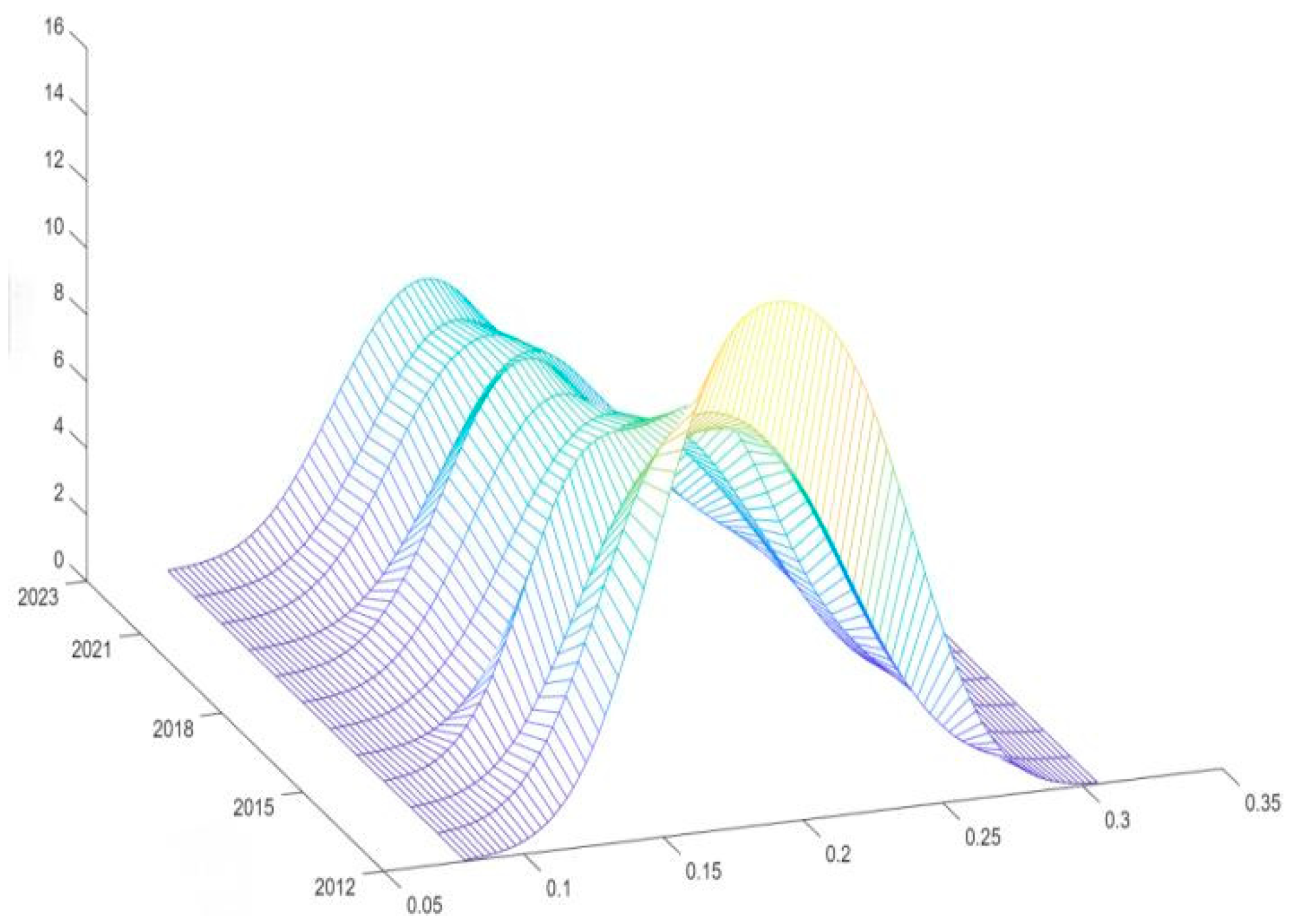

Disclaimer/Publisher’s Note: The statements, opinions and data contained in all publications are solely those of the individual author(s) and contributor(s) and not of MDPI and/or the editor(s). MDPI and/or the editor(s) disclaim responsibility for any injury to people or property resulting from any ideas, methods, instructions or products referred to in the content. |
© 2026 by the authors. Licensee MDPI, Basel, Switzerland. This article is an open access article distributed under the terms and conditions of the Creative Commons Attribution (CC BY) license.