


Abstract
Climate change is increasingly reshaping agricultural systems across Central Europe through rising temperatures, altered precipitation regimes, droughts, heatwaves, and expanding biological risks. These pressures threaten the stability of conventional cropping systems while simultaneously affecting food safety, storage systems, processing infrastructure, and regional food security. This review explores the role of adaptive crop diversification as a key strategy for enhancing agricultural resilience in the face of future climate uncertainty. Drawing on IPCC AR6 scenarios, CMIP6 simulations, and EURO-CORDEX projections, we analyze major climatic stressors affecting Central European agriculture, including heat stress, hydrological instability, soil degradation, invasive pests, fungal pathogens, and mycotoxin contamination. Particular attention is given to shifts in crop suitability and the growing relevance of climate-resilient crops such as sorghum, millet, quinoa, chickpea, lentil, soybean, camelina, hemp, and miscanthus. Beyond field-level adaptation, the review highlights the critical role of post-harvest systems, storage infrastructure, processing adaptability, and food safety within climate-resilient food systems. We additionally evaluate socioeconomic barriers, policy frameworks, and emerging technological approaches, including digital agriculture and artificial intelligence. A central contribution of this review is the integration of crop diversification, food safety, post-harvest adaptation, and governance challenges within a unified climate-resilience framework for Central European agriculture. We conclude that long-term agricultural resilience in the region will require a systemic transformation that integrates ecological, technological, economic, institutional, and social dimensions of adaptation.
1. Introduction
1.1. Background
Climate change is increasingly recognized as one of the most significant threats to agricultural productivity, food security, and environmental sustainability worldwide. In Europe, particularly in Central Europe, agricultural systems are becoming increasingly exposed to rising temperatures, altered precipitation regimes, greater climatic variability, and more frequent extreme weather events [1]. Recent decades have demonstrated that climate change no longer represents a distant environmental concern, but an immediate and accelerating challenge affecting crop productivity, soil quality, water availability, and the overall resilience of food systems. According to the Intergovernmental Panel on Climate Change (IPCC), Europe is among the fastest-warming regions globally, with Central Europe experiencing pronounced increases in heatwaves, drought frequency, and hydrological instability under both intermediate- and high-emission scenarios [2].
Globally, agricultural adaptation is guided by distinct institutional frameworks. The FAO emphasizes Climate-Smart Agriculture (CSA) to balance productivity with resilience [3], while networks like CGIAR advocate for farmer-led agroecological transitions. Meanwhile, industrialized regions such as North America prioritize data-driven precision tools and biotechnology. Rather than being mutually exclusive, integrating these approaches—combining precision technologies with localized agroecological practices—offers a synergistic framework to strengthen food system resilience worldwide.
Across the European continent, approaches to agricultural climate adaptation vary significantly depending on distinct regional pressures [4]. In Southern Europe, research predominantly focuses on mitigating chronic water scarcity and severe heat stress through advanced irrigation technologies and drought-tolerant cultivars [5]. Conversely, studies in Northern Europe frequently explore the dual nature of climate shifts, balancing the opportunities of extended growing seasons with the challenges of novel pest emergence and increased precipitation [6].
In this context, Central Europe occupies a particularly vulnerable position due to its transitional climatic characteristics and strong continental influences. It represents a climatic interface among Atlantic, Mediterranean, and continental weather systems, making it highly sensitive to changes in atmospheric circulation and precipitation anomalies [7]. Consequently, agricultural production is increasingly affected by the dual occurrence of prolonged drought periods and intense precipitation events within the same growing season [8]. This drought–flood duality has become one of the defining climatic risks of the region, generating substantial uncertainty in crop production and farm management. Heatwaves have also become more frequent and severe, especially during critical phenological stages such as flowering and grain filling, leading to considerable reductions in yield quantity and quality [9,10]. While agricultural systems globally are experiencing climate-induced stress, Central Europe is warming at a rate exceeding the global average [11]. This rapid shift introduces unprecedented challenges—such as acute water scarcity, novel pest pressures, and heat stress—to an agricultural sector historically adapted to temperate, rainfed conditions [12].
The impacts of climate change are already visible in the performance of several major crops traditionally cultivated in Central Europe. Maize production has become increasingly unstable due to drought stress and elevated summer temperatures, particularly during reproductive development stages that are highly sensitive to water deficits [13]. Winter wheat, despite its relatively broader climatic tolerance, is also experiencing increasing yield variability, quality deterioration, and heat-induced shortening of grain-filling periods [14]. Oilseed crops such as sunflower and rapeseed are similarly exposed to changing seasonal patterns, pest pressures, and winter temperature anomalies that affect germination, flowering, and disease susceptibility [15]. The cumulative effect of these processes threatens not only agricultural productivity but also regional food security, market stability, and the long-term viability of existing cropping systems.
In this region, effectively mitigating the impacts of climate change on agriculture requires a comprehensive agroecological transition toward diversified, resilient food systems. Rather than treating adaptive diversification, food system resilience, and agroecology as distinct concepts, they must be understood as mutually reinforcing pillars [16,17,18]. By integrating these approaches, agricultural networks can build the necessary systemic resilience to adapt to climatic extremes, stabilize crop yields, and secure food supply chains from field production through post-harvest management [19,20,21].
Currently, the literature on agricultural climate adaptation is highly fragmented, typically isolating specific stages of the supply chain rather than addressing the system as a whole [22]. To overcome this limitation, this review presents a novel, integrated framework that evaluates the entire agricultural continuum, linking field-level crop diversification directly to post-harvest management, processing infrastructure, and food safety under shifting climatic conditions. By synthesizing these interconnected elements rather than treating them as separate disciplines, this approach provides a cohesive scientific basis for developing robust policy frameworks and resilient food systems.
1.2. Aim of the Study
Accordingly, in the Central European context, this paper aims to: (i) study the projected impacts of climate change on agricultural and food systems; (ii) evaluate the role of adaptive crop diversification in strengthening climate resilience; (iii) assess the implications of climate change for food safety, storage, processing systems, and post-harvest infrastructure; and (iv) analyze the technological, socioeconomic, and governance factors influencing long-term agricultural adaptation.
This review adopts an integrated food-system perspective linking climate projections, adaptive crop diversification, food safety risks, post-harvest systems, storage infrastructure, and governance challenges within a unified resilience framework. By synthesizing evidence across these interconnected dimensions, the study contributes a systems-based perspective on long-term resilience and sustainability of agricultural and food supply systems’ under climate change scenarios in the agroclimatic transition zone of Central Europe.
1.3. Positioning of the Present Review Within Existing Literature
Reviews addressing climate impacts on European agriculture have primarily concentrated on projected changes in crop productivity, water availability, or climatic suitability under different emission scenarios. Others have focused on diversification practices such as agronomic adaptation measures, emphasizing crop physiology, genetic resources, or ecosystem services. Separate streams of literature have analyzed food safety challenges associated with climate-induced mycotoxin contamination, storage losses, biological hazards, and supply-chain resilience, while governance-oriented reviews have evaluated the role of agricultural policies, sustainability strategies, and institutional adaptation mechanisms. Although these contributions provide valuable insights, they rarely establish explicit conceptual links among production systems, post-harvest processes, food safety, socioeconomic constraints, technological innovation, and governance instruments.
Rather than examining individual adaptation measures in isolation, this review evaluates how climatic pressures interact with crop diversification, post-harvest management, food-system resilience, technological innovation, and policy interventions to influence long-term agricultural sustainability. Particular attention is given to the interdependencies among biological, technological, economic, and institutional dimensions of adaptation.
Furthermore, unlike many previous reviews that primarily summarize agronomic evidence, the present study integrates findings from plant science, climate science, food safety, agricultural engineering, economics, and governance research. This interdisciplinary perspective enables the identification of emerging knowledge gaps, methodological limitations, and future research priorities that may not be apparent within single-discipline reviews. Consequently, the principal contribution of this review lies not only in summarizing existing evidence but also in proposing an integrated conceptual understanding of climate-resilient agricultural transformation in Central Europe (Table 1).
Table 1.
Comparative positioning of the present review relative to previous review literature.
2. Review Methodology
This review followed the general principles of the PRISMA 2020 Statement for reporting literature reviews while adopting a narrative synthesis approach appropriate for interdisciplinary environmental and agricultural research [36]. Because the objective of this study was to integrate evidence originating from agronomy, climate science, food safety, post-harvest technology, agricultural economics, and governance rather than estimate pooled intervention effects, a quantitative meta-analysis was not considered appropriate.
A systematic literature search was conducted between January and March 2026 using four major bibliographic databases: Web of Science Core Collection, Scopus, ScienceDirect, and Google Scholar. These databases were selected to ensure broad coverage of peer-reviewed literature across agricultural sciences, environmental sciences, food science, engineering, and policy studies. Reference lists of key review papers and highly cited publications were also screened manually to identify additional relevant studies that were not retrieved through database searches.
Database searches were performed using combinations of Boolean operators, truncation symbols, and quotation marks where appropriate. The primary search strategy combined climate-related, agronomic, diversification, resilience, food-system, and governance terms. The principal search expression was: (“climate change” OR “global warming” OR “climate adaptation”) AND (“crop diversification” OR “alternative crops” OR “agricultural diversification”) AND (“Central Europe” OR “Hungary” OR “Austria” OR “Slovakia” OR “Czech Republic” OR “Poland”) AND (“food safety” OR “post-harvest” OR “storage” OR “resilience” OR “governance”). The assessment involved the iterative screening of 1351 scientific articles, institutional reports, and review articles (referred to as records and publications in Figure 1).
Figure 1.
PRISMA flow diagram of the publication selection process.
Studies were included if they:
- -
- Investigated climate-change impacts, adaptation, crop diversification, post-harvest systems, food safety, or agricultural governance;
- -
- Focused on Central Europe or provided findings directly applicable to Central European agricultural systems;
- -
- Were published in peer-reviewed scientific journals;
- -
- Were written in English;
- -
- Provided sufficient methodological description and original or review-level scientific evidence.
Studies were excluded if they:
- -
- Were conference abstracts, editorials, dissertations, or non-peer-reviewed reports;
- -
- Focused exclusively on unrelated geographical regions without transferable implications;
- -
- Lacked sufficient methodological transparency;
- -
- Duplicated previously identified publications;
- -
- Addressed topics outside the scope of agricultural climate adaptation.
This approach enabled the integration of evidence from agronomic, environmental, technological, economic, and policy perspectives within a unified analytical framework. All retrieved records were exported into a reference-management database, where duplicate publications were identified through automated matching followed by manual verification. Titles and abstracts were subsequently screened for relevance to the review objectives. Potentially eligible publications then underwent full-text assessment according to the predefined inclusion and exclusion criteria. To improve consistency during the selection process, the screening procedure was performed independently by the authors. Any differences in study eligibility were resolved through discussion until consensus was achieved. Following the complete screening process, 117 publications met all eligibility criteria and were included in the final qualitative synthesis (Figure 1).
Given the interdisciplinary nature of the reviewed literature, formal risk-of-bias tools developed for clinical meta-analyses were not considered appropriate. Instead, an evidence-quality appraisal was performed using qualitative criteria adapted for environmental review studies. Publications were evaluated according to (i) scientific credibility of the publication source, (ii) methodological transparency, (iii) relevance to the review objectives, (iv) consistency with other published evidence, and (v) contribution to understanding climate adaptation and agricultural resilience. Greater interpretative weight was assigned to peer-reviewed review articles, long-term field experiments, multi-site investigations, and internationally recognized institutional reports where appropriate. No study was excluded solely on the basis of quality assessment; instead, evidence strength was considered during interpretation of the synthesized findings. Based on these, a qualitative appraisal framework was used to guide interpretation of the reviewed evidence rather than to exclude studies from the synthesis (Table 2).
Table 2.
Evidence appraisal framework applied in the present review.
3. Climate Change Scenarios in Central Europe
3.1. Regional Climate Projections
Understanding future climate conditions is essential for evaluating the long-term viability of agricultural systems in Central Europe. Climate projections consistently indicate that the region will experience substantial environmental changes during the twenty-first century, including rising temperatures, altered precipitation patterns, increasing hydrological variability, and more frequent weather extremes [37]. These projected changes are expected to significantly influence crop suitability, agricultural productivity, water availability, pest dynamics, and food system stability.
Recent climate projections for Europe are primarily based on the Sixth Assessment Report (AR6) of the Intergovernmental Panel on Climate Change (IPCC), coupled atmosphere–ocean general circulation models from the Coupled Model Intercomparison Project Phase 6 (CMIP6), and dynamically downscaled regional climate simulations developed within the EURO-CORDEX initiative. Together, these frameworks provide highly detailed insights into future climatic conditions at both continental and regional scales [2,38].
The IPCC AR6 framework introduced a new generation of integrated climate scenarios based on Shared Socioeconomic Pathways (SSPs), which combine greenhouse gas concentration trajectories with socio-economic development assumptions. The SSP framework enables the simultaneous evaluation of climate forcing, demographic trends, technological development, mitigation capacity, and adaptation potential. For agricultural assessments in Central Europe, three scenarios are particularly relevant: SSP1-2.6, SSP2-4.5, and SSP5-8.5. These scenarios represent low-, intermediate-, and high-emission development pathways, respectively, and provide a broad spectrum of possible climatic futures [39,40]. Under intermediate- and high-emission pathways, Central Europe is projected to experience substantial warming, erratic precipitation, and intense summer heatwaves.
The EURO-CORDEX initiative has been particularly important for improving regional-scale climate assessments in Europe. By dynamically downscaling global climate model outputs to higher spatial resolutions, EURO-CORDEX simulations provide more accurate representations of local climatic processes, topography, and extreme weather patterns relevant to agriculture [41]. These regional projections consistently demonstrate that Central Europe is highly exposed to increasing hydroclimatic variability, particularly in lowland agricultural regions that are strongly dependent on rainfed crop production [42].
Regional projections from EURO-CORDEX simulations indicate that Central Europe will likely be increasingly characterized by climatic extremes under SSP5-8.5 conditions. The frequency of consecutive dry days is projected to increase significantly, while soil moisture deficits may intensify during critical crop development periods. Heat stress during the flowering and grain-filling stages is expected to reduce the productivity of major crops such as maize, wheat, sunflower, and rapeseed. Moreover, elevated nighttime temperatures may negatively affect crop respiration, grain quality, and physiological recovery processes [43,44].
In addition to temperature and precipitation changes, for Central Europe, climate models also project increasing variability in agroclimatic conditions. Climatic instability itself may become one of the most significant challenges for agricultural management because unpredictable weather patterns complicate planting decisions, irrigation planning, pest management, harvesting operations, and storage preparation. Increased variability is expected to amplify production risks, even in years when average climatic conditions appear relatively favorable [45].
Another important concern is the increasing frequency of compound climatic events, in which multiple stressors occur simultaneously or sequentially [46]. Examples include drought combined with heatwaves, excessive rainfall following prolonged dry periods, or warm winters followed by late spring frosts. Such compound events can generate disproportionately large agricultural losses because crops exposed to one stressor often become more vulnerable to subsequent environmental disturbances. Recent studies suggest that compound drought–heat events are likely to become substantially more frequent across Central Europe during the twenty-first century, particularly under SSP2-4.5 and SSP5-8.5 scenarios [47].
Although virtually all climate models project continued warming across Central Europe, greater uncertainty persists regarding future precipitation regimes and the frequency of compound climatic extremes. Differences among modelling frameworks, emission scenarios, and regional downscaling approaches affect the magnitude rather than the direction of projected change. Accordingly, adaptation strategies should prioritize robustness under multiple plausible futures instead of relying on individual climate projections.
3.2. Expected Agricultural Stressors
Climate change is expected to intensify multiple interacting stressors affecting agricultural systems in Central Europe [48]. These stressors include rising temperatures, altered hydrological regimes, soil degradation processes, and increasing biological risks that collectively threaten agricultural productivity, food safety, and ecosystem stability. Importantly, the combined and cumulative nature of these stressors may generate nonlinear impacts that exceed the adaptive capacity of conventional cropping systems. Consequently, understanding the mechanisms through which climatic stressors affect agricultural systems is essential for evaluating adaptive diversification strategies and resilience-oriented management approaches. Figure 2 summarizes the major projected climate-related stressors affecting the region and illustrates how interconnected climatic, biological, and agroecological pressures collectively intensify the need for resilient and diversified agricultural systems.
Figure 2.
Projected climate change stressors in Central European agriculture; authors’ edit.
The quantitative evidence summarized in Table 3 supports the conceptual relationships illustrated in Figure 1. Although the exact magnitude varies among climate scenarios and regions, the reviewed literature consistently indicates increasing temperatures, reduced summer precipitation, and more frequent extreme events as the principal drivers of agricultural adaptation in Central Europe.
Table 3.
Quantitative projections of climate change impacts relevant to Central European agriculture.
Collectively, the available evidence demonstrates broad agreement that climatic stress is increasing across all major cropping systems. However, the severity of projected impacts differs considerably among studies because of variation in crop species, local environmental conditions, management practices, and adaptation assumptions. These differences reinforce the importance of region-specific diversification strategies rather than universal recommendations.
3.2.1. Temperature Changes
Among the most significant projected climatic changes in Central Europe is the steady increase in average and extreme temperatures. Regional climate simulations consistently indicate substantial warming across all seasons, with particularly pronounced increases during summer months and under higher-emission scenarios [54]. Elevated temperatures directly influence crop physiology, phenological development, evapotranspiration rates, and reproductive success, thereby altering both crop productivity and quality.
Heat stress has emerged as one of the most critical threats to agricultural production in Central Europe. High temperatures during sensitive developmental stages such as flowering, pollination, and grain filling can substantially reduce crop yields and impair its quality. In maize, temperatures exceeding critical thresholds during flowering may disrupt pollen viability and fertilization, resulting in severe yield losses. Similarly, wheat is highly vulnerable to terminal heat stress, which accelerates grain maturation and shortens grain-filling periods, ultimately reducing grain weight and protein quality [55]. Oilseed crops such as sunflower and rapeseed are also increasingly exposed to heat-induced reproductive stress and elevated evapotranspirative demand.
Temperature changes are also expected to influence the duration and timing of growing seasons throughout Central Europe. Rising temperatures may extend frost-free periods and allow earlier sowing dates in some regions, potentially enabling the cultivation of thermophilic crops previously unsuitable under historical climatic conditions. However, prolonged growing seasons may also increase exposure to drought periods, pest pressures, and heatwaves during critical crop development stages [56]. Therefore, longer growing seasons do not necessarily translate into improved agricultural productivity.
Another important consequence of rising winter temperatures is reduced vernalization potential. Vernalization refers to the requirement of certain crops, particularly winter cereals and oilseed crops, for prolonged exposure to cold temperatures to initiate flowering and reproductive development. Warmer winters may reduce vernalization efficiency in these regions, thereby affecting flowering synchronization, developmental stability, and final yield formation in winter wheat and rapeseed systems [57].
Accelerated phenological development is also projected to become increasingly common under future climatic conditions. Elevated temperatures tend to hasten physiological development, causing earlier flowering, maturation, and senescence. Although accelerated phenology may occasionally reduce exposure to late-season droughts, it often shortens biomass accumulation periods and limits yield potential. Furthermore, altered phenological timing may disrupt ecological synchrony between crops, pollinators, pests, and beneficial organisms, generating additional ecological instability within agroecosystems [58].
3.2.2. Hydrological Instability
Hydrological instability is expected to become one of the defining characteristics of future agricultural conditions in Central Europe. Climate projections indicate substantial increases in drought frequency, severity, and duration, particularly during the summer growing season. Reduced summer precipitation combined with higher evapotranspiration rates is expected to intensify agricultural water deficits across much of the Pannonian Basin and surrounding lowland regions [59].
Drought stress represents a major constraint for rainfed agriculture, which still dominates large parts of Central Europe. Soil water deficits during critical developmental stages can significantly reduce photosynthetic activity, nutrient uptake, and biomass production. Maize is highly vulnerable to drought during reproductive development, while wheat and sunflower may experience substantial yield reductions under prolonged moisture stress conditions [42,60].
Declining soil moisture represents a critical hydrological concern. Even without strong precipitation decreases, higher temperatures can increase evapotranspiration rates and reduce effective soil water retention. Persistent soil moisture deficits negatively affect root development, microbial activity, nutrient cycling, and crop resilience to additional stressors. Furthermore, reduced soil moisture may increase susceptibility to erosion, salinization, and organic matter degradation [61].
At the same time, climate change is projected to increase the frequency of extreme precipitation events and flash floods. Although total annual precipitation may not decline uniformly across the region, rainfall distribution is expected to become increasingly erratic, with prolonged dry periods interrupted by short-duration high-intensity rainfall events. Such precipitation extremes contribute to runoff generation, soil erosion, nutrient leaching, and physical damage to crops and agricultural infrastructure [45].
Increasing irrigation pressure is therefore likely to become a major challenge for agricultural systems in Central Europe. Rising temperatures and declining soil moisture are expected to substantially increase irrigation demand, particularly for high-value crops and intensive production systems. However, expanding irrigation capacity may be constrained by water availability, infrastructure limitations, economic costs, and competing demands from urban, industrial, and environmental sectors. Water-scarcity conflicts may emerge as a major policy and resource-management issue in the region [62,63].
3.2.3. Biological Stressors
Climate change is expected to alter the biodynamics of agricultural systems in Central Europe. Rising temperatures and changing precipitation regimes may facilitate the northward expansion and establishment of invasive pests and pathogens previously restricted to warmer climatic zones. Higher winter survival rates, accelerated reproductive cycles, and extended growing seasons may increase pest population densities and geographic distribution ranges [64].
Fungal pathogens represent a particularly important concern under future climatic conditions. Increased humidity fluctuations, temperature variability, and extreme weather events may promote fungal proliferation and disease outbreaks in both field and storage environments. Crops stressed by drought or heat often become more susceptible to fungal infection, further amplifying disease risks [65]. The increasing occurrence of mycotoxins is considered one of the most significant food safety threats associated with climate change. Elevated temperatures and moisture stress may favor toxigenic fungi such as Aspergillus, Fusarium, and Penicillium species, increasing contamination risks in cereals, maize, and oilseed crops. In particular, aflatoxin contamination—historically associated with subtropical climates—has already been detected more frequently in parts of Southern and Central Europe during extreme heat and drought years [66]. Such developments pose serious risks to food safety, livestock health, international trade, and regulatory compliance.
Climate change is also expected to intensify weed pressure within the region’s agricultural systems. Elevated CO2 concentrations may stimulate the growth and competitiveness of certain weed species, while warmer temperatures may enable the establishment of invasive thermophilic weeds. Changes in herbicide efficacy under elevated temperatures and altered precipitation patterns may further complicate weed management strategies [67].
3.2.4. Agroecological Consequences
Climate change is expected to accelerate several forms of soil degradation across Central Europe, threatening the long-term sustainability of agricultural production systems. Soil erosion is projected to intensify due to increasing precipitation extremes, runoff intensity, and declining vegetation cover during drought periods. Water erosion may remove nutrient-rich topsoil layers, reduce soil fertility, impair water retention capacity, and increase sediment transport into aquatic ecosystems [68].
Salinization may also become increasingly relevant in certain irrigated and drought-prone regions, particularly within the Pannonian Basin, where high evapotranspiration rates and declining groundwater availability may concentrate salts in upper soil horizons. Although salinization has historically been more strongly associated with arid and semi-arid regions, climate change may expand salinity risks into previously unaffected agricultural areas [69].
Another important concern is the gradual decline in soil organic matter under warmer, drier climatic conditions. Elevated temperatures accelerate organic matter mineralization and microbial decomposition, while drought conditions reduce biomass production and organic residue inputs. Declining soil organic carbon negatively affects soil structure, nutrient retention, microbial biodiversity, and water-holding capacity, thereby reducing agroecosystem resilience [61,70]. Since soil organic matter plays a central role in carbon sequestration and climate mitigation, its degradation has environmental consequences beyond agricultural productivity.
3.3. Geographic Hotspots
Although climate change affects all of Central Europe, several subregions are expected to experience particularly pronounced agricultural vulnerabilities due to their geographic, climatic, hydrological, and ecological characteristics. The spatial heterogeneity of projected climate risks across Central Europe highlights the need for regionally differentiated adaptation strategies and crop diversification pathways (Figure 3).
Figure 3.
Projected climate risk hotspots for agricultural systems in Central Europe under mid-century climate scenarios; authors’ synthesis-based conceptual visualization based on data from [45,71].
3.3.1. Pannonian Basin
The Pannonian Basin is widely considered one of the most climate-vulnerable agricultural regions in Europe. Characterized by strong continentality, relatively low precipitation, and high summer evapotranspiration, the region is highly exposed to drought stress, heatwaves, and declining soil moisture. Climate projections indicate substantial increases in aridity and hydroclimatic variability, threatening the long-term viability of water-intensive crops such as maize [59]. The basin’s extensive lowland agricultural systems and dependence on rainfed production further increase vulnerability to climatic instability [72].
3.3.2. Carpathian Region
The Carpathian region is a complex, mountainous, transitional agroecological zone characterized by high environmental heterogeneity and climatic sensitivity. Rising temperatures are expected to alter altitudinal vegetation zones, snow cover duration, and hydrological dynamics, thereby influencing both crop production and livestock systems. Increased precipitation variability and weather extremes may trigger erosion risk, landslides, and ecosystem degradation in mountainous landscapes [73]. Simultaneously, some higher-altitude areas may temporarily benefit from extended growing seasons and warmer conditions.
3.3.3. Danube Basin
The Danube Basin constitutes one of Europe’s most important agricultural and hydrological regions. Climate change is expected to significantly affect river discharge regimes, groundwater availability, flood frequency, and irrigation systems throughout the basin. Simultaneous exposure to droughts and floods poses substantial challenges for agricultural management, infrastructure resilience, and transboundary water governance [74]. Agricultural intensification combined with climatic instability may also increase nutrient runoff, eutrophication risks, and ecological degradation within the basin.
3.3.4. Alpine Transition Zones
Alpine transition zones located at the interface between mountainous and lowland environments are expected to experience substantial climatic shifts. Reduced snow cover, glacier retreat, altered runoff dynamics, and increased climatic variability may affect both crop production and pasture-based systems. These regions may experience opportunities for crop diversification and risks associated with hydrological instability, soil erosion, and ecosystem fragmentation [75].
Collectively, these geographic hotspots demonstrate that climate change impacts in Central Europe will not be spatially uniform. Instead, regional vulnerabilities will depend on the interaction between climatic exposure, agroecological conditions, water availability, infrastructure, and socio-economic adaptive capacity. Understanding these differences is essential for developing region-specific strategies and resilience-oriented agricultural policies.
4. Crop Suitability Shifts Under Climate Change
As proposed, European regional climate projections indicate mean annual warming of approximately 1.5–2.5 °C by the middle of the century under intermediate emission scenarios, which would substantially alter the agroclimatic suitability of crops across Central Europe during the twenty-first century. Rising temperatures, changing precipitation regimes, increasing atmospheric CO2 concentrations, and more frequent climatic extremes are already affecting crop productivity, phenology, and geographical distribution patterns [76]. As the suitability of traditional staples such as maize and winter wheat increasingly declines under combined heat and water stress, regional cropping systems are likely to undergo progressive restructuring, creating opportunities for alternative species better adapted to warmer and drier conditions [45,77]. Consequently, diversification toward climate-resilient crops—including sorghum, legumes, and drought-tolerant pseudocereals—may become an agronomic necessity rather than merely an adaptive option [78]. These crop suitability shifts represent one of the principal mechanisms through which climate change is expected to reshape agricultural production, food security, and rural economies across Central Europe [45,77].
The impacts of these shifts may extend far beyond field-level productivity. Altered crop suitability will influence storage infrastructure, processing technologies, market organization, supply chains, nutritional security, and agricultural policy frameworks. Moreover, the transition toward new cropping systems will require significant adjustments in agronomic knowledge, seed systems, processing industries, and risk management strategies.
4.1. Declining Viability of Traditional Crops vs. Emergence of Alternative Crops
As climatic suitability shifts across Central Europe, numerous alternative crops previously considered marginal or geographically restricted are gaining increasing relevance. These crops may provide important opportunities for adaptive diversification due to their greater tolerance to drought, heat, and climatic variability [42,45]. However, successful integration depends not only on agroclimatic suitability but also on processing infrastructure, market development, consumer acceptance, and regulatory frameworks. Additionally, these crops differ substantially from conventional production systems in terms of agronomic requirements, processing characteristics, and market integration. Table 4 summarizes the key comparative features of traditional and emerging crops relevant to climate adaptation strategies in the region.
Table 4.
Comparative characteristics of traditional and emerging climate-resilient crops in Central Europe.
While many studies identify drought-tolerant crops as promising alternatives, evidence remains less consistent regarding the long-term economic sustainability of European diversification strategies. Agronomic experiments generally report favorable physiological responses, whereas farm-level analyses often identify significant barriers related to market access, processing infrastructure, and investment costs. Consequently, successful diversification cannot be evaluated solely by biological performance but requires simultaneous consideration of technological, economic, and institutional feasibility.
4.2. Genetic and Breeding Approaches
The successful adaptation of agricultural systems to Central European climate change will depend heavily on advances in plant breeding, genetic resources management, and seed system resilience [117].
Breeding programs increasingly focus on traits such as drought tolerance, heat resistance, salinity tolerance, pest resistance, and water-use efficiency. Modern genomic tools enable a more precise selection of adaptive traits that maintain productivity under climatic stress [117].
Genome-editing technologies such as CRISPR-Cas systems offer significant potential to accelerate climate adaptation by enabling targeted modifications of stress-response genes. Applications include improving drought tolerance, enhancing disease resistance, and increasing nutrient-use efficiency [118]. However, regulatory uncertainty within the European Union continues to influence the commercial adoption of genome-edited crops [119].
Traditional landraces represent valuable reservoirs of genetic diversity and local adaptation. Many landraces possess stress-tolerance traits that may become increasingly important under climate change. Their preservation and integration into breeding programs constitute important adaptation strategies [120].
Neglected and underutilized species are increasingly recognized for their potential contribution to climate-resilient agriculture. Such species often exhibit strong tolerance to environmental stress while contributing to nutritional diversity and agroecological resilience [121].
Climate adaptation also raises important questions regarding seed sovereignty and access to genetic resources. Dependence on highly concentrated commercial seed markets may reduce adaptive flexibility and farmer autonomy. Consequently, preserving local seed systems, participatory breeding approaches, and open-access genetic resources may become increasingly important for long-term agricultural resilience [122].
Although advances in breeding technologies substantially expand adaptive potential, genetic improvement alone cannot guarantee climate resilience. Improved cultivars remain dependent on suitable agronomic management, functioning seed systems, farmer acceptance, and supportive regulatory environments. Consequently, technological innovation should be viewed as an enabling component within broader agricultural transformation rather than an independent solution to climate-related challenges.
However, the successful integration of these emerging climate-resilient crops cannot end with harvest. The transition toward diversified agricultural systems introduces critical bottlenecks downstream, as existing post-harvest infrastructure in Central Europe remains predominantly optimized for conventional monocultures like wheat and maize. Consequently, substituting traditional grains with crops like sorghum or integrating novel legumes requires profound, capital-intensive technological adaptations in storage environments, milling systems, and industrial processing capacities.
5. Post-Harvest Systems, Storage, and Processing
Climate change is expected to significantly influence storage stability, processing efficiency, infrastructure durability, energy demand, and supply chain reliability throughout Central Europe [123]. Simultaneously, diversification toward alternative crops introduces technological challenges because many emerging species require different storage conditions, processing technologies, and industrial infrastructures than conventional cereals and oilseed crops.
At the same time, the transformation of post-harvest systems also creates opportunities for the development of circular bioeconomy models, low-carbon processing systems, and integrated biomass utilization pathways in the region [124,125,126]. Consequently, storage and processing systems represent both vulnerability and strategic leverage point within climate-resilient agricultural transitions.
The literature reviewed here consistently indicates that downstream food-system components remain underrepresented within European-focused climate adaptation research despite their central importance for overall system resilience. This imbalance partly reflects the historical separation between agronomic and food-engineering disciplines. Consequently, a major contribution of future research will be integrating production- and post-harvest perspectives within unified food-system analyses.
5.1. Climate-Related Storage System Challenges
Post-harvest storage systems are highly sensitive to climatic conditions because temperature, humidity, ventilation, and biological activity strongly influence food quality, shelf life, and the risk of contamination [127,128]. Climate change is expected to substantially increase vulnerabilities across agricultural supply chains in Central Europe, thereby creating several interrelated storage-related aspects to address.
5.1.1. Grain Storage and Environmental Control
Grain storage systems are increasingly vulnerable to climate change due to rising temperatures, humidity variability, and associated biological risks experienced in the region. Cereals and oilseeds continue to respire after harvest, generating heat and moisture that can accelerate spoilage, insect infestation, and microbial growth under warmer conditions [129]. Elevated temperatures reduce grain quality and seed viability while creating favorable environments for pests and fungal pathogens [130]. Heatwaves further increase risks by overwhelming passive storage systems and promoting moisture migration and internal condensation within silos, leading to localized spoilage hotspots [131,132].
Humidity management is equally critical. Increased atmospheric moisture variability and more frequent extreme precipitation events complicate drying operations and increase storage instability [133]. Condensation and uneven moisture distribution can stimulate fungal colonization even when average moisture levels remain acceptable. As a result, drying and ventilation requirements may become increasingly energy-intensive, particularly for high-moisture crops such as maize harvested during humid autumn conditions [134].
Climate-sensitive fungal growth represents a highly significant post-harvest food safety concern. Species of Aspergillus, Fusarium, and Penicillium may proliferate under warmer and wetter storage conditions, increasing the risk of mycotoxin contamination [135]. Future warming may also facilitate the northward expansion of aflatoxin-producing Aspergillus flavus, creating new food safety challenges across Central Europe [136].
5.1.2. Cold-Chain Vulnerability and Energy Demand
Cold-chain systems play a critical role in preserving fruits, vegetables, dairy products, meat, pharmaceuticals, and processed foods in the Central European context. However, climate change is expected to increase both their vulnerability and operational costs [137]. Rising ambient temperatures increase cooling requirements throughout refrigerated storage and transport networks, leading to higher electricity demand, operating expenses, and greenhouse gas emissions [138].
Heatwaves pose particular challenges because refrigeration systems operate less efficiently under extreme temperatures while simultaneously facing peak energy demand. Where electricity supply is disrupted or constrained, cooling failures can result in rapid spoilage of highly perishable commodities [139]. Consequently, climate change may increase both direct food losses and indirect economic costs associated with quality deterioration, logistics disruptions, insurance claims, and food safety incidents [140].
5.1.3. Infrastructure Resilience and Smart Storage Technologies
Agricultural storage infrastructure is increasingly exposed to floods, storms, heatwaves, and freeze–thaw cycles based on the afore climatic characteristics of the region. Such events may damage facilities, contaminate stored commodities, disrupt transportation networks, and compromise silo integrity. Enhancing infrastructure resilience, therefore, represents a critical adaptation priority.
Future climate-resilient storage systems will likely require improved insulation, automated ventilation, humidity-control technologies, flood-protection measures, decentralized storage capacity, and real-time monitoring systems. Digital technologies capable of continuously tracking temperature, humidity, gas composition, and biological activity can improve early detection of spoilage risks while optimizing storage performance and energy efficiency [123].
Existing studies broadly agree that storage resilience will become increasingly important under future climatic conditions. Nevertheless, comparatively few investigations evaluate the economic trade-offs associated with investments in advanced storage technologies, particularly for small and medium-sized farms. Closing this knowledge gap represents an important priority for future adaptation research.
5.2. Processing Challenges
The diversification of agricultural production systems toward alternative and climate-resilient crops creates substantial challenges for food and industrial processing sectors. Most processing infrastructure in Central Europe was developed around a relatively narrow range of dominant crops, such as wheat, maize, barley, sunflower, and rapeseed. Emerging crops often possess different biochemical characteristics, physical properties, storage behavior, and technological requirements that existing processing systems may not be optimized to handle. Consequently, successful crop diversification depends not only on agronomic feasibility but also on the adaptability of industrial systems and value chains. Figure 4 summarizes the key technological and organizational adjustments discussed in this sub-section and illustrates how climate-driven crop variability translates into specific processing-system adaptation requirements.
Figure 4.
Processing-system adaptations required for climate-resilient crop diversification; authors’ edit.
The quantitative evidence summarized in Table 5 demonstrates that successful crop diversification requires measurable adaptation throughout the processing chain. Improvements in drying efficiency, storage performance, protein recovery, feed conversion, and processing flexibility provide empirical support for the conceptual relationships illustrated in Figure 4 and highlight that technological adaptation is an essential complement to agronomic diversification.
Table 5.
Representative quantitative evidence supporting processing-system adaptation for climate-resilient crop diversification.
5.2.1. Modified Milling Systems
Alternative cereals and pseudocereals, such as millet, sorghum, quinoa, and amaranth, require adapted milling technologies due to differences in grain size, hardness, starch composition, and bran structure [150]. Conventional wheat-based Central European systems often cannot efficiently process these crops without technological modification. Sorghum, for example, has a harder endosperm and a distinctive tannin profile that affects milling performance and product quality, while quinoa requires dehulling and saponin removal before consumption. Millet processing frequently involves additional cleaning and polishing stages to improve consumer acceptance and storage stability [151]. As a result, diversified grain systems may require investment in flexible multi-crop processing infrastructure. However, the economic feasibility of such investments remains uncertain because processing facilities often operate on narrow profit margins and depend on stable throughput. On this basis, the technical suitability of alternative crops does not necessarily translate into rapid industrial adoption, particularly in regions where processing capacity is highly specialized around conventional cereals.
5.2.2. Protein Extraction Technologies
The expansion of plant-based proteins and legume diversification is increasing demand for protein extraction and fractionation technologies. Crops such as soybean, chickpea, lentil, pea, and faba bean contain valuable protein fractions for food, feed, and industrial applications. However, producing high-quality plant proteins often requires advanced wet or dry fractionation systems, enzymatic processing, and specialized purification technologies [144]. Such infrastructure remains limited in many Central European countries, constraining the scalability of regional protein transitions. Furthermore, the economic competitiveness of domestic protein production remains highly sensitive to global commodity markets and imported soybean products. Consequently, increased processing capacity alone may be insufficient unless accompanied by supportive market conditions and long-term policy incentives [143,152]. At the same time, climate adaptation and protein diversification are increasingly interconnected through European efforts to reduce dependence on imported soybean products and strengthen domestic protein self-sufficiency.
5.2.3. Fermentation Adaptation
Climate-resilient crop diversification may also require adaptation of the region’s fermentation systems used in food, beverage, feed, and bio-industrial sectors. Alternative grains and legumes possess different carbohydrate structures, starch digestibility, and microbial interactions than conventional crops [153]. Fermentation processes for bread, beer, dairy alternatives, and bioproducts may require reformulation and microbial optimization. Gluten-free grains such as sorghum and millet exhibit different fermentation dynamics than wheat, affecting dough rheology, texture, and product stability [154]. Similarly, bioethanol and biogas systems may require adaptation when integrating biomass feedstocks with different lignocellulosic compositions and conversion efficiencies [155].
5.2.4. Feed Conversion Technologies
Livestock systems are also influenced by crop diversification because feed crops differ in digestibility, protein quality, fiber composition, and antinutritional compounds. Thus, integrating novel feed ingredients requires modified feed conversion technologies, enzyme supplementation, and reformulated nutritional strategies [147,156]. In Central Europe, sorghum, for example, may partially replace maize under drought conditions, although tannin content and digestibility can affect feed efficiency. Likewise, legume-based feed systems may improve protein self-sufficiency while altering amino acid balance and formulation requirements [157].
5.2.5. Industrial Adaptability
Industrial adaptability is a major determinant of successful agricultural transformation under climate change in Central Europe. Processing industries are characterized by high capital intensity, technological specialization, and long infrastructure lifespans, making rapid adaptation economically and institutionally difficult [158]. Industries optimized for large-scale monocultural supply chains may struggle to integrate the more heterogeneous and regionally variable feedstocks associated with diversified agriculture. Flexible systems capable of handling multiple crops and fluctuating supply volumes become highly important under climate uncertainty [148].
5.2.6. Economic Feasibility
The economic feasibility of processing adaptation depends on infrastructure costs, market demand, technological maturity, and policy incentives, making this a key challenge for Central Europe. Climate-resilient crops often face an economic disadvantage because of underdeveloped supply chains, limited economies of scale, and insufficient processing capacity [159]. Public investment, innovation funding, and regional development policies play essential roles in supporting industrial adaptation and reducing transition barriers [160]. Without adequate economic support mechanisms, diversification remains constrained despite agronomic and climatic advantages.
5.2.7. Infrastructure Gaps
Infrastructure gaps remain a major challenge across Central Europe. Many regions lack sufficient drying facilities, protein extraction plants, biomass processing systems, decentralized storage infrastructure, and specialized transport logistics needed for diversified agricultural systems. Addressing these gaps will require coordinated investment strategies integrating agriculture, energy systems, food industries, transportation networks, and regional development policies [161,162].
6. Food Safety Implications
Climate-induced changes in agricultural production systems are expected to have profound implications for both food security and food safety across Central Europe. As crop suitability patterns shift and climatic variability intensifies, the stability of regional food systems may become increasingly vulnerable to production disruptions, supply chain instability, biological contamination, and nutritional imbalances. Importantly, climate change affects not only the quantity of food produced but also the safety, quality, accessibility, and nutritional composition of food commodities throughout the value chain. Thus, adaptive crop diversification must be evaluated not only from an agronomic perspective but also within the broader context of resilient and safe food systems [45,163,164].
Most available evidence concerning food safety focuses on individual hazards such as mycotoxins, pathogens, or invasive pests. Comparatively fewer studies examine how these biological risks interact simultaneously with storage conditions, supply-chain disruptions, consumer behavior, and climate variability, especially in this focus region. More integrated risk assessments would therefore improve understanding of cumulative climate impacts across food systems.
6.1. Food Safety Risks
Climate change is expected to significantly increase food safety risks throughout agricultural and food supply systems in Central Europe. Rising temperatures, altered humidity patterns, and extreme weather events create favorable conditions for microbial proliferation, fungal contamination, storage deterioration, and pest expansion. Food safety risks are increasingly interconnected with crop stress, post-harvest management, storage infrastructure, and biological invasions, highlighting the need for integrated adaptation strategies across agricultural and food systems. Table 6 summarizes the major climate-sensitive contamination risks relevant to Central Europe.
Table 6.
Major climate-sensitive contamination risks in agriculture relevant to Central Europe.
6.2. Regulatory Implications
Although climate change is generally expected to increase contamination risks, substantial uncertainty remains regarding the magnitude and geographic distribution of future food-safety impacts in Central Europe. Interactions among climatic conditions, crop management practices, cultivar selection, storage technologies, and regulatory responses may produce highly variable outcomes across regions and production systems. Consequently, predictive risk assessments should be interpreted cautiously and continuously updated as new evidence emerges.
6.2.1. European Food Safety Authority (EFSA)
The European Food Safety Authority plays a central role in evaluating emerging food safety risks associated with climate change, including mycotoxins, pesticide residues, biological hazards, and novel food systems. EFSA increasingly incorporates climate-related risk assessments into food safety monitoring and scientific advisory activities [181].
6.2.2. EU Food Safety Regulations
European Union food safety legislation is based on the precautionary principle and integrated “farm-to-fork” approaches aimed at ensuring traceability and risk management throughout food supply chains. Climate change may require substantial adaptation of existing regulatory frameworks due to the emergence of novel contaminants, altered pathogen dynamics, and changing agricultural practices [182].
Beyond food safety regulations, broader European sustainability governance frameworks are also becoming increasingly relevant for agricultural adaptation. The EU Taxonomy for Sustainable Activities may significantly influence future investment flows toward climate-resilient agricultural infrastructure, precision agriculture technologies, low-emission production systems, water-efficient irrigation, storage modernization, and circular bioeconomy initiatives [183,184]. Consequently, climate adaptation strategies in Central European agriculture may increasingly depend not only on agronomic feasibility but also on alignment with sustainable finance criteria and ESG-oriented investment mechanisms. Regulatory systems governing mycotoxins, pesticide residues, contaminants, and food hygiene, therefore, require continuous revision to address evolving climatic conditions and agricultural transitions.
6.2.3. Residue Limits
Maximum residue limits (MRLs) for pesticides and contaminants are likely to become increasingly important as climatic conditions change. Altered pest pressures and intensified pesticide applications may increase the occurrence of residues and complicate monitoring. Simultaneously, climate-induced changes in crop physiology and metabolism may influence residue accumulation patterns [185].
6.2.4. Traceability
Climate-sensitive food systems in Central Europe require increasingly sophisticated traceability systems capable of monitoring contamination risks across geographically dynamic and diversified supply chains. Digital agriculture, blockchain systems, remote sensing, and real-time monitoring technologies may become increasingly important for ensuring food safety and regulatory compliance under climate change conditions [186].
Given the cascading risks—from field-level heat stress to post-harvest mycotoxin contamination—adaptive diversification demands significant technical and infrastructural transformation. Nevertheless, the pace of this agricultural transition is mainly dictated by the producers themselves. Despite the clear agronomic and ecological imperatives, the widespread adoption of alternative crops is frequently hindered by profound socioeconomic realities. Factors such as profound risk aversion, the incompatibility of existing machinery, and highly volatile market dynamics for emerging crops create substantial barriers to implementation at the farm level.
7. Implication Constraints
7.1. Policy Implementation Challenges and Digital Transformation
The socioeconomic constraints discussed above reveal important limitations of current European agricultural policy frameworks. Although the Common Agricultural Policy (CAP), the European Green Deal, the Farm to Fork Strategy, and the EU Biodiversity Strategy provide an ambitious vision for climate-resilient agriculture, effective implementation depends on farmers’ capacity and willingness to translate policy objectives into practical decisions. Therefore, adaptation should be understood not only as a regulatory challenge but as a complex socioeconomic transition requiring coordinated action among policymakers, advisory services, researchers, financial institutions, supply-chain actors, and farmers.
A major implementation challenge is the mismatch between short-term costs and long-term benefits. Investments in crop diversification, precision irrigation, digital technologies, infrastructure, and alternative value chains often require substantial initial capital, while environmental and economic benefits emerge gradually. Under conditions of market volatility, rising production costs, and climatic uncertainty, farmers may prioritize immediate financial stability over long-term resilience. Consequently, successful adaptation policies require effective financial incentives, climate-risk management tools, advisory support, and mechanisms that reduce transition risks [187,188].
Implementation is further complicated by institutional fragmentation. Climate adaptation, biodiversity conservation, water management, food safety, rural development, and agricultural competitiveness are often addressed through separate policy instruments despite their close interconnections. This fragmentation may reduce policy coherence and create conflicting incentives. The integrated resilience framework proposed in this review therefore emphasizes a systems-based governance approach linking climate adaptation, crop diversification, infrastructure development, and rural development within a coordinated policy framework.
Digital transformation is another key factor supporting agricultural adaptation. Advances in precision agriculture, remote sensing, Internet of Things (IoT) sensors, unmanned aerial vehicles (UAVs), variable-rate technologies, and artificial intelligence enable improved monitoring of soil conditions, crop performance, water availability, and climatic risks. These tools enhance input efficiency, early stress detection, and adaptive decision-making [189,190]. Machine learning applications increasingly support yield prediction, disease forecasting, irrigation management, and crop suitability assessments, while generative AI may improve knowledge transfer and decision support.
However, digital technologies should be considered enabling tools rather than substitutes for agronomic adaptation. Their wider adoption remains constrained by unequal digital infrastructure, limited data interoperability, cybersecurity risks, investment requirements, and differences in farmers’ digital skills. These challenges are particularly relevant for small and medium-sized farms, which represent a large share of Central European agriculture. Future policies should therefore combine climate-resilient farming practices with investments in digital infrastructure, advisory services, training, and rural connectivity to strengthen the long-term resilience of food systems.
7.2. Socioeconomic and Farmer-Level Limitations
The successful implementation of adaptive crop diversification in Central Europe depends not only on climatic suitability and technological innovation but also on the socioeconomic capacities of farmers, rural communities, institutions, and agricultural markets. Although climate change increasingly necessitates agricultural transformation, the transition from conventional production systems to diversified, climate-resilient farming often faces substantial economic, behavioral, infrastructural, and institutional barriers [191]. Therefore, adaptation outcomes are shaped not only by environmental exposure but also by the adaptive capacity of agricultural actors and governance systems.
A complex interaction of economic incentives, risk perceptions, cultural traditions, technological access, market structures, policy frameworks, and social networks influences farmer-level decision-making. In many cases, adaptation measures that appear agronomically rational may remain economically unattractive or socially difficult to implement under real-world farming conditions. Moreover, adaptation pathways often involve trade-offs that are insufficiently addressed within the literature. Diversification may enhance long-term resilience while simultaneously increasing short-term management complexity, investment requirements, and market uncertainty, creating collateral challenge patterns for Central Europe. Consequently, adaptation strategies that appear desirable from a system-level perspective may not align with the immediate economic priorities of individual producers. Furthermore, adaptation capacity is highly uneven across farm sizes, regions, and socioeconomic groups, creating the risk of unequal climate vulnerability within agricultural systems [45].
Understanding these constraints is essential for designing effective climate adaptation policies and ensuring that adaptive diversification strategies are both technically feasible and socially implementable. The major socioeconomic and farmer-level barriers influencing adaptive diversification in Central Europe, together with their principal mechanisms, adaptation consequences, and potential mitigation pathways, are summarized in Table 7.
Table 7.
Major socioeconomic constraints to adaptive diversification in Central Europe.
Importantly, the reviewed socioeconomic barriers should not be interpreted as independent constraints. Rather, risk perception, infrastructure availability, market development, institutional support, and technological accessibility interact to create reinforcing feedback that either facilitate or inhibit successful adaptation. This system perspective explains why identical diversification measures often produce markedly different outcomes across regions.
8. Integrated Adaptation Pathways
8.1. A Conceptual Framework
Building upon the interconnected climatic, technological, and socio-economic dependencies discussed above, we propose an integrated climate–food system adaptation pathway for the Central European context (Figure 5).
Figure 5.
Conceptual framework linking climate change, adaptive crop diversification, post-harvest systems, food safety, and policy responses in Central European agricultural systems; authors’ edit.
8.2. A Multi-Level Resilience Model for Adaptive Diversification
Building on this framework, adaptive diversification in Central Europe may be conceptualized across five interconnected dimensions of resilience: ecological, technological, economic, institutional, and social (Figure 6).
Figure 6.
A proposed multi-level resilience model for adaptive diversification for the agriculture sector of Central Europe; authors’ edit.
These dimensions are mutually reinforcing, and weaknesses in one domain may undermine resilience in others. For example, technological innovation may fail without supportive institutions, while ecological diversification may remain economically unviable without market development and policy incentives. Adaptive diversification should be understood as a multidimensional transition process that requires integrated governance and long-term systemic transformation, rather than isolated technical adaptation measures.
This conceptual model should therefore be interpreted as a heuristic framework rather than a deterministic representation of adaptation processes. The relative importance of each resilience dimension will inevitably vary across farming systems, environmental conditions, institutional contexts, and stages of agricultural transition. Consequently, flexible implementation strategies are likely to outperform standardized policy approaches.
8.3. Toward Transformative Agricultural Resilience
The increasing severity of climate risks suggests that future agricultural resilience in Central Europe will depend less on preserving existing production systems and more on developing adaptive capacity for continuous transformation. Climate change introduces deep uncertainty regarding agroecological conditions, market dynamics, and geopolitical stability, making flexibility, diversity, learning capacity, and institutional adaptability critical resilience attributes [24,217].
Integrated adaptation pathways provide a framework for moving beyond reactive crisis management toward proactive transformation of agricultural and food systems [218]. Within this process, adaptive crop diversification is a potentially important adaptation pathway, as it may simultaneously contribute to Central Europe’s climate resilience, food security, biodiversity conservation, circular bioeconomy development, and strategic autonomy. Nevertheless, the effectiveness of diversification strategies remains highly context-dependent and influenced by local environmental conditions, market structures, institutional support, and farmer decision-making [219,220]. Ultimately, the long-term sustainability of Central European agriculture will depend on successfully integrating ecological integrity, technological innovation, economic viability, institutional coherence, and social resilience.
Although the reviewed literature supports transformative adaptation as a long-term requirement, important uncertainties remain regarding the implementation of such transitions. Existing studies differ substantially in their conceptualization of resilience, the spatial and temporal scales analyzed, and the indicators used to evaluate adaptation outcomes. While ecological studies often emphasize biodiversity, ecosystem functioning, and climate resilience, socioeconomic analyses focus primarily on farm profitability, behavioral responses, and policy effectiveness. These methodological differences partly explain why diversification is reported to generate varying economic and environmental outcomes across studies. Rather than representing contradictory evidence, these findings highlight the context-dependent nature of adaptive diversification and reinforce the need for integrated assessments that simultaneously consider ecological, technological, economic, institutional, and social dimensions of resilience.
While this framework provides a roadmap for agricultural transformation, its practical implementation remains constrained by significant knowledge gaps. Identifying these gaps is essential for guiding future research and strengthening the evidence base for climate-resilient food-system adaptation.
8.4. Ecosystem Services and Nature-Based Solutions for Climate-Resilient Agricultural Diversification
Adaptive crop diversification strengthens the resilience of agriculture not only by stabilizing crop yields but also by enhancing the ecosystem services that support the functioning of long-term agroecosystems [221]. These ecosystem functions can enhance the resilience of Central European agricultural landscapes by reducing erosion, improving soil moisture availability during dry periods, and supporting more stable production under increasingly variable climatic conditions. At the same time, landscape heterogeneity created through diversification provides habitats for pollinators, natural enemies of crop pests, and beneficial soil organisms, thereby strengthening natural pest regulation and other regulating ecosystem services [222].
Evidence from a second-order meta-analysis synthesizing 184 meta-analyses, 6741 effect sizes, and nearly 18,000 primary studies demonstrates that agricultural diversification consistently enhances multiple ecosystem services while maintaining agricultural productivity over the long term [223]. The study found substantial improvements in biodiversity, pollination, soil fertility, nutrient cycling, carbon sequestration, and long-term economic performance. In contrast, crop yields generally remained stable over time rather than increasing universally. Importantly, the benefits of diversification varied across production systems, environmental conditions, and implementation periods, with many ecosystem functions strengthening progressively over decades. These findings suggest that diversification should not be viewed as a universal solution guaranteeing immediate yield or profitability gains, but rather as a long-term investment in agroecosystem resilience whose effectiveness depends on local conditions, management practices, institutional support, knowledge transfer, and market incentives [223,224].
Within the European Union, ecosystem-based adaptation has become an increasingly important component of climate-resilient agricultural policy. The European Green Deal, the Common Agricultural Policy, the EU Biodiversity Strategy for 2030, and the Nature Restoration Regulation all promote multifunctional agricultural landscapes that simultaneously support food production, biodiversity conservation, ecosystem restoration, and climate adaptation [225]. Consequently, ecosystem services should not be regarded as secondary environmental co-benefits but as integral components of adaptive crop diversification. Enhancing soil carbon sequestration, water regulation, pollination, biological pest control, and ecological connectivity through nature-based solutions strengthens both environmental integrity and the long-term resilience of agricultural and food systems. From this perspective, climate-resilient agriculture is not merely technological adaptation but a broader ecological transformation of farming systems that can sustain agricultural production under the changing climatic conditions of Central Europe.
8.5. Critical Synthesis of Current Evidence and Remaining Uncertainties
Despite the rapid expansion of research on climate-resilient agriculture and adaptive crop diversification, the current evidence base remains heterogeneous and characterized by considerable methodological diversity, especially when considering Central Europe as a target region. While broad consensus exists that diversification generally enhances agricultural resilience, the magnitude, consistency, and persistence of these benefits vary substantially across climatic regions, production systems, crop combinations, and assessment methodologies. Consequently, many conclusions reported in the literature should be interpreted within their specific environmental and socioeconomic contexts rather than as universally applicable recommendations.
One major source of variability arises from differences in study design. Experimental field trials frequently evaluate individual agronomic interventions under controlled conditions and relatively short observation periods, whereas modelling studies typically assess long-term climate scenarios using assumptions that may not fully capture farmer behavior, market dynamics, or institutional constraints. Meta-analyses provide higher levels of evidence by synthesizing numerous studies, yet their conclusions remain influenced by publication bias, geographical representation, heterogeneous effect-size metrics, and varying experimental quality. As a result, comparisons among individual experiments, modelling exercises, and quantitative evidence syntheses should be undertaken cautiously.
The reviewed literature also reveals several areas of ongoing scientific debate. Although numerous studies report positive effects of crop diversification on ecosystem services, biodiversity, and long-term system resilience, evidence regarding short-term economic performance and yield stability remains less consistent. Some studies demonstrate immediate productivity benefits, whereas others report neutral or even temporarily negative economic outcomes during transition periods. These inconsistencies largely reflect differences in local climatic conditions, soil characteristics, farm size, market accessibility, policy incentives, and management intensity rather than fundamental contradictions regarding the value of diversification itself.
Another important uncertainty concerns the transferability of adaptation strategies across regions. Most available evidence originates from specific climatic zones or individual crop systems, making extrapolation to the heterogeneous agroecological conditions of Central Europe inherently uncertain. Similar diversification measures may therefore generate substantially different outcomes depending on regional water availability, soil properties, institutional capacity, processing infrastructure, and farmer decision-making behavior.
Collectively, the literature suggests that adaptive diversification should not be regarded as a universal solution capable of uniformly increasing resilience under all circumstances. Rather, its effectiveness depends on interactions among ecological, technological, economic, institutional, and social factors operating simultaneously across multiple spatial and temporal scales. Future research should therefore place greater emphasis on integrated, interdisciplinary investigations capable of evaluating these interactions under realistic production conditions.
9. Research Gaps and Future Directions
Despite the rapidly expanding literature on climate adaptation, agricultural resilience, and crop diversification, major scientific and methodological gaps remain regarding how Central European agricultural systems can successfully transition under increasing climatic instability [226]. While substantial progress has been made in understanding crop physiology, climate projections, soil management, and food security, integrated analyses linking production, storage, processing, food safety, market dynamics, and governance remain comparatively limited.
Several priority research areas emerge from this review. First, significant uncertainty persists regarding the long-term performance of emerging crops under combined climatic stressors, including drought, heat, pests, and soil degradation, highlighting the need for multi-year and multi-regional studies [227,228,229]. Second, the interactions between climate change, crop diversification, post-harvest systems, and food safety remain insufficiently understood, particularly regarding fungal contamination, mycotoxin risks, storage stability, and predictive monitoring approaches [30,230,231].
Important gaps also persist concerning the socioeconomic and institutional dimensions of adaptation. Farmer decision-making is shaped by risk perception, infrastructure availability, market access, policy incentives, and economic uncertainty, yet these factors remain underrepresented in adaptation research [232,233,234,235]. At the same time, emerging technologies such as digital agriculture, remote sensing, artificial intelligence, and predictive analytics offer substantial opportunities for adaptive decision-making, although questions of scalability, accessibility, and implementation remain unresolved [236,237,238]. In parallel, citizen science approaches are receiving increasing attention as complementary tools for climate adaptation research and agricultural resilience planning. By involving farmers, local communities, and other stakeholders directly in environmental monitoring, data collection, and knowledge co-production, citizen science can enhance the spatial and temporal coverage of agricultural datasets, improve local relevance, and strengthen stakeholder engagement in adaptation processes [239,240]. However, questions regarding data quality, standardization, long-term participation, and integration with formal scientific and policy frameworks require further investigation. Future research should prioritize interdisciplinary and systems-oriented approaches that integrate climatic, ecological, technological, economic, and institutional dimensions of resilience. Strengthening long-term regional datasets, food-system analyses, artificial intelligence-supported forecasting, and localized transition modelling, and participatory citizen-science monitoring networks will be essential for transforming reactive adaptation into proactive agricultural resilience.
Another recurring limitation concerns the predominance of short-term experimental research. While controlled field trials provide valuable mechanistic insights, they rarely capture the long-term ecological, economic, and behavioral processes that determine successful agricultural transformation. Longitudinal studies following diversified farming systems over multiple climatic cycles would therefore provide a considerably stronger evidence base for future policy decisions.
Although the reviewed literature provides substantial evidence supporting climate-resilient crop diversification in Central Europe, the overall strength of evidence varies among specific thematic areas. High confidence can be assigned to findings regarding regional warming trends, increasing drought frequency, and the agronomic benefits of diversification, as these conclusions are consistently supported by long-term field experiments, climate projections, and multiple independent review articles. By contrast, evidence concerning the long-term economic performance of alternative crops, governance effectiveness, large-scale implementation pathways, and emerging digital technologies remains comparatively limited and is often derived from modelling studies, case studies, or region-specific investigations. Consequently, several policy recommendations proposed in this review should be interpreted as promising strategic directions rather than universally validated solutions, highlighting the need for further empirical evaluation under diverse production systems.
10. Conclusions
Climate change is increasingly challenging the stability of conventional agricultural systems across Central Europe through rising temperatures, hydrological instability, biological pressures, and growing food safety risks. Current evidence synthesized in this review indicates that adaptation must extend beyond field-level agronomic measures towards broader food-system resilience. Adaptive crop diversification emerges as a promising pathway to strengthen resilience under future climate scenarios. Alternative crops such as sorghum, millet, quinoa, legumes, camelina, hemp, and perennial biomass species offer opportunities to enhance drought tolerance, ecological stability, biodiversity, and production flexibility. However, successful diversification depends not only on climatic suitability but also on adequate processing infrastructure, storage capacity, market development, supportive policy environments, and the integration of nature-based solutions that enhance ecosystem services and long-term agroecosystem resilience.
The evidence synthesized throughout this review demonstrates that the current knowledge base is considerably stronger for ecological and agronomic aspects of diversification than for its long-term economic, governance, and food-system implications. Considerable methodological heterogeneity persists across experimental studies, modelling approaches, and evidence syntheses, limiting direct comparison of reported outcomes. Consequently, future advances are likely to depend less on additional single-discipline studies than on interdisciplinary research integrating climatic, ecological, technological, economic, and institutional perspectives within coherent food-system frameworks.
Unlike previous review articles that have predominantly examined individual dimensions of climate adaptation, such as crop diversification, climate impacts, food safety, or agricultural governance separately, the present review adopts an explicitly interdisciplinary perspective that integrates these domains within a unified resilience framework. By synthesizing evidence from climate science, agronomy, post-harvest management, food safety, agricultural engineering, economics, and governance, the review highlights the interdependencies that determine the long-term resilience of Central European agricultural systems. This integrated perspective enables a more comprehensive understanding of adaptation pathways than discipline-specific reviews and provides a conceptual foundation for future interdisciplinary research and evidence-based policy development.
The quantitative synthesis presented throughout this review demonstrates that projected climatic changes in Central Europe are sufficiently large to substantially alter agricultural production systems during the coming decades. The convergence of increasing temperatures, declining summer precipitation, greater climatic variability, and higher frequencies of extreme weather events underscores the urgency of implementing integrated adaptation strategies that combine agronomic, technological, post-harvest, and governance-based interventions.
Overall, this review suggests that the long-term resilience and sustainability of Central European agriculture will depend on the capacity of agricultural and food systems to integrate ecological, technological, economic, and institutional adaptations within flexible, regionally responsive governance structures.
Author Contributions
Conceptualization, D.T. and A.B.; methodology, D.T. and A.B.; validation, D.T. and A.B.; formal analysis, D.T.; investigation, D.T., D.I.G.P., R.K., A.B. and T.M.; resources, D.T.; data curation, D.T.; writing—original draft, D.T., D.I.G.P., R.K., A.B. and T.M.; writing—review & editing, D.T., D.I.G.P., R.K., A.B. and T.M.; supervision, A.B. and T.M. All authors have read and agreed to the published version of the manuscript.
Funding
Supported by the University of Debrecen Program for Scientific Publication (Grant numbers: PTP/0399/2024, PTP/0089/2025, PTP/0323/2025).
Data Availability Statement
No new data were created or analyzed in this study. Data sharing is not applicable to this article.
Acknowledgments
During the preparation of this manuscript, the authors used Grammarly (v.1.2.267.1898) for the purposes of spell-checking and grammatic corrections. The authors have reviewed and edited the output and take full responsibility for the content of this publication.
Conflicts of Interest
The authors declare no conflicts of interest.
References
- Tian, Y.; Giaquinto, D.; Capua, G.; Claassen, J.N.; Ali, J.; Michele, C. Historical Changes in the Causal Effect Networks of Compound Hot and Dry Extremes in Central Europe. Commun. Earth Environ. 2024, 5, 764. [Google Scholar] [CrossRef] [Scilit]
- IPCC. Climate Change 2021: The Physical Science Basis; Contribution of Working Group I to the Sixth Assessment Report; Cambridge University Press: Cambridge, UK; New York, NY, USA, 2021. [Google Scholar]
- FAO. Climate-Smart Agriculture Sourcebook; FAO: Rome, Italy, 2013. [Google Scholar]
- Kjellström, E.; Nikulin, G.; Strandberg, G.; Christensen, O.B.; Jacob, D.; Keuler, K.; Lenderink, G.; van Meijgaard, E.; Schär, C.; Somot, S.; et al. European Climate Change at Global Mean Temperature Increases of 1.5 and 2 °C above Pre-Industrial Conditions as Simulated by the EURO-CORDEX Regional Climate Models. Earth Syst. Dyn. 2018, 9, 459–478. [Google Scholar] [CrossRef] [Scilit]
- Palatnik, R.R.; Raviv, O.; Sirota, J.; Shechter, M. Water Scarcity and Food Security in the Mediterranean Region: The Role of Alternative Water Sources and Controlled-Environment Agriculture. Water Resour. Econ. 2025, 49, 100256. [Google Scholar] [CrossRef] [Scilit]
- Tootoonchi, F.; Bergkvist, G.; Vico, G. Warmer Growing Seasons Improve Cereal Yields in Northern Europe Only with Increasing Precipitation. Biogeosciences 2026, 23, 2583–2599. [Google Scholar] [CrossRef] [Scilit]
- Eini, M.R.; Salmani, H.; Ghezelayagh, P.; Nodeh, M.; Piniewski, M. Rising heavy precipitation extremes in Central European river basins under a high emission scenario. Sci. Rep. 2026, 16, 11233. [Google Scholar] [CrossRef] [Scilit] [PubMed]
- Lakatos, L.; Csabai, K.E. Extreme Weather Risks for European Agriculture (1981–2020): A Quantitative Review Using the E3CI. Sci. Total Environ. 2025, 1003, 180641. [Google Scholar] [CrossRef] [Scilit] [PubMed]
- Spinoni, J.; Naumann, G.; Vogt, J.; Barbosa, P. European Drought Climatologies and Trends Based on a Multi-Indicator Approach. Glob. Planet. Change 2015, 127, 50–57. [Google Scholar] [CrossRef] [Scilit]
- Ullah, N.; Nawaz, M.A.; Alsafran, M. Physiological Mechanisms Regulating Source-Sink Interactions and Grain Yield Formation in Heat-Stressed Wheat. Plant Stress 2024, 14, 100654. [Google Scholar] [CrossRef] [Scilit]
- IPCC. Future Global Climate: Scenario-Based Projections and Near-Term Information. In Climate Change 2021—The Physical Science Basis; Cambridge University Press: Cambridge, UK, 2023; pp. 553–672. [Google Scholar]
- European Commission. Forging a Climate-Resilient Europe—The New EU Strategy on Adaptation to Climate Change; European Commission: Brussels, Belgium, 2021. [Google Scholar]
- Ssemugenze, B.; Ocwa, A.; Bojtor, C.; Illés, Á.; Esimu, J.; Nagy, J. Impact of Research on Maize Production Challenges in Hungary. Heliyon 2024, 10, 26099. [Google Scholar] [CrossRef] [Scilit] [PubMed]
- Becker, R.; Schauberger, B.; Merz, R.; Schulz, S.; Gornott, C. The Vulnerability of Winter Wheat in Germany to Air Temperature, Precipitation or Compound Extremes Is Shaped by Soil-Climate Zones. Agric. For. Meteorol. 2025, 361, 110322. [Google Scholar] [CrossRef] [Scilit]
- Faye, B.; Webber, H.; Gaiser, T.; Müller, C.; Zhang, Y.; Stella, T.; Latka, C.; Reckling, M.; Heckelei, T.; Helming, K.; et al. Climate Change Impacts on European Arable Crop Yields: Sensitivity to Assumptions about Rotations and Residue Management. Eur. J. Agron. 2023, 142, 126670. [Google Scholar] [CrossRef] [Scilit]
- Kiani, A.K.; Sardar, A.; Khan, W.U.; He, Y.; Bilgic, A.; Kuslu, Y.; Raja, M.A.Z. Role of Agricultural Diversification in Improving Resilience to Climate Change: An Empirical Analysis with Gaussian Paradigm. Sustainability 2021, 13, 9539. [Google Scholar] [CrossRef] [Scilit]
- Menesch, J.; Godde, C.; Venables, W.; Renard, D.; Richardson, A.; Cobelli, O.; Waha, K. Agricultural Diversification for Crop Yield Stability: A Smallholder Adaptation Strategy to Climate Variability in Ethiopia. Reg. Environ. Change 2023, 23, 34. [Google Scholar] [CrossRef] [Scilit]
- Oliveira, L.; Lucas, M.R. Food security and sustainability: Integrating the six pillars into a systemic framework for transformation. Food Humanit. 2026, 7, 101337. [Google Scholar] [CrossRef] [Scilit]
- Jat, R.K.; Meena, V.S.; Sohane, R.K.; Jha, R.K.; Kumar, A.; Kumar, U.; Kumar, A.; Singh, R.N.; Durgude, S.; Kumar, S.; et al. Climate-Resilient Agriculture Strategies to Address the Challenges of Agri-Food Security and Climate Change. Field Crops Res. 2026, 340, 110370. [Google Scholar] [CrossRef] [Scilit]
- Lopez-Muñoz, F.; Soto-Bruna, W.; Baptiste, B.L.G.; Leon-Pulido, J. Evaluating Food Resilience Initiatives Through Urban Agriculture Models: A Critical Review. Sustainability 2025, 17, 2994. [Google Scholar] [CrossRef] [Scilit]
- Ke, H.; Kong, L.; Zhang, Y. Effect of Climate Change on Geopolitical Risk: From 1994 to 2020. Sage Open 2026, 16, 21582440251414702. [Google Scholar] [CrossRef] [Scilit]
- Yeshiwas, Y.; Tadele, E.; Mohammed, A.; Hu, X. Impacts of Climate Change on Horticultural Systems with Focus on Socio-Economic Implications, Production and Postharvest Challenges, and Adaptive Pathways. Discov. Environ. 2026, 4, 55. [Google Scholar] [CrossRef] [Scilit]
- Barbieri, L.; Bittner, C.; Wollenberg, E.; Adair, E.C. Climate Change Adaptation and Mitigation in Agriculture: A Review of the Evidence for Synergies and Tradeoffs. Environ. Res. Lett. 2024, 19, 013005. [Google Scholar] [CrossRef] [Scilit]
- Hultgren, A.; Carleton, T.; Delgado, M.; Gergel, D.R.; Greenstone, M.; Houser, T.; Hsiang, S.; Jina, A.; Kopp, R.E.; Malevich, S.B.; et al. Impacts of Climate Change on Global Agriculture Accounting for Adaptation. Nature 2025, 642, 644–652. [Google Scholar] [CrossRef] [Scilit] [PubMed]
- Sahar, R.; Munawaroh, M.; Iqbal, J. Climate Change Adaptation in Agriculture Food Supply Chains: A Bibliometric and Content Analysis. Discov. Sustain. 2025, 6, 1396. [Google Scholar] [CrossRef] [Scilit]
- Awais, M.; Wang, X.; Ashraf, M.U. Mitigation and Adaptation Strategies in Climate-Smart Agriculture: A Review for Sustainable Production. Clim. Smart Agric. 2026, 3, 100097. [Google Scholar] [CrossRef] [Scilit]
- Hufnagel, J.; Reckling, M.; Ewert, F. Diverse Approaches to Crop Diversification in Agricultural Research. A Review. Agron. Sustain. Dev. 2020, 40, 14. [Google Scholar] [CrossRef] [Scilit]
- Fan, H.; Miao, R.; Guo, C.; Bao, X.; He, W.; Sun, Y.; Zhao, C. Research on the Effect of Diversified Cropping on Crop Quality: A Review. Agriculture 2025, 15, 456. [Google Scholar] [CrossRef] [Scilit]
- Sridhar, R.; Longkumer, L.T.; Pilla, A.; Bharteey, P.K.; Jatav, H.S.; Hareesh, D.; Vilakar, K.; Singh, A.P.; Srikar, K.; Aruna, K.; et al. Diverse Fields for Stronger Yields: Crop Diversification Strategies for Sustainable Agriculture and Climate-Resilient Ecosystems. Front. Agron. 2026, 7, 1746895. [Google Scholar] [CrossRef] [Scilit]
- Duchenne-Moutien, R.A.; Neetoo, H. Climate Change and Emerging Food Safety Issues: A Review. J. Food Prot. 2021, 84, 1884–1897. [Google Scholar] [CrossRef] [Scilit] [PubMed]
- Macieira, A.; Barbosa, J.; Teixeira, P. Food Safety in Local Farming of Fruits and Vegetables. Int. J. Environ. Res. Public Health 2021, 18, 9733. [Google Scholar] [CrossRef] [Scilit] [PubMed]
- Temple, J.; Boltz, T.P.; Blythe, J.M.; Ashwell, C.M.; Shen, C. Food Safety Practices Among Small-Scale Produce Growers Exempt from Federal Regulations: A Systematic Literature Review. J. Food Prot. 2025, 88, 100648. [Google Scholar] [CrossRef] [Scilit] [PubMed]
- del Valle, M.M.; Shields, K.; Alvarado Vázquez Mellado, A.S.; Boza, S. Food Governance for Better Access to Sustainable Diets: A Review. Front. Sustain. Food Syst. 2022, 6, 784264. [Google Scholar] [CrossRef] [Scilit]
- Donner, M.; Mamès, M.; de Vries, H. Towards Sustainable Food Systems: A Review of Governance Models and an Innovative Conceptual Framework. Discov. Sustain. 2024, 5, 414. [Google Scholar] [CrossRef] [Scilit]
- Borniotto, D.; Baret, P.V. Diversity of Agri-Environmental Governance and Potential Impacts on Environmental Performance—A Systematic Review. J. Rural Stud. 2026, 121, 103924. [Google Scholar] [CrossRef] [Scilit]
- Page, M.J.; McKenzie, J.E.; Bossuyt, P.M.; Boutron, I.; Hoffmann, T.C.; Mulrow, C.D.; Shamseer, L.; Tetzlaff, J.M.; Akl, E.A.; Brennan, S.E.; et al. The PRISMA 2020 Statement: An Updated Guideline for Reporting Systematic Reviews. BMJ 2021, 372, n71. [Google Scholar] [CrossRef] [Scilit] [PubMed]
- Minárik, M.; Kišš, V.; Ziernicka-Wojtaszek, A.; Prčík, M.; Čimo, J.; Mikulová, K. From Optimism to Risk: The Impact of Climate Change on Temperature Sums in Central Europe. Climate 2025, 13, 49. [Google Scholar] [CrossRef] [Scilit]
- Berkhout, F.; Dow, K.; Thomas, A. Delayed, Abrupt and Unjust: An Institutionalist Perspective on Limits to Climate Change Adaptation. Clim. Risk Manag. 2024, 44, 100611. [Google Scholar] [CrossRef] [Scilit]
- O’Neill, B.C.; Kriegler, E.; Ebi, K.L.; Kemp-Benedict, E.; Riahi, K.; Rothman, D.S.; Ruijven, B.J.; Vuuren, D.P.; Birkmann, J.; Kok, K.; et al. The Roads Ahead: Narratives for Shared Socioeconomic Pathways Describing World Futures in the 21st Century. Glob. Environ. Change 2017, 42, 169–180. [Google Scholar] [CrossRef] [Scilit]
- Riahi, K.; Vuuren, D.P.; Kriegler, E.; Edmonds, J.; O’Neill, B.C.; Fujimori, S.; Bauer, N.; Calvin, K.; Dellink, R.; Fricko, O.; et al. The Shared Socioeconomic Pathways and Their Energy, Land Use, and Greenhouse Gas Emissions Implications: An Overview. Glob. Environ. Change 2017, 42, 153–168. [Google Scholar] [CrossRef] [Scilit]
- Dosio, A. Projections of Climate Change Indices of Temperature and Precipitation from an Ensemble of Bias-adjusted High-resolution EURO-CORDEX Regional Climate Models. J. Geophys. Res. Atmos. 2016, 121, 5488–5511. [Google Scholar] [CrossRef] [Scilit]
- Trnka, M.; Feng, S.; Semenov, M.A.; Olesen, J.E.; Kersebaum, K.C.; Rötter, R.P.; Semerádová, D.; Klem, K.; Huang, W.; Ruiz-Ramos, M.; et al. Mitigation Efforts Will Not Fully Alleviate the Increase in Water Scarcity Occurrence Probability in Wheat-Producing Areas. Sci. Adv. 2019, 5, 2406. [Google Scholar] [CrossRef] [Scilit] [PubMed]
- Li, D.; Xiao, Y.; Guo, L.; Shan, B.; Liu, X.; Duan, X.; Rehman, A.; Guo, C.; Zhang, W.; Li, H.; et al. Effect of High Nighttime Temperatures on Growth, Yield, and Quality of Two Wheat Cultivars During the Whole Growth Period. Plants 2024, 13, 3071. [Google Scholar] [CrossRef] [Scilit] [PubMed]
- Wang, S.; Li, T.; Liu, S.; Zhang, S.; Sui, P.; Zhang, X. High Night Temperature during the Effective Grain-Filling Stage Affects Maize Yield and Quality. Front. Plant Sci. 2026, 17, 1826388. [Google Scholar] [CrossRef] [Scilit] [PubMed]
- IPCC. Climate Change 2022: Impacts, Adaptation and Vulnerability; Working Group II Contribution to the IPCC Sixth Assessment Report; Cambridge University Press: Cambridge, UK; New York, NY, USA, 2022. [Google Scholar]
- Bogenreuther, J.; Bogner, C.; Siebert, S.; Koellner, T. Heat, Drought, and Compound Events: Thresholds and Impacts on Crop Yield Variability. Agric. For. Meteorol. 2025, 375, 110836. [Google Scholar] [CrossRef] [Scilit]
- Mathbout, S.; Boustras, G.; Lopez Bustins, J.A.; Martin Vide, J.; Papazoglou, P. Europe’s Double Threat: Evolving Patterns of Compound Heatwaves and Droughts. Int. J. Appl. Earth Obs. Geoinf. 2025, 145, 104987. [Google Scholar] [CrossRef] [Scilit]
- Torbenson, M.C.A.; Esper, J.; Brázdil, R.; Büntgen, U.; Olesen, J.E.; Semarádová, D.; Vlach, M.; Urban, O.; Balek, J.; Kolář, T.; et al. Past and Future Climate-Driven Changes of Agricultural Land in Central Europe. Geophys. Res. Lett. 2024, 51, 2024–112363. [Google Scholar] [CrossRef] [Scilit]
- EEA. Trends and Projections in Europe 2024; EEA: Luxembourg, 2024. [Google Scholar]
- Beobide-Arsuaga, G.; Suarez-Gutierrez, L.; Barkhordarian, A.; Olonscheck, D.; Baehr, J. Increasing Central and Northern European Summer Heatwave Intensity Due to Forced Changes in Internal Variability. Nat. Commun. 2025, 16, 9485. [Google Scholar] [CrossRef] [Scilit] [PubMed]
- Otop, I.; Miszuk, B. Seasonal Changes of Extreme Precipitation in Relation to Circulation Conditions in the Sudetes Mountains. Water 2026, 18, 103. [Google Scholar] [CrossRef] [Scilit]
- Ghazi, B.; Salehi, H.; Przybylak, R.; Pospieszyńska, A. Assessment of Drought Conditions under Climate Change Scenarios in Central Europe (Poland) Using the Standardized Precipitation Index (SPI). Clim. Serv. 2025, 39, 100591. [Google Scholar] [CrossRef] [Scilit]
- Boboc, L.; Dima, M.; Vaideanu, P.; Ionita, M. Trends and Variability of Heat Waves in Europe and the Association with Large-Scale Circulation Patterns. Weather Clim. Extrem. 2025, 49, 100794. [Google Scholar] [CrossRef] [Scilit]
- Monjo, R.; Essa, Y.H.; Prado-López, C.; Kaur, M.; Redolat, D.; Paradinas, C.; Royé, D.; Ahrens, B.; San José, R. High Time- and Spatial-Resolution Climate Scenarios of the DISTENDER Project According to Statistical and Dynamical Downscaling. Clim. Serv. 2025, 40, 100623. [Google Scholar] [CrossRef] [Scilit]
- Trnka, M.; Rötter, R.P.; Ruiz-Ramos, M.; Kersebaum, K.C.; Olesen, J.E.; Žalud, Z.; Semenov, M.A. Adverse Weather Conditions for European Wheat Production Will Become More Frequent with Climate Change. Nat. Clim. Change 2014, 4, 637–643. [Google Scholar] [CrossRef] [Scilit]
- Subedi, B.; Poudel, A.; Aryal, S. The Impact of Climate Change on Insect Pest Biology and Ecology: Implications for Pest Management Strategies, Crop Production, and Food Security. J. Agric. Food Res. 2023, 14, 100733. [Google Scholar] [CrossRef] [Scilit]
- Benvenuti, S.; Baldoni, G. Weed Flora Evolution in the Era of Climate Change: New Agronomic Issues as a Threat to Sustainable Agriculture. Agronomy 2026, 16, 764. [Google Scholar] [CrossRef] [Scilit]
- Gusain, K.; Gautam, K.; Bhatt, M.; Singh, H.; Singh, M.; Barthwal, S. Climate-Driven Shifts in Tree Phenology: Global Patterns, Trends, and Ecological Implications. Environ. Sci. Adv. 2026, 5, 726–752. [Google Scholar] [CrossRef] [Scilit]
- Bueechi, E.; Fuscher, M.; Crocetti, L.; Trnka, M.; Grlj, A.; Zappa, L.; Dorigo, W. Crop Yield Anomaly Forecasting in the Pannonian Basin Using Gradient Boosting and Its Performance in Years of Severe Drought. Agric. For. Meteorol. 2023, 340, 109596. [Google Scholar] [CrossRef] [Scilit]
- Wang, Z.; Yu, Y.; Chen, X.; Li, Y.; Jones, A.; Rose, R.J.; Ruan, Y.-L.; Song, Y. Mitigating Drought-Associated Reproductive Failure in Maize: From Physiological Mechanisms to Practical Solutions. Crop J. 2025, 13, 1022–1031. [Google Scholar] [CrossRef] [Scilit]
- Kabato, W.; Hailegnaw, N.; Mutum, L.; Molnar, Z. Managing Soil Health for Climate Resilience and Crop Productivity in a Changing Environment. Sci. Total Environ. 2025, 1000, 180460. [Google Scholar] [CrossRef] [Scilit] [PubMed]
- EEA. Water Resources Across Europe—Confronting Water Stress: An Updated Assessment; Publications Office of the European Union: Luxembourg, 2021. [Google Scholar]
- Ingrao, C.; Strippoli, R.; Lagioia, G.; Huisingh, D. Water Scarcity in Agriculture: An Overview of Causes, Impacts and Approaches for Reducing the Risks. Heliyon 2023, 9, 18507. [Google Scholar] [CrossRef] [Scilit] [PubMed]
- Skendžić, S.; Zovko, M.; Živković, I.P.; Lešić, V.; Lemić, D. The Impact of Climate Change on Agricultural Insect Pests. Insects 2021, 12, 440. [Google Scholar] [CrossRef] [Scilit] [PubMed]
- Lahlali, R.; Taoussi, M.; Laasli, S.-E.; Gachara, G.; Ezzouggari, R.; Belabess, Z.; Aberkani, K.; Assouguem, A.; Meddich, A.; El Jarroudi, M.; et al. Effects of Climate Change on Plant Pathogens and Host-Pathogen Interactions. Crop Environ. 2024, 3, 159–170. [Google Scholar] [CrossRef] [Scilit]
- Battilani, P.; Toscano, P.; Fels-Klerx, H.; Moretti, A.; Camardo Leggieri, M.; Brera, C.; Rortais, A.; Goumperis, T.; Robinson, T. Aflatoxin B1 Contamination in Maize in Europe Increases Due to Climate Change. Sci. Rep. 2016, 6, 24328. [Google Scholar] [CrossRef] [Scilit] [PubMed]
- Rastgordani, F.; Oveisi, M.; Mashhadi, H.R.; Naeimi, M.H.; Hosseini, N.M.; Asadian, N.; Bakhshian, A.; Müller-Schärer, H. Climate Change Impact on Herbicide Efficacy: A Model to Predict Herbicide Dose in Common Bean under Different Moisture and Temperature Conditions. Crop Prot. 2023, 163, 106097. [Google Scholar] [CrossRef] [Scilit]
- Panagos, P.; Borrelli, P.; Poesen, J.; Ballabio, C.; Lugato, E.; Meusburger, K.; Montanarella, L.; Alewell, C. The New Assessment of Soil Loss by Water Erosion in Europe. Environ. Sci. Policy 2015, 54, 438–447. [Google Scholar] [CrossRef] [Scilit]
- FAO. Global Assessment of Salt-Affected Soils; Food and Agriculture Organization of the United Nations: Rome, Italy, 2021. [Google Scholar]
- Zong, D.; Quan, Y.; Penttinen, P.; Qi, L.; Wang, J.; Tang, X.; Xu, K.; Chen, Y. Organic Amendments Drive Soil Organic Carbon Sequestration and Crop Growth via Microorganisms and Aggregates. Agronomy 2025, 15, 2919. [Google Scholar] [CrossRef] [Scilit]
- Copernicus Climate Change Service. European State of the Climate 2023; Copernicus Climate Change Service: Bonn, Germany, 2024. [Google Scholar]
- Mladenov, V.; Vujić, S.; Krstović, S.; Čabilovski, R.; Banjac, B.; Šućur, R.; Čurčić, M.; Feher, T.; Radišić, M.; Iličić, B.; et al. Challenges in Building Pannonian Climate Resilience across Agriculture: Something Old, Something New, Something Borrowed, Something Blue? Open Res. Eur. 2025, 5, 342. [Google Scholar] [CrossRef] [Scilit]
- Prăvălie, R.; Sîrodoev, I.; Patriche, C.; Roșca, B.; Piticar, A.; Bandoc, G.; Sfîcă, L.; Tişcovschi, A.; Dumitraşcu, M.; Chifiriuc, C.; et al. The Impact of Climate Change on Agricultural Productivity in Romania. A Country-Scale Assessment Based on the Relationship between Climatic Water Balance and Maize Yields in Recent Decades. Agric. Syst. 2020, 179, 102767. [Google Scholar] [CrossRef] [Scilit]
- ICPDR. Danube River Basin Management Plan. In Update 2021; ICPDR: Vienna, Austria, 2021. [Google Scholar]
- Gobiet, A.; Kotlarski, S.; Beniston, M.; Heinrich, G.; Rajczak, J.; Stoffel, M. 21st Century Climate Change in the European Alps—A Review. Sci. Total Environ. 2014, 493, 1138–1151. [Google Scholar] [CrossRef] [Scilit] [PubMed]
- Heikonen, S.; Heino, M.; Jalava, M.; Siebert, S.; Viviroli, D.; Kummu, M. Climate Change Threatens Crop Diversity at Low Latitudes. Nat. Food 2025, 6, 331–342. [Google Scholar] [CrossRef] [Scilit] [PubMed]
- Olesen, J.E.; Trnka, M.; Kersebaum, K.C.; Skjelvåg, A.O.; Seguin, B.; Peltonen-Sainio, P.; Rossi, F.; Kozyra, J.; Micale, F. Impacts and Adaptation of European Crop Production Systems to Climate Change. Eur. J. Agron. 2011, 34, 96–112. [Google Scholar] [CrossRef] [Scilit]
- Gupta, G.S.; Madheshiya, P.; Mishra, A.K.; Gupta, S.; Mishra, S.; Tiwari, S. Climate Change and Nitrogen-Fixing Legumes: Investigating Stress-Modulated Dynamics of Carbon Fixation and Root Nodulation. Plant Cell Environ. 2026, 49, 2908–2927. [Google Scholar] [CrossRef] [Scilit] [PubMed]
- Lobell, D.B.; Roberts, M.J.; Schlenker, W.; Braun, N.; Little, B.B.; Rejesus, R.M.; Hammer, G.L. Greater Sensitivity to Drought Accompanies Maize Yield Increase in the U.S. Midwest. Science 2014, 344, 516–519. [Google Scholar] [CrossRef] [Scilit] [PubMed]
- Kettler, B.A.; Carrera, C.S.; Nalli Sonzogni, F.D.; Trachsel, S.; Andrade, F.H.; Neiff, N. High Night Temperature during Maize Post-Flowering Increases Night Respiration and Reduces Photosynthesis, Growth and Kernel Number. J. Agron. Crop Sci. 2022, 208, 335–347. [Google Scholar] [CrossRef] [Scilit]
- Barna, F.M.; Manescu, A.C. The Impact of Drought Risk on Maize Crop in Romania. Sustainability 2025, 17, 8870. [Google Scholar] [CrossRef] [Scilit]
- Li, G.; Qiao, L.; Li, J.; Wu, L.; Pan, J.; Xu, M.; Zhang, W.; Brostaux, Y. Risks of Wheat Yields Reduction under Future Climate Extremes. Field Crops Res. 2026, 341, 110395. [Google Scholar] [CrossRef] [Scilit]
- Macholdt, J.; Honermeier, B. Yield Stability in Winter Wheat Production: A Survey on German Farmers’ and Advisors’ Views. Agronomy 2017, 7, 45. [Google Scholar] [CrossRef] [Scilit]
- Peltonen-Sainio, P.; Jauhiainen, L.; Hakala, K. Crop Responses to Temperature and Precipitation According to Long-Term Multi-Location Trials at High-Latitude Conditions. J. Agric. Sci. 2011, 149, 49–62. [Google Scholar] [CrossRef] [Scilit]
- Bebber, D.; Ramotowski, M.; Gurr, S. Crop Pests and Pathogens Move Polewards in a Warming World. Nat. Clim. Change 2013, 3, 985–988. [Google Scholar] [CrossRef] [Scilit]
- Pullens, J.W.M.; Sharif, B.; Trnka, M.; Balek, J.; Semenov, M.A.; Olesen, J.E. Risk Factors for European Winter Oilseed Rape Production under Climate Change. Agric. For. Meteorol. 2019, 272–273, 30–39. [Google Scholar] [CrossRef] [Scilit]
- Woźniak, E.; Waszkowska, E.; Zimny, T.; Sowa, S.; Twardowski, T. The Rapeseed Potential in Poland and Germany in the Context of Production, Legislation, and Intellectual Property Rights. Front. Plant Sci. 2019, 10, 1423. [Google Scholar] [CrossRef] [Scilit] [PubMed]
- Andronoiu, D.-G.; Nistor, O.-V. Sorghum Grain: From a Simple Cereal to Food Applications and Health Benefits. Processes 2025, 13, 3958. [Google Scholar] [CrossRef] [Scilit]
- Chambers, E.V.; Chambers, E., IV. Consumer Interest in Alternative Grains, Especially Sorghum: A Qualitative Investigation. Foods 2025, 14, 3918. [Google Scholar] [CrossRef] [Scilit] [PubMed]
- Kumari, V.V.; Deo, A.; Bora, K.; Rama Rao, C.A.; Raju, B.M.K.; Sarath Chandran, M.A.; Sriram, K.; Singh, V.K.; Aggarwal, P.K. Adapting Sorghum and Other Millets to Climate Challenges: An Integrated Bibliometric and Meta-Analysis of Global Literature. J. Agric. Food Res. 2025, 21, 101987. [Google Scholar] [CrossRef] [Scilit]
- Negri, L.; Bosi, S.; Fakaros, A.; Ventura, F.; Magagnoli, S.; Masetti, A.; Lami, F.; Oliveti, G.; Poggi, G.M.; Mertinazzi, L.; et al. Millets and Sorghum as Promising Alternatives to Maize for Enhancing Climate Change Adaptation Strategies in the Mediterranean Basin. Field Crops Res. 2024, 318, 109563. [Google Scholar] [CrossRef] [Scilit]
- Joshi, J.; Kumar, S.S.; Rout, R.K.; Rao, P.S. Millet Processing: Prospects for Climate-Smart Agriculture and Transition from Food Security to Nutritional Security. J. Future Foods 2025, 5, 470–479. [Google Scholar] [CrossRef] [Scilit]
- Bazile, D.; Jacobsen, S.E.; Verniau, A. The Global Expansion of Quinoa: Trends and Limits. Front. Plant Sci. 2016, 7, 622. [Google Scholar] [CrossRef] [Scilit] [PubMed]
- Guo, Z.; Deng, X.; Ping, C.; Li, X.; Li, D.; Wu, X.; Xiao, X.; Kong, R. Quinoa: Nutritional and Phytochemical Value, Beneficial Effects, and Future Applications. Appl. Food Res. 2025, 5, 100766. [Google Scholar] [CrossRef] [Scilit]
- Khattib, H.; Pintel, N.; Khatib, S.; Rubinovics, L.; Avni, D. Young Green Quinoa as a Sustainable Functional Crop with Anti-Inflammatory Effects in Macrophage Cells. Sci. Rep. 2025, 15, 20308. [Google Scholar] [CrossRef] [Scilit] [PubMed]
- Watson, C.A.; Reckling, M.; Presissel, S.; Bachinger, J.; Bergkvist, G.; Kuhlman, T.; Lindström, K.; Nemecek, T.; Topp, C.F.E.; Vanhatalo, A.; et al. Grain Legume Production and Use in European Agricultural Systems. Adv. Agron. 2017, 144, 235–303. [Google Scholar] [CrossRef] [Scilit]
- Vollheyde, A.-L.; Cebrián-Piqueras, M.; Haaren, C. Unveiling the Bounty: A Systematic Synthesis of Biodiversity and Ecosystem Services in Mediterranean Lentil and Chickpea Cultivation Through Alternative Pulse Systems. Legume Sci. 2024, 6, 246. [Google Scholar] [CrossRef] [Scilit]
- Triacca, A.; Nerucci, G.; Carlesi, S.; Reckling, M.; Horneburg, B.; Rahman, M.S.; Moonen, A.C.; Nendel, C. Lentil and Chickpea Crop Growth and Yield Prediction across Europe. Eur. J. Agron. 2026, 176, 128061. [Google Scholar] [CrossRef] [Scilit]
- Poudel, S.; Vennam, R.R.; Sankarapillai, L.V.; Liu, J.; Reddy, K.R.; Wijewardane, N.K.; Mukhtar, M.S.; Bheemanahalli, R. Negative Synergistic Effects of Drought and Heat during Flowering and Seed Setting in Soybean. Environ. Exp. Bot. 2024, 222, 105769. [Google Scholar] [CrossRef] [Scilit]
- Rotundo, J.L.; Marshall, R.; McCormick, R.; Truong, S.K.; Styles, D.; Gerde, J.A.; Gonzalez-Escobar, E.; Carmo-Silva, E.; Janes-Bassett, V.; Logue, J.; et al. European Soybean to Benefit People and the Environment. Sci. Rep. 2024, 14, 7612. [Google Scholar] [CrossRef] [Scilit] [PubMed]
- Barba de la Rosa, A.P.; Fomsgaard, I.S.; Laursen, B.; Mortensen, A.G.; Olvera-Martínez, L.; Silva-Sánchez, C.; Mendoza-Herrera, A.; González-Castañeda, J.; De León-Rodríguez, A. Amaranth (Amaranthus hypochondriacus) as an Alternative Crop for Sustainable Food Production: Phenolic Acids and Flavonoids with Potential Impact on Its Nutraceutical Quality. J. Cereal Sci. 2009, 49, 117–121. [Google Scholar] [CrossRef] [Scilit]
- Jan, N.; Hussain, S.Z.; Naseer, B.; Bhat, T.A. Amaranth and Quinoa as Potential Nutraceuticals: A Review of Anti-Nutritional Factors, Health Benefits and Their Applications in Food, Medicinal and Cosmetic Sectors. Food Chem. X 2023, 18, 100687. [Google Scholar] [CrossRef] [Scilit] [PubMed]
- Yadav, A.; Yadav, K. From Humble Beginnings to Nutritional Powerhouse: The Rise of Amaranth as a Climate-Resilient Superfood. Trop. Plants 2024, 3, e037. [Google Scholar] [CrossRef] [Scilit]
- Macías-Naranjo, S.M.; Arjona, J.M.; Huebra-Montero, L.; Rubio-Heras, J.; Sánchez-Vicente, I.; García-Molina, G.; Aparicio, N.; Albertos, P. Amaranth, the Ancient Pseudocereal: A Promising Crop for Climate-Resilient Agriculture and Healthy Diets. Front. Plant Sci. 2026, 17, 1716624. [Google Scholar] [CrossRef] [Scilit] [PubMed]
- Pappaert, H.; Waegebaert, S.; Vandepitte, K.; Latré, J.; Thienpondt, S.; Vermeire, S.; Raeve, A.; Gelder, L.; Troch, V. Selecting Optimal Hemp (Cannabis sativa L.) Varieties for Long Fibre Production in Western Europe. Agronomy 2025, 15, 1521. [Google Scholar] [CrossRef] [Scilit]
- Michels, M.; Brinkmann, A.; Mußhoff, O. Economic, Ecological and Social Perspectives of Industrial Hemp Cultivation in Germany: A Qualitative Analysis. J. Environ. Manag. 2025, 389, 126117. [Google Scholar] [CrossRef] [Scilit] [PubMed]
- Lewandowski, I.; Clifton-Brown, J.; Trindade, L.M.; Linden, G.C.; Schwarz, K.-U.; Müller-Sämann, K.; Anisimov, A.; Chen, C.-L.; Dolstra, O.; Donnison, I.S.; et al. Progress on Optimizing Miscanthus Biomass Production for the European Bioeconomy: Results of the EU FP7 Project OPTIMISC. Front. Plant Sci. 2016, 7, 1620. [Google Scholar] [CrossRef] [Scilit] [PubMed]
- Ben Frajd, N.; Rozakis, S.; Borzęcka, M.; Matyka, M. Miscanthus in the European Bio-Economy: A Network Analysis. Ind. Crops Prod. 2020, 148, 112281. [Google Scholar] [CrossRef] [Scilit]
- Wang, C.; Kong, Y.; Hu, R.; Zhou, G. Miscanthus: A Fast-Growing Crop for Environmental Remediation and Biofuel Production. GCB Bioenergy 2020, 13, 58–69. [Google Scholar] [CrossRef] [Scilit]
- Schilling, W.F. Camelina: Long-Term Cropping Systems Research in a Dry Mediterranean Climate. Field Crops Res. 2019, 235, 87–94. [Google Scholar] [CrossRef] [Scilit]
- Berzuini, S.; Zanetti, F.; Alberghini, B.; Leon, P.; Prieto, J.; Yambanis, Y.H.; Trabelsi, I.; Hannachi, A.; Udupa, S.; Monti, A. Assessing the Productivity Potential of Camelina (Camelina sativa L. Crantz) in the Mediterranean Basin: Results from Multi-Year and Multi-Location Trials in Europe and Africa. Ind. Crops Prod. 2024, 219, 119080. [Google Scholar] [CrossRef] [Scilit]
- Zanetti, F.; Peroni, P.; Pagani, E.; Cossel, M.; Greiner, B.E.; Krzyżaniak, M.; Stolarski, M.J.; Lewandowski, I.; Alexopoulou, E.; Stefanoni, W.; et al. The Opportunities and Potential of Camelina in Marginal Land in Europe. Ind. Crops Prod. 2024, 211, 118224. [Google Scholar] [CrossRef] [Scilit]
- Krochmal-Marczak, B.; Sawicka, B.; Krzysztofik, B.; Danilčenko, H.; Jariene, E. The Effects of Temperature on the Quality and Storage Stalibity of Sweet Potato (Ipomoea batatas L. [Lam]) Grown in Central Europe. Agronomy 2020, 10, 1665. [Google Scholar] [CrossRef] [Scilit]
- Sapakhova, Z.; Raissova, N.; Daurov, D.; Zhapar, K.; Daurova, A.; Zhigailov, A.; Zhambakin, K.; Shamekova, M. Sweet Potato as a Key Crop for Food Security under the Conditions of Global Climate Change: A Review. Plants 2023, 12, 2516. [Google Scholar] [CrossRef] [Scilit] [PubMed]
- Parra, A.S.S.; Gascueña, J.M.; Alonso, G.L.; Tarancón, C.C.; Morales, A.M.; Vozmediano, J.L.C. Exploring Intra-Specific Variability as an Adaptive Strategy to Climate Change: Response of 21 Grapevine Cultivars Grown under Drought Conditions. OENO One 2024, 58. [Google Scholar] [CrossRef] [Scilit]
- Florea, A.C.; Sumedrea, D.I.; Rodino, S.; Ion, M.; Dragomir, V.; Dumitru, A.-M.; Pîrcalabu, L.; Dinu, D.G. The Impact of Climate Change on Eastern European Viticulture: A Review of Smart Irrigation and Water Management Strategies. Horticulturae 2025, 11, 1282. [Google Scholar] [CrossRef] [Scilit]
- Varshney, R.K.; Bohra, A.; Yu, J.; Graner, A.; Zhang, Q.; Sorrells, M.E. Designing Future Crops: Genomics-Assisted Breeding Comes of Age. Trends Plant Sci. 2021, 26, 631–649. [Google Scholar] [CrossRef] [Scilit] [PubMed]
- Thakur, N.R.; Ingle, K.P.; Chavan, S.; Jadhav, Y.; Baraskar, S.S.; Nikalje, G.; Pandey, S.; Papade, J.N.; Dhare, S.L.; Caesar, S.A.; et al. CRISPR/Cas System-Mediated Gene Editing for Disease Resistance in Food Crops: Current Status and Future Directions. Plant Stress 2026, 21, 101322. [Google Scholar] [CrossRef] [Scilit]
- Jorasch, P. Potential, Challenges and Threats for the Application of New Breeding Techniques by the Private Plant Breeding Sector in the EU. Front. Plant Sci. 2020, 11, 582011. [Google Scholar] [CrossRef] [Scilit] [PubMed]
- Lazaridi, E.; Kapazoglou, A.; Gerakari, M.; Kleftogianni, K.; Passa, K.; Sarri, E.; Papasotiropoulos, V.; Tani, E.; Bebeli, P.J. Crop Landraces and Indigenous Varieties: A Valuable Source of Genes for Plant Breeding. Plants 2024, 13, 758. [Google Scholar] [CrossRef] [Scilit] [PubMed]
- Mabhaudhi, T.; Chimonyo, V.G.P.; Modi, A.T. Status of Underutilised Crops in South Africa: Opportunities for Developing Research Capacity. Sustainability 2017, 11, 1569. [Google Scholar] [CrossRef] [Scilit]
- Kilwinger, F.; Almekinders, C.; Dam, Y. Contrasting Narratives of Change? Recent Approaches in Seed System Development. Agric. Syst. 2025, 228, 104395. [Google Scholar] [CrossRef] [Scilit]
- Anukiruthika, T.; Jayas, D.S. AI-Driven Grain Storage Solutions: Exploring Current Technologies, Applications, and Future Trends. J. Stored Prod. Res. 2025, 111, 102588. [Google Scholar] [CrossRef] [Scilit]
- European Commission. A Sustainable Bioeconomy for Europe: Strengthening the Connection Between Economy, Society and the Environment; Publications Office of the European Union: Luxembourg, 2018. [Google Scholar]
- Candan, G.; Toklu, M.C. Assessing the Food Circularity Capabilities in European Union Countries: Picture Fuzzy Multi-Criteria Decision-Making Approach. Environ. Dev. 2025, 55, 101241. [Google Scholar] [CrossRef] [Scilit]
- Gidado, M.J.; Gunny, A.A.N.; Ali, A.; Korsten, L.; Devi, M. Environmental and External Determinants of Postharvest Storage: Impacts, Challenges, and Sustainable Mitigation Strategies. Food Chem. Adv. 2026, 11, 101290. [Google Scholar] [CrossRef] [Scilit]
- Ali, A.; Tan, Y.; Medani, K.; Xia, C.; Abdullahi, N.M.; Mahmood, I.; Yang, S. Horticultural Postharvest Loss’ and Its Socio-Economic and Environmental Impacts. J. Environ. Manag. 2025, 373, 123458. [Google Scholar] [CrossRef] [Scilit] [PubMed]
- Benedek, Z.; Kujáni, K.; Molnár, J. Reducing Food Loss: Post-Harvest Strategies at the Small Scale. EuroChoices 2025, 24, 31–37. [Google Scholar] [CrossRef] [Scilit]
- Navarro, S. The Use of Modified and Controlled Atmospheres for the Disinfestation of Stored Products. J. Pest Sci. 2012, 85, 301–322. [Google Scholar] [CrossRef] [Scilit]
- Hoffmann, T.G.; Souza, C.K.; Sonawane, A.D.; Praeger, U.; Büchele, F.; Neuwald, D.A.; Jedermann, R.; Linke, M.; Sturm, B.; Mahajan, P. V Challenges and Future Perspectives in Postharvest Cold Storage: Technological Review on Sustainable and Efficient Cold Storage of Fresh Produce. Food Res. Int. 2025, 221, 117406. [Google Scholar] [CrossRef] [Scilit] [PubMed]
- Xu, W.; Gong, S.; Wang, N.; Zhao, W.; Yin, H.; Yang, R.; Yin, X.; Tan, G. Temperature Reduction and Energy-Saving Analysis in Grain Storage: Field Application of Radiative Cooling Technology to Grain Storage Warehouse. Renew. Energy 2023, 218, 119272. [Google Scholar] [CrossRef] [Scilit]
- Fields, P.G. Effect of Pisum Sativum Fractions on the Mortality and Progeny Production of Stored-Grain Beetles. J. Stored Prod. Res. 2006, 42, 86–96. [Google Scholar] [CrossRef] [Scilit]
- Ziegler, V.; Paraginski, R.T.; Ferreira, C.D. Grain Storage Systems and Effects of Moisture, Temperature and Time on Grain Quality—A Review. J. Stored Prod. Res. 2021, 91, 101770. [Google Scholar] [CrossRef] [Scilit]
- Kamel, R.M.; Assaha, D.V.M.; El-kholy, M.; Elsawy, H.I.A. Influence of Maize (Zea mays L.) Moisture Content Stored in Various Compacted Multi-Layer Hermetic Bags on Seed Quality and Mycotoxins Contamination. J. Stored Prod. Res. 2024, 107, 102319. [Google Scholar] [CrossRef] [Scilit]
- Magan, N.; Medina, A.; Aldred, D. Possible Climate-Change Effects on Mycotoxin Contamination of Food Crops Pre- and Postharvest. Plant Pathol. 2011, 60, 150–163. [Google Scholar] [CrossRef] [Scilit]
- Bereda, G. Toxicological Impacts and Mitigation Strategies of Food Contaminants: A Global Perspective and Comprehensive Narrative Review. Curr. Res. Toxicol. 2025, 9, 100268. [Google Scholar] [CrossRef] [Scilit] [PubMed]
- Han, J.; Sun, C.; Ji, Z.; Yang, X. Smart Cold Chain Logistics for Fresh Agricultural Products: Key Technologies, Challenges, and Future Trends. Trends Food Sci. Technol. 2026, 167, 105421. [Google Scholar] [CrossRef] [Scilit]
- James, S.J.; James, C. The Food Cold-Chain and Climate Change. Food Res. Int. 2010, 43, 1944–1956. [Google Scholar] [CrossRef] [Scilit]
- Tchonkouang, R.D.; Onyeaka, H.; Nkoutchou, H. Assessing the Vulnerability of Food Supply Chains to Climate Change-Induced Disruptions. Sci. Total Environ. 2024, 920, 171047. [Google Scholar] [CrossRef] [Scilit] [PubMed]
- Ali, A.H.H.; Ali, J.A.H.H. Solar Driven Refrigeration Systems in Food Supply Cold Chain: The State-of-the-Art, Challenges, and Environmental Impact. Sustainability 2026, 18, 2442. [Google Scholar] [CrossRef] [Scilit]
- Brooker, D.B.; Bakker-Arkema, F.W.; Hall, C.W. Drying and Storage OF Grains and Oilseeds; Springer: New York, NY, USA, 1992. [Google Scholar]
- FAO. Global Food Losses and Food Waste—Extent, Causes and Prevention; FAO: Rome, Italy, 2011. [Google Scholar]
- Day, L. Proteins from Land Plants—Potential Resources for Human Nutrition and Food Security. Trends Food Sci. Technol. 2013, 32, 25–42. [Google Scholar] [CrossRef] [Scilit]
- Ul Rasool, I.F.; Koraqi, H.; Adil, M.Z.; Aziz, A.; Sehar, H.; Kumar, P.; Ghazala, A.; Moreno, A.; Khalid, W.; Esatbeyoglu, T. Extraction of Plant Protein Using the Green Procedures: Functional Development toward Sustainable Development Goals (SDGs). Appl. Food Res. 2026, 6, 102131. [Google Scholar] [CrossRef] [Scilit]
- Hengsdijk, H.; de Boer, W.J. Post-Harvest Management and Post-Harvest Losses of Cereals in Ethiopia. Food Secur. 2017, 9, 945–958. [Google Scholar] [CrossRef] [Scilit]
- Bedford, M.R.; Cowieson, A.J. Exogenous Enzymes and Their Effects on Intestinal Microbiology. Anim. Feed Sci. Technol. 2012, 173, 76–85. [Google Scholar] [CrossRef] [Scilit]
- Nalle, D.A.; Bhande, M.Y. Review on Innovations in Animal Nutrition and Feed Technology for Sustainable Livestock Production. In Advances in Plant and Animal Sciences; Nature Light Publication: Maharashtra, India, 2025; pp. 36–42. [Google Scholar]
- Kendall, A.; Spang, E.S. The Role of Industrial Ecology in Food and Agriculture’s Adaptation to Climate Change. J. Ind. Ecol. 2020, 24, 313–317. [Google Scholar] [CrossRef] [Scilit]
- Kostić, M.; Šarac, V.; Narandžić, T.; Bursać Kovačević, D. Digital and Green Technological Drivers of Transformation in the Agri-Food Sector. Foods 2026, 15, 1081. [Google Scholar] [CrossRef] [Scilit] [PubMed]
- De Bock, P.; Daelemans, L.; Selis, L.; Raes, K.; Vermeir, P.; Eeckhout, M.; Van Bockstaele, F. Comparison of the Chemical and Technological Characteristics of Wholemeal Flours Obtained from Amaranth (Amaranthus sp.), Quinoa (Chenopodium quinoa) and Buckwheat (Fagopyrum sp.) Seeds. Foods 2021, 10, 651. [Google Scholar] [CrossRef] [Scilit] [PubMed]
- Taylor, J.R.N.; Emmambux, M.N. Gluten-Free Foods and Beverages from Millets. In Gluten-Free Cereal Products and Beverages; Arendt, E., Dal Bello, F., Eds.; Academic Press: Amsterdam, The Netherlands, 2008; pp. 119–148. [Google Scholar]
- Jenkins, W.M.N.; Trindade, L.M.; Pyett, S.; Mierlo, B.; Welch, D.; Zanten, H.H.E. Will the Protein Transition Lead to Sustainable Food Systems? Glob. Food Sec. 2024, 43, 100809. [Google Scholar] [CrossRef] [Scilit]
- Keskin, S.O.; Ali, T.M.; Ahmed, J.; Shaikh, M.; Siddiq, M.; Uebersax, M.A. Physico-Chemical and Functional Properties of Legume Protein, Starch, and Dietary Fiber—A Review. Legume Sci. 2022, 4, 117. [Google Scholar] [CrossRef] [Scilit]
- Obayomi, O.V.; Malomo, A.A.; Olaniran, A.F.; Osemwegie, O.O.; Olojede, A.O.; Beyioku, O.E.; Adeyemi, O.S. Transition from Fermentation to Precision Fermentation: Role in Sustainable Food System. Biotechnol. Rep. 2026, 50, e00952. [Google Scholar] [CrossRef] [Scilit] [PubMed]
- Koval, V.; Perović, N.; Rasovic, I.; Božović, D.; Gontaruk, Y. Biofuel Production Assessment of Crop Rotation Systems and Organic Residues in Agricultural Management. Agriculture 2025, 15, 2316. [Google Scholar] [CrossRef] [Scilit]
- Artuzo, F.D.; Allegretti, G.; Faccio Carvalho, P.C.; Talamini, E. Agricultural Systems Design: Strategies for Nutritionally Oriented Sustainable Intensification. J. Environ. Manag. 2025, 381, 125253. [Google Scholar] [CrossRef] [Scilit] [PubMed]
- Sebola, N.A. Effects of Substituting Maize with Sorghum and Soybean Meal with Canola Meal on the Growth Performance, Blood Parameters, and Organoleptic Quality of Rabbits According to Sex. Front. Anim. Sci. 2026, 7, 1747486. [Google Scholar] [CrossRef] [Scilit]
- von Czettritz, H.J.; Hosseini-Yekani, S.-A.; Schuler, J.; Kersebaum, K.-C.; Zander, P. Adapting Cropping Patterns to Climate Change: Risk Management Effectiveness of Diversification and Irrigation in Brandenburg (Germany). Agriculture 2023, 13, 1740. [Google Scholar] [CrossRef] [Scilit]
- Kim, J.; Park, H.; Chun, J.A.; Li, S. Adaptation Strategies under Climate Change for Sustainable Agricultural Productivity in Cambodia. Sustainability 2018, 10, 4537. [Google Scholar] [CrossRef] [Scilit]
- Stads, G.-J.; Nin-Pratt, A.; Wiebe, K.D.; Sulser, T.B.; Benfica, R. Public Investment in Agri-Food System Innovation for Sustainable Development. Front. Agric. Sci. Eng. 2023, 10, 123–134. [Google Scholar] [CrossRef] [Scilit]
- Herman, E. Changes and Challenges in EU Agricultural Holdings and Their Impact on Rural Development. Land 2025, 14, 1080. [Google Scholar] [CrossRef] [Scilit]
- Iliopoupos, C.; Theodorakopoulou, I.; Gonzalez Diaz, M.; Filippi, M.; Nizza, U.; Tektas, A. Challenges Facing Agricultural Cooperatives in Mediterranean Countries. J. Rural Stud. 2026, 123, 104004. [Google Scholar] [CrossRef] [Scilit]
- FAO. An Introduction to the Basic Concepts of Food Security; Food and Agriculture Organization of the United Nations: Rome, Italy, 2008. [Google Scholar]
- FAO; IFAD; UNICEF; WFP; WHO. The State of Food Security and Nutrition in the World 2025—Addressing High Food Price Inflation for Food Security and Nutrition; FAO: Rome, Italy, 2025. [Google Scholar]
- Martín, I.; Gálvez, L.; Guasch, L.; Palmero, D. Fungal Pathogens and Seed Storage in the Dry State. Plants 2022, 11, 3167. [Google Scholar] [CrossRef] [Scilit] [PubMed]
- Long, N.; Peng, H.; Wang, Y.; Zhou, C.; Wang, Z. Effects of Mycotoxins in Foods on Human Health and Strategies for Prevention and Control: A Review. J. Future Foods, 2025; in press. [CrossRef] [Scilit]
- Bunny, S.M.; Umar, A.; Bhatti, H.S.; Honey, S.F. Aflatoxin Risk in the Era of Climatic Change-a Comprehensive Review. CABI Agric. Biosci. 2024, 5, 105. [Google Scholar] [CrossRef] [Scilit]
- Nji, Q.M.; Babalola, O.O.; Mwanza, M. Climatic Effects on Aflatoxin Contamination of Maize. Toxicol. Rep. 2024, 13, 101711. [Google Scholar] [CrossRef] [Scilit] [PubMed]
- Kamle, M.; Mahato, D.K.; Devi, S.; Lee, K.E.; Kang, S.G.; Kumar, P. Fumonisins: Impact on Agriculture, Food, and Human Health and Their Management Strategies. Toxins 2019, 11, 328. [Google Scholar] [CrossRef] [Scilit] [PubMed]
- dos Santos Lopes, L.; Ramos, G.L.P.A.; Alvarenga, V.O.; Campagnollo, F.B.; Oliveira, S.B.S.; Freire, L.; Sant’Ana, A.S. Quantitative Risk Assessment of the Presence of Fumonisin in Corn Produced in Different Regions of Brazil: Influence of Climatic Conditions. Environ. Res. 2023, 237, 116907. [Google Scholar] [CrossRef] [Scilit] [PubMed]
- Van der Fels-Klerx, H.J.; Liu, C.; Battilani, P. Modelling Climate Change Impacts on Mycotoxin Contamination. World Mycotoxin J. 2016, 9, 717–726. [Google Scholar] [CrossRef] [Scilit]
- Wang, S.; Wang, Z.; Cai, D.; Li, S.; Ye, J.; Wang, S. Biotransformation Potential of Deoxynivalenol to DON-3-Glucoside in Wheat Affected by Temperature and Chemotype of Toxigenic Fungi. J. Hazard. Mater. 2025, 498, 139976. [Google Scholar] [CrossRef] [Scilit] [PubMed]
- Banahene, J.C.M.; Ofosu, I.W.; Odai, B.T.; Lutterodt, H.E.; Agyemang, P.A.; Ellis, W.O. Ochratoxin A in Food Commodities: A Review of Occurrence, Toxicity, and Management Strategies. Heliyon 2024, 10, 39313. [Google Scholar] [CrossRef] [Scilit] [PubMed]
- Llobregat, B.; Cervini, C.; González-Candelas, L.; Verheecke-Vaessen, C.; Ballester, A.-R.; Medina, Á. Will Climate Change Affect Growth and Ochratoxin A Production of Putative Biocontrol Knockout Strains of Aspergillus carbonarius? Int. J. Food Microbiol. 2025, 439, 111250. [Google Scholar] [CrossRef] [Scilit] [PubMed]
- El-Dairi, M.; Pathare, P.B.; Al-Yahyai, R.; Opara, U.L. Mechanical Damage of Fresh Produce in Postharvest Transportation: Current Status and Future Prospects. Trends Food Sci. Technol. 2022, 124, 195–207. [Google Scholar] [CrossRef] [Scilit]
- Guo, M.; Lv, J.; Zhang, H.; Li, Q.; Kong, D.; Wang, C.; Zhang, Y.; Miao, K.; Huang, J.; Li, X.; et al. Dynamic Changes in Fungal and Mycotoxin Contamination in Coix Seed under Different Storage Conditions. J. Food Compos. Anal. 2025, 148, 108453. [Google Scholar] [CrossRef] [Scilit]
- De Vitis, M.; Hay, F.R.; Dickie, J.B.; Trivedi, C.; Choi, J.; Fiegener, R. Seed Storage: Maintaining Seed Viability and Vigor for Restoration Use. Restor. Ecol. 2020, 28, S249–S255. [Google Scholar] [CrossRef] [Scilit]
- Ngangoua, M.H.F.; Fokou, R.K.; Kouam, E.B. Deterioration of Maize Seeds (Zea mays L.) during Storage: Evaluating Quality Components of Grains under Conservation. Int. J. Agron. Agric. Res. 2025, 26, 20–26. [Google Scholar]
- Delcour, I.; Spanoghe, P.; Uyttendaele, M. Literature Review: Impact of Climate Change on Pesticide Use. Food Res. Int. 2015, 68, 7–15. [Google Scholar] [CrossRef] [Scilit]
- Zidan, N.E.-H.A.; Abdel-Halim, K.Y.; Eissa, F. Climate Change Impacts on Pesticide Use and Fate in the Environment. In Climate Change Impacts on Toxins and Health Effects; Saad-Hussein, A., El-Tawil, O., El-Sheikh, E.-S.A., Eds.; Springer: Singapore, 2025. [Google Scholar]
- Ioannidou, S.; Cascio, C.; Gilsenan, M.B. European Food Safety Authority Open Access Tools to Estimate Dietary Exposure to Food Chemicals. Environ. Int. 2021, 149, 106357. [Google Scholar] [CrossRef] [Scilit] [PubMed]
- Zobeidi, T.; Komendantova, N. Comparative Analysis of Adaptation Policies and Policy Instruments for Water Management in Europe. J. Hydrol. Reg. Stud. 2025, 62, 102819. [Google Scholar] [CrossRef] [Scilit]
- European Parliament. Council Regulation (EU) 2020/852 on the Establishment of a Framework to Facilitate Sustainable Investment (EU Taxonomy Regulation). Off. J. Eur. Union 2020, L198, 13–43. [Google Scholar]
- Brabec, J.; Macháč, J. Impacts of the EU Taxonomy Implementation: A Systematic Literature Review. Clim. Policy 2026, 26, 688–700. [Google Scholar] [CrossRef] [Scilit]
- Nitzko, S.; Bahrs, E.; Spiller, A. Pesticide Residues in Food and Drinking Water from the Consumer’s Perspective: The Relevance of Maximum Residue Levels and Product-Specific Differences. Sustain. Prod. Consum. 2022, 30, 787–798. [Google Scholar] [CrossRef] [Scilit]
- Dos Santos, P.H.; Ramos, R.F.; Cruz, J.E.; Brom, P.C. Traceability in Sustainable Agribusiness: A Systematic Review and Future Research Directions. Sustain. Prod. Consum. 2026, 63, 124–137. [Google Scholar] [CrossRef] [Scilit]
- European Commission. Approved 28 CAP Strategic Plans (2023–2027); European Commission: Brussels, Belgium, 2023. [Google Scholar]
- OECD. Policies for the Future of Farming and Food in the European Union; OECD: Paris, France, 2023. [Google Scholar]
- Wolfert, S.; Ge, L.; Verdouw, C.; Bogaardt, M.-J. Big Data in Smart Farming—A Review. Agric. Syst. 2017, 153, 69–80. [Google Scholar] [CrossRef] [Scilit]
- Liakos, K.; Busato, P.; Moshou, D.; Pearson, S.; Bochtis, D. Machine Learning in Agriculture: A Review. Sensors 2018, 18, 2674. [Google Scholar] [CrossRef] [Scilit] [PubMed]
- Ahmed, O.; Faiz, M.; Abdelali, L.; Khoali, S.; Pulvent, C.; Mohamed, S.; Mbaye, M.S.; Glauben, T. Unlocking Climate Change Resilience: Socioeconomic Factors Shaping Smallholder Farmers’ Perceptions and Adaptation Strategies in Mediterranean and Sub-Saharan Africa Regions. Reg. Sustain. 2025, 6, 100195. [Google Scholar] [CrossRef] [Scilit]
- Dessart, F.J.; Barreiro-Hurlé, J.; Bavel, R. Behavioural Factors Affecting the Adoption of Sustainable Farming Practices: A Policy-Oriented Review. Eur. Rev. Agric. Econ. 2019, 46, 417–471. [Google Scholar] [CrossRef] [Scilit]
- Sulewski, P.; Wąs, A.; Kobus, P.; Pogodzińska, K.; Szymańska, M.; Sosulski, T. Farmers’ Attitudes towards Risk—An Empirical Study from Poland. Agronomy 2020, 10, 1555. [Google Scholar] [CrossRef] [Scilit]
- Ricart, S.; Gandolfi, C.; Castelletti, A. What Drives Farmers’ Behavior under Climate Change? Decoding Risk Awareness, Perceived Impacts, and Adaptive Capacity in Northern Italy. Heliyon 2025, 11, 41328. [Google Scholar] [CrossRef] [Scilit] [PubMed]
- Reidsma, P.; Ewert, F.; Lansink, A.O.; Leemans, R. Adaptation to Climate Change and Climate Variability in European Agriculture: The Importance of Farm-Level Responses. Eur. J. Agron. 2010, 32, 91–102. [Google Scholar] [CrossRef] [Scilit]
- Canessa, C.; Ait-Sidhoum, A.; Wunder, S.; Sauer, J. What Matters Most in Determining European Farmers’ Participation in Agri-Environmental Measures? A Systematic Review of the Quantitative Literature. Land Use Policy 2024, 140, 107094. [Google Scholar] [CrossRef] [Scilit]
- Novak, A.; Šumrada, T.; Juvančič, L. Are Farmers’ Minds Really Too Elusive to Capture? A Novel Evaluation Framework for the Knowledge Transfer Initiatives in Agriculture. Int. J. Agric. Sustain. 2024, 22, 2379877. [Google Scholar] [CrossRef] [Scilit]
- Vyas, S.; Kumari, R. Agri-Machinery and Mechanization: Boosting High-Value and Crop-Specific Agriculture. In Proceedings of the IBA IEA Conference on Economics and Public Policy (Ecofluence 2024), Bangalore, India, 5–7 December 2024; Advances in Economics, Business and Management Research; Springer: Berlin/Heidelberg, Germany, 2025; pp. 219–245. [Google Scholar]
- Bourceret, A.; Barbe, A.; Robert, C. Participatory Modelling for Agroecological Transitions: Engaging Stakeholders in Transformative Pathways. Agric. Syst. 2026, 233, 104634. [Google Scholar] [CrossRef] [Scilit]
- Nair, A.; Fischer, A.R.H.; Moscatelli, S.; Socaciu, C.; Kohl, C.; Stetkiewicz, S.S.; Menary, J.; Baekelandt, A.; Nanda, A.K.; Jorasch, P.; et al. European Consumer and Societal Stakeholders’ Response to Crop Improvements and New Plant Breeding Techniques. Food Energy Secur. 2023, 12, 417. [Google Scholar] [CrossRef] [Scilit]
- Laureati, M.; Boni, A.; Saba, A.; Lamy, E.; Minervini, F.; Delgado, A.M.; Sinesio, F. Determinants of Consumers’ Acceptance and Adoption of Novel Food in View of More Resilient and Sustainable Food Systems in the EU: A Systematic Literature Review. Foods 2024, 13, 1534. [Google Scholar] [CrossRef] [Scilit] [PubMed]
- Kuhla, K.; Kubiczek, P.; Otti, C. Understanding Agricultural Market Dynamics in Times of Crisis: The Dynamic Agent-Based Network Model Agrimate. Ecol. Econ. 2025, 231, 108546. [Google Scholar] [CrossRef] [Scilit]
- Chen, X.; Jiang, Y.; Wang, T.; Zhou, K.; Liu, J.; Ben, H.; Wang, W. Enhancing Farmer Resilience Through Agricultural Insurance: Evidence from Jiangsu, China. Agriculture 2025, 15, 1473. [Google Scholar] [CrossRef] [Scilit]
- Mazviona, B.; Sølvsten, S. Leveraging Process-Based Models to Improve Index Crop Insurance Design. Front. Sustain. Food Syst. 2025, 9, 1648861. [Google Scholar] [CrossRef] [Scilit]
- ILO. Working on a Warmer Planet: The Impact of Heat Stress on Labour Productivity and Decent Work; International Labour Organization: Geneva, Switzerland, 2019. [Google Scholar]
- Maró, Z.M.; Nagy, J.; Molnár, E.M.; Mizik, T. Challenges and Potential Solutions to Employment Issues in the Agri-Food Sector of Developed Countries—A Systematic Literature Review. Sustain. Futures 2025, 10, 100895. [Google Scholar] [CrossRef] [Scilit]
- Arbuckle, J.G.; Morton, L.W.; Hobbs, J. Understanding Farmer Perspectives on Climate Change Adaptation and Mitigation. Environ. Behav. 2015, 47, 205–234. [Google Scholar] [CrossRef] [Scilit] [PubMed]
- Huang, L.; Meng, H.; Zhang, Z.; Zhou, X.; Chi, L.; Zhu, M.; Wu, J. Does the Farmers’ Social Learning Matter? Unveiling the Behavioral Motivation for Adopting Agricultural Green Production. J. Clean. Prod. 2026, 538, 147287. [Google Scholar] [CrossRef] [Scilit]
- Klerkx, L.; Mierlo, B.; Leeuwis, C. Evolution of Systems Approaches to Agricultural Innovation: Concepts, Analysis and Interventions. In Farming Systems Research into the 21st Century: The New Dynamic; Darnhofer, I., Gibbon, D., Dedieu, B., Eds.; Springer: Dordrecht, The Netherlands, 2012. [Google Scholar]
- Ingram, J.; Mills, J.; Black, J.E.; Chivers, C.-A.; Aznar-Sánchez, J.A.; Elsen, A.; Frac, M.; López-Felices, B.; Mayer-Gruner, P.; Skaalsveen, K.; et al. Do Agricultural Advisory Services in Europe Have the Capacity to Support the Transition to Healthy Soils? Land 2022, 11, 599. [Google Scholar] [CrossRef] [Scilit]
- Hayden, M.T.; Shin, M.W.; Kinsella, A.; McNally, B. Evidence from the Ground: Insights into Collaborative Farming for Generational Renewal. J. Rural Stud. 2025, 113, 103481. [Google Scholar] [CrossRef] [Scilit]
- Hua, W.; Zheng, X.; Luo, L.; Zhu, X. Farmer Cooperative Fever and Collective Environmental Action: Evidence from China’s Rural Human Settlements Improvements. J. Clean. Prod. 2025, 486, 144468. [Google Scholar] [CrossRef] [Scilit]
- Pabst, H.; Lang, J.; Sterly, S. Navigating Europe’s Agricultural Transition: Systemic Policy Approaches to Mixed Farming and Agroforestry. Open Res. Eur. 2026, 5, 142. [Google Scholar] [CrossRef] [Scilit] [PubMed]
- Rotz, S.; Gravely, E.; Mosby, I.; Duncan, E.; Finnis, E.; Horgan, M.; LeBlanc, J.; Martin, R.; Neufeld, H.T.; Nixon, A.; et al. Automated Pastures and the Digital Divide: How Agricultural Technologies Are Shaping Labour and Rural Communities. J. Rural Stud. 2019, 68, 112–122. [Google Scholar] [CrossRef] [Scilit]
- Bahmutsky, S.; Grassauer, F.; Arulnathan, V.; Pelletier, N. A Review of Life Cycle Impacts and Costs of Precision Agriculture for Cultivation of Field Crops. Sustain. Prod. Consum. 2024, 52, 347–362. [Google Scholar] [CrossRef] [Scilit]
- Bhat, M.H.; Silva, R.; Bhat, S.; Sinha, A.; Moore, K.J. Precision Agriculture Through a Real-Time Systems Perspective: A Narrative Review. Agronomy 2026, 16, 552. [Google Scholar] [CrossRef] [Scilit]
- Doran, N.M. Boosting Food System Stability Through Technological Progress in Price and Supply Dynamics. Foods 2025, 14, 3910. [Google Scholar] [CrossRef] [Scilit] [PubMed]
- Colloff, M.J.; Gorddard, R.; Abel, N.; Locatelli, B.; Wyborn, C.; Butler, J.R.A.; Lavorel, S.; Kerkhoff, L.; Meharg, S.; Múnera-Roldán, C.; et al. Adapting Transformation and Transforming Adaptation to Climate Change Using a Pathways Approach. Environ. Sci. Policy 2021, 124, 163–174. [Google Scholar] [CrossRef] [Scilit]
- Rickards, L.; Howden, S.M. Transformational Adaptation: Agriculture and Climate Change. Crop Pasture Sci. 2012, 63, 240–250. [Google Scholar] [CrossRef] [Scilit]
- Silvius, J.; Hoogstra, A.G.; Candel, J.J.L.; Olde, E.M.; Boek, I.J.M.; Termeer, C.J.A.M. Determining the Transformative Potential of Circular Agriculture Initiatives. Ambio 2023, 52, 1968–1980. [Google Scholar] [CrossRef] [Scilit] [PubMed]
- Gawdiya, S.; Sharma, R.K.; Singh, H.; Kumar, D. Crop Diversification as a Cornerstone for Sustainable Agroecosystems: Tackling Biodiversity Loss and Global Food System Challenges. Discov. Appl. Sci. 2025, 7, 373. [Google Scholar] [CrossRef] [Scilit]
- Zou, Y.; Liu, Z.; Chen, Y.; Wang, Y.; Feng, S. Crop Rotation and Diversification in China: Enhancing Sustainable Agriculture and Resilience. Agriculture 2024, 14, 1465. [Google Scholar] [CrossRef] [Scilit]
- Raveloaritiana, E.; Wanger, T.C. Long-Term Agricultural Diversification Increases Financial Profitability, Biodiversity, and Ecosystem Services: A Second-Order Meta-Analysis. Nat. Commun. 2026, 17, 1016. [Google Scholar] [CrossRef] [Scilit] [PubMed]
- Tamburini, G.; Bommarco, R.; Wanger, T.C.; Kremen, C.; van der Heijden, M.G.A.; Liebman, M.; Hallin, S. Agricultural Diversification Promotes Multiple Ecosystem Services without Compromising Yield. Sci. Adv. 2020, 6, eaba1715. [Google Scholar] [CrossRef] [Scilit] [PubMed]
- Borniotto, D.; Courtois, A.-M.; Baret, P.V. A Critical Review of EU Agri-Food Policy Impacts. Food Policy 2026, 141, 103090. [Google Scholar] [CrossRef] [Scilit]
- European Scientific Advisory Board on Climate Change. Climate Adaptation and Mitigation in the Agri-Food System—Recommendations for Coherent EU Policies; Publications Office of the European Union: Luxembourg, 2026. [Google Scholar]
- Mbow, C.; Rosenzweig, C.; Barioni, L.G.; Benton, T.G.; Herrero, M.; Krishnapillai, M.; Liwenga, E.; Pradhan, P.; Rivera-Ferre, M.G.; Sapkota, T.; et al. Food Security Supplementary Material. In Climate Change and Land: An IPCC Special Report on Climate Change; Masson-Delmotte, V., Pörtner, H.-O., Skea, J., Zhai, P., Roberts, D., Shukla, P.R., Buendía, E.C., Intergovernmental Panel on Climate Change. Response Strategies Working Group, Intergovernmental Panel on Climate Change. Impact Working Group, Intergovernmental Panel on Climate Change. Working Group I, Eds.; IPCC: Geneva, Switzerland, 2019. [Google Scholar]
- Antonioli, F.; Isbasoiu, A.; Ciaian, P.; Tur Cardona, J.; Fellmann, T. Report on the Challenges and Opportunities in Data Collection for Sustainable Farming; Publications Office of the European Union: Luxembourg, 2024. [Google Scholar]
- Li, X.; Kato, T.; Kongsurakan, P.; Nakagawa, T.; Suzuki, A. Long-Term Crop Yield Dynamics, Stability and Sensitivities to Large-Scale Climate Oscillations across India. Field Crops Res. 2026, 342, 110462. [Google Scholar] [CrossRef] [Scilit]
- Medina, A.; Rodríguez, A.; Magan, N. Effect of Climate Change on Aspergillus flavus and Aflatoxin B1 Production. Front. Microbiol. 2014, 5, 348. [Google Scholar] [CrossRef] [Scilit] [PubMed]
- Lazarević-Pašti, T.; Tasić, T.; Milanković, V.; Pašti, I.A. Food Safety in the Age of Climate Change: The Rising Risk of Pesticide Residues and the Role of Sustainable Adsorbent Technologies. Foods 2025, 14, 3797. [Google Scholar] [CrossRef] [Scilit] [PubMed]
- Below, T.B.; Mutabazi, K.D.; Kirschke, D.; Franke, C.; Sieber, S.; Siebert, R.; Tscherning, K. Can Farmers’ Adaptation to Climate Change Be Explained by Socio-Economic Household-Level Variables? Glob. Environ. Change 2012, 22, 223–235. [Google Scholar] [CrossRef] [Scilit]
- Brown, M.E.; Carcedo, A.J.P.; Eggen, M.; Grace, K.L.; Neff, J.; Ciampitti, I.A. Integrated Modeling Framework for Sustainable Agricultural Intensification. Front. Sustain. Food Syst. 2023, 6, 1039962. [Google Scholar] [CrossRef] [Scilit]
- Röder, N.; Krämer, C.; Grajewski, R.; Lakner, S.; Matthews, A. What Is the Environmental Potential of the Post-2022 Common Agricultural Policy? Land Use Policy 2024, 144, 107219. [Google Scholar] [CrossRef] [Scilit]
- Garima; Olaru, D.; Smith, B.; Siddique, K.H.M. Farm-Level Adaptations to Harvest Logistics Constraints in Export-Oriented Grain Systems. Agric. Syst. 2026, 231, 104565. [Google Scholar] [CrossRef] [Scilit]
- Wang, J.; Wang, Y.; Li, G.; Qi, Z. Integration of Remote Sensing and Machine Learning for Precision Agriculture: A Comprehensive Perspective on Applications. Agronomy 2024, 14, 1975. [Google Scholar] [CrossRef] [Scilit]
- Upadhyay, N.; Bhargava, A. Artificial Intelligence in Agriculture: Applications, Approaches, and Adversities across Pre-Harvesting, Harvesting, and Post-Harvesting Phases. Iran J. Comput. Sci. 2025, 8, 749–772. [Google Scholar] [CrossRef] [Scilit]
- Vesterdal, M.S.; Gislum, R.; Dalgaard, T. Current Remote Sensing Applications for Sustainable Agricultural Transitions and Nature-Based Solutions. J. Environ. Manag. 2026, 397, 128263. [Google Scholar] [CrossRef] [Scilit] [PubMed]
- Ebitu, L.; Avery, H.; Mourad, K.A.; Enyetu, J. Citizen Science for Sustainable Agriculture—A Systematic Literature Review. Land Use Policy 2021, 103, 105326. [Google Scholar] [CrossRef] [Scilit]
- Ajates, R.; Benyei, P.; Avery, H.; Butkeviciene, E.; Czeglédi, A.; Desclaux, D.; Hager, G.; Heinisch, B.; Hoebe, P.N.; van Noordwijk, T.C.G.E.; et al. Navigating the Participatory Turn in Agricultural and Food Research: Best Practice from Citizen Science. Ambio 2025, 54, 1306–1317. [Google Scholar] [CrossRef] [Scilit] [PubMed]
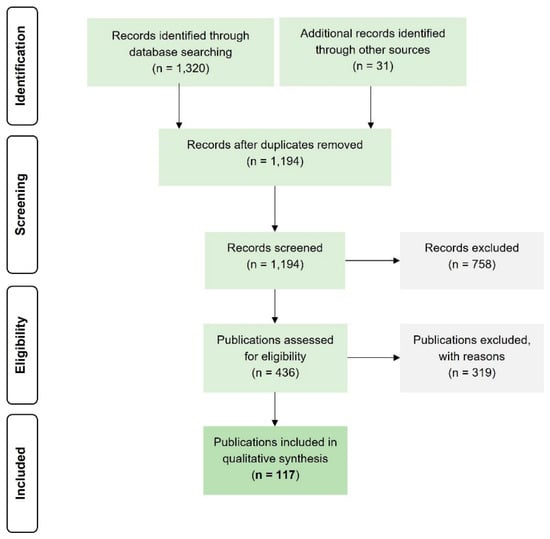
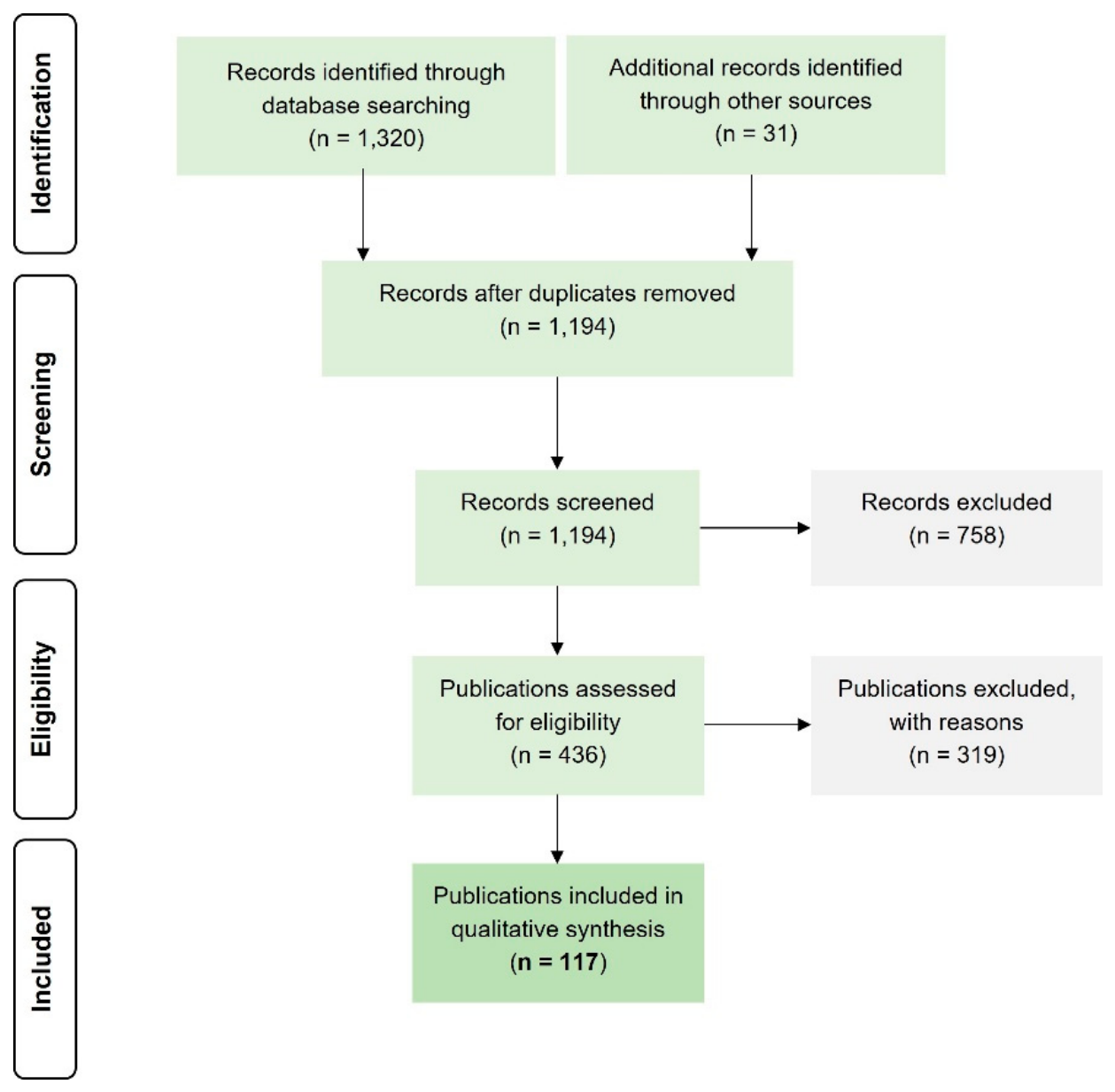
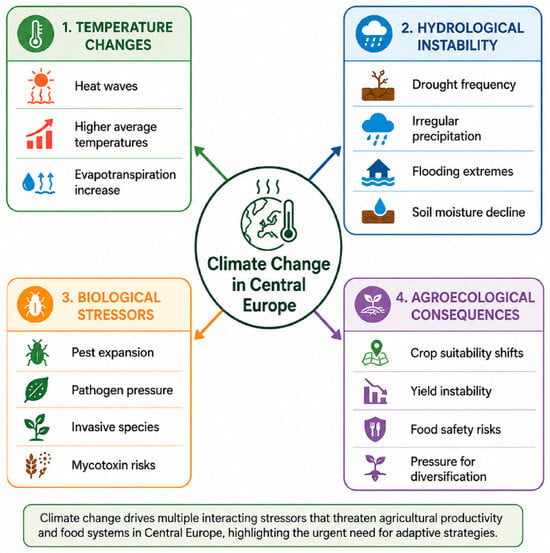
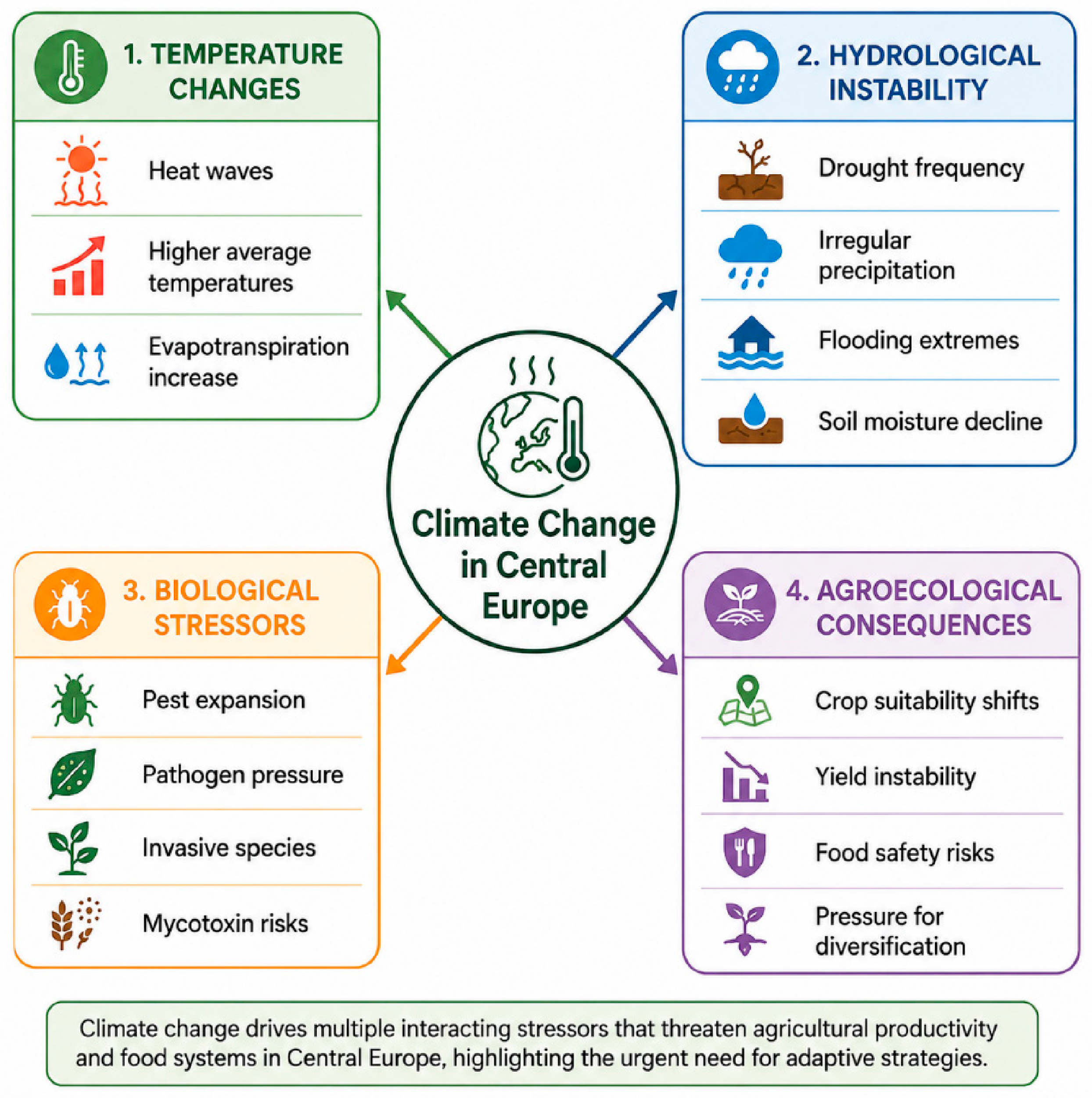
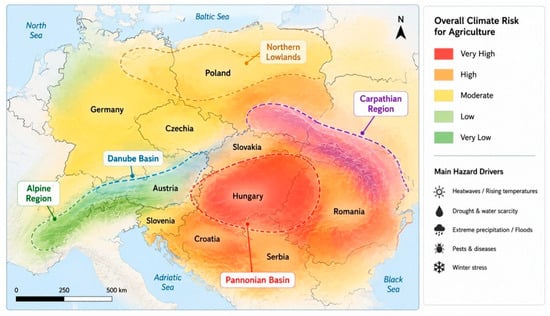
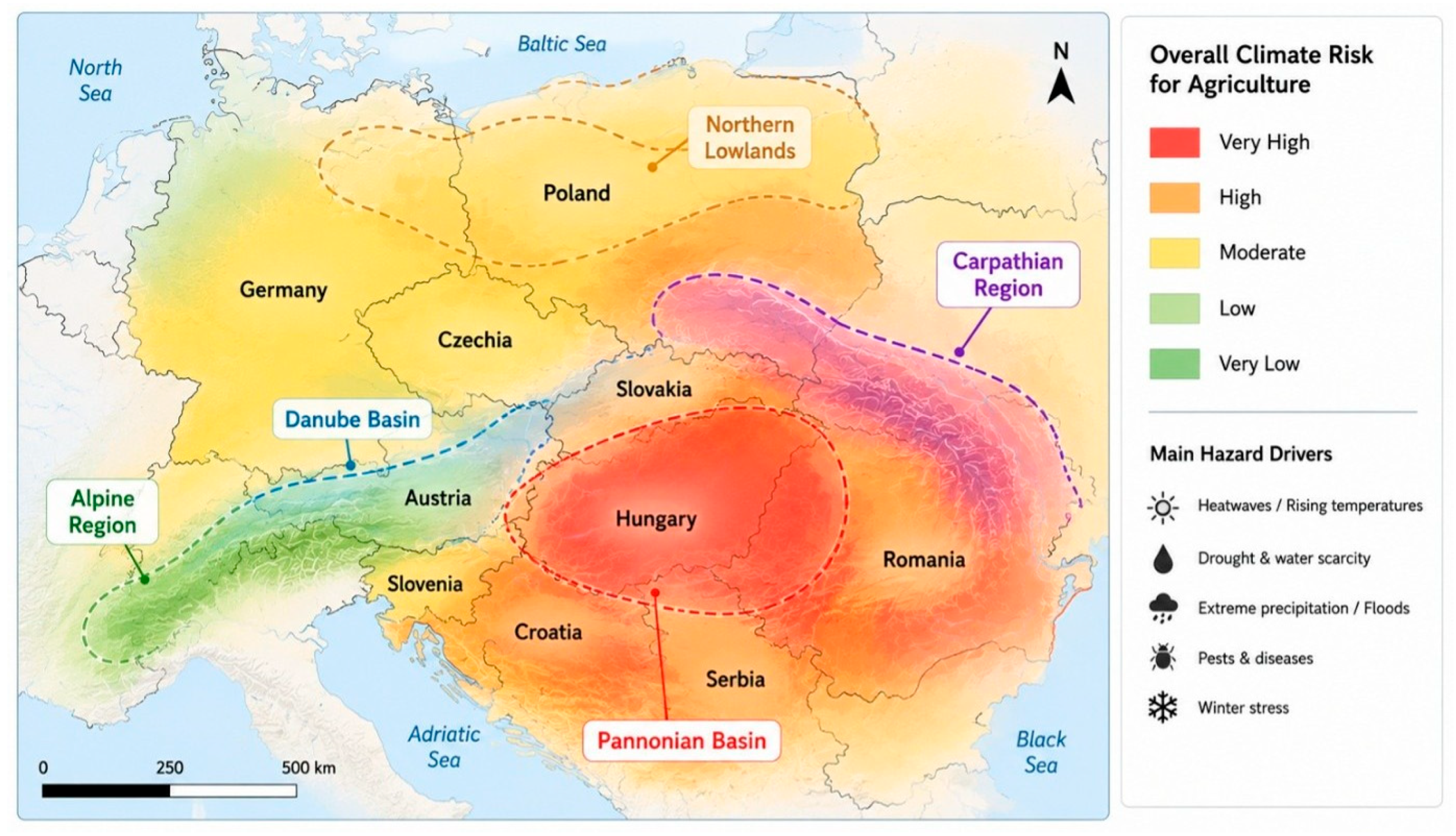
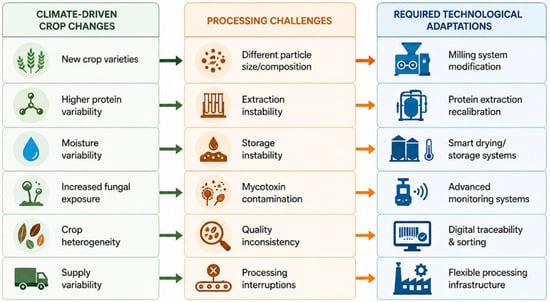
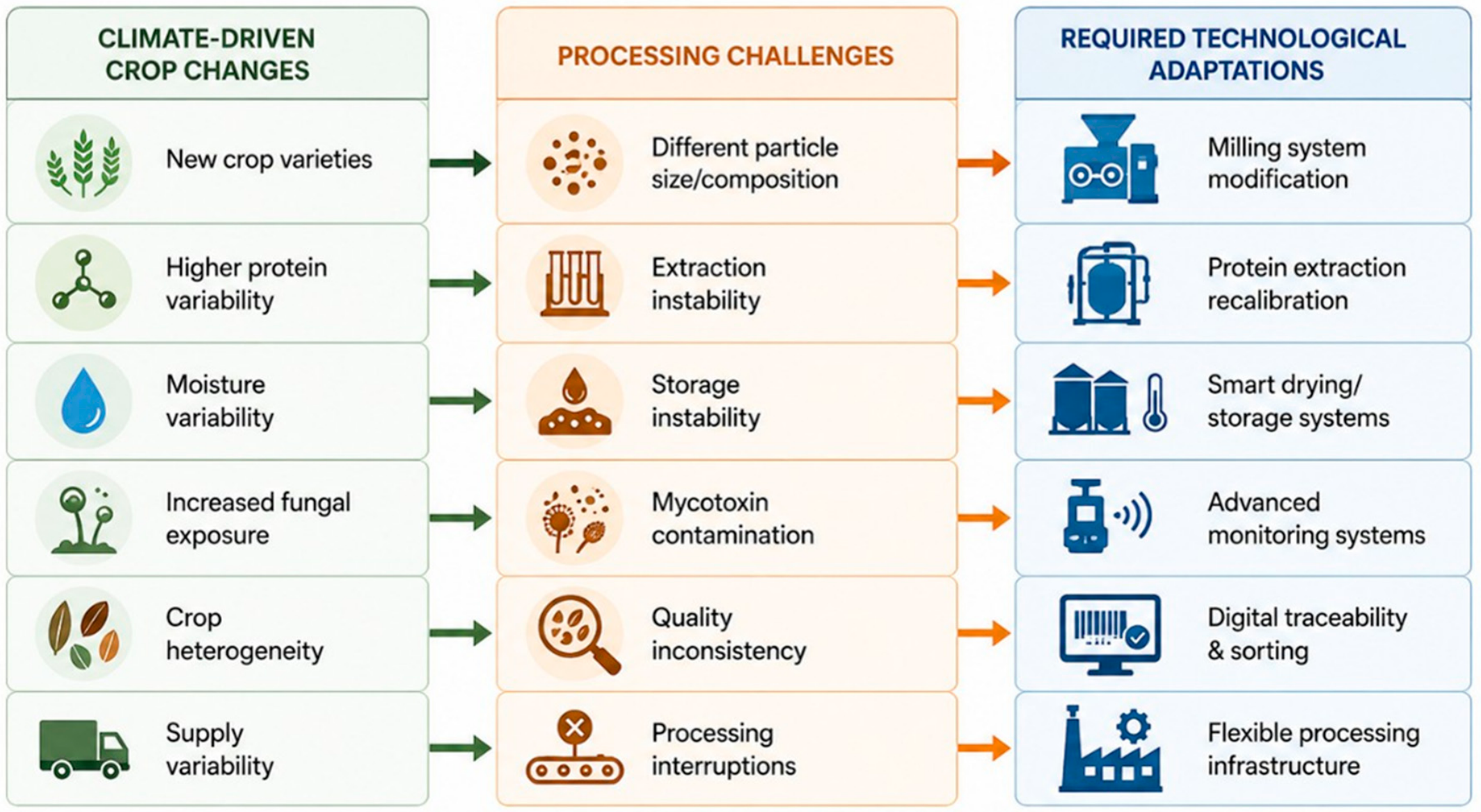
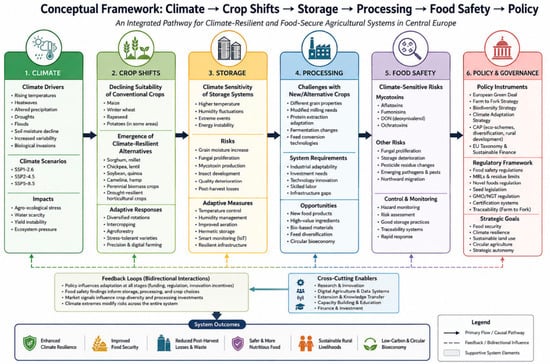
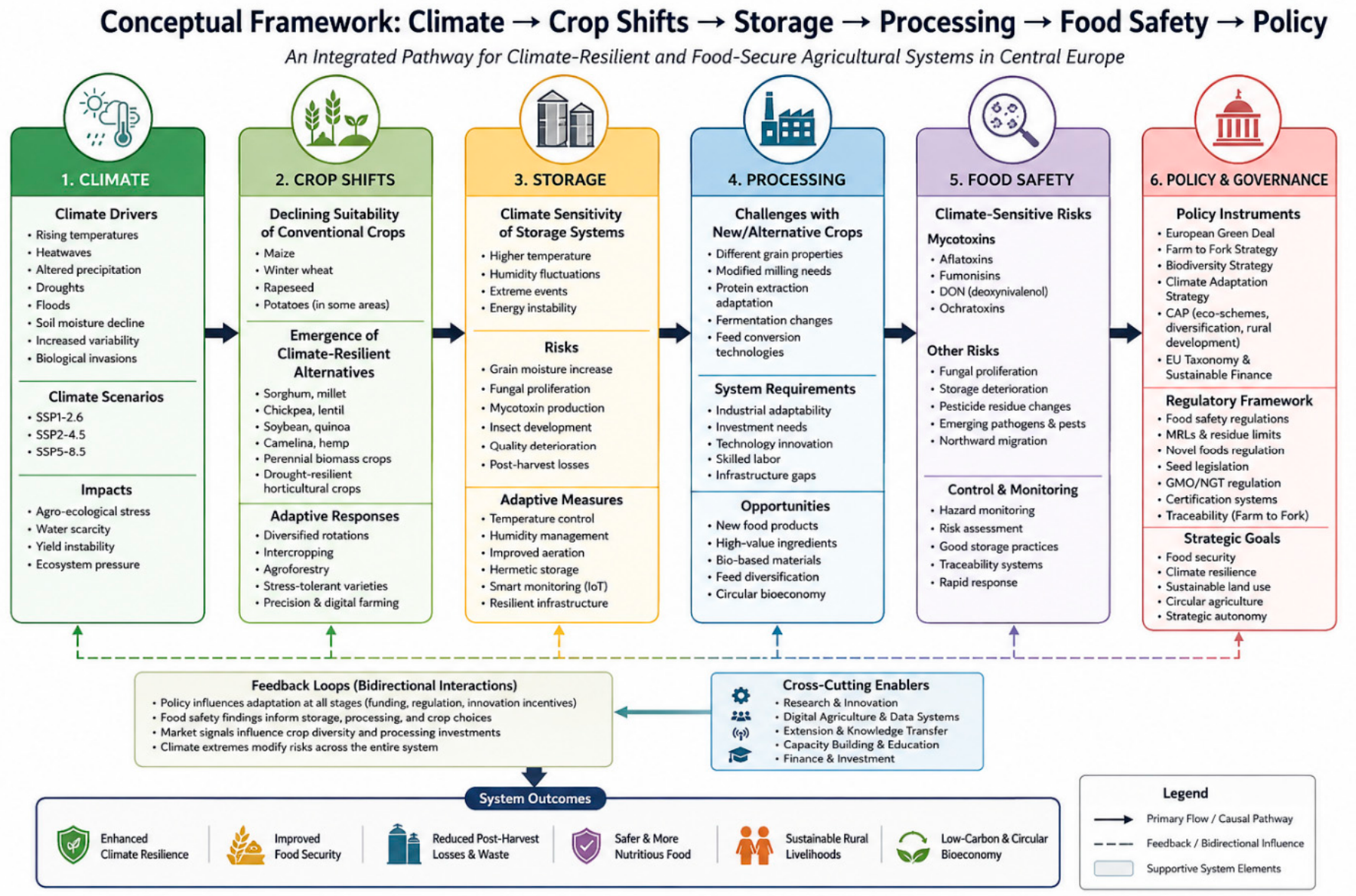
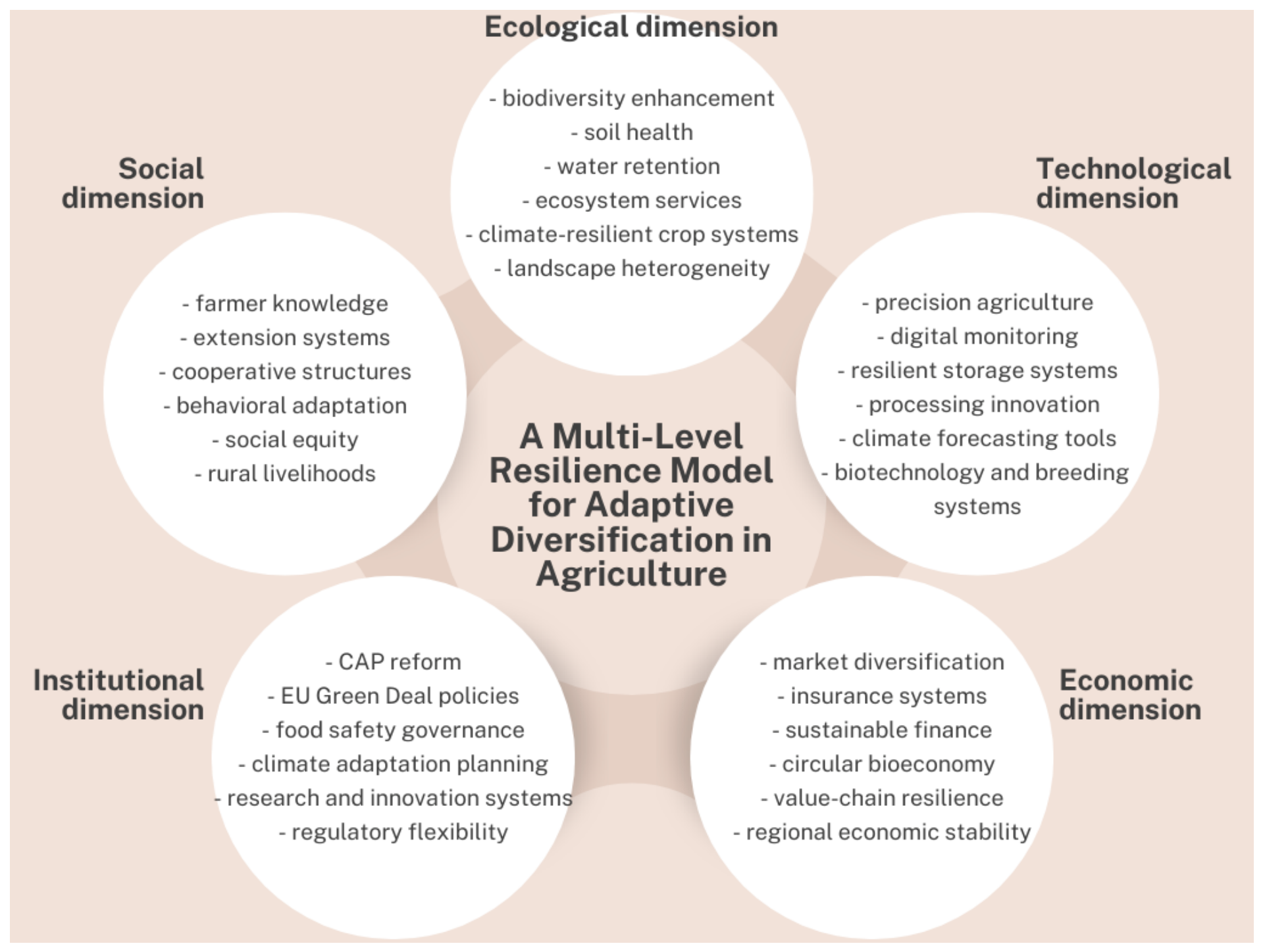

Disclaimer/Publisher’s Note: The statements, opinions and data contained in all publications are solely those of the individual author(s) and contributor(s) and not of MDPI and/or the editor(s). MDPI and/or the editor(s) disclaim responsibility for any injury to people or property resulting from any ideas, methods, instructions or products referred to in the content. |
© 2026 by the authors. Licensee MDPI, Basel, Switzerland. This article is an open access article distributed under the terms and conditions of the Creative Commons Attribution (CC BY) license.