


Abstract
Whether and how Agricultural Socialized Services (ASS) are associated with grain-growing smallholders’ general self-reported subjective well-being (SWB) remains unclear. Using 894 survey records collected in Sichuan Province, China, from 21 to 31 August 2023, we estimate ordered probit and instrumental variable two-stage least-squares models. ASS Adoption Breadth is positively associated with SWB. One additional service category is associated with a 2.73-percentage point increase in the probability of reporting the highest SWB category. The IV estimate remains positive and statistically significant (0.077, p < 0.05), conditional on the maintained instrument assumptions. ASS Adoption Breadth is also positively associated with Relative Income Comparison, Log Hired Labor Expenditure, and Plant-protection Drone Adoption. These measured behavioral indicators provide evidence consistent with the hypothesized channels of Perceived Relative Economic Gain, Market-based Labor Substitution, and technology-enabled reduction in direct occupational exposure. They do not directly measure physical workload, pesticide exposure, or health outcomes. The findings inform policies that expand smallholders’ access to agricultural services, but the mechanism interpretations remain provisional.
1. Introduction
Smallholders cultivating less than two hectares of farmland contribute 30–34% of the global food supply [1]. Consequently, safeguarding global food security relies heavily on their sustained grain production. This reliance is particularly pronounced in China, where smallholders supply approximately 80% of the nation’s grain [2]. Enhancing their willingness and capacity to sustain crop production is thus critical. The existing literature primarily evaluates smallholders’ farming intentions through economic and capacity dimensions [3], largely overlooking the crucial role of subjective well-being (SWB) in sustaining agricultural participation [4].
Research repeatedly confirms the “happy worker is more productive” hypothesis. For example, applying Data Envelopment Analysis (DEA) to macroeconomic and life satisfaction data from 20 European countries, DiMaria et al. demonstrate that residents’ life satisfaction significantly enhances national total factor productivity [5]. Through a randomized controlled trial (RCT) with 723 university students, Oswald et al. confirm that enhancing SWB raises labor productivity by approximately 12% [6]. Similarly, using employee emotion as a proxy for well-being, Bellet et al. reach a comparable conclusion based on survey data from a large electrical company [7]. Although this evidence comes largely from non-agricultural populations, farmer-specific studies point in the same direction. Key and Roberts show that farmers accept substantially lower hourly returns to on-farm work than to off-farm work, indicating that the nonpecuniary utility of farming materially shapes production and labor supply decisions [4]. In China, the adoption of mechanization services has been shown to raise farmers’ happiness and life satisfaction through income and leisure channels [8], and agricultural machinery adoption is positively associated with farmers’ well-being in household survey data from Jiangxi Province [9]. Therefore, improving smallholders’ SWB holds profound practical significance for ensuring an effective food supply.
SWB is primarily influenced by factors such as income, education, working hours, health, and commuting [10]. Among these, economic status plays a critical role [11,12]. For instance, Howell and Howell show that the positive correlation between economic status and SWB is stronger among low-income and low-education populations [11]. Furthermore, deeply influenced by Confucian culture, Chinese smallholders harbor a strong aversion to inequality rather than mere scarcity [13]. Consequently, for Chinese smallholders, relative income is in some cases more important than absolute income and plays a decisive role in their subjective well-being [14,15]. Beyond income, the labor intensity required for income generation directly impacts workers’ SWB [16,17]. Specifically, using 2020 European Social Survey (ESS) data, Shao et al. found that weekly working hours (labor intensity) were significantly and negatively correlated with life satisfaction (subjective well-being) [17]. This labor intensity channel is directly relevant to agriculture, where occupational burdens are heavy: in a systematic review of 27 studies, most reported an association between occupational pesticide exposure and depressive symptoms among agricultural workers [18]. Therefore, both grain income and labor intensity are indispensable factors in evaluating the SWB of grain-producing smallholders.
Agricultural Socialized Services (ASS) bridge smallholders to modern agriculture by alleviating technological, labor, and financial constraints, thereby increasing farm income [19]. Survey data from Chinese grain farmers show that ASS increases yields and helps smallholders save costs and boost income [20,21]. However, higher absolute income does not guarantee an increase in SWB [14,22]. Specifically linking ASS to SWB, Liu et al. use Chinese household panel data to confirm that mechanization services improve farmers’ SWB by providing more leisure time [8]. Using comprehensive household survey data from Jiangxi Province, Wu et al. further point out that smallholders can use the labor saved by Agricultural Socialized Services to engage in off-farm employment and raise income, thereby achieving greater well-being [9]. Three specific gaps follow. First, existing evidence on ASS and farmer welfare evaluates benefits mainly through absolute income or off-farm employment, leaving open whether ASS is associated with the general self-reported subjective well-being of smallholders engaged in grain production. Second, the available farmer-level studies focus on mechanization services in mid-production stages [8,9], so the roles of pre-production and post-production services—such as unified grain drying, storage, and processing—remain unexamined. Third, the potential channels linking ASS to general subjective well-being among rice-growing smallholders have not been tested within a unified utility framework that accounts jointly for economic gains and the physical and occupational burdens of grain production. Only by examining whether ASS is associated with the general subjective well-being of rice-growing smallholders can we better understand how these services may relate to grain-growing incentives.
To close these gaps, this study examines the association between ASS and grain-producing smallholders’ SWB and the hypothesized channels linking them. This paper makes three contributions to the literature on ASS and food security, each corresponding to one of the three gaps above. (1) Unlike previous studies that evaluate the impact of ASS primarily through absolute income or off-farm employment [9], this paper extends the evaluation of ASS to the general subjective well-being of smallholders engaged in grain cultivation. This explores the implications of ASS for food security from the perspective of happiness economics. (2) Departing from research that limits its scope to mechanization services in mid-production stages [8,9], this study adopts a full supply chain perspective and examines ASS Adoption Breadth, encompassing pre-production, mid-production, and crucial post-production services (e.g., grain drying, storage, and processing). (3) Within a unified experienced utility framework that accounts jointly for economic gains and the physical and occupational burdens of grain production, this study examines three hypothesized channels: Perceived Relative Economic Gain, Market-based Labor Substitution, and technology-enabled reduction in direct occupational exposure. The Sichuan setting provides the research context for this analysis. Sichuan is the only major grain-producing province in Southwest China, where smallholders face pronounced endowment constraints, and their per capita operating area is approximately 51.3% below the national average [23,24]. Furthermore, unlike other major grain-producing provinces, Sichuan suffers from severe land fragmentation and low mechanization. Its terrain is well-suited for high-return, labor-intensive cash crops, imposing extremely high opportunity costs on grain cultivation. Findings based on these unique survey data offer valuable insights for developing countries to design policies that effectively stimulate smallholders’ grain-growing incentives.
The remainder of this paper is organized as follows. Section 2 develops the theoretical framework and hypotheses. Section 3 describes the data, variables, and econometric models. Section 4 presents the empirical results, addresses potential endogeneity, and examines the mechanism and channel evidence. Section 5 discusses the findings. Finally, Section 6 concludes with policy implications, and Section 7 acknowledges research limitations.
2. Theoretical Analysis and Research Hypotheses
Drawing on Experienced Utility Theory from behavioral economics, true individual welfare depends not merely on material accumulation, but on the integral of continuous pleasurable and painful experiences over time [25]. Thus, subjective well-being (SWB) is determined not solely by absolute income, but by the net utility of income weighed against the costs incurred [25,26]. In labor economics and micro-welfare theory, these costs of income generation typically manifest as the erosion of leisure time, intense physical exhaustion, and exposure to occupational health risks [17,27]. Using a six-wave panel sample of over 26,000 employed individuals in England (2009–2015), Clark et al. document that commuting time negatively affects job satisfaction—a dimension of SWB [28]; other studies show that relative income contributes more to SWB than absolute income [14,15]. Accordingly, drawing on the SWB utility framework for farmers proposed by Liu et al. [8], we construct an analytical framework for grain-growing smallholders’ SWB that incorporates Perceived Relative Economic Gain, physical labor intensity, and hazardous environment exposure. The formula is expressed as follows:
where represents the positive utility derived from Perceived Relative Economic Gain; represents the disutility penalty arising from chronic fatigue induced by heavy physical labor; and represents the disutility penalty associated with harsh working environments and health risks (e.g., pesticide exposure).
Three features of this framework delimit the scope of our mechanism analysis. First, the three mechanisms correspond one-to-one to the three components of Equation (1) and to the three channel variables that our survey measures directly: a self-reported comparison of income with farmers who do not use ASS, household expenditure on hired labor, and the adoption of plant-protection drones. We therefore treat them as the empirical counterparts of Perceived Relative Economic Gain, Market-based Labor Substitution, and technology-enabled reduction in direct occupational exposure, respectively, so that each hypothesized channel is tied to what its empirical proxy actually captures rather than a broader construct that our data do not observe. Second, these three mechanisms define the testable scope of this study; they are not an exhaustive inventory of every channel through which ASS might affect SWB. Production risk reduction, access to market and technical information, social capital, and institutional support may also matter—for example, as antecedents of adoption decisions, as contextual conditions that shape the strength of the three tested channels, or as parallel channels in their own right. Third, because our survey does not directly measure these additional channels, we do not subject them to formal mechanism tests, and we treat them as boundaries of the present analysis. Section 5 and Section 7 discuss the implications of this delimitation.
2.1. Overall Association Between Agricultural Socialized Services and Smallholders’ Subjective Well-Being
When smallholders complete all production stages independently, resource and technological constraints force them to sacrifice leisure, intensify physical labor, and increase exposure to hazardous environments in order to raise . This ultimately drives up and . Consequently, the net effect often traps farmers in a welfare stagnation paradox: rich, but not happy. For instance, Janvry et al. demonstrate that under imperfect factor markets, smallholders rely predominantly on family labor and must expand labor inputs simply to maintain production, making an optimal balance between returns and effort unattainable [29].
Purchasing Agricultural Socialized Services (ASS) mitigates this trade-off between higher returns and lower burdens. First, by embedding modern production factors, ASS improves productivity, reduces per-unit costs, and increases grain income [30]. This income gain may be positively associated with smallholders’ SWB. Second, purchasing ASS may substitute external services for part of family labor [31], a potential relief from physical labor intensity that may be associated with higher SWB. Finally, by reducing smallholders’ direct involvement in hazardous field operations, ASS may lower their exposure to the adverse physical conditions of agricultural work [32], which may likewise be associated with higher SWB. Therefore, we propose the core hypothesis:
At the same time, using ASS may generate offsetting forces that the three channels above do not capture. Farmers who rely heavily on external providers for specialized production stages may become vulnerable to provider-side hold-up and supply interruptions. Access to services is uneven across villages and farm sizes, and service quality differs across regions and providers, so the same service category may deliver very different benefits to different households. Service fees also impose additional financial costs on cash-constrained households. Prior evidence indicates that the expansion of mechanization services does not benefit all smallholders uniformly and may marginalize some of them [33]. Any of these forces could partially offset the well-being gains described above, and their strength is likely to vary across households and locations. Because our survey does not measure these potential negative channels separately, we do not estimate them individually. H1 therefore concerns the net association that is observed when such potential positive and negative forces coexist:
H1.
Greater ASS Adoption Breadth is positively associated with the subjective well-being of grain-growing smallholders.
2.2. Perceived Relative Economic Gain Channel
The Easterlin Paradox posits that once basic subsistence needs are met, individual happiness derives more from comparative advantage within a reference group than from absolute wealth growth [34]. In rural China’s acquaintance society, feelings of “relative deprivation” or “relative superiority” strongly influence subjective well-being (SWB). Agricultural Socialized Services (ASS) reduce costs [33], increase efficiency [35], and control technical and market risks [32]. These effects enable smallholders to obtain higher Perceived Relative Economic Gain within their villages without expanding cultivated land. In Equation (1), this manifests as a significant increase in , which consolidates the material foundation of SWB. Accordingly, we propose:
H2a.
ASS Adoption Breadth is positively associated with Perceived Relative Economic Gain.
2.3. Market-Based Labor Substitution Channel
Rice production entails multiple stages, including seedling, land preparation, transplanting, plant protection, and harvesting. Traditionally, these stages rely heavily on family labor, causing chronic physical fatigue and potentially reducing the general subjective well-being of rice-growing smallholders. Purchasing ASS may allow smallholders to substitute purchased services for part of their family labor. As service expenditures increase, the household’s own labor input into field operations may decline, although hired labor expenditure alone cannot fully distinguish substituted labor from additional labor. Based on a randomized controlled trial of agricultural mechanization in India, Caunedo and Kala demonstrate that mechanization effectively alleviates labor supply constraints through a “substitution effect”; their calibrated model predicts a 7.6% consumption-equivalent welfare gain, two-thirds of which stems from increased leisure [27]. Similarly, using China Family Panel Studies (CFPS) data, Liu et al. (2024) find that agricultural mechanization services significantly raise farmers’ SWB (by 0.194 standard deviations) through both absolute income and leisure channels [8]. To the extent that purchased services replace part of family labor, such purchases may reduce the time smallholders spend on physically demanding field tasks. In Equation (1), this corresponds to a potential reduction in , the disutility penalty associated with chronic fatigue. Thus, we propose:
H2b.
ASS Adoption Breadth is positively associated with Market-based Labor Substitution, a hypothesized channel that may be consistent with the substitution of purchased services for family labor.
2.4. Technology-Enabled Reduction in Direct Occupational Exposure Channel
Health risks in grain farming include high temperatures, insect bites, and chemical exposure [18]. Drone usage may not only shorten working hours but also reduce farmers’ direct contact with the field environment during spraying operations. Due to financial and technological constraints, not all smallholders can purchase and operate drones independently. Fortunately, the ASS market serves as a natural technology diffusion platform [36], granting smallholders access to modern technologies like drones at lower costs [37]. Adopting drone-based plant protection therefore represents not only an efficiency improvement but also a potential way to reduce farmers’ direct involvement in hazardous spraying operations. By delegating spraying tasks to service-operated drones, farmers may spend less time in direct contact with pesticides and harsh field conditions such as heat, heavy loads, and mud. Using original survey data from Chinese maize farmers, Zhang et al. [38] report that drone-based plant protection is associated with a 90% reduction in farmers’ pesticide exposure time and an 83% lower incidence of self-reported pesticide-related discomfort. These figures, reported by Zhang et al. [38], indicate substantially shorter direct exposure, although they do not by themselves demonstrate improved health outcomes; in the present study, drone adoption serves only as a proxy for this exposure reduction channel, and we do not directly measure pesticide exposure time or health outcomes. In Equation (1), this corresponds to a potential reduction in , the disutility penalty associated with hazardous environment exposure. Accordingly, we propose:
H2c.
ASS Adoption Breadth is positively associated with Plant-protection Drone Adoption, which provides proxy evidence consistent with a potential technology-enabled reduction in direct occupational exposure.
Figure 1 summarizes the conceptual framework and the hypothesized direct and channel pathways represented by H1 and H2a–H2c.
Figure 1.
Conceptual framework and research hypotheses. The solid arrow represents the hypothesized direct association between ASS Adoption Breadth and subjective well-being (H1). The dashed arrows represent the three hypothesized indirect channel pathways corresponding to H2a–H2c. The channel constructs are Perceived Relative Economic Gain, Market-based Labor Substitution, and technology-enabled reduction in direct occupational exposure; their empirical proxies are Relative Income Comparison, Log Hired Labor Expenditure, and Plant-protection Drone Adoption, respectively.
3. Model, Data, and Variables
3.1. Model Specification
3.1.1. Baseline Regression Model
Drawing on Guo et al.’s study of how income inequality affects farmers’ subjective well-being [39], and given that the dependent variable, subjective well-being, is an ordered discrete variable, this study employs an ordered probit (Oprobit) model to estimate the overall association between Agricultural Socialized Services and smallholders’ subjective well-being. Let denote the latent continuous variable underlying smallholders’ subjective well-being; the baseline estimation equation is specified as follows:
where denotes the individual smallholder; denotes the latent utility of subjective well-being; denotes the core explanatory variable, ASS Adoption Breadth, defined as the number of Agricultural Socialized Services categories adopted by smallholder i across the pre-production, mid-production, and post-production stages of rice cultivation; denotes the vector of control variables at the individual, household, and village levels; denotes the intercept; and denote the parameters to be estimated; and denotes the random disturbance term, which follows a standard normal distribution. Because the latent utility is unobservable, this study maps it onto the ordered discrete variable observed in the questionnaire. Given a set of monotonically increasing unknown thresholds , the value of is determined by the threshold interval into which falls. Because the dependent variable is ordinal, the estimate of α1 captures changes in the latent propensity for higher SWB rather than changes in the observed five-category outcome; the category-specific magnitudes are quantified through average marginal effects in Section 4.1. Under this specification, a significantly positive estimate of would be consistent with the preceding theoretical argument that ASS may be associated with a higher income-related utility term and lower disutility terms related to physical exertion and occupational exposure, and thus with higher subjective well-being.
3.1.2. Instrumental Variables Approach
Examining the association between Agricultural Socialized Services and the subjective well-being of grain-growing farmers raises potential endogeneity concerns. First, omitted variables. Although this study controls for multidimensional characteristics at the individual, household, and village levels, unobservable factors such as smallholders’ psychological resilience and latent health conditions may simultaneously shape their adoption decisions and their subjective well-being evaluations. Second, reverse self-selection (reverse causality). Smallholders facing severe physical exertion or weak initial welfare endowments are often compelled by survival disadvantages to rely more heavily on external Agricultural Socialized Services. This negative selection mechanism may bias the baseline estimate of the core parameter. To mitigate these endogeneity concerns, this study follows Grace [40] and applies the instrumental variable two-stage least-squares (IV-2SLS) approach. Following Cawley [41] and accounting for peer effects [42,43], this study selects two instrumental variables: first, the mean adoption of Agricultural Socialized Services among other sampled smallholders in the same administrative village, excluding the focal smallholder (); and second, the mean adoption of Agricultural Socialized Services among other sampled smallholders in the same township, excluding the focal smallholder ().
The plausibility of these two instrumental variables, constructed at the village and township levels, rests on two arguments. First, relevance. Smallholders in the same village or township face highly homogeneous service markets, policy environments, and information networks. Their adoption of Agricultural Socialized Services therefore exhibits clear spatial correlation and peer effects [43,44,45]. Moreover, the adoption level of other local smallholders directly reflects the maturity and supply structure of the local service market and significantly influences the focal smallholder’s adoption decision [46]. The instrumental variables are thus strongly correlated with the endogenous explanatory variable, and the first-stage F-statistic reported in Section 4.2 supports this relevance condition empirically. Strong relevance, however, does not by itself establish exogeneity. Second, the exclusion restriction. The mean adoption of other smallholders plausibly affects the focal smallholder’s adoption behavior mainly by shaping the competitive and supply environment of the local service market [47]. Other farmers’ decisions about whether to purchase services, and how much to purchase, do not directly alter the relative income additive term in the focal smallholder’s utility Equation (1), nor do they directly change the focal smallholder’s own penalty subtractive terms of physical exertion or exposure to hazardous environments [48,49]. We emphasize, however, that this exclusion restriction is a maintained assumption that cannot be tested directly. The leave-one-out construction prevents the respondent’s own adoption from mechanically entering the instruments, but it cannot eliminate confounding by the shared local environment. The village- and township-level peer means are themselves exposed to village- or township-level common shocks—such as unaccounted local institutional factors, the maturity of the agricultural services market, and regional state support programs—rather than absorbing them. Four direct pathways from local conditions to subjective well-being are particularly relevant: infrastructure, local economic and employment conditions, service availability and quality, and social interactions and shared expectations. If such shocks influence smallholders’ subjective well-being through any of these pathways rather than through service adoption, the exclusion restriction would be violated. The control variables in Xi, which include household-level characteristics and evaluations of transportation and irrigation infrastructure, absorb part of these observable infrastructure differences, but other local conditions are not fully observed and unobservable institutional factors may remain. We therefore interpret the IV-2SLS estimates as conditional evidence under the relevance and exclusion assumptions, and we report the corresponding diagnostic tests, including the Sargan overidentification test, in Section 4.2. Based on this analysis, this study constructs a two-stage regression model. The first stage estimates the effects of the dual instrumental variables on the endogenous explanatory variable:
First-stage regression equation:
where denotes the vector of all control variables from the baseline model, and denotes the random disturbance term. The first-stage regression yields the fitted values of Agricultural Socialized Services adoption, . The second stage then regresses subjective well-being on these fitted values:
In this equation, estimates the association between Agricultural Socialized Services adoption and smallholders’ subjective well-being after addressing potential endogeneity using an IV strategy; the validity of this estimate is conditional on the relevance and exclusion assumptions discussed above.
3.1.3. Mechanism and Channel Model Specification
To examine the channels through which Agricultural Socialized Services are associated with the subjective well-being of grain-growing smallholders, this study follows Li et al. [50] and augments the baseline model with a mechanism and channel model. Because the core explanatory variable is subject to potential endogeneity, all channel pathways are estimated uniformly within the instrumental variable (IV-2SLS) framework. The channel equations are specified as follows:
where denotes the channel variable (the behavioral proxy) in the -th transmission pathway (); denotes the key mechanism parameter, which captures the association between Agricultural Socialized Services and each channel variable after addressing potential endogeneity; denotes the coefficient matrix of the control variables; and denotes the random disturbance term. Specifically, this study defines three channel variables that correspond strictly to the three theoretical pathways. When , is “Relative Income Comparison.” A significantly positive would be consistent with socialized services enabling smallholders to obtain relative economic gains through economies of scale, thereby raising the income additive term () in the utility Equation (1). When , is the “Log Hired Labor Expenditure,” which captures the degree to which purchased services may substitute for part of family labor. A significantly positive would be consistent with purchased services substituting for part of family labor—a form of potential household labor relief—and with a smaller physical exertion penalty subtractive term () in utility Equation (1). Because hired labor expenditure is a behavioral proxy and neither physical workload nor leisure time was measured directly, this estimate is interpreted as mechanism/channel evidence rather than a confirmed mediation effect [51,52]. When , is “Plant-protection Drone Adoption,” which captures whether spraying operations are delegated to modern drone equipment rather than performed in person. A significantly positive would be consistent with a technology-enabled reduction in direct exposure: drone adoption indicates that smallholders delegate high-risk spraying operations, which may reduce the penalty subtractive term for hazardous environment exposure () in utility Equation (1). Because pesticide exposure and health status were not measured directly, this estimate is likewise interpreted as mechanism/channel evidence rather than a confirmed mediation effect. Through systematic estimation of these models, this study examines, in sequence, three transmission channels: Perceived Relative Economic Gain, Market-based Labor Substitution, and technology-enabled reduction in direct occupational exposure. All statistical analyses were conducted using Stata/MP 18.0 (StataCorp LLC, College Station, TX, USA).
3.2. Data Sources
The data for this study come from a field survey of grain-growing farmers that the research team conducted in Sichuan Province, China, between 21 and 31 August 2023. We selected rice growers in Sichuan for three reasons. First, rice is one of the most widely cultivated and consumed food crops in the world. According to the Food and Agriculture Organization of the United Nations (FAO), more than 50% of the global population relies on rice for approximately 80% of their food needs [53]. China’s rice output reached about 209.04 million tons in 2025 [23]. As the world’s largest rice producer, China directly shapes global food security. Sichuan is one of China’s 13 major grain-producing provinces, and its total output reached 14.919 million tons in 2024 [54]. Studying rice growers in Sichuan therefore provides evidence from one of China’s major rice-producing provinces. Second, Sichuan covers all terrestrial landform types found in China, including plateaus, mountains, hills, plains, and basins. As Figure 2 shows, elevation differs sharply from east to west across the province. Sichuan also exhibits severe land fragmentation, and smallholders dominate rice cultivation. Examining general subjective well-being among Sichuan’s rice-growing smallholders can provide evidence on the welfare conditions of a population whose continued participation matters for grain production. The outcome should not be interpreted as cultivation-specific satisfaction. Third, Sichuan hosts a large number of rice-growing smallholders, and their demand for Agricultural Socialized Services is highly diversified. This setting provides an analytically relevant context for examining the association between the breadth of smallholders’ participation in Agricultural Socialized Services and their general subjective well-being.
Figure 2.
Sample distribution map.
This study adopted a multistage sampling design that combined purposive upper-stage selection with random and systematic lower-stage sampling. At the upper stages, the six prefecture-level cities and six counties/districts were selected purposively rather than randomly. The predefined objective was to cover contrasting economic zones, terrain conditions, and rice-growing settings within Sichuan. We selected Chengdu, Deyang, and Meishan from the Chengdu Plain Economic Zone; Luzhou from the Southern Sichuan Economic Zone; Guangyuan from the Northeastern Sichuan Economic Zone; and Ya’an from the marginal mountainous area of western Sichuan. Within these prefectures, we purposively selected one county or district—Qionglai City, Zhongjiang County, Renshou County, Lu County, Jiange County, and Mingshan District—to retain this cross-setting coverage. Probability-based selection began at the lower stages. We randomly selected 21 townships and 77 administrative villages from the selected counties/districts. Finally, using the rosters of rice-growing households maintained by village committees, we selected respondents at equal intervals after determining the starting point with a random number table. Because the prefecture- and county-level units were purposively selected, the sample is not statistically representative of the entire provincial rice-farming population. It was designed instead to capture heterogeneity across the selected rice-growing settings.
The questionnaire comprised approximately 130 items organized into about six modules, covering subjective well-being, household demographics and resource endowments, production factor inputs, and Agricultural Socialized Services adoption. It consisted predominantly of closed-ended questions, with fewer than ten open-ended items. Before the main survey, we pilot-tested the questionnaire with approximately 25 rice-growing households to improve wording, question ordering, and skip logic. Enumerators received dedicated training before fieldwork and then administered one-to-one household interviews, each lasting approximately 40–50 min. During fieldwork, supervisors conducted on-site completeness checks. After each survey day, two reviewers independently reviewed every questionnaire and applied logical cross-checks. The raw survey dataset contained 896 rows, of which two were fully blank records that did not correspond to any respondent. After removing these two blank records, we obtained 894 valid respondent records. The unit of analysis is the interviewed rice-growing respondent. The questionnaire records the respondent’s age, gender, education, and self-reported happiness. The dataset does not contain a separate indicator confirming that every respondent was the household head; accordingly, A01–A03 are treated as respondent characteristics, while household composition and production variables are measured at the household level.
The regressions use listwise deletion, and the estimation samples differ across models because of item-level missing values. Relative to the 894 valid respondent records, one missing response on the subjective well-being item (I18) reduces the baseline sample to 893. Seven additional missing responses on years of education (A03) reduce the controlled sample to 886. In addition, ten observations lack a computable leave-one-out village peer mean because adoption information is missing for other sampled households in the same village; the IV-2SLS sample therefore contains 876 observations. The mechanism samples are smaller because Perceived Relative Economic Gain (D09), hired labor expenditure (B101), and drone adoption (E01111) contain 46, 46, and 2 missing or invalid observations, respectively, yielding mechanism samples of 830, 831, and 874 respondents.
Figure 2 presents the spatial distribution of the sampled sites. The map was produced using ArcGIS Pro 3.5.2 (Esri, Redlands, CA, USA).
3.3. Variable Selection and Descriptive Statistics
3.3.1. Variable Selection
The dependent variable is subjective well-being, which directly reflects the psychological welfare of smallholders. We measure it through smallholders’ self-assessment of their own happiness. Following Kahneman and Krueger [25], we measure this variable using five-category self-reported happiness on a 1–5 scale, where higher scores indicate greater well-being. The item measures respondents’ general self-reported happiness. It does not ask them to evaluate happiness or satisfaction derived specifically from rice cultivation. We therefore interpret the outcome as general subjective well-being among rice-growing smallholders rather than cultivation-specific well-being. This indicator captures micro-level heterogeneity in quality of life and psychological satisfaction. It thus serves as a reliable proxy for evaluating the welfare effects of relevant agricultural policies.
The core explanatory variable is ASS Adoption Breadth, defined as the number of Agricultural Socialized Services categories adopted. Following Cai [55], we quantify it by the breadth of smallholders’ service participation in actual production and post-production processes. Specifically, we sum the total number of Agricultural Socialized Services items that each smallholder actually adopts across the entire supply chain of rice cultivation, covering pre-production, mid-production, and post-production stages (such as unified grain drying and storage). This indicator directly reflects the extent of smallholders’ participation in the modern agricultural division of labor and market integration.
To reveal how Agricultural Socialized Services are associated with subjective well-being, we introduce three channel variables (behavioral proxies) that correspond strictly to the preceding theoretical framework. The first is Perceived Relative Economic Gain, proxied by Relative Income Comparison. Agricultural Socialized Services reduce costs and raise efficiency through economies of scale. They thus give smallholders a comparative economic advantage within the village group and consolidate the economic foundation of their subjective well-being [56]. Relative Income Comparison is measured by asking smallholders to compare their returns with those of farmers who have not adopted the services. The second is Market-based Labor Substitution, proxied by Log Hired Labor Expenditure. By purchasing external services and hired labor, smallholders may substitute market-transacted labor input for part of their own family labor, and any resulting reduction in personal workload may be positively associated with their subjective well-being [27]. Log Hired Labor Expenditure is computed as the natural logarithm of one plus total household expenditure on hired labor in agricultural production. We acknowledge an interpretive limitation of this proxy: an increase in hired labor expenditure may reflect the use of additional labor rather than the substitution of household labor. We therefore construct three alternative per-mu proxies—Log Hired Labor Expenditure per Mu (=ln[1 + hired labor expenditure per mu]), Family Farm Labor per Mu, and Log Mechanizable-stage Cost per Mu (=ln[1 + mechanizable-stage cost per mu])—and use them as robustness proxies in the subsequent mechanism analysis.. The third is technology-enabled reduction in direct occupational exposure, proxied by Plant-protection Drone Adoption. Modern technology can reduce smallholders’ direct involvement in high-risk working environments and may reduce exposure to threats such as pesticides and heatstroke [57]. We construct a dummy variable that equals one if plant-protection drone spraying technology is adopted and zero otherwise. It indicates whether farmers use modern drone technology for spraying operations instead of performing them in person; it does not measure pesticide exposure or health outcomes.
To mitigate confounding in the estimated associations, we draw on existing research and introduce seven control variables. First, demographic characteristics include the smallholder’s age [58] and gender [59]. Second, human capital includes years of education [60]. Third, household structure includes the dependency ratio, defined as the ratio of non-labor force to labor force members, calculated from the total household population and the working age population [61]. Fourth, psychosocial capital includes the smallholder’s satisfaction with their own old-age security [62]. Fifth, infrastructure and the production environment include the smallholder’s evaluations of local transportation convenience and irrigation facility convenience [63]. Together, these variables control for the effects of micro-level individuals’ innate endowments, household burdens, and macro-environmental differences on well-being.
3.3.2. Summary of the Main Variables
Table 1 reports the descriptive statistics of the main variables in the model. The valid sample totals 894 observations.
Table 1.
Descriptive statistics.
Table 1 shows that the dependent variable, subjective well-being, has a mean of 4.024 and a standard deviation of 0.841. The surveyed farmers thus report upper-middle psychological welfare on average, although individual perceptions vary considerably across respondents. The core explanatory variable, the total number of Agricultural Socialized Services items adopted, has a mean of 2.366 and a standard deviation of 2.042. On average, farmers adopt about 2.4 socialized service items. The large standard deviation indicates substantial divergence across smallholders in the breadth of participation in the modern agricultural division of labor.
Regarding the three channel variables, Relative Income Comparison has a mean of 3.317. Respondents therefore generally perceive the comparative advantage brought by Agricultural Socialized Services. Log Hired Labor Expenditure has a mean of 3.224. Plant-protection Drone Adoption has a mean of only 0.135, meaning that only 13.5% of surveyed farmers have currently adopted this technology. This low value reflects the still-limited penetration of modern, high-threshold agricultural equipment in hilly and mountainous areas, and it leaves broad room for policy improvement.
Regarding the control variables, the average age of surveyed farmers is 53.147 years. This figure directly highlights the structural aging of the labor force in current grain production. Male respondents account for 67.4% of the sample. The mean years of education are 8.517, with junior high school education or below predominating. The mean household dependency ratio is 0.419, which indicates that surveyed households generally face a moderate dependency burden from non-labor force members. At the psychosocial and objective environment levels, farmers report relatively high mean scores for satisfaction with old-age security (3.815), transportation convenience (4.134), and irrigation facility convenience (3.820). These distributions describe the principal characteristics of the surveyed respondents across the selected sites. They should not be interpreted as evidence of province-wide statistical representativeness.
4. Empirical Results
4.1. Baseline Regression Results
To examine the association between Agricultural Socialized Services and smallholders’ subjective well-being, this study first estimates a baseline ordered probit model (Oprobit). Table 2 reports the baseline regression results alongside the endogeneity tests. Columns (1) and (2) present the baseline estimates.
Table 2.
Baseline regression and endogeneity tests.
Column (1) includes only the core explanatory variable. The coefficient on ASS Adoption Breadth is 0.106 and is significantly positive at the 1% level. This preliminarily indicates that adopting more service categories is associated with a higher latent propensity for higher SWB.
Column (2) adds a full set of controls covering demographic characteristics, human capital, family structure, psychosocial capital, and infrastructure. After adding the full control set, the coefficient on ASS Adoption Breadth declines slightly to 0.088 but remains highly significant at the 1% level. Theoretically, this pattern is consistent with Agricultural Socialized Services raising the relative income additive term in the utility equation while reducing the penalty subtractive terms from heavy physical exertion and exposure to harsh environments. Consequently, the more deeply smallholders participate in the modern specialized division of agricultural labor, the greater the net gain in their subjective well-being. These results support hypothesis H1.
Because the ordered probit coefficients reflect changes in the underlying latent variable and cannot be interpreted directly as changes in the Likert-scale outcome, Table 3 reports the category-specific average marginal effects of ASS Adoption Breadth from the controlled model in Column (2). These effects describe how adopting one additional service category is associated with the average probability of reporting each SWB category; they are not transition probabilities, because the data are cross-sectional and do not track individual movements between categories. Adopting one additional service category is associated with average changes of −0.0026, −0.0051, −0.0154, and −0.0042 in the probability of reporting SWB = 1, 2, 3, and 4, respectively (all significant at the 1% level), and with a 0.0273 increase in the probability of reporting SWB = 5, equivalent to 2.73 percentage points on average (significant at the 1% level). The five marginal effects sum to approximately zero. The probability mass therefore shifts away from the lower and middle SWB categories toward the highest category, indicating that broader service adoption is associated primarily with a higher likelihood of reporting the greatest subjective well-being.
Table 3.
Average marginal effects of ASS Adoption Breadth.
These marginal effects also provide a basis for assessing economic magnitude. In the controlled estimation sample, 264 of 886 respondents, or 29.8%, reported the highest SWB category. One additional service category is associated with a 2.73-percentage point increase in the probability of reporting SWB = 5, a magnitude equal to approximately 9.2% of the observed share of respondents in that category. The standard deviation of ASS Adoption Breadth is 2.042 categories. Using the reported average marginal effect as a local linear approximation, a one-standard-deviation difference in adoption breadth corresponds to approximately 5.6 percentage points, or 18.7% of the observed SWB = 5 share. These comparisons describe the magnitude of the estimated association; they are neither causal effects nor exact predictions for large discrete changes.
The estimates for the control variables align closely with the classic predictions of micro-level welfare economics. The coefficient on years of education is significantly positive at the 5% level (0.022), indicating that greater human capital strengthens smallholders’ capacities for environmental adaptation and information acquisition. The coefficient on satisfaction with old-age security is significantly positive at the 1% level (0.313), confirming that a well-developed social security system is central to relieving smallholders’ worries about the future and reinforcing their psychological security. The convenience of transportation (0.096) and the convenience of irrigation facilities (0.235) are significantly positive at the 5% and 1% levels, respectively. Because rice is a typical water-intensive crop, sound irrigation and transport infrastructure not only lower production and transaction costs but also alleviate smallholders’ anxiety about natural risks. In addition, age, gender, and the dependency ratio show no statistically significant associations with subjective well-being under the current specification.
4.2. Instrumental Variable Estimates and Validity Considerations
The baseline Oprobit model may suffer from endogeneity. Smallholders base their adoption decisions on household resource endowments, which creates self-selection bias. Unobserved individual traits may also jointly shape adoption behavior and well-being evaluations, causing omitted-variable bias. To address these concerns, this study employs an instrumental variable two-stage least-squares (IV-2SLS) approach, using the mean service adoption of other smallholders in the same village and in the same township as the two instrumental variables.
Column (3) of Table 2 reports the instrument diagnostic tests. The first-stage F-statistic is 54.820, far exceeding the rule-of-thumb threshold of 10. This result rejects the null hypothesis of weak instruments and indicates that the instruments are strongly correlated with ASS Adoption Breadth. The p-value of the Sargan overidentification test is 0.607. The test therefore does not reject the null hypothesis that the overidentifying restrictions are valid; in other words, the joint validity of the instruments cannot be rejected at conventional significance levels. We caution, however, that this failure to reject does not prove instrument exogeneity. Exogeneity remains a maintained assumption, justified by the institutional arguments in Section 3.1.2 rather than by the test statistic alone.
After addressing potential endogeneity using an IV strategy, the coefficient on ASS Adoption Breadth is 0.077 (SE = 0.039, p = 0.0498, n = 876) and remains statistically significant at the 5% level. The IV estimate is close in magnitude to the baseline coefficient (0.088, significant at the 1% level); because the two estimates are obtained under different estimation settings, this comparison by itself does not identify the direction or magnitude of any omitted-variable bias. After addressing potential endogeneity with the IV specification, the estimated association remains positive; this interpretation is conditional on the maintained instrument assumptions. Because the exclusion restriction is a maintained assumption that cannot be tested directly (Section 3.1.2), we interpret the IV estimate as conditional evidence under the relevance and exclusion assumptions rather than as definitive causal proof.
The validity of the peer mean instruments depends on excluding direct pathways from local conditions to subjective well-being. Four pathways are particularly relevant: infrastructure, local economic and employment conditions, service availability and quality, and social interactions or shared expectations. The traffic- and irrigation-convenience controls absorb part of the observable infrastructure differences, and the leave-one-out construction prevents the respondent’s own adoption from mechanically entering the instruments. However, these adjustments do not remove all shared local influences. If unobserved local conditions increase both peer adoption and subjective well-being, the IV estimate may be biased upward; effects in opposite directions could generate downward bias. The present cross-sectional data cannot determine the sign or magnitude of this bias. The first-stage F-statistic supports instrument relevance, while the Sargan result does not reject the overidentifying restrictions; neither result establishes the exclusion restriction. We therefore retain the IV estimate as conditional evidence under the maintained instrument assumptions rather than as definitive causal proof.
The core controls also remain robust in the IV-2SLS model. Years of education (0.017), satisfaction with old-age security (0.216), and the convenience of irrigation facilities (0.156) all retain significant positive associations, supporting the stability of the specification.
4.3. Robustness Analysis
This study verifies the reliability of the baseline estimates through three robustness checks: an alternative estimator for the ordered outcome, a linear specification, and an alternative binary measure of service adoption. Table 4 reports the results.
Table 4.
Robustness checks.
First, we re-estimate the model with an ordered logit specification. Column (1) of Table 4 shows that the coefficient on ASS Adoption Breadth is 0.163 (standard error 0.034), significantly positive at the 1% level (n = 886). This ordered logit specification provides a genuinely different estimator for the ordered outcome and complements the linear and binary dummy checks below.
Second, this study treats subjective well-being as a continuous variable and re-estimates the model with ordinary least squares (OLS). Column (2) of Table 4 shows that the coefficient on ASS Adoption Breadth is 0.058 (standard error 0.013), significantly positive at the 1% level (n = 886). The positive association between service adoption and smallholders’ subjective well-being is therefore not dependent on the ordered probit specification.
Third, this study replaces the core explanatory variable with a binary dummy that equals 1 if a smallholder has adopted any Agricultural Socialized Service and 0 otherwise. Column (3) of Table 4 shows that the coefficient on this dummy is 0.447 (standard error 0.087), significantly positive at the 1% level (n = 886). Along the “moving from zero to one” decision margin, the initial uptake of Agricultural Socialized Services is likewise positively associated with subjective well-being.
Taken together, these tests indicate that the positive association between ASS Adoption Breadth and smallholders’ subjective well-being is robust to alternative estimators and variable measures.
4.4. Empirical Assessment of the Hypothesized Channels
To examine evidence consistent with the three hypothesized channels linking ASS Adoption Breadth and subjective well-being, this section reports the associations between ASS Adoption Breadth and the three behavioral proxies. The three hypothesized channels are the Perceived Relative Economic Gain channel, proxied by Relative Income Comparison; the Market-based Labor Substitution channel, proxied by Log Hired Labor Expenditure; and the technology-enabled reduction in direct occupational exposure channel, proxied by Plant-protection Drone Adoption. Specifically, the Perceived Relative Economic Gain channel generates comparative economic gains within the village through economies of scale; the Market-based Labor Substitution channel is consistent with potential household labor relief through the substitution of purchased services for family labor; and the technology-enabled reduction in direct occupational exposure channel is consistent with a reduced need for smallholders to perform hazardous operations in person when modern equipment is used. Together, these channels are consistent with a higher income additive term and smaller penalty subtractive terms for physical exertion and environmental exposure, and thus with a net positive association between service adoption and subjective well-being. The following sections examine each channel in turn.
This study draws on the direct-effect testing method of Valente et al. [51] (pp. 488–506). The core logic is to exclude the channel variable M from the outcome regression and to separately estimate the association of the independent variable X with M and the total association of X with the outcome Y. This design avoids the “bad control” bias that arises when the channel variable enters the outcome regression [52]. To ensure reliable identification, this study employs the instrumental variable two-stage least-squares (IV-2SLS) approach for the mechanism tests. The first-stage F-statistics of all channel models far exceed the rule-of-thumb threshold of 10, alleviating weak-instrument concerns with respect to relevance, while leaving the exclusion restriction as a maintained assumption. The shared local environment and exclusion restriction considerations discussed in Section 3.1.2 and Section 4.2 apply equally to these channel models.
4.4.1. Evidence from Relative Income Comparison
Agricultural Socialized Services stimulate economies of scale, enabling smallholders to obtain comparative economic gains within their villages, a pattern consistent with a net positive association with subjective well-being. Column (1) of Table 5 reports the results for this pathway. The coefficient of ASS Adoption Breadth on the channel variable Relative Income Comparison, the empirical proxy for Perceived Relative Economic Gain, is 0.180, significantly positive at the 1% level. Specifically, by introducing modern production factors and a specialized division of labor, socialized services reduce unit production costs through economies of scale and improve factor allocation efficiency, thereby raising production income. In our sample, smallholders who adopt services report higher relative income than non-adopters. This “improvement in relative income” raises the income additive term in the utility equation specified above, consistent with a stronger material foundation for smallholders’ subjective well-being.
Table 5.
Mechanism and channel evidence.
4.4.2. Evidence from Labor-Substitution Proxies
Purchased services may substitute for part of household family labor, a pattern consistent with potential household labor relief and a net positive association with subjective well-being. Column (2) of Table 5 reports the results for this pathway. The coefficient of ASS Adoption Breadth on the channel variable Log Hired Labor Expenditure, the empirical proxy for Market-based Labor Substitution, is 1.507, significantly positive at the 1% level. Specifically, by paying service fees, smallholders may substitute purchased services for part of household farm labor. Adopters may thereby reduce the physical exertion associated with routine farm work; because hired labor expenditure is a behavioral proxy and neither physical workload nor leisure time was measured directly, this result is interpreted as mechanism/channel evidence. This potential household labor relief is consistent with a smaller physical exertion penalty subtractive term in the utility equation specified above. Because Log Hired Labor Expenditure may capture additional rather than substituted labor, we further estimate the pathway model with three alternative per-mu proxies (Table 5, Panel B): Log Hired Labor Expenditure per Mu (=ln[1 + hired labor expenditure per mu]), Family Farm Labor per Mu, and Log Mechanizable-stage Cost per Mu (=ln[1 + mechanizable-stage cost per mu]). ASS Adoption Breadth is positively associated with Log Hired Labor Expenditure per Mu (0.691, p < 0.01, n = 826) and with Log Mechanizable-stage Cost per Mu (0.893, p < 0.01, n = 822), and negatively associated with Family Farm Labor per Mu (−0.153, p < 0.01, n = 866). The negative estimate for Family Farm Labor per Mu is consistent with household labor release, and the higher mechanizable-stage cost is consistent with the purchase of capital-intensive services. These results support a Market-based Labor Substitution interpretation of this pathway, although the proxies do not directly measure automation.
4.4.3. Evidence from Plant-Protection Drone Adoption
Plant-protection drone services may reduce the need for smallholders to perform hazardous spraying operations in person, a pattern consistent with a potential technology-enabled reduction in direct occupational exposure and a net positive association with subjective well-being. Column (3) of Table 5 reports the results for this pathway. The coefficient of ASS Adoption Breadth on the channel variable Plant-protection Drone Adoption, the empirical proxy for technology-enabled reduction in direct occupational exposure, is 0.128, significantly positive at the 1% level. Specifically, as a form of technological input, Agricultural Socialized Services give smallholders access to modern equipment such as plant-protection drones, allowing them to delegate pesticide-spraying tasks that they would otherwise perform in person. Adopters may thereby reduce their direct exposure to harsh production environments and poisoning hazards; because pesticide exposure and health status were not measured directly, this result is interpreted as mechanism/channel evidence. This technology-enabled reduction in direct exposure is consistent with a smaller hazardous environment exposure penalty subtractive term in the utility equation specified above.
5. Discussion
The core findings of this study resonate with the literature on the economics of happiness and extend the multidimensional evaluation of psychological and physiological utility. First, the estimated association between Agricultural Socialized Services and subjective well-being is positive in both specifications: the baseline coefficient is 0.088 (significant at the 1% level) and the IV estimate is 0.077 (SE = 0.039, p = 0.0498, significant at the 5% level). The two estimates are close in magnitude; because they are obtained under different estimation settings, we report this similarity as a descriptive comparison and do not use it to infer the direction or magnitude of any remaining bias. After addressing potential endogeneity with the IV specification, the estimated association remains positive; this interpretation is conditional on the maintained instrument assumptions. Notably, this pattern differs from settings in which correcting measurement or self-selection problems substantially strengthens estimated welfare effects. For example, Wossen et al. analyzed data on Nigerian cassava growers and found that, after correcting the measurement bias in self-reported varietal adoption, the welfare effect of improved varieties on consumption became significantly stronger [64]. Both patterns underscore the same methodological lesson: carefully addressing potential endogeneity is essential for credibly assessing the welfare effects of agricultural interventions.
At the mechanism level, the estimates provide mechanism/channel evidence consistent with three hypothesized channels linking ASS Adoption Breadth and subjective well-being: Perceived Relative Economic Gain, proxied by Relative Income Comparison; Market-based Labor Substitution, proxied by Log Hired Labor Expenditure; and technology-enabled reduction in direct occupational exposure, proxied by Plant-protection Drone Adoption. This finding engages closely with the existing literature on the micro-level impacts of agricultural modernization. Drawing on the analytical framework of relative deprivation theory [65], a large body of research has confirmed the decisive role of relative economic status in individual subjective welfare. For rural China, Liu and Yi [66] have shown empirically that in village acquaintance societies characterized by strong geographic ties, relative economic status influences individuals’ psychological utility far more than absolute wealth [66]. Similarly, Tao et al. [67], drawing on large-sample empirical data, have verified that in villages with strong geographic ties, shortfalls in relative economic status translate directly into the depletion of psychological capital and the deterioration of mental health. In addition, the macro-level literature on rural labor aging and mechanical substitution reveals the extreme scarcity of physical labor amid population aging. This evidence complements and echoes the Market-based Labor Substitution pathway examined in this study. For example, Qing et al. [68], based on data from 31 Chinese provinces during 2011–2022, found that aging induces land transfer and the diffusion of labor-saving technologies, forming a technological buffer mechanism that is consistent with the Market-based Labor Substitution pathway examined in this study. Shen et al. [69] refined the boundary of this effect from the perspective of labor productivity, using data from 30 provinces during 1999–2020. They confirmed a nonlinear positive correlation between aging and agricultural labor productivity, in which capital deepening exerted a partial mediating effect of 56.5%. This result once again underscores the critical role of Market-based Labor Substitution in agricultural development against the backdrop of aging. Distinct from such macro-level studies, this study provides micro-level evidence for the Market-based Labor Substitution pathway from the perspective of farm household welfare. In the context of aging, purchasing Agricultural Socialized Services may substitute for part of household family labor. The potential relief of heavy physical workload may thus be an important channel linking service adoption to subjective well-being. Moreover, our finding that service adoption is associated with drone adoption is consistent with a technology-enabled reduction in direct exposure and echoes the view emphasized by [70] that modern agricultural technologies can reduce pesticide exposure risk; because health status was not measured directly, our results do not speak to improvements in health human capital [70].
Finally, alternative explanations for the estimated association deserve explicit consideration. Our models control for observable differences in local infrastructure through the traffic- and irrigation-convenience variables, which capture part of the variation in local development conditions. The instrumental variable diagnostics are informative within their limits. The first-stage F-statistic of 54.820 indicates that the village- and township-level peer means are strongly correlated with individual adoption. The Sargan test does not reject the null hypothesis of joint instrument validity (p = 0.607), but this result does not prove instrument exogeneity and cannot rule out confounding by local institutional factors. Even so, the observed controls can absorb only part of these local differences. Unobserved local factors may still affect both service adoption and subjective well-being through four direct pathways: infrastructure, local economic conditions, service availability and quality, and social interactions. The present cross-sectional data and IV strategy cannot quantify these influences. Prior studies show that local service market conditions and peer environments shape adoption decisions [36,44,45,46,47], and the same local forces could in principle enter the well-being equation through routes that our survey does not observe. Panel data that follow adopters over time, multi-level models that separate village- and township-level influences, or research designs built around clearly exogenous policy changes would help to discriminate between our preferred interpretation and these alternatives.
In terms of theoretical implications, this study extends the traditional framework of farm household welfare evaluation in an important direction. Conventional evaluation of farm household welfare is often confined to the one-sided material logic of absolute income growth or production efficiency gains. It thus neglects the multifaceted physiological and psychological demands of smallholders as boundedly rational individuals. The overall happiness utility function constructed in this study shows that the utility generated by Agricultural Socialized Services is not confined to the economic dimension. By raising the income additive term in utility Equation (1), socialized services endow smallholders with a sense of psychological superiority. More profoundly, the channel estimates are consistent with smaller penalty subtractive terms for physical exertion and hazardous environment exposure in utility Equation (1); physiological condition was not measured directly. This theoretical finding implies that any assessment of agricultural modernization should incorporate implicit dimensions of welfare—such as potential household labor relief and technology-enabled reductions in direct occupational exposure—into the analytical framework. Only then can researchers more fully capture the welfare implications of agricultural modernization for smallholders.
This study has several limitations. At the data level, although we adopted an instrumental variable (IV) approach to address potential endogeneity, cross-sectional data cannot track the dynamic evolution of smallholders’ subjective well-being after their involvement in Agricultural Socialized Services. Future research should construct micro-level panel data with multi-period follow-up to further capture the time-lag effects and long-term trajectories of service adoption on psychological and physiological welfare [71,72]. At the mechanism level, the three channels are supported by mechanism/channel evidence rather than by confirmed mediation effects, because the mechanism variables are behavioral proxies: physical workload, leisure time, pesticide exposure, and health status were not measured directly. Two issues therefore remain open. The specific formation chain of psychological comparative advantage and the direct assessment of occupational exposure and health outcomes through objective physiological indicators still await more fine-grained and direct tests drawing on specialized psychological scales or wearable physiological monitoring data.
The external validity of our findings warrants careful qualification. Our sample was designed to capture substantial heterogeneity across major rice-growing settings in Sichuan rather than to provide a probability-weighted representation of the entire provincial rice-farming population, and Sichuan is only one of China’s major grain-producing regions. Whether the associations estimated here extend to other settings depends on several conditioning factors. First, natural conditions differ: in major producing areas with flat terrain and contiguous land, such as the Northeast Plain and the North China Plain, the physical burden of routine farm work may be lighter than in the hilly and mountainous areas of Southwest China, so the strength of the Market-based Labor Substitution channel may differ across these settings. Second, service market development differs: where service suppliers are fewer or less specialized, both access to services and service quality may deviate from those in our study area. Third, farm scale and the institutional environment—including land institutions and local programs supporting agricultural services—may condition how strongly each channel operates. We therefore refrain from extrapolating our estimates quantitatively to other provinces or countries. Cross-region and cross-country evidence from settings that differ along these dimensions would be a valuable extension of this study.
Several additional measurement and generalizability limitations should be noted. First, SWB is measured with a single general happiness item, which cannot capture the multidimensional structure of well-being or cultivation-specific satisfaction. Second, Relative Income Comparison is a subjective assessment rather than an objective measure of income differences. Third, instrument exogeneity remains a maintained assumption that cannot be verified directly. Fourth, although the Sichuan sample covers heterogeneous rice-growing settings, the findings should not be extrapolated quantitatively to other regions or crop systems. Future research should combine multi-item SWB scales with objective income, labor use, occupational exposure, and health indicators; use panel or quasi-experimental designs; and compare service adoption across regions and crops.
6. Conclusions and Policy Implications
6.1. Conclusions
Against the broader narrative of global food security and agricultural modernization, Agricultural Socialized Services do more than organically link smallholders with modern agriculture as an external driving force. They may also be relevant to smallholders’ multidimensional welfare and to their intrinsic motivation to continue growing grain. However, how Agricultural Socialized Services relate to smallholders’ subjective well-being beyond the purely economic dimension remains underexplored in the micro-level welfare economics literature. Based on field survey data from major rice-producing areas in Sichuan Province, this study constructs an overall happiness utility function covering the dimensions of relative economic status, physical and physiological constraints, and health and safety. We apply an ordered probit model (Oprobit) and the instrumental variable approach (IV-2SLS) to examine the association between Agricultural Socialized Services and smallholders’ subjective well-being, together with evidence on the three hypothesized channels.
This study draws the following core conclusions. First, ASS Adoption Breadth is positively and significantly associated with smallholders’ subjective well-being. After addressing potential endogeneity using an IV strategy (IV-2SLS), the IV estimate remains statistically significant (0.077, p < 0.05) and close in magnitude to the baseline estimate; because the two estimates are obtained under different estimation settings, this comparison is reported as a descriptive fact only. After addressing potential endogeneity with the IV specification, the estimated association remains positive; this interpretation is conditional on the maintained instrument assumptions. Second, ASS Adoption Breadth is positively and significantly associated with Perceived Relative Economic Gain, proxied empirically by Relative Income Comparison. By introducing modern production factors and a specialized division of labor, socialized services activate economies of scale, reduce unit production costs, and improve factor allocation efficiency. These changes enable smallholders to obtain comparative economic gains within the village. The resulting increase in relative income is consistent with a larger income additive term in the utility equation and with a stronger material foundation for subjective well-being. Third, Market-based Labor Substitution, proxied empirically by Log Hired Labor Expenditure, is consistent with potential household labor relief. By paying service fees, socialized services may substitute purchased labor for part of a household’s own farm labor. This pattern is consistent with a smaller physical exertion penalty subtractive term in the utility equation; because physical workload and leisure time were not measured directly, this interpretation remains indirect. Fourth, technology-enabled reduction in direct occupational exposure, proxied empirically by Plant-protection Drone Adoption, indicates that service adoption is associated with delegating high-risk operations to modern equipment. This channel may reduce smallholders’ direct involvement in traditional high-risk pesticide spraying; because pesticide exposure and health status were not measured directly, this evidence is consistent with—rather than proof of—a smaller hazardous environment exposure penalty subtractive term in the utility equation.
6.2. Policy Implications
The channel evidence reported above suggests several mechanism-consistent policy options for expanding smallholders’ access to Agricultural Socialized Services, although our data do not allow us to rank their effectiveness. First, because the Perceived Relative Economic Gain channel is consistent with comparative economic gains that may support well-being, instruments that lower smallholders’ cost of using productivity-enhancing services—such as service vouchers and targeted subsidies for service purchases—are consistent with this channel. Second, because the Market-based Labor Substitution channel is consistent with a potential substitution of purchased services for part of family labor, strengthening the organizations that supply such services—including farmer cooperatives and specialized service organizations—and developing digital platforms that match smallholders with nearby providers are mechanism-consistent options. Third, because drone-based plant protection may reduce farmers’ direct occupational exposure, advisory services and operational training that help smallholders access qualified plant-protection services are consistent with the third channel. We emphasize that these are mechanism-consistent policy options rather than a ranking of policy effectiveness. Identifying which instrument works best in a given setting requires dedicated policy-evaluation evidence that our data do not provide.
7. Research Limitations
Building on the core findings of this study, future research on Agricultural Socialized Services and farmers’ multidimensional welfare can be deepened in several directions. First, panel or multi-period data, combined with stronger quasi-experimental or policy-based identification, would allow researchers to track the dynamic evolution of smallholders’ well-being after service adoption rather than relying on cross-sectional associations. Second, multi-item SWB scales and objective income indicators, together with direct labor use, occupational exposure, and health indicators, would measure the outcome and the hypothesized channels more directly. A more direct measurement system for the technology exposure channel—composite indicators such as pesticide application intensity, duration of hazardous environment exposure, and dynamic self-rated health—would allow researchers to assess whether service adoption is associated with long-term exposure and health outcomes. Third, cross-region and cross-crop comparisons would test how far the associations reported in this Sichuan rice-growing sample extend to other settings. Finally, researchers could introduce interaction models to explore the dynamic coupling mechanisms among multidimensional welfare elements. Analyzing in depth the synergistic evolution network among Perceived Relative Economic Gain, Market-based Labor Substitution, and technology-enabled reduction in direct occupational exposure would provide more systematic theoretical support for refining the micro-level welfare evaluation framework for inclusive growth in modern agriculture.
Author Contributions
Conceptualization, X.F. and Y.L.; methodology, X.F.; software, X.F.; validation, Y.L. and Y.W.; formal analysis, X.F.; investigation, Y.W., Z.L., J.L. and Y.Y.; resources, J.L. and Y.Y.; data curation, X.F. and Y.W.; writing—original draft preparation, X.F.; writing—review and editing, X.F. and Y.L.; visualization, X.F. and Z.L.; supervision, Y.L.; project administration, Y.Y. and Y.L.; funding acquisition, Y.Y., J.L. and Y.L. All authors have read and agreed to the published version of the manuscript.
Funding
This research was funded by the National College Students Innovation and Entrepreneurship Training Program, grant number 202510626043, and the Provincial Undergraduate Training Program on Innovation and Entrepreneurship, grant number S202610626035.
Institutional Review Board Statement
Not applicable.
Informed Consent Statement
Not applicable.
Data Availability Statement
The data presented in this study are available on request from the authors.
Acknowledgments
The authors are grateful for the patient review and helpful suggestions from the editor of this journal, as well as from the anonymous reviewers.
Conflicts of Interest
The authors declare no conflicts of interest.
References
- Ricciardi, V.; Ramankutty, N.; Mehrabi, Z.; Jarvis, L.; Chookolingo, B. How much of the world’s food do smallholders produce? Glob. Food Secur. 2018, 17, 64–72. [Google Scholar] [CrossRef] [Scilit]
- Lowder, S.K.; Sánchez, M.V.; Bertini, R. Which farms feed the world and has farmland become more concentrated? World Dev. 2021, 142, 105455. [Google Scholar] [CrossRef] [Scilit]
- Peng, L.; Zhou, X.; Tan, W.; Liu, J.; Wang, Y. Analysis of dispersed farmers’ willingness to grow grain and main influential factors based on the structural equation model. J. Rural Stud. 2022, 93, 375–385. [Google Scholar] [CrossRef] [Scilit]
- Key, N.; Roberts, M.J. Nonpecuniary Benefits to Farming: Implications for Supply Response to Decoupled Payments. Am. J. Agric. Econ. 2009, 91, 1–18. [Google Scholar] [CrossRef] [Scilit]
- Dimaria, C.H.; Peroni, C.; Sarracino, F. Happiness Matters: Productivity Gains from Subjective Well-Being. J. Happiness Stud. 2020, 21, 139–160. [Google Scholar] [CrossRef] [Scilit]
- Oswald, A.J.; Proto, E.; Sgroi, D. Happiness and productivity. J. Labor Econ. 2015, 33, 789–822. [Google Scholar] [CrossRef] [Scilit]
- Bellet, C.E.M.S.; De Neve, J.; Ward, G. Does employee happiness have an impact on productivity? Manag. Sci. 2024, 70, 1656–1679. [Google Scholar] [CrossRef] [Scilit]
- Liu, Y.; Chen, M.; Yu, J.; Wang, X. Being a happy farmer: Technology adoption and subjective well-being. J. Econ. Behav. Organ. 2024, 221, 385–405. [Google Scholar] [CrossRef] [Scilit]
- Wu, Z.; Liao, B.; Fu, Q.; Qi, C.; Liao, W. Agricultural Machinery Adoption and Farmers’ Well-Being: Evidence from Jiangxi Province. Agriculture 2025, 15, 738. [Google Scholar] [CrossRef] [Scilit]
- Dolan, P.; Peasgood, T.; White, M. Do we really know what makes us happy? A review of the economic literature on the factors associated with subjective well-being. J. Econ. Psychol. 2008, 29, 94–122. [Google Scholar] [CrossRef] [Scilit]
- Howell, R.T.; Howell, C.J. The relation of economic status to subjective well-being in developing countries: A meta-analysis. Psychol. Bull. 2008, 134, 536. [Google Scholar] [CrossRef] [Scilit] [PubMed]
- Killingsworth, M.A. Experienced well-being rises with income, even above $75,000 per year. Proc. Natl. Acad. Sci. USA 2021, 118, e2016976118. [Google Scholar] [CrossRef] [Scilit] [PubMed]
- Wang, P.; Pan, J.; Luo, Z. The impact of income inequality on individual happiness: Evidence from China. Soc. Indic. Res. 2015, 121, 413–435. [Google Scholar] [CrossRef] [Scilit]
- Knight, J.; Song, L.; Gunatilaka, R. Subjective well-being and its determinants in rural China. China Econ. Rev. 2009, 20, 635–649. [Google Scholar] [CrossRef] [Scilit]
- Hong, Y.; Su, Y.; Chang, H. Analyzing the relationship between income and life satisfaction of Forest farm households—A behavioral economics approach. For. Policy Econ. 2023, 148, 102916. [Google Scholar] [CrossRef] [Scilit]
- Pouwels, B.; Siegers, J.; Vlasblom, J.D. Income, working hours, and happiness. Econ. Lett. 2008, 99, 72–74. [Google Scholar] [CrossRef] [Scilit]
- Shao, Q. Does less working time improve life satisfaction? Evidence from European Social Survey. Health Econ. Rev. 2022, 12, 50. [Google Scholar] [CrossRef] [Scilit] [PubMed]
- Cancino, J.; Soto, K.; Tapia, J.; Muñoz-Quezada, M.T.; Lucero, B.; Contreras, C.; Moreno, J. Occupational exposure to pesticides and symptoms of depression in agricultural workers. A systematic review. Environ. Res. 2023, 231, 116190. [Google Scholar] [CrossRef] [Scilit] [PubMed]
- Peng, J.; Zhao, Z.; Liu, D. Impact of agricultural mechanization on agricultural production, income, and mechanism: Evidence from Hubei province, China. Front. Environ. Sci. 2022, 10, 838686. [Google Scholar] [CrossRef] [Scilit]
- Wang, J.; Liang, J.; Zhou, H.; Sun, L.; Hu, X. Income increasing effect of agricultural socialized services on grain farmers: Based on cost-benefit perspective. Front. Sustain. Food Syst. 2026, 9, 1608136. [Google Scholar] [CrossRef] [Scilit]
- Liao, L.; Guo, J.; Peng, Y.; Liu, Y.; Ling, Y.; Tang, Y. Agricultural socialized services and grain yield per unit area: Empirical evidence from Jiangxi Province, China. Front. Sustain. Food Syst. 2025, 9, 1611236. [Google Scholar] [CrossRef] [Scilit]
- Easterlin, R.A.; Morgan, R.; Switek, M.; Wang, F. China’s life satisfaction, 1990–2010. Proc. Natl. Acad. Sci. USA 2012, 109, 9775–9780. [Google Scholar] [CrossRef] [Scilit] [PubMed]
- National Bureau of Statistics. National Data—Annual Data. Available online: https://data.stats.gov.cn/dg/website/page.html#/pc/national/yearData (accessed on 12 May 2026).
- National Bureau of Statistics. National Data—Provincial Annual Data. Available online: https://data.stats.gov.cn/dg/website/page.html#/pc/national/fsYearData (accessed on 15 July 2026).
- Kahneman, D.; Krueger, A.B. Developments in the measurement of subjective well-being. J. Econ. Perspect. 2006, 20, 3–24. [Google Scholar] [CrossRef] [Scilit]
- Frey, B.S.; Stutzer, A. What can economists learn from happiness research? J. Econ. Lit. 2002, 40, 402–435. [Google Scholar] [CrossRef]
- Caunedo, J.; Kala, N. Mechanizing Agriculture; NBER Working Paper No. 29061; National Bureau of Economic Research: Cambridge, MA, USA, 2021. [Google Scholar] [CrossRef] [Scilit]
- Clark, B.; Chatterjee, K.; Martin, A.; Davis, A. How commuting affects subjective wellbeing. Transportation 2020, 47, 2777–2805. [Google Scholar] [CrossRef] [Scilit]
- Janvry, A.D.; Fafchamps, M.; Sadoulet, E. Peasant household behaviour with missing markets: Some paradoxes explained. Econ. J. 1991, 101, 1400–1417. [Google Scholar] [CrossRef] [Scilit]
- Qiu, T.; Luo, B. Do small farms prefer agricultural mechanization services? Evidence from wheat production in China. Appl. Econ. 2021, 53, 2962–2973. [Google Scholar] [CrossRef] [Scilit]
- Daum, T.; Adegbola, Y.P.; Kamau, G.; Kergna, A.O.; Daudu, C.; Zossou, R.C.; Crinot, G.F.; Houssou, P.; Mose, L.; Ndirpaya, Y.; et al. Perceived effects of farm tractors in four African countries, highlighted by participatory impact diagrams. Agron. Sustain. Dev. 2020, 40, 47. [Google Scholar] [CrossRef] [Scilit]
- Mehmood, Y.; Arshad, M.; Mahmood, N.; Kächele, H.; Kong, R. Occupational hazards, health costs, and pesticide handling practices among vegetable growers in Pakistan. Environ. Res. 2021, 200, 111340. [Google Scholar] [CrossRef] [Scilit] [PubMed]
- Qiu, T.; Shi, X.; He, Q.; Luo, B. The paradox of developing agricultural mechanization services in China: Supporting or kicking out smallholder farmers? China Econ. Rev. 2021, 69, 101680. [Google Scholar] [CrossRef] [Scilit]
- Easterlin, R.A. Does economic growth improve the human lot? Some empirical evidence. In Nations and Households in Economic Growth; Elsevier: Amsterdam, The Netherlands, 1974; pp. 89–125. [Google Scholar]
- Zhang, W.; Qian, C.; Carlson, K.M.; Ge, X.; Wang, X.; Chen, X. Increasing farm size to improve energy use efficiency and sustainability in maize production. Food Energy Secur. 2021, 10, e271. [Google Scholar] [CrossRef] [Scilit]
- Cao, Y.; Bai, Y.; Zhang, L. Do the types of agricultural socialized services and their diverse suppliers matter to farmland renting in rural China? J. Asian Econ. 2024, 94, 101763. [Google Scholar] [CrossRef] [Scilit]
- Qiu, T.; Choy, S.T.B.; Luo, B. Is small beautiful? Links between agricultural mechanization services and the productivity of different-sized farms. Appl. Econ. 2022, 54, 430–442. [Google Scholar] [CrossRef] [Scilit]
- Zhang, H.; Song, Y.; Wang, Y.; Huang, J. Refining pesticide use to reduce yield loss: How drone plant protection transforms smallholder pest management. Food Policy 2026, 139, 103035. [Google Scholar] [CrossRef] [Scilit]
- Guo, C.; Zeng, F.; Xia, D. How income inequality affects the subjective well-being of rural residents? Front. Public Health 2025, 13, 1496764. [Google Scholar] [CrossRef] [Scilit] [PubMed]
- Grace, J.B. Instrumental variable methods in structural equation models. Methods Ecol. Evol. 2021, 7, 1148–1157. [Google Scholar] [CrossRef] [Scilit]
- Cawley, A.; O’Donoghue, C.; Heanue, K.; Hilliard, R.; Sheehan, M. The Impact of Extension Services on Farm-level Income: An Instrumental Variable Approach to Combat Endogeneity Concerns. Appl. Econ. Perspect. Policy 2018, 40, 585–612. [Google Scholar] [CrossRef] [Scilit]
- Xia, H.; Li, C.; Zhou, D.; Zhang, Y.; Xu, J. Peasant households’ land use decision-making analysis using social network analysis: A case of Tantou Village, China. J. Rural Stud. 2020, 80, 452–468. [Google Scholar] [CrossRef] [Scilit]
- Bramoullé, Y.; Djebbari, H.; Fortin, B. Peer Effects in Networks: A Survey. Annu. Rev. Econ. 2020, 12, 603–629. [Google Scholar] [CrossRef] [Scilit]
- Xu, Z.; Zhang, K.; Zhou, L.; Ying, R. Mutual proximity and heterogeneity in peer effects of farmers’ technology adoption: Evidence from China’s soil testing and formulated fertilization program. China Agric. Econ. Rev. 2022, 14, 395–415. [Google Scholar] [CrossRef] [Scilit]
- Liao, R.; Liu, X.; Huang, S.; Liu, J. The impact of agricultural socialized services on agricultural and rural modernization: An empirical analysis based on spatial spillover and threshold effects. Front. Sustain. Food Syst. 2026, 10, 1845174. [Google Scholar] [CrossRef] [Scilit]
- Massfeller, A.; Storm, H. Field observation and verbal exchange as different peer effects in farmers’ technology adoption decisions. Agric. Econ. 2024, 55, 739–757. [Google Scholar] [CrossRef] [Scilit]
- Duflo, E.; Keniston, D.; Suri, T.; Zipfel, C. Chat over Coffee? Diffusion of Agronomic Practices and Market Spillovers in Rwanda; National Bureau of Economic Research: Cambridge, MA, USA, 2023. [Google Scholar]
- Lu, Q.; Du, X.; Qiu, H. Adoption patterns and productivity impacts of agricultural mechanization services. Agric. Econ. 2022, 53, 826–845. [Google Scholar] [CrossRef] [Scilit]
- Perez-Truglia, R. The Effects of Income Transparency on Well-Being: Evidence from a Natural Experiment. Am. Econ. Rev. 2020, 110, 1019–1054. [Google Scholar] [CrossRef] [Scilit]
- Li, R.; Chen, J.; Xu, D. The Impact of Agricultural Socialized Service on Grain Production: Evidence from Rural China. Agriculture 2024, 14, 785. [Google Scholar] [CrossRef] [Scilit]
- Valente, M.J.; Rijnhart, J.J.M.; Miočević, M. Causal mediation effects in single case experimental designs. Psychol. Methods 2023, 28, 488–506. [Google Scholar] [CrossRef] [Scilit] [PubMed]
- Angrist, J.D.; Pischke, J. Mostly Harmless Econometrics: An Empiricist’s Companion; Princeton University Press: Princeton, NJ, USA, 2009. [Google Scholar]
- Food and Agriculture Organization of the United Nations (FAO). FAO Rice Information; FAO: Rome, Italy, 2002; Volume 3, Available online: https://www.fao.org/4/y4347e/y4347e00.htm (accessed on 15 July 2026).
- Sichuan Provincial Bureau of Statistics; Sichuan Survey Corps of National Bureau of Statistics. Sichuan Statistical Yearbook—2025; China Statistics Press: Beijing, China, 2025.
- Cai, B.; Shi, F.; Meseretchanie, A.; Betelhemabraham, G.; Zeng, R. Agricultural socialized services empowering smallholder rice producers to achieve high technical efficiency: Empirical evidence from southern China. Front. Sustain. Food Syst. 2024, 8, 1329872. [Google Scholar] [CrossRef] [Scilit]
- Clark, A.E.; Frijters, P.; Shields, M.A. Relative Income, Happiness and Utility: An Explanation for the Easterlin Paradox and Other Puzzles. J. Econ. Lit. 2008, 46, 95–144. [Google Scholar] [CrossRef] [Scilit]
- Wang, X.; Yamauchi, F.; Huang, J. Rising wages, mechanization, and the substitution between capital and labor: Evidence from small scale farm system in China. Agric. Econ. 2016, 47, 309–317. [Google Scholar] [CrossRef] [Scilit]
- Blanchflower, D.G.; Oswald, A.J. Is well-being U-shaped over the life cycle? Soc. Sci. Med. 2008, 66, 1733–1749. [Google Scholar] [CrossRef] [Scilit] [PubMed]
- Stevenson, B.; Wolfers, J. The Paradox of Declining Female Happiness. Am. Econ. J. Econ. Policy 2009, 1, 190–225. [Google Scholar] [CrossRef] [Scilit]
- Oreopoulos, P. Do dropouts drop out too soon? Wealth, health and happiness from compulsory schooling. J. Public Econ. 2007, 91, 2213–2229. [Google Scholar] [CrossRef] [Scilit]
- Stutzer, A.; Frey, B.S. Does marriage make people happy, or do happy people get married? J. Socio-Econ. 2006, 35, 326–347. [Google Scholar] [CrossRef] [Scilit]
- Pak, T. Social protection for happiness? The impact of social pension reform on subjective well-being of the Korean elderly. J. Policy Model. 2020, 42, 349–366. [Google Scholar] [CrossRef] [Scilit]
- Sinha, R.; Dadson, S.; Hope, R. Does subjective well-being matter when assessing the impacts of irrigation infrastructure? Empirical evidence from Madhya Pradesh, India. Irrig. Drain. 2022, 71, 155–168. [Google Scholar] [CrossRef] [Scilit]
- Wossen, T.; Alene, A.; Abdoulaye, T.; Feleke, S.; Manyong, V. Agricultural technology adoption and household welfare: Measurement and evidence. Food Policy 2019, 87, 101742. [Google Scholar] [CrossRef] [Scilit] [PubMed]
- Podder, N. Relative Deprivation, Envy and Economic Inequality. Kyklos 1996, 49, 353–376. [Google Scholar] [CrossRef] [Scilit]
- Liu, C.; Yi, F. Relative deprivation and health revisited: New evidence from middle-aged and older adults in rural China. China Econ. Rev. 2023, 79, 101948. [Google Scholar] [CrossRef] [Scilit]
- Tao, C.; Xu, J.; Tao, R.; Wang, Z.; Li, J. Influences of relative deprivation on health inequality of rural residents in China: A moderated mediation model. Front. Psychol. 2022, 13, 1082081. [Google Scholar] [CrossRef] [Scilit] [PubMed]
- Qing, S.; Kuang, X.; Song, M. Rural population aging, agricultural technology progress, and high-quality development of agriculture: Evidence from China. Front. Sustain. Food Syst. 2026, 10, 1806363. [Google Scholar] [CrossRef] [Scilit]
- Shen, D.; Liang, H.; Shi, W. Rural Population Aging, Capital Deepening, and Agricultural Labor Productivity. Sustainability 2023, 15, 8331. [Google Scholar] [CrossRef] [Scilit]
- Smyth, S.J. The human health benefits from GM crops. Plant Biotechnol. J. 2019, 18, 887–888. [Google Scholar] [CrossRef] [Scilit] [PubMed]
- Marx, P.; Tamer, E.; Tang, X. Heterogeneous Treatment Effects via Linear Dynamic Panel Data Models. arXiv 2024, arXiv:2410.19060. [Google Scholar]
- Chernozhukov, V.; Newey, W.; Semenova, V. Welfare Analysis in Dynamic Models. arXiv 2019, arXiv:1908.09173. [Google Scholar]
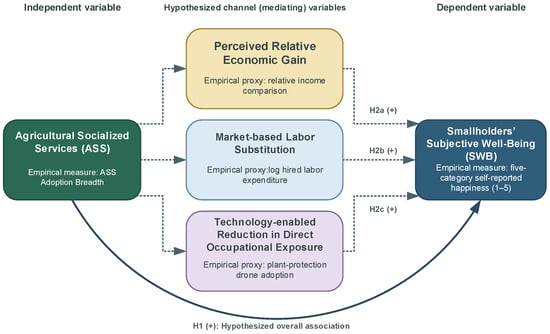
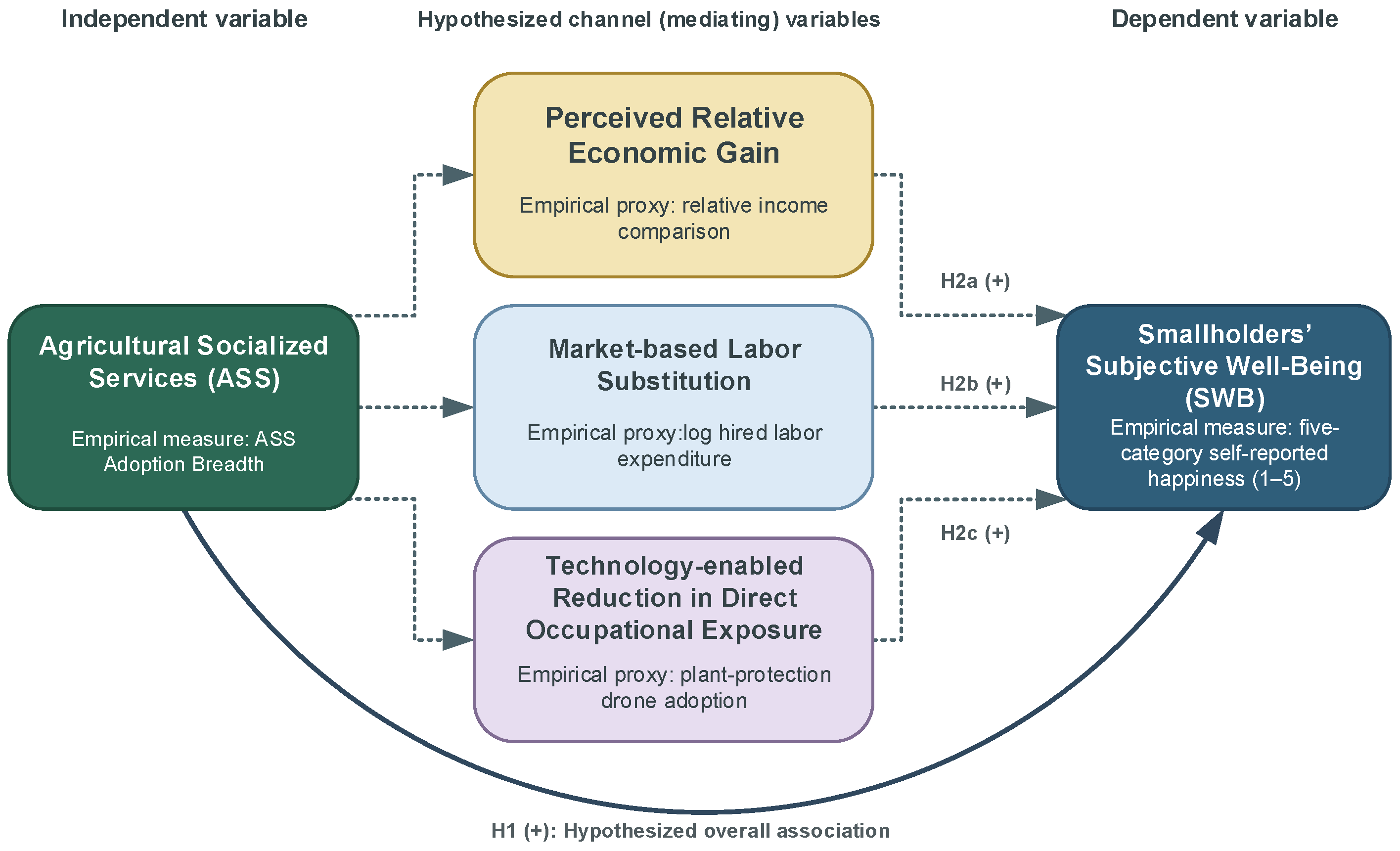
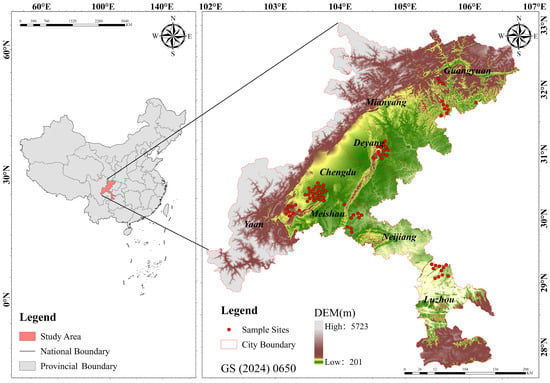
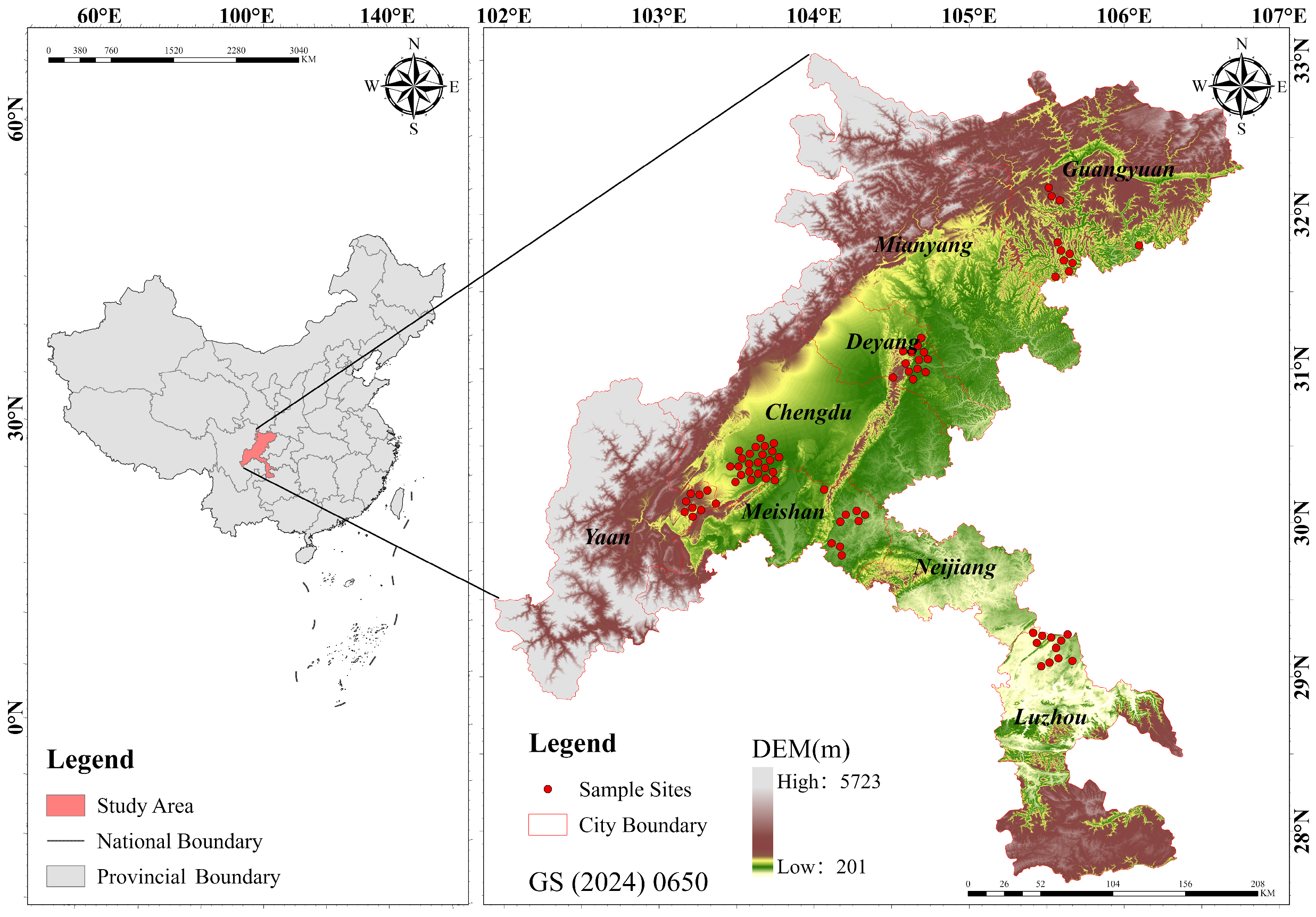

Disclaimer/Publisher’s Note: The statements, opinions and data contained in all publications are solely those of the individual author(s) and contributor(s) and not of MDPI and/or the editor(s). MDPI and/or the editor(s) disclaim responsibility for any injury to people or property resulting from any ideas, methods, instructions or products referred to in the content. |
© 2026 by the authors. Licensee MDPI, Basel, Switzerland. This article is an open access article distributed under the terms and conditions of the Creative Commons Attribution (CC BY) license.