


Abstract
Agriculture, as a production sector, is exposed to external shocks. The instability of agricultural markets, changes in prices of inputs, dropping crop prices, or changes in climate patterns put their economic resilience to the test. Agroecological diversification of production is widely cited as a key adaptive strategy to increase farms’ resilience to these shocks. At the same time, empirical evidence linking crop diversity to economic stability across different production systems remains limited. The aim of the study was to assess whether the integration of more complex crop rotations and livestock production increases the economic resilience of organic farms compared to stockless organic farms and conventional farms. The analysis utilized data from the Polish FADN covering the multi-crisis period of 2020–2022, which included the COVID-19 pandemic, Russia’s war against Ukraine, and the sharp rise in fertilizer and energy prices. Farms were grouped by production type. Crop diversity was assessed using the Shannon–Wiener index (H′) and the Pielou evenness index (J′). The economic resilience of tested farms was determined based on their income, income variability during the study period, and the ability to maintain income above the parity threshold. The results indicated the existence of different pathways for building resilience. Organic farms with permanent crops and field crops were characterized by the highest crop diversity on arable land, while organic farms with dairy cows had the highest overall economic resilience, despite relatively low crop diversity on arable land. This phenomenon can be explained by the high proportion of permanent grasslands, which promoted feed self-sufficiency and the internal circulation of nutrients. The results indicate that in organic systems, the integration of crop and livestock production, based on permanent grassland, may be a more effective way to strengthen economic resilience than crop diversification on arable land alone.
1. Introduction
Modern agriculture faces growing challenges that go far beyond the traditional focus on improving agricultural techniques and protecting the environment. Resilience gains importance as a key agricultural concept, especially after the latest global shocks, which resulted in the instability of agricultural markets. These affected both the prices of inputs as well as prices of agricultural products [1,2,3,4,5]. This was particularly evident between 2020 and 2022, when European agriculture had to tackle the COVID-19 pandemic and the following disruptions to global supply chains and the sharp rise in energy prices, which led to higher fertilizer prices. In Europe, and particularly in Poland, these shocks recurred in 2022 as a result of the Ukraine–Russia armed conflict [4,5]. This period, although terrible by its nature, represents a unique natural experiment that can answer the question of which agricultural production systems showed genuine economic resilience and which were vulnerable to external shocks.
The scientific literature identifies various mechanisms for building farms’ resilience. In conventional systems, resilience can be built through production intensification, external inputs utilization, and economies of scale. This approach might be vulnerable to price and market shocks, while also contradicting the concept of sustainable agriculture and sustainable resilience [6,7,8,9]. The resilience of organic farms should be built not through external inputs, but primarily through agroecological strategies, the most important of which are broadly defined diversification of production systems and fertilizer self-sufficiency [3,10,11]. Highly specialized conventional farms, despite their high productivity, can be highly vulnerable to external shocks (due to their high dependency on input prices and the global market) [12,13].
Between 2020 and 2022, the area of certified organic farmland in Poland increased from approximately 509,000 hectares to about 555,000 hectares. This makes Poland one of the fastest-growing organic food markets in Central Europe. In the post-crisis years (2023–2024), this area surged to 636,000 and 691,000 hectares, respectively. The number of certified organic farmers during the crisis years rose from 20,274 in 2020 to 22,882 in 2022. By the year 2024, the number of organic farms in Poland reached 24,793 [14]. Poland ranks in the middle in terms of the share of organic farms in the total number of farms (approx. 3.7% in 2022). This share is significantly below Austria (approx. 27%), the Czech Republic (approx. 16%), and Germany (approx. 11%). The domestic consumer demand remains relatively low, with annual per capita spending on organic food in Poland at approximately €10. To put this in perspective, Germans, Austrians, and Danes spent on average €200 per capita on organic food [15]. As a result, a significant portion of Polish organic production is directed to export markets. This may be another factor that exposes Polish organic producers to external shocks in demand and exchange rates (Poland, unlike most of the EU, still uses its own currency—Polish Zloty (PLN)).
Polish organic farming is strongly regionalized. This reflects the diverse climatic, soil, and organizational conditions of agricultural production in Poland. The highest share of organic farms in the total number of farms can be found in the northeastern and western regions (Warmian-Masurian, Podlaskie, and West Pomeranian). In those regions, land-use structure (dominated by large-scale farms) favors farms with permanent grassland and livestock production. In Central and Southeastern Poland, small organic farms are cultivating mostly field crops and permanent crops [14].
Crop diversification is one of the cornerstones of agroecology and is recognized as a main factor that promotes ecosystem biodiversity at both the farm and agricultural landscape levels [16,17]. The crop rotation structure, tailored to natural conditions and the farm’s production profile, reflects the organizational and economic conditions of a farm. It also builds a farm’s ability to achieve biodiversity conservation on farms and in the rural landscape [16]. Feledyn-Szewczyk et al. (2016) showed one of the most important methods for increasing biodiversity on arable land [16]. The degree of crop rotation diversification is closely linked to the intensity of farming, with a large ratio of cereals in crop rotation recognized as an indicator of modern, intensive farming [18].
The ongoing simplification of crop rotations and the increasing share of cereals are among the most widespread trends in European agriculture. This simplification can lead to soil erosion, a decline in organic matter content, increased pressure from diseases and pests, and growing dependence on external inputs [19,20]. In contrast, crop rotations enriched with legumes and intercrops can help stabilize yields over the long term. They can also improve farms’ fertilizer self-sufficiency by enhancing the nitrogen balance within the system [21,22].
Under these conditions, a return to traditional agroecological practices might be an interesting alternative to intensive conventional farming practices. For example, as a result of specialization, most family farms in Poland have stopped keeping livestock. The presence of livestock on a farm not only helps close the nutrient cycle (self-sufficiency in natural fertilizers) but also forces diversification of the forage base. This naturally leads to increased crop diversity on arable land and often requires introducing well-managed permanent grasslands [23,24,25]. Permanent grasslands represent a dimension of diversification that is not reflected in standard crop diversity indices, which are often calculated exclusively for arable land. This simplification of the description of farms’ land-use patterns can lead to a systematic underestimation of the actual complexity of such systems. Biodynamic farms treat crop–livestock integration as an integral part of the system, which shows the importance of crop–livestock integration in environmentally friendly and self-sufficient farming systems [26,27].
Despite the growing scientific interest in the resilience of organic farms, empirical analyses linking indicators of crop diversity to economic outcomes in diverse production systems—particularly in the context of actual crises—remain limited. The available research findings focus mostly on diversification, often neglecting economic assessment or evaluating economic efficiency at the farm level, while neglecting to assess the diversification of the system at the arable land and system level. Our research offers new knowledge to the field, particularly in terms of: (i) comparing five groups of organic farms based on dominant production type with a conventional non-livestock farm as the control, (ii) the simultaneous use of popular diversity indices (H′, J′) and organizational farm characteristics (permanent grassland share, livestock stocking rate), and (iii) the joint association with economic resilience over the 2020–2022 multi-crisis window.
The Farm Accountancy Data Network (FADN) has been operating in Poland since 2004 (EU accession). FADN farms constitute a statistically representative sample of commercial farms operating within the European Union. Determining a farm’s standard output (SO), which accounts for its agricultural activities, allows it to be classified into the appropriate economic size class, and its structure enables the identification of its agricultural type. The multi-crisis period of 2020–2022 was a huge challenge for many sectors of the economy (including agriculture). At the same time, it is an exceptionally valuable time frame for assessing economic resilience. It encompasses two qualitatively different types of external shocks simultaneously affecting both the demand and cost sides of agricultural production.
The choice of the 2020–2022 timeframe is deliberate and results from the nature of the phenomenon under analysis. During those years, a closed phase of a multi-crisis was observed worldwide. During this period, three external shocks of qualitatively different nature overlapped: the COVID-19 pandemic and supply chain disruptions (2020), the sharp rise in energy and fertilizer prices (2021), and Russia’s armed aggression against Ukraine (2022), which particularly affected Poland as Ukraine and Russia are direct neighbors. After 2022, a gradual reduction in price shocks and a return of markets to a new, post-crisis equilibrium were observed [28]. In the years 2023 and beyond, the adaptation phase was observed. This post-crisis period, which blurred the signal of economic resilience, is the focus of this study. During 2020–2022, changes in agricultural markets were most visible and directly linked to the shock events.
During the analyzed time frame, changes in European organic farming occurred. On 1 January 2022, Regulation (EU) 2018/848 [29] of the European Parliament and of the Council on organic production and the labeling of organic products came into force. The regulation introduced harmonized certification rules and introduced more strict requirements of livestock production (animal welfare).
The term “agricultural diversification” at the farm level is most often recognized as one of at least two qualitatively distinct dimensions of the agricultural system [19,30]. Arable crop diversity refers to the number and evenness of distribution of crop species/groups cultivated within a farm. This is most commonly measured using the Shannon–Wiener (H′) and Pielou (J′) indices. This dimension seeks to describe the agronomic aspects of crop rotation using values known from descriptions of agroecosystem biodiversity. This understanding of diversification serves as a central reference point for agricultural policy requirements (greening, eco-schemes). The system-level diversification is linked with how the farm operates. The linked measures of system diversity can range from management methods and applied agrotechnical practices, through the integration of crop and livestock production, the proportion and type of land types (including grasslands, forests, etc.), and plant fertilization and animal feeding strategies, as well as the temporal structure of crop rotation, links to the ecosystem, or even market surroundings [25,31]. Standard H′ and J′ indices calculated for arable land are unable to capture the systemic dimension of diversification. Farms with livestock production may, by nature, be more diversified in the sense of the second concept presented. Systemic diversification, however, is harder to capture and does not necessarily manifest itself at the level of arable land management. This may result in an underestimation of “diversification” in the case of farms integrated with livestock production when they are described by aggregated land-management-based measures.
The two concepts central to this study—resilience and sustainability of the agricultural system—are interrelated but not identical. Agricultural sustainability is a long-term perspective based on three complementary pillars (environmental, economic, and social) and refers to the system’s enduring capacity to manage natural resources, protect biodiversity, and provide ecosystem services. Agricultural resilience is a narrower, more focused (it needs to answer the question: resilience to what?), and short-term concept. Resilience at the farm level refers to the production system’s ability to maintain basic functions in the face of specific external shocks and stressors. It manifests itself through three adaptive capacities: robustness, adaptability, and transformability [6,7]. Importantly, not all environmentally sustainable systems are resilient to specific shocks and vice versa [6]. The sustainability of farms goes beyond the scope of this study (though it serves as its background) and is discussed in Section 4.4 and Section 4.5.
This study focuses on the economic dimension of resilience at the farm level, defined as the ability to maintain economic function (family farm income) under pressure from external shocks.
The aim of this study is to jointly assess the relationship between the biodiversity of crop rotations and the economic stability of organic farms with diverse production profiles (with particular emphasis on the presence of livestock), compared to specialized, conventional non-livestock farms. The study is based on two hypotheses: (H1) organic farms with livestock production, particularly those with ruminants, are characterized by greater diversification of the production system than conventional non-livestock farms, and (H2) the crop–livestock integration translates into higher and more stable income under conditions of external economic shocks. It should be noted, however, that the verification of H1 is subject to a methodological constraint. The Shannon–Wiener index calculated from FADN data reflects only the crop structure of arable land and systematically excludes permanent grasslands, which are a key component of production systems on livestock farms. The conceptual framework of the study is shown in Figure 1.
Figure 1.
The conceptual framework of the study: three external shocks of the 2020–2022 multi-crisis period test farm response, mediated by two complementary dimensions of farm diversification (arable crop diversity and system-level diversification) and the observed as economic resilience.
Hypothesis H1 is tested simultaneously at the arable land level (H′, J′) and at the system level (share of permanent crops in arable land, livestock stocking rate). Hypothesis H2 operates at the system level: it links crop–livestock integration with economic resilience.
2. Materials and Methods
The study was based on 2020–2022 Polish FADN (Farm Accountancy Data Network) data gathered by the Institute of Agricultural Economics and Food Economy—National Research Institute (IERiGŻ-PIB) in Warsaw. The Polish FADN comprises a statistically representative sample of commercial farms, selected in accordance with a uniform methodology applied in all European Union countries. The analysis covered 15,028 farms, grouped by production type based on the FADN typology. Six groups were identified: five groups of organic farms—with dairy cows (n = 100), grazing animals (n = 207), mixed (n = 144), with permanent crops (n = 55), and organic with field crops (livestock-free) (n = 277). The control group consisted of conventional farms with field crops (livestock-free) (n = 14,245). The analysis was additionally conducted across economic size classes (ES) and utilized agricultural area groups (UAA groups). To eliminate random variability in results between individual years, the analysis of crop structure was based on three-year averages from the study period.
Crop structure diversity was assessed using common agroecological indices [16,21,32,33]. Diversity was described by Shannon–Wiener (H′) index, which captures the joint effect of species richness and evenness, calculated as:
where pi denotes the share of the area under cultivation of the i-th group or species in the total cropland area of the farm. Higher values of the H′ index indicate a greater diversity of the crop structure. The H′ index was calculated for all crop categories reported in the Polish FADN data, including the category ‘forage crops’ (feed/fodder), which includes forage crops on arable land (silage maize, temporary grasses, legume–grass mixtures, fodder beet, and other annual fodder crops). Permanent grassland is not included in the H′ calculation. The share of permanent grasslands in total UAAs is reported separately. This is considered a system-level (not arable-level) diversification measure. The “other” category in the group of farms with permanent crops includes diverse crops (corn, industrial chicory, tobacco, fiber crops and medicinal plants, vegetables grown in greenhouses and in commercial gardens, flowers and other ornamental plants, other fruits grown in open fields and in greenhouses, seed plantations, and cultivated mushrooms). The aggregation of forage crops on arable land into a single FADN category brings a methodological limitation—it prevents distinguishing the contribution of individual sub-categories (silage maize, legumes for silage, etc.) within the H′ diversity index. Due to this, and the fact that permanent grasslands are excluded from the arable-land H′ calculation, there is a significant limitation for interpretation. Farms with livestock production, where permanent grasslands usually play a key role in feed supply, may be systemically underestimating the H′ index in terms of the actual complexity of farms’ crop structure. Therefore, the analysis also included the share of permanent grasslands in the UAA structure as a supplementary measure of system diversification.
The uniformity of the representation of individual crops in the crop structure was assessed using the Pielou index (J′):
where H′max = ln S.
S—number of cultivated crop species (and crop groups).
Pielou’s index isolates the evenness component, which is (alongside species richness) also described within the H′ index. The value of the J′ index ranges from 0 to 1, where 1 indicates complete uniformity in the distribution of individual crop groups and species across the cultivated area. Both indices are calculated for crop categories reported in Polish FADN. Permanent grasslands and the diversity of crops hidden in the “forage crops” category are, by construction, outside their scope.
For both the diversity index (H′) and the evenness index (J′) of crop share in the crop structure, threshold values were calculated for farms with more than 10 ha of arable land. Threshold values were based on the greening requirements implemented under the CAP [32] (Table 1). The values of the thresholds depending on the arable area are provided below:
Table 1.
Threshold values of the Shannon–Wiener (H′) and Pielou (J′) indices, based on the crop diversification requirements under the CAP greening scheme [29], for farms exceeding 10 ha of arable land.
The study analyzed additional agroecological indicators: the number of cultivated groups and species and the proportion of leguminous plants. Economic indicators included family farm income (FFI) per hectare of agricultural land (PLN·ha−1 AL) and per full-time equivalent worker (PLN·FWU−1). Economic resilience was determined using two measures: the percentage change in FFI between a given year and the base year of 2020 (Δ% FFI), calculated as:
This measure was used as an indicator of the amplitude of income fluctuations under multi-crisis conditions. The second measure was the proportion of years (between 2020 and 2022) in which a given group of farms maintained an FFI·FWU−1 above the net income parity threshold in the year under analysis. This threshold, used in Polish agricultural statistics as a benchmark for assessing the profitability of agricultural production, allows for an evaluation of whether a given production system provided farmers with income comparable to non-agricultural income.
In this study, we use the following definitions:
- Arable diversification—the diversity and evenness of the distribution of plant species/groups on arable land, measured using the Shannon–Wiener (H′) and Pielou (J′) indices.
- System-level diversification—the total diversity of the farm described by the proportion of permanent grassland in arable land and livestock density (LU·100 ha−1 arable land).
- System complexity—the number and nature of interactions between components, reduced in this study to the degree of integration of crop and livestock production.
- Economic resilience—A measure of the agricultural system’s resilience assessed at the farm level. In this study, it is reduced to the farm’s ability to maintain its economic function (FFI) under conditions of external shocks, measured by (a) the percentage change in FFI relative to 2020 (Δ% FFI) and (b) the proportion of years with FFI·FWU−1 above the annual net income parity threshold. Economic resilience is probably the most important (especially from the farmers’ perspective) manifestation of the short-term resilience of farms exposed to external stressors.
The analysis was conducted based on data aggregated at the farm group level, in accordance with the reporting structure of the Polish FADN. As the Polish FADN publishes its results as group-level averages, the analysis is descriptive by design. Group averages and three-year means across production profiles, economic size classes, and UAA size classes were calculated without carrying out statistical significance analysis. Farm microdata were embargoed; only the aggregated data are publicly available. All calculations were performed in a spreadsheet (Microsoft Excel 365; Microsoft Corp., Redmond, WA, USA). The interpretive limitations of this design are addressed in Section 4.5.
3. Results
The results presented in this section are organized to highlight the distinction between crop diversity on arable land (measured by H′ and J′) and diversification at the system level (operationalized by the proportion of permanent crops and livestock stocking rates). The central finding of the analysis is a paradox: farms with the lowest H′ values on arable land (dairy cows, grazing animals) are simultaneously characterized by the highest share of permanent crops and the highest livestock stocking rate. These seemingly inconsistent results are partly an aggregation artifact resulting from the use of FADN data and partly a genuine structural signal. These structural patterns are then compared with the economic resilience under Section 3.4.
3.1. Diversity of Crop Rotations in Farms of Different Production Profile
The lowest crop structure diversity index values were observed on farms with grazing livestock (herbivores) (H′ = 0.69) and dairy cows (H′ = 0.78) (Table 2). Farms with dairy cows did not exceed 32.4% in the share of cereals in the crop structure. Forage crops (including legumes) dominated in those farms, which resulted from the crop rotation practices aligning with the main production profile of the farm (livestock). The share of legumes in organic farms focused on livestock production was generally low and did not exceed 3.6% on farms with grazing animals. Farms with animal production cultivated the lowest number of plant groups and species. The crop uniformity index was also the lowest, not exceeding 0.53 (organic multidirectional) in farms with livestock production (Table 2).
Table 2.
Share of main crop types, system diversity index (H′), and uniformity index (J′) in FADN farms with various specializations (2020–2022).
The highest diversity of crop structure was observed on farms with perennial crops (H′ = 1.46). The crop structure on arable land in these farms was characterized by the highest proportion of vegetables in field cultivation (4.6%) and a relatively low proportion of cereals (42.7%), as well as a high proportion of the “others” category (38.4%), which corresponds to the main production focus of these farms: perennial crops. The evenness index of crops was also the highest (J′ = 0.79), and the number of cultivated plant groups and species was similar to that of the group of farms with animal production (6.3 species).
Organic farms with field crops had a relatively high diversity of crop structure (H′ = 1.28), with the highest number of groups and species of cultivated plants (8.3), distinguished by the highest share of cereals (60.3%), legumes (20.5%), and oilseeds (2.1%) in the crop structure. The share of forage crops was the lowest among organic farms, at 7.3%. Conventional farms with field crops had a higher crop structure diversity index of H′ = 1.40, an evenness index of J′ = 0.64, and cultivated more plant groups and species (9.0).
Among the farm types analyzed, only conventional farms with field crops were, on average, larger than 30 ha AL (Table 3). The crop diversity index calculated for this farm group was twice the threshold value (0.69), indicating greater crop structure diversity than required under the greening scheme. In contrast, the value of the evenness index (J′ = 0.64) was comparable to its threshold value (0.63). Most of the FADN organic farms (excluding those with permanent crops) had an AL of approx. 14 to 30 ha. The crop diversity index calculated for these farms also exceeded its threshold value (0.56), particularly on farms with field crops and mixed farming. The uniformity index for all types of organic farms did not exceed its threshold value (0.81).
Table 3.
Land-use structure of FADN farms with various specializations (2020–2022).
At the level of arable land, the highest diversity was found for farms with organic permanent crops (H′ = 1.46) and conventional stockless farms (H′ = 1.40). The lowest diversity of crop rotations, in turn, was observed on specialized farms with grazing animals (organic herbivores: H′ = 0.69) and dairy cows (H′ = 0.78). The low H′ values in groups where livestock is the main production direction of farms result, in large part, from the aggregation of field forage into a single FADN category. This last finding should be interpreted simultaneously with the results of Section 3.2.
3.2. Production System Structure: The Role of Permanent Grassland and Livestock Stocking Rates
Farms with dairy cows had the highest proportion of permanent grassland (56.7%) and the highest stocking rate (102.9 LU·100 ha−1 of utilized area). A slightly lower share of permanent grasslands (46.8%) was found on farms with grazing animals. The share of permanent grasslands was three times lower in organic stockless farms (14.2%) and more than nine times lower in conventional stockless farms (5.1%). Farms with field crops (both conventional and organic) had minimal livestock stocking rates, 4.8 and 4.3 LU·100 ha−1 UAA, respectively, while farms with permanent crops had virtually no livestock production at all (Table 3).
A comparison of the H′ index calculated for the crop structure on arable land, taking into account the share of permanent grassland in the UAA structure, reveals a characteristic pattern: farms with the lowest H′ on arable land (dairy cows, grazing animals) also have the highest share of permanent grassland in their agricultural land structure. This results from the specific nature of the FADN methodology, in which permanent grassland constitutes a separate UAA category and is not included in the calculation of the crop diversity index (Figure 2). The dominance of the aggregated category ‘forage crops’ (comprising forage crops on arable land) in the crop structure of dairy and grazing farms leads to a reduction in the uniformity index (J′), and thus also the Shannon diversity index (H′). This is partly an artifact of FADN data aggregation and not solely a reflection of the actual poverty of the crop structure.
Figure 2.
Arable-land crop diversity (H′; x-axis), average family farm income (FFI·ha−1 UAA, mean 2020–2022; y-axis), and share of permanent grasslands in UAAs (bubble area) across six FADN farm groups. Source: authors’ calculations based on Polish FADN data.
System-level diversification, measured by the share of permanent grasslands, showed different output than diversification at the arable land level. Farms with the lowest H′ (dairy cows, grazing animals) had the highest share of permanent grasslands (46.8–56.7%) and the highest stocking rate (77.7–102.9 LU·100 ha−1 UAA). These two dimensions of diversification are complementary and have to be examined together to better understand the complex nature of farm diversity.
3.3. Profitability of Agricultural Production: The Role of Permanent Grassland and Livestock Density
Farms with permanent crops had the highest economic indicator performance. Income from a family farm, calculated per unit of utilized agricultural area (UAA), amounted to 9428 PLN·ha−1 UAA, and per full-time equivalent (FWU) of 118,899 PLN·FWU−1 (Table 4). Farms with dairy cows showed only half of the potential of the permanent crop farms (4423 PLN·ha−1 UAA and 60,291 PLN·FWU−1, respectively). In contrast, organic farms with field crops achieved average income levels (2538 PLN·ha−1 UAA and 54,048 PLN·FWU−1, respectively), but these were still significantly lower than conventional farms with the same production focus (3416 PLN·ha−1 UAA and 98,320 PLN·FWU−1, respectively). Among the analyzed groups, only farms with grazing livestock showed the income per full-time equivalent lower than the net income parity threshold (47,425 PLN·FWU−1).
Table 4.
Income of FADN farms of various specializations (2020–2022).
3.4. Economic Resilience During the Period of Multiple Crises from 2020 to 2022
To assess the economic resilience of individual groups under conditions of multiple crises, two complementary measures were used: the percentage change in FFI relative to the base year (2020) (% FFI) and an assessment of how many of the three years in the study period saw a given group’s income remain above the parity threshold for that year.
Among organic farms, mixed farms stood out in 2021 with the largest increase in income from a family farm per full-time worker relative to the base year 2020 (by 32.4%) and farms with grazing livestock in 2022 (by 59.2%). For arable farms, the increase in income per full-time worker was among the lowest (by 14.3% and 41.9%, respectively) and more than twice as low as on conventional arable farms (by 46.7% and 102.7%, respectively). Organic farms with permanent crops, despite a decline in family farm income per full-time worker in subsequent years (by 27.8% and 19.5%, respectively), still had the highest income per full-time worker (PLN 118,899).
Arable, stockless farms (both conventional and organic), as well as organic farms with permanent crops and dairy cows, had a higher income from the family farm per full-time worker than from the parity income in all of the years analyzed. The largest difference occurred on farms with permanent crops in 2020 (by 235%), and the lowest was recorded for organic farms with arable crops in the same year (by 8.9%). Farms raising ruminants had a lower income from the family farm per full-time worker than from the parity income in 2020 alone. Mixed farms showed the poorest performance, with income from the family farm per full-time worker not exceeding the parity income in any of the years studied (Figure 3).
Figure 3.
Family farm income per family work unit (FFI·FWU−1) indexed to the 2020 baseline (=100%) for FADN farm groups during the multi-crisis period 2020–2022. The number of years with FFI·FWU−1 above the parity threshold is reported in Table 4. Source: authors’ calculations based on Polish FADN data.
Conventional arable farms, organic arable farms, and organic dairy farms maintained an FFI·FWU−1 above the parity threshold in all three years of the multi-crisis period. Organic farms with permanent crops had the highest FFI level, but they observed a decline in FFI in 2021 and 2022 (compared to 2020). Mixed farms showed the weakest performance (0 out of 3 years above the parity level). A high H′ value alone was not associated with a high economic resilience score (organic field farms have H′ = 1.28 but low FFI). As observed in the analyzed dataset, crop–livestock integration based on the high share of grasslands (dairy cows), coincided with both higher and more stable FFI·FWU−1 over 2020–2022.
3.5. Crop Diversity and Economic Performance by Economic Size (ES) and Farm Area
As economic size increased, a corresponding increase in the area of utilized land (UAA) and in the share of permanent grasslands in the total utilized area UAA) was visible. The increase ranged from 18.0% on very small farms (€2k ≤ ES < €8k) to 37.8% on medium-sized farms (€50k ≤ ES < €100k) (Table 5). A similar trend was observed for livestock density, which ranged from 20.6 to 59.6 LU·100 ha−1 of UAAs. Medium–small farms stood out with the highest income per unit of UAA (3229 PLN·ha−1 UAA), while medium–large farms had the highest income per full-time worker (86,904 PLN·FWU−1). The lowest income, both per unit of UAA and per full-time worker, was found on very small farms. Income above the parity threshold was achieved only by the medium–small and medium–large farms.
Table 5.
Land-use structure and income of FADN farms of various economic sizes (2020–2022).
The highest share of cereals in the crop rotation was found on very small farms (75.0%) and decreased as economic size increased, reaching 41.6% on medium-sized farms. The share of forage crops increased with economic size class and reached 41.1% on medium-sized farms, which is most probably linked with the increasing number of grazing animals in farms of larger economic size. The highest value of the crop structure diversity index was found on medium–small farms (H′ = 1.33), which also had the greatest uniformity of crop structure (J′ = 0.64) (Table 6).
Table 6.
Share of main crop types, system diversity index (H′), and uniformity index (J′) in FADN farms of different economic size (2020–2022).
As the size of the utilized agricultural area of farms increased, the share of the total utilized area was also higher—from 22.9% on small farms (5 ≤ ha < 10) to 33.8% on very large farms (ha > 50) (Table 7).
Table 7.
Land-use structure and income of FADN farms of different UAAs (2020–2022).
Small farms had the highest income per unit of utilized agricultural area (4638 PLN·ha−1 UAA), while very large farms had the highest income per farm work unit (98,585 PLN·FWU−1). Only small and medium–small farms achieved income below the parity threshold. The highest value of the crop structure diversity index was found for the small farms (H′ = 1.55). As the UAA increased, biodiversity indices for crop structure decreased, reaching their lowest values on the large farms (H′ = 1.20; J′ = 0.58) (Table 8).
Table 8.
Share of main crop types, system diversity index (H′), and uniformity index (J′) in FADN of different UAAs (2020–2022).
4. Discussion
4.1. Crop Structure Diversity and Farms’ Production Profile: An Interpretation of the Systemic Paradox
The results indicate a significant discrepancy between crop diversity on arable land and the complexity of the production system when viewed from a broader perspective. Organic farms with dairy cows and grazing animals, characterized by the lowest H′ values on arable land (0.78 and 0.69, respectively). These are also the farming systems with the highest degree of crop–livestock integration, based on the share of permanent grasslands. This result appears to contradict agroecological intuition, which equates higher crop diversity with a more sustainable production system [34,35]. However, low diversity index values on dairy and grass-fed farms result from two methodological mechanisms. First, the H′ index is calculated on the basis of arable land diversity and does not take into account permanent grasslands (and their diversity). Permanent grasslands are the dominant type of land management in organic livestock farms (56.7% of total UAAs in dairy farms and 46.8% in organic herbivorous farms, Table 3). This means that the biodiversity of farms as a whole agroecological system is invisible for the standard H′ index calculated on the basis of arable land diversity. Second, the feed/fodder category is aggregated from nine sub-categories (silage maize, temporary grasses, legumes for silage, perennial legumes, legume–grass mixtures, fodder root crops, and others). This single category of crops reaches 64.6–76.2% of the arable land area of livestock-oriented organic farms. The dominance of a single broad category lowers the evenness index J′, which translates into a lower H′ value, regardless of the actual complexity of the system. This is a limitation stemming from the FADN-reporting structure, where heterogeneous elements of the production system are aggregated into a single variable. The actual complexity of such integrated farming systems remains, therefore, underestimated by the standard H′ index. More broadly, this problem is part of the more general methodological limitations of assessing diversified systems: Rodriguez et al. [31] indicate that indicators developed for standard production systems may not take into account the complexity of agroecological systems based on plant–animal integration, and that a reliable assessment of such systems requires a multi-criteria approach. Magne et al. [36] indicate that existing methods for evaluating agricultural systems were designed with low-diversity systems in mind and face five key methodological challenges when evaluating highly diversified systems. One of those challenges is the problem of aggregating heterogeneous system components and the need to account for their multidimensional structure. The results that showed a positive impact of livestock integration on economic resilience should be interpreted as an association (we expect that livestock integration will improve farms’ economic resilience), consistent with our hypotheses, rather than proof of causation. Having livestock itself is not the main cause of the improved economic resilience; it is more related to the farms’ management strategy, which has to be different in farms with livestock production.
A pattern showing that the type of livestock production significantly influences crop diversity indices was noted by Madej [32] in a study of the crop structure of farms participating in the Polish FADN. The study covered various types of conventional production farms, with data for 2015–2017 covered. In that analysis, the lowest crop diversity was found for farms raising grain-eating animals (H′ = 0.93; this group of farms is not included in the present study), and the highest was found for farms with permanent crops (H′ = 1.59). The results of this study, limited to organic farms and referring to the multi-crisis period of 2020–2022, supplement this conclusion with an economic and resilience dimension: systemic complexity measured by diversity indices and share of permanent grasslands translates into financial performance under conditions of external shocks. Our results extend Madej [32] in two ways: (a) the dataset is restricted to organic farms (not covered in [32]), and (b) the same indices are linked here to economic outcomes (FFI·FWU−1) under an external, multi-crisis shock period. This dimension of “real-life” experiment was absent from the earlier 2015–2017 conventional farm analysis.
Matyka [37] carried out the study on the diversity of crop structure at the regional level. The author found the highest indices of diversity and uniformity in regions where diversified crop production predominated. In light of the results of this study, however, this interpretation requires further clarification: diversified crop production is not the only path to high-system diversity—equally effective, and potentially more economically resilient, is the integration of crop production with sustainable livestock production based on permanent grasslands.
4.2. Crop–Livestock Integration Impact on Farms’ Economic Performance and Resilience to External Shocks
The profitability results confirm the economic advantage of organic systems based on crop–livestock integration over non-livestock systems. Organic farms with dairy cows achieved an FFI of 4423 PLN·ha−1 UAA, outperforming both organic farms with field crops (2538 PLN·ha−1 UAA) and their conventional counterparts (3416 PLN·ha−1 UAA). This result is consistent with the findings of Franzluebbers and Martin (2022) [23] and Lemaire et al. (2014) [25], who pointed out that the integration of crop and livestock production closes the internal material cycle, reduces dependence on external inputs, and therefore builds resilience to price shocks of production inputs. This also aligns with the findings of Perrin et al., which identified self-sufficiency (especially for fodder), economic efficiency, and the utilization of permanent grasslands as key aspects of farms’ resilience [38]. Furthermore, system diversification and crop–livestock integration increase farm resilience by reducing dependence on external inputs and stabilizing income in the face of environmental and market volatility [39]. Market disruptions, particularly rising fertilizer prices, were a major shock that affected European agriculture in 2021–2022. During those years, fertilizer prices rose dramatically and remained above pre-COVID-19 levels until 2024, with the effects varying depending on the adaptation strategies introduced by the farms [32].
From a resilience perspective, the finding regarding the income parity threshold is particularly significant. Among the groups analyzed in this study, only farms with grazing livestock and mixed farms failed to maintain an average FFI·FWU−1 above the threshold of 47,425 PLN. This indicates that crop–livestock integration based on dairy cows provided farmers with income comparable to non-agricultural income even under conditions of multiple crises. The increase in FFI·FWU−1 relative to the base year (2020) in the group of farms with dairy cows in individual years was 120% (2021) and 155% (2022), and it was the lowest among livestock-producing farms.
Many studies indicate that highly specialized conventional farms, particularly livestock-free farms with field crops, are exceptionally vulnerable to external market and climate shocks [12,13,40]. The results of this study confirm this hypothesis in the context of Polish organic farming: organic farms without livestock that cultivated field crops, despite a relatively high H′ value (1.28), generated the lowest income among organic groups engaged in crop production; however, in every year of the study period, they exceeded the income parity threshold.
4.3. Diversification vs. Economic Size and Farms’ UAA
An analysis of farms by their economic size reveals a pattern consistent with theoretical expectations: as economic size increases, the proportion of arable land and livestock numbers rises, while the crop structure shifts from a dominance of cereals toward a greater share of forage crops and legumes. Kęsik (2008) [41] pointed out that the share of cereals in Poland’s crop mix (more than 70%) is linked with the use of crop rotations and cereal monocultures that have adverse environmental impacts. This simplification of crop rotations comes with a concerning decline in the share of structure-forming crops. Legumes, when used as a preceding crop, can increase the yield of subsequent cereals by an average of 20%, and this effect is particularly pronounced in low-input systems typical of small organic farms [22]. The findings of this study can supplement this pattern with an economic dimension: a higher proportion of cereals (typical of small organic farms) is associated with lower income and reduced resilience to external shocks.
The implementation of a crop rotation system involving at least three different crops, according to research conducted by Korsak-Adamowicz et al. (2012) [42], is a fundamental practice in an integrated system. The vast majority (90%) of the farmers surveyed practiced this type of crop rotation and reported growing legumes and other plants that improve soil fertility. The foundation of organic farming should be a complex crop rotation that includes legumes and the use of manure. These are the fundamental tools of organic farms, enabling them to maintain soil fertility without relying on external inputs [43]. The results of this study indicate that organic farms with field crops had a 20.5% share of legumes. This is a higher share than the one found for conventional farms, indicating a conscious practice of crop rotation in accordance with organic principles, regardless of CAP requirements. Kurdyś-Kujawska et al. (2021) [44] have shown that crop diversification plays a significant role in managing the risks and uncertainties associated with climate change, strengthening farmers’ resilience and improving income stability, which is particularly important for small farms.
4.4. Policy Implications for Agricultural Policy
Polish organic farms can get support under the “Organic Farming” measure (CAP 2014–2020, continued in the CAP Strategic Plan 2023–2027). The subsidy amount varied according to crop packages. Moreover, during the 2020–2022 period, organic farms were additionally exempt from the crop diversification requirement under the greening mechanism. The findings of this study have direct implications for the development of the EU agricultural policy regarding instruments that support organic farming. The CAP Greening Mechanism for 2014–2022 (the 2014–2020 CAP was extended to cover 2021–2022 by EU Transitional Regulation 2020/2220), under which the analyzed data were collected, was based on the crop diversification requirements calculated for arable land. Importantly, organic farms were automatically exempt from these requirements. This, however, did not eliminate a broader problem: standard indicators for assessing crop diversification in agriculture, based solely on the crop structure of arable land, do not reflect the actual complexity of integrated systems. As demonstrated in this study, dairy and ruminant farms build systemic resilience through permanent grasslands and closed-loop material cycles. These dimensions of diversification, however, remain invisible to the standard diversification indicators. As early as 2017, the European Court of Auditors pointed out that the crop diversification requirement under the greening scheme was too weak and did not lead to a real change in agricultural practices. The current CAP 2023–2027 has replaced greening with the eco-schemes system, but the principle of assessing diversification based on arable land remains unchanged [45,46]. Furthermore, an ex post analysis of the crop diversification mechanism under the CAP’s greening policy in France showed that farms larger than 30 hectares increased their compliance with the requirement and the number of crop species grown, while the response of farms larger and smaller than 30 hectares differed [47]. The results of this study also indicate that farm size influences crop structure and diversity indices. The highest diversity index was observed on small farms (5–10 ha; H′ = 1.55), and as the UAA increased, the H′ index decreased, reaching its lowest values on farms larger than 30 ha of UAA (H′ = 1.20), with the highest share being that of permanent grasslands. Ongoing work on the CAP post-2027 (2028–2034 perspective), in which the European Commission proposes a shift from prescriptive cross-compliance to rewarding positive environmental actions, presents an opportunity to incorporate permanent grasslands as an important dimension of agroecological diversification implemented into support instruments for livestock-integrated systems [48].
The economic resilience of farms is not viewed as the ultimate goal of the agricultural policy. Its significance stems from the role it plays as a component of the broader concept of sustainable development, which is based on three complementary pillars: economic, environmental, and social [49,50]. Interestingly, ensuring (short-term) resilience at the farm level may come at the expense of the (long-term) sustainability of the agricultural agroecosystem (e.g., through the excessive use of off-farm resources to achieve unreasonably high yields) [6]. At the same time, ensuring a cash inflow to the farm that exceeds its expenses is necessary to maintain the ability to introduce and keep sustainable farming practices as a farm’s daily routine. This stems from the simple fact that without income stability, there is no material basis for implementing pro-environmental practices or maintaining the social functions of rural areas. The results of this study show that the sources of economic resilience on organic farms integrated with livestock production (permanent grasslands, internal material cycles, independence from external inputs) can also be a source of numerous ecosystem services. Economic resilience and sustainable agricultural development are therefore not contradictory in the context of this study’s findings. The results show that in organic systems, these two concepts can reinforce each other, which should be reflected in the design of future support instruments under the Common Agricultural Policy.
The results of the study allow us to draw three preliminary conclusions. These should be taken into account when designing future support instruments under the Common Agricultural Policy (CAP). First and foremost, the analysis showed that assessing farm diversity based on the number of crop species reported in FADN may cause misleading conclusions. Dairy farms in the present study can serve as an example. Dairy farms, despite low crop diversity on arable land (based on FADN data), demonstrated the highest economic resilience. Aggregated data on farm structure and land management could not fully capture the complexity of livestock farms. Second, permanent grasslands proved to be a key stabilizing factor for animal production. Their role in building farm resilience could serve as a starting point for supporting the utilization and proper management of this type of land use. Third, simply maintaining a mixed production profile (as organic mixed farms showed) was no guarantee of economic resilience under multi-crisis conditions. This means that to maintain a farm’s economic output over time (here described as a farm’s economic resilience), simply keeping animals on the farm might not be the best option available.
It should be noted, however, that these conclusions are based on aggregated data from the crisis period in Poland. The outcomes of the study require further verification in other European Union countries and at a higher level of detail.
4.5. Study Limitations and Future Directions
The interpretation of the results presented should be considered in light of several methodological limitations. First, the analysis is based on data aggregated at the farmhold group level. This makes it impossible to make conclusions about the variability of results within groups or to identify outliers. Second, the three-year analysis period (2020–2022), while exceptionally valuable as a natural multi-crisis experiment, is too short to assess long-term trends of farms’ economic resilience. Third, the H′ index calculated for the FADN data reflects the structure of crops in terms of area, without taking into account qualitative aspects of diversity (e.g., genetic diversity of varieties or functional diversity of species). Future studies should incorporate longer time series of FADN data, covering both crisis and stable years, and attempt to integrate crop diversity indices with measures of biodiversity at the agricultural landscape level.
The conventional reference group (n = 14,245) is much larger than the organic groups combined (n = 783). This asymmetry reflects the structure of Polish agriculture, with organic farms being a fraction of the total commercial farm population captured by the FADN. Throughout the paper, the conventional group serves as a reference describing the most common farm type in the Polish FADN and in Polish agriculture, rather than as a symmetric comparison group for organic farms.
Although organic systems with livestock production as their main production direction have demonstrated greater economic resilience in these study conditions, agroecological, diversified production systems may exhibit low system resilience at the farm level that is not apparent in the FADN income data. The integration of crop and livestock production is typically associated with higher labor intensity, more complex management, and a stronger reliance on the farmer’s agronomic and zootechnical knowledge [51,52]. This means that the observed economic resilience advantage is the result of a whole set of characteristics (features) of the farms included in the study, the ultimate effect of which was economic resilience (the economic outcome achieved during the analyzed period). The availability of a skilled workforce, level of knowledge, state of machinery, and infrastructure, although important for the final result, were not captured by the FADN economic indicators and require separate studies.
An additional interpretive limitation is the treatment of permanent grasslands as a separate analytical category. In the FADN data, permanent grasslands are represented as a collective variable encompassing ecosystems of a (possibly) highly diverse nature. The grasslands under this single category might range from intensively used seasonal pastures, through hay meadows, to extensive wetlands and mountain grasslands. This diversity of permanent grasslands alone is of significant importance for both the assessment of natural value and the ecosystem services provided. From a biodiversity perspective, permanent grasslands are often many times richer in species than arable land. Grasslands are widely recognized as biodiversity hotspots within the agricultural landscape, with greater plant and animal diversity compared to annual crops, which results from lower habitat disturbance, greater habitat stability, and greater ecological niche diversity [53]. At the same time, the ecological value of a specific grassland depends heavily on how it is managed. This can include the method of biomass harvesting (grazing versus haymaking) and/or the history of land-use and local habitat conditions, which significantly affect the ecosystem services provided [54]. Furthermore, there are three main types of grasslands in agricultural production systems: natural, semi-natural, and improved, which differ in both biodiversity and their ability to provide ecosystem services [55]. It should therefore be emphasized that the high share of permanent grasslands in farms with dairy cows and grazing animals, as noted in this study, does not necessarily indicate that these grasslands have high ecological value [56]. On the other hand, well-managed organic arable land, thanks to complex crop rotation that includes legumes and other service crops, can support the species richness of agroecosystems [57,58]. This study did not address the issue of qualitative (ecological) assessment of specific fields. Future research should incorporate a more detailed classification of grassland types (e.g., meadows vs. pastures, extensive vs. intensive) as a basis for a more comprehensive assessment of the contribution of livestock-integrated systems to the provision of ecosystem services.
One way to mitigate the risk of drawing incorrect conclusions based on aggregated FADN data could be to conduct analyses using the full FADN microdata. This approach would allow for the use of statistical significance tests, making it possible to distinguish the structural effect of farms from the effects of confounding variables and external support [33]. Adopting such a solution was not possible in this study due to the data embargo on detailed microdata (sensitive farm data). Moreover, the planned transition from FADN to the expanded FSDN (Farm Sustainability Data Network), which introduces environmental variables into reporting (including greenhouse gas emissions, use of plant protection products, nitrogen balance, and farm-level biodiversity indicators), will enable a direct assessment of the link between economic resilience and the environmental dimensions of sustainable development. These data, for the multi-crisis period, have not yet been reported in FADN. The methodology used in the present study could be used in other EU Member States to verify whether the observed patterns were specific to the Polish context or whether it is similar in other European countries.
Farms’ resilience to external shocks is also being assessed under various climatic and geographical contexts. Those studies can include resilience of smallholder agriculture in drought-prone regions or on microeconomic adaptation instruments for climate change [59,60], which shows that farms’ resilience to external shocks is not only considered a major challenge in the EU.
5. Conclusions
This study showed that external instabilities that occurred in 2020–2022 did not result in a uniform decline in farm profitability across all farm types. Rather, these shocks acted as selective stressors testing the reaction of farms in terms of their dependence on external inputs. At the farm production profile level, nominal family farm income remained stable or increased in most farm types. The conducted research provides evidence that crop–livestock integration can strengthen the economic resilience of organic farms. The study, which covered the multi-crisis period of 2020–2022, revealed patterns that are in line with both research hypotheses. At the same time, their interpretations have to take into account the methodological limitations described in Section 4.5. The analysis was based on a real-life, large dataset. However, the available FADN data was aggregated at the level of groups of farms, and the analysis was done without statistical significance tests. At the same time, it should be noted that this complexity, expressed by the crop diversity index (H′), is systematically underestimated. This results from the aggregation of forage crops into a single FADN data category, rather than from an actual lack of diversity in the crop structure.
Hypothesis H1.
The pattern emerging from the presented study is consistent with H1 at the system level (share of permanent grasslands, livestock density) but contradicts it at the arable land level (H′ was lower on farms with organic dairy cattle and organic herbivorous livestock). This inconsistency does not undermine H1 but indicates the need to distinguish between two dimensions of diversification.
Hypothesis H2.
The empirical patterns obtained within the study are consistent with H2 for the subgroup of organic dairy cattle farms. Dairy farms were the only group of farms with livestock as the main production focus, with FFI·FWU−1 above the parity threshold in all three years. This pattern did not hold for mixed-crop farms (0 out of 3 years above the parity threshold). This is indirect evidence that simple livestock integration without the functional integration of components based on permanent grasslands and appropriate stocking rates might be insufficient for keeping farms’ economic resilience at a high level (both of these indicators were significantly higher on farms focused on animal production as their primary production, compared to multidirectional farms).
The findings of this paper are therefore associations rather than causal claims. Inferential validation of these patterns using FADN microdata, with formal statistical tests and control for confounding factors, would constitute a natural extension of this study.
The results indicate that in organic systems integrating crop and livestock production, a high proportion of permanent grassland forms the foundation of economic resilience. This integration is more effective than crop diversification on arable land alone, as measured by the H′ index. This is most likely the result of closing the internal material cycle and ensuring the farms are self-sufficient. At the same time, an analysis across economic and land-area scales revealed that small organic farms had the highest crop diversity on arable land but the lowest profitability. This suggests that crop diversification without the integration of animal production is insufficient to ensure economic stability. The design of support instruments under the CAP should consider integrated crop–livestock systems as an important dimension of agroecological diversification, reflecting the actual contribution of systems integrating crop and livestock production to building resilience and providing ecosystem services (e.g., related to soil fertility building, soil protection, carbon sequestration, or water cycle regulation).
The economic resilience of organic farms under the multi-crisis conditions of 2020–2022 is the result of the interplay of multiple factors. Climate instability (e.g., the 2022 droughts), legislative changes (EU Regulation 2018/848 [29], the transition from greening to eco-schemes in the CAP 2023–2027), and the dynamics of domestic and export markets for organic food are major factors affecting agricultural production. A more complete understanding of the interactions between these factors and livestock integration requires further research, expanding to a post-crisis period after 2022.
Author Contributions
Conceptualization, A.K.B. and A.M.; methodology, A.M. and A.K.B.; investigation, A.M.; resources, A.M.; data curation, A.M.; writing—original draft preparation, A.M. and A.K.B.; writing—review and editing, A.K.B.; visualization, A.K.B. All authors have read and agreed to the published version of the manuscript.
Funding
This research received no external funding.
Institutional Review Board Statement
Not applicable.
Data Availability Statement
The aggregated farm-level data used in this study came from the publicly available annual reports issued by the Institute of Agricultural and Food Economics—National Research Institute (IERiGŻ-PIB), Warsaw (https://fadn.pl/publikacje/wyniki-standardowe-2; accessed on 1 March 2026). Farm-level microdata of the Polish FADN are not publicly available due to confidentiality constraints; access can be requested from the Polish FADN Liaison Agency at IERiGŻ-PIB, Warsaw.
Acknowledgments
During the preparation of this manuscript/study, the authors used DeepL translation tool (web version, available online at https://deepl.com, accessed: April 2026) for the purposes of translation of the manuscript text to English. The authors have reviewed and edited the output and take full responsibility for the content of this publication.
Conflicts of Interest
The authors declare no conflicts of interest.
Abbreviations
The following abbreviations are used in this manuscript:
| CAP | Common Agricultural Policy |
| ES | Economic Size (Class) |
| FADN | Farm Accountancy Data Network |
| FFI | Family Farm Income |
| FWU | Family Work Unit (Full-Time Equivalent Farm Worker) |
| H′ | Shannon–Wiener diversity index |
| J′ | Pielou Evenness Index |
| LU | Livestock Unit |
| PLN | Polish Złoty |
| UAA | Utilized Agricultural Area |
References
- Benitez-Alfonso, Y.; Soanes, B.K.; Zimba, S.; Sinanaj, B.; German, L.; Sharma, V.; Bohra, A.; Kolesnikova, A.; Dunn, J.A.; Martin, A.C.; et al. Enhancing Climate Change Resilience in Agricultural Crops. Curr. Biol. 2023, 33, R1246–R1261. [Google Scholar] [CrossRef] [Scilit]
- Mustafa, Z.; Vitali, G.; Huffaker, R.; Canavari, M. A Systematic Review on Price Volatility in Agriculture. J. Econ. Surv. 2024, 38, 268–294. [Google Scholar] [CrossRef] [Scilit]
- Altieri, M.A.; Nicholls, C.I.; Henao, A.; Lana, M.A. Agroecology and the Design of Climate Change-Resilient Farming Systems. Agron. Sustain. Dev. 2015, 35, 869–890. [Google Scholar] [CrossRef] [Scilit]
- Córdoba, C.; Triviño, C.; Calderón, J.T. Agroecosystem Resilience. A Conceptual and Methodological Framework for Evaluation. PLoS ONE 2020, 15, e0220349. [Google Scholar] [CrossRef] [Scilit]
- Kowalska, A.; Hałka, M.; Budzyńska, A.; Kicia, M.; Terpiłowski, K. Fertilizer Price Surge in Poland and Beyond: Seeking the Way Forward towards Sustainable Development. Sustainability 2024, 16, 6943. [Google Scholar] [CrossRef] [Scilit]
- Berbeć, A.K. Agricultural Resilience and Agricultural Sustainability—Which Is Which? Curr. Agron. 2024, 53, 10–22. [Google Scholar] [CrossRef] [Scilit]
- Meuwissen, M.P.M.; Feindt, P.H.; Spiegel, A.; Termeer, C.J.A.M.; Mathijs, E.; de Mey, Y.; Finger, R.; Balmann, A.; Wauters, E.; Urquhart, J.; et al. A Framework to Assess the Resilience of Farming Systems. Agric. Syst. 2019, 176, 102656. [Google Scholar] [CrossRef] [Scilit]
- Urruty, N.; Tailliez-Lefebvre, D.; Huyghe, C. Stability, Robustness, Vulnerability and Resilience of Agricultural Systems. A Review. Agron. Sustain. Dev. 2016, 36, 15. [Google Scholar] [CrossRef] [Scilit]
- Robinson, L.W.; Ericksen, P.J.; Chesterman, S.; Worden, J.S. Sustainable Intensification in Drylands: What Resilience and Vulnerability Can Tell Us. Agric. Syst. 2015, 135, 133–140. [Google Scholar] [CrossRef] [Scilit]
- Lin, B.B. Resilience in Agriculture through Crop Diversification: Adaptive Management for Environmental Change. BioScience 2011, 61, 183–193. [Google Scholar] [CrossRef] [Scilit]
- Schader, C.; Heidenreich, A.; Kadzere, I.; Egyir, I.; Muriuki, A.; Bandanaa, J.; Clottey, J.; Ndungu, J.; Grovermann, C.; Lazzarini, G.; et al. How Is Organic Farming Performing Agronomically and Economically in Sub-Saharan Africa? Glob. Environ. Change 2021, 70, 102325. [Google Scholar] [CrossRef] [Scilit]
- Helfenstein, J.; Bürgi, M.; Debonne, N.; Dimopoulos, T.; Diogo, V.; Dramstad, W.; Edlinger, A.; Garcia-Martin, M.; Hernik, J.; Kizos, T.; et al. Farmer Surveys in Europe Suggest That Specialized, Intensive Farms Were More Likely to Perceive Negative Impacts from COVID-19. Agron. Sustain. Dev. 2022, 42, 84. [Google Scholar] [CrossRef] [Scilit]
- Meuwissen, M.P.M.; Feindt, P.H.; Slijper, T.; Spiegel, A.; Finger, R.; de Mey, Y.; Paas, W.; Termeer, K.J.A.M.; Poortvliet, P.M.; Peneva, M.; et al. Impact of Covid-19 on Farming Systems in Europe through the Lens of Resilience Thinking. Agric. Syst. 2021, 191, 103152. [Google Scholar] [CrossRef] [Scilit] [PubMed]
- Raport o Stanie Rolnictwa Ekologicznego w Polsce w Latach 2023-2024 (The Report on Organic Farming in Poland in 2023–2024); Główny Inspektorat Jakości Handlowej Artykułów Rolno-Spożywczych: Warszawa, Poland, 2025.
- Willer, H.; Trávníček, J.; Schlatter, B. The World of Organic Agriculture. Statistics and Emerging Trends 2024; Willer, H., Trávníček, J., Schlatter, B., Eds.; Research Institute of Organic Agriculture FiBL and IFOAM—Organics International: Frick and Bonn, Germany, 2024; pp. 1–352. [Google Scholar]
- Feledyn-Szewczyk, B. Bioróżnorodność Jako Wskaźnik Monitorowania Stanu środowiska; Instytut Uprawy Nawożenia i Gleboznawstwa Państwowy Instytut Badawczy: Puławy, Poland, 2016; ISBN 978-83-7562-221-8. [Google Scholar]
- Tyburski, J. Dzika Bioróżnorodność Ekosystemów Rolnych i Metody Jej Ochrony. In Biologiczna Różnorodność Ekosystemów Rolnych oraz Możliwości Jej Ochrony w Gospodarstwach Ekologicznych; Uniwersytet Warmińsko Mazurski: Olsztyn, Poland, 2013; pp. 279–291. [Google Scholar]
- GUS Powszechny Spis Rolny 2020. Charakterystyka Gospodarstw Rolnych w 2020 r. Available online: https://stat.gov.pl/obszary-tematyczne/rolnictwo-lesnictwo/psr-2020/powszechny-spis-rolny-2020-charakterystyka-gospodarstw-rolnych-w-2020-r-,6,1.html (accessed on 13 March 2026).
- Hufnagel, J.; Reckling, M.; Ewert, F. Diverse Approaches to Crop Diversification in Agricultural Research. A Review. Agron. Sustain. Dev. 2020, 40, 14. [Google Scholar] [CrossRef] [Scilit]
- Bowles, T.M.; Mooshammer, M.; Socolar, Y.; Calderón, F.; Cavigelli, M.A.; Culman, S.W.; Deen, W.; Drury, C.F.; Garcia y Garcia, A.; Gaudin, A.C.M.; et al. Long-Term Evidence Shows That Crop-Rotation Diversification Increases Agricultural Resilience to Adverse Growing Conditions in North America. One Earth 2020, 2, 284–293. [Google Scholar] [CrossRef] [Scilit]
- Reckling, M.; Watson, C.A.; Whitbread, A.; Helming, K. Diversification for Sustainable and Resilient Agricultural Landscape Systems. Agron. Sustain. Dev. 2023, 43, 44. [Google Scholar] [CrossRef] [Scilit]
- Zhao, J.; Chen, J.; Beillouin, D.; Lambers, H.; Yang, Y.; Smith, P.; Zeng, Z.; Olesen, J.E.; Zang, H. Global Systematic Review with Meta-Analysis Reveals Yield Advantage of Legume-Based Rotations and Its Drivers. Nat. Commun. 2022, 13, 4926. [Google Scholar] [CrossRef] [Scilit]
- Franzluebbers, A.J.; Martin, G. Farming with Forages Can Reconnect Crop and Livestock Operations to Enhance Circularity and Foster Ecosystem Services. Grass Forage Sci. 2022, 77, 270–281. [Google Scholar] [CrossRef] [Scilit]
- Peyraud, J.-L.; Taboada, M.; Delaby, L. Integrated Crop and Livestock Systems in Western Europe and South America: A Review. Eur. J. Agron. 2014, 57, 31–42. [Google Scholar] [CrossRef] [Scilit]
- Lemaire, G.; Franzluebbers, A.; Carvalho, P.C.D.F.; Dedieu, B. Integrated Crop–Livestock Systems: Strategies to Achieve Synergy between Agricultural Production and Environmental Quality. Agric. Ecosyst. Environ. 2014, 190, 4–8. [Google Scholar] [CrossRef] [Scilit]
- Rigolot, C.; Quantin, M. Biodynamic Farming as a Resource for Sustainability Transformations: Potential and Challenges. Agric. Syst. 2022, 200, 103424. [Google Scholar] [CrossRef] [Scilit]
- Santoni, M.; Ferretti, L.; Migliorini, P.; Vazzana, C.; Pacini, G.C. A Review of Scientific Research on Biodynamic Agriculture. Org. Agric. 2022, 12, 373–396. [Google Scholar] [CrossRef] [Scilit]
- Abay, K.A.; Chamberlin, J.; Chivenge, P.; Spielman, D.J. Fertilizer, Soil Health, and Economic Shocks: A Synthesis of Recent Evidence. Food Policy 2025, 133, 102892. [Google Scholar] [CrossRef] [Scilit]
- Regulation (EU) 2018/848 of the European Parliament and of the Council of 30 May 2018 on Organic Production and Labelling of Organic Products and Repealing Council Regulation (EC) No 834/2007; Publications Office of the European Union: Luxembourg, 2018; Volume 150.
- Kremen, C.; Merenlender, A.M. Landscapes That Work for Biodiversity and People. Science 2018, 362, eaau6020. [Google Scholar] [CrossRef] [Scilit]
- Rodriguez, C.; Dimitrova Mårtensson, L.-M.; Zachrison, M.; Carlsson, G. Sustainability of Diversified Organic Cropping Systems—Challenges Identified by Farmer Interviews and Multi-Criteria Assessments. Front. Agron. 2021, 3, 698968. [Google Scholar] [CrossRef] [Scilit]
- Madej, A. Biodiversity of the crop structure on farms participating in the Polish FADN in terms of the requirements of the Common Agricultural Policy. Pol. J. Agron. 2022, 51, 55–62. [Google Scholar] [CrossRef]
- Slijper, T.; de Mey, Y.; Poortvliet, P.M.; Meuwissen, M.P.M. Quantifying the Resilience of European Farms Using FADN. Eur. Rev. Agric. Econ. 2022, 49, 121–150. [Google Scholar] [CrossRef] [Scilit]
- Tamburini, G.; Bommarco, R.; Wanger, T.C.; Kremen, C.; van der Heijden, M.G.A.; Liebman, M.; Hallin, S. Agricultural Diversification Promotes Multiple Ecosystem Services without Compromising Yield. Sci. Adv. 2020, 6, eaba1715. [Google Scholar] [CrossRef] [Scilit]
- Duru, M.; Therond, O.; Martin, G.; Martin-Clouaire, R.; Magne, M.-A.; Justes, E.; Journet, E.-P.; Aubertot, J.-N.; Savary, S.; Bergez, J.-E.; et al. How to Implement Biodiversity-Based Agriculture to Enhance Ecosystem Services: A Review. Agron. Sustain. Dev. 2015, 35, 1259–1281. [Google Scholar] [CrossRef] [Scilit]
- Magne, M.-A.; Alaphilippe, A.; Bérard, A.; Cournut, S.; Dumont, B.; Gosme, M.; Hedde, M.; Morel, K.; Mugnier, S.; Parnaudeau, V.; et al. Applying Assessment Methods to Diversified Farming Systems: Simple Adjustment or Complete Overhaul? Agric. Syst. 2024, 217, 103945. [Google Scholar] [CrossRef] [Scilit]
- Matyka, M. Evaluation of Regional Diversification in Sown Area Structure in the Context of Impact on the Natural Environment. Rocz. Nauk. Stowarzyszenia Ekon. Rol. I Agrobiznesu 2017, 19, 188–192. [Google Scholar] [CrossRef] [Scilit]
- Perrin, A.; Milestad, R.; Martin, G. Ecology and Society: Resilience Applied to Farming: Organic Farmers’ Perspectives. Ecol. Soc. 2020, 25, 5. [Google Scholar] [CrossRef] [Scilit]
- Szymczak, L.S.; Carvalho, P.C.d.F.; Lurette, A.; de Moraes, A.; Nunes, P.A.d.A.; Martins, A.P.; Moulin, C.-H. System Diversification and Grazing Management as Resilience-Enhancing Agricultural Practices: The Case of Crop-Livestock Integration. Agric. Syst. 2020, 184, 102904. [Google Scholar] [CrossRef] [Scilit]
- Sekaran, U.; Lai, L.; Ussiri, D.A.N.; Kumar, S.; Clay, S. Role of Integrated Crop-Livestock Systems in Improving Agriculture Production and Addressing Food Security—A Review. J. Agric. Food Res. 2021, 5, 100190. [Google Scholar] [CrossRef] [Scilit]
- Kęsik, T. Struktura zasiewów i jej oddziaływanie na agroekosystem. In Prozdrowotna Produkcja Roślin Warzywnych i Zielarskich; Zeszyty Problemowe Postępów Nauk Rolniczych, z. 527; Polish Academy of Sciences, Division of Agricultural, Forestry and Veterinary Sciences: Warszawa, Poland, 2008; pp. 39–50. ISSN 0084-5477. [Google Scholar]
- Korsak-Adamowicz, M.; Dopka, D.K.; Płotczyk, B. Prowadzenie gospodarstw rolnych w różnych systemach a wpływ na środowisko przyrodnicze. Fragm. Agron. 2012, 29, 77–86. [Google Scholar]
- Wittwer, R.A.; Bender, S.F.; Hartman, K.; Hydbom, S.; Lima, R.A.A.; Loaiza, V.; Nemecek, T.; Oehl, F.; Olsson, P.A.; Petchey, O.; et al. Organic and Conservation Agriculture Promote Ecosystem Multifunctionality. Sci. Adv. 2021, 7, eabg6995. [Google Scholar] [CrossRef] [Scilit]
- Kurdyś-Kujawska, A.; Strzelecka, A.; Zawadzka, D. The Impact of Crop Diversification on the Economic Efficiency of Small Farms in Poland. Agriculture 2021, 11, 250. [Google Scholar] [CrossRef] [Scilit]
- Guyomard, H.; Détang-Dessendre, C.; Dupraz, P.; Delaby, L.; Huyghe, C.; Peyraud, J.-L.; Reboud, X.; Sirami, C. How the Green Architecture of the 2023–2027 Common Agricultural Policy Could Have Been Greener. Ambio 2023, 52, 1327–1338. [Google Scholar] [CrossRef] [Scilit] [PubMed]
- Pe’er, G.; Finn, J.A.; Díaz, M.; Birkenstock, M.; Lakner, S.; Röder, N.; Kazakova, Y.; Šumrada, T.; Bezák, P.; Concepción, E.D.; et al. How Can the European Common Agricultural Policy Help Halt Biodiversity Loss? Recommendations by over 300 Experts. Conserv. Lett. 2022, 15, e12901. [Google Scholar] [CrossRef] [Scilit]
- Sauquet, A. Ex Post Analysis of the Crop Diversification Measure of CAP Greening in France. Eur. Rev. Agric. Econ. 2023, 50, 717–742. [Google Scholar] [CrossRef] [Scilit]
- European Court of Auditors. Greening: A More Complex Income Support Scheme, Not Yet Environmentally Effective; Special report No 21 European Court of Auditors Online; Publications Office: Luxembourg, 2017. [Google Scholar]
- Klarin, T. The Concept of Sustainable Development: From Its Beginning to the Contemporary Issues. Zagreb Int. Rev. Econ. Bus. 2018, 21, 67–94. [Google Scholar] [CrossRef] [Scilit]
- Manioudis, M.; Meramveliotakis, G. Broad Strokes towards a Grand Theory in the Analysis of Sustainable Development: A Return to the Classical Political Economy. New Political Econ. 2022, 27, 866–878. [Google Scholar] [CrossRef] [Scilit]
- Knickel, K.; Redman, M.; Darnhofer, I.; Ashkenazy, A.; Calvão Chebach, T.; Šūmane, S.; Tisenkopfs, T.; Zemeckis, R.; Atkociuniene, V.; Rivera, M.; et al. Between Aspirations and Reality: Making Farming, Food Systems and Rural Areas More Resilient, Sustainable and Equitable. J. Rural Stud. 2018, 59, 197–210. [Google Scholar] [CrossRef] [Scilit]
- Therond, O.; Duru, M.; Roger-Estrade, J.; Richard, G. A New Analytical Framework of Farming System and Agriculture Model Diversities. A Review. Agron. Sustain. Dev. 2017, 37, 21. [Google Scholar] [CrossRef] [Scilit]
- Tamburini, G.; Aguilera, G.; Öckinger, E. Grasslands Enhance Ecosystem Service Multifunctionality above and Below-Ground in Agricultural Landscapes. J. Appl. Ecol. 2022, 59, 3061–3071. [Google Scholar] [CrossRef] [Scilit]
- Richter, F.J.; Suter, M.; Lüscher, A.; Buchmann, N.; El Benni, N.; Feola Conz, R.; Hartmann, M.; Jan, P.; Klaus, V.H. Effects of Management Practices on the Ecosystem-Service Multifunctionality of Temperate Grasslands. Nat. Commun. 2024, 15, 3829. [Google Scholar] [CrossRef] [Scilit]
- Bengtsson, J.; Bullock, J.M.; Egoh, B.; Everson, C.; Everson, T.; O’Connor, T.; O’Farrell, P.J.; Smith, H.G.; Lindborg, R. Grasslands—More Important for Ecosystem Services than You Might Think. Ecosphere 2019, 10, e02582. [Google Scholar] [CrossRef] [Scilit]
- Lindborg, R.; Hartel, T.; Helm, A.; Prangel, E.; Reitalu, T.; Ripoll-Bosch, R. Ecosystem Services Provided by Semi-Natural and Intensified Grasslands: Synergies, Trade-Offs and Linkages to Plant Traits and Functional Richness. Appl. Veg. Sci. 2023, 26, e12729. [Google Scholar] [CrossRef] [Scilit]
- Bullock, J.; Woodcock, B.; Herzon, I.; Pywell, R. Biodiversity in Intensive Grasslands: Is a Compromise Possible? In Proceedings of the 28th General Meeting of the European Grassland Federatio; University of Helsinki: Helsinki, Finland, 2020; pp. 384–393. [Google Scholar]
- Tuck, S.L.; Winqvist, C.; Mota, F.; Ahnström, J.; Turnbull, L.A.; Bengtsson, J. Land-use Intensity and the Effects of Organic Farming on Biodiversity: A Hierarchical Meta-analysis. J. Appl. Ecol. 2014, 51, 746–755. [Google Scholar] [CrossRef] [Scilit] [PubMed]
- Mahedi, M.; Pervez, A.K.M.K.; Enyew, S.; Shaili, S.J.; Tamrie, B.; Gobie, W. Microcredit as an Adaptation Strategy to Climate Change in Coastal Bangladesh Based on the Theory of Planned Behavior. Discov. Sustain. 2026, 7, 533. [Google Scholar] [CrossRef] [Scilit]
- Mahedi, M.; Pervez, A.K.M.K.; Ishida, A.; Shaili, S.J.; Nurnobi, M. Living with Drought: Climate Change Perceptions, Adaptation, and Mitigation among Farmers in Rural Bangladesh. Front. Clim. 2026, 8, 1744133. [Google Scholar] [CrossRef] [Scilit]
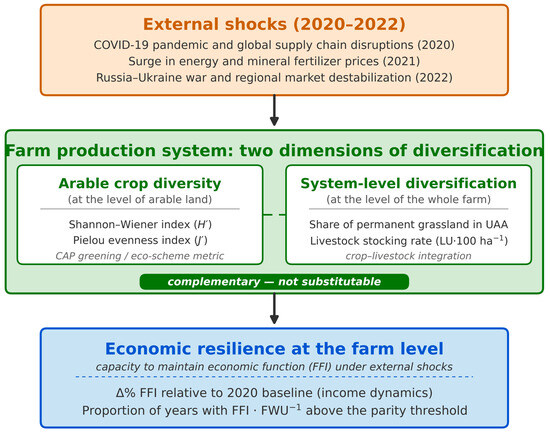
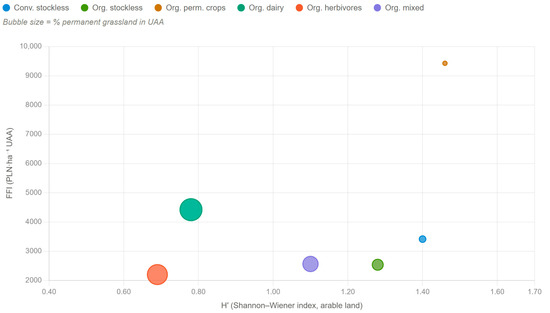
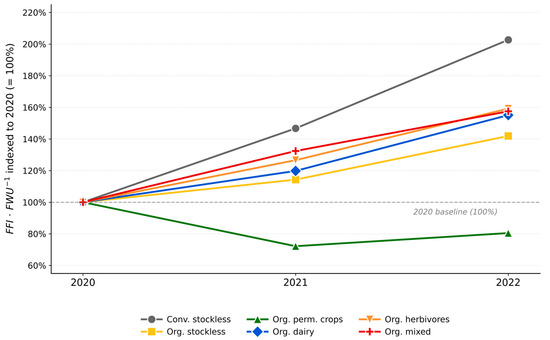

Disclaimer/Publisher’s Note: The statements, opinions and data contained in all publications are solely those of the individual author(s) and contributor(s) and not of MDPI and/or the editor(s). MDPI and/or the editor(s) disclaim responsibility for any injury to people or property resulting from any ideas, methods, instructions or products referred to in the content. |
© 2026 by the authors. Licensee MDPI, Basel, Switzerland. This article is an open access article distributed under the terms and conditions of the Creative Commons Attribution (CC BY) license.