Article

Development and Internal Validation of a Prediction Model for Surgical Success of Maxillomandibular Advancement for the Treatment of Moderate to Severe Obstructive Sleep Apnea


by
Wouter P. Visscher
1,*,†,
Jean-Pierre T. F. Ho
1,2,†,
Ning Zhou
1,3,
Madeline J. L. Ravesloot
4,
Engelbert A. J. M. Schulten
5,
Jan de Lange
1 and
Naichuan Su
6
1
Amsterdam UMC and Academic Centre for Dentistry Amsterdam (ACTA), Department of Oral and Maxillofacial Surgery/Oral Pathology, University of Amsterdam, 1105 AZ Amsterdam, The Netherlands
2
Department of Oral and Maxillofacial Surgery, Noordwest Ziekenhuisgroep, 1815 JD Alkmaar, The Netherlands
3
Academic Centre for Dentistry Amsterdam (ACTA), Department of Orofacial Pain and Dysfunction, University of Amsterdam and Vrije Universiteit Amsterdam, 1081 LA Amsterdam, The Netherlands
4
Department Otorhinolaryngology—Head and Neck Surgery, OLVG, 1061 AE Amsterdam, The Netherlands
5
Amsterdam UMC and Academic Centre for Dentistry Amsterdam (ACTA), Department of Oral and Maxillofacial Surgery/Oral Pathology, Vrije Universiteit Amsterdam, 1081 HV Amsterdam, The Netherlands
6
Academic Centre for Dentistry Amsterdam (ACTA), Department of Oral Public Health, University of Amsterdam and Vrije Universiteit Amsterdam, 1081 LA Amsterdam, The Netherlands
*
Author to whom correspondence should be addressed.
These authors contributed equally to this work.
J. Clin. Med. 2023, 12(2), 503; https://doi.org/10.3390/jcm12020503
Submission received: 24 November 2022 / Revised: 4 January 2023 / Accepted: 5 January 2023 / Published: 7 January 2023

Abstract

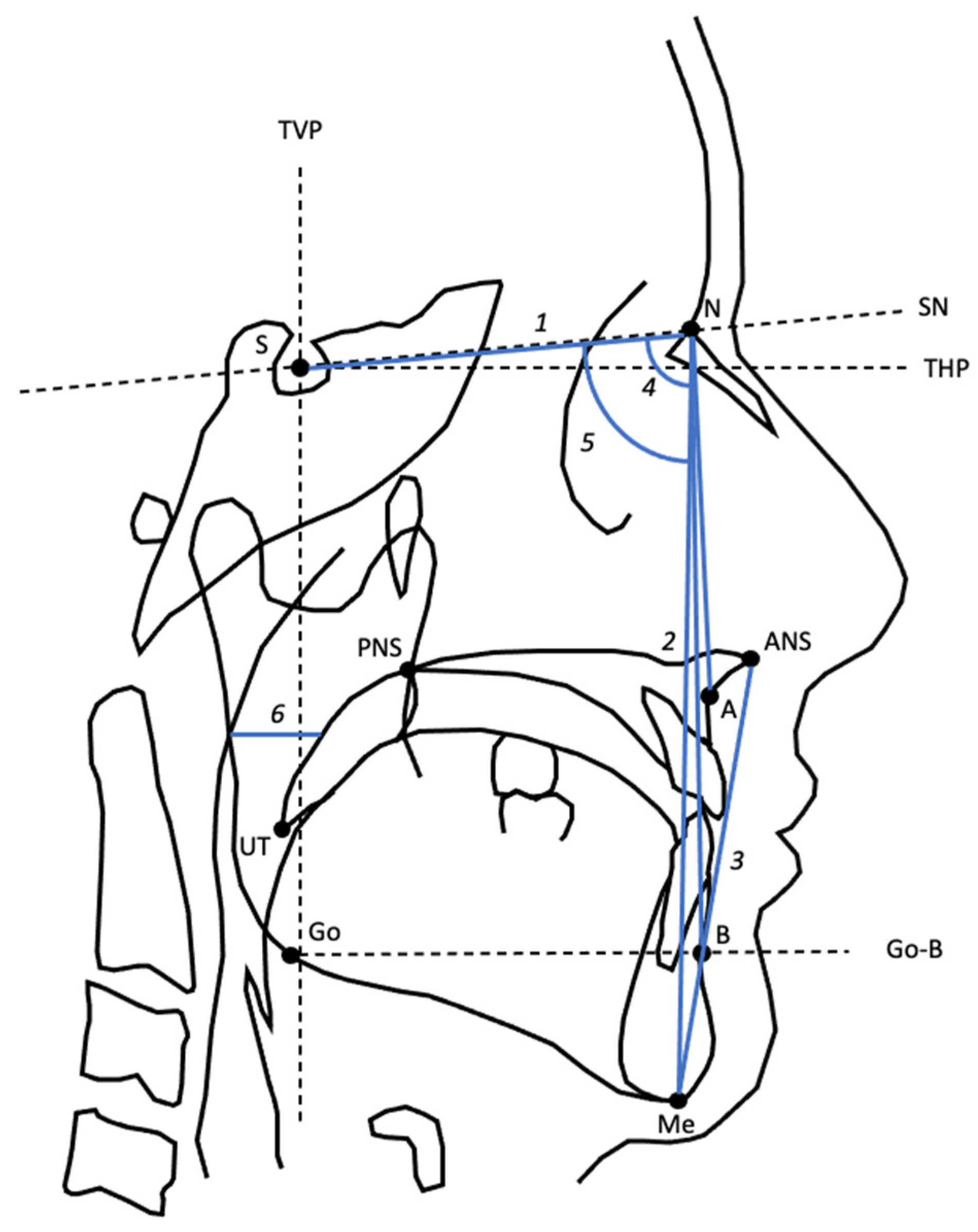
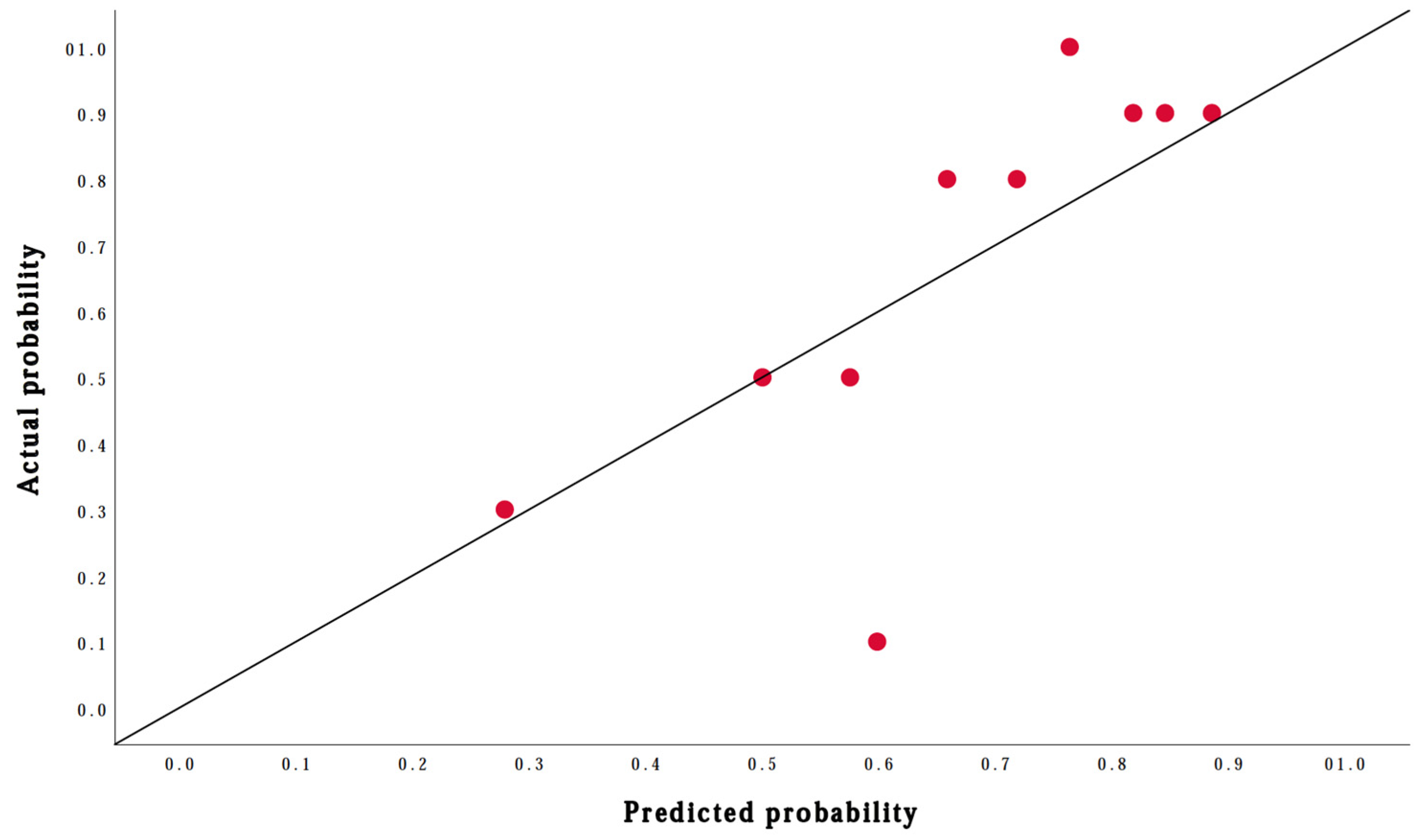
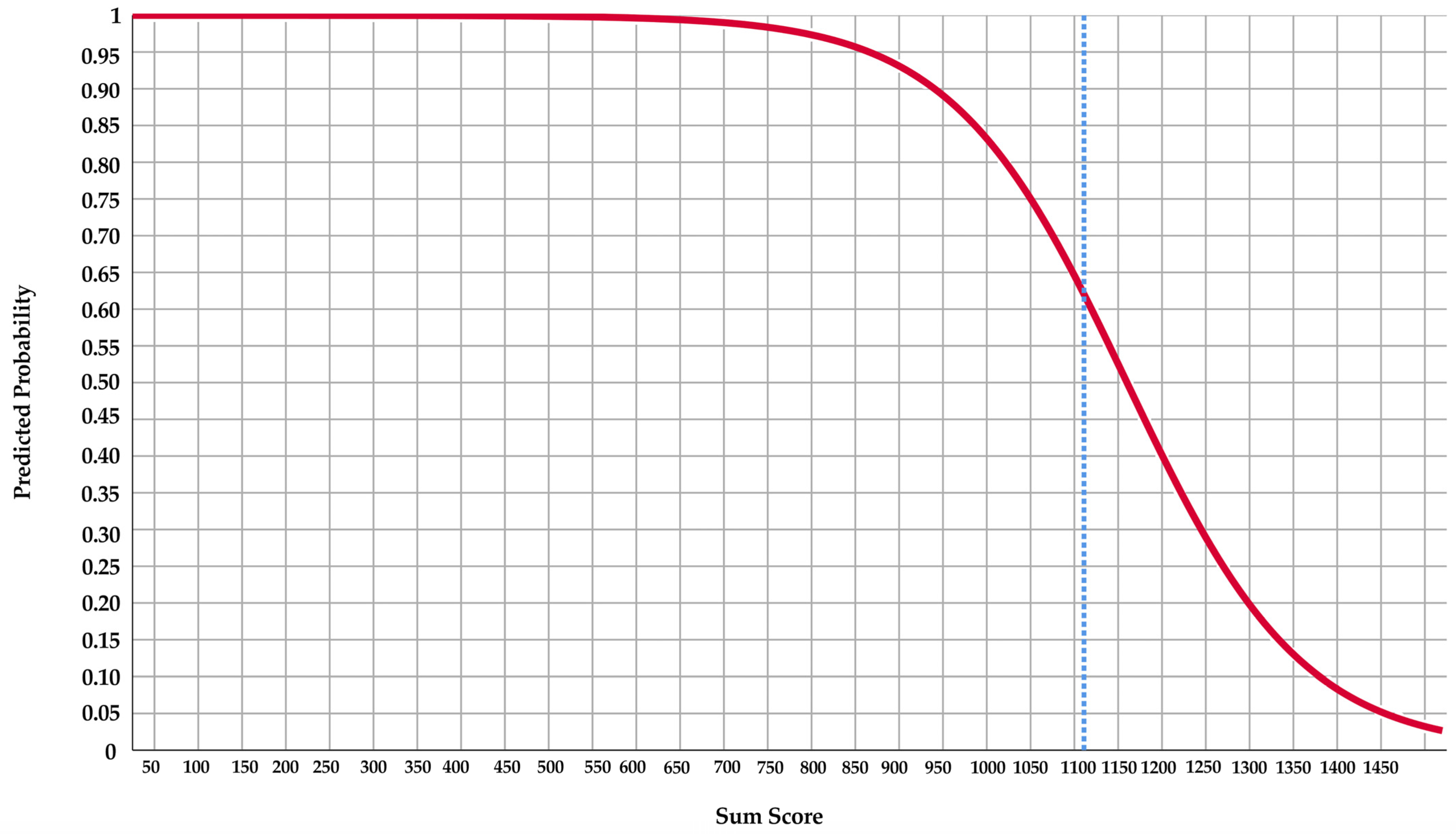
Background: Maxillomandibular advancement (MMA) has been shown to be the most effective surgical therapy for obstructive sleep apnea (OSA). Despite high success rates, there are patients who are considered as non-responders to MMA. In order to triage and inform these patients on their expected prognosis of MMA before the surgery, this study aimed to develop, internally validate, and calibrate a prediction model for the presence of surgical success for MMA in patients with OSA. Methods: A retrospective cohort study was conducted that included patients that had undergone MMA for moderate to severe OSA. Baseline clinical, polysomnographic, cephalometric, and drug-induced sleep endoscopy findings were recorded as potential predictors. Presence or absence of surgical success was recorded as outcome. Binary logistic regression analyses were conducted to develop the model. Performance and clinical values of the model were analyzed. Results: One hundred patients were included, of which sixty-seven (67%) patients reached surgical success. Anterior lower face height (ALFH) (OR: 0.93 [0.87–1.00], p = 0.05), superior posterior airway space (SPAS) (OR: 0.76 [0.62–0.92], p < 0.05), age (OR: 0.96 [0.91–1.01], p = 0.13), and a central apnea index (CAI) <5 events/hour sleep (OR: 0.16 [0.03–0.91], p < 0.05) were significant independent predictors in the model (significance level set at p = 0.20). The model showed acceptable discrimination with a shrunken area under the curve of 0.74, and acceptable calibration. The added predictive values for ruling in and out of surgical success were 0.21 and 0.32, respectively. Conclusions: Lower age at surgery, CAI < 5 events/hour, lower ALFH, and smaller SPAS were significant predictors for the surgical success of MMA. The discrimination, calibration, and clinical added values of the model were acceptable.
Keywords: obstructive sleep apnea; maxillomandibular advancement; prediction; surgical success obstructive sleep apnea; maxillomandibular advancement; prediction; surgical success