


Abstract
Processing of nickel ores is a key aspect of modern metallurgy due to the growing demand for nickel in stainless steel, battery production, and advanced materials. The depletion of high-grade sulfide ores has shifted attention toward oxidized (lateritic) nickel ores, which are characterized by complex mineralogy and low metal content. This study presents a comparative review of major processing technologies, including pyrometallurgical, hydrometallurgical, and hybrid approaches, with particular emphasis on their applicability to Kazakhstan’s limonitic laterites with high iron and low nickel content. The analysis shows that the most suitable processing routes for such ores include atmospheric acid leaching (AL), high-pressure acid leaching (HPAL), metallothermic reduction, and combined flowsheets integrating thermal and leaching stages. Among these, AL and hybrid approaches are identified as the most promising under resource-constrained conditions. Despite recent technological progress, challenges remain related to energy consumption, economic feasibility, and environmental impact. The study highlights the importance of developing energy-efficient and low-carbon technologies, including hydrogen-based reduction, and provides practical recommendations for selecting and adapting processing methods for Kazakhstan.
1. Introduction
Nickel is one of the key metals of the modern world, demanded across various sectors of the global economy. Its high corrosion resistance, thermal stability, mechanical strength, and strong alloy-forming ability make it an indispensable component in the production of stainless steels, heat-resistant alloys, catalysts, rechargeable batteries, and specialized chemical compounds [1,2]. In the context of the global transition toward a low-carbon economy and the rapid expansion of electric transportation, the demand for nickel continues to grow at an unprecedented rate. It is expected that by 2030, nickel consumption in the battery industry [3,4] will increase severalfold, consolidating its position as one of the strategic metals of the 21st century [5,6].
Every year, about 2.25 million tons of nickel are mined worldwide, two-thirds of which are used for stainless steel production [7,8]. China, which a decade ago accounted for only about 20% of global nickel consumption, now represents roughly half of the world’s demand. India is also steadily increasing its use of nickel, importing around 45 000 tons per year [9].
Nickel is widely utilized in battery manufacturing. In the 1990s, its primary application was in nickel–cadmium (NiCd) batteries [10,11]. However, with the development of nickel–metal hydride (NiMH) batteries, which offer higher energy density, the demand for nickel increased significantly—particularly in the automotive industry, including hybrid and electric vehicles [12].
Nickel is most actively used in lithium-ion batteries, which possess the highest energy density among all types of rechargeable batteries and employ nickel-based cathode materials. Over the past decades, nickel has become a key component in most modern battery systems, and this trend is expected to continue at least until 2030 [13].
Nickel is also used in electroplating, copper-based alloys, and a variety of chemical compounds [14]. Nickel electroplating provides materials with enhanced corrosion resistance, wear resistance, and surface brightness.
It is often used as a base layer for other coatings, such as chromium, due to its excellent adhesion properties. In addition, nickel is widely employed in coinage, the automotive and aerospace industries, electronics, and in the metallization of plastics (Figure 1) [15,16].
Figure 1.
Global distribution of nickel consumption by industry sector (%). Data from [17].
Nickel–copper alloys are widely used in marine condensers and seawater piping systems. Their combination of excellent corrosion resistance and thermal conductivity makes these materials indispensable in offshore oil production, shipbuilding, and seawater desalination. Nickel readily forms alloys with other metals such as chromium, iron, and copper, enabling the creation of materials with enhanced mechanical and chemical properties [18,19].
The growing global demand for nickel has led to the depletion of high-grade ore reserves, placing additional pressure on the market. As a result, the processing of lateritic ores has become increasingly important, opening new opportunities for countries rich in such resources, including Kazakhstan. In the context of a global nickel shortage and the rising demand for cobalt, it is essential for Kazakhstan’s metallurgical industry to explore the potential of utilizing its laterite ore deposits.
In recent years, the global nickel market has undergone significant changes due to the rapid growth of the new energy sector, particularly the electric vehicle (EV) industry. The increasing demand for high-nickel battery materials has led to a steady rise in nickel consumption worldwide. At the same time, the global supply chain has become increasingly concentrated, with countries such as Indonesia and China playing a dominant role. These factors highlight the strategic importance of developing efficient nickel processing technologies, especially for countries like Kazakhstan with significant lateritic resources.
The aim of this study is to conduct a comparative analysis of existing technologies for the processing of oxidized (lateritic) nickel ores, taking into account their efficiency, environmental sustainability, and practical applicability in industrial conditions.
2. Methodology
This study presents a critical narrative review with systematic elements, aimed at analyzing and comparing existing technologies for the processing of oxidized (lateritic) nickel ores, with particular emphasis on their applicability in Kazakhstan.
A structured literature search was conducted using major scientific databases, including Scopus, Web of Science, and ScienceDirect, covering the period from 2000 to 2025, with particular emphasis on recent developments published after 2015. Earlier studies were selectively included to provide a comprehensive understanding of fundamental technological principles. The search strategy was based on combinations of the following keywords: “nickel laterite”, “oxidized nickel ores”, “hydrometallurgy”, “pyrometallurgy”, “HPAL”, “atmospheric leaching”, “bioleaching”, “metallothermic reduction”, “RKEF process”, and “nickel processing technologies”.
Eligible sources included peer-reviewed journal articles, review papers, and selected industrial reports describing processing technologies, metal recovery efficiency, environmental impact, and economic performance. Publications were excluded if they were not directly related to lateritic nickel ores, lacked sufficient technical detail, or duplicated previously published data without additional analysis.
For each selected study, key information was extracted regarding ore type, processing route, operating parameters, metallurgical performance, and environmental aspects, where available. The collected data were analyzed using a comparative approach, focusing on major evaluation criteria such as metal recovery efficiency, environmental sustainability, technological complexity, and practical applicability, particularly in the context of Kazakhstan.
The results were synthesized through thematic grouping of technologies, including pyrometallurgical, hydrometallurgical, combined, biological, and emerging approaches, allowing for a structured comparison and identification of the most promising processing routes.
3. Chemical and Mineralogical Characteristics of Kazakhstan’s Nickel Ores
In nature, nickel occurs in more than 45 identified minerals, among which the most common are pentlandite ((Fe,Ni)9S8), millerite (NiS), niccolite (NiAs), and several silicate minerals such as garnierite, nepouite, and revdinskite [20,21]. Based on ore type, nickel deposits are generally classified into sulfide, silicate (lateritic), and complex forms. Traditionally, nickel has been extracted from sulfide copper–nickel ores, which are highly amenable to flotation and pyrometallurgical processing. The largest deposits of pentlandite-type ores were formed within deep-seated magmatic systems and are widely represented in Russia (Norilsk), Canada, South Africa, and Australia (Figure 2) [22].
Figure 2.
Main types of nickel ores [23]. Classification of nickel ores into oxidized (lateritic) and sulfide types, including their main mineral representatives. Adapted from [23].
At present, the availability of sulfide nickel ores is increasingly limited due to the geological complexity of developing new deposits. This situation has led to a shift in the metallurgical industry toward the processing of oxidized nickel ores, particularly laterites, which are formed through the chemical weathering of ultramafic rocks under tropical and subtropical climatic conditions [24].
Lateritic nickel ores are generally divided into two principal types:
- -
- Limonitic ores—characterized by a high iron content, where nickel occurs mainly in hydroxide minerals such as goethite and limonite.
- -
- Saprolitic ores—rich in magnesium and nickel, containing silicate minerals such as garnierite and serpentine. These ores have an irregular mineralogical composition, are difficult to process, and require high energy consumption (Table 1) [25,26].
The classical technologies developed for sulfide ores are often inefficient or environmentally unacceptable for laterite processing. Nevertheless, as sulfide reserves continue to deplete, lateritic ores have become the main source of nickel worldwide, currently accounting for more than 70% of all known global resources. The processing of oxidized nickel ores is of particular importance for Kazakhstan, which ranks 11th in the world in nickel reserves, holding about 1.4% of global resources (1.9 million tons). The country’s main deposits are represented by low-grade oxidized nickel–cobalt laterites with average contents of 0.7–1.1% Ni and up to 0.05% Co. More than 45 deposits of this type are known in Kazakhstan, including the Kempirsay and Shevchenko groups, as well as the Shidershin and Gornostaevsko deposits [27].
Table 1.
Main minerals of oxidized (lateritic) nickel ores and their characteristics [28].
During the Soviet period, laterite mining was carried out in Kazakhstan; however, the absence of a domestic metallurgical processing industry and the high energy intensity of nickel extraction prevented the development of sustainable production. The ores of the Kempirsay group were processed in Russia using a pyrometallurgical route to produce ferronickel, a process associated with high emissions and considerable operational costs. After the 2000s, due to the rising cost of logistics and energy resources, mining activities were gradually discontinued [29].
Kazakhstan possesses significant nickel resources, mainly represented by oxidized lateritic ores formed through prolonged weathering of ultramafic rocks.
The most well-known deposits are located in the Aktobe, Kostanay, and East Kazakhstan regions (Figure 3).
Figure 3.
Location of major nickel deposits on the map of Kazakhstan.
Kazakhstan’s share in the world’s total nickel reserves is 1.4% (about 1.9 million tons), ranking 11th in the world.
The main part of these reserves consists of hard-to-enrich oxidized nickel-cobalt ores of the lateritic type, with an average nickel content of 0.7–1.1% and cobalt of 0.05%.
The formation of lateritic nickel ores in Kazakhstan occurred under tropical and subtropical climatic conditions during the Cenozoic era, typical of the platform stage of crustal development. The geological profiles of the deposits consist of two principal horizons: the upper limonitic and the lower saprolitic zones.
These horizons differ significantly in mineralogical composition and in the distribution of nickel, iron, magnesium, and silicon [30,31].
Limonitic ores are formed in the upper part of the weathering profile and consist predominantly of iron oxyhydroxides (goethite, limonite) with isomorphic incorporation of nickel. They are characterized by high iron content (up to 45–50 wt.% Fe), low magnesium content, and nickel concentrations ranging from 0.8 to 1.3 wt.% Ni. Such ores are generally unsuitable for beneficiation and require direct metallurgical processing, such as pressure acid leaching (HPAL) or metallothermic reduction.
Saprolitic ores, occurring below the limonitic zone, are composed mainly of silicate minerals such as garnierite, nepouite, and serpentine. They contain higher magnesium (up to 20–25 wt.% MgO), lower iron, and elevated nickel concentrations (1.2–2.5 wt.%, locally up to 4 wt.% Ni). These ores are less common in Kazakhstan but exhibit more favorable characteristics for pyrometallurgical processing [32].
Studies conducted on the Kempirsay and Shevchenko deposits have revealed high mineralogical variability, both within a single deposit and between different ore bodies. Nickel-bearing hematite, hydrogoethite, pseudomorphs after serpentine, and secondary silicate aggregates have been identified in several samples, complicating straightforward classification. This heterogeneity necessitates preliminary mineralogical and chemical mapping prior to selecting an optimal processing flowsheet (Table 1) [33,34].
A key factor influencing the choice of processing technology for Kazakhstan’s lateritic ores is the presence of associated elements such as aluminum, chromium, and cobalt. These elements can either hinder nickel extraction or serve as valuable by-products. It has been established that some Kempirsay ores contain more than 0.1 wt.% Co, opening possibilities for complex metal recovery.
Thus, the oxidized nickel ores of Kazakhstan constitute a multicomponent and mineralogically heterogeneous system. Successful processing of such ores requires detailed mineralogical characterization, adaptation of existing technologies, and the implementation of modular process schemes capable of accommodating the variability of the raw material base [35].
4. Conventional Technologies for Nickel Ore Processing
Conventional technologies for nickel ore processing were developed during the period when sulfide deposits with high metal grades served as the main raw material base. Such ores were easy to beneficiate, responded well to smelting, and allowed for high metal recovery rates. They formed the foundation of global nickel metallurgy throughout most of the twentieth century. Industrial giants such as Norilsk Nickel (Russia), Inco Ltd. and Falconbridge (Canada), and Eramet (France) built their technologies primarily on the processing of sulfide nickel concentrates. The applied processing methods are generally divided into pyrometallurgical and hydrometallurgical routes. They are referred to as classical because they were the first to be widely implemented on an industrial scale and are still used at several major production sites worldwide.
Pyrometallurgy remains the most traditional approach for processing sulfide and copper–nickel ores. The technological sequence typically includes crushing, grinding, roasting, smelting, converting, and refining. After primary preparation, the ore is roasted to remove volatile components and achieve partial desulfurization. Subsequently, it is smelted in shaft, reverberatory, or electric arc furnaces, forming nickel matte -a molten product containing 12–30 wt.% Ni. The next step, converting, removes iron and part of the sulfur, producing converter matte with a nickel content of 75–78 wt.%. This intermediate product is then subjected to refining, most commonly electrolytic refining, to obtain high-purity nickel (up to 99.9 wt.% Ni). At this stage, valuable by-metals such as cobalt, copper, and platinum-group elements are also recovered (Figure 4) [36].
Figure 4.
Technological scheme of the pyrometallurgical processing of nickel and copper–nickel ores [37].
In addition to pyrometallurgical methods, hydrometallurgical processes were also employed in the twentieth century for the treatment of sulfide nickel concentrates. Among them, the most well-known are the ammonia leaching (Caron process) and the carbonyl process (Mond process). In the former, the calcined ore was leached with an aqueous ammonia solution in the presence of oxygen, causing nickel to dissolve in the form of a complex compound, which was subsequently precipitated or recovered by electrolysis. In the latter, metallic nickel reacted with carbon monoxide at low temperatures (around 50 °C) to form volatile nickel tetracarbonyl (Ni(CO)4), which upon heating decomposed, yielding high-purity nickel. Both methods were successfully applied in industrial practice—particularly by Inco Ltd.-but were gradually replaced by more energy-efficient and versatile technologies [38].
The industrial experience in classical nickel processing includes dozens of successful implementations. In Russia, Norilsk Nickel remains the largest producer of sulfide nickel, utilizing a complete pyrometallurgical processing chain followed by electrolytic refining. In Canada, Inco and Falconbridge became pioneers in applying both pyrometallurgical and hydrometallurgical methods, adapting their process flowsheets to the specific characteristics of each ore type [39].
Despite their technological maturity and proven efficiency, classical methods have both advantages and limitations. Their strengths lie in high reliability, the ability to recover multiple metals, and consistent product quality.
However, these technologies are associated with high energy consumption, significant environmental impacts—primarily SO2 and CO2 emissions—and limited applicability to low-grade or oxidized ores, in which nickel occurs mainly in hydroxide or silicate forms (Table 2).
Table 2.
Advantages and limitations of classical nickel processing technologies.
At the present stage, classical technologies remain relevant only for the processing of high-grade sulfide feedstocks. However, with the progressive depletion of such deposits and the growing focus on oxidized (lateritic) nickel ores, which are characterized by more complex mineralogy and lower metal content, the need for a transition to new technological solutions has become increasingly evident. In this context, the analysis and development of alternative approaches to laterite processing represent a key direction toward ensuring sustainable nickel production in the future [40].
The fundamental mechanisms of pyrometallurgical and hydrometallurgical processes can be described based on the dominant physicochemical transformations. In pyrometallurgical processes, nickel extraction is governed by high-temperature reduction reactions, in which nickel is transferred from oxide form to the metallic phase. Depending on the type of reductant, the following reactions:
NiO + C→ Ni + CO
NiO + Si→ Ni + SiO2
3NiO + 2Al→ 3Ni + Al2O3
At the same time, slag-forming reactions occur, ensuring effective separation between the metal and slag phases.
In contrast, hydrometallurgical processes are based on dissolution mechanisms, where nickel-bearing minerals react with acidic solutions to form soluble compounds:
NiO + H2SO4→ NiSO4 + H2O
The dissolved nickel is subsequently recovered by precipitation, solvent extraction, or electrochemical methods.
Thus, the key difference between pyrometallurgical and hydrometallurgical approaches lies in the dominant mechanism: reduction and phase separation in pyrometallurgy versus dissolution and subsequent recovery from solution in hydrometallurgy. This distinction determines the process conditions, energy consumption, and environmental performance of the technologies.
Challenges of Processing Oxidized Nickel Ores Using Conventional Technologies. Despite decades of experience with pyrometallurgical and hydrometallurgical processes, the existing classical technologies for nickel extraction are largely designed for sulfide feedstocks or high-grade saprolitic ores. The application of these approaches to oxidized nickel ores, particularly those of the limonitic type, presents a number of serious technical, economic, and environmental challenges.
One of the key difficulties is the mineralogical complexity and heterogeneity of the raw material. Oxidized nickel ores, especially those in Kazakhstan, contain a wide range of minerals—from iron oxyhydroxides (goethite, limonite) to silicates (garnierite, serpentine). Nickel in such ores occurs in a fine-grained state, incorporated into the crystal lattices of iron and magnesium, and is therefore poorly amenable to extraction by traditional methods. Its distribution among mineral phases often varies even within a single deposit, complicating the design of stable and predictable processing flowsheets [41].
Pyrometallurgical processing of these ores requires high temperatures (above 1300 °C) and is characterized by substantial energy consumption. The high iron content of the feed leads to the formation of large volumes of slag, increases nickel losses, and reduces the economic efficiency of the process. Moreover, the nickel grade in limonitic ores often does not exceed 1.2 wt.%, making their treatment less economically viable compared to saprolitic ores.
Hydrometallurgical technologies, particularly pressure acid leaching (HPAL), can achieve high nickel recovery from limonites. However, these processes require complex infrastructure, including autoclaves resistant to corrosive environments, systems for acid effluent neutralization and gas emission control, and continuous monitoring of waste streams. In Kazakhstan, where industrial infrastructure and access to inexpensive energy are limited, the implementation of such processes would require substantial capital investment, which constrains their large-scale adoption.
Classical technologies are also poorly suited for ores with high concentrations of associated elements such as aluminum, chromium, and silicon. These components hinder nickel recovery, increase reagent consumption, complicate slag formation, and reduce process selectivity. This is especially critical in acid-based leaching, where the high buffering capacity of the rock necessitates greater acid dosages and prolonged leaching times [42,43].
From an environmental perspective, traditional processes generate toxic solid wastes, slags, and significant emissions of sulfur dioxide (SO2) and carbon dioxide (CO2). Carbon-based pyrometallurgical reduction produces large amounts of CO2 and solid residues that contaminate soil and water. Hydrometallurgical operations, on the other hand, result in acidic effluents that require neutralization and safe disposal. For regions with limited wastewater treatment infrastructure, this presents a serious environmental challenge.
Furthermore, classical approaches do not always enable the comprehensive recovery of valuable components such as cobalt, rare-earth elements, or platinum-group metals, which may be present in oxidized ores. As a result, metal losses increase, further reducing processing efficiency and overall project profitability [44].
Another significant limitation lies in the low operational flexibility of existing production facilities, which are generally designed for feedstocks of stable composition. The mineralogical and chemical variability of lateritic ores necessitates the use of adaptive and modular processing solutions capable of adjusting process parameters to specific raw materials. However, classical technologies often do not allow such adaptation without extensive equipment reconstruction and capital reinvestment (Figure 5) [45,46].
Figure 5.
Classification of nickel-bearing minerals according to their applicability in traditional pyrometallurgical and hydrometallurgical processing schemes.
5. Brief Review and Comparative Analysis of Existing Technologies for Processing Oxidized Nickel Ores
The processing of oxidized nickel ores, particularly those of the lateritic type, represents one of the most pressing challenges in modern non-ferrous metallurgy. Unlike sulfide ores, laterites are characterized by high chemical and mineralogical heterogeneity, low nickel content, and significant amounts of iron, aluminum, and silica, which necessitate the use of specialized and highly adaptive technological solutions [47,48]. To date, extensive industrial and research experience has been accumulated, encompassing both conventional hydrometallurgical and pyrometallurgical processes as well as innovative and hybrid approaches aimed at improving metal recovery and environmental performance (Figure 6) [49,50,51].
Figure 6.
Main technological approaches to the processing of oxidized nickel ores.
High-Pressure Acid Leaching (HPAL)
High-Pressure Acid Leaching (HPAL) is one of the most developed and widely applied hydrometallurgical technologies for the processing of oxidized nickel ores, primarily those of the limonitic type. This technology enables the efficient recovery of nickel and cobalt from low-grade ores, particularly those with a high iron content.
Its industrial feasibility and high metal extraction rates make HPAL one of the leading technologies in modern nickel metallurgy, despite its capital-intensive and technically demanding nature [52,53].
The HPAL process involves treating finely ground ore with concentrated sulfuric acid under autoclave conditions at temperatures of 240–270 °C and pressures of 3–5 MPa. The leaching duration typically ranges from 60 to 120 min, depending on the physicochemical properties of the feed material.
Under these conditions, nickel extraction rates of up to 94% and cobalt extraction of up to 90% can be achieved, significantly exceeding those of most atmospheric leaching processes. The high efficiency of HPAL is attributed to the destruction of the crystal lattice of iron oxyhydroxides and the subsequent release of nickel as soluble sulfate complexes [54].
An important advantage of HPAL is its compatibility with integrated process flowsheets, which may include precipitation, solvent extraction, and solution purification stages. Furthermore, the technology is adaptable to ores with varying contents of magnesium and aluminosilicates, allowing adjustment to mineralogical variability. However, in practice, HPAL is primarily applied to limonitic laterites, since the saprolitic fraction demonstrates much lower reactivity under autoclave conditions and therefore requires alternative processing methods. Despite its high efficiency, HPAL has several critical limitations. These are mainly associated with the need for complex and expensive corrosion-resistant equipment. Autoclaves and pipelines must be constructed from titanium or high-alloy steels, and heat exchange systems must be designed to withstand abrasive wear. The process also requires the neutralization of acidic solutions and the disposal of iron–aluminum residues (sludges), which impose additional environmental and technological burdens [55].
The economic aspect is one of the key factors determining the feasibility of HPAL implementation. The construction of an HPAL plant requires capital expenditures 2.5–3 times higher than those for atmospheric or metallothermic processing units of comparable capacity. Operating costs also remain high due to the need to maintain temperature and pressure control, reagent dosing, wastewater treatment, and maintenance of complex autoclave systems.
Thus, the economic viability of HPAL depends on the availability of large limonitic ore reserves, well-developed energy and transport infrastructure, and stable market prices for nickel and cobalt.
Currently, HPAL technology is successfully employed at several large international operations, such as Ravensthorpe (Australia), Ramu (Papua New Guinea), and Moa Bay (Cuba), where technological maturity, scale, and high automation levels compensate for capital costs through high extraction efficiency and stable product output. The prospects for implementing HPAL in Kazakhstan require a detailed techno-economic evaluation, considering the geological characteristics of local deposits and infrastructure availability [56,57].
Atmospheric Acid Leaching (AL)
Atmospheric Acid Leaching (AL) is a hydrometallurgical process for extracting metals from nickel-bearing materials under atmospheric pressure and at temperatures up to 100 °C.
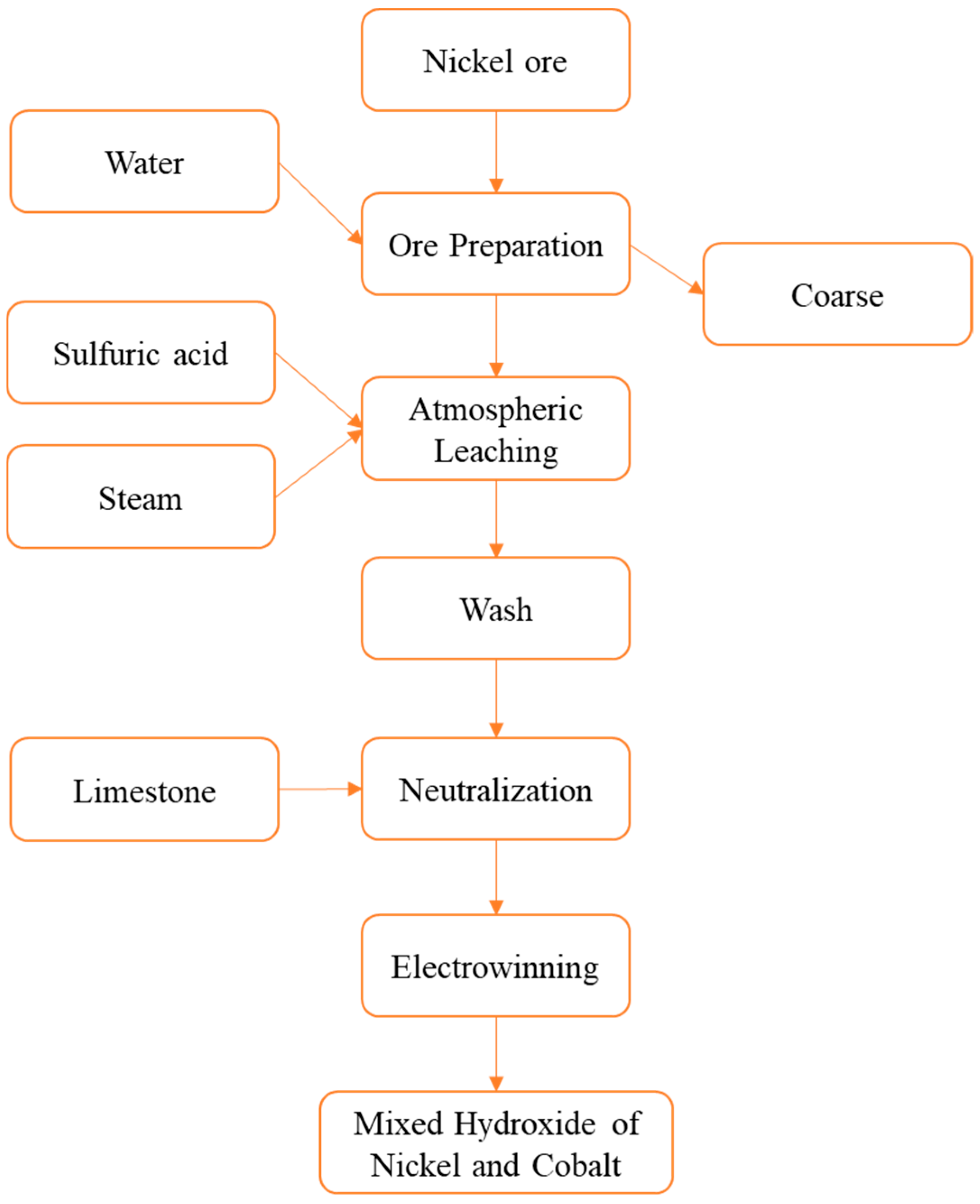
The process is based on the chemical interaction between acidic solutions (most commonly sulfuric acid) and the mineral matrix of the ore containing nickel, cobalt, iron, and aluminum. As a result of the reaction, these metals are dissolved into solution as sulfates (Figure 7).
A distinctive feature of this method is its simplicity and low capital cost: there is no need for sealed high-temperature equipment, and in many cases, the reaction proceeds with self-heating, without an external heat source.
AL can be applied to both limonitic and saprolitic laterite ores, especially after fine grinding to a particle size of 0.1–0.5 mm, which increases the specific surface area and intensifies the leaching process [58].
Nickel extraction during atmospheric leaching typically reaches 50–70%, while cobalt recovery ranges from 30 to 60%, depending on particle size, acid concentration, and ore mineralogy. The use of multi-stage leaching flowsheets allows for higher metal recovery and better adaptability of the process to the specific characteristics of individual deposits.
The advantages of AL include low energy consumption, engineering simplicity, and scalability. The technology is often implemented in combination with other methods—for example, followed by HPAL processing to achieve higher overall nickel recovery and to utilize residual acid from the previous stage [59].
The main limitation of AL is its high acid consumption, particularly when treating ores with high iron and aluminum contents, which actively dissolve and enter the solution. This increases the load on solution purification and neutralization units and requires corrosion-resistant equipment. From an environmental perspective, AL demands strict control of wastewater composition and measures to prevent soil and water contamination.
Thus, atmospheric acid leaching remains a relevant and practical approach for nickel ore processing, especially under conditions of limited infrastructure and for low-grade or refractory limonitic ores. The technology provides acceptable extraction efficiency at moderate operating costs and can be effectively integrated into hybrid processing flowsheets [60].
Figure 7.
Technological flow sheet of the atmospheric acid leaching (AL) process [61].
Nitric Acid Pressure Leaching (NAPL)
Nitric Acid Pressure Leaching (NAPL) is an emerging and promising hydrometallurgical technology for the processing of oxidized nickel ores, particularly limonitic and mixed lateritic types. The method is based on the treatment of ores with diluted nitric acid (HNO3) under autoclave conditions at temperatures of 150–180 °C and pressures of 0.5–1.0 MPa. In contrast to the traditional HPAL process, which employs sulfuric acid, NAPL promotes the formation of stable and easily separable nitrate complexes of nickel and cobalt, resulting in higher selectivity and simplified purification of process solutions [62].
The process typically consists of several stages. First, the ore is finely ground and loaded into autoclaves, where it is treated with nitric acid solution. Under temperature and pressure, metal dissolution occurs with the formation of metal nitrate salts. The resulting solution is then purified from iron and aluminum through hydrolysis, after which nickel and cobalt are recovered as mixed hydroxide precipitates (MHP) or via solvent extraction [63].
One of the major advantages of NAPL technology is the regeneration of nitric acid. After leaching and metal recovery, the remaining salts—primarily Mg(NO3)2 and Ca(NO3)2—are thermally decomposed, releasing nitric acid vapors that are captured and recycled back into the process. This enables 80–95% reagent recovery, significantly reducing operating costs and minimizing the chemical load on the environment.
Nickel extraction using NAPL reaches 85–92%, while cobalt recovery can achieve up to 90%, making the process competitive with HPAL. At the same time, milder operating conditions lower material corrosion rates and extend autoclave lifespan. Another advantage is the low formation of difficult-to-treat residues, since iron and aluminum nitrates can be removed as easily filterable precipitates during heating [64,65].
However, the technology also has certain limitations. The primary challenge is controlling nitrogen oxide (NOx) emissions, which may form during acid regeneration. Therefore, the process requires gas treatment systems, including scrubbers, absorption columns, and NOx mitigation units. Additionally, precise control of pH, temperature, and pressure is necessary, along with careful monitoring of the circulating solution composition to prevent the buildup of undesirable by-products.
From a technological perspective, NAPL is considered particularly promising for low-grade laterites or ores with finely disseminated nickel and cobalt, especially in regions where the implementation of HPAL is limited by high capital intensity or insufficient power infrastructure. Moreover, the process can be retrofitted into existing acid-leaching plants with only partial modification of equipment [66].
Thus, Nitric Acid Pressure Leaching (NAPL) represents an efficient and more environmentally friendly alternative to sulfuric acid-based technologies, particularly under conditions of limited water and energy resources.
With appropriate techno-economic justification, NAPL could form the basis for sustainable and closed-loop processing flowsheets for the next generation of oxidized nickel ore treatment.
Direct Nickel (DNi) Process
The Direct Nickel (DNi) process is an innovative hydrometallurgical technology for the atmospheric leaching of oxidized nickel ores, based on the use of diluted nitric acid (HNO3) as the leaching reagent. Unlike most conventional methods, the DNi process allows for the treatment of all types of lateritic ores—both limonitic and saprolitic—without the need for preliminary mineral fraction separation. This feature makes the process particularly attractive for deposits with mixed mineralization types.
Leaching is carried out at 100–120 °C and atmospheric pressure, eliminating the need for expensive autoclaves and enhancing the operational safety of the process.
The contact between the acid and finely ground ore occurs in specialized reactors for 4–6 h, achieving metal recoveries of up to 95% for nickel and around 90% for cobalt. The main leaching mechanism involves the formation of soluble nitrate complexes of Ni and Co, which remain stable in solution under controlled pH conditions [67].
A distinctive feature of the DNi technology is its completely closed acid cycle. After leaching, the solution passes through a purification and separation unit, where iron and aluminum are removed via thermohydrolysis as a solid precipitate (e.g., hematite). Nickel and cobalt are then recovered as a mixed hydroxide precipitate (MHP), while the remaining solution is used for nitric acid regeneration through the treatment of magnesium nitrate salts (Mg(NO3)2) [68].
An important advantage of the technology is its environmental sustainability: due to the absence of sulfur compound emissions and the chemically neutral gas phase, the DNi process minimizes environmental pollution. Nevertheless, a gas treatment system is required to capture nitrogen oxides (NOx) generated during thermal acid regeneration [69].
Thus, the Direct Nickel (DNi) process may become one of the most competitive solutions for the processing of nickel laterites. In the context of Kazakhstan, it is particularly promising for low-grade and mineralogically heterogeneous deposits, provided that nitric acid regeneration units and emission control systems are available. Owing to its universality, high efficiency, and low environmental impact, the DNi process represents an important step toward the development of “clean nickel metallurgy.”
Bioleaching
Bioleaching represents an environmentally oriented alternative to traditional hydrometallurgical methods for processing nickel laterites.
The technology is based on the ability of specific microorganisms, primarily chemolithotrophic bacteria, to oxidize iron and manganese, which facilitates the release of nickel and cobalt into solution. This method is being extensively investigated as a promising approach for the treatment of low-grade, refractory, and secondary nickel-bearing materials, particularly those with high iron content [70,71,72].
The main microorganisms used in bioleaching include Acidithiobacillus ferrooxidans, Leptospirillum ferrooxidans, and, in some cases, Acidithiobacillus thiooxidans. These bacteria oxidize Fe2+ to Fe3+ or elemental sulfur (S0) to sulfuric acid (H2SO4), thereby creating an oxidizing and acidic environment conducive to metal dissolution. The process typically occurs at temperatures of 30–50 °C, pH 1.5–2.5, with an adequate supply of oxygen and/or carbon dioxide, depending on the bacterial metabolism. The duration of leaching ranges from 4 to 6 weeks to several months, depending on the ore type, bacterial population density, and environmental conditions (Figure 8).
Figure 8.
Technological flow sheet for the processing of complex nickel ore by three-stage bioleaching [73].
The technology can be implemented in batch reactors as well as in heap or tank configurations. Of particular interest for oxidized ores is heap bioleaching, in which crushed ore is irrigated with a nutrient solution containing microorganisms and maintained under controlled environmental conditions. Due to its low energy consumption and the absence of aggressive chemical reagents, the method has minimal environmental impact and a very low carbon footprint [74,75,76].
The efficiency of nickel extraction from laterites by bioleaching largely depends on the mineralogical composition of the feed. The most favorable conditions are observed for ores containing iron and manganese hydroxides, in which nickel is finely disseminated. Under such conditions, nickel recovery may reach 50–65%, and cobalt up to 50%, particularly when bioactivation (preliminary bacterial loosening of the ore prior to chemical leaching) is applied.
Despite its environmental advantages, the technology has several limitations.
The main drawback is the slow kinetics of the process, which reduces its economic efficiency at large production scales. Strict control of process parameters—including temperature, pH, oxygen supply, humidity, and salt concentration—is required, as deviations can inhibit bacterial activity. In addition, the bacterial culture must be protected from competing microorganisms and viruses, especially during long-term heap leaching under open-air conditions [77].
The most rational approach is the integration of bioleaching into hybrid processing schemes. For example, pre-bacterial activation of ores prior to atmospheric or acid pressure leaching can significantly improve metal recovery rates. The method has also proven effective for the treatment of waste dumps, tailings, and sludges, where traditional technologies are economically unfeasible [78].
In line with global trends toward sustainable development, carbon footprint reduction, and waste minimization, bioleaching remains one of the most promising directions in the processing of oxidized nickel ores. In the context of Kazakhstan, the method could be effectively applied to the development of low-grade deposits and secondary resources, requiring minimal investment in reagents and infrastructure.
Chloride Leaching (HAL)
Chloride leaching (HAL) represents a promising direction in the hydrometallurgical processing of nickel laterites, based on the use of hydrochloric acid (HCl) and chloride salts of alkali or alkaline earth metals (e.g., NaCl, CaCl2, MgCl2) as leaching reagents. This technology is aimed at achieving more efficient extraction of nickel, cobalt, and associated metals (iron, copper, manganese) from ores with complex mineralogy, particularly saprolitic fractions that are difficult to process by traditional acid leaching methods [79].
The process is carried out at temperatures of 100–160 °C and pressures ranging from atmospheric to 1 MPa. The ore is first ground to a particle size of less than 0.5 mm and treated with an HCl solution, sometimes with the addition of reducing agents (e.g., iron powder or SO2) to enhance metal solubility.
As a result of the reactions, metals dissolve in the solution as chloride complexes, which are characterized by high stability and solubility.
Chloride-based technologies provide nickel recoveries exceeding 90% and cobalt recoveries of 85–90%. In addition, rare earth elements, scandium, copper, and zinc can also be leached into solution, making the process particularly attractive for comprehensive ore utilization [80].
Chloride leaching offers several significant advantages, including high selectivity, which enables efficient nickel and cobalt recovery with minimal losses of other components. The method is suitable for the processing of complex, high-silica, or low-grade ores that are poorly amenable to conventional sulfuric acid technologies. Furthermore, chloride leaching results in low residue generation, since iron and aluminum remain in the solid phase or are removed as soluble salts, which simplifies downstream processing. There is also potential for hydrogen chloride (HCl) regeneration and closed-loop chloride recycling, reducing reagent consumption and lowering the load on wastewater treatment systems. These advantages make chloride leaching a promising method for the recovery of valuable metals from complex ore types [81].
However, the technology also has several notable limitations. The main challenges are the high corrosivity of the chloride medium, which requires the use of costly corrosion-resistant materials for process equipment. At elevated temperatures, hydrogen chloride gas (HCl(g)) and other volatile chlorinated compounds may be released, necessitating sealed reactors and efficient gas treatment systems.
In addition, impurities such as Mg2+, Ca2+, and Fe3+ often accumulate in the solution, complicating the selective extraction of target metals and requiring additional purification stages. The process remains energy- and resource-intensive, particularly in acid and chloride recovery, and is currently applied mainly at the experimental or pilot scale.
In practice, chloride leaching can be economically feasible when there is access to low-cost sources of sodium chloride, hydrochloric acid, and durable materials. In the context of Kazakhstan, the technology may be of interest for the processing of complex laterites and technogenic wastes, especially those with high silica and rare-metal contents [82].
Thus, chloride leaching remains a promising but technologically demanding method, suitable for comprehensive processing of nickel ores, provided that the necessary infrastructure and environmental control systems are in place.
Caron Process. The Caron process is one of the earliest pyrohydrometallurgical technologies for the processing of nickel laterites, based on the combination of reductive roasting and ammoniacal leaching. Developed in the early twentieth century, this method remained for a long time the primary industrial route for treating oxidized ores, particularly saprolitic types in which nickel occurs mainly in silicate form [83].
In the first stage, the beneficiated ore is subjected to reductive roasting at 700–800 °C in an atmosphere containing a carbonaceous reducing agent (e.g., coal). As a result, nickel and cobalt are converted from silicate to oxide forms, while the ore structure becomes more porous, facilitating subsequent leaching (Figure 9).
Figure 9.
Technological flow sheet of the Caron process.
In the second stage, the roasted material is contacted with an aqueous solution of ammonia and ammonium carbonate. Nickel and cobalt form ammoniacal complexes, which dissolve into the solution, whereas iron and aluminum remain in the solid phase. The pregnant solution is then subjected to purification and metal precipitation, usually as sulfides or hydroxides [84].
The optimal parameters of the process are: leaching temperature 80–100 °C, pressure atmospheric or slightly elevated, and pH within 9–10. The nickel recovery can reach 75–85%, and cobalt recovery about 60–70%; however, the efficiency strongly depends on the mineralogical composition of the ore and the accuracy of the roasting stage [85].
The main advantages of the Caron process are its technological simplicity, the ability to process low-grade saprolitic ores, and its selectivity, since iron and aluminum largely remain in the solid residue. However, under modern industrial and environmental requirements, the method has been gradually losing its relevance, giving way to more efficient and environmentally friendly technologies.
The key drawbacks of the Caron process include its high energy consumption, as roasting requires considerable fuel input; the use of ammonia, which must be regenerated and poses potential environmental hazards; lower product quality compared with other hydrometallurgical methods; and challenges related to sludge disposal and ammonia emission control. Nevertheless, the process can still be considered viable as part of combined technological schemes, particularly for the treatment of old tailings or ores unsuitable for acid leaching. Moreover, the preliminary reductive roasting stage, used as a preparation step, may also be integrated into other process routes, such as ammonium carbonate or chloride leaching [86].
In the context of Kazakhstan, the implementation of the Caron process could be considered for the utilization of secondary raw materials, small deposits, or previously accumulated waste, especially where low-cost energy sources and localized ammonia production facilities are available.
Metallothermic Reduction
Metallothermic processing is a method for the reduction of nickel from oxidized ores using metallic reductants such as aluminum, silicon, or iron. This technology is based on thermochemical reduction reactions, in which nickel is reduced from its oxide phase to the metallic state without the use of acids or solvents. The method is particularly relevant for the treatment of low-grade limonitic ores, as well as technogenic wastes and beneficiation tailings, where the application of classical hydrometallurgical or pyrometallurgical schemes is economically inefficient [87].
The process involves mixing finely ground ore with the chosen reducing agent, followed by briquetting or charging into a crucible, after which the mixture is heated in an electric or induction furnace at temperatures of 1000–1300 °C. During the reaction, the metallic reductant (e.g., aluminum) removes oxygen from the oxides of nickel, iron, and other components, forming the corresponding oxide of the reductant (e.g., Al2O3), while nickel transitions into the metallic phase or forms a nickel–iron alloy (ferronickel) [88].
The technological flowsheet for the production of a nickel-containing alloy by the metallothermic method is shown in Figure 10.
Figure 10.
Technological flowchart of lateritic nickel ore processing and production of nickel-containing ferroalloy by the metallothermic method.
As shown in the technological flowsheet, the processing of lateritic nickel ore involves sequential thermal and physicochemical stages. At the initial stage, the raw ore containing approximately 0.8% NiO undergoes drying and crushing with the addition of lime and a carbon-based reductant.
This is followed by reduction roasting, during which iron oxides are partially reduced to magnetic phases (primarily Fe3O4), enabling subsequent separation. After that, wet magnetic separation is performed, resulting in a magnetic concentrate with an increased nickel content of up to 2.0% (as metallic Ni equivalent).
At the next stage, the magnetic concentrate is subjected to smelting using a composite reductant based on Si–Al–Fe, in which silicon and aluminum act as active reductants with high oxygen affinity. During the metallothermic reduction process, nickel oxides are efficiently reduced, while a slag phase enriched in SiO2 and Al2O3 is formed, improving phase separation.
As a result, a nickel-containing alloy with a nickel content of 17–20% is obtained, with an average nickel recovery of approximately 95%.
Thus, the proposed technological scheme ensures stepwise enrichment of nickel—from an initial content of 0.8% up to 17–20%, demonstrating the high efficiency of the combined approach involving reduction roasting, magnetic separation, and metallothermic reduction.
Depending on the selected reductant and charge composition, the technology can produce high-purity metallic nickel (in the case of aluminothermy), ferronickel (when iron-bearing components are present), or Ni–Co alloys. Nickel recovery during metallothermic reduction can reach 80–90%, while the process eliminates the need for liquid reagents, complex solution purification, or acid regeneration. The resulting slags are generally chemically inert and can be partially utilized in the construction industry [88,89].
The metallothermic method offers several advantages, including a simple technological flowsheet, the ability to operate in small modular units, no liquid waste generation, and minimal load on water resources.
It also demonstrates high environmental sustainability, as—with proper thermal insulation—there are no acid effluents, sludges, or harmful gas emissions.
However, the method also has limitations: the high process temperature requires energy-efficient furnaces; the cost of reductants such as aluminum or magnesium may be significant; and precise control of charge composition and melting parameters is essential to avoid metal losses or poor phase separation. The most promising application lies in the implementation of metallothermy as a localized technology for processing low-grade limonitic ores in remote regions with limited infrastructure, where constructing a large-scale hydrometallurgical plant is impractical. The method can also be adapted for producing intermediate nickel concentrates suitable for subsequent refining.
Under Kazakhstan’s conditions, the metallothermic route could be employed as part of low-energy and environmentally clean solutions, particularly for small deposits or the reprocessing of historical waste [90,91].
Thus, metallothermy remains an effective and environmentally sustainable alternative for exploiting non-industrialized nickel resources and represents a valuable addition to the portfolio of modern nickel extraction technologies.
Rotary Kiln–Electric Furnace (RKEF) Process
The Rotary Kiln–Electric Furnace (RKEF) process is the most widely used pyrometallurgical technology for the processing of nickel-bearing ores, particularly saprolitic laterites. The technology is based on sequential high-temperature reduction and smelting of the ore to produce ferronickel [92].
The process consists of two main stages.
First, the ore undergoes calcination in a rotary kiln at temperatures of 800–1000 °C, where dehydration and partial reduction of nickel from silicate minerals occur. The calcined material is then transferred to an electric furnace, where reductive smelting takes place at temperatures above 1500 °C, forming a ferronickel alloy. Additional reduction is achieved through the use of carbonaceous reductants such as coal or coke [93,94].
The produced ferronickel is an iron–nickel alloy containing 10–40% Ni, suitable for further use in stainless steel production. The overall nickel recovery reaches 85–93%, although some metal losses may occur in the slag, depending on ore composition and process conditions.
The key advantages of the RKEF process include technological reliability and industrial maturity. It is highly scalable and widely employed in Indonesia, China, and the Philippines, serving as one of the primary global sources of ferronickel. The process does not require acidic reagents, thereby reducing the chemical burden on the environment [95].
However, the RKEF method also presents several significant drawbacks that limit its application. Firstly, it is highly energy-intensive, with power consumption often exceeding 7000–8000 kWh per ton of nickel.
Secondly, the process generates large amounts of CO2 and dust emissions, particularly during the calcination and smelting stages, posing environmental challenges. Thirdly, RKEF requires high-grade feedstock, being efficient only for ores with nickel contents above 1.5% and low moisture levels.
These limitations make the process less attractive under the current goals of sustainable development and carbon emission reduction. From an economic perspective, the RKEF process is viable primarily in regions with abundant high-grade saprolitic ores and low-cost electricity. Its application is constrained in areas where infrastructure does not support large-scale energy facilities or where limonitic ores dominate, which are poorly suited to pyrometallurgical treatment.
In the context of Kazakhstan, the RKEF process could be considered as a complementary technology to hydrometallurgical methods, particularly when high-quality saprolitic feedstock and sufficient energy resources are available.
However, due to its high capital intensity and environmental risks, the adoption of RKEF requires careful techno-economic evaluation [96].
Thus, a wide range of technological solutions currently exists for the processing of oxidized nickel ores, each characterized by a specific application scope, technological maturity level, and environmental profile.
In the context of Kazakhstan, atmospheric, metallothermic, and hybrid multi-stage processes with sequential recovery of nickel and cobalt and modular implementation potential appear the most promising for the sustainable development of the nickel industry.
Hydrogen plasma reduction of nickel
Hydrogen plasma reduction is a promising low-carbon technology for processing lateritic nickel ores, enabling the direct production of ferronickel from oxide raw materials. The process is based on the use of hydrogen plasma as a highly reactive and high-temperature reducing medium. Under these conditions, the reduction of nickel and iron oxides proceeds rapidly, with hydrogen acting as the reductant and producing water instead of CO2 [97]:
NiO + H2 →Ni + H2O
One of the key advantages of this technology is the extremely high reaction rate, allowing the integration of reduction and smelting into a single process step. In addition, the process offers:
- -
- Significant reduction in CO2 emissions;
- -
- High nickel recovery efficiency;
- -
- The ability to process refractory lateritic ores without carbon-based reductants.
However, the main limitations include high-energy consumption and the need for hydrogen infrastructure, which currently restricts large-scale industrial implementation.
Hybrid and Modular Approaches
The combination of different processing methods allows for the development of tailored solutions adapted to specific raw materials. Examples of such hybrid flowsheets include:
- -
- Thermal roasting + atmospheric leaching;
- -
- Reduction roasting + magnetic separation;
- -
- Mechanochemical activation + acid leaching;
- -
- Combined extraction of Ni and Co followed by precipitation.
These integrated approaches are being successfully tested at laboratory and pilot scales, including in Kazakhstan. They offer greater flexibility in treating variable ore compositions while minimizing environmental impacts. Thus, the application of classical processing methods to oxidized nickel ores remains constrained by a number of technological and infrastructural barriers.
In the context of Kazakhstan, the most promising options are combined and metallothermic technologies, which do not require large capital investments and can be adapted to ore quality. The development of biochemical and small-scale processing schemes, the integration of modular systems, and the comprehensive recovery of associated elements (such as cobalt, iron, and manganese) represent key directions for modernizing nickel processing in the 21st century [98,99,100,101].
The following table presents a comprehensive comparative analysis of existing technologies for the processing of oxidized nickel ores based on key criteria: technological efficiency, environmental sustainability, practical applicability, and economic feasibility. The analysis covers both traditional and emerging approaches, drawing on generalized data from literature and industrial sources (Table 3).
Table 3.
Comparative analysis of technologies for processing oxidized nickel ores.
The comparison indicates that none of the reviewed technologies is universally applicable. The selection of a suitable processing route should depend on the specific mineralogical characteristics of the ore, infrastructure availability, economic constraints, and environmental requirements. HPAL and RKEF provide high efficiency but involve complex operations and a significant environmental footprint. AL and Caron are simpler yet less effective. Bioleaching and metallothermy are emerging as regionally adapted, environmentally sustainable solutions, particularly relevant for low-grade lateritic ores in Kazakhstan.
In the context of the modern economy and the global trend toward decarbonization of metallurgy, the greatest interest is in hybrid technologies that combine moderate operating conditions, reduced reagent consumption, and comprehensive recovery of nickel, cobalt, and associated elements. The development of such solutions should consider not only technical efficiency, but also the feasibility of local implementation with minimal costs and environmental impact. The selection of a processing technology for oxidized nickel ores must be based on a comprehensive assessment of deposit conditions, ore type, infrastructure availability, required recovery level, and environmental constraints.
Under the specific conditions of Kazakhstan, the most promising options are atmospheric, metallothermic, and combined process schemes, which can deliver satisfactory extraction performance while remaining economically viable within limited investment capacities.
6. Recommendations for Nickel Ore Processing
Considering the current resource base, technological capabilities, and environmental requirements, the processing of oxidized nickel ores demands a balanced and integrated approach. Based on the analysis of existing and emerging processing technologies, as well as the chemical–mineralogical characteristics of laterites, the following recommendations can be formulated to improve the efficiency of nickel resource utilization, particularly in Kazakhstan.
Short-Term Perspective
In the short term, priority should be given to the selection of processing routes based on ore type and nickel occurrence. For saprolitic ores, pyrometallurgical methods, particularly the RKEF process, remain the most appropriate due to the reducibility of nickel silicates at high temperatures. However, their implementation requires stable energy infrastructure and effective slag management.
For limonitic ores, which dominate in Kazakhstan, hydrometallurgical methods, especially atmospheric leaching (AL) and HPAL, should be prioritized. At the same time, due to the high capital intensity of HPAL, efforts should focus on optimizing atmospheric leaching parameters and evaluating alternative low-temperature acid and bioleaching approaches.
In addition, it is essential to expand mineralogical and chemical characterization of local deposits to improve process selection and efficiency.
Medium-Term Perspective
In the medium term, the main focus should be placed on the development of localized, energy-efficient, and environmentally sustainable technologies adapted for the processing of low-grade limonitic ores. One of the promising approaches is metallothermic reduction, which enables nickel recovery through the use of silicon and aluminum, characterized by a high affinity for oxygen. The application of silicon- and aluminum-containing reductants in the smelting of nickel-bearing ferroalloys promotes the formation of low-melting, low-viscosity slags, which enhances diffusion processes, improves phase separation, and increases the overall efficiency of nickel recovery.
The development of hybrid technological flowsheets, combining thermal, hydrometallurgical, and biological methods (e.g., reduction roasting followed by leaching), should also be considered.
Long-Term Perspective
In the long term, the priority should be the transition toward low-carbon and sustainable processing technologies. These include hydrogen-based reduction, advanced bioleaching, and closed-loop hydrometallurgical systems with reagent recycling.
An important direction is the development of modular and mobile processing units, which can be deployed at remote deposits and significantly reduce transportation and infrastructure costs.
Overall, the most effective strategy lies in the implementation of integrated and flexible processing systems, capable of adapting to variable ore composition while meeting environmental and economic requirements.
In addition, modern approaches to improving the reliability and operational safety of industrial systems increasingly involve intelligent monitoring and data-driven control methods, which can enhance process stability and efficiency in metallurgical operations [102].
7. Conclusions
1. The analysis of current technologies for processing oxidized (lateritic) nickel ores shows that these materials are characterized by complex mineralogy, low nickel content, and high geochemical stability, which significantly complicates their efficient utilization. Conventional industrial processes such as high-pressure acid leaching (HPAL) and the rotary kiln–electric furnace (RKEF) route provide high nickel recovery; however, they are associated with high capital costs, significant energy consumption, and considerable environmental impact. At the same time, alternative approaches, including atmospheric acid leaching, the Caron process, bioleaching, and metallothermic reduction, offer potential advantages depending on ore composition and processing conditions, particularly in terms of economic feasibility and environmental performance.
2. For efficient processing of lateritic nickel ores, especially under the conditions of Kazakhstan, it is recommended to apply hydrometallurgical methods (AL, HPAL) for limonitic ores and pyrometallurgical methods (RKEF) for saprolitic ores. In addition, the development of metallothermic reduction using silicon- and aluminum-based reductants is considered promising, as it ensures effective reduction of nickel oxides, high recovery rates, and improved slag stability.
Further improvements can be achieved through the implementation of hybrid processing routes combining thermal pre-treatment and subsequent leaching, as well as through integrated recovery of nickel, cobalt, and associated elements. In the context of sustainable development, particular attention should be given to low-carbon technologies, including hydrogen-based reduction, which contributes to the reduction in CO2 emissions and supports the decarbonization of metallurgical processes. For Kazakhstan, the priority lies in the development of energy-efficient, environmentally sustainable, and locally adapted technologies, including modular and mobile processing solutions suitable for low-grade and remote deposits.
3. The results of this study provide a comprehensive assessment of both conventional and emerging technologies for the processing of oxidized nickel ores and highlight перспективные направления их развития. The proposed approach, combining thermodynamic analysis, comparative evaluation of technologies, and consideration of regional resource characteristics, contributes to a more rational selection of processing routes.
Author Contributions
Conceptualization, B.S. and A.A. (Assylbek Abdirashit); methodology, A.A. (Aigerim Abilberikova) and G.A.; formal analysis, N.K. and D.Y.; investigation, G.A., N.K. and A.A. (Ainur Arystanbayeva); resources, B.K. and D.Y.; data curation, A.A. (Ainur Arystanbayeva) and A.A. (Assylbek Abdirashit); writing—original draft preparation, A.A. (Aigerim Abilberikova) and G.A.; writing—review and editing, B.S., B.K. and A.A. (Assylbek Abdirashit); visualization, N.K. and A.A. (Assylbek Abdirashit); supervision, B.S. and B.K.; project administration, D.Y.; funding acquisition, D.Y. All authors have read and agreed to the published version of the manuscript.
Funding
This research has been was funded by the Science Committee of the Ministry of Science and Higher Education of the Republic of Kazakhstan (Grant No. AP23489015).
Institutional Review Board Statement
Not applicable.
Informed Consent Statement
Not applicable.
Data Availability Statement
The original contributions presented in this study are included in the article. Further inquiries can be directed to the corresponding author(s).
Acknowledgments
The authors express their gratitude to colleagues from K. Zhubanov Aktobe Regional University and Karaganda Industrial University for their valuable discussions and support during the preparation of this review.
Conflicts of Interest
The authors declare no conflicts of interest.
References
- Klein, C.B.; Costa, M.A.X. Nickel. In Handbook on the Toxicology of Metals; Academic Press: London, UK, 2022; pp. 615–637. [Google Scholar]
- Hongloi, N.; Prapainainar, P.; Prapainainar, C. Review of green diesel production from fatty acid deoxygenation over Ni-based catalysts. Mol. Catal. 2022, 523, 111696. [Google Scholar] [CrossRef] [Scilit]
- Begum, W.; Rai, S.; Banerjee, S.; Bhattacharjee, S.; Mondal, M.H.; Bhattarai, A.; Saha, B. A comprehensive review on the sources, essentiality and toxicological profile of nickel. RSC Adv. 2022, 12, 9139–9153. [Google Scholar] [CrossRef] [Scilit]
- Saad, A.; Bai, L.; Christensen, F.M.S.; Luo, S.; Bentien, A.; Ashokkumar, M.; Wei, Z. Ultrasound-enhanced alkaline water splitting with fast bubble release and sustained Ni catalysts. Appl. Catal. B Environ. 2025, 370, 125152. [Google Scholar] [CrossRef] [Scilit]
- Zhang, Z.-F.; Shen, C.; Sun, K.; Jia, X.; Ye, J.; Liu, C.-J. Advances in studies of the structural effects of supported Ni catalysts for CO2 hydrogenation: From nanoparticle to single atom catalyst. J. Mater. Chem. A 2022, 10, 5792–5812. [Google Scholar] [CrossRef] [Scilit]
- Alli, R.D.; de Souza, P.A.L.; Mohamedali, M.; Virla, L.D.; Mahinpey, N. Tri-reforming of methane for syngas production using Ni catalysts: Current status and future outlook. Catal. Today 2023, 407, 107–124. [Google Scholar] [CrossRef] [Scilit]
- Xu, T.; Fan, S.; Chen, T.; Wu, Y.; Shu, G.; Jiang, L. Mechanical properties of a novel high nitrogen and low nickel stainless steel S35657. Constr. Build. Mater. 2024, 422, 135820. [Google Scholar] [CrossRef] [Scilit]
- Ranjan, B.; Kaur, D. Pseudocapacitance-powered nickel molybdenum nitride nanocomposite reactively cosputtered on stainless-steel mesh toward advanced flexible supercapacitors. ACS Appl. Energy Mater. 2024, 7, 4513–4527. [Google Scholar] [CrossRef] [Scilit]
- Tritto, A. How Indonesia Used Chinese Industrial Investments to Turn Nickel into the New Gold; Carnegie Endowment for International Peace: Washington, DC, USA, 2022. [Google Scholar]
- Cui, Z.; Liu, C.; Wang, F.; Li, X.; Zhang, J.; Chen, Y. Navigating thermal stability intricacies of high-nickel cathodes for high-energy lithium batteries. Nat. Energy 2025, 10, 490–501. [Google Scholar] [CrossRef] [Scilit]
- Yu, C.; Zhang, D.; Liu, Z.; Wu, D.; Zhong, Y.; Wu, J. Study on nitrogen pores, microstructure, and mechanical properties of nickel-free high-nitrogen stainless steel fabricated via LDED regulated by heat input. Virtual Phys. Prototyp. 2025, 20, e2445711. [Google Scholar] [CrossRef] [Scilit]
- Zhang, H.; Liu, G.; Li, J.; Qiao, D.; Zhang, S.; Li, T.; Guo, X.; Liu, M. Modeling the impact of nickel recycling from batteries on nickel demand during vehicle electrification in China from 2010 to 2050. Sci. Total Environ. 2023, 859, 159964. [Google Scholar] [CrossRef] [Scilit]
- Cui, Z.; Manthiram, A. Thermal stability and outgassing behaviors of high-nickel cathodes in lithium-ion batteries. Angew. Chem. Int. Ed. 2023, 62, e202307243. [Google Scholar] [CrossRef] [Scilit]
- Afzali, N.; Stranghöner, N.; Langenberg, P. Fracture toughness behaviour of nickel alloy steel 1.5662. Materials 2024, 17, 6117. [Google Scholar] [CrossRef] [Scilit]
- Nirudhoddi, B.S.L.; Prasad, K.S.; Vivek, A.; Daehn, G.S. High strength welds in titanium & nickel based alloys by impact welding—A practical method. J. Adv. Join. Process. 2021, 3, 100056. [Google Scholar] [CrossRef] [Scilit]
- Singh, J.; Singh, S. Support vector machine learning on slurry erosion characteristics analysis of Ni- and Co-alloy coatings. Surf. Rev. Lett. 2025, 32, 2340006. [Google Scholar] [CrossRef] [Scilit]
- Su, C.; Geng, Y.; van Ewijk, S.; Borrion, A.; Zhang, C. Uncovering the evolution of the global nickel cycle and trade networks. Resour. Conserv. Recycl. 2025, 215, 108164. [Google Scholar] [CrossRef] [Scilit]
- Ma, Y.; Wang, M.; Li, X. Analysis of the characteristics and stability of the global complex nickel ore trade network. Resour. Policy 2022, 79, 103089. [Google Scholar] [CrossRef] [Scilit]
- Liu, D.; Wang, X.; Nie, L.; Zhang, B.; Zhou, J.; Liu, H.; Wang, W. Nickel distribution in soils and its relationship with lithology, mineralization, and geochemical landscape across mainland China. Ore Geol. Rev. 2025, 178, 106476. [Google Scholar] [CrossRef] [Scilit]
- Zhao, K.; Gao, F.; Yang, Q. Comprehensive review on metallurgical upgradation processes of nickel sulfide ores. J. Sustain. Metall. 2022, 8, 37–50. [Google Scholar] [CrossRef] [Scilit]
- Meshram, P.; Abhilash; Pandey, B.D. Advanced review on extraction of nickel from primary and secondary sources. Miner. Process. Extr. Metall. Rev. 2019, 40, 157–193. [Google Scholar] [CrossRef] [Scilit]
- Kelamanov, B.; Smailov, S.; Yerzhanov, A.; Apendina, A.; Adilhanov, R.; Kabylkhanov, S. The possibility of involvement in ferroalloy conversion of nickel ores of Kazakhstan. Metalurgija 2022, 61, 771–773. [Google Scholar]
- Crundwell, F.; Moats, M.; Ramachandran, V.; Robinson, T.; Davenport, W.G. Extractive Metallurgy of Nickel, Cobalt and Platinum Group Metals; Elsevier: Amsterdam, The Netherlands, 2011; pp. 147–158. [Google Scholar]
- Yessengaliyev, D.; Kelamanov, B.; Sariev, O.; Kuanalin, Y. Research of thermal analysis of nickel ore and mixture with carbon-containing reducing agents by non-isothermal method. Metalurgija 2024, 63, 344–346. [Google Scholar]
- Kelamanov, B.; Tolymbekov, M.; Kaskin, K.; Baisanov, A. Thermal analysis of agglomerated nickel ore. In Proceedings of the 12th International Ferroalloys Congress: Sustainable Future; Metso Outotec: Helsinki, Finland, 2010; pp. 657–659. [Google Scholar]
- Quast, K.; Connor, J.N.; Skinner, W.; Robinson, D.J.; Addai-Mensah, J. Preconcentration strategies in the processing of nickel laterite ores. Part 1: Literature review. Miner. Eng. 2015, 79, 261–268. [Google Scholar] [CrossRef] [Scilit]
- Mweene, L.; Gomez-Flores, A.; Jeong, H.E.; Ilyas, S.; Kim, H. Challenges and future in Ni laterite ore enrichment: A critical review. Miner. Process. Extr. Metall. Rev. 2024, 45, 539–563. [Google Scholar] [CrossRef] [Scilit]
- Kelamanov, B.; Sariev, O.; Akuov, A.; Samuratov, Y.; Sultamuratova, Z.; Orynbassar, R. Study of nickel briquettes by thermographic method. Metalurgija 2022, 61, 217–220. [Google Scholar]
- Kelamanov, B.; Samuratov, Y.; Akuov, A.; Abdirashit, A.; Burumbayev, A.; Orynbassar, R. Research possibility of involvement Kazakhstani nickel ore in the metallurgical treatment. Metalurgija 2021, 60, 313–316. [Google Scholar]
- Butt, C.R.M.; Elias, M.; Kadarusman, A.; Brand, N.W. Nickel–cobalt laterite deposits. In Geology, Geochemistry and Formation of Supergene Mineral Deposits in Deeply Weathered Terrain; Springer Nature: Cham, Switzerland, 2025; pp. 269–305. [Google Scholar] [CrossRef] [Scilit]
- Soh Tamehe, L.; Zhao, Y.; Xu, W.; Gao, J. Ni(Co) laterite deposits of Southeast Asia: A review and perspective. Minerals 2024, 14, 134. [Google Scholar] [CrossRef] [Scilit]
- Kolesnikov, A.S. Thermodynamic modeling of ferronickel production from oxidized nickel ores of Kazakhstan. Bull. South Ural State Univ. Ser. Metall. 2014, 14, 12–18. [Google Scholar]
- Dyachkov, B.A.; Kuzmina, O.N.; Zimanovskaya, N.A.; Amralinova, B.B. Nickel-bearing weathering crusts of the Charsk–Gornostayev ophiolite belt, Eastern Kazakhstan. In Rossypi i Mestorozhdeniya kor Vyvetrivaniya: Izuchenie, Osvoenie, Ekologiya; 2015; pp. 59–60. Available online: https://www.elibrary.ru/item.asp?id=25224203&pff=1 (accessed on 23 April 2026).
- Antonenko, A.A. Copper–nickel mineralization of Kazakhstan. In Satbayev and Earth Sciences: International Scientific-Practical Conference; 2008; pp. 38–42. Available online: http://nblib.library.kz/elib/library.kz/Jurnal/%D0%93%D0%B5%D0%BE%D0%BB%D0%BE%D0%B3%D0%B8%D1%87%D0%B5%D1%81%D0%BA%D0%B0%D1%8F%202,%202008/%D0%90%D0%BD%D1%82%D0%BE%D0%BD%D0%B5%D0%BD%D0%BA%D0%BE%20%D0%90.%D0%90..pdf (accessed on 23 April 2026).
- Segedin, R.A. History of discovery of hypergenic nickel ores of the Kempirsai massif. Ural. Geol. J. 2001, 4, 177–182. [Google Scholar]
- Howard-White, F.B. Nickel: An Historical Review; Taylor & Francis: London, UK, 2024. [Google Scholar]
- Diaz, C.M.; Landolt, C.A.; Vahed, A.; Warner, A.E.M.; Taylor, J.C. A review of nickel pyrometallurgical operation. JOM 1988, 40, 28–33. [Google Scholar] [CrossRef] [Scilit]
- Dong, J.; Wei, Y.; Zhou, S.; Liu, Z.; Chen, X.; Zhu, D. The effect of additives on extraction of Ni, Fe and Co from nickel laterite ores. JOM 2018, 70, 2365–2377. [Google Scholar] [CrossRef] [Scilit]
- Subagja, R. Nickel extraction from nickel matte. IOP Conf. Ser. Mater. Sci. Eng. 2018, 285, 012001. [Google Scholar] [CrossRef] [Scilit]
- Selivanov, E.N.; Klyushnikov, A.M.; Gulyaeva, R.I. Application of sulfide copper ores oxidizing roasting products as sulfidizing agent during melting nickel raw materials to matte. Metallurgist 2019, 63, 867–877. [Google Scholar] [CrossRef] [Scilit]
- Solar, M.Y.; Mostaghel, S. Smelting of difficult laterite ores. Miner. Process. Extr. Metall. 2015, 124, 35–46. [Google Scholar] [CrossRef] [Scilit]
- Farrokhpay, S.; Filippov, L. Challenges in processing nickel laterite ores by flotation. Int. J. Miner. Process. 2016, 151, 59–67. [Google Scholar] [CrossRef] [Scilit]
- Mudd, G.M. Nickel sulfide versus laterite: The hard sustainability challenge remains. In Proceedings of the 48th Conference of Metallurgists; Metallurgical Society of CIM: Westmount, QC, Canada, 2009; pp. 23–26. Available online: https://api.semanticscholar.org/CorpusID:21433177 (accessed on 23 April 2026).
- Bahfie, F.; Manaf, A.; Astuti, W.; Nurjaman, F.; Prastyo, E.; Herlina, U. Development of laterite ore processing and its applications. Indones. Min. J. 2022, 25, 89–104. [Google Scholar] [CrossRef] [Scilit]
- Zappala, L.; McDonald, R.; Pownceby, M.I. Nickel laterite beneficiation and potential for upgrading using high-temperature methods: A review. Miner. Process. Extr. Metall. Rev. 2024, 45, 767–789. [Google Scholar] [CrossRef] [Scilit]
- Li, G.; Luo, J.; Rao, M.; Peng, Z.; Jiang, T. An overview of nickel utilization from laterite ore. In Advances and Innovations in Ferronickel-Making; Springer: Singapore, 2023; pp. 1–30. [Google Scholar] [CrossRef] [Scilit]
- Pandey, N.; Tripathy, S.K.; Patra, S.K.; Minj, A. Recent progress in hydrometallurgical processing of nickel lateritic ore. Trans. Indian Inst. Met. 2023, 76, 11–30. [Google Scholar] [CrossRef] [Scilit]
- Kelamanov, B.; Yessengaliyev, D.; Sariev, O.; Akuov, A.; Samuratov, Y.; Zhuniskaliyev, T.; Kuatbay, Y.; Mukhambetgaliyev, Y.; Kolesnikova, O.; Zhumatova, A.; et al. Technological Analysis of the Production of Nickel-Containing Composite Materials. J. Compos. Sci. 2024, 8, 179. [Google Scholar] [CrossRef] [Scilit]
- Stanković, S.; Stopić, S.; Sokić, M.; Marković, B.; Friedrich, B. Review of the past, present, and future of the hydrometallurgical production of nickel and cobalt from lateritic ores. Metall. Mater. Eng. 2020, 26, 199–208. [Google Scholar] [CrossRef] [Scilit]
- Zhu, D.; Pan, L.; Guo, Z.; Pan, J.; Zhang, F. Utilization of limonitic nickel laterite to produce ferronickel concentrate by the selective reduction–magnetic separation process. Adv. Powder Technol. 2019, 30, 451–460. [Google Scholar] [CrossRef] [Scilit]
- Cao, Z.; Ma, B.; Zhou, J.; Shi, L.; Chen, Y.; Wang, C. Efficient recovery of iron and chromium from laterite residue by non-molten metallization reduction. Powder Technol. 2022, 407, 117618. [Google Scholar] [CrossRef] [Scilit]
- Gultom, T.; Sianipar, A. High-pressure acid leaching: A newly introduced technology in Indonesia. IOP Conf. Ser. Earth Environ. Sci. 2020, 413, 012015. [Google Scholar] [CrossRef] [Scilit]
- Kaya, Ş.; Topkaya, Y.A. High-pressure acid leaching of a refractory lateritic nickel ore. Miner. Eng. 2011, 24, 1188–1197. [Google Scholar] [CrossRef] [Scilit]
- Abbasi Gharaei, A.; Rezai, B.; Hamidian Shormasti, H. Environmental-friendly approach: Atmospheric and high-pressure acid leaching studies of low-grade lateritic nickel ores. J. Min. Environ. 2024, 15, 1591–1606. [Google Scholar]
- Tian, Q.; Dong, B.; Guo, X.; Wang, Q.; Xu, Z.; Li, D. Valuable metals substance flow analysis in high-pressure acid leaching process of laterites. J. Cent. South Univ. 2023, 30, 1776–1786. [Google Scholar] [CrossRef] [Scilit]
- Kosdauletov, N.; Abilberikova, A.; Adilov, G.; Suleimen, B.; Kelamanov, B.; Sariyev, O.; Yessengaliyev, D.; Abdirashit, A.; Sholtaeva, K. Preliminary hydrogen reduction of iron from complex iron-bearing ores and subsequent liquid-phase separation. Results Eng. 2026, 30, 109768. [Google Scholar] [CrossRef] [Scilit]
- Bana, I.S.; Wan, W.; Shen, L. Optimization of high-pressure acid leaching for nickel and cobalt recovery from ultralow-grade laterite ores. JOM 2025, 77, 5192–5204. [Google Scholar] [CrossRef] [Scilit]
- He, F.; Ma, B.; Wang, C.; Zuo, Y.; Chen, Y. Dissolution behavior and porous kinetics of limonitic laterite during nitric acid atmospheric leaching. Miner. Eng. 2022, 185, 107671. [Google Scholar] [CrossRef] [Scilit]
- Whittington, B.I.; Muir, D. Pressure acid leaching of nickel laterites: A review. Miner. Process. Extr. Metall. Rev. 2000, 21, 527–599. [Google Scholar] [CrossRef] [Scilit]
- Prameswara, G.; Amin, I.; Ulfah, A.N.; Suryanegara, L. Atmospheric leaching behavior and kinetics study of roasted laterite ore. Min. Metall. Explor. 2024, 41, 1025–1033. [Google Scholar] [CrossRef] [Scilit]
- Jeong, H.E.; Kang, H.; Choi, S.; Kim, H. Comparative study of limonitic and saprolitic laterite ores on the leaching characteristics under atmospheric pressure. Miner. Eng. 2025, 226, 109250. [Google Scholar] [CrossRef] [Scilit]
- He, F.; Ma, B.; Wang, C.-Y.; Chen, Y. Mineral evolution and porous kinetics of nitric acid pressure leaching limonitic laterite. Miner. Eng. 2022, 181, 107544. [Google Scholar] [CrossRef] [Scilit]
- Zhang, W.; Ma, B.; Wang, C.; Chen, Y. Study on the treatment of pyrolysis products from the nitric acid pressure leach liquor of laterite. Sep. Purif. Technol. 2024, 350, 127780. [Google Scholar] [CrossRef] [Scilit]
- Zhang, W.; Ma, B.; Yu, J.; Wang, C.; Chen, Y. Crystallization and pyrolysis of nitric acid pressure leach liquor of limonitic laterite and separation of valuable metals. Sep. Purif. Technol. 2022, 301, 121987. [Google Scholar] [CrossRef] [Scilit]
- Shi, L.; Ma, B.; Cao, Z.; Yu, J.; He, F.; Wang, C. Environment-friendly and selective extraction of valuable metals from saprolitic laterite via nitric acid pressure leaching: Behavior and mechanism. Miner. Eng. 2025, 227, 109255. [Google Scholar] [CrossRef] [Scilit]
- Ma, B.; Yang, W.; Yang, B.; Wang, C.; Chen, Y.; Zhang, Y. Pilot-scale plant study on the innovative nitric acid pressure leaching technology for laterite ores. Hydrometallurgy 2015, 155, 88–94. [Google Scholar] [CrossRef] [Scilit]
- Forster, J.H. Microwave Vacuum Carbothermic Reduction and Sulphidation of a Low-Grade Nickeliferous Silicate Laterite Ore. Ph.D. Thesis, Queen’s University, Kingston, ON, Canada, 2015. Available online: http://qspace.library.queensu.ca/bitstream/1974/12753/1/Forster_John_H_201502_MASC.pdf (accessed on 23 April 2026).
- McCarthy, F.; Brock, G. The Direct Nickel Process—Continued Progress on the Pathway to Commercialisation. In Proceedings of the ALTA 2011 Nickel/Cobalt/Copper Conference, Perth, Australia, 23–25 May 2011; Available online: https://www.researchgate.net/publication/268999835_The_Direct_Nickel_Process_-_Continued_Progress_on_the_Pathway_to_Commercialisation (accessed on 23 April 2026).
- Jaansalu, M.; Pickles, C. Comparison of ferronickel alloys produced via microwave and conventional thermal concentration of pyrrhotite tailings. Minerals 2025, 15, 196. [Google Scholar] [CrossRef] [Scilit]
- Stanković, S.; Goldmann, S.; Kraemer, D.; Ufer, K.; Schippers, A. Bioleaching of a lateritic ore (Piauí, Brazil) in percolators. Hydrometallurgy 2024, 224, 106262. [Google Scholar] [CrossRef] [Scilit]
- Stanković, S.; Martin, M.; Goldmann, S.; Gäbler, H.-E.; Ufer, K.; Haubrich, F.; Moutinho, V.F.; Giese, E.C.; Neumann, R.; Stropper, J.L.; et al. Effect of mineralogy on Co and Ni extraction from Brazilian limonitic laterites via bioleaching and chemical leaching. Miner. Eng. 2022, 184, 107604. [Google Scholar] [CrossRef] [Scilit]
- Le, L.; Tang, J.; Ryan, D.; Valix, M. Bioleaching nickel laterite ores using multi-metal tolerant Aspergillus foetidus organism. Miner. Eng. 2006, 19, 1259–1265. [Google Scholar] [CrossRef] [Scilit]
- Yang, Y.; Ferrier, J.; Csetenyi, L.; Gadd, G.M. Direct and indirect bioleaching of cobalt from low-grade laterite and pyritic ores by Aspergillus niger. Geomicrobiol. J. 2019, 36, 940–949. [Google Scholar] [CrossRef] [Scilit]
- Johnson, D.B.; Smith, S.L.; Santos, A.L. Bioleaching of transition metals from limonitic laterite deposits. Front. Microbiol. 2021, 12, 703177. [Google Scholar] [CrossRef] [Scilit]
- Trukhin, Y.P.; Levenets, O.O. Three-stage bioleaching technology of sulfide cobalt–copper–nickel ore. Min. Inf. Anal. Bull. 2011, 10, 102–110. [Google Scholar]
- Bhaskar, S.; Manu, B.; Sreenivasa, M.Y. Bioleaching of iron from laterite soil using Acidithiobacillus ferrooxidans. PLoS ONE 2021, 16, e0243444. [Google Scholar]
- Abdollahi, H.; Hosseini Nasab, M.; Yadollahi, A. Bioleaching of lateritic nickel ores. In Biotechnological Innovations in the Mineral-Metal Industry; Springer: Cham, Switzerland, 2024; pp. 41–66. [Google Scholar]
- Li, J.; Yang, H.; Tong, L.; Sand, W. Some aspects of industrial heap bioleaching technology: From basics to practice. Miner. Process. Extr. Metall. Rev. 2021, 43, 510–528. [Google Scholar] [CrossRef] [Scilit]
- Lakshmanan, V.I.; Sridhar, R.; de Laat, R.; Chen, J.; Halim, M.A.; Roy, R. Extraction of nickel, cobalt and iron from laterite ores by mixed chloride leach process. In Ni-Co 2013; Battle, T., Moats, M., Cocalia, V., Oosterhof, H., Alam, S., Allanore, A., Jones, R., Stubina, N., Anderson, C., Wang, S., Eds.; Springer: Cham, Switzerland, 2013; pp. 97–106. [Google Scholar] [CrossRef] [Scilit]
- Harris, B.; Magee, J. Atmospheric chloride leaching: The way forward for nickel laterites. In Hydrometallurgy 2003—5th International Symposium in Honour of Professor I. Ritchie; Young, C.A., Alfantazi, A.M., Anderson, C.G., Dreisinger, D.B., Harris, B., James, A., Eds.; TMS: Warrendale, PA, USA, 2003; pp. 501–515. Available online: https://www.researchgate.net/publication/279698500_Atmospheric_chloride_leaching_-_The_way_forward_for_nickel_laterites (accessed on 23 April 2026).
- Li, J.; Yang, Y.; Wen, Y.; Liu, W.; Chu, Y.; Wang, R.; Xu, Z. Leaching kinetics and mechanism of laterite with NH4Cl–HCl solution. Minerals 2020, 10, 754. [Google Scholar] [CrossRef] [Scilit]
- Li, J.; Li, D.; Xu, Z.; Liao, C.; Liu, Y.; Zhong, B. Selective leaching of valuable metals from laterite nickel ore with ammonium chloride–hydrochloric acid solution. J. Clean. Prod. 2018, 179, 24–30. [Google Scholar] [CrossRef] [Scilit]
- Rizky, M.A.; Sukamto, U.; Setiawan, A. Comparison of Caron process and RKEF in laterite nickel processing. J. Miner. Energy Environ. 2022, 6, 47–56. [Google Scholar]
- Rhamdhani, M.A. Advances in research on nickel production through the Caron Process. In Proceedings of the European Metallurgical Conference 2009, Innsbruck, Austria, 28 June–1 July 2009; pp. 899–914. [Google Scholar]
- de Alvarenga Oliveira, V.; dos Santos, C.G.; de Albuquerque Brocchi, E. Influence of NaCl on reduction of siliceous laterite nickel ore under Caron process conditions. Metall. Mater. Trans. B 2019, 50, 1309–1321. [Google Scholar] [CrossRef] [Scilit]
- Ilyas, S.; Kim, H.; Srivastava, R.R. Carbothermic reduction roasting of a low-grade nickel laterite ore in the modified Caron process. In Ni-Co 2021: The 5th International Symposium on Nickel and Cobalt; Anderson, C., Goodall, G., Gostu, S., Gregurek, D., Lundström, M., Meskers, C., Nicol, S., Peuraniemi, E., Tesfaye, F., Tripathy, P.K., et al., Eds.; Springer: Cham, Switzerland, 2021; pp. 317–328. [Google Scholar]
- Abdirashit, A.; Yessengaliyev, D.; Kelamanov, B.; Sariyev, O.; Abikenova, G.; Nurgali, N.; Almagambetov, M.; Zhuniskaliyev, T.; Kuatbay, Y.; Abylay, Z. Investigation of the Possibility of Obtaining Nickel-Containing Ferroalloys from Lateritic Nickel Ores by a Metallothermic Method. Metals 2025, 15, 428. [Google Scholar] [CrossRef] [Scilit]
- Abdirashit, A.; Kelamanov, B.; Sariyev, O.; Yessengaliyev, D.; Abilberikova, A.; Zhuniskaliyev, T.; Kuatbay, Y.; Naurazbayev, M.; Nazargali, A. Study of Nickel–Chromium-Containing Ferroalloy Production. Processes 2025, 13, 1258. [Google Scholar] [CrossRef] [Scilit]
- Tolymbekov, M.Z.; Kelamanov, B.S.; Baisanov, A.S.; Kaskin, K.K. Processing Kazakhstan’s chromonickel ore. Steel Transl. 2008, 38, 660–663. Available online: https://api.semanticscholar.org/CorpusID:137094548 (accessed on 23 April 2026). [CrossRef] [Scilit]
- Sadykhov, G.B.O.; Kisilev, A.I.; Lainer, Y.A. Method for Processing Nickel Laterite Ores Resulting in the Direct Production of Ferronickel. Patent WO 2014133421 A1, 4 September 2014. Available online: https://patents.google.com/patent/WO2014133421A1/en (accessed on 23 April 2026).
- Yessengaliyev, D.; Kelamanov, B.; Zayakin, O. Thermodynamic Modeling of the Recovery Process of Manganese by Metallothermic Method. J. Chem. Technol. Metall. 2022, 57, 1230–1234. [Google Scholar]
- Romero, J.M.; Pardo, Y.S.; Parra, M.; Castillo, A.D.J.; Maury, H.; Corredor, L.; Sánchez, I.; Rueda, B.; Gonzalez-Quiroga, A. Improving the rotary kiln-electric furnace process for ferronickel production: Data analytics-based assessment of dust insufflation into the rotary kiln flame. Alex. Eng. J. 2022, 61, 3215–3228. [Google Scholar] [CrossRef] [Scilit]
- Zhu, D.; Xu, X.; Pan, J.; Liu, X.; Guo, Z. Enhancing rotary kiln–electric furnace process of saprolitic laterite from the viewpoint of slag optimization to minimize energy consumption. J. Sustain. Metall. 2023, 9, 1417–1428. [Google Scholar] [CrossRef] [Scilit]
- Quintero-Coronel, D.A.; Guillin-Estrada, W.D.; Echeverri-Roman, J.L.; Maury, H.; Corredor, L.; Ruiz, J.A.; Rueda, B.S.; Gonzalez-Quiroga, A. Large- and particle-scale energy assessment of reduction roasting of nickel laterite ore for ferronickel production via the rotary kiln–electric furnace process. Therm. Sci. Eng. Prog. 2022, 32, 101331. [Google Scholar] [CrossRef] [Scilit]
- Zhu, D.; Xu, X.; Pan, J.; Guo, Z.; Zhang, F. Characteristics the MgO–SiO2–FeO–(CaO, Al2O3, Cr2O3) slag system with varying FeO contents for the rotary kiln–electric furnace smelting process. JOM 2025, 77, 6083–6093. [Google Scholar] [CrossRef] [Scilit]
- Sudaryanto, S.; Sukamto, U.; Nugroho, I.C. Ferronickel production from laterite ore by RKEF method. J. Penelit. Tek. 2023, 2, 187–197. [Google Scholar]
- Manzoor, U.; Mujica Roncery, L.; Raabe, D.; Filho, I.R.S. Sustainable nickel enabled by hydrogen-based reduction. Nature 2025, 641, 365–373. [Google Scholar] [CrossRef] [Scilit] [PubMed]
- Tang, H.; Peng, Z.; Yin, T.; Yi, L.; Rao, M. Differential reduction behaviors of nickel and iron components in laterite ore under microwave irradiation. J. Environ. Chem. Eng. 2024, 12, 112688. [Google Scholar] [CrossRef] [Scilit]
- Li, G.; Chen, Y.; Mang, C.; Teng, X.; Luo, J.; Rao, M. Near-zero-waste approach for the treatment of saprolitic nickel laterite via a combined hydrometallurgical process. ACS Sustain. Chem. Eng. 2023, 11, 6856–6865. [Google Scholar] [CrossRef] [Scilit]
- Izkinal, A.; Liu, W.; Xu, P.; Yu, D.; Guo, X.; Tian, Q. Resource utilization of the residue from the high-pressure acid leaching of nickel laterite for the production of FePO4. J. Sustain. Metall. 2025, 11, 2794–2810. [Google Scholar] [CrossRef] [Scilit]
- Yu, J.; Ma, B.; Shi, L.; Wang, C.; Chen, Y. Collaborative extraction of valuable components from saprolitic laterite ore via nitric acid leaching. J. Ind. Eng. Chem. 2024, 138, 311–322. [Google Scholar] [CrossRef] [Scilit]
- Wang, Y.; Shi, Y.; Yang, T.Y. Structural performance warning based on computer intelligent monitoring and fractional-order multi-rate Kalman fusion method. Fractal Fract. 2026, 10, 186. [Google Scholar] [CrossRef] [Scilit]
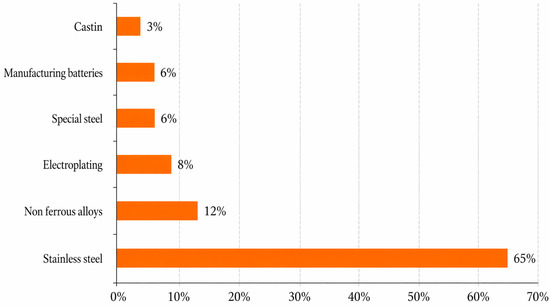
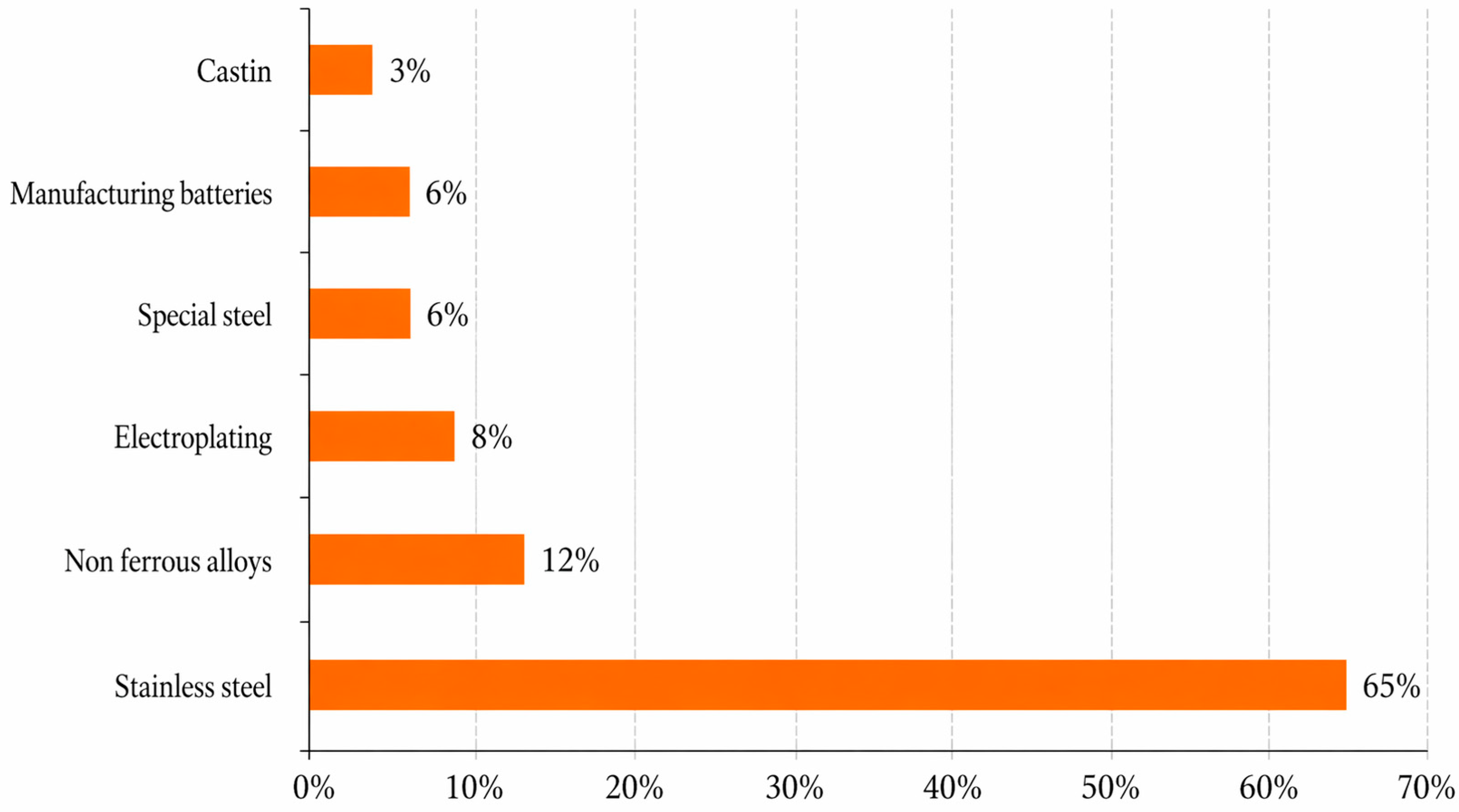
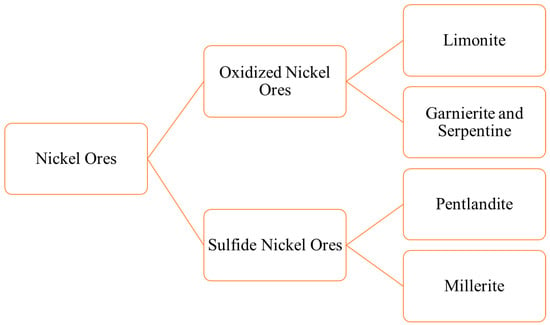
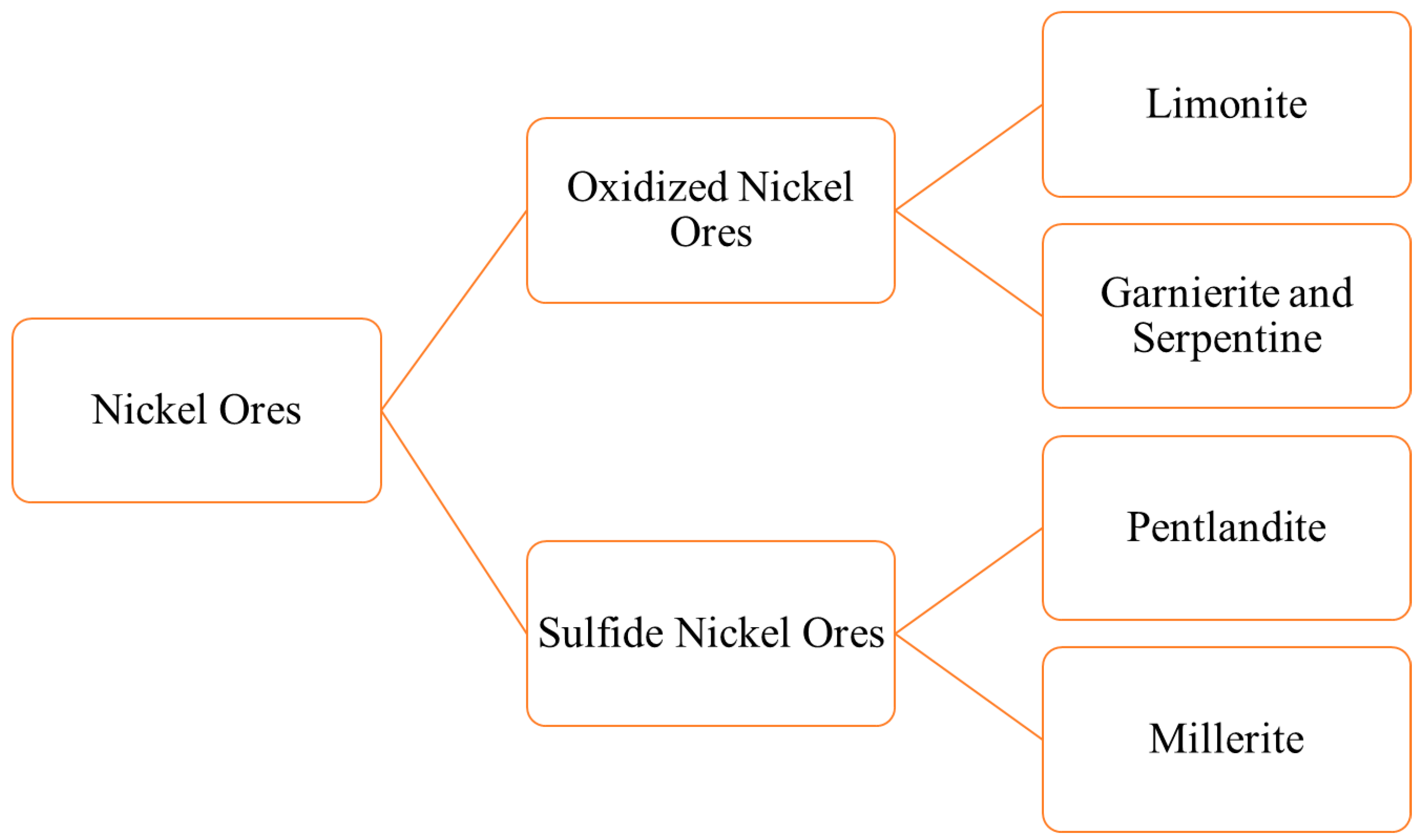
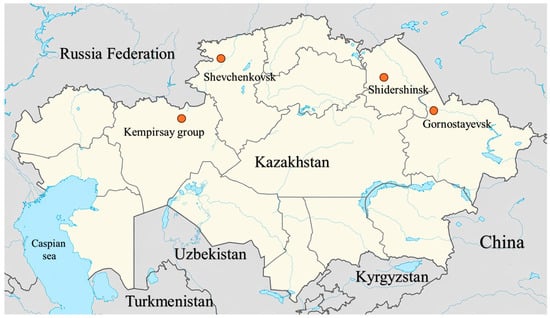
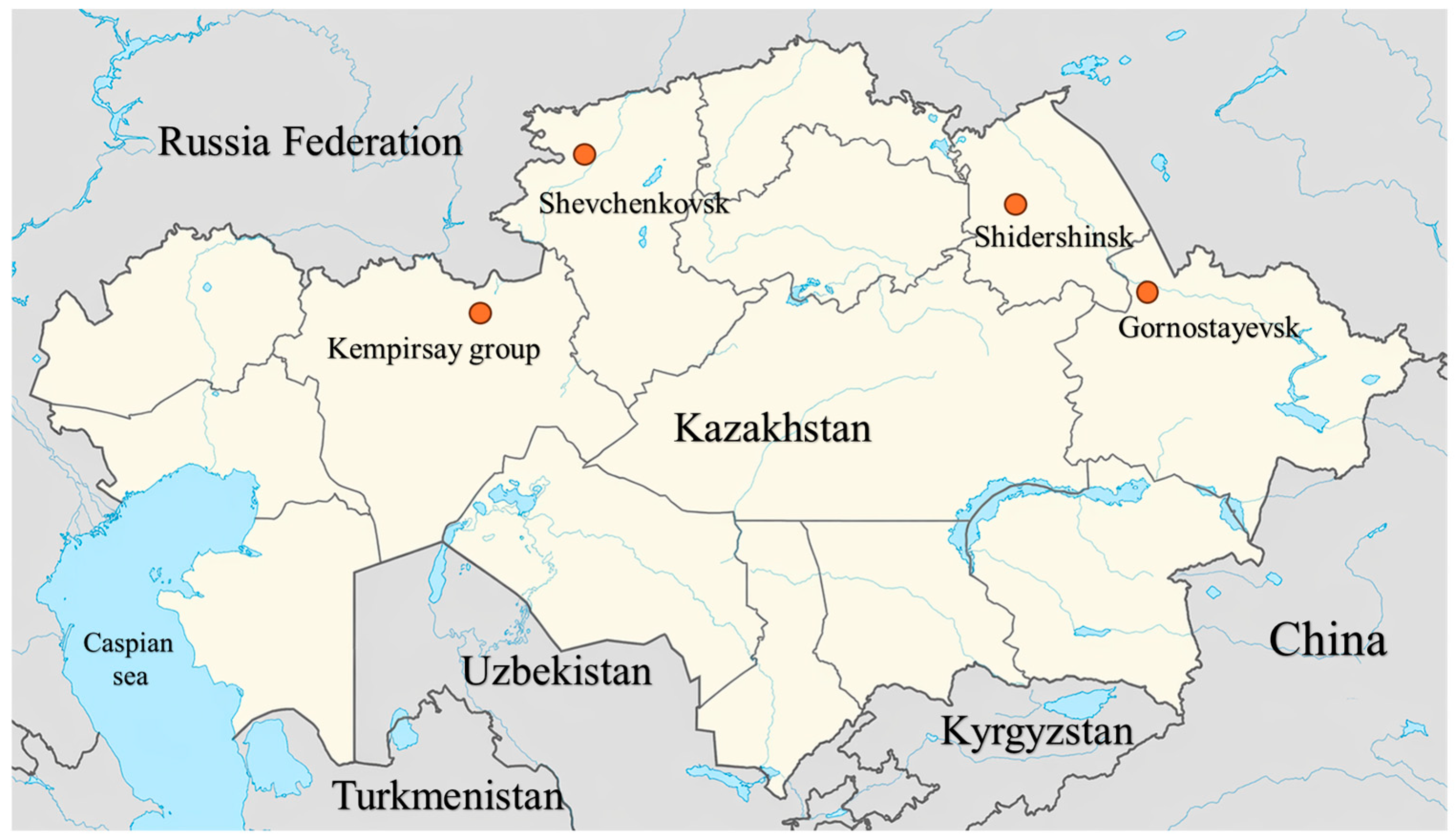
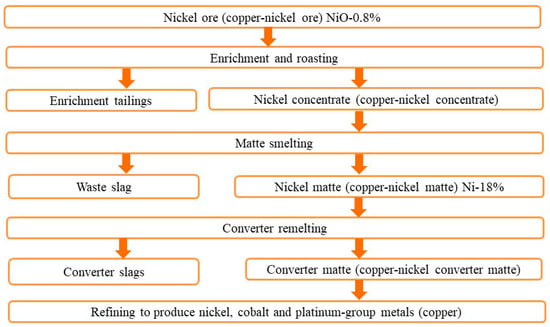
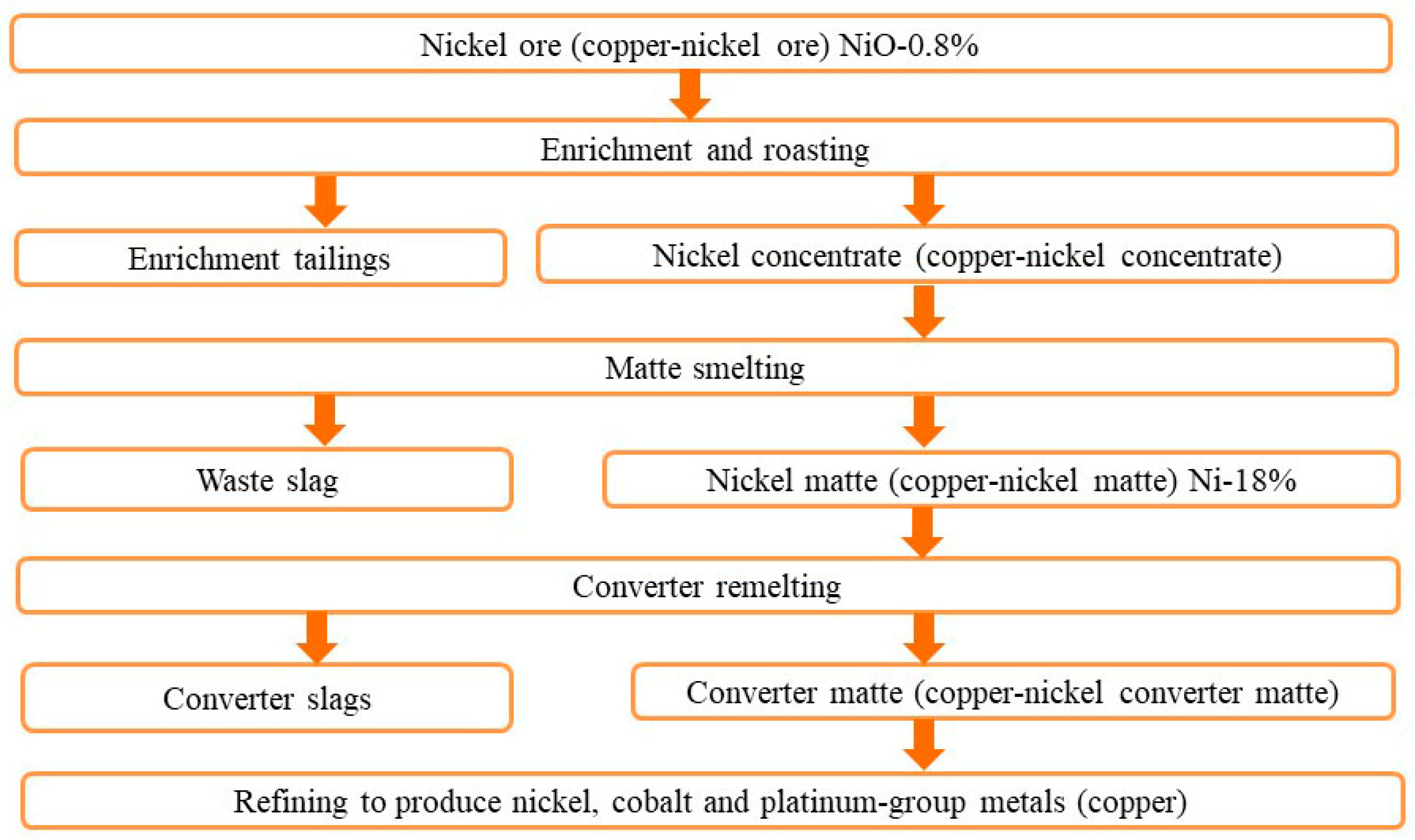
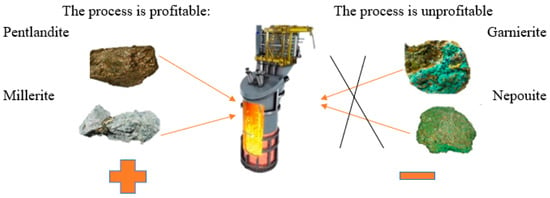
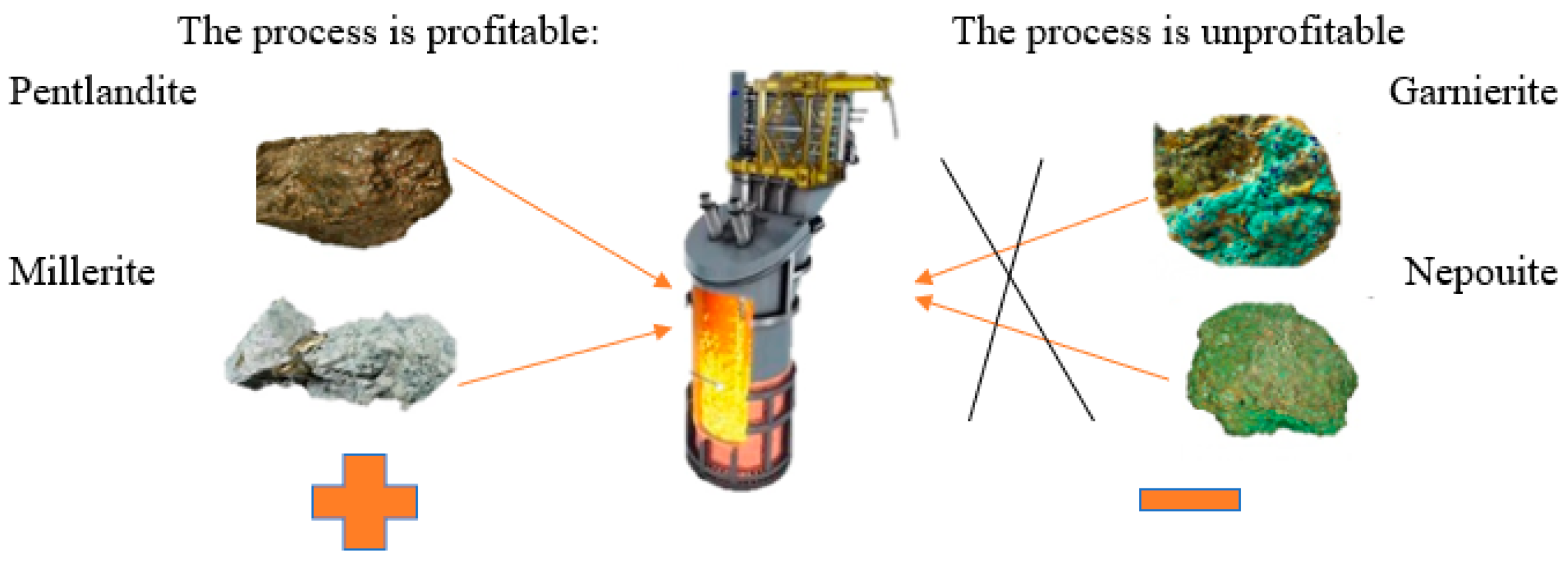
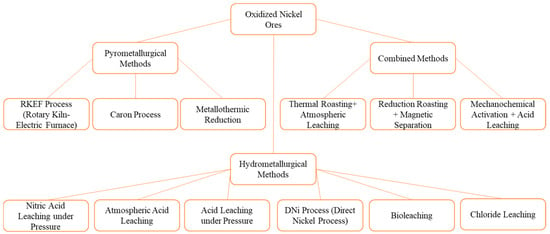
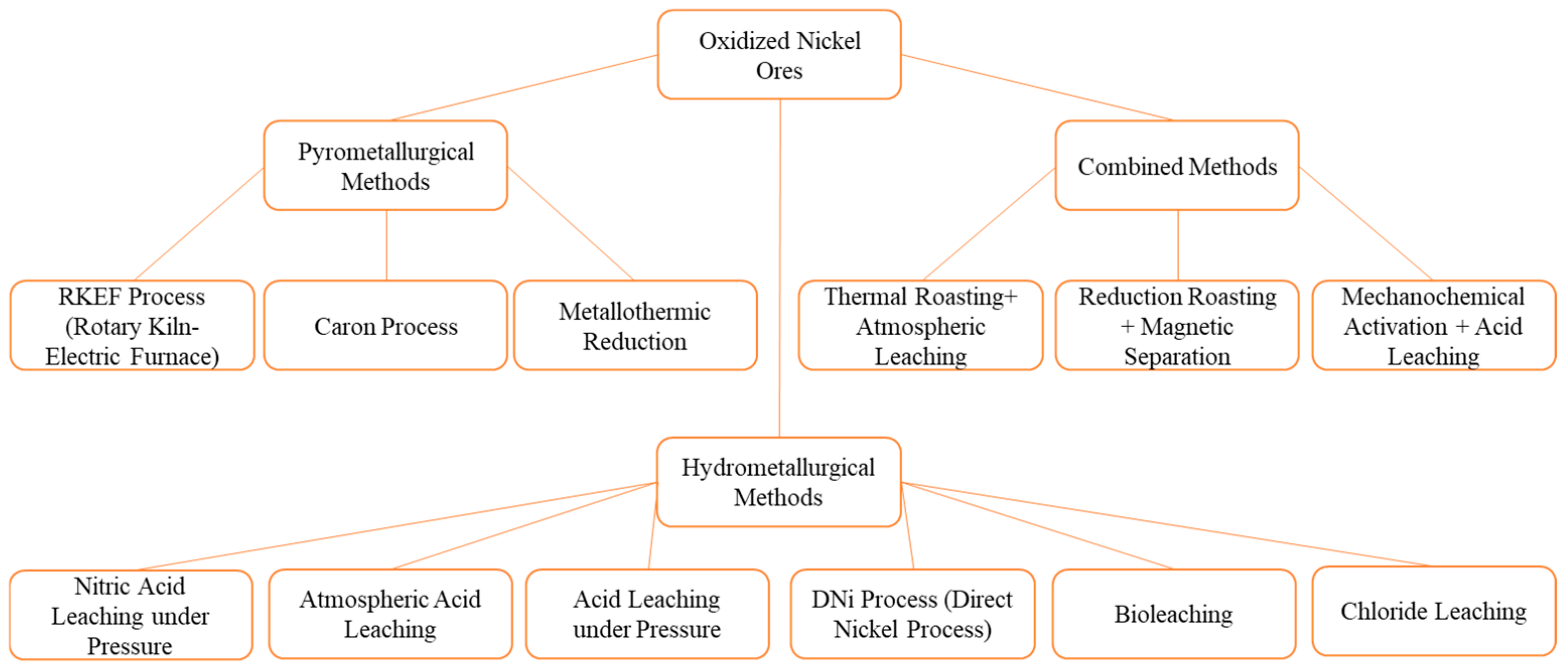
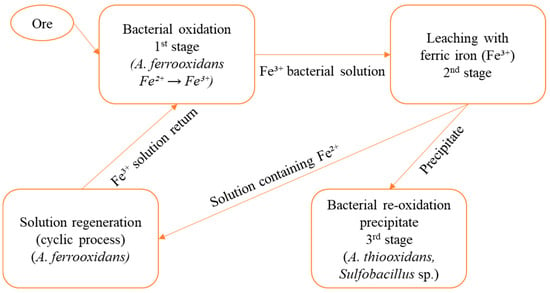
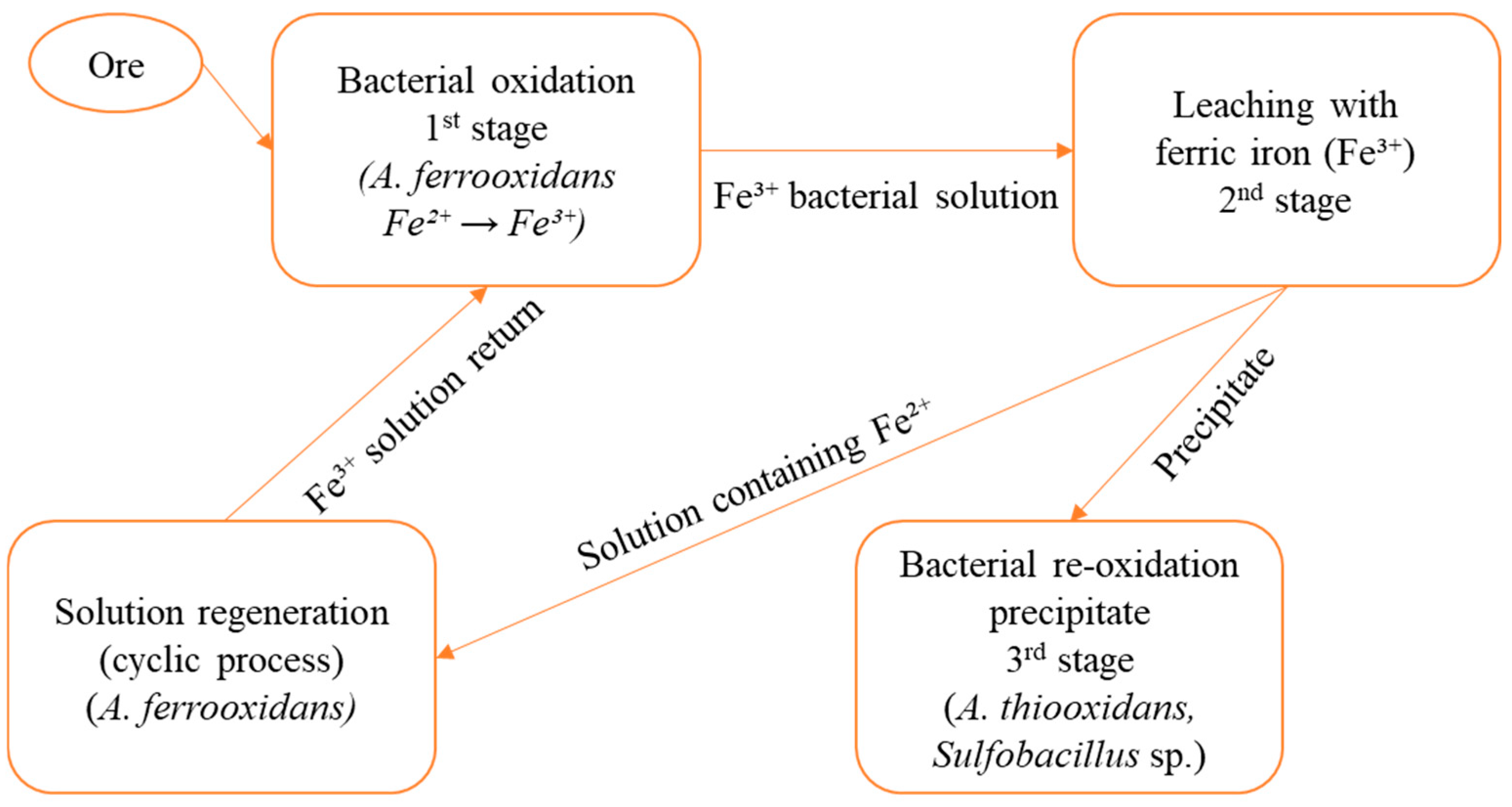
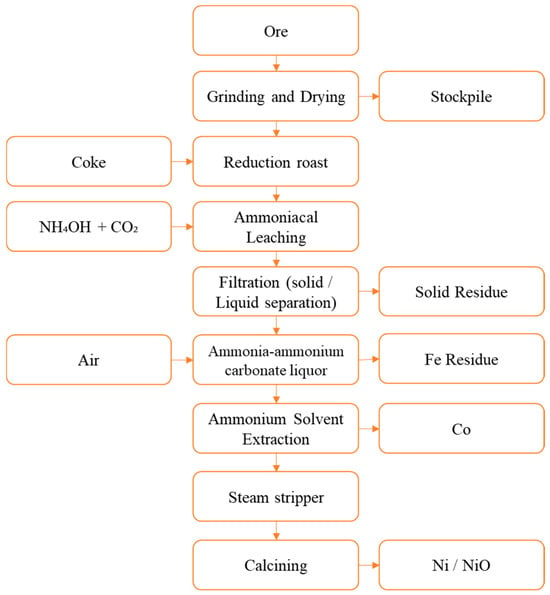
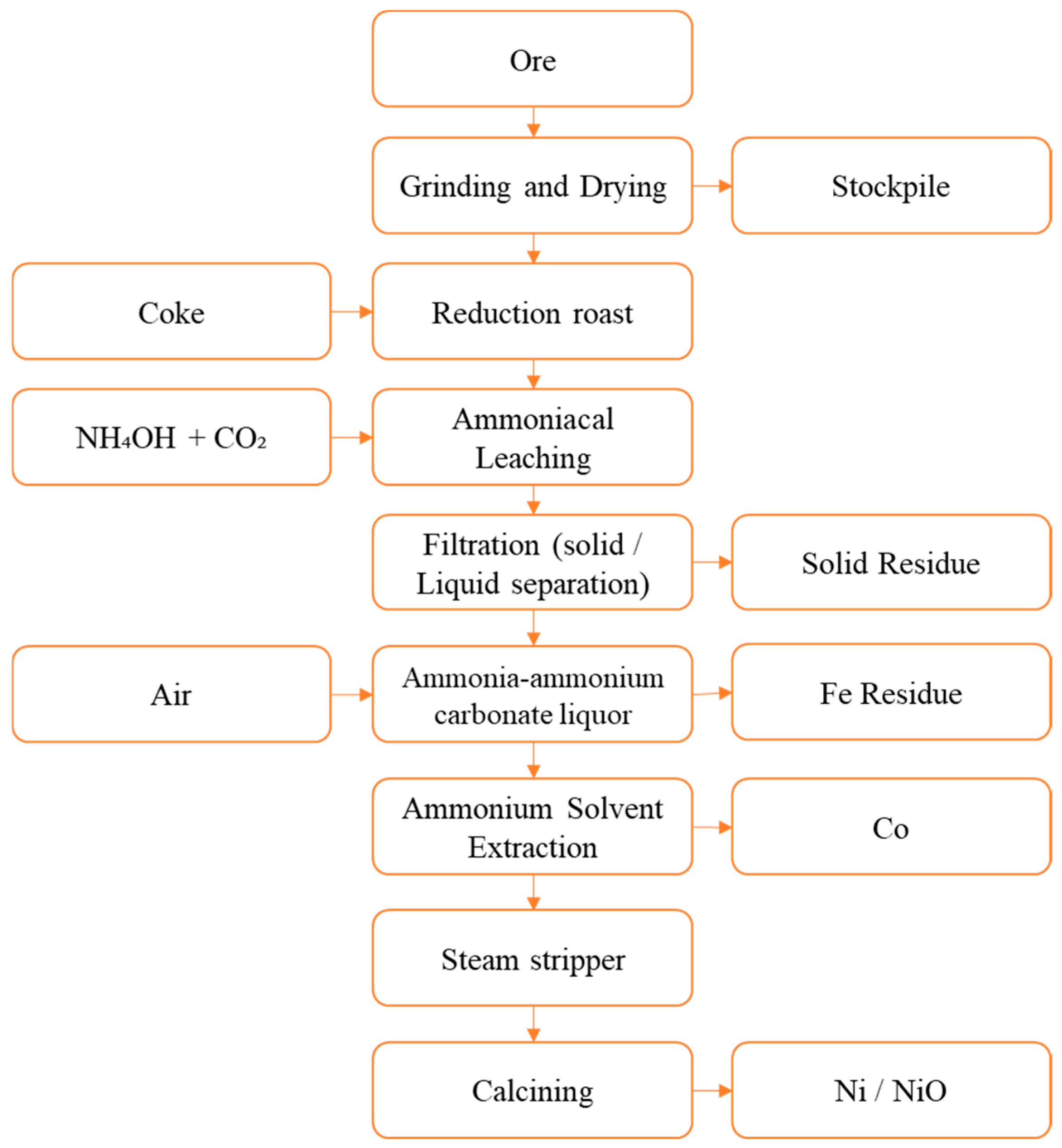
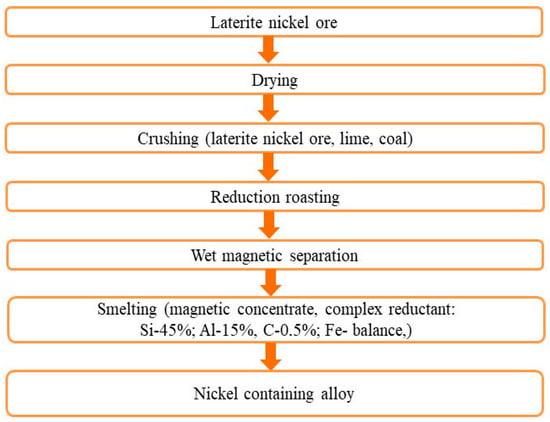
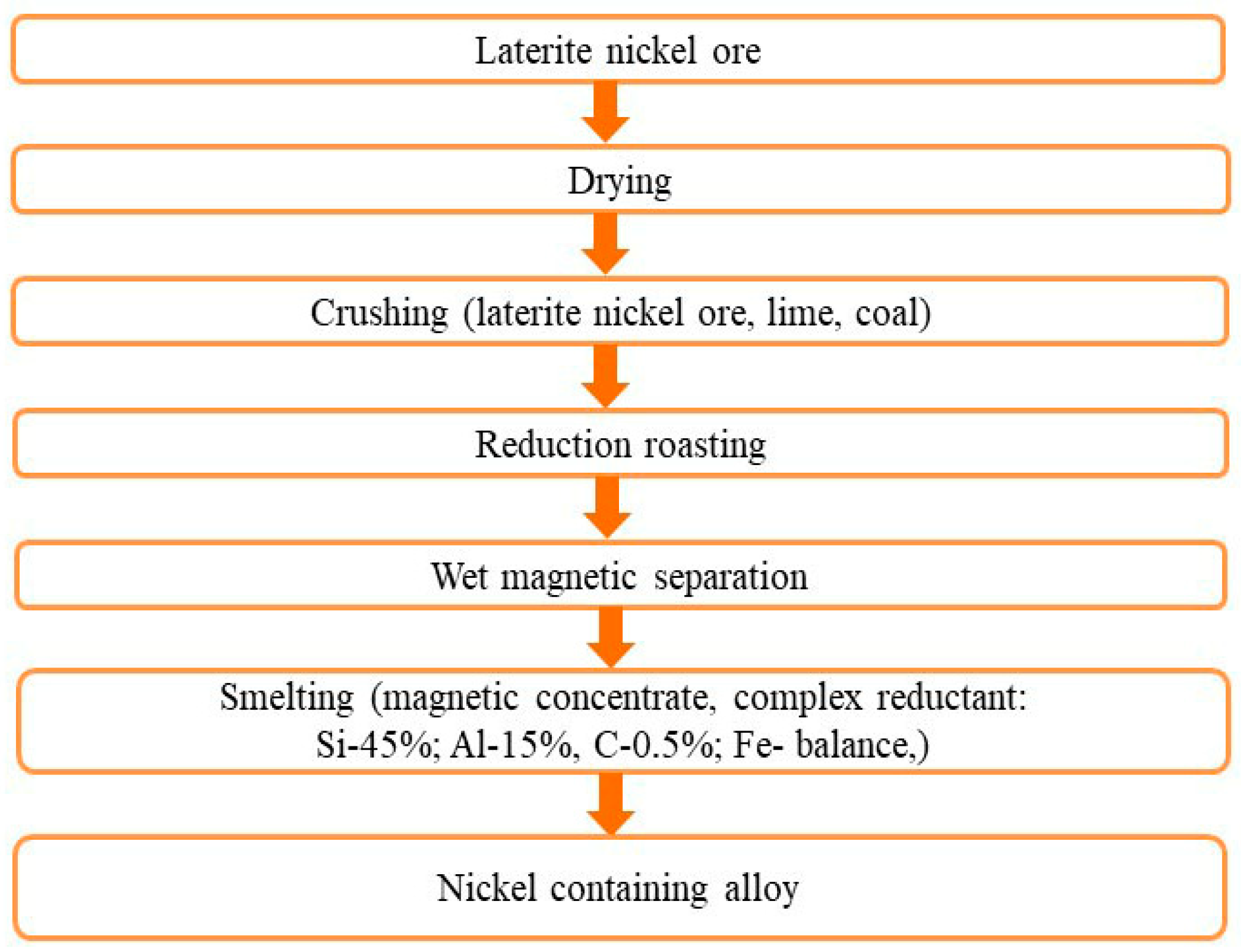

Disclaimer/Publisher’s Note: The statements, opinions and data contained in all publications are solely those of the individual author(s) and contributor(s) and not of MDPI and/or the editor(s). MDPI and/or the editor(s) disclaim responsibility for any injury to people or property resulting from any ideas, methods, instructions or products referred to in the content. |
© 2026 by the authors. Licensee MDPI, Basel, Switzerland. This article is an open access article distributed under the terms and conditions of the Creative Commons Attribution (CC BY) license.