


Abstract
Modern neural networks have achieved remarkable success in visual recognition; however, due to their sensitivity to domain shifts, Unsupervised Domain Adaptation (UDA) remains an open research problem. A key reason for this limitation is that source-trained models rely primarily on texture, lacking the explicit geometric information required for object recognition. To overcome this problem, we introduce CoDA, an object-centric learning framework inspired by infant cognitive development, specifically the process of object individuation. By introducing a geometric prior, our approach employs a physically grounded generation pipeline that uses a textureless “Sculpture Mode” and object isolation to complement textural information with 3D geometric features, capturing shape information that is often ignored during training. To enable robust training from scratch, we further integrate two control mechanisms: a Network Stability Scheduler to orchestrate training progression based on convergence stability, and a Dynamic Top-K Pseudo-Labeling strategy that adapts confidence thresholds for each individual class. Extensive evaluations on three real-world target datasets (VegFru, Fruits-262, and Open Images v7) demonstrate that CoDA, trained on a source dataset of just 12,000 synthetic images, achieves comparable results to (and in specific domains surpasses) ImageNet-pretrained models (leveraging 1.2 million images), significantly outperforming state-of-the-art adversarial and semi-supervised domain adaptation methods.
1. Introduction
Unsupervised Domain Adaptation (UDA) addresses the distributional shift between a labeled source domain and an unlabeled target domain. This challenge becomes critical when the discrepancy between the domains is large, a phenomenon known as “domain shift”. While numerous studies attempt to address this by modifying the network architecture, this perspective often overlooks the most critical element: the data itself, specifically the source data. If the initial data is deficient or fails to represent the classes adequately, even state-of-the-art network architectures may fail to solve the problem.
Insights from human cognitive development explain why data quality is often more important than network architecture. Infants do not learn by passively absorbing complex, noisy scenes. Instead, they actively manage their learning by moving objects closer, thereby isolating them from background distractions. This behavior generates a clear, object-focused view that facilitates learning by reducing environmental noise [1,2]. We adopt this principle to prioritize the object signal over background clutter.
Furthermore, this learning process follows a specific biological sequence known as “shape bias.” Research shows that infants prioritize shape over surface details such as color and texture [3,4]. This geometric understanding relies on motion; a single static image is insufficient for “object completion”, the cognitive realization that an object has a hidden side [5]. Consequently, infants must rotate objects to perceive their full 3D form before they process texture details [6,7].
Such active rotation is essential for resolving visual ambiguity in computer vision. For example, a red apple and a pomegranate may appear indistinguishable from the side, differing only in subtle texture. However, rotating the object reveals defining geometric features, such as the pomegranate’s crown (calyx) versus the apple’s stem indent. Similarly, complex shapes like bananas or pumpkins can resemble unclear polygons from specific angles. Therefore, merely increasing the number of 2D images is insufficient; the model must capture structural shape variations through 3D observation to learn the object’s true identity.
Based on the aforementioned observations, we introduce CoDA, a framework that operationalizes this natural learning mechanism and extends it to UDA. In this manner, it forces the neural network to focus exclusively on the object while suppressing background clutter, thereby isolating the visual signal and enabling analysis of the object’s intrinsic features.
Instead of relying on large-scale, noisy datasets, we utilize a compact set of high-fidelity 3D assets. The system renders these objects from various angles under diverse lighting conditions, enforcing a shape-centric curriculum by systematically eliminating the background. We demonstrate that a reduced volume of physically grounded, information-rich data outperforms larger, unstructured datasets and yields robust feature representations.
Once the neural network consolidates this robust geometric prior, adapting to unseen domains becomes significantly more efficient. When the model is exposed to real-world data (the target data), it identifies canonical instances with high confidence. Subsequently, a pseudo-labeling mechanism is deployed. By leveraging high-confidence predictions (analogous to how infants focus attention on novel objects only after mastering familiar ones [8]), the network progressively assimilates more challenging examples.
To operationalize these objectives, the framework integrates three core mechanisms into a unified pipeline (Figure 1). First, it employs a 3D data-generation engine to simulate developmental learning by rotating objects 360° to induce kinetic depth cues. Second, to bridge the synthetic-to-real domain gap, we introduce a Dynamic Top-K Pseudo-Labeling strategy that calibrates confidence gates independently for each class. Finally, a Network Stability Scheduler (NSS) operates as a supervisory mechanism, strictly gating curriculum progression based on the stability of training convergence.
Figure 1.
Conceptual Overview of the CoDA Framework. The system emulates infant cognitive development by enriching surface texture information with geometric topology elements. The pipeline proceeds in three stages: (1) Multi-view scene configuration of 3D objects; (2) Generation of synthetic images that build a shape-focused curriculum; and (3) Domain Adaptation that transfers texture information and geometric priors to bridge the domain gap between synthetic sources and real-world target domains.
We selected fruits as the focal domain of this study for three strategic reasons. First, the recognition of universal objects such as fruits is foundational to early human development. Second, high-quality 3D assets are readily accessible. Finally, fruits possess distinct morphological and chromatic profiles, enabling the explicit disentanglement of shape from texture.
To demonstrate that data quality is the decisive factor, the proposed network is trained entirely from scratch. It does not employ weights from networks pre-trained on large-scale datasets such as ImageNet. Consequently, the performance metrics depend solely on the quality of the generated synthetic source data. Furthermore, the study evaluates the method on three distinct real-world datasets: VegFru, Fruits-262, and Open Images v7 (OI-v7). This benchmarking strategy confirms robustness across diverse environmental conditions and acquisition methodologies.
CoDA makes the following contributions:
- An Object-Centric Synthetic Curriculum: Departing from the stochastic, unstructured synthetic images typical of Domain Randomization, we construct a structured curriculum inspired by infant development. By leveraging object-centric learning and a novel geometric prior termed Sculpture Mode, we prioritize 3D shapes over superficial textures. This is the paper’s main novelty, as we demonstrate that 3D shapes provide vital information for CNNs, ViTs, and similar networks. These architectures are usually based solely on texture information, thus ignoring crucial information for object recognition.
- The Network Stability Scheduler (NSS): We introduce an adaptive control mechanism to stabilize training. Unlike conventional methods that adjust hyperparameters based on a fixed schedule, our NSS is strictly “stability-gated”. It continuously assesses optimization dynamics and only permits progression to more complex tasks when the model has achieved statistical convergence.
- Dynamic Top-K Pseudo-Labeling: We mitigate class imbalance arising from the low confidence scores typically associated with complex classes. While similar methods like Curriculum Labeling [9] and FlexMatch [10] employ percentiles or adaptive thresholds, our strategy is coupled with the NSS, thereby increasing selection percentages only on stability plateaus and ensuring that noisy data are integrated only after mastering high-confidence samples.
- High Performance from Scratch: We demonstrate that our model, trained entirely on synthetic data from scratch, rivals models pre-trained on ImageNet. Furthermore, it outperforms state-of-the-art adversarial and semi-supervised baselines (e.g., SoftMatch, MIC), validating the hypothesis that high-quality, structured synthetic data can effectively replace massive-scale real-world training. In this study, we define this hypothesis as “Small Data Efficiency”.
- Open Science & Reproducibility: We publicly release the “Fruits-3D” synthetic dataset and the full framework pipeline. The code is available at: https://github.com/cbalkig/CoDA.
2. Related Work
While deep learning architectures have become foundational to complex, real-world systems, such as transit safety [11] and vehicular risk assessment [12], their performance often degrades significantly when the deployment environment diverges from the training data. Mitigating this distributional discrepancy remains a central challenge in Unsupervised Domain Adaptation (UDA).
The paradigm of organizing training data from “easy” to “hard” is formalized as Curriculum Learning (CL). Drawing parallels to human education, Bengio et al. [13] demonstrated that guiding a model through progressively difficult samples accelerates convergence and improves generalization. This strategy aligns with the “Starting Small” hypothesis [14], which posits that limiting input complexity in early training stages is crucial for mastering structural dependencies.
In the context of Domain Adaptation, CL is often implemented as Self-Paced Learning (SPL) [15], in which the model iteratively selects samples based on low loss or high confidence. Recent UDA approaches use prediction entropy to distinguish “easy” source-like examples from “hard” target samples, thereby progressively augmenting the training set [9,16]. However, these methods remain primarily limited to sample selection heuristics.
UDA methods aim to mitigate the performance degradation induced by the distributional discrepancy between a labeled source domain and an unlabeled target domain. Early UDA approaches focused on minimizing specific statistical discrepancies between the source and target feature distributions. Common techniques involved measuring the distance between first-order statistics (Maximum Mean Discrepancy, MMD) or data covariances. Transfer Component Analysis (TCA) [17] employed an MMD criterion, while Geodesic Flow Kernel (GFK) [18] modeled the shift along a manifold geodesic between subspaces. Joint Distribution Adaptation (JDA) [19] extended this by attempting to align both the marginal distribution and the conditional distribution . In the deep learning paradigm, methods such as CORrelation ALignment (CORAL) [20] applied this concept by matching the second-order statistics of deep features. Although effective for global shifts, these methods often struggle with the complex, high-dimensional data inherent in synthetic-to-real scenarios, failing to align fine-grained class distributions when the generative processes diverge significantly.
The introduction of adversarial learning precipitated a paradigm shift in UDA. These frameworks leverage a domain discriminator to force the feature extractor to learn domain-invariant representations. The seminal Domain-Adversarial Neural Network (DANN) [21] integrated this adversarial loss via a Gradient Reversal Layer (GRL), establishing a min-max adversarial game between the two components. Subsequently, Adversarial Discriminative Domain Adaptation (ADDA) [22] relaxed the weight-sharing constraint inherent to DANN by employing independent encoders for the source and target. Diverging from explicit discriminators, Maximum Classifier Discrepancy (MCD) [23] employed two classifiers trained to maximize prediction difference on target data. This strategy implicitly aligns features relative to class boundaries. Conditional Adversarial Domain Adaptation (CDAN) [24] refined this approach by conditioning the discriminator on the classifier’s predictions, thereby enabling class-aware alignment. Similarly, Margin Disparity Discrepancy (MDD) [25] focused on maximizing the difference in predictions within a specific confidence margin. While adversarial methods yield robust results, their optimization is often unstable and requires careful hyperparameter tuning. Furthermore, they may prioritize domain invariance over class discrimination, particularly when the visual gap between synthetic renders and real images is large.
To address the limitations of global alignment, recent methods have pivoted toward more sophisticated strategies for feature alignment. Deep Conditional Adaptation Network (DCAN) [26] leveraged Conditional MMD and augmented it with a regularization term to maximize mutual information. Prototypical Cross-domain Self-supervised Learning (PCS) [27] synergized in-domain contrastive clustering with cross-domain prototype alignment. In the context of test-time adaptation, AdaContrast [28] uses online pseudo-labeling and a memory queue to refine feature contrast. Alternatively, FixBi [29] synthesizes intermediate domains by mixing data at a fixed ratio and trains separate models to enable bidirectional knowledge transfer. Finally, Gradual Source Domain Expansion (GSDE) [30] iteratively assimilates high-confidence target samples into the source domain, progressively bridging the domain shift.
Self-training iteratively leverages the model’s own predictions on the target domain as pseudo-labels. This paradigm has demonstrated high efficacy, particularly when the initial domain discrepancy is moderate. Early methodologies employed teacher–student frameworks, exemplified by an Exponential Moving Average (EMA) teacher [31]. Theoretical analyses suggest that updating pseudo-labels incrementally mitigates confirmation bias by formulating adaptation as a sequence of small domain shifts [32].
A key challenge in self-training is mitigating label noise (erroneous predictions). Foundational approaches like FixMatch [33] address this by enforcing consistency between weakly and strongly augmented views using a fixed confidence threshold. Building upon this paradigm, AdaMatch [34] integrates semi-supervised techniques with adaptive confidence thresholds to handle domain shifts. Recognizing that global thresholds can disadvantage hard classes, FreeMatch [35] introduced Self-Adaptive Thresholding (SAT) to estimate dynamic thresholds for each class based on the model’s learning status.
However, a critical limitation remains in these probability-based approaches. Even adaptive thresholds, such as those employed by FreeMatch, often neglect difficult classes when the model’s calibration is poor, resulting in high precision but unacceptably low recall for minority classes. In contrast to these probability-dependent methods, our proposed Dynamic Top-K strategy employs a quantity-based curriculum. By selecting a fixed proportion of the most confident samples per class rather than relying on absolute probability values, we ensure that difficult concepts are assimilated at a comparable rate to easy ones, effectively preventing class collapse caused by low confidence scores.
While CNN architectures (e.g., ResNet) have historically dominated UDA benchmarks, recent research has increasingly shifted toward Vision Transformers (ViTs) due to their inherent capacity to capture long-range semantic connections naturally. Several approaches leverage this architecture for fine-grained alignment. Transferable Vision Transformer (TVT) [36] performs token alignment at both the global (class token) and local (patch token) levels via a clustering mechanism. Similarly, CDTrans [37] uses cross-attention within a triple-branch framework to explicitly align source and target pairs at the token level, effectively reducing background noise. In terms of data interpolation, Patch-Mix Transformer (PMTrans) [38] constructs intermediate domains by combining patches of source and target images, leveraging class-activation weighting to guide alignment towards semantically significant regions. Finally, addressing the stability issues associated with adapting such large-scale models, SSRT [39] introduced a noise-based improvement strategy that dynamically resets the optimization process.
Domain Randomization (DR) aims to bridge the simulation-to-real gap by maximizing the variance of the synthetic source domain during rendering. The theoretical objective is to ensure that real-world imagery is effectively subsumed within the synthetic data distribution. Foundational studies have demonstrated that extensive randomization of textures, lighting, camera angles, and backgrounds enables direct zero-shot transfer from simulation to real-world tasks without additional training [40,41].
Recent progress has focused on improving the fidelity of randomization through neural rendering and physics-based simulation. Photo-realistic Neural Domain Randomization (PNDR) [42] employs a neural renderer that disentangles lighting, materials, and geometry to improve direct transfer. Similarly, COV-NeRF [43] operates as a photorealistic DR engine by learning disentangled neural representations of real objects and seamlessly compositing them under new conditions. In parallel, Blender-based DR frameworks have demonstrated strong performance in industrial applications by systematically randomizing key environmental factors [44].
Current approaches face three fundamental limitations when addressing the domain shift. First, standard Domain Randomization relies on unstructured noise, which often causes models to overfit superficial textures at the expense of robust geometric structures. Second, existing curriculum learning approaches rely on rigid, fixed scheduling hyperparameters that fail to stabilize the volatile process of training from scratch. Finally, conventional pseudo-labeling strategies frequently fail to yield balanced datasets. To overcome these challenges, we introduce CoDA to enforce geometric priors, regulate training stability, and ensure balanced class assimilation independent of confidence calibration.
3. Methods
This section describes the proposed system, which integrates two primary components: physically based synthetic image generation and a robust strategy for adapting the model to new environments. The overall objective is to propose a data-centric approach that enhances Unsupervised Domain Adaptation (UDA) performance. The process establishes a labeled synthetic image set (the source) and subsequently adapts to unlabeled real photographs (the target) by leveraging high-confidence predictions derived from the synthetic priors.
Emulating the developmental learning process detailed in Section 1, the system synthesizes minimal, object-centric views to establish geometric foundations before processing complex real-world scenes.
Figure 2 illustrates the proposed framework architecture, where data and control flow through three distinct phases (Figure 2):
Figure 2.
Detailed Architecture and Data Flow. The framework consists of three integrated phases. (I) Data Generation: Construction of the synthetic source domain via randomized rendering parameters (). (II) Source-Only Training: Supervised learning of geometric features using a RepVGG extractor (), regulated by the Network Stability Scheduler (NSS), which controls progressive layer unfreezing (Red Dashed Lines). (III) Pseudo-Labeling: Unsupervised adaptation to the target domain () utilizing a Dynamic Top-K selection strategy. Green dashed lines denote weight transfer. Solid black arrows indicate the direction of data and process flow throughout the pipeline.
- Phase I—Data Generation: This phase constructs the physically grounded synthetic source data. It ingests 3D objects into a rendering engine using stochastic parameters, such as viewpoint and illumination, to generate a diverse “Labeled Source” set.
- Phase II—Source-Only Training: This phase establishes the geometric baseline using a RepVGG neural network. Crucially, the training dynamics are governed by a Network Stability Scheduler (NSS), a module designed to monitor convergence metrics and continuously regulate curriculum progression.
- Phase III—Pseudo-Labeling: This phase executes unsupervised domain adaptation on different unlabeled target datasets. We introduce the Dynamic Top-K Selection strategy, which filters predictions based on class-specific confidence thresholds to assign pseudo-labels. The network is subsequently updated via joint optimization using both the synthetic source data and the pseudo-labeled real-world data.
3.1. Phase I—Data Generation
This phase establishes a high-fidelity synthetic source domain, prioritizing data quality and diversity. We construct this labeled source domain by ingesting textured 3D models into a rendering pipeline that generates images using stochastic rendering parameters.
As discussed in Section 1, we selected five fruit categories as the primary subject matter due to their distinct geometric features and relevance in early cognitive development.
Let be the set of target classes, indexed as for (Figure 3). We define as the universal set of 3D assets. For each class , let be a subset comprising distinct 3D instances, formally defined as , where N denotes the fixed number of 3D instances per class and j indexes the specific instance within that class.
Figure 3.
Synthetic Data Generation Pipeline. The process constructs a diverse source domain by sampling specific 3D object instances () and applying randomized environmental configurations () from the parameter space (). The Render Function () synthesizes multiple 2D views () per object, ensuring the dataset captures sufficient variance in lighting, pose, and background to foster robust geometric learning.
We formalize the rendering configuration as a tuple of independently sampled scene parameters, as formulated in (1). The components include the Camera, Lighting, Background, Pose, and Material parameters.
For every 3D model object o, the pipeline stochastically selects the parameters to ensure diversity in the generated images. In contrast to general grid-search approaches [45] where parameters are exhaustively enumerated over fixed intervals, our method randomly samples parameters within continuous, predefined bounds.
Let represent the high-dimensional space of domain randomization parameters. The rendering function maps a specific 3D instance and a sampled parameter configuration to generate a set of synthetic views , where denotes the k-th 2D image rendered from object . This process is formalized in (2), where the resulting image has dimensions with 3 color channels (RGB).
The configurations for generating the synthetic images are described below.
3.1.1. Rendering Parameters
The specific configuration parameters for each group are detailed in the following subsections.
Camera Configuration (): We utilize Blender Cycles [46] as the virtual camera engine. To ensure comprehensive geometric coverage, the observational viewpoint is stochastically sampled. The camera azimuth spans a full 360∘ and elevation is varied, capturing the object from lateral, superior, and inferior perspectives. Additionally, the camera distance is modulated to generate scale diversity, ranging from detailed close-ups to wide shots.
Environmental Configurations (, ): Operating as a digital photo studio, the system leverages High Dynamic Range (HDR) [47] imaging to generate visual backgrounds and global illumination simultaneously. By enveloping the scene in spherical HDR captures of real-world environments, ranging from outdoor nature scenes to indoor rooms, we establish the ambient lighting context. To mitigate this issue, we incorporate supplementary lighting, positioning sources that simulate sunlight or spotlights around the object. By modulating the color and intensity of these lights, the system casts realistic shadows that serve as crucial volumetric cues for the model. Finally, exposure is dynamically adjusted to prevent over- or under-saturation, ensuring photometrically consistent luminance levels.
Object Pose and Geometric Transformation (): While camera settings determine the observational viewpoint, this component governs the spatial configuration of the object itself within the scene. To emulate the active object interaction observed in infant learning, the system applies three distinct stochastic transforms. First, the object is rotated around all three axes (X, Y, Z), ensuring omnidirectional visibility. Second, the object is translated off-center to replicate the compositional variability of real-world photography. Third, the system applies random scaling to enforce scale invariance.
Material and Texture Randomization (): To augment photorealism and robustness, the system modulates the object’s surface properties by varying material settings. First, chromatic attributes, including brightness and saturation, are adjusted stochastically. Second, noise is injected to emulate the sensor grain inherent in real-world photography. Third, roughness values are randomized to regulate light reflection, yielding instances that range from specular (wet/shiny) to diffuse (dry). Finally, the texture mapping is randomly shifted across the object’s surface.
3.1.2. Rendering Modes
To ensure that the synthetic dataset encompasses a spectrum of visual complexity, the randomization parameters are organized into four distinct rendering modes (Figure 4).
Figure 4.
Qualitative Comparison of Synthetic Rendering Modes. A single 3D asset is rendered across the four curriculum strategies to isolate specific visual features. (Top-Left) HDR Nature: Introduces complex environmental noise. (Top-Right) HDR Studio: Provides controlled, realistic lighting. (Bottom-Left) Solid Color: Emphasizes foreground separation. (Bottom-Right) Sculpture Mode: Strips texture entirely to enforce data-centric learning, compelling the network to learn volumetric features.
HDR Nature Mode: This mode replicates complex, “in-the-wild” scenarios. It leverages HDR maps of diverse natural landscapes characterized by high-frequency foliage and non-uniform lighting.
HDR Studio Mode: This mode emulates commercial product photography. It utilizes HDR maps of indoor studio configurations featuring softboxes and umbrellas, yielding smooth, controlled reflections. The primary objective is to isolate high-fidelity texture details without the interference of background clutter.
Solid Color Background Mode: The system replaces the background with a homogenous color. High-saturation hues that might function as distractors are avoided. Consequently, the system employs desaturated, neutral notes.
Sculpture Mode: This mode isolates shape over texture by eliminating the texture. All color and material attributes are discarded from the 3D object and replaced with a neutral white material analogous to plaster. This process compels data-centric learning within the network.
3.1.3. Data Augmentation
We compile a balanced source dataset by rendering 240 images for each 3D object instance . This distribution comprises distinct rendering modes: 100 images use HDR Nature mode (complex background), 50 use HDR Studio mode (controlled background), 50 use Solid Color Background mode (neutral background), and 40 use Sculpture mode (geometry-only). The allocation ratios were calibrated based on empirical validation. Consequently, the system applies distinct augmentation protocols conditioned on the rendering mode.
The three augmentation protocols are described below:
- Nature: Where the background is characterized by complex or outdoor scenery, the system employs an aggressive perturbation strategy. It injects noise, applies a Gaussian blur, or performs Cutout operations. The objective is to attenuate background saliency, thereby preventing the network from encoding environmental noise.
- Studio-Solid Color: For backgrounds featuring a uniform surface, the system applies a conservative augmentation policy and excludes intensive geometric distortions to avoid inducing unrealistic artifacts or aliasing within the studio or solid background.
- Sculpture: In sculpture mode, the objective is strictly limited to geometric learning. Therefore, photometric transformations are omitted, and augmentation is restricted to geometric transformations such as rotation or scaling.
3.2. Phase II—Source-Only Training
The second phase addresses the training of the synthetic dataset generated in Phase I. The training proceeds in two stages to maximize optimization efficacy.
- Baseline Training: During this stage, the system establishes an initial base knowledge by learning from the synthetic images. The Focal Loss [48] is utilized with a focusing parameter of , which modulates the suppression of easy-to-predict examples. Unlike standard cross-entropy, this configuration attenuates the contribution of easy examples, compelling the model to prioritize difficult samples (specifically those with higher prediction error) during the initial acquisition of 3D shapes.
- Hyper-Parameter Tuning: Upon convergence stabilization, the system transitions to the second stage. The learning rate is held constant, while layer-wise learning-rate decay is applied to preserve low-level features. Concurrently, dropout rates are increased to mitigate overfitting, thereby enhancing their ability to generalize to new domains.
The network architecture and a special training module are described in detail below.
3.2.1. Network Architecture
The feature extractor employs a RepVGG-B3 [49] architecture, initialized from scratch, and operates independently of pre-trained weights from external datasets such as ImageNet. The classifier consists of a three-layer Multilayer Perceptron (MLP) structured with hidden units , incorporating Batch Normalization, ReLU activation, and dropout. Input spatial dimensions are standardized to pixels. Optimization is performed using the AdamW optimizer with a weight decay of .
Phase-specific regularization strategies are implemented across the training trajectory. In the baseline phase, the feature extractor utilizes a drop path (stochastic depth) rate of 0.1, while the classifier implements a conventional dropout rate of 0.3. In the fine-tuning phase, the Focal Loss parameter is set to (equivalent to standard Cross-Entropy) to facilitate general feature refinement, while intensifying regularization constraints. The feature extractor adopts a drop rate of 0.1 and elevates the drop path rate to 0.2, effectively bypassing a larger proportion of residual blocks during training to induce robustness. Simultaneously, the classifier’s dropout rate is raised to 0.4. By amplifying these rates, we stochastically deactivate both individual neurons and entire network blocks, compelling the model to learn robust, distributed features rather than relying on specific synthetic artifacts.
3.2.2. The Network Stability Scheduler (NSS)
Training a complex network from scratch on synthetic data is prone to instability. If the network attempts to learn both low-level textures and high-level semantic features simultaneously, the optimization landscape can become highly volatile. To mitigate this, we introduce the “Network Stability Scheduler”, a deterministic state machine that functions as a global supervisor governing the training lifecycle, as illustrated in Figure 5. The NSS operates through the following sequential phases:
Figure 5.
Operational Logic of the Network Stability Scheduler (NSS). Functioning as a finite state machine, the NSS regulates curriculum progression by monitoring training stability metrics ( and ). It classifies the optimization status into four states (Improving, Plateau, Fluctuating, Diverging). The scheduler gates critical transitions, permitting Progressive Layer Unfreezing (Phase II) only during stable plateaus and dynamically adjusting the Pseudo-Labeling Selection Ratio (Phase III) to maintain adaptation stability. The four states are distinguished by color: green (Improving), red (Diverging), yellow (Plateau), and purple (Fluctuating). Black arrows indicate the logical flow of the decision process.
Metric Unification and Standardization: The NSS concurrently monitors a diverse set of performance indicators, including Training Loss, Validation Loss, and Validation F1, across all active data tags. Because these metrics have different scales and optimization directions, the scheduler normalizes and fuses them into a single scalar stability score to enable continuous state interpretation.
Let denote the value of metric i at epoch t. We compute the relative percentage change, . To standardize the direction of optimization, we invert the sign of maximization-based metrics (e.g., F1 Score), ensuring that a negative consistently indicates improvement. These changes are aggregated into a global set, from which we derive the mean change and the variance of these combined signals. To mitigate transient volatility, we smooth the mean change using an Exponential Moving Average (EMA) [31], denoted as .
Scheduler Lifecycle: The operational lifecycle of the NSS is governed by four distinct phases:
- Start: Initializes static constraints.
- Warmup: A passive calibration phase wherein the system collects metric statistics without control intervention. Upon conclusion of this phase, the scheduler executes an auto-calibration routine, deriving the baseline variance from the warmup metrics. The baseline threshold is defined as half () of the mean absolute change observed during this period (3). This reduction factor acts as a strictness criterion, requiring volatility to subside significantly below initialization levels. To ensure numerical stability, the baseline noise floor is clamped at a constant to preclude undefined states during periods of extreme convergence.Additionally, a variance ceiling is established to define the upper bound on stability. The variance threshold multiplier is set to . This is a tolerance margin empirically calibrated to encapsulate the natural stochastic fluctuations of the optimization process, preventing premature instability flags driven by transient noise.
- Active: The core monitoring loop wherein state decisions are computed at every epoch.
- Stop: Activated when the model meets a specific termination condition.
Active State Logic: During the Active phase, the scheduler iteratively re-assesses the training status at every epoch. It uses a dynamic threshold that scales adaptively with current volatility. The computation of stability metrics proceeds by updating the EMA of the mean change, as defined in (3), with a smoothing factor . This value was empirically selected to serve as a low-pass filter, balancing system latency and noise suppression. It effectively attenuates high-frequency mini-batch oscillations while preserving sufficient sensitivity to detect genuine trend shifts in the optimization landscape. Subsequently, the dynamic threshold is calculated to broaden tolerance during high-variance phases. Finally, the system determines the operational state based on and .
Here, is the mean of the relative metric changes at epoch t; is the mean absolute change observed during the warmup phase, used to set the baseline threshold ; and are the corresponding variances at epoch t and over the warmup phase, respectively; is the EMA smoothing factor; and is the per-epoch dynamic stability threshold derived from and .
Proposition 1
(EMA Consistency). If the true mean metric change stabilizes at a value , then the EMA estimate , updated as in (3), also converges to .
Proof.
The EMA gives more weight to recent observations and progressively less weight to older ones. Because , older values have less and less influence over time. So once the true mean change settles near , the EMA will follow: short-term spikes and noise are smoothed out, while the overall trend is still captured. The EMA therefore provides a stable, reliable measure of training progress. □
Predicated on , , and , the system classifies the training dynamics into one of four states:
- Improving: Signifies significant optimization progress. This state is activated when the improvement surpasses the dynamic threshold and variance remains bounded ( AND ).
- Plateau: Indicates stable convergence. The mean change is negligible, lying inside the threshold margin, and the variance is low ( AND ).
- Fluctuating: Represents unstable stagnation. The mean change is small, but the variance exceeds the baseline limit ( AND ), suggesting optimization noise or a difficult learning landscape.
- Diverging: Signifies performance degradation. The mean change is positive or fails to meet the improvement criteria ().
Proposition 2
(Plateau as -Stationarity). When the NSS detects a Plateau at epoch t, both conditions
hold at the same time, meaning training has stabilized and is no longer making meaningful progress.
Proof.
The first condition checks that the average per-epoch change is very small: the model is not consistently improving or deteriorating. The second condition checks that these changes are not jumping around: there is no hidden instability behind an apparent calm. When both hold together, training has genuinely stalled rather than just passing through a noisy phase. The adaptive threshold makes the check more lenient when training is naturally noisy, so a brief rough patch does not falsely trigger a Plateau. □
Termination and Triggers: The NSS operates as a supervisory mechanism that does not modify weights directly; rather, it emits control signals. A plateau signal activates the curriculum events detailed in the subsequent sections (e.g., Unfreezing or Threshold Increment). The STOP phase is initiated by one of two conditions:
- Hard Stop (Patience Timeout): Activated when the model has failed to improve its best F1 score for a predefined number of epochs (e.g., 30). This mechanism acts as a failsafe to prevent infinite training loops.
- Soft Stop (Stability Convergence): Activated when the model is in a non-improving state (Plateau/Fluctuating), the mean change is effectively zero (), and this stability has persisted for a defined validation window. This indicates that the model has fully converged on the current data distribution.
Proposition 3
(Finite Termination). Under any training trajectory, the NSS terminates in at most epochs, where is the fixed calibration period and is the maximum number of allowed epochs without a new best validation F1.
Proof.
The NSS has two termination paths. The hard-stop triggers after consecutive epochs without a new best validation F1; since the epoch counter increases by exactly one per iteration, this limit is always reached within at most epochs. The soft-stop triggers earlier whenever a sustained Plateau is detected (Proposition 2). Because at least one of these two conditions is guaranteed to be eventually satisfied, the scheduler always terminates in finite time. □
3.2.3. Progressive Layer Unfreezing
We leverage NSS signals to govern the progressive layer-unfreezing strategy during source training. Departing from simultaneous full-network optimization, we initialize the architecture with frozen primary network blocks, restricting optimization to the final classifier only.
The NSS actively supervises this initial phase. Upon identifying a “Plateau” state (signaling that the classifier has saturated its performance on the current feature representation), the scheduler issues an unfreeze signal ( in Figure 2). This signal releases the next lower-level block of layers (proceeding from the output layer downwards) and resets the learning rate. This iterative process continues until the entire network is trainable. We strictly gate the unfreezing step to the plateau state, ensuring that new learnable parameters are introduced only when the optimization process is stable and convergent.
3.3. Phase III—Pseudo-Labeling
The final phase leverages the weights and structure of the source model to initialize adaptation on real-world target datasets. Pseudo-labeling is a semi-supervised learning technique in which the model assigns annotations to unannotated data based on its own high-confidence predictions, effectively expanding the training manifold to the target domain without manual supervision.
The system generates pseudo-labels via a class-specific confidence gate. For a specific target image sampled from the target dataset , let denote the predicted softmax probability for class c. We assign a pseudo-label exclusively when the confidence of the predicted class exceeds its dynamically determined threshold , as defined in (5).
Samples failing to satisfy this criterion are discarded for the current epoch. Upon pseudo-label assignment, we initiate a self-training regimen comprising the following procedures.
We detail two core methods: one for calibrating the pseudo-labeling threshold in the target domain and another for preserving the representations acquired from the source data.
3.3.1. Dynamic Top-K Pseudo-Labeling
In contrast to standard protocols that employ a fixed confidence threshold (e.g., a global constant ), the system uses a “Dynamic Top-K” strategy. Static thresholding is frequently suboptimal because some classes are more visually complex than others, leading to class imbalance in which difficult categories (e.g., a pumpkin) yield lower confidence scores than simpler ones (e.g., an apple). Our approach dynamically aggregates a percentage of the most confident predictions per class. For instance, by selecting the top 10% of predictions for distinct classes (e.g., “banana” and “pumpkin”), the system implicitly defines different thresholds for each of them, as illustrated in Figure 6.
Figure 6.
Mechanism of the Dynamic Top-K Pseudo-Labeling Selector. Unlike fixed global thresholds, this strategy selects pseudo-labels based on a dynamic percentage (Top-K) of the most confident predictions per class. This ensures class-balanced learning by automatically assigning higher confidence thresholds to easy classes (e.g., Apple, 0.99) while retaining the most confident samples for harder classes (e.g., Pumpkin, 0.85), regardless of absolute probability scores. The red dashed line represents the dynamic Top-K threshold for a given class. Green checkmarks indicate predictions that exceed the threshold and are selected as pseudo-labels, while red crosses indicate predictions that are rejected.
The selection ratio is initialized to (top 10%). The NSS continuously assesses adaptation stability to modulate curriculum pacing. Specifically, the system authorizes an increment in the selection ratio (by ) upon detection of either a Plateau or Fluctuating state. This dual-trigger mechanism diverges from the protocol employed in the source-only training phase.
This dual-trigger mechanism diverges from the protocol employed in the source-only training phase. In the context of unsupervised adaptation, a “Fluctuating” state often signals stagnation induced by noise at the current selection quantile, implying that the model has exhausted the informational value of the “easy” samples. By expanding the selection ratio in this state, we compel the model to integrate harder samples, thereby potentially overcoming the optimization impasse; conversely, the Source phase requires strict stability (Plateau only) before introducing additional architectural complexity.
3.3.2. Joint Optimization
To mitigate catastrophic forgetting of the source data, the system trains on both datasets simultaneously. Each training batch is constructed with a balanced (1:1) ratio of source and target samples, utilizing oversampling for the target domain in cases of class imbalance. This dual-stream approach preserves the structural knowledge derived from the 3D data while concurrently enabling adaptation to real-world images.
The composite loss function () integrates the supervised loss from the labeled synthetic source () and the pseudo-labeling loss from the unlabeled real target () as formulated in (6). The hyperparameter weights are set to and ; these values were calibrated empirically via validation performance. For the synthetic source data, provides a robust supervisory signal. In contrast, the weighting for is attenuated to mitigate the impact of potential errors in pseudo-labeling (label noise). Joint minimization facilitates adaptation to the target domain while preserving the feature representations acquired from the source domain. Here, denotes the indicator function, which is 1 if the condition is met and 0 otherwise; this function acts as a confidence gate that restricts loss computation exclusively to samples that exceed the confidence threshold .
The joint optimization employs the AdamW optimizer configured with a weight decay of . Unlike the source-only training phase, a layer-wise learning-rate decay with is applied within the feature extractor to preserve low-level feature representations. The learning rate schedule is controlled by a ReduceLROnPlateau scheduler [50], which monitors the validation macro-F1 score with a patience of 20 epochs, a cooldown of 3 epochs, and a reduction factor of 0.1. The complete procedure is summarized in Algorithm 1.
| Algorithm 1: Unsupervised Adaptation via Dynamic Top-K Pseudo-Labeling |
| Require: Labeled source , Unlabeled target , Model |
| Require: NSS Scheduler, Selection Ratio , Step Size , Max Ratio |
| Require: Loss Weights |
| For epoch do |
| // Step 1: Stability Based Curriculum Update |
| If NSS Status is Plateau OR Fluctuating then |
| Increase selection ratio: |
| Else |
| Maintain current ratio: |
| End If |
| // Step 2: Class-Specific Thresholding |
| Compute probabilities for all target samples |
| For each class do |
| Collect samples predicted as class c. |
| Set threshold to the confidence score of the top sample. |
| End For |
| // Step 3: Pseudo-Label Assignment |
| Generate pseudo-labeled dataset : |
| // Step 4: Joint Optimization |
| While batches remain do |
| Sample and |
| Update model minimizing |
| End While |
| End For |
4. Experimental Setup
This section delineates the datasets utilized for synthetic source-only training and real-world target adaptation, the computational environment, and the specific protocols employed for training and evaluation.
4.1. Datasets
The evaluation framework utilizes one synthetic source domain, designated as Fruits-3D, and three real-world target domains. All datasets align on a shared taxonomy comprising five categories: apple, banana, pineapple, pomegranate, and pumpkin. Table 1 delineates the dataset statistics and experimental splits.
Table 1.
Summary of Dataset Statistics and Experimental Splits. All domains share five common categories: Apple, Banana, Pineapple, Pomegranate, and Pumpkin. The synthetic Fruits-3D dataset serves as the supervised source domain. Real-world datasets (VegFru, Fruits-262, OI-v7) are partitioned into unlabeled training sets for Adaptation and held-out test sets for Evaluation, ensuring strict UDA protocols where target labels are never seen during training.
4.1.1. Source Domain (Synthetic)
The source domain (Fruits-3D) comprises 12,000 labeled images (2400 per class) generated via the rendering pipeline described in Section 3. The data were synthesized from 50 textured 3D assets (10 per category) downloaded from SketchFab [51]. This dataset is reserved exclusively for the initial supervised training of the source model.
4.1.2. Target Domains (Real-World)
Three real-world datasets serve as the target domains. In accordance with standard UDA protocols, the existing labels for these datasets are strictly withheld during model updates. The target validation split is utilized exclusively for the final model selection. Across all three datasets, the five shared categories (apple, banana, pineapple, pomegranate, pumpkin) were selected according to three criteria: (i) taxonomic consistency—only categories present in all three target datasets and the synthetic source were retained; (ii) morphological diversity—the set spans three distinct geometric archetypes, namely spherical (apple, pomegranate), elongated (banana, pineapple), and irregular (pumpkin), maximizing the range of shape-texture ambiguity the model must resolve; and (iii) representational sufficiency—each category had a minimum number of annotated instances in every target dataset to support meaningful unsupervised adaptation.
- VegFru: A subset of the fine-grained VegFru dataset [52]. We implement a fixed partitioning strategy per category: 100 images per class comprise the adaptation set (unlabeled), 50 form the validation set (labeled tuning), and the residual images constitute the test set.
- Fruits-262: A subset of the Fruits-262 dataset [53], characterized by diverse capture environments. The subset encompasses 4890 images. In the absence of an official split, this study implements a nested evaluation protocol: (i) A static test set (20% of the data, 976 images) is held out strictly for evaluation. (ii) The remaining 80% (3914 images) is subjected to Stratified 5-Fold Cross-Validation, serving as the adaptation (unlabeled) and tuning (labeled) sets for the experimental runs.
- Open Images v7 (OI-v7): A subset derived from the Open Images v7 dataset [54], using the official splits without modification. The training partition (1980 images) is used for adaptation (unlabeled), the validation partition (60 images) is used for tuning, and the test partition (184 images) is reserved for evaluation. Due to OI-v7’s open-vocabulary, web-scale annotation process, the per-class sample counts exhibit a natural imbalance across splits; this is explicitly accounted for by the Macro-F1 evaluation metric and by the per-class selection mechanism of the Dynamic Top-K strategy, which guarantees proportional pseudo-label representation for each category regardless of its frequency in the adaptation set.
4.2. Implementation Details
All images, regardless of origin (synthetic or real), undergo a standardized preprocessing protocol. Specifically, images are resized so that the shorter side equals 256 pixels, followed by a center crop to pixels to ensure spatial consistency for network ingestion. Experiments were executed on a Google Cloud Platform (GCP) instance equipped with a single NVIDIA L4 GPU (24 GB VRAM). The computational stack comprises Python 3.10.14, PyTorch 2.8.0, CUDA 12.8, and cuDNN 9.1.0.
4.3. Evaluation Protocols
We assess model performance utilizing the Macro-F1 score instead of standard accuracy. Accuracy metrics are frequently inadequate, particularly in the presence of class imbalance. By treating all five fruit classes equally, the Macro-F1 score ensures the system performs well on all types, mitigating bias toward majority classes.
All experimental results are reported as Mean ± SEM, where SEM denotes the Standard Error of the Mean computed across the cross-validation folds of the source training procedure (). Each fold trains a distinct source model on a disjoint partition of 3D object instances; this source model is subsequently adapted and evaluated on each target dataset. For Fruits-262, which also employs a 5-fold target partition, the fold assignment is shared across source and target splits. For VegFru and OI-v7, which use fixed official splits, the variation across the five reported values reflects differences in source model quality induced by the fold partition. Reporting SEM rather than SD is appropriate here because the quantity of interest is the precision of the estimated mean performance, not the spread of individual fold outcomes. To support claims of superiority between conditions, we additionally report paired t-tests across the five-fold scores for the primary ablation comparisons; a difference is considered statistically significant at (two-tailed, , critical value ).
4.3.1. Source-Only Training Evaluation
To preclude the network from merely overfitting to specific 3D assets, we implement a rigorous validation strategy. Data partitioning is stratified based on unique 3D object identifiers. Consequently, disjoint object instances are mandated for training and testing (e.g., a model trained on “Apple A” is evaluated exclusively on “Apple B”), ensuring generalization to novel geometries. This protocol compels the acquisition of class-invariant features rather than asset-specific artifacts. The source data is evaluated using Stratified 5-Fold Cross-Validation, which enforces this instance-level separation.
4.3.2. UDA Evaluation
Given that the Fruits-262 dataset does not provide an official split, we establish a custom partition strategy. We reserve a fixed test set (20% of the data) exclusively for final evaluation. The remaining 80% comprises the Adaptation set. For VegFru and OI-v7, we use their respective official splits.
For all target datasets, the splits serve specific roles to ensure evaluation integrity:
- Train Split: Utilized for unsupervised adaptation and the generation of pseudo-labels.
- Validation Split: Reserved for selecting the best performing model. Labels from this split are strictly withheld from the optimizer.
- Test Split: Employed exclusively for final performance reporting and is never seen during the training phase.
5. Experimental Results
In this section, we present a systematic evaluation of the proposed framework. The experimental design follows the roadmap illustrated in Figure 7. Initially, we establish the optimal backbone and training strategy in Network Architecture (Section 5.1). Subsequently, we assess the contribution of various synthetic data environments to domain generalization in Rendering Modes (Section 5.2). Thirdly, we verify the efficacy of training from scratch by comparing our physically grounded synthetic data against massive ImageNet pre-training in Random Initialization vs. Large-Scale Pre-training (Section 5.3). Fourthly, we quantify the performance gains achieved through our Dynamic Top-K Pseudo-labeling strategy in Performance without and with Pseudo-labels (Section 5.4). Finally, we benchmark CoDA against established methods in Comparison with State-of-the-Art Approaches (Section 5.5).
Figure 7.
Roadmap of the Experimental Evaluation. The results are organized into four logical stages: (A) determining the optimal network architecture; (B) analyzing the contribution of synthetic rendering modes; (C) validating the efficacy of training from scratch versus pre-training; and (D,E) evaluating the final adaptation performance against baselines and state-of-the-art methods.
5.1. Impact of Network Architecture and Training Strategy
This section quantifies the efficacy of the proposed “Progressive Layer Unfreezing” strategy governed by the Network Stability Scheduler (NSS). Although Vision Transformers (e.g., DeiT) have gained prominence, our preliminary experiments indicated that CNN-based architectures (RepVGG) significantly outperformed them in this synthetic-to-real regime due to superior inductive biases for geometric feature extraction; thus, we focus our analysis on the CNN backbone.
We evaluate the impact of the NSS by contrasting the “Progressive Layer Unfreezing” strategy (Section 3.2.3) with a conventional training strategy wherein all layers are optimized simultaneously from initialization. The quantitative results, summarized in Table 2, substantiate that establishing a robust geometric foundation is imperative before assimilating fine-grained semantics. The Progressive Layer Unfreezing strategy yielded superior F1 scores on most real-world datasets compared to the simultaneous optimization baseline. Specifically, on Fruits-262 and VegFru, consistent performance gains were observed. On Open Images (OI-v7), performance remained comparable, indicating that the strategy maintains robustness even in highly unconstrained environments. In contrast to the standard strategy, which updates all parameters concurrently and risks degrading pre-learned geometric features due to target-domain noise, this approach serves as a structural regularizer. By freezing the early layers, the NSS compels the network to retain the robust 3D shape priors acquired from the synthetic data, while restricting adaptation exclusively to the high-level semantic layers. Consequently, this RepVGG-B3 configuration was adopted as the baseline for all subsequent experiments.
Table 2.
Impact of Training Strategy on Source Generalization. Performance comparison (Macro-F1) of the RepVGG-B3 backbone trained on synthetic data using two strategies. The results highlight the efficacy of the Progressive Layer Unfreezing strategy (managed by the NSS) compared to the standard fully unfrozen approach. Bold values indicate the best result per row.
5.2. Effect of Rendering Modes
Table 3 shows that each mode tested in isolation follows a clear hierarchy: HDR Nature (61.74%) > HDR Studio (56.20%) > Solid Color (52.66%) > Sculpture (37.04%). Although Sculpture Mode is the weakest individual mode, Table 4 shows that it contributes as a geometric regularizer when combined with the other modes, though its individual contribution varies across target domains.
Table 3.
Comparison of Individual Synthetic Rendering Modes. Source-Only generalization performance (Macro-F1) for models trained on each rendering mode in isolation. This isolates the contribution of each mode; their combination and mixing-ratio ablation are reported in Table 4. All values are Mean ± SEM across cross-validation folds.
Table 4.
Ablation Study: Composite Mixing Ratios and Texture Removal Strategy. Each configuration uses 240 rendered images per 3D model (2400 per class, 12,000 total). Stratified Composite: HDR Nature: 100, HDR Studio: 50, Solid Color: 50, Sculpture: 40 (original configuration). Equal Mix: HDR Nature: 60, HDR Studio: 60, Solid Color: 60, Sculpture: 60 (equal weighting to test whether the original ratio is necessary). HDR-Heavy (No Sculpture): HDR Nature: 120, HDR Studio: 60, Solid Color: 60 (omits the geometric prior entirely). Gray Mode: HDR Nature: 100, HDR Studio: 50, Solid Color: 50, Gray: 40 (replaces 3D-grounded Sculpture renders with post-hoc 2D grayscaling as a texture-removal baseline). Bold values indicate the best result per column.
Table 4 presents the mixing-ratio ablation. Both Equal Mix and HDR-Heavy (No Sculpture) exceed the Stratified Composite in overall source-only average F1 (62.83% and 61.34% vs. 60.60%). Equal Mix achieves the highest cross-domain average, leading on VegFru (54.00% vs. 51.18%) and OI-v7 (62.84% vs. 60.62%), while HDR-Heavy (No Sculpture) leads on Fruits-262 (72.00%). Although the Equal Mix configuration yields slightly higher zero-shot performance—likely because it over-represents simpler backgrounds or richer textures that happen to align with easy target samples—we employ the Stratified Composite for the full CoDA adaptation pipeline. The scientific rationale is rooted in the demands of self-training: pseudo-labeling on real-world datasets requires the model to disentangle objects from highly complex, noisy backgrounds consistently. The Stratified Composite intentionally oversamples the most challenging synthetic environment (HDR Nature, 100 images) to force the network to learn robust background invariance, while preserving just enough pure geometric signal (Sculpture, 40 images) to prevent texture bias. Configurations with fewer complex backgrounds (e.g., Equal Mix, with only 60 Nature images) fail to develop this background-invariance, leading to brittle confidence scores and rapid confirmation bias during the pseudo-labeling phase. Gray Mode serves as the remaining baseline for the Sculpture comparison: it replaces 3D-grounded Sculpture renders with post-hoc 2D grayscaling to isolate whether the geometric signal requires proper mesh-level texture removal or whether simple color-channel desaturation achieves the same effect. As shown in Table 4, Gray Mode yields significantly lower performance (e.g., 49.10% on VegFru and 59.71% on OI-v7) compared to both the Stratified Composite and HDR-Heavy baselines. This confirms that simple color-channel desaturation is insufficient for geometric learning; the network requires proper mesh-level texture removal. Crucially, the overall success of the system does not derive solely from the inclusion of the Sculpture Mode, but from its synergistic combination with active, multi-view observations. Unlike conventional 2D datasets in the literature, the entire synthetic corpus evaluated in Table 4 is constructed from multi-view photos of 3D models captured from various angles and under different lighting conditions. Whether testing Sculpture, Gray, or No Sculpture configurations, the underlying data strictly retains this 3D multi-view property, establishing a kinetic depth diversity that is fundamentally absent in standard web-scraped datasets.
5.3. Random Initialization vs. Large-Scale Pre-Training
We challenge the standard transfer learning paradigm by benchmarking a model initialized from random weights (trained on 12,000 synthetic images) against one pre-trained on ImageNet (1.2 million images). Experimental data in Table 5 indicate that the performance differential is marginal. In the Source-Only regime, the randomly initialized model attains an average F1 of 61.05%, comparable to the ImageNet model’s 63.82%. This demonstrates that a constrained, physically grounded synthetic corpus yields sufficient signal density for robust feature learning, effectively obviating reliance on large-scale real-world pre-training. Furthermore, in the final Pseudo-Labeling phase, CoDA achieves an average F1 of 77.12%, closely tracking the ImageNet-pretrained model’s 78.23%. Notably, CoDA outperforms the ImageNet initialization on both VegFru (68.87% vs 68.01%) and Fruits-262 (84.25% vs 81.28%), demonstrating that for specific fine-grained tasks, targeted synthetic data can be superior to generic large-scale pre-training.
Table 5.
Comprehensive Performance Analysis across Training Phases. Evaluation of Macro-F1 scores comparing: (1) Source-Only Training (Zero-shot transfer); (2) Pseudo-Labeling (Unsupervised Adaptation via CoDA). Results indicate that CoDA’s unsupervised adaptation significantly bridges the domain gap, matching or exceeding supervised baselines on target datasets (VegFru, Fruits-262). Bold values indicate the best result per row.
5.4. Performance Without and with Pseudo-Labels
This section evaluates the efficacy of the final adaptation phase (Section 3.3), in which the model uses its own high-confidence predictions to self-train on the unlabeled target domain. We benchmark the initial “source-only” baseline (established in Section 3.2) against the final “Target Test” performance attained following the self-training protocol. Table 5 summarizes these results.
- Substantial Performance Gains via Dynamic Pseudo-Labeling: The proposed unsupervised adaptation strategy yields significant performance improvements. The average F1 score across all three target domains increased substantially, confirming that the geometric robustness established in the source phase facilitates a highly effective self-learning process.
- High Efficacy in Unconstrained Environments: The method demonstrated exceptional effectiveness on the most challenging dataset, Open Images (OI-v7), where performance surged dramatically. This suggests that the “Dynamic Top-K” strategy successfully mitigates the background noise and occlusions inherent in complex scenes, enabling the model to generate accurate predictions.
To provide deeper insight into the adaptation dynamics, Figure 8 illustrates the per-class performance of the pseudo-labeling strategy across all target domains. The results highlight a clear trade-off between quantity and precision, regulated by the dynamic thresholds.
Figure 8.
Results of the Dynamic Top-K Pseudo-Labeling approach across the three target domains (VegFru, Fruits-262, and OI-v7). Top part: Pseudo-labels used for each class of the target datasets. Bottom part: Precision results for each class of the target datasets, where dark purple denotes Fruits-262, pink/red denotes OI-v7, and light orange denotes VegFru.
On the clean Fruits-262 dataset, the model achieves near-perfect precision (>95%) for most classes while maintaining a high volume of samples (e.g., over 130 samples for Apple and Pumpkin). Conversely, on the noisy Open Images (OI-v7) dataset, the strategy adapts by tolerating a lower precision for challenging classes (e.g., Apple at 66.1%) to prevent class collapse, while maintaining high precision for distinctive geometries like Bananas (100%). Furthermore, the error analysis (Figure 8, Bottom) indicates that the residual domain gap is primarily structural. Misclassifications predominantly occur between geometrically similar objects—such as Apple vs. Pomegranate (spherical) or Banana vs. Pineapple (elongated). This pattern reveals a fundamental tension inherent to shape-biased learning: the Sculpture Mode renders shape-isomorphic categories as nearly indistinguishable objects, since their 3D meshes produce rotationally similar activation patterns in the early convolutional layers. The discriminating features for these pairs are precisely the fine-grained textural cues—such as the pomegranate’s rough leathery exterior and prominent calyx, or the pineapple’s hexagonal scale pattern—that the Sculpture curriculum is designed to suppress. Consequently, the model acquires strong coarse-level geometric priors but lacks sufficient fine-grained discriminative capacity for intra-family category pairs.
5.5. Comparison with State-of-the-Art Approaches
Finally, we benchmark our framework against established adversarial and discrepancy-based methods in the broader UDA landscape. To ensure a strictly controlled cross-method comparison, all methods in this benchmark (including CoDA) were re-trained from scratch using an identical ResNet-101 backbone. This deliberate design choice is motivated by two considerations. First, the standard implementations of adversarial methods (e.g., DANN, CDAN) provided by the Transfer Learning Library are designed for residual architectures, making ResNet-101 the natural common ground. Second, and more importantly, adopting the same backbone across all methods ensures that any observed performance differences are attributable exclusively to the adaptation methodology rather than to architectural advantages. CoDA’s primary backbone (RepVGG-B3) is reserved for component-level ablation studies, where the goal is to characterize CoDA’s behavior in its intended configuration rather than compare against external methods. The quantitative results are summarized in Table 6.
Table 6.
Comparison with State-of-the-Art UDA Approaches. Comparison of our method (CoDA) against established adversarial (DANN, CDAN), discrepancy-based (MDD), and semi-supervised (FixMatch, FreeMatch, MIC) methods. To ensure a strictly controlled comparison, all methods in this table (including CoDA) were re-trained from scratch using an identical ResNet-101 backbone on the same source and target datasets. CoDA’s primary backbone (RepVGG-B3) is used exclusively in the component-level ablation studies (Table 2, Table 3, Table 4 and Table 5). Bold values indicate the best result per column.
To ensure reproducibility and fair benchmarking, the implementations for DANN, ADDA, CDAN, and MDD were sourced from the open-source Transfer Learning Library [57,58]. Conversely, MIC [55] was implemented independently, as it is not included in this codebase. Finally, FreeMatch and SoftMatch were implemented using the Unified Semi-supervised Learning Benchmark (USB) [59].
To ensure comparability, each baseline was configured with its default hyperparameters, as specified in its respective reference implementation, without any additional method-specific tuning on the target datasets. For the adversarial approaches (DANN, ADDA, CDAN, MDD), this includes the standard gradient reversal schedule, the domain discriminator architecture, and the adversarial loss weighting prescribed by each library. For the semi-supervised methods (FixMatch, FreeMatch, SoftMatch), the confidence thresholds, exponential moving average momentum, and augmentation policies were retained as originally defined. For MIC, the masked image consistency loss weight and masking ratio were kept at their published default values. The same preprocessing pipeline, batch size, and optimizer configuration were applied uniformly across all methods. Furthermore, all methods utilized the same source dataset (Fruits-3D) and the same target dataset splits. In strict adherence to the unsupervised domain adaptation protocol, no method had access to target labels during training.
In summary, all methods utilized the same synthetic source (Fruits-3D) for training. Subsequently, the target datasets were evaluated according to their respective protocols. Notably, since these target datasets were not benchmarked in the original papers, we provide the first standardized benchmark for them in this context. Ultimately, CoDA significantly outperformed adversarial approaches on these challenging datasets, demonstrating that a geometry-aware synthetic dataset is more effective than feature-level adversarial alignment for synthetic-to-real adaptation. Comparative results are reported on the first fold.
Table 6 summarizes the comparative results.
- Superiority Over State-of-the-Art: Our proposed framework consistently outperforms both established adversarial methods and recent semi-supervised approaches. On the Fruits-262 dataset, CoDA achieved an F1 score of 84.61%, surpassing the best-performing baseline (SoftMatch [56], 67.55%) by over 17 percentage points. Similarly, on the challenging Open Images (OI-v7) dataset, CoDA (82.40%) outperformed the Masked Image Consistency (MIC) method [55] (71.74%) by a significant margin. This suggests that when the domain gap is structural, establishing a robust geometric baseline is more effective than the adaptive confidence thresholds employed by SoftMatch and FreeMatch.
- Robustness in Complex Scenarios: The performance gap is particularly evident in high-noise environments. While adversarial methods like ADDA and CDAN struggled to align the complex backgrounds in Open Images, and probability-gated methods like FixMatch struggled with low-confidence classes, our method achieved superior performance. This confirms that our “Dynamic Top-K” strategy handles in-the-wild noise significantly more effectively than global distribution alignment or consistency regularization techniques.
- Data-Centric vs. Model-Centric: The results highlight a paradigm shift. Earlier studies (DANN, MDD) prioritized complex loss functions to correct the domain shift. In contrast, our results demonstrate that a data-centric approach, generating physically grounded synthetic data combined with curriculum-based adaptation, yields far superior results without requiring complex adversarial optimization objectives.
We attribute the performance margin of CoDA over the state-of-the-art baselines to three synergistic factors:
- Adaptive Convergence vs. Fixed Constraints (NSS): Standard UDA benchmarks typically operate under a fixed computational budget (e.g., 100 epochs). While this ensures standardization, it often precipitates termination before the complex synthetic-to-real mapping is fully resolved. In contrast, CoDA utilizes the NSS to decouple training from arbitrary epoch limits. By prolonging the optimization process until a statistically verified stability plateau is reached (often exceeding 100 epochs), the NSS ensures the model fully assimilates the geometric priors before stopping, whereas baselines may remain under-fitted.
- Mitigation of Negative Transfer: Adversarial methods (e.g., DANN, CDAN) typically enforce global alignment between source and target distributions. In synthetic-to-real scenarios with a substantial domain gap, this forced alignment often induces negative transfer, as the feature extractor is compelled to map synthetic artifacts to real-world background noise to fool the discriminator. In contrast, CoDA mitigates this by employing a selective pseudo-labeling mechanism. By anchoring adaptation strictly on high-confidence samples, the framework effectively filters out ambiguous noise, safeguarding the integrity of the learned geometric features rather than distorting them to satisfy a global distribution metric.
- Class-Balanced Adaptation (Dynamic Top-K): Probability-gated methods (e.g., FixMatch, FreeMatch) rely on high confidence thresholds. In our experiments, difficult classes (e.g., Pumpkin) often failed to meet these thresholds in early epochs, leading to their exclusion from the training signal. CoDA’s Dynamic Top-K strategy enforces a quantity-based curriculum, ensuring that a consistent proportion of “hard” class samples is integrated into the adaptation loop, thereby preventing the minority-class collapse observed in competing methods.
6. Discussion
This study presented “CoDA”, a framework that fundamentally reorients the focus from neural network architectural modifications to a data-centric design. Drawing inspiration from infant cognitive development, specifically the prioritization of 3D geometry and object individuation, we demonstrate that a compact, physically grounded dataset can rival the efficacy of massive-scale real-world pre-training.
The experiments in Section 5.2 reveal a pivotal insight regarding the “Sculpture Mode”. Although it yields suboptimal results when tested alone (37% F1), its integration into the “Stratified Composite” plays a supporting role in the overall performance (69% F1). It is worth noting, however, that the “No Sculpture” configuration achieves a higher zero-shot F1 on Fruits-262 (72.00% vs. 70.01%), indicating that the benefit of the geometric prior is dataset-dependent rather than universally decisive. Consequently, the Sculpture Mode” contributes as a geometric regularizer that supports the Shape Bias” hypothesis in cognitive science [3], though its impact is modulated by the characteristics of the target domain. By systematically stripping away texture, the curriculum compels the network to prioritize volumetric features and edge detection in its early layers. Without this geometric foundation, the model is susceptible to overfitting to high-frequency texture noise inherent in the synthetic renders, thereby failing to transfer to the real world.
It is important to distinguish Sculpture Mode from naive texture-removal approaches such as post hoc grayscaling or channel desaturation. Post-hoc methods operate on 2D projections, meaning that residual texture information survives as luminance gradients; the underlying surface patterns are suppressed in color but still encoded in intensity. In contrast, Sculpture Mode eliminates texture at the source: the 3D mesh is assigned a uniform white-plaster material before rendering, so the resulting image contains only physically accurate geometric information: correct shadows, self-occlusions, and surface normals derived from the mesh itself. This distinction is not merely procedural; it determines the quality of the geometric signal available to the network. Furthermore, we must emphasize that the framework’s success does not stem from Sculpture Mode in isolation. Rather, it is the critical synergy between Sculpture Mode and the dataset’s multi-view, 3D nature. Unlike the standard 2D image collections used by other authors, our framework systematically captures multi-view photos of 3D models under varied lighting, scales, and rotation angles. As demonstrated in Table 4, every configuration (whether Sculpture, Gray Mode, or No Sculpture) benefits from this foundational 3D multi-view property. This kinetic depth diversity, paired with the precise geometric regularization of the Sculpture Mode, is what uniquely enables the model to bridge the domain gap.
Perhaps one of the most significant findings is the validation of the “Small Data Efficiency” hypothesis. While standard pipelines rely on Transfer Learning from ImageNet (≈1.2M images), our experiments challenge this convention; a model trained on just 12,000 synthetic images (trained from scratch) achieved transfer capabilities comparable to (and occasionally exceeding) models initialized with ImageNet weights. This demonstrates that information density is more critical than mere data scale. Our physically grounded pipeline ensures that generated samples encode meaningful lighting and geometric information, providing a richer training signal than massive collections of noisy, loosely related web images.
The error analysis also exposes a principled limitation of geometry-centric learning: the framework’s shape prior, while highly effective for categories with distinct 3D geometry, becomes insufficient for shape-isomorphic categories, which share the same global geometric archetype but differ in fine-grained surface properties. In the present study, the Apple/Pomegranate pair (both spherical) and the Banana/Pineapple pair (both elongated) exemplify this failure mode. From the network’s perspective, the Sculpture Mode renders these pairs as near-identical objects; the rotationally symmetric activations produced by a smooth sphere are geometrically indistinguishable from those produced by a slightly rougher sphere of the same size. The features that would resolve this ambiguity, namely the pomegranate’s calyx structure and the pineapple’s hexagonal scale pattern, are precisely those that the curriculum suppresses. This analysis suggests that purely shape-based priors have an inherent ceiling on fine-grained intra-family recognition, and that selective texture reintegration is necessary for categories that share the same geometric archetype. Several directions could address this limitation. A hierarchical curriculum could defer learning shape-isomorphic pairs to a later stage, once coarse geometric priors are consolidated, and then reintroduce controlled texture cues specifically for those categories. Alternatively, a part-based approach could replace whole-object Sculpture Mode renders with part-level geometric features that focus on discriminative local structures, such as attachment points, surface concavities, or appendages, that remain geometrically distinct even within the same global shape family. A third direction would integrate higher-order geometric descriptors, such as surface curvature maps or normal variance fields, that encode differences between a smooth apple surface and a ridged pomegranate exterior without relying on RGB texture. These directions are left as concrete objectives for future work.
Among the three target domains, Open Images v7 (OI-v7) represents the most challenging benchmark due to its maximal domain gap relative to the synthetic source. To systematically evaluate this gap across diverse environmental conditions, we restricted our category selection within all three real-world target datasets (OI-v7, Fruits-262, and VegFru) to five specific classes (apple, banana, pineapple, pomegranate, pumpkin) that strictly align with our synthetic taxonomy. These categories were selected because they offer distinct morphological profiles, enabling precise evaluation of shape bias versus texture bias. Specifically for OI-v7, its sample distribution inherently reflects the unconstrained and often imbalanced nature of real-world web photography, exhibiting cluttered backgrounds, partial occlusions, arbitrary object scales, and uncontrolled illumination, all of which contrast sharply with the controlled studio renders of Fruits-3D (as visually compared in Figure 9).
Figure 9.
Visual domain gap. (Top-left): Source Domain (pomegranate), (Top-right): Open Images v7 (pomegranate), (Bottom-left): VegFru (pomegranate), (Bottom-right): Fruits-262 (pomegranate).
The feature space analysis further corroborates this severe distributional shift. As illustrated in the t-SNE visualization (Figure 10), there is a distinct cluster separation between the synthetic source and the unconstrained target domains before adaptation.
Figure 10.
t-SNE feature visualization of the domain gap between the Source Domain (pomegranate) and target domains (Open Images v7, VegFru, Fruits-262 for pomegranate). Colors denote the respective domains: blue for the Source Domain, orange for Open Images v7, green for VegFru, and pink/red for Fruits-262.
This gap is reflected in the source-only baseline, where Fruits-262 outperforms OI-v7. It is further evidenced by the per-class precision analysis (Figure 8), which shows that residual misclassifications are concentrated among geometrically similar categories (e.g., Apple vs. Pomegranate, Banana vs. Pineapple) rather than reflecting a general representational failure. The substantial improvement achieved by CoDA on the highly unconstrained OI-v7 distribution therefore provides strong evidence that the geometric prior, rather than texture statistics, drives the framework’s ability to generalize to in-the-wild conditions.
The superior results of our method over both adversarial approaches (e.g., DANN, CDAN) and recent semi-supervised methods (e.g., SoftMatch, MIC) suggest that a dataset that incorporates geometric priors is a more effective adaptation mechanism than traditional statistical feature alignment or adaptive thresholding. While semi-supervised methods optimize the quality-quantity trade-off of pseudo-labels, they often struggle when the initial domain shift induces severe texture bias. In contrast, CoDA rectifies the model’s representation by enforcing 3D structure and strictly controlling training stability via the NSS, enabling it to generalize to the unconstrained statistics of datasets such as Fruits-262 and Open Images without requiring explicit feature matching.
Finally, the “Network Stability Scheduler” (NSS) functioned as a regulatory cognitive brake. By formalizing training as a Finite State Machine, specifically through progressive layer unfreezing gated by stability metrics, our superior F1 Scores indicate that we prevented noisy gradients from the real-world target data from overwriting the geometric features acquired from the synthetic source. Furthermore, it served as a prerequisite for the “Dynamic Top-K” strategy, allowing the model to assimilate hard classes at a controlled, statistically convergent pace.
A practical concern is how sensitive the framework is to manually tuned hyperparameters. To address this, the NSS automatically calibrates its core stability thresholds during an initial warmup phase, removing the need for manual tuning. For the remaining parameters, we conducted a sensitivity analysis on the Dynamic Top-K step size () and the NSS patience thresholds. For the Top-K step size, our standard setting is . We tested a slower, more conservative step () and found it achieved very similar results (e.g., 84.57% on Fruits-262, 66.41% on VegFru), though it required more training time. We also tested a faster, more aggressive step (). This slightly reduced performance on cleaner datasets like Fruits-262 (81.80%) because it introduced noisy pseudo-labels too quickly, but it remained robust on challenging datasets like OI-v7 (79.11%). Similarly, we evaluated the NSS patience bounds (standard: 10–30 epochs). Constraining the patience to a strict 5–15 epoch window yielded a marginal performance drop (e.g., 82.95% on Fruits-262, 76.82% on OI-v7) due to premature termination, while relaxing it to a wide 20–60 epoch window performed equally well or slightly better (84.88% on Fruits-262, 78.50% on OI-v7), but at the cost of significantly longer convergence times. This shows that while our default configurations offer the best balance of speed and accuracy, the method remains consistent even when the parameters are slightly adjusted. Most importantly, we used the same hyperparameters (including , the smoothing factor , and the 10–30 epoch patience limits) for all three target datasets. We did not tune any parameters for specific datasets, proving that the method generalizes well to new environments without requiring manual adjustments.
Concerning backbone generalizability, both the Network Stability Scheduler and the Dynamic Top-K strategy operate on architecture-agnostic signals. The former monitors scalar training loss and validation F1, while the latter acts on the softmax confidence distribution over predicted classes. Neither component imposes structural assumptions on the feature extractor, rendering them applicable in principle to any differentiable backbone architecture, whether convolutional (e.g., ResNet) or attention-based (e.g., Vision Transformers). The experiments in this study were primarily conducted with a RepVGG-B3 backbone and further validated against state-of-the-art baselines using a ResNet-101 architecture; a systematic evaluation across a broader range of attention-based architectures represents a natural and valuable direction for future investigation.
7. Conclusions
This work presents “CoDA”, a data-centric framework that challenges the conventional model-centric paradigm in Unsupervised Domain Adaptation. By transposing the cognitive principles of infant development, specifically object individuation and data-centric learning, into a physically grounded generation pipeline, we demonstrated that the synthetic-to-real domain gap is most effectively bridged not by complex adversarial losses, but by robust geometric priors. Integrating 3D shape properties into the object recognition process—rather than relying solely on 2D texture information—is a primary contribution of this work. It demonstrates that deep models benefit from this knowledge, aligning with our intuitive experience of the physical world.
Our rigorous evaluation across three diverse benchmarks validates the “Small Data Efficiency” hypothesis, offering a viable path for specialized domains (e.g., medicine, robotics, and manufacturing) where large-scale data collection is prohibitively expensive or strictly limited. Furthermore, the experiments establish that “data-centric learning”, supported in part by our textureless Sculpture Mode, plays a beneficial role in robust transfer, particularly for target domains with large background complexity and geometric diversity. Additionally, we demonstrated that training from scratch requires strict optimization oversight; the Network Stability Scheduler (NSS) successfully monitored and administered training as a state machine. This prevented catastrophic forgetting and enabled the model to rival massive-scale pre-training, ultimately establishing new state-of-the-art performance on challenging benchmarks.
The principles established in this study have implications that transcend general object recognition. The framework’s emphasis on geometric priors offers a compelling solution for safety-critical domains, such as medical diagnostics, where labeled data is scarce but structural precision is critical. Future work will pursue two primary directions. First, we will address the identified limitation of shape-isomorphic category confusion by investigating hierarchical curriculum designs that selectively reintroduce fine-grained texture cues for categories sharing the same global geometric archetype, as well as part-based geometric representations that capture discriminative local structures beyond whole-object shape. Second, we will focus on adapting CoDA for volumetric data, specifically to generate 3D reconstructions from DICOM series. By privileging morphological biomarkers over scanner-specific textural artifacts, this cognitively inspired approach has the potential to enhance the generalization of diagnostic models across diverse clinical environments.
Author Contributions
Conceptualization, C.B.G., D.G., and E.E.K.; methodology, C.B.G.; software, C.B.G.; validation, C.B.G., D.G., and E.E.K.; formal analysis, C.B.G.; investigation, C.B.G.; resources, D.G. and E.E.K.; data curation, C.B.G.; writing—original draft preparation, C.B.G.; writing—review and editing, C.B.G., D.G., and E.E.K.; visualization, C.B.G.; supervision, D.G. and E.E.K.; project administration, D.G. All authors have read and agreed to the published version of the manuscript.
Funding
This research received no external funding.
Institutional Review Board Statement
Not applicable.
Informed Consent Statement
Not applicable.
Data Availability Statement
The “Fruits-3D” synthetic dataset and the full framework pipeline are available at: https://github.com/cbalkig/CoDA (accessed on 1 April 2026).
Conflicts of Interest
The authors declare no conflicts of interest.
References
- Pereira, A.F.; Smith, L.B.; Yu, C. A bottom-up view of toddler word learning. Psychon. Bull. Rev. 2014, 21, 178–185. [Google Scholar] [CrossRef] [Scilit] [PubMed]
- Smith, L.B.; Jayaraman, S.; Clerkin, E.; Yu, C. The developing infant creates a curriculum for statistical learning. Trends Cogn. Sci. 2018, 22, 325–336. [Google Scholar] [CrossRef] [Scilit] [PubMed]
- Landau, B.; Smith, L.B.; Jones, S.S. The importance of shape in early lexical learning. Cogn. Dev. 1988, 3, 299–321. [Google Scholar] [CrossRef] [Scilit]
- Wilcox, T. Object individuation: Infants’ use of shape, size, pattern, and color. Cognition 1999, 72, 125–166. [Google Scholar] [CrossRef] [Scilit]
- Soska, K.C.; Johnson, S.P. Development of three-dimensional object completion in infancy. Child Dev. 2008, 79, 1230–1236. [Google Scholar] [CrossRef] [Scilit]
- Kellman, P.J. Perception of three-dimensional form by human infants. Percept. Psychophys. 1984, 36, 353–358. [Google Scholar] [CrossRef] [Scilit]
- Kellman, P.J.; Short, K.R. Development of three-dimensional form perception. J. Exp. Psychol. Hum. Percept. Perform. 1987, 13, 545. [Google Scholar] [CrossRef]
- Ruff, H.A. Components of attention during infants’ manipulative exploration. Child Dev. 1986, 57, 105–114. [Google Scholar] [CrossRef]
- Cascante-Bonilla, P.; Tan, F.; Qi, Y.; Ordonez, V. Curriculum labeling: Revisiting pseudo-labeling for semi-supervised learning. Proc. AAAI Conf. Artif. Intell. 2021, 35, 6912–6920. [Google Scholar] [CrossRef] [Scilit]
- Zhang, B.; Wang, Y.; Hou, W.; Wu, H.; Wang, J.; Okumura, M.; Shinozaki, T. Flexmatch: Boosting semi-supervised learning with curriculum pseudo labeling. In Advances in Neural Information Processing Systems; Curran Associates, Inc.: Red Hook, NY, USA, 2021; Volume 4, pp. 18408–18419. [Google Scholar]
- Tan, F.; Zhai, M.; Zhai, C. Foreign object detection in urban rail transit based on deep differentiation segmentation neural network. Heliyon 2024, 10, e37072. [Google Scholar] [CrossRef] [Scilit]
- Luo, Q.; Lu, X.; Zang, Z.; Gong, H.; Guo, X.; Chen, X. A Real-Time Early Warning Framework for Multi-Dimensional Driving Risk of Heavy-Duty Trucks Using Trajectory Data. Systems 2026, 14, 204. [Google Scholar] [CrossRef] [Scilit]
- Bengio, Y.; Louradour, J.; Collobert, R.; Weston, J. Curriculum learning. In Proceedings of the 26th Annual International Conference on Machine Learning, Montreal, QC, Canada, 14–18 June 2009; pp. 41–48. [Google Scholar]
- Elman, J.L. Learning and development in neural networks: The importance of starting small. Cognition 1993, 48, 71–99. [Google Scholar] [CrossRef] [Scilit]
- Kumar, M.; Packer, B.; Koller, D. Self-paced learning for latent variable models. In Advances in Neural Information Processing Systems; Curran Associates, Inc.: Red Hook, NY, USA, 2010; Volume 23. [Google Scholar]
- Zou, Y.; Yu, Z.; Kumar, B.; Wang, J. Unsupervised domain adaptation for semantic segmentation via class-balanced self-training. In Proceedings of the European Conference on Computer Vision (ECCV), Munich, Germany, 8–14 September 2018; pp. 289–305. [Google Scholar]
- Pan, S.J.; Tsang, I.W.; Kwok, J.T.; Yang, Q. Domain adaptation via transfer component analysis. IEEE Trans. Neural Netw. 2010, 22, 199–210. [Google Scholar] [CrossRef] [Scilit]
- Gong, B.; Shi, Y.; Sha, F.; Grauman, K. Geodesic flow kernel for unsupervised domain adaptation. In Proceedings of the 2012 IEEE Conference on Computer Vision and Pattern Recognition; IEEE: Piscataway, NJ, USA, 2012; pp. 2066–2073. [Google Scholar]
- Long, M.; Wang, J.; Ding, G.; Sun, J.; Yu, P.S. Transfer feature learning with joint distribution adaptation. In Proceedings of the IEEE International Conference on Computer Vision, Sydney, Australia, 1–8 December 2013; pp. 2200–2207. [Google Scholar]
- Sun, B.; Feng, J.; Saenko, K. Return of frustratingly easy domain adaptation. Proc. AAAI Conf. Artif. Intell. 2016, 30. [Google Scholar] [CrossRef] [Scilit]
- Ganin, Y.; Ustinova, E.; Ajakan, H.; Germain, P.; Larochelle, H.; Laviolette, F.; March, M.; Lempitsky, V. Domain-adversarial training of neural networks. J. Mach. Learn. Res. 2016, 17, 1–35. [Google Scholar]
- Tzeng, E.; Hoffman, J.; Saenko, K.; Darrell, T. Adversarial discriminative domain adaptation. In Proceedings of the IEEE Conference on Computer Vision and Pattern Recognition, Honolulu, HI, USA, 21–26 July 2017; pp. 7167–7176. [Google Scholar]
- Saito, K.; Watanabe, K.; Ushiku, Y.; Harada, T. Maximum classifier discrepancy for unsupervised domain adaptation. In Proceedings of the IEEE Conference on Computer Vision and Pattern Recognition, Salt Lake City, UT, USA, 18–23 June 2018; pp. 3723–3732. [Google Scholar]
- Long, M.; Cao, Z.; Wang, J.; Jordan, M.I. Conditional adversarial domain adaptation. In Advances in Neural Information Processing Systems; Curran Associates, Inc.: Red Hook, NY, USA, 2018; Volume 31. [Google Scholar]
- Zhang, Y.; Liu, T.; Long, M.; Jordan, M. Bridging theory and algorithm for domain adaptation. In Proceedings of the International Conference on Machine Learning; PMLR: Cambridge, MA, USA, 2019; pp. 7404–7413. [Google Scholar]
- Ge, P.; Ren, C.X.; Dai, D.Q.; Yan, H. Domain adaptation and image classification via deep conditional adaptation network. arXiv 2020, arXiv:2006.07776. [Google Scholar]
- Yue, X.; Zheng, Z.; Zhang, S.; Gao, Y.; Darrell, T.; Keutzer, K.; Sangiovanni-Vincentelli, A. Prototypical Cross-Domain Self-Supervised Learning for Few-Shot Unsupervised Domain Adaptation. In Proceedings of the IEEE/CVF Conference on Computer Vision and Pattern Recognition (CVPR), Nashville, TN, USA, 20–25 June 2021; pp. 13834–13844. [Google Scholar]
- Chen, D.; Wang, D.; Darrell, T.; Ebrahimi, S. Contrastive Test-Time Adaptation. In Proceedings of the IEEE/CVF Conference on Computer Vision and Pattern Recognition (CVPR), New Orleans, LA, USA, 18–24 June 2022; pp. 295–305. [Google Scholar]
- Na, J.; Jung, H.; Chang, H.J.; Hwang, W. Fixbi: Bridging domain spaces for unsupervised domain adaptation. In Proceedings of the IEEE/CVF Conference on Computer Vision and Pattern Recognition, Nashville, TN, USA, 20–25 June 2021; pp. 1094–1103. [Google Scholar]
- Westfechtel, T.; Yeh, H.W.; Zhang, D.; Harada, T. Gradual Source Domain Expansion for Unsupervised Domain Adaptation. In Proceedings of the IEEE/CVF Winter Conference on Applications of Computer Vision (WACV), Waikoloa, HI, USA, 3–8 January 2024; pp. 1935–1944. [Google Scholar]
- French, G.; Mackiewicz, M.; Fisher, M. Self-ensembling for visual domain adaptation. arXiv 2017, arXiv:1706.05208. [Google Scholar]
- Kumar, A.; Ma, T.; Liang, P. Understanding self-training for gradual domain adaptation. In Proceedings of the International Conference on Machine Learning; PMLR: Cambridge, MA, USA, 2020; pp. 5468–5479. [Google Scholar]
- Sohn, K.; Berthelot, D.; Carlini, N.; Zhang, Z.; Zhang, H.; Raffel, C.A.; Cubuk, E.D.; Kurakin, A.; Li, C.L. Fixmatch: Simplifying semi-supervised learning with consistency and confidence. In Advances in Neural Information Processing Systems; Curran Associates, Inc.: Red Hook, NY, USA, 2020; Volume 33, pp. 596–608. [Google Scholar]
- Berthelot, D.; Roelofs, R.; Sohn, K.; Carlini, N.; Kurakin, A. Adamatch: A unified approach to semi-supervised learning and domain adaptation. arXiv 2021, arXiv:2106.04732. [Google Scholar]
- Wang, Y.; Chen, H.; Heng, Q.; Hou, W.; Fan, Y.; Wu, Z.; Wang, J.; Savvides, M.; Shinozaki, T.; Raj, B.; et al. FreeMatch: Self-adaptive Thresholding for Semi-supervised Learning. arXiv 2023, arXiv:2205.07246v3. [Google Scholar]
- Yang, J.; Liu, J.; Xu, N.; Huang, J. Tvt: Transferable vision transformer for unsupervised domain adaptation. In Proceedings of the IEEE/CVF Winter Conference on Applications of Computer Vision, Waikoloa, HI, USA, 2–7 January 2023; pp. 520–530. [Google Scholar]
- Xu, T.; Chen, W.; Wang, P.; Wang, F.; Li, H.; Jin, R. CDTrans: Cross-domain Transformer for Unsupervised Domain Adaptation. In Proceedings of the International Conference on Learning Representations (ICLR), Virtual, 25–29 April 2022. [Google Scholar]
- Zhu, J.; Bai, H.; Wang, L. Patch-mix transformer for unsupervised domain adaptation: A game perspective. In Proceedings of the IEEE/CVF Conference on Computer Vision and Pattern Recognition, Vancouver, BC, Canada, 17–24 June 2023; pp. 3561–3571. [Google Scholar]
- Sun, T.; Lu, C.; Zhang, T.; Ling, H. Safe Self-Refinement for Transformer-Based Domain Adaptation. In Proceedings of the IEEE/CVF Conference on Computer Vision and Pattern Recognition (CVPR), New Orleans, LA, USA, 18–24 June 2022; pp. 7191–7200. [Google Scholar]
- Tobin, J.; Fong, R.; Ray, A.; Schneider, J.; Zaremba, W.; Abbeel, P. Domain randomization for transferring deep neural networks from simulation to the real world. In Proceedings of the 2017 IEEE/RSJ International Conference on Intelligent Robots and Systems (IROS); IEEE: Piscataway, NJ, USA, 2017; pp. 23–30. [Google Scholar]
- Tremblay, J.; Prakash, A.; Acuna, D.; Brophy, M.; Jampani, V.; Anil, C.; To, T.; Cameracci, E.; Boochoon, S.; Birchfield, S. Training deep networks with synthetic data: Bridging the reality gap by domain randomization. In Proceedings of the IEEE Conference on Computer Vision and Pattern Recognition Workshops, Salt Lake City, UT, USA, 18–22 June 2018; pp. 969–977. [Google Scholar]
- Zakharov, S.; Ambruș, R.; Guizilini, V.; Kehl, W.; Gaidon, A. Photo-realistic neural domain randomization. In Proceedings of the European Conference on Computer Vision; Springer: Cham, Switzerland, 2022; pp. 310–327. [Google Scholar]
- Mishra, N.; Sieb, M.; Abbeel, P.; Chen, X. Closing the visual sim-to-real gap with object-composable nerfs. In Proceedings of the 2024 IEEE International Conference on Robotics and Automation (ICRA); IEEE: Piscataway, NJ, USA, 2024; pp. 11202–11208. [Google Scholar]
- Zhu, X.; Henningsson, J.; Li, D.; Mårtensson, P.; Hanson, L.; Björkman, M.; Maki, A. Domain Randomization for Object Detection in Manufacturing Applications Using Synthetic Data: A Comprehensive Study. In Proceedings of the 2025 IEEE International Conference on Robotics and Automation (ICRA); IEEE: Piscataway, NJ, USA, 2025; pp. 16715–16721. [Google Scholar]
- Bergstra, J.; Bengio, Y. Random search for hyper-parameter optimization. J. Mach. Learn. Res. 2012, 13, 281–305. [Google Scholar]
- Blender Online Community. Blender—A 3D Modelling and Rendering Package; Blender Foundation: Amsterdam, The Netherlands, 2018. [Google Scholar]
- Debevec, P. Rendering synthetic objects into real scenes: Bridging traditional and image-based graphics with global illumination and high dynamic range photography. In ACM Siggraph 2008 Classes; Association for Computing Machinery: New York, NY, USA, 2008; pp. 1–10. [Google Scholar]
- Lin, T.Y.; Goyal, P.; Girshick, R.; He, K.; Dollár, P. Focal loss for dense object detection. In Proceedings of the IEEE International Conference on Computer Vision, Venice, Italy, 22–29 October 2017; pp. 2980–2988. [Google Scholar]
- Ding, X.; Zhang, X.; Ma, N.; Han, J.; Ding, G.; Sun, J. Repvgg: Making vgg-style convnets great again. In Proceedings of the IEEE/CVF Conference on Computer Vision and Pattern Recognition, Nashville, TN, USA, 20–25 June 2021; pp. 13733–13742. [Google Scholar]
- Paszke, A.; Gross, S.; Massa, F.; Lerer, A.; Bradbury, J.; Chanan, G.; Killeen, T.; Lin, Z.; Gimelshein, N.; Antiga, L.; et al. Pytorch: An imperative style, high-performance deep learning library. In Advances in Neural Information Processing Systems; Curran Associates, Inc.: Red Hook, NY, USA, 2019; Volume 32. [Google Scholar]
- Sketchfab. 2025. Available online: https://sketchfab.com (accessed on 25 December 2025).
- Hou, S.; Feng, Y.; Wang, Z. Vegfru: A domain-specific dataset for fine-grained visual categorization. In Proceedings of the IEEE International Conference on Computer Vision, Venice, Italy, 22–29 October 2017; pp. 541–549. [Google Scholar]
- Minuţ, M.D.; Iftene, A. Creating a dataset and models based on convolutional neural networks to improve fruit classification. In Proceedings of the 2021 23rd International Symposium on Symbolic and Numeric Algorithms for Scientific Computing (SYNASC); IEEE: Piscataway, NJ, USA, 2021; pp. 155–162. [Google Scholar]
- Kuznetsova, A.; Rom, H.; Alldrin, N.; Uijlings, J.; Krasin, I.; Pont-Tuset, J.; Kamali, S.; Popov, S.; Malloci, M.; Kolesnikov, A.; et al. The open images dataset v4: Unified image classification, object detection, and visual relationship detection at scale. Int. J. Comput. Vis. 2020, 128, 1956–1981. [Google Scholar] [CrossRef] [Scilit]
- Hoyer, L.; Dai, D.; Wang, H.; Van Gool, L. MIC: Masked Image Consistency for Context-Enhanced Domain Adaptation. In Proceedings of the IEEE/CVF Conference on Computer Vision and Pattern Recognition (CVPR), Vancouver, BC, Canada, 17–24 June 2023; pp. 11721–11732. [Google Scholar]
- Chen, H.; Tao, R.; Fan, Y.; Wang, Y.; Wang, J.; Schiele, B.; Xie, X.; Raj, B.; Savvides, M. SoftMatch: Addressing the Quantity-Quality Trade-Off in Semi-Supervised Learning. arXiv 2023, arXiv:2301.10921v2. [Google Scholar]
- Jiang, J.; Shu, Y.; Wang, J.; Long, M. Transferability in Deep Learning: A Survey. arXiv 2022, arXiv:2201.05867. [Google Scholar] [CrossRef] [Scilit]
- Jiang, J.; Chen, B.; Fu, B.; Long, M. Transfer-Learning-Library. 2020. Available online: https://github.com/thuml/Transfer-Learning-Library (accessed on 22 March 2026).
- Wang, Y.; Chen, H.; Fan, Y.; Sun, W.; Tao, R.; Hou, W.; Wang, R.; Yang, L.; Zhou, Z.; Guo, L.Z.; et al. USB: A Unified Semi-Supervised Learning Benchmark for Classification. In Proceedings of the Thirty-Sixth Conference on Neural Information Processing Systems Datasets and Benchmarks Track, New Orleans, LA, USA, 28 November–9 December 2022. [Google Scholar] [CrossRef] [Scilit]
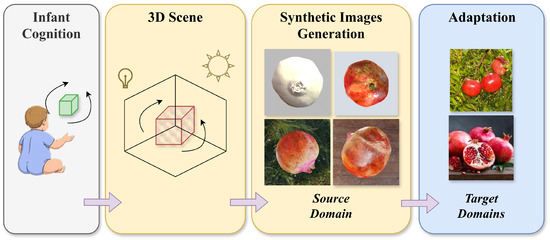
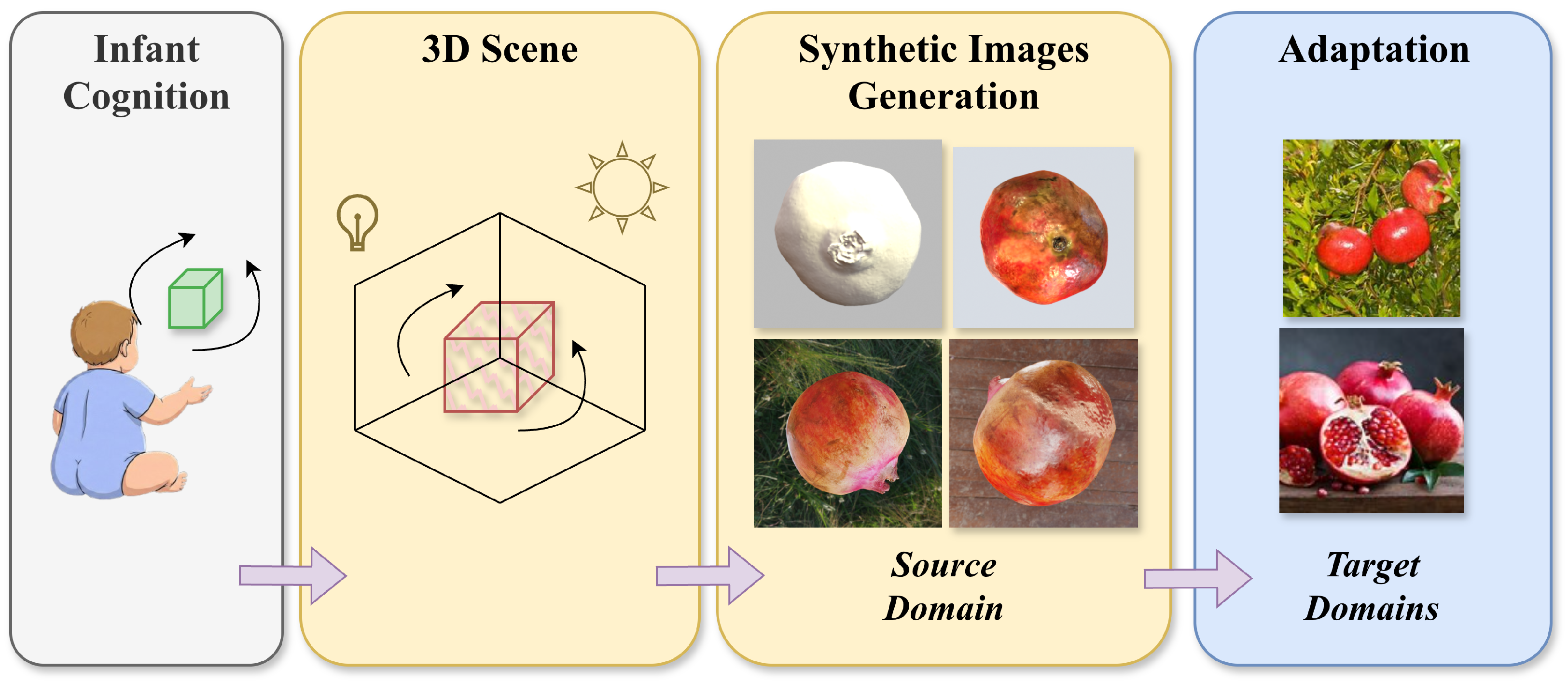
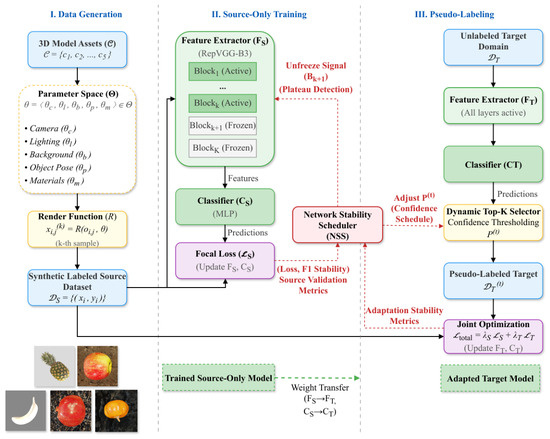
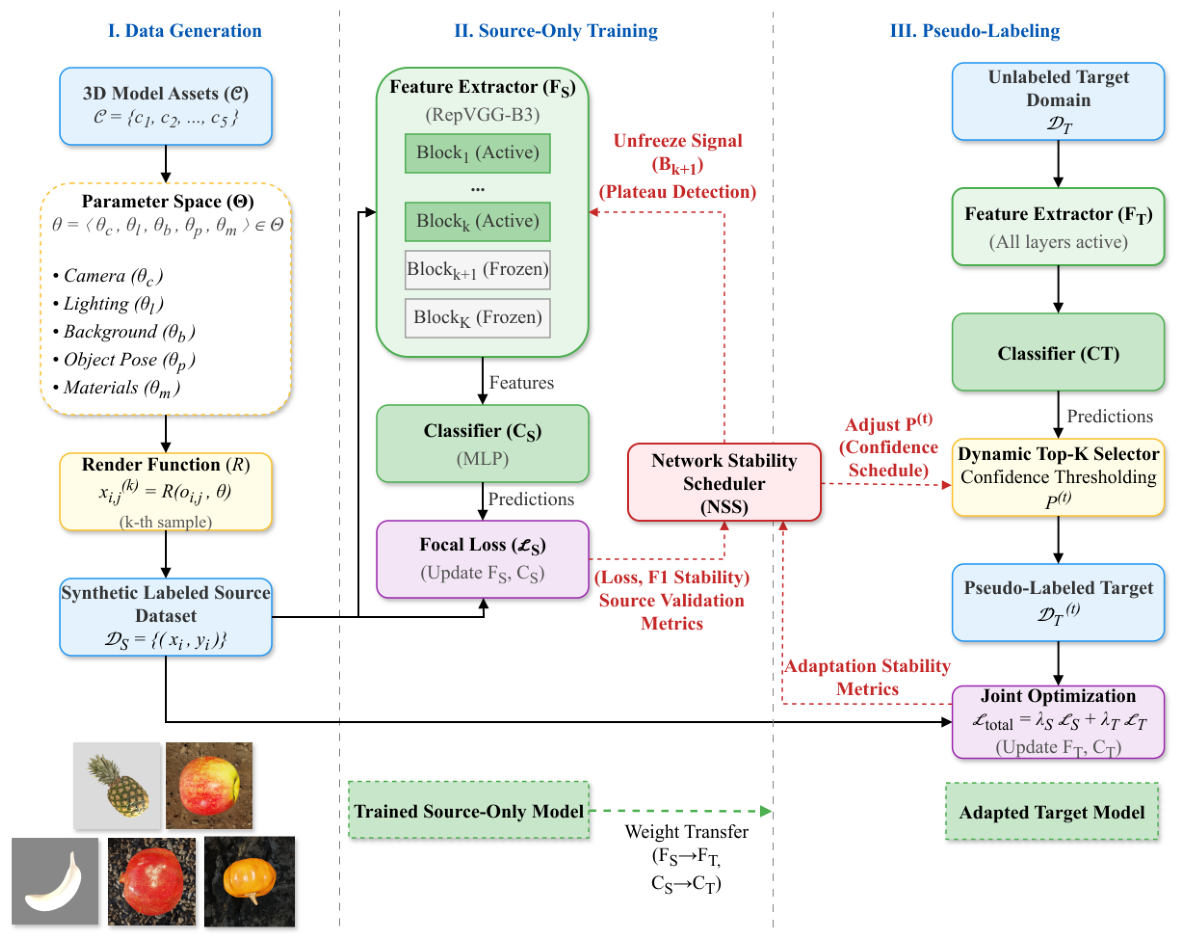
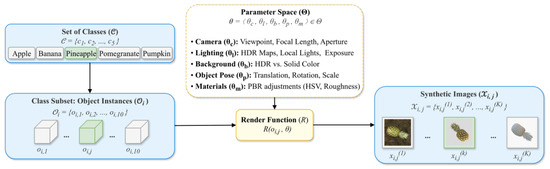
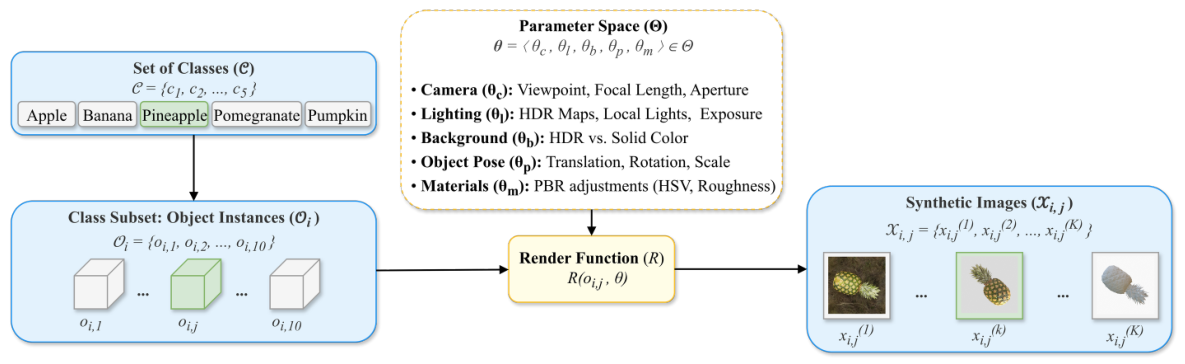
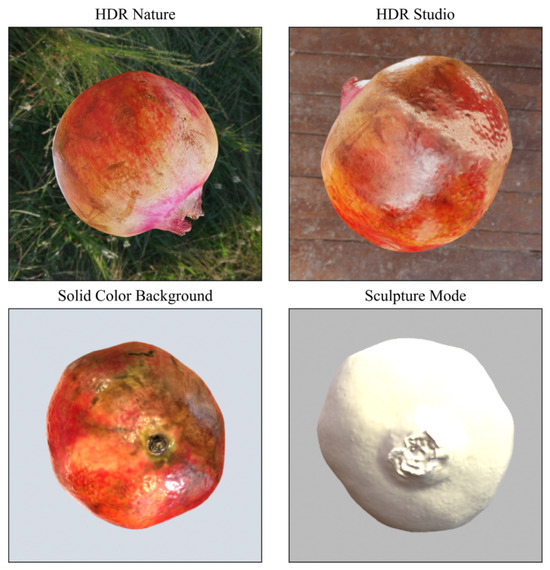
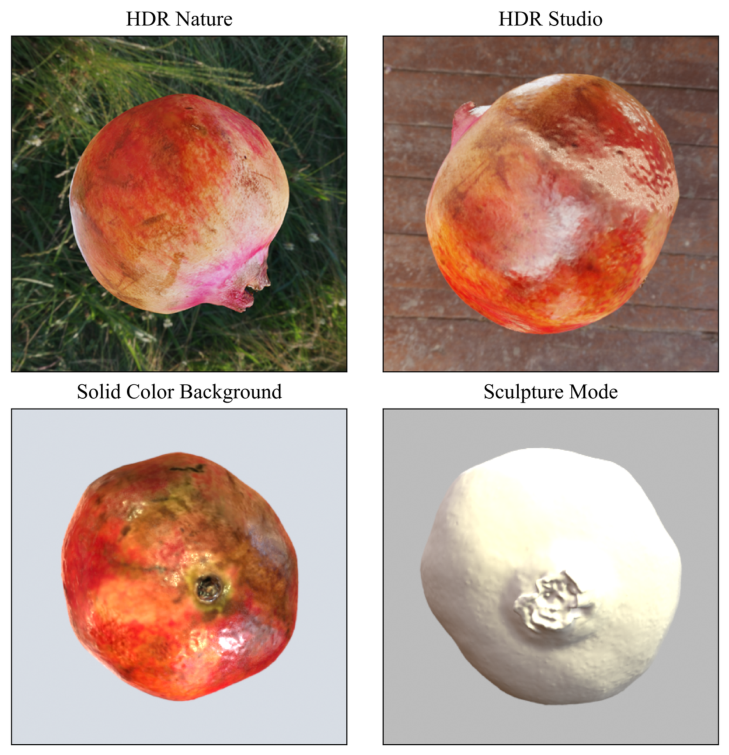
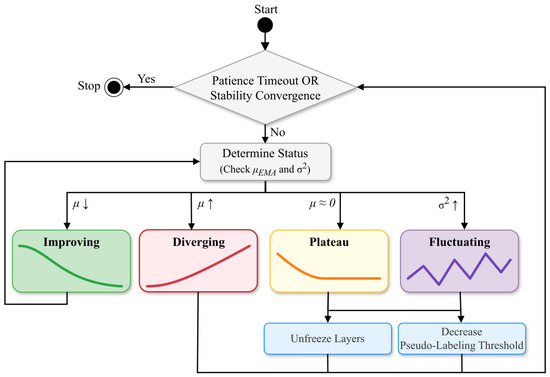
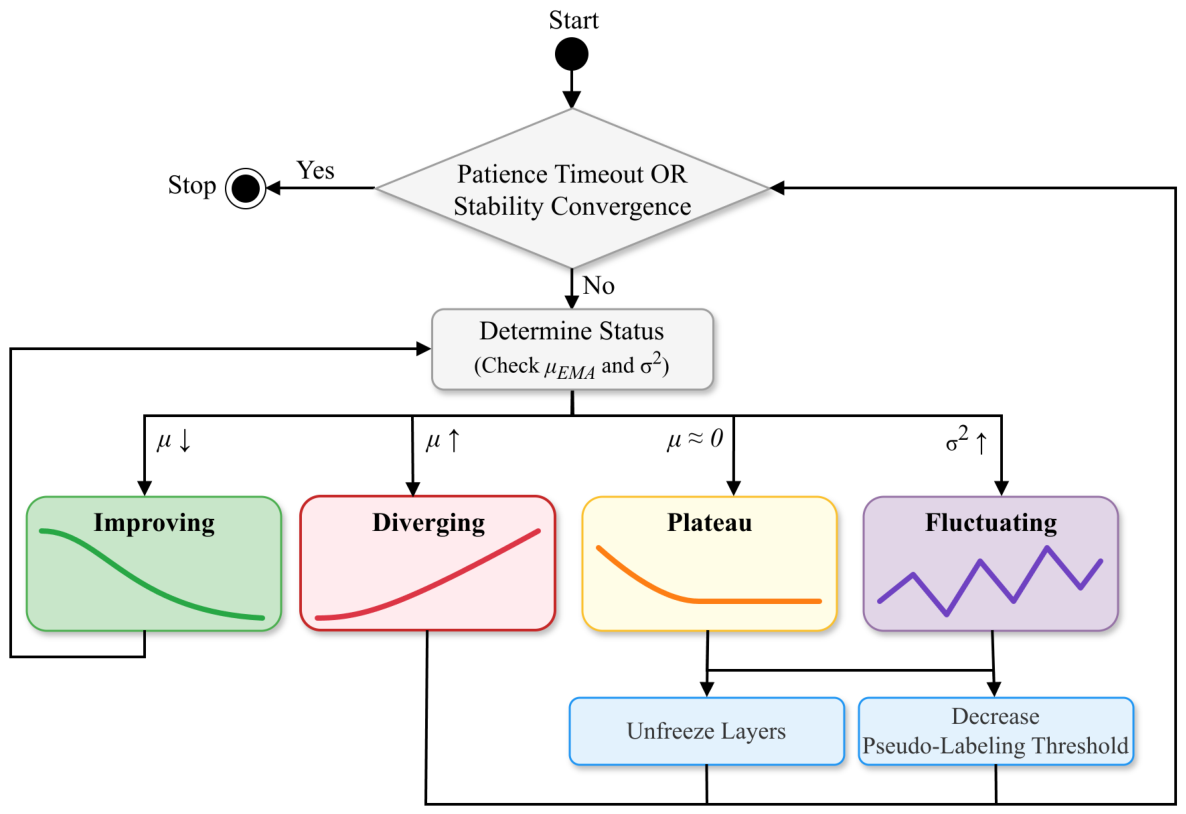
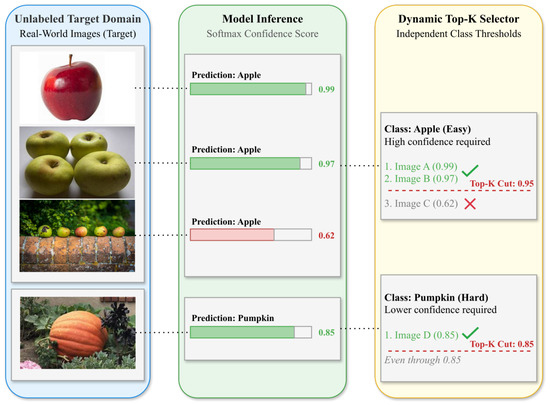
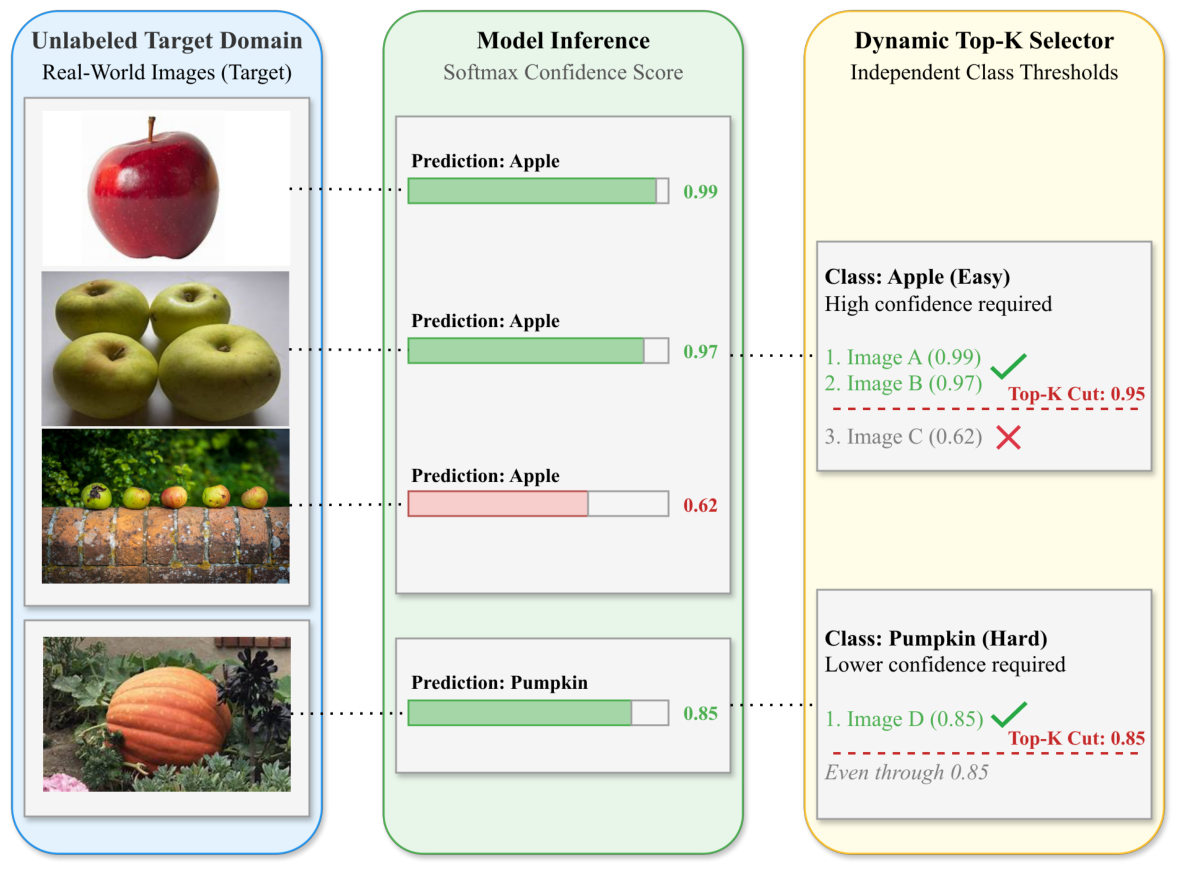
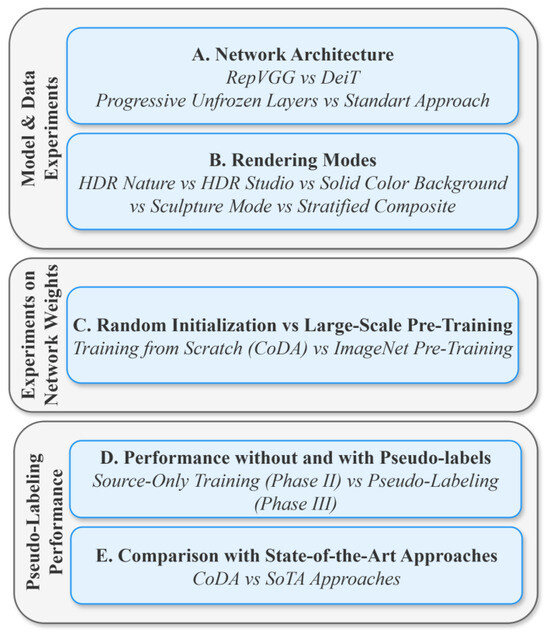
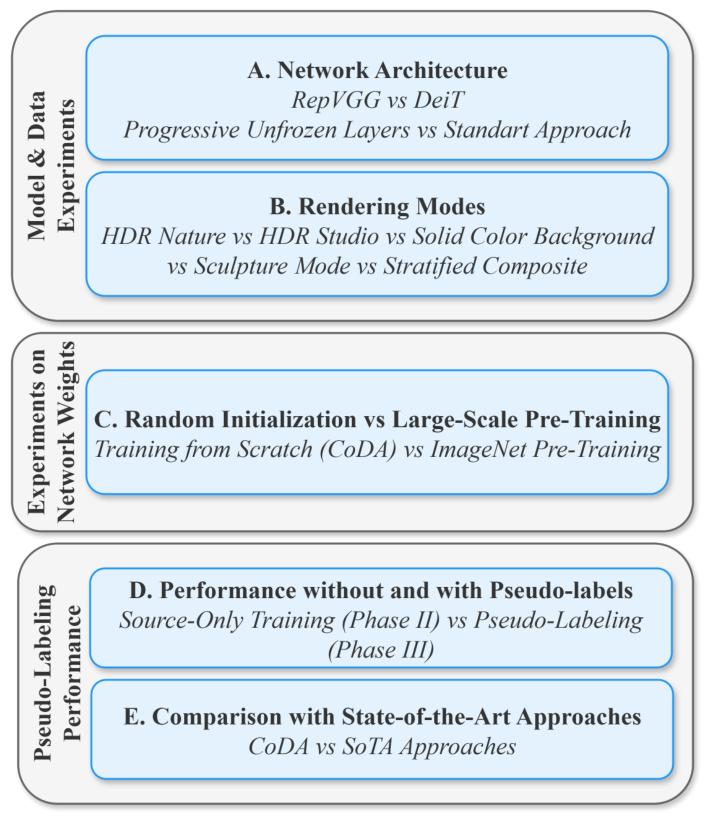
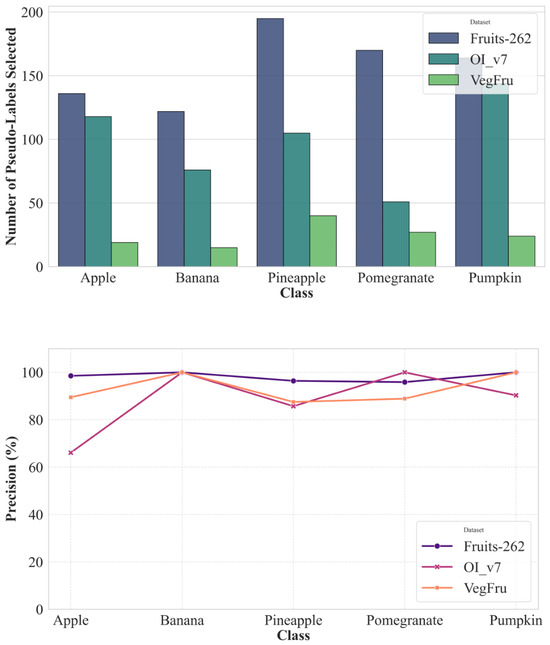
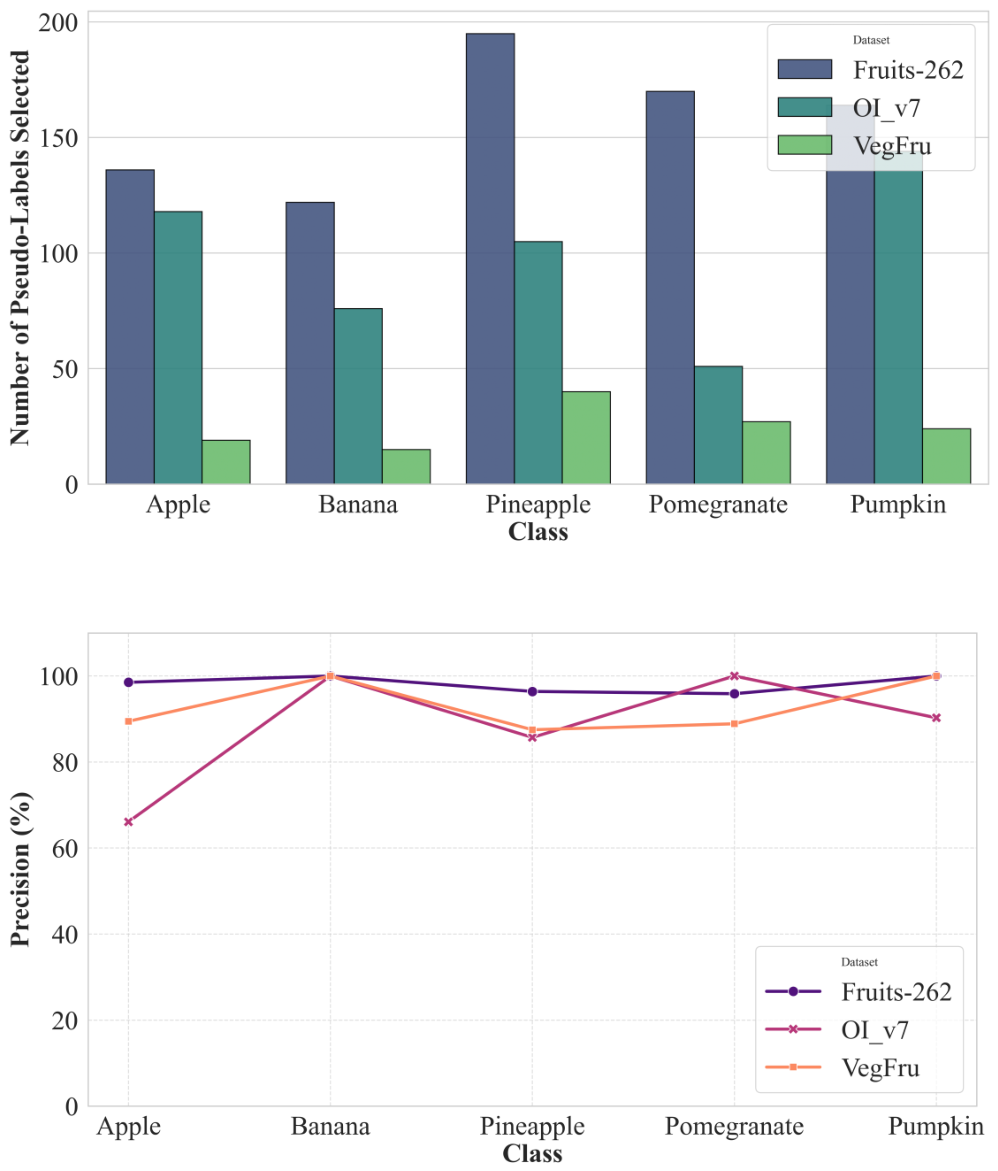
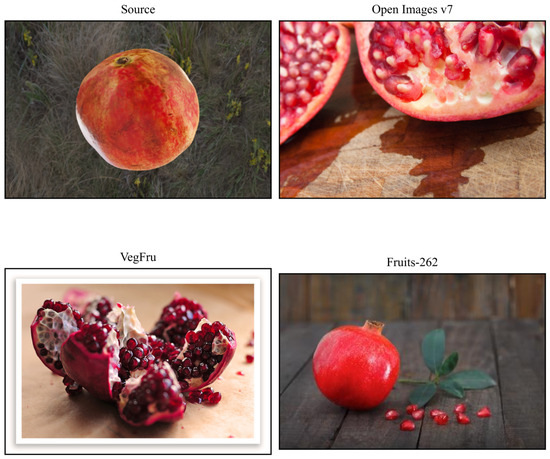
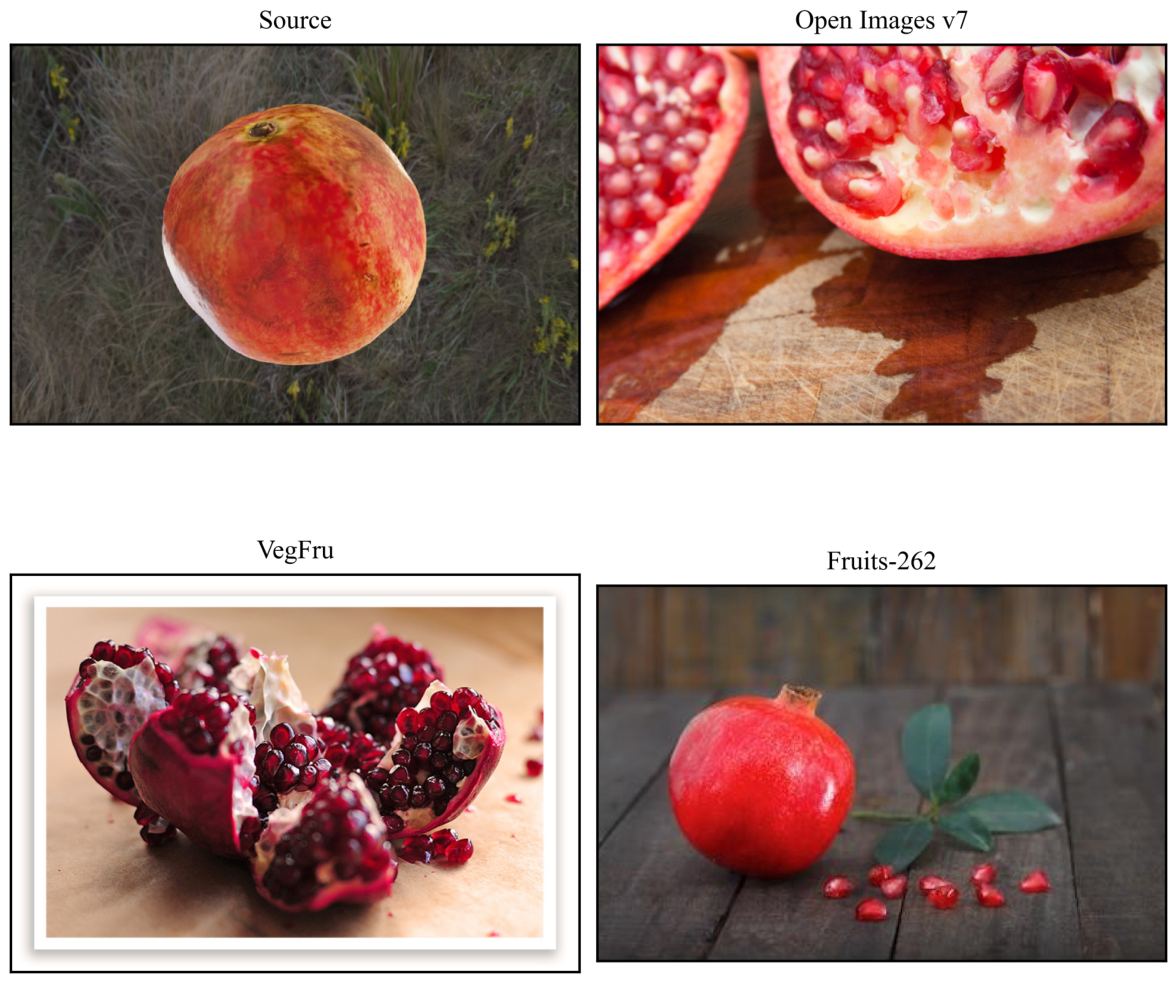
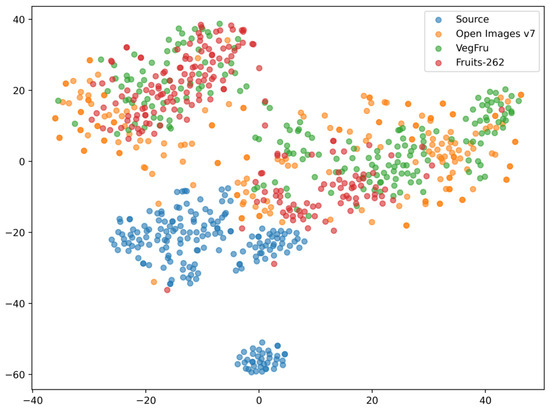
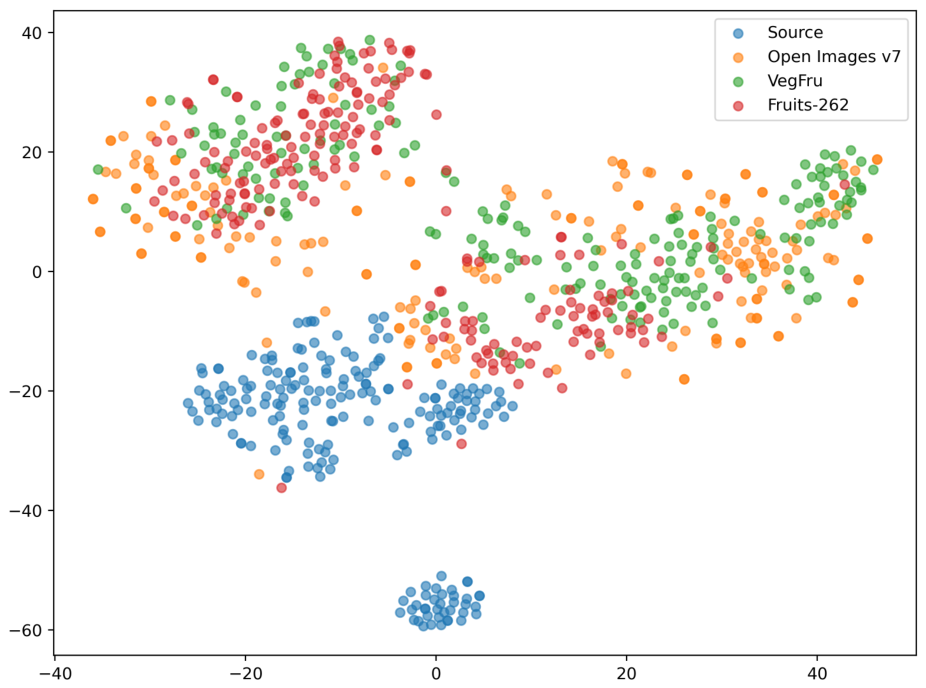

Disclaimer/Publisher’s Note: The statements, opinions and data contained in all publications are solely those of the individual author(s) and contributor(s) and not of MDPI and/or the editor(s). MDPI and/or the editor(s) disclaim responsibility for any injury to people or property resulting from any ideas, methods, instructions or products referred to in the content. |
© 2026 by the authors. Licensee MDPI, Basel, Switzerland. This article is an open access article distributed under the terms and conditions of the Creative Commons Attribution (CC BY) license.