


Abstract
Calcium peroxide nanoparticles (CaO2 NPs) have recently attracted increasing attention as oxygen-generating nanomaterials with potential biomedical applications. Their ability to release molecular oxygen and reactive oxygen species (ROS) in aqueous environments enables modulation of hypoxic and oxidative microenvironments, which play critical roles in infection control, tumor progression, and tissue regeneration. Despite growing interest in oxygen-releasing biomaterials, the literature specifically addressing CaO2 nanomaterials remains comparatively limited and fragmented, particularly when compared with the extensive body of work on calcium oxide-based systems. This review provides a comprehensive overview of CaO2 nanoparticles, focusing on synthesis strategies, physicochemical properties, and emerging biomedical applications. Conventional bottom-up synthesis routes based on calcium salts, calcium hydroxide, and calcium oxide are critically compared, highlighting the influence of reaction parameters and stabilizing agents on particle size, morphology, crystallinity, and colloidal stability. Surface modification strategies, including polyethylene glycol, polyvinylpyrrolidone, and hyaluronic acid, are also discussed for their role in improving nanoparticle stability, regulating decomposition kinetics, and enhancing biocompatibility. The mechanisms governing oxygen and ROS generation are analysed in relation to antibacterial activity, hypoxia alleviation in tumor microenvironments, and oxygen-supplying biomaterials for tissue engineering and wound healing. In addition, key challenges associated with oxidative stress responses are discussed. Finally, the review outlines current limitations and perspectives regarding the clinical translation of CaO2-based nanotherapeutic systems. Overall, this work aims to consolidate the currently dispersed knowledge on CaO2 nanoparticles and provide a critical framework to guide future research in oxygen-releasing nanomedicine.
Keywords:
calcium peroxide; CaO2; CPO; nanomedicine; synthesis; ROS; antibacterial; regeneration; tumour therapy; tissue engineering 1. Introduction
The rapid advancement of nanotechnology has revolutionized various medical fields, paving the way for the exploration of a wide range of smart nanomaterials with potential applications in diagnosing and treating different diseases.
Engineered nanomaterials offer advantages such as high surface-area-to-volume ratios, tunable reactivity, and enhanced bioavailability, making them ideal candidates for targeted drug delivery, tissue engineering, and antimicrobial interventions [1]. Among these, inorganic NPs have gained particular attention due to their stability, controlled degradation, and functional versatility. Oxygen-releasing NPs, such as CaO2, are an emerging class of nanostructures that play a critical role in modulating cellular microenvironments by alleviating hypoxia, generating reactive oxygen species (ROS), and promoting tissue regeneration [2]. These properties make CaO2 NPs highly relevant for biomedical applications, particularly in cancer therapy, wound healing, and antimicrobial treatments, as illustrated in Figure 1.
Figure 1.
Applications of CaO2 in nanomedicine.
The biomedical potential of CaO2 NPs arises from their principal mechanisms: (1) oxygen generation and (2) ROS-mediated antimicrobial and anticancer effects. Hypoxia, a condition characterized by oxygen deficiency in tissues, is a major challenge in cancer therapy, ischemic diseases, and chronic wounds [3]. Therefore, CaO2 NPs can serve as O2 nanocarriers, alleviating hypoxia in tumour microenvironments and accelerating wound healing [4]. Additionally, their ability to produce ROS, particularly H2O2, enhances their antimicrobial efficacy by disrupting bacterial membranes and inhibiting biofilm formation [5]. Moreover, CaO2 NPs can be incorporated into smart drug delivery systems, where oxygenation can synergistically enhance the therapeutic efficacy of chemotherapy, photodynamic therapy, and radiotherapy [6]. Despite these advantages, challenges related to stability and potentially dangerous oxidative stress require further investigation to optimize their biomedical applications [7]. This review aims to provide a comprehensive overview of CaO2 NPs, emphasizing their synthesis, physicochemical properties, and biomedical applications. It highlights their mechanisms of action, including oxygen generation and ROS-mediated effects, and evaluates their potential in antimicrobial therapies, cancer treatment, and tissue regeneration. Furthermore, this review seeks to bridge existing knowledge gaps and provide insights into future research directions for developing CaO2-based nanomedicine.
2. Fundamentals of Calcium Peroxide
CaO2 is an inorganic compound that belongs to the family of alkaline earth metal peroxides [8]. Structurally, it consists of calcium cations (Ca2+) and peroxide anions (O22−), whose peroxide bond is responsible for the compound’s oxygen-releasing and oxidative properties.
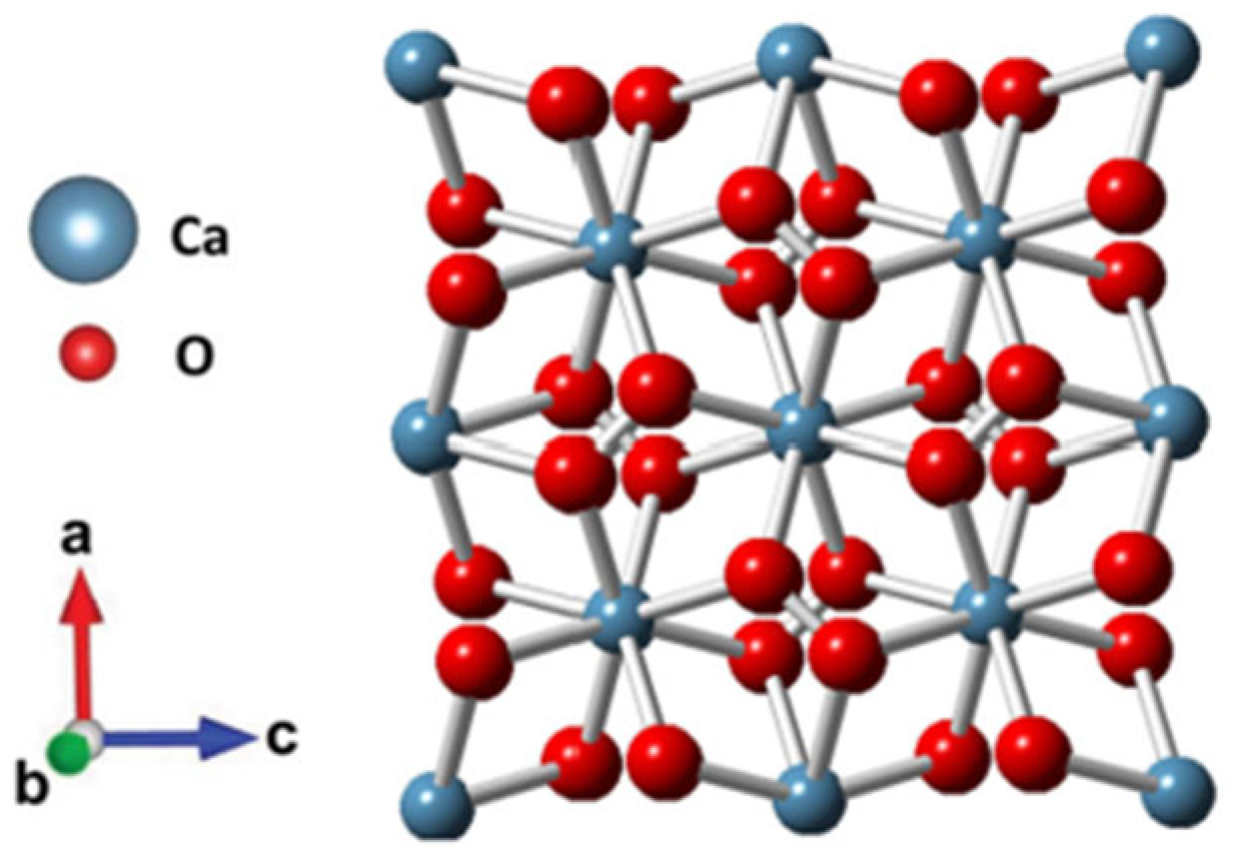
Under ambient conditions, CaO2 is commonly reported to crystallize in a tetragonal structure, although theoretical and computational studies have suggested that additional metastable structures may exist under different thermodynamic conditions, including orthorhombic [Figure 2] or cubic-like configurations [9]. These variations reported in the literature are mainly associated with differences in synthesis conditions, experimental characterization methods, or high-pressure theoretical predictions.
In the tetragonal structure, Ca2+ ions are coordinated by oxygen atoms from peroxide groups, forming a three-dimensional lattice in which O22− units remain intact. The O–O bond within the peroxide group is typically around 1.49–1.51 Å, while Ca–O bond lengths range from approximately 2.4 to 2.6 Å [10]. This structural arrangement is responsible for the compound’s relatively low solubility in water and its ability to release oxygen through hydrolysis reactions [11].
Figure 2.
Orthorhombic CaO2 structure, adapted from Bouibes and Zaoui (2015) [12], licensed under CC BY 4.0.
CaO2 exhibits strong oxidative properties, making it highly reactive in aqueous and biological environments, with an oxygen release of 0.2222 g O2 g−1 CaO2 [11].
The mechanisms of H2O2 release follow a sequence of well-defined chemical transformations. Upon exposure to water, CaO2 undergoes hydrolysis, leading to the generation of calcium hydroxide [Ca(OH)2] and H2O2 [13]. The dissociation of Ca(OH)2 increases the hydroxide ion (OH−) concentration, which may elevate the system’s pH [13]. In aqueous media, CaO2 may also undergo a disproportionation reaction, yielding molecular oxygen (O2) alongside H2O2, thereby further enhancing its oxidative potential [14]. Additionally, the release of Ca2+ ions plays a crucial role in modulating ionic strength and may facilitate interactions with surrounding negatively charged particles. These processes underline the dual functionality of CaO2 as both an oxygen and peroxide source, thereby enabling its application in controlled oxidative environments, water treatment, and biomedical systems where local release of ROS is desired. Importantly, the pH-dependent equilibrium between H+ and OH− ions, as well as the buffering interactions with byproducts such as carboxylic acids (RCOOH), may serve to stabilize the local chemical environment, ensuring a sustained and controlled release of the reactive species [15].
The released H2O2 can subsequently undergo catalytic or enzymatic decomposition, generating molecular oxygen and hydroxyl radicals () contributing to oxidative stress and bacterial inactivation. This controlled ROS production is highly beneficial in cancer therapy, as cancer cells exhibit increased susceptibility to oxidative damage [3]. Furthermore, the oxygen-releasing capacity of CaO2 NPs makes them suitable for alleviating hypoxia in wound healing and ischemic conditions [16]. However, excessive ROS production can lead to cytotoxic effects, leading to the necessity of strategies to regulate the decomposition kinetics in biological environments [17].
From a materials perspective, CaO2 is produced through multiple synthesis mechanisms, the most common being the reaction of calcium salts with hydrogen peroxide (H2O2) under controlled conditions [3]. Its efficiency and environmentally benign nature have driven its widespread adoption in industries ranging from food preservation to wastewater treatment and, more recently, the biomedical field. However, the compound’s reactive nature and potential hazards, such as the risk of fire and irritation, require careful handling and application [18].
3. Synthesis of Calcium Peroxide Nanoparticles
3.1. Bottom-Up Methods
Different synthesis methods have been developed to optimize the size, morphology, and stability of CaO2 NPs, as these characteristics significantly influence their functional properties, in the fields of biomedical engineering. These methods typically involve the reaction of calcium-containing precursors with H2O2, under specific conditions, to form CaO2. Variations in the choice of precursor, reaction medium, and synthesis conditions allow for tailoring the NPs to meet the specific requirements of their desired application.
Among the most employed methods for the synthesis of CaO2 NPs are the calcium chloride (CaCl2), calcium oxide (CaO), and calcium hydroxide (Ca(OH)2) methods. Each of these approaches offers distinct advantages and challenges, including differences in reaction efficiency, particle size, and scalability.
3.1.1. Calcium Chloride (CaCl2) Method
Analyzing the literature, the CaCl2 method is the most common in synthesizing CaO2 due to its straightforward procedure, cost-effectiveness, and well-established methodology. This synthesis involves reacting CaCl2 with H2O2 in an alkaline environment created by ammonia (NH3·H2O). Equations (1) and (2) summarise the reaction mechanism [19]:
Formation of calcium peroxide hydrate:
Dehydration to produce anhydrous calcium peroxide:
In this reaction, ammonia serves two critical roles: Firstly, it provides an alkaline environment required for producing CaO2 by neutralizing the hydrochloric acid (HCl) produced as a by-product. This neutralization shifts the equilibrium toward the formation of CaO2 hydrate. Secondly, it prevents the precipitation of Ca(OH)2, which could otherwise form in a strong alkaline environment created by substances like sodium hydroxide (NaOH). Unlike ammonia, NaOH introduces excessive hydroxyl ions that accelerate the decomposition of H2O2 and the formation of unwanted by-products [20].
The rate at which H2O2 is introduced into the solution plays a critical role in determining the composition and characteristics of the synthesized particles. The addition rate of H2O2 influences parameters such as phase purity, crystallite size, and particle size distribution. A proper injection rate is particularly advantageous for promoting the formation of smaller crystallites, thereby affecting the overall structural and morphological properties of the resulting material [21].
To improve the yield and efficiency of this process, preventing the premature decomposition of H2O2 and increasing the overall yield of CaO2 produced, stabilizers are commonly introduced into the reaction mixture. When stabilizers are not used, the reaction must be conducted at low temperatures to minimize H2O2 decomposition. However, low-temperature processes are more complex, energy-intensive, and costly. The addition of stabilizers enables the reaction to proceed effectively at room temperature, reducing production costs [20].
3.1.2. Calcium Oxide (CaO) Method
As an alternative, the CaO method is recognized for synthesizing CaO2 NPs due to its simplicity and cost-effectiveness. This method involves the dissolution of CaO in water to form a Ca(OH)2 solution, which subsequently reacts with H2O2 to produce CaO2·8H2O. The final step involves filtering and drying the resultant material to obtain anhydrous CaO2. The primary reaction mechanisms can be summarised as follows in Equations (3), followed by Equations (1) and (2) [22]:
Formation of calcium hydroxide:
The CaO method offers several advantages over other synthesis techniques. Firstly, it eliminates the need for additional reagents such as ammonia, often required to maintain an alkaline environment or prevent by-product formation. Secondly, the equipment is minimal, and the preparation involves straightforward steps. Moreover, the process produces no significant chemical waste, making it environmentally friendly [22].
Despite these advantages, the method is underrepresented in the literature compared with the CaCl2 method, with limited studies evaluating its efficacy and detailing its potential limitations. This lack of comprehensive data presents a barrier to its widespread adoption, highlighting the need for further research and optimization.
3.1.3. Calcium Hydroxide (Ca(OH)2) Method
The Ca(OH)2 approach is a more extensively documented method for synthesizing CaO2 NPs due to its simplicity and cost-effectiveness. This method leverages Ca(OH)2 as a precursor, which reacts with H2O2 to produce CaO2·8H2O. After dehydration, the anhydrous CaO2 is obtained [23].
In the traditional method, Ca(OH)2 is slowly added to H2O2 in an ice bath, or in the presence of a stabilizer to facilitate the reaction at room temperature, improving the utilization rate of H2O2 and ensuring the stability of the product [24]. The reaction mechanism is as follows in Equations (2) and (4):
Formation of calcium peroxide hydrate:
The traditional Ca(OH)2 method is well-established, reducing energy and production costs while maintaining a straightforward preparation process. Additionally, some variations of the traditional method involve dissolving Ca(OH)2 in an NH4Cl solution to form an ammonium complex, which reacts with H2O2 to produce CaO2·8H2O. This process helps to avoid precipitation issues and enhances reaction efficiency. The reaction Equations (1), (5) and (6) describing the synthesis are as follows [25]:
Formation of calcium chloride:
Formation of calcium peroxide hydrate:
Overall, although the CaCl2-based route remains the most widely adopted due to its reproducibility and compatibility with stabilizing agents, CaO and Ca(OH)2 approaches provide simpler reaction schemes and reduced chemical waste generation. However, these latter methods remain comparatively underexplored, and their scalability and particle uniformity are less consistently reported across studies. Consequently, precursor selection should be guided by the intended biomedical application, balancing process simplicity with control over particle size distribution and stability.
3.2. Alternative and Green Methods
Alternatively, another calcium salt can be used in the reaction. In a study by Meng et al., the reaction mechanisms using calcium nitrate (Ca(NO3)2) as a precursor follow Equation (7), resulting in spherical CaO2 NPs with a core–shell structure [26].
Formation of anhydrous calcium peroxide:
A variant of this method is the one applied by Dong et al., who added the H2O2 quickly, instead of slowly drop-by-drop, as in every other published work [27].
J. Li et al. report a novel approach to produce CaO2 NPs, as their method with Ca(NO3)2 does not use H2O2 in the reaction. This method is described in reactions (8) and (2) [28]:
Formation of calcium hydroxide
In a study by Mosmeri et al., a unique synthesis was conducted. This method uses calcium sulfate as the precursor, which reacts with H2O2 in an alkaline environment with controlled temperature to produce CaO2 NPs [29]. This novel approach demonstrates both simplicity and economic feasibility, with success in producing nanocrystals with flower-shaped morphology and high purity [29].
Compared with conventional chloride- and hydroxide-based routes, alternative precursor strategies such as Ca(NO3)2 or CaSO4 enable improved control over morphology and purity in specific cases, but they remain less standardized and are supported by fewer systematic studies. As a result, their reproducibility and suitability for large-scale biomedical production still require further validation.
3.3. Top-Down Methods
A top-down approach can also be employed for the synthesis of NPs, as described by Yeh et al.; this method involves the breakdown of bulk CaO2 into NPs through mechanical milling. In this study, both wet and dry grinding processes were conducted in a chamber containing ZrO2 beads (0.3–0.4 mm) at a rotational speed of 3000 rpm for two hours. The resulting NPs exhibited diverse morphologies, including spherical, rod-like, and flower-like structures, with sizes ranging from 1000 nm to 100 nm. Although the process successfully reduced the material to the nanoscale, the particles tended to aggregate over time. However, their stability was notably enhanced following the wet grinding process [30].
Lastly, despite the increasing demand for sustainable and environmentally benign synthesis methods, scientific literature reveals a lack of green synthesis approaches, particularly those utilizing plant extracts. Nonetheless, a limited number of studies have explored the use of biogenic waste materials, such as eggshells, as alternative calcium-rich precursors, aligning with the principles of the circular economy [31,32].
The synthesis process begins with the purification of eggshell waste. The raw material is initially soaked in deionized water for 24 h, followed by thorough washing, mechanical brushing, and drying overnight in an oven at 100 °C, to eliminate organic and inorganic impurities. The cleaned eggshells are subsequently subjected to a calcination process to convert calcium carbonate (CaCO3) into CaO. The synthesized CaO is then converted into CaO2 through a wet chemical process characterized by Equations (3), (9) and (10) [32]:
Calcination of calcium carbonate:
Formation of calcium peroxide anhydrous:
This approach was successful, with a CaO2 content of 84.5 %, indicating higher purity compared to the 60–80 % CaO2 content of commercial products, resulting in aggregates of spheres and pores with varying diameters [32].
Table 1 summarizes these synthesis mechanisms from the CaCl2, CaO, Ca(OH)2, Ca(NO3)2, and CaSO4 approaches.
Table 1.
Synthesis of CaO2 by the bottom-up approaches.
3.4. Surface Modifiers
CaO2 NPs synthesized through conventional methods often exhibit significant challenges, such as variability in particle size, irregular morphology, and limited stability. To address these issues, surface modifiers are commonly employed to enhance and regulate the physical properties. Additionally, these modifiers can provide new functionality to the NPs, enhancing their applicability in various nanomedicine fields [49].
Commonly utilized agents include polyethylene glycol (PEG), polyvinylpyrrolidone (PVP), hyaluronic acid (HA), sulfhydryl compounds (SH), tannic acid (TA), polyacrylic acid (PAA), and polydopamine (PDA), among others, as described in Table 2.
Table 2.
Surface modifiers in the synthesis of CaO2 and their effects on morphology and size.
Research by Zeng et al. showed the impact of different surface modifiers on the properties of CaO2 NPs [51]. For instance, unmodified CaO2 NPs exhibit poor dispersion, significant size variability, and a tendency to form aggregates. When PDA was used as a modifier, the NPs exhibited an average size of approximately 150 nm but still suffered from agglomeration. Additionally, modifying CaO2 NPs with a combination of PDA and SC yielded particles with a smaller average size of 30 nm, a monodisperse spherical morphology, and excellent dispersibility [51].
In another study, Park et al. successfully incorporated tannic acid (TA) in the synthesis of CaO2 NPs [34]. This approach produced NPs with relatively uniform particle sizes and regular morphologies, though issues with poor dispersion persisted. SEM and particle size distribution analyses provided detailed insights into the structural characteristics of TA-modified CaO2 NPs, confirming their potential for further optimization [34].
Collectively, these studies demonstrate that surface modification represents one of the most effective strategies for improving CaO2 NP performance across biomedical applications. While PEG and PVP primarily enhance colloidal stability and dispersion, hyaluronic acid and sulfhydryl-based modifications additionally introduce targeting or tumour-responsive functionality. However, no single modifier simultaneously optimizes stability, dispersibility, and release kinetics, showing the need for application-specific surface engineering strategies.
4. Physicochemical Characterization
A comprehensive physicochemical and structural characterization of the synthesized CaO2 is essential to advancing our understanding of its properties and optimizing the performance for biomedical and environmental applications. This chapter focuses on key characterization domains, including crystallinity and phase composition, analyzed via X-ray diffraction (XRD); surface chemistry and functional groups, evaluated through Fourier-transform infrared spectroscopy (FTIR), X-ray photoelectron spectroscopy (XPS) and Zeta Potential; thermal stability and decomposition behavior, assessed by thermogravimetric and differential thermal analyses (TGA–DTA); and dissolution kinetics and release profile, studied through in vitro assays simulating relevant environments. Together, these techniques provide a detailed framework for interpreting the structural integrity, chemical reactivity, and functional performance of CaO2 NPs.
4.1. Crystallinity and Phase Composition
XRD is a fundamental technique employed to investigate the crystallographic structure, phase purity, and degree of crystallinity of materials. In the context of CaO2, XRD analysis serves to confirm the presence of the desired crystalline phase and to detect the existence of any secondary phases or degradation products, such as Ca(OH)2 or CaCO3.
In CaO2 NPs, the diffraction peaks are indexed to (0 0 2), (1 1 0), (1 1 2), (1 0 3), (2 0 2), and (3 1 0) crystallographic planes, given the cubic fluorite-like structure with a space group , similar to other alkaline earth metal peroxides [Figure 3] [52]. This can be equivalent to 2θ = 30.47°, 35.75°, 47.46°, 53.28°, 60.82°, and 87.1° [Table 3], respectively, as referenced by the Joint Committee for Powder Diffraction Studies (JCPDS, File No. 03.0865) [53].
Figure 3.
Crystal Structure of CaO2 (Red—Calcium and Blue—Oxygen), adapted from Materials Project for CaO2 (mp-634859) from database version v2025.09.25 [10].
Table 3.
Crystallographic Planes of CaO2.
The synthesis of CaO2 NPs is highly sensitive to variations in experimental conditions, such as temperature, precursor selection, pressure, and reaction time. These factors can induce the formation of secondary phases, including Ca(OH)2 and CaO, due to partial decomposition or hydration [22].
In addition to the CaO2 phase, secondary peaks may also be detected in the XRD pattern, reflecting the presence of typical decomposition or impurity phases. Peaks at 2θ ≈ 18.0°, 34.0°, and 50.9° may indicate the formation of Ca(OH)2, a common hydration product resulting from the exposure of CaO2 to atmospheric moisture [54]. Similarly, reflections appearing around 2θ ≈ 29.4°, 39.4°, and 43.1° are generally attributed to calcite (CaCO3), a product of carbonation due to interaction with ambient CO2 [55].
In a study conducted by Nelson et al., the influence of pressure, ranging from 0 to 200 GPa, on the resulting material was analyzed. At ambient pressure, multiple energetically competitive structures coexist, with the ground-state configuration depending on the chosen exchange-correlation functional. New stable phases with C2/c, I4/mcm, and P21/c symmetries emerge at pressures below 40 GPa, and CaO2 remains thermodynamically stable against decomposition into CaO and O2. It was found that the stability of CaO2 increases with pressure, reaching its maximum at the CaO B1–B2 phase transition around 65 GPa [56].
4.2. Surface Chemistry
Analyzing the literature, it is possible to obtain the defining features of CaO2 in the FTIR spectrum. One of these is the presence of absorption bands in the 855–875 cm−1 range. These are assigned to the O–O stretching vibrations of the peroxide bridge (–O–O–), a fundamental component of the compound’s oxidizing functionality and a reliable indicator of the presence and structural integrity of the peroxide bond in CaO2 [57].
Additional characteristic peaks are observed at approximately 590 cm−1 has been assigned to O–O stretching vibrations of the peroxide group, and 1487 cm−1, which are attributed to O–Ca–O vibrations. These features are associated with the metal-oxygen lattice structure, reflecting the interaction between calcium ions and oxygen atoms within the crystalline framework of CaO2 [57].
A broad and intense absorption band at 3640 cm−1 and another commonly observed band around 1635 cm−1 correspond to the O–H stretching and bending vibrations, respectively. These are typically indicative of moisture (physiosorbed or chemisorbed water) on the material’s surface, which is a frequent occurrence due to the hygroscopic nature of CaO2 [57].
Furthermore, bands in the 1410–1430 cm−1 range can be linked to carbonate groups (CO32−), arising from the interaction of CaO2 with atmospheric CO2 or as a result of partial degradation into calcium carbonate (CaCO3) [22]. A weaker carbonate-related peak may also appear near 1080 cm−1, supporting the presence of this common inorganic impurity. These vibration bands are illustrated in Figure 4 and summarized in Table 4.
Figure 4.
FTIR-ATR spectra of CaO2, retrieved from Li et al. (2022) [57], licensed under CC BY.
Table 4.
FTIR characteristic peaks of CaO2 and their corresponding functional groups.
XPS is a surface-sensitive analytical technique widely employed in materials science for the qualitative and quantitative determination of elemental composition, and the electronic and chemical states of elements present within the top few nanometers of a material’s surface. The technique is based on the photoelectric effect, wherein the nanomaterial is irradiated with monochromatic X-rays, resulting in the emission of core-level photoelectrons. The kinetic energy of these emitted electrons is measured, and the corresponding binding energy is calculated, allowing for the identification of specific elements and their oxidation states.
In the context of metal oxide and peroxide nanomaterials, such as CaO2, XPS serves as a critical tool to confirm the oxidation state of metal cations (e.g., Ca2+) and to differentiate between various oxygen species, including oxide (O2−), peroxide (O22−), hydroxide (OH−), and adsorbed molecular species (e.g., H2O, CO2), as illustrated in Figure 5.
Figure 5.
Binding energy scale for the O1s peak, designed in BioRender.
High-resolution scans of the Ca2p region typically reveal doublets associated with the spin–orbit splitting of Ca2p3/2 (345.68 eV) and Ca2p1⁄2 (349.28 eV), whose binding energies reflect the oxidation state and local chemical environment [58]. Similarly, the O1s (532.28 eV) region may exhibit multiple components, enabling the deconvolution of distinct oxygen-containing groups, mainly O22− [58]. The presence of adventitious carbon, often seen in the C1s region, serves as an internal standard for charge referencing [59].
Elemental mapping is a pivotal technique in the morphological and compositional characterization of nanomaterials, enabling the spatially resolved identification and distribution of constituent elements across the surface or internal structure of particles [60]. The elemental maps for calcium and oxygen typically reveal a homogeneous distribution of both elements throughout the NPs, yielding elemental ratios consistent with the theoretical stoichiometry of CaO2, a Ca:O atomic ratio close to 1:2, as depicted in Figure 6 [60].
Figure 6.
Element mapping of CaO2, (a) TA (10 mg)/CaO2, (b) TA (25 mg)/CaO2, and (c) TA (50 mg)/CaO2. (d) SEM image and the corresponding EDS elemental maps of carbon (C; white), oxygen (O; green), and calcium (Ca; red), retrieved from Park et al. (2020) [34], licensed under CC BY.
The absence of extraneous signals from elements such as carbon (excluding surface adventitious carbon), sodium, or chloride suggests minimal contamination and effective synthesis and washing protocols [60].
The literature presents no clear consensus regarding the Zeta Potential of CaO2 NPs, with reported values ranging from near-neutral (+0.24 ± 0.10 mV) [50], to negative (−16.48 mV) [33], and even positive (+17.1 mV) [61]. This discrepancy can be attributed to differences in the NP synthesis methods employed by different authors, which significantly influence surface charge properties.
4.3. Thermal Stability
The thermal stability and decomposition behavior of CaO2 are crucial for its practical applications, particularly in controlled oxygen release. Thermal analysis techniques, such as thermogravimetric analysis (TGA) and differential scanning calorimetry (DSC), provide valuable insights into its stability, phase transitions, and decomposition mechanisms.
In a study of thermal decomposition by Massalimov et al., the TGA studies have demonstrated that CaO2 undergoes a two-stage mass loss during heating, with a total weight reduction of approximately 32% between room temperature and 1000 °C. This decomposition is primarily attributed to the release of oxygen [Equation (11)], which is a key functional property of CaO2 in various applications [62].
DSC measurements further reveal two distinct endothermic events associated with the decomposition of CaO2, as illustrated in Figure 7 [21]. The first endothermic peak occurs at 375 °C, corresponding to the initial oxygen release. A second endothermic peak between 700 °C and 910 °C indicates further decomposition processes [62].
Figure 7.
TGA, DTG, and d2TG curves of CaO2, retrieved Rastinfard et al. (2018) [21], licensed under CC BY NC. Mechanical treatment (MT) has been observed to modify the thermal properties of CaO2 significantly. TGA results indicate that mechanically treated CaO2 exhibits a redistribution of oxygen release temperatures, with an additional exothermic peak emerging at approximately 335 °C, the intensity of which correlates with the energy input from MT. Furthermore, MT shifts the characteristic endothermic peaks to higher temperatures and enhances oxygen evolution at lower temperatures [62].
4.4. Dissolution and Release Kinetics
The dissolution kinetics of CaO2 NPs are a critical parameter influencing their reactivity and functionality in diverse applications in biomedical systems. When CaO2 comes into contact with water, it undergoes hydrolysis followed by peroxide decomposition. The overall oxygen-release process can be described by two main reactions, as described in Equations (12) and (13) [2]:
Hydrolysis of calcium peroxide:
Decomposition of hydrogen peroxide:
The hydrogen peroxide generated in the first step can subsequently decompose either spontaneously or through catalytic and enzymatic pathways, producing molecular oxygen and additional reactive oxygen species such as hydroxyl radicals (Figure 8).
Figure 8.
Twostep oxygen generation from CaO2 NPs, designed in BioRender.
In biological environments, enzymes such as catalase and peroxidases can accelerate the decomposition of hydrogen peroxide, leading to enhanced oxygen generation. This mechanism explains the ability of CaO2 nanoparticles to simultaneously supply oxygen and induce ROS-mediated biological effects.
An important consequence of CaO2 hydrolysis is the formation of calcium hydroxide, which increases the concentration of hydroxide ions in solution and may raise the local pH. While moderate alkalinity can contribute to antimicrobial activity, excessive pH elevation may negatively affect cell viability. Consequently, several studies have proposed strategies such as polymer coatings, hydrogel encapsulation, or nanoparticle surface modification to regulate CaO2 decomposition kinetics and maintain physiological compatibility.
The experimental findings by Wang et al., on the release kinetics of CaO2 NPs, corroborate the theoretical equations from Figure 8. The authors demonstrate that the concentrations of H2O2 and O2 initially increased sharply upon the addition of CaO2 to the aqueous system, followed by a stabilization phase wherein both concentrations remained nearly constant over time. This behavior implies that the release of H2O2 and O2 is directly linked to the dissolution dynamics of CaO2 and that these species are no longer released once CaO2 dissolution ceases [13].
The temporal overlap in release kinetics of H2O2 and O2 formation curves suggests that O2 is not formed via the decomposition of H2O2 as an intermediate but rather released concurrently from CaO2 through a parallel reaction mechanism. This is further substantiated by a slight increase in O2 concentration, which may be attributed to minimal H2O2 decomposition, indicating that this pathway contributes negligibly to O2 production. The O2 release rate was highest at the onset of CaO2 dissolution, when H2O2 levels were low, and gradually diminished as the reaction progressed, which contradicts the behavior expected from H2O2 disproportionation. This inconsistency supports the conclusion that O2 arises primarily from direct CaO2 dissolution rather than H2O2 decomposition [13].
5. Biomedical Applications
CaO2 is a versatile compound with significant applications in biomedical fields. It acts as an oxidizing agent, releasing oxygen and H2O2 upon reaction with water, which facilitates various processes such as antibacterial activity, tumour therapies, and tissue engineering development, as illustrated in Figure 1. The following sections elaborate on their key applications and mechanisms of action:
To identify the main biomedical applications of calcium peroxide nanoparticles, a systematic literature search was conducted using three major scientific databases: PubMed, Web of Science, and Scopus. The search strategy was designed to ensure broad coverage while maintaining relevance to the biomedical scope of the review.
The search queries combined keywords related to calcium peroxide, nanomaterials, and biomedical contexts. The following general query structure was applied:
- PubMed: (“calcium peroxide” AND nanoparticle*) AND (biomedical OR medicine OR therapy OR antibacterial OR cancer OR tissue engineering);
- Web of Science: TS = (“calcium peroxide” AND nanoparticle*) AND TS = (biomedical OR therapy OR cancer OR antibacterial OR “tissue engineering” OR “drug delivery”);
- Scopus: TITLE-ABS-KEY(“calcium peroxide” AND nanoparticle*) AND TITLE-ABS-KEY(biomedical OR therapy OR antibacterial OR cancer OR “tissue engineering”).
No strict restrictions were initially applied to publication year in order to capture early foundational studies as well as recent advances. After the initial search, the results were screened based on relevance to synthesis, physicochemical characterization, oxygen or ROS generation mechanisms, and biomedical applications.
Studies primarily focused on environmental remediation were considered when they provided relevant information regarding synthesis routes, particle stability, or oxygen release mechanisms, but the central discussion prioritizes publications directly related to biomedical applications.
From the resulting literature, keywords with prevalence in over 5 articles were extracted and subsequently analysed using the VOSviewer software (version 1.6.20) to generate a bibliometric co-occurrence map, as depicted in Figure 9, resulting in a temporal distribution and thematic clustering of keywords associated with CaO2 NPs in biomedical research.
Figure 9.
Keywords by year in CaO2 NPs in medicine-related articles, clustering was performed using VOSviewer software.
Emerging and recent research trends, highlighted by the yellow-colored nodes in Figure 9, emphasize a growing focus on cancer-related applications, particularly within the tumour microenvironment, chemotherapy, and immunogenic cell death. The strong connectivity between terms such as photodynamic therapy, chemodynamic therapy, and combination therapy indicates an increasing interest in leveraging the ROS-generating capabilities of CaO2 nanoparticles for advanced cancer treatments. These approaches are often integrated into targeted and stimuli-responsive nanomedicine platforms. Additionally, the prominence of keywords such as apoptosis, cell death, ferroptosis, and cuproptosis reflects an expanding exploration of multiple cell death pathways, reinforcing the cytotoxic potential of CaO2 NPs against malignant cells.
Beyond oncology, the network also reveals a significant and well-defined cluster associated with tissue engineering and regenerative medicine. Terms such as tissue engineering, wound healing, biomaterials, hydrogels, and angiogenesis are strongly interconnected, demonstrating the relevance of CaO2 nanoparticles in promoting tissue regeneration and addressing hypoxia-related limitations in healing processes. The association with drug delivery and scaffolds further highlights their integration into advanced biomedical systems.
Moreover, antibacterial applications remain an important research direction, as indicated by links to infection-related contexts and wound healing. Overall, the bibliometric map illustrates the multifunctional role of CaO2 nanoparticles, bridging cancer therapy, regenerative medicine, and antimicrobial strategies, with an increasing trend toward combinatorial and translational approaches.
5.1. Antibacterial Applications
Antibiotics have long been the primary method for combating bacterial infections. However, the widespread and often inappropriate use of these drugs has led to the emergence of multidrug-resistant bacteria, commonly referred to as superbugs. This growing phenomenon poses a significant threat to global public health, rendering many previously treatable infections difficult or even impossible to cure with existing antibiotics. Consequently, there is an urgent need for innovative and alternative strategies to manage bacterial infections effectively [63].
Reactive oxygen species (ROS) generation is a central mechanism underlying many of the biological effects associated with calcium peroxide nanoparticles (CaO2 NPs). Upon contact with aqueous environments, CaO2 undergoes hydrolysis to form calcium hydroxide and hydrogen peroxide, which subsequently acts as a precursor for the formation of multiple reactive oxygen species. These ROS include hydrogen peroxide (H2O2), hydroxyl radicals (OH), superoxide anions (O2−), and singlet oxygen (1O2), all of which possess strong oxidative potential [64].
The formation of ROS from CaO2 typically follows a sequence of reactions. Initially, CaO2 hydrolyzes to produce hydrogen peroxide, which can then participate in secondary redox reactions [Equation (12)] [13]. The hydrogen peroxide produced may subsequently decompose either spontaneously or through catalytic pathways [Equation (13)].
In biological environments, H2O2 may also undergo further reactions in the presence of transition metal ions or catalytic nanostructures, leading to the formation of highly reactive hydroxyl radicals through Fenton-type or Fenton-like reactions. These radicals are capable of inducing serious oxidative damage to biological macromolecules.
The antimicrobial activity of CaO2 nanoparticles is largely attributed to ROS-mediated oxidative stress (Figure 10). ROS can disrupt bacterial membranes, oxidize proteins, and induce fragmentation of nucleic acids, ultimately leading to bacterial cell death [64]. Importantly, this mechanism differs from that of conventional antibiotics and therefore reduces the likelihood of bacterial resistance development.
Figure 10.
Antibacterial activity of CaO2 NPs, designed in BioRender.
In cancer therapy, ROS production can induce oxidative stress in tumour cells, which are generally more vulnerable to oxidative damage due to their altered metabolic state and elevated baseline ROS levels. Additionally, the oxygen released from CaO2 nanoparticles can alleviate tumour hypoxia, thereby improving the effectiveness of oxygen-dependent therapies such as photodynamic therapy and radiotherapy.
Despite these therapeutic advantages, excessive ROS generation may also induce cytotoxic effects in healthy tissues. High concentrations of ROS can damage cellular components, including lipids, proteins, and DNA, potentially leading to inflammation or apoptosis in non-target cells. Consequently, controlling ROS production through nanoparticle design, surface modification, and controlled-release systems is essential to balance therapeutic efficacy and biological safety.
For this reason, recent research has increasingly focused on the development of surface-functionalized CaO2 nanoparticles and encapsulated systems, such as polymer-coated particles and hydrogel-based carriers, which allow more precise control over oxygen and ROS release kinetics. These approaches aim to maximize therapeutic benefits while minimizing potential oxidative damage to surrounding healthy tissues.
Although ROS generation represents a key functional property of CaO2 nanoparticles, the precise balance between therapeutic oxidative stress and biological safety remains an important consideration for their biomedical applications. Further research is therefore required to better understand the dose-dependent biological responses and long-term effects of ROS-generating nanomaterials.
Moreover, CaO2 NPs dimensions provide a high specific surface area, enhancing the efficiency of ROS generation [13]. These NPs can also be functionalized or encapsulated to allow controlled and targeted release, minimizing side effects on healthy human cells while maximizing their efficacy against pathogenic bacteria. Studies have demonstrated that CaO2 NPs are effective against a broad spectrum of bacteria, including Gram-positive and Gram-negative species, making them a versatile solution for bacterial infection treatment [65].
Research on CaO2 and other ROS-inducing materials thus holds the potential to lead to a new era in the management of bacterial infections, particularly in cases where conventional antibiotics prove ineffective. However, certain challenges remain, including achieving a comprehensive understanding of the interactions between these particles and bacterial cells, as well as evaluating their safety and biocompatibility for clinical applications [66]. Through the optimization of these materials via nanotechnology and engineering, it may be possible to develop effective and sustainable therapeutic alternatives to address the global burden of bacterial infections.
5.2. Tumour Therapy
The treatment of malignant tumours remains one of the greatest challenges in modern medicine. Traditional approaches, such as chemotherapy and radiotherapy, while effective in certain cases, lack specificity, leading to severe side effects and damage to healthy tissues [67]. In this context, CaO2 NPs have emerged as promising agents owing to their unique physicochemical properties, biocompatibility, and multifunctionality. Unlike other metal peroxides, CaO2 benefits from the natural abundance of calcium in the human body, which enhances safety and reduces systemic toxicity [68].
In acidic tumour microenvironments, CaO2 decomposes to release Ca2+, H2O2, and O2. These byproducts contribute synergistically to anti-tumour activity: Ca2+ induces ion-interference–mediated apoptosis, H2O2 drives oxidative stress through ROS generation, and O2 alleviates hypoxia, thereby improving the efficacy of oxygen-dependent therapies such as radiotherapy and photodynamic therapy [69]. By enhancing oxygenation, CaO2 NPs also suppress hypoxia-inducible signalling pathways that promote angiogenesis and resistance to treatment [70].
CaO2 nanoplatforms further serve as versatile carriers for chemotherapeutics or photosensitizers, where their ROS generation and tumour-targeting properties enhance drug delivery and therapeutic outcomes. Their favourable safety profile supports potential use in combination regimens, although optimization of stability and controlled decomposition remains critical for translation [68].
Furthermore, CaO2 displays promising imagiological properties that enhance its potential as a diagnostic and therapeutic agent. When conjugated to dyes, the NPs exhibited strong and stable near-infrared fluorescence. In vivo fluorescence imaging of tumour-bearing mice revealed that ICG-CaO2 NPs demonstrated preferential and prolonged accumulation at tumour sites, with signals persisting up to 72 h post-injection and being significantly more intense in tumour tissue than in other major organs [Figure 11]. This retention was attributed to their nanoscale size (~12 nm), which allows deep tumour penetration, and their negative surface charge, which enhances colloidal stability and reduces aggregation [71].
Figure 11.
Representative in vitro fluorescence images of tumours and major organs at 1 and 72 h after intravenous treatment of tumour-bearing mice with ICG-CaO2 NPs, retrieved from Wu et al. (2025) [71], licensed under CC BY.
Despite their considerable promise, several challenges remain in the development and clinical application of CaO2 NPs. These include optimizing stability, controlling decomposition rates, and ensuring efficient delivery to deep-seated or poorly vascularized tumours. Advances in nanotechnology, such as the use of smart delivery systems and surface modifications, are being actively explored to address these limitations. Additionally, rigorous preclinical and clinical studies are still needed to establish their safety and efficacy for widespread use in cancer therapy [72].
5.3. Tissue Engineering
CaO2 has significant applications in tissue engineering, particularly in the context of wound healing, where its unique properties address key challenges associated with chronic wounds. One of its most valuable features is its ability to generate O2 in a controlled and sustained manner. This is particularly beneficial for promoting healing in diabetic ulcers, where hypoxia often hinders the repair process. The steady release of O2 provided by CaO2 not only combats hypoxia but also supports cellular metabolism and tissue regeneration, thereby accelerating the healing process [4].
O2-releasing agents are often associated with the risk of burst release, which can lead to excessive ROS production and subsequent cytotoxicity. However, CaO2 is favored because it provides a gradual and sustained release of O2, which mitigates the harmful effects of high ROS concentrations, creating a safer and more effective environment for wound healing [16].
One of the most effective strategies for employing CaO2 in regenerative medicine is its incorporation into hydrogel-based dressings [Figure 12]. Hydrogels are highly biocompatible, retain moisture, and create a protective environment at the wound interface [73]. When embedded with CaO2 nanoparticles, these systems enable localized and sustained oxygen delivery while simultaneously providing structural support and biofilm inhibition, as demonstrated in advanced microneedle patch designs [38].
Figure 12.
Patch loaded with CaO2 NPs for oxygen healing and biofilm inhibition in wound healing, designed in BioRender.
Overall, CaO2 represents a powerful tool for next-generation tissue engineering approaches. Its capacity to alleviate hypoxia, minimize cytotoxic side effects, and integrate effectively into biomaterial platforms underscores its potential for chronic wound management. Continued optimization of release kinetics and delivery formats is still necessary for translating these findings into clinically viable and commercially scalable therapies [4].
5.4. Photodynamic Therapy Enhancement
CaO2 NPs have emerged as promising oxygen-generating agents for improving the efficacy of photodynamic therapy (PDT) in hypoxic tumours. Tumour hypoxia is a major limitation for PDT because the generation of cytotoxic reactive oxygen species (ROS), particularly singlet oxygen (1O2), requires sufficient molecular oxygen [74]. CaO2 NPs act as a local chemical oxygen source by reacting with water to produce oxygen (O2) and hydrogen peroxide (H2O2). This reaction occurs in aqueous environments and is further accelerated under the mildly acidic conditions characteristic of the tumour microenvironment [75]. As a result, CaO2-based systems can generate oxygen directly at the tumour site, thereby alleviating hypoxia and enhancing PDT efficiency through in situ oxygen supply [23].
The oxygen-generating capability of CaO2 originates from its hydrolysis reaction with water, which leads to the production of both H2O2 and O2 under tumour-like conditions [23]. In many nanoplatform designs, the H2O2 generated during this reaction is further utilized through catalytic decomposition to produce additional oxygen. Catalysts such as platinum (Pt), manganese dioxide (MnO2), and copper-based compounds are commonly incorporated into CaO2-containing nanostructures to accelerate the conversion of H2O2 into O2 [42,76,77]. This catalytic amplification strategy significantly increases the availability of molecular oxygen, ensuring a sustained oxygen supply for photosensitizers and enhancing singlet oxygen generation during PDT.
To achieve controlled activation and prevent premature decomposition, CaO2 NPs are typically integrated into protective nanocarriers. Encapsulation strategies using liposomes, metal–organic frameworks (MOFs), or polymer shells are widely employed to shield CaO2 during systemic circulation [78,79]. These protective structures prevent early hydrolysis and allow oxygen generation to occur primarily in the tumour microenvironment, where triggers such as acidic pH or local biochemical conditions initiate CaO2 decomposition. Such approaches improve NP stability, prolong circulation time, and ensure targeted oxygen release within hypoxic tumour tissues.
The incorporation of CaO2 into PDT nanoplatforms has been shown to significantly enhance therapeutic outcomes. By increasing the local oxygen concentration, CaO2 enables higher singlet oxygen production during photosensitizer activation, thereby improving PDT efficiency [78]. Experimental studies have demonstrated increased 1O2 generation, reduced hypoxia-related markers, and enhanced tumour suppression in both in vitro and in vivo models when CaO2 is included in PDT systems [76,78,80]. In addition to oxygen generation, the H2O2 produced during CaO2 hydrolysis can participate in further ROS-producing reactions, amplifying oxidative stress within tumour cells.
In some nanoplatform designs, CaO2-derived H2O2 enables chemiexcited photodynamic therapy (CRET-PDT), in which chemiluminescent reactions activate photosensitizers without the need for external light irradiation. For example, systems integrating mesoporous SiO2, CaO2, chemiluminescent substrates such as CPPO, and photosensitizers such as Ce6 can generate internal excitation energy through H2O2-driven chemiluminescence, leading to singlet oxygen production and PDT activity even in the absence of external light [78]. Additionally, CaO2-generated H2O2 can participate in Fenton or copper-mediated reactions, producing highly reactive hydroxyl radicals and further amplifying ROS production in combined PDT and chemodynamic therapy strategies [81].
Another important advantage of CaO2-based nanoplatforms is their ability to modulate the tumor redox environment. Tumor cells often contain high levels of glutathione (GSH), which can scavenge ROS and reduce PDT efficacy. Some CaO2-based systems incorporate components that deplete intracellular GSH or promote ROS self-amplification, thereby preventing ROS neutralization and preserving cytotoxic oxidative stress [23,81]. This redox modulation enhances the therapeutic impact of PDT by maintaining higher intracellular ROS levels.
Recent developments have focused on engineering multifunctional nanoplatforms that combine CaO2-mediated oxygen generation with additional therapeutic modalities. These systems often integrate CaO2 with catalytic components, photothermal agents, or immunomodulatory elements to achieve synergistic therapeutic effects [23,77,82]. For example, catalysts can accelerate the conversion of CaO2-derived H2O2 into oxygen or utilize H2O2 in Fenton-like reactions to generate additional ROS [42,76,77]. Meanwhile, the combination of CaO2-driven oxygenation with photothermal therapy, chemodynamic therapy, or immunogenic cell-death induction has demonstrated enhanced tumor killing and improved antitumor immune responses compared with PDT alone [23,77,82].
Overall, the biomedical performance of CaO2 NPs is strongly governed by the interdependence between synthesis strategy, physicochemical properties, and oxygen-release behaviour. In particular, precursor selection and reaction conditions influence particle size distribution, crystallinity, and surface defect density, which in turn regulate hydrolytic stability and the kinetics of oxygen and ROS generation [83]. Surface modification further modulates dispersibility, biocompatibility, and responsiveness to tumour microenvironmental stimuli such as acidity or enzymatic activity. As a result, nanoparticles synthesized with controlled morphology and tailored surface coatings typically exhibit slower decomposition rates and more predictable oxygen release profiles, improving therapeutic selectivity while reducing premature oxidative damage [21]. These relationships prove that optimization of CaO2-based biomedical platforms requires simultaneous consideration of synthesis parameters and release kinetics rather than independent adjustment of either factor.
6. Challenges and Future Perspectives
Despite the promising potential of calcium peroxide nanoparticles, several critical challenges must be addressed before their successful clinical translation.
A major limitation lies in their poor stability in aqueous and biological environments. CaO2 readily undergoes hydrolysis, leading to premature release of oxygen and hydrogen peroxide, which reduces therapeutic efficiency and complicates storage and formulation. In addition, precise control over reactive oxygen species (ROS) generation remains difficult. While ROS are essential for antimicrobial and anticancer activity, excessive production may induce cytotoxic effects in healthy tissues, resulting in a narrow therapeutic window.
Another important limitation is the variability associated with synthesis methods. Differences in precursors, reaction conditions, and stabilizers often result in inconsistencies in particle size, morphology, and surface properties, thereby limiting reproducibility and comparability between studies. Furthermore, an incomplete understanding of nanoparticle–biological interactions, including cellular uptake, biodistribution, and long-term degradation, continues to hinder progress in the field. The increase in local pH due to Ca(OH)2 formation also represents a potential risk, as it may negatively affect surrounding tissues.
Conflicting findings in the literature further complicate the development of CaO2-based systems. In particular, there is no consensus regarding the dominant mechanism of oxygen generation, with some studies attributing it primarily to hydrogen peroxide decomposition and others suggesting direct oxygen release from CaO2 dissolution. Similarly, discrepancies exist concerning the relative contributions of ROS generation versus oxygen delivery in therapeutic outcomes. Reported values for physicochemical parameters such as zeta potential also vary widely, largely due to differences in synthesis methods and measurement conditions. In addition, inconsistent reports on cytotoxicity and biocompatibility highlight the lack of standardized biological evaluation methods.
From a translational perspective, several key gaps remain. Standardization of synthesis and characterization protocols is urgently needed to ensure reproducibility and regulatory compliance. Moreover, most studies are limited to in vitro experiments or short-term in vivo models, and there is a lack of comprehensive long-term safety data, including immunogenicity, biodistribution, and clearance profiles. The development of controlled and targeted delivery systems is also essential to prevent premature decomposition and to achieve site-specific therapeutic effects. In parallel, dose optimization and identification of safe therapeutic windows must be established for different biomedical applications.
Finally, the absence of scalable production methods represents a significant barrier to clinical translation. Addressing these challenges will require interdisciplinary efforts combining materials science, nanotechnology, and biomedical engineering to develop robust, safe, and clinically viable CaO2-based nanoplatforms.
7. Conclusions
Calcium peroxide nanoparticles have emerged as promising oxygen-generating nanomaterials with potential applications across several biomedical fields, including antibacterial therapy, tumor treatment, and tissue engineering. Their ability to release oxygen and reactive oxygen species in aqueous environments enables modulation of hypoxic and oxidative microenvironments, which are critical in infection control, cancer therapy, and regenerative medicine.
This review highlights the main synthesis strategies used to produce CaO2 nanoparticles, emphasizing the influence of precursor selection, reaction conditions, and surface modifiers on particle morphology, stability, and oxygen release behavior. Surface functionalization strategies have proven particularly important in improving nanoparticle dispersion, regulating decomposition kinetics, and enhancing biological compatibility.
Despite the promising results reported in experimental studies, the biomedical application of CaO2 nanomaterials remains at a relatively early stage of development. Compared with the extensive literature available on calcium oxide-based materials, studies specifically addressing CaO2 nanoparticles remain comparatively limited. As a result, important aspects such as long-term biological safety, dose optimization, and controlled ROS generation require further investigation.
Future research should therefore focus on improving nanoparticle stability, developing controlled-release systems, and evaluating the toxicological and pharmacological profiles of CaO2-based nanomaterials in relevant biological models. In addition, scalable synthesis routes and reproducible formulations will be essential to support regulatory approval and clinical translation.
Overall, CaO2 nanoparticles represent a promising platform for oxygen-generating nanomedicine. Continued interdisciplinary research integrating materials science, nanotechnology, and biomedical engineering will be crucial for advancing these materials from laboratory studies toward practical clinical applications.
Addressing these challenges will be essential to translate the promising physicochemical properties of CaO2 nanoparticles into safe, effective, and clinically viable biomedical technologies.
Author Contributions
Conceptualization, B.P. and C.S.; software, B.P.; validation, C.S.; formal analysis, B.P.; investigation, B.P.; data curation, B.P.; writing—original draft preparation, C.S.; writing—review and editing, C.S.; supervision, C.S.; project administration, C.S.; funding acquisition. All authors have read and agreed to the published version of the manuscript.
Funding
This research was funded by national funds from Fundação para a Ciência e Tecnologia (FCT) in the scope of the project UID/00100/2025, UID/PRR/00100/2025 and UID/PRR2/00100/2025 of the Research Unit Centro de Química Estrutural (CQE) and LA/P/0056/2020 of the Institute of Molecular Sciences (IMS).
Institutional Review Board Statement
Not applicable.
Informed Consent Statement
Not applicable.
Data Availability Statement
No new data were created or analyzed in this study.
Conflicts of Interest
The authors declare no conflicts of interest.
Abbreviations
The following abbreviations are used in this manuscript:
| Ca2+ | Calcium ion |
| CaCl2 | Calcium chloride |
| CaCO3 | Calcium carbonate |
| Ca(NO3)2 | Calcium nitrate |
| CaO | Calcium oxide |
| CaO2 | Calcium peroxide |
| Ca(OH)2 | Calcium hydroxide |
| CaSO4 | Calcium sulfate |
| CO2 | Carbon dioxide |
| CO32− | Carbonate ion |
| CPO | Calcium peroxide |
| C1s | Carbon 1s core level (XPS) |
| Ca2p | Calcium 2p core level (XPS) |
| DSC | Differential Scanning Calorimetry |
| DTG | Derivative Thermogravimetry |
| EtOH | Ethanol |
| Face-centered cubic space group | |
| FTIR-ATR | Fourier Transform Infrared Spectroscopy with Attenuated Total Reflectance |
| GPa | Gigapascal |
| HA | Hyaluronic acid |
| H2O | Water |
| H2O2 | Hydrogen peroxide |
| HCl | Hydrochloric acid |
| JCPDS | Joint Committee on Powder Diffraction Standards |
| KOH | Potassium hydroxide |
| MeOH | Methanol |
| MT | Mechanical treatment |
| NaOH | Sodium hydroxide |
| NH3 | Ammonia |
| NH3·H2O | Aqueous ammonia |
| NH4Cl | Ammonium chloride |
| NPs | Nanoparticles |
| O1− | Oxygen ion |
| O2 | Molecular oxygen |
| O22− | Peroxide ion |
| OH− | Hydroxide ion |
| ·OH | Hydroxyl radical |
| O1s | Oxygen 1s core level (XPS) |
| PAA | Polyacrylic acid |
| PDA | Polydopamine |
| PEG | Polyethylene glycol |
| PVP | Polyvinylpyrrolidone |
| ROS | Reactive oxygen species |
| rpm | Rotations per minute |
| SC | Sodium citrate |
| SEM | Scanning Electron Microscopy |
| SH | Sulfhydryl |
| TA | Tannic acid |
| TGA | Thermogravimetric Analysis |
| TI | Title (database search field) |
| WoS | Web of Science |
| XPS | X-ray Photoelectron Spectroscopy |
| XRD | X-ray Diffraction |
References
- Altammar, K.A. A Review on Nanoparticles: Characteristics, Synthesis, Applications, and Challenges. Front. Microbiol. 2023, 14, 1155622. [Google Scholar] [CrossRef] [Scilit]
- Willemen, N.G.A.; Hassan, S.; Gurian, M.; Li, J.; Allijn, I.E.; Shin, S.R.; Leijten, J. Oxygen-Releasing Biomaterials: Current Challenges and Future Applications. Trends Biotechnol. 2021, 39, 1144–1159. [Google Scholar] [CrossRef] [Scilit]
- He, C.; Zhang, S.; Liu, X.; Wang, J.; Huang, Y.; Zhang, A.; Zhang, X. CaO2 Nanomedicines: A Review of Their Emerging Roles in Cancer Therapy. Nanotechnology 2023, 34, 482002. [Google Scholar] [CrossRef] [Scilit]
- Mollajavadi, M.Y.; Saadatmand, M.; Ghobadi, F. Effect of Calcium Peroxide Particles as Oxygen-Releasing Materials on Cell Growth and Mechanical Properties of Scaffolds for Tissue Engineering. Iran. Polym. J. 2023, 32, 599–608. [Google Scholar] [CrossRef] [Scilit]
- Zhao, Y.; Wu, Y.; Xu, Q.; Liu, Y.; Song, Z.; Han, H. H2O2 Self-Supplying and GSH-Depleting Nanosystem for Amplified NIR Mediated-Chemodynamic Therapy of MRSA Biofilm-Associated Infections. J. Nanobiotechnol. 2024, 22, 117. [Google Scholar] [CrossRef] [Scilit]
- Zhou, H.; Yang, J.; Li, Z.; Feng, J.; Duan, X.; Yan, C.; Wen, G.; Qiu, X.; Shen, Z. Hollow Mesoporous Calcium Peroxide Nanoparticles for Drug-Free Tumor Calcicoptosis Therapy. Acta Biomater. 2024, 185, 456–466. [Google Scholar] [CrossRef] [Scilit] [PubMed]
- Jomova, K.; Raptova, R.; Alomar, S.Y.; Alwasel, S.H.; Nepovimova, E.; Kuca, K.; Valko, M. Reactive Oxygen Species, Toxicity, Oxidative Stress, and Antioxidants: Chronic Diseases and Aging. Arch. Toxicol. 2023, 97, 2499–2574. [Google Scholar] [CrossRef] [Scilit] [PubMed]
- Zhao, X.; Nguyen, M.C.; Wang, C.-Z.; Ho, K.-M. Structures and Stabilities of Alkaline Earth Metal Peroxides XO2 (X = Ca, Be, Mg) Studied by a Genetic Algorithm. RSC Adv. 2013, 3, 22135. [Google Scholar] [CrossRef] [Scilit]
- Zhang, Y.; Qiu, P.; Bi, Y.; Wan, D.; Mi, W.; Tian, C.; Qiu, C.; Song, G. Damage Mechanism of Calcium Peroxide on Microcystis Aeruginosa PCC7806 and Its Potential Application. Ecotoxicol. Environ. Saf. 2023, 264, 115466. [Google Scholar] [CrossRef] [Scilit]
- The Materials Project. Materials Data on CaO2 by Materials Project. Available online: https://next-gen.materialsproject.org/materials/mp-634859 (accessed on 15 October 2025).
- Lu, S.; Zhang, X.; Xue, Y. Application of Calcium Peroxide in Water and Soil Treatment: A Review. J. Hazard. Mater. 2017, 337, 163–177. [Google Scholar] [CrossRef] [Scilit]
- Bouibes, A.; Zaoui, A. A Route to Possible Civil Engineering Materials: The Case of High-Pressure Phases of Lime. Sci. Rep. 2015, 5, 12330. [Google Scholar] [CrossRef] [Scilit] [PubMed]
- Wang, H.; Zhao, Y.; Li, T.; Chen, Z.; Wang, Y.; Qin, C. Properties of Calcium Peroxide for Release of Hydrogen Peroxide and Oxygen: A Kinetics Study. Chem. Eng. J. 2016, 303, 450–457. [Google Scholar] [CrossRef] [Scilit]
- Hu, Y.; Shen, L.; Ren, X.; Bi, Y.; Hu, B.; Wang, B. Properties of CaO2 for H2O2 Release and Phosphate Removal and Its Feasibility in Controlling Microcystis Blooms. Environ. Sci. Pollut. Res. 2020, 27, 35239–35248. [Google Scholar] [CrossRef] [Scilit]
- Chen, J.; Ma, H.; Luo, H.; Peng, H.; Yan, Q.; Pu, S. Influencing Factors and Controlled Release Kinetics of H2O2 from PVP-Coated Calcium Peroxide NPs for Groundwater Remediation. J. Hazard. Mater. 2024, 464, 132902. [Google Scholar] [CrossRef] [Scilit]
- Li, N.; Lu, X.; Yang, Y.; Ning, S.; Tian, Y.; Zhou, M.; Wang, Z.; Wang, L.; Zang, J. Calcium Peroxide-Based Hydrogel Patch with Sustainable Oxygenation for Diabetic Wound Healing. Adv. Healthc. Mater. 2024, 13, e2303314. [Google Scholar] [CrossRef] [Scilit]
- Hong, Y.; Boiti, A.; Vallone, D.; Foulkes, N.S. Reactive Oxygen Species Signaling and Oxidative Stress: Transcriptional Regulation and Evolution. Antioxidants 2024, 13, 312. [Google Scholar] [CrossRef] [Scilit] [PubMed]
- National Center for Biotechnology Information PubChem Compound Summary for CID 14779, Calcium Peroxide. Available online: https://pubchem.ncbi.nlm.nih.gov/compound/Calcium-peroxide (accessed on 13 December 2024).
- Khodaveisi, J.; Banejad, H.; Afkhami, A.; Olyaie, E.; Lashgari, S.; Dashti, R. Synthesis of Calcium Peroxide Nanoparticles as an Innovative Reagent for in Situ Chemical Oxidation. J. Hazard. Mater. 2011, 192, 1437–1440. [Google Scholar] [CrossRef] [Scilit] [PubMed]
- Hu, Y.; Wang, X.; Zhao, P.; Wang, H.; Gu, W.; Ye, L. Nanozyme-Catalyzed Oxygen Release from Calcium Peroxide Nanoparticles for Accelerated Hypoxia Relief and Image-Guided Super-Efficient Photodynamic Therapy. Biomater. Sci. 2020, 8, 2931–2938. [Google Scholar] [CrossRef] [Scilit]
- Rastinfard, A.; Nazarpak, M.H.; Moztarzadeh, F. Controlled Chemical Synthesis of CaO2 Coated with Polyethylene Glycol: Characterization of Crystallite Size and Oxygen Release Kinetics. RSC Adv. 2018, 8, 91–101. [Google Scholar] [CrossRef] [Scilit]
- Amerhaider Nuar, N.N.; Jamil, S.N.A.M.; Choong, T.S.Y.; Mat Azmi, I.D.; Abdul Romli, N.A.; Abdullah, L.C.; Chiang, P.-C.; Li, F. Synthesis of Calcium Peroxide Nanoparticles with Starch as a Stabilizer for the Degradation of Organic Dye in an Aqueous Solution. Polymers 2023, 15, 1327. [Google Scholar] [CrossRef] [Scilit]
- Ji, C.; Lu, Z.; Xu, Y.; Shen, B.; Yu, S.; Shi, D. Self-production of Oxygen System CaO2/MnO2@PDA-MB for the Photodynamic Therapy Research and Switch-control Tumor Cell Imaging. J. Biomed. Mater. Res. B Appl. Biomater. 2018, 106, 2544–2552. [Google Scholar] [CrossRef] [Scilit]
- Qian, Y.; Zhang, J.; Zhang, Y.; Chen, J.; Zhou, X. Degradation of 2,4-Dichlorophenol by Nanoscale Calcium Peroxide: Implication for Groundwater Remediation. Sep. Purif. Technol. 2016, 166, 222–229. [Google Scholar] [CrossRef] [Scilit]
- Gladysheva, T.V.; Gladyshev, N.F.; Solomonenko, E.V.; Dvoretskii, S.I. Nanocrystalline Calcium Peroxide: Synthesis, Thermal and Chemosorption Properties. Russ. J. Inorg. Chem. 2016, 61, 1070–1073. [Google Scholar] [CrossRef] [Scilit]
- Meng, Q.; Yang, K.; Zhao, K.; Tang, Y.; Xie, Z.; Wang, K.; Wei, L.; Yuan, S.; Yin, G.; Xu, C. Mechanistic Revelation into the Degradation of Organic Pollutants by Calcium Peroxide Nanoparticles@polydopamine in Fe(III)-Based Catalytic Systems. Sep. Purif. Technol. 2022, 296, 121412. [Google Scholar] [CrossRef] [Scilit]
- Dong, N.; Ge, L.; Chen, P.; Wang, W.; Tan, F.; Wang, X.; Qiao, X.; Keung Wong, P. Non-Radical Activation of CaO2 Nanoparticles by MgNCN/MgO Composites for Efficient Remediation of Organic and Heavy Metal-Contaminated Wastewater. Sep. Purif. Technol. 2022, 285, 120334. [Google Scholar] [CrossRef] [Scilit]
- Li, J.; Tang, X.; Li, J.; Guo, X.; Han, W.; Wang, S.; Zha, F.; Tian, H.; Chang, Y. Slow-Release of Hydrogen Peroxide from PDA-Coated Calcium Peroxide for Enhanced Dye Wastewater Decolourisation Removal. Environ. Res. 2025, 266, 120447. [Google Scholar] [CrossRef] [Scilit]
- Mosmeri, H.; Alaie, E.; Shavandi, M.; Dastgheib, S.M.M.; Tasharrofi, S. Benzene-Contaminated Groundwater Remediation Using Calcium Peroxide Nanoparticles: Synthesis and Process Optimization. Environ. Monit. Assess. 2017, 189, 452. [Google Scholar] [CrossRef] [Scilit]
- Yeh, C.-S.; Wang, R.; Chang, W.-C.; Shih, Y. Synthesis and Characterization of Stabilized Oxygen-Releasing CaO2 Nanoparticles for Bioremediation. J. Environ. Manag. 2018, 212, 17–22. [Google Scholar] [CrossRef] [Scilit] [PubMed]
- Girón-Navarro, R.; Martínez-Miranda, V.; Teutli-Sequeira, E.A.; Linares-Hernández, I.; Martínez-Cienfuegos, I.G.; Sánchez-Pozos, M.; Santoyo-Tepole, F. A Solar PhotoFenton Process with Calcium Peroxide from Eggshell and Ferrioxalate Complexes for the Degradation of the Commercial Herbicide 2,4-D in Water. J. Photochem. Photobiol. A Chem. 2023, 438, 114550. [Google Scholar] [CrossRef] [Scilit]
- Heo, W.; Shin, H.; Ansari, J.R.; Park, K.; Seo, J. Preparation and Properties of Calcium Oxide and Calcium Peroxide from Eggshell Waste for Enhanced Antimicrobial Activity. Mater. Today Commun. 2024, 41, 110531. [Google Scholar] [CrossRef] [Scilit]
- Bîrcă, A.C.; Gherasim, O.; Niculescu, A.-G.; Grumezescu, A.M.; Vasile, B.Ș.; Mihaiescu, D.E.; Neacșu, I.A.; Andronescu, E.; Trușcă, R.; Holban, A.M.; et al. Infection-Free and Enhanced Wound Healing Potential of Alginate Gels Incorporating Silver and Tannylated Calcium Peroxide Nanoparticles. Int. J. Mol. Sci. 2024, 25, 5196. [Google Scholar] [CrossRef] [Scilit]
- Park, J.S.; Song, Y.J.; Lim, Y.G.; Park, K. Facile Fabrication of Oxygen-Releasing Tannylated Calcium Peroxide Nanoparticles. Materials 2020, 13, 3864. [Google Scholar] [CrossRef] [Scilit] [PubMed]
- Dedecan, T.; Baylan, N.; İnci, İ. Synthesis, Characterization and Application of Calcium Peroxide Nanoparticles as a Novel Adsorbent for Removal of Malic Acid from Aqueous Solutions. Chem. Phys. Lett. 2022, 797, 139581. [Google Scholar] [CrossRef] [Scilit]
- Amerhaider Nuar, N.N.; Jamil, S.N.A.M.; Li, F.; Mat Azmi, I.D.; Chiang, P.-C.; Choong, T.S.Y. Synthesis of Controlled-Release Calcium Peroxide Nanoparticles Coated with Dextran for Removal of Doxycycline from Aqueous System. Polymers 2022, 14, 3866. [Google Scholar] [CrossRef] [Scilit] [PubMed]
- Shen, S.; Mamat, M.; Zhang, S.; Cao, J.; Hood, Z.D.; Figueroa-Cosme, L.; Xia, Y. Synthesis of CaO2 Nanocrystals and Their Spherical Aggregates with Uniform Sizes for Use as a Biodegradable Bacteriostatic Agent. Small 2019, 15, e1902118. [Google Scholar] [CrossRef] [Scilit] [PubMed]
- Shen, H.; Ma, Y.; Zhang, C.; Qiao, Y.; Chen, J.; Sun, F. Microneedle Patch Loaded with Calcium Peroxide Nanoparticles for Oxygen Healing and Biofilm Inhibition in Diabetic Wound Healing. ACS Appl. Nano Mater. 2024, 7, 15171–15184. [Google Scholar] [CrossRef] [Scilit]
- Madan, S.S.; Wasewar, K.L. Synthesis of CaO2 Nanoparticles for Environmental Remediation. In Energy and Environment: Select Proceedings of ICWEES-2016; Water Science and Technology Library Series; Springer: Singapore, 2018; Volume 80, pp. 69–76. [Google Scholar]
- Yin, Y.; Jiang, T.; Hao, Y.; Zhang, J.; Li, W.; Hao, Y.; He, W.; Song, Y.; Feng, Q.; Ma, W. Cascade Catalytic Nanoplatform Based on Ions Interference Strategy for Calcium Overload Therapy and Ferroptosis. Int. J. Pharm. 2021, 606, 120937. [Google Scholar] [CrossRef] [Scilit]
- De, B.S.; Wasewar, K.L.; Dhongde, V.R.; Madan, S.S.; Gomase, A.V. Recovery of Acrylic Acid Using Calcium Peroxide Nanoparticles: Synthesis, Characterisation, Batch Study, Equilibrium, and Kinetics. Chem. Biochem. Eng. Q. 2018, 32, 29–39. [Google Scholar] [CrossRef] [Scilit]
- Liu, L.; Zhang, Y.; Qiu, W.; Zhang, L.; Gao, F.; Li, B.; Xu, L.; Fan, J.; Li, Z.; Zhang, X. Dual-Stage Light Amplified Photodynamic Therapy against Hypoxic Tumor Based on an O2 Self-Sufficient Nanoplatform. Small 2017, 13, 1701621. [Google Scholar] [CrossRef] [Scilit]
- Zhai, J.; Jiang, C.H. Synthesis of Calcium Peroxide Microparticles in Aqueous at Room Temperature and Its Application in Heavy Metal Ions Removal from Waste Liquid of COD Determining. Adv. Mat. Res. 2013, 864–867, 648–653. [Google Scholar] [CrossRef] [Scilit]
- Zhai, J.; Jiang, C.H. Synthesis of Calcium Peroxide Microparticles and Its Application in Glyphosate Wastewater Pretreatment. Adv. Mat. Res. 2014, 881–883, 1139–1143. [Google Scholar] [CrossRef] [Scilit]
- Ali, M.; Farooq, U.; Lyu, S.; Sun, Y.; Li, M.; Ahmad, A.; Shan, A.; Abbas, Z. Synthesis of Controlled Release Calcium Peroxide Nanoparticles (CR-NCPs): Characterizations, H2O2 Liberate Performances and Pollutant Degradation Efficiency. Sep. Purif. Technol. 2020, 241, 116729. [Google Scholar] [CrossRef] [Scilit]
- Han, Y.; Ouyang, J.; Li, Y.; Wang, F.; Jiang, J.-H. Engineering H2O2 Self-Supplying Nanotheranostic Platform for Targeted and Imaging-Guided Chemodynamic Therapy. ACS Appl. Mater. Interfaces 2020, 12, 288–297. [Google Scholar] [CrossRef] [Scilit] [PubMed]
- Zhang, M.; Song, R.; Liu, Y.; Yi, Z.; Meng, X.; Zhang, J.; Tang, Z.; Yao, Z.; Liu, Y.; Liu, X.; et al. Calcium-Overload-Mediated Tumor Therapy by Calcium Peroxide Nanoparticles. Chem 2019, 5, 2171–2182. [Google Scholar] [CrossRef] [Scilit]
- Turin Moleavin, I.A.; Sarghi, A.; Ursu, E.L.; Sandu, A.I.; Balan, G.G.; Rosca, I.; Fifere, A.; Pinteala, M. Alginate-Coated Calcium Peroxide Nanoparticles as a Disinfectant for Duodenoscope Reprocessing. ACS Appl. Nano Mater. 2023, 6, 23103–23113. [Google Scholar] [CrossRef] [Scilit]
- Ly, P.-D.; Ly, K.-N.; Phan, H.-L.; Nguyen, H.H.T.; Duong, V.-A.; Nguyen, H.V. Recent Advances in Surface Decoration of Nanoparticles in Drug Delivery. Front. Nanotechnol. 2024, 6, 1456939. [Google Scholar] [CrossRef] [Scilit]
- Yu, H.; Sun, J.; She, K.; Lv, M.; Zhang, Y.; Xiao, Y.; Liu, Y.; Han, C.; Xu, X.; Yang, S.; et al. Sprayed PAA-CaO2 Nanoparticles Combined with Calcium Ions and Reactive Oxygen Species for Antibacterial and Wound Healing. Regen. Biomater. 2023, 10, rbad071. [Google Scholar] [CrossRef] [Scilit] [PubMed]
- Zeng, Z.; Jiang, G.; Sun, Y.; Aharodnikau, U.E.; Yunusov, K.E.; Gao, X.; Liu, T.; Solomevich, S.O. Rational Design of Flexible Microneedles Coupled with CaO2 @PDA-Loaded Nanofiber Films for Skin Wound Healing on Diabetic Rats. Biomater. Sci. 2022, 10, 5326–5339. [Google Scholar] [CrossRef] [Scilit]
- Ameh, E.S. A Review of Basic Crystallography and X-Ray Diffraction Applications. Int. J. Adv. Manuf. Technol. 2019, 105, 3289–3302. [Google Scholar] [CrossRef] [Scilit]
- Madan, S.S.; Wasewar, K.L. Optimization for Benzeneacetic Acid Removal from Aqueous Solution Using CaO2 Nanoparticles Based on Taguchi Method. J. Appl. Res. Technol. 2017, 15, 332–339. [Google Scholar] [CrossRef] [Scilit]
- Liang, Z.; Wang, Q.; Dong, B.; Jiang, B.; Xing, F. Ion-Triggered Calcium Hydroxide Microcapsules for Enhanced Corrosion Resistance of Steel Bars. RSC Adv. 2018, 8, 39536–39544. [Google Scholar] [CrossRef] [Scilit] [PubMed]
- Render, D.; Samuel, T.; King, H.; Vig, M.; Jeelani, S.; Babu, R.J.; Rangari, V. Biomaterial-Derived Calcium Carbonate Nanoparticles for Enteric Drug Delivery. J. Nanomater. 2016, 2016, 3170248. [Google Scholar] [CrossRef] [Scilit] [PubMed]
- Nelson, J.R.; Needs, R.J.; Pickard, C.J. Calcium Peroxide from Ambient to High Pressures. Phys. Chem. Chem. Phys. 2015, 17, 6889–6895. [Google Scholar] [CrossRef] [Scilit] [PubMed]
- Li, F.; Choong, T.S.Y.; Soltani, S.; Chuah Abdullah, L.; Jamil, S.N.A.M.; Amerhaider Nuar, N.N. Investigation of Glyphosate Removal from Aqueous Solutions Using Fenton-like System Based on Calcium Peroxide. Processes 2022, 10, 2045. [Google Scholar] [CrossRef] [Scilit]
- Qian, G.; Wang, J.; Yang, L.; Zeng, Z.; Zhao, Z.; Peng, S.; Shuai, C. A PH-Responsive CaO2@ZIF-67 System Endows a Scaffold with Chemodynamic Therapy Properties. J. Mater. Sci. 2023, 58, 1214–1228. [Google Scholar] [CrossRef] [Scilit]
- Biesinger, M.C.; Payne, B.P.; Lau, L.W.M.; Gerson, A.; Smart, R.S.C. X-ray Photoelectron Spectroscopic Chemical State Quantification of Mixed Nickel Metal, Oxide and Hydroxide Systems. Surf. Interface Anal. 2009, 41, 324–332. [Google Scholar] [CrossRef] [Scilit]
- Gengenbach, T.R.; Major, G.H.; Linford, M.R.; Easton, C.D. Practical Guides for X-Ray Photoelectron Spectroscopy (XPS): Interpreting the Carbon 1s Spectrum. J. Vac. Sci. Technol. A Vac. Surf. Film. 2021, 39, 013204. [Google Scholar] [CrossRef] [Scilit]
- Kong, H.; Fang, C.; Chu, Q.; Hu, Z.; Fu, Y.; Han, G.; Li, X.; Zhou, Y. Catalytic Core–Shell Nanoparticles with Self-Supplied Calcium and H2O2 to Enable Combinational Tumor Inhibition. J. Nanobiotechnol. 2021, 19, 313. [Google Scholar] [CrossRef] [Scilit]
- Massalimov, I.A.; Shayakhmetov, A.U.; Mustafin, A.G. Specific Features of Thermal Decomposition of Mechanically Activated Calcium Peroxide. Russ. J. Appl. Chem. 2010, 83, 1794–1798. [Google Scholar] [CrossRef] [Scilit]
- Wang, F.; Wei, S.; He, J.; Xing, A.; Zhang, Y.; Li, Z.; Lu, X.; Zhao, B.; Sun, B. Flowable Oxygen-Release Hydrogel Inhibits Bacteria and Treats Periodontitis. ACS Omega 2024, 9, 47585–47596. [Google Scholar] [CrossRef] [Scilit]
- Liang, X.; Dai, R.; Chang, S.; Wei, Y.; Zhang, B. Antibacterial Mechanism of Biogenic Calcium Oxide and Antibacterial Activity of Calcium Oxide/Polypropylene Composites. Colloids Surf. A Physicochem. Eng. Asp. 2022, 650, 129446. [Google Scholar] [CrossRef] [Scilit]
- Liu, G.; Zu, M.; Wang, L.; Xu, C.; Zhang, J.; Reis, R.L.; Kundu, S.C.; Xiao, B.; Duan, L.; Yang, X. CaO2–Cu2O Micromotors Accelerate Infected Wound Healing through Antibacterial Functions, Hemostasis, Improved Cell Migration, and Inflammatory Regulation. J. Mater. Chem. B 2024, 12, 250–263. [Google Scholar] [CrossRef] [Scilit]
- Alfei, S.; Schito, G.C.; Schito, A.M.; Zuccari, G. Reactive Oxygen Species (ROS)-Mediated Antibacterial Oxidative Therapies: Available Methods to Generate ROS and a Novel Option Proposal. Int. J. Mol. Sci. 2024, 25, 7182. [Google Scholar] [CrossRef] [Scilit] [PubMed]
- Koirala, M.; DiPaola, M. Overcoming Cancer Resistance: Strategies and Modalities for Effective Treatment. Biomedicines 2024, 12, 1801. [Google Scholar] [CrossRef] [Scilit]
- Ruan, S.; Yin, W.; Chang, J.; Yang, Y.; Sun, J.; Ma, X.; Liu, Y.; Zang, J.; Liu, Y.; Li, Y.; et al. Acidic and Hypoxic Tumor Microenvironment Regulation by CaO2-Loaded Polydopamine Nanoparticles. J. Nanobiotechnol. 2022, 20, 544. [Google Scholar] [CrossRef] [Scilit] [PubMed]
- Ju, S.; Singh, M.K.; Han, S.; Ranbhise, J.; Ha, J.; Choe, W.; Yoon, K.-S.; Yeo, S.G.; Kim, S.S.; Kang, I. Oxidative Stress and Cancer Therapy: Controlling Cancer Cells Using Reactive Oxygen Species. Int. J. Mol. Sci. 2024, 25, 12387. [Google Scholar] [CrossRef] [Scilit]
- Cheng, F.-Y.; Chan, C.-H.; Wang, B.-J.; Yeh, Y.-L.; Wang, Y.-J.; Chiu, H.-W. The Oxygen-Generating Calcium Peroxide-Modified Magnetic Nanoparticles Attenuate Hypoxia-Induced Chemoresistance in Triple-Negative Breast Cancer. Cancers 2021, 13, 606. [Google Scholar] [CrossRef] [Scilit]
- Wu, S.; Li, S.; Xia, X.; Zhang, G.; Wang, T. Biosynthesized Calcium Peroxide Nanoparticles as a Multifunctional Platform for Liver Cancer Therapy. Int. J. Mol. Sci. 2025, 26, 4696. [Google Scholar] [CrossRef] [Scilit]
- Sun, Q.; Liu, B.; Zhao, R.; Feng, L.; Wang, Z.; Dong, S.; Dong, Y.; Gai, S.; Ding, H.; Yang, P. Calcium Peroxide-Based Nanosystem with Cancer Microenvironment-Activated Capabilities for Imaging Guided Combination Therapy via Mitochondrial Ca2+ Overload and Chemotherapy. ACS Appl. Mater. Interfaces 2021, 13, 44096–44107. [Google Scholar] [CrossRef] [Scilit]
- Mohammed, A.H.; Kovacev, N.; Elshaer, A.; Melaibari, A.A.; Iqbal, J.; Hassanin, H.; Essa, K.; Memić, A. Preparation of Polylactic Acid/Calcium Peroxide Composite Filaments for Fused Deposition Modelling. Polymers 2023, 15, 2229. [Google Scholar] [CrossRef] [Scilit]
- Du, Y.; Han, J.; Jin, F.; Du, Y. Recent Strategies to Address Hypoxic Tumor Environments in Photodynamic Therapy. Pharmaceutics 2022, 14, 1763. [Google Scholar] [CrossRef] [Scilit] [PubMed]
- Zhu, Y.; Liu, J.; Liu, Y.; Wu, C.; Zhu, X.; Zhang, Y.; Liu, M.; Yao, S. Self-Supplying of Hydrogen Peroxide/Oxygen Based on CaO2-Co3O4 Cascade Nanoreactors for Cellular Microenvironment Regulation. ACS Appl. Nano Mater. 2023, 6, 12904–12913. [Google Scholar] [CrossRef] [Scilit]
- Chen, M.; Zhao, S.; Zhu, J.; Feng, E.; Lv, F.; Chen, W.; Lv, S.; Wu, Y.; Peng, X.; Song, F. Open-Source and Reduced-Expenditure Nanosystem with ROS Self-Amplification and Glutathione Depletion for Simultaneous Augmented Chemodynamic/Photodynamic Therapy. ACS Appl. Mater. Interfaces 2022, 14, 20682–20692. [Google Scholar] [CrossRef] [Scilit] [PubMed]
- Chen, Y.; Liu, Y.; Lee, C.; Pham, K.; Manoharan, D.; Thangudu, S.; Su, C.; Yeh, C. Engineering H2O2 and O2 Self-Supplying Nanoreactor to Conduct Synergistic Chemiexcited Photodynamic and Calcium-Overloaded Therapy in Orthotopic Hepatic Tumors. Adv. Healthc. Mater. 2022, 11, e2201613. [Google Scholar] [CrossRef] [Scilit]
- Huang, C.; Lin, B.; Chen, C.; Wang, H.; Lin, X.; Liu, J.; Ren, Q.; Tao, J.; Zhao, P.; Xu, Y. Synergistic Reinforcing of Immunogenic Cell Death and Transforming Tumor-Associated Macrophages Via a Multifunctional Cascade Bioreactor for Optimizing Cancer Immunotherapy. Adv. Mater. 2022, 34, e2207593. [Google Scholar] [CrossRef] [Scilit]
- Süngü Akdoğan, Ç.Z.; Akbay Çetin, E.; Onur, M.A.; Önel, S.; Tuncel, A. Copper(II) Oxide Spindle-like Nanomotors Decorated with Calcium Peroxide Nanoshell as a New Nanozyme with Photothermal and Chemodynamic Functions Providing ROS Self-Amplification, Glutathione Depletion, and Cu(I)/Cu(II) Recycling. ACS Appl. Mater. Interfaces 2025, 17, 632–649. [Google Scholar] [CrossRef] [Scilit]
- Chen, X.; Song, P.; Li, W.; Wang, J.; Gui, T.; Zhang, W.; Ge, F.; Zhu, L. A PH-Responsive Polymer-Coated CaO2 as Oxygen-Generating Nanoparticle In Situ for Enhanced Chemo-Photodynamic Synergistic Therapy against Tumors. Nanotechnology 2023, 34, 455101. [Google Scholar] [CrossRef] [Scilit]
- Zhang, L.; Lu, H.; Tang, Y.; Lu, X.; Zhang, Z.; Zhang, Y.; Liu, Y.; Wang, C. Calcium-Peroxide-Mediated Cascades of Oxygen Production and Glutathione Consumption Induced Efficient Photodynamic and Photothermal Synergistic Therapy. J. Mater. Chem. B 2023, 11, 2937–2945. [Google Scholar] [CrossRef] [Scilit]
- Ren, S.-Z.; Zhu, X.-H.; Wang, B.; Liu, M.; Li, S.-K.; Yang, Y.-S.; An, H.; Zhu, H.-L. A Versatile Nanoplatform Based on Multivariate Porphyrinic Metal–Organic Frameworks for Catalytic Cascade-Enhanced Photodynamic Therapy. J. Mater. Chem. B 2021, 9, 4678–4689. [Google Scholar] [CrossRef] [Scilit]
- Liang, Y.; Cai, Z.; Tang, Y.; Su, C.; Xie, L.; Li, Y.; Liang, X. H2O2/O2 Self-Supply and Ca2+ Overloading MOF-Based Nanoplatform for Cascade-Amplified Chemodynamic and Photodynamic Therapy. Front. Bioeng. Biotechnol. 2023, 11, 1196839. [Google Scholar] [CrossRef] [Scilit] [PubMed]
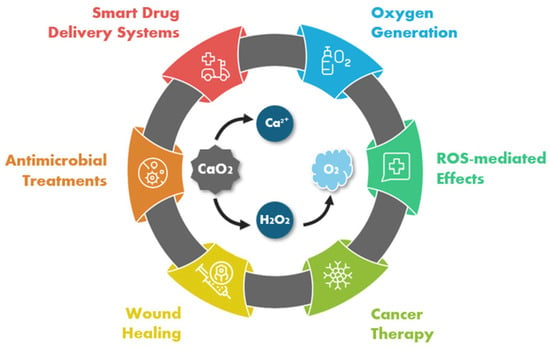
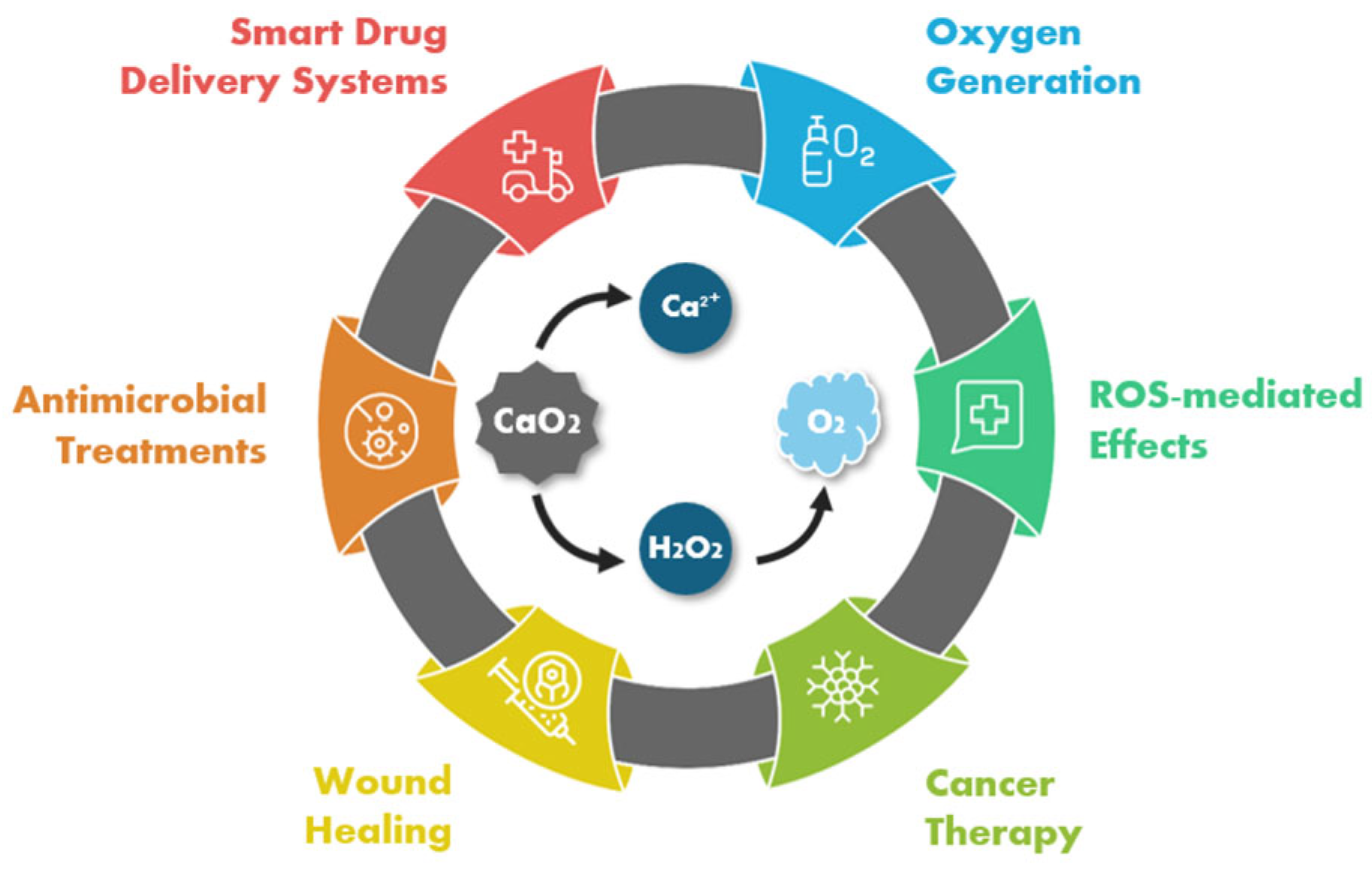
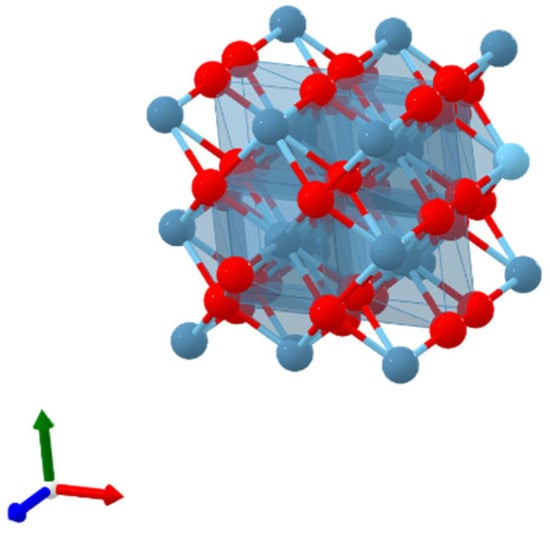
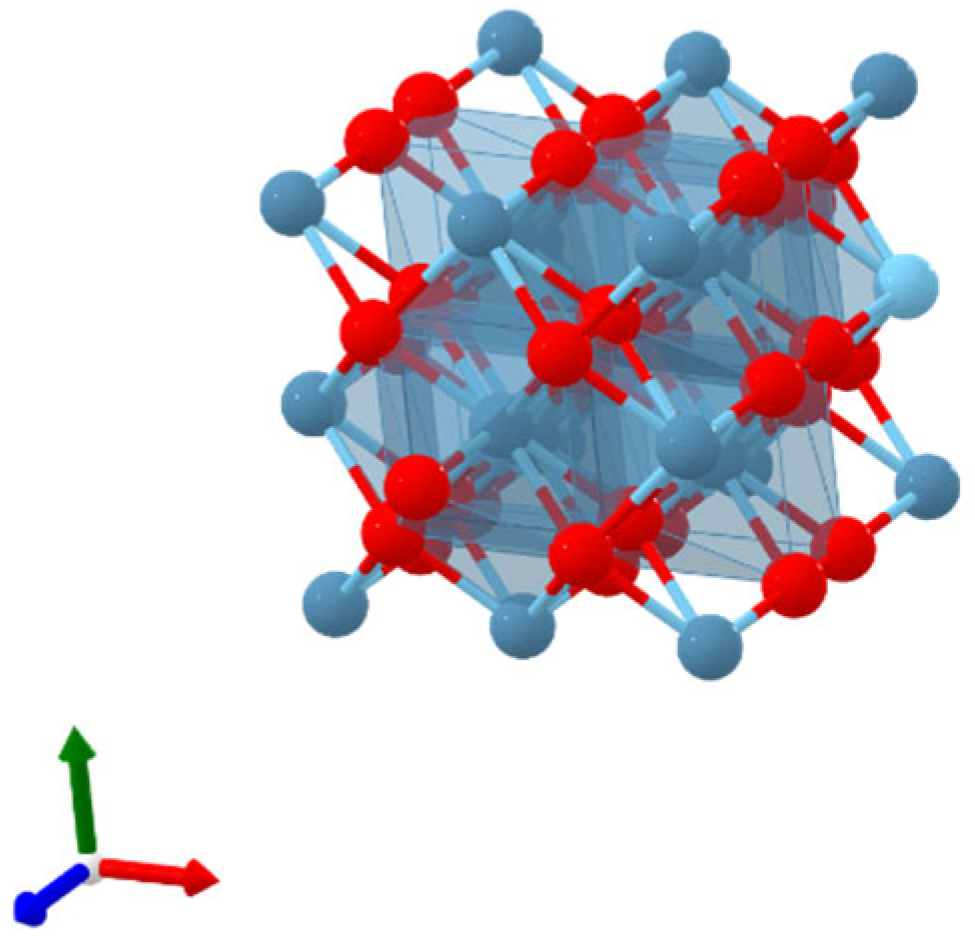
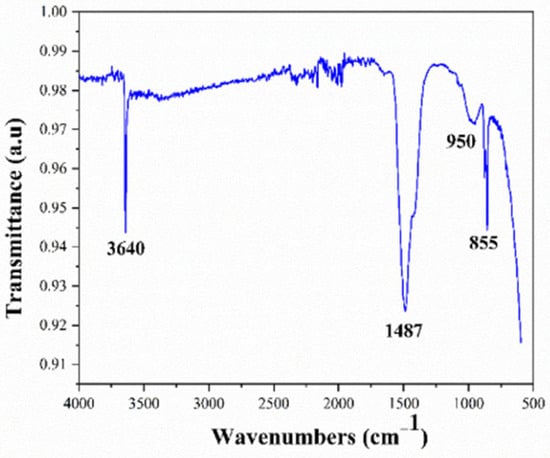
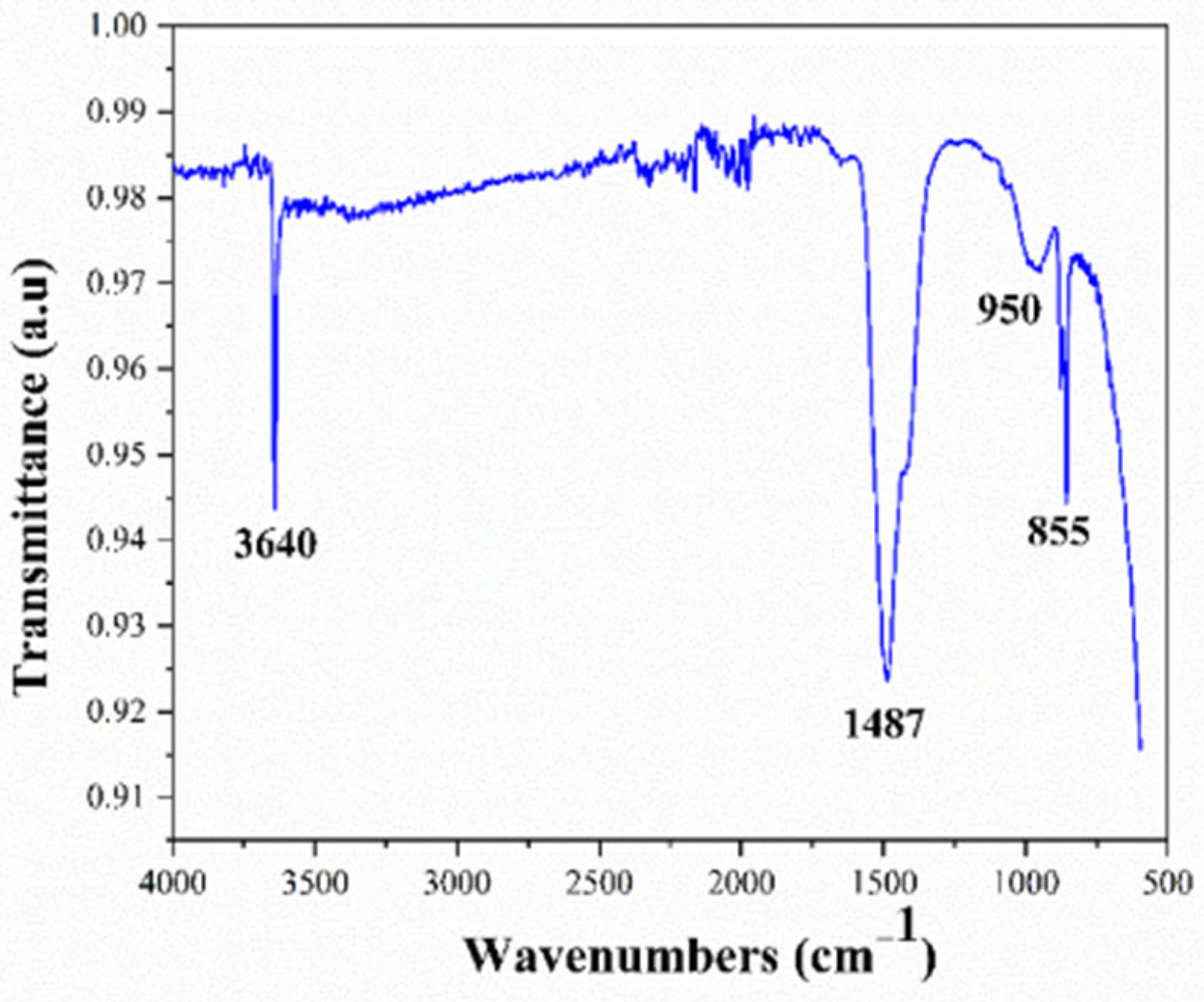
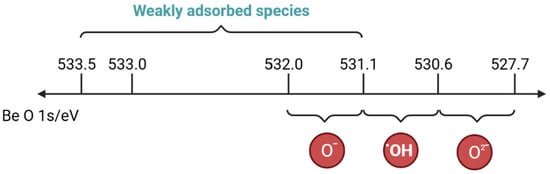
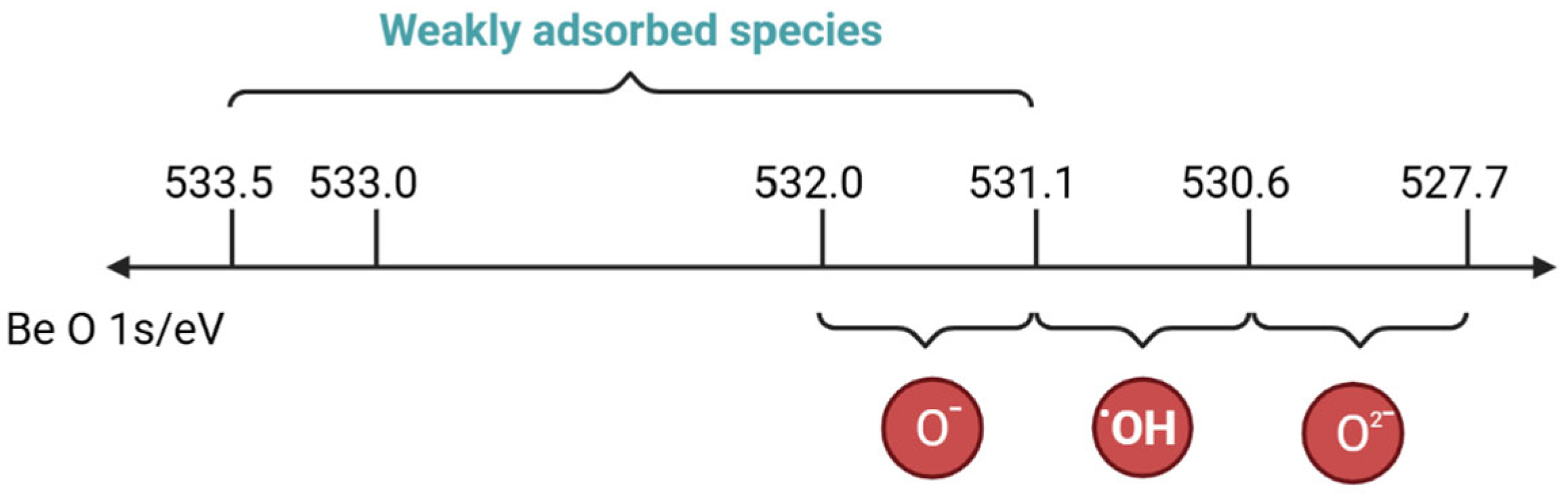
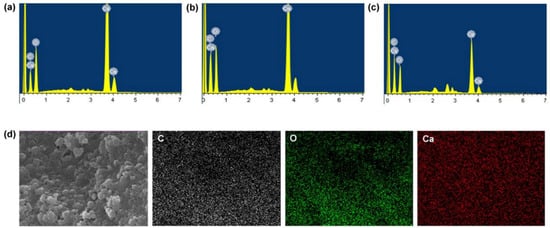
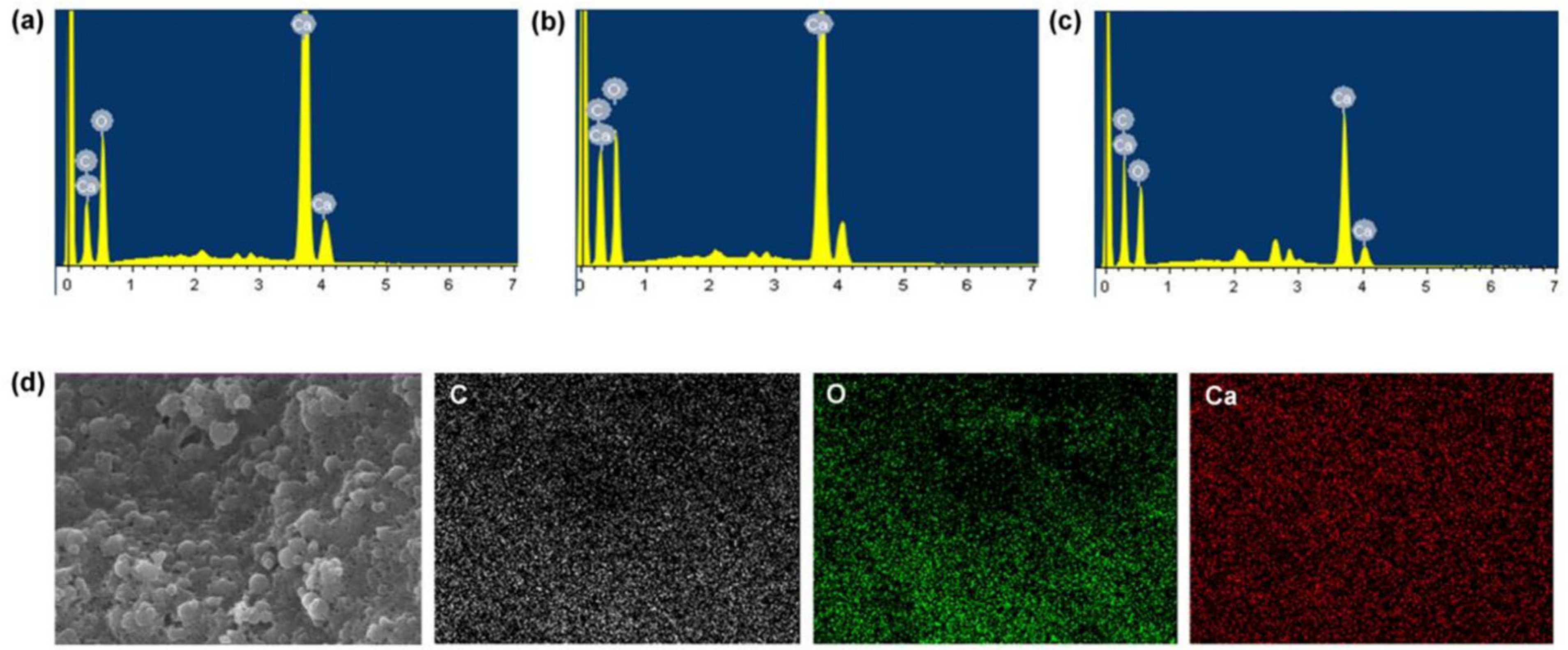
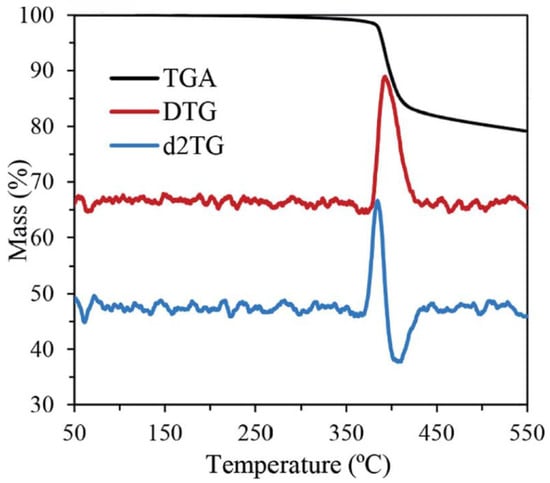
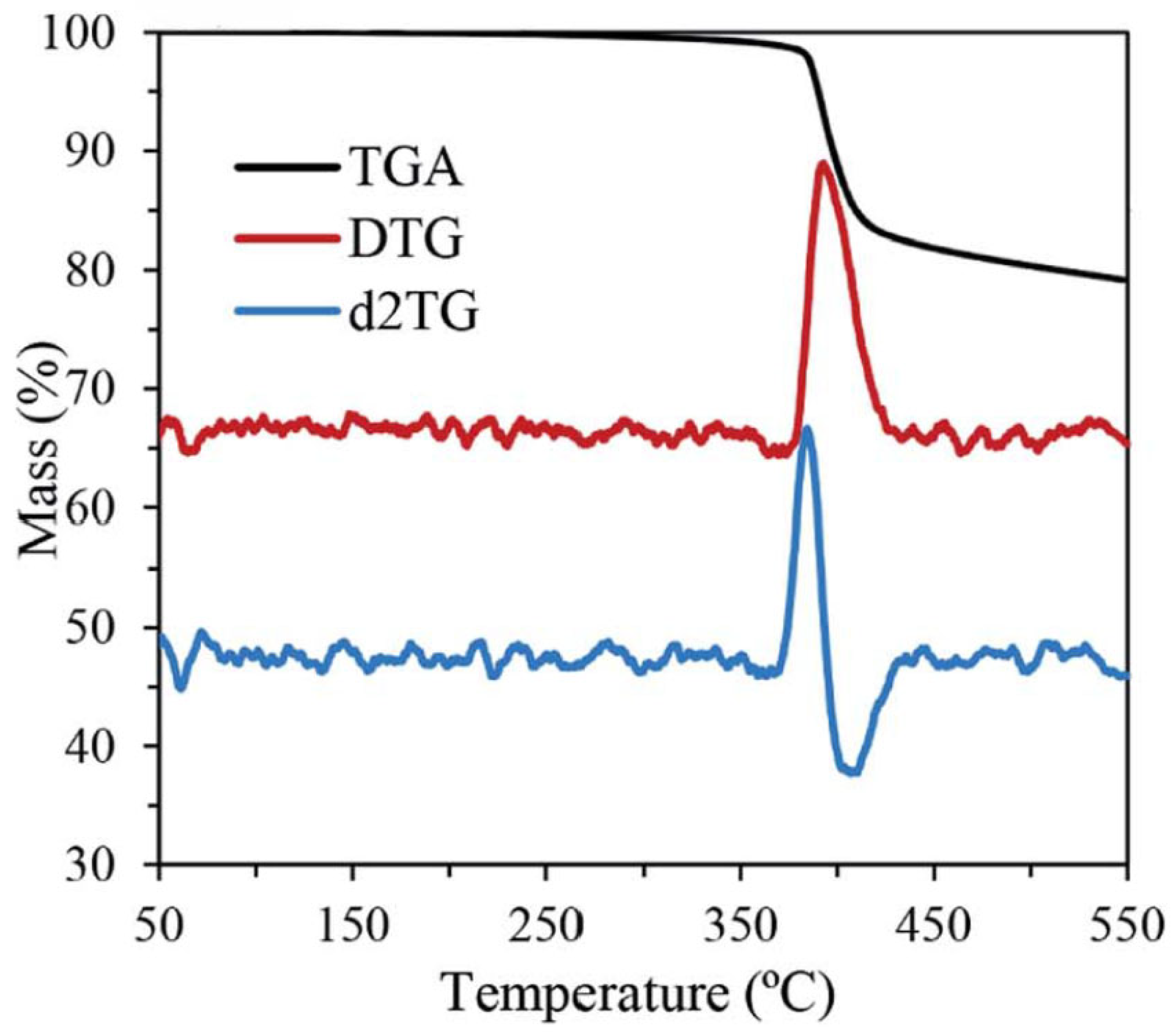
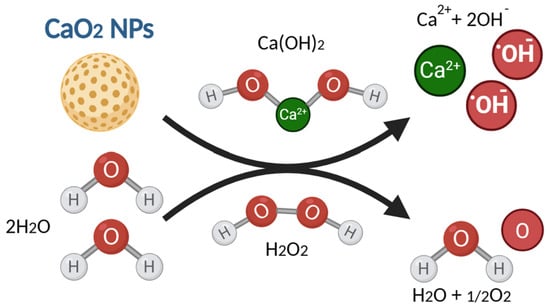
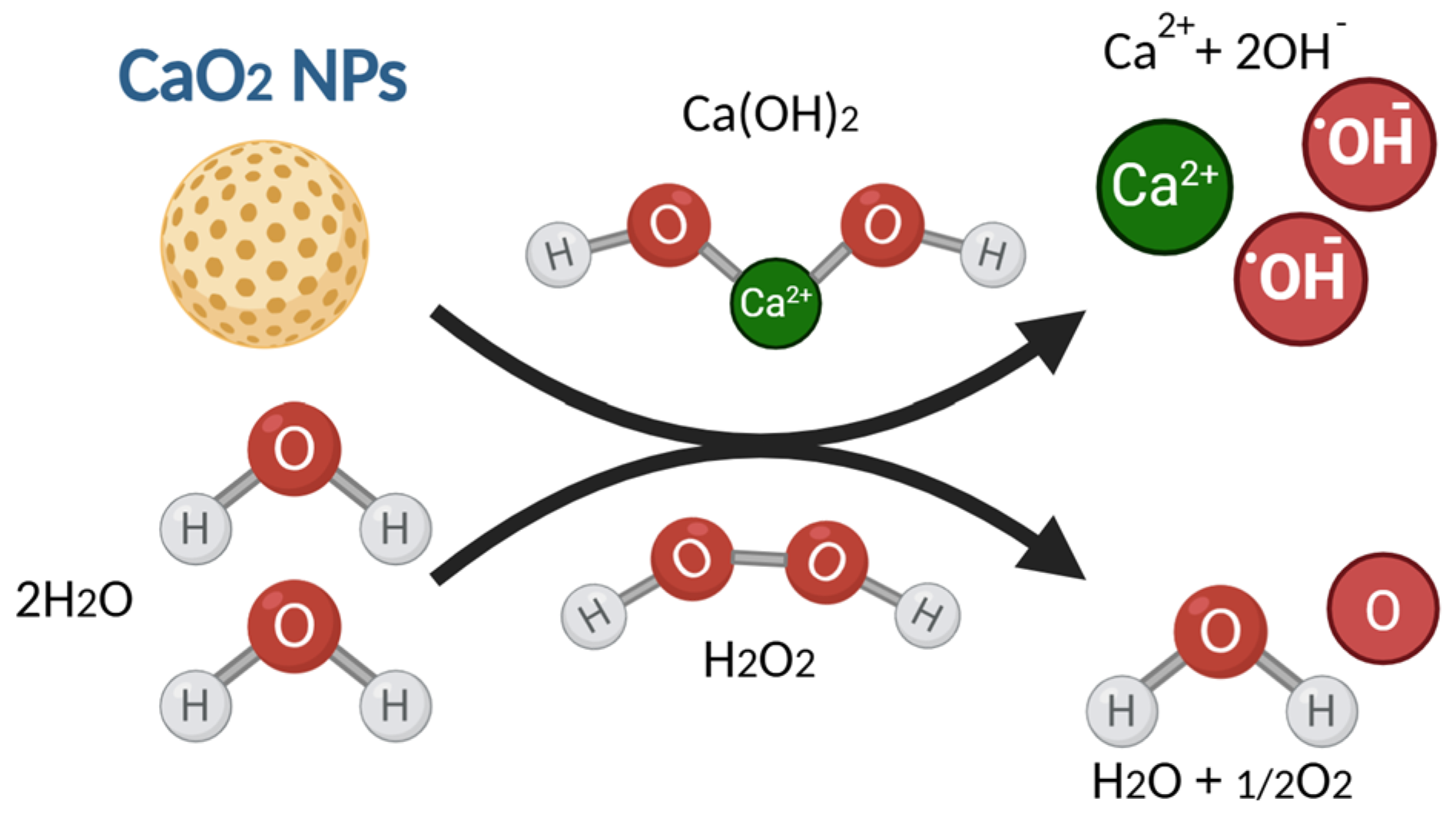


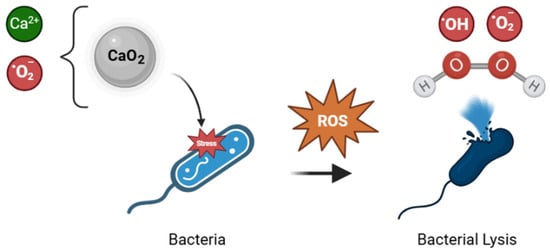
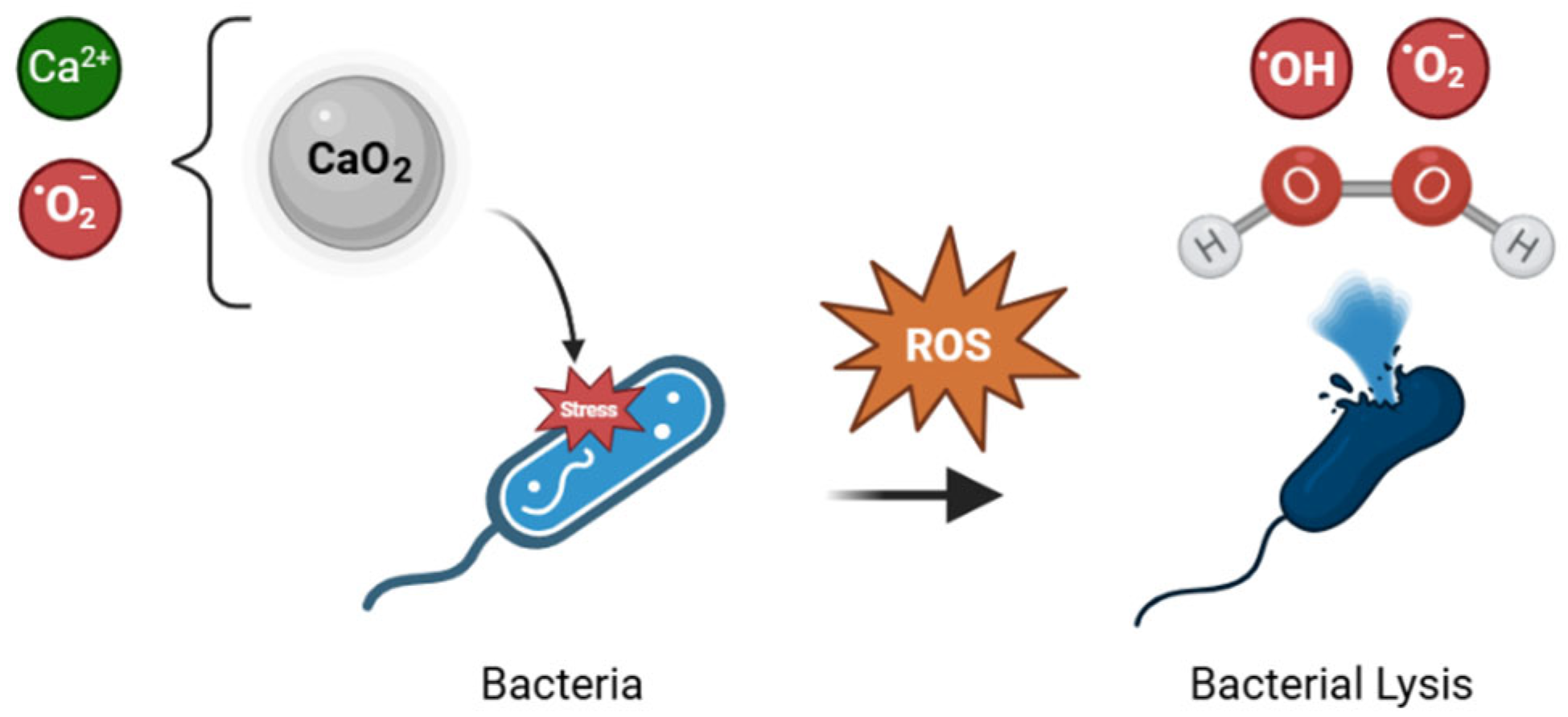
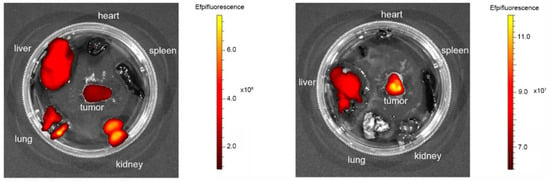
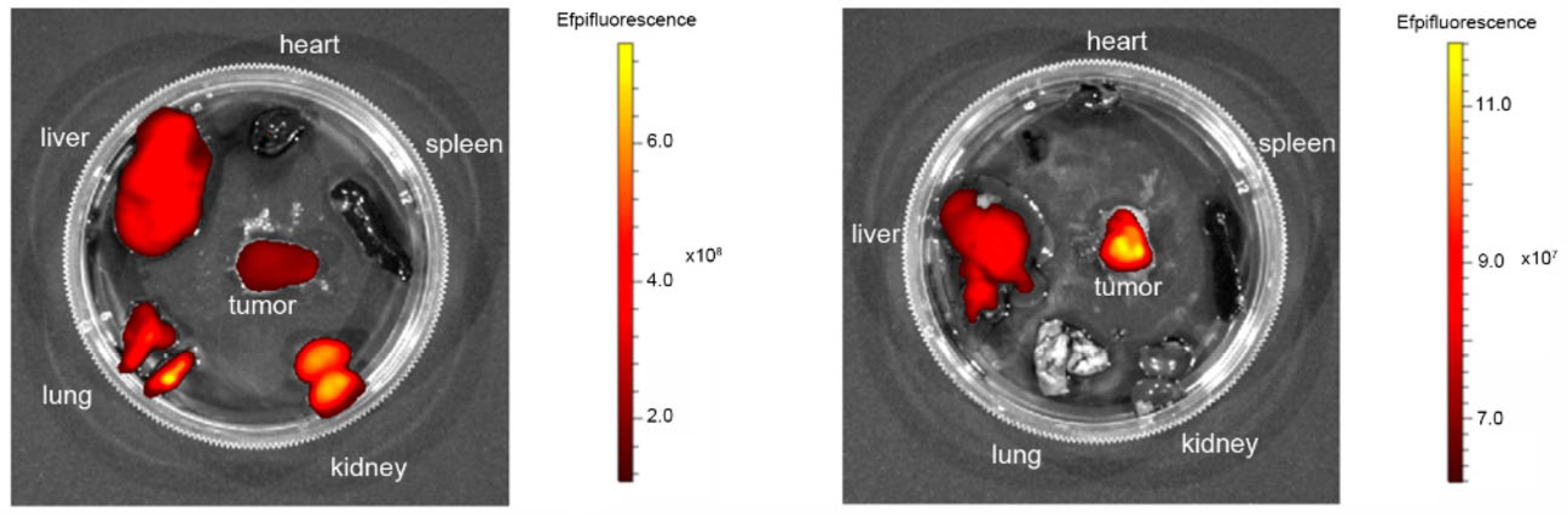
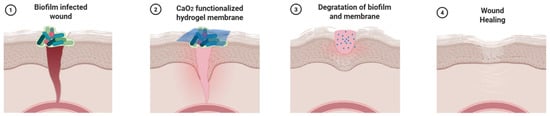
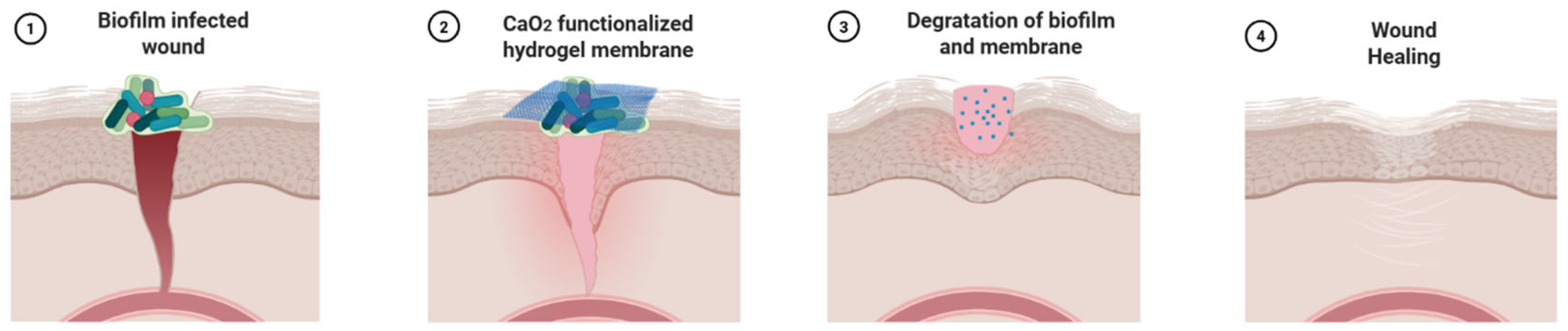

Disclaimer/Publisher’s Note: The statements, opinions and data contained in all publications are solely those of the individual author(s) and contributor(s) and not of MDPI and/or the editor(s). MDPI and/or the editor(s) disclaim responsibility for any injury to people or property resulting from any ideas, methods, instructions or products referred to in the content. |
© 2026 by the authors. Licensee MDPI, Basel, Switzerland. This article is an open access article distributed under the terms and conditions of the Creative Commons Attribution (CC BY) license.