


Abstract
The building industry faces a profound sustainability crisis that demands a shift toward digital, decarbonized, and resilient development and construction models. Although Building Information Modeling (BIM), Artificial Intelligence and Machine Learning (AIML), and Advanced Materials for Construction (AMatC) offer substantial individual benefits, current scientific literature reveals a critical research gap: the absence of a holistic assessment examining their synergistic and simultaneous integration across environmental, economic, and social dimensions throughout the building project lifecycle. To address this gap, this study conducts a systematic literature review following the PRISMA guidelines, analyzing 871 scientific articles from the Web of Science database (2015–2026). The corpus was categorized into 13 key sustainability factors and 5 lifecycle phases. The results reveal marked imbalances: research is dominated by AIML (46%) and BIM (44%), while AMatC account for only 10%. Furthermore, there is a strong bias toward the environmental dimension (49–57%), with the literature focusing primarily on energy management (28% of the total)—followed by cost and schedule management—and on the planning and design phase. This leaves areas requiring further scientific exploration, such as water efficiency (environmental dimension), supply chain management (economic dimension), and community impact (social dimension). Additionally, comparative analysis demonstrates that the joint integration of these technologies (BIM-AIML-AMatC) suggests significantly outperforming their separate applications, achieving a greater reduction in embodied carbon, better optimization of life cycle costs, and greater workplace safety. Finally, this work establishes a foundation for decision-making and identifies future research avenues focused on data interoperability and digital frameworks centered on social sustainability.
1. Introduction
1.1. Problem Statement
The building and construction industry currently faces profound sustainability challenges, as the need to meet the growing demands of global development conflicts with a traditional construction model that threatens long-term sustainability [1]. Global resource demand exceeds Earth’s regenerative capacity. Consequently, over 80% of the world’s population lives in regions with an ecological deficit, consuming in less than a year the resources that ecosystems take 20 months to regenerate [2,3,4]. This scenario of depletion is exacerbated by the pressure of rapid urbanization, which is projected to concentrate approximately 70% of the population in cities by 2050 [5]—a demographic shift of such magnitude that it will require more urban construction capacity over the next 40 years than has been built in the last 4000 years [6,7]. Currently, urban environments account for between 67% and 76% of global energy consumption [8], with buildings being the most energy-intensive assets, representing 40% of total global consumption [9,10]. This impact spans the entire project lifecycle: material manufacturing consumes one-tenth of the planet’s energy, the operational phase generates at least one-third of greenhouse gas emissions, and building demolition produces 40% of the world’s total solid waste [11,12].
In this regard, the environmental dimension reveals the sector’s most severe impact, as the building sector is responsible for approximately 40% of global energy consumption, 39% of carbon dioxide emissions, and roughly half of global raw material consumption [13,14,15]; furthermore, the demand for energy and resources is growing at an average annual rate of 2.2% [16,17], alongside a current reliance on non-renewable sources such as coal, oil, and natural gas. Regarding the economic dimension, although the sector accounts for 13% of global GDP, its growth has been limited to just 1% over the last two decades [13,14]. These financial and productivity issues are severely exacerbated by deficiencies in project management; rework not only disrupts schedules but also contributes, on average, to 52% of total cost increases and generates cost overruns of up to 22% [18]. Finally, this crisis extends to the social dimension; while the industry is a pillar of global employment, providing over 220 million jobs [14,19], current infrastructure demands exceed the sector’s capacity [15], and operations take place under alarmingly hazardous conditions, resulting in approximately 100,000 worker deaths annually, which account for roughly 35% of workplace fatalities worldwide [20]. Faced with this critical scenario, acknowledged by the United Nations [4], a fundamental research problem emerges: the need to transition from traditional construction to a model that comprehensively addresses environmental sustainability, optimizes economic efficiency (through rigorous management of costs, schedules, productivity, and risks), and strengthens the social dimension via safety, collaboration, and positive community impact.
1.2. Contribution of BIM, AIML, and AMatC
Sustainable building construction requires the efficient integration of cutting-edge technologies throughout the project’s lifecycle across its three dimensions [21]. Industry digitalization has driven the adoption of various emerging technologies for transformation, notably Building Information Modeling (BIM), Artificial Intelligence and Machine Learning (AIML), Advanced Materials for Construction (AMatC), the Internet of Things (IoT), 3D printing, Big Data, robotics, and digital twins [22,23]. While each of these solutions offers specific benefits, progress toward truly sustainable building construction relies not on their isolated use, but on the strategic synergy among them [24]. In this regard, research by Garcés et al. [25] highlights that the combined integration of BIM, AIML, and AMatC is essential for achieving a balanced response to the environmental, economic, and social aspects of sustainable building construction. According to the study, BIM serves as the central coordination platform connecting the three dimensions of sustainability; AMatC act as the decisive factor in reducing environmental impact during construction; and AIML enhances process optimization and intelligent decision-making. Consequently, this technological integration provides an operational framework for designing and constructing buildings that are more efficient and environmentally responsible.
In this context, fostering the synergistic adoption of these three technologies is crucial to overcoming the construction industry’s historical fragmentation, enabling the simultaneous mitigation of the sector’s environmental, financial, and operational challenges while maximizing the overall efficiency and sustainability of infrastructure [23,24]. However, realizing the true potential of this convergence requires moving beyond research that analyzes these technologies in isolation or through specific case studies. Instead, it is essential to articulate the collective potential of these tools through a systematic analysis of their practical applications and the consolidation of a holistic vision covering all phases of the project lifecycle—from conceptual planning, manufacturing, and on-site construction to operation, maintenance, and end-of-life [21,26]. Such a comprehensive approach is vital for the construction sector to identify optimal technology integration dynamics based on the specific needs of each project and the functional requirements of each operational stage [22,27]. Consequently, understanding the strategic interaction of BIM, AIML, and AMatC across the project lifecycle provides the foundation for establishing a new decision-making framework and identifying the knowledge gaps that continue to hinder the industry’s digital and sustainable transformation [28,29,30].
1.3. Knowledge Gap
Based on the findings described, the integration of BIM, AIML, and AMatC constitutes the key synergy capable of optimizing infrastructure through a sustainability approach encompassing all three dimensions [25,27]. Although the individual and partial contributions of this technological synergy to sustainable construction are evident, current literature lacks studies that jointly examine how the simultaneous interaction of BIM, AIML, and AMatC impacts—across the board—the various factors of environmental, economic, and social sustainability [27,31,32].
Similarly, a significant gap remains regarding the evaluation of these technologies across the various phases of a building project’s lifecycle. Their cross-cutting implementation throughout these stages is fundamental to ensuring project viability; as noted by Wang & Chen [26], decisions made during the early stages have the greatest potential impact—and entail the lowest cost—in determining a building’s long-term sustainable performance. Furthermore, it is crucial to extend this technological integration to the construction stage—where resource consumption, waste generation, and on-site accident risks are highest—as well as to the operation and maintenance phase, which spans the longest duration. Therefore, given the prevalence of fragmented analyses, it is essential to explore the scientific contribution of this technological convergence across the entire lifecycle [33,34].
Furthermore, despite the potential these technologies hold for sustainable and smart building construction, current scientific literature lacks holistic studies that quantitatively and qualitatively examine the simultaneous impact of this technological convergence, failing to systematically identify and classify practical applications [28,35]. Previous research tends to present theoretical solutions or isolated implementations, lacking a structured analysis to diagnose knowledge gaps and evaluate how practical applications—considering both their individual impact and synergistic potential—directly link to key indicators across the three dimensions of sustainability [12,27,36,37]: environmental (e.g., decarbonization, energy efficiency, and predictive water and waste management), economic (e.g., schedule control, life-cycle costs, quality assurance, and proactive maintenance), and social (e.g., multidisciplinary collaboration, occupational safety, and community well-being). Consequently, this research gap hinders the establishment of a standardized framework for strategic decision-making, underscoring the need for a state-of-the-art review that comprehensively maps these practical applications across the project life cycle and links technological advancement to the overall sustainability of infrastructure.
Therefore, unlike previous literature reviews that focus primarily on isolated technologies (e.g., BIM-only or AI-only assessments), on a single sustainability factor (such as energy management or preventive maintenance), and on a single phase of the construction project (e.g., the design phase), this study introduces a distinct perspective by establishing a comprehensive, triple-synergy framework (BIM-AIML-AMatC). Rather than simply summarizing fragmented findings, this work provides a scientific contribution through a review of 871 high-impact publications across 13 sustainability factors distributed across its three dimensions (environmental, economic, and social) and five complete phases of the project lifecycle. By going beyond general descriptions, the quantitative and flow-based analyses of this study explicitly detail the mechanisms of interaction and synergy, positioning BIM as the central collaborative platform, AIML as the predictive decision-making framework, and AMatC as the main driver of decarbonization, thus providing a basis for overcoming the methodological fragmentation that exists in the literature.
1.4. Research Objective
Given the marked fragmentation observed in current literature, the primary objective of this research is to critically analyze and map the state of the art regarding the individual and synergistic contributions of BIM, AIML, and AMatC to sustainable building. To this end, the study aims to systematically and comprehensively assess the project lifecycle stages where current scientific efforts are concentrated and to identify practical applications across environmental, economic, and social dimensions. In doing so, the study synthesizes existing evidence to identify knowledge gaps and define research priorities that guide decision-making in the sector, aiming to maximize financial viability, digital transformation, and socio-environmental well-being in sustainable building construction.
Finally, the value of this study lies in providing construction and real estate companies with a scientific basis to maximize the return on investment in emerging technologies, mitigate operational risks, and ensure financial viability in a competitive market. Furthermore, its impact benefits society and the workforce by promoting safer work environments and the development of resilient infrastructure with a low environmental footprint, aligning construction practices with the Sustainable Development Goals (SDGs) to enhance worker well-being. Consequently, this research offers a conceptual framework for the sector’s digital transformation, facilitating decision-making toward a smart, safe, and sustainable building model.
2. Method and Data
2.1. Scope of the Research
To rigorously address the convergence of Building Information Modeling (BIM), Artificial Intelligence and Machine Learning (AIML), and Advanced Materials for Construction (AMatC), this research employs a Systematic Literature Review (SLR). To ensure transparency, traceability, and reproducibility in the selection and analysis of scientific evidence, the review’s methodological approach is structured according to the PRISMA 2020 (Preferred Reporting Items for Systematic Reviews and Meta-Analyses) guidelines [38]—a framework extensively validated in recent literature (e.g., [39,40,41]). The protocol was registered through OSF Registries on November 13, 2026 as a Generalized Systematic Review Registration; the associated project is OSF 2YTCQ.
The fundamental objective is to examine how this technological synergy contributes to sustainable building across environmental, economic, and social dimensions. To operationalize this scope, the study proposes a dual analysis: first, identifying research based on the project lifecycle phase (design, manufacturing, construction, operation, or demolition) to assess where scientific efforts are concentrated and to detect critical knowledge gaps; and second, classifying practical applications by evaluating both their individual impact and their synergistic potential. This methodological design consolidates the state of the art and establishes a theoretical foundation for characterizing knowledge gaps within the sector.
2.2. Search Strategies
The Web of Science (WoS) Core Collection was selected as the primary information source for this study. Using WoS ensures the highest level of editorial selectivity, rigorous peer-review standards, and metadata consistency, avoiding the data dispersion often found in larger or more heterogeneous repositories [42,43,44]. Restricting the search to the WoS Core Collection ensures that the analyzed corpus represents validated, high-impact scientific literature (primarily Q1 and Q2 journals) on BIM-AIML-AMatC convergence during the period 2015–2026, thus establishing a solid and reliable foundation for the systematic review. The year 2015 was established as the starting point to comprehensively capture the development and maturation of technologies applied to sustainability in building construction over the last decade. Beyond reflecting the historical evolution of this research field, this study period is methodologically grounded in the use of timeframes similar to those employed in previous bibliometric studies of the area [45,46].
To systematically characterize the convergence of BIM, AIML, and AMatC, the literature analysis was structured around 13 key sustainability factors. These factors are distributed across the three dimensions of sustainable development: environmental (4 factors; e.g., energy management, environmental protection and decarbonization, and waste management), economic (6 factors; e.g., cost and schedule management, quality management, and productivity), and social (3 factors; e.g., participation and collaboration, occupational health and safety, and community impact). Operational definitions of these factors are presented in Table 1, while the complete formulation of the Boolean search strings for WoS is detailed in Supplementary Material (Tables S7 and S8). Finally, to ensure the technical relevance of the study corpus, the review’s scope was strictly limited to the building industry, with the inclusion of articles validated through search strategies such as “building project”, “smart building”, “modular buildings”, “green building”, and “high-rise building”, among others.
To ensure comprehensive coverage and avoid omitting relevant publications, especially those concerning complex topics within the social dimension (e.g., community impact, stakeholder engagement) and supply chain management, the development of the Boolean search strings in Supplementary Material (Table S8) followed a rigorous, multi-stage, iterative refinement process before final data extraction. First, initial search strings were formulated based on core thesauri and standard definitions of the 13 sustainability factors. Second, pilot searches were conducted in the Web of Science database, and the retrieved sets were compared with established reference articles in the field (e.g., [47,48,49]) to assess coverage sensitivity and identify potential retrieval gaps. Third, the search strings were systematically expanded to incorporate broader synonyms, normative variations, and sector-specific terminology, particularly by broadening the keyword combinations for social indicators (such as community well-being, social inclusion, and organizational culture) and supply chain logistics (such as inventory control, just-in-time delivery, and supplier reliability). These fully refined and comprehensive Boolean strings were applied during the systematic review process and are formally documented in Supplementary Material, ensuring complete transparency and methodological reproducibility.
Table 1.
Key factors for each dimension in building projects.
2.3. Inclusion and Exclusion Criteria and Document Analysis
Furthermore, to maintain the quality, consistency, and relevance of the selected corpus, rigorous inclusion and exclusion criteria were established collaboratively by all co-authors prior to selection, in line with methodological practices for systematic reviews found in research such as [39,40,45]. Accordingly, the inclusion criteria encompassed: (1) peer-reviewed research articles indexed in the WoS Core Collection; (2) empirical studies demonstrating an explicit application of BIM, AIML, or AMatC; (3) research directly aligned with the key sustainability factors under analysis; (4) studies featuring transparent methodological designs and validated results; (5) documents formally written in English; and (6) studies applicable to the building sector. Conversely, the exclusion criteria were: (1) strictly conceptual manuscripts or prior literature reviews—which were reserved solely for supplementary reference; (2) non-indexed literature, such as technical reports, preprints, conference proceedings, and book chapters; (3) research limited to traditional statistical tools that omitted the integrated use of BIM, AIML, or AMatC; (4) articles with ambiguous methodological descriptions or insufficient data for replication; and (5) studies focused on other industrial sectors (e.g., mining, manufacturing, education, or healthcare).
Once the documentary corpus was defined, a structured analytical framework was established to evaluate both the individual impact and the synergistic interaction of the three technologies (BIM, AIML, and AMatC) on sustainable building throughout the project lifecycle. To this end, each study was coded according to four key criteria: (1) the lifecycle phase analyzed (planning and design, manufacturing and pre-construction, construction, operation and maintenance, or end-of-life), using the ISO 19650 standard as a reference; (2) the sustainability dimension evaluated—environmental (e.g., energy management, environmental protection and decarbonization, and waste management), economic (e.g., management of costs, schedules, risks, and productivity), and social (occupant health, comfort, and well-being)—in alignment with the Sustainable Development Goals (SDGs 7, 9, 11, and 12); (3) the level of technological integration, categorized into individual solutions (use of a single technology), hybrid solutions (combination of two), or integrated solutions (simultaneous use of all three); and (4) the practical applications reported in the literature. This analytical approach not only enabled the characterization of the state of the art but also facilitated a gap analysis. Consequently, technical limitations, interoperability issues, and a lack of studies addressing the integration of these technologies were identified, laying the groundwork for future research agendas in the sector.
2.4. Literature Review and Selection
The selection and refinement of the literature were carried out following the systematic phases of the PRISMA methodology (see Figure 1a) [38]. In the initial “identification” stage, the search strategy applied to the Web of Science (WoS) database—strictly delimited to the building sector—yielded a total of 1745 articles for BIM, 1857 for AIML, and 468 for AMatC. Subsequently, during the “screening” phase, titles and abstracts were independently examined against predefined inclusion and exclusion criteria, allowing for the pre-selection of a sample comprising 687 contributions for BIM, 746 for AIML, and 192 for AMatC. In the “eligibility” phase, full-text manuscripts were evaluated to ensure direct alignment with sustainability factors and to exclude those with inadequate methodological descriptions or purely statistical analyses; this filtering process resulted in a consolidated sample of 1087 records (511 for BIM, 484 for AIML, and 92 for AMatC). Finally, in the “inclusion” phase, after removing duplicate references across the different factors, a definitive sample of 871 unique scientific articles was obtained (386 for BIM, 399 for AIML, and 86 for AMatC). This quantitative variation stems from the cross-cutting and integrated nature of the publications, wherein a single manuscript may simultaneously contribute to more than one key factor—for instance, by jointly addressing thermal performance for energy management (ENV1) and decarbonization (ENV2), or by linking cost and schedule control (ECO1) with preventive maintenance strategies (ECO4). The article selection workflow is illustrated in the PRISMA diagram in Figure 1a, while the frequency of selected articles, categorized by key sustainability factors, is presented in Figure 1b.
Figure 1.
Review and selection process of articles.
3. Results
3.1. Overview of Selected Literature
The analysis of the sample’s characteristics and distribution revealed imbalances in the current state of the art (see Figure 2 and Figure 3; a detailed quantification of the selected articles is presented in Supplementary Material (Table S9 and Figures S1–S10)). Of the selected articles, 46% relate to AIML, followed by 44% for BIM and 10% for AMatC. When evaluating the dimensional focus, a clear predominance of the environmental dimension is observed across all three technologies (57% for AMatC, 54% for AIML, and 49% for BIM). This pattern is driven by a high concentration of studies on energy management (ENV1), a factor that alone accounts for 28% of all selected articles (comprising 114 articles for BIM and 171 for AIML). However, the environmental dimension reveals a significant lack of research on water consumption efficiency (ENV3) within the building sector, representing only 3% of the analyzed corpus.
Figure 2.
Percentage distribution of selected articles by technology according to the dimensions of sustainability.
Figure 3.
Percentage distribution of selected articles by technology according to the dimensions of sustainability.
This pattern extends to other operational and social factors, revealing knowledge gaps. In the economic dimension, while a significant portion of technological efforts focuses on cost and schedule control (ECO1), there is a scarcity of research on supply chain management (ECO6), which accounts for merely 1% of the total sample. Similarly, regarding the social dimension: although BIM leads in the analysis of participation and collaboration (SOC1), and both BIM and AIML show parallel development in occupational safety (SOC2), there is a lack of research on the direct impact on the community (SOC3) regarding sustainable building construction—a factor representing only 1% of the scientific literature evaluated. Identifying these gaps— where energy management receives the most attention compared to less-studied areas such as water management, supply management, and social impact—justifies the need to propose more balanced and holistic frameworks for synergistic technological integration.
3.2. Technological Convergence Analysis
Figure 4 presents the distribution of the literature, ranging from the individual development of each technology to their synergistic integration. While studies on AIML (n = 399) and BIM (n = 386) account for the largest volume of publications, the overlap drops sharply at the intersections between two technologies—led by BIM-AIML (n = 34) and AIML-AMatC (n = 26)—with only two studies simultaneously addressing BIM, AIML, and AMatC. This distribution demonstrates that current scientific literature has developed primarily in isolation, justifying the need to propose frameworks that integrate digital modeling, computational intelligence, and advanced materials for sustainable building construction.
Figure 4.
Distribution of literature and technological synergies between BIM, AIML and AMatC in building projects.
Although only two studies simultaneously address the full synergy of BIM-AIML-AMatC (see Figure 4), the qualitative analysis of their practical interactions, barriers, and lessons learned are systematically developed throughout the subsequent results sections. Specifically, Section 3.3 provides detailed matrices linking these individual and combined technological contributions to key sustainability indicators, which are summarized in Supplementary Material (Table S2–S6). Section 4 thoroughly analyzes the operational mechanisms and practical applications across the environmental, economic, and social dimensions, while Section 5 addresses the critical barriers to adoption and technical shortcomings of these integrated workflows.
3.3. Distribution of Literature Across Key Sustainability Factors
According to Figure 5, the distribution analysis of the scientific literature reveals a higher concentration of Building Information Modeling (BIM) applications within the environmental dimension, which accounts for 49% of all analyzed factor records. Within this dimension, research focuses primarily on energy management (ENV1, 22% of the total) and materials and waste management (ENV4, 15%); together, these represent 75.6% of the environmental dimension and 37% of sustainability overall (across all three dimensions). This trend is driven by the standardization of data exchange between systems (such as gbXML and IFC), which facilitates early-stage thermal simulations [61,62] and life-cycle analyses based on automated quantity take-offs [63]. Meanwhile, the economic dimension emerges as the second most significant, comprising 38% of publications; within this category, cost and schedule management (ECO1, 14%) and comprehensive risk management (ECO3, 7%) account for 58.3% of the dimension. This prioritization reflects the industry’s need to mitigate financial variances through dynamic budgeting (5D BIM) and clash detection during the design phase—tools that are critical for ensuring a commercial return on investment [64]. In contrast, the social dimension accounts for only 14% of the literature, owing to the intangible nature of its variables [25]. However, factors such as stakeholder collaboration (SOC1, 7% of the total and 53.6% of its dimension) and occupational safety (SOC2, 5% of the total and 39.1% of its dimension) capture almost all the attention within this dimension, given that the use of Common Data Environments (CDEs) and construction planning based on BIM 8D standards are inherent to the methodology’s collaborative workflow [65]. Finally, critical research gaps are evident regarding key sustainability factors, such as water consumption efficiency (ENV3, 3%), supply chain logistics management (ECO6, 2%), and direct community impact (SOC3, 1%). These gaps in the literature can be attributed, respectively, to the lack of direct interoperability with specialized hydraulic simulation tools [66], the typical disconnect between the 3D model and enterprise resource planning (ERP) systems [67], and the difficulty of modeling urban social dynamics within a software environment strictly oriented toward the physical asset [68].
Figure 5.
Percentage distribution of articles by key sustainability factors (environmental, economic and social) in research on BIM technology.
Furthermore, the distribution of articles regarding Artificial Intelligence and Machine Learning (AIML) in sustainable building exhibits a marked asymmetry (see Figure 6); the environmental dimension accounts for 54% of the selected articles, driven primarily by energy management (ENV1)—which represents 35% of the total AIML literature and comprises 65% of studies within the environmental dimension (171 out of 263 articles). When the environmental protection and decarbonization factor (ENV2, 12%) is included, these two factors together account for 87% of the corpus within the environmental dimension. This can be attributed to the high degree of digitalization in building operating systems and the massive availability of time-series data from sensors and IoT devices. In this regard, Tushar et al. [69] noted that the use of these sensors enables the collection of vast amounts of energy data, facilitating the training of machine learning models to predict and optimize—with high precision—high-impact systems such as HVAC and lighting. Meanwhile, the economic dimension comprises 39% of the publications, with 62% of these articles focusing on cost and schedule management (ECO1), comprehensive risk management (ECO3), and preventive maintenance (ECO4). This focus stems directly from the industry’s urgent need to mitigate cost overruns and delays through predictive analysis of historical data and real-time structural health monitoring; authors such as Alqahtani & Whyte [33] and Chang et al. [70] demonstrate that regression algorithms and neural networks optimize economic profitability in the execution of infrastructure projects. In contrast, the social dimension represents only 6% of the AIML literature, with occupational health and safety (SOC2) accounting for 86% of this dimension. This may be attributed to the qualitative and intangible nature of social factors, which complicates their conversion into quantitative data suitable for machine learning [71]; consequently, the prevalence of occupational safety is justified by the rise of computer vision technologies and wearable sensors on construction sites, which enable the direct and automated quantification of personal protective equipment (PPE) usage and the enhancement of accident prevention [72]. Finally, gaps in the literature are evident regarding factors such as water consumption efficiency (ENV3, 3%), supply chain management (ECO6, 1%), and community impact (SOC3) alongside participation and collaboration (SOC1), with each accounting for only 1% of the social dimension. This reflects a lack of technical integration and standardized protocols for capturing community and logistical data, creating a crucial opportunity for future research focused on AI frameworks centered on social sustainability.
Figure 6.
Percentage distribution of articles by key sustainability factors (environmental, economic and social) in research on AIML technology.
The analysis of the distribution of scientific literature regarding Advanced Materials for Construction (AMatC) in Figure 7 reveals an asymmetry that prioritizes tangible environmental impacts and physical risk prevention over the sector’s social and logistical variables. First, the environmental dimension dominates the research, accounting for 57% of the selected AMatC articles—a bias strongly justified by the urgent need to decarbonize a sector traditionally responsible for 39% of global CO2 emissions and nearly half of the planet’s raw material consumption [13,14,15]. Within this dimension, the environmental protection and decarbonization factor (ENV2) leads individually, representing 22% of AMatC publications; combined with energy management (ENV1, 17%) and construction material and waste management (ENV4, 11%), it encompasses 50% of the total corpus evaluated for this technology. This high concentration reflects the scientific surge in developing clinker substitutes, geopolymer and self-healing concretes, and bio-based thermal insulation, all of which directly weigh embodied carbon footprints and building operational efficiency [73]. Meanwhile, the economic dimension accounts for 28% of the analyzed articles, with integrated risk management (ECO3), cost and schedule control (ECO1), and quality management (ECO2) representing 73% of the articles within this dimension. This concentration aligns with previous studies (e.g., [74,75]), whose authors state that the adoption of cutting-edge materials (such as self-healing or nanostructured composites) introduces significant technical, construction-related, and durability uncertainties. This compels researchers to develop probabilistic risk analyses and life-cycle cost (LCC) models to mitigate structural failures and validate economic viability prior to commercial scaling.
Figure 7.
Percentage distribution of articles by key sustainability factors (environmental, economic and social) in research on AMatC technology.
Regarding the social dimension, it accounts for 15% of the literature on AMatC—a higher proportion than in BIM and AIML—with occupational health and safety (SOC2) comprising 71% of the studies within this dimension. This concentration stems from regulatory and ethical requirements to assess ecotoxicity and potential human health risks associated with the handling of nanomaterials, chemical coatings, and advanced volatile particles by workers during manufacturing and on-site installation phases [74,76]. Finally, as with BIM and AIML, there is a noticeable lack of studies concerning water consumption efficiency (ENV3, 7%), supply chain management (ECO6, 1%), direct community impact (SOC3, 3%), and participation and collaboration mechanisms (SOC1, 1%). These gaps suggest that, while materials science focuses largely on direct physical characterization, the scientific community still lacks a systemic approach integrating supply chain logistics and socioeconomic impact across the entire life cycle to ensure the practical viability of these technologies [76].
3.4. Distribution of Literature According to the Project Phase
Figure 8 shows the distribution of selected articles by technology and project phase, noting that a single study may contribute to more than one stage. While digital tools prioritize design and planning (BIM at nearly 50%; AIML at 42% in design and 34.1% in operation), AMatC technologies focus primarily on manufacturing and pre-construction (30.9%), with the remainder distributed almost equally between the design stage (26.6%) and operation and maintenance (22.9%).
Figure 8.
Percentage distribution of selected articles by technology (BIM, AIML, and AMatC) according to the project phase.
Regarding the BIM methodology, the distribution of literature shows that the planning and design phase attracts the most scientific attention, accounting for 49.5% (see Figure 8a); this is because critical decisions determining a building’s environmental, economic, and social performance must be made during early stages to optimize the project lifecycle [26]. Similarly, Abuhussain et al. [77] confirm that the design phase shows the strongest correlation with BIM benefits, as it drastically reduces errors and clashes between disciplines. Meanwhile, the operation and maintenance phase (21.2%) represents the second area of scientific interest, justified by the fact that it is the longest stage in a building project’s lifecycle. In this regard, Abuhussain et al. [77] noted that data-driven management in BIM-equipped facilities enables maintenance cost reductions of 30–40% and energy efficiency improvements of 7–10%. To realize these performance gains, the literature indicates a strong shift toward integrating BIM models with facility management systems, Internet of Things (IoT) sensors, and Digital Twins to optimize thermal performance and occupant comfort in real time [78]. Although the construction phase (19.3%) is crucial, it relies on the quality of the preceding design; nevertheless, it yields time savings of up to 7% and reduces construction costs by up to 20% through precise quantity control and site logistics [77,79]. Furthermore, since this phase aims to mitigate direct economic and environmental impacts during construction, the literature focuses on applications of BIM 4D (scheduling) and 5D (cost control) methodologies due to their effectiveness in early clash detection, material logistics optimization, on-site waste reduction, and the improvement of occupational health and safety conditions [80]—all fundamental factors for sustainable construction. In contrast, the low weighting given to the manufacturing and pre-construction phases (5.8%) and the demolition phase (4.2%) reveals clear gaps in research. On one hand, Avendaño et al. [81] explain that BIM-based pre-construction is often approached in a fragmented manner or treated merely as a subset of specific structural design (such as steel structures). On the other hand, Abruzzini & Abrishami [82] highlight a lack of research regarding BIM’s role in decision-making at the end of an asset’s life cycle, despite its potential to facilitate sustainable deconstruction, material recycling, and carbon footprint analysis—areas that current research is only just beginning to explore.
Regarding Artificial Intelligence and Machine Learning (AIML), studies focus primarily on the design and planning stage (42%) and the operation and maintenance phase (34.1%) (see Figure 8b). This distribution of studies across the building project lifecycle is corroborated by existing literature. Baduge et al. [83] state that AI applications in architectural design and visualization have advanced significantly through generative deep learning models such as Generative Adversarial Networks (GANs) and Variational Autoencoders (VAEs)—widely used for the automated generation of floor plans, innovative conceptual designs, and interior scene synthesis—which explains the prevalence of AIML in the project’s initial phases. Similarly, Datta et al. [84] demonstrate that AIML applications are most frequent during the planning stages, particularly in cost estimation, risk analysis, and schedule optimization. The significant scientific interest in the operation and maintenance phase (34.1%) is supported by Hanafy & Hanafy [85], who highlight that machine learning algorithms optimize energy efficiency by dynamically adjusting HVAC and lighting systems based on real-time data and occupancy patterns—achieving potential energy savings of 20–30% in commercial buildings—while AI-driven predictive maintenance systems analyze sensor data to predict equipment failures and reduce downtime. Adewale et al. [86] confirm this operational focus, noting that AI-driven building automation enables significant reductions in energy consumption and that digital twins, IoT, and machine learning are critical components enhancing operations within sustainable building lifecycles. The relatively lower level of application during the construction stage (16.3%) reflects the findings of Gachkar et al. [87], who observed that the use of AI in the construction phase (specifically in inventory management) still relies heavily on BIM-based approaches. Finally, the limited representation in demolition (4%) and manufacturing and pre-construction (3.6%) aligns with the findings of Datta et al. [84], who observe that researchers often overlook the demolition and recovery phase; Baduge et al. [83] noted that, despite the growing emphasis on waste management, the reuse and recycling of construction waste remain underutilized, and AI applications in this field are largely in experimental or pilot phases. Meanwhile, Gachkar et al. [87] argue that the application of AIML in these scenarios still faces persistent challenges—such as a marked lack of standardized data and the latent risk of algorithmic bias in highly dynamic and variable environments—which limits more widespread adoption during the building’s end-of-life stage.
Finally, the distribution of literature on Advanced Materials for Construction (AMatC) reveals that the manufacturing and pre-construction phase leads with 30.9% of the articles (see Figure 8c). This may be because the use of these advanced materials—such as nanomaterials or self-healing additives—is inherently costly and complex and generates significant initial environmental impacts regarding toxicity and global warming [88,89]. To counterbalance this high initial footprint, scientific interest is distributed almost equally between design and planning (26.6%)—where durability and life-cycle analysis are strategically evaluated to mitigate future impacts [90]—and operation and maintenance (22.9%), the crucial phase where AMatC finally justify their application by reducing operational energy consumption by up to 40% and extending the service life of structures by 50% [91,92]. In contrast, the construction phase receives only 13.8% of attention because these materials are applied in a localized manner rather than as massive replacements on-site [88]; meanwhile, the minimal percentage for demolition (5.9%) does not reflect a lack of relevance, but rather a critical scientific gap regarding end-of-life strategies and the circular economy [90,92]. This highlights that academia has prioritized understanding the costs of manufacturing and the benefits of using AMatC over resolving the challenge of their ultimate disposal.
4. Practical Applications to Promote Sustainability
4.1. Environmental Dimension
As a result of the systematic literature review, a total of nine practical applications associated with the environmental dimension of sustainability were identified and categorized, structured around four key factors (see Table 2). This classification makes it possible to map how scientific research and digital technologies address ecological challenges in the building sector.
Table 2.
Practical applications for each key factor—Environmental dimension.
The percentage distribution of technologies (BIM, AIML, and AMatC) in environmental applications, as shown in Figure 9, reflects a strategic alignment that leverages the specific strengths of each technology to address various sustainability challenges. For instance, the dominance of AIML (95%) in “active optimization and real-time energy control” (ENV1) is justified by the need to execute autonomous, high-frequency operational decisions within dynamic building environments. In this regard, Pan et al. [113] demonstrated that deep reinforcement learning algorithms outperform traditional optimization methods by 13.19% in multi-objective energy management. Similarly, Nguyen et al. [93] achieved high predictive accuracy in estimating energy consumption using hybrid predictive models trained on interoperable data. BIM’s minor contribution to this application confirms its secondary role as a provider of supporting data, whereas AIML bears the burden of adaptive computational intelligence. In contrast, BIM’s predominant role (71.4%) in “multi-objective and life-cycle assessment” (ENV1) stems from its ability to structure detailed inventories of materials and building components. This flow of parametric data is essential for conducting robust and reliable life-cycle assessments (LCA), as evidenced by the carbon footprint evaluations conducted by Mazur & Olenchuk [102] and the methodological framework for dynamic LCA developed by Yang et al. [114], in which digital modeling ensures analytical precision from the early design stages.
Figure 9.
Percentage distribution of technologies (BIM, AIML, and AMatC) in practical applications of the environmental dimension.
The remaining applications demonstrate progressive technological integration as sustainability challenges become increasingly complex. In the area of “carbon assessment and reduction” (ENV2), the relatively balanced application of BIM (44.3%) and AIML (35.1%) establishes a synergistic workflow: BIM provides physical model consistency, while AIML enhances predictive mitigation capabilities. In this regard, Shen & Pan [115] and Khan et al. [94] demonstrated this synergy by integrating BIM models—used for parametric simulations—with AIML tools (specifically explainable AI frameworks and evolutionary optimizers), achieving a reduction of up to 13.43% in energy consumption and associated operational emissions. However, when analyzing “optimization and active control of emissions” (ENV2), AIML usage rises to 89.9% due to the critical need for real-time automation. In this context, Zhang et al. [116] proposed using reinforcement learning for operational decarbonization. Furthermore, AMatC (57.1%) play a significant role in “loss prevention and system integrity assurance” (ENV3), helping to mitigate leaks and ensure operational continuity in water systems, piping networks, and HVAC systems. Research conducted by Xing et al. [117] demonstrated a key solution using a hybrid system that combines self-healing polymers and active monitoring; this system achieved a self-healing efficiency of 92.1% and reduced maintenance costs by 48.7%, while proposing a synergy between AIML (present in 42.9% of articles on this application) and smart materials to expand their scope and potential. Finally, the balanced distribution of the three technologies in “optimizing circularity” (ENV4) reflects the growing implementation of the circular economy. For instance, Al-Jamal et al. [101] propose a framework for fiber-reinforced concrete facades (AMatC) that integrates BIM (for modeling and energy simulation) and employs AIML-based surrogate models (Random Forests, Gradient Boosting, Neural Networks) to predict mechanical behavior and life-cycle indicators (CO2, energy, water) of the materials with predictive accuracy (R2) of up to 0.992. This synergy optimizes resources, energy, water, and embodied carbon, fostering the circular economy of the building envelope throughout its entire life cycle.
To structure the gathered empirical evidence, Table 3 summarizes the analyzed literature, distinguishing between individual applications of BIM, AIML, and AMatC and their various synergistic combinations (BIM-AIML, BIM-AMatC, and AIML-AMatC) across the four factors of the environmental dimension; this allows for a comparison between the deployment level of standalone tools and the current development of integrated solutions. In this way, it facilitates the identification of research gaps and opportunities, supported by the bibliographic references detailed in Supplementary Material (Table S13).
Table 3.
Mapping of the scientific literature on the individual applications and synergies of BIM, AIML and AMatC in relation to key environmental sustainability factors.
Furthermore, the systematic flow analysis of selected articles within the environmental dimension reveals a marked concentration of research on the early stages of the project life cycle (see Figure 10), with the planning and design phase accounting for 86% of the total (based on the primary phase associated with each article). This phenomenon demonstrates that scientific literature prioritizes a preventive and proactive approach, addressing ecological performance through digital and predictive models prior to the physical execution of the work. During this phase, these three technologies converge primarily on energy management (ENV1, 53%), where the practical application of “simulation and modeling of energy demand” stands out, representing 30% of the total output. Moreover, the literature is dominated by research on AIML focused on “simulation and modeling of energy demand” during the design phase (15.8%, 89 articles), followed by the use of BIM in the design phase for “quantification, characterization and environmental assessment” (ENV4, 10.3%), “simulation and modeling of energy demand” (ENV1, 10.3%), and “multi-objective and life cycle assessment” (ENV1, 8.5%) (see Supplementary Material, Table S10). Thus, the literature reinforces the use of BIM and AIML to mitigate environmental impact during the stage when modifications are most feasible and efficient.
Figure 10.
Flow diagram of articles according to technology, key factors, practical applications and main construction phases—Environmental dimension.
Additionally, Table 4 summarizes the scientific literature based on case studies applying BIM, AIML, and AMatC technologies across the five stages of the building life cycle, structured around four key environmental factors. This mapping of empirical evidence not only documents the operational applicability of each tool in real-world scenarios but also provides a framework to guide eco-conscious decision-making and optimize the building’s overall environmental performance, while highlighting knowledge gaps and future research directions.
Table 4.
Mapping of the scientific literature on the application of BIM, AIML and AMatC in the phases of the life cycle of a construction project according to environmental sustainability factors.
4.2. Economic Dimension
Based on a systematic literature review, a total of 15 practical applications associated with the economic dimension were identified and categorized, distributed across the six key factors (see Table 5). Overall, this classification highlights the importance of implementing these applications to maximize profitability and resilience in building construction processes.
Table 5.
Practical applications for each key factor—Economic dimension.
Based on the percentage distribution shown in Figure 11, the use of each technology in economic applications aligns with its functional specialization. BIM excels in activities requiring high geometric precision and spatial coordination, whereas AIML leads in tasks involving predictive, adaptive, and real-time decision-making. For instance, regarding “life-cycle cost (LCC) optimization and maintenance cost reduction” (ECO1), BIM’s significant presence (61.2%) stems from its ability to provide the precise measurements and material properties essential for full life-cycle cost assessments—as demonstrated by Marzouk et al. [37], who integrated BIM with genetic algorithms and Monte Carlo simulations to optimize LCC under uncertainty. Conversely, for “accelerating schedules and minimizing delays”, BIM’s share rises to 82.1%, reflecting the pivotal role of 4D BIM in construction sequencing and clash detection; meanwhile, AIML (17.9%) contributes via optimization algorithms—such as Particle Swarm Optimization (PSO)—to adjust schedules in light of resource constraints, as evidenced by Liu et al. [120] in their BIM-based integrated scheduling approach. A more balanced distribution among the three technologies appears in “preventive quality assurance” (ECO2), with BIM at 48%, AIML at 36%, and AMatC at 16%. BIM provides the digital twin for verifying regulations and clashes—as shown by Dong et al. [121] through LLM-driven multi-agent systems for design coordination—while AIML enables predictive quality control using deep learning models for defect detection from UAV imagery [124]. Furthermore, AMatC (such as geopolymer concrete), in conjunction with AI, enables the highly accurate prediction of the material’s mechanical strength prior to casting, thereby eliminating the risk of irreparable structural failures after hardening and optimizing the design of eco-friendly mixtures [122].
Figure 11.
Percentage distribution of technologies (BIM, AIML and AMatC) in practical applications of the economic dimension.
On the other hand, “inspection, monitoring, and early defect detection” (ECO2) shows a clear predominance of AIML (84.9%), as this application relies heavily on computer vision and deep learning for automated defect recognition using UAV imagery and point cloud data, with BIM serving as the platform for visualization and data integration [123,124]. Conversely, “evacuation simulation and emergency planning” (ECO3) relies predominantly on BIM (83.3%) due to the critical need for precise 3D geometric models and agent-based simulation frameworks that leverage BIM’s spatial semantics—as demonstrated by Mirzaei-Zohan et al. [125] through BIM-based multi-agent evacuation simulations. The “risk monitoring and real-time response” application (ECO3) exhibits a nearly equal distribution between BIM and AIML, as tools such as Bayesian networks and semantic ontologies are integrated with BIM models to simulate probabilistic risk scenarios and dynamically update evacuation routes during hazardous situations [126]. The predominance of AIML in “early detection and predictive maintenance” (ECO4), at 80.8%, reflects the growing adoption of machine learning classifiers (e.g., Random Forest, LSTM) trained on IoT sensor data to predict HVAC failures and structural degradation, with BIM providing the visualization for predictive alerts [132].
It is worth noting that the “optimization of prefabrication and off-site production” (ECO5) achieves a nearly even distribution among BIM (37.5%), AIML (37.5%), and AMatC (25%). In this regard, Gan [135] stated in his case study that the integration of BIM and AI-driven generative algorithms drives prefabrication optimization by enabling the automated, iterative exploration and filtering of thousands of geometric design options during early stages; this methodological synergy—when combined with AMatC, whose mechanical properties are predicted and optimized via AI—maximizes the structural efficiency and climate resilience of the built environment while simultaneously reducing embodied carbon footprints and off-site production costs by over 30%. Finally, regarding “supply chain management” (ECO6), BIM predominates in both supplier selection (50%) and workflow optimization (83.3%); according to Wang & Chen [140], BIM-integrated modules directly link design specifications to digitized catalogs of certified materials, whereas AIML optimizes logistics using fuzzy logic and swarm intelligence (such as PSO) to track components in real time and respond agilely to potential supply disruptions [136]. This distribution confirms that economic sustainability is increasingly achieved through integrated digital workflows, where BIM provides the foundational structure, AIML contributes intelligence for prediction and optimization, and AMatC play a role when material innovation directly impacts profitability and lifecycle performance.
To structure the findings regarding the economic dimension, Table 6 synthesizes the scientific literature by linking practical applications to the dimension’s six key factors, offering a clear and systematic overview of how individual tools and their synergistic combinations impact strategic processes such as cost management, productivity, risk management, and supply chain operations. Thus, the table enables an assessment of the adoption level for each solution and helps identify research gaps where technological integration still offers significant room for development.
Table 6.
Mapping of the scientific literature on the individual applications and synergies of BIM, AIML and AMatC in relation to key economic sustainability factors.
A relational analysis of research trends within the economic dimension (Figure 12) reveals that the technologies studied focus primarily on cost and schedule management (ECO1, 29%, 121 articles) and comprehensive risk management (ECO3, 21%, 87 articles), underscoring the scientific interest in financial predictability and structural resilience in building projects. An examination of the distribution of articles by primary impact phase reveals a bias toward the planning and design stage (90%, 370 articles). This phenomenon is detailed in Supplementary Material (Table S11), which shows that 7.3% (30 articles) of the economic dimension relates to “life cycle cost (LCC) optimization and maintenance cost reduction” using BIM during the planning and design phase. This is followed by the application of AIML at the same stage for the “assessment and mitigation of structural risks and natural phenomena” (ECO3, 6.8%), “inspection, monitoring and early detection of defects and clashes” (ECO2, 6.1%), and “early detection and predictive maintenance” (ECO4, 5.1%). Thus, while BIM has established itself as the fundamental tool for calculating costs and scheduling project timelines, AIML stands out as the key technology for predicting and anticipating quality issues [123]; however, this pronounced concentration on early stages highlights a knowledge gap regarding the development of solutions directly applicable to physical on-site control and the operation and maintenance phase of the completed building.
Figure 12.
Flow diagram of articles according to technology, key factors, practical applications and main construction phases—Economic dimension.
To establish a roadmap for technology adoption, Table 7 synthesizes scientific literature based on case studies that apply BIM, AIML, and AMatC solutions across the five stages of the building lifecycle, in relation to six economic sustainability factors. This mapping not only documents the practical applicability of each technology in real-world scenarios but also provides a structured guide to inform financial decision-making and optimize the building’s economic performance, while highlighting methodological gaps and emerging research opportunities throughout the building lifecycle.
Table 7.
Mapping of the scientific literature on the application of BIM, AIML and AMatC in the phases of the life cycle of a construction project according to economic sustainability factors.
4.3. Social Dimension
Finally, regarding the social dimension of sustainability, the state-of-the-art analysis enabled the identification and categorization of a total of six practical applications, distributed evenly across the three key factors (see Table 8). Overall, this dimension highlights the importance of implementing these applications to strengthen collaboration among project stakeholders, ensure safe working environments, and improve relationships with neighboring communities during construction processes.
Table 8.
Practical applications for each key factor—Social dimension.
The results in Figure 13 present the distribution of technologies across social sustainability applications, reflecting the strengths and limitations of digital technologies and advanced materials. On one hand, the dominance of BIM in the participation and collaboration factor (SOC1)—accounting for 77.8% in “centralized digital platforms for information exchange” and 100% in “multidisciplinary coordination and collaborative conflict resolution”—demonstrates that information modeling is fundamental to facilitating communication among project stakeholders; in this regard, El-Diraby et al. [12] highlight that BIM, by centralizing geometric and semantic information under open standards, eliminates data fragmentation and enhances collaborative interdisciplinary conflict resolution in green building projects. On the other hand, “accident and incident prevention on-site” (SOC2) reflects a marked synergy between BIM (61.9%) and AIML (35.7%), confirming the industry’s transition toward proactive risk management. In this context, Shams & Marzouk [141] argue that integrating 3D BIM models with multi-objective optimization genetic algorithms (such as NSGA-II) enables the simulation of trade-off scenarios involving time, cost, and safety, translating results into dynamic heat maps that facilitate informed decisions to mitigate occupational risks prior to building construction. However, when the focus shifts to “occupational health protection” (SOC2), advanced materials (AMatC, 64%) take precedence, followed by AIML (28.6%), which corroborates the findings of Zang et al. [143] that replacing conventional materials with biocomposites and smart nanomaterials reduces worker exposure to emerging contaminants and volatile organic compound emissions at the source in the built environment.
Figure 13.
Percentage distribution of technologies (BIM, AIML and AMatC) in practical applications of the social dimension.
Regarding the impact on the community (SOC3), the distribution of technologies reveals a complementary approach aimed at maximizing public well-being and local socioeconomic development. In the area of “protecting community health and safety”, AMatC (50%) and AIML (50%) share practical applicability equally, demonstrating that mitigating external impacts requires both low-toxicity materials with self-healing properties [143] and intelligent algorithms—such as deep neural networks—to monitor perimeter environmental risks and proactively ensure structural integrity [122]. In contrast, the “promotion of local social, cultural, and economic development” is primarily addressed by BIM (55.6%), followed by AIML (33.3%) and AMatC (11%). This reflects the capacity of digital platforms to democratize decision-making and actively involve end-users and citizens. In this regard, El-Diraby et al. [12] noted that coupling BIM platforms with semantic and social media analytics allows for the capture of community feedback during early design stages, ensuring that community needs influence the building project to enhance social acceptance and quality of life. Furthermore, according to Filho et al. [145], integrating BIM with quantitative social sustainability assessment methodologies across the entire lifecycle facilitates a comprehensive evaluation of projects in vulnerable or low-income communities, thereby promoting local economic impact and the building’s cultural value. These findings demonstrate that while BIM and AIML structure participatory governance and predictive analytics, AMatC reduce the toxicity of the built environment and improve the structure’s physical properties, thereby enhancing community safety. Consequently, combining these three technologies enables a holistic optimization of social outcomes throughout the building’s entire lifecycle.
Therefore, unlike quantitative analysis, a qualitative review of available empirical cases reveals two main mechanisms through which these technologies address community impact (SOC3). On the one hand, in the area of health and safety, practical applications combine artificial intelligence predictive models (AIML) with IoT-connected BIM platforms for real-time risk monitoring, supported by advanced eco-friendly materials that reduce toxicity in indoor spaces in vulnerable urban environments [147]. On the other hand, regarding the promotion of socioeconomic and cultural development, evidence shows that participatory BIM tools facilitate direct collaboration with the community, transforming residents into active stakeholders from the initial design phases [12,148].
As with the other dimensions, Table 9 summarizes the literature on the social dimension, structured around its three key factors. This mapping makes it possible to identify the coverage of individual and combined applications in areas focused on the social dimension—such as collaboration, workplace safety, and community impact—while highlighting technological combinations that remain unexplored (references in Supplementary Material, Table S17).
Table 9.
Mapping of the scientific literature on the individual applications and synergies of BIM, AIML and AMatC in relation to key social sustainability factors.
Regarding the social dimension, the combination of these three technologies (BIM, AIML, and AMatC) primarily emphasizes occupational health and safety (SOC2) at 51%, followed by “participation and collaboration” (SOC1) at 37%, with the planning and design phase being the primary stage impacted (88%; see Figure 14). This breakdown is detailed in Supplementary Material (Table S12), which reveals that the application of “accident and incident prevention” using BIM during the design phase leads the field at 23.6%, followed by BIM-supported “multidisciplinary coordination and collaborative conflict resolution” at the same stage (18.2%), and “accident and incident prevention” using AIML also during the design phase at 11.8%. Consequently, while BIM establishes itself as the fundamental tool for facilitating transparent collaboration and spatially visualizing physical risks prior to construction, AIML stands out as the key technology for the automated prediction and anticipation of hazardous situations [149]; however, the low adoption of advanced materials in participation and collaboration (SOC1) and the limited focus on post-design phases highlight a research gap regarding the development of digital solutions that protect worker health and safety directly on the construction site or during building operation.
Figure 14.
Flow diagram of articles according to technology, key factors, practical applications and main construction phases—Social dimension.
Finally, Table 10 summarizes the scientific literature based on case studies that apply BIM, AIML, and AMatC solutions throughout the project lifecycle, enabling people-centered decision-making and fostering social well-being in building projects, while also highlighting gaps and emerging research opportunities across the lifecycle.
Table 10.
Mapping of the scientific literature on the application of BIM, AIML and AMatC in the phases of the life cycle of a construction project according to social sustainability factors.
5. Discussions
5.1. Challenges and Gaps in Current Research
Despite growing academic and professional interest in the integration of BIM, Artificial Intelligence and Machine Learning (AIML), and Advanced Materials for Construction (AMatC) for sustainable building, the findings of this systematic review reveal knowledge gaps across sustainability dimensions, key factors, and lifecycle phases. While the environmental (52%) and economic (38%) dimensions dominate research interest, the social dimension accounts for only 10% of the studies analyzed. This gap is most evident regarding the “community impact” factor (SOC3), which comprises barely 1% of the scientific output. Likewise, research gaps exist in key factors such as “supply chain management” (ECO6) within the economic dimension and “water consumption efficiency” (ENV3) within the environmental dimension for building projects utilizing these technologies. These imbalances in the literature extend beyond interoperability limitations; they stem directly from the business models and commercial pressures of the AEC industry [150]. First, in the area of energy and carbon emissions, building technology literature has received more attention than water management. El Hajj and Martinez Montes [151] state that Green BIM functions for energy efficiency are much more widely adopted than those for water efficiency (around 28%), whose dissemination depends more on regulation, client demand, and incentives. Liu et al. [152] state that decision-making tools for water efficiency are lacking and that the potential of BIM for water is not yet fully established. Rehman et al. [153] state that few BIM-LEED studies address water conservation, while energy credit accounts for nearly 30% of the total. This explains the relatively lower attention given to water, which is associated with less consolidated, comparable mandates and incentives in the early design phases. Secondly, the fragmentation of the supply chain in the construction industry explains the scarcity of integrated research on supply chain management; traditional procurement models are project-based and often adversarial, hindering the smooth and transparent exchange of data between multi-tiered suppliers, which is essential for advanced material tracking and AI-driven optimization [154]. Finally, social and community impacts remain under-researched due to their qualitative nature, their dependence on context, and the notorious difficulty of parameterizing them in BIM workflows or predicting them using machine learning algorithms, which traditionally prioritize quantitative physical and structural variables [155,156]. Therefore, overcoming these shortcomings requires a shift in project execution methods, contractual frameworks, and socioeconomic valuation metrics in construction practice.
From a lifecycle perspective, the “demolition” stage emerges as the least explored phase across BIM, AIML, and AMatC, followed by the “manufacturing and pre-construction” stage for BIM and AIML. In this regard, Nemati et al. [157] note that the most cited BIM articles focus predominantly on new or recently constructed buildings, neglecting those lacking digital modeling and failing to address the modeling of deterioration or uncertainties in existing structures—aspects essential for sustainable deconstruction. This limited attention aligns with the findings of Abruzzini & Abrishami [82], who state that less than 5% of current digital workflows integrate predictive end-of-life modeling and selective component recovery, thereby hindering the transition toward an effective circular economy. Furthermore, Adewale et al. [86] point out that over 80% of AI applications in construction focus in isolation on operational energy performance and thermal efficiency, overlooking the logistical traceability of materials and participatory social governance mechanisms within the urban environment. Furthermore, it is important to distinguish whether the observed concentration of literature in the planning and design phase is due to a methodological bias in the search strategy or a genuine research gap. While the Web of Science database and selected Boolean strings prioritize peer-reviewed academic articles (which focus predominantly on digital modeling, simulation, and early-stage decision-making), the scarcity of publications in prefabrication, on-site construction, and demolition is not simply due to database indexing or search limitations. Rather, it reflects a structural shortage of academic research in these areas, as practical, industry-specific, and execution-level knowledge is frequently published in grey literature or technical manuals instead of high-impact scientific journals. However, as recent specialist reviews corroborate, academia has historically concentrated its efforts on predictive frameworks for the design phase, leaving the execution of construction and circular deconstruction at the end of the useful life as critical and under-researched frontiers that require urgent academic attention [77,86,158].
While current literature is beginning to examine the synergies between BIM and AIML—and, to a lesser extent, between AIML and AMatC—there is limited empirical evidence regarding the direct integration of BIM and AMatC, or frameworks for the synergistic integration of all three technologies (BIM-AIML-AMatC). According to Nguyen & Cao [159], this gap in practical implementation stems from a lack of sufficient empirical data to train robust predictive models; to address this limitation, Nguyen & Cao [159] generated a dataset based on 1006 digital simulations using Green BIM technology, successfully predicting annual energy use intensity with an error margin of less than 2% using an optimized machine learning model (XGBoost). Consequently, there is a need to experimentally validate the long-term behavior of advanced materials under real-world service conditions. This validation is particularly significant given that the nanomaterials market within the EU—a subset of AMatC—doubled to reach €5.2 billion in 2020. Ferreira et al. [160] warn that their adoption requires not only technical precision but also rigorous regulatory frameworks to assess ecotoxicity and human health impacts (the social dimension) in order to ensure economic and environmental viability. While the integration of these technologies requires contextualization due to the limited literature on triple convergence, the evidence derived from BIM-AIML, BIM-AMatC, and AIML-AMatC interactions suggests promoting sustainable construction in the environmental, economic, and social dimensions. The operational mechanisms and practical applications of these technological combinations are detailed in Appendix A.
A closer examination of the limited literature achieving the triple synergy of BIM-AIML-AMatC reveals critical practical information, operational barriers, and lessons learned for the implementation of smart buildings [27,101]. These pioneering integrated workflows demonstrate that coupling BIM spatial modeling with machine learning algorithms (e.g., surrogate neural networks and metaheuristic optimizers) enables real-time, multi-objective optimization of both structural performance and the embedded impacts of advanced materials, such as fiber-reinforced composites [101,161]. However, existing implementations highlight significant practical barriers: (1) serious data interoperability gaps between parametric BIM platforms and specialized AI prediction engines, requiring non-standardized scripts and custom API integrations; (2) the high computational cost and lack of empirical data needed to train accurate predictive models for innovative materials with variable microstructural behavior; and (3) organizational inertia and high initial investment costs in the AEC industry [162,163,164,165]. The key lesson learned from these technological implementations is that achieving true lifecycle sustainability requires moving from static and independent assessments to automated and interoperable digital frameworks where advanced material properties are continuously updated and evaluated through AI-driven digital twins at all project phases [166].
These regulatory and health-related challenges are further compounded by barriers regarding technical and economic scalability; in this regard, Martínez et al. [92] state that high initial production costs and the absence of standardized testing protocols reduce the effective adoption rate of advanced materials in commercial construction projects by more than 60%. This aligns with findings by Dhamak et al. [24], who note that high initial investment and a lack of regulatory standardization account for over 65% of the organizational barriers to the effective adoption of emerging technologies in the construction industry. Meanwhile, research such as that by Alobaid et al. [167] demonstrates that, although AI-driven analytical systems can meet 38.4% of energy demand through photovoltaic optimization, their actual deployment depends on overcoming data interoperability limitations with BIM models. Compounding this digital disconnect is a methodological limitation in sustainability assessment; Al-Jamal et al. [101] argue that traditional life cycle assessment (LCA) is static in nature, making it difficult to evaluate the balance between the mechanical capacity and the carbon footprint of advanced materials. To overcome this obstacle, these authors demonstrate that integrating machine learning models into the BIM environment enables the instant prediction of structural strength and life cycle indicators for advanced materials—such as fiber-reinforced concrete facades—achieving reductions of up to 24.3% in embodied carbon without compromising the functional performance of building projects. All of this highlights that overcoming current gaps requires moving from isolated analytical tools toward interoperable ecosystems that dynamically link digital modeling, machine learning, and advanced materials throughout the project’s entire life cycle.
5.2. Opportunities and Future Research Directions
Based on the empirical gaps identified in this systematic review—particularly the marked concentration of the literature on energy management in the initial design phase, the lack of holistic life-cycle assessments (construction, operation and maintenance, and demolition), and the underexplored factors such as water efficiency (ENV3), supply chain logistics (ECO6), and community impact (SOC3)—the future research agenda must shift from conceptual frameworks to applicable strategies. These lines of research are then systematically divided into academic research questions (RQs) and practical, industry-oriented recommendations.
RQ1 (data interoperability and lifecycle continuity): How can the severe data fragmentation and loss of semantic information between BIM modeling, AI prediction engines, and advanced materials (AMatC) be resolved across all phases of the project lifecycle? Future studies should develop standardized digital data exchange protocols (such as open IFC extensions, customized APIs, and dynamic material passports) integrated into cloud-based common data environments (CDEs). This framework should be validated using AI-powered digital twins, along with IoT sensor networks [168], to continuously monitor the real-time physicochemical and structural behavior of AMatC during the operation, maintenance, and circular deconstruction phases.
RQ2 (Empirical assessment of barriers and underexplored factors): What are the systemic interrelationships between technological implementation barriers, mitigation strategies, and sustainable construction factors? Empirical assessments through surveys are necessary for structural modeling using covariance-based or partial least squares structural equation models (CB-SEM/PLS-SEM). This approach will enable quantitative modeling of the direct and indirect effects on understudied factors (such as ENV3, ECO6, and SOC3).
RQ3 (parameterization and optimization of social impact): How can qualitative and intangible social and community impacts be effectively parameterized and integrated into automated digital design and construction workflows? Academic research should combine natural language processing (NLP) and agent-based crowd simulation models integrated into BIM environments. By leveraging public feedback and stakeholder data on Common Data Environment (CDE) platforms, these computational tools can convert qualitative social variables into quantifiable metrics [65,169], optimizing site safety, public health protection, and sociocultural inclusion during urban construction projects.
RQ4 (comprehensive return on investment and life cycle viability): How can property developers and architecture, engineering, and construction (AEC) firms justify the high upfront investments in BIM-AIML-AMatC synergies when traditional financial assessments overlook environmental and social benefits? The industry must develop holistic assessment frameworks that combine traditional financial metrics (such as Net Present Value and Internal Rate of Return) with Life Cycle Cost Analysis (LCA), Social Return on Investment (SROI), and quantified carbon reduction indicators. Applying these integrated frameworks allows decision-makers to assess the long-term financial viability, risk reduction, and social value creation of smart and sustainable building assets.
RQ5 (industry adoption and validation): How can the construction industry bridge the gap between theoretical laboratory testing and the commercial-scale adoption of integrated digital and material innovations? Academia, technology developers, and the productive sector must establish collaborative co-creation spaces and pilot laboratories [170]. These laboratories, operating under real-world conditions, will serve to physically and digitally validate the constructability, socio-technical feasibility, and operational performance of the BIM-AIML-AMatC synergy in large-scale construction projects before their widespread commercial implementation.
5.3. Limitations of the Study
First, regarding the database scope, this study intentionally focused exclusively on the Web of Science (WoS) Core Collection to maintain strict editorial consistency and ensure that only peer-reviewed, high-impact journal articles were evaluated [42]. While alternative databases such as Scopus index a broader array of regional journals or conference proceedings, the decision to rely solely on WoS prioritizes quality and methodological rigor over exhaustive quantity. Consequently, while this scope successfully captures the global academic consensus and core scientific advancements in BIM, AIML, and AMatC, specialized regional studies or non-peer-reviewed grey literature fall outside the targeted high-impact peer-reviewed scope of this review.
Second, these findings should be contextualized within the limitations related to the current state of the art. Existing literature largely lacks empirical validation and real-world experimentation—such as large-scale laboratory tests or construction pilot projects—to directly assess the physical interoperability, constructability, and long-term technical performance of the BIM-AIML-AMatC synergy. Furthermore, the analysis is limited by the distribution of existing research, which focuses primarily on planning and design phases, as well as factors such as energy and cost management. This concentration limits the depth of assessment of less documented stages, such as construction execution, operation and maintenance, and demolition, as well as underdeveloped key factors, such as water efficiency, supply chain logistics, and direct community impact.
However, the importance of this research lies in its systematic diagnosis and the identification of the technological gap in the sector, providing both academia and industry with a structured guide to direct the standardization of protocols, experimental validation and strategic decision-making towards smart and sustainable construction.
Finally, assessing research gaps by counting publications presents clear methodological limitations. As explained in Section 5.1, a lower volume of publications on specific factors—such as water efficiency (ENV3), supply chain logistics (ECO6), or community impact (SOC3)—does not imply an absolute lack of scientific maturity or industrial relevance. Instead, these numerical differences are primarily due to commercial pressures, regulatory incentives that prioritize energy over water, supply chain fragmentation, and the technical complexity of parameterizing qualitative social variables in BIM and AI environments [150,154,155,156]. Therefore, publication frequency should be interpreted as an indicator of the current concentration of academic reporting, rather than as evidence of scientific or industrial gaps.
5.4. Theoretical and Practical Implications
From a theoretical perspective, this study represents a significant advance in the literature on sustainable and smart building by conceptualizing the convergent integration between BIM, AIML, and AMatC throughout the entire life cycle. For researchers focused on the development of conceptual models and predictive algorithms, this research transitions from fragmented evaluations of isolated technologies toward a comprehensive ecosystem. By resolving the lack of theoretical frameworks explaining the physical-digital interaction between analytical tools and advanced materials, it identifies key gaps in circular economy, logistics, and social impact to guide the development of new multi-objective optimization algorithms trained on empirical data. From a practical and industry point of view, these findings offer a guiding framework for decision-making applicable to the entire value chain. Specifically, it allows designers to integrate predictive models into BIM environments to simulate energy and structural performance from early phases. It also demonstrates to construction and real estate companies how physical-digital integration optimizes life cycle costs (LCC) and reduces operational risks. Furthermore, it guides materials manufacturers to develop smart components with digitized data sheets compatible with BIM and IoT sensors. Finally, it provides decision makers, technology developers, and public policymakers with clear guidelines to overcome interoperability barriers, promote unified platforms, and structure regulations and financial incentives that accelerate technological adoption in one of the most resource-intensive and carbon-intensive industries globally.
5.5. Consolidated Framework of Research Findings
As illustrated in Figure 15, a framework is proposed that organizes the 13 key sustainability factors across the three fundamental dimensions, linking each factor to a representative practical application (for a comprehensive description of all identified applications, see Supplementary Material (Tables S1–S6). This integration demonstrates that these technological solutions do not operate in isolation, but can be applied dynamically throughout all project phases. Thus, the research establishes that the simultaneous convergence of the three technologies—with BIM acting as the central coordination platform, AIML providing analytical and predictive capabilities, and AMatC transforming the physical properties of the building—enables the achievement of optimal sustainability across the entire lifecycle.
Figure 15.
Consolidated framework of findings from the synergistic integration of BIM, AIML and AMatC to promote sustainable construction.
It is important to clarify that Figure 15 serves as a schematic synthesis and consolidation of the empirical findings and discussions developed throughout this study and its appendices, rather than an isolated theoretical framework. The causal and interactive relationships among its elements—connecting BIM as a coordination platform, AIML as predictive intelligence, and AMatC as physical performance optimizers with the 13 key sustainability factors—are thoroughly analyzed in Section 4 and supported by the assessment matrices in Supplementary Material (Tables S4–S6). Furthermore, the operational assessment metrics and project lifecycle implementation pathways are supported by the literature mapping in Supplementary Material (Tables S13–S18) and the detailed analyses in Section 5 (such as quantified reductions in energy demand, embodied carbon footprints, and lifecycle costs), providing a foundation for practical engineering decision-making.
6. Conclusions
This systematic literature review, based on an analysis of 871 scientific articles using the PRISMA methodology, demonstrates that the transition to a sustainable building model requires moving beyond the fragmented implementation of emerging technologies. Quantitative results reveal an imbalance in the current body of knowledge, characterized by a prevalence of Artificial Intelligence and Machine Learning (AIML, 46%) and Building Information Modeling (BIM, 44%) compared to Advanced Materials (AMatC, 10%), as well as a strong focus on the environmental dimension (49% for BIM; 57% for AMatC)—dominated by energy management (28%)—and on the early stages of planning and design (49% for BIM, 42% for AIML). The study’s key finding is that sustainability across its three dimensions is not achieved through isolated tools, but rather through the integrated convergence of BIM, acting as the central digital platform that integrates and shares lifecycle information; AMatC, providing physical performance, embodied carbon decarbonization, and structural durability; and AIML, supplying predictive intelligence and real-time optimized control. This synergy transforms decision-making into a predictive, secure, and low-impact process, offering a scientific basis for maximizing return on investment and social well-being.
Despite the findings of this study, it is necessary to acknowledge certain methodological limitations, such as the restriction to the Web of Science database and the exclusion of conference proceedings or grey literature, which could bias the evidence toward academic and theoretical models rather than industrial practice. Furthermore, publication frequency reflects the concentration of academic research, rather than being an absolute measure of industry maturity. To address these shortcomings and avoid overgeneralizations, future research should prioritize specific directions: resolving data interoperability and lifecycle continuity across platforms (RQ1), empirically modeling the interrelationships of barriers to technology adoption using structural equation modeling (RQ2), parameterizing the qualitative social and community impacts of digital workflows (RQ3), justifying overall return on investment using integrated lifecycle metrics (RQ4), and physically validating the BIM-AIML-AMatC synergy through real-world construction pilot projects and field experiments.
Supplementary Materials
The following supporting information can be downloaded at: https://www.mdpi.com/article/10.3390/app162311777/s1.
Author Contributions
Conceptualization, G.G., L.M.-D. and A.S.-B.; methodology, G.G.; software, G.G.; validation, L.M.-D. and A.S.-B.; formal analysis, G.G.; investigation, G.G., L.M.-D. and A.S.-B.; resources, G.G.; data curation, G.G.; writing—original draft preparation, G.G.; writing—review and editing, G.G., L.M.-D. and A.S.-B.; visualization, G.G.; supervision, L.M.-D. and A.S.-B.; project administration, L.M.-D. and A.S.-B.; funding acquisition, L.M.-D. and A.S.-B. All authors have read and agreed to the published version of the manuscript.
Funding
This research did not receive external funding.
Data Availability Statement
No new data were created or analyzed in this study. Data sharing is not applicable to this article.
Acknowledgments
This research was supported by the National Agency for Research and Development (ANID) of the Government of Chile under the Doctoral Scholarship Program Abroad (ANID Becas/Doctorado Extranjero-2025/72250078).
Conflicts of Interest
The authors declare no conflict of interest.
References
- Thach, T.N.; Van Nguyen, M.; Khanh, H.D.; Phan, C.T.; Ahn, Y. Toward Sustainable Development: An Assessment of the Performance of Green Construction Sites Using Fuzzy Synthetic Evaluation. Eng. Constr. Archit. Manag. 2026, 33, 3576–3598. [Google Scholar] [CrossRef] [Scilit]
- Arora, N.K.; Fatima, T.; Mishra, I.; Verma, M.; Mishra, J.; Mishra, V. Environmental Sustainability: Challenges and Viable Solutions. Environ. Sustain. 2018, 1, 309–340. [Google Scholar] [CrossRef] [Scilit]
- Salah, W.A.; Abuhelwa, M.; Bashir, M.J.K. The Key Role of Sustainable Renewable Energy Technologies in Facing Shortage of Energy Supplies in Palestine: Current Practice and Future Potential. J. Clean. Prod. 2021, 293, 125348. [Google Scholar] [CrossRef] [Scilit]
- Moshood, T.D.; Rotimi, J.O.; Shahzad, W. Enhancing Sustainability Considerations in Construction Industry Projects. Environ. Dev. Sustain. 2024, 27, 29287–29313. [Google Scholar] [CrossRef] [Scilit]
- Marzouk, M.; Othman, A. Planning Utility Infrastructure Requirements for Smart Cities Using the Integration between BIM and GIS. Sustain. Cities Soc. 2020, 57, 102120. [Google Scholar] [CrossRef] [Scilit]
- Chen, L.; Msigwa, G.; Yang, M.; Osman, A.I.; Fawzy, S.; Rooney, D.W.; Yap, P.-S. Strategies to Achieve a Carbon Neutral Society: A Review. Environ. Chem. Lett. 2022, 20, 2277–2310. [Google Scholar] [CrossRef] [Scilit] [PubMed]
- Gottlieb, S.C.; Frederiksen, N.; Mølby, L.F.; Fredslund, L.; Primdahl, M.B.; Rasmussen, T.V. Roadmap for the Transition to Biogenic Building Materials: A Socio-Technical Analysis of Barriers and Drivers in the Danish Construction Industry. J. Clean. Prod. 2023, 414, 137554. [Google Scholar] [CrossRef] [Scilit]
- Balaban, O.; Puppim de Oliveira, J.A. Sustainable Buildings for Healthier Cities: Assessing the Co-Benefits of Green Buildings in Japan. J. Clean. Prod. 2017, 163, S68–S78. [Google Scholar] [CrossRef] [Scilit]
- Liu, T.; Chen, L.; Yang, M.; Sandanayake, M.; Miao, P.; Shi, Y.; Yap, P.-S. Sustainability Considerations of Green Buildings: A Detailed Overview on Current Advancements and Future Considerations. Sustainability 2022, 14, 14393. [Google Scholar] [CrossRef] [Scilit]
- Nižetić, S.; Djilali, N.; Papadopoulos, A.; Rodrigues, J.J.P.C. Smart Technologies for Promotion of Energy Efficiency, Utilization of Sustainable Resources and Waste Management. J. Clean. Prod. 2019, 231, 565–591. [Google Scholar] [CrossRef] [Scilit]
- Rode, P.; Burdett, R.; Soares, J. Buildings: Investing in Energy and Resource Efficiency; LSE: London, UK, 2011. [Google Scholar]
- El-Diraby, T.; Krijnen, T.; Papagelis, M. BIM-Based Collaborative Design and Socio-Technical Analytics of Green Buildings. Autom. Constr. 2017, 82, 59–74. [Google Scholar] [CrossRef] [Scilit]
- UNEP. 2020 Global Status Report for Buildings and Construction: Towards a Zero-Emission, Efficient and Resilient Buildings and Construction Sector; UNEP: Nairobi, Kenya, 2020. [Google Scholar]
- Barbosa, F.; Woetzel, J.; Mischke, J. Reinventing Construction: A Route of Higher Productivity; McKinsey & Company: USA, 2017. [Google Scholar]
- Mollaei, A.; Byers, B.; Christovan, C.; Olumo, A.; De Wolf, C.; Bachmann, C.; Haas, C. A Global Perspective on Building Material Recovery Incorporating the Impact of Regional Factors. J. Clean. Prod. 2023, 429, 139525. [Google Scholar] [CrossRef] [Scilit]
- Salam, R.A.; Amber, K.P.; Ratyal, N.I.; Alam, M.; Akram, N.; Gómez Muñoz, C.Q.; García Márquez, F.P. An Overview on Energy and Development of Energy Integration in Major South Asian Countries: The Building Sector. Energies 2020, 13, 5776. [Google Scholar] [CrossRef] [Scilit]
- Chen, L.; Hu, Y.; Wang, R.; Li, X.; Chen, Z.; Hua, J.; Osman, A.I.; Farghali, M.; Huang, L.; Li, J.; et al. Green Building Practices to Integrate Renewable Energy in the Construction Sector: A Review. Environ. Chem. Lett. 2024, 22, 751–784. [Google Scholar] [CrossRef] [Scilit]
- Forcada, N.; Gangolells, M.; Casals, M.; Macarulla, M. Factors Affecting Rework Costs in Construction. J. Constr. Eng. Manag. 2017, 143, 04017032. [Google Scholar] [CrossRef] [Scilit]
- Santamouris, M.; Vasilakopoulou, K. Present and Future Energy Consumption of Buildings: Challenges and Opportunities towards Decarbonisation. E-Prime 2021, 1, 100002. [Google Scholar] [CrossRef] [Scilit]
- Chiang, Y.-H.; Wong, F.K.-W.; Liang, S. Fatal Construction Accidents in Hong Kong. J. Constr. Eng. Manag. 2018, 144, 1433. [Google Scholar] [CrossRef] [Scilit]
- Li, Y.; Sun, H.; Li, D.; Song, J.; Ding, R. Effects of Digital Technology Adoption on Sustainability Performance in Construction Projects: The Mediating Role of Stakeholder Collaboration. J. Manag. Eng. 2022, 38, 04022016. [Google Scholar] [CrossRef] [Scilit]
- Sawhney, A.; Riley, M.; Irizarry, J. Construction 4.0: Introduction and Overview. In Construction 4.0: An Innovation Platform for the Built Environment; Routledge: Abingdon, UK, 2020; pp. 3–22. [Google Scholar]
- Balasubramanian, S.; Shukla, V.; Islam, N.; Manghat, S. Construction Industry 4.0 and Sustainability: An Enabling Framework. IEEE Trans. Eng. Manag. 2024, 71, 1–19. [Google Scholar] [CrossRef] [Scilit]
- Dhamak, P.; Aital, P.; Daftardar, A. Strategic Management of Barriers in the Adoption of Construction 4.0: TOPSIS and 5W2H Approach for Sustainable Development Goal Integration. Int. J. Organ. Anal. 2025, 34, 1364–1386. [Google Scholar] [CrossRef] [Scilit]
- Garcés, G.; Montalbán-Domingo, L.; Sanz-Benlloch, A. Construction 4.0 Technologies and Their Contribution to Sustainability in Building Construction: A Comprehensive and Comparative Assessment. J. Build. Eng. 2026, 118, 115004. [Google Scholar] [CrossRef] [Scilit]
- Wang, T.; Chen, H.-M. Integration of Building Information Modeling and Project Management in Construction Project Life Cycle. Autom. Constr. 2023, 150, 104832. [Google Scholar] [CrossRef] [Scilit]
- Mohamed, M.T.; Megahed, N.A.; Shahda, M.M.; Eltarabily, S. Efficiency of Utilizing Building Information Modeling Tools for Examining Smart Materials Behavior in a Hot Climate. J. Build. Eng. 2024, 87, 108924. [Google Scholar] [CrossRef] [Scilit]
- Jadidoleslami, S.; Saghatforoush, E. Interdependencies Unveiled: MICMAC Analysis of BIM–AI Synergies in Construction. J. Constr. Eng. Manag. 2026, 152, 18365. [Google Scholar] [CrossRef] [Scilit]
- Heydari, M.; Heravi, G. A BIM-Based Framework for Optimization and Assessment of Buildings’ Cost and Carbon Emissions. J. Build. Eng. 2023, 79, 107762. [Google Scholar] [CrossRef] [Scilit]
- Cheng, J.C.P.; Chen, W.; Chen, K.; Wang, Q. Data-Driven Predictive Maintenance Planning Framework for MEP Components Based on BIM and IoT Using Machine Learning Algorithms. Autom. Constr. 2020, 112, 103087. [Google Scholar] [CrossRef] [Scilit]
- Li, J.; Liu, Z.; Han, G.; Demian, P.; Osmani, M. The Relationship Between Artificial Intelligence (AI) and Building Information Modeling (BIM) Technologies for Sustainable Building in the Context of Smart Cities. Sustainability 2024, 16, 10848. [Google Scholar] [CrossRef] [Scilit]
- Alyami, M.; Hadi, A.; Alrasheed, K.A.; Ahmed, W. Quantifying the Role of BIM in Advancing Sustainable Lifecycle Management of Buildings Structures by SDG-Mediated Pathways: A PLS-SEM Study. J. Eng. Res. 2026, 14, 2762–2777. [Google Scholar] [CrossRef] [Scilit]
- Alqahtani, A.; Whyte, A. Estimation of Life-Cycle Costs of Buildings: Regression vs Artificial Neural Network. Built Environ. Proj. Asset Manag. 2016, 6, 30–43. [Google Scholar] [CrossRef] [Scilit]
- Hao, J.L.; Cheng, B.; Lu, W.; Xu, J.; Wang, J.; Bu, W.; Guo, Z. Carbon Emission Reduction in Prefabrication Construction during Materialization Stage: A BIM-Based Life-Cycle Assessment Approach. Sci. Total Environ. 2020, 723, 137870. [Google Scholar] [CrossRef] [Scilit] [PubMed]
- Salih, F.; El-adaway, I.H. Investigating the Correlation and Synergy of Artificial Intelligence Techniques, Construction Technologies, and Their Key Benefits. J. Archit. Eng. 2025, 31, 1979. [Google Scholar] [CrossRef] [Scilit]
- Abutu, D.; Ameh, A.O.; Umunnawuike, C.; Barima, M.; Nyah, F.; Nwaichi, P.I.; Charity, O.C.; Yerima, E.A. Reinforcing Concrete with Nano-Enhanced Bio-Additives: A Path toward Sustainable Construction Materials. Discov. Concr. Cem. 2025, 1, 20. [Google Scholar] [CrossRef] [Scilit]
- Marzouk, M.; Azab, S.; Metawie, M. BIM-Based Approach for Optimizing Life Cycle Costs of Sustainable Buildings. J. Clean. Prod. 2018, 188, 217–226. [Google Scholar] [CrossRef] [Scilit]
- Page, M.J.; McKenzie, J.E.; Bossuyt, P.M.; Boutron, I.; Hoffmann, T.C.; Mulrow, C.D.; Shamseer, L.; Tetzlaff, J.M.; Akl, E.A.; Brennan, S.E.; et al. The PRISMA 2020 Statement: An Updated Guideline for Reporting Systematic Reviews. BMJ 2021, 372, n71. [Google Scholar] [CrossRef] [Scilit] [PubMed]
- Rui, J.; Shabrina, Z.; Gong, W. Artificial Intelligence Applications in Urban Extreme Heat Management: A Systematic Review of Forecasting, Monitoring, Mitigation and Decision Support. Environ. Impact Assess. Rev. 2026, 119, 108363. [Google Scholar] [CrossRef] [Scilit]
- Li, Y.; Bi, P.; Bambrick, H.; Tong, M. National Environmental Health Risk Assessment of Short-Term Air Pollution Effects on Cardiovascular Disease in Australia: A Systematic Review and Meta-Analysis. Environ. Impact Assess. Rev. 2026, 121, 108517. [Google Scholar] [CrossRef] [Scilit]
- Wu, J.; Wang, F. The Ripple Effects of Residential Solar PV from Households to the Environment and Power System: A Systematic Literature Review. Environ. Impact Assess. Rev. 2026, 121, 108579. [Google Scholar] [CrossRef] [Scilit]
- Mongeon, P.; Paul-Hus, A. The Journal Coverage of Web of Science and Scopus: A Comparative Analysis. Scientometrics 2016, 106, 213–228. [Google Scholar] [CrossRef] [Scilit]
- Van Eck, N.; Waltman, L. CitNetExplorer: A New Software Tool for Analyzing and Visualizing Citation Networks. J. Informetr. 2014, 8, 802–823. [Google Scholar] [CrossRef] [Scilit]
- Hosseini, M.R.; Maghrebi, M.; Akbarnezhad, A.; Martek, I.; Arashpour, M. Analysis of Citation Networks in Building Information Modeling Research. J. Constr. Eng. Manag. 2018, 144, 0001492. [Google Scholar] [CrossRef] [Scilit]
- Wang, H.; Pan, Y.; Luo, X. Integration of BIM and GIS in Sustainable Built Environment: A Review and Bibliometric Analysis. Autom. Constr. 2019, 103, 41–52. [Google Scholar] [CrossRef] [Scilit]
- Oraee, M.; Hosseini, M.R.; Papadonikolaki, E.; Palliyaguru, R.; Arashpour, M. Collaboration in BIM-Based Construction Networks: A Bibliometric-Qualitative Literature Review. Int. J. Proj. Manag. 2017, 35, 1288–1301. [Google Scholar] [CrossRef] [Scilit]
- Syam, G.E.; Swarnakar, V.; Mayyas, A.; Khalfan, M. Total Factor Productivity in Building Construction Sector: A Systematic Literature Review and Conceptual Framework. J. Eng. Des. Technol. 2026, 1–30. [Google Scholar] [CrossRef] [Scilit]
- Alnajjar, O.; Atencio, E.; Turmo, J. A Systematic Review of Lean Construction, BIM and Emerging Technologies Integration: Identifying Key Tools. Buildings 2025, 15, 2884. [Google Scholar] [CrossRef] [Scilit]
- Perera, P.; Perera, S.; Jin, X.; Rashidi, M.; Nanayakkara, S.; Yazbek, G.; Yazbek, A. Deep Learning—Enabled Visual Computing in Construction: Application and Digital Technology Integration. Front. Built Environ. 2025, 11, 1655847. [Google Scholar] [CrossRef] [Scilit]
- Francis, A.; Thomas, A. Exploring the Relationship between Lean Construction and Environmental Sustainability: A Review of Existing Literature to Decipher Broader Dimensions. J. Clean. Prod. 2020, 252, 119913. [Google Scholar] [CrossRef] [Scilit]
- Al Harazi, A.K.; Zhang, W.; Shah, S.A.A.; Al Asbahi, A.A.M.H.; Al Harazi, Y.K.; Alwan, S.Y. Multidimensional Study of Factors Influencing Sustainable Construction Adoption in Yemen: Insights for Implementing Sustainable Practices. Environ. Sci. Pollut. Res. 2022, 30, 20650–20672. [Google Scholar] [CrossRef] [Scilit] [PubMed]
- Daly, M.; Kempton, L.; McCarthy, T. Sustainability of Prefabricated Construction in Australia: Industry Perspectives on Challenges and Opportunities. J. Build. Eng. 2025, 102, 111805. [Google Scholar] [CrossRef] [Scilit]
- Zhang, X.; Mohandes, S.R. Occupational Health and Safety in Green Building Construction Projects: A Holistic Z-Numbers-Based Risk Management Framework. J. Clean. Prod. 2020, 275, 122788. [Google Scholar] [CrossRef] [Scilit]
- Medineckienė, M.; Turskis, Z.; Zavadskas, E.K. Sustainable Construction Taking into Account the Building Impact on the Environment. J. Environ. Eng. Landsc. Manag. 2010, 18, 118–127. [Google Scholar] [CrossRef] [Scilit]
- Boakye, M.K.; Adanu, S.K. On-Site Building Construction Workers Perspective on Environmental Impacts of Construction-Related Activities: A Relative Importance Index (RII) and Exploratory Factor Analysis (EFA) Approach. Sustain. Environ. 2022, 8, 2141158. [Google Scholar] [CrossRef] [Scilit]
- Ayalew, G.G.; Ayalew, G.M.; Meharie, M.G. Integrating Exploratory Factor Analysis and Fuzzy AHP Models for Assessing the Factors Affecting the Performance of Building Construction Projects: The Case of Ethiopia. Cogent Eng. 2023, 10. [Google Scholar] [CrossRef] [Scilit]
- Mhmoud Alzubi, K.; Salah Alaloul, W.; Malkawi, A.B.; Al Salaheen, M.; Hannan Qureshi, A.; Ali Musarat, M. Automated Monitoring Technologies and Construction Productivity Enhancement: Building Projects Case. Ain Shams Eng. J. 2023, 14, 102042. [Google Scholar] [CrossRef] [Scilit]
- Tseng, M.-L.; Li, S.-X.; Lin, C.-W.R.; Chiu, A.S. Validating Green Building Social Sustainability Indicators in China Using the Fuzzy Delphi Method. J. Ind. Prod. Eng. 2023, 40, 35–53. [Google Scholar] [CrossRef] [Scilit]
- Ismail, Z.-A. Bin Hybrid Intelligent Vehicle System for Managing Construction Supply Chain in Precast Concrete Building Construction Projects. World J. Eng. 2021, 18, 538–546. [Google Scholar] [CrossRef] [Scilit]
- Stender, M.; Walter, A. The Role of Social Sustainability in Building Assessment. Build. Res. Inf. 2019, 47, 598–610. [Google Scholar] [CrossRef] [Scilit]
- Pinheiro, S.; Wimmer, R.; O’Donnell, J.; Muhic, S.; Bazjanac, V.; Maile, T.; Frisch, J.; van Treeck, C. MVD Based Information Exchange between BIM and Building Energy Performance Simulation. Autom. Constr. 2018, 90, 91–103. [Google Scholar] [CrossRef] [Scilit]
- Iliadis, P.; Bellos, E.; Rotas, R.; Kitsopoulou, A.; Ziozas, N.; Nikolopoulos, N.; Kosmatopoulos, E. Comprehensive Framework for Dynamic Energy Assessment of Building Systems Using IFC Graphs and Modelica. J. Build. Perform. Simul. 2025, 18, 478–499. [Google Scholar] [CrossRef] [Scilit]
- Ergen, F.; Bettemir, Ö.H. Development of BIM Software with Quantity Take-off and Visualization Capabilities. J. Constr. Eng. Manag. Innov. 2022, 5, 1–14. [Google Scholar] [CrossRef] [Scilit]
- Chahrour, R.; Hafeez, M.A.; Ahmad, A.M.; Sulieman, H.I.; Dawood, H.; Rodriguez-Trejo, S.; Kassem, M.; Naji, K.K.; Dawood, N. Cost-Benefit Analysis of BIM-Enabled Design Clash Detection and Resolution. Constr. Manag. Econ. 2021, 39, 55–72. [Google Scholar] [CrossRef] [Scilit]
- Tao, X.; Das, M.; Liu, Y.; Cheng, J.C.P. Distributed Common Data Environment Using Blockchain and Interplanetary File System for Secure BIM-Based Collaborative Design. Autom. Constr. 2021, 130, 103851. [Google Scholar] [CrossRef] [Scilit]
- Cortez-Lara, P.; Sanchez, B. A Digital Integrated Methodology for Semi-Automated Analysis of Water Efficiency in Buildings. Buildings 2023, 13, 2911. [Google Scholar] [CrossRef] [Scilit]
- Sarkar, D.; Pandya, K.; Dave, B.; Jha, K.N.; Dhaneshwar, D. Development of an Integrated BIM-ERP-IoT Module for Construction Projects in Ahmedabad. Innov. Infrastruct. Solut. 2022, 7, 50. [Google Scholar] [CrossRef] [Scilit]
- Gurmu, A.; Shooshtarian, S.; Mahmood, M.N.; Hosseini, M.R.; Shreshta, A.; Martek, I. The State of Play Regarding the Social Sustainability of the Construction Industry: A Systematic Review. J. Hous. Built Environ. 2022, 37, 595–624. [Google Scholar] [CrossRef] [Scilit]
- Tushar, W.; Wijerathne, N.; Li, W.-T.; Yuen, C.; Poor, H.V.; Saha, T.K.; Wood, K.L. Internet of Things for Green Building Management: Disruptive Innovations Through Low-Cost Sensor Technology and Artificial Intelligence. IEEE Signal Process. Mag. 2018, 35, 100–110. [Google Scholar] [CrossRef] [Scilit]
- Chang, C.-M.; Lin, T.-K.; Chang, C.-W. Applications of Neural Network Models for Structural Health Monitoring Based on Derived Modal Properties. Measurement 2018, 129, 457–470. [Google Scholar] [CrossRef] [Scilit]
- Poh, C.Q.X.; Ubeynarayana, C.U.; Goh, Y.M. Safety Leading Indicators for Construction Sites: A Machine Learning Approach. Autom. Constr. 2018, 93, 375–386. [Google Scholar] [CrossRef] [Scilit]
- Fang, W.; Ding, L.; Love, P.E.D.; Luo, H.; Li, H.; Peña-Mora, F.; Zhong, B.; Zhou, C. Computer Vision Applications in Construction Safety Assurance. Autom. Constr. 2020, 110, 103013. [Google Scholar] [CrossRef] [Scilit]
- Sharma, S.; Shapouri, H. Bio-Inspired Alternatives in Construction for a Green Built Environment: A Review. Innov. Infrastruct. Solut. 2026, 11, 141. [Google Scholar] [CrossRef] [Scilit]
- Chen, L.; Zhang, Y.; Chen, Z.; Dong, Y.; Jiang, Y.; Hua, J.; Liu, Y.; Osman, A.I.; Farghali, M.; Huang, L.; et al. Biomaterials Technology and Policies in the Building Sector: A Review. Environ. Chem. Lett. 2024, 22, 715–750. [Google Scholar] [CrossRef] [Scilit]
- Hischier, R.; Walser, T. Life Cycle Assessment of Engineered Nanomaterials: State of the Art and Strategies to Overcome Existing Gaps. Sci. Total Environ. 2012, 425, 271–282. [Google Scholar] [CrossRef] [Scilit] [PubMed]
- Gantayat, S.; Dash, S.; Kamruzzaman, M. Advances Sustainability on Material Science and Production. In Engineering, Technology and Management. Information Systems Engineering and Management; Springer: Cham, Switzerland, 2025; pp. 27–48. [Google Scholar]
- Abuhussain, M.A.; Waqar, A.; Khan, A.M.; Othman, I.; Alotaibi, B.S.; Althoey, F.; Abuhussain, M. Integrating Building Information Modeling (BIM) for Optimal Lifecycle Management of Complex Structures. Structures 2024, 60, 105831. [Google Scholar] [CrossRef] [Scilit]
- Baghalzadeh, M.; Keivani, A.; Moehler, R.C.; Jelodari, N.; Roshdi Laleh, S. Internet of Things (IoT), Building Information Modeling (BIM), and Digital Twin (DT) in Construction Industry: A Review, Bibliometric, and Network Analysis. Buildings 2022, 12, 1503. [Google Scholar] [CrossRef] [Scilit]
- Zheng, Y.; Zhang, Y.; Lin, J. BIM–Based Time-Varying System Reliability Analysis for Buildings and Infrastructures. J. Build. Eng. 2023, 76, 106958. [Google Scholar] [CrossRef] [Scilit]
- Charef, R.; Alaka, H.; Emmitt, S. Beyond the Third Dimension of BIM: A Systematic Review of Literature and Assessment of Professional Views. J. Build. Eng. 2018, 19, 242–257. [Google Scholar] [CrossRef] [Scilit]
- Avendaño, J.I.; Zlatanova, S.; Domingo, A.; Pérez, P.; Correa, C. Utilization of BIM in Steel Building Projects: A Systematic Literature Review. Buildings 2022, 12, 713. [Google Scholar] [CrossRef] [Scilit]
- Abruzzini, A.; Abrishami, S. Integration of BIM and Advanced Digital Technologies to the End of Life Decision-Making Process: A Paradigm of Future Opportunities. J. Eng. Des. Technol. 2022, 20, 388–413. [Google Scholar] [CrossRef] [Scilit]
- Baduge, S.K.; Thilakarathna, S.; Perera, J.S.; Arashpour, M.; Sharafi, P.; Teodosio, B.; Shringi, A.; Mendis, P. Artificial Intelligence and Smart Vision for Building and Construction 4.0: Machine and Deep Learning Methods and Applications. Autom. Constr. 2022, 141, 104440. [Google Scholar] [CrossRef] [Scilit]
- Datta, S.D.; Islam, M.; Sobuz, H.R.; Ahmed, S.; Kar, M. Artificial Intelligence and Machine Learning Applications in the Project Lifecycle of the Construction Industry: A Comprehensive Review. Heliyon 2024, 10, e26888. [Google Scholar] [CrossRef] [Scilit] [PubMed]
- Hanafy, N.O.; Hanafy, N.O. An Extensive Examination of Uses of Machine Learning and Artificial Intelligence in The Construction Industry’s Project Life Cycle. Energy Build. 2025, 345, 116094. [Google Scholar] [CrossRef] [Scilit]
- Adewale, B.A.; Ene, V.O.; Ogunbayo, B.F.; Aigbavboa, C.O. A Systematic Review of the Applications of AI in a Sustainable Building’s Lifecycle. Buildings 2024, 14, 2137. [Google Scholar] [CrossRef] [Scilit]
- Gachkar, D.; Gachkar, S.; García Martínez, A.; Angulo, C.; Aghlmand, S.; Ahmadi, J. Artificial Intelligence in Building Life Cycle Assessment. Archit. Sci. Rev. 2024, 67, 484–502. [Google Scholar] [CrossRef] [Scilit]
- Justo-Reinoso, I.; Arena, N.; Reeksting, B.J.; Gebhard, S.; Paine, K. Bacteria-Based Self-Healing Concrete− A Life Cycle Assessment Perspective. Dev. Built Environ. 2023, 16, 100244. [Google Scholar] [CrossRef] [Scilit]
- Papadaki, D.; Kiriakidis, G.; Tsoutsos, T. Applications of Nanotechnology in Construction Industry. In Fundamentals of Nanoparticles; Elsevier: Amsterdam, The Netherlands, 2018; pp. 343–370. [Google Scholar]
- Rupal, A.; Tank, I. Materials Efficiency in Construction: Development, Selection, and Life Cycle Assessment. In Handbook of Construction Project Management; Springer Nature: Singapore, 2025; pp. 1461–1486. [Google Scholar]
- Thakur, H.; Kaur, S.; Singh, A.; Singh, G.B.; Mudgal, G. Smart Sustainable Materials: A Blueprint for a Better Tomorrow; Springer: Berlin/Heidelberg, Germany, 2025; pp. 253–276. [Google Scholar]
- Martínez, H.; Navarro, C.A.; Ríos, J.G.; Gonzalez-Garcia, I.; Reyes, J.L.; Garduño, M.; Chavero, E.; Trejo, M. Smart Materials Employed in the Construction Industry: A Systematic Review of Types, Properties, Applications, and Sustainability Performance. Materials 2026, 19, 2676. [Google Scholar] [CrossRef] [Scilit] [PubMed]
- Nguyen, N.-M.; Wiratama, F.; Sulalah, A. Enhancing Energy Intelligence in Taiwanese Office Buildings: Utilizing a Novel BIM-Derived Dataset for AI-Driven Energy Consumption Prediction. Energy Build. 2025, 333, 115420. [Google Scholar] [CrossRef] [Scilit]
- Khan, A.M.; Tariq, M.A.; Rehman, S.K.U.; Saeed, T.; Alqahtani, F.K.; Sherif, M. BIM Integration with XAI Using LIME and MOO for Automated Green Building Energy Performance Analysis. Energies 2024, 17, 3295. [Google Scholar] [CrossRef] [Scilit]
- Shaikh, P.H.; Nor, N.B.M.; Nallagownden, P.; Elamvazuthi, I.; Ibrahim, T. A Review on Optimized Control Systems for Building Energy and Comfort Management of Smart Sustainable Buildings. Renew. Sustain. Energy Rev. 2014, 34, 409–429. [Google Scholar] [CrossRef] [Scilit]
- Arumugham, V.; Ghanimi, H.M.A.; Pustokhin, D.A.; Pustokhina, I.V.; Ponnam, V.S.; Alharbi, M.; Krishnamoorthy, P.; Sengan, S. An Artificial-Intelligence-Based Renewable Energy Prediction Program for Demand-Side Management in Smart Grids. Sustainability 2023, 15, 5453. [Google Scholar] [CrossRef] [Scilit]
- Chou, J.-S.; Bui, D.-K. Modeling Heating and Cooling Loads by Artificial Intelligence for Energy-Efficient Building Design. Energy Build. 2014, 82, 437–446. [Google Scholar] [CrossRef] [Scilit]
- Abdelaal, F.; Guo, B.H.W. Stakeholders’ Perspectives on BIM and LCA for Green Buildings. J. Build. Eng. 2022, 48, 103931. [Google Scholar] [CrossRef] [Scilit]
- Röck, M.; Hollberg, A.; Habert, G.; Passer, A. LCA and BIM: Visualization of Environmental Potentials in Building Construction at Early Design Stages. Build. Environ. 2018, 140, 153–161. [Google Scholar] [CrossRef] [Scilit]
- Zhang, Y.; Yan, D.; Hu, S.; Guo, S. Modelling of Energy Consumption and Carbon Emission from the Building Construction Sector in China, a Process-Based LCA Approach. Energy Policy 2019, 134, 110949. [Google Scholar] [CrossRef] [Scilit]
- Al-Jamal, M.Q.; Alsarhan, A.; Aljamal, Q.; AlJamal, M.; Khassawneh, B.S.; Al Nuaim, A.; Al Nuaim, A. AI-Enabled System-of-Systems Decision Support: BIM-Integrated AI-LCA for Resilient and Sustainable Fiber-Reinforced Façade Design. Information 2026, 17, 126. [Google Scholar] [CrossRef] [Scilit]
- Mazur, Ł.; Olenchuk, A. Life Cycle Assessment and Building Information Modeling Integrated Approach: Carbon Footprint of Masonry and Timber-Frame Constructions in Single-Family Houses. Sustainability 2023, 15, 15486. [Google Scholar] [CrossRef] [Scilit]
- Aboutorabi, R.S.S.; Yousefi, H.; Abdoos, M. A Comparative Analysis of the Carbon Footprint in Green Building Materials: A Case Study of Norway. Environ. Sci. Pollut. Res. 2024, 31, 59320–59341. [Google Scholar] [CrossRef] [Scilit] [PubMed]
- Li, Y.; Antwi-Afari, M.F.; Anwer, S.; Mehmood, I.; Umer, W.; Mohandes, S.R.; Wuni, I.Y.; Abdul-Rahman, M.; Li, H. Artificial Intelligence in Net-Zero Carbon Emissions for Sustainable Building Projects: A Systematic Literature and Science Mapping Review. Buildings 2024, 14, 2752. [Google Scholar] [CrossRef] [Scilit]
- Batista, L.T.; Franco, J.R.Q.; Fakury, R.H.; Porto, M.F.; Alves, L.V.R.; Kohlmann, G.S. BIM-IoT-FM Integration: Strategy for Implementation of Sustainable Water Management in Buildings. Smart Sustain. Built Environ. 2023, 13, 1096–1116. [Google Scholar] [CrossRef] [Scilit]
- Mohseni, S.-R.; Zeitouni, M.J.; Parvaresh, A.; Abrazeh, S.; Gheisarnejad, M.; Khooban, M.-H. FMI Real-Time Co-Simulation-Based Machine Deep Learning Control of HVAC Systems in Smart Buildings: Digital-Twins Technology. Trans. Inst. Meas. Control 2023, 45, 661–673. [Google Scholar] [CrossRef] [Scilit]
- Chang, M.; Qin, H.; Li, Z. Machine Learning for Leakage Diagnosis in Building Pipe Networks: A Review. Buildings 2026, 16, 1855. [Google Scholar] [CrossRef] [Scilit]
- Kaewunruen, S.; Lin, Y.-H.; Guo, Y. BIM-Driven Digital Twin for Demolition Waste Management of Existing Residential Buildings. Sci. Rep. 2025, 15, 28989. [Google Scholar] [CrossRef] [Scilit] [PubMed]
- Sivashanmugam, S.; Rodriguez Trejo, S.; Rahimian, F. BIM-Integrated Semantic Framework for Construction Waste Quantification and Optimisation. Autom. Constr. 2024, 168, 105842. [Google Scholar] [CrossRef] [Scilit]
- Oluleye, B.I.; Chan, D.W.M.; Antwi-Afari, P. Adopting Artificial Intelligence for Enhancing the Implementation of Systemic Circularity in the Construction Industry: A Critical Review. Sustain. Prod. Consum. 2023, 35, 509–524. [Google Scholar] [CrossRef] [Scilit]
- Amarasinghe, I.; Hong, Y.; Stewart, R.A. Development of a Material Circularity Evaluation Framework for Building Construction Projects. J. Clean. Prod. 2024, 436, 140562. [Google Scholar] [CrossRef] [Scilit]
- Gan, J.; Li, K.; Li, X.; Mok, E.; Ho, P.; Law, J.; Lau, J.; Kwok, R.; Yau, R. Parametric BIM-Based Lifecycle Performance Prediction and Optimisation for Residential Buildings Using Alternative Materials and Designs. Buildings 2023, 13, 904. [Google Scholar] [CrossRef] [Scilit]
- Pan, Y.; Shen, Y.; Qin, J.; Zhang, L. Deep Reinforcement Learning for Multi-Objective Optimization in BIM-Based Green Building Design. Autom. Constr. 2024, 166, 105598. [Google Scholar] [CrossRef] [Scilit]
- Yang, T.; Dong, Y.; Tang, B.; Xu, Z. Developing a Dynamic Life Cycle Assessment Framework for Buildings through Integrating Building Information Modeling and Building Energy Modeling Program. Sci. Total Environ. 2024, 946, 174284. [Google Scholar] [CrossRef] [Scilit] [PubMed]
- Shen, Y.; Pan, Y. BIM-Supported Automatic Energy Performance Analysis for Green Building Design Using Explainable Machine Learning and Multi-Objective Optimization. Appl. Energy 2023, 333, 120575. [Google Scholar] [CrossRef] [Scilit]
- Zhang, L.; Huang, J.; Chen, C. Multi-Condition Building Decarbonization Using Deep Reinforcement Learning and Large Language Model. Energy Build. 2025, 341, 115810. [Google Scholar] [CrossRef] [Scilit]
- Xing, K.; Li, H.; Wang, X. Durability Enhancement of Prestressed Concrete Using Smart Materials: Integrating Self-Healing Mechanisms and Monitoring Systems. Sustain. Resilient Infrastruct. 2025, 11, 1–19. [Google Scholar] [CrossRef] [Scilit]
- Santos, R.; Aguiar Costa, A.; Silvestre, J.D.; Pyl, L. Development of a BIM-Based Environmental and Economic Life Cycle Assessment Tool. J. Clean. Prod. 2020, 265, 121705. [Google Scholar] [CrossRef] [Scilit]
- Habboush, A.; Elzaghmouri, B.; Altiti, O.A. Integrating Building Information (BIM) and Artificial Intelligence to Enhance Cost and Schedule Planning in Energy-Conscious Infrastructure Projects. Asian J. Civ. Eng. 2026, 27, 2227–2241. [Google Scholar] [CrossRef] [Scilit]
- Liu, H.; Al-Hussein, M.; Lu, M. BIM-Based Integrated Approach for Detailed Construction Scheduling under Resource Constraints. Autom. Constr. 2015, 53, 29–43. [Google Scholar] [CrossRef] [Scilit]
- Dong, Y.; Zhan, Z.; Hu, Y.; Doe, D.M.; Han, Z. AI BIM Coordinator for Non-Expert Interaction in Building Design Using LLM-Driven Multi-Agent Systems. Autom. Constr. 2025, 180, 106563. [Google Scholar] [CrossRef] [Scilit]
- Oyebisi, S.; Alomayri, T. Artificial Intelligence-Based Prediction of Strengths of Slag-Ash-Based Geopolymer Concrete Using Deep Neural Networks. Constr. Build. Mater. 2023, 400, 132606. [Google Scholar] [CrossRef] [Scilit]
- Pour Rahimian, F.; Seyedzadeh, S.; Oliver, S.; Rodriguez, S.; Dawood, N. On-Demand Monitoring of Construction Projects through a Game-like Hybrid Application of BIM and Machine Learning. Autom. Constr. 2020, 110, 103012. [Google Scholar] [CrossRef] [Scilit]
- Fan, Y.; Mai, J.; Xue, F.; Lau, S.S.Y.; Jiang, S.; Tao, Y.; Zhang, X.; Tsang, W.C. UAV and Deep Learning for Automated Detection and Visualization of Façade Defects in Existing Residential Buildings. Sensors 2025, 25, 7118. [Google Scholar] [CrossRef] [Scilit] [PubMed]
- Mirzaei-Zohan, S.A.; Gheibi, M.; Chahkandi, B.; Mousavi, S.; Khaksar, R.Y.; Behzadian, K. A New Integrated Agent-Based Framework for Designing Building Emergency Evacuation: A BIM Approach. Int. J. Disaster Risk Reduct. 2023, 93, 103753. [Google Scholar] [CrossRef] [Scilit]
- Deng, H.; Fan, Z.; Wei, X.; Deng, Y. An Ontology-Based Approach to Dynamic Indoor Fire Emergency Evacuation Path Planning with BIM Integration. J. Build. Eng. 2025, 106, 112562. [Google Scholar] [CrossRef] [Scilit]
- Hou, X.; Li, C.; Fang, Q. Computer Vision-Based Safety Risk Computing and Visualization on Construction Sites. Autom. Constr. 2023, 156, 105129. [Google Scholar] [CrossRef] [Scilit]
- Lu, Y.; Gong, P.; Tang, Y.; Sun, S.; Li, Q. BIM-Integrated Construction Safety Risk Assessment at the Design Stage of Building Projects. Autom. Constr. 2021, 124, 103553. [Google Scholar] [CrossRef] [Scilit]
- Wen, T.-H.; Yuen, T.Y.P.; Li, V.K.S.; Yeung, A.T. A Case Study on Early-Age Cracking of High-Strength Concrete Construction by Coupled Thermal-Mechanical Analysis and Field Monitoring. Case Stud. Constr. Mater. 2024, 21, e03436. [Google Scholar] [CrossRef] [Scilit]
- Abdalzaher, M.S.; Elsayed, H.A.; Fouda, M.M.; Salim, M.M. Employing Machine Learning and IoT for Earthquake Early Warning System in Smart Cities. Energies 2023, 16, 495. [Google Scholar] [CrossRef] [Scilit]
- Ramesh, V.; Anbarasan, M.I.; Muthuramu, B. Advanced Strategies in Earthquake-Resistant Structural Engineering: Seismic Design, Materials, and Innovations. Asian J. Civ. Eng. 2025, 26, 1413–1428. [Google Scholar] [CrossRef] [Scilit]
- Zabadi, H.R.Y.; Zemedkun, F.A.; Hosamo, H.; Kraniotis, D. Integration of Digital Twins and Machine Learning for Predictive Maintenance Using APAR Method Rules in Non-Residential Buildings. Front. Built Environ. 2026, 11, 1734945. [Google Scholar] [CrossRef] [Scilit]
- Sadeghi, N.; Mohsenpoor Farhani, E.; Khayat Baharlouie, M.A. Integrating Artificial Intelligence, Building Information Modeling, and Augmented Reality to Enhance Facility Maintenance. Intell. Build. Int. 2025, 1–22. [Google Scholar] [CrossRef] [Scilit]
- Jaff, L.; Garg, S.; Guven, G. A Novel Framework for Natural Language Interaction with 4D BIM. Buildings 2025, 15, 1840. [Google Scholar] [CrossRef] [Scilit]
- Gan, V.J. BIM-Based Building Geometric Modeling and Automatic Generative Design for Sustainable Offsite Construction. J. Constr. Eng. Manag. 2022, 148, 2369. [Google Scholar] [CrossRef] [Scilit]
- Yin, L.; Zhong, R.Y.; Besklubova, S.; Yang, Y.; Wang, J.; Qin, W. Off-Site Construction Logistics in the Context of Smart BIM: Current Practice, Challenges and Future Perspectives. Comput. Ind. Eng. 2026, 216, 111967. [Google Scholar] [CrossRef] [Scilit]
- Wu, L.; Lu, W.; Xue, F.; Li, X.; Zhao, R.; Tang, M. Linking Permissioned Blockchain to Internet of Things (IoT)-BIM Platform for off-Site Production Management in Modular Construction. Comput. Ind. 2022, 135, 103573. [Google Scholar] [CrossRef] [Scilit]
- Zhao, Y.; Zhang, Y.; Wu, X.; Wen, X.; Chen, C.; Teng, Y.; Lau, M.P. Ben A Blockchain-Integrated IoT–BIM Platform for Real-Time Carbon Monitoring in Modular Integrated Construction. Buildings 2026, 16, 1587. [Google Scholar] [CrossRef] [Scilit]
- Wang, Z.; Barak, R.; Sacks, R.; Yevu, S.K.; Bentur, A.; Hadjidemetriou, G.M. Construction Productivity and Digital Technologies. Autom. Constr. 2026, 183, 106768. [Google Scholar] [CrossRef] [Scilit]
- Wang, S.; Chen, Q. Development of a Cloud-Based Building Information Modeling Design Configurator to Auto-Link Material Catalogs with Code-Compliant Designs of Residential Buildings. Buildings 2024, 14, 2084. [Google Scholar] [CrossRef] [Scilit]
- Shams, A.; Marzouk, M. Leveraging BIM and Time-Cost-Safety Trade-off Analysis for Optimized Decisions in Construction Projects. Eng. Constr. Archit. Manag. 2026, 33, 5180–5209. [Google Scholar] [CrossRef] [Scilit]
- Sabbaghzadeh, M.; Sheikhkhoshkar, M.; Talebi, S.; Rezazadeh, M.; Rastegar Moghaddam, M.; Khanzadi, M. A BIM-Based Solution for the Optimisation of Fire Safety Measures in the Building Design. Sustainability 2022, 14, 1626. [Google Scholar] [CrossRef] [Scilit]
- Zang, J.; Luo, B.; He, G.; Yue, C.; Yan, Y. The Mini Review of Sustainable Urban Environment and Emerging Contaminants. Curr. Opin. Environ. Sci. Health 2025, 47, 100648. [Google Scholar] [CrossRef] [Scilit]
- Jangam, A.; Cheriyan, D.; Choi, J.-H. A BIM-Based Approach for Assessing Occupational Health Risks in a Building Construction Project. Buildings 2024, 14, 476. [Google Scholar] [CrossRef] [Scilit]
- Filho, M.V.A.P.M.; da Costa, B.B.F.; Najjar, M.; Figueiredo, K.V.; de Mendonça, M.B.; Haddad, A.N. Sustainability Assessment of a Low-Income Building: A BIM-LCSA-FAHP-Based Analysis. Buildings 2022, 12, 181. [Google Scholar] [CrossRef] [Scilit]
- Llatas, C.; Soust-Verdaguer, B.; Torres, L.C.; Cagigas, D. Application of Knowledge Discovery in Databases (KDD) to Environmental, Economic, and Social Indicators Used in BIM Workflow to Support Sustainable Design. J. Build. Eng. 2024, 91, 109546. [Google Scholar] [CrossRef] [Scilit]
- Rangasamy, V.; Yang, J.-B. The Convergence of BIM, AI and IoT: Reshaping the Future of Prefabricated Construction. J. Build. Eng. 2024, 84, 108606. [Google Scholar] [CrossRef] [Scilit]
- Bui, N.; Merschbrock, C.; Munkvold, B.E. Innovation Communities as Catalysts for BIM Adoption: A Cross-Case Analysis of BIM Communities in Norway and Vietnam. Constr. Innov. 2025, 25, 1882–1901. [Google Scholar] [CrossRef] [Scilit]
- Pan, Y.; Zhang, L. Integrating BIM and AI for Smart Construction Management: Current Status and Future Directions. Arch. Comput. Methods Eng. 2023, 30, 1081–1110. [Google Scholar] [CrossRef] [Scilit]
- Synott, R.; Aksenova, G. Business Model Innovation of Architecture, Engineering and Construction Consultancies in the AI Era. Proc. Inst. Civ. Eng.-Civ. Eng. 2025, 178, 175–183. [Google Scholar] [CrossRef] [Scilit]
- El Hajj, C.I.; Martínez Montes, G. Examining Green Building Practices: The Influence on Building Information Modeling Function Diffusion. Sustainability 2025, 17, 3843. [Google Scholar] [CrossRef] [Scilit]
- Liu, Z.; Zhang, C.; Guo, Y.; Osmani, M.; Demian, P. A Building Information Modelling (BIM) Based Water Efficiency (BWe) Framework for Sustainable Building Design and Construction Management. Electronics 2019, 8, 599. [Google Scholar] [CrossRef] [Scilit]
- Ur Rehman, H.S.; Raza, M.A.; Masood, R.; Khan, M.A.; Alamgir, S.; Javed, M.A.; Roy, K.; Lim, J.B.P. A Multi-Facet BIM Based Approach for Green Building Design of New Multi-Family Residential Building Using LEED System. Int. J. Constr. Manag. 2023, 23, 2024–2038. [Google Scholar] [CrossRef] [Scilit]
- Iqbal, M.; Qazi, A.; Ahmad, N.; Altaf, M.; Ullah, I. Prioritizing Artificial Intelligence Adoption Challenges in Construction Supply Chains: Evidence from the UAE. Int. J. Constr. Manag. 2026, 1–21. [Google Scholar] [CrossRef] [Scilit]
- Ahmad, T.; Thaheem, M.J. Developing a Residential Building-Related Social Sustainability Assessment Framework and Its Implications for BIM. Sustain. Cities Soc. 2017, 28, 1–15. [Google Scholar] [CrossRef] [Scilit]
- Arun, M.; Barik, D.; Chandran, S.S.R.; Praveenkumar, S.; Tudu, K. Economic, Policy, Social, and Regulatory Aspects of AI-Driven Smart Buildings. J. Build. Eng. 2025, 99, 111666. [Google Scholar] [CrossRef] [Scilit]
- Nemati, B.; Aminnejad, B.; Lork, A. Sustainability-Based Knowledge Mapping of Building Information Modelling (SB-BIM) in the Architecture, Engineering, and Construction (AEC)—Current Status and Future Prospects. Innov. Infrastruct. Solut. 2025, 10, 369. [Google Scholar] [CrossRef] [Scilit]
- Yeheyis, M.; Hewage, K.; Alam, M.S.; Eskicioglu, C.; Sadiq, R. An Overview of Construction and Demolition Waste Management in Canada: A Lifecycle Analysis Approach to Sustainability. Clean. Technol. Environ. Policy 2013, 15, 81–91. [Google Scholar] [CrossRef] [Scilit]
- Nguyen, N.-M.; Cao, M.-T. Energy Use Intensity Analysis of Office Buildings Using Green BIM-Integrated Interpretable Machine Learning. J. Build. Eng. 2025, 108, 112760. [Google Scholar] [CrossRef] [Scilit]
- Ferreira, M.T.; Soldado, E.; Borsoi, G.; Mendes, M.P.; Flores-Colen, I. Nanomaterials Applied in the Construction Sector: Environmental, Human Health, and Economic Indicators. Appl. Sci. 2023, 13, 12896. [Google Scholar] [CrossRef] [Scilit]
- Wang, H.; Wang, Y.; Zhao, L.; Wang, W.; Luo, Z.; Wang, Z.; Luo, J.; Lv, Y. Integrating BIM and Machine Learning to Predict Carbon Emissions under Foundation Materialization Stage: Case Study of China’s 35 Public Buildings. Front. Archit. Res. 2024, 13, 876–894. [Google Scholar] [CrossRef] [Scilit]
- Du, S.; Hou, L.; Zhang, G.; Tan, Y.; Mao, P. BIM and IFC Data Readiness for AI Integration in the Construction Industry: A Review Approach. Buildings 2024, 14, 3305. [Google Scholar] [CrossRef] [Scilit]
- Olugboyeg, O.; Dele Omopariola, E.; Ibrahim, E.; Afonne, U. An Integrated BIM-AI Framework for Intelligent Cost Management. J. Intell. Constr. 2026, 4, 1–15. [Google Scholar] [CrossRef] [Scilit]
- Wang, L.; Jia, Y.; Xu, Y.; Cheng, M.; Lee, C.-Y. Analyzing Barriers to BIM and AI Integration in Construction Management: A Mixed-Methods Approach. Buildings 2026, 16, 2607. [Google Scholar] [CrossRef] [Scilit]
- Olugboyega, O.; Ejohwomu, O.; Dele Omopariola, E.; Khadijat Osundare, O. Potential Domains, Challenges and Evaluation Standards for Integrating Artificial Intelligence and BIM into Construction Processes. Front. Eng. Built Environ. 2025, 5, 261–282. [Google Scholar] [CrossRef] [Scilit]
- Almusaed, A.; Yitmen, I. Architectural Reply for Smart Building Design Concepts Based on Artificial Intelligence Simulation Models and Digital Twins. Sustainability 2023, 15, 4955. [Google Scholar] [CrossRef] [Scilit]
- Alobaid, M.; Abo-Khalil, A.G.; Sayed, K. AI-Enhanced Techno-Economic and Environmental Optimization for Nearly Zero-Energy Building Retrofitting: A Case Study of University Campus. Sci. Rep. 2026, 16, 14599. [Google Scholar] [CrossRef] [Scilit] [PubMed]
- Eneyew, D.D.; Capretz, M.A.M.; Bitsuamlak, G.T. Toward Smart-Building Digital Twins: BIM and IoT Data Integration. IEEE Access 2022, 10, 130487–130506. [Google Scholar] [CrossRef] [Scilit]
- Abdelalim, A.M.; Elhakeem, A.; Alnaser, A.A.; Shibeika, A.; Elsayed, A.M. VEIDEA: A Comprehensive Framework for Implementing Building Information Modeling-Based Value Engineering Within a Common Data Environment in Construction Projects. Appl. Sci. 2024, 14, 9807. [Google Scholar] [CrossRef] [Scilit]
- Rihm, S.D.; Tan, Y.R.; Ang, W.; Quek, H.Y.; Deng, X.; Laksana, M.T.; Bai, J.; Mosbach, S.; Akroyd, J.; Kraft, M. The Digital Lab Facility Manager: Automating Operations of Research Laboratories through “The World Avatar”. Nexus 2024, 1, 100031. [Google Scholar] [CrossRef] [Scilit]
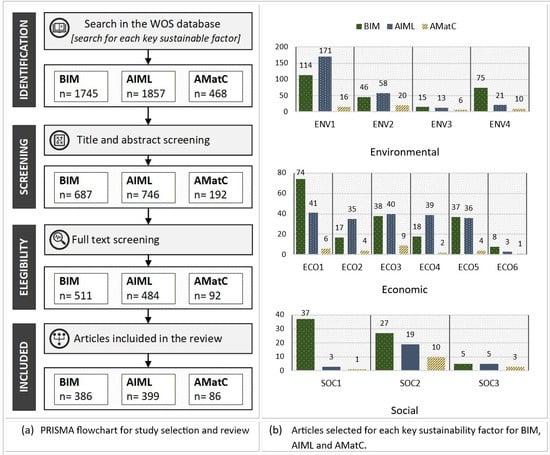
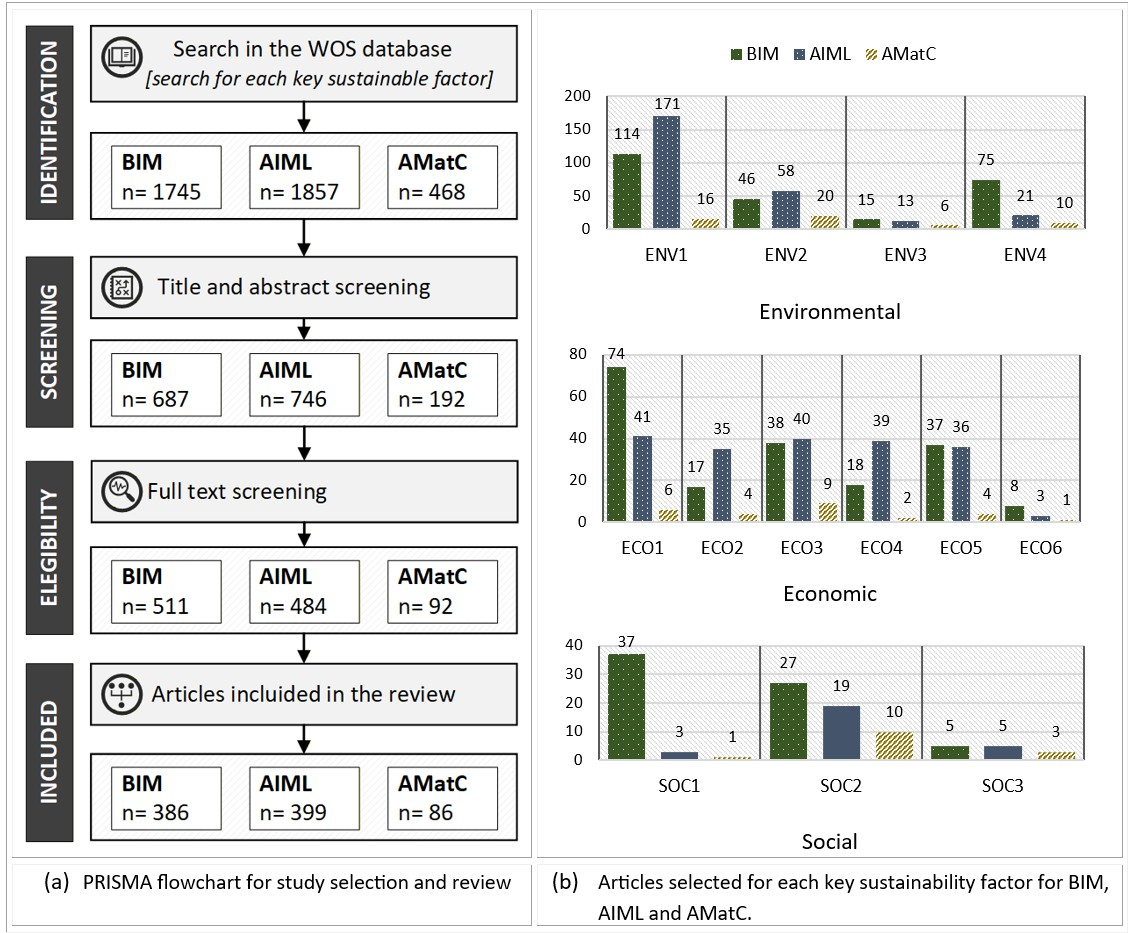
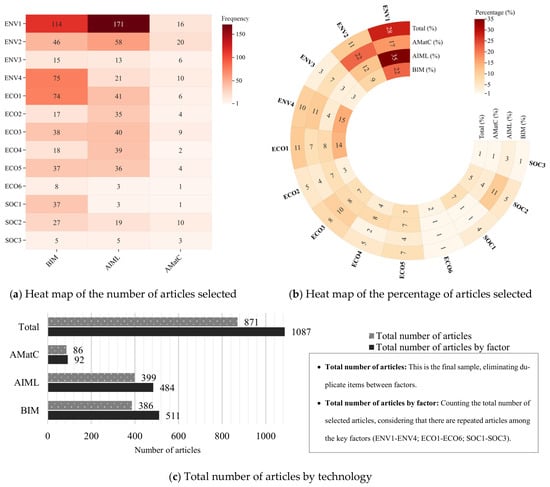
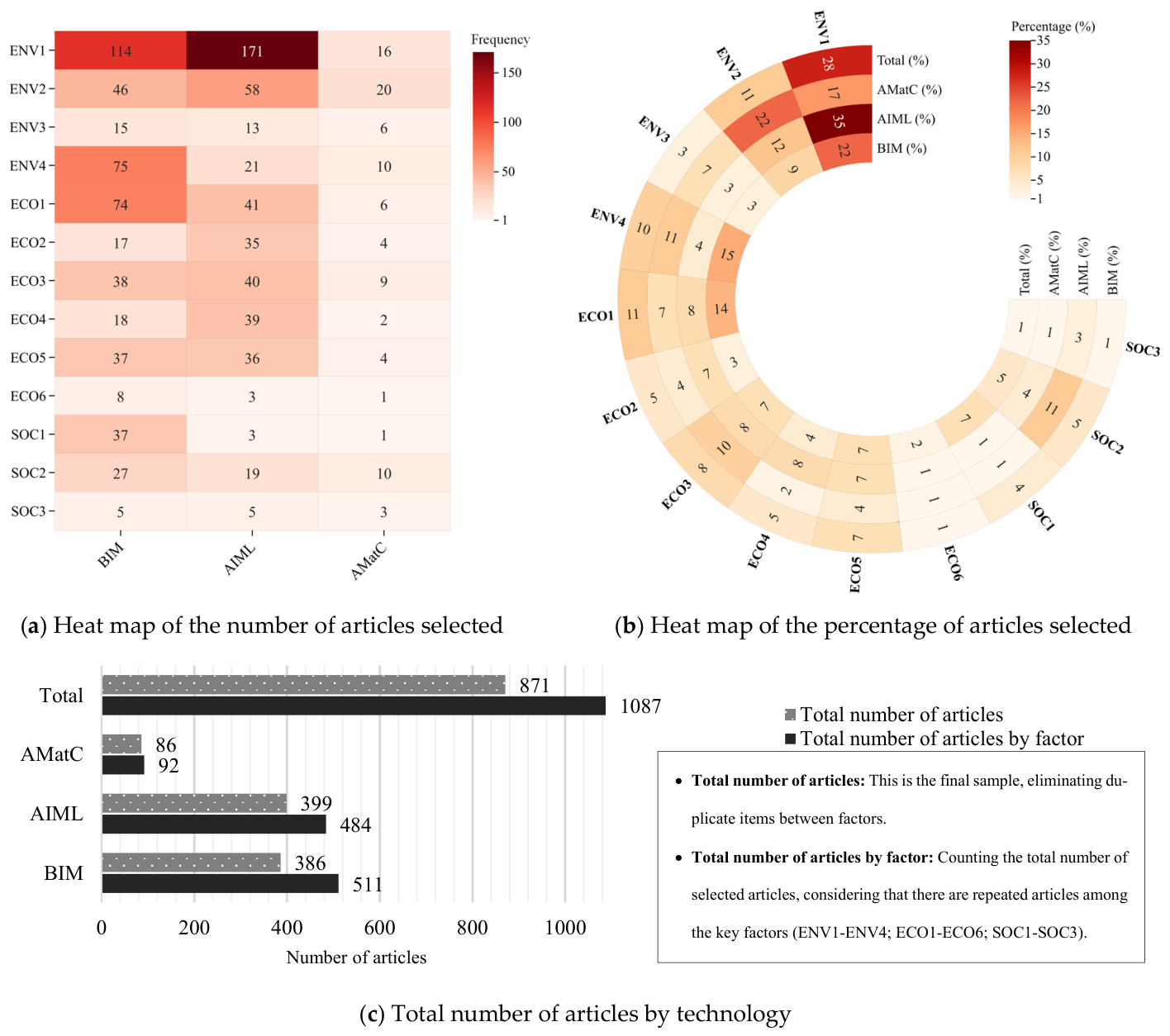
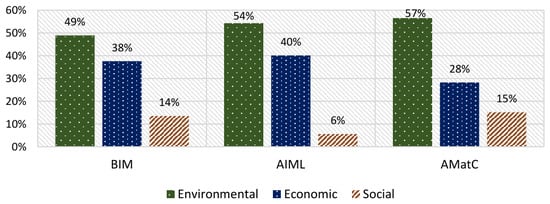
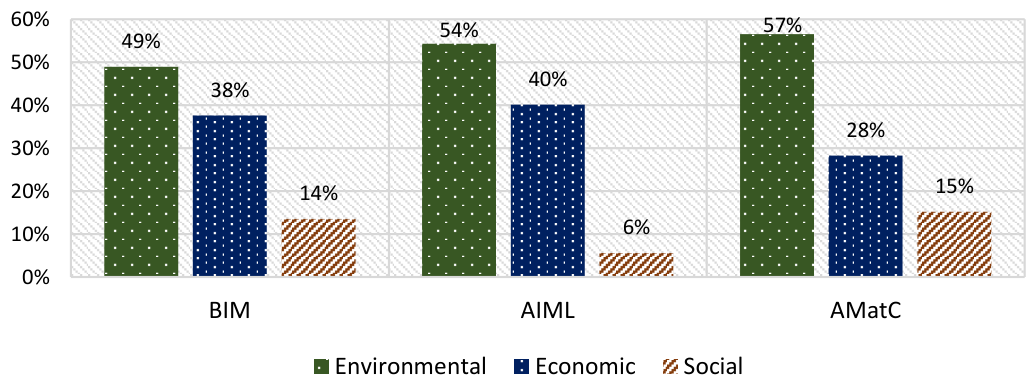
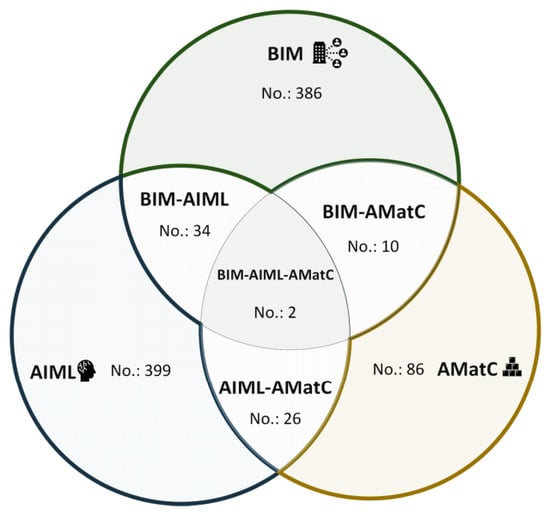
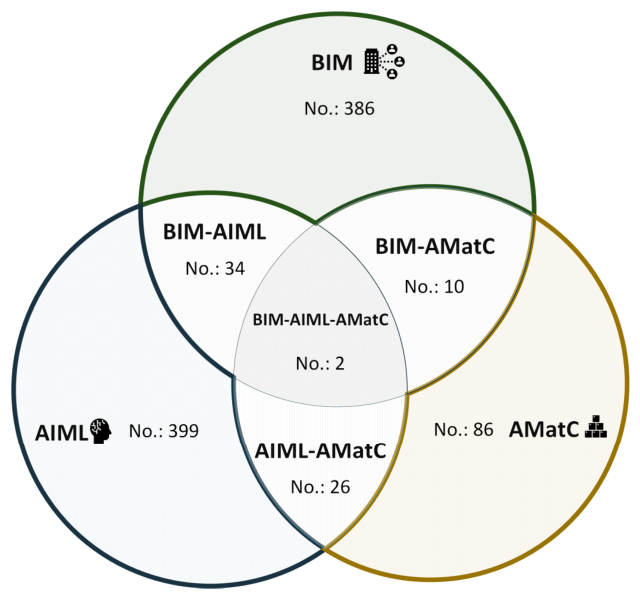
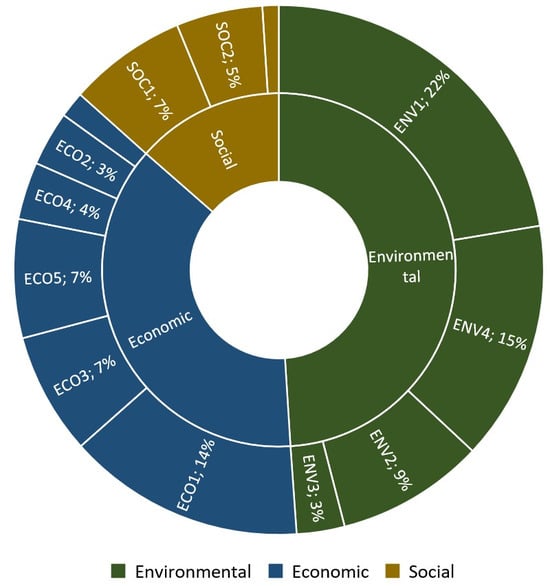
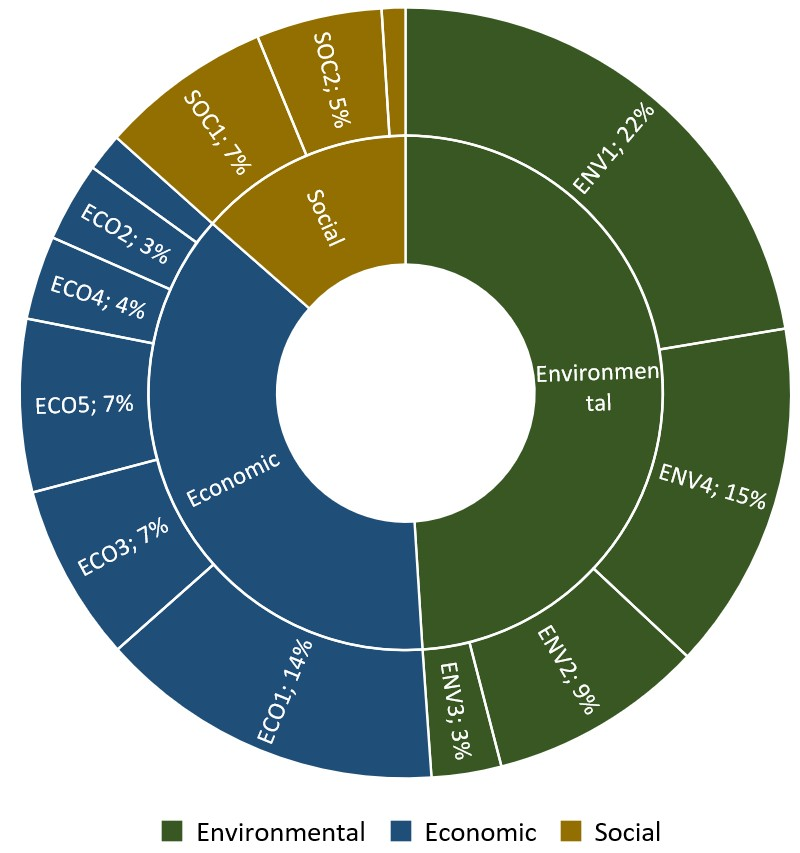
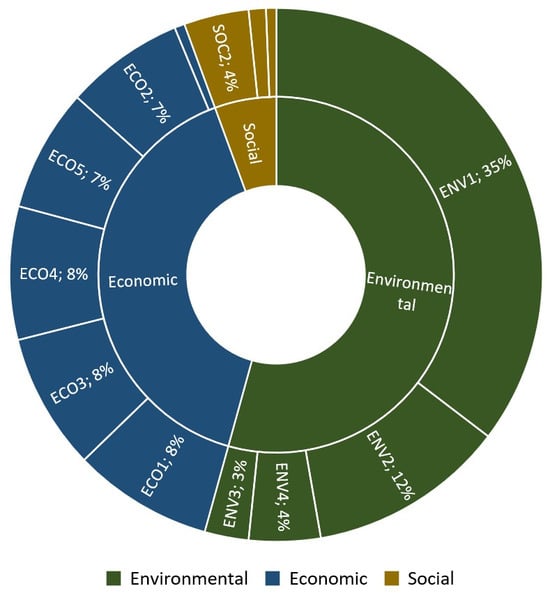
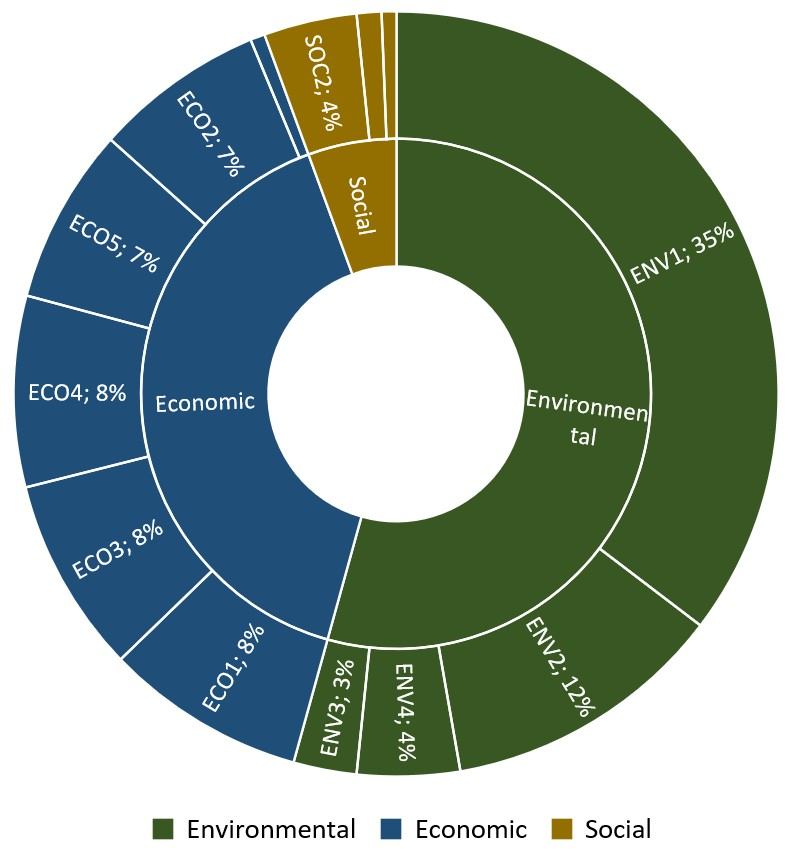
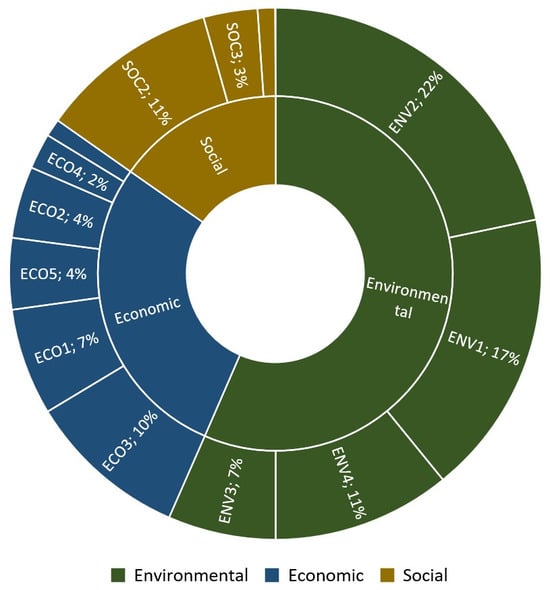
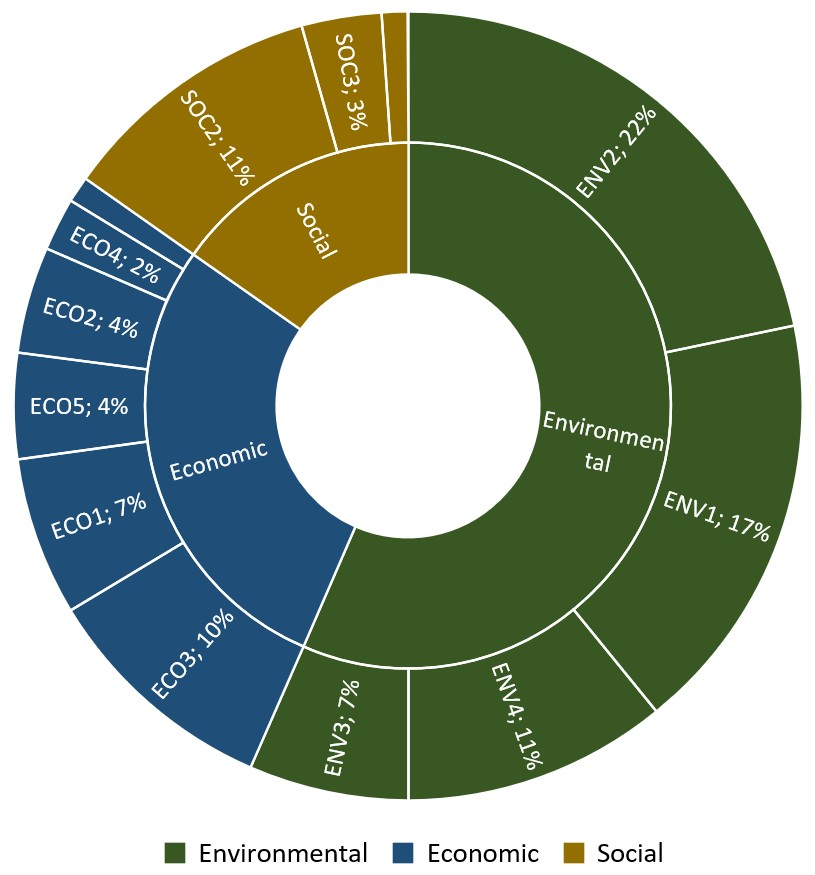
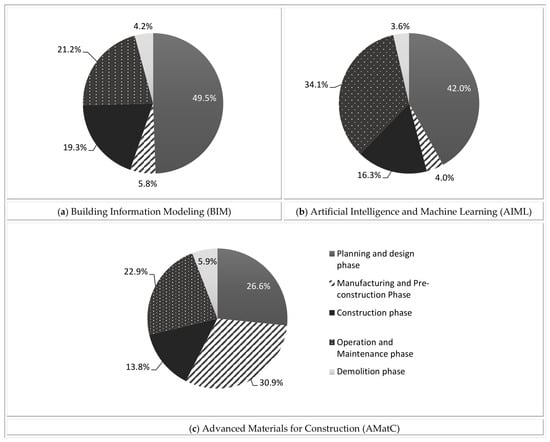
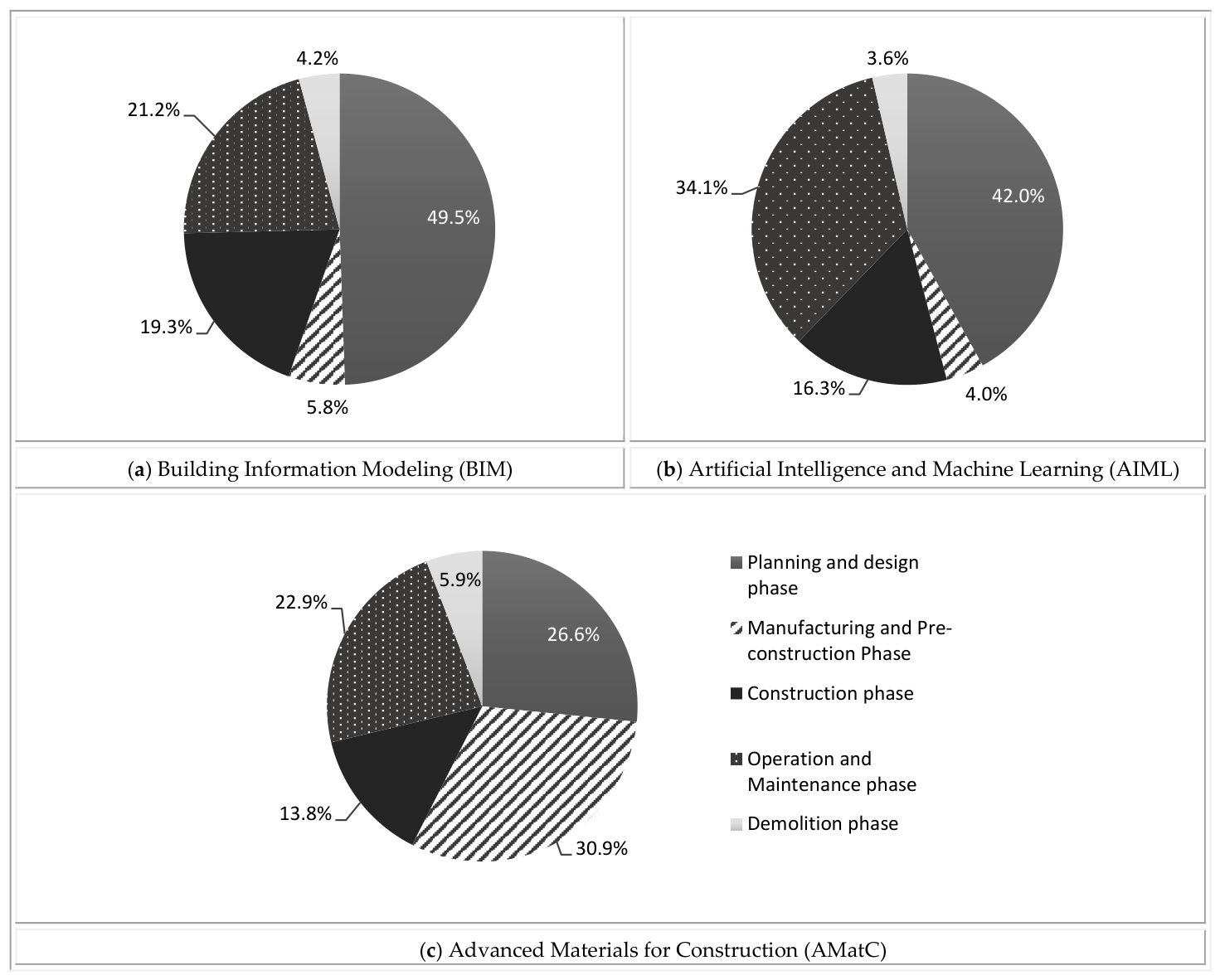
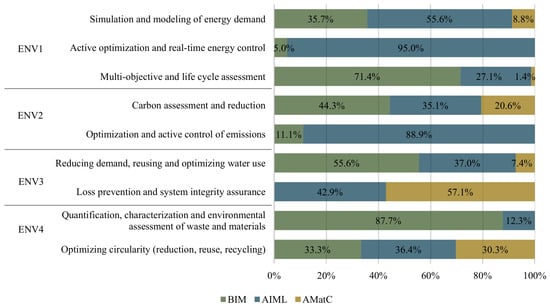
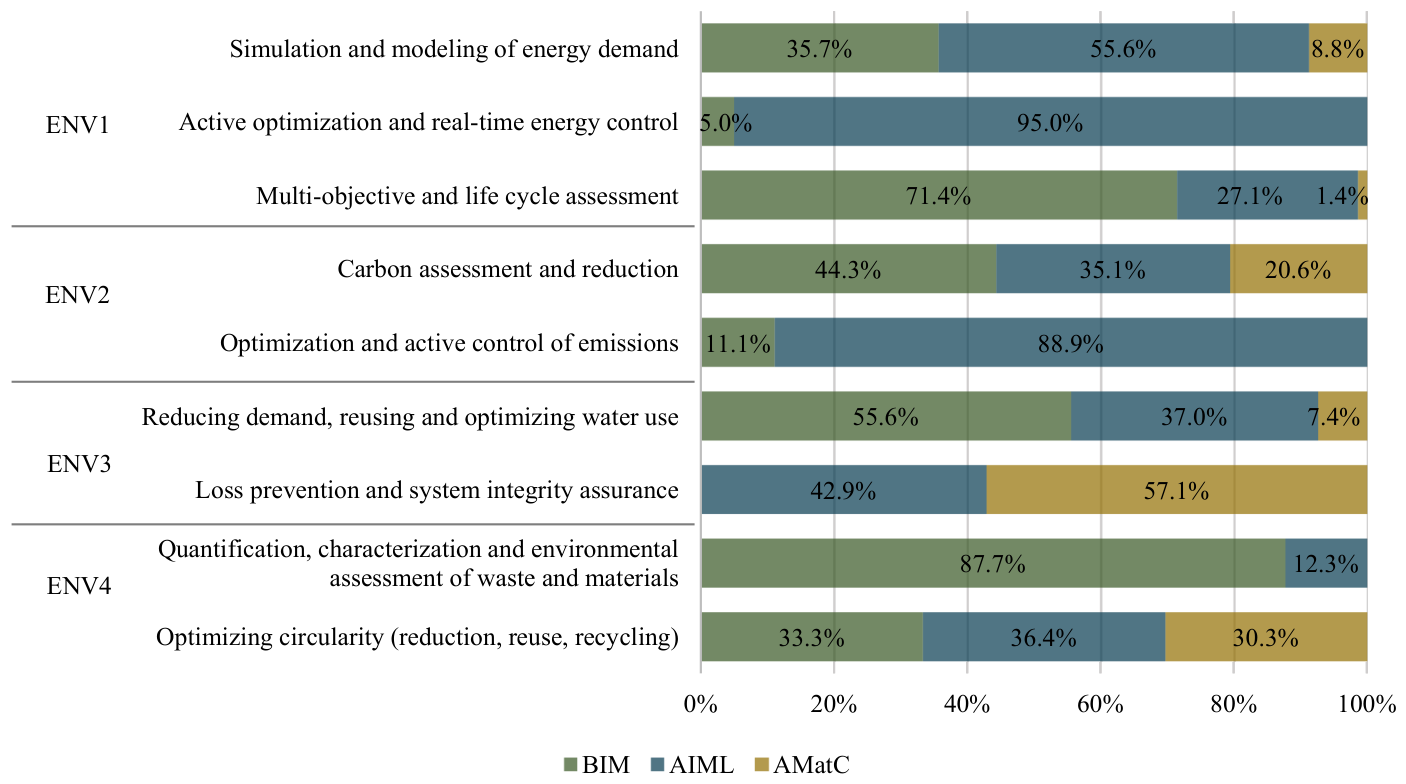
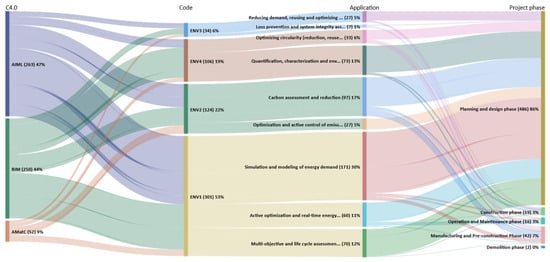
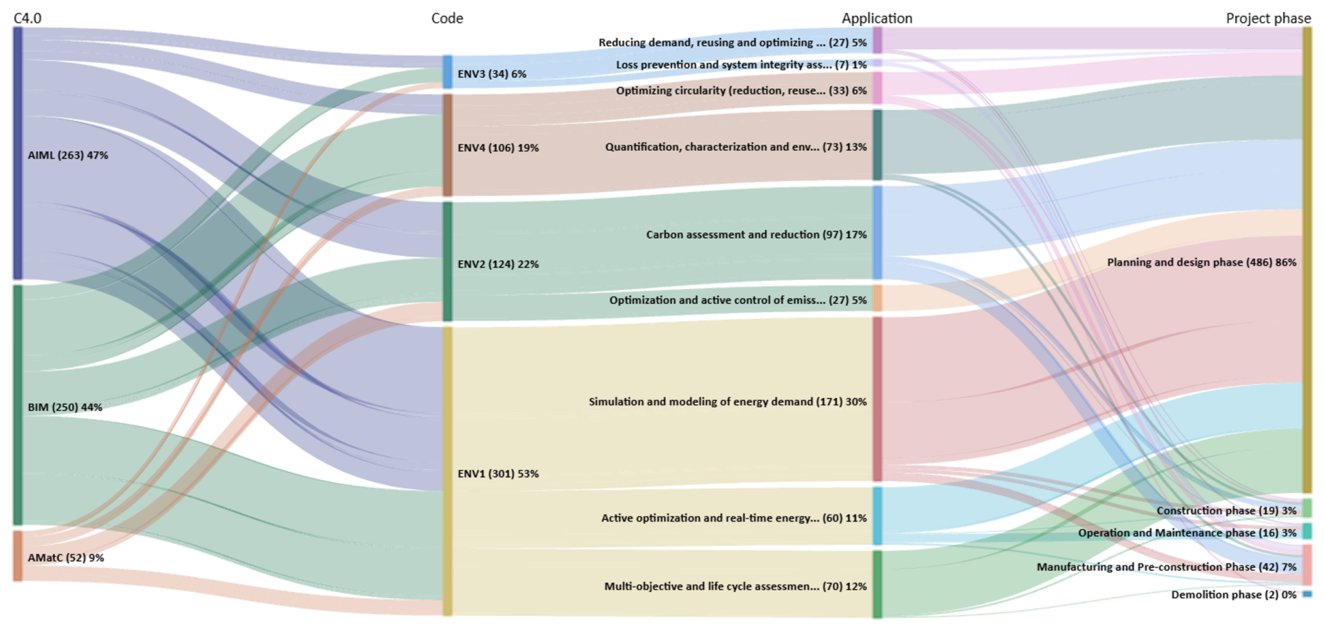
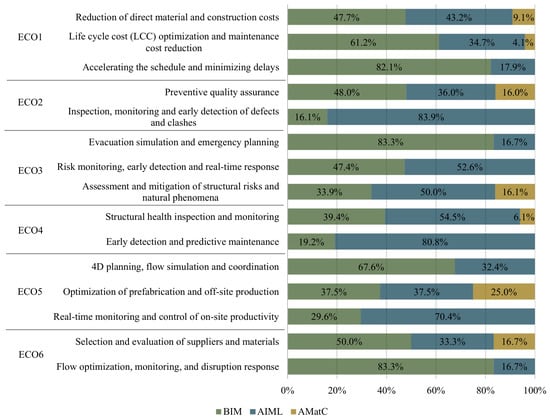
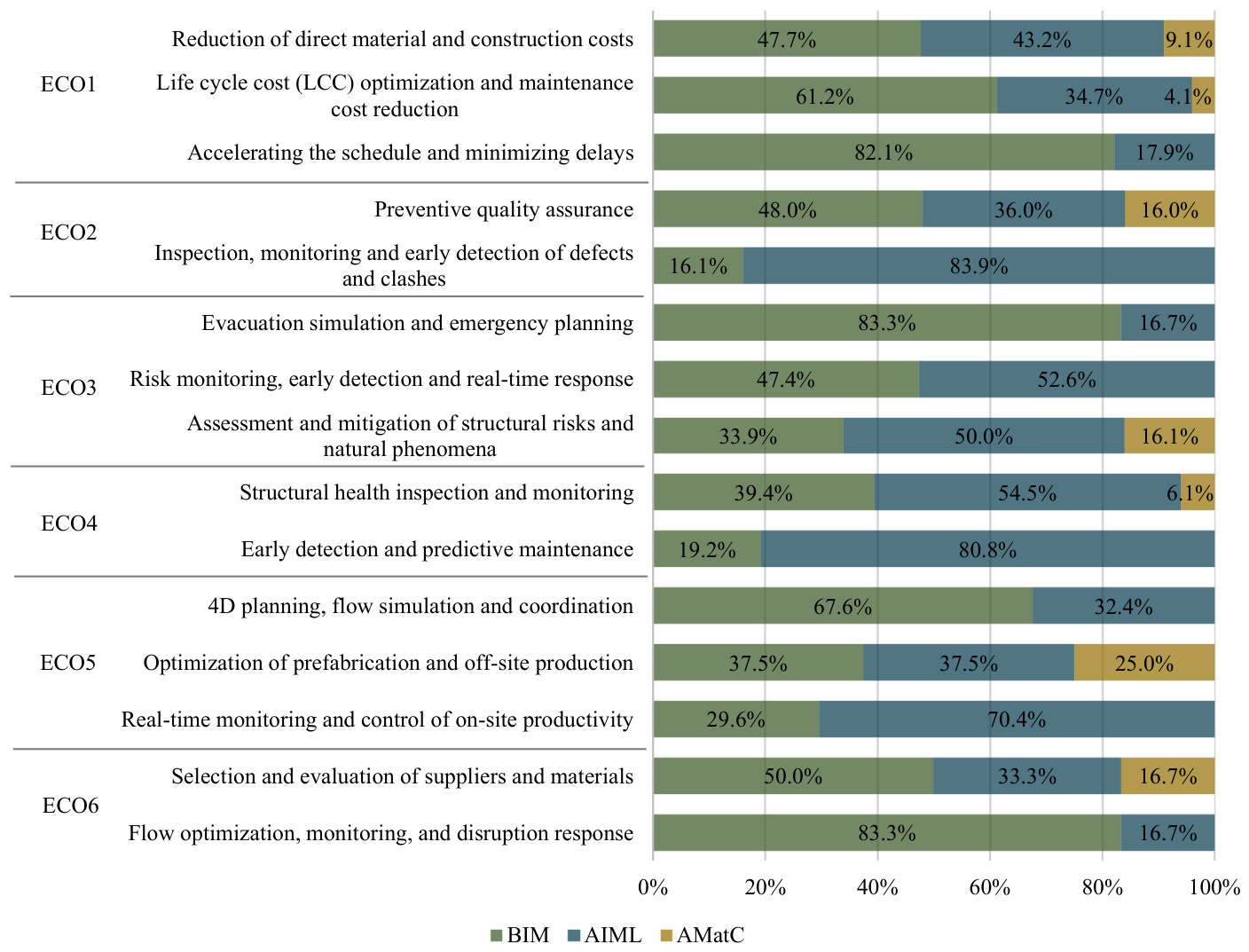
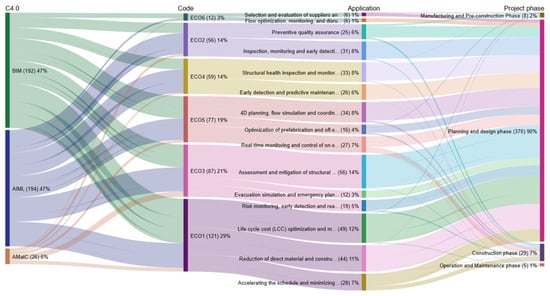
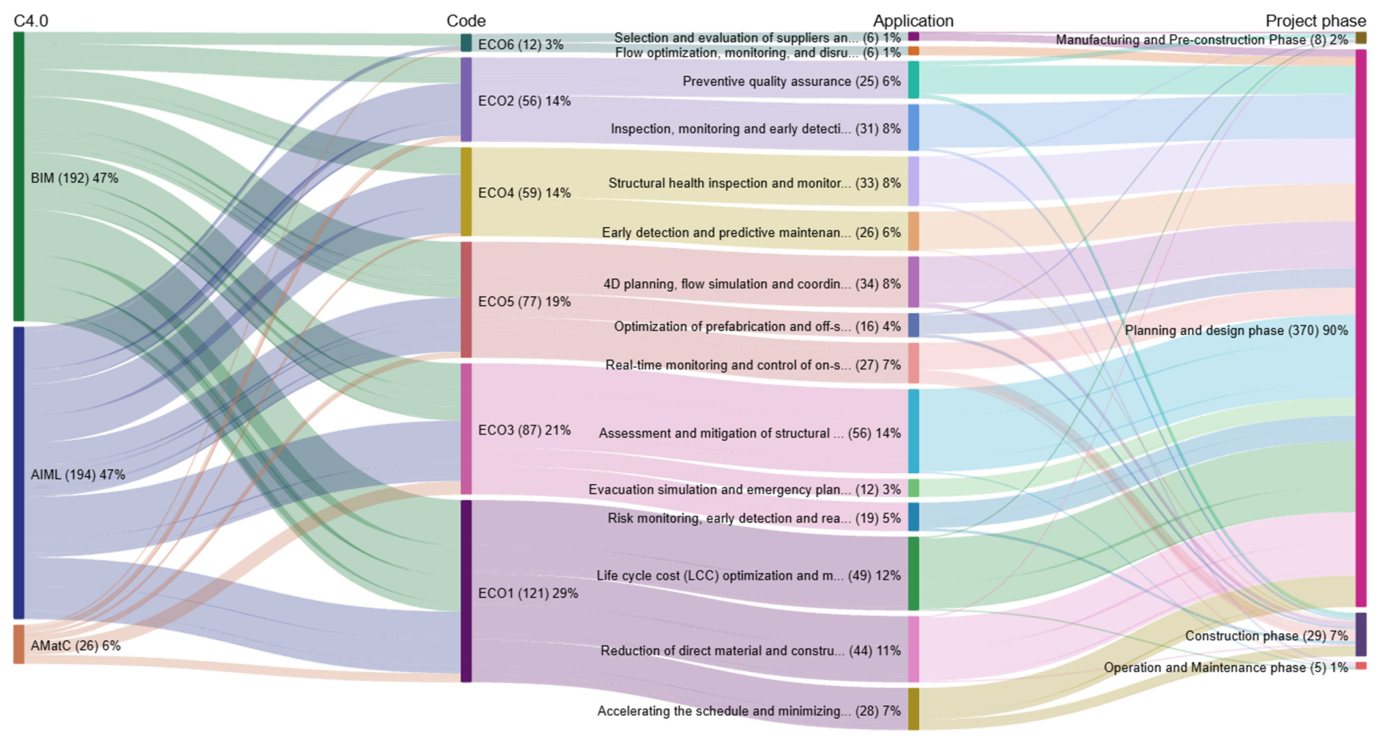
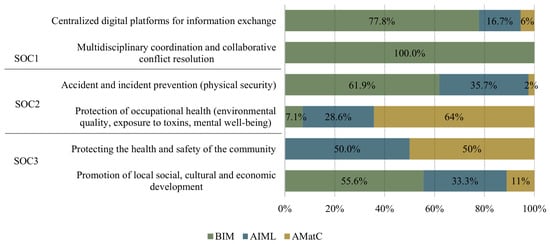
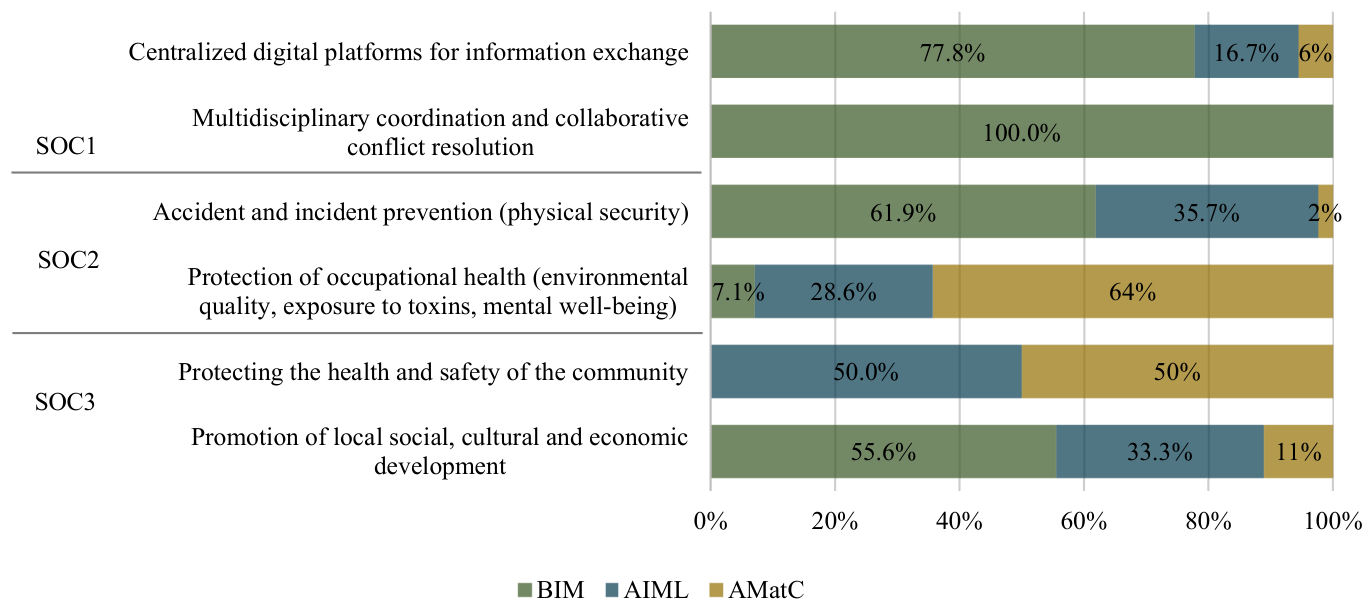
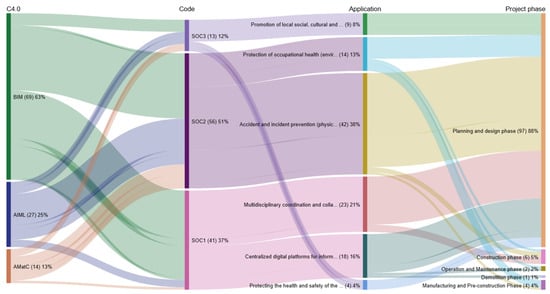
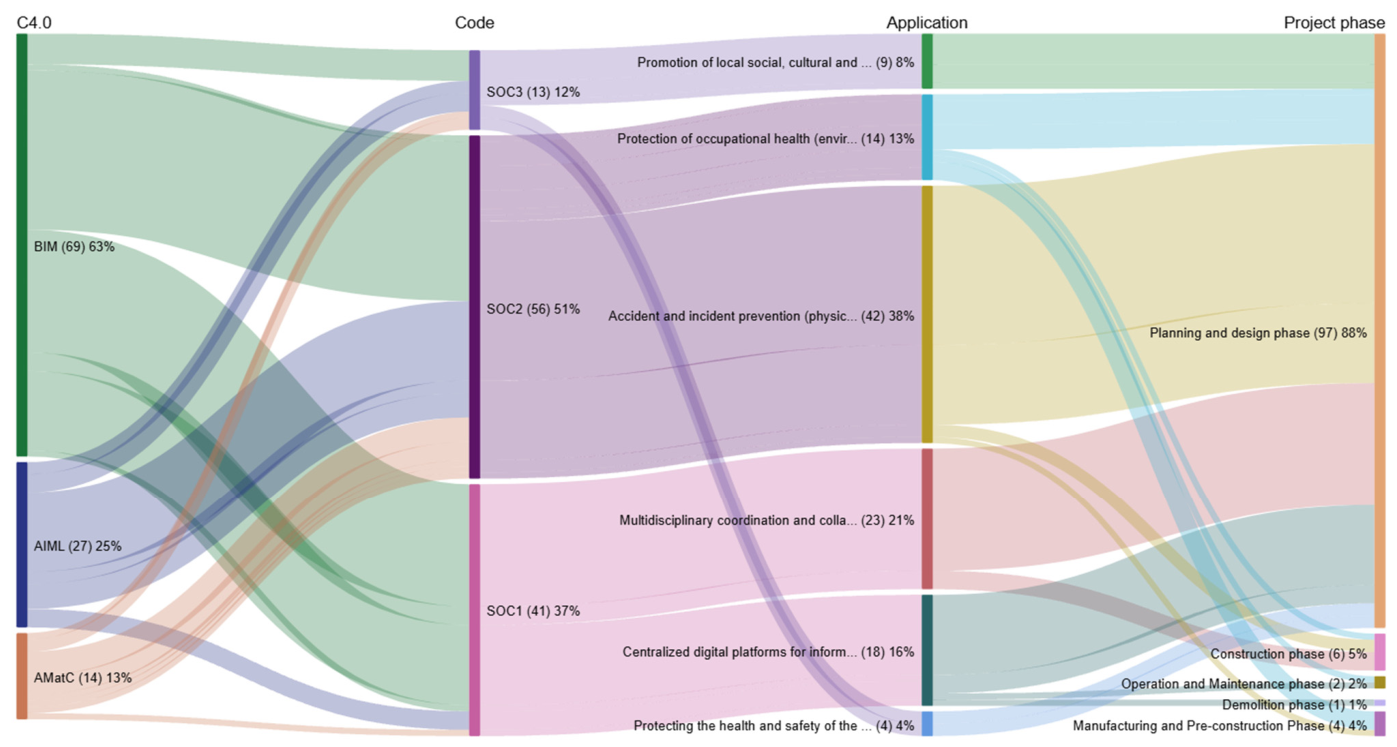
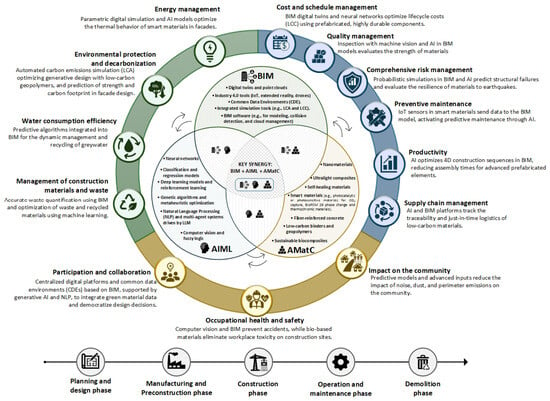
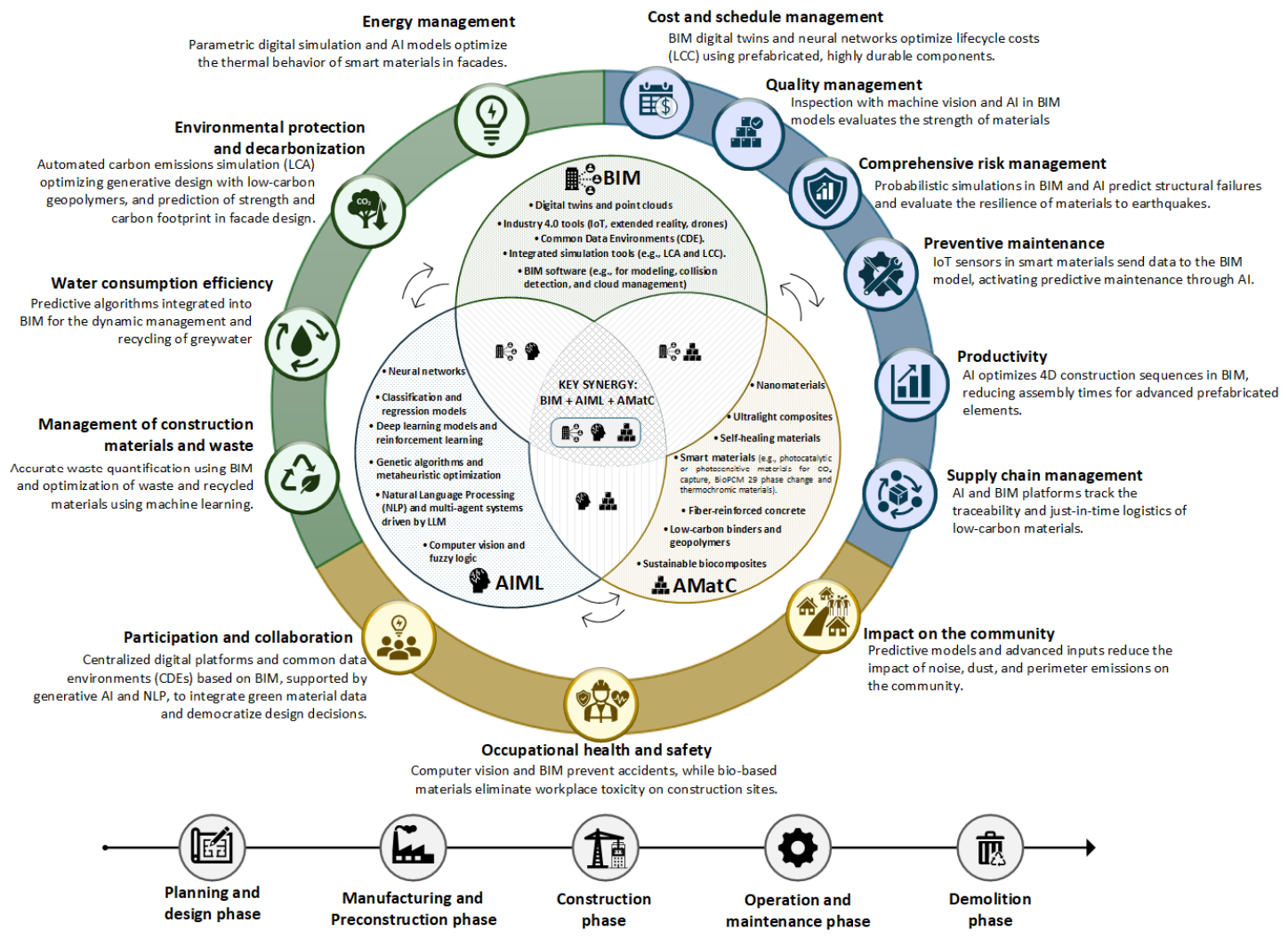

Disclaimer/Publisher’s Note: The statements, opinions and data contained in all publications are solely those of the individual author(s) and contributor(s) and not of MDPI and/or the editor(s). MDPI and/or the editor(s) disclaim responsibility for any injury to people or property resulting from any ideas, methods, instructions or products referred to in the content. |
© 2026 by the authors. Licensee MDPI, Basel, Switzerland. This article is an open access article distributed under the terms and conditions of the Creative Commons Attribution (CC BY) license.