


Featured Application
The module can be embedded in the fleet-management terminal of a cooperative farm or a machinery service company. Given the field boundary, road network and machine states, it returns a dispatch plan in which every combine–cart docking is scheduled as a geometric window rather than a fixed time slot. In a 6.25 ha wheat field, this reduces the mid-task stoppage of combines from 3004 s to 111.5 s—from about 50 min to under 2 min—using only the onboard positioning and speed signals already available on the machines.
Abstract
This work reduces the mean mid-task stoppage of combines in unmanned wheat harvest from 3004.1 s for a dynamic-threshold Markov baseline to 111.5 s with five grain carts, by resolving the combine–cart docking point as a geometric window rather than a fixed schedule slot. This paper proposes a cooperative spatio-temporal scheduling method for combines and grain carts together with an optional tool-calling agent. A scenario-specific travel-time model and a geometric-window forward search determine the feasible docking windows, and rolling scheduling follows a lexicographic hierarchy with global spatio-temporal blocking and full-bin anchored calls. Path planning, scheduling and global optimization are encapsulated as deterministic tools, which the agent orchestrates to verify and resolve unstructured events under output-side safety guardrails. With five grain carts, the mean mid-task full-bin stoppage is 111.5 s (median 0; 19 of 30 seeds at zero), the dynamic docking rate reaches 96.9% and the makespan is 62.4 min, significantly better than the dynamic-threshold Markov baseline (3004.1 s, 42.6%, 85.3 min) and the first-come-first-served rule (3555.0 s, 14.0%, 85.4 min; p = 1.86 × 10⁻⁹); four carts already outperform the rule baselines with six. Across eight parameterized fields, the mean absolute stoppage difference from a rolling mixed-integer program is 6.2 s; a south-edge road blockage adds 63.9 s, while other blockages add less than 10 s; and closed-loop fault handling cuts stoppage from 594.6 s to 210.9 s. On 15 adversarial reports, the agent with guardrails raises all-field accuracy from 40% to 100% without dangerous-direction errors.
1. Introduction
Wheat is an important staple crop in China, and its harvest is characterized by a short operating window, high timeliness requirements and intensive labor. With the spread of automatic navigation, environmental perception and remote communication technologies in agricultural machinery, combines and grain carts are evolving from manual driving toward unmanned, cooperative operation. In the unmanned harvest mode, the combine works continuously and temporarily stores the threshed grain in its bin, while grain carts are responsible for docking, parallel unloading and transfer before the combine bin approaches fullness. Because the combine bin capacity is limited, once a cart fails to arrive in time, the combine has to stop when the bin is full, which directly reduces the overall efficiency of the fleet. Therefore, how to coordinate the operating paths and docking sequences of multiple combines and carts in a dynamically changing field environment so that the combine can be unloaded without stopping is a key problem that must be solved for the intelligent scheduling of unmanned wheat harvest.
Considerable research has been carried out on the cooperative scheduling of agricultural machinery. For multi-machine task allocation, mixed-integer programming (MIP), heuristic rules and intelligent optimization methods, such as genetic algorithms, ant colony optimization, particle swarm optimization and the NSGA family, have been widely used for task allocation and path optimization of agricultural machinery [1,2,3,4], and methods such as deep reinforcement learning have also been introduced into multi-machine emergency cooperative scheduling [5]. Bochtis et al. introduced the vehicle routing problem into field logistics at an early stage and systematically analyzed the scheduling characteristics of agricultural machinery paths [6,7]. Seyyedhasani et al. reduced the cooperative operation time of multiple machines with the vehicle routing problem [8]. Scheuren et al. introduced spatio-temporal constraints into the motion planning of cooperative vehicles in harvesting scenarios [9]. With respect to the coordination of harvesting and biomass transport, unloading timing, cart routing and fleet configuration have been widely discussed [10,11,12,13,14]. Zhu et al. [15] proposed a multi-machine cooperative scheduling strategy based on a Markov decision model with a dynamic unloading threshold. Li et al. [16] studied a task planning method for autonomous cooperative harvesting of heterogeneous multi-machine fleets. Wang et al. proposed MAC-Planner, which unifies task allocation and coverage path planning for online multi-robot coverage [17]. Large-neighbourhood search and multi-objective particle swarm methods have been applied to sugarcane and other crop harvesting scheduling [18,19,20]. However, most studies assume fixed operating parameters and a static task environment, determine task allocation and path planning once before the operation starts, and are insufficient to characterize dynamic factors during the operation, such as changes in bin state, vehicle movement and sudden blockages [21].
In field path planning and travel-time prediction, existing studies have mostly addressed full-coverage path generation, neighbourhood scheduling and shortest-path search [22,23,24]. Travel time on the field road network varies with the operating scenario and time sequence and should be considered in harvest scheduling, yet most studies still estimate it as path length divided by a single driving speed. In actual operation, a grain cart passes successively through scenarios such as concrete roads, the headland ring and harvested rows, where the driving speeds differ markedly, and the vehicle must decelerate through intersections, field entrances and the headland ring with a certain turning radius. If scenario differences and turning deceleration are ignored, the travel-time prediction will deviate considerably, which in turn affects the judgement of dispatch timing and docking sequence.
In recent years, large language models (LLMs) have provided a new avenue for processing unstructured agricultural information and have been applied to agricultural knowledge question answering and agent tool integration [25]. Tang et al. studied the automatic conversion of a static scheduler into a dynamic one by means of natural language [26], but that work targets general manufacturing scheduling and does not involve the operating geometry and global spatio-temporal constraints of agricultural harvesting. A related review systematically summarized the application prospects of large language and vision models in agriculture [27]. At the methodological level, few-shot prompting [28] and retrieval-augmented generation (RAG) [29] provide routes for in-context learning and external knowledge access, respectively. In unmanned harvest operations, large amounts of unstructured event information may be generated on site in the form of fault codes and remote-observer descriptions, and traditional rule-based scheduling systems can hardly understand and exploit such information directly. How to convert unstructured events into executable scheduling plans with the help of LLMs while guaranteeing the accuracy of the scheduling computation has become a new idea for improving the anomaly-response and generalization capability of scheduling systems. The two routes are complementary rather than competing: a mixed-integer formulation yields a globally consistent schedule when the problem is fully and precisely specified, whereas the hybrid agent interprets unstructured or unforeseen events and invokes the same deterministic solvers locally to repair the schedule, with the language model itself never producing numerical results.
In summary, existing research on combine–cart cooperative scheduling for unmanned wheat harvest continues to have the following shortcomings. First, travel time is mostly estimated with a single speed, ignoring scenario-specific speed differences and turning deceleration, which hardly supports the judgement of dispatch timing and docking sequence. Second, scheduling evaluation emphasizes a single indicator, such as time or cost, and lacks a systematic characterization of multiple objectives, including combine stoppage, docking sequence, vehicle travel and depot departure, so extreme plans with individual vehicles overloaded are easily produced. Third, docking points and docking timing are mostly determined statically before the operation, with weak response to dynamic disturbances, such as impending bin fullness, late vehicle arrival and localized blockages. Fourth, operating parameters are relatively fixed, and the exploitation of unstructured event information, such as fault codes and natural-language descriptions, is insufficient, so the generalization capability of the system under abnormal conditions is limited.
To address the above problems, this paper takes unmanned wheat harvesting as the object, studies a cooperative spatio-temporal scheduling method for combines and grain carts, encapsulates deterministic algorithms as tools and builds a tool-calling scheduling agent. The main work comprises three aspects. First, a scenario-specific travel-time model is constructed that distinguishes the driving speeds of concrete roads, the headland ring and harvested rows, models turns with circular-arc geometry and acceleration/deceleration, and determines feasible docking timing together with a geometric-window forward search. Second, a hierarchical cooperative scheduling objective is established that takes combine stoppage time as the primary objective while accounting for docking sequence, dynamic docking rate, vehicle travel and depot departure. A global spatio-temporal blocking scheme, together with a full-bin anchored call–docking linkage mechanism, is proposed so that the combine can be unloaded without stopping wherever possible. Third, path planning, spatio-temporal scheduling and global optimization are encapsulated as deterministic tools to build a tool-calling scheduling agent, which performs multi-step verification and resolution of unstructured events under output-side safety guardrail constraints, realizes localized-blockage replanning and closed-loop in-transit fault handling, and validates the effectiveness of the proposed method through simulation.
2. Materials and Methods
2.1. Overall Technical Route
The overall technical route of the proposed combine–cart cooperative spatio-temporal scheduling and tool-calling agent method is shown in Figure 1. The system takes unmanned wheat harvesting as its object and, on the basis of the spatial information of fields, roads and buildings, builds a layered framework comprising travel-time prediction, geometric-window forward search, spatio-temporal joint rolling scheduling and a tool-calling agent. The bottom layer is the environment and state perception layer, which derives spatial vectors, such as fields and roads, from unmanned-aerial-vehicle orthophotos through image processing and collects the combine grain level, vehicle positions and operating states in real time. The middle layer is the cooperative spatio-temporal scheduling layer, which, according to the scenario-specific travel time and geometric windows, performs vehicle assignment, path scheduling and spatio-temporal blocking under a hierarchical objective. The top layer is the tool-calling scheduling agent, which takes an LLM as its reasoning core, encapsulates path planning, spatio-temporal scheduling and global optimization as deterministic tools, performs multi-step verification and tool invocation for unstructured events, such as fault codes and natural-language descriptions, through a thought–action–observation loop, and completes the handling under output-side safety guardrail constraints. The scheduling layer is responsible for all numerical computation and path scheduling, while the agent is responsible for event understanding, tool orchestration and exception escalation. The two cooperate to achieve adaptive scheduling under unmanned harvest conditions.
Figure 1.
Overall technical route of the perception layer, the cooperative spatio-temporal scheduling core and the cognitive layer, with the combine–cart fleet as the scheduling object.
2.2. Data Sources
The study area is located at the Agricultural Intelligent Production Demonstration Base of the Longmen Laboratory, Luoyang, Henan Province. Aerial orthophotos of the study area were acquired by UAV, and spatial vectors, such as cropland, roads and buildings, were obtained through image segmentation and post-processing as the basic data for path planning and scheduling simulation. The main operating area of the study site is a regular rectangular wheat field about 366 m long from east to west and 170.9 m wide from north to south, with an area of about 6.25 ha. Concrete roads about 6.2 m wide run along its west and south sides and are connected at two three-way junctions, so that a grain cart can enter the field at any position of the adjacent west field road or south-edge road, and there are no obstacles between the field and the roads. The machine shed is located on the west side of the field and is the largest building in the study area. The initial standby points of the grain carts and combines are set on the concrete road in front of the shed. The classified site elements of the study area (cropland, concrete roads and buildings) are shown in Figure 2.
Figure 2.
Classified elements of the study site: cropland, concrete roads and buildings.
The operating fleet consists of three combines and several grain carts. The combines are Case 4088 machines (Case IH, CNH Industrial, Racine, WI, USA) with a 5.18 m header width and a 6000 L grain bin. After unmanned retrofitting, they can perform automatic navigation, automatic headland turning, automatic header and unloading control and remote reporting of working conditions. A grain cart consists of a single-axle grain tank towed by a tractor, with a 4000 L capacity, and is used to dock in parallel with the combine, unload on the move and transfer the grain to the shed. On-the-move unloading is illustrated in Figure 3.
Figure 3.
Field photograph of on-the-move grain transfer from a combine to a grain cart.
2.3. Overall Analysis of the Harvest Task and Operating Workflow
The complete operating cycle of a grain cart consists of depot departure, travel, parallel or static docking for receiving grain, return to the depot and in-depot unloading, after which the cart becomes available again. In-depot unloading is fixed at 240 s per cart: each cart is independent with no shared unloading point or queueing, and a cart cannot be dispatched again during unloading. The same driving speed is used for laden and empty travel; a single receiving operation is capped at the 4000 L tank capacity, and during dynamic parallel unloading the combine bin is filled simultaneously, so that the net amount unloaded per operation is about 3282–3310 L. The makespan in this paper is defined as the moment at which the last combine finishes its final clean-out, i.e., the combine operating completion time. The time for the last batch of grain to be carried back by a cart and unloaded in the depot is not counted in this indicator.
To clarify the scheduling objects and constraints, the wheat harvest process is first analyzed as a whole. A complete harvest operation can be divided into three stages: the first stage is cutting the headland ring, in which each combine cuts two header widths around the main operating area to form a ring-shaped harvested zone about 10.36 m wide. The second stage is zonal shuttle harvesting, in which each combine works row by row in its own responsibility band and is unloaded in parallel by a grain cart when the bin approaches fullness. The third stage is the final clean-out, in which each machine empties the residual grain from its bin after finishing its band.
In terms of task partitioning, the main operating area is divided evenly along the north–south direction into southern, central and northern bands with 10, 9 and 10 rows, respectively, for 29 rows in total. The rows are laid out at a 5.18 m spacing, and the 29 rows occupy 150.22 m, consistent with the 150.17 m net north–south width of the inner net area. The marginal overlap of 0.054 m is absorbed by the header overlap on the harvested ring, and each of the three combines is responsible for one band. After cutting the headland ring, each machine returns to the start position of its own band to begin work without waiting for the others. The band division is shown in Figure 4.
Figure 4.
Study area and division of the southern, central and northern operating bands.
The headland ring is cut cooperatively by the three combines: each machine starts from the road in front of the shed, cuts two header widths along the field edge in an outside-in shuttle order, and then returns to the start position of its own band, with the cooperative path plan shown in Figure 5. The headland ring has a dual role: on the one hand, it creates a ring-shaped harvested space around the field in which grain carts can travel and turn, enabling them to reach the ends of all rows along the ring; on the other hand, it provides the headland width required for the combine’s fishtail turns when changing rows in shuttle operation.
Figure 5.
Cooperative headland-ring opening plan computed by the ring path planner for the three combines (two shuttle passes per edge; dashed segments denote fish-tail switch-back turns; dots mark each combine’s ready position at its band start).
Regarding the unloading mode, this paper prioritizes unloading the combine without stopping. During combine operation, the grain cart drives to the harvested row adjacent to the left side of the combine, moves in parallel at the same speed and in the same direction, and completes unloading on the move, thereby avoiding stoppage of the combine due to a full bin. Since the unloading auger is located only on the left side of the combine, parallel unloading is possible only when the cart is on the left. The cart may travel only on concrete roads, the headland ring and harvested rows. It must not enter unharvested areas and damage the crop, and it does not wait in the field for long periods, being dispatched from the shed only when needed. The fundamental purpose of scheduling is, under the above spatial constraints, to maximize the dynamic parallel docking rate and minimize mid-task full-bin stoppage of the combines.
2.4. Scenario-Specific Travel Time and Geometric-Window Forward Prediction
2.4.1. Composition of Scenario-Specific Travel Time
To address the large error of single-speed estimation, this paper computes the travel time separately according to the scenarios a grain cart actually passes through. A complete cart trip consists of travel on concrete roads, turns at field entrances, and travel on the headland ring and harvested rows. For straight segments, the travel time is the ratio of each segment length to the corresponding scenario speed:
Polyline turns of the grain cart at intersections, field entrances and the headland ring are all rounded with the minimum turning radius R, and right-angle hard turns are prohibited. Let the straight-segment speeds before and after a turn be vin and vout. Constrained by lateral acceleration, the turning speed takes the smaller of the before/after straight-segment speeds and the turning-speed upper limit. The time to pass one turn consists of the arc travel time plus the deceleration into the turn and the acceleration out of it:
A grain cart consists of a single-axle tank towed by a tractor, and the trailer rear axle cuts in relative to the tractor during a turn. Taking a right-angle turn with R = 4.5 m as an example, the trailer rear-axle trajectory and the vehicle sweep envelope for different drawbar lengths are shown in Figure 6. The steady-state turning radius of the trailer rear axle is about 3.84 m with a cut-in of about 0.66 m relative to the tractor. The inner sweep radius of the whole vehicle is about 3.61 m and the outer about 6.26 m, so the lateral sweep width required by the turn, the difference between the outer and inner radii, is about 2.65 m. This width is smaller than the 6.2 m concrete road width, so the concrete roads and the three-way junctions allow the envelope to pass safely. The same articulated vehicle is further checked at the minimum turning radius Rmin = 1.5 m: the steady-state articulation angle of the trailer is about 45.9°. In forward turning, the single-axle trailer follows stably without jackknifing, which occurs only in reverse. The inner and outer sweep radii of the whole vehicle are about 0.71 m and 5.15 m, respectively, with a sweep width of 4.44 m, smaller than the 10.36 m headland-ring width. Thus, Rmin = 1.5 m is also feasible for the articulated vehicle as the lower bound for forward turning.
Figure 6.
R4.5 articulated turning envelope and rear-wheel cut-in check of the towed grain cart.
A turning maneuver must satisfy the corresponding feasibility criterion. Let the direction deflection of two straight segments at their junction be θ and the distance from the tangent point to the junction be ℓtan = R·tan(θ/2). The turn is then realizable only if the available lengths of both adjacent straight segments are not less than ℓtan and R ≥ Rmin. Otherwise, the turning radius should be compressed to not less than Rmin, or another path should be taken, as in Equation (4), where the coefficient 0.49 is the safety factor for the available straight length, i.e., the total length of the rounded tangent points does not exceed 49% of the available length of the adjacent straight segment, so that a straight running distance remains before entering the turn. For a 180° heading reversal of a grain cart within the harvested area, the tractor–trailer configuration precludes the reverse-containing fishtail turn, and a forward-only loop turn composed of two forward arcs is used instead. When the harvested width near the docking point is at least two row spacings, about 10.36 m, the reversal is completed at the nearest internal connection point. When the harvested strip is too narrow, the nearby reversal path does not exist in the traversability graph, and the vehicle completes the reversal via the headland ring. If the headland ring has not yet been cut, the docking window is judged infeasible.
Row changing in shuttle operation uses a fishtail turn containing one reverse maneuver, shifting one header width within two headland-ring widths. Its motion comprises a forward arc, a gear-change reverse and a second forward arc. Unlike the rounded turn of a grain cart, a single fishtail turn is taken as 20–30 s, and its kinematic process is shown in Figure 7.
Figure 7.
Single-reverse fishtail (switch-back) headland turn of the combine, shifting one header width within the 10.36 m headland (row spacing 5.18 m < 2R = 9.0 m). S and E mark the row-end start and the aligned end point on the next row; the squares mark the two gear changes.
2.4.2. Uncertainty in Filling Rate, Warning-Level Time and Working Speed
Considering the random fluctuations of field operation, the working speed of the combine and the proportional filling rate fluctuate uniformly by ±3% around their rated values:
The filling rate of a combine during operation depends on the header width, the volumetric yield per unit area and the working speed, and the grain level in the bin grows approximately linearly with operating time. Let the current grain level be L0 and the warning level be Lwarn. The filling rate and the time from the current moment to reaching the warning level are, respectively, as follows:
The mass yield of wheat in the study area is about 550 kg/mu (0.825 kg/m2), which converts to a volumetric yield of about 1.10 L/m2 at a bulk density of 750 kg/m3. Throughout the paper, grain levels and capacities are measured by volume. The warning level is taken as the hard-full capacity of the bin minus the amount filled during alignment, i.e., Lwarn = Q_b − rfill·tm ≈ 5763 L, so that the bin does not overflow between the cart’s alignment and the start of unloading. Owing to the fluctuation of working speed, the time to reach the warning level varies within about ±3%, and this interval is used to check the call timing in scheduling. The travel speeds of the cart on concrete roads and harvested rows are taken as deterministic values and are not sampled.
During on-the-move unloading, the bin continues to be filled while the unloading auger discharges, so the grain level declines at a net rate equal to the difference between the unloading rate and the filling rate, i.e., more slowly than pure unloading. The grain-level variation over a complete fill–dock–unload cycle is shown in Figure 8, and the peak level always stays below the bin capacity.
Figure 8.
Grain-level dynamics during on-the-go unloading. (a) Fill-and-drawdown cycles of one combine, with the unloading-only level shown as a dotted line. (b) Grain levels of the three combines stay below the bin capacity.
2.4.3. Geometric-Window Forward Search
On the basis of the travel-time model, a geometric-window forward search is carried out starting from the current operating state of the combine to determine the time intervals in which parallel docking with a grain cart is possible. The combine works row by row in shuttle mode, each row comprising an eastbound or westbound working segment and a fishtail row change at the row end. The search advances segment by segment along the sequence of rows and row changes, computing at each moment the combine position, the grain level and the traversability of the adjacent harvested row on the left. The duration required for one parallel docking consists of the parallel alignment time and the pure unloading time:
Let pL(t) be the point on the left side of the combine at time t and H(t) the harvested traversable area, and let the distances from that point to the row head and row tail be dhead and dtail, respectively. To avoid the fishtail row change at the row end, the start of the parallel segment is kept at least 6 m from the row head and its end at least 8 m from the row tail. Only when the grain cart can reach that point on time via concrete roads, the headland ring and harvested rows, the left side is a harvested area, and the parallel segment lies in the middle of the row, does t belong to the set of feasible dynamic docking windows:
Within a feasible window, dynamic parallel operation must also satisfy the same-speed, same-direction condition. After entering the parallel segment, the grain cart travels along the harvested row adjacent to the left side of the combine at the current actual working speed of that combine and in the same direction, so that the relative position of the two vehicles remains unchanged throughout the parallel segment and unloading is completed on the move, as in Equation (10). The path search therefore constrains the final direction of entry into the parallel segment, requiring the cart to enter the docking point with the same heading as the row and forbidding arrival with the opposite heading, followed by a turn in place.
Through the above forward search, the positions and times of the feasible parallel docking windows can be determined before the bin approaches fullness, providing the basis for rolling scheduling. Where parallel docking is not geometrically available, the system falls back to stoppage-and-yield static docking, whose direction and timing are detailed below.
When the row direction does not satisfy the left-side parallel docking condition—for example, when traveling east, the left side is an unharvested area—the combine moves to the adjacent harvested row nearby to stop and yield for unloading, and returns to its position afterwards to continue working. The yield direction is determined by the row direction: when traveling east, the combine moves one row spacing to the south, and when traveling west, one row spacing to the north, i.e., it always moves into the harvested row on the right of the current travel direction. If that adjacent row has not yet been cut, the combine falls back to the nearest headland ring to complete docking. One stoppage-and-yield operation comprises three steps—moving aside, side-by-side stopped docking and returning—with moving aside and returning taking about 40 s each and pure unloading about 63.5 s. The yield direction and the nominal stoppage time are given in Equation (11). This direction changes with the row direction and is not fixed with the band position.
2.5. Combine–Cart Cooperative Spatio-Temporal Rolling Scheduling
After obtaining the feasible dynamic docking windows, this paper constructs a combine–cart cooperative spatio-temporal joint rolling scheduling mechanism that considers vehicle assignment, path scheduling and spatio-temporal blocking as a whole. Scheduling advances in rolling fashion at a fixed time interval. At each scheduling instant, a forward window prediction is first made for combines whose bins approach fullness, then vehicle assignment and path scheduling are carried out under a hierarchical objective, and multi-vehicle conflicts are resolved through global spatio-temporal blocking. The procedure is shown in Figure 9.
Figure 9.
Rolling scheduling procedure of the cooperative spatio-temporal dispatch.
2.5.1. Cooperative Scheduling Objectives
To address the problem that a traditional single time or cost objective easily produces plans with individual vehicles overloaded and poor multi-machine coordination, this paper adopts a hierarchical priority objective rather than a weighted sum of multiple objectives. The scheduling plan first minimizes the mid-task full-bin stoppage time of the combines, and then successively minimizes the docking overtime, maximizes the dynamic docking rate, and minimizes the cart travel time and depot departure time. Plans are ranked by the lexicographic evaluation of these objectives, and the makespan is not an optimization object but is reported only as a comparison indicator.
Equation (12) defines the idealized lexicographic optimization problem. The actual rolling algorithm selects the best among candidate plans at each decision instant according to this criterion, so it is a rolling heuristic search; the quality of its solutions is assessed against the step-wise optimum of the rolling MIP (Section 3.2 and Section 3.5). The lexicographic objective ensures that the primary objective—no stoppage of the combine—always takes precedence, avoids the subjectivity of weight selection in a weighted sum, and also avoids extreme plans in which only one of several combines is served.
2.5.2. Global Spatio-Temporal Blocking
To resolve the spatio-temporal conflicts of multiple vehicles on roads, field entrances, the headland ring and harvested rows, each traversable area is modeled as an exclusive resource with time windows. Resources are the edges of the path graph, comprising road segments, headland-ring segments and working-row segments. Working rows are subdivided into field cells of 15 m along the row direction so as to achieve spatio-temporal blocking of in-row areas. The occupation time window of a vehicle on resource r runs from its entry time tin to its exit time tout, with a headway h = 8 s retained after leaving. When judging whether two operations conflict, the criterion is the intersection of continuous time windows rather than 1 s discrete sampling (1 s is merely the simulation advance step), so short overlaps are never missed. Oncoming and same-direction vehicles are treated uniformly as exclusive. Throat positions, such as field entrances and ring corners, are scheduled in the order of their docking windows: vehicles leave the depot on time and enter a throat only close to their window so as to shorten the occupation, and queue in front of the throat when it is occupied by another vehicle. The occupations of resource r by any two operations i and j must satisfy the following:
In the equation, the occupation window registered by each operation on resource r has already been extended by the headway h after leaving, i.e., the actual window is (tin, tout + h). When resource time windows conflict, the scheduler adjusts the vehicle entry time or reassigns another cart in sequence, thus guaranteeing that the global path has no spatio-temporal overlap. A vehicle crossing adjacent resources occupies them one after another. At intersections and throat positions, such as field entrances and ring corners, occupation is registered as an independent resource, and vehicles crossing different edges meet at such a point through the shared throat resource, covering conflicts between different edges at a node. The headway h = 8 s is converted from the sweep length of the whole vehicle, including the trailer, covering the trailing occupation while the head has left but the trailer has not. During parallel unloading, the cart and the combine occupy adjacent harvested and working rows (different field cells), which is legitimate same-speed, same-direction cooperation and does not constitute a spatio-temporal conflict. A conflict is counted only when another cart’s time window on the same cell overlaps that of the unloading cart.
2.5.3. Full-Bin Anchored Calls and Docking Windows
For dynamic docking, the grain cart must arrive in position before the combine enters the parallel window. Let the travel time from the depot to the parallel rendezvous point be tout. Introducing a road-arrival margin sroad to account for the uncertainty of road travel and requiring the cart to be in position ahead of the parallel point, the required arrival window of the cart consists of the deterministic travel time and the margins:
The road-arrival margin is 45 s, and the early-positioning margin at the parallel point is 20 s, the latter being counted in the parallel alignment time. The cart follows the principle of using hardened roads first and entering the field only close to the parallel window. It travels along the concrete road to wait at the roadside near the field entrance and enters the field only before the combine reaches the parallel window, so as to shorten its sojourn in the harvested area. To ensure that the cart completes docking before the combine bin approaches fullness, the call instant is determined backwards with the full-bin instant as the anchor. Let the start of the combine’s parallel unloading window be tmatch and the time for a cart to go from depot departure to completed parallel alignment consist of the travel time, the parallel alignment time and the road and positioning margins. The call instant is then taken as follows:
When several combine bins approach fullness, the carts are ordered and dispatched by the earliest-due-date (EDD) order of the docking windows, and among idle carts the one with the earliest predicted arrival at the docking point is chosen, the predicted arrival time being the sum of the vehicle’s earliest available time and the outbound trip time. If the current cart cannot be scheduled into position within the blocking window, the system first allows it to speed up temporarily to catch up. On the harvested stubble, the cruise speed is raised from the default 8 km/h to the upper limit of 12 km/h, with the path geometry unchanged. Only the cruise speed of the field straight segments is raised, and the deceleration into and acceleration out of turns are recomputed before the feasible docking window is searched again. Only if the cart still cannot arrive on time after speeding up is another vehicle reassigned. This priority order prevents capacity from being replaced prematurely because of an individual late arrival. For cases in which parallel docking cannot be achieved, two fallback schemes—stoppage-and-yield static docking and final clean-out—are provided, with the nearest idle cart completing the unloading so as to minimize residual stoppage.
For the case in which a cart encounters a localized blockage while traveling, the system simultaneously constructs detour and waiting continuation plans and selects the one with the earliest arrival time at the docking point. The detour plan immediately re-searches the shortest feasible path from the vehicle’s current position on the traversability graph with the blocked edge closed, its arrival time being the current time plus the detour travel time. The waiting plan holds only when the expected restoration time of the blockage is known, with the vehicle waiting in place until restoration and then passing along the reopened path, its arrival time being the restoration time plus the remaining travel time after restoration, as in Equations (16) and (17). The system compares the arrival times of the two plans: if the earlier one still allows docking before the combine bin is full, the same cart continues. If neither can arrive on time, their arrival times are further compared with those of idle carts in the depot, and a global reassignment is made if an earlier one exists; otherwise, the original plan is kept and the combine’s stoppage waiting is counted. When the blockage duration is unknown, the waiting plan does not hold, and only the detour plans are compared.
2.6. Tool-Calling Scheduling Agent
2.6.1. Agent Architecture and Tool Design
To improve the system’s ability to understand unstructured events and respond to anomalies, the above path planning, spatio-temporal scheduling and global optimization algorithms are encapsulated as callable deterministic tools, and a scheduling agent with an LLM as its reasoning core is built. Unlike approaches that treat the language model as an independent label-generating layer parallel to the scheduling algorithm, the agent undertakes the orchestration of perception, reasoning, invocation and verification. The language model understands events, performs multi-step verification and selects tools, while the deterministic tools perform all numerical computation and state changes, thereby forming a closed loop of neural reasoning and symbolic execution.
The direct reason for adopting this architecture is that letting the language model generate continuous values, such as paths, times or speeds, directly would introduce three unacceptable failure modes. The first failure is geometric infeasibility: the language model lacks a precise model of the spatial relations among fields, roads and harvested areas, and easily produces paths that cross unharvested areas, violate the left-side-only unloading constraint or use an insufficient turning radius. The second failure is temporal unreliability: docking timing depends on the precise computation of scenario-specific travel times and turning deceleration, and the language model has a systematic bias in estimating such continuous physical quantities. An error of a few seconds is enough for a cart to miss the parallel window and cause full-bin stoppage. The third failure is uncontrollable safety: spatio-temporal blocking and collision avoidance require paths that strictly satisfy exclusive time windows numerically, and any value produced by probabilistic sampling may introduce a spatio-temporal conflict at a critical throat. Therefore, the computation of all continuous physical quantities is left to deterministic tools, and the language model is responsible only for task decomposition, tool selection and result synthesis, which confines probabilistic uncertainty to the discrete decision level and makes the scheduling result numerically and safety-wise reproducible.
The agent adopts the reasoning and acting (ReAct) [30] reasoning loop. After receiving an event signal, the agent first forms a judgement of the situation and then invokes the corresponding tool. The result returned by the tool re-enters the reasoning process as an observation, and so on iteratively until the handling is confirmed complete or the safety step limit is reached. The tool set is divided into read-only queries and state changes. The read-only tools comprise fleet-status query, road-traversability query and plan comparison, used to verify without changing state where a fault is located, whether a blockage falls on the in-transit path and whether a detour can still meet the docking window. The state-change tools comprise path replanning, docking reassignment, delayed depot departure, operating-mode setting and human-takeover request, which are bound to the simulator and mapped to the corresponding methods of the scheduling algorithm. All tools use structured interfaces whose parameters accept only discrete identifiers and enumerations, continuous physical quantities being computed by deterministic algorithms inside the tools, so the language model cannot directly generate paths, times or speed values. The interface of the 10 tools is summarized in Table 1. In addition, the agent reports each fused event through a dedicated structured-output tool (report_event), and a no-action tool (no_action) covers routine situations that require no scheduling change.
Table 1.
Tool interface of the tool-calling scheduling agent. The identifier harvester_id denotes the combine harvester.
To guarantee reliable output, the agent is constrained in three respects. First, optional retrieval augmentation provides the reasoning with handling evidence consistent with the on-site knowledge base, retrieving relevant entries from scheduling rules, fault types and handling plans to reduce dependence on the exact wording. Second, an output-side safety guardrail re-judges the event type, response level and tool selection on the basis of the event text, forcing the safe direction for situations, such as intrusion by persons or animals, a completely stuck vehicle, contradictory information or hazardous-material leakage, and adopting a deterministic fallback for events that cannot be parsed or exceed the step limit, so as to avoid missing critical events or escalating needlessly. Third, the actual execution of the state-change tools is still carried out by the deterministic scheduling algorithm. Before the agent intervenes, the system has already completed deterministic path replanning for the affected in-transit vehicles, so the system remains in a safe state even if the agent’s reasoning fails. In the unmanned harvest mode, event signals are mainly fault codes and status information automatically reported by the vehicles, and the remote observer serves only as supervision and a supplement to human-in-the-loop handling. When telemetry from a vehicle is delayed or lost, the guardrail downgrades the affected vehicle to the degraded or field-unfit operating mode, which limits speed, suspends the affected docking window and escalates the event to the remote observer. Conflict avoidance then relies on the reserved spatio-temporal windows, which are released only on acknowledgement, so the fleet remains collision-free even under communication loss.
2.6.2. Guardrails, Retrieval and Runtime Configuration
The implementation and runtime configuration of the agent are as follows. The reasoning model is Qwen2.5-7B-Instruct (Alibaba Cloud, Hangzhou, China), invoked through the SiliconFlow interface (SiliconFlow, Beijing, China). The reasoning temperature of the ReAct loop is set to 0.2 with a maximum of 1000 tokens per generation. The output-side guardrail is a deterministic rule-based post-processing that does not call the language model and re-judges the event type, response level and action legality by fixed priority on the basis of the event text, the upstream decision and the currently available resource flags. The optional retrieval augmentation uses a local TF-IDF index combining word-level 1–2 g and character-level 3–5 g, retrieving the three most relevant handling plans as context by cosine similarity without relying on an external embedding service. Tools are described by structured JSON schemas whose parameters accept only discrete identifiers and enumerations, with continuous quantities being computed inside the tools. The maximum number of steps of the ReAct loop is set to 8. Under the above configuration, handling one complete event takes about 1.5 s on average and about 2 s at the 95th percentile, meeting the real-time requirement for rolling scheduling.
2.7. Simulation Experiment Design
The main parameters required for the simulation are listed in Table 2, with their values being determined from vehicle technical data and operating experience.
Table 2.
Main parameters used in the simulation.
To verify the effectiveness of the proposed method, simulation experiments are used. The simulation is carried out under unified paired random scenarios. The random factors are the working speed of the combines and the proportional filling rate, which fluctuate uniformly by ±3% around their rated values. The duration of a single fishtail turn is drawn uniformly from 20 to 30 s. The start instants of the three combines at their headland-ring positions are staggered uniformly within 0–60 s. The travel speeds of the carts on concrete roads and harvested rows are taken as deterministic values.
Four fleet configurations of 3–6 grain carts are set up, and the proposed method is compared with the Markov-based dynamic unloading-threshold policy (MDOP) [15], first-come, first-served (FCFS), nearest-first, load-balancing and fixed-round-robin rules. Through several groups of experiments—baseline performance, localized-blockage replanning, mechanism ablation, cognitive-layer validation and closed-loop fault handling—the mid-task full-bin stoppage time, dynamic docking rate, makespan and spatio-temporal conflicts are evaluated, with the dynamic docking rate being defined as the ratio of successful parallel unloading operations to the total number of unloading operations. The Monte Carlo simulation uses 30 paired random seeds so that all methods are compared under identical random scenarios, and significance is analyzed with the paired Wilcoxon signed-rank test.
The rolling MIP baseline and all simulations run in the same computing environment, with an Intel Core i7-12700F processor, 32 GB of memory and Python 3.12.7. The rolling MIP uses the CP-SAT solver of Google OR-Tools 9.11 and solves lexicographically in two steps: the first minimizes the total late stoppage with a wall-clock limit of 15 s, and the second minimizes the total travel time while preserving the optimal lateness, with a wall-clock limit of 8 s. The number of search threads is set to 1 so that the results are reproducible. In the random simulation, the solver reaches optimality at every rolling step: the optimality gap is 0, and the wall clock is about 1 ms on average and about 15 ms at most, far below the 15 s limit. The baseline is therefore the step-wise optimum within the rolling horizon. At each rolling decision point (30 s period), the baseline solves the cart–window assignment with CP-SAT: the decision variables are binary assignment variables (whether a cart serves a window) and integer departure times for each cart. The constraints include non-overlap (NoOverlap) of the time intervals of each cart’s current in-transit task and candidate assignments, with at most one cart serving each docking window. An unserved window is counted in the lateness objective with a 1800 s penalty. The candidate windows are the geometrically dockable windows computed at the dispatch instant of the current step, using the same forward-search windows and scenario-specific travel times as this paper. The domain of candidate departure times is within 1 h of the current step. CP-SAT decides only which cart serves which window, while the exact departure time and the global spatio-temporal blocking are still computed by the same execution layer, so the comparison with the heuristic of this paper is fair in terms of inputs, travel times and metric definitions.
3. Results
3.1. Reference Feasible Solution Under Ideal Capacity
Before the random simulation, a reference feasible solution under ideal conditions is given in order to define the reference level that actual scheduling can approach. This result is obtained by forward computation of the combine’s geometric trajectory under the conditions of unlimited cart capacity, no road blockage and on-time docking whenever required, retaining only the non-negotiable operating constraints of header width, left-side-only unloading, bin capacity, fishtail row changes and docking windows. The number of dynamic dockings is determined jointly by the geometric conditions and the bin capacity. In shuttle operation, docking is possible only when the adjacent row on the left has been harvested, and the parallel segment lies in the middle of the working row. When traveling west, the left side of the machine is the previously eastbound harvested row, and when traveling east, the left side is the previously westbound harvested row, so a dockable window forms every other reversed row. Between two dockings, the bin receives about one tank capacity of grain, about 4000 L, corresponding to about 700 m of forward travel, i.e., two working rows, consistent with the row spacing of the dockable windows. The geometric dockable windows therefore occur every other reversed row, and the three bands with 10, 9 and 10 rows have windows of the same order. The actual number of dynamic dockings is determined by the zonal yield of each machine and the tank capacity. The theoretical zonal yields of the southern and northern bands are about 19,674 L each and that of the central band is about 17,707 L, and each dynamic docking unloads a net amount of about 3282–3310 L. Thus, five mid-task dynamic dockings are arranged for each of the southern and northern bands and four for the central band, with the residual grain emptied in the final stage. Each machine performs one further clean-out in the final stage, taking 49, 51 and 60 s, respectively. Under ideal conditions, the mid-task full-bin stoppage is 0, and the total makespan is 3347 s, i.e., 55.8 min. As a control, if the headland-ring cutting, fishtail row changes, dynamic dockings and final clean-out are disregarded and only the total operating rate of the three combines is used, the pure operating time of the 6.25 ha field is about 48.3 min, constituting the pure operating-time baseline at rated speed. The difference between 55.8 min and 48.3 min corresponds to the unavoidable headland-ring cutting, row changes and clean-out. The makespans of the subsequent random simulations are all no less than 55.8 min, against which the approach of actual scheduling to the reference feasible solution can be measured.
3.2. Baseline Performance and Fleet Capacity
Mid-task stoppage here means the time for which a combine interrupts operation because its bin is full, comprising four items: waiting in place for a cart, static unloading, moving aside and returning. The clean-out unloading in the final stage occurs after all working rows are finished and is not counted in this indicator but is reported separately. Table 3 gives the mid-task full-bin stoppage time of the combines for each method under different cart configurations, the values being the mean ± half-width of the 95% confidence interval (computed by the normal approximation 1.96 × s/√30; because the stoppage distribution contains many zeros, the median and the zero-stoppage proportion are also reported). Figure 10 compares the stoppage times of the methods under different fleet sizes, and Figure 11 further gives the corresponding dynamic docking rate. For the proposed method, the median is 815.0/238.5/0/0 s, and the number of zero-stoppage seeds is 0/12/19/19 at 3/4/5/6 carts, with a sample standard deviation of 297.2/155.8/162.7/162.7 s. With five carts, the mean mid-task stoppage of the proposed method is 111.5 s. With a median of 0 and 19 of 30 random seeds achieving zero stoppage, the dynamic docking rate reaches 96.9%, and the total makespan is 62.4 min. The dynamic-threshold Markov baseline has a mean of 3004.1 s, a docking rate of 42.6% and a makespan of 85.3 min. The first-come, first-served rule has a mean of 3555.0 s, a docking rate of 14.0% and a makespan of 85.4 min. The nearest-first and load-balancing rules give results identical to first-come, first-served in this scenario because the available vehicle states tend to coincide. The fixed-round-robin rule performs worst (3704.1 s with five carts), because it dispatches in a fixed order without reference to vehicle position or docking windows, so carts wait longest after dispatch.
Table 3.
Mid-task full-bin stoppage time under different cart configurations (s; mean ± 95% CI over 30 paired seeds); the 5- and 6-cart columns are identical because the sixth cart is never dispatched.
Figure 10.
Mid-task full-bin stoppage time across methods and fleet sizes (mean ± 95% confidence interval over 30 paired random seeds; lower is better).
Figure 11.
Dynamic docking rate across methods and fleet sizes (mean ± 95% confidence interval over 30 paired random seeds; higher is better).
As the number of carts increases from three to five, the mean stoppage of the proposed method falls from 844.3 s to 111.5 s (the median from 815 s to 0), and the docking rate rises from 78.3% to 96.9%. Increasing to six carts brings no further improvement, indicating that five carts already meet the requirement of this scenario. The comparison methods saturate after four carts, and their stoppage with six carts is still higher than that of the proposed method with four carts, i.e., four carts of the proposed method already outperform all rule baselines with six. Under the 30 paired random seeds, the stoppage differences of the proposed method with respect to the dynamic-threshold and first-come, first-served baselines hold stably, with a two-sided Wilcoxon signed-rank statistic W = 0, an exact p = 1.86 × 10⁻⁹ and Cliff’s δ = 1.000. The paired differences with the rolling MIP (proposed − MIP) are −10.8 s (3 carts, 95% CI [−114.5, 92.9]), +12.7 s (4 carts, [−4.5, 29.9]) and −37.9 s (5–6 carts, [−71.2, −4.7]). The two do not differ significantly for 3–4 carts (the interval contains 0), while the proposed method is significantly lower with 5–6 carts, showing that without relying on a general-purpose solver, the proposed method is more advantageous when capacity is abundant.
3.3. Dynamic Replanning Under Localized Blockage
To test the adaptability of dynamic scheduling to localized blockage with five carts, the south-edge road and the west field road are blocked at 1200 s of simulation, and an obstacle is placed in a harvested working row at 1500 s, repeated over the 30 paired random seeds. The results are shown in Table 4. Without blockage, the mean mid-task stoppage is 111.5 s. Under the south-edge road blockage, it is 175.5 s, an increase of 63.9 s over the baseline. Under the west field road blockage, it is 109.7 s, and under the in-row obstacle, it is 102.6 s, representing differences of −1.8 s and −8.9 s from the baseline, respectively, both within the range of random fluctuation. The makespan is 62.4 min without blockage and 62.9, 62.4 and 62.4 min for the south-edge, west-field and in-row blockages, respectively, indicating that localized blockage hardly affects operating continuity when capacity is abundant.
Table 4.
Performance under localized blockage for the 5-cart and 3-cart configurations (30 paired random seeds).
Figure 12 shows the continuous replanning process after a cart encounters a sudden blockage in transit. Taking the true position P of the vehicle at the event instant as the starting point, the system simultaneously generates immediate-detour and wait-in-place continuation plans on the dynamic traversability graph and selects the one with the earliest arrival at the docking point in combination with the expected restoration time of the obstacle. In this case, the south-edge road blockage is continued by a detour: entering the harvested inner strip of the southern ring through the nearest field entrance, bypassing the blocked segment and then returning to the road surface (Figure 12a). For the in-row obstacle, the path is replanned and the docking point updated so that parallel unloading and the return trip are not interrupted (Figure 12b). The replanned path keeps the minimum-turning-radius rounding and does not enter unharvested areas. The cart obtains a heading consistent with that of the combine near the docking point and then advances in parallel at the same speed and in the same direction to complete on-the-move unloading; after unloading, the system plans an obstacle-avoiding, rounded return path to the depot for the cart and performs a global spatio-temporal conflict check over the whole process. When a local detour can no longer reach the docking point before the bin is full, the system carries out a global reassignment according to the predicted arrival times of the idle carts, and the replaced vehicle returns to the depot by the shortest path.
Figure 12.
Continuous in-transit rerouting under sudden blockages. (a) South-road blockage: the cart detours through the headland ring and rejoins the road east of the blockage. (b) In-row obstacle: the route is replanned past the obstacle and the docking point shifted.
With three carts, where capacity is tight, the effect of localized blockage appears mainly in the makespan rather than in the stoppage. Under the south-edge road blockage the mid-task stoppage of the proposed method changes from 844.3 s to 918.7 s (an increment of 74.4 s), to 947.8 s (+103.5 s) for the west field road and to 954.8 s (+110.4 s) for the in-row obstacle, the stoppage increase being between 8.8% and 13.1%, while the makespan rises from 70.8 min to 72.6, 73.5 and 73.3 min, respectively. Even under blockage, the stoppage of the proposed method is only 30.2% of that of the dynamic-threshold method (3041.9 s for the south-edge road) and 27.0% of that of first-come, first-served (3408.4 s for the south-edge road). This shows that localized blockage amplifies operating interruptions when capacity is tight, while the cooperative spatio-temporal scheduling of this paper still maintains a significant advantage under blockage.
To further quantify the gain of dynamic replanning over passive response, a static frozen control is set up (results in Figure 13). After the blockage occurs, the cart does not detour or reassign but waits in place for the obstacle to clear and then passes along the original path. With a south-edge road blockage lasting 900 s, repeated over the 30 paired random seeds, the mean mid-task stoppage of the combines under dynamic replanning is 175.5 s, with a median of 167.0 s, and that under the static frozen control is 1996.6 s. Dynamic replanning reduces the stoppage by 1821.2 s on average, about 30.4 min, and the makespan falls from 78.7 min to 62.9 min. The paired Wilcoxon signed-rank test gives p = 1.86 × 10⁻⁹. This shows that event-driven immediate replanning can compress the operating interruption caused by a blockage to about one-eleventh of passive waiting and is the direct source of the efficiency gain of dynamic scheduling.
Figure 13.
Stoppage under dynamic rerouting versus the frozen wait-only control for a 900 s south-road blockage. (a) Mean stoppage; (b) paired runs over 30 seeds.
3.4. Mechanism Ablation
To analyze the role of each mechanism, the four mechanisms of look-ahead prediction, just-in-time (JIT) depot departure, earliest-window priority and spatio-temporal blocking are ablated. The results are shown in Table 5 and Figure 14, and the spatio-temporal distribution of the resource overlaps produced when blocking is disabled is shown in Figure 15. The full method has no spatio-temporal conflict in any configuration. When look-ahead prediction is disabled, the method degenerates to fixed-threshold dispatching, the stoppage under 3–6 carts being 3645, 3555, 3555 and 3555 s, respectively, the docking rate falling to 12.8%, 14.0%, 14.0% and 14.0%, respectively, and the makespan rising to 85.4–88.1 min, showing that look-ahead prediction is the dominant mechanism of performance. When earliest-window priority is disabled, the stoppage rises to 1067.6 s with three carts and 185.5 s with four, while five to six carts match the full method, indicating that this mechanism is most critical for small fleets. When just-in-time departure is disabled (i.e., replaced by earlier departure), the stoppage with 3–6 carts is instead lower (736, 108, 0 and 0 s versus 844.3, 168.9, 111.5 and 111.5 s), showing that on the uncongested regular road network of this paper, just-in-time departure leaves stoppage essentially unchanged and even introduces a slight late-arrival risk by departing somewhat later. Its design intent is to reduce the advance waiting and occupation of carts on roads and at throats and to avoid locking capacity too early, a benefit that should emerge where throat occupation becomes the bottleneck, a condition that the regular road network of this study does not create. Just-in-time departure is therefore retained in this paper as an execution detail of the scheduling under full-bin anchored calls rather than as the dominant mechanism of stoppage performance. When spatio-temporal blocking is disabled, the stoppage with 3–6 carts is 555, 25, 0 and 0 s, respectively, but 22.2, 25.6, 32.5 and 32.5 resource overlaps occur, respectively; the performance gain is bought at the cost of spatio-temporal conflicts, which correspond to crop crushing and collision risks in real operation, are unacceptable and are not feasible in practice. In summary, look-ahead prediction is the dominant mechanism for performance. Earliest-window ordering matters mainly for small fleets, just-in-time departure acts as an execution detail rather than a stoppage driver, and spatio-temporal blocking is the mechanism that keeps the schedule free of conflicts.
Table 5.
Ablation results: stoppage time, dynamic docking rate and resource conflicts under 3/4/5/6 carts (30 paired seeds).
Figure 14.
Ablation of the look-ahead, JIT, EDD and spatio-temporal blocking mechanisms (paired Monte Carlo, N = 30; combine speed ±3%, fish-tail turn 20–30 s, staggered start).
Figure 15.
Time-space conflict trajectory under the no-blocking ablation (4 carts, seed 0). Each marker denotes a pair of operations occupying the same road, headland-ring or field resource within the same time interval, which corresponds to a crossing conflict or collision.
3.5. Cross-Field Geometric Generalization
To test the generalization of the method to field-geometry changes and avoid conclusions that depend on a single study field, eight virtual fields with markedly different geometries are generated parametrically (Figure 16), covering compact, narrow-long, near-square, widened and extra-long shapes as well as two tilted orientations (+12° and −8°), with 17–37 working rows. The road network is generated together with the field size, aspect ratio and orientation; the road connectivity and operating rules remain consistent; and all kinematic constraints are unchanged. Each field is configured with four carts, the simulation is repeated over 10 random seeds and the mean is taken. The mid-task stoppage results are shown in Table 6 and Figure 17.
Figure 16.
Parameterized field geometries for cross-field generalization (panels drawn to true aspect ratio); the road network is generated with each field as field size, aspect ratio and orientation vary, while road connectivity and operating rules remain consistent.
Table 6.
Cross-field generalization: midway stoppage and dynamic docking rate over parameterized geometries (four carts, 10 seeds).
Figure 17.
Midway stoppage across eight parameterized field geometries (mean ± standard deviation over 10 random seeds; four carts).
The results show that the proposed method and the rolling MIP are identical on three fields (F1, F6, F7), essentially identical on one (F8, a difference of 0.3 s), better by 6.7 s on one (F4) and slightly worse by 3.1–29.9 s on the remaining three (F2, F3, F5), with a mean absolute difference of about 6.2 s over the eight fields. The two are overall comparable, i.e., the rolling method of this paper achieves, without relying on a general-purpose solver, an approximation to the step-wise optimal solution within the rolling horizon. Over the eight fields, the stoppage of the dynamic-threshold method and of first-come, first-served is 1.24–41.0 times and 1.33–47.8 times that of the proposed method, respectively. The largest gap occurs in F1, where the proposed method gives 72.8 s while the two rules give 2988.1 s and 3478.1 s. On the two tilted fields, the gaps between the proposed method and the rolling MIP are 0.3 s (F8) and 29.9 s (F5). The relatively high stoppage on F3, F6 and F8 stems from the tight capacity of four carts at their scale and is a genuine capacity-ratio effect rather than a geometric defect. F7 is a square field, on which the dynamic-threshold method and first-come, first-served give similar results (687.2 s and 666.6 s).
3.6. Optional Cognitive Module: Event Interpretation Accuracy
The cognitive-layer evaluation corpus was constructed in strata on the basis of real anomaly reports. Following the unmanned harvest workflow, 90 Chinese anomaly reports covering normal operation, vehicle faults, road blockages, field obstacles, level anomalies, severe weather and communication interruption were collected. Domain experts blindly rated the event type, response level and handling action of each report, on which the handling rules and response levels were revised. The expert-verified reports were then merged for semantic duplicates, rewritten into an English corpus with varied wording and stratified by semantic difficulty: single-event rewrites and obscure reports formed Tier-2 (54 reports), and combined, contradictory, unseen or incomplete reports formed Tier-3 (12 reports). To test the role of semantic reasoning when rules fail, an additional adversarial set of 15 reports was constructed by the authors, using natural colloquial wording that deliberately avoids the triggering phrases enumerated in the guardrail rules and covering implicit slipping, wet ground, road blockage, field obstacles, personnel intrusion, vehicle faults, navigation deviation, severe weather, benign contact and contradictory reports, which can be judged only by semantic and commonsense reasoning. The event type, response level and handling action of each adversarial report were assigned by the authors according to the same rule book that defines the guardrail. A scheduling knowledge base containing 35 entries of scheduling rules, fault types and handling plans was also built. The 54 Tier-2 and 12 Tier-3 reports were held out from rule development: the deterministic guardrail is implemented as fixed rules in code rather than fitted to any report set, and the held-out and collected corpora share no entries. The guardrail’s 100% all-field accuracy on Tier-2 therefore constitutes a held-out evaluation rather than an in-sample fit; generalization beyond the known event types is assessed separately on the adversarial set. The 15 adversarial reports are an independent construction deliberately avoiding the rule-triggering phrases and are used to test semantic generalization when rules fail. It is on them that the guardrail drops to 40% while the agent combined with the guardrail recovers to 100%, which is the key evidence of the semantic-generalization gain of the agent. Because the adversarial set contains only 15 reports, the 95% binomial confidence interval of the observed 100% all-field accuracy is 78.2–100% (Clopper–Pearson), and the guardrail’s 40% corresponds to 16.3–67.7%; the corresponding intervals on Tier-2 (n = 54) and Tier-3 (n = 12) are 93.4–100% and 73.5–100%.
To test the judgement and handling capability of the scheduling agent for unstructured events, evaluations were carried out on Tier-2, Tier-3 and the adversarial set, each report corresponding to one independent event injection and closed-loop handling. For each event, the agent completes verification and handling through multi-step tool invocation in the real simulation situation. Events that can be verified from physical state, such as road blockage, field obstacles and vehicle faults, are truly injected in the simulation. Warning-type events, such as personnel intrusion, slipping, wet ground, navigation deviation and severe weather, whose nature cannot be obtained directly by physical-state queries, are input only as natural-language reports, in order to test the semantic judgement of the agent for information unobservable through tools. Ablations were carried out under five configurations: single-turn LLM only, deterministic guardrail only, single-turn model plus guardrail, agent only, and agent plus guardrail. The all-field accuracy of event type, response level and invoked tool was counted, together with the dangerous-direction error rate, i.e., the proportion of cases whose expected response level is L2/L3 but which are judged L0/L1. The results are shown in Table 7. LLM-based conditions are averaged over five repeated runs per report (temperature 0.2), and the percentages are the means over the corresponding runs.
Table 7.
Scheduling agent evaluation on Tier-2 (n = 54), Tier-3 (n = 12) and adversarial (n = 15) reports.
On the regular Tier-2 and Tier-3 reports, the deterministic guardrail alone achieves 100% all-field accuracy and a dangerous-direction error rate of 0, while the single-turn LLM alone achieves 75.9% and 50.0% all-field accuracy with dangerous-direction error rates of 3.7% and 8.3%. This shows that in standardized operational scenarios that can be covered by rules, the deterministic guardrail is already reliable, and the LLM provides no additional gain. On the adversarial set that deliberately avoids the rule-triggering phrases, the conclusion reverses. The guardrail alone drops to 40% all-field accuracy, conservatively escalating all events it cannot judge to human intervention. The dangerous-direction error rate remains 0, but autonomous closed-loop handling cannot be achieved. The single-turn LLM alone raises the event-type accuracy to 93.3% and the all-field accuracy to 66.7% through semantic understanding, but a single-turn model cannot verify real-time resources and has blind spots on such key premises as whether a detour exists and whether a spare cart is available. The agent alone, because it must actually select and execute actions under uncertain tool feedback and because errors accumulate along the multi-step reasoning chain, achieves 33.3% all-field accuracy, lower than the single-turn model that only performs a single label prediction. The agent combined with the guardrail reaches 100% all-field accuracy and a dangerous-direction error rate of 0, better than the 93.3% of the single-turn model plus guardrail. The gain comes from their complementarity: the agent completes situation confirmation and action selection through multi-step verification, while the guardrail corrects the agent’s deviations in response level and event label according to deterministic rules. The spare-resource and detour-availability flags on which the guardrail relies are scenario-given conditions and do not depend on the agent’s tool queries.
3.7. Simulated Closed-Loop Fault Handling
To test the closed-loop handling capability of the method under engineering-relevant fault conditions, a scheduling simulation including a hot-standby cart was built, and closed-loop handling was verified for a typical in-transit cart fault—the right wheel locked, the tank tilted on one side, the vehicle unable to move and not towable—under 12 independent random pairings with seeds 101–112. The individual results are shown in Table 8. With pure rule-based handling, the mean fault stoppage is 594.6 s. With the scheduling agent connected, the agent completes event judgement and generates a reassignment plan, on which the scheduling layer invokes the hot-standby cart and replans the docking path. In all 12 runs, the handling loop is closed (event judgement, reassignment and recovery of the affected combine), with five runs having no additional stoppage and seven runs having 249–513 s of residual stoppage, the mean stoppage falling to 210.9 s, a reduction of about 64.5% compared with the rule-based approach, and the makespan falling from 66.6 min to 63.4 min, with a paired Wilcoxon test p = 0.00049. Furthermore, when the above non-standard fault code is added directly to the rule whitelist, so that the rule needs no semantic understanding and identifies the code from a deterministic table alone, the resulting stoppage is identical to that of the agent (210.9 s versus 210.9 s, identical seed by seed), confirming that the reassignment and replanning mechanisms themselves are deterministic and can therefore be verified independently of the language model. This provides an auditable baseline, and the incremental value of the agent lies in generalizing the handling of faults outside the whitelist that can be identified only through natural-language semantics. The incremental capability is therefore confined to open-set events outside the whitelist that require semantic recognition (40% to 100% on the adversarial set). For known fault types, a deterministic code table already suffices, so the cost of introducing the module is limited to its inference latency of about 1.5 s per event and leaves the scheduling-layer result unchanged. In addition, disabling retrieval augmentation in the same fault-handling experiment gives stoppage identical to that when it is enabled (mean 210.9 s in both cases, identical seed by seed), showing that for such explicitly described faults the zero-shot semantic recognition of the LLM is already sufficient and retrieval augmentation is redundant on this class of events. The module is retained as an optional enhancement for open-set scenarios, its scope being determined by corpus complexity.
Table 8.
Closed-loop handling of a typical in-transit cart fault across 12 independent random runs.
4. Discussion
4.1. Advantages and Quantitative Positioning of Cooperative Spatio-Temporal Scheduling
With five grain carts, the proposed method compresses the mean mid-task full-bin stoppage of the combines to 111.5 s, reduces the median to 0 (19 of 30 random seeds achieve zero stoppage) and raises the dynamic docking rate to 96.9%, approaching the ideal reference makespan of 55.8 min, which shows that full-bin anchored calls and spatio-temporal joint rolling scheduling can effectively guarantee continuous combine operation. In comparison, although the dynamic-threshold Markov baseline can adjust the call level dynamically according to cart accessibility, its trigger is based on the full-bin instant and is not anchored to the geometric docking window, so carts cannot easily arrive on time when several machines approach fullness simultaneously. First-come, first-served and other rules dispatch at a fixed level threshold without backward inference of the latest arrival time, so early-arriving carts wait at intersections and lock capacity in advance, further aggravating congestion. This paper places combine stoppage first in the lexicographic objective and dispatches by earliest-window priority, structurally avoiding the extreme situation in which only one of several machines is served. Moreover, four carts of the proposed method already outperform all rule baselines with six, showing that reasonable scheduling can reduce the cart complement and has practical significance for fleet configuration.
From the viewpoint of the efficiency mechanism, the effective operating time of a combine depends on whether it keeps advancing at the working speed. Any full-bin stoppage includes non-operating time, such as waiting, static docking and returning to position, and interrupts the rhythm of the subsequent rows. Dynamic parallel docking superimposes the unloading process on the forward operation of the combine, so that unloading no longer takes additional time. The higher the dynamic docking rate, the shorter the non-operating time and the closer the total makespan to the ideal reference makespan. The 6.6 min difference between the actual makespan (62.4 min) and the ideal reference feasible solution (55.8 min) results from the combined effect of mid-task full-bin stoppage, final clean-out and random operational variation. The stoppages of the different machines overlap in time and cannot be added or subtracted directly, so no exact decomposition is made. After the three combines finish their last row in the final stage, the residual grain in their bins is about 3071, 3158 and 3750 L (about 10 thousand liters in total), each below the 4000 L capacity of a single cart, so each needs one cart for clean-out. Yet the carts stand by in the depot under the just-in-time departure principle, and each trip from the depot to a combine takes about 190 s. This composition shows that, once mid-task full-bin stoppage has been almost eliminated, the key to further shortening the makespan is no longer compressing mid-task stoppage but the advance standby and staggered clean-out of carts in the final stage. This also explains why increasing the number of carts beyond five no longer shortens the makespan. The sixth cart also stands by in the depot and cannot eliminate the vehicle travel and changeover waiting of the final stage.
4.2. Travel Time and Geometric Feasibility
The scenario-specific travel-time model provides the input for judging docking timing. This paper distinguishes the speed differences of concrete roads, the headland ring and harvested rows, and models the turns at intersections, field entrances and the headland ring with rounded geometry and acceleration/deceleration, replacing single-speed estimation. In the simulation, all cart paths are rounded, the turning speed is constrained by lateral acceleration, and the deceleration into and acceleration out of turns are included. When a constant-speed search cannot catch the docking window, the cart is allowed to speed up temporarily to 12 km/h (the upper limit) on the harvested stubble, which changes only the cruise speed of the field straight segments and not the path geometry. The fishtail row change of the combine, containing one reverse maneuver, is timed separately and distinguished from the rounded turn of the cart. The localized-blockage experiments show that, by blocking only the corresponding short road segment and replanning on the dynamic traversability graph, the stoppage under a south-edge road blockage increases by 63.9 s, while that caused by a west field road blockage and an in-row obstacle changes by less than 10 s (five-cart configuration). After an obstacle in a harvested working row is bypassed through the adjacent harvested row, the stoppage remains at the no-blockage baseline level. This shows that updating the map dynamically with harvest progress and using the latest traversability graph at path-generation time is the key to the effectiveness of dynamic scheduling.
4.3. When the Cognitive Module Pays Off and When It Does Not
This paper integrates the LLM into the scheduling system in the form of a tool-calling agent rather than as an independent label-generating layer parallel to the scheduling algorithm. The agent undertakes event understanding, multi-step verification and tool orchestration, while all numerical computation of paths and times is performed by deterministic tools, so that its unstructured-information capability is exploited while probabilistic numerical errors are avoided. Under this architecture, when an event occurs, the agent first verifies the situation through read-only tools, such as fleet status, traversability and plan comparison, and then invokes the corresponding state-change tools. The results returned by the tools re-enter the reasoning, forming a closed loop of perception, reasoning, execution and verification. The deterministic scheduling algorithm has already completed path replanning for the affected in-transit vehicles before the agent intervenes, so safety-critical handling is fully deterministic and independent of the model’s probabilistic output. To verify this necessity, a direct-numeric control was set up. Letting the LLM generate a complete scheduling plan, including detour distance, arrival time and speed, without any tool, only 46.7% of the values fall within the physical bounds, and only 40.0% agree with its own discrete decision on the adversarial corpus, showing that although the LLM can output structurally complete numbers, the numbers themselves are unreliable and must be computed by deterministic tools.
Compared with a pure rule-based expert system, the agent can semantically generalize events with varied wording that are not exhaustively enumerated in the rules and can complete relational verification that rules can hardly express through multi-step tool invocation. Compared with an end-to-end approach in which the LLM directly outputs scheduling values, the model output is confined to discrete decisions, such as event type, response level and tool selection, while paths and times are still computed by deterministic algorithms. For dynamic replanning, re-solving a mixed-integer program after each event is also possible, but that approach requires rebuilding and solving the complete integer program at every event point and the solution time grows with problem size. The rolling control of this paper adopts exactly this approach and, at the scale of this experiment, each step solves in only about 1 ms. The agent instead encapsulates the solution results as reusable tools and invokes them locally only when needed, being more flexible in event understanding and multi-step verification. Optional retrieval augmentation provides the reasoning with handling evidence consistent with the on-site knowledge base, and the output-side guardrail converges safety-critical judgements to deterministic results. Evaluation shows that on the 66 regular reports, the deterministic guardrail already achieves 100% all-field accuracy, and the LLM provides no additional gain. But on the 15 adversarial reports that deliberately avoid the rule-triggering phrases, the guardrail alone drops to 40% and cannot close the loop autonomously; the single-turn LLM rises to 66.7% through semantic understanding, and the scheduling agent combined with the guardrail reaches 100%, better than the 93.3% of the single-turn model plus guardrail, with a dangerous-direction error rate (agent plus guardrail) of 0. This reversal defines the real division of labor between the two: the guardrail guarantees at low cost the reliability of regular scenarios and the safe direction of all scenarios, while the agent provides semantic generalization, multi-step verification and autonomous closed-loop handling when the rules fail.
4.4. Attribution of Mechanism Contributions
The ablation results further reveal the contribution of each mechanism. Look-ahead prediction has the greatest influence on performance. When disabled, the dynamic docking rate falls to 12.8–14.0%, showing that the geometric-window forward search and the backward inference of the latest arrival time before the bin approaches fullness are prerequisites for parallel docking. Spatio-temporal blocking mainly guarantees feasibility rather than directly reducing stoppage. With blocking and queuing allowed, the mid-task stoppage is 168.9 s with four carts and 111.5 s with 5–6 carts, with no spatio-temporal conflict. When blocking is disabled, the vehicles travel in free flow, which does reduce this part of the stoppage (to 0 s with 5–6 carts) but produces 22.2–32.5 resource overlaps, including both road and throat conflicts between carts in the main operating stage and overlaps of the three combines on the shed access road in the ring-cutting stage, i.e., several vehicles occupying the same road segment, headland ring or field area in the same period, which means crossing conflicts or even collisions and makes the scheduling result physically infeasible. This comparison shows that blocking trades a small amount of queuing for scheduling feasibility, consistent with its role as a spatio-temporal safety constraint. Earliest-window priority has a clear effect in small fleets: when disabled, the mid-task stoppage rises from 844.3 s to 1067.6 s with three carts and from 168.9 s to 185.5 s with four, and has almost no effect with five or more. Just-in-time departure makes no direct contribution to stoppage and even slightly increases it in uncongested scenarios. When disabled, the stoppage falls from 168.9 s to 108.1 s with four carts and from 111.5 s to 0 s with 5–6, its design intent being to compress the advance occupation of carts on roads and at throats and to avoid locking capacity too early, a benefit that should emerge where throat occupation becomes the bottleneck, a condition that the regular road network of this study does not create. This paper therefore treats just-in-time departure and earliest-window priority as internal scheduling details rather than as the dominant mechanism of stoppage performance. In addition, the speed-up mechanism allowing a cart to accelerate temporarily to 12 km/h on the harvested stubble was never triggered in any condition of this study. The main experiments inject no blockage, and after a blockage is injected the detour through the harvested headland ring past the blocked segment is only about 77 m, so the constant-speed forward search always finds a feasible docking window and never enters the trigger region of no solution at constant speed but a solution when speeding up. The mechanism is retained here as a safety fallback, with the trigger priority being constant-speed search, speed-up catching, waiting for clearance and global reassignment. The mechanisms have a clear division of labor under the lexicographic objective and complement each other. In terms of computational efficiency, rolling scheduling adopts a 30 s decision period and performs the forward search and local rescheduling only for combines, giving a warning at each decision instant rather than re-solving all tasks. With 3–6 carts, the median time of a single decision is below 1 ms, most instants within a period reuse cached results, the 95th percentile does not exceed 134 ms and the worst case does not exceed 534 ms, and in all repeated experiments on the eight parameterized fields, no case exceeded the 30 s decision period. The wall-clock time of a full-fleet harvest simulation is 44.5–56.2 s on the main experimental field and 0.5–113.5 s over the eight fields, far shorter than the 62.4 min actual operating time (these timings are re-measured values). The end-to-end latency of the agent’s multi-step tool invocation is about 1.5 s on average and about 2 s at the 95th percentile. These results show that both scheduling decisions and agent handling can be completed within one decision period, meeting the real-time requirement of online operation. Under localized blockage, path detouring from the vehicle’s current position is preferred, and global re-optimization is triggered only when the detour cannot meet the docking window, further limiting the computational cost.
4.5. Generalization and Limitations
To reduce the concern that the algorithm applies only to a single field, this paper tests generalization at four levels: fleet configuration, localized blockage, fault conditions and field geometry. On the same map, changing the number of carts, the blockage position and the fault scenario, the method maintains a high docking rate in all conditions. Further, the comparative experiments were repeated on eight parameterized fields with different scales, aspect ratios and orientations, with the road network generated together with the field geometry, and the mean absolute difference in mid-task stoppage between the proposed method and the rolling MIP is about 6.2 s (identical on three fields, essentially identical on one, better for the proposed method on one and slightly worse by 3.1–29.9 s on the others), showing that its near-optimality holds across all eight field geometries. A one-factor sensitivity analysis of area yield, working speed, unloading rate and parallel alignment time (four-cart configuration) further shows that the method is insensitive to the unloading rate and alignment time, a ±20–50% fluctuation keeping the mid-task stoppage at 57–145 s and the dynamic docking rate above 95%, less sensitive to working speed, and most sensitive to area yield, for which a 10% increase raises the mid-task stoppage from about 100 s to about 1653 s. This stems from the relative insufficiency of fleet capacity and the tighter docking sequence, i.e., a genuine capacity-ratio effect. The road networks of the cross-field experiments are generated in a regular layout and cover plain contiguous fields, the primary application scenario of this study; mountainous terrain, fragmented fields and irregular road networks are natural extensions for future work. Moreover, the simulation model adopts standard simplifying assumptions (uniform crop distribution and homogeneous soil conditions), and the scale of the cognitive-layer corpus and the coverage of the knowledge base delimit the applicability of the present conclusions. For unseen extreme events, the default policy of the system is escalation to human supervision. Future work can expand the knowledge base under different road networks, multi-field contiguous areas and more crop scenarios, and further test the generalization of the method with real-machine operation and field trials. Several more specific limitations should also be stated. The travel-time model is validated against the rolling mixed-integer-program reference rather than against recorded navigation tracks in the field, because such tracks were not available for this study. The model parameters are drawn from the actual machine specifications (header width 5.18 m, minimum turning radius 4.5 m, and the bin and cart capacities) and the site geometry, and a field-track validation is planned. Cart speeds on concrete roads and harvested stubble are fixed to the governing speed limits and operating procedures rather than modeled as random, and cart-speed variation, depot unloading delays and positioning errors are left to a future stochastic extension. The full-bin call is re-anchored to the current grain level at each decision step, but the nominal inflow rate assumes a uniform area yield, so within-field yield variability warrants a dedicated study. Each cart is committed to one combine at a time in order to guarantee unload-without-stopping, and cart sharing or topping-up across two combines is left to future work. The depot is a single receiving point served by a small number of carts, so unloading queueing is not a binding constraint in the tested configurations. Finally, only one language model (Qwen2.5-7B-Instruct) is evaluated, and a cross-model comparison is a natural future extension. Inter-annotator agreement for the corpus labels was not assessed. A larger, independently labelled adversarial set is required before the generalization claim can be made quantitatively.
5. Conclusions
To address the combine–cart cooperative docking problem in unmanned wheat harvest, this paper proposes a cooperative spatio-temporal scheduling and tool-calling agent method. First, a scenario-specific travel-time model and a geometric-window forward search are constructed, with turns modeled by rounding and acceleration/deceleration, providing the travel time and feasible docking windows as inputs to cooperative spatio-temporal scheduling. Second, a lexicographic cooperative scheduling objective taking combine stoppage as the primary goal is established, and global spatio-temporal blocking together with a full-bin anchored call–docking linkage mechanism is proposed, significantly raising the dynamic parallel docking rate. Third, path planning, spatio-temporal scheduling and global optimization are encapsulated as deterministic tools to build a tool-calling scheduling agent, which performs multi-step verification and handling of unstructured events under output-side safety guardrail constraints. The simulation results show that with five carts, the mean mid-task stoppage of the combines is 111.5 s with a median of 0 (19 of 30 random seeds achieve zero stoppage); the dynamic docking rate is 96.9% and the makespan 62.4 min, significantly better than the two representative rule baselines (p = 1.86 × 10⁻⁹); and that four carts already outperform the rule baselines with six. The proposed method is also comparable to a rolling mixed-integer-program reference, with a mean absolute difference of about 6.2 s over eight parameterized fields. Among 12 in-transit fault scenarios, five produce no additional stoppage and seven produce residual stoppage, with the mean fault-handling stoppage reduced from 594.6 s to 210.9 s. On 66 regular anomaly reports, the deterministic guardrail already achieves 100% all-field decision accuracy, while on 15 adversarial reports that deliberately avoid the rules, the guardrail alone drops to 40% and the scheduling agent combined with the guardrail reaches 100%, with a dangerous-direction error rate (agent plus guardrail) of 0. The results can provide a technical reference for multi-machine intelligent scheduling in unmanned field harvest.
Author Contributions
Conceptualization, Q.L., M.Z., J.J. and K.Z.; Methodology, Q.L., M.Z., K.Z. and J.J.; Software, Q.L. and M.Z.; Validation, Q.L. and M.Z.; Formal analysis, Q.L. and J.J.; Investigation, K.Z. and M.Z.; Resources, Q.L., J.J. and K.Z.; Data curation, Q.L. and M.Z.; Writing—original draft preparation, Q.L.; Writing—review and editing, M.Z., K.Z. and J.J.; Visualization, Q.L. and M.Z.; Supervision, J.J.; Project administration, K.Z.; Funding acquisition, J.J. All authors have read and agreed to the published version of the manuscript.
Funding
This research was funded by the National Key Research and Development Program of China (Grant No. 2023YFD2001100), the Major Science and Technology Special Project of Henan Province (Grant Nos. 231100220200 and 221100110800), and the Open Project of the State Key Laboratory of Intelligent Agricultural Power Equipment (Grant Nos. SKLIAPE 2024015 and SKLIAPE 2024014).
Institutional Review Board Statement
Not applicable.
Informed Consent Statement
Not applicable.
Data Availability Statement
The datasets and simulation code generated and analyzed during the current study are available from the corresponding author upon reasonable request.
Conflicts of Interest
The authors declare no conflicts of interest.
References
- Ahumada, O.; Villalobos, J.R. Application of planning models in the agri-food supply chain: A review. Eur. J. Oper. Res. 2009, 196, 1–20. [Google Scholar] [CrossRef] [Scilit]
- Basnet, C.B.; Foulds, L.R.; Wilson, J.M. Scheduling contractors’ farm-to-farm crop harvesting operations. Int. Trans. Oper. Res. 2006, 13, 1–15. [Google Scholar] [CrossRef] [Scilit]
- Edwards, G.; Sørensen, C.G.; Bochtis, D.D.; Munkholm, L.J. Optimised schedules for sequential agricultural operations using a Tabu Search method. Comput. Electron. Agric. 2015, 117, 102–113. [Google Scholar] [CrossRef] [Scilit]
- Li, S.; Zhang, M.; Wang, N.; Cao, R.; Zhang, Z.; Ji, Y.; Li, H.; Wang, H. Intelligent scheduling method for multi-machine cooperative operation based on NSGA-III and improved ant colony algorithm. Comput. Electron. Agric. 2023, 204, 107532. [Google Scholar] [CrossRef] [Scilit]
- Pan, W.; Wang, J.; Yang, W. A cooperative scheduling based on deep reinforcement learning for multi-agricultural machines in emergencies. Agriculture 2024, 14, 772. [Google Scholar] [CrossRef] [Scilit]
- Bochtis, D.D.; Sørensen, C.G. The vehicle routing problem in field logistics part I. Biosyst. Eng. 2009, 104, 447–457. [Google Scholar] [CrossRef] [Scilit]
- Bochtis, D.D.; Sørensen, C.G. The vehicle routing problem in field logistics: Part II. Biosyst. Eng. 2010, 105, 180–188. [Google Scholar] [CrossRef] [Scilit]
- Seyyedhasani, H.; Dvorak, J.S. Reducing field work time using fleet routing optimization. Biosyst. Eng. 2018, 169, 1–10. [Google Scholar] [CrossRef] [Scilit]
- Scheuren, S.; Stiene, S.; Hartanto, R.; Hertzberg, J.; Reinecke, M. Spatio-temporally constrained planning for cooperative vehicles in a harvesting scenario. Künstl. Intell. 2013, 27, 341–346. [Google Scholar] [CrossRef] [Scilit]
- Orfanou, A.; Busato, P.; Bochtis, D.D.; Edwards, G.; Pavlou, D.; Sørensen, C.G.; Berruto, R. Scheduling for machinery fleets in biomass multiple-field operations. Comput. Electron. Agric. 2013, 94, 12–19. [Google Scholar] [CrossRef] [Scilit]
- Sørensen, C.G.; Bochtis, D.D. Conceptual model of fleet management in agriculture. Biosyst. Eng. 2010, 105, 41–50. [Google Scholar] [CrossRef] [Scilit]
- Bochtis, D.D.; Dogoulis, P.; Busato, P.; Sørensen, C.G.; Berruto, R.; Gemtos, T. A flow-shop problem formulation of biomass handling operations scheduling. Comput. Electron. Agric. 2013, 91, 49–56. [Google Scholar] [CrossRef] [Scilit]
- Gunnarsson, C.; Vågström, L.; Hansson, P.-A. Logistics for forage harvest to biogas production—Timeliness, capacities and costs in a Swedish case study. Biomass Bioenergy 2008, 32, 1263–1273. [Google Scholar] [CrossRef] [Scilit]
- Sokhansanj, S.; Kumar, A.; Turhollow, A.F. Development and implementation of integrated biomass supply analysis and logistics model (IBSAL). Biomass Bioenergy 2006, 30, 838–847. [Google Scholar] [CrossRef] [Scilit]
- Zhu, Y.; Zhang, C.; Wei, W.; Sun, Y.; Xiao, M. Multi-machine cooperative operation strategy based on a Markov decision model with dynamic unloading threshold optimization. Trans. Chin. Soc. Agric. Mach. 2025, 56, 187–195. (In Chinese) [Google Scholar] [CrossRef]
- Li, R.; Gong, L.; Li, Y.; Chen, X.; Wang, W.; Li, F. Task planning method and experiment for heterogeneous multi-machine autonomous intelligent cooperative harvesting. Trans. Chin. Soc. Agric. Eng. 2025, 41, 33–42. (In Chinese) [Google Scholar] [CrossRef]
- Wang, Z.; Lyu, X.; Zhang, J.; Wang, P.; Zhong, Y.; Shi, L. MAC-Planner: A novel task allocation and path planning framework for multi-robot online coverage processes. IEEE Robot. Autom. Lett. 2025, 10, 4404–4411. [Google Scholar] [CrossRef] [Scilit]
- Pitakaso, R.; Sethanan, K. Adaptive large neighborhood search for scheduling sugarcane inbound logistics equipment and machinery under a sharing infield resource system. Comput. Electron. Agric. 2019, 158, 313–325. [Google Scholar] [CrossRef] [Scilit]
- Sethanan, K.; Neungmatcha, W. Multi-objective particle swarm optimization for mechanical harvester route planning of sugarcane field operations. Eur. J. Oper. Res. 2016, 252, 969–984. [Google Scholar] [CrossRef] [Scilit]
- Kittilertpaisan, K.; Pathumnakul, S. Integrating a multiple crop year routing design for sugarcane harvesters to plant a new crop. Comput. Electron. Agric. 2017, 136, 58–70. [Google Scholar] [CrossRef] [Scilit]
- Kusumastuti, R.D.; van Donk, D.P.; Teunter, R. Crop-related harvesting and processing planning: A review. Int. J. Prod. Econ. 2016, 174, 76–92. [Google Scholar] [CrossRef] [Scilit]
- Utamima, A.; Reiners, T.; Ansaripoor, A.H. Evolutionary neighborhood discovery algorithm for agricultural routing planning in multiple fields. Ann. Oper. Res. 2022, 316, 955–977. [Google Scholar] [CrossRef] [Scilit]
- Utamima, A.; Reiners, T.; Ansaripoor, A.H. Optimisation of agricultural routing planning in field logistics with Evolutionary Hybrid Neighbourhood Search. Biosyst. Eng. 2019, 184, 166–180. [Google Scholar] [CrossRef] [Scilit]
- Dijkstra, E.W. A note on two problems in connexion with graphs. Numer. Math. 1959, 1, 269–271. [Google Scholar] [CrossRef] [Scilit]
- Yang, S.; Liu, Z.; Mayer, W. ShizishanGPT: An agricultural large language model integrating tools and resources. arXiv 2024, arXiv:2409.13537. [Google Scholar]
- Tang, P.M.; Leong, K.K.H.; Shaik, N.; Lau, H.C. Automated conversion of static to dynamic scheduler via natural language. arXiv 2024, arXiv:2405.06697. [Google Scholar]
- Zhu, H.; Qin, S.; Su, M.; Lin, C.; Li, A.; Gao, J. Harnessing large vision and language models in agriculture: A review. Front. Plant Sci. 2025, 16, 1579355. [Google Scholar] [CrossRef] [Scilit] [PubMed]
- Brown, T.B.; Mann, B.; Ryder, N.; Subbiah, M.; Kaplan, J.; Dhariwal, P.; Neelakantan, A.; Shyam, P.; Sastry, G.; Askell, A.; et al. Language models are few-shot learners. Adv. Neural Inf. Process. Syst. 2020, 33, 1877–1901. [Google Scholar]
- Lewis, P.; Perez, E.; Piktus, A.; Petroni, F.; Karpukhin, V.; Goyal, N.; Küttler, H.; Lewis, M.; Yih, W.-t.; Rocktäschel, T.; et al. Retrieval-augmented generation for knowledge-intensive NLP tasks. Adv. Neural Inf. Process. Syst. 2020, 33, 9459–9474. [Google Scholar]
- Yao, S.; Zhao, J.; Yu, D.; Du, N.; Shafran, I.; Narasimhan, K.; Cao, Y. ReAct: Synergizing reasoning and acting in language models. arXiv 2022, arXiv:2210.03629. [Google Scholar]
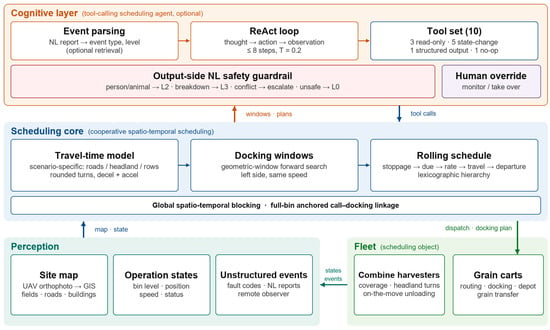
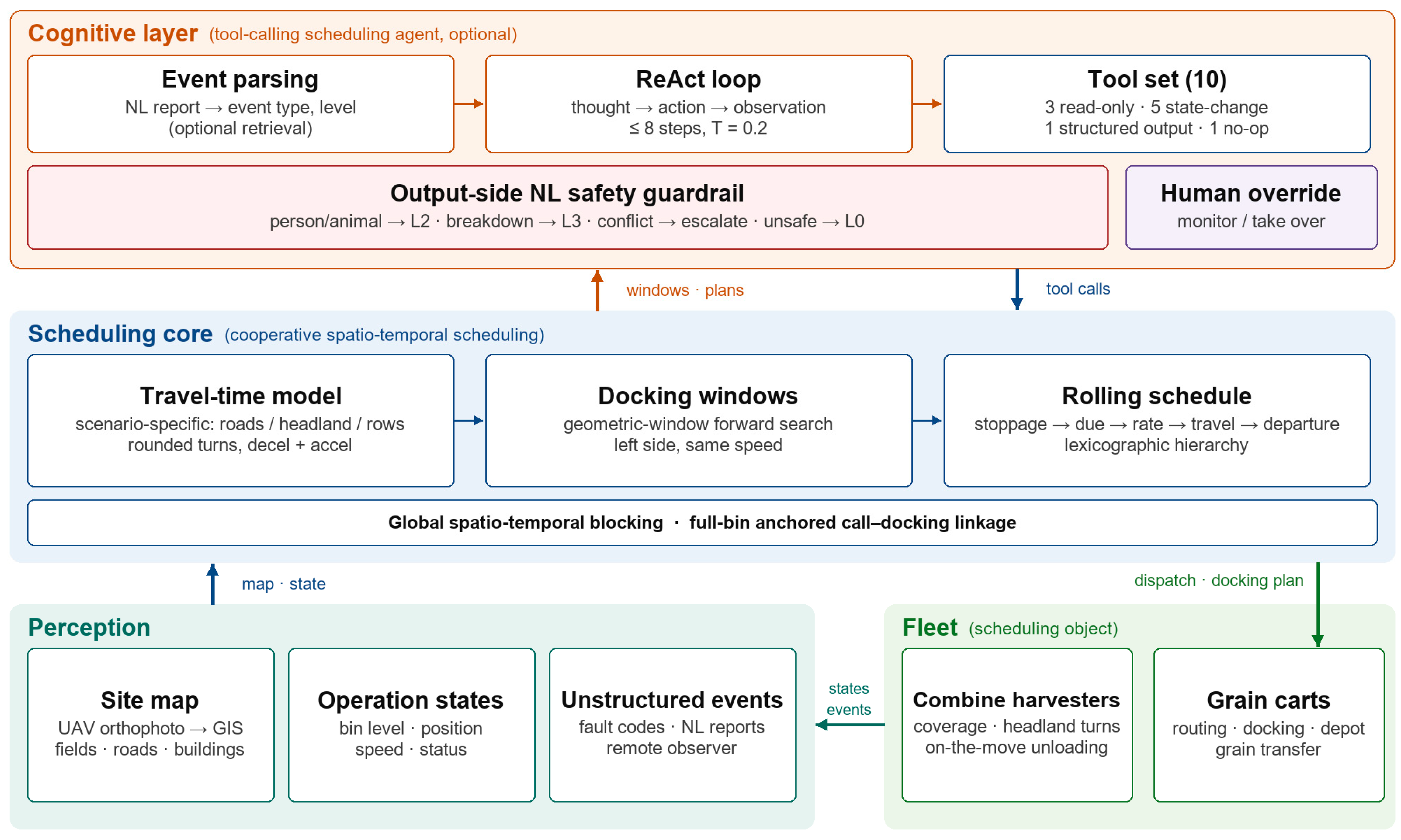
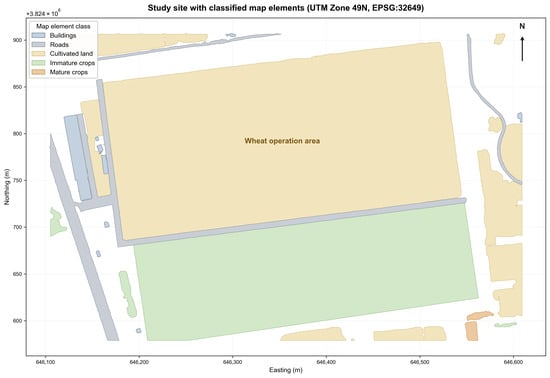
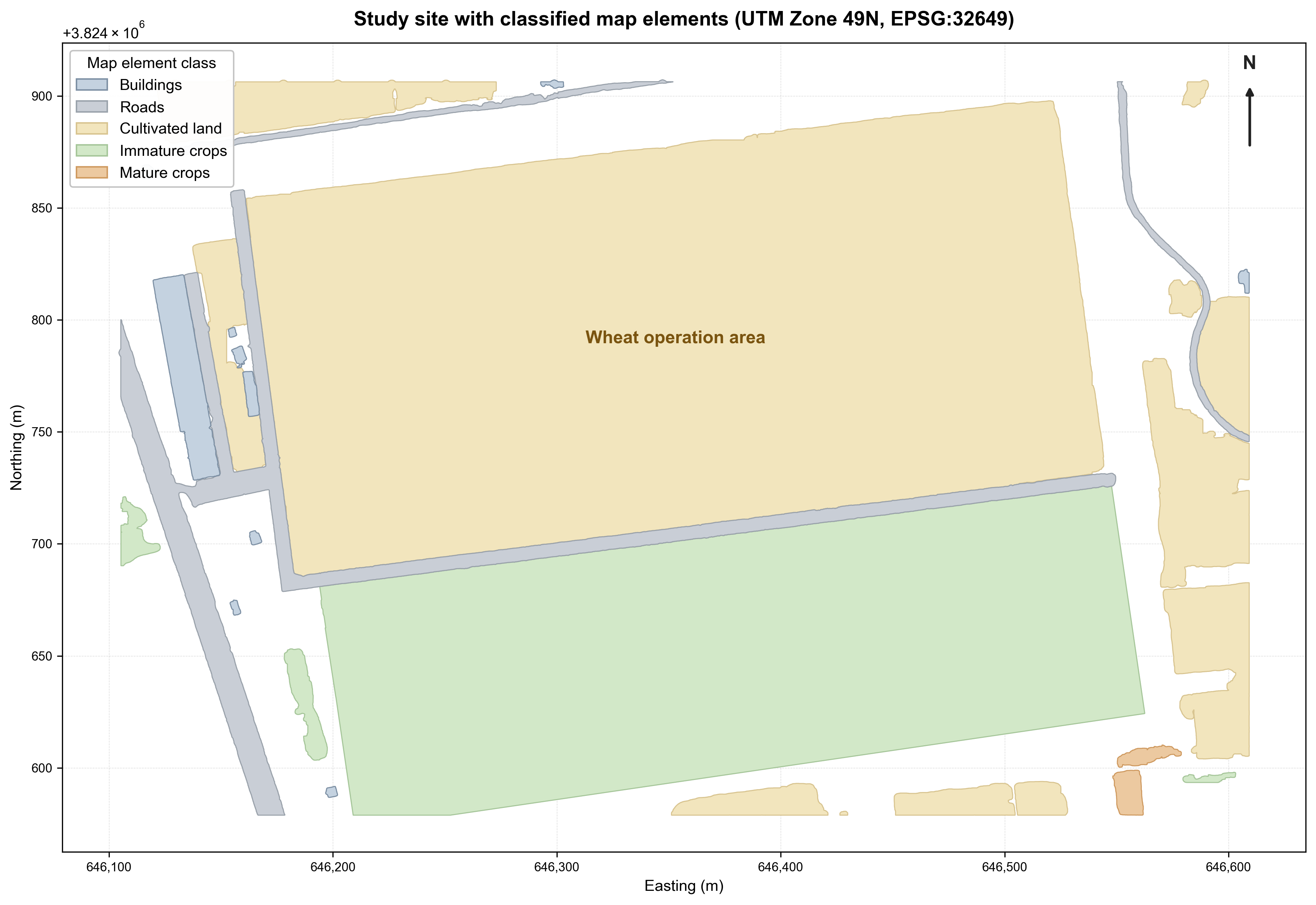
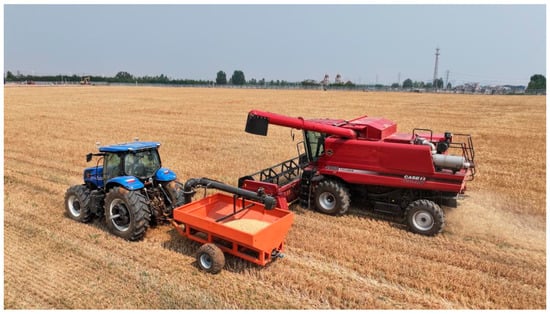
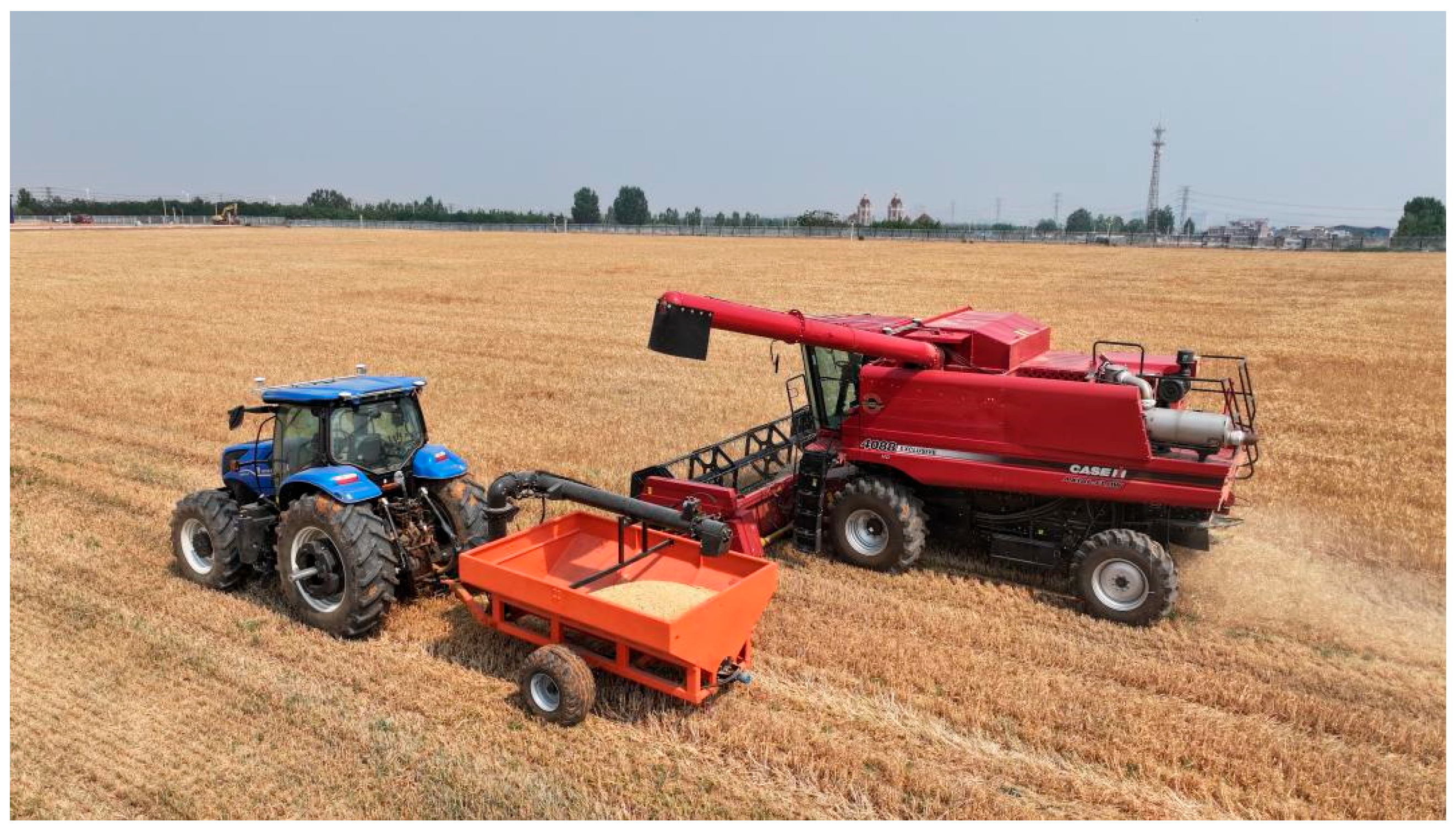
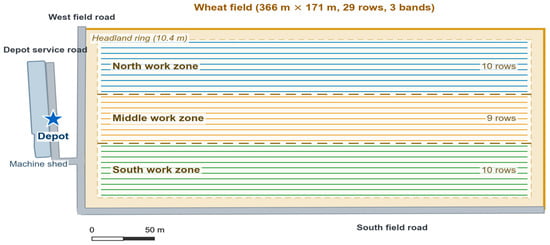
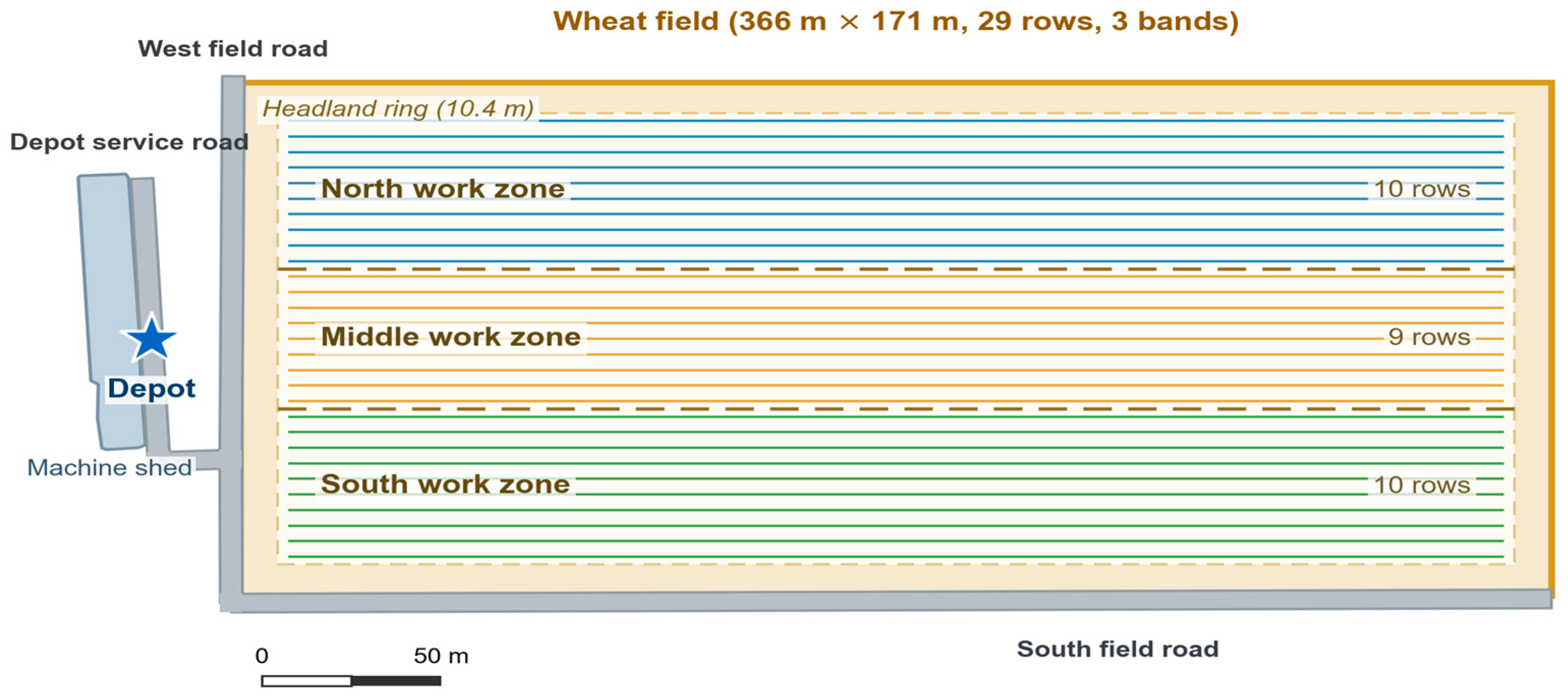
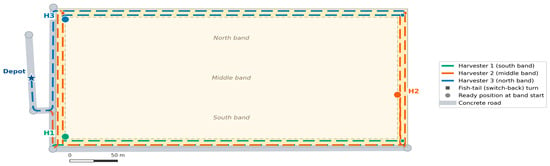
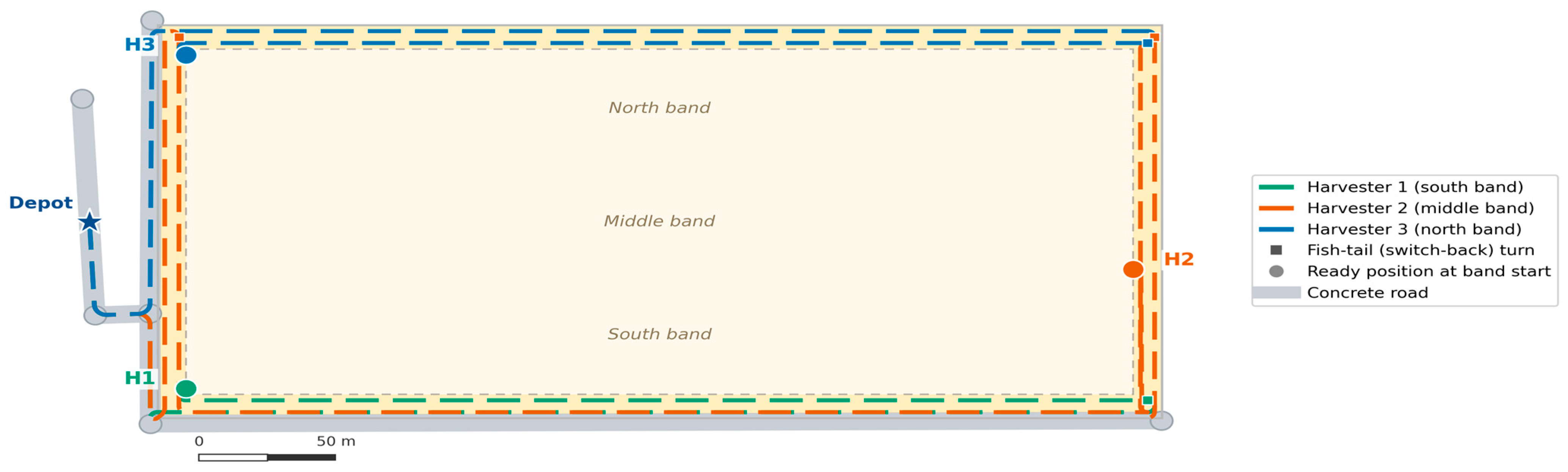
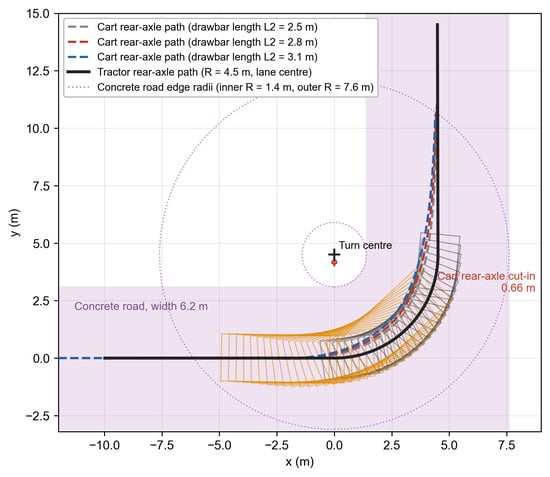
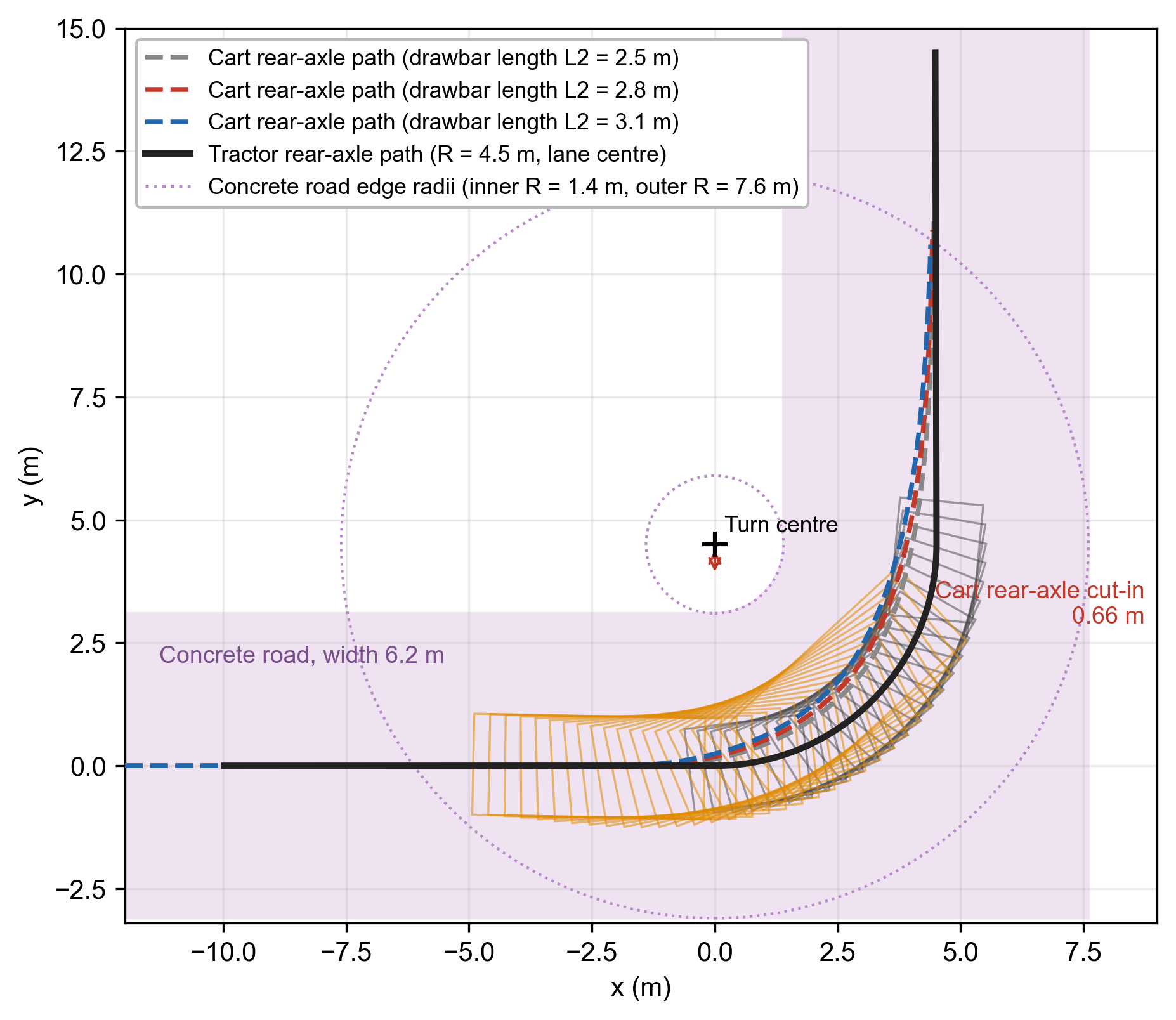
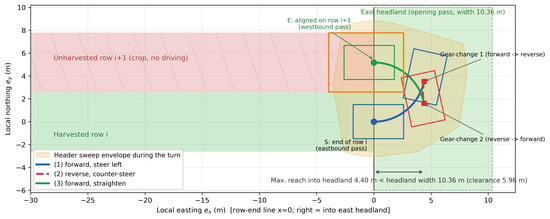
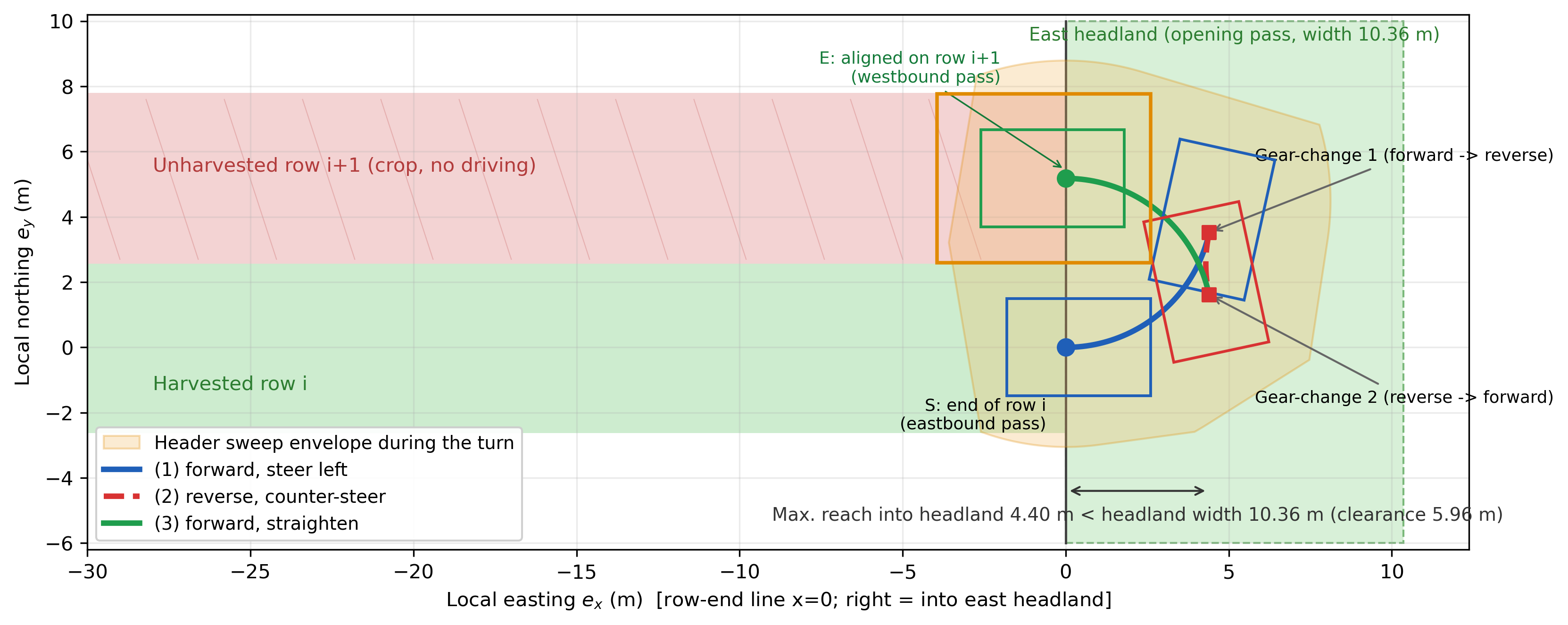
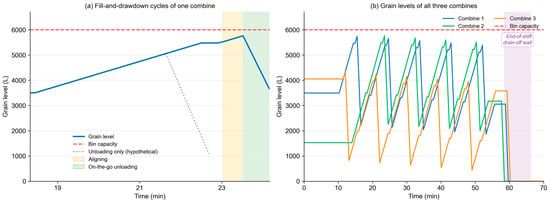
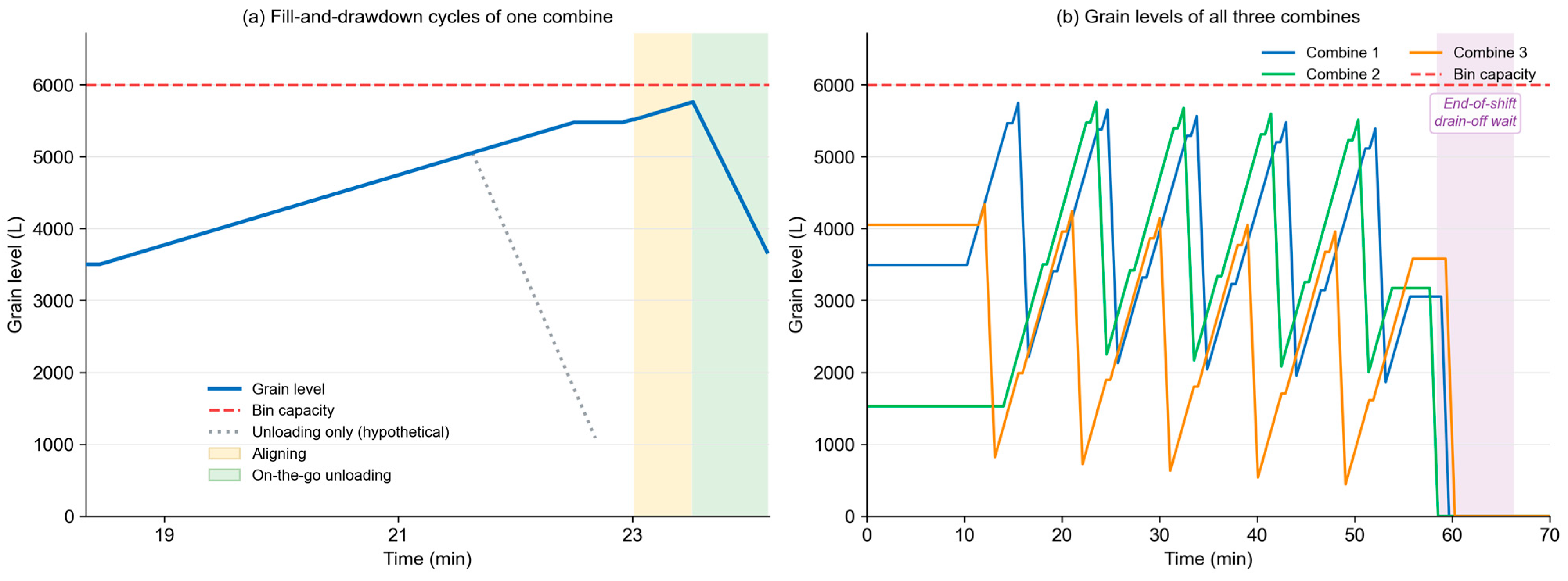
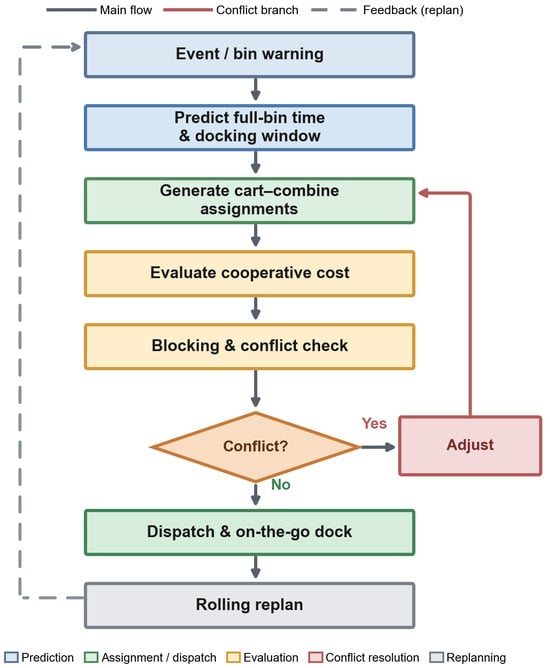
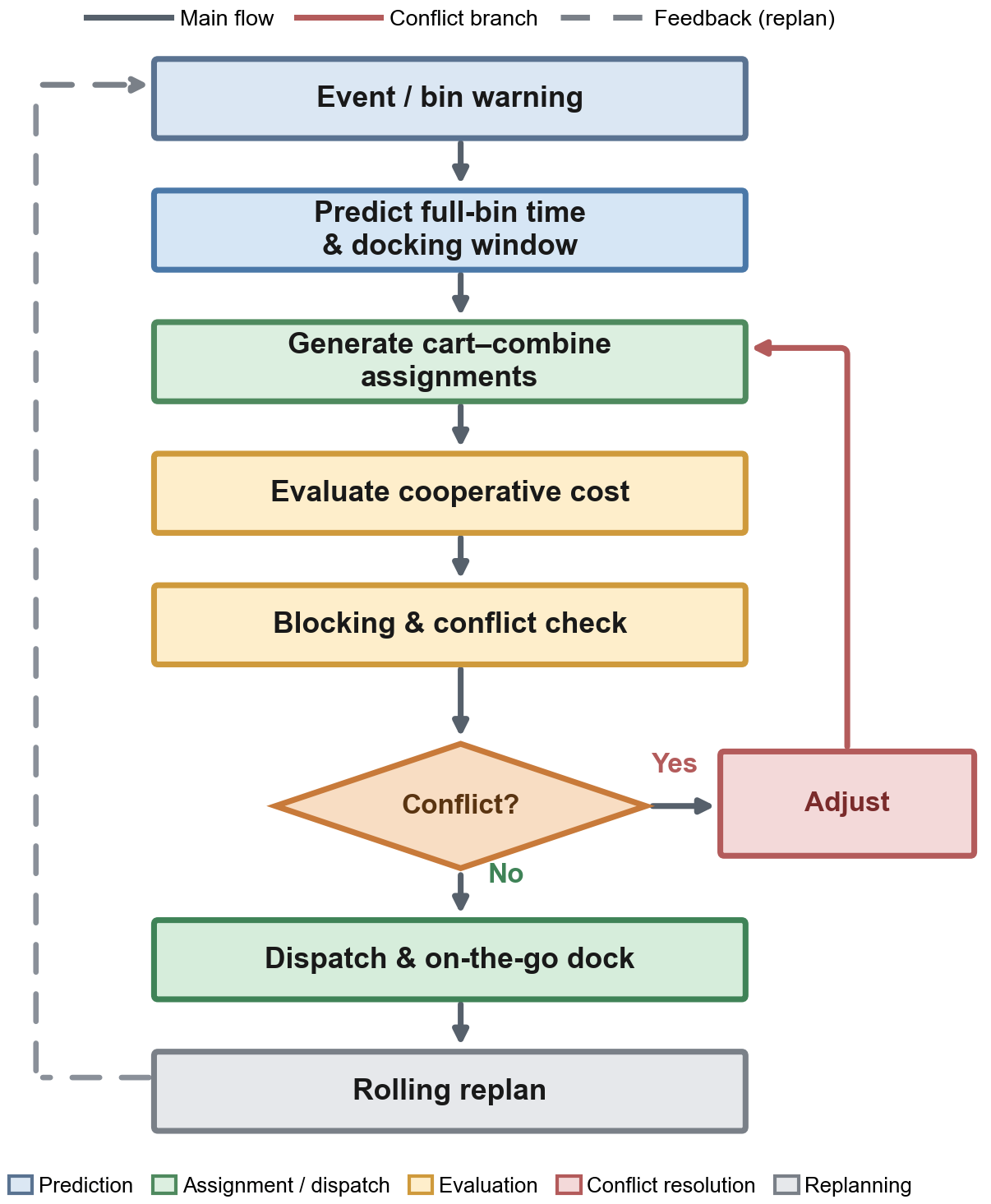
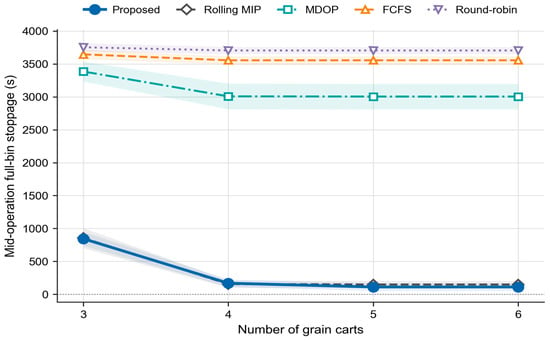
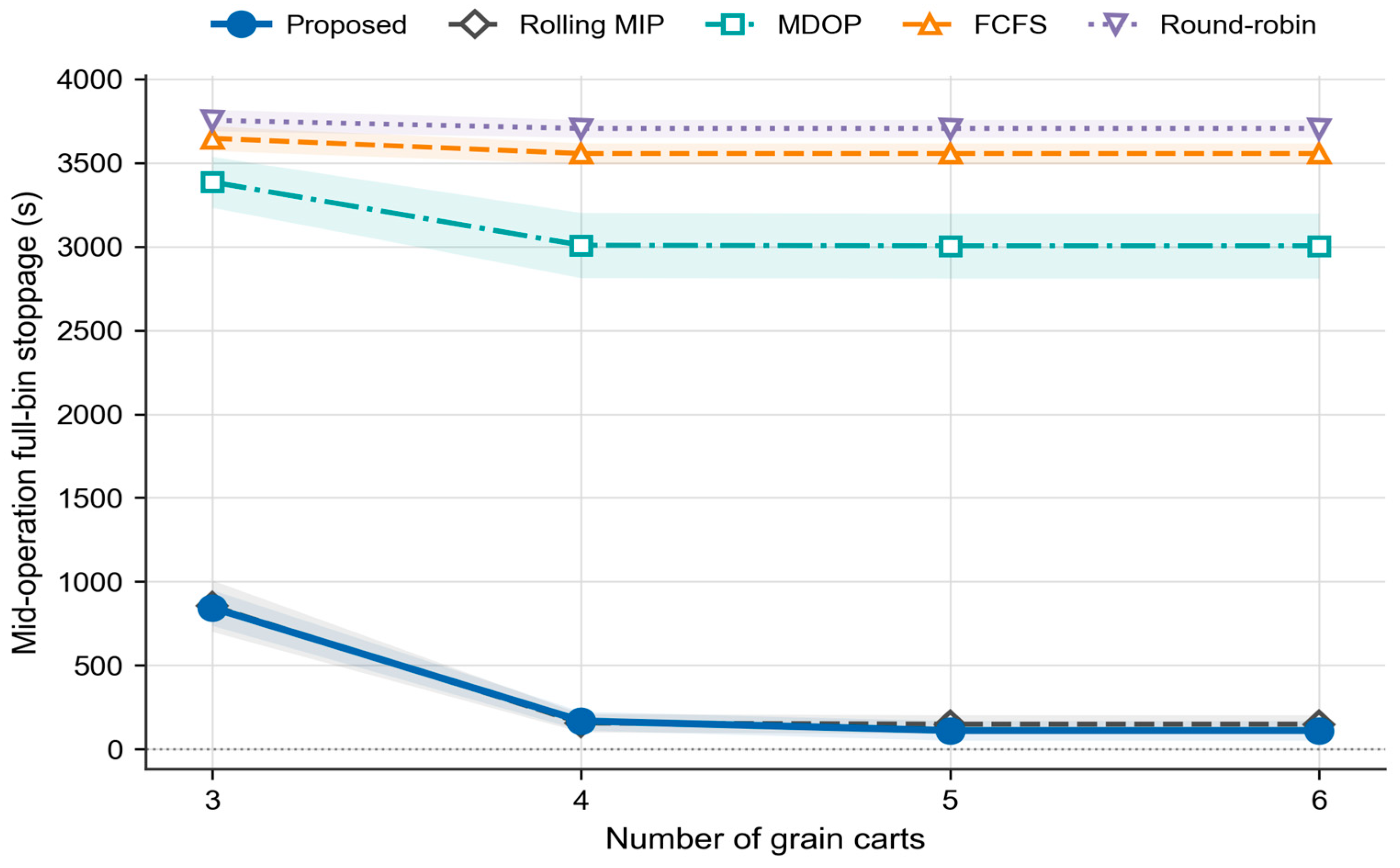
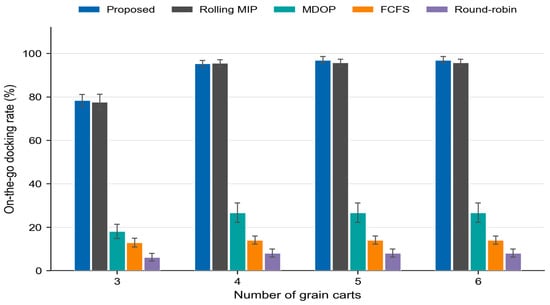
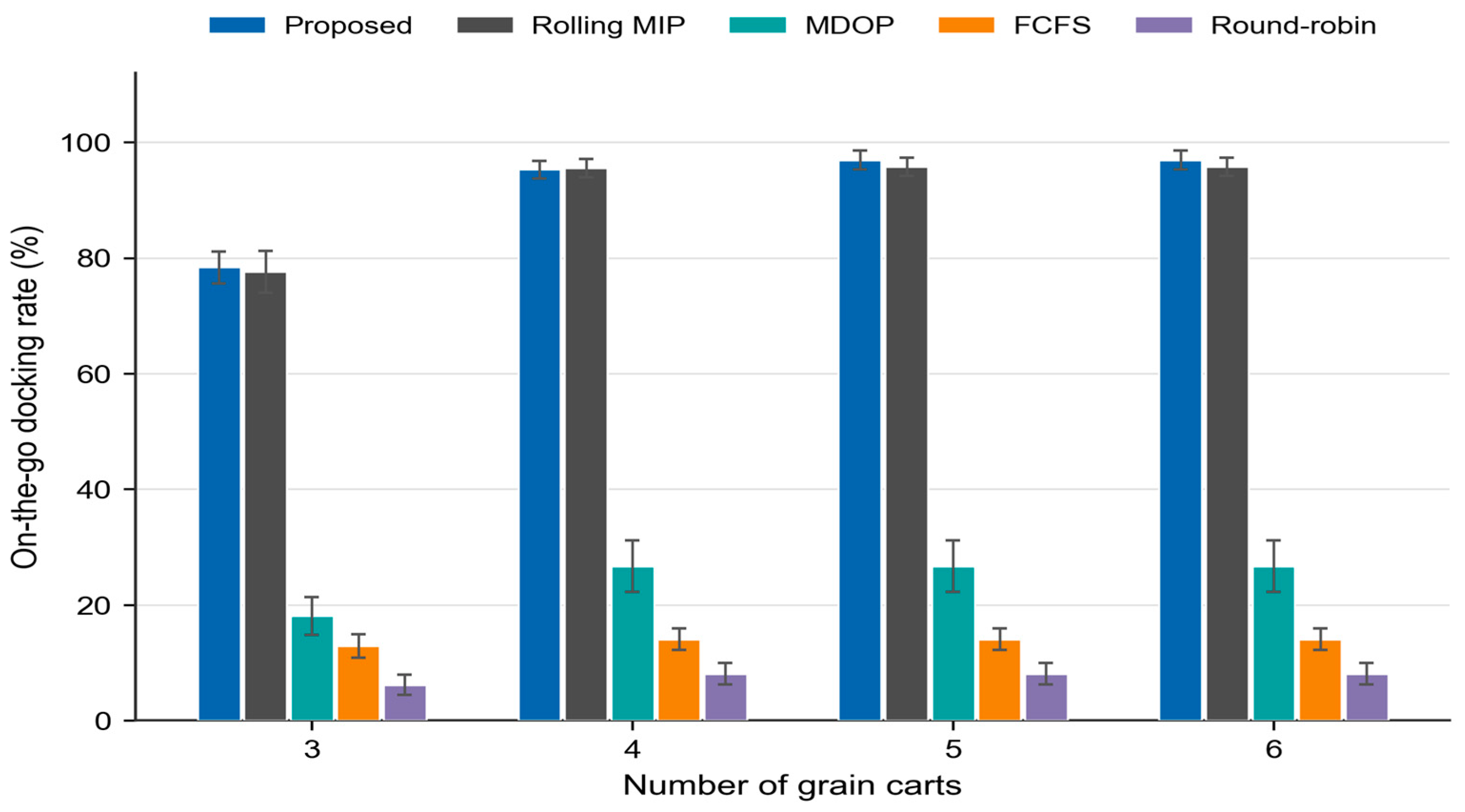
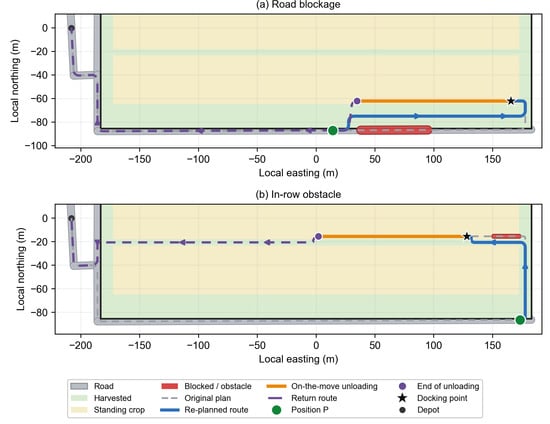
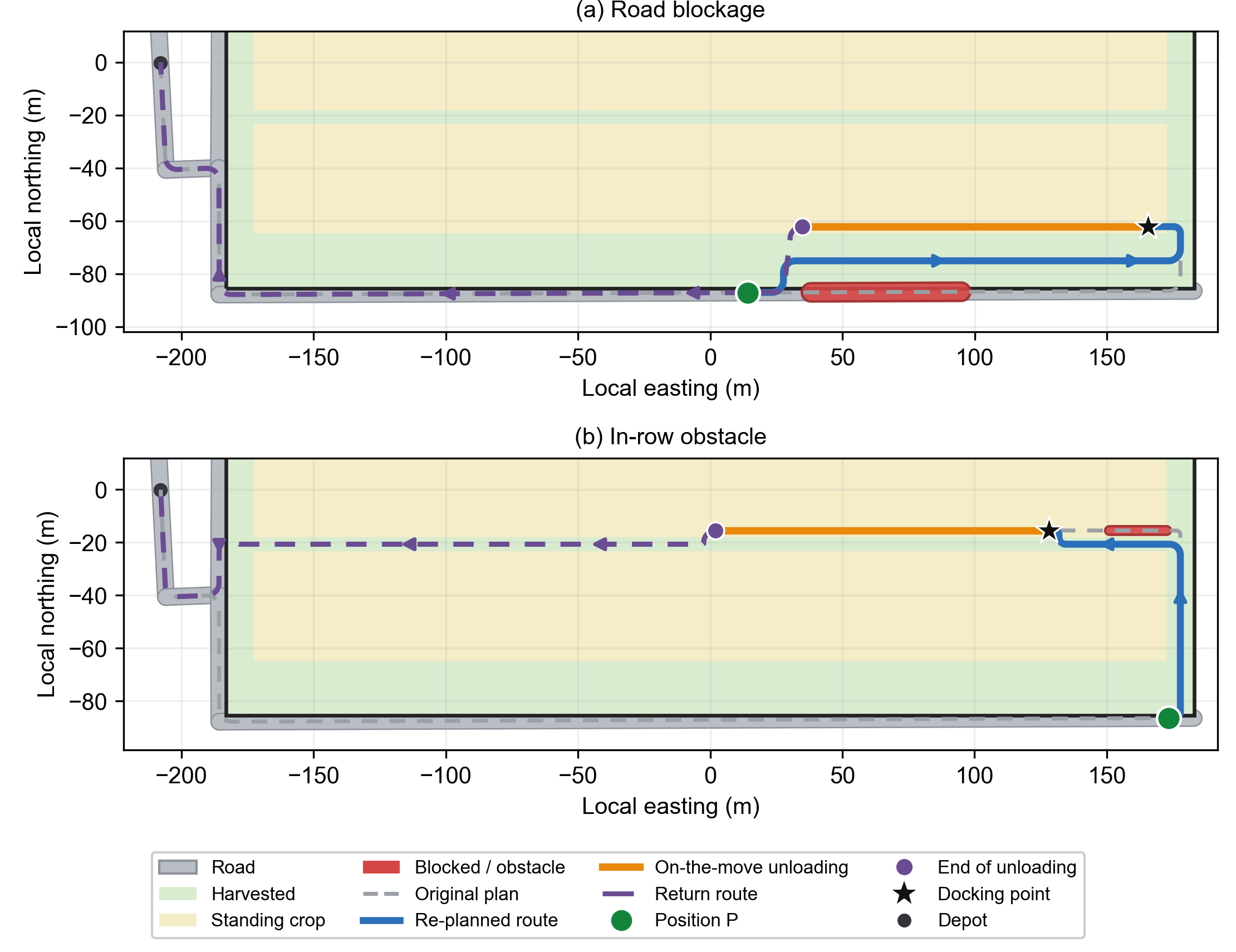
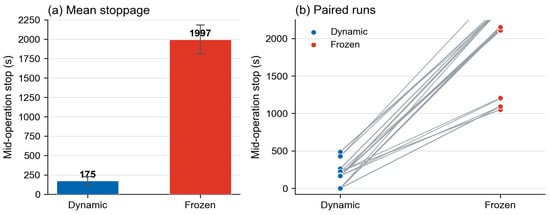
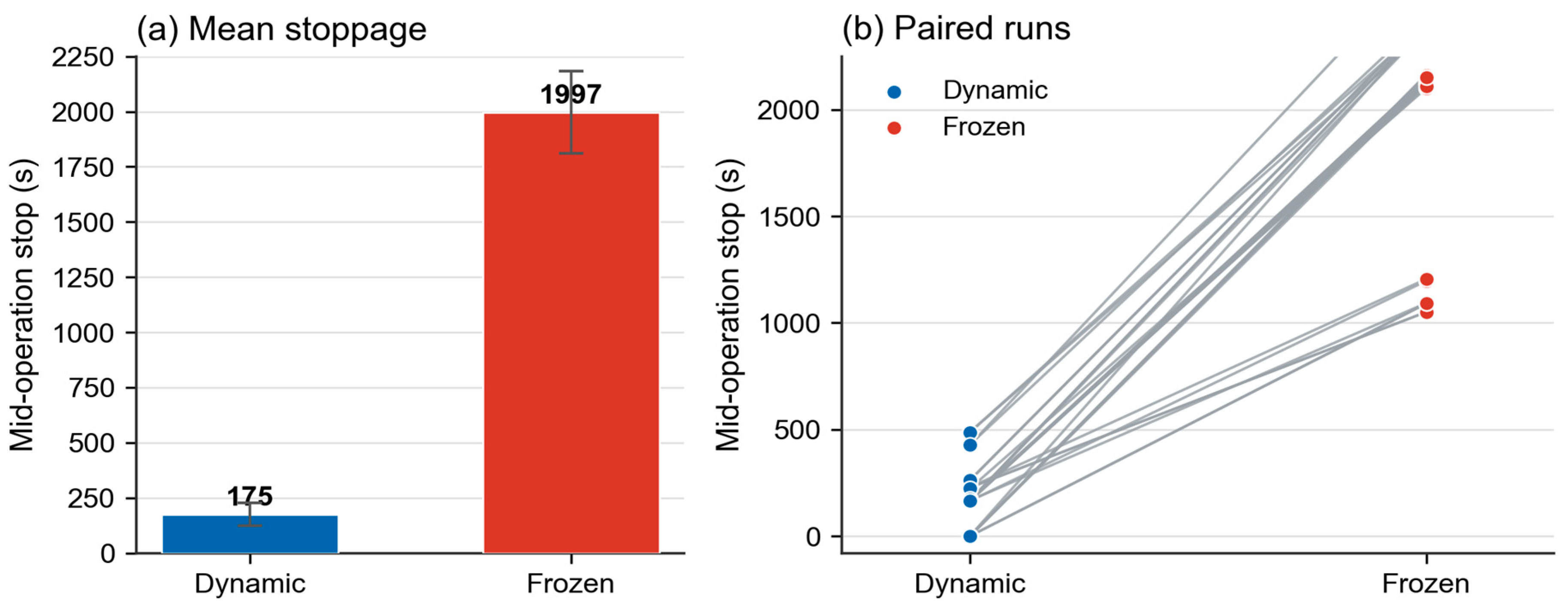
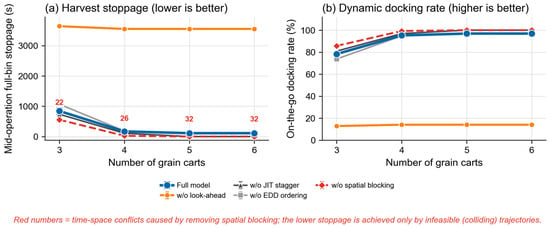
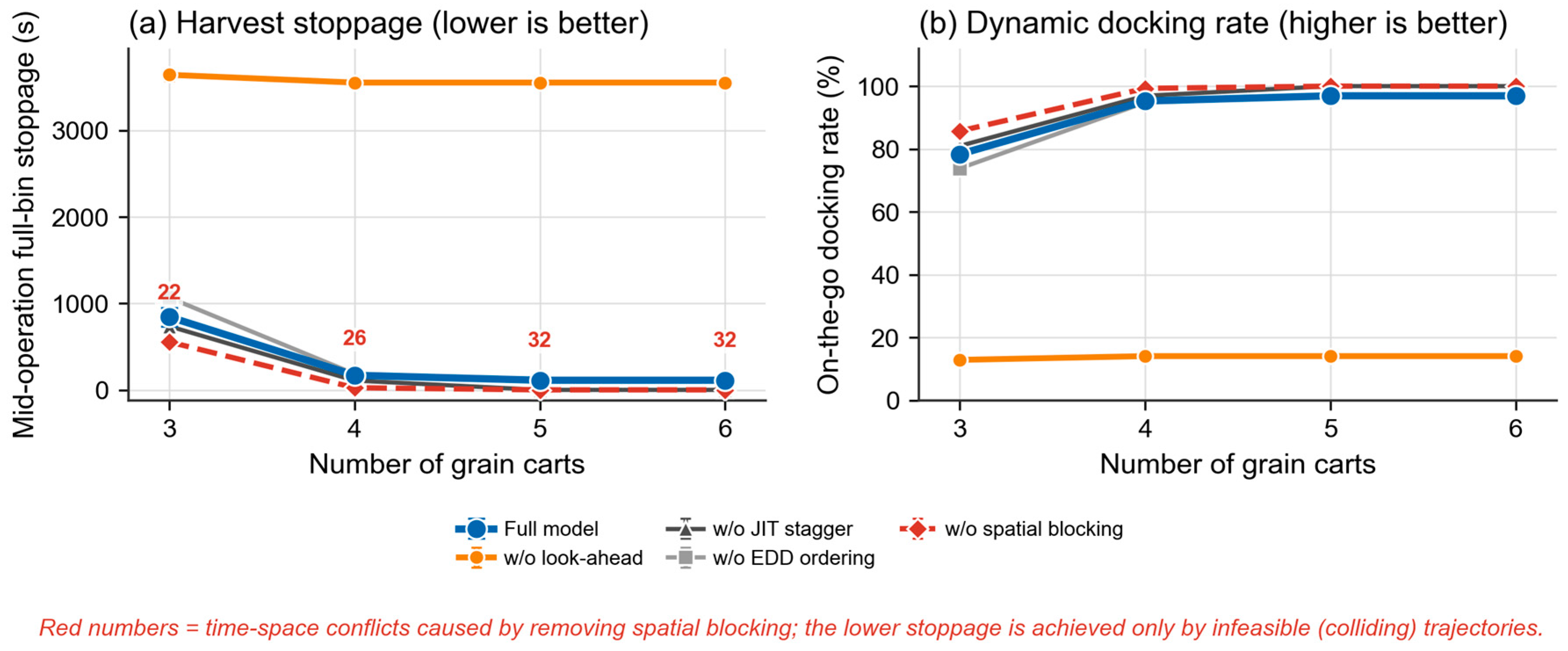
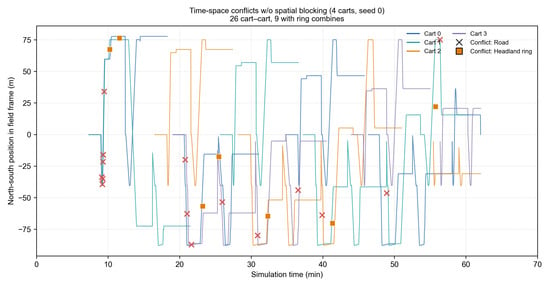
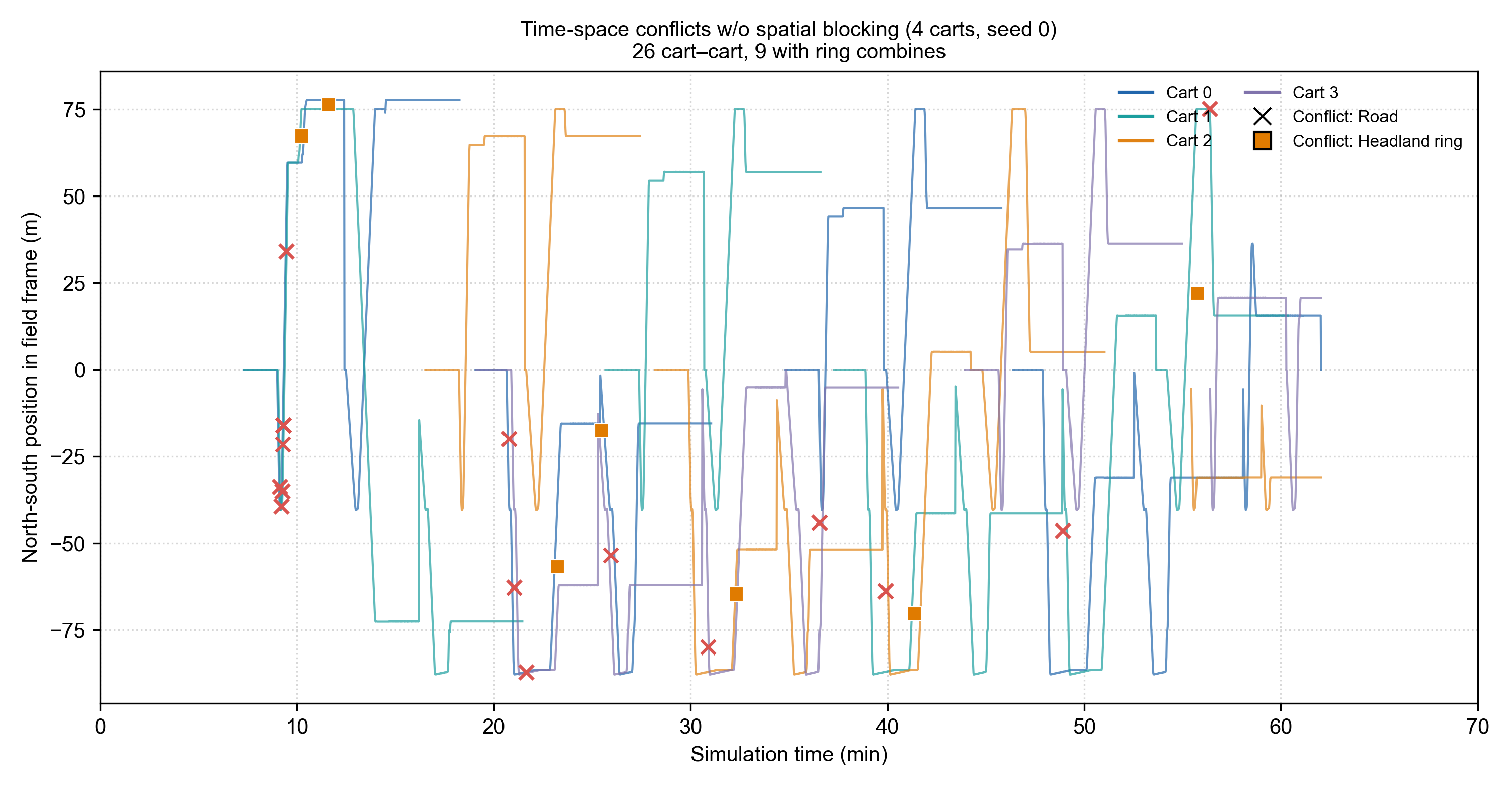
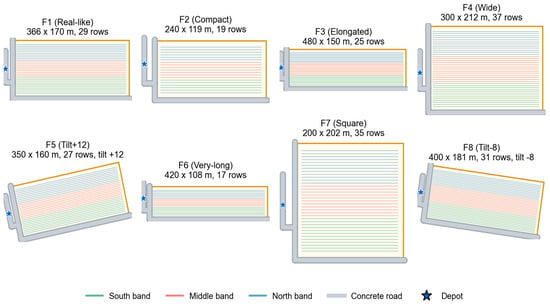
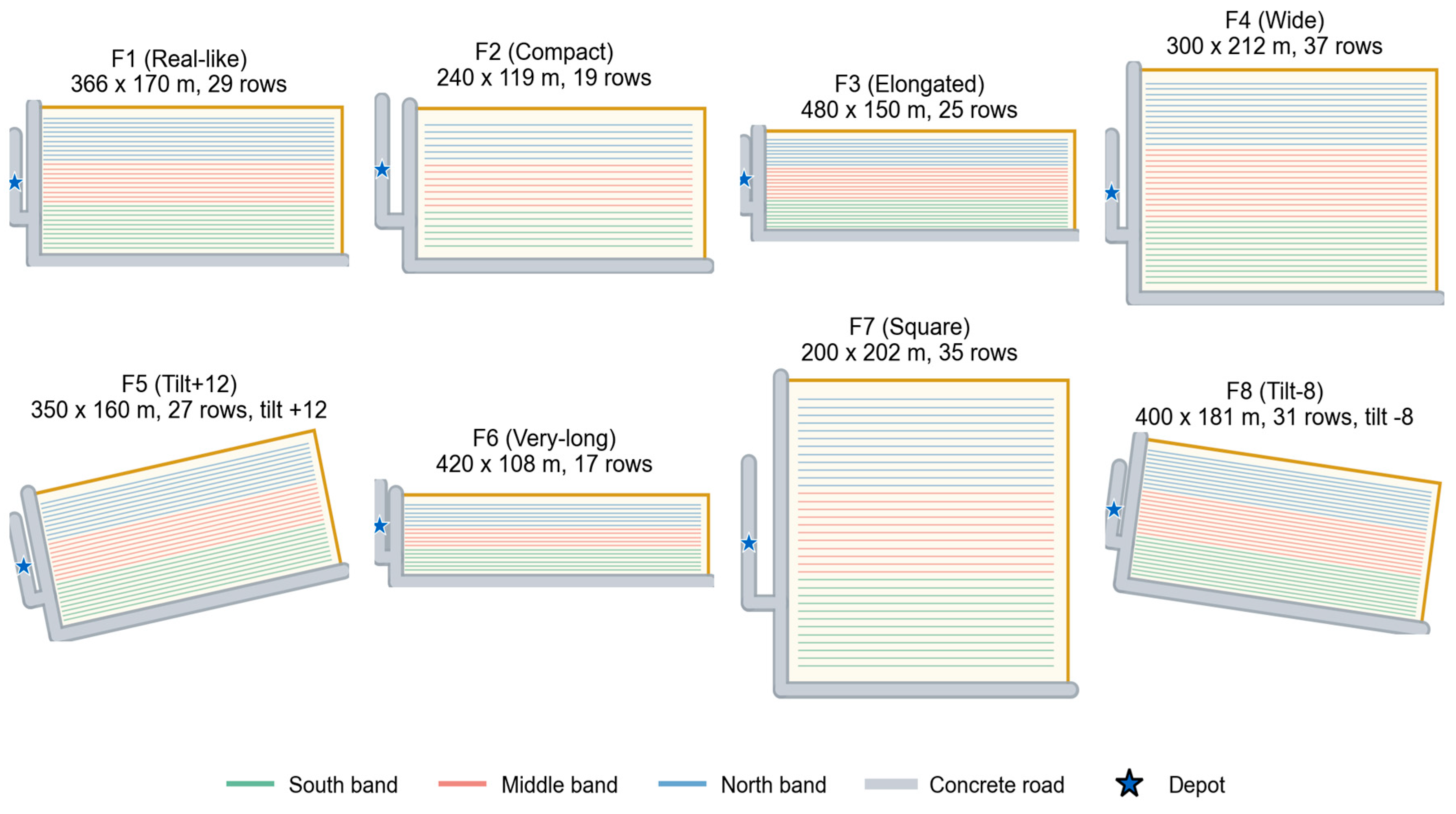
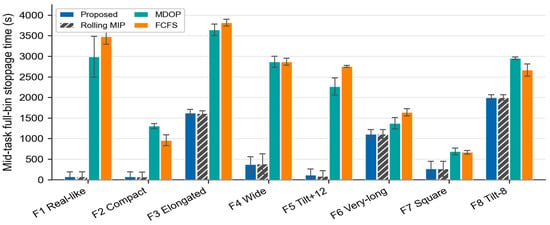
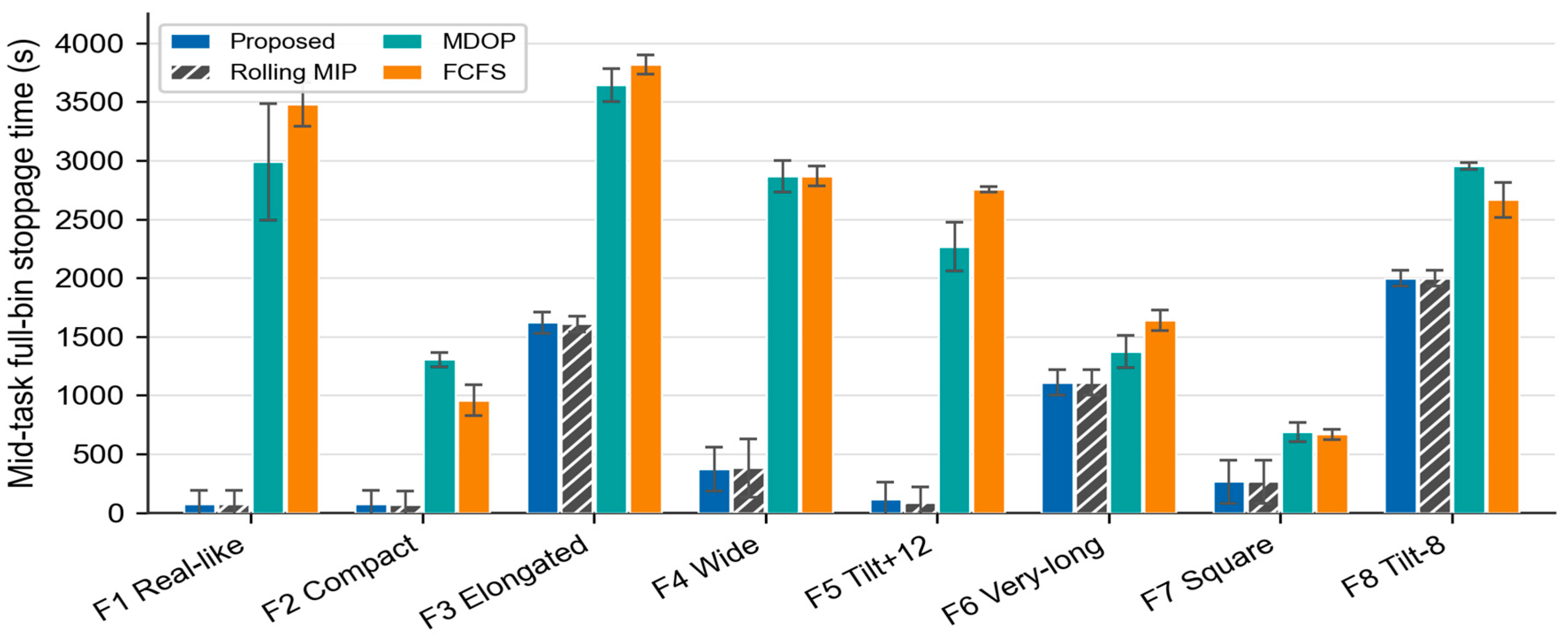

Disclaimer/Publisher’s Note: The statements, opinions and data contained in all publications are solely those of the individual author(s) and contributor(s) and not of MDPI and/or the editor(s). MDPI and/or the editor(s) disclaim responsibility for any injury to people or property resulting from any ideas, methods, instructions or products referred to in the content. |
© 2026 by the authors. Licensee MDPI, Basel, Switzerland. This article is an open access article distributed under the terms and conditions of the Creative Commons Attribution (CC BY) license.