


Abstract
The Xiangshan uranium ore field, located in the Gan-Hang uranium metallogenic belt of South China, hosts newly discovered greisen-related quartz-vein wolframite mineralization within the Shanxin pluton. However, its mineralization age and ore-forming fluid evolution remain poorly constrained. This study combines wolframite U-Pb geochronology, elemental and Sr isotope analyses, fluid inclusion microthermometry, and quartz hydrogen and oxygen isotope data to investigate tungsten mineralization. Wolframite yields a U-Pb age of 156.0 ± 4.8 Ma, consistent with the emplacement age of the Shanxin pluton. Two wolframite types with distinct Fe/Mn ratios and geochemical characteristics were identified, and scheelite micro-veinlets locally replace wolframite. Variations in Fe/Mn ratios, Nb + Ta contents, and Eu anomalies suggest increasing oxygen fugacity during mineralization. Scheelite rare earth element patterns and Sr isotopic compositions suggest that late-stage fluids had relatively high oxygen fugacity and acquired Ca and Sr from wall rocks. Fluid inclusion and stable isotope data indicate that the ore-forming fluids evolved from predominantly magmatic-hydrothermal fluids toward mixtures containing increasing proportions of meteoric water. Fluid mixing promoted cooling and oxidation, facilitating the sequential precipitation of wolframite and scheelite. These findings highlight the potential role of meteoric water in Late Jurassic tungsten–uranium polymetallic mineralization in the Xiangshan region.
1. Introduction
South China is characterized by widely distributed Mesozoic volcanic–intrusive complexes. The Xiangshan volcanic basin is located at the westernmost end of the NE-trending Gan-Hang volcanic-type uranium metallogenic belt, which hosts the largest volcanic-related uranium deposit in China [1,2,3,4]. In addition to uranium mineralization, recent exploration in the Xiangshan region has revealed the presence of diverse polymetallic mineralization (i.e., Mo, W, Pb, Zn, and Ag) at depth or adjacent to the ore field. The exploration results indicate that this region has substantial polymetallic metallogenic potential and exploration prospects. For example, drill holes in the Niutoushan deposit in the western ore field revealed a vertical zonation pattern characterized by “upper uranium and lower Pb-Zn.” High-grade Pb-Zn-Ag and scheelite–molybdenite mineralization has been observed in the Heyuanbei deposit and the Wangyachi area, respectively, while Pb-Zn mineralization has been observed within the granite porphyry of the Shazhou deposit in the northern ore field [5,6,7,8,9]. Exploration in the southern Xiangshan uranium ore field has further demonstrated that large-scale quartz vein-type wolframite mineralization developed within the Shanxin pluton. Preliminary observations indicate that coarse-grained wolframite crystals contain variable amounts of scheelite-filled cleavage planes and fractures as veinlet–stockwork networks, forming distinct quartz vein-type wolframite–scheelite paragenetic assemblages. However, the timing of quartz vein-type tungsten mineralization in the Xiangshan region, the genetic relationship between wolframite and scheelite, and the composition and evolution of the ore-forming fluids are poorly constrained.
Quartz vein-type tungsten deposits are among the most important tungsten deposit types in China. They are predominantly hosted in granitic rocks, in which wolframite is the principal ore mineral, accompanied by variable amounts of scheelite. Independent quartz–scheelite veins may also develop in some deposits [10,11,12,13,14]. Owing to the unique crystal structures of tungsten minerals (i.e., wolframite and scheelite), their rare earth elemental (REE) compositions and the contents of redox-sensitive elements (i.e., Mo, Eu, and Ce), as well as the Sr-O isotopic characteristics and cathodoluminescence (CL) images of scheelite can be used to determine the composition, nature, and source of their ore-forming fluids and reconstruct the mineralization process [13,15,16,17,18]. However, tungsten mineralization in South China has been affected to varying degrees by multiple fluid pulses, which has resulted in complex grain-scale growth histories of the tungsten minerals and complex variations in fluid sources and evolution.
Detailed petrographic observations using high-resolution scanning electron microscopy with cathodoluminescence (SEM-CL) and micro-X-ray fluorescence (μ-XRF) mapping, combined with in situ microanalytical techniques such as electron probe microanalysis (EPMA) and laser ablation inductively coupled plasma mass spectrometry (LA-ICP-MS), have been applied to resolve the fine-scale textural and compositional characteristics of wolframite and scheelite [10,11,12,16,19]. Therefore, a systematic mineralogical investigation of the wolframite and scheelite in the Shanxin pluton can substantially advance the current understanding of tungsten mineralization events in the Xiangshan region. In addition, the ore-forming fluid changes recorded by the tungsten mineral assemblages could be used to constrain the nature and sources of uranium-mineralizing fluids that have actively been forming deposits in the study area since the Early Cretaceous.
In this study, we focused on the quartz vein-type tungsten mineralization in the Shanxin pluton of the Xiangshan uranium ore field to constrain the mineralization age and ore-forming fluid composition and evolution. We aimed to achieve the following objectives: (1) characterize the fine-scale textures, fluid activity stages, and growth histories of the tungsten minerals; (2) constrain the timing of wolframite formation and the nature of its ore-forming fluids; and (3) determine the nature and sources of the mineralizing fluids during different stages, as well as the implications of fluid evolution for uranium metallogenic processes in the Xiangshan uranium ore field.
These objectives were formulated as three testable working hypotheses. (H1) The tungsten mineralization is coeval with, and genetically linked to, emplacement of the Shanxin granite, which predicts that the wolframite U–Pb age overlaps the zircon U–Pb age of the pluton within analytical uncertainty. (H2) The ore-forming fluid evolved from a reduced, magmatic-hydrothermal endmember toward a more oxidized, mixed fluid, which predicts coupled and systematic shifts in the Fe/Mn ratio, the Nb + Ta content, and the δEu value of successive wolframite generations, and corresponding changes in the CL textures, REE patterns, and Sr isotope compositions of scheelite. (H3) Oxidizing meteoric fluids were already circulating at depth during the Late Jurassic, so that a comparable fluid regime was available for the remobilization of uranium during the later uranium-mineralizing event.
2. Regional Geological Setting and Mineralization Characteristics
The study area is located in the southern Xiangshan uranium ore field in the eastern segment of the junction between the Yangtze and Cathaysia blocks. This region is on the southern margin of the Gan-Hang tectonic belt between the Suichuan–Dexing and Yingtan–Anyuan faults (Figure 1a). From the Neoproterozoic to the Yanshanian, this region experienced multiple phases and cycles of tectonomagmatic processes, which produced widely distributed suites of intrusive and volcanic rocks. The Early Caledonian movement was dominated by intermediate–basic to acidic submarine volcanism, whereas the Late Caledonian was dominated by intense acidic magma intrusions. The Indosinian movement was characterized by minor intermediate–acidic intrusive magmatism, while the Yanshanian movement was characterized by strong intermediate–acidic intrusive magmatism and minor basic intrusive and extrusive magmatism (Figure 1b). The exposed strata in the study area are limited and predominantly comprise metamorphic rocks of the Qingbaikou System, including two-mica phyllites, two-mica quartz schists, and meta-sandstones of the Kuli (Qbk) and Shenshan (Qbs) formations. Faults are well developed in the study area, mainly NE-trending. A few faults trend nearly E–W, which are the main structures that control W-Mo mineralization in the southern Xiangshan uranium ore field, which occurs as silicified fracture zones or silicified zones (Figure 1c). According to Shi et al. [20], the quartz veins containing molybdenite and wolframite are hosted by the Shanxin fine-grained two-mica alkali-feldspar granite. The Qingbaikou metasedimentary rocks, including phyllite and quartz schist, occur only locally in the northeastern part of the Nancun–Majizhang mineralized area, and some of them occur as remnants within granitic rocks. These metasedimentary rocks are therefore part of the regional metamorphic basement; they are not the immediate wall rocks of the wolframite-bearing quartz veins, and they are not the source of the uranium. The uranium orebodies of the Xiangshan ore field, in contrast, are hosted by the Early Cretaceous volcanic–intrusive complex and by volcaniclastic beds within that succession (Figure 1b); the continental red-bed clastics (Hekou and Lianhe formations) that unconformably overlie the succession are not the host of the main orebodies. This distinction is relevant to the interpretation of the uranium source discussed below.
Figure 1.
Simplified geological map of the study area. (a) Tectonic map of the study area within the regional tectonic framework. (b) Simplified regional geological map with the lithologic units (modified after [20,21]). (c) Simplified geological map of the Shanxin pluton and its immediate contact, showing the lithological units, the NE-trending faults, the quartz veins and granite veins, and the sample locality (yellow star).
A variety of intermediate–acidic magmatic rocks with different ages are distributed around the study area (Figure 1c); Early Silurian Cunqian granodiorites (γδS1C); Early Devonian Le’an medium–coarse-grained porphyritic monzogranites (ηγD1L), Wangyuan fine-grained porphyritic biotite monzogranites (ηγD1W), and Taiping medium–fine-grained porphyritic monzogranites (ηγD1T); Middle Triassic Henggang medium–coarse-grained porphyritic biotite monzogranites (ηγT2H); Late Jurassic Shanxin fine-grained two-mica alkali-feldspar granites (χηγJ3S); and Early Cretaceous Shazhou porphyritic biotite monzogranites (ηγπK1S). The Shanxin unit comprises the Shanxin, Xiaodu, Nancun, Guanfang, and Lutong plutons. Numerous pegmatite, greisen, and W-Mo-bearing quartz veins developed within these intrusions (Figure 1c). The ore-bearing quartz vein investigated in this study is located in the Shanxin pluton. The Shanxin fine-grained two-mica alkali-feldspar granite has a granitic texture and massive structure, with grain sizes of 0.5–1.5 mm, comprising mainly quartz, biotite, muscovite, plagioclase, and microcline (Figure 2a,b). Previous studies have obtained a zircon U-Pb age of 152.5 ± 1.3 Ma for the Shanxin granite, indicating that it was produced by Yanshanian tectonothermal events [20]. The Shanxin granite is characterized by high Si and alkali contents; peraluminous features; Rb, U, Th, and light REE (LREE) enrichments; Sr, Ti, Ba, and P depletions; and a pronounced negative Eu anomaly. Based on these and its isotopic characteristics, the Shanxin granite likely underwent strong differentiation and formed as a result of the partial melting of ancient crustal material [20]. The wolframite U–Pb age obtained in this study (156.0 ± 4.8 Ma) overlaps this zircon age within analytical uncertainty, so that granite emplacement and tungsten mineralization are, within the resolution of the two chronometers, statistically indistinguishable.
Figure 2.
Microscopic characteristics of minerals in the tungsten-mineral samples. (a,b) Greisenization and potassic feldspathization adjacent to the ore-bearing quartz vein. (c) Greisenization adjacent to the ore-bearing quartz vein. (d) Sericitization and kaolinization alteration. (e) Molybdenite-bearing wolframite quartz vein. (f) Carbonatization. (g) Sericitization of quartz upon contact with the host granite. (h) Quartz vein-type tungsten ore, with wolframite occurring as euhedral–subhedral tabular crystals. (i) Paragenetic wolframite and sulfides. (j–l) Scheelite replacing wolframite along grain margins and cleavage fractures, with pyrite, fluorite, scheelite, and wolframite occurring paragenetically. Abbreviations: Bi—Biotite; Fl—Fluorite; Kf—Potassium feldspar; Pl—Plagioclase; Py—Pyrite; Per—Perthite; Qtz—Quartz; Sch—Scheelite; Wol—Wolframite.
The wolframite–quartz vein investigated in this study was sampled from the Shanxin pluton in the southern Xiangshan uranium ore field. The ore-bearing vein exhibits intrusive contact relationships with the host granite and varies from 3 to 25 cm in width (Figure 2a,c,e). Wall rock alteration of varying intensities is symmetrically and uniformly observed on both sides of the tungsten-mineralized veins and commonly includes greisenization, potassic feldspathization, sericitization, and chloritization. Sericite and chlorite occur as fine-grained aggregates replacing the ore-bearing quartz vein (Figure 2b,d), and higher ore grades are observed where the alteration is more intense. Local carbonatization is observed in the ore-bearing veins as calcite veinlets or patches that are superimposed on greisenized and potassic feldspathization zones (Figure 2f). Spatially, the alteration assemblages are arranged as follows: the innermost zone contains the sericitized and chloritized tungsten-bearing quartz vein, outside of which is the potassic feldspathization zone, followed by the outermost greisenized zone (Figure 2a,b). Thus, the mineralization process can be subdivided into greisenization, potassic feldspathization, and ore-bearing quartz vein stages. The potassic feldspathization zone is characterized by K-metasomatism, in which alkali feldspar replaced the quartz and plagioclase to varying degrees. The greisenization zone is characterized by the replacement of biotite and plagioclase along cleavage planes and grain boundaries by minerals such as quartz and sericite, which locally progressed to complete replacement where only pseudomorphs of the original minerals are preserved. The width of the ore-bearing vein is largely controlled by the greisenization intensity, with greisenization halos of 5–20 cm (Figure 2a,b). The ore-bearing quartz vein is composed predominantly of wolframite, scheelite, quartz, and molybdenite, with minor alteration minerals such as sericite, fluorite, and chlorite. The veins have various orientations and widths and occur as veins or veinlets. Some of the wolframite crystals grew perpendicular to the vein walls, forming comb textures indicative of a hydrothermal filling origin (Figure 2a,c,e). Metallic sulfides (e.g., pyrite, molybdenite, and galena) mostly occur as euhedral to subhedral grains intergrown with wolframite. The mineralized body is therefore best described as a greisen-related quartz vein: the vein itself is quartz-dominated, whereas its immediate selvage is a quartz–muscovite greisen produced by the acidic, F-bearing magmatic fluid, so that the two are parts of a single alteration–mineralization system rather than separate bodies.
Previous studies have analyzed the geochronology of the Mo-W polymetallic ore from the nearby Majizhang deposit, which yielded a Re-Os age of 157.2 ± 1.4 Ma for the quartz vein-type mineralization [22], indicating that Mo-W polymetallic mineralization occurred during the Middle Jurassic in the study area. Notably, the Luoshan hydrothermal uranium deposit is located approximately 2.5 km northwest of the Shanxin pluton (Figure 1b), and recent exploration indicates that the deposit has considerable exploration potential near contact zones with different granite facies at depth [23].
3. Methods
In this study, μ–XRF mapping was performed at Guangzhou Tuoyan Testing Technology Co., Ltd., using an M4 Plus μ-XRF spectrometer (Bruker Nano GmbH, Berlin, Germany). The analyses were conducted at a voltage of 50 kV and a current of 300 μA, with a beam spot size of 20 μm and a dwell time of 5 ms per pixel.
The remaining experimental procedures were performed at the National Key Laboratory of Uranium Resources Exploration-Mining and Nuclear Remote Sensing, at the East China University of Technology. Micro-observations and CL imaging of the scheelite were performed using a Nova NanoSEM 450 field-emission scanning electron microscope (FEI Company, Hillsboro, OR, USA) equipped with a ChromaCL II CL spectrometer (Gatan, Inc., Pleasanton, CA, USA). The analyses were performed at an accelerating voltage of 15 kV and a working current of 2.0 nA, with an electron beam spot diameter of 2 μm and a spatial resolution of 1.0 nm.
The major elemental compositions of the tungsten minerals were determined using EPMA with a JXA-8230 instrument (JEOL Ltd., Akishima, Tokyo, Japan). The analytical conditions were as follows: accelerating voltage of 15 kV, beam current of 20 nA, electron beam spot diameter of 1 μm, and peak counting time of 10 s. All of the data were corrected using the built-in ZAF correction program of the JXA-8230 electron probe microanalyzer, with an analytical precision better than 1% for the measured elements.
Prior to LA-ICP-MS U-Pb dating of the wolframite, representative grains were carefully selected based on microscopic observations, SEM, and CL images, and avoiding mixed wolframite types, stockwork scheelite, inclusions, cleavage planes, and fractures. U-Pb dating of the wolframite and trace element analyses of the tungsten minerals were performed using a Geolas HD 193 nm excimer laser ablation system (Coherent LaserSystems GmbH & Co. KG, Göttingen, Germany) coupled with an Agilent 7900 ICP-MS (Agilent Technologies, Hachioji, Tokyo, Japan). For the U-Pb dating, the laser fluence was 5 J/cm2, with a repetition rate of 5 Hz and a laser spot size of 44 μm. For the trace elemental analyses, the laser energy was 90 mJ, with a pulse frequency of 6 Hz, spot size of 44 μm, and fluence of 5 J/cm2. Wolframite YGX, glass standards NIST612 and NIST610 were used to calibrate the U-Pb isotope, 207Pb/206Pb, and trace elements as external reference material [24]. Wolframite KA was used to monitor the reliability [25]. Common Pb was not stripped from the measured ratios by applying a model terrestrial Pb-evolution composition such as that of Stacey and Kramers. The 207Pb/206Pb and 238U/206Pb ratios used in the regression are the uncorrected measured ratios, and the common-Pb component is treated as a free parameter that is solved for, together with the age, from the Tera–Wasserburg discordia; the reported age is the lower intercept of that discordia with the concordia. The age is therefore independent of any assumed initial Pb isotope composition, the only requirement being that the common Pb incorporated into a single ablation pit is isotopically homogeneous; any heterogeneity in the initial common Pb between pits appears as scatter about the discordia rather than as a shift in the lower intercept.
In situ Sr isotope analyses were performed using a Neptune Plus MC-ICP-MS (Thermo Fisher Scientific GmbH, Bremen, Germany) combined with a J-200 343 nm femtosecond laser ablation system (Applied Spectra, Inc., West Sacramento, CA, USA) housed at Nanjing Hongchuang Geological Exploration Technology Service Co., Ltd. The instrumental mass bias for Sr isotopes was corrected using an exponential law function based on an 86Sr/88Sr value of 0.1194. The interferences of 168Er2+ on 84Sr, 170Er2+ and 170Yb2+ on 85Rb, 172Yb2+ on 86Sr, and 174Yb2+ on 87Sr were corrected based on the measured signal intensities of 167Er2+ (m/z 83.5) and 173Yb2+ (m/z 86.5), and the natural isotopic compositions of Rb, Er, and Yb [26].
Fluid inclusion microthermometry was performed using a THMSG 600 heating–freezing stage (Linkam Scientific Instruments Ltd., Redhill, Surrey, UK) mounted on a 2700P microscope (Leica Microsystems GmbH, Wetzlar, Germany). The measurable temperature range of the stage ranged from −196 to +600 °C. To ensure data validity, we used homogenization temperature data from multiple FIAs (i.e., the average value for each FIA). For the non-FIA inclusions, either average or individual inclusion measurements were used [27,28]. The heating and cooling rates were 0.1 °C/min for the freezing-point measurements and 0.5 °C/min for the homogenization-temperature measurements. The precision was ±0.1 °C for the freezing point and ±1 °C for the homogenization temperature.
Hydrogen and oxygen isotope analyses of quartz samples were performed at Kehui (Tianjin) Technology Co., Ltd., using a Mat-253 Plus isotope ratio mass spectrometer (Thermo Fisher Scientific GmbH, Bremen, Germany) coupled with a Flash EA elemental analyzer (Thermo Fisher Scientific GmbH, Bremen, Germany). The oxygen isotopes were analyzed using the BrF5 vacuum heating method. After a reaction time of 20 h, the sample gas was converted to CO2 using a high-temperature combustion conversion device and introduced into the mass spectrometer. The analytical precision was better than ±0.2‰. The hydrogen isotopes were analyzed by extracting water from the quartz via high-temperature pyrolysis, followed by reduction to H2 and introduction into the mass spectrometer. The analytical precision was better than ±1‰.
4. Results
4.1. Mineralogical Characteristics and Element Mapping
The wolframite samples were predominantly black in color, with local brownish-black regions owing to hydrothermal alteration and a sub-metallic luster. The crystals were mostly tabular, wedge-shaped, or irregular with variable grain sizes, and were intergrown with molybdenite and sulfides. Molybdenite occurred as flaky aggregates (Figure 2e,h,i). The mineral assemblage that formed during the mineralization stage was quartz-wolframite-scheelite-metal sulfides-fluorite. Under reflected light microscopy, the tabular wolframite crystals were pure white to grayish-white, with brightness variations at margins and fractures, which enabled further classification into two distinct types (Wol-I and Wol-II) (Figure 2j,k). Scheelite replaced wolframite along its margins and cleavage planes, forming irregular replacement embayment and veinlet–stockwork structures. Based on the veinlet scale, they were further classified as main fracture veins and dense cleavage veinlets.
Locally, wolframite relics were enclosed within scheelite, indicating that replacement occurred and that the scheelite formed later (Figure 3a,b,d,e). Pyrite occurred as euhedral grains with bright white reflections under reflected light. Fluorite occurred as anhedral grains filling interstices between the minerals, appearing dark gray under reflected light (Figure 2j,k,l). The pyrite enclosed the fluorite and scheelite (Figure 3c). CL images of the scheelite indicate significant heterogeneity, with oscillatory or sector zoning. Some grains exhibited markedly different CL intensities between the core and rim, suggesting that the scheelite experienced a certain crystallization process (Figure 3f).
Figure 3.
Mineralogical characteristics of the tungsten minerals, including crystal morphologies, paragenetic assemblages, and photomicrographs of typical textures. Backscattered electron (BSE) images of (a,b) scheelite replacing wolframite along grain margins and cleavage fractures, occurring in vein-like distributions; (c) paragenetic pyrite, fluorite, scheelite, and wolframite, with pyrite enclosing the scheelite and fluorite; (d,e) early wolframite occurring as irregular relicts enclosed by later scheelite, forming a typical replacement relict texture; and (f) Cathodoluminescence (CL) image of scheelite exhibiting irregular light and dark patches, with fluorite and scheelite distributed along the wolframite cleavage fractures. Abbreviations: Fl—Fluorite; Py—Pyrite; Sch—Scheelite; Wol—Wolframite.
The results of the μ-XRF elemental mapping (Figure 4) indicate that W, Mn, and Fe were significantly positively correlated; thus, the tungsten minerals predominantly comprised wolframite. Local heterogeneous distributions of Mn and Fe indicate that Wol-I is Fe-rich/Mn-poor and Wol-II is Mn-rich/Fe-poor, thereby allowing the wolframite to be classified into two types, consistent with the microscopic observations. In addition, regions with high W contents were mainly located along fractures. Combined with the covariation of W and Ca, we determined that abundant scheelite occurred as veinlets or micro-veinlets within the cleavage planes and fractures of the wolframite. A clear cross-cutting relationship with wolframite was observed, suggesting that the scheelite formed later. The samples contained locally enriched regions of Ca, Fe, and S. Based on the microscopic observations, these regions can be interpreted as zones of fluoritization and pyritization. Areas with high concentrations of K, Al, Fe, and Si were observed around the wolframite grains, with high spatial coupling, thereby indicating the presence of sericitization at the contact between the tungsten-bearing quartz vein and granite wall rock.
Figure 4.
Micro–X–ray fluorescence (μ–XRF) elemental map image of wolframite showing the distributions of W, Mn, Fe, Ca, Si, Al, K, and S. Note the heterogeneous Mn and Fe distributions that reflect two wolframite types, late scheelite veinlets crosscutting the wolframite, and sericitic alteration halos.
4.2. Wolframite U-Pb Isotope Ages
U-Pb isotopic analyses were performed on first-generation wolframite (Wol-I) in sample XS01, which appeared to be homogeneous in the BSE images and had flat ablation signal curves. The analytical data obtained from sample XS01 are listed in Table S1. The U contents ranged from 1.16 to 5.27 ppm (average of 2.94 ppm), yielding a lower intercept 206Pb/238U age of 156.0 ± 4.8 Ma (MSWD = 3.6, Figure 5). The MSWD of 3.6 is slightly above the value expected for a single population and corresponds to a scatter of about 1.9 times the assigned analytical uncertainty. This excess scatter may reflect a combination of three effects that displace individual analyses along, rather than rotate, the discordia: (i) heterogeneity of the initial common Pb; (ii) micro-scale mixing between Wol-I and Wol-II domains within the 44 μm ablation pit, as documented by the μ-XRF maps (Figure 4); and (iii) minor radiogenic-Pb redistribution along the abundant cleavage planes and fractures (Figure 3a,b). None of these effects changes the 207Pb/206Pb ratio of the radiogenic endmember, so the lower-intercept age remains valid within its reported uncertainty. The quoted uncertainty already includes the excess scatter, because the age error is expanded by √MSWD.
Figure 5.
Tera–Wasserburg U–Pb concordia diagram for the wolframite from the Shanxin pluton in the Xiangshan uranium ore field (36 analyses of sample XS01; error ellipses are 2σ). The concordia is drawn from 0 to 4600 Ma and is labelled with the corresponding ages (Ma); the discordia intersects the concordia at the lower intercept of 156.0 ± 4.8 Ma (MSWD = 3.6).
The dated grains belong to the Wol-I generation, the volumetrically dominant and texturally earliest wolframite in the vein. They form the euhedral–subhedral tabular crystals that are cut and replaced by scheelite along grain margins and cleavage planes (Figure 2 and Figure 3), and therefore predate both the scheelite micro-veinlets and the sericitization and chloritization that are concentrated along fractures and in the vein selvage. Altered domains were deliberately excluded because they are the most likely sites of radiogenic-Pb loss and of late-stage recrystallization, so their omission does not bias the age toward a late event. A late-stage recrystallization origin is also inconsistent with three observations: primary growth textures and Fe-rich (Wol-I) compositions are preserved in the dated material; the age agrees with the zircon U–Pb age of the host granite and with the 160–150 Ma regional tungsten episode; and no younger age population is resolvable among the 36 analyses (Figure 5). We nevertheless acknowledge that the altered domains may record later fluid events, and a systematic comparison of clean and altered wolframite domains is a target of ongoing work.
4.3. Major and Trace Elemental Compositions of Tungsten Minerals
The wolframite samples consisted mainly of WO3, FeO, and MnO. For Wol-I wolframite, the WO3, FeO, and MnO contents were 75.62–78.19 (average of 77.33 wt.%), 13.79–15.51 (average of 15.05 wt.%), 9.16–10.85 wt.% (average of 9.54 wt.%), respectively, with Mn/(Fe + Mn) molar ratios of 0.37–0.44 (average of 0.39). Thus, Wol-I is compositionally close to the ferberite endmember. For Wol-II, the WO3, FeO, and MnO contents were 75.97–78.41 (average of 77.27 wt.%), 7.37–11.03 (average of 9.82 wt.%), 13.64–16.63 (average of 14.92 wt.%), respectively, with Mn/(Fe + Mn) molar ratios of 0.56–0.70 (average 0.61). Thus, Wol-II is compositionally close to the hübnerite endmember (Figure 6a). Based on the EPMA results, the wolframite crystal chemical formulas calculated based on four oxygen atoms were (Mn0.384–0.462, Fe0.578–0.641)1.005–1.042W0.986–0.998O4 for Wol-I, and (Mn0.571–0.698, Fe0.306–0.458)1.004–1.065W0.978–0.999O4 for Wol-II (Table S2). Elemental covariation diagrams (Figure 6) indicate that the correlation characteristics differed significantly between the two wolframite types. In Wol-I, WO3 was negatively correlated with Nb2O5 and MnO and positively correlated with Ta2O5 and FeO. In contrast, in Wol-II, WO3 was negatively correlated with Nb2O5 and FeO and positively correlated with Ta2O5 and MnO in Wol-II (Figure 6b–e). In addition, MnO and FeO exhibited strong negative linear correlations in both wolframite types (Figure 6f).
Figure 6.
Correlation diagrams of oxide contents in the wolframite. (a) Wolframite composition determined by electron probe microanalysis (EPMA), expressed as the relationship between the Mn/(Mn + Fe) molar% and W atomic concentration; (b–e) Correlations of Nb2O5, Ta2O5, FeO, and MnO with WO3; (f) Correlation between FeO and MnO.The dashed lines represent linear regression fits.
The trace elemental compositions of the wolframite samples (Table S3) indicate that both types were enriched in heavy REEs (HREEs) and depleted in LREEs, exhibiting distinct leftward-inclined REE patterns. However, Wol-I had higher HREE (131–142 ppm, average of 136 ppm) and LREE (0.61–0.74 ppm, average of 0.70 ppm) contents, with a weakly negative δEu anomaly (0.75–0.99). In contrast, Wol-II had relatively lower HREE (43.9–50.7 ppm, average of 48.0 ppm) and LREE (0.09–0.21 ppm, average of 0.13 ppm) contents, with a positive δEu anomaly (1.78–5.69) (Figure 7a,b).
Figure 7.
Chondrite-normalized rare earth element (REE) patterns and trace elemental correlation diagrams for wolframite and scheelite. (a–c) Chondrite-normalized REE patterns for Wol-I, Wol-II, and scheelite. (d) Correlation between heavy REE (HREE) contents and Sr. Shaded areas denote value ranges and lines represent average values. Normalization values are from [29].
The EPMA results (Table S4) indicate that the scheelite was mainly composed of WO3 (77.9–81.91 wt.%) and CaO (17.83–21.10 wt.%), with minor amounts of FeO, MgO, MnO, MoO3, and Nb2O5. The trace-elemental compositions of scheelite are presented in Table S5. The scheelite had HREE contents of 28.9–101 ppm (average of 45.8 ppm) and LREE contents of 1.91–14.0 ppm (average of 4.73 ppm), indicating HREE enrichment and LREE depletion, with a leftward-inclined chondrite-normalized REE pattern. The scheelite also had a weakly negative δEu anomaly (0.73–0.91) (Figure 7c) and a weak positive correlation between the Sr and HREE contents (Figure 7d).
4.4. Sr Isotopes of Scheelite
The scheelite (Table S6) had Sr contents of 64–288 ppm (average of 115 ppm), with extremely low Rb contents (Rb/Sr < 0.001). The 87Rb/86Sr ratios ranged from 0.000107 to 0.008476, with uncertainties of 0.00003–0.0011 for individual analyses. Because these ratios are so low, the radiogenic ingrowth of 87Sr since 156 Ma is at most 2 × 10⁻⁵, which is smaller than the analytical uncertainty of the 87Sr/86Sr measurement (0.00006–0.00042, 2σ); the measured 87Sr/86Sr ratios, which are the values listed in Table S6, are therefore indistinguishable from the initial ratios recalculated to 156 Ma. The measured 87Sr/86Sr ratios range from 0.72463 to 0.72960 (average of 0.72630) and define two groups whose minimum separation (0.00143) is much larger than the analytical uncertainty: eight analyses placed on the cores of the grains average 0.72513 ± 0.00026 (1 SD), whereas seven analyses placed on their rims average 0.72762 ± 0.00099 (1 SD).
4.5. Fluid Inclusion Petrography and Microthermometry
Fluid inclusions in the ore-bearing quartz vein contained two phases (i.e., vapor and liquid) at room temperature and homogenized to a liquid upon heating. Based on the fluid inclusion phase classification and the criteria for phase changes during freezing and heating, they were classified as liquid-rich two-phase aqueous inclusions. The fluid inclusions were mostly irregular, ellipsoidal, elongated, and negative crystal shapes, with individual sizes of 2–10 μm and vapor-to-liquid ratios of 5–20%. The inclusions occurred mainly as healed fractures (HF type), growth zones (GZ type), randomly distributed (RD type), isolated (I type), clustered (C type), and dispersed (S type). Based on the petrography and homogenization temperature, we determined that fluid inclusion assemblages (FIAs) in the healed fractures and growth zones met the FIA criteria (Figure 8a,b), whereas the other types were non-FIA inclusions (Figure 8c,d).
Figure 8.
Petrographic microphotographs under transmission light of fluid inclusions from the quartz vein. (a,b) Fluid inclusion assemblage (FIA) and (c,d) non-FIA inclusions.
The fluid inclusion results are presented in Table S7. The FIA inclusions yielded homogenization temperatures of 159–223 °C (average of 185 °C) and freezing points of −4.0 to −1.2 °C (average of −2.6 °C), which correspond to salinities of 2.07–6.45 wt.% NaCleqv. (average of 4.29 wt.% NaCleqv). The non-FIA inclusions yielded homogenization temperatures of 142–233 °C (average of 187 °C) and freezing points of −5.6 to −0.4 °C (average of −2.6 °C), which correspond to salinities of 0.70–8.68 wt.% NaCleqv. (average of 4.24 wt.% NaCleqv) (Figure 9). The homogenization temperatures reported above are minimum trapping temperatures: no independent geobarometric estimate is available for the Shanxin pluton, so the trapping pressure is not known and no pressure correction has been applied to the data. Instead, we evaluate the possible magnitude of such a correction as a sensitivity test. For a low-salinity (≈4 wt.% NaCleqv) aqueous fluid homogenizing at ≈185 °C, an increase in pressure of 10 MPa corresponds to a correction of roughly 10–15 °C along the isochore; for a mesozonal setting at 2–4 km (≈20–40 MPa, lithostatic) the trapping temperatures for the mean homogenization temperature of ≈185 °C would be about 20–50 °C higher, i.e., roughly 205–235 °C, whereas applying the same correction to the full measured range (159–223 °C) gives an illustrative range of about 179–273 °C. This range is illustrative rather than derived from an independent depth estimate. The correction is systematic and affects the FIA and non-FIA data equally, so it does not change the relative temperature evolution inferred from the two wolframite generations or the conclusion that the mineralizing system was of low to moderate temperature.
Figure 9.
Histograms of fluid inclusion properties in quartz veins. (a) Homogenization temperatures of fluid inclusions; (b) salinities of fluid inclusions. Blue and gray bars represent FIA and non-FIA inclusions, respectively.
4.6. Hydrogen and Oxygen Isotopes of Quartz
The δ18O values of the quartz were 11.35–12.21‰ and the δD values were −68.6 to −71.3‰ (Table S8). Using the quartz–water oxygen isotope fractionation equation (1000 ln α = 3.41 × 10⁶/T2 − 3.34, with T in kelvin) and the weighted mean homogenization temperature of the fluid inclusion assemblages, 185 °C, the calculated δ18OH2O values range from −1.56 to −0.70‰. Recalculating the same data at 220 °C, which corresponds to a pressure correction of about 35 °C, shifts these values to +0.67 to +1.53‰; the data still plot between magmatic and meteoric water, so the mixing interpretation is unchanged. On a hydrogen–oxygen isotope diagram (Figure 10), the data plot between typical magmatic and meteoric water and shift toward the global meteoric water line (GMWL).
Figure 10.
δ18OH2O vs. δD diagram of the quartz, showing isotopic fields of common magmatic water. (Sources: Xiangshan: [30,31]; Taoxikeng: [32]; Maoping: [33]). Abbreviation: SMOW = Standard Mean Ocean Water. The δ18OH2O values were calculated at 185 °C, the weighted mean homogenization temperature of the fluid inclusion assemblages, using the quartz–water fractionation equation given above.
5. Discussion
5.1. Timing of Tungsten Mineralization and Coeval Granitic Magmatism
Previous studies have used a low common-Pb wolframite microanalytical standard with U-Pb dating to calculate the closure temperature of the wolframite U-Pb system [24]. Their results indicate that wolframite can effectively maintain a closed isotopic system under most geological conditions; thus, wolframite is an ideal target for U-Pb dating. In this study, the Late Jurassic age (156.0 ± 4.8 Ma, MSWD = 3.6) obtained from the wolframite indicates that the mineralization was a product of tectonothermal events during the Early Yanshanian movement in eastern China. The wolframite formation age is also consistent (within error) with the emplacement age (152.5 ± 1.3 Ma) of the fine-grained two-mica alkali-feldspar granite of the Shanxin pluton, which is within the range of diagenetic and metallogenic ages (160–150 Ma) obtained for the tungsten deposits in central Jiangxi and adjacent regions (Figure 11). The difference between the two ages, 3.5 ± 5.0 Ma (2σ), is indistinguishable from zero, so the tungsten mineralization and the granite emplacement are, within analytical resolution, coeval, which reinforces the genetic coupling between Yanshanian granitic magmatism and the W mineralization event. The coeval magmatism provided the initial heat and the fluid source; subsequently, the fluid system evolved through mixing with meteoric water, as documented by the mineral chemistry and isotope data presented below [34,35,36].
Figure 11.
Statistical and comparative diagram of diagenetic and metallogenic ages of tungsten deposits in the central Jiangxi region and adjacent areas.(Sources: Changkeng: [37,38]; Zhangjiadi: [39]; Taoxikeng: [14,38]; Majizhang: [20]; Lianhuaxin: [40]; Keshuling: [38]; Juyuan: [18,41]; Jiulongnao: [42]; Jinzhuping: [38,43,44]; Jianlong: [45]; Helong: [46]; Dabeng: [47]; Bikeng: [38,44]; Baxiannao: [44]).
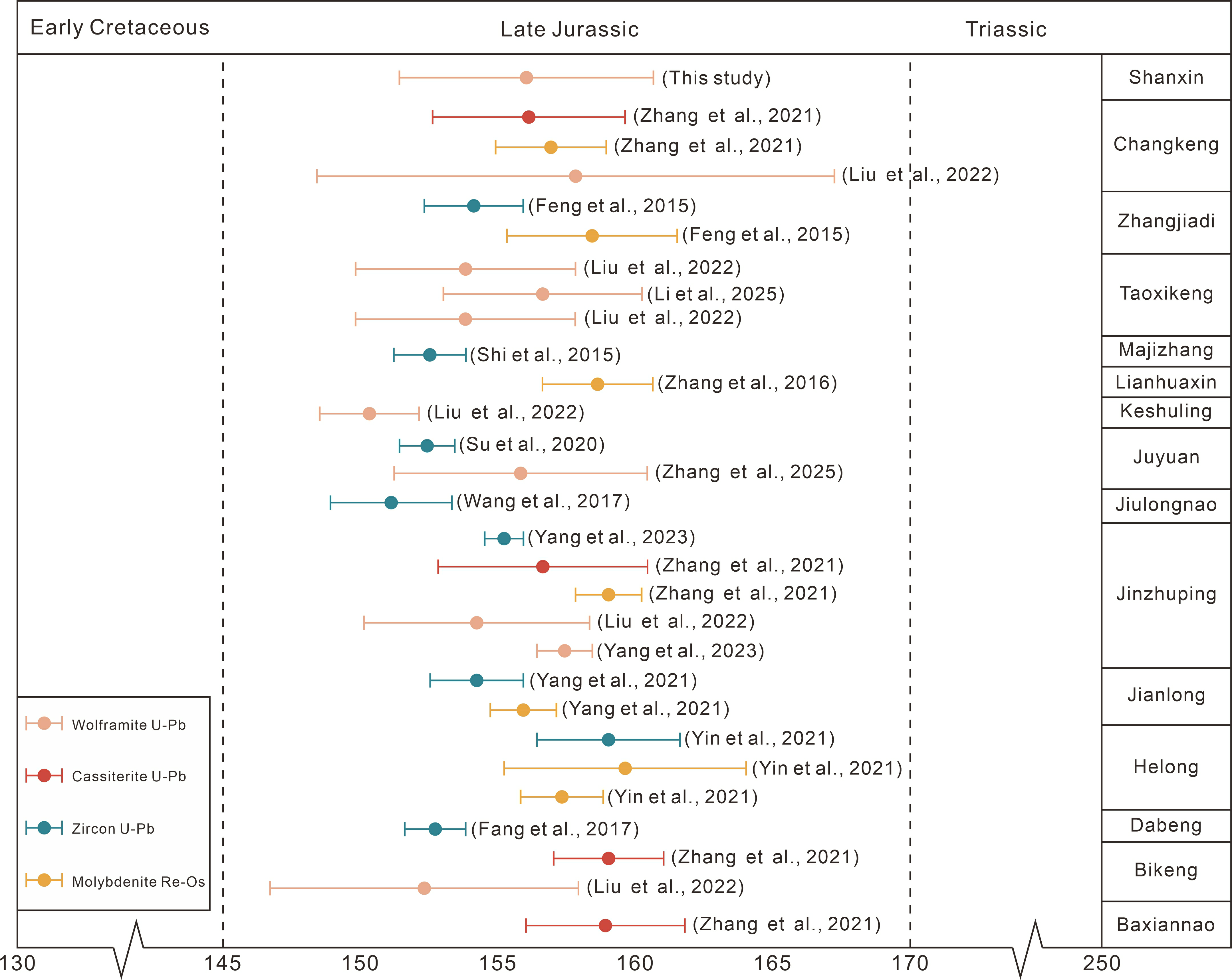
Based on the regional geological setting in South China and previous studies of these mineralizations, we inferred that a series of bimodal volcanic rocks and granites, along with associated polymetallic mineralization, formed during the Jurassic in South China. The geodynamic setting during the Jurassic was mainly characterized by the westward subduction of the Paleo-Pacific Plate along the continental margin, which produced an extensional tectonic setting [36,48,49,50]. Simultaneously, asthenospheric upwelling and crustal thinning triggered the partial melting of the lower continental crust. The resulting magmatic activity played a considerable role in the tectonic evolution and polymetallic mineralization of South China [34,35,36]. Therefore, the tungsten mineralization observed in the Xiangshan uranium ore field likely formed during the Late Jurassic and is part of the large-scale Mesozoic tungsten metallogenic event in South China, with a metallogenic setting corresponding to a back-arc extensional setting that was related to the subduction of the Paleo-Pacific Plate [51,52,53].
5.2. Element Substitution Mechanisms in Tungsten Minerals and Fluid Properties
The chemical compositions and elemental substitution mechanisms of the wolframite and scheelite recorded the physicochemical conditions and evolution of the ore-forming fluids. Analyses of major and trace elemental compositions, isotopic compositions, and CL images of the two types of wolframite (i.e., Wol-I and Wol-II) and scheelite, as well as the fluid inclusion microthermometry data, were assessed to determine any changes in the fluid properties (i.e., temperature, oxygen fugacity, and compositional stability) during magmatic hydrothermal fluid and meteoric water mixing.
5.2.1. Element Substitution Mechanisms of Wolframite
Wol-I and Wol-II exhibited systematically different major elemental compositions: Wol-I was relatively Fe-rich and Mn-poor, whereas Wol-II was relatively Fe-poor and Mn-rich. The decrease in the Fe/Mn ratio from Wol-I to Wol-II indicates that the oxygen fugacity of the ore-forming fluid increased progressively [54,55]. High oxygen fugacities promoted the oxidation of Fe2+ to Fe3+, which rendered the Fe less compatible with the wolframite crystal lattice, whereas Mn2+ remained relatively stable; thus, Mn-enrichment occurred in the later-stage wolframite.
The trace elemental substitution mechanisms further corroborate this inferred change in oxygen fugacity. In Wol-I, the possible substitution couples involve the exchange of (W, Ta, and Fe) for (Nb and Mn), whereas in Wol-II the substitution is characterized by the exchange of (W, Ta, and Mn) for (Fe and Nb). A strong positive correlation was obtained between the Ta and Nb contents (Figure 12a), indicating that both elements entered the crystal lattice in a coupled manner during wolframite crystallization. In Wol-II, the Nb content was positively correlated with the total concentrations of trivalent (i.e., Sc3+, V3+, Y3+, and REE3+) and tetravalent (i.e., Ti4+, Zr4+, Sn4+, and Hf4+) cations (Figure 12b,c), suggesting similar geochemical behaviors. Based on the FeWO4–FeNbO4 solid-solution model [54,56,57], these chemical variations can be explained by the following substitution mechanisms:
(Fe, Mn)2+ + W6+ ↔ M3+ + (Nb, Ta)5+
(Fe, Mn)2+ + 2W6+ ↔ M4+ + 2(Nb, Ta)5+
Figure 12.
Trace element covariation diagrams for Wol-I and Wol-II in the Shanxin pluton. Correlations between (a) Ta and Nb, the dashed lines represent linear regression fits, (b) trivalent cations (Sc + V + Y + REE) and Nb, (c) tetravalent cations (Ti + Zr + Sn + Hf) and Nb, (d) (Y + REE) and (Nb + Ta), (e) Y/Ho and Zr/Hf, and (f) EuN and EuN*, The dashed line represents the 1:1 line.
Temperature controls the enrichment of high-field-strength elements and REEs in wolframite. Higher mineralization temperatures facilitate the incorporation of ions such as REE3+, Sc3+, Nb5+, and Ta5+ into the crystal lattice [55,58]. The higher concentrations of Nb, Ta, Zr, Hf, U, and REEs in Wol-I relative to those in Wol-II are consistent with an influx of meteoric water, as indicated by the quartz H–O isotope systematics (Figure 10).
Previous studies have demonstrated that high Nb + Ta contents coupled with low δEu anomalies are indicative of reducing conditions, whereas low Nb + Ta contents and high δEu anomalies reflect oxidizing fluid conditions [16,55]. Eu is sensitive to variations in the oxygen fugacity. Under reducing conditions, Eu predominantly occurs as Eu2+, which is less compatible than Sm and Gd in the wolframite lattice, resulting in δEu < 1. At high oxygen fugacities, the proportion of Eu3+ increases, its compatibility with the wolframite lattice improves, and δEu shifts toward positive values. In this study, Wol-I wolframite was characterized by high Nb + Ta contents (1057–1255 ppm, average of 1151 ppm) and low δEu anomalies (<1), whereas Wol-II had low Nb + Ta contents (960–1140 ppm, average of 1045 ppm) and high δEu anomalies (>1) (Figure 12d,f). Thus, Wol-I and Wol-II recorded the transition from an early reducing environment to a later relatively oxidizing environment.
Y, Ho, Zr and Hf have identical valence states and ionic radii. In magmatic hydrothermal systems, Y/Ho and Zr/Hf ratios generally do not undergo substantial fractionation [59], and water–rock interactions do not shift their values beyond the charge-and-radius-controlled (CHARAC) range (26 < Zr/Hf < 46 and 24 < Y/Ho < 34) [60]. The Y/Ho and Zr/Hf ratios of both Wol-I and Wol-II were outside this range (Figure 12e), indicating that the ionic radius and valence state jointly governed the complex substitution behaviors of Nb, Ta, Sc, Ti, Zr, REEs, and other elements in wolframite. This deviation also suggests that the ore-forming fluid was not at equilibrium, but instead underwent multiple stages of mixing and perturbation.
Based on the major and trace elemental characteristics, substitution mechanisms, temperature proxies, and Eu anomalies of the wolframite, we inferred that Wol-I formed at relatively high temperatures under reducing conditions dominated by magmatic hydrothermal fluids. Subsequently, progressive influxes of meteoric water led to a decrease in the fluid temperature, an increase in the oxygen fugacity, and a shift in the wolframite composition from an Fe-rich endmember (Wol-I) toward an Mn-rich endmember, which culminated in the formation of Wol-II.
The fluid evolution reconstructed here is consistent with that inferred for other Jurassic quartz-vein tungsten systems in South China from comparable mineral-scale datasets. At Yaogangxian, in situ wolframite–scheelite geochemistry combined with Sr–O isotopes has been used to trace a comparable transition from magmatic to externally derived fluids [13]; at Taoxikeng, the H–O isotope systematics indicate the late-stage involvement of meteoric water [32]; and Zhang et al. [16] showed that scheelite and wolframite trace-element signatures discriminate between veinlet-disseminated and vein-type tungsten mineralization in this metallogenic province. The Shanxin system differs from these examples in two respects. First, the tungsten mineralization is superimposed on a volcanic-hosted uranium ore field, so that the fluid evolution constrained here bears directly on the redox history of the region. Second, the scheelite at Shanxin is not a co-precipitated phase but a late replacive phase that postdates both wolframite generations (Figure 2 and Figure 3); its CL zoning and REE–Sr systematics therefore record the waning, fluid-dominated stage of a single system rather than a separate mineralization event.
5.2.2. CL Characteristics and Elemental Substitution in Scheelite
The chemical composition, REEs, and CL characteristics of the scheelite recorded information on changes in the ore-forming fluid in the study area. The CL images effectively recorded its growth history and variations in its formation conditions [61,62,63,64]. The CL intensity of scheelite is primarily controlled by the self-activated emission band associated with the WO42− group and is influenced significantly by its trace elemental composition. Mo and the total REEs (ΣREE) suppress CL luminescence, whereas Sr enhances it [62,63]. In the scheelite samples from this study, the WO3 contents were 77.9–81.91 wt.% and the CaO contents were 17.83–21.10 wt.%, with heterogeneous distributions. The suppressive effect of Mo and ΣREE outweighs the enhancing effect of Sr (Figure 13), which results in oscillatory or sector zoning in CL images. Such irregular CL structures indicate that the scheelite crystallized in an environment characterized by unstable fluid compositions that were likely associated with multiple fluid pulses or mixing events.
Figure 13.
Diagram showing the coupled relationship between the CL texture and trace elemental contents of the scheelite in the Shanxin pluton. Analytical spots 1–13 are numbered on the cathodoluminescence image, on which the white circles outline the ablation pits.
The core–rim contrast noted above (Figure 3f) recurs in several grains and is accompanied by systematic compositional differences. Within the grain analysed in Figure 13, the five analyses of the coarser domain (spots 1–5) gave higher Sr (84–288 ppm, mean 155 ppm) and higher ΣREE (33–115 ppm, mean 68 ppm) than the eight analyses of the adjacent domain (spots 6–13; Sr 64–180 ppm, mean 90 ppm; ΣREE 28–55 ppm, mean 40 ppm), whereas Mo is scattered over a similar range in both domains (20–45 ppm). The chondrite-normalized patterns of the two domains are subparallel (Figure 7c) and differ mainly in absolute abundance, and both carry a negative Eu anomaly (δEu = 0.86–0.91 and 0.73–0.89, respectively). These compositional contrasts are expressed directly as the brightness contrasts seen in the CL images, and the truncation of the zoning suggests that the change in fluid composition was episodic rather than gradual.
ΣREE + Y enrichment in scheelite can generally be accommodated by the following three substitution mechanisms [65]:
2Ca2+ ↔ Na+ + REE3+
Ca2+ + W6+ ↔ REE3+ + Nb5+
3Ca2+ ↔ 2REE3+ + □ (□ represents a vacancy)
The scheelite sample had Na concentrations of 0.05–2.42 ppm (average of 0.45 ppm), which are exceedingly low and insufficient to satisfy the coupled substitution of Na+ with REE3+ required by Equation (3). Thus, Equation (3) was not the dominant pathway for REE enrichment in scheelite. The Nb content is 5.83–15.3 ppm (average of 10.53 ppm), which was relatively low. Nb exhibited a negative correlation with ΣREE + Y (Figure 14a); thus, Equation (4) is not the principal substitution mechanism. Therefore, Equation (5) is the most plausible method of REE substitution for Ca in the scheelite from the study area, whereby the REE3+ ions occupied Ca2+ vacancies in the crystal lattice. This substitution is typically associated with fluid compositional instability and rapid crystallization.
Figure 14.
Scheelite covariation diagrams between (a) (ΣREE + Y−Eu) and Nb content; (b) EuN and EuN*.The dashed line represents the 1:1 line.
The δEu anomalies observed in scheelite generally reflect variations in fluid oxygen fugacity [62,65,66]. Under high oxygen fugacity conditions, Eu substitutes for Ca2+ as Eu3+ in the crystal lattice, producing negative δEu anomalies. Under low oxygen fugacity conditions, Eu exists as Eu2+ and is more compatible than Sm and Gd, resulting in positive δEu anomalies. In this study, the chondrite-normalized EuN and EuN* were strongly positively correlated (Figure 14b), indicating that Eu3+ was dominant; thus, the scheelite formed under relatively high oxygen fugacity conditions. This is consistent with the inferred increasing oxygen fugacity conditions during the formation of Wol-II, suggesting that the involvement of meteoric water intensified during later mineralization.
Scheelite Sr isotope compositions can be used to constrain the source of the ore-forming material and the fluid mixing process. Water–rock interaction and mixing between magmatic hydrothermal fluids and meteoric water can modify the Sr isotope composition of the hydrothermal system [67,68]. Magmatic hydrothermal fluids typically have low initial (87Sr/86Sr)0 ratios, whereas meteoric water has low Sr contents and low initial (87Sr/86Sr)0 ratios. Because the radiogenic ingrowth of 87Sr since 156 Ma is negligible, the measured 87Sr/86Sr ratios closely approximate the initial values. These ratios lie within the range of the regional granites and are distinctly higher than those of the basin volcanic rocks and of the uranium mineralization (Figure 15), indicating that the Sr and Ca in the scheelite were derived predominantly from crustal reservoirs with no significant contribution of mantle Sr.
Figure 15.
Sr isotopic ratios of scheelite in the Shanxin pluton, Nanling granites, and various rocks and mineralization in the Xiangshan ore field. (Sources: Nanling and Changjiang series: [69,70,71,72,73]).
Two features of these data require comment. First, the ratios are bimodal, and the two groups correspond to different growth domains of the same grains rather than to different samples: the separation between the two groups (0.00143; Table S6) is far larger than the analytical uncertainty, with no intermediate values. Because the core and the rim of a single grain grew from the same system, this contrast is unlikely to reflect a change of source region; it is better explained by a change in the fluid itself, with the rims containing a larger proportion of radiogenic Sr released by water–rock interaction. The absence of intermediate compositions indicates that the rim growth was episodic rather than continuous, consistent with the truncated CL zoning and the grain-scale Sr contrast documented by the spot profile of Figure 13. Second, both groups are more radiogenic than any of the volcanic rocks in the basin, so the radiogenic component cannot have been acquired from the volcanic host rocks alone. The core–rim shift is therefore consistent with progressive interaction with the granitic wall rocks during the later, meteoric-dominated stage. Two of the rim analyses (XS02-09 and XS02-15) have the lowest 88Sr signal and the largest uncertainties, but their ratios are still more radiogenic than every core analysis, so their exclusion would not alter the grouping.
5.3. Evolution of Ore-Forming Fluids and Implications for Uranium Mineralization
5.3.1. Evolution of Ore-Forming Fluids
Based on the fluid inclusion data and mineral chemistries, elemental substitution mechanisms, and isotopic compositions of the wolframite and scheelite, we subdivided the evolution of the ore-forming fluids responsible for tungsten mineralization into early ore-forming (Wol-I), transitional (Wol-II), and late ore-forming (scheelite) stages (Figure 16). In the early ore-forming stage (Wol-I), W-rich magmatic hydrothermal fluids derived from Early Yanshanian magmatism in the Xiangshan region of eastern China were relatively reduced and Fe-rich. As they cooled, wolframite dominated by its Fe-rich endmember (Wol-I) precipitated (Figure 16a). High Nb + Ta contents and low δEu anomalies indicate the presence of a reducing fluid environment, in which Nb, Ta, and other elements were incorporated into the crystal lattice via heterovalent isomorphous substitution. The sericitization and chloritization that follow the greisenization halo record progressive neutralization of this acidic fluid, consistent with the cooling-and-mixing path inferred from the mineral chemistry.
Figure 16.
Mineral evolutionary trend of the two types of wolframites and of scheelite in the Shanxin pluton. The three panels correspond to the early ore-forming (Wol-I; (a)), transitional (Wol-II; (b)), and late ore-forming (scheelite; (c)) stages introduced in the Discussion. Upper row: schematic representation of the vein at each stage, from a reduced, Fe-rich magmatic-hydrothermal fluid to a mixed, oxidized fluid carrying an increasing proportion of meteoric water (open arrows); the host granite and the quartz vein are shown as pale fields, the Wol-I body in violet and the Wol-II veinlet in pink, and scheelite, pyrite and fluorite are labelled in panels (b,c). Lower row: chondrite-normalized REE patterns of the mineral forming at that stage (shaded field = range of analyses).The dashed line indicates the boundary between light rare earth elements (LREEs) and heavy rare earth elements (HREEs).
In the transitional stage (Wol-II), the gradual influx of meteoric water caused the oxygen fugacity to increase. The decreasing Fe/Mn ratio, decreasing Nb + Ta contents, and positive δEu in the wolframite indicate that the conditions became oxidizing. Oxidizing fluids percolated along the fractures and cleavage planes, partially dissolving the pre-existing Wol-I and liberating Fe2+ and WO42−. The abundant Mn2+ in the fluid then combined with WO42− to form the more stable MnWO4 endmember (Wol-II) (Figure 16b). The shift in the quartz H–O isotopic compositions toward the meteoric water line supports the presence of mixing with meteoric water. The precipitation of Wol-II during this stage was likely governed by temperature decreases and oxygen fugacity variations induced by fluid mixing.
In the late ore-forming stage (scheelite), the conditions evolved into a high-oxygen-fugacity and compositionally unstable hydrothermal system as the proportion and degree of meteoric water involvement continued to increase. The oxidizing fluids generated by the meteoric water influx also accelerated water–rock interactions, which promoted the alteration and decomposition of Ca-bearing minerals, thereby providing a substantial Ca source for scheelite crystallization. In addition, minor dissolution of wolframite by the fluid released Fe2+, Mn2+, and WO42− and partially oxidized Fe2+ to Fe3+, which increased the ΣCa2+/ΣFe2+ molar ratio and facilitated scheelite precipitation [74] (Figure 16c). The CL images of scheelite exhibited irregular zoning and variable brightness, which reflected fluctuations in fluid composition. REE incorporation in the scheelite was dominated by the Ca site-vacancy substitution mechanism, while the δEu values indicate that Eu3+ was predominant at relatively high oxygen fugacities. The scheelite Sr isotopic composition was slightly higher than that of the granite in this region, suggesting that, in addition to having a magmatic source, the meteoric water extracted Ca, Sr, and other elements from the wall rock, which were then introduced into the ore-forming fluid. Tungsten precipitation during this stage was likely controlled by a combination of fluid mixing, high oxygen fugacities, and water–rock interactions. Notably, the Shanxin and adjacent granitic plutons (i.e., Le’an and Xiankou) in the Xiangshan region are characterized by high silica contents, calc-alkaline and peraluminous affinities, and highly fractionated signatures, with Rb, Th, U, K, and Ta enrichments [75,76,77]. The basement of the Xiangshan volcanic basin comprises Mesoproterozoic low–medium-grade metamorphic rocks that include phyllites, fine-grained mica schists, and sericite–quartz schists, the protoliths of which were sandy–argillaceous and calcareous sedimentary rocks [78,79]. Alteration of plagioclase grains in these rocks (e.g., via sericitization, argillization, or chloritization) can liberate the Ca required for scheelite formation [80,81,82].
In summary, the tungsten-mineralizing fluids in the study area underwent a continuous evolution from high-temperature reducing conditions dominated by magmatic hydrothermal fluids to fluids characterized by high oxygen fugacities and compositional instability owing to substantial influxes of meteoric water. Fluid mixing was likely the key mechanism that drove the precipitation of ore-forming materials, which caused the temperature to decrease, the oxygen fugacity to increase, and the fluid chemistry to change. The mineral chemistry and elemental substitution mechanisms of the wolframite and scheelite systematically recorded these changes over time.
5.3.2. Implications for Uranium Mineralization in the Xiangshan Ore Field
South China hosts major granite- and volcanic-hosted uranium metallogenic provinces, in which the uranium mineralization predominantly occurred during the Late Mesozoic Yanshanian movement [83]. These provinces spatially coincide with large-scale W-Sn and rare metal mineralized orebodies [83,84,85]. Previous studies have investigated the nature and sources of the uranium-mineralizing fluids in the Xiangshan uranium ore field, yielding a range of interpretations. However, the origin of the mineralizing fluids remains debated and can be broadly categorized into three perspectives. Based on analyses of mafic magmatism that was coeval with the uranium mineralization and the fluid carbon and noble gas geochemistries, some researchers have stated that substantial contributions to the fluids were sourced from deep mantle-derived fluids [86,87,88]. Others considered the relationship between oxidizing fluids and uranium mobility in different valence states and proposed that the ore-forming fluids originated from deeply circulating meteoric water [30,89,90]. A few researchers have proposed a “dual-mixing” model based on fluid inclusion microthermometry and isotopic analyses of hydrothermal minerals, in which late-stage post-magmatic hydrothermal fluids mixed with meteoric water to form the ore-forming fluids [73].
Uranium is a highly redox-sensitive element, and its dissolution, transport, and precipitation in hydrothermal systems are strongly controlled by oxygen fugacity (fO2). Under oxidizing conditions, uranium readily forms soluble U6+ complexes (i.e., uranyl carbonate and uranyl sulfate) that can be transported over long distances by fluids. When uranium-bearing oxidizing fluids encounter a reducing environment, U6+ is reduced to insoluble U4+, which precipitates as uranium minerals (i.e., uraninite) and forms orebodies [17,91,92,93,94]. Consequently, uranium minerals are highly susceptible to modification by various geological processes. As a result, their textures and geochemical signatures often fail to provide accurate and reliable information regarding their mineralizing fluids [17,95,96]. As important metallic minerals in the Xiangshan uranium ore field, the tungsten mineral assemblages analyzed in this study recorded the mineralizing fluid evolution, which offers new perspectives for constraining the nature and sources of hydrothermal fluids associated with uranium mineralization in this region.
As discussed above, influxes of meteoric water were critical for the evolution of the tungsten-mineralizing fluids in the study area. Meteoric water likely descended along fault and fracture systems and participated throughout the mineralization of Wol-II and scheelite. Mixing between the early W-bearing magmatic hydrothermal fluids and meteoric water resulted in a temperature decrease and an increase in the oxygen fugacity. As the proportion of meteoric water increased, the Fe-rich and Mn-rich wolframite precipitated sequentially, followed by scheelite. In South China, the formation of high oxygen-fugacity hydrothermal fluids is intimately linked to meteoric water circulation. Intense plate tectonic motions created extensive fracture networks that act as conduits for deep meteoric water circulation [34,48,49,97]. Descending meteoric water is heated at depth and acquires the capacity to leach elements from the host rock, thereby extracting uranium from the U-rich felsic volcanic rocks and their volcaniclastic derivatives that host the uranium orebodies, and transporting it as uranyl complexes (Figure 17). Some studies have suggested that the highly permeable clastic sedimentary layers within the near-surface red beds in the Xiangshan area facilitated the large-scale infiltration of meteoric water, generating oxidizing basinal brines. These oxidizing fluids could leach uranium from the U-rich volcaniclastic materials, resulting in an initially uranium-enriched fluid [94,98,99]. Subsequently, these uranium-bearing oxidizing fluids would have undergone deep circulation along major faults and other structural conduits. During migration, they would either mix with deep reducing fluids or encounter reducing conditions at sites of structural decompression, leading to a decrease in the oxygen fugacity that would promote uranium mineral precipitation [94,96,99,100].
Figure 17.
Proposed metallogenic model for polymetallic mineralization in the Xiangshan uranium ore field (modified after [18,79]).
One caveat must be stated explicitly. The tungsten mineralization is Late Jurassic (156.0 ± 4.8 Ma), whereas the main uranium orebodies of the Xiangshan ore field formed at ca. 120–100 Ma [79], so that the two events are separated by 30–40 Myr. The oxidized fluid documented here is therefore not the fluid that deposited the uranium; what the tungsten record constrains is the redox state of the deep-circulating fluid and the faults that conducted it [83,84]. For uranium to precipitate later, a reductant was required, and the district offers three: Fe(II)-bearing alteration assemblages such as chlorite and pyrite [100], reduced carbon in the volcaniclastic succession, including methane-bearing fluids [93], and the reduced metamorphic basement [96].
6. Conclusions
Based on the results, the following conclusions were drawn:
(1) The quartz vein-type tungsten mineralization in the Shanxin pluton is greisen-related: an early, acidic greisenization and potassic feldspathization stage produced the alteration halo, after which quartz, wolframite, and finally replacive scheelite were deposited. The U-Pb age of the wolframite is 156.0 ± 4.8 Ma, placing the mineralization within the large-scale Mesozoic metallogenic event. This age overlaps, within error, the zircon U–Pb age of the host granite (152.5 ± 1.3 Ma), so that the tungsten mineralization and the granitic magmatism are genetically linked, both being products of Yanshanian magmatism in South China.
(2) The wolframite was subdivided into Wol-I and Wol-II types, which exhibited compositional changes from Fe- to Mn-rich endmembers. This compositional change was accompanied by a shift in the substitution mechanism from Fe-Nb to Mn-Nb coupling. Later scheelite crystallization occurred under relatively high oxygen fugacity conditions, and the incorporation of REEs was governed by the Ca site-vacancy substitution mechanism.
(3) The early high-temperature W-bearing magmatic hydrothermal fluids cooled and mixed with increasing proportions of meteoric water, causing progressive increases in the oxygen fugacity. During this period, Fe-rich wolframite, Mn-rich wolframite, and scheelite precipitated successively.
(4) Since the Late Jurassic, high-oxygen-fugacity meteoric waters have played an important role in tungsten polymetallic mineralization in the Xiangshan area. Because the tungsten veins record oxidizing conditions at depth at 156 Ma whereas the uranium orebodies formed at ca. 120–100 Ma, this fluid regime is best regarded as a long-lived prerequisite for uranium mobilization, with uranium precipitation controlled by later reducing traps.
Supplementary Materials
The following supporting information can be downloaded at: https://zenodo.org/records/23488950 (accessed on 3 November 2026). Table S1: Wolframite LA-ICP-MS U-Pb isotopic results; Table S2: Electron probe microanalysis results of wolframite (wt%); Table S3: Trace element data of wolframite (ppm); Table S4: Electron probe microanalysis results of scheelite (wt%); Table S5: Trace element data of scheelite (ppm); Table S6: Scheelite Sr isotopic composition; Table S7: Microthermometric data of fluid inclusions in quartz; Table S8: Hydrogen and oxygen isotopic composition of quartz.
Author Contributions
K.G.: Writing—original draft, Visualization, Methodology, Investigation, Formal analysis. J.W.: Writing—review & editing, Supervision, Visualization, Resources, Project administration, Methodology, Investigation, Funding acquisition, Conceptualization. W.W.: Methodology, Data curation, Conceptualization, Writing—review & editing. J.P.: Data curation, Conceptualization. S.T.: Investigation, Resources. Y.Y.: Resources. J.C.: Resources. A.W.: Methodology, Formal analysis. All authors have read and agreed to the published version of the manuscript.
Funding
This study was supported by Open Project Program of National Key Laboratory of Uranium Resources Exploration-Mining and Nuclear Remote Sensing (NKLUR-2024-QN-005), Natural Science Foundation of China (42272090), Scientific Research Foundation from the East China University of Technology (DHBK2022007 and 2024HDX12), Graduate Student Innovation Foundation of Jiangxi Province (YC2024-S461).
Institutional Review Board Statement
Not applicable.
Informed Consent Statement
Not applicable.
Data Availability Statement
The original contributions presented in this study are included in the article. Further inquiries can be directed to the corresponding author.
Acknowledgments
We sincerely thank the three anonymous reviewers and the editors for their valuable comments and constructive suggestions, which have helped improve the quality of this manuscript.
Conflicts of Interest
Shuang Tan was employed by the company China National Nuclear Corporation. The remaining authors declare that the research was conducted in the absence of any commercial or financial relationships that could be construed as a potential conflict of interest.
References
- Li, Z.Y.; Zhang, W.L. Comparative study of main uranium mineralization types and their geochemical characteristics in the Xiangshan ore field, Jiangxi. Geoscience 2016, 30, 1–16. [Google Scholar]
- Bonnetti, C.; Liu, X.; Cuney, M.; Mercadier, J.; Riegler, T.; Yu, C. Evolution of the uranium mineralisation in the Zoujiashan deposit, Xiangshan ore field: Implications for the genesis of volcanic-related hydrothermal U deposits in South China. Ore Geol. Rev. 2020, 122, 103514. [Google Scholar] [CrossRef] [Scilit]
- Petrov, V.A.; Andreeva, O.V.; Poluektov, V.V.; Kovalenko, D.V. Uranium-Bearing Volcanic Structures: Streltsovka (Russia), Xiangshan (China), and McDermitt (United States). A Comparative Analysis of the Petrology of Felsic Volcanics and the Composition of Near-Ore Metasomatites. Geol. Ore Depos. 2021, 63, S1–S28. [Google Scholar] [CrossRef] [Scilit]
- Zhang, W.L.; Guo, F.S.; Wei, X.; Li, Y.L. Evolution of “filling + metasomatism” uranium metallogenic hydrothermal process in the Xiangshan ore field, Jiangxi. Acta Petrol. Mineral. 2025, 44, 855–869. [Google Scholar] [CrossRef]
- Yang, Q.K.; Guo, F.S.; Zhou, W.P.; Qu, H.J. Geochronological characteristics and metallogenic model of uranium-lead-zinc polymetallics in the Xiangshan ore field, Jiangxi. Earth Sci. Front. 2017, 24, 283–298. [Google Scholar] [CrossRef]
- Yang, Q.K.; Huang, Q.T.; Luo, Y.; Huang, B.H.; Wang, Q.Y. Evolution characteristics of deep lead-zinc ore-forming fluids in the Xiangshan uranium ore field, Jiangxi. Sci. Technol. Eng. 2017, 17, 132–141. [Google Scholar]
- Wang, C.; Li, X.; Wei, X. Apatite at Niutoushan U–Pb–Zn deposit in Xiangshan ore field: A tracer for hydrothermal fluid. Geol. J. 2021, 56, 152–169. [Google Scholar] [CrossRef] [Scilit]
- Liu, B.; Wei, W.F.; Wu, J.Y.; Fu, S.C.; Qi, J.M. Sulfide geochemical characteristics and geological significance of the Niutoushan lead-zinc mineralized body in the western Xiangshan ore field, Jiangxi. Bull. Mineral. Petrol. Geochem. 2021, 40, 400–410. [Google Scholar] [CrossRef]
- Guo, J.; Li, Z.; Nie, J.; He, S. Comparative Study of H-O-S-Pb Isotope Composition of Uranium and Polymetallic Mineralization in Xiangshan Minefield. World Nucl. Geosci. 2025, 42, 263–276. [Google Scholar]
- Wang, R.C.; Zhu, J.C.; Zhang, W.L.; Xie, L.; Yu, A.P.; Che, X.D. Metallogenic mineralogy of tungsten-tin granites in the Nanling region: Concepts and examples. Geol. J. China Univ. 2008, 14, 485–495. [Google Scholar] [CrossRef]
- Sheng, J.F.; Chen, Z.H.; Liu, L.J.; Ying, L.J.; Huang, F.; Wang, D.H.; Zeng, L. Summary of tungsten metallogenic regularities in China. Acta Geol. Sin. 2015, 89, 1038–1050. [Google Scholar] [CrossRef] [Scilit]
- Jiang, S.Y.; Zhao, K.D.; Jiang, H.; Su, H.M.; Xiong, S.F.; Xiong, Y.Q.; Xu, Y.M.; Zhang, W.; Zhu, L.Y. Research progress on the temporal-spatial distribution, geological characteristics, and metallogenic mechanisms of tungsten and tin deposits in China. Chin. Sci. Bull. 2020, 65, 3730–3745. [Google Scholar]
- Jiang, H.; Liu, B.; Kong, H.; Wu, Q.H.; Chen, S.; Li, H.; Wu, J.H. In Situ Geochemistry and Sr–O Isotopic Composition of Wolframite and Scheelite from the Yaogangxian Quartz Vein-Type W(−Sn) Deposit, South China. Ore Geol. Rev. 2022, 149, 105066. [Google Scholar] [CrossRef] [Scilit]
- Li, W.; Tang, J.X.; Guo, N.; Song, S.W.; Wu, Z.R.; Lang, X.H.; Lu, J.; Lian, D.M. Determination of multi-stage tin mineralization ages in southern Jiangxi: Evidence from U-Pb chronology of cassiterite and wolframite. Acta Petrol. Sin. 2025, 41, 1818–1836. [Google Scholar]
- Peng, J.T.; Zhang, D.L.; Hu, R.Z.; Wu, M.J.; Liu, X.M.; Qi, L.; Yu, Y.G. Heterogeneous distribution of rare earth elements in scheelite from the Zhazixi tungsten-antimony deposit, western Hunan, and its geological significance. Geol. Rev. 2010, 56, 810–819. [Google Scholar] [CrossRef]
- Zhang, Q.; Zhang, R.Q.; Gao, J.F.; Lu, J.J.; Wu, J.W. In-situ LA-ICP-MS trace element analyses of scheelite and wolframite: Constraints on the genesis of veinlet-disseminated and vein-type tungsten deposits, South China. Ore Geol. Rev. 2018, 99, 166–179. [Google Scholar] [CrossRef] [Scilit]
- Xu, D.R.; Wang, C.J.; Li, B.; Chi, G.X.; Yang, C.; Deng, W.; Li, W.H.; Li, Y.; Zhang, H.S.; Luo, L.F.; et al. U(uranium)-polymetallic mineral systems in the world: Genetic types, metallogenic settings and ore-forming mechanisms, and perspective for exploration. Sci. China Earth Sci. 2025, 68, 1511–1558. [Google Scholar] [CrossRef] [Scilit]
- Zhang, J.; Li, G.L.; Li, C.X.; Wei, X.L.; Su, Y.; Liu, X.D.; Xu, K.; Yin, X.Y. Origin of the Late Jurassic Juyuan tungsten deposit in Central Jiangxi, South China: Constraints from in-situ U-Pb dating of wolframite, trace elements of tungsten minerals and Sr isotope of scheelite. J. Asian Earth Sci. 2025, 290, 106637. [Google Scholar] [CrossRef] [Scilit]
- Yu, F.; Shu, Q.H.; Lentz, D.R.; Wang, Q.F.; Zhang, R.Z.; Niu, X.D.; Zeng, Q.W.; Xing, K.; Deng, J. Scheelite texture and composition fingerprint skarn mineralization of the giant Yuku Mo-W deposit, Central China. Ore Geol. Rev. 2024, 175, 106361. [Google Scholar] [CrossRef] [Scilit]
- Shi, L.C.; Xie, C.F.; Guo, F.S.; Zhou, W.P.; Zhang, S.M.; Jiang, Y.B.; Liu, L.Q. Geological-geochemical characteristics, zircon LA-ICP-MS age of the Shanxin granite body related to tungsten-tin polymetallic mineralization in Le’an, central Jiangxi, and its metallogenic significance. Acta Geol. Sin. 2015, 89, 1070–1084. [Google Scholar]
- Yang, Q.K.; Zhang, X.L.; Hua, C.; Yu, Y.S.; Zhou, W.P. Diagenetic and metallogenic chronology of the Dawangshan quartz-vein-type tungsten-molybdenum polymetallic deposit in central Jiangxi and its geological significance. Geophys. Geochem. Explor. 2019, 43, 558–567. [Google Scholar]
- Song, K.L.; Zhang, S.M.; Wei, Z.Y.; Zhang, L. Re-Os age of molybdenite from the Majizhang molybdenum-tungsten polymetallic mineralization belt in central Jiangxi and its significance. J. East China Univ. Technol. (Nat. Sci. Ed.) 2014, 37, 21–25. [Google Scholar]
- Pang, W.J.; Chen, B.B.; Huang, R.R.; Zhou, Y.Y.; Guo, F.S.; Wu, Z.C.; Xie, C.F. Metallogenic geological characteristics and prospecting potential of the Luoshan uranium deposit in Le’an, Jiangxi. Energy Res. Manag. 2021, 83–89. [Google Scholar] [CrossRef]
- Yang, M.; Yang, Y.H.; Wu, S.T.; Romer, R.L.; Che, X.D.; Zhao, Z.F.; Li, W.F.; Yang, J.H.; Wu, F.Y.; Xie, L.W.; et al. Accurate and precise in situ U-Pb isotope dating of wolframite series minerals via LA-SF-ICP-MS. J. Anal. At. Spectrom. 2020, 35, 2191–2203. [Google Scholar] [CrossRef] [Scilit]
- Tang, Y.W.; Cui, K.; Zheng, Z.; Gao, J.F.; Han, J.J.; Yang, J.H.; Liu, L. LA-ICP-MS U-Pb geochronology of wolframite by combining NIST series and common lead-bearing MTM as the primary reference material: Implications for metallogenesis of South China. Gondwana Res. 2020, 83, 217–231. [Google Scholar] [CrossRef] [Scilit]
- Li, C.; Zhou, L.; Zhao, Z.; Zhao, H.; Li, X. In-situ Sr isotopic measurement of scheelite using fs-LA-MC-ICP-MS. J. Asian Earth Sci. 2018, 160, 38–47. [Google Scholar] [CrossRef] [Scilit]
- Systematics of Fluid Inclusions in Diagenetic Minerals; SEPM Short Course Notes, Volume 31; Goldstein, R.H., Reynolds, T.J., Eds.; SEPM Society for Sedimentary Geology: Tulsa, OK, USA, 1994. [Google Scholar] [CrossRef] [Scilit]
- Chi, G.X.; Lu, H.Z. Constraints of fluid inclusion assemblages on the validity of temperature measurements and methods of data presentation. Acta Petrol. Sin. 2008, 24, 1945–1953. [Google Scholar]
- Sun, S.-S.; McDonough, W.F. Chemical and isotopic systematics of oceanic basalts: Implications for mantle composition and processes. In Magmatism in the Ocean Basins; Saunders, A.D., Norry, M.J., Eds.; Geological Society: London, UK, 1989; Volume 42, pp. 313–345. [Google Scholar] [CrossRef] [Scilit]
- Sun, Z.X.; Li, X.L.; Shi, W.J.; Zhou, W.B.; Liu, J.H. Hydrogen and Oxygen Isotopic Geochemistry of the Xiangshan Uranium Ore Field, SE China. Geol. Prospect. 2001, 37, 20–23. [Google Scholar]
- Yan, B.; Yan, H.; Zhou, L.; Wang, T.; Xu, G.M.; Cao, Y. C, O, H, S isotopic characteristics and significance of volcanic rock-type uranium deposits in Xiangshan, Jiangxi. J. Mineral. Petrol. 2013, 33, 47–53. [Google Scholar] [CrossRef]
- Song, S.Q.; Hu, R.Z.; Bi, X.W.; Wei, W.F.; Shi, S.H. Hydrogen, oxygen, and sulfur isotope geochemistry of the Taoxikeng tungsten deposit, Chongyi, southern Jiangxi. Miner. Depos. 2011, 30, 1–10. [Google Scholar] [CrossRef]
- Chen, L.L.; Ni, P.; Li, W.S.; Ding, J.Y.; Pan, J.Y.; Wang, G.G.; Yang, Y.L. The Link between Fluid Evolution and Vertical Zonation at the Maoping Tungsten Deposit, Southern Jiangxi, China: Fluid Inclusion and Stable Isotope Evidence. J. Geochem. Explor. 2018, 192, 18–32. [Google Scholar] [CrossRef] [Scilit]
- Mao, J.W.; Xie, G.Q.; Guo, C.L.; Yuan, S.D.; Cheng, Y.B.; Chen, Y.C. Temporal-spatial distribution and metallogenic settings of major Mesozoic metal deposits in South China. Geol. J. China Univ. 2008, 14, 510–526. [Google Scholar] [CrossRef]
- Mao, J.W.; Chen, M.H.; Yuan, S.D.; Guo, C.L. Geological characteristics and temporal-spatial distribution of deposits along the Qinhang metallogenic belt, South China. Acta Geol. Sin. 2011, 85, 636–658. [Google Scholar]
- Sun, W.D. Subduction initiation: A geochemical perspective. Solid Earth Sci. 2019, 4, 129–130. [Google Scholar] [CrossRef] [Scilit]
- Zhang, J.; Liu, X.X.; Zeng, Z.L.; Li, W.; Peng, L.L.; Hu, H.B.; Cheng, J.W.; Lu, K.X. Age constraints on the genesis of the Changkeng tungsten deposit, Nanling region, South China. Ore Geol. Rev. 2021, 134, 104134. [Google Scholar] [CrossRef] [Scilit]
- Liu, X.X.; Zhang, J.; Huang, F.; Cheng, J.W.; Lu, K.X.; Yang, J.F.; Wang, M.; Wang, Y.X.; Qiu, J.W.; Zhang, X.Y. Tungsten deposits in southern Jiangxi Province: Constraints on the origin of wolframite from in-situ U-Pb isotope dating. Ore Geol. Rev. 2022, 143, 104774. [Google Scholar] [CrossRef] [Scilit]
- Feng, C.Y.; Zeng, Z.L.; Qu, W.J.; Liu, J.S.; Li, H.P. Diagenetic and metallogenic ages of the Zhangjiadi molybdenum-tungsten deposit in Xingguo County, southern Jiangxi, and their geological significance. Acta Petrol. Sin. 2015, 31, 709–724. [Google Scholar]
- Zhang, Y.; Pan, J.Y.; Ma, D.S.; Liu, G.Q.; Wei, X.Y.; Zhang, L.L.; Ma, C.J.; Yang, C.P. Re-Os age of molybdenite from the Lianhuaxin Cu-Mo-W deposit in Xiushui County, Jiangxi, and its geological significance. Miner. Depos. 2016, 35, 867–880. [Google Scholar] [CrossRef]
- Su, Y.; Li, G.L.; Tang, A.; Li, C.X.; Wei, X.L.; Yin, X.Y. Zircon U-Pb chronology, petrogeochemistry, and Sr-Nd-Hf isotopic characteristics and genesis of granite porphyry in the Juyuan tungsten mining area, central Jiangxi. Geotect. Metallog. 2020, 44, 971–985. [Google Scholar] [CrossRef]
- Wang, S.Y.; Zhao, Z.; Fang, G.C.; Ouyang, X.; Chen, Z.Y.; Hou, K.J. Mineralogical and chronological characteristics of the Zhangdongkeng-Jiulongnao tungsten polymetallic deposit in southern Jiangxi and their geological significance. Earth Sci. Front. 2017, 24, 120–130. [Google Scholar] [CrossRef]
- Yang, J.F.; Zhang, J.; Liu, X.X.; Qiu, J.W.; Wang, M.; Cheng, J.W.; Lu, K.X.; Wang, Y.X. Characteristics and geological significance of multi-stage mineralization in the Jinzhuping tungsten deposit, southern Jiangxi. Geoscience 2023, 37, 1449–1466. [Google Scholar] [CrossRef]
- Zhang, J.; Liu, X.X.; Li, W.; Zeng, Z.L.; Hu, H.B.; Peng, L.L.; Cheng, J.W.; Lu, K.X.; Li, P.Z. The metallogenic epoch and geological implications of the tungsten-tin polymetallic deposits in southern Jiangxi Province, China: Constraints from cassiterite U-Pb and molybdenite Re-Os isotopic dating. Ore Geol. Rev. 2021, 134, 104159. [Google Scholar] [CrossRef] [Scilit]
- Yang, B.; Zhao, L.; Chen, Z.L.; Mo, H.H.; Lu, J.; Tan, Y. U-Pb and Re-Os isotopic dating of the Jianlong copper-tungsten deposit in Xingguo County, southern Jiangxi: Constraints on diagenetic and metallogenic ages. Geol. China 2021, 48, 495–506. [Google Scholar]
- Yin, Z.; Zhao, Z.; Tao, J.L.; Wu, S.H.; Li, H.W.; Gan, J.W.; Chen, W.; Li, X.W. Geology, diagenetic-metallogenic ages, and metallogenic model of the Helong tungsten deposit, southern Jiangxi. Acta Petrol. Sin. 2021, 37, 1531–1552. [Google Scholar]
- Fang, G.C.; Chen, Z.H.; Chen, Y.C.; Zhao, Z.; Hou, K.J.; Zeng, Z.L.; Luo, Z. Two-stage diagenetic ages of the Dabu composite granite batholith in southern Jiangxi and their geological significance. Miner. Depos. 2017, 36, 1415–1424. [Google Scholar] [CrossRef]
- Mao, J.W.; Xie, G.Q.; Li, X.F.; Zhang, C.Q.; Mei, Y.X. Mesozoic large-scale mineralization and multi-stage lithospheric extension in South China. Earth Sci. Front. 2004, 01, 45–55. [Google Scholar]
- Shu, L.S. Basic characteristics of tectonic evolution in South China. Geol. Bull. China 2012, 31, 1035–1053. [Google Scholar]
- Sun, W.D.; Xie, G.Z.; Zhang, L.P.; Liu, H.; Li, C.Y.; Sun, S.J. Subduction initiation and continental crust evolution. Acta Geol. Sin. 2021, 95, 32–41. [Google Scholar] [CrossRef]
- Mao, J.W.; Xie, G.Q.; Guo, C.L.; Chen, Y.C. Large-scale tungsten-tin polymetallic mineralization in the Nanling region: Metallogenic time-frame and geodynamic background. Acta Petrol. Sin. 2007, 10, 2329–2338. [Google Scholar]
- Mao, J.W.; Zheng, W.; Xie, G.Q.; Lehmann, B.; Goldfarb, R.J. Recognition of a Middle–Late Jurassic Arc-Related Porphyry Copper Belt along the Southeast China Coast: Geological Characteristics and Metallogenic Implications. Geology 2021, 49, 592–596. [Google Scholar] [CrossRef] [Scilit]
- Yang, S.Y. Petrogenesis and Dynamic Setting of Magmatic Rocks in Uranium-Bearing Volcanic Basins Along the Gan-Hang Tectonic Belt, South China. Ph.D. Thesis, Nanjing University, Nanjing, China, 2013. [Google Scholar]
- Polya, D.A. Compositional variation in wolframites from the Barroca Grande mine, Portugal: Evidence for fault-controlled ore formation. Mineral. Mag. 1988, 52, 497–503. [Google Scholar] [CrossRef] [Scilit]
- Harlaux, M.; Mercadier, J.; Marignac, C.; Peiffert, C.; Cloquet, C.; Cuney, M. Tracing metal sources in peribatholitic hydrothermal W deposits based on the chemical composition of wolframite: The example of the Variscan French Massif Central. Chem. Geol. 2018, 479, 58–85. [Google Scholar] [CrossRef] [Scilit]
- Tindle, A.G.; Webb, P.C. Niobian wolframite from Glen Gairn in the Eastern Highlands of Scotland: A microprobe investigation. Geochim. Cosmochim. Acta 1989, 53, 1921–1935. [Google Scholar] [CrossRef] [Scilit]
- Tindle, A.G.; Breaks, F.W.; Webb, P.C. Wodginite-group minerals from the Separation Rapids rare-element granitic pegmatite group, northwestern Ontario. Can. Mineral. 1998, 36, 637–658. [Google Scholar]
- Xiong, Y.Q.; Shao, Y.J.; Zhou, H.D.; Wu, Q.H.; Liu, J.P.; Wei, H.T.; Zhao, R.C.; Cao, J.Y. Ore-forming mechanism of quartz-vein-type W-Sn deposits of the Xitian district in SE China: Implications from the trace element analysis of wolframite and investigation of fluid inclusions. Ore Geol. Rev. 2017, 83, 152–173. [Google Scholar] [CrossRef] [Scilit]
- Dostal, J.; Chatterjee, A.K. Contrasting behaviour of Nb/Ta and Zr/Hf ratios in a peraluminous granitic pluton (Nova Scotia, Canada). Chem. Geol. 2000, 163, 207–218. [Google Scholar] [CrossRef] [Scilit]
- Bau, M. Controls on the fractionation of isovalent trace elements in magmatic and aqueous systems: Evidence from Y/Ho, Zr/Hf, and lanthanide tetrad effect. Contrib. Mineral. Petrol. 1996, 123, 323–333. [Google Scholar] [CrossRef] [Scilit]
- Hall, M.R.; Ribbe, P.H. An electron microprobe study of luminescence centers in cassiterite. Am. Mineral. 1971, 56, 31–45. [Google Scholar]
- Brugger, J.; Lahaye, Y.; Costa, S.; Lambert, D.; Bateman, R. Inhomogeneous distribution of REE in scheelite and dynamics of Archaean hydrothermal systems (Mt. Charlotte and Drysdale gold deposits, Western Australia). Contrib. Mineral. Petrol. 2000, 139, 251–264. [Google Scholar] [CrossRef] [Scilit]
- Poulin, R.S.; McDonald, A.M.; Kontak, D.J.; McClenaghan, M.B. On the relationship between cathodoluminescence and the chemical composition of scheelite from geologically diverse ore-deposit environments. Can. Mineral. 2016, 54, 1147–1173. [Google Scholar] [CrossRef] [Scilit]
- Wille, G.; Lerouge, C.; Schmidt, U. A multimodal microcharacterisation of trace-element zonation and crystallographic orientation in natural cassiterite by combining cathodoluminescence, EBSD, EPMA and contribution of confocal Raman-in-SEM imaging. J. Microsc. 2018, 270, 309–317. [Google Scholar] [CrossRef] [Scilit]
- Ghaderi, M.; Palin, J.M.; Campbell, I.H. Rare earth element systematics in scheelite from hydrothermal gold deposits in the Kalgoorlie-Norseman region, Western Australia. Econ. Geol. 1999, 94, 423–437. [Google Scholar] [CrossRef] [Scilit]
- Sun, K.K.; Chen, B.; Deng, J. Ore Genesis of the Zhuxi Supergiant W-Cu Skarn Polymetallic Deposit, South China: Evidence from Scheelite Geochemistry. Ore Geol. Rev. 2019, 107, 14–29. [Google Scholar] [CrossRef] [Scilit]
- Lüders, V.; Romer, R.L.; Gilg, H.A.; Bodnar, R.J.; Pettke, T.; Misantoni, D. A geochemical study of the Sweet Home Mine, Colorado Mineral Belt, USA: Hydrothermal fluid evolution above a hypothesized granite cupola. Mineral. Depos. 2009, 44, 415–434. [Google Scholar] [CrossRef] [Scilit]
- Cao, J.Y.; Yang, X.Y.; Zhang, D.X.; Yan, F.B. In situ trace elements and Sr isotopes in scheelite and S-Pb isotopes in sulfides from the Shiweidong W-Cu deposit, giant Dahutang ore field: Implications to the fluid evolution and ore genesis. Ore Geol. Rev. 2020, 125, 103696. [Google Scholar] [CrossRef] [Scilit]
- Wang, L.K.; Zhu, W.F.; Zhang, S.L. Evolution of two diagenetic-metallogenic series of granites in South China. Geochimica 1982, 04, 329–339. [Google Scholar] [CrossRef]
- Wang, L.K.; Zhang, S.L.; Yang, W.J.; Xu, W.X. Sr, O, Pb, Nd isotopes and formation environments of granite series and types in South China. Geol. Explor. 1989, 01, 29–33. [Google Scholar]
- Jiang, Y.H.; Ling, H.F.; Jiang, S.Y.; Shen, W.Z.; Fan, H.H.; Ni, P. Trace Element and Sr-Nd Isotope Geochemistry of Fluorite from the Xiangshan Uranium Deposit, Southeast China. Econ. Geol. 2006, 101, 1613–1622. [Google Scholar] [CrossRef] [Scilit]
- Liu, L.; Zhang, S.M.; Ruan, X.Y.; Zhang, X.; Ouyang, J.Y.; Xia, Y.C.; Wu, Z.C. Geochronology, geochemistry, and geological significance of the Wuzhang granite porphyry in the southern Xiangshan ore field. Acta Petrol. Sin. 2020, 36, 1769–1786. [Google Scholar] [CrossRef] [Scilit]
- Guo, J.; Li, Z.Y.; Nie, J.T. Uranium-Polymetallic Mineralization Relationship and Comprehensive Mineralization Model in the Xiangshan Ore Field, South China: Constraints from H-O-S-Pb-Sr Multi-Isotope Data. Front. Earth Sci. 2025, 13, 1604873. [Google Scholar] [CrossRef] [Scilit]
- Liu, X.C.; Xiao, C.H.; Wang, Y. The Relative Solubilities of Wolframite and Scheelite in Hydrothermal Fluids: Insights from Thermodynamic Modeling. Chem. Geol. 2021, 584, 120488. [Google Scholar] [CrossRef] [Scilit]
- Li, X.L. Study on the Relationship between the Genesis of Hot Springs and Uranium Mineralization in Jiangxi. J. East China Geol. Inst. 1992, 03, 201–220. [Google Scholar]
- Zhou, W.P.; Liu, L.Q.; Jiang, Y.B. Geochemical characteristics and significance of the Xiankou granite body in southern Xiangshan. Mod. Min. 2015, 31, 122–124. [Google Scholar]
- Zhou, W.P.; Xie, C.F.; Guo, F.S.; Jiang, Y.B.; Zhang, X.L.; Liu, L.Q. Petrology and major-trace element characteristics of Caledonian granites in Le’an, central Jiangxi. Bull. Mineral. Petrol. Geochem. 2017, 36, 259–269. [Google Scholar]
- Chen, Z.L.; Wang, Y.; Zhou, Y.G.; Han, F.B.; Wang, P.A.; Gong, H.L.; Shao, F.; Tang, X.S.; Xu, J.S. Zircon SHRIMP dating of the Xiangshan volcanic-intrusive complex in Jiangxi Province and its geological significance. Geol. China 2013, 40, 217–231. [Google Scholar]
- Guo, F.S.; Li, Z.H.; Deng, T.; Qu, M.M.; Zhou, W.P.; Huang, Q.Y.; Shang, P.; Zhang, C.Y.; Yan, Z.B. Key factors controlling volcanic-related uranium mineralization in the Xiangshan Basin, Jiangxi Province, South China: A review. Ore Geol. Rev. 2020, 122, 103517. [Google Scholar] [CrossRef] [Scilit]
- Jiang, S.Y.; Peng, N.J.; Huang, L.C.; Xu, Y.M.; Zhan, G.L.; Dan, X.H. Geological characteristics and genesis of the supergiant tungsten deposit in the Dahutang ore concentration area, northern Jiangxi. Acta Petrol. Sin. 2015, 31, 639–655. [Google Scholar]
- Lecumberri-Sanchez, P.; Vieira, R.; Heinrich, C.A.; Pinto, F.; Walle, M. Fluid-rock interaction is decisive for the formation of tungsten deposits. Geology 2017, 45, 579–582. [Google Scholar] [CrossRef] [Scilit]
- Zhu, L.Y.; Jiang, S.Y.; Chen, R.S.; Ma, Y. Origin of the Shangfang tungsten deposit in the Fujian Province of Southeast China: Evidence from scheelite Sm-Nd geochronology, H-O isotopes and fluid inclusions studies. Minerals 2019, 9, 713. [Google Scholar] [CrossRef] [Scilit]
- Mao, J.W.; Cheng, Y.B.; Chen, M.H.; Pirajno, F. Major types and time-space distribution of Mesozoic ore deposits in South China and their geodynamic settings. Miner. Depos. 2013, 48, 267–294. [Google Scholar] [CrossRef] [Scilit]
- Hua, R.M.; Mao, J.W. On the Mesozoic metallogenic explosion in eastern China. Miner. Depos. 1999, 04, 300–307. [Google Scholar] [CrossRef]
- Mao, J.W.; Pirajno, F.; Cook, N. Mesozoic metallogeny in East China and corresponding geodynamic settings—An introduction to the special issue. Ore Geol. Rev. 2011, 43, 1–7. [Google Scholar] [CrossRef] [Scilit]
- Li, Z.Y.; Li, X.Z.; Lin, J.R. Mantle plume tectonics, uranium mineralization, and prospecting directions in Meso-Cenozoic South China. Uranium Geol. 1999, 01, 10–18+35. [Google Scholar]
- Qiu, L.F.; Ou, G.X.; Zhang, M.; Zhang, J.F. Uranium ore-forming fluid characteristics and sources in the Julong’an deposit, Xiangshan. Miner. Depos. 2012, 31, 271–281. [Google Scholar] [CrossRef]
- Nie, J.T.; Li, Z.Y.; Wang, J.; Guo, J. Characteristics of polymetallic ore-forming fluids and mineralization in the Xiangshan ore field, Jiangxi. Geol. Bull. China 2015, 34, 535–547. [Google Scholar]
- Li, X.L.; Sun, Z.X.; Zhou, W.B. Hydrogeochemical Characteristics of Ore-Forming Fossil Hydrothermal System in Xiangshan. J. East China Geol. Inst. 1992, 15, 234–242. [Google Scholar]
- Wei, W.F.; Chen, X.; Yu, Z.Q.; Chen, W.F.; Fang, Q.C.; Tang, X.S.; Ling, H.F. Different Hydrothermal Fluids Inducing Alteration and Uranium Mineralisation in the Baquan Deposit of the Xiangshan Uranium Ore Field: Constraints from Geochemistry of Altered Rocks and Ores. Ore Geol. Rev. 2021, 139, 104475. [Google Scholar] [CrossRef] [Scilit]
- Hu, R.Z.; Bi, X.W.; Zhou, M.F.; Peng, J.T.; Su, W.C.; Liu, S.; Qi, H.W. Uranium metallogenesis in South China and its relationship to crustal extension during the Cretaceous to Tertiary. Econ. Geol. 2008, 103, 583–598. [Google Scholar] [CrossRef]
- Latta, D.E.; Boyanov, M.I.; Kemner, K.M.; O’Loughlin, E.; Scherer, M.M. Abiotic reduction of uranium by Fe (II) in soil. Appl. Geochem. 2012, 27, 1512–1524. [Google Scholar] [CrossRef] [Scilit]
- Dargent, M.; Truche, L.; Dubessy, J.; Bessaque, G.; Marmier, H. Reduction kinetics of aqueous U(VI) in acidic chloride brines to uraninite by methane, hydrogen or C-graphite under hydrothermal conditions: Implications for the genesis of unconformity-related uranium ore deposits. Geochim. Cosmochim. Acta 2015, 167, 11–26. [Google Scholar] [CrossRef] [Scilit]
- Yu, Z.Q.; Ling, H.F.; Mavrogenes, J.; Chen, P.R.; Chen, W.F.; Fang, Q.C. Metallogeny of the Zoujiashan uranium deposit in the Mesozoic Xiangshan volcanic-intrusive complex, southeast China: Insights from chemical compositions of hydrothermal apatite and metal elements of individual fluid inclusions. Ore Geol. Rev. 2019, 113, 103085. [Google Scholar] [CrossRef] [Scilit]
- Ling, H.F. Origin of Hydrothermal Fluids of Granite-Type Uranium Deposits: Constraints from Redox Conditions. Geol. Rev. 2011, 57, 193–206. [Google Scholar] [CrossRef]
- Li, Y.H.; Duan, C.; Zhao, Y.; Pei, H.X.; Ren, S.L. The role of redox barriers in hydrothermal uranium mineralization. Acta Geol. Sin. 2016, 90, 201–218. [Google Scholar]
- Wang, Q.F.; Deng, J.; Zhang, Y.; Yang, L.F.; Ouyang, Y.P.; Wu, B.; Lin, S.Z.; Wang, X.G.; Wu, J.H.; Liu, G.X.; et al. Strategic critical metal metallogenic systems in Jiangxi Province. Acta Petrol. Sin. 2026, 42, 1157–1205. [Google Scholar]
- Huang, Q.Y.; Li, Z.H.; Xu, D.R.; Guo, F.S.; Deng, T.; Wu, Z.C.; Zhou, W.P.; Liu, Z.F.; Luo, W.S. The effects of red beds on fluid flow and implications for the formation of volcanic-type uranium deposits in the Xiangshan basin, China. Ore Geol. Rev. 2022, 148, 105031. [Google Scholar] [CrossRef] [Scilit]
- Yu, Z.Q.; Ling, H.F.; Chen, P.R.; Chen, W.F.; Fang, Q.C.; Mavrogenes, J. In situ elemental and Sr-Nd isotopic compositions of hydrothermal apatite from the Shazhou U deposit in the Xiangshan complex: Implications for the origins of ore-forming fluids of volcanic related U deposits in South China. J. Asian Earth Sci. 2022, 237, 105230. [Google Scholar] [CrossRef] [Scilit]
- Cui, J.Q.; Yang, S.Y.; Jiang, S.Y.; Wang, H.; Zhang, R.X.; Tang, X.S.; Yan, Y.J. The role of uranyl complex decomposition and redox conditions in the precipitation of hydrothermal uranium deposits: Insights from chlorite mineralogy and geochemistry in the Shazhou uranium deposit, Xiangshan, SE China. GSA Bull. 2024, 136, 388–402. [Google Scholar] [CrossRef] [Scilit]
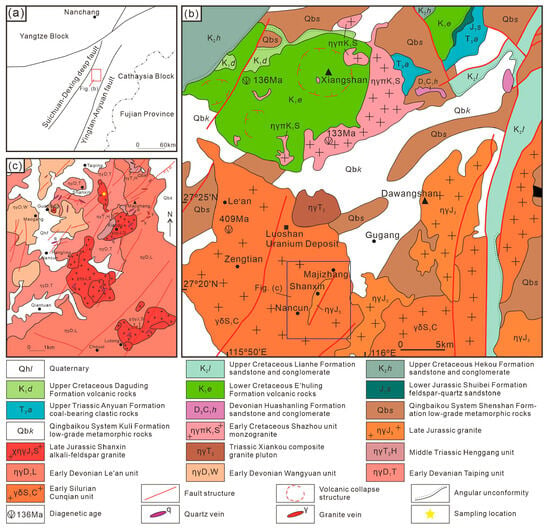
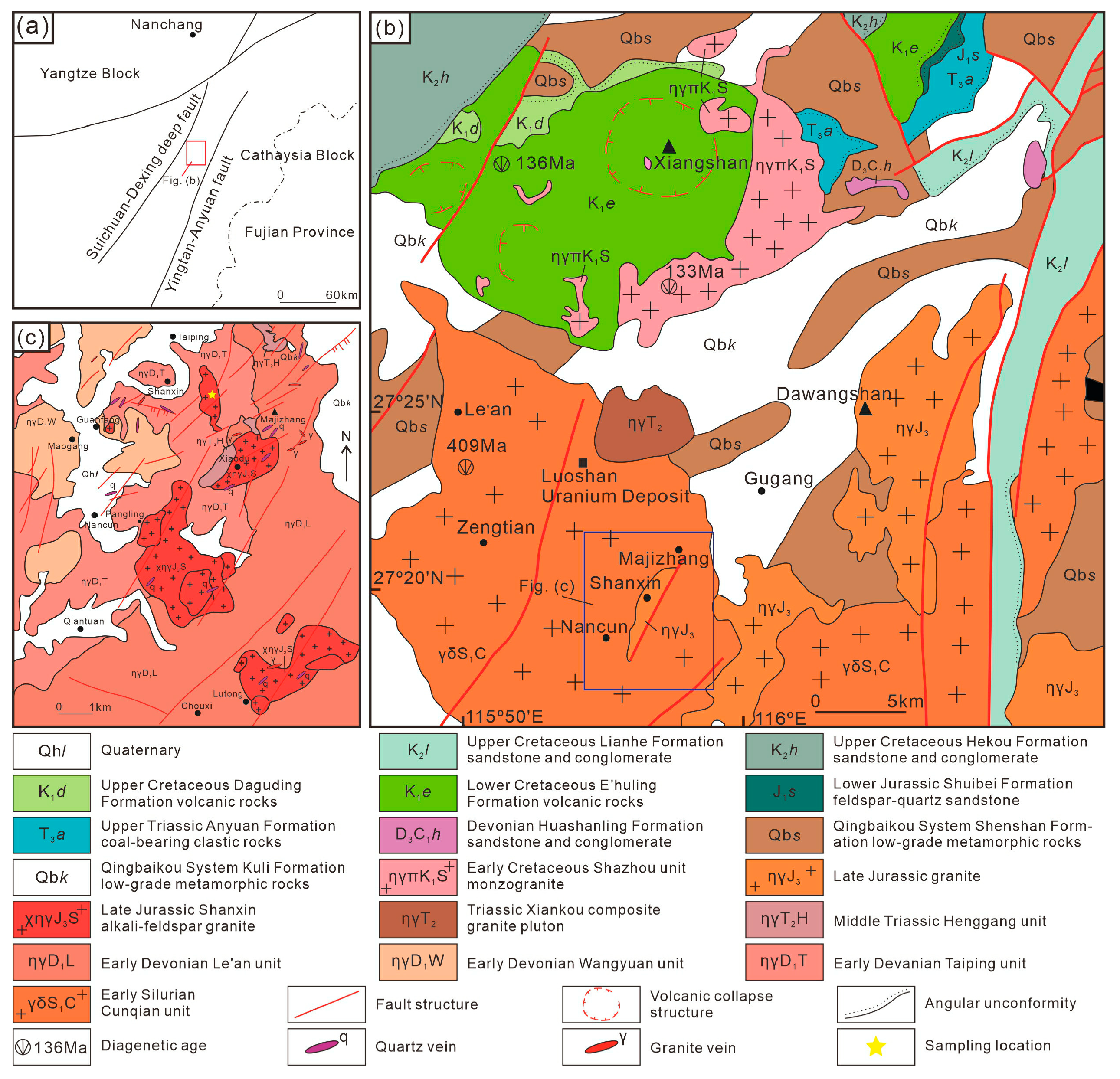
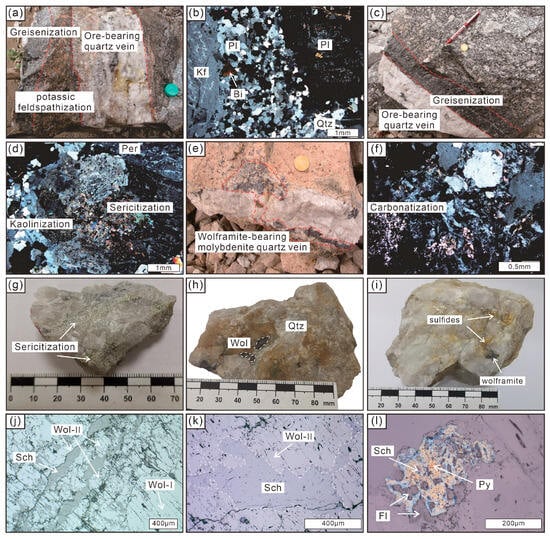
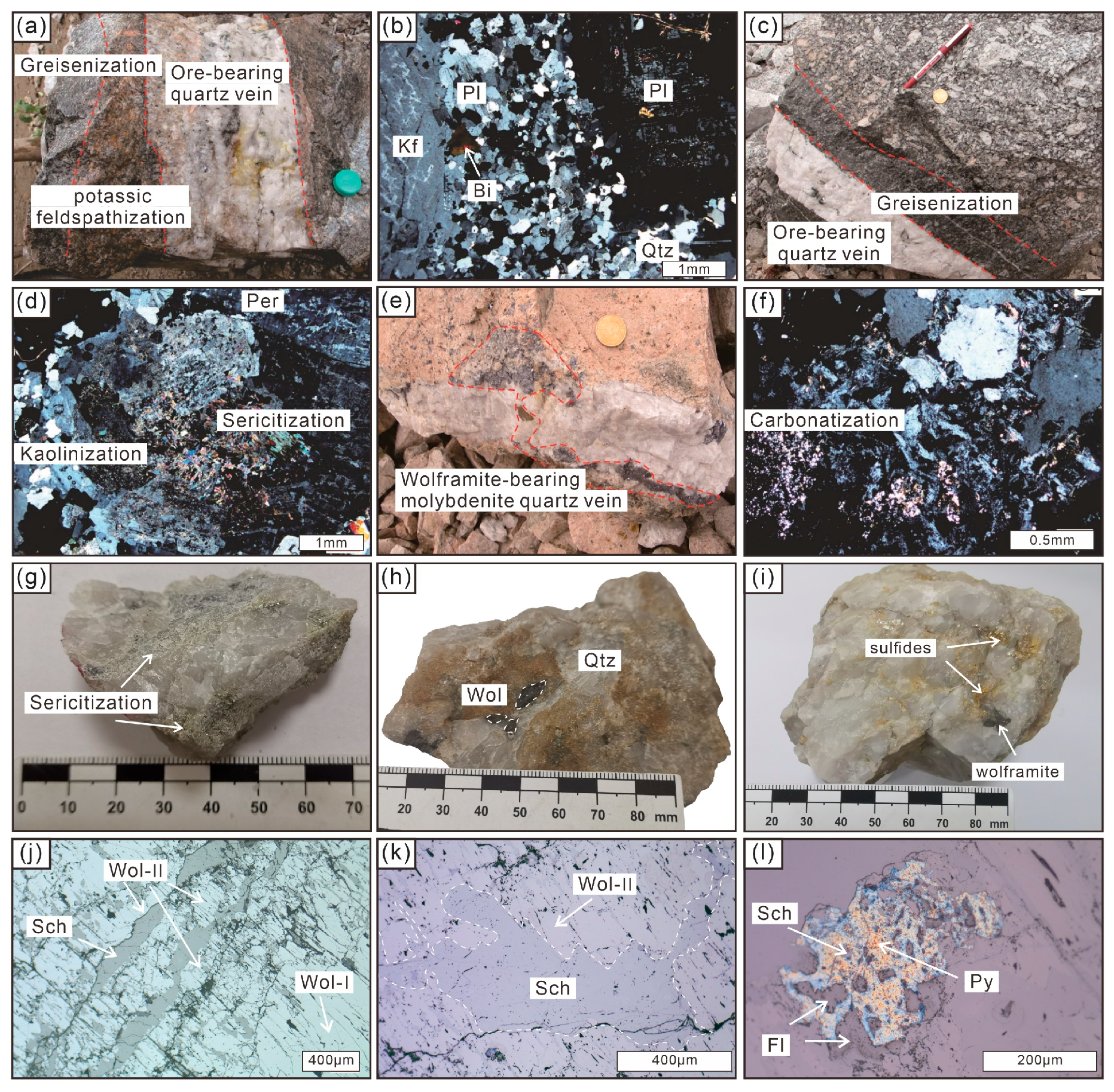
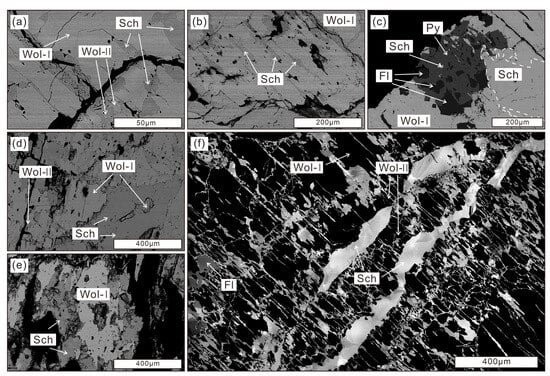
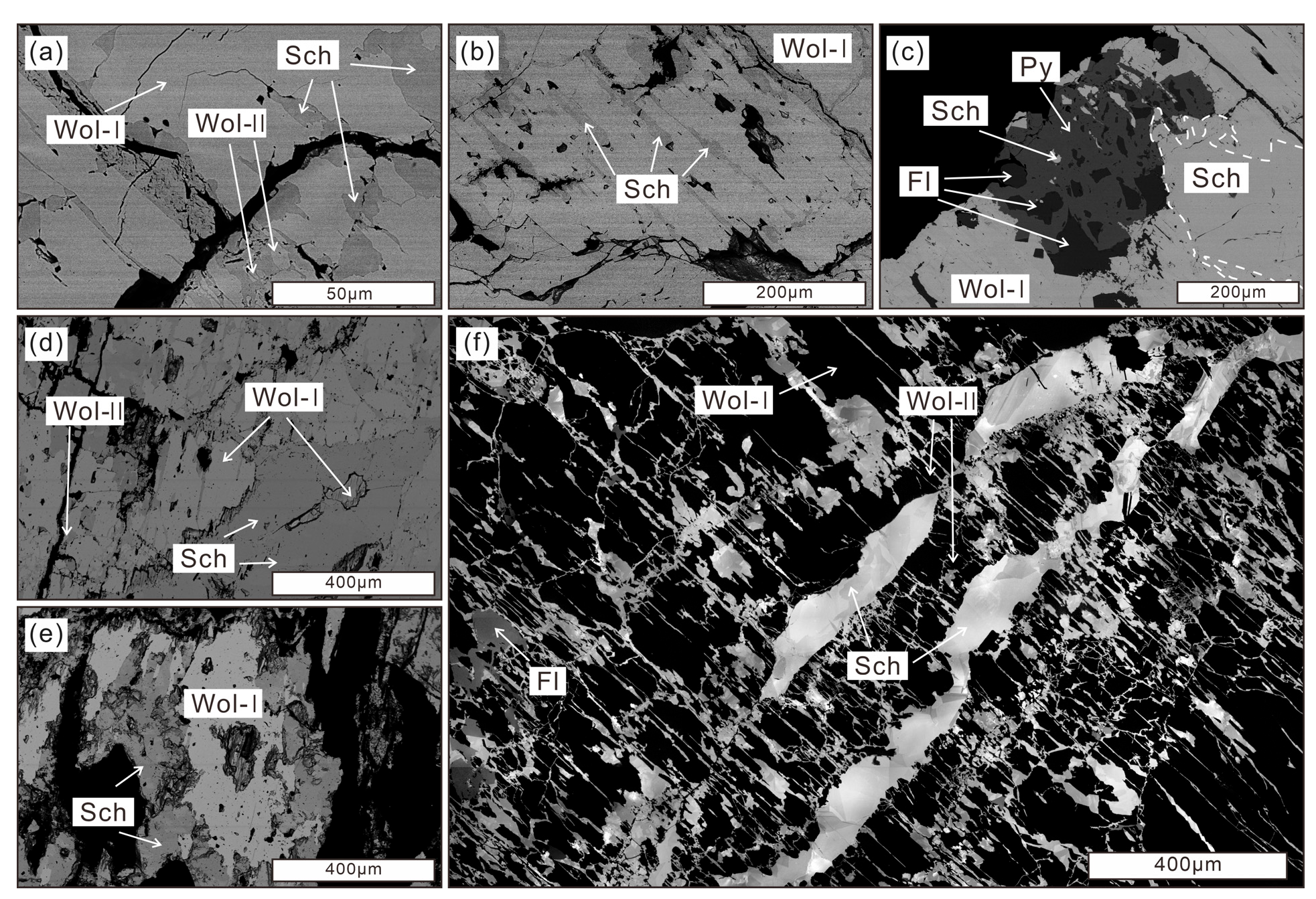
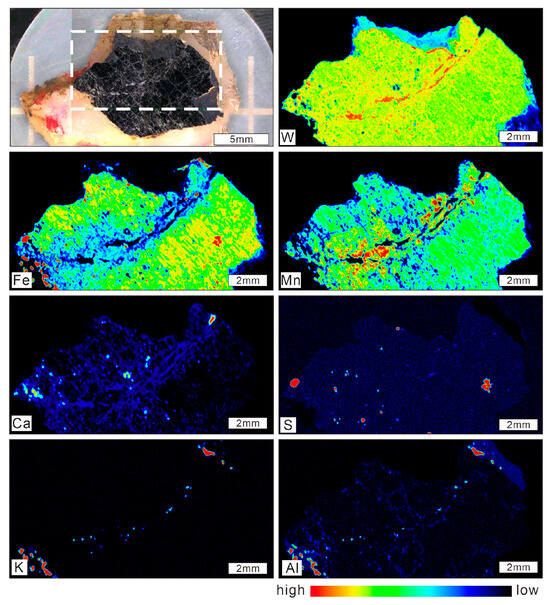
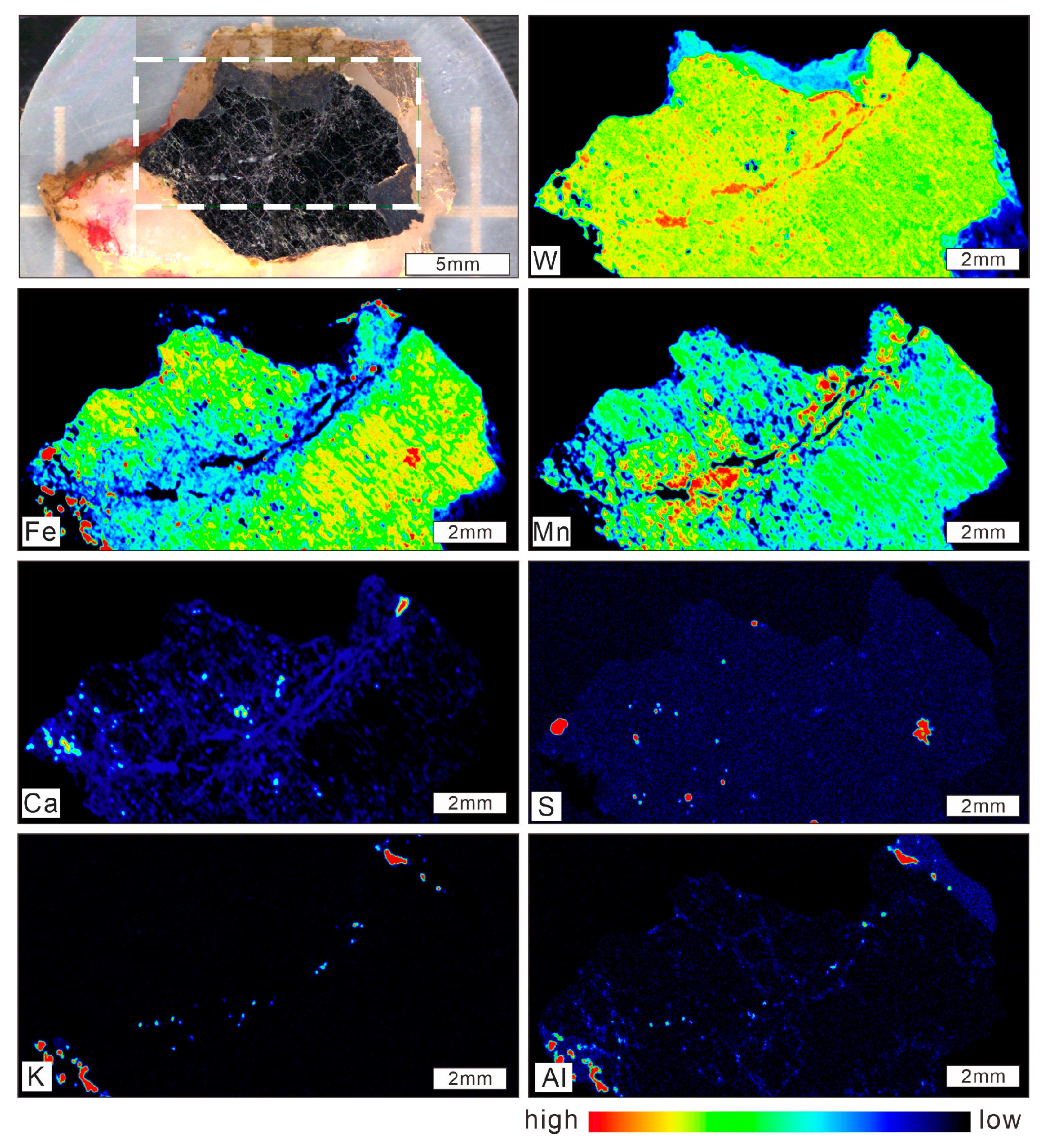
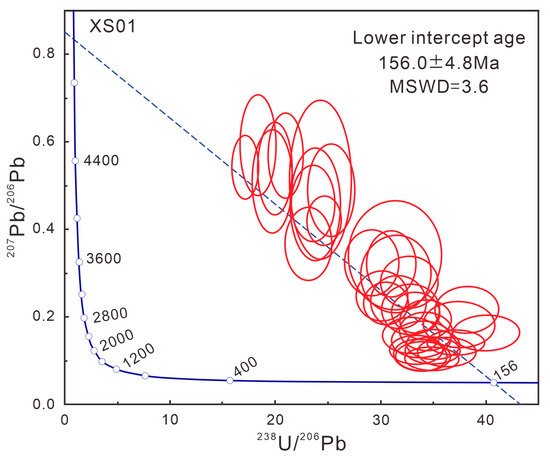
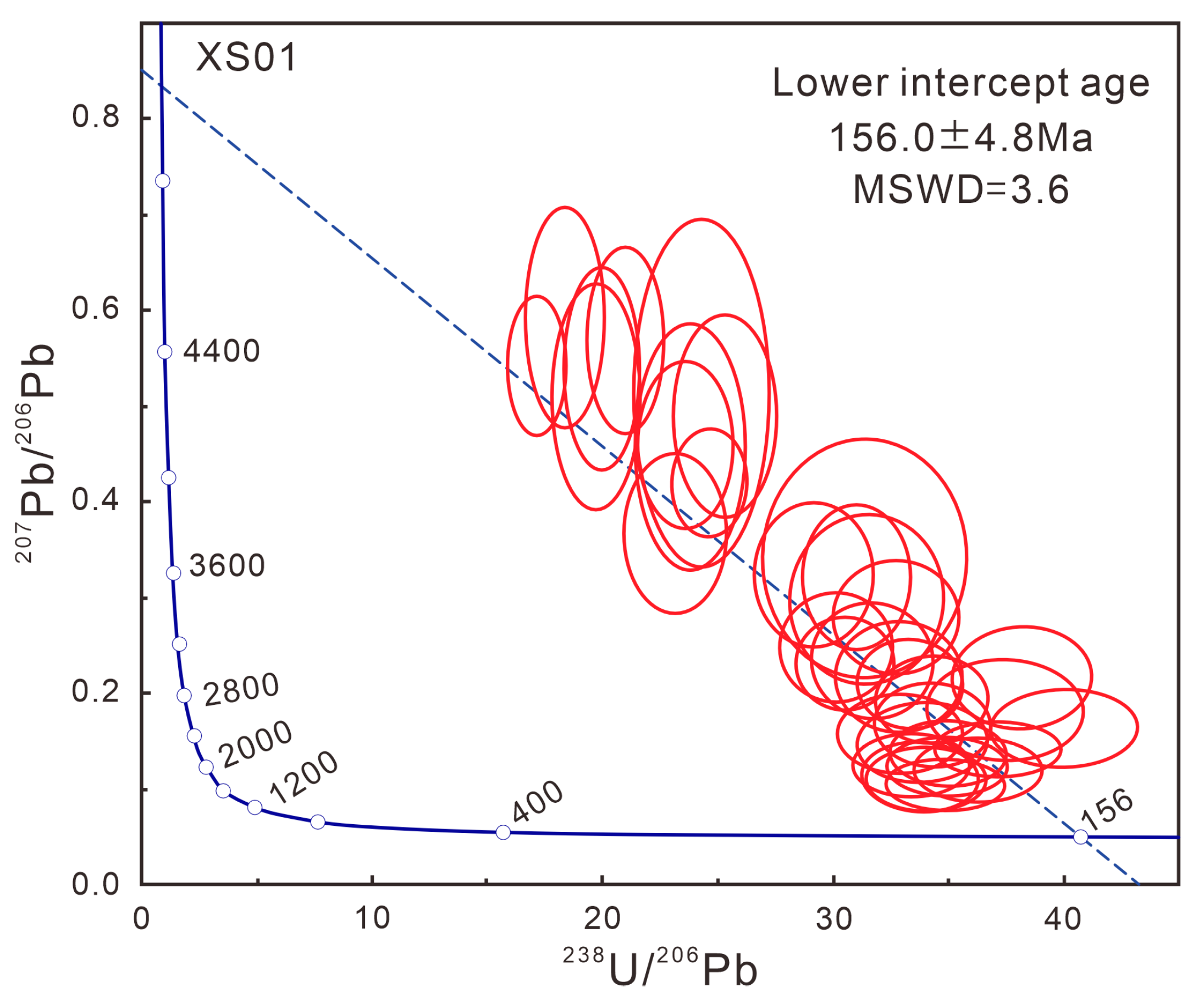
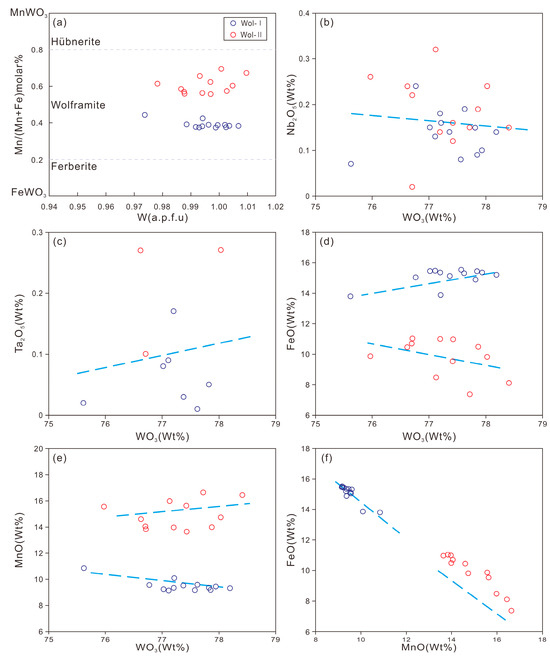
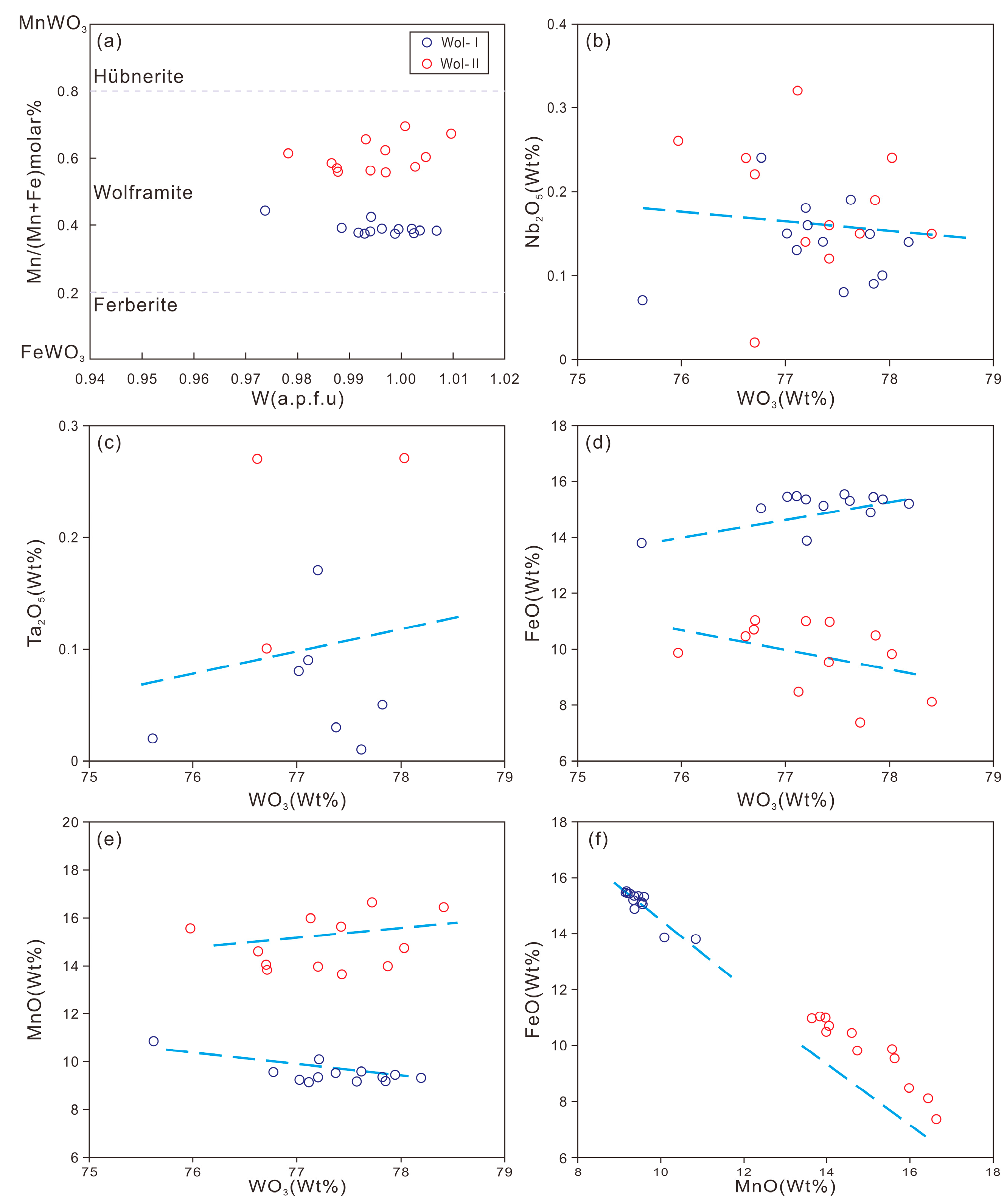
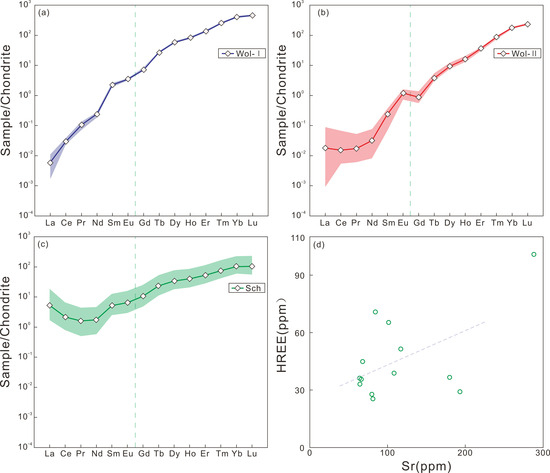
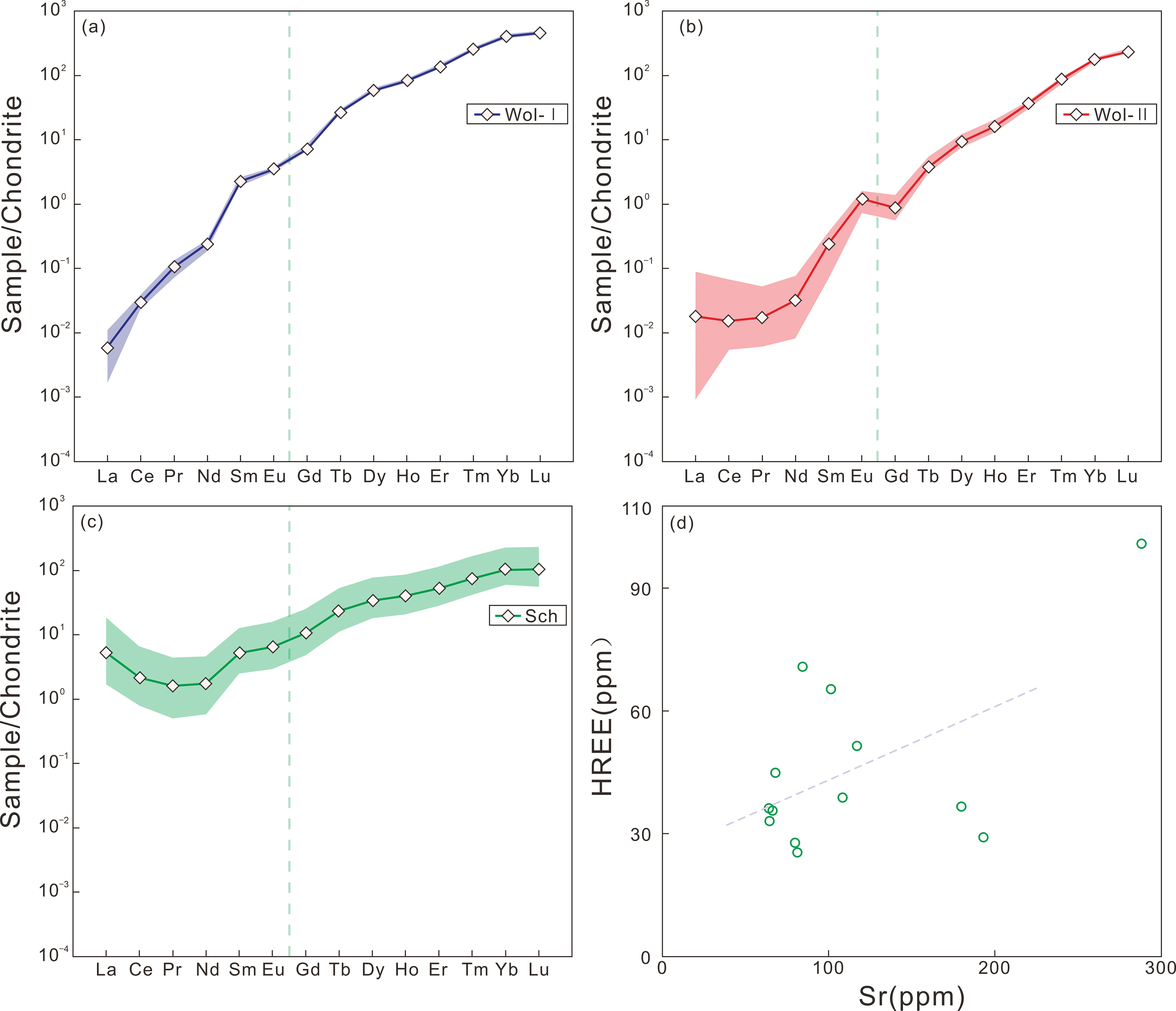
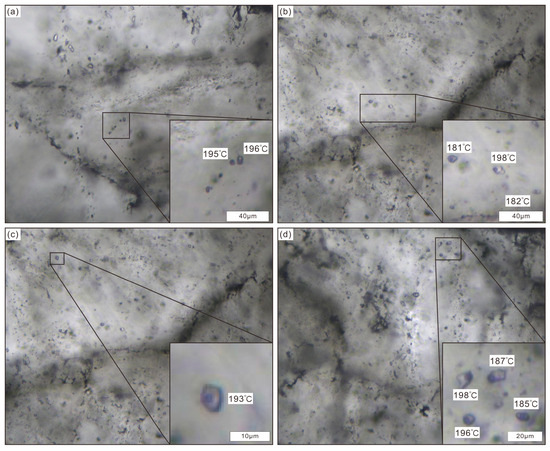
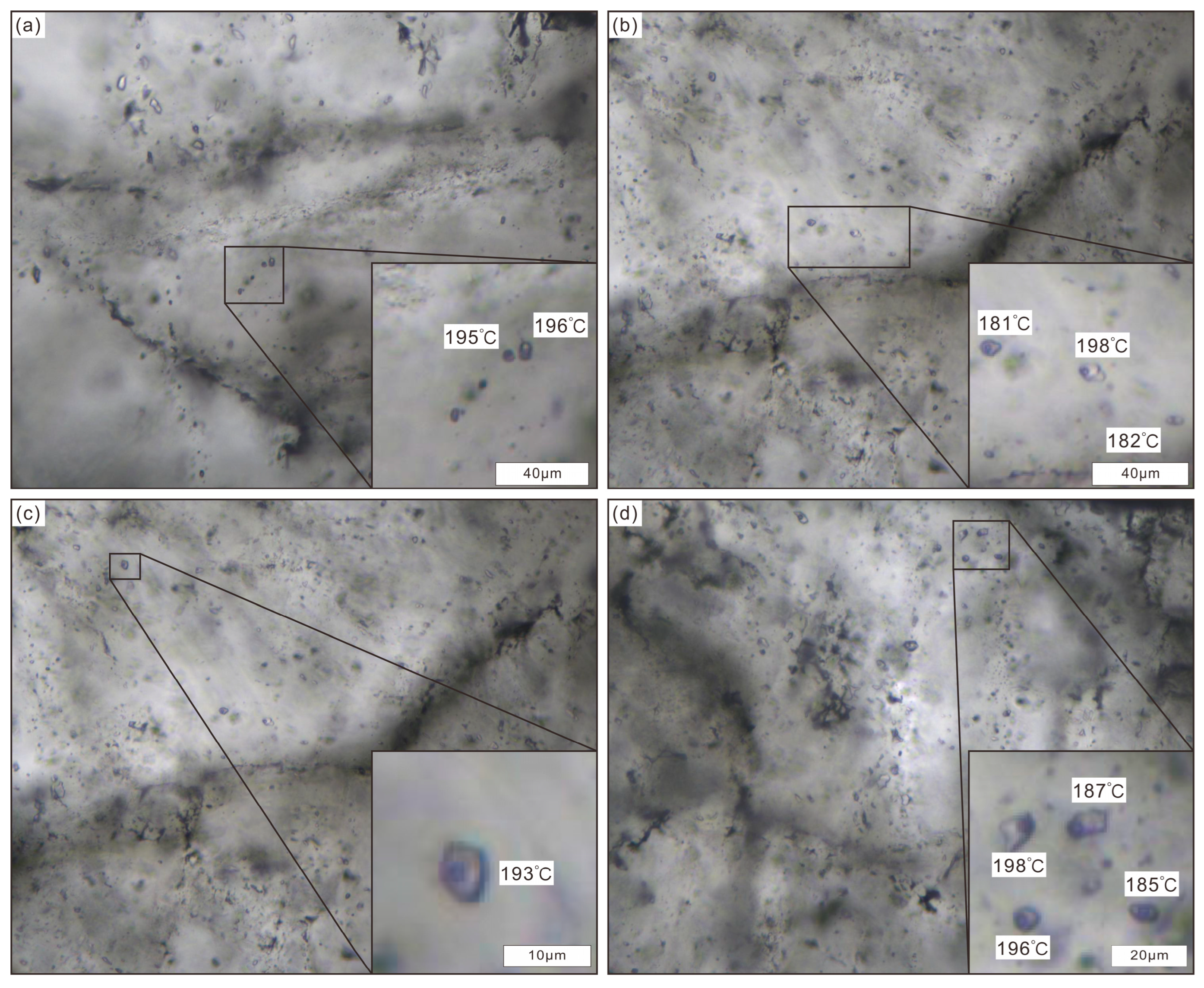
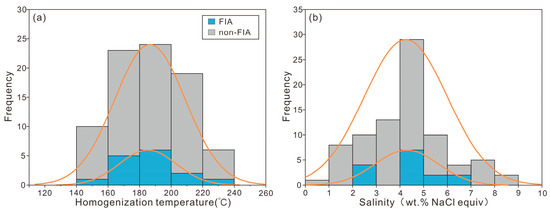
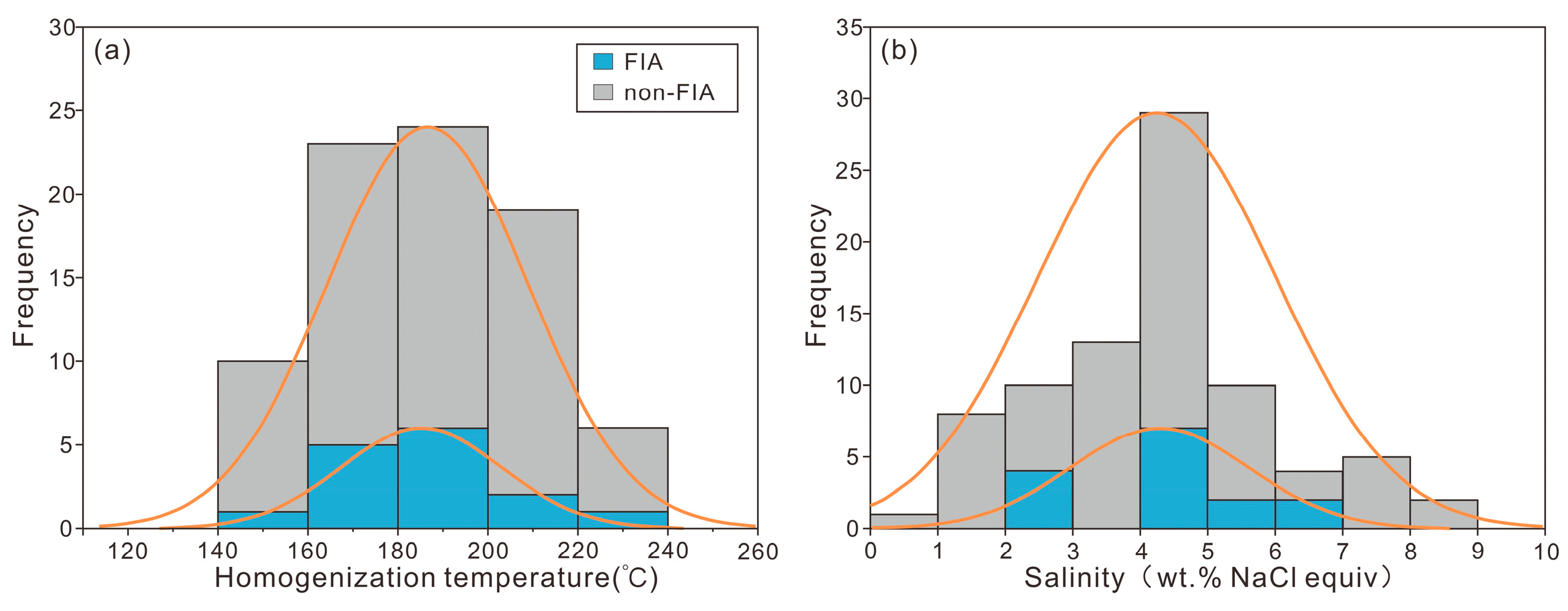
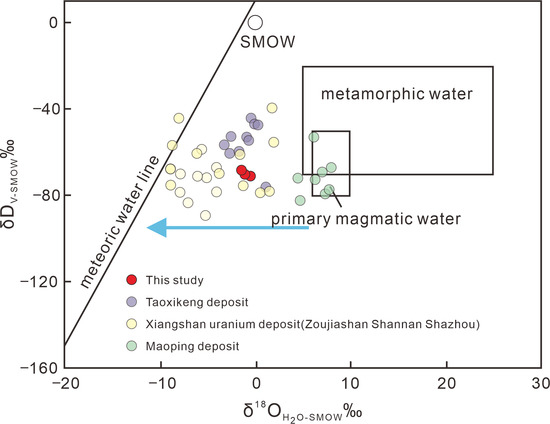
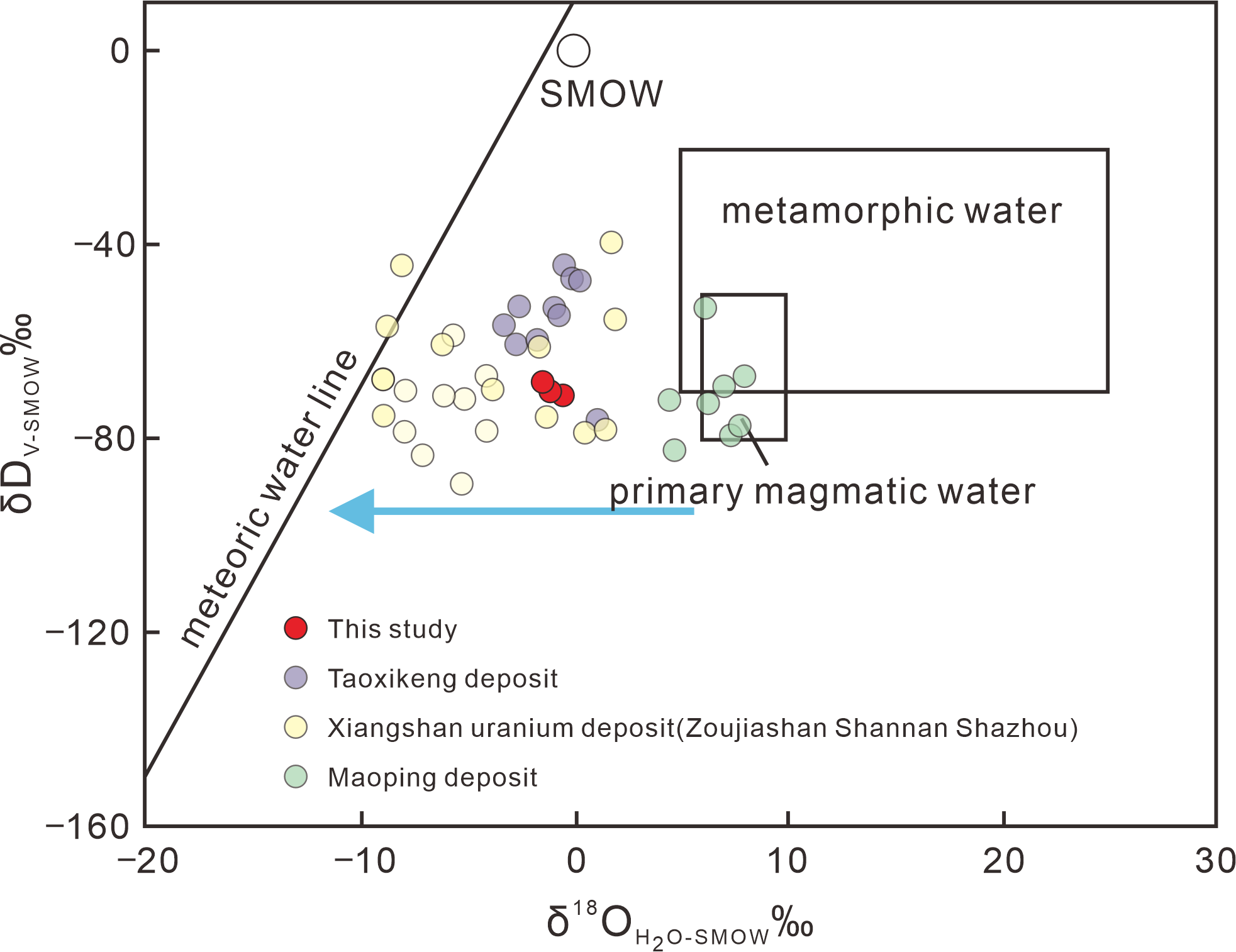
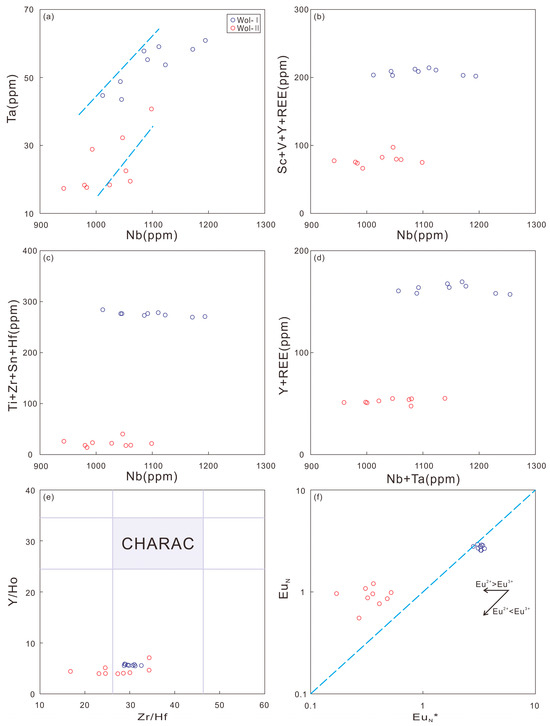
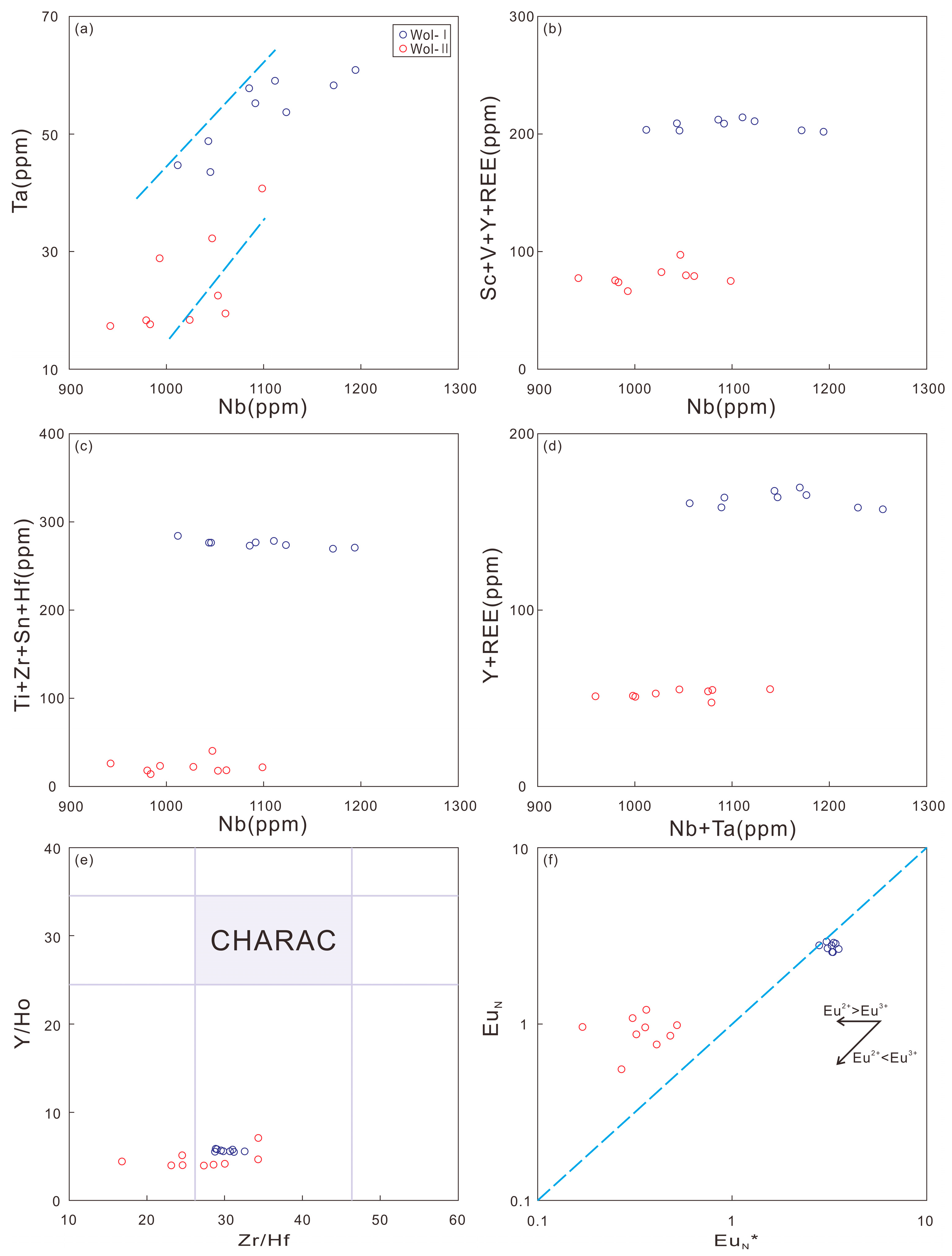
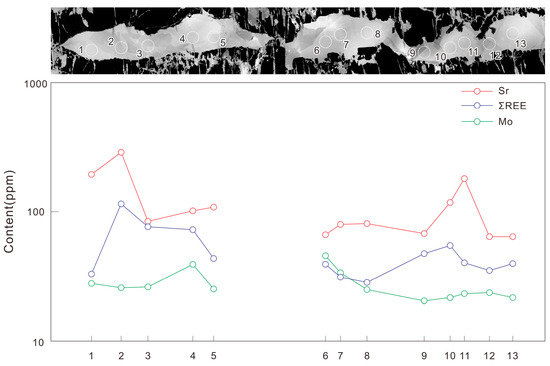
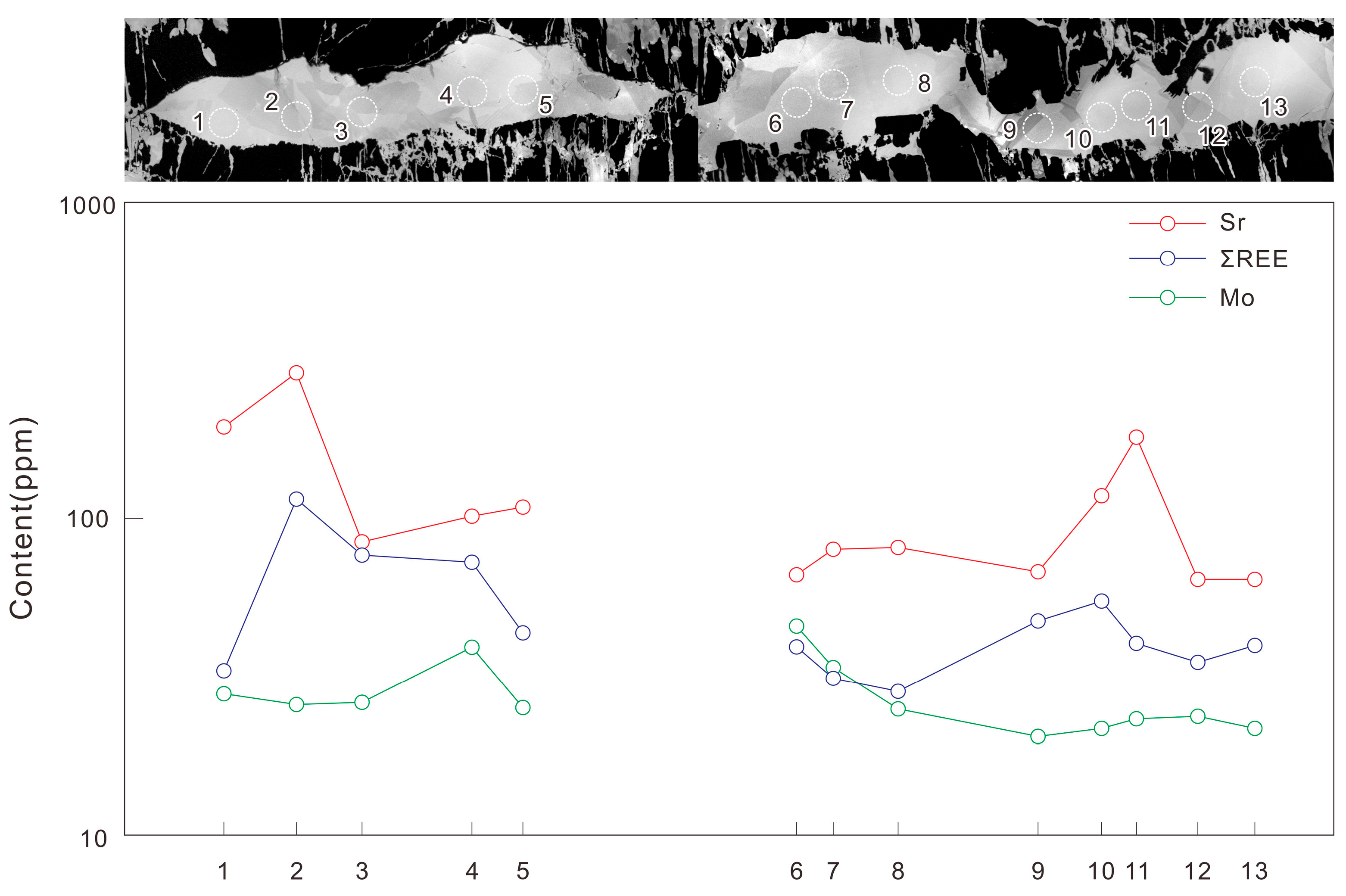
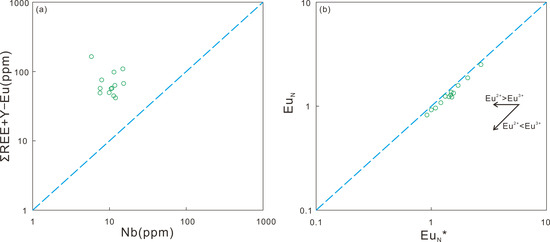
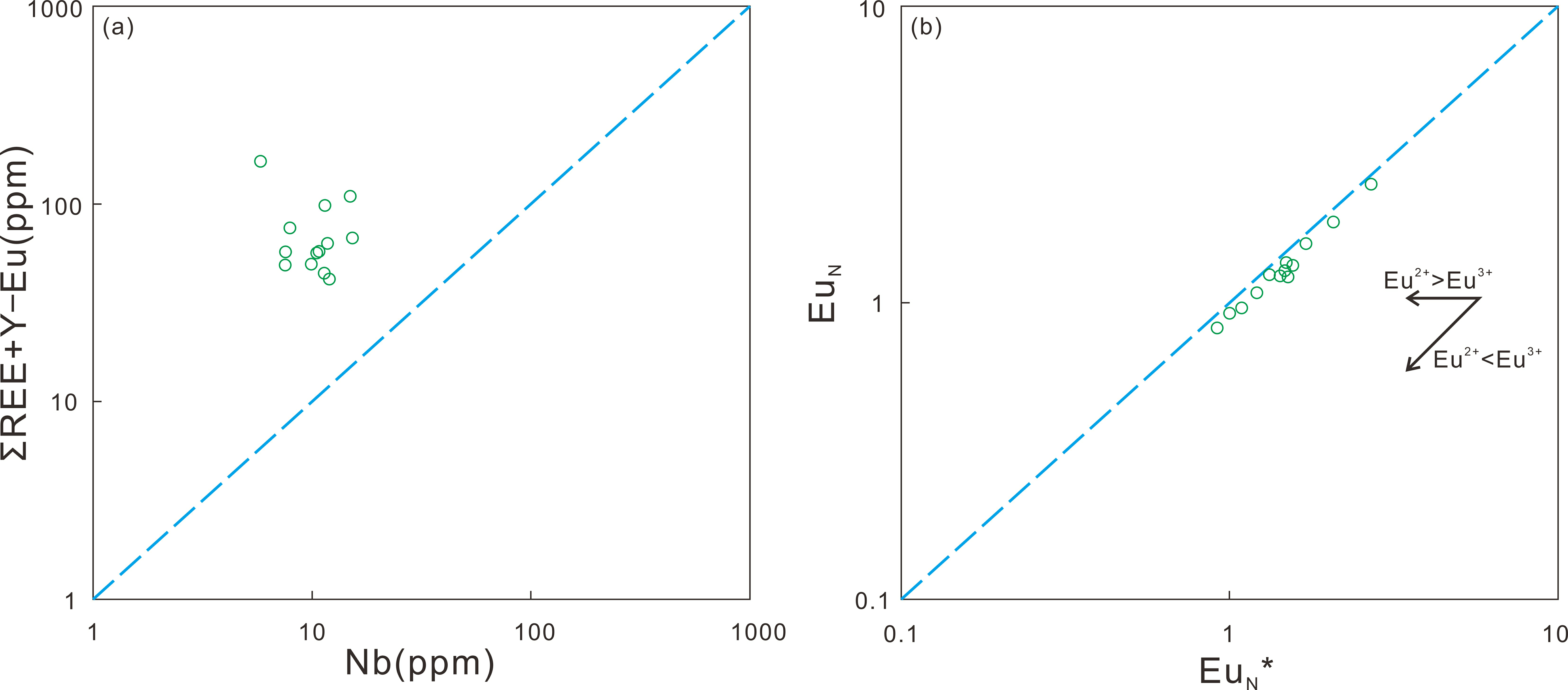
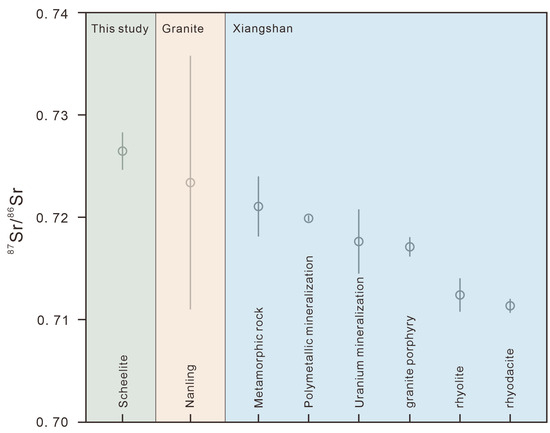
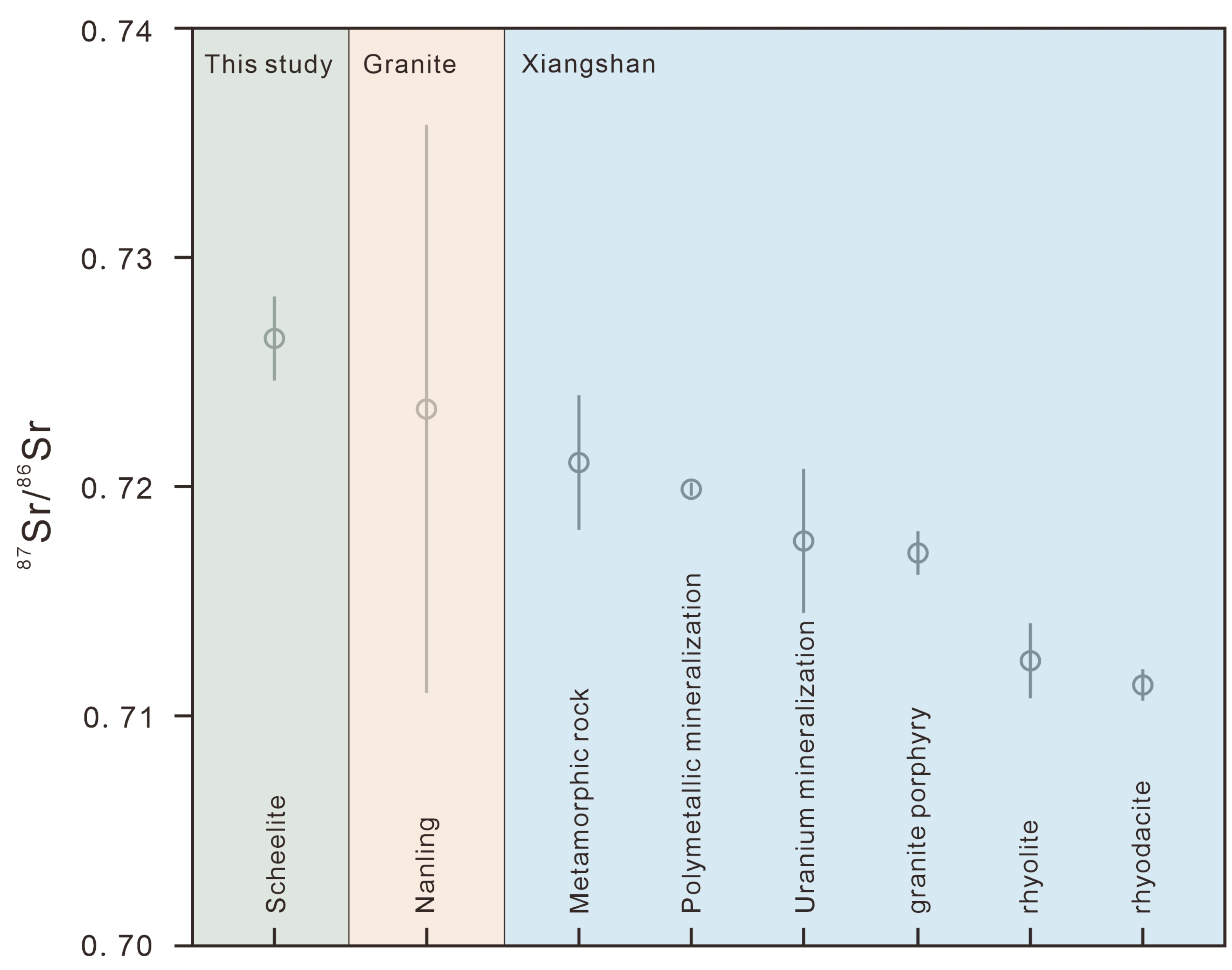
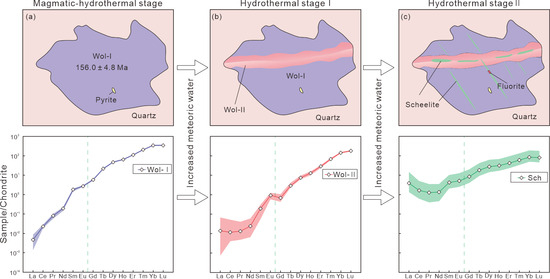
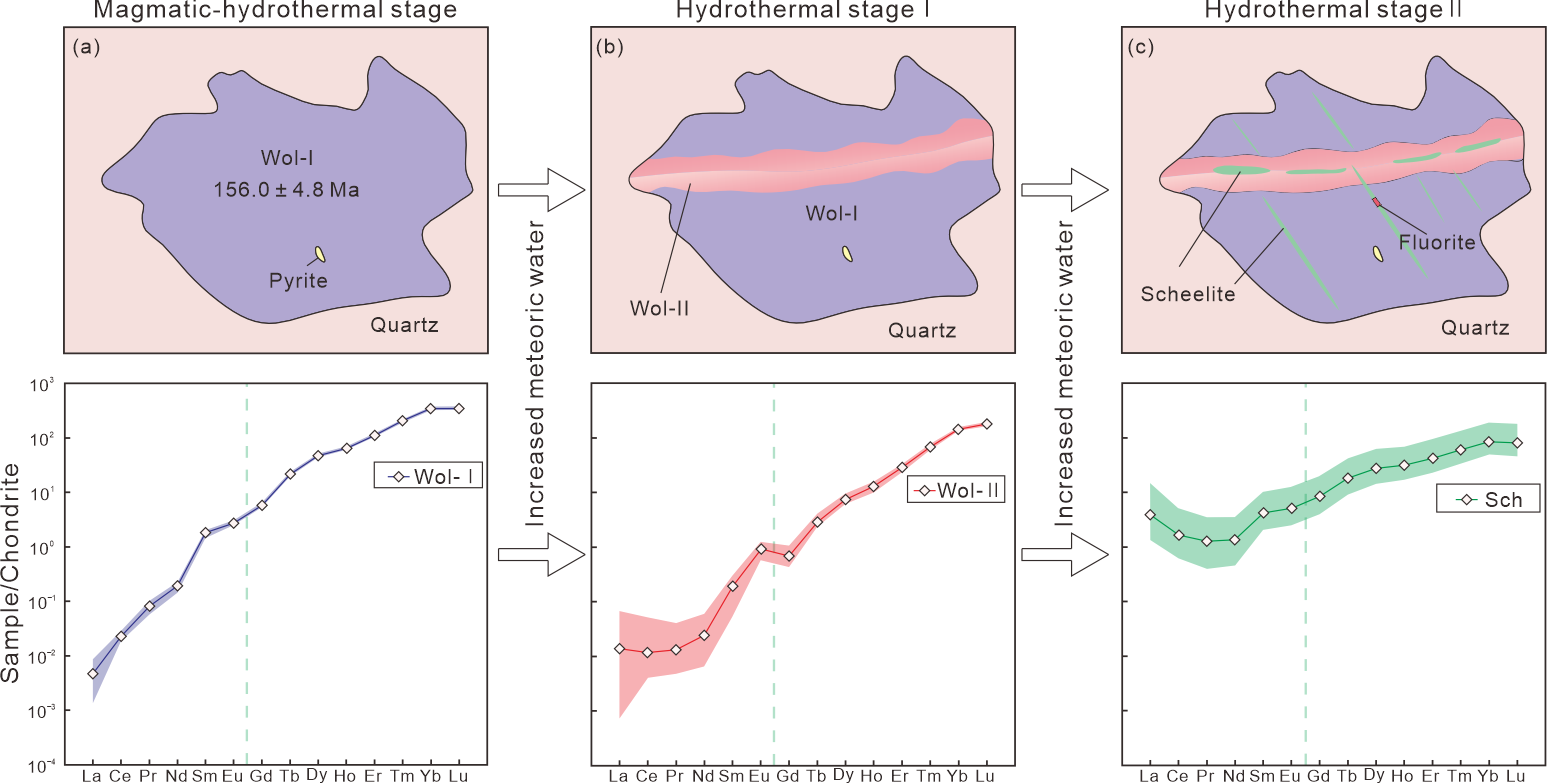
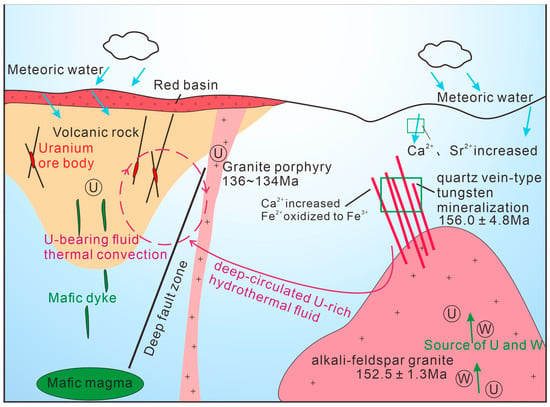
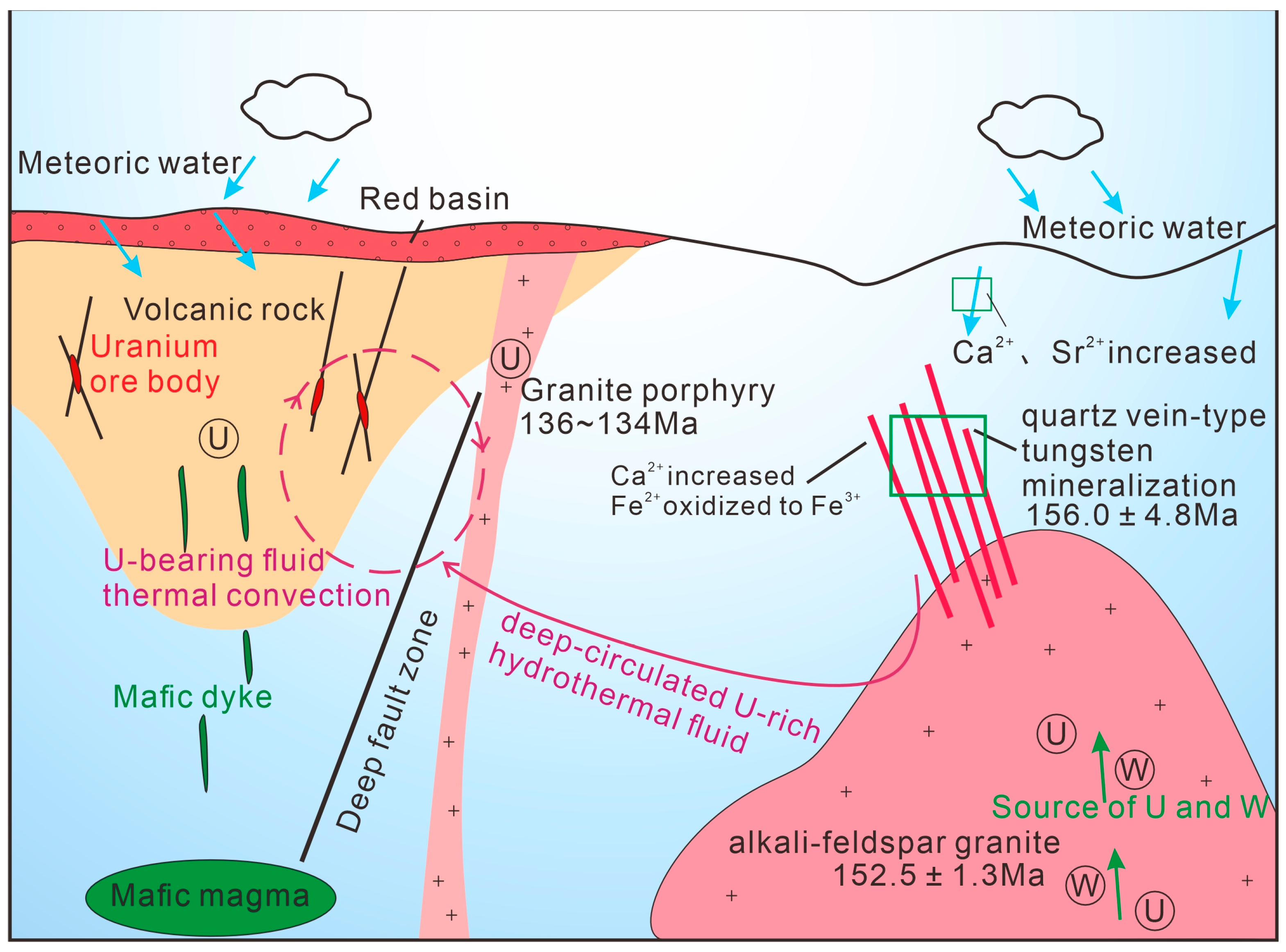
Disclaimer/Publisher’s Note: The statements, opinions and data contained in all publications are solely those of the individual author(s) and contributor(s) and not of MDPI and/or the editor(s). MDPI and/or the editor(s) disclaim responsibility for any injury to people or property resulting from any ideas, methods, instructions or products referred to in the content. |
© 2026 by the authors. Licensee MDPI, Basel, Switzerland. This article is an open access article distributed under the terms and conditions of the Creative Commons Attribution (CC BY) license.