


Abstract
Out-of-hospital cardiac arrest (OHCA) remains one of the leading causes of death worldwide, with patient survival strongly dependent on rapid defibrillation. Although unmanned aerial vehicles (UAVs) have recently been investigated for Automated External Defibrillator (AED) delivery, the existing solutions are predominantly based on low-speed multirotor platforms with limited operational range and cruise velocity. This paper presents the conceptual development and preliminary analyses of a high-speed VTOL tailsitter UAV intended for rapid AED delivery missions. The proposed flying-wing platform combines vertical take-off and landing capability, hover flight during payload deployment, and cruise flight at 160 km/h. The work includes initial design assumptions, mission profile definition, and preliminary propulsion-related analyses forming part of a broader UAV development project conducted at Wrocław University of Science and Technology. The presented study addresses the technological gap in high-speed medical UAV platforms capable of combining efficient forward flight with precise hover capability for emergency-response applications.
1. Introduction
Sudden cardiac arrest (SCA) remains one of the most serious challenges of modern emergency medicine and one of the leading causes of death worldwide. The effectiveness of rescue operations in cases of out-of-hospital cardiac arrest (OHCA) depends critically on the time required to deliver defibrillation [1,2]. Numerous studies indicate that the probability of patient survival decreases by approximately 7–10% with every minute of delay in defibrillation [3,4]. At the same time, it has been demonstrated that the use of an automated external defibrillator (AED) within less than 3 min after cardiac arrest can increase survival rates to as much as 74% in public spaces [2]. The importance of rapid intervention concerns not only patient survival itself, but also long-term neurological outcomes and post-resuscitation quality of life [5,6].
Despite the development of emergency medical systems and public access defibrillation (PAD) programs, in many cases the response time of emergency services remains insufficient [7,8]. This problem is particularly evident in rural, suburban, and difficult-to-access areas, where the arrival time of emergency medical teams often exceeds 6–8 min [7,8]. In addition, most cases of sudden cardiac arrest occur in residential environments, where AED availability is limited and the use of publicly accessible defibrillators remains extremely low, accounting for less than 3% of OHCA cases [8]. The barriers include not only the insufficient number of devices, but also limited public awareness, lack of knowledge regarding AED locations, and legal or psychological concerns associated with their use [9,10,11].
In response to the limitations of traditional medical equipment delivery models, increasing attention has been devoted to unmanned aerial vehicles (UAVs) for the rapid transportation of AEDs directly to the incident location [12,13,14]. Simulation studies and early pilot implementations have demonstrated that drones can reach emergency scenes faster than conventional emergency medical services, particularly in regions distant from urban centers [13,14,15,16]. In rural environments, the delivery time of an AED may be reduced by up to 19 min compared with traditional ground transportation [13]. Moreover, the effectiveness of UAV-based delivery missions exceeds 90%, confirming the significant potential of this technology for emergency medical systems.
To date, most studies have focused primarily on simulation models and pilot projects, while large-scale clinical analyses evaluating the impact of UAV-AED systems on actual patient survival rates are still lacking [17,18,19].
Therefore, there is a clear need for further research on rapid medical equipment delivery methods in sudden cardiac arrest scenarios, particularly with the use of unmanned aerial vehicles. Analysing the effectiveness of such solutions, their integration with emergency medical systems, and the evaluation of implementation barriers may contribute to the development of more effective response models for OHCA, thereby increasing survival rates and improving neurological outcomes for patients.
This article addresses the identified research gap by demonstrating the feasibility of developing a drone capable of operating at significantly higher speeds than currently used UAV platforms for AED delivery in sudden cardiac arrest situations. This work represents the first stage of research aimed at reducing the time required to initiate resuscitation after the occurrence of cardiac arrest. The paper presents the conceptual design studies and preliminary calculations conducted as part of the development of a tailsitter unmanned aerial vehicle prototype capable of transporting an AED at a cruise speed of 160 km/h. The project is being carried out by a research team from the Wrocław University of Science and Technology (Poland) and is supported by the National Centre for Research and Development in Poland.
The remainder of this paper is organized as follows. Section 2 reviews existing UAV-based medical delivery systems and identifies current technological limitations. Section 3 defines the operational requirements for the proposed AED delivery UAV. Section 4 presents the preliminary conceptual design process, including mission assumptions, aerodynamic configuration, propulsion system selection, and performance estimations. Finally, Section 5 concludes the paper and discusses future research directions.
2. Literature Review
The application of unmanned aerial vehicles (UAVs) in medical logistics and emergency response has been increasingly investigated in recent years. Particular attention has been given to the delivery of automated external defibrillators (AEDs) to patients suffering from out-of-hospital cardiac arrest (OHCA), where the reduction in time between cardiac arrest and first defibrillation is a critical factor affecting patient outcome. Several studies have demonstrated that UAV can reduce the response time compared with conventional ground-based emergency medical services, particularly in rural, remote, congested, or otherwise difficult to access areas [20,21,22,23].
Abeygunawaradana et al. [24] proposed E-Medic, an autonomous UAV healthcare system integrating medical delivery with communication and telemedicine functions. The emphasis of this work was primarily placed on system architecture, communication, and the interaction between the UAV and medical personnel rather than on the aerodynamic optimization of the aircraft. Similarly, Sanjana and Prathilothamai [25] developed a quadcopter intended for first-aid kit delivery in emergency situations. Lakshmi et al. [26] and Bitar et al. [27] investigated other UAV medical emergency concepts, focusing mainly on system integration, payload delivery, and operational scenarios. Nagarani et al. [28] proposed an UAV capable of transporting a medical payload of approximately 0.5 kg. These studies confirm the feasibility of UAV-supported emergency medical logistics, but their primary focus is generally placed on mission functionality rather than on achieving high cruise velocity or optimizing the aerodynamic performance of the aircraft.
The development of dedicated AED delivery UAVs has also been investigated independently of general medical logistics. Singh et al. [29] proposed a drone ambulance concept based on a multirotor platform for transporting emergency medical equipment, including AEDs. Other studies have evaluated the use of UAVs for direct AED delivery to OHCA patients. A scoping review of UAV applications in OHCA reported that the investigated UAVs included both fixed-wing and multirotor platforms, with maximum velocities ranging from approximately 48.3 to 100 km/h and maximum ranges between 6 and 80.5 km [20]. Importantly, the review showed that the primary objective of the investigated systems was not maximum flight speed itself, but the reduction in total time required to deliver an AED to the emergency location.
One of the earliest and most frequently cited dedicated concepts is the Ambulance Drone developed at Delft University of Technology. The aircraft was designed specifically to transport an integrated defibrillator to a patient suffering cardiac arrest. Published analyses of this concept report a maximum speed of approximately 100 km/h, an operational radius of approximately 12 km, and an additional payload capacity of approximately 4 kg [21]. The concept demonstrated that a specialized UAV could substantially reduce AED transportation time compared with conventional ground-based emergency response. However, the aircraft remained significantly slower than the 160 km/h cruise velocity considered in the present work.
The Delft concept was subsequently used as a reference platform in studies investigating the strategic positioning of aerial ambulance drones. For example, a data-driven simulation study considered a UAV capable of carrying an integrated AED, travelling at 100 km/h and operating within a 12 km radius [21]. The results demonstrated the potential of appropriately positioned UAV stations to reduce the time between OHCA occurrence and AED delivery. Other optimization studies have similarly demonstrated that the strategic placement of AED-equipped drones can reduce response times, including in mountainous regions where conventional emergency response may be particularly difficult [22].
Another important line of research has involved experimental evaluation of commercially available multirotor platforms. In particular, the Sparrow X1000 platform was reported to have a maximum speed of 80 km/h, a range of approximately 25 km, and a maximum payload of 4.5 kg. In comparison, the InDro M210C platform had a maximum speed of 55 km/h and carried a smaller AED using an external holding mechanism [23]. This study is particularly relevant because it demonstrates that integration of an AED into an internal payload compartment is technically feasible. However, the maximum velocity of the aircraft was only half of the 160 km/h target considered in the present study.
Experimental studies using octocopter platforms have also investigated several methods of AED deployment. Claesson et al. evaluated UAV-based AED delivery using an aircraft with a maximum velocity of approximately 70 km/h. The AED was attached externally to the UAV and could be delivered using several methods, including parachute deployment, remote release, and landing of the UAV at the emergency site [13]. These experiments demonstrated the practical feasibility of delivering AEDs using multirotor platforms but also highlighted the importance of the delivery mechanism and the ability to safely position the payload close to the patient.
A similar approach was subsequently implemented by Everdrone. In its operational system, the UAV autonomously flies to the emergency location and delivers the AED using a winching mechanism rather than landing directly at the scene. During the clinical trial, the system operated at a preliminary maximum speed of approximately 70 km/h, with a one-way range of approximately 6 km. The AED was lowered from an altitude of approximately 30 m using a winch [14]. This configuration offers an important operational advantage because it eliminates the requirement for a suitable landing area. At the same time, the relatively low cruise velocity remains a limitation when the objective is to minimize response time over larger operational areas.
The practical potential of this approach has been demonstrated in real-world operations. Everdrone reported successful cases in Sweden in which an AED delivered by UAV reached the patient before the ambulance, enabling earlier defibrillation. In 2026, Everdrone introduced its next-generation E3 medical drone (with a maximum speed of 100 km/h), developed specifically for emergency medical applications and designed to transport defibrillators and other medical equipment. According to the manufacturer, the E3 is capable of reaching an emergency location in less than three minutes and is intended for continued operational deployment in Sweden and other European regions. These developments demonstrate that medical UAV systems are progressing from experimental prototypes toward operational emergency-response infrastructure.
A systematic review of UAVs in pre-hospital emergency medicine conducted by Surman and Lockey [30] identified a broad range of applications, including AED delivery, transport of blood products, delivery of medication, scene assessment, communication, and support of emergency response. The review incorporated both scientific and non-scientific sources because UAV development is frequently reported in engineering, industrial, and commercial publications rather than exclusively in medical journals. The authors emphasized that UAV technology can reduce response times but also identified technical, regulatory, environmental, and operational limitations that must be addressed before widespread deployment [30].
A more recent systematic review by Zhang et al. [17], based on literature published through September 2025, identified 53 relevant studies concerning UAV applications in pre-hospital emergency care. The reviewed applications included OHCA, trauma care, emergency medical logistics, disaster response, AED delivery, blood-product transportation, critical drug delivery, aerial imaging, and command coordination. The authors concluded that UAVs can improve the speed and coverage of pre-hospital emergency care, while identifying technical reliability, regulation, funding, and integration with existing emergency medical systems as major barriers to wider implementation [17].
A broader systematic literature review by Habibi et al. [31] examined 136 primary publications concerning UAV applications in healthcare and emergency services. The review confirmed the growing role of UAVs in AED delivery, blood transportation, medical supply delivery, search and rescue, and disaster management. Importantly, the review demonstrates that medical UAV research is a multidisciplinary field extending beyond aircraft design into logistics, healthcare organization, autonomous operation, communication, and regulatory aspects [31].
Although these studies demonstrate significant potential for UAV-based medical delivery, a clear technological trade-off remains between multirotor and fixed-wing configurations. Conventional multirotors provide excellent VTOL capability, hovering, low-speed maneuverability, and accurate payload deployment. These characteristics are particularly useful when the UAV must operate from confined locations or deliver an AED without landing. However, multirotor aircraft generate the majority of their lift through continuously operating rotors, which results in relatively high power consumption during forward flight and limits their cruise efficiency and maximum speed.
Conversely, fixed-wing UAVs can achieve substantially higher cruise speeds and longer endurance because aerodynamic lift is generated by the wing rather than by continuous rotor thrust. However, conventional fixed-wing aircraft require a runway, launch system, or suitable landing area and cannot normally hover at the delivery location. This limitation is particularly relevant to AED delivery because an OHCA event can occur at an arbitrary location without any prepared landing infrastructure.
The limitations of conventional multirotor and fixed-wing configurations have motivated the development of hybrid VTOL aircraft. Hybrid VTOL UAVs combine vertical take-off and landing capability with efficient forward flight. Recent reviews classify these systems into several major configurations, including tilt-rotor, tilt-wing, tilt-body, lift-plus-cruise, and other hybrid arrangements [32]. Such configurations are increasingly investigated for cargo transport, surveillance, agriculture, inspection, search and rescue, and other applications requiring a combination of VTOL flexibility and efficient cruise flight.
Misra et al. [33] presented a comprehensive review of VTOL tilt-rotor and tilt-wing UAVs. The authors identified the ability to combine vertical take-off and landing with efficient fixed-wing flight as the principal advantage of these configurations. At the same time, the transition between hover and forward flight introduces significant aerodynamic and control challenges. These include rapid changes in aerodynamic forces and moments, propeller-wing interaction, nonlinear aircraft dynamics, and variations in trim conditions throughout the flight envelope [33].
Rohr et al. [34] investigated these problems experimentally using a VTOL tilt-wing UAV. The study included mathematical modeling, controller design, and flight testing covering hover, transition, and cruise phases. The developed model accounted for aerodynamic effects including propeller slipstream and post-stall airfoil behavior. The results demonstrated that the transition phase represents a particularly demanding flight condition due to the strong nonlinear variation in aerodynamic characteristics and actuator requirements [34].
Another example of a medical VTOL platform was presented by Cicin et al. [35], who developed a compact three-rotor VTOL UAV for medical drug transportation. The aircraft was designed for runway-independent operation and incorporated a relatively large fuselage volume to increase payload capacity. The experimental aircraft had a cruise velocity of approximately 17.55 m/s, corresponding to approximately 63 km/h, and a payload capacity of approximately 1 kg [35]. Although this study demonstrates the feasibility of integrating medical payloads into a hybrid VTOL aircraft, its cruise velocity remains substantially lower than 160 km/h.
These results demonstrate that hybrid VTOL configurations offer a promising solution for medical UAV applications, but also reveal a substantial research challenge. Increasing cruise velocity requires the aircraft to transition efficiently from rotor-borne flight to wing-borne flight while maintaining sufficient control authority and ensuring safe operation during all flight phases. This problem becomes particularly important when the aircraft is designed around a lightweight flying-wing or tailsitter configuration.
2.1. Comparison of Existing Medical UAV Configurations
The available literature demonstrates a clear evolution in the design of UAVs for emergency medical applications. Early systems were predominantly multirotor platforms optimized for hovering and simple payload delivery. Subsequently, specialized AED UAVs were developed, followed by operational systems incorporating autonomous navigation and winch-based delivery. More recently, hybrid VTOL and flying-wing configurations have emerged as a means of increasing cruise velocity and operational range.
The principal characteristics reported in the literature is summarized in Table 1.
Table 1.
A comparison of the specifications of medical drones used to transport AEDs.
The comparison indicates that the principal limitation of earlier AED systems was not the ability to transport the medical payload itself, but the combination of high-speed cruise, VTOL capability, and efficient payload delivery. The Sparrow X1000 is particularly important because it demonstrates internal AED carriage at a maximum speed of 80 km/h [23]. The Delft Ambulance Drone reached approximately 100 km/h while carrying an integrated AED [21].
2.2. Contribution and Novelty of the Present Study
The literature review therefore indicates that the research gap should be formulated more precisely than simply as the absence of high-speed medical UAVs.
The existing research can be divided into four major groups. The first group consists of conventional multirotor UAVs used for medical payload delivery. These systems offer excellent hovering and VTOL performance but are generally constrained by relatively low cruise speeds and limited energy efficiency during forward flight. The second group consists of fixed-wing medical delivery UAVs, which provide improved cruise efficiency and range but lack the ability to hover and operate from arbitrary locations. The third group comprises hybrid VTOL systems, including tilt-rotor and tilt-wing aircraft, which seek to combine the advantages of both configurations but introduce substantial transition and control challenges. The fourth group consists of specialized flying-wing or tailsitter systems, represented by the SkyRes concept, which demonstrate the feasibility of combining VTOL capability, hovering, and cruise speeds approaching 160 km/h.
Consequently, the current state of the art does not support the claim that no UAV exists that can transport an AED and reach 160 km/h. Rather, the literature demonstrates that such a combination has recently been proposed and developed. The remaining scientific challenge is to establish and experimentally validate the complete performance of such a system under realistic emergency-mission conditions.
In particular, relatively limited attention has been devoted to the relationship between aircraft aerodynamic characteristics and the actual end-to-end emergency response time. Maximum airspeed alone does not determine the effectiveness of an AED UAV. The mission time also depends on take-off and transition duration, acceleration, climb, cruise distance, deceleration, hovering, payload deployment, and environmental conditions. A platform capable of 160 km/h may therefore not necessarily provide a proportional reduction in response time if the transition and deployment phases introduce significant delays.
Furthermore, the existing literature provides limited experimental analysis of the influence of an internally or semi-integrated AED payload on the aerodynamic characteristics, stability, controllability, and energy consumption of a high-speed VTOL flying-wing UAV. This aspect is particularly important because the mass, volume, and location of the medical payload can modify the aircraft center of gravity and aerodynamic configuration.
Another insufficiently investigated issue is the performance of high-speed medical UAVs under realistic atmospheric disturbances. Medical emergency missions cannot generally be planned for ideal atmospheric conditions. Wind, gusts, turbulence, and temperature influence both the achievable ground speed and the energy required to complete the mission. For a system designed to operate over an 8 km emergency radius, these effects can have a direct influence on the ability to satisfy a predefined response-time requirement.
The transition between VTOL and cruise flight is another critical research area. Although tilt-wing and other hybrid VTOL configurations have been extensively studied [30,31,38,39,40,41], considerably fewer studies have investigated the transition of a lightweight tailsitter flying-wing UAV specifically in the context of an emergency medical mission. The aircraft must remain controllable while its aerodynamic characteristics change rapidly and while the propulsion system changes from primarily lift-generating operation to efficient forward flight.
Against this background, the present research investigates a high-speed VTOL UAV dedicated to rapid AED delivery. The proposed approach combines a tailsitter/flying-wing aerodynamic architecture with VTOL capability, high-speed cruise flight, and a dedicated AED delivery mechanism.
The contribution of the study is therefore not claimed solely as the introduction of a UAV capable of reaching 160 km/h. Instead, the objective is to provide a detailed engineering and experimental assessment of the aircraft and its mission performance, with particular emphasis on the relationship between aerodynamic characteristics, flight performance, payload integration, and emergency response time.
3. Operational Requirements
Based on the analysis of the available scientific literature concerning the application of unmanned aerial vehicles in emergency medical services, it was found that although numerous studies describe the potential operational benefits and simulation results of automated external defibrillator (AED) delivery using UAVs, the design requirements are rarely formulated explicitly and systematically from an engineering perspective. In particular, most studies focus on analysing reductions in AED delivery time, the safety of user interaction, and integration with emergency response systems, without directly translating these aspects into a set of measurable operational requirements.
Therefore, based on the conducted literature review and the identification of common assumptions and limitations present in the analysed mission scenarios, it was necessary to formulate a coherent set of operational requirements (Table 2). These requirements constitute the starting point for the subsequent stages of the conceptual design process of an unmanned aerial vehicle dedicated to AED delivery in sudden cardiac arrest scenarios.
Table 2.
Set of Operational Requirements for an Unmanned Aerial Vehicle Carrying an AED.
4. Preliminary Design Assumptions
This section presents the preliminary assumptions developed in response to the operational requirements formulated in Section 3.
4.1. Mission Profile
The analysis of the preliminary operational requirements (Section 3) influenced the selection of a mission profile corresponding to the need for rapid AED delivery to victims of sudden cardiac arrest, both in urban environments and in sparsely populated areas.
The mission profile constitutes the basis for defining the operational requirements and design parameters of the unmanned aerial vehicle intended for the delivery of an Automated External Defibrillator (AED). In the analysed case, a mission profile corresponding to a VTOL (Vertical Take-Off and Landing) configuration was adopted, enabling operations in urban environments without the need for dedicated runway infrastructure. The individual mission phases are schematically presented in Figure 1.
Figure 1.
Mission profile of the proposed UAV operation.
The mission profile consists of the following phases:
- Vertical take-off (VTOL),
- Transition to horizontal flight and acceleration to cruise speed,
- High-speed horizontal flight enabling minimization of travel time,
- Deceleration and transition to vertical hover mode,
- Vertical hover above the target location and lowering of the defibrillator using a tether system,
- Transition to return horizontal flight and acceleration to cruise speed,
- High-speed horizontal return flight enabling minimization of travel time to the base station,
- Deceleration and transition to vertical hover mode,
- Vertical landing.
The mission begins with a vertical take-off phase (I), which enables operation from confined spaces typical of base stations located in urban environments. The aircraft then transitions to horizontal flight and accelerates to cruise speed (II). This phase is critical from both aerodynamic and flight control perspectives, as it involves transferring the lift generation mechanism from the rotor-based system to the lifting wing.
After reaching stable flight conditions, the UAV enters the high-speed horizontal flight phase (III), whose primary objective is to minimize the travel time to the emergency location. During this phase, the aerodynamic characteristics of the aircraft, such as aerodynamic efficiency and propulsion performance, become particularly important.
Near the target location, the UAV performs a deceleration and transition-to-hover phase (IV), leading to vertical flight mode. Subsequently, the UAV enters a stationary hover above the target point (V), during which the AED is delivered by lowering it using a tether system. This solution eliminates the need for landing in unprepared terrain and increases operational safety in the presence of bystanders.
After mission completion, the return phase begins, including the transition back to horizontal flight and acceleration (VI), followed by high-speed cruise flight toward the base station (VII). Similarly to the outbound flight, the primary objective of this phase is to minimize the UAV’s operational time within the mission area and to improve overall system efficiency.
In the final part of the mission, the UAV performs deceleration and transition to vertical hover mode (VIII), followed by vertical landing (IX) within the designated operational zone. These phases require high control precision and reliable onboard systems, particularly under confined-space operating conditions.
The adopted mission profile combines the advantages of vertical flight (operational flexibility and location independence) with the efficiency of horizontal flight (range and cruise speed), making it particularly suitable for emergency response applications requiring rapid reaction and high system availability. Such a mission profile additionally requires the capability for multiple transitions between vertical and horizontal flight modes, which directly affects the propulsion system requirements, energy balance, and aerodynamic characteristics of the aircraft.
The mission profile presented in this study represents a nominal operational scenario and was primarily used to establish the basic design requirements related to operational range, flight speed, mission duration, and energy demand. Therefore, the presented analysis does not include detailed dynamic models of atmospheric disturbances, such as gusts, precipitation, icing, or variable wind conditions, nor does it consider specific in-flight failure scenarios.
These factors are considered important for further development of the proposed UAV. Subsequent studies will investigate the effects of lateral and vertical gusts, variable wind direction and velocity, propulsion-system performance degradation, loss of a single propulsion unit, limited energy availability, as well as mission interruption scenarios, including return-to-launch and emergency landing procedures. The inclusion of these effects will allow the robustness and operational safety of the proposed system to be assessed under non-nominal conditions.
4.2. Mission Area and Cruise Speed
An operational mission radius of 8 km was assumed, corresponding to an operational coverage area of approximately 200 km2. The selection of an 8 km operational radius results from a compromise between the medical requirement of rapid AED delivery and the cost-effectiveness of establishing a drone base station network.
An operational coverage area of 200 km2 would allow a single base station to cover the entire area of a medium-sized city. With such a range, the system becomes scalable, requiring only a limited number of base stations to create an effective “rescue umbrella” over an entire region.
A strict assumption was adopted that the total intervention time—from emergency call reception to AED delivery at the designated location—must not exceed 5 min. However, this analysis cannot be based solely on a simplified constant-velocity flight model and must instead consider the complete sequence of operational events (Table 2). As a consequence of the assumptions presented in Table 3, only 180 s remain available for the pure cruise flight phase. This time window imposes strict requirements on the flight dynamics of the aircraft.
Table 3.
Mission Time Distribution.
The requirement to cover a distance of 8 km in less than 180 s forces the aircraft to maintain a constant cruise speed of approximately 160 km/h. Therefore, this velocity is not an optional design target but rather a mathematical necessity resulting directly from the assumed operational constraints.
The assumed mission parameters were defined as target design requirements for the proposed UAV system rather than universal values applicable to all emergency scenarios. An operational radius of 8 km was selected as a representative value for a conceptual network of strategically distributed UAV bases, providing a balance between area coverage and rapid response capability. The target AED delivery time of 5 min was adopted due to the time-critical nature of out-of-hospital cardiac arrest, where every minute of delay before defibrillation significantly reduces the probability of successful resuscitation and increases the risk of irreversible neurological injury. Importantly, the 5 min requirement refers to the overall delivery time and therefore includes UAV launch, transition, cruise, deceleration, and AED deployment phases, rather than cruise flight alone. For an 8 km mission radius, the resulting cruise speed requirement was therefore established as a design target of approximately 160 km/h, allowing the required response time to be achieved while accounting for non-cruise phases of the mission.
4.3. Aerodynamic Concept and Structural Configuration
Based on the analysis of the mission profile and operational limitations, a tailsitter unmanned aerial vehicle concept with a flying-wing configuration was selected. Such a configuration enables vertical take-off and landing without the need for additional tilting mechanisms, while simultaneously providing favourable aerodynamic performance during horizontal flight. The proposed structure also allows the defibrillator to be integrated within an internal payload compartment. The adopted concept is presented in Figure 2.
Figure 2.
Proposed structural configuration of the unmanned aerial vehicle.
The flying-wing configuration offers several advantages, including the following:
- Reduction in structural mass through the elimination of a conventional fuselage and tail assembly,
- Reduction in aerodynamic drag during cruise flight,
- Integration of propulsion components and energy storage systems within the wing structure.
4.4. Preliminary Geometric Dimensions and Mass Estimation
The maximum take-off mass (MTOM) of the unmanned aerial vehicle was assumed to be 15 kg. To verify the feasibility of this assumption, a preliminary mass breakdown was performed considering the main aircraft components, propulsion system, energy storage, avionics, AED payload, and the payload deployment mechanism. The propulsion system consists of two motors, each with a mass of 0.82 kg without the propeller, resulting in a total motor mass of 1.64 kg. The battery pack has an estimated mass of 3.5 kg, while the four servos have a combined mass of 0.7 kg. The avionics system, excluding wiring, weighs approximately 0.54 kg. The medical payload consists of an AED with a mass of 3.45 kg and a dedicated deployment cage with a mass of 1.35 kg. The total mass of these components is therefore 11.18 kg. The remaining 3.82 kg of the assumed MTOM is allocated to the airframe structure, propellers, wiring, connectors, fasteners, and other components required for complete operation of the UAV. At this stage of the design process, the mass estimation remains approximate and serves primarily as a reference point for further design iterations. As the aircraft configuration and component selection become more detailed, these values will be subject to refinement and adjustment.
The assumed total take-off mass includes the estimated mass of the load-bearing structure, the propulsion system (motors, electronic speed controllers, and propellers), the energy storage system, onboard systems (avionics, flight control, and communication systems), and the payload in the form of an automated external defibrillator together with the tether-based deployment mechanism.
This value places the aircraft within the upper range of the Mini UAV category, which is commonly associated with electrically powered platforms designed for short- to medium-range missions and capable of carrying payloads of several kilograms [34,35]. Such a mass range is widely reported in the literature as representative for UAVs performing time-critical missions, where a compromise between payload capability, energy efficiency, and maneuverability is required.
The assumed mass allows for the integration of an Automated External Defibrillator together with a payload release mechanism, resulting in a payload mass of approximately 3 kg, corresponding to about 20% of the total take-off mass. This payload fraction is consistent with typical values reported for electric VTOL UAVs and tailsitter configurations [42,43]. Furthermore, studies on electric and hybrid VTOL UAVs indicate that aircraft operating in the 10–20 kg mass range provide a favorable balance between hover power requirements, battery mass, and overall mission efficiency, particularly when hover duration is limited and high cruise speed is required [43].
Additionally, UAVs with a maximum take-off mass below 15 kg fall within regulatory categories that generally allow simplified operational and certification procedures, which is advantageous for emergency response applications [44]. Therefore, the assumed take-off mass of 15 kg represents a realistic and literature-supported starting point for the early-stage design and propulsion system selection of the proposed VTOL tailsitter UAV.
4.5. Geometric Dimensions
The assumed MTOM of 15 kg has a direct influence on the geometric dimensions of the unmanned aerial vehicle. The aircraft’s wing surface area was determined using the Wing Cube Loading (WCL) parameter, which was assumed to be equal to 13, consistent with values reported for high-speed UAV configurations [45]. Based on these assumptions, the required wing surface area could be calculated according to [45].
Due to the assumed structural layout and mission profile, it was assumed that the UAV would carry the defibrillator in an internal compartment, which must ensure an adequate cargo bay size of 30 cm × 25 cm × 15 cm.
Based on scientific studies [46], which constitute standards in UAV design and focus on the selection of aerodynamic airfoils for tailsitter UAV configurations, the S1048 airfoil (Figure 3b) was selected for the central section due to its 14% relative thickness. This enables the defibrillator to be housed within the wing contour without drastically increasing drag. The outer section of the structure will be based on the S5010 airfoil (Figure 3a), which provides inherent stability and minimizes profile drag at high Reynolds numbers, thereby justifying its selection for high-speed flight.
Figure 3.
Selig S-series airfoils adopted for the UAV design: (a) S5010, (b) S1048.
The above assumptions therefore determine the necessity of adopting preliminary geometric parameters of 2 m in width and 1 m in length, which, considering a structure based on the indicated airfoils, will allow the surface area parameter (1) to be satisfied.
At a speed of 160 km/h and a drone wingspan of approximately 1.5–2 m, the Reynolds number (Re) will range around 1,000,000–1,500,000. The Selig “S” series airfoils were specifically designed for this range, ensuring that the drone will not enter uncontrolled vibrations and will maintain predictable aerodynamic efficiency during high-speed flight toward the patient.
4.6. Determination of the Required Thrust Conditions
The generated thrust must be sufficient to support hover flight. This implies that the thrust must at least counteract the gravitational force acting on the UAV. However, to account for safety factors and environmental conditions, such as wind gusts, a thrust-to-weight ratio of approximately 1.2 is recommended [47].
where
—generated force by power train at hover flight (UAV is fixed) [N],
—estimated weight of the UAV [N] (MTOM × 9.8 m/s2).
Calculations based on Equation (2), assuming an MTOM of 15 kg, indicate that the static thrust must exceed 176.4 N.
Second requirement says that the UAV should be capable of reaching 160 km/h. From the scientific point of view, during horizontal flight, in x-axis, two forces can be indicated: thrust and drag (Figure 4).
Figure 4.
Schematic distribution of forces acting on the airfoil.
In order to achieve speed of 160 km/h, generated thrust must be at least equal to drag. This relation describes formula below [48]:
where
—air density [kg/m3],
—aircraft speed [m/s],
—aircraft wings surface [m2],
—drag coefficient [-].
Air density was assumed to be 1.225 kg/m3, corresponding to the standard atmospheric conditions at sea level. The reference aircraft speed was set to 44.4 m/s, corresponding to the target cruise speed of 160 km/h. The reference wing area was assumed as 1.1 m2, in accordance with the design assumptions presented in Section 4.5. These parameters were used to determine the aerodynamic characteristics of the UAV.
The tailsitter configuration was designed and evaluated using Computational Fluid Dynamics (CFD). The simulations were performed for an incompressible flow using the Spalart–Allmaras one-equation turbulence model [49], which is commonly applied to external aerodynamic flows. The computational domain was defined relative to the total aircraft length (L) and extended 3 L upstream of the aircraft, 15 L downstream, and 5 L in the remaining directions. The computational domain was discretized using an unstructured polyhedral mesh comprising 9,645,337 cells and 340,773 surface faces. A target mesh size of 3 mm was applied to the aircraft surface, while a downstream body of influence with a target size of 20 mm was used to refine the wake region. Twelve prismatic layers were generated on the aircraft surface, with a first-layer height of 0.537 mm and a growth rate of 1.2. The resulting average dimensionless wall distance, y+, was approximately 35. The mesh diagnostics yielded a maximum surface skewness of 0.6914, a maximum surface aspect ratio of 39.62, a minimum volume orthogonal quality of 0.1719, and a maximum volume aspect ratio of 52.2. No isolated cells or surface-topology errors were detected. Representative longitudinal and transverse sections of the computational mesh are shown in Figure 5. For the CFD case presented in Figure 5, a uniform inlet velocity of 44.4 m/s was prescribed at the upstream boundary. A Pressure Outlet condition was applied at the downstream boundary, symmetry conditions were imposed on the far-field boundaries, and the aircraft surface was modelled as a stationary No-Slip Wall. A wall-function treatment was used with the Spalart–Allmaras turbulence model.
Figure 5.
Computational mesh used in the CFD analysis: (a) longitudinal section showing the local refinement around the aircraft and in the downstream wake region; (b) transverse section showing the mesh refinement around the airframe.
A formal grid-independence study was not performed, which constitutes a limitation of the present numerical analysis. The CFD simulations were intended primarily as a preliminary engineering tool for estimating the aerodynamic loads required for propulsion-system sizing during the conceptual design stage. The computational domain was selected sufficiently large to minimize the influence of the far-field boundaries on the calculated aerodynamic coefficients. The numerical results were subsequently assessed against experimental wind-tunnel measurements. A direct quantitative comparison of the CFD and experimental lift and drag coefficients under the target cruise conditions is presented in Section 5.2.
The primary convergence criterion was based on the stabilization of the drag coefficient (Cd). The simulation was considered converged when the Cd value remained stable over the last 100 iterations, with variations not exceeding 3%. The obtained mean drag coefficient was approximately 0.03. The resulting aerodynamic forces and pressure distribution were subsequently used to assess the aerodynamic performance of the UAV. An example of the pressure distribution at an angle of attack of 5° is presented in Figure 6.
Figure 6.
Pressure distribution.
Calculations based on Equation (3) therefore indicate that the dynamic thrust must exceed 39.8 N.
4.7. Sensitivity Analysis
To assess the robustness of the preliminary design assumptions, an additional sensitivity analysis was performed for the main parameters affecting the aerodynamic and propulsion requirements. The analysis considered variations in the aerodynamic drag coefficient, aircraft mass, and assumed propulsion-system efficiency. The nominal cruise condition was defined by an airspeed of 44.4 m/s (160 km/h), air density of 1.225 kg/m3, wing area of 1.1 m2, aircraft mass of 15 kg, and an aerodynamic drag coefficient. The latter value refers to the analysed airframe configuration without propellers and was obtained from the preliminary CFD analysis. For these conditions, the calculated aerodynamic drag is approximately 39.8 N.
The sensitivity to aerodynamic drag was evaluated by varying by ±20% relative to the nominal value. For one result, the calculated drag decreases to 31.88 N, whereas for another result, it increases to 47.82 N. At the constant design velocity of 44.4 m/s, the corresponding aerodynamic power varies from approximately 1.42 kW to 2.12 kW, compared with 1.77 kW for the nominal case. Therefore, a ±20% variation in the assumed drag coefficient results in a proportional ±20% variation in the required aerodynamic thrust and power at constant velocity.
The influence of aircraft mass was evaluated for 12, 15, and 18 kg, corresponding to −20%, nominal, and +20% variations relative to the assumed MTOM. At the design cruise velocity, the lift coefficients required to balance the aircraft weight are approximately 0.089, 0.111, and 0.133, respectively. The analysis therefore indicates that the considered ±20% mass variation can be accommodated aerodynamically at the design velocity within a relatively low range of required lift coefficients. However, aircraft mass has a substantially greater influence on the VTOL requirement. Assuming the previously adopted design criterion of a minimum thrust-to-weight ratio of 1.2 in hover, the required total static thrust increases from approximately 141.3 N for a 12 kg aircraft to 176.6 N for the nominal 15 kg configuration and 211.9 N for an 18 kg aircraft.
The effect of propulsion system efficiency was considered at the requirement level rather than for a specific motor–propeller combination, since the detailed propulsion system selection is presented in the subsequent sections. Assuming a nominal overall propulsion efficiency of 85%, the electrical power corresponding to the nominal aerodynamic cruise power of 1.77 kW is approximately 2.08 kW. Since increasing the nominal efficiency by 20% would result in a physically impossible value exceeding 100%, a realistic efficiency range of 65–95% was considered. Within this range, the electrical power corresponding to the nominal aerodynamic power requirement varies from approximately 2.72 kW at 65% efficiency to 1.86 kW at 95% efficiency, with approximately 2.08 kW obtained for the nominal efficiency of 85%.
The sensitivity analysis shows that aerodynamic drag directly affects the thrust and power requirements during high-speed cruise, whereas aircraft mass is particularly important for the required static thrust during VTOL operation. Propulsion efficiency primarily affects the electrical power and energy demand. These results were subsequently used as additional criteria for the selection of the propeller, motor, and energy-storage system described in the following sections.
4.8. Propeller Selection
The market analysis focused on two-blade propellers due to their superior efficiency. Increasing the number of blades can enhance thrust at a constant diameter and RPM; however, this leads to a decrease in efficiency. The selection of the optimal propeller is fundamentally a trade-off between two key parameters: pitch and diameter (Figure 7).
Figure 7.
Diameter of pitch and propeller.
An increase in both parameters will lead to an increase in thrust. However, the effect of pitch is more complex. In general, a larger pitch results in higher dynamic thrust from the powertrain at higher speeds. The working principle of the propeller can be explained using basic momentum theory:
—thrust of the propeller [N],
—propeller disc area [m2],
—pressure difference between inlet and outlet of the propeller [Pa].
Since ∆p represents the difference in dynamic pressure between the region in front of and behind the propeller, the formula can be expressed as
where
—propeller disc area [m2],
—thrust of propeller [N],
—air density [kg/m3],
—average speed of flow behind propeller [m/s],
—average speed of flow in front of propeller [m/s].
In this manner, it can be succinctly noted that increasing the diameter of a propeller enlarges the propeller disc area, while its pitch influences the airflow velocity behind the propeller.
During the iterative design process, propellers from various manufacturers, such as APC, Mejzlik, and Airmaster, were evaluated. Smaller propellers, capable of operating at high RPMs, are advantageous for achieving high dynamic thrust. However, their performance under static conditions is suboptimal. Conversely, larger-diameter propellers generate significant static thrust but are constrained by lower maximum permissible RPMs, which limits the achievable airspeed behind the propeller.
At the conclusion of the iterative process, an 18 × 12 E propeller was selected. According to the manufacturer’s specifications, this propeller produces 88.5 N of thrust at 7660 RPM and requires 1850 W of mechanical power in hover mode. During horizontal flight at a speed of 160 km/h, the propeller delivers 20 N of thrust at 8250 RPM with a mechanical power consumption of 1170 W. By doubling these values to account for the twin-engine configuration, the following results were obtained:
- Hover mode -> 3700 W, 177 N of thrust;
- Horizontal flight -> 2340 W, 40 N of thrust.
The obtained values meet the specified requirements (Section 4.6), which confirms the possibility of achieving the required flight performance characteristics at most efficient point of work for the propulsion system. However, the maximum performance of this powertrain is better and allows for up to 111 N within the electrical power range. At 9000 RPM propulsion, it generates 222 N and requires up to 125 A at nominal voltage of battery pack. It gives this vehicle a thrust-to-weight ratio of 1.5 which is enough for maintaining safe flight.
4.9. Accumulator and Motor Selection
The motor must be capable of driving the propeller at the desired RPM while adhering to weight constraints. Furthermore, it must deliver a minimum power output of 2500 W. At the outset of the design process, the hover time was defined as 2 min, and horizontal flight duration as 10 min. Based on these criteria, the power supply must be capable of providing the following mechanical power:
The design is based on the assumption that a brushless direct current (BLDC) motor will be used. However, the designation of this specific motor type is somewhat deceptive, deriving from its replacement of DC brush motors. The latter required only a DC voltage of the appropriate polarity for operation, with speed contingent upon the applied voltage. The requisite control was achieved through the use of an H-bridge.
A brushless motor is composed of a stator and a rotor. Two principal designs are recognised for such motors: the outrunner and the inrunner. The principal distinction between the two lies in the positioning of the motor windings and magnets, which consequently alters the motor’s construction. Outrunner motors comprise a rotor with magnets that rotate around windings arranged in a transverse configuration relative to the motor axis. This configuration results in the outer element of the motor being the moving part. Inrunners comprise a rotor with magnets arranged around which the motor windings are placed, and which rotates around an axle. The sole component that undergoes motion is the motor axis.
The function of the brushes, which are subject to wear and tear, was to alter the polarity of the windings in the motor. In the case of a BLDC motor, the windings must also be driven in the correct sequence and at the appropriate time for the motor to operate correctly. In order to achieve this, it is necessary to utilise a device known as an ‘electronic speed controller’ (ESC). This enables the rapid switching of voltage to the individual leads. The utilisation of high-current transistors, such as MOSFETs, enables the regulation of motors with current demands reaching thousands of amperes.
The requirements for the controller during selection are as follows:
- A maximum operating voltage greater than the supply voltage;
- Maximum operating current higher than the maximum operating current of the drive unit;
- Lowest possible self-resistance;
- Control using the available protocol.
In order to select the aforementioned parameters, it is first necessary to choose the motor type of power supply (voltage) and then to determine the maximum current for a given voltage for the motor and propeller unit. The selection of the motor has the potential to influence the supply voltage, which in turn affects the decision regarding the power pack and its capacity. This process must be repeated until the desired result is achieved.
Propulsion system of single motor for analysed tailsitter can be modelled as proposed by Silvagni et al. [50].
The operational sequence of this system is as follows: the ESC is powered by an accumulator pack and operates with an efficiency of 95% assuming power losses in the wiring harness and switching by the ESC. The average maximum efficiency of the propulsion unit, including the motor and the controller, is 85%. In that way, the electrical energy necessary for considered mission can be calculate as follows.
The electric power to rotate chosen propeller is calculated below:
The selection of the accumulator and BLDC motor can be carried out based on the previously defined requirements. The propulsion system must supply a minimum of 2500 W per motor to meet the power demand for hovering. Additionally, it must provide 420 Wh of energy, as dictated by the mission profile.
The above calculations represent the minimum energy demand corresponding to the nominal mission profile. In practice, the sizing of the energy storage system must account for several additional factors affecting the available battery capacity throughout the operational lifetime of the UAV.
First, the nominal capacity specified by the battery manufacturer cannot be fully utilized during high-power operation. Hover flight requires high discharge currents, resulting in increased internal voltage drop and reduced usable capacity. Consequently, the effective energy available during VTOL operation is lower than the nominal battery energy.
Furthermore, lithium-ion batteries gradually degrade during service. Capacity fade and increased internal resistance reduce both the total available energy and the maximum power that can be delivered to the propulsion system. These effects become more pronounced at low ambient temperatures, where the electrochemical performance of the cells deteriorates further.
For safety-critical emergency-response missions, an operational energy reserve must also be maintained. The reserve enables safe completion of the mission in the presence of unexpected headwinds, trajectory corrections, temporary hovering, or deviations from the nominal flight profile. Therefore, the battery pack implemented in the demonstrator was intentionally sized to exceed the minimum analytical energy demand, providing sufficient reserve for real operating conditions and long-term battery degradation.
While there is no single universal rule, several studies and design guides indicate that the propulsion system mass for electric UAVs typically ranges between 10% and 20% of the maximum take-off mass, depending on mission profile, aircraft configuration, and battery sizing constraints [41,42,43]. For example, Gundlach reports practical design cases in which the combined mass of motors and propellers remains below ~15% of MTOW to maintain favorable power-to-weight ratios and to limit structural and energy penalties. Filippone also highlights that excessive propulsion mass directly increases hover power requirements, which is especially critical in VTOL and tailsitter configurations [42]. Accordingly, in the present work, it is assumed that the combined mass of the motor and propeller should not exceed 15% of the UAV’s total mass, representing a balanced compromise between propulsion capability and overall vehicle efficiency.
The selection of BLDC motor will be performed in three voltage groups:
- 1–7 s (3.7–25.9 V);
- 8–12 s (29.6 −44.4 V);
- 13–18 s (48.1–66.6 V).
The estimation of the required battery pack is based on the standard 18,650 Li-ion cell with a capacity of 3500 mAh, a high-performance specification provided by manufacturers such as Panasonic, LG, and Samsung SDI. The maximum discharge current considered is 35 A, which is a typical parameter for high-drain cells. The selected options for each motor category are presented in Table 4.
Table 4.
BLDC motor’s dataset.
All of the presented BLDC motors fulfil the requisite criteria. The objective is to select the optimal accumulator configuration, which will be determined based on the ability to deliver a minimum of 420 Wh in each case and the suitability for the intended profile mission. A calculation of the requisite capacity for the Scorpion HKII:
The accumulator configuration which will suit this performance is 6S5P with a capacity of 18,000 mAh, 25.9 nominal voltage and 175 A permissible discharge current. In case of a mid-voltage range BadAss motor:
A higher-voltage accumulator in a 12S3P configuration will meet the specified requirements, offering a capacity of 10,800 mAh, a voltage of 44.4 V, and a permissible discharge current of 105 A. Determining the capacity required for the highest range of voltage necessary for Neumotor:
More cells are required to be connected in series to achieve voltage, a suitable configuration is 14S3P with a capacity of 10,800 mAh, 51.8 voltage and 105 A permissible discharge current.
The percentage of UAV’s mass of each configuration is shown in Table 5.
Table 5.
BLDC motor’s mass impact.
As observed, all the presented BLDC motors meet the required performance criteria. However, the low-voltage motor will operate at high currents, potentially leading to excessive heating, while the high-voltage motor appears oversized for the UAV’s mission profile. Determining the most suitable option for this application depends on understanding additional priorities. For instance, is the durability of the powertrain a critical factor? Or is the ease of integrating the battery system within the aircraft more important? At this early stage of the project, such questions remain unanswered. However, as the design matures, the propulsion system should be further optimized to align with the specific requirements.
4.10. Transition from Hover to Horizontal Flight
The transition phase represents one of the most demanding flight conditions for a tailsitter UAV. In contrast to conventional fixed-wing aircraft, the vehicle initially generates the required lift predominantly through propulsive thrust, while during transition the contribution of aerodynamic lift generated by the wing progressively increases. Consequently, the aerodynamic forces and moments acting on the aircraft change considerably as a function of its attitude and forward velocity. This requires an appropriate control strategy to maintain sufficient control authority and prevent excessive attitude deviations during the transition.
For the proposed UAV, the transition from hover to cruise flight is performed by a controlled rotation of the aircraft from the approximately vertical attitude to the horizontal flight attitude. During the initial stage of the transition, the propulsion system provides the dominant vertical force and maintains the required aircraft acceleration. As the aircraft rotates and its forward velocity increases, the wing gradually becomes aerodynamically effective and the required propulsive contribution to lift decreases. At the same time, the aerodynamic control surfaces become increasingly effective, allowing the flight-control system to progressively transfer control authority from propulsion-based control to conventional aerodynamic control.
The transition can therefore be considered as a continuous change between two limiting flight regimes: rotor-borne flight at low forward velocity and wing-borne flight at cruise conditions. The control objective is to maintain the commanded aircraft attitude and sufficient altitude while ensuring that the aircraft reaches a forward velocity at which the wing provides a significant proportion of the required lift. Excessive rotation rates or premature reduction in propulsive thrust could result in a temporary loss of altitude or insufficient control authority; therefore, the transition must be performed within the operational envelope of the propulsion and control systems.
The feasibility of this approach is supported by previous research on tailsitter and hybrid VTOL UAVs, where controlled transitions between vertical and horizontal flight have been demonstrated [42,51]. Studies on flying-wing tailsitter configurations have also shown that the transition phase requires coordinated control of aircraft attitude and propulsion due to the strongly nonlinear variation in aerodynamic forces and moments [42,51].
For the considered aircraft, the transition strategy is implemented by the flight-control system as a commanded attitude change combined with controlled propulsion. The transition is initiated after completion of the vertical take-off phase and is continued until the aircraft reaches the predefined cruise attitude and sufficient forward velocity for stable wing-borne flight. The reverse sequence is applied during the transition from cruise to hover, with the aircraft progressively increasing its pitch angle while maintaining sufficient thrust to compensate for the reduction in aerodynamic lift.
A complete experimental characterization of the transition envelope, including the detailed identification of aerodynamic derivatives, transient loads, and stability margins over the entire transition range, is beyond the scope of the present study. Nevertheless, the adopted transition concept provides the required operational link between VTOL and high-speed cruise flight and constitutes an essential element of the proposed emergency medical mission.
5. Results
5.1. Detailed Design of the Proposed UAV
Based on the adopted operational assumptions, mission requirements, preliminary analytical calculations, and aerodynamic analyses, a detailed design of a high-speed VTOL tailsitter UAV dedicated to AED delivery missions was developed (Figure 6). The design process included the definition of the aircraft geometry, wing planform, internal payload integration, propulsion system, control surfaces, structural arrangement, and AED deployment mechanism.
The resulting UAV has a wingspan of approximately 2 m and a wing surface area of 1.1 m2. The flying-wing configuration was selected to provide an appropriate compromise between aerodynamic efficiency, structural simplicity, and the integration of the AED within the aircraft structure. Selig S-series airfoils were adopted to provide suitable aerodynamic characteristics within the assumed Reynolds number range while allowing the required internal volume for the medical payload.
The AED is integrated within the aircraft structure and is deployed using a dedicated mechanism located in the lower part of the fuselage/wing structure. This arrangement allows the medical payload to be transported internally during flight and released at the target location without requiring the UAV to land. The complete design also incorporates the necessary servos, avionics, battery system, and twin-motor electric propulsion system.
The propulsion system consists of two electric motors equipped with 18 × 12 E propellers. The propulsion analysis confirmed that the required thrust can be achieved for both VTOL operation and sustained horizontal flight. The selected propulsion system provides an appropriate performance margin relative to the minimum thrust requirements determined from the preliminary calculations.
The final geometric and functional arrangement of the aircraft is presented in Figure 8. The developed design represents the configuration used for subsequent prototype manufacturing and experimental validation.
Figure 8.
Preliminary design of a UAV capable of delivering a defibrillator to rescue people suffering from sudden cardiac arrest.
5.2. Prototype Manufacturing and Preliminary Experimental Validation
Following completion of the detailed design, a physical prototype of the proposed UAV was manufactured and subjected to preliminary flight testing. The objective of the initial experimental campaign was to verify the fundamental flight capabilities of the developed tailsitter configuration and, in particular, to determine whether the UAV could perform the basic sequence of operations required for the assumed emergency AED delivery mission.
Prior to the flight tests, the manufactured UAV was subjected to aerodynamic wind-tunnel testing (Figure 9) to experimentally verify the aerodynamic characteristics predicted by the CFD analyses. The purpose of these tests was to assess whether the experimentally obtained aerodynamic parameters, including the aerodynamic forces and drag characteristics, were consistent with the numerical predictions. The wind-tunnel results provided an additional level of validation of the aerodynamic design before proceeding to full-scale flight testing.
Figure 9.
Experimental wind tunnel tests.
The experimental results (Figure 10) were found to be consistent with the fundamental aerodynamic assumptions adopted during the design stage. The wind-tunnel measurements were performed for angles of attack ranging from −8° to +16° and for four flow velocities of 20, 30, 40, and 50 m/s. The obtained aerodynamic polars exhibit the expected increase in the lift coefficient with increasing angle of attack, accompanied by a gradual increase in the drag coefficient. No unexpected discontinuities or abrupt deterioration of the aerodynamic characteristics were observed within the investigated range.
Figure 10.
A polar diagram for a UAV covering angles of attack from −8 to 16 degrees and flight speeds from 20 to 50 m/s.
The experimentally obtained maximum lift coefficients ranged from approximately 0.75 to 0.77, depending on the flow velocity. These values confirm the capability of the developed configuration to generate the aerodynamic lift required for horizontal flight. Importantly, the target cruise velocity of 160 km/h (44.4 m/s) lies between the experimentally investigated velocities of 40 and 50 m/s. Therefore, the experimental campaign directly covered the velocity range surrounding the principal design condition.
The similar shape of the aerodynamic polars obtained at different velocities also confirms the expected aerodynamic behavior of the flying-wing configuration over the investigated operating range. Overall, the wind-tunnel results provide experimental confirmation of the basic aerodynamic assumptions used in the CFD-based design process and support the feasibility of the proposed configuration for the intended high-speed flight regime.
To assess the preliminary numerical model, a direct quantitative comparison between the initial CFD estimations and the wind-tunnel measurements was performed for conditions representative of the nominal cruise flight. The design cruise velocity was 44.4 m/s (160 km/h), while the wind-tunnel measurements were conducted at discrete velocities of 20, 30, 40, and 50 m/s. Therefore, the experimental results at 40 and 50 m/s, which bracket the nominal cruise velocity, were considered for comparison. At an angle of attack of 5°, the CFD simulations estimated a drag coefficient, , of approximately 0.030. At 40 m/s and the same angle of attack, the wind-tunnel measurements yielded a drag coefficient, , of approximately 0.0259 and a lift coefficient, , of approximately 0.237. Taking the experimental value as the reference, the difference in the drag coefficient was approximately 15.9%. At 50 m/s, the experimentally determined coefficients were approximately and .
Importantly, the experimentally determined drag coefficients at both 40 and 50 m/s were lower than the preliminary CFD estimate of . Thus, within the experimental velocity range bracketing the nominal cruise condition, the preliminary CFD analysis provided a conservative estimate of aerodynamic drag. This was particularly relevant to the intended purpose of the numerical analysis, which was to support the preliminary sizing of the propulsion system. The subsequent wind-tunnel measurements therefore indicate that the initial CFD-based drag assumption did not underestimate the aerodynamic drag in the vicinity of the design cruise velocity.
The experimental campaign was conducted under relatively calm atmospheric conditions, with a measured mean wind speed of approximately 1 kt (0.51 m/s) and no significant gusts recorded during the test. These conditions minimized the influence of atmospheric disturbances and allowed the fundamental flight performance of the prototype and the execution of the representative mission scenario to be evaluated.
The UAV (Figure 11) completed the required sequence of operations, including vertical take-off, transition to horizontal flight, acceleration to high forward speed, transport of the medical payload, and deployment of the AED at the designated target location. Following the delivery operation, the UAV continued the flight, demonstrating the functional integration of the propulsion, flight-control, and payload deployment systems.
Figure 11.
Manufactured prototype of the proposed high-speed VTOL tailsitter UAV.
During the experimental flight, the UAV reached a maximum forward speed of approximately 170 km/h, exceeding the target design cruise speed of 160 km/h adopted during the conceptual design stage. This result provides experimental confirmation that the proposed aerodynamic configuration and propulsion system are capable of achieving the required high-speed flight performance.
The hover tests additionally confirmed the ability of the twin-motor propulsion system to maintain the aircraft in a stable vertical flight condition. The transition from vertical to horizontal flight was also successfully performed, demonstrating the practical feasibility of the adopted tailsitter configuration and the implemented control strategy. The AED deployment test confirmed the ability to transport the medical payload within the aircraft structure and release it at the target location without requiring the UAV to land.
The successful execution of a complete representative mission is an important preliminary validation of the proposed concept. In particular, the experimental results demonstrate that the developed UAV is capable of combining VTOL operation, transition to horizontal flight, high-speed forward flight, and AED delivery within a single operational scenario. However, the presented tests should be considered preliminary validation rather than a complete characterization of the UAV flight envelope. Further experimental campaigns are required to investigate the transition phase in greater detail, aerodynamic and control characteristics, operation under stronger and variable wind conditions, propulsion-system limitations, emergency procedures, and autonomous operation in increasingly complex environments.
6. Conclusions
This paper presented the conceptual design and preliminary experimental validation of a VTOL unmanned aerial vehicle dedicated to the rapid transportation of an Automated External Defibrillator (AED) in out-of-hospital cardiac arrest scenarios. The study was motivated by the persistent problem of limited access to rapid defibrillation and the critical influence of response time on patient survival rates. Based on the conducted literature review, it was shown that currently available UAV solutions for emergency medical services are primarily focused either on multirotor platforms with limited cruise speed and operational range or on fixed-wing configurations that lack hovering capability and precise payload deployment functionality. Consequently, a clear technological gap exists in the development of UAV systems capable of combining very high cruise speed with VTOL capability and accurate AED delivery.
To address these limitations, a tailsitter flying-wing configuration was proposed as the baseline concept for the UAV platform. The selected aerodynamic layout combines the operational flexibility of vertical take-off and landing with the high aerodynamic efficiency of fixed-wing forward flight. Such a configuration is particularly suitable for emergency medical operations conducted in urban and suburban environments where dedicated runway infrastructure is unavailable. Based on the identified operational requirements, a complete mission profile was developed, including vertical take-off, transition to horizontal flight, high-speed cruise, transition to hover, AED deployment using a tether-based lowering mechanism, and return flight to the base station. The assumed operational radius of 8 km and the requirement to complete the AED delivery mission within 5 min resulted in the necessity of maintaining a cruise velocity of approximately 160 km/h.
The proposed UAV is intended for rapid AED delivery in time-critical medical emergencies. Its practical applicability results primarily from the combination of VTOL capability, high cruise speed, and the ability to transport and deploy an AED without requiring dedicated landing infrastructure. These characteristics may allow the system to reduce emergency response time in areas where conventional ground-based emergency services are affected by traffic or difficult terrain.
As part of the present study, a prototype of the proposed UAV was manufactured and subjected to preliminary experimental validation. The experimental campaign included wind-tunnel testing and preliminary flight tests covering vertical take-off and stable hover, successful transition from vertical to horizontal flight, high-speed forward flight, AED payload carriage, and deployment of the AED using the developed delivery mechanism. A representative AED delivery mission was also successfully completed. During the flight-test campaign, the prototype achieved a maximum forward-flight speed of 170 km/h. These results provide preliminary experimental confirmation of the feasibility of the proposed UAV concept and demonstrate the capability of the prototype to perform the principal flight phases required for the intended AED delivery mission.
The study additionally included preliminary aerodynamic analyses and flight-performance estimations. Assuming a maximum take-off mass of 15 kg, the required wing surface area, geometric dimensions, and propulsion-performance parameters were determined. CFD simulations provided a preliminary estimation of the aerodynamic drag coefficient and supported the initial assessment of the feasibility of achieving the assumed cruise speed using the proposed configuration. The subsequent wind-tunnel measurements provided experimental aerodynamic characterization of the developed configuration, while the preliminary flight tests demonstrated the capability of the prototype to perform VTOL operations, transition to horizontal flight, and high-speed forward flight. Furthermore, the propulsion calculations demonstrated that the required static and dynamic thrust values could be achieved using a twin-motor propulsion system equipped with 18 × 12 E propellers.
An important part of the study was devoted to the analysis of the propulsion and power-supply system. Several BLDC motor configurations operating at different voltage ranges were evaluated together with lithium-ion battery-pack arrangements. The obtained results indicate that all analyzed propulsion configurations satisfy the minimum power and energy requirements resulting from the assumed mission profile. At the same time, the study demonstrated that further optimization of the propulsion system should consider propulsion efficiency, thermal management, structural integration, system durability, and total vehicle mass.
The presented results should therefore be considered as an early-stage design and preliminary experimental validation of the proposed UAV platform, forming the basis for its further development and comprehensive validation. Although the preliminary wind-tunnel and flight tests confirmed the feasibility of the principal design assumptions and demonstrated the basic operational capabilities of the prototype, further experimental investigations are required to characterize its performance under a broader range of operating and non-nominal conditions.
More comprehensive experimental investigations will also provide the data required for a detailed assessment of system reliability, durability, and operating costs. The subsequent economic analysis will consider energy consumption, component operating times, maintenance requirements, the ageing and degradation of key components, particularly the batteries and propulsion system, component replacement intervals, infrastructure requirements, and the expected operational lifetime of the UAV. This approach will enable the cost of an individual mission to be estimated using experimentally validated parameters and will provide a reliable basis for comparison with conventional multirotor UAVs.
The developed concept and the preliminary experimental results indicate that high-speed VTOL UAV platforms may represent a promising direction for the future development of emergency medical response systems. The combination of autonomous operation, high cruise velocity, and the ability to operate without dedicated launch or landing infrastructure creates the potential to significantly reduce AED delivery time in sudden cardiac arrest scenarios. In the long term, such systems may contribute to improving access to early defibrillation and enhancing the overall effectiveness of pre-hospital emergency medical care.
The further development and comprehensive validation of the proposed UAV will be carried out in several successive research stages:
- Stage 1—Further development and validation of the flight-control system: refinement of the stabilization algorithms for hover flight, further development and automation of the hover-to-cruise transition, and comprehensive experimental validation of the control system under disturbances and model uncertainties. This stage will also include testing of transition-abort procedures and emergency landing algorithms.
- Stage 2—Extended transition-flight and non-nominal condition investigation: building upon the successful preliminary transition tests performed in the present study, a detailed experimental investigation of the transition phase will be conducted, including aircraft attitude, control response, stability, transition time, altitude variation, and energy consumption. The influence of lateral and vertical gusts, variable wind direction and velocity, propulsion-system degradation, loss of a single propulsion unit, and limited energy availability will also be investigated.
- Stage 3—Operation in complex environments: initial testing will be conducted in rural and suburban areas, corresponding to the primary intended application of the system, followed by research in urban environments. This stage will include the use of terrain and building data, obstacle detection and automatic obstacle avoidance, as well as verification of whether the sensor and control-system response time is sufficient at the target cruise speed of 160 km/h.
- Stage 4—Mission robustness and emergency procedures: procedures for mission interruption, return-to-launch, emergency landing, and safe handling of propulsion- or energy-system failures will be developed and validated. The objective will be to assess the robustness of the complete system under non-nominal operating conditions. The experimental validation will additionally include thermal monitoring of the motors, ESCs, and battery under high-current operating conditions. Particular attention will be given to temperature rise during hover and transition, voltage sag under peak load, and the influence of reduced battery voltage on the available thrust and propulsion-system performance.
- Stage 5—Implementation assessment: the practical feasibility of the proposed system will be assessed, including the cost of a single mission, maintainability and durability of critical components, battery and propulsion-system ageing, and applicable regulatory requirements. The final stage will also include a demonstration of the integrated system incorporating an automated UAV base and a mission-dispatching system.
The proposed research sequence is intended to progressively extend the preliminary experimental validation achieved in the present study toward comprehensive flight-control, safety, operational, economic, and regulatory validation. This approach will provide the basis for determining the readiness of the proposed solution for practical deployment in emergency medical operations.
Author Contributions
Conceptualization, M.K. and J.N.; methodology, M.K.; software, K.K.; validation, M.M., K.K. and B.D.; formal analysis, A.K.; investigation, M.K. and K.K.; resources, M.K., B.D.; data curation, M.M. and J.N.; writing—original draft preparation, M.K., M.M., J.N., K.K. and B.D.; writing—review and editing, T.K. and A.K.; visualization, T.K.; supervision, A.K.; project administration, T.K.; funding acquisition, T.K. All authors have read and agreed to the published version of the manuscript.
Funding
The project and the design discussed in this article is funded by the National Center for Research and Development of the Republic of Poland as part of the LIDER XIV programme (0292/L-14/2023).
Institutional Review Board Statement
Not applicable.
Informed Consent Statement
Not applicable.
Data Availability Statement
The original contributions presented in the study are included in the article, further inquiries can be directed to the corresponding author.
Conflicts of Interest
The authors declare no conflicts of interest.
References
- Spearpoint, K.G.; McLean, C.P.; Zideman, D.A. Early defibrillation and the chain of survival in ‘in-hospital’ adult cardiac arrest; minutes count. Resuscitation 2000, 44, 165–169. [Google Scholar] [CrossRef] [Scilit] [PubMed]
- Valenzuela, T.D.; Roe, D.J.; Nichol, G.; Clark, L.L.; Spaite, D.W.; Hardman, R.G. Outcomes of rapid defibrillation by security officers after cardiac arrest in casinos. N. Engl. J. Med. 2000, 343, 1206–1209. [Google Scholar] [CrossRef] [Scilit] [PubMed]
- Trappe, H.-J. Frühdefibrillation in USA, Europa und Deutschland. Herzschrittmacherther. Elektrophysiol. 2005, 16, 94–102. [Google Scholar] [CrossRef] [Scilit] [PubMed]
- Kang, J.-Y.; Kim, Y.-J.; Shin, Y.J.; Huh, J.W.; Hong, S.-B.; Kim, W.Y. Association Between Time to Defibrillation and Neurologic Outcome in Patients with In-Hospital Cardiac Arrest. Am. J. Med. Sci. 2019, 358, 143–148. [Google Scholar] [CrossRef] [Scilit] [PubMed]
- Lee, S.G.W.; Park, J.H.; Ro, Y.S.; Hong, K.J.; Song, K.J.; Shin, S.D. Time to first defibrillation and survival outcomes of out-of-hospital cardiac arrest with refractory ventricular fibrillation. Am. J. Emerg. Med. 2021, 40, 96–102. [Google Scholar] [CrossRef] [Scilit] [PubMed]
- Bunch, T.J.; White, R.D.; Gersh, B.J.; Meverden, R.A.; Hodge, D.O.; Ballman, K.V.; Hammill, S.C.; Shen, W.-K.; Packer, D.L. Long-term outcomes of out-of-hospital cardiac arrest after successful early defibrillation. N. Engl. J. Med. 2003, 348, 2626–2633. [Google Scholar] [CrossRef] [Scilit] [PubMed]
- Mashiko, K.; Otsuka, T.; Shimazaki, S.; Kohama, A.; Kamishima, G.; Katsurada, K.; Sawada, Y.; Matsubara, I.; Yamaguchi, K. An outcome study of out-of-hospital cardiac arrest using the Utstein template—A Japanese experience. Resuscitation 2002, 55, 241–246. [Google Scholar] [CrossRef] [Scilit] [PubMed]
- Thies, K.C.; Metelmann, C.; Metelmann, B.; Marks, T.; Scquizzato, T.; Deakin, C.D.; Greif, R.; Baldi, E.; Barry, T.; Böttiger, B.W.; et al. Barriers and enablers to public access defibrillation—An international RAND-UCLA consensus study. Scand. J. Trauma Resusc. Emerg. Med. 2026, 34, 66. [Google Scholar] [CrossRef] [Scilit] [PubMed]
- Pagnoni, G.; Bolognesi, M.G.; Bricoli, S.; Rossi, L.; Arata, A.; Aschieri, D. Out-of-Hospital Cardiac Arrest: Public-Access Defibrillation and System Approaches to Minimize Avoidable Delay. J. Clin. Med. 2026, 15, 2141. [Google Scholar] [CrossRef] [Scilit] [PubMed]
- Kovoor, J.G.; Jerrow, R.; Cork, S.; Page, G.J.; Jui, J.; Chugh, S.S.; Finn, C.M.; Kovoor, P. Gaps in Public Access Defibrillation: Analysis of International Legislation. JACC Adv. 2025, 4, 101573. [Google Scholar] [CrossRef] [Scilit] [PubMed]
- Smith, C.M.; Lim Choi Keung, S.N.; Khan, M.O.; Arvanitis, T.N.; Fothergill, R.; Hartley-Sharpe, C.; Wilson, M.H.; Perkins, G.D. Barriers and facilitators to public access defibrillation in out-of-hospital cardiac arrest: A systematic review. Eur. Heart J. Qual. Care Clin. Outcomes 2017, 3, 264–273. [Google Scholar] [CrossRef] [Scilit] [PubMed]
- Schierbeck, S.; Hollenberg, J.; Nord, A.; Svensson, L.; Nordberg, P.; Ringh, M.; Forsberg, S.; Lundgren, P.; Axelsson, C.; Claesson, A. Automated external defibrillators delivered by drones to patients with suspected out-of-hospital cardiac arrest. Eur. Heart J. 2022, 43, 1478–1487. [Google Scholar] [CrossRef] [Scilit] [PubMed]
- Claesson, A.; Fredman, D.; Svensson, L.; Ringh, M.; Hollenberg, J.; Nordberg, P.; Rosenqvist, M.; Djarv, T.; Österberg, S.; Lennartsson, J.; et al. Unmanned aerial vehicles (drones) in out-of-hospital-cardiac-arrest. Scand. J. Trauma Resusc. Emerg. Med. 2016, 24, 124. [Google Scholar] [CrossRef] [Scilit] [PubMed]
- Schierbeck, S.; Nord, A.; Svensson, L.; Ringh, M.; Nordberg, P.; Hollenberg, J.; Lundgren, P.; Folke, F.; Jonsson, M.; Forsberg, S.; et al. Drone delivery of automated external defibrillators compared with ambulance arrival in real-life suspected out-of-hospital cardiac arrests: A prospective observational study in Sweden. Lancet Digit. Health 2023, 5, e862–e871. [Google Scholar] [CrossRef] [Scilit] [PubMed]
- van Veelen, M.J.; Vinetti, G.; Dal Cappello, T.; Eisendle, F.; Mejia-Aguilar, A.; Parin, R.; Oberhammer, R.; Falla, M.; Strapazzon, G. Drones reduce the time to defibrillation in a highly visited non-urban area: A randomized simulation-based trial. Am. J. Emerg. Med. 2024, 86, 5–10. [Google Scholar] [CrossRef] [Scilit] [PubMed]
- Boutilier, J.J.; Chan, T.C.Y. Drone Network Design for Cardiac Arrest Response. Manuf. Serv. Oper. Manag. 2022, 24, 2407–2424. [Google Scholar] [CrossRef] [Scilit]
- Zhang, Y.; Cao, J.; Ye, S. Unmanned aerial vehicles in prehospital emergency care: Current evidence, technological advances, and future perspectives. Front. Public Health 2026, 13, 1739160. [Google Scholar] [CrossRef] [Scilit] [PubMed]
- Campbell, H.; Bosiocic, V.; Hvala, A.; Brady, M.; Campbell, M.; Skelton, K.; Luiz, O. Emerging Research Topics in Drone Healthcare Delivery. Drones 2024, 8, 258. [Google Scholar] [CrossRef] [Scilit]
- Jakobsen, L.K.; Kjærulf, V.; Bray, J.; Olasveengen, T.M.; Folke, F. Drones delivering automated external defibrillators for out-of-hospital cardiac arrest: A scoping review. Resusc. Plus 2025, 21, 100841. [Google Scholar] [CrossRef] [Scilit] [PubMed]
- Lim, J.C.L.; Loh, N.; Lam, H.H.; Lee, J.W.; Liu, N.; Yeo, J.W.; Ho, A.F.W. The Role of Drones in Out-of-Hospital Cardiac Arrest: A Scoping Review. J. Clin. Med. 2022, 11, 5744. [Google Scholar] [CrossRef] [Scilit] [PubMed]
- Pulver, A.; Wei, R. Optimizing the spatial location of medical drones. Appl. Geogr. 2018, 90, 9–16. [Google Scholar] [CrossRef] [Scilit]
- Wankmüller, C.; Truden, C.; Korzen, C.; Hungerländer, P.; Kolesnik, E.; Reiner, G. Optimal allocation of defibrillator drones in mountainous regions. OR Spectr. 2020, 42, 785–814. [Google Scholar] [CrossRef] [Scilit]
- Cheskes, S.; McLeod, S.L.; Nolan, M.; Snobelen, P.; Vaillancourt, C.; Brooks, S.C.; Dainty, K.N.; Chan, T.C.Y.; Drennan, I.R. Improving Access to Automated External Defibrillators in Rural and Remote Settings: A Drone Delivery Feasibility Study. J. Am. Heart Assoc. 2020, 9, e016687. [Google Scholar] [CrossRef] [Scilit] [PubMed]
- Abeygunawaradana, P.; Gamage, N.; De Alwis, L.; Ashan, S.; Nilanka, C.; Godamune, P. E-Medic—Autonomous Drone for Healthcare System. In Proceedings of the 2021 International Conference on Computing, Communication, and Intelligent Systems (ICCCIS), Greater Noida, India, 19–20 February 2021. [Google Scholar] [CrossRef] [Scilit]
- Sanjana, P.; Prathilothamai, M. Drone design for first aid kit delivery in an emergency. In Proceedings of the 2020 6th International Conference on Advanced Computing and Communication Systems (ICACCS), Coimbatore, India, 6–7 March 2020. [Google Scholar] [CrossRef] [Scilit]
- Lakshmi, K.G.; Kumar, P.; Rishitha, M.; Swamy, G.N.; Aravind Kumar, T. Innovative Usage of Drones in Medical Emergency. In Proceedings of the 2023 9th International Conference on Advanced Computing and Communication Systems (ICACCS), Coimbatore, India, 17–18 March 2023. [Google Scholar] [CrossRef] [Scilit]
- Bitar, A.; Jamal, A.; Sultan, H.; Alkandari, N.; El-Abd, M. Medical Drones System for Amusement Parks. In Proceedings of the 2017 IEEE/ACS 14th International Conference on Computer Systems and Applications (AICCSA), Hammamet, Tunisia, 30 October–3 November 2017. [Google Scholar] [CrossRef] [Scilit]
- Nagarani, P.; Ahmad, M.W.; Shalini, R.; Singh, P.P. Design of AED Based Drone to Deliver the Medical Kit on an Emergency Basis. In Proceedings of the 2023 3rd International Conference on Advancement in Electronics & Communication Engineering (AECE), Ghaziabad, India, 23–24 November 2023. [Google Scholar] [CrossRef] [Scilit]
- Singh, A.; Kumar, P.; Pachauri, K.; Singh, K. Drone Ambulance. In Proceedings of the 2020 2nd International Conference on Advances in Computing, Communication Control and Networking (ICACCCN), Greater Noida, India, 18–19 December 2020. [Google Scholar] [CrossRef] [Scilit]
- Surman, K.; Lockey, D. Unmanned aerial vehicles and pre-hospital emergency medicine. Scand. J. Trauma Resusc. Emerg. Med. 2024, 32, 9. [Google Scholar] [CrossRef] [Scilit] [PubMed]
- Habibi, S.; Ivaki, N.; Barata, J. A Systematic Literature Review of Unmanned Aerial Vehicles for Healthcare and Emergency Services. arXiv 2025, arXiv:2504.08834. [Google Scholar] [CrossRef] [Scilit]
- Osman, M.; Xia, Y.; Mahdi, M.; Ahmed, A. Hybrid VTOL UAV technologies: Efficiency, customization, and sector-specific applications. Alex. Eng. J. 2025, 120, 13–49. [Google Scholar] [CrossRef] [Scilit]
- Misra, A.; Jayachandran, S.; Kenche, S.; Katoch, A.; Suresh, A.; Gundabattini, E.; Selvaraj, S.K.; Legesse, A.A. A Review on Vertical Take-Off and Landing (VTOL) Tilt-Rotor and Tilt Wing Unmanned Aerial Vehicles (UAVs). J. Eng. 2022, 2022, 1803638. [Google Scholar] [CrossRef] [Scilit]
- Rohr, D.; Stastny, T.; Verling, S.; Siegwart, R. Attitude and Cruise Control of a VTOL Tiltwing UAV. IEEE Robot. Autom. Lett. 2019, 4, 2683–2690. [Google Scholar] [CrossRef] [Scilit]
- Cicin, K.; Kankaya, A.; Yalcinkaya, F.; Orhan, H.; Turker, S.; Keskin, I.; Efe, E.; Yavsan, E. A Compact Three-Rotor VTOL Development for Medical Drug Transfer. Electrica 2024, 24, 96–108. [Google Scholar] [CrossRef] [Scilit]
- Mackle, C.; Bond, R.; Torney, H.; McBride, R.; McLaughlin, J.; Finlay, D.; Biglarbeigi, P.; Brisk, R.; Harvey, A.; McEneaney, D. A Data-Driven Simulator for the Strategic Positioning of Aerial Ambulance Drones Reaching Out-of-Hospital Cardiac Arrests: A Genetic Algorithmic Approach. IEEE J. Transl. Eng. Health Med. 2020, 8, 1900410. [Google Scholar] [CrossRef] [Scilit] [PubMed]
- Cheng, P.; Xu, B.; Zhang, H.; Wang, H.; Xiao, Y. Deployment, dispatch, and delivery: A scoping review of drone-delivered AED for out-of-hospital cardiac arrest. Front. Public Health 2026, 14, 1839209. [Google Scholar] [CrossRef] [Scilit] [PubMed]
- Baumgarten, M.C.; Röper, J.; Hahnenkamp, K.; Thies, K.-C. Drones delivering automated external defibrillators—Integrating unmanned aerial systems into the chain of survival: A simulation study in rural Germany. Resuscitation 2022, 172, 139–145. [Google Scholar] [CrossRef] [Scilit] [PubMed]
- Sanfridsson, J.; Sparrevik, J.; Hollenberg, J.; Nordberg, P.; Djärv, T.; Ringh, M.; Svensson, L.; Forsberg, S.; Nord, A.; Andersson-Hagiwara, M.; et al. Drone delivery of an automated external defibrillator—A mixed method simulation study of bystander experience. Scand. J. Trauma Resusc. Emerg. Med. 2019, 27, 40. [Google Scholar] [CrossRef] [Scilit] [PubMed]
- Gundlach, J. Designing Unmanned Aircraft Systems: A Comprehensive Approach, 2nd ed.; American Institute of Aeronautics and Astronautics: Reston, VA, USA, 2014. [Google Scholar]
- Austin, R. Unmanned Aircraft Systems: UAVS Design, Development and Deployment; Wiley: Chichester, UK, 2010. [Google Scholar] [CrossRef] [Scilit]
- Aksugur, M.; Inalhan, G. Design methodology of a hybrid propulsion driven electric powered miniature tailsitter unmanned aerial vehicle. J. Intell. Robot. Syst. 2010, 57, 505–529. [Google Scholar] [CrossRef] [Scilit]
- Stolaroff, J.K.; Samaras, C.; O’Neill, E.R.; Lubers, A.; Mitchell, A.S.; Ceperley, D. Energy use and life cycle greenhouse gas emissions of drones for commercial package delivery. Nat. Commun. 2018, 9, 409, Correction in Nat. Commun. 2018, 9, 1054. [Google Scholar] [CrossRef] [Scilit] [PubMed]
- European Union Aviation Safety Agency (EASA). Commission Implementing Regulation (EU) 2019/947 on the Rules and Procedures for the Operation of Unmanned Aircraft; Publications Office of the European Union: Luxembourg, 2019. [Google Scholar]
- Láinez Muñiz, A. The Cubic Wing Loading Parameter in Passenger Aircraft Preliminary Sizing. Master’s Thesis, Hamburg University of Applied Sciences, Hamburg, Germany, 2021. [Google Scholar] [CrossRef] [PubMed]
- Selig, M.S.; Guglielmo, J.J.; Broeren, A.P.; Giguère, P. Summary of Low-Speed Airfoil Data, Volume 1; SoarTech Publications: Virginia Beach, VA, USA, 1995. [Google Scholar]
- Kamal, A.M.; Ramirez-Serrano, A. Design methodology for hybrid (VTOL + Fixed Wing) unmanned aerial vehicles. Aeronaut. Aerosp. Open Access J. 2018, 2, 165–176. [Google Scholar] [CrossRef] [Scilit]
- Maxemow, S. That’s a Drag: The Effects of Drag Forces. Undergrad. J. Math. Model. One Two 2009, 2, 4. [Google Scholar] [CrossRef] [Scilit]
- Spalart, P.; Allmaras, S. A One-Equation Turbulence Model for Aerodynamic Flows. In Proceedings of the 30th Aerospace Sciences Meeting and Exhibit, Reno, NV, USA, 6–9 January 1992; Volume 439. [Google Scholar] [CrossRef] [Scilit]
- Silvagni, M.; Chiaberge, M.; Tessari, F. Analysis & Modelling of Powertrain Components for an Efficient UAV Design. In Advances in Service and Industrial Robotics; Springer International Publishing: Cham, Switzerland, 2018. [Google Scholar] [CrossRef] [Scilit]
- Benmoussa, A.; Gamboa, P.V. Effect of Control Parameters on Hybrid Electric Propulsion UAV Performance for Various Flight Conditions: Parametric Study. Appl. Mech. 2023, 4, 493–513. [Google Scholar] [CrossRef] [Scilit]
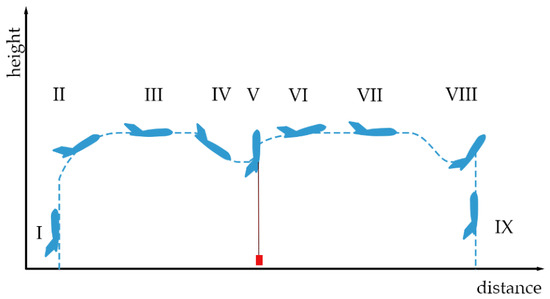
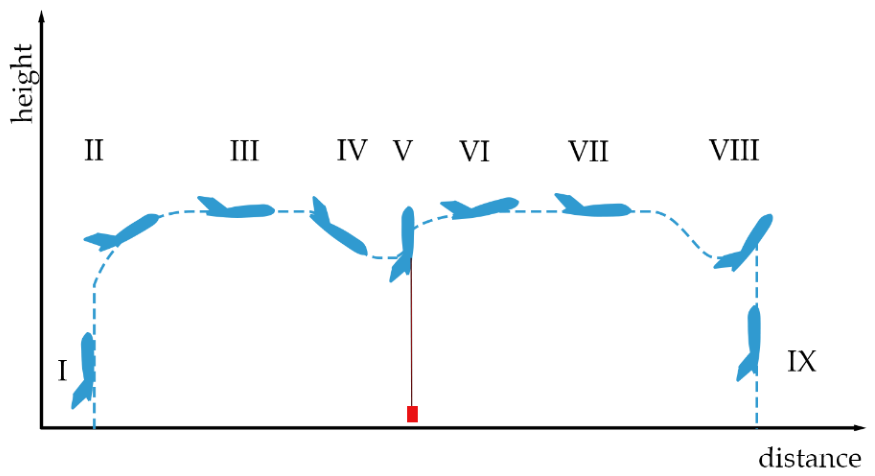
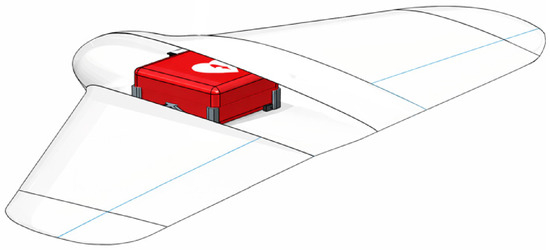
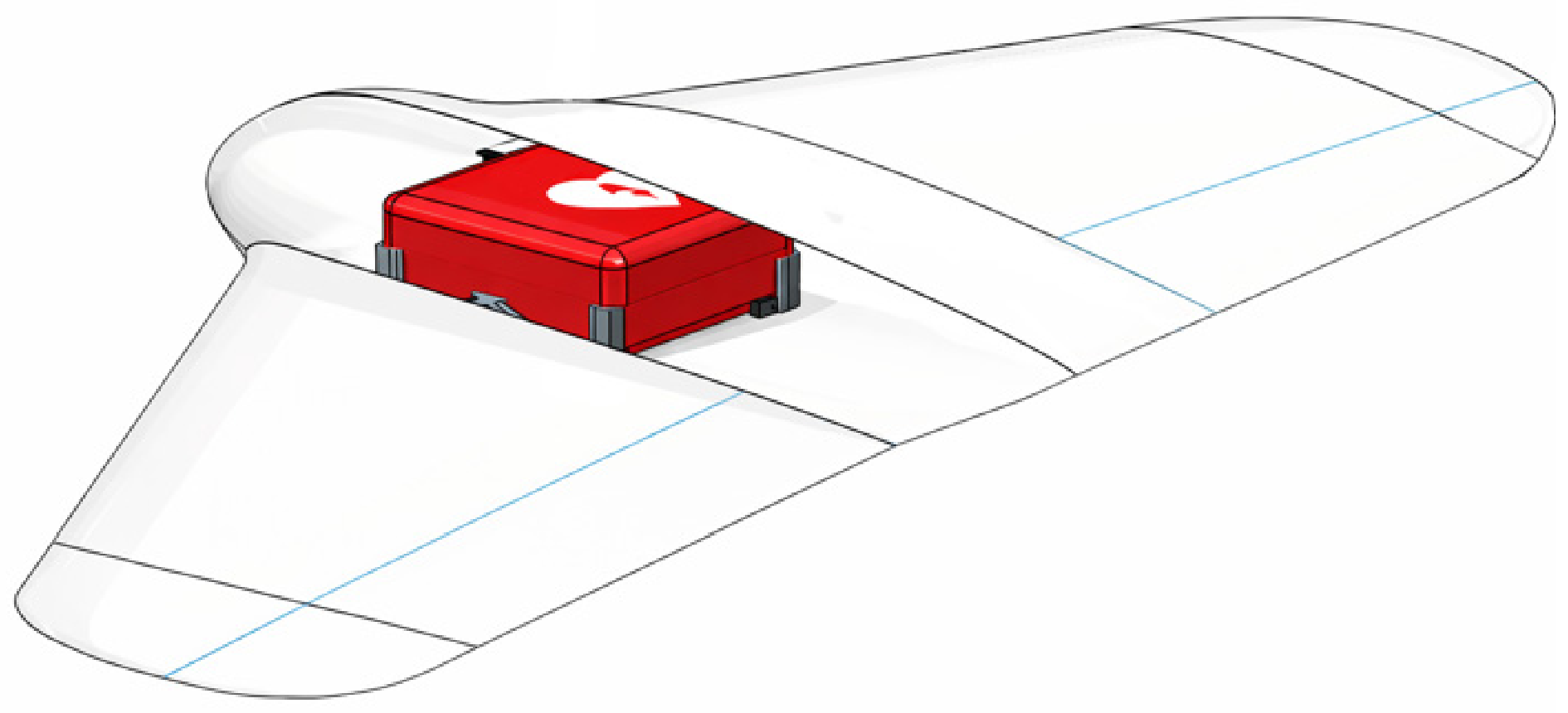
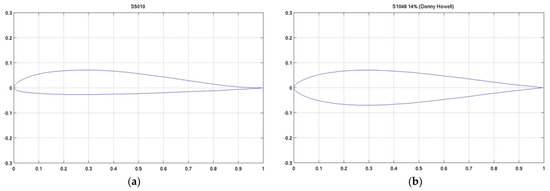
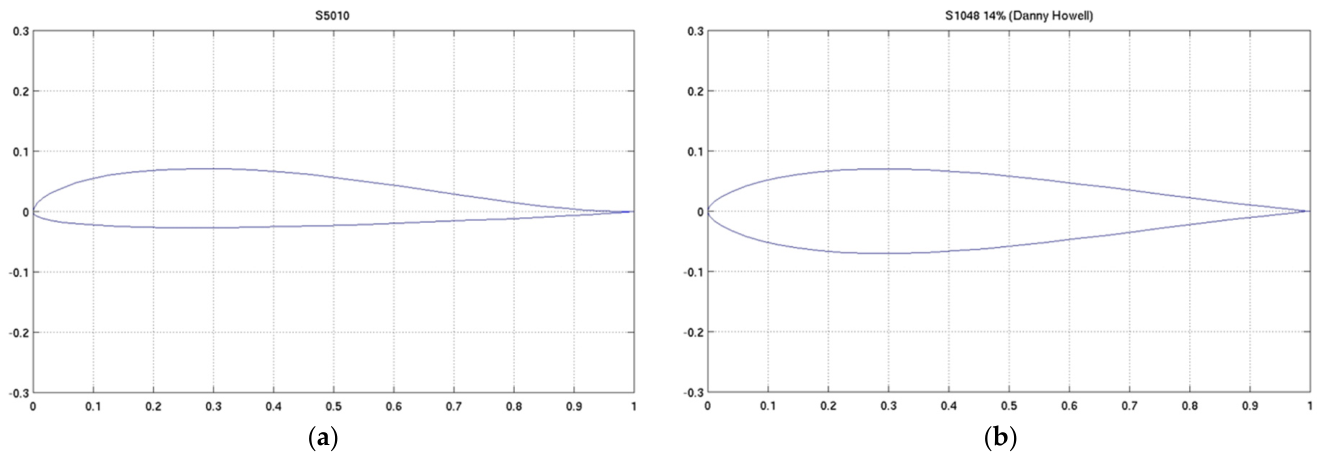
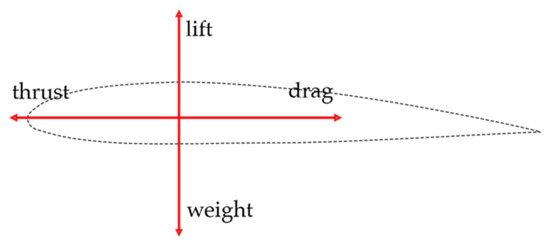
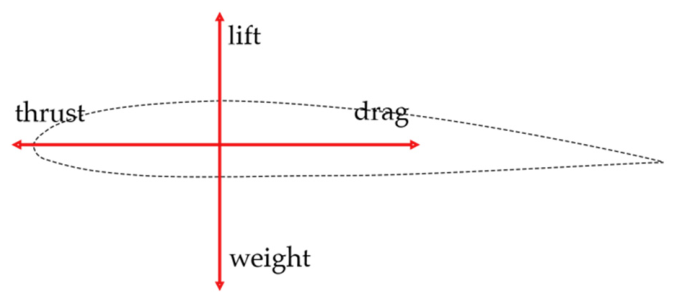
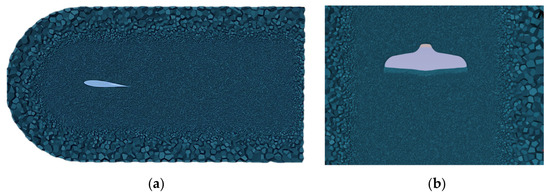
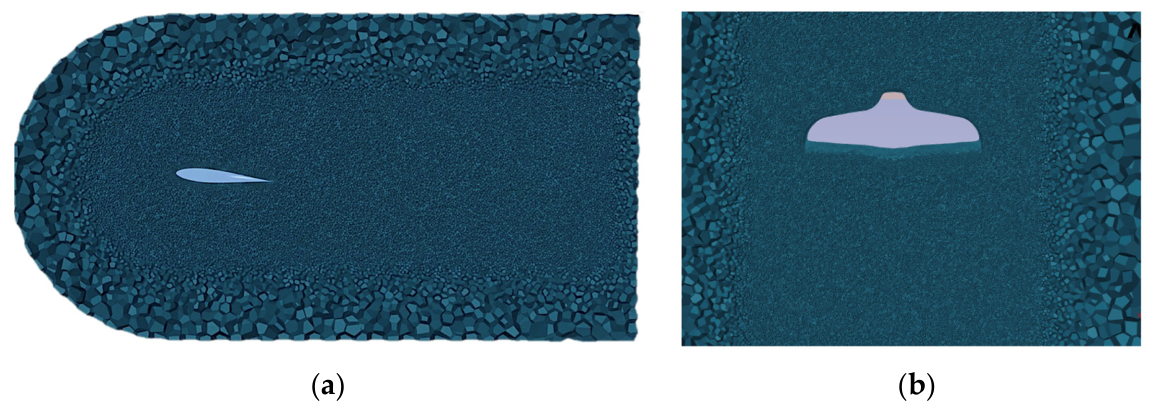
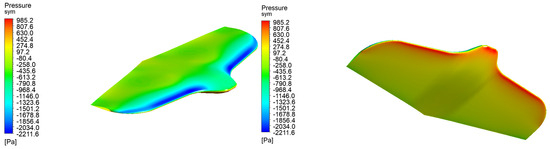
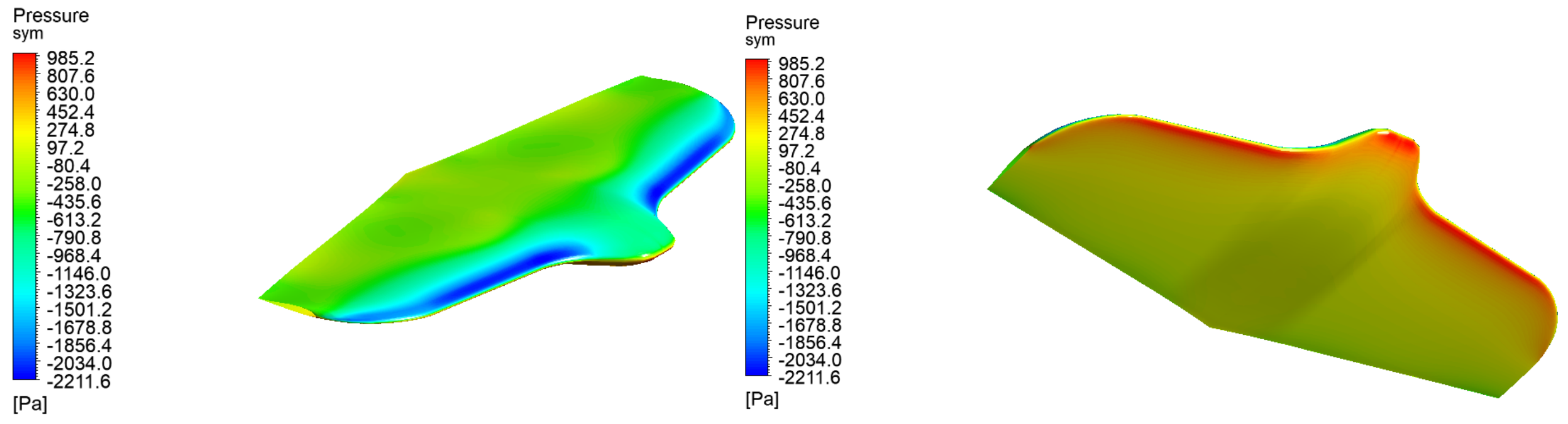
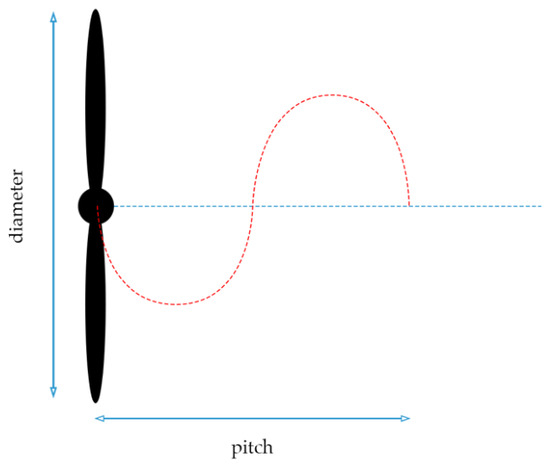
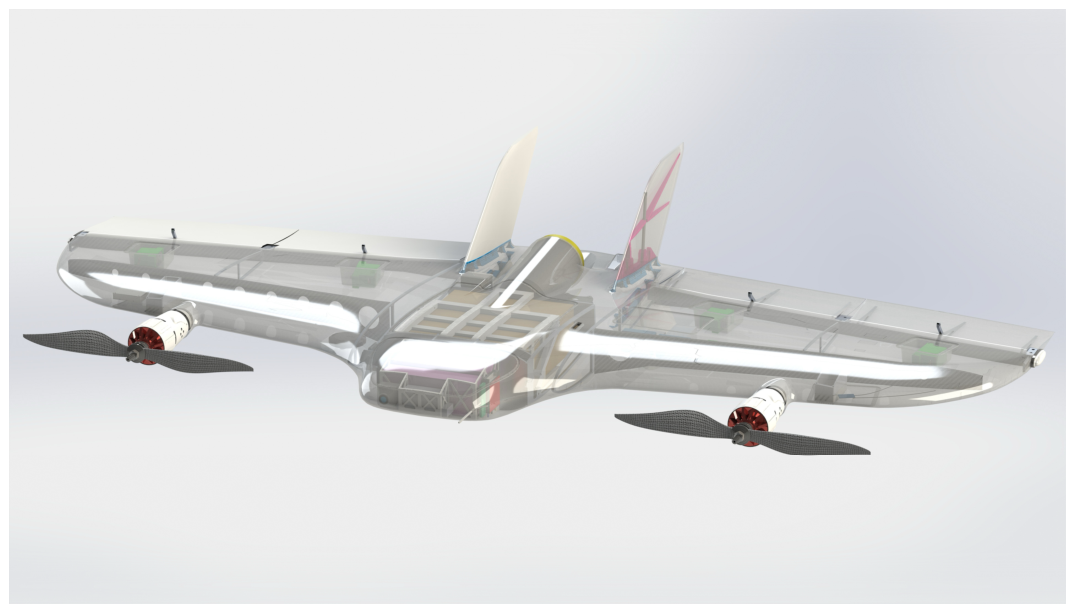
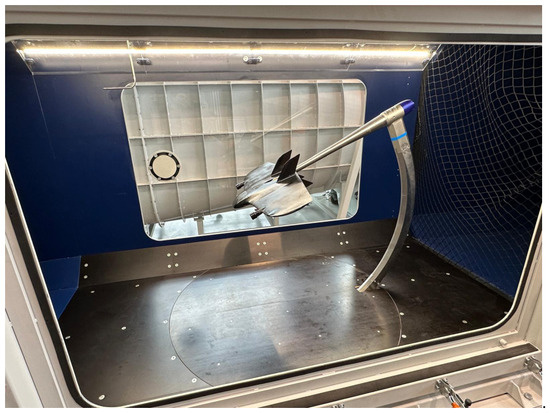
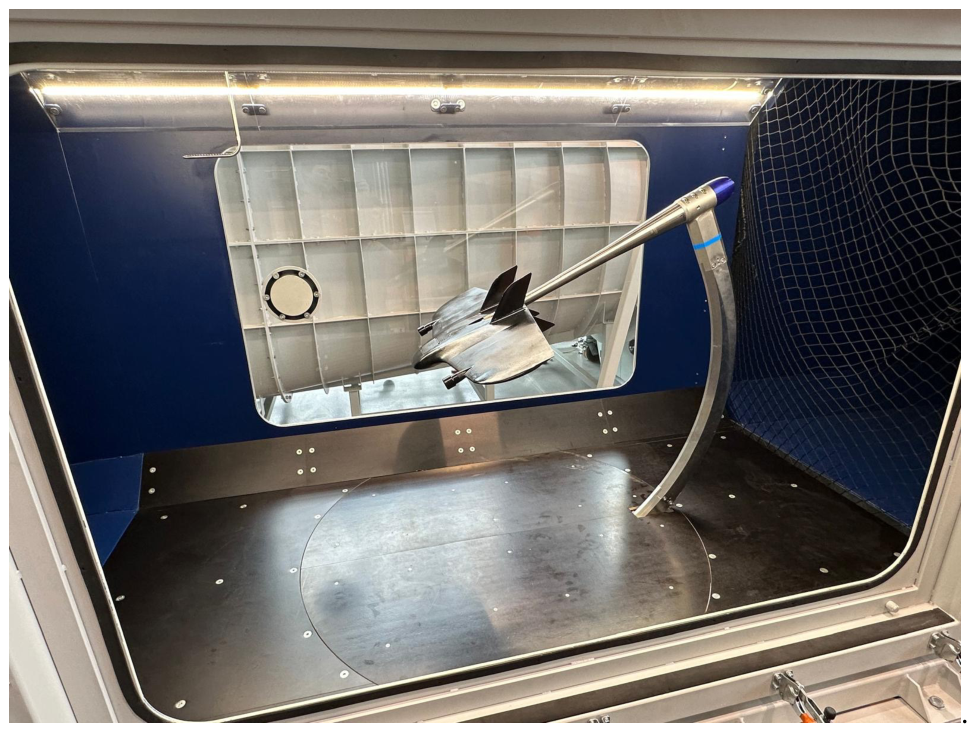
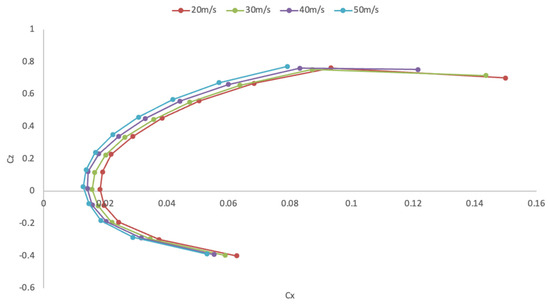
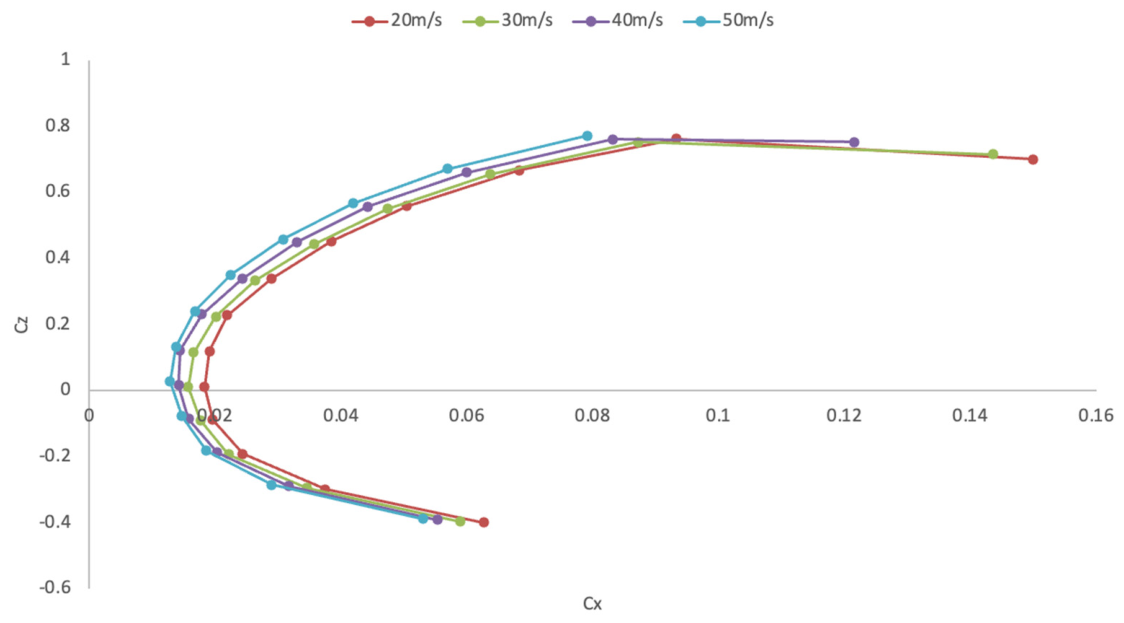
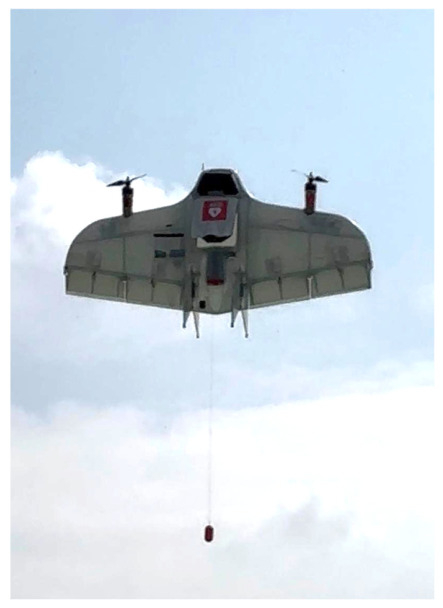
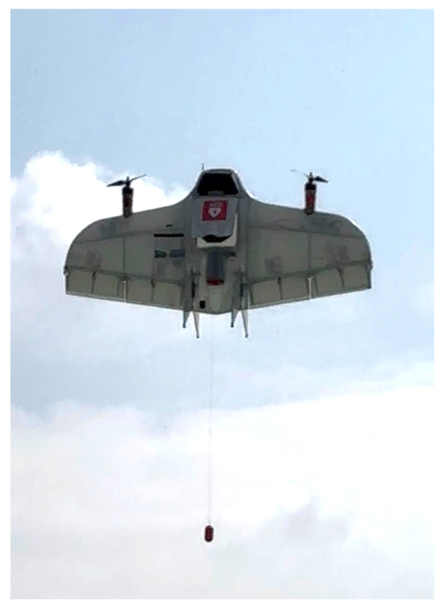

Disclaimer/Publisher’s Note: The statements, opinions and data contained in all publications are solely those of the individual author(s) and contributor(s) and not of MDPI and/or the editor(s). MDPI and/or the editor(s) disclaim responsibility for any injury to people or property resulting from any ideas, methods, instructions or products referred to in the content. |
© 2026 by the authors. Licensee MDPI, Basel, Switzerland. This article is an open access article distributed under the terms and conditions of the Creative Commons Attribution (CC BY) license.