


Featured Application
This work provides a preliminary basis for understanding the behaviour of lemon balm-derived polyphenols, including rosmarinic acid, in simulated gastrointestinal conditions. The findings may contribute to future studies aimed at developing nutraceutical, functional food, and phytopharmaceutical formulations. However, further in vivo and technological studies are required before industrial applications can be proposed.
Abstract
This study aimed to evaluate how the dosage, type of herbal preparation (plant material, dry extract, or isolated compound), along with simulated digestion-related factors, i.e., digestion stage (gastric vs. intestinal) and corresponding physicochemical and biochemical environment, influence the in vitro bioaccessibility of lemon balm phytochemicals. Simulated in vitro digestion revealed that the bioaccessibility of rosmarinic acid (RA), total phenolics, and antioxidant activity strongly depended on the application form, dose, and digestion stage. Isolated RA exhibited the highest gastric in vitro bioaccessibility, which markedly decreased during intestinal digestion. Dry extracts provided consistently higher in vitro bioaccessibility of RA, TPC (Total Phenolic Content), ABTS (ABTS scavenging activity), and FRAP (Ferric Reducing Antioxidant Power) than powdered plant material, particularly at doses of ≥25 mg. Intestinal digestion enhanced the in vitro bioaccessibility of phenolics and antioxidant activity from plant material under physicochemical conditions, whereas biochemical digestion factors generally reduced in vitro bioaccessibility, especially at lower doses. Overall, higher doses ensured more stable in vitro bioaccessibility across all analysed parameters.
1. Introduction
Pro-health potential and phytopharmaceutical relevance of herbs and herbal products are strongly dependent on the bioactivity of the contained substances. Bioactivity can be defined as a specific biological effect (most commonly considered as beneficial) caused by exposure to a given substance [1,2,3]. The biological response of cells, tissues, and consequently whole organisms, upon uptake of a bioactive substance, besides its physicochemical and physiological properties, is affected by its bioavailability and bioaccessibility [1,4,5,6].
With regard to oral administration, bioavailability describes the portion of an ingested bioactive substance that is absorbed, in some cases metabolised, reaches the circulatory system, and is subsequently distributed to the sites of action, i.e., cells and tissues; whereas bioaccessibility is defined as the portion of a substance that is released during digestion and thus becomes available for absorption in the gastrointestinal tract. Therefore, bioaccessibility is often referred to as a major limiting factor determining the further fate of potentially bioactive plant substances in the organism [6,7,8,9,10].
Bioaccessibility is the result of multiple factors influencing ingested substances, which can be divided into digestion- and product-related factors. During digestion, changes in the physicochemical and biochemical environment (e.g., pH variations and electrolyte composition at consecutive stages of digestion, as well as the activity of digestive enzymes and bile salts) can affect the stability of bioactive compounds and their release from the food matrix into a bioaccessible form. In addition, the structure and composition of the food matrix, through interactions of bioactive substances with low- and macromolecular food matrix co-components, can also strongly influence compound stability and susceptibility to release under digestive conditions [5,9,11,12,13].
Because human or animal studies on the bioaccessibility of bioactive substances are ethically disputable and restrictive, as well as costly, labour-intensive, time-consuming, complex, and technically demanding (e.g., the strict determination of only the “released fraction” of an administered compound can be problematic due to its possible simultaneous absorption in vivo), in vitro digestion models mimicking the physicochemical and biochemical conditions of the upper gastrointestinal tract have been developed and are widely applied [8,14,15]. The application of in vitro digestion procedures allows, in a relatively simple way, the screening assessment of the potential in vitro bioaccessibility of plant substances with reasonable accuracy, repeatability, and reproducibility [4,14,15,16].
Lemon balm (Melissa officinalis L.) from the mint (Lamiaceae) family is a widely cultivated aromatic, culinary, and medicinal herb [17,18,19,20]. Due to its advantageous properties, it has multidirectional applications in traditional cuisine and medicine, especially in the Mediterranean region, as a functional food additive, food supplement, pharmaceutical raw material, and cosmetic ingredient [21,22,23,24]. The most common ethnomedicinal uses of lemon balm include the treatment of mental health conditions (e.g., anxiety, sadness, sleep disturbances, and depression) and gastrointestinal tract complaints (e.g., flatulence, spasms) [18,19,25]. Moreover, recent reports also indicate other beneficial pharmacological effects, such as antimicrobial, antioxidant, antitumoral, cytoprotective, antinociceptive, anti-inflammatory, hypoglycemic, and hypolipidemic activities, among others [19,22,26,27]. The therapeutic potential of lemon balm is mainly attributed to two major groups of secondary metabolites, i.e., essential oils and polyphenols, with essential oils being primarily responsible for sedative and antimicrobial effects, and polyphenols for antioxidant and antitumor activities [18,26,27,28]. The prevailing phenolic compound of lemon balm, and other members of the mint family, is rosmarinic acid [22,29,30]. In addition to its wide range of well-documented biological activities, its antitumor therapeutic potential has recently been extensively investigated, and many promising pieces of evidence have been reported [31,32,33]. Nevertheless, most of these findings originate from in vitro cell-line studies, in which cells are treated directly with isolated compounds or plant extracts, thus bypassing the conventional route of oral administration and, consequently, bioaccessibility, bioavailability, and metabolic processes, which can significantly affect the expected bioactivity in vivo.
The relevance of herbs and herbal products is often estimated solely based on bioactive compound content, determined after simple “chemical” extraction, without consideration of bioextractability and compound stability during digestion. Therefore, the determination of bioaccessibility of bioactive substances, as well as the factors influencing it, allows for better prediction of their biological potential [3,9,34,35]. Nevertheless, most previous studies have investigated selected determinants of the in vitro bioaccessibility of rosmarinic acid and/or other lemon balm phytochemicals individually [36,37], while comparative information on the influence of preparation type, dose, digestion stage, and digestive environment remains limited. In particular, the relative contribution of physicochemical conditions and biochemical digestive components to phytochemical release and stability during gastrointestinal digestion has not been sufficiently elucidated. To address this knowledge gap, the present study evaluates the effects of these product- and digestion-related factors on the in vitro bioaccessibility of lemon balm phytochemicals, with particular attention paid to rosmarinic acid. Due to the pivotal role of bioaccessibility in shaping desired biological effects, various strategies have been developed and implemented to increase the bioaccessibility of rosmarinic acid and other bioactive substances, including the identification of the most favourable form of herbal material administration, as different preparation methods may significantly influence the bioaccessibility of bioactive compounds during digestion and their subsequent biological efficacy [9,38,39].
Therefore, the objective of this study was to determine the effects of product-related factors, i.e., the type of herbal preparation (plant material, dry extract, and isolated compound) and the administered dose, on the in vitro bioaccessibility of lemon balm phytochemicals, with special emphasis on rosmarinic acid. In addition, the influence of digestion-related factors, namely the digestion stage (gastric and intestinal) and the contribution of physicochemical and biochemical digestive factors (treatment with or without bile salts and digestive enzymes), was evaluated.
2. Materials and Methods
2.1. Reagents
HPLC-grade standard of rosmarinic acid [(R)-1-carboxy-2-(3,4-dihydroxyphenyl)ethyl ester of 3,4-dihydroxycinnamic acid] from Rosmarinus officinalis L. (purity ≥ 98%) and eluent components for chromatography, including acetonitrile and formic acid (HPLC gradient grade), were obtained from Sigma–Aldrich (St. Louis, MO, USA). The main simulated digestion reagents, i.e., hog pancreas α-amylase, porcine pepsin, pancreatin, and bovine bile extract, as well as standards and reagents for total phenolic and antioxidant assays—namely gallic acid (3,4,5-trihydroxybenzoic acid), Folin–Ciocalteu reagent, Trolox [(±)-6-hydroxy-2,5,7,8-tetramethylchromane-2-carboxylic acid], ABTS [2,2′-azino-bis(3-ethylbenzothiazoline-6-sulfonic acid) diammonium salt], iron(III) chloride, and TPTZ (2,3,5-triphenyltetrazolium chloride)—were also purchased from the same supplier. All additional chemicals were of at least analytical grade.
2.2. Botanical Material
Plants of lemon balm (Melissa officinalis L.) were cultivated on Luvisol soil in eastern Poland (the Lublin Plateau) at the experimental farm of the University of Life Sciences in Lublin. The plants were harvested in the second year of vegetation, at the inflorescence bud formation stage, in August. After harvesting, the leaves were manually removed from the stems. They were dried in a laboratory convection drying chamber (Binder GmbH, Tuttlingen, Germany) at 35 °C for 48 h. The dried material was ground using a stainless-steel batch mill (IKA M 20, IKA-Werke GmbH & Co., Staufen, Germany) and sieved to obtain particles smaller than 1.0 mm. The ground plant material was stored in a multilayer foil bag with a zipper at −20 °C until use.
2.3. Phytochemical Extraction, Preparation, and Primary Characterisation of Lemon Balm Dry Extracts
The extraction conditions were established based on preliminary studies in which different solvent systems, extraction temperatures, extraction times, and solvent-to-material ratios were evaluated with respect to rosmarinic acid recovery, total phenolic compounds extraction, crude extract yield, and phytochemical stability during dry extract preparation. The selected conditions represented a satisfactory compromise between extraction efficiency, phytochemical stability, and efficient use of extraction time and solvent. Consequently, phytochemicals from lemon balm were extracted using 80% (v/v) methanol in a three-stage ultrasound-assisted extraction procedure. The extraction process was conducted at 40 °C in an ultrasonic water bath (Sonic 3, POLSONIC Palczyński Sp. J., Warsaw, Poland). The following successive extraction stages, differentiated by the solvent-to-botanical material ratio (v/w) and extraction time, were applied: (I) solvent ratio 15 (v/w), time 60 min; (II) solvent ratio 10 (v/w), time 30 min; (III) solvent ratio 5 (v/w), time 15 min.
Between each extraction stage, and at the end of the extraction process, supernatants were separated by centrifugal sedimentation (10 min, 25 °C, 2504× g) using an MPW 350R centrifuge (MPW Med. Instruments, Warsaw, Poland). Liquid fractions obtained after each extraction step were combined and passed through a cellulose membrane filter using a polypropylene filter funnel.
This extraction procedure was applied both for the determination of the initial phytochemical content and antioxidant activity (Section 2.5) in plant material as well as for the preparation of dry extracts.
To prepare lemon balm dry extracts, the solvent was removed under reduced pressure using an RVO 400 rotary evaporator (INGOS, Prague, Czech Republic). The water bath temperature of the rotary evaporator was set to 50 °C. Manual pressure adjustment was applied to prevent foaming in the evaporation flask. Evaporation was completed within 2 h. The obtained extract was weighed to calculate crude extract yield and the plant material-to-extract ratio, manually scraped and crushed using a mortar and pestle to pass through a 0.8 mm mesh. The ground dry extract was stored in a multilayer foil bag with a zipper at −20 °C until use. A flowchart summarising the preparation of lemon balm powder and dry extract was provided as Supplementary Material (Figure S1).
To assess the potential loss of compounds during the drying process, a dry extract sample was re-dissolved in 80% methanol (ultrasonic treatment, 40 °C, 15 min) and analysed for phytochemical content and antioxidant activity (Section 2.5). Stability was expressed as the percentage ratio of phytochemicals in the extract after drying (re-dissolved extract) relative to the initial extract before drying (Table S1).
2.4. In Vitro Bioaccessibility Assessment
2.4.1. Study Concept
To determine the effects of plant matrix components and co-occurring compounds, the dry extract and pure compound were applied at corresponding doses to powdered plant material. Therefore, three types of samples were subjected to simulated digestion, i.e., lemon balm powder, the obtained dry extract, and a chemical standard of rosmarinic acid. In addition, they were applied at various doses to investigate dose-dependent effects on in vitro bioaccessibility. The highest tested dose (100 mg) was selected as the reference amount based on a tenfold reduction in the sample quantity recommended in the original INFOGEST protocol, reflecting the lower amounts of dried herbal materials typically consumed compared with conventional foods (Section 2.4.2). Lower doses (75, 50, 25, and 10 mg) were subsequently defined as fractions of this reference dose to investigate dose-dependent effects on in vitro bioaccessibility. Doses of dry extract and rosmarinic acid were calculated based on the dry extract yield and rosmarinic acid content in the botanical material, respectively. The dry extract dose was calculated by multiplying the dose of lemon balm powder (mg) by the extract yield (mg dry extract per mg of lemon balm powder). The rosmarinic acid dose was calculated by multiplying the dose of lemon balm powder (mg) by the content of rosmarinic acid in lemon balm powder (mg rosmarinic acid per mg of lemon balm powder). The amounts of lemon balm powder, dry extract, and rosmarinic acid subjected to simulated digestion are listed in Table 1. The data for dry extract and rosmarinic acid represent the corresponding amounts of dry extract and rosmarinic acid contained in the powdered plant material for each dose.
Table 1.
Dosage of lemon balm powder, dry extract, and rosmarinic acid used for simulated digestion.
To determine the influence of physicochemical and biochemical digestion factors on in vitro bioaccessibility, samples underwent physicochemical electrolytes treatment (without enzymes and bile salts) or complete enzymatic digestion (with enzymes and bile salts). Furthermore, the in vitro bioaccessibility was analysed after the main digestion phases, i.e., gastric and intestinal digestion.
2.4.2. Simulated Digestion
For gastrointestinal digestion simulation, the INFOGEST static digestion model was applied [40]. Regarding the specific character of the digested material, the following minor modifications were introduced. Since the protocol was originally designed for standard foods consumed in larger quantities, the starting material amount was reduced tenfold [34,35]. Thus, it was assumed that 100 mg of lemon balm powder (or dry extract and rosmarinic acid at corresponding doses) corresponds to 1 g of a typical food portion. All other digestion parameters, including electrolyte composition, pH, enzyme activity, bile salt concentration, incubation time, and temperature, were adopted from the original protocol [40].
The protocol includes three sequential phases: oral, gastric, and intestinal digestion. Succinctly, in the oral phase, lemon balm powder, the obtained dry extract, and rosmarinic acid, at various dose levels, were mixed with 1 mL of simulated salivary fluid containing α-amylase (75 U/mL) in an electrolyte solution (pH 7) and incubated for 2 min at 37 °C with agitation. The gastric phase was initiated by adding 1 mL simulated gastric fluid containing pepsin (2000 U/mL) and gastric lipase (60 U/mL) (pH 3), followed by incubation at 37 °C for 2 h under continuous agitation. The intestinal phase involved the addition of 2 mL simulated intestinal fluid containing pancreatin (100 U/mL, tryptic activity) and bile salts (10 mM) (pH 7). Digestion was carried out at 37 °C for 2 h, after which digests were centrifuged and ultrafiltered through a 5 kDa membrane to obtain the potentially in vitro bioaccessible fraction for further analyses. In parallel, samples subjected only to physicochemical treatment (without enzymes and bile salts) and blank samples (without digested material) were prepared.
2.4.3. In Vitro Bioaccessibility Calculation
Despite the determination of the absolute amount of a compound or antioxidant activity remaining after digestion in potentially in vitro bioaccessible fractions, the relative in vitro bioaccessibility expressed as the percentage of a compound or antioxidant activity relative to the initial content or activity was calculated [11]. The following formula was used:
Abbreviations: BA (%)—percentage in vitro bioaccessibility, BFPC(AA)—phenolic content (PC) or antioxidant activity (AA) for the potentially in vitro bioaccessible fraction (BF) (i.e., after digestion); INPC(AA)—initial (IN) phenolic content (PC) or antioxidant activity (AA) (i.e., before digestion).
2.5. Phytochemical Analyses
2.5.1. Rosmarinic Acid Quantification by HPLC
Determination of rosmarinic acid was performed using an Agilent 1260 Infinity II HPLC system (Agilent Technologies, Palo Alto, CA, USA) equipped with a quaternary pump, thermostatted column compartment, autosampler, and diode-array detector (DAD). Separation was achieved on an octadecyl-bonded (C18) silica gel column (particle size 5 µm, dimensions 250 mm × 4.6 mm) (Phenomenex, Torrance, CA, USA). The injection volume was 10 µL, and the column temperature was set to 20 °C.
The mobile phases consisted of 0.1% (v/v) formic acid in water (A) and 0.1% (v/v) formic acid in acetonitrile (B), and were programmed as follows: 5% B from 0 to 1 min, followed by a linear increase to 25% B at 4 min, which was maintained until 17 min. The gradient was then increased to 100% B at 20 min and held at 100% B until 23 min, followed by re-equilibration to 5% B by 26 min, which was maintained until 30 min. The flow rate was 1.0 mL/min.
Chromatograms were acquired at 330 nm, and DAD spectra were recorded in the range of 200–400 nm. Compound identification was based on comparison of retention times and UV–V is spectra with those of the reference standard, while quantification was performed using an external calibration curve.
2.5.2. Determination of Total Phenolic Content and In Vitro Antioxidant Activity
Total phenolic content was determined using the Folin–Ciocalteu assay [41]. Antioxidant activity was evaluated using the ABTS radical cation decolourization assay ([42]) and the ferric reducing antioxidant power assay [43]. All analyses were miniaturised and performed in a 96-well microplate format. Spectrophotometric measurements were carried out using an Epoch 2 microplate reader (BioTek Instruments, Winooski, VT, USA). Absorbance was measured at 765 nm, 734 nm, and 593 nm for the Folin–Ciocalteu, ABTS, and FRAP assays, respectively. Gallic acid was used as the reference standard for total phenolic content determination, while Trolox was used as the reference standard for antioxidant activity evaluation.
2.6. Statistical Analysis
All experiments were conducted using three independent experimental replicates (n = 3). Results are presented as mean ± standard deviation (SD). Statistical analyses were conducted using multi-way analysis of variance (ANOVA) followed by Tukey’s HSD post hoc test for multiple comparisons, with the level of statistical significance set at p < 0.05. Data analysis was performed using Jamovi software (version 2.6; retrieved from www.jamovi.org).
3. Results
The phytochemical characterisation of plant material applied for the in vitro digestion experiment is presented in Table 2.
Table 2.
Characterisation of lemon balm powder and dry extract.
The extraction yield was 301.30 mg of dry extract per gram of plant material, which corresponded to a plant material-to-extract ratio of 3.319 g·g−1, resulting in more than a threefold higher content of the studied phytochemicals and antioxidant activity in the dry extract compared with the powdered plant material. For example, the content of rosmarinic acid increased more than threefold in the dry extract (142.24 mg·g−1) relative to the powder (43.32 mg·g−1). A similar enrichment effect was observed for total phenolic content and antioxidant capacity, assessed using ABTS radical scavenging and ferric reducing antioxidant power (FRAP) assays.
Because some studies indicate that the conditions of the dry extract preparation process, i.e., elevated temperatures, may induce compound degradation, especially of polyphenols, the stability of phytochemicals during solvent evaporation was also determined (Table S1). The results indicate minimal losses of bioactive compounds throughout the drying process. Rosmarinic acid and total phenolic content retained over 98% of their initial values, while antioxidant activities measured by ABTS and FRAP assays remained close to 98%.
The effects of the application form, dose, and simulated digestion environment on the in vitro bioaccessible rosmarinic acid content (A) and its corresponding percentage in vitro bioaccessibility (B) after gastric and gastrointestinal digestion are presented in Figure 1 and Figure 2, respectively.
Figure 1.
Influence of application form, dosage, and simulated gastrointestinal conditions on the in vitro bioaccessible content of rosmarinic acid (A) and its relative in vitro bioaccessibility (%) (B) following gastric digestion. Bars represent the mean values ± SD. Means indicated by different lowercase letters differ significantly (p < 0.05). Abbreviations: IN PD—initial (pre-digestion) sample of lemon balm powder; E PD—lemon balm powder after electrolyte treatment; D PD—lemon balm powder after digestion; IN DE—initial (pre-digestion) sample of lemon balm dry extract; E DE—lemon balm dry extract after electrolyte treatment; D DE—lemon balm dry extract after digestion; IN RA—initial (pre-digestion) sample of rosmarinic acid; E RA—rosmarinic acid after electrolyte treatment; D RA—rosmarinic acid after digestion.
Figure 2.
Influence of application form, dosage, and simulated gastrointestinal conditions on the in vitro bioaccessible content of rosmarinic acid (A) and its relative in vitro bioaccessibility (%) (B) following intestinal digestion. Bars represent the mean values ± SD. Means indicated by different lowercase letters differ significantly (p < 0.05). Note: The abbreviations are used as in Figure 1.
The results show differences in in vitro bioaccessibility depending on the digestion stage (gastric and intestinal), digestion environment (electrolyte treatment or complete digestion process), form of administration (isolated rosmarinic acid, lemon balm powder, or dry extract), and dose.
In the case of gastric digestion, the highest in vitro bioaccessibility was observed when rosmarinic acid was applied in the form of an isolated compound. For RA samples, depending on the treatment (E RA vs. D RA) and dose, the percentage in vitro bioaccessibility ranged from 93.89% to 98.99%. A slight but statistically insignificant negative effect of the application of biochemical factors (D RA), compared with electrolyte treatment only (E RA), was found, i.e., 96.57–98.99% for E RA and 93.89–96.02% for D RA for 5–100 mg doses, respectively.
Lower, but still relatively high, in vitro bioaccessibility, especially at higher doses, was observed for dry extracts (DE), where, depending on the treatment and dose, the percentage in vitro bioaccessibility ranged from 66.65% to 91.06%. Similarly, the application of biochemical factors during digestion negatively influenced in vitro bioaccessibility (77.39–91.06% for E DE and 66.65–87.00% for D DE, for 5–100 mg doses, respectively); however, in this case, for lower doses (5–10 mg), this effect was statistically significant.
In contrast to the results obtained for the isolated compound and dry extracts, the percentage in vitro bioaccessibility of rosmarinic acid from lemon balm powder was relatively low and ranged from 4.69% to 38.19%, depending on the treatment and dose. Interestingly, the application of biochemical factors in most cases significantly increased the percentage in vitro bioaccessibility (4.69–25.75% for E PD and 8.84–38.19% for D PD for 5–100 mg doses, respectively).
Compared with gastric digestion, at the intestinal stage of digestion, the percentage in vitro bioaccessibility of rosmarinic acid administered in pure form significantly decreased (by approximately 20–25 percentage points) and ranged from 72.22% to 78.09%, depending on the dose and treatment. In addition, slightly higher in vitro bioaccessibility was observed after electrolyte treatment only, in comparison with the complete digestion process; however, these differences were not statistically significant (73.85–78.09% for E RA and 72.22–77.15% for D RA, for 5–100 mg doses, respectively).
After intestinal digestion, the in vitro bioaccessibility of rosmarinic acid from dry extracts decreased compared with gastric digestion; however, statistically significant changes were observed only in the case of electrolyte treatment (in vitro bioaccessibility for E DE ranged from 61.71% to 84.16% for 5–100 mg doses, respectively), and these changes were less pronounced than in the case of the pure compound (E RA). When biochemical factors were applied (D DE), the percentage in vitro bioaccessibility decreased only insignificantly and ranged from 61.48% to 83.84% for 5–100 mg doses, respectively.
The intestinal physicochemical environment (E PD) positively influenced the in vitro bioaccessibility of rosmarinic acid from lemon balm powder, which significantly increased compared with gastric digestion (25.40–41.93% for 5–100 mg doses, respectively); however, the application of biochemical factors (D PD) led to a decrease in in vitro bioaccessibility, which ranged from 13.43% to 30.49% for 5–100 mg doses, respectively. In comparison with gastric digestion, the intestinal in vitro bioaccessibility of D PD samples at higher doses (25–100 mg) was lower, for 10 mg samples it remained at a similar level, whereas for the lowest dose (5 mg) it was significantly higher.
In general, for both gastric and intestinal digestion, the application of higher doses of rosmarinic acid, especially in the range of 25–100 mg, allowed the maintenance of relatively stable in vitro bioaccessibility, whereas further dose reduction resulted in decreased in vitro bioaccessibility, which was most pronounced at the 5 mg dose.
Table 3 presents the effects of application form, dosage, and simulated digestion conditions on the total phenolics content and its corresponding percentage in vitro bioaccessibility.
Table 3.
Effects of application form, dosage, and simulated digestion conditions on the total phenolics content and its corresponding percentage in vitro bioaccessibility.
Similarly to rosmarinic acid content, the in vitro bioaccessibility of total polyphenols varied depending on the applied experimental factors. In vitro bioaccessibility was dose-dependent; it was maintained at a relatively similar level, especially for doses higher than 25 mg, decreased for lower doses, and was lowest for the 5 mg dose. Application of the dry extract for gastric digestion, especially at doses higher than 5 mg, allowed one to obtain relatively high in vitro bioaccessibility of total polyphenols, which ranged from 69.07% to 90.40% and from 67.34% to 87.42% for 5–100 mg samples after electrolytes treatment (E DE) and complete digestion process (D DE), respectively. In this case, the application of biochemical factors slightly but statistically insignificantly reduced the determined in vitro bioaccessibility.
In turn, digestion of lemon balm phytochemicals with the solid-state plant matrix (lemon balm powder) resulted in significantly lower in vitro bioaccessibilities, which ranged from 33.05% to 52.90% for 5–100 mg samples after electrolytes treatment (E PD), and from 14.52% to 45.13% for samples after complete digestion (D PD), respectively. In this case, the negative effect of the application of biochemical digestion components was much more prominent, and for most samples, the observed in vitro bioaccessibility reduction was statistically significant.
Intestinal digestion, compared to gastric digestion, significantly increased polyphenol in vitro bioaccessibility from plant material, which ranged from 70.32% to 100.84% and from 50.75% to 100.70% for 5–100 mg samples after electrolytes treatment (E PD) and complete digestion process (D PD), respectively. For corresponding doses and treatments, the determined in vitro bioaccessibility for lemon balm powder was even higher than that observed for dry extracts, which ranged from 42.46% to 98.20% and 40.90% to 96.56% for samples after electrolytes treatment (E DE) and complete digestion process (D DE), respectively. Intestinal biochemical factors had a significant negative effect on polyphenol in vitro bioaccessibility, mainly for 5–25 mg doses, for which a statistically significant reduction was found.
In the case of dry extract, the effect of the digestion stage was more complex. Compared to gastric digestion, intestinal digestion improved the in vitro bioaccessibility of total polyphenols from dry extracts at higher doses, i.e., 75 and 100 mg; at the 50 mg dose, it was relatively similar, at 25 mg it was slightly lower, and it was significantly lower for the lowest doses, i.e., 5 and 10 mg. Similarly to the gastric digestion of dry extracts, the negative effect of the application of biochemical factors was slight and statistically insignificant.
The effect of experimental factors on ABTS scavenging activity and the corresponding in vitro bioaccessibility is shown in Table 4.
Table 4.
Effects of application form, dosage, and simulated digestion conditions on the ABTS scavenging activity and its corresponding percentage in vitro bioaccessibility.
In vitro bioaccessibility varied depending on the form of application, dose, and digestion conditions. Analogously to the total phenolic content, gastric digestion of the dry extract resulted in higher in vitro bioaccessibility values than those of the powdered plant material. After electrolyte treatment (E DE), in vitro bioaccessibility ranged from 33.11% to 72.23%, whereas the application of biochemical digestion factors (D DE) resulted in in vitro bioaccessibility values ranging from 36.76% to 69.78% for samples of 5–100 mg. In both cases, in vitro bioaccessibility remained relatively stable at doses of 25–100 mg, while a substantial decrease was observed at lower doses, particularly at 5 mg. Under these conditions, the application of biochemical digestion factors had only a slight and mostly statistically insignificant effect on the determined in vitro bioaccessibility.
In contrast, the application of powdered plant material for gastric digestion resulted in significantly lower in vitro bioaccessibility values. In vitro bioaccessibility ranged from 32.06% to 42.55% and from 27.51% to 48.12% for samples after electrolyte treatment (E PD) and complete digestion (D PD), respectively. The application of biochemical digestion factors slightly increased in vitro bioaccessibility at higher doses (25–100 mg), but led to a pronounced decrease at the lowest dose (5 mg).
A marked increase in antioxidant in vitro bioaccessibility for plant material was observed during intestinal digestion compared with gastric digestion. After electrolyte treatment (E PD), very high and relatively dose-independent in vitro bioaccessibility values were observed, ranging from 91.63% to 101.59% for doses of 5–100 mg. The application of complete digestion conditions (D PD) resulted in a strong, dose-dependent reduction in in vitro bioaccessibility, which ranged from 28.62% to 75.68% for 5–100 mg doses, with the most pronounced decreases observed at the lowest doses.
For dry extracts, intestinal electrolyte treatment (E DE) resulted in in vitro bioaccessibility values comparable to or slightly lower than those obtained during gastric digestion at higher doses (25–100 mg), ranging from 68.50% to 71.81%, whereas a pronounced reduction was observed at lower doses, i.e., from 20.56% to 38.11% for 5–10 mg samples. The application of complete digestion conditions (D DE) further decreased the determined in vitro bioaccessibility across all doses, with the strongest negative effect observed for 5–10 mg samples, and values ranged from 16.56% to 69.03% for 5–100 mg samples. Overall, consistent with previous observations, intestinal biochemical factors exerted a significant negative effect on the in vitro bioaccessibility of compounds from dry extracts, particularly at lower doses.
The influence of dose, application form, and digestion stage on ferric reducing power and the corresponding in vitro bioaccessibility was presented in Table 5.
Table 5.
Effects of application form, dosage, and simulated digestion conditions on ferric reducing power and its corresponding percentage in vitro bioaccessibility.
Gastric digestion of the dry extract resulted in substantially higher in vitro bioaccessibility values compared to the powdered plant material. After electrolyte treatment (E DE), in vitro bioaccessibility ranged from 59.01% to 69.62%, while the application of complete digestion conditions (D DE) yielded slightly lower values, ranging from 55.11% to 66.35%. In vitro bioaccessibility remained relatively stable at doses of 25–100 mg, whereas the most notable decrease was observed at the lowest dose (5 mg). The application of biochemical digestion factors had a slight but mostly statistically insignificant effect on the in vitro bioaccessibility of the dry extract.
In contrast, gastric digestion of powdered plant material resulted in considerably lower in vitro bioaccessibility values. After electrolyte treatment (E PD), antioxidant in vitro bioaccessibility ranged from 30.74% to 38.92%, and after complete digestion (D PD), from 28.79% to 42.16% for 5–100 mg doses, respectively. While the application of biochemical digestion factors slightly increased in vitro bioaccessibility at higher doses (10–100 mg), a statistically insignificant reduction was observed at the lowest dose (5 mg).
During intestinal digestion, antioxidant in vitro bioaccessibility for powdered plant material increased markedly compared to gastric digestion, independently of the treatment applied. After electrolyte treatment (E PD), in vitro bioaccessibility ranged from 37.33% to 75.87% for 5–100 mg doses, showing a dose-dependent trend. The application of biochemical digestion factors (D PD) resulted in bioaccessibility values ranging from 42.19% to 90.45% for 5–100 mg doses. In vitro bioaccessibility increased for 10–100 mg doses, with a statistically significant influence observed for 25–100 mg doses. For the lowest dose, no significant effect of biochemical digestion components was observed.
For dry extracts, intestinal in vitro bioaccessibility after electrolyte treatment (E DE) ranged from 39.78% to 90.01%, whereas after complete intestinal digestion (D DE), in vitro bioaccessibility ranged from 37.02% to 87.46% for 5–100 mg samples, respectively. Overall, intestinal biochemical factors exerted a significant negative impact on antioxidant in vitro bioaccessibility, particularly at lower doses, while higher doses maintained relatively high in vitro bioaccessibility values. In the case of the dry extract, compared to gastric digestion, both physicochemical and biochemical simulated intestinal environments exerted a positive effect on in vitro bioaccessibility at 25–100 mg doses, whereas an adverse effect was observed for the lowest doses (5 and 10 mg).
4. Discussion
4.1. Phytochemical Characterisation of Herbal Materials
Medicinal plants can be processed into various herbal products. Most commonly, they are used in a dried form, which is relatively easy to obtain. Alternatively, the extraction and separation of bioactive compounds from the solid plant matrix enable the production of more concentrated and easier-to-apply preparations, such as dry extracts. From a nutraceutical perspective, dietary administration of minimally processed plant material, as opposed to extracts, may theoretically provide the organism with a more complex mixture of bioactive compounds. This is due to extraction-related limitations, including solvent- and process-dependent solubility and extractability of compounds, as well as the potential degradation of sensitive constituents during extraction [35,44,45].
Phytochemical characterisation of the studied herbal materials (Table 2) confirmed literature evidence indicating that lemon balm is an abundant source of total polyphenols, mainly rosmarinic acid, and exhibiting strong antioxidant properties [18,46,47,48].
Rosmarinic acid was therefore selected as the principal marker compound due to its high abundance in lemon balm and its well-documented contribution to the overall biological activity of Lamiaceae plants, where it is commonly used as a representative phytochemical [5,47,49].
The contents of rosmarinic acid, total phenolics, and antioxidant activity obtained in this study (Table 2) fall within the ranges reported in previous reviews and research studies. Specifically, depending on the origin of the plant material, genetic diversity, and extraction conditions, rosmarinic acid levels in Lamiaceae plants have been reported to range from a few to several dozen mg·g−1 dry weight of plant material [48,49,50,51,52], which is consistent with the results obtained in the present study (43.32 mg·g−1) (Table 2). For example, Shekarchi et al. reported rosmarinic acid concentrations ranging from 0 to 58.5 mg·g−1 dry matter among 29 Lamiaceae species, whereas the rosmarinic acid content in lemon balm was 36.5 mg·g−1 [50]. In the study by Sik et al., the determined content of rosmarinic acid in six Lamiaceae species, under optimal extraction conditions, ranged from 9.7 to 38.8 mg·g−1 [49]. For lemon balm, it was 28.6 mg·g−1 [49]. Tülek et al. reported a rosmarinic acid content in lemon balm of 20.6 mg·g−1 [48], whereas in the study by Caleja et al., the yield of rosmarinic acid from lemon balm ranged from 49.4 to 86.3 mg·g−1 depending on the extraction technique and applied parameters [51]. Furthermore, the study by Kittler et al. indicated considerable variability in rosmarinic acid content among lemon balm genotypes and across cultivation seasons, with values ranging from 36.7 to 80.7 mg·g−1 [52].
The total phenolic content determined in the present study for lemon balm powder (111.71 mg GAE·g−1) (Table 2) was also within the range of values reported previously. For example, Sadowska et al. reported total phenolic content ranging from 66.48 to 181.02 mg GAE·g−1 depending on the extraction solvent and preparation method [53], while Tülek et al. obtained values ranging from 31.74 to 63.65 mg GAE·g−1 depending on the extraction parameters [48]. In contrast, Petkova et al. reported lower values, depending on lemon balm growing conditions and extraction conditions, ranging between 3.30 and 25.18 mg GAE·g−1 [54]. The relatively high phenolic content observed in the present study may be attributed not only to differences in plant origin, environmental factors affecting secondary metabolite accumulation, profile, and extraction conditions, but also to the experimental approach used.
Similarly, the variability in the results reported in the literature, likely resulting from the factors mentioned above, may also explain differences in antioxidant activity parameters. The antioxidant activity of the analysed lemon balm extract, expressed as ABTS radical scavenging activity and ferric reducing antioxidant power (FRAP), was 296.92 mg TE·g−1 and 228.59 mg TE·g−1, respectively (Table 2). For example, Sadowska et al. reported ABTS values ranging from 95 to 143 mg TE·g−1 and FRAP values between 320.23 and 693.45 mg TE·g−1 for different extracts [53]. Tülek et al. obtained ABTS antioxidant capacity values ranging from 53.30 to 90.30 mg TE·g−1 depending on the extraction conditions; however, FRAP activity was not measured [48]. Petkova et al. reported ABTS values ranging from 31.4 to 161.19 mg TE·g−1 and FRAP values between 38.80 and 118.29 mg TE·g−1, which were influenced by lemon balm cultivation conditions and extract type [54].
The preparation of a dry extract from lemon balm powder enables the acquisition of a more concentrated herbal preparation, resulting in more than a threefold increase in the content of the analysed phytochemicals and overall antioxidant capacity (Table 2). The dry extract exhibited a particularly high rosmarinic acid content of 142.24 mg·g−1 of dry extract, a total phenolic content of 367.38 mg GAE·g−1 of dry extract, and antioxidant activity, including ABTS radical scavenging activity of 967.22 mg TE·g−1 of dry extract and ferric reducing antioxidant power of 712.89 mg TE·g−1 of dry extract. These values were in general higher than those reported in other studies on lemon balm extracts. For example, in the study of Draginić et al., rosmarinic acid content ranged from 42.38 to 109.44 mg·g−1 [55], whereas in the study of Atanasova et al. it ranged from 23.6 to 55.5 mg·g−1 [47], depending on the extraction solvent and technique. Atanasova et al. also reported total phenolic content at levels from 261.02 to 309.33 mg GAE·g−1; however, ABTS and FRAP assays were not evaluated [47]. Due to the limited availability of directly comparable ABTS and FRAP data for lemon balm expressed as Trolox equivalents, representative antioxidant results from other Lamiaceae plants, i.e., Salvia officinalis hybrids, were used for comparison, showing ABTS and FRAP activities of 543.65 and 429.25 mg TE·g−1, respectively [56].
The general high abundance of phytochemicals and relatively high antioxidant activity of the dry extract, particularly reflected by its ABTS radical scavenging activity, where the results indicate that 1 g of lemon balm dry extract corresponds to approximately 0.97 g of chemically pure Trolox, a synthetic analogue of vitamin E widely used as a reference antioxidant, may be attributed not only to the intrinsic phytochemical richness of the plant material used for extraction, but also to the efficiency of the extraction technique and the high stability of the compounds during the drying process, which together contributed to improved recovery and preservation of phytochemicals.
The exceptionally high phytochemical content and antioxidant status of lemon balm phytochemicals may contribute to their self-protective effects during processing. In combination with the relatively mild drying conditions applied during dry extract preparation, this may explain the very high stability of bioactive compounds in dry extracts, with values generally close to 100% across all measured parameters (Table S1). High stability of lemon balm phytochemicals has also been reported in previous studies on extract drying under spray-drying conditions for encapsulation purposes [48,57].
4.2. In Vitro Bioaccessibility of Lemon Balm Phytochemicals
The in vitro bioaccessibility of bioactive compounds results from a complex interplay between product-related characteristics and digestion-associated conditions. Properties of the digested product, including the content, chemical nature, stability, and solubility of phytochemicals, as well as the composition and structural properties of the food matrix, interact with the surrounding physicochemical digestion environment, which includes temperature effects, interactions with electrolyte components, dynamic pH changes across successive stages of digestion, and biochemical digestion-related factors, such as the activity of digestive enzymes and bile salts, to determine final bioaccessibility. These factors collectively influence the release and stability of phytochemicals during digestion. Consequently, limited extractability, low solubility, or degradation of ingested compounds may reduce their presence in a native, potentially absorbable (bioaccessible) form, thereby constraining their subsequent bioavailability and further physiological relevance [9,10,16,58].
Considering the effect of herbal material type, in the case of the application of isolated forms of phytochemicals, such as dry extracts or pure compounds, bioaccessibility can be considered a result of factors such as compound solubility and stability in the digestion environment, as well as affinity (binding) to biochemical components of digestion fluids. In the case of powdered plant material, however, extractability affected by interactions with the plant matrix should also be taken into account [35,59].
It has been reported that physicochemical conditions during digestion, such as elevated temperature, the presence of residual oxygen, especially at the initial (oral) stage of digestion, and the surrounding electrolytic environment, including pH, can induce degradation or conversion of sensitive phytochemicals such as polyphenols [7,9]. Additionally, some of these factors may affect the solubility of ingested compounds.
One of the main factors influencing the behaviour of phenolic compounds in the physicochemical environment is the surrounding pH, which changes considerably during subsequent stages of digestion, including after passage from the stomach to the intestine. It has been reported that low pH conditions, such as those occurring during gastric digestion, favour the chemical stability of polyphenols in comparison with the neutral or alkaline intestinal environment, which may induce oxidative degradation through deprotonation [60,61]. Conversely, a neutral or alkaline environment, through partial deprotonation, can positively influence the water solubility of some groups of polyphenols [62,63]. In this study, it was observed that lemon balm phytochemicals in isolated forms were, in general, only slightly influenced by physicochemical digestion conditions at both the gastric and intestinal stages of digestion, which was reflected by the relatively high in vitro bioaccessibility of rosmarinic acid and total polyphenols, especially at higher doses of administration (Figure 1 and Figure 2; Table 3, Table 4 and Table 5).
Literature evidence indicates that phytochemicals such as phenolic compounds are able to form complexes with biochemical components of digestive fluids, such as digestive enzymes and bile salts, thereby limiting potential bioaccessibility [64,65,66]. It was found that the application of biochemical factors, in the case of isolated forms of phytochemicals, had only a slight and mostly statistically insignificant negative effect on in vitro bioaccessibility in comparison with the applied physicochemical digestion environment (Figure 1 and Figure 2; Table 3, Table 4 and Table 5), which may indicate that lemon balm phytochemicals are characterised by low affinity toward biochemical digestion components. It also suggests that the physicochemical environment, rather than biochemical factors, predominantly affects the in vitro bioaccessibility of isolated compounds. Similarly, an insignificant effect of biochemical factors and the pivotal role of the physicochemical environment on in vitro bioaccessibility were observed in a study on polyphenols isolated from grapes [67]. Since the applied native digestive enzymes are not capable of cleaving or converting polyphenols, this effect was excluded from further consideration.
Similarly to our findings, high resistance of isolated phytochemicals from Lamiaceae plants to in vitro gastric and/or intestinal digestion conditions, reflected by high in vitro bioaccessibility of compounds and antioxidant activity, was also observed in studies on chemically pure rosmarinic acid [36], Melissa officinalis, Lavandula latifolia, and Origanum vulgare extracts [37] as well as Lavandula viridis L’Hér. extracts [68].
It was found that the presence of the endogenous solid-state plant matrix during digestion was another important factor influencing the bioaccessibility of lemon balm phytochemicals. Interestingly, both the direction and strength of the impact of biochemical factors on the in vitro bioaccessibility of phytochemicals from plant powder were strongly influenced by the stage of digestion and varied among the monitored analytical assays (Figure 1 and Figure 2; Table 3, Table 4 and Table 5). The application of lemon balm phytochemicals in the form of plant powder containing the endogenous solid-state plant matrix strongly limited the in vitro bioaccessibility of rosmarinic acid, total polyphenols, and antioxidant activity at the gastric digestion stage in comparison with isolated forms. This effect can be attributed to the strong affinity of phytochemicals toward the plant matrix, limiting their release into a free form. Some studies indicate that low pH conditions, such as those present during gastric digestion, can promote the adsorption of polyphenols onto dietary fibre fractions, which are the main components of the solid-state plant matrix [69,70]. Similar limiting effects of the solid-state plant matrix at the gastric digestion stage were also observed for Rhodiola rosea [35] and Arctostaphylos uva-ursi phytochemicals [59], as well as rosmarinic acid combined with the post-extraction sweet marjoram leaf matrix [58].
Furthermore, in the case of the administration of plant powder for digestion instead of isolated forms, a more prominent contribution of biochemical factors to in vitro bioaccessibility was observed (Figure 1 and Figure 2; Table 3, Table 4 and Table 5). The presence of a plant matrix allows for more complex interactions with biochemical components, especially digestive enzymes, which can lead to partial plant matrix decomposition through the hydrolysis of digestible components such as starch and proteins. Such activity may, on the one hand, improve the release of phytochemicals from the matrix structure and, on the other hand, uncover novel binding sites enhancing their adsorption [9,16,58].
Interestingly, significantly lower in vitro bioaccessibility of rosmarinic acid from plant powder was also maintained at the intestinal digestion stage; however, this effect was not translated into other measured parameters, such as total phenolic content and antioxidant activity, where in vitro bioaccessibility was at a relatively similar level compared with that of the dry extract. This may indicate a significant contribution of phytochemicals other than rosmarinic acid to these parameters, including compounds potentially unextracted during dry extract preparation and subsequently released from powdered plant material under intestinal conditions, resulting in significantly higher in vitro bioaccessibility than at the gastric stage of digestion (Figure 1 and Figure 2; Table 3, Table 4 and Table 5). The discrepancy between rosmarinic acid bioaccessibility and the bioaccessibility of total phenolics and antioxidant activity may also indicate that digestion-induced release of additional phenolic constituents from the plant matrix compensated for the loss or limited release of rosmarinic acid. Moreover, structural modifications of polyphenols occurring under intestinal conditions may alter their reactivity toward spectrophotometric assays without necessarily being reflected in the quantified rosmarinic acid content. Therefore, the changes observed in antioxidant activity and total phenolic content likely resulted from the combined effects of compound degradation, structural transformation, release from the plant matrix, and interactions with digestion fluid components. In addition, the contribution of increased amounts of enzymatic digestion products, such as reducing sugars and peptides with antioxidant activity, cannot be ruled out; however, this effect appears to be limited due to the specific character of the studied matrix, i.e., the relatively low content of digestible components such as proteins and starch.
The obtained results indicate that the in vitro bioaccessibility of lemon balm phytochemicals was also dose dependent. In general, the application of moderate or higher doses (i.e., higher than 25 mg) resulted in maintaining in vitro bioaccessibility at a relatively stable level, whereas the application of lower doses decreased the determined in vitro bioaccessibility.
This effect is likely related to the higher susceptibility of phytochemicals applied at lower concentrations to the surrounding in vitro digestion environment. Lower concentrations of phytochemicals in digestive fluids can decrease their total antioxidant status and, consequently, their resistance to physicochemical digestion conditions. Furthermore, the reduced proportion of phytochemicals relative to the fixed biochemical composition of artificial digestion fluids results in an enhanced contribution of unfavourable interactions between phytochemicals and biochemical components of the digestive fluids, thereby leading to more pronounced reductions in relative in vitro bioaccessibility values.
Although direct evidence regarding the influence of extract or material dose on the in vitro bioaccessibility of phytochemicals remains limited, several studies indicate important indirect effects related to the initial concentration and dilution of phytochemicals prior to digestion. It has been reported that a higher initial phytochemical content in the material subjected to simulated digestion can increase the amount of compounds recovered after digestion [16,71]. Moreover, changes in phytochemical concentration resulting from extract dilution have been shown to affect their apparent yield following in vitro digestion [65].
The in vitro gastrointestinal digestion model has many advantages and is widely used to estimate the bioaccessibility of food bioactive compounds, nevertheless its application can be a limitation of the present study when interpreting the results in the broader context of the biological fate of phytochemicals. Although the INFOGEST protocol is a widely accepted tool for estimating the in vitro bioaccessibility of phytochemicals, it cannot fully reproduce the complexity of the in vivo human gastrointestinal tract, including intestinal absorption, systemic distribution, metabolic transformations, and interindividual variability [5,9,14,15,16]. Therefore, the obtained results should be interpreted as an estimate of the compound’s potential bioaccessibility, which may not fully correspond to its subsequent in vivo bioavailability and bioactivity. Furthermore, the in vitro digestion model does not account for gut microbial metabolism and colonic fermentation. This limitation can be important for polyphenols, as a certain proportion of them reaches the colon, where they can be extensively transformed by the microbiota into metabolites that may limit bioaccessibility of ingested compounds, as well exhibit different bioavailability and biological activity than the parent compounds [6,15,72]. However, some phenolic compounds, especially in the aglycone form, such as rosmarinic acid, may be absorbed predominantly in the small intestine, where microbial metabolism is limited compared with the colon, and therefore enter the circulatory system in native form [9,73,74]. Nevertheless, in vitro digestion models remain valuable tools for preliminary assessment of the fate of bioactive compounds during digestion and provide useful information for planning and supporting further in vivo studies.
5. Conclusions
In summary, lemon balm dry extract was a concentrated and stable source of rosmarinic acid, total phenolics, and antioxidant compounds, with extraction increasing phytochemical content and antioxidant capacity more than threefold while causing minimal degradation during processing. The in vitro digestion study showed that in vitro bioaccessibility depended on the application form, digestion stage, digestion conditions, and dose. Isolated rosmarinic acid and dry extracts exhibited generally high gastric and intestinal in vitro bioaccessibility, indicating good stability of lemon balm phytochemicals and limited interactions with digestive enzymes and bile salts. In contrast, the solid-state plant matrix in powdered lemon balm markedly reduced the release and in vitro bioaccessibility of rosmarinic acid and antioxidant compounds, particularly during gastric digestion, likely due to interactions with matrix components such as dietary fibre. However, intestinal conditions improved the release of polyphenols and antioxidant activity from plant powder, suggesting enhanced liberation of phytochemicals during later digestion stages. In vitro bioaccessibility was also dose dependent, with moderate and high doses maintaining relatively stable values, whereas lower doses were more susceptible to degradation and unfavourable digestion-related interactions. These findings indicate that lemon balm dry extracts constitute a more effective delivery form for in vitro bioaccessible phytochemicals than powdered plant material. Overall, the study highlights the important role of digestion conditions, plant matrix interactions, and dosage in determining the potential nutritional and functional efficacy of herbal phytochemicals.
Supplementary Materials
The following supporting information can be downloaded at: https://www.mdpi.com/article/10.3390/app16136546/s1, Table S1: Stability of phytochemicals during lemon balm dry extract preparation. Figure S1. Flowchart summarising the preparation of lemon balm powder and dry extract.
Funding
This research received no external funding.
Institutional Review Board Statement
Not applicable.
Informed Consent Statement
Not applicable.
Data Availability Statement
Data is contained within the article and Supplementary Material.
Conflicts of Interest
The author declares no conflicts of interest.
Abbreviations
The following abbreviations are used in this manuscript:
| RA | Rosmarinic acid |
| TPC | Total Phenolic Content |
| ABTS | ABTS scavenging activity |
| FRAP | Ferric Reducing Antioxidant Power |
References
- Carbonell-Capella, J.M.; Buniowska, M.; Barba, F.J.; Esteve, M.J.; Frígola, A. Analytical methods for determining bioavailability and bioaccessibility of bioactive compounds from fruits and vegetables: A review. Compr. Rev. Food Sci. Food Saf. 2014, 13, 155–171. [Google Scholar] [CrossRef] [Scilit] [PubMed]
- Aguilera, J. The food matrix: Implications in processing, nutrition and health. Crit. Rev. Food Sci. Nutr. 2019, 59, 3612–3629. [Google Scholar] [CrossRef] [Scilit] [PubMed]
- Nicolescu, A.; Babotă, M.; Barros, L.; Rocchetti, G.; Lucini, L.; Tanase, C.; Mocan, A.; Bunea, C.I.; Crișan, G. Bioaccessibility and bioactive potential of different phytochemical classes from nutraceuticals and functional foods. Front. Nutr. 2023, 10, 1184535. [Google Scholar] [CrossRef] [Scilit] [PubMed]
- Alminger, M.; Aura, A.-M.; Bohn, T.; Dufour, C.; El, S.N.; Gomes, A.; Karakaya, S.; Martínez-Cuesta, M.C.; McDougall, G.J.; Requena, T.; et al. In Vitro Models for Studying Secondary Plant Metabolite Digestion and Bioaccessibility. Compr. Rev. Food Sci. Food Saf. 2014, 13, 413–436. [Google Scholar] [CrossRef] [Scilit] [PubMed]
- Kamiloglu, S.; Tomas, M.; Ozdal, T.; Capanoglu, E. Effect of food matrix on the content and bioavailability of flavonoids. Trends Food Sci. Technol. 2021, 117, 15–33. [Google Scholar] [CrossRef] [Scilit]
- Lippolis, T.; Cofano, M.; Rita Caponio, G.; De Nunzio, V.; Notarnicola, M. Bioaccessibility and Bioavailability of Diet Polyphenols and Their Modulation of Gut Microbiota. Int. J. Mol. Sci. 2023, 24, 3813. [Google Scholar] [CrossRef] [Scilit] [PubMed]
- Barba, F.J.; Mariutti, L.R.B.; Bragagnolo, N.; Mercadante, A.Z.; Barbosa-Cánovas, G.V.; Orlien, V. Bioaccessibility of bioactive compounds from fruits and vegetables after thermal and nonthermal processing. Trends Food Sci. Technol. 2017, 67, 195–206. [Google Scholar] [CrossRef] [Scilit]
- Lucas-González, R.; Viuda-Martos, M.; Pérez-Alvarez, J.A.; Fernández-López, J. In vitro digestion models suitable for foods: Opportunities for new fields of application and challenges. Food Res. Int. 2018, 107, 423–436. [Google Scholar] [CrossRef] [Scilit] [PubMed]
- Dima, C.; Assadpour, E.; Dima, S.; Jafari, S.M. Bioavailability of nutraceuticals: Role of the food matrix, processing conditions, the gastrointestinal tract, and nanodelivery systems. Compr. Rev. Food Sci. Food Saf. 2020, 19, 954–994. [Google Scholar] [CrossRef] [Scilit] [PubMed]
- Ketnawa, S.; Reginio, F.C.; Thuengtung, S.; Ogawa, Y. Changes in bioactive compounds and antioxidant activity of plant-based foods by gastrointestinal digestion: A review. Crit. Rev. Food Sci. Nutr. 2022, 62, 4684–4705. [Google Scholar] [CrossRef] [Scilit] [PubMed]
- Sęczyk, Ł.; Sugier, D.; Świeca, M.; Gawlik-Dziki, U. The effect of in vitro digestion, food matrix, and hydrothermal treatment on the potential bioaccessibility of selected phenolic compounds. Food Chem. 2021, 344, 128581. [Google Scholar] [CrossRef] [Scilit] [PubMed]
- Duque-Soto, C.; Quintriqueo-Cid, A.; Rueda-Robles, A.; Robert, P.; Borrás-Linares, I.; Lozano-Sánchez, J. Evaluation of Different Advanced Approaches to Simulation of Dynamic In Vitro Digestion of Polyphenols from Different Food Matrices—A Systematic Review. Antioxidants 2022, 12, 101. [Google Scholar] [CrossRef] [Scilit] [PubMed]
- Li, C.X.; Wang, F.R.; Zhang, B.; Deng, Z.Y.; Li, H.Y. Stability and antioxidant activity of phenolic compounds during in vitro digestion. J. Food Sci. 2023, 88, 696–716. [Google Scholar] [CrossRef] [Scilit] [PubMed]
- Brodkorb, A.; Egger, L.; Alminger, M.; Alvito, P.; Assunção, R.; Ballance, S.; Bohn, T.; Bourlieu-Lacanal, C.; Boutrou, R.; Carrière, F.; et al. INFOGEST static in vitro simulation of gastrointestinal food digestion. Nat. Protoc. 2019, 14, 991–1014. [Google Scholar] [CrossRef] [Scilit] [PubMed]
- Zhou, H.; Tan, Y.; McClements, D.J. Applications of the INFOGEST In Vitro Digestion Model to Foods: A Review. Annu. Rev. Food Sci. Technol. 2023, 14, 135–156. [Google Scholar] [CrossRef] [Scilit] [PubMed]
- Wojtunik-Kulesza, K.; Oniszczuk, A.; Oniszczuk, T.; Combrzyński, M.; Nowakowska, D.; Matwijczuk, A. Influence of In Vitro Digestion on Composition, Bioaccessibility and Antioxidant Activity of Food Polyphenols—A Non-Systematic Review. Nutrients 2020, 12, 1401. [Google Scholar] [CrossRef] [Scilit] [PubMed]
- Hawrylak-Nowak, B.; Dresler, S.; Rubinowska, K.; Matraszek-Gawron, R. Eliciting effect of foliar application of chitosan lactate on the phytochemical properties of Ocimum basilicum L. and Melissa officinalis L. Food Chem. 2021, 342, 128358. [Google Scholar] [CrossRef] [Scilit] [PubMed]
- Shakeri, A.; Sahebkar, A.; Javadi, B. Melissa officinalis L.—A review of its traditional uses, phytochemistry and pharmacology. J. Ethnopharmacol. 2016, 188, 204–228. [Google Scholar] [CrossRef] [Scilit] [PubMed]
- Silva, B.N.; Cadavez, V.; Caleja, C.; Pereira, E.; Calhelha, R.C.; Añibarro-Ortega, M.; Finimundy, T.; Kostić, M.; Soković, M.; Teixeira, J.A.; et al. Phytochemical Composition and Bioactive Potential of Melissa officinalis L., Salvia officinalis L. and Mentha spicata L. Extracts. Foods 2023, 12, 947. [Google Scholar] [CrossRef] [Scilit] [PubMed]
- Petrisor, G.; Motelica, L.; Craciun, L.N.; Oprea, O.C.; Ficai, D.; Ficai, A. Melissa officinalis: Composition, Pharmacological Effects and Derived Release Systems—A Review. Int. J. Mol. Sci. 2022, 23, 3591. [Google Scholar] [CrossRef] [Scilit] [PubMed]
- Carocho, M.; Barros, L.; Calhelha, R.C.; Ćirić, A.; Soković, M.; Santos-Buelga, C.; Morales, P.; Ferreira, I.C.F.R. Melissa officinalis L. decoctions as functional beverages: A bioactive approach and chemical characterization. Food Funct. 2015, 6, 2240–2248. [Google Scholar] [CrossRef] [Scilit] [PubMed]
- Juee, L.Y.M.; Sofi, S.H.; Adham, A.N. Melissa officinalis gastroprotective and antioxidant efficacy. J. Funct. Foods 2023, 105, 105550. [Google Scholar] [CrossRef] [Scilit]
- Pedrosa, M.C.; Ueda, J.M.; Melgar, B.; Dias, M.I.; Pinela, J.; Calhelha, R.C.; Ivanov, M.; Soković, M.; Heleno, S.; da Silva, A.B.; et al. Preservation of chocolate muffins with Lemon Balm, Oregano, and Rosemary extracts. Foods 2021, 10, 165. [Google Scholar] [CrossRef] [Scilit] [PubMed]
- Hawrylak-Nowak, B.; Dresler, S.; Stasińska-Jakubas, M.; Wójciak, M.; Sowa, I.; Matraszek-Gawron, R. Nacl-induced elicitation alters physiology and increases accumulation of phenolic compounds in Melissa officinalis L. Int. J. Mol. Sci. 2021, 22, 6844. [Google Scholar] [CrossRef] [Scilit] [PubMed]
- Aubert, P.; Guinobert, I.; Blondeau, C.; Bardot, V.; Ripoche, I.; Chalard, P.; Neunlist, M. Basal and spasmolytic effects of a hydroethanolic leaf extract of Melissa officinalis L. on intestinal motility: An ex vivo study. J. Med. Food 2019, 22, 653–662. [Google Scholar] [CrossRef] [Scilit] [PubMed]
- Zam, W.; Quispe, C.; Sharifi-Rad, J.; López, M.D.; Schoebitz, M.; Martorell, M.; Sharopov, F.; Fokou, P.V.T.; Mishra, A.P.; Chandran, D.; et al. An Updated Review on The Properties of Melissa officinalis L.: Not Exclusively Anti-anxiety. Front. Biosci. 2022, 14, 16. [Google Scholar] [CrossRef] [Scilit] [PubMed]
- Cîmpeanu, I.-A.; Boru, C.; Dehelean, C.A.; Liga, S.; Mioara Cosoroabă, R.; Ardelean, S.; Popescu, R.; Vlad, D. Melissa officinalis L. (Lemon Balm): An Integrative Review of Phytochemistry and Evidence from Preclinical Research to Clinical Studies. Plants 2026, 15, 650. [Google Scholar] [CrossRef] [Scilit] [PubMed]
- Nadeem, M.; Imran, M.; Aslam Gondal, T.; Imran, A.; Shahbaz, M.; Muhammad Amir, R.; Wasim Sajid, M.; Batool Qaisrani, T.; Atif, M.; Hussain, G.; et al. Therapeutic Potential of Rosmarinic Acid: A Comprehensive Review. Appl. Sci. 2019, 9, 3139. [Google Scholar] [CrossRef] [Scilit]
- Tzima, K.; Brunton, N.; Rai, D. Qualitative and Quantitative Analysis of Polyphenols in Lamiaceae Plants—A Review. Plants 2018, 7, 25. [Google Scholar] [CrossRef] [Scilit] [PubMed]
- Noor, S.; Mohammad, T.; Rub, M.A.; Raza, A.; Azum, N.; Yadav, D.K.; Hassan, M.I.; Asiri, A.M. Biomedical features and therapeutic potential of rosmarinic acid. Arch. Pharmacal Res. 2022, 45, 205–228. [Google Scholar] [CrossRef] [Scilit] [PubMed]
- Sirajudeen, F.; Bou Malhab, L.J.; Bustanji, Y.; Shahwan, M.; Alzoubi, K.H.; Semreen, M.H.; Taneera, J.; El-Huneidi, W.; Abu-Gharbieh, E. Exploring the Potential of Rosemary Derived Compounds (Rosmarinic and Carnosic Acids) as Cancer Therapeutics: Current Knowledge and Future Perspectives. Biomol. Ther. 2024, 32, 38–55. [Google Scholar] [CrossRef] [Scilit] [PubMed]
- Zhao, J.; Xu, L.; Jin, D.; Xin, Y.; Tian, L.; Wang, T.; Zhao, D.; Wang, Z.; Wang, J. Rosmarinic Acid and Related Dietary Supplements: Potential Applications in the Prevention and Treatment of Cancer. Biomolecules 2022, 12, 1410. [Google Scholar] [CrossRef] [Scilit] [PubMed]
- Chaitanya, M.V.N.L.; Ramanunny, A.K.; Babu, M.R.; Gulati, M.; Vishwas, S.; Singh, T.G.; Chellappan, D.K.; Adams, J.; Dua, K.; Singh, S.K. Journey of Rosmarinic Acid as Biomedicine to Nano-Biomedicine for Treating Cancer: Current Strategies and Future Perspectives. Pharmaceutics 2022, 14, 2401. [Google Scholar] [CrossRef] [Scilit] [PubMed]
- Sęczyk, Ł.; Ahmet Ozdemir, F.; Kołodziej, B. In vitro bioaccessibility and activity of basil (Ocimum basilicum L.) phytochemicals as affected by cultivar and postharvest preservation method–Convection drying, freezing, and freeze-drying. Food Chem. 2022, 382, 132363. [Google Scholar] [CrossRef] [Scilit] [PubMed]
- Sęczyk, Ł.; Sugier, D.; Dervişoğlu, G.; Özdemir, F.A.; Kołodziej, B. Phytochemical profile, in vitro bioaccessibility, and anticancer potential of golden root (Rhodiola rosea L.) extracts. Food Chem. 2023, 404, 134779. [Google Scholar] [CrossRef] [Scilit] [PubMed]
- Gayoso, L.; Claerbout, A.S.; Calvo, M.I.; Cavero, R.Y.; Astiasarán, I.; Ansorena, D. Bioaccessibility of rutin, caffeic acid and rosmarinic acid: Influence of the in vitro gastrointestinal digestion models. J. Funct. Foods 2016, 26, 428–438. [Google Scholar] [CrossRef] [Scilit]
- Gayoso, L.; Roxo, M.; Cavero, R.Y.; Calvo, M.I.; Ansorena, D.; Astiasarán, I.; Wink, M. Bioaccessibility and biological activity of Melissa officinalis, Lavandula latifolia and Origanum vulgare extracts: Influence of an in vitro gastrointestinal digestion. J. Funct. Foods 2018, 44, 146–154. [Google Scholar] [CrossRef] [Scilit]
- Veras, K.S.; Fachel, F.N.S.; Teixeira, H.F.; Koester, L.S. Technological strategies applied for rosmarinic acid delivery through different routes—A review. J. Drug Deliv. Sci. Technol. 2022, 68, 103054. [Google Scholar] [CrossRef] [Scilit]
- Jia, H.; Jia, Y.; Ren, F.; Liu, H. Enhancing bioactive compounds in plant-based foods: Influencing factors and technological advances. Food Chem. 2024, 460, 140744. [Google Scholar] [CrossRef] [Scilit] [PubMed]
- Minekus, M.; Alminger, M.; Alvito, P.; Ballance, S.; Bohn, T.; Bourlieu, C.; Carrière, F.; Boutrou, R.; Corredig, M.; Dupont, D.; et al. A standardised static in vitro digestion method suitable for food—An international consensus. Food Funct. 2014, 5, 1113–1124. [Google Scholar] [CrossRef] [Scilit] [PubMed]
- Singleton, V.L.; Rossi, J.A., Jr. Colorimetry of Total Phenolics with Phosphomolybdic-Phosphotungstic Acid Reagents. Am. J. Enol. Vitic. 1965, 16, 144–158. [Google Scholar] [CrossRef] [Scilit]
- Re, R.; Pellegrini, N.; Proteggente, A.; Pannala, A.; Yang, M.; Rice-Evans, C. Antioxidant activity applying an improved ABTS radical cation decolorization assay. Free Radic. Biol. Med. 1999, 26, 1231–1237. [Google Scholar] [CrossRef] [Scilit] [PubMed]
- Benzie, I.F.F.; Strain, J.J. The ferric reducing ability of plasma (FRAP) as a measure of “antioxidant power”: The FRAP assay. Anal. Biochem. 1996, 239, 70–76. [Google Scholar] [CrossRef] [Scilit] [PubMed]
- Ajila, C.M.; Brar, S.K.; Verma, M.; Tyagi, R.D.; Godbout, S.; Valéro, J.R. Extraction and Analysis of Polyphenols: Recent trends. Crit. Rev. Biotechnol. 2011, 31, 227–249. [Google Scholar] [CrossRef] [Scilit] [PubMed]
- Cortés-Rojas, D.F.; Souza, C.R.F.; Oliveira, W.P. Assessment of stability of a spray dried extract from the medicinal plant Bidens pilosa L. J. King Saud Univ.-Eng. Sci. 2016, 28, 141–146. [Google Scholar] [CrossRef] [Scilit]
- Vranješ, M.; Štajner, D.; Vranješ, D.; Blagojević, B.; Pavlović, K.; Milanov, D.; Popović, B.M. Medicinal Plants Extracts Impact on Oxidative Stress in Mice Brain under the Physiological Conditions: The Effects of Corn Silk, Parsley, and Bearberry. Acta Chim. Slov. 2021, 68, 896–903. [Google Scholar] [CrossRef] [Scilit] [PubMed]
- Atanasova, A.; Petrova, A.; Teneva, D.; Ognyanov, M.; Georgiev, Y.; Nenov, N.; Denev, P. Subcritical Water Extraction of Rosmarinic Acid from Lemon Balm (Melissa officinalis L.) and Its Effect on Plant Cell Wall Constituents. Antioxidants 2023, 12, 888. [Google Scholar] [CrossRef] [Scilit] [PubMed]
- Tülek, Z.; Alaşalvar, H.; Başyiğit, B.; Berktas, S.; Salum, P.; Erbay, Z.; Telci, I.; Çam, M. Extraction optimization and microencapsulation of phenolic antioxidant compounds from lemon balm (Melissa officinalis L.): Instant soluble tea production. J. Food Process. Preserv. 2021, 45, e14995. [Google Scholar] [CrossRef] [Scilit]
- Sik, B.; Hanczné, E.L.; Kapcsándi, V.; Ajtony, Z. Conventional and nonconventional extraction techniques for optimal extraction processes of rosmarinic acid from six Lamiaceae plants as determined by HPLC-DAD measurement. J. Pharm. Biomed. Anal. 2020, 184, 113173. [Google Scholar] [CrossRef] [Scilit] [PubMed]
- Shekarchi, M.; Hajimehdipoor, H.; Saeidnia, S.; Gohari, A.R.; Hamedani, M.P. Comparative study of rosmarinic acid content in some plants of Labiatae family. Pharmacogn. Mag. 2012, 8, 37–41. [Google Scholar] [CrossRef] [Scilit] [PubMed]
- Caleja, C.; Barros, L.; Prieto, M.A.; Barreiro, M.F.; Oliveira, M.B.P.P.; Ferreira, I.C.F.R. Extraction of rosmarinic acid from Melissa officinalis L. by heat-, microwave- and ultrasound-assisted extraction techniques: A comparative study through response surface analysis. Sep. Purif. Technol. 2017, 186, 297–308. [Google Scholar] [CrossRef] [Scilit]
- Kittler, J.; Krüger, H.; Ulrich, D.; Zeiger, B.; Schütze, W.; Böttcher, C.; Krähmer, A.; Gudi, G.; Kästner, U.; Heuberger, H.; et al. Content and composition of essential oil and content of rosmarinic acid in lemon balm and balm genotypes (Melissa officinalis). Genet. Resour. Crop Evol. 2018, 65, 1517–1527. [Google Scholar] [CrossRef] [Scilit]
- Sadowska, U.; Armenta Villavicencio, R.; Dziadek, K.; Skoczylas, J.; Sadowski, S.K.; Kopeć, A. The Identification of Polyphenolic Compounds and the Determination of Antioxidant Activity in Extracts and Infusions of Peppermint, Lemon Balm and Lavender. Appl. Sci. 2024, 14, 699. [Google Scholar] [CrossRef] [Scilit]
- Petkova, N.T.; Zorovski, P.; Ivanov, I.; Dincheva, I.; Bileva, T. Bioactive Compounds and Antioxidant Activity in Lemon Balm (Melissa officinalis L.) Grown Under Different Growing Conditions. Sci 2026, 8, 77. [Google Scholar] [CrossRef] [Scilit]
- Draginic, N.; Andjic, M.; Jeremic, J.; Zivkovic, V.; Kocovic, A.; Tomovic, M.; Bozin, B.; Kladar, N.; Bolevich, S.; Jakovljevic, V.; et al. Anti-inflammatory and Antioxidant Effects of Melissa officinalis Extracts: A Comparative Study. Iran. J. Pharm. Res. 2022, 21, 126561. [Google Scholar] [CrossRef] [Scilit] [PubMed]
- Nilofar; Bahadırlı, N.P.; Elhawary, E.A.; Eldahshan, O.; Singab, A.N.; Saka, E.; Cespedes-Acuna, C.L.; Andruch, V.; Kalyniukova, A.; Zengin, G. Exploring the chemical composition and biological effects of four Salvia hybrids: An innovative perspective on functional yields. eFood 2024, 5, e70012. [Google Scholar] [CrossRef] [Scilit]
- Stini, E.; Tsimogiannis, D.; Oreopoulou, V. The Valorisation of Melissa officinalis Distillation By-Products for the Production of Polyphenol-Rich Formulations. Molecules 2024, 29, 377. [Google Scholar] [CrossRef] [Scilit] [PubMed]
- Sęczyk, Ł.; Jariene, E.; Sugier, D.; Kołodziej, B. Effects of the dose of administration, co-antioxidants, food matrix, and digestion-related factors on the in vitro bioaccessibility of rosmarinic acid—A model study. Food Chem. 2024, 449, 139201. [Google Scholar] [CrossRef] [Scilit] [PubMed]
- Sęczyk, Ł.; Sugier, D.; Sugier, P. Effect of the Type of Herbal Preparations (Powdered Plant Material vs. Dry Ethanolic Extracts) on the Bioaccessibility of Bearberry (Arctostaphylos uva-ursi (L.) Spreng.) Phytochemicals in Simulated Digestion Conditions. Molecules 2024, 29, 5968. [Google Scholar] [CrossRef] [Scilit] [PubMed]
- Friedman, M.; Jürgens, H.S. Effect of pH on the stability of plant phenolic compounds. J. Agric. Food Chem. 2000, 48, 2101–2110. [Google Scholar] [CrossRef] [Scilit] [PubMed]
- Pasquet, P.L.; Julien-David, D.; Zhao, M.; Villain-Gambier, M.; Trébouet, D. Stability and preservation of phenolic compounds and related antioxidant capacity from agro-food matrix: Effect of pH and atmosphere. Food Biosci. 2024, 57, 103586. [Google Scholar] [CrossRef] [Scilit]
- Fusina, A.; Kerkel, F.; Touraud, D.; Kunz, W.; Nardello-Rataj, V. Hydrotropic and solvent strategies to enhance the solubilization of polyphenols in relation to their chemical structure. J. Mol. Liq. 2024, 408, 125321. [Google Scholar] [CrossRef] [Scilit]
- Tang, Y.; Liu, W.; Zhang, J.; Juan, B.; Zhu, Y.; Zhu, L.; Zhao, Y.; Daglia, M.; Xiao, X.; He, Y. Advances in Intestinal-Targeted Release of Phenolic Compounds. Nutrients 2025, 17, 2598. [Google Scholar] [CrossRef] [Scilit] [PubMed]
- Martinez-Gonzalez, A.I.; Díaz-Sánchez, Á.G.; de la Rosa, L.A.; Vargas-Requena, C.L.; Bustos-Jaimes, I.; Alvarez-Parrilla, E. Polyphenolic Compounds and Digestive Enzymes: In Vitro Non-Covalent Interactions. Molecules 2017, 22, 669. [Google Scholar] [CrossRef] [Scilit] [PubMed]
- Calvo, L.G.; Celeiro, M.; Lores, M.; Abril, A.G.; de Miguel, T. Assessing the effect of gastrointestinal conditions and solubility on the bioaccessibility of polyphenolic compounds from a white grape marc extract. Food Chem. 2025, 480, 143810. [Google Scholar] [CrossRef] [Scilit] [PubMed]
- Rocchetti, G.; Gregorio, R.P.; Lorenzo, J.M.; Barba, F.J.; Oliveira, P.G.; Prieto, M.A.; Simal-Gandara, J.; Mosele, J.I.; Motilva, M.; Tomas, M.; et al. Functional implications of bound phenolic compounds and phenolics–food interaction: A review. Compr. Rev. Food Sci. Food Saf. 2022, 21, 811–842. [Google Scholar] [CrossRef] [Scilit] [PubMed]
- Tagliazucchi, D.; Verzelloni, E.; Bertolini, D.; Conte, A. In vitro bio-accessibility and antioxidant activity of grape polyphenols. Food Chem. 2010, 120, 599–606. [Google Scholar] [CrossRef] [Scilit]
- Costa, P.; Grevenstuk, T.; Rosa da Costa, A.M.; Gonçalves, S.; Romano, A. Antioxidant and anti-cholinesterase activities of Lavandula viridis L’Hér extracts after in vitro gastrointestinal digestion. Ind. Crops Prod. 2014, 55, 83–89. [Google Scholar] [CrossRef] [Scilit]
- Phan, A.D.T.; Netzel, G.; Wang, D.; Flanagan, B.M.; D’Arcy, B.R.; Gidley, M.J. Binding of dietary polyphenols to cellulose: Structural and nutritional aspects. Food Chem. 2015, 171, 388–396. [Google Scholar] [CrossRef] [Scilit] [PubMed]
- Günal-Köroğlu, D.; Lorenzo, J.M.; Capanoglu, E. Plant-Based Protein-Phenolic Interactions: Effect on different matrices and in vitro gastrointestinal digestion. Food Res. Int. 2023, 173, 113269. [Google Scholar] [CrossRef] [Scilit] [PubMed]
- Monari, S.; Ferri, M.; Zappi, A.; Escórcio, R.; Correia, V.G.; Cairrão, A.; Bento, A.; Pereira, C.S.; Tassoni, A. Bioaccessibility and Biological Activities of Phytochemicals from Wild Plant Infusions and Decoctions Before and After Simulated in vitro Digestion. Plant Foods Hum. Nutr. 2025, 80, 81. [Google Scholar] [CrossRef] [Scilit] [PubMed]
- Ballini, A.; Barile, S.N.; De Rosa, A.; Bizzoca, M.E.; Boccellino, M.; Scacco, S.; Cantore, S.; Lo Muzio, L.; Lasorsa, F.M.; Arrigoni, R. The Polyphenol–Microbiota Axis: Molecular Mechanisms, Metabolic Pathways, and Therapeutic Perspectives in Human Health. J. Pers. Med. 2026, 16, 142. [Google Scholar] [CrossRef] [Scilit] [PubMed]
- Hitl, M.; Kladar, N.; Gavarić, N.; Božin, B. Rosmarinic Acid–Human Pharmacokinetics and Health Benefits. Planta Med. 2021, 87, 273–282. [Google Scholar] [CrossRef] [Scilit] [PubMed]
- Wang, X.; Qian, Y.; Li, X.; Jia, X.; Yan, Z.; Han, M.; Qiao, M.; Ma, X.; Chu, Y.; Zhou, S.; et al. Rapid determination of rosmarinic acid and its two bioactive metabolites in the plasma of rats by LC–MS/MS and application to a pharmacokinetics study. Biomed. Chromatogr. 2021, 35, e4984. [Google Scholar] [CrossRef] [Scilit] [PubMed]
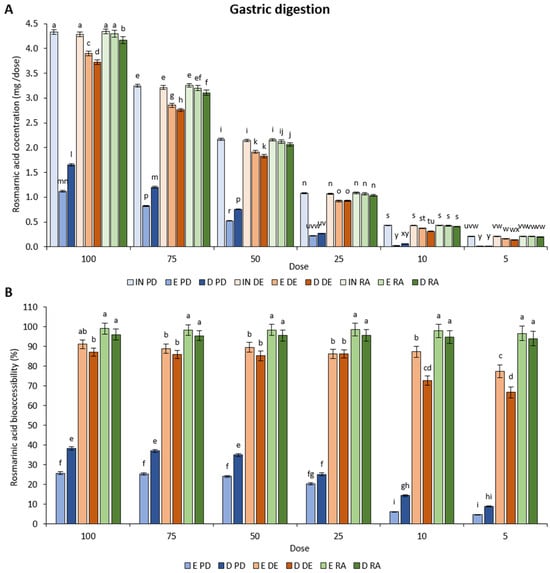
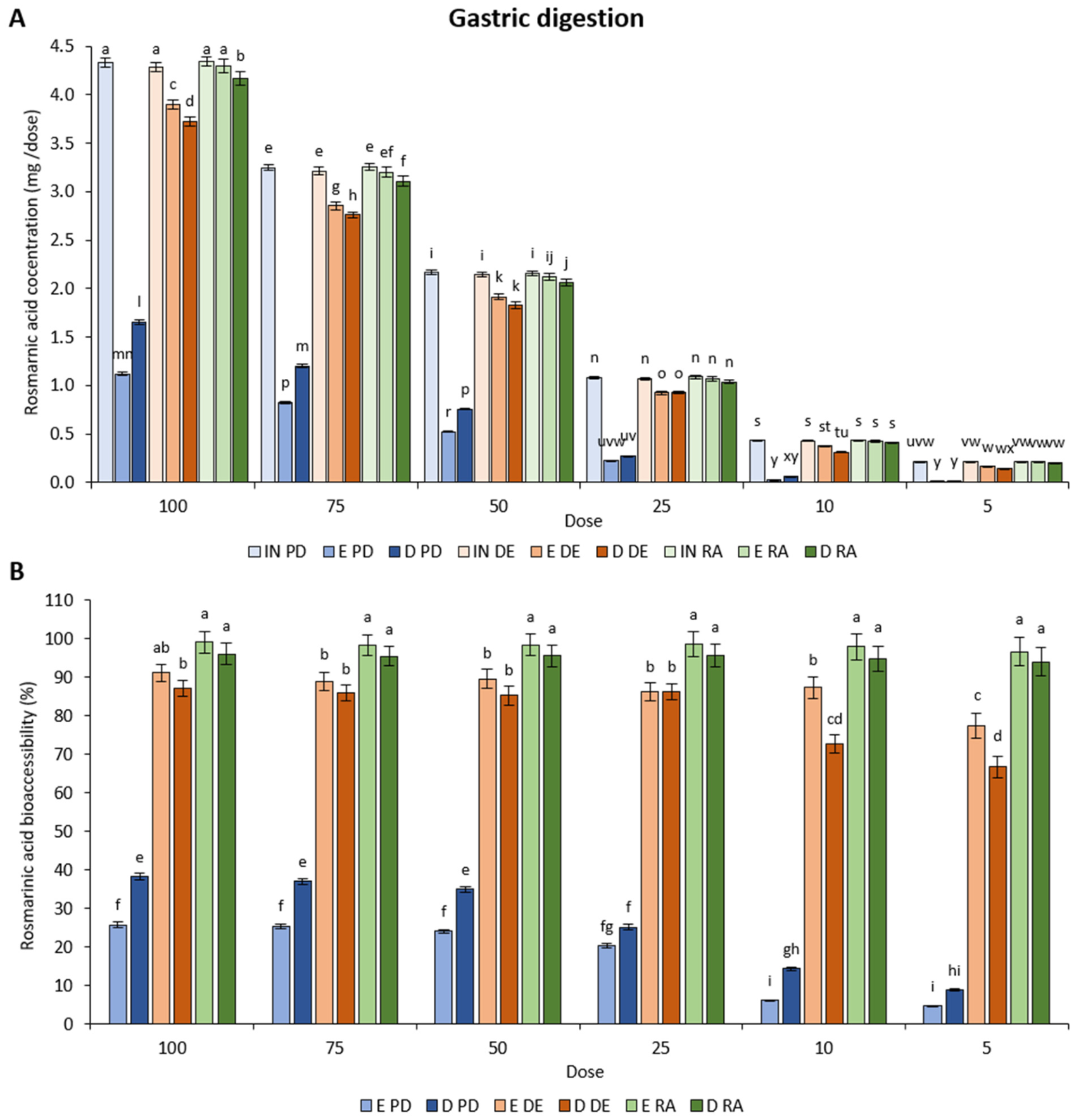
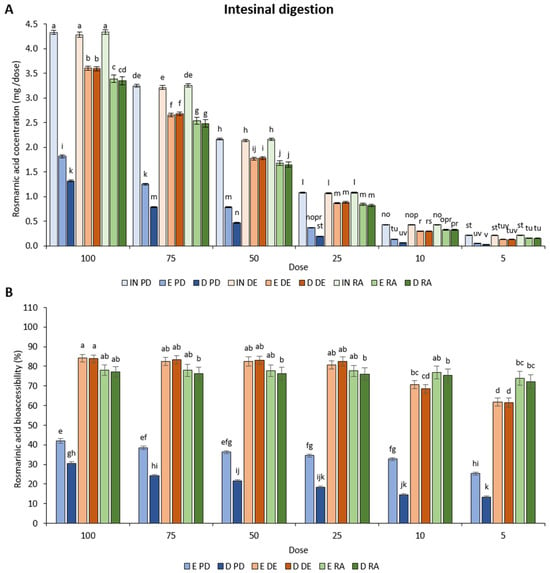
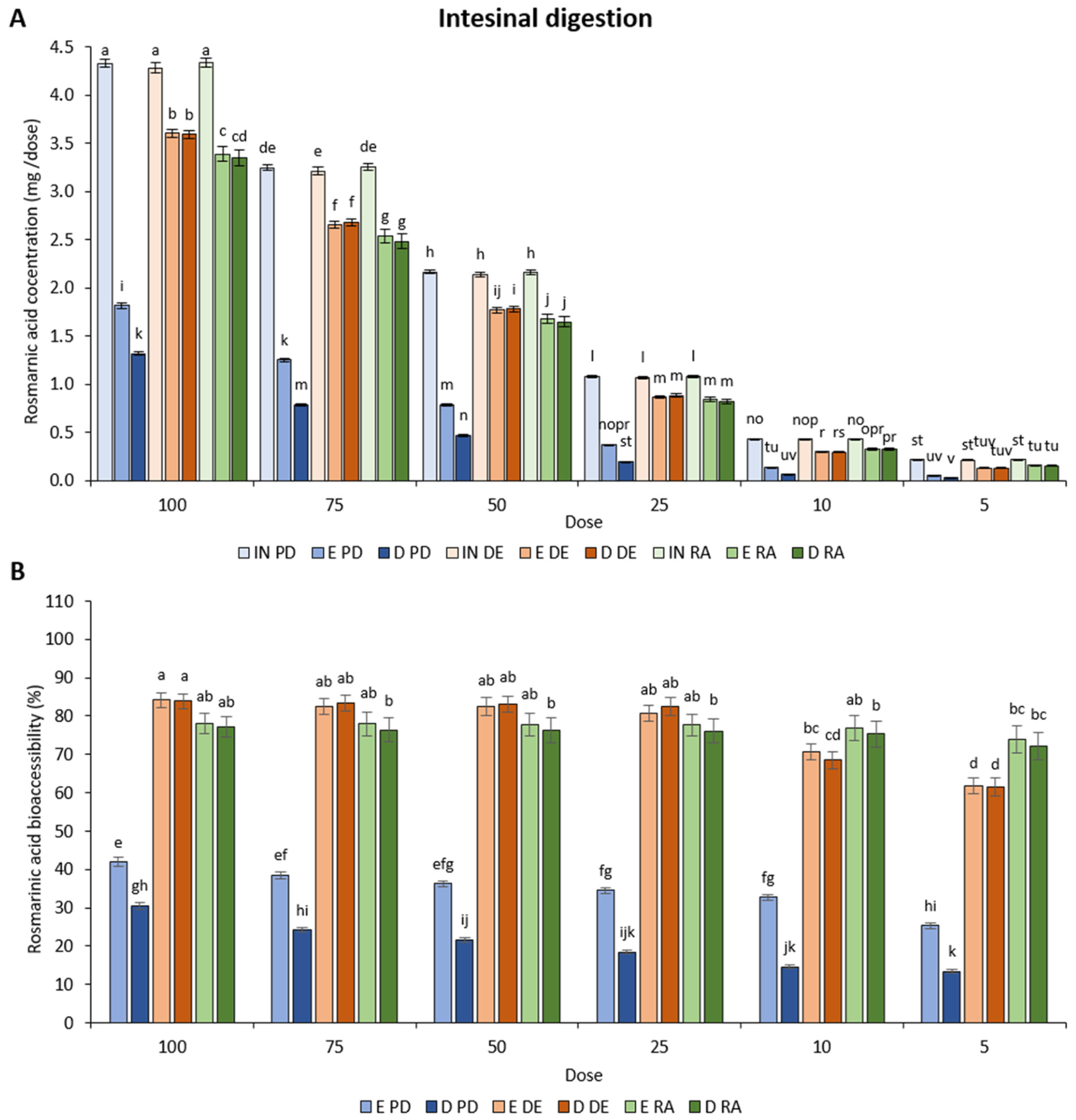

Disclaimer/Publisher’s Note: The statements, opinions and data contained in all publications are solely those of the individual author(s) and contributor(s) and not of MDPI and/or the editor(s). MDPI and/or the editor(s) disclaim responsibility for any injury to people or property resulting from any ideas, methods, instructions or products referred to in the content. |
© 2026 by the author. Licensee MDPI, Basel, Switzerland. This article is an open access article distributed under the terms and conditions of the Creative Commons Attribution (CC BY) license.