


Abstract
Coagulation–flocculation is widely recognized as a fundamental step in wastewater treatment, as it promotes the aggregation and removal of suspended particles and organic contaminants following the addition of a coagulant. In this study, a bio-based coagulant was prepared from prickly pear (Opuntia ficus-indica) seed residues obtained after essential oil extraction. The extraction process for bioactive agents was successfully modeled using Central Composite Design (CCD)-based Response Surface Methodology (RSM). Optimal extraction was reached at pH 13, PPSM of 7.5 g, 0.75 M NaCl, and 40 min of stirring, providing maximum yields of 69.63 g proteins, 217.075 g total sugars, and 81.416 g polyphenols. The optimized extract was subsequently used as a bio-coagulant for the treatment of wastewater collected from the Chalghoum El Aid–Oued El Athmania wastewater treatment plant (Mila, Algeria). The effects of three operating parameters, initial turbidity, solution pH, and bio-coagulant dosage, on the coagulation–flocculation performance were investigated using a Box–Behnken design (BBD). Process efficiency was evaluated in terms of turbidity, chemical oxygen demand (COD), and organic matter (OM) removal. The raw wastewater exhibited initial values of 200 NTU for turbidity, 640 mg/L for COD, and 25 for organic matter. Statistical analysis revealed that the developed quadratic models were highly significant (p ≤ 0.05) and showed excellent predictive performance, with coefficients of determination (R2 ≥ 0.97). Optimal treatment conditions were identified at pH 7, a bio-coagulant dosage of 1 mL/L, and an initial turbidity of 200 NTU. Under these conditions, removal efficiencies exceeded 98% for turbidity and COD and reached 88.08% for organic matter. Furthermore, Fourier-Transform Infrared (FTIR) Spectroscopy analysis confirmed the presence of functional groups responsible for the coagulation activity of the bio-coagulant. These findings highlight the potential of prickly pear seed residues as an effective, sustainable, and low-cost alternative to conventional chemical coagulants in wastewater treatment.
1. Introduction
The global demand for high-quality water resources is continuously increasing. This trend is exacerbated by expanding industrial activities with fluctuating production rates, which generate substantial volumes of complex wastewater. This industrial effluent contains significant concentrations of organic and inorganic pollutants, pathogenic bacteria, nutrients, and toxic compounds, particularly from the pharmaceutical and textile sectors [1,2]. Since this water is becoming increasingly hazardous, different strategies have been created to safeguard the environment and to reuse water only after proper treatment prior to discharge. In practice, wastewater treatment is a combination of physical, chemical and biological steps, where solids, organic matter and microorganisms are either eliminated or brought down to a tolerable level. Sometimes this also means removing certain nutrients present at high concentrations, for instance, phosphorus or nitrogen [3,4]. These steps can be classified by treatment intensity into preliminary processes such as grit and oil removal, etc. [3], then primary treatment like coagulation–flocculation [5], followed by secondary stages involving biological treatment [6,7], and finally advanced treatment, including Electro-Fenton, hydroxyl radicals, sulfate radicals, and the like [8,9]. The disinfection step, which aims to get rid of microorganisms, usually happens at the end of the overall treatment chain. Whether wastewater treatment and reuse work well depends on several environmental criteria, and also on control measures. Such requirements are tightly connected to the specific features of the water being processed, and to the final purpose of treating and reusing it. Everything has to be done within a structure that ensures the protection of the environment and individuals, while still considering economic aspects, and also the need to supervise potential environmental impacts [10].
The removal of these contaminants is imperative, as they degrade water quality by increasing turbidity and total suspended solids (TSS). Furthermore, these suspended particles can act as carriers for toxic compounds and pathogenic microorganisms [11]. In other words, the coagulation stage destabilizes colloidal particles by adding positively charged coagulants. Flocculation then aggregates the destabilized particles into larger flocs that settle primarily due to their weight. The efficiency of this process is strictly dependent on operating parameters, including medium pH, the specific type of coagulant utilized, and its optimum dosage [12].
In general, metal-based coagulants like aluminum sulfate, ferric chloride, or polyaluminum chloride are among the most frequently used choices in Algeria and in lots of other countries around the world. As for these chemical coagulants, they have a deleterious impact on human health in the long run, and they can lead to serious outcomes such as Alzheimer’s disease and carcinogenic diseases [13,14]. The drawbacks associated with conventional mineral coagulants have driven extensive research into non-toxic, biodegradable organic alternatives. These bio-coagulants offer a more sustainable framework regarding both material sourcing and environmental application [15].
In this context of bio-coagulation, the use of natural, plant-based coagulants has emerged as a promising and sustainable alternative for water and wastewater treatment [16]. To date, research about natural plant-based coagulants has focused on four main categories: seeds, fruit waste (peels, seeds), fruits, and leaves [17]. Numerous recent studies have demonstrated the efficacy of various natural coagulants. For instance, Moringa oleifera seeds have been extensively studied for their high protein content, which acts via adsorption and charge neutralization, achieving turbidity removal efficiencies exceeding 90% in surface water treatment [18,19,20,21]. Similarly, Opuntia ficus-indica (cactus) cladodes have shown promising results as a bio-coagulant due to their mucilage content, effectively removing turbidity and heavy metals from industrial wastewater [22]. Other plant-based materials such as Vicia faba (broad bean) seeds, chitosan derived from crustacean shells, and various fruit peels (banana, orange, pomegranate) have also been successfully applied for the treatment of different wastewater types, including textile, domestic, and dairy effluents [23,24]. The basic information and physicochemical properties of different plant coagulants provide insight into what they do and into the active components that take part in coagulation. Those components are usually polysaccharides, proteins or even tannins [25,26].
The so-called clarification efficiency depends largely on the coagulants that are actually used. Deciding which coagulants to put in for water treatment has to consider, at least, their safety, how well they work, and also the price. Depending on the coagulant type and the dosage, you can see changes observed in (i) the clarified water quality; (ii) the flocculation quality, the settling process, and filtration; and (iii) the running expenses [22,26]. Despite the growing body of research, the optimization of operational parameters (pH, coagulant dosage, mixing conditions) and the understanding of the underlying coagulation mechanisms for many novel bio-coagulants remain areas requiring further investigation [27].
To address these gaps, the novelty of this study lies in the valorization of prickly pear seed (PPS) residues obtained after oil extraction. While previous studies have focused on whole seeds, this agro-industrial waste is explored here as a potential source of natural coagulant agents for wastewater treatment, contributing to both waste management and the development of eco-friendly water treatment technologies. This proposed approach offers a dual benefit: (i) the conversion of an agro-industrial waste into a value-added bio-coagulant; and (ii) the enhancement of coagulation performance due to the removal of oil components known to interfere with the coagulation process. Furthermore, the development of predictive mathematical models provides a powerful tool for accurately determining optimal operating conditions, thereby improving process efficiency and reducing reliance on time-consuming experimental trials.
Consequently, the main objectives of this research are the physicochemical characterization of prickly pear seed (PPS) powder and liquid prickly pear seed (LPPS) coagulant agents involved in the coagulation–flocculation process. Several analytical techniques are employed, including Fourier-Transform Infrared Spectroscopy (FTIR), as well as the determination of protein, polysaccharide, and total phenolic compound concentrations. In addition, the extraction of these bioactive compounds is optimized using Response Surface Methodology (RSM) based on a Central Composite Design (CCD), allowing the evaluation of the effects of key operational parameters and their interactions in order to maximize extraction efficiency and coagulant performance. Finally, the study aims to optimize and model the coagulation–flocculation process using RSM based on a Box–Behnken Design (BBD). This approach evaluates the effect of three parameters (pH, coagulant dosage, and initial turbidity) on turbidity removal, chemical oxygen demand (COD), and organic matter reduction.
2. Materials and Methods
This study was conducted in two main stages. First, prickly pear seed (PPS) waste was valorized into a natural bio-coagulant through a sequence of preparation, extraction, purification, and physicochemical characterization steps. The extraction process was optimized using a Central Composite Design (CCD), which was selected to thoroughly explore the experimental boundaries through its axial points. In the second stage, the obtained bio-coagulant was applied for wastewater treatment through coagulation–flocculation experiments. The performance of this process was optimized using a Box–Behnken Design (BBD), considering key operational parameters such as pH, coagulant dosage, and initial turbidity. This distinct choice of Response Surface Methodology (RSM) designs was adopted because BBD avoids extreme combinations of operating parameters (e.g., pH and dosage) that could disrupt the coagulation mechanism, thereby ensuring a more stable and efficient optimization process for the water treatment phase.
2.1. Bio-Coagulant Preparation and Optimization
2.1.1. Origin of Raw Material
In this study, prickly pear seeds (PPSs) were collected as a waste from a local company in Batna Province of northern Algeria, which produces oil from these seeds. After oil extraction, these residues are usually discarded; however, they were transformed into a natural, effective, and environmentally friendly bio-coagulant. This approach is particularly relevant in Algeria, where PPSs are abundant, inexpensive, and remain largely underutilized. Thus, this waste was valorized into a bio-coagulant due to its inherent coagulation properties and its richness in bioactive compounds responsible for promoting coagulation, which exhibit strong turbidity and suspended particle removal performance, providing an economical and sustainable alternative for improving water quality.
The preparation of the PPS bio-coagulant involved several steps to ensure the preservation of its coagulating properties. First, the seeds were washed with tap water to remove surface impurities, followed by rinsing with distilled water (pH 6.59, conductivity 5.27 µS/cm, temperature 17.7 °C). The seeds were dried at 35 °C to reduce moisture content and prevent degradation of bioactive compounds. Once dried, the seeds were ground into a fine powder using a mechanical grinder and subsequently sieved to obtain a homogeneous particle size. Finally, the powdered bio-coagulant was stored in airtight containers away from moisture to maintain its stability and coagulating efficiency.
2.1.2. Analytical and Structural Evaluation of the Raw Material
To identify the different coagulating agents responsible for the coagulation–flocculation process, the raw material used for the extraction of bio-coagulants was subjected to physicochemical characterization. Several standard analytical methods were employed to evaluate their properties.
The moisture content was determined by oven-drying the samples at 105 °C until constant weight was achieved, and the results were expressed as percentage weight loss. This method is widely used for biomass and bio-coagulant materials to assess water content and storage stability [28].
The ash content was measured by incinerating the dried samples in a muffle furnace at 550–600 °C for several hours until a constant weight was obtained. The remaining inorganic residue represents the mineral fraction of the material [29].
The pH of the bio-coagulants was determined by dispersing a known amount of sample in distilled water and measuring using a calibrated digital pH meter (For the liquid coagulant (LPPS); pH was measured using a multiparameter analyzer (Jenway 3540, Camlab, Cambridge, UK). This parameter is essential for evaluating the charge behavior and coagulation efficiency of the material [30].
The apparent density was determined by gently filling a graduated cylinder with the powder sample and recording the mass per unit volume (g/cm3). This property provides information about particle packing and handling characteristics [31].
The true density was determined using the pycnometer method, where the volume of the solid phase is measured by liquid displacement. This method allows accurate determination of the intrinsic density of the material [31].
True density and porosity were determined to assess the internal pore structure of the bio-coagulant. The true density was measured using helium pycnometry, in which the sample volume is determined from the displacement of helium gas in a chamber of known volume, following gas-law principles. From the measured true density and previously determined bulk (apparent) density, the porosity was calculated according to the following relation [32]:
The Fourier-Transform Infrared (FTIR) spectrum (SHIMADZU Code: HI 98713, Shimadzu, Cluj-Napoca, Romania) was used to determine the functional groups of raw material.
2.1.3. FTIR of Powder Coagulant
The FTIR spectrum of prickly pear (Opuntia ficus-indica) seed powder reveals key functional groups indicative of polysaccharides, proteins, and possibly lipids, which align with its use as a natural coagulant source [33]. The infrared spectrum of the prickly pear seeds was recorded in the wavenumber range from 4000 to 500 cm−1 using a Fourier-Transform Infrared Spectrometer. Figure 1 presents the obtained infrared spectra.
Figure 1.
Infrared spectrum of prickly pear seeds.
The broad peak at 3400.01 cm−1 corresponds to O-H stretching vibrations from hydroxyl groups in polysaccharides or proteins, which are common in PPS powder and enable bridging during coagulation [34].
The sharp peak at 1741.72 cm−1 indicates C=O stretching from carbonyl groups, such as esters in lipids or carboxylic acids in uronic acids (e.g., galacturonic acid), thereby supporting coagulant activity via charge interactions [35,36].
Peaks at 1481.33 cm−1 suggest C=C aromatic stretching or amide II bands from proteins, facilitating adsorption mechanisms in flocculation [37]. The peaks at 1219.01 cm−1 and 1307.73 cm−1 are attributed to C-O stretching in ethers or esters, and C-H bending in polysaccharides, respectively, which contribute to the hydrocolloid network for particle entrapment [37,38]. These results align with the functional groups typically found in natural coagulants that promote hydrogen bonding and floc formation [33]. The peak at 904.61 cm−1 falls in the 900–950 cm−1 range typical of α-glycosidic linkages (e.g., in arabinoxylans or pectins), confirming polysaccharide dominance in the seed matrix used for coagulant extraction [39]. Similar spectra have been reported in Opuntia mucilage studies: broad O-H at 3358–3426 cm−1, C=O at 1738 cm−1, and C=C at 1624–1649 cm−1 for fruit peels and seeds, which were linked to coagulation via hydroxyl and carboxyl bridging [40]. Prickly pear seed powder profiles match those of well-known plant coagulants like Moringa oleifera, where proteins and polysaccharides drive greater than 95% turbidity removal, outperforming alum in some eco-friendly applications. Unlike synthetic coagulants, these natural peaks indicate polyelectrolyte behavior without the generation of metal residues, rendering them ideal for sustainable water treatment [37].
2.1.4. Preparation of the Bio-Coagulant (Extraction and Purification of Active Compounds)
The bioactive components of the prickly pear seeds were isolated through a sequential three-stage process consisting of: (i) biomass pre-treatment; (ii) solid–liquid extraction, and (iii) purification. During the pre-treatment stage, the seed material was thoroughly cleaned, dehydrated at a temperature below 35 °C, comminuted, and subsequently fractionated using a sieve mesh size of less than 350 µm to obtain a highly homogeneous powder. For the subsequent extraction phase, a specific mass of the prepared Opuntia ficus-indica seed powder was dissolved in distilled water (Figure 2).
Figure 2.
Extraction and purification of coagulating agents based on prickly pear seed.
The extraction of coagulating agents was carried out in an aqueous NaCl medium under controlled pH conditions, as summarized in Table 1. Briefly, aqueous NaCl solutions were prepared at concentrations ranging from 0.25 to 1.25 mol/L, with a fixed working volume of 100 mL for each experimental run. The pH was adjusted to values between 1 and 13 using 0.1 M HCl or 1 M NaOH and verified using a calibrated pH meter. A defined mass of PPSM (2.5–12.5 g) was then added to the prepared solution. The mixture was subjected to magnetic stirring for 0–80 min to promote extraction under the selected conditions.
Table 1.
Optimization of experimental parameters.
2.1.5. Optimization of Extraction Process (CCD)
In this study, a Central Composite Design (CCD) was employed to optimize the extraction of coagulating agents. The Response Surface Methodology (RSM) analysis and statistical optimization were performed using the Minitab 2019 software package.
Where Yi represents the measured responses (proteins, total sugars, and polyphenols), and Xi denotes the independent variables under investigation. The parameters assessed for bio-coagulant performance were pH (X1), PPSM (g) (X2), NaCl concentration (mol/L) (X3), and stirring time (min) (X4). In total, 31 experimental runs were carried out according to the design, with the extraction modeled to maximize the yields of target active compounds (proteins, polysaccharides, and total polyphenols) [23].
where Yi represents the response (polysaccharides, polyphenols and proteins), k is the number of factors (here, k = 4), β0 is the intercept, βi, βii, and βij are the regression coefficients, and Xi are the independent variables under study.
Biochemical Quantification Assays
The biochemical composition of the bio-coagulant was evaluated by quantifying total polysaccharides, total phenolic compounds, and proteins using standard spectrophotometric methods, and all analyses were based on external calibration curves.
Total polysaccharides were determined using the phenol–sulfuric acid method [41], with D-glucose as the calibration standard. Absorbance was measured at 490 nm. Total phenolic content was determined using the Folin–Ciocalteu method [42] with gallic acid as the calibration standard. Absorbance was recorded at 765 nm. Protein content was determined using the Bradford assay [43], with bovine serum albumin (BSA) as the calibration standard. Absorbance was measured at 595 nm.
For all assays, concentrations were calculated using a linear calibration model according to the following general equation:
where Ci is the concentration of the analyte i (polysaccharides, phenolic compounds, or proteins), Ai is the measured absorbance, ai is the slope of the corresponding calibration curve, and bi is the intercept.
2.2. Application in Wastewater Treatment
2.2.1. Raw Water Sampling and Characterization
This experimental work was conducted on raw wastewater samples collected from the Oued El Athmania wastewater treatment plant (WWTP) (Wilaya of Mila, Algeria). The samples were collected in bulk from the source. Upon arrival at the laboratory, sample handling, preservation, and subsequent physicochemical characterization (turbidity, organic matter, and COD) were systematically performed in triplicate in strict accordance with the Standard Methods for the Examination of Water and Wastewater (APHA/AWWA, 2017) to ensure data reproducibility and eliminate contamination risks. The total duration of the study was 40 days, with each manipulation being systematically replicated three times to verify and guarantee the reliability of the results.
Table 2 summarizes the parameters analyzed and the characterization of the water. The aromatic organic matter was determined by absorbance at 254 nm, a wavelength indicative of the presence of aromatic compounds and conjugated structures within dissolved organic matter. The result, expressed as absorbance per unit length (cm−1), was obtained by dividing the absorbance reading (a) by the optical path length of the spectrophotometric cell (1 cm).
Table 2.
Raw water characterization.
2.2.2. Experimental Design for Coagulation Process (BBD)
To optimize the coagulation process, a Response Surface Methodology (RSM) was applied. A Box–Behnken design was employed to develop a quadratic polynomial model capable of predicting the system’s response as a function of the independent variables and their interactions [44]. This model, formulated according to Equation (2), was utilized to predict and optimize the specific treatment responses, namely turbidity removal and TSS reduction [45].
Where Yi represents the response (turbidity, COD, or organic matter removal), k is the number of factors (here, k = 3), β0 is the intercept, βi, βii, and βij are the regression coefficients, and Xi are the independent variables under study. In this work, the factors evaluated for bio-coagulant performance were initial turbidity (X1), pH (X2), and coagulant dosage (X3). A total of 15 experiments were conducted according to the design. The adequacy of the model was evaluated using analysis of variance (ANOVA), and the significance and predictive ability of the model were assessed through the coefficient of determination (R2) and p-values [45].
2.2.3. Coagulation–Flocculation Experiments (Jar Test)
A standard jar test procedure was employed to simulate the coagulation–flocculation process using PPSL as a bio-coagulant, with the objective of optimizing pH and coagulant dosage. The pH of the solution was adjusted to the required experimental levels using 0.1 M of HCl and 1 M of NaOH solutions and continuously monitored using a calibrated pH meter. In each experiment, 1 L of municipal wastewater was transferred into a beaker, followed by the addition of a predetermined dose of bio-coagulant (Table 3) at an initial temperature of 21 °C. The mixture was then subjected to coagulation–flocculation using a jar test apparatus (LI-JTA-125, LABARD, Labard Instruments, Bengale, India). The process involved a rapid mixing step at 160 rpm for 3 min, followed by a slow mixing phase at 30 rpm for 15 min. After a settling period of 25 min, turbidity and other relevant parameters were analyzed. The removal efficiencies of turbidity, chemical oxygen demand (COD), and organic matter (OM) were calculated using Equations (4)–(6), respectively.
Table 3.
Coded and real levels of factors applied in the Box–Behnken design.
Before each experimental run, the initial turbidity, COD, and organic matter (OM) of the fully homogenized raw wastewater were measured to establish the baseline parameters. For each series of experiments, a control test (blank) containing raw wastewater without any bio-coagulant dosage (0 mg/L) was systematically conducted under identical stirring and settling conditions to assess the effect of natural sedimentation.
2.2.4. Characterization of Treated Wastewater Parameters
Turbidity was determined using a calibrated Hach 2100Q laboratory turbidimeter (Hach Company, Loveland, CO, USA). Measurements were performed according to the nephelometric method, and the results were expressed in Nephelometric Turbidity Units (NTU). Calibration was carried out using certified turbidity standards before each series of measurements to ensure analytical accuracy.
Chemical oxygen demand (COD) was determined using the closed reflux colorimetric method. Samples were digested in a Hach DRB200 COD reactor at 150 °C for 2 h and subsequently analyzed with a Hach DR3900 UV–Visible spectrophotometer (Hach Company, Loveland, CO, USA) at 620 nm. COD concentrations were calculated from calibration curves provided by the manufacturer. All measurements were performed according to the procedures described in APHA Standard Methods for the Examination of Water and Wastewater [46].
Organic matter (OM) was estimated through UV-Vis absorbance at 254 nm (UV254) using a UV-Vis spectrophotometer: UV–Visible absorption spectra were recorded using a Jenway 6305 UV–Visible spectrophotometer (Jenway, London, UK). The instrument operates over a wavelength range of 198–1000 nm with a spectral bandwidth of 5 nm, a wavelength resolution of 1 nm, and a wavelength accuracy of ±2 nm. The spectrophotometer is equipped with a xenon flash lamp as the light source and allows measurements in absorbance, transmittance, concentration, spectrum scanning, and kinetic modes. All measurements were performed using 1 cm path-length quartz cuvettes at room temperature.
3. Results and Discussion
3.1. Characterization of Prickly Pear Seeds
Characterization of Powder Coagulant
To identify its primary characteristics, the bio-coagulant powder was subjected to several physicochemical characterizations. Its ash content and humidity level were measured as part of the examination to determine its purity and organic/inorganic compositions. Determining its apparent density, actual density, and porosity, all crucial for comprehending its behavior in solution, was done in order to assess its physical structure. In order to assess the bio-coagulant’s acidity or basicity, a critical component affecting both its coagulation effectiveness and its interaction with contaminants in the treated effluent, its pH was lastly evaluated.
Table 4 presents the characterization results of the natural powdered coagulant.
Table 4.
Characterization of prickly pear seed powder.
These results show that prickly pear seed powder has unique characteristics that can make it effective as a bio-coagulant. Its high porosity and apparent density suggest that it could offer a large contact surface for coagulation processes [47]. The high moisture and ash content may require special management [47], but do not necessarily impair its coagulation potential. Finally, its neutral pH makes it compatible with a wide range of applications without the risk of disrupting the pH of the system to be treated.
3.2. Optimization and Modeling of Coagulant Extraction Process
The results of this section help identify the factors influencing the extraction and purification of coagulant agents, such as pH, powder quantity, NaCl concentration, and agitation time. The objective of this study is to optimize and model the coagulant extraction process (proteins, total sugars, and polyphenols) from prickly pear seeds using a Central Composite Design (CCD) with four factors and 31 experiments. Table 5 summarizes the concentrations of the various coagulant agents.
Table 5.
Results of CCD in terms of concentration of extracted coagulant agents (proteins, total sugars, and polyphenols) using prickly pear seeds as raw material.
The results obtained show that prickly pear seeds contain the three coagulants (proteins, total sugars, and polyphenols) at different concentrations. It should be noted that the maximum levels of proteins, total sugars, and polyphenols were 69.630, 217.075, and 81.416 mg/g, respectively. The mathematical models (in real values) of this study are given as follows:
Total sugars concentration (mg/g) = 327.7 − 56.98X1 − 7.43X2 − 294.9X3 − 0.91X4 + 2.700X12 + 1.412X22 + 58.3X32 + 0.01524X42 − 0.881X1X2 + 27.03X1X3 + 0.1779X1X4 + 13.23X2X3 − 0.1625X2X4 − 0.041X3X4
Protein concentration (mg/g) = 18.57 − 2.024X1 + 4.69X2 + 5.1X3 − 0.027X4 + 0.3303X12 − 0.0263X22 + 14.36X32 + 0.002227X42 − 0.2425X1X2 + 1.259X1X3 − 0.01781X1X4 − 3.654X2X3 + 0.02207X2X4 − 0.2263X3X4
Polyphenol concentration (mg/g) = −185.6 + 24.69X1 + 19.06X2 + 177.6X3 − 0.388X4 − 1.189X12 − 1.813X22 − 177.5X32 − 0.01103X42 − 0.429X1X2 − 3.45X1X3 − 0.0621X1X4 + 9.28X2X3 + 0.X2X4 + 1.435X3X4
3.2.1. Effect of Factor (pH) on Coagulant Agents
The influence of pH on the extraction efficiency of coagulant-active components from PPS, including proteins, polysaccharides, and polyphenols, is illustrated in Figure 3.
Figure 3.
Main–effects plot of pH on: (a) protein, (b) total sugars and (c) polyphenols.
Optimal extraction yields for proteins and polysaccharides were observed under strongly basic conditions (around pH 12), reaching maximum concentrations of 55 mg/L and 190 mg/L, respectively (Figure 3a,b). This behavior is primarily attributed to the deprotonation of key functional groups (such as –COOH–OH) in alkaline media. This deprotonation increases the solubility of macromolecules through electrostatic repulsion and enhances mass transfer from the biomass matrix, aligning with previous findings that alkaline media significantly boost protein solubility and yield [48]. However, while alkaline conditions maximize the mass yield of these polymers, they may negatively affect polyphenol stability due to oxidative degradation at extreme pH levels [49], resulting in poorer fixation of active components within the coagulant matrix [50].
In contrast, near-neutral conditions (pH 7) altered the extraction profile, yielding minimal concentrations of proteins (35 mg/L) and total sugars (62 mg/L) in the supernatant (Figure 3a,b), while maximizing the extracted polyphenol content at 34 mg/L (Figure 3c). Mechanistically, the lower solubility of proteins at pH 7 occurs because the environment is close to their isoelectric point, causing them to precipitate or remain bound to the solid matrix rather than solubilizing into the effluent. Similarly, carbohydrate solubility is reduced at neutral pH compared to pH extremes [51].
For polyphenols, neutral pH limits their oxidation and structural degradation, preserving their structural integrity and allowing them to achieve maximum fixation; this is consistent with adsorption studies where phenol removal peaks due to optimal charge neutralization and reduced competition from OH− ions [52].
From a water treatment perspective, these findings imply that pH 7 is optimal for preparing the coagulant. Maintaining low soluble proteins and sugars in the final effluent minimizes organic interference in the coagulation process and reduces organic load [51,53]. While maximizing intact, active polyphenols enhances subsequent turbidity and pollutant removal through stable floc formation.
3.2.2. Effects of Interaction Factors on the Responses on Coagulant Extraction Efficiency
The main effects plots presented in Figure 4, Figure 5 and Figure 6 illustrate the influence of PPSM concentration, NaCl concentration, and stirring time on the extraction of proteins, total sugars, and polyphenols. These results highlight distinct trends for each response, reflecting the complexity of the system and the interplay between physicochemical parameters.
Figure 4.
Main-effects plot of PPSM on: (a) protein, (b) total sugars and (c) polyphenols.
Figure 5.
Main-effects plot of NaCl on: (a) protein, (b) total sugars and (c) polyphenols.
Figure 6.
Main-effects plot of stirring time on: (a) protein, (b) total sugars and (c) polyphenols.
As shown in (Figure 6a–c), increasing the PPSM concentration significantly enhances the recovery of proteins and polyphenols up to an optimal level, after which a plateau or slight decline is observed. This behavior suggests a saturation phenomenon, where the availability of active binding or extraction sites becomes limiting. A similar result has been reported in recent studies on plant-based coagulants, where increasing biomass dosage initially improves pollutant removal or compound extraction but eventually leads to aggregation or competition effects that reduce efficiency [54]. Regarding the total sugars, shown in (Figure 6b), the increase appears more gradual, indicating that sugar solubilization is less sensitive to PPSM concentration compared to proteins and phenolic compounds. This may be attributed to the higher solubility and weaker binding interactions of sugars within the solution [55].
Figure 5a shows that the NaCl concentration plays an important role, particularly for protein extraction. Moderate salt concentrations improve protein recovery, which can be explained by the salting-in effect that enhances protein solubility by reducing electrostatic interactions. However, at higher concentrations, a decrease is observed, consistent with the salting-out phenomenon widely reported in protein chemistry [55]. As presented in Figure 5b, total sugars appear less affected by NaCl variation, confirming that their extraction is mainly governed by diffusion and solubility rather than ionic strength [56]. In addition, the polyphenols, shown in Figure 6c, exhibit a different trend, where excessive ionic strength may hinder their extraction due to reduced solvent–solute interactions or structural changes in the solution. Similar findings have been described in recent works on agro-industrial biomass valorization, where salt concentration modifies the extraction efficiency of phenolic compounds [57].
According to Figure 6a–c, increasing the stirring time enhances the extraction of all responses up to an optimum duration. This improvement is attributed to enhanced mass transfer and increased contact between the solvent and the solid matrix. Beyond the optimal time, the responses tend to stabilize or slightly decrease, possibly due to degradation of sensitive compounds (especially polyphenols) or because an extraction equilibrium was reached [57]. This observation is consistent with recent studies on bioactive compound extraction, where prolonged mixing improves the yield initially but may lead to oxidation or structural degradation over time [56].
3.2.3. ANOVA Results for the Coagulant Extraction Process
To predict the extraction yield of total polysaccharides, phenolics, and proteins, the experimental data were fitted to a second-order polynomial matrix model. The adequacy and goodness of fit of the models were evaluated using analysis of variance (ANOVA), and the main statistical indicators are summarized in Table 6.
Table 6.
ANOVA analysis (p-Test).
According to the ANOVA results (p-values) summarized in Table 7, the p-value is less than 0.05 for each model [23].
Table 7.
Results of BBD in terms of removal efficiency of turbidity, COD and OM.
The validity of the regression models was further evaluated using the coefficient of determination (R2) and the adjusted R2 (R2adj). The results indicated a good agreement between predicted and experimental values for all responses. The R2 values were 94.08%, 94.38%, and 93.80% for proteins, total sugars, and polyphenols, respectively, indicating that the models explained a high proportion of the variability in the experimental data. The corresponding adjusted R2 values were 88.90%, 89.46%, and 88.38%, respectively, confirming that the models remain robust after adjustment for the number of predictors. The relatively small difference between R2 and R2adj further supports the adequacy and reliability of the developed regression models for prediction within the studied experimental domain.
The residual curves could also be used to evaluate the prediction quality of the models, showing the difference between the model values and the actual (experimental) values. Figure 7a–c illustrate a distribution of the residuals that is relatively close to the zero axis. When using prickly pear seeds, the most significant fitting errors were 0.086 mg/g for proteins, 1.9 mg/g for total sugars, and 0.2 mg/g for polyphenols [23].
Figure 7.
Plot of residuals versus fitted value (a,c,e), and normal probability (b,d,f).
Figure 7a,c,e demonstrate that all the residuals are closely aligned with Henry’s line, confirming the assumption of normality. According to the graphical analysis shown in Figure 7b,d,f, it is observed that the overall distribution of the residuals follows a normal distribution. All the statistical indicators highlight that the developed models are statistically validated to simulate the coagulant extraction process in question [23].
3.2.4. Optimization of Extraction
Figure 8 presents the multi-response optimization of coagulant constituents (proteins, total sugars, and polyphenols) as a function of pH, coagulant mass, NaCl concentration, and stirring time using the desirability approach. The global desirability value (D = 0.9295) indicates an excellent compromise among the three responses, suggesting that the selected operating conditions simultaneously maximize the concentration of active coagulating agents.
Figure 8.
Optimization plot for the extraction of bio-coagulant agents.
The optimization was performed without imposing constraints on the independent variables (pH, PPSM, NaCl concentration, stirring time) except for the experimental ranges defined in Table 1. The objective was to simultaneously maximize the concentrations of proteins, total sugars, and polyphenols (multiple response optimization) using the desirability function approach.
The optimization results show that the optimal conditions correspond to a highly acidic medium (pH = 1.0), a relatively high coagulant mass = 12.10 g, an elevated ionic strength ([NaCl] = 1.02 M), and a long agitation time of 80 min. Under these conditions, the predicted responses reach 56.16 mg/L for polyphenols, 208.71 mg/L for total sugars, and 56.85 mg/L for proteins, with individual desirability values close to unity, especially for sugars and proteins (d = 1.000 and 0.999, respectively). This confirms that these factors strongly influence the extraction and/or availability of bioactive compounds responsible for coagulation.
The response profiles reveal distinct trends for each factor. The pH exhibits a pronounced negative effect on all responses, with maximum values obtained at low pH, likely due to the enhanced solubilization and protonation of functional groups, which improves the release of active compounds. The coagulant mass shows a positive effect, indicating that increasing the dosage enhances the availability of proteins, sugars, and polyphenols, thereby improving the coagulation potential. Similarly, the NaCl concentration positively influences the responses up to an optimum, which can be attributed to the salting-in effect and the improved extraction efficiency of biomolecules at elevated ionic strength. The agitation time also plays a significant role, with longer mixing favoring mass transfer and the dissolution of active compounds.
Overall, the composite desirability analysis highlights that acidic conditions combined with high coagulant dosage, sufficient ionic strength, and extended agitation promote the maximal recovery of coagulating agents. These findings are consistent with the physicochemical mechanisms governing bio-coagulant extraction, where solubility, diffusion, and intermolecular interactions are strongly dependent on the pH, ionic strength, and mixing conditions.
3.3. Characterization of Liquid Coagulant
The liquid bio-coagulant exhibited a strongly acidic pH (1.74), which can enhance coagulation efficiency by promoting charge neutralization of suspended particles. The measured conductivity (775 µS/cm) indicates the presence of dissolved ionic species that may contribute to the coagulation mechanism. The density (1.045 g/cm3) reflects the relatively concentrated nature of the extract. In addition, the bio-coagulant contained measurable amounts of bioactive compounds, including polyphenols (14.10 mg/L), total sugars (12.52 mg/L), and proteins (0.68 mg/L), which are likely to play a key role in floc formation through adsorption and bridging mechanisms during water treatment [58].
- Conductivity: Indicates a moderate presence of dissolved ions, which can interact with suspended particles [27].
- Density: Slightly higher than water, influencing the distribution of the coagulant in the solution [59].
- Polyphenols, polysaccharides, and proteins are essential bioactive constituents that enhance the coagulation process. Through their functional groups and molecular structures, they promote the aggregation of suspended particles, facilitating floc formation and improving water clarification [23].
The combination of these chemical and physical properties makes this liquid bio-coagulant potentially effective for wastewater treatment, although its high acidity and specific composition must be considered during its practical application [27].
FTIR of Liquid Coagulant
The FTIR spectrum of the liquid bio-coagulant from prickly pear seeds shows characteristic peaks consistent with polysaccharides and proteins typical of PPS powder extracts used in coagulation.
The infrared spectrum of prickly pear seeds (Figure 9) reveals the presence of functional groups typical of natural coagulating agents, particularly those associated with proteins, polysaccharides, and lipids. The broad peak at 3277 cm−1 indicates O-H stretching vibrations from hydroxyl groups in polysaccharides and N-H stretching from proteins, forming hydrogen bonds that are crucial for bridging colloidal particles during coagulation [37]. The sharp and intense peak at 2853 cm−1, along with its shoulder near 2925 cm−1, corresponds to the asymmetric and symmetric C-H stretching vibrations of aliphatic chains (-CH and -CH), which are mainly attributed to the lipid fraction or protein side-chains in the seeds. In the fingerprint region, the prominent peak at 1626 cm−1 is attributed to the Amide I band (C=O stretching of proteins) or the asymmetric -COO stretching of uronic acids (such as galacturonic acid), which plays a pivotal role in charge neutralization and floc formation [37]. The shoulder observed near 1740 cm−1 indicates the presence of carbonyl groups (C=O) from lipids or non-ionic carboxyl groups. The peaks at 1465 cm−1 and 1375 cm−1 are assigned to C-H bending vibrations of aliphatic groups. Furthermore, the peaks at 1170 cm−1 and the intense band at 1030 cm−1 correspond to C-O stretching vibrations, characterizing the carbohydrate (polysaccharide) backbone. Finally, the peak at 720 cm−1 represents the rocking vibration of long-chain aliphatic alkanes (-CH2-). These results confirm a polyelectrolyte-rich composition containing hydroxyl, carbonyl, and carboxylate groups, enabling efficient water treatment through polymer bridging and sweep flocculation mechanisms, which is consistent with typical Opuntia extract behaviors [60].
Figure 9.
Infrared spectrum of prickly pear seed liquid.
3.4. Optimization and Modeling of Bio-Coagulation Using the Response Surface Method: A Study on the Jar Test for Wastewater
Table 7 summarizes the outcomes of the 15 experiments performed based on the design generated by Minitab software. It details the levels assigned to each investigated variable, along with both the predicted and experimentally measured values for turbidity removal efficiency.
From the data reported in Table 7, the liquid bio-coagulant (PPSL) exhibited high removal performance for turbidity, COD, and OM, reaching 98.90%, 98.00%, and 88.077%, respectively. These optimal results were achieved under specific conditions, namely a coagulant dosage of 1 mL/L, a pH of 7, and a sedimentation time of 25 min, using a bio-coagulant prepared with 0.75 M NaCl at pH 13 and a settling time of 40 min.
Overall, these findings confirm that PPSL is highly effective for turbidity removal.
Removal Turbidity (%) = 85.544 − 13.864X120 + 1.504X1110 +12.360X1200 − 0.572X24 + 1.081X27 + 1.652X210 + 1.995X31 − 2.231X35.5 + 0.236X310
Removal COD (%) = 92.954 − 5.484X120 + 1.621X1110 + 3.867X1200 − 1.224X24 + 0.510X27 + 0.714X210 + 2.460X31 − 1.921X35.5 − 0.540X310
Removal OM (%) = 50.74 + 13.95X120 − 40.19X1110 + 26.24X1200 + 2.21X24 + 55X27 − 7.76X210 + 6.39X31 − 8.44X35.5 + 2.05X310
3.4.1. Impact of Initial Turbidity, pH, and Coagulant Dose on Pollutant Removal Efficiency with Extracted PPS
The main-effects plots presented in Figure 10a–c show the influence of initial turbidity, pH, and coagulant dosage on the removal efficiencies of turbidity, chemical oxygen demand (COD), and organic matter (OM) using the extracted prickly pear seed bio-coagulant. These parameters are known to significantly affect coagulation–flocculation mechanisms because they control particle interactions, charge neutralization, and floc formation during the treatment process.
Figure 10.
Main-effects plot of initial turbidity, pH and coagulant dosage on (a) turbidity; (b) COD, and (c) OM using extracted prickly pear seeds.
First, the results indicate that the initial turbidity has a strong positive effect on turbidity and COD removal efficiencies. As the initial turbidity increased from 20 to 200 NTU, the removal efficiency increased markedly, reaching values close to 98% for turbidity removal and about 97% for COD removal at the highest turbidity level. This behavior can be explained by the increased concentration of suspended particles in highly turbid water, which enhances the probability of particle collisions and aggregation during the coagulation–flocculation process [47]. At higher turbidity, the bio-coagulant molecules can more effectively neutralize the negative charges of colloidal particles and promote floc formation through adsorption and polymer bridging mechanisms. In contrast, at low turbidity levels, the lower particle concentration limits the collision frequency and floc growth, resulting in lower removal efficiencies. Similar observations were made by previous authors [61], who found that natural coagulants show improved coagulation performance at higher turbidity levels due to enhanced particle interactions. Likewise, Johnson et al. [21] reported that plant-based coagulants such as Moringa oleifera exhibit higher removal efficiencies in waters with elevated turbidity because of the increased availability of particles for aggregation [62].
Regarding the pH, the results show that the highest removal efficiencies were observed around neutral pH (approximately pH 7), with COD removal exceeding 93% and OM removal reaching about 56%. The influence of pH can be attributed to its effect on both the surface charge of colloidal particles and the ionization state of the functional groups present in the bio-coagulant compounds [44]. Prickly pear seeds (PPSs) contain various biomolecules such as proteins, polysaccharides, and polyphenolic compounds, which possess functional groups including hydroxyl, carboxyl, and amino groups. At neutral pH, the electrostatic interactions between the bio-coagulant molecules and suspended particles are optimized, promoting the formation of stable and dense flocs. In acidic conditions (pH 4), excessive protonation may reduce the availability of active binding sites, while in alkaline conditions (pH 10) increased electrostatic repulsion between negatively charged particles may hinder aggregation [1]. These findings are consistent with the results reported by Benalia et al. [63], who demonstrated that the coagulation efficiency of plant-derived coagulants is generally optimal near neutral pH due to favorable charge interactions. It has also been observed that cactus-based bio-coagulants achieve their maximum performance in slightly acidic to neutral pH conditions [61,64].
The coagulant dosage also showed a significant influence on pollutant removal efficiency. The results suggest that the lowest dosage tested (1 mL/L) produced the highest removal efficiencies for turbidity and COD, while increasing the dosage to 5.5 mL/L resulted in a noticeable decrease in removal efficiency, followed by a slight improvement at 10 mL/L. These results can be explained by the classical coagulation phenomenon known as particle restabilization. At the optimal dosage, the bio-coagulant neutralizes the negative charges on the surface of suspended particles, enabling aggregation and floc formation. However, when an excessive amount of coagulant is added, charge reversal may occur, which can restabilize the particles and reduce the coagulation efficiency [35]. This phenomenon has been widely reported in coagulation studies involving both chemical and natural coagulants. For instance, it has been shown that overdosing plant-based coagulants can lead to the redispersion of particles due to excess polymer chains in solution [35]. Similarly, previous studies have highlighted that the determination of an optimal dosage is essential to maximize treatment efficiency and prevent the destabilization of formed flocs [59].
Overall, the results obtained confirm the high potential of prickly pear seed extract as an effective natural bio-coagulant for wastewater treatment. The high turbidity and COD removal efficiencies observed in this study are comparable to those reported for other plant-derived coagulants used in water treatment applications. According to [65,66] natural coagulants derived from plant materials represent promising sustainable alternatives to conventional chemical coagulants because they are biodegradable, non-toxic, and environmentally friendly. Therefore, the use of prickly pear seed extract could contribute to the development of greener and more sustainable wastewater treatment.
3.4.2. Turbidity Removal
The coagulant dose–turbidity plots presented in Figure 11a,b show that the highest removal efficiency was achieved when both the initial turbidity and the coagulant dose were increased. Under these conditions, the maximum turbidity reduction exceeded 80%. This behavior agrees with the well-established mechanism of dose-dependent particle destabilization and polymer bridging in natural coagulants, where higher concentrations enhance interparticle collisions and floc growth [50].
Figure 11.
Contour and surface plots for (a–f) turbidity removal.
In the turbidity–pH profile (Figure 11c–f), the removal efficiency increased with increasing initial turbidity and pH. In the coagulant dose–pH interaction, increasing the coagulant dose combined with a decrease in pH led to a significant improvement in turbidity removal (see Figure 11c,d). The highest removal rate, greater than 95%, was observed at a dose of 10 mL/L and a pH of 4. These findings are consistent with previous studies showing that natural plant-based coagulants exhibit enhanced performance under acidic conditions due to the increased protonation of functional groups, which improves charge neutralization and floc formation [35].
These results demonstrate that PPS processes have a strong capacity to remove turbidity from wastewater, primarily driven by the active biomolecules present within the extract. This highlights the high efficiency of the coagulation–flocculation process under optimized operational conditions.
3.4.3. Effects of Interaction Factors on the Responses
COD Removal
The performance of chemical oxygen demand (COD) reduction in wastewater is illustrated by the contour plots and response surface curves. The optimal conditions for COD removal, in terms of pH, initial turbidity, and coagulant dose, were found to be 7, 110 mg/L, and 5.5 mL/L, respectively. Similar optimal ranges have been reported in studies on plant-based bio-coagulants, where near-neutral pH conditions enhanced organic matter destabilization and flocculation efficiency [1].
In the coagulant dose–pH interaction plots (Figure 12a,b), increasing the pH combined with a decrease in the bio-coagulant dose led to an increase in the percentage of COD removed (see Figure 12c,d), with the highest response exceeding 97%. This behavior suggests that at near-neutral pH, the bioactive compounds present in the natural coagulants achieve maximum efficiency without requiring excessive dosage, likely due to improved adsorption and polymer bridging mechanisms [67].
Figure 12.
Contour and surface plots for (a–f) COD removal.
In the coagulant dose–turbidity plot (Figure 11c,d), the highest removal efficiency was achieved by simultaneously increasing the initial turbidity and the coagulant dose. Under these conditions, the maximum COD reduction exceeded 98%. Similar high efficiencies (>95%) have been reported for natural bio-coagulants applied to highly loaded wastewaters, where an increase in organic particle concentration promotes better aggregation and sedimentation of destabilized particles [68].
The turbidity–pH interaction plot (Figure 12e,f) shows that the removal efficiency increased with increasing turbidity and pH (see Figure 12a,b), with the highest removal percentage exceeding 97.5%. This trend is consistent with coagulation theory, where a higher initial turbidity enhances interparticle collisions and floc formation, while neutral pH conditions favor the optimal charge neutralization of colloidal organic matter [52].
OM Removal
The performance of organic matter (OM) reduction in wastewater is illustrated through contour diagrams and response surface curves. The optimal conditions for this reduction, in terms of pH, initial turbidity, and coagulant dose, were 7, 110 mg/L, and 5.5 mL/L, respectively. Similar optimal ranges near neutral pH have been reported for plant-based bio-coagulants, where the stability of active biopolymers and improved interaction with dissolved organic compounds enhance treatment efficiency [67].
In the coagulant dose–pH interaction plots (Figure 13a,b), increasing the pH combined with increasing the bio-coagulant dose led to improved organic matter removal (see Figure 13c,d), with the highest response exceeding 15%. This trend agrees with studies indicating that higher dosages of natural coagulants enhance polymer bridging and adsorption mechanisms, particularly under neutral pH conditions where macromolecules maintain structural stability and maximum reactive surface area [19].
Figure 13.
Contour and surface plots for (a–f) OM removal.
The turbidity–pH diagrams show that the removal efficiency increased with increasing pH and decreasing initial turbidity (see Figure 13e,f), with the highest removal percentage exceeding 50%. This behavior is consistent with coagulation theory, where near-neutral pH conditions favor optimal ionization of functional groups in natural polymers, enhancing adsorption of dissolved organic matter, while lower suspended solids reduce competition between particulate and dissolved fractions for active binding sites [24].
Regarding the coagulant dose turbidity diagram, the maximum removal efficiency was achieved by increasing the coagulant dose while reducing the initial turbidity (see Figure 13e,f). Under these conditions, the maximum organic matter reduction exceeded 40%. Similar observations have been reported where dissolved organic matter removal is more effective at moderate turbidity levels, as excessive suspended solids may hinder adsorption sites and reduce flocculation efficiency [19].
The removal of turbidity, COD, and organic matter through the coagulation–flocculation process can be explained by the presence of bioactive compounds in the prickly pear seed extracts, namely proteins, total sugars, and polyphenols. These compounds act through adsorption, interparticle bridging, and charge neutralization mechanisms, which destabilize colloidal particles and facilitate floc formation and sedimentation. Similar mechanisms have been described for cactus- and seed-derived biopolymers used in water treatment applications [52].
3.4.4. ANOVA Results
The regression models exhibited high coefficients of determination, with R2 values of 96.69% for turbidity, 91.70% for COD, and 94.74% for organic matter (OM), indicating a strong agreement between experimental and predicted responses. The statistical significance of the models was confirmed by the analysis of variance (ANOVA), where all models were highly significant (p < 0.05). In particular, the linear terms and factor X1 were significant contributors to the responses (p < 0.05), whereas X2 and X3 showed non-significant effects for most responses (p > 0.05), indicating a weaker influence on the system behavior. In addition, the lack-of-fit tests were non-significant (p > 0.05), confirming that the quadratic models adequately describe the experimental data without systematic error. Overall, the combination of high R2 values, significant model terms, and non-significant lack-of-fit validates the reliability and predictive capability of the developed response surface models.
Alongside the ANOVA findings, the model fit was also checked in a kind of indirect way, by looking at those residuals-versus-fitted-value plots plus the normal probability graphic, which are shown in Figure 14a,c,e and then Figure 14b,d,f for the other part.
Figure 14.
Plot of residuals versus fitted value (a,c,e), and normal probability (b,d,f) of turbidity, COD and OM.
Residual plots can also be used to evaluate the quality of model predictions by illustrating the deviation between the values predicted by the model and the observed (experimental) values.
Figure 14a,c,e illustrate that the residuals are symmetrically dispersed and remain close to the zero-reference line, indicating the absence of significant systematic deviation. The maximum fitting errors were estimated at approximately 17, 3.78 and 14.92 for turbidity, COD and OM, respectively.
Furthermore, as observed in Figure 14b,d,f, the experimental data points are closely aligned along the diagonal line, confirming the normal distribution of residuals for all developed models. Collectively, these statistical indicators demonstrate that the proposed models are robust and adequately validated for accurately simulating the coagulation–flocculation process using PPSL as a bio-coagulant [61].
3.4.5. Optimization
Within this framework, the process variables were simultaneously optimized to determine the optimal operating conditions for the three responses (turbidity, COD, and organic matter). The desirability function approach was applied to maximize overall wastewater treatment efficiency.
The optimal operating conditions predicted by the developed models were pH 7, an initial turbidity of 200 NTU, and a coagulant dosage of 1 mL/L (Figure 15). Under these conditions, the experimental removal efficiencies reached 98.900%, 98.000%, and 88.077% for turbidity, COD, and organic matter (OM), respectively. These values were in close agreement with the model predictions (98.819%, 99.760%, and 88.918%, respectively), with absolute prediction errors of only 0.081%, 1.760%, and 0.841%. The low prediction errors confirm the accuracy and reliability of the developed models for predicting the treatment performance under the investigated operating conditions.
Figure 15.
Optimization plot.
The treatment performance under optimal conditions was further validated experimentally, showing a substantial reduction in turbidity (200 to 2.2 NTU), COD (640 to 12.8 mg/L), and organic matter (25 to 2.981 mg/L). In addition, UV254 absorbance decreased from 0.893 to 0.266 cm−1, indicating a reduction in aromatic organic compounds. Minor variations were observed in pH (8.25 to 7.59), chloride (4.2 to 3.7 mg/L), phosphate (0.115 to 0.014 mg/L), conductivity (9.15 to 14.62 mS/cm), and total alkalinity (10 to 9.8 °F), confirming overall improvement in water quality.
A comparative analysis with recent studies (Table 8) shows that the optimized bio-coagulant derived from prickly pear seeds exhibits superior performance. It achieves higher turbidity and COD removal efficiencies at a lower dosage (1 mL/L) compared with other plant-based coagulants such as banana peel and okra powder. This highlights its potential as an efficient and sustainable alternative for wastewater treatment applications.
Table 8.
Comparative performance of the optimized bio-coagulants with other bio-sourced coagulants in the recent literature.
3.5. Coagulation Mechanism of the Optimized Bio-Coagulant
Based on the FTIR and UV-Vis characterization, the coagulation–flocculation efficiency of the prepared bio-coagulant can be attributed to a synergistic mechanism of charge neutralization and polymer bridging. The FTIR spectra revealed a high density of hydroxyl and amine functional groups. In an acidic/neutral medium, these groups undergo protonation, generating positive active sites that destabilize the negatively charged colloidal suspension via charge neutralization. Simultaneously, the presence of complex macromolecules (such as proteins and polysaccharides), as screened by UV-Vis, facilitates polymer bridging. These long-chain polymers adsorb onto the destabilized particles, binding them together into heavier aggregates (flocs) that settle rapidly. This dual mechanism explains the high turbidity removal efficiency observed during the optimization phase.
3.6. Technological Implementation and Sustainability Aspects
The prickly pear seed-based bio-coagulant offers several practical advantages for real-world wastewater treatment. The raw material (seed residues after oil extraction) is low-cost and abundantly available in Algeria and similar arid/semi-arid regions, where Opuntia ficus-indica is cultivated. This approach provides a dual benefit: (i) valorization of an agro-industrial waste that would otherwise be discarded; and (ii) production of an effective, eco-friendly coagulant. Unlike conventional chemical coagulants (e.g., aluminum sulfate, ferric chloride), the PPS-derived bio-coagulant is fully biodegradable, non-toxic, and contains no heavy metals, thereby eliminating risks of secondary pollution or health hazards such as Alzheimer’s disease associated with residual aluminum. Furthermore, the simple extraction process (aqueous NaCl under alkaline pH, followed by centrifugation) is easily scalable and does not require expensive solvents or complex equipment, making it suitable for decentralized water treatment systems in rural or resource-limited communities. Future pilot-scale studies are needed to assess long-term performance, sludge manageability, and economic feasibility under continuous flow conditions.
4. Conclusions
The growing demand for sustainable and environmentally friendly wastewater treatment technologies has encouraged the exploration of natural coagulants derived from renewable resources. Agro-industrial wastes, particularly plant-based residues, have attracted increasing attention as low-cost sources of bioactive compounds with coagulating properties. In recent years, several studies have demonstrated the effectiveness of plant-derived proteins and polysaccharides in destabilizing suspended particles and reducing organic pollutants in wastewater. Therefore, the recovery and utilization of PPS residues as a source of natural coagulant agents represents a promising and sustainable strategy for both waste valorization and efficient wastewater treatment.
Initially, the extraction of bioactive compounds was optimized using Response Surface Methodology (RSM) coupled with a Central Composite Design (CCD). The findings indicated that optimal conditions (pH 13, PPSM = 7.5 g, NaCl concentration = 0.75 M, and stirring time = 40 min) resulted in maximum yields of proteins (69.63 g), total sugars (217.075 g), and polyphenols (81.416 g).
Experimental results optimized the coagulation–flocculation process via jar tests, focusing on three key factors: initial turbidity, pH, and bio-coagulant dosage. The response surface models derived from the Box–Behnken design (BBD) demonstrated robust predictive performance. Specifically, high correlation coefficients (R2 and adjusted R2) were achieved for turbidity removal (96.69% and 94.21%), COD removal (91.70% and 85.47%), and organic matter removal (94.74% and 90.80%). This strong fit was further confirmed by the high correlation between experimental (Y) and predicted (Ypred) values, reaching 98.90–98.82% for turbidity, 98.00–99.76% for COD, and 88.08–88.92% for organic matter removal, respectively. These high values confirm the models’ excellent predictive quality.
This study demonstrates that bio-coagulants are effective, low-cost agents for water purification. In particular, prickly pear seed-based coagulants preserve the chemical and physical quality of treated water and sludge, are fully biodegradable, and contain no harmful metals such as aluminum or iron. These characteristics make them a sustainable and safe alternative to conventional synthetic coagulants, including aluminum sulfate, ferrous sulfate, and ferric chloride, with significant benefits for environmental protection and public health.
While this study successfully establishes the process optimization and operational performance of the liquid bio-coagulant using FTIR and UV-Vis monitoring, it also opens up important avenues for fundamental research. Future work will focus on a deeper characterization of the extract to fully map the active bio-compounds and elucidate the exact coagulation mechanisms. To achieve this, further investigations including HPLC fractionation, NMR molecular identification, and Zeta potential tracking are planned as next steps.
Author Contributions
Conceptualization, A.B., A.T., A.M., K.D., A.K., A.P. (Antonio Pizzi), G.T., A.P. (Antonio Panico) and A.N.P.; Methodology, N.F., A.B., A.T., A.M., K.D., A.K., A.P. (Antonio Pizzi), G.T., A.P. (Antonio Panico) and A.N.P.; Software, O.B., A.T., A.M., A.K., A.P. (Antonio Pizzi), G.T., A.P. (Antonio Panico) and A.N.P.; Validation, O.B., A.T., A.K., A.P. (Antonio Pizzi), G.T. and A.P. (Antonio Panico); Formal analysis, A.T., A.M., K.D., A.K., A.P. (Antonio Pizzi), G.T., A.P. (Antonio Panico) and A.N.P.; Investigation, N.F., A.B., O.B., A.T., A.M., K.D., A.K., A.P. (Antonio Pizzi), G.T., A.P. (Antonio Panico) and A.N.P.; Resources, N.F., A.B., O.B., A.T., A.M., A.K., A.P. (Antonio Pizzi), G.T. and A.P. (Antonio Panico); Data curation, N.F., O.B., A.K., A.P. (Antonio Pizzi), G.T., A.P. (Antonio Panico) and A.N.P.; Writing—original draft, O.B., K.D. and A.N.P.; Writing—review & editing, O.B., K.D. and A.P. (Antonio Pizzi); Visualization, O.B. and A.N.P.; Supervision, N.F. and A.N.P. All authors have read and agreed to the published version of the manuscript.
Funding
This research received no external funding.
Institutional Review Board Statement
Not applicable.
Informed Consent Statement
Not applicable.
Data Availability Statement
The original contributions presented in this study are included in the article. Further inquiries can be directed to the corresponding author.
Acknowledgments
This work was supported by the École Nationale Biotechnologie de Constantine (Algeria) and the Ecole Normale Supérieure de Constantine (Algeria).
Conflicts of Interest
The authors declare no conflicts of interest.
Abbreviations
| ai | Slope of the corresponding calibration |
| Ai | Absorbance |
| bi | The intercept |
| BBD | Box–Behnken design (statistical experimental design) |
| BOD | Biochemical oxygen demand (mg/L) |
| Ci | Concentration of the analyte |
| COD | Chemical oxygen demand (mg/L) |
| FTIR | Fourier-transform infrared spectroscopy (cm−1 for wavenumber) |
| NaCl | Sodium chloride (mol/L) |
| NUT | Unit of turbidity |
| OM | Organic matter (mg/L) |
| p | Optimization p-value, (significance level), e.g., 0.05 |
| pH | Potential of hydrogen |
| PPS | Prickly pear seed powder |
| PPSM | Prickly pear seed mass (g) |
| LPPS | Liquid prickly pear seeds |
| R2 | Coefficient of determination (%) |
| RMS | Response surface methodology |
| T | Temperature (°C) |
| TSS | Total suspended solids (mg/L) |
| UV254 | Ultraviolet absorbance at 254 nm of aromatic organic compounds |
| WWTPTAC | Wastewater treatment plant |
| X | Independent variables (optimization factors) |
| Y | Response variable (optimization output) |
References
- Owodunni, A.A.; Ismail, S.; Olaiya, N.G. Parametric Study of Novel Plant-Based Seed Coagulant in Modeled Wastewater Turbidity Removal. Environ. Sci. Pollut. Res. 2023, 30, 124677–124685. [Google Scholar] [CrossRef] [Scilit] [PubMed]
- Zhang, Y.; Shaad, K.; Vollmer, D.; Ma, C. Treatment of Textile Wastewater Using Advanced Oxidation Processes—A Critical Review. Water 2021, 13, 3515. [Google Scholar] [CrossRef] [Scilit]
- Tchobanoglous, G.; Burton, F.L.; Stensel, H.D. Wastewater Engineering: Treatment and Resource Recovery, 5th ed.; McGraw Hill: Columbus, OH, USA, 2014; ISBN 0073401188. [Google Scholar]
- Zhou, Q.; Sun, H.; Jia, L.; Wu, W.; Wang, J. Simultaneous Biological Removal of Nitrogen and Phosphorus from Secondary Effluent of Wastewater Treatment Plants by Advanced Treatment: A Review. Chemosphere 2022, 296, 134054. [Google Scholar] [CrossRef] [Scilit] [PubMed]
- Ma, H.; Shen, M.; Tong, Y.; Wang, X. Radioactive Wastewater Treatment Technologies: A Review. Molecules 2023, 28, 1395. [Google Scholar] [CrossRef] [Scilit] [PubMed]
- Sravan, J.S.; Matsakas, L.; Sarkar, O. Advances in Biological Wastewater Treatment Processes: Focus on Low-Carbon Energy and Resource Recovery in Biorefinery Context. Bioengineering 2024, 11, 281. [Google Scholar] [CrossRef] [Scilit] [PubMed]
- Baharuddin, I.I. Wastewater Treatment Technologies (a Review of Advantages and Drawback). Teknologi 2010, 12, 53–62. [Google Scholar]
- He, H.; Zhou, Z. Electro-Fenton Process for Water and Wastewater Treatment: A Review. Crit. Rev. Environ. Sci. Technol. 2017, 47, 2100–2131. [Google Scholar] [CrossRef] [Scilit]
- Tolêdo, C.S.S.; Bila, D.M.; Campos, J.C. Sulfate Radical-Based Oxidation Processes for Emerging Contaminants: Advances and Perspectives on Degradation of Hormones. Processes 2025, 13, 1949. [Google Scholar] [CrossRef] [Scilit]
- Keeley, J.; Jarvis, P.; Judd, S.J. An Economic Assessment of Coagulant Recovery from Water Treatment Residuals. Desalination 2012, 287, 132–137. [Google Scholar] [CrossRef] [Scilit]
- Gauthier, V.; Barbeau, B.; Tremblay, G.; Millette, R.; Bernier, A.-M. Impact of Raw Water Turbidity Fluctuations on Drinking Water Quality in a Distribution System. J. Environ. Eng. Sci. 2003, 2, 281–291. [Google Scholar] [CrossRef] [Scilit]
- Alabi, T.T.; Adegbola, A.A.; Olaniyan, O.S.; Salaudeen, S. Optimization of Coagulation-Flocculation Process for Wastewater Treatment Using Selected Coagulants. LAUTECH J. Eng. Technol. 2025, 9, 166–178. [Google Scholar] [CrossRef] [Scilit]
- Abd Elnabi, M.K.; Elkaliny, N.E.; Elyazied, M.M.; Azab, S.H.; Elkhalifa, S.A.; Elmasry, S.; Mouhamed, M.S.; Shalamesh, E.M.; Alhorieny, N.A.; Abd Elaty, A.E.; et al. Toxicity of Heavy Metals and Recent Advances in Their Removal: A Review. Toxics 2023, 11, 580. [Google Scholar] [CrossRef] [Scilit] [PubMed]
- Kurniawan, S.B.; Ahmad, A.; Imron, M.F.; Abdullah, S.R.S.; Hasan, H.A.; Othman, A.R.; Kuncoro, E.P. Performance of Chemical-Based vs Bio-Based Coagulants in Treating Aquaculture Wastewater and Cost-Benefit Analysis. Pol. J. Environ. Stud. 2023, 32, 1177–1187. [Google Scholar] [CrossRef] [Scilit]
- Frumento, D.; Ţălu, Ş. Recent Advances in the Application of Natural Coagulants for Sustainable Water Purification. Eng 2026, 7, 38. [Google Scholar] [CrossRef] [Scilit]
- Nath, A.; Mishra, A.; Pande, P.P. A Review Natural Polymeric Coagulants in Wastewater Treatment. Mater. Today Proc. 2019, 46, 6113–6117. [Google Scholar] [CrossRef] [Scilit]
- Alazaiza, M.Y.D.; Alzghoul, T.M.; Nassani, D.E.; Bashir, M.J.K. Natural Coagulants for Sustainable Wastewater Treatment: Current Global Research Trends. Processes 2025, 13, 1754. [Google Scholar] [CrossRef] [Scilit]
- Zaid, A.Q.; Ghazali, S.B.; Mutamim, N.S.A.; Olalere, O.A. Experimental Optimization of Moringa oleifera Seed Powder as Bio-Coagulants in Water Treatment Process. SN Appl. Sci. 2019, 1, 504. [Google Scholar] [CrossRef] [Scilit]
- Adelodun, B.; Ajibade, F.O.; Ogunshina, M.S.; Choid, K.S. Dosage and Settling Time Course Optimization of Moringa oleifera in Municipal Wastewater Treatment Using Response Surface Methodology. Desalinat. Water Treat. 2019, 167, 45–56. [Google Scholar] [CrossRef] [Scilit]
- Desta, W.M.; Bote, M.E. Wastewater Treatment Using a Natural Coagulant (Moringa oleifera Seeds): Optimization through Response Surface Methodology. Heliyon 2021, 7, e08451. [Google Scholar] [CrossRef] [Scilit] [PubMed]
- Kitheka, J.U.; Njogu, I.N.; Muluvi, G.M.; Hunja, C.W.; Mutiso, F.; Kioko, D.; Kimatu, J. The Effectiveness of Moringa oleifera Seed Coagulant in Reducing the Turbidity and Modifying the Physico-Chemical Characteristics of Water. Afr. J. Environ. Sci. Technol. 2022, 16, 126–145. [Google Scholar] [CrossRef] [Scilit]
- Ratsimba, M.H.; Ratarazo, L.N.R.; Rakotosaona, R. Traitement des eaux usées d’extraction minière par coagulation-floculation avec le sulfate d’alumine et Opuntia ficus-indica. Int. J. Prog. Sci. Technol. 2022, 34, 100–108. [Google Scholar] [CrossRef] [Scilit]
- Benalia, A.; Baatache, O.; Derbal, K.; Khalfaoui, A.; Amrouci, Z.; Pizzi, A.; Panico, A. The Use of Central Composite Design (CCD) to Optimize and Model the Coagulation-Flocculation Process Using a Natural Coagulant: Application in Jar Test and Semi-Industrial Scale. J. Water Process Eng. 2024, 57, 104704. [Google Scholar] [CrossRef] [Scilit]
- Baatache, O.; Benalia, A.; Derbal, K.; Khalfaoui, A.; Pizzi, A. Optimized Coagulation Flocculation of Drinking Water Using Pine Cone-Based Bio-Coagulants: A Comparative Study of Different Extracts. Water 2025, 17, 1793. [Google Scholar] [CrossRef] [Scilit]
- Mohammed, S.J. Comparative Evaluation of Moringa oleifera, Vicia faba, and Abelmoschus esculentus as Natural Coagulants for Turbidity Removal in Water Treatment. Int. J. Des. Nat. Ecodyn. 2024, 19, 1901–1907. [Google Scholar] [CrossRef] [Scilit]
- El Bouaidi, W.; Essalhi, S.; Douma, M.; Tazart, Z.; Ounas, A.; Enaime, G.; Yaacoubi, A.; Loudiki, M. Evaluation of the Potentiality of Vicia faba and Opuntia ficus indica as Eco-Friendly Coagulants to Mitigate Microcystis aeruginosa Blooms. Desalinat. Water Treat. 2020, 196, 198–213. [Google Scholar] [CrossRef] [Scilit]
- Amin, F.R.; Huang, Y.; He, Y.; Zhang, R.; Liu, G.; Chen, C. Biochar Applications and Modern Techniques for Characterization. Clean. Technol. Environ. Policy 2016, 18, 1457–1473. [Google Scholar] [CrossRef] [Scilit]
- Adeleke, V.T.; Madlala, N.E.; Adeniyi, A.A.; Lokhat, D. Molecular Interactions Associated with Coagulation of Organic Pollutants by 2S Albumin of Plant Proteins: A Computational Approach. Molecules 2022, 27, 1685. [Google Scholar] [CrossRef] [Scilit] [PubMed]
- Benalia, A.; Baatache, O.; Zerguine, K.E.; Khediri, A.; Derbal, K.; Ferroudj, N.; Khalfaoui, A.; Pizzi, A. Wastewater Treatment Using a Combination of Pumpkin Seed Waste After Extraction of Essential Oils (Bio-Coagulant) and Ferric Chloride (Chemical Coagulant): Optimization and Modeling Using a Box–Behnken Design. Appl. Sci. 2025, 15, 5439. [Google Scholar] [CrossRef] [Scilit]
- Lowell, S.; Shields, J.E.; Martin, A.; Thomas, M.T. Characterization of Porous Solids and Powders: Surface Area, Pore Size and Density, 21st ed.; AOAC International: Rockville, MD, USA, 2019; ISBN 0935584897. [Google Scholar]
- Qin, F.; Zhang, C.; Zeng, G.; Huang, D.; Tan, X.; Duan, A. Lignocellulosic Biomass Carbonization for Biochar Production and Characterization of Biochar Reactivity. Renew. Sustain. Energy Rev. 2022, 157, 112056. [Google Scholar] [CrossRef] [Scilit]
- Abreu, D.; del Pozo, D.F.; Deruyttere, E.; Daly, A.J.; Van der Meeren, P.; Nopens, I.; Gallo, P. A Holistic Determination of Optimal Coagulant Dosage by Exploring the Dynamics of Particle Size Distribution, Floc Structure, and Electrochemistry. Chem. Eng. J. 2025, 508, 161055. [Google Scholar] [CrossRef] [Scilit]
- Oluk, I.; Nagawa, C.B.; Banadda, N.; Tumutegyereize, P.; Owusu, P.A. Development of Maize Cob-Based Biochar Filter for Water Purification. Water Environ. J. 2021, 35, 349–358. [Google Scholar] [CrossRef] [Scilit]
- Amin, N.K.; Abdelwahab, O.; El-Ashtoukhy, E.S.Z.; Abdel-Aziz, M.H. Comparative Analysis of New Natural Coagulant Extracts for Turbidity Removal in Water Systems. Water Sci. Technol. 2025, 91, 797–810. [Google Scholar] [CrossRef] [Scilit] [PubMed]
- DuBois, M.; Gilles, K.A.; Hamilton, J.K.; Rebers, P.A.; Smith, F. Colorimetric Method for Determination of Sugars and Related Substances. Anal. Chem. 1956, 28, 350–356. [Google Scholar] [CrossRef] [Scilit]
- Folin, O.; Ciocalteu, V. On Tyrosine and Tryptophane Determinations in Proteins. J. Biol. Chem. 1927, 73, 627–650. [Google Scholar] [CrossRef] [Scilit]
- Bradford, M.M. A Rapid and Sensitive Method for the Quantitation of Microgram Quantities of Protein Utilizing the Principle of Protein-Dye Binding. Anal. Biochem. 1976, 72, 248–254. [Google Scholar] [CrossRef] [PubMed]
- Sibiya, N.P.; Amo-Duodu, G.; Kweinor Tetteh, E.; Rathilal, S. Response Surface Optimisation of a Magnetic Coagulation Process for Wastewater Treatment via Box-Behnken. Mater. Today Proc. 2022, 62, S122–S126. [Google Scholar] [CrossRef] [Scilit]
- Kouniba, S.; Benbiyi, A.; Zourif, A.; EL Guendouzi, M. Optimization Use of Watermelon Rind in the Coagulation-Flocculation Process by Box Behnken Design for Copper, Zinc, and Turbidity Removal. Heliyon 2024, 10, e30823. [Google Scholar] [CrossRef] [Scilit] [PubMed]
- Semassel, S.E.; Elhadeuf, K.; Bougdah, N.; Messikh, N. Enhancing the Clarification of Azzaba Landfill Leachate Using Biocoagulants with Optimization by Box Behnken Design. Chem. Chem. Technol. 2025, 19, 307–326. [Google Scholar] [CrossRef] [Scilit]
- Otálora, M.C.; Wilches-Torres, A.; Lara, C.R.; Díaz-Gómez, J.; Gómez Castaño, J.A.; Cifuentes, G.R. Assessment of Prickly Pear Fruit Peel Mucilage in Form of Gel as a Green Coagulant for the Tertiary Treatment of Domestic Wastewater. Gels 2023, 9, 723. [Google Scholar] [CrossRef] [Scilit] [PubMed]
- Otálora, M.C.; Wilches-Torres, A.; Lara, C.R.; Cifuentes, G.R.; Gómez Castaño, J.A. Use of Opuntia ficus-indica Fruit Peel as a Novel Source of Mucilage with Coagulant Physicochemical/Molecular Characteristics. Polymers 2022, 14, 3832. [Google Scholar] [CrossRef] [Scilit] [PubMed]
- El Bouaidi, W.; Libralato, G.; Douma, M.; Ounas, A.; Yaacoubi, A.; Lofrano, G.; Albarano, L.; Guida, M.; Loudiki, M. A Review of Plant-Based Coagulants for Turbidity and Cyanobacteria Blooms Removal. Environ. Sci. Pollut. Res. 2022, 29, 42601–42615. [Google Scholar] [CrossRef] [Scilit] [PubMed]
- Bounaas, M.; Bouguettoucha, A.; Chebli, D.; Derbal, K.; Benalia, A.; Pizzi, A. Effect of Washing Temperature on Adsorption of Cationic Dyes by Raw Lignocellulosic Biomass. Appl. Sci. 2024, 14, 10365. [Google Scholar] [CrossRef] [Scilit]
- Ji, Y.; Yang, X.; Ji, Z.; Zhu, L.; Ma, N.; Chen, D.; Jia, X.; Tang, J.; Cao, Y. DFT-Calculated IR Spectrum Amide I, II, and III Band Contributions of N-Methylacetamide Fine Components. ACS Omega 2020, 5, 8572–8578. [Google Scholar] [CrossRef] [Scilit] [PubMed]
- Rice, E.W.; Baird, R.B.; Eaton, A.D.; American Public Health Association (APHA) (Eds.) Standard Methods for the Examination of Water and Wastewater, 22nd ed.; American Water Works Association (AWWA) and Water Environment Federation (WEF): Washington, DC, USA, 2012; ISBN 978-087553-0130. [Google Scholar]
- Khalfaoui, A.; Benalia, A.; Laggoun, Z.; Bouchareb, R.; Zaamta, I.; Melloul, R.; Menasria, A.; Merouani, S.; Pizzi, A.; Derbal, K. Effective Synthesis and Application of Artichoke and Orange Peels-Based Bio-Sorbents for Ketoprofen Removal from Wastewater: Process Optimization Using Factorial Methodology. Desalinat. Water Treat. 2024, 317, 100197. [Google Scholar] [CrossRef] [Scilit]
- Mondal, S.; Mandal, S.; Gupta, A.; Chatterjee, A.; Basu, A.; Jana, S.; Dey, K.; Debnath, B.; Mondal, S.; Mandal, S.; et al. Isolation of Mucilage from Opuntia ficus-indica and GC-MS Analysis of Phytocomponents in Aqueous Extracts. J. Neonatal. Surg. 2025, 14, 223–236. [Google Scholar] [CrossRef] [Scilit]
- Olanrewaju, O.O.; Jegede, O.J.; Adeoye, I.A. Comparison of the Coagulating Efficiency of Moringa oleifera (Linnaeus) on Wastewater at Lower and Higher Concentration Levels. Int. J. Eng. Sci. Appl. 2018, 2, 98–105. [Google Scholar]
- Mungondori, H.H.; Muchingami, T.A.; Taziwa, R.T.; Chaukura, N. Performance Intensification of the Coagulation Process in Drinking Water Treatment. Water SA 2021, 47, 154–161. [Google Scholar] [CrossRef] [Scilit]
- Ali, S.K.; Abdou, M.M.; Emara, M.M.; Farag, R.S.; Mubarak, M.F. Eco-Friendly Solutions: A Comprehensive Review of Natural Coagulants for Sustainable Water Treatment. Environ. Geochem. Health 2025, 47, 535. [Google Scholar] [CrossRef] [Scilit] [PubMed]
- Yin, C.Y. Emerging Usage of Plant-Based Coagulants for Water and Wastewater Treatment. Process Biochem. 2010, 45, 1437–1444. [Google Scholar] [CrossRef] [Scilit]
- Juul, L.; Haue, S.K.; Bruhn, A.; Boderskov, T.; Kastrup Dalsgaard, T. Alkaline PH Increases Protein Extraction Yield and Solubility of the Extracted Protein from Sugar Kelp (Saccharina latissima). Food Bioprod. Process. 2023, 140, 144–150. [Google Scholar] [CrossRef] [Scilit]
- Pasquet, P.L.; Julien-David, D.; Zhao, M.; Villain-Gambier, M.; Trébouet, D. Stability and Preservation of Phenolic Compounds and Related Antioxidant Capacity from Agro-Food Matrix: Effect of PH and Atmosphere. Food Biosci. 2024, 57, 103586. [Google Scholar] [CrossRef] [Scilit]
- Mutar, Z.H.; Abdullah, S.R.S.; Al-Baldawi, I.A. Correlating the Polysaccharide and Protein Contents of Five Plant-Derived Coagulants with Turbidity Removal. J. Ecol. Eng. 2025, 26, 231–241. [Google Scholar] [CrossRef] [PubMed]
- Al-Kdasi, A.; Idris, A.; Saed, K.; Guan, C.T. Treatment of Textile Wastewater by Advanced Oxidation Processes—A Review. Glob. Nest J. 2004, 6, 222–230. [Google Scholar]
- Sheng, D.P.W.; Bilad, M.R.; Shamsuddin, N. Assessment and Optimization of Coagulation Process in Water Treatment Plant: A Review. ASEAN J. Sci. Eng. 2023, 3, 79–100. [Google Scholar] [CrossRef] [Scilit]
- Benalia, A.; Derbal, K.; Amrouci, Z.; Baatache, O.; Khalfaoui, A.; Pizzi, A. Application of Plant-Based Coagulants and Their Mechanisms in Water Treatment: A Review. J. Renew. Mater. 2024, 12, 667–698. [Google Scholar] [CrossRef] [Scilit]
- Qadir, R.; Anwar, F.; Naseem, K.; Tahir, M.H.; Alhumade, H. Enzyme-Assisted Extraction of Phenolics from Capparis spinosa Fruit: Modeling and Optimization of the Process by RSM and ANN. ACS Omega 2022, 7, 33031–33038. [Google Scholar] [CrossRef] [Scilit] [PubMed]
- Azmir, J.; Zaidul, I.S.M.; Rahman, M.M.; Sharif, K.M.; Mohamed, A.; Sahena, F.; Jahurul, M.H.A.; Ghafoor, K.; Norulaini, N.A.N.; Omar, A.K.M. Techniques for Extraction of Bioactive Compounds from Plant Materials: A Review. J. Food Eng. 2013, 117, 426–436. [Google Scholar] [CrossRef] [Scilit]
- Martins, R.; Barbosa, A.; Advinha, B.; Sales, H.; Pontes, R.; Nunes, J. Green Extraction Techniques of Bioactive Compounds: A State-of-the-Art Review. Processes 2023, 11, 2255. [Google Scholar] [CrossRef] [Scilit]
- Usman, I.; Hussain, M.; Imran, A.; Afzaal, M.; Saeed, F.; Javed, M.; Afzal, A.; Ashfaq, I.; Al Jbawi, E.; Saewan, S.A. Traditional and Innovative Approaches for the Extraction of Bioactive Compounds. Int. J. Food Prop. 2022, 25, 1215–1233. [Google Scholar] [CrossRef] [Scilit]
- Benalia, A.; Atime, L.; Baatache, O.; Khalfaoui, A.; Ghomrani, A.F.; Derbal, K.; Pizzi, A.; Panico, A.; Bouchareb, E.M.; Bouchareb, R.; et al. Removal of Lead in Water by Coagulation Flocculation Process Using Cactus-Based Natural Coagulant: Optimization and Modeling by Response Surface Methodology (RSM). Environ. Monit. Assess. 2024, 196, 244. [Google Scholar] [CrossRef] [Scilit] [PubMed]
- Benalia, A.; Derbal, K. Etude Expérimentale et Modélisation du Processus de la Coagulation Floculation: Application aux Eaux Destinée a la Consommation; Université Constantine 3: El Khroub, Algeria, 2015. [Google Scholar]
- Benalia, A.; Chaibraa, W.; Djeghar, S.; Derbal, K.; Khalfaoui, A.; Mahfouf, A.; Bouchareb, R.; Panico, A.; Pizzi, A. Use of Extracted Proteins from Oak Leaves as Bio-Coagulant for Water and Wastewater Treatment: Optimization by a Fractional Factorial Design. Water 2023, 15, 1984. [Google Scholar] [CrossRef] [Scilit]
- Baatache, O.; Derbal, K.; Benalia, A.; Khalfaoui, A.; Pizzi, A. Optimization and Modeling of Bio-coagulation Using Pine Cone as a Natural Coagulant: Jar Test and Pilot-Scale Applications. Water Air Soil Pollut. 2024, 235, 770. [Google Scholar] [CrossRef] [Scilit]
- Daverey, A.; Tiwari, N.; Dutta, K. Utilization of Extracts of Musa paradisica (Banana) Peels and Dolichos lablab (Indian Bean) Seeds as Low-Cost Natural Coagulants for Turbidity Removal from Water. Environ. Sci. Pollut. Res. 2019, 26, 34177–34183. [Google Scholar] [CrossRef] [Scilit] [PubMed]
- Choy, S.Y.; Prasad, K.M.N.; Wu, T.Y.; Raghunandan, M.E.; Ramanan, R.N. Utilization of Plant-Based Natural Coagulants as Future Alternatives towards Sustainable Water Clarification. J. Environ. Sci. 2014, 26, 2178–2189. [Google Scholar] [CrossRef] [Scilit] [PubMed]
- Azamzam, A.A.; Rafatullah, M.; Yahya, E.B.; Ahmad, M.I.; Lalung, J.; Alam, M.; Siddiqui, M.R. Enhancing the Efficiency of Banana Peel Bio-Coagulant in Turbid and River Water Treatment Applications. Water 2022, 14, 2473. [Google Scholar] [CrossRef] [Scilit]
- Yeboah, A. Application of Okra Seed Extract as Natural Coagulant for Clay Suspension Treatment in Alluvial Mining Wastewater. Asian J. Geol. Res. 2025, 8, 604–611. [Google Scholar] [CrossRef] [Scilit]
- Hoonka, V.; Tiwari, M.; Khare, A.K.; Tiwari, P.; Lodhi, A. Application of Tamarind Seed Powder as a Natural Coagulant in Drinking Water Purification. Int. J. Adv. Res. Educ. Technol. 2019, 6, 1–14. [Google Scholar] [CrossRef] [Scilit]
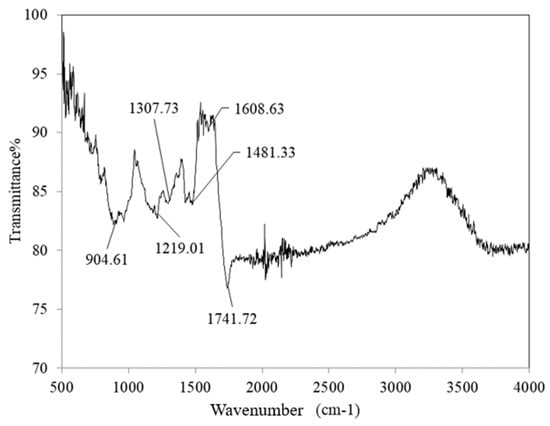
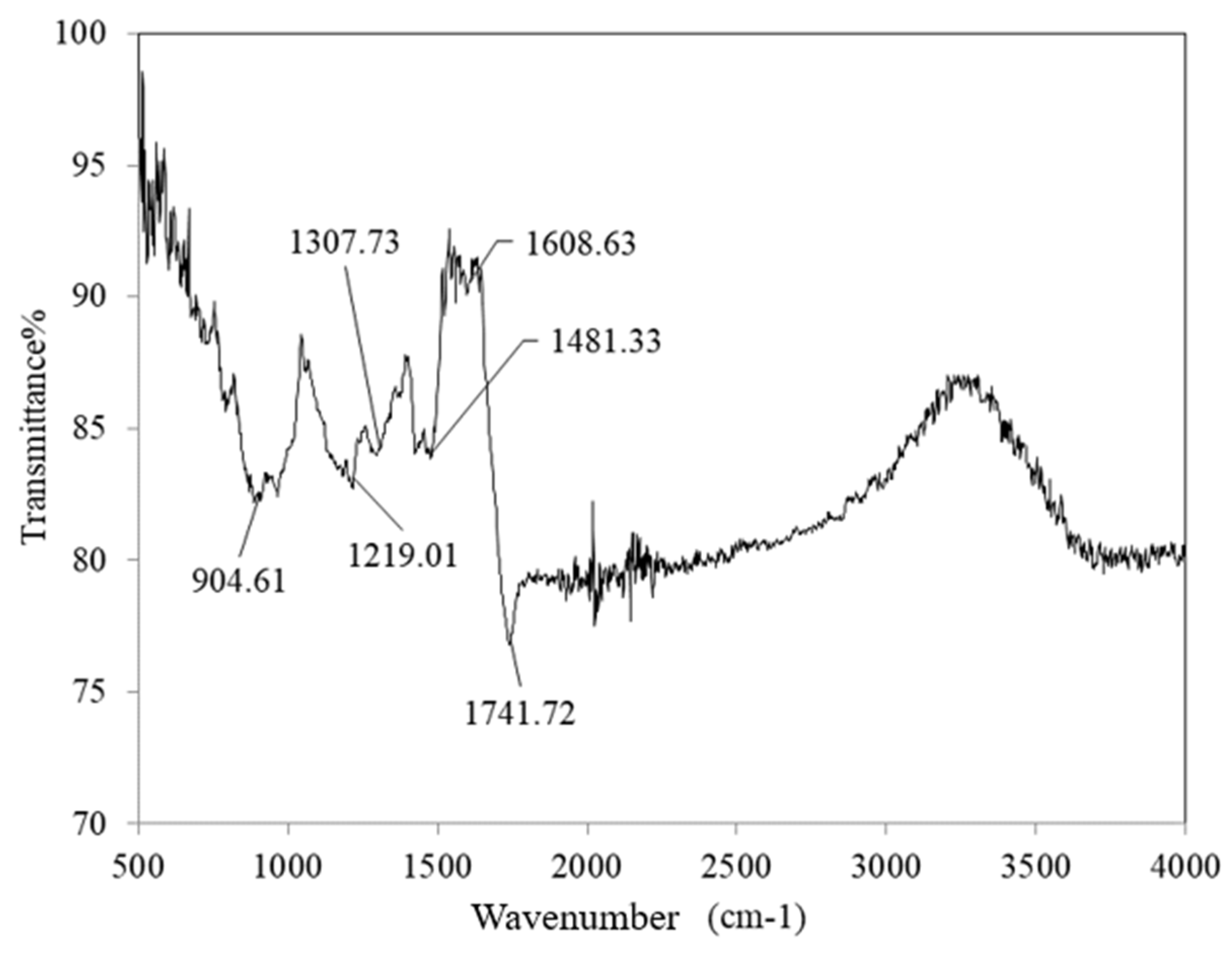
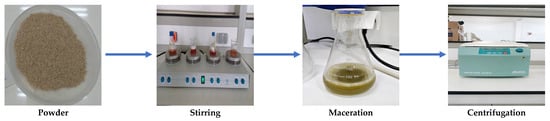
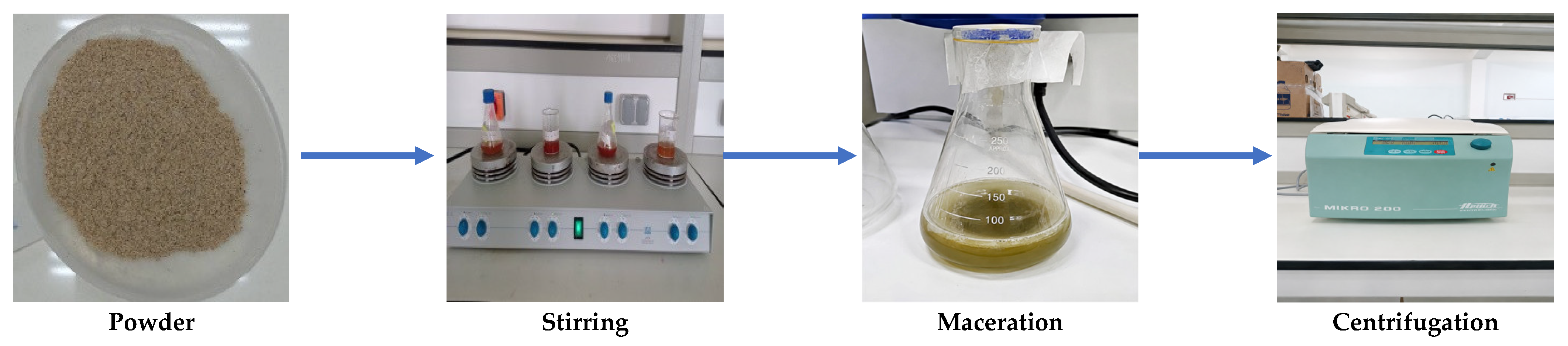
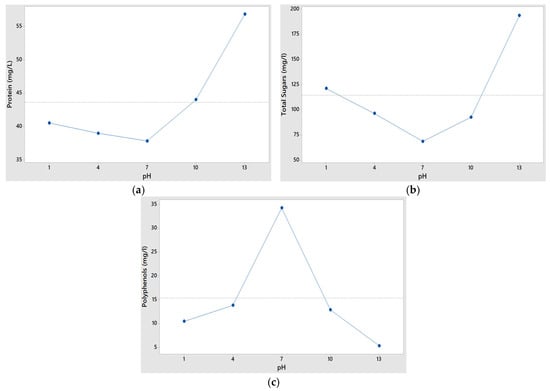
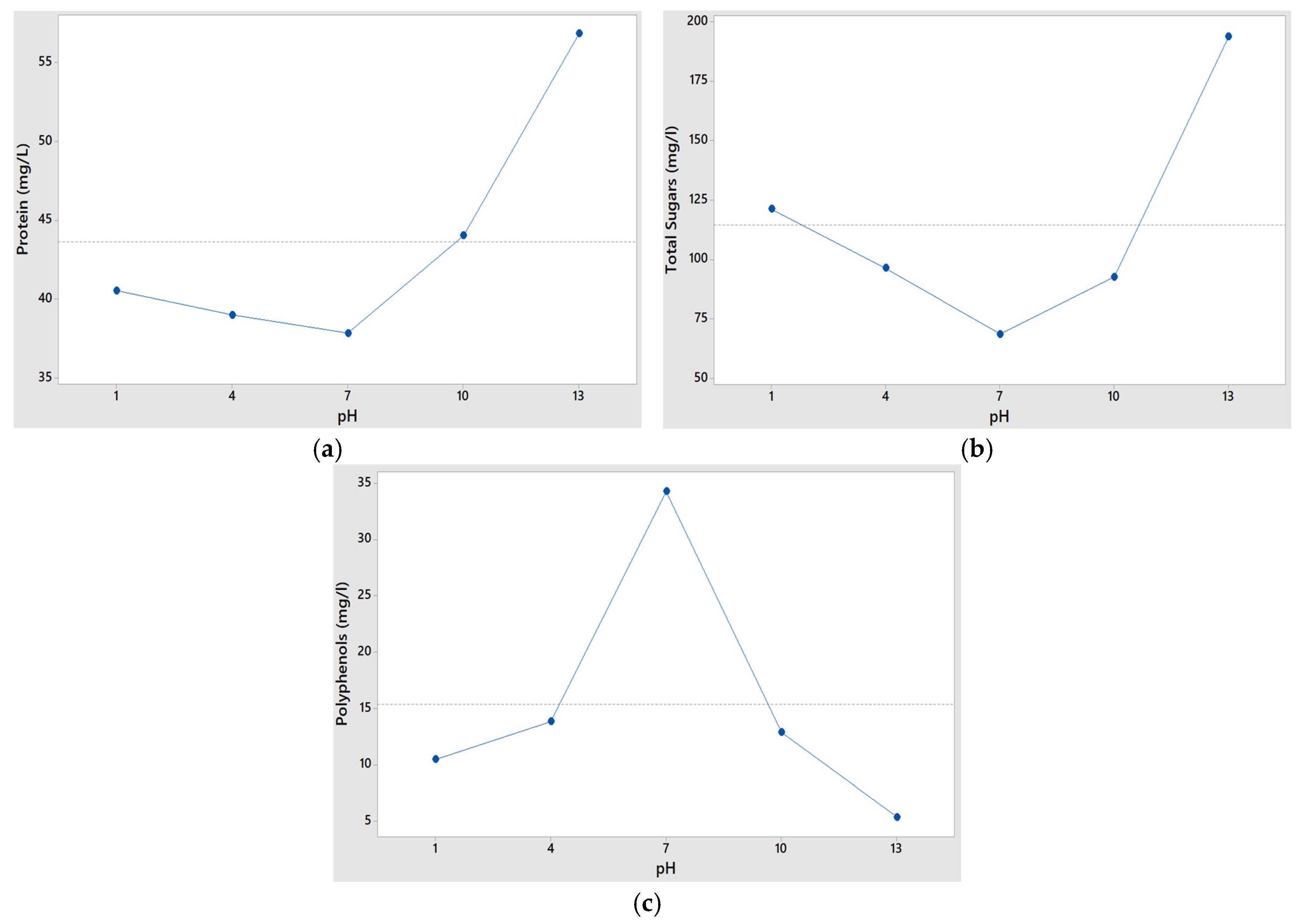
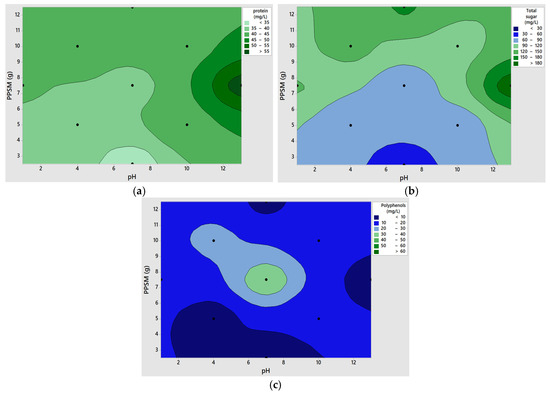
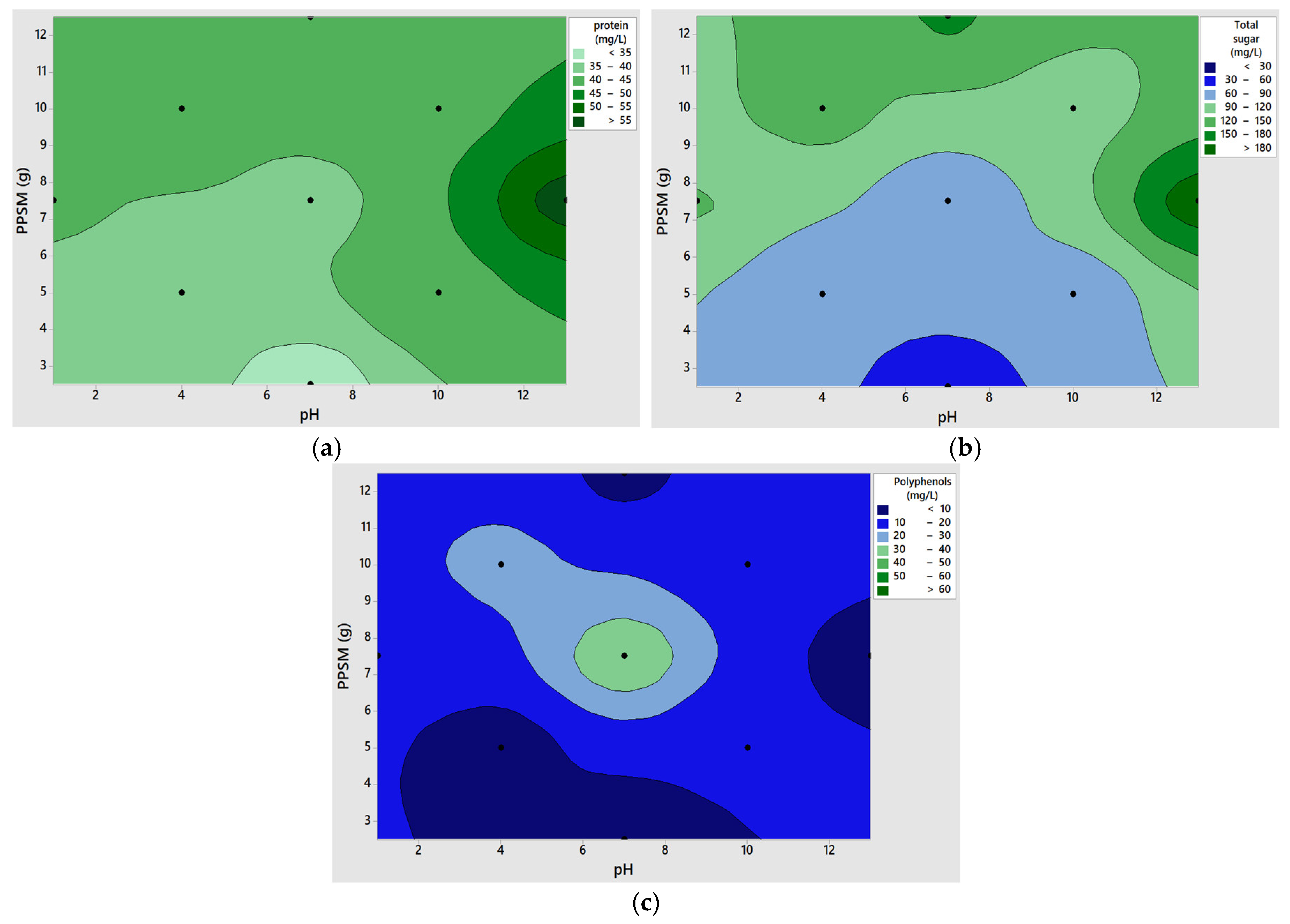
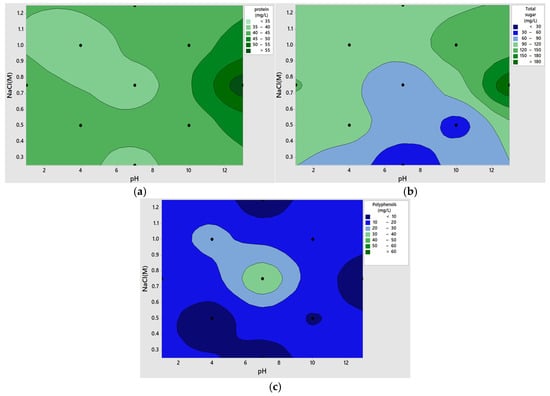
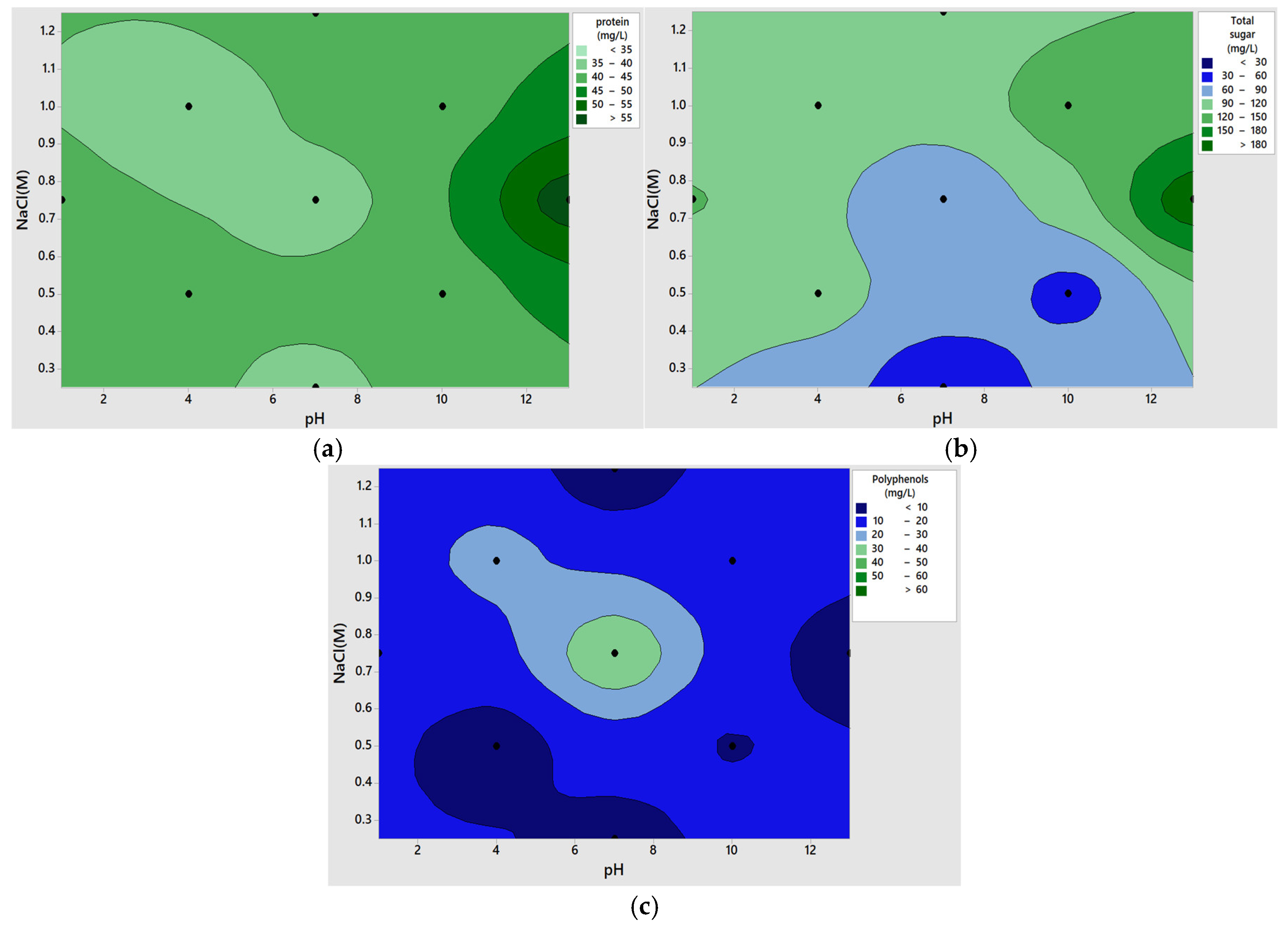
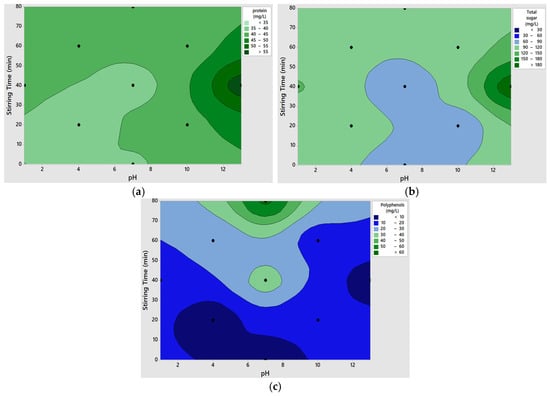
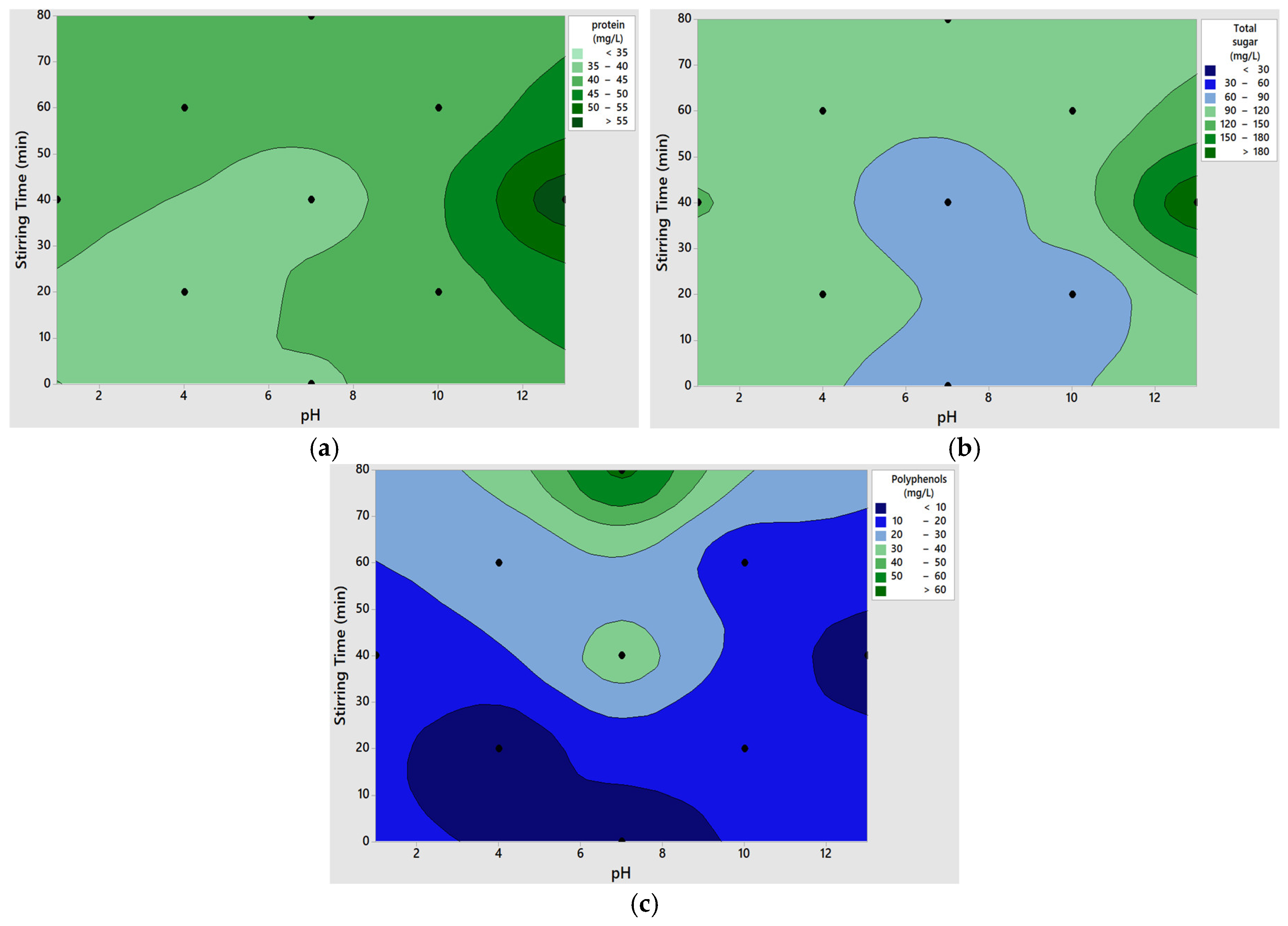
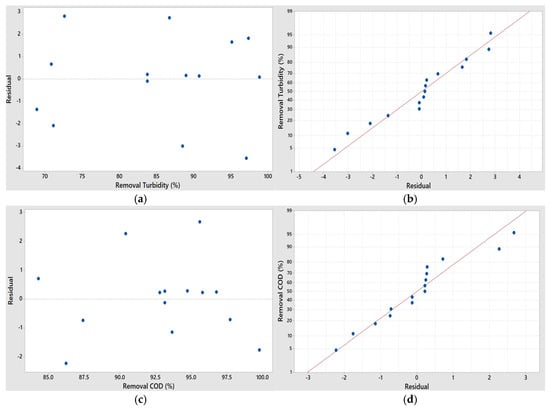
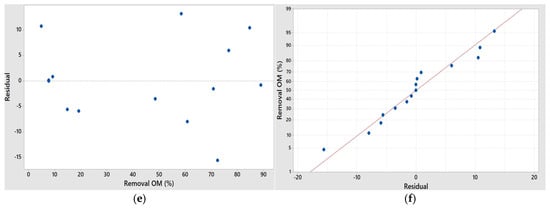
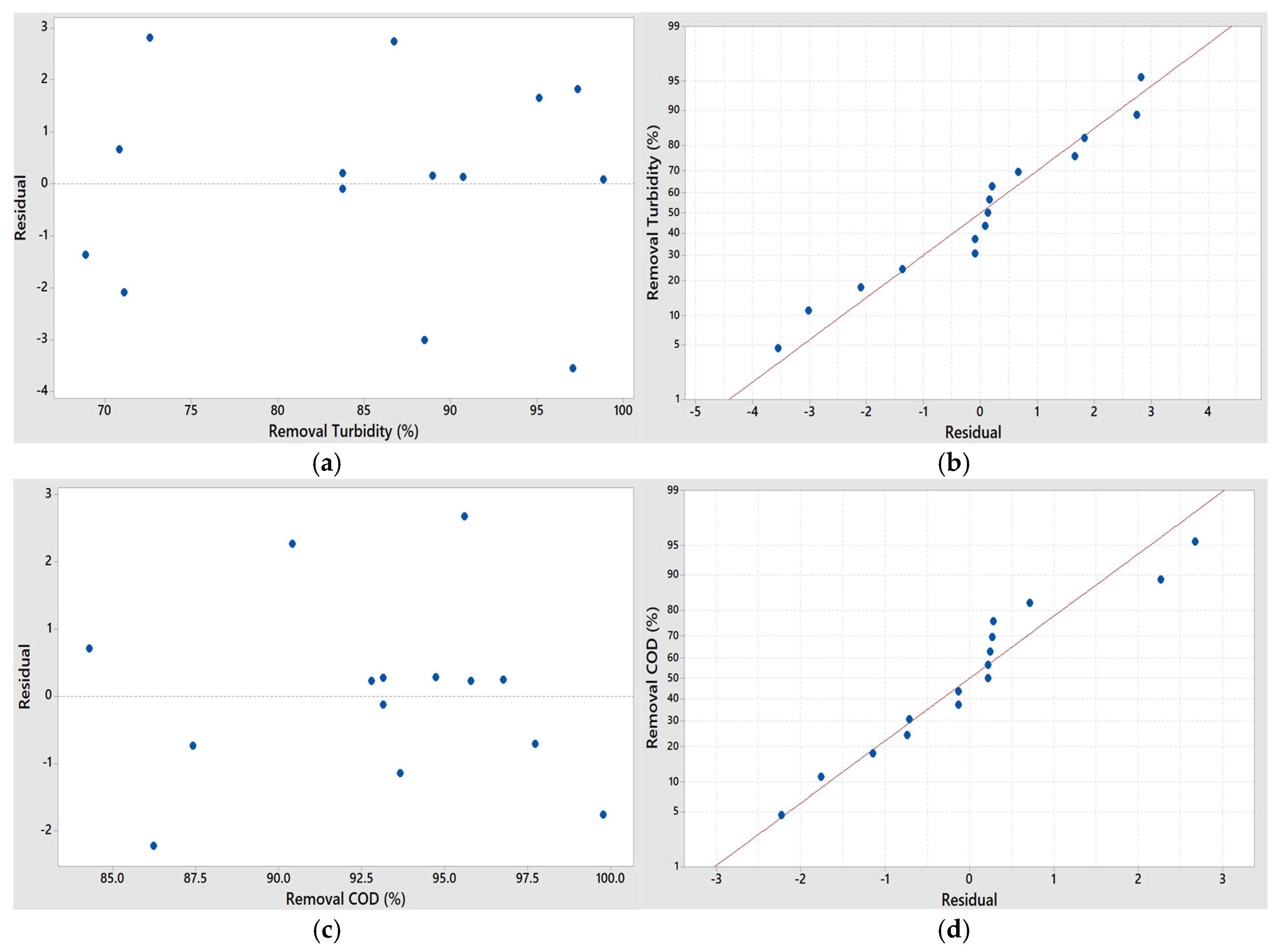
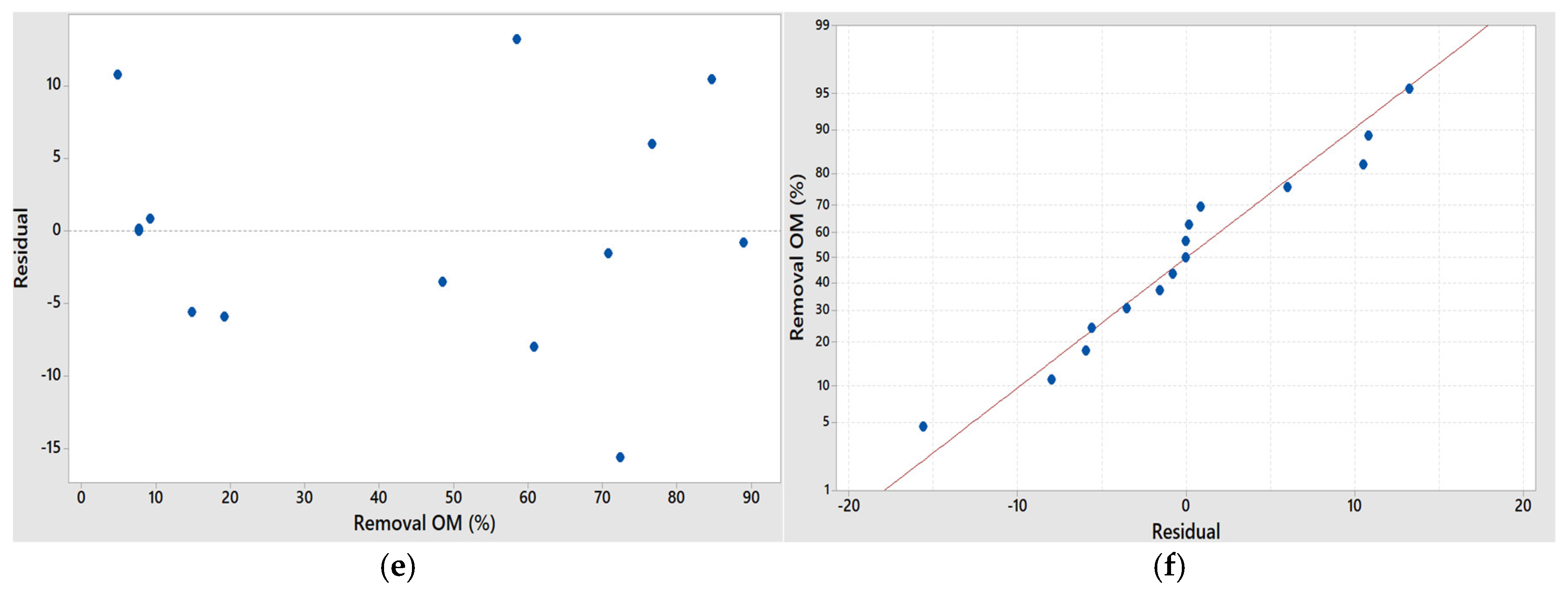
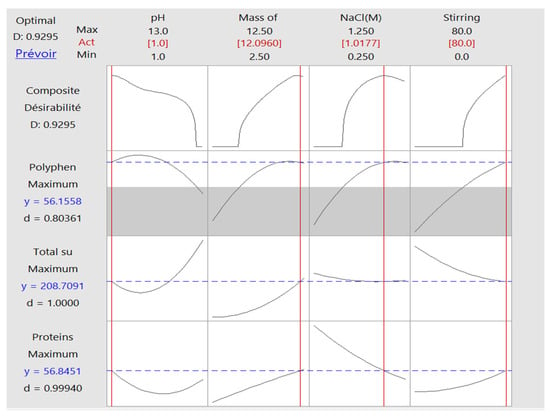
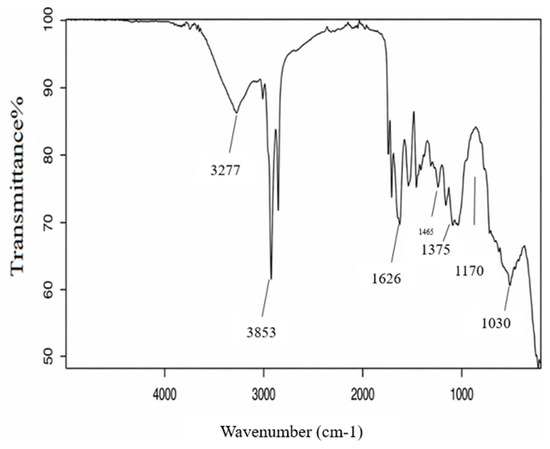
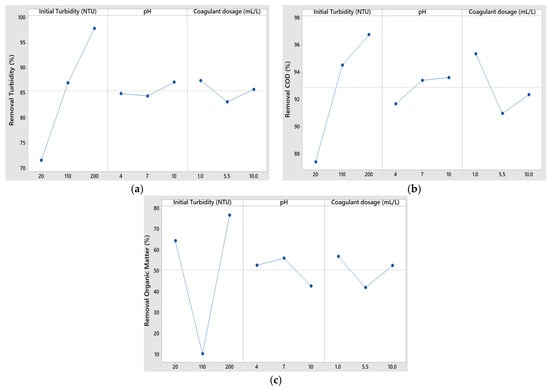
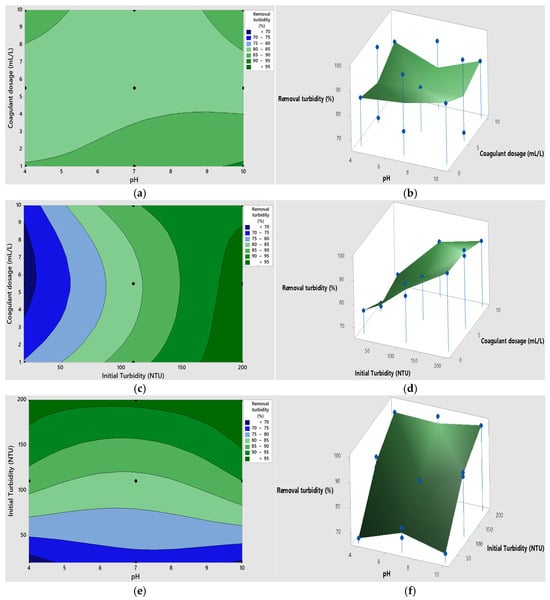
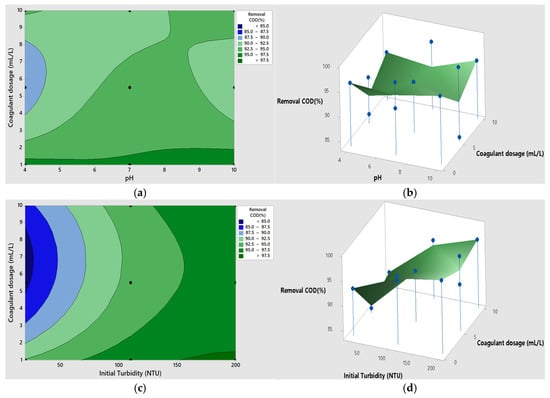
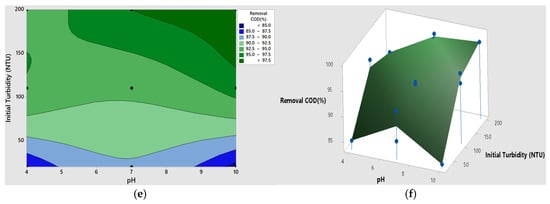
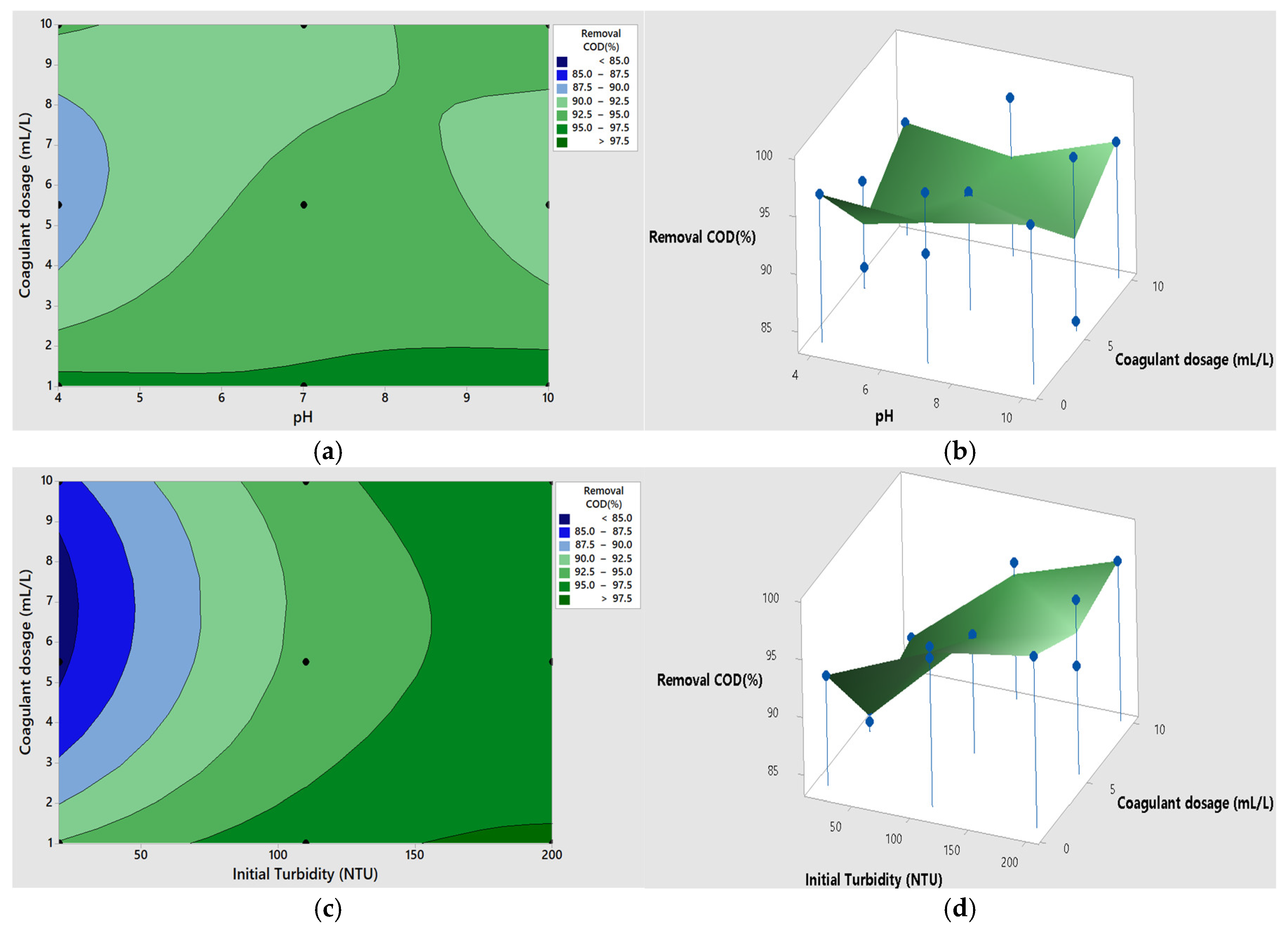
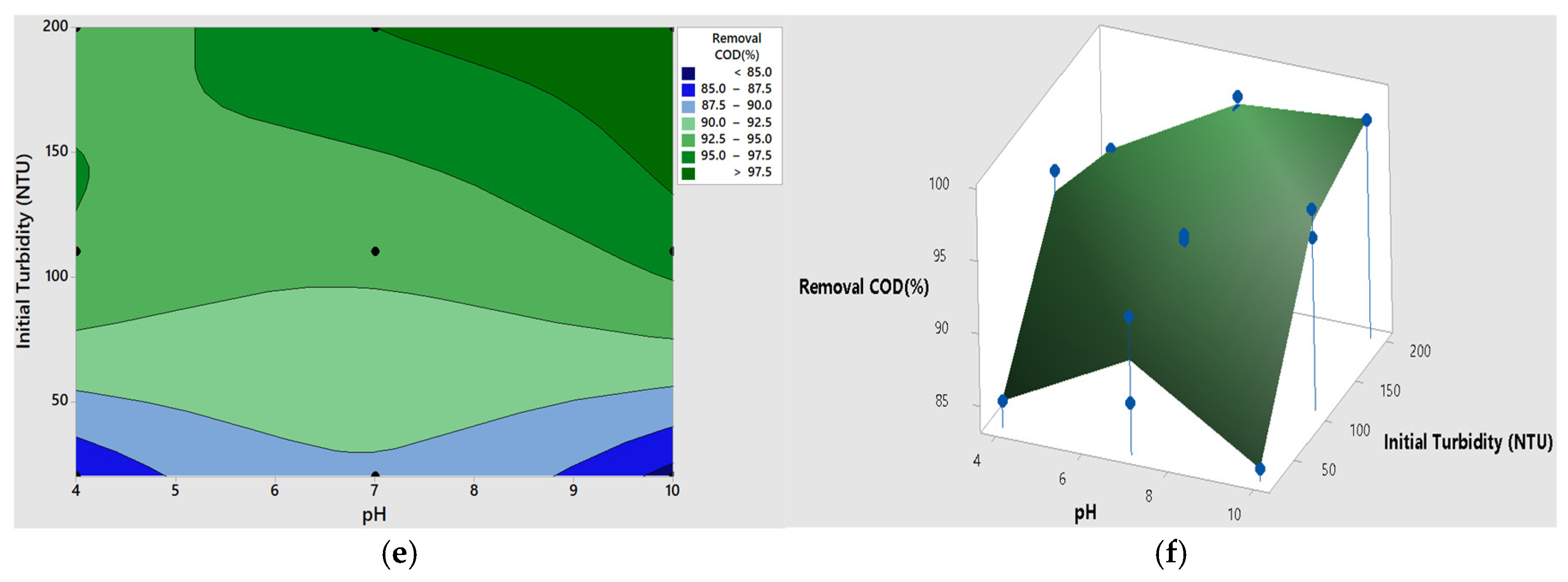
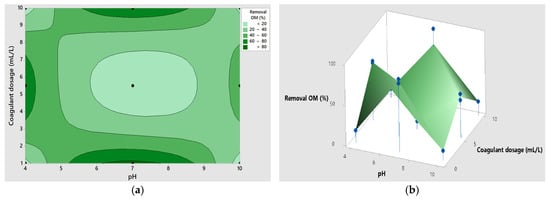
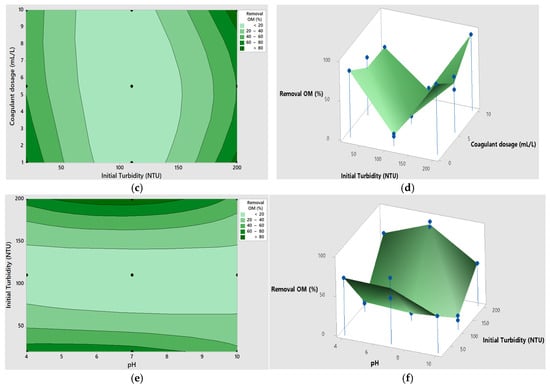
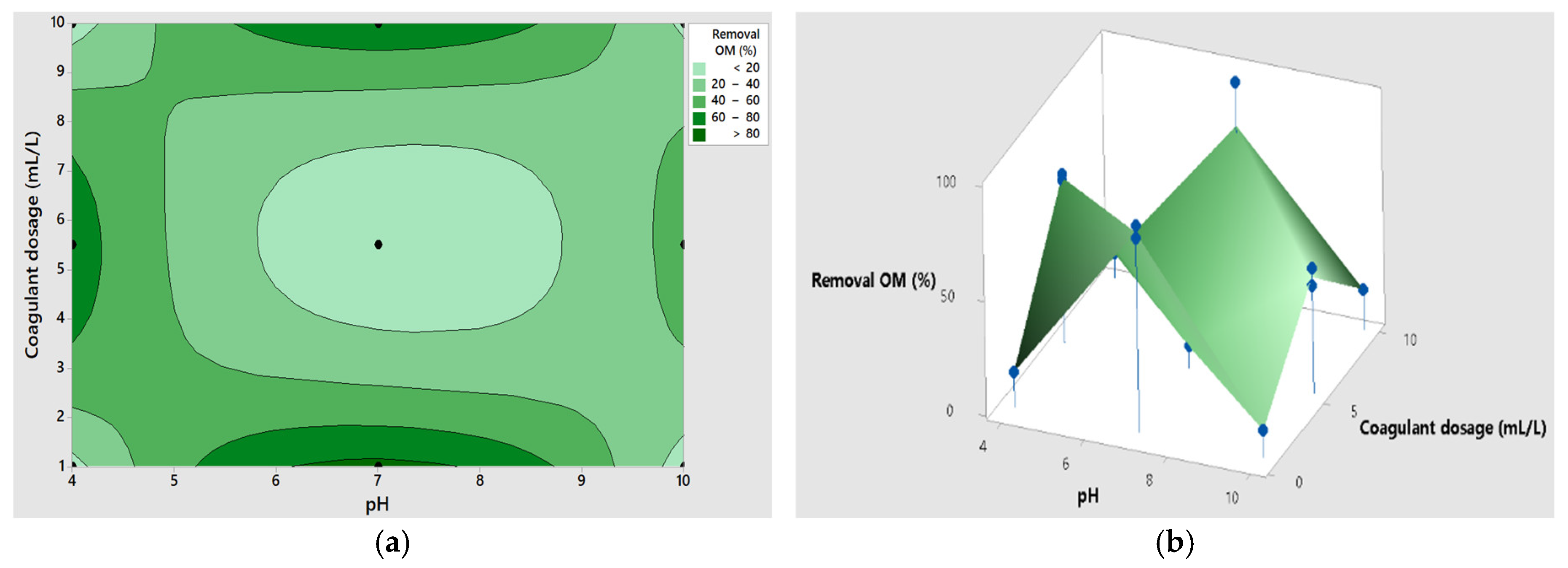
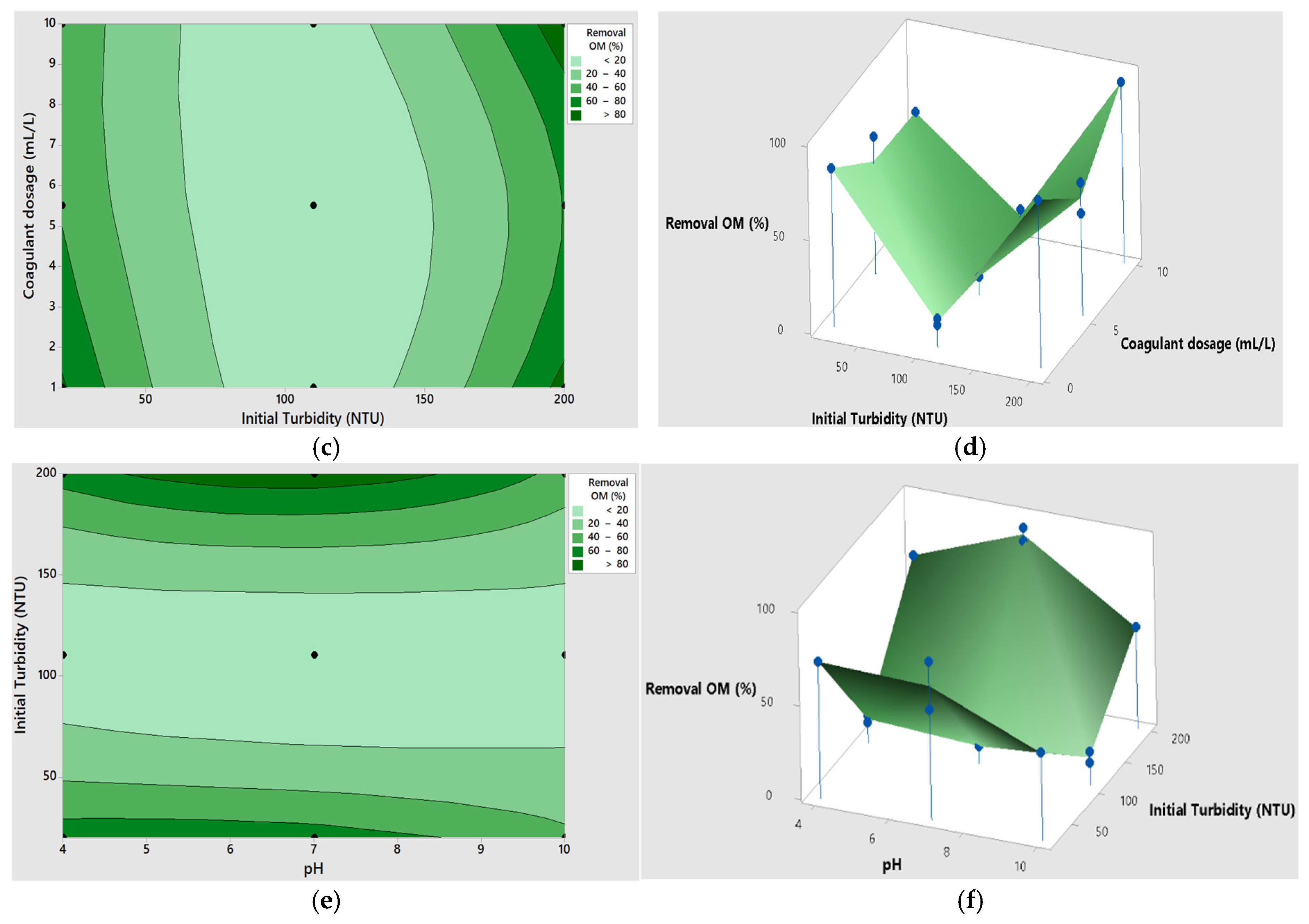
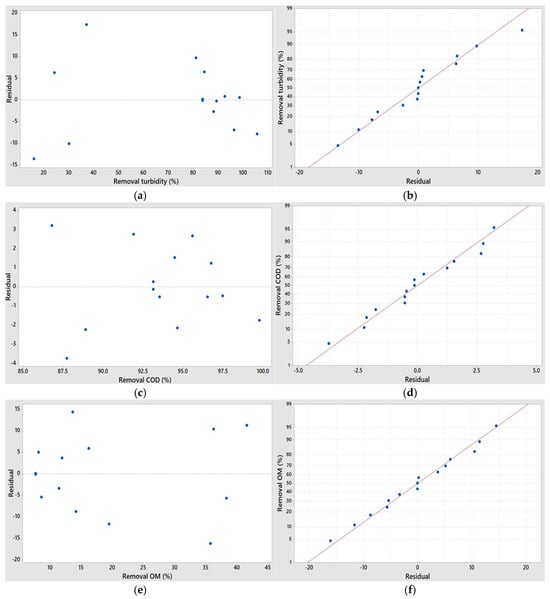
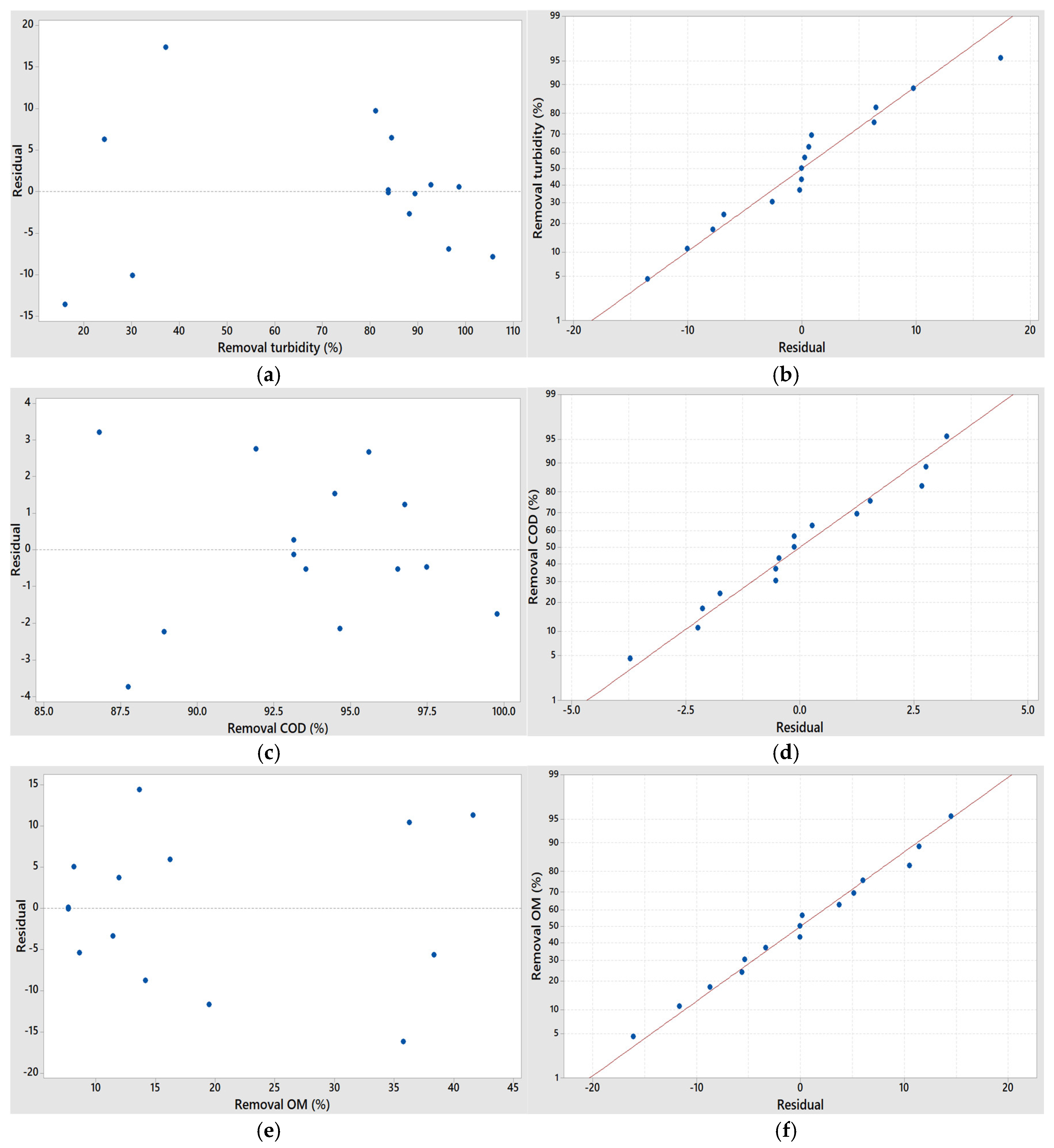
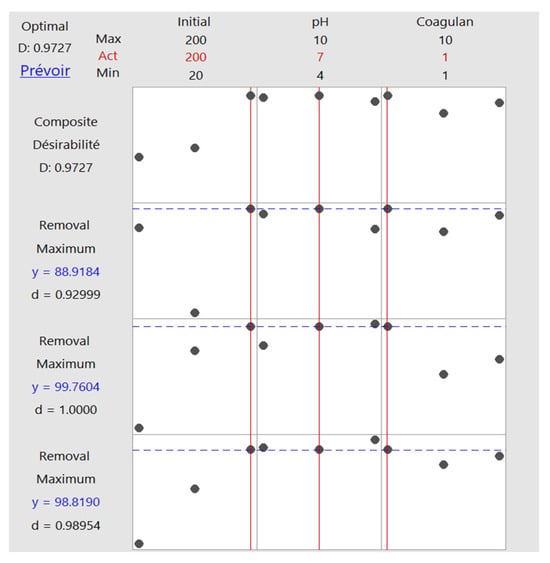
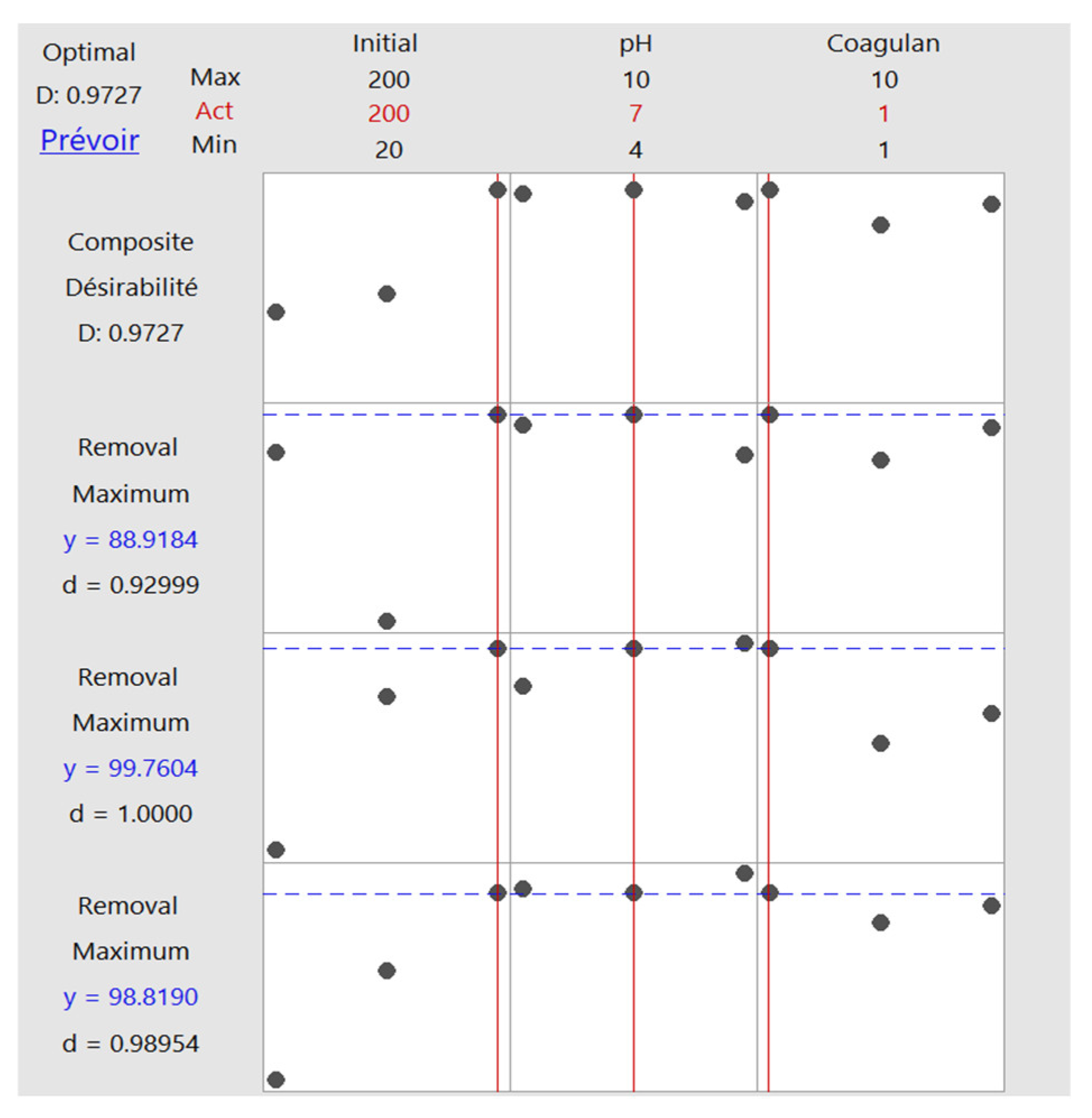

Disclaimer/Publisher’s Note: The statements, opinions and data contained in all publications are solely those of the individual author(s) and contributor(s) and not of MDPI and/or the editor(s). MDPI and/or the editor(s) disclaim responsibility for any injury to people or property resulting from any ideas, methods, instructions or products referred to in the content. |
© 2026 by the authors. Licensee MDPI, Basel, Switzerland. This article is an open access article distributed under the terms and conditions of the Creative Commons Attribution (CC BY) license.