


Abstract
This study presents a comprehensive analysis of self-healing concrete technologies, focusing on autogenous and autonomous self-healing methods, through a systematic literature review of peer-reviewed articles. The autogenous self-healing method relies on the natural hydration and carbonation processes of unhydrated cement particles, enhanced by additives such as fly ash, slag, and superabsorbent polymers. It is effective for small cracks (<200 μm), environmentally favorable, and cost-efficient, although it is limited by relatively slow healing rates and reduced performance over time. The autonomous self-healing method incorporates external agents, primarily bacteria like Bacillus cohnii and Bacillus sphaericus, encapsulated in protective carriers. These bacteria precipitate calcium carbonate (CaCO3) upon activation, sealing cracks up to approximately 1240 μm. While generally more effective in terms of healing efficiency and durability, the autonomous self-healing method involves higher production costs. Life cycle assessment results indicate that the autonomous self-healing concrete can exhibit up to 85% higher environmental impact during the production phase than conventional concrete. However, during the production phase, the autogenous self-healing method shows about 32% higher CO2 emissions than the autonomous method. Results from investigating the mechanisms, performance, repairability, environmental impacts, and economic aspects in this study demonstrate that bacterial concentration and nutrient type critically influence mechanical properties, with optimal strength gains at 105 cells/mL. Both techniques reduce corrosion risk and extend service life, with the autonomous self-healing method displaying superior performance in harsh environments. However, the autogenous self-healing method is more feasible for large-scale applications due to lower costs and simpler implementation. The study concludes that method selection should align with project-specific durability, sustainability, and economic goals.
1. Introduction
Concrete is the world’s second most widely used material after water and is the most widely used construction material, due to its durability and strength [1]. At the same time, concrete production is one of the largest sources of carbon dioxide emissions, mainly owing to the energy-intensive manufacturing process of cement, with calcination being the primary emission source, as cement is the main component of concrete [2,3]. Despite this, concrete is susceptible to cracking under mechanical stress (including applied loads) and environmental exposure (such as shrinkage and temperature variations), which can lead to structural deterioration and result in significant economic and environmental consequences [1].
Concrete cracks can have long-term consequences, and traditional repair methods such as epoxy injection or cement-based materials are time-consuming, costly, and have limited durability, which increases their environmental impact [4]. Self-healing concrete focuses on reducing maintenance costs and environmental impact, as well as extending the service life of structures by maximizing their inherent ability to autonomously repair internal cracks without human intervention. These technologies can prevent structural damage caused by factors such as shrinkage cracks, carbonation, and freeze–thaw cycles [5]. Self-healing concrete offers an innovative solution and can be classified into two types: autogenous, which utilizes the natural reactions of concrete, and autonomous, which uses additives such as bacteria or enzymes. These techniques can extend the service life of structures, reduce maintenance costs, and decrease environmental impact [1]. Cement in concrete can self-heal cracks up to 150 μm wide, but larger cracks require additives such as fly ash or bacteria [2]. Self-healing of concrete cracks was first observed in 1836, when unhydrated cement and carbonation contributed to crack closure [4]. In 1913, a cracked concrete bridge self-healed after three years of weather exposure, and previously healed cracks did not reopen during subsequent testing [6]. In the 1980s, R. J. Gray found that self-healing was more effective when steel fibers were incorporated into the concrete and cement mortar was cured underwater. In the 1990s, techniques using silica, fibers, and microbial technologies were developed. Self-healing technologies are now classified into autogenous (often enhanced by minerals and fibers) and autonomous (e.g., capsules and bacteria) approaches [4].
The autogenous self-healing requires no additional manufacturing processes or materials, which can result in lower carbon dioxide emissions compared with the autonomous self-healing [7]. However, autonomous self-healing, particularly bacteria-based methods, entails a higher initial environmental impact due to energy-intensive processes associated with cultivating and incorporating bacteria into concrete [7]. Despite this, studies show that bacteria-based systems can reduce the overall environmental impact of structures by extending their service life and reducing the need for repairs [8]. Self-healing is primarily activated through the formation of crystalline calcium carbonate (CaCO3) on crack surfaces, either naturally via the autogenous self-healing or artificially via the autonomous self-healing. CaCO3 has a coarse crystal structure, high surface adhesion, and the ability to sustain its own growth, which contributes to effective crack healing [9]. The most effective chemical mechanisms include the continued hydration of cement particles and the formation of CaCO3. Carbonation occurs when calcium hydroxide, a byproduct of cement hydration, reacts with atmospheric carbon dioxide and is particularly effective in cracks with greater exposure to CO2 [10]. The mechanical mechanism involves the filling of cracks with fine particles originating from the fractured concrete surface or transported into the crack by water [4].
This systematic literature review analyzes research on self-healing concrete, focusing on both autogenous and autonomous self-healing techniques, in order to present their mechanisms and environmental effects. The main challenge is to analyze the methods’ underlying mechanisms, their environmental impact, and their long-term benefits. The study aims to compare the techniques’ performance and environmental effects in relation to long-term durability. It also examines how the different methods (autonomous and autogenous) differ in terms of production, resource consumption, mechanisms, repairability, performance, and economic impact.
Figure 1 illustrates the trend in research publications on self-healing concrete (including studies on the autogenous and/or autonomous self-healing) from 2000 to 2025 [11], and Figure 2 displays the citation frequency of research on self-healing concrete over the years. Figure 1 and Figure 2 clearly indicate an increase in the number of research publications and their citations over the last decade. A similar pattern of growing interest can also be observed within the industry. Data from [12] indicate an upward trend in the global self-healing concrete market since 2017. The global self-healing concrete market was valued at USD 24.60 billion in 2019 and is projected to reach USD 305.38 billion by 2027. These trends underscore the increasing importance of self-healing concrete in addressing sustainability challenges in construction, highlighting the timeliness and relevance of this systematic review for guiding future research and practical applications.
Figure 1.
Trend in research publications on self-healing concrete (including autogenous and/or autonomous self-healing) from 2000 to 2025 [11].
Figure 2.
Citation frequency of research publications on self-healing concrete (including autogenous and/or autonomous self-healing) [13].
2. Method
To conduct this study, a literature review was used as the research method. A literature review is a research method that summarizes and analyzes results from multiple previous studies on a specific topic. This enables a comprehensive assessment of the current state of research and provides a basis for well-founded conclusions. The method is particularly suitable for this study because it combines data from various sources, contributing to a higher degree of credibility and generalizability. To ensure a comprehensive and reliable database, a systematic search was conducted across several scientific databases, including but not limited to ScienceDirect, Scopus, Web of Science, and Google Scholar. The search terms consisted of combinations of keywords such as “autonomous self-healing concrete”, “autogenous self-healing concrete”, “environmental impact”, “resource consumption”, and “life cycle assessment”. Peer-reviewed articles were prioritized, with filters applied to include publications from 2016 to 2025 and only English-language publications.
3. Results and Discussion
3.1. Autogenous Self-Healing Concrete
Concrete has a limited self-healing capacity that can be increased through optimized composition, primarily depending on the amount of unhydrated cement and the water–cement ratio (w/c). The autogenous self-healing utilizes the natural ability of cement-based materials to heal cracks without added materials or chemicals. Water and moisture are crucial because continued hydration fills cracks. In conventional concrete, 20–30% of cement remains unhydrated. When water penetrates cracks, hydration is reactivated and fills them. The process is driven by mechanisms such as ongoing hydration, natural carbonation, and crack blocking [9,10].
Additives in the concrete mix influence the rate and efficiency of self-healing. For example, fibers can enhance the self-healing process by limiting crack width (though they do not directly heal cracks), whereas excessive amounts may impair the concrete’s overall performance [2]. Supplementary cementitious materials (SCMs), like natural pozzolans, are siliceous and aluminous materials that react chemically with calcium hydroxide in water, resulting in the formation of compounds with cementitious properties [14].
The most commonly used SCMs in concrete mixtures today are fly ash and ground granulated blast furnace slag (GGBFS) [15]. SCMs are often by-products of other industrial processes and require less energy to produce compared with cement, which can also lead to a reduction in the amount of cement in concrete, lowering CO2 emissions substantially [14].
Fly ash and GGBFS, environmentally friendly alternatives to cement binders, have been shown to improve autogenous self-healing through the pozzolanic reaction. Concrete with crystalline additives (CAs) exhibits stable behavior and an increased self-healing rate [2]. CAs or SCMs are well known for their need for water, high humidity, or preferably wet–dry cycles or immersion in water, which are needed for optimal performance [16].
Generally, autogenous self-healing is limited to smaller cracks. Studies have demonstrated that crack healing occurs for cracks between 10 and 100 μm, sometimes up to 200 μm, only in the presence of water [17].
However, in non-marine environments or structures without exposure to water or rain, the autogenous self-healing ability decreases significantly due to limited water availability. To counteract this, superabsorbent polymers (SAPs) can be incorporated, as they absorb moisture directly from the surrounding air and release it to prolong the healing process [18].
3.2. Autonomous Self-Healing Concrete
Chemical self-healing involves mixing chemical admixtures into the concrete to promote self-repair. Common additives include adhesives, calcium sulfoaluminate, and chemical admixtures. A drawback is that self-healing can initiate prior to crack formation, particularly when using chemical admixtures. Expansive additives have shown good results by combining calcium sulfoaluminate and chemical admixtures, but these additives have proven to perform best when used with a single mineral due to their tendency to expand excessively, which can ultimately damage the concrete [9].
The biological method (bacteria-based self-healing) is the most effective mechanism within the autonomous self-healing and is also known as bacterial concrete. This method has gained increased attention due to its ability to heal cracks throughout the entire service life of the structure. The technique is based on mineral-forming bacteria that can be sprayed on the concrete surface, applied directly into cracks, or added to the concrete mix. When the bacteria are activated, CaCO3 is formed, sealing the cracks, similar to the autogenous self-healing but with higher efficiency.
This method is described as a process in which special bacteria, capable of withstanding the extreme conditions in concrete, are incorporated into the material along with a nutrient source. When cracks occur and water penetrates, or when encapsulated bacteria are activated, the bacteria begin to produce CaCO3, which fills the cracks and restores the concrete’s structure [9].
Several types of bacteria can be used in concrete. Figure 3 illustrates statistics on bacterial usage in cement-based materials. The bacteria S. (Sporosarcina) pasteurii, B. (Bacillus) sphaericus, and B. (Bacillus) cohnii are the most commonly used in the autonomous self-healing method [19].
Figure 3.
Distribution of bacterial strains used in research on cement-based materials during the last decade.
Methods for Incorporating Bacteria
Bacteria can be incorporated into concrete either directly or indirectly. In the direct method, they are added to the mix via mixing water, but this results in low survival due to mechanical damage during mixing and high pressure during curing, with a lifespan of 1–4 months, making this method largely ineffective in practice. The indirect method, where bacterial spores are encapsulated in materials such as glass, polymers, or silica, is more effective because it protects the spores and extends their lifespan, allowing them to become active when cracks form.
When a crack occurs, the capsule breaks and releases its contents (chemical substances or microorganisms), which fill the crack and prevent further cracking. Challenges include that a poorly designed capsule causes the crack to develop around it instead of penetrating and releasing the contents. Capsule thickness is crucial: too thick a shell keeps the capsule intact, while too thin a shell leads to premature release during mixing. Studies have demonstrated that when using larger capsules (400–600 μm), only about 8.6% of the capsules cracked, while smaller capsules (50–200 μm) had a cracking rate of about 34%, indicating that capsule size affects the efficiency of the self-healing process [9,20].
Capsule-based technology faces challenges regarding capsule durability during mixing and the ability to release substances at the appropriate time [2].
3.3. Mechanisms of Self-Healing Concrete
3.3.1. Autonomous Self-Healing Mechanisms
In bacteria-based autonomous self-healing concrete, the two predominant mechanisms are the metabolic conversion of organic acids and enzymatic urea hydrolysis. Metabolic conversion transforms a precursor compound, such as calcium lactate, into CaCO3 via the reaction Ca(C3H5O2)2 + 7O2 → CaCO3 + 5CO2 + 5H2O, with bacteria acting as catalysts to promote crack filling [9]. This process yields CaCO3 up to six times more efficiently than the autogenous healing, as the produced CO2 reacts with calcium hydroxide in cracks to form additional CaCO3 [2]. Commonly studied species include Bacillus pasteurii and Bacillus cohnii.
Enzymatic urea hydrolysis involves bacterial urease production, generating carbonate ions and ammonia. Calcium ions act as nucleation sites on bacterial surfaces, where Ca2+ + CO32− precipitates CaCO3 [2]. This process also produces ammonium, which may be converted into nitric acid and can potentially damage concrete and contribute to NOx emissions. Healing 1 m2 requires 10 g/L of urea, producing 4.7 g of nitrogen. Calcium lactate offers a more sustainable alternative for promoting CaCO3 formation [1].
Compared with organic acid conversion, urea hydrolysis provides advantages such as easier control and faster CaCO3 generation for efficient crack filling and structural restoration, making it suitable for time-sensitive applications. However, calcium lactate conversion generates less ammonia, minimizing reinforcement corrosion risk, making urea less suitable for reinforced concrete structures where ammonia may reduce durability [9].
Bacteria can be introduced either directly (via mixing water) or indirectly (via encapsulated). The direct method results in low survival due to mechanical stress, with a lifespan 1–4 months and only 1.9–7% survival after 10 days of curing, and a maximum healing depth of 27.2 mm [21]. Encapsulation protects bacteria from premature release during mixing and hydration. The shells are designed to withstand mechanical stress but rupture upon cracking, enabling a healing depth of up to 35 mm [4].
Beyond bacteria, encapsulated agents include epoxy, two-component PU foam, methyl methacrylate, sodium silicate, cyanoacrylate, silica, tung oil, minerals, and expansive powders, though bacteria generally perform best. Key capsule parameters are diameter, shell thickness, and shape, with tested materials such as glass, ceramics, polymers, and lightweight aggregates.
Capsule-based healing relies on the shell, healing agent, and activation mechanism. Damage from mechanical stress during cracking releases contents (e.g., bacteria or epoxy), which fill and restore the structure. Effectiveness depends on interactions between the healing components and the damaged concrete matrix. Mechanical activation is most common, enabling automatic healing without inspections; chemical triggers, like chloride ions or pH changes, allow early-stage damage response via micro- to nanoscale processes [2].
3.3.2. Autogenous Self-Healing Mechanisms
The autogenous self-healing in cement-based materials relies on conventional concrete components (hydrated products and fibers) and is time-dependent as well as influenced by environmental conditions, mix composition, and crack geometry. The mechanisms include mechanical blocking of cracks with fine particles, swelling of hydrated binder, continuous hydration, and CaCO3 precipitation. The precipitation is governed by pH, temperature, and ion concentration according to Ca2+ + CO32− ↔ CaCO3 (pH of water > 8) and Ca2+ + HCO3− ↔ CaCO3 + H+ (7.5 < pH of water < 8). Sealing is caused by crystalline CaCO3 structures and gel products, including calcium silicate hydrates. CAs and expansive additives in the mix increase healing speed and reliability; the optimal dosage of CAs is stated as up to 2% of the concrete weight. Certain fibers, such as polyvinyl alcohol and polyethylene fibers, can be added up to 2% of the concrete weight for crack width control [2]. SAPs are particularly utilized in the autogenous self-healing method because they absorb water, form a gel, and release moisture during drying, which supports hydration and improves durability and long-term performance [22].
In the autogenous self-healing method, activation is simpler compared with the autonomous self-healing method. Here, only the presence of water in the cracked zone is required to initiate CaCO3 formation, which fills the cracks.
3.3.3. Differences and Similarities in Mechanisms
The primary similarity in both mechanisms utilized in the two techniques to activate crack healing involves the formation of CaCO3 on the crack surface [1], where the formation of CaCO3 in a bacteria-based autonomous self-healing method can be up to six times greater than in the autogenous self-healing method. The second similarity between the methods is that both are moisture- and water-dependent, particularly the autogenous self-healing method, where healing occurs only in the presence of water. There are different ways to moisten the concrete to ensure effective self-healing. However, the activation mechanisms differ notably between the methods, mainly due to the different additives and materials used.
Different water exposure methods are used for the autogenous and autonomous self-healing: constant immersion, temperature and humidity cycles, and wet–dry cycles. Studies showed that constant immersion primarily heals small cracks, while internal healing is absent under full immersion. Temperature and relative humidity conditions did not yield satisfactory results [23]. Wet–dry cycles (12 h water, 12 h air) provided faster initial healing than continuous immersion. Another study demonstrated that cyclic immersion resulted in less crack healing after 42 days compared with specimens constantly submerged in water. After about nine months, there was no significant difference between the methods [10]. The mechanism behind healing is CaCO3 formation in both autogenous and autonomous healing methods.
3.4. Factors Influencing Efficiency in Self-Healing Concrete
3.4.1. Autonomous Self-Healing
The efficiency of bacteria-based self-healing concrete depends on several factors, such as the type of microorganisms, incorporation methods, bacteria concentration, pH value, and nutrient media, as displayed in Figure 4.
Figure 4.
Factors affecting efficiency of bacteria-based concrete.
Bacterial activity decreases considerably as the pH increases, which affects the bacteria’s ability to produce the minerals required for self-healing; therefore, it is important to select bacteria that can survive and remain active under these alkaline conditions [9]. The self-healing process is directly associated with the formation of CaCO3 and is governed by several key factors, including the pH of the concrete matrix, the availability of dissolved inorganic carbon, the presence of nucleation sites, and the distribution of calcium ions throughout the concrete mixture [24]. Nutrient media support bacterial growth and the production of healing substances in the self-healing process. In accordance with [9], calcium lactate is a common nutrient source used to promote self-healing in concrete, but excessive amounts may delay curing and negatively affect strength. Other nutrient media, such as yeast extract and calcium acetate, have also been investigated; while they contribute to self-healing, large quantities can impair the mechanical properties of concrete. Therefore, the dosage must be optimized to balance effective self-healing with the maintenance of structural integrity.
The presence of bacteria appears to be a promising and effective technique for the self-healing of concrete structures. Many studies have focused on the genus Bacillus, which accounts for up to 84% of research in this field, due to its ability to form spores under unfavorable conditions. In addition, Bacillus bacteria can remain dormant in the highly alkaline environment of concrete, where the pH can reach up to 13, for more than 50 years [19]. Another important advantage is their capability to produce significant amounts of urease, leading to the precipitation of CaCO3 through urea hydrolysis. This process contributes to crack sealing and enhances concrete durability, making Bacillus bacteria a particularly attractive solution for self-healing concrete.
3.4.2. Autogenous Self-Healing
Several factors influence the efficiency of the autogenous self-healing in concrete, including environmental conditions, material composition, and structural characteristics. Understanding these factors is crucial for optimizing the self-healing process.
- Temperature and humidity affect the process; higher temperatures and moisture levels accelerate hydration and carbonation, while water is essential for hydration [9,10].
- A lower w/c ratio promotes self-healing through continued hydration; theoretically, a w/c ratio of 0.22 is required for complete hydration, but about 30% of cement particles in conventional concrete remain unhydrated initially and can hydrate upon crack formation and contact with water [9,10].
- The age of concrete affects self-healing; younger concrete has a higher self-healing capacity due to unhydrated particles, but efficiency decreases over time, although CaCO3 formation enables some self-healing later [9,10].
- Crack width and geometry influence self-healing; cracks <200 μm heal effectively, while >300 μm provide only 20% self-healing capacity. Cracks <50 μm can reduce to 20 μm within 24 h under favorable conditions. Mix proportions also contribute to efficiency [2,9].
- The autogenous self-healing in early-age cracked concrete is strongly dependent on crack width, time, and moisture exposure: complete crack sealing is mainly achieved for cracks smaller than 0.15 mm, while cracks between 0.15 and 0.35 mm show only partial healing, and cracks larger than 0.40 mm exhibit a significantly reduced healing capacity; healing efficiency increases with time (7–42 days) and is enhanced under favorable conditions such as wet–dry cycles and continuous water immersion [25].
- A study has demonstrated an increase in the self-sealing ratio when CA was added to concrete. The incorporation of CA, either alone or in combination with SCMs, enabled the sealing of a higher percentage of cracks, particularly those with widths up to 350 µm, while also enhancing the concrete’s ability to self-seal wider cracks. CA-based specimens achieved complete healing in 99% of cracks with widths below 75 µm [26].
- The performance of autogenous healing was evaluated at temperatures of 20, 50, and 80 °C. The results indicated that the reduction in flow rate depends on both crack width and temperature. Higher temperatures were found to promote a faster self-healing process, and smaller cracks healed more rapidly than larger ones [27].
3.5. Extension of Service Life
Concrete has high compressive strength but is weak in tension, which leads to cracking. These cracks allow the ingress of harmful substances that reduce durability and cause reinforcement corrosion. Since maintenance is costly, the development of self-healing cement-based materials is very important [28]. Studies have reported that healing can reduce water permeability by 60–95%, depending on crack size and curing conditions. In addition, chloride penetration is substantially decreased, which delays reinforcement corrosion, improves resistance to freeze–thaw cycles, and enhances resistance to sulfate attack, thereby considerably extending the service life of concrete structures exposed to aggressive environments [29]. Cement-based concrete has an inherent ability to heal cracks up to 150 μm, which can be improved with self-healing methods. A life cycle assessment has exhibited that the service life of self-healing concrete in marine environments could be 60–94 years, compared with approximately 7 years for conventional concrete, which can reduce the environmental impact by 56–75% [28].
The critical process enabling the self-healing effect in bacteria-based concrete is the bacteria’s production of carbonate ions. These ions are released from the bacteria into the environment, simultaneously increasing the system’s alkalinity. The increased alkalinity contributes to improved corrosion resistance and promotes the formation of CaCO3, which in turn fills and seals the cracks in the concrete. According to Figure 5, the best results for encapsulated bacterial cells were achieved by using expanded clay and melamine to encapsulate Bacillus cohnii and Bacillus sphaericus, respectively, which resulted in the healing of cracks up to 1240 μm and 970 μm, respectively, after 28 days of healing tests. Other bacteria with lower healing capacities are also summarized in Figure 5 [1,21].
Figure 5.
Maximum crack width healed by different bacterial species.
The mentioned bacteria create an alkaline environment during carbonate production, which contributes to self-healing in cement-based materials. Their resilience enables them to survive in the challenging environment of concrete. In the autonomous self-healing, bacteria are protected by capsules, which increase their survival rate and efficiency and enable the healing of larger cracks. This mechanism is absent in the autogenous self-healing method. Larger capsules (400–600 μm) broke in only 8.6% of cases, compared with 34% for smaller capsules (50–200 μm) [9].
Despite their confirmed effects, comparisons between studies are difficult due to variations in experimental methods and a lack of universal standards. The specific role, activity, and viability of bacteria have rarely been clearly defined in the literature.
Figure 5 depicts the maximum crack width (in μm) that can be healed by different bacterial species in the autonomous self-healing concrete. Bacillus cohnii exhibits the highest healing capacity (1240 μm), followed by Bacillus sphaericus (970 μm), Bacillus subtilis (900 μm), Bacillus halmapalus (600 μm), Bacillus pasteurii and Bacillus mucilaginosus (500 μm each). These results are based on healing tests. The healing efficiency depends on the bacterial species, which is associated with the autonomous self-healing method’s ability to repair larger cracks of up to 1240 μm under specific conditions.
The autogenous self-healing is most effective for smaller cracks (~ 50 μm), where permeability limits water flow. Under favorable conditions, as discussed for high cement content, the method can heal cracks up to 200 μm without additives, but only during early crack formation and hydration phases [30].
Ref. [9] reported that cracks < 50 μm decreased to 20 μm within 24 h. During the following seven days, cracks of 50–100 μm also shrank to the same size, indicating continued effective self-healing during the first week.
Just like the autonomous self-healing method, CaCO3 causes autogenous self-healing. Precipitation mainly occurs at crack openings, where additives increase pH and create a favorable environment.
Figure 6 depicts crack widths and healing potential in the autogenous self-healing concrete. According to Figure 6, cracks up to 400 μm could be healed, but efficiency decreased significantly above 300 μm, where only 20% of cracks were healed [2]. Another method is supplementary water supply for continued hydration using SAPs, which provides a more prolonged healing process [4].
Figure 6.
Results of crack width healing in different autogenous self-healing concrete mixtures.
The autonomous self-healing method provides better protection against corrosion risk, especially in the bacteria-based approach. Concrete’s natural alkaline environment has a pH between 12.5 and 13, but it can drop below 9 due to chloride ingress, carbonation, or acid attack, which affects metabolic and enzymatic activity. At high pH, carbonate and bicarbonate ions are formed, enabling this process in alkaline environments. Optimal metabolic activity and the self-healing effect require pH > 9.5, which promotes the formation of stable crystals such as calcite and aragonite, while CaCO3 precipitation lowers the pH. Bacteria can reduce the pH by up to two units during the precipitation process [21].
Studies on corrosion resistance in bacterial-reinforced concrete beams and cylinders show a 90% reduction in corrosion risk, likely due to improved watertightness and CaCO3 precipitation [30]. Another study on reinforced concrete containing epoxy-coated, 10 wt% microencapsulated tung oil found that 83% of the self-healing specimens were free from corrosion.
Calcium nitrate, as an additive, is used as an antifreeze agent and a hardening accelerator and is effective against chloride-induced corrosion [7]. Self-healing with encapsulated polyurethane forms a partial barrier against chloride ingress and reduces chloride content in crack zones by ≥75%, which can extend the service life of reinforced concrete slabs in marine environments from 7 to 60–94 years [31].
In the autogenous self-healing method, crack healing, depending on the additives used, contributes to improved corrosion resistance. Concrete with part of the cement replaced by fly ash demonstrates higher resistance to chloride penetration, thereby enhancing durability [31]. As in the autonomous self-healing method, CaCO3 precipitation leads to a reduction in the pH and improved corrosion resistance; however, the amount of CaCO3 formed is considerably lower in the autogenous method than in the autonomous method.
3.6. Economy
Cracking is a primary cause of structural damage, which reduces durability and cost-effectiveness. Although cracks do not always produce immediate effects, they have long-term consequences. Inspection and repair are difficult and costly, particularly in bridges, highways, tunnels, underground structures, and marine environments, where cracks are hard to access and require substantial resources. This is compounded by the fact that much infrastructure is in operation, leading to large sums being allocated annually for renovation [1].
The production cost of concrete is estimated at 55–75 EUR/m3, whereas maintenance and repairs are estimated at an additional 135 EUR/m3. In Europe, for example, 50% of the annual construction budget goes toward repairs to extend the service life of structures, yet traditional repair methods usually last only 10–15 years [4,28].
There are few studies on the practical application of the autonomous self-healing concrete; the majority have been conducted on a small scale in laboratory environments. Autonomous self-repairing concrete has higher initial costs due to advanced materials and technologies, but it can yield maintenance savings because it can heal larger cracks without inspection, thereby reducing labor requirements and maintenance costs. The technology can be particularly cost-effective in long-term projects where minimal maintenance and maximal service life are critical, e.g., in underground or marine environments. Production of vegetative bacterial cells and 5% diatomaceous earth costs ~60 EUR/m3 compared with ~140 EUR/m3 for manual crack injection [2], whereas microencapsulation methods are considerably more expensive; 3% polyurethane capsules cost 630 EUR/m3, which is more expensive than manual injection [23]. For sustainability, the costs of bio-based, encapsulated bacterial additives must be considered: bacterial spores currently cost 30–50 EUR/kg, and encapsulation additives can amount to 5670 EUR/m3 due to the requirements for sterile conditions and costly processes [1]. From a life-cycle perspective, the autonomous self-healing concrete is generally more effective in terms of healing efficiency and durability, although it involves higher production costs. Life cycle assessment results indicate that it can exhibit up to 85% higher environmental impact during the production phase than conventional concrete [8,32]. During the production phase, the autogenous self-healing method shows approximately 32% higher CO2 emissions compared with the autonomous one.
According to Figure 7, autogenous self-healing concrete mixtures do not entail significant cost increases if they only contain the original components. When adding 1% SAP, approximately 9 EUR/m3 is added to the concrete production cost (55–75 EUR/m3). The combination of 2% polyvinyl acetate (PVA) fibers and 1% SAP increases the cost by about 70 EUR/m3. Thus, the autogenous self-healing concrete becomes more expensive than conventional concrete but remains notably cheaper than the autonomous self-healing method [23]. However, a higher amount of binder, such as cement, can affect costs. One advantage of the autogenous self-healing method is that replacing part of the cement with fly ash, without additional additives, provides a cost-effective and environmentally friendly alternative. This also reduces other production costs, such as labor and transportation. Based on literature from 2023, fly ash costs approximately 93 USD/ton and cement around 150 USD/ton, making fly ash about 62% cheaper. Although fly ash cannot fully replace cement, studies demonstrate satisfactory performance at about 30% replacement [33,34]. When assessing the cost of self-healing solutions, potential reductions in future maintenance and repair costs over the entire service life of the structure should also be considered.
Figure 7.
Prices of different materials containing various self-healing additives.
3.7. Concrete Performance
Compressive and tensile strengths are the most important properties of concrete and are influenced by additives. Cracks in concrete may not have an immediate impact on a structure, but they can shorten its service life. Cracking is one of the main causes of structural damage, as demonstrated by contractors, design team members, and clients (Figure 8) [35].
Figure 8.
Significant causes of concrete damage [35].
Cracks cause reinforcement corrosion, weaken the concrete, and lead to high repair costs. They also allow increased chloride ingress, which shortens the service life. In the autonomous self-healing method, bacteria, and in the autogenous self-healing method, other additives produce CaCO3, which fill pores and cracks. This blocks corrosive substances and increases durability by reducing gas, water, and chloride penetration. The autonomous self-healing method has exhibited good results: bacterial additives can reduce water absorption by up to 85% and halve water permeability [36]. The bacteria Bacillus subtilis and Bacillus pasteurii are the most common and improve the mechanical properties of concrete.
Most studies on the autonomous self-healing display that biological processes, particularly bacteria, are effective in extending the service life of concrete and improving strength. Depending on bacterial concentration and nutrients, strength can increase by up to 44% through the repair of cracks and voids. However, some biological materials have produced conflicting results, with performance reductions of up to 21% [9,30]. The concentration of bacteria and nutrients is therefore crucial for both bacterial survival and the effectiveness of self-healing.
Table 1 and Table 2 present the effect of two bacteria, Bacillus subtilis and Bacillus pasteurii, on the compressive strength of concrete after 28 days, using the direct method, compared with conventional concrete [9,30].
Table 1.
Effect of using bacterium B. (Bacillus) subtilis on compressive strength of concrete after 28 days.
Table 2.
Effect of using bacterium B. (Bacillus) pasteurii on compressive strength of concrete after 28 days.
The results from Table 1 and Table 2 highlight the critical role of both nutrient type and bacterial concentration in concrete mixtures. Compared with conventional concrete after 28 days, using the same bacteria (B. subtilis) and nutrients (peptone), but varying concentrations, can change compressive strength improvement from 5% to 42%. Conversely, with nearly the same bacterial concentration (108–109) but different nutrient amounts (calcium lactate 5.6% vs. 10%), results range from a 12% increase to a 21% decrease.
Further, compressive strength varies from a 6% reduction to a 44% improvement with B. (Bacillus) pasteurii at the same concentration but different nutrients (silica 10% vs. calcium nitrate–urea). These findings underscore the importance of nutrient selection and balance for optimizing self-healing concrete performance.
The study [36] evaluated the effect of Bacillus subtilis on the properties of concrete. A reference mix design was first established, consisting of cement (100%), natural fine aggregate (100%), natural coarse aggregate (100%), and 186 L of water, with bacterial concentration in the mixing water as the only variable. Seven mixtures were prepared, including one control and six with increasing bacterial concentrations (101 to 106 cells/mL). Mixture 1 served as the control with no bacterial addition (0 cells/mL), while the remaining mixtures contained progressively increasing bacterial concentrations. After mixing, slump tests were performed, followed by casting of specimens and demolding after 24 h. The specimens were then cured for 7, 14, and 28 days. At each curing age, compressive, split tensile, and flexural strength tests were conducted.
Similar performance has been demonstrated in the study [37] involving Bacillus subtilis, resulting in enhanced concrete strength, with a 32% increase at 7 days and a 25% increase at 28 days.
Figure 9 compares compressive strength of control concrete (Mixture 1) with bacterial concrete containing Bacillus subtilis at different bacterial cell concentrations. The results indicate that the addition of bacterial cells increases compressive strength, reaching its highest value at a concentration of 105 cells/mL (Mixture 6), after which higher concentrations lead to a decrease in strength. For specimens with 105 cells/mL, the strength increased by 27.27%, 29.59%, and 32% after 7, 14, and 28 days, respectively, compared with control concrete (Mixture 1). In contrast, the increase was lower at 106 cells/mL (Mixture 7), with gains of 15.94%, 21.66%, and 21.84% over the same curing intervals [36]. This reduction at higher concentrations may be attributed to factors such as nutrient competition, increased porosity, or metabolic by-products such as ammonium ions, which can leach calcium hydroxide and induce acid attack, thereby reducing strength [38].
Figure 9.
Results of compressive strength tests on concrete specimens with different concentrations of bacterial cells.
Figure 10 illustrates a comparison of split tensile strength between control concrete (Mixture 1) and bacterial concrete containing Bacillus subtilis at different bacterial cell concentrations.
Figure 10.
Results of split tensile strength tests on concrete specimens with different concentrations of bacterial cells.
The results show that split tensile strength of concrete increases with the addition of bacterial cells, reaching its maximum at a concentration of 105 cells/mL (Mixture 6), after which the strength decreases. Optimal results were observed at 105 cells/mL, where the strength improved compared with control concrete (Mixture 1) as follows: 34.11%, 24.66%, and 14.01% after 7, 14, and 28 days, respectively. At 106 cells/mL (Mixture 7), the increases were lower: 24.62%, 17.66%, and 6.74% over the same curing intervals [36].
Figure 11 displays a comparison of flexural strength between control concrete (Mixture 1) and bacterial concrete having Bacillus subtilis.
Figure 11.
Results of flexural strength tests on concrete specimens with different concentrations of bacterial cells.
The results indicate that flexural strength increases with the addition of bacterial cells and reaches its maximum at a concentration of 105 cells/mL (Mixture 6), after which the strength decreases. Optimal strength was achieved at 105 cells/mL, with percentage improvements compared with control concrete as follows: 37.93%, 34.37%, and 29.14% at 7, 14, and 28 days of curing, respectively. At a higher concentration of 106 cells/mL (Mixture 7), the strength increases were less pronounced: 31.03%, 21.87%, and 18.57% over the same curing periods [36].
Upon further analysis of Figure 9, Figure 10 and Figure 11, it can be concluded that the compressive, split tensile, and flexural strengths of concrete increase with the addition of bacterial cells at concentrations of 101, 102, 103, 104, and 105 cells/mL. The strength reaches its maximum at 105 cells/mL, while an increase to 106 cells/mL leads to a reduction in strength. The results demonstrate the significance of bacterial cell concentration in the concrete mixture. For example, in this experiment, exceeding the optimal level of 105 cells/mL resulted in a deterioration of the mechanical properties of the concrete.
In the autogenous self-healing, mineral additives such as CAs and alternative binders are used to promote healing. The study [23] tested fifteen autogenous self-healing concrete mixtures with different alternative binders and quantities (as explained in Table 3) to evaluate, among other properties, compressive strength (Table 4). The mixtures were based on CEM I 42.5 N, where cement was replaced with limestone, fly ash, GGBFS, and silica fume. Polypropylene fibers (Ø = 0.025 mm, L = 5 mm) were added at 0.5% of the binder weight to control crack width. All mixtures were reported in grams.
Table 3.
Different concrete compositions used in experiment [23].
Table 4.
Compressive strength of different concrete compositions used in experiment [23].
Two methods were employed to induce damage in mortar specimens: a three-point bending test and a compressive strength test. For all mixtures, three beams were cracked seven days after casting using a three-point bending test at a constant loading rate of 0.5 mm/min, following EN 1015-11:2019. A 50 kN load cell with a signal amplifier was utilized to create cracks of approximately 300 μm, monitored with a digital microscope. Three undamaged beams were stored in water as controls for water absorption and crack closure. Each cracked beam was cut into nine 4 × 4 × 4 cm cubes. Three cubes underwent compressive strength testing to determine maximum load (100%). Another three were loaded to 80% of this value to introduce cracks, while the remaining three were kept in water as controls for strength recovery. After cracking, specimens were immersed in tap water and subjected to four wet–dry cycles (3 days wetting and 3 days drying), totaling 24 days of self-healing. The results for the compressive strength tests after 24 days of healing are presented in Table 4. The values for undamaged specimens are comparable to the strength obtained after 28 days of curing.
Mixtures with a higher degree of cement replacement had lower compressive strength than the reference (Mix 1, 100% cement), but all exceeded 20 MPa. Low fly ash content (Mix 3) yielded the best strength recovery but low initial strength (19.8 MPa); after cracking and healing, it increased to 38.1 MPa (80% damage) and 28.8 MPa (100% damage), i.e., higher than the original value. For slag mixtures (Mix 6–8), a higher slag/limestone ratio exhibited better recovery, especially at 80% damage. Silica fume mixtures (Mix 9–11) also improved recovery, comparable across all replacement levels.
Mix 8, with 25% limestone and 25% slag replacing cement, exhibited excellent self-healing performance at both 80% and 100% damage levels while maintaining good undamaged compressive strength. Table 4 indicates that higher cement replacement generally reduces compressive strength compared with control mixtures. However, mixtures incorporating alternative binders such as limestone, fly ash, GGBFS, and silica fume achieved better recovery of compressive strength [23].
CAs improve the durability of concrete and reduce permeability in the autogenous self-healing method. In study [39], two concrete mixtures with different cement types were used: Ordinary Portland cement (OPC, 95–100% clinker) and Portland limestone cement (PLC, 80–94% clinker, 6–20% limestone). Both types had the same w/c ratio (0.532) and cement content. The mixtures contained 2% CA (based on cement weight) and were compared with control specimens without CA. The study summarized research on their impacts, focusing primarily on compressive strength. Four concrete mixtures were prepared and investigated in the experimental study, namely OPC, OPC-CA, PLC, and PLC-CA. All mixtures were designed with identical base proportions to allow a clear comparison of the effects of cement type and CAs. The cement content was maintained at 358 kg/m3 for all mixtures. The amount of coarse aggregate and fine aggregate was kept constant at 990 kg/m3 and 862 kg/m3, respectively, while the water content was fixed at 190 kg/m3 across all formulations.
Selected mixtures incorporated CAs at a dosage of 2% by weight of cement. Accordingly, the mixtures OPC-CA and PLC-CA contained 7.16 kg/m3 of CA, whereas no admixture was added to the reference mixtures OPC and PLC.
Concrete mixtures were cast as cylindrical specimens to perform various tests. Slump measurements according to ASTM C143 were carried out within 15 min after mixing to avoid loss of workability. After 24 ± 2 h, the specimens were removed from the molds, and the cylinders intended for compressive strength tests were continuously cured in a water bath until testing. At 28 days after casting, the cylindrical specimens were tested in accordance with ASTM C39 to determine the compressive strength of each mixture. The results of the compressive strength tests conducted after 28 days are summarized for all concrete mixtures. The mixture prepared with OPC exhibited a compressive strength of 41.54 MPa. When a CA was incorporated into the OPC mixture, OPC-CA, the compressive strength increased to 46.35 MPa.
The concrete mixture produced with PLC achieved a compressive strength of 42.07 MPa after 28 days. A similar improvement was observed when CA was added to this mixture, PLC-CA, resulting in a compressive strength of 45.62 MPa. Overall, the inclusion of CA led to increased 28-day compressive strength for both OPC- and PLC-based concrete mixtures, demonstrating its positive effect on mechanical performance [39].
The results of this study show that the addition of CAs increased compressive strength by 11% for the OPC concrete mixture and by 8% for the PLC concrete mixture.
The increased compressive strength with CAs is explained by their filler effect, which reduces porosity and promotes cement hydration, thereby improving the microstructure. A slight increase in air content was noted, which is due to the hydrophilic properties of the admixtures that increase water absorption, reduce workability, and create more air voids. The experiment demonstrates that autogenous self-healing with CAs can improve the mechanical properties of concrete, particularly compressive strength.
3.8. Environmental Impact
While self-healing concrete can reduce repairs and extend the service life of structures, providing environmental benefits, there is uncertainty regarding its overall environmental impact. The study [7] emphasizes that comprehensive life cycle assessments are needed to ensure that materials and processes do not cause unintended negative effects, such as increased carbon dioxide emissions during production, and that the consequences of CAs and bacteria in case of leakage or runoff must be considered. The autonomous self-healing can repair cracks up to 1240 μm, depending on the environment and method, which reduces new production and maintenance and can lower carbon dioxide emissions. However, the method is criticized for the environmental impact from the production of additives, bacterial cultures, encapsulation materials, and transportation, raising debate about its overall environmental friendliness; long-term sustainability requires a balance between reduced maintenance/extended service life and the burden from production and distribution [28,40]. Cement production, which accounts for approximately 8% of global carbon dioxide emissions (≈2.7 billion tons/year), is dominant in both conventional and self-healing concrete. Cement production is a major source of environmental impact, primarily through carbon dioxide emissions from the calcination of limestone (approximately 0.5 kg CO2-eq./kg clinker) and the combustion of fossil fuels for kiln temperatures around 1500 °C (0.47–0.88 kg CO2-eq./kg cement depending on fuel type). Grinding of raw materials and clinker also requires significant electricity. Cement is produced by heating limestone and clay at 1500 °C, resulting in emissions of about 100 kg CO2 per ton of concrete produced, which is why concrete cannot be considered sustainable. Partial replacement of cement with fly ash, GGBFS, or rice husk ash by-products from other industries can significantly reduce environmental impact [20].
Fly ash and slag are often used as cement replacements, but resources are limited; limestone, on the other hand, is abundant, requires less energy for processing, and emits roughly half as much CO2 as cement [23]. Combinations of limestone and other alternative binders can therefore be a sustainable option. Replacing cement improved self-healing in many cases, particularly at an early age (7 days), likely due to the pozzolanic reaction; however, strength recovery was generally lower than that of cement [23]. According to Table 5, the production of cement and limestone requires high energy consumption and results in high CO2 emissions (900 and 515 kg/ton, respectively), compared with alternative binders such as fly ash and GGBFS (0 and 0.07 kg/ton, respectively) [2].
Table 5.
Energy consumption and CO2 emissions of different binders.
One of the major differences between autonomous and autogenous self-healing is resource consumption during production and activation. The autonomous self-healing, using bacteria or capsules, has higher energy and material consumption due to advanced technology, energy-intensive processes, and transportation of additives. The need for high temperatures for bacterial survival also influences the choice. The autogenous self-healing, on the other hand, requires less energy and raw materials because it relies on the concrete’s natural chemical reactions upon contact with water or moisture, resulting in lower environmental impact. Two life cycle analyses have compared the methods to assess their overall environmental impact and emissions. A life cycle analysis of bacteria-based autonomous self-healing concrete was conducted in [8], in which Bacillus cohnii was encapsulated in porous calcium silicate granules (PCSGs). Encapsulation ensures bacterial viability, efficiency, and controlled activation, which increases the reliability of self-healing. PCSGs are formed by a reaction between quartz and quick/hydrated lime, with microporous foam added during homogenization in water. The bacteria are implanted via vacuum before the particles are coated with PVA. Calcium nitrate and yeast extract are used to produce Bacillus cohnii. Figure 12 depicts carbon dioxide emissions during the production of the specified bacteria-based concrete. The total environmental impact of producing 1 m3 of bacteria-based concrete is mainly due to CO2 emissions and energy-intensive processes for cement production, which account for 71.9%. The additional amount of cement required to compensate for the weak PCSGs (25 kg of cement per 1 m3) contributes 7.8% to this impact. The other three main contributors to environmental impact are the use of calcium nitrate (7.3%), PVA (6.5%), and the production of PCSGs (4.6%) [8].
Figure 12.
Carbon dioxide emissions in production of bacteria-based concrete.
During the production of ammonia and ethylene, which are used for calcium nitrate and PVA in PCSGs, additional environmental impact occurs due to high electricity consumption. The impact of PCSGs mainly comes from the use of quicklime and electricity during production. Nevertheless, the overall impact of PCSGs in 1 m3 of bacteria-based self-healing concrete is relatively low because only small amounts are needed. Based on the life cycle analysis, the study [8] reports that bacteria-based self-healing concrete has an 85% higher environmental impact than conventional concrete, mainly due to calcium nitrate and PVA. The production and transport of PCSGs contribute marginally, since only small quantities are used. One cubic meter of bacteria-based concrete has a 36.3% higher carbon footprint and a 51.1% higher water footprint. The increased impact is due to energy-intensive processes for chemical production as well as the production and encapsulation of bacteria. Despite this, its use in cover layers can heal larger cracks and improve durability by 12–50%, which can reduce the structure’s carbon footprint by approximately 12% (≈51 kg CO2 per m3 of concrete). In the study [41], a life cycle analysis was conducted to evaluate the environmental impact of an autogenous self-healing concrete mixture incorporating 1% synthetic SAP and 2% (by volume) oil-coated synthetic PVA microfibers. The mix proportions for conventional concrete, which are used for comparison with the autogenous self-healing concrete, were as follows [41,42]: silica sand at 400 kg/m3, cement at 572 kg/m3, fly ash at 572 kg/m3, water at 394 kg/m3, superplasticizer at 11.1 kg/m3, PVA microfibers at 26 kg/m3 (2 v%), and SAPs at 5.72 kg/m3 (corresponding to 1% of the cement weight).
The mixing proportions for conventional concrete were as follows [42]: sand and gravel at 1880 kg/m3, cement at 375 kg/m3, water at 238 kg/m3, and superplasticizer at 3.249 kg/m3.
PVA fibers are produced by polymerizing vinyl esters followed by saponification or transesterification, most commonly from vinyl acetate. The process typically occurs in methanol using sodium methoxide as a catalyst. PVA fibers have a hydrophilic surface, making them prone to fracture, but a 1.2 m% oil surface treatment mitigates this. SAP, usually made of sodium polyacrylate, can absorb up to 300 times its weight in liquid. They are non-biodegradable and are utilized in concrete, particularly autogenous systems, where water is required to activate healing. Figure 13 illustrates carbon dioxide emissions for the autogenous self-healing concrete. The impact of cement dominates due to the additional amount required to achieve the same performance as conventional concrete. SAP contributes to a 3% increase in emissions, while PVA has the greatest impact and increases emissions by approximately 22%.
Figure 13.
Carbon dioxide emissions from production of autogenous self-healing concrete.
Critical assessment of the cited life cycle assessments reveals key assumptions that may influence the results, such as the use of extended service life estimates (e.g., 60–94 years vs. 7 years for conventional concrete), end-of-life modeling (often omitting recycling credits), and functional units (e.g., 1 m3 of concrete without performance normalization), which could lead to overestimation of benefits if real-world durability varies [28,32].
Figure 14 compares carbon dioxide emissions from the production of autogenous, autonomous, and conventional concrete. According to the figure, the autogenous self-healing concrete has approximately twice the carbon dioxide emissions of conventional concrete and approximately 45% higher emissions than the autonomous self-healing concrete. The increase is mainly due to the larger amount of cement, PVA, and SAP. The higher cement content also results in increased heat generation, shrinkage, cracking risk, and a larger carbon footprint. The figure demonstrates that the autogenous self-healing concrete production produces higher emissions compared with the autonomous self-healing concrete.
Figure 14.
Carbon dioxide emissions from production of autogenous, autonomous, and conventional concrete.
Constructability issues, such as mixing and pumping (since bacteria/nutrients may affect workability), and challenges in quality control in ensuring bacterial viability, require field trials to address them.
3.9. Limitations and Challenges in Self-Healing Concrete
3.9.1. Autonomous Self-Healing
One of the major challenges with the autonomous self-healing concrete is ensuring that the self-healing mechanisms remain effective throughout the concrete’s service life. There is a need for the development of materials that can maintain their self-healing properties over a long period and under various environmental conditions. This is particularly important in structures exposed to extreme environments, such as marine environments, where saltwater can negatively affect the self-healing process [30].
Another challenge with the autonomous self-healing concrete is the high cost of the materials and technology required to achieve self-healing properties. In particular, the production of additive materials, such as bacteria and capsules, as well as the advanced technology needed for effective self-healing, limits its widespread adoption [1]. The high cost of bacteria, capsules, and advanced technologies limits the practical adoption of self-healing concrete. Incorporating a cost–benefit comparison with traditional repair methods would further strengthen the practical relevance: while initial costs for the autonomous self-healing method can be 60–630 EUR/m3 higher than conventional concrete, lifecycle analyses indicate reductions in maintenance costs by 30–50%, which can offset the initial expenses over time compared with traditional repairs costing 135–140 EUR/m3 [2,8,32]. Alternative solutions include using cheaper, lower-cost bacterial strains, optimizing encapsulation with inexpensive materials such as fly ash, or adopting hybrid autogenous–autonomous approaches to balance cost and performance. Biosafety concerns arise when using large quantities of microorganisms, including bacteria or fungi, due to potential pathogenicity or unintended microbial proliferation within structures, which may necessitate regulatory approvals and monitoring for field applications [43]. Furthermore, a key drawback associated with bacteria utilizing this pathway is that, despite the substantial precipitation of CaCO3, ammonia is discharged into the surrounding environment, thereby increasing the risk of corrosion in the embedded reinforcement [44].
3.9.2. Autogenous Self-Healing
Despite its advantages, autogenous self-healing has limitations. It is primarily effective for small cracks and not for larger cracks where water penetrates deeper, which limits its applicability in heavily loaded structures or extreme environments with temperature variations or frost damage. The process is slow and can take weeks or months, depending on crack size, environmental conditions, and water availability. During this time, cracks remain vulnerable and affect the durability of the structure [9].
Effectiveness is influenced by cement type and additives; some cements have fewer unbound particles, and additives such as fly ash and slag alter hydration and self-healing capacity [30]. The method is water-dependent and requires continuous flow, which is problematic due to permeability or difficulties in maintaining flow. It primarily repairs visible surface damage, and crack mapping and inspection are complex and costly [23].
Nearly 80% of hydration is completed within 28 days, making self-healing less effective afterward. CaCO3 formation, the main mechanism later, depends on the environment with necessary water/moisture and carbonates/bicarbonates to react with Ca2+ ions; crack geometry affects efficiency [45]. Table 6 summarizes a comparison of challenges associated with the autonomous and autogenous self-healing concrete methods across key performance aspects.
Table 6.
Comparison of challenges associated with autonomous and autogenous self-healing concrete methods across key performance aspects.
The limitations of this systematic review include potential publication bias, as the search prioritized peer-reviewed articles from selected databases, which may have excluded the gray literature or studies reporting negative results, and methodological variability across sources, which could affect the generalizability of findings.
Future research should aim to address key limitations, such as the development of advanced encapsulation techniques to enhance bacterial survival and reduce costs in the autonomous self-healing method, the acceleration of healing rates in autogenous systems through novel additives, and the implementation of large-scale field trials to validate performance under real-world conditions.
4. Conclusions
This study conducted a comprehensive analysis of autogenous and autonomous self-healing concrete technologies. The results indicated that the autogenous self-healing could lead to higher resource and energy consumption due to the increased cement content required to offset performance loss from alternative binders and mineral additives. However, both methods can reduce overall CO2 emissions by minimizing maintenance needs and long-term environmental impact. The autonomous self-healing method extends service life more effectively by healing larger cracks but has significantly higher production costs.
For the autonomous self-healing method, limitations include low bacterial survival during direct mixing and the risk of hydration inhibition from nutrients, reducing strength; thus, encapsulation is recommended. However, capsule size and brittleness affect performance, and detachment from the matrix can cause cracks. The method remains costly and challenging for large-scale use. In the autogenous self-healing method, healing is slow (days to weeks) and environment-dependent, while alternative binders like fly ash reduce performance, requiring more cement and increasing CO2 emissions.
In summary, self-healing concrete can enhance sustainability, particularly in underground, marine, and complex environments, by reducing repairs and resource use. Both methods have advantages and challenges, and selection should align with project requirements and long-term goals. The autonomous self-healing is more effective at repairing cracks, leading to lower carbon dioxide emissions during production and reduced manual repair requirements, but it is more expensive than the autogenous self-healing and also more expensive than manual injection methods. The autogenous self-healing concrete is more feasible for large-scale applications, though further optimization is needed for practical implementation.
Some important results are summarized below as well:
- Both techniques heal cracks primarily through the formation of white crystalline CaCO3, but bacteria-based concrete is up to six times more effective than the autogenous self-healing concrete.
- The autogenous and autonomous self-healing develop over time and are influenced by environmental conditions, mix composition, damage type, and crack geometry, making the process complex and partly unpredictable.
- In the autonomous self-healing method, encapsulation is recommended to protect bacterial spores and extend longevity, though capsule size and weight can affect concrete’s mechanical properties.
- Bacillus sphaericus has demonstrated effective CaCO3 formation, enabling the healing of cracks up to 970 μm wide.
- The autogenous self-healing method typically heals cracks up to 400 μm wide.
- Both methods reduce corrosion risk due to CaCO3 formation, but bacteria-based concrete performs better, with up to 90% reduction in some cases.
- The autonomous technique is considerably more expensive: materials for bacteria-based systems cost up to 60 EUR/m3 (excluding concrete), compared with about 9 EUR/m3 for the SAP-based autogenous system.
- Recovery of compressive strength is higher in bacteria-based concrete, reaching up to 44%, compared with 11% in the autogenous self-healing concrete incorporating alternative binders and CAs. The optimal performance was achieved at a bacterial concentration of 105 cells/mL.
Future research needs include the optimization of bacterial survival in harsh concrete environments, the improvement of capsule design to enhance rupture and release efficiency, and the acceleration of the autogenous healing through advanced additives or controlled environmental conditions. Identified research gaps from the literature include the absence of universal standards for testing self-healing efficacy, limited comparative studies across diverse environmental conditions, insufficient large-scale field trials, and variability in bacterial performance due to undefined viability metrics.
Author Contributions
A.B.: Conceptualization, methodology, formal analysis, writing—original draft, writing—review and editing, project administration. R.S.: Conceptualization, methodology, formal analysis, writing—original draft. A.J.: writing—original draft, writing—review and editing. All authors have read and agreed to the published version of the manuscript.
Funding
This research received no external funding.
Data Availability Statement
Data will be made available on request.
Conflicts of Interest
The authors declare no conflicts of interest.
References
- Hossain, M.R.; Sultana, R.; Patwary, M.M.; Khunga, N.; Sharma, P.; Shaker, S.J. Self-healing concrete for sustainable buildings: A review. Environ. Chem. Lett. 2022, 20, 1265–1273. [Google Scholar] [CrossRef] [Scilit]
- Rajczakowska, M. Self-Healing Concrete. Master’s Thesis, Luleå University of Technology, Luleå, Sweden, 2019. DiVA. Available online: https://www.diva-portal.org/smash/record.jsf?pid=diva2%3A1366001&dswid=-9362 (accessed on 20 January 2024).
- World Economic Forum. Cement Is a Big Problem for the Environment. Here’s How to Make It More Sustainable. 13 September 2024. Available online: https://www.weforum.org/stories/2024/09/cement-production-sustainable-concrete-co2-emissions (accessed on 23 January 2024).
- Meraz, M.M.; Mim, N.J.; Mehedi, M.T.; Bhattacharya, B.; Aftab, M.R.; Billah, M.M.; Meraz, M.M. Self-healing concrete: Fabrication, advancement, and effectiveness for long-term integrity of concrete infrastructures. Alex. Eng. J. 2023, 73, 665–694. [Google Scholar] [CrossRef] [Scilit]
- Oh, S.R.; Kim, Y.J. Evaluation of permeability recovery in precast concrete with hybrid capsules using constant-head permeability test as smart construction material. Materials 2025, 18, 220. [Google Scholar] [CrossRef] [Scilit]
- Concrete Pipe Association of Australasia. Autogenous Healing [Fact Sheet]. Available online: https://cpaa.asn.au/wp-content/uploads/2022/09/autogenous-healing.pdf (accessed on 29 January 2024).
- Paine, K. Bacteria-based self-healing of concrete: Effects of environment, exposure and crack size. Adv. Mater. Res. 2016, 1137, 41–53. [Google Scholar]
- Justo-Reinoso, I.; Arena, N.; Reeksting, B.J.; Gebhard, S.; Paine, K. Bacteria-based self-healing concrete: A life cycle assessment perspective. Dev. Built Environ. 2023, 16, 100244. [Google Scholar] [CrossRef] [Scilit]
- Ghazy, A.; Emara, M. Self-healing concrete techniques and performance: A review. Res. Eng. Struct. Mater. 2023, 10, 363–387. [Google Scholar] [CrossRef] [Scilit]
- Lahmann, D.; Edvardsen, C.; Kessler, S. Autogenous self-healing of concrete: Experimental design and test methods—A review. Eng. Rep. 2022, 5, e12558. [Google Scholar] [CrossRef] [Scilit]
- Web of Science. Analyze Results. Clarivate. Available online: https://www.webofscience.com/wos/woscc/analyze-results/59026bea-5fbc-4397-8b74-554912444cb2-01b62b554e (accessed on 20 September 2025).
- Grand View Research. Self-Healing Concrete Market Size, Share & Trends Analysis Report by Form (Intrinsic, Capsule Based), by Application (Residential, Industrial, Commercial, Infrastructure), and Segment Forecasts, 2020–2027. 2020. Available online: https://www.grandviewresearch.com/industry-analysis/self-healing-concrete-market (accessed on 10 October 2025).
- Zhou, S.; Li, Z.; Li, K.; Jia, Y.; Wang, C.; Zhuang, X. Microcapsule-enabled self-healing concrete: A bibliometric analysis. Front. Struct. Civ. Eng. 2023, 17, 1611–1629. [Google Scholar] [CrossRef] [Scilit]
- Kaushal, V.; Saeed, E. Sustainable and innovative self-healing concrete technologies to mitigate environmental impacts in construction. CivilEng 2024, 5, 549–558. [Google Scholar] [CrossRef] [Scilit]
- CEMEX. What Are Supplementary Cementitious Materials (SCMs)? Available online: https://www.cemexusa.com/w/what-are-supplementary-cementitious-materials-scms (accessed on 15 February 2024).
- Giaretton Cappellesso, V.; di Summa, D.; Pourhaji, P.; Kannikachalam, N.P.; Dabral, K.; Ferrara, L.; Cruz Alonso, M.; Camacho, E.; Gruyaert, E.; De Belie, N. A review of the efficiency of self-healing concrete technologies for durable and sustainable concrete under realistic conditions. Int. Mater. Rev. 2023, 68, 556–603. [Google Scholar] [CrossRef] [Scilit]
- De Belie, N.; Gruyaert, E.; Al-Tabbaa, A.; Antonaci, P.; Baera, C.; Bajare, D.; Darquennes, A.; Davies, R.; Ferrara, L.; Jefferson, T.; et al. A review of self-healing concrete for damage management of structures. Adv. Mater. Interfaces 2018, 5, 1800074. [Google Scholar] [CrossRef] [Scilit]
- Lefever, G. Improved autogenous healing of concrete with superabsorbent polymers evaluated through coupled and air-coupled ultrasound. Buildings 2025, 15, 1691. [Google Scholar] [CrossRef] [Scilit]
- Nguyen, T.H.; Ghorbel, E.; Fares, H.; Cousture, A. Bacterial self-healing of concrete and durability assessment. Cem. Concr. Compos. 2019, 104, 103340. [Google Scholar] [CrossRef] [Scilit]
- Vashisht, R.; Shukla, A. Potential application of bacteria to improve the self-healing and strength of concrete. J. Build. Pathol. Rehabil. 2019, 5, 10. [Google Scholar] [CrossRef] [Scilit]
- Šovljanski, O.; Tomić, A.; Markov, S. Relationship between bacterial contribution and self-healing effect of cement-based materials. Microorganisms 2022, 10, 1399. [Google Scholar] [CrossRef] [Scilit]
- Wong, H.S. Concrete with Superabsorbent Polymer. In Eco-Efficient Repair and Rehabilitation of Concrete Infrastructures, 2nd ed.; Shah, S., Azad, P., Rauf, A., Eds.; Woodhead Publishing: Cambridge, UK, 2022; pp. 469–498. [Google Scholar] [CrossRef] [Scilit]
- Rajczakowska, M. Stimulated autogenous self-healing of mechanically and thermally cracked cementitious materials. Constr. Build. Mater. 2023, 372, 130754. [Google Scholar]
- Reddy, P.V.Y.; Ramesh, B.; Kumar, L.P. Influence of bacteria in self healing of concrete: A review. Mater. Today Proc. 2020, 33, 4212–4218. [Google Scholar] [CrossRef] [Scilit]
- Cuenca, E.; Serna, P. Autogenous self-healing capacity of early-age ultra-high-performance fiber-reinforced concrete. Sustainability 2021, 13, 3061. [Google Scholar] [CrossRef] [Scilit]
- De Souza, D.J.; Sanchez, L.F.M. Understanding the efficiency of autogenous and autonomous self-healing of conventional concrete mixtures through mechanical and microscopical analysis. Cem. Concr. Res. 2023, 172, 107219. [Google Scholar] [CrossRef] [Scilit]
- Reinhardt, H.-W.; Jooss, M. Permeability and self-healing of cracked concrete as a function of temperature and crack width. Cem. Concr. Res. 2003, 33, 981–985. [Google Scholar] [CrossRef] [Scilit]
- Huseien, G.F.; Shah, K.W.; Sam, A.R.M. Sustainability of nanomaterials based self-healing concrete: An all-inclusive insight. J. Build. Eng. 2019, 23, 155–171. [Google Scholar] [CrossRef] [Scilit]
- Bhati, H.; Mahapatra, M.; Sharma, L.; Navneet. Self-healing concrete: A comprehensive review of mechanisms, materials, and performance for sustainable infrastructure. United Int. J. Eng. Sci. 2025, 5, 17–24. [Google Scholar]
- Albuhairi, D.; Di Sarno, L. Low-carbon self-healing concrete: State-of-the-art, challenges and opportunities. Buildings 2022, 12, 1196. [Google Scholar] [CrossRef] [Scilit]
- Van Belleghem, B.; Van den Heede, P.; Van Tittelboom, K.; De Belie, N. Quantification of the service life extension and environmental benefit of chloride exposed self-healing concrete. Materials 2017, 10, 5. [Google Scholar] [CrossRef] [Scilit]
- Rengaraju, S.; Arena, N.; Kanavaris, F.; Jędrzejewska, A.; Al-Tabbaa, A. Environmental life cycle assessment of self-healing concrete with microcapsules and impregnated lightweight aggregates. J. Build. Eng. 2025, 111, 113105. [Google Scholar] [CrossRef] [Scilit]
- Statista. Cement Prices in the United States from 2010 to 2023. 2024. Available online: https://www.statista.com/statistics/219339/us-prices-of-cement/ (accessed on 20 October 2025).
- Chemanalyst. Fly Ash Price Trend and Forecast. 2024. Available online: https://www.chemanalyst.com/Pricing-data/fly-ash-1459 (accessed on 29 April 2024).
- Pooja, K.; Tarannum, N. Self-healing concrete: A path towards advancement of sustainable infrastructure. Discov. Appl. Sci. 2025, 7, 703. [Google Scholar] [CrossRef] [Scilit]
- Jena, S.; Basa, B.; Panda, K.C.; Sahoo, N.K. Impact of Bacillus subtilis bacterium on the properties of concrete. Mater. Today Proc. 2020, 32, 651–656. [Google Scholar] [CrossRef] [Scilit]
- Asgharpour, F.; Çakiral, K.; Marar, K.H. Harnessing microbes for self-healing concrete: A review. Res. Eng. Struct. Mater. 2024, 10, 1565–1588. [Google Scholar] [CrossRef] [Scilit]
- Mondal, S.; Ghosh, A.D. Investigation into the optimal bacterial concentration for compressive strength enhancement of microbial concrete. Constr. Build. Mater. 2018, 183, 202–214. [Google Scholar] [CrossRef] [Scilit]
- Azarsa, P.; Gupta, R.; Biparva, A. Assessment of self-healing and durability parameters of concretes incorporating crystalline admixtures and portland limestone cement. Cem. Concr. Compos. 2019, 99, 17–31. [Google Scholar] [CrossRef] [Scilit]
- Onyelowe, K.C.; Nguyen-Thi, T.; Bui Van, D. Multi-objective prediction of the mechanical properties and environmental impact appraisals of self-healing concrete for sustainable structures. Sustainability 2022, 14, 9573. [Google Scholar] [CrossRef] [Scilit]
- Snoeck, D.; De Belie, N. Repeated autogenous healing in strain-hardening cementitious composites by using superabsorbent polymers. J. Mater. Civ. Eng. 2015, 27, 04015086. [Google Scholar] [CrossRef] [Scilit]
- Van den Heede, P.; De Belie, N.; Pittau, F.; Habert, G.; Mignon, A. Life cycle assessment of self-healing engineered cementitious composite (SH-ECC) used for the rehabilitation of bridges. In Life-Cycle Analysis and Assessment in Civil Engineering: Towards an Integrated Vision; Grantham, M., Majorana, C., Salomoni, V., Eds.; CRC Press: Boca Raton, FL, USA, 2018; pp. 2263–2270. [Google Scholar]
- Wong, P.Y.; Mal, J.; Sandak, A.; Luo, L.; Jian, J.; Pradhan, N. Advances in microbial self-healing concrete: A critical review of mechanisms, developments, and future directions. Sci. Total Environ. 2024, 947, 174553. [Google Scholar] [CrossRef] [Scilit]
- Tomczak, K.; Jakubowicz, J. Bacterial viability in self-healing concrete: A case study of non-ureolytic Bacillus species. Microorganisms 2023, 11, 2402. [Google Scholar] [CrossRef] [Scilit]
- Mahmoodi, S.; Sadeghian, P. Self-healing concrete: A review of recent research developments and existing research gaps. In Proceedings of the 7th International Conference on Engineering Mechanics and Materials, Laval, QC, Canada, 12–15 June 2019; Canadian Society for Civil Engineering: Surrey, BC, Canada, 2019. [Google Scholar]
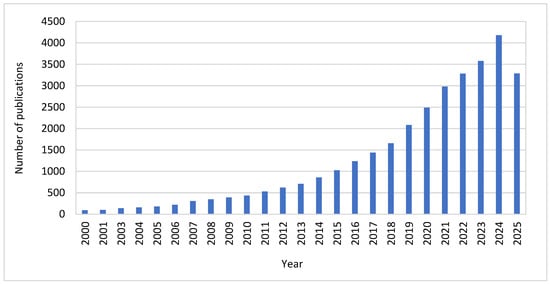
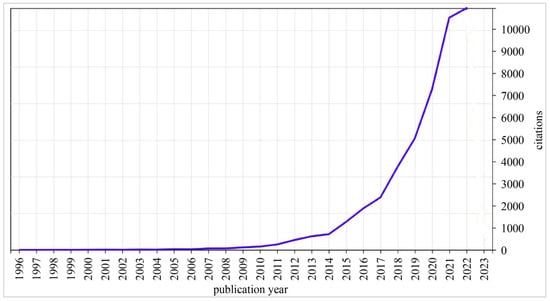
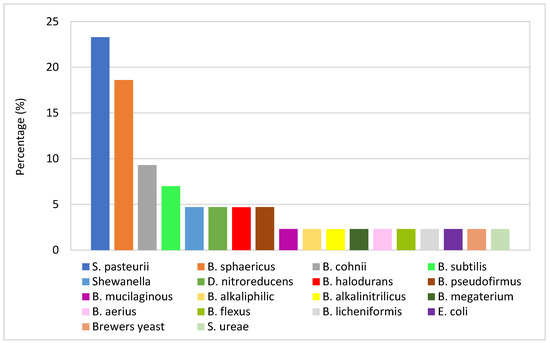
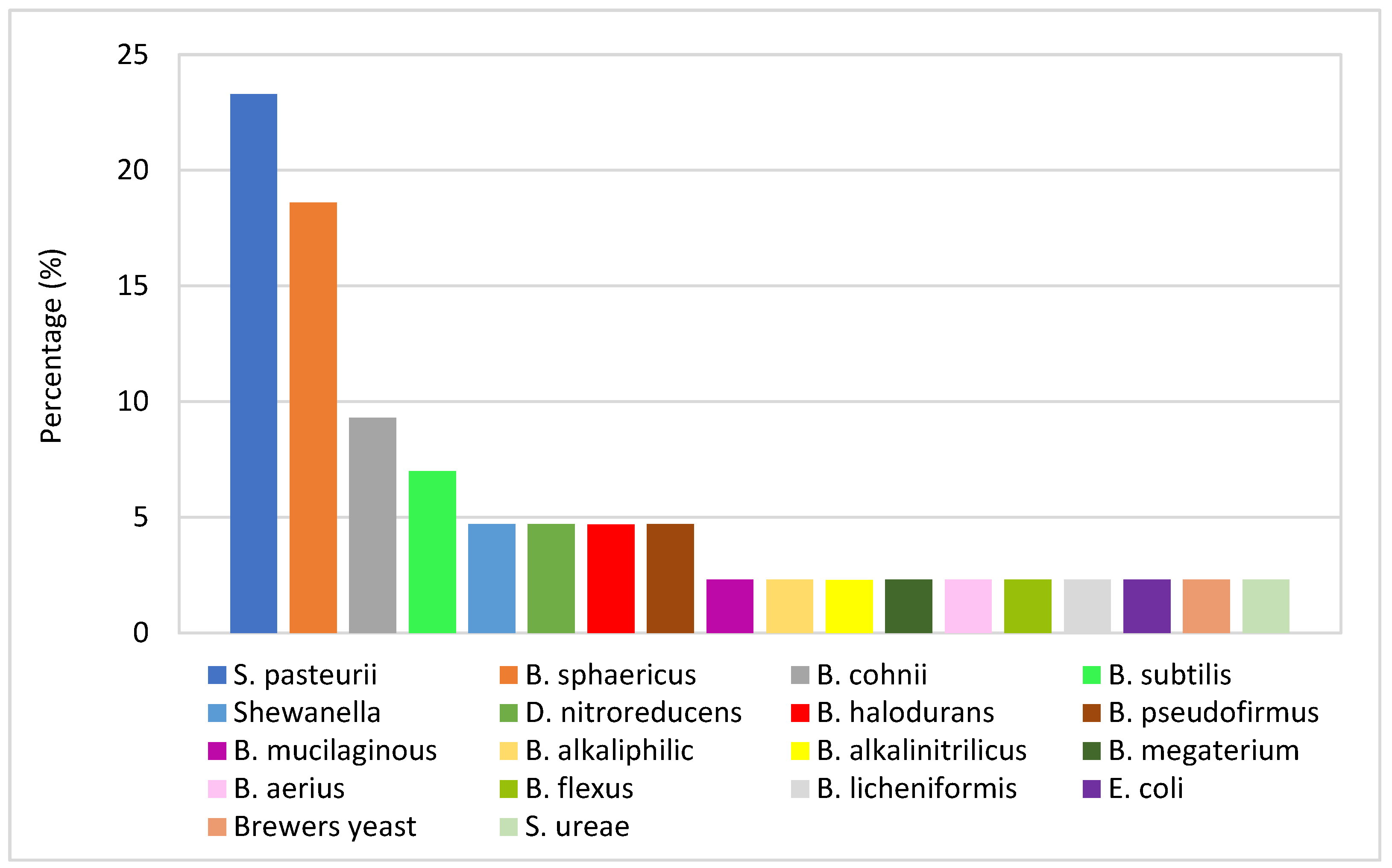
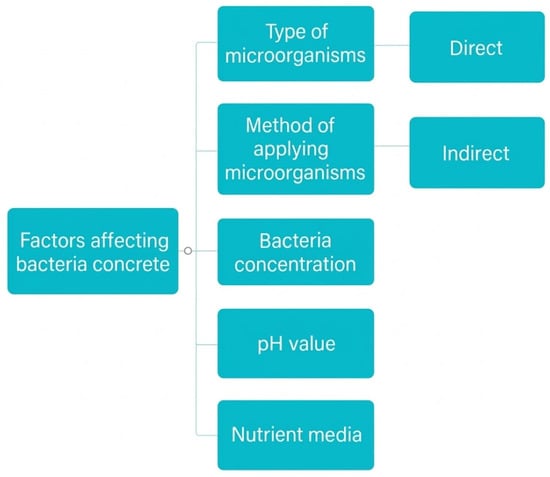
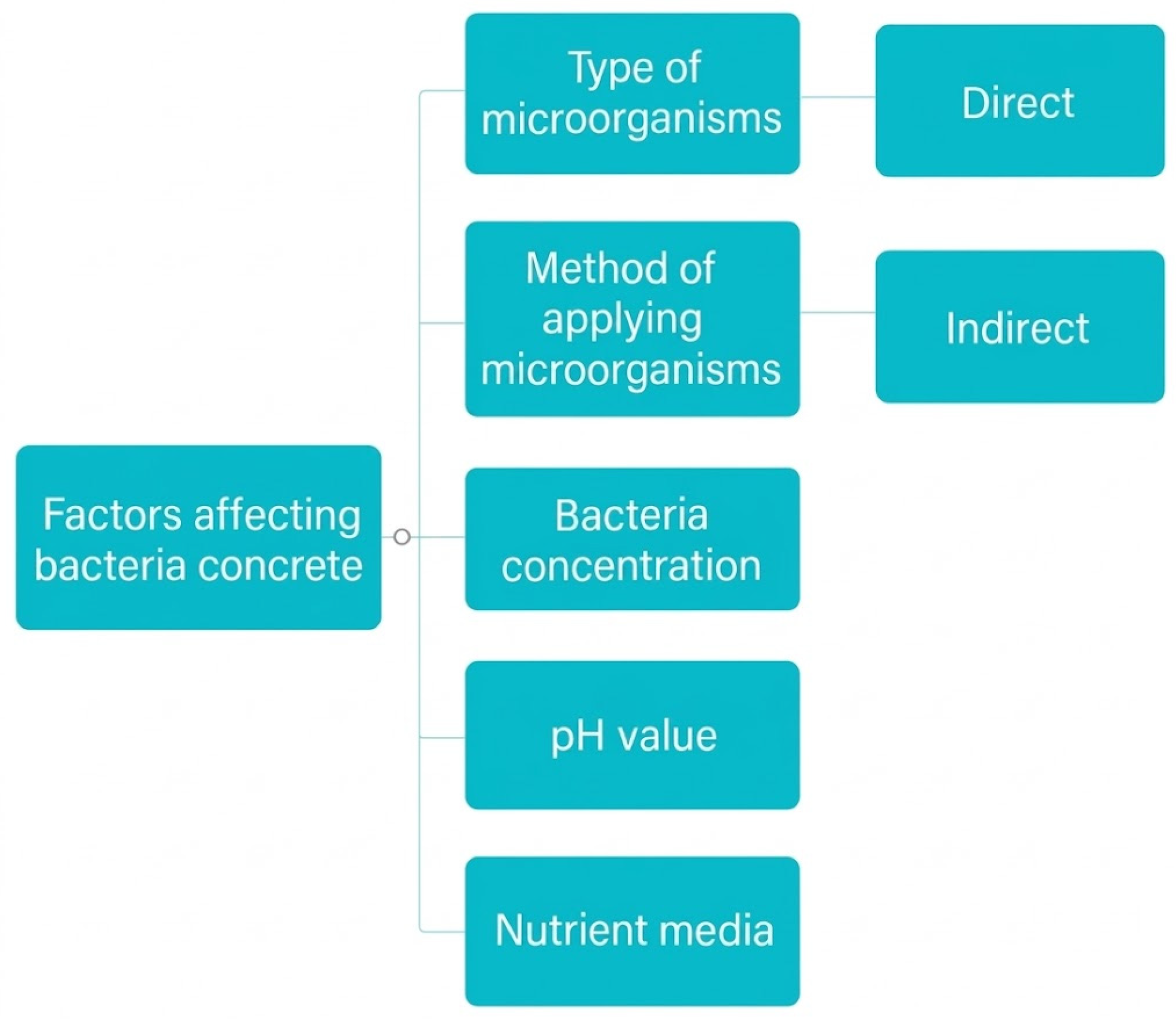
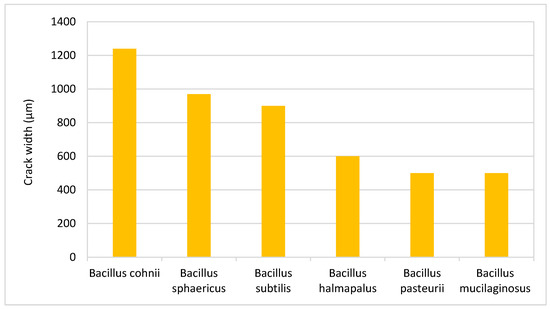
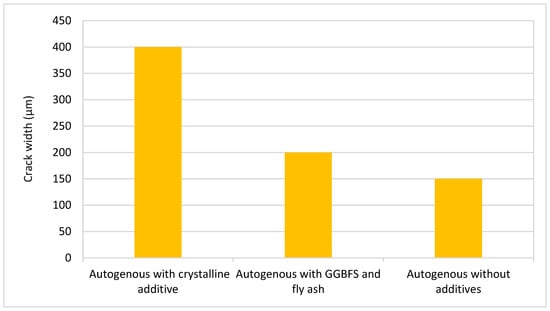
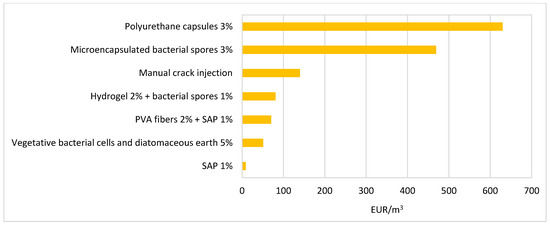
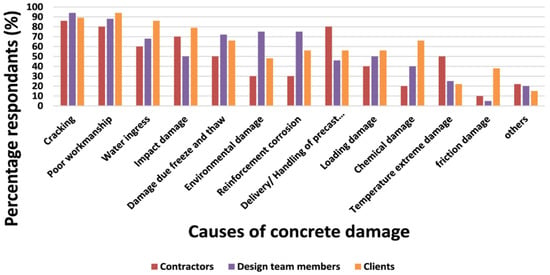
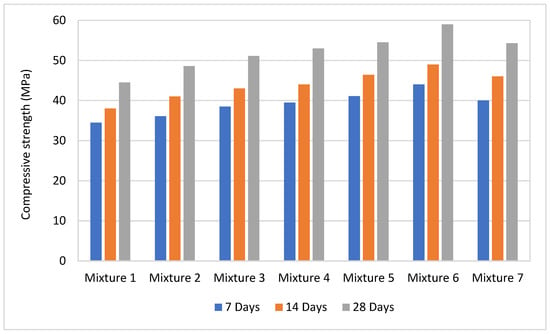
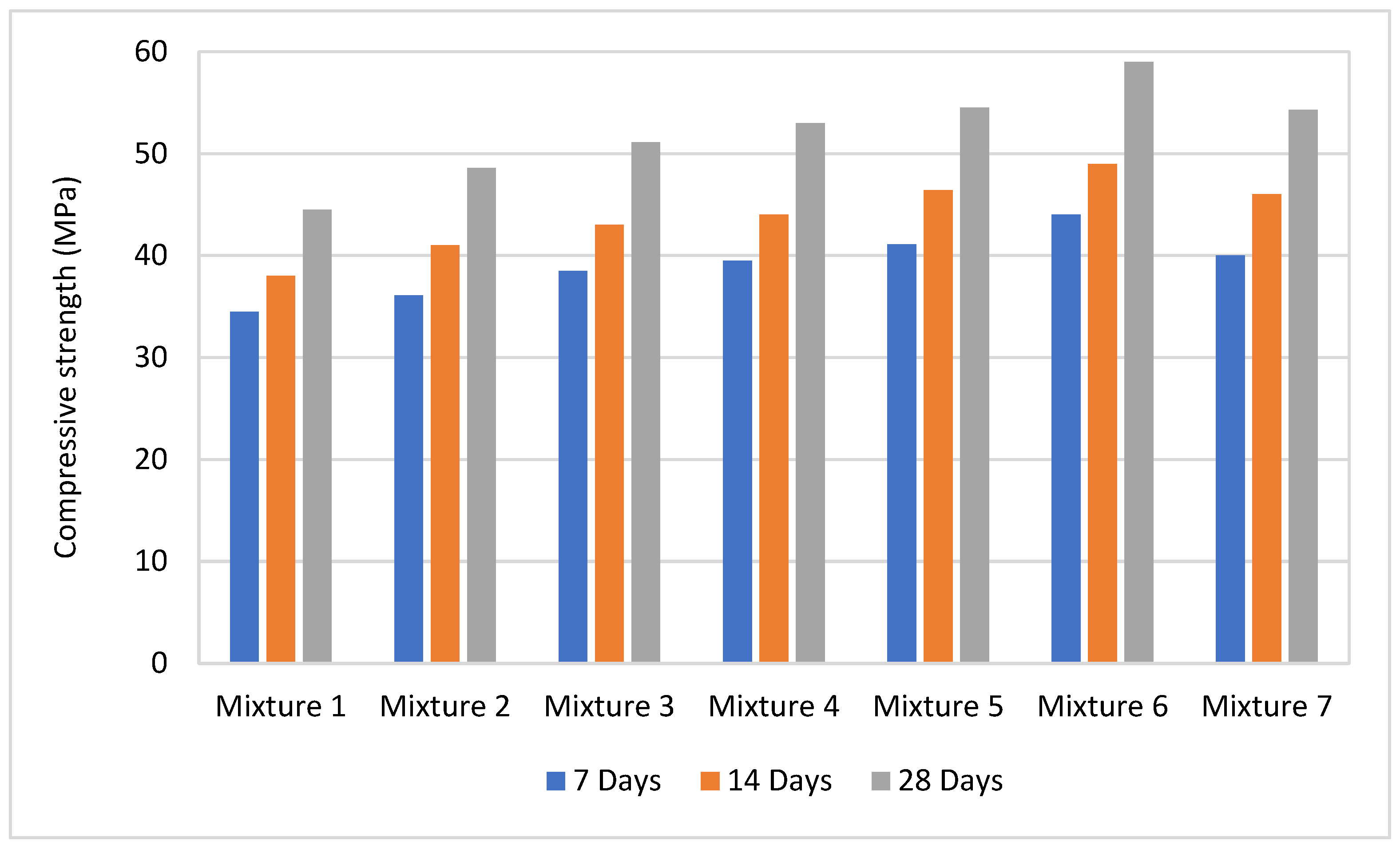
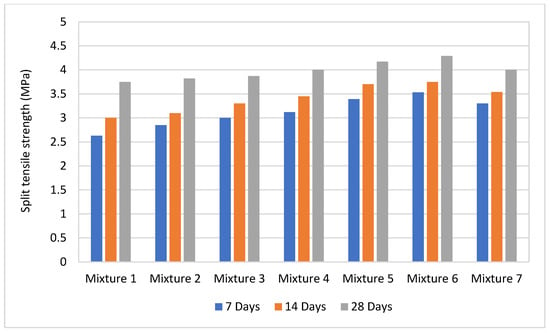
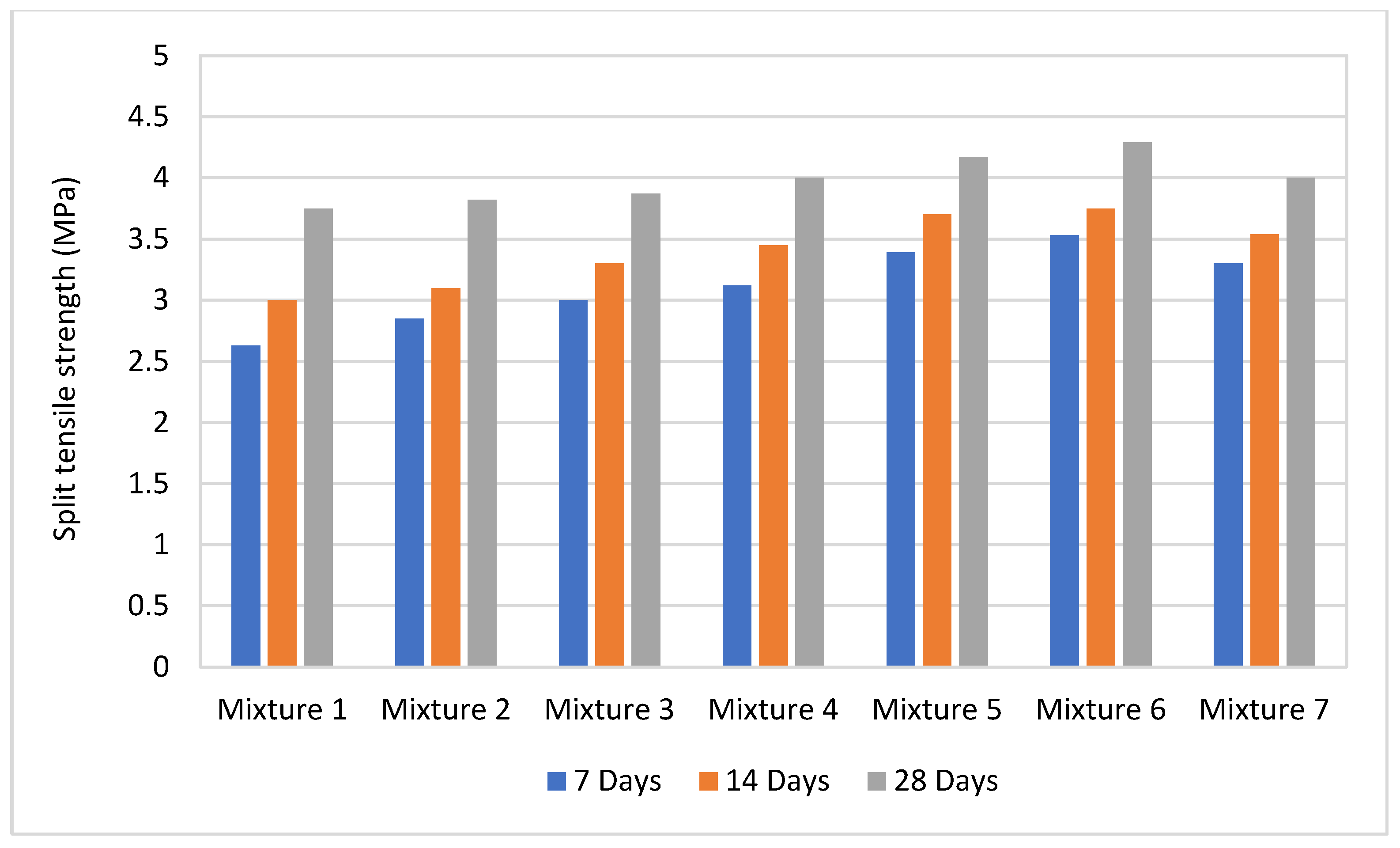
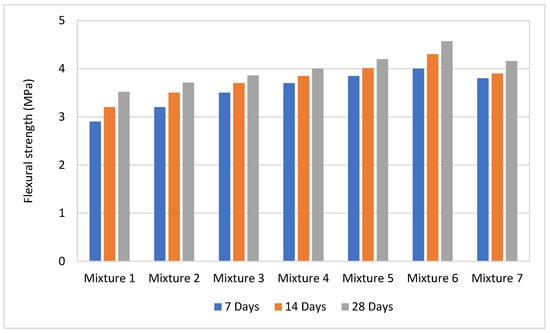
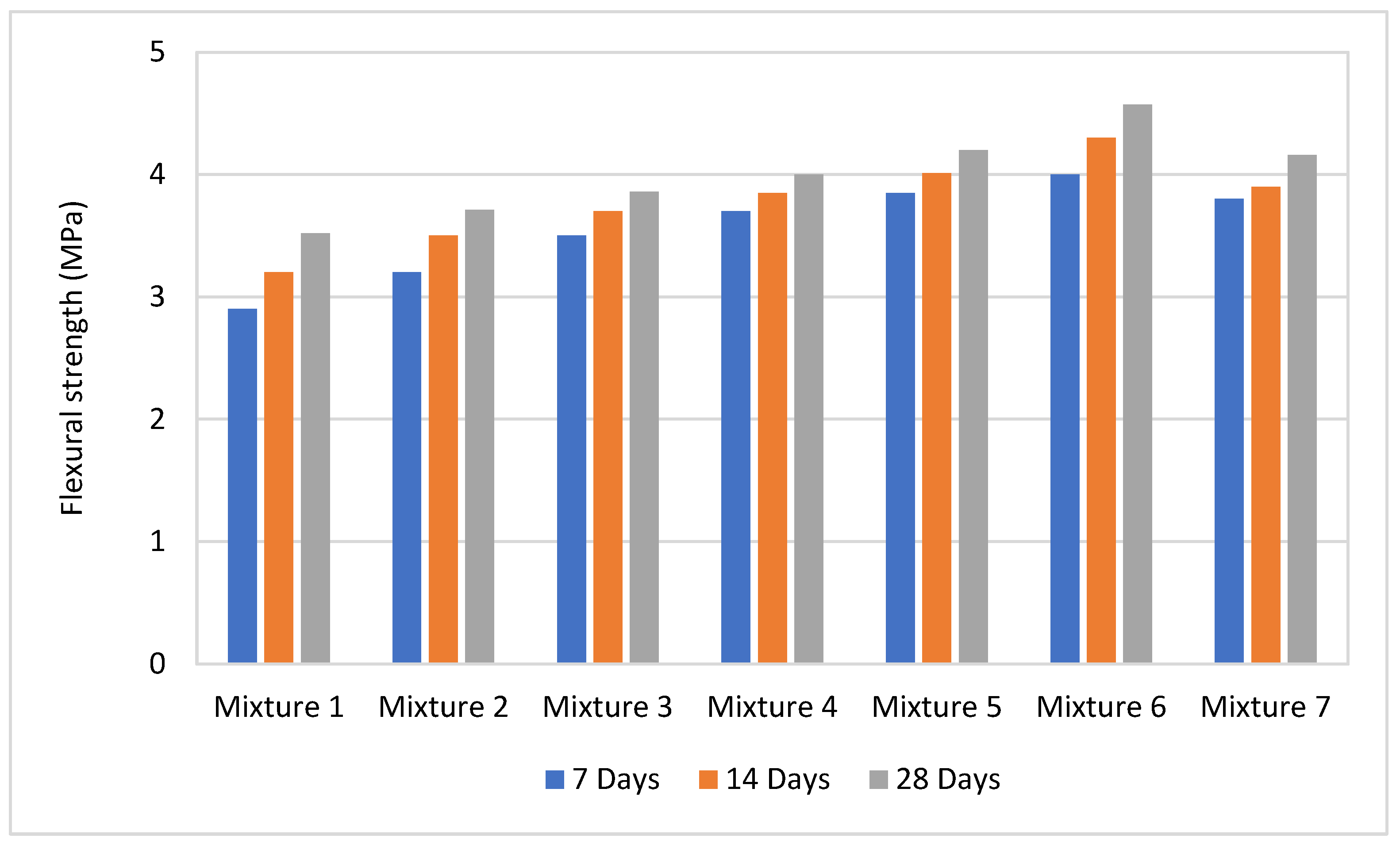
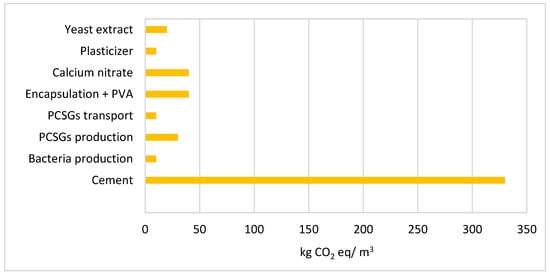
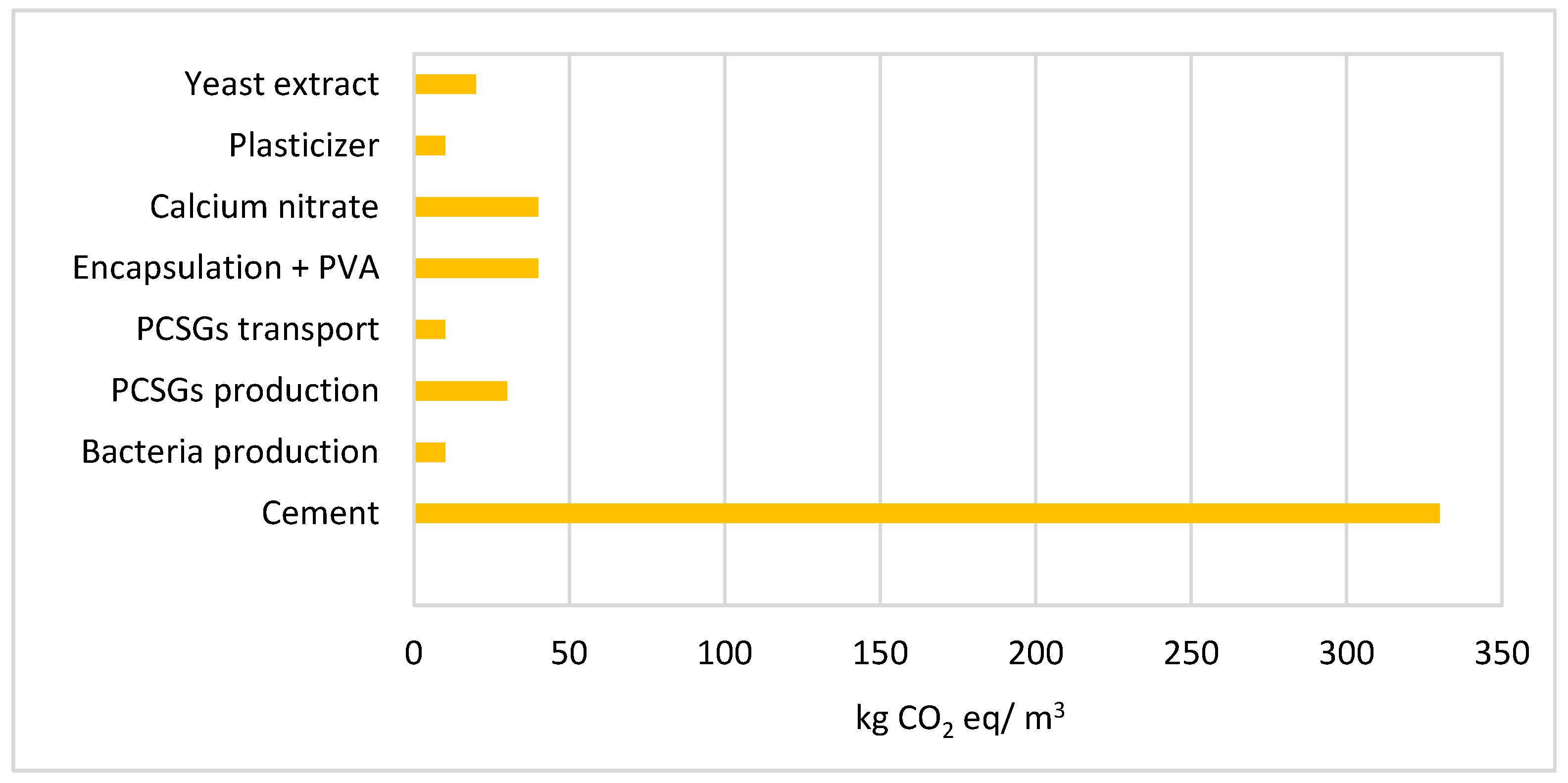
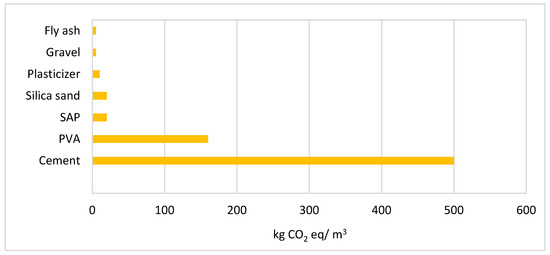
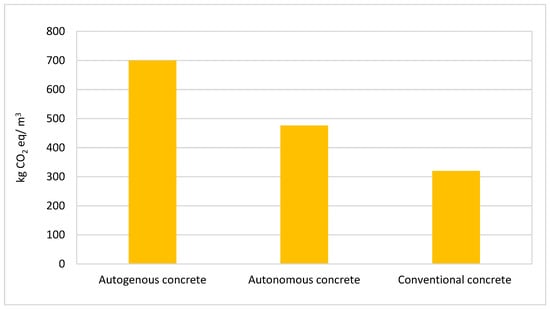

Disclaimer/Publisher’s Note: The statements, opinions and data contained in all publications are solely those of the individual author(s) and contributor(s) and not of MDPI and/or the editor(s). MDPI and/or the editor(s) disclaim responsibility for any injury to people or property resulting from any ideas, methods, instructions or products referred to in the content. |
© 2026 by the authors. Licensee MDPI, Basel, Switzerland. This article is an open access article distributed under the terms and conditions of the Creative Commons Attribution (CC BY) license.