


Abstract
This systematic literature review explores the intersection of Artificial Intelligence (AI) and Predictive Maintenance (PdM) within Industry 4.0. Using a PRISMA-based methodology, 123 studies published between 2014 and April 2024 were analyzed to characterize technological trends, algorithmic choices, industrial applications, and evaluation practices. The review reveals a consistent growth of research interest, driven by the widespread adoption of Internet of Things (IoT) devices and increased data availability. The manufacturing sector dominates the literature, although most studies rely on standardized datasets rather than real industrial environments. Among the identified AI methods, Random Forest (RF), Support Vector Machine (SVM), Decision Tree (DT) and K-Nearest Neighbors (KNNs) represent the most frequently applied algorithms for tasks such as failure prediction, fault detection, and remaining useful life (RUL) estimation. Model performance is commonly evaluated with Accuracy (Acc), Precision, Recall, F1-Score, and Root Mean Square Error (RMSE), reflecting the prevalence of both classification and regression-based PdM analyses. Despite significant advances, this review identifies persistent gaps, including limited domain diversity, scarce long-term real-world validation, and insufficient use of eXplainable AI (XAI) techniques. The findings highlight the need for broader domain coverage, improved interpretability, and validation under realistic industrial conditions. Overall, this review consolidates current knowledge on AI-enabled PdM and outlines critical directions to enhance reliability, transparency, and industrial relevance in the context of Industry 4.0.
1. Introduction
Industrial systems depend on the continuous availability of machines and equipment to ensure productivity, quality, and safety. Within this context, maintenance is a critical operational function. Among the available maintenance strategies, predictive maintenance (PdM) has gained particular relevance as it supports the reduction in unplanned downtime, maintenance-related costs, and productivity losses [1,2].
Predictive maintenance is defined according to EN 13306:2021 [3] as maintenance based on the repeated assessment of an asset’s condition through the monitoring and analysis of relevant parameters, to predict degradation and determine the most appropriate time for intervention. Thus, PdM continuously monitors machine or equipment parameters and conditions to detect early signs of degradation before failures occur, thereby preventing the machine’s unexpected downtime and consequent costs.
Technological advances over the years have allowed the improvement of continuous monitoring of equipment, generating large volumes of operational data that, when properly analyzed and interpreted, support the development of more effective PdM strategies. This data-intensive environment has contributed to the emergence of Industry 4.0 [4]. In industrial systems, data can be collected from different equipment in distinct locations. This information can include events, alarms, parameters, and other relevant data from a single piece of equipment or the entire industry process. When analyzed using appropriate methods, these data can support maintenance cost reduction, increased productivity, and reduced failure occurrence [5].
Processing large volumes of industrial data and extracting decision-relevant information is difficult without the support of computational tools such as Machine Learning (ML) algorithms [6]. Therefore, AI-enabled PdM has emerged as a relevant approach for detecting patterns in operational datasets and supporting maintenance decision-making [7]. AI refers to computational methods capable of learning from data, identifying patterns, and supporting autonomous or semi-autonomous decision-making. AI includes several methodological branches, such as ML, deep learning, pattern recognition, evolutionary computation, and neural networks [8].
Beyond algorithmic advances, the relationship between AI and PdM in Industry 4.0 also depends on a broader technological ecosystem that includes Internet of Things (IoT) sensor networks, cyber-physical systems (CPS), edge and cloud computing, digital twins, and secure data infrastructures. These technologies promote continuous data acquisition, model deployment, and closed-loop decision-making. Thus, the study of AI-enabled PdM should not be limited to predictive performance alone, but should also consider interoperability, interpretability, scalability, and operational integration across heterogeneous industrial systems.
2. Methodology
The main goal of this study is to identify and analyze the relationship between AI and PdM in the context of Industry 4.0. To achieve this objective, a systematic literature review protocol was followed to identify, screen, assess, evaluate, and synthesize relevant scientific works [9]. This systematic review was conducted and reported in accordance with the PRISMA 2020 guidelines [10] to ensure transparency, reproducibility, and methodological rigor. The review protocol was designed to identify, screen, and analyze peer-reviewed studies that address the application of AI techniques to PdM in the context of Industry 4.0. The overall review process, including the identification, screening, eligibility, and inclusion stages, is summarized in the Figure 2, together with the PRISMA checklist in Supplementary Material S1.
To support this study, the following Research Questions (RQ) were defined as shown in Table 1.
Table 1.
Research Questions.
The literature search was performed across major scientific databases commonly used in engineering and computer science research, ensuring broad coverage of relevant domains. In this context, four electronic databases were selected for research: B-On, Web of Science, Scopus, and Science Direct. To enhance reproducibility, the search string was constructed by combining keywords related to PdM, AI, ML, and industrial applications and was applied across the selected electronic databases, as shown in Figure 1.
Figure 1.
Search string.
Although the review focuses on the analysis of published studies addressing AI and PdM in Industry 4.0, it is important to highlight that this ecosystem has evolved toward a more multidisciplinary configuration. Recent studies increasingly combine data-driven models with domain knowledge, digital infrastructures, and human-centered design considerations. This broader context is considered in the interpretation of the reviewed studies, particularly when discussing explainability, deployment constraints, and future research directions.
The inclusion criteria, summarized in Table 2, include articles published in journals and conferences with open access between 2014 and 2024 (until April) related to the themes in question in English and Portuguese, requiring studies which (i) focus explicitly on PdM, (ii) employ AI-based or ML driven methods as central component of the approach, and (iii) report validation results using experimental, simulated, or real industrial data. The following screening and eligibility criteria were defined and applied throughout the methodological stages.
Table 2.
Screening and eligibility criteria.
As shown in Figure 2, representing the data retrieval through the PRISMA process, at step 1, identification, 674 articles were obtained from electronic databases in open access between 2014 and 2024 (until April) in English and Portuguese languages. Then, excluding books, theses, dissertations, and reports, 539 articles were screened. After reading the title, 428 articles were identified. 342 articles were selected after analyzing titles, abstracts, keywords, and duplicate records. During the full-text assessment stage, 201 papers were retained for detailed evaluation. After detailed eligibility assessment, 123 papers were accepted as the main studies of the research. As highlighted in this section, screening was conducted in multiple stages, including title and abstract review followed by full-text eligibility assessment. Study selection and methodological considerations were performed through an iterative process. A qualitative quality assessment was applied to eligible studies to support the interpretation of the results. Each study was evaluated according to criteria related to clarity of the PdM objective, data origin, appropriateness of the selected AI techniques, and depth of validation. This assessment did not serve to exclude studies post hoc, but to contextualize their contribution and limitations within the synthesis.
Figure 2.
PRISMA flow diagram data summarising the study identification, screening, eligibility, and inclusion process (adapted from [10]).
Potential sources of bias were considered during analysis. These include the frequent reuse of publicly available benchmark datasets, which enables methodological comparison but limits generalization, reliance on simulated or laboratory data that may not reflect industrial operating variability, sectoral concentration in specific manufacturing domains, and publication bias toward positive results. These factors were considered when interpreting trends and drawing conclusions from the revised literature.
The overall review process, including identification, screening, eligibility, and inclusion stages, is summarized in the Figure 2, together with the PRISMA checklist.
3. Results and Discussion
After completion of the selection and filtering process throughout the defined criteria, a final 123 scientific papers were obtained. As a part of the present study, the review and analysis covered those papers, and through a deeper analysis, it was possible to address the formulated RQ.
- RQ1—How has interest in these themes evolved over the years?
The overall results indicate a clear increase in research interest in AI-enabled PdM over the analyzed period. As shown in Figure 3, the selected articles that connect PdM, AI and Industry 4.0 in 2023 were 38, in 2022, 29, in 2021, 24 and in 2020, 11. The steady increase in publications from 2014 to 2024 reflects a growing industrial and academic interest in AI-driven PdM.
Figure 3.
The distribution of publications by year (only represented years with the selected studies).
Table 3 provides a detailed quantitative characterization of the selected studies over time, including the number of publications, their relative proportion, and citation patterns. This table enables a more comprehensive assessment of the evolution of AI-based PdM research, not only in terms of volume but also in terms of scientific impact. By jointly analyzing publication frequency and citation metrics, it becomes possible to identify shifts in research intensity, maturity, and influence across different periods. In this context, Table 3 supports the interpretation of the growth trend, highlighting that increases in publication output do not necessarily correspond to proportional advances in impact or practical maturity.
Table 3.
Research by year (only represented years with the selected studies).
This trend may be associated with the proliferation of IoT devices, increased data availability, and the push for digital transformation across sectors. Although the growth of publications demonstrates rising interest in PdM models supported by AI, the temporal evolution exposes a gap in longitudinal, real-environment studies, especially in sectors outside manufacturing. Most of the research relies on short-term datasets or controlled conditions. This limits the ability to assess model stability, degradation, and interpretability when exposed to years of operational variability. To address this gap, future research should develop multi-year, domain-specific studies in the maritime industry, where operational conditions are highly dynamic and safety is critical. However, growth is not uniform, and external factors such as global economic shifts or technological maturity cycles may have influenced publication rates.
These findings establish the contextual basis for subsequent research questions by showing that increases in publication volume do not necessarily imply proportional advances in practical maturity, robustness, or integration into maintenance decision-making processes. Future research could benefit from correlating publication trends with policy developments.
- RQ2—What are the types of Industries most involved in this area?
The distribution of application domains in the reviewed literature, as shown in Table 4, reveals structural patterns rather than a diversity of use cases. The predominance of studies classified under a ‘Sector-unspecified Industry 4.0 context’ (48%) reflects the dependency on publicly available benchmark datasets and standardized experimental frameworks. These datasets, often derived from controlled environments such as turbofan engines or bearing systems, provide structured and labeled run-to-failure trajectories that enable reproducible benchmarking and comparison of algorithms, particularly for temporal modeling and RUL estimation. However, their controlled and domain-specific nature limits validation under real industrial operating conditions. These findings are supported across multiple studies using benchmark datasets (e.g., C-MAPSS), like Luca et al. [11], Bemani and Björsell [12], and Jakubowski et al. [13].
Table 4.
Distribution of application domains in the selected studies.
Table 4 also shows a concentration of studies in the manufacturing sector (36%), closely associated with the higher availability of structured industrial data, sensor-equipped systems, and instrumented test rigs. These conditions facilitate data collection, model training, and validation, making manufacturing environments more accessible for AI-based PdM research compared to other sectors. This trend is reflected in studies conducted on industrial production systems, hydraulic rigs, and manufacturing datasets [75,76,77]. These studies help explain why most research on manufacturing follows a dataset-first approach (standardization, reproducibility and deployability), while making clear that industrial robustness requires real-world, heterogeneous, streaming data for handling domain shifts, concept drift, multimodal defects, and evolving operating envelopes that benchmarks or static tables cannot capture.
The dominance of generalized Industry 4.0 and manufacturing datasets reveals a clear gap in sectoral diversity, as complemented by Figure 4 that visually summarizes the distribution reported in Table 4, and reinforces the dominance of some sectors. The limited representation of sectors such as maritime, food, and medical highlights a critical limitation in the external validity of current PdM models. These domains are characterized by complex operating conditions, heterogeneous data, and stricter safety requirements, which are not adequately captured by existing benchmark approaches. In particular, the maritime industry, with its operations depending on heavy-duty machinery, variable environment loads, and mission-critical reliability requirements, shows a domain with unique challenges, such as fluctuating sea states, corrosion dynamics, fuel quality variability, and class-society maintenance constraints, which should be prioritized in future PdM research. As a result, the generalization of AI-based PdM solutions to real-world, particularly safety-critical environments, remains limited.
Figure 4.
Distribution of the type of industry found in the selected articles.
In addition to sectoral concentration, the reviewed literature indicates that many studies frame PdM primarily as a modelling task, while giving less attention to the technological stack that makes industrial deployment possible. Digital twins, knowledge graphs, graph-based learning, and AIoT architectures increasingly support system-level monitoring, fault reasoning, and maintenance planning. These developments are particularly relevant in Industry 4.0 because they connect predictive models with real-time data flows, semantic asset representations, and interoperable decision support environments.
The reviewed literature is more mature in algorithmic benchmarking than in industrial validation. While many studies focus on improving model performance under controlled and reproducible experimental conditions, fewer contributions address long-term deployment, robustness under operational variability, or integration into maintenance decision-making processes. This imbalance suggests that the field is still transitioning from methodological development toward practical, real-world application.
While the reviewed studies address multiple industrial contexts, the distribution of application domains is not homogeneous. The predominance of manufacturing-based case studies is closely linked to the widespread availability of benchmark datasets and instrumented test rigs, which facilitate controlled experimentation and cross-study comparison. However, this concentration also limits the generalization of proposed solutions, as sectors characterized by complex asset interactions, long operational lifecycles, or stricter safety requirements, such as energy, maritime transportation, and process industries, remain comparatively underrepresented. This imbalance suggests that domain selection in AI-based PdM research is influenced, not only by industrial relevance but also by data accessibility and experimental feasibility, which should be considered when interpreting the scope and transferability of reported results.
- RQ3—What are the most common AI algorithms applied in PdM?
Analyzing the selected articles, it was possible to find the use of more than 57 algorithms applied to PdM. However, only 14 appear in more than 5% of the identified studies. As shown in Figure 5, RF, SVM, Decision Tree (DT) and K-Nearest Neighbors (KNNs) were the most frequently reported algorithms, each more than 20%, indicating a strong preference for mature and widely used machine learning approaches.
Figure 5.
The percentage of papers using algorithm.
In the case of RF, researchers frequently chose it in PdM studies for its robustness and ability to manage high-dimensional, heterogeneous datasets. Gawde et al. [108] achieved with RF a training accuracy of 100% in multi-fault diagnosis of rotating machines using multi-sensor data fusion. Its ensemble structure mitigates overfitting by aggregating multiple DTs, improving generalization across diverse operating conditions. RF also provides intrinsic feature importance ranking, which supports explainability and aligns with Industry 4.0 requirements for transparency. However, RF computational complexity and memory usage increase with the number of trees, posing challenges for real-time deployment in resource-constrained environments. RF is commonly adopted because of its proven performance in complex, non-linear fault patterns, and its compatibility with XAI techniques for local and global interpretability, offering a good trade-off of accuracy and interpretability, and an auditable path via feature ranking and tree visualizations.
In PdM, another algorithm often used by researchers is the SVM. This algorithm has been widely applied in PdM for its strong theoretical foundation, effectiveness in high-dimensional spaces, and margin maximization. In some of the reviewed studies [20,108,130], SVM delivered moderate accuracy (76–95%) for multi-class fault classification, particularly when vibration and thermal features were combined. Its strength lies in maximizing the margin between classes, which enhances robustness against noise and small sample sizes. On the other hand, SVM requires careful kernel selection and parameter tuning, and its scalability deteriorates with large datasets typical of IoT environments. Researchers opted for SVM because it offers a well-understood baseline with strong generalization under moderate sample sizes, multi-domain features, and has an established record in fault diagnosis tasks.
The use of DT models is favored for their simplicity and high interpretability, making them suitable for PdM applications where transparency is critical. Isakovic et al. [130] demonstrated that DT achieved 100% accuracy in predicting medical device conformity, outperforming algorithms that are more complex in certain configurations. The DT hierarchical structure allows direct visualization of decision rules, enabling domain experts to validate predictions. This characteristic aligns with regulatory and operational requirements for transparent decision-making in industrial asset management. However, DT models are prone to overfitting, especially with limited or noisy datasets, and their predictive performance can degrade in highly non-linear, multi-fault environments. Researchers select DT for its traceable, rule-based decisions (essential for regulatory compliance), ease of implementation, interpretability, and compatibility with attribute selection techniques to optimize performance.
The other algorithm widely used by researchers for PdM is the KNN. This algorithm is often used because of its simplicity and effectiveness when the class structure in feature space provides local neighborhoods that correlate with fault types, and when training simplicity is desired. Gawde et al. [108] proposed a KNN that achieved 99% of accuracy when combined with multi-sensor data fusion. Its non-parametric nature makes it adaptable to various data distributions without requiring complex model training. However, KNN’s computational cost during inference is high, as it relies on distance calculations for all training samples, and its performance is sensitive to the choice of distance metric and the value of k. Researchers selected KNN for its ease of implementation and strong baseline performance in vibration-based fault diagnosis, particularly when feature scaling and normalization were applied.
Across the reviewed studies, RF frequently reported robust performance and appeared often in complex, multi-fault classification settings in Industry 4.0 environments. DT models exceed in interpretability, offering transparent decision-making, but are less scalable for high-dimensional data. SVM provides strong theoretical guarantees and manages non-linear boundaries effectively, yet its lack of intrinsic interpretability and sensitivity to parameter tuning limits its practical adoption without XAI support. KNN offers simplicity and competitive accuracy, but its computational inefficiency and reliance on distance metrics constrain real-time applications. Overall, the reviewed studies suggest a trade-off between predictive performance, interpretability, and computational cost. RF appears frequently in studies reporting strong predictive performance for accuracy and resilience, DT for transparency and regulatory contexts, SVM in handling complex boundaries, and KNN as a simple, competitive baseline under physics-aligned feature spaces, reflecting a trade-off between accuracy, interpretability, and computational cost in PdM algorithm selection.
The prevalence of traditional ML models highlights researchers’ preference for mature, performant, and easy-to-implement approaches. However, a persistent gap emerges in the lack of systematic explainability in model deployment. Even when more transparent models are used, few studies contextualize the model behavior. This gap limits trust, adoption, and actionable use of ML models in real operational environments. Future research should combine traditional ML techniques with XAI frameworks to produce interpretable, physics-consistent explanations that clarify why certain conditions indicate faulty evolution. Such integration will support operational decision-making, facilitate regulatory acceptance, and help bridge the gap between statistical predictions and domain-expert reasoning. Moreover, the rationale behind algorithm selection is often underexplored, raising questions about the alignment between algorithm capabilities and specific PdM objectives.
Explainability is also evolving beyond generic post hoc interpretation. Counterfactual explanations, role-specific explanation design, and human-in-the-loop workflows that incorporate operational feedback into the interpretation of model outputs are recent approaches. In PdM, the value of a prediction depends not only on whether it is correct but also on whether engineers, operators, and maintenance managers can understand its basis and translate it into effective intervention decisions. This perspective is particularly important in PdM. Additionally, the field has been moving gradually beyond conventional supervised classification models toward richer methodological ecosystems. These include hybrid architectures that combine deep learning with physics-based or knowledge-based reasoning, as well as transformer-based and graph-based approaches for complex temporal and relational data. This approach can be an additional methodological path toward models that seek not only predictive accuracy but also robustness, transferability, and closer alignment with industrial operating conditions.
While a wide range of AI techniques are reported across the reviewed studies, their selection is not value-neutral and reflects implicit trade-offs between predictive performance, interpretability, computational complexity, and deployment constraints. Deep Learning (DL) approaches, particularly Convolutional Neural Network (CNN) and Recurrent Neural Network (RNN), are frequently adopted due to their ability to model complex temporal and high-dimensional patterns, especially when large, labeled datasets are available. However, these benefits are often achieved at the expense of transparency, higher data requirements, and increased computational cost.
In contrast, traditional ML methods such as RF, SVM, and ensemble techniques continue to be widely used, particularly in scenarios with limited data or where model interpretability and robustness are critical for industrial acceptance. The coexistence of DL and classical approaches indicates that algorithm choice is strongly context-dependent, shaped by practical deployment considerations rather than predictive accuracy alone. This pattern suggests that algorithmic performance in PdM should be interpreted in relation to operational constraints and decision-making requirements, rather than as an abstract measure of technical superiority.
- RQ4—Which type of output are the studies focusing on?
While individual studies demonstrate the application of predictive models across diverse industrial contexts, the aggregation of results reveals clear structural patterns in the selection and use of output types in AI-based PdM.
As shown in Figure 6, the predominance of Failure prediction (32%), Fault detection (22%), and RUL estimation (16%) reflects a strong alignment of research efforts toward predictive-oriented tasks that can be quantitatively evaluated. These output types are widely adopted because they are directly compatible with standard ML formulations and well-established performance metrics, facilitating benchmarking and comparison across studies.
Figure 6.
The output chosen in the selected papers (%).
Failure prediction refers to the forecasting of future failure events before they occur, enabling proactive intervention and minimizing downtime. Across the analyzed studies, this output is implemented in diverse industrial contexts, including chilled water systems in commercial buildings [33] and industrial drying hopper [42], as an example, demonstrating its adaptability and practical relevance. Both studies underscore that fault prediction is not limited to detecting anomalies but extends to forecasting potential failure conditions based on operational data patterns, thereby aligning with Industry 4.0 objectives of proactive and data-driven maintenance. This predictive capability ensures improved equipment reliability, optimized maintenance schedules, and reduced operational risks. Overall, fault prediction is the primary output across domains because it may support preventive interventions, reducing downtime, and aligning with Industry 4.0 requirements.
While failure prediction aims to anticipate failures before they occur, fault detection focuses on identifying deviations from normal operating conditions in real time, serving as an early warning mechanism for maintenance intervention. Across the reviewed studies, this output is particularly relevant in industrial contexts where failure data is scarce or incomplete, leading to the widespread adoption of unsupervised or semi-supervised anomaly detection approaches. A representative example is given by Jakubowski et al. [13], who formulate predictive maintenance as an anomaly detection problem using Variational Autoencoders, demonstrating that models trained on operational patterns can effectively identify abnormal system behavior, although performance may decrease in real industrial environments due to variability and limited labeled data. This type of output enables detection of degradation trends, making it suitable for real-world scenarios, acting as an early indicator of abnormal wear (e.g., work roll degradation in the hot strip mill), and guiding maintenance scheduling, avoiding catastrophic failures. Similarly, Polenghi et al. [44] propose a three-step framework for fault detection and diagnosis in collaborative robots, where anomaly detection plays a significant role in identifying deviations from nominal trajectories. This framework focuses on real-time detection of abnormal operational states. This approach exemplifies anomaly detection as a first-level PdM output. By autonomously identifying deviations without prior labels, it supports condition-based maintenance and lays the foundation for future prognostic capabilities. The studies collectively illustrate that Fault detection is well suited to real-world PdM scenarios, particularly where labeled failure data is limited or unavailable. By identifying subtle deviations and degradation trends in operational data, anomaly detection supports condition-based maintenance strategies and enables earlier intervention before the occurrence of critical failures.
RUL estimation is another relevant output because it addresses a core maintenance question: how much operating time remains before an asset fails? Across the reviewed studies, this output is particularly relevant for maintenance planning, as it provides a temporal horizon that supports intervention scheduling. For instance, De Luca et al. [11] demonstrated that RUL can be effectively modeled as a regression problem using deep learning architectures, achieving performance comparable to established LSTM baselines on the C-MAPSS dataset. Similarly, Bemani & Björsell [12] showed that RUL prediction can be successfully applied in distributed environments through federated learning approaches, enabling model training across multiple sites without sharing sensitive data. In addition, Jaenal et al. [59] confirmed the relevance of RUL estimation in complex industrial settings by combining CNN and LSTM models, achieving competitive RMSE values and highlighting its role in supporting near real-time maintenance decision-making. These studies indicate that RUL estimation provides a more operational output than anomaly detection alone, as it not only identifies potential degradation but also quantifies the urgency of maintenance actions. The use of RMSE as the predominant evaluation metric reflects the treatment of RUL as a continuous target, enabling direct quantification of prediction errors in operational units. However, despite its strong potential to support decision-making, RUL estimation remains largely focused on predictive accuracy rather than on its integration into maintenance policies or decision-support frameworks. This suggests that, while RUL estimation is a mature prognostic tool, its contribution to fully operational PdM systems remains limited without closer integration with decision-making processes.
Although the reviewed studies report various output types, such as fault classification, anomaly detection, health indicators, and RUL, their implications for decision-making are often addressed only implicitly. Most contributions emphasize predictive performance at the model level, while offering limited discussion on how these outputs are operationalized with maintenance planning, scheduling, or intervention strategies. As a result, technically accurate predictions do not necessarily translate into actionable maintenance decisions. This observation highlights the gap between predictive outputs and decision support in AI-based PdM research. Outputs such as RUL estimates or health scores require contextual interpretation, uncertainty quantification, and integration with maintenance policies to support real-world use. The limited emphasis on this connection suggests that many studies remain focused on prediction accuracy rather than on the downstream processes that determine practical value in industrial settings. While the reviewed literature is predominantly framed within the Industry 4.0 paradigm, recent conceptual developments emphasize a transition toward Industry 5.0, characterized by human-centricity, resilience, and sustainability. From this perspective, the analysis reveals that most AI-based PdM studies continue to prioritize automation, predictive accuracy, and efficiency gains (hallmark objectives of Industry 4.0), while offering limited considerations of human-in-the-loop decision-making, transparency, or organizational integration. Although some contributions adopt advanced modelling techniques, these are often presented as technical enhancements rather than as an element of a broader socio-technical transformation. Thus, many AI-based PdM approaches appear to extend or rebrand Industry 4.0 practices rather than reflecting a substantive paradigm shift toward Industry 5.0 principles. So, the need for future research to move beyond performance-driven automation and to more explicitly integrate explainability, human oversight, and resilience-oriented design as core objectives of PdM systems is highlighted.
- RQ5—What are the most common performance evaluation measures used?
The selected articles showed that most of the studies use more than one metric to evaluate their models. As shown in Figure 7, from the selected articles, five performance evaluation measures stand out from others: Acc (40%), Recall (32%), Precision (30%), F1-Score (25%), and RMSE (23%).
Figure 7.
Percentage of performance evaluation measures used in selected papers.
In a deeper analysis of the studies reviewed, it was found that 15% of them use Acc, Recall, Precision, and F1-Score together to address class imbalance and the asymmetric operational cost of false alarms vs. missed detections. Although these metrics provide a common basis for algorithmic comparison, their widespread use reflects evaluation convenience rather than explicit alignment with maintenance decision-making requirements, as they primarily assess predictive correctness instead of operational impact. Acc summarizes the overall proportion of correct predictions (true positive + true negative of all samples), which is overall correctness, but misleading if used alone. Precision quantifies the proportion of predicted fault events that correspond to true fault events, thereby helping to assess the false-alarm burden. Recall or sensitivity, quantifies the proportion of true fault events correctly detected by the model, thereby helping to assess the risk of missed failures, trying to avoid missed failure detections. Many researchers rely on Precision and Recall performance evaluation measures to expose the false alarms and missed detection, compensating for the potentially misleading nature of Accuracy when used alone, eventually, while F1-Score provides a balanced view when classes are imbalanced. Farooq et al. [39], in their comparative analysis of ball bearing systems, evaluated several ML techniques using these performance evaluation measures, highlighting that overall Acc alone was insufficient because rare fault conditions could be overlooked without examining Precision, Recall, and F1-Score. Similarly, Bezerra et al. [37] applied these metrics to assess multiclass machine failure prediction, noting that Acc could mask poor detection of minority failure types, making Precision and Recall essential for understanding how well rare but critical faults were identified. Rahman et al. [42] also relied on this metric set when classifying unusual events in industrial drying hopper operations, where extreme imbalance between normal and abnormal conditions required Recall to prevent missed events and Precision to minimize false alarms, with F1-Score offering a balanced view of model robustness under such constraints. Collectively, these studies demonstrate that the joint use of Acc, Precision, Recall, and F1-Score is not only standard but also necessary when PdM models produce categorical outputs, ensuring that evaluation captures both overall correctness and the operational relevance of correctly identifying minority fault or event classes. The choice of these metrics directly correlates with the output type of the studies, e.g., machine failure classes, bearing fault categories, or event vs. no-event detection. All these outputs require a confusion-matrix-based evaluation to capture meaningful performance.
In comparison, it was found that the RMSE performance evaluation measure is consistently adopted as a fundamental metric for evaluating PdM models whose outputs are continuous estimations, particularly RUL or numeric health indicators. Maktoubian et al. [127] proposed a PdM framework where RMSE is explicitly employed to quantify the validity of ML models predicting the RUL of chipper components, providing an interpretable measure of deviation between predicted and observed degradation trajectories, and supporting subsequent decision-making phases such as simulation-based cost and safety. Furthermore, Jaenal et al. [59] introduced the MachNet architecture, where RMSE served as a primary loss function and evaluation metric for both health state estimation and RUL forecasting, reflecting its suitability for regression-oriented PdM tasks where precise numerical prediction is essential. The authors used RMSE to show their model’s competitiveness across both simple and complex industrial scenarios. Bemani & Björsell [12] employed RMSE as a primary evaluation metric to assess the performance of their PdM model for RUL prediction in a collaborative setting. RMSE was used to quantify the deviation between predicted and true RUL values across the CMAPSS turbofan dataset, offering a rigorous measure of regression accuracy within the distributed learning framework. RMSE was used as an essential indicator of the model’s capability to provide reliable RUL estimations under constrained and heterogeneous industrial conditions. These studies illustrate that RMSE remains the most appropriate and widely adopted metric when PdM objectives involve estimating continuous degradation measures or lifetime predictions, as it captures both the magnitude and dispersion of prediction errors, thereby offering a rigorous and interpretable measure of model performance.
The dominance of conventional evaluation metrics highlights a gap in operationally relevant assessment, as these metrics quantify model correctness but not the real-world impact of predictions in industrial asset management. The analysis of the reviewed studies shows that only a very small subset explicitly reports business-oriented performance indicators. Based on the classification of the output types (see RQ4), less than 5% of the studies define objectives directly related to operational outcomes, such as “Improve efficiency” (2%) or “Reduce meantime to repair” (1%), which can be interpreted as proxies for business-oriented evaluation. In contrast, most studies (over 90%) focus exclusively on technical performance metrics. Even among studies dealing with real industrial contexts, the reporting of metrics such as downtime, cost savings, or system availability remains scarce and is typically discussed qualitatively rather than quantified.
From a broader perspective, the predominance of generic performance metrics highlights a structural gap between academic evaluation practices and industrial maintenance objectives. Metrics commonly reported in the reviewed studies rarely capture economic consequences, operational risk, or decision timing, which are central to maintenance planning in real environments. As a result, models demonstrating high predictive accuracy may still offer limited practical value if their outputs do not support cost-effective intervention strategies or system-level optimization. This imbalance provides evidence of a persistent gap between algorithmic evaluation and business-oriented assessment in AI-based PdM research. This observation suggests that future research in AI-based PdM should complement traditional performance measures with evaluation criteria explicitly linked to operational outcomes, thereby strengthening the connection between methodological advances and their practical impact. Standard ML performance metrics should also be complemented with explainability-oriented assessments and operational indicators, ensuring a holistic understanding of model effectiveness.
Industry 4.0 has primarily framed AI-based PdM around data-driven automation efficiency, and productivity. However, emerging policy and scholarly work increasingly situate industrial digitalization within an Industry 5.0 paradigm that explicitly emphasizes human-centricity, sustainability, and resilience, placing worker wellbeing and society goals alongside technological performance [134]. From a human-centricity perspective, Industry 5.0 shifts the emphasis from automating decisions to supporting human decision-making, requiring transparency, explainability, and meaningful human oversight workflows [135]. In PdM, this implies that high predictive accuracy alone is insufficient if maintenance personnel cannot understand, trust, and act on model outputs in a responsible and role-appropriate manner.
With respect to sustainability and resilience, Industry 5.0 highlights the need to consider broader system objectives (e.g., resource efficiency, risk reduction, and robustness to disruptions) rather than purely technical model performance [134]. Yet, across the reviewed studies, most AI-based PdM contributions remain predominantly aligned with Industry 4.0 automation, while only a limited subset explicitly integrates explainability or human-in-the-loop supervision. This suggests that, in many cases, Industry 5.0 is not yet reflected as a substantive paradigm shift in PdM research, but rather an emerging lens that exposes current gaps and priorities for future work.
4. Conclusions
This systematic review explored how AI has been deployed for PdM within Industry 4.0 over 2014–2024, using a PRISMA-guided process to identify, screen, and assess the literature. The results confirm a steady growth in AI-enabled PdM research and a strong emphasis on manufacturing, standardized datasets, and benchmarked evaluation protocols, reflecting both the maturing technological ecosystem and the drive for reproducibility. At the same time, the evidence base remains concentrated in short-term or controlled studies, which limits insight into long-horizon robustness, interpretability in practice, and sectoral generalizability beyond manufacturing.
In relation to RQ1, the analysis revealed an increase in scientific output over recent years, particularly in 2023, with 38 articles, in 2022, with 29, in 2021, with 24 and, in 2020, with 11, reflecting growing industrial and academic interest. The overall results indicate a clear increase in research interest in AI-enabled PdM, while also highlighting a persistent lack of long-term real-world validation. Publication activity in AI-enabled PdM has increased steadily, yet longitudinal, real-world validation studies remain scarce. Concerning RQ2, the reviewed studies showed a strong concentration in manufacturing sectors, largely driven by data availability, with limited representation of safety critical and infrastructure intensive domains, such as maritime or medical areas. The results show that 48% of the reviewed studies are conducted in ‘Sector-unspecified Industry 4.0 context’, while 36% are concentrated in manufacturing environments, highlighting a strong dependency on data availability and benchmark accessibility. Addressing RQ3, the findings indicate that algorithm selection is context-dependent, with DL methods favored for complex pattern recognition tasks and traditional ML approaches remaining relevant where interpretability, data efficiency, and robustness are prioritized. Thus, traditional ML, including RF, SVM, DT, and KNN, in 30%, 28%, 24%, and 20%, respectively, of the reviewed studies, are increasingly prominent in PdM, particularly for complex temporal data, maintenance scheduling, and multi-source integration. These techniques are often chosen for their robustness and benchmark performance, although they are rarely paired with systematic explainability. With respect to RQ4, the most frequent output types identified from the reviewed studies were Failure prediction (32%), Fault detection (22%), and RUL estimation (16%), confirming a predominance of predictive oriented approaches in PdM research. Most studies focus on predictive outputs such as fault classification and RUL estimation, yet often provide limited discussion on their operational integration into maintenance decision processes. Finally, RQ5 revealed a dominant reliance on generic performance metrics. Typically, it involves multiple performance metrics, relying heavily on confusion-matrix metrics (Acc, Precision, Recall, and F1-Score) for classification, and RMSE for continuous targets such as RUL, reflecting a methodological preference. The reviewed studies show mostly the use of performance metrics like Acc (40%), Recall (32%), Precision (30%), F1-Score (25%), and RMSE (23%). However, a disconnection between algorithmic evaluation practices and the economic and operational objectives that are central to industrial maintenance is found in the literature. Although these metrics represent standard ones, they may not fully capture the operational impact of PdM. On the other hand, less than 5% of the reviewed studies address objectives directly related to operational outcomes. In this context, it is important to try to correlate these performance metrics with industry management goals. Incorporating business-oriented and operational performance indicators such as downtime reduction and maintenance cost savings would enhance the relevance of AI models to industrial stakeholders. Collectively, these patterns reveal a methodological strength in benchmarking, but a translational gap between predictive performance and actionable, auditable maintenance decisions in the field.
In most cases, researchers rely on widely used benchmarks. This procedure has accelerated algorithmic progress and comparability, including recent modular and federated architectures, but it also amplifies risks of domain bias when transferring to sectors with different physics, duty cycles, and data regimes. This underscores the need for domain-grounded validation as well as privacy-preserving collaboration schemes where data cannot be centralized. In addition, for researchers, RMSE remains appropriate for RUL estimation, and confusion-matrix metrics for classification are the most used performance evaluation measures.
These findings provide an integrated perspective on both the progress achieved and the limitations that continue to constrain the practical adoption of AI-based PdM solutions. The review also indicates that the future of AI-enabled PdM will likely depend on the convergence of several still non-integrated research streams, such as digital twins for virtual asset representation, federated and privacy-preserving learning for distributed environments, explainable AI for transparent decision support, and hybrid frameworks that combine data, knowledge, and physics-driven modelling.
Overall, this review provides a structured synthesis of current trends in AI-based PdM, while also identifying several persistent limitations that constrain its practical applicability.
Among these, the most critical gap is the lack of real-world and long-term industrial validation. Most studies rely on short-term experiments, controlled environments, or benchmark datasets, which limit the understanding of model robustness under evolving operational conditions and hinder their reliable deployment in real industrial settings.
A second major limitation concerns the limited sectoral diversity observed in the literature. Current research is heavily concentrated on manufacturing environments and widely used benchmark datasets, while sectors such as maritime, food, and medical, and other asset-intensive domains remain underrepresented. This imbalance limits the external validity of proposed solutions and reduces transferability to complex and safety-critical applications.
In addition, the integration of XAI techniques constrains model transparency and interpretability. Although some studies incorporate interpretable approaches, the majority still prioritize predictive performance over explainability, thereby limiting trust, regulatory acceptance, and effective human–machine collaboration in industrial contexts.
Finally, a weak linkage persists between algorithmic performance evaluation metrics and operational decision-making indicators. Most studies rely on traditional evaluation measures, with limited consideration of business-oriented metrics, including downtime reduction, maintenance costs, system availability, or operational risk. As a result, improvements in predictive performance do not necessarily translate into actionable or economically meaningful maintenance strategies.
Taken together, these limitations reveal that, despite significant methodological progress, the field remains constrained by a gap between experimental validation and real-world applicability. In this context, the most urgent priority for future research is the development and validation of AI-based PdM solutions in real industrial environments over extended time horizons, as this is essential to ensure robustness, reliability, and effective integration into maintenance decision-making processes.
Future evidence syntheses should widen the keyword set and language coverage, incorporate industry reports, and expand to under-represented sectors to ensure broader external validity. At a methodological level, it is encouraged to report not only what works on benchmarks but also why and how models generalize under real operating variability, documenting explanation pathways alongside performance numbers, relating both to asset management indicators. Advancing these lines will help close the current gap between technical progress and operational relevance, strengthening the bridge between AI and PdM, enabling transparent, reliable, and value-aware maintenance decisions in Industry 4.0 and beyond.
5. Limitations and Future Research Directions
This review has several limitations, including the selected keyword set, database coverage, language restrictions, and time window. In the literature review, a lack of representation of certain industrial sectors, particularly the maritime and naval industries, healthcare, and other asset-intensive sectors, was seen. In addition, many primary studies rely on short experiments, simulations, or single-site datasets, instead of multi-year report validation, lifecycle drift, or stability of explanations under changing operating conditions. Additionally, the limited adoption of XAI techniques in PdM applications presents a methodological gap. Most studies focus on the use of traditional ML techniques without considering the interpretability and transparency of the results obtained by the AI models. This lack of explainability can hinder trust and acceptance among industrial decision-makers. Across most studies, performance metrics were used to evaluate the output of the AI algorithms to prove their quality, rarely including a link to operational indicators. Even where traditional ML techniques were used, systematic reporting of why models work is limited, hindering auditability and adoption in regulated environments.
To address these limitations, future research should undertake a more comprehensive search with a broader selection of keywords, including non-English sources, and expand the scope to underrepresented sectors. Among the underrepresented sectors, maritime systems constitute an important example because they rely on complex mechanical assets and demand high operational reliability. Future research should also build open or controlled-access datasets with multi-year horizons across assets, seasons, and maintenance cycles to study drift, model recalibration cadence, and explanation stability. When using shared benchmarks, it should require paired field validation to quantify domain shift and communication constraints. In the case of methods and modelling, research should improve in a model design that complement traditional ML techniques with XAI, prioritizing baselines that are explainable by design to provide auditable rationales aligned with asset physics and class-society audits. In the performance evaluation measures, dual-track metrics, complementing traditional techniques with operational indicators (unplanned downtime avoided, maintenance cost variance, mean time between failures, availability, fuel/energy impact), provide a robust and trustworthy model to decision-makers.
Thus, integrating XAI and validating models in real-world industries, like maritime, will be essential to advancing the practical relevance and adoption of AI tools in PdM.
Supplementary Materials
The following supporting information can be downloaded at: https://www.mdpi.com/article/10.3390/app16104882/s1, Supplementary Material S1: PRISMA 2020 Checklist.
Author Contributions
Conceptualization, D.A.; methodology, D.A.; validation, H.V.G.N. and P.G.; formal analysis, H.V.G.N. and P.G.; investigation, D.A.; resources, D.A.; data curation, D.A.; writing—original draft preparation, D.A., H.V.G.N. and P.G.; writing—review and editing, H.V.G.N. and P.G.; supervision, H.V.G.N. and P.G. All authors have read and agreed to the published version of the manuscript.
Funding
H.V.G.N. acknowledges financial support via National funds from FCT, I.P.—Fundação para a Ciência e a Tecnologia, financed this work in the scope of the project UID/00667/2025 (https://doi.org/10.54499/UID/00667/2025) (UNIDEMI). P.D.G. acknowledges the support granted by the Research Unit of Centre for Mechanical and Aerospace Science and Technologies (C-MAST-UBI), through the Projects references UID/00151/2025 (https://doi.org/10.54499/UID/00151/2025), UID/PRR/00151/2025 (https://doi.org/10.54499/UID/PRR/00151/2025) and UID/PRR2/00151/2025 (https://doi.org/10.54499/UID/PRR2/00151/2025), funded by FCT—Fundação para a Ciência e a Tecnologia, IP/MECI.
Data Availability Statement
No new data were created or analyzed in this study. Data sharing is not applicable to this article.
Acknowledgments
D.A. would like to thank the support and collaboration provided by CINAV & Portugal Naval Academy. P.D.G. also acknowledges the support provided by LITecS—Laboratory of Innovation and Technologies for Sustainability (www.litecs.ubi.pt).
Conflicts of Interest
The authors declare no conflicts of interest.
References
- Poór, P.; Basl, J.; Zenisek, D. Predictive Maintenance 4.0 as next evolution step in industrial maintenance development. In Proceedings of the 2019 International Research Conference on Smart Computing and Systems Engineering (SCSE), Kelaniya, Sri Lanka, 28 March 2019; IEEE: New York, NY, USA, 2019. [Google Scholar]
- Lee, J.; Ni, J.; Djurdjanovic, D.; Qiu, H.; Liao, H. Intelligent prognostics tools and e-maintenance. Comput. Ind. 2006, 57, 476–489. [Google Scholar] [CrossRef] [Scilit]
- EN 13306:2021; Maintenance—Maintenance Terminology. European Committee for Standardization (CEN): Brussels, Belgium, 2021.
- Lee, J.; Bagheri, B.; Kao, H. Recent Advances and Trends of Cyber-Physical Systems and Big Data Analytics in Industrial Informatics. In Proceedings of the 12th IEEE International Conference on Industrial Informatics, Porto Alegre, Brazil, 27–30 July 2014; IEEE: New York, NY, USA, 2014. [Google Scholar]
- Carvalho, T.; Soares, F.; Vita, R.; Francisco, R.; Basto, J.; Alcalá, S. A systematic literature review of machine learning methods applied to predictive maintenance. Comput. Ind. Eng. 2019, 137, 106024. [Google Scholar] [CrossRef] [Scilit]
- Gan, T.; Kanfoud, J.; Nedunuri, H.; Amini, A.; Feng, G. Industry 4.0: Why machine learning matters? In Advances in Condition Monitoring and Structural Health Monitoring; Lecture Notes in Mechanical Engineering; Springer: Singapore, 2021; pp. 397–404. [Google Scholar]
- Arena, S.; Florian, E.; Sgarbossa, F.; Sølvsberg, E.; Zennaro, I. A conceptual framework for machine learning algorithm selection for predictive maintenance. Eng. Appl. Artif. Intell. 2024, 133, 108340. [Google Scholar] [CrossRef] [Scilit]
- Imran, M.; Jamaludin, S.; Ayob, A.; Ali, A.; Ahmad, S.; Akhbar, M.; Suhrab, M.; Zainal, N.; Norzeli, S.; Mohamed, S. Application of Artificial Intelligence in Marine Corrosion Prediction and Detection. J. Mar. Sci. Eng. 2023, 11, 256. [Google Scholar] [CrossRef] [Scilit]
- Tranfield, D.; Denyer, D.; Smart, P. Towards a Methodology for Developing Evidence-Informed Management Knowledge by Means of Systematic Review. Br. J. Manag. 2003, 14, 207–222. [Google Scholar] [CrossRef] [Scilit]
- Page, M.; Mckenzie, J.; Bossuyt, P.; Boutron, I.; Hoffman, T.; Mulrow, C.; Shamseer, L.; Tetzlaff, J.; Akl, E.; Brennan, S.; et al. The PRISMA 2020 statement: An updated guideline for reporting systematic reviews. BMJ 2021, 372, n71. [Google Scholar] [CrossRef] [Scilit]
- De Luca, R.; Ferraro, A.; Galli, A.; Gallo, M.; Moscato, V.; Sperlì, G. A deep attention based approach for predictive maintenance applications in IoT scenarios. J. Manuf. Technol. Manag. 2023, 34, 535–556. [Google Scholar] [CrossRef] [Scilit]
- Bemani, A.; Björsell, N. Aggregation Strategy on Federated Machine Learning Algorithm for Collaborative Predictive Maintenance. Sensors 2022, 22, 6252. [Google Scholar] [CrossRef] [Scilit]
- Jakubowski, J.; Stanisz, P.; Bobek, S.; Nalepa, G. Anomaly Detection in Asset Degradation Process Using Variational Autoencoder and Explanations. Sensors 2022, 22, 291. [Google Scholar] [CrossRef] [Scilit]
- Kumar, R.; Tang, H.; Xiang, J. A comprehensive study on developing an intelligent framework for identification and quantitative evaluation of the bearing defect size. Reliab. Eng. Syst. Saf. 2024, 242, 109768. [Google Scholar] [CrossRef] [Scilit]
- Nguyen, V.; Do, P.; Vosin, A.; Iung, B. Artificial-intelligence-based maintenance decision-making and optimization for multi-state component systems. Reliab. Eng. Syst. Saf. 2022, 228, 108757. [Google Scholar] [CrossRef] [Scilit]
- Zhou, K. Enhanced feature extraction for machinery condition monitoring using recurrence plot and quantification measure. Int. J. Adv. Manuf. Technol. 2022, 123, 3421–3436. [Google Scholar] [CrossRef] [Scilit]
- Yeardley, A.; Ejeh, J.; Allen, L.; Brown, S.; Cordiner, J. Integrating machine learning techniques into optimal maintenance scheduling. Comput. Chem. Eng. 2022, 166, 107958. [Google Scholar] [CrossRef] [Scilit]
- Atassi, R.; Alhosban, F. Predictive Maintenance in IoT: Early Fault Detection and Failure Prediction in Industrial Equipment. J. Intell. Syst. Internet Things 2023, 9, 231–238. [Google Scholar] [CrossRef] [Scilit]
- Resende, C.; Folgado, D.; Oliveira, J.; Franco, B.; Moreira, W.; Oliveira-Jr, A.; Cavaleiro, A.; Carvalho, R. TIP4.0: Industrial Internet of Things Platform for Predictive Maintenance. Sensors 2021, 21, 4676. [Google Scholar] [CrossRef] [Scilit]
- Gawde, S.; Patil, S.; Kumar, S.; Kamat, P.; Kotecha, K.; Alfarhood, S. Explainable Predictive Maintenance of Rotating Machines Using LIME, SHAP, PDP, ICE. IEEE Access 2024, 12, 29345–29361. [Google Scholar] [CrossRef] [Scilit]
- Traini, E.; Bruno, G.; D’Antonio, G.; Lombardi, F. Machine Learning Framework for Predictive Maintenance in Milling. IFAC-PapersOnLine 2019, 52, 177–182. [Google Scholar] [CrossRef] [Scilit]
- Diallo, M.; Mokeddem, S.; Braud, A.; Frey, G.; Lachiche, N. Identifying Benchmarks for Failure Prediction in Industry 4.0. Informatics 2021, 8, 68. [Google Scholar] [CrossRef] [Scilit]
- Rodseth, H.; Schjolberg, P.; Marhaug, A. Deep digital maintenance. Adv. Manuf. 2017, 5, 299–310. [Google Scholar] [CrossRef] [Scilit]
- Elhabbash, A.; Rogoda, K.; Elkhatib, Y. MARTIN: An End-to-end Microservice Architecture for Predictive Maintenance in Industry 4.0. In Proceedings of the 2023 IEEE International Conference on Software Services, Chicago, IL, USA, 2–8 July 2023; IEEE: New York, NY, USA, 2023. [Google Scholar]
- Alabadi, M.; Habbal, A. Next-generation predictive maintenance: Leveraging blockchain and dynamic deep learning in a domain-independent system. PeerJ Comput. Sci. 2023, 9, e1712. [Google Scholar] [CrossRef] [Scilit]
- Macedo, L.; Matos, L.; Cortez, P.; Domingues, A.; Moreira, G.; Pilastri, A. A Machine Learning Approach for Spare Parts Lifetime Estimation. In Proceedings of the 14th International Conference on Agents and Artificial Intelligence (ICAART 2022); Springer Nature: Berlin/Heidelberg, Germany, 2022. [Google Scholar]
- Hadi, R.; Hady, H.; Hasan, A.; Al-Jodah, A.; Humaidi, A. Improved Fault Classification for Predictive Maintenance in Industrial IoT Based on AutoML: A Case Study of Ball-Bearing Faults. Processes 2023, 11, 1507. [Google Scholar] [CrossRef] [Scilit]
- Ferreira, L.; Pilastri, A.; Romano, F.; Cortez, P. Using supervised and one-class automated machine learning for predictive maintenance. Appl. Soft Comput. 2022, 131, 109820. [Google Scholar] [CrossRef] [Scilit]
- Biggio, L.; Wieland, A.; Chao, M.; Kastanis, I.; Fink, O. Uncertainty-Aware Prognosis via Deep Gaussian Process. IEEE Access 2021, 9, 123517–123527. [Google Scholar] [CrossRef] [Scilit]
- Handikherkar, V.; Phalle, V. Gear Fault Detection using Machine Learning Techniques—A Simulation-driven Approach. Int. J. Eng. 2021, 34, 212–223. [Google Scholar]
- Gao, Y.; Chai, C.; Li, H.; Fu, W. A Deep Learning Framework for Intelligent Fault Diagnosis Using AutoML-CNN and Image-like Data Fusion. Machines 2023, 11, 932. [Google Scholar] [CrossRef] [Scilit]
- Wang, J.; Wang, D.; Wang, S.; Li, W.; Song, K. Fault Diagnosis of Bearings Based on Multi-Sensor Information Fusion and 2D Convolutional Neural Network. IEEE Access 2021, 9, 23717–23725. [Google Scholar] [CrossRef] [Scilit]
- Almobarek, M.; Mendibil, K.; Alrashdan, A. Predictive Maintenance 4.0 for Chilled Water System at Commercial Buildings: A Methodological Framework. Buildings 2023, 13, 497. [Google Scholar] [CrossRef] [Scilit]
- Shanmugam, K.; Satyam, K.; Reddy, T. Developing an Integrated IoT Cloud Based Predictive Conservation Model for Asset Management in Industry 4.0. J. Soc. Comput. 2023, 4, 139–149. [Google Scholar] [CrossRef] [Scilit]
- Rojek, I.; Jasiulewicz-Kaczmarek, M.; Piechowski, M.; Mikołajewski, D. An Artificial Intelligence Approach for Improving Maintenance to Supervise Machine Failures and Support Their Repair. Appl. Sci. 2023, 13, 4971. [Google Scholar] [CrossRef] [Scilit]
- Albertin, U.; Pedone, G.; Brossa, M.; Squillero, G.; Chiaberge, M. A Real-Time Novelty Recognition Framework Based on Machine Learning for Fault Detection. Algorithms 2023, 16, 61. [Google Scholar] [CrossRef] [Scilit]
- Bezerra, F.; Neto, G.; Cervi, G.; Mazetto, R.; Faria, A.; Vido, M.; Lima, G.; Araújo, S.; Sampaio, M.; Amorim, M. Impacts of Feature Selection on Predicting Machine Failures by Machine Learning Algorithms. Appl. Sci. 2024, 14, 3337. [Google Scholar] [CrossRef] [Scilit]
- Pătraşcu, A.; Bucur, C.; Tănăsescu, A.; Toader, F. Proposal of a Machine Learning Predictive Maintenance Solution Architecture. Int. J. Comput. Commun. Control 2024, 19, 1–19. [Google Scholar] [CrossRef] [Scilit]
- Farooq, U.; Ademola, M.; Shaalan, A.; Farooq, U.; Ademola, M.; Shaalan, A. Comparative Analysis of Machine Learning Models for Predictive Maintenance of Ball Bearing Systems. Electronics 2024, 13, 438. [Google Scholar] [CrossRef] [Scilit]
- Fedorova, D.; Stenchlák, V.; Tlach, V.; Kuric, I.; Wiecek, D. Prediction of Temperature Behavior in Hydraulic Circuits. Transp. Res. Procedia 2023, 74, 500–507. [Google Scholar] [CrossRef] [Scilit]
- Abdelillah, F.; Nora, H.; Samir, O.; Sidi-Mohammed, B. Hybrid Data-Driven and Knowledge-Based Predictive Maintenance Framework in the Context of Industry 4.0. In Proceedings of the 12th International Conference on Model and Data Engineering, MEDI 2023, Sousse, Tunisia, 2–4 November 2023; Springer: Berlin/Heidelberg, Germany, 2023. [Google Scholar]
- Rahman, M.M.; Farahani, M.; Wuest, T. Multivariate Time-Series Classification of Critical Events from Industrial Drying Hopper Operations: A Deep Learning Approach. J. Manuf. Mater. Process. 2023, 7, 164. [Google Scholar] [CrossRef] [Scilit]
- Torres, P.; Ramalho, A.; Correia, L. Automatic Anomaly Detection in Vibration Analysis Based on Machine Learning Algorithms. In Proceedings of the 2nd International Scientific Conference on Innovation in Engineering, ICIE 2022; Lecture Notes in Mechanical Engineering; Springer Nature: Berlin/Heidelberg, Germany, 2022. [Google Scholar]
- Polenghi, A.; Cattaneo, L.; Macchi, M. A framework for fault detection and diagnostics of articulated collaborative robots based on hybrid series modelling of Artificial Intelligence algorithms. J. Intell. Manuf. 2023, 35, 1929–1947. [Google Scholar] [CrossRef] [Scilit]
- Tortora, A.; Veneroso, C.; Di, V.; Riemma, S.; Iannone, R. Machine Learning for failure prediction: A cost-oriented model selection. Procedia Comput. Sci. 2024, 232, 3195–3205. [Google Scholar] [CrossRef] [Scilit]
- Firdausi, M.; Ahmad, S. Concise convolutional neural network model for fault detection. Commun. Sci. Technol. 2022, 7, 62–72. [Google Scholar] [CrossRef] [Scilit]
- Alonso-Gonzalez, M.; Diaz, V.; Lopez, B.; Cristina, B.; Anzola, J. Bearing Fault Diagnosis with Envelope Analysis and Machine Learning Approaches Using CWRU Dataset. IEEE Access 2023, 11, 57796–57805. [Google Scholar] [CrossRef] [Scilit]
- Achouch, M.; Dimitrova, M.; Dhouib, R.; Ibrahim, H.; Adda, M.; Sattarpanah, S.; Ziane, K.; Aminzadeh, A. Predictive Maintenance and Fault Monitoring Enabled by Machine Learning: Experimental Analysis of a TA-48 Multistage Centrifugal Plant Compressor. Appl. Sci. 2023, 13, 1790. [Google Scholar] [CrossRef] [Scilit]
- Serradilla, O.; Zugasti, E.; de Okariz, J.; Rodriguez, J.; Zurutuza, U. Adaptable and explainable predictive maintenance: Semi-supervised deep learning for anomaly detection and diagnosis in press machine data. Appl. Sci. 2021, 11, 7376. [Google Scholar] [CrossRef] [Scilit]
- Küfner, T.; Döpper, F.; Müller, D.; Trenz, A. Predictive Maintenance: Using Recurrent Neural Networks for Wear Prognosis in Current Signatures of Production Plants. Int. J. Mech. Eng. Robot. Res. 2021, 10, 583–591. [Google Scholar] [CrossRef] [Scilit]
- Pugalenthi, K.; Park, H.; Hussain, S.; Raghavan, N. Hybrid Particle Filter Trained Neural Network for Prognosis of Lithium-Ion Batteries. IEEE Access 2021, 9, 135132–135143. [Google Scholar] [CrossRef] [Scilit]
- Bose, S.; Kar, B.; Roy, M.; Gopalakrishnan, P.; Basu, A. ADEPOS: Anomaly Detection based Power Saving for Predictive Maintenance using Edge Computing. In Proceedings of the ASPDAC ‘19: 24th Asia and South Pacific Design Automation Conference, Tokyo, Japan, 21–24 January 2019; Association for Computing Machinery: New York, NY, USA, 2019. [Google Scholar]
- Sampaio, G.; Filho, A.; Silva, L.; Silva, L. Prediction of motor failure time using an artificial neural network. Sensors 2019, 19, 4342. [Google Scholar] [CrossRef] [Scilit]
- Calabrese, F.; Regattieri, A.; Bortolini, M.; Galizia, F.; Visentini, L. Feature-based multi-class classification and novelty detection for fault diagnosis of industrial machinery. Appl. Sci. 2021, 11, 9580. [Google Scholar] [CrossRef] [Scilit]
- Rumin, P.; Kotowicz, J.; Hogg, D.; Zastawna-Rumin, A. Utilization of measurements, machine learning, and analytical calculation for preventing belt flip over on conveyor belts. Measurement 2023, 218, 113157. [Google Scholar] [CrossRef] [Scilit]
- Mourtzis, D.; Angelopoulos, J.; Panopoulos, N. Design and Development of an Edge-Computing Platform Towards 5G Technology Adoption for Improving Equipment Predictive Maintenance. Procedia Comput. Sci. 2022, 200, 611–619. [Google Scholar] [CrossRef] [Scilit]
- Herrero, R.; Zorrilla, M. An I4.0 data intensive platform suitable for the deployment of machine learning models: A predictive maintenance service case study. Procedia Comput. Sci. 2022, 200, 1014–1023. [Google Scholar] [CrossRef] [Scilit]
- Dorst, T.; Gruber, M.; Seeger, B.; Vedurmudi, A.; Schneider, T.; Eichstädt, S.; Schütze, A. Uncertainty-aware data pipeline of calibrated MEMS sensors used for machine learning. Meas. Sens. 2022, 22, 100376. [Google Scholar] [CrossRef] [Scilit]
- Jaenal, A.; Ruiz-Sarmiento, J.-R.; Gonzalez-Jimenez, J. MachNet, a general Deep Learning architecture for Predictive Maintenance within the industry 4.0 paradigm. Eng. Appl. Artif. Intell. 2024, 127, 107365. [Google Scholar] [CrossRef] [Scilit]
- Dalzochio, J.; Kunst, R.; Barbosa, J.; Vianna, H.; Ramos, G.; Pignaton, E.; Binotto, A.; Favilla, J. ELFpm: A machine learning framework for industrial machines prediction of remaining useful life. Neurocomputing 2022, 512, 420–442. [Google Scholar] [CrossRef] [Scilit]
- Foukalas, F. Cognitive IoT platform for fog computing industrial applications. Comput. Electr. Eng. 2020, 87, 106770. [Google Scholar] [CrossRef] [Scilit]
- Züfle, M.; Moog, F.; Lesch, V.; Krupitzer, C.; Kounev, S. A machine learning-based workflow for automatic detection of anomalies in machine tools. ISA Trans. 2022, 125, 445–458. [Google Scholar] [CrossRef] [Scilit]
- Marti-Puig, P.; Touhami, I.; Perarnau, R.; Serra-Serra, M. Industrial AI in condition-based maintenance: A case study in wooden piece manufacturing. Comput. Ind. Eng. 2024, 188, 109907. [Google Scholar] [CrossRef] [Scilit]
- Lopez, M.; Beurton-Aimar, M.; Diallo, G.; Maabout, S. A simple yet effective approach for log based critical errors prediction. Comput. Ind. 2022, 137, 103605. [Google Scholar] [CrossRef] [Scilit]
- Steclik, T.; Cupek, R.; Drewniak, M. Automatic grouping of production data in Industry 4.0: The use case of internal logistics systems based on Automated Guided Vehicles. J. Comput. Sci. 2022, 62, 101693. [Google Scholar] [CrossRef] [Scilit]
- Gorski, E.; Loures, E.; Santos, E.; Kondo, R.; Martins, G. Towards a smart workflow in CMMS/EAM systems: An approach based on ML and MCDM. J. Ind. Inf. Integr. 2022, 26, 100278. [Google Scholar] [CrossRef] [Scilit]
- Cakir, M.; Guvenc, M.; Mistikoglu, S. The experimental application of popular machine learning algorithms on predictive maintenance and the design of IIoT based condition monitoring system. Comput. Ind. Eng. 2021, 151, 106948. [Google Scholar] [CrossRef] [Scilit]
- Naskos, A.; Nikolaidis, N.; Naskos, V.; Gounaris, A.; Caljouw, D.; Vamvalis, C. A micro-service-based machinery monitoring solution towards realizing the Industry 4.0 vision in a real environment. Procedia Comput. Sci. 2021, 184, 565–572. [Google Scholar]
- Jose, M.; Crovato, C.; Mejia, R.; Righi, R.; Ramos, G.; Costa, C.; Pesenti, G. HealthMon: An approach for monitoring machines degradation using time-series decomposition, clustering, and metaheuristics. Comput. Ind. Eng. 2021, 162, 107709. [Google Scholar]
- Pang, J. Adaptive fault prediction and maintenance in production lines using deep learning. Int. J. Simul. Model. 2023, 22, 734–745. [Google Scholar] [CrossRef] [Scilit]
- Mian, T.; Choudhary, A.; Fatima, S.; Panigrahi, B. Artificial intelligence of things based approach for anomaly detection in rotating machines. Comput. Electr. Eng. 2022, 109, 108760. [Google Scholar] [CrossRef] [Scilit]
- Budeli, L. Artificial intelligence system to improve asset management program in industry 4.0: Manufacturing case study. PM World J. 2021, 10, 1–24. [Google Scholar]
- Zermane, H.; Drardja, A. Development of an efficient cement production monitoring system based on the improved random forest algorithm. Int. J. Adv. Manuf. Technol. 2022, 120, 1853–1866. [Google Scholar] [CrossRef] [Scilit]
- Yan, W.; Shi, Y.; Ji, Z.; Sui, Y.; Tian, Z.; Wang, W.; Cao, Q. Intelligent predictive maintenance of hydraulic systems based on virtual knowledge graph. Eng. Appl. Artif. Intell. 2023, 126, 106798. [Google Scholar] [CrossRef] [Scilit]
- Cao, Q.; Zanni-Merk, C.; Samet, A.; Reich, C.; Beuvron, F.; Beckmann, A.; Giannetti, C. KSPMI: A Knowledge-based System for Predictive Maintenance in Industry 4.0. Robot. Comput.-Integr. Manuf. 2022, 74, 102281. [Google Scholar]
- He, M.; Petering, M.; LaCasse, P.; Otieno, W.; Maturana, F. Learning with supervised data for anomaly detection in smart manufacturing. Int. J. Comput. Integr. Manuf. 2023, 36, 1331–1344. [Google Scholar] [CrossRef] [Scilit]
- Mujtaba, A.; Islam, F.; Kaeding, P.; Lindemann, T.; Prusty, B. Machine-learning based process monitoring for automated composites manufacturing. J. Intell. Manuf. 2023, 36, 1095–1110. [Google Scholar] [CrossRef] [Scilit]
- Salem, K.; AbdelGwad, E.; Kouta, H. Predicting Forced Blower Failures Using Machine Learning Algorithms and Vibration Data for Effective Maintenance Strategies. J. Fail. Anal. Prev. 2023, 23, 2191–2203. [Google Scholar] [CrossRef] [Scilit]
- Teoh, K.; Gill, S.; Parlikad, K. IoT and Fog-Computing-Based Predictive Maintenance Model for Effective Asset Management in Industry 4.0 Using Machine Learning. IEEE Internet Things J. 2023, 10, 2087–2094. [Google Scholar]
- Chapelin, J.; Voisin, A.; Rose, B.; Iung, B.; Steck, L.; Lauer, M.; Chaves, L.; Jotz, O. Data-driven drift detection and diagnostic for heterogeneous production process. IFAC-PapersOnLine 2023, 56, 2102–2107. [Google Scholar] [CrossRef] [Scilit]
- Rousopoulou, V.; Nizamis, A.; Vafeiadis, T.; Ioannidis, D.; Tzovaras, D. Predictive Maintenance for Injection Molding Machines Enabled by Cognitive Analytics for Industry 4.0. Front. Artif. Intell. 2020, 3, 578152. [Google Scholar] [CrossRef] [Scilit] [PubMed]
- Kiangala, K.; Wang, Z. An Effective Predictive Maintenance Framework for Conveyor Motors Using Dual Time-Series Imaging and Convolutional Neural Network in an Industry 4.0 Environment. IEEE Access 2020, 8, 121033–121049. [Google Scholar] [CrossRef] [Scilit]
- Lee, W.; Wu, H.; Yun, H.; Kim, H.; Jun, M.; Sutherland, J. Predictive Maintenance of Machine Tool Systems Using Artificial Intelligence Techniques Applied to Machine Condition Data. Procedia CIRP 2019, 80, 506–511. [Google Scholar] [CrossRef] [Scilit]
- Fathy, Y.; Jaber, M.; Brintrup, A. Learning with Imbalanced Data in Smart Manufacturing: A Comparative Analysis. IEEE Access 2021, 9, 2734–2757. [Google Scholar]
- Tsai, C.; Chiu, M. Apply Machine Learning to Improve Fault Detection and Classification in Cyber Physical System. In Transdisciplinary Engineering for Complex Socio-Technical Systems; IOS Press: Amsterdam, The Netherlands, 2019; Volume 10. [Google Scholar]
- Velmurugan, K.; Venkumar, P.; Sudhakara, P. SME 4.0: Machine learning framework for real-time machine health monitoring system. In Proceedings of the International Conference on Innovative Technology for Sustainable Development 2021 (ICITSD 2021), Chennai, India, 27–29 January 2021. [Google Scholar]
- Rousopoulou, V.; Vafeiadis, T.; Nizamis, A.; Iakovidis, I.; Samaras, L.; Kirtsoglou, A.; Georgiadis, K.; Ioannidis, D.; Tzovaras, D. Cognitive analytics platform with AI solutions for anomaly detection. Comput. Ind. 2022, 134, 103555. [Google Scholar] [CrossRef] [Scilit]
- Kedari, S.; Kulkarni, S.; Vishwakarma, C.; Korgaonkar, J.; Warke, N. Remote Monitoring and Predictive Maintenance In Bottle Filling Process Using Industry 4.0 Concepts. AIP Conf. Proc. 2022, 2494, 030006. [Google Scholar] [CrossRef] [Scilit]
- Mohammed, N.; Abdulateef, O.; Hamad, A. An IoT and Machine Learning-Based Predictive Maintenance System for Electrical Motors. J. Eur. Des. Syst. Autom. 2023, 56, 651. [Google Scholar]
- Sharma, R. Improving quality of predictive maintenance through machine learning algorithms in industry 4.0 environment. Proc. Eng. Sci. 2023, 5, 63–72. [Google Scholar] [CrossRef] [Scilit]
- Nebelung, N.; Santos, M.; Helena, S.; Leite, A.; Canciglieri, M.; Szejka, A. Towards Real-Time Machining Tool Failure Forecast Approach for Smart Manufacturing Systems. IFAC-PapersOnLine 2022, 55, 548–553. [Google Scholar] [CrossRef] [Scilit]
- Ringler, N.; Knittel, D.; Ponsart, J.; Nouari, M.; Yakob, A.; Romani, D. Machine Learning based Real Time Predictive Maintenance at the Edge for Manufacturing Systems: A Practical Example. In Proceedings of the 2023 IEEE IAS Global Conference on Emerging Technologies (GlobConET), London, UK, 19–21 May 2023; IEEE: New York, NY, USA, 2023. [Google Scholar]
- Shrivastava, M.; Singhal, P.; Bhuvana, J. Integrating sensor data and machine learning for predictive maintenance in industry 4.0. Proc. Eng. Sci. 2023, 5, 55–62. [Google Scholar] [CrossRef] [Scilit]
- Deshpande, S.; Padalkar, S.; Anand, S. IIoT based framework for data communication and prediction using augmented reality for legacy machine artifacts. In Proceedings of the 51st SME North American Manufacturing Research Conference (NAMRC 51), New Brunswick, NJ, USA, 12–16 June 2023; Elsevier: Amsterdam, The Netherlands, 2023. [Google Scholar]
- Lin, J.; Chen, K. A novel decision support system based on computational intelligence and machine learning: Towards zero-defect manufacturing in injection molding. J. Ind. Inf. Integr. 2024, 40, 100621. [Google Scholar] [CrossRef] [Scilit]
- Bajic, B.; Suzic, N.; Simeunovic, N.; Moraca, S.; Rikalovic, A. Real-time Data Analytics Edge Computing Application for Industry 4.0: The Mahalanobis-Taguchi Approach. Int. J. Ind. Eng. Manag. 2020, 11, 146–156. [Google Scholar] [CrossRef] [Scilit]
- Thakker, D.; Patel, P.; Intizar, M.; Shah, T.; Cao, Q.; Samet, A.; Zanni-Merk, C.; De Bertrand, F.; Reich, C. Combining chronicle mining and semantics for predictive maintenance in manufacturing processes. Semant. Web 2020, 11, 927–948. [Google Scholar]
- Noureddine, R.; Solvang, D.; Johannessen, E.; Yu, H. Proactive Learning for Intelligent Maintenance in Industry 4.0. In Advanced Manufacturing and Automation IX; IWAMA 2019, Lecture Notes in Electrical Engineering; Springer Nature: Berlin/Heidelberg, Germany, 2020. [Google Scholar]
- Chang, R.; Lee, C.; Hung, Y. Cloud-based analytics module for predictive maintenance of the textile manufacturing process. Appl. Sci. 2021, 11, 9945. [Google Scholar] [CrossRef] [Scilit]
- Velmurugan, K.; Saravanasankar, S.; Venkumar, P.; Sudhakarapandian, R. IIoT Based Anomaly Detection and Maintenance Management of an Industrial Rotary System. Curr. Appl. Sci. Technol. 2023, 23, 10–55003. [Google Scholar] [CrossRef] [Scilit]
- Chen, B.; Liu, Y.; Zhang, C.; Wang, Z. Time Series Data for Equipment Reliability Analysis with Deep Learning. IEEE Access 2020, 8, 105484–105493. [Google Scholar] [CrossRef] [Scilit]
- Karagiorgou, S.; Rountos, C.; Chatzimarkaki, G.; Vafeiadis, G.; Ntalaperas, D.; Vergeti, D.; Alexandrou, D. On Making Factories Smarter through Actionable Predictions based on Time-Series Data. Procedia Manuf. 2020, 51, 1207–1214. [Google Scholar] [CrossRef] [Scilit]
- Kharitonov, A.; Nahhas, A.; Pohl, M.; Turowski, K. Comparative analysis of machine learning models for anomaly detection in manufacturing. Procedia Comput. Sci. 2022, 200, 1288–1297. [Google Scholar] [CrossRef] [Scilit]
- Ansari, F.; Kohl, L.; Sihn, W. A competence-based planning methodology for optimizing human resource allocation in industrial maintenance. CIRP Ann.—Manuf. Technol. 2023, 72, 389–392. [Google Scholar] [CrossRef] [Scilit]
- Fogliazza, G.; Arvedi, C.; Spoto, C.; Trappa, L.; Garghetti, F.; Grasso, M. Colosimo Fingerprint analysis for machine tool health condition monitoring. IFAC-PapersOnLine 2021, 54, 1212–1217. [Google Scholar] [CrossRef] [Scilit]
- Govindasamy, A.; Devarajan, R.; Rajendran, S.; Arivarasi, A. Cost-Effective digital twin Design for entertainment Enterprise’s through Machine learning. Entertain. Comput. 2024, 50, 100648. [Google Scholar] [CrossRef] [Scilit]
- Gawde, S.; Patil, S.; Kumar, S.; Kamat, P.; Kotecha, K. An explainable predictive maintenance strategy for multi-fault diagnosis of rotating machines using multi-sensor data fusion. Decis. Anal. J. 2024, 10, 100425. [Google Scholar] [CrossRef] [Scilit]
- Roosefert, M.; Preetha, R.; Uthra, A.; Devaraj, D.; Umachandran, K. Intelligent machine learning based total productive maintenance approach for achieving zero downtime in industrial machinery. Comput. Ind. Eng. 2021, 157, 107267. [Google Scholar] [CrossRef] [Scilit]
- Jain, A.; Chouksey, P.; Parlikad, A.; Lad, B. Distributed Diagnostics, Prognostics and Maintenance Planning: Realizing Industry 4.0. IFAC-PapersOnLine 2020, 53, 354–359. [Google Scholar] [CrossRef] [Scilit]
- Cerquitelli, T.; Ventura, F.; Apiletti, D.; Baralis, E.; Macii, E.; Poncino, M. Enhancing manufacturing intelligence through an unsupervised data-driven methodology for cyclic industrial processes. Expert Syst. Appl. 2021, 182, 115269. [Google Scholar] [CrossRef] [Scilit]
- Schenkelberg, K.; Seidenberg, U.; Ansari, F. Analyzing the impact of maintenance on profitability using dynamic bayesian networks. Procedia CIRP 2020, 88, 42–47. [Google Scholar] [CrossRef] [Scilit]
- Hosseinzadeh, A.; Chen, F.; Shahin, M.; Bouzary, H. A predictive maintenance approach in manufacturing systems via AI-based early failure detection. Manuf. Lett. 2023, 35, 1179–1186. [Google Scholar] [CrossRef] [Scilit]
- Padovano, A.; Longo, F.; Nicoletti, L.; Gazzaneo, L.; Chiurco, A.; Talarico, S. A prescriptive maintenance system for intelligent production planning and control in a smart cyber-physical production line. Procedia CIRP 2021, 104, 1819–1824. [Google Scholar] [CrossRef] [Scilit]
- Gentner, N.; Carletti, M.; Kyek, A.; Susto, G.; Yang, Y. DBAM: Making Virtual Metrology/Soft sensing with time series data scalable through Deep Learning. Control Eng. Pract. 2021, 116, 104914. [Google Scholar] [CrossRef] [Scilit]
- Chakroun, A.; Hani, Y.; Elmhamedi, A.; Masmoudi, F. A predictive maintenance model for health assessment of an assembly robot based on machine learning in the context of smart plant. J. Intell. Manuf. 2024, 35, 3995–4013. [Google Scholar] [CrossRef] [Scilit]
- Pinto, R.; Cerquitelli, T. Robot fault detection and remaining life estimation for predictive maintenance. Procedia Comput. Sci. 2019, 151, 709–716. [Google Scholar] [CrossRef] [Scilit]
- Ruiz-Sarmiento, J.; Monroy, J.; Moreno, F.; Galindo, C.; Bonelo, J.; Jimenez, J. A predictive model for the maintenance of industrial machinery in the context of industry 4.0. Eng. Appl. Artif. Intell. 2020, 87, 103289. [Google Scholar] [CrossRef] [Scilit]
- Chen, X.; Hillegersberg, J.; Topan, E.; Smith, S.; Roberts, M. Application of data-driven models to predictive maintenance: Bearing wear prediction at TATA steel. Expert Syst. Appl. 2021, 186, 115699. [Google Scholar] [CrossRef] [Scilit]
- Sarwar, U.; Muhammad, M.; Mokhtar, A.; Khan, R.; Behrani, P.; Kaka, S. Hybrid intelligence for enhanced fault detection and diagnosis for industrial gas turbine engine. Results Eng. 2024, 21, 101841. [Google Scholar] [CrossRef] [Scilit]
- Arena, S.; Manca, G.; Murru, S.; Orrù, P.; Perna, R.; Recupero, D. Data Science Application for Failure Data Management and Failure Prediction in the Oil and Gas Industry: A Case Study. Appl. Sci. 2022, 12, 10617. [Google Scholar] [CrossRef] [Scilit]
- Karapalidou, E.; Alexandris, N.; Antoniou, E.; Vologiannidis, S.; Kalomiros, J.; Varsamis, D. Implementation of a Sequence-to-Sequence Stacked Sparse Long Short-Term Memory Autoencoder for Anomaly Detection on Multivariate Timeseries Data of Industrial Blower Ball Bearing Units. Sensors 2023, 23, 6502. [Google Scholar] [CrossRef] [Scilit]
- Walther, S.; Fuerst, A. Reduced Data Volumes through Hybrid Machine Learning Compared to Conventional Machine Learning Demonstrated on Bearing Fault Classification. Appl. Sci. 2022, 12, 2287. [Google Scholar] [CrossRef] [Scilit]
- Gönnheimer, P.; Ströbel, R.; Dörflinger, R.; Mattes, M.; Fleischer, J.; Gönnheimer, P.; Ströbel, R.; Dörflinger, R.; Mattes, M.; Fleischer, J. Interoperable system for automated extraction and identification of machine control data in brownfield production. Manuf. Lett. 2023, 35, 915–925. [Google Scholar] [CrossRef] [Scilit]
- Taşabat, S.; Özçay, T.; Sertbaş, S.; Akca, E. Industry 4.0 application on diagnosis prediction of construction machinery: A new model approach. Civ. Eng. Archit. 2020, 8, 404–416. [Google Scholar] [CrossRef] [Scilit]
- Arena, S.; Florian, E.; Zennaro, I.; Orrù, P.; Sgarbossa, F. A novel decision support system for managing predictive maintenance strategies based on machine learning approaches. Saf. Sci. 2022, 146, 105529. [Google Scholar] [CrossRef] [Scilit]
- Maktoubian, J.; Taskhiri, M.; Turner, P. Intelligent predictive maintenance (Ipdm) in forestry: A review of challenges and opportunities. Forests 2021, 12, 1495. [Google Scholar] [CrossRef] [Scilit]
- Filho, A.; Moraes, D.; Vallim, M.; Silva, L.; Silva, L. A Machine Learning Modeling Framework for Predictive Maintenance Based on Equipment Load Cycle: An Application in a Real World Case. Energies 2022, 15, 3724. [Google Scholar] [CrossRef] [Scilit]
- Elmdoost-gashti, M.; Shafiee, M.; Bozorgi-Amiri, A. Enhancing resilience in marine propulsion systems by adopting machine learning technology for predicting failures and prioritising maintenance activities. J. Mar. Eng. Technol. 2024, 23, 18–32. [Google Scholar] [CrossRef] [Scilit]
- Isakovic, B.; Masetic, Z.; Kevric, J.; Gurbeta, L.; Gegic, E. Experimental Validation and Development of Decision Tree—Based System for Prediction of Service Management of Perfusors/Syringe Pump. TEM J.—Technol. Educ. Manag. Inform. 2022, 11, 1242–1253. [Google Scholar] [CrossRef] [Scilit]
- Bajaj, N.; Patange, A.; Jegadeeshwaran, R.; Pardeshi, S.; Kulkarni, K.; Ghatpande, R. Application of metaheuristic optimization based support vector machine for milling cutter health monitoring. Intell. Syst. Appl. 2023, 18, 200196. [Google Scholar] [CrossRef] [Scilit]
- Kannan, R.; Halim, H.; Ramakrishnan, K.; Ismail, S.; Wijaya, D. Machine learning approach for predicting production delays: A quarry company case study. J. Big Data 2022, 9, 94. [Google Scholar] [CrossRef] [Scilit] [PubMed]
- Simone, L.; Caputo, E.; Cinque, M.; Galli, A.; Moscato, V.; Russo, S.; Cesaro, G.; Criscuolo, V.; Giannini, G. LSTM-based failure prediction for railway rolling stock equipment. Expert Syst. Appl. 2023, 222, 119767. [Google Scholar] [CrossRef] [Scilit]
- Ferreira, L.; Pilastri, A.; Sousa, V.; Romano, F.; Cortez, P. Prediction of Maintenance Equipment Failures Using Automated Machine Learning. In Proceedings of the Intelligent Data Engineering and Automated Learning, IDEAL 2021, Manchester, UK, 25–27 November 2021; Springer Nature: Berlin/Heidelberg, Germany, 2021. [Google Scholar]
- European Commission: Directorate-General for Research and Innovation. Industry 5.0—Towards a Sustainable, Human-Centric and Resilient European Industry; Publications Office of the European Union: Luxembourg, 2021. [Google Scholar]
- Mentzas, G.; Hribernik, K.; Stahre, J.; Romero, D.; Soldatos, J. Editorial: Human-Centered Artificial Intelligence in Industry 5.0. Front. Artif. Intell. 2024, 7, 1429186. [Google Scholar] [CrossRef] [Scilit]


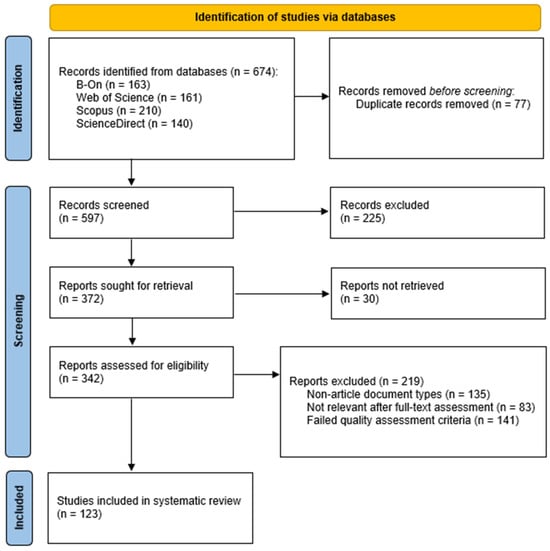
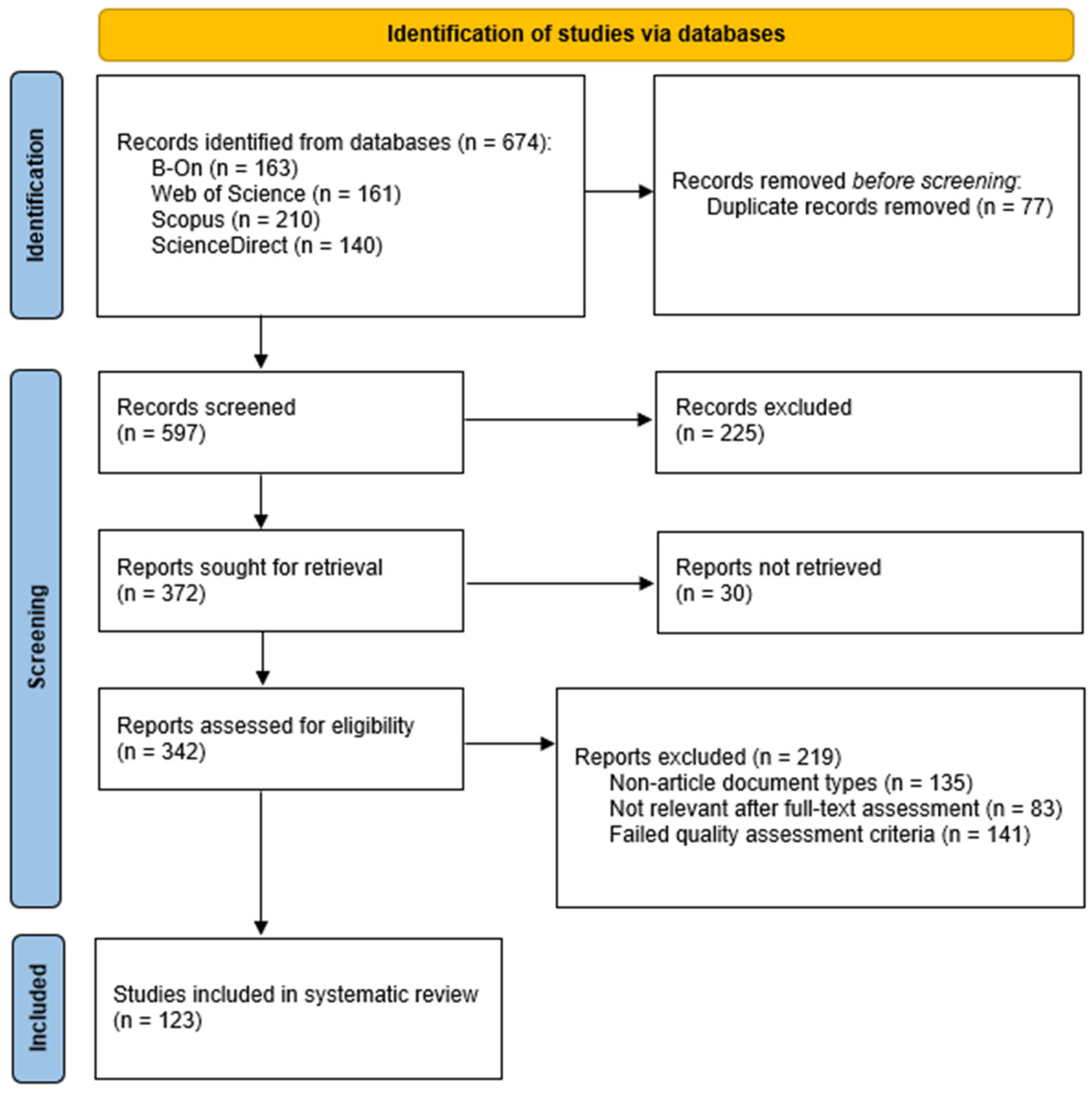
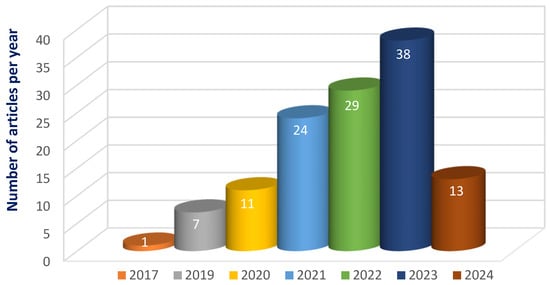
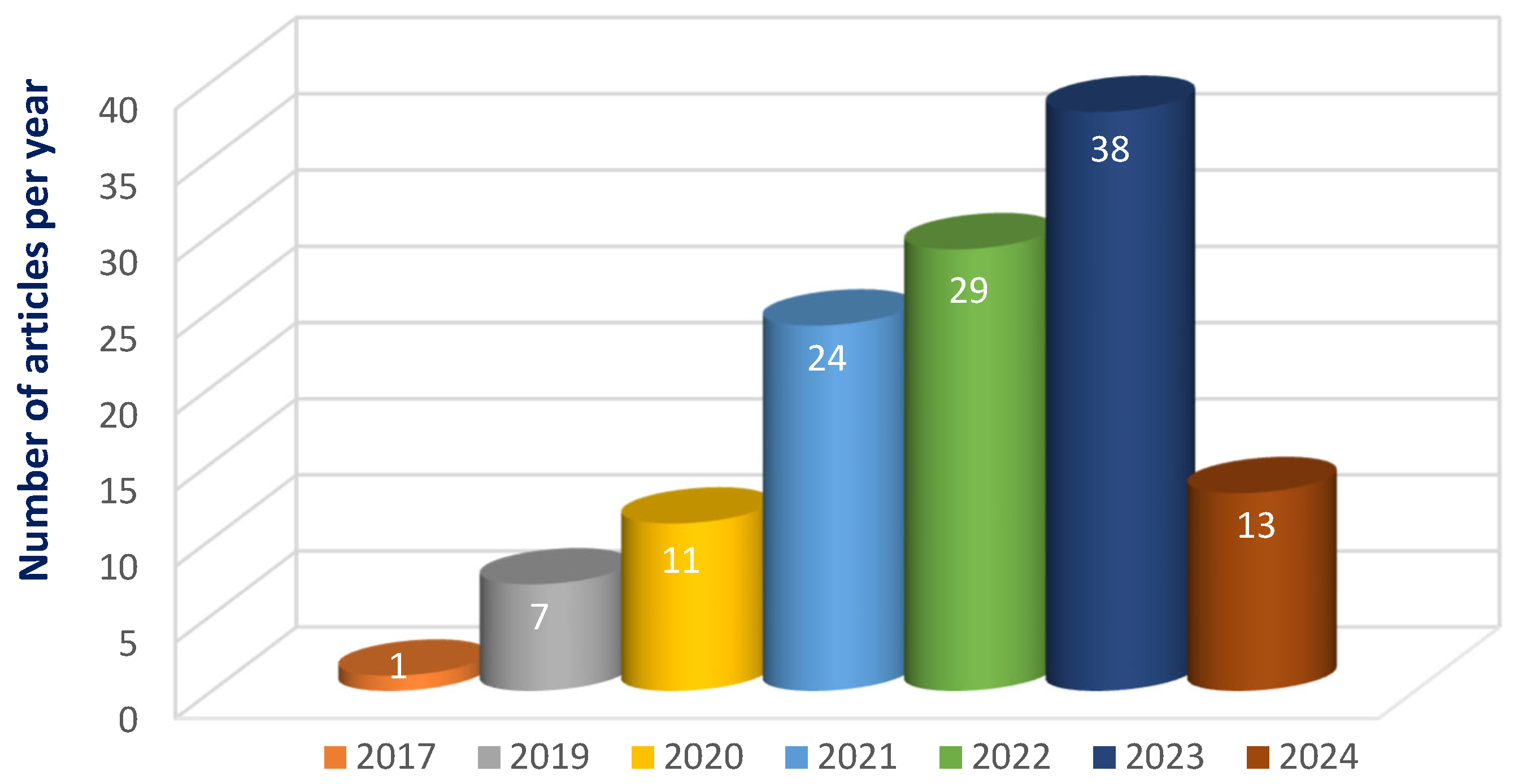
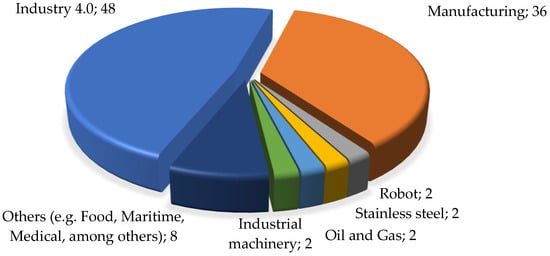
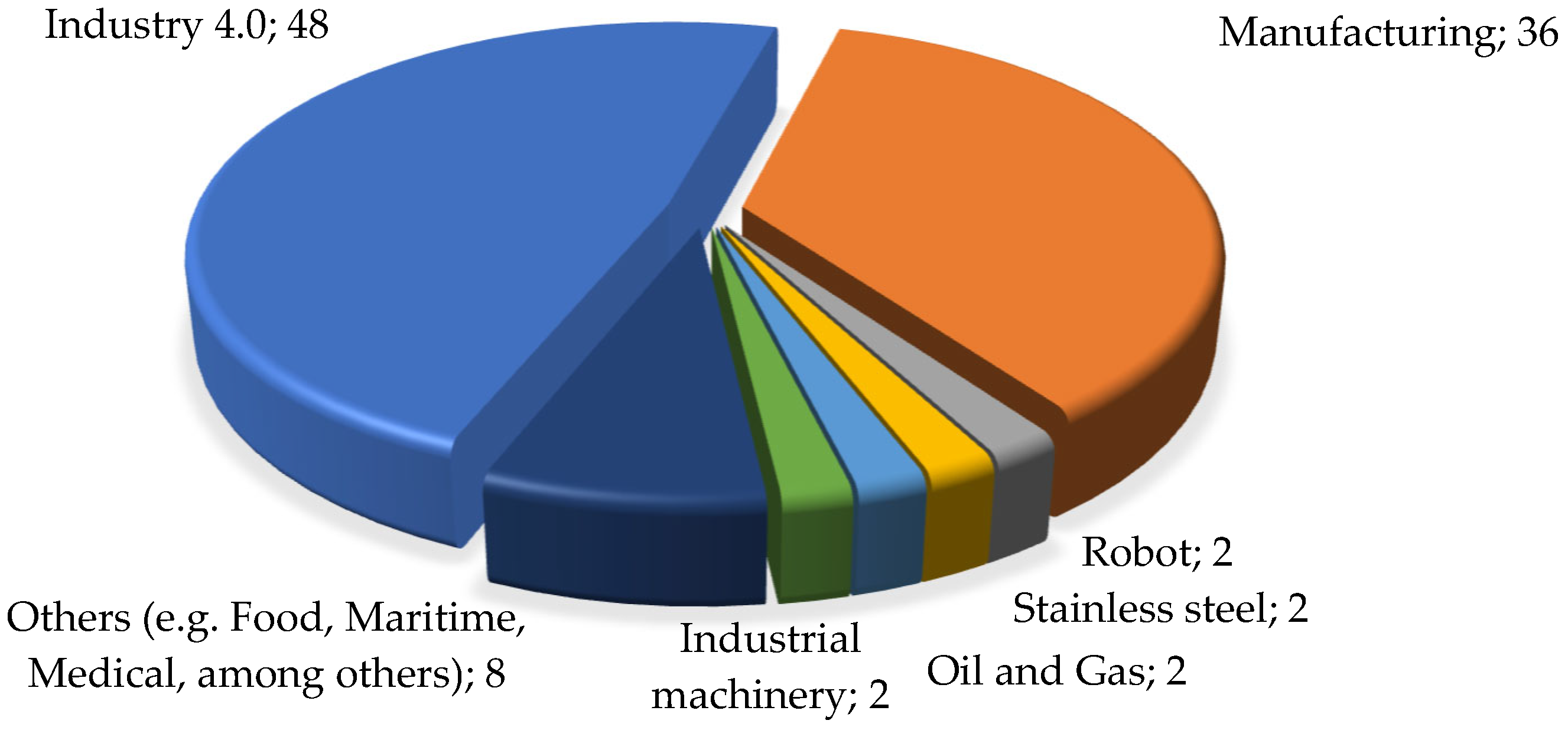
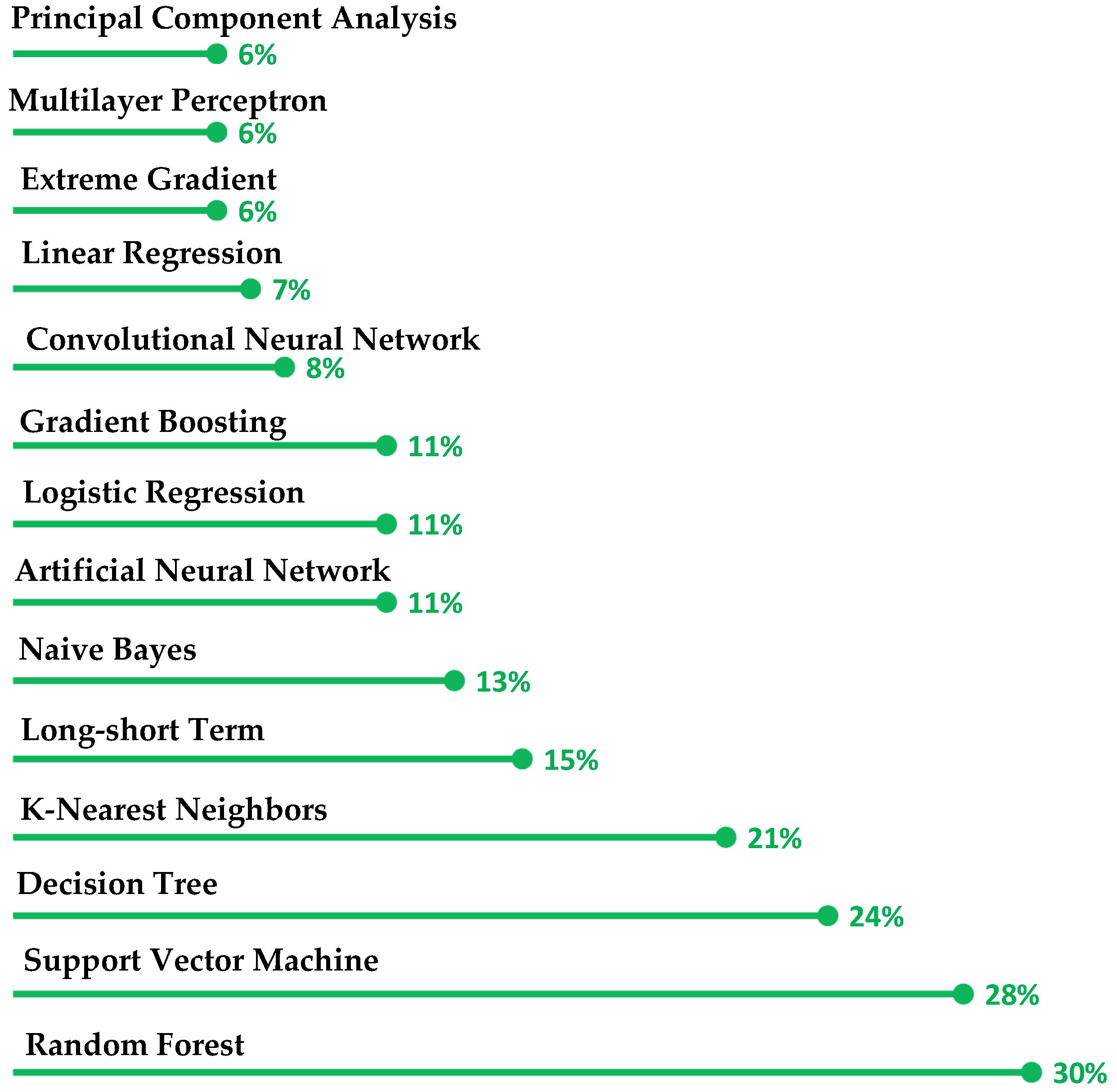
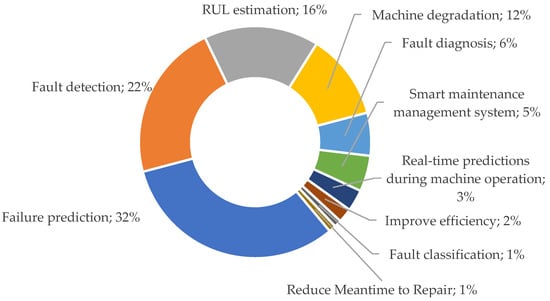
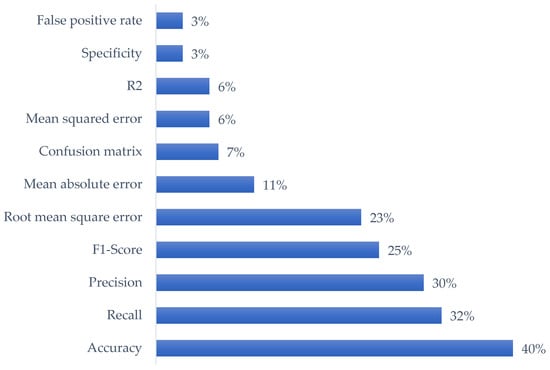

Disclaimer/Publisher’s Note: The statements, opinions and data contained in all publications are solely those of the individual author(s) and contributor(s) and not of MDPI and/or the editor(s). MDPI and/or the editor(s) disclaim responsibility for any injury to people or property resulting from any ideas, methods, instructions or products referred to in the content. |
© 2026 by the authors. Licensee MDPI, Basel, Switzerland. This article is an open access article distributed under the terms and conditions of the Creative Commons Attribution (CC BY) license.