


Abstract
Although smart device use among children is increasing, most interventions overlook their cognitive and emotional development or rely too heavily on external control. Such approaches often overlook the developmental needs of children for emotional regulation and autonomy. Therefore, this study aims to propose a child-centred user experience (UX) framework to support digital self-regulation in preschool-aged children. The proposed system integrates multiple psychological theories—including Piaget’s concept of animistic thinking, executive function theory, Self-Determination Theory, and Acceptance and Commitment Therapy—to support cognitive and emotional regulation during screen use. Key features include persistent visual cues to enhance time awareness and behavioural anticipation, narrative-based character interactions to foster empathy and agency, and ritualised closure routines supported by multimodal and tangible interaction elements. Developed as a mobile prototype, the system was iteratively refined through two-stage consultations with child and adolescent psychiatrists and a developmental psychologist, including formative design feedback and follow-up expert review. Their feedback provided preliminary validation of the system’s developmental validity and emotional coherence. These findings suggest that affectively attuned UX design is a viable alternative to conventional control-based screen-time interventions in early childhood.
1. Introduction
The increasing use of smart devices by young children has raised widespread concern about their influence on early development [1]. Studies show that prolonged, unsupervised screen time in preschool years may hinder the development of essential self-regulation skills crucial to cognitive, emotional, and behavioural development in children [2]. Although several parental control tools and screen time management applications have been introduced to address this issue, most depend on externally imposed restrictions. These control-based approaches often fail to foster intrinsic motivation in children and may provoke resistance or encourage dependency [3].
One study reports the need for developmentally appropriate and emotionally engaging interventions to promote digital self-regulation in early childhood [4].
Consequently, interest is growing in design approaches that align with cognitive capabilities, emotional responsiveness, and imaginative inclinations in young children. In this context, digital interactions that promote empathy, narrative immersion, and a sense of agency are increasingly recognised as effective strategies for nurturing healthy digital habits in early childhood.
Building on these insights, this study reports a novel user experience (UX) framework to support voluntary, emotionally grounded digital self-regulation in preschool children. The proposed framework uniquely integrates Piaget’s theory of animistic thinking—which suggests children attribute lifelike qualities to inanimate objects [5]—with therapeutic principles from Acceptance and Commitment Therapy (ACT), emphasising intuitive, character-driven interactions aligned with early development.
This study offers three key contributions: (1) proposing an innovative integration of developmental psychology and UX design to reconceptualise screen-time disengagement as a socially meaningful and emotionally resonant interaction; (2) operationalising this framework through a publicly accessible mobile prototype, evaluated by paediatric and developmental specialists; and (3) expanding the UX paradigm by introducing a tangible interaction device, ‘the Interactive Charger’, connecting digital transitions to physical environments through ritualised closure. Collectively, these contributions highlight emotion-centred UX design as a viable alternative to conventional, control-oriented models.
To implement the proposed framework, a UX prototype was developed and deployed as a mobile application. This prototype features emotionally responsive mechanisms, character-mediated interactions based on developmental principles, and age-appropriate visual design. Designed to foster digital boundary internalisation through empathic interactions and time-awareness cues, the prototype was rigorously reviewed by paediatric and developmental specialists to ensure developmental and emotional coherence. This study proposes a scalable, child-centred UX strategy that shows the potential of psychologically grounded and emotionally attuned design as an alternative to conventional control-based interventions in early childhood digital contexts.
Guided by these objectives and the practical implementation of our framework, this study aims to address the following research questions:
- (1)
- How can developmentally appropriate practice be conceptualised and applied as a UX design principle to promote voluntary screen-time self-regulation in preschool-aged children?
- (2)
- How do child development experts evaluate the proposed UX prototype in terms of its emotional resonance and developmental suitability?
2. Review of Related Literature and Applications
2.1. Current Trends in Smart Device Usage and Developmental Impacts on Young Children
With the widespread adoption of smart devices, digital media usage among young children has become a subject of increasing academic and societal concern [6]. A large corpus of research has explored its impact across multiple dimensions of early childhood development, including language acquisition, social interaction, physical health, cognitive growth, and emotional well-being. While digital media can offer educational benefits, prolonged or unregulated use has been associated with a range of developmental risks, underscoring the importance of parental guidance and the need for age-appropriate design strategies [7].
In response to these concerns, the World Health Organisation (WHO) has issued recommendations for healthy screen use in early childhood [8]. These guidelines advise that children under the age of two should not be exposed to digital screens at all, while those aged between two and four should be limited to a maximum of one hour of screen time per day, with an emphasis on physical activity and sufficient sleep [8]. Nevertheless, studies indicate that these recommendations are frequently disregarded—especially following the COVID-19 pandemic, during which preschoolers’ screen time increased substantially as parents turned to digital media for both childcare and entertainment [9,10].
- Physical Health
Extended screen exposure has been reported to reduce physical activity among children, increasing the risk of obesity and hindering motor development [7]. It has also been associated with visual impairments, including eye strain and long-term vision problems. Moreover, the use of smart devices has been linked to sleep disturbances, such as shorter sleep duration and poorer sleep quality, both of which may adversely impact developmental outcomes [11].
- Cognitive and Language Development
Early and excessive exposure to digital devices can adversely impact cognitive development. Several studies have linked prolonged screen times to delayed language acquisition [12,13,14], which may, in turn, influence academic performance in later stages. Moreover, the fast-paced, reward-driven nature of digital media has been speculated to reduce attention spans and impulse control among young children [15]. However, when digital content is well designed and used alongside parental involvement, it can support language development and enhance problem-solving skills [16,17].
- Social and Emotional Development
Smart device use also carries important implications for social and emotional development. Research demonstrates that parental smartphone use during interactions with young children can reduce sensitivity and responsiveness, thereby weakening the parent–child relationship [18]. Excessive screen exposure may further limit face-to-face peer interaction, potentially hindering social competence [19,20]. Moreover, frequent and unsupervised use of smart devices during adolescence has been associated with social withdrawal and difficulties in establishing interpersonal relationships [21]. Conversely, some studies suggest that interactive digital platforms—when used collaboratively with parents—can foster family bonding and even support the development of social skills [22].
In summary, smart device usage in early childhood exerts complex influences on physical, cognitive, emotional, and social development. Although the adverse effects frequently outweigh the benefits, complete avoidance of digital media is unrealistic within the context of modern parenting. As such, a balanced approach that mitigates negative outcomes while fostering developmentally appropriate media engagement is essential. The following section reviews strategies that have been proposed to guide and regulate smart device usage among young children.
2.2. Review of Approaches for Regulating Smart Device Usage
As smart devices play an increasingly central role in children’s daily lives, researchers and practitioners have proposed a variety of strategies to manage their use, motivated by concerns over excessive screen time, developmental delays, and digital safety. These approaches vary according to the intervention agent (e.g., parent vs. technology), the type of control applied (e.g., restrictive vs. educational), and the degree to which they promote child autonomy. This section classifies current strategies into three categories: (1) traditional parental control methods, (2) co-use and guided mediation, and (3) technology-based interventions.
2.2.1. Traditional Parental Control Methods
Traditional parental control methods involve establishing explicit boundaries on smart device use, typically through screen-time limits, content filters, and device-locking features [23]. These strategies are generally implemented using built-in operating system tools or third-party applications.
While such methods can effectively reduce screen time in the short term, they also present several limitations [24]. In particular, overly restrictive controls may provoke psychological reactance, thereby intensifying children’s curiosity about forbidden content [25,26]. Furthermore, research indicates that intrusive parental monitoring can contribute to emotional distress, including heightened anxiety, depressive symptoms, and impaired emotional regulation [27]. Another practical challenge lies in the ongoing effort required to maintain such control. Specifically, these methods typically demand continuous parental oversight, which may not be feasible for working parents or families managing multiple children. Collectively, these drawbacks have spurred growing interest in more collaborative, autonomy-supportive alternatives.
2.2.2. Co-Use and Guided Mediation
Co-use refers to shared engagement between parents and children in digital activities, such as watching videos or playing games together [28,29]. This approach emphasises communication and collaborative meaning-making, which can enhance children’s critical thinking and media literacy [28,29]. When parents actively participate in their children’s digital experiences, smart device use can serve as a meaningful opportunity for interaction and learning [30].
Building on the foundations of co-use, guided mediation introduces direct parental instruction and discussion about content quality, digital safety, and responsible use [31]. These practices have been demonstrated to improve media literacy and inhibit unregulated or risky tendencies among children [31]. However, the success of such strategies is contingent on parental availability and digital competence. Parents with limited technological knowledge may find it difficult to provide effective guidance [32], and sustained co-engagement can be challenging for busy families [33]. Additionally, as children grow older, they may begin to resist parental involvement, which diminishes the long-term effectiveness of these approaches [34].
These limitations underscore the importance of design solutions that ease the burden on parents while supporting the gradual development of self-regulation among children.
2.2.3. Technology-Based Interventions
In response to the practical limitations of parent-led approaches, technology-based interventions have emerged as alternative or complementary strategies for regulating smart device use. These interventions leverage system functionalities, dedicated applications, or intelligent algorithms to promote healthier digital habits with reduced dependence on direct parental supervision [35].
Recent literature classifies these interventions into four subtypes:
- Restrictive InterventionsThese approaches enforce rules automatically through features such as screen-time limits, content blocks, or device locks [36]. While these measures establish clear boundaries, they rely on external control and may impede the development of intrinsic self-regulation. Consequently, children may exhibit resistance or engage in compensatory behaviour once restrictions are lifted [37,38].
- Behavioural Nudging InterventionsBehavioural nudges involve subtle interface adjustments or system cues that guide user behaviour without limiting choice. Examples include grayscale display settings, timed reminders for breaks, or reward mechanisms tied to activity completion [39,40]. These strategies align with user-centred and persuasive design principles; however, their effectiveness often depends on users’ motivation and willingness to engage.
- Environment-Integrated InterventionsThese strategies connect digital regulation with the user’s physical and social context—for example, by establishing screen-free zones, implementing Internet-of-Things-supported sleep routines, or delivering parental education programmes [23]. While such approaches are conducive to long-term behavioural change, they may exert limited immediate impact.
- Artificial-Intelligence (AI)-Based Adaptive InterventionsJust-in-time adaptive interventions use real-time data to deliver personalised, context-aware prompts aimed at reducing screen time [41]. Although promising, these systems are primarily designed for adolescents or adults and remain underdeveloped for preschool-aged children [32,42].
Overall, although technology-based interventions offer scalable solutions, many still rely on externally imposed rules and do not fully account for young children’s developmental needs. These limitations underscore the importance of UX approaches that prioritise affective, developmentally appropriate interactions while actively supporting the cultivation of self-regulation.
In summary, previous research has introduced various intervention strategies—including parental control, co-use, and technology-driven methods—that collectively provide a valuable conceptual foundation for managing smart device use among young children. However, the implementation of these strategies in real-world contexts—particularly within commercial applications—often diverges from their original design, intent, and developmental focus. Although many tools inspired by these models have been adopted by technology companies and mobile service providers, their effectiveness in fostering intrinsic self-regulation remains uncertain. The following section explores how these strategies have been operationalised in practice, highlighting both their key strengths and ongoing limitations.
2.3. Review of Existing Market Solutions for Controlling Smart Device Use
Building on the theoretical framework outlined in the previous section, this part of the paper explores how intervention strategies have been operationalised in commercial tools designed to regulate smart device use. Products developed by mobile carriers, device manufacturers, and software developers offer a range of parental control applications, many of which align with the intervention categories identified in prior research.
In this study, current market solutions are classified into three categories:
- (1)
- Parent-centred device management applications;
- (2)
- AI-driven automatic monitoring systems;
- (3)
- Child-centred self-regulation applications.
For each category, representative examples are analysed with respect to their core features, strengths, and limitations. A summary of these tools and their defining characteristics is provided in Table 1. All tools were reviewed as of November 2024, and specific version information was not recorded due to limited access to historical version data. This analysis assesses the extent to which commercial solutions reflect principles from developmental theory while also identifying persistent UX shortcomings—particularly in supporting the formation of autonomous digital habits among preschool-aged children.
Table 1.
Classification of commercial smart device management tools by intervention type and key features.
2.3.1. Parent-Centred Device Management Apps
This category includes tools such as Google Family Link (Google LLC, Mountain View, CA, USA, reviewed in November 2024) [43], Apple Screen Time (Apple Inc., Cupertino, CA, USA, reviewed in November 2024) [44], SK Telecom ZEM (SK Telecom Co., Ltd., Seoul, South Korea, reviewed in November 2024) [45], LG U+ Child Protection (LG Uplus Corp., Seoul, South Korea, reviewed in November 2024) [46], Kidslox (Kidslox Ltd., Manchester, UK, reviewed in November 2024) [47], and MobileFence (RSUPPORT Co., Ltd., Seoul, South Korea, reviewed in November 2024) [48]. These applications allow parents to set screen time limits, block content, monitor usage, and track location. By offering a high degree of control, they prove particularly useful in households with multiple children or limited capacity for direct supervision.
Despite their practicality, however, these systems rely heavily on caregiver-imposed rules. Young children typically act as passive recipients of preset restrictions, with little involvement in understanding or negotiating the restrictions placed upon them. Consequently, opportunities to foster reflective self-regulation remain minimal. Moreover, the sustained effectiveness of these applications often depends on consistent parental oversight—making them less viable for families with limited time or digital proficiency. Consequently, while these tools can be helpful in managing digital behaviour, they may not sufficiently address the developmental needs of preschool-aged users.
2.3.2. AI-Driven Monitoring and Alert Systems
To alleviate the burden of direct parental supervision, some commercial tools now incorporate AI to automate the monitoring of children’s digital activity. For example, platforms such as Bark (Bark Technologies Inc., Atlanta, GA, USA, reviewed in November 2024) [49] and Qustodio (Qustodio LLC, Barcelona, Spain, reviewed in November 2024) [50] use natural language processing and keyword recognition to detect potentially harmful content—such as violence or cyberbullying—and deliver real-time alerts to caregivers [36]. By doing so, these systems minimise the need for constant adult oversight.
In addition to passive monitoring, certain platforms seek to involve children more actively in the management of their digital experiences. Notable examples include Samsung Kids Mode (Samsung Electronics Co., Ltd., Suwon, South Korea, reviewed in November 2024) [51] and Amazon Kids+ (Amazon.com Inc., Seattle, WA, USA, reviewed in November 2024) [52], which offer curated content, restricted entertainment access, and child-friendly user interfaces. While these features create safe and age-appropriate environments, the underlying design remains largely control-oriented.
Children engaging with such platforms continue to operate within adult-defined parameters, with limited opportunities for autonomy or reflective decision-making. UX in this case tends to emphasise compliance over internalisation, and although playful interfaces may reduce the rigidity of control, few tools are intentionally designed to encourage disengagement or cultivate intrinsic motivation. Consequently, content safety is prioritised over behavioural development, ultimately constraining the potential for fostering autonomous digital habits.
2.3.3. Summary and Implications
Despite the growing body of commercially available parental control tools, a key limitation persists: Most rely on externally imposed rules and offer limited support for the development of self-regulation among children. In applications designed for preschool-aged users, interaction models often prioritise control and compliance over emotional engagement and autonomy. This disconnect between core developmental principles—such as participatory learning and empathetic interaction—and their real-world implementations underscores the need for design strategies that more closely reflect the emotional and cognitive characteristics of young children.
In response to this gap, emerging UX approaches grounded in Piaget’s theory of animistic thinking offer a promising alternative. By embedding emotionally resonant metaphors—such as framing the device as ‘tired’ or in need of rest—designers can simulate social–emotional interactions that encourage voluntary disengagement. Techniques such as dimming the screen, slowing animations, or using friendly voice prompts allow the system to communicate in a soft and supportive manner. Collectively, these mechanisms may offer a developmentally appropriate path for fostering intrinsic motivation and behavioural awareness in early childhood [5,53]. While these commercial implementations offer practical utility and scalability, they are still shaped by design assumptions that prioritise compliance over developmental sensitivity. Addressing these limitations requires a broader examination of emerging research trends and a more deliberate focus on identifying opportunities for child-centred UX strategies that align more closely with the needs of young children.
2.4. Limitations of Existing Research and Market Solutions and the Need for a New Approach
Although commercial implementations offer a range of solutions informed by prior research, they seldom succeed in translating developmental principles into user experiences that are truly appropriate for preschool-aged children. Many tools remain centred on rule enforcement and external monitoring, with limited support for fostering children’s intrinsic capacity for self-regulation. Academic literature similarly focuses on parental control, co-use mediation, or algorithmic restriction—approaches that, while useful, often fail to reflect the emotional, symbolic, and autonomy-related needs of young children.
Parent-centred strategies are often based on fixed rules—such as screen time limits or app restrictions—that may prompt avoidance behaviours or reduce children’s emotional engagement. In contrast, collaborative methods such as co-use and guided mediation require sustained adult involvement and digital literacy, which may not be feasible across all families. Although technology-based interventions offer scalability, they often function as external control systems, rather than as tools to cultivate internal behavioural awareness.
Additionally, many existing tools are designed for school-aged children or adolescents and do not adequately address the distinct developmental profiles of preschoolers. Such systems often overlook symbolic reasoning and emotional scaffolding—cognitive capacities that are especially important for designing self-regulation strategies in early childhood.
Recent studies have begun to explore affective UX approaches that incorporate narrative structure, emotional prompts, and symbolic interaction to improve engagement and promote voluntary transitions. These include strategies such as bedtime routine animations, gentle screen dimming, or empathetic voice prompts that create emotionally meaningful closure experiences [54,55,56]. While these directions are promising, they tend to appear in isolated design features and lack integration into cohesive UX models.
Therefore, there remains a need for a structured design framework that applies developmental psychology principles—such as children’s responsiveness to symbolic cues, their need for emotional guidance, and their preference for ritualised transitions—to UX systems aimed at supporting early self-regulation.
The limitations discussed above have prompted recent research into alternative ways of promoting digital self-regulation in early childhood. Empirical studies have proposed design strategies that emphasise emotionally grounded and autonomy-supportive interactions. For instance, Hiniker et al. demonstrated that transitions framed in an emotional context—such as the use of anthropomorphic characters to signal the end of screen time—were more effective than conventional countdowns in reducing resistance [55]. Similarly, Shin and Gweon found that augmented reality prompts embedded in family routines significantly improved the success rate of transitions [56]. Another study by Hiniker et al. comparing digital and analog play highlighted the role of joint engagement in improving cooperation during transitions [54]. Together, these findings emphasise the importance of affective design elements, time-awareness cues and child agency in fostering self-regulation.
Concurrently, research on tangible user interfaces (TUIs) and participatory design frameworks—particularly Druin’s Cooperative Inquiry model—has emphasised the value of embodied interaction and the inclusion of children as active contributors in technology design [57]. While the present study does not directly engage children as co-designers, it reflects participatory values by integrating developmentally informed perspectives throughout the design process and iteratively refining the UX framework based on expert consultation.
Furthermore, to align with principles of embodied interaction, the design incorporates a tangible element to facilitate ritualised, child-initiated closure beyond the screen. Although its technical implementation is presented in later sections, this element reflects the increasing focus on physical routines and symbolic transitions in the design of interactions for early childhood. By combining affective self-regulation strategies with child-inclusive design philosophies, the proposed framework provides a developmentally attuned and emotionally resonant alternative to traditional control-based interventions.
The following chapter presents this framework in detail, explaining how concepts such as animistic thinking, emotional regulation, and autonomy support were translated into the design of a child-centred UX strategy.
3. Conceptual Framework and System Overview
3.1. Theoretical and Developmental Basis of the User Experience Design
3.1.1. Developmental Challenges in Early Childhood Self-Regulation
Understanding the developmental limitations that hinder early childhood self-regulation is essential for designing effective digital interventions. This section outlines the cognitive and emotional characteristics that hinder the ability of preschoolers to voluntarily disengage from screen use.
Preschoolers struggle to develop digital self-regulation due to their ongoing cognitive and emotional development. A key factor is their immature executive function (EF) system [58]. EF comprises cognitive skills such as inhibitory control, attention shifting, and working memory—emerging abilities in early childhood that are essential for regulating digital behaviour [58]. Consequently, young children often struggle to disengage from highly stimulating content such as smart devices, even when they know they should.
Another developmental limitation is episodic future thinking (EFT)—the ability to vividly imagine and plan future scenarios. Preschoolers often perceive future benefits less vividly than present pleasures [59], making it difficult to delay gratification [60]. For example, a child may understand that turning off the tablet could lead to a more rewarding activity later, but still lack the emotional drive to prioritise future gain over immediate enjoyment.
Egocentric thought, described by Piaget [5], further complicates transitions away from screen use. Young children typically interpret the world from their own perspective and struggle to consider the viewpoints of others. This makes it hard for them to reconcile external requests—such as a parent saying ‘it’s time to stop’—with their own internal desires, often causing resistance or frustration.
Additionally, the understanding of time in preschoolers remains underdeveloped; abstract units such as ‘10 min’ or vague cues, including ‘soon’, often hold little meaning for them. This creates a gap between verbal warnings and the ability to mentally prepare for screen transitions. Similarly, unstable object permanence and future continuity may lead children to believe that ending screen use means the experience is gone forever, increasing anxiety.
These developmental traits must guide the design of interventions aimed at promoting voluntary, emotionally safe disengagement from digital content, in line with the self-regulated learning framework that emphasises metacognitive awareness, strategic action, and motivation [61].
3.1.2. Educational Foundations for Emotionally Supportive Interaction
To address these developmental challenges, this system draws on educational and psychological models that promote emotionally meaningful support and guided interaction. These models position the child not as a passive recipient of control, but as an active participant who can grow within supportive interpersonal and environmental structures.
This aligns with the self-regulated learning framework, which views children as metacognitively, motivationally, and behaviourally active participants in their own learning process [61]. Vygotsky’s concept of the Zone of Proximal Development (ZPD) forms a key theoretical foundation, describing the gap between what a child can do independently and what they can achieve with suitable support [62]. In this framework, self-regulation is seen not as a static ability but as a skill nurtured through support from a more capable other. The system functions within the ZPD of the child as an emotionally attuned guide, offering cues, feedback, and narrative framing to scaffold the regulatory behaviour of the child over time [29].
This support is provided through symbolic play, a developmentally appropriate way for preschoolers to explore roles, internalise rules, and regulate emotions. By framing screen-time transitions as a form of narrative role-play, the system turns a potentially forced separation into a self-initiated, emotionally positive experience, allowing the child to engage with the transition through imagination, agency, and symbolic meaning. This aligns with the view that symbolic play is a natural and effective means of learning self-regulation in early childhood [63].
The character in the system also functions as a behavioural model, based on social learning theory [64]. Through repeated, emotionally engaging interactions, the child is encouraged to observe, imitate, and internalise appropriate behaviours for managing transitions. The positive and empathetic tone of the character further fosters trust and emotional safety, resembling the affective security of a secure attachment [65]. Thus, the UX design is cognitively supportive and relationally grounded.
Collectively, these educational foundations inform the focus of the design on empathy, agency, and emotional resonance. Rather than issuing fixed commands, the system engages the child in a developmentally scaffolded, playful, and pedagogically sound interaction that fosters self-regulation.
3.1.3. Psychological Frameworks Applied to User Experience Design
The UX strategy of the system draws on multiple psychological frameworks that guide its structure, tone, and interaction logic developmentally appropriately. One such framework is Piaget’s concept of animistic thinking, describing the tendency of children to attribute lifelike qualities to inanimate objects. The system employs emotionally expressive characters to frame screen-time disengagement as a socially contextualised interaction, supported by facial expressions, animation, and tone [5].
The design also draws on key principles from Acceptance and Commitment Therapy (ACT), which encourages individuals to acknowledge difficult emotions while committing to value-driven actions [66]. Adapting ACT for early childhood, the system employs simplified language and metaphorical prompts reflecting the perspective of the child. For example, instead of directive commands, the interface offers emotionally attuned phrases such as ‘It’s hard to stop, I understand’ to acknowledge resistance without judgement. These verbal cues are intended to support emotional processing and guide the child toward established, developmentally appropriate goals.
This approach aims to foster psychological flexibility by helping children acknowledge and manage difficult emotions without becoming overwhelmed. It also reduces the risk of oppositional behaviour by avoiding rigid, externally imposed control, instead framing disengagement as a collaborative, meaningful choice.
Additionally, the design draws on executive function (EF) theory, particularly the distinction between hot and cool EF domains [67].
As screen-time transitions are often emotionally charged and impulsive, the UX incorporates paced cues, rituals, and reflective dialogue to support cool EF processes such as planning and voluntary control. These elements act as external scaffolds that gradually support the internalisation of self-regulatory strategies.
Finally, Self-Determination Theory (SDT) guides the UX approach to intrinsic motivation by addressing three basic psychological needs: autonomy, competence, and relatedness [68]. The system supports autonomy by offering end-of-session choices (e.g., through gestures or voice input), reinforces competence through positive feedback, and fosters relatedness via emotionally attuned character interaction.
Together, these psychological frameworks provide a cohesive foundation for the UX design of the system—shaping its affective structure, motivational logic, and interaction model. Rather than enforcing compliance, the system supports developmentally appropriate self-regulation through socially grounded cues and structured interaction tailored to the developmental capacities of children, as illustrated in Figure 1.
Figure 1.
Emotionally grounded UX framework to support voluntary smart device disengagement in early childhood.
3.2. Preliminary System Architecture: UX Design Prior to Expert Consultation
To explore how the theoretical principles described above could be operationalized, an initial prototype was developed based on internal interpretation of relevant psychological theories and design heuristics. As illustrated in Figure 2, this phase corresponds to the “Initial UX Design Development” and “Preliminary UX Prototype” stages within the overall development process. Though conceptually inspired by developmental psychology, the initial implementation was guided primarily by heuristic design judgement rather than validated models.
Figure 2.
Research and design process showing the progression from concept development to UX flow refinement.
The initial system architecture was structured around three temporal phases—Pre-use, In-use, and Post-use—which defined the basic flow of child–device interaction. Each phase was intended to serve distinct regulatory and emotional functions, though design choices were made without formalised alignment with child cognitive capacities or emotional pacing models.
Pre-use Stage: This phase aimed to introduce the session with a sense of narrative framing. Upon activation, a character appeared onscreen, offering friendly greetings and setting the context for the upcoming activity. A circular timer, visible only during pause mode, began a slow progression providing visual cues for time passage. These features were designed to establish predictability and gently signal session boundaries.
The design leverages anthropomorphism by children toward digital agents, using emotionally expressive characters to build relational rapport from the start. This phase fosters engagement by fulfilling the psychological needs of relatedness and structure, aligning with principles from SDT and animistic thinking.
In-use Stage: During the main session, the character remained onscreen with limited behavioural responsiveness. Subtle animations (e.g., blinking, swaying) were included to maintain a sense of presence. Occasional verbal prompts were scripted to maintain engagement (e.g., “Let’s see how much longer we can play!”, “Can you show me your best sitting posture?”), but their timing and tone were based on heuristic rather than psychological criteria. These elements collectively supported emotional pacing and time awareness, gently scaffolding the child’s shift from spontaneous interaction to reflective self-regulation.
Post-use Stage: Toward the end of the session, the character displayed fatigue-like behaviour, such as yawning or speaking in a quieter voice. The child was invited to assist the character in “going to sleep,” typically through a drag gesture. While this framing intended to recontextualize termination as a caregiving act, it was implemented as a fixed sequence without personalization or symbolic variability [63]. The closure process lacked embodied interaction or multimodal elements such as voice, touch, or physical routines.
While the system architecture was conceptually grounded in psychological theories, the version presented here reflects an early-stage prototype developed prior to expert validation. It serves as an initial translation of theoretical principles into UX structure and functionality. The following sections (Section 3.3, Section 4 and Section 5) describe how this prototype was experienced, evaluated, and refined through expert consultation.
3.3. UX Flow in the Preliminary Prototype
This section outlines the child-centred UX flow of the proposed system, structured around three developmentally grounded phases: Initiation, Awareness, and Transition. While Section 3.2 described the system architecture through temporal stages and functional modules, this section reframes it from the perspective of the emotional and cognitive journey of the child. It emphasises how the system supports self-regulation by aligning with the emotional pacing and symbolic meaning-making typical of early childhood. Figure 3 summarises the conceptual alignment and differences between the temporal architecture of the system (Section 3.2) and the corresponding emotionally grounded UX flow (Section 3.3).
Figure 3.
Conceptual alignment between the functional architecture of the system (Section 3.2) and the emotionally structured UX flow (Section 3.3). The two frameworks share temporal stages (Pre-use, In-use, Post-use) but differ in focus—functional structure vs. psychological experience.
- Initiation: Framing the Experience
The session begins with emotionally supportive interactions between the character and the child. Using gentle animations, familiar greetings, and narrative prompts, the system creates a safe and predictable environment. The character introduces the session using simple language, while a timer gradually begins its animation, enabling the child to visualise the passage of time in a non-threatening, engaging manner. This initial phase emphasises emotional readiness and predictability—both critical for reducing resistance and facilitating smoother transitions.
From a psychological perspective, this phase reflects two key developmental concepts. It addresses the need of the child for structure, as emphasised in SDT, and leverages their tendency to form emotional attachments to personified agents, a phenomenon Piaget described as ‘animistic thinking’. The phase primes the child for the session by offering a narrative context and presenting screen time as a collaborative activity between the child and the character.
- Awareness: Maintaining Engagement and Building Anticipation
As the session progresses, the character subtly supports the growing awareness of both time and the emotional state of the child. The character may use phrases such as ‘We still have some time left’ or ‘Let’s check the time together’, accompanied by gentle gestures or idle animations to prompt reflection without interruption.
This stage introduces emotional pacing through cues that align with the rhythm of the child, allowing time for adjustment and reducing the likelihood of abrupt behavioural shifts. It supports the development of cool executive functions by promoting reflection and time monitoring in a non-coercive manner. The interaction remains playful and reassuring, helping the child internalise temporal boundaries while maintaining engagement.
- Transition: Voluntary Closure and Emotional Resolution
As the session draws to a close, the character exhibits signs of tiredness—yawning, blinking slowly, and speaking in a softer tone. These signals, combined with empathetic language such as ‘I’m feeling sleepy now—can you help me go home?’, gently steer the interaction towards closure. This reframing transforms disengagement from an imposed boundary into an act of care and shared responsibility.
Together, these three phases constitute an emotionally structured UX flow that supports children in transitioning from immersive engagement to reflective self-regulation. This flow reflects the psychological trajectory of the emotional processing of the children and aligns with the practical framework introduced earlier.
To support and validate the design, the flow was refined iteratively through a multi-phase expert consultation process. Figure 2 illustrates the two-phase development process of the UX system, beginning with theoretical grounding and initial design (Phase 1), followed by expert consultation and iterative refinement (Phase 2). The diagram highlights how expert input shaped successive improvements, moving from a conceptually grounded prototype to a developmentally validated UX system.
4. Methods: Expert Consultation and Evaluation Process
4.1. Expert Participants
To evaluate the developmental and emotional coherence of the proposed UX framework, three domain experts were purposefully selected. The panel comprised specialists in paediatric psychiatry, developmental psychology, and behavioural intervention, providing complementary perspectives on early childhood self-regulation and digital media use.
Two of the experts were board-certified child and adolescent psychiatrists with >15 years of clinical and academic experience in emotional regulation and family-based interventions. One is a professor of psychiatry at a medical school in Korea, and the other holds a faculty position at a U.S. medical school. This international composition was intended to capture cross-cultural variation in developmental norms, emotional expression, and parenting styles, which may influence how young children respond to emotionally attuned UX strategies.
The third expert is a certified child counsellor with a PhD in developmental psychology and international credentials in applied behaviour analysis. This expert has held clinical leadership roles in early childhood counselling centres and has taught child development and play therapy at the university level.
All three experts had direct experience evaluating children’s behavioural responses to media exposure or structured interaction programs, equipping them to assess both the developmental appropriateness and emotional alignment of the proposed system.
4.2. Expert Consultation Procedure
The expert consultation was conducted through individual, in-person sessions and proceeded in two distinct phases: an initial expert consultation to evaluate foundational concepts, and a follow-up expert consultation to assess the refined prototype.
Each consultation was conducted as a semi-structured interview lasting approximately 60–90 min. To facilitate in-depth discussion, a predefined interview guide, a prototype demonstration video, and scenario-based interaction walkthroughs were utilised. Experts were encouraged to provide open-ended feedback, with follow-up prompts used to elicit detailed insights. All sessions were audio-recorded, and field notes were taken by the attending researchers. A semi-structured interview guide was used throughout the expert consultation. The full guide is available in the Supplementary Material (File S1: Expert Consultation Interview Guide). Participation was voluntary, and informed consent was obtained prior to the interviews.
4.2.1. Initial Expert Consultation
The primary goal of the initial consultation was to validate the foundational direction of the UX system and gather open-ended insights on digital media interventions for preschool-aged children. To minimise potential researcher bias, this phase began without a prior explanation of the design rationale of the system. Experts were first invited to share their general perspectives on digital media use and intervention strategies in early childhood.
Following this open-ended response section, researchers presented the initial prototype along with its theoretical background. Subsequently, experts were invited to interact directly with the prototype and to verbalise their thoughts using a think-aloud protocol. Feedback was collected on key components, including character interaction, visual cues, and emotional dialogue design. The findings formed the basis for the iterative refinement of the prototype.
4.2.2. Follow-Up Expert Consultation
After the prototype was refined based on the initial feedback, a follow-up consultation was conducted. The objective of this phase was to evaluate the developmental and emotional suitability of the revised UX. Experts interacted directly with the updated system, following the same usage flow designed for preschool-aged children. Their feedback was specifically invited on the three core UX stages (Initiation, Awareness, and Transition) and refined components such as character responsiveness, timing cues, and dialogue tone.
4.3. Data Collection and Analysis
Expert feedback from both consultation phases—including interview transcripts and researcher notes—was analysed using thematic analysis. Initial coding focused on developmental relevance and emotional alignment, with feedback mapped to each UX phase and corresponding design feature. Thematic analysis was used to group emerging codes into key themes. These themes informed the iterative refinements reported in the Results section (Section 5) and were synthesised to derive the core design implications that form the central contribution of this study.
5. Results and Iterative Feature Refinement
5.1. Overview of the Expert-Guided Refinement Process
This chapter presents the results of the expert consultation process and explain how these informed successive refinements to the proposed UX system. The consultation was conducted in two phases: an initial expert consultation aimed at evaluating the foundational design concepts and prototype structure, and a follow-up expert consultation focused on assessing the developmental and emotional coherence of the improved prototype.
The expert feedback described in this section directly informed critical aspects of the design of the UX prototype. The consultation findings were mapped to specific system features and operationalised through a structured redesign process. Each round of consultation provided actionable insights that shaped the system’s emotional framing, interactive flow, and developmental appropriateness.
As outlined in the following sections, the results are presented in two complementary components. First, Section 5.2 presents a synthesis of the recurring feedback themes identified across the expert responses, including the importance of emotionally meaningful transitions, adaptive interaction styles, and symbolic rituals. These themes highlight the core values guiding the refinement process. Second, Section 5.3 outlines how each individual feature of the system was refined in response to expert feedback. This includes a step-by-step account of the initial design, expert recommendations, the refinements implemented, and the extent to which each recommendation was addressed. The structure follows the user journey across the Pre-Use, In-Use, and Post-Use stages, offering a holistic view of the development of the system.
This dual-layered presentation illustrates how theory-based design principles were validated and refined through iterative consultation with clinical and developmental experts. The following sections detail the insights gained and explain how these were translated into practical refinements within the prototype. Finally, Section 5.4 presents a structured summary of expert evaluations. These interpretively derived ratings offer an additional layer of validation for the system’s developmental and emotional alignment, complementing the thematic insights presented earlier.
5.2. Thematic Analysis of Expert Feedback
5.2.1. Shared Themes Across Experts
Through inductive thematic analysis of expert interview transcripts, five key themes were identified that reflect shared clinical values and developmental design considerations in early childhood UX. These included the need to frame transitions relationally rather than authoritatively, to support self-regulation through persistent visual cues, and to design emotionally attuned, developmentally appropriate dialogue. Experts also emphasised symbolic closure routines that promote autonomy, as well as feedback that reinforces progress and growth over simple success or failure.
These themes provided a conceptual basis for refining the UX system in a way that aligns with the cognitive, emotional, and behavioural needs of preschool-aged children. Rather than merely correcting surface-level usability issues, the design revisions focused on enhancing emotional resonance, supporting symbolic understanding, and creating a more developmentally attuned interaction environment.
The five themes were as follows:
- (1)
- Emotionally framed interaction;
- (2)
- Persistent visual cues for time awareness;
- (3)
- Developmentally adaptive dialogue;
- (4)
- Ritualised closure and autonomy support;
- (5)
- Process-oriented feedback.
Table 2 summarises these core themes, presenting representative insights and illustrative quotes from the expert interviews.
Table 2.
Summary of expert consultation themes on developmentally appropriate UX design for digital self-regulation. Each theme supported by representative insights and illustrative quotes from child and adolescent psychiatrists and a clinical psychologist.
These themes were not only repeatedly expressed across experts but also directly informed design decisions in the prototype, as detailed in Section 5.3. They served as conceptual anchors that grounded the refinement process in both clinical insight and developmental theory.
5.2.2. Distinctive Expert Perspectives
In addition to the shared themes outlined above, each expert offered unique perspectives shaped by their disciplinary background and evaluative priorities. These individual insights added conceptual depth and contextual nuance to the refinement process, ensuring that the UX system was sensitive to a range of developmental, clinical, and educational considerations.
Child and Adolescent Psychiatrist A focused on the psychological implications of the dialogue structure and emotional pacing. They highlighted the potential adverse effects of ‘promise’-based language, suggesting that it could induce guilt and anxiety in young children. Instead, they advocated for the use of acceptance-oriented statements that promote emotional safety. This perspective strongly guided the integration of ACT-based scripts into the refined prototype.
Child and Adolescent Psychiatrist B emphasised the importance of designing with future empirical research in mind. Beyond assessing emotional appropriateness, they evaluated the UX components through the lens of measurable behavioural outcomes. Their feedback informed the development of later-stage evaluation strategies and guided the selection of trackable behaviours within the prototype (e.g., disengagement latency and frequency of voluntary exits).
The Developmental Psychologist offered insights rooted in cognitive and symbolic play theory. They highlighted the importance of ritualised interaction and developmental scaffolding in supporting executive function. Specifically, they recommended integrating mini-games or symbolic sequences to facilitate smoother transitions—suggestions that directly informed the introduction of the transition game feature. They also highlighted the need to support emergent literacy by offering multimodal interaction options beyond GUI, such as voice and gesture-based inputs.
These expert contributions not only complemented each other but also shaped actionable directions for system refinement. The next section (Section 5.3) outlines how these insights—both shared and expert-specific—were translated into concrete design adjustments across different stages of the user journey.
5.3. Implementation of Feedback: Feature Refinement
This section presents concrete examples of how expert feedback led to specific feature improvements within the UX prototype. Revisions were not limited to usability enhancements but were grounded in early childhood development principles such as autonomy support, emotional safety, and symbolic understanding. Notably, adjustments during the Pre-Use stage included the introduction of temperament-based character personas and the renaming of the caregiver interface from ‘Education Plan’ to ‘Growth Plan’ to better support developmental alignment. Each refinement is illustrated through a before-and-after comparison, with expert insights translated into tangible design changes. Visual figures accompany each case to aid interpretation. These examples are grounded in the shared themes (Section 5.2.1) and expert-specific perspectives (Section 5.2.2) derived from the consultation process.
5.3.1. Visual Timer Redesign
To support the self-monitoring of children, experts recommended the use of persistent and intuitive timing cues. In the original design, a ring timer appeared only during pause states, which did not adequately promote real-time temporal awareness. In response to this feedback, the timer was redesigned as a vertical bar visible throughout the session, incorporating intuitive colour transitions (green–yellow–red). As shown in Figure 4, this new timer replaced the original ring design, which was only visible during pause states.
Figure 4.
Redesigned visual timer supporting persistent self-monitoring and intuitive colour transitions. (a) Idle and pause states before expert consultation; (b) corresponding states after expert consultation.
This refinement was informed by explicit expert input, including guidance from a clinical psychologist who emphasised that a continuously visible timer can serve as a discriminative stimulus (DS) in the behaviourist sense—an environmental cue indicating that a specific behaviour (e.g., voluntarily ending a session) may lead to reinforcement (e.g., praise from the character). Introducing these predictable visual cues enables the system to offer children opportunities to practise self-regulation in response to internalised environmental signals rather than external commands.
5.3.2. Acceptance and Commitment Therapy-Based Dialogue Reframing
Experts expressed concern regarding the use of ‘promise’-based dialogue, suggesting that it could evoke feelings of guilt or anxiety. Subsequently, the dialogue structure was revised to begin with the name of the child, establish attention, and incorporate empathy-led language grounded in ACT. This reframing process is illustrated in Table 3, which contrasts the original promise-based dialogue with the revised ACT-informed structure across three key components: Acceptance, Value Connection, and Committed Action.
Table 3.
Dialogue reframed from ‘promise’-based language to empathetic requests with attention-checking structure.
5.3.3. Enhanced Session Closure Scenarios
Originally, the system included only one closure scenario involving the character going to sleep. Experts identified this as a design limitation, observing that exclusive reliance on a single bedtime metaphor may reduce symbolic resonance and hinder flexible adaptation across diverse developmental profiles. Informed by these insights, the system was expanded to include a diverse array of closure scenarios that reflect children’s real-world routines and developmental needs.
First, to better connect screen time with offline life, new scenarios based on common daily routines were added. Experts recommended integrating culturally and developmentally familiar rituals to enhance emotional coherence. As a result, transitions such as “eating,” “brushing teeth,” or “using the toilet” were implemented, framing screen time as a natural part of the child’s day rather than an isolated event.
To address this, a brief cognitive game was introduced immediately before the closure prompt, functioning as a soft bridge to redirect attention and help internalise routine. This not only served as a transition aid, but also functioned as a form of developmentally appropriate scaffolding, particularly for children with attentional challenges. By offering brief, success-oriented tasks—such as sequencing games or simple drawing—the system provides a structured pathway to support smooth and emotionally secure disengagement.
Second, to foster continuity of experience and motivation for what comes next, the system supports voluntary transitions into desirable non-screen activities. Informed by Social Learning Theory, the character models its own voluntary transition to a non-screen activity (e.g., “I’m going to read a book now”), which is followed by a gentle prompt inviting the child to plan their own next step (e.g., “What are you going to do now, Noah?”). This interaction is intentionally designed to support the child’s autonomy, consistent with Self-Determination Theory, by encouraging self-directed planning rather than simply following a suggestion.
Finally, this diversified closure architecture—offering multiple symbolic endings with varied cognitive and emotional profiles—operationalizes the core theoretical tenets of this study. It respects autonomy (SDT), leverages symbolic play [63], and embeds committed action within an emotionally attuned narrative (ACT), thereby fostering an autonomy-supportive environment that facilitates emotionally secure disengagement. This expanded closure architecture is visually summarised in Figure 5, which contrasts the original single-scenario design with the diversified options introduced post-consultation—spanning daily routines, voluntary activities, and symbolic mini-games. This redesign enhances developmental alignment and emotional coherence.
Figure 5.
Comparison of session closure scenarios before and after expert consultation. (a) Original design with a single bedtime-themed closure; (b) Expanded design featuring diversified transitions based on daily routines, voluntary non-screen activities, and symbolic play.
5.3.4. Multimodal and Embodied Interaction
Furthermore, the system incorporates multimodal closure methods to ensure accessibility across various usage environments and to offer rich interaction experiences that align with the developmental needs of children. While it supports various software-based modalities—such as on-screen drag-and-drop, voice recognition, and gesture recognition—it also introduces a TUI, the ‘Dollhouse charger’. This physical component was specifically designed to incorporate movement-based interaction, consistent with expert guidance and WHO recommendations. This assemblable charger functions as an educational tool that promotes fine motor skills and cognitive stimulation, and as a central prop in the symbolic play of ‘putting the character to bed’. The embodied action of the child physically pausing their ‘sedentary time’ by placing the device on the charger reinforces the development of healthy habits through a tangible ritual. Consequently, the system employs a multi-layered design that ensures universal accessibility for all users, while optionally offering an embodied learning experience involving physical manipulation through the TUI. This embodied interaction is illustrated in Figure 6, which shows the symbolic action of placing the device into a home-shaped charger to signify closure and reinforce routine.
Figure 6.
Embodied closure enacted through the symbolic action of placing the device into a home-shaped charger.
5.4. Expert Evaluation Summary
To complement the qualitative insights presented in the previous sections, this section offers a structured summary of expert evaluations across five key UX dimensions: emotional appropriateness, developmental fit, autonomy support, symbolic engagement, and usability flow. These dimensions reflect the core psychological and interactional principles underpinning the UX system, as derived from both the thematic analysis and expert commentaries.
In the absence of direct child data, this evaluation matrix serves as an alternative validation approach. Each rating was interpretively derived from coded expert interview transcripts using a 5-point scale. A score of 5 indicates strong endorsement of that design dimension, while a score of 1 signals critical concern or misalignment. The experts did not provide numerical scores directly; rather, the ratings were inferred through thematic analysis of their qualitative feedback.
Table 4 summarises the ratings provided by the three domain experts (two child and adolescent psychiatrists and one developmental psychologist), including individual scores and the average across each dimension. The overall mean score was 4.3, suggesting a high level of developmental and emotional alignment in the system’s current form. Minor differences in ratings reflected distinct evaluative emphases across clinical backgrounds.
Table 4.
Expert evaluation summary based on five developmental UX dimensions. Scores were interpretively derived from interview transcripts with two child and adolescent psychiatrists and one clinical psychologist. Each expert’s score is shown across emotional appropriateness, developmental fit (cognitive, socio-emotional, language), autonomy support, symbolic engagement, and usability flow.
These results support the system’s clinical and developmental coherence, while also identifying areas for further refinement. Emotional framing and symbolic engagement received consistently high ratings, reflecting expert agreement on the strength of narrative and empathetic design elements. In contrast, a dimension such as usability flow revealed slight divergence in expert opinion, which may inform future iterations of the prototype.
6. Discussion
6.1. Summary of Key Contributions
This study contributes to the emerging field of child-centred UX by proposing and validating a design framework for supporting digital self-regulation in preschool-aged children. The framework operationalises core concepts from developmental psychology—such as animistic thinking, Acceptance and Commitment Therapy (ACT), and Self-Determination Theory (SDT)—into concrete interaction models, including empathetic dialogue, autonomy-supportive transitions, and symbolic rituals of closure. These theoretical constructs were not merely referenced but iteratively translated into UX features through a two-phase expert consultation process.
This consultation-informed approach yielded a system that was validated for emotional coherence, developmental appropriateness, and symbolic accessibility. Key refinements included the reframing of disengagement as relational participation, the use of persistent visual cues to scaffold time awareness, and the integration of multisensory closure pathways, such as the embodied ritual of placing the device into a charger shaped like a home.
Collectively, the findings lead to four central design implications:
- (1)
- Reframing Transitions as Empathetic Interactions,
- (2)
- Supporting Time Awareness through Predictable Visual Cues,
- (3)
- Fostering Intrinsic Motivation through Autonomy Support,
- (4)
- Adapting Modalities to Developmental Needs.
These insights are further elaborated in the following section.
Beyond its design-specific contributions, this study also offers a replicable methodology for translating theory into practice through structured clinical input. This hybrid model of expert-guided design refinement may serve as a useful model for future UX research in sensitive developmental domains.
6.2. Design Implications
The iterative expert consultation process generated several actionable insights for designing emotionally grounded and developmentally appropriate digital interventions for young children. Instead of concentrating on superficial aesthetics or basic usability concerns, experts emphasised the significance of relational framing, cognitive scaffolding, and autonomy support. These insights informed the following four design implications:
- Reframing Transitions as Empathetic InteractionsExperts advised against the use of direct commands and externally imposed language—such as ‘promises’—that may place emotional pressure on children or trigger feelings of guilt. Instead, transitions should be presented as relational appeals for assistance or empathy, leveraging on the natural inclination of children to anthropomorphise digital characters. This approach repositions disengagement not as a loss, but as a caring and emotionally meaningful act.
- Supporting Time Awareness through Predictable Visual CuesGiven the limited understanding of time and self-monitoring capacities of preschool-aged children, experts emphasised the need for persistent and intuitive visual indicators of session duration. In response, a colour-coded vertical timer was integrated and displayed continuously throughout the session to provide children with consistent temporal awareness, thereby supporting the development of early executive function.
- Fostering Intrinsic Motivation through Autonomy SupportExperts cautioned against the use of rigid performance metrics and binary success/failure framing, as these may diminish the sense of competence in children. Instead, they recommended providing descriptive feedback that acknowledges effort and incremental progress. They also recommended offering multiple closure options to reinforce autonomy, enabling children to select the modality—e.g., voice, gesture, and physical interaction—that best aligns with their individual preferences.
- Adapting Modalities to Developmental NeedsAs preschool-aged children depend on multiple sensory channels for interaction—particularly given their still-developing literacy skills—experts recommend the integration of multimodal input and output mechanisms. These include tactile, verbal, and physical gesture-based interactions to ensure developmental appropriateness. The inclusion of embodied actions, such as placing the device into a house-shaped charger, was highlighted as a meaningful extension of this principle.
Collectively, these design implications represent a shift from behaviour control to behaviour support, grounded in principles of developmental psychology. They highlight the importance of designing systems that scaffold cognitive and emotional capacities in children rather than constrain them. The feedback also reinforces the need for adaptive and responsive interfaces that accommodate the diversity of child temperaments and developmental trajectories.
6.3. Limitations and Future Research
Despite its contributions, this study presents some limitations. While the proposed UX prototype was validated via expert consultation, it has not undergone empirical testing involving direct interaction with children in real-world settings. While expert feedback confirmed that the system design decisions align with established clinical practices and developmental theory, the absence of empirical data limits the ability to determine how children engage with the system in practice, or whether this theoretical alignment results in real-world behavioural outcomes. In particular, it remains unclear whether the system effectively supports short-term engagement and long-term developmental outcomes, such as sustained habit formation or improved self-regulation. Future research should address these questions through longitudinal studies designed to evaluate the durability and developmental effects of the system over time.
Another potential concern involves the use of digital scaffolding. While the system is designed to support the internalisation of behavioural boundaries through emotionally guided interactions, repeated reliance on external prompts—especially those involving character-based metaphors—may inadvertently hinder the development of autonomous self-regulation in some users. Future research should investigate whether these scaffolds gradually diminish with continued use or risk reinforcing dependency, especially across varying developmental profiles.
The physical design of the Interactive Charger also presents contextual limitations. Its dependence on a tangible accessory may constrain accessibility in mobile or resource-limited environments. Furthermore, the symbolic framing of the character ‘going home to rest’ may not resonate equally with all children, varying with individual temperament, cognitive maturity, or cultural background. Future investigations should examine how the physical UX extension functions across diverse contexts and assess whether alternative metaphors or interaction formats are needed to ensure inclusivity and developmental appropriateness.
The consultation process also presents limitations in scope. While this study involved three highly experienced domain experts, their insights may not comprehensively capture the diversity of cultural, pedagogical, or clinical viewpoints relevant to digital interventions in early childhood. Broader engagement with stakeholders across multiple disciplines and sociocultural backgrounds is recommended to strengthen the ecological validity and generalisability of future design initiatives.
Finally, future research should empirically evaluate the system with preschool-aged children in naturalistic settings. Recommended methods include in-app behavioural tracking, structured observation, and longitudinal caregiver reporting. These approaches would enable a systematic assessment of outcomes such as voluntary disengagement, resistance to transition, and delay of gratification. Future iterations may also benefit from participatory co-design involving children and caregivers, as well as integrating adaptive UX mechanisms tailored to individual temperament and parental mediation styles. In particular, empirical studies should investigate how emotionally structured UX interactions influence the transitions from reactive (hot EF) to reflective (cool EF) processing. Longitudinal data could also help clarify whether repeated exposure to ritualised UX routines strengthens self-regulation capacity over time.
7. Conclusions
This study proposed and evaluated a child-centred UX framework to support digital self-regulation in preschool-aged children through developmentally aligned and emotionally grounded interactions. By integrating Piaget’s concept of animistic thinking with principles from ACT, the system employs empathetic characters, narrative-based transitions, and embodied rituals to encourage voluntary disengagement from smart devices. Implemented as a mobile prototype and refined through expert consultation, the system was validated for emotional coherence and developmental relevance. The inclusion of a tangible element—the Interactive Charger—extends the UX into the physical world, supporting routine formation through symbolic, embodied actions.
Compared to traditional control-based tools, this approach centres on empathy, autonomy, and intrinsic motivation. It demonstrates that affectively attuned UX design can offer a meaningful and scalable alternative for promoting healthy digital habits in early childhood.
Future research should focus on empirical validation across diverse contexts, investigate long-term behavioural outcomes, and further refine adaptive personalisation features to meet individual child and family needs.
Supplementary Materials
The following supporting information can be downloaded at: https://www.mdpi.com/article/10.3390/app15147929/s1, File S1: Expert Consultation Interview Guide.
Author Contributions
Conceptualization: D.L.; methodology: D.L.; data analysis: B.L.; writing—original draft preparation: B.L.; writing—review and editing: B.L. All authors have read and agreed to the published version of the manuscript.
Funding
This research received funding from Samsung Electronics through its internal venture program, which supported the initial development of the mobile application analysed in this study. The study itself was conducted independently, and the funders had no role in the research process. Funding number: Not applicable.
Institutional Review Board Statement
Not applicable.
Informed Consent Statement
Not applicable.
Data Availability Statement
Data is contained within the article.
Acknowledgments
The authors gratefully acknowledge the contributions of the internal development team at Samsung Electronics, who participated in the early-stage mobile application design under the internal venture program.
Conflicts of Interest
Dayoung Lee discloses that the mobile application prototype referenced in this study was originally developed during her employment at Samsung Electronics in 2021, as part of an internal venture program. The study presented in this manuscript was independently designed and conducted, with no involvement from Samsung Electronics or Piloto Inc. Boram Lee declares no conflicts of interest.
References
- Ponti, M. Screen time and preschool children: Promoting health and development in a digital world. Paediatr Child Health 2023, 28, 184–192. [Google Scholar] [CrossRef] [Scilit] [PubMed]
- Cliff, D.P.; Howard, S.J.; Radesky, J.S.; McNeill, J.; Vella, S.A. Early childhood media exposure and self-regulation: Bidirectional longitudinal associations. Acad. Pediatr. 2018, 18, 813–819. [Google Scholar] [CrossRef] [Scilit] [PubMed]
- Wang, G.; Zhao, J.; Van Kleek, M.; Shadbolt, N. Protection or punishment? relating the design space of parental control apps and perceptions about them to support parenting for online safety. Proc. ACM Hum. Comput. Interact. 2021, 5, 1–26. [Google Scholar] [CrossRef] [Scilit]
- Craig, A.B.; Brown, E.R.; Upright, J.; DeRosier, M.E. Enhancing children’s social emotional functioning through virtual game-based delivery of social skills training. J. Child Fam. Stud. 2016, 25, 959–968. [Google Scholar] [CrossRef] [Scilit]
- Piaget, J. The child’s Conception of the World; Tomlinson, J., Tomlinson, A., Eds.; Internet Archive: San Francisco, CA, USA, 1929. [Google Scholar]
- Rideout, V.R.; Michael, B. The Common Sense Census: Media Use by Kids Age Zero to Eight, 2020; Common Sense Media: San Francisco, CA, USA, 2020. [Google Scholar]
- Presta, V.; Guarnieri, A.; Laurenti, F.; Mazzei, S.; Arcari, M.L.; Mirandola, P.; Vitale, M.; Chia, M.Y.H.; Condello, G.; Gobbi, G. The Impact of Digital Devices on Children’s Health: A Systematic Literature Review. J. Funct. Morphol. Kinesiol. 2024, 9, 236. [Google Scholar] [CrossRef] [Scilit] [PubMed]
- WHO. Guidelines on physical activity, sedentary behaviour and sleep for children under 5 years of age. In Guidelines on Physical Activity, Sedentary Behaviour and Sleep for Children Under 5 Years of Age; World Health Organization: Geneva, Switzerland, 2019; p. 36. [Google Scholar]
- Priftis, N.; Panagiotakos, D. Screen time and its health consequences in children and adolescents. Children 2023, 10, 1665. [Google Scholar] [CrossRef] [Scilit] [PubMed]
- Zong, B.; Li, L.; Cui, Y.; Shi, W. Effects of outdoor activity time, screen time, and family socioeconomic status on physical health of preschool children. Front. Public Health 2024, 12, 1434936. [Google Scholar] [CrossRef] [Scilit] [PubMed]
- Mekkawy, L.; Abdel-Haleem, M. SMART screen exposure and its association with addictive food behavior and sleep disorders in children. what’s beyond the scene? J. Southwest. Jiaotong Univ. 2022, 57, 660–674. [Google Scholar] [CrossRef] [Scilit]
- Karani, N.F.; Sher, J.; Mophosho, M. The influence of screen time on children’s language development: A scoping review. S. Afr. J. Commun. Disord. 2022, 69, 825. [Google Scholar] [CrossRef] [Scilit] [PubMed]
- Varadarajan, S.; Govindarajan Venguidesvarane, A.; Ramaswamy, K.N.; Rajamohan, M.; Krupa, M.; Winfred Christadoss, S.B. Prevalence of excessive screen time and its association with developmental delay in children aged< 5 years: A population-based cross-sectional study in India. PLoS ONE 2021, 16, e0254102. [Google Scholar]
- Xie, W.; Lu, J.; Lin, X. Is screen exposure beneficial or detrimental to language development in infants and toddlers? A meta-analysis. Early Child Dev. Care 2024, 194, 606–623. [Google Scholar] [CrossRef] [Scilit]
- Chen, C.; Lin, W.; Zou, M.; Hsu, H.; Lin, W.; Chen, Y. The link between smart device use and ADHD—How can reading and physical activity make a difference? Eur. J. Public Health 2023, 33, ckad160.837. [Google Scholar] [CrossRef] [Scilit]
- Bhat, A.N.; Tahir, S.; Kumar, R. The Influence of Early Exposure to Smart Gadgets on Children. Tuijin Jishu/J. Propuls. Technol. 2023, 44, 2023. [Google Scholar]
- Moon, J.H.; Cho, S.Y.; Lim, S.M.; Roh, J.H.; Koh, M.S.; Kim, Y.J.; Nam, E. Smart device usage in early childhood is differentially associated with fine motor and language development. Acta Paediatr. 2019, 108, 903–910. [Google Scholar] [CrossRef] [Scilit] [PubMed]
- Mikić, A.; Klein, A.M. Smartphone Use in the Presence of Infants and Young Children: A Systematic Review. Prax. Der Kinderpsychol. Kinderpsychiatr. 2022, 71, 305–326. [Google Scholar] [CrossRef] [Scilit] [PubMed]
- Chakranon, P.; Huang, J.-P.; Au, H.-K.; Lin, C.-L.; Chen, Y.-Y.; Mao, S.-P.; Lin, W.-Y.; Zou, M.-L.; Estinfort, W.; Chen, Y.-H. The importance of mother-child interaction on smart device usage and behavior outcomes among toddlers: A longitudinal study. Child Adolesc. Psychiatry Ment. Health 2024, 18, 79. [Google Scholar] [CrossRef] [Scilit] [PubMed]
- Chaudron, S.; Di Gioia, R.; Gemo, M. Young children (0–8) and digital technology. In A Qualitative Exploratory Study Across Seven Countries; Joint Research Centre-European Commission: Brussels, Belgium, 2015. [Google Scholar]
- Aeni, F.N. The Impact of Gadget Use on Social Interaction for Underage Children; ResearchgGate: Berlin, Germany, 2023. [Google Scholar]
- Robidoux, H.; Ellington, E.; Lauerer, J. Screen time: The impact of digital technology on children and strategies in care. J. Psychosoc. Nurs. Ment. Health Serv. 2019, 57, 15–20. [Google Scholar] [CrossRef] [Scilit] [PubMed]
- Raj, D.; Zulkefli, N.A.B.M.; Minhat, H.S.; Ahmad, N. Parental intervention strategies to reduce screen time among preschool-aged children: A systematic review. Malays. J. Med. Health Sci. 2022, 18, 295–304. [Google Scholar] [CrossRef] [Scilit]
- Lauricella, A.R.; Wartella, E.; Rideout, V.J. Young children’s screen time: The complex role of parent and child factors. J. Appl. Dev. Psychol. 2015, 36, 11–17. [Google Scholar] [CrossRef] [Scilit]
- Hernandez, J.M.; Ben-Joseph, E.P.; Reich, S.; Charmaraman, L. Parental monitoring of early adolescent social technology use in the US: A mixed-method study. J. Child Fam. Stud. 2024, 33, 759–776. [Google Scholar] [CrossRef] [Scilit] [PubMed]
- Marsh, S.; Chu, J.T.W.; Calder, A.J. ‘I tried to take my phone off my daughter, and i got hit in the face’: A qualitative study of parents’ challenges with adolescents’ screen use and a toolbox of their tips. BMC Public Health 2024, 24, 217. [Google Scholar] [CrossRef] [Scilit] [PubMed]
- Hauser Kunz, J.; Grych, J.H. Parental psychological control and autonomy granting: Distinctions and associations with child and family functioning. Parenting 2013, 13, 77–94. [Google Scholar] [CrossRef] [Scilit] [PubMed]
- Ahmed, M.; Khan, M.Z.; Kamal, I. The Role of Parental Mediation Regarding Tablet Usage Among Children. J. Prof. Res. Soc. Sci. 2023, 10, 60–72. [Google Scholar] [CrossRef] [Scilit]
- Archer, K.; Wood, E.; De Pasquale, D. Examining joint parent-child interactions involving infants and toddlers when introducing mobile technology. Infant Behav. Dev. 2021, 63, 101568. [Google Scholar] [CrossRef] [Scilit] [PubMed]
- Jago, R.; Edwards, M.J.; Urbanski, C.R.; Sebire, S.J. General and specific approaches to media parenting: A systematic review of current measures, associations with screen-viewing, and measurement implications. Child Obes. 2013, 9, S51–S72. [Google Scholar] [CrossRef] [Scilit] [PubMed]
- Livingstone, S.; Helsper, E. Gradations in digital inclusion: Children, young people and the digital divide. New Media Soc. 2007, 9, 671–696. [Google Scholar] [CrossRef] [Scilit]
- Opie, J.E.; Esler, T.B.; Clancy, E.M.; Wright, B.; Painter, F.; Vuong, A.; Booth, A.T.; Newman, L.; Johns-Hayden, A.; Hameed, M. Universal digital programs for promoting mental and relational health for parents of young children: A systematic review and meta-analysis. Clin. Child Fam. Psychol. Rev. 2024, 27, 23–52. [Google Scholar] [CrossRef] [Scilit] [PubMed]
- Kirkorian, H.L.; Pempek, T.A.; Murphy, L.A.; Schmidt, M.E.; Anderson, D.R. The impact of background television on parent–child interaction. Child Dev. 2009, 80, 1350–1359. [Google Scholar] [CrossRef] [Scilit] [PubMed]
- Beyens, I.; Valkenburg, P.M.; Piotrowski, J.T. Developmental trajectories of parental mediation across early and middle childhood. Hum. Commun. Res. 2019, 45, 226–250. [Google Scholar] [CrossRef] [Scilit]
- Boulton, K.A.; Hilton, M.; Sutton, E.; Guastella, A.J. Apps and Digital Resources for Child Neurodevelopment, Mental Health, and Well-Being: Review, Evaluation, and Reflection on Current Resources. J. Med. Internet Res. 2025, 27, e58693. [Google Scholar] [CrossRef] [Scilit] [PubMed]
- Assis, J.V.; Valença, G. Is My Child Safe Online?-On Requirements for Parental Control Tools in Apps used by Children. J. Interact. Syst. 2024, 15, 823–838. [Google Scholar] [CrossRef] [Scilit]
- Marsh, J.; Hannon, P.; Lewis, M.; Ritchie, L. Young children’s initiation into family literacy practices in the digital age. J. Early Child. Res. 2017, 15, 47–60. [Google Scholar] [CrossRef] [Scilit]
- Meates, J. Problematic Digital Technology Use of Children and Adolescents: Psychological Impact. Teach. Curric. 2020, 20, 51–62. [Google Scholar] [CrossRef] [Scilit]
- Charan, G.S.; Kalia, R.; Khurana, M.S.; Narang, G.S. From screens to sunshine: Rescuing children’s outdoor playtime in the digital era. J. Indian Assoc. Child Adolesc. Ment. Health 2024, 20, 11–17. [Google Scholar] [CrossRef] [Scilit]
- Dekker, C.A.; Baumgartner, S.E. Is life brighter when your phone is not? The efficacy of a grayscale smartphone intervention addressing digital well-being. Mob. Media Commun. 2024, 12, 688–708. [Google Scholar] [CrossRef] [Scilit]
- Orzikulova, A.; Xiao, H.; Li, Z.; Yan, Y.; Wang, Y.; Shi, Y.; Ghassemi, M.; Lee, S.J.; Dey, A.K.; Xu, X. Time2stop: Adaptive and explainable human-ai loop for smartphone overuse intervention. In Proceedings of the 2024 CHI Conference on Human Factors in Computing Systems, Honolulu, HI, USA, 11–16 May 2024; pp. 1–20. [Google Scholar]
- Conley, C.S.; Raposa, E.B.; Bartolotta, K.; Broner, S.E.; Hareli, M.; Forbes, N.; Christensen, K.M.; Assink, M. The impact of mobile technology-delivered interventions on youth well-being: Systematic review and 3-level meta-analysis. JMIR Ment. Health 2022, 9, e34254. [Google Scholar] [CrossRef] [Scilit] [PubMed]
- Google. Google Family Link. Available online: https://families.google.com/familylink (accessed on 1 May 2025).
- Apple. Apple Screen Time. Available online: https://support.apple.com/en-us/105121 (accessed on 1 May 2025).
- Telecom, S.K. ZEM Parental Control. Available online: https://play.google.com/store/apps/details?id=com.skt.tjunior (accessed on 1 May 2025).
- Uplus, L.G. U+ Child Protection. Available online: https://play.google.com/store/apps/details?id=com.lguplus.mobile.cs (accessed on 1 May 2025).
- Kidslox. Kidslox Parental Control. Available online: https://kidslox.com (accessed on 1 May 2025).
- MobileFence. MobileFence Parental Control. Available online: https://www.mobilefence.com (accessed on 1 May 2025).
- Bark, T. Bark Parental Monitoring. Available online: https://www.bark.us (accessed on 1 May 2025).
- Qustodio. Qustodio Parental Control. Available online: https://www.qustodio.com (accessed on 1 May 2025).
- Samsung. Samsung Kids. Available online: https://www.samsung.com/us/apps/samsung-kids (accessed on 1 May 2025).
- Amazon. Amazon Kids+. Available online: https://www.amazon.com/Amazon-com-Amazon-Kids-FreeTime/dp/B08BPK8X7C (accessed on 1 May 2025).
- Pakpahan, F.H.; Saragih, M. Theory of cognitive development by Jean Piaget. J. Appl. Linguist. 2022, 2, 55–60. [Google Scholar] [CrossRef] [Scilit]
- Hiniker, A.; Lee, B.; Kientz, J.A.; Radesky, J.S. Let’s play! Digital and analog play between preschoolers and parents. In Proceedings of the 2018 CHI Conference on Human Factors in Computing Systems, Montreal, Canada, 21–26 April 2018; pp. 1–13. [Google Scholar]
- Hiniker, A.; Suh, H.; Cao, S.; Kientz, J.A. Screen time tantrums: How families manage screen media experiences for toddlers and preschoolers. In Proceedings of the 2016 CHI Conference on Human Factors in Computing Systems, San Jose, California, 7–12 May 2016; pp. 648–660. [Google Scholar]
- Shin, H.; Gweon, G. Supporting preschoolers’ transitions from screen time to screen-free time using augmented reality and encouraging offline leisure activity. Comput. Hum. Behav. 2020, 105, 106212. [Google Scholar] [CrossRef] [Scilit]
- Druin, A. The role of children in the design of new technology. Behav. Inf. Technol. 2002, 21, 1–25. [Google Scholar] [CrossRef] [Scilit]
- Diamond, A. Executive functions. Annu. Rev. Psychol. 2013, 64, 135–168. [Google Scholar] [CrossRef] [Scilit] [PubMed]
- Atance, C.M.; O’Neill, D.K. Episodic future thinking. Trends Cogn. Sci. 2001, 5, 533–539. [Google Scholar] [CrossRef] [Scilit] [PubMed]
- Mischel, W.; Ebbesen, E.B.; Raskoff Zeiss, A. Cognitive and attentional mechanisms in delay of gratification. J. Personal. Soc. Psychol. 1972, 21, 204. [Google Scholar] [CrossRef] [Scilit] [PubMed]
- Zimmerman, B.J. Becoming a self-regulated learner: An overview. Theory Into Pract. 2002, 41, 64–70. [Google Scholar] [CrossRef] [Scilit]
- Vygotsky, L.S. Mind in Society: The Development of Higher Psychological Processes; Harvard University Press: Cambridge, UK, 1978; Volume 86. [Google Scholar]
- Bergen, D. The role of pretend play in children’s cognitive development. Early Child. Res. Pract. 2002, 4, n1. [Google Scholar]
- Bandura, A.; Walters, R.H. Social Learning Theory; Prentice hall Englewood Cliffs: Englewood Cliffs, NJ, USA, 1977; Volume 1. [Google Scholar]
- Bowlby, J. Attachment and Loss: Vol. 1. Attachment; Basic Books: New York, NY, USA, 1969. [Google Scholar]
- Hayes, S.C.; Strosahl, K.D.; Wilson, K.G. Acceptance and Commitment Therapy; American Psychological Association: Washington, DC, USA, 1999. [Google Scholar]
- Zelazo, P.D.; Carlson, S.M. Hot and cool executive function in childhood and adolescence: Development and plasticity. Child Dev. Perspect 2012, 6, 354–360. [Google Scholar] [CrossRef] [Scilit]
- Ryan, R.M.; Deci, E.L. Self-determination theory and the facilitation of intrinsic motivation, social development, and well-being. Am. Psychol. 2000, 55, 68. [Google Scholar] [CrossRef] [PubMed]
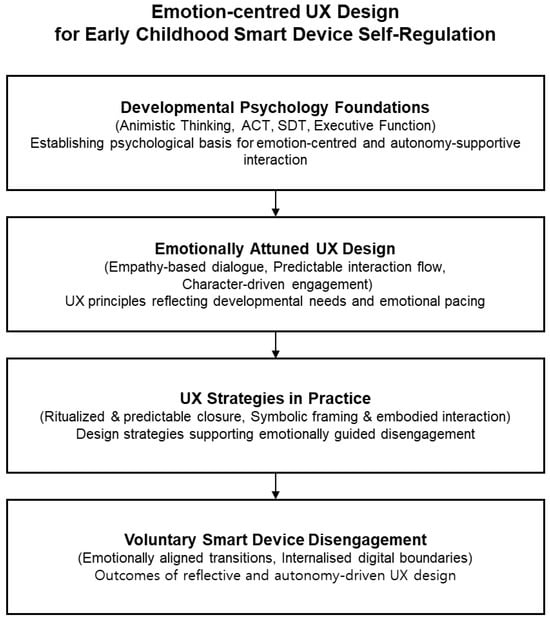
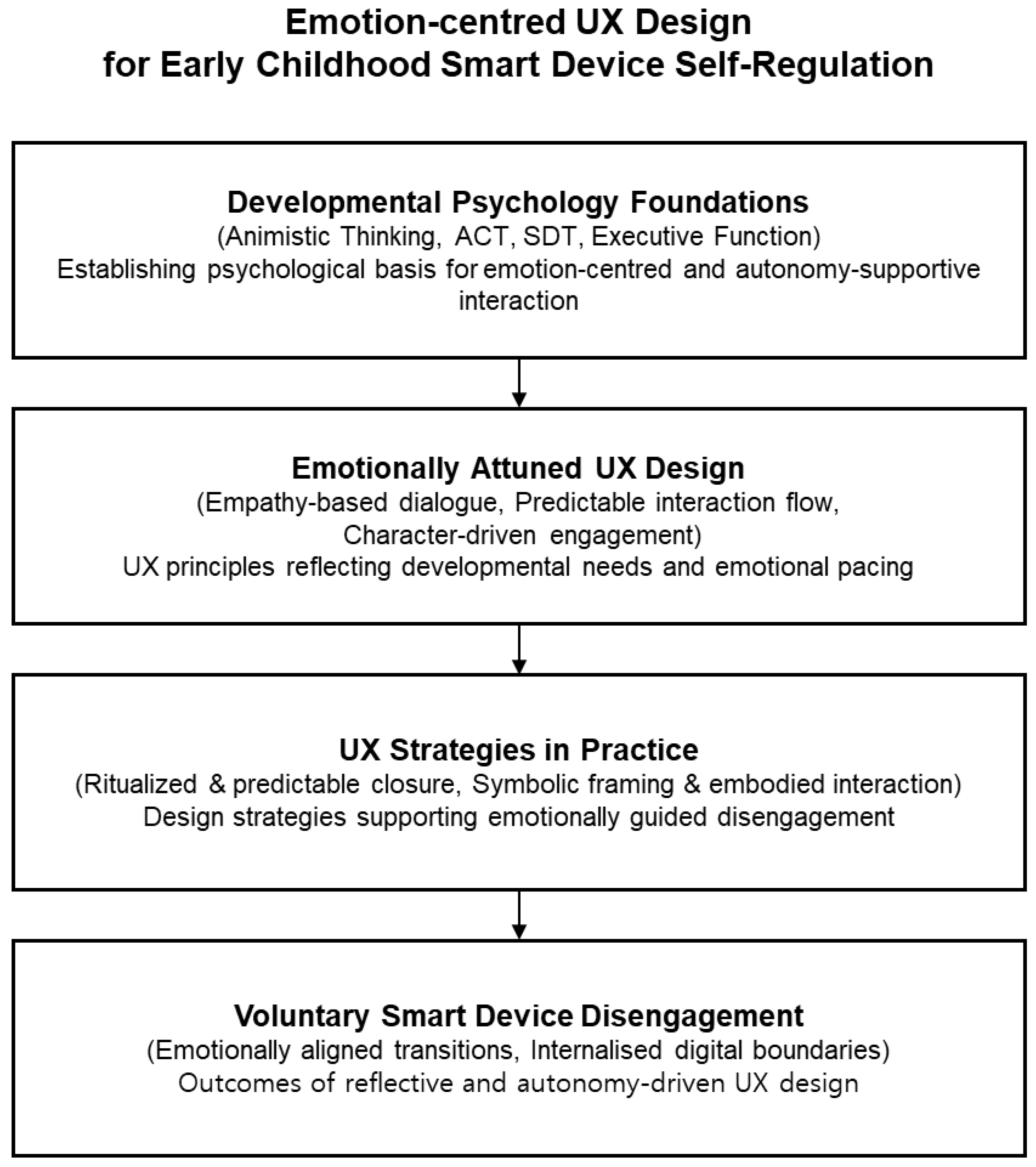
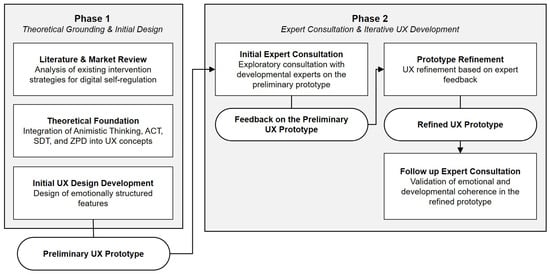
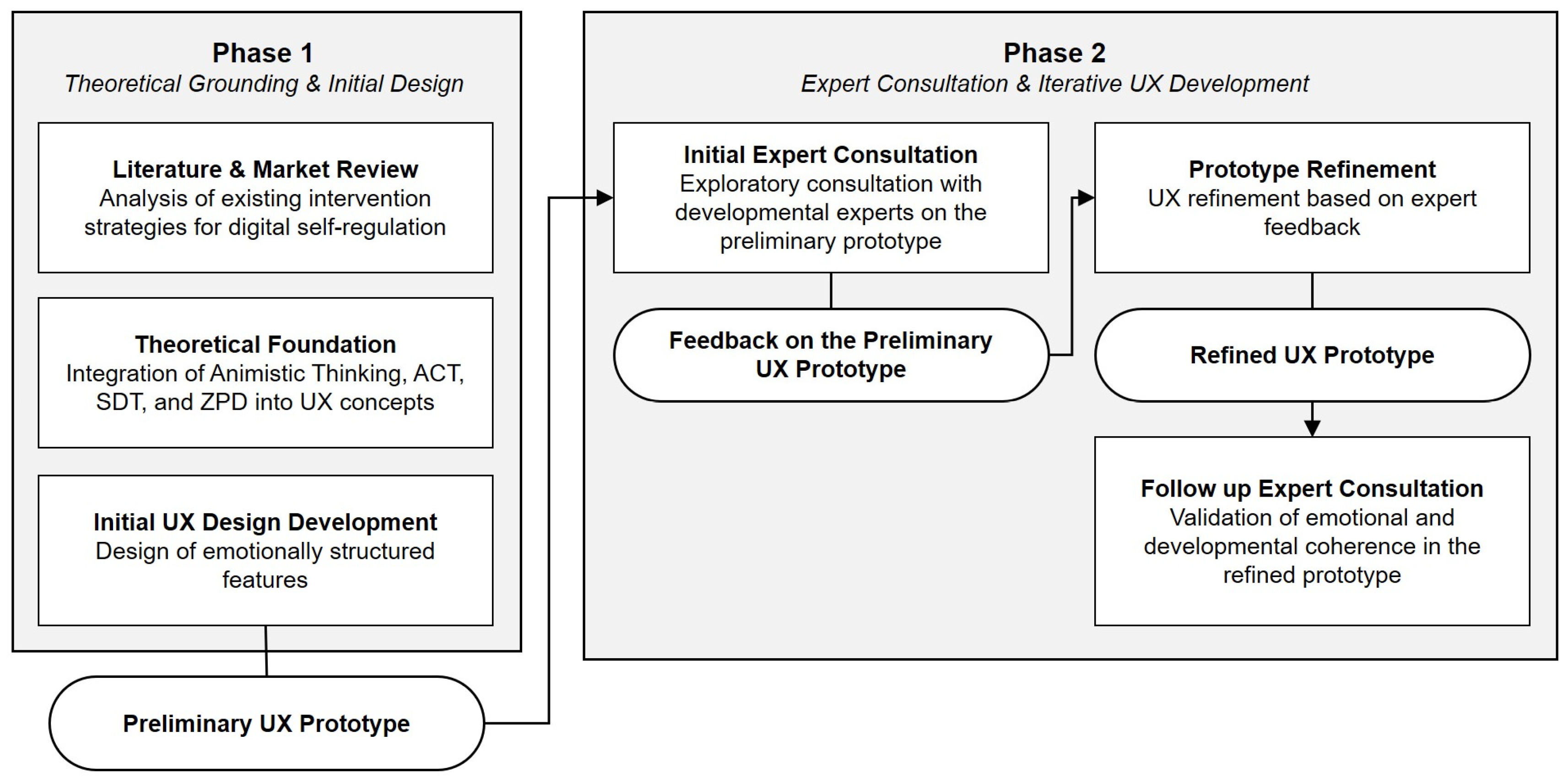
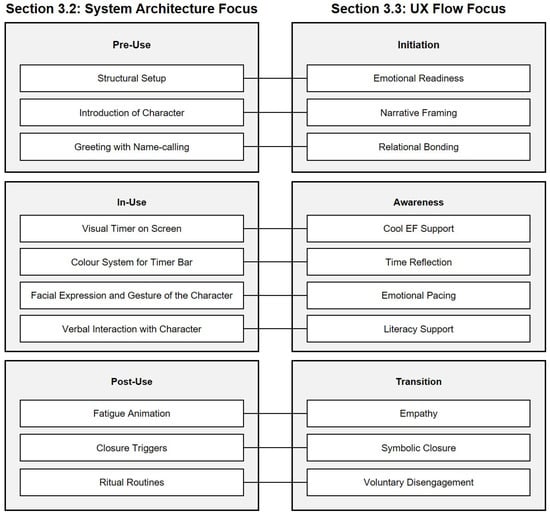
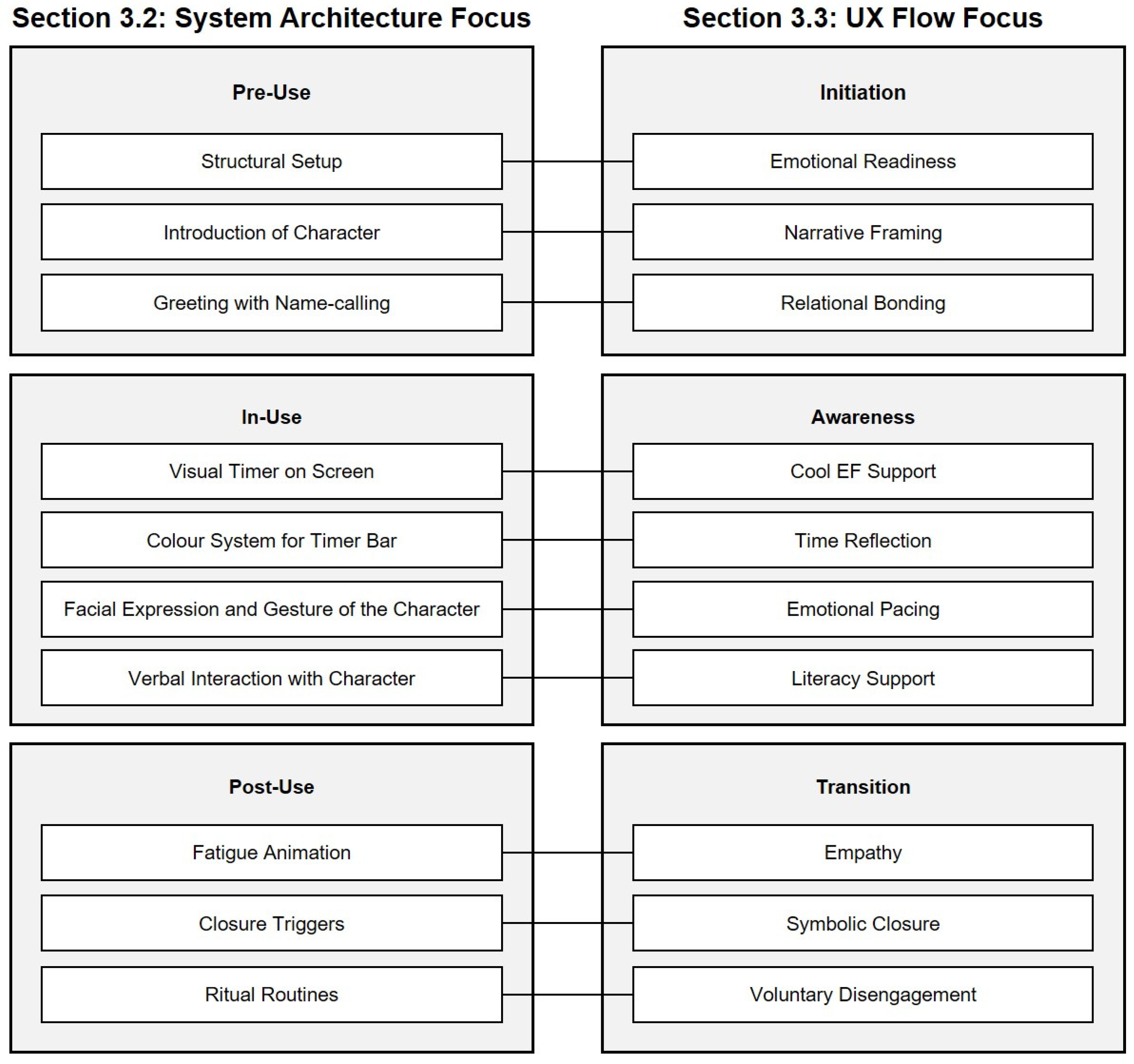
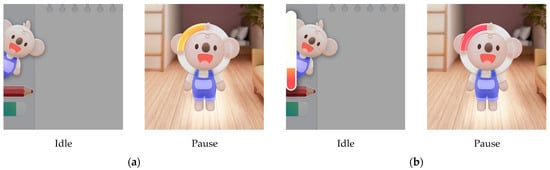
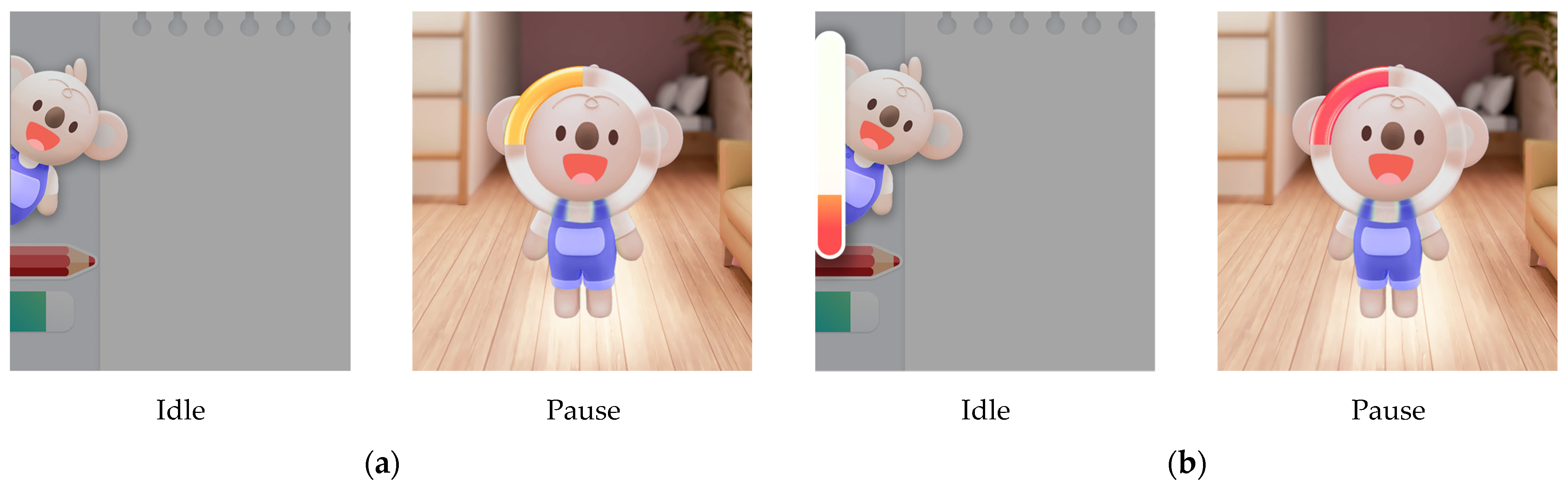
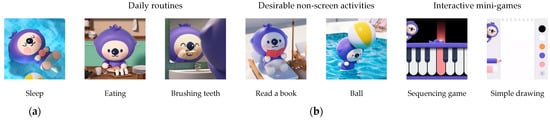
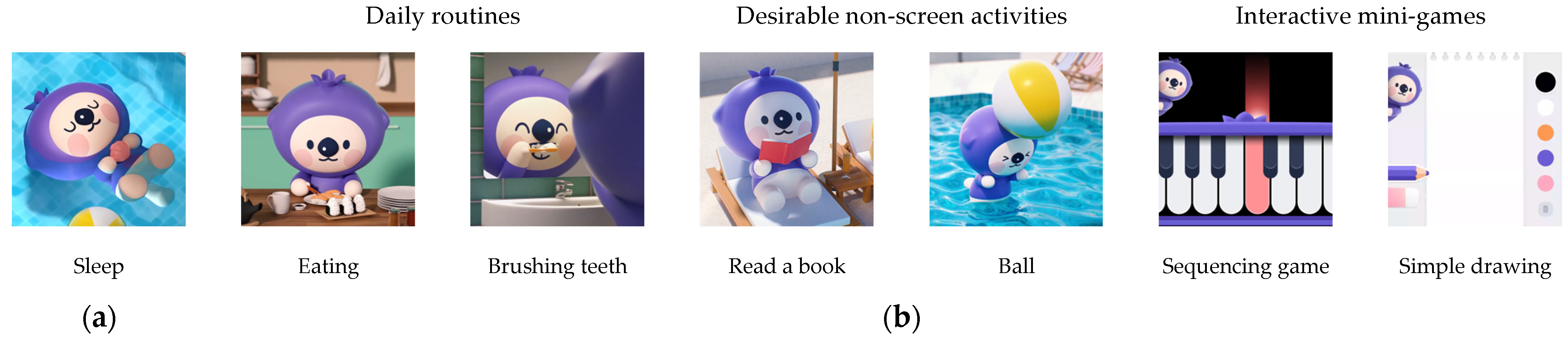
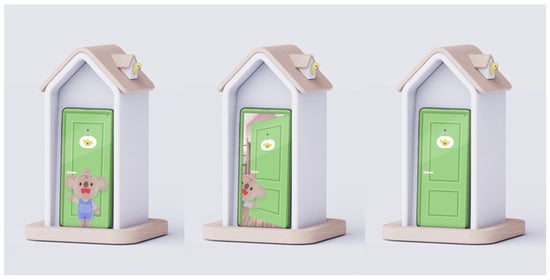
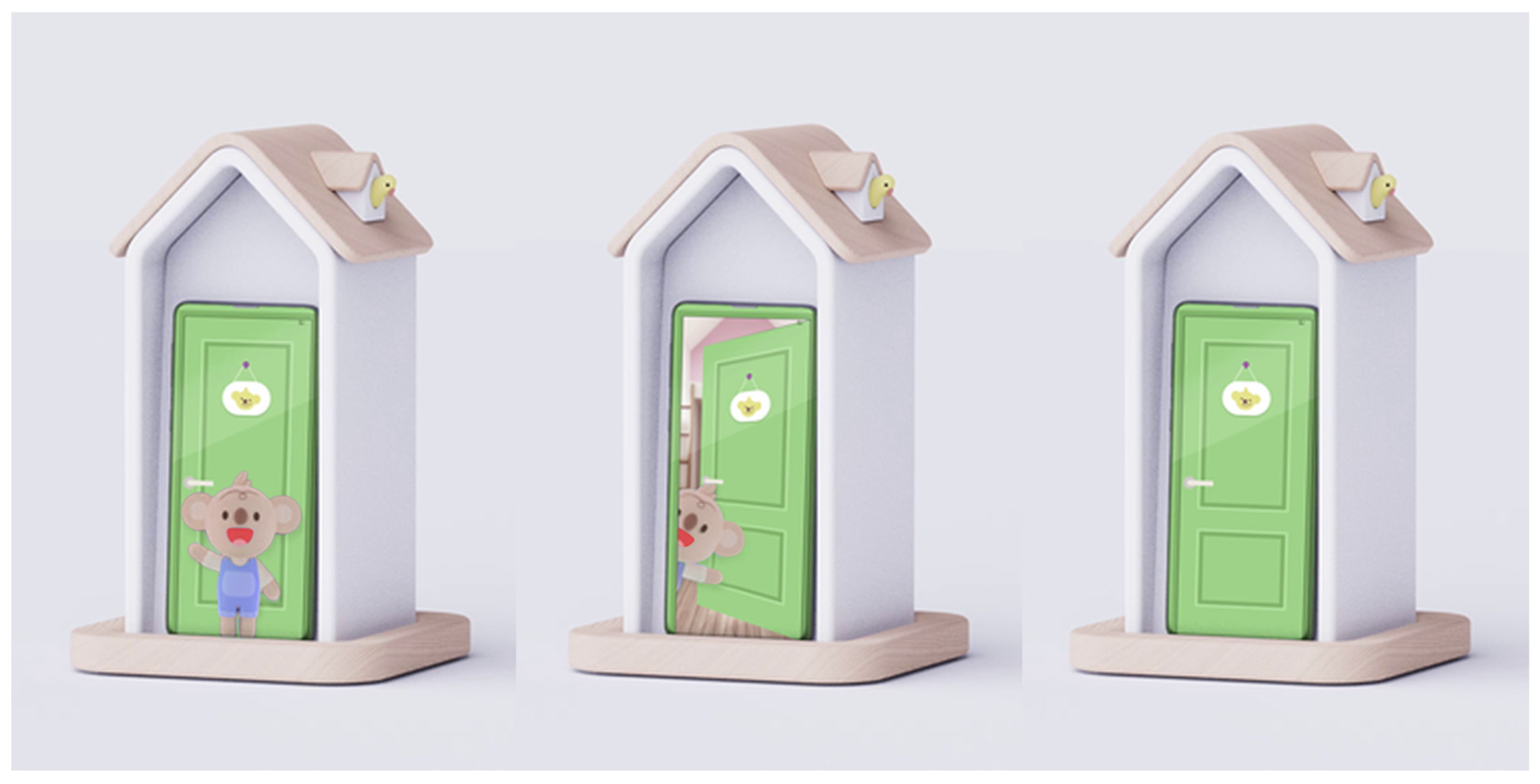

Disclaimer/Publisher’s Note: The statements, opinions and data contained in all publications are solely those of the individual author(s) and contributor(s) and not of MDPI and/or the editor(s). MDPI and/or the editor(s) disclaim responsibility for any injury to people or property resulting from any ideas, methods, instructions or products referred to in the content. |
© 2025 by the authors. Licensee MDPI, Basel, Switzerland. This article is an open access article distributed under the terms and conditions of the Creative Commons Attribution (CC BY) license (https://creativecommons.org/licenses/by/4.0/).