


Featured Application
This study provides insights that can guide the development of more robust intellectual property (IP) frameworks for 3D printing, with potential applications across industries where digital design and additive manufacturing are prevalent. By addressing key IP challenges—particularly in digital file distribution, hardware innovation, and the commercialization of printed items—this work offers a foundation for creating adaptive IP protections. These protections are especially relevant in sectors such as healthcare, automotive, and consumer goods, where the adoption of 3D printing is transforming product customization, production, and distribution. Enhanced IP strategies, as proposed here, can support both innovation and legal compliance, fostering a more secure and collaborative environment for stakeholders in the 3D printing sector.
Abstract
This paper examines the intellectual property (IP) challenges introduced by 3D printing, a transformative technology enabling widespread innovation, but also raising critical legal questions. It focuses on three main areas: (1) IP issues associated with 3D printing hardware, (2) copyright and licensing complexities related to downloadable 3D files, and (3) IP concerns for commercialized 3D printed items. Through a comprehensive review, the paper highlights how existing IP frameworks struggle to keep pace with the flexibility and accessibility inherent in 3D printing. Proposed solutions, such as blockchain for secure design tracking and enhanced digital rights management (DRM), point towards a more controlled future for digital design protection. Additionally, the study underscores the need for international cooperation to harmonize IP laws, facilitating more effective cross-border enforcement. This work aims to contribute to the ongoing dialogue on IP rights in 3D printing, proposing adaptive strategies to support legal clarity while fostering technological advancement.
1. Introduction
Three-dimensional printing, also known as additive manufacturing, represents a revolutionary approach to production that has the potential to significantly transform various industries. At its core, 3D printing involves the layer-by-layer fabrication of three-dimensional objects from digital models, utilizing a wide range of materials, including plastics, metals, ceramics, and even biological materials [1]. This technology has evolved dramatically since its inception in the 1980s, transitioning from a niche tool for rapid prototyping to a main-stream manufacturing process that enables the creation of complex geometries that would be difficult, if not impossible, to achieve using traditional subtractive manufacturing techniques [2,3].
The disruptive potential of 3D printing extends across multiple sectors, including aerospace, automotive, healthcare, fashion, and construction, among others. In the aerospace industry, for instance, 3D printing facilitates the production of lightweight components that enhance fuel efficiency while reducing waste, as it allows for the design of intricate structures that optimize strength-to-weight ratios [4,5]. Similarly, in the automotive sector, manufacturers are increasingly leveraging additive manufacturing for both prototyping and the production of customized parts, thereby shortening lead times and reducing costs associated with traditional manufacturing methods [6,7,8].
In healthcare, 3D printing is revolutionizing the creation of personalized medical devices, implants, and even bioprinted tissues and organs [9,10,11]. Surgeons can use 3D-printed anatomical models to plan complex surgeries with greater precision, while patients benefit from customized prosthetics and implants tailored to their unique anatomical requirements [12,13,14,15]. Moreover, the fashion industry is exploring the use of 3D printing to create bespoke garments and accessories, pushing the boundaries of design and sustainability by reducing fabric waste [16,17,18].
Beyond its application in specific industries, 3D printing is also challenging traditional supply chain models. The ability to produce items on demand at the point of use reduces the need for extensive warehousing and transportation, leading to shorter lead times and a lower carbon footprint [19]. This localized production model empowers small businesses and individual entrepreneurs to innovate and create without the substantial investment in machinery and infrastructure typically required in conventional manufacturing [20,21]. Figure 1 depicts the distinct stages required for a digital CAD file to become a 3D-printed product.
Figure 1.
Distinct stages required for a digital CAD file to become a 3D-printed product.
However, as with any disruptive technology, the rise of 3D printing also introduces a number of challenges, particularly in the realm of intellectual property (IP) law. The democratization of manufacturing and the ease of digital replication raise significant questions about ownership, copyright, and patent rights, which will be explored in depth in the subsequent sections of this paper. Intellectual property (IP) laws are designed to protect the rights of creators and innovators, granting them exclusive rights to their creations and inventions for a limited period. These laws encompass various forms of protection, including copyrights, patents, and trademarks, each serving distinct purposes in safe guarding different types of intellectual creations [22].
Copyrights protect original works of authorship, such as literature, music, and art, as well as software code and architectural designs. Copyright law provides creators with the exclusive right to reproduce, distribute, and display their works, preventing unauthorized use by others. In the context of 3D printing, copyright issues often arise around digital files and models that serve as blueprints for printed objects, raising questions about the ownership of the original designs and the legality of reproducing them [23].
Patents, on the other hand, protect inventions and discoveries, granting inventors exclusive rights to their creations for a specific duration, typically 20 years from the filing date [24]. Patents can cover a wide range of innovations, including processes, machines, and compositions of matter [25,26]. In the 3D-printing sector, patent challenges are particularly pronounced as manufacturers may inadvertently infringe on existing patents when developing new hardware or producing 3D-printed items that replicate patented designs [27].
Likewise, trademarks serve to protect brand identity by preventing confusion among consumers regarding the source of goods or services [28]. Trademarks can include logos, brand names, and slogans [29]. In the context of 3D printing, trademark issues may arise when printed items feature recognizable logos or brand identifiers, potentially leading to trademark infringement claims [30,31]. The recent progress of 3D printing introduces unique challenges to IP law, as illustrated in Table 1.
Table 1.
Challenges in 3D printing related to IP aspects.
As 3D printing technology advances, a nuanced understanding of the associated intellectual property challenges becomes increasingly imperative. The dynamic interplay between innovation and IP protection necessitates a thorough examination of existing legal frameworks, particularly as creators and manufacturers confront the complexities inherent in safeguarding their rights while promoting a culture of collaboration and innovation. In the subsequent sections of this paper, we will conduct a detailed analysis of specific IP issues pertaining to 3D printing hardware, the availability of downloadable files, and the commercialization of 3D-printed items.
This work aims to provide a comprehensive analysis of the intellectual property challenges posed by 3D-printing technology. To achieve this, we will explore three primary axes, each highlighting distinct yet interconnected aspects of IP law as it pertains to additive manufacturing. Figure 2 depicts the aforementioned axes.
Figure 2.
Distinct axes investigated in this work regarding 3D printing aspects and intellectual property challenges.
- Three-dimensional Printing Hardware: The first axis focuses on the intellectual property issues surrounding 3D-printing hardware, including printers, extruders, and related equipment. We will examine patent protection for innovations in 3D-printing technology, including design, functionality, and potential infringements. Additionally, this section will address the challenges of protecting proprietary hardware designs in a rapidly evolving technological landscape.
- Digital Files: The second axis delves into the complexities associated with digital files available for downloading and 3D printing. This segment will explore copyright issues related to the creation, distribution, and unauthorized reproduction of digital design files. We will also discuss the implications of licensing agreements, generated content, and the potential for infringement in an era characterized by the widespread sharing of digital assets.
- Printed Items/Parts: The third axis examines the copyright and patent challenges associated with items and parts that have been 3D printed and are available for sale. This section will analyze how existing IP laws apply to the commercialization of 3D-printed products, including considerations of design patents, functional patents, and the legal ramifications of selling printed objects that may infringe on the rights of original creators. Furthermore, we will investigate the legal implications of the growing trend toward customizing and personalizing 3D-printed items.
Through these three axes, this work aims to provide a nuanced understanding of the multifaceted intellectual property landscape in the age of 3D printing. By examining these interconnected elements, we aim to highlight the pressing need for adaptive legal frameworks that can effectively address the challenges presented by this transformative technology.
The primary objective of this work is to provide a comprehensive overview of the intellectual property (IP) challenges that have emerged in the era of 3D printing [32]. As this technology continues to evolve and permeate various industries, it presents unique legal dilemmas that necessitate critical examination. This paper aims to identify and analyze the specific challenges stakeholders face in protecting their intellectual property rights across the spectrum of 3D printing hardware, digital files, and printed items [33].
Furthermore, it seeks to highlight emerging issues that arise from the proliferation of 3D-printing technology, including the impact of digital sharing and the implications of user-generated content [34]. These aspects complicate traditional notions of ownership and infringement, raising questions about the enforceability of IP rights in a global digital marketplace. In addition, this work explores potential strategies that may be employed to address the identified challenges, offering recommendations for adaptive legal approaches that balance the need for robust IP protection with the promotion of innovation and collaboration within the 3D-printing ecosystem.
The paper aims to contribute to the ongoing discussion on intellectual property in the context of 3D printing by providing valuable insights for legal scholars, practitioners, and industry stakeholders through this comprehensive analysis. The paper’s objective is to facilitate further research and dialogue on the most effective methods of adapting existing legal frameworks to address the challenges posed by this swiftly advancing technology by promoting a broader comprehension of the complexities that are inherent in navigating IP rights during this transformative era.
2. Copyright and Patent Issues in 3D Printing Hardware
Three-dimensional printing technology encompasses a diverse array of techniques, each with distinct methodologies and applications. The most prominent technologies include Fused Deposition Modeling (FDM), Fused Filament Fabrication (FFF), Stereolithography (SLA), and Selective Laser Sintering (SLS), among others [35]. Each method utilizes unique processes to create three-dimensional objects from digital models, offering various advantages and limitations depending on the intended application.
Fused Deposition Modeling (FDM), also known as Fused Filament Fabrication (FFF), is one of the most widely adopted 3D-printing technologies, particularly in the consumer and educational sectors [36]. This method involves extruding thermoplastic filament through a heated nozzle, which deposits material layer by layer to build the desired object. FDM is known for its accessibility, cost-effectiveness, and ability to produce functional prototypes, making it a popular choice for hobbyists and small businesses [37].
Stereolithography (SLA) represents one of the earliest 3D-printing technologies and is characterized by its use of a UV laser to cure liquid resin into solid layers [38]. This process offers high precision and the ability to produce intricate details, making SLA suitable for applications requiring fine surface finishes, such as jewelry design and dental applications [39]. However, SLA systems often entail higher material costs and longer print times compared to FDM [39].
Selective Laser Sintering (SLS) is a powder-based 3D-printing method that utilizes a high-powered laser to selectively fuse powdered materials, typically nylon or metal, into solid structures [40]. SLS is particularly advantageous for creating complex geometries and functional parts with excellent mechanical properties, making it ideal for industries such as aerospace and automotive. The lack of support structures in SLS printing allows for the production of intricate designs that would be challenging to achieve with other technologies [41].
Other notable technologies include Digital Light Processing (DLP), which is similar to SLA but uses a digital light projector to cure resin, allowing for faster print times [42,43]; binder jetting, which involves selectively depositing a binding agent onto layers of powdered material [44]; and material jetting, which creates objects by jetting droplets of material onto a build platform and curing them with UV light [45]. Each of these technologies brings unique strengths to the field of 3D printing, enabling a wide range of applications from rapid prototyping to end-use parts manufacturing [46].
A comprehensive comprehension of these diverse 3D-printing technologies is essential for the examination of the intellectual property challenges associated with hardware development. The future of additive manufacturing will be significantly influenced by the interplay between these technologies and the legal frameworks that regulate their innovation and use as developments in 3D printing continue to unfold.
The intellectual property challenges associated with 3D-printing hardware are multifaceted, primarily revolving around the complexities of patent protection. As the industry matures and innovations proliferate, understanding these challenges is essential for manufacturers, developers, and legal practitioners navigating the 3D-printing landscape.
One significant aspect of these challenges lies in the identification of key patented technologies within 3D printers [47]. Numerous components and processes involved in 3D printing have been the subject of patents, including innovations related to the extrusion mechanisms in Fused Deposition Modeling (FDM) printers, the laser systems utilized in Stereolithography (SLA) and Selective Laser Sintering (SLS), and the software algorithms that govern printing processes [48]. These patents not only cover the specific technologies but also extend to broader categories, such as methods of layer adhesion and print quality enhancement techniques [49]. Consequently, the complex web of existing patents poses a significant challenge for manufacturers seeking to develop new 3D-printing hardware, as they must ensure their innovations do not infringe upon existing intellectual property rights.
Moreover, patent infringement risks are particularly pronounced for manufacturers in the 3D-printing industry. With the rapid pace of technological advancement, companies may inadvertently create products that infringe on patents held by others, resulting in costly legal disputes and potential barriers to market entry. The proliferation of patent thickets—dense clusters of overlapping patents—further complicates this landscape, as manufacturers may struggle to navigate the intricacies of existing patents while simultaneously seeking to innovate [50]. This environment not only stifles creativity but also poses significant financial risks to companies attempting to bring new hardware to the market.
Additionally, concepts such as patent exhaustion and cross-licensing present unique challenges in the context of 3D printing. Patent exhaustion, which occurs when a patented product is sold, limits the ability of the patent holder to impose restrictions on subsequent sales or uses of that product. In 3D printing, this principle raises questions about the extent to which manufacturers can enforce patent rights over hardware components that may be reused or resold [50]. Cross-licensing agreements, which allow parties to share patented technologies, can offer a solution to some of these challenges by enabling collaboration and innovation. However, the negotiation of such agreements can be complex, particularly when multiple patents and stakeholders are involved, potentially leading to disputes over the terms and scope of licenses.
In this context, the rapid rise of 3D printing has significantly altered traditional manufacturing processes, allowing for decentralized production that bypasses established patent enforcement mechanisms. With the capability to create products layer by layer from digital files, 3D printing enables individual users to produce patented objects privately, making it difficult for patent holders to monitor and control infringement. Enforcement tools designed for centralized production are not suited to decentralized, small-scale manufacturing, presenting a substantial challenge to the adequacy of current patent strategies. These enforcement strategies may need to evolve to address the unique risks posed by widespread 3D printing [48].
The legal implications of this shift introduce complex questions about direct versus indirect infringement. Patent law traditionally focuses on manufacturers or distributors as primary enforcement targets, yet in the 3D-printing context, individual consumers can become producers by creating physical items from digital CAD files that may be patent protected. Determining whether the distribution of a CAD file constitutes direct infringement or contributes to indirect infringement is a key question that current patent frameworks struggle to address. Consequently, the legal landscape may require new definitions and guidelines to better accommodate this shift in production responsibilities [27].
Further complicating matters is the rise of a “prosumer” society, where consumers act as both producers and users of goods via 3D printing, creating unprecedented risks for patent infringement. Unlike traditional models, in which companies oversee production processes, 3D printing enables individuals to print complex products directly from digital files at home or in local makerspaces. This model challenges patent holders’ ability to enforce rights, as they must navigate a vast, decentralized network of potential infringers. Additionally, the wide accessibility of digital blueprints complicates enforcement since files can be easily shared and modified, heightening the risk of both accidental and intentional infringement [51].
On the other hand, the expansion of 3D printing technology raises significant issues around patent exhaustion and cross-licensing, challenging traditional concepts of intellectual property in manufacturing. Patent exhaustion, the principle that a patent holder’s rights are exhausted after an authorized sale, is complicated in 3D printing by the widespread sharing of digital files. Unlike physical items, digital files that represent patented objects can be repeatedly distributed and reused, challenging the legal boundaries of “first sale” rights. Since each print from a digital file effectively creates a new instance of the patented object, this scenario pushes the limits of patent exhaustion, potentially allowing unauthorized parties to reproduce patented products without direct oversight from patent holders [48].
Cross-licensing in 3D printing also presents unique challenges, especially for industries that rely on collaborative or interdependent designs. Traditional cross-licensing agreements assume well-defined product boundaries and control over production; however, in 3D printing, the ability to modify and customize digital designs blurs these lines. As digital files circulate, third-party users can alter designs to bypass certain licensing terms or incorporate elements from multiple patents, resulting in derivative works that may unintentionally infringe on multiple patents. Thus, enforcing cross-licensing agreements in 3D printing requires new frameworks that account for the flexibility of digital modifications and the high likelihood of complex overlapping patent rights [27,52].
Moreover, 3D printing democratizes production in ways that strain both patent exhaustion and cross-licensing norms. This shift towards a “prosumer” market, where consumers manufacture customized items for themselves, makes it harder to control licensing across the diverse networks that share and reproduce designs. Traditional patent holders, who previously relied on centralized manufacturers to uphold licensing agreements, must now grapple with a decentralized and often international market of creators. For industries affected by high customization rates, such as medical or automotive sectors, this challenge necessitates new cross-licensing models that can function across digital platforms and safeguard patent rights amidst the highly accessible and shareable nature of 3D files [51,52].
3. Copyright and Patent Issues of Downloadable 3D Printing Files
Three-dimensional models, typically stored in formats like CAD (Computer Aided Design) files, are fundamental digital representations of physical objects intended for 3D printing. Under copyright law, these files can be considered intellectual property because they are original works created by designers and may contain substantial creative effort. Copyright protection generally applies to such files as “literary works” or “pictorial, graphic, and sculp tural works” under statutes like the U.S. Copyright Act, granting creators exclusive rights to reproduce, modify, and distribute their creations [53]. However, digital 3D files present challenges for copyright law, especially because they are easily modified and shared across digital platforms, making it difficult to enforce exclusive rights effectively. This flexibility allows a wide array of designs to circulate but also raises questions about the extent to which copyright laws are equipped to manage these files in practice.
Regarding publicly available files, the rise of platforms dedicated to sharing 3D-printable files, such as Thingiverse, MyMiniFactory, and Cults3D, has facilitated the widespread exchange of digital designs [54]. These platforms allow users to download, share, and sometimes modify 3D models contributed by other users, creating a vast repository of easily accessible files. While beneficial for democratizing access to design tools and fostering a community of creators, these platforms introduce significant copyright concerns [55].
In this context, when users download or modify models, they may inadvertently infringe on third-party intellectual property. Many designs uploaded to 3D model repositories are derived from copyrighted material, and without careful attribution or permission, creators and users risk infringing the original creator’s rights. For example, popular characters or proprietary designs may appear in publicly accessible 3D models, potentially infringing on copyright, design, or trademark protections. Additionally, because users may modify designs without legal clarity on ownership rights in these adaptations, questions arise about whether such alterations constitute fair use or infringement.
Licensing schemes like Creative Commons (CC) aim to clarify how 3D printable files can be shared, modified, or used commercially. These licenses, which specify usage rights ranging from “Attribution” to “Non Commercial” and help creators retain certain control while allowing others to access and build upon their designs [56]. However, the application of Creative Commons in the context of 3D printing has limitations. Since Creative Commons licenses were initially created for digital content such as text and images, they lack specific provisions for 3D printing use cases, leaving creators uncertain about the implications of modifying or remixing designs under these licenses [57]. Additionally, some licenses restrict commercial use, but distinguishing personal use from commercial use in 3D printing—such as when a hobbyist prints a file and later sells the printed object—adds complexity to enforcing these terms.
In the same sense, the ease of replicating and distributing 3D models presents challenges similar to digital piracy in music, movies, and software [58]. Once a 3D file is shared online, it can be endlessly duplicated, making it difficult for original creators to prevent unauthorized distribution or sales. The piracy of 3D designs undermines creators’ rights by allowing others to produce and distribute replicas without permission. For example, a designer’s original creation might be illegally reproduced and sold without compensation to the designer, effectively bypassing copyright protections [59]. Enforcement options are limited because once a file has been uploaded to a platform or shared in private forums, controlling its spread becomes nearly impossible.
Copyright law traditionally grants creators rights over derivative works, which are new creations based on original works. In the context of 3D printing, when users alter or remix existing files, questions arise about whether these changes constitute derivative works that require the original creator’s permission [60]. For example, a user might download a CAD file for a phone case and add custom designs, which technically alters the original work. Determining whether such alterations are substantial enough to constitute a new copyrightable work under copyright law is challenging and often ambiguous. Courts would typically consider factors like the extent of transformation and originality in deciding whether a derivative work infringes the original creator’s rights [61].
Thus, in order to address these challenges, various technological solutions have been proposed, including digital watermarking, Digital Rights Management (DRM), and other tracking tools [62]. Watermarking embeds identifying information within a digital file, allowing creators to track their designs even if they are shared or modified. DRM can restrict how files are used, shared, or printed, though this technology is controversial due to its restrictions on users freedom to interact with their purchases. Additionally, blockchain technology has the potential for managing ownership rights by providing a decentralized record of a file’s ownership and usage rights, helping ensure that creators are compensated when their designs are reproduced. While these solutions offer promising ways to protect 3D printable files, their implementation faces challenges in user acceptance and regulatory oversight [63]. Table 2 summarizes the main concerns related to intellectual property rights in the context of downloadable 3D printing files, including copyright infringement, licensing complexities, and unauthorized distribution, along with proposed technological and legal solutions to address these challenges.
Table 2.
Key issues, challenges, and potential solutions for copyright and patent protection of downloadable 3D-printing files (in bold).
4. Copyright and Patent Issues in 3D Printed Items and Parts Available for Sale
The commercialization of 3D-printed items introduces a complex landscape of intellectual property (IP) issues. As 3D-printing technology allows for the rapid replication of objects, it raises significant questions about the ownership of designs, the legal boundaries of IP rights, and the responsibility for infringement. This chapter explores the various copyright and patent challenges involved when 3D-printed items or parts are sold, focusing on issues like replication of original designs, patent infringement, liability, and trademark concerns.
One of the key challenges in the context of 3D-printed items is distinguishing between original creations and replicated objects [64]. In many cases, 3D printing allows users to replicate existing objects or designs, raising concerns about the rights of the original creators. For example, when a designer creates an original product or part, they hold the copyright to that design, granting them exclusive rights to reproduce and distribute it. However, with 3D printing, anyone with access to a digital file can replicate that object, potentially infringing on the original creator’s copyright [65]. The distinction between original and replicated objects becomes particularly relevant when these items are sold commercially. The sale of replicated items without the original creator’s permission could lead to claims of copyright infringement. Additionally, it complicates the issue of fair use, as many users may modify or personalize designs, leading to questions about whether such modifications transform the design enough to avoid infringement or constitute derivative works [66].
Regarding patented products and parts, patent law is another critical aspect when it comes to 3D-printed items that replicate existing products or parts. In industries such as automotive and aerospace, where patented components are central to product design and functionality, 3D printing poses a unique challenge [67]. If an individual or company uses 3D printing to replicate a patented product or part without authorization, they could be infringing on the patent holder’s exclusive rights. Patent infringement in 3D printing can occur when someone prints an item that replicates a patented design, whether it is a consumer product, a replacement part, or a complex mechanical component. This issue is particularly pertinent when parts are produced on demand or in small quantities for personal use or resale, which may bypass the traditional mechanisms of mass manufacturing and distribution. The scope of patent protection can vary depending on the specific claims of the patent and whether the 3D-printed item falls within the patented design or functionality [68].
When a 3D-printed item is sold, determining who holds responsibility for potential infringement is not always straightforward [68]. The liability for patent or copyright infringement could fall on various parties involved in the production and distribution of the 3D-printed item: the designer of the 3D model, the manufacturer of the printed item, or the end user who prints and sells the object.
- Designer: If a designer creates a 3D model based on a patented or copyrighted object and makes it available for download or commercial use, they may be liable for infringement if the design replicates a protected product without permission.
- Manufacturer: If a manufacturer prints and sells the object based on a 3D model, they may be held liable if the object infringes on a patent or copyright, particularly if the manufacturer is aware of the infringement or profits from it.
- End User: End users who purchase 3D-printed objects for resale or modification could also face liability issues. While individuals printing items for personal use may be protected under certain fair use provisions, the commercialization of 3D printed products raises more significant legal risks.
Liability may depend on the specific circumstances of the infringement, including the extent of knowledge and intent of each party involved. Legal cases in this area often center on whether the infringement is willful or accidental, as well as the scale of the production and distribution of the infringing products [69]. Selling 3D-printed objects, particularly those that replicate designs under copyright or patent protection, presents significant commercialization challenges. Companies or individuals who produce and sell 3D-printed products must navigate the complexities of IP rights, which may include licensing agreements or royalties for the use of patented or copyrighted designs. Failure to secure the proper permissions or licenses for a design can result in costly legal disputes, including lawsuits from IP holders seeking damages for infringement.
Furthermore, the rise of online marketplaces and platforms where users can sell 3D-printed objects has increased the ease with which designs can be monetized. While these platforms often provide mechanisms for creators to protect their IP, the global nature of online marketplaces makes it difficult to enforce IP laws and prevent unauthorized reproductions of copyrighted or patented designs [70]. Issues like counterfeit goods and design piracy are prevalent, as the cost and effort to reproduce 3D objects have diminished with the widespread availability of 3D printers.
Another significant IP concern in the commercialization of 3D-printed objects is the use of logos or brand identifiers. Three-dimensional printing allows for the creation of objects that may include trademarks, such as branded fashion items, consumer goods, or even components with logos [71]. Using logos or other brand identifiers in 3D-printed objects without permission can result in trademark infringement. For example, a company might use a popular brand’s logo or trademark in the design of a 3D-printed object, such as a custom phone case or toy. If the brand’s trademark is used without authorization, it can confuse consumers into believing the product is endorsed or manufactured by the trademark holder, leading to claims of trademark infringement. Furthermore, using a brand’s logo on 3D-printed items in a way that dilutes the distinctiveness or reputation of the brand can result in legal action.
Enforcement of trademark rights in 3D printing can be difficult due to the decentralized nature of the production and distribution process. Online marketplaces and platforms that facilitate the sale of 3D-printed goods must carefully monitor for unauthorized use of trademarks and take action when infringement is detected [72]. Table 3 outlines the primary intellectual property concerns—such as copyright, patent, and trademark issues—associated with the sale of 3D-printed objects, along with the challenges these issues pose and potential solutions to address them.
Table 3.
Key issues, challenges, and potential solutions for copyright, patent, and trademark protection in the commercialization of 3D-printed items (in bold).
5. Legal Frameworks and Emerging Solutions
The intersection of 3D printing and intellectual property (IP) law presents a multifaceted and diverse challenge. As 3D-printing technologies continue to advance, current legal frameworks are struggling to keep pace with the new complexities introduced by digital fabrication and replication. This chapter examines the existing legal frameworks for protecting IP in 3D printing, identifies gaps in the law, and explores emerging solutions that may address these challenges. It also highlights the international dimension of IP enforcement in the context of 3D printing, considering how different countries are approaching this issue and the difficulties associated with cross-border enforcement.
At present, the legal landscape for 3D printing and IP is primarily governed by traditional copyright, patent, and trademark laws. Copyright law protects the creative expression embedded in digital 3D models, allowing creators to control reproduction, distribution, and modification [73]. Patent law applies to new, inventive, and industrially applicable designs and is essential in regulating the 3D printing of patented products and parts. Trademark law, on the other hand, protects logos, brand identifiers, and other marks used in commerce, which is important for addressing counterfeiting and unauthorized use of brand names in 3D-printed goods [74].
However, these laws were developed for a world of physical, tangible goods and centralized manufacturing processes. The decentralized, digital nature of 3D printing challenges these frameworks in several ways. For instance, while copyright laws protect digital models, they do not specifically address the ease with which digital files can be replicated, modified, and distributed [75]. Similarly, patent laws are based on the production of physical objects, which complicates their application when digital models are created and modified before physical items are printed [75].
Despite the existing legal frameworks, significant gaps remain where 3D-printing technology has outpaced traditional IP laws. One of the primary gaps is the lack of clarity in terms of the application of copyright, patent, and trademark protection to digital 3D files. Traditional copyright law was designed for static works like literature, music, or visual art and is ill-suited to address the dynamic nature of 3D models, which can be easily altered or combined to create derivative works [76]. In the context of 3D printing, determining whether a modified file constitutes a new, original creation or an infringing derivative work can be legally ambiguous. Similarly, patent law faces challenges when it comes to the replication of patented products using 3D printing [77]. Current patent regulations do not fully account for the ease with which users can produce patented items on demand, especially in small quantities or for personal use. There is a lack of guidance on whether the act of printing a patented item, without mass production or sale, constitutes an infringement [77]. Another gap lies in the lack of consistency in international IP protection. Different countries have varying laws and approaches to IP enforcement in 3D printing, and the digital nature of 3D models makes it difficult to control the cross-border distribution of designs. IP holders may face challenges in enforcing their rights when 3D models are shared online or printed in countries where their protection is weaker or nonexistent.
The international dimension of 3D printing and IP law is a particularly complex issue. As 3D-printing technology enables the global distribution of digital files, enforcing IP rights across borders has become increasingly difficult [78]. While countries may have similar IP laws, the enforcement mechanisms and the scope of protection can vary significantly. For example, a design patented in the United States may not have the same level of protection in a country like China, where enforcement of IP laws has historically been weaker [78]. Additionally, the digital nature of 3D models complicates the issue of jurisdiction. A 3D model uploaded in one country can be downloaded and printed in another, making it difficult for IP holders to pursue legal action in cases of infringement. This presents challenges for both creators seeking to protect their designs and for manufacturers who want to ensure they are not violating foreign patents or trademarks [79].
To address these challenges, international treaties and agreements are needed to harmonize IP laws across borders and improve enforcement mechanisms. The World Intellectual Property Organization (WIPO) has made strides in promoting international cooperation on IP matters, but more work is needed to create a cohesive global framework for 3D printing [80,81].
As the challenges surrounding 3D printing and intellectual property (IP) continue to evolve, various technological, legislative, and collaborative solutions are emerging to address these issues. One of the most promising technological innovations is the use of blockchain technology to track, verify, and manage 3D designs [82]. Blockchain’s decentralized nature provides a secure, transparent ledger that records ownership and usage rights, offering a solution for ensuring creators are credited and compensated for their work. By embedding digital signatures and metadata into 3D models, blockchain could allow designers to protect their intellectual property from unauthorized replication and distribution. This could also make it easier to enforce licensing terms, as blockchain systems can automatically control access and usage rights, offering greater protection in the face of widespread digital piracy [83]. These technologies represent significant steps forward in safeguarding digital 3D content, yet their implementation requires a balance to avoid restricting legitimate innovation and collaboration.
At the same time, legislative bodies around the world are beginning to recognize the need for updating traditional intellectual property laws to address the unique challenges posed by 3D printing [84]. For example, there are ongoing discussions about refining copyright and patent laws to clarify issues related to 3D printing, such as the status of modified designs and their impact on derivative works. Proposals suggest more explicit guidelines on what constitutes a new, copyrightable creation when users alter 3D files and whether such changes require the original creator’s permission. On the patent side, addressing the issue of on-demand production of 3D-printed items that replicate patented products or parts is crucial, particularly in industries like automotive and aerospace, where 3D printing is rapidly becoming a tool for manufacturing replacement parts. Case law is also evolving, with courts in some jurisdictions beginning to issue rulings that adapt existing IP laws to the specific challenges of 3D printing. These efforts are being complemented by international collaborations, such as initiatives under the World Intellectual Property Organization (WIPO), aimed at harmonizing IP laws to account for the global nature of 3D printing and digital distribution. Alongside these technological and legal approaches, collaborative IP frameworks are gaining traction, particularly in sectors like fashion, automotive, and healthcare, where industry stakeholders are working together to develop standards for the safe sharing and protection of 3D models. These frameworks aim to balance the need for innovation with the protection of creators’ rights, ensuring that the growing 3D-printing ecosystem remains sustainable and fair for all parties involved [85].
In this context, one promising technological solution is the use of blockchain technology for verifying and tracking 3D designs. Blockchain’s decentralized and immutable ledger system can create a secure, transparent record of ownership and usage rights for digital 3D files [86]. This would enable creators to register their designs and maintain proof of ownership, while also ensuring that any subsequent uses or modifications are properly attributed. Blockchain could also help enforce licensing agreements and track the distribution of 3D models, providing a more effective way to combat digital piracy and unauthorized reproduction [87].
In response to the challenges posed by 3D printing, several legislative proposals and case law trends have emerged to close the IP gaps. For example, some countries have proposed adapting their copyright and patent laws to account for the unique issues raised by 3D printing, such as the ease of modification and the rapid reproduction of designs [88]. These proposals include provisions for clearer definitions of what constitutes infringement in the context of digital models and 3D printing, as well as provisions to address the responsibilities of designers, manufacturers, and end users. In the United States, the Patent and Trademark Office (USPTO) has begun to issue guidelines for patent protection in the context of 3D printing, and courts have started to address cases involving 3D-printed products [89,90]. These developments suggest that IP law is gradually adapting to the realities of 3D printing, but more comprehensive reforms may be necessary to fully address the evolving challenges.
Another emerging solution is the development of collaborative IP frameworks within specific industries, such as the automotive or fashion sectors, to create industry-led standards for the protection of 3D-printed designs [91]. These frameworks would involve the establishment of best practices for licensing, attribution, and IP protection in the context of 3D printing. By working together, industry stakeholders can create standards that protect the rights of designers and manufacturers while fostering innovation and collaboration.
For example, in the fashion industry, companies could establish joint agreements for licensing digital patterns or designs used in 3D printing, ensuring fair compensation for creators while promoting the use of open-source designs [92,93]. Similarly, in the automotive sector, companies could collaborate to create a framework for the licensing and sale of 3D-printed replacement parts, reducing the risk of IP infringement while ensuring consumer access to affordable components [94,95,96].
In response to the emerging challenges in IP protection for 3D printing, blockchain and Digital Rights Management (DRM) have been proposed as promising solutions. Several pilot projects and case studies have demonstrated the potential of blockchain to manage copyrights effectively in the digital 3D-printing space. For example, Arcadia Group’s 3D Print Blockchain Platform tracks the ownership and licensing of 3D-printing designs using blockchain [97]. By embedding digital signatures and metadata into 3D files, this platform ensures that creators retain control over their designs, receiving compensation for each authorized use or modification [98,99]. Similarly, Mattereum, a blockchain-based platform, connects digital 3D models to physical products, ensuring transparency in ownership and usage rights [100].
While blockchain offers strong security and transparency, the cost-effectiveness of implementing such solutions remains an area of interest. Initial setup costs, particularly for smaller-scale producers and independent designers, can be significant. However, platforms like MyMiniFactory, which utilize blockchain for design protection, demonstrate that the long-term benefits—such as reduced legal disputes and efficient royalty payments—can outweigh these initial investments [101,102,103]. A cost-benefit analysis suggests that the transparency and security provided by blockchain can significantly reduce long-term costs associated with IP infringement and unauthorized use [104].
On the DRM front, platforms like Shapeways incorporate DRM tools to control access to proprietary 3D designs, restricting file downloads, or printing without proper authorization [105,106,107]. While DRM can provide effective protection, its implementation faces challenges, particularly in decentralized and peer-to-peer 3D printing networks. Users often resist DRM due to concerns that these tools may restrict their ability to innovate or modify designs for personal use.
Both blockchain and DRM face limitations that need to be addressed for their effective implementation. Blockchain, while secure, suffers from scalability issues, as increased transactions can lead to slower processing times and higher costs. Additionally, enforcing compliance remains a challenge, especially when files are shared across multiple jurisdictions with varying legal frameworks. DRM, on the other hand, is less effective in decentralized environments, where users with technical knowledge can circumvent restrictions, undermining its reliability. Furthermore, the balance between enforcing strict DRM measures and preserving user freedom is a key challenge in ensuring broad adoption.
Despite these challenges, blockchain and DRM remain promising solutions for IP protection in 3D printing. The integration of blockchain with DRM technologies, alongside improvements in scalability and user-friendliness, could significantly enhance their practicality and effectiveness in addressing the IP concerns associated with this transformative technology.
In addition to the promising potential of blockchain and Digital Rights Management (DRM) systems, understanding the legal boundaries between derivative works and fair use in 3D printing remains critical for managing intellectual property (IP). DRM systems play a pivotal role in ensuring that modifications to 3D files, which may constitute derivative works, are properly tracked and monitored. For example, advanced DRM technologies can use digital watermarks and metadata embedding to trace any modifications made to a design file, providing a transparent history of its alterations [108,109]. This ensures that even after a file is modified, the original creator can maintain control and prevent unauthorized reproduction or distribution. While DRM provides effective protection in some scenarios, the issue of derivative works becomes more complex when users modify files for personal or commercial use. Under copyright law, a derivative work is defined as a new creation based on an existing copyrighted work. In the context of 3D printing, a user who modifies a 3D model to suit personal preferences or for resale could inadvertently create a derivative work. This raises the question of whether such modifications constitute copyright infringement, especially when the original work remains largely recognizable. Courts often weigh factors such as the extent of transformation and the purpose of use, when determining whether a modified file falls under fair use or requires permission from the original creator.
The legal distinctions between fair use and derivative works are not always clear, particularly in the context of 3D printing, where users regularly alter files for customization or reproduction. Fair use allows for the limited use of copyrighted works without the creator’s permission, typically for purposes such as commentary, education, or non-commercial use. In 3D printing, for example, modifying a digital file for personal use might be deemed fair use, but selling the modified product could potentially cross into infringement. Courts have grappled with similar issues in the digital realm. In the case of Authors Guild vs. Google, the court found that Google’s digitization of books for its library was fair use because the transformation was noncommercial and did not affect the market for the original works [100,101,102,103,104,105,106,107,108,109,110,111]. A similar approach might apply to 3D printing, where personal, noncommercial modifications of files could fall within the fair use doctrine. However, the commercialization of such modified files often shifts the balance toward infringement, especially when the modification is minimal and the work remains substantially unchanged. Internationally, different legal standards—such as those found in the EU Copyright Directive and U.S. Copyright Law—add further complexity, as each jurisdiction applies different criteria for determining what constitutes infringement versus fair use, highlighting the importance of clear global standards in the 3D-printing space [112,113].
The practical challenges of international collaboration in cross-border IP enforcement are widely recognized, particularly regarding legal differences and conflicts of interest among countries. To address these challenges, the establishment of an independent cross-border IP arbitration body is proposed, which could serve as a neutral institution for resolving disputes related to 3D printing. This body could be empowered to provide binding arbitration under the guidance of international organizations, such as the World Intellectual Property Organization (WIPO). It is suggested that such a body could facilitate the enforcement of IP rights across jurisdictions and help reduce conflicts by offering standardized dispute resolution mechanisms. Additionally, regional agreements could be explored, particularly in areas with high 3D printing activity, such as the European Union or Asia-Pacific regions, to create shared frameworks for IP law harmonization.
Furthermore, strategies to resolve discrepancies in national laws are discussed. The Berne Convention and the TRIPS Agreement are identified as key instruments for improving international coordination [114]. The Berne Convention ensures the protection of copyrighted works across borders, but its enforcement is complicated by the nature of digital works and the reproduction of 3D-printed items [115,116]. Similarly, while the TRIPS Agreement provides broad guidelines for IP protection, specific provisions addressing the nuances of digital rights and 3D printing are lacking [117,118,119]. To address this, it is proposed that specific protocols within these frameworks be developed, which would address the digital aspects of 3D printing, including the protection of designs and the resolution of disputes. These protocols would contribute to better harmonization of IP laws and foster more efficient international cooperation. The importance of such measures has been emphasized in recent discussions by legal experts and international bodies like the International Chamber of Commerce [120].
Table 4 summarizes technological, legislative, and collaborative approaches designed to address the intellectual property challenges posed by 3D printing, highlighting their potential impacts and associated considerations.
Table 4.
Emerging solutions (in bold) for addressing intellectual property challenges in 3D printing.
6. Conclusions and Future Directions
The continuous progress of 3D printing has led to transformative possibilities across various industries, yet it simultaneously introduces complex intellectual property (IP) challenges that require urgent attention. This study has looked into three primary dimensions of IP concerns: the protection of 3D-printing hardware innovations, the distribution and potential infringement of digital files, and the legal implications of commercializing printed items. Each of these areas presents unique obstacles for existing IP frameworks, particularly as they pertain to the enforcement of rights, the management of digital assets, and the regulation of decentralized production models.
Traditional IP frameworks are largely rooted in centralized manufacturing models that prioritize physical assets, making them ill-suited for the flexible, digital-first nature of 3D printing. Copyright laws, for instance, were developed to protect static, tangible works but struggle to address the ease with which digital files can be replicated, modified, and shared online. Similarly, patent laws face challenges in a landscape where consumers and small manufacturers can replicate patented items on demand, often in personal or small-scale settings that bypass conventional IP enforcement.
Furthermore, 3D printing democratization complicates enforcement, as individuals are empowered to reproduce items that may infringe on existing IP. This environment fosters a “prosumer” culture, where consumers act both as producers and users, making it difficult to delineate clear boundaries for liability and infringement. The potential for customization also adds a layer of ambiguity, as users frequently modify digital files, creating derivative works that raise questions regarding ownership and copyright status.
As the legal community and industry stakeholders navigate these challenges, several promising solutions and future directions emerge. Technological advancements, such as blockchain, offer a secure and transparent method for tracking ownership and licensing of digital files, ensuring that creators are credited and compensated for their work. Blockchain’s decentralized structure can address some enforcement issues by providing an immutable record of ownership, facilitating both IP protection and ease of access for users. Similarly, digital rights management (DRM) systems can control how files are used, shared, and printed, though their adoption must be carefully balanced to avoid stifling legitimate innovation.
Another critical area for future research lies in adapting IP laws to the decentralized nature of 3D printing. Legislative bodies could consider revisions to copyright and patent frameworks to account for digital file distribution and on-demand printing of patented items. In copyright, clearer definitions regarding derivative works and fair use within the context of 3D printing could provide guidance to creators and users alike. Patent frameworks, on the other hand, may need to address the practicalities of enforcing rights when replication occurs at the consumer level.
The global nature of digital files and online file-sharing platforms also calls for enhanced international cooperation. The World Intellectual Property Organization (WIPO) and other international bodies play a vital role in promoting cross-border IP standards that account for the challenges specific to 3D printing. These standards could facilitate a more uniform approach to IP enforcement and minimize legal ambiguities when digital designs are shared and printed internationally.
Industry-driven solutions, such as collaborative IP frameworks, also offer a path forward. By creating standardized licensing and attribution models, sectors like fashion, automotive, and medical device manufacturing can encourage responsible file sharing while protecting IP holders. Industry coalitions could develop best practices and contractual agreements to manage the risks associated with decentralized production, creating a more balanced IP ecosystem that encourages innovation while protecting creators.
In conclusion, addressing the IP challenges posed by 3D printing requires a careful approach that incorporates technological innovation, legislative reform, and international cooperation. With the continued growth and adoption of 3D printing, a proactive and adaptive legal framework is essential to balance the rights of IP holders with the benefits of open innovation. Ongoing research, interdisciplinary dialogue, and collaboration among stakeholders will be critical to crafting solutions that support both technological advancement and robust IP protection.
Funding
This research received no external funding.
Conflicts of Interest
The author declares no conflicts of interest.
References
- Bănică, C.-F.; Sover, A.; Anghel, D.-C. Printing the Future Layer by Layer: A Comprehensive Exploration of Additive Manufacturing in the Era of Industry 4.0. Appl. Sci. 2024, 14, 9919. [Google Scholar] [CrossRef] [Scilit]
- Jaiswal, S.V.; Hunt, D.V.L.; Davies, R.J. Construction 4.0: A Systematic Review of Its Application in Developing Countries. Appl. Sci. 2024, 14, 6197. [Google Scholar] [CrossRef] [Scilit]
- Ganetsos, T.; Kantaros, A.; Gioldasis, N.; Brachos, K. Applications of 3D Printing and Illustration in Industry. In Proceedings of the 2023 17th International Conference on Engineering of Modern Electric Systems (EMES), Oradea, Romania, 9–10 June 2023; IEEE: Piscataway, NJ, USA; pp. 1–4. [Google Scholar]
- Samal, S.K.; Vishwanatha, H.M.; Saxena, K.K.; Behera, A.; Nguyen, T.A.; Behera, A.; Prakash, C.; Dixit, S.; Mohammed, K.A. 3D-Printed Satellite Brackets: Materials, Manufacturing and Applications. Crystals 2022, 12, 1148. [Google Scholar] [CrossRef] [Scilit]
- Iftekar, S.F.; Aabid, A.; Amir, A.; Baig, M. Advancements and Limitations in 3D Printing Materials and Technologies: A Critical Review. Polymers 2023, 15, 2519. [Google Scholar] [CrossRef] [Scilit]
- Szwedziak, K.; Łusiak, T.; Bąbel, R.; Winiarski, P.; Podsędek, S.; Doležal, P.; Niedbała, G. Wind Tunnel Experiments on an Aircraft Model Fabricated Using a 3D Printing Technique. J. Manuf. Mater. Process. 2022, 6, 12. [Google Scholar] [CrossRef] [Scilit]
- Pervaiz, S.; Qureshi, T.A.; Kashwani, G.; Kannan, S. 3D Printing of Fiber-Reinforced Plastic Composites Using Fused Deposition Modeling: A Status Review. Materials 2021, 14, 4520. [Google Scholar] [CrossRef] [Scilit]
- Hedayati, R.; Stulova, V. 3D Printing for Space Habitats: Requirements, Challenges, and Recent Advances. Aerospace 2023, 10, 653. [Google Scholar] [CrossRef] [Scilit]
- Meyer-Szary, J.; Luis, M.S.; Mikulski, S.; Patel, A.; Schulz, F.; Tretiakow, D.; Fercho, J.; Jaguszewska, K.; Frankiewicz, M.; Pawłowska, E.; et al. The Role of 3D Printing in Planning Complex Medical Procedures and Training of Medical Professionals—Cross-Sectional Multispecialty Review. Int. J. Environ. Res. Public Health 2022, 19, 3331. [Google Scholar] [CrossRef] [Scilit]
- Kantaros, A.; Petrescu, F.; Abdoli, H.; Diegel, O.; Chan, S.; Iliescu, M.; Ganetsos, T.; Munteanu, I.; Ungureanu, L. Additive Manufacturing for Surgical Planning and Education: A Review. Appl. Sci. 2024, 14, 2550. [Google Scholar] [CrossRef] [Scilit]
- Kim, J.-Y.; Lee, Y.-C.; Kim, S.-G.; Garagiola, U. Advancements in Oral Maxillofacial Surgery: A Comprehensive Review on 3D Printing and Virtual Surgical Planning. Appl. Sci. 2023, 13, 9907. [Google Scholar] [CrossRef] [Scilit]
- Vu, N.H.; Trieu, N.M.; Anh Tuan, H.N.; Khoa, T.D.; Thinh, N.T. Review: Facial Anthropometric, Landmark Extraction, and Nasal Reconstruction Technology. Appl. Sci. 2022, 12, 9548. [Google Scholar] [CrossRef] [Scilit]
- Kantaros, A.; Ganetsos, T.; Petrescu, F.I.T. Transforming Object Design and Creation: Biomaterials and Contemporary Manufacturing Leading the Way. Biomimetics 2024, 9, 48. [Google Scholar] [CrossRef] [Scilit] [PubMed]
- Kantaros, A.; Ganetsos, T. From Static to Dynamic: Smart Materials Pioneering Additive Manufacturing in Regenerative Medicine. Int. J. Mol. Sci. 2023, 24, 15748. [Google Scholar] [CrossRef] [Scilit]
- Kantaros, A. 3D Printing in Regenerative Medicine: Technologies and Resources Utilized. Int. J. Mol. Sci. 2022, 23, 14621. [Google Scholar] [CrossRef] [Scilit] [PubMed]
- Dip, T.M.; Emu, A.S.; Nafiz, M.N.H.; Kundu, P.; Rakhi, H.R.; Sayam, A.; Akhtarujjman, M.; Shoaib, M.; Ahmed, M.S.; Ushno, S.T.; et al. 3D Printing Technology for Textiles and Fashion. Text. Prog. 2020, 52, 167–260. [Google Scholar] [CrossRef] [Scilit]
- Wu, S.; Zeng, T.; Liu, Z.; Ma, G.; Xiong, Z.; Zuo, L.; Zhou, Z. 3D Printing Technology for Smart Clothing: A Topic Review. Materials 2022, 15, 7391. [Google Scholar] [CrossRef] [Scilit]
- Xiao, Y.-Q.; Kan, C.-W. Review on Development and Application of 3D-Printing Technology in Textile and Fashion Design. Coatings 2022, 12, 267. [Google Scholar] [CrossRef] [Scilit]
- Manero, A.; Smith, P.; Koontz, A.; Dombrowski, M.; Sparkman, J.; Courbin, D.; Chi, A. Leveraging 3D Printing Capacity in Times of Crisis: Recommendations for COVID-19 Distributed Manufacturing for Medical Equipment Rapid Response. Int. J. Environ. Res. Public Health 2020, 17, 4634. [Google Scholar] [CrossRef] [Scilit]
- Petersen, E.; Pearce, J. Emergence of Home Manufacturing in the Developed World: Return on Investment for Open-Source 3-D Printers. Technologies 2017, 5, 7. [Google Scholar] [CrossRef] [Scilit]
- Ben-Ner, A.; Siemsen, E. Decentralization and Localization of Production: The Organizational and Economic Consequences of Additive Manufacturing (3D Printing). Calif. Manag. Rev. 2017, 59, 5–23. [Google Scholar] [CrossRef] [Scilit]
- Kulkarni, A.; Pearce, J. Patent Parasites: Non-Inventors Patenting Existing Open-Source Inventions in the 3-D Printing Technology Space. Inventions 2023, 8, 141. [Google Scholar] [CrossRef] [Scilit]
- Giao, N.P.; Suk-Hwan, L.; Oh-Heum, K.; Ki-Ryong, K. A 3D Printing Model Watermarking Algorithm Based on 3D Slicing and Feature Points. Electronics 2018, 7, 23. [Google Scholar] [CrossRef] [Scilit]
- Hwang, J.-T.; Kim, B.-K.; Jeong, E.-S. Patent Value and Survival of Patents. J. Open Innov. 2021, 7, 119. [Google Scholar] [CrossRef] [Scilit]
- Griliches, Z. Patents: Recent Trends and Puzzles; National Bureau of Economic Research: Cambridge, MA, USA, 1989. [Google Scholar]
- Crosby, M. Patents, Innovation and Growth. Econ. Rec. 2000, 76, 255–262. [Google Scholar] [CrossRef] [Scilit]
- Bechtold, S. 3D Printing, Intellectual Property and Innovation Policy. IIC Int. Rev. Ind. Prop. Copyr. Law 2016, 47, 517–536. [Google Scholar] [CrossRef] [Scilit]
- Blackett, T. Trademarks; Springer: Berlin, Germany, 2016; ISBN 9781349147199. [Google Scholar]
- Mendonça, S.; Pereira, T.S.; Godinho, M.M. Trademarks as an Indicator of Innovation and Industrial Change. Res. Policy 2004, 33, 1385–1404. [Google Scholar] [CrossRef] [Scilit]
- View of the Intersection of 3D Printing and Trademark Law. Available online: https://www.jipitec.eu/jipitec/article/view/231/226 (accessed on 12 November 2024).
- Ammar, J. When is a Trade Mark Use Not a Trade Mark Use? A 3D Perspective. SSRN Electron. J. 2015. [Google Scholar] [CrossRef] [Scilit]
- Mendis, D.; Lemley, M.; Rimmer, M. 3D Printing and Beyond: Intellectual Property and Regulation; Edward Elgar Publishing: Cheltenham, UK, 2019; ISBN 9781786434050. [Google Scholar]
- Kantaros, A.; Ganetsos, T.; Piromalis, D. 3D and 4D Printing as Integrated Manufacturing Methods of Industry 4.0. Am. J. Eng. Appl. Sci. 2023, 16, 12–22. [Google Scholar] [CrossRef] [Scilit]
- Pouri, M.J.; Hilty, L.M. Conceptualizing the Digital Sharing Economy in the Context of Sustainability. Sustainability 2018, 10, 4453. [Google Scholar] [CrossRef] [Scilit]
- Kantaros, A.; Petrescu, F.I.T.; Brachos, K.; Ganetsos, T.; Petrescu, N. Evaluating Benchtop Additive Manufacturing Processes Considering Latest Enhancements in Operational Factors. Processes 2024, 12, 2334. [Google Scholar] [CrossRef] [Scilit]
- Giannatsis, J.; Vassilakos, A.; Dedoussis, V. A Heterogeneous Infill Technique for Fused Deposition Modeling. Procedia Manuf. 2020, 51, 642–648. [Google Scholar] [CrossRef] [Scilit]
- Syrlybayev, D.; Zharylkassyn, B.; Seisekulova, A.; Akhmetov, M.; Perveen, A.; Talamona, D. Optimisation of Strength Properties of FDM Printed Parts—A Critical Review. Polymers 2021, 13, 1587. [Google Scholar] [CrossRef] [Scilit] [PubMed]
- Kafle, A.; Luis, E.; Silwal, R.; Pan, H.M.; Shrestha, P.L.; Bastola, A.K. 3D/4D Printing of Polymers: Fused Deposition Modelling (FDM), Selective Laser Sintering (SLS), and Stereolithography (SLA). Polymers 2021, 13, 3101. [Google Scholar] [CrossRef] [Scilit] [PubMed]
- Pagac, M.; Hajnys, J.; Ma, Q.-P.; Jancar, L.; Jansa, J.; Stefek, P.; Mesicek, J. A Review of Vat Photopolymerization Technology: Materials, Applications, Challenges, and Future Trends of 3D Printing. Polymers 2021, 13, 598. [Google Scholar] [CrossRef] [Scilit] [PubMed]
- Gueche, Y.A.; Sanchez-Ballester, N.M.; Cailleaux, S.; Bataille, B.; Soulairol, I. Selective Laser Sintering (SLS), a New Chapter in the Production of Solid Oral Forms (SOFs) by 3D Printing. Pharmaceutics 2021, 13, 1212. [Google Scholar] [CrossRef] [Scilit]
- Lupone, F.; Padovano, E.; Casamento, F.; Badini, C. Process Phenomena and Material Properties in Selective Laser Sintering of Polymers: A Review. Materials 2021, 15, 183. [Google Scholar] [CrossRef] [Scilit]
- Colella, R.; Chietera, F.P.; Catarinucci, L. Analysis of FDM and DLP 3D-Printing Technologies to Prototype Electromagnetic Devices for RFID Applications. Sensors 2021, 21, 897. [Google Scholar] [CrossRef] [Scilit]
- Melilli, G.; Carmagnola, I.; Tonda-Turo, C.; Pirri, F.; Ciardelli, G.; Sangermano, M.; Hakkarainen, M.; Chiappone, A. DLP 3D Printing Meets Lignocellulosic Biopolymers: Carboxymethyl Cellulose Inks for 3D Biocompatible Hydrogels. Polymers 2020, 12, 1655. [Google Scholar] [CrossRef] [Scilit]
- Salari, F.; Bosetti, P.; Sglavo, V.M. Binder Jetting 3D Printing of Magnesium Oxychloride Cement-Based Materials: Parametric Analysis of Manufacturing Factors. J. Manuf. Mater. Process. 2022, 6, 86. [Google Scholar] [CrossRef] [Scilit]
- Gülcan, O.; Günaydın, K.; Tamer, A. The State of the Art of Material Jetting—A Critical Review. Polymers 2021, 13, 2829. [Google Scholar] [CrossRef] [Scilit]
- Kantaros, A.; Diegel, O.; Piromalis, D.; Tsaramirsis, G.; Khadidos, A.O.; Khadidos, A.O.; Khan, F.Q.; Jan, S. 3D Printing: Making an Innovative Technology Widely Accessible through Makerspaces and Outsourced Services. Mater. Today 2022, 49, 2712–2723. [Google Scholar] [CrossRef] [Scilit]
- Ballardini, R.M.; Norrgård, M.; Minssen, T. Enforcing Patents in the Era of 3D Printing. J. Intellect. Prop. Law Pract. 2015, 10, 850–866. [Google Scholar] [CrossRef] [Scilit]
- Van Overwalle, G.; Leys, R. 3D Printing and Patent Law: A Disruptive Technology Disrupting Patent Law? IIC Int. Rev. Ind. Prop. Copyr. Law 2017, 48, 504–537. [Google Scholar] [CrossRef] [Scilit]
- Li, P.H. 3D Bioprinting Technologies: Patents, Innovation and Access. Law Innov. Technol. 2014, 6, 282–304. [Google Scholar] [CrossRef] [Scilit]
- Osborn, L. 3D Printing and Intellectual Property. In Research Handbook on Digital Transformations; Edward Elgar Publishing: Cheltenham, UK, 2016; ISBN 9781784717766. [Google Scholar]
- Bai, W.; Fang, H.; Wang, Y.; Zeng, Q.; Hu, G.; Bao, G.; Wan, Y. Academic Insights and Perspectives in 3D Printing: A Bibliometric Review. Appl. Sci. 2021, 11, 8298. [Google Scholar] [CrossRef] [Scilit]
- Griffin, J. A Proposal for a Bridge of Licensing over a Sea of IP Uncertainty. In Intellectual Property Rights and Emerging Technology; Routledge: New York, NY, USA, 2018; pp. 7–28. ISBN 9781351239905. [Google Scholar]
- U.S. Copyright Office Copyright Law of the United States. Available online: https://www.copyright.gov/title17/ (accessed on 13 November 2024).
- Rayna, T.; Striukova, L.; Darlington, J. Co-Creation and User Innovation: The Role of Online 3D Printing Platforms. J. Eng. Technol. Manag. 2015, 37, 90–102. [Google Scholar] [CrossRef] [Scilit]
- Rayna, T.; Striukova, L. A Taxonomy of Online 3D Printing Platforms. In Information Technology and Law Series; T.M.C. Asser Press: The Hague, The Netherlands, 2016; pp. 153–166. ISBN 9789462650954. [Google Scholar]
- Evans, B. Practical 3D Printers: The Science and Art of 3D Printing; APRESS: New York, NY, USA, 2012; ISBN 9781430243939. [Google Scholar]
- Gavras, K. Open Source Beyond Software: Re-Invent Open Design on the Common’s Ground. Available online: https://papers.ssrn.com/sol3/papers.cfm?abstract_id=2760947 (accessed on 13 November 2024).
- Piracy and Design: Re-Thinking Intellectual Property in the Third Industrial Revolution. Available online: http://justinzhuang.com/wp-content/uploads/images/Piracy-Design.pdf (accessed on 13 November 2024).
- Janssens, A.; Lavanga, M. An Expensive, Confusing, and Ineffective Suit of Armor: Investigating Risks of Design Piracy and Perceptions of the Design Rights. Available to Emerging Fashion Designers in the Digital Age. Fash. Theory 2020, 24, 229–260. [Google Scholar] [CrossRef] [Scilit]
- Weinberg, M. What’s the Deal with Copyright and 3D Printing? Available online: https://publicknowledge.org/wp-content/uploads/2022/07/WhatstheDealwithCopyright_-Finalversion2.pdf (accessed on 13 November 2024).
- Thomas, C. In Depth: Interactive Copyright Education for 3D Objects. J. Copyr. Educ. Librariansh. 2018, 2, 1–17. [Google Scholar] [CrossRef] [Scilit]
- Zhang, Y.; Tang, Z.; Huang, J.; Ding, Y.; He, H.; Xia, X.; Li, C. A Decentralized Model for Spatial Data Digital Rights Management. ISPRS Int. J. Geoinf. 2020, 9, 84. [Google Scholar] [CrossRef] [Scilit]
- Ma, Z. Digital Rights Management: Model, Technology and Application. China Commun. 2017, 14, 156–167. [Google Scholar] [CrossRef] [Scilit]
- Kantaros, A.; Soulis, E.; Alysandratou, E. Digitization of Ancient Artefacts and Fabrication of Sustainable 3D-Printed Replicas for Intended Use by Visitors with Disabilities: The Case of Piraeus Archaeological Museum. Sustainability 2023, 15, 12689. [Google Scholar] [CrossRef] [Scilit]
- Trenfield, S.J.; Xian Tan, H.; Awad, A.; Buanz, A.; Gaisford, S.; Basit, A.W.; Goyanes, A. Track-and-Trace: Novel Anti-Counterfeit Measures for 3D Printed Personalized Drug Products Using Smart Material Inks. Int. J. Pharm. 2019, 567, 118443. [Google Scholar] [CrossRef] [Scilit] [PubMed]
- Yuan, J.; Zhou, Y.; Chen, G.; Xiao, K.; Lu, J. Materials vs Digits: A Review of Embedded Anti-Counterfeiting Fingerprints in Three-Dimensional Printing. Mater. Sci. Eng. R Rep. 2024, 160, 100836. [Google Scholar] [CrossRef] [Scilit]
- Tiwari, A.; Villasenor, E.J.; Gupta, N.; Reddy, N.; Karri, R.; Bukkapatnam, S.T.S. Protection against Counterfeiting Attacks in 3D Printing by Streaming Signature-Embedded Manufacturing Process Instructions. In Proceedings of the 2021 Workshop on Additive Manufacturing (3D Printing) Security, Virtual Event, 19 November 2021; ACM: New York, NY, USA. [Google Scholar]
- Gao, Y.; Wang, W.; Jin, Y.; Zhou, C.; Xu, W.; Jin, Z. ThermoTag: A Hidden ID of 3D Printers for Fingerprinting and Watermarking. IEEE Trans. Inf. Forensics Secur. 2021, 16, 2805–2820. [Google Scholar] [CrossRef] [Scilit]
- Harris, A. The Effects of in-Home 3D Printing on Product Liability Law. Available online: http://www.sciencepolicyjournal.org/uploads/5/4/3/4/5434385/harris_new_ta1_1.2.2015_lb_mg.pdf (accessed on 13 November 2024).
- Ustunkaya, T. Combating Counterfeiting Derived by 3D Printing: Consumer Products. Eur. J. Law Technol. 2018, 9, 1–12. [Google Scholar]
- Brown, A.; Yampolskiy, M.; Gatlin, J.; Andel, T. Legal Aspects of Protecting Intellectual Property in Additive Manufacturing. In IFIP Advances in Information and Communication Technology; Springer International Publishing: Cham, Switzerland, 2016; pp. 63–79. ISBN 9783319487366. [Google Scholar]
- Hou, J.-U.; Kim, D.; Ahn, W.-H.; Lee, H.-K. Copyright Protections of Digital Content in the Age of 3D Printer: Emerging Issues and Survey. IEEE Access 2018, 6, 44082–44093. [Google Scholar] [CrossRef] [Scilit]
- Daly, A. Socio-Legal Aspects of the 3D Printing Revolution; Springer: Berlin, Germany, 2016; ISBN 9781137515568. [Google Scholar]
- Kurman, M. Carrots, Not Sticks: Rethinking Enforcement of Intellectual Property Rights for 3D-Printed Manufacturing. 3D Print. Addit. Manuf. 2014, 1, 44–51. [Google Scholar] [CrossRef] [Scilit]
- Rimmer, M. Metal 3D Printing: Patent Law, Trade Secrets, and Additive Manufacturing. Front. Res. Metr. Anal. 2022, 7, 958761. [Google Scholar] [CrossRef] [Scilit]
- Rimock, M. An Introduction to the Intellectual Property Law Implications of 3D Printing. Can. J. Law Technol. 2015, 13, 1. [Google Scholar]
- Weinberg, M. When 3D Printing and the Law Get Together, Will Crazy Things Happen? In Information Technology and Law Series; T.M.C. Asser Press: The Hague, The Netherlands, 2016; pp. 11–35. ISBN 9789462650954. [Google Scholar]
- Chu, Y.-T.; Su, H.-N. Understanding Patent Portfolio and Development Strategy of 3D Printing Technology. In Proceedings of the Proceedings of PICMET’14 Conference: Portland International Center for Management of Engineering and Technology;Infrastructure and Service Integration, Kanazawa, Japan, 27–31 July 2014; IEEE: Piscataway, NJ, USA; pp. 1407–1415. [Google Scholar]
- Ferrill, E.; MacKichan, R.; McKinley, C.; Horn, K. Integrating a Classic Tool for a Modern Challenge: US Design Patents Implications for 3D Printing. In 3D Printing and Beyond; Edward Elgar Publishing: Cheltenham, UK, 2019; ISBN 9781786434050. [Google Scholar]
- 3D Printing and IP Law. Available online: https://www.wipo.int/wipo_magazine/en/2017/01/article_0006.html (accessed on 13 November 2024).
- Sign, D. 3D Printing and the Future of Stuff p.2. Available online: https://www.wipo.int/edocs/pubdocs/en/wipo_pub_121_2013_02.pdf (accessed on 13 November 2024).
- Han, X.; Zhu, D.; Wang, X.; Daim, T.; Qiao, Y. Discovering Technology Opportunities Based on the Linkage between Technology and Business Areas: Matching Patents and Trademarks. Technol. Anal. Strat. Manag. 2023, 35, 1324–1340. [Google Scholar] [CrossRef] [Scilit]
- Gupta, D.; Tarlock, M. 3D Printing, Copyright Challenges, and the DMCA. Available online: https://www.fbm.com/content/uploads/2019/01/3d-printing-copyright-challenges-and-the-dmca.pdf (accessed on 13 November 2024).
- Sepp, P.-M.; Vedeshin, A.; Dutt, P. Intellectual Property Protection of 3D Printing Using Secured Streaming. In The Future of Law and eTechnologies; Springer International Publishing: Cham, Switzerland, 2016; pp. 81–109. ISBN 9783319268941. [Google Scholar]
- Benson, C.L.; Triulzi, G.; Magee, C.L. Is There a Moore’s Law for 3D Printing? 3D Print. Addit. Manuf. 2018, 5, 53–62. [Google Scholar] [CrossRef] [Scilit]
- Klöckner, M.; Kurpjuweit, S.; Velu, C.; Wagner, S.M. Does Blockchain for 3D Printing Offer Opportunities for Business Model Innovation? Res. Technol. Manag. 2020, 63, 18–27. [Google Scholar] [CrossRef] [Scilit]
- Santoso, S.M.; Horne, B.D. Destroying by Creating: Exploring the Creative Destruction of 3D Printing through Intellectual Property. Available online: https://ptolemy.berkeley.edu/projects/truststc/education/reu/13/Papers/HorneB_Paper.pdf (accessed on 13 November 2024).
- Shahzad, U. 3D Printers Market. Competition, Patents and Profitability of the Industry. Doctoral Thesis, Politecnico di Torino, Turin, Italy, 2023. [Google Scholar]
- Harwell, K.R. United States Patent and Trademark Office. J. Bus. Financ. Librariansh. 2002, 8, 47–54. [Google Scholar] [CrossRef] [Scilit]
- CPC Definition—B33Y Additive Manufacturing, i.e. Manufacturing of Three-Dimensional [3-D] Objec. Available online: https://www.uspto.gov/web/patents/classification/cpc/html/defB33Y.html (accessed on 13 November 2024).
- Chan, H.K.; Guo, M.; Zeng, F.; Chen, Y.; Xiao, T.; Griffin, J. Blockchain-Enabled Authentication Platform for the Protection of 3D Printing Intellectual Property: A Conceptual Framework Study. Enterp. Inf. Syst. 2023, 17, 2180776. [Google Scholar] [CrossRef] [Scilit]
- Cruz, L.V. Protecting Fashion: An Examination of Fashion Design Protection & the Realities of 3D Printed Fashion Designs. Available online: http://arno.uvt.nl/show.cgi?fid=134446 (accessed on 13 November 2024).
- Padhi, P.K. A Quest towards Fashion Design Protection Model for the Intellectual Property Rights Global Regime. Int. J. Res. Appl. Sci. Biotechnol. 2018, 5, 4–14. [Google Scholar] [CrossRef] [Scilit]
- Zhang, Y.; Westerweel, B.; Basten, R.; Song, J.-S. Distributed 3D Printing of Spare Parts via IP Licensing. Manuf. Serv. Oper. Manag. 2022, 24, 2685–2702. [Google Scholar] [CrossRef] [Scilit]
- Daly, A. ‘You Wouldn’t Download a Car’: 3D Printing and Intellectual Property. In Socio-Legal Aspects of the 3D Printing Revolution; Palgrave Macmillan UK: London, UK, 2016; pp. 19–47. ISBN 9781137515551. [Google Scholar]
- Piromalis, D.; Kantaros, A. Digital Twins in the Automotive Industry: The Road toward Physical-Digital Convergence. Appl. Syst. Innov. 2022, 5, 65. [Google Scholar] [CrossRef] [Scilit]
- Ruzive, V.N.; Jeun Ho Tsang, P. Fashion Tech Applied: Exploring Augmented Reality, Artificial Intelligence, Virtual Reality, NFTs, Body Scanning, 3D Digital Design, and More; Apress: Berkeley, CA, USA, 2023; ISBN 9781484296936. [Google Scholar]
- Routray, K.L.; Saha, S. The Economic Impact of Additive Manufacturing Industries. In Materials Horizons: From Nature to Nanomaterials; Springer Nature Singapore: Singapore, 2024; pp. 309–323. ISBN 9789819959488. [Google Scholar]
- Kading, B.; Straub, J. Utilizing In-Situ Resources and 3D Printing Structures for a Manned Mars Mission. Acta Astronaut. 2015, 107, 317–326. [Google Scholar] [CrossRef] [Scilit]
- Home. Available online: https://mattereum.com/ (accessed on 28 November 2024).
- Discover STL Files for 3D Printing Ideas and High-Quality 3D Printer Models. Available online: https://www.myminifactory.com/ (accessed on 28 November 2024).
- Chen, W. Peer-to-Peer Consumption in 3D Printing Design; New Jersey Institute of Technology: Newark, NJ, USA, 2020. [Google Scholar]
- Rindfleisch, A. The Second Digital Revolution. Mark. Lett. 2020, 31, 13–17. [Google Scholar] [CrossRef] [Scilit]
- Chang, C.-L.; Wang, S.-W. Evaluation and Analysis of the Features and Applications of 3D Model Platforms. In Lecture Notes in Computer Science; Springer International Publishing: Cham, Switzerland, 2018; pp. 209–222. ISBN 9783319920337. [Google Scholar]
- Wirth, M.; Thiesse, F. Shapeways and the 3D Printing Revolution. In Proceedings of the European Conference of Information Systems, Tel-Aviv, Israel, 9–11 June 2014. [Google Scholar]
- Singh, S. The Ins and Outs of Google SketchUp and Shapeways. In Beginning Google Sketchup for 3D Printing; Apress: Berkeley, CA, USA, 2010; pp. 3–25. ISBN 9781430233619. [Google Scholar]
- Strickland, E. Shapeways Bringing 3-D Printing to the Masses. IEEE Spectr. 2013, 50, 22. [Google Scholar] [CrossRef] [Scilit]
- Wolf, P.; Steinebach, M.; Diener, K. Complementing DRM with Digital Watermarking: Mark, Search, Retrieve. Online Inf. Rev. 2007, 31, 10–21. [Google Scholar] [CrossRef] [Scilit]
- Madushanka, T.; Kumara, D.S.; Rathnaweera, A.A. SecureRights: A Blockchain-Powered Trusted DRM Framework for Robust Protection and Asserting Digital Rights. arXiv 2024, arXiv:2403.06094. [Google Scholar]
- Mangal, V. Is Fair Use Actually Fair? Analyzing Fair Use and the Potential for Compulsory Licensing in Authors Guild v. Google. Available online: https://scholarship.law.unc.edu/cgi/viewcontent.cgi?article=1315&context=ncjolt (accessed on 28 November 2024).
- Prince, A. Authors Guild vs. Google: Understanding the Four Factors of Fair Use. Tenn. Libr. 2014, 64. [Google Scholar]
- Directive 2001/29/EC of the European Parliament and of the Council of 22 May 2001 on the Harmonisation of Certain Aspects of Copyright and Related Rights in the Information Society, European Union (EU), WIPO Lex. Available online: https://www.wipo.int/wipolex/en/legislation/details/1453 (accessed on 28 November 2024).
- U.S. Code: Title 17. Available online: https://www.law.cornell.edu/uscode/text/17 (accessed on 28 November 2024).
- EUR-Lex—32001L0029—EN. Available online: https://eur-lex.europa.eu/legal-content/EN/TXT/HTML/?uri=CELEX%3A32001L0029ncjolt (accessed on 28 November 2024).
- Ginsburg, J.C. People Not Machines: Authorship and What It Means in the Berne Convention. IIC Int. Rev. Ind. Prop. Copyr. Law 2018, 49, 131–135. [Google Scholar] [CrossRef] [Scilit]
- Berne Convention for the Protection of Literary and Artistic Works. Available online: https://www.wipo.int/treaties/en/ip/berne/ (accessed on 28 November 2024).
- Yu, P.K. The Objectives and Principles of the Trips Agreement. In The Regulation of Services and Intellectual Property; Routledge: London, UK, 2017; pp. 255–322. ISBN 9781315085463. [Google Scholar]
- Taubman, A.; Wager, H.; Watal, J. A Handbook on the WTO TRIPS Agreement; Cambridge University Press: Cambridge, UK, 2020; ISBN 9781108858601. [Google Scholar]
- Correa, C. Trade Related Aspects of Intellectual Property Rights: A Commentary on the TRIPS Agreement; Oxford University Press: London, UK, 2020; ISBN 9780191017001. [Google Scholar]
- International Chamber of Commerce—ICC. The Europa Directory of International Organizations 2020; Routledge: London, UK, 2020; pp. 626–628. ISBN 9781003138587. [Google Scholar]
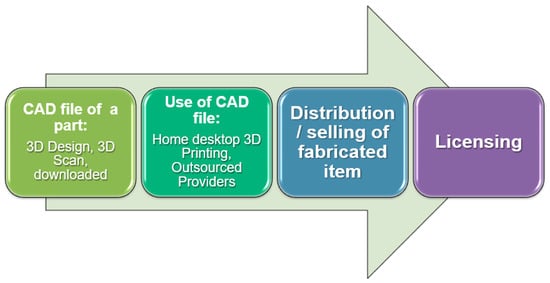
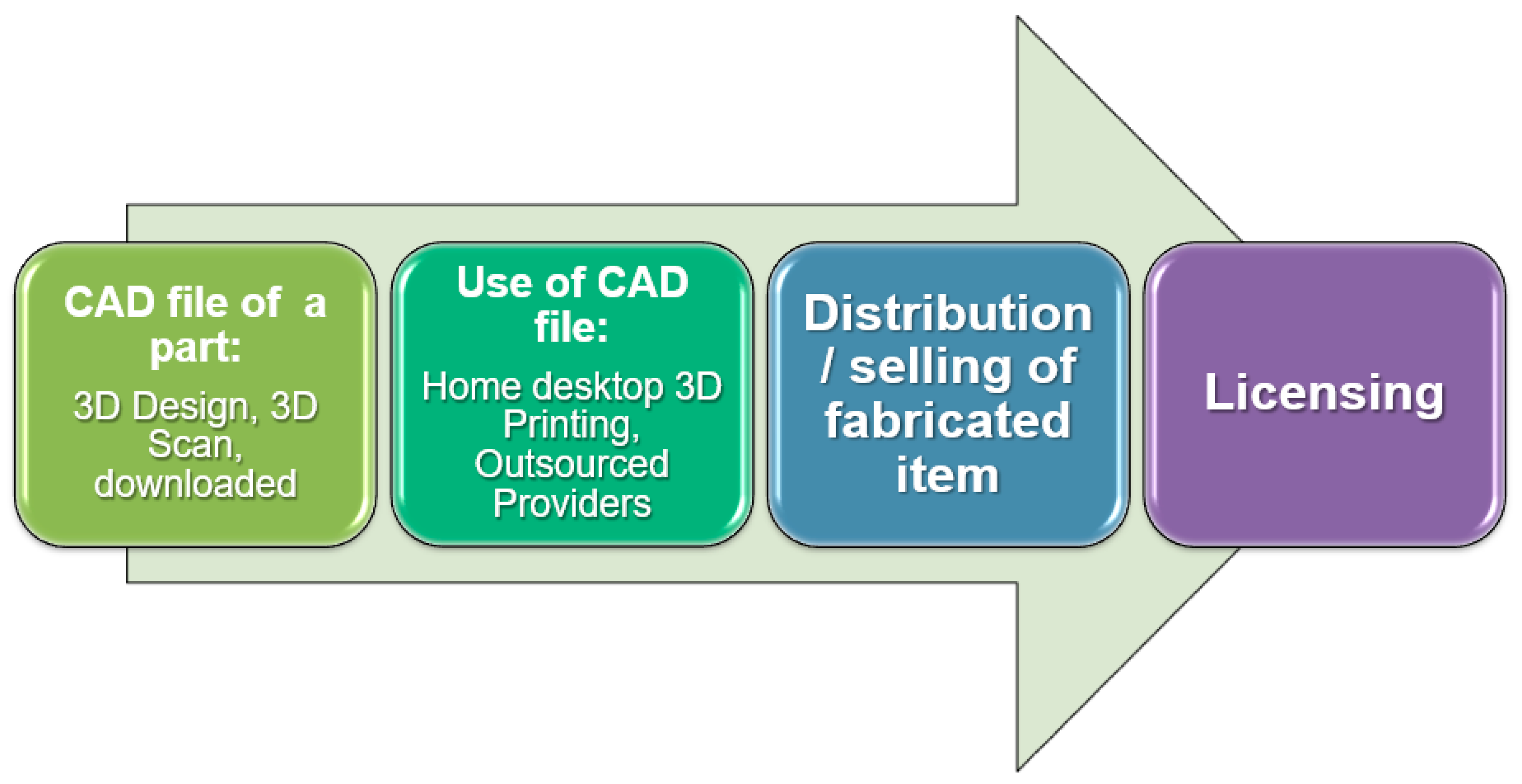
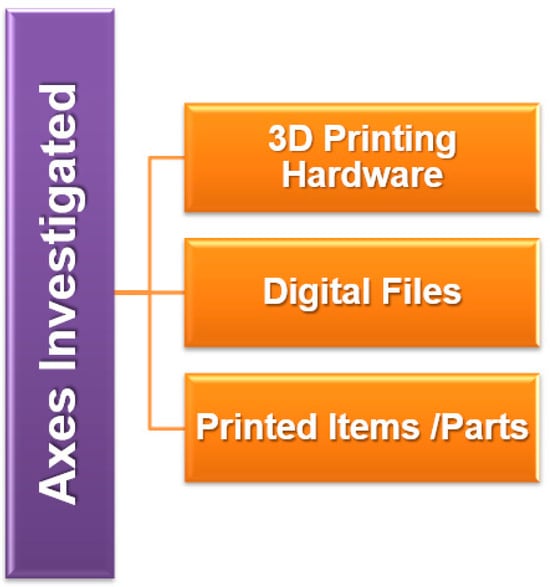
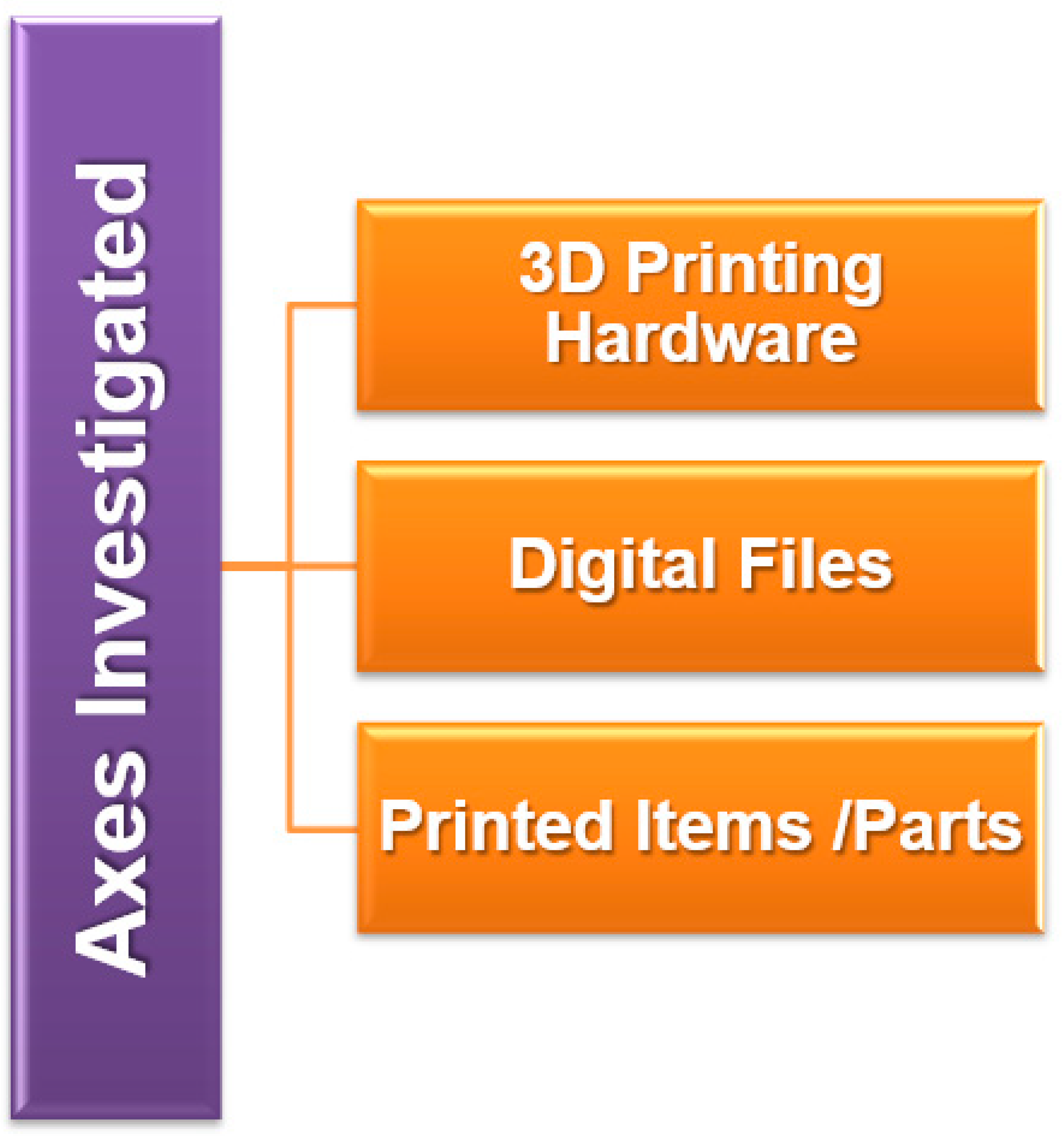

Disclaimer/Publisher’s Note: The statements, opinions and data contained in all publications are solely those of the individual author(s) and contributor(s) and not of MDPI and/or the editor(s). MDPI and/or the editor(s) disclaim responsibility for any injury to people or property resulting from any ideas, methods, instructions or products referred to in the content. |
© 2024 by the author. Licensee MDPI, Basel, Switzerland. This article is an open access article distributed under the terms and conditions of the Creative Commons Attribution (CC BY) license (https://creativecommons.org/licenses/by/4.0/).