


Abstract
Family firms are distinctive organisational forms in which ownership, governance, leadership, and strategic decision-making are closely intertwined. Although prior research has examined leadership, succession, governance, and strategy in family firms, the literature remains fragmented regarding how leadership styles are associated with both strategic behaviour and strategic choices. This study addresses this gap by conducting a Systematic Literature Network Analysis of 59 studies on leadership and strategy in family firms. Combining systematic review procedures with bibliographic network analysis, this paper maps the intellectual and thematic structure of the field and synthesises the evidence around five research questions. The findings show that the literature is theoretically rich but not yet fully consolidated, with socioemotional wealth, upper echelon theory, agency theory, stewardship theory, and the resource-based view serving as dominant lenses. Leadership appears to be connected with strategy mainly through affective, political, and cognitive mechanisms, while the procedural core of strategic decision-making, including participation, dissent, consensus formation, and formal planning, remains underdeveloped. This review also shows that leadership is more frequently studied in relation to identity-relevant strategies, such as sustainability, innovation, succession, digital transformation, and professionalisation, while scale-and-scope strategies remain less examined. This study contributes by proposing an integrative framework of five leadership-to-outcome pathways and by outlining a future research agenda for leadership, entrepreneurship, and strategic renewal in family firms.
1. Introduction
Family firms are commonly understood as organisations in which one or more families exercise significant influence over ownership, governance, and/or management, thereby shaping the firm’s vision, strategic direction, and continuity across generations (Chua et al., 1999; Chrisman et al., 2005). These firms represent a central form of economic organisation and are widely regarded as a major contributor to global economic activity. Recent estimates suggest that family-owned businesses account for more than 70% of global GDP and approximately 60% of global employment (McKinsey & Company, 2024). Given this economic relevance, understanding the conditions that support the competitiveness, profitability, and long-term sustainability of family firms remains an important issue for management and family business research.
Sustaining family firm performance is complex because these organisations are characterised by distinctive ownership, governance, and socioemotional features. Unlike non-family firms, their strategic decisions are shaped not only by economic objectives but also by family control, family identity, succession intentions, legacy concerns, socioemotional wealth preservation, and long-term orientation (Gómez-Mejía et al., 2007; Berrone et al., 2012; D. Miller & Le Breton-Miller, 2006). These characteristics may generate advantages, such as patient capital, continuity, trust, and commitment, but they may also create tensions related to control preservation, family conflict, succession, professionalisation, and resistance to strategic change.
In this context, leadership plays a particularly important role. Family firms often depend on the leadership of founders, family CEOs, family owners, next-generation leaders, top management teams, boards, and family members involved in management and governance. The upper echelon perspective suggests that strategic choices and organisational outcomes are shaped by the values, experiences, and interpretations of top decision-makers (Hambrick & Mason, 1984; Hambrick, 2007). This insight is especially relevant in family firms, where leadership is frequently embedded in family relationships, ownership structures, succession expectations, and intergenerational authority. Previous research has shown that next-generation leadership development, shared vision, and family climate influence leadership effectiveness and engagement in family firms (S. P. Miller, 2014). At the same time, family firms often face the challenge of balancing family involvement with the inclusion of non-family executives, professional managers, and independent governance structures (Klein & Bell, 2007; Hiebl & Li, 2020).
Leadership in family firms is therefore not merely an interpersonal or managerial issue; it is also a strategic issue. Family firm leaders are often expected to preserve family control, protect the family legacy, ensure loyalty and cultural fit, and simultaneously promote growth, professionalisation, innovation, and long-term competitiveness (Carney, 2005; D. Miller & Le Breton-Miller, 2006; Hiebl & Li, 2020). Evidence suggests that founder-led family firms may experience stronger growth than descendant-led family firms, although family-CEO management can also constrain growth under certain conditions (Garcés-Galdeano & García-Olaverri, 2020). This duality highlights a central tension in family firm leadership: leaders must preserve continuity while enabling strategic adaptation.
The strategic management literature has long examined how firms formulate, select, and implement strategies to achieve competitive advantage and superior performance (Borza & Bordean, 2006; Porter, 1980; Barney, 1991; Grant, 1991; Rumelt et al., 1994). In the family business field, strategy research has addressed a wide range of themes, including governance, succession, internationalisation, innovation, diversification, financing decisions, entrepreneurship, and sustainability (Sharma et al., 1997; Yu et al., 2012). Prior studies have examined both the constraints that family firms face when pursuing internationalisation and the potential benefits associated with international expansion (Davis & Harveston, 2000; Zain & Kassim, 2012). Other studies have explored how family firms approach resource allocation and financing decisions, including the tension between reliance on family resources and the use of external financing alternatives (Bizri et al., 2018). Taken together, this literature shows that strategy in family firms cannot be understood only as a rational response to market conditions; it is also influenced by family goals, leadership authority, ownership preferences, and socioemotional priorities.
Despite this growing body of work, the literature connecting leadership and strategy in family firms remains fragmented. Existing studies often examine leadership, governance, succession, and strategic choices separately, while fewer studies explicitly explain how leadership styles are associated with both the process through which strategic decisions are made and the content of the strategies pursued. Moreover, family business strategy research has been described as theoretically diverse and, in some areas, fragmented, particularly in relation to internationalisation, strategic change, and firm capabilities (Sharma et al., 1997; Arregle et al., 2021; Gjergji et al., 2025). This fragmentation creates the need for a systematic synthesis that clarifies how leadership styles are associated with strategic behaviour and strategy types in family firms.
The present review builds on, but differs from, several important reviews in adjacent areas of family business research. Hiebl and Li (2020) review the role of non-family managers in family firms, highlighting professionalisation and the involvement of external managerial talent. Marques et al. (2023) synthesise research on socioemotional wealth in leadership, succession, and corporate governance processes. Arregle et al. (2021) review family firm internationalisation and identify future research directions for this specific strategic domain. More recently, Gjergji et al. (2025) provide a systematic review of family business capabilities. While these reviews offer valuable insights into specific actors, theoretical lenses, or strategic domains, they do not directly examine how leadership styles and leadership constructs are associated with both strategic behaviour and strategic choices. The present study addresses this gap by integrating leadership and strategy research across multiple strategic domains and by distinguishing between the process through which strategic decisions are made and the content of the strategies pursued using a Systematic Literature Network Analysis (SLNA). Accordingly, this study addresses the following research questions:
- RQ1. What leadership styles have been examined in relation to strategy in family firms?
- RQ2. How are leadership styles associated with strategic behaviour and strategic decision-making processes in family firms?
- RQ3. What types of strategies are associated with leadership in family firms?
- RQ4. What theories, mechanisms, mediators, moderators, and outcomes dominate this literature?
- RQ5. What gaps remain and what future research directions can be proposed?
This paper makes several contributions. First, it integrates research on leadership and business strategy in the context of family firms. Second, it distinguishes between strategic behaviour and strategy types, thereby clarifying the difference between how family firms make strategic decisions and what strategic choices they pursue. Third, it identifies the dominant theoretical lenses used to explain the relationship between leadership and strategy in family firms. Fourth, it uses the SLNA approach to map the intellectual and thematic structure of this research stream. Finally, it proposes an integrative framework that helps organise and advance the under-researched link between leadership styles, strategic decision-making processes, and strategy types in family business research.
The remainder of this paper is structured as follows: The next section presents the research methodology, including the review design, search strategy, inclusion and exclusion criteria, screening process, data extraction, and synthesis procedure. The following section provides a descriptive overview of the literature. This paper then presents the main findings in relation to the research questions, followed by a discussion of the results and the development of an integrative framework describing key leadership-to-strategy pathways. The final section presents the conclusions, limitations, and future research directions.
2. Methodology
2.1. Review Design
This paper employs a Systematic Literature Network Analysis (SLNA) methodology to examine how leadership styles relate to strategic behaviour and strategic choices in family firms. SLNA is a two-step approach that combines a Systematic Literature Review (SLR) with bibliographic Network Analysis (NA) (Colicchia & Strozzi, 2012; Colicchia et al., 2019).
The SLR component is particularly appropriate for management research because it enables researchers to address fragmented bodies of knowledge, compare divergent definitions of constructs, and synthesize evidence across different theoretical and methodological traditions (Tranfield et al., 2003). In this study, the SLR allows us to identify, evaluate, and synthesize studies that explicitly connect family firms, leadership, and strategy. The process involved defining the scope of this review, locating relevant studies through systematic database searches, applying inclusion and exclusion criteria, and screening the retrieved publications.
The bibliographic NA component complements the SLR by providing a quantitative and visual assessment of the structure of the field. More specifically, network analysis allows for the identification of citation patterns, keyword co-occurrences, and descriptive bibliometric trends, thereby offering a systematic view of the intellectual and thematic structure of the literature (Aliyev et al., 2019). By combining qualitative screening and thematic interpretation with quantitative bibliographic mapping, SLNA provides a robust methodological framework for examining both the content and structure of a research field. It also improves transparency and replicability by making explicit the search strategy, screening criteria, and analytical procedures used in this review (Colicchia & Strozzi, 2012).
Accordingly, the methodology followed two main stages. The first stage consisted of the systematic literature review, which included defining the review scope, identifying relevant studies, removing duplicates, applying inclusion and exclusion criteria, and conducting title, abstract, keyword, and full-text screening. The second stage consisted of bibliographic network analysis, which was used to examine the citation structure, keyword co-occurrence patterns, and thematic connections within the selected literature (Colicchia & Strozzi, 2012; Colicchia et al., 2019).
2.2. Search Strategy
The literature search was conducted using the Web of Science and Scopus databases, with the final search performed in March 2026. These databases were selected because of their broad coverage of peer-reviewed research in business, management, entrepreneurship, strategy, and family business studies (Bordean & Welsh, 2025).
The search was conducted in the title, abstract, and keyword fields using the following Boolean search string:
(“family business” OR “family firm” OR “family compan*” OR “family enterprise” OR “family own*”) AND “leadership” AND “strateg*”
The term “leadership” was retained as a conceptual anchor because the purpose of this review was to synthesise studies explicitly connecting leadership and strategy in family firms, rather than to map all studies of strategic actors such as founders, CEOs, owner-managers, boards, successors, or family councils. Although such actors are highly relevant to family firm strategy, actor-related terms were not included as independent search terms because they would have substantially broadened the corpus into adjacent literatures on governance, ownership, succession, upper echelons, and family control in which leadership is not always conceptually addressed.
The search string was designed to capture studies dealing with family firms, leadership, and strategy-related phenomena. The use of the wildcard “strateg*” allowed the search to include terms such as strategy, strategic, strategizing, strategic behaviour, strategic decision-making, and strategic choices. The initial search yielded 576 records across the two databases.
2.3. Inclusion and Exclusion Criteria and Screening Process
After removing duplicate records (n = 159), the dataset was reduced to 417 articles. We then retained only English-language publications published in academic journals, which resulted in a sample of 405 articles.
To further delimit the corpus and ensure that this review focused on publications from recognised peer-reviewed outlets in business, management, entrepreneurship, strategy, and related fields, we applied an additional journal-level quality filter. Specifically, we consulted the Australian Business Deans Council Journal Quality List 2025 (ABDC JQL), which is widely used in business and management research as a benchmark for identifying journals that meet recognised academic and editorial standards (Hair et al., 2019; Jaafar et al., 2021). This step reduced the sample to 184 articles. Importantly, the ABDC filter was used as a journal-level scope and quality-delimitation criterion, not as a substitute for assessing the methodological quality of individual studies. The substantive relevance of each article was assessed separately during title, abstract, keyword, and full-text screening.
The screening process was conducted in two stages. In the first stage, we reviewed the titles, abstracts, and keywords of the 184 publications. A short screening checklist was used to assess whether each article met the core focus of this review:
- Does the article explicitly examine a family business or family firm context?
- Does the article include an identifiable leadership construct, leadership style, or leadership actor?
- Does the article address strategic behaviour, strategic decision-making, or strategy content?
At this stage, 71 articles were excluded because they did not meet one or more of these criteria. The remaining 113 articles were retained for full-text screening.
The second stage of the screening process involved reading the full texts of these 113 articles. During this stage, articles were excluded if the family business context was only anecdotal or not clearly definitional, if leadership was mentioned without an identifiable leadership construct or actor, if strategy was peripheral to this study, or if the article focused only on operational decisions without an explicit connection to strategic decision-making. Editorials, book reviews, teaching cases, dissertations, and other non-research publications were also excluded.
Each publication was evaluated by both authors. In case of doubt, the article was fully read and discussed between the authors until a common agreement was reached. The final sample consisting of 59 articles was then used for the systematic literature review and bibliographic network analysis. The review reporting was guided by the PRISMA 2020 statement (Page et al., 2021), particularly with respect to the transparent reporting of record identification, duplicate removal, screening, eligibility assessment, exclusion reasons, and final inclusion. This review was not formally registered; therefore, no registration number is available. To improve reproducibility, the complete search string, databases, search fields, final search date, screening criteria, exclusion reasons, and study-selection flow are reported in this section. Figure 1 presents the PRISMA-style flow diagram of the study selection process, including identification, duplicate removal, screening, eligibility assessment, exclusion reasons, and final inclusion.
Figure 1.
PRISMA-style flow diagram of the study selection process.
2.4. Data Extraction and Coding
Data extraction was conducted using a structured online data extraction sheet developed specifically for this review. The sheet was designed to capture both descriptive information about the selected studies and analytical information relevant to the relationship between leadership and strategy in family firms.
For each article, we extracted the following descriptors: bibliographic information, including title and journal; methodological approach, coded as qualitative, quantitative, mixed-method, or conceptual; family firm context; leadership style or leadership actor; strategic behaviour or strategic decision-making process; strategy type or strategic choice; theoretical lens; mechanism or mediator; moderator or contingency; outcomes studied; and key findings.
The data extraction and coding procedure involved several steps to improve consistency and transparency. First, both authors independently coded a calibration subsample of articles using the initial coding framework. The results were then compared, and disagreements were discussed to refine the definitions of the main coding categories. This calibration stage was particularly important because several studies used overlapping or ambiguous terms for leadership, governance, succession, and strategy. After the coding rules were refined, the remaining articles were coded using the agreed framework. Cases that remained ambiguous were discussed between the authors until consensus was reached. Because this review relied on an interpretive, consensus-based thematic coding procedure, no formal inter-coder agreement statistic was calculated.
The coding procedure was guided by the central aim of this review: to understand how leadership styles are connected to strategic behaviour and strategic choices in family firms. In studies where leadership was discussed through specific actors, such as founders, family CEOs, owner-managers, next-generation leaders, top management teams, family councils, or boards, these actors were coded descriptively to clarify the locus of leadership. However, leadership actors were not treated as a separate analytical variable equivalent to leadership styles; rather, they were used to contextualise how leadership was conceptualised in the reviewed studies.
Strategic behaviour was coded as the process through which strategic decisions are made. This included dimensions such as participation in decision-making, centralisation of authority, strategic consensus, conflict, rationality and comprehensiveness, intuition, risk perception, professionalisation, and the involvement of external advisors. Strategy type was coded separately and referred to the content of strategic choices, including internationalisation, innovation, diversification, mergers and acquisitions, alliances, CSR and sustainability, digital transformation, succession, governance, and growth-oriented strategies. These two coding rules were applied consistently across all borderline constructs (e.g., professionalisation, governance change, succession, and strategic renewal), which can plausibly function as process, content, contextual condition, or outcome depending on the study.
The coding also captured theories, mechanisms, mediators, moderators, contingencies, and outcomes. This made it possible to assess not only which leadership styles and strategy types appear in the literature, but also how the reviewed studies explain the relationship between leadership and strategy in family firms.
2.5. Bibliographic Network Analysis
The bibliographic network analysis (NA) was conducted in RStudio (version 2026.05.0+218) using the bibliometrix R package (version 5.0), accessed through its Biblioshiny graphical interface. The bibliographic data used for the network analysis included authors, article titles, publication years, journal titles, author keywords (DE), Keywords Plus/indexed keywords (ID), abstracts, and cited references, exported jointly from the Web of Science and Scopus records retained after screening (n = 59).
Before conducting the analysis, the merged Web of Science/Scopus dataset was de-duplicated and harmonised in Biblioshiny’s pre-processing routine. This step standardised journal titles and author names, and merged the author-keyword (DE) and indexed-keyword (ID) fields into a single unified keyword field, since both databases index keywords inconsistently and a substantial share of the corpus supplied only one of the two fields. Semantically equivalent or morphologically related terms (e.g., singular/plural forms, British/American spelling variants, and near-synonymous compound terms such as “family firm(s)” and “family business(es)”) were merged manually using Biblioshiny’s synonym-merging (thesaurus) function prior to network construction.
The keyword co-occurrence network was built on the merged keyword field using the default bibliometrix co-occurrence algorithm (biblioNetwork, analysis = “co-occurrences”, network = “keywords”), with a minimum occurrence threshold of 3 (i.e., keywords appearing in fewer than 3 of the 59 studies were excluded to keep the network legible at this corpus size) and the 30 most frequent keywords displayed. Co-occurrence strength was normalised using the association strength index, which is the default bibliometrix/Biblioshiny normalisation for keyword networks and adjusts raw co-occurrence counts for the overall frequency of each keyword, preventing highly frequent generic terms (e.g., “family firm”) from dominating the network purely by base-rate frequency. Clusters were identified using the walktrap community-detection algorithm, the bibliometrix default, which groups keywords into clusters that are more densely inter-connected than would be expected by chance. All other network-construction parameters (edge weighting, layout algorithm, removal of isolated nodes, and random seed) were left at bibliometrix default values to preserve reproducibility.
Cluster labels were assigned through a two-step, author-triangulated procedure rather than automatically. First, each cluster was provisionally labelled using its three highest-degree keywords. Second, both authors independently reviewed the studies contributing most strongly to each cluster and confirmed or revised the provisional label so that it reflected the substantive content of the underlying articles, not only the keyword network topology. Disagreements were resolved by discussion until consensus was reached.
The remaining descriptive bibliometric indicators reported in Section 4.1 (annual and cumulative publication counts, source/journal production, and country/methodological distributions) were generated with bibliometrix’s standard biblioAnalysis summary functions, using default parameters throughout.
Given the relatively small and topically filtered corpus (n = 59), and consistent with the parsimony that a focused SLNA corpus requires, the network analysis was restricted to publication-level descriptive indicators and keyword co-occurrence analysis. A formal citation-based network (co-citation or bibliographic coupling) was not included in the reported results, because with only 59 studies and highly heterogeneous reference lists across management sub-fields, citation-network output was sparse and not sufficiently stable to support reliable interpretation; this decision is consistent with recommendations that citation-network analysis is most informative for considerably larger corpora. The NA therefore functioned as a complementary, exploratory layer of the SLNA, used to corroborate the manual thematic coding reported in Section 4 and Section 5, rather than as a standalone bibliometric study making independent claims about the wider family business literature.
2.6. Data Synthesis
The synthesis followed two complementary procedures and was structured around the research questions defined a priori. First, the extracted data were used to provide a descriptive overview of the reviewed literature, including publication outlets, methodological approaches, family firm contexts, leadership styles or actors, theoretical lenses, and strategy-related themes. Second, a thematic synthesis was conducted to identify recurring patterns in how different leadership styles, leadership constructs, and the contextual locus of leadership are associated with strategic behaviour and strategic choices in family firms.
The bibliographic NA complemented the thematic synthesis by identifying patterns of knowledge development, thematic clusters, and key connections within the literature. The results of the descriptive, thematic, and network analyses were then integrated to answer the research questions and to develop an integrative framework explaining the main leadership-to-strategy pathways in family firms.
3. Descriptive Overview of the Literature
Before presenting the thematic findings, this section provides a descriptive profile of the 59 studies included in this review. The purpose is to clarify the scope, composition, and boundaries of the evidence base on which the subsequent analysis is built. The section focuses on three dimensions: methodological profile, geographical context, and family firm definition. The interpretation of these patterns is developed in Section 4.
3.1. Methodological Profile
The reviewed literature is dominated by quantitative research. As shown in Figure 2, 35 studies, representing 59% of the sample, use quantitative designs, mainly cross-sectional surveys and archival analyses. Qualitative studies account for 17 articles, or 29% of the sample, and are mostly based on single-case or comparative case-study designs. A smaller share of the corpus consists of mixed-method studies (5 articles, 9%) and conceptual papers (2 articles, 3%).
Figure 2.
Methodological profile of the sample (n = 59).
This methodological profile suggests that the field has developed primarily through empirical studies seeking to explain relationships between leadership, strategy, and family firm outcomes. However, the distribution also reveals an important methodological asymmetry. Quantitative studies tend to focus on measurable outcomes, such as performance, growth, innovation, or strategic orientation, whereas qualitative studies provide much of the available evidence on strategic decision-making processes, family dynamics, and leadership behaviour. As a result, the field’s knowledge about strategic outcomes and its knowledge about strategic processes rest on different methodological foundations.
Another important observation is the limited use of longitudinal and process-oriented designs. This is relevant because the relationship between leadership and strategy in family firms is inherently temporal, especially when it involves succession, generational transition, strategic renewal, professionalisation, or changes in family involvement. The scarcity of longitudinal studies limits the ability of the literature to explain how leadership styles shape strategic behaviour over time.
3.2. Geographical Context
The geographical distribution of the reviewed studies is broad, although uneven. As shown in Figure 3, Europe represents the largest regional group, with 15 studies. Within this group, Italy and Turkey are among the most frequently represented national contexts. East and Southeast Asia account for 13 studies, with research conducted in countries such as Taiwan, China, Korea, and Vietnam. South Asia and the Middle East account for 7 studies, with India being the most frequent setting. North America is represented by 5 studies, Latin America by 3 studies, and Africa by 2 studies. In addition, 7 studies use multi-country designs, including cross-national samples covering large sets of countries, while 5 studies do not clearly specify the empirical context.
Figure 3.
Geographical distribution of the empirical contexts studied (n = 59).
This geographical profile indicates that the literature is not confined to a single institutional or cultural setting. At the same time, the evidence base is concentrated in contexts where family ownership, concentrated control, and family involvement in management are common features of business organisation. This has implications for the generalisability of the findings. Leadership styles and strategic decision-making processes may operate differently across institutional environments, depending on norms of ownership concentration, family authority, succession, corporate governance, and professional management.
The sectoral coverage of the studies is also diverse. The sample includes studies of listed family firms, business groups, small and medium-sized enterprises, tourism firms, manufacturing firms, agri-food firms, and other industry contexts. This diversity supports the breadth of this review, but it also complicates direct comparison across studies, because leadership and strategy may have different meanings depending on firm size, industry conditions, governance structure, and market environment.
3.3. Defining the Family Business: Ownership, Generation and Continuity
The way in which studies define the family firm is itself an important descriptive finding. As shown in Figure 4, 31 studies use multi-criteria definitions that combine family ownership with family involvement in management and/or an intention of transgenerational continuity. This approach is consistent with the view that family firms are not defined solely by ownership, but also by family influence over governance, management, strategic direction, and continuity. Seven studies rely mainly on ownership thresholds, while 8 studies use involvement- or essence-based criteria. Three studies use self-identification or other criteria. Notably, 10 studies do not provide a clear definition of the family firm.
Figure 4.
Definitional and family-context profile of the sample (n = 59).
The operationalisation of family ownership also varies considerably. Twenty-one studies rely on ownership thresholds, but the specific thresholds differ across studies, ranging from relatively low ownership shares in listed-firm contexts to majority ownership requirements in private-firm contexts. Seven studies measure family ownership continuously, while 23 studies do not report ownership in a way that allows for comparison. This heterogeneity in definition and measurement limits the comparability of findings across studies.
Generational stage is also inconsistently reported. Where this information is available, multi-generational family firms dominate the sample, appearing in 29 studies. First-generation firms appear in 3 studies, and second-generation firms in 2 studies. However, 25 studies do not report the generational stage of the family firm. This is a notable omission, given that generational stage is theoretically important for understanding leadership authority, succession, strategic renewal, professionalisation, and the balance between continuity and change.
A similar pattern is observed for intergenerational transmission intention. Forty-four studies include firms with an explicit or implied intention of continuity across generations, while 2 studies include firms without such an intention. Thirteen studies do not report this aspect. This suggests that the reviewed literature is largely focused on continuity-oriented family firms, but it does not always report the definitional and contextual information needed to assess this clearly.
Two conclusions follow from this descriptive overview. First, the evidence base mainly reflects studies of continuity-oriented family firms, often with multi-generational involvement and concentrated family influence. Therefore, the leadership–strategy patterns synthesized in the following sections should be interpreted primarily in relation to this type of family firm. Second, inconsistencies in the reporting of family firm definitions, ownership thresholds, generational stage, and continuity intentions remain a limitation of the field. These inconsistencies reduce comparability across studies and reinforce the need for more transparent reporting in future research on leadership and strategy in family firms.
4. Findings
The findings are presented in two complementary layers, consistent with the SLNA design. The first layer, presented in Section 4.1, maps the structure and trajectory of the literature through descriptive and bibliographic network indicators. The second layer, presented in Section 4.2, Section 4.3, Section 4.4, Section 4.5 and Section 4.6, synthesises the substantive findings of the 59 fully coded studies in relation to the five research questions. Throughout the analysis, the bibliographic and thematic layers are interpreted together. Where the keyword clusters and the manually coded categories converge, the robustness of the synthesis is strengthened; where they diverge, the divergence is treated as evidence of conceptual fragmentation or underdevelopment in the field.
4.1. The Structure and Trajectory of the Field
The literature on leadership and strategy in family firms has expanded substantially in recent years. As shown in Figure 5, scholarly attention to this topic was limited in the early stages of the field, increased gradually after 2008, and accelerated more visibly after 2020. More than half of the studies included in the final corpus were published in 2021 or later, indicating that this is a relatively recent and still developing research stream.
Figure 5.
Annual and cumulative publication trajectory of the reviewed corpus.
This publication pattern suggests that the field is currently in a phase of expansion rather than consolidation. Emerging research streams are often characterised by conceptual diversity, heterogeneous methods, and competing theoretical lenses. In the present case, this pattern is visible in the coexistence of several leadership constructs, multiple strategy types, and different theoretical approaches. The field has therefore reached a point at which a systematic synthesis can help clarify its conceptual boundaries and identify directions for more cumulative research.
The distribution of journal outlets also suggests diffusion rather than consolidation. As shown in Figure 5, the literature is spread across a relatively large number of journals. Family Business Review and the Journal of Family Business Strategy play important roles in anchoring the field, but more recent work has also appeared in broader outlets in management, entrepreneurship, ethics, gender, governance, and leadership studies. This pattern confirms the interdisciplinary nature of the topic, but it also helps explain why the literature remains fragmented. Research on leadership and strategy in family firms is not located in a single disciplinary conversation; rather, it is distributed across partially overlapping communities.
The keyword co-occurrence analysis provides further insight into the thematic structure of the field. As shown in Figure 6 the literature can be organised around four broad thematic clusters. The first cluster connects leadership, family business, performance, innovation, entrepreneurship, and transformational leadership. This cluster represents the empirical core of the field, where leadership is most often associated with firm-level outcomes and strategic orientations. The second cluster is anchored by socioemotional wealth and includes behavioural agency, upper echelons, stewardship, risk-taking, and top management team. This cluster represents the main theoretical core of the literature. The third cluster connects management, agency, corporate governance, ownership, and strategy, reflecting the structural and governance-oriented perspective. The fourth cluster includes succession, women, gender, and decision-making, suggesting an emerging relational and transgenerational stream.
Figure 6.
Keyword co-occurrence network showing the four thematic clusters.
Two features of the network are particularly important. First, leadership and performance occupy bridging positions between clusters, indicating that the literature frequently connects leadership to outcomes. Second, strategy-process terms are relatively weak or absent from the keyword map. Concepts such as strategic planning, strategic decision-making, participation, consensus, and debate do not appear as central nodes. This suggests that the literature has paid more attention to the link between leadership and strategic or performance outcomes than to the internal process through which strategic decisions are made. This finding is important for the thematic synthesis that follows, because it indicates a gap between the prominence of strategy as an outcome and the limited visibility of strategic decision-making as a process.
Overall, the SLNA layer shows a young and expanding research stream that is theoretically rich but not yet fully consolidated. The literature is organised around leadership, performance, socioemotional wealth, governance, and succession, but it has not yet developed a strong and explicit vocabulary around strategic behaviour and strategic decision-making processes.
4.2. RQ1: Which Leadership Styles Have Been Examined in Relation to Strategy?
The first research question asked which leadership styles have been examined in relation to strategy in family firms. Across the 59 studies, the literature covers a broad range of leadership styles and leadership constructs. In some studies, leadership is discussed through specific organisational roles, such as founders, CEOs, family councils, or boards, but these roles are interpreted here as the locus of leadership rather than as leadership styles.
Strategic leadership is the most frequently used category, appearing in 14 studies. It is followed by transformational and charismatic leadership, which appear in 8 studies, stewardship-oriented leadership, which appears in 5 studies, and entrepreneurial, shared or distributed, and participative leadership, which appear in smaller numbers of studies. Autocratic or directive leadership appears in four studies, while servant, ethical, paternalistic, maternal, laissez-faire, reflexive, Machiavellian, and gendered leadership perspectives appear only once or twice. In addition, six studies do not clearly operationalise a specific leadership style but discuss leadership through specific organisational roles.
This distribution leads to three observations. First, the dominance of strategic leadership should be interpreted cautiously. In many studies, strategic leadership functions less as a clearly defined behavioural repertoire and more as a general label for those who hold strategic authority, such as the CEO, the board chair, the founder, or the controlling family. In this respect, the field often studies leadership positions while using the vocabulary of leadership styles. This is important because leadership style, in the strict sense, refers to relatively identifiable patterns of leader behaviour rather than merely to formal authority or ownership position (Yukl, 2013).
Second, the long tail of rarely repeated constructs suggests conceptual fragmentation rather than conceptual maturity. Because most leadership styles appear only once or twice, the field has not yet developed a cumulative basis for comparing the strategic implications of different leadership styles. This limits the possibility of explaining whether transformational, participative, stewardship-oriented, paternalistic, or entrepreneurial leadership styles shape strategic behaviour and strategic choices in distinct ways.
Third, there is a mismatch between family-business relevance and empirical attention. Leadership styles that are frequently considered particularly relevant to family firms, such as paternalistic, servant, participative, and stewardship-oriented leadership, remain less frequently examined as primary constructs, despite their theoretical connection to family authority, loyalty, continuity, and long-term orientation (D. Miller & Le Breton-Miller, 2005; Sorenson, 2000). By contrast, broader constructs such as strategic and transformational leadership are more visible, but they are often applied to family firms without sufficient adaptation to their distinctive authority structures.
The answer to RQ1 is therefore twofold. A wide variety of leadership styles and constructs has been addressed in the literature, including strategic, transformational, charismatic, stewardship-oriented, entrepreneurial, participative, autocratic, paternalistic, and servant leadership. However, few of these styles have been examined repeatedly, and several studies still conflate leadership role, leadership position, and leadership style. This limits the comparability and cumulative development of the field.
4.3. RQ2: How Are Leadership Styles Associated with Strategic Behaviour and Decision Processes?
The second research question examined how leadership styles shape strategic behaviour and strategic decision-making processes in family firms. Cross-tabulating leadership styles against the behavioural dimensions through which each study connects leadership to strategy shows that three mechanisms dominate the literature: emotion, socioemotional wealth, and identity; power, politics, and centralisation; and cognition, attention, and biases. Together, these mechanisms account for most of the behavioural explanation in the reviewed corpus.
As shown in Figure 7, the first pathway links leadership to strategic behaviour through emotion, socioemotional wealth, and identity. Studies in this group explain strategic behaviour by referring to family attachment, family identity, legacy, reputation, emotional ownership, religious or moral identity, and socioemotional wealth preservation. Relational and values-laden leadership styles, including servant, ethical, charismatic, maternal, and gendered leadership perspectives, are especially visible in this pathway. For example, Dieleman and Koning (2020) show how a charismatic family leader’s religious identity became the interpretive frame through which corporate responsibility choices were legitimised.
Figure 7.
Leadership style and strategic-behaviour matrix (n = 59).
The second pathway concerns power, politics, and centralisation. This pathway is especially visible in studies of strategic leadership, founder leadership, controlling families, family CEOs, and family-dominated boards. These studies examine how family leaders concentrate authority, shape board composition, control access to strategic positions, and influence the inclusion or exclusion of family and non-family actors from strategic decision-making. Jeong et al. (2022), for example, document strategic nepotism in Korean chaebol, showing how controlling families allocate later-generation family members to boards of affiliates in ways that support the development of their human capital. Similarly, Chung et al. (2021) show how family control shapes international strategic decisions.
The third pathway concerns cognition, attention, and biases. Studies in this category examine how the values, experience, interpretations, and cognitive frames of family leaders influence strategic decisions. This pathway is closely connected to the upper echelon perspective because it treats strategic choices as reflections of the cognitive bases and values of top decision-makers. In family firms, these cognitive frames are often filtered through family history, ownership logic, generational experience, and perceptions of risk.
Stewardship-oriented leadership appears as the most behaviourally versatile style in the corpus, as it connects to cognition, identity, power, and professionalisation. Åberg and Campopiano (2026), for instance, show how stewardship-driven family goals shape digital business alignment across a large international sample of family firms. Autocratic and paternalistic leadership, by contrast, is mainly theorised through emotional attachment and successor motivation. Alshibani and Alshebami (2025) show that parental leadership does not directly drive next-generation succession intentions, but operates through the successor’s entrepreneurial self-efficacy, suggesting a mediated behavioural pathway.
The level of analysis further qualifies these findings. As shown in Figure 8, the corpus is dominated by individual upper-echelon actors, especially CEOs, owner-managers, and founders. Top management teams and multi-level designs appear less frequently, while boards and next-generation leaders remain marginal. This matters because the behavioural mechanisms identified above are not level-neutral. Power and centralisation are mainly studied at the level of dominant individuals or controlling families, while participation and shared leadership tend to appear in the smaller group of team-level studies.
Figure 8.
Leadership level.
Consequently, the literature knows most about the strategic behaviour of dominant individual actors and less about the collective decision behaviour of sibling teams, family councils, mixed family/non-family top management teams, and family-dominated boards. Haider et al. (2025) provide a rare exception by modelling groupthink as an emergent property of family-dominated boards and linking it to lower institutional investment. The fact that this type of collective-cognition construct appears only rarely in the corpus illustrates how individualised the field’s behavioural imagination remains.
The most important finding, however, concerns what the literature does not examine. Dimensions that behavioural strategy treats as central to decision quality, including comprehensive analysis, debate and dissent, consensus formation, participation, and formal planning, are only weakly represented in the reviewed family firm literature (Powell et al., 2011). The literature has documented extensively that family leaders feel, identify, interpret, and control, but it has paid less attention to how they deliberate. Even studies that address conflict or consensus tend to approach these issues indirectly through governance arrangements rather than through the strategic decision episode itself.
The answer to RQ2 is therefore asymmetrical. Leadership styles and leadership constructs are shown to be associated with strategic behaviour mainly through affective, political, and cognitive mechanisms. However, the procedural core of strategic decision-making, including who participates, how alternatives are generated, how disagreement is managed, and how consensus is formed, remains underdeveloped.
4.4. RQ3: What Types of Strategies Are Associated with Leadership?
The third research question examined which strategy types are associated with leadership in family firms. On the content side, the corpus concentrates on CSR and sustainability, innovation and R&D, and governance or professionalisation strategy. Succession as strategic change, digital transformation, and strategic renewal or turnaround form a second group of strategy types. By contrast, the canonical scale-and-scope strategies of mainstream strategy research are much less visible: internationalisation, diversification, alliances, mergers, acquisitions, and divestments are represented by only a small number of studies or are nearly absent.
This distribution is theoretically meaningful. The strategies that attract most leadership research in family firms are those through which the family expresses or protects identity, responsibility, reputation, continuity, and control. This pattern is consistent with the socioemotional wealth logic that dominates the field theoretically (Gómez-Mejía et al., 2007; Berrone et al., 2012). If family principals evaluate strategic issues partly through potential gains or losses in affective endowment, then research attention is likely to concentrate on identity-relevant strategy types such as sustainability, innovation, succession, professionalisation, and digital transformation.
Several studies illustrate this logic. Ko et al. (2025) show that family ownership can suppress digital transformation when control-centric socioemotional wealth dominates. Guo et al. (2025) show that female family CEOs may reduce green innovation output under legitimacy pressures. In both cases, the strategic choice is explained not only by competitive calculation, but also by identity, legitimacy, and control concerns. The few studies that address scale-and-scope strategies follow a similar logic. Banalieva and Eddleston (2011) show that family leadership conditions the profitability of international scope, while Chung et al. (2021) show that family-controlled decision structures shape subsidiary strategy. The single diversification study, Chung (2013), also frames strategic choice through family control and network ties rather than through portfolio logic alone.
Emerging strategy types deserve separate attention. Digital transformation is one of the fastest-rising areas in the corpus and already shows an important internal tension. Stewardship-oriented leadership may enable digitalisation by supporting long-term adaptation and alignment (Åberg & Campopiano, 2026), whereas control-centric family ownership may suppress digital transformation when digital change is perceived as threatening established authority or socioemotional wealth (Ko et al., 2025). This suggests that the same organisational form can produce opposite strategic trajectories depending on the dominant leadership logic.
Succession is also treated in several studies not merely as an HR or governance event, but as a strategic change process. In this stream, the successor appears as a strategic actor whose human capital, legitimacy, and post-succession actions influence whether the transition produces renewal or reinforces inertia. Istipliler et al. (2024), for example, show how successor characteristics and refit actions shape post-succession strategic change.
The answer to RQ3 is that leadership in family firms has been studied mainly in relation to strategies that express identity, continuity, responsibility, professionalisation, renewal, and control. However, the literature remains thin on strategies that most directly challenge family control and socioemotional wealth, such as mergers and acquisitions, divestment, diversification, alliances, and some forms of internationalisation. This limits current understanding of how leadership shapes high-stakes strategic choices in family firms.
4.5. RQ4: Which Theories, Mechanisms, Mediators, Moderators and Outcomes Dominate?
The fourth research question examined the theoretical and explanatory architecture of the literature. The findings show that the field is theoretically concentrated. Socioemotional wealth is the dominant lens, followed by upper echelon theory, the resource-based view and familiness perspective, agency theory, institutional theory, and stewardship theory. Behavioural agency theory, from which socioemotional wealth historically derives, appears less frequently, despite its relevance for explaining risk-taking, loss framing, and mixed-gamble reasoning in family firms (Wiseman & Gómez-Mejía, 1998). A small number of studies do not use an explicit theoretical framework.
Theory use is patterned by leadership style and strategic focus. Upper echelon theory is mainly associated with studies of strategic leadership, CEO characteristics, and top decision-makers. Chandler et al. (2021), for example, connect CEO characteristics, including Machiavellian tendencies, to alliance engagement. Stewardship theory is most closely connected to stewardship-oriented leadership and long-term family goals. Agency theory is used to explain governance problems, monitoring, control, nepotism, and family entrenchment. Identity, stakeholder, and socioemotional wealth perspectives are more visible in studies of relational leadership styles, CSR, sustainability, succession, and family continuity.
However, the evidence on mechanisms is thinner than the theoretical vocabulary suggests. Many studies identify possible mechanisms, such as entrepreneurial orientation, digital capability, trust, family identity, or socioemotional wealth, but do not always test them empirically. In this respect, mediation is often asserted or implied rather than directly measured. Harris and Ozdemir (2020), for example, discuss entrepreneurial orientation as an explanatory mechanism between owner characteristics and performance, but the mediating pathway is not fully established empirically.
Where mediation is explicitly tested, the mechanisms that emerge tend to be informational, motivational, or capability-based. Åberg and Campopiano (2026) identify digital business alignment as an information-processing and strategic alignment mechanism. Istipliler et al. (2024) show how successor human capital is enacted through post-succession refit actions. Alshibani and Alshebami (2025) identify entrepreneurial self-efficacy as the mechanism through which parental leadership shapes next-generation succession intentions.
The most recurrent moderators and contingencies include family ownership share, generational stage, the presence of non-family managers, governance structure, and family relational structure. These contingencies condition whether leadership enables renewal, reinforces continuity, supports professionalisation, or constrains strategic change. A notable example is provided by Åberg and Campopiano (2026), who find that higher family ownership weakens rather than strengthens the link between stewardship and digitalisation. This suggests that concentrated family control can, under some conditions, crowd out the very mechanisms that stewardship-oriented leadership may otherwise enable.
The outcomes studied in this literature are predominantly firm-level and strategy-related. The most frequent outcomes include performance, growth, innovation output, CSR and sustainability, internationalisation, digital transformation, governance professionalisation, and succession-related change. Family-level outcomes, such as continuity, identity preservation, socioemotional wealth, and family harmony, are present but less consistently operationalised. Process outcomes, such as decision quality, decision speed, comprehensiveness, participation, and strategic consensus, remain rare.
The answer to RQ4 is therefore that the literature is theoretically anchored in socioemotional wealth, upper echelons, agency, stewardship, institutional, and resource-based perspectives, but the empirical testing of mechanisms remains uneven. The field explains leadership–strategy relationships mainly through family control, identity, cognition, governance, and socioemotional wealth, while giving less attention to measurable decision-process outcomes.
4.6. RQ5: What Gaps Remain?
The fifth research question asked what gaps remain in the literature. The synthesis identifies seven main gaps.
First, the strategic decision-making process itself remains underdeveloped. Although this review focuses on leadership and strategy, few studies directly examine how strategic decisions are made. Dimensions such as participation, voice, debate, dissent, conflict resolution, strategic consensus, formal planning, and decision comprehensiveness are rarely treated as primary objects of analysis.
Second, scale-and-scope strategies remain understudied. Mergers and acquisitions, divestments, diversification, alliances, and some forms of internationalisation appear only rarely in the reviewed literature. This is surprising because such strategies directly raise issues of family control, risk-taking, identity preservation, and socioemotional wealth.
Third, there is limited comparison between leadership styles. Most studies examine one leadership style, one leadership actor, or one leadership-related variable. As a result, the field cannot yet explain whether, for example, transformational, participative, paternalistic, entrepreneurial, or stewardship-oriented leadership styles have different effects on similar strategy outcomes.
Fourth, the use of behavioural agency theory remains limited. Although the literature frequently refers to socioemotional wealth and risk, the more precise behavioural-agency logic of loss framing, reference points, and mixed gambles is not widely developed. This limits the theoretical precision of explanations concerning risk-sensitive strategic choices.
Fifth, the field needs more multi-level and longitudinal research. The reviewed literature is dominated by studies of individual leaders, especially CEOs, founders, and owner-managers. However, many strategic decisions in family firms involve multiple levels, including the family, TMT, board, ownership group, and next generation. Longitudinal designs are also needed to understand how leadership and strategy evolve across succession, generational change, professionalisation, and strategic renewal.
Sixth, emerging content areas require further consolidation. Digital transformation, succession-as-strategy, sustainability, and strategic renewal are increasingly visible, but they remain theoretically and empirically fragmented. These areas offer important opportunities for studying how family firms balance continuity and change.
Seventh, more comparative institutional and cultural research is needed. The reviewed studies cover a broad range of countries, but relatively few explicitly compare how leadership styles operate across governance systems, cultural regimes, and institutional environments. This is important because family authority, succession expectations, paternalism, professionalisation, and gender roles may vary substantially across contexts.
Taken together, these gaps show that the field has made important progress in connecting leadership to strategy in family firms, but it remains incomplete. The literature has developed strong explanations around emotion, control, identity, and performance, but it has paid less attention to deliberation, comparison between leadership styles, and the strategic choices that most directly challenge family control.
5. Discussion
This review examined how leadership styles relate to both strategic behaviour and strategic choices in family firms. The two-layer SLNA approach provides a more nuanced understanding of this relationship. The bibliographic network analysis shows that the field is organised around leadership, performance, socioemotional wealth, governance, and succession. The thematic synthesis shows that leadership is connected to strategy mainly through affective, political, and cognitive mechanisms, while the procedural dimensions of strategic decision-making remain comparatively underdeveloped.
Taken together, the findings suggest that family business research has developed a distinctive but incomplete account of the leadership–strategy relationship. The literature is strong in explaining how family leaders preserve identity, exercise control, protect socioemotional wealth, and influence strategic outcomes. However, it is less developed in explaining how family leaders and leadership teams deliberate, generate strategic alternatives, manage disagreement, build consensus, and formalise strategic decisions. This imbalance is important because leadership in family firms is not only a question of who holds authority or which values guide the firm; it is also a question of how strategic choices are actually made.
5.1. A Critical Behavioural-Strategy Reading
The convergence between the keyword co-occurrence analysis and the manual thematic coding strengthens the interpretation of the findings. The keyword network identifies clusters around socioemotional wealth, governance, leadership, performance, succession, gender, and decision-making. These clusters broadly correspond to the manually coded categories of emotion and identity, power and centralisation, cognition and attention, professionalisation, and succession-related strategic change. This convergence suggests that the literature has implicitly organised itself around a behavioural understanding of strategy in family firms.
From this perspective, leadership appears to be linked to strategy not only through formal authority but also through the behavioural mechanisms that influence strategic judgement. Family leaders interpret strategic issues through family identity, legacy, control, succession expectations, and perceptions of risk. This is consistent with the socioemotional wealth perspective, which explains why family firms may prioritise non-economic goals alongside economic performance (Gómez-Mejía et al., 2007; Berrone et al., 2012). It is also consistent with the upper echelon perspective, which suggests that strategic choices reflect the values, experiences, and cognitive frames of top decision-makers (Hambrick & Mason, 1984; Hambrick, 2007).
However, the behavioural-strategy reading also reveals an important limitation in the literature. Behavioural strategy is concerned not only with emotion, identity, and power, but also with judgement, attention, search, debate, participation, and decision architecture (Powell et al., 2011). The reviewed literature has paid considerable attention to the emotional and political dimensions of family firm strategy, but much less attention to the procedural side of strategic decision-making. It can explain why a family leader may resist a strategic option that threatens control or identity, but it says less about how alternatives are generated, how dissent is managed, how non-family managers participate, or how consensus is reached.
This gap has theoretical and practical consequences. Theoretically, it limits the ability of the field to explain the full process through which leadership is associated with strategy. Practically, it restricts the usefulness of the literature for family owners, boards, successors, and advisors who need to improve strategic decision-making processes. While emotions, identity, and control are difficult to remove from family firms, decision procedures can be designed and improved. For this reason, the procedural dimension of strategic behaviour represents one of the most important future directions for research on leadership and strategy in family firms.
5.2. An Integrative Framework: Five Leadership-to-Outcome Pathways
The central contribution of this review is not merely to show that leadership matters for strategy in family firms, but to specify how it matters. By cross-tabulating leadership styles, behavioural mechanisms, strategic behaviour, strategic choices, and outcomes across the 59 coded studies, this review reorganises a fragmented body of evidence into five recurrent leadership-to-outcome pathways (Figure 9). These pathways do not represent mutually exclusive categories. Rather, they capture dominant configurations through which leadership styles and leadership constructs are translated into strategic behaviour, strategic choices, and outcomes in family firms.
Figure 9.
Integrative framework of five leadership-to-outcome pathways synthesised from the reviewed literature (n = 59).
The five pathways were developed through an iterative, abductive process rather than through a purely inductive coding exercise or a pre-registered deductive framework. Both authors began from the structured coding of leadership construct, descriptive locus of leadership, behavioural mechanism, strategic behaviour, strategic choice, theoretical lens, and outcome for each of the 59 studies (Section 2.4). Recurring co-occurrence patterns across these coded dimensions—for example, studies combining cognition/attention mechanisms with strategic-leadership constructs and innovation-related choices—were then grouped into provisional pathway categories, which were repeatedly checked against the keyword co-occurrence network and revised through discussion between the authors until a stable five-pathway solution was reached.
The first pathway is the cognitive-interpretive pathway (P1). In this pathway, strategic leaders, CEOs, and founder-CEOs influence strategy through attention, framing, risk perception, and bounded rationality. Leadership affects how strategic issues are interpreted, which alternatives are considered, and how risks are evaluated. This pathway is particularly relevant for strategic choices such as innovation, R&D, internationalisation, and diversification. Banalieva and Eddleston (2011), for example, show that the relationship between international scope and performance differs depending on whether family firms are led by family or non-family leaders. Chandler et al. (2021) similarly show how CEO characteristics, especially Machiavellianism, shape alliance engagement in family firms. These studies suggest that leadership influences strategy not only through authority, but also through the cognitive frames through which leaders interpret strategic opportunities and constraints.
The second pathway is the affective-identity pathway (P2). Here, relational and values-based leadership styles, including charismatic, servant, ethical, maternal, and gendered leadership perspectives, are associated with strategy through family identity, legacy, reputation, emotional ownership, and socioemotional wealth. This pathway is especially visible in strategy types that express or protect family identity, such as CSR, sustainability, succession, and continuity. Dieleman and Koning (2020), for instance, show how values and identity work shape ethical and responsibility-related strategic choices in a family business context. Guo et al. (2025) also show that female CEOs in family firms influence green innovation under conditions shaped by legitimacy and socioemotional wealth concerns. The affective-identity pathway therefore explains why some strategic choices cannot be understood only as responses to market opportunities, but must also be interpreted as expressions of family meaning, legitimacy, and continuity.
The third pathway is the power-centralisation pathway (P3). In this pathway, founders, controlling families, family CEOs, and family-dominated boards are linked to strategy through authority concentration, access control, nepotism, and centralised decision-making. Strategic behaviour is characterised by restricted participation, concentrated authority, and limited openness to external influence. This pathway is most clearly associated with governance choices, control-preserving strategies, and internationalisation decisions. Chung et al. (2021) show how family managers are used in foreign subsidiaries by emerging-market multinational family business groups, highlighting the strategic role of family control in international expansion. Jeong et al. (2022) document strategic nepotism in Korean family business groups, showing how controlling families appoint later-generation family members to board positions that support the development of managerial competencies. These studies illustrate how leadership can shape strategy by determining who has access to strategic roles, information, and decision authority.
The fourth pathway is the stewardship-professionalisation pathway (P4). This pathway links stewardship-oriented and professionalised leadership to strategy through long-term orientation, external advice, digital alignment, professionalisation, and openness to external input. Unlike the power-centralisation pathway, which emphasises control preservation, this pathway highlights how family leadership can support adaptation while preserving continuity. Åberg and Campopiano (2026) show how stewardship can act as a driver of digital business alignment in family firms, with implications for performance and digital transformation. Istipliler et al. (2024) show how able successors can revitalise and reinvent family firms through post-succession refit actions. Together, these studies suggest that stewardship-oriented leadership can support strategic renewal when long-term family goals are combined with professionalisation, capability development, and openness to change.
The fifth pathway is the participative-deliberative pathway (P5). This pathway concerns shared leadership, top management teams, sibling teams, and family councils operating through voice, dissent, cognitive diversity, and consensus formation. In Figure 9, this pathway connects participative leadership to strategic behaviour such as deliberation, dissent management, and strategic consensus, and to strategic choices such as collective renewal, growth, and strategic change. However, the evidence for this pathway is thinner than for the other four pathways. The reviewed literature contains relatively few studies that directly examine how family and non-family actors deliberate, how disagreement is managed, or how consensus is built during strategic decision-making episodes. Alshibani and Alshebami (2025) contribute indirectly to this pathway by showing how parental leadership, entrepreneurial self-efficacy, and resilience shape next-generation succession intentions. Their study is relevant because successor self-efficacy may condition the next generation’s ability to participate meaningfully in future strategic decisions. Nevertheless, more direct evidence is needed on shared leadership, family councils, sibling teams, and mixed family/non-family top management teams.
Three features give the framework explanatory value. First, the pathways are mechanism-specific rather than style-specific. The same leadership construct may operate differently depending on the family firm context and the locus of leadership. This helps explain why studies that link founder leadership, family CEO leadership, or strategic leadership directly to performance may report inconsistent findings.
Second, the pathways are shaped by recurrent contingencies. Family ownership concentration, generational stage, the presence of non-family managers, governance structure, and family relational dynamics do not moderate only isolated relationships; they condition the operation of entire pathways. For example, high family ownership may strengthen the affective-identity and power-centralisation pathways by reinforcing socioemotional wealth preservation and control concerns. At the same time, it may constrain the stewardship-professionalisation pathway when concentrated control limits openness to external expertise or digital alignment, as suggested by Åberg and Campopiano (2026).
Third, the framework identifies both what is known and what remains underdeveloped. The affective-identity and power-centralisation pathways are relatively well represented in the literature, while the cognitive-interpretive and participative-deliberative pathways remain less developed. Because the evidential basis differs markedly across pathways, P1–P4 are treated here as established configurations with a reasonably broad direct-evidence base, whereas P5 is treated as an emerging, underdeveloped pathway that synthesises limited and partly indirect evidence rather than a fully corroborated empirical regularity. Figure 9 should accordingly be read as a map of synthesised relationships and configurations identified in the reviewed literature, not as a diagram of established causal sequences. This is important because these weaker pathways correspond to the procedural core of strategic decision-making: issue interpretation, risk framing, participation, dissent, deliberation, and consensus formation. Therefore, the framework functions not only as a synthesis of existing evidence, but also as a guide for future research on how leadership shapes strategic behaviour and strategic choices in family firms.
5.3. Theoretical Implications
This review offers three theoretical implications. First, it shows that the leadership–strategy literature in family firms is strongly anchored in socioemotional wealth, but that this dominance also creates the risk of theoretical narrowing. Socioemotional wealth is highly useful for explaining identity preservation, control concerns, reputation, and continuity. However, the concept is sometimes used as a broad explanatory label rather than as a precise mechanism. A stronger integration with behavioural agency theory, particularly its focus on reference points, loss framing, and mixed gambles, could improve the theoretical precision of future research (Wiseman & Gómez-Mejía, 1998).
Second, this review suggests that upper echelon theory has not yet been fully exploited in this literature. Many studies use upper echelon logic to connect leader characteristics to strategic choices, but fewer studies examine the decision processes through which these characteristics influence strategy. This is a missed opportunity because the upper echelon perspective is inherently concerned with interpretation, attention, and managerial discretion. Future studies could therefore connect leader characteristics more explicitly to strategic deliberation, participation, consensus, and decision comprehensiveness.
Third, this review shows that leadership style alone is insufficient to explain strategic outcomes in family firms. The same nominal leadership style or construct may operate through different behavioural mechanisms depending on the family firm context, governance structure, generational stage, and locus of leadership. This means that future research should move beyond direct leadership-to-performance models and develop mechanism-explicit designs. Such designs would allow researchers to explain not only whether leadership matters, but how and under what conditions it shapes strategic behaviour and strategic choices.
5.4. Practical Implications
The findings also have practical implications for family owners, family firm leaders, boards, successors, and advisors. First, this review suggests that family firms should not ask only which leadership style is desirable, but also which leadership-to-strategy pathway currently dominates the firm. For example, a firm characterised by strong centralisation, low participation, and resistance to external input may be operating through a control-centralisation pathway. In such a case, improving strategy may require changes in decision procedures, governance openness, and participation rather than only changes in leadership rhetoric.
Second, the findings highlight the importance of improving strategic decision-making processes. The literature shows that emotions, identity, control, and family authority are strongly associated with strategy in family firms. However, these influences can be balanced by more explicit procedures for generating alternatives, involving non-family managers, encouraging dissent, using external advisors, and building strategic consensus. Such procedures can help family firms preserve continuity while reducing the risk of strategic inertia.
Third, this review emphasises the role of boards and governance bodies in preventing excessive centralisation. Studies on strategic nepotism, board capture, and groupthink show that concentrated family control may restrict strategic debate and reduce openness to external perspectives (Jeong et al., 2022; Haider et al., 2025). Independent directors and non-family executives should therefore not be viewed only as formal governance requirements, but as potential contributors to the quality of strategic deliberation.
Fourth, the findings have implications for succession planning. Successors should not be prepared only to inherit leadership positions, but also to develop the cognitive, relational, and strategic capabilities needed to guide renewal. Leadership development, successor legitimacy, entrepreneurial self-efficacy, and post-succession strategic action are central to whether succession reinforces continuity or enables strategic adaptation.
6. Limitations and Future Research Directions
This review has several limitations that should be considered when interpreting its findings. First, this review is based on articles indexed in Web of Science and Scopus. Although these databases provide broad coverage of peer-reviewed research in business, management, entrepreneurship, strategy, and family business studies, they may not capture all relevant publications. Some studies published in regional journals, books, conference proceedings, or non-indexed outlets may therefore have been excluded.
Second, this review was restricted to English-language publications. This criterion was applied to ensure consistency in screening and coding, but it may have excluded relevant studies published in other languages. This limitation is particularly important for family business research because family firms are deeply embedded in local institutional, cultural, and linguistic contexts. Future reviews could therefore include non-English publications to assess whether different leadership–strategy patterns emerge in other linguistic and regional traditions.
Third, the use of the ABDC Journal Quality List as an additional quality filter helped delimit this review to recognised peer-reviewed journals in business, management, entrepreneurship, strategy, and related fields. However, this was a journal-level filter and should not be interpreted as a direct assessment of the methodological quality of individual studies. This choice also narrows the scope of this review, as relevant studies published in journals not included in the ABDC list may have been excluded. The filter may therefore have influenced the geographical, theoretical, and thematic composition of the final corpus. Future reviews could compare results obtained using different journal-quality filters, such as ABS/AJG, Scopus quartiles, Web of Science categories, or no ranking-based filter.
Fourth, the final corpus of 59 studies is sufficiently focused for an in-depth SLNA, but still relatively small for making broad generalisations about the entire family business field. For this reason, the bibliographic network analysis should be interpreted as a complementary and exploratory component of this review rather than as a standalone bibliometric mapping of the whole field. The network results are useful for identifying thematic clusters, keyword patterns, and intellectual connections within the selected corpus, but they should not be read as representing the full structure of family business research.
Fifth, this review was limited by the heterogeneity of leadership constructs used in the literature. Some studies examine formal leadership styles, such as transformational, participative, stewardship-oriented, or paternalistic leadership, whereas others focus on leadership actors, such as founders, CEOs, family councils, boards, or next-generation leaders. In several cases, leadership style and leadership role are not clearly distinguished. This makes comparison across studies difficult and limits the precision of the leadership taxonomy proposed in this review.
Sixth, the reviewed literature itself is dominated by cross-sectional and outcome-oriented designs. As a result, this review cannot make strong causal claims about how leadership styles shape strategic behaviour and strategic choices over time. Many of the pathways identified in this paper are processual, involving succession, professionalisation, strategic renewal, governance change, or digital transformation. Yet, relatively few studies follow these processes longitudinally. The causal interpretation of the leadership-to-strategy pathways should therefore remain cautious.
Another limitation concerns the distinction between leadership styles and leadership actors. Some studies in the reviewed corpus examine formal leadership styles, whereas others discuss leadership through roles such as founders, CEOs, family councils, boards, or successors. In this review, such actor-related information was used descriptively to identify the locus of leadership, not as a separate analytical variable.
These limitations also point to several future research directions. First, future studies should examine the procedural core of strategic decision-making in family firms. This review shows that the literature has paid considerable attention to emotion, identity, socioemotional wealth, power, and control, but much less attention to participation, dissent, strategic consensus, formal planning, decision comprehensiveness, and the generation of strategic alternatives. Future research could therefore investigate how family leaders structure strategic decision episodes, how family and non-family actors participate, and how disagreement is managed.
Second, future research should compare leadership styles more directly. The current literature is fragmented, with many leadership constructs appearing only once or twice. Comparative designs could examine whether transformational, participative, stewardship-oriented, paternalistic, entrepreneurial, or autocratic leadership styles have different effects on similar strategic outcomes. Such studies would help move the field beyond isolated style-specific findings and toward a more cumulative understanding of leadership in family firms.
Third, future studies should pay greater attention to collective and multi-level leadership. Much of the current literature focuses on individual leaders, especially founders, CEOs, and owner-managers. However, strategic decision-making in family firms often involves family councils, sibling teams, boards, top management teams, successors, non-family executives, and external advisors. Multi-level research could explain how leadership is distributed across family, ownership, governance, and management systems.
Fourth, future research should examine underexplored strategy types. This review shows that leadership research in family firms is concentrated around CSR and sustainability, innovation, digital transformation, succession, governance, and professionalisation. By contrast, mergers and acquisitions, divestments, diversification, alliances, and some forms of internationalisation remain underdeveloped. These strategies are particularly important because they often challenge family control, identity, and socioemotional wealth. They therefore offer strong opportunities for testing how leadership styles shape high-stakes strategic choices.
Fifth, future studies should strengthen mechanism-based explanations. Many studies invoke socioemotional wealth, family identity, trust, risk perception, or entrepreneurial orientation, but do not always test these mechanisms empirically. Future research could develop mediation models, process studies, and longitudinal designs that explicitly measure how leadership affects strategic behaviour and strategic choices. Greater use of behavioural agency theory, upper echelon theory, and behavioural strategy could improve the theoretical precision of this work.
Sixth, future research should further explore emerging strategy areas such as digital transformation, sustainability, and succession-as-strategy. These areas are becoming increasingly visible in recent studies, but they remain theoretically fragmented. They are especially promising because they capture the central tension of family firms: the need to preserve continuity while enabling strategic adaptation.
Finally, future studies should adopt more comparative institutional and cultural perspectives. The reviewed studies cover a wide range of countries, but relatively few explicitly compare how leadership styles operate across different governance systems, cultural regimes, and institutional contexts. Comparative research could examine whether family authority, professionalisation, gender roles, succession norms, and leadership legitimacy influence strategic behaviour differently across regions. Such work would improve the contextual sensitivity of leadership and strategy research in family firms.
7. Conclusions
This study set out to clarify how leadership styles relate to strategic behaviour and strategic choices in family firms. Using a Systematic Literature Network Analysis of 59 studies, this review mapped the intellectual and thematic structure of this research stream and synthesised the evidence around five research questions. In doing so, this paper contributes to a more integrated understanding of leadership and strategy in family firms, two areas that have often been examined separately.
The main conclusion is that leadership in family firms is not only a managerial characteristic, but also a strategic force. Family firm leaders influence not only the direction of the firm, but also the process through which strategic decisions are made. This review shows that leadership is associated with strategic behaviour mainly through affective, political, and cognitive mechanisms, including socioemotional wealth preservation, family identity, power centralisation, strategic authority, leader cognition, and successor legitimacy. However, the literature remains less developed in explaining the procedural core of strategic decision-making, including participation, dissent, consensus formation, formal planning, and decision comprehensiveness.
This review also shows that leadership has been studied more frequently in relation to strategy types that express family identity, continuity, responsibility, and renewal. CSR and sustainability, innovation, governance and professionalisation, succession, digital transformation, and strategic renewal are among the most visible areas of research. By contrast, strategies that may more directly challenge family control and socioemotional wealth, such as mergers and acquisitions, divestment, diversification, alliances, and some forms of internationalisation, remain underexplored. This imbalance suggests that the field has developed a strong understanding of identity-relevant strategies but a weaker understanding of high-stakes strategic choices that may alter ownership, control, or family influence.
This study further shows that the literature is theoretically rich but fragmented. Socioemotional wealth, upper echelon theory, agency theory, stewardship theory, institutional theory, and the resource-based view provide important explanations for the leadership–strategy relationship. Yet, the empirical testing of mechanisms, mediators, moderators, and process outcomes remains uneven. This finding reinforces the need for future research that moves beyond direct relationships between leadership styles and performance and instead examines the behavioural pathways through which leadership is connected with strategic decision-making and strategic choices.
Overall, this paper advances family business research by distinguishing between strategic behaviour and strategic choices, identifying the main leadership styles and constructs examined in the literature, mapping the dominant theoretical lenses and mechanisms, and proposing an integrative framework of leadership-to-strategy pathways. The findings suggest that future research should pay closer attention to strategic deliberation, collective leadership, comparative leadership styles, longitudinal processes, and underexplored strategy types. By addressing these gaps, future studies can develop a more complete understanding of how family firms preserve continuity while adapting strategically across generations.
Author Contributions
Conceptualization, O.N.B. and H.N.; methodology, O.N.B. and H.N.; software, H.N.; validation, O.N.B. and H.N.; formal analysis, O.N.B. and H.N.; investigation, O.N.B. and H.N.; resources, O.N.B. and H.N.; data curation, O.N.B. and H.N.; writing—original draft preparation, O.N.B. and H.N.; writing—review and editing, O.N.B. and H.N.; visualization, O.N.B. and H.N.; supervision, O.N.B. All authors have read and agreed to the published version of the manuscript.
Funding
This research received no external funding.
Data Availability Statement
The study-level coding dataset supporting the findings of this review, including the final corpus of included studies and the main coding categories used in the synthesis, is available from the corresponding author upon reasonable request.
Acknowledgments
During the preparation of this manuscript, the authors used ChatGPT (GPT-5.5, OpenAI) solely for language editing and structural refinement of the manuscript text. The tool was not used for data collection, article screening, coding, bibliographic network analysis, or the interpretation of results. All AI-assisted revisions were critically reviewed and verified by the authors for accuracy, originality, and appropriate attribution of sources. The authors take full responsibility for the content and integrity of the manuscript.
Conflicts of Interest
The authors declare no conflict of interest.
References
- Aliyev, F., Ürkmez, T., & Wagner, R. (2019). A comprehensive look at luxury brand marketing research from 2000 to 2016: A bibliometric study and content analysis. Management Review Quarterly, 69(3), 233–264. [Google Scholar] [CrossRef] [Scilit]
- Alshibani, S. M., & Alshebami, A. S. (2025). From parents to progeny: Entrepreneurial self-efficacy, resilience, and family firm succession. Administrative Sciences, 15(11), 454. [Google Scholar] [CrossRef] [Scilit]
- Arregle, J.-L., Chirico, F., Kano, L., Kundu, S. K., Majocchi, A., & Schulze, W. S. (2021). Family firm internationalization: Past research and an agenda for the future. Journal of International Business Studies, 52(6), 1159–1198. [Google Scholar] [CrossRef] [Scilit]
- Åberg, C., & Campopiano, G. (2026). Stewardship as a driver of digital business alignment in family firms: Are there performance consequences? Technovation, 150, 103435. [Google Scholar] [CrossRef] [Scilit]
- Banalieva, E. R., & Eddleston, K. A. (2011). Home-region focus and performance of family firms: The role of family vs. non-family leaders. Journal of International Business Studies, 42(8), 1060–1072. [Google Scholar] [CrossRef] [Scilit]
- Barney, J. (1991). Firm resources and sustained competitive advantage. Journal of Management, 17(1), 99–120. [Google Scholar] [CrossRef] [Scilit]
- Berrone, P., Cruz, C., & Gómez-Mejía, L. R. (2012). Socioemotional wealth in family firms: Theoretical dimensions, assessment approaches, and agenda for future research. Family Business Review, 25(3), 258–279. [Google Scholar] [CrossRef] [Scilit]
- Bizri, R., Jardali, R., & Bizri, M. F. (2018). Financing family firms in the Middle East: The choice between Islamic and conventional finance. International Journal of Entrepreneurial Behavior & Research, 24(4), 842–865. [Google Scholar] [CrossRef] [Scilit]
- Bordean, O. N., & Welsh, K. (2025). Strategic ambidexterity: A systematic literature review of research effort. Technology Analysis & Strategic Management. Advance online publication. [Google Scholar] [CrossRef] [Scilit]
- Borza, A., & Bordean, O. (2006). Performance measuring of tourism small medium-sized enterprises. Management & Marketing, 1(4), 105–110. [Google Scholar]
- Carney, M. (2005). Corporate governance and competitive advantage in family-controlled firms. Entrepreneurship Theory and Practice, 29(3), 249–265. [Google Scholar] [CrossRef] [Scilit]
- Chandler, J. A., Petrenko, O. V., Hill, A. D., & Hayes, N. (2021). CEO Machiavellianism and strategic alliances in family firms. Family Business Review, 34(1), 93–115. [Google Scholar] [CrossRef] [Scilit]
- Chrisman, J. J., Chua, J. H., & Sharma, P. (2005). Trends and directions in the development of a strategic management theory of the family firm. Entrepreneurship Theory and Practice, 29(5), 555–575. [Google Scholar] [CrossRef] [Scilit]
- Chua, J. H., Chrisman, J. J., & Sharma, P. (1999). Defining the family business by behavior. Entrepreneurship Theory and Practice, 23(4), 19–39. [Google Scholar] [CrossRef] [Scilit]
- Chung, H.-M. (2013). The role of family management and family ownership in diversification: The case of family business groups. Asia Pacific Journal of Management, 30(3), 871–891. [Google Scholar] [CrossRef] [Scilit]
- Chung, H.-M., Dahms, S., & Kao, P. T. (2021). Emerging market multinational family business groups and the use of family managers in foreign subsidiaries. Management International Review, 61(1), 57–89. [Google Scholar] [CrossRef] [Scilit]
- Colicchia, C., Creazza, A., Noè, C., & Strozzi, F. (2019). Information sharing in supply chains: A review of risks and opportunities using the systematic literature network analysis (SLNA). Supply Chain Management: An International Journal, 24(1), 5–21. [Google Scholar] [CrossRef] [Scilit]
- Colicchia, C., & Strozzi, F. (2012). Supply chain risk management: A new methodology for a systematic literature review. Supply Chain Management: An International Journal, 17(4), 403–418. [Google Scholar] [CrossRef] [Scilit]
- Davis, P. S., & Harveston, P. D. (2000). Internationalization and organizational growth: The impact of Internet usage and technology involvement among entrepreneur-led family businesses. Family Business Review, 13(2), 107–120. [Google Scholar] [CrossRef] [Scilit]
- Dieleman, M., & Koning, J. (2020). Articulating values through identity work: Advancing family business ethics research. Journal of Business Ethics, 163(4), 675–687. [Google Scholar] [CrossRef] [Scilit]
- Garcés-Galdeano, L., & García-Olaverri, C. (2020). How important is family involvement for small companies’ growth? Journal of Small Business and Enterprise Development, 27(4), 531–554. [Google Scholar] [CrossRef] [Scilit]
- Gjergji, R., Brunelli, S., & Sciascia, S. (2025). A systematic literature review on family business capabilities. Journal of Business Research, 201, 115731. [Google Scholar] [CrossRef] [Scilit]
- Gómez-Mejía, L. R., Haynes, K. T., Núñez-Nickel, M., Jacobson, K. J. L., & Moyano-Fuentes, J. (2007). Socioemotional wealth and business risks in family-controlled firms: Evidence from Spanish olive oil mills. Administrative Science Quarterly, 52(1), 106–137. [Google Scholar] [CrossRef] [Scilit]
- Grant, R. M. (1991). The resource-based theory of competitive advantage: Implications for strategy formulation. California Management Review, 33(3), 114–135. [Google Scholar] [CrossRef] [Scilit]
- Guo, P., Liu, Y., Yu, J., & Chen, Y. (2025). Female CEOs and green innovation in family firms: Promoting or inhibiting? Business Strategy and the Environment, 34(7), 9059–9080. [Google Scholar] [CrossRef] [Scilit]
- Haider, Z. A., Cumming, D. J., & Wu, Z. (2025). Groupthink in the board of family firms: The case of institutional investment. Entrepreneurship Theory and Practice, 49(3), 916–958. [Google Scholar] [CrossRef] [Scilit]
- Hair, J., Wood, B., & Sharland, A. (2019). Toward a better understanding of the Australian Business Deans Council (ABDC) list and its rankings. International Journal of Educational Management, 33(4), 644–650. [Google Scholar] [CrossRef] [Scilit]
- Hambrick, D. C. (2007). Upper echelons theory: An update. Academy of Management Review, 32(2), 334–343. [Google Scholar] [CrossRef] [Scilit]
- Hambrick, D. C., & Mason, P. A. (1984). Upper echelons: The organization as a reflection of its top managers. Academy of Management Review, 9(2), 193–206. [Google Scholar] [CrossRef] [Scilit]
- Harris, P., & Ozdemir, O. (2020). Turkish delight: A public affairs study on family business: The influence of owners in the entrepreneurship orientation of family-owned businesses. Journal of Public Affairs, 20(1), e2082. [Google Scholar] [CrossRef] [Scilit]
- Hiebl, M. R. W., & Li, Z. (2020). Non-family managers in family firms: Review, integrative framework and future research agenda. Review of Managerial Science, 14(4), 763–807. [Google Scholar] [CrossRef] [Scilit]
- Istipliler, B., Ahrens, J.-P., Hauer, A., Steininger, D., & Woywode, M. (2024). Heroes of the green room: How able successors revitalize and reinvent family firms. Journal of Small Business Management, 62(3), 1604–1651. [Google Scholar] [CrossRef] [Scilit]
- Jaafar, R., Pereira, V., Saab, S. S., & El-Kassar, A. N. (2021). Which journal ranking list? A case study in business and economics. EuroMed Journal of Business, 16(4), 361–380. [Google Scholar] [CrossRef] [Scilit]
- Jeong, S.-H., Kim, H., & Kim, H. (2022). Strategic nepotism in family director appointments: Evidence from family business groups in South Korea. Academy of Management Journal, 65(2), 656–682. [Google Scholar] [CrossRef] [Scilit]
- Klein, S. B., & Bell, F.-A. (2007). Non-family executives in family businesses: A literature review. Electronic Journal of Family Business Studies, 1(1), 19–37. [Google Scholar]
- Ko, W. W., Chen, S., Liu, G., Wu, B., & Jiang, N. (2025). Family ownership and digital transformation: The role of family formal business networks and next-generation dispersion. Management and Organization Review, 21(4), 695–727. [Google Scholar] [CrossRef] [Scilit]
- Marques, I. C. P., Leitão, J., Ferreira, J., & Cavalcanti, A. (2023). The socioemotional wealth of leaders in family firm succession and corporate governance processes: A systematic literature review. International Journal of Entrepreneurial Behavior & Research, 29(1), 268–295. [Google Scholar] [CrossRef] [Scilit]
- McKinsey & Company. (2024, January 9). All in the family business. McKinsey & Company. Available online: https://www.mckinsey.com/featured-insights/week-in-charts/all-in-the-family-business (accessed on 25 August 2026).
- Miller, D., & Le Breton-Miller, I. (2005). Managing for the long run: Lessons in competitive advantage from great family businesses. Harvard Business School Press. [Google Scholar]
- Miller, D., & Le Breton-Miller, I. (2006). Family governance and firm performance: Agency, stewardship, and capabilities. Family Business Review, 19(1), 73–87. [Google Scholar] [CrossRef] [Scilit]
- Miller, S. P. (2014). Next-generation leadership development in family businesses: The critical roles of shared vision and family climate. Frontiers in Psychology, 5, 1335. [Google Scholar] [CrossRef] [Scilit] [PubMed]
- Page, M. J., McKenzie, J. E., Bossuyt, P. M., Boutron, I., Hoffmann, T. C., Mulrow, C. D., Shamseer, L., Tetzlaff, J. M., Akl, E. A., Brennan, S. E., Chou, R., Glanville, J., Grimshaw, J. M., Hróbjartsson, A., Lalu, M. M., Li, T., Loder, E. W., Mayo-Wilson, E., McDonald, S., … Moher, D. (2021). The PRISMA 2020 statement: An updated guideline for reporting systematic reviews. BMJ, 372, n71. [Google Scholar] [CrossRef] [Scilit] [PubMed]
- Porter, M. E. (1980). Competitive strategy: Techniques for analyzing industries and competitors. Free Press. [Google Scholar]
- Powell, T. C., Lovallo, D., & Fox, C. R. (2011). Behavioral strategy. Strategic Management Journal, 32(13), 1369–1386. [Google Scholar] [CrossRef] [Scilit]
- Rumelt, R. P., Schendel, D. E., & Teece, D. J. (Eds.). (1994). Fundamental issues in strategy: A research agenda. Harvard Business School Press. [Google Scholar]
- Sharma, P., Chrisman, J. J., & Chua, J. H. (1997). Strategic management of the family business: Past research and future challenges. Family Business Review, 10(1), 1–35. [Google Scholar] [CrossRef] [Scilit]
- Sorenson, R. L. (2000). The contribution of leadership style and practices to family and business success. Family Business Review, 13(3), 183–200. [Google Scholar] [CrossRef] [Scilit]
- Tranfield, D., Denyer, D., & Smart, P. (2003). Towards a methodology for developing evidence-informed management knowledge by means of systematic review. British Journal of Management, 14(3), 207–222. [Google Scholar] [CrossRef] [Scilit]
- Wiseman, R. M., & Gómez-Mejía, L. R. (1998). A behavioral agency model of managerial risk taking. Academy of Management Review, 23(1), 133–153. [Google Scholar] [CrossRef] [Scilit]
- Yu, A., Lumpkin, G. T., Sorenson, R. L., & Brigham, K. H. (2012). The landscape of family business outcomes: A summary and numerical taxonomy of dependent variables. Family Business Review, 25(1), 33–57. [Google Scholar] [CrossRef] [Scilit]
- Yukl, G. (2013). Leadership in organizations (8th ed.). Pearson. [Google Scholar]
- Zain, M., & Kassim, N. M. (2012). Strategies of family businesses in a newly globalized developing economy. Journal of Family Business Management, 2(2), 147–165. [Google Scholar] [CrossRef] [Scilit]
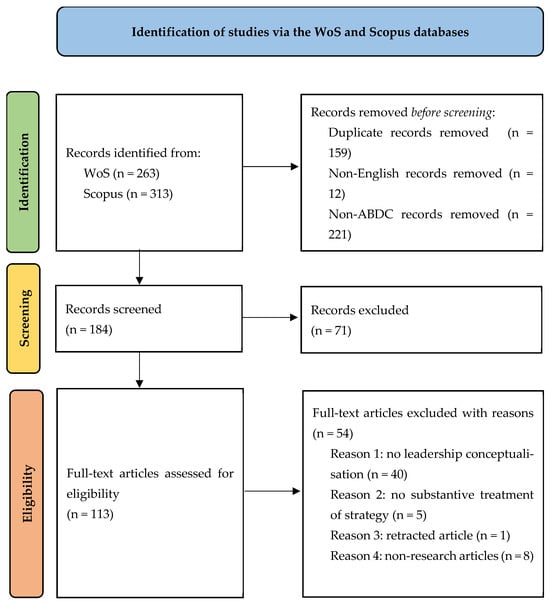
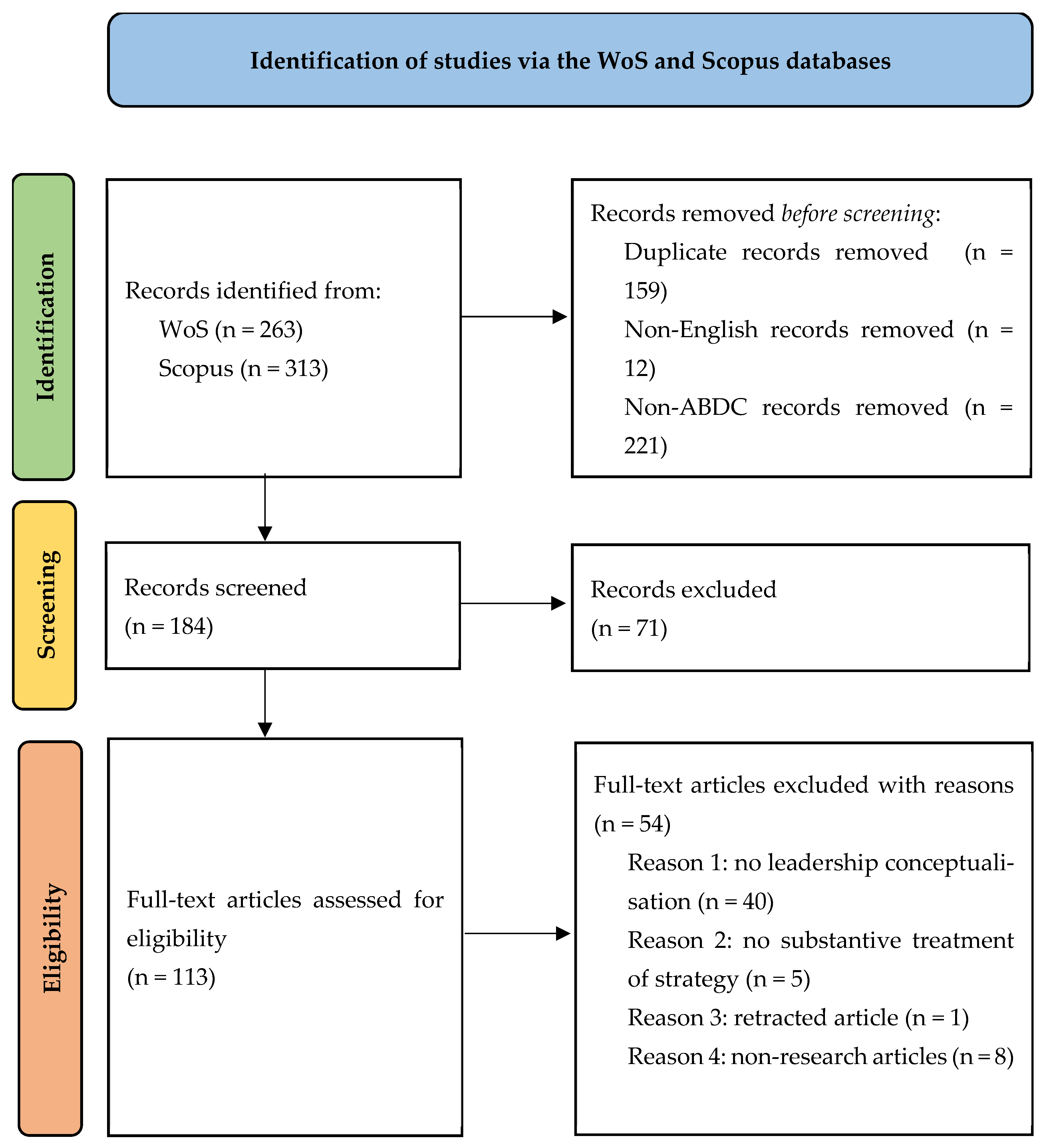
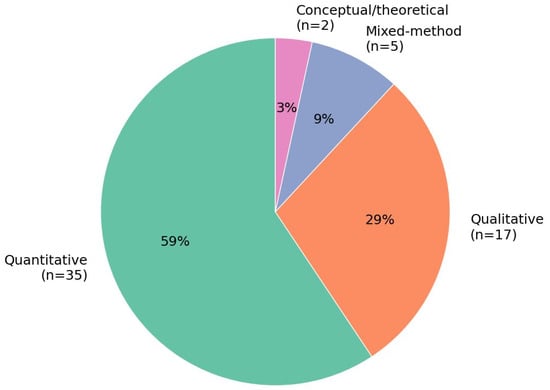
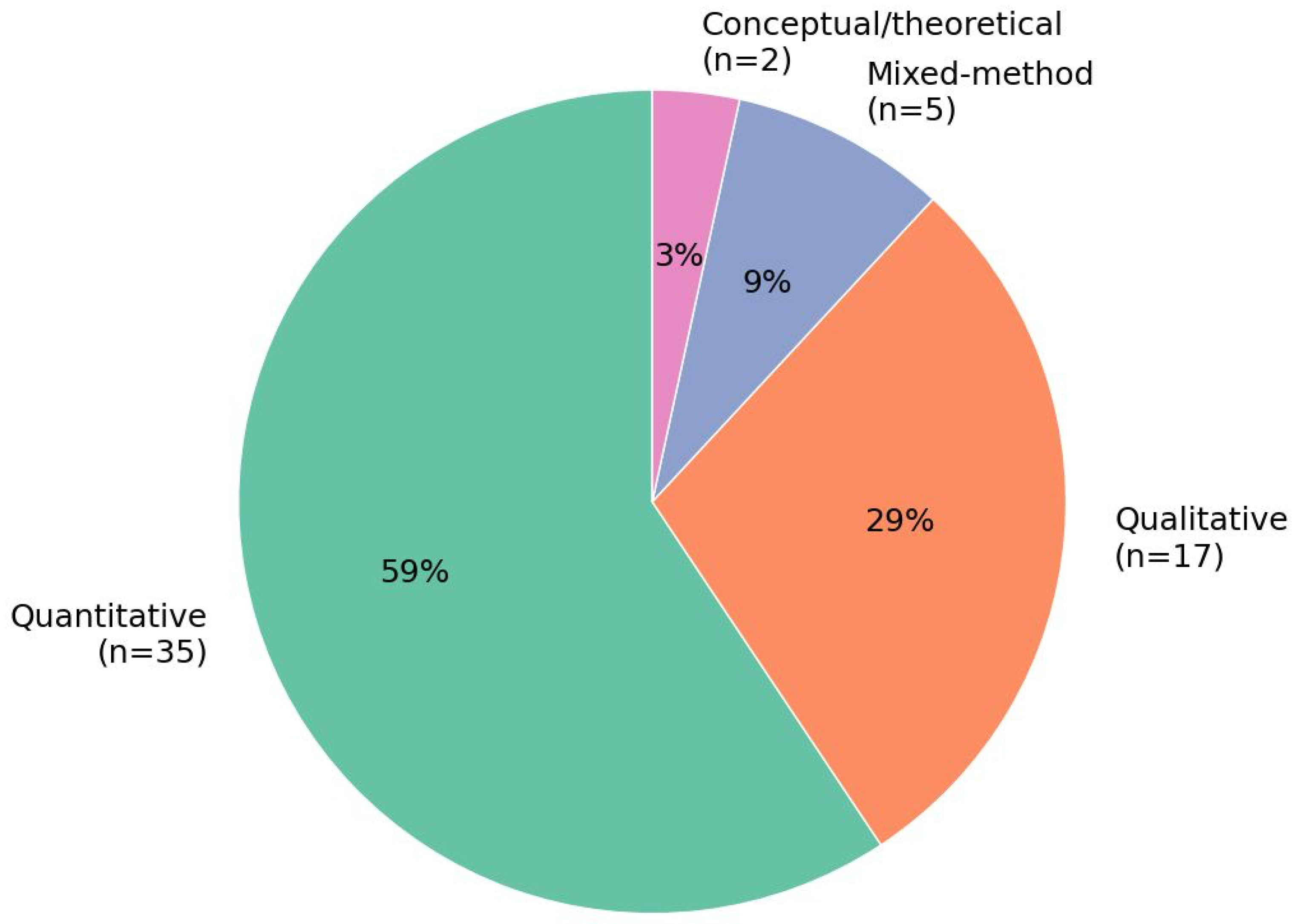
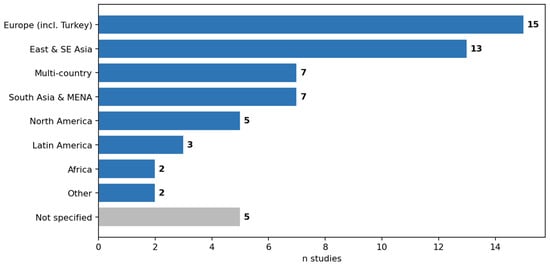
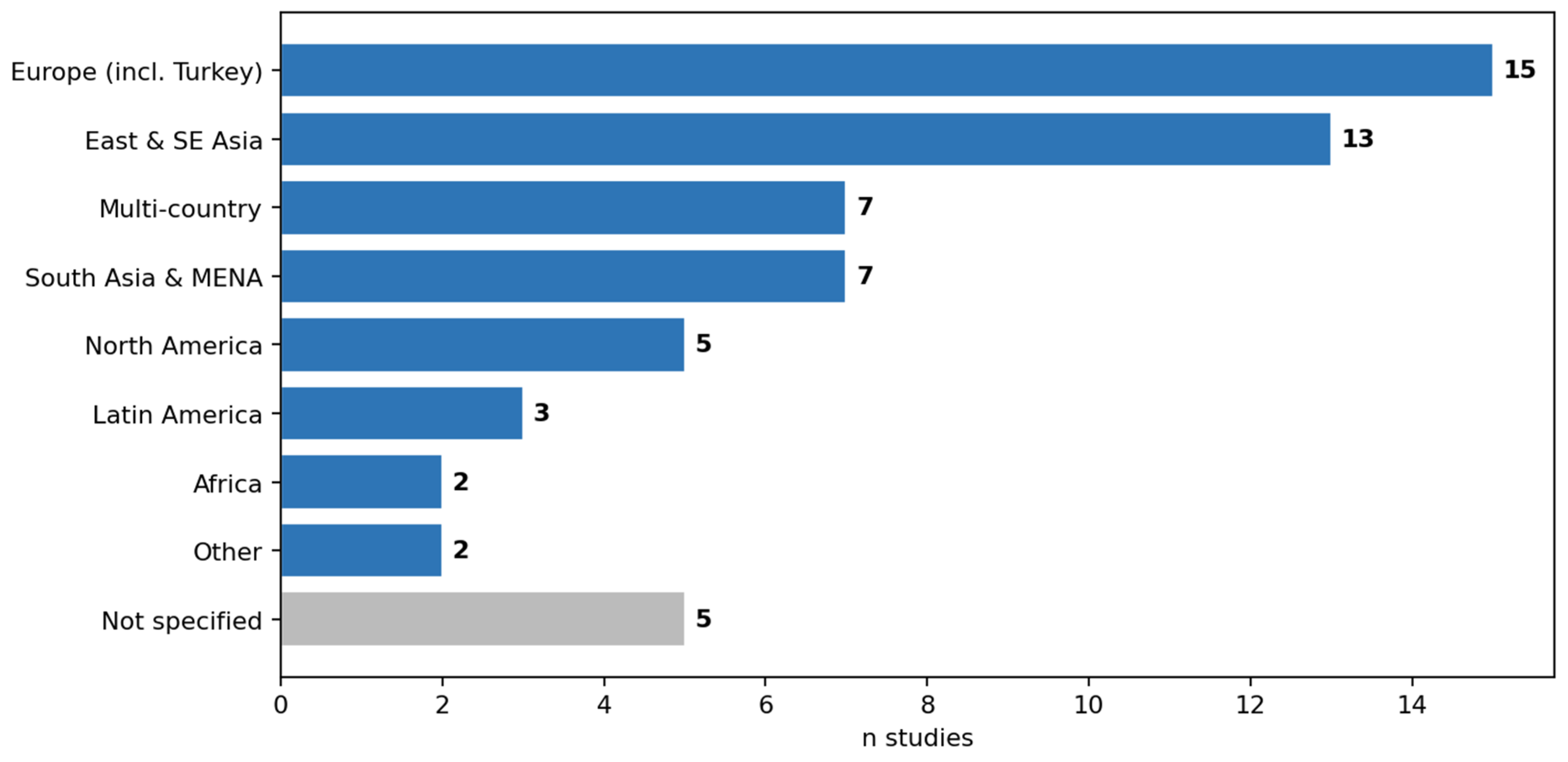
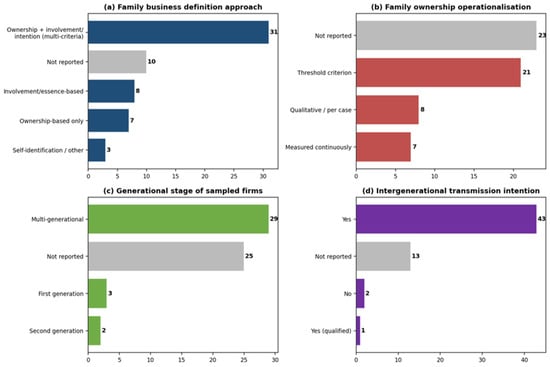
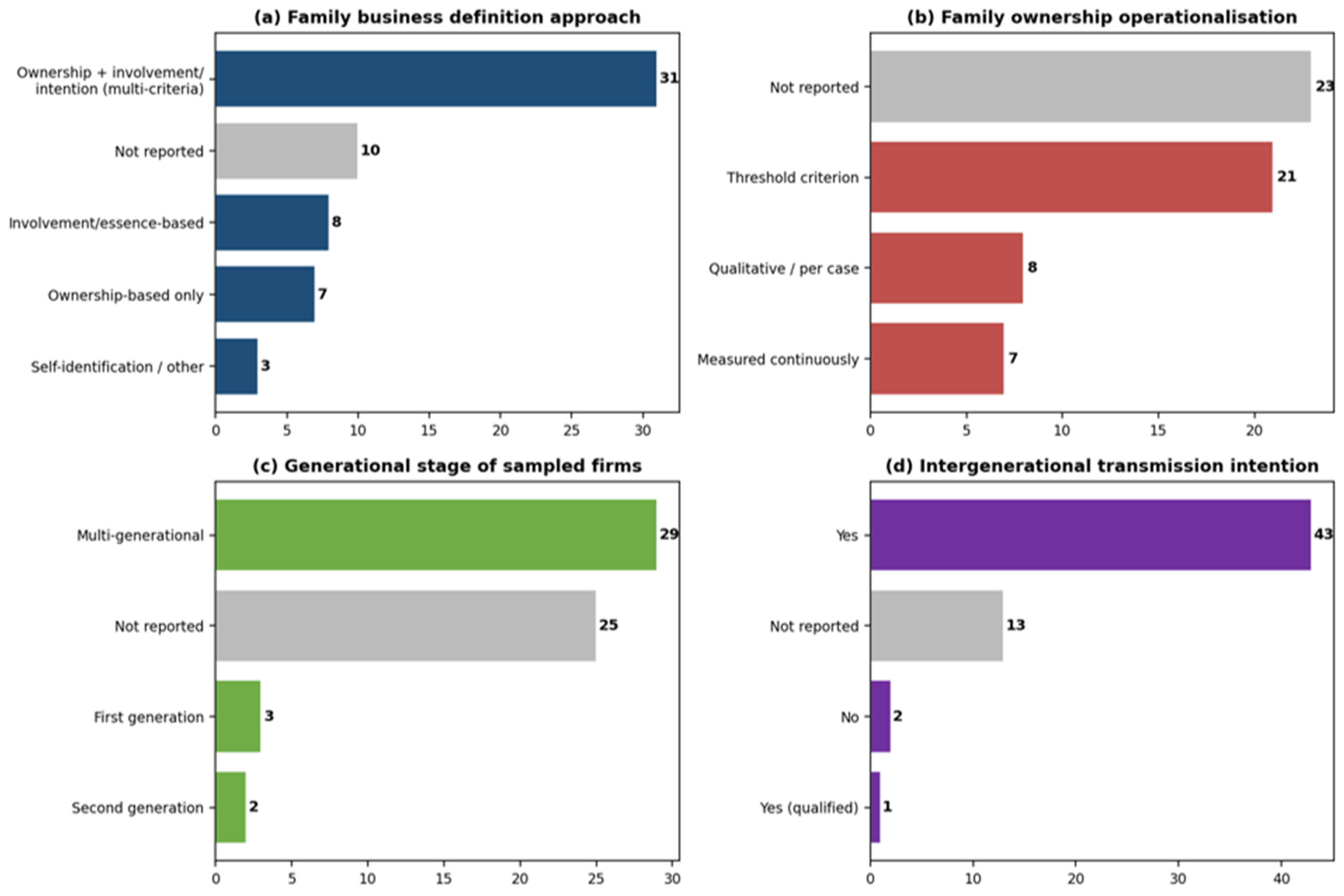
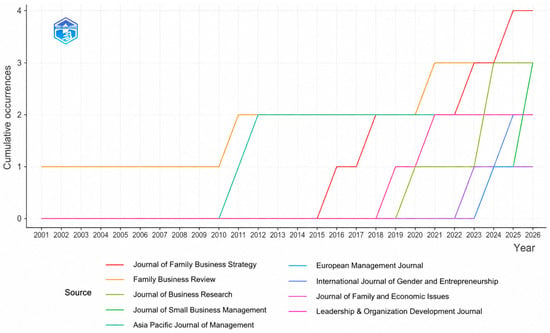
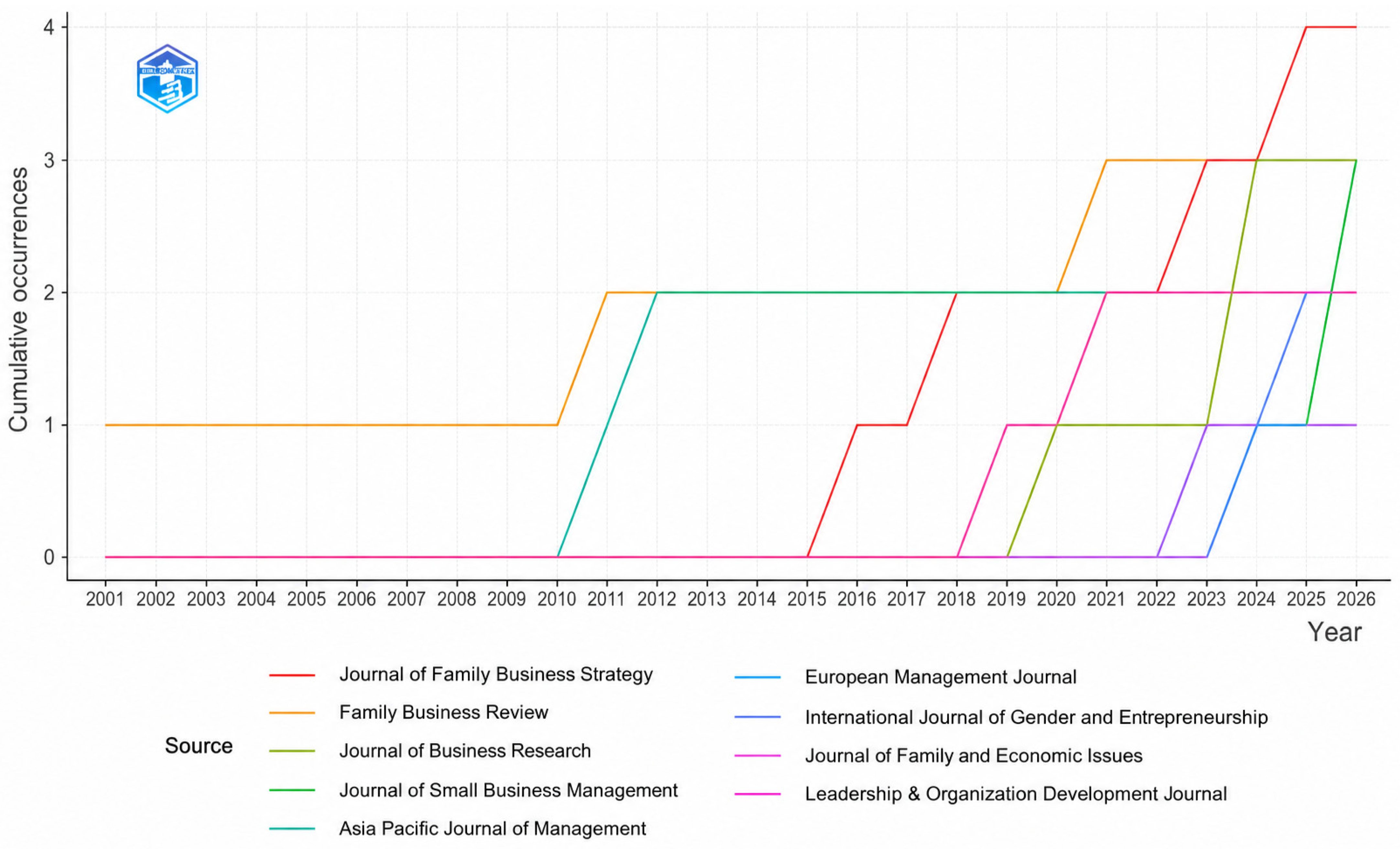
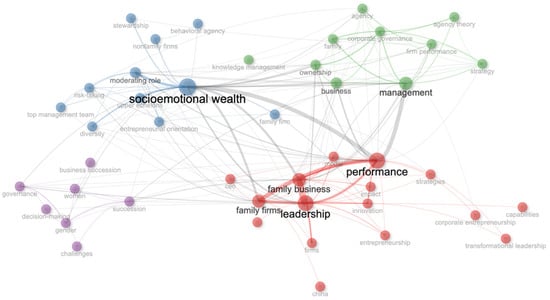
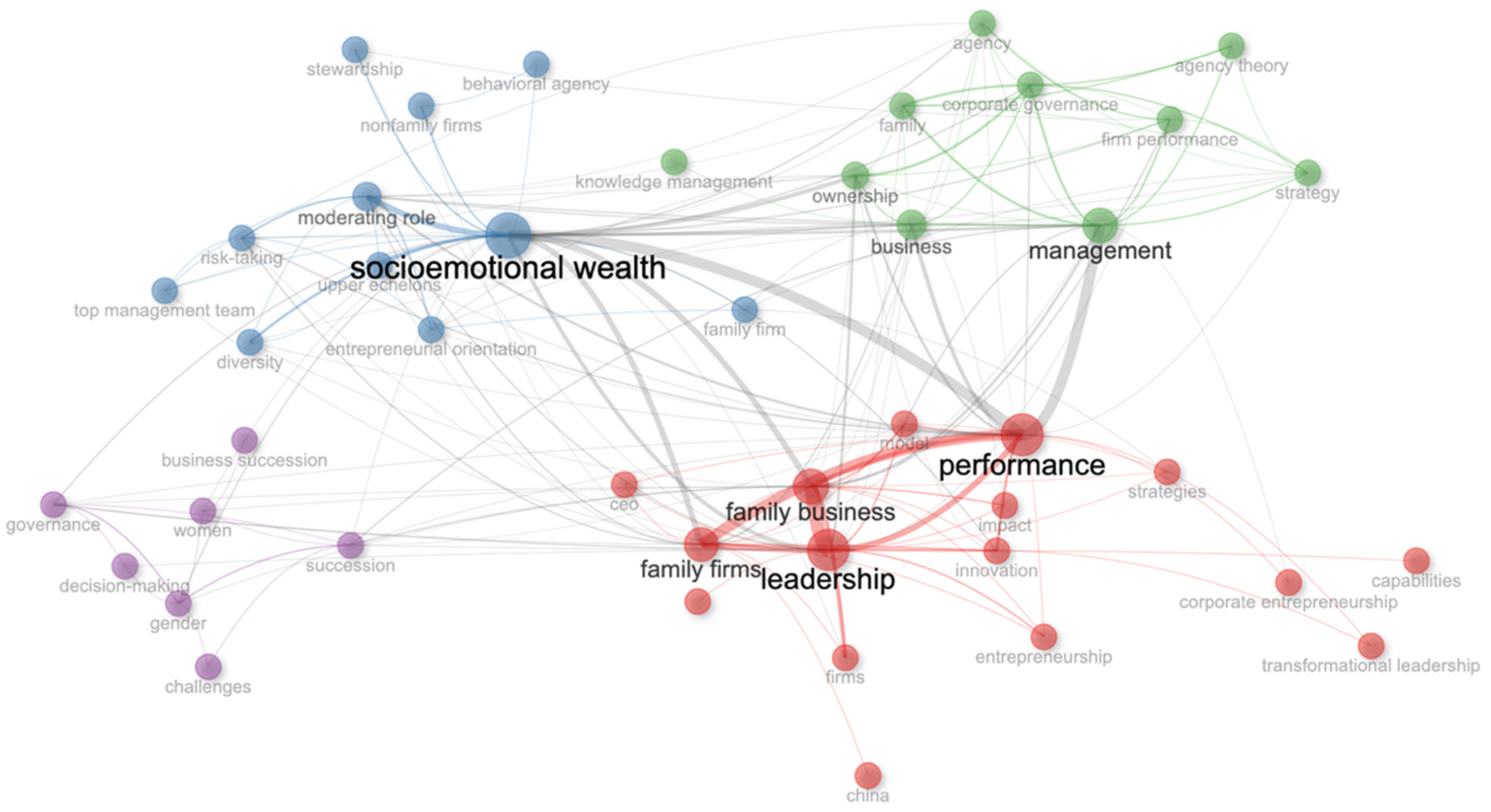
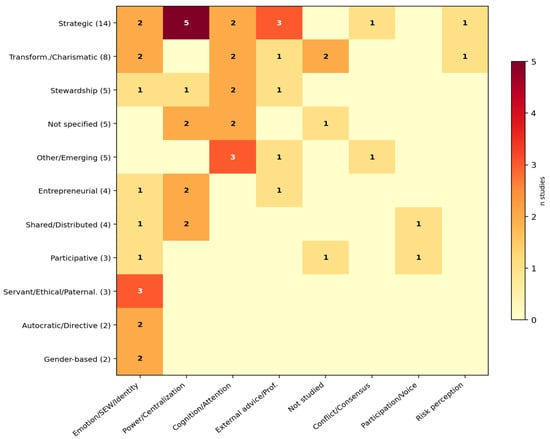
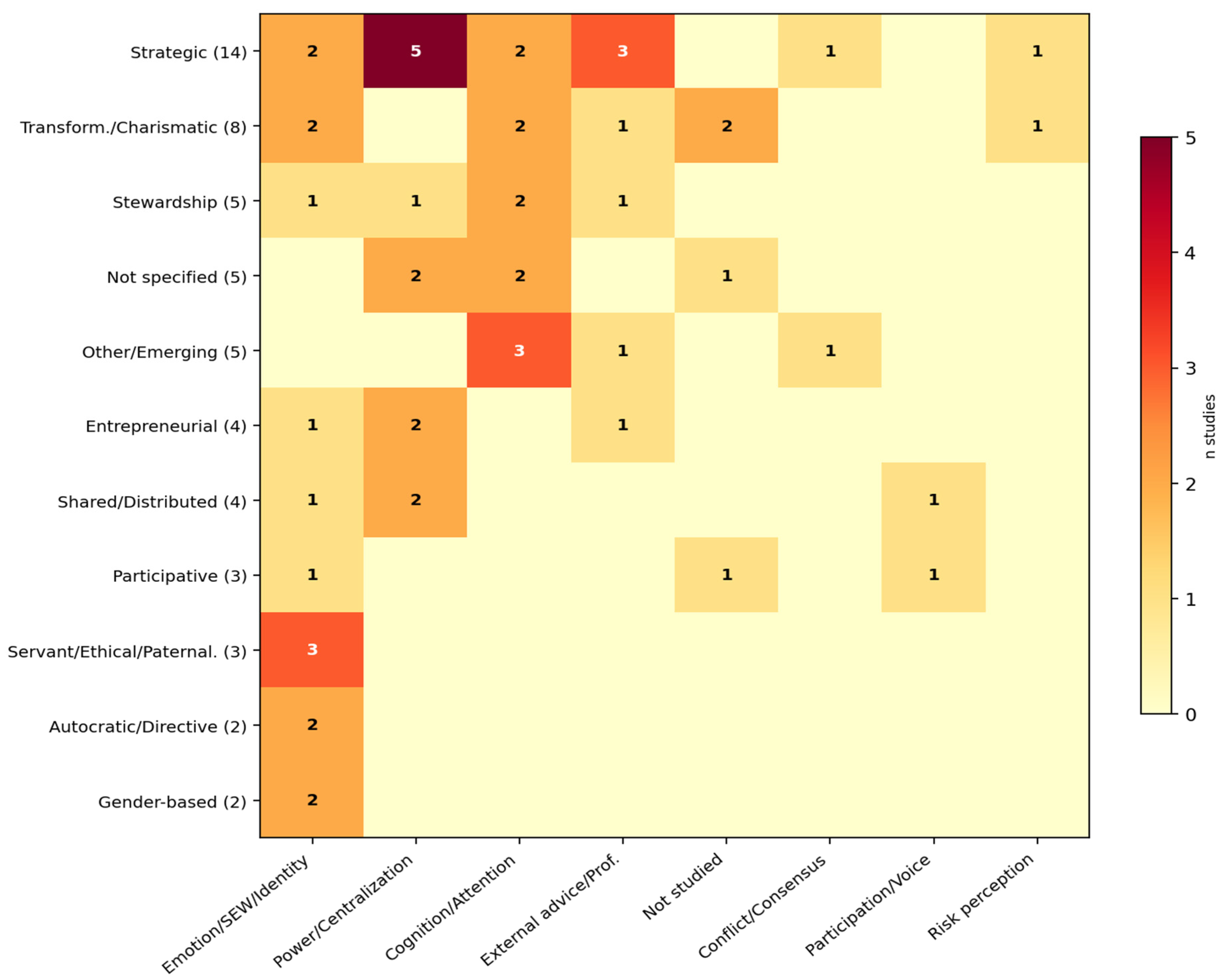
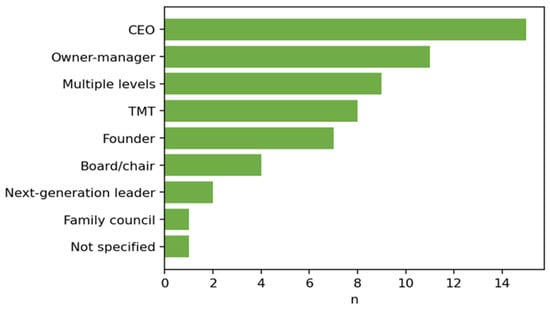
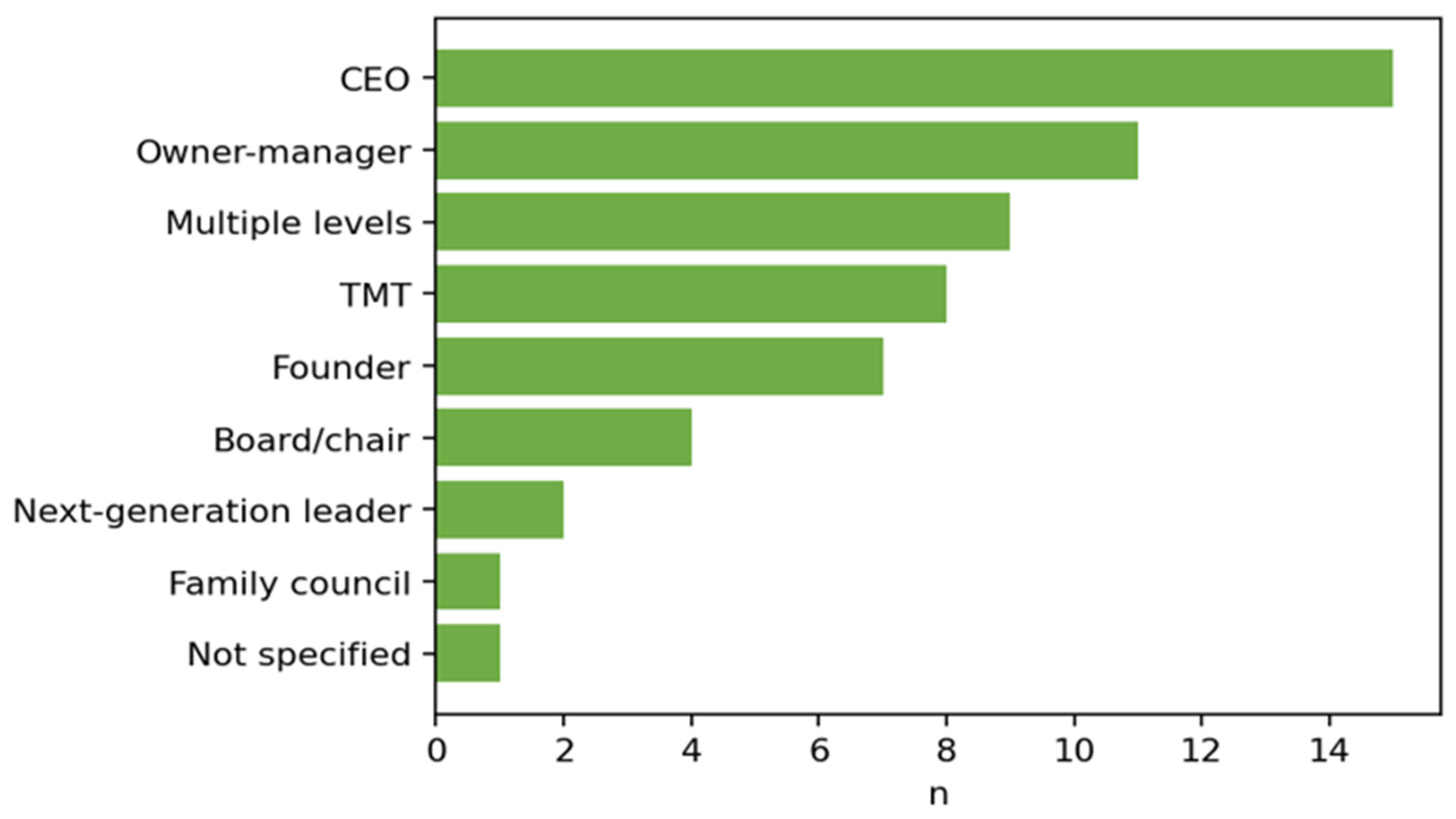
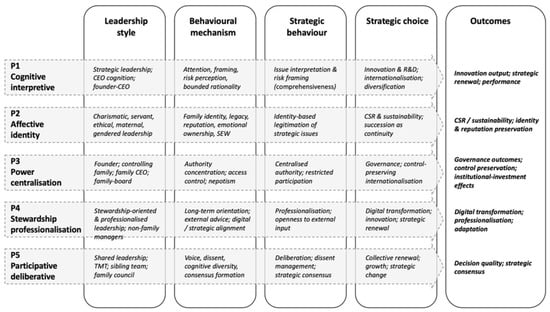
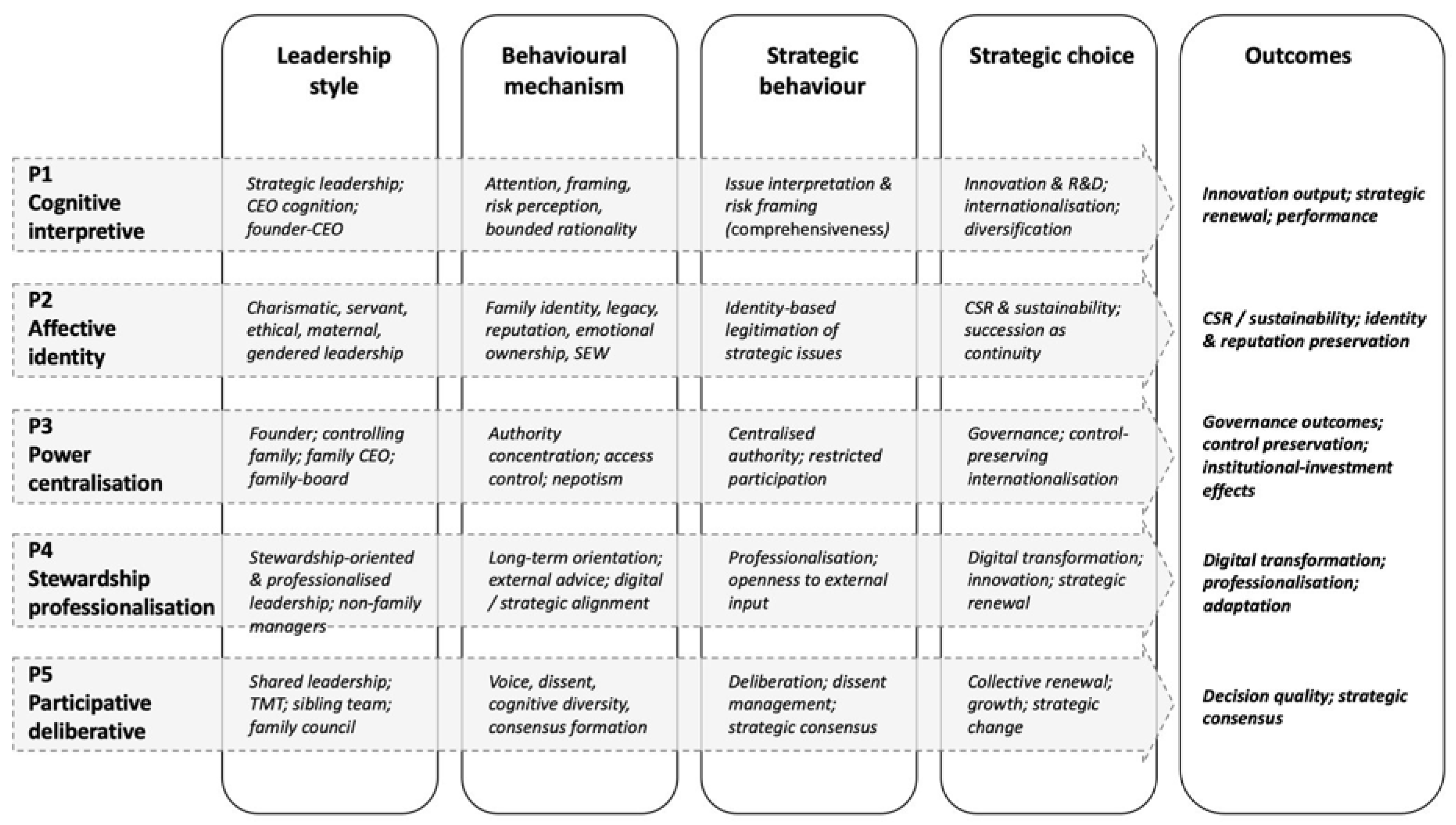
Disclaimer/Publisher’s Note: The statements, opinions and data contained in all publications are solely those of the individual author(s) and contributor(s) and not of MDPI and/or the editor(s). MDPI and/or the editor(s) disclaim responsibility for any injury to people or property resulting from any ideas, methods, instructions or products referred to in the content. |
© 2026 by the authors. Licensee MDPI, Basel, Switzerland. This article is an open access article distributed under the terms and conditions of the Creative Commons Attribution (CC BY) license.