


Abstract
Corporate social responsibility (CSR) is increasingly understood as a strategic factor associated with corporate reputation, stakeholder relationships, and consumer attitudes toward socially responsible brands. The aim of this study is to analyze CSR from two complementary perspectives: from the corporate perspective, to examine the extent to which medium-sized and large industrial enterprises operating in Slovakia declare the integration of CSR into their strategy or business practice, and from the consumer perspective, to determine how declared preferences for socially responsible brands differ across generational cohorts of customers. The research is based on two separate questionnaire surveys conducted between December 2024 and May 2025: one focused on consumers and the other on representatives of industrial enterprises. The consumer sample consisted of 331 respondents from the Baby Boomer, X, Y, and Z generations, while the corporate sample included 103 medium-sized and large industrial enterprises. The data were analyzed using descriptive statistics, the chi-square test of independence, and Cramer’s V. The results show that 82.47% of the surveyed enterprises declared some level of engagement in CSR, either as a strategic element or as an emerging component of business practice. The most frequently reported CSR priorities were environmental protection, employee support, and ethical business conduct. The consumer part of the research demonstrated a statistically significant relationship between generational affiliation and declared preference for socially responsible brands (χ2 = 49.62; df = 12; p = 0.0000016), with Cramer’s V = 0.226 indicating a weak-to-moderate association. Since the study is based on declared attitudes and respondents’ self-assessment, its findings cannot be interpreted as evidence of actual consumer purchasing behavior or as an objective verification of the quality of enterprises’ CSR activities. The contribution of the study lies in the parallel examination of the corporate and consumer perspectives on CSR in the context of a smaller Central European economy and in highlighting the importance of generational segmentation for the development of CSR strategy and communication.
1. Introduction
Corporate social responsibility (CSR) is a concept according to which companies, while pursuing economic objectives, also take into account the social, environmental, and ethical consequences of their business activities (Thomas, 2022). CSR covers a broad range of activities, from environmental protection and fair working conditions to support for local communities and responsible relationships with stakeholders (Jelinkova et al., 2021). In the current business environment, CSR is increasingly understood not only as a voluntary or philanthropic activity, but also as part of strategic management, reputation, legitimacy, competitiveness, and the long-term building of trust between a company and its stakeholders (Freeman, 1984; McWilliams et al., 2006; Hąbek & Wolniak, 2016).
Theoretically, this study is grounded primarily in stakeholder theory and generational cohort theory. Stakeholder theory emphasizes that a company does not create value in isolation, but in relation to multiple stakeholder groups, including customers, employees, owners, suppliers, communities, and wider society (Freeman, 1984). From this perspective, CSR can be understood as a tool for managing relationships between a company and its environment. Generational cohort theory further assumes that consumers born in different historical periods may display different value orientations, communication habits, and attitudes toward socially responsible corporate behavior (Nadanyiova et al., 2020; Mas-Manchón et al., 2024). These two theoretical perspectives provide the basis for examining CSR from both the corporate and consumer sides.
The growing importance of CSR is also related to changing consumer expectations. In their purchasing decisions, many customers no longer consider only price, quality, or product availability, but also the values and social behavior of brands (Narayanan, 2022). The perception of a company as socially responsible may be reflected in customer loyalty, willingness to recommend products or services, and a greater willingness to prefer brands that are aligned with consumers’ values (Servera-Francés & Piqueras-Tomás, 2019; Popovics, 2024). From a managerial perspective, CSR therefore represents an important tool not only in the field of sustainability, but also in marketing communication, customer relationships, and the strategic positioning of the company.
An important aspect of this issue is that consumers do not constitute a homogeneous group. Their attitudes toward socially responsible business may differ according to age, life experience, value orientation, and generational affiliation. Younger generations, particularly Generation Z and Generation Y, are associated in several studies with greater sensitivity to environmental, social, and ethical issues, whereas older generations may attach greater importance in purchasing decisions to traditional attributes such as quality, price, reliability, and the practical value of the product (Raza et al., 2022; Deloitte, 2024). Previous research also suggests that the effect of CSR on customer attitudes, loyalty, or purchase intentions may differ across generational groups (Moisescu & Gică, 2020; Narayanan, 2022; Hoang et al., 2024). For companies, this means that CSR communication may not have the same effect on all customer groups and should be adapted to the different expectations of individual generations.
In the Slovak context, the importance of CSR is gradually increasing. The KPMG Survey of Sustainability Reporting 2020 states that 76% of the largest Slovak companies report activities in the field of sustainability; however, Slovakia still lags behind several other countries, which points to the need for further development of a systematic approach to CSR (KPMG, 2020). A survey by the Business Leaders Forum (2023) shows that the Slovak public most often associates responsible business with environmental consideration and care for employees. Similarly, a UniCredit Bank survey indicates that ESG principles are gradually becoming part of the corporate culture of several Slovak companies, particularly in the areas of ecological waste management, emission reduction, and the use of renewable energy sources (Kancelárie.sk, 2023).
Despite the growing importance of CSR, it remains less explored in Slovakia and the broader Central European context how two complementary CSR perspectives can be captured in parallel within a single research framework: the corporate perspective, that is, the declared level of CSR integration and the priority areas of social responsibility in industrial enterprises, and the consumer perspective, that is, generational differences in declared preferences for socially responsible brands. Previous research has often focused either on corporate implementation, reporting, and the strategic understanding of CSR (Hąbek & Wolniak, 2016; KPMG, 2020), or on consumer attitudes, loyalty, and generational differences in CSR perception (Moisescu & Gică, 2020; Nadanyiova et al., 2020; Narayanan, 2022; Hoang et al., 2024; Popovics, 2024). Less attention has been paid, however, to how these two perspectives appear side by side in the context of a smaller Central European economy and what managerial implications their comparison may have for industrial enterprises. This research gap is particularly important because CSR priorities declared by companies may not automatically correspond to how individual generational groups of customers perceive and prefer socially responsible brands.
This study therefore does not assume a direct causal relationship between the CSR priorities of specific companies and the preferences of specific consumers. The corporate and consumer parts of the research represent two separate but thematically related empirical perspectives on CSR. Their common basis is the question of how CSR is manifested on the side of industrial enterprises and how the social responsibility of brands is declaratively reflected by different generational cohorts of customers.
The aim of the article is to analyze CSR from two complementary perspectives. From the corporate perspective, the article examines the extent to which medium-sized and large industrial enterprises operating in Slovakia declare the integration of CSR into their strategy or business practice and which CSR areas they consider to be priorities. From the consumer perspective, the article verifies whether there is a statistically significant relationship between customers’ generational affiliation and their declared preference for socially responsible brands. However, the research does not focus on the direct measurement of actual purchasing behavior, but on respondents’ declared attitudes and preferences in relation to socially responsible brands.
Following this aim, the following research questions and hypothesis were formulated:
- RQ1: To what extent do medium-sized and large industrial enterprises in Slovakia declare the integration of CSR into their strategy or business practice?
- RQ2: Which areas of corporate social responsibility are priorities for medium-sized and large industrial enterprises in Slovakia?
H1.
Younger generational cohorts of customers will more frequently declare a higher preference for products or services of socially responsible brands than older generational cohorts.
The contribution of the article lies in the parallel examination of the corporate and consumer perspectives on CSR in the Slovak context. The results may contribute to a better understanding of how industrial enterprises declare their approach to CSR and what role generational segmentation plays in the development of CSR strategy and communication. From a practical perspective, the findings may help managers design differentiated CSR activities and communication approaches that better correspond to the values, expectations, and decision-making criteria of individual generations of customers. At the same time, they highlight the need to carefully distinguish between declared preferences for CSR brands and consumers’ actual purchasing behavior.
2. Theoretical Framework
2.1. Corporate Social Responsibility as a Strategic Management Concept
Corporate social responsibility (Corporate Social Responsibility—CSR) is increasingly understood in the management literature as part of strategic management, reputation, and relationships with stakeholders (McWilliams et al., 2006; Aguinis & Glavas, 2012). CSR should therefore not be perceived merely as an additional or philanthropic activity, but as an approach that can be integrated into decision-making processes, corporate culture, and the long-term direction of a company.
From the perspective of stakeholder theory, a company does not operate in isolation but forms part of a network of relationships with customers, employees, owners, suppliers, communities, and other groups that influence its activities and are also influenced by them (Freeman, 1984). From this perspective, CSR can be understood as a tool for managing relationships between the company and its stakeholders, supporting corporate legitimacy, reputation, and long-term value creation. McWilliams et al. (2006) also emphasize that CSR may have strategic implications, as companies can use it as part of differentiation, reputation management, and the development of competitive advantage.
CSR has a multidimensional character. It most often includes environmental, social, ethical, economic, and employee-related dimensions. The environmental dimension concerns environmental protection, emission reduction, recycling, waste minimization, and ecological innovation. The social and employee-related dimensions include working conditions, occupational safety, diversity, employee support, and support for local communities. The ethical dimension is associated with transparency, fair business conduct, and trustworthy behavior toward customers and business partners (Gintale et al., 2024; Mas-Manchón et al., 2024).
For the purposes of this article, it is necessary to distinguish between the general concept of CSR and its empirical operationalization in the corporate part of the research. In this study, declared CSR integration is understood as the self-assessment of company representatives regarding whether CSR is perceived in their company as part of its strategy or business practice. This construct therefore does not represent an independently verified measure of the quality of CSR activities, but rather the declared position of the company toward incorporating CSR into its management. Priority CSR areas refer to specific dimensions of corporate social responsibility that companies identify as important for their practice, such as environmental protection, employee support, ethical business conduct, or waste minimization.
In the case of industrial enterprises, CSR has particular relevance because their activities may significantly affect the environment, employment, supply chains, and local communities. If CSR is to perform a strategic function, it is not sufficient to declare it only formally; it must be reflected in specific policies, processes, internal management, and external communication. Otherwise, it may appear as a formal or reputation-oriented activity without a more substantial impact on stakeholder trust (Hąbek & Wolniak, 2016; Gillan et al., 2021).
2.2. CSR and Consumer Decision-Making
Consumer decision-making is a process in which customers consider several criteria, such as price, quality, availability, brand, experience, and recommendations. At present, however, value-based, ethical, and environmental factors are increasingly entering the decision-making process. When choosing products or services, customers may consider whether a company behaves responsibly toward employees, customers, communities, and the environment (Narayanan, 2022; Popovics, 2024).
Sen and Bhattacharya (2001) point out that positive corporate behavior in the field of CSR does not automatically lead to a positive customer response. The effect of CSR depends on how customers perceive CSR-related information, whether there is a fit between the customer’s values and the company’s values, and the extent to which customers consider CSR activities relevant and credible. CSR should therefore not be understood as a universally effective tool, but as a factor whose importance may vary depending on the type of customer, the situation, and the way it is communicated.
CSR may be related to consumer decision-making mainly through perceived value, trust, satisfaction, brand identification, and loyalty. Servera-Francés and Piqueras-Tomás (2019) confirmed that CSR can increase customers’ perceived value, trust, satisfaction, and loyalty. Similarly, Hoang et al. (2024) show that CSR may be positively associated with customer satisfaction and loyalty, while this relationship may differ across generational cohorts.
In the consumer part of this study, the construct of declared preference for socially responsible brands is used. This construct refers to the extent to which a respondent states that they prefer products or services of brands they perceive as socially responsible. It is therefore not a measurement of actual purchasing behavior, but a self-assessed attitude of the respondent.
At the same time, it should be emphasized that CSR does not replace traditional purchasing criteria. Price, quality, availability, and brand experience remain important. Rather, CSR complements the decision-making process and may play a more prominent role, particularly in situations where a customer compares similar products or brands. In interpreting the research results, it is therefore necessary to distinguish between declared preference for socially responsible brands and actual purchasing behavior.
2.3. Generational Differences in the Perception of CSR
Generational affiliation represents one of the factors that may influence consumer attitudes toward CSR. Generations differ not only in age but also in social experiences, technological environment, value orientation, and communication patterns. Generational cohort theory is based on the assumption that people born in a certain period share similar historical experiences, values, and behavioral patterns (Mas-Manchón et al., 2024). In marketing and consumer behavior, generational affiliation is therefore often used as a segmentation framework (Nadanyiova et al., 2020).
Mas-Manchón et al. (2024) examined differences between generations in the perception of ethical, social, environmental, and employee-related responsibility among the most reputable Spanish organizations. Their results showed that Generation Z evaluated CSR dimensions more positively than other generations. This finding supports the assumption that consumers’ relationship with socially responsible corporate activities may differ across generational cohorts.
The Baby Boomer generation is often associated with an emphasis on stability, reliability, experience, and trust. In purchasing decisions, it may place greater emphasis on traditional product attributes such as quality, price, practical value, and a proven brand. Generation X is often positioned between traditional and value-oriented consumer behavior. Moisescu and Gică (2020) showed that environmental and social responsibility may influence customer loyalty differently among Generations X and Y.
Generation Y, also referred to as Millennials, is associated in several studies with greater sensitivity to the value-based aspects of consumption, sustainability, and the social impact of business. Generation Z, as a digital generation, expects above all transparency, authenticity, and value consistency from brands (Narayanan, 2022; Deloitte, 2024). More recent studies also confirm that, for Generation Z, not only does the mere existence of CSR activities matter but also trust in their authenticity and the way they are communicated. Bianchi et al. (2026), in an international study focused on Generation Z in Greece and Germany, showed that attitudes toward CSR and trust in CSR activities are among the significant predictors of purchase intentions toward brands associated with social responsibility. Their results also suggest that the effect of CSR on consumer intentions may be conditioned by the cultural and economic context of a specific country. Among younger generations, therefore, a general declaration of CSR may not be sufficient; specific evidence, clear communication, and consistency between declared values and actual corporate behavior may play a more important role.
However, caution is needed when interpreting generational differences. Gintale et al. (2024) note that interest in CSR may be more consistent across generations than suggested by some stereotypes about substantial differences between younger and older cohorts. Generational affiliation should therefore not be understood as the sole explanation of consumer behavior, but as a useful segmentation framework that should be complemented by other factors, such as income, education, economic status, personal values, product type, and the availability of alternatives.
From the perspective of this study, generational affiliation is understood as a variable at the consumer level of analysis. Its role is not to explain the full complexity of consumer decision-making, but to examine whether declared preference for socially responsible brands differs across generational cohorts of customers. Based on the literature discussed above, it can be expected that younger generational cohorts will more frequently declare a higher level of preference for socially responsible brands than older cohorts, although the strength of this relationship may be limited by other decision-making factors.
2.4. Theoretical Framework of the Research
Based on the theoretical foundations presented above, the research framework of the article can be systematized into two levels of analysis. The first is the corporate level, which is based on stakeholder theory and understands CSR as part of the relationships between the company and its stakeholders. The second is the consumer level, which is based on generational cohort theory and assumes that attitudes toward socially responsible brands may differ across generational groups of customers.
At the corporate level, the article works with two main constructs. The first is declared CSR integration, which refers to the extent to which representatives of industrial enterprises state that CSR is part of their strategy or business practice. The second construct consists of priority CSR areas, which refer to specific dimensions of corporate social responsibility considered important by companies. In the context of industrial enterprises, based on the literature and the nature of industrial activity, it can be assumed that environmental, employee-related, and ethical CSR areas will be of particular importance.
At the consumer level, the article works with two main constructs. The first is customers’ generational affiliation, which serves as a segmentation variable. The second is declared preference for socially responsible brands, which expresses the extent to which respondents state that they prefer products or services of brands perceived as socially responsible. Based on the literature, it can be assumed that generational affiliation will be associated with declared preference for socially responsible brands, with younger generational cohorts expected to more frequently declare a higher level of this preference.
The following research questions and hypothesis are derived from this framework:
- RQ1: To what extent do medium-sized and large industrial enterprises in Slovakia declare the integration of CSR into their strategy or business practice?
- RQ2: Which areas of corporate social responsibility are priorities for medium-sized and large industrial enterprises in Slovakia?
H1.
Younger generational cohorts of customers will more frequently declare a higher preference for products or services of socially responsible brands than older generational cohorts.
The theoretical framework of the article therefore does not assume a direct causal relationship between the CSR activities of specific companies and the preferences of specific consumers. The corporate and consumer parts of the research represent two separate but thematically complementary perspectives on CSR. The corporate part shows how industrial enterprises declare the level of CSR integration and which CSR areas they consider priorities. The consumer part examines whether declared preference for socially responsible brands differs across generational cohorts of customers. The relationship between these two levels is therefore conceptual and interpretative, not directly statistical or causal.
Figure 1 illustrates the two-level theoretical framework of the research. At the corporate level, it captures declared CSR integration and priority CSR areas in medium-sized and large industrial enterprises. At the consumer level, it captures the relationship between customers’ generational affiliation and declared preference for socially responsible brands. Any graphical link between the corporate and consumer parts should be interpreted as a thematic and conceptual connection, not as an empirically tested causal relationship between corporate and consumer data.
Figure 1.
Theoretical framework of the research.
3. Materials and Methods
3.1. Research Design
The research was conducted as a quantitative empirical study based on two separate questionnaire surveys. The first questionnaire was addressed to consumers and focused on their attitudes toward corporate social responsibility (CSR), their declared preference for socially responsible brands, and generational differences in the perception of CSR. The second questionnaire was addressed to representatives of medium-sized and large industrial enterprises operating in Slovakia and focused on declared CSR integration and the priority areas of corporate social responsibility in business practice.
The submitted article uses selected parts of a broader research project aimed at the corporate responsibility of enterprises, its implementation in industrial enterprises, and declared preferences for socially responsible products or services among different generations of consumers. The other parts of the broader questionnaire, focused, for example, on preferred marketing communication tools or brand perception, are not the subject of analysis in this article.
The use of two separate research samples made it possible to capture CSR from two complementary perspectives. The consumer part of the research examined the extent to which customers declare a preference for socially responsible brands and how this preference differs across generational cohorts. The corporate part of the research examined how industrial enterprises declare the integration of CSR into their strategy or business practice and which CSR areas they consider to be priorities. This research design does not assume a direct causal or statistical link between specific enterprises and specific consumers. The corporate and consumer parts of the research are analyzed separately, and their mutual relationship is interpreted at the conceptual level.
Methodologically, it is necessary to emphasize that the consumer part of the research measures declared preferences of respondents, rather than their actual or observed purchasing behavior. Respondents expressed their attitude toward the preference for socially responsible brands through a questionnaire item. The corporate part of the research captures the self-declared attitude of enterprise representatives and does not directly assess the objective presence, scope, or quality of their CSR activities.
3.2. Data Collection and Ethical Aspects of the Research
Data collection took place between 1 December 2024 and 1 May 2025. The questionnaires were distributed using a combined approach. The electronic version was distributed through the Google Forms platform. Respondents were approached through a shared link to the questionnaire, which made it possible to reach mainly individuals active in the digital environment. The paper version was distributed using the snowball method among respondents from family members, colleagues, and acquaintances, which helped to involve respondents outside the online environment as well.
A probability sampling method was not used for the consumer sample. The aim was to obtain respondents from all monitored generational cohorts, not to create a representative sample of the Slovak population based on quotas. This approach made it possible to obtain empirical data from an age-differentiated group of respondents, but it also introduces certain possible biases. Online distribution may favor younger and more digitally active respondents, while the snowball method may lead to network bias, since responses may come from the personal or professional contacts of the researcher and respondents. The results of the consumer part therefore cannot be interpreted as representative of the entire population of Slovak consumers.
Participation in the research was voluntary. Before completing the questionnaire, respondents were informed about the purpose of the research, its research focus, the anonymity of their responses, and that no directly identifiable personal data would be collected. By voluntarily completing the questionnaire, respondents confirmed that they had been informed about these facts and agreed to participate in the research.
The questionnaire survey did not require the collection of sensitive personal identification data, such as name, surname, e-mail address, or other data enabling the direct identification of a respondent. Responses were processed anonymously and evaluated exclusively in aggregated form. During data processing, the principles of voluntariness, anonymity, trustworthiness, and the use of data only for the purposes of research were respected in accordance with generally accepted principles of personal data protection under the GDPR and Act No. 18/2018 Coll. on the Protection of Personal Data.
Respondents were also informed that they could terminate their participation in the research at any time without giving a reason. In the case of incomplete questionnaires or responses including invalid data, final processing was carried out with the aim of ensuring the ethical correctness of the research and minimizing the risk of respondent identification.
3.3. Consumer Research Sample
The consumer research sample consisted of respondents from four generational cohorts: Baby Boomers, Generation X, Generation Y, and Generation Z. Respondents were assigned to generations based on their year of birth.
The consumer survey included 422 respondents, of whom 331 correctly completed questionnaires were included in the analysis. The return rate of the questionnaire was 78.50%. In total, 80 men and 251 women participated in the consumer survey. In terms of gender, the sample consisted of 172 women and 154 men, while 5 respondents did not report their gender. In terms of economic status, the sample included various groups of respondents, including employees, students, retirees, entrepreneurs, unemployed persons, part-time workers, and persons on parental leave. The distribution of respondents by generational cohort is presented in Table 1.
Table 1.
Distribution of the consumer sample by generational cohorts (Cagala & Babčanová, 2024).
Only responses from respondents with complete data for the monitored variables were used in the statistical analyses. This procedure was necessary, especially when testing the relationship between generational affiliation and declared preference for socially responsible brands. When testing hypothesis (H1), 324 valid responses were used, since some respondents did not answer the question concerning the preference for products or services of socially responsible brands.
The consumer research sample has a non-probability character, as it was obtained through a combination of online distribution and snowball sampling. When interpreting the results, it is necessary to consider in particular the uneven representation of generational cohorts, the higher representation of Generation Z, and possible bias caused by the digital availability of the questionnaire, personal networks, and the voluntary participation of respondents. The findings therefore provide a relevant empirical insight into the examined issue, but they cannot be generalized to the entire population of Slovak consumers.
3.4. Research Sample of Industrial Enterprises
The corporate part of the research focused on medium-sized and large industrial enterprises operating in Slovakia. Enterprises could be included in the research if they met two basic criteria. The first criterion was the industrial character of the enterprise. Industrial character was assessed according to inclusion in the relevant economic activities of SK NACE, with the sample including mainly enterprises in the manufacturing sector and related industries. The second criterion was the size of the enterprise according to the number of employees. Medium-sized enterprises were considered to be enterprises with 50 to 249 employees, and large enterprises were considered to be enterprises with 250 or more employees. Only enterprises meeting both criteria were included in the sample. The corporate part of the research followed the rule of one respondent per enterprise in order to avoid multiple representation of the same enterprise in the results of the analysis.
Of the total of 467 approached enterprises, 103 enterprises participated in the research, representing a return rate of 22.05%. The sample consisted of 72 large and 31 medium-sized industrial enterprises. The questionnaire was intended mainly for managers or representatives of enterprises who could provide relevant information about CSR activities or the strategic direction of the enterprise.
For individual research questions, only valid responses were analyzed. For this reason, the number of responses used in the evaluation of specific research questions may differ slightly from the total number of enterprises included in the research. In RQ1, 97 valid responses were analyzed. In RQ2, the results refer to the total corporate sample of 103 enterprises, while respondents could indicate several priority areas of CSR.
The corporate sample also has a non-probability character. When interpreting it, it is necessary to consider possible bias caused by the self-selection of enterprises, the non-participation of some approached enterprises, and the fact that responses were provided by enterprise representatives based on their own knowledge of business practice. Enterprises with a more developed CSR agenda or a greater willingness to communicate about CSR may have been more willing to participate in the research. The results therefore cannot be interpreted as a representative picture of all industrial enterprises in Slovakia. Nevertheless, they provide a relevant empirical insight into the declared level of CSR integration and the priority areas of CSR in the examined sample of medium-sized and large industrial enterprises.
3.5. Research Instruments
Two separate questionnaires were used for data collection. The questionnaires were developed by the authors on the basis of the research aim, the theoretical foundations of the article, and previous literature on CSR, consumer decision-making, and generational differences. The research instrument was not based on the adoption of a single standardized validated scale, but on an author-designed questionnaire aimed at capturing selected constructs relevant to this article. Since the analyzed variables were measured mainly through separate categorical items, internal consistency of the Cronbach’s alpha type was not calculated. This represents a methodological limitation of the research.
The consumer questionnaire contained 17 questions. The first questions focused on the demographic characteristics of respondents, namely gender, age, and economic status. Additional questions concerned marketing communication and brand perception. For the purposes of this article, the key question was focused on the declared preference for products or services of socially responsible brands: “Do you prefer products or services from brands that are socially responsible?” Respondents answered on a five-point scale: “yes, always”, “yes, often”, “sometimes”, “rarely”, and “no, not at all”. This item measured declared preference.
The corporate questionnaire contained 19 questions. The introductory questions focused on identifying the size of the enterprise and its classification within the industrial sector. For the purposes of this article, three questions focused on corporate social responsibility were analyzed. The first of these examined whether the enterprise considers itself socially responsible. This question was used in the evaluation of RQ1 and captured the declared self-assessment of the enterprise, rather than an independent CSR audit. Its results therefore cannot be interpreted as a comprehensive measurement of the actual integration of CSR into strategy, but as an indicator of the declared CSR orientation of the enterprise. The second question identified the priority CSR areas to which the enterprise devotes attention or which it considers important. This question was used in the evaluation of RQ2.
For the sake of transparency of the research instrument, the questions used in the analysis are provided in the appendix to the article. The appendix contains items from both the consumer and corporate questionnaires that were used to evaluate the research questions and hypothesis.
When interpreting the results, it is also necessary to consider possible bias caused by socially desirable responses. CSR is a socially positive and normatively perceived topic; therefore, some respondents may have declared a higher level of preference for socially responsible brands or a more positive evaluation of CSR activities than would correspond to their actual behavior or the objective situation in business practice.
3.6. Research Questions and Hypothesis
Based on the aim of the article and the theoretical foundations, two research questions and one hypothesis were formulated. Research questions were formulated at the corporate part of the research and focused on the declared level of CSR integration and the identification of its priority areas in medium-sized and large industrial enterprises in Slovakia. The hypothesis focused on the consumer part of the research and examined the relationship between customers’ generational affiliation and their declared preference for socially responsible brands.
- RQ1: To what extent do medium-sized and large industrial enterprises in Slovakia declare the integration of CSR into their strategy or business practice?
- RQ2: Which areas of corporate social responsibility are priorities for medium-sized and large industrial enterprises in Slovakia?
H1.
Younger generational cohorts of customers will more frequently declare a higher preference for products or services of socially responsible brands than older generational cohorts.
Research question RQ1 was operationalized through the question: “Do you consider your enterprise to be socially responsible?” Respondents could choose from several predefined responses. Responses to this question were interpreted as an indicator of declared self-assessment of the enterprise in relation to CSR. Since this is a single-item measurement, this question does not capture all dimensions of strategic CSR integration. The result of RQ1 should therefore be understood as the declared CSR orientation of enterprises, not as a complete or objective measurement of CSR integration.
Research question RQ2 was operationalized through the question: “Which areas of corporate social responsibility are priorities for your enterprise?” Hypothesis H1 was tested on the basis of consumers’ responses to the question: “Do you prefer products or services from brands that are socially responsible?” in relation to respondents’ generational affiliation.
The chi-square test of independence was used to test hypothesis H1, since both monitored variables were categorical. The first variable was respondents’ generational affiliation, and the second variable was the declared level of preference for products or services from socially responsible brands. The chi-square test was used to verify the statistical significance of the relationship between the variables, while the expected direction of the relationship was interpreted on the basis of the distribution of responses in the contingency table across individual generational cohorts.
3.7. Methods of Data Processing
The obtained data were processed using quantitative analytical methods. In the first phase, descriptive statistics were used to describe the basic characteristics of the research samples and identify the main trends in respondents’ responses. The results were presented through absolute and relative frequencies, percentage distributions, tables, and graphical representations.
For questions with a single response option, percentages were calculated as the share of a specific response in the total number of responses for the given question. In the case of RQ1, 97 valid responses were analyzed; therefore, the results of RQ1 express the share of individual responses within this number of valid answers.
For question RQ2, which allowed respondents to select several priority CSR areas, the results were evaluated as the share of enterprises in the total corporate sample that selected the given area as a priority. The percentages for RQ2 therefore do not express the share of all selected answers, but the share of enterprises out of 100%. Each CSR area was interpreted separately as the share of enterprises that indicated it among their priorities.
To test the relationship between consumers’ generational affiliation and declared preference for socially responsible brands, the chi-square test of independence was used. This test is suitable for verifying the relationship between two categorical variables. In this case, the first variable was respondents’ generational affiliation, and the second variable was their declared preference for products or services from socially responsible brands. Statistical testing was performed at the significance level α = 0.05.
The analytical procedure included the construction of a contingency table, calculation of expected frequencies, calculation of the chi-square statistic, determination of degrees of freedom, calculation of the p-value, and calculation of effect size using Cramer’s V. Cramer’s V was used to assess the practical significance of the relationship between generational affiliation and declared preference for socially responsible brands. In interpreting the results, a distinction was made between the statistical significance of the relationship and its practical strength.
The null hypothesis assumed that there is no statistically significant relationship between generational affiliation and declared preference for socially responsible brands. The alternative hypothesis assumed the existence of a statistically significant relationship between these variables. Given the directional formulation of hypothesis H1, the expected direction of the relationship was assessed on the basis of the descriptive distribution of responses across generational cohorts.
The assumptions for using the chi-square test of independence were checked before applying the test. The test was conducted on a contingency table with four generational groups and five response categories. In the analysis, 324 valid responses were used. In the contingency table, 2 out of 20 cells had an expected frequency lower than 5, while the minimum expected frequency reached 2.91. Since no expected frequency was lower than 1 and the share of cells with an expected frequency lower than 5 did not exceed 20%, the results of the chi-square test were considered usable, although interpreted with reasonable caution.
All calculations, contingency tables, and graphical outputs were processed in MS Excel. The use of MS Excel was considered sufficient given the nature of the analysis based on descriptive statistics and contingency tables, while the calculations were performed according to standard procedures for the chi-square test of independence and Cramer’s V. At the same time, it should be stated that the use of specialized statistical software in future research could increase the reproducibility and transparency of the analytical procedure, especially if the analysis is extended to more advanced statistical models.
4. Results
In this section, the results are presented according to two research questions and one hypothesis. The corporate part of the results focuses on declared CSR orientation and priority CSR areas in the examined sample of industrial enterprises. The consumer part of the results examines the relationship between generational affiliation and declared preference for socially responsible brands.
4.1. Degree of CSR Integration in Slovak Industrial Enterprises
The first research question focused on the declared level of CSR integration into strategy or business practice in the examined sample of medium-sized and large industrial enterprises operating in Slovakia.
RQ1: To what extent do medium-sized and large industrial enterprises in Slovakia declare the integration of CSR into their strategy or business practice?
In the evaluation of RQ1, 97 valid responses were analyzed. Since this question is based on the self-assessment of enterprise representatives, the results should be interpreted as declared CSR orientation, not as an objective measurement of the actual level of CSR integration.
The results are presented in Table 2. The largest share of respondents, specifically44.33% (n = 43), stated that CSR is a key part of their enterprise’s strategy. A further 21.65% of enterprises (n = 21) declared that they engage in social responsibility but focus only on selected areas. A total of 16.49% of respondents (n = 16) stated that CSR initiatives are being introduced in their enterprises, although they are not yet regular or systematic. Uncertainty in assessing CSR was expressed by 15.46% of respondents (n = 15). Only 2.06% of enterprises (n = 2) stated that CSR is not yet part of their strategy but that they plan to develop it in the future. None of the respondents selected the option that CSR is not part of the enterprise’s strategy and that the enterprise does not plan to develop it.
Table 2.
Degree of CSR integration in medium-sized and large industrial enterprises in Slovakia (own processing).
In summary, 82.47% of respondents classified their enterprise into one of the three categories expressing some degree of CSR orientation: CSR as a key part of strategy, a focus on selected CSR areas, or the introduction of CSR initiatives. RQ1 can therefore be answered by stating that most enterprises in the examined sample declare some degree of CSR integration into strategy or business practice. The strength of this conclusion is limited by the fact that it is based on a single-item self-assessment by enterprise representatives.
4.2. Priority CSR Areas in Slovak Industrial Enterprises
The second research question focused on identifying the areas of corporate social responsibility that medium-sized and large industrial enterprises in Slovakia consider to be priorities.
RQ2: Which areas of corporate social responsibility are priorities for medium-sized and large industrial enterprises in Slovakia?
The results for RQ2 are presented in Table 3. They were evaluated as the share of enterprises in the total corporate sample that selected a given area as one of their priorities. Since respondents could select several options, the percentages do not add up to 100%.
Table 3.
Priority CSR areas in medium-sized and large industrial enterprises in Slovakia (own processing).
The results show that the most frequently selected priority CSR area was environmental protection, which was reported by 79 enterprises, representing 76.70% of the total corporate sample. The second most frequently reported area was employee support, selected by 73 enterprises, or 70.87% of the examined sample. The third place was occupied by ethical business conduct, selected by 67 enterprises, representing 65.05% of the sample.
Other relatively frequent areas included employee education and development (48.54%), waste minimization (46.60%), equality and diversity in the workplace (40.78%), and support for local communities (39.81%). Less frequently selected areas included sustainability-oriented innovation (34.95%), sustainable sourcing of raw materials (30.10%), and support for a healthy lifestyle (20.39%). The option “none of the above” was selected by 5.83% of enterprises, and the category “other responses” represented 2.91% of the sample.
RQ2 can therefore be answered by stating that the dominant priority CSR areas in the examined sample were environmental protection, employee support, and ethical business conduct.
4.3. Generational Differences in Declared Preference for Socially Responsible Brands
Hypothesis H1 focused on verifying the relationship between customers’ generational affiliation and their declared preference for products or services of socially responsible brands. The aim of this part was not to examine actual purchasing behavior, but to determine whether customers from different generational cohorts declare different levels of preference for brands they perceive as socially responsible.
H1.
Younger generational cohorts of customers will more frequently declare a higher preference for products or services of socially responsible brands than older generational cohorts.
In testing H1, 324 valid responses were analyzed. The results are presented in Table 4 as the distribution of responses by generational cohort.
Table 4.
Preference for socially responsible brands by generational cohort (own processing).
The descriptive results show that Generations Z, Y, and X more frequently selected the responses “yes, often” or “sometimes” than the Baby Boomer generation. In the Baby Boomer generation, by contrast, there was a higher share of the responses “rarely” and “no, not at all”. The combined share of the responses “yes, always”, “yes, often”, and “sometimes” reached 82.86% for Generation Z, 77.15% for Generation Y, 78.09% for Generation X, and 31.71% for Baby Boomers.
To statistically verify the relationship between generational affiliation and declared preference for socially responsible brands, the chi-square test of independence was used. The test results are presented in Table 5.
Table 5.
Results of the chi-square test of independence for H1 (own processing).
Since the p-value is lower than the established significance level α = 0.05, the null hypothesis of no association between the variables was rejected. The results therefore support the assumption that there is a statistically significant relationship between customers’ generational affiliation and declared preference for socially responsible brands.
The value of Cramer’s V = 0.226 indicates a weak-to-moderate association. In practical terms, this means that generational affiliation is related to declared preference for socially responsible brands, but the strength of this relationship is limited. Generation can therefore be a relevant segmentation factor, but it does not by itself explain consumer decision-making in full. The result supports the cautious use of generational segmentation in CSR communication, rather than the conclusion that generation is the decisive or sole factor of preference for CSR brands.
To better determine which response categories contributed most to the identified relationship, adjusted standardized residuals were added, as presented in Table 6. Values higher than approximately +1.96 or lower than −1.96 indicate cells that differ more substantially from the expected frequencies under the assumption of independence between variables.
Table 6.
Adjusted standardized residuals for the relationship between generational affiliation and declared preference for CSR brands (own processing).
The post hoc interpretation using adjusted standardized residuals shows that the main difference is not evenly distributed across all generational cohorts. The most pronounced deviations appeared among Baby Boomers, who had a higher-than-expected share of the responses “rarely” and “no, not at all” and a lower-than-expected share of the responses “yes, often” and “sometimes”. For Generation Z, a lower-than-expected share of the response “no, not at all” was observed. No substantial deviations from expected frequencies were observed for Generations Y and X.
To supplement this interpretation, pairwise post hoc comparisons between individual generational cohorts were conducted, as presented in Table 7. Pairwise chi-square tests of independence with Bonferroni-adjusted p-values were used because six generational pairs were compared. This procedure made it possible to formally verify which specific generational cohorts differed statistically significantly in their declared preference for socially responsible brands.
Table 7.
Pairwise post hoc comparisons between generational cohorts.
The results of the pairwise post hoc comparisons confirm that the differences between Generations Z, Y, and X were not statistically significant. Statistically significant differences were found only when comparing the Baby Boomer generation with Generation Z, Generation Y, and Generation X. These results support the conclusion that the overall statistically significant relationship identified by the chi-square test is mainly driven by the different response profile of the Baby Boomer generation rather than by a clear linear difference among all generational cohorts.
Based on these results, H1 can be supported with some caution. The data indicate that younger and middle generational cohorts, especially Generations Z, Y, and X, more often declare a positive relationship with socially responsible brands than the Baby Boomer generation. At the same time, however, the results do not show statistically significant differences between Generations Z, Y, and X. Therefore, H1 cannot be interpreted as evidence of a simple linear increase in CSR brand preference toward younger generations, but rather as confirmation of the difference between Baby Boomers and the other monitored cohorts.
When interpreting the pairwise comparisons, it is necessary to take into account the smaller number of respondents in the Baby Boomer group and the lower expected frequencies in some cells of the contingency tables. The results should therefore be understood as a supplementary post hoc verification of the main chi-square test rather than as a primary basis for generalization.
The results should be interpreted as a bivariate association between generational affiliation and declared preference for CSR brands. The analysis does not control for other possible factors, such as income, education, gender, economic status, product type, or actual purchasing behavior. For this reason, the results should not be used to infer causal effects of generation on consumer behavior, but rather to identify an association between generational affiliation and declared preference for socially responsible brands in the examined sample.
5. Discussion
5.1. Discussion of the Main Findings
The results of the corporate part of the research suggest that, in the examined sample of medium-sized and large industrial enterprises in Slovakia, CSR is present as a declared part of strategy or business practice. This finding supports the understanding of CSR as a managerial and strategic concept, rather than merely as an additional philanthropic activity. In this respect, the results are consistent with the approaches of McWilliams et al. (2006), Aguinis and Glavas (2012), and Gillan et al. (2021), who interpret CSR as part of strategic management, reputation management, and stakeholder relationships.
At the same time, it is necessary to emphasize that the corporate part of the research captures the self-assessment of enterprise representatives, not an independently verified level of CSR integration. This fact weakens the strength of conclusions about the actual strategic integration of CSR. The results should therefore be understood as an indication of the declared CSR orientation of enterprises. This cautious interpretation is consistent with the findings of Hąbek and Wolniak (2016), according to whom differences may exist between the formal declaration of CSR and the quality, completeness, or verifiability of CSR information. In other words, the fact that an enterprise identifies CSR as part of its strategy does not automatically mean that CSR is systematically managed, measured, and reported.
From the perspective of priority CSR areas, the results show that environmental, employee-related, and ethical topics dominate in the examined corporate sample. Such a focus is consistent with the multidimensional understanding of CSR, according to which corporate social responsibility includes not only environmental measures but also relationships with employees, working conditions, business ethics, and stakeholders. In the case of industrial enterprises, this orientation can be interpreted as a response to the nature of their activities, which are associated with resource consumption, waste generation, environmental impacts, working conditions, and supplier relationships.
Compared with the literature, these findings tend to confirm rather than substantially extend existing knowledge about CSR in business practice. Their contribution lies mainly in providing an empirical view of declared CSR priorities in a Slovak industrial sample. The findings correspond with the stakeholder theory approach, as the most frequently reported CSR areas concern the very groups and topics that are strategically important for industrial enterprises: the environment, employees, business partners, and the broader business environment.
The consumer part of the research showed that generational affiliation is associated with declared preference for socially responsible brands, although the strength of this relationship is only weak to moderate. This result supports the relevance of generational segmentation but also draws attention to its limits. Generational affiliation may help explain differences in declared attitudes toward CSR brands, but it cannot be considered the sole or decisive determinant of consumer behavior.
The post hoc interpretation of the results suggests that the most pronounced difference does not appear across all generational lines, but mainly between the Baby Boomer generation and the other generational cohorts. Generations Z, Y, and X show a more similar response profile, whereas Baby Boomers more frequently declare low or no preference for socially responsible brands. This result therefore supports the directional hypothesis only with caution: younger and middle cohorts declare a more favorable relationship with CSR brands than Baby Boomers, but the difference between Generations Z, Y, and X is not clearly graded.
These findings are partly consistent with studies that point to generational differences in the perception of CSR, sustainability, and socially responsible brands. Moisescu and Gică (2020) showed that environmental and social responsibility may be related to customer loyalty differently among Generations X and Y. Nadanyiova et al. (2020) point to the importance of generational stratification in the communication of socially responsible brands. Narayanan (2022) emphasizes the importance of CSR for Generation Z, and Hoang et al. (2024) show that the relationship between CSR, satisfaction, and customer loyalty may be generationally differentiated. More recent findings by Bianchi et al. (2026), based on research on Generation Z in Greece and Germany, also suggest that among young consumers, an important role is played not only by the mere existence of CSR activities, but also by trust in CSR practices and attitudes toward the social responsibility of brands.
Our findings partly confirm these studies, as they indicate generational differences in declared preference for CSR brands. At the same time, however, they add a more cautious view of the scope of these differences. Pairwise post hoc comparisons showed that the differences do not occur equally across all generational cohorts, but are concentrated mainly in the difference between the Baby Boomer generation and the other monitored cohorts.
The results also correspond with the work of Sen and Bhattacharya (2001), according to whom a positive consumer response to CSR is not automatic but depends on perception, credibility, value congruence, and decision-making context. Similarly, Servera-Francés and Piqueras-Tomás (2019) and Hoang et al. (2024) state that CSR may be associated with satisfaction, trust, and loyalty, but this relationship does not have to be universal. The findings of this study therefore do not support the simplified conclusion that younger generations always prefer CSR brands regardless of price, quality, availability, or trust in the authenticity of CSR activities. Rather, they suggest that CSR may be one of several factors in consumer decision-making.
5.2. Theoretical and Managerial Implications
From a theoretical perspective, the results support the understanding of CSR as a strategic and multidimensional concept. The corporate part of the research shows that the examined industrial enterprises declare CSR mainly in environmental, employee-related, and ethical dimensions, which is consistent with the stakeholder-based understanding of CSR. In this context, CSR does not appear merely as an isolated activity directed toward the public, but as an approach that may be related to different stakeholder groups.
The consumer part of the research builds on generational cohort theory by showing differences in declared preference for socially responsible brands across generational groups. At the same time, however, the results suggest that generational affiliation should not be interpreted as an independent and complete explanation of consumer behavior. This finding is important mainly because part of the literature links younger generations with substantially higher sensitivity to CSR and sustainability, whereas the results of this study indicate a more differentiated and more moderate picture.
The contribution of the article therefore does not lie in demonstrating a direct analytical link between the CSR priorities of specific enterprises and the preferences of specific consumers. Such a link was not the subject of statistical testing. Rather, the contribution lies in the parallel examination of two complementary perspectives on CSR in the Slovak context: the corporate perspective, which captures the declared CSR orientation and priorities of industrial enterprises, and the consumer perspective, which examines generational differences in declared preference for CSR brands. This approach makes it possible to point out that CSR priorities declared by enterprises and consumer attitudes toward CSR brands represent two related but empirically separate levels.
From a managerial perspective, the results suggest that CSR strategy should be based on specific, demonstrable, and credibly communicated activities. Since enterprises in the examined sample most frequently declare environmental, employee-related, and ethical priorities, managers should communicate these areas especially when they are supported by real measures, measurable indicators, or transparent information. Otherwise, there is a risk that CSR communication will be perceived as merely formal or reputation-oriented.
Recommendations aimed at generational groups should be formulated cautiously. The results suggest that Generations Z, Y, and X in the examined sample may be more open to socially responsible brands than the Baby Boomer generation, but the effect size is only weak to moderate and the sample is not representative. Pairwise post hoc comparisons also showed that no statistically significant differences were found between Generations Z, Y, and X, which further weakens the possibility of using generational segmentation as a standalone and sufficient basis for CSR communication. Managers should therefore not automatically assume that younger generations will always respond positively to CSR communication or that older generations do not take CSR into account. It is more appropriate to combine generational segmentation with other criteria, such as value orientation, price sensitivity, trust in the brand, product type, communication channel, and the customer’s economic situation.
For younger and middle generational cohorts, it may be appropriate to emphasize specific and verifiable CSR activities, such as environmental measures, fair working conditions, ethical business conduct, or transparency. In line with more recent findings on Generation Z, CSR communication should particularly emphasize credibility, authenticity, and demonstrability of CSR activities, because the mere declaration of social responsibility may not be sufficient for younger consumers. However, these recommendations should be understood as cautious managerial implications derived from declared preferences, not as evidence of actual purchasing behavior. For Baby Boomers, it may be more appropriate to link CSR communication with traditional brand attributes such as quality, stability, reliability, and trustworthiness. Even in this case, however, it cannot be claimed that CSR is irrelevant for this group; the results only indicate its weaker declared representation in the preferences of the examined sample.
5.3. Limitations and Future Research
The results of the research should be interpreted with regard to several methodological limitations. The first limitation concerns the nature of measurement in the consumer part of the research. The research measured declared preference for products or services of socially responsible brands, not actual purchasing behavior. Respondents therefore expressed their attitude toward CSR brands, while actual purchasing decisions may also be influenced by other factors, such as price, availability, quality, brand experience, economic situation, or the level of trust in the truthfulness of CSR communication.
The second limitation is the non-probability character of the sample selection. The consumer sample was obtained through a combination of online distribution and the snowball method, while the corporate sample was based on the willingness of contacted industrial enterprises to participate in the research. The results therefore cannot be generalized to the entire population of Slovak consumers or to all medium-sized and large industrial enterprises operating in Slovakia.
The third limitation is the uneven representation of generational cohorts in the consumer sample. Generation Z was the most represented cohort, while the Baby Boomer generation had lower representation. This imbalance may affect the stability of comparisons between generational groups and should be taken into account when interpreting the results.
The fourth limitation is the use of single-item measurements for key constructs. Declared CSR integration was measured through one self-assessment question addressed to enterprise representatives, and declared preference for socially responsible brands was measured through one question in the consumer questionnaire. Such an approach makes it possible to capture respondents’ basic orientation, but it does not allow for a comprehensive assessment of all dimensions of CSR integration or all aspects of consumer preference.
The fifth limitation is the possible bias caused by socially desirable responses. Since CSR is a socially positively perceived topic, some respondents may have declared a higher level of preference for socially responsible brands than would be reflected in their actual purchasing behavior. The same risk also applies to the corporate part of the research, where enterprise representatives may have evaluated their own CSR activities more favorably than would be shown by an independent external assessment.
The sixth limitation is the limited statistical complexity of the analysis. The consumer part of the research is based on bivariate testing of the relationship between generational affiliation and declared preference for CSR brands. The analysis does not control for possible co-acting variables such as gender, income, education, economic status, product type, or previous purchasing behavior. The corporate part of the research is descriptive and does not model factors that could explain differences in the declared CSR orientation of enterprises.
Future research should focus on verifying these findings using a more representative and balanced sample of both consumers and enterprises. In the consumer part, it would be appropriate to use multi-item scales to measure attitudes toward CSR, trust in CSR communication, willingness to pay more for responsible products, or actual purchasing behavior. At the same time, it would be appropriate to include regression models, such as logistic or ordinal logistic regression, which would make it possible to examine generational differences while controlling for additional variables.
In the corporate part, future research could examine the determinants of CSR integration in greater detail, such as enterprise size, industry, ownership structure, export orientation, the existence of ESG reporting, certifications, or formal CSR policies. Qualitative interviews with enterprise representatives could contribute to a deeper understanding of how enterprises plan, implement, measure, and communicate CSR. It would also be useful to compare different industrial sectors according to SK NACE, enterprise size categories, or Slovak regions.
Despite these limitations, the study provides an empirical view of two complementary dimensions of CSR in Slovakia. It shows how the examined industrial enterprises declare their CSR priorities and, at the same time, points to generational differences in declared preference for socially responsible brands. These findings should be interpreted with caution.
6. Conclusions
The aim of this article was to analyze CSR from two complementary perspectives. From the corporate perspective, the article examined the extent to which medium-sized and large industrial enterprises operating in Slovakia declare the integration of CSR into their strategy or business practice and which areas of corporate social responsibility they consider to be priorities. From the consumer perspective, the article examined how declared preference for socially responsible brands differs across generational cohorts of customers.
The results showed that the majority of the examined enterprises declare a certain level of engagement in CSR, with the most important priorities being environmental protection, employee support, and ethical business conduct. The consumer part of the research confirmed a statistically significant relationship between generational affiliation and declared preference for socially responsible brands. However, the strength of this relationship was only weak to moderate, indicating that generational affiliation may be a relevant but not decisive factor in explaining customers’ declared attitudes toward CSR brands. The most pronounced difference was observed between the Baby Boomer generation and the other generational cohorts examined.
The original contribution of the article lies primarily in the fact that, in the context of Slovak industrial practice, it captures the corporate and consumer dimensions of CSR in parallel. The corporate part of the research provides insight into how medium-sized and large industrial enterprises declare their CSR orientation and which areas they consider to be priorities. The consumer part complements this view with generationally differentiated declared preferences for socially responsible brands. The study therefore does not demonstrate a direct empirical relationship between the CSR priorities of specific enterprises and the preferences of specific consumers, but rather shows two thematically related CSR perspectives that are relevant for managerial decision-making and further research.
From a practical perspective, the results suggest that industrial enterprises should communicate CSR primarily through specific, credible, and verifiable activities in the areas they themselves declare as priorities. However, managerial recommendations aimed at generational groups should be formulated with caution. The results support the use of generational segmentation in CSR communication, but given the weak-to-moderate strength of the relationship, it cannot be assumed that generational affiliation alone explains customer preferences. CSR communication should therefore also be combined with other factors, such as brand trust, perceived quality, price, product type, customers’ value orientation, and the credibility of the CSR activities themselves.
The findings should be interpreted in light of several research limitations. The research samples were non-probability samples, which limits the possibility of generalizing the results to the entire population of Slovak consumers and to all medium-sized and large industrial enterprises operating in Slovakia. The corporate part of the research was based on self-assessment by enterprise representatives, not on an independent verification of the quality or scope of CSR activities. The consumer part measured declared preference for socially responsible brands, not actual purchasing behavior. Another limitation is the use of single-item measures for key constructs and the uneven representation of generational cohorts in the consumer sample.
Future research should focus on a more representative and balanced sample of both consumers and enterprises, or on comparing results across countries, industries, or enterprise size categories. It would be appropriate to include multi-item scales for measuring CSR integration and consumer attitudes, as well as more advanced statistical models that would allow control for additional variables, such as gender, education, income, economic status, or purchasing behavior. Further research could also examine the extent to which declared preference for socially responsible brands is reflected in consumers’ actual purchasing decisions.
Author Contributions
Conceptualization, M.C.; methodology, M.C.; investigation, M.C.; formal analysis, M.C.; data curation, M.C.; writing—original draft preparation, M.C.; writing—review and editing, M.C. and L.J.; visualization, M.C.; validation, M.C. and L.J. All authors have read and agreed to the published version of the manuscript.
Funding
This research received no external funding.
Institutional Review Board Statement
Ethical review and approval were waived for this study due to the anonymous and non-interventional nature of the questionnaire survey, which did not collect directly identifiable personal data and involved only adult respondents.
Informed Consent Statement
Informed consent was obtained from all subjects involved in the study.
Data Availability Statement
The anonymized dataset supporting the findings of this study is available from the corresponding author upon reasonable request. The raw paper questionnaires and original survey forms are not publicly available due to privacy and ethical considerations related to the protection of respondents, although no directly identifiable personal data were collected.
Acknowledgments
During the preparation of this manuscript, the author used ChatGPT (OpenAI, GPT-5.5 Thinking, accessed in July 2026) for language editing, text structuring, and formulation refinement. The author reviewed and edited the output and takes full responsibility for the content of this publication.
Conflicts of Interest
The authors declare no conflicts of interest.
Abbreviations
The following abbreviations are used in this manuscript:
| CSR | Corporate Social Responsibility |
| ESG | Environmental, Social and Governance |
| SK NACE | Statistical Classification of Economic Activities in the Slovak Republic |
References
- Aguinis, H., & Glavas, A. (2012). What we know and don’t know about corporate social responsibility: A review and research agenda. Journal of Management, 38(4), 932–968. [Google Scholar] [CrossRef] [Scilit]
- Bianchi, C., Hofer, K., & Saleh, M. A. (2026). Corporate social responsibility and Generation Z purchase intentions: A cross-national study. Corporate Social Responsibility and Environmental Management, 33(2), 2092–2107. [Google Scholar] [CrossRef] [Scilit]
- Business Leaders Forum. (2023). Od zodpovedných firiem ľudia očakávajú najmä zdravé a bezpečné podmienky pri práci, ukázal prieskum. Business Leaders Forum. Available online: https://www.blf.sk/aktuality-partnerov/od-zodpovednych-firiem-ludia-ocakavaju-najma-zdrave-a-bezpecne-podmienky-pri-praci-ukazal-prieskum/ (accessed on 3 November 2025).
- Cagala, M., & Babčanová, D. (2024). Preferences of generations of customers in Slovakia in the field of marketing communication and their impact on consumer behaviour. Administrative Sciences, 14(9), 224. [Google Scholar] [CrossRef] [Scilit]
- Deloitte. (2024). 2024 Gen Z and millennial Survey: Living and working with purpose in a transforming world. Deloitte Touche Tohmatsu Limited. Available online: https://healthcarefunding.specialcommission.nsw.gov.au/assets/Uploads/publications/Exhibits-133/EXHIBIT-H_TAB-H.005.021.002.004_MOH.0010.0455.0001.pdf (accessed on 3 November 2025).
- Freeman, R. E. (1984). Strategic management: A stakeholder approach. Pitman. [Google Scholar]
- Gillan, S. L., Koch, A., & Starks, L. T. (2021). Firms and social responsibility: A review of ESG and CSR research in corporate finance. Journal of Corporate Finance, 66, 101889. [Google Scholar] [CrossRef] [Scilit]
- Gintale, G., Correia, R., Venciute, D., & Lapinskiene, R. (2024). Sustainability and beyond: Decoding the influences of corporate social responsibility on employer brand attractiveness. Cogent Business & Management, 11(1), 2429799. [Google Scholar] [CrossRef] [Scilit]
- Hąbek, P., & Wolniak, R. (2016). Assessing the quality of corporate social responsibility reports: The case of reporting practices in selected European Union member states. Quality & Quantity, 50(1), 399–420. [Google Scholar] [CrossRef] [Scilit] [PubMed]
- Hoang, V. H., Ngo, Q. D., Mai, A. K., & Le, H. M. (2024). The impact of corporate social responsibility on customer loyalty in multi-channel distribution: A generational perspective. Journal of Distribution Science, 22(12), 23–34. [Google Scholar] [CrossRef]
- Jelinkova, M., Tetrevova, L., Vavra, J., & Munzarova, S. (2021). The sharing economy in the context of sustainable development and social responsibility: The example of the Czech Republic. Sustainability, 13(17), 9886. [Google Scholar] [CrossRef] [Scilit]
- Kancelárie.sk. (2023, December 7). Prieskum uniCredit: Investície do ESG rastú. Available online: https://www.kancelarie.sk/poradna/prieskum-unicredit-investicie-do-esg-rastu (accessed on 5 November 2025).
- KPMG. (2020). The time has come: The KPMG survey of sustainability reporting 2020. KPMG International. Available online: https://home.kpmg/sustainabilityreporting (accessed on 4 November 2025).
- Mas-Manchón, L., Fernández-Cavia, J., Estanyol, E., & Van-Bergen, P. (2024). Differences across generations in the perception of the ethical, social, environmental, and labor responsibilities of the most reputed Spanish organizations. Profesional de la Información, 33(3), e330302. [Google Scholar] [CrossRef] [Scilit]
- McWilliams, A., Siegel, D. S., & Wright, P. M. (2006). Corporate social responsibility: Strategic implications. Journal of Management Studies, 43(1), 1–18. [Google Scholar] [CrossRef] [Scilit]
- Moisescu, O.-I., & Gică, O.-A. (2020). The impact of environmental and social responsibility on customer loyalty: A multigroup analysis among generations X and Y. International Journal of Environmental Research and Public Health, 17(18), 6466. [Google Scholar] [CrossRef] [Scilit] [PubMed]
- Nadanyiova, M., Gajanova, L., & Majerova, J. (2020). Green marketing as a part of the socially responsible brand’s communication from the aspect of generational stratification. Sustainability, 12(17), 7118. [Google Scholar] [CrossRef] [Scilit]
- Narayanan, S. (2022). Does Generation Z value and reward corporate social responsibility practices? Journal of Marketing Management. Advance online publication. [Google Scholar] [CrossRef] [Scilit]
- Popovics, A. (2024). Characteristics of consumer segments based on consumer habits and preferences from an environmental and social responsibility perspective. Acta Polytechnica Hungarica, 21(12), 133–146. [Google Scholar] [CrossRef] [Scilit]
- Raza, M., Zaman, S. U., Qabool, S., Alam, S. H., & Shafiq-ur-Rehman. (2022). Role of marketing strategies to Generation Z in emerging markets. Journal of Organisational Studies and Innovation, 9(3), 16–43. [Google Scholar] [CrossRef] [Scilit]
- Sen, S., & Bhattacharya, C. B. (2001). Does doing good always lead to doing better? Consumer reactions to corporate social responsibility. Journal of Marketing Research, 38(2), 225–243. [Google Scholar] [CrossRef] [Scilit]
- Servera-Francés, D., & Piqueras-Tomás, L. (2019). The effects of corporate social responsibility on consumer loyalty through consumer perceived value. Economic Research–Ekonomska Istraživanja, 32(1), 66–84. [Google Scholar] [CrossRef] [Scilit]
- Thomas, G. (2022). Corporate social responsibility as a sustainable business practice: A study among Generation Z customers of Indian luxury hotels. Sustainability, 14(24), 16813. [Google Scholar] [CrossRef] [Scilit]
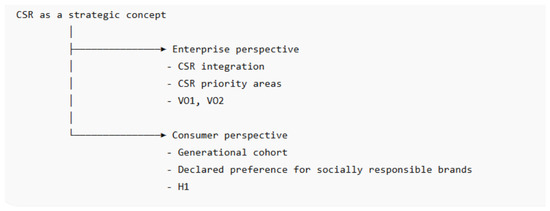
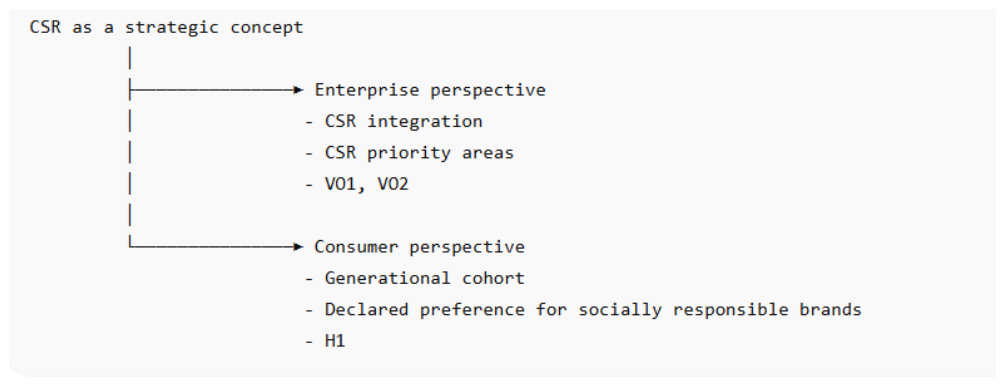

Disclaimer/Publisher’s Note: The statements, opinions and data contained in all publications are solely those of the individual author(s) and contributor(s) and not of MDPI and/or the editor(s). MDPI and/or the editor(s) disclaim responsibility for any injury to people or property resulting from any ideas, methods, instructions or products referred to in the content. |
© 2026 by the authors. Licensee MDPI, Basel, Switzerland. This article is an open access article distributed under the terms and conditions of the Creative Commons Attribution (CC BY) license.