


Abstract
Digital transformation has increased interest in the use of blockchain in Accounting Systems Auditing because of its potential to strengthen data integrity, decentralized validation, traceability, and accountability. However, the available evidence remains fragmented across technical, theoretical, methodological, and bibliometric dimensions. This study systematically analyzes the literature on blockchain and its influence on Accounting Systems Auditing, focusing on effectiveness criteria, auditing indicators, journal quartiles, definitions, theoretical foundations, thematic patterns, and keyword co-occurrence. A systematic literature review was conducted following the Kitchenham approach and the PRISMA guideline, covering studies published between 2019 and August 2025. From 5031 initial records, 63 studies were retained after applying exclusion criteria and quality assessment. The findings show that blockchain effectiveness is mainly evaluated through data integrity and decentralization, while scientific production is concentrated in Q1 and Q2 journals. The literature remains strongly oriented toward technical and operational foundations, with limited integration of broader theoretical frameworks. Thematic analysis identifies tokenization and governance as motor themes, while blockchain, auditing, and accounting constitute the most influential semantic nodes. This review contributes by integrating conceptual, theoretical, methodological, metric, and bibliometric dimensions into a single framework, offering a clearer understanding of how blockchain may transform audit evidence, internal control, assurance quality, fraud risk, accountability, and auditor judgment. The field shows high scientific visibility but still requires stronger theoretical integration, evaluative standardization, and empirical validation in real-world auditing contexts.
1. Introduction
In the current context of digital transformation, financial auditing faces a dynamic environment in which emerging technologies are redefining traditional mechanisms for verification and control of accounting information. In this scenario, Blockchain technology emerges with the potential to strengthen data integrity, enable decentralized validation, and improve accountability. However, there is still no systematized understanding of its application and evaluation in Accounting Systems Auditing, which limits the identification of trends and empirical evidence, creating a gap in the literature regarding its real impact on auditing processes.
In recent years, the literature has shown increasing interest in the transformative potential of Blockchain across different organizational contexts, especially those related to financial management, cloud services, and integration with enterprise systems; in this regard, studies by Alles and Gray (2020), Du et al. (2023), and Shmam and Alden Riyadh (2024) indicate that this technology can enhance institutional performance, facilitate its implementation through cloud infrastructures, and integrate with ERP and AIS systems to improve accounting information management. Likewise, Fikri et al. (2022), S. N. Khan et al. (2021), and Alles and Gray (2023), in research focused on automation and efficiency in accounting processes, highlight that Blockchain can reduce fraud, more accurately assess the efficiency of enterprise asset systems, and significantly improve the sharing of accounting information in terms of accuracy, costs, and operational performance.
From an auditing perspective, Hughes et al. (2019), Perera and Abeygunasekera (2022), and Chavali et al. (2024) agree that auditing constitutes a central axis of the field, although they warn that its integration does not eliminate the need for professional judgment and, on the contrary, requires specialized auditors capable of critically validating the correspondence between digital data and physical reality. Similarly, Pascual Pedreño et al. (2021), Nguyen and Hoang (2023), and Matskiv et al. (2023) emphasize that Blockchain strengthens the security, traceability, and decentralization of accounting systems through cryptographic models, integration with technologies such as IoT, and improvements in internal auditing, although it also introduces new control requirements and emerging risks.
In contrast, when analyzing its adoption in institutional contexts and emerging markets, Sarwar et al. (2021), Larikova et al. (2023), and Kitsantas and Chytis (2022) show that, despite a high perception of feasibility, significant barriers remain, such as technical complexity, implementation costs, resistance to change, and the lack of practical experience. In this regard, Akter et al. (2024), Ibañez et al. (2023), and Zichichi et al. (2023) argue that technological knowledge improves the quality of accounting information and the intention to use Blockchain, although the absence of clear standards and auditing guidelines continues to act as a major obstacle to its effective adoption.
Furthermore, Alkafaji and Dashtbayaz (2023), Dashkevich et al. (2024), and Almadadha (2024) propose frameworks and models that expand the understanding of the phenomenon, whether through the TOE approach, the concept of Blockchain as an ecosystem, or the integration of triple-entry accounting with smart contracts, revealing a shift toward more complex schemes of automation and accounting governance; complementarily, Seshadrinathan and Chandra (2025) reinforce this perspective by highlighting the importance of trust, compatibility, and organizational and environmental factors in the adoption of this technology. Finally, Prux et al. (2021), Juma’h and Li (2023), and Hassanein et al. (2025) show that the field has experienced sustained expansion, both in terms of increasing publications and the consolidation of thematic axes related to governance, continuous auditing, smart contracts, and new roles of the accountant, confirming that Blockchain is becoming a strategic component for the present and future of Accounting Systems Auditing. C. Liu et al. (2024) suggest that the integration of blockchain with artificial intelligence and smart contracts can reduce accounting tasks by up to 50%, highlighting its potential to optimize operational processes; in the same vein, Lombardi et al. (2021) emphasize its capacity to automate procedures, although they warn about the need for specific regulatory frameworks and specialized technical training, while Lazea et al. (2024) delve into the challenges associated with cryptocurrency accounting, particularly in terms of audit reliability and legal compliance.
In this context, it is important to note that Suta and Tóth (2023) propose integrating blockchain with technologies such as IoT and XBRL to improve the traceability of environmental indicators, such as greenhouse gas emissions, thereby strengthening the transparency of non-financial reporting and consolidating sustainability accounting. Likewise, Grida et al. (2023) introduce a hierarchical model that emphasizes critical factors such as the regulatory environment, competitive pressure, technical scalability, and organizational support, demonstrating that the adoption of this technology depends on structural and strategic contextual conditions. In this regard, Kiani et al. (2023) analyze its application in the healthcare sector, highlighting that blockchain can enhance the privacy of medical data by reducing dependence on centralized systems, which is particularly relevant in environments sensitive to information protection. Additionally, H. U. Khan et al. (2024) and Bai and Sarkis (2020) address its application in supply chain management, emphasizing benefits such as trust generation among stakeholders, improved operational transparency, and the promotion of sustainability, as well as proposing methodological frameworks for selecting blockchain technologies in contexts characterized by uncertainty. In summary, Secinaro et al. (2022) provide an integrative view of the use of blockchain in accounting, auditing, and accountability, highlighting its interdisciplinary nature; however, although they recognize significant conceptual advances, they also point out the predominance of theoretical approaches, thereby underscoring the need for empirical studies that validate its real impact on accountability and on the transformation of accounting control systems.
Despite the sustained growth of the literature on Blockchain in accounting and auditing, the state of the art reveals the absence of studies that systematically and jointly integrate the evaluation criteria of Blockchain effectiveness, the indicators of Accounting Systems Auditing, the quartile levels of journals, the definitions and theoretical foundations, as well as thematic evolution and keyword co-occurrence in this field. This limitation restricts a comprehensive understanding of the phenomenon, since existing studies address in a fragmented manner technical, adoption, or application aspects, without offering an articulated vision that allows comparison of approaches, identification of patterns of scientific development, and understanding of the conceptual and bibliometric maturity of the area. The present review differs from existing systematic reviews by integrating, in a single analysis, conceptual, theoretical, metric, and bibliometric dimensions, providing a multidimensional perspective that makes it possible not only to identify what has been investigated, but also how knowledge on Blockchain and its influence on Accounting Systems Auditing has been evaluated, conceptualized, and disseminated.
To clarify the contribution of this review, Table 1 compares the present study with the most closely related prior reviews.
Table 1.
Comparative positioning of the present review against closely related prior reviews.
As shown, prior reviews have mainly focused on bibliometric mapping, general accounting applications, auditing disruption, cryptocurrency accounting, or professional audit implications. In contrast, the present review focuses specifically on Accounting Systems Auditing and integrates effectiveness criteria, auditing indicators, journal quartiles, theoretical foundations, thematic synthesis, and keyword co-occurrence in a single framework. Accordingly, this review makes three main contributions. First, at the theoretical level, it clarifies how blockchain capabilities—such as immutability, traceability, decentralization, and smart contracts—are connected with key dimensions of Accounting Systems Auditing, including audit evidence, internal control, assurance quality, fraud risk, accountability, and auditor judgment. Second, at the methodological level, it combines a systematic literature review protocol with bibliometric, conceptual, and thematic analysis, allowing the study to move beyond a descriptive mapping of publications toward an integrated synthesis of methods, indicators, effectiveness criteria, and theoretical foundations. Third, at the practical and managerial level, the review provides auditors, accounting professionals, managers, and decision-makers with a structured understanding of the opportunities, limitations, and implementation challenges associated with blockchain adoption in accounting and auditing environments.
The objective of the research is to systematically analyze the literature on Blockchain and its influence on Accounting Systems Auditing, in order to identify effectiveness criteria, auditing indicators, quartile levels, definitions and theoretical foundations, predominant themes, and the most frequent co-occurring keywords that characterize this field of study. To address this objective, the study adopts a systematic literature review approach based on the Kitchenham methodology and PRISMA guidelines, allowing a transparent and reproducible process for identifying, selecting, evaluating, and synthesizing the literature. In practical terms, the study also offers an integrated reference for understanding blockchain-related opportunities and challenges in Accounting Systems Auditing. The present study is organized as follows: Section 2 develops the theoretical framework that supports Blockchain technology and analyzes its main applications in the accounting and auditing domain. Section 3 describes the methodology used, based on the approach proposed by Kitchenham and the PRISMA guideline, which made it possible to structure the systematic review process into clearly defined phases: planning, conducting, and synthesis. Section 4 presents the results and their discussions derived from the analysis of the selected papers, addressing the most studied variables, keyword co-occurrence, evaluation criteria, and impact levels of scientific journals. Finally, Section 5 details the conclusions and presents the limitations of the study, along with future research directions.
2. Background
This section examines the most relevant background related to blockchain technology and its integration into accounting auditing systems. Finally, the tools used for the development of this review are described.
2.1. Blockchain
Blockchain technology is considered a key technological factor aimed at improving transparency, traceability, and security in accounting processes. Its decentralized architecture, supported by immutable records, allows transactions to be recorded in a secure and verifiable manner, reducing the risk of data manipulation. Various studies have analyzed its application in financial and accounting contexts. Fullana and Ruiz (2021) proposed its integration with ERP systems through cryptographic structures to strengthen the security of accounting information. In the public sector, Sarwar et al. (2021) evaluated its adoption, identifying barriers such as limited technical training and organizational complexity. On the other hand, Cai (2021) highlighted the use of smart contracts and permissioned blockchains as mechanisms to improve control and efficiency in governmental entities. From a technical perspective, Gou and Deng (2023) applied the TOE framework to identify the factors influencing its adoption at the organizational level. Similarly, Pimentel and Boulianne (2020) examined its implementation in developing countries, emphasizing regulatory and ethical challenges. Finally, Gamboa-Cruzado et al. (2026) developed a web-based system for issuing financial certificates on blockchain, obtaining positive results in terms of authenticity, efficiency, and user acceptance, which confirms its viability in accounting environments. Overall, the evidence indicates that blockchain has significant potential to modernize accounting systems, although its effective implementation still depends on specific technical, regulatory, and organizational conditions.
2.2. Accounting Systems Auditing
In this review, Accounting Systems Auditing refers to the evaluation of accounting information systems, digital accounting records, internal controls, transaction-processing mechanisms, and governance procedures that support data integrity, traceability, reliability, and accountability in accounting environments. Accounting systems auditing has progressively evolved toward more automated and data-intensive environments in response to increasing demands for transparency, accuracy, and efficiency in financial management. This transformation has been driven by several factors, including the digitalization of accounting processes, the need for continuous real-time monitoring mechanisms, and the incorporation of emerging technologies into information systems. According to Lombardi et al. (2021), contemporary auditing approaches are no longer limited to the verification of financial records but also include the evaluation of internal control systems, fraud detection and prevention, and the strengthening of corporate governance practices. In the same vein, C. Liu et al. (2024) indicate that technological advancements have enabled the optimization of approximately up to 50% of accounting activities, significantly increasing the overall efficiency of the system. On the other hand, studies such as those by Hassanein et al. (2025) and Prux et al. (2021) highlight that research on accounting auditing has been mainly concentrated in developed countries, where there is greater investment in digital infrastructure and specialized professional training. Likewise, Akter et al. (2024) demonstrate that even in emerging economies, a higher level of technological proficiency can substantially improve the quality and reliability of audited information. Finally, works such as those by Suta and Tóth (2023) and Gauthier and Brender (2021) emphasize the need to adapt regulatory frameworks, strengthen technical competencies, and explore innovative methodologies such as triple-entry accounting to ensure the effectiveness of auditing systems in digital contexts.
2.3. Blockchain as a Catalyst for the Transformation of Accounting Systems Auditing: Technological Integration, Theoretical Foundations, and Emerging Challenges
Blockchain technology introduces a decentralized paradigm based on immutable and verifiable records that can transform Accounting Systems Auditing by enabling continuous traceability, automation through smart contracts, and distributed validation of transactions. These capabilities may strengthen internal control, reduce information asymmetry, improve the reliability of auditable processes, and support more transparent accountability mechanisms. However, this transformation should not be interpreted only as a technological change, but also as an organizational, control-related, and governance-related process.
From the perspective of the Technology–Organization–Environment (TOE) framework, blockchain adoption depends on technological, organizational, and environmental conditions, including system compatibility, scalability, cybersecurity, managerial support, digital maturity, professional competencies, regulatory pressure, and institutional trust. Agency theory provides a complementary lens by explaining how blockchain may reduce information asymmetry, monitoring costs, and fraud risk by improving the visibility, traceability, and reliability of accounting records. However, blockchain does not eliminate the need for auditor judgment, since auditors must still evaluate system design, access permissions, smart contract logic, off-chain data reliability, and the correspondence between digital records and economic events.
Governance theory extends this interpretation by explaining how blockchain modifies the distribution of control, validation, and responsibility among actors. While traditional auditing often relies on centralized records and institutional control structures, blockchain introduces distributed validation and shared verification mechanisms that may improve transparency and accountability. Taken together, these perspectives show that the TOE framework explains the conditions for adoption, agency theory explains the reduction in information asymmetry and monitoring costs, and governance theory explains the redistribution of control and accountability in blockchain-enabled Accounting Systems Auditing.
3. Research Methodology
For the development of this systematic review, the method proposed by Kitchenham and Charters (2007) was employed, which defines a structured and rigorous approach that enables the objective collection, analysis, and synthesis of scientific information. This methodology is organized into three main phases: planning, conducting, and synthesis of results; additionally, the methodological guideline Preferred Reporting Items for Systematic Reviews and Meta-Analyses (PRISMA, 2020) was incorporated. This approach allows for a clearer and more transparent structuring of the stages of the review process, from the identification of studies to their final inclusion, ensuring traceability and quality in the selection of the literature. While the Kitchenham approach provides the technical and strategic guidelines inherent to the scientific domain, PRISMA acts as a complementary support that standardizes the way in which the review flow is reported and visualized through diagrams, facilitating the reproducibility and understanding of the process followed.
These two frameworks were selected for their fit with the nature and objective of this review, rather than for their general popularity. The Kitchenham approach was preferred because it offers a protocol-driven, replicable procedure developed for technology-intensive domains; unlike meta-analytic protocols, which require homogeneous quantitative outcomes, it accommodates the heterogeneous conceptual, technical, and empirical evidence that this review must integrate, while still providing explicit stages for quality assessment and data extraction that a purely narrative review would not guarantee. PRISMA 2020 was adopted as a complementary reporting guideline, since Kitchenham governs how the review is conducted whereas PRISMA standardizes how the identification, screening, and inclusion process is reported and visualized through its flow diagram; its 2020 version was preferred for its clearer documentation of records removed through automation tools and database filters, directly relevant to the large-scale screening performed here. Together, both frameworks ensure rigor in execution and transparency in reporting, consistent with the integrative objective of this study.
3.1. Research Questions and Objectives
The research questions to be addressed in this study are presented, considering their respective lines of inquiry, which allow the delimitation and focus of the literature review, facilitating the collection of relevant information. Likewise, each formulated question corresponds to a specific objective, guiding the analysis toward key dimensions of the study.
- RQ1: What criteria are used to evaluate the effectiveness of Blockchain technology?
- RQ2: What indicators are used to evaluate Accounting Systems Auditing?
- RQ3: What quartile levels are presented by the journals in which research on the effect of Blockchain on Accounting Systems Auditing has been published?
- RQ4: What definitions, theoretical foundations, and theoretical models are reported in studies on Blockchain and its influence on Accounting Systems Auditing?
- RQ5: What topics are addressed in research on Blockchain and its influence on Accounting Systems Auditing?
- RQ6: Which keywords present the highest frequency of co-occurrence in research on Blockchain and its influence on Accounting Systems Auditing?
3.2. Information Sources and Search Strategies
A systematic bibliographic search was carried out across five high-impact, multidisciplinary academic databases—IEEE Xplore, Scopus, ARDI, ScienceDirect, and EBSCOhost—selected to jointly cover the two dimensions that define the object of study. Because blockchain is a technology whose foundational and applied developments are frequently published in technical venues, IEEE Xplore was included to capture the technological dimension, whereas Scopus, ScienceDirect, ARDI, and EBSCOhost—through their multidisciplinary scope and their business and accounting collections—ensured comprehensive coverage of the accounting, auditing, and business-administration literature. This combination is consistent with the interdisciplinary nature of the topic, which lies at the intersection of an emerging technology and the accounting and auditing domain, and is aligned with the scope of the journal. It should be noted that no restriction by subject area or scientific discipline was applied at the database level; the corpus was delimited thematically through the search descriptors, organized into two conceptual groups (Blockchain Technologies and Accounting Systems Auditing), and through the thematic-relevance screening (EC6). Consequently, the retained studies are not confined to a single field but comprise all contributions—technical, accounting, managerial, or applied—that address the intersection between blockchain and Accounting Systems Auditing. The exhaustive search across all databases was completed on 19 August 2025, with the aim of capturing the most recent advances in this continuously evolving field of study. The search strategy was designed to maximize both coverage and precision in the retrieval of scientific literature; for this purpose, a set of controlled descriptors and their corresponding synonyms was defined, organized into conceptual groups and applied using Boolean operators across the different databases. The descriptors used, structured according to each conceptual group corresponding to the study variables, are presented in Table 2.
Table 2.
Search descriptors and their synonyms organized by conceptual group.
The search strategy was designed to prioritize thematic precision in the intersection between blockchain technology and Accounting Systems Auditing. Therefore, the descriptors were organized around two conceptual groups: Blockchain Technologies and Accounting Systems Auditing. Terms such as “blockchain”, “blockchain technology”, and “distributed ledger” were used to capture the technological dimension, while terms such as “accounting audit”, “financial auditing”, “accounting control”, “accounting system”, and “accounting information system” were used to delimit the accounting and auditing domain. Complementary terms such as “block network” and “accounting financial” were included to broaden retrieval within specific database search fields, but they were not used as standalone search criteria. To assess the influence of truncation on retrieval, a sensitivity test was conducted on 28 June 2026 by running the search equation with and without truncation under identical conditions. The effect was heterogeneous across platforms: Scopus (283 vs. 320), IEEE Xplore (37 vs. 61), and ARDI (231 vs. 222), while ScienceDirect does not support wildcards and returned an explicit error. These counts precede the application of the eligibility criteria and the thematic-relevance screening.
Table 3 presents the information sources used and the corresponding search equations for each, constructed from previously defined descriptors, which are essential to ensure a relevant, systematic, and reproducible retrieval of scientific literature in the research process.
Table 3.
Source and search equation.
3.3. Identified Studies
In the bibliographic review process, five recognized academic databases were used to collect studies related to the intersection between blockchain technology and accounting systems auditing. Figure 1 presents the number of documents retrieved from each platform, making it possible to demonstrate the diversity and scope of the available scientific literature on the topic.
Figure 1.
Results of manuscript searches in the databases.
3.4. Selection Criteria
For the selection process, exclusion criteria (EC) were established with the aim of ensuring the quality and relevance of the papers included in the review. These criteria made it possible to filter out non-relevant studies or those with limited methodological rigor, ensuring the consistency and validity of the analyzed corpus.
- EC1: Documents corresponding to books, chapters, theses, or systematic/bibliometric reviews.
- EC2: Papers older than seven years.
- EC3: Papers not written in English.
- EC4: Papers not published in peer-reviewed conferences or journals.
- EC5: Full text of the paper not available.
- EC6: Titles and keywords with low thematic relevance.
- EC7: Duplicate papers in the corpus.
- EC8: Short paper type documents.
The exclusion criteria were defined to ensure the consistency, relevance, and reliability of the final corpus. EC1 was applied to exclude books, chapters, theses, and systematic or bibliometric reviews, since the study prioritized primary research contributions and sought to avoid duplication of already synthesized evidence. EC2 was applied to maintain temporal relevance, since blockchain technologies and their auditing applications evolve rapidly and older studies may not reflect current technological, regulatory, or organizational conditions. EC3 was used to ensure linguistic consistency during screening, extraction, and interpretation. EC4 ensured that the corpus was based on peer-reviewed scientific contributions published in conferences or journals. EC5 was necessary because studies without full-text access could not be evaluated in sufficient methodological and substantive detail. EC6 ensured thematic alignment with the objective of the review by excluding studies whose titles, keywords, or content showed weak relevance to blockchain and Accounting Systems Auditing. EC7 was applied to remove duplicate records and prevent the same study from being counted more than once. Finally, EC8 was applied to exclude short paper type documents, since their limited extension may not provide sufficient methodological detail, theoretical development, or analytical depth for systematic synthesis.
3.5. Study Selection
During the study selection process, the predefined exclusion criteria were applied according to the corresponding PRISMA stage in order to ensure the quality, relevance, and consistency of the papers considered. Duplicate records were removed before screening. Thematic relevance was assessed during the title, abstract, and keyword screening stage. Full-text availability was verified during the report retrieval stage. Therefore, EC5, EC6, and EC7 were part of the PRISMA-based selection process and were not treated as automatic filters applied within each database platform. The procedure is represented in Figure 2, which follows an official PRISMA 2020 flow diagram template for new systematic reviews based on databases and registers and illustrates the flow of identification, screening, eligibility, and inclusion of the studies.
Figure 2.
PRISMA flow diagram.
After completion of the PRISMA-based identification, screening, and inclusion process, 75 studies were retained for quality assessment. The quality assessment was conducted as a subsequent and independent methodological step. After applying the predefined quality threshold, 12 studies were excluded, resulting in a final corpus of 63 studies included in the qualitative and bibliometric synthesis.
3.6. Quality Assessment
To ensure the methodological rigor of the studies included in this review, seven quality assessment questions (QA) were defined, which allowed the analysis of fundamental aspects such as the clarity of the objective, methodological validity, the relevance of the results, and the applicability of the findings in relation to the study focus.
- QA1: Are the research objectives clearly defined?
- QA2: Is the study design consistent with the stated objectives?
- QA3: Are the techniques used clearly described and their selection justified?
- QA4: Were the analyzed indicators measured appropriately?
- QA5: Are the data collection methods sufficiently presented?
- QA6: Are the obtained data adequately described?
- QA7: Is the purpose of the data analysis clearly stated?
Each quality assessment criterion was designed to evaluate a specific dimension of methodological reliability and validity. QA1 assessed whether the study objectives were clearly defined, since unclear objectives reduce the interpretability and relevance of the findings. QA2 evaluated the coherence between the study design and the stated objectives, which is necessary to determine whether the methodological approach was suitable for answering the research problem. QA3 examined whether the techniques used in the study were clearly described and justified, thereby supporting transparency and reproducibility. QA4 assessed whether the indicators analyzed in each study were measured appropriately, which is essential for construct validity and for avoiding unsupported interpretations. QA5 evaluated whether the data collection methods were sufficiently presented, since incomplete reporting may weaken reliability and limit replicability. QA6 assessed whether the obtained data were adequately described, allowing the results to be interpreted consistently. Finally, QA7 evaluated whether the purpose of the data analysis was clearly stated, ensuring that the analytical process was aligned with the objectives and evidence presented.
To ensure the reliability and validity of the selected studies, a systematic quality assessment process was applied based on seven previously defined criteria (QA1–QA7). Each criterion was evaluated using a three-level scale: 1 (low quality), 2 (acceptable quality), and 3 (high quality). As shown in Table 4, all studies correspond to journal papers, with a predominant concentration of scores between 17 and 20.
Table 4.
Summary of quality assessment grouped by type and score.
For readability, bracketed numerical identifiers are used in the synthesis tables. The correspondence between these identifiers, the full references, and the standard author–date citations is provided in Appendix A, Table A1.
After applying the exclusion criteria, 75 studies were retained for quality assessment. These studies were not considered the final synthesis corpus at this stage. The quality assessment was based on seven criteria, each scored from 1 to 3 points; therefore, the total score for each study ranged from 7 to 21 points. The previously reported score of 22 was a recording error and was corrected to fit within the maximum possible score of 21. A minimum threshold of ≥14 points was established for inclusion in the final synthesis because this value corresponds to an average score of 2 points per criterion, representing an acceptable methodological quality level across the evaluated criteria. Studies scoring below this threshold were excluded. Accordingly, 12 studies were removed after quality assessment, and 63 studies were finally retained and included in the qualitative and bibliometric synthesis. The quality assessment was conducted by the research team through a joint review process, and doubtful cases were discussed until a consensus score was reached.
3.7. Data Extraction Strategies
Once the quality assessment had been completed and the final selection of the 63 included studies had been established, the systematic extraction of relevant information from each study was carried out in order to answer the formulated research questions. Data management was conducted using Mendeley Desktop (v1.19.8), which enabled the bibliographic sources to be organized, refined, and consolidated efficiently and in a structured manner. In addition, citation counts were obtained through the Crossref REST API using the DOI of each article. Specifically, the endpoint ‘https://api.crossref.org/works/{doi}’ was used, and the citation value was extracted from the ‘is-referenced-by-count’ field. Journal quartile and h-index values were obtained from SCImago Journal & Country Rank on 19 August 2025. The H-index is a bibliometric indicator that combines productivity and citation impact. In general terms, a source has an H-index of h when h publications have received at least h citations each. The values reported in the impact tables of this review correspond to the sum of the journal-level h-index values of the sources within each grouping (year, country, quartile, and source), rather than to an author- or article-level h-index.
In studies related to blockchain and the auditing of accounting systems, several authors have employed specialized tools for scientific analysis; for example, Lombardi et al. (2021) employed Bibliometrix and its interactive interface, Biblioshiny, to generate publication statistics and represent scientific trends, whereas Lazea et al. (2024) used CiteSpace to identify emerging research lines. However, although several bibliometric tools share functions related to data organization, mapping, and visualization, they should not be interpreted as fully equivalent. Tools such as VOSviewer, Bibliometrix/Biblioshiny, CiteSpace, and RAj may differ in their algorithms, normalization procedures, available metrics, network-construction options, and visualization outputs. Therefore, in the present review, RAj (Research Assistant j), developed by Professor Dr. Javier Gamboa, was employed as an auxiliary research-support tool to organize the extracted information, support descriptive synthesis, and generate informative visualizations, while recognizing that other tools may provide complementary perspectives and additional bibliometric indicators. Its use was limited to data structuring and analysis after the final corpus had been established. RAj did not replace the eligibility screening, quality assessment, or interpretation of the studies, which were conducted according to the methodological criteria described in the previous subsections.
3.8. Synthesis of Findings
During this phase of the study, a systematic process of analysis and synthesis of the selected scientific papers was conducted, with the objective of providing clear and well-founded answers to each of the research questions posed (RQ1–RQ6). This process focused not only on the quantity of available evidence, but primarily on the quality, consistency, and relevance of the included studies, ensuring a solid foundation for each question. Based on the results obtained, analytical and statistical comparisons were performed among the findings reported in the literature, which made it possible to identify significant patterns, trends, convergences, and divergences in relation to the study variables. Likewise, the set of analyzed papers provided a comprehensive view of the predominant theoretical and methodological approaches in the field, contributing to a deeper understanding of the investigated phenomenon. Consequently, this phase was fundamental for structuring a rigorous, coherent, and well-supported analysis, which enabled the consolidation of a critical and high-quality synthesis within the framework of this systematic review.
4. Results and Discussion
In order to ensure a systematic and reproducible analysis of the selected studies, a structured information processing procedure was established, aimed at transforming the collected data into useful knowledge to answer the research questions. This approach integrates stages of organization, cleaning, and analysis, ensuring the consistency and traceability of the obtained results. Figure 3 presents the flow of processing of the selected documents, structured into phases of data collection, preprocessing, and data mining. From this procedure, it was possible to identify relevant patterns and carry out their subsequent interpretation, contributing to the generation of knowledge in the context of the study.
Figure 3.
Processing of the selected documents.
4.1. Overview of the Studies
This section presents an overview of the selected studies, synthesizing their main characteristics in terms of methodological approaches, research areas, and application contexts. This analysis allows the identification of predominant trends, common research lines, and existing gaps in the literature. In this way, a comprehensive understanding of the current state of the field is established, which serves as the basis for the detailed discussion in the following subsections.
Figure 4 integrates the analysis of scientific production through three components: the annual evolution of papers disaggregated by indexing sources, the distribution of accumulated citations through a Pareto diagram, and trend evaluation using Kendall’s coefficient. In turn, Table 5 complements this approach by presenting quantitative impact metrics by year, including number of papers, citations, h-index, and citations per paper, enabling a comprehensive evaluation of the productivity and relevance of the field.
Figure 4.
Number of papers per year.
Table 5.
Impact of papers by year.
Based on the reported results, scientific production intensifies in 2023 and 2024 with 15 papers per year (23.8% in each case), and this increase is mainly associated with records documented from Scopus (8 studies in 2023 and 7 in 2024), followed by relevant contributions documented from ScienceDirect (5 studies in 2021 and 2024). However, this database attribution should not be interpreted as exclusive coverage by a single database, because the same article could have been retrieved from more than one source. After duplicate removal, each retained record was associated with the database source recorded during the search process for traceability purposes. Therefore, the database-specific counts are descriptive of the retrieval and documentation process, rather than evidence that each study was uniquely available only in that database. This suggests that the recent expansion of the field has not been homogeneous across sources, but rather driven primarily by high-visibility repositories that act as channels for thematic consolidation. The observed distribution shows that the impact is strongly concentrated in earlier cohorts, since 2021 accumulates 950 citations (44.1%) and 2019 accumulates 637 (29.6%), so that both years together account for 73.6% of the total based on the Pareto analysis; this concentration is confirmed in the results with the highest values of citations per paper in 2019 (159.3) and 2021 (73.1), indicating a combined effect of a broader citation time window, early positioning of influential works, and a greater capacity of these studies to become foundational references in the field. The identified pattern further indicates that the Increasing trend of Kendall’s test (p = 0.031), together with a moderate fit (R2 = 0.68), confirms an upward growth in production; however, the table shows that this quantitative increase does not translate linearly into immediate impact, since 2024 contributes 23.8% of the papers but only 3.0% of the citations and 4.3 citations per paper, while 2023 concentrates the highest % H-Index (27.1%), which reveals an expansion phase in journals or sources of higher bibliometric prestige, although still under the effect of insufficient citation maturation.
Hassanein et al. (2025) report a significant growth between 2017 and 2021, reflecting an upward trend in publications and academic collaboration as the technology is progressively integrated into business operations. In the same vein, C. Liu et al. (2024) present an increasing trend in the search for academically relevant papers, indicating a sustained expansion of the theoretical and empirical body of knowledge surrounding blockchain-based accounting. Likewise, Lazea et al. (2024) report a similarly upward trajectory and suggest that this dynamic may be explained by the intensification of online transactions, the development of blockchain technologies, and the need to study and legally recognize such transactions. Nevertheless, Sheela et al. (2023) emphasize the growing academic interest in the application of blockchain in accounting and auditing, particularly highlighting its potential in the auditing domain. In contrast, Georgiou et al. (2024) present a temporal evolution in which publications reach their peak in 2019, the year that accounts for the highest percentage of the reviewed studies, introducing a relevant nuance in relation to the sustained growth trends described by other authors. Overall, the studies converge in evidencing a notable expansion of scientific interest in blockchain within accounting and auditing; however, although they differ in how this temporal evolution is represented, it is important to observe that they all recognize a progressive consolidation of the field and, consequently, a greater research density regarding its applications and effects.
These results suggest that, in other business sectors and in different geographical regions, periods of accelerated growth in publications should be interpreted with caution, because recent volume may reflect thematic expansion and increased presence in high-impact sources without necessarily implying citation consolidation, especially when time windows are short. Likewise, from a methodological and strategic perspective, the combination of source-based analysis, citation Pareto distribution, Kendall trend analysis, and indicators such as h-index and citations per paper constitutes a replicable framework for evaluating the maturity of emerging research lines across different periods, comparing consolidation rates across domains, and guiding decisions on publication, funding, and scientific monitoring.
Figure 5 represents the bibliometric co-citation network among authors, highlighting structural relationships and the intensity of links through co-occurrence weights. Table 6 complements this analysis by identifying the most influential citations and their network metrics (degree, strength, clustering coefficient, and betweenness), while Figure 6 shows the partition of the network into communities using the Louvain algorithm, allowing for an understanding of the thematic organization of the field.
Figure 5.
Bibliometric co-citation network.
Table 6.
Top citations and their network metrics in the co-citation network.
Figure 6.
Citation clusters using Louvain Communities.
The analysis reveals that the co-citation network presents a highly centralized structure around authors such as dai j. and bednárová m., who register the highest values of degree (0.46 and 0.36) and strength (1069 and 711), indicating their role as articulating nodes that connect multiple research lines and consolidate the intellectual core of the field. The observed distribution shows that the highest co-citation weights (up to 14) are concentrated among recurring pairs such as dai j. and vasarhelyi m. a., suggesting strong systematic co-referencing in the literature, likely derived from foundational contributions or theoretical frameworks widely adopted in subsequent studies. The identified pattern indicates that the high modularity (0.59) and the formation of five well-defined clusters (highlighting “Blockchain auditing in accounting” with 207 citations) reveal a cohesive yet segmented thematic structure, where subareas such as applied cryptography, digital governance, and automation develop in an interrelated manner but with relative conceptual autonomy.
According to Hassanein et al. (2025), co-citations are structured into four distinct clusters of 35, 25, 20, and 4 authors, where each author belongs to a single group, evidencing the existence of clearly segmented research lines in the field of blockchain and Accounting Systems Auditing. In the same vein, C. Liu et al. (2024) highlight that Dai and Vasarhelyi stand out for their proposal of triple-entry accounting based on blockchain, representing 16.45% of the total co-citations among the ten most influential documents, which is relevant for understanding the consolidation of dominant theoretical approaches. Likewise, Georgiou et al. (2024) reinforce this finding by indicating that these authors account for approximately 30% of the citations, positioning them as key references in the configuration of knowledge in this field. In turn, Hakim and Bahari (2021) identify three well-defined clusters, represented by the colors red, green, and blue, which collectively confirm the presence of multiple research streams that coexist and evolve in parallel within the field of study.
These results indicate that in other research domains and business sectors, the identification of central nodes and co-citation relationships makes it possible to recognize key references and dominant knowledge structures, facilitating academic positioning strategies and technology transfer. Likewise, the application of network analysis techniques and community detection methods such as Louvain constitutes a robust and replicable approach to map the thematic evolution and specialization of emerging fields across different geographical and temporal contexts.
Figure 7 shows the geographical distribution of publications by country, combining a georeferenced map and a bar chart that allow the identification of both global coverage and the concentration of scientific production. Table 7 complements this analysis by incorporating impact metrics by country, including number of papers, citations, h-index, and citations per paper, enabling the evaluation not only of productivity but also of the relative influence of each national context.
Figure 7.
Distribution of publications by country.
Table 7.
Impact of papers by country.
As observed in the findings, China (12 publications) and the United States (12) lead scientific production, which can be attributed to their greater institutional capacity, investment in research and technological development, as well as more consolidated academic ecosystems in areas related to blockchain and digital accounting. The observed distribution shows that impact does not follow the same logic as production, since countries such as the United Kingdom (53.6 citations per paper) and Spain (54.0) exhibit higher citation efficiency than China (7.8), suggesting that a smaller number of studies may be associated with more focused contributions and greater academic visibility. The identified pattern indicates that some countries with low production, such as Canada (152.0 citations per paper) or Argentina (82.0), show high levels of relative impact, indicating that quality, thematic specialization, or participation in international research networks may influence citation rates more than publication volume.
Hassanein et al. (2025) position China as the country with the highest scientific production in the analyzed domain, followed by the United Kingdom and Jordan, highlighting a significant concentration of research in specific regions. In contrast, Lazea et al. (2024) identify the United States as the leading producer with 44 documents, followed by Ukraine (14) and the United Kingdom (13), suggesting variations in geographic distribution depending on the analyzed corpus. In the same vein, Lombardi et al. (2021) also emphasize the United States as the leader with 23% of publications, followed by China and Australia with 13%, reinforcing its predominant role in knowledge generation. Likewise, Silva et al. (2022) again report China as the country with the highest production (34 papers), followed by the United States (25) and, at a greater distance, the United Kingdom and India (13), confirming a dual leadership between China and the United States at the global level. Overall, the studies converge in indicating a strong concentration of scientific production in these two powers; however, the observed differences may be attributed to variability in databases, time periods, and selection criteria considered in each study.
These results show that, across other sectors and geographic regions, leadership in research output does not necessarily imply leadership in impact; therefore, research strategies should be aimed not only at increasing the volume of publications, but also at strengthening the quality and international visibility of studies. Likewise, from a methodological and strategic perspective, the integration of geographic analysis with impact metrics makes it possible to identify poles of excellence and opportunities for international collaboration, which is crucial for the balanced development of emerging fields across different temporal and territorial contexts.
Table 8 summarizes the methodological categories identified in the reviewed studies, including the methods used, reported performance, main limitations, associated references, and relative frequency. This classification provides a concise overview of the methodological profile of the literature and helps compare conceptual, technical, empirical, and applied approaches in blockchain-based Accounting Systems Auditing.
Table 8.
Synthesis of findings by methodological category.
Method Category. Table shows a predominance of conceptual, comparative, and theoretical analyses, with 17 studies (28.8%). These are followed by qualitative/case-based studies and survey- or SEM-based empirical studies, each with 9 studies (15.2%). This distribution suggests that the field remains largely oriented toward conceptual consolidation and exploratory interpretation, while experimental validation and applied testing are still less frequent.
Methods used. The reviewed studies show methodological diversity, but this diversity is unevenly distributed. Reviews, comparative analyses, interviews, explanatory frameworks, SEM/PLS-SEM models, prototypes, cryptographic schemes, and experimental evaluations coexist in the corpus. However, these methods remain dispersed across categories, indicating that the field has not yet developed a dominant validation standard.
Performance. Reported performance varies considerably across methodological categories. Technical studies report metrics related to risk mitigation, audit quality, feature recognition, management accuracy, throughput, transaction delay, and information-sharing efficiency, whereas survey- and SEM-based studies report explanatory or relational indicators. This heterogeneity limits direct comparison and explains why the field still depends more on descriptive synthesis than on quantitative aggregation.
Limitations. The main limitations reveal persistent weaknesses in external validation. Conceptual, qualitative, and survey-based studies often lack longitudinal or large-scale empirical evidence, while technical studies frequently rely on controlled environments, proprietary or non-reported datasets, and limited scalability testing. This indicates a gap between proof-of-concept development and mature adoption in real auditing environments.
Qty. (%). The relative distribution confirms an asymmetric methodological landscape. Conceptual studies represent the largest share (28.8%), while experimental (8.5%) and cryptographic studies (10.2%) remain less frequent. This suggests that the literature still focuses more on explaining and classifying blockchain adoption than on validating it under real deployment conditions.
Overall, the table indicates that future research should move toward multicase, longitudinal, and comparable empirical designs. The field also requires more standardized performance metrics and evaluation criteria to compare results related to security, efficiency, transparency, and audit quality across studies. Future agendas should integrate technological design, empirical validation, and organizational analysis within the same research framework.
4.2. Answers to the Research Questions
This section presents the answers to the formulated research questions, based on the systematic analysis of the selected studies. The synthesis of evidence makes it possible to integrate findings from different methodological approaches, identifying relevant patterns, convergences, and discrepancies. In this way, a structured interpretation is provided that contributes to rigorously addressing the objectives of the study.
RQ1:
What criteria are used to evaluate the effectiveness of Blockchain technology?
These criteria allow the analysis of the extent to which blockchain fulfills its technical and functional objectives, such as security, transparency, immutability, and decentralization, among others. Through the frequency of occurrence in the reviewed papers, the aim is to identify which aspects are most valued or discussed in the specialized literature, thereby providing a clear overview of its strengths and challenges.
Table 9 and Figure 8 show the distribution of the criteria used in the literature to measure the effectiveness of blockchain technology, identifying the relative frequency with which each criterion is employed in the analyzed studies. This evidence is relevant because it makes it possible to recognize which dimensions have been prioritized to evaluate blockchain performance and, at the same time, to detect underrepresented criteria that may limit a comprehensive assessment of its effectiveness.
Table 9.
Criteria for measuring Blockchain effectiveness.
Figure 8.
Distribution of papers by criterion.
Based on the presented evidence, data integrity accounts for the largest proportion of studies (49%), indicating that the literature has primarily understood blockchain effectiveness in terms of its ability to ensure immutability, consistency, and resistance to manipulation, likely because these attributes constitute the most immediate and verifiable technological promise of this architecture in accounting and auditing contexts. From the reported results, effective decentralization ranks second (39%), suggesting that a substantial portion of studies evaluates not only data protection but also the system’s capacity to redistribute validation and reduce reliance on intermediaries, although its lower relative weight compared to integrity indicates that the structural benefits of distributed governance have been less operationalized than technical security attributes. The observed distribution reveals that criteria such as operational transparency (3%), cryptographic security (3%), transaction traceability (2%), operational costs (2%), and data privacy (2%) appear marginally, revealing a methodologically unbalanced evaluation in which critical dimensions for the real adoption of blockchain are subordinated to more traditional indicators of technical robustness, possibly due to the greater difficulty of measuring organizational, economic, and regulatory effects in a standardized manner.
Grida et al. (2023) classify blockchain evaluation into five measures—overall performance, system robustness, data, accessibility, and total cost—highlighting that system robustness accounts for 35% and therefore constitutes the most recurrent criterion in their analysis. In the same vein, Kiani et al. (2023) identify metrics such as privacy (17%), integrity (10%), and security (25%), which together represent more than half of the selected studies; it is important to note that, in this context, privacy is associated with the protection of sensitive data, integrity with the preservation of information without alterations, and security with defense mechanisms against unauthorized access. For their part, H. U. Khan et al. (2024) include indicators such as data encryption, transparency, and decentralization, emphasizing their relevance for fraud detection, while Bai and Sarkis (2020) highlight performance criteria such as security and cost, where the former encompasses both cryptographic robustness and responsiveness to threats, and the latter includes initial implementation costs as well as operational and maintenance costs. Likewise, Secinaro et al. (2022) point out that decentralization, immutability, transparency, and verifiability constitute the most relevant indicators in the accounting domain, as immutability ensures unalterable accounting records and verifiability enables more efficient and reliable audits. Notwithstanding these convergences, Gamboa-Cruzado et al. (2026) expand this framework by incorporating dimensions such as confidentiality, availability, auditability, and regulatory compliance, which is relevant because it shows that blockchain effectiveness is not limited to technical attributes of security or traceability, but rather acquires a multidimensional character depending on the application context. Overall, the studies converge in recognizing the importance of security, integrity, transparency, and decentralization; however, although they differ in the breadth of the considered criteria, collectively they show an evolution toward more comprehensive evaluation frameworks, in which factors such as accessibility, cost, privacy, auditability, and compliance are also taken into account.
These results suggest that, in other sectors and geographical contexts, the evaluation of blockchain should not be concentrated almost exclusively on data integrity and decentralization, but should incorporate in a more balanced manner variables such as privacy, traceability, transparency, and cost, especially in regulated industries or those intensive in information exchange. Likewise, from a methodological and strategic perspective, it is necessary to move toward multicriteria evaluation frameworks that allow comparison of blockchain effectiveness across different periods and application domains, preventing future evidence from overrepresenting technical benefits while underestimating key conditions for scalability and sustainable adoption.
RQ2:
What indicators are used to evaluate Accounting Systems Auditing?
These indicators reflect key aspects such as regulatory compliance, traceability, access control, and system availability, among others. The purpose is to highlight the factors that studies consider essential to ensure effective and reliable auditing, which is particularly relevant in technological environments where automation and the use of blockchain are increasingly prevalent.
Table 10 and Figure 9 present the distribution of the indicators used to evaluate auditing in accounting systems, showing the relative frequency of each metric within the analyzed corpus. This information is relevant because it allows the identification of the dimensions that have been prioritized in measuring auditing performance, as well as potential gaps in the comprehensive evaluation of systems based on emerging technologies.
Table 10.
Indicators for evaluating Auditing in Accounting Systems.
Figure 9.
Distribution of papers by indicator.
The findings indicate that fraud detection accounts for the largest proportion (56%), indicating that accounting systems auditing has been primarily conceptualized as a control mechanism focused on identifying anomalies, driven by the need to mitigate financial risks and strengthen trust in accounting records. The observed distribution highlights that process automation (19%) and response time (13%) reflect a growing concern for the operational efficiency of auditing systems, suggesting that the incorporation of technologies such as blockchain and advanced analytics is aimed not only at detecting irregularities, but also at optimizing monitoring processes and reducing verification times. The identified pattern suggests that indicators such as detection rate (6%) and information integrity (6%) show low relative representation, indicating that fundamental dimensions related to data quality and system accuracy have not been sufficiently explored, possibly due to the complexity of their measurement or the prioritization of visible outcomes over more structural metrics.
Zhang et al. (2025) show that, based on the comparison between traditional auditing and blockchain-based auditing, key indicators can be identified to evaluate Accounting Systems Auditing, including fraud detection, information integrity, and audit efficiency, highlighting a strong orientation toward the system’s ability to detect irregularities, preserve information reliability, and optimize audit process performance. In the same vein, Bednarek and Ciak (2022) extend this perspective by arguing that audit effectiveness, based on the experience of SAI directors in Poland, is not limited to technical verification but also incorporates dimensions such as information integrity, task automation, processing time, observable improvements in audited entities, and institutional learning; therefore, evaluation shifts toward a more comprehensive approach focused on the quality of design, execution, and outcomes of the auditing process. Overall, the studies agree that indicators such as fraud detection, information integrity, task automation, and processing time are fundamental for evaluating Accounting Systems Auditing; however, although they differ in the scope of the criteria considered, they collectively reveal a transition from predominantly technical metrics toward broader evaluation frameworks oriented to transparency, accountability, and organizational value creation.
These results suggest that, in other sectors such as healthcare, logistics, or public administration, audit evaluation should incorporate a more balanced set of indicators that includes both risk detection and information quality as well as operational efficiency, in order to achieve a more holistic assessment. Likewise, from a methodological and strategic perspective, it is necessary to develop standardized frameworks that integrate multiple performance dimensions, enabling their application across different geographical contexts and time periods, and facilitating more robust comparisons among auditing systems based on digital technologies.
RQ3:
What quartile levels are presented by the journals in which research on the effect of Blockchain on Accounting Systems Auditing has been published?
Figure 10, through a Sankey diagram, and Table 11, Table 12 and Table 13 jointly represent the relationship between journal quartiles, indexing sources, and the annual distribution of publications, along with their associated impact metrics. This integration is relevant because it allows for the simultaneous examination of the editorial quality of the corpus, the predominant dissemination channels, and the temporal maturation of citations, providing a more comprehensive view of the scientific positioning of the studied topic.
Figure 10.
Distribution of papers by quartile, source, and year of publication.
Table 11.
Impact of publications by quartile.
Table 12.
Impact of publications by source.
Table 13.
Impact of publications by year.
The findings indicate that the Sankey diagram reveals the largest flows originate from Q1 (21 papers) and Q2 (19 papers) toward Scopus (25 papers) and ScienceDirect (16 papers), and this concentration corresponds to what is observed in Table 10, where Q1 accumulates 808 citations and an aggregated journal-level h-index of 3337, while Scopus and ScienceDirect account for 576 and 1006 citations, respectively; collectively, this indicates that research on blockchain and accounting systems auditing has been primarily positioned within high-visibility editorial circuits, where journal quality and indexing enhance the likelihood of academic dissemination and impact. The Sankey diagram also shows that a substantial portion of these flows converges in 2023 and 2024, with 15 papers in each year, which aligns with the last table, where both periods concentrate the highest volume of publications (23.8% each); however, their citation levels are comparatively low (138 and 64 citations, respectively), suggesting recent growth in the field driven by thematic expansion and increased editorial interest, although still under an insufficient bibliometric maturation window. The identified pattern indicates that Table 11 shows that Q2 presents the highest citations per paper ratio (53), exceeding Q1 (38), while Table 12 indicates that ScienceDirect achieves the highest citations per paper (63) compared to Scopus (22), and Table 13 confirms that 2021 concentrates 950 citations (44.1%) with 73.1 citations per paper; this combination indicates that impact depends not only on publication volume or highest quartile placement, but also on the ability of certain years and sources to host early, more specialized, or more rapidly recognized contributions within the scientific community.
Suta and Tóth (2023) present the distribution of papers across quartiles Q1, Q2, Q3, and Q4, highlighting that 75.58% of the selected studies belong to Q1, which evidences a strong concentration in high-quality journals and therefore a solid editorial positioning of the field. In a convergent line, Sheela et al. (2023) also analyze the quartiles of the most cited sources and indicate that Journal of Emerging Technology in Accounting accounts for 18.49% of citations, while AUDITING: A Journal of Practice & Theory, International Journal of Information Management, and Technological Forecasting and Social Change each account for 3.64%, which is relevant because it shows that scientific visibility depends not only on quartile ranking but also on the ability of certain journals to act as key references within the thematic niche. Likewise, Barreto et al. (2025) highlight that International Journal of Accounting Information Systems and Journal of Accounting and Organisational Change each accounted for 10% of publications in 2024 within Q1 and Q2 journals, while Handayanto et al. (2024) report that 88.7% of the 44 papers in their review belong to these two quartiles, reinforcing the idea that research on Blockchain and Accounting Systems Auditing tends to be disseminated through high impact editorial channels. Nevertheless, Santoso Wibowo (2024) notes that Finance Research Letters, classified in Q1, accumulated more than 33% of citations, and that 55.8% of the total papers also belonged to Q1, introducing an important nuance by showing that although there is a significant presence in Q2, citation leadership remains concentrated in top quartile journals. Overall, the studies converge in evidencing a strong concentration of publications in Q1 and Q2 journals; however, although they differ in the type of analysis employed, whether by quartile distribution, most cited sources, or publication volume by journal, they collectively confirm that the field has achieved consistent insertion into high visibility and high recognition editorial circuits.
These results suggest that, in other sectors and business domains, publishing in high-quartile journals and established sources remains a key strategy, but actual impact should be evaluated jointly with the age of publications, since recent works may show high productivity without yet reaching their citation peak. Likewise, from a methodological and strategic perspective, the combination of Sankey diagrams with impact tables by quartile, source, and year constitutes a robust and transferable framework for analyzing the quality, visibility, and maturity of emerging fields across different regions and time periods, avoiding interpretations based solely on production volume.
RQ4:
What definitions, theoretical foundations, and theoretical models are reported in studies on Blockchain and its influence on Accounting Systems Auditing?
Table 14 and Table 15 synthesize, respectively, the predominant definitions and the theoretical foundations that support the study of Blockchain in accounting systems auditing, organized into clearly differentiated conceptual categories. Their relevance lies in the fact that they allow the structuring of the conceptual framework of the field, identifying both dominant approaches and theoretical gaps that shape the development of research.
Table 14.
Synthesis of definitions and theoretical categories of Blockchain in Accounting Systems Auditing.
Table 15.
Synthesis of theoretical foundations and categories of Blockchain in Accounting Systems Auditing.
The findings indicate that the theoretical foundations of Blockchain in Accounting Systems Auditing are predominantly concentrated in the category of technological and operational foundations (59%). This suggests that the field remains strongly anchored in the technological dimension of Blockchain, particularly in relation to decentralization, immutability, cryptography, security, transparency, reliability, and efficiency. This predominance may be explained by the emerging nature of Blockchain and by the need to validate its core technical properties before developing more abstract conceptual frameworks for accounting and auditing environments. In turn, applications and areas of impact account for 33% of the coded foundations, showing that a significant portion of the literature links Blockchain to digital transformation, financial and accounting management, sector-specific applications, and data protection. However, the low presence of broader theoretical frameworks (8%) indicates limited integration with governance, economic, or technology adoption theories. This pattern suggests that the field has prioritized technical validation and practical application over the consolidation of mature theoretical models, which may be partly explained by the rapid evolution of the Blockchain ecosystem and the difficulty of establishing stable and generalizable frameworks in such a dynamic domain.
In the reviewed literature, no prior systematic reviews were identified that integrate definitions, theoretical foundations, and theoretical models of Blockchain within the specific context of Accounting Systems Auditing, revealing a relevant gap in the conceptual development of the field. Although previous studies have examined aspects such as technological adoption, practical applications, or operational implications of Blockchain, these approaches have tended to prioritize technical and functional dimensions without deeply addressing the underlying theoretical structuring. In this sense, the present study contributes to the literature by systematizing and categorizing these conceptual elements, providing a more articulated view of the theoretical foundation that guides research in this area.
These results suggest that the adoption of Blockchain in sectors such as logistics, healthcare, or public administration could benefit from greater integration between technological foundations and organizational theoretical frameworks, enabling more strategic and context-sensitive implementation across different geographical environments. Likewise, from a methodological perspective, the need emerges to develop longitudinal studies and integrative theoretical models that allow the evaluation of Blockchain’s impact over time and facilitate its transfer to other business domains.
RQ5:
What topics are addressed in research on Blockchain and its influence on Accounting Systems Auditing?
Figure 11 and Table 16 present the Callon thematic map constructed from the keywords of the corpus, where each theme is represented through two parameters: centrality, which expresses its degree of relevance on the horizontal axis, and density, which indicates its level of development on the vertical axis. This representation is relevant because it allows the distinction between motor, basic, and marginal themes, identifying which ones structure the field of study, which sustain its conceptual foundation, and which are still in early stages of consolidation.
Figure 11.
Thematic map based on Callon centrality–density metrics.
Table 16.
Centrality and density of thematic categories.
The results show that Governance Tokenisation (density = 0.98; centrality = 0.93) and Disruptive Tokenisation (density = 0.80; centrality = 0.98) are positioned as motor themes, indicating that they combine high relevance and strong internal development; this pattern suggests that tokenization has moved beyond a peripheral topic to become an articulating axis of the debate, likely because it connects dimensions of governance, traceability, and the reconfiguration of digital assets with increasingly visible applications in accounting and auditing environments. The observed distribution indicates that Blockchain Solutions (centrality = 0.67; density = 0.12) and Blockchain Tokenisation (centrality = 0.98; density = 0.09) appear as basic themes, implying that they have strong connections with the overall structure of the field, although they still present low thematic development; this suggests that they function as widely shared conceptual supports, but still require deeper analytical and empirical development to consolidate as specialized cores. The identified pattern further indicates that themes such as Blockchain Accounting (0.35; 0.49), Blockchain Finance (0.21; 0.31), Blockchain Auditing (0.18; 0.27), Blockchain Adoption (0.07; 0.25), and Smart Contract Auditing (0.06; 0.36) are concentrated in the marginal zone, indicating that although they register high volumes of citations and documents, for example Blockchain Finance with 3031 citations and Smart Contract Auditing with 73 documents, they have not yet achieved sufficient internal cohesion, possibly due to the dispersion of approaches, methodological heterogeneity, and the rapid expansion of the field based on keywords that are not yet stabilized.
Hassanein et al. (2025) explain the thematic classification of research on blockchain in accounting and auditing through a map structured into four quadrants defined by density and centrality, with the aim of identifying specialized, emerging, and hybrid themes and, consequently, highlighting opportunities for future research in areas that are still less central but have high development potential. In a convergent line, Georgiou et al. (2024) position information impact and application as motor themes, along with challenges, ethics, and inclusion, while accounting blockchain technology appears as a basic theme and blockchain-based ledger and green technologies are located in the emerging or declining quadrant; this is relevant because it shows that research has begun to integrate technological dimensions with ethical and inclusion concerns, although not all have yet reached the same level of theoretical consolidation. Likewise, Indrayani et al. (2024) identify accounting education and professional aspects as motor themes, accounting business and information systems as basic themes, privacy/security as an emerging or declining theme, and economic and social effects as a niche theme, suggesting that accounting education and professional dimensions have gained centrality, while privacy and social effects, although relevant, remain in more peripheral positions within the field. For their part, Islam Priom et al. (2024) also classify research into four quadrants and highlight artificial intelligence and supply chain as motor themes, financial reporting and accounting profession as niche themes, privacy and digital technology as emerging or declining themes, and blockchain and cryptocurrency as basic themes, introducing an important nuance by showing that even highly visible concepts may maintain high centrality without yet achieving sufficient density. Overall, the studies agree that the thematic agenda on Blockchain and its influence on Accounting Systems Auditing is expanding and diversifying; however, although they differ in the specific topics identified as motor, basic, niche, or emerging, they collectively reveal a transition from approaches focused exclusively on technological infrastructure toward broader perspectives incorporating education, ethics, inclusion, artificial intelligence, and organizational and social effects.
These results suggest that, in other sectors such as banking, logistics, healthcare, or digital government, themes related to tokenization and governance could consolidate as strategic axes of innovation, while areas such as smart contract auditing or blockchain adoption will require greater conceptual and empirical maturation before achieving a structuring role in different geographical contexts. Likewise, from a methodological and strategic perspective, the use of the Callon thematic map based on keywords makes it possible to monitor the evolution of themes over time, identify shifts between thematic categories, and guide research agendas toward domains with high centrality but low density, where there is greater potential for future development.
RQ6:
Which keywords present the highest co-occurrence frequency in research on Blockchain and its influence on Accounting Systems Auditing?
Figure 12 represents the bibliometric keyword network constructed from 63 systematic review papers, using cosine similarity of term-document vectors and incorporating both the visual structure of the network and the term pairs with the highest association weight. Table 17 complements this analysis by quantifying the network metrics of the most influential keywords, making it possible to assess more precisely the centrality, relational strength, and intermediary capacity of the concepts that organize the field.
Figure 12.
Bibliometric network of keywords from 63 SLR papers, constructed using cosine similarity of term–document vectors. Minimum term frequency = 2, minimum association strength = 0.3.
Table 17.
Top Keywords and their Network Metrics in the Co-occurrence Network.
The findings indicate that the visual network positions blockchain as a highly connected central node, which is reinforced in the table of pairs (at the bottom), where relationships such as auditing–blockchain (10) and accounting–blockchain (9) exhibit the highest weights, and in table, where it attains the highest values of degree (0.87), strength (67.00), and betweenness (0.67), evidencing its role as the structural axis of the field. The results further show that the coexistence of strong links between accounting–auditing (8) and blockchain–smart contracts (8), together with the high strength values of auditing (28.00) and accounting (27.00) in the table, indicates that research is converging toward the automation of accounting processes through smart contracts, where auditing is directly integrated into operational systems due to the programmable logic of blockchain. The identified pattern also reveals that the network presents peripheral nodes such as corporate governance, tokenisation, security, transparency, and triple-entry accounting, which exhibit lower visual density, lower co-occurrence weights in the figure, and reduced values of degree and betweenness in the table, suggesting that these topics represent emerging lines still undergoing consolidation within the field.
Hassanein et al. (2025) identify blockchain, auditing, transparency, and security as the most frequent co-occurring keywords, highlighting a strong orientation of the field toward the secure, verifiable, and transparent application of this technology in accounting contexts. In a convergent line, C. Liu et al. (2024), using CiteSpace, show that terms such as financial information, data integrity, and automation concentrate a high number of connections, which is relevant because it reveals a thematic shift toward the quality, reliability, and automation of financial data. Likewise, Lazea et al. (2024) emphasize the co-occurrence between cryptocurrency, financial accounting, and blockchain, highlighting the link between new digital assets and traditional accounting systems; therefore, their analysis expands the discussion beyond strict auditing toward broader transformations in accounting recording and valuation. In turn, Lombardi et al. (2021) identify blockchain, internal audit, and fraud detection as key terms, reinforcing the role of this technology as a support mechanism for strengthening internal control and fraud detection processes. Nevertheless, Suta and Tóth (2023) find through text mining that blockchain, sustainability, and accounting information are the most frequent terms, introducing a significant nuance by showing that, although the core of the field remains accounting and auditing, research is beginning to expand toward sustainability-related agendas. Overall, the studies converge in positioning blockchain as the dominant semantic node; however, although they differ in the accompanying terms depending on the focus of each review, they collectively reveal an evolution from concerns centered on security, auditing, and control toward a broader thematic network incorporating automation, digital assets, and sustainability.
These results suggest that, in other sectors such as logistics, healthcare, or digital government, the adoption of blockchain will be structured around highly interconnected conceptual cores, where automation, continuous auditing, and digital accounting will be the main axes, while aspects such as governance and tokenisation will progressively evolve. Likewise, from a methodological perspective, the combination of visual networks, co-occurrence matrices, and structural metrics constitutes a robust approach to analyzing thematic evolution across different geographical contexts and time periods, allowing the identification of both consolidated domains and emerging research areas.
In conceptual terms, the reviewed literature suggests that blockchain does not transform Accounting Systems Auditing through a single mechanism, but through the interaction of several technological capabilities. Immutability strengthens audit evidence by reducing the possibility of retrospective alteration of accounting records. Traceability improves the reconstruction of transaction histories and supports more transparent verification procedures. Decentralization changes the logic of internal control by distributing validation among network participants rather than relying exclusively on centralized control structures. Smart contracts introduce a higher degree of automation, allowing predefined rules to execute controls, alerts, or verification procedures under specific conditions.
These capabilities also affect broader auditing dimensions. By improving the reliability and visibility of accounting records, blockchain may contribute to assurance quality and fraud risk reduction. At the same time, it increases accountability by making transactions more traceable and verifiable across organizational or interorganizational settings. However, these benefits do not eliminate the need for auditor judgment. Instead, they shift the auditor’s role toward evaluating system design, smart contract logic, governance mechanisms, data-input reliability, and the correspondence between digital records and economic reality. Therefore, the transformative impact of blockchain in Accounting Systems Auditing should be understood as a reconfiguration of audit evidence, control, assurance, accountability, and professional judgment, rather than as a simple technological replacement of traditional auditing procedures.
Beyond these auditing effects, blockchain adoption also depends on organizational and regulatory conditions. At the organizational level, firms require sufficient digital maturity, managerial support, interoperable accounting information systems, cybersecurity controls, data governance policies, and trained personnel to implement blockchain-based auditing mechanisms effectively. At the regulatory level, clearer frameworks are needed to define the evidential value of blockchain records, the auditability of smart contracts, responsibility allocation in permissioned networks, privacy and data protection requirements, and the treatment of off-chain data. Therefore, the practical implementation of blockchain in Accounting Systems Auditing requires not only technological capabilities but also organizational readiness, regulatory clarity, and new professional competencies.
5. Conclusions and Future Research
This systematic review confirms that Blockchain has become a field of growing interest in Accounting Systems Auditing, while its scientific development still presents conceptual, methodological, and bibliometric asymmetries. Taken together, the evaluative and theoretical findings (RQ1, RQ4) point to a field whose understanding of blockchain remains anchored in technical attributes such as integrity and decentralization, with organizational, economic, and regulatory dimensions still underdeveloped. This technical anchoring explains why the literature has advanced faster in functional promises and applications than in consolidating a theoretical architecture capable of integrating governance, adoption, institutional economics, and accountability.
The bibliometric and thematic findings (RQ3, RQ5–RQ6) describe a field with high editorial visibility but uneven consolidation. Its presence in high-quartile, high-visibility outlets confirms its academic relevance, yet recent growth in output has not translated proportionally into citation impact; the scientific positioning of the field should therefore be read through citation density and temporal stability rather than publication volume alone. At the conceptual level, the agenda is shifting from technological infrastructure toward control, traceability, and organizational reconfiguration, with blockchain operating as the dominant semantic node. The still-peripheral status of themes such as governance, tokenization, smart-contract auditing, and triple-entry accounting indicates, however, that thematic expansion has outpaced conceptual maturation.
Overall, these findings depict an expanding body of literature with strong editorial visibility but persistent methodological heterogeneity, weak theoretical integration, and limited empirical evidence. The distinctive contribution of this review lies in articulating, within a single framework, the evaluative, theoretical, thematic, and bibliometric dimensions that prior studies had addressed in a fragmented manner.
In substantive terms, the study suggests that the true transformative impact of Blockchain in Accounting Systems Auditing will depend not only on its ability to ensure integrity and decentralization but also on its articulation with regulatory frameworks, comparable metrics, organizational capabilities, and effective accountability mechanisms.
In practical terms, these findings also offer differentiated guidance: auditors and accounting professionals are oriented toward competencies in continuous auditing and the assurance of system design, smart-contract logic, and off-chain data reliability; managers and entrepreneurs gain a basis to assess organizational readiness—digital maturity, interoperable accounting information systems, cybersecurity, data governance, and trained personnel—before adopting blockchain-based auditing; and policymakers obtain concrete priorities for standard-setting, such as the evidential value of blockchain records, the auditability of smart contracts, and responsibility allocation in permissioned networks.
This review is subject to some limitations. The search strategy prioritized thematic precision over maximum sensitivity. Although this approach helped delimit the corpus to studies located at the intersection of blockchain and Accounting Systems Auditing, it may have excluded some relevant studies that used broader or alternative terms such as “audit”, “auditing”, “assurance”, “audit evidence”, “continuous auditing”, “triple-entry accounting”, “distributed ledger technology”, “DLT”, or “smart contracts” without explicitly linking them to accounting systems auditing. Furthermore, the synonym-based strategy captures conceptual variation but not morphological variation as truncation would; a sensitivity test showed that the effect of truncation on retrieval is heterogeneous in both magnitude and direction across databases and is not even supported by all platforms, which may have moderately affected sensitivity in some sources. In addition, screening, quality assessment, and coding involve judgments that entail a risk of researcher bias, mitigated through joint review and team consensus. The bibliometric and visualization analyses were conducted with RAj, which performs the core functions offered by established tools such as VOSviewer, Bibliometrix/Biblioshiny, or CiteSpace (e.g., co-occurrence and co-citation networks, community detection, and thematic mapping), following the bibliometric guidelines synthesized by Donthu et al. (2021); metric indicators, such as the journal-level h-index, should nonetheless be interpreted with caution.
Beyond the search terms not incorporated, the procedures actually implemented also entail inherent limitations. First, by restricting the corpus to peer-reviewed publications (EC4), studies reporting positive or statistically significant findings may be overrepresented, whereas those reporting null or negative results may be underrepresented (Paez, 2017). Second, relevant studies may not have been retrieved because authors employ different terminologies or because titles, abstracts, and keywords do not always represent the substantive content of an article (Taques, 2025). Third, restricting the review to English-language publications (EC3) may underrepresent evidence produced in specific national or regional contexts; although English is the dominant language of scientific communication, this remains a form of linguistic bias (Morrison et al., 2012).
Future research should prioritize multicase, longitudinal, and comparable empirical designs that validate blockchain’s impact beyond prototypes, testbeds, or self-reported surveys; develop integrative frameworks connecting technological foundations with theories of governance, adoption, control, and accountability, supported by standardized metrics comparable across sectors, countries, and time periods; and further explore insufficiently consolidated topics such as smart-contract auditing, tokenization, privacy, regulatory compliance, and coevolution with artificial intelligence.
Author Contributions
Conceptualization, J.G.-C. and G.M.O.; methodology, J.G.-C., E.L.-Z. and G.L.-L.; validation, G.M.O., J.R.V., E.V.A., A.N.M. and A.S.-M.; formal analysis, E.L.-Z., G.L.-L., A.N.M. and A.S.-M.; investigation, J.G.-C., E.L.-Z., G.L.-L., G.M.O., J.R.V., E.V.A., A.N.M. and A.S.-M.; resources, J.G.-C., J.R.V. and E.V.A.; data curation, E.L.-Z. and G.L.-L.; writing—original draft preparation, J.G.-C., E.L.-Z. and G.L.-L.; writing—review and editing, J.G.-C., G.M.O., J.R.V., E.V.A., A.N.M. and A.S.-M.; visualization, A.N.M. and A.S.-M.; supervision, J.G.-C. and G.M.O.; project administration, J.G.-C. All authors have read and agreed to the published version of the manuscript.
Funding
This research received no external funding.
Institutional Review Board Statement
Not applicable.
Informed Consent Statement
Not applicable.
Data Availability Statement
No new data were created or analyzed in this study.
Conflicts of Interest
The authors declare no conflicts of interest.
Appendix A
To maintain methodological consistency and avoid visual overload in the tables of the main body of the paper, Table A1 presents the correspondence between bracketed numerical identifiers, the references used, and their corresponding in-text citations in APA 7 format, thereby ensuring consistency in the adopted citation system and facilitating the accurate interpretation of sources by the reader.
Table A1.
Mapping of bracketed numerical identifiers, references, and citations in APA 7 format.
References
- Abad-Segura, E., Infante-Moro, A., González-Zamar, M. D., & López-Meneses, E. (2021). Blockchain technology for secure accounting management: Research trends analysis. Mathematics, 9(14), 1631. [Google Scholar] [CrossRef] [Scilit]
- Akter, M., Kummer, T.-F., & Yigitbasioglu, O. (2024). Looking beyond the hype: The challenges of blockchain adoption in accounting. International Journal of Accounting Information Systems, 53, 100681. [Google Scholar] [CrossRef] [Scilit]
- Alkafaji, B. K. A., & Dashtbayaz, M. L. (2023). The impact of blockchain on the quality of accounting information: An Iraqi case study. Risks, 11(3), 58. [Google Scholar] [CrossRef] [Scilit]
- Alles, M., & Gray, G. L. (2020). The first mile problem: Deriving an endogenous demand for auditing in blockchain-based business processes. International Journal of Accounting Information Systems, 38, 100465. [Google Scholar] [CrossRef] [Scilit]
- Alles, M., & Gray, G. L. (2023). Hope or hype? Blockchain and accounting. Revista de Contabilidad, 23(2), 145–160. [Google Scholar]
- Almadadha, R. (2024). Blockchain technology in financial accounting: Enhancing transparency, security, and ESG reporting. Blockchains, 2(3), 254–273. [Google Scholar] [CrossRef] [Scilit]
- Al Shanti, A. M., & Elessa, M. S. (2023). The impact of digital transformation towards blockchain technology application in banks to improve accounting information quality and corporate governance effectiveness. Cogent Business & Management, 10(1), 2161773. [Google Scholar]
- Anis, A. (2023). Blockchain in accounting and auditing: Unveiling challenges and unleashing opportunities for digital transformation in Egypt. Journal of Humanities and Applied Social Sciences, 5(4), 315–330. [Google Scholar] [CrossRef] [Scilit]
- Asuncion, F., Brinckman, A., Cole, D., Curtis, J., Davis, M., Dunlevy, T., Farmer, C., Harrison, A., Johnson, D. P., Joyce, J., Klubertanz, C., Lane, J., Martin, J., Nabrzyski, J., Neidig, J., Olivares, D., Robinson, G., Rodriguez, G., Root, C., … Warren, D. (2021). Connecting supplier and DoD blockchains for transparent part tracking. Blockchain: Research and Applications, 2(1), 100017. [Google Scholar] [CrossRef] [Scilit]
- Bai, C., & Sarkis, J. (2020). A supply chain transparency and sustainability technology appraisal model for blockchain technology. International Journal of Production Research, 58(7), 2142–2162. [Google Scholar] [CrossRef] [Scilit]
- Barreto, A., Gomes, P., Quesado, P., & O’Sullivan, S. (2025). Advancements in management accounting and digital technologies: A systematic literature review. Accounting, Finance & Governance Review, 34, 1–20. [Google Scholar] [CrossRef] [Scilit]
- Bednarek, P., & Ciak, J. M. (2022). Performance audit effectiveness indicators: Evidence from Poland. Journal of Public Governance, 61(3), 36–49. [Google Scholar] [CrossRef] [Scilit]
- Bonsón, E., & Bednárová, M. (2019). Blockchain and its implications for accounting and auditing. Meditari Accountancy Research, 27(5), 725–740. [Google Scholar] [CrossRef] [Scilit]
- Bonyuet, D. (2020). Overview and impact of blockchain on auditing. Revista de Contabilidad, 20(2), 155–170. [Google Scholar]
- Cai, C. W. (2021). Triple-entry accounting with blockchain: How far have we come? Accounting & Finance, 61(1), 2345–2375. [Google Scholar]
- Chavali, K., Ajith Kumar, V., Mavuri, S., Tiwari, C. K., & Pal, A. (2024). Investigation and modelling of barriers in adoption of blockchain technology for accounting and finance. Journal of Global Information Management, 32(1), 1–22. [Google Scholar] [CrossRef] [Scilit]
- Cui, Y., Shen, J., Tong, W., Wang, C., & Yang, B. (2025). BCDAS: Blockchain-assisted classifiable data auditing scheme with dynamic operations. Blockchain: Research and Applications, 6(1), 100307. [Google Scholar] [CrossRef] [Scilit]
- Dashkevich, N., Counsell, S., & Destefanis, G. (2024). Blockchain financial statements: Innovating financial reporting, accounting, and liquidity management. Future Internet, 16(7), 244. [Google Scholar] [CrossRef] [Scilit]
- Desplebin, O., Lux, G., & Petit, N. (2021). To be or not to be: Blockchain and the future of accounting and auditing. Accounting Perspectives, 20(2), 165–192. [Google Scholar] [CrossRef] [Scilit]
- Donthu, N., Kumar, S., Mukherjee, D., Pandey, N., & Lim, W. M. (2021). How to conduct a bibliometric analysis: An overview and guidelines. Journal of Business Research, 133, 285–296. [Google Scholar] [CrossRef] [Scilit]
- Du, J., Dong, G., Ning, J., Xu, Z., & Yang, R. (2023). A blockchain-assisted certificateless public cloud data integrity auditing scheme. IEEE Access, 11, 115345–115359. [Google Scholar] [CrossRef] [Scilit]
- Faccia, A., & Petratos, P. (2021). Blockchain, enterprise resource planning (ERP) and accounting information systems (AIS): Research on e-procurement and system integration. Applied Sciences, 11(15), 6792. [Google Scholar] [CrossRef] [Scilit]
- Fikri, N., Rida, M., Abghour, N., Moussaid, K., Omri, A. E., & Myara, M. (2022). A blockchain architecture for trusted sub-ledger operations and financial audit using decentralized microservices. IEEE Access, 10, 100492–100509. [Google Scholar] [CrossRef] [Scilit]
- Fullana, O., & Ruiz, J. (2021). Accounting information systems in the blockchain era. International Journal of Information and Process Management, 12(3), 245–260. [Google Scholar]
- Fuller, S. H., & Markelevich, A. (2020). Should accountants care about blockchain? Journal of Corporate Accounting & Finance, 31(2), 25–35. [Google Scholar]
- Gamboa-Cruzado, J., Pineda-Delacruz, V., Salcedo-Mera, H., Alzamora Rivero, C., Coveñas Lalupu, J., & Narro-Andrade, M. (2026). Blockchain and data management security for sustainable digital ecosystems: A systematic literature review. Sustainability, 18, 185. [Google Scholar] [CrossRef] [Scilit]
- Gao, L. (2025). Enterprise internal audit data encryption based on blockchain technology. PLoS ONE, 20(1), e0315759. [Google Scholar] [CrossRef] [Scilit] [PubMed]
- Gauthier, M. P., & Brender, N. (2021). How do the current auditing standards fit the emergent use of blockchain? Managerial Auditing Journal, 36(3), 412–435. [Google Scholar] [CrossRef] [Scilit]
- Georgiou, I., Sapuric, S., Lois, P., & Thrassou, A. (2024). Blockchain for accounting and auditing—Accounting and auditing for cryptocurrencies: A systematic literature review and future research directions. Journal of Risk and Financial Management, 17(7), 276. [Google Scholar] [CrossRef] [Scilit]
- Gou, C., & Deng, X. (2023). A blockchain-based security model for cloud accounting data. International Journal of Applied Cryptography and Information Security (IJACI), 12(3), 1–18. [Google Scholar] [CrossRef] [Scilit]
- Grida, M. O., Abd Elrahman, S., & Eldrandaly, K. A. (2023). Critical success factors evaluation for blockchain’s adoption and implementing. Systems, 11(1), 2. [Google Scholar]
- Ha, H. H. T., Nguyen, L. H., & Dinh, D. T. (2023). Adoption of blockchain as an open accounting information system in Vietnam: A triple-entry accounting approach. International Journal of Applied Accounting Studies, 15(9), 196–206. [Google Scholar] [CrossRef] [Scilit]
- Hakim, T., & Bahari, M. (2021). Blockchain technology research in business, management and accounting field: A bibliometric analysis. In 2021 IEEE conference proceedings. IEEE. [Google Scholar]
- Han, G., & Li, H. (2024). Sec-Auditor: A blockchain-based data auditing solution for ensuring integrity and semantic correctness. CMC: Computers, Materials & Continua, 79(1), 1085–1102. [Google Scholar]
- Handayanto, A. B., Pontoh, G. T., & Ferdiansah, M. I. (2024). The future of accounting: Triple-entry accounting enabled by blockchain. In Proceedings of the 8th international conference on accounting, management, and economics (ICAME 2023). Springer. [Google Scholar]
- Hassanein, A., Benameur, K. B., Mostafa, M. M., Al-Shattarat, W., & Magar, N. H. (2025). Mapping the scientific research of blockchain technology in accounting and auditing: Bibliometric analyses and a roadmap for future research. Cogent Business & Management, 12(1), 2513638. [Google Scholar] [CrossRef] [Scilit]
- Hughes, A., Park, A., Kietzmann, J., & Archer-Brown, C. (2019). Beyond Bitcoin: What blockchain and distributed ledger technologies mean for firms. Business Horizons, 62(3), 273–284. [Google Scholar] [CrossRef] [Scilit]
- Ibañez, J. I., Bayer, C. N., Tasca, P., & Xu, J. (2023). REA, triple-entry accounting and blockchain: Converging paths to shared ledger systems. Journal of Risk and Financial Management, 16(9), 382. [Google Scholar] [CrossRef] [Scilit]
- Indrayani, E. G. S., Djamhuri, A., & Roekhudin. (2024). Mapping research landscape of emerging technology in the accounting field: A bibliometric analysis. Cogent Business & Management, 11(1), 2407044. [Google Scholar] [CrossRef] [Scilit]
- Islam Priom, A., Mudra, S. L., Ghose, P., Islam, K. R., & Hasan, M. N. (2024). Blockchain applications in accounting and auditing: Research trends and future research implications. International Journal of Economics, Business and Management Research, 8(7), 225–240. [Google Scholar] [CrossRef] [Scilit]
- Jayasuriya Daluwathumullagamage, D., & Sims, A. (2018). Implications of next step blockchain applications for accounting and legal practitioners: A case study. Australasian Accounting, Business and Finance Journal, 12(4), 5–21. [Google Scholar] [CrossRef] [Scilit]
- Jayasuriya Daluwathumullagamage, D., & Sims, A. (2020). Blockchain-enabled corporate governance and regulation. International Journal of Financial Studies, 8(2), 36. [Google Scholar] [CrossRef] [Scilit]
- Jiang, L. (2024). The use of blockchain technology in enterprise financial accounting information sharing. PLoS ONE, 19(4), e0298210. [Google Scholar] [CrossRef] [Scilit] [PubMed]
- Juma’h, A. H., & Li, Y. (2023). The effects of auditors’ knowledge, professional skepticism, and perceived adequacy of accounting standards on their intention to use blockchain. International Journal of Accounting Information Systems, 50, 100650. [Google Scholar]
- Khan, H. U., Khan, M. A. R., & Ali, F. (2024). Systematic mapping study of blockchain integrated supply chain management. Journal of Advanced Transportation, 2024, 8884339. [Google Scholar] [CrossRef] [Scilit]
- Khan, S. N., Loukil, F., Ghedira-Guegan, C., Benkhelifa, E., & Bani-Hani, A. (2021). Blockchain smart contracts: Applications, challenges, and future trends. Peer-to-Peer Networking and Applications, 14(5), 2901–2925. [Google Scholar] [CrossRef] [Scilit] [PubMed]
- Kiani, K., Jameii, S. M., & Rahmani, A. M. (2023). Blockchain-based privacy and security preserving in electronic health: A systematic review. Multimedia Tools and Applications, 82(28), 43947–43978. [Google Scholar] [CrossRef] [Scilit]
- Kitchenham, B., & Charters, S. (2007). Guidelines for performing systematic literature reviews in software engineering (Technical Report EBSE-2007-01). Keele University & Durham University.
- Kitsantas, T., & Chytis, E. (2022). Blockchain technology as an ecosystem: Trends and perspectives in accounting and management. Journal of Theoretical and Applied Electronic Commerce Research, 17(3), 1143–1163. [Google Scholar] [CrossRef] [Scilit]
- Kuruppu, S. C., Dissanayake, D., & De Villiers, C. (2022). How can NGO accountability practices be improved with technologies such as blockchain and triple-entry accounting? Accounting, Auditing & Accountability Journal, 35(7), 1714–1742. [Google Scholar]
- Larikova, T., Ivankov, V., & Novichenko, L. (2023). Implementation of blockchain technology in the system of accounting and analytical support for the public sector. Eastern-European Journal of Enterprise Technologies, 4(13), 45–55. [Google Scholar]
- Lazea, G.-I., Bunget, O.-C., & Lungu, C. (2024). Cryptocurrencies’ impact on accounting: Bibliometric review. Risks, 12(6), 94. [Google Scholar] [CrossRef] [Scilit]
- Liu, C., Muravskyi, V., & Wei, W. (2024). Evolution of blockchain accounting literature from the perspective of CiteSpace (2013–2023). Heliyon, 10(13), e32097. [Google Scholar] [CrossRef] [Scilit] [PubMed]
- Liu, M., Wu, K., & Xu, J. J. (2019). How will blockchain technology impact auditing and accounting: Permissionless versus permissioned blockchain. Current Issues in Auditing, 13(2), A19–A29. [Google Scholar] [CrossRef] [Scilit]
- Lombardi, R., De Villiers, C., Moscariello, N., & Pizzo, M. (2021). The disruption of blockchain in auditing: A systematic literature review and an agenda for future research. Accounting, Auditing & Accountability Journal, 35(9), 168–203. [Google Scholar] [CrossRef] [Scilit]
- Maervelym, P. A. S., Cavalcanti, J. A., Melo, J. F. M., & Reis, C. Q. (2021). Benefits of using blockchain technology as an accounting auditing instrument. Revista Ambiente Contábil, 13(1), 1–18. [Google Scholar] [CrossRef] [Scilit]
- Matskiv, H., Smirnova, I., Malikova, A., Puhachenko, O., & Dubinina, M. (2023). The application of blockchain technology in accounting and auditing: Experience of Ukraine and Kazakhstan. Financial and Credit Activity: Problems of Theory and Practice, 1(48), 210–223. [Google Scholar]
- Mi, H. (2024). Digital transformation strategy of enterprise financial accounting management based on blockchain technology. Applied Mathematics and Nonlinear Sciences, 9(1), 1–12. [Google Scholar] [CrossRef] [Scilit]
- Morrison, A., Polisena, J., Husereau, D., Moulton, K., Clark, M., Fiander, M., Mierzwinski-Urban, M., Clifford, T., Hutton, B., & Rabb, D. (2012). The effect of English-language restriction on systematic review-based meta-analyses: A systematic review of empirical studies. International Journal of Technology Assessment in Health Care, 28(2), 138–144. [Google Scholar] [PubMed]
- Nagumanova, R., Plotnikova, L., Davletshina, A., & Rubanov, V. (2025). Blockchain, digital assets and currencies: Modern aspects of use and accounting in the Russian Federation. International Research Journal of Management Sciences, 6(1), 45–58. [Google Scholar]
- Nguyen, P. G., & Hoang, T. T. (2023). Impacts of blockchain on accounting in the business. SAGE Open, 13(4), 1–15. [Google Scholar] [CrossRef] [Scilit]
- Nofel, M., Marzouk, M., Elbardan, H., Saleh, R., & Mogahed, A. (2024). From sensors to standardized financial reports: A proposed automated accounting system integrating IoT, blockchain, and XBRL. Journal of Risk and Financial Management, 17(10), 445. [Google Scholar] [CrossRef] [Scilit]
- Oladejo, M. T., Botes, V., Low, M., & Reeves, S. (2024). Blockchain technology disruptions: Exploring accounting and auditing academics and practitioners’ perception. Accounting & Finance, 64(2), 1851–1880. [Google Scholar]
- O’Leary, D. E. (2019). Some issues in blockchain for accounting and the supply chain, with an application of distributed databases to virtual organizations. Intelligent Systems in Accounting, Finance and Management, 26(2), 58–68. [Google Scholar] [CrossRef] [Scilit]
- Oraby, S. (2025). The impact of blockchain technology on accounting and auditing functions: Evidence from Saudi Arabia. Pakistan Journal of Life and Social Sciences, 23(1), 25–38. [Google Scholar] [CrossRef] [Scilit]
- Paez, A. (2017). Gray literature: An important resource in systematic reviews. Journal of Evidence-Based Medicine, 10(3), 233–240. [Google Scholar] [PubMed]
- Pascual Pedreño, E., Gelashvili, V., & Pascual Nebreda, L. (2021). Blockchain and its application to accounting. Intangible Capital, 17(1), 1–13. [Google Scholar] [CrossRef] [Scilit]
- Perera, P. A. S. N., & Abeygunasekera, A. W. J. C. (2022). Blockchain adoption in accounting and auditing: A qualitative inquiry in Sri Lanka. Colombo Business Journal, 13(1), 57–87. [Google Scholar] [CrossRef] [Scilit]
- Pimentel, E., & Boulianne, E. (2020). Blockchain in accounting research and practice: Current trends and future opportunities. Accounting Perspectives, 19(4), 325–361. [Google Scholar] [CrossRef] [Scilit]
- PRISMA. (2020). Preferred reporting items for systematic reviews and meta-analyses. Available online: https://www.prisma-statement.org/ (accessed on 28 June 2026).
- Prokopenko, O., Koldovskiy, A., Khalilova, M., Orazbayeva, A., & Machado, J. (2024). Development of blockchain technology in financial accounting. Computation, 12(12), 250. [Google Scholar] [CrossRef] [Scilit]
- Prux, P. R., Momo, F. S., & Melati, C. (2021). Opportunities and challenges of using blockchain technology in government accounting in Brazil. BAR—Brazilian Administration Review, 18(1), e200109. [Google Scholar] [CrossRef] [Scilit]
- Qader, K., & Cek, K. (2024). Influence of blockchain and artificial intelligence on audit quality: Evidence from Turkey. Heliyon, 10(9), e30166. [Google Scholar] [CrossRef] [Scilit] [PubMed]
- Román, I., Calvillo, J., Mayor, V., Madinabeitia, G., Estepa, A., & Estepa, R. (2023). Blockchain-based service-oriented architecture for consent management, access control, and auditing. IEEE Access, 11, 24345–24360. [Google Scholar]
- Salazar-Uribe, M. Y., Terán-Bustamante, A., Hernández-Lara, A. B., & Salgado-García, J. A. (2025). Digital financial inclusion as a catalyst for innovation, economic growth, and sustainability: A bibliometric analysis (2014–2024). International Journal of Strategic Management and Commerce, 5, 1–16. [Google Scholar]
- Santoso Wibowo, H. (2024). Cryptocurrencies and financial management: A bibliometric analysis. SSRN Electronic Journal. [Google Scholar] [CrossRef] [Scilit]
- Sarwar, M. I., Iqbal, M. W., Alyas, T., Namoun, A., Alrehaili, A., & Tufail, A. (2021). Data vaults for blockchain-empowered accounting information systems. IEEE Access, 9, 117264–117279. [Google Scholar] [CrossRef] [Scilit]
- Secinaro, S., Dal Mas, F., Brescia, V., & Calandra, D. (2022). Blockchain in the accounting, auditing and accountability fields: A bibliometric and coding analysis. Accounting, Auditing & Accountability Journal, 35(9), 168–203. [Google Scholar]
- Seshadrinathan, S., & Chandra, S. (2025). Trusting the trustless blockchain for its adoption in accounting: Theorizing the mediating role of technology-organization-environment framework. Financial Innovation, 11(1), 22. [Google Scholar]
- Sharma, P. (2025). The transformative role of blockchain technology in management accounting and auditing: A strategic and empirical analysis. Journal of Information Systems Engineering and Management, 10(17s), 2719. [Google Scholar] [CrossRef] [Scilit]
- Sheela, S., Alsmady, A. A., Tanaraj, K., & Izani, I. (2023). Navigating the future: Blockchain’s impact on accounting and auditing practices. Sustainability, 15(24), 16887. [Google Scholar] [CrossRef] [Scilit]
- Shmam, M. A., & Alden Riyadh, H. (2024). Exploring blockchain implications for accounting and auditing in Iraq: Expert insights on opportunities and preparedness. Journal of Strategic Management Studies, 10(1), 1–18. [Google Scholar]
- Silva, R., Inácio, H., & Marques, R. P. (2022). Blockchain implications for auditing: A systematic literature review and bibliometric analysis. International Journal of Digital Accounting Research, 22, 163–192. [Google Scholar] [CrossRef] [Scilit]
- Singh, K., Haque, A., Kaphle, S., & Ban, J. J. (2021). Distributed ledger technology—Addressing the challenges of assurance in accounting systems: A research note. Journal of Accounting and Management Information Systems, 20(4), 521–538. [Google Scholar]
- Suta, A., & Tóth, Á. (2023). Systematic review on blockchain research for sustainability accounting applying methodology coding and text mining. Cleaner Logistics and Supply Chain, 5, 100648. [Google Scholar]
- Taques, F. H. (2025). Mapping scientific knowledge on patents: A bibliometric analysis using PATSTAT. FinTech, 4(3), 32. [Google Scholar] [CrossRef] [Scilit]
- Wang, H., Zhang, Y., Chen, X., & Wu, J. (2024). Construction of enterprise asset management accounting system based on blockchain technology. Applied Mathematics and Nonlinear Sciences, 9(1), 1–14. [Google Scholar] [CrossRef] [Scilit]
- Yang, Y., & Yin, Z. (2023). Resilient supply chains to improve the integrity of accounting data in financial institutions worldwide using blockchain technology. International Journal of Data Warehousing and Mining, 19(1), 1–18. [Google Scholar] [CrossRef] [Scilit]
- Zeng, H., Zhang, M., Liu, T., & Yang, A. (2024). A federated learning framework with blockchain-based auditable participant selection. CMC: Computers, Materials & Continua, 78(2), 2101–2120. [Google Scholar]
- Zhang, Y., Ma, Z., & Meng, J. (2025). Auditing in the blockchain: A literature review. Frontiers in Blockchain, 8, 1549729. [Google Scholar] [CrossRef] [Scilit]
- Zichichi, M., D’Angelo, G., Ferretti, S., & Marzolla, M. (2023). Accountable clouds through blockchain. IEEE Access, 11, 73245–73263. [Google Scholar] [CrossRef] [Scilit]
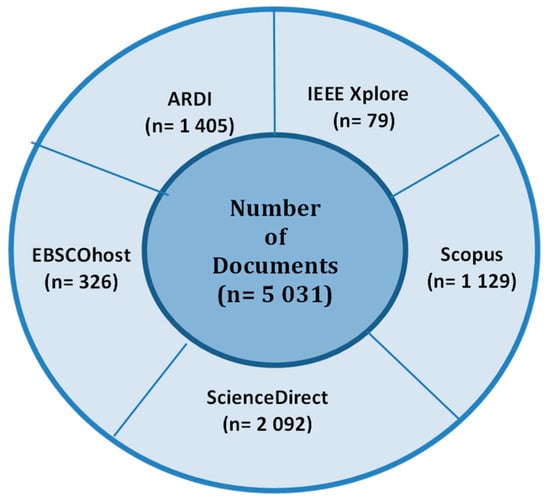
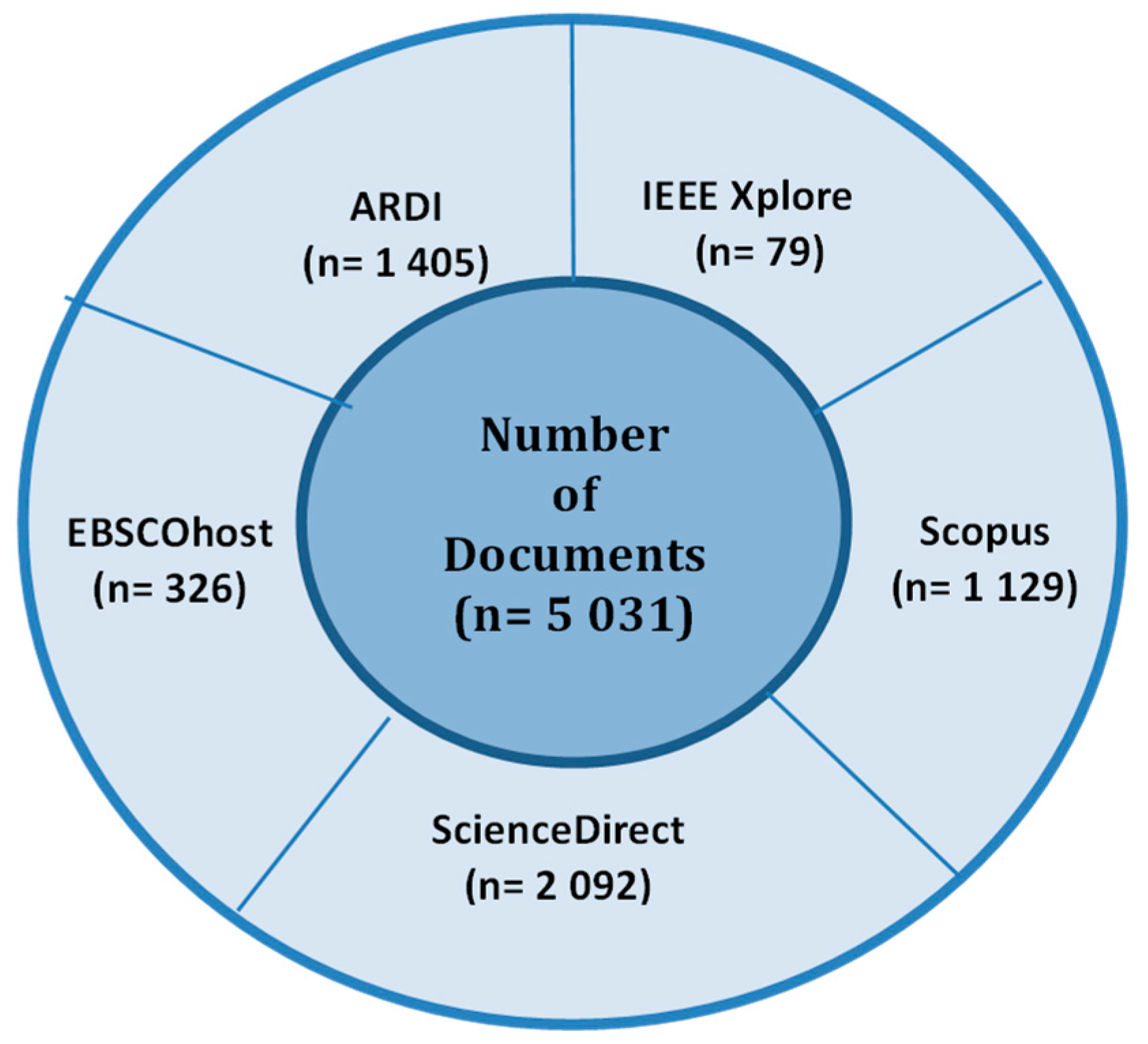
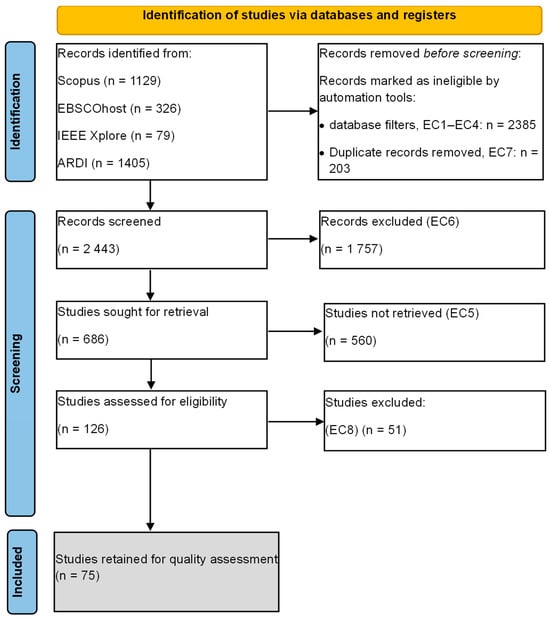
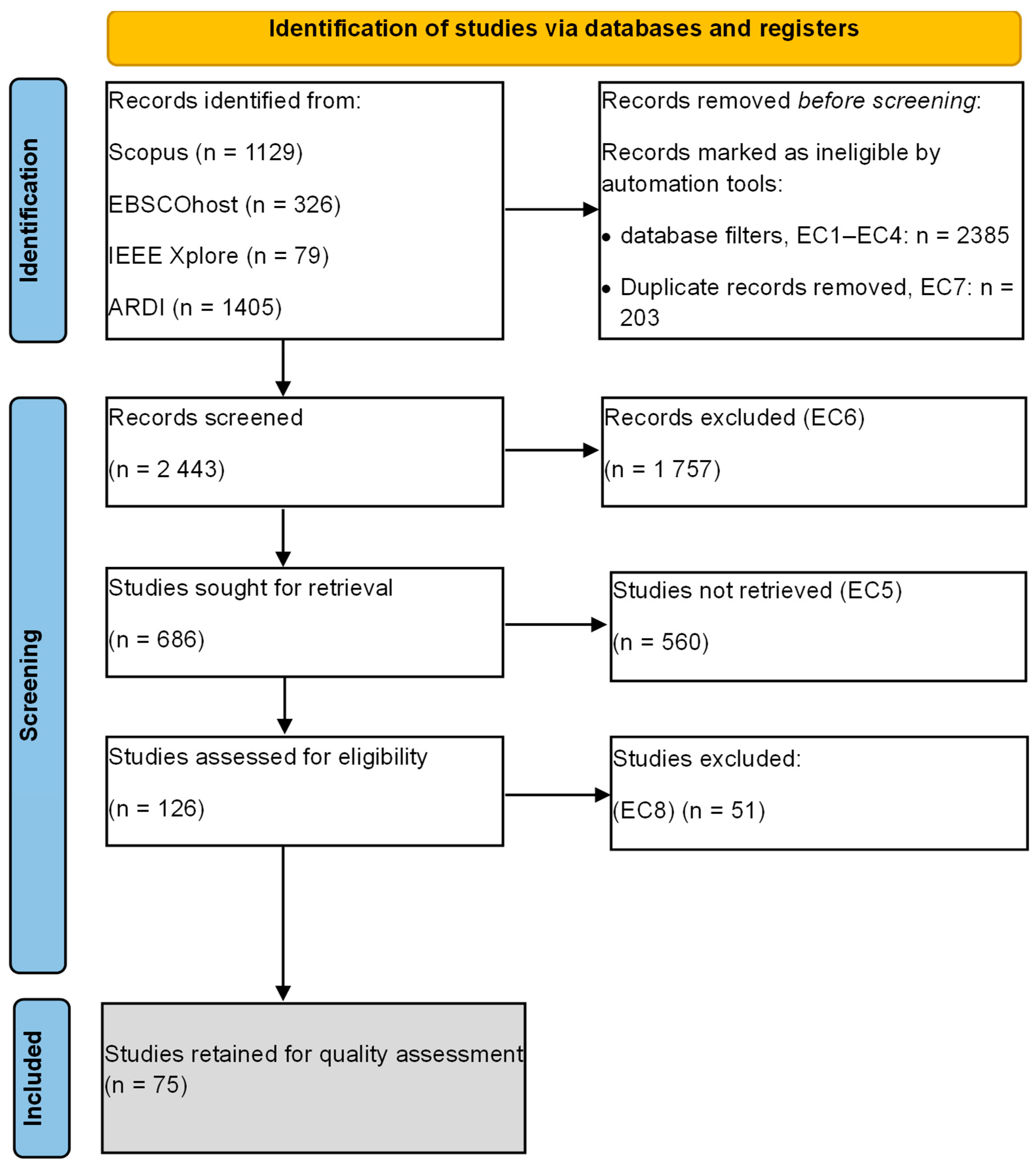
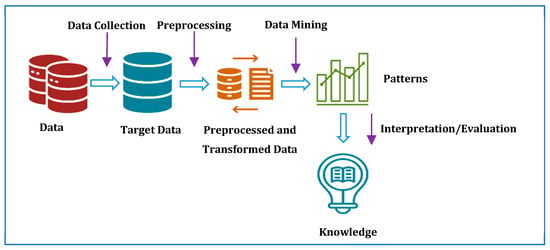
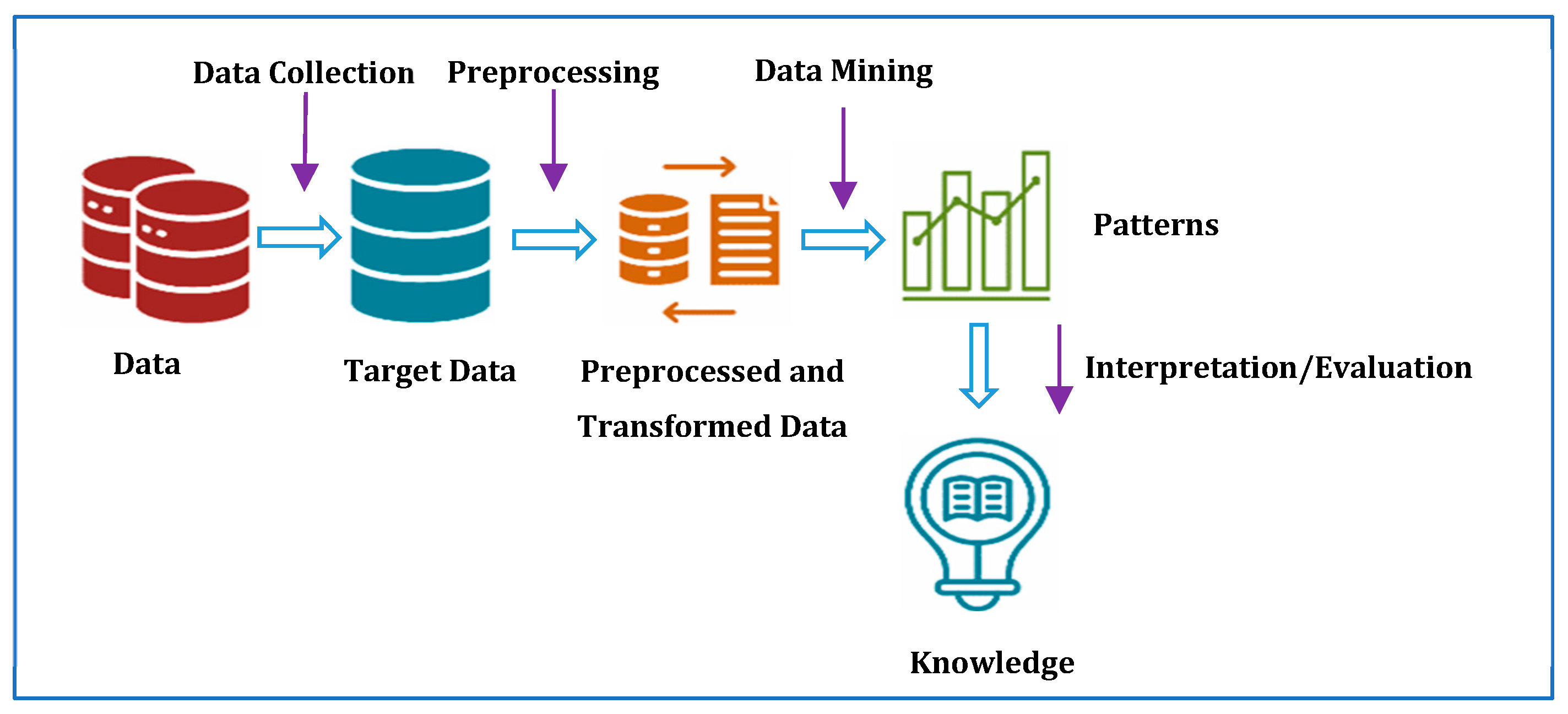
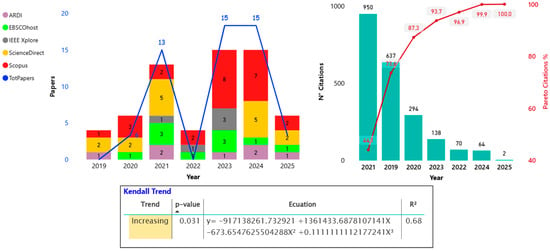
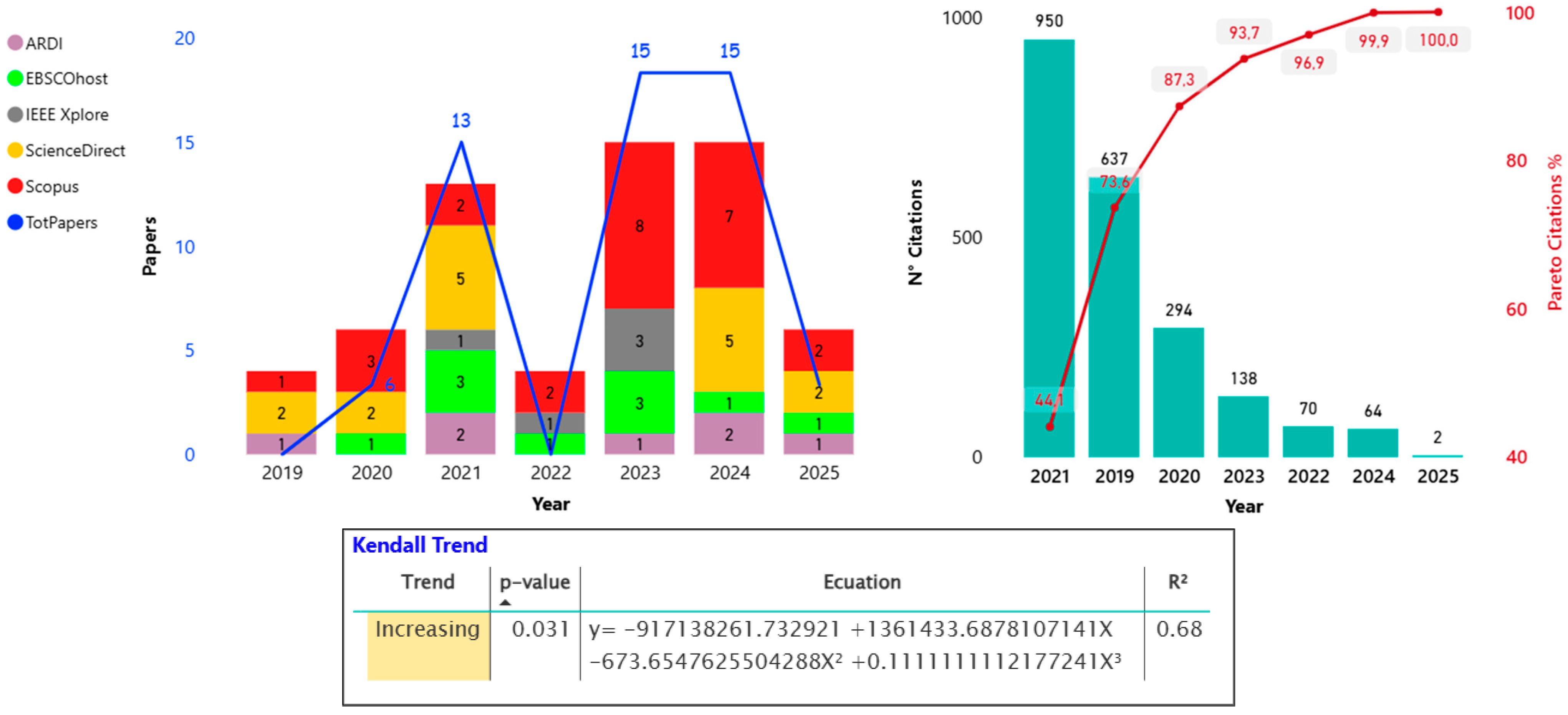
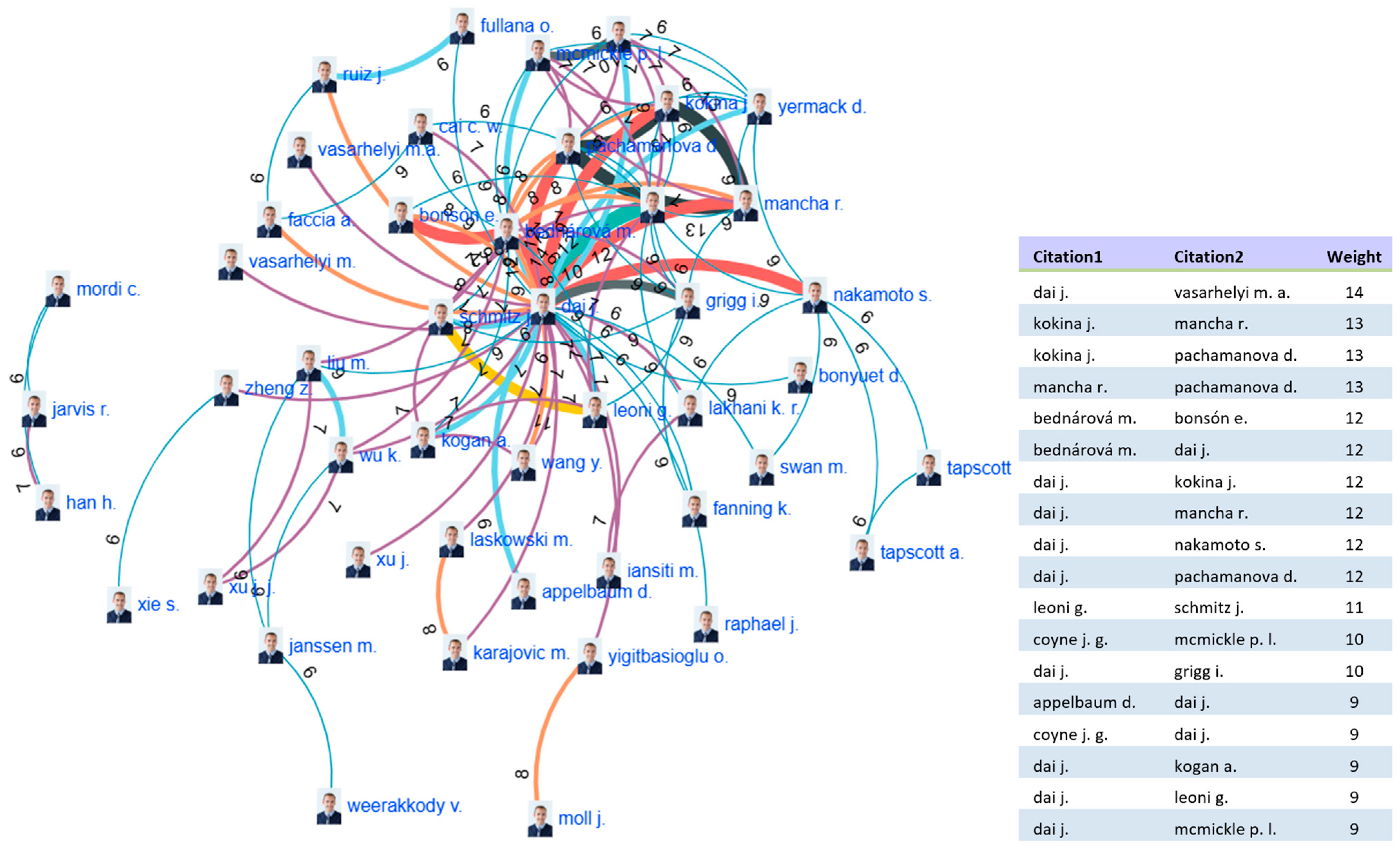
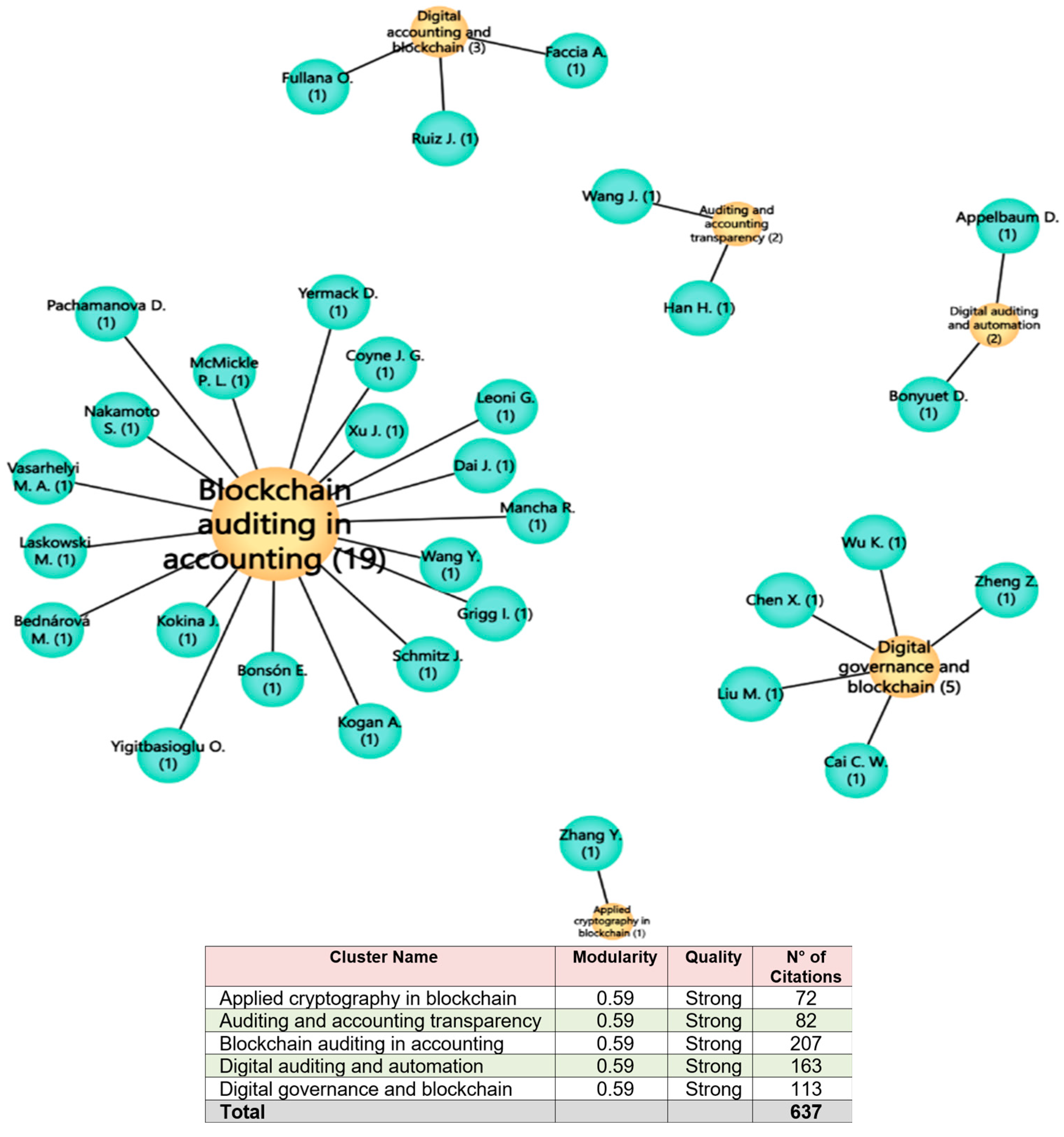
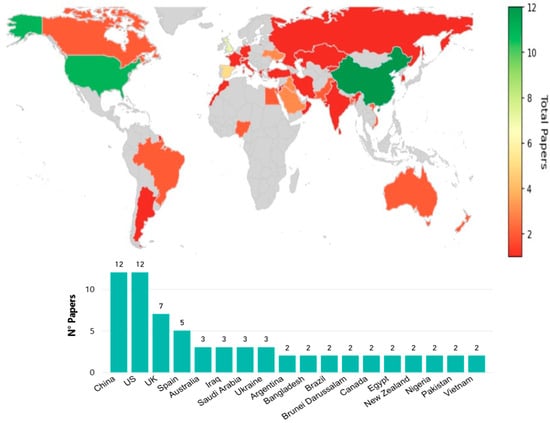
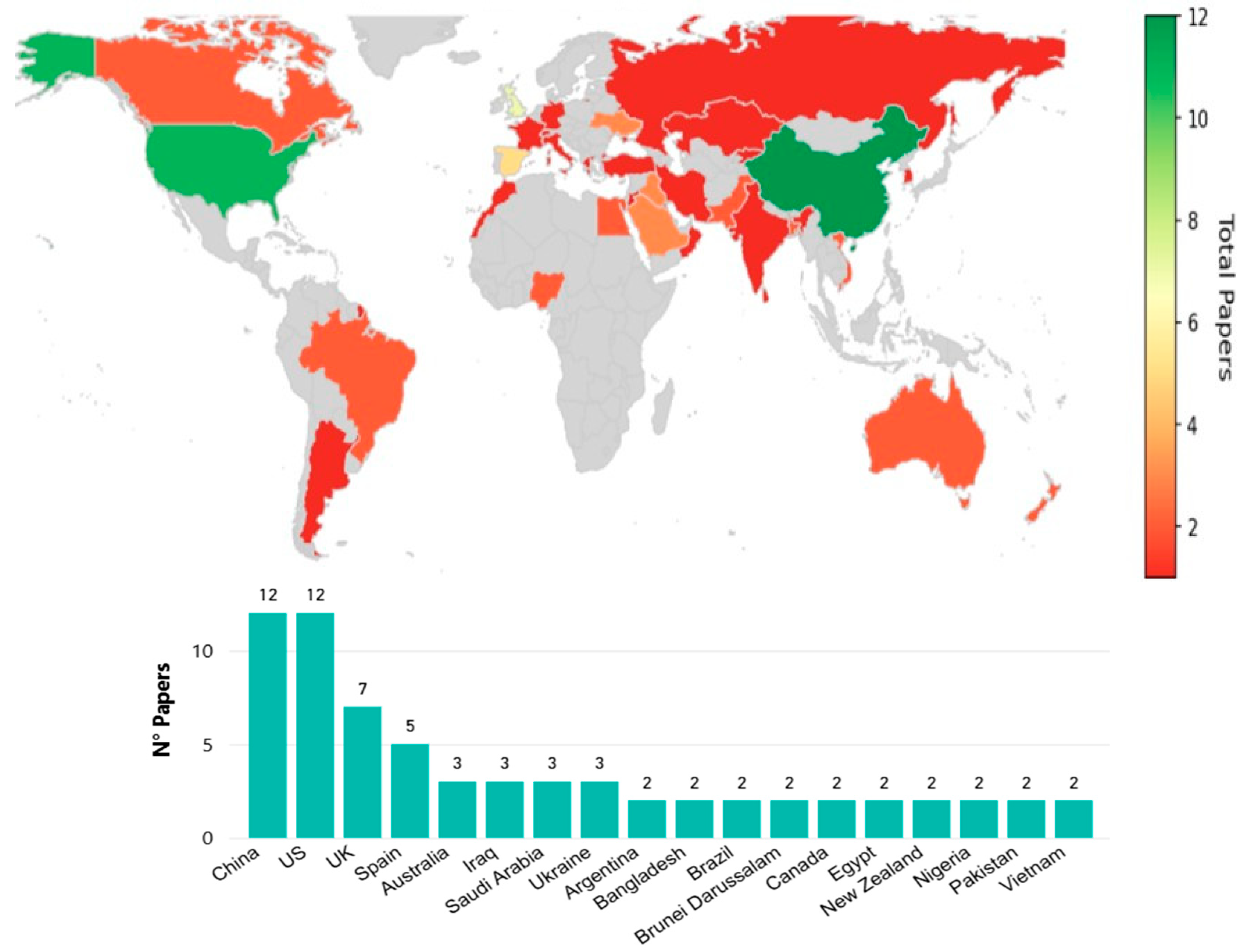
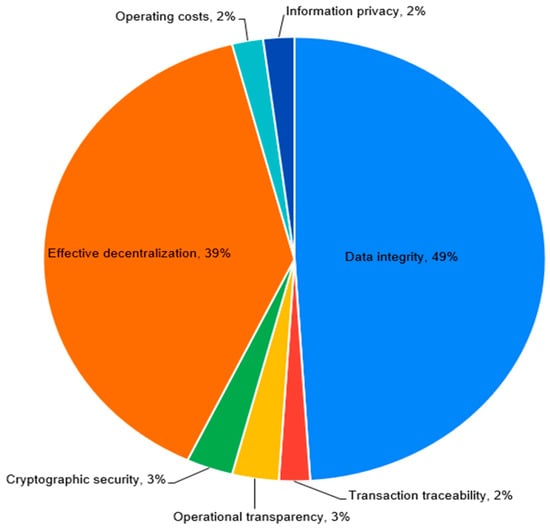
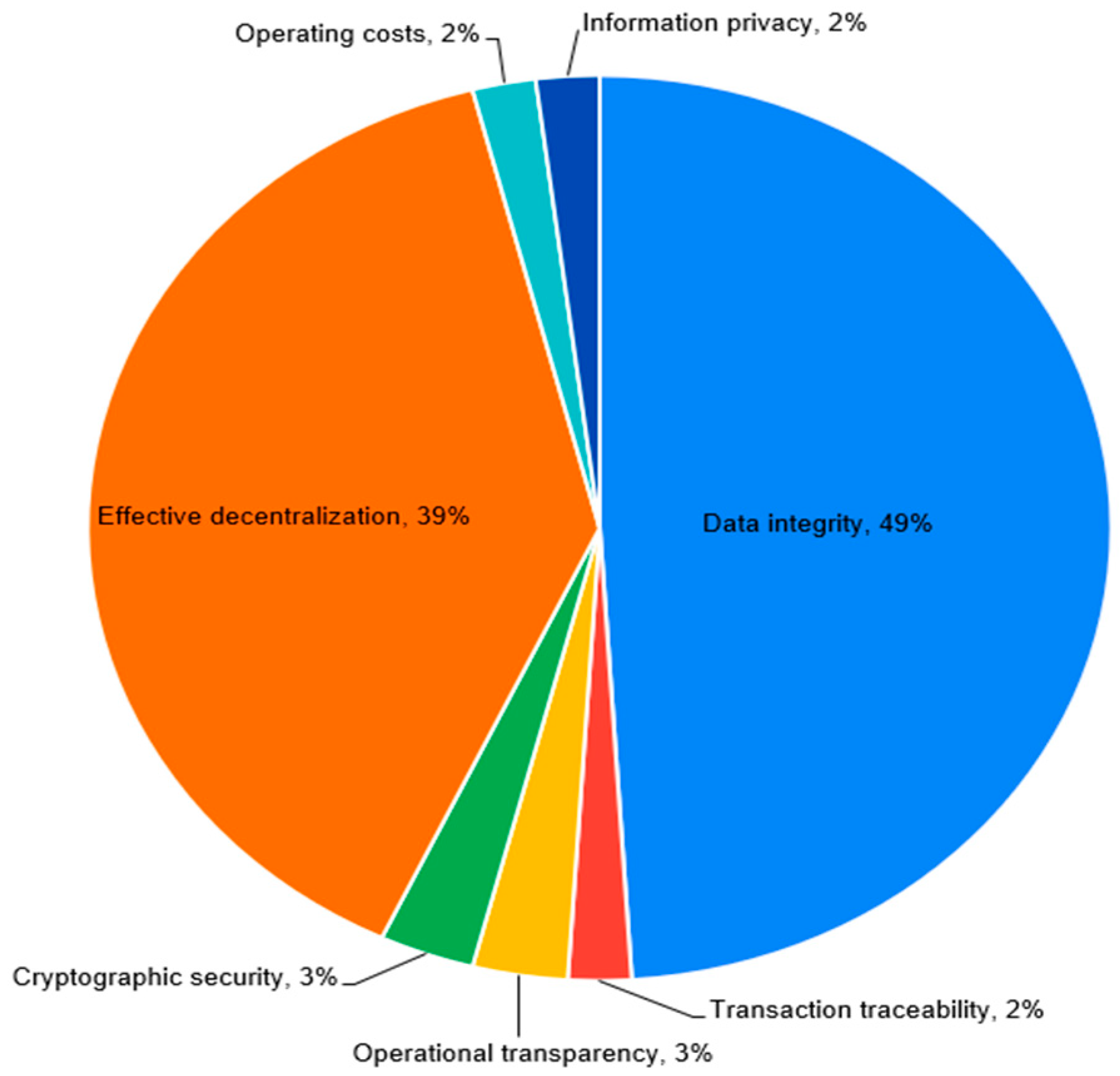
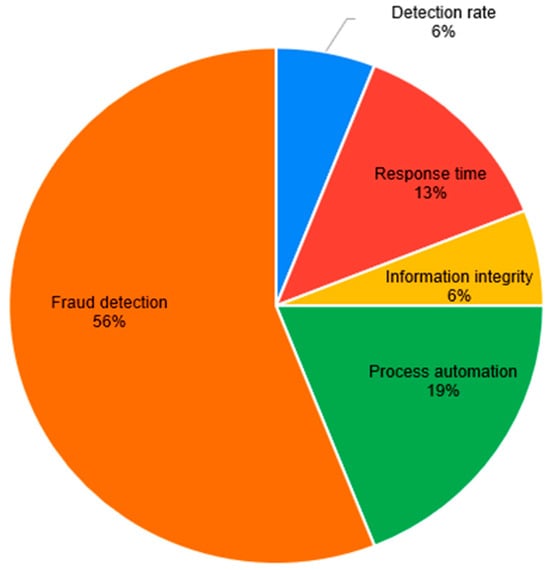
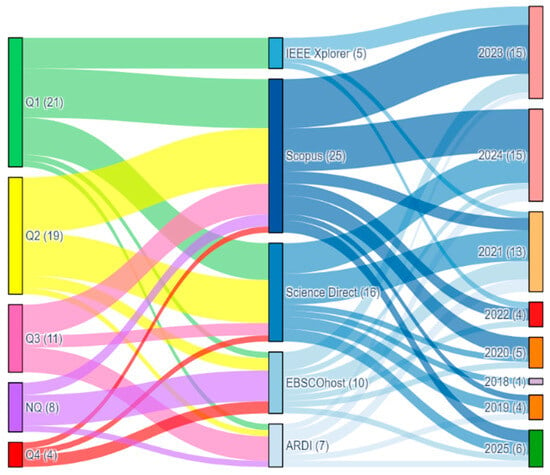
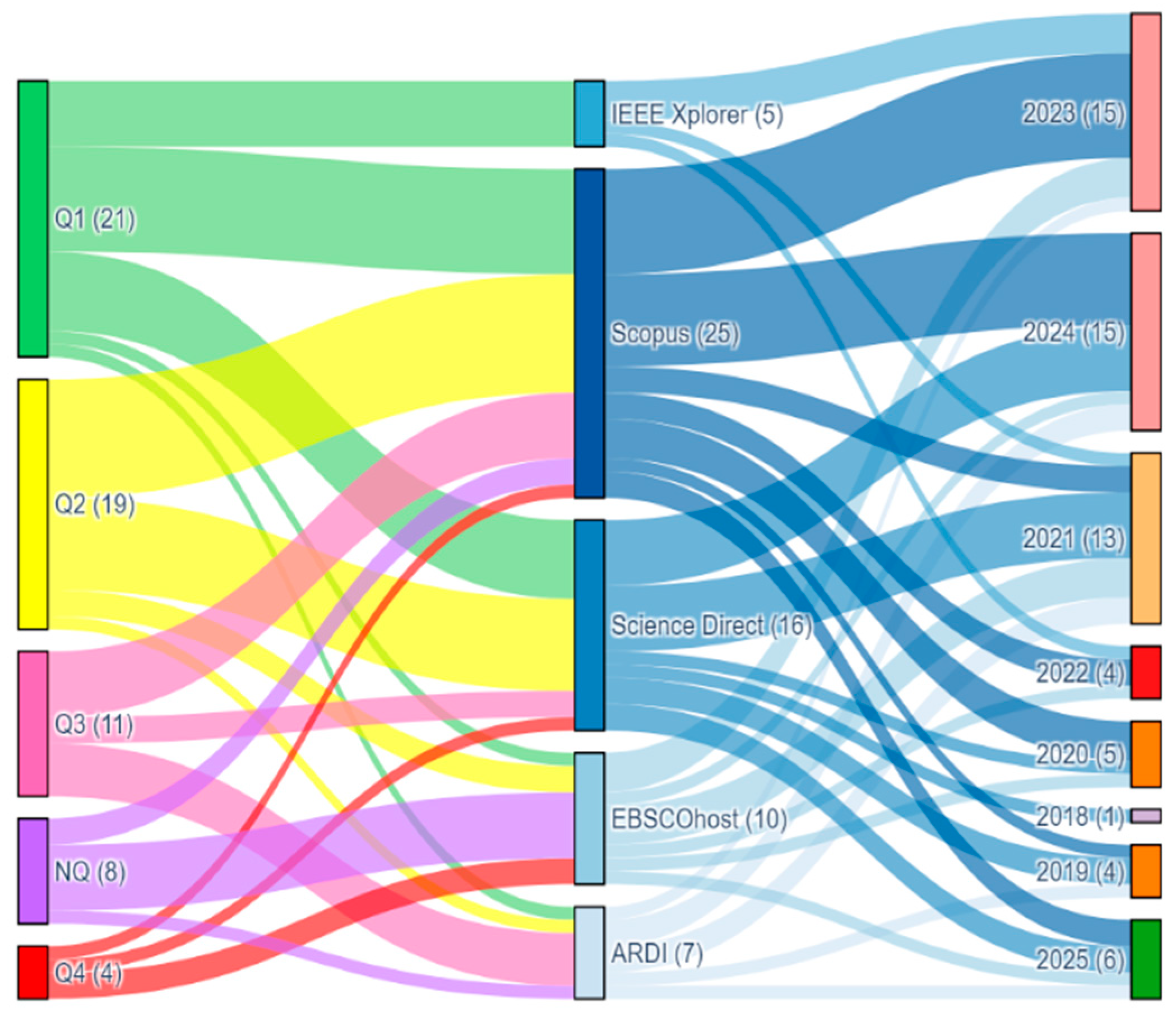
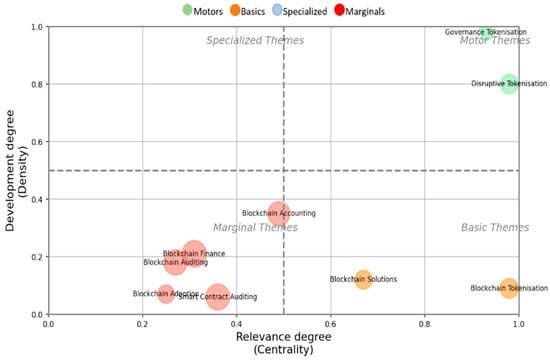
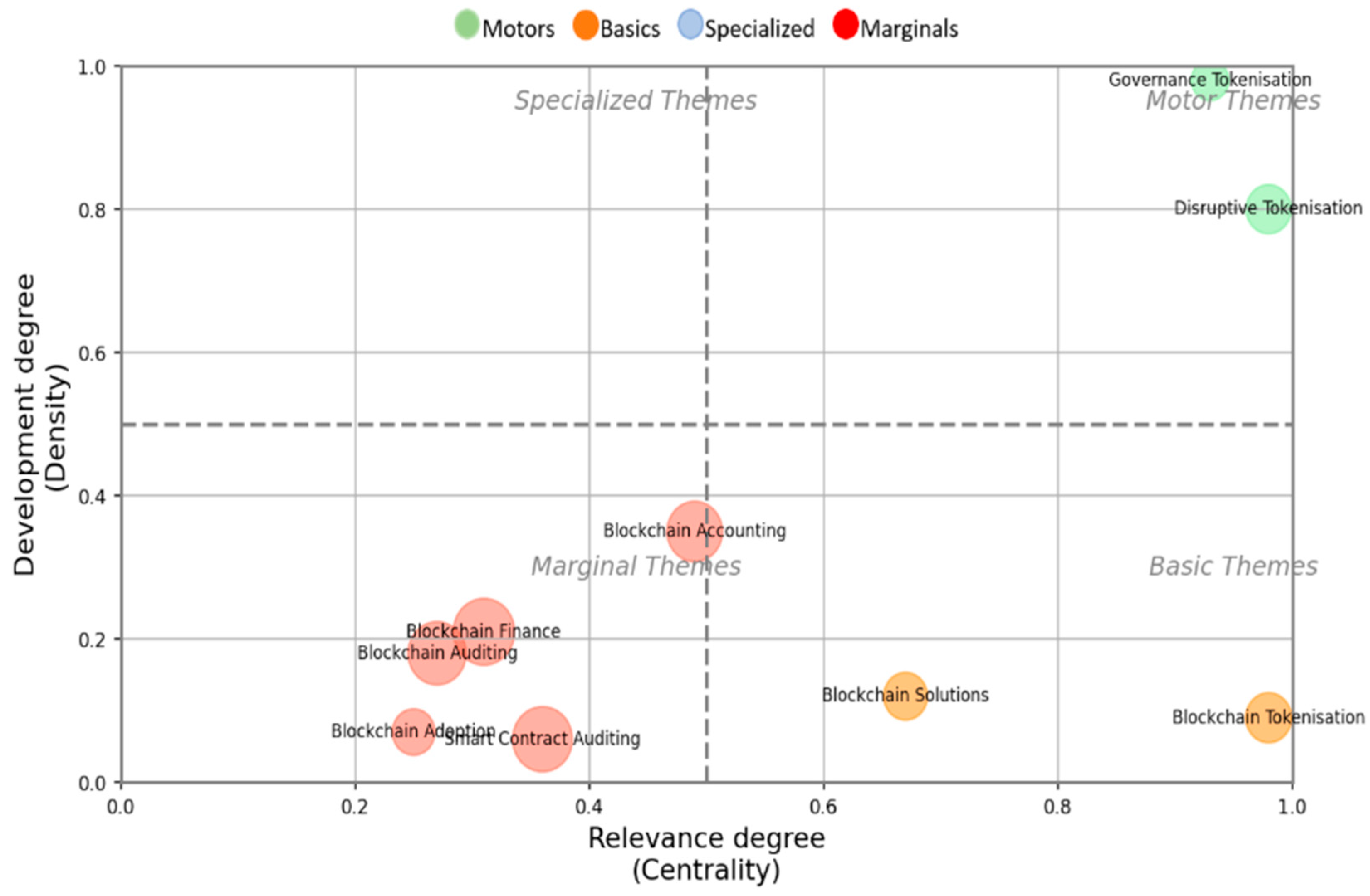
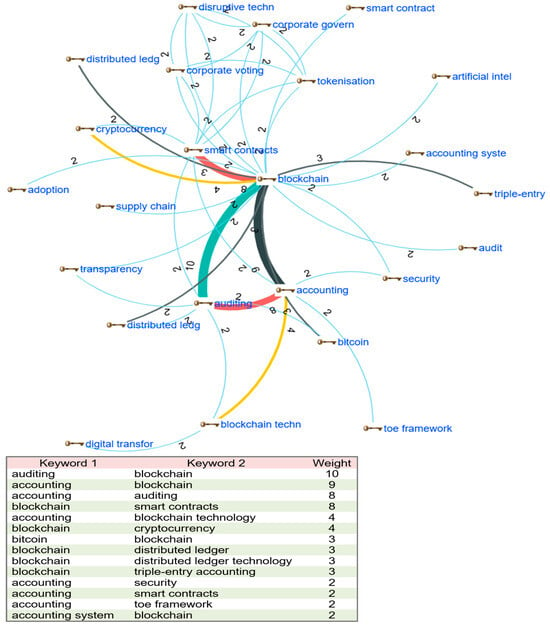
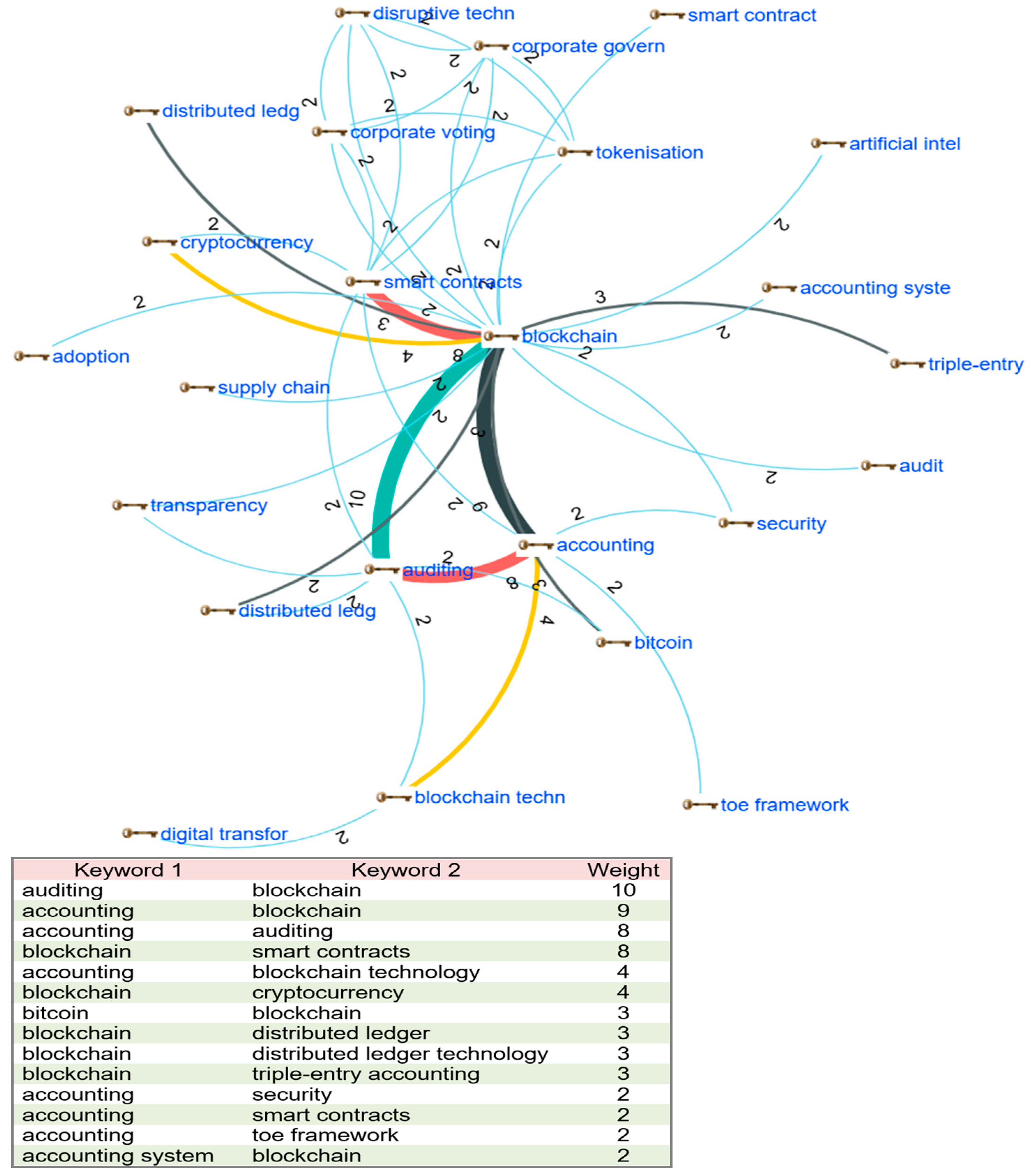

Disclaimer/Publisher’s Note: The statements, opinions and data contained in all publications are solely those of the individual author(s) and contributor(s) and not of MDPI and/or the editor(s). MDPI and/or the editor(s) disclaim responsibility for any injury to people or property resulting from any ideas, methods, instructions or products referred to in the content. |
© 2026 by the authors. Licensee MDPI, Basel, Switzerland. This article is an open access article distributed under the terms and conditions of the Creative Commons Attribution (CC BY) license.