


Abstract
This study investigates the relationship between Effective Strategic Alliances (ESA) and Competitive Advantage among small and medium-sized enterprises (SMEs) in resource-constrained environments. Situated in the West Bank, Palestine, where family ownership is highly prevalent among SMEs and political and economic conditions are uncertain, the study examines whether strategic alliances facilitate external resource acquisition and whether these resources contribute to competitive advantage. ESA is conceptualized as a formative higher-order construct comprising Relational Quality, Resource Complementarity, and Agility. Using a quantitative, deductive approach, we analyzed data from 262 Palestinian SMEs using Partial Least Squares Structural Equation Modeling (PLS-SEM). The results demonstrate that ESA is significantly associated with Resource Acquisition and Competitive Advantage. Resource Acquisition mediates the relationship between ESA and Competitive Advantage, while Environmental Uncertainty moderates the link between ESA and Resource Acquisition, highlighting the importance of alliances under high uncertainty. These findings provide an integrated framework for SME managers, particularly in family-business contexts, and policymakers to leverage collaborative strategies for economic resilience and performance in challenging environments.
1. Introduction
Small and medium-sized enterprises (SMEs) are the backbone of the global economy, representing approximately 95 percent of firms and employing more than 70 percent of the workforce (World Trade Organization, 2024). In developing economies, their contribution to Gross Domestic Product (GDP) is estimated at 40 percent, and they are projected to create 600 million new jobs by 2030 (World Bank, 2022). Despite their critical role in job creation and economic growth, SMEs disproportionately face resource constraints. Research indicates that 50 percent of SMEs lack access to formal credit, forcing a heavy reliance on internal funding. Consequently, these firms often struggle to acquire the resources essential for survival and growth (Ferreira & Franco, 2020). According to U.S. Department of State (2023), drawing on Palestinian establishment data, family businesses constituted approximately 99% of the Palestinian private sector, and almost all SMEs, as indicated by sales values and number of employees, were family businesses. This high prevalence of family ownership makes the family-business context an important institutional and organizational feature through which SME resource management and external relationships can be understood. Family ownership is theoretically relevant because family-owned SMEs may draw on resources embedded in family relationships, including accumulated knowledge, social capital, and reputation (Chaudhary et al., 2021; Sirmon & Hitt, 2003). However, these family-embedded resources may not be sufficient to meet the firm’s requirements for growth and adaptation, particularly when specialized knowledge, technology, finance, market access, and other capabilities must be obtained beyond the firm’s existing resource base. Strategic alliances can therefore provide family-owned SMEs with access to complementary resources and knowledge beyond those available within the family firm (Bouncken et al., 2020). In this context, alliance effectiveness may depend on the quality of relationships with external partners, the complementarity of partner resources, and the ability to adapt to changing conditions. These considerations are particularly important under environmental uncertainty, where firms may need to combine internally embedded resources with external resources and capabilities to maintain their competitive position. These global challenges are exacerbated by unique institutional and political factors. SMEs operating in the West Bank face significant hurdles, including restricted market access, economic volatility, and limited institutional support. These constraints weaken their competitive position (Hidayat & Pok, 2025). To navigate these difficulties, SMEs are increasingly turning to strategic alliances, not merely as an option, but as a strategic necessity to offset resource limitations, share risks, and gain access to new markets (Scuotto et al., 2017).
While the benefits of strategic alliances are well documented, further understanding is needed of how relational quality, resource complementarity, and agility jointly characterize effective alliances and relate to resource acquisition and competitive advantage (Liu et al., 2023; Wang et al., 2022; Zahoor et al., 2024). This study integrates these dimensions into a formative higher-order construct of Effective Strategic Alliances (ESA) and examines Resource Acquisition as an intervening variable and Environmental Uncertainty as a moderating condition. The contribution lies in explaining these relationships within an integrated framework in the resource-constrained Palestinian SME context, rather than claiming that the individual alliance characteristics are new.
This study bridges these gaps by applying the Resource-Based View (RBV), Dynamic Capabilities Theory (DCT), and the Relational View (RV) to examine how strategic alliances enable firms to navigate environmental uncertainty. We propose that ESA, defined by Relational Quality, Resource Complementarity, and Agility, is associated with competitive advantage through the acquisition of external resources. We further posit that Environmental Uncertainty moderates this relationship, suggesting that alliances are more critical when environmental conditions are volatile. Situated in the Palestinian SME sector, where family ownership is highly prevalent, this research contributes to understanding how firms can use strategic alliances to extend their resource base and build competitive resilience under environmental uncertainty, while offering insights into alliance dynamics within a resource-constrained and institutionally challenging context.
2. Literature Review and Theoretical Underpinning
2.1. Strategic Alliances, SMEs, and Family Businesses
Strategic alliances have emerged as an effective way by which companies secure resources, information, skills, and market access that can be difficult or expensive to create on their own. This is particularly true of SMEs, which are often constrained in terms of financial, technological, managerial, and human resources. By participating in inter-firm partnerships, SMEs can access resources and capabilities that are not available internally, enabling them to overcome resource constraints (Das & Teng, 2000; Dyer & Singh, 1998; Lavie, 2006).
The importance of strategic alliances also extends to family firms, which may possess family-based resources such as strong family ties, trust, reputation, commitment, and long-term orientation. These characteristics can coexist with constraints associated with concentrated ownership and control and concerns about preserving family influence over the business (Gómez-Mejía et al., 2007; Nasr & Al-Tabbaa, 2023). Recent research indicates that family ownership can also influence firms’ propensity to engage in alliances. Bettinazzi et al. (2024), for example, found that family firms joined fewer alliances than non-family firms and linked this relationship to information asymmetry associated with family ownership and socioemotional wealth objectives. Hence, while strategic alliances can provide access to complementary resources and capabilities, they may also create concerns about dependence on external partners and the preservation of family control (Al-Tabbaa et al., 2023).
Trust and relational governance may be particularly important in family-business alliances. Bouncken et al. (2020), examining 939 non-equity alliances involving family and non-family firms, found that family firms relied particularly strongly on trust for mutual knowledge creation in alliances. Their findings indicate that the governance of alliances involving family firms may differ from that of non-family firms and that trust can play an important role in enabling knowledge creation and exchange. Similarly, Nasr and Al-Tabbaa (2023), examining family firms in a developing and politically unstable market, found that alliance experience, family culture, and political instability were important in the development of alliance management capability and that alliance management capability was associated with alliance performance. These findings suggest that the family-business context is relevant when examining strategic alliances under conditions of uncertainty and resource constraints.
The present study therefore examines SMEs while recognizing the importance of family-business characteristics in the surrounding context. Family-business characteristics may shape firms’ strategic decisions, resource access, interorganizational engagement, and responses to uncertainty (Gómez-Mejía et al., 2007). As such, when family firms enter into strategic alliances, they may not only obtain complementary resources and capabilities but may also face a potential tension concerning family interests, control, trust, and governance. Therefore, the family-business perspective provides a useful contextual lens for understanding strategic alliances among SMEs and the various benefits that firms may obtain from such relationships.
2.2. Effective Strategic Alliances
The existence of an alliance does not necessarily produce strategic advantages. The benefits derived from an alliance depend on how effectively partners manage their collaboration, particularly in terms of resource integration, knowledge and information exchange, coordination, and adaptation to changing circumstances (Das & Teng, 2000; Dyer & Singh, 1998; Kale & Singh, 2007).
Consequently, alliance effectiveness should be distinguished from the mere presence of an alliance and from alliance performance as a subsequent outcome.
Drawing on the strategic alliance, relational, and dynamic capabilities literature, this study conceptualizes Effective Strategic Alliances (ESA) as a multidimensional construct comprising three complementary dimensions of a firm’s strategic alliances: relational quality, resource complementarity, and agility. This is an integrated conceptualization developed for the present study rather than an assumption that these three dimensions constitute an established standardized construct in the prior literature. The first component, relational quality, concerns trust, commitment, communication, and constructive interaction between partners (Jemaa-Boubaya et al., 2024; Morgan & Hunt, 1994; Nguyen et al., 2024). Resource complementarity refers to the extent to which partner organizations possess resources and capabilities that can be combined and exploited jointly (Das & Teng, 2000; Hitt et al., 2000). Agility concerns the capacity of alliance partners to adapt their collaboration and reconfigure their activities in response to changing circumstances (Mueller & Jungwirth, 2022; Tallon & Pinsonneault, 2011).
These dimensions are interrelated. High relational quality can facilitate information exchange, knowledge sharing, and coordination, but a strong relationship between partners may generate limited strategic value if the partners possess largely redundant resources (Dyer & Singh, 1998; Liu et al., 2023). Similarly, complementary resources may fail to generate their potential benefits when partners lack effective coordination or the ability to adapt to environmental changes. Alliance-management research further emphasizes that capabilities developed through experience and learning can influence the effectiveness of interorganizational collaboration (Vurro et al., 2024). Thus, creating value through an alliance requires not only complementary resources but also relational and adaptive mechanisms that allow partners to access, combine, and exploit those resources.
The conceptual difference between ESA and alliance-management capabilities is based on their definitions. Alliance-management capabilities refer to the processes and capabilities employed by organizations to manage alliances (Kale & Singh, 2007; Vurro et al., 2024). However, the ESA concept covers the relational, resource-based, and adaptive attributes of alliances. These attributes collectively define the formative ESA construct rather than representing interchangeable manifestations of a single underlying attribute. Furthermore, ESA differs from alliance performance, which concerns the outcomes achieved through collaboration rather than the characteristics of the alliance itself.
Effective Strategic Alliances and Resource Acquisition are conceptually distinct. While ESA refers to relational quality, resource complementarity, and agility within strategic alliances, Resource Acquisition concerns the external resources accessed by firms through these relationships.
This integrated conceptualization is particularly relevant to family businesses. Trust and relational quality may be important because family firms can place substantial value on long-term relationships and interpersonal connections, while resource complementarity can compensate for limitations in the firm’s internal resource base. Agility is also relevant when family firms operate in uncertain environments and must reconcile long-term family objectives with changing market and institutional conditions. Research on alliance governance and alliance management in family firms similarly emphasizes the importance of relational quality and adaptive capabilities in achieving desirable alliance outcomes (Debellis et al., 2020).
2.3. Resource Acquisition Through Strategic Alliances
Resource acquisition represents a central mechanism through which strategic alliances can create value. Firms enter alliances partly because they cannot efficiently develop or obtain all the resources required for growth and competitiveness independently. Through cooperation, organizations can obtain or access financial resources, technology, management skills, market intelligence, distribution networks, knowledge, and other complementary resources (Das & Teng, 2000; Lavie, 2006).
The use of alliances is especially significant for SMEs with restricted resources. Financial and managerial constraints can hinder innovation, market development, technology investment, and specialist training. Cooperating with other organizations can partially compensate for these constraints by providing access to resources and capabilities beyond the firm’s internal resource base. Research on interorganizational relationships in small and emerging economies similarly indicates that relationships and alliances can support value co-creation and competitive advantage by connecting firms with resources and capabilities beyond their organizational boundaries (Hosanoo et al., 2024). However, access to resources depends not only on their availability but also on the quality and management of the relationship through which they are obtained. Effective collaboration requires trust, communication, coordination, complementary resources, and the ability to adapt.
Resource acquisition may also play an important role in family firms because interorganizational collaboration can provide access to external resources and knowledge that complement the firm’s internal resource base. Such external resources can complement family-specific resources without necessarily requiring changes to the firm’s ownership structure. Nevertheless, family firms may be cautious about alliances when external resource acquisition creates concerns about dependence, information asymmetry, or family control (Bettinazzi et al., 2024). The literature therefore suggests that effective management of interorganizational relationships is important for family businesses to realize the benefits of external cooperation, particularly through clear responsibilities, mutual learning, and careful management of expectations (Wilms & Kundisch, 2026).
Recent research on alliance-management capability further emphasizes that interorganizational collaboration requires firms to develop capabilities to manage, integrate, and learn from strategic alliances (Kohtamäki et al., 2018). Similarly, the literature on business alliances and environmental uncertainty shows that companies can leverage alliances to obtain necessary resources in response to turbulent and complex environments. This highlights the fact that the importance of external resources depends not only on their availability, but also on the effectiveness of obtaining, integrating, and leveraging them.
2.4. Competitive Advantage
Competitive advantage is the capability of the firm to outperform competitors. For SMEs, competitive advantage may be reflected through dimensions including price/cost, quality, delivery dependability, product innovation, and time to market (Li et al., 2006). In resource-constrained environments, achieving these outcomes may depend substantially on the firm’s ability to access and effectively deploy resources beyond those available internally.
Strategic alliances could help organizations to gain competitive advantage via accessing complementary resources, skills, technologies, markets, and capabilities. Furthermore, strategic alliances could also help to generate value via the integration and leveraging of resources outside the organizational boundaries (Dyer & Singh, 1998; Lavie, 2006). From an RBV perspective, external resources accessed through alliances can expand the firm’s strategic resource base, while the Relational View suggests that value may emerge from the combination and joint utilization of resources across organizational boundaries.
The acquisition of resources is therefore expected to be one mechanism through which alliances can contribute to competitive advantage (Traboulsy, 2023). Resource acquisition is especially significant for SMEs and family firms because their ability to develop all necessary resources internally may be restricted. In the context of family firms, alliances can provide opportunities to complement family resources with external resources without necessarily changing the existing business structure. The ability to combine internal and external resources can consequently strengthen the firm’s capacity to compete.
2.5. Environmental Uncertainty
The strength of these relationships may depend on environmental uncertainty. Environmental uncertainty involves conditions characterized by dynamism, unpredictability, and complexity, under which firms may find it difficult to anticipate changes in markets, technology, competition, and institutional conditions (Milliken, 1987). Such conditions can increase firms’ need to obtain external resources and may influence the development and use of interorganizational relationships (Dias & Magriço, 2011; Kreye, 2022).
Environmental uncertainty may be particularly relevant in family-business contexts because family firms may evaluate strategic decisions not only in terms of economic outcomes but also in relation to socioemotional wealth and family objectives. Research on family firms shows that socioemotional wealth considerations can influence strategic investment decisions, with family and economic objectives interacting with firms’ risk and time-horizon considerations (Chrisman & Patel, 2012). These considerations suggest that environmental uncertainty may create particular challenges for family firms when they must balance the preservation of family-related objectives with adaptation to changing external conditions.
More generally, research on business alliances and environmental uncertainty suggests that firms may use alliances to respond to uncertain environments and to access external resources. Evidence indicates that perceived environmental uncertainty is associated with alliance use, although the strength of this relationship can vary according to managerial orientations and the dimensions of uncertainty involved (Dickson & Weaver, 1997). Accordingly, environmental uncertainty provides an important contextual condition for understanding how effectively SMEs can use strategic alliances to acquire and leverage external resources.
3. Theoretical Foundations
The proposed relationships are grounded mainly in the Resource-Based View (RBV), the Relational View (RV), and Dynamic Capabilities Theory (DCT), while Socioemotional Wealth (SEW) provides a supplementary family-business perspective.
3.1. Family-Business Perspective: Socioemotional Wealth
Family businesses often pursue non-financial objectives associated with family ownership, particularly those related to socioemotional wealth (SEW). Gómez-Mejía et al. (2007) provide an important theoretical foundation for understanding how socioemotional considerations shape the distinctive objectives and decision-making of family firms. Subsequent research has developed and refined the SEW perspective by identifying different dimensions through which family firms derive non-financial value from ownership and control. A systematic review by Reina et al. (2023), covering 74 studies published between 2007 and 2022, demonstrates the development and diversification of SEW research and identifies SEW as an established theoretical perspective in family-business research.
Although alliances can provide complementary resources, knowledge, technology, finance, and market access, they can also create challenges concerning the preservation of family control and other SEW objectives. Family firms may therefore face tensions between obtaining external resources and preserving family control (Gómez-Mejía et al., 2007). Evidence that family ownership is associated with lower alliance intensity further suggests that such considerations may affect firms’ willingness to engage in alliances (Bettinazzi et al., 2024). At the same time, family firms can derive benefits from alliances when relational governance and trust support knowledge creation and resource exchange.
Extending these arguments to uncertain environments, Gómez-Mejía et al. (2024) similarly argue that family firms operating under volatile, uncertain, complex, and ambiguous (VUCA) conditions may be particularly SEW-sensitive, consistent with this study’s broader emphasis on environmental uncertainty as a boundary condition. These theoretical arguments are relevant for interpreting the family-business context in the Palestinian SME setting. While Environmental Uncertainty is empirically measured and tested as a moderator in this study (H5), SEW provides a supplementary theoretical perspective and is not empirically measured. Similarly, family ownership and family control were not separately measured among the participating SMEs. Thus, the family-business perspective is adopted for interpreting the institutional context.
Accordingly, SEW complements the resource-based and relational perspectives used in this study by explaining why access to external resources may involve a distinctive strategic tension for family firms. While alliances can extend the firm’s resource base, family owners may also consider whether external collaboration affects family control, independence, and long-term family objectives. This perspective therefore helps explain why relational quality and trust may be particularly important when family firms use alliances to access resources beyond family boundaries, and why the value of such external relationships may become more salient under conditions of environmental uncertainty.
3.2. Resource-Based View (RBV)
The RBV suggests that sustained competitive advantage is based on resources that are valuable, rare, non-imitable, and non-substitutable (Barney, 1991). Although the classical RBV focuses on the resources and capabilities of the organization itself, inter-organizational views expand this idea by pointing out that the organization may acquire and leverage resources through its relationships with other organizations (Dyer & Singh, 1998; Lavie, 2006). When internal resources are limited, interorganizational relationships can therefore provide access to complementary resources and capabilities that contribute to value creation and competitive advantage. Research in a small emerging economy similarly demonstrates how interorganizational relationships and alliances can contribute to value co-creation and competitive advantage (Hosanoo et al., 2024).
In the family-business context, RBV also provides a basis for understanding how family involvement may generate distinctive resource combinations. Habbershon and Williams (1999) conceptualize these family-specific resource bundles as “familiness,” referring to resources arising from the interaction between the family and the business. Such resources may include accumulated knowledge, relational capital, reputation, commitment, and other capabilities embedded within the family firm. However, familiness does not imply that all strategically important resources are available internally. When family-embedded resources are insufficient to meet changing competitive requirements, strategic alliances can provide access to complementary resources beyond the family firm’s existing resource base. From this perspective, Resource Acquisition represents a means through which family firms can combine family-embedded resources with externally accessible resources, thereby extending the resource logic of RBV to the family-business context.
3.3. Dynamic Capabilities Theory (DCT)
Dynamic capabilities are defined as the firm’s ability to integrate, build, and reconfigure internal and external competences to address rapidly changing environments (Teece et al., 1997). Unlike the relatively static emphasis of traditional RBV, DCT focuses on the capacity to sense opportunities, seize them, and reconfigure resources and capabilities (Teece, 2007). The strategic alliance might be used as an important mechanism through which firms may use external resources and capabilities in order to cope with the changes in their environment. Research on alliance-management capability similarly emphasizes the capabilities required to develop, deploy, and adapt interorganizational collaborations (Vurro et al., 2024).
The relevance of DCT also extends to family firms. Chirico and Salvato (2008) argue that knowledge integration represents a dynamic capability through which family members’ specialized knowledge can be recombined, allowing family firms to adapt their capabilities in changing environments. Thus, the ability to integrate and reconfigure knowledge and resources is relevant not only to firms generally but also to family businesses operating under dynamic conditions.
3.4. Relational View (RV)
The Relational View (RV) posits that critical resources are often embedded within inter-firm relationships rather than being owned by a single firm (Dyer & Singh, 1998). RV suggests that competitive advantage can be co-created through the idiosyncratic contributions of partners, leading to relational rents. Sources of these rents include relation-specific assets, knowledge-sharing routines, complementary resources and capabilities, and effective governance (Dyer & Singh, 1998). For SMEs, this perspective is particularly relevant because it allows firms to leverage capabilities beyond their own resource base through interorganizational relationships.
In family firms, the Relational View is particularly relevant because access to resources beyond the family boundary may depend on governance mechanisms that reduce concerns associated with external dependence and knowledge sharing. Family firms may place particular importance on trust and relational governance when collaborating with external partners, especially where preserving family influence and protecting firm-specific knowledge are important considerations. Evidence that family firms rely strongly on trust for mutual knowledge creation in alliances (Bouncken et al., 2020) suggests that relational quality can serve as a bridge between family-embedded relationships and external resource access. Thus, the Relational View helps explain why effective interorganizational relationships can enable family firms to obtain and combine complementary resources while managing the relational risks associated with collaboration outside the family firm.
Collectively, these perspectives provide an integrated explanation of the proposed relationships in a predominantly family-owned SME context. RBV and the concept of familiness explain the value, but also the potential limitations, of resources embedded within the family firm; the Relational View explains how trusted interorganizational relationships can provide access to complementary resources beyond family boundaries; DCT explains how firms integrate and reconfigure internal and external resources under changing conditions; and SEW provides a family-specific lens for understanding why decisions involving external collaboration may also reflect concerns about family control, independence, and long-term family objectives. Together, these perspectives support the proposed mechanism through which Effective Strategic Alliances enable SMEs operating in a predominantly family-owned context to extend their resource base through Resource Acquisition and strengthen Competitive Advantage, particularly under conditions of Environmental Uncertainty.
4. Theory Building and Hypothesis Development
4.1. Effective Strategic Alliances and Resource Acquisition
Strategic alliances offer access to resources available externally which may be challenging for companies to access through market transactions and internal development (Das & Teng, 2000; Lavie, 2006). Relational quality characterized by trust, commitment and communication can help with knowledge transfer and resource exchange (Kale et al., 2000; Morgan & Hunt, 1994). Further research on family business alliances suggests that trust can play an especially important role in mutual knowledge creation. If partners develop high-quality relationships, they may be better positioned to exchange knowledge and combine complementary resources.
Resource complementarity provides the potential for firms to obtain resources and capabilities that are not available internally, while alliance-management capability can help firms coordinate and adapt the relationship through which these resources are accessed (Harrison et al., 2001; Robson et al., 2019). In uncertain environments, alliances may also help firms access resources needed to respond to turbulence and changing market conditions (Liu et al., 2023). In the family-business context, such relational and adaptive mechanisms can help organizations address resource deficiencies when internal family-based resources and capabilities are insufficient to meet evolving strategic demands.
In the predominantly family-owned SME context, family-embedded resources may not be sufficient to meet all the resource requirements of firms. Strategic alliances may therefore provide access to complementary external resources and capabilities. Consequently, based on the above arguments, we hypothesize:
H1.
Effective Strategic Alliances are positively associated with Resource Acquisition among SMEs operating in a predominantly family-owned, resource-constrained context.
4.2. Effective Strategic Alliances and Competitive Advantage
Complementary resources integrated through alliances can generate value beyond that available from the resources of individual partners acting independently (Dyer & Singh, 1998). By combining resources and capabilities across organizational boundaries, SMEs can overcome some of their internal limitations and improve their competitive position. Research on interorganizational relationships in small emerging economies similarly indicates that relationships and alliances can contribute to value co-creation and competitive advantage (Hosanoo et al., 2024).
Alliance effectiveness may therefore contribute to competitive advantage through the combined effects of relational quality, resource complementarity, and agility. Relational quality can facilitate knowledge sharing and coordination, resource complementarity can expand the firm’s resource base, and agility can allow partners to adjust the relationship as environmental conditions change. For family business organizations, these mechanisms may be particularly relevant because external collaboration can supplement family-specific resources and capabilities while allowing firms to preserve their existing ownership structures. Evidence from family-firm alliances indicates that trust-based governance can facilitate mutual knowledge creation, providing an additional mechanism through which alliances may generate value (Bouncken et al., 2020).
Thus, effective strategic alliances can contribute to competitive advantage through access to and use of complementary resources and capabilities. We propose the following hypothesis:
H2.
Effective Strategic Alliances are positively associated with Competitive Advantage for SMEs operating in resource-constrained environments.
4.3. The Mediating Role of Resource Acquisition
Whereas alliances provide an arena for interorganizational interaction, the transformation of alliance potential into competitive advantage requires firms to obtain and exploit resources that contribute to their strategic objectives. Resource acquisition can therefore represent an important mechanism through which alliances create value. Evidence from SMEs indicates that resource acquisition is positively associated with competitive performance, particularly in resource-constrained contexts (Traboulsy, 2023).
The acquisition of resources, whether tangible, such as physical capital and technology, or intangible, such as knowledge and expertise, allows firms to convert external relationships into resources that can be deployed in their own operations. In line with the RBV, resources and capabilities contribute to competitive advantage when they are effectively exploited (Barney, 1991), whereas the Relational View emphasizes the role of interorganizational relationships in accessing and integrating complementary resources (Dyer et al., 2018). Thus, effective strategic alliances may enhance competitive advantage partly because they enable firms to acquire resources that would otherwise be difficult to obtain independently. This resource-acquisition mechanism may have particular relevance in a predominantly family-owned SME context. Family firms may possess distinctive family-embedded resources, such as accumulated knowledge, trust, reputation, and relational capital, while also facing limitations in the resources available internally. Effective strategic alliances may therefore provide opportunities to access complementary external resources that are not sufficiently available within the firm’s existing resource base. Once acquired, these external resources can complement family-embedded resources by providing knowledge, technologies, market access, and capabilities that may not be available internally, thereby strengthening the firm’s competitive position. While Resource Acquisition and Competitive Advantage are closely related, these two terms refer to different concepts. Resource Acquisition refers to the external resources that SMEs acquire through strategic alliances, while Competitive Advantage refers to the ability of firms to achieve a better competitive position compared to their competitors. Nonetheless, acquiring external resources alone is not enough to develop Competitive Advantage, as these resources need to be effectively utilized to improve the quality of firms’ products, services, or operations. Thus, Resource Acquisition provides resources that may contribute to the development of Competitive Advantage.
Resource Acquisition therefore represents both a mechanism through which alliance relationships can extend the family firm’s resource base and a source of complementary capabilities that can contribute to Competitive Advantage. Hence, the following hypotheses are presented:
H3.
Resource Acquisition mediates the relationship between Effective Strategic Alliances and Competitive Advantage.
H4.
Resource Acquisition is positively associated with Competitive Advantage for SMEs operating in resource-constrained environments.
4.4. The Moderating Role of Environmental Uncertainty
Environmental uncertainty, characterized by dynamism, unpredictability, and complexity, can increase the need for collaboration, information access, flexibility, and resource reconfiguration (Duncan, 1972; Milliken, 1987). In family-business contexts, external uncertainty may make strategic alliances particularly important because firms may need to supplement existing family-based capabilities with external knowledge and resources to respond to changing conditions. Research on family firms in VUCA environments indicates that external uncertainty can affect family firms’ responses to performance hazards and strategic risks, particularly when SEW considerations are important (Gómez-Mejía et al., 2024). Evidence from family firms operating under political instability also indicates that environmental conditions can affect alliance-management capability and alliance outcomes (Al-Tabbaa et al., 2023; Nasr & Al-Tabbaa, 2023).
More generally, Afonso and Franco (2024) show that business alliances can facilitate access to resources and help firms respond to environmental uncertainty and complexity. Under highly uncertain conditions, firms may therefore have greater incentives to rely on external relationships because it becomes more difficult to anticipate and respond to environmental changes independently. In such circumstances, the ability of an effective alliance to provide access to external resources may become particularly valuable.
Accordingly, the relationship between Effective Strategic Alliances and Resource Acquisition is expected to be stronger when Environmental Uncertainty is high.
H5.
Environmental Uncertainty moderates the relationship between Effective Strategic Alliances and Resource Acquisition, such that the relationship is stronger under conditions of high Environmental Uncertainty.
Figure 1 illustrates the proposed conceptual framework, showing the direct relationships among Effective Strategic Alliances, Resource Acquisition, and Competitive Advantage, together with the mediating role of Resource Acquisition and the moderating role of Environmental Uncertainty.
Figure 1.
Conceptual Model.
5. Methodology
5.1. Research Paradigm and Research Design
5.1.1. Research Paradigm
The study was based on a positivist research paradigm and followed deductive logic. It tested the hypothesized relationships among Effective Strategic Alliances (ESA), Resource Acquisition (RA), and Competitive Advantage (CA), examined the mediating role of Resource Acquisition, and assessed how Environmental Uncertainty (EU) moderates the relationship between ESA and RA.
A positivist stance is appropriate where the research objective is to explain relationships among constructs using observable indicators and to evaluate theory through empirical testing rather than interpretive meaning-making (Park et al., 2020). This positioning is also consistent with the view that researchers can develop propositions from prior literature and then subject those propositions to rigorous statistical assessment. A deductive approach was followed because the hypotheses are developed from established theoretical perspectives and prior empirical research. Deduction begins with theory, develops testable hypotheses, and then evaluates these hypotheses through empirical observation (Saunders et al., 2023). The purpose of this research was not to develop a new theory from the data, but to test an existing model. Specifically, the study examined the relationship between ESA and CA through RA, and the environmental conditions under which the relationship between ESA and RA is expected to be stronger.
5.1.2. Research Approach
This study adopted a quantitative approach and structured measures with a standardized response format to enable objective comparison across firms. Quantitative designs are used when the researcher wants to test predicted relationships between variables, measure how strong those relationships are, and determine whether the effects are direct or occur through mediating or moderating variables (Creswell & Creswell, 2022). Survey-based quantitative methods are particularly appropriate when the constructs of interest include Effective Strategic Alliances, Resource Acquisition, Competitive Advantage, and Environmental Uncertainty. These constructs are best captured through systematic assessments provided by knowledgeable informants across multiple firms.
5.1.3. Research Strategy and Cross-Sectional Design
As for the research methodology, this study made use of a cross-sectional survey design, where all data were gathered from respondents at one point in time. Cross-sectional studies have been extensively used in organizational and management research, where the main objective is to examine the relationships among variables at a particular point in time, especially when longitudinal research is not feasible (Sekaran & Bougie, 2016). Methodologically, cross-sectional studies make it possible for researchers to gather the required data at once and test the relationships among predictors, mediators, moderators, and outcome variables.
The cross-sectional design is particularly suitable for this research for three reasons. First, the study examined managers’ assessments of Effective Strategic Alliances, Resource Acquisition, and Competitive Advantage as perceived organizational outcomes at the time of data collection. Cross-sectional surveys provide a valid “snapshot” for analyzing associations among such perceptions and practices, especially when the study’s aim is explanatory rather than tracking change over time. Second, the model included both mediation (RA) and moderation (EU). Relationships between variables and indirect effects can be tested within a conditional framework using the cross-sectional method, provided that the underlying theory is sound and appropriate analytical methods, such as bootstrapping for indirect effects and interaction terms for moderation, are used (Preacher & Hayes, 2008). Finally, cross-sectional research is appropriate for field research in SMEs due to the difficulties associated with measuring the same variables several times because of resource limitations.
It should be noted that one of the limitations of the cross-sectional design is the fact that it cannot establish temporal precedence and thus cannot prove causation on its own. Even though the cross-sectional design enables scholars to assess whether the observed relationships fit the proposed theory, the interpretation of these relationships must be theoretically sound and made carefully. Hence, in the current research, conclusions are drawn concerning statistically significant relationships that fit the proposed model rather than being presented as proof of causation.
5.2. Population and Sampling
5.2.1. Definition of SMEs and Population Characteristics
The small and medium enterprises have received more attention and awareness in Palestine from various stakeholders, including academic researchers, economic actors, and civil society organizations. Nevertheless, according to Alfoqahaa’s (2018) findings, there is no clear or well-defined classification of SMEs in Palestine. Furthermore, reliable and accurate statistics regarding the number and size of SMEs in Palestine are not available because a large proportion of small firms operate within the informal sector; as a result, they are neither officially registered nor captured in statistical surveys.
Evidence from international studies and official reports in several developing countries indicates that enterprise size is most commonly determined using employment-based criteria. This is also supported by the OECD (2024), which includes microenterprises within the SME category and defines them as employing fewer than 10 people. Accordingly, and for statistical purposes, the Palestinian Central Bureau of Statistics (PCBS, 2023) classifies enterprises based on the number of employees, distinguishing between micro (1–4 employees), small (5–19 employees), medium (20–49 employees), and large enterprises (50 or more employees), as shown in Table 1.
Table 1.
Enterprise classification by number of employees.
Available statistics provided by PCBS (2023) indicate that over 102,000 SMEs are operating across West Bank governorates. The majority of businesses are classified as small enterprises, consisting of 101,564 enterprises with fewer than 19 employees, and a much smaller proportion of 1322 enterprises classified as medium-sized enterprises employing between 20 and 49 employees, as shown in Table 2. This population structure reflects the majority of small firms and underscores the relevance of focusing on SMEs when examining strategic behavior under conditions of resource constraint and environmental uncertainty.
Table 2.
Distribution of SMEs by Firm Size in the West Bank.
5.2.2. Target Population
The target population of this study comprises SMEs operating in the West Bank, Palestine, as defined by the employment-based classification adopted by the Palestinian Central Bureau of Statistics (PCBS). SMEs in Palestine make up the most prominent form of business organization in the Palestinian economy.
This research focuses on SMEs within this group that have been involved in strategic alliances or collaborative partnerships, while taking into account the extensive prevalence of family business ownership in the Palestinian SME sector (Sabri, 2008). Family ownership was not used as a firm-level inclusion criterion and was not separately measured for each participating firm; rather, it is treated as a contextual characteristic of the Palestinian SME environment, where family ownership is highly prevalent. This family-business context provides an important setting for interpreting how firms manage external relationships, access resources beyond their existing resource base, and respond to environmental uncertainty. Strategic alliances in this study include non-equity and contractual collaborations formed for purposes such as accessing external resources, sharing capabilities, or enhancing competitive positioning.
5.3. Rationale for Selected Sectors
Furthermore, the study concentrates on SMEs operating in three main industries classified using the ISIC Rev.4 framework: Manufacturing and Production (ISIC Rev.4 Section C), Tourism and Hospitality (ISIC Rev.4 Section I), and Information and Communication Technology (ICT) (ISIC Rev.4 Section J). These industries are distinguished by a high reliance on inter-firm collaboration and a strong exposure to environmental uncertainty, making them particularly suitable for examining the proposed relationships in the research model.
The manufacturing and production industry comprises firms that rely significantly on resource-related variables, production inputs, and supply chain management effectiveness. Alliances within this industry are generally driven by the Resource-Based View (RBV), as firms aim to gain access to physical assets, raw materials, or distribution channels, or acquire specialized production expertise that allows them to attain economies of scale. Including manufacturing in this study effectively allows measurement of how strategic alliances enable firms to overcome logistical barriers and resource scarcity inherent in the Palestinian industrial landscape.
The second sector is the tourism and hospitality industry, which is associated with high environmental uncertainty that includes political, economic, and market demand volatilities. Firms in this industry exhibit high dependency on inter-organizational relations in which other industry players, such as hotels, travel agencies, transport providers, and service intermediaries, are integrated as partners or intermediaries in business transactions. The industry is thus considered to be highly appropriate to study how strategic alliances and relational quality influence business stability and achieve competitive positioning under highly unpredictable conditions.
The third sector is the ICT, which is a knowledge-intensive and innovation-based context characterized by the importance of intangible resources, ranging from technical and software competence to intellectual capital. Strategic alliance in this sector frequently demonstrates features of flexibility and dynamism during rapid resource and knowledge development capabilities. By extending coverage to the sector of ICT firms, it is possible to incorporate a test of alliance agility and resource acquisition in environments characterized by fast technological change and global competitive pressures.
For methodological reasons, agricultural and retail trade activities were excluded. In the Palestinian context, agricultural activities are largely informal, individual-level arrangements that do not necessarily fit the study’s definition of strategic alliances between formal organizations. Similarly, the inter-firm relationships in the retail sector tend to be largely transactional, without a great deal of the depth of collaboration that is required to meaningfully assess Effective Strategic Alliances and Resource Acquisition. Removing these sectors helps ensure alignment between the research context and the constructs under investigation.
While the above discussion explains the rationale for selecting the three industries, it is also important to clarify the sectoral scope of the study in statistical terms. Accordingly, Table 3 presents the number of establishments operating in the selected industries, namely Manufacturing, Tourism and Hospitality, and Information and Communication Technology (ICT). The table is included to define the industrial boundaries of the target population from which eligible firms were identified. It is presented solely for contextual and delimitation purposes and should not be interpreted as implying proportionate representation or serving as a basis for representative sampling, since the study adopted a purposive sampling technique.
Table 3.
Number of Establishments in the Three Selected Industries.
5.4. Geographic Distribution of SMEs
SMEs in Palestine are geographically dispersed throughout the different governorates of the West Bank. Nonetheless, the number of SME concentration in different governorates varies from one governance territory to another. According to the data from the PCBS report dated 2023, different governorates such as Hebron, Nablus, Ramallah, Jenin, and Bethlehem enjoy a relatively larger number of SME concentration compared to other governorate territories such as Tubas, Salfit, and Jericho. This could be a reason for a number of factors in the different territories across the country, such as the economic activities and local market conditions. In this context, the more developed governorates have more SMEs because they offer better access to customers, infrastructure, and markets, especially for trade and service businesses. In contrast, rural and remote areas have fewer firms, and those that do exist are usually very small and more likely to operate in agriculture or other small-scale activities.
The geographic dispersion of SMEs has important implications for field-based data collection in the Palestinian context. The geographically proportional or probability-based sampling approaches have limited feasibility because of the variations in firm concentration, combined with mobility restrictions and access constraints. Consequently, data collection efforts were directed toward SMEs across multiple governorates to make sure that the data or observations come from many different places, so the results are not influenced too much by the characteristics of one specific location. Table 4 below presents the distribution of SMEs across West Bank governorates based on firm size classification.
Table 4.
Geographic Distribution of SMEs across West Bank Governorates.
The table above is included to give background information about how SMEs are distributed across locations, not to suggest that the sample was stratified or proportionally representative. Overall, consideration of the geographic distribution of SMEs informed the study’s data collection strategy by emphasizing coverage across regions rather than strict representativeness. This is consistent with purposive sampling and supports the study’s goal of testing theory-driven relationships in a diverse setting with limited resources.
5.5. Sampling Strategy
In this study, it is particularly important to identify SMEs that are directly relevant to the research questions and are able to provide informed answers on strategic alliances and competitive behavior. Thus, purposive sampling was the method chosen by the researcher, since it is a suitable approach when the phenomenon being studied is not equally distributed among the population and respondents need to have particular knowledge and experience.
Purposive sampling is a non-probability sampling technique in which participants are selected based on certain characteristics that fit the research objectives (Andrade, 2021; Saunders et al., 2023). According to Aguinis (2024), purposive sampling is a process through which researchers select participants according to their judgment of their suitability for the research. Rather than emphasizing representativeness through random selection, purposive sampling prioritizes participants who are especially knowledgeable and well-positioned to provide in-depth and meaningful insights about the Phenomenon being researched. Purposive sampling was used in this research for three key reasons. First, the reality is that not all SMEs are engaged in strategic alliances. Rather, some of them operate on their own and may not be engaged in any strategic alliances. Incorporating firms without alliance experience would not provide meaningful data for testing the proposed relationships, since the research model examines alliance effectiveness and its outcomes.
Second, the SME environment in Palestine reveals structural restrictions, which make it less feasible to apply probability-based sampling methods. In this regard, random sampling techniques are less effective because of the absence of a comprehensive and up-to-date sampling frame that is combined with the prevalence of informal enterprises and the restrictions related to mobility and access. Consequently, purposive sampling is considered a methodologically appropriate approach in such environments.
Third, the research utilized key informants, such as owners or senior executives, who had direct involvement in alliance activities. The selection of key informants was a deliberate process because not all employees have the necessary knowledge to answer the questionnaire validly. Therefore, respondents were selected based on their managerial position, involvement in strategic decisions, and familiarity with the firm’s alliance activities.
5.6. Sampling Frame Identification
To operationalize the purposive sampling methodology, a set of potential participating SMEs was identified from different sources based on publicly available directories of businesses, those provided through a range of industry association listings, and also through compiling a range of listings that were provided through local chambers of commerce and sector-based business organizations. In addition to these sources, the researcher also communicated with professional and managerial networks that provided access to SMEs that were actively engaged in strategic alliances. Firms were screened based on the study’s inclusion criteria; the choice of firms was based on whether they were engaged in collaboration or alliance-based interfirm relations as a prerequisite for selecting the participating firms.
Firms were included in the sample based on the following criteria:
- The firm qualifies as a small or medium-sized enterprise according to the employment-based classification adopted by the Palestinian Central Bureau of Statistics.
- The firm operates in one of the three selected sectors: manufacturing and production, tourism and hospitality, or information technology and ICT.
- The firm has engaged in at least one strategic alliance or collaborative partnership.
- The respondent occupies a senior managerial position (e.g., owner, general manager, or senior executive) and possesses sufficient knowledge of the firm’s strategic alliances and competitive positioning.
To confirm that the sampled SMEs fulfilled the eligibility criteria set, questions regarding strategic alliance involvement, firm size, and industry affiliation were incorporated into the Google Forms survey questionnaire. This ensured that SMEs that did not meet the requirements could not access the main questionnaire. Distribution of the survey was carried out both directly and indirectly through professional connections, and measures were put in place to prevent multiple entries. Consequently, 262 SMEs met the required criteria.
5.7. Sampling Design Considerations
Although the study adopted purposive sampling, a number of considerations were taken into account to improve the coverage and minimize selection bias within the target population. First, sectoral diversity was ensured by selecting SMEs from the manufacturing, tourism and hospitality, and information technology sectors. These industries can be classified as distinct in terms of resource intensity, environmental dynamics, and formation of alliances, thereby ensuring that the findings are not affected by sector-specific characteristics. Second, the data was collected from firms spread across various governorates in the West Bank, including the northern, central, and southern parts. Consequently, the possibility that the results might be influenced by local economic conditions in a particular area was reduced. Third, strict inclusion criteria were used to ensure relevance and informed responses. Firms were selected only if they satisfied the official SME definition, operated within the selected sectors, had formed at least one strategic alliance, and were represented by a senior manager. Thus, these criteria reduce the probability of uninformative or inappropriate responses. Although the sampling design does not involve probability sampling and therefore does not permit statistical generalization to the entire Palestinian SME population, these considerations improve the diversity and coverage of the participating firms and strengthen the relevance of the sample for testing the proposed theoretical relationships.
5.8. Respondent Selection
The unit of analysis in this study is the firm, while the unit of observation is the individual respondent. Data were collected from key informants who are presumed to have complete information about the strategic alliances, resource acquisition, and competitive advantage of their respective firms. Accordingly, the questionnaire targeted the owners, general managers, or senior executives of the SMEs. These individuals were primarily responsible for the strategic decisions or directly involved in the processes of strategic alliances. Their organizational roles made them the best-suited individuals to obtain reliable feedback regarding the evaluation of strategic alliances in terms of their effectiveness, environmental uncertainty, and competitive advantage.
Studies in SME research note that relying on a single knowledgeable informant per firm is appropriate and widely accepted when the research constructs relate to firm-level strategies, perceptions, and organizational practices. In this context, the use of a single key informant can provide valid perceptual data, especially when the respondent occupies a senior managerial position and has sufficient knowledge of the firm’s strategic activities (Kull et al., 2017). To ensure response quality, respondents were screened to confirm that they hold a senior managerial or ownership position, they are directly involved in strategic or alliance-related decisions, and they possess sufficient tenure and familiarity with the firm’s external partnerships and competitive environment. SMEs were reached out to by email, along with an online survey link via business intermediary organizations and professional communication channels, including WhatsApp.
5.9. Sample Size Determination and Power Analysis
Although this research uses purposive sampling and does not target statistical representativeness, a sufficient sample size is required to support robust estimation and sufficient statistical power for hypothesis testing in PLS-SEM analysis, especially with the inclusion of a higher-order construct and a moderation hypothesis. Therefore, an a priori power analysis was performed using G*Power 3.1.
Because the proposed model includes a moderation effect, which is typically associated with small effect sizes and is more difficult to detect statistically, the sample size calculation was based on a conservative path-level power analysis using a t-test (linear multiple regression, single regression coefficient). Prior methodological research indicates that moderation effects require substantially larger samples to achieve adequate statistical power and that power analysis should therefore be conducted at the level of individual structural relationships rather than overall explained variance (Cohen, 1988).
The power analysis assumed a significance level of α = 0.05, a statistical power of 0.95, and a small effect size (f2 = 0.05). The most complex endogenous construct is Resource Acquisition (RA), which is predicted by three variables: Effective Strategic Alliances (ESA), Environmental Uncertainty (EU), and their interaction term (ESA × EU). Under these conservative assumptions, this analysis suggested a minimum sample size of 218 SMEs for detecting small individual effects.
In consideration of these findings, as well as to improve the statistical robustness, reduce estimation instability, and account for potential unusable or incomplete responses, the study adopted a conservative target sample size of approximately 300 SMEs across the three selected industries. The target of around 300 SMEs was chosen to compensate for the possibility of unusable or incomplete responses and to improve the stability of estimation, rather than being a statistical necessity beyond the minimum power-based threshold. Such an approach is also informed by previous methodological suggestions where it was noted that although a median sample size of about 200 cases is typical in many published SEM research, such sample sizes may be inadequate for complex models or data that deviate from normality (Kline, 2023).
Figure 2 presents the results of the a priori power analysis used to assess the minimum sample size required for testing the proposed structural model.
Figure 2.
A priori power analysis for the structural model.
6. Data Collection Instrument
6.1. Questionnaire Design
In this research, the data were collected through a structured questionnaire that is designed to capture firm-level perceptions of Effective Strategic Alliances, Resource Acquisition, Environmental Uncertainty, and Competitive Advantage. This method of data collection was selected as it is helpful in conducting systematic data collection from a broad range of SMEs through a questionnaire-based survey and allows for quantitative analysis of relationships. The questionnaire was developed based on established and validated measurement scales that are drawn from prior empirical studies in strategic management and alliance research. In addition, all items were adapted to the SME context and the Palestinian business environment, while preserving their original theoretical meaning in order to ensure the conceptual alignment with the research model.
The questionnaire was organized into five main sections. The first section was designed to collect background information about the firm and the respondent, including firm size, sector of business, and the respondent’s position. The second section measured the construct of the Effective Strategic Alliances (ESA) with its core dimensions of relational quality, resource complementarity, and agility. The third section was used to collect data on Resource Acquisition (RA), which focuses on the degree to which strategic alliances facilitate access to important resources. The fourth section collected data on Environmental Uncertainty (EU), including its core dimensions of Environmental Dynamism and Environmental Complexity. The final section collected data on Competitive Advantage (CA).
The unit of analysis was the firm and not any single strategic alliance. Respondents were asked to give information concerning how their firms had been involved in strategic alliances over the past three years or since the beginning of the alliance if it was more recently established. There was no requirement for respondents to assess any single strategic alliance. Hence, the answers given were based on the experience of the participating firms with regard to strategic alliances.
Likert-type scales are widely recommended in organizational research for measuring managerial perceptions and attitudes, as they strike an acceptable balance between scale sensitivity and respondents’ cognitive effort (Likert, 1932). A five-point Likert scale was used in this research because prior research demonstrates that they have an appropriate balance of measured response variance while minimizing the likelihood of respondent fatigue and response behavior inconsistency (Dawes, 2008; Finstad, 2010).
6.2. Study Instrument and Translation Procedure
A self-administered digital survey was designed for the purpose of data collection as well as testing the proposed research hypotheses. A set of scale items, which are found to be reliable and valid in previous research studies, was used for the purpose of measuring the constructs proposed in the conceptual framework. To begin the self-administered digital survey, the research participants were introduced to the research, along with an explanation of the concept of an effective strategic alliance. To avoid any probable misinterpretations, the questionnaire items were reviewed by a panel of five experts, consisting of professors as well as practitioners who are associated with the field of strategic management. Prior to data collection, the questionnaire was reviewed for clarity and appropriateness for SMEs. Since Arabic is the main language in Palestine, it was necessary to translate the questionnaire from English to Arabic. The method of translation that was used to translate the questionnaire used a reverse translation technique to ensure semantic accuracy. The questionnaire was translated from English into Arabic by a bilingual expert. It was then back-translated from Arabic into English by another bilingual expert to enhance the credibility of the translated questionnaire. The differences that were noted during the translation process were addressed to ensure accuracy.
6.3. Measurement of Constructs
This section describes how the main constructs in the conceptual model were operationalized and measured. All the constructs were measured using multi-item scales that were adapted from previously validated and established literature in the strategic management and inter-firm collaboration literature. The use of previously validated measures helps in establishing content validity and consistency with previous empirical findings. Necessary minor wording adjustments were made to ensure that the adapted measures were appropriate for the SME sector and the Palestinian business environment without changing the original theoretical content of the measurement items. All the measures were designed to capture firm-level constructs and were collected using key informants’ responses that have strategic organizational knowledge. Unless otherwise specified, all items were measured using Likert-type scales, which are widely used in organizational research to capture managerial perceptions and evaluations.
6.4. Effective Strategic Alliances (ESA)
Effective Strategic Alliances (ESA), in accordance with the conceptual model developed in this study, are conceptualized as a higher-order construct representing the overall effectiveness of a firm’s strategic alliance relationships. This was modeled as a reflective–formative higher-order construct, in which the higher-order construct is formed by its first-order dimensions of Relational Quality, Resource Complementarity, and Alliance Agility. ESA comprises three first-order dimensions that are measured by 18 indicators. Each first-order dimension was measured using multiple indicators adapted from established scales in the strategic alliance literature.
Relational Quality is measured by using nine indicators to capture managers’ assessments of the strength and quality of relational ties within alliance relationships. It refers to the extent to which trust, commitment, and the quality of communication exist between alliance partners.
Resource Complementarity is measured using four indicators that reflect the level of integration of partners with regard to resources, capabilities, and competencies that are not owned or are difficult to develop.
Alliance Agility is measured using five indicators that refer to the firm’s ability to adapt, reconfigure, and respond flexibly to environmental and strategic changes within the context of strategic alliance relationships.
These three dimensions were specified as formative components because each represents a different characteristic of Effective Strategic Alliances. Relational Quality, Resource Complementarity, and Alliance Agility contribute to the overall construct, but they are not interchangeable, as the absence of any one dimension would change the conceptual meaning of ESA.
Together, these three first-order dimensions reflect the multidimensional nature of strategic alliance effectiveness and collectively form the higher-order construct of Effective Strategic Alliances (ESA). Following recommended PLS-SEM procedures, the two-stage approach was employed for estimating the higher-order construct. In the first stage, latent variable scores of the first-order constructs were obtained, and in the second stage, these scores were used as formative indicators of the higher-order ESA construct in the structural model.
6.5. Resource Acquisition (RA)
Resource Acquisition (RA) is operationalized as a unidimensional reflective construct capturing the extent to which a firm can access and obtain critical resources through its strategic alliances. The construct reflects the overall effectiveness of alliance relationships in supporting the firm’s resource needs as a strategic capability. RA is measured using five reflective indicators, which capture alliance-enabled improvements in access to critical resources. Instead of measuring specific attributes of resources, the indicators collectively assess the firm’s overall capability to acquire and use external resources through strategic alliances.
6.6. Competitive Advantage (CA)
Competitive Advantage (CA) is operationalized as a multidimensional reflective construct representing the firm’s overall competitive position relative to its main competitors. In line with established empirical measures that are adopted from Li et al. (2006), competitive advantage is defined in terms of firm performance along five dimensions: price/cost, quality, delivery dependability, product innovation, and time to market. These dimensions have been widely used in prior studies by using 15 reflective indicators that measure different aspects of competitive performance, such as efficiency, quality, responsiveness, and innovation. This approach is appropriate in SME research contexts because standardized performance data for SMEs are often unavailable, difficult to access, or not publicly disclosed. As a result, researchers use managers’ perceptions as subjective measures that can serve as a valid proxy for firm-level competitive performance (Dess & Robinson, 1984).
Even though these dimensions reflect different aspects of competitive performance, they were modeled as reflective manifestations of the firm’s overall Competitive Advantage. This specification is based on the assumption that a stronger competitive position is generally associated with better performance across these dimensions, even though improvement in one dimension does not necessarily guarantee similar improvement in another. Hence, the construct serves as an overall measure of the firm’s Competitive Advantage. Nevertheless, this specification captures overall Competitive Advantage rather than the potentially distinct effects of individual competitive dimensions.
6.7. Environmental Uncertainty (EU)
Environmental Uncertainty (EU) is conceptualized as a moderating construct reflecting the degree of unpredictability in the firm’s external environment. In this study, EU is operationalized through two dimensions: environmental dynamism and environmental complexity.
Environmental Dynamism is measured using four indicators that capture managers’ perceptions of the frequency and unpredictability of change in the external environment. Environmental Complexity is measured by six indicators that assess the extent to which firms perceive their environment as complex and difficult to interpret. These two factors together are important sources of uncertainty that are especially relevant to SMEs operating in dynamic and challenging environments. Environmental Uncertainty was modeled as a reflective higher-order construct, with Environmental Dynamism and Environmental Complexity representing two related manifestations of firms’ perceptions of uncertainty in their external environment. Although these dimensions capture different environmental conditions, they were considered together to reflect the overall level of Environmental Uncertainty experienced by the firm. The two-stage interaction approach was applied to test the moderating effect of EU on the relationship between ESA and Resource Acquisition. The interaction term between ESA and EU was developed by multiplying latent variable scores obtained from first-stage estimation, and then included in the structural model and assessed using bootstrapping procedures.
Table 5 presents a summary of the scales used to measure the study constructs, including their dimensions and corresponding references. The complete wording of all measurement items, together with their respective source and adaptation basis, is provided in the Supplementary Materials (Table S5). All 48 measurement items were retained in the final measurement model.
Table 5.
Scale Items for Measuring Constructs.
7. Pilot Study
A pilot study was carried out prior to a comprehensive study to determine the viability of the study’s design and methodology. It involves pre-testing, which is a preliminary test of the research instrument or questionnaires to determine if there are possible problems or difficulties in the study (Dillman et al., 2014). Therefore, a pilot study is an integral part of a well-designed study. The main purpose of a pilot study is the elimination of superfluous questions, which ensures clarity, appropriate measurement, and the minimization of bias, by using a small subset of the target population to test the feasibility and clarity of the research instrument (Van Teijlingen & Hundley, 2002).
Since the minimum required sample size for the main study was 218 SMEs, approximately 300 SMEs were targeted. The pilot study consisted of 35 SME managers and was considered sufficient for pretesting the questionnaire and determining the initial reliability and clarity of the measurement items. The participants were asked to assess the research questionnaire for its coherence, relevance, and acceptability, to identify any unusual, repetitive, irrelevant, or poorly worded questions, and to estimate the time required to complete the survey. Based on participant feedback, minor changes were made to the wording of the items to improve clarity and contextual appropriateness. No items were removed at this stage. The information gathered during this pilot research was used to improve the research questionnaire. Furthermore, the data collected from this pilot group was not included in the study to avoid any data contamination.
7.1. Validity and Reliability
In this study, the validity and reliability of the questionnaire were tested because the study adopted a quantitative design and used SPSS version 27, which demands solid checks before trusting the results. It was therefore of primary importance to ascertain whether the questionnaire was measuring what it was supposed to measure, whether it was measuring the concepts appropriately, and whether it was giving consistent results through content validity, construct validity, and internal consistency, so as to ensure findings based on correct measurements.
7.2. Content Validity
The concept of content validity refers to the degree to which the measurement items used represent the theoretical domain of the constructs that are being measured. In this study, content validity was established through an extensive review of prior empirical studies in strategic alliances, resource-based theory, environmental uncertainty, and competitive advantage. The measurement items used to measure all the constructs in this study were adapted from well-established scales that have been validated in existing literature. In addition, the pilot study helped in establishing the content validity and face validity of the study, which enabled the participants to make an assessment of the content, clarity, and comprehensibility of the measurement items of the study.
The questionnaire was checked by academic experts in strategic management and SME studies, as well as managers of SMEs that had formed strategic alliances. Minor changes were made to improve clarity and alignment of the questionnaire with the SME context to ensure the content adequacy of the questionnaire by verifying that the items were interpreted as intended.
7.3. Construct Validity
Construct validity refers to the extent to which the measurement model accurately represents the theoretical constructs and distinguishes them from one another during the main analysis of the study. Construct validity was assessed during the main data analysis using Partial Least Squares Structural Equation Modeling (PLS-SEM) in accordance with established guidelines (Hair et al., 2017). Pearson correlation analysis is presented as a preliminary validity check, while the full assessment of convergent and discriminant validity is reported in the empirical results and data analysis.
The results presented in Table 6 provide preliminary support for the expected relationships among the constructs, as all correlations between constructs are statistically significant at the p < 0.01 level. It is clear that the correlations are strong, especially between Environmental Uncertainty (EU) and Effective Strategic Alliances (ESA) (r = 0.829), and between EU and Competitive Advantage (CA) (r = 0.777). These correlation coefficients indicate that the constructs are empirically related in a manner consistent with the theoretical model. Moreover, Resource Acquisition (RA) has high positive correlations in all aspects, especially with Competitive Advantage (r = 0.744) and Environmental Uncertainty (r = 0.732). Although these high values show strong associations among the constructs, they are still below the usual cut-off level (usually r > 0.85 or 0.90).
Table 6.
Pilot Study Pearson Correlation Results.
7.4. Reliability
Reliability refers to the internal consistency of the measurement instrument. In the pilot study, preliminary reliability was assessed using Cronbach’s alpha for the study constructs. All constructs exceeded the recommended threshold of 0.70, with values ranging from 0.779 to 0.919, indicating satisfactory internal consistency, as shown in Table 7.
Table 7.
Pilot Study Cronbach’s Alpha Results.
For the main study, the reliability was determined using both Cronbach’s alpha and composite reliability in the PLS-SEM framework. The composite reliability was the main measure of reliability, and values above 0.70 were considered satisfactory.
7.5. Common Method Bias
Given that the data were collected using a single key informant per firm through a self-administered questionnaire, there was a possibility of common method bias (CMB). Procedural methods were employed to address common method variance at the design stage. First, respondents were assured of anonymity and confidentiality, which helped to reduce evaluation apprehension and social desirability bias. Additionally, respondents were informed that participation was voluntary and that there were no right or wrong answers, thereby reducing pressure to provide socially desirable responses. Second, the questionnaire was designed to separate sections for independent, mediating, moderating, and dependent constructs to reduce respondents’ ability to infer the hypothesized relationships among variables. Third, measurement items were adapted from established and validated scales.
Statistically, Harman’s Single Factor Test was performed to ensure that no single factor dominated the covariance among the measures. Although the first factor accounted for 33.913% of the total variance, below the commonly used 50% threshold, Harman’s single-factor test provides only a limited diagnostic assessment and cannot by itself rule out the presence of common method bias (Podsakoff et al., 2003). Common method bias was therefore considered through the procedural remedies applied during questionnaire design and assessed using Harman’s single-factor test as a limited diagnostic check. Taken together, these procedural and statistical approaches help assess and reduce concerns regarding common method bias; however, they cannot rule out the possibility of residual common method variance arising from the use of a single respondent and a single data-collection period.
As an additional diagnostic, full-collinearity variance inflation factors (VIFs) were calculated using the latent variable scores of the 262 respondents. Each principal construct was regressed on the remaining constructs, following the full-collinearity assessment approach proposed by Kock (2015). The resulting VIF values were 1.928 for Effective Strategic Alliances, 2.435 for Resource Acquisition, 1.694 for Competitive Advantage, and 1.047 for Environmental Uncertainty. All values were below the suggested threshold of 3.3, indicating no substantial common method bias according to this diagnostic. Nevertheless, these findings do not entirely eliminate the possibility of common method variance associated with the single-respondent, cross-sectional research design.
7.6. Data Analysis
The current study adopted a quantitative analytical methodology to explore the relationships between Effective Strategic Alliances (ESA), Resource Acquisition (RA), Competitive Advantage (CA), and the moderating effect of Environmental Uncertainty (EU). Descriptive statistics, reliability analysis, and Partial Least Squares Structural Equation Modeling (PLS-SEM) were used to examine these relationships.
PLS-SEM was selected because it enables the simultaneous assessment of measurement and structural models, accounts for measurement error, and supports the examination of direct and indirect relationships involving multidimensional constructs, particularly the reflective–formative specification of ESA (Kline, 2023). Because all structural hypotheses were directional and specified a priori, hypothesis testing was conducted using one-tailed significance tests at the 5% level.
7.7. Descriptive Statistics
Descriptive statistics, including means, standard deviations, frequencies, and percentages, were used to summarize the main variables and respondent and firm characteristics, including respondent position, firm size, industry (Manufacturing, Tourism, and ICT), and location.
7.8. Measurement Model Evaluation
Three criteria were used for evaluating the reflective measurement model, namely internal consistency reliability, convergent validity, and discriminant validity. Internal consistency reliability was tested by calculating Cronbach’s alpha and composite reliability, with values of 0.70 or higher deemed acceptable (Hair et al., 2010). The Average Variance Extracted (AVE) was calculated to test convergent validity, with values of 0.50 or higher deemed acceptable (Hair et al., 2014). Discriminant validity was tested using the Fornell–Larcker criterion (Fornell & Larcker, 1981) and the Heterotrait–Monotrait Ratio (HTMT).
Since Effective Strategic Alliances (ESA) was modeled as a reflective–formative higher-order construct, the reflective lower-order constructs were assessed using reliability and validity criteria, whereas the formative higher-order construct was evaluated separately based on the significance and relevance of its outer weights and collinearity among its formative dimensions. Accordingly, AVE-based convergent validity was assessed for the reflective constructs and was not applied to the formative higher-order ESA construct.
Collinearity assessment indicated no critical multicollinearity concerns among the formative dimensions of ESA, with VIF values ranging from 1.790 to 2.830, below the recommended threshold of 5.0.
Although relatively high HTMT values were observed among some first-order constructs, all values remained below the recommended threshold of 0.90. The highest value was 0.859 between Resource Complementarity and Trust, indicating a relatively strong relationship while remaining within the accepted threshold. In the final higher-order model, the HTMT values ranged from 0.065 to 0.741, with the highest value observed between Effective Strategic Alliances and Resource Acquisition. These findings support the empirical distinctiveness of the constructs, although the relatively strong relationships among some dimensions should be considered when interpreting the results.
7.9. Structural Model Evaluation
The structural model was evaluated to test the hypothesized relationships and the predictive capability of the proposed model. The phases involved are:
- Collinearity Assessment: The Variance Inflation Factor (VIF) was applied to ensure that the predictor variables are not significantly collinear to each other to influence the results of the structural path relationships (Fornell & Bookstein, 1982).
- Effect Size (f2): The relative effect size of each independent variable on the dependent variables was computed as f2 values, which are classified as small (0.02), medium (0.15), or large (0.35) (Cohen, 1992).
- Coefficient of Determination (R2): The R-squared (R2) value was computed to assess the model’s explanatory capacity. Following Hair et al. (2011), R2 values of 0.25, 0.50, and 0.75 were considered indicative of weak, moderate, and substantial explanatory power, respectively. These benchmarks were treated as general guidelines rather than rigid thresholds.
- Predictive Relevance (Q2): Predictive relevance was assessed using Q2, with values above zero indicating predictive relevance for the endogenous constructs. Root Mean Square Error (RMSE) and Mean Absolute Error (MAE) were also reported to assess prediction errors, with lower values indicating greater predictive accuracy. However, these error measures require comparison with an appropriate benchmark to establish relative predictive performance.
7.10. Hypothesis Testing
Hypothesis testing was conducted by examining standardized path coefficients (β) and p-values. Given that the hypotheses specify directional relationships, one-tailed significance tests were employed, with statistical significance assessed at p < 0.05. The mediating role of Resource Acquisition was tested using bootstrapping procedures to assess the significance of indirect effects. Furthermore, the moderating effect of Environmental Uncertainty was assessed using a two-stage interaction approach to determine how external unpredictability conditions the relationship between ESA and RA (Hair et al., 2017).
7.11. Ethical Considerations
The research was conducted with ethical considerations taken into account throughout the study, in accordance with the ethical standards of the Arab American University and recognized standards of scientific research ethics. Approval from the University Research Ethics Committee was obtained before initiating the data collection process for the purposes of verification of compliance with ethics standards under the IRB approval code “R-2026/A/28/N”. The questionnaire was preceded by information on the purpose, objectives, and relevance of the study to make sure that the respondents were informed prior to their response to the questions to help the participants decide whether to participate in the study or not.
Furthermore, the participants were made aware that filling out the questionnaire was purely voluntary, and they could withdraw at any point in time if they chose to do so. In addition, to ensure the privacy and confidentiality of participants, the survey did not ask or collect any personal data, such as names or specific private data. The participants were also told that all responses would be anonymous and would be accessible only to authorized research personnel.
The data gathered was stored in a password-protected computer, where only the researcher has access. The research applied the principle of non-maleficence as it aimed to avoid physical, emotional, or professional harm to the research respondents. An additional check was made on the questionnaires to verify that there are no sensitive and intrusive items that would make the respondents uncomfortable or embarrassed.
7.12. Summary
The target population included SMEs that were involved in strategic alliance activities in three key sectors, which are the manufacturing, tourism and hospitality, and Information and Communication Technology (ICT) sectors. The Palestinian SME context is characterized by a high prevalence of family-owned businesses, which provides an important contextual basis for interpreting how firms manage external relationships, access resources, and respond to environmental uncertainty. A purposive sampling method was used in this study to ensure that the respondents had appropriate managerial knowledge of alliance practices. Data were gathered between March and April 2026 using a structured self-administered online questionnaire, and the distribution of the survey was facilitated through professional networks and intermediary organizations to reach eligible SMEs as much as possible.
Moreover, to ensure an adequate statistical power for hypothesis tests via PLS-SEM, a conservative approach to sample size calculation was conducted, particularly focusing on path-level power analysis and considering that the model included moderation effects, so that the relationships in the PLS-SEM model could be tested with sufficient statistical power and greater estimation stability.
8. Empirical Results and Data Analysis
8.1. Profile of Participating Respondents and Firms
The final sample consists of 262 SMEs, with one decision-maker representing each participating SME. Data were collected between March and April 2026. The sample was drawn from the Palestinian SME environment, where approximately 99% of SMEs are family-owned (U.S. Department of State, 2023). Therefore, family-business characteristics represent an important contextual factor when examining the formation and management of strategic alliances and resource acquisition among SMEs. Table 8 presents the demographic characteristics of the respondents and participating firms.
Table 8.
Demographic Breakdown of Respondent Sample (n = 262).
8.2. Descriptive Analysis of Study Variables
Descriptive statistics—including means, standard deviations, and response distribution percentages—were calculated for all items and aggregated construct dimensions. Table 9 presents the descriptive statistics for the Effective Strategic Alliances sub-dimensions.
Table 9.
Descriptive Statistics for Effective Strategic Alliance Sub-Dimensions.
Table 10 presents the descriptive statistics for the Environmental Uncertainty sub-dimensions. Respondents rated Environmental Complexity (M = 3.737) and Environmental Dynamism (M = 3.789) above the scale midpoint, and the overall Environmental Uncertainty aggregate was M = 3.763 (SD = 0.925), with 62.0% positive agreement.
Table 10.
Descriptive Statistics for Environmental Uncertainty Sub-Dimensions.
Table 11 presents the descriptive statistics for Resource Acquisition indicators. Item means ranged from 3.714 (RA1) to 3.950 (RA2), and the overall Resource Acquisition aggregate was M = 3.824 (SD = 0.986), with 68.9% positive agreement.
Table 11.
Descriptive Statistics for Resource Acquisition Indicators.
Table 12 presents the descriptive statistics for the Competitive Advantage sub-dimensions. Product Innovation (M = 3.898) and Delivery Dependability (M = 3.889) obtained the highest means, Price/Cost Leadership the lowest (M = 3.702), and the overall Competitive Advantage aggregate was M = 3.837 (SD = 0.937), with 69.7% positive agreement.
Table 12.
Descriptive Statistics for Competitive Advantage Sub-Dimensions.
8.3. Measurement Model Evaluation (PLS-SEM)
The measurement model was evaluated by examining construct reliability, convergent validity, and discriminant validity. Construct reliability was established, as Cronbach’s Alpha and Composite Reliability (CR) values across all reflective constructs exceeded the 0.70 threshold. Convergent validity was supported for the reflective constructs, with Average Variance Extracted (AVE) values exceeding the 0.50 threshold. Table 13 reports the results for all first-order and second-order constructs: Cronbach’s Alpha ranged from 0.757 to 0.952, Composite Reliability from 0.847 to 0.976, and AVE from 0.536 to 0.953.
Table 13.
Construct Reliability and Convergent Validity Assessment Across Structural Orders.
The standardized outer loadings of the reflective measurement items are reported in the Supplementary Materials (Table S1). Table 14 presents the formative outer weights of the three dimensions of Effective Strategic Alliances. All three weights are statistically significant (p < 0.001), with Relational Quality contributing most strongly (0.501), followed by Strategic Agility (0.381) and Resource Complementarity (0.236), and all VIF values are below 3 (1.790–2.830).
Table 14.
Formative Outer Weight Evaluation for Effective Strategic Alliances.
The discriminant validity was measured through the use of the Fornell–Larcker criterion, the Heterotrait–Monotrait ratio (HTMT) and cross-loadings. The outcomes of the analysis showed that there is discriminant validity in the measurement model. In this regard, all HTMT ratios fell below 0.90, with the complete HTMT results across the hierarchical measurement stages reported in the Supplementary Materials (Tables S2–S4). On the other hand, the use of the Fornell–Larcker criterion and cross-loadings gave additional support for construct distinctiveness. The measurement model was further tested for multicollinearity. In this regard, the indicator level VIF scores ranged from 1.401 to 3.935, falling below the recommended level of 5.0.
8.4. Structural Model Assessment and Hypotheses Testing
The structural model was evaluated by examining explanatory power (R2), predictive relevance (Q2), effect sizes (f2), and path coefficient significance established via a 5000-sample bootstrap procedure. Table 15 reports the explanatory power and predictive relevance of the endogenous constructs (R2 = 0.50 for Resource Acquisition and 0.39 for Competitive Advantage), Table 16 reports the effect sizes of the structural paths, and Table 17 presents the path coefficients and the hypothesis test results.
Table 15.
Structural Model Explanatory Power (R2 Metrics).
Table 16.
Structural Effect Sizes (f2 Metrics).
Table 17.
Structural Path (Hypothesis Testing) Results Summary.
For the moderation analysis, the two-stage approach was applied using standardized latent-variable scores obtained from the initial PLS-SEM estimation. These standardized scores were multiplied to construct the interaction term (ESA × EU), which was subsequently included in the structural model and assessed using bootstrapping.
As shown in Table 15, all reported Q2 values are positive, supporting the predictive relevance of the model for the endogenous constructs. RMSE and MAE provide additional information on prediction errors, although their interpretation in terms of relative predictive performance requires comparison with an appropriate benchmark model.
As shown in Table 16, the effect of Effective Strategic Alliances on Resource Acquisition is large (f2 = 0.93), the effect of Resource Acquisition on Competitive Advantage is medium (f2 = 0.27), and the direct effect of Effective Strategic Alliances on Competitive Advantage is weak (f2 = 0.01).
As shown in Table 17, all five hypotheses are supported: H1 (β = 0.682, p < 0.001), H2 (β = 0.134, p = 0.031), H3 (indirect effect β = 0.357, p < 0.001), H4 (β = 0.524, p < 0.001) and H5 (β = 0.137, p = 0.001).
The VAF calculation indicates that Resource Acquisition mediates 72.7% of the total effect of Effective Strategic Alliances on Competitive Advantage, establishing a complementary partial mediation mechanism.
Simple slope analysis evaluated the moderating effect of Environmental Uncertainty across three standard deviation levels:
- Low Environmental Uncertainty (−1 SD): Simple slope beta = 0.546 (t = 7.821, p < 0.001).
- Mean Environmental Uncertainty (0 SD): Simple slope beta = 0.682 (t = 17.418, p < 0.001).
- High Environmental Uncertainty (+1 SD): Simple slope beta = 0.819 (t = 18.582, p < 0.001).
The simple slope analysis confirms that the positive relationship between Effective Strategic Alliances and Resource Acquisition strengthens as Environmental Uncertainty increases.
9. Research Hypotheses Testing
The path analysis results provide strong support for the study’s hypotheses:
H1 (ESA → RA): The path analysis shows a significant positive relationship between Effective Strategic Alliances and Resource Acquisition (β = 0.682, p < 0.001), consistent with the proposition that effective alliances are associated with greater access to critical external resources.
H2 (ESA → CA): The results indicate a significant positive direct relationship between ESA and Competitive Advantage (β = 0.134, SE = 0.072, t = 1.876, p = 0.031, one-tailed, 90% CI [0.022, 0.252]), supporting the proposed positive association between effective alliances and competitive advantage. Despite the statistically significant direct relationship (one-tailed directional test, β = 0.134, p = 0.031) between Effective Strategic Alliances and Competitive Advantage, this direct link’s effect size was small (f2 = 0.010). A robustness check conducted using a two-tailed normal approximation yielded p ≈ 0.061, whereas the approximate 95% confidence interval ranged from −0.006 to 0.275, based on the unrounded coefficient and bootstrap standard error. Hence, H2 was supported under the original testing approach; however, the direct effect should be interpreted with caution. Such findings are consistent with the statistically significant indirect effect through Resource Acquisition (VAF = 72.7%).
H3 (ESA → RA → CA): The results support the proposed mediating role of Resource Acquisition. The indirect relationship between ESA and Competitive Advantage through RA was significant (β = 0.357, SE = 0.052, t = 6.897, p < 0.001, 90% CI [0.267, 0.436]), consistent with the proposed theoretical framework. However, given the cross-sectional nature of the data, these findings should be interpreted as evidence of a statistically significant indirect relationship rather than confirmation of an underlying causal mechanism.
H4 (RA → CA): Resource Acquisition is significantly and positively associated with Competitive Advantage (β = 0.524, p < 0.001), consistent with the RBV perspective that access to external resources is important for achieving competitive advantage.
H5 (EU Moderation): The moderation analysis indicates that the positive relationship between ESA and Resource Acquisition is significantly stronger at higher levels of Environmental Uncertainty (β = 0.137, t = 3.161, p = 0.001), supporting H5. The interaction effect size (f2 = 0.042) indicates a small effect under conventional benchmarks, contributing approximately 2.1 percentage points to the explained variance in Resource Acquisition (ΔR2 ≈ 0.021). Simple slope analysis supports this finding, showing that the relationship between ESA and Resource Acquisition was stronger under high Environmental Uncertainty (β = 0.819, +1 SD) than under low Environmental Uncertainty (β = 0.546, −1 SD), consistent with the Dynamic Capabilities perspective on the importance of alliances in uncertain environments.
Table 18 summarizes the outcome of each hypothesis (H1–H5), together with its interpretation and theoretical implication.
Table 18.
Summary of Hypothesis Findings and Theoretical Interpretation.
10. Summary of Key Findings
The findings support the proposed relationships between Effective Strategic Alliances, Resource Acquisition, and Competitive Advantage. Resource Acquisition plays an important mediating role, with the indirect relationship between ESA and Competitive Advantage being stronger than the direct relationship. Environmental Uncertainty also positively moderates the relationship between ESA and Resource Acquisition, indicating that this relationship is stronger under higher levels of uncertainty.
11. Discussion
The present research analyzed the effect of Effective Strategic Alliances (ESA) on Competitive Advantage (CA) among SMEs operating in the resource-constrained environment of the West Bank, Palestine. By bringing together the theoretical perspectives of the Resource-Based View (RBV), Dynamic Capabilities Theory (DCT), and Relational View (RV), this research developed a conceptual framework in which ESA, conceptualized as a formative construct comprising Relational Quality, Resource Complementarity, and Agility, contributes to competitive advantage both directly and indirectly through Resource Acquisition (RA), while Environmental Uncertainty (EU) moderates the relationship between ESA and RA. These findings are particularly relevant to the family-business context of the Palestinian SME sector, where family relationships and accumulated knowledge may form part of the firm’s resource base. Strategic alliances can complement these resources by providing access to capabilities beyond the firm’s internal boundaries. In this context, decisions regarding strategic alliances may also involve family-related considerations, particularly the preservation of family control and the extent to which external partners are allowed to participate in resource exchange and knowledge sharing. The findings are therefore discussed not only in terms of general SME resource constraints, but also in relation to the way family firms may balance the preservation of family-based resources and control with the need to access resources outside the family business.
11.1. Discussion of the Relationship Between Effective Strategic Alliances and Resource Acquisition
The finding that Effective Strategic Alliances are positively associated with Resource Acquisition (H1) is consistent with the proposed role of alliances in helping firms address constraints on their internal resources. This result supports both the RBV and the Relational View in suggesting that, for SMEs, the boundaries of the firm are permeable; in other words, firms can expand their resource base by leveraging the complementary resources and capabilities of their partners (Barney, 1991; Dyer & Singh, 1998; Issah, 2025). The findings imply that, through building high relational quality involving trust, commitment, and communication, SMEs can facilitate resource exchange and reduce the transaction costs associated with interfirm exchange (Morgan & Hunt, 1994). Moreover, the presence of the Agility component in the ESA construct is consistent with DCT, suggesting that sensing and responding to environmental changes through collaboration and adaptation can help SMEs access and reconfigure resources (Teece, 2023).
This finding is particularly relevant in the family business context. Family firms may possess valuable resources based on family relationships, accumulated knowledge, reputation, and trust, but these resources may not always be sufficient to meet changing business requirements. At the same time, family owners may be cautious about external relationships that could increase dependence or reduce family control. The strong contribution of Relational Quality to ESA suggests that trust, commitment, and communication may be particularly important when family firms seek resources outside the family boundary. From a family-business perspective, effective alliances may provide opportunities to access complementary external resources that are not sufficiently available within the firm’s existing resource base.
11.2. Discussion of the Relationship Between Effective Strategic Alliances and Competitive Advantage
The positive but relatively weak direct relationship between ESA and Competitive Advantage (H2), supported under the prespecified one-tailed test but not under a conventional two-tailed test at the 5% level, provides limited evidence that collaborative strategies are directly associated with stronger competitive performance. This finding aligns with the Relational View (RV), which posits that competitive advantage is co-created through the joint, idiosyncratic contributions of alliance partners (Dyer & Singh, 1998). For Palestinian SMEs, operating in an environment where traditional internal growth is often stymied by economic and political constraints, these alliances serve as an alternative pathway to achieving differentiation—whether through improved quality, delivery dependability, or time-to-market advantages.
Within this broader SME context, the family-business perspective suggests that family firms may consider the preservation of family identity and control alongside financial performance (Gómez-Mejía et al., 2007). Therefore, the potential contribution of strategic alliances to competitive advantage may also depend on their alignment with family priorities. These considerations provide a theoretical interpretation of the family-business context rather than an explanation directly examined in this study.
However, the relatively weak direct relationship between Effective Strategic Alliances and Competitive Advantage suggests that effective strategic alliances may not be sufficient to enhance a firm’s competitive advantage. The stronger indirect relationship through Resource Acquisition suggests that the competitive benefits arising from alliances depend largely on access to external resources. In other words, this finding provides additional insights into both the Resource-Based View and the Relational View by highlighting the important role of Resource Acquisition in linking strategic alliances to Competitive Advantage.
11.3. Discussion of the Mediating Role of Resource Acquisition
The significant indirect relationship through Resource Acquisition (H3) provides empirical support for the proposed mechanism underlying alliance outcomes. While existing literature often focuses on direct links, the findings indicate that Resource Acquisition represents a significant pathway linking alliances with competitive advantage (Cacciolatti et al., 2020; He et al., 2020). The findings suggest that establishing an alliance alone may be insufficient, as competitive advantage is associated with the acquisition of valuable resources, such as capital, knowledge, or technology, through these relationships. This mediating effect highlights that SMEs must treat the alliance process not just as a relationship-building exercise, but as a purposeful resource-seeking activity.
From a family-business perspective, this mediating effect suggests that the benefit of an alliance is not automatic; it depends on whether externally accessed resources can be incorporated into the firm’s existing resource base and effectively used to create value (Sirmon & Hitt, 2003). Resource Acquisition, in this sense, represents the process through which externally sourced resources are brought together with family-embedded resources, creating a basis for subsequent resource bundling and leveraging.
In the predominantly family-owned SME context, this relationship may be particularly relevant because externally acquired resources can complement the knowledge, experience, and relationships already available within firms. From a family-business perspective, this suggests that strategic alliances may provide opportunities to extend the existing resource base through access to additional capabilities and knowledge.
11.4. Discussion of the Relationship Between Resource Acquisition and Competitive Advantage
H4 stated that Resource Acquisition is positively associated with Competitive Advantage. The research findings support H4, as there is a positive and significant relationship between Resource Acquisition and Competitive Advantage (β = 0.524, p < 0.001). This finding suggests that access to external resources is positively associated with stronger competitive advantage. In the case of SMEs operating in a resource-constrained environment, the acquisition of resources that are not available within the firm can enable SMEs to gain additional knowledge and capabilities that can strengthen their competitive position.
This finding is particularly relevant in a predominantly family-owned SME context, where firms may depend strongly on resources available within the family firm. The acquisition of external resources can complement these family-embedded resources by providing additional knowledge and capabilities that may not be available internally, thereby supporting the competitive advantage of SMEs operating in such contexts.
11.5. Discussion of the Moderating Role of Environmental Uncertainty
Environmental Uncertainty as a significant moderator of this relationship (H5) makes a valuable contribution, showing that the importance of strategic alliances is conditional. The relationship between Effective Strategic Alliances and Resource Acquisition becomes stronger in highly uncertain environments (that is, when there is high dynamism and complexity). Such results support the Dynamic Capabilities perspective (Teece, 2007), in which alliances may serve as a buffer against volatility. Indeed, the West Bank is characterized by unpredictable political and economic conditions, and thus, companies cannot rely solely on static plans to respond to all situations. In this regard, the results suggest that effective alliances are particularly important for accessing external resources under uncertain environmental conditions, as reflected in the stronger relationship between ESA and RA.
However, this does not imply that greater Environmental Uncertainty always enhances the benefits of strategic alliances, since under conditions of extreme uncertainty, there may be interruptions in partner operations, challenges in coordination, and limited access to resources. This suggests that strategic alliances can be effective when firms and their partners are able to adapt to changing environmental conditions.
Although these findings are particularly relevant to the political and economic conditions of the West Bank, similar relationships may also be observed among SMEs operating in other resource-constrained and uncertain environments.
12. Practical Implications and Recommendations
12.1. Managerial Implications
For SME managers, particularly those operating in family-business contexts, the findings suggest three practical priorities:
- Invest in Relational Quality: Managers should prioritize building trust and commitment with partners rather than viewing alliances as purely transactional contracts. Reliable communication channels are essential to facilitate the complex resource exchanges required for competitiveness. For family firms, relational quality may be particularly important when external collaboration involves sharing knowledge and resources beyond the family boundary. Building trusted relationships with external partners can help family owners manage concerns related to dependence while maintaining effective control over strategic decisions.
- Focus on Complementarity: When selecting partners, SMEs should look beyond similarity and prioritize “strategic fit,” ensuring that the partner’s resources complement their own to create unique value (Jin & Wang, 2021). For family firms, this means identifying partners that provide resources, knowledge, technologies, or market access that are not sufficiently available within the family business. In this way, alliances can complement rather than replace family-embedded resources.
- Create Flexible Alliances: When operating in unstable markets, alliances need to remain flexible. It is important to design cooperation strategies that enable swift adjustments to alliance objectives and governance as market conditions change (Mamédio et al., 2019). This flexibility can help SMEs maintain access to external resources as their strategic needs change.
12.2. Policy Implications
Policymakers in Palestine should consider supporting an environment that encourages collaboration among SMEs and facilitates access to external resources through strategic alliances:
- Promote Collaboration Platforms: Support the creation of networking hubs or sector-specific clusters where SMEs can identify compatible partners for strategic alliances.
- Facilitate Infrastructure for Knowledge Sharing: Initiatives that bridge the gap between academia, industry, and SMEs can facilitate the knowledge transfer identified as a key component of effective resource acquisition.
- Develop Alliance-Management Capabilities among SMEs: Training and advisory programs should support SMEs in selecting suitable partners, managing alliance relationships, and accessing complementary resources. Given the importance of Relational Quality within ESA, such programs should also emphasize trust-building, communication, and effective coordination between alliance partners.
13. Limitations and Future Research
There are a number of limitations that need to be taken into account. Firstly, data collection was carried out using a single key informant in each organization, with the predictor, mediator, moderator, and dependent variables measured from the same respondent during the same data-collection period. This design may increase the possibility of common method and subjective response biases; thus, future research could collect data from multiple respondents within the same organization and, where feasible, at different points in time. Secondly, the cross-sectional study design only measures relationships at a single point in time and is not able to determine temporal sequencing or causation between variables. Hence, the significant indirect effect should be taken to indicate consistency with the mediating process proposed by the theory rather than providing evidence of causal mediation. For example, companies that have a competitive advantage may also have an advantage when it comes to establishing strategic alliances and accessing external resources. Furthermore, company-level variables such as managerial competence, company size, company age, industry characteristics, and past alliance experience may also affect these relationships.
Thirdly, the sample was selected using purposive sampling among small and medium enterprises in the West Bank, Palestine, which conduct their businesses mainly through non-equity and contractual alliances. Therefore, there might be some limitations to generalizing the findings to different institutional contexts, different types of alliances (for instance, joint ventures or equity alliances), and firms without any previous experience of strategic alliances. Moreover, because participation required prior alliance experience, the findings reflect differences in alliance effectiveness among alliance-engaged SMEs rather than differences between firms with and without strategic alliances.
Even though the research was carried out in an environment where family ownership is highly prevalent among SMEs, family ownership was not separately measured or verified for each participating firm, nor was it tested empirically as a moderating or independent variable. As a result, the findings should not be taken as evidence of the effect of family ownership per se. Instead, they provide evidence of the hypothesized relationships in the context of predominantly family-owned SMEs. Similarly, family control, family governance, and socioemotional wealth objectives were not measured in this study. Future research could examine how these characteristics influence strategic alliance decisions and their outcomes.
Finally, one more limitation has to do with the assessment of strategic alliances at the organizational level rather than at the individual alliance level. This is because the participants of the study were asked to assess their firm’s experience with strategic alliances rather than one particular alliance. Consequently, it was not possible to examine the contribution of individual alliances to Resource Acquisition and Competitive Advantage separately. Future research may address this limitation by examining individual strategic alliances.
14. Conclusions
This study highlights the important role of strategic alliances for SMEs operating in resource-constrained and uncertain environments. The findings show that Effective Strategic Alliances, integrating Relational Quality, Resource Complementarity, and Agility, are positively associated with Resource Acquisition. The findings further indicate that Resource Acquisition is positively associated with Competitive Advantage, consistent with the proposed mediating role of Resource Acquisition in the relationship between Effective Strategic Alliances and Competitive Advantage. Environmental Uncertainty further strengthens the relationship between Effective Strategic Alliances and Resource Acquisition, highlighting the importance of alliances under uncertain conditions.
Despite being conducted in the unique institutional setting of the West Bank, the results obtained can provide useful information on how SMEs operating in resource-constrained environments may gain access to external resources and improve their competitive advantage by forming strategic alliances. The predominantly family-owned SME setting is a particularly valuable context for such analysis, although the results may also be relevant to strategic alliances more generally.
Supplementary Materials
The following supporting information can be downloaded at: https://www.mdpi.com/article/10.3390/admsci16110523/s1, Table S1: Standardized Outer Loadings of Reflective Measurement Items; Table S2: HTMT Results First-Order Constructs; Table S3: HTMT Results Higher-Order Constructs; Table S4: HTMT Results Final Higher-Order Model; Table S5: Measurement Items and Sources; Table S6: Indicator Cross-Loadings First-Order Measurement Model; Supplementary S1: SmartPLS Bootstrap Results; Supplementary S2: Conditional Effects and Simple Slopes.
Author Contributions
Conceptualization, M.T.; methodology, M.T.; software, M.T.; formal analysis, M.T.; investigation, M.T.; data curation, M.T.; writing—original draft preparation, M.T.; writing—review and editing, M.T., H.A.-S. and J.L. All authors have read and agreed to the published version of the manuscript.
Funding
This research received no external funding.
Institutional Review Board Statement
The study was approved by the University Research Ethics Committee of Arab American University (IRB approval code: R-2026/A/28/N; date of approval: 11 March 2026). All research procedures followed the university’s ethical guidelines for research involving human participants.
Informed Consent Statement
Informed consent was obtained from all participants involved in the study. Participation was voluntary, and responses were collected anonymously.
Data Availability Statement
The data used for this study are available from the corresponding author upon reasonable request. The data are not publicly available because the participants’ responses are confidential.
Conflicts of Interest
The authors declare no conflicts of interest.
References
- Afonso, M., & Franco, M. (2024). Business alliances, shared resources and environmental uncertainty: A qualitative study. Journal of General Management. [Google Scholar] [CrossRef] [Scilit]
- Aguinis, H. (2024). Research methodology: Best practices for rigorous, credible, and impactful research. SAGE. [Google Scholar]
- Alfoqahaa, S. (2018). Critical success factors of small and medium-sized enterprises in Palestine. Journal of Research in Marketing and Entrepreneurship, 20(2), 170–188. [Google Scholar] [CrossRef] [Scilit]
- Al-Tabbaa, O., Nasr, A., Zahoor, N., & De Silva, M. (2023). Socio-emotional wealth preservation and alliance success in family firms: The role of political instability and alliance management capability. British Journal of Management, 34(2), 915–941. [Google Scholar] [CrossRef] [Scilit]
- Andrade, C. (2021). The inconvenient truth about convenience and purposive samples. Indian Journal of Psychological Medicine, 43(1), 86–88. [Google Scholar] [CrossRef] [Scilit] [PubMed]
- Ashnai, B., Henneberg, S. C., Naudé, P., & Francescucci, A. (2016). Inter-personal and inter-organizational trust in business relationships: An attitude–behavior–outcome model. Industrial Marketing Management, 52, 128–139. [Google Scholar] [CrossRef] [Scilit]
- Barney, J. (1991). Firm resources and sustained competitive advantage. Journal of Management, 17(1), 99–120. [Google Scholar] [CrossRef] [Scilit]
- Bettinazzi, E. L. M., Amore, M. D., & Reuer, J. J. (2024). Family ownership and alliance intensity. Journal of Management Studies, 61(7), 3052–3080. [Google Scholar] [CrossRef] [Scilit]
- Bouncken, R. B., Hughes, M., Ratzmann, M., Cesinger, B., & Pesch, R. (2020). Family firms, alliance governance and mutual knowledge creation. British Journal of Management, 31(4), 769–791. [Google Scholar] [CrossRef] [Scilit]
- Cacciolatti, L., Rosli, A., Ruiz-Alba, J. L., & Chang, J. (2020). Strategic alliances and firm performance in startups with a social mission. Journal of Business Research, 106, 106–117. [Google Scholar] [CrossRef] [Scilit]
- Chaudhary, S., Dhir, A., Ferraris, A., & Bertoldi, B. (2021). Trust and reputation in family businesses: A systematic literature review of past achievements and future promises. Journal of Business Research, 137, 143–161. [Google Scholar] [CrossRef] [Scilit]
- Chirico, F., & Salvato, C. (2008). Knowledge integration and dynamic organizational adaptation in family firms. Family Business Review, 21(2), 169–181. [Google Scholar] [CrossRef] [Scilit]
- Chrisman, J. J., & Patel, P. C. (2012). Variations in R&D investments of family and nonfamily firms: Behavioral agency and myopic loss aversion perspectives. Academy of Management Journal, 55(4), 976–997. [Google Scholar] [CrossRef] [Scilit]
- Cohen, J. (1988). Statistical power analysis for the behavioral sciences. L. Erlbaum Associates. Available online: https://books.google.ps/books?id=gA04ngAACAAJ (accessed on 15 September 2026).
- Cohen, J. (1992). Statistical power analysis. Current Directions in Psychological Science, 1(3), 98–101. [Google Scholar] [CrossRef] [Scilit]
- Creswell, J. W., & Creswell, J. D. (2022). Research design: Qualitative, quantitative, and mixed methods approaches. SAGE Publications. Available online: https://books.google.ps/books?id=Rkh4EAAAQBAJ (accessed on 1 September 2026).
- Das, T., & Teng, B.-S. (2000). A resource-based theory of strategic alliances. Journal of Management, 26, 31–61. [Google Scholar] [CrossRef]
- Dawes, J. (2008). Do data characteristics change according to the number of scale points used? An experiment using 5-point, 7-point and 10-point scales. International Journal of Market Research, 50(1), 61–104. [Google Scholar] [CrossRef] [Scilit]
- Debellis, F., De Massis, A., Petruzzelli, A., Frattini, F., & Giudice, M. (2020). Strategic agility and international joint ventures: The willingness-ability paradox of family firms. Journal of International Management, 27, 100739. [Google Scholar] [CrossRef] [Scilit]
- Dess, G. G., & Robinson, R. B. (1984). Measuring organizational performance in the absence of objective measures: The case of the privately-held firm and conglomerate business unit. Strategic Management Journal, 5(3), 265–273. [Google Scholar] [CrossRef] [Scilit]
- Dias, J., & Magriço, V. M. (2011). The impact of resource conditions and environmental uncertainty on inter-firm alliance strategies. Applied Economics, 43(6), 757–765. [Google Scholar] [CrossRef] [Scilit]
- Dickson, P. H., & Weaver, K. M. (1997). Environmental determinants and individual-level moderators of alliance use. Academy of Management Journal, 40(2), 404–425. [Google Scholar] [CrossRef] [Scilit]
- Dillman, D., Smyth, J., & Christian, L. (2014). Internet, phone, mail, and mixed-mode surveys: The tailored design method (4th ed.). John Wiley & Sons. [Google Scholar] [CrossRef] [Scilit]
- Duncan, R. B. (1972). Characteristics of organizational environments and perceived environmental uncertainty. Administrative Science Quarterly, 17(3), 313–327. [Google Scholar] [CrossRef] [Scilit]
- Dyer, J. H., & Singh, H. (1998). The relational view: Cooperative strategy and sources of interorganizational competitive advantage. The Academy of Management Review, 23(4), 660–679. [Google Scholar] [CrossRef] [Scilit] [PubMed]
- Dyer, J. H., Singh, H., & Hesterly, W. S. (2018). The relational view revisited: A dynamic perspective on value creation and value capture. Strategic Management Journal, 39(12), 3140–3162. [Google Scholar] [CrossRef] [Scilit]
- Ferreira, A., & Franco, M. (2020). The influence of strategic alliances on human capital development. EuroMed Journal of Business, 15(1), 65–85. [Google Scholar] [CrossRef] [Scilit]
- Finstad, K. (2010). Response interpolation and scale sensitivity: Evidence against 5-point scales. Journal of Usability Studies, 5(3), 104–110. [Google Scholar]
- Fornell, C., & Bookstein, F. L. (1982). Two structural equation models: LISREL and PLS applied to consumer exit-voice theory. Journal of Marketing Research, 19(4), 440–452. [Google Scholar] [CrossRef] [Scilit]
- Fornell, C., & Larcker, D. F. (1981). Evaluating structural equation models with unobservable variables and measurement error. Journal of Marketing Research, 18(1), 39–50. [Google Scholar] [CrossRef] [Scilit]
- Gligor, D., Holcomb, M., & Stank, T. (2013). A multidisciplinary approach to supply chain agility: Conceptualization and scale development. Journal of Business Logistics, 34, 94–108. [Google Scholar] [CrossRef] [Scilit]
- Gómez-Mejía, L. R., Haynes, K. T., Núñez-Nickel, M., Jacobson, K. J. L., & Moyano-Fuentes, J. (2007). Socioemotional wealth and business risks in family-controlled firms: Evidence from Spanish olive oil mills. Administrative Science Quarterly, 52(1), 106–137. [Google Scholar] [CrossRef] [Scilit]
- Gómez-Mejía, L. R., Mendoza-Lopez, A., Cruz, C., Duran, P., & Aguinis, H. (2024). Socioemotional wealth in volatile, uncertain, complex, and ambiguous contexts: The case of family firms in Latin America and the Caribbean. Journal of Family Business Strategy, 15(1), 100551. [Google Scholar] [CrossRef] [Scilit]
- Habbershon, T. G., & Williams, M. L. (1999). A resource-based framework for assessing the strategic advantages of family firms. Family Business Review, 12(1), 1–25. [Google Scholar] [CrossRef] [Scilit]
- Hair, J. F., Black, W. C., Babin, B. J., & Anderson, R. E. (2010). Multivariate data analysis: A global perspective (7th ed.). Pearson Education. [Google Scholar]
- Hair, J. F., Matthews, L. M., Matthews, R. L., & Sarstedt, M. (2017). PLS-SEM or CB-SEM: Updated guidelines on which method to use. International Journal of Multivariate Data Analysis, 1(2), 107–123. [Google Scholar] [CrossRef] [Scilit]
- Hair, J. F., Ringle, C. M., & Sarstedt, M. (2011). PLS-SEM: Indeed a silver bullet. Journal of Marketing Theory and Practice, 19(2), 139–152. [Google Scholar] [CrossRef] [Scilit]
- Hair, J. F., Sarstedt, M., Hopkins, L., & Kuppelwieser, V. (2014). Partial least squares structural equation modeling (PLS-SEM): An emerging tool for business research. European Business Review, 26, 106–121. [Google Scholar] [CrossRef] [Scilit]
- Harrison, J., Hitt, M., Hoskisson, R., & Ireland, R. (2001). Resource complementarity in business combinations: Extending the logic to organizational alliances. Journal of Management, 27, 679–690. [Google Scholar] [CrossRef]
- He, Q., Meadows, M., Angwin, D., Gomes, E., & Child, J. (2020). Strategic alliance research in the era of digital transformation: Perspectives on future research. British Journal of Management, 31(3), 589–617. [Google Scholar] [CrossRef] [Scilit]
- Hidayat, A. S., & Pok, W. C. (2025). Empowering SMEs innovation through intangible factors. Journal of Innovation and Entrepreneurship, 14(1), 1. [Google Scholar] [CrossRef] [Scilit]
- Hitt, M. A., Dacin, M. T., Levitas, E., Arregle, J.-L., & Borza, A. (2000). Partner selection in emerging and developed market contexts: Resource-based and organizational learning perspectives. The Academy of Management Journal, 43(3), 449–467. [Google Scholar] [CrossRef] [Scilit] [PubMed]
- Hosanoo, Z., Patel, P., Prikshat, V., Kanungo, R. P., & Gupta, S. (2024). Focal firms and interorganisational relationships in small economies: Towards a multi-level theoretical framework for enhancing value co-creation and performance. Journal of International Management, 30(3), 101135. [Google Scholar] [CrossRef] [Scilit]
- Issah, O. (2025). Supplier resource dependence, value creation and competitive advantage: The moderating role of supply chain collaboration and strategic alliance. International Journal of Supply Chain and Logistics, 9, 45–68. [Google Scholar] [CrossRef] [Scilit]
- Jansen, J. J. P., Van Den Bosch, F. A. J., & Volberda, H. W. (2006). Exploratory innovation, exploitative innovation, and performance: Effects of organizational antecedents and environmental moderators. Management Science, 52(11), 1661–1674. [Google Scholar] [CrossRef] [Scilit]
- Jemaa-Boubaya, K., Bahri Korbi, F., & Foued, C. (2024). Toward a dynamic analysis of trust-building process through the strategic alliance life cycle: The role of dynamic capabilities. Management, 27, 38–63. [Google Scholar] [CrossRef] [Scilit]
- Jin, J. L., & Wang, L. (2021). Resource complementarity, partner differences, and international joint venture performance. Journal of Business Research, 130, 232–246. [Google Scholar] [CrossRef] [Scilit]
- Kabadayi, S., Eyuboglu, N., & Thomas, G. (2007). The performance implications of designing multiple channels to fit with strategy and environment. Journal of Marketing, 71, 195–211. [Google Scholar] [CrossRef] [Scilit]
- Kale, P., & Singh, H. (2007). Building firm capabilities through learning: The role of the alliance learning process in alliance capability and firm-level alliance success. Strategic Management Journal, 28(10), 981–1000. [Google Scholar] [CrossRef] [Scilit]
- Kale, P., Singh, H., & Perlmutter, H. (2000). Learning and protection of proprietary assets in strategic alliances: Building relational capital. Strategic Management Journal, 21(3), 217–237. [Google Scholar] [CrossRef]
- Kline, R. B. (2023). Principles and practice of structural equation modeling (5th ed.). Guilford Press. [Google Scholar]
- Kock, N. (2015). Common method bias in PLS-SEM. International Journal of e-Collaboration, 11, 1–10. [Google Scholar] [CrossRef] [Scilit]
- Kohtamäki, M., Rabetino, R., & Möller, K. (2018). Alliance capabilities: A systematic review and future research directions. Industrial Marketing Management, 68, 188–201. [Google Scholar] [CrossRef] [Scilit]
- Kreye, M. E. (2022). Uncertainty driving the dynamic development of inter-organisational relationships in engineering services over time. Industrial Marketing Management, 101, 33–44. [Google Scholar] [CrossRef] [Scilit]
- Kull, T., Kotlar, J., & Spring, M. (2017). Small and medium enterprise (SME) research in SCM: The case for single-respondent research designs. Journal of Supply Chain Management, 54, 23–34. [Google Scholar] [CrossRef] [Scilit]
- Lambe, C. J., Spekman, R. E., & Hunt, S. D. (2002). Alliance competence, resources, and alliance success: Conceptualization, measurement, and initial test. Journal of the Academy of Marketing Science, 30(2), 141–158. [Google Scholar] [CrossRef] [Scilit]
- Lavie, D. (2006). The competitive advantage of interconnected firms: An extension of the resource-based view. The Academy of Management Review, 31(3), 638–658. [Google Scholar] [CrossRef] [Scilit]
- Li, S., Ragu-Nathan, B., Ragu-Nathan, T. S., & Subba Rao, S. (2006). The impact of supply chain management practices on competitive advantage and organizational performance. Omega, 34(2), 107–124. [Google Scholar] [CrossRef] [Scilit]
- Likert, R. (1932). A technique for the measurement of attitudes. Archives of Psychology, 22(140), 55. [Google Scholar]
- Liu, X., Wang, W., & Su, Y. (2023). Leveraging complementary resources through relational capital to improve alliance performance under an uncertain environment: A moderated mediation analysis. Sustainability, 15(1), 310. [Google Scholar] [CrossRef] [Scilit]
- Mamédio, D., Rocha, C., Szczepanik, D., & Kato, H. (2019). Strategic alliances and dynamic capabilities: A systematic review. Journal of Strategy and Management, 12(1), 83–102. [Google Scholar] [CrossRef] [Scilit]
- Miller, D., & Friesen, P. H. (1982). Innovation in conservative and entrepreneurial firms: Two models of strategic momentum. Strategic Management Journal, 3(1), 1–25. [Google Scholar] [CrossRef] [Scilit]
- Milliken, F. J. (1987). Three types of perceived uncertainty about the environment: State, effect, and response uncertainty. The Academy of Management Review, 12(1), 133–143. [Google Scholar] [CrossRef] [Scilit]
- Morgan, R., & Hunt, S. (1994). The commitment-trust theory of relationship marketing. The Journal of Marketing, 58, 20–38. [Google Scholar] [CrossRef] [Scilit]
- Mueller, E. F., & Jungwirth, C. (2022). Are cooperative firms more agile? A contingency perspective on small and medium-sized enterprises in agglomerations and peripheral areas. Small Business Economics, 58(1), 281–302. [Google Scholar] [CrossRef] [Scilit]
- Nasr, A., & Al-Tabbaa, O. (2023). On the role and nature of alliance management capability in family business: Empirical evidence from a developing market. Thunderbird International Business Review, 65(2), 237–252. [Google Scholar] [CrossRef] [Scilit]
- Nguyen, M. P., Thai, V. V., Chan, C., Lau, K. H., Nguyen, M. T. N., & Do, H. P. N. (2024). The interplay among trust, reciprocity and commitment factors in facilitating supply chain collaboration: The case of Vietnamese fishery industry. Asia Pacific Journal of Marketing and Logistics, 37(1), 150–170. [Google Scholar] [CrossRef] [Scilit]
- OECD. (2024). Enterprises by business size. Available online: https://www.oecd.org/en/data/indicators/enterprises-by-business-size.html (accessed on 8 September 2026).
- Palestinian Central Bureau of Statistics. (2023). Establishment census database, 2017. Available online: https://www.pcbs.gov.ps (accessed on 9 September 2026).
- Park, Y. S., Konge, L., & Artino, A. R. J. (2020). The positivism paradigm of research. Academic Medicine, 95(5), 690–694. [Google Scholar] [CrossRef] [Scilit] [PubMed]
- Podsakoff, P., MacKenzie, S., Lee, J.-Y., & Podsakoff, N. (2003). Common method biases in behavioral research: A critical review of the literature and recommended remedies. Journal of Applied Psychology, 88, 879–903. [Google Scholar] [CrossRef] [Scilit] [PubMed]
- Preacher, K. J., & Hayes, A. F. (2008). Asymptotic and resampling strategies for assessing and comparing indirect effects in multiple mediator models. Behavior Research Methods, 40(3), 879–891. [Google Scholar] [CrossRef] [Scilit] [PubMed]
- Reina, W., Pla-Barber, J., & Villar, C. (2023). Socioemotional wealth in family business research: A systematic literature review on its definition, roles and dimensions. European Management Journal, 41(6), 1000–1020. [Google Scholar] [CrossRef] [Scilit]
- Robson, M. J., Katsikeas, C. S., Schlegelmilch, B. B., & Pramböck, B. (2019). Alliance capabilities, interpartner attributes, and performance outcomes in international strategic alliances. Journal of World Business, 54(2), 137–153. [Google Scholar] [CrossRef] [Scilit]
- Sabri, N. R. (2008). The Palestinian family businesses. In A Compendium on the Family Business Models Around the World. ICFAI University Press. Available online: https://papers.ssrn.com/sol3/papers.cfm?abstract_id=1097686 (accessed on 9 October 2026).
- Sambamurthy, V., Bharadwaj, A., & Grover, V. (2003). Shaping agility through digital options: Reconceptualizing the role of information technology in contemporary firms. MIS Quarterly, 27(2), 237–263. [Google Scholar] [CrossRef] [Scilit]
- Saunders, M. N. K., Lewis, P., & Thornhill, A. (2023). Research methods for business students (9th ed.). Pearson. [Google Scholar]
- Scuotto, V., Del Giudice, M., Bresciani, S., & Meissner, D. (2017). Knowledge-driven preferences in informal inbound open innovation modes. An explorative view on small to medium enterprises. Journal of Knowledge Management, 21, 640–655. [Google Scholar] [CrossRef] [Scilit]
- Sekaran, U., & Bougie, R. (2016). Research methods for business: A skill building approach. Wiley. Available online: https://books.google.ps/books?id=Ko6bCgAAQBAJ (accessed on 5 September 2026).
- Sirmon, D. G., & Hitt, M. A. (2003). Managing resources: Linking unique resources, management, and wealth creation in family firms. Entrepreneurship Theory and Practice, 27(4), 339–358. [Google Scholar] [CrossRef] [Scilit]
- Su, Z., Xie, E., & Li, Y. (2009). Alliance motivations, control mechanisms and alliance performance: Evidence from China. Frontiers of Business Research in China, 3(1), 103–119. [Google Scholar] [CrossRef] [Scilit]
- Tallon, P. P., & Pinsonneault, A. (2011). Competing perspectives on the link between strategic information technology alignment and organizational agility: Insights from a mediation model. MIS Quarterly, 35(2), 463–486. [Google Scholar] [CrossRef] [Scilit]
- Teece, D. J. (2007). Explicating dynamic capabilities: The nature and microfoundations of (sustainable) enterprise performance. Strategic Management Journal, 28(13), 1319–1350. [Google Scholar] [CrossRef] [Scilit]
- Teece, D. J. (2023). The evolution of the dynamic capabilities framework. In R. Adams, D. Grichnik, A. Pundziene, & C. Volkmann (Eds.), Artificiality and sustainability in entrepreneurship: Exploring the unforeseen, and paving the way to a sustainable future (pp. 113–129). Springer International Publishing. [Google Scholar] [CrossRef] [Scilit]
- Teece, D. J., Pisano, G., & Shuen, A. (1997). Dynamic capabilities and strategic management. Strategic Management Journal, 18(7), 509–533. [Google Scholar] [CrossRef] [Scilit]
- Traboulsy, O. R. (2023). The role of resource acquisition in achieving sustainable competitive performance for SMEs in an emerging market: A moderated mediation analysis. Sustainability, 15(16), 12302. [Google Scholar] [CrossRef] [Scilit]
- U.S. Department of State. (2023). 2023 Investment climate statements: West bank and gaza. U.S. Department of State. Available online: https://www.state.gov/reports/2023-investment-climate-statements/west-bank-and-gaza (accessed on 10 September 2026).
- Van Teijlingen, E., & Hundley, V. (2002). The importance of pilot studies. Nursing Standard, 16(40), 33–36. [Google Scholar] [CrossRef] [Scilit] [PubMed]
- Vurro, C., Romito, S., Costanzo, L. A., Ghobadian, A., & Russo, A. (2024). Alliance management capabilities in sustainability-oriented collaboration: Problematization and new research directions. International Journal of Management Reviews, 26(1), 8–33. [Google Scholar] [CrossRef] [Scilit]
- Wang, P., Jiang, X., & Dong, M. (2022). Alliance experience and performance outcomes: A meta-analysis. Strategic Organization, 20, 412–432. [Google Scholar] [CrossRef] [Scilit]
- Wilms, A., & Kundisch, D. (2026). From mismatch to synergy: How new ventures and family-owned firms navigate cooperation. Journal of Small Business and Enterprise Development, 33(1), 49–71. [Google Scholar] [CrossRef] [Scilit]
- World Bank. (2022). Fintech and SME finance: Expanding responsible access. Available online: https://documents1.worldbank.org/curated/en/099735004212257410/pdf/P17300606103440d8083ca064c26ca7f8dc.pdf (accessed on 10 September 2026).
- World Trade Organization. (2024). Examining MSMEs’ composition and participation in international trade through Meta survey data (MSME Research Note #4). Available online: https://www.wto.org/english/tratop_e/msmes_e/ersd_research_notes4_web_e.pdf (accessed on 2 September 2026).
- Young-Ybarra, C., & Wiersema, M. (1999). Strategic flexibility in information technology alliances: The influence of transaction cost economics and social exchange theory. Organization Science, 10, 439–459. [Google Scholar] [CrossRef] [Scilit]
- Zaefarian, G., Henneberg, S. C., & Naudé, P. (2011). Resource acquisition strategies in business relationships. Industrial Marketing Management, 40(6), 862–874. [Google Scholar] [CrossRef] [Scilit]
- Zahoor, N., Khan, H., Donbesuur, F., Khan, Z., & Rajwani, T. (2024). Grand challenges and emerging market small and medium enterprises: The role of strategic agility and gender diversity. Journal of Product Innovation Management, 41(2), 473–500. [Google Scholar] [CrossRef] [Scilit]
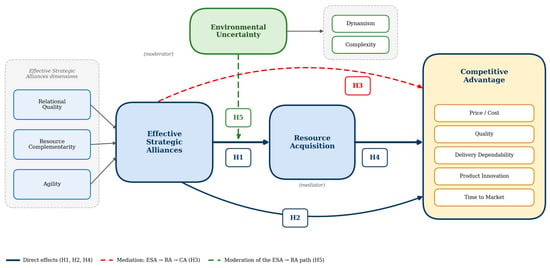
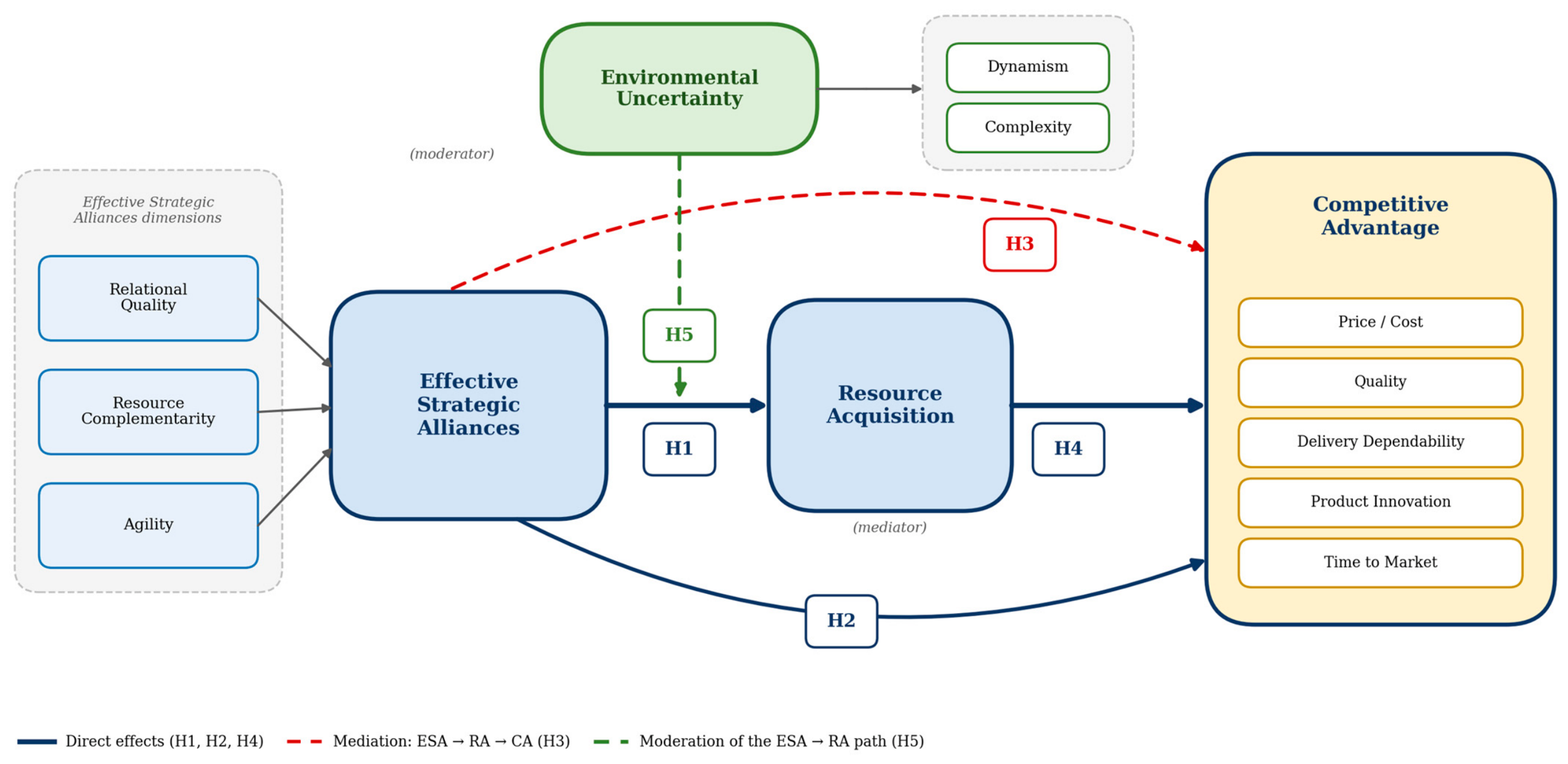
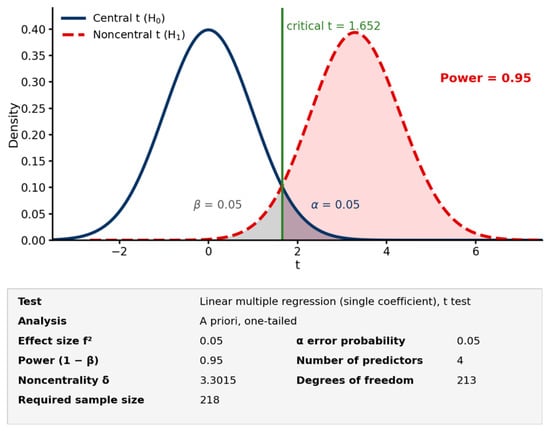
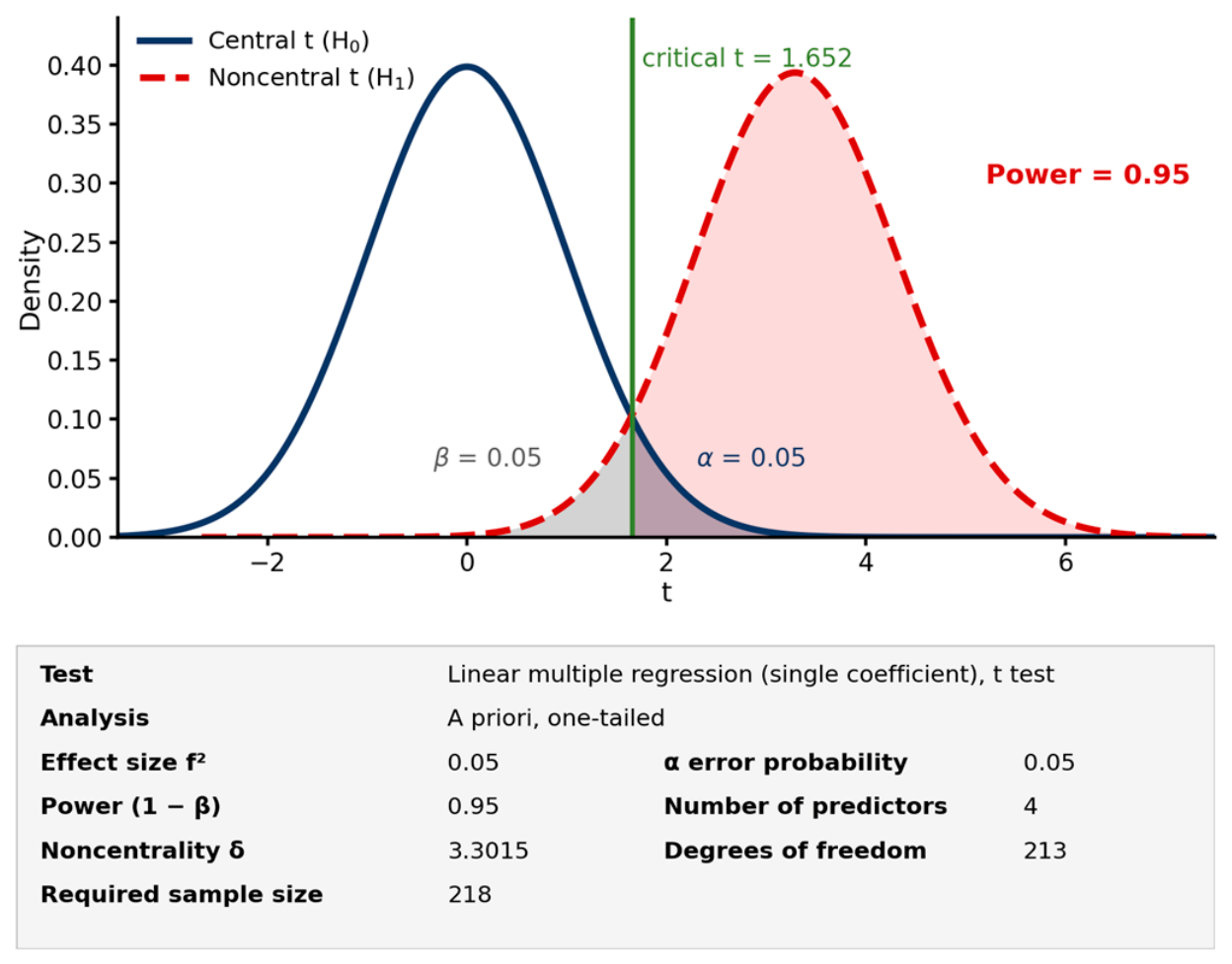

Disclaimer/Publisher’s Note: The statements, opinions and data contained in all publications are solely those of the individual author(s) and contributor(s) and not of MDPI and/or the editor(s). MDPI and/or the editor(s) disclaim responsibility for any injury to people or property resulting from any ideas, methods, instructions or products referred to in the content. |
© 2026 by the authors. Licensee MDPI, Basel, Switzerland. This article is an open access article distributed under the terms and conditions of the Creative Commons Attribution (CC BY) license.