


Abstract
The transition toward sustainable energy systems requires the identification of renewable biomass resources capable of replacing fossil fuels while minimizing environmental impacts. Among microalgae, diatoms are an attractive feedstock for advanced biofuel production due to their rapid growth, high photosynthetic efficiency, and remarkable lipid accumulation capacity. This study investigated the diversity, spatial distribution, and bioenergy potential of diatom communities in the Nador Lagoon (Marchica), Morocco, one of the largest Mediterranean coastal lagoons. Samples were collected at 13 sampling stations during three sampling campaigns in March, April, and June 2024, using both qualitative and quantitative approaches. Diatom identification was performed by microscopic observation, while abundance was estimated using the Utermöhl sedimentation method. Species richness, frequency of occurrence, presence–absence patterns, hierarchical cluster analysis, and principal component analysis (PCA) were used to characterize the diatom community. A total of 22 diatom taxa belonging to 11 taxonomic orders were identified. The total recorded diatom abundance was 23,360 cells mL−1, with Bacillariales contributing the highest relative abundance (38.87%), followed by Rhizosoleniales (15.92%), Chaetocerotales (13.36%), and Naviculales (11.64%). Rhizosoleniales and Fragilariales were the most represented orders in terms of species richness, with four taxa each. Eight taxa with biofuel-related potential reported in the scientific literature were identified, among which Chaetoceros decipiens and Pseudo-nitzschia sp. occurred at six sampling stations, while Nitzschia sigma occurred at five stations. Hierarchical clustering and PCA revealed consistent patterns of spatial co-occurrence among these taxa. These findings highlight Nador Lagoon as a valuable reservoir of indigenous diatom diversity and provide a basis for prioritizing native taxa for future isolation, cultivation, biochemical characterization, and biofuel-related evaluation.
1. Introduction
The energy transition is one of the most significant challenges of the 21st century, amid rising global energy demand, persistent reliance on fossil fuels, and intensifying socioeconomic and climate pressures. According to the International Energy Agency, global energy demand has increased by more than 2% annually over the past decade [1]. Fossil fuels still account for approximately 80% of the global energy mix [2]. Several studies have projected that global consumption and demand for fossil fuels, including natural gas, oil, and coal, will increase by 31%, 22%, and 25%, respectively, beyond 2020 [3]. Furthermore, conventional oil reserves are estimated to last only a few decades at current consumption rates, thereby exacerbating energy security risks [4]. Some researchers demonstrated that 30% of the crude oil distribution deficit in the markets accounts for the most significant fluctuations in the crude oil pricing system [5]. Such fluctuations can have significant socioeconomic consequences, including substantial declines in gross domestic product in highly crude-oil-dependent economies. Thus, continued dependence on fossil fuels represents a major energy and socioeconomic challenge. In response to the energy crisis and the need to reduce fossil fuel dependence, microalgae, particularly diatoms, offer a promising renewable resource for energy production. Their ability to convert solar energy and CO2 into energy-rich biomass makes them potential biofuel feedstocks, while their cultivation can create new employment opportunities and support green economic activities.
On the other hand, the extensive use of fossil fuels accounts for nearly 75% of global greenhouse gas emissions [6]. Atmospheric carbon dioxide measurements have risen from 280 ppm in pre-industrial times to almost 390 ppm today [7]. Consequently, fossil fuel consumption contributes substantially to atmospheric carbon emissions and global warming. More than 70% of this CO2 does not disperse or disappear but remains in the biosphere, moving from one area to another [8]. This massive production of CO2 consequently increases global temperature. The Intergovernmental Panel on Climate Change reports that the global average temperature has already risen by about 1.1 °C compared with the pre-industrial era, with increasingly pronounced environmental, economic, and social consequences [9]. This situation has led the United Nations to commit to limiting global warming to well below 2 °C relative to pre-industrial levels. In this context, diatoms may also contribute to mitigating climate change through their high photosynthetic capacity and efficient CO2 fixation. By converting atmospheric CO2 into biomass, diatoms can help reduce carbon dioxide levels while producing valuable biomass for energy and other applications. Their potential for carbon capture and renewable biomass production therefore makes them promising biological resources for addressing both global warming and the energy transition.
Faced with these energy, socioeconomic, and environmental challenges, the search for renewable, sustainable, and low-carbon energy sources is widely regarded as a strategic priority worldwide. Among the strategic alternatives considered, bioenergy occupies an important place because it can valorize biomass and contribute to a circular economy approach. However, first- and second-generation biofuels, derived mainly from crops or lignocellulosic residues, raise concerns about competition with food uses, land use, and resource availability [10]. In this context, microalgae are emerging as a third-generation biomass feedstock with strong potential for bioenergy production [11]. Among microalgae, diatoms are a prominent group capable of contributing to these energy and environmental objectives. Therefore, this work focuses on diatoms. Diatoms are distinguished from other algal groups that produce biofuels, including chlorophyll-producing algae, cyanobacteria, and macroalgae, by several major biological, biochemical, and technological advantages. They generally exhibit high growth rates, remarkable photosynthetic efficiency, and a significant capacity for lipid accumulation, particularly in fatty acids suitable for bioenergy production, such as biodiesel [12]. Diatoms also show remarkable ecological diversity and adaptability to a wide range of environmental conditions, allowing their cultivation in different aquatic systems. Diatoms can exhibit growth rates up to 10 times higher than those of conventional terrestrial crops, while their dry biomass productivity can reach 10 to 50 times that of conventional energy crops [13]. These microalgae offer distinct advantages because they do not compete with agricultural land and can produce more than 100 tonnes of biomass per hectare per year [14]. Their biochemical composition includes not only lipids but also proteins, carbohydrates, pigments, and other valuable metabolites with potential for multiple applications. Unlike many other microalgae, diatoms possess a characteristic silica-based cell wall, known as a frustule, which provides structural protection and offers additional opportunities for biomass valorization [15]. Their efficient CO2 fixation, ability to accumulate energy-rich compounds, and potential for producing high-value bioproducts further enhance their relevance to sustainable bioenergy and circular bioeconomy. Diatoms can sequester up to 1.8 kg of CO2 for every kilogram of biomass produced, thereby contributing to the reduction in greenhouse gas emissions [16]. Compared with cyanobacteria, diatoms pose a lower risk of toxicity, reinforcing their appeal for sustainable, large-scale applications [17]. Thus, diatoms are a strategic bioenergy resource, combining energy performance, environmental adaptability, and potential for integrated valorization, making them particularly promising for advanced biofuel development.
Morocco offers a particularly promising context for exploring indigenous diatom diversity and identifying strains with potential for biofuel production. Its long coastline, diverse aquatic ecosystems, favorable solar conditions, and heterogeneous environmental conditions provide a valuable natural reservoir of diatom species that may exhibit distinct physiological and biochemical properties. In this context, the identification and characterization of native diatoms, particularly lipid-rich strains capable of producing suitable biomass for biofuel production, represent an important research opportunity. Exploring these indigenous resources could contribute to the discovery of locally adapted and potentially high-performing strains, while supporting the development of sustainable bioenergy and the valorization of Morocco’s aquatic biodiversity. Within this context, the Nador Lagoon in northern Morocco serves as a reference site with significant energy potential [18]. This lagoon is a coastal ecosystem of strategic importance for developing microalgal bioenergy, given its biological richness, species diversity, and favorable environmental conditions for algal growth. The study of this ecosystem provides an opportunity to explore a Mediterranean resource that remains underutilized for bioenergy and to contribute to Morocco’s sustainable development through the mobilization of local biological resources. This natural ecosystem offers a privileged setting for identifying and characterizing native diatom strains with potential for advanced biofuel production.
Previous studies of Nador Lagoon have provided important information on its environmental characteristics, phytoplankton communities, and biological diversity. Earlier investigations have documented the ecological variability of the lagoon and its phytoplankton assemblages, particularly in relation to its marine connectivity, salinity conditions, and spatial heterogeneity [19]. More recent studies have also contributed to the characterization of phytoplankton and diatom assemblages in the lagoon and surrounding coastal environments [20,21]. These studies demonstrate that Nador Lagoon supports diverse microalgal communities influenced by the transitional conditions between marine and lagoon environments. However, previous research has mainly focused on general phytoplankton composition and environmental characteristics, while a comprehensive assessment specifically integrating diatom taxonomic diversity, spatial distribution, quantitative abundance, and their reported biofuel-related potential remains limited.
Despite these contributions, important knowledge gaps remain concerning the diversity, spatial distribution, quantitative abundance, and biofuel-related potential of indigenous diatom communities in Nador Lagoon. In particular, limited information is available on which native diatom taxa occurring in the lagoon may represent promising candidates for future biofuel research and how their occurrence and ecological distribution vary across sampling stations. This study therefore addresses three main scientific questions: (i) Which diatom species occur in Nador Lagoon, and how are they spatially distributed? (ii) Which of these taxa have biofuel-related potential reported in the scientific literature? (iii) Which native diatom taxa can be considered priority candidates for future bioenergy and biorefinery investigations?
The present study first aimed to inventory and taxonomically identify diatom species in Nador Lagoon, characterize their taxonomic composition and morphological diversity, and investigate their spatial distribution across the sampling stations. Based on this assessment, the study then aimed to identify diatom taxa with biofuel-related potential reported in the scientific literature and to evaluate their spatial occurrence and ecological patterns using hierarchical clustering and principal component analysis (PCA). This approach provides a basis for identifying native diatom taxa of potential interest for future isolation, cultivation, biochemical characterization, and biofuel-related applications, with the ultimate objective of identifying priority native diatom species suitable for future biofuel production and algal biorefinery development in Morocco.
2. Materials and Methods
2.1. Study Area: Nador Lagoon
The study was conducted in the Nador Lagoon, also known as Marchica, on Morocco’s northeastern Mediterranean coast. This lagoon is the country’s largest lagoonal ecosystem, covering approximately 115 km2 and reaching a maximum water depth of about 8.2 m [22]. It is the second-largest lagoon along the southern Mediterranean shoreline, underscoring its regional ecological importance [23].
Geographically, the Nador Lagoon lies between Cap des Trois Fourches and Cap des Eaux, within the coordinates 02°55′–02°45′ W and 35°16′–35°06′ N [24]. The lagoon is semi-elliptical and is separated from the open Mediterranean Sea by a sandy barrier approximately 25 km long, oriented northwest–southeast [25]. Since 2010, water exchange between the lagoon and the Mediterranean Sea has been maintained through an artificial inlet, significantly reducing the lagoon’s residence time to about 25 days and transforming the system from an obstructed to a restricted lagoon [26]. From an ecological perspective, the Nador Lagoon supports diverse biological communities and provides essential habitat for numerous fish, mollusk, and crustacean species, making it a key area for artisanal fisheries. Its macroalgal diversity is particularly noteworthy, with more than 110 species identified across Rhodophyceae, Chlorophyceae, and Phaeophyceae [22]. These characteristics, along with its socioeconomic importance and environmental sensitivity, make the Nador Lagoon an appropriate and strategic study area for investigating the potential for valorizing algal biomass for energy and sustainable development.
2.2. Microalgal Sampling Strategy
The sampling strategy was carefully designed to ensure a representative and reproducible collection of microalgal biomass across the Nador Lagoon. Particular attention was paid to balancing broad spatial coverage of the lagoon with careful harvesting of microalgae to preserve sample integrity. The station network was established to represent the lagoon’s main environmental and hydrological compartments, including areas influenced by continental freshwater inputs, central lagoon waters, and sectors affected by water exchange with the Mediterranean Sea [27]. This spatial design was intended to capture the main longitudinal and environmental gradients of the lagoon rather than concentrating sampling within a single sector.
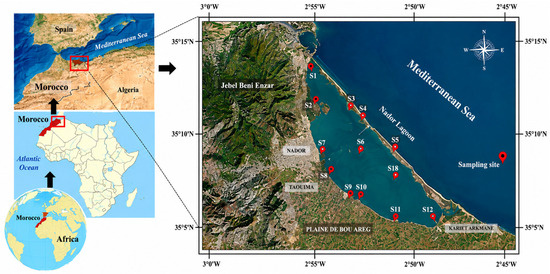
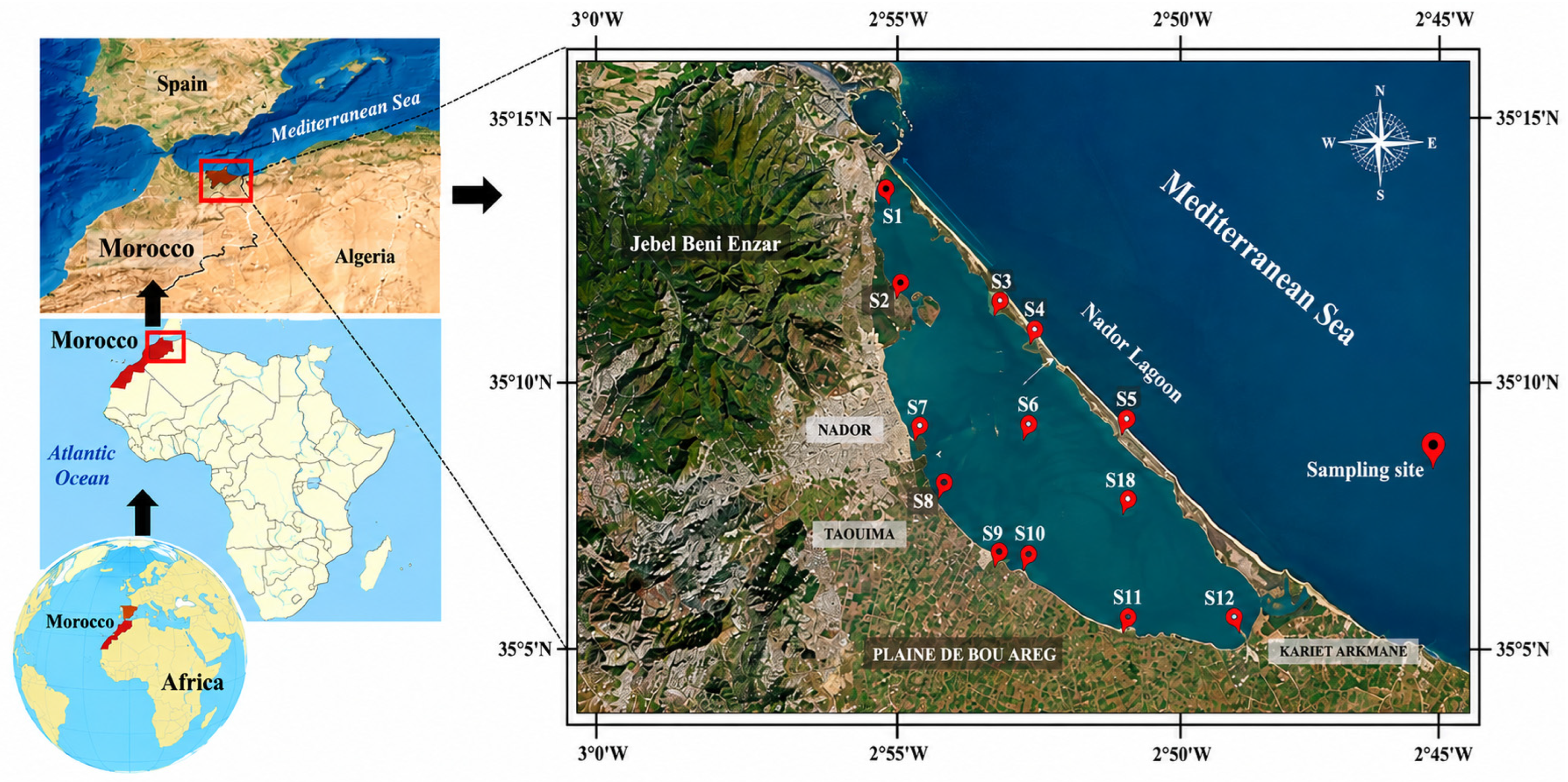
In this study, a Garmin GPS45 global positioning system navigator (Garmin International, Inc., Olathe, KS, USA) was used to locate the sampling stations [28]. A total of 13 stations were established, providing a comprehensive spatial representation of the lagoon. Each station was precisely georeferenced using geographic coordinates (latitude and longitude), enabling accurate localization and ensuring the reproducibility of the sampling protocol (Table 1). Based on the geographic coordinates of the 13 stations, the sampling network extended approximately 22.5 km between the northernmost station (S1) and the southernmost station (S12). The nearest-neighbor distance between stations ranged from approximately 1.13 to 4.31 km, with a mean distance of about 2.93 km, providing spatially distributed coverage of the lagoon. Figure 1 shows the spatial distribution of the stations. To account for seasonal variability in microalgal communities, sampling campaigns were conducted in March, April, and June 2024.
Table 1.
Geographic coordinates of sampling stations in the Nador Lagoon (Marchica).
Figure 1.
A representative map of the sampling network in Nador Lagoon.
2.3. Qualitative and Quantitative Microalgal Sampling Procedure
Microalga analysis was conducted using both quantitative and qualitative approaches to characterize diatom species composition, abundance, and spatial distribution in the Nador Lagoon. Three samples were collected at each sampling station during each of the three sampling campaigns (March, April, and June 2024), resulting in 117 samples for each sampling approach.
For qualitative assessment of microalgal species, samples were collected using a standard phytoplankton net with a collecting device. The conical net measured 50 cm in length, had a 20 µm mesh size, and an opening diameter of 24 cm, efficiently retaining microphytoplankton while minimizing cell damage. Sampling was conducted at the water surface by horizontal towing of the net at low speed for 5 min from a Zodiac-type inflatable boat to obtain representative surface phytoplankton assemblages. Immediately after collection, samples were fixed in situ with neutralized formalin to preserve cellular morphology and prevent post-sampling biological alterations. The fixed samples were then transported to the laboratory under controlled conditions for subsequent analysis.
In the laboratory, each sample was gently homogenized to ensure uniform distribution of organisms. A subsample was then withdrawn with a micropipette and transferred to a settling chamber for microscopic observation. Diatom identification was performed using an (Olympus IX73; Olympus Corporation, Tokyo, Japan) equipped with a digital camera connected to a computer, enabling detailed observation and image capture. Representative microscopic images of selected identified diatoms were also documented during the taxonomic identification process to support the morphological characterization of the observed taxa. Although the morphological observations were sufficient for the identification of the taxa reported in this study, no dedicated frustule-cleaning procedure was applied to remove organic matter prior to microscopic observation. This approach allowed the observation of intact cells and preserved their overall morphology, but the absence of a cleaning step may have limited the observation of some fine siliceous morphological features. This qualitative approach enabled characterization of phytoplankton species composition across sampling stations and periods, ensuring consistency with the quantitative analysis framework.
For the quantitative assessment of diatom species, water samples were collected using a 25 mL sampling bottle immersed 0.5 m below the water surface to obtain representative surface-water samples. Three replicate samples were collected at each station during each sampling campaign. The sampling bottles were completely filled at the sampling depth and immediately transferred to clean containers. The samples were transported to the laboratory under controlled conditions and stored at 4 °C until analysis to minimize biological activity and preserve cell integrity.
Diatom abundance was determined using the Utermöhl sedimentation method in accordance with the NM EN 15204 standard [29]. Prior to analysis, each sample was gently homogenized to ensure uniform distribution of phytoplankton cells. An aliquot of the homogenized sample was transferred to sedimentation chambers with a volume not exceeding 5 mL and allowed to settle for at least 12 h to ensure complete sedimentation of organisms onto the chamber base. The chambers were left to settle overnight, and microscopic observations were performed continuously on the following day. For each sample, nine successive microscopic fields were examined, and the counting procedure was repeated three times to improve the reliability of the abundance estimates. After sedimentation, phytoplankton cells were identified and counted under an inverted microscope. Diatom abundance was expressed as cells/mL based on the number of cells counted in the analyzed sample volume. Using three replicate samples per station and campaign, nine successive microscopic fields, and three counting repetitions provided a standardized basis for comparing diatom abundance among sampling stations and sampling periods. This standardized approach ensured the reliability, reproducibility, and comparability of the quantitative diatom data collected throughout the study.
2.4. Physicochemical Parameters
To complement the biological observations, the main physicochemical parameters were measured at 13 sampling stations during the three sampling campaigns in March, April, and June 2024. The measured variables included water temperature, pH, dissolved oxygen, oxygen saturation, turbidity, and salinity. For each station, the values presented in this study correspond to the mean of the measurements obtained during the three sampling campaigns. These parameters were used to characterize the spatial variability of the environmental conditions and to provide environmental context for interpreting the observed patterns of diatom diversity and distribution.
2.5. Statistical Analysis of Diatom Abundance and Distribution
The qualitative analysis revealed a high diversity of phytoplankton species in the Nador Lagoon, including diatoms, dinoflagellates, chlorophytes, and cyanobacteria. Among these groups, diatoms were the most abundant and were widely distributed throughout the lagoon across the different sampling campaigns. Although several phytoplankton groups were identified, the present study focuses specifically on diatom communities, which dominated the phytoplankton assemblage and are recognized for their relevance to biofuel and bioenergy valorization. This focus was further supported by statistical analyses that objectively assessed the spatial and temporal variability of diatom communities in the lagoon.
Accordingly, the dataset underwent statistical analysis to evaluate differences among sampling stations. Species richness and frequency of occurrence were calculated to characterize the taxonomic composition and spatial distribution of diatom species across the sampling stations. Presence–absence data were used to generate heatmaps to visualize species distribution patterns. For the diatom taxa with reported biofuel potential, hierarchical cluster analysis was performed to group species according to similarities in their occurrence patterns across the sampling stations. Principal component analysis (PCA) was used to explore multivariate relationships between diatom species and sampling stations and to identify the main patterns of variation in the dataset.
All statistical analyses and graphical representations, including bar plots, heatmaps, hierarchical dendrograms, and PCA ordination plots, were performed using Python 3.13. The combination of these analytical approaches was used to characterize the spatial distribution of diatom communities and to identify taxa with particular relevance to biofuel production. The results presented in this paper therefore emphasize the spatiotemporal patterns of diatom community structure and distribution, whereas other phytoplankton groups are not discussed in detail.
3. Results and Discussions
3.1. Spatial Variation in Mean Physicochemical Parameters
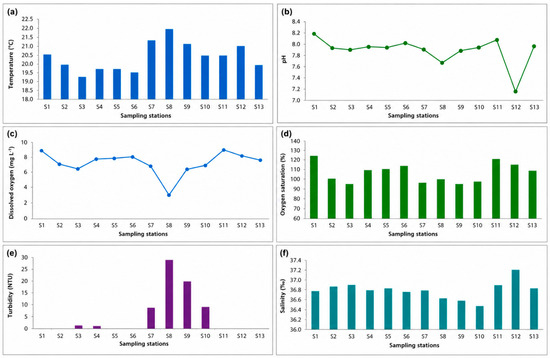
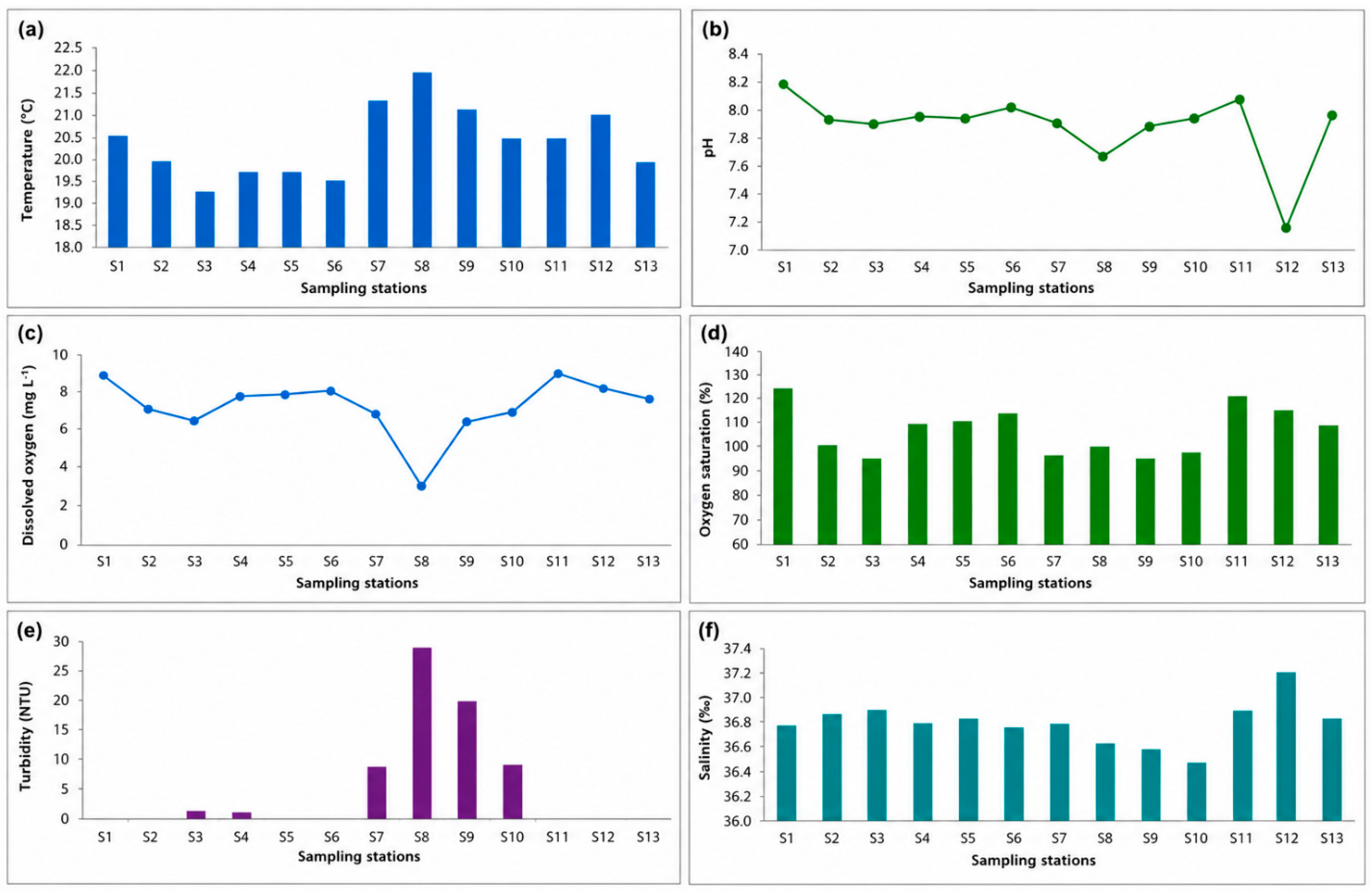
The mean physicochemical parameters measured across the 13 sampling stations during the March, April, and June 2024 campaigns revealed spatial variability in the environmental conditions of Nador Lagoon (Figure 2). Water temperature ranged from 19.3 to 21.9 °C, with a mean value of 20.35 °C. The lowest temperature was recorded at S3, whereas the highest value occurred at S8. The pH ranged from 7.17 at S12 to 8.17 at S1, with a mean value of 7.90. Dissolved oxygen concentrations showed a marked spatial variation, ranging from 3.33 mg L−1 at S8 to 8.95 mg L−1 at S1, with a mean value of 7.35 mg L−1. Oxygen saturation ranged from 93.2% to 123.5%, indicating differences in oxygenation conditions among stations. Turbidity exhibited the strongest spatial variation among the measured parameters, ranging from 0 to 27.68 NTU, with a mean value of 4.31 NTU. The highest turbidity was recorded at S8, followed by S9, while most other stations showed substantially lower values. Salinity remained comparatively stable across the lagoon, ranging from 36.45‰ at S10 to 37.13‰ at S12, with a mean value of 36.76‰. Overall, the spatial variability was particularly pronounced for turbidity and dissolved oxygen, whereas salinity remained relatively stable among stations. These physicochemical measurements provide useful environmental context for interpreting the spatial patterns observed in the diatom community. However, because the values presented here represent means across three sampling campaigns, they should be considered indicators of general spatial environmental conditions rather than direct causal explanations of individual diatom distributions.
Figure 2.
Spatial variation in mean physicochemical parameters across the 13 sampling stations of Nador Lagoon based on measurements collected during the March, April, and June 2024 sampling campaigns: (a) water temperature, (b) pH, (c) dissolved oxygen, (d) oxygen saturation, (e) turbidity, and (f) salinity.
The measured physicochemical conditions were generally consistent with the environmental characteristics expected in a Mediterranean coastal lagoon. Water temperature (19.3–21.9 °C) reflected the seasonal conditions during the sampling period, while the pH values (7.17–8.17) were generally compatible with marine and coastal waters. Salinity remained relatively high and stable (36.45–37.13‰), indicating euhaline conditions and reflecting the strong marine influence on Nador Lagoon. Dissolved oxygen concentrations (3.33–8.95 mg L−1) indicated generally favorable oxygenation conditions, although the lower value recorded at S8 suggests localized oxygen depletion. Oxygen saturation ranged from 93.2% to 123.5%, with values above 100% potentially reflecting locally enhanced photosynthetic activity. Turbidity showed the greatest spatial variability (0–27.68 NTU), indicating differences in water transparency among stations. Overall, these measurements are compatible with the heterogeneous environmental conditions expected in a Mediterranean transitional lagoon and provide an environmental framework for interpreting the observed spatial variability in the diatom community.
3.2. Detection and Identification of Diatom Species in the Nador Lagoon
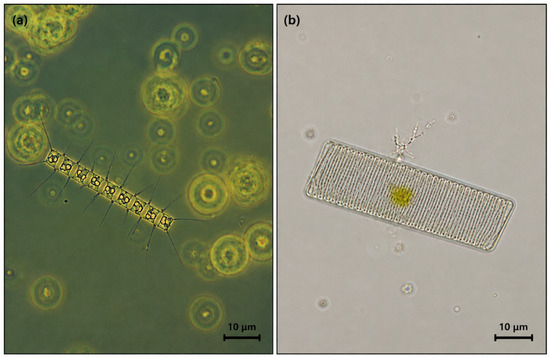
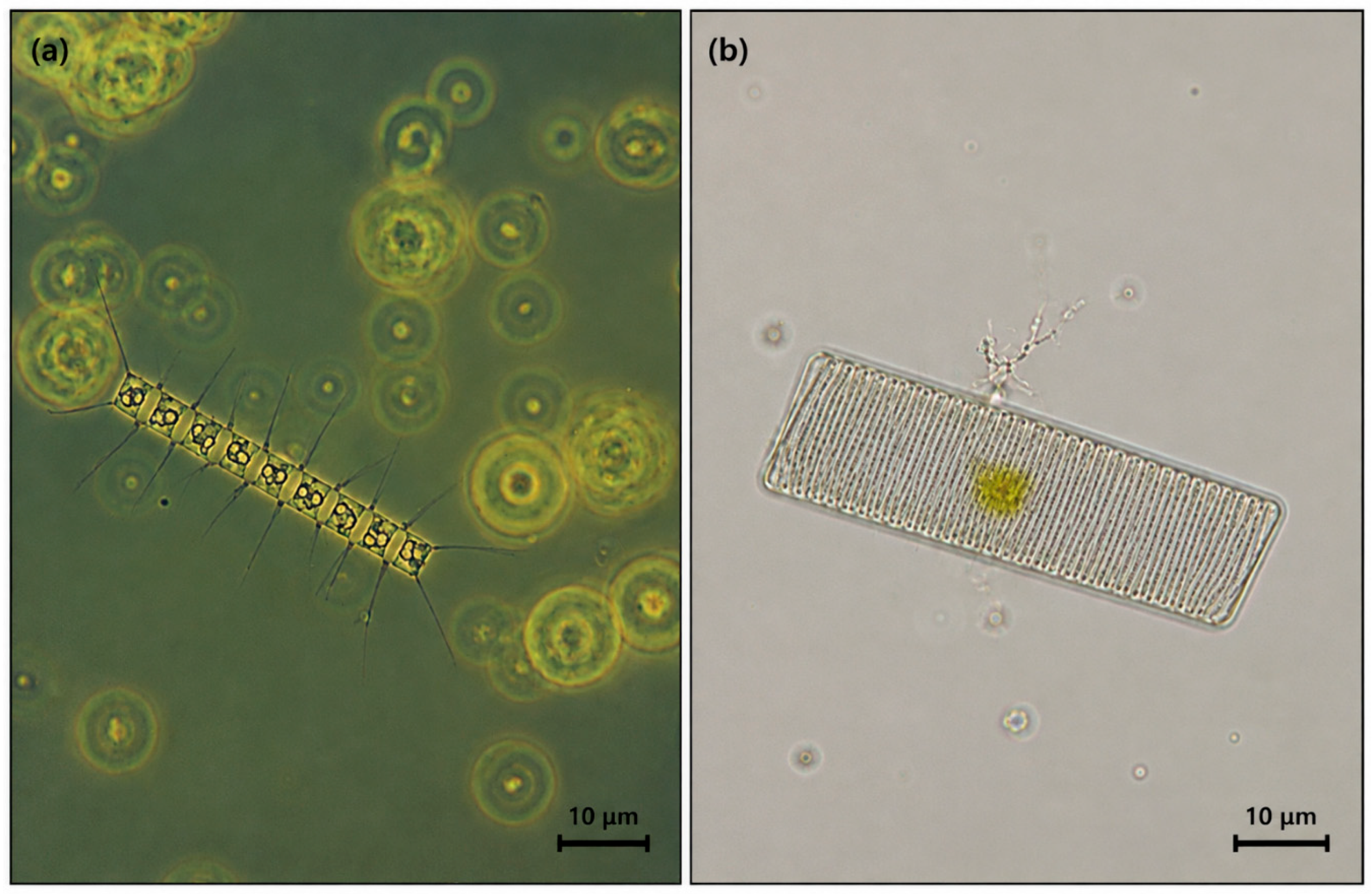
Among the diatom taxa recorded in Nador Lagoon, we detected and identified 22 diatom taxa under the sampling and microscopic identification conditions applied in this study (Figure 3). We then characterized the recorded taxa and compiled the taxonomic classification table (Table 2). The species are classified by taxonomic order, family, and morphological traits, providing a detailed overview of the taxonomic composition and morphological characteristics of the recorded taxa. This table shows a rich, diverse, and ecologically structured diatom community, reflecting the coexistence of species with different functional strategies. This taxonomic and morphological diversity is a key indicator of Nador Lagoon’s ecological complexity. The 22 taxa identified in the present study represent the diatom diversity detected under the applied sampling and microscopic identification conditions. This inventory should not necessarily be considered exhaustive, as additional taxonomic resolution, including dedicated frustule-cleaning procedures and higher-resolution microscopy, may reveal further taxa or allow more precise identification of morphologically similar species.
Figure 3.
Representative microscopic observations of diatom taxa identified in Nador Lagoon: (a) Chaetoceros decipiens and (b) Striatella unipunctata. Scale bars = 10 µm.
Table 2.
Taxonomic classification and morphological characteristics of the diatom species recorded in Nador Lagoon.
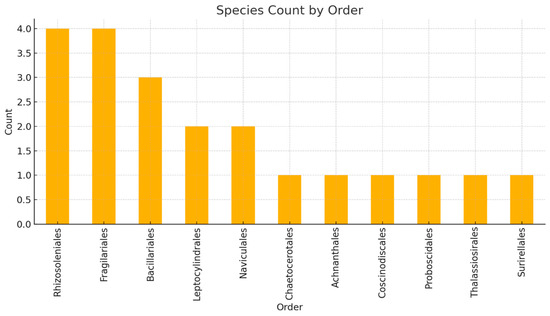
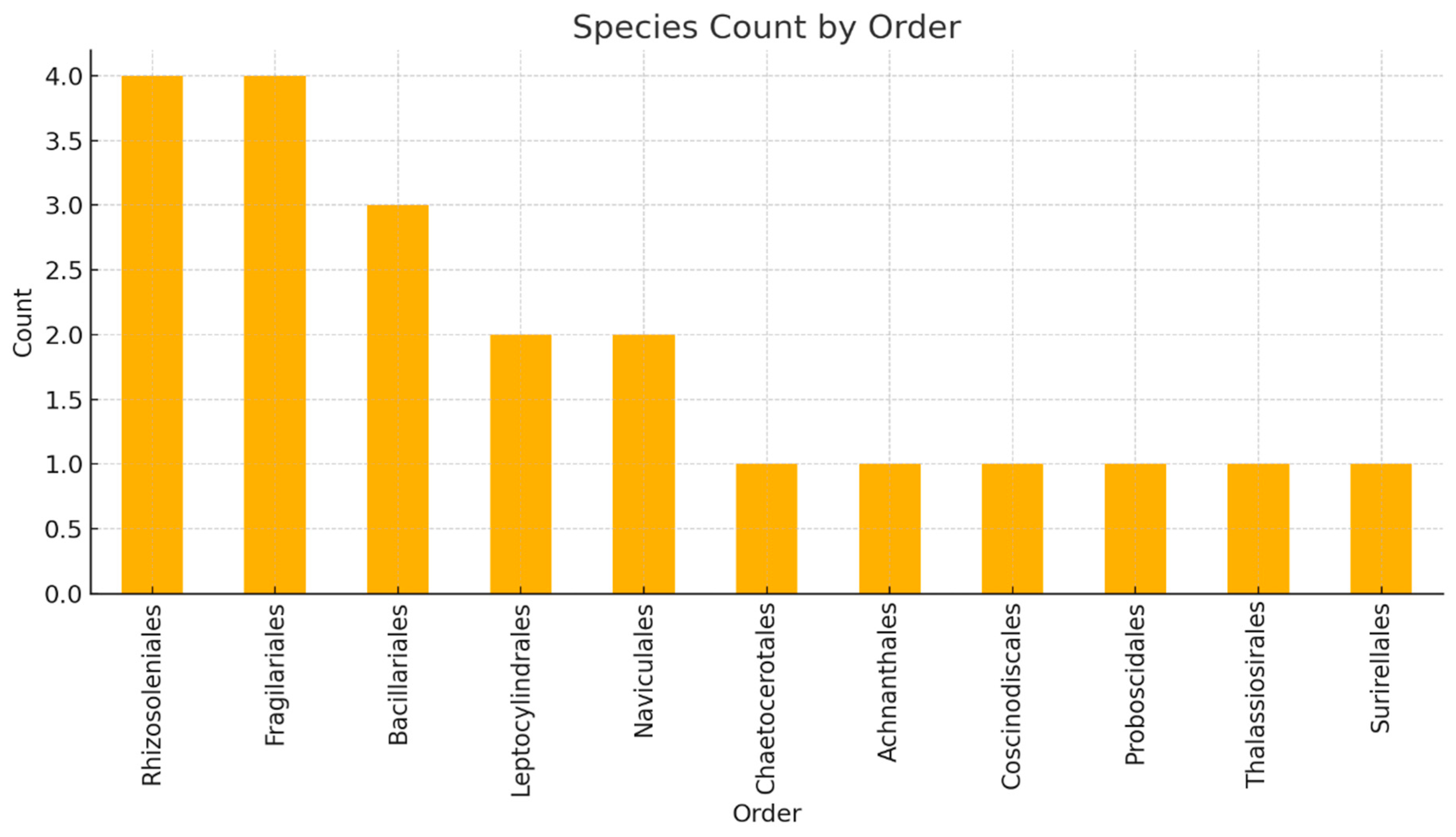
The analysis of species richness by taxonomic order showed that Rhizosoleniales and Fragilariales were the most represented orders, with four species each, followed by Bacillariales with three species (Figure 4). However, species richness alone does not necessarily reflect quantitative dominance within the diatom community. Therefore, we further considered the quantitative data in terms of relative abundance (Table 3). Bacillariales represented the highest contribution to the total diatom abundance (38.87%), followed by Rhizosoleniales (15.92%), Chaetocerotales (13.36%), and Naviculales (11.64%). In contrast, Rhizosoleniales and Fragilariales accounted for 15.92% and 0.51%, respectively. These results indicate that taxonomic richness and quantitative abundance provide complementary information on diatom community structure. While Rhizosoleniales and Fragilariales were the most represented orders in terms of species richness, Bacillariales and several other orders contributed more substantially to the overall abundance. Therefore, the high representation of Rhizosoleniales and Fragilariales in terms of species richness should not be interpreted as quantitative dominance. Their relatively high species richness is consistent with previous studies conducted in coastal lagoons, where these marine and brackish diatoms are characteristic components of transitional ecosystems influenced by marine water exchange and salinity gradients [20,21]. Such assemblages have been documented in the Nador Lagoon as well as in other Mediterranean and temperate coastal lagoons.
Figure 4.
Number of diatom species recorded in each taxonomic order in Nador Lagoon.
Table 3.
Quantitative abundance and relative contribution of diatom orders recorded in the Nador Lagoon.
The orders Leptocylindrales and Naviculales, each represented by two species, contribute moderately to the overall diversity. They include species commonly associated with coastal habitats and water–sediment interfaces, representing a mixed group that combines both pelagic and benthic ecological strategies. Species of Leptocylindrus are typical planktonic components of marine and lagoon phytoplankton, whereas species belonging to Naviculales are predominantly benthic diatoms inhabiting lagoon sediments and submerged substrates, reflecting the transitional nature of coastal lagoon ecosystems [30].
Other orders, such as Chaetocerotales, Achnanthales, Coscinodiscales, Probosidales, Thalassiosirales, and Surirellales, are represented by only a single species each. Their limited species representation may reflect the influence of local environmental conditions, including light availability, nutrient levels, turbidity, and salinity, which can contribute to differences in taxonomic composition among sampling stations [31]. Overall, this taxonomic distribution illustrates a diverse community with unequal species representation among taxonomic orders, while the quantitative analysis reveals a different pattern of relative abundance.
The measured spatial variability in salinity, temperature, dissolved oxygen, oxygen saturation, and turbidity provides an environmental context that may contribute to the observed differences in diatom occurrence and distribution across the sampling stations. Salinity ranged from 36.45 to 37.13‰, while temperature ranged from 19.3 to 21.9 °C, dissolved oxygen from 3.33 to 8.95 mg L−1, oxygen saturation from 93.2 to 123.5%, and turbidity from 0 to 27.68 NTU. These environmental variations are consistent with the heterogeneous conditions of Nador Lagoon and may help explain the occurrence of taxa with different ecological affinities. However, because nutrient concentrations, hydrodynamic conditions, and substrate characteristics were not directly quantified, their specific contribution to community assembly cannot be established. These factors should therefore be considered as potential influences rather than demonstrated drivers of the observed diatom distribution [31].
The coexistence of planktonic centric orders (Chaetocerotales, Thalassiosirales, Rhizosoleniales, Leptocylindrales, Coscinodiscales, and Probosidales) with benthic and epiphytic pennate orders (Achnanthales, Naviculales, Fragilariales, and Surirellales) reflects the environmental heterogeneity of Nador Lagoon and the coexistence of taxa with different ecological strategies. Such coexistence is expected in heterogeneous coastal lagoon ecosystems, where pelagic, benthic, and epiphytic habitats occur within the same connected system [32]. Therefore, the presence of these contrasting ecological groups should not, by itself, be interpreted as evidence of ecological filtering. Rather, it indicates that the lagoon provides a variety of habitats that can support taxa with different ecological affinities.
The observed spatial variability in salinity, temperature, dissolved oxygen, oxygen saturation, and turbidity provides an environmental context that may contribute to the distribution of taxa with different ecological affinities. However, the present study does not establish direct causal relationships between individual physicochemical variables and the occurrence of particular diatom taxa. These environmental factors should therefore be considered as potential factors influencing community composition rather than demonstrated drivers of diatom community assembly.
3.3. Distribution of Diatoms in the Nador Lagoon
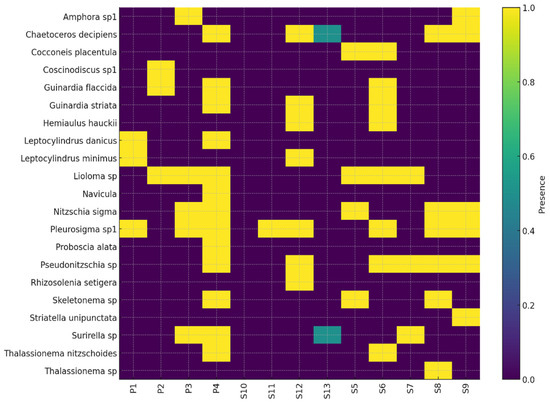
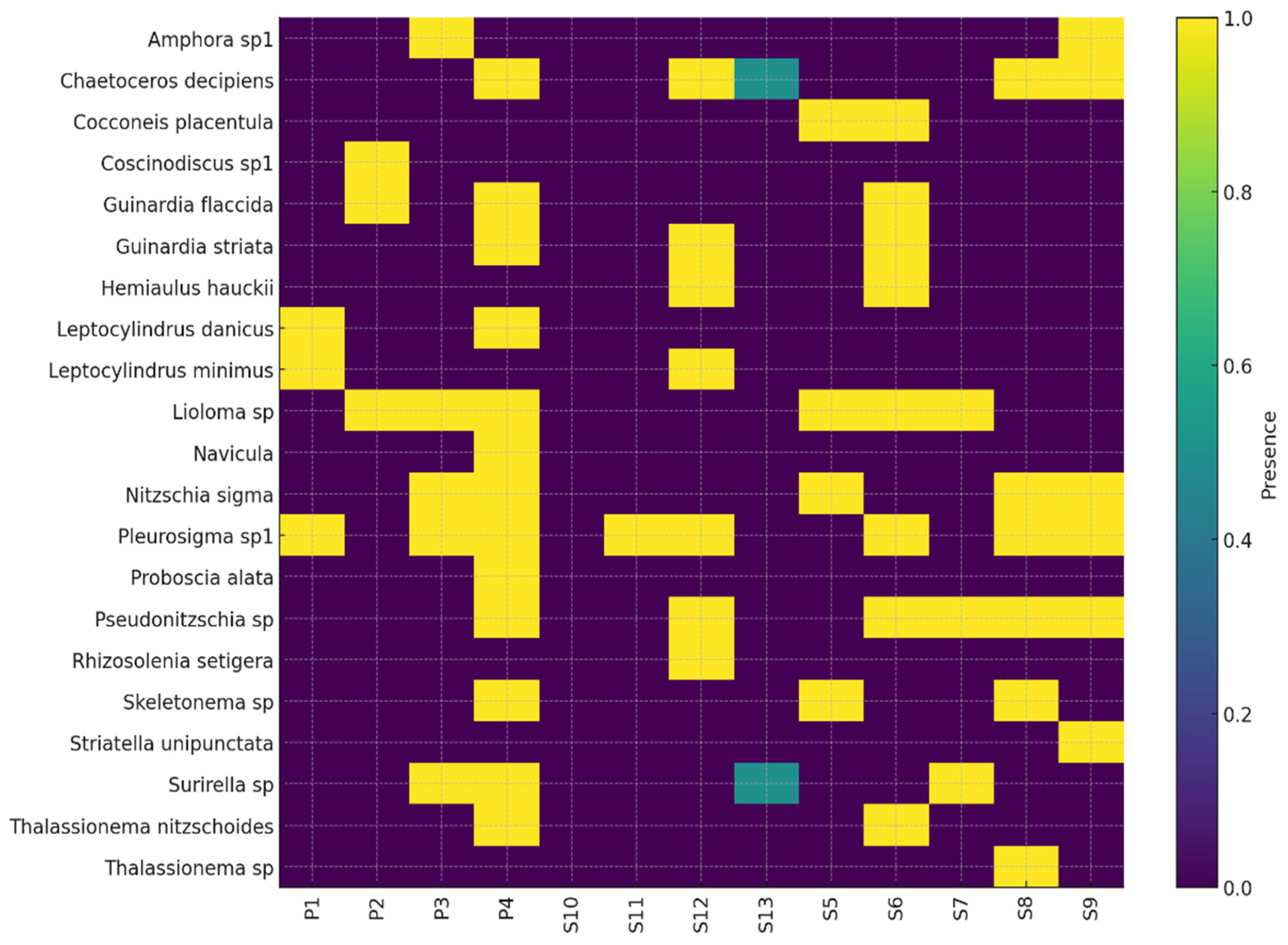
The study of species distributions across sampling sites (S1–S13) reveals significant ecological heterogeneity within the Nador Lagoon. The heatmap shows significant variation in species composition across sites, indicating that spatial environmental heterogeneity may contribute to differences in diatom community structure (Figure 5).
Figure 5.
Spatial distribution of diatom species across the sampling stations of Nador Lagoon.
However, we note that Sites S3, S4, S5, S6, and S7 stand out for their higher species richness, with numerous taxa detected concurrently. These sites thus provide favorable locations for diatom assemblages. This concentration of species may be associated with the environmental heterogeneity observed across the lagoon. The physicochemical measurements indicate spatial differences in temperature, dissolved oxygen, oxygen saturation, turbidity, and salinity; however, nutrient availability, light penetration, and hydrodynamic conditions were not directly quantified in the present study. Therefore, these factors should be considered potential explanations rather than demonstrated drivers of the observed species richness patterns [33]. Conversely, sites S1, S2, S10, and S11 show low species diversity, with only a few taxa present. This reduced richness may reflect more stressful or limiting environments because these sites are characterized by high turbidity, rapid water renewal, and lower nutrient levels [34].
From another perspective, the distribution patterns also highlight differences among species. Thus, we have seen that taxa such as Leptocylindrus minimus, Pleurosigma sp., Nitzschia sigma, and Pseudonitzschia sp. are present across a wide range of sites, indicating broad ecological tolerance. Nitzschia sigma and Pseudonitzschia sp. are particularly recognized for their tolerance to environmental stress and nutrient-enriched coastal waters [34,35]. Meanwhile, Leptocylindrus minimus and Pleurosigma spp. are common inhabitants of dynamic marine and lagoon environments, highlighting the influence of ecological filtering by local environmental conditions on community assembly [36]. However, other taxa such as Rhizosolenia setigera, Surirella sp., and Chaetoceros decipiens show a more restricted distribution, suggesting specific ecological preferences because they are sensitive to environmental variation. Finally, the heatmap shows a clear spatial pattern of the diatom community, highlighting biodiversity hotspots, species-poor areas, and environmental gradients that affect species distribution.
3.4. Diatom Biofuel-Producing Species Identified in Nador Lagoon
Based on this observed diversity, we identified 8 diatom taxa occurring in Nador Lagoon that have been reported in the literature as having potential relevance for biofuel production: Cocconeis placentula, Coscinodiscus sp., Leptocylindrus minimus, Chaetoceros decipiens, Nitzschia sigma, Navicula sp., Pseudonitzschia sp., and Rhizosolenia setigera. Their presence in Nador Lagoon does not, by itself, demonstrate biofuel productivity. Rather, their selection was based on their occurrence in the present study combined with previously reported biochemical, physiological, and biotechnological characteristics relevant to biofuel production. These diatom species and related taxa are among the most suitable for producing biofuels, including advanced biofuels, because they have high lipid-accumulation capacity, grow rapidly, and are commonly used in algal biorefinery programs [37,38]. Previous studies have also identified several of these taxa or closely related diatoms as promising candidates for biofuel applications [39,40]. Therefore, in the present study, these taxa are considered candidates with reported biofuel potential rather than species whose biofuel productivity has been experimentally demonstrated here.
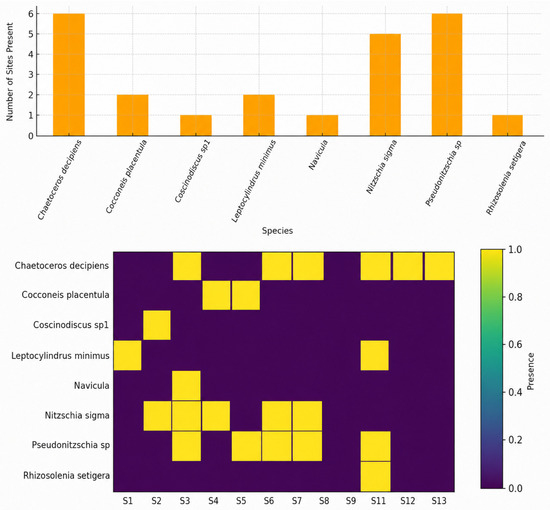
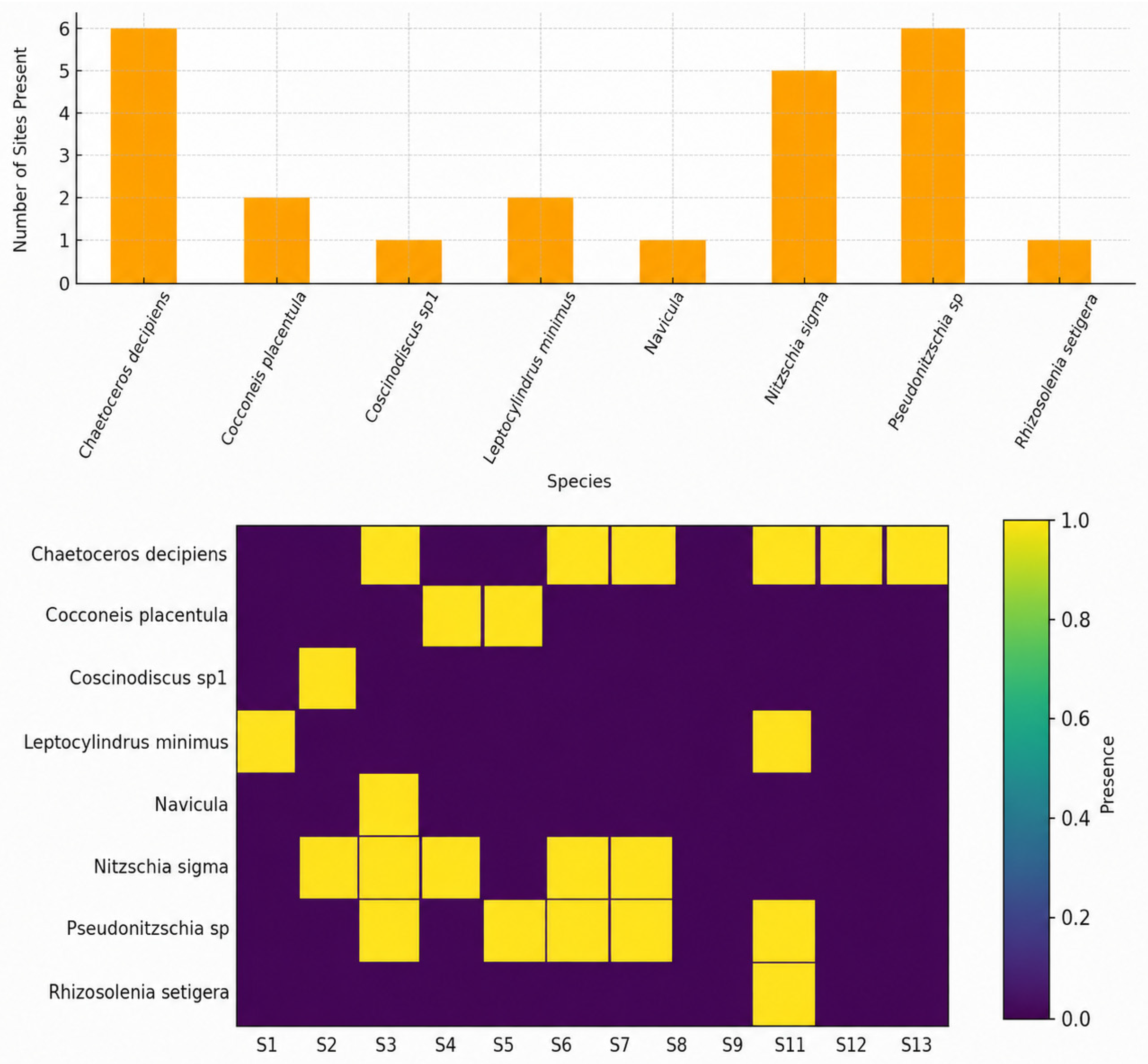
Examining the spatial distribution of these selected species reveals significant differences in their presence and frequency of occurrence across all the studied sites. We observed that Chaetoceros decipiens and Pseudonitzschia sp. are the most widely distributed species, each detected at six sites (Figure 6). This relatively broad distribution indicates that these taxa were frequently encountered across the sampling network; however, occurrence alone does not provide direct evidence of their biochemical productivity or biofuel yield. Several researchers described the ecological adaptability of Chaetoceros species [41], while other researchers have already described the physiological and transcriptional plasticity of Pseudonitzschia sp., which allows it to acquire ecological and biogeochemical relevance within aquatic ecosystems [42].
Figure 6.
Frequency of occurrence (upper panel) and presence–absence heatmap (lower panel) of selected diatom species with reported biofuel potential across the sampling stations of Nador Lagoon. The bar chart shows the number of sampling stations where each species was recorded, while the heatmap illustrates their spatial distribution. Yellow cells represent species presence, and dark purple cells indicate absence.
Nitzschia sigma follows closely, is present at five sites, and also plays a dominant role. Several researchers highlighted a remarkable adaptability of Nitzschia sp. to extreme salinities [43]. Species of the genus Nitzschia are known for their environmental flexibility and ability to grow in nutrient-rich environments, which likely explains their broad distribution in the dataset. In comparison, Leptocylindrus minimus and Cocconeis placentula are moderately present, each found at two sites. Their more limited distribution suggests a preference for specific environmental niches or lower tolerance to physicochemical variations [44]. Conversely, Coscinodiscus sp., Navicula sp., and Rhizosolenia setigera are each found at only one site. This low detection rate may indicate ecological specialization and increased sensitivity to environmental changes. Overall, the statistical evidence reveals a clear gradient of species dominance: Pseudonitzschia sp., >Nitzschia sigma >> Cocconeis placentula ≈ Leptocylindrus minimus > (Navicula sp., Coscinodiscus sp., Rhizosolenia setigera). This indicates that these taxa with reported biofuel potential were among the most frequently occurring taxa in the sampled lagoon stations.
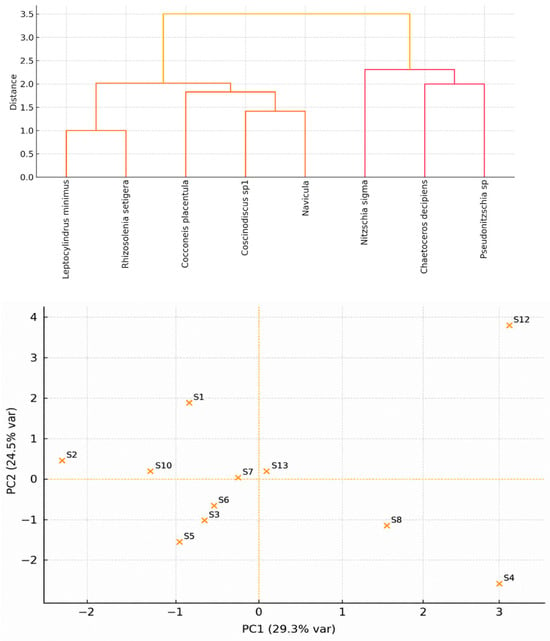
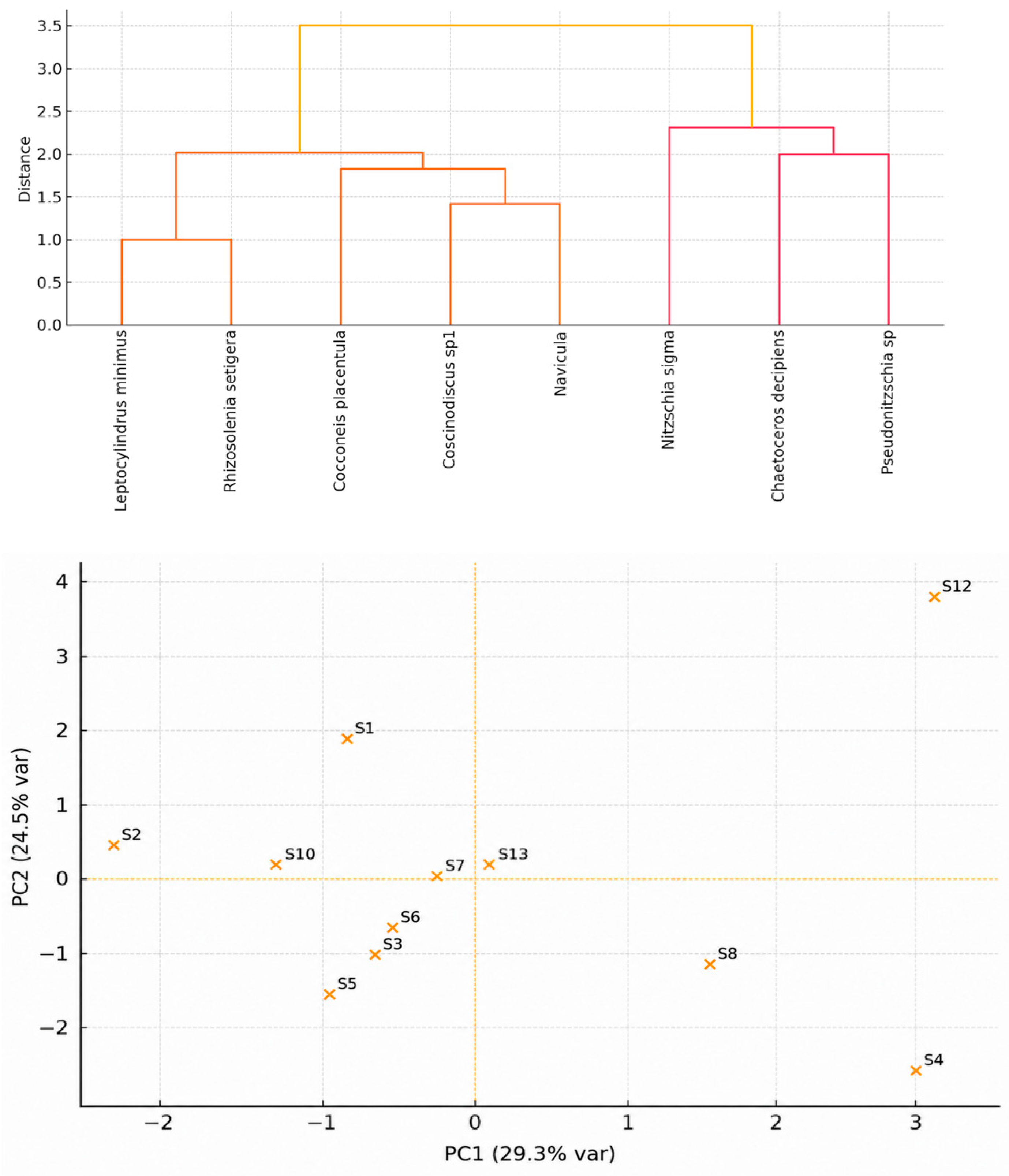
We enhanced the analysis using two statistical tools, including principal component analysis (PCA) and a hierarchical dendrogram, which reveal distinct ecological structures among biofuel-producing diatom species across all studied sites. The dendrogram clearly illustrates three major diatom groups among the identified biofuel species (Figure 7). The first group consists of Leptocylindrus minimus and Rhizosolenia setigera. These two species occupy similar ecological niches; therefore, they form the closest cluster and are found only in a few sites with more stable environmental conditions. Furthermore, their limited dispersal indicates restricted ecological tolerance. The second group includes three species: Cocconeis placentula, Coscinodiscus sp., and Navicula sp. This group reflects more specific environmental conditions such as benthic substrates, areas with low turbulence, or particular microhabitats. The third group includes Nitzschia sigma, Chaetoceros decipiens, and Pseudonitzschia sp. This cluster is distinctly separated from the rest, indicating that these species are the most dominant in our lagoon. Furthermore, they are spread across multiple sites, demonstrating a high level of ecological adaptability. So, the dendrogram identifies three distinct functional groups, differentiated by their environmental tolerance, ecological range, and level of specialization.
Figure 7.
Hierarchical clustering (dendrogram) of diatom species and PCA ordination of sampling stations according to species occurrence in Nador Lagoon.
Therefore, we conclude that a dominant group of species—Pseudonitzschia sp., Nitzschia sigma, and Chaetoceros decipiens—stands out for its wide geographic distribution and strong ecological adaptability, making it the most frequently occurring group among the selected taxa with reported biofuel potential. The selection of Nitzschia sigma, Pseudonitzschia sp., and Chaetoceros decipiens from our study is fully justified by their ecological dominance, physiological efficiency, and biotechnological significance. These three species are prime candidates for developing biofuel production technologies, and their local use offers a promising path to optimize algal biorefineries and promote sustainable energy alternatives.
Principal component analysis (PCA) confirms and extends the results of the previous hierarchical clustering. The first two principal components explained 29.3% (PC1) and 24.5% (PC2) of the total variance. We demonstrate that PC1 primarily reflects a gradient influenced by the widespread and dominant species Pseudonitzschia sp., Nitzschia sigma, and Chaetoceros decipiens. However, sites with high scores along PC1—especially S12, S9, and S4—are characterized by a strong presence of these taxa, indicating a stronger association of these stations with the occurrence of these widespread taxa. PC2 differentiates sites based on the presence of more specialized species, such as Leptocylindrus minimus, Navicula sp., and Coscinodiscus sp.; positive or negative shifts along PC2 therefore reflect ecological differences between pelagic, fast-growing species and habitat-specific taxa.
PCA confirms the observations from the hierarchical dendrogram, showing that the first axis primarily reflects the dominance of these widespread species, while the second axis indicates differences associated with more specialized species, such as Navicula sp., Coscinodiscus sp., or Leptocylindrus minimus. The positions of the sites in the factorial space reveal an ecological gradient from highly productive areas dominated by opportunistic species to more marginal sites where biofuel-related taxa are absent.
In summary, the combination of dendrograms and PCA demonstrates that dominant taxa not only influence the ecological community but also play a key role in advancing biofuel production technologies in Nador Lagoon. Beyond their ecological role, these species are also significant contributors to the development of biofuel technologies. The dominant species identified—especially Nitzschia sigma, Pseudonitzschia sp., and Chaetoceros decipiens—are known for accumulating lipids, particularly triglycerides, which are important precursors to biodiesel. Their high ecological plasticity and ability to thrive across diverse conditions make them ideal for large-scale cultivation, thereby lowering production costs and strengthening the resilience of biorefining systems. Therefore, their accurate identification is essential for guiding future national strategies to select, optimize, and valorize microalgae within Morocco’s framework for its sustainable energy transition.
3.5. Cluster of Lagoon Diatoms Promoting the Development of Biofuels
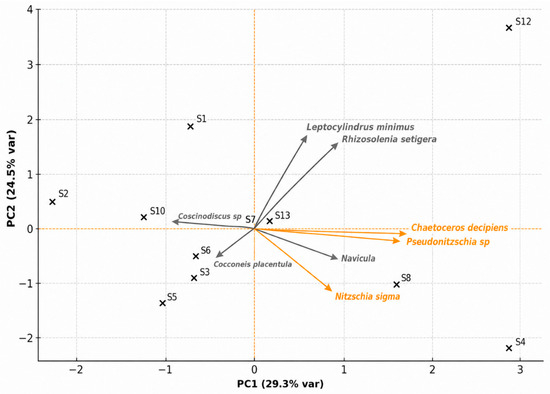
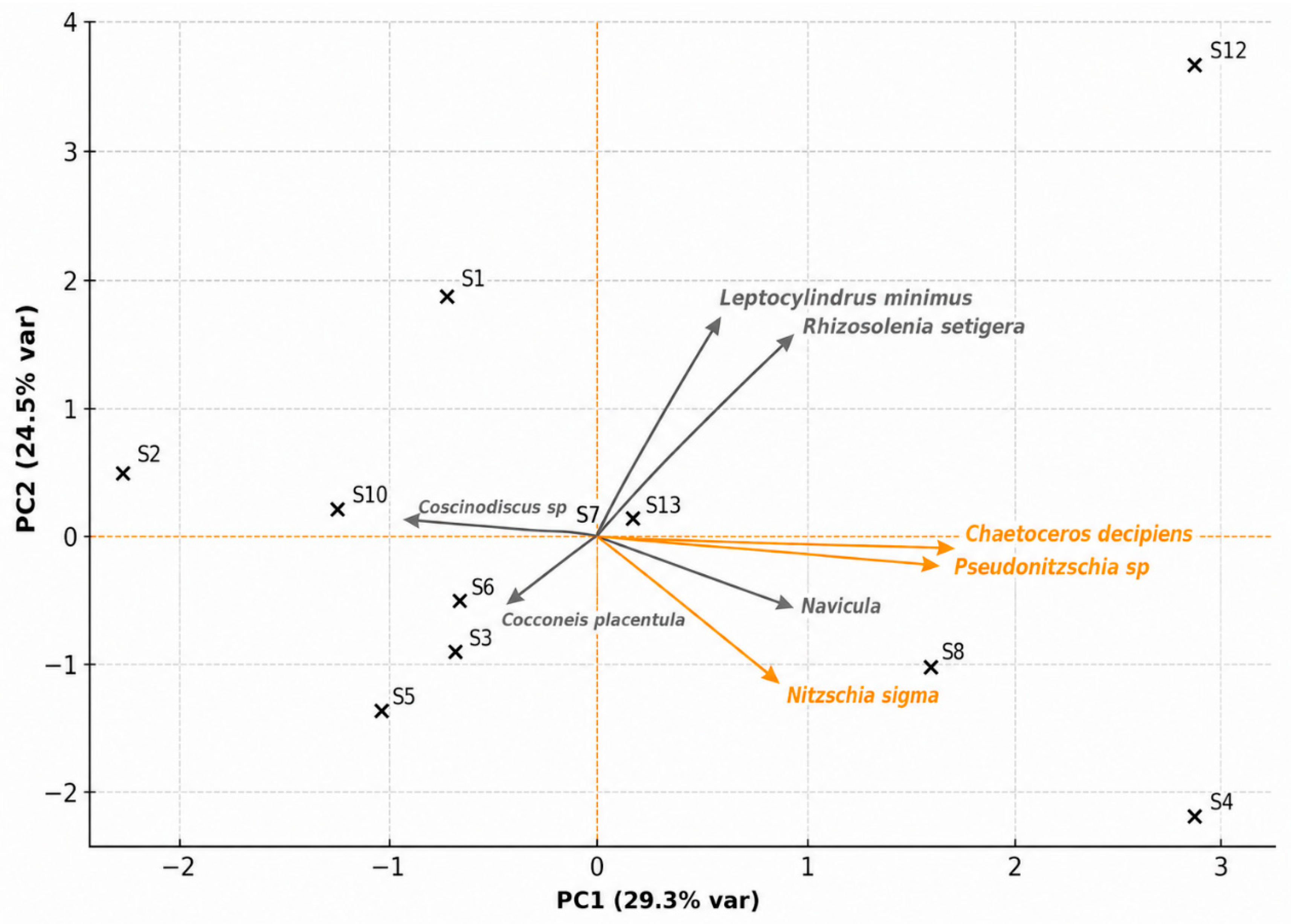
Among all diatom species identified in our study, the cluster comprising Nitzschia sigma, Pseudonitzschia sp., and Chaetoceros decipiens is the most ecologically dominant and most significant for bioenergy applications. This choice is directly based on data from our study. These three species accounted for 70.8% of the total recorded occurrences among the eight selected taxa (Figure 8). Some researchers converted more than 90% of the fatty acids from Nitzschia sp. into biodiesel [45]. They are not only the most widely distributed across the sampled sites but also form a cohesive group in the multivariate analyses (hierarchical dendrogram and PCA).
Figure 8.
Principal Component Analysis biplot showing the relationships between sampling stations and biofuel-producing diatom species in Nador Lagoon.
The dendrogram classifies the three species of the cluster into a single, highly individualized branch because they are ecologically close to each other and ecologically distant from the rare species (Cocconeis, Navicula, Coscinodiscus, R. setigera). Therefore, the calculated ecological distances confirm that this group is statistically consistent and constitutes a clearly distinct unit. This clustering indicates that these species share similar distribution behaviors and collectively dominate the ecosystem. This objective structure completely justifies selecting them as priority taxa for assessing biofuel production potential. Furthermore, PCA reinforces these findings: PC1 (29.3% of the variance) is dominated by these three species (Pseudonitzschia sp., Nitzschia sigma, Chaetoceros decipiens). Thus, this cluster has the highest loadings, meaning its presence explains most of the ecological variability among sites. Some researchers have used Nitzschia sp. with TiO2 nanoparticles to generate an electric current [46]. These results support their selection as priority taxa for future experimental evaluation of biofuel-related traits. So, this cluster of diatom species can be considered promising candidates for biodiesel, bioethanol, or integrated biorefinery processes.
By combining species richness, PCA, and dendrograms, we found that the dominant sites are those in which all three taxa co-occur (S12, S9, S4, S8). This is supported by the intermediate sites, which contain one or two species from the cluster (S3, S5, S6, S13). Conversely, the underperforming sites lack the cluster (S10, S11, S2). Therefore, the formation of this cluster reflects similarities in the spatial occurrence patterns of the selected taxa and provides a basis for their prioritization in future biofuel-related investigations. Their wide ecological range observed in our samples indicates a strong ability to thrive across diverse environmental conditions, including variations in nutrient levels, turbidity, and hydrological dynamics. This physiological plasticity is a key advantage for microalgae culture systems aimed at bioenergy, as they need to operate reliably despite environmental changes. Our results show that these three taxa frequently co-occur at stations characterized by higher representation of biofuel-related taxa.
From a biochemical perspective, these field observations are consistent with previous reports on the biofuel-related characteristics of the identified taxa. Species belonging to the genera Nitzschia, Pseudonitzschia, and Chaetoceros have previously been investigated for their lipid accumulation capacity, biomass production, and potential applications in biofuel and algal biorefinery systems [38,40,41]. These characteristics provide a scientific basis for considering the identified taxa as candidates for future biofuel-related investigations. However, their actual lipid productivity and biochemical composition were not measured in the present study and therefore require experimental validation under controlled cultivation conditions. All these traits meet the requirements of biodiesel production methods and create opportunities for improved use in photobioreactors or open-field cultivation systems. Identifying this cluster in our samples represents a useful scientific contribution to the characterization of native diatom communities in Nador Lagoon. Although this finding does not constitute a technological achievement in itself, it provides knowledge that may be useful for future technological applications, particularly for the isolation, cultivation, biochemical characterization, and optimization of native diatom strains for biofuel production. It highlights a native group of local species showing an ideal mix of fast growth, high lipid content, and environmental resilience. Their presence in our coastal system indicates they are already adapted to regional conditions, providing a significant advantage in developing biofuel production chains based on local, sustainable resources.
Ultimately, all analyses—such as frequency of occurrence, diversity indices, dendrogram, PCA, and spatial distribution—converge on the same conclusion: the Nitzschia sigma–Pseudonitzschia sp.–Chaetoceros decipiens cluster forms the statistical, ecological, and functional core of the biofuel community in our study. This cluster is the most frequent and most strongly associated with sites showing a high occurrence of biofuel-related taxa. These results fully justify its selection as a priority group for developing microalgae-based biofuel technologies in the lagoon.
4. Conclusions
This study provides the first comprehensive assessment of the diatom community of the Nador Lagoon from the perspective of biofuel development. Twenty-two diatom taxa belonging to eleven taxonomic orders were identified under the applied sampling and microscopic identification conditions, providing an initial assessment of the diatom community of Nador Lagoon. The analysis of species richness showed that Rhizosoleniales and Fragilariales were among the most represented orders, whereas the quantitative analysis revealed a higher contribution of Bacillariales to total diatom abundance. This distinction highlights the complementary information provided by taxonomic richness and quantitative abundance. Spatial analyses revealed pronounced differences in diatom community composition among sampling stations, which may reflect the heterogeneous environmental conditions characteristic of the lagoon. However, the specific contribution of individual environmental factors, including salinity, hydrodynamics, nutrient availability, and substrate heterogeneity, was not directly quantified in the present analysis. Several stations (particularly S3–S7) emerged as biodiversity hotspots, highlighting areas with relatively high diatom diversity and providing a basis for further ecological investigation.
Eight diatom taxa with reported biofuel potential were identified, among which Chaetoceros decipiens, Nitzschia sigma, and Pseudonitzschia sp. exhibited the widest spatial distribution and relatively frequent occurrence in the sampling network. Hierarchical clustering and principal component analysis identified these three taxa as a distinct and frequently occurring group based on their distribution patterns. Their selection as priority candidates is further supported by biofuel-related characteristics reported in previous studies. However, their broad distribution and occurrence should not be interpreted as direct evidence of higher lipid productivity or biofuel performance.
Overall, the present study demonstrates that the Nador Lagoon constitutes an important natural reservoir of indigenous diatom species with promising potential for further bioenergy investigation. Beyond improving our understanding of lagoon biodiversity, these findings establish a scientific foundation for future isolation, cultivation, biochemical characterization, and optimization of native strains for large-scale biofuel production. However, the present study did not directly assess total lipid content, lipid productivity, fatty-acid composition, biomass productivity, or biodiesel conversion efficiency. Therefore, the biofuel potential of the selected taxa remains to be experimentally validated.
Future studies should test the hypothesis that the priority taxa identified here, particularly Chaetoceros decipiens, Nitzschia sigma, and Pseudonitzschia sp., can achieve high biomass and lipid productivity under optimized cultivation conditions. This hypothesis could be evaluated through strain isolation followed by controlled experiments examining the effects of salinity, temperature, light intensity, and nutrient availability on growth and lipid accumulation. Subsequent analyses of fatty-acid profiles and biodiesel conversion efficiency would provide the biochemical evidence required to validate their actual biofuel performance. This work therefore contributes to the development of sustainable microalgal biorefineries and supports Morocco’s transition toward a circular bioeconomy and low-carbon energy systems.
Author Contributions
I.Y.: investigation, reviewing, and writing—original draft; O.E.A.: conceptualization, investigation, methodology, and writing—original draft; S.F.: data curation and reviewing; F.F.: investigation and reviewing; R.B.: conceptualization, investigation, reviewing, funding acquisition, and project administration. All authors have read and agreed to the published version of the manuscript.
Funding
This research received funding from Mohammed First University.
Data Availability Statement
All data generated and analyzed during this study are included in this published article.
Acknowledgments
The authors would like to express their sincere gratitude to all colleagues, researchers, and collaborators who contributed to the completion of this study. We acknowledge the valuable contributions of all individuals who provided technical, scientific, or administrative support during the preparation of this manuscript. The authors utilized the ChatGPT (GPT-5.6 Luna) tool to enhance the language and readability of the manuscript.
Conflicts of Interest
The authors declare no conflicts of interest.
Abbreviations
The following abbreviations are used in this manuscript:
| GPS | Global Positioning System |
| NM EN 15204 | European Standard for Phytoplankton Enumeration by the Utermöhl Method |
| NTU | Nephelometric Turbidity Unit |
| PCA | Principal Component Analysis |
| S1–S13 | Sampling Stations 1–13 |
| sp. | Species (singular, unidentified species within a genus) |
References
- Adamczyk, M.; Sajdak, M. Pyrolysis Behaviours of Microalgae Nannochloropsis gaditana. Waste Biomass Valorization 2018, 9, 2221–2235. [Google Scholar] [CrossRef] [Scilit]
- Ahmad, T.; Zhang, D. A Critical Review of Comparative Global Historical Energy Consumption and Future Demand: The Story Told so Far. Energy Rep. 2020, 6, 1973–1991. [Google Scholar] [CrossRef] [Scilit]
- Aitali, R.; Snoussi, M.; Kasmi, S. Coastal Development and Risks of Flooding in Morocco: The Cases of Tahaddart and Saidia Coasts. J. Afr. Earth Sci. 2020, 164, 103771. [Google Scholar] [CrossRef] [Scilit]
- Bec, B.; Soudant, D.; Hernández-Fariñas, T.; Serais, O.; Caillard, E.; Derolez, V. Long-Term Impacts of Climate Change on the Seasonal Trajectories of Phytoplankton in a Coastal Lagoon (Western Mediterranean Sea). J. Sea Res. 2026, 210, 102678. [Google Scholar] [CrossRef] [Scilit]
- Bhaskar, T.; Pandey, A. Advances in Thermochemical Conversion of Biomass—Introduction. In Recent Advances in Thermo-Chemical Conversion of Biomass; Elsevier: Amsterdam, The Netherlands, 2015. [Google Scholar] [CrossRef] [Scilit]
- Cheng, J.; Feng, J.; Ge, T.; Yang, W.; Zhou, J.; Cen, K. Pyrolytic Characteristics of Biodiesel Prepared from Lipids Accumulated in Diatom Cells with Growth Regulation. J. Biosci. Bioeng. 2015, 120, 161–166. [Google Scholar] [CrossRef] [Scilit] [PubMed]
- Cochero, J.; Licursi, M.; Gómez, N. Changes in the Epipelic Diatom Assemblage in Nutrient Rich Streams Due to the Variations of Simultaneous Stressors. Limnologica 2015, 51, 15–23. [Google Scholar] [CrossRef] [Scilit]
- Cosenza, A.; Lima, S.; Gurreri, L.; Mancini, G.; Scargiali, F. Microalgae in the Mediterranean Area: A Geographical Survey Outlining the Diversity and Technological Potential. Algal Res. 2024, 82, 103669. [Google Scholar] [CrossRef] [Scilit]
- Cui, Z.; Liu, S.; Xu, Q.; Zhao, Y.; Chen, N. Differential Ecological Adaptation of Diverse Chaetoceros Species Revealed by Metabarcoding Analysis. Environ. DNA 2023, 5, 1332–1350. [Google Scholar] [CrossRef] [Scilit]
- Cvjetinovic, J.; Bedoshvili, Y.D.; Davidovich, N.A.; Maksimov, E.G.; Prikhozhdenko, E.S.; Todorenko, D.A.; Bodunova, D.V.; Davidovich, O.I.; Sergeev, I.S.; Gorin, D.A. Exploring Salinity Induced Adaptations in Marine Diatoms Using Advanced Photonic Techniques. Sci. Rep. 2024, 14, 32007. [Google Scholar] [CrossRef] [Scilit] [PubMed]
- Dahlan, N.Y.; Ahmad, N.; Ilham, N.I.; Yusoff, S.H. Energy Security. In Handbook of Energy and Environmental Security; Elsevier: Amsterdam, The Netherlands, 2022. [Google Scholar] [CrossRef] [Scilit]
- Dalkıran, N.; Zünbülgil-Ünsal, B. Environmental Heterogeneity and Salinity Gradient Impacted the Alpha and Beta Diversities of Diatom Assemblages in a Coastal Delta Wetland. Water 2023, 15, 3414. [Google Scholar] [CrossRef] [Scilit]
- De Tommasi, E.; Gielis, J.; Rogato, A. Diatom Frustule Morphogenesis and Function: A Multidisciplinary Survey. Mar. Genom. 2017, 35, 1–18. [Google Scholar] [CrossRef] [Scilit] [PubMed]
- Debnath, D.; Das, A. Third-Generation Biofuels and Food Security. In 3rd Generation Biofuels; Elsevier: Amsterdam, The Netherlands, 2022. [Google Scholar] [CrossRef] [Scilit]
- El Asri, O.; Ramdani, M.; Latrach, L.; Haloui, B.; Mohamed, R.; Afilal, M.E. Energetic Valorization of Nador Lagoon Algae and Proposal to Use It as a Means of Elimination of the Eutrophication in This Lagoon. Ecol. Eng. 2017, 103, 236–243. [Google Scholar] [CrossRef] [Scilit]
- Fatima, N.; Khanam, N.; Kumari, R.; Joshi, V.C.; Bhattacharya, S. Microalgae as a Sustainable Feedstock for Biofuels: Advances, Challenges, and Future Prospects. Next Res. 2025, 2, 101020. [Google Scholar] [CrossRef] [Scilit]
- Gautam, S.; Kashyap, M.; Gupta, S.; Kumar, V.; Schoefs, B.; Gordon, R.; Jeffryes, C.; Joshi, K.B.; Vinayak, V. Metabolic Engineering of TiO2 Nanoparticles in Nitzschia palea to Form Diatom Nanotubes: An Ingredient for Solar Cells to Produce Electricity and Biofuel. RSC Adv. 2016, 6, 97276–97284. [Google Scholar] [CrossRef] [Scilit]
- Hildebrand, M.; Davis, A.K.; Smith, S.R.; Traller, J.C.; Abbriano, R. The Place of Diatoms in the Biofuels Industry. Biofuels 2012, 3, 221–240. [Google Scholar] [CrossRef] [Scilit]
- Hope, J.A.; Hewitt, J.; Pilditch, C.A.; Savage, C.; Thrush, S.F. Effect of Nutrient Enrichment and Turbidity on Interactions Between Microphytobenthos and a Key Bivalve: Implications for Higher Trophic Levels. Front. Mar. Sci. 2020, 7, 695. [Google Scholar] [CrossRef] [Scilit]
- Houliez, E.; Schmitt, F.G.; Breton, E.; Skouroliakou, D.-I.; Christaki, U. On the Conditions Promoting Pseudo-Nitzschia spp. Blooms in the Eastern English Channel and Southern North Sea. Harmful Algae 2023, 125, 102424. [Google Scholar] [CrossRef] [Scilit] [PubMed]
- Joseph, M.M.; Renjith, K.R.; John, G.; Nair, S.M.; Chandramohanakumar, N. Biodiesel Prospective of Five Diatom Strains Using Growth Parameters and Fatty Acid Profiles. Biofuels 2017, 8, 81–89. [Google Scholar] [CrossRef] [Scilit]
- Keddy, P.A.; Laughlin, D.C. A Framework for Community Ecology: Species Pools, Filters and Traits, 1st ed.; Cambridge University Press: Cambridge, UK, 2021. [Google Scholar] [CrossRef] [Scilit]
- Maicu, F.; Abdellaoui, B.; Bajo, M.; Chair, A.; Hilmi, K.; Umgiesser, G. Modelling the Water Dynamics of a Tidal Lagoon: The Impact of Human Intervention in the Nador Lagoon (Morocco). Cont. Shelf Res. 2021, 228, 104535. [Google Scholar] [CrossRef] [Scilit]
- Mohsin, M.; Naseem, S.; Sarfraz, M.; Azam, T. Assessing the Effects of Fuel Energy Consumption, Foreign Direct Investment and GDP on CO2 Emission: New Data Science Evidence from Europe & Central Asia. Fuel 2022, 314, 123098. [Google Scholar] [CrossRef] [Scilit]
- Moustafa, K. Oil, Earth Mass and Gravitational Force. Sci. Total Environ. 2016, 548–549, 479–482. [Google Scholar] [CrossRef] [Scilit] [PubMed]
- Nanjappa, D.; Kooistra, W.H.C.F.; Zingone, A. A Reappraisal of the Genus Leptocylindrus (Bacillariophyta), with the Addition of Three Species and the Erection of Tenuicylindrus Gen. Nov. J. Phycol. 2013, 49, 917–936. [Google Scholar] [CrossRef] [Scilit] [PubMed]
- Nattrass, C.; Horwell, C.J.; Damby, D.E.; Kermanizadeh, A.; Brown, D.M.; Stone, V. The Global Variability of Diatomaceous Earth Toxicity: A Physicochemical and In Vitro Investigation. J. Occup. Med. Toxicol. 2015, 10, 23. [Google Scholar] [CrossRef] [Scilit] [PubMed]
- Omokaro, G.O.; Nafula, Z.S.; Iloabuchi, N.E.; Chikukula, A.A.; Osayogie, O.G.; Nnoli, E.C. Microalgae as Biofactories for Sustainable Applications: Advancing Carbon Sequestration, Bioenergy, and Environmental Remediation. Sustain. Chem. Clim. Action 2025, 7, 100098. [Google Scholar] [CrossRef] [Scilit]
- Oujidi, B.; Tahri, M.; Layachi, M.; Abid, A.; Bouchnan, R.; Selfati, M.; Bounakhla, M.; El Bouch, M.; Maanan, M.; Bazairi, H.; et al. Effects of the Watershed on the Seasonal Variation of the Surface Water Quality of a Post-Restoration Coastal Wetland: The Case of the Nador Lagoon (Mediterranean Sea, Morocco). Reg. Stud. Mar. Sci. 2020, 35, 101127. [Google Scholar] [CrossRef] [Scilit]
- Pelusi, A.; Ambrosino, L.; Dall’Ara, S.; Kralj, M.; Relitti, F.; Vollaro, T.M.; Solidoro, C.; Ferrante, M.I.; Cerino, F. Physiological, Morphological, and Molecular Adaptations of Pseudo-Nitzschia multistriata to Phosphorus Limitation. Harmful Algae 2026, 158, 103165. [Google Scholar] [CrossRef] [Scilit] [PubMed]
- Penna, A.; Ingarao, C.; Ercolessi, M.; Rocchi, M.; Penna, N. Potentially Harmful Microalgal Distribution in an Area of the NW Adriatic Coastline: Sampling Procedure and Correlations with Environmental Factors. Estuar. Coast. Shelf Sci. 2006, 70, 307–316. [Google Scholar] [CrossRef] [Scilit]
- Oufekkir, M.B.; El Asri, O.; El Khiati, N.; Ramdani, M.; Denis, F.; Flower, R.J. First Report of Cystoseira aurantia Kützing from the Mediterranean Coast of Morocco. Bot. Mar. 2021, 64, 41–47. [Google Scholar] [CrossRef] [Scilit]
- Riouchi, O.; Skalli, A.; Akodad, M.; Moumen, A.; Azizi, G.; Gueddari, H.; ELYousfi, Y.; Benyoussef, S.; Chahban, M.; Baghour, M. Morphology and distribution of some marine diatoms of the genus Rhizosolenia in the lagoon of Nador (North East of Morroco). E3S Web Conf. 2023, 364, 01010. [Google Scholar] [CrossRef] [Scilit]
- Rothenberg, G. A Realistic Look at CO2 Emissions, Climate Change and the Role of Sustainable Chemistry. Sustain. Chem. Clim. Action 2023, 2, 100012. [Google Scholar] [CrossRef] [Scilit]
- Saxena, A.; Marella, T.K.; Singh, P.K.; Tiwari, A. Indoor Mass Cultivation of Marine Diatoms for Biodiesel Production Using Induction Plasma Synthesized Nanosilica. Bioresour. Technol. 2021, 332, 125098. [Google Scholar] [CrossRef] [Scilit] [PubMed]
- Selfati, M.; El Ouamari, N.; Franco, A.; Lenfant, P.; Lecaillon, G.; Mesfioui, A.; Boissery, P.; Bazairi, H. Fish Assemblages of the Marchica Lagoon (Mediterranean, Morocco): Spatial Patterns and Environmental Drivers. Reg. Stud. Mar. Sci. 2019, 32, 100896. [Google Scholar] [CrossRef] [Scilit]
- Stuart, B.J. Addressing the Grand Challenge of Atmospheric Carbon Dioxide: Geologic Sequestration vs. Biological Recycling. J. Biol. Eng. 2011, 5, 14. [Google Scholar] [CrossRef] [Scilit] [PubMed]
- Szczerba, A.; Rzodkiewicz, M.; Tylmann, W. Modern Diatom Assemblages and Their Association with Meteorological Conditions in Two Lakes in Northeastern Poland. Ecol. Indic. 2023, 147, 110028. [Google Scholar] [CrossRef] [Scilit]
- Torres, A.; Padrino, S.; Brito, A.; Díaz, L. Biogas Production from Anaerobic Digestion of Solid Microalgae Residues Generated on Different Processes of Microalgae-to-Biofuel Production. Biomass Convers. Biorefin. 2023, 13, 4659–4672. [Google Scholar] [CrossRef] [Scilit]
- Touliabah, H.E.; Abdel-Hamid, M.I.; Almutairi, A.W. Long-Term Monitoring of the Biomass and Production of Lipids by Nitzschia palea for Biodiesel Production. Saudi J. Biol. Sci. 2020, 27, 2038–2046. [Google Scholar] [CrossRef] [Scilit] [PubMed]
- Várbíró, G.; Borics, G.; Novais, M.H.; Morais, M.M.; Rimet, F.; Bouchez, A.; Tapolczai, K.; Bácsi, I.; Usseglio-Polatera, P.; B-Béres, V. Environmental Filtering and Limiting Similarity as Main Forces Driving Diatom Community Structure in Mediterranean and Continental Temporary and Perennial Streams. Sci. Total Environ. 2020, 741, 140459. [Google Scholar] [CrossRef] [Scilit] [PubMed]
- Varghese, S. Future of Energy. In Future Intelligence (Future of Business and Finance); Landesz, T., Varghese, S., Sargsyan, K., Eds.; Springer International Publishing: Cham, Switzerland, 2023. [Google Scholar] [CrossRef] [Scilit]
- Wang, H.; Lei, Z. Energy Supply from Oil and Gas, Mineral Depletion, and Total Natural Resource Rents: Impact of Oil Equivalent Energy Use CO2 Intensity. Resour. Policy 2023, 86, 104172. [Google Scholar] [CrossRef] [Scilit]
- Wang, L.; Wang, L.; Li, Y.; Wang, J. A Century-Long Analysis of Global Warming and Earth Temperature Using a Random Walk with Drift Approach. Decis. Anal. J. 2023, 7, 100237. [Google Scholar] [CrossRef] [Scilit]
- Yang, Y.; Liu, Z.; Saydaliev, H.B.; Iqbal, S. Economic Impact of Crude Oil Supply Disruption on Social Welfare Losses and Strategic Petroleum Reserves. Resour. Policy 2022, 77, 102689. [Google Scholar] [CrossRef] [Scilit]
- Zoppi, M.; Bona, F.; Falasco, E. Unveiling Region-Specific Autecological Patterns of Benthic Diatoms in Northern Italy: Implications for River Bioassessment. Ecol. Indic. 2026, 182, 114493. [Google Scholar] [CrossRef] [Scilit]

Disclaimer/Publisher’s Note: The statements, opinions and data contained in all publications are solely those of the individual author(s) and contributor(s) and not of MDPI and/or the editor(s). MDPI and/or the editor(s) disclaim responsibility for any injury to people or property resulting from any ideas, methods, instructions or products referred to in the content. |
© 2026 by the authors. Licensee MDPI, Basel, Switzerland. This article is an open access article distributed under the terms and conditions of the Creative Commons Attribution (CC BY) license.