


Abstract
The increasing environmental impact of conventional plastics and the low recycling rates of single-use packaging have intensified the search for biodegradable alternatives, particularly starch-based films for food packaging. Although starch is renewable, widely available, and biodegradable, its limited mechanical strength, high water sensitivity, and poor barrier performance require targeted modification to meet packaging requirements. This study presents a systematic and bibliometric review of starch-based biodegradable films, analyzing 164 research articles published between 2015 and January 2026 and indexed in Scopus® and Web of Science® (WoS), following PRISMA® guidelines. The review examines research trends, starch sources, processing methods, modification strategies, characterization practices, and application areas, with an emphasis on plasticizers, organic acid additives, polymer blends, fillers, and chemical modifications. The results show that solution casting remains the dominant preparation method, accounting for 82% of the reviewed studies, while filler-based strategies have become the main recent trend, representing 51 of 96 studies published between 2023 and 2026. Glycerol remains the most frequently used plasticizer, appearing in 83% of plasticized formulations. The use of agro-industrial residues as starch sources or functional additives also reflects the growing relevance of circular economy approaches in this field. However, despite advances in mechanical, thermal, barrier, antimicrobial, and antioxidant performance, critical gaps persist for commercial implementation. Migration testing, techno-economic analyses, and life cycle assessments (LCAs) are reported in only 4.3%, 1.8%, and 1.8% of studies, respectively. Future research should move beyond formulation-centered studies toward integrated approaches that combine functional performance, food-contact safety, regulatory compliance, scalability, and end-of-life assessment to accelerate commercially viable starch-based packaging materials.
1. Introduction
Global plastic production reached 482 Mt in 2022, with packaging representing the largest end-use sector, accounting for approximately 32% of total production [1,2]. Although conventional plastics are inexpensive, lightweight, and versatile [3], their extensive use in short-lived packaging applications has generated major environmental concerns. Only about 10% of discarded plastics are recycled, while most are landfilled, incinerated, or released into terrestrial and aquatic environments [4]. Consequently, plastic leakage has accumulated in aquatic and terrestrial environments, having reached 21 Mt by 2022 [2]. Beyond the environmental persistence of plastics, pollution also poses risks to human health through microplastics ingestion, with reported impacts on digestive, circulatory, and respiratory systems [5]. In parallel, plastic waste collection can expose workers to additional occupational hazards [6]. Moreover, plastic production remains strongly dependent on fossil resources and generates substantial greenhouse gas emissions, which was estimated to have been 1.8 Gt CO2 in 2020 (5% of global emissions) and is projected to increase to 2.8 Gt by 2040 [2], accelerating the depletion of fossil resources [7].
These concerns have prompted strategies and policies to manage plastics at different scales [8]. Despite these efforts, plastic use is projected to increase globally, with the strongest growth in emerging economies across Africa, Asia, and Latin America (LA) as populations and living standards rise [2]. In Colombia, packaging accounted for 55% of national plastic use in 2023, followed by construction and infrastructure (24%), personal consumer goods (15%), and agriculture (6%); additionally, per capita plastic waste generation reached 31.4 kg in that year [9]. In line with these trends, Colombia implemented the National Plan for the Sustainable Management of Single-Use Plastics, which supports actions that reduce impacts and promote more sustainable material alternatives [10]. Together, these drivers highlight the urgency of transitioning toward biodegradable and renewable materials.
Among emerging alternatives are bioplastics, a broad group of materials that may be bio-based, biodegradable, or both, and can be produced from biopolymers and renewable feedstocks [11]. Examples include polyhydroxyalkanoates (PHAs), polylactic acid (PLA), poly(3-hydroxybutyrate) (PHB), polyamide 11, polyhydroxy urethanes, and biopolymers derived from starch, cellulose, and protein [11]. In this context, biodegradable bioplastics have gained increasing importance in recent years [12]. In 2023, global bioplastic production was 2.02 Mt, which represented less than 0.5% of the total plastic production. This capacity is expected to reach 2.47 Mt by 2024 and 5.73 Mt by 2029, wherein packaging accounts for 45% of total capacity, followed by fibers (20%) and consumer goods (13%) [13].
Starch is one of the most widely used biopolymers for producing biodegradable films and bioplastics, accounting for 5.7% of global bioplastic production capacity [13]. Combined with additives, starch can produce biodegradable materials with applications in food packaging [14], a sector that significantly contributes to plastic waste due to the extensive use of materials designed to protect, preserve, and facilitate distribution [15]. Notably, starch can be extracted from agro-industrial waste streams, offering a circular economy route; for example, industrial potato processing in Colombia converts approximately 50–60% of the raw material into waste [16], representing an underutilized feedstock for biodegradable packaging development.
However, despite the increasing number of studies on starch-based biodegradable films, the literature remains fragmented, with most works focusing on formulation development and basic material characterization rather than on food-contact safety, regulatory validation, scalability, long-term stability, and environmental or economic performance. Given the growing interest in starch-based biodegradable films and the need to consolidate recent advances, this review systematically analyzes the modification strategies, functional properties, characterization practices, and application trends of starch-based films for food packaging. A comprehensive search was conducted in Scopus® and Web of Science® (WoS), covering publications from 2015 to 2026, with the discussion focusing on the chemical modification of starch, incorporation of acids, use of plasticizers, and addition of polymers and fillers, highlighting the effectiveness and limitations of each. Overall, the reviewed literature indicates a sustained growth in starch-film research and a strong emphasis on formulation and mechanical characterizations. However, regulatory validation and translation-oriented analyses, including migration testing, life cycle assessment (LCA), techno-economic evaluation, long-term stability, and sensory analysis, remain comparatively scarce. These gaps highlight the need for integrated approaches that connect formulation, functional performance, food-contact safety, scalability, and end-of-life considerations.
2. Methods
2.1. Search Strategy
A systematic review was conducted to identify the relevant literature on the development of bioplastics or biodegradable materials derived from starch for food packaging applications, following the Preferred Reporting Items for Systematic Reviews and Meta-Analyses (PRISMA®) methodology. This method consists of identifying, selecting, evaluating, and synthesizing studies and research on the review topic [17]. The search was performed in Scopus® and WoS®, two widely used and recognized scientific databases [18], on 21 January 2026, and was limited to original research articles. Review articles, conference proceedings, book chapters, editorials, notes, and non-English documents were excluded. Searches were conducted in the title, abstract, and keyword fields in Scopus®, and in the topic field in WoS®, which includes the title, abstract, author keywords, and Keywords Plus. The search equations presented in Table 1 were designed to include keywords and Boolean operators related to bioplastics, thermoplastic starch, and food packaging. Equations A, C, and E intentionally restricted retrieval to studies involving starch derived from agro-industrial waste or residues, reflecting this review’s specific focus on residue-valorization pathways for starch-based packaging. Equations B and D targeted starch-based biopolymers for food packaging applications, with Equation D incorporating film-processing terminology (casting, extrusion, film-forming and solvent casting). Equation E extended Equation C with the abbreviation “TPS,” which may appear in the literature without the term “starch” being restated nearby.
Table 1.
Search equations.
2.2. Inclusion and Exclusion Criteria
The inclusion and exclusion criteria were established to ensure that the selection of studies was directly relevant to the development of starch-based biodegradable films for food packaging, with an emphasis on circular economy approaches. Exclusion criteria were as follows: (i) articles published in languages other than English; (ii) studies where starch was used only as an additive and not as the main matrix; (iii) works related to anaerobic digestion; (iv) studies on industrial effluent or wastewater treatment, where starch was applied as a coagulant; and (v) review articles misclassified as “article” in the search strategy (Section 2.1) were flagged using keywords, such as “this review” or “literature review,” and were confirmed through a manual review of the title and abstract before being excluded. On the other hand, the inclusion criteria were as follows: (i) original research articles presenting experimental results; (ii) studies using native or chemically modified starch, except when the full text revealed the use of toxic solvents; (iii) studies on starch-based films reinforced with fillers to improve material properties; and (iv) sources of starch of agricultural origin.
2.3. Selection and Data Collection Process
The selection of articles was divided into two phases. In the first phase, screening was carried out in Rayyan®, a web-based tool used to screen bibliographic citations and track inclusion and exclusion decisions. Five of the co-authors independently applied the predefined inclusion and exclusion criteria based on titles and abstracts. Discrepancies between reviewers were resolved through discussion until consensus was reached. Records with unanimous inclusion or a 4:1 inclusion consensus were retained for full-text assessment. In the second phase, the full texts of the retained records were sought and assessed to confirm eligibility, with verification by a second reviewer when eligibility was unclear. Data were extracted into a standardized Excel® spreadsheet, including bibliographic information (title, year of publication, and category); starch source; preparation method; modification strategy (type of additive or use of agro-industrial residues); results (characterization techniques, mechanical and barrier properties, biodegradation assessment, functional application, food-contact or migration testing, LCA, techno-economic analysis, and the main reported findings in each study). Variables that were not reported in the original studies were recorded as not reported rather than assumed to be absent. No data were imputed, and the authors of the primary studies were not contacted to obtain missing information. Consequently, descriptive statistics, including frequencies and percentages, were calculated using the total number of included studies as the denominator, unless otherwise specified. Because the objective of this review was to provide a qualitative and descriptive synthesis of the available evidence, no formal assessment of methodological quality, risk of bias, publication bias, or certainty of evidence was conducted. Furthermore, the substantial heterogeneity among the included studies in terms of experimental design, feedstocks, operational conditions, analytical methods, and reported outcomes precluded the application of quantitative meta-analysis and conventional evidence assessment frameworks.
2.4. Data Synthesis and Bibliometric Analysis
The extracted information was synthesized using descriptive statistics to identify trends in publication year, geographical distribution, starch sources, preparation methods, modification strategies, characterization practices, and application areas. Bibliometric analysis was performed using Biblioshiny 5.0® to evaluate temporal and geographical trends, while keyword co-occurrence networks were generated using VOS viewer®, version 1.6.20. Bibliometric maps were used to identify thematic clusters and emerging research areas related to starch-based biodegradable films.
2.5. Patent Search Strategy
A supplementary analysis of the patent landscape was conducted to assess industrial developments related to starch-based biodegradable packaging materials. Searches were in Espacenet and The Lens databases [19]. The search equation presented in Table 2 was applied to the “title,” “abstract,” and “claims” fields, and restricted to an earliest priority date between 2015 and 2026. The CPC (Cooperative Patent Classification) codes B65D65/46 and C08L3/02, were used as classification filters and correspond to “packaging materials or wrappings formed from materials that disintegrate, dissolve, or are edible” and “starch; degradation products thereof, e.g., dextrin,” respectively. The selection was made in accordance with the PRISMA® 2020 statement [17], which was adapted for patent databases.
Table 2.
Patent search equation.
This review was not prospectively registered. No review protocol was prepared.
3. Results
3.1. Selection and General Characteristics of the Included Reports
After applying the search equations, 2383 records were identified across Scopus® and WoS®, as reported in Table 1. Following the removal of 1113 duplicate records, 1270 reports were screened by their titles and abstracts. A total of 1093 records were excluded at this stage: 108 corresponded to review articles or documents published in languages other than English, and 985 did not meet the content eligibility criteria. Of the 177 retained records, 98 were unanimously included by five co-authors and 79 reached a 4:1 inclusion consensus. Full texts were sought for these 177 records, of which 10 could not be retrieved. Of the remaining 167 reports assessed for eligibility, three were excluded (one due to the use of toxic solvents retained in the final film, one due to discrepant results, and one due to starch not being used as the main matrix), resulting in 164 studies included in the review, as summarized in Figure 1a.
Figure 1.
PRISMA®-based workflow for the identification, screening, eligibility assessment, and inclusion of (a) reports and (b) patents. Note. Adapted from the PRISMA 2020 statement [17]. In (a), reports were screened independently by five of the co-authors; inclusion required unanimous agreement or a 4:1 consensus.
In parallel, a total of 76 patent records were identified across Espacenet (n = 41) and The Lens (n = 35). After removing 27 duplicate records, 49 records were screened by their titles and abstracts, of which 10 were excluded (four not related to packaging applications, five being outside the earliest priority date range, and one corresponding to a previously undetected duplicate of the same patent family). Full texts were sought for the remaining 39 records, of which 20 could not be retrieved, leaving 19 patents assessed for eligibility. Of these, eight were excluded (seven in which starch was not the primary structural component, and one that was not accessible in an analyzable language), resulting in 11 patents included in the patent landscape analysis. The patent selection workflow is summarized in Figure 1b.
3.2. Bibliometric Analysis
The bibliometric analysis revealed clear temporal, geographical, and thematic patterns in the research on starch-based biodegradable films, as described in the following subsections.
3.2.1. Geographical Distribution of Studies and Its Evolution over Time
Figure 2 shows the geographical distribution of scientific production, where a higher intensity reflects a greater percentage of publications per country. Asia leads with 49% of studies, driven by Malaysia and Indonesia, where national biotechnology strategies (Malaysia’s National Bioeconomy Programme 2010 and Indonesia’s Biodiversity Strategy and Action Plan 2025–2045 (IBSAP)) have stimulated research on starch-based materials for packaging applications [8,20]. LA contributes 28% of the selected studies, with Brazil and Peru among the main contributors. In Brazil, this research output can be attributed to state and municipal bans on single-use plastics that have encouraged biodegradable alternatives [21], combined with the abundant availability of starch-rich crops, such as cassava and corn [22]. Africa accounts for 10% (Nigeria and Algeria) of studies, Europe for 10% (Spain and Italy), and North America for 3%. No eligible records from Oceania were retrieved, which reflects the scope of the search equations and the eligibility criteria applied rather than an absence of research activity in this region.
Figure 2.
Geographical distribution of scientific publications by country in starch polymer materials. Note. A greater color intensity indicates a higher number of publications per country within the corpus analyzed.
Notably, 86% of these contributions came from emerging and developing economies, underscoring the crucial impact of researchers in regions where agricultural production drives the economy and offers abundant sources of starch-rich crops, such as corn, potatoes, cassava, wheat, and rice [23]. For example, world starch production in 2020 exceeded 90 Mt, with most coming from countries whose economies are rooted in agriculture, like China with 34% total production [24].
Regarding the evolution of research on starch-based bioplastics over the time observed in Figure 3, it was found that 83% of selected articles were published between 2021 and 2026, while only 17% correspond to the 2015–2020 period. This trend reveals a significant increase in scientific interest during the last six years, reflecting the growing global demand for biodegradable alternatives to conventional plastics.
Figure 3.
Distribution percentage of articles published per year (2015–2026). Note. Data for 2026 include articles until 21 January.
In LA, during the early years (2016–2018), studies mainly focused on the basic characterization of biodegradable films and the incorporation of natural extracts or fruit residues (yerba mate, blueberry pomace) to enhance flexibility and biodegradability [25,26]. Later, between 2020 and 2022, research activity notably increased, with 20 publications addressing the valorization of agro-industrial residues, such as pink pepper, cassava, and avocado [27,28,29,30]. Finally, in the period of 2023–2026, studies focused on developing biopolymer films reinforced with lignocellulosic materials derived from pineapple, fique bagasse, and pine [31,32,33], with aims of improving their mechanical properties, as well as on the development of polymeric materials with antimicrobial properties [34,35].
3.2.2. Word Co-Occurrence, Main Articles, and Cluster Identification
The keyword co-occurrence network (Figure 4) was made by excluding search-defining terms (e.g., “starch,” “food packaging,” “biodegradable”) to reveal a genuine thematic substructure rather than terms guaranteed by the search equations. This network reveals the thematic structure of starch-based biodegradable film research. The concept “tensile strength” emerges as the dominant node based on its size and centrality, serving as the connecting backbone across all research themes, which reflects mechanical performance as the field’s critical property for application viability. Three main clusters can be identified. The first cluster (red) groups terms associated with the formulation of starch sources (cassava, corn, thermoplastic starch) and their reinforcement, highlighting the role of starch combined with cellulose to improve mechanical strength (elastic moduli) and structural stability. The second cluster (green) relates to functional and degradation-related behaviors, including moisture response (water vapor, water absorption, hydrophobicity), biodegradation, and antimicrobial functionality (antibacterial agents, anti-infective agents, Escherichia coli), as well as physicochemical (FTIR, solubility) and thermal (TGA) characterization techniques. The third cluster (blue) is smaller and groups additional structural characterization terms, including permeability, thermostability, young modulus, X-ray diffraction, and SEM.
Figure 4.
Keyword co-occurrence map. Note. Image is from VOS viewer®. The size of the bubbles represents the total number of the most frequently used keywords, while the thicknesses of lines and the color indicate the strength of links and the groupings, respectively.
According to the thematic map (Figure 5), the research landscape is a partially consolidated field. Motor themes cluster into three groups: waste-derived starch sources (“agricultural waste,” “amylose,” “pineapple stem”), mechanical and structural characterizations (“tensile strength,” “FTIR,” “banana peel starch,” “sago starch”), and packaging-oriented applications (“biopolymers,” “biocomposites,” “biodegradable packaging,” “food waste,” “sustainability”), indicating these are well-established and actively drive research lines. Basic themes are dominated by the field’s core vocabulary (“biodegradable films,” “thermoplastic starch,” “mechanical properties,” “bioplastics,” “biodegradability”), reflecting their widespread but diffuse use across studies rather than a tightly self-contained line. Niche themes group around specialized, less connected topics: nanocomposite reinforcement (“bio nanocomposites,” “cellulose nanofibers,” “polysaccharides”), antimicrobial functionality (“antimicrobial,” “biofilms”), and edible or waste-derived coatings (“edible coating,” “waste utilization”). Emerging or declining themes include isolated keywords, such as “yerba mate extract,” “jackfruit seed starch,” “green chemistry,” and “plasticizer,” likely reflecting novel, still-consolidating starch feedstocks or narrower topics with limited traction. Overall, the map indicates that waste valorization, mechanical characterization, and packaging applications have become established motor themes, while specialized functionalities and novel feedstocks remain comparatively isolated, pointing to an opportunity for future thematic integration.
Figure 5.
Thematic map of research on starch-based bioplastics. Note. Image is from Biblioshiny®. The map shows the distribution of themes according to their degree of centrality and density.
The most cited article (444 citations) in the dataset was published by Sanyang et al. [36], who evaluated the effects of plasticizer types and concentrations on the mechanical, thermal, and barrier properties of sugar palm starch films. This was followed by Medina Jaramillo et al. [25] with 341 citations, who also evaluated the plasticizing effects of yerba mate extract in Carbohydrate Polymers. Likewise, it was found that in recent years (2024–2026), the two most cited articles were “Biodegradable antibacterial food packaging based on carboxymethyl cellulose from sugarcane bagasse/cassava starch/chitosan/gingerol extract stabilized silver nanoparticles (GIN-AgNPs) and vanillin as cross-linking agent” by Plaeyao et al. [37] with 29 citations, published in Food Chemistry (2025), and “Avocado seed starch utilized in eco-friendly, UV-blocking, and high-barrier polylactic acid (PLA) bio composites for active food packaging applications” by Godoy Zúniga et al. [38] with 24 citations, published in International Journal of Biological Macromolecules (2024).
3.3. Methodologies for the Preparation and Characterization of Starch-Based Films
3.3.1. Preparation Methods and Formulation Parameters
Among the reviewed studies, starch sources were mainly derived from conventional crops or commercial starch and agro-industrial residues [14]. These biopolymers comprise amylopectin, with a branched structure, and amylose, with a linear structure [39].
Figure 6 shows the distribution of starch sources used in the studies reviewed. The main sources are corn at 23%, followed by potato and cassava each contributing 18%, which together account for more than half of the studies analyzed. Less frequent sources were grouped into minor categories, including sago, tapioca, and other less commonly reported starch sources. Starches from tropical crops, such as banana, and rice, were also identified, as well as from fruit by-products, such as jackfruit, mango, orange, papaya, and pineapple, which shows the trend toward using agro-industrial waste in the production of bioplastics.
Figure 6.
Distribution of starch sources reported in the reviewed laboratory-scale studies.
During the production of bioplastics, additives such as water, plasticizers, fillers, polymers, and oxides are used to improve their thermal, mechanical, and water absorption properties, resulting in functional plastic materials [12]. This process consists of heating the starch to its gelatinization temperature, at which point the starch swells and transforms its structure. Among the reviewed studies, solution casting predominates as the preferred laboratory-scale method (82%), while compression molding/hot pressing accounts for 9% and extrusion-based processing for 9% of studies, reflecting their application in thermoplastic starch formulations requiring specialized equipment. Figure 7 summarizes the main steps and operational parameters of both methodologies, as identified across the reviewed studies.
Figure 7.
Summary of methodologies used for starch-based biofilm elaboration.
3.3.2. Characterization Techniques and Standards
The characterization of starch films focuses on a set of fundamental methodologies that define their viability as packaging materials or bioplastics. The most important and common measurements identified in the articles are categorized into mechanical, barrier, physicochemical, morphological, thermal, degradation, and antimicrobial properties, which are summarized in Table 3.
Table 3.
Characterization methodologies applied to starch-based bioplastics.
3.4. Use of Additives to Improve Properties in Starch Biofilms
Starch biofilms have faced difficulties entering the market due to their high costs, low mechanical properties, and hydrophilicity. For this reason, various studies on starch in polymeric materials have focused on investigating the combination of starch with other additives, such as plasticizers, organic acids, fillers, and polymers, as well as on the chemical modification of starch, which not only reduces costs but also improves the biodegradability, mechanical, and thermal properties of the resulting bioplastics, making them functional and possible substitutes for conventional plastics.
Table 4 summarizes the main additives used in starch bioplastics and the main effects reported in the literature analyzed. The use of these additives, however, is not a recent development, as many of the underlying chemistries were established well before their systematic application to food packaging. Chemical modification routes were consolidated into industrial practice as early as 1986, when Wurzburg [53] compiled the chemistry of crosslinked, acetylated, alkoxylated, phosphorylated, and grafted starches developed for the food, paper, textile, and adhesive industries; the same reactions are now applied to film formulations. The plasticizing effect of glycerol was documented as early as 1951, when Wolff et al. [54] found that increasing the glycerol content from 0 to 30% in amylose films reduced tensile strength by two thirds while increasing elongation at break from 13 to 46%, establishing the strength–extensibility relationship that still governs plasticizer selection today. Citric acid was established as a starch crosslinker by Reddy and Yang [55] in 2010, who reported tensile strength increases of about 150% using 5% citric acid with a sodium hypophosphite catalyst. Nano-scale filler reinforcement was introduced by Anglès and Dufresne [56] in 2000, who dispersed cellulose whiskers in glycerol-plasticized waxy maize starch and reduced water uptake from 62% to approximately 40% at 25 wt.% loading. Starch–polymer blending was pioneered by Lenk and Merrall [57] in 1981, who showed that cast starch/PVA films remained continuous and heat-sealable only within a 40:60 to 60:40 ratio, and that raising the plasticizer content lowered tensile strength from 15 to 0.9 MPa while raising elongation at break from 26 to 215%.
Table 4.
Main additives used in starch biofilms and their reported effects.
3.4.1. Chemical Modification of Starch
The chemical modification of starch represents a fundamental strategy to overcome the limitations of native starch films, including poor mechanical strength, high water sensitivity, and susceptibility to retrogradation. Unlike plasticizers that interact physically with starch chains, chemical modifications introduce covalent alterations to the molecular structure, permanently changing the polymer’s physicochemical behavior and functional properties [38,58].
Among the various modification approaches, hydroxypropylation has demonstrated significant potential for improving film flexibility and transparency while reducing retrogradation tendency. Kim et al. [41] reported that blending hydroxypropylated corn starch with native starch at a 70:30 ratio achieved a tensile strength of 25.8 MPa, and the addition of 0.5% succinic acid as a crosslinking agent further improved the wet strength to 16.6 MPa. Similarly, annealing modification of ulluco starch increased the tensile strength from 5 MPa to 10 MPa and Young’s modulus from 288 MPa to 892 MPa through enhanced crystallinity, although morphological defects such as cracks emerged during drying, negatively impacting barrier properties [58].
Esterification strategies have proven particularly effective for enhancing hydrophobicity. Godoy Zúniga et al. [38] demonstrated that transesterification of avocado seed starch with tert-butyl acetoacetate, combined with PLA, achieved remarkable barrier improvements, including a 97.5% reduction in the oxygen transmission rate and a 54.8% reduction in water vapor transmission, while the contact angle increased from 49° to 104°. Likewise, Huang et al. [59] showed that soybean-oil-modified cellulose nanocrystals at a 3% concentration increased film hydrophobicity (contact angle 106° versus 32° for pure starch) and improved thermal stability from 147 °C to 317 °C. Furthermore, starch laurate, with a low degree of substitution (DS = 0.3), functioned as an internal plasticizer, increasing elongation at break from 25% to 80%, though higher DS values proved incompatible with aqueous film formation [60]. Photochemical oxidation represents an additional modification route, as UV-A and UV-C irradiation of wheat starch films progressively reduced intrinsic viscosity (38 to 21 dL/g after 24 h) and increased hydrophobicity, with the contact angle rising from 88° to 101° [61].
Recent advances have explored combining multiple modification strategies to achieve synergistic effects. Xie et al. [62] developed heat-sealable films incorporating TEMPO-oxidized cellulose nanofibers with hydroxypropyl di starch phosphate and citric acid crosslinking, achieving a tensile strength of 20.5 MPa and complete soil biodegradation within 10 weeks. Similarly, starch acetoacetate, crosslinked with diamines of varying chain length, reduced water uptake from 190% to 92%, with a PLA coating further lowering this to 4% while conferring complete UV blocking [63].
3.4.2. Use of Plasticizers
Plasticizers represent the most extensively studied additives for improving the processability and flexibility of starch-based films [64]. Their mechanism of action involves the insertion of small molecules between starch polymer chains, which disrupts intermolecular hydrogen bonding and increases the free volume, thereby enhancing chain mobility and reducing the glass transition temperature [36,65]. Among the various plasticizers evaluated, glycerol and sorbitol have received the greatest attention due to their food-grade status, availability, and effectiveness at concentrations typically ranging from 15 to 45% based on starch weight.
Glycerol, with its smaller molar mass (92 g/mol) and three hydroxyl groups, demonstrates superior plasticizing efficiency by penetrating more readily into the starch matrix, resulting in higher elongation at break values [66]. However, this enhanced flexibility comes at the expense of tensile strength and barrier properties. Studies on sugar palm starch films reported that glycerol-plasticized films achieved elongation values of 62% at 30% concentrations but exhibited a tensile strength of only 1.7 MPa at 45% plasticizer content [36]. In contrast, sorbitol (182 g/mol), possessing six hydroxyl groups, forms stronger hydrogen bonds with starch chains, yielding films with superior tensile strength (28.4 MPa at 15%), improved thermal stability, and reduced water vapor permeability, although with lower flexibility [36,67,68].
The co-plasticization approach using glycerol–sorbitol combinations has been shown as a promising strategy to balance mechanical performance. Esmaeili et al. [65] demonstrated that a 2:1 sorbitol-to-glycerol ratio at 42% total plasticizer content achieved optimal properties in corn starch thermoplastics, including a glass transition temperature below room temperature (2.6 °C), tensile strength of approximately 8 MPa, and elongation of 75%, while preventing retrogradation through stable V-type crystal formation. Similarly, investigations on potato starch confirmed that mixed plasticizer systems provide intermediate properties between pure glycerol and pure sorbitol formulations [67]. However, most studies rely on predefined ratios, such as 1:1, 1:2, or 2:1, and compare a limited number of formulations without employing systematic statistical frameworks capable of capturing synergistic or antagonistic effects between variables. This methodological limitation underscores the need for multi-factor experimental designs, such as response surface methodology or full factorial approaches, that simultaneously evaluate the plasticizer type, concentration, and their interactions with other formulation parameters to identify true optimal conditions rather than discrete local maxima.
An important limitation observed across multiple studies is the anti-plasticization phenomenon occurring at concentrations exceeding 40–45%, where elongation at break decreases rather than increases due to phase separation or excessive plasticizer migration [69]. Additionally, a higher plasticizer content tends to reduce biodegradation rates, as the reduced starch concentration provides fewer carbon sources for microbial activity [70,71]. These findings underscore the importance of optimizing the plasticizer type, concentration, and their combinations through systematic experimental designs to achieve the desired balance between mechanical performance, barrier properties, and environmental degradability for specific food packaging applications.
3.4.3. Use of Organic Acids and Crosslinking Agents
Acid-mediated treatments during film formation offer distinct pathways to enhance starch-based film properties, differing fundamentally from pretreatment chemical modifications. While chemical modification (Section 3.4.1) permanently alters starch molecular structure through functional group substitution before film formation, acid treatments act during or after gelatinization to create inter-chain crosslinks, induce controlled hydrolysis, or introduce reactive functional groups without fundamentally changing the starch’s chemical identity [49,72].
Citric acid has since become the most effective bio-based crosslinker due to its three carboxyl groups capable of forming ester bridges between adjacent starch chains. Upon thermal curing (typically 150–220 °C) with sodium hypophosphite catalyst, citric acid creates three-dimensional networks that improve water resistance and mechanical properties. Itkor et al. [72], demonstrated that 5% citric acid crosslinking in potato starch/wastepaper composites increased tensile strength from 0.2 to 3 MPa while achieving contact angles of 117°, transforming hydrophilic materials into highly water-resistant films. Similarly, pineapple stem starch films crosslinked with 5% citric acid exhibited identical contact angle improvements (36° to 117°) and maintained complete biodegradability within one month [46], while citric-acid-crosslinked cryogels demonstrated antimicrobial activity with complete E. coli inhibition for fresh cheese preservation [35]. However, citric acid exhibits a concentration-dependent dual behavior, as at lower concentrations (3–5%), it may act as plasticizer, increasing elongation from 19% to 45% while reducing tensile strength, while optimal crosslinking requires appropriate thermal curing to complete esterification [73].
Alternative acid treatments provide complementary modification mechanisms. Hydrochloric acid promotes glycosidic bond cleavage, reducing the molecular weight and producing denser films with a 228% higher tensile strength compared to acetic acid treatment, though this requires careful pH neutralization [49]. Pre-polymerized itaconic acid reduced water vapor permeability by 32% while conferring UV protection with near-zero transmittance below 240 nm, demonstrating dual-barrier-protective functionality [46]. Oxidative treatments with hydrogen peroxide introduced carbonyl and carboxyl groups that improved film-forming properties and thermal stability, with H2O2 outperforming peracetic acid (74% vs. 88% weight loss) due to milder oxidation preserving structural integrity [74].
3.4.4. Incorporation of Fillers and Nanofillers
The incorporation of fillers and reinforcing agents represents one of the most effective strategies for enhancing the functional properties of starch-based films while maintaining their biodegradable character. These additives operate through multiple mechanisms, including hydrogen bonding with starch hydroxyl groups, creation of tortuous diffusion pathways, and establishment of percolating reinforcement networks that improve mechanical performance and barrier properties [75,76].
Cellulose-based fillers have received considerable attention due to their structural compatibility with starch as polysaccharides. Cellulose nanocrystals extracted from grape pomace at 10 wt.% increased tensile strength from 3.4 to 9 MPa while reducing water vapor permeability by 28% through enhanced matrix cohesion via hydrogen bonding [47]. Similarly, sugar-palm-nanofibrillated cellulose at only 1 wt.% doubled both the tensile strength (5 to 11 MPa) and Young’s modulus (54 to 121 MPa), demonstrating the efficiency of high-aspect-ratio nanofillers in stress transfer [76]. Combining two cellulose-based fillers can amplify this effect further, as cellulose nanocrystals and nanofibers, blended at a 1:1 ratio, increased tensile strength by 380% (8.3 to 39.9 MPa) in starch films from Commelina coelestis [77], while the combination of cellulose nanofibers with graphene oxide nanoplatelets achieved remarkable improvements of 333% in tensile strength and 78% reduction in oxygen permeability, attributed to the complementary reinforcement mechanisms of bio-based and carbon-based nanofillers [75].
Inorganic nanoparticles stand out as multifunctional fillers, providing mechanical reinforcement alongside active properties. Titanium dioxide nanoparticles at 2 wt.% in sweet potato starch-pectin films increased tensile strength by 30% and doubled Young’s modulus while conferring excellent UV-blocking capacity with transmittance below 2% in the 200–400 nm range [78]. Likewise, the dual incorporation of kaolin and zinc oxide (2% each) enhanced tensile strength by 42%, reduced water vapor permeability by 61%, and provided 85% UV-blocking efficiency through synergistic barrier and optical effects [31]. Metakaolin incorporation in cassava starch films produced comparable reinforcement, increasing tensile strength from 5.5 to 8 MPa and Young’s modulus more than fourfold (26 to 121 MPa) at 15 wt. [79]. Furthermore, calcium oxide nanoparticles demonstrated potent antibacterial activity (22.5 mm inhibition zone against S. aureus) without requiring UV activation, unlike TiO2 and ZnO [80].
Lignocellulosic agro-industrial residues offer cost-effective and sustainable reinforcement alternatives. Durian peel fiber at 40 wt.% loading achieved tensile strength improvement from 3 to 22 MPa through effective fiber-matrix stress transfer [81], while onion peel powder at 15 wt.% eliminated oxygen, carbon dioxide, and nitrogen permeation entirely, representing a breakthrough in gas barrier performance for starch films [82].
3.4.5. Polymer Blending
Blending starch with compatible polymers represents a versatile approach to overcoming the intrinsic limitations of pure starch films while maintaining biodegradability. The selection of blending partners depends on the target application, with polyvinyl alcohol (PVA), chitosan, carboxymethyl cellulose (CMC), gelatin, and sodium alginate being the most extensively studied polymers due to their hydroxyl-rich structures that enable hydrogen-bonding interactions with starch chains [37,51,83].
PVA has become the preferred synthetic polymer for starch blending due to its excellent miscibility, water solubility, and film-forming properties. PVA/starch blends achieve superior mechanical performance, with tensile strengths ranging from 19 to 42 MPa depending on the blend ratio and processing conditions. Notably, the combination of PVA with phosphorylated potato starch achieved exceptional properties, including tensile strength of 42 MPa and elongation at break of 308%, attributed to synergistic interactions between the phosphate groups and PVA hydroxyl groups that enhance chain entanglement and reduce crystallinity [84]. Similarly, PVA/potato peel starch blends at a 1:1 ratio exhibited a tensile strength of 37 MPa, representing a 138% improvement over neat PVA/cellulose acetate films [85]. The incorporation of bioactive extracts, such as watermelon rind and beetroot stem, into PVA/starch matrices further enhanced tensile properties while conferring antioxidant functionality for active packaging applications [86,87]. Furthermore, tannic acid crosslinking in PVA/starch systems provided exceptional oxygen barrier properties (OTR as low as 0.05 cm3·m−2·d−1) and thermal stability up to 350 °C, enabling preservation of oxygen-sensitive products, such as red chili powder, with 95% pungency retention [88].
Polysaccharide-based blending partners offer the advantage of full biodegradability and food-grade status. CMC at 10% loading increased sorghum starch film tensile strength from 7.7 to 30 MPa through enhanced hydrogen bonding networks [89], while CMC extracted from sugarcane bagasse, combined with chitosan and gingerol-stabilized silver nanoparticles, achieved remarkable barrier improvements, reducing water vapor permeability by 89% and providing complete inhibition of E. coli and S. aureus after 72 h, thus preserving grape freshness for 21 days at 4 °C [37]. Gelatin-starch blends functionalized with green tea residue achieved exceptional tensile strengths up to 62 MPa (a 19-fold improvement over control), along with antioxidant activities exceeding 95% and complete UV blocking, demonstrating the potential of protein-polysaccharide-polyphenol interactions [90]. Chitosan addition enhanced antimicrobial performance in sago starch films containing cinnamon essential oil, extending bread shelf life from 3 to 15 days through synergistic antimicrobial mechanisms [91]. Recent optimization approaches using response surface methodology combined with fuzzy logic have demonstrated that chitosan–starch–PVA ternary blends can achieve significant cost reductions (51.5%) while maintaining acceptable tensile strength (23 kPa), providing economically feasible formulations that meet national packaging standards [92].
Polylactic acid (PLA) has also been explored as a blending and coating polymer: a PLA coating over crosslinked starch films reduced water uptake to 4% [63], while PLA-blended sago/jackfruit starch films achieved complete soil biodegradation within 60 days [93]. Xanthan gum blending has similarly been reported, with corn and cassava starch achieving a tensile strength of 9 MPa, exceeding that of LDPE (4 MPa) and below PVC (17 MPa). However, water vapor permeability (0.4 g·mm·h−1·m−2·kPa−1) was far higher than LDPE (0.003) and PVC (0.03) in the same units, showing that water barrier performance remains a key limitation compared to conventional plastics [94].
Despite these advances, polymer blending approaches face several limitations requiring further investigation. PVA-containing blends exhibited slower degradation (65–85% in 6 months) compared to pure polysaccharide blends (complete degradation in 14–35 days), necessitating careful formulation design to balance performance with environmental sustainability [51,83]. Phase separation at certain compositions, particularly in PVA/starch systems at 70:30 ratios where particles and voids appear, requires optimization of processing conditions and compatibilizers [51]. Moreover, the transition from laboratory-scale solution casting to industrial continuous processing remains challenging, as extrusion-processed films showed different morphological characteristics compared to cast films.
3.5. Functional Applications for Starch-Based Films
The analysis of research articles revealed that starch-based biodegradable films have been developed for food packaging applications, comprising approximately 91.5% of the studies reviewed, while packaging and other related applications outside the food sector (medical/biomedical, electronics/sensors, agricultural mulching and disposable items) represent an emerging but limited research area with only 7.3% of studies; the remaining 1.2% did not report a specific application. Within food packaging, the functional applications can be classified into four main categories: active antimicrobial packaging, antioxidant and UV-protective systems, intelligent freshness monitoring, and edible films and coatings for direct food preservation. The remaining studies focused on general biodegradable packaging development without specific active functionality. Table 5 summarizes the scope, key achievements, and critical research gaps identified across all application categories.
Table 5.
Summary of starch-based film applications.
Based on the critical gaps identified in Table 5, future research should prioritize three main directions. First, scalability challenges must be addressed, including coating uniformity, cost competitiveness, and regulatory approval for food-contact materials. Second, for active and intelligent packaging systems, controlled release modeling and migration testing are essential to ensure food safety compliance. Third, the development of multifunctional films combining antimicrobial, antioxidant, and sensing capabilities represents a promising approach to maximize protective functions. These advances are necessary to bridge the gap between laboratory results and commercially viable biodegradable packaging solutions.
3.5.1. Food Packaging Applications
Active Antimicrobial Packaging
Active antimicrobial packaging represents the most extensively researched functional application, employing diverse bioactive agents with distinct mechanisms. Essential oils, particularly cinnamon and clove combinations at 2.5% loading, provide broad-spectrum activity with Generally Recognized as Safe (GRAS) status, functioning through bacterial membrane disruption and achieving 1.5–2 log CFU/g (colony-forming units per gram) reductions while extending beef shelf life to 14 days [95]. Chitosan and its nanoparticles (60–110 nm) offer antimicrobial functionality through cationic interactions with bacterial surfaces, reducing tomato microbial counts by 68% [96]. Metal oxide nanoparticles (ZnO, TiO2, CaO) provide thermostable activity via reactive oxygen species generation. Notably, CaO achieves 22.5 mm inhibition zones without UV activation [80]. Silver nanoparticles demonstrate exceptional potency with complete E. coli and S. aureus elimination within 72 h [37], though costs and consumer perceptions pose commercialization barriers. Plant-derived extracts also show activity against fungal pathogens; grape cane extract incorporated into corn starch films inhibited Botrytis cinerea growth by up to 43% and produced clear inhibition zones against S. aureus, broadening antimicrobial coverage beyond bacteria alone [97].
Antioxidant and UV-Protective Functionality
Antioxidant and UV-protective functionality address oxidative degradation critically for lipid-rich and light-sensitive foods. Natural phenolic sources demonstrate excellent radical scavenging, green tea residue achieved >95% DPPH inhibition with complete UV blocking at 280 nm [90], while onion peel, grape stalk, and coffee husk extracts provide 51–87% DPPH activity through waste valorization [27,98]. Tannic acid serves dual functions as a crosslinker and active compound. In PVA/starch systems, it provided an exceptional oxygen barrier (OTR 0.05 cm3·m−2·d−1) that preserved chili pungency at 95%, and when coordinated with Fe3+ ions, it achieved 97.7% antioxidant activity with complete UV blocking [88,99], extending strawberry shelf life to 5 days [99].
Inorganic UV blockers offer superior efficiency, TiO2 at 2 wt.% achieves <2% transmittance (200–400 nm), while kaolin–ZnO combinations provide 85% UV blocking [31,78] but introduce opacity and migration concerns. As an alternative to inorganic blockers, chemically crosslinked starch acetoacetate films achieved complete UV blocking across the 200–400 nm range without relying on inorganic particles, potentially avoiding the associated opacity and migration limitations [63]. The optimal strategy is application-dependent: inorganic blockers for opaque packaging versus natural polyphenols for transparent films. Long-term stability (6–12 months) and structure–activity relationships remain in significant knowledge gaps.
Intelligent Packaging
Intelligent packaging enables real-time quality assessment through colorimetric indicators, though this area shows the largest gap between research and commercial readiness. The onion peel/cassava starch system demonstrated a correlation between color change (ΔE up to 48) and beef spoilage over 13 days at 4 °C, with pH rising from 6 to 9.6 and microbial load from 5.4 to 8.8 log CFU/g [98]. Anthocyanin-based indicators from blueberry pomace offer reversible pH-responsive transitions [26].
Current limitations include insufficient sensitivity for early spoilage detection, poor specificity (response to any pH change), and cross-sensitivity to temperature/humidity. Required developments include multi-analyte sensors, threshold-triggered irreversible color changes, smartphone integration, and stability validation under commercial conditions.
Edible Films and Coatings
Edible films and coatings eliminate post-consumer waste while providing protective functionality. Because these materials are ingested together with the food, each formulation component, including the starch source, plasticizer, and any active additives, must comply with food-grade and GRAS requirements [100,101]. Arrowroot starch coatings (4%) extended tomato shelf life by 30% through respiration modulation [102], while mango seed nanoparticle coatings achieved a 7-day extension with antimicrobial activity [103]. Multifunctional systems show synergistic benefits, as pineapple starch with CNC and ZnO maintained banana green coloration for 8+ days versus 4 days for the controls [104].
Cross-category analysis reveals that bakery products demonstrate the highest commercial readiness; for example, bread shelf life was extended from 3 to 15 days with chitosan/cinnamon systems [91]. Fresh produce applications face challenges in coating uniformity, sensory evaluation, and scaling from laboratory dipping to industrial spray processes.
3.5.2. Non-Food Applications
Beyond food packaging, starch-based films have been explored for medical, electronic, agricultural, and disposable item applications, though these represent a minor fraction of the reviewed literature (12 of 164 studies). Medical applications exploit starch biocompatibility for wound dressings, with functionalized starch–polycaprolactone blends demonstrating antibacterial activity while maintaining >90% cell viability [105]. Electronic applications remain at the proof-of-concept stage, with biochar–ZnO-loaded starch achieving conductivity of 7 × 10⁻⁴ S/m [106], though humidity sensitivity limits practical implementation. Agricultural mulching films address plastic residue accumulation in soils, with epoxidized soybean oil modifications improving hydrophobicity while maintaining biodegradability [107]. Disposable single-use items represent the most commercially advanced category, with starch–PBAT composites [108], citric-acid-crosslinked films [109], and cassava processing residues [29] achieving soil degradation within 30–135 days. However, these non-food applications frequently require engineering solutions to overcome starch’s inherent water sensitivity and limited mechanical strength; limitations that are less critical in food packaging represent natural advantages where starch’s film-forming capacity, oxygen barrier, and food-contact compatibility.
3.6. Patent Landscape Analysis
Analysis of the applicant’s country of origin showed that the United States accounted for the largest share of applicants (four of 11 patents), followed by Italy (two of 11), including Novamont S.p.A., a company with a long-standing record in starch-based bioplastic development dating back to the early 1990s [110]. The remaining six countries, Switzerland, Portugal, Sweden, Poland, Brazil, and Belgium, each contributed a single patent.
CPC classification patterns give more detail about what the included patents cover (Figure 8). The codes B65D65/466 (bio- or photodegradable packaging materials) and C08L3/02 (starch degradation products, e.g., dextrin) appeared in all 11 patents; since both codes were also used as filters in the search equation, this result was expected and is not an independent finding.
Figure 8.
Frequency of CPC classification and subgroup codes among the 11 included patents. Note. Box size and the number within each box indicate the frequency (number of patents) associated with each code/subgroup. CPCs include B—performing operations and transporting (colored green); C—chemistry and metallurgy (colored blue); Y02—climate-change mitigation tagging scheme (colored gray).
The Y02W90/10 tag (biopackaging made from renewable resources or bioplastics) appeared in eight of the 11 patents, covering a wide range of product types and starch complements: a rigid molded egg tray combining starch with natural fibers only and no added polymer [111]; flexible bags combining starch with paper fibers and a PBAT/PBS-type aliphatic–aromatic polyester [112]; a hydrogel-based wrap combining starch with chitosan and polyacrylamide [113]; a small secondary component, with bag closures and labels, combining starch with polystyrene [114]; food-packaging films combining starch with a PBAT-type aliphatic–aromatic copolyester [115]; compostable food-contact tableware combining starch with a second vegetable starch, plant fibers, and beeswax [116]; extruded tableware, using apple pomace or beet pulp as the main matrix and starch only as a secondary binder [117]; and a single-serve edible nutrition gel combining starch with agarose, agaropectin, and collagen [118]. This shows the tag is used across very different product formats and starch-blending strategies, and is not tied to one specific kind of packaging or complementary material.
The Y02A40/90 tag (food processing or handling, e.g., food conservation) appeared in only three patents, all of which also carry the Y02W90/10 tag described above [115,116,118]. This specific tag defines a subset dedicated exclusively to food within the broader category of biodegradable packaging, separating patents specifically aimed at food contact or food preservation from the rest of the dataset, which covers packaging in a more general sense.
The remaining three patents did not carry either Y02 tag: a water-soluble sheet combining starch with PVA and CMC [119], a biodegradable composition using cellulose fiber as the dominant component with starch as a binder [120], and a blown film combining starch with LLDPE [121].
4. Discussion
The field of starch-based biodegradable films has experienced remarkable growth over the past decade, transitioning from a niche research area to a mainstream focus in sustainable packaging development. Analysis of research articles reveals distinct temporal patterns, methodological shifts, and emerging priorities that collectively indicate the trajectory of this rapidly evolving field.
The dominant research lines have shifted across these temporal phases. For the purposes of the quantitative comparisons that follow, the intermediate period (2020–2022) is grouped together with 2015–2019 under the “earlier” category (2015–2022), consistent with the two-period scheme (earlier vs. recent, 2023–2026) used throughout this section. Early research (2015–2019) focused primarily on fundamental plasticizer optimization and basic filler incorporation, establishing glycerol as the standard plasticizer, and exploring initial reinforcement strategies. The intermediate period (2020–2022) witnessed expansion into polymer-blending approaches, with PVA, chitosan, and gelatin combinations gaining prominence for their mechanical property enhancement. Recent research (2023–2026) is characterized by increasingly sophisticated multi-component systems, with filler-based modifications dominating the literature (51 of 96 recent publications). Glycerol remains ubiquitous (83% of all studies), reflecting its established efficacy and food-grade status, though this prevalence also indicates limited exploration of alternative plasticizer systems. Cellulose nanocrystals and nanofibers have consolidated their position as preferred reinforcing agents, appearing in approximately 11.5% of recent studies, and consistently delivering tensile strength improvements of 100–300%.
Several emerging trends distinguish recent research from earlier work. The trends described below are defined relative to the analyzed corpus; that is, additives and approaches whose frequency increases or that appear for the first time within the 2015–2026 window, which does not imply that these compounds are historically novel. Essential oil incorporation has increased, from 1.5% of earlier studies to 5.2% in recent studies, reflecting a growing interest in natural antimicrobial agents with GRAS status. Within the analyzed corpus, tannic acid appears exclusively in publications from 2023 onwards, providing oxygen barrier performance (OTR 0.05 cm3·m−2·d−1) as a crosslinking agent. Biochar derived from agricultural residues likewise first appears in the corpus in the 2023–2026 period, and contributes both reinforcing and functional properties, including electrical conductivity and antioxidant activity. Intelligent packaging incorporating pH-sensitive indicators for freshness monitoring has transitioned from conceptual proposals to experimental validation, though implementation remains limited (only one study out of all studies). Most significantly, research on specific food preservation applications has increased from 10.4% of earlier publications to 16% of recent work. This shift toward application-oriented research indicates field maturation, with investigators moving beyond fundamental property characterization toward practical implementation.
The diversification of starch sources represents a notable trend aligned with circular economy principles. Traditional sources (cassava, potato, corn) continue to dominate, collectively accounting for 59% of studies. Unconventional sources have gained substantial traction in the 2023–2026 period compared to 2015–2022: avocado seed starch increased from 1.5% to 8.3% of studies, banana peel starch from 1.5% to 8.3%, and pineapple stem starch emerged as a new source appearing in 4.2% of recent publications. Mango seed, jackfruit seed, and other food processing residues similarly demonstrate increasing research attention. This diversification serves dual objectives: reducing competition with food supplies and valorizing waste streams that would otherwise require disposal. Overall, 73% of all analyzed studies incorporate agro-industrial residues as either primary starch sources or functional additives, demonstrating strong research community commitment to waste valorization.
Analysis of research gaps reveals significant imbalances between investigated topics and commercial requirements. Certain areas exhibit saturation: glycerol plasticization mechanisms are extensively documented, basic mechanical characterization (tensile strength, elongation at break) appears in 75.6% of publications, and conventional starch sources are thoroughly characterized. Conversely, critical gaps persist in areas essential for commercial translation. Shelf-life stability assessment under realistic storage conditions appears in 16% of studies despite its fundamental importance for shelf-life prediction. Migration testing for food-contact regulatory compliance (EU Regulation 10/2011 [101], FDA 21 CFR [100]) is addressed in only 4.3% of publications, representing a major barrier to market entry. Industrial-scale processing receives limited attention (7.3%), with laboratory casting remaining the predominant preparation method, which is appropriate for fundamental research and formulation optimization, but highlights the need for subsequent scale-up studies. Techno-economic analysis comparing starch-based films with conventional alternatives appears in only 1.8% of studies, preventing informed assessment of commercial viability. LCAs quantifying environmental benefits remain rare (1.8%), undermining sustainability claims that motivate the field.
Several limitations should be considered when interpreting the findings of this review. The literature search was limited to the Scopus® and WoS® databases and to studies published in English between 2015 and January 2026, which may have excluded relevant evidence available in other databases, languages, or publication periods. In addition, the gray literature, conference proceedings, dissertations, and theses were excluded, potentially introducing publication bias. Furthermore, because the included studies were highly heterogeneous in terms of objectives, methodologies, experimental conditions, and reported outcomes, a formal quantitative meta-analysis and risk-of-bias assessment were not considered appropriate. Instead, the available evidence was synthesized using a qualitative and descriptive approach.
5. Future Directions
Future research directions should address these identified gaps while building upon established achievements. Priority areas include: development of standardized testing protocols enabling meaningful cross-study comparison and benchmark establishment; systematic long-term stability studies under variable temperature and humidity conditions representative of commercial distribution; comprehensive migration testing programs for novel formulations, particularly those containing nanoparticles; sensory evaluation incorporating trained panels and consumer acceptance studies; pilot-scale validation of continuous manufacturing processes, including extrusion compounding and coating applications; techno-economic modeling comparing production costs with petroleum-based and other biodegradable alternatives; and complete LCAs, quantifying environmental impacts from raw material sourcing through end-of-life biodegradation. Additionally, the field would benefit from an increased focus on multifunctional films combining antimicrobial, antioxidant, and barrier properties within optimized formulations, as well as on intelligent packaging systems with sufficient sensitivity and specificity for commercial freshness monitoring applications.
6. Conclusions
This review analyzed modification strategies for starch-based biodegradable films aimed at food packaging applications. Optimized formulations combining plasticizers, reinforcing fillers, and polymer blends have achieved tensile strengths of 30–62 MPa and water vapor permeability reductions up to 89%, demonstrating that synergistic approaches are more effective than single-component modifications. Active antimicrobial and antioxidant systems represent the most promising pathway for commercial implementation, extending shelf life by 14–21 days for fresh produce while providing bacterial elimination and radical scavenging activity above 95%. Notably, the growing utilization of agro-industrial residues (73% of studies) as both starch sources and functional additives aligns with circular economy principles and reduces competition with starch destined for human consumption.
Despite significant laboratory achievements, critical gaps persist for commercial readiness. Long-term stability data, migration testing for regulatory compliance, and techno-economic analyses remain insufficiently developed. Future research should prioritize multifunctional film optimization combining antimicrobial, antioxidant, and barrier properties, alongside standardized testing protocols that enable cross-study comparison and accelerate technology transfer to the food packaging industry.
Supplementary Materials
The following supporting information can be downloaded at: https://www.mdpi.com/article/10.3390/environments13090506/s1, Table S1: Systematic review data matrix containing detailed information from the 164 analyzed articles; Table S2: PRISMA 2020 checklist for systematic review; Table S3: Patents.
Author Contributions
Conceptualization, L.A.C.-C., M.C.-O. and I.O.C.; methodology, L.A.C.-C.; validation, L.A.C.-C., M.C.-O., L.E.D., M.F.V. and I.O.C.; formal analysis, L.A.C.-C., X.G.; investigation, L.A.C.-C. and M.C.-O.; data curation, L.A.C.-C.; writing—original draft, L.A.C.-C.; review and editing, M.C.-O., P.A., X.G. and I.O.C.; visualization, L.A.C.-C.; supervision, I.O.C.; funding acquisition, I.O.C. All authors have read and agreed to the published version of the manuscript.
Funding
This research was funded by the Agencia Distrital para la Educación Superior, la Ciencia y la Tecnología (ATENEA, Bogotá, Colombia) under the Contingent Recovery Financing Agreement (Contrato de Financiamiento de Recuperación Contingente), No. ATENEA-034-2024. The project was started on 28 May 2024 (date of the first disbursement). Additional institutional support was provided by the Universidad de La Sabana and the Energy, Materials, and Environment Research Group (GEMA) within the framework of project PAPAPACK (ING-90-2025).
Institutional Review Board Statement
Not applicable.
Data Availability Statement
All data supporting the findings of this review are included in the Supplementary Materials.
Acknowledgments
The first author further acknowledges the Universidad de La Sabana for the graduate assistant scholarship associated with the Master’s Degree in Design and Management Process. During the preparation of this manuscript, the authors used ClaudeAI (Anthropic, Sonnet 5) for language refinement and bibliometric data organization. The authors have reviewed and edited the output and take full responsibility for the content of this publication.
Conflicts of Interest
The authors declare no conflicts of interest.
Abbreviations
The following abbreviations are used in this manuscript:
| AOAC | Association of Official Analytical Chemists |
| ATR | Attenuated Total Reflectance |
| CFU | Colony-Forming Units |
| CMC | Carboxymethyl Cellulose |
| CNC | Cellulose Nanocrystal |
| DS | Degree of Substitution |
| DPPH | 2,2-Diphenyl-1-picrylhydrazyl |
| DSC | Differential Scanning Calorimetry |
| EU | European Union |
| FTIR | Fourier Transform Infrared Spectroscopy |
| GRAS | Generally Recognized as Safe |
| LA | Latin America |
| LCA | Life Cycle Assessment |
| OTR | Oxygen Transmission Rate |
| PBAT | Poly (butylene adipate-co-terephthalate) |
| PE | Polyethylene |
| PHA | Polyhydroxyalkanoate |
| PHB | Poly(3-hydroxybutyrate) |
| PLA | Polylactic Acid |
| PRISMA | Preferred Reporting Items for Systematic Reviews and Meta-Analyses |
| PVA | Polyvinyl Alcohol |
| RH | Relative Humidity |
| SEM | Scanning Electron Microscopy |
| TGA | Thermogravimetric Analysis |
| TPS | Thermoplastic Starch |
| WoS | Web of Science |
| WVP | Water Vapor Permeability |
| XRD | X-Ray Diffraction |
References
- OECD. Global Plastics Outlook: Policy Scenarios to 2060; OECD: Paris, France, 2022. [Google Scholar]
- OECD. Policy Scenarios for Eliminating Plastic Pollution by 2040; OECD: Paris, France, 2024. [Google Scholar]
- Gu, J.-D. Biodegradability of Plastics: The Pitfalls. Appl. Environ. Biotechnol. 2017, 2, 59–61. [Google Scholar] [CrossRef] [Scilit]
- Leal Filho, W.; Barbir, J.; Carpio-Vallejo, E.; Dobri, A.; Voronova, V. Decarbonising the Plastic Industry: A Review of Carbon Emissions in the Lifecycle of Plastics Production. Sci. Total Environ. 2025, 999, 180337. [Google Scholar] [CrossRef] [Scilit] [PubMed]
- Senathirajah, K.; Attwood, S.; Bhagwat, G.; Carbery, M.; Wilson, S.; Palanisami, T. Estimation of the Mass of Microplastics Ingested—A Pivotal First Step towards Human Health Risk Assessment. J. Hazard. Mater. 2021, 404, 124004. [Google Scholar] [CrossRef] [Scilit] [PubMed]
- Nafiu, S.A.; Azeez, M.O.; AlAqad, K.M.; Olarewaju, T.A.; Yerima, E.A.; Tanimu, A. Waste Plastic Management: Recycling and the Environmental Health Nexus. Clean. Mater. 2025, 15, 100291. [Google Scholar] [CrossRef] [Scilit]
- Tangri, N.; Adu-Kumi, S.; Emmanueal, J. Plastic Production Reduction: The Climate Imperative; GAIA: Berkeley, CA, USA, 2024. [Google Scholar]
- Garrido, R.; Cabeza, L.F.; Falguera, V. An Overview of Bioplastic Research on Its Relation to National Policies. Sustainability 2021, 13, 7848. [Google Scholar] [CrossRef] [Scilit]
- ACOPLÁSTICOS. Plásticos En Colombia 2024; Asociación Colombiana de Industriales del Plástico: Bogotá, Colombia, 2024. [Google Scholar]
- Ministerio de Ambiente Y Desarrollo Sostenible. Plan Nacional Para La Gestión Sostenible de Los Plásticos de Un Solo Uso; Ministerio de Ambiente Y Desarrollo Sostenible: Bogotá, Colombia, 2021. [Google Scholar]
- Nanda, S.; Patra, B.R.; Patel, R.; Bakos, J.; Dalai, A.K. Innovations in Applications and Prospects of Bioplastics and Biopolymers: A Review. Environ. Chem. Lett. 2022, 20, 379–395. [Google Scholar] [CrossRef] [Scilit] [PubMed]
- Endres, H.-J. Bioplastics. In Biorefineries; Wagemann, K., Tippkötter, N., Eds.; Springer International Publishing: Cham, Switzerland, 2019; pp. 427–468. [Google Scholar]
- European Bioplastics Bioplastics Market Development Update 2024. Available online: https://www.european-bioplastics.org/market/ (accessed on 22 January 2025).
- Nizamuddin, S.; Baloch, A.J.; Chen, C.; Arif, M.; Mubarak, N.M. Bio-Based Plastics, Biodegradable Plastics, and Compostable Plastics: Biodegradation Mechanism, Biodegradability Standards and Environmental Stratagem. Int. Biodeterior. Biodegrad. 2024, 195, 105887. [Google Scholar] [CrossRef] [Scilit]
- Ncube, L.K.; Ude, A.U.; Ogunmuyiwa, E.N.; Zulkifli, R.; Beas, I.N. An Overview of Plastic Waste Generation and Management in Food Packaging Industries. Recycling 2021, 6, 12. [Google Scholar] [CrossRef] [Scilit]
- Federación Colombiana de Productores de Papa; Fondo Nacional de Fomento de la Papa. Estado de La Transformación de Papa En Colombia; FEDEPAPA: Bogotá, Colombia, 2023. [Google Scholar]
- Page, M.J.; McKenzie, J.E.; Bossuyt, P.M.; Boutron, I.; Hoffmann, T.C.; Mulrow, C.D.; Shamseer, L.; Tetzlaff, J.M.; Akl, E.A.; Brennan, S.E.; et al. The PRISMA 2020 Statement: An Updated Guideline for Reporting Systematic Reviews. BMJ 2021, 372, n71. [Google Scholar] [CrossRef] [Scilit] [PubMed]
- Singh, V.K.; Singh, P.; Karmakar, M.; Leta, J.; Mayr, P. The Journal Coverage of Web of Science, Scopus and Dimensions: A Comparative Analysis. Scientometrics 2021, 126, 5113–5142. [Google Scholar] [CrossRef] [Scilit]
- van Rijn, T.; Timmis, J.K. Patent Landscape Analysis—Contributing to the Identification of Technology Trends and Informing Research and Innovation Funding Policy. Microb. Biotechnol. 2023, 16, 683–696. [Google Scholar] [CrossRef] [Scilit] [PubMed]
- Goritz, N.; Proestou, M.; Feindt, P.H. Resilience Challenges in Bioeconomy Policies: A Global Comparative Analysis. Environ. Manag. 2026, 76, 145. [Google Scholar] [CrossRef] [Scilit] [PubMed]
- Lima, L.R.; Gutierrez, R.F.; Cruz, S.A. Challenges in the Context of Single-Use Plastics and Bioplastics in Brazil: A Legislative Review. Waste Manag. Res. 2022, 40, 998–1006. [Google Scholar] [CrossRef] [Scilit] [PubMed]
- Costa, A.; Encarnação, T.; Tavares, R.; Todo Bom, T.; Mateus, A. Bioplastics: Innovation for Green Transition. Polymers 2023, 15, 517. [Google Scholar] [CrossRef] [Scilit] [PubMed]
- Garavito, J.; Peña-Venegas, C.P.; Castellanos, D.A. Production of Starch-Based Flexible Food Packaging in Developing Countries: Analysis of the Processes, Challenges, and Requirements. Foods 2024, 13, 4096. [Google Scholar] [CrossRef] [Scilit] [PubMed]
- Vilpoux, O.F.; Santos Silveira Junior, J.F. Chapter 3—Global Production and Use of Starch. In Starchy Crops Morphology, Extraction, Properties and Applications; Pascoli Cereda, M., François Vilpoux, O., Eds.; Academic Press: Cambridge, MA, USA, 2023; pp. 43–66. [Google Scholar]
- Medina Jaramillo, C.; Gutiérrez, T.J.; Goyanes, S.; Bernal, C.; Famá, L. Biodegradability and Plasticizing Effect of Yerba Mate Extract on Cassava Starch Edible Films. Carbohydr. Polym. 2016, 151, 150–159. [Google Scholar] [CrossRef] [Scilit] [PubMed]
- Luchese, C.L.; Garrido, T.; Spada, J.C.; Tessaro, I.C.; de la Caba, K. Development and Characterization of Cassava Starch Films Incorporated with Blueberry Pomace. Int. J. Biol. Macromol. 2018, 106, 834–839. [Google Scholar] [CrossRef] [Scilit] [PubMed]
- Laureanti, E.J.G.; Paiva, T.S.; de Souza Tasso, I.; Dallabona, I.D.; Helm, C.V.; de Matos Jorge, L.M.; Jorge, R.M.M. Development of Active Cassava Starch Films Reinforced with Waste from Industrial Wine Production and Enriched with Pink Pepper Extract. J. Appl. Polym. Sci. 2021, 138, 50922. [Google Scholar] [CrossRef] [Scilit]
- Santos, F.H.; Siqueira, L.E.; Cardoso, G.P.; Molina, G.; Pelissari, F.M.; Santos, F.H.; Siqueira, L.E.; Cardoso, G.P.; Molina, G.; Pelissari, F.M. Antioxidant Packaging Development and Optimization Using Agroindustrial Wastes. J. Appl. Polym. Sci. 2021, 138, 50887. [Google Scholar] [CrossRef] [Scilit]
- Luchese, C.L.; Rodrigues, R.B.; Tessaro, I.C. Cassava Starch-Processing Residue Utilization for Packaging Development. Int. J. Biol. Macromol. 2021, 183, 2238–2247. [Google Scholar] [CrossRef] [Scilit] [PubMed]
- Sánchez, H.; Ponce, W.; Brito, B.; Viera, W.; Baquerizo, R.; Riera, M. Biofilms Production from Avocado Waste. Ing. Univ. 2021, 25, 1–16. [Google Scholar] [CrossRef] [Scilit]
- Reichert, A.A.; Sá, M.R.; Castilhos de Freitas, T.; Barbosa, R.; Alves, T.S.; Backes, E.H.; Alano, J.H.; Oliveira, A.D. Barrier, Mechanical and Morphological Properties of Biodegradable Films Based on Corn Starch Incorporated with Cellulose Obtained from Pineapple Crowns. J. Nat. Fibers 2022, 19, 8541–8554. [Google Scholar] [CrossRef] [Scilit]
- Palechor-Trochez, J.J.; Chantre-López, A.R.; Argote-Ortiz, E.; Villada-Castillo, H.S.; Solanilla-Duque, J.F. Effect of the Addition of Fique Bagasse Cellulose Nanoparticles on the Mechanical and Structural Properties of Plastic Flexible Films from Cassava Starch. Polymers 2023, 15, 4003. [Google Scholar] [CrossRef] [Scilit] [PubMed]
- de Oliveira, A.L.M.; Bento, J.A.C.; Fidelis, M.C.; Dias, M.C.; de Barros, H.E.A.; Natarelli, C.V.L.; do Lago, R.C.; Barbosa, J.W.; Ossani, P.C.; Caliari, M.; et al. Effect of Pine, Eucalyptus, and Corn Straw Nanofibers on the Structural Properties of Rice Flour-Based Biodegradable Films. Ind. Crops Prod. 2023, 191, 115929. [Google Scholar] [CrossRef] [Scilit]
- Silveira, Y.D.O.; Franca, A.S.; Oliveira, L.S. Cassava Waste Starch as a Source of Bioplastics: Development of a Polymeric Film with Antimicrobial Properties. Foods 2025, 14, 113. [Google Scholar] [CrossRef] [Scilit] [PubMed]
- Rosas, A.L.G.; Kleinübing, N.R.; Bierhals, C.K.; da Fonseca Antunes, B.; Carloto, A.F.; Silveira, D.R.; da Silva, W.P.; Santos, E.; Lopes, G.V.; Meinhart, A.D. Cryogels Based on Brazilian Purple Yam (Dioscorea trifida L.f.) Starch: An Antimicrobial Active Packaging Approach for Microbial and Moisture Control in Fresh Cheese. Int. J. Biol. Macromol. 2026, 335, 149281. [Google Scholar] [CrossRef] [Scilit] [PubMed]
- Sanyang, M.L.; Sapuan, S.M.; Jawaid, M.; Ishak, M.R.; Sahari, J. Effect of Plasticizer Type and Concentration on Tensile, Thermal and Barrier Properties of Biodegradable Films Based on Sugar Palm (Arenga pinnata) Starch. Polymers 2015, 7, 1106–1124. [Google Scholar] [CrossRef] [Scilit]
- Plaeyao, K.; Talodthaisong, C.; Yingyuen, W.; Kaewbundit, R.; Tun, W.S.T.; Saenchoopa, A.; Kayunkid, N.; Wiwattananukul, R.; Sakulsombat, M.; Kulchat, S. Biodegradable Antibacterial Food Packaging Based on Carboxymethyl Cellulose from Sugarcane Bagasse/Cassava Starch/Chitosan/Gingerol Extract Stabilized Silver Nanoparticles (Gin-AgNPs) and Vanillin as Cross-Linking Agent. Food Chem. 2025, 466, 142102. [Google Scholar] [CrossRef] [Scilit] [PubMed]
- Godoy Zúniga, M.M.; Ding, R.; Oh, E.; Nguyen, T.B.; Tran, T.T.; Do Nam, J.; Suhr, J. Avocado Seed Starch Utilized in Eco-Friendly, UV-Blocking, and High-Barrier Polylactic Acid (PLA) Biocomposites for Active Food Packaging Applications. Int. J. Biol. Macromol. 2024, 265, 130837. [Google Scholar] [CrossRef] [Scilit] [PubMed]
- García, N.L.; Ribba, L.; Dufresne, A.; Aranguren, M.I.; Goyanes, S. Physico-mechanical Properties of Biodegradable Starch Nanocomposites. Macromol. Mater. Eng. 2009, 294, 169–177. [Google Scholar] [CrossRef] [Scilit]
- Benito-González, I.; López-Rubio, A.; Martínez-Sanz, M. Potential of Lignocellulosic Fractions from Posidonia Oceanica to Improve Barrier and Mechanical Properties of Bio-Based Packaging Materials. Int. J. Biol. Macromol. 2018, 118, 542–551. [Google Scholar] [CrossRef] [Scilit] [PubMed]
- Kim, H.Y.; Lamsal, B.; Jane, J.L.; Grewell, D. Sheet-Extruded Films from Blends of Hydroxypropylated and Native Corn Starches, and Their Characterization. J. Food Process Eng. 2020, 43, e13216. [Google Scholar] [CrossRef] [Scilit]
- Araújo, M.N.P.; Grisi, C.V.B.; Duarte, C.R.; de Almeida, Y.M.B.; Vinhas, G.M. Active Packaging of Corn Starch with Pectin Extract and Essential Oil of Turmeric Longa Linn: Preparation, Characterization and Application in Sliced Bread. Int. J. Biol. Macromol. 2023, 226, 1352–1359. [Google Scholar] [CrossRef] [Scilit] [PubMed]
- Singha, P.; Rani, R.; Badwaik, L.S. Sweet Lime Peel-, Polyvinyl Alcohol- and Starch-Based Biodegradable Film: Preparation and Characterization. Polym. Bull. 2023, 80, 589–605. [Google Scholar] [CrossRef] [Scilit]
- Roostazadeh, R.; Behzad, T.; Karimi, K. Isolation and Characterization of Lignin-Rich Particles as Byproducts of Bioethanol Production from Wheat Straw to Reinforce Starch Composite Films. Ind. Crops Prod. 2022, 186, 115175. [Google Scholar] [CrossRef] [Scilit]
- ISO 62:2008; Plastics—Determination of Water. ISO: Geneva, Switzerland, 2008.
- Vianna, T.C.; Marinho, C.O.; Marangoni Júnior, L.; Alves, R.M.V.; Mei, L.H.I.; Tadini, C.C.; Vieira, R.P. Enhancement of the Potato Starch Film Properties from the Incorporation of Itaconic Acid for Sustainable Packaging Applications. Waste Biomass Valorization 2023, 14, 3133–3145. [Google Scholar] [CrossRef] [Scilit]
- Coelho, C.C.d.S.; Silva, R.B.S.; Carvalho, C.W.P.; Rossi, A.L.; Teixeira, J.A.; Freitas-Silva, O.; Cabral, L.M.C. Cellulose Nanocrystals from Grape Pomace and Their Use for the Development of Starch-Based Nanocomposite Films. Int. J. Biol. Macromol. 2020, 159, 1048–1061. [Google Scholar] [CrossRef] [Scilit] [PubMed]
- Méité, N.; Marie-Sandrine Kouakou, L.P.; Kouamé, A.N.; Kouassi, S.S.; Silva e Silva, C.; Sidibe Sandé, S.L.; de Fátima Pinheiro Pereira, S.; Konan, L.K. Physical and Chemical Properties of Cassava Starch Biopolymer Reinforced with Coconut Fiber and/or Metakaolin. J. Indian Chem. Soc. 2024, 101, 101185. [Google Scholar] [CrossRef] [Scilit]
- Bello, T.K.; Eze, E.C.; Usman, M.S.; Isa, M.T. Characterization of Bioplastics Produced from Yam and Potato Peels Using Hydrochloric and Acetic Acids. Biomass Convers. Biorefin. 2024, 14, 18019–18030. [Google Scholar] [CrossRef] [Scilit]
- de Azevedo, L.C.; Rovani, S.; Santos, J.J.; Dias, D.B.; Nascimento, S.S.; Oliveira, F.F.; Silva, L.G.A.; Fungaro, D.A. Biodegradable Films Derived from Corn and Potato Starch and Study of the Effect of Silicate Extracted from Sugarcane Waste Ash. ACS Appl. Polym. Mater. 2020, 2, 2160–2169. [Google Scholar] [CrossRef] [Scilit]
- Gómez-Bachar, L.; Vilcovsky, M.; González-Seligra, P.; Famá, L. Effects of PVA and Yerba Mate Extract on Extruded Films of Carboxymethyl Cassava Starch/PVA Blends for Antioxidant and Mechanically Resistant Food Packaging. Int. J. Biol. Macromol. 2024, 268, 131464. [Google Scholar] [CrossRef] [Scilit] [PubMed]
- Baysal, G.; Çelik, B.Y. Synthesis and Characterization of Antibacterial Bio-Nano Films for Food Packaging. J. Environ. Sci. Health B 2019, 54, 79–88. [Google Scholar] [CrossRef] [Scilit] [PubMed]
- Wurzburg, O.B. Modified Starches: Properties and Uses; Wurzburg, O.B., Ed.; CRC Press: Boca Raton, FL, USA, 1986. [Google Scholar]
- Wolff, I.A.; Davis, H.A.; Cluskey, J.E.; Gundrum, L.J.; Rist, C.E. Preparation of Films from Amylose. Ind. Eng. Chem. 1951, 43, 915–919. [Google Scholar] [CrossRef] [Scilit]
- Reddy, N.; Yang, Y. Citric Acid Cross-Linking of Starch Films. Food Chem. 2010, 118, 702–711. [Google Scholar] [CrossRef] [Scilit]
- Anglès, M.N.; Dufresne, A. Plasticized Starch/Tunicin Whiskers Nanocomposites. 1. Structural Analysis. Macromolecules 2000, 33, 8344–8353. [Google Scholar] [CrossRef] [Scilit]
- Lenk, R.S.; Merrall, R.E. Starch/Poly(Vinyl Alcohol) Heatsealable Film: 2. Polymer 1981, 22, 1279–1282. [Google Scholar] [CrossRef] [Scilit]
- Daza, L.D.; Parra, D.O.; Rosselló, C.; Arango, W.M.; Eim, V.S.; Váquiro, H.A. Influence of Ulluco Starch Modified by Annealing on the Physicochemical Properties of Biodegradable Films. Polymers 2022, 14, 4251. [Google Scholar] [CrossRef] [Scilit] [PubMed]
- Huang, L.; Xu, H.; Zhao, H.; Xu, M.; Qi, M.; Yi, T.; An, S.; Zhang, X.; Li, C.; Huang, C.; et al. Properties of Thermoplastic Starch Films Reinforced with Modified Cellulose Nanocrystals Obtained from Cassava Residues. New J. Chem. 2019, 43, 14883–14891. [Google Scholar] [CrossRef] [Scilit]
- Gurgel de Carvalho, L.G.; Marques, N.d.N.; Fernandes, R.d.S.; Villetti, M.A.; de Souza Filho, M.d.S.M.; Balaban, R.d.C. Effect of Starch Laurate Addition on the Properties of Mango Kernel Starch Films. Mater. Res. 2021, 24, e20200331. [Google Scholar] [CrossRef] [Scilit]
- Shahabi-Ghahfarrokhi, I.; Goudarzi, V.; Babaei-Ghazvini, A. Production of Starch Based Biopolymer by Green Photochemical Reaction at Different UV Region as a Food Packaging Material: Physicochemical Characterization. Int. J. Biol. Macromol. 2019, 122, 201–209. [Google Scholar] [CrossRef] [Scilit] [PubMed]
- Xie, D.; Li, J.; Zhang, C.; Yang, S.; Yang, A.; Song, S.; Song, Y. Design of Heat-Sealing Starch-Based Bioplastics Reinforced with Different Modified Starches and TEMPO-CNF. Ind. Crops Prod. 2025, 232, 121303. [Google Scholar] [CrossRef] [Scilit]
- Shibasaki, K.; Hsu, Y.-I.; Uyama, H. Facile Fabrication of Starch-Based UV Barrier Films with Remolding Ability and Reinforcement for Water Resistance. Macromol. Mater. Eng. 2024, 309, 2400137. [Google Scholar] [CrossRef] [Scilit]
- Yang, Y.; Fu, J.; Duan, Q.; Xie, H.; Dong, X.; Yu, L. Strategies and Methodologies for Improving Toughness of Starch Films. Foods 2024, 13, 4036. [Google Scholar] [CrossRef] [Scilit] [PubMed]
- Esmaeili, M.; Pircheraghi, G.; Bagheri, R. Optimizing the Mechanical and Physical Properties of Thermoplastic Starch via Tuning the Molecular Microstructure through Co-Plasticization by Sorbitol and Glycerol. Polym. Int. 2017, 66, 809–819. [Google Scholar] [CrossRef] [Scilit]
- Abhitha, S.; Amulya, P.; Dubey, A.; Praveen, B.V.S.; Madhuri, P. Comparative Analysis of Bioplastic Sheets Derived from Biowaste Using Various Plasticizers. Arab. J. Sci. Eng. 2025, 50, 9831–9843. [Google Scholar] [CrossRef] [Scilit]
- Lau, H.Y.; Kiew, P.L.; Tan, L.S.; Lam, M.K.; Yeoh, W.M. Deciphering the Effects of Plasticizers in Potato-Based Bioplastic for Food and Fresh Produce Packaging. Int. J. Environ. Sci. Technol. 2023, 20, 13703–13716. [Google Scholar] [CrossRef] [Scilit]
- Marhaini, M.; Fernianti, D.; Harbi, J.; Sintya, G. Sorbitol-Based Biodegradable Plastics from Rubberized Cassava Starch and Tofu Dregs Starch. J. Ecol. Eng. 2024, 25, 380–385. [Google Scholar] [CrossRef] [Scilit]
- Muñoz-Gimena, P.F.; Aragón-Gutiérrez, A.; Blázquez-Blázquez, E.; Arrieta, M.P.; Peponi, L.; López, D. Valorization of Avocado Seeds for Active Packaging: Comparative Analysis of Extracted Starch- and Seed Flour-Based Materials with Cinnamon Essential Oil. Polysaccharides 2025, 6, 83. [Google Scholar] [CrossRef] [Scilit]
- Ng, J.S.; Kiew, P.L.; Lam, M.K.; Yeoh, W.M.; Ho, M.Y. Preliminary Evaluation of the Properties and Biodegradability of Glycerol- and Sorbitol-Plasticized Potato-Based Bioplastics. Int. J. Environ. Sci. Technol. 2022, 19, 1545–1554. [Google Scholar] [CrossRef] [Scilit]
- Sasria, N.; Afifah, V.N.; Nur Tajalla, G.U. Effect of Sorbitol Plasticizer on Bioplastics Properties Based on Oil Palm Empty Fruit Bunches (OPEFB) and Jackfruit Seed Starch. Makara J. Sci. 2025, 29, 299–308. [Google Scholar] [CrossRef] [Scilit]
- Itkor, P.; Singh, A.K.; Lee, M.; Boonsiriwit, A.; Lee, Y.S. Effects of Starch–Citric Acid Cross-Linking on the Fibrous Composites Using Waste Paper Pulp Material for Eco-Friendly Packaging. Biomass Convers. Biorefin. 2024, 14, 14693–14705. [Google Scholar] [CrossRef] [Scilit]
- Takahashi, M.; Nkede, F.N.; Tanaka, F.; Tanaka, F. Development and Characterization of Mung Bean Starch and Citric Acid Active Packaging Combined with Terpinen-4-Ol and Its Application to Strawberry Preservation. J. Food Meas. Charact. 2024, 18, 2280–2292. [Google Scholar] [CrossRef] [Scilit]
- Adeniyi, A.G.; Saliu, O.D.; Ighalo, J.O.; Olosho, A.I.; Bankole, D.T.; Amusat, S.O.; Kelani, E.O. Effects of Selected Bleaching Agents on the Functional and Structural Properties of Orange Albedo Starch-Based Bioplastics. J. Polym. Eng. 2020, 40, 120–128. [Google Scholar] [CrossRef] [Scilit]
- Ramezani, H.; Behzad, T.; Bagheri, R. Synergistic Effect of Graphene Oxide Nanoplatelets and Cellulose Nanofibers on Mechanical, Thermal, and Barrier Properties of Thermoplastic Starch. Polym. Adv. Technol. 2020, 31, 553–565. [Google Scholar] [CrossRef] [Scilit]
- Ilyas, R.A.; Sapuan, S.M.; Ibrahim, R.; Abral, H.; Ishak, M.R.; Zainudin, E.S.; Atikah, M.S.N.; Mohd Nurazzi, N.; Atiqah, A.; Ansari, M.N.M.; et al. Effect of Sugar Palm Nanofibrillated Cellulose Concentrations on Morphological, Mechanical and Physical Properties of Biodegradable Films Based on Agro-Waste Sugar Palm (Arenga pinnata (Wurmb.) Merr) Starch. J. Mater. Res. Technol. 2019, 8, 4819–4830. [Google Scholar] [CrossRef] [Scilit]
- García-Guzmán, L.; Velazquez, G.; Arzate-Vázquez, I.; Castaño-Rivera, P.; Guerra-Valle, M.; Castaño, J.; Guadarrama-Lezama, A.Y. Preparation of Nanocomposite Biopolymer Films from Commelina Coelestis Willd Starch and Their Nanostructures as a Potential Replacement for Single-Use Polymers. Foods 2024, 13, 4129. [Google Scholar] [CrossRef] [Scilit] [PubMed]
- Dash, K.K.; Ali, N.A.; Das, D.; Mohanta, D. Thorough Evaluation of Sweet Potato Starch and Lemon-Waste Pectin Based-Edible Films with Nano-Titania Inclusions for Food Packaging Applications. Int. J. Biol. Macromol. 2019, 139, 449–458. [Google Scholar] [CrossRef] [Scilit] [PubMed]
- Méité, N.; Konan, L.K.; Tognonvi, M.T.; Oyetola, S. Effect of Metakaolin Content on Mechanical and Water Barrier Properties of Cassava Starch Films. S. Afr. J. Chem. Eng. 2022, 40, 186–194. [Google Scholar] [CrossRef] [Scilit]
- Sornsumdaeng, K.; Seeharaj, P.; Prachayawarakorn, J. Property Improvement of Biodegradable Citric Acid-Crosslinked Rice Starch Films by Calcium Oxide. Int. J. Biol. Macromol. 2021, 193, 748–757. [Google Scholar] [CrossRef] [Scilit] [PubMed]
- Jumaidin, R.; Whang, L.Y.; Ilyas, R.A.; Hazrati, K.Z.; Hafila, K.Z.; Jamal, T.; Alia, R.A. Effect of Durian Peel Fiber on Thermal, Mechanical, and Biodegradation Characteristics of Thermoplastic Cassava Starch Composites. Int. J. Biol. Macromol. 2023, 250, 126295. [Google Scholar] [CrossRef] [Scilit] [PubMed]
- Vallejo, M.; Esteves, B.; Carvalho, P.; Coimbra, M.A.; Oliveira, M.; Ferreira, P.; Gonçalves, I. Upcycling Onion Peels for Enhanced Gas Barrier and Antioxidant Bioplastics Based on Starch from Potato Processing Slurries. Waste Manag. 2025, 205, 115005. [Google Scholar] [CrossRef] [Scilit] [PubMed]
- Charles, A.L.; Nero, Z.; Sulmartiwi, L.; Triningtyas, P.H.; Putra, N.R.; Abdillah, A.A.; Alamsjah, M.A. Characterization of a Biocomposite Film Using Coconut Jelly Powder to Improve Arrowroot Starch and Sodium Alginate Film Forming Properties. Int. J. Biol. Macromol. 2025, 292, 139161. [Google Scholar] [CrossRef] [Scilit] [PubMed]
- Devi, N.; Shayoraj; Geeta; Shivani; Ahuja, S.; Dubey, S.K.; Sharma, S.; Kumar, S. Antimicrobial Biodegradable Packaging Films from Phosphorylated Starch: A Sustainable Solution for Plastic Waste. Carbohydr. Res. 2025, 550, 109404. [Google Scholar] [CrossRef] [Scilit] [PubMed]
- Taha, R.H.; Taha, T.H.; Elnouby, M.; Desouky, E.A.E.; Alhudhaibi, A.M.; Moustafa, M.; Elsherif, M.A.; Yahia, M.; Abu-Saied, M.A. Environmentally Green Film Blends: Polyvinyl Alcohol (PVA)/Cellulose Acetate (CA)/Potato Peel Starch as an Alternative to Petroleum Plastics. Cellulose 2024, 31, 6155–6172. [Google Scholar] [CrossRef] [Scilit]
- Todhanakasem, T.; Jaiprayat, C.; Sroysuwan, T.; Suksermsakul, S.; Suwapanich, R.; Maleenont, K.K.; Koombhongse, P.; Young, B.M. Active Thermoplastic Starch Film with Watermelon Rind Extract for Future Biodegradable Food Packaging. Polymers 2022, 14, 3232. [Google Scholar] [CrossRef] [Scilit] [PubMed]
- Kathait, P.; Omre, P.K.; Kumar, P.; Gaikwad, K.K. Development of a PVA-Starch Antioxidant Film Incorporating Beetroot Stem Waste Extract for Active Food Packaging. J. Polym. Environ. 2023, 31, 4160–4169. [Google Scholar] [CrossRef] [Scilit]
- Salma, U.E.; Haq, M.A.; Ali, S.A.; Saeed, S.M.G.; Ishtiyaque, S.; Mobin, L.; Elkhadragy, M.F.; Alohali, B.M.; Yehia, H.M. Innovative Recyclable Pouch in Pouch Packaging with Biodegradable and Polyolefin-Based Films for Oxygen and Moisture Sensitive Products. Int. J. Food Prop. 2025, 28, 2504102. [Google Scholar] [CrossRef] [Scilit]
- Putri, D.A.; Setiawan, A.; Anggraini, P.D. Physical Properties of Edible Sorgum Starch Film Added with Carboxymethyl Cellulose. J. Phys. Sci. 2018, 29, 185–194. [Google Scholar] [CrossRef] [Scilit]
- Sethulakshmi, A.G.; Saravanakumar, M.P. Sustainable Papaya Plant Waste and Green Tea Residue Composite Films Integrated with Starch and Gelatin for Active Food Packaging Applications. Int. J. Biol. Macromol. 2024, 260, 129153. [Google Scholar] [CrossRef] [Scilit] [PubMed]
- Guleria, S.; Singh, H.; Jain, A.; Arya, S.K.; Puri, S.; Khatri, M. Response Surface Methodology-Based Preparation of Sago Starch Bioplastic Film for Food Packaging. Int. J. Polym. Anal. Charact. 2024, 29, 478–495. [Google Scholar] [CrossRef] [Scilit]
- Manlulu, R.E.M.; Silva, G.M.V.; Go, A.J.A.; Calero, J.A.R.; Aviso, K.B.; Choi, A.E.S. Fuzzy Optimization on the Synthesis of Biodegradable Plastic Based on Cost and Tensile Strength. Process Saf. Environ. Prot. 2026, 205, 108233. [Google Scholar] [CrossRef] [Scilit]
- Krishnamurthy, A.; Amritkumar, P. Synthesis and Characterization of Eco-Friendly Bioplastic from Low-Cost Plant Resources. SN Appl. Sci. 2019, 1, 1432. [Google Scholar] [CrossRef] [Scilit]
- Luchese, C.L.; Spada, J.C.; Tessaro, I.C. Starch Content Affects Physicochemical Properties of Corn and Cassava Starch-Based Films. Ind. Crops Prod. 2017, 109, 619–626. [Google Scholar] [CrossRef] [Scilit]
- Choo, K.W.; Lin, M.; Mustapha, A. Chitosan/Acetylated Starch Composite Films Incorporated with Essential Oils: Physiochemical and Antimicrobial Properties. Food Biosci. 2021, 43, 101287. [Google Scholar] [CrossRef] [Scilit]
- Shapi’i, R.A.; Othman, S.H.; Nordin, N.; Kadir Basha, R.; Nazli Naim, M. Antimicrobial Properties of Starch Films Incorporated with Chitosan Nanoparticles: In Vitro and in Vivo Evaluation. Carbohydr. Polym. 2020, 230, 115602. [Google Scholar] [CrossRef] [Scilit] [PubMed]
- Díaz-Galindo, E.P.; Nesic, A.; Cabrera-Barjas, G.; Mardones, C.; Von Baer, D.; Bautista-Baños, S.; Garcia, O.D. Physical-Chemical Evaluation of Active Food Packaging Material Based on Thermoplastic Starch Loaded with Grape Cane Extract. Molecules 2020, 25, 1306. [Google Scholar] [CrossRef] [Scilit] [PubMed]
- Torche, A.; Chouana, T.; Sanah, I.; Djeghim, F.; Khodja, E.A.T.; Mezreb, K.; Elboutachfaiti, R.; Delattre, C.; D’Elia, M.; Rastrelli, L. PH-Sensitive Cassava Starch/Onion Peel Powder Films as Colorimetric Indicators for Minced Beef Freshness Monitoring. Foods 2025, 14, 2974. [Google Scholar] [CrossRef] [Scilit] [PubMed]
- Cheng, H.; McClements, D.J.; Xu, H.; Zhu, H.; Zhang, R.; Zhang, Z.; Jin, Z.; Chen, L. Corn Starch-Soy Protein Isolate Films Reinforced by Metal-Phenolic Networks: Properties and Application for Strawberry Preservation. Food Chem. 2026, 498, 147200. [Google Scholar] [CrossRef] [Scilit] [PubMed]
- U.S. Food and Drug Administration. Code of Federal Regulations Title 21, Parts 170–186: Food Additives and Substances Generally Recognized as Safe; U.S. Food and Drug Administration: Washington, DC, USA, 2026.
- European Commission. Commission Regulation (EU) No 10/2011 of 14 January 2011 on Plastic Materials and Articles Intended to Come into Contact with Food. Off. J. Eur. Union 2011, L12, 1–89. [Google Scholar]
- Marta, H.; Chandra, S.; Cahyana, Y.; Sukri, N.; Pangawikan, A.D.; Yuliana, T.; Arifin, H.R. Arrowroot (Maranta arundinaceae L.) Starch-Based Edible Coating Formulation and Its Application to Shelf-Life Extension of Tomato (Solanum lycopersicum L.). Carbohydr. Polym. Technol. Appl. 2025, 9, 100674. [Google Scholar] [CrossRef] [Scilit]
- Singh, G.P.; Aayush, K.; Chavan, P.; Chiu, I.; Yan, S.; Verma, R.; Kuca, K.; Kumar, D.; Yang, T. Valorization of Agro-Industrial Wastes: Converting Mango Seed into Starch Nanoparticles-Based Edible Coating for Fresh Produce Preservation. Innov. Food Sci. Emerg. Technol. 2024, 95, 103722. [Google Scholar] [CrossRef] [Scilit]
- Li, L.; Chin, S.X.; Rachtanapun, P.; Amornsakchai, T.; Khiew, P.S.; Chowdhury, S.; Zakaria, S.; Chia, C.H. Cellulose Nanocrystals and Zinc Oxide in Pineapple Starch Films for Enhanced Banana Shelf-Life. Sains Malays. 2025, 54, 899–911. [Google Scholar] [CrossRef] [Scilit]
- Dang, X.; Du, Y.; Wang, X.; Liu, X.; Yu, Z. New Indoleacetic Acid-Functionalized Soluble Oxidized Starch-Based Nonionic Biopolymers as Natural Antibacterial Materials. Int. J. Biol. Macromol. 2023, 242, 125071. [Google Scholar] [CrossRef] [Scilit] [PubMed]
- Alves, Z.; Brites, P.; Ferreira, N.M.; Figueiredo, G.; Otero-Irurueta, G.; Gonçalves, I.; Mendo, S.; Ferreira, P.; Nunes, C. Thermoplastic Starch-Based Films Loaded with Biochar-ZnO Particles for Active Food Packaging. J. Food Eng. 2024, 361, 111741. [Google Scholar] [CrossRef] [Scilit]
- Dalle Vacche, S.; Esposito, L.H.; Bugnotti, D.; Callone, E.; Orsini, S.F.; D’Arienzo, M.; Cipolla, L.; Petroni, S.; Vitale, A.; Bongiovanni, R.; et al. Modification of Epoxidized Soybean Oil for the Preparation of Amorphous, Nonretrogradable, and Hydrophobic Starch Films. Polysaccharides 2025, 6, 40. [Google Scholar] [CrossRef] [Scilit]
- Scharnowski, J.B.; Rodriguez-Uribe, A.; Pal, A.K.; Wang, T.; Snowdon, M.R.; Misra, M.; Mohanty, A.K. Biocomposites from Thermoplastic Postindustrial Waste Starches Filled with Mineral Fillers for Single-Use Flexible Packaging. Macromol. Mater. Eng. 2022, 307, 2100960. [Google Scholar] [CrossRef] [Scilit]
- Namphonsane, A.; Suwannachat, P.; Chia, C.H.; Wongsagonsup, R.; Smith, S.M.; Amornsakchai, T. Toward a Circular Bioeconomy: Exploring Pineapple Stem Starch Film as a Plastic Substitute in Single Use Applications. Membranes 2023, 13, 458. [Google Scholar] [CrossRef] [Scilit] [PubMed]
- Bastioli, C. Properties and Applications of Mater-Bi Starch-Based Materials. Polym. Degrad. Stab. 1998, 59, 263–272. [Google Scholar] [CrossRef] [Scilit]
- Cardoso, E. Biodegradable Packaging for Storing Eggs. U.S. Patent 10,961,044 B2, 30 March 2021. Available online: https://patents.google.com/patent/US10961044B2/en (accessed on 19 August 2026).
- Rosén, Å. Biodegradable and Compostable Composition and Material. WIPO WO 2021/245144 A1, 9 December 2021. Available online: https://patents.google.com/patent/WO2022043691A1/en (accessed on 19 August 2026).
- Tian, B.; Wang, H.; Fang, Y.; Lin, Y. Biodegradable Composition and Method of Preparation Thereof. U.S. Patent 12,600,841, 14 April 2026. Available online: https://patents.google.com/patent/US12600841B2/en (accessed on 19 August 2026).
- Carrell, D.; Allen, D.R. Biodegradable Polystyrene Composites and Use Thereof. U.S. Patent 11,414,241, 16 August 2022. Available online: https://patents.google.com/patent/US11414241B2/en (accessed on 19 August 2026).
- Bastioli, C.; Milizia, T.; Ponti, R. Biodegradable Films with Improved Mechanical Properties. WIPO EP-3959258-A1, 29 October 2020. Available online: https://patents.google.com/patent/US20070241483A1/en (accessed on 19 August 2026).
- Hoyois, H.; Gilquin, T. Biodegradable Appliance for Containing Food. WO 2020/035462 A1, 20 February 2020. Available online: https://patents.google.com/patent/WO2020035462A1/en (accessed on 19 August 2026).
- Ekielski, A.; Zelazinski, T.; Stasiak, P. Biodegradable Material for Forming Disposable Tableware and Packaging and the Method of Obtaining Thereof. WIPO WO2021173019A1, 2 September 2021. Available online: https://patents.google.com/patent/WO2021173019A1/en (accessed on 19 August 2026).
- Wright, M.E. Biodegradable Natural Plastic Container. U.S. Patent US20200024044A1, 23 January 2020. Available online: https://patents.google.com/patent/US20200024044A1/en (accessed on 19 August 2026).
- Abaunza, A.J.C. Method for Preparing a New Water-Soluble and Biodegradable Material. WIPO WO2023175489A1, 21 September 2023. Available online: https://patents.google.com/patent/WO2023175489A1/en (accessed on 19 August 2026).
- Garcia Lopes, V. Biodegradable Compositions and Methods for Producing Same. European Patent Office EP4183708A1, 24 May 2023. Available online: https://patents.google.com/patent/EP4183708A1/en (accessed on 19 August 2026).
- Lapray, B.; Quan, W.; Allen, D.R. Articles Formed with Biodegradable Materials and Biodegradability Characteristics Thereof. U.S. Patent 10,919,203, 3 August 2017. Available online: https://patents.google.com/patent/US10919203B2/en (accessed on 19 August 2026).
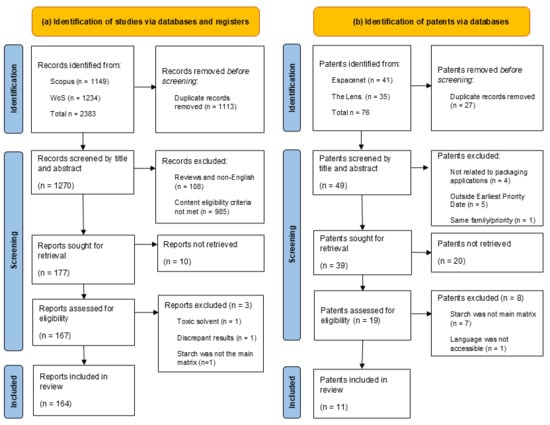
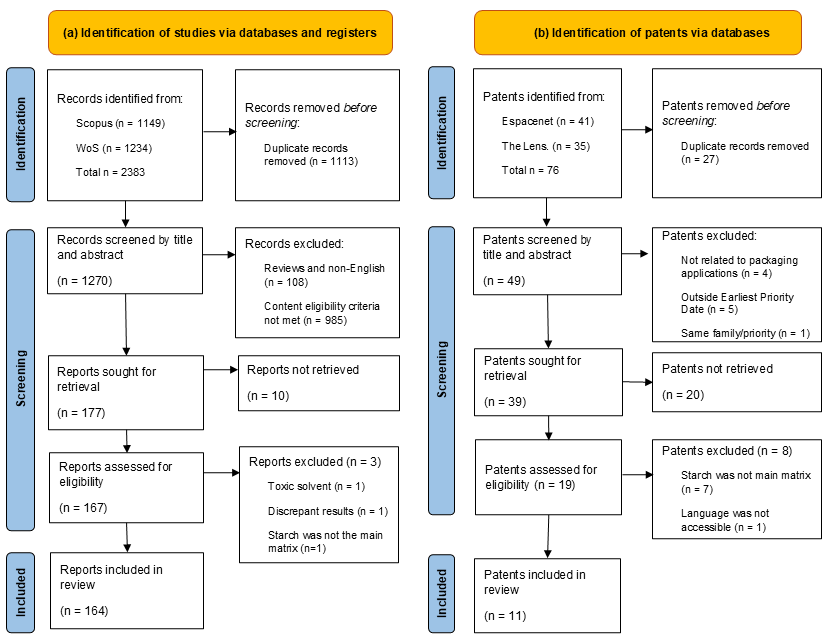
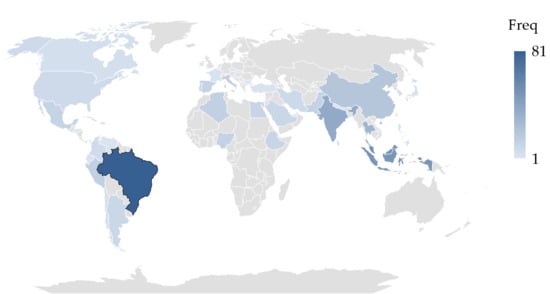
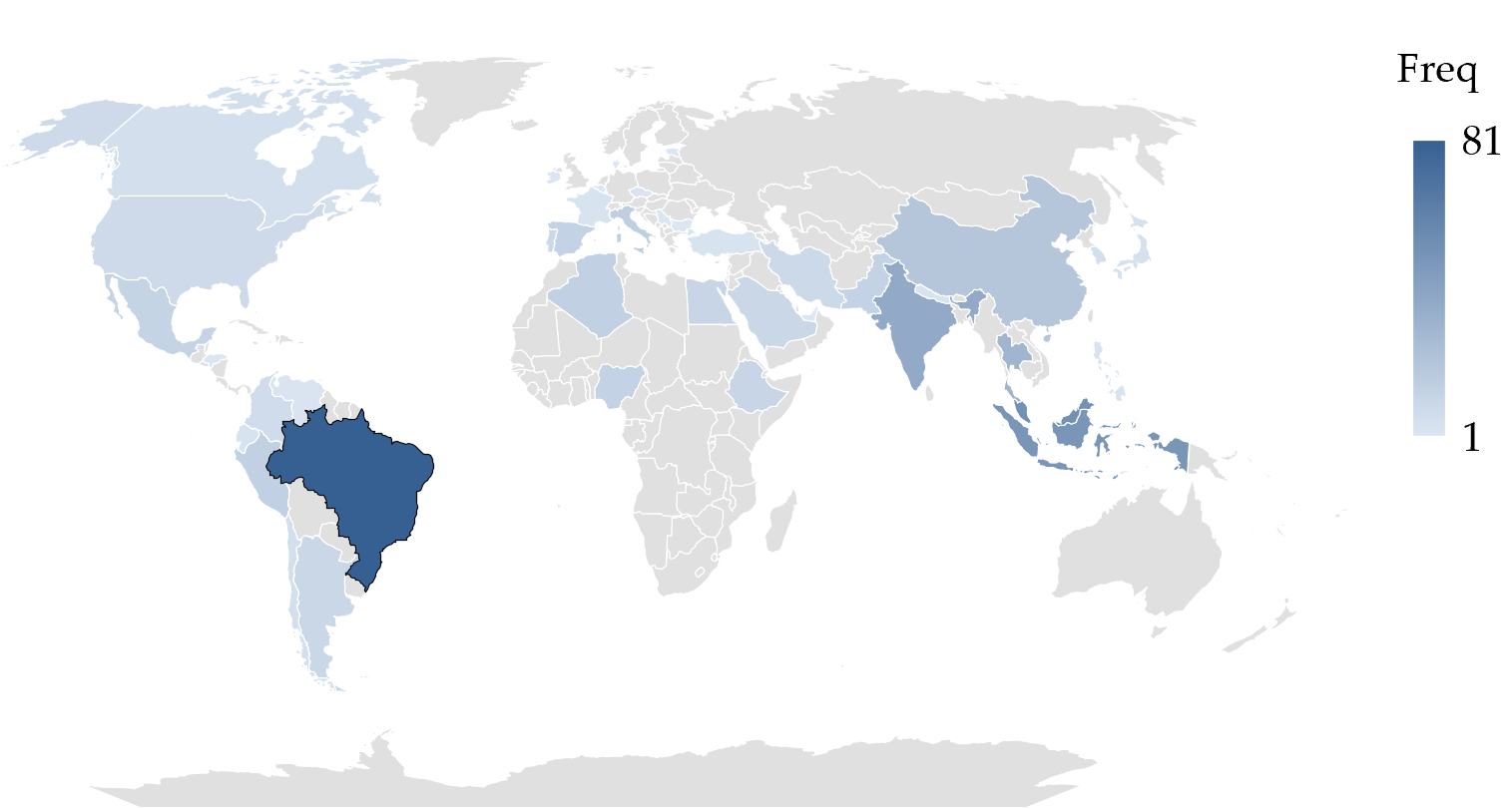
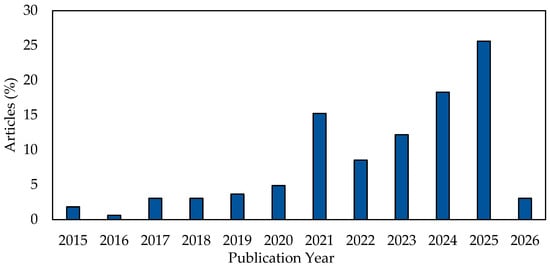
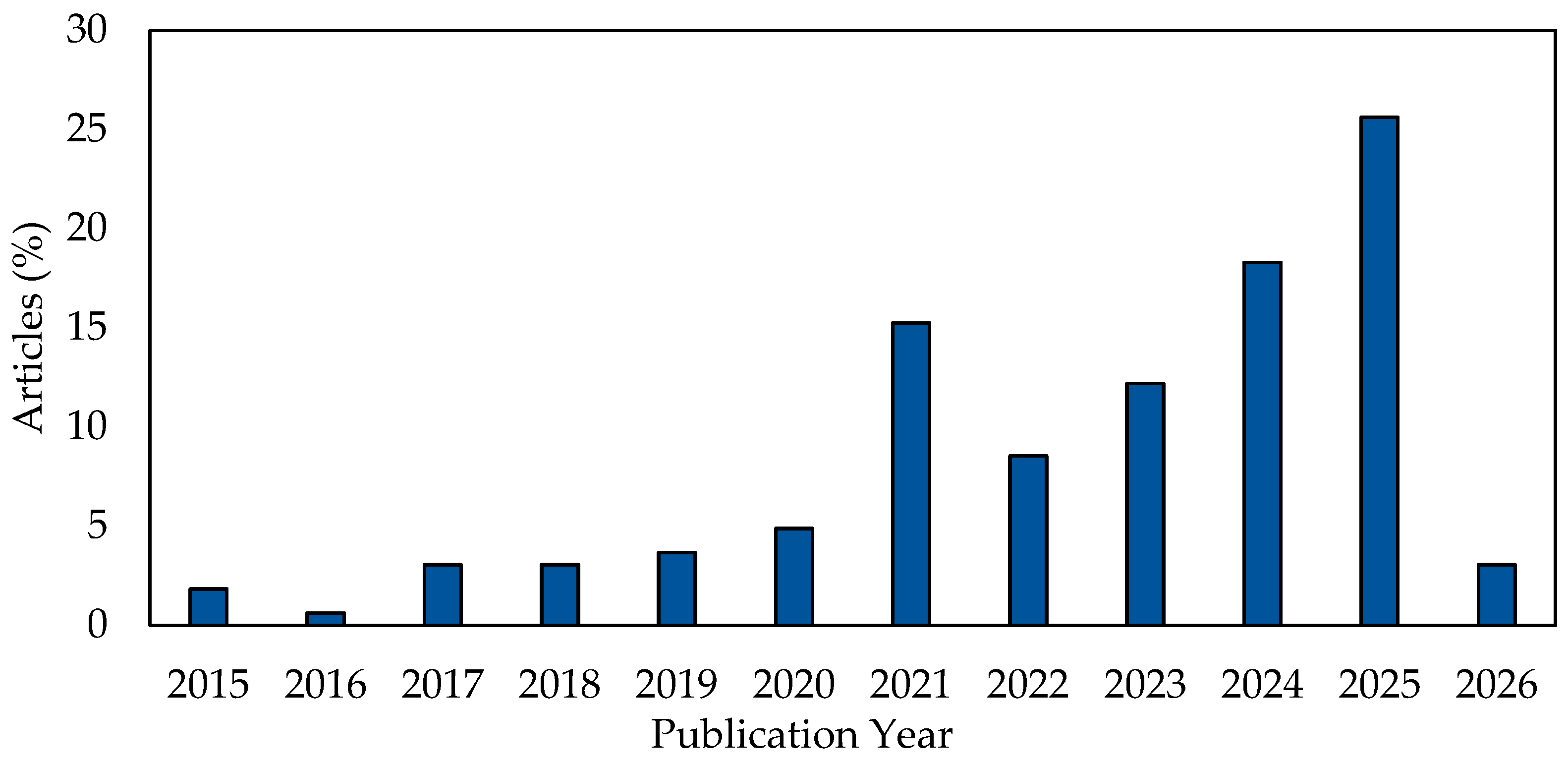
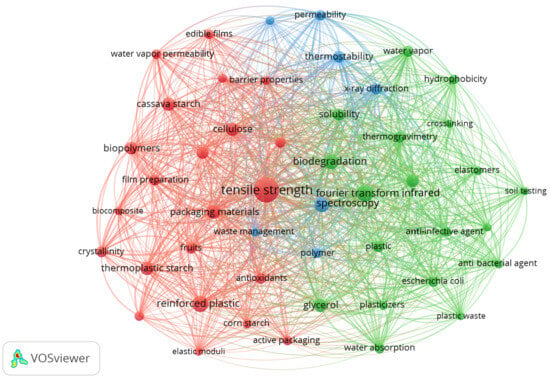
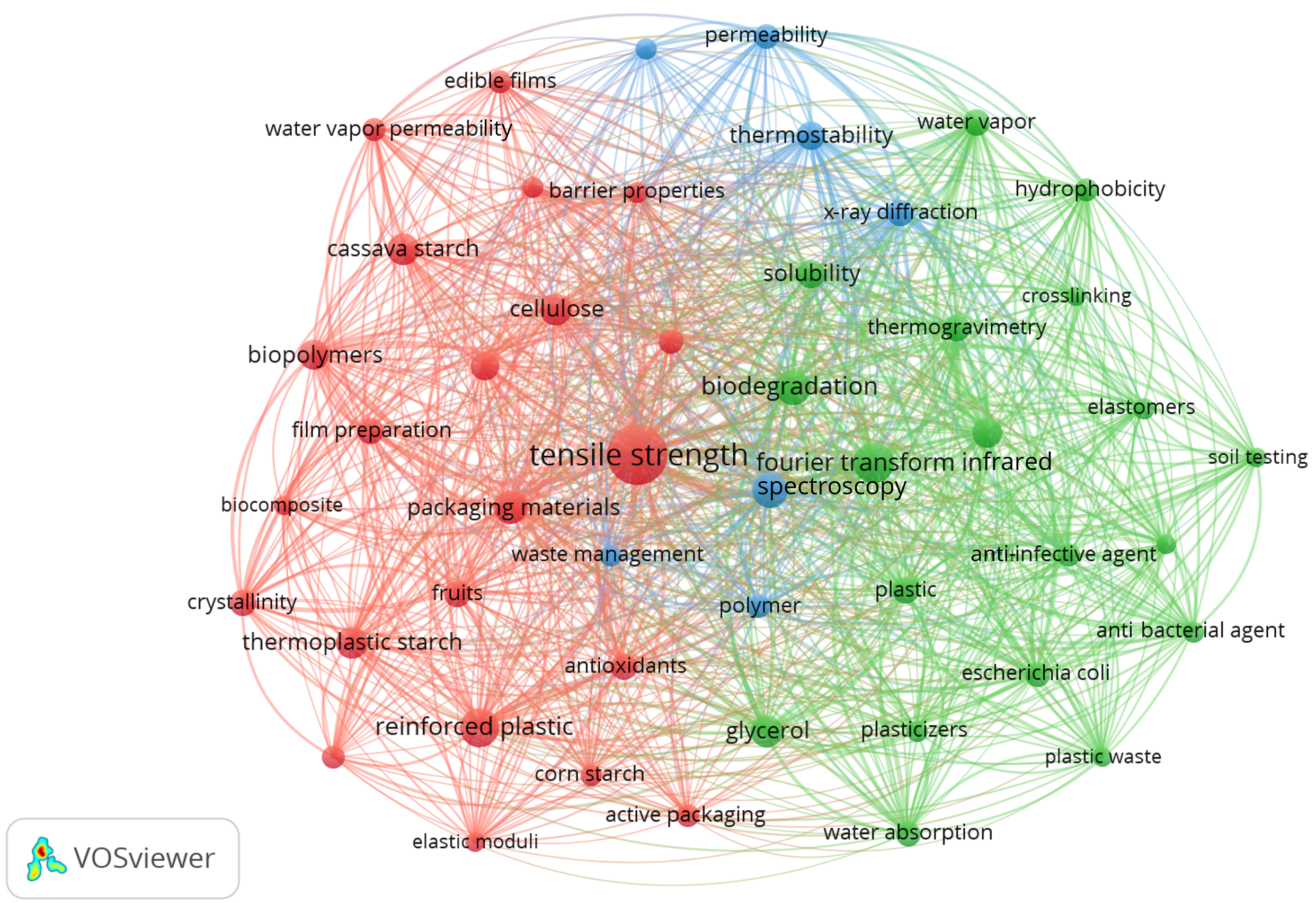
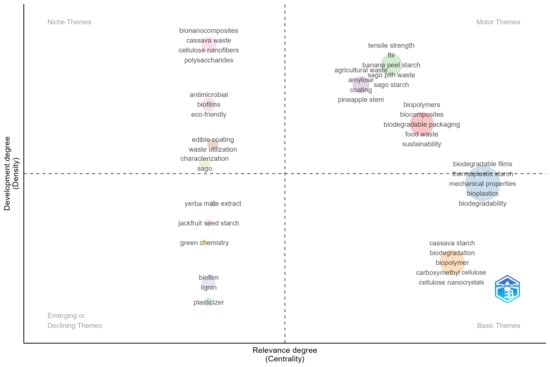
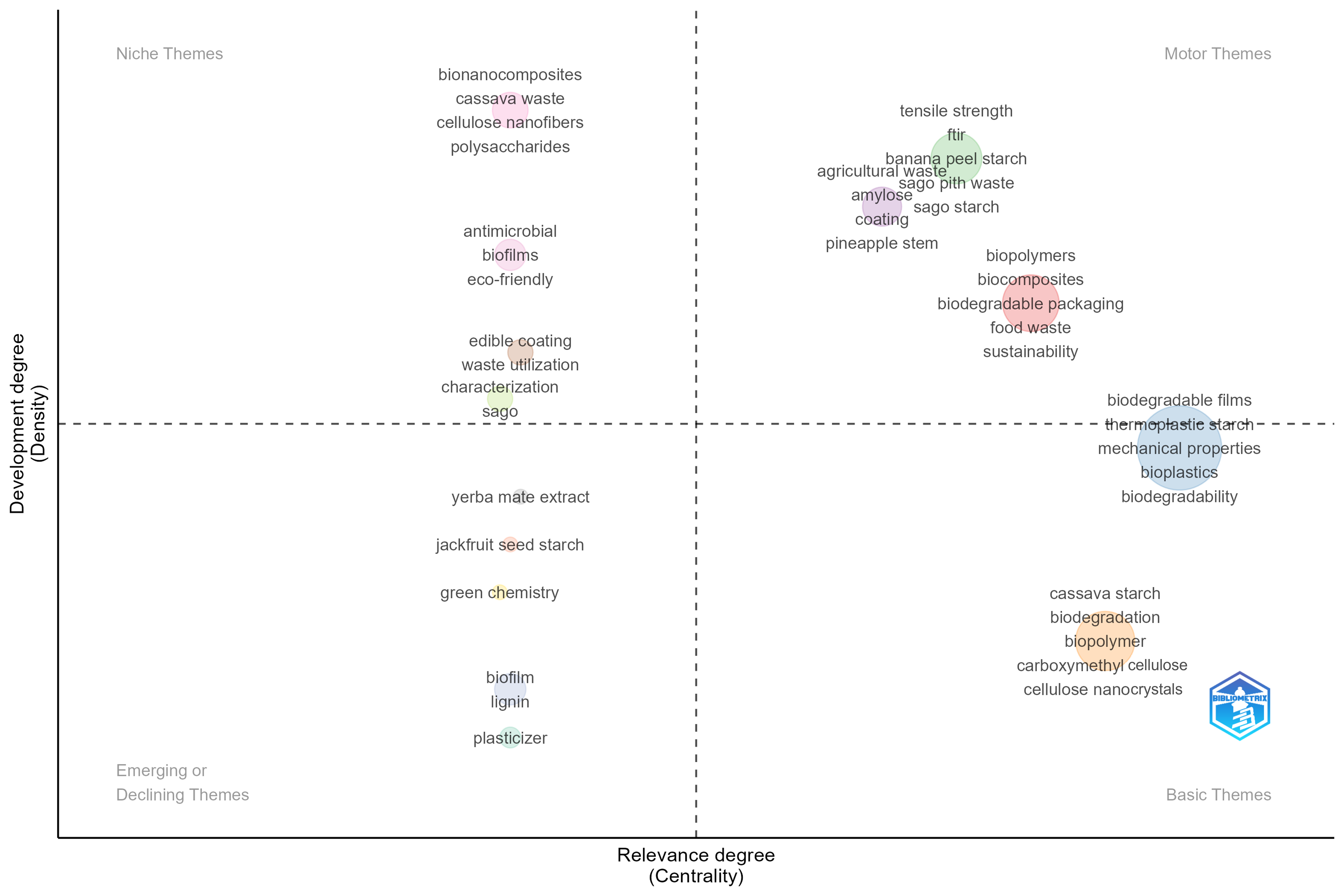
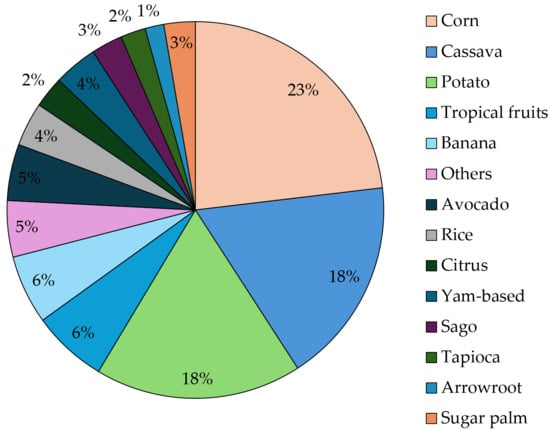
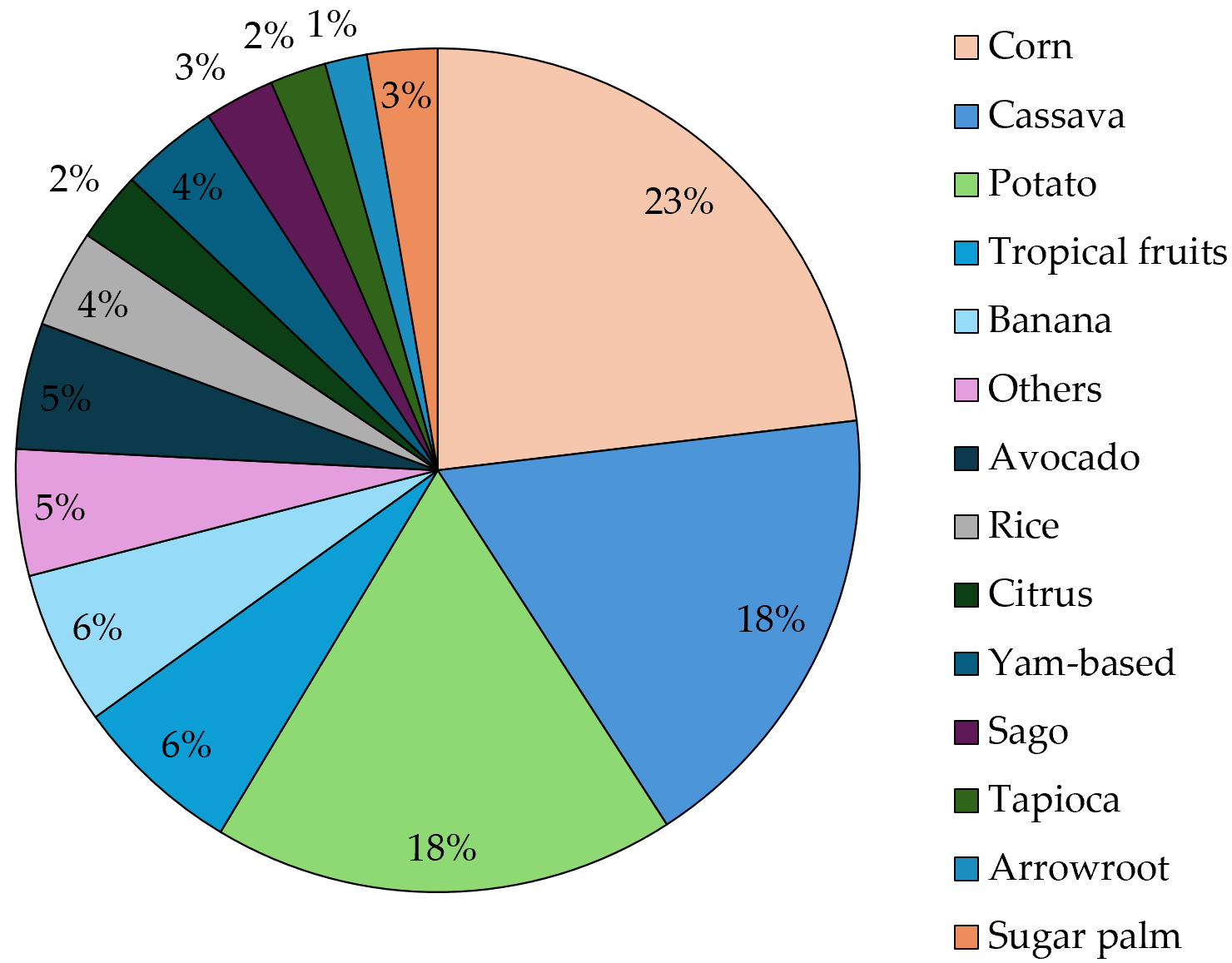
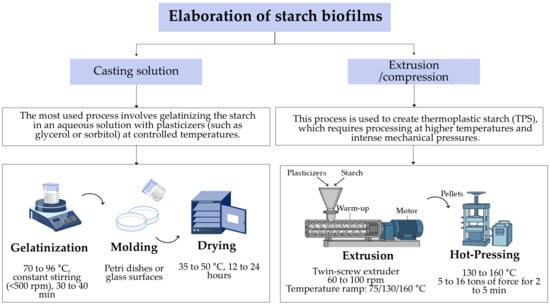
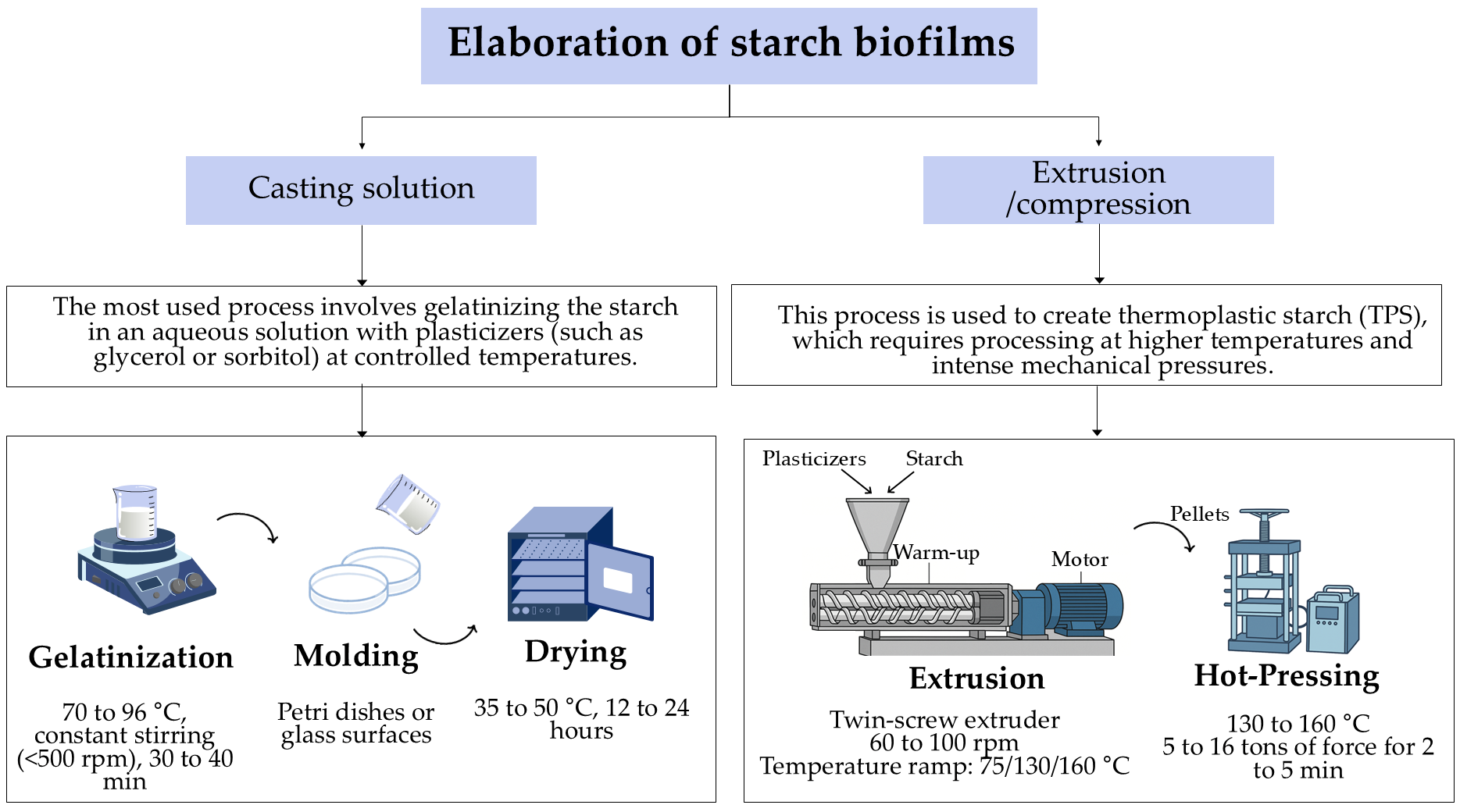
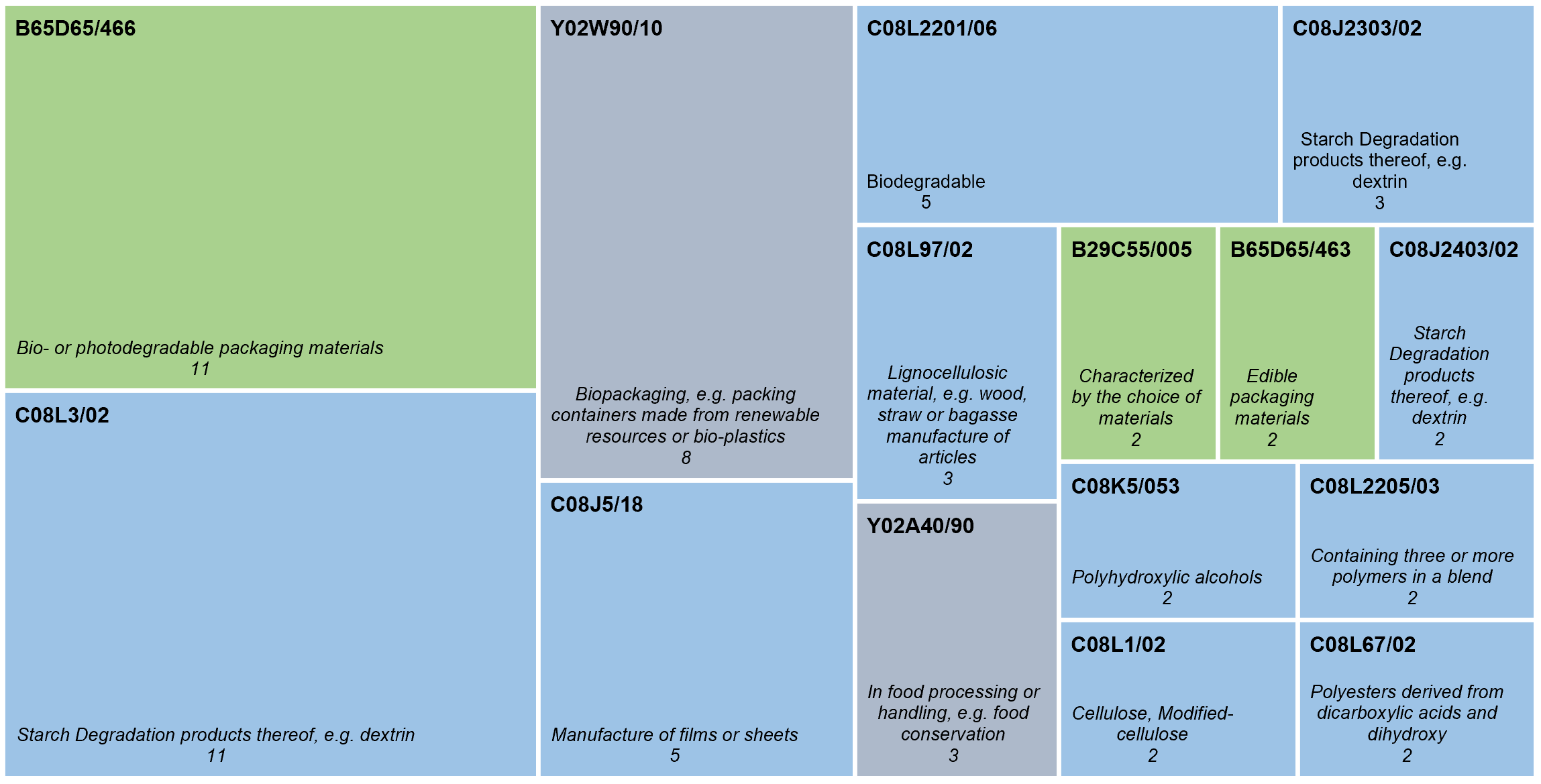

Disclaimer/Publisher’s Note: The statements, opinions and data contained in all publications are solely those of the individual author(s) and contributor(s) and not of MDPI and/or the editor(s). MDPI and/or the editor(s) disclaim responsibility for any injury to people or property resulting from any ideas, methods, instructions or products referred to in the content. |
© 2026 by the authors. Licensee MDPI, Basel, Switzerland. This article is an open access article distributed under the terms and conditions of the Creative Commons Attribution (CC BY) license.