


Abstract
Conventional wastewater treatment processes are not specifically designed to efficiently eliminate pharmaceutical contaminants such as metronidazole (MTZ), highlighting the need for effective advanced oxidation processes (AOPs). Heterogeneous persulfate activation represents a promising approach for degrading recalcitrant organic pollutants. In this study, Cu-loaded activated tire char (ATC-Cu) catalysts were synthesized for the first time using different ATC/Cu weight percentages (2.5, 5, and 10% w/w) and evaluated for MTZ degradation through peroxymonosulfate (PMS) and peroxydisulfate (PDS) activation. XRD analysis confirmed the formation of the Cu2O crystal phase, while textural characterization revealed a meso–macroporous structure. Among the investigated systems, ATC-10 w/w Cu/PMS exhibited the highest catalytic performance, achieving complete MTZ degradation within 10 min, with an apparent kinetic rate constant of k = 0.357 min−1. The optimum PMS and catalyst dosages were 250 and 400 mg/L, respectively. Mechanistic investigations identified SO4•− as the dominant reactive species, indicating a predominantly radical oxidation pathway, whereas •OH played a secondary role. The influence of inorganic ions and natural organic matter was also evaluated, revealing limited inhibition of MTZ degradation. Overall, ATC-Cu catalysts combine efficient persulfate activation with waste-tire valorization, demonstrating their potential as sustainable catalysts for pharmaceutical-contaminated wastewater treatment.
1. Introduction
Wastewater effluents represent a major route for pharmaceutical residue release into aquatic environments since conventional wastewater treatment plants (WWTPs) are mainly intended to remove bulk organic matter, nutrients, and suspended solids rather than a wide variety of pharmaceuticals and other contaminants of emerging concern. As a result, pharmaceutical residues can remain after conventional treatment and enter receiving water bodies, leading to ongoing exposure of the environment. Of these contaminants, antibiotics are of particular concern due to their biological activity and the fact that they are widely used [1]. Metronidazole (MNZ), a commonly used nitroimidazole antibiotic, has often been found in wastewater and treated effluents, with reported concentrations varying widely depending on the source and treatment conditions. A systematic evaluation of WWTPs found that MNZ concentrations in effluents ranged from 1.1 to 3000 ng/L, with the mean concentration across the various studies being about 330 ng/L [2]. Moreover, a concentration of 43.3 ng/L has been recorded in treated wastewater, indicating that MNZ persists after conventional treatment. More recent studies have also found effluent concentrations between 34.58 and 95.35 ng/L, thus confirming that MNZ is present in treated urban wastewater. The continual discharge of MNZ into aquatic systems is a matter of environmental concern since, in addition to possible effects on non-target organisms and microbial communities, the presence of antibiotics at environmentally relevant concentrations may lead to the selection and spread of antibiotic resistance. It is therefore of considerable environmental importance to develop efficient and sustainable treatment technologies capable of removing and degrading MNZ from wastewater [3].
Advanced oxidation processes (AOPs) have therefore received considerable attention as effective approaches for degrading such contaminants, mainly through the generation of reactive oxidizing species (ROS), including hydroxyl radicals (•OH), sulfate radicals (SO4•−), superoxide radicals (O2•−), and singlet oxygen (1O2) [4]. Among the oxidants used in AOPs, peroxymonosulfate (PMS, HSO5−) is particularly attractive because of its high oxidation potential, good solubility and stability in water, and capacity to proceed through both radical and non-radical oxidation pathways. Its asymmetric structure and relatively weak O–O bond further facilitate activation and ROS formation [5]. However, direct oxidation by PMS is usually slow; therefore, efficient activation is necessary to achieve rapid degradation of antibiotics and other emerging contaminants [6].
PMS can be activated through various methods, including heat, UV–Vis irradiation, ultrasonication, alkaline conditions, transition metals, and carbon-based materials. Transition-metal catalysts often show high PMS activation efficiency, but metal aggregation and leaching can reduce catalyst stability and may lead to secondary contamination. For this reason, carbonaceous materials have attracted growing interest as heterogeneous PMS activators [7]. Their chemical stability, surface functional groups, electrical conductivity, and ability to facilitate interfacial electron transfer make them suitable for catalytic applications. In addition, their porous structure can promote the simultaneous adsorption of PMS and pollutant molecules near active sites, thereby improving reaction efficiency [8].
In this context, waste tires are a promising precursor for producing functional carbon materials. Because of their complex and cross-linked structure, waste tires are highly resistant to biological, photochemical, and chemical degradation, which creates serious environmental concerns [9]. Pyrolysis is one of the most widely used routes for waste-tire recycling and produces a carbon-rich solid residue known as tire char (TC). Owing to its carbonaceous framework and surface functional groups, TC has gained attention as a low-cost precursor for adsorbent and catalytic materials [10]. Nevertheless, untreated TC typically has a limited specific surface area, poorly developed porosity, and inorganic residues, all of which may restrict its adsorption capacity and catalytic activity. Activation is therefore commonly applied to improve its physicochemical and textural properties [11].
Chemical activation with agents such as KOH, NaOH, H3PO4, and ZnCl2 can substantially increase the porosity and specific surface area of carbonaceous materials [12]. Among these agents, KOH is especially effective when a highly microporous structure and large accessible surface area are desired. At high temperatures, KOH reacts with the carbon matrix through redox and gasification reactions, forming K2CO3, CO, CO2, H2, and metallic K [13]. Carbon consumption contributes to pore formation and widening, while potassium can intercalate between carbon layers and promote structural expansion. After a washing step for removing potassium-containing species, a well-developed porous network remains, leading to higher BET surface area, greater micropore volume, and more accessible adsorption and catalytic sites [14]. Compared with KOH, NaOH generally shows lower efficiency in pore development, whereas H3PO4 may introduce phosphorus-containing surface species and require more extensive washing. ZnCl2 is also an effective activating agent, but its use is less favorable because of toxicity concerns and the generation of metal-containing wastewater. Thus, KOH is often preferred when the main objective is to maximize surface area and microporosity [15].
The increased surface area and developed pore structure of KOH-activated tire char can improve the accessibility of PMS and antibiotic molecules to reactive sites and enhance interfacial electron transfer. Even so, the intrinsic catalytic activity of the carbon matrix may not be sufficient for rapid PMS activation [7]. Loading transition metals onto the activated carbon surface is a promising strategy to address this limitation. Metal species can provide additional redox-active centers, accelerate electron transfer between the catalyst and PMS, and promote PMS decomposition [6]. At the same time, the porous carbon framework can improve metal dispersion, reduce particle aggregation, and potentially limit metal leaching. Metal–carbon interactions may also alter the electronic structure of the catalyst and create additional defects or electron-rich sites, thereby facilitating both radical and non-radical PMS activation pathways [16].
Among transition metals, Cu is particularly suitable for PMS activation because of its facile Cu+/Cu2+ redox cycling and strong electron-transfer ability. Cu species can activate PMS through several pathways involving SO4•−, •OH, O2•−, and 1O2, while high-valent Cu intermediates may also contribute directly to pollutant oxidation [17]. Compared with Co-based catalysts, which often exhibit excellent PMS activation performance but raise greater concerns regarding toxicity and metal leaching, Cu provides a favorable balance between catalytic activity, availability, and environmental applicability [18]. Fe-based systems are inexpensive and environmentally acceptable, but their activity is often more sensitive to reaction conditions, and Fe2+/Fe3+ regeneration can be comparatively slower [19]. Therefore, immobilizing Cu species on KOH-activated tire char can combine the carbon matrix’s high surface area, developed porosity, adsorption capacity, and electron-transfer properties with Cu’s redox activity. This combination can generate abundant and accessible catalytic sites for the efficient PMS-based degradation of antibiotics through both radical and non-radical oxidation pathways.
In this work, activated tire char (ATC) served as a carbon-based support for synthesizing a series of Cu-loaded ATC catalysts prepared at different Cu/ATC weight ratios. The obtained materials were evaluated for the degradation of selected antibiotic pollutants through the activation of both peroxymonosulfate (PMS) and peroxydisulfate (PDS). A comprehensive physicochemical characterization was carried out to clarify how the structural features, surface properties, Cu speciation, and catalytic behavior of the materials are interrelated. Beyond its catalytic performance, the utilization of tire char as a carbonaceous catalyst support offers a sustainable pathway for valorizing waste tires, thereby converting an environmentally persistent waste stream into a value-added material.
2. Materials and Methods
2.1. Chemicals and Materials
Copper(II) nitrate hemipentahydrate (Cu(NO3)2·2.5H2O, 98%) and cerium (III) nitrate hexahydrate (99.5%) (CeH12N3O15) and Ce (IV) nitrate (99.5%) (Ce(NO3)4) were purchased from Alfa Aesar (Haverhill, MA, USA). Sodium peroxydisulfate (PDS, Na2S2O8, >98%), peroxymonosulfate (PMS, KHSO5·0.5KHSO4·0.5K2SO4; Oxone®), dimethyl sulfoxide (DMSO, >99.9%), p-benzoquinone (p-BQ, >98%), sodium azide (NaN3), sodium phosphate tribasic dodecahydrate (Na3PO4·12H2O, 98%), NaCl, KIO3 (98%), terephthalic acid (98%) (C6H4-1.4-(CO2H)2, and NaHCO3 (99%) were supplied by Sigma-Aldrich (St. Louis, MO, USA). Additionally, 2-Hydroxyterephthalic acid (>98%) (C8H6O5) was obtained from Tokyo Chemical Industry (TCI) (Zwijndrecht, Belgium). tert-Butanol (TBA, >99.5%), absolute ethanol, absolute methanol, and glacial acetic acid were obtained from Carlo Erba (Milan, Italy) and Merck (Darmstadt, Germany). 2,2′-(Anthracene-9,10-diylbis(methylene))dimalonic acid (ABDA, >99.9%) was purchased from BLD Pharmatech (Shanghai, China). LC–MS- and HPLC-grade methanol and water were supplied by Fisher Scientific (Waltham, MA, USA), while formic acid and humic acid (HA) were obtained from Fluka (Buchs, Switzerland) and Sigma-Aldrich (St. Louis, MO, USA), respectively. Distilled water produced using an Evoqua purification system was used throughout the experiments. Tertiary-treated wastewater collected from the Wastewater Treatment Plant of Ioannina City (Greece) was also employed as a representative real aqueous matrix. Tire char (TC) was obtained through vacuum pyrolysis of waste tires at 450 °C.
2.2. Preparation of Cu-Loaded Activated Carbocatalysts
Chemical activation of tire char (TC) was carried out using KOH as the activating agent. Briefly, the required quantity of KOH was dissolved in 30 mL of distilled water, followed by the addition of TC to obtain a TC/KOH mass ratio of 1:2. The resulting mixture was subjected to continuous agitation at 500 rpm for 12 h using a horizontal shaker (Edmund Bühler GmbH, Tübingen/Bodelshausen, Germany) to promote effective interaction between the carbonaceous precursor and the activating agent. After impregnation, the slurry was placed in an alumina boat and introduced into a horizontal tubular furnace (Nabertherm model series R, Bremen, Germany). Thermal activation was performed under a constant N2 atmosphere (150 L/h), employing a heating rate of 10 °C/min until reaching 800 °C, followed by an isothermal treatment for 2 h. The activated product was subsequently washed repeatedly with distilled water until the washing solution reached neutral pH. The solid fraction was recovered by centrifugation and then dried at 105 °C overnight to obtain the activated tire char (ATC).
Cu-loaded activated carbocatalysts were prepared using Cu(NO3)2·2.5H2O as the copper precursor. Appropriate amounts of Cu(NO3)2·2.5H2O were dissolved in 10 mL of ethanol, while the activated tire char (ATC) support was separately dispersed in ethanol and stirred for 2 h at 500 rpm using a horizontal agitator to ensure homogeneous suspension. The copper precursor solution was then combined with the carbon suspension, and the resulting mixture was transferred into a quartz combustion boat for thermal treatment.
Calcination was carried out at 600 °C for 5 h under N2 flow at 150 L h−1, using a heating rate of 5 °C min−1. The thermal treatment was performed in Nabertherm model series R tube furnace equipped with a B180 controller and a water-cooled vacuum flange (Bremnen, Germany). After calcination, the materials were allowed to cool naturally to room temperature under an inert atmosphere and were subsequently stored in glass vials until further use.
Catalysts with different nominal Cu loadings (i.e., 2.5, 5, and 10% w/w), namely ATC-2.5 w/w Cu, ATC-5 w/w Cu, and ATC-10 w/w Cu, were prepared. The prepared materials were evaluated as heterogeneous activators of PMS and PDS for the degradation of antibiotic contaminants in aqueous media.
2.3. Physicochemical Characterization of Catalysts
The crystalline structure of the prepared catalysts was investigated by X-ray diffraction (XRD) using a Bruker D8 Advance diffractometer (Bruker AXS GmbH, Karlsruhe, Germany) equipped with monochromatic Cu Kα radiation (λ = 1.5405 Å). The diffraction patterns were recorded over a 2θ range of 10–90° at a scan rate of 0.01° s−1. The morphology and elemental distribution of the catalysts were examined by scanning electron microscopy coupled with energy-dispersive X-ray spectroscopy (SEM–EDS), using a Thermo Fisher Scientific Pharos Phenom G2 FGG-SEM (Eindhoven, The Netherlands) operated at 10 kV under high vacuum conditions of 0.1 Pa. Before analysis, the samples were coated with a 5-nm Cr layer using a Quantum Design Q150T Plus sputter coater (Quorum Technologies, Laughton, UK). The specific surface area (SBET) (using the BET method) and the pore distribution (using the DFT method) were evaluated via N2 physisorption measurements at 77 °K with an Anton Paar Autosorb 6300 (Anton Paar QuantaTec Inc., Boynton Beach, FL, USA) instrument. Surface functional groups were identified by attenuated total reflectance Fourier-transform infrared spectroscopy (ATR-FTIR), using a Shimadzu IR Spirit QATR-S spectrometer (Shimadzu Corporation, Kyoto, Japan) over the range of 4000–400 cm−1 at a resolution of 2 cm−1. The degree of structural disorder and graphitization was assessed by Raman spectroscopy using a LabRam HR Evolution instrument (HORIBA Scientific, Longjumeau, France). Raman spectra were deconvoluted using OriginPro 2018.
2.4. Kinetic Experiments
2.4.1. MTZ Degradation
Catalytic degradation experiments were performed in 100-mL conical flasks containing 50 mL of pharmaceutical solution at an initial concentration of 1 mg/L. A predetermined amount of catalyst was added to the solution, and the suspension was magnetically stirred for 30 min at room temperature to establish adsorption–desorption equilibrium. The oxidation reaction was then initiated by adding PMS or PDS at concentrations ranging from 50 to 250 mg/L. At selected time intervals, 5-mL aliquots were withdrawn from the reaction mixture and filtered through 0.22-μm PTFE syringe filters. The reaction was immediately quenched by adding 25 μL of methanol. The treated samples were transferred into glass vials and stored under refrigeration when immediate analysis was not possible. All experiments were conducted in triplicate, and the relative standard deviations ranged from 1.5 to 2.6%.
2.4.2. Quenching Experiments
The role of reactive oxygen species in pharmaceutical degradation was examined through scavenging experiments. Methanol was used as a scavenger for both SO4•− and •OH, whereas TBA was employed mainly as a probe for •OH, owing to its much higher reaction rate with •OH (3.8–7.6 × 10⁸ M−1 s−1) than with SO4•− (4–9.1 × 10⁵ M−1 s−1) [20]. p-BQ, DMSO, and NaN3 were used to investigate the involvement of O2•−, SO4•−/high-valent metal–oxo species, and 1O2, respectively [21]. The scavengers were initially added at concentrations 1000 times higher than that of the target pollutant. Additional experiments were also performed using scavenger concentrations adjusted according to the corresponding reaction-rate constants with the investigated reactive species in order to obtain a more reliable interpretation of the dominant oxidation pathways.
2.4.3. Influence of Matrix Constituents
The influence of common inorganic ions and natural organic matter on catalytic degradation was investigated to evaluate catalyst performance under environmentally relevant conditions. HPO42−, Cl−, and HCO3− were tested at 10 mM, while HA was examined at 10 mg L−1 [22]. These constituents were selected because they may interact with radical and non-radical oxidizing species and thereby affect pollutant degradation efficiency [23]. Additionally, the point of zero charge (pHPZC) of the catalysts was also determined by the mass-titration method. This analysis was performed to support the interpretation of pH-dependent surface interactions between the catalyst, oxidants, pollutants, and water-matrix constituents [24].
2.5. Analytical Methods
2.5.1. Determination of MTZ Concentration and Total Organic Carbon (TOC)
Residual pharmaceutical concentrations were quantified by HPLC using a Shimadzu system equipped with an LC-40D solvent-delivery pump, a CTO-40 column oven, and an SPD-M40 photodiode-array detector. Chromatographic separation was achieved on a Discovery HS C18 column using LC-grade water containing 1% (v/v) acetic acid and methanol at a 70:30 ratio under isocratic elution. The flow rate was 1 mL/min, and the injection volume was 20 μL. Quantification was performed at 370 nm using matrix-matched calibration, and chromatographic data were processed with LabSolutions® software, version 5.114. The determination of Total Organic Carbon (TOC) was performed utilizing the Non-Purgeable Organic Carbon (NPOC) method, employing a TOC-L automatic analyzer along with an 8-plane OCT-L autosampler from Shimadzu (Tokyo, Japan).
2.5.2. Determination of MTZ and Identification of Transformation Products Following Solid-Phase Extraction (SPE) Coupled with High-Resolution LC-MS
Solid-phase extraction (SPE) was applied to samples containing environmentally relevant pollutant concentrations and to samples selected for transformation-product analysis. Oasis HLB cartridges (200 mg, 6 mL) were conditioned sequentially with 5 mL of LC-grade methanol and 5 mL of LC-grade water at a flow rate of 1 mL/min. Then, 5 mL of sample was loaded onto the cartridges under vacuum at the same flow rate. The analytes were eluted with two 2.5-mL portions of methanol, evaporated to dryness under a gentle N2 stream, and reconstituted in 0.1% formic acid in water/methanol (90:10, v/v). Before instrumental analysis, the extracts were filtered through 0.22-μm PTFE syringe filters.
Transformation products were investigated using a UHPLC–LTQ Orbitrap HRMS system. Chromatographic separation was performed with an Accela LC platform coupled to an LTQ-FT Orbitrap XL mass spectrometer equipped with an electrospray ionization source. A Hypersil Gold C18 column (100 × 2.1 mm, 1.9 μm) was used for separation. Full-scan acquisition was carried out in positive-ionization mode over the m/z range of 90–600 at a resolving power of 60,000 FWHM. Full-MS/dd-MS2 experiments using collision-induced dissociation were further performed to obtain structural information on the detected transformation products.
2.5.3. Ecotoxicity Assessment
The acute ecotoxicity of the treated solutions was evaluated using the Microtox® bioluminescence inhibition assay with the marine bacterium Aliivibrio fischeri. The measurements were performed using an m500 Analyzer toxicometer (Azur Environmental, Carlsbad, CA, USA). Bioluminescence was recorded following 15 min of exposure to each reaction sample, and the percentage of inhibition was calculated relative to a control consisting of a 3% NaCl solution without toxic compounds. The analysis was conducted according to the 89.1% basic [25]. The test protocol used MicrotoxOmni software to determine changes in acute toxicity during treatment.
2.5.4. Leaching Tests
Cu leaching was quantified using a Shimadzu ICPE-9820 plasma atomic emission spectrometer equipped with an AS-10 autosampler. The plasma and auxiliary gas flow rates were maintained at 10 and 0.7 L min−1, respectively, while the RF power, exposure time, and viewing mode were 1.20 kW, 30 s, and axial viewing, respectively. After catalytic treatment, 10 mL of suspension was centrifuged at 4400 rpm for 10 min to remove suspended catalyst particles. The obtained supernatant was diluted 1:50 before elemental analysis.
2.5.5. Determination of Reactive Oxidant Species (ROS) Employing Chemical Probes in the Presence or Absence of Quenchers
The investigation of reactive oxygen species (ROS) such as hydroxyl radicals (•OH) was conducted using terephthalic acid (TA) as a chemical probe, as it can react with •OH and SO4•−, resulting in the formation of 2-hydroxylterephtalic acid (HTA), which is measurable through fluorescence spectroscopy [26]. The specific methodology for this is detailed in Text S1. Sulfate radicals (SO4•−) were quantified using a spectrophotometric method based on the interaction between cerium (III) and SO4•−, which produces Ce (IV) [27]. The experimental procedure for this spectrophotometric approach is elaborated in Text S2.
3. Results
3.1. Structural and Morphological Characterization
The crystalline structure of the ATC-2.5, ATC-5, and ATC-10 w/w Cu catalysts was examined by powder X-ray diffraction (PXRD), and their diffractograms are presented in Figure 1. All materials showed a slight diffraction band centered at approximately 2θ = 25°, which is typical of the largely disordered carbonaceous structure of tire-derived char; however, the ATC-2.5 w/w Cu sample displayed a relatively more intense diffraction band compared with ATC-5 w/w Cu and ATC-10 w/w Cu, which can be attributed to its lower Cu loading [28]. Additionally, the ATC-10 w/w Cu exhibited sharper reflections at approximately 29.5°, 36.3°, 42.2°, 43.4°, 50.4°, 52.3°, 61.3°, 73.4°, 74.1°, and 77.2°, which were assigned to (110), (111) (101), (201), (220), (200), (210), (211), (222), and (311) crystallographic planes of Cu2O, respectively, in agreement with JCPDS No. 05-0667 [29]. The average crystallite size of Cu2O was determined to be 23.11, 26.77, and 32.89 nm for ATC-2.5 w/w Cu, ATC-5 w/w Cu, and ATC-10 w/w Cu catalysts, respectively, based on the Debye–Scherrer equation [30].
Figure 1.
XRD patterns of synthesized ATC-Cu catalysts.
To further assess the actual Cu loading of the catalysts, X-ray fluorescence (XRF) spectroscopy was performed. The XRF results revealed slightly higher Cu loadings than the theoretical values, with measured contents of 2.9 ± 0.7 wt%, 5.8 ± 0.7 wt%, and 10.6 ± 0.7 wt% for ATC-2.5 wt% Cu, ATC-5 wt% Cu, and ATC-10 wt% Cu, respectively. These results indicate that the actual Cu contents were close to the nominal loadings targeted during catalyst synthesis.
The SEM micrographs of all materials (Figure 2a, Figure 3a, and Figure 4a) revealed a highly irregular and heterogeneous surface, with pronounced roughness, particle agglomeration, and interconnected cavities. This morphology reflects the porous structure of the ATC-Cu matrix and provides favorable sites for the anchoring and dispersion of the Cu2O phase. The absence of distinct large Cu2O aggregates suggests that the Cu2O particles were relatively well distributed throughout the catalyst surface. Notably, a progressive increase in Cu2O loading resulted in noticeable changes in the surface morphology of the catalyst, particularly in the formation and growth of Cu-containing particulate species. At the lowest loading, only small and sparsely distributed Cu-containing species and no pronounced large particulate deposits. Increasing the Cu2O content to 5 w/w led to more evident deposition and growth of particulate species across the ATC-5 w/w Cu surface. At the highest loading, larger and more pronounced Cu-rich particles were observed, with some areas suggesting the possible formation of particle aggregates. This progressive morphological evolution may be attributed to the increasing amount of Cu2O deposited on the catalyst surface. The SEM–EDS results [Table S1] were further corroborated by XRF analysis, which confirmed the Cu content of the catalysts, although SEM–EDS provides elemental composition data only from localized surface regions. To further investigate the morphology of the ATC-10 w/w Cu catalyst, SEM micrographs at higher magnification of 50,000× and corresponding EDS mapping of Cu were acquired (Figure S1). The higher-magnification images confirmed the initial morphological observations, revealing an irregular and rough surface characterized by agglomerates of different sizes, particles with varying dimensions, and interconnected cavities. This heterogeneous morphology is consistent with the deposition of the Cu2O phase onto the activated tire char (ATC) support, where the surface irregularities and cavities contribute to the complex topography of the composite material.
Figure 2.
(a) SEM micrograph, corresponding EDS mapping for (b) carbon (C), (c) oxygen (O), and (d) copper (Cu) of ATC-2.5 w/w Cu.
Figure 3.
(a) SEM micrograph, corresponding EDS mapping for (b) carbon (C), (c) oxygen (O), and (d) copper (Cu) of ATC-5 w/w Cu.
Figure 4.
(a) SEM micrograph, corresponding EDS mapping for (b) carbon (C), (c) oxygen (O), and (d) copper (Cu) of ATC-10 w/w Cu.
The specific surface area (SBET) and pore volume of catalytic materials were determined by N2 physisorption (Figure 5). To evaluate the effect of Cu2O loading on the textural properties of the synthesized catalysts, SBET analysis of the activated tire char (ATC) [Figure S2], without copper incorporation, was performed. The specific surface area of the pristine ATC was approximately 198.44 m2/g, which was significantly higher than that of the ATC–Cu catalysts. This decrease suggests that copper incorporation affects the textural properties of the carbon support, potentially through the partial blocking of pores and/or occupation of the available pore space by the copper-containing phase. As shown in Table 1, increasing Cu loading resulted in a progressive decrease in the SBET, which can be attributed to the deposition of Cu2O within the pore network of the activated tire char. The accumulation of Cu2O species can partially block or occupy the pores, thereby reducing the accessible surface area and pore volume of the carbon support. Notably, the SBET of ATC-2.5 w/w Cu was calculated to be 62.14 m2/g, and the pore size distribution presented medium mesopores (signals at about 20 and 27 nm, as well as larger mesopores (peak at about 43 nm). Additionally, the SBET of ATC-5 w/w Cu and ATC 10 w/w Cu decreased to 40.69 and 31.36 m2/g, with an average pore diameter of approximately 38.88 and 37.71 nm, respectively. This reduction can be attributed to the increasing Cu loading, which promotes the deposition of Cu2O particles on the carbon surface and within the pore structure, thereby partially blocking the pores and reducing the accessible surface area and porosity. According to IUPAC classification, all isotherms are classified as Type II with an H3 hysteresis loop, indicating a mainly meso-/macroporous structure associated with slit-shaped pores formed between aggregated particles.
Figure 5.
N2-sorption isotherms and pore volume distribution of (a) ATC-2.5 w/w Cu, (b) ATC-5 w/w Cu, and (c) ATC-10 w/w Cu.
Table 1.
Porosimetry characterization of ATC-Cu catalysts.
Elemental analysis [Table 2] showed that the carbon content decreased after the deposition of Cu2O. The progressive decrease in the H/C atomic ratio with increasing Cu loading suggests enhanced aromatic condensation and a higher degree of carbonization of the carbon framework [31]. Similarly, the decrease in the O/C atomic ratio indicates a reduction in oxygen-containing functionalities and is consistent with an increasingly carbonized and structurally ordered carbon matrix [32]. Among the studied materials, ATC-10 w/w Cu exhibited the lowest H/C and O/C atomic ratios, suggesting the highest degree of carbonization and aromatic condensation.
Table 2.
Elemental analysis of Cu-TC catalysts.
ATR-FTIR spectroscopy was used to further examine the surface chemical characteristics of the catalysts. All materials exhibited (Figure 6) noticeable signals at around 1046, 1535, 1734, 2092, and 3708–3780 cm−1, which were attributed to C-O, C=C, C=O, C≡C [33] stretching vibrations, and -OH vibrational modes [34]. The C≡C stretching vibrations may be associated with terminal alkyne-like carbon species located at the edges or defect sites of the carbonaceous structure. The C-O and C=O vibrations can participate in interfacial electron-transfer processes, facilitating the partial reduction in Cu(II) to Cu(I), which is consistent with the Cu2O reflections observed in the XRD patterns [35]. In order to further evaluate the density of carboxylic, lactonic, and phenolic surface functional groups and investigate their potential contribution to the reduction in Cu(II) to Cu(I), Boehm titration was performed on pristine tire char and activated tire char [36]. The concentrations of carboxylic, lactonic, and phenolic groups in pristine tire char were 0.07, 0.09, and 0.13 mmol/g, respectively, whereas their concentrations increased to 0.12, 0.18, and 0.31 mmol/g in activated tire char. Thus, activation substantially increased the abundance of all three oxygen-containing surface functionalities, with phenolic groups exhibiting the highest concentration in both materials. The higher density of these oxygen-containing functional groups in activated tire char suggests the presence of a greater number of electron-donating surface sites, which may facilitate interfacial electron transfer and contribute to the reduction in Cu(II) to Cu(I). A new absorption band appeared at approximately 605 cm−1, being more pronounced in the ATC-10 w/w Cu sample and less intense in ATC-5 w/w Cu. This band can be tentatively attributed to the formation of Cu–O bonds, indicating the presence of copper–oxygen species on the catalyst surface [37]. The ratio of C=O/C-O of ATC-2.5 w/w Cu, ATC-5 w/w Cu, and ATC-10 w/w Cu catalysts was determined to be 0.39, 0.58, and 0.71, respectively. The progressive increase in the C=O/C–O ratio suggests a higher relative abundance of carbonyl functionalities in ATC-10 w/w Cu, which may promote more efficient electron transfer from the catalyst surface to the PMS/PDS oxidants, thereby contributing to its enhanced oxidant activation capability [38].
Figure 6.
ATR-FTIR spectra of ATC-Cu catalysts.
Raman spectroscopy was employed to investigate the structural order and defect density of the carbonaceous framework (Figure 7), as well as to further assess the formation of Cu2O and the presence of Cu(I)/Cu(II) species after catalytic activity (Figure 8). The spectra displayed the two characteristic bands of carbon materials: the D band at approximately 1340 cm−1 and the G band at approximately 1580 cm−1. The D band is associated with structural defects and disorder, while the G band corresponds to the in-plane vibration of sp2-hybridized carbon atoms [39]. The presence of a pronounced D band indicates that the carbon framework contains a considerable number of defects, whereas the G band confirms the persistence of graphitic domains. These sp2-hybridized carbon domains are important for catalytic applications because their delocalized π-electron system can facilitate electron transfer during PMS/PDS activation, thereby promoting the generation of reactive oxidizing species [40]. Therefore, the relative intensity of the D and G bands provides useful insight into the balance between structural disorder and graphitic ordering in the carbon matrix. In addition, the presence of the 2D band indicates that graphitic features were partially preserved within the tire-derived carbon framework [41]. Additionally, the degree of graphitization can be assessed using the ID/IG ratio; a high ID/IG ratio indicates disorder in the carbon network and defect formation, while a lower ratio means a better graphitization structure [42]. Notably, the ATC-10 w/w Cu exhibited a lower ID/IG ratio of 0.61, highlighting that the increased Cu loading may have facilitated localized rearrangement of sp2 carbon structures and enhanced short-range ordering within the carbon matrix. These findings are further consistent with the lower H/C and O/C ratios observed for ATC-10 w/w Cu by elemental analysis [43]. Before PMS activation, the Raman spectrum (Figure 8a) exhibited a broad band centered at approximately 560 cm−1, together with a feature near 218 cm−1 and weaker bands around 420 and 460 cm−1. The band at 218 cm−1 is consistent with a second-order multiphonon feature of Cu2O [44], whereas the feature near 420 cm−1 may be associated with higher-order Cu2O scattering [45]. The band at approximately 460 cm−1 is less specific and may arise from defect-related scattering or contributions from hydroxylated copper species [46]. The broad band at 560 cm−1 cannot be assigned unambiguously, as contributions from Cu2O-related scattering and second-order Raman processes associated with other copper-oxide species have both been reported [47]. Following PMS activation (Figure 8b), the broad 560 cm−1 feature was no longer discernible, and the band near 218 cm−1 was substantially diminished or barely detectable. Meanwhile, bands near 287 and 617 cm−1, consistent with the Ag and Bg Raman modes of CuO [48], respectively, became evident. An additional band near 490 cm−1 may be associated with Cu(OH)2 or other hydroxylated copper species [49], although this assignment remains tentative. Overall, these spectral changes suggest that PMS activation altered the local copper–oxygen bonding environment, potentially involving surface oxidation and changes in hydroxylation. This observation is consistent with the possible involvement of Cu(I)/Cu(II) redox transformations during the catalytic process.
Figure 7.
Raman spectra of prepared ATC-Cu catalysts.
Figure 8.
Raman spectra of (a) fresh and (b) used ATC-10 w/w Cu.
3.2. Catalytic Performance of Cu–TC Catalysts
3.2.1. MTZ Degradation in the Presence of PDS/PMS and Cu–TC Catalysts
Preliminary adsorption experiments were carried out at room temperature (20 °C) to assess the affinity of MTZ for the prepared ATC-Cu catalysts. The removal efficiencies recorded for ATC-2.5 w/w Cu, ATC-5 w/w Cu, and ATC-10 w/w Cu were limited to 12%, 8%, and 5%, respectively, indicating that adsorption made only a minor contribution to the overall removal of MTZ, following the trend of their specific surface area (Table 1). Blank experiments using PMS and PDS in the absence of the catalyst were performed to evaluate their individual contributions to MTZ degradation. The results showed that the degradation kinetics were significantly slower in the presence of PMS or PDS alone than in the corresponding catalyst/PMS systems (Figure S3). Additional control experiments were performed to better elucidate the individual contributions of the ATC support and copper species to PMS activation and MTZ degradation. Specifically, the degradation performance was evaluated in the presence of ATC alone, ATC + PMS, Cu2O + PMS, ATC–Cu catalysts without PMS, and ATC–Cu + PMS systems (Figure S4). The results highlighted the synergistic contribution of the carbonaceous support and copper species to the catalytic process, demonstrating that the incorporation of Cu2O enhances PMS activation and promotes MTZ degradation.
The catalytic degradation of MTZ was subsequently evaluated using different Cu loadings, catalyst dosages, and oxidant concentrations, employing either PDS or PMS as the oxidant. The results demonstrated that PMS exhibited superior degradation performance compared with PDS under the investigated conditions (Figure 9). This enhanced activity can be attributed to the more favorable activation of PMS by the Cu2O-containing catalytic phase. In particular, the Cu(I) species present in Cu2O can readily participate in electron-transfer processes with PMS, facilitating the generation of reactive oxygen species [50]. In contrast, PDS activation generally requires more efficient electron transfer and redox cycling of the surface metal species, with the reduction/oxidation of Cu(II)/Cu(I) being important for promoting O–O bond cleavage and subsequent formation of reactive species [51]. Thus, the predominance of Cu(I) in the Cu2O phase may favor PMS activation, whereas the activation of PDS may be comparatively less efficient under the investigated conditions. Furthermore, the apparent activation energies (Ea) of the ATC-10 w/w Cu/PMS and ATC-10 w/w Cu/PDS systems were calculated from temperature-dependent kinetic experiments using Arrhenius plots [52]. Briefly, ATC-10 w/w Cu showed a much lower Ea for PMS activation (15.89 kJ/mol) than for PDS activation (36.44 kJ/mol). This finding supports the proposed mechanistic interpretation that PMS is more readily activated by ATC-10 w/w Cu than PDS, in agreement with the superior catalytic performance of the ATC-10 w/w Cu/PMS system. These values are also consistent with activation energies reported for several metal oxide-based catalysts in the literature [52]. Therefore, based on its higher catalytic efficiency, PMS was selected as the oxidant for all subsequent MTZ degradation experiments. Metal leaching remained low under the investigated conditions. Notably, both the most active catalytic systems and those with reduced Cu loading released metal concentrations that were below the permissible limits established by the World Health Organization (WHO) for drinking water (Table 3) [53]. The Cu leaching concentrations were 0.12, 0.19, and 0.26 mg/L for ATC-2.5, ATC-5, and ATC-10 w/w Cu, respectively, corresponding to leaching percentages of 1.03%, 0.82%, and 0.61% of the initial Cu content. Although the concentration of dissolved Cu increased with increasing Cu loading, the corresponding percentage relative to the initial content of Cu decreased, suggesting improved retention at higher Cu loadings under the investigated reaction conditions. Moreover, all measured Cu concentrations were below the 1 mg/L reference value considered in this study [54]. In all cases, the degradation profiles were well fitted by the pseudo-first-order kinetic model, and the corresponding kinetic parameters are shown in Table 4.
Figure 9.
The effect of different oxidants on MTZ degradation through ATC-10 w/w Cu.
Table 3.
Copper content, leaching concentration, and leaching percentage of the Cu-loaded catalysts after the 3rd catalytic cycle.
Table 4.
Pseudo-first-order rate constants (kapp), half-life time (t1/2), and % removal of MTZ under different substrates after 120 min of treatment.
3.2.2. Effect of ATC-Cu Ratio on MTZ Degradation
The influence of Cu/TC ratio on MTZ degradation was evaluated using catalysts with different Cu loadings (Figure 10), namely 2.5, 5, and 10 w/w. Increasing the Cu content from 2.5 to 10 wt% markedly improved MTZ degradation, with the apparent rate constant increasing from k = 0.173 min−1 to k = 0.357 min−1. Notably, the latter value ranks among the highest apparent kinetic rate constants reported for MTZ degradation using metal-based or metal–carbon catalysts, highlighting the outstanding catalytic performance of the ATC-10 w/w Cu system compared with previously reported systems [55,56,57,58], as summarized in Table S2. This enhancement can be associated with the increased number of Cu2O active sites and the higher density of surface C=O functionalities in the ATC-10 w/w Cu catalyst, which may facilitate interfacial electron transfer and PMS activation [59]. Moreover, the higher degree of graphitization observed at increasing Cu loading can promote electron transport through the carbon matrix, thereby enhancing the interaction between the catalyst and PMS and favoring the generation of reactive species involved in MTZ degradation [60]. All catalytic experiments were performed in triplicate, confirming the high repeatability of the process, with relative standard deviation (RSD) values below 1.3%, 1.6%, and 0.9% for ATC-2.5 w/w Cu, ATC-5 w/w Cu, and ATC-10 w/w Cu, respectively.
Figure 10.
(a). The effect of different Cu loadings on MTZ degradation. Experimental conditions: [catalyst] = 400 mg/L, [PMS] = 250 mg/L, pH = 6, T = 20 °C. (b). The influence of various PMS concentrations through ATC-10 w/w Cu on MTZ removal. Experimental conditions: [ATC-10 w/w Cu] = 400 mg/L, pH = 6, T = 20 °C. (c). The effect of different ATC-10 w/w Cu dosages on MTZ elimination. Experimental conditions: [PMS] = 250 mg/L, pH = 6, T = 20 °C.
3.2.3. Effect of PMS and Catalyst Dosage
The effect of oxidant dosage on MTZ degradation was examined using the most efficient catalytic systems, namely ATC-10 w/w Cu/PMS. As shown in Figure 10b, increasing the PMS concentration from 50 to 250 mg/L accelerated MTZ removal. This enhancement can be attributed to the greater generation of reactive oxidizing species at higher PMS dosages, which promotes MTZ degradation [61]. Oxidant concentrations above 250 mg/L were not investigated to maintain sulfate ion concentrations within environmentally relevant limits [62]. Additionally, at excessive concentrations, PMS may also act as scavengers of radical and non-radical reactive species, thereby suppressing degradation efficiency. Briefly, in PMS-based systems, excessive PMS may induce self-scavenging reactions with the generated radicals, leading to the formation of secondary PMS-derived species with lower redox potential (E = 1.1 V) than SO4•− (E = 2.5–3.1 V) and •OH (E = 1.9–2.85 V) [63]. Lastly, very rapid kinetics were already achieved at this dosage, with an apparent rate constant of k = 0.357 min−1, making any further increase unnecessary from a practical perspective.
The influence of catalyst dosage (Figure 10c) on MTZ degradation was also investigated for the optimal ATC-10 w/w Cu/PMS system to determine suitable operating conditions. Increasing the ATC-10 w/w Cu dosage from 100 to 400 mg/L enhanced MTZ degradation, as evidenced by the increase in the apparent rate constant from k = 0.049 min−1 to k = 0.357 min−1. This improvement can be attributed to the increased availability of active sites on the catalyst surface [58].
3.2.4. Photocatalytic Performance of ATC-Cu Catalysts
Cu2O has previously been reported as a promising semiconductor and photocatalytic material [64]. In addition, PMS can be further activated under UV irradiation. Therefore, photocatalytic experiments (Figure 11) were performed to evaluate the activity of ATC-Cu catalysts toward MTZ degradation under UV–Vis irradiation, both in the absence and presence of oxidant. MTZ photolysis was first examined as a control experiment. A noticeable degradation was observed under UV–Vis irradiation alone, with a 68% removal. The addition of PMS increased the removal efficiency, achieving 76% MTZ removal. When ATC-10 w/w Cu was combined with UV–Vis irradiation, the photocatalytic performance was further enhanced, yielding 88% removal after 60 min. This improvement indicates that light activation of the catalyst promoted the generation of additional reactive oxygen species (ROS) [65]. The subsequent addition of PMS sharply increased MTZ degradation, resulting in 100% removal after 60 min. This enhancement can be attributed to synergistic effects, including direct PMS activation by UV–Vis irradiation, improved electron transport after photocatalyst excitation, and suppressed electron–hole recombination. These processes collectively promote oxidation through photogenerated holes, •OH radicals, and SO4•− radicals [66].
Figure 11.
Photolysis control experiments and photocatalytic effectiveness of ATC-10 w/w Cu.
3.2.5. Effect of Matrix Characteristics
Influence of pH
The pH of the aqueous matrix can strongly affect both the surface properties of the catalyst and the charge state of the target pollutant, thereby influencing the adsorption behavior of ATC-Cu catalysts toward the oxidant and MTZ [67]. PMS activation was evaluated at pH values of 4, 6, and 8, which are representative of the typical pH range of natural waters and wastewaters [68]. Since MTZ has a pKa of approximately 2.6 [69], its charge state is not expected to change substantially within the investigated pH range. Notably, in the ATC-10 w/w Cu/PMS system, MTZ degradation increased markedly when the pH was raised from 4 to 6, whereas no significant further improvement was observed at pH 8 (Figure 12). Under acidic conditions, particularly at pH < 5, hydrogen ions can scavenge sulfate and hydroxyl radicals generated during PMS activation. In PMS-based systems, H+ may also stabilize HSO5−, thereby limiting ROS formation [70]. In agreement with the present results, Ullah et al. reported an optimum pH of 6 for metronidazole degradation using N-doped MnOx@carbon catalysts with PMS/PS oxidants [71].
Figure 12.
The effect of different pH values on MTZ degradation via the ATC-10 w/w Cu/PMS system.
Effect of inorganic anions and natural organic matter on MTZ degradation
Natural waters and wastewaters commonly contain inorganic ions, such as Cl−, HCO3−, and HPO42−, as well as natural organic matter, including humic acid (HA). These constituents may either inhibit or, in some cases, promote pollutant degradation by interacting with reactive species such as •OH, 1O2, and SO4•− generated during PMS activation [72]. Therefore, the influence of these matrix components was examined using the most efficient catalytic systems, namely ATC-10 w/w Cu/PMS (Figure 13). The presence of chloride ions at 10 mM resulted in a slight inhibition of MTZ degradation compared with the other tested ions, yielding an apparent rate constant of k = 0.226 min−1 (Table 4). This behavior suggests that chlorine-derived reactive species, such as Cl•, •ClOH−, and Cl2•−, although less reactive and characterized by lower redox potentials than SO4•−, can still contribute to the oxidation of organic pollutants [73]. The addition of 10 mM HCO3− and 10 mM HPO42−, presented a more pronounced inhibitory effect and the strongest detrimental effect among the examined anions on MTZ removal, with apparent rate constants of 0.072 and 0.029 min−1, respectively. These inhibitions can be attributed to the reaction of SO4•− and •OH radicals with HCO3− and HPO42−, leading to the formation of bicarbonate radicals and HPO4•− species, according to Equations (1), (2), (3) and (4), respectively [74].
HCO3− + SO4•− → HCO3• + SO42− (9.1 × 10⁶ M−1 s−1)
HCO3− + •OH → HCO3• + OH− (8.5 × 10⁶ M−1 s−1)
HPO42− + SO4•− → HPO4•− + SO42− (1.2 × 10⁶ M−1 s−1)
HPO42− + •OH → HPO4•− + OH− (8 × 10⁵ M−1 s−1)
Figure 13.
The effect of different anions, HA and wastewater, in an ATC-10 w/w Cu/PMS system. Experimental conditions: [catalyst] = 400 mg/L, [PMS] = 250 mg/L, [MTZ] = 1 mg/L, [anions] = 10 mM, [HA] = 10 mg/L, pH = 6, T = 20 °C.
When tertiary-treated wastewater was employed, only a slight decrease in MTZ degradation was observed, likely due to the lower concentrations of the inorganic ions present in the wastewater (Table S3).
The catalytic experiment performed in wastewater was repeated three times, confirming excellent reproducibility, with RSD values below 1.2%. Lastly, the presence of humic acid (HA, 10 mg/L) can block active sites on the ATC-10 w/w Cu surface and compete with the reaction system for reactive oxygen species. The decrease in apparent kinetic rate to k = min−1, which was lower than that observed in the presence of HCO3− and HPO42−, confirms that HA partially blocks the accessible active sites on the catalyst surface [75].
3.2.6. The Efficiency of ATC-10 w/w Cu Toward the Degradation of Different Antibiotics
The applicability of the ATC-10 w/w Cu was further assessed for the degradation of other representative antibiotic micropollutants with different chemical structures, including sulfamethoxazole (SMX) and ciprofloxacin (CIP). These compounds were selected due to their widespread occurrence in aquatic environments and their environmental relevance. SMX has been associated with high maximum toxicity quotients, making its environmental impact of considerable concern [76]. CIP, during its degradation, may produce mutagenic, carcinogenic, and non-biodegradable transformation products and is commonly detected in different types of wastewater, including domestic (15 ng/L–246 μg/L), as CIP is excreted at 65% in urine and in feces; hospital (1.93–23.84 μg/L); and pharmaceutical manufacturing (28–31 mg/L) wastewater, highlighting the importance of its removal from water matrices [77]. As shown in Figure 14, the ATC-10 w/w Cu/PMS system exhibited excellent degradation efficiency toward all tested antibiotics, achieving complete removal of SMX and CIP within 5 and 15 min, respectively. Compared with other metal-modified carbocatalysts, such as Fe-impregnated biochar, the ATC-10 w/w Cu catalyst demonstrated superior degradation activity for SMX and CIP [78].
Figure 14.
The photocatalytic effectiveness of ATC-10 w/w Cu toward different antibiotics.
3.2.7. Scavenging Experiments and the Proposed PMS Activation Mechanism of the ATC-10 w/w Cu Catalyst
Radical scavenging experiments (Figure 15) were performed to clarify the contribution of SO4•−, •OH, 1O2, and O2•− reactive species to the MTZ degradation pathway. The involvement of these species has been widely reported for similar advanced oxidation systems. Quenching tests were carried out using methanol (MeOH), tert-butanol (TBA), sodium azide (NaN3), dimethyl sulfoxide (DMSO), and 1,4-benzoquinone (p-BQ), at a scavenger-to-pollutant molar ratio of 1000:1. MeOH, which can quench both SO4•− (kSO4•− = 2.5 × 10⁷ M−1 s−1) and •OH (k•OH = 9.7 × 10⁸ M−1 s−1) [79], caused the strongest inhibition in the ATC-10 w/w Cu/PMS system. In contrast, the addition of TBA, which primarily scavenges •OH radicals (k•OH = 3.8–7.6 × 10⁸ M−1 s−1), has a less pronounced inhibitory effect on MTZ degradation compared to MeOH. This indicates that SO4•− radicals play a more dominant role than •OH radicals in the degradation process. Additionally, the addition of DMSO and NaN3, a well-known scavenger of •OH and singlet oxygen (k1O2 = 1 × 10⁹ M−1 s−1) as hydroxyl radicals (k•OH = 1.2 × 10¹⁰ M−1 s−1), respectively, reduced the degradation rate slightly, confirming the secondary contribution of •OH to MTZ elimination. To provide independent evidence for the involvement of sulfate and hydroxyl radicals in the catalytic process, probing experiments were conducted. Specifically, Ce(IV) sulfate and 2-hydroxyterephthalic acid were employed as chemical probes to investigate the generation of sulfate radicals (SO4•−) and hydroxyl radicals (•OH), respectively. For the best catalytic system (i.e., ATC-10 w/w Cu/PMS), the results revealed that the Ce(IV) concentration is about 0.17 mmol/L. In the terephthalic acid (TA) probe method, radicals can react with TA to form fluorescent hydroxyterephthalic acid (HTA), which was monitored by fluorescence spectroscopy at around 425 nm. In the presence of DMSO, a well-known scavenger of sulfate radicals (kSO4•− = 1 × 10⁹ M−1 s−1) the characteristic HTA fluorescence signal decreased significantly compared with that observed in the absence of the scavenger (Figure 16). This result suggests that SO4•− radicals play a dominant role in the oxidation process, followed by •OH radicals. Lastly, the presence of p-BQ presented negligible inhibition of MTZ removal, indicating that O2•− reactive species do not contribute to the degradation process.
Figure 15.
Scavenging experiments in the ATC-10 w/w Cu/PMS system. Experimental conditions: [catalyst] = 400 mg/L, [PMS] = 250 mg/L, [MTZ] = 1 mg/L, [scavenger] = 1000 × [MTZ], pH = 6, T = 25 °C.
Figure 16.
The detection of 2-hydroxyterephthalic acid through the terephthalic acid method in the ATC-10 w/w Cu/PMS catalytic system.
3.2.8. Mineralization Study
The very fast degradation of MTZ using the ATC-10 w/w Cu/PMS system led to the formation of a single transformation product, which was detected at m/z = 128.0419 as [M + H]+. To provide further evidence for the formation of TP 128.0419, the extracted-ion chromatogram at m/z 128.0419 and the corresponding MS/MS chromatogram of the transformation product (TP) detected at m/z = 128.0419 were employed. The MS/MS analysis revealed a characteristic fragment ion at m/z = 85.0218, assigned to the molecular formula C3H5ON2, providing additional structural information to support the proposed identity of the transformation product (Figure S5). To further investigate the extent of mineralization and assess potential changes in the toxicity of the treated solution, additional TOC measurements (Figure 17) and Aliivibrio fischeri bioluminescence inhibition tests were performed. The TOC results indicated a mineralization degree of 96% after 2 h of catalytic treatment. Furthermore, the Aliivibrio fischeri assay showed a decrease in the percentage of bioluminescence inhibition between 10 min and 2 h of treatment, suggesting a reduction in the toxicity of the treated solution over the reaction period. Notably, before irradiation, metronidazole (MTZ) exhibited a bioluminescence inhibition of 30.12%, reflecting its initial toxicity. For the ATC-10 w/w Cu/PMS catalytic system, the inhibition increased to 43.12% after 10 min of irradiation, suggesting the formation of transformation products (TPs) with potentially greater toxicity than the parent compound. This increase coincided with the high peak intensity of the corresponding TP at this reaction stage (Figure 18). Upon prolonged irradiation, the inhibition decreased to 27.45% after 60 min and further declined to 21.56% after 120 min. This trend was consistent with the decreasing intensity of the corresponding TP peak, suggesting its subsequent degradation and a gradual reduction in the toxicity of the treated solution. Nevertheless, the residual inhibition after 120 min indicates that some toxicity remained. The degradation pathway of MTZ can be linked to the distribution of electron density in its molecular structure, since electron-rich areas are more likely to be attacked by electrophilic reactive species, while electron-deficient areas are more suitable for nucleophilic attack [80]. In the case of the MTZ molecule, the hydroxyl group is found in an electron-deficient region, whereas the higher electron density is mainly concentrated around the imidazole ring and the nitro-substituted group. Consequently, reactive species such as SO4•− are expected to preferentially interact with the electron-rich sites, especially the imidazole ring [81]. It is suggested that the degradation of MTZ mainly takes place by oxidative cleavage of the imidazole ring. Due to the strong electron-withdrawing nature of the nitro group, the bond between C4 and C5 may be cleaved, giving rise to an open-chain N-substituted amidoxime intermediate [82]. Following this, oxidation and intramolecular cyclisation can lead to the formation of a 1,2,4-oxadiazole ring with a carboxamide group at the 3-position. Further oxidative transformation of this intermediate finally results in the formation of the transformation product detected with an m/z value of 128.0419. These results indicate that oxidative attack on the electron-rich imidazole group is a key initial step in the degradation of MTZ in the ATC-10 w/w Cu/PMS system.
Figure 17.
TOC analysis of ATC-10 w/w Cu/PMS catalytic system.
Figure 18.
Evolutionary profile of TP 128.0451 and the bioluminescence inhibition of Alivibrio fisheri via the ATC-10 w/w Cu/PMS catalytic system.
3.2.9. ATC-10 w/w Cu’s Stability and Durability
The capability of ATC-10 w/w Cu to be reused was evaluated through a sequence of five consecutive catalytic cycles (Figure 19). The ATC-10 w/w Cu demonstrated effective recyclability for at least five of these cycles, exhibiting minimal metal leaching after 3 degradation cycles (Table 3) in comparison to other metal–carbon catalysts, indicating the catalyst’s stability, while its catalytic performance after the 5th MTZ degradation cycle remained significant. To further investigate the structural stability of the catalyst following the catalytic reaction, XRD and Raman analyses were performed on the catalyst after the reaction. The XRD pattern (Figure S6) confirmed that the crystalline phase was retained after catalysis, with the diffraction peaks corresponding to Cu2O in agreement with JCPDS No. 05-0667. This result indicates that the main crystalline phase remained preserved under the reaction conditions. Furthermore, Raman spectroscopy (Figure 8b) provided additional insights into the redox behavior of copper species, indicating the involvement of Cu+/Cu2+ redox cycling during the catalytic process.
Figure 19.
Study of durability and reusability of ATC-10 w/w Cu.
4. Conclusions
In this work, Cu2O-activated tire char catalysts with different Cu loadings were successfully prepared and evaluated as heterogeneous catalysts for PMS/PDS activation toward the degradation of antibiotic pollutants. Among the investigated materials, ATC-10 w/w Cu exhibited the highest catalytic performance and showed a higher activation efficiency toward PMS. Mechanistic investigations indicated that SO4•− was the major reactive oxidizing species involved in pollutant degradation, while the •OH radicals played a secondary role in MTZ degradation. The ATC-10 w/w Cu system demonstrated effective MTZ removal in real wastewater and significant performance toward a range of target antibiotic pollutants, while maintaining at the same time satisfactory catalytic stability upon repeated use, highlighting its potential for practical applications in advanced oxidation processes. Beyond their catalytic performance, the use of tire char as a carbonaceous catalyst support provides an alternative route for the valorization of waste tires, an environmentally persistent and hazardous waste stream. Compared with the extensively investigated activated biochar-based supports, activated tire char offers distinct physicochemical characteristics, including a highly aromatic carbon structure and enhanced stability under both acidic and alkaline conditions. Overall, the developed Cu-based activated tire-char catalysts combine efficient PMS/PDS activation, broad pollutant (photo)catalytic capability, and satisfactory reusability, while simultaneously contributing to the conversion of waste tires into value-added materials for wastewater treatment.
Supplementary Materials
The following supporting information can be downloaded at https://www.mdpi.com/article/10.3390/environments13110610/s1, Text S1: Determination of radical species via terephthalic acid fluorescence spectroscopy; Text S2: Spectrophotometric determination of sulfate radicals; Figure S1: (a) SEM micrographs of ATC-10 w/w Cu at 50,000× magnifications and (b) corresponding EDS mapping of Cu; Table S1: Elemental composition of Cu-loaded activated tire char catalysts determined by SEM–EDS analysis (n = 10; range of values obtained from 10 analyzed points); Figure S2: N2 adsorption–desorption isotherms and pore volume distribution of activated tire char; Figure S3: Photocatalytic effectiveness of PMS/PDS in the absence of catalyst; Figure S4: Catalytic effectiveness of various catalytic systems; Table S2: Metal–carbon catalysts for metronidazole degradation; Table S3: Physicochemical characteristics of tertiary-treated wastewater (TTWW); Figure S5: LC-MS analysis of the metronidazole transformation product after 10 min of catalytic activity: (a) Extracted-ion chromatogram (EIC) at m/z 128.0419, (b) [M+H]+ mass spectrum of the precursor ion (m/z 128.0419), and (c) corresponding MS/MS spectrum showing the characteristic fragment ion at m/z 85.0218 (C3H5ON2); Figure S6: XRD pattern of ATC-10 w/w Cu after the fifth catalytic cycle.
Author Contributions
Conceptualization, I.K.; methodology, E.S. and I.K.; validation, E.S.; formal analysis, E.S.; investigation, E.S.; resources, I.K.; data curation, E.S.; writing—original draft preparation, I.K. and E.S.; writing—review and editing, I.K. and E.S.; visualization, E.S.; supervision, I.K.; funding acquisition, I.K. All authors have read and agreed to the published version of the manuscript.
Funding
This research received no external funding.
Data Availability Statement
The original contributions presented in this study are included in this article. Further inquiries can be directed to the corresponding author.
Acknowledgments
The authors would like to acknowledge the Unit of Environmental, Organic and Biochemical High-Resolution Analysis-Orbitrap-LC-MS and XRD Unit of the University of Ioannina for providing access to the facilities.
Conflicts of Interest
The authors declare that they have no known competing financial interests or personal relationships that could have appeared to influence the work reported in this paper.
Abbreviations
The following abbreviations are used in this manuscript:
| ROS | Reactive Oxidant Species |
| PMSs | Peroxymonosulfate |
| PDS | Peroxydisulfate |
| ATC | Activated Tire Char |
| MTZ | Metronidazole |
| SMX | Sulfamethoxazole |
| CIP | Ciprofloxacin |
| UPW | Ultra Pure Water |
| HA | Humic Acid |
| p-BQ | p-Benzoquinone |
| DMSO | Dimethyl sulfoxide |
| TBA | Tert-butyl alcohol |
| MeOH | Methanol |
References
- Wada, O.Z.; Olawade, D.B. Recent Occurrence of Pharmaceuticals in Freshwater, Emerging Treatment Technologies, and Future Considerations: A Review. Chemosphere 2025, 374, 144153. [Google Scholar] [CrossRef] [Scilit]
- Frascaroli, G.; Reid, D.; Hunter, C.; Roberts, J.; Helwig, K.; Spencer, J.; Escudero, A. Pharmaceuticals in Wastewater Treatment Plants: A Systematic Review on the Substances of Greatest Concern Responsible for the Development of Antimicrobial Resistance. Appl. Sci. 2021, 11, 6670. [Google Scholar] [CrossRef] [Scilit]
- Ren, S.; Tao, J.; Tan, F.; Cui, Y.; Li, X.; Chen, J.; He, X.; Wang, Y. Diffusive Gradients in Thin Films Based on MOF-Derived Porous Carbon Binding Gel for in-Situ Measurement of Antibiotics in Waters. Sci. Total Environ. 2018, 645, 482–490. [Google Scholar] [CrossRef] [Scilit]
- Wang, J.; Wang, S. Reactive Species in Advanced Oxidation Processes: Formation, Identification and Reaction Mechanism. Chem. Eng. J. 2020, 401, 126158. [Google Scholar] [CrossRef] [Scilit]
- Sun, M.; Huo, X.; Ma, D.; Liu, S.; Fan, X.; Zhang, C.; Lai, C.; Qin, L. ZIF-67@ZIF-8 Derived Co/Zn Bimetallic Particle Electrodes Activating Peroxymonosulfate for Sulfamethoxazole Degradation in a Three-Dimensional Electrochemical System. Appl. Catal. B 2027, 402, 127529. [Google Scholar] [CrossRef] [Scilit]
- Kohantorabi, M.; Moussavi, G.; Giannakis, S. A Review of the Innovations in Metal- and Carbon-Based Catalysts Explored for Heterogeneous Peroxymonosulfate (PMS) Activation, with Focus on Radical vs. Non-Radical Degradation Pathways of Organic Contaminants. Chem. Eng. J. 2021, 411, 127957. [Google Scholar] [CrossRef] [Scilit]
- Huang, W.; Xiao, S.; Zhong, H.; Yan, M.; Yang, X. Activation of Persulfates by Carbonaceous Materials: A Review. Chem. Eng. J. 2021, 418, 129297. [Google Scholar] [CrossRef] [Scilit]
- Mian, M.M.; Liu, G. Activation of Peroxymonosulfate by Chemically Modified Sludge Biochar for the Removal of Organic Pollutants: Understanding the Role of Active Sites and Mechanism. Chem. Eng. J. 2020, 392, 123681. [Google Scholar] [CrossRef] [Scilit]
- Doja, S.; Pillari, L.K.; Bichler, L. Processing and Activation of Tire-Derived Char: A Review. Renew. Sustain. Energy Rev. 2022, 155, 111860. [Google Scholar] [CrossRef] [Scilit]
- Gao, N.; Wang, F.; Quan, C.; Santamaria, L.; Lopez, G.; Williams, P.T. Tire Pyrolysis Char: Processes, Properties, Upgrading and Applications. Prog. Energy Combust. Sci. 2022, 93, 101022. [Google Scholar] [CrossRef] [Scilit]
- Guo, F.; Li, H.; Guo, Y.; Jia, W.; Zhu, Y.; Chen, L.; Xu, J.; Zhang, Y.; Wu, J. Physicochemical Properties and Reaction Characteristics of Pyrolysis Chars Produced from Various Spent Tires Components and Temperatures: A Case Study. Fuel 2023, 351, 128798. [Google Scholar] [CrossRef] [Scilit]
- Memetova, A.; Tyagi, I.; Singh, L.; Karri, R.R.; Suhas; Tyagi, K.; Kumar, V.; Memetov, N.; Zelenin, A.; Tkachev, A.; et al. Nanoporous Carbon Materials as a Sustainable Alternative for the Remediation of Toxic Impurities and Environmental Contaminants: A Review. Sci. Total Environ. 2022, 838, 155943. [Google Scholar] [CrossRef] [Scilit]
- Lillo-Rodenas, M.; Cazorla-Amoros, D.; Linares-Solanó, A. Understanding Chemical Reactions between Carbons and NaOH and KOH An Insight into the Chemical Activation Mechanism. Carbon 2003, 41, 267–275. [Google Scholar]
- Wang, W.; Xu, S.; Wang, K.; Liang, J.; Zhang, W. De-Intercalation of the Intercalated Potassium in the Preparation of Activated Carbons by KOH Activation. Fuel Process. Technol. 2019, 189, 74–79. [Google Scholar] [CrossRef] [Scilit]
- Hsu, L.-Y.; Teng, H. Influence of Different Chemical Reagents on the Preparation of Activated Carbons from Bituminous Coal. Fuel Process. Technol. 2000, 64, 155–166. [Google Scholar] [CrossRef] [Scilit]
- Ge, H.; Cheng, M.; Huang, D.L.; Yan, M.; Wei, Z.; Zhang, G.; Du, L.; Wang, G.; Liu, H.; Liu, S.; et al. Insights into Metal/Carbon Materials Activation of Persulfate from a Structure–Property Perspective: Performances, Tunable Reaction Pathways and Toxicity. Chem. Eng. J. 2023, 478, 147369. [Google Scholar] [CrossRef] [Scilit]
- Yang, Y.; Yu, S.; Zong, Y.; Wu, R.; Feng, J.; Wei, T.; Ren, Y. Peroxymonosulfate Activation by Octahedral Cu2O for Orange I Degradation via Radical and Non-Radical Pathways. J. Environ. Chem. Eng. 2022, 10, 108113. [Google Scholar] [CrossRef] [Scilit]
- Gao, S.; Li, T.; Zhao, X.; Hu, G.; Cui, X.; Pan, L.; Wågberg, T. Heterogeneous Cobalt-Based Catalysts for Boosting Peroxymonosulfate Activation: A Review on Cobalt-Ion Leaching Inhibition Strategies. Clean. Chem. Eng. 2025, 11, 100173. [Google Scholar] [CrossRef] [Scilit]
- Xiao, S.; Cheng, M.; Zhong, H.; Liu, Z.; Liu, Y.; Yang, X.; Liang, Q. Iron-Mediated Activation of Persulfate and Peroxymonosulfate in Both Homogeneous and Heterogeneous Ways: A Review. Chem. Eng. J. 2020, 384, 123265. [Google Scholar] [CrossRef] [Scilit]
- Pang, Y.; Kong, L.; Chen, D.; Yuvaraja, G.; Mehmood, S. Facilely Synthesized Cobalt Doped Hydroxyapatite as Hydroxyl Promoted Peroxymonosulfate Activator for Degradation of Rhodamine B. J. Hazard. Mater. 2020, 384, 121447. [Google Scholar] [CrossRef] [Scilit]
- Song, X.; Wang, W.; Guo, Y. Methyl Phenyl Sulfoxide (PMSO) as a Dual Mediator: Selective Tuning of Pollutant Degradation in Homogeneous Fe(II)/Co(II)-Persulfate Systems. J. Colloid Interface Sci. 2026, 701, 138712. [Google Scholar] [CrossRef] [Scilit]
- Wang, Y.; Liu, M.; Zhao, X.; Cao, D.; Guo, T.; Yang, B. Insights into Heterogeneous Catalysis of Peroxymonosulfate Activation by Boron-Doped Ordered Mesoporous Carbon. Carbon 2018, 135, 238–247. [Google Scholar] [CrossRef] [Scilit]
- Yang, L.; Shen, J.; Zhang, W.; Wu, W.; Wei, Z.; Chen, M.; Yan, J.; Qian, L.; Han, L.; Li, J.; et al. Hydrothermally Assisted Synthesis of Nano Zero-Valent Iron Encapsulated in Biomass-Derived Carbon for Peroxymonosulfate Activation: The Performance and Mechanisms for Efficient Degradation of Monochlorobenzene. Sci. Total Environ. 2022, 829, 154645. [Google Scholar] [CrossRef] [Scilit]
- Zalac, S.; Kallay, N. Application of Mass Titration to the Point of Zero Charge Determination 1. J. Colloid Interface Sci. 1992, 149, 233–240. [Google Scholar] [CrossRef] [Scilit]
- Parajó, J.J.; Santiago-Alonso, A.; Vallet, P.; Teijeira, T.; Emeterio, R.S.; Villanueva, M.; Salgado, J. Comprehensive Analysis of the Acute Toxicity of Ionic Liquids Using Microtox® Bioassays. Appl. Sci. 2024, 14, 2480. [Google Scholar] [CrossRef] [Scilit]
- Eremia, S.A.V.; Chevalier-Lucia, D.; Radu, G.L.; Marty, J.L. Optimization of Hydroxyl Radical Formation Using TiO2 as Photocatalyst by Response Surface Methodology. Talanta 2008, 77, 858–862. [Google Scholar] [CrossRef] [Scilit]
- Sdoukou, E.; Antonopoulou, M.; Salmas, C.E.; Kyzas, G.Z.; Konstantinou, I. Peroxymonosulfate/Persulfate Activation by Ni (Hydr)Oxides Loaded on Tire Char/Activated Char through Radical and Nonradical Pathways for Efficient Degradation of Emerging Pollutants in Waters and Wastewaters. J. Environ. Chem. Eng. 2025, 13, 118834. [Google Scholar] [CrossRef] [Scilit]
- Matović, L.; Vujasin, R.; Kumrić, K.; Devečerski, A.; Wu, Y.N.; Kabtamu, D.M.; Mirković, M.; Omerašević, M.; Petrović, D. Waste Tire Carbon in Synergetic Interaction with Spent Gamma Radioactive Source for Efficient Radiocatalytic Degradation of Organic Dye. J. Hazard. Mater. 2021, 408, 124922. [Google Scholar] [CrossRef] [Scilit]
- Chen, J.L.; Liu, M.M.; Xie, S.Y.; Yue, L.J.; Gong, F.L.; Chai, K.M.; Zhang, Y.H. Cu2O-Loaded TiO2 Heterojunction Composites for Enhanced Photocatalytic H2 Production. J. Mol. Struct. 2022, 1247, 131294. [Google Scholar] [CrossRef] [Scilit]
- Nasiri, S.; Rabiei, M.; Palevicius, A.; Janusas, G.; Vilkauskas, A.; Nutalapati, V.; Monshi, A. Modified Scherrer Equation to Calculate Crystal Size by XRD with High Accuracy, Examples Fe2O3, TiO2 and V2O5. Nano Trends 2023, 3, 100015. [Google Scholar] [CrossRef] [Scilit]
- Putri, A.M.H.; Ramadhoni, B.F.; Yuliusman; Muharam, Y. Sequential Activation-Carbonization Strategy for Engineering Porous Carbon from Tea Twigs Biomass toward Enhanced CO2 Capture. J. CO2 Util. 2026, 107, 103425. [Google Scholar] [CrossRef] [Scilit]
- Chen, C.; Sun, K.; Huang, C.; Yang, M.; Fan, M.; Wang, A.; Zhang, G.; Li, B.; Jiang, J.; Xu, W.; et al. Investigation on the Mechanism of Structural Reconstruction of Biochars Derived from Lignin and Cellulose during Graphitization under High Temperature. Biochar 2023, 5, 51. [Google Scholar] [CrossRef] [Scilit]
- Sokołowski, A.; Jędruchniewicz, K.; Kobyłecki, R.; Zarzycki, R.; Różyło, K.; Wang, H.; Czech, B. Plant-Waste-Derived Sorbents for Nitazoxanide Adsorption. Molecules 2023, 28, 5919. [Google Scholar] [CrossRef] [Scilit]
- Tomczyk, A.; Sokołowska, Z.; Boguta, P. Biochar Physicochemical Properties: Pyrolysis Temperature and Feedstock Kind Effects. Rev. Environ. Sci. Biotechnol. 2020, 19, 191–215. [Google Scholar] [CrossRef] [Scilit]
- Wei, J.; Tu, C.; Yuan, G.; Liu, Y.; Bi, D.; Xiao, L.; Lu, J.; Theng, B.K.G.; Wang, H.; Zhang, L.; et al. Assessing the Effect of Pyrolysis Temperature on the Molecular Properties and Copper Sorption Capacity of a Halophyte Biochar. Environ. Pollut. 2019, 251, 56–65. [Google Scholar] [CrossRef] [Scilit]
- Oickle, A.M.; Goertzen, S.L.; Hopper, K.R.; Abdalla, Y.O.; Andreas, H.A. Standardization of the Boehm Titration: Part II. Method of Agitation, Effect of Filtering and Dilute Titrant. Carbon 2010, 48, 3313–3322. [Google Scholar] [CrossRef] [Scilit]
- Said, M.I.; Othman, A.A.; Abd Elhakeem, E.M. Structural, Optical and Photocatalytic Properties of Mesoporous CuO Nanoparticles with Tunable Size and Different Morphologies. RSC Adv. 2021, 11, 37801–37813. [Google Scholar] [CrossRef] [Scilit]
- Hou, F.; Li, W.; Yang, K.; Yang, D.; Zhu, W.; Luo, Y.; Gao, X. Carbonyl and Defect of Metal-Free Biochar Trigger Electron Transfer and 1O2 in Peroxymonosulfate Activation for Carbamazepine Degradation. Process Saf. Environ. Prot. 2025, 199, 107328. [Google Scholar] [CrossRef] [Scilit]
- Smith, M.W.; Dallmeyer, I.; Johnson, T.J.; Brauer, C.S.; McEwen, J.S.; Espinal, J.F.; Garcia-Perez, M. Structural Analysis of Char by Raman Spectroscopy: Improving Band Assignments through Computational Calculations from First Principles. Carbon 2016, 100, 678–692. [Google Scholar] [CrossRef] [Scilit]
- Miao, X.; Chen, X.; Wu, W.; Lin, D.; Yang, K. Intrinsic Defects Enhanced Biochar/Peroxydisulfate Oxidation Capacity through Electron-Transfer Regime. Chem. Eng. J. 2022, 438, 135606. [Google Scholar] [CrossRef] [Scilit]
- Guo, Z.; Zhang, Y.; Gan, S.; He, H.; Cai, N.; Xu, J.; Guo, P.; Chen, B.; Pan, X. Effective Degradation of COVID-19 Related Drugs by Biochar-Supported Red Mud Catalyst Activated Persulfate Process: Mechanism and Pathway. J. Clean. Prod. 2022, 340, 130753. [Google Scholar] [CrossRef] [Scilit]
- Schuepfer, D.B.; Badaczewski, F.; Guerra-Castro, J.M.; Hofmann, D.M.; Heiliger, C.; Smarsly, B.; Klar, P.J. Assessing the Structural Properties of Graphitic and Non-Graphitic Carbons by Raman Spectroscopy. Carbon 2020, 161, 359–372. [Google Scholar] [CrossRef] [Scilit]
- Jalal, A.; Zhao, Y.; Uzun, A. Pyrolysis Temperature Tunes the Catalytic Properties of CuBTC-Derived Carbon-Embedded Copper Catalysts for Partial Hydrogenation. Ind. Eng. Chem. Res. 2022, 61, 2068–2080. [Google Scholar] [CrossRef] [Scilit]
- Zhakypov, A.S.; Nemkayeva, R.R.; Yerlanuly, Y.; Tulegenova, M.A.; Kurbanov, B.Y.; Aitzhanov, M.B.; Markhabayeva, A.A.; Gabdullin, M.T. Synthesis and in Situ Oxidation of Copper Micro- and Nanoparticles by Arc Discharge Plasma in Liquid. Sci. Rep. 2023, 13, 15714. [Google Scholar] [CrossRef] [Scilit]
- Proniewicz, E.; Starowicz, M.; Ozaki, Y. Determination of the Influence of Various Factors on the Character of Surface Functionalization of Copper(I) and Copper(II) Oxide Nanosensors with Phenylboronic Acid Derivatives. Langmuir 2022, 38, 557–568. [Google Scholar] [CrossRef] [Scilit]
- Niaura, G. Surface-Enhanced Raman Spectroscopic Observation of Two Kinds of Adsorbed OH—Ions at Copper Electrode. Electrochimica Acta 2000, 45, 3507–3519. [Google Scholar] [CrossRef] [Scilit]
- Wang, J.; Zhu, L.; Ji, L.; Chen, Z. Preparation of Nanostructured Cu(OH)2 and CuO Electrocatalysts for Water Oxidation by Electrophoresis Deposition. J. Mater. Res. 2018, 33, 581–589. [Google Scholar] [CrossRef] [Scilit]
- Debbichi, L.; Marco De Lucas, M.C.; Pierson, J.F.; Krüger, P. Vibrational Properties of CuO and Cu4O3 from First-Principles Calculations, and Raman and Infrared Spectroscopy. J. Phys. Chem. C 2012, 116, 10232–10237. [Google Scholar] [CrossRef] [Scilit]
- Iijima, G.; Inomata, T.; Yamaguchi, H.; Ito, M.; Masuda, H. Role of a Hydroxide Layer on Cu Electrodes in Electrochemical CO2 Reduction. ACS Catal. 2019, 9, 6305–6319. [Google Scholar] [CrossRef] [Scilit]
- Zhu, Y.; Li, D.; Zuo, S.; Guan, Z.; Ding, S.; Xia, D.; Li, X. Cu2O/CuO Induced Non-Radical/Radical Pathway toward Highly Efficient Peroxymonosulfate Activation. J. Environ. Chem. Eng. 2021, 9, 106781. [Google Scholar] [CrossRef] [Scilit]
- Bai, C.; Guo, W.; Liu, Q.; Li, G.; Guo, S.; Chen, R. Cu2O/BiVO4 Heterostructure Controllably Triggers Radical and Non-Radical Persulfate Activation via Light “on-off” for Efficient Organic Contaminants Degradation. Appl. Catal. B 2024, 344, 123606. [Google Scholar] [CrossRef] [Scilit]
- Deng, J.; Ya, C.; Ge, Y.; Cheng, Y.; Chen, Y.; Xu, M.; Wang, H. Activation of Peroxymonosulfate by Metal (Fe, Mn, Cu and Ni) Doping Ordered Mesoporous Co3O4 for the Degradation of Enrofloxacin. RSC Adv. 2018, 8, 2338–2349. [Google Scholar] [CrossRef] [Scilit]
- Shah, A.; Arjunan, A.; Baroutaji, A.; Zakharova, J. A Review of Physicochemical and Biological Contaminants in Drinking Water and Their Impacts on Human Health. Water Sci. Eng. 2023, 16, 333–344. [Google Scholar] [CrossRef] [Scilit]
- Sdoukou, E.; Miserli, K.; Antonopoulou, M.; Salmas, C.E.; Kyzas, G.Z.; Frontistis, Z.; Konstantinou, I. Heterogeneous Peroxymonosulfate/Peroxydisulfate Activation through Bimetallic Ni/Cu Loaded Tire Char for Pharmaceutical Pollutants Elimination in Aqueous Matrices. Chem. Eng. Sci. 2026, 321, 122791. [Google Scholar] [CrossRef] [Scilit]
- Ahmed, A.; Usman, M.; Rafiq, M.; Adnan, M.; Ullah, R.; Cong, H.; Yu, B. Enhanced Activation of Peroxymonosulfate by Nanomagnetic CoFe2O4-CeO2/g-C3N4 Composites as a Heterogeneous Catalyst for Metronidazole Degradation. J. Water Process Eng. 2024, 67, 106266. [Google Scholar] [CrossRef] [Scilit]
- Li, M.; Li, P.; Zhou, Q.; Lee, S.L.J. A Mini Review on Persulfate Activation by Sustainable Biochar for the Removal of Antibiotics. Materials 2022, 15, 5832. [Google Scholar] [CrossRef] [Scilit]
- Aadil, M.; Karim, M.R.; Rauf, A.; Rafea, M.A.; Shakir, I.; Hussein, T.I.; Tamam, N.; Alrubayyi, A.; Elboughdiri, N. Mn3O4/Biochar Catalyst for Enhanced PMS Activation and Antibiotic Degradation via Radical and Non-Radical Pathways. RSC Adv. 2026, 16, 29775–29790. [Google Scholar] [CrossRef] [Scilit]
- Noroozi, R.; Gholami, M.; Farzadkia, M.; Jafari, A.J. Catalytic Potential of CuFe2O4/GO for Activation of Peroxymonosulfate in Metronidazole Degradation: Study of Mechanisms. J. Environ. Health Sci. Eng. 2020, 18, 947–960. [Google Scholar] [CrossRef] [Scilit]
- Du, L.; Xu, W.; Liu, S.; Li, X.; Huang, D.; Tan, X.; Liu, Y. Activation of Persulfate by Graphitized Biochar for Sulfamethoxazole Removal: The Roles of Graphitic Carbon Structure and Carbonyl Group. J. Colloid Interface Sci. 2020, 577, 419–430. [Google Scholar] [CrossRef] [Scilit]
- Zhu, Q.; Guo, K.; Ma, S.; Wang, S.; Tang, X.; Duan, R.; Huang, Y.; Wang, J.; Cheng, G.; Xu, S.; et al. Sulfadiazine Oxidation by Peroxodisulfate and Cobalt Loaded Graphitic Biochar System: The Dominant Role of Graphitic Domain. Chem. Eng. J. 2023, 455, 140744. [Google Scholar] [CrossRef] [Scilit]
- Milh, H.; Cabooter, D.; Dewil, R. Role of Process Parameters in the Degradation of Sulfamethoxazole by Heat-Activated Peroxymonosulfate Oxidation: Radical Identification and Elucidation of the Degradation Mechanism. Chem. Eng. J. 2021, 422, 130457. [Google Scholar] [CrossRef] [Scilit]
- Honarmandrad, Z.; Sun, X.; Wang, Z.; Naushad, M.; Boczkaj, G. Activated Persulfate and Peroxymonosulfate Based Advanced Oxidation Processes (AOPs) for Antibiotics Degradation—A Review. Water Resour. Ind. 2023, 29, 100194. [Google Scholar] [CrossRef] [Scilit]
- Rodríguez-Chueca, J.; Guerra-Rodríguez, S.; Raez, J.M.; López-Muñoz, M.J.; Rodríguez, E. Assessment of Different Iron Species as Activators of S2O82− and HSO5− for Inactivation of Wild Bacteria Strains. Appl. Catal. B 2019, 248, 54–61. [Google Scholar] [CrossRef] [Scilit]
- Mohammed, A.M.; Mohtar, S.S.; Aziz, F.; Mhamad, S.A.; Aziz, M. Review of Various Strategies to Boost the Photocatalytic Activity of the Cuprous Oxide-Based Photocatalyst. J. Environ. Chem. Eng. 2021, 9, 105138. [Google Scholar] [CrossRef] [Scilit]
- Zhang, A.Y.; He, Y.Y.; Lin, T.; Huang, N.H.; Xu, Q.; Feng, J.W. A Simple Strategy to Refine Cu2O Photocatalytic Capacity for Refractory Pollutants Removal: Roles of Oxygen Reduction and Fe(II) Chemistry. J. Hazard. Mater. 2017, 330, 9–17. [Google Scholar] [CrossRef] [Scilit]
- Cai, H.; Chen, M.; Li, J.; Jin, Y.; Ma, Y.; Ma, Q.; Zhu, P. Insight into the Activation of Persulfate with Cu2O/Visible-Light: Cu(I) Based Photo-Fenton and Cu2O Surface Mediated Free Radical Mechanism. Mater. Sci. Semicond. Process. 2022, 143, 106502. [Google Scholar] [CrossRef] [Scilit]
- Yu, W.; Xu, Y. Advancements on Single-Atom Catalysts-Mediated Persulfate Activation: Generating Reactive Species for Contaminants Elimination in Water. Molecules 2024, 29, 5696. [Google Scholar] [CrossRef] [Scilit]
- Neal, C.; Reynoldsb, B.; Robson, A.J. Total Environment Acid Neutralisation Capacity Measurements within Natural Waters: Towards a Standardised Approach. Sci. Total Environ. 1999, 243–244, 233–241. [Google Scholar] [CrossRef] [Scilit]
- Rediguieri, C.F.; Porta, V.; Diana, D.S.; Nunes, T.M.; Junginger, H.E.; Kopp, S.; Midha, K.K.; Shah, V.P.; Stavchansky, S.; Dressman, J.B.; et al. Biowaiver Monographs for Immediate Release Solid Oral Dosage Forms: Metronidazole. J. Pharm. Sci. 2011, 100, 1618–1627. [Google Scholar] [CrossRef] [Scilit]
- Wang, J.; Wang, S. Activation of Persulfate (PS) and Peroxymonosulfate (PMS) and Application for the Degradation of Emerging Contaminants. Chem. Eng. J. 2018, 334, 1502–1517. [Google Scholar] [CrossRef] [Scilit]
- Ullah, R.; Rafiq, M.; Alamgir; Ahmed, A.; Liu, X.; Haider, W.; Fayaz, M.; Cao, Q.; Yu, B.; Shen, Y.; et al. Mn-MOF Derived N-Doped MnOx@carbon Heterogeneous Catalysts for Vis-Light, S2O82−, HSO5−, Vis/S2O82−, and Vis/HSO5−-Induced Degradation of Metronidazole: Kinetics and Mechanistic Study. J. Environ. Chem. Eng. 2024, 12, 113331. [Google Scholar] [CrossRef] [Scilit]
- Lado Ribeiro, A.R.; Moreira, N.F.F.; Li Puma, G.; Silva, A.M.T. Impact of Water Matrix on the Removal of Micropollutants by Advanced Oxidation Technologies. Chem. Eng. J. 2019, 363, 155–173. [Google Scholar] [CrossRef] [Scilit]
- Huang, Y.; Jiang, M.; Gao, S.; Wang, W.; Liu, Z.; Yuan, R. Non-Radical Pathway Dominated by Singlet Oxygen under High Salinity Condition towards Efficient Degradation of Organic Pollutants and Inhibition of AOX Formation. Sep. Purif. Technol. 2022, 291, 120921. [Google Scholar] [CrossRef] [Scilit]
- Duan, P.; Liu, X.; Liu, B.; Akram, M.; Li, Y.; Pan, J.; Yue, Q.; Gao, B.; Xu, X. Effect of Phosphate on Peroxymonosulfate Activation: Accelerating Generation of Sulfate Radical and Underlying Mechanism. Appl. Catal. B 2021, 298, 120532. [Google Scholar] [CrossRef] [Scilit]
- Jia, J.; Liu, D.; Tian, J.; Wang, W.; Ni, J.; Wang, X. Visible-Light-Excited Humic Acid for Peroxymonosulfate Activation to Degrade Bisphenol A. Chem. Eng. J. 2020, 400, 125853. [Google Scholar] [CrossRef] [Scilit]
- Bouzas-Monroy, A.; Wilkinson, J.L.; Melling, M.; Boxall, A.B.A. Assessment of the Potential Ecotoxicological Effects of Pharmaceuticals in the World’s Rivers. Environ. Toxicol. Chem. 2022, 41, 2008–2020. [Google Scholar] [CrossRef] [Scilit]
- Toolaram, A.P.; Haddad, T.; Leder, C.; Kümmerer, K. Initial Hazard Screening for Genotoxicity of Photo-Transformation Products of Ciprofloxacin by Applying a Combination of Experimental and in-Silico Testing. Environ. Pollut. 2016, 211, 148–156. [Google Scholar] [CrossRef] [Scilit]
- Masud, M.A.A.; Shin, W.S.; Kim, D.G. Fe-Doped Kelp Biochar-Assisted Peroxymonosulfate Activation for Ciprofloxacin Degradation: Multiple Active Site-Triggered Radical and Non-Radical Mechanisms. Chem. Eng. J. 2023, 471, 144519. [Google Scholar] [CrossRef] [Scilit]
- Ben Hamou, A.; Escudero-Curiel, S.; Iberache, N.; Torres-Pinto, A.; Jada, A.; Pazos, M.; El Alem, N.; Sanromán, Á. Peroxymonosulfate Activation by Iron-Rich Biochar Derived from Sewage Sludge Digestate for Sulfamethoxazole Degradation: A Rigorous Examination of Performance and Mechanistic Insights. J. Environ. Chem. Eng. 2025, 13, 119039. [Google Scholar] [CrossRef] [Scilit]
- Ren, J.Y.; Hua, Y.; Yang, X.Y.; Wang, S.; Niu, Z.R.; Zhen, Y.Z. Band Edge Reorganization via Symmetry Constraints in Covalent Bonding Heterojunctions Boosts Photocatalytic Metronidazole Degradation. Rare Met. 2026, 45, e70100. [Google Scholar] [CrossRef] [Scilit]
- Sun, J.; Chu, R.; Khan, Z.U.H. A Theoretical Study on the Degradation Mechanism, Kinetics, and Ecotoxicity of Metronidazole (MNZ) in •OH- and SO4•−-Assisted Advanced Oxidation Processes. Toxics 2023, 11, 796. [Google Scholar] [CrossRef] [Scilit]
- Chen, M.L.; Xu, H.X.; Yuan, W.F.; Zhao, S.H.; Li, X.; Zhu, L.X.; Shen, Z.Y.; Liu, Y.J.; Wang, M.J.; Ma, A.; et al. Identification of the Major Photodegradant in Metronidazole by LC-PDA-MS and Its Reveal in Compendial Methods. Sci. Rep. 2022, 12, 11665. [Google Scholar] [CrossRef] [Scilit]
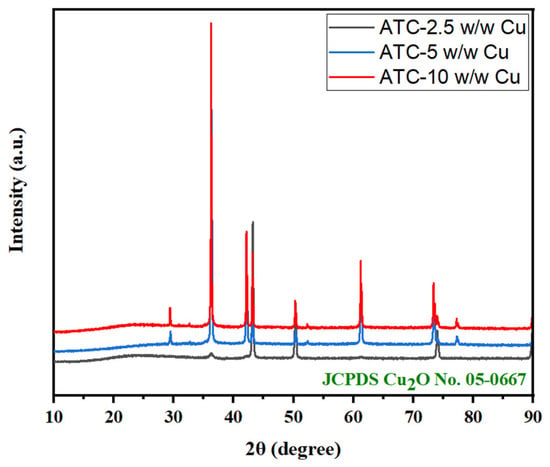
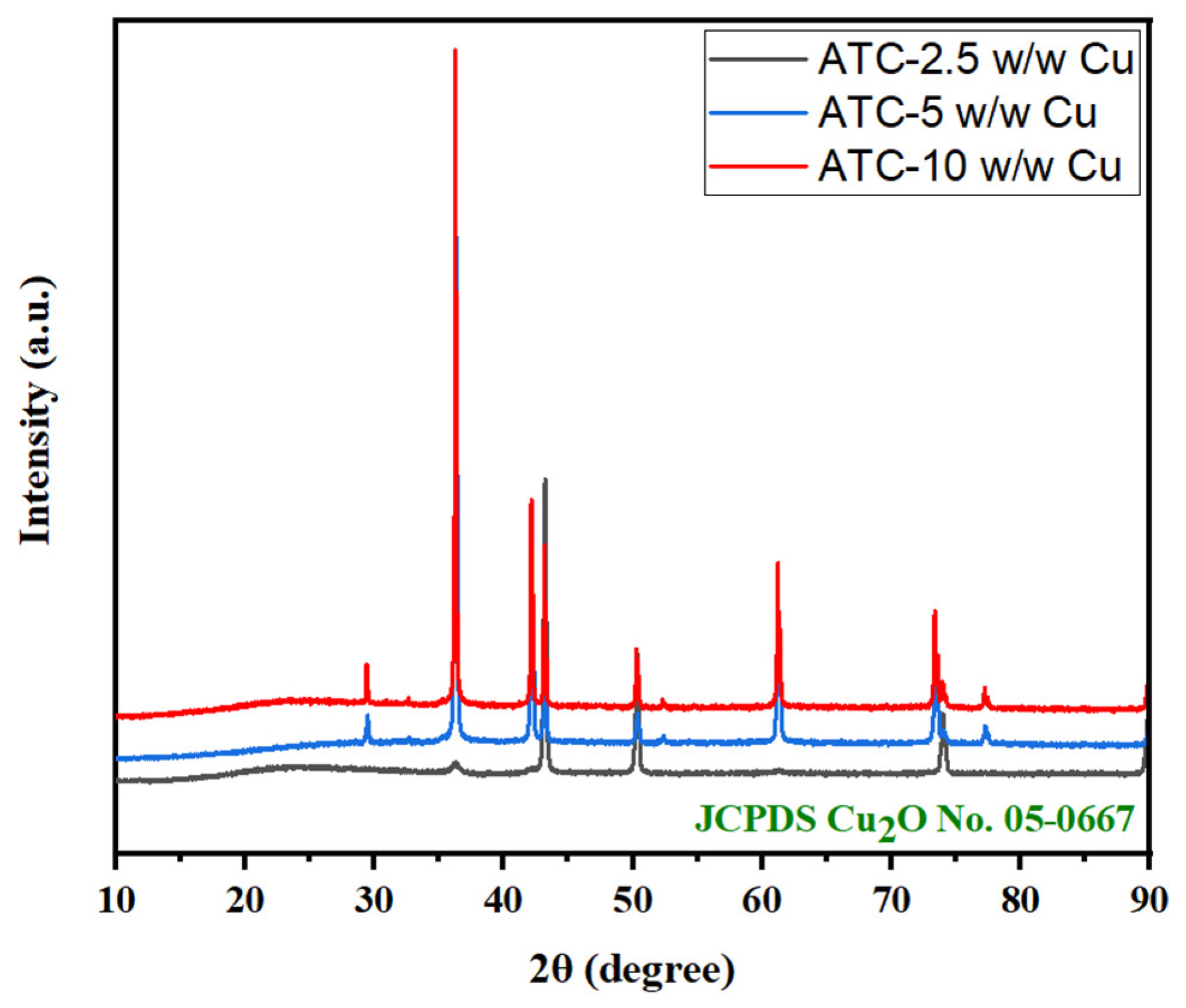
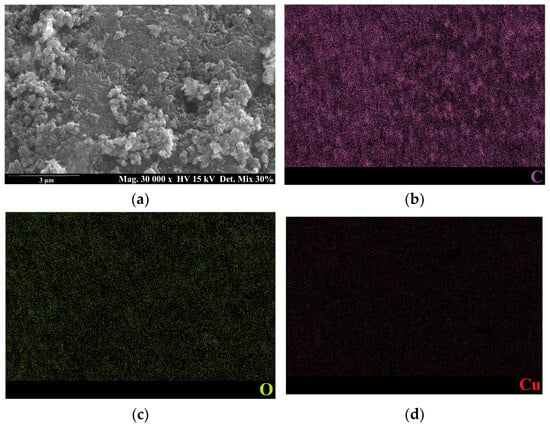
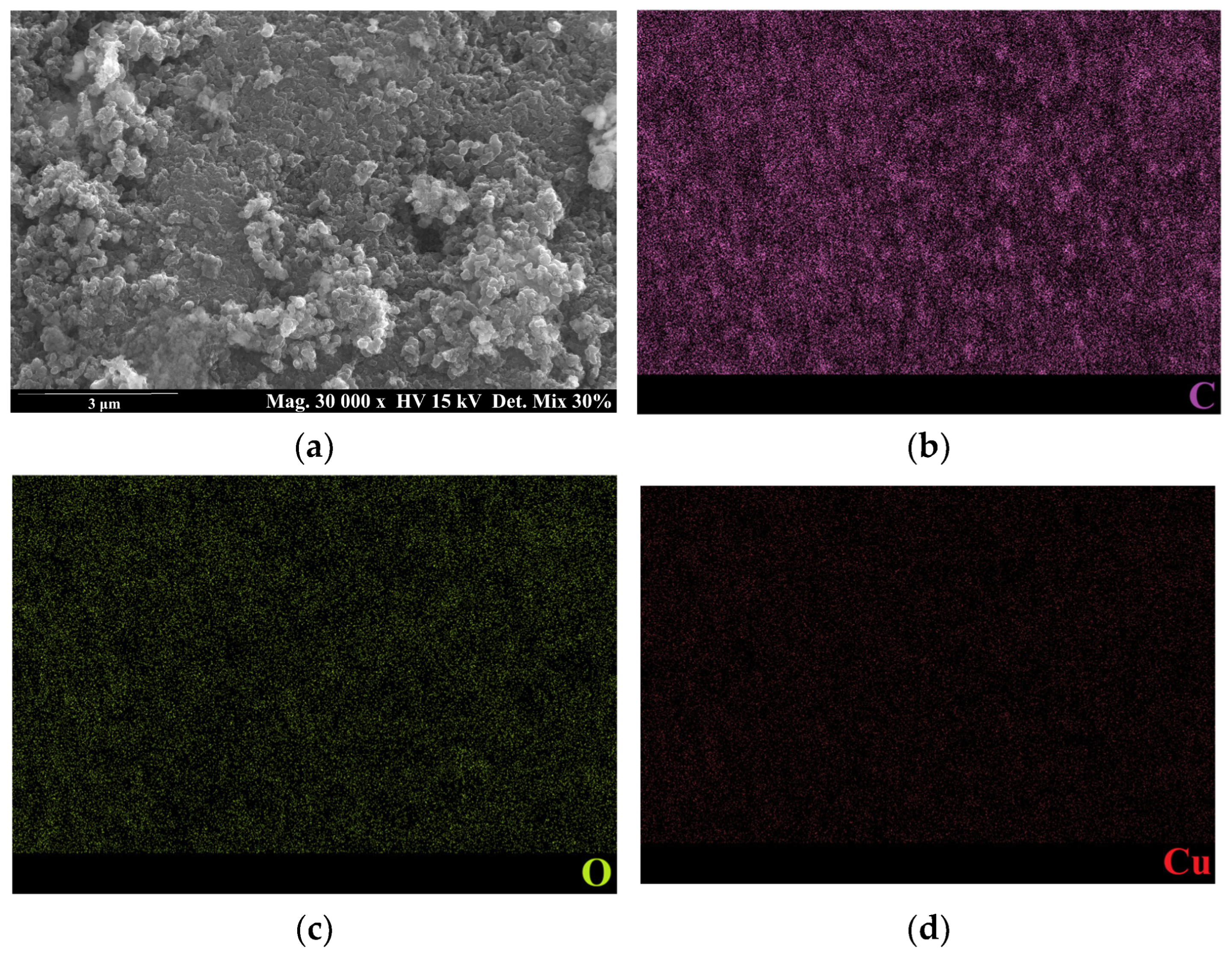
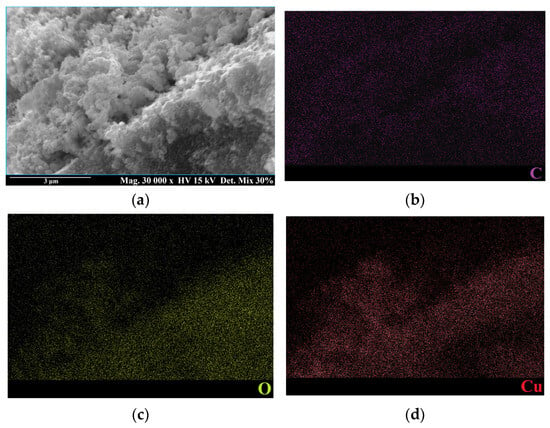
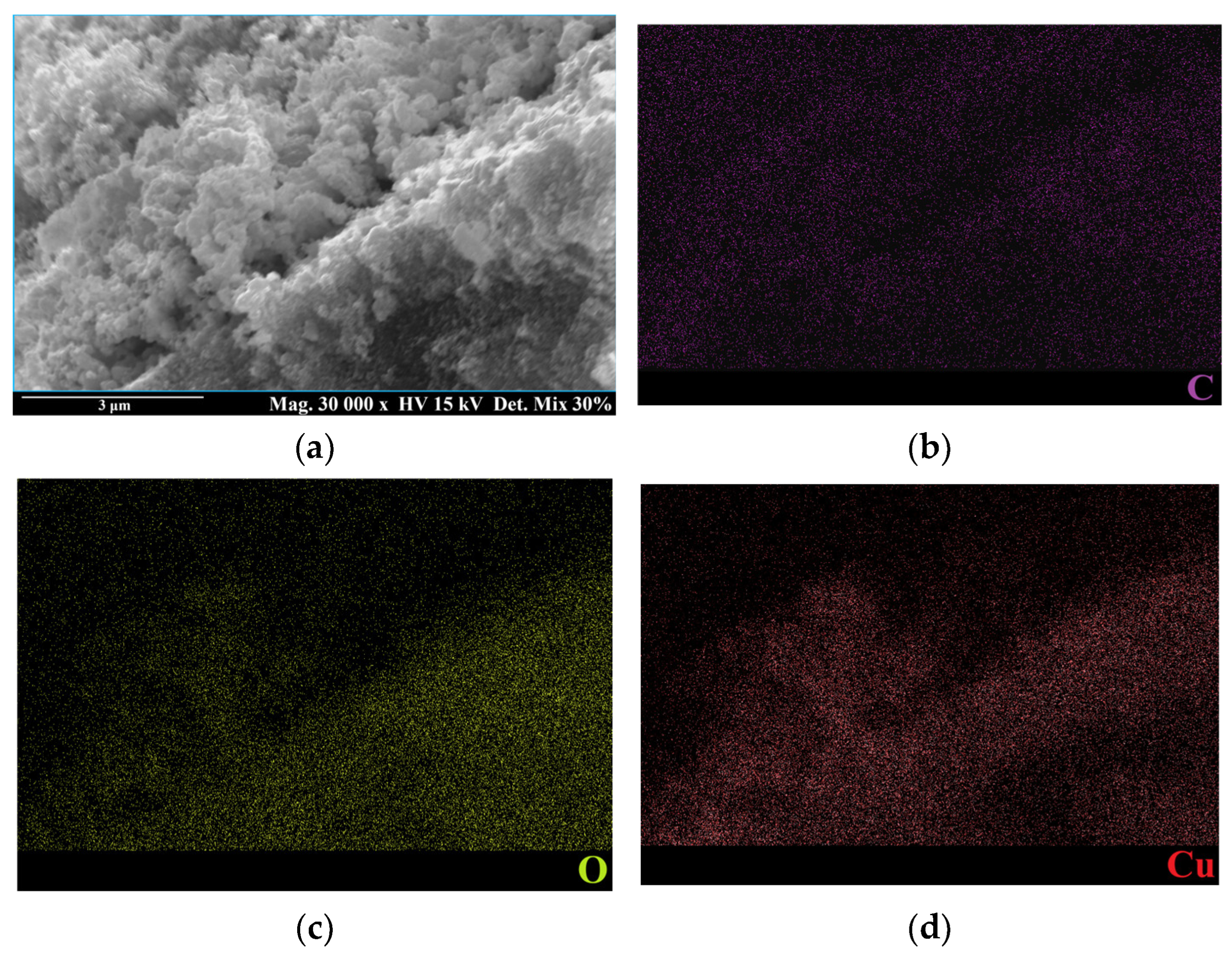
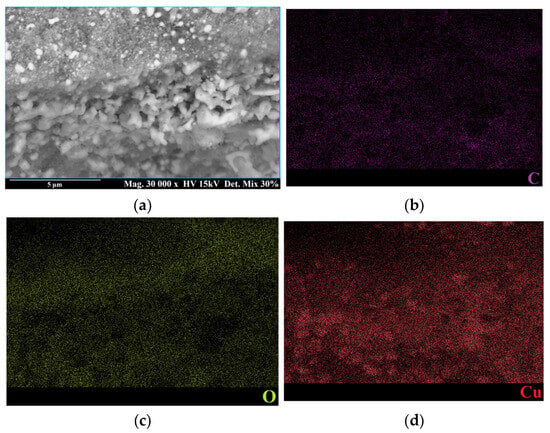
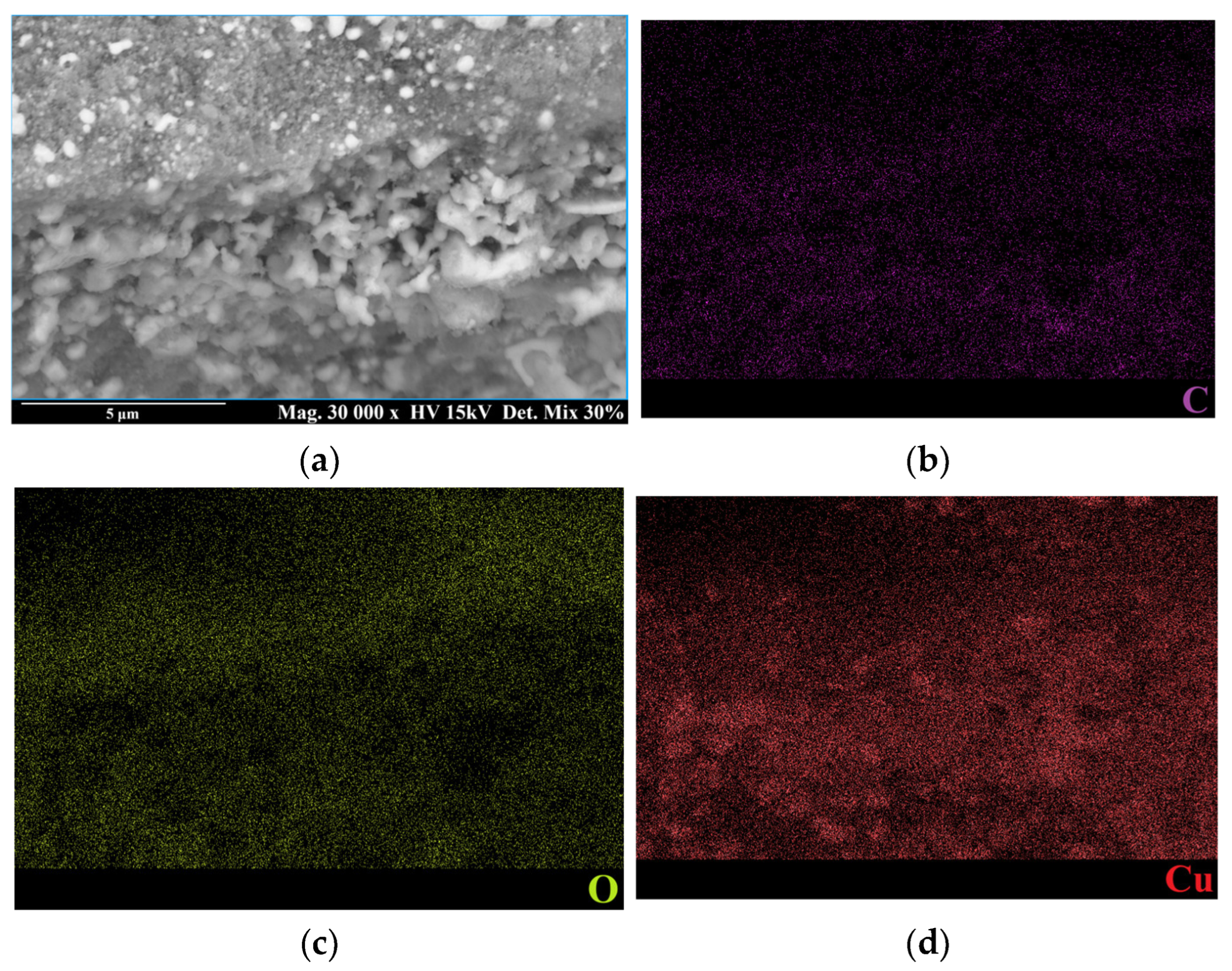
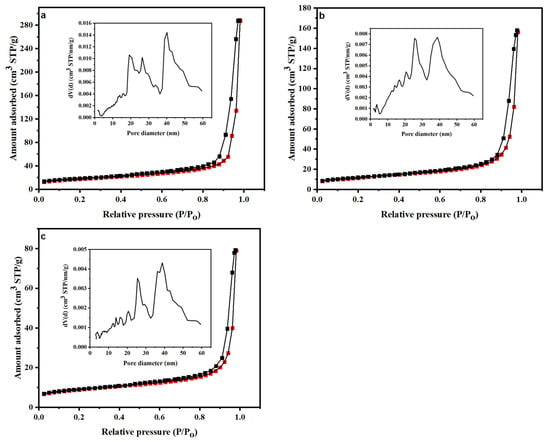
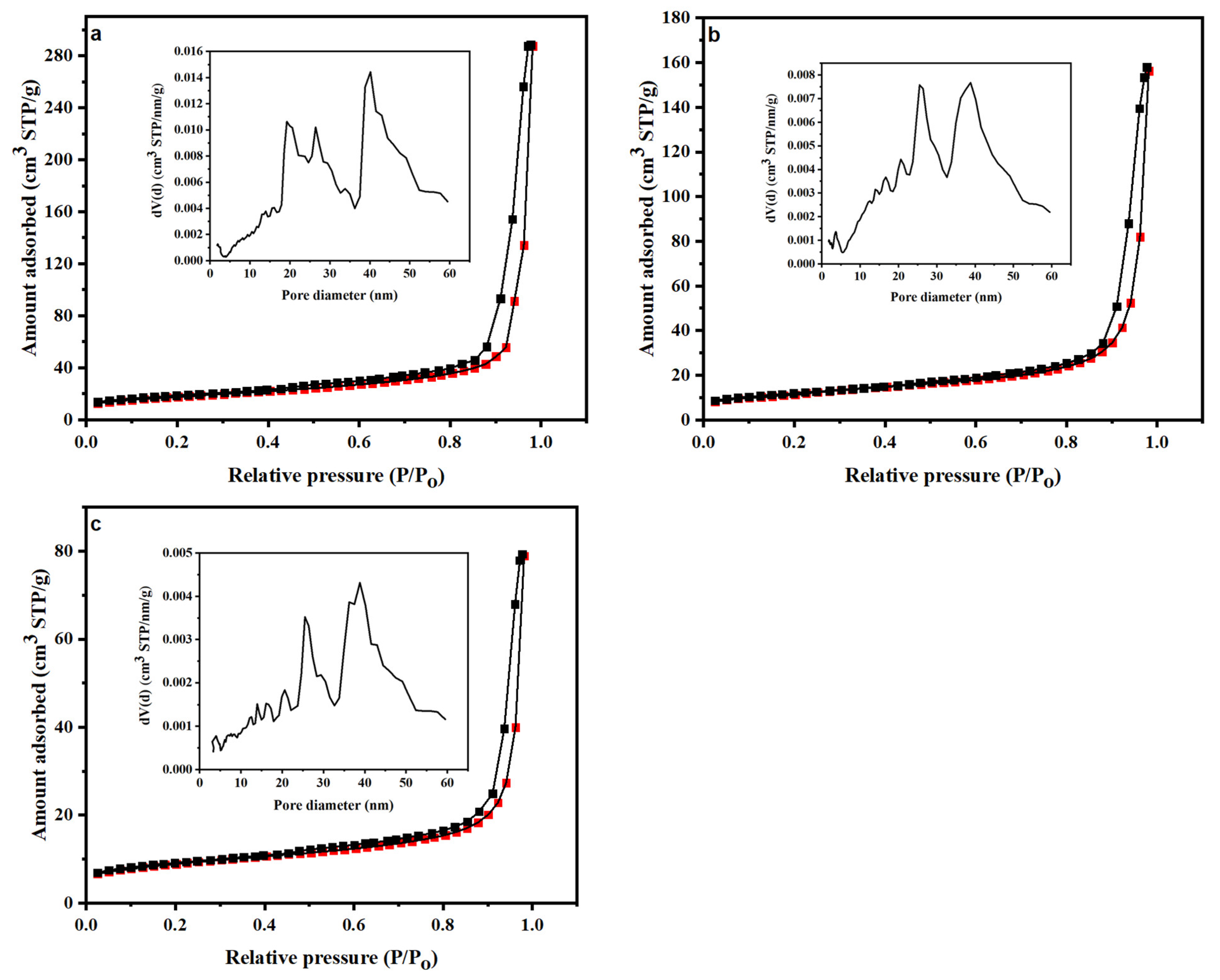
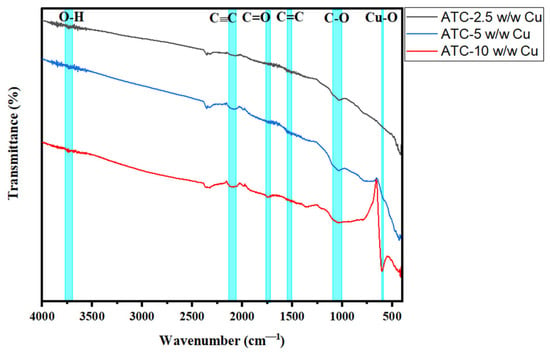
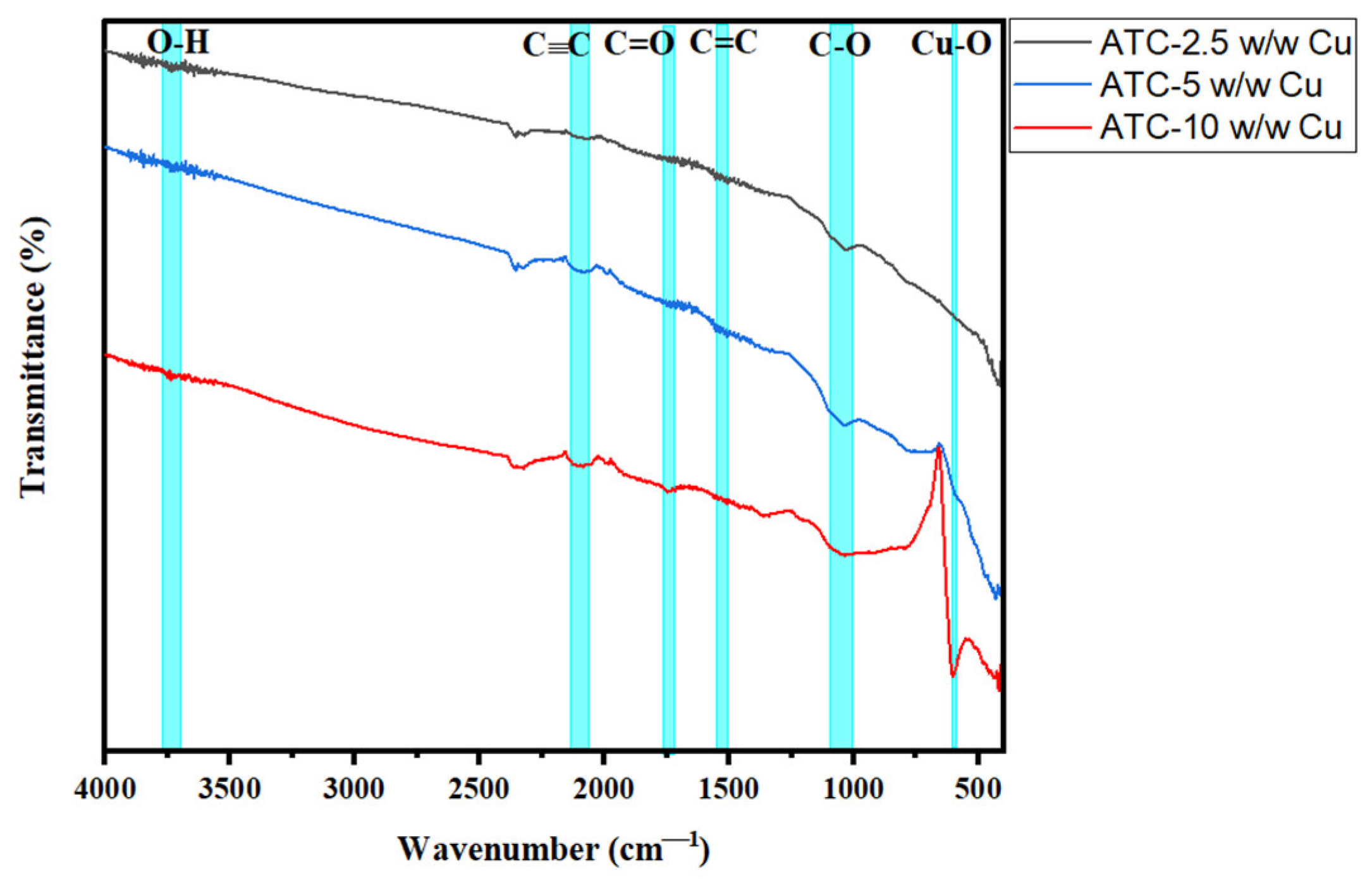
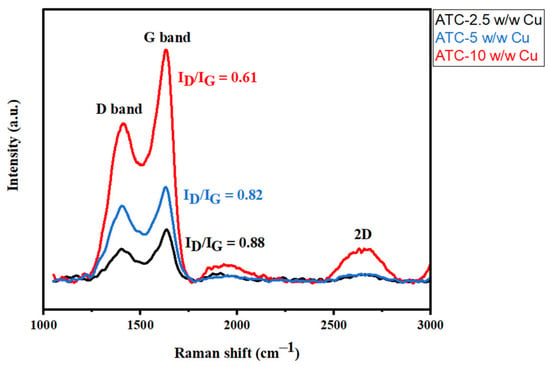
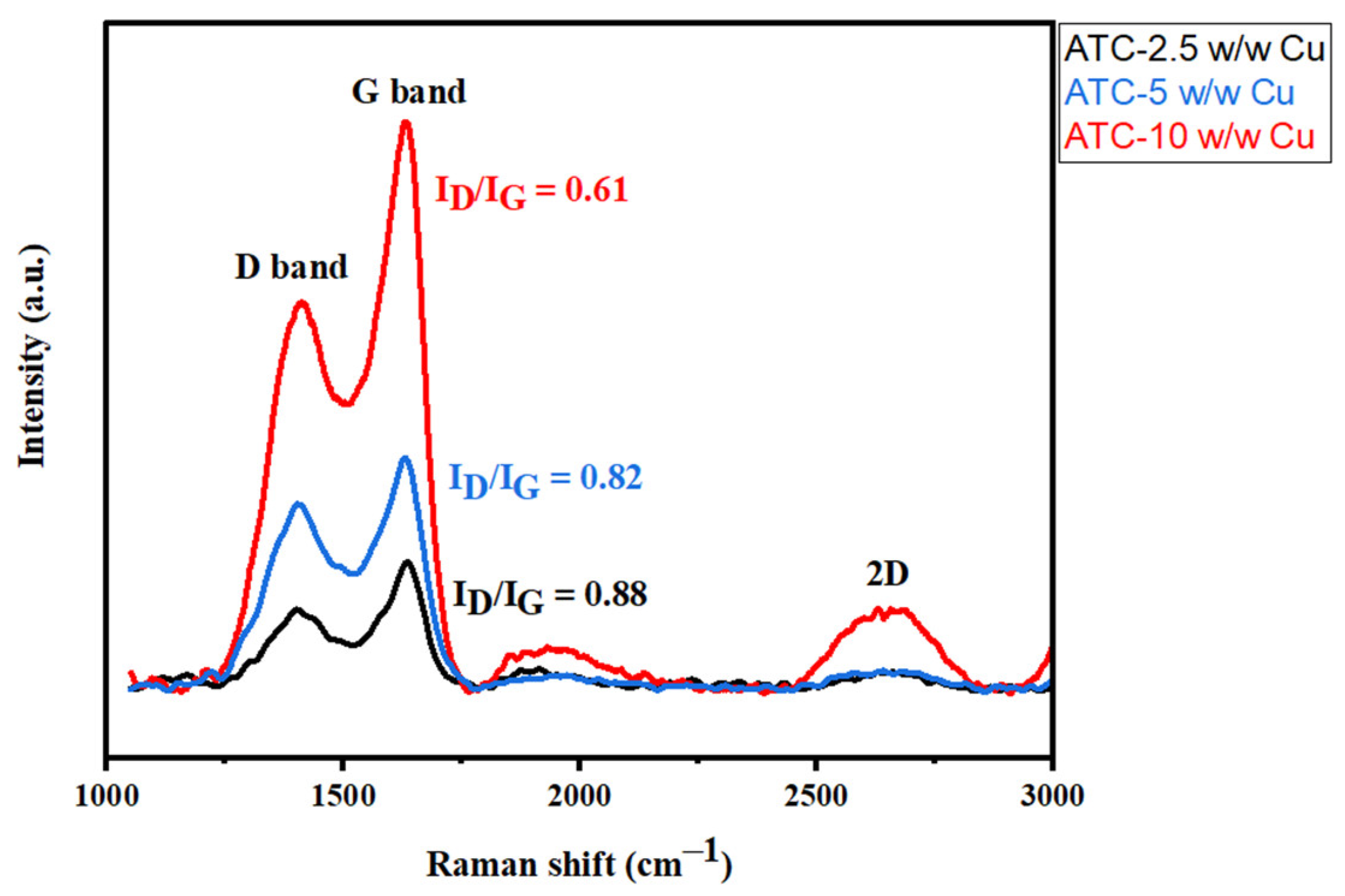
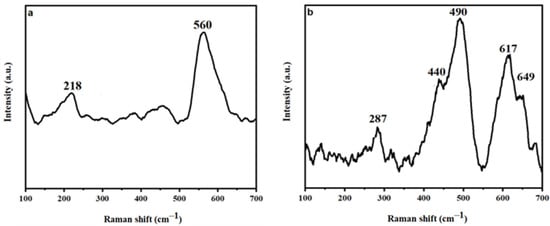
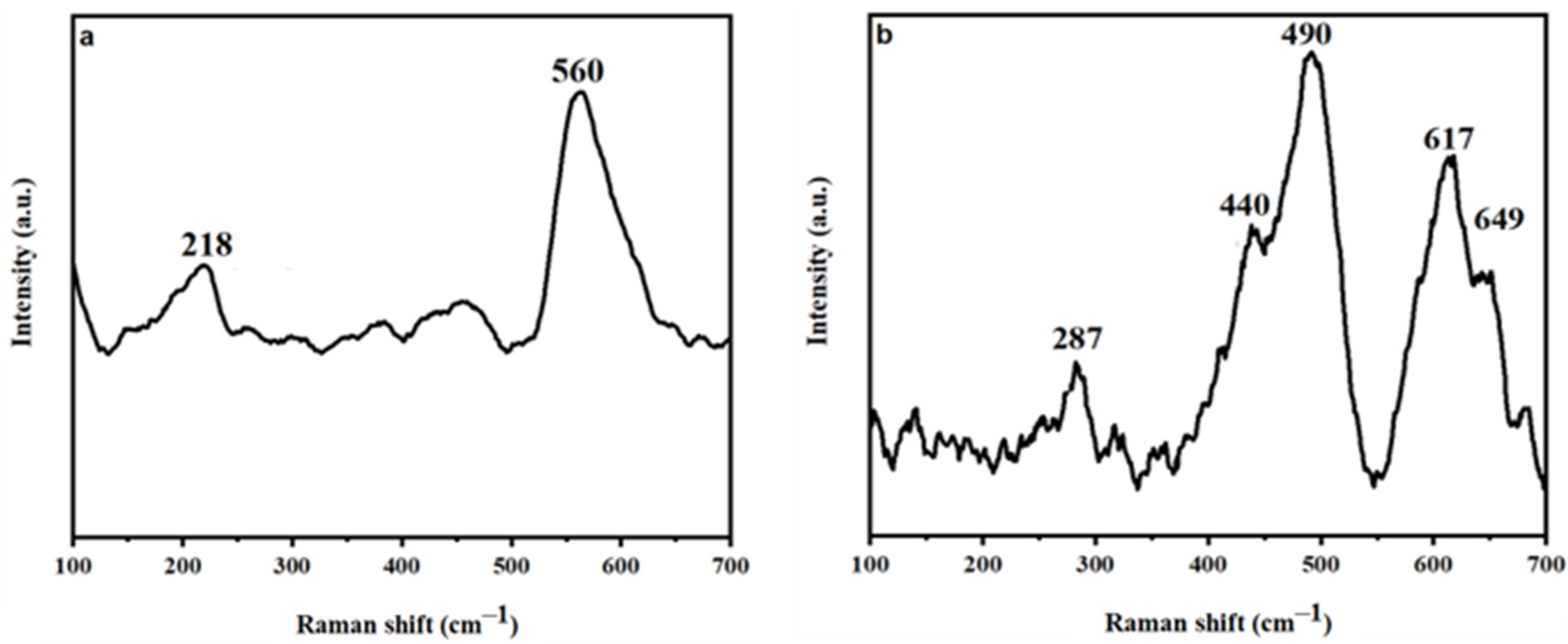
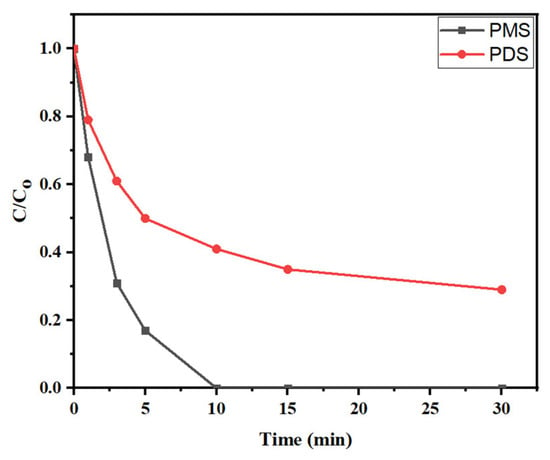
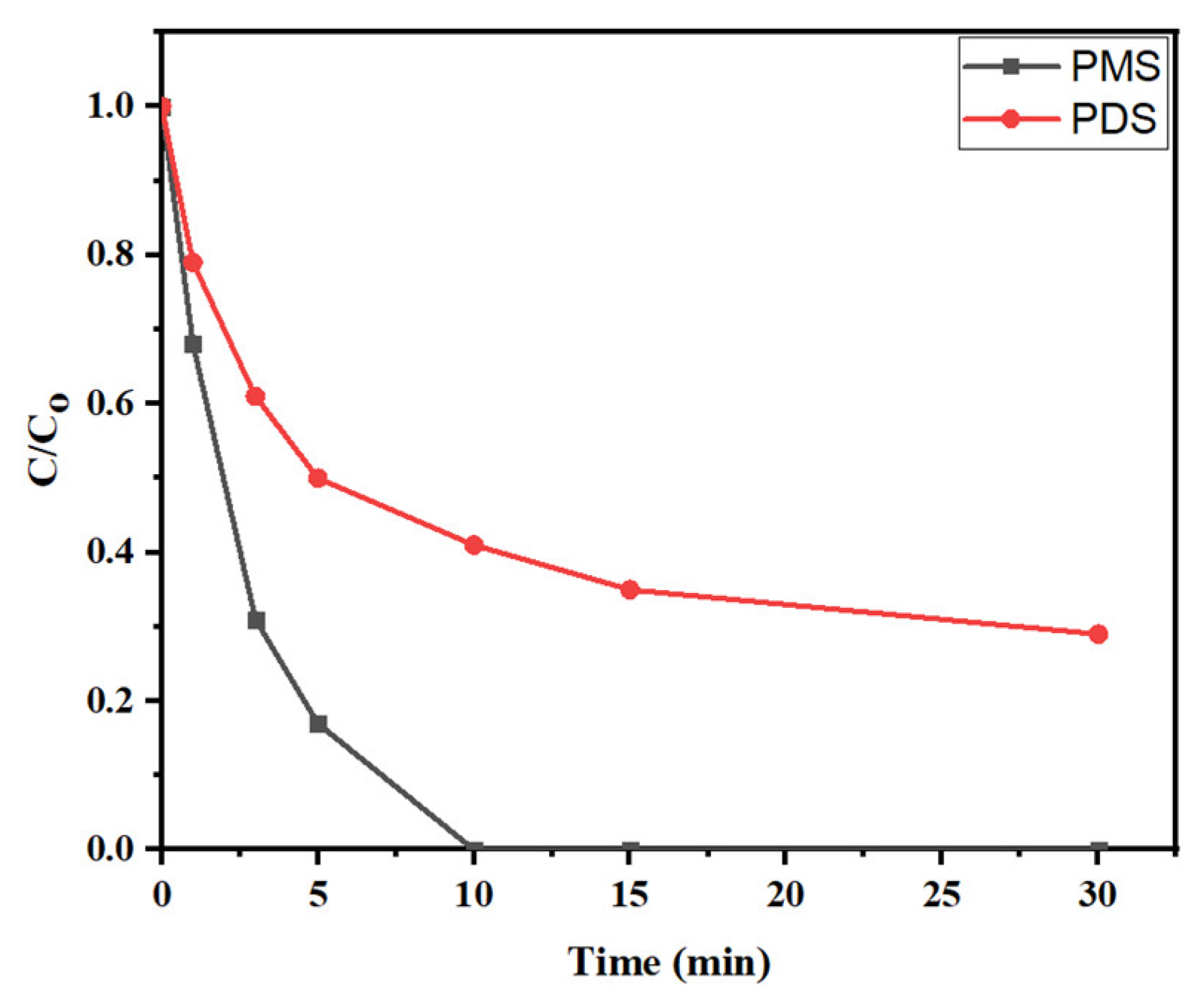
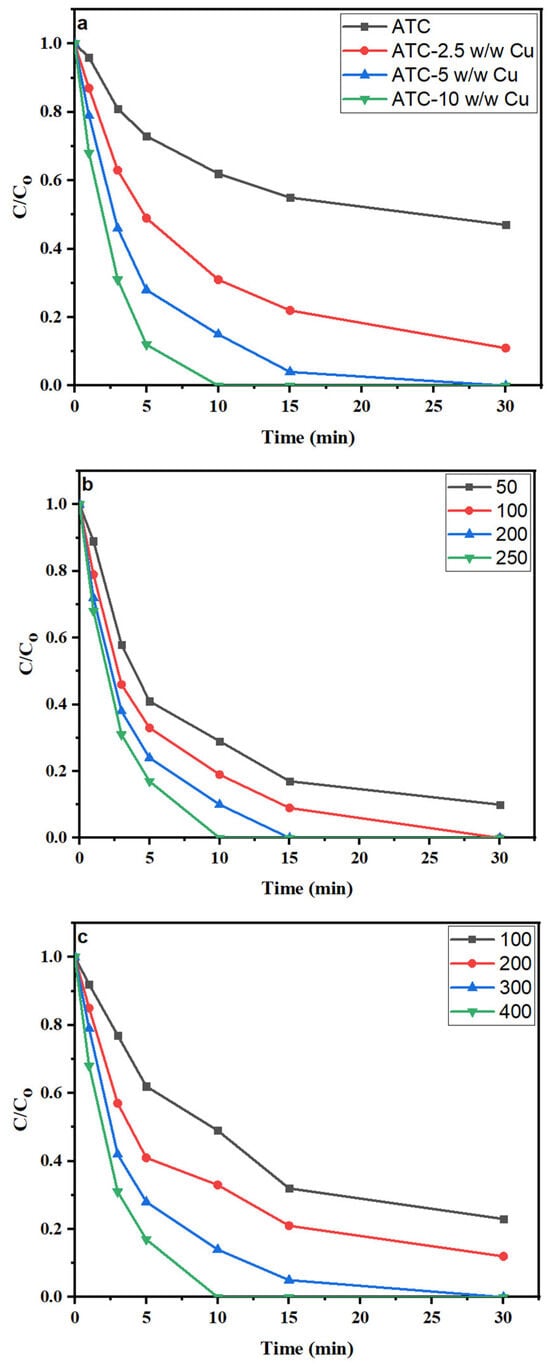
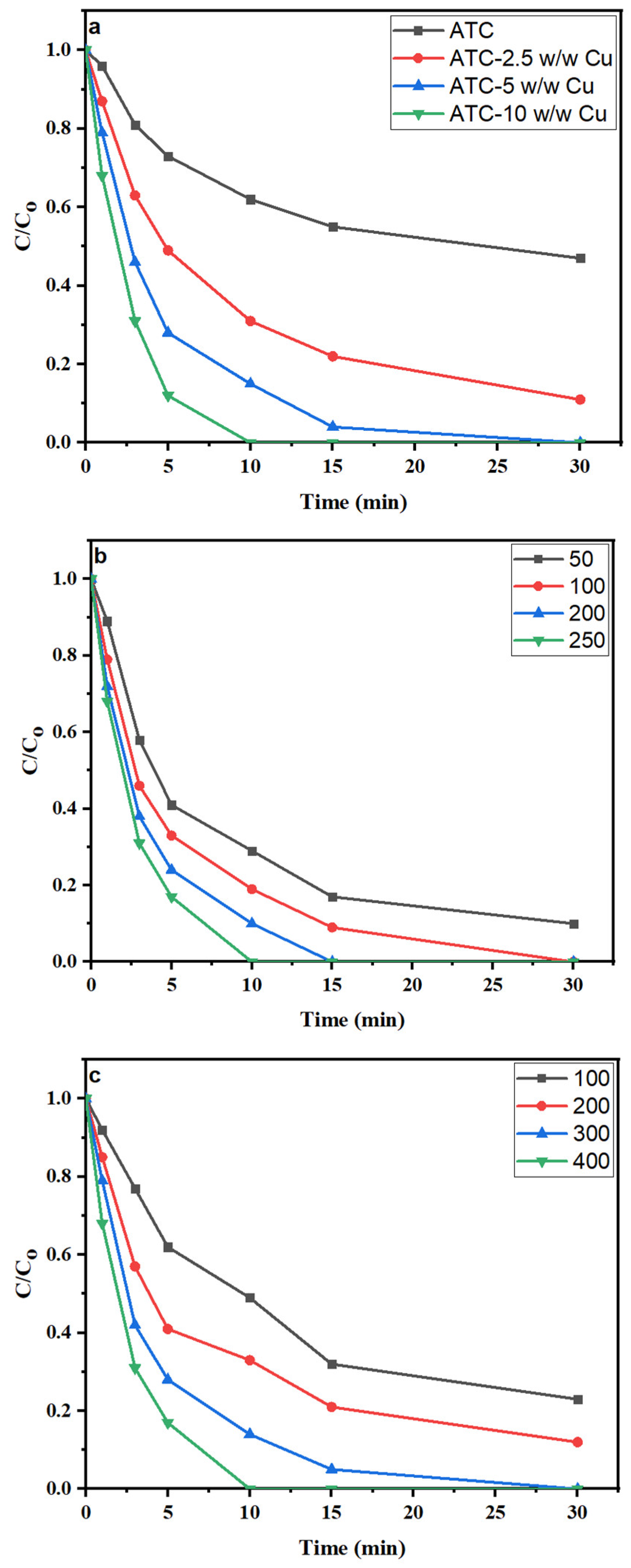
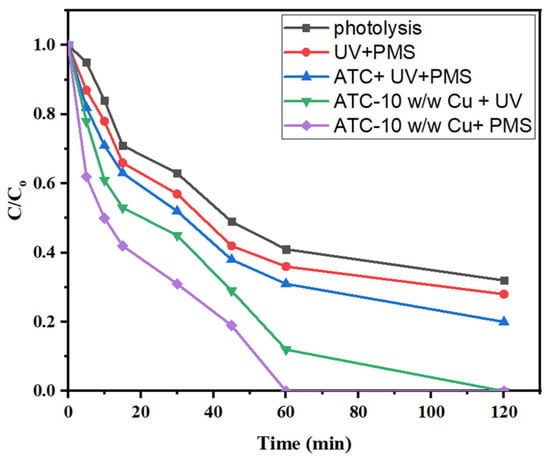
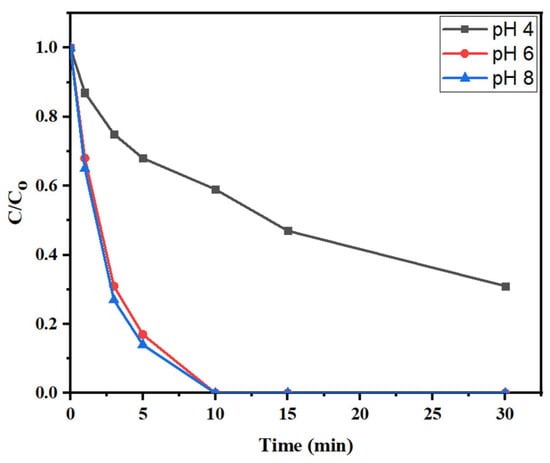
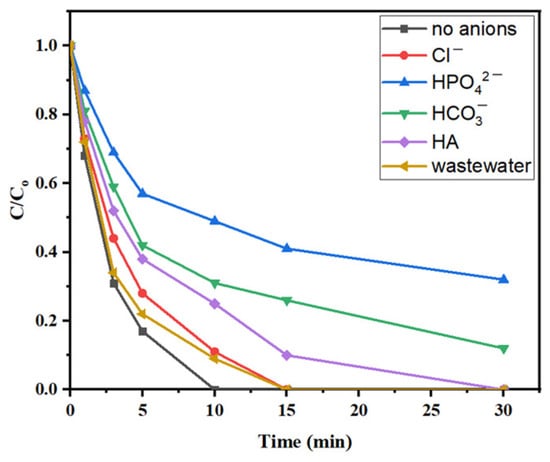
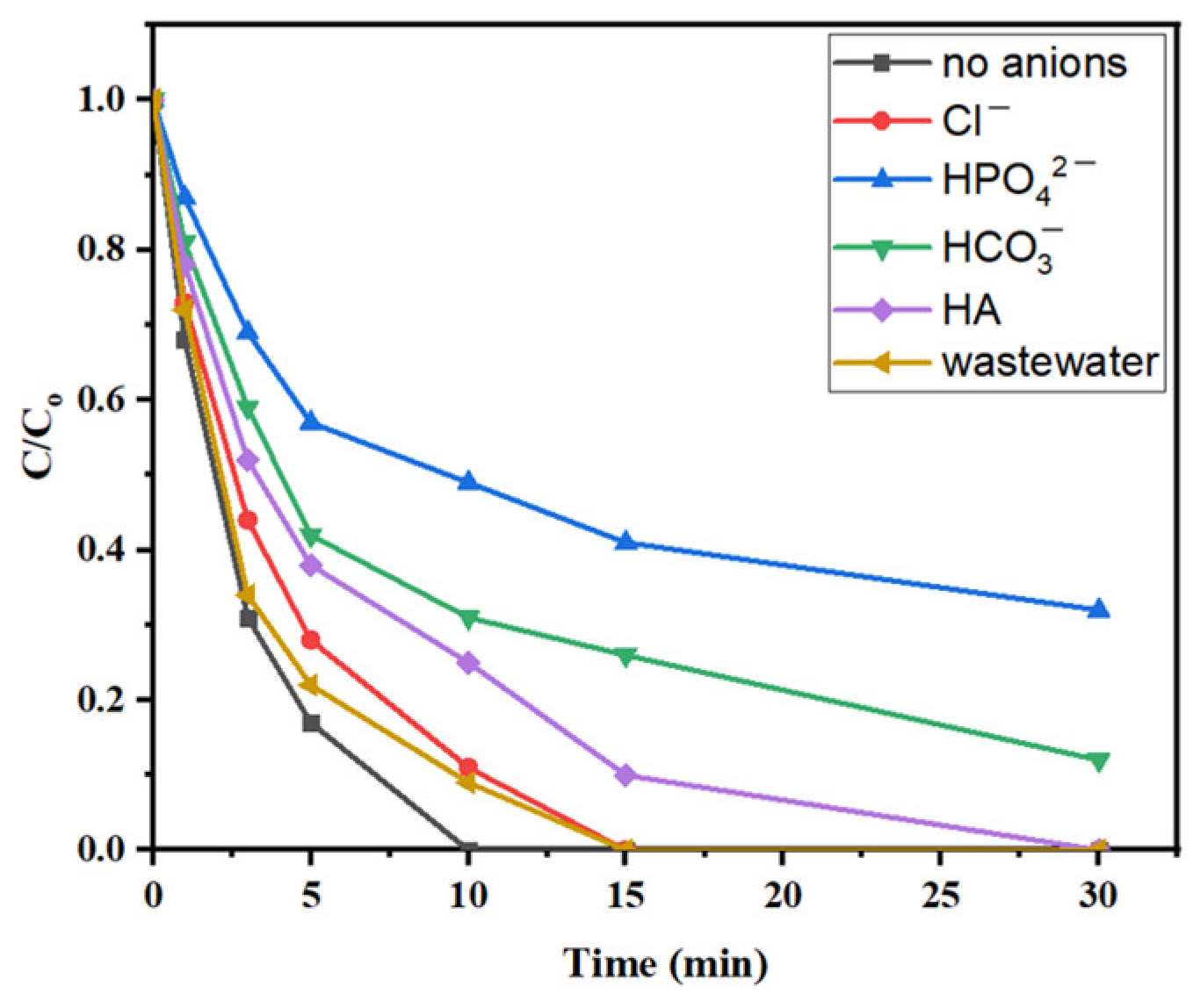
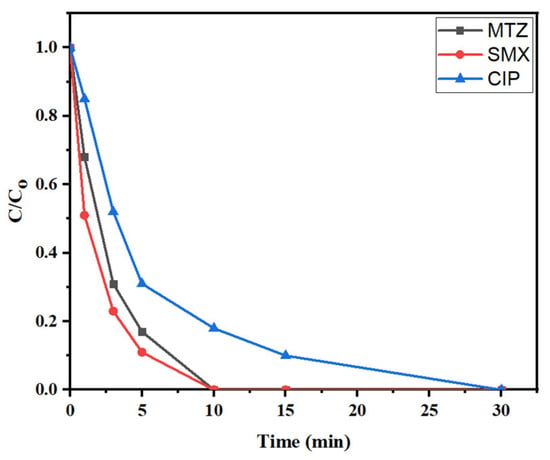
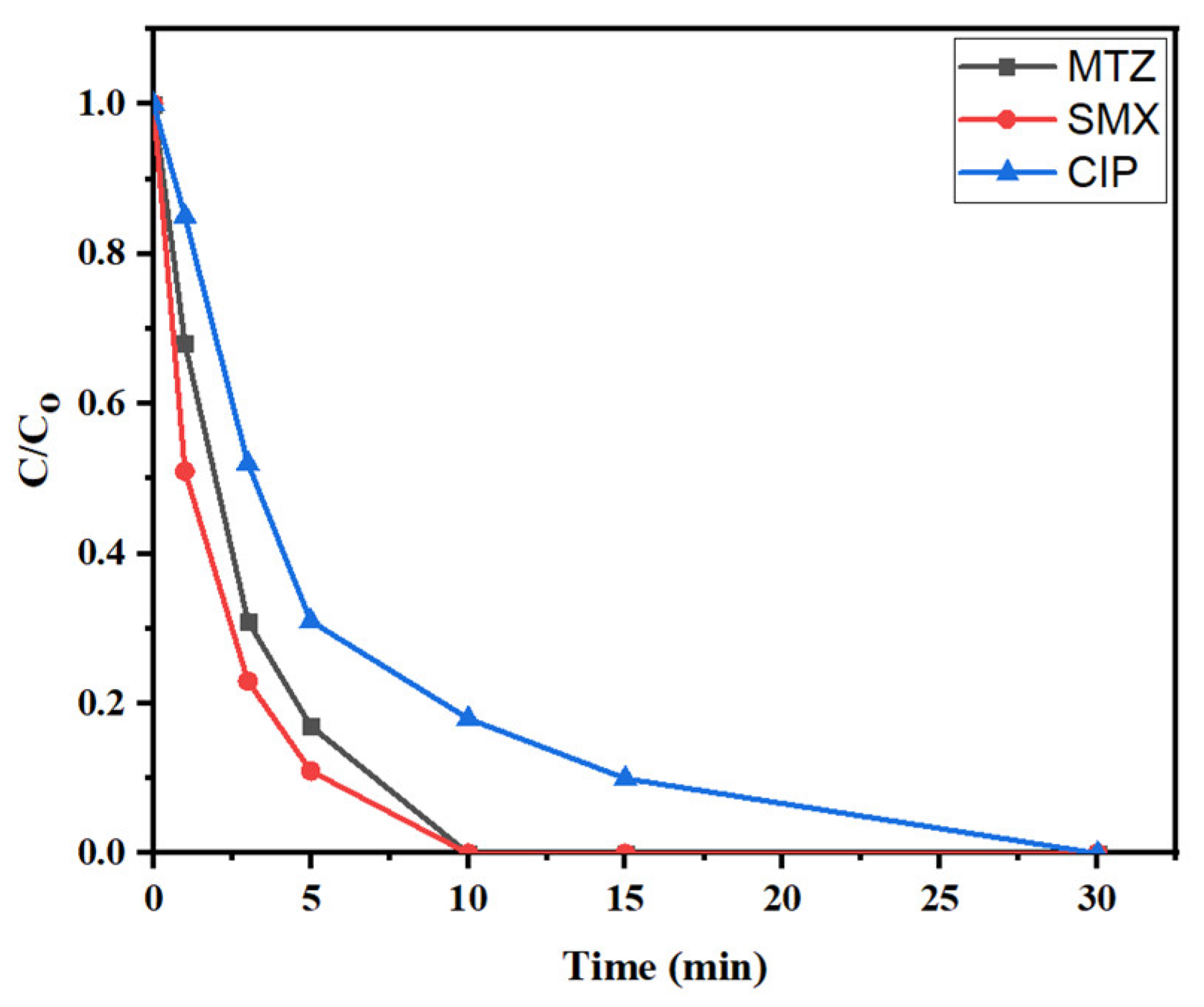
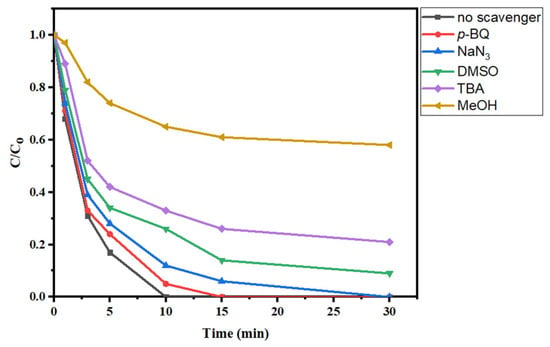
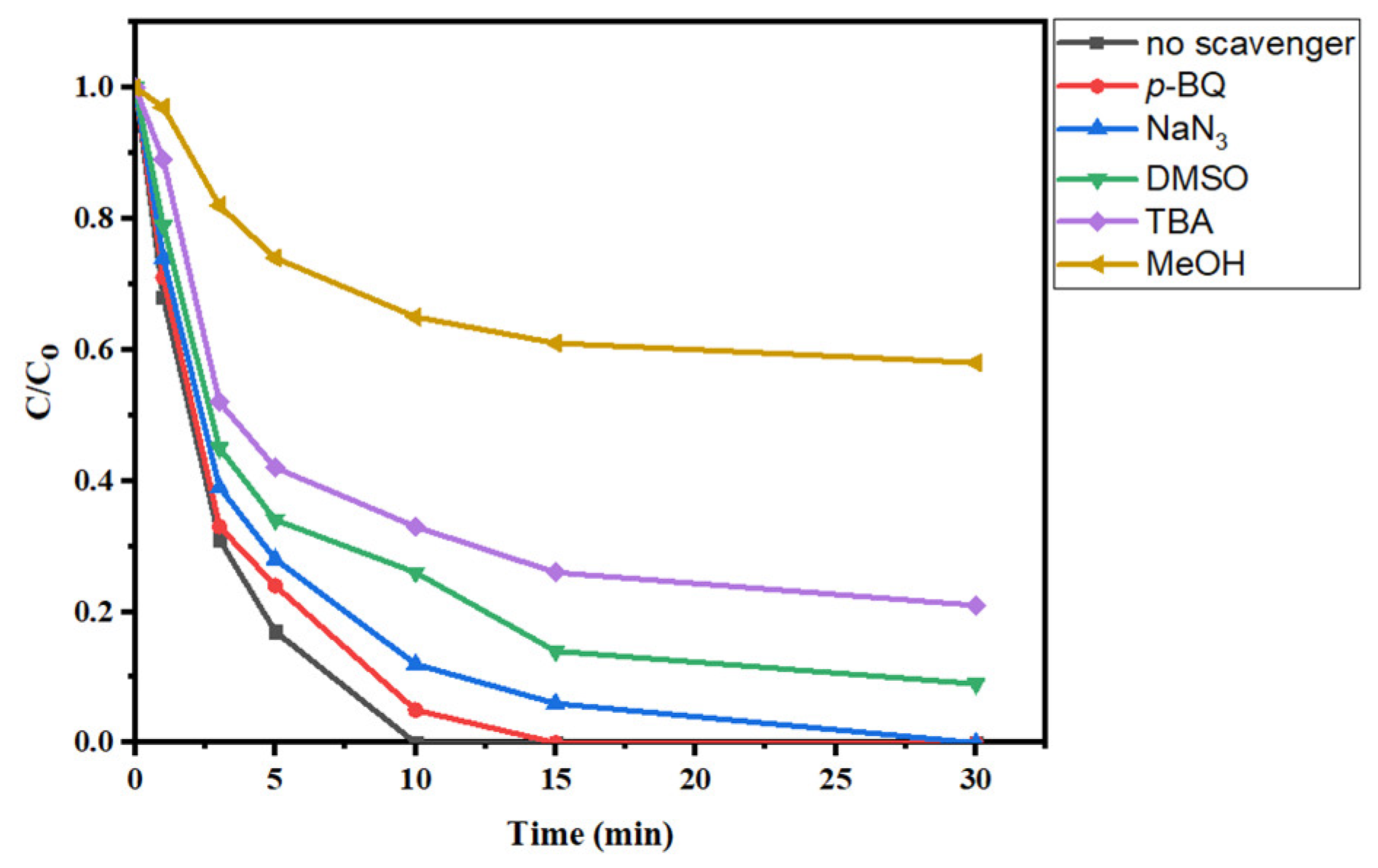
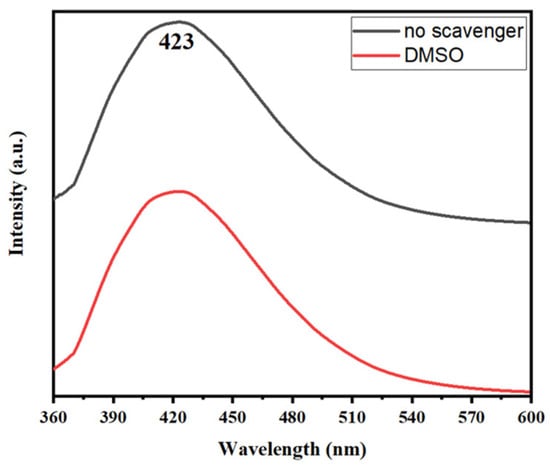
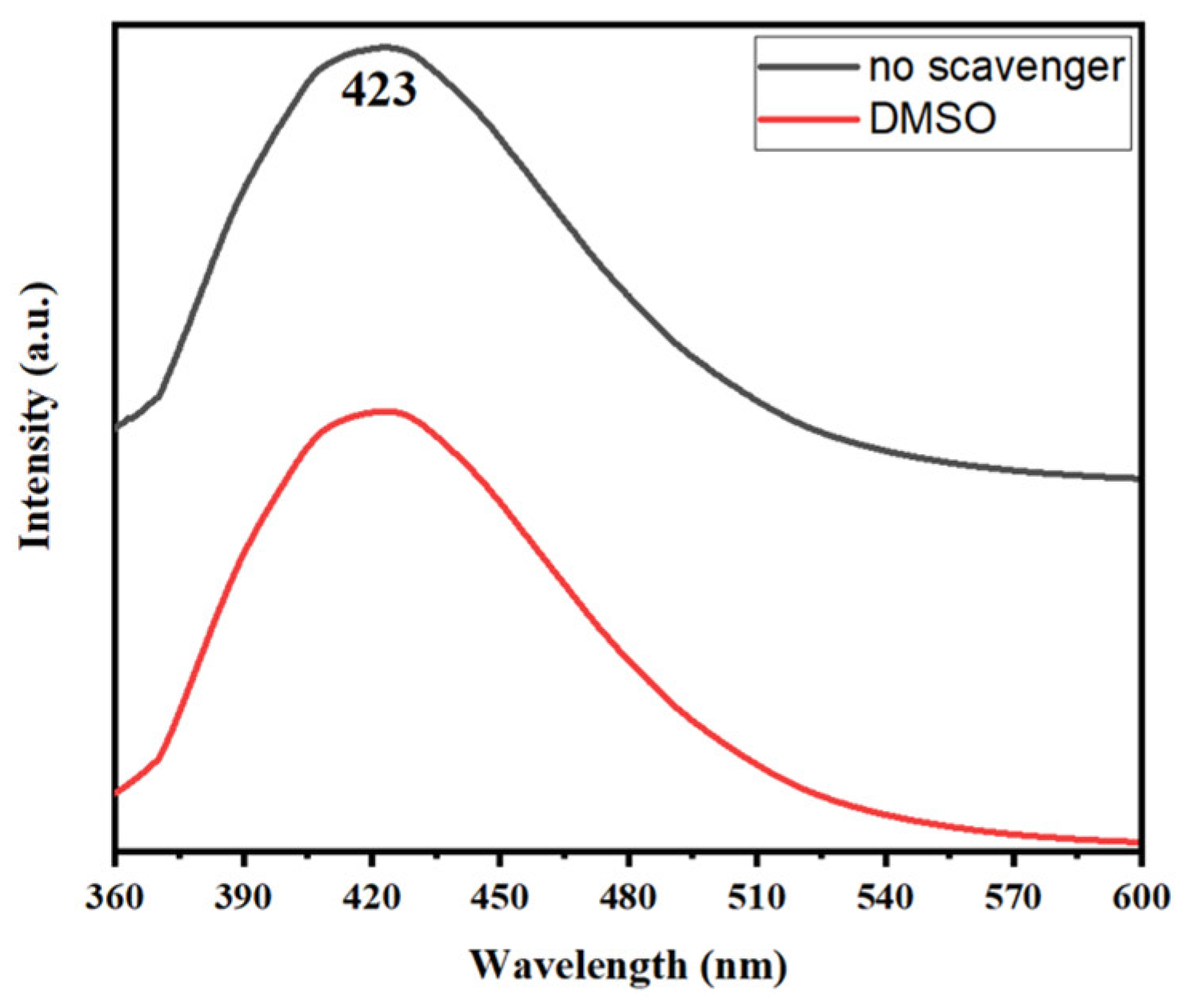
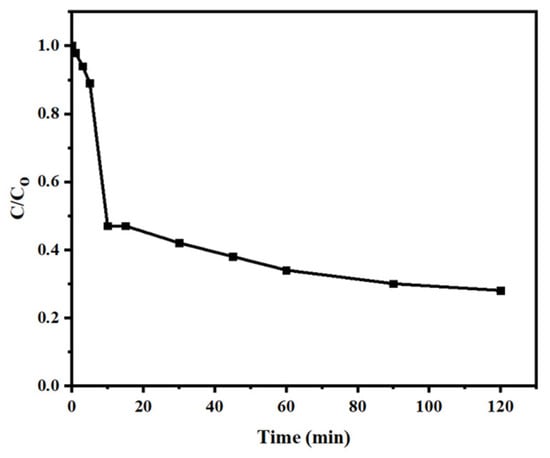
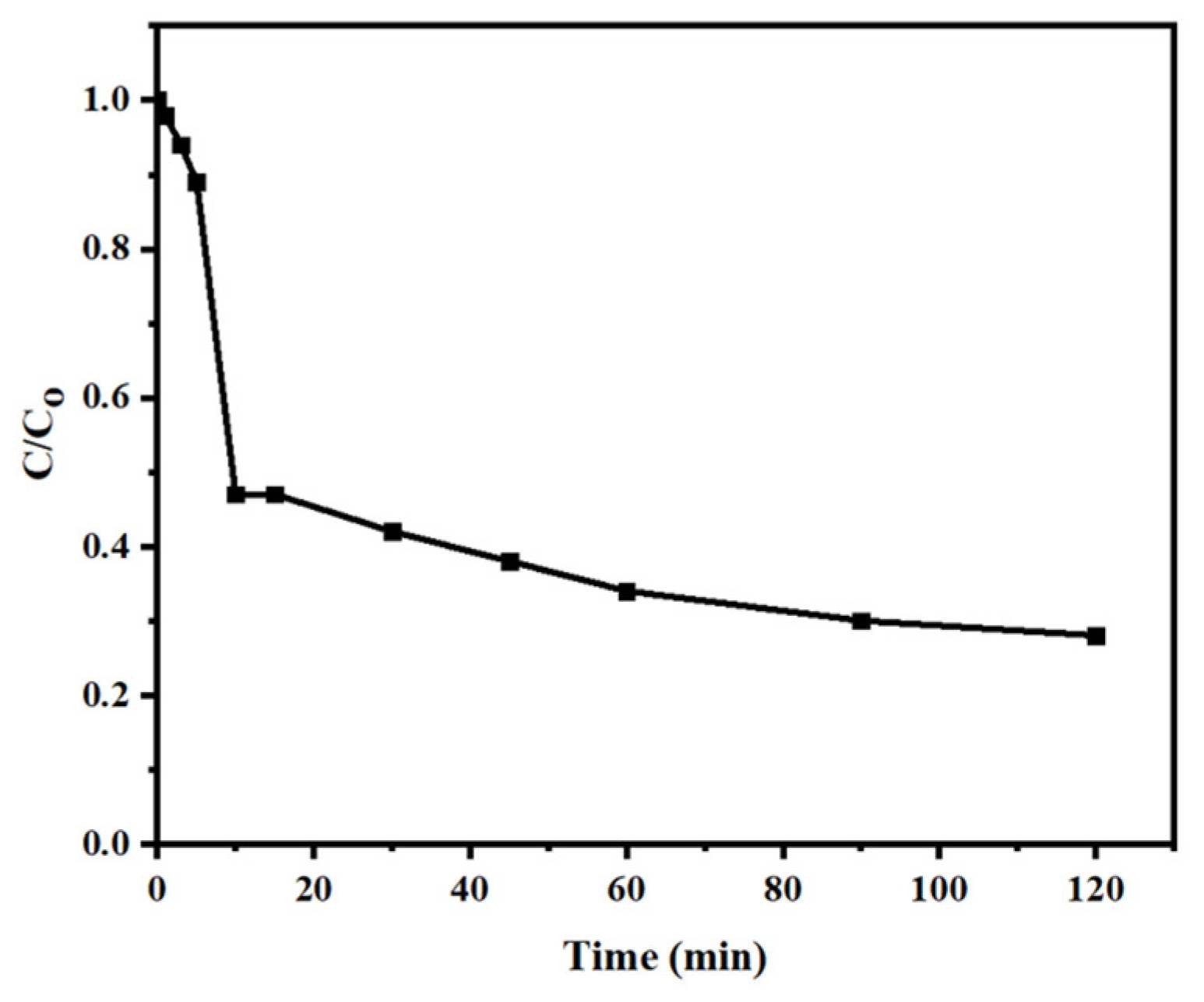
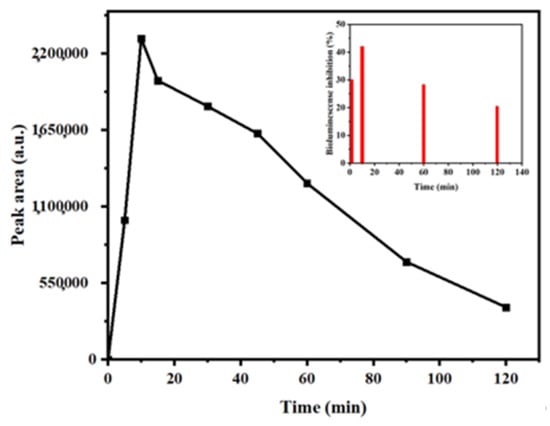
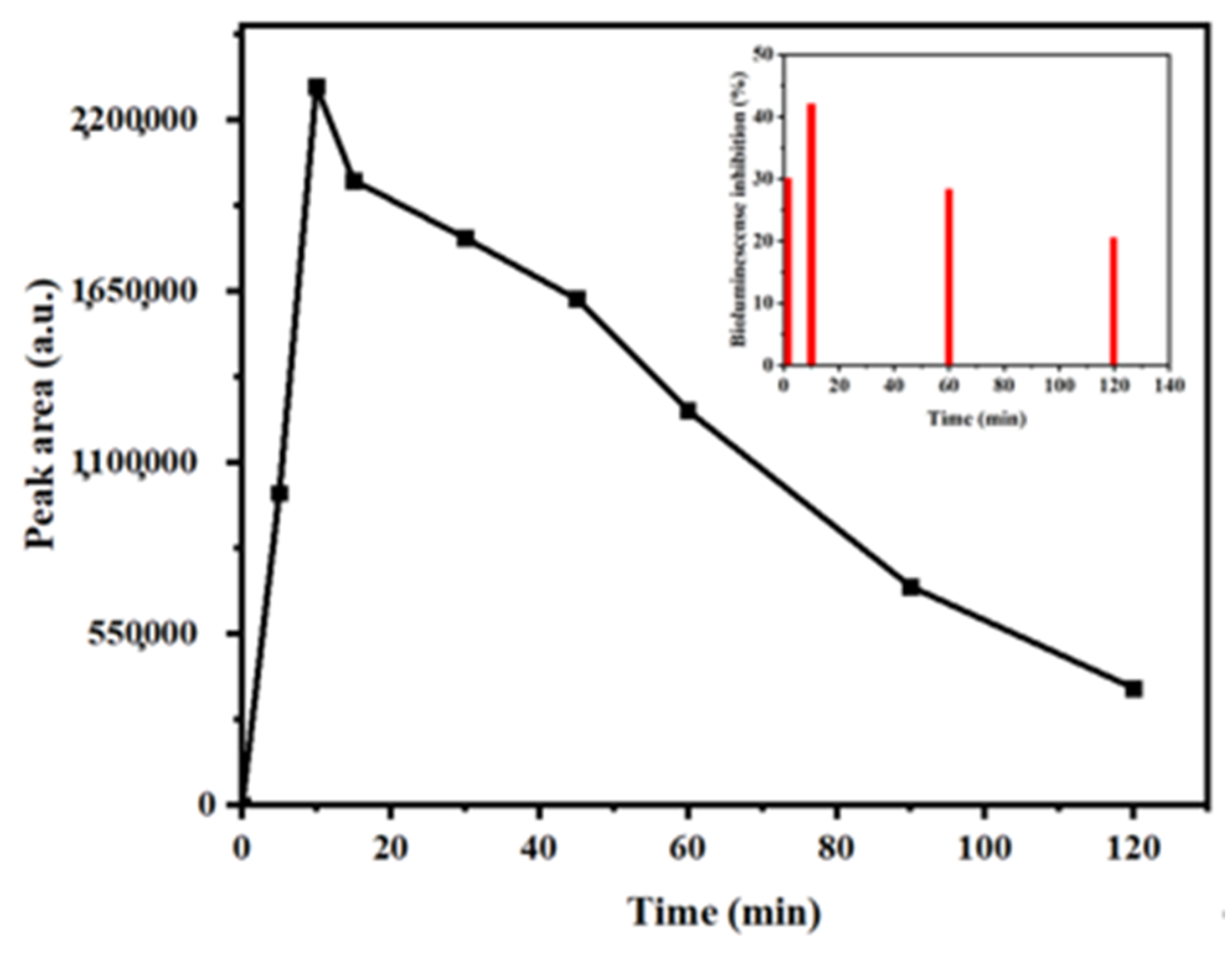
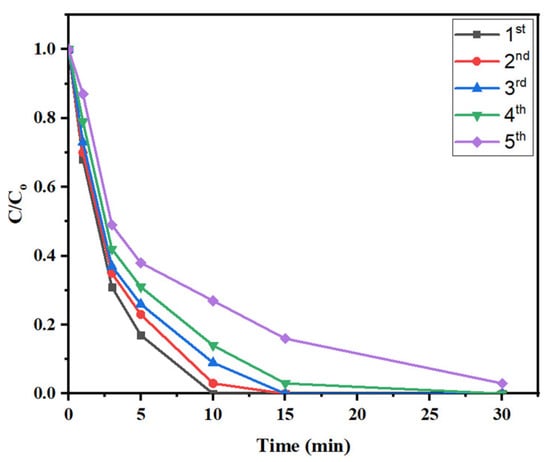
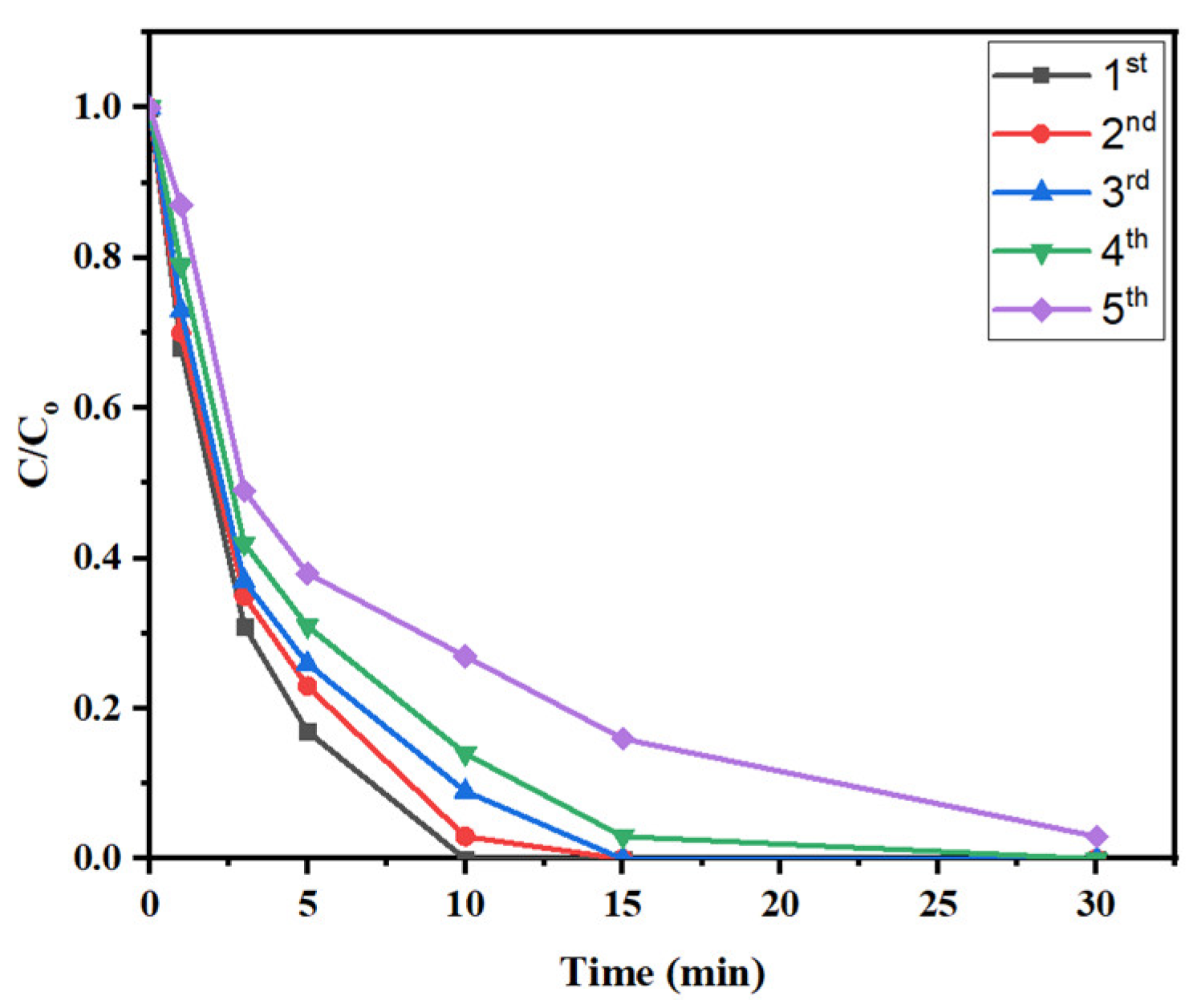

Disclaimer/Publisher’s Note: The statements, opinions and data contained in all publications are solely those of the individual author(s) and contributor(s) and not of MDPI and/or the editor(s). MDPI and/or the editor(s) disclaim responsibility for any injury to people or property resulting from any ideas, methods, instructions or products referred to in the content. |
© 2026 by the authors. Licensee MDPI, Basel, Switzerland. This article is an open access article distributed under the terms and conditions of the Creative Commons Attribution (CC BY) license.