


Abstract
Cyberbullying victimization is a major concern for adolescent mental health. However, the mediating roles of parental, teacher, and classmate support in the association between cyberbullying victimization and psychological distress remain unclear across different family environments. This study examines these relationships among left-behind and non-left-behind adolescents using questionnaire data from Shanxi Province, China. A stratified multistage random sampling procedure was employed to recruit 1171 adolescents (579 left-behind and 592 non-left-behind adolescents). Partial least squares structural equation modeling (PLS-SEM) was used to test the relationships among the three variables. The results showed that, among left-behind adolescents, cyberbullying victimization was positively associated with psychological distress (β = 0.192, p < 0.001) and negatively associated with parental support (β = −0.225, p < 0.001), teacher support (β = −0.185, p < 0.001), and classmate support (β = −0.139, p = 0.001). Parental support (β = −0.269, p < 0.001), teacher support (β = −0.158, p < 0.001), and classmate support (β = −0.135, p < 0.001) were negatively associated with psychological distress. The indirect effects of cyberbullying victimization on psychological distress through parental support (β = 0.061, 95% CI [0.041, 0.085]), teacher support (β = 0.029, 95% CI [0.016, 0.047]), and classmate support (β = 0.019, 95% CI [0.008, 0.033]) were significant. Among non-left-behind adolescents, cyberbullying victimization was positively associated with psychological distress (β = 0.250, p < 0.001) and negatively associated with parental support (β = −0.267, p < 0.001), teacher support (β = −0.214, p < 0.001), and classmate support (β = −0.176, p < 0.001). Parental support (β = −0.292, p < 0.001), teacher support (β = −0.227, p < 0.001), and classmate support (β = −0.164, p < 0.001) were negatively associated with psychological distress. The indirect effects through parental support (β = 0.078, 95% CI [0.055, 0.104]), teacher support (β = 0.049, 95% CI [0.032, 0.069]), and classmate support (β = 0.029, 95% CI [0.016, 0.046]) were also significant. These findings suggest that parental, teacher, and classmate support represent important interpersonal resources in the association between cyberbullying victimization and psychological distress among both left-behind and non-left-behind adolescents.
1. Introduction
Adolescents’ learning, communication, socialization, and interpersonal interactions have already changed as a result of the rapid development of digital technology (Benvenuti et al., 2023). Meanwhile, the digital environment has become an indispensable part of adolescents’ daily lives, providing them with opportunities to access education, build social connections, express themselves, and obtain information (Saleh, 2024). However, the growing widespread adoption of digital technology among adolescents has also given rise to new challenges concerning their health and well-being (Odgers & Jensen, 2020). Based on an understanding of digital opportunities and risks, the World Health Organization (WHO) has emphasized the urgent need to create a safe, healthy, and supportive digital environment for adolescents (Castro Lopes et al., 2025). In particular, WHO has highlighted that adolescents may be exposed to online violence, social isolation, harmful content, and cyberbullying in digital spaces.
Among the various risks arising in the digital environment, cyberbullying victimization (CV) has grown to be a major issue in the realm of adolescent health (Zhu et al., 2021). Unlike traditional bullying, CV can occur via social media, instant messaging, and other digital platforms, enabling harmful behavior to transcend the physical boundaries of schools (Kustiyaningsih et al., 2025). Specifically, a WHO/Europe study covering 44 countries and regions reported that approximately one in six school-aged children had CV, highlighting the scale of the problem among young people (Boniel-Nissim et al., 2024). In addition, CV is particularly concerning, given that adolescence is a critical developmental stage during which adolescents undergo significant emotional, social, and psychological changes (Ciampo & Ciampo, 2020). Furthermore, repeated exposure to online harassment, humiliation, exclusion, or threats can undermine adolescents’ sense of security and interpersonal belongingness, thereby increasing their psychological distress (PD) (Anna Laczi & Póser, 2024). Specifically, it refers to a series of emotional and psychological reactions that an individual experiences when facing persistent or significant stress, negative life events, or life challenges (Granieri et al., 2021). These reactions may include anxiety, depression, stress, and feelings of helplessness (Zimmer-Gembeck & Skinner, 2024).
In addition, social support (SS) is one of the key resources for shaping adolescents’ coping strategies in stressful interpersonal experiences (Shi et al., 2025). Furthermore, it refers to the emotional, informational, and practical resources that an individual obtains by establishing relationships with significant others (Lin et al., 2024). For adolescents, support from parents (PS), teachers (TS), and classmates (CS) can provide emotional comfort, guidance, a sense of belonging, and concrete assistance when they encounter difficulties (Seo et al., 2025). However, CV can undermine adolescents’ interpersonal relationships and diminish their perception of receiving PS, TS, and CS (Hellfeldt et al., 2019). Meanwhile, adequate PS, TS, and CS are associated with better coping with stressful experiences, as well as lower levels of psychological burden and distress among adolescents (Qi et al., 2020).
Importantly, the experiences of adolescents who suffer from CV and their psychological consequences may vary depending on their living environment (Ngo et al., 2021). Against the backdrop of large-scale internal population migration and labor mobility in China, left-behind adolescents, typically aged 12–15 years, constitute an important population for research (Tadesse et al., 2025). Due to their parents working away from home, left-behind adolescents may spend extended periods separated from one or both of their parents (Zhuang et al., 2025). During this period, they may live primarily with grandparents or other relatives who assume responsibility for their daily care (Mansilla-Domínguez et al., 2024). Consequently, their daily parental companionship and family interactions differ from those of students who are non- left- behind (H. Zhang et al., 2023). Meanwhile, non-left-behind adolescents typically benefit from more consistent parental companionship and family interactions in their daily lives, thereby operating within distinct family support environments (Shek et al., 2025). These differences in living environments may influence these students’ perception of stressful interpersonal experiences and their psychological responses (Gellisch et al., 2023).
While the number of studies on cyberbullying and adolescent psychological distress has been increasing, several research gaps remain. Social support (SS) has been widely recognized as a crucial resource for adolescents (Mitchell et al., 2025). However, previous studies have often examined SS as an overall construct, potentially overlooking the distinct roles that different sources of support may play in adolescents’ responses to CV. In particular, limited research has examined the separate mediating roles of parental support (PS), teacher support (TS), and classmate support (CS) in the association between CV and psychological distress (PD). Examining these dimensions separately may provide a more nuanced understanding of how different sources of interpersonal support are associated with adolescents’ psychological responses to CV. Against this background, the present study investigates the mediating roles of PS, TS, and CS in the relationship between CV and PD among left-behind and non-left-behind adolescents in Shanxi Province, China.
Although these two groups come from different family backgrounds, both are at the same stage of adolescent development, during which experiences of CV, access to social support, and psychological well-being warrant particular attention. The inclusion of both groups is not intended to make direct comparisons between them, but rather to examine the proposed relationships and mediating mechanisms within each group. By examining these relationships within each group, this study seeks to provide a broader understanding of the role of different sources of social support in adolescents’ psychological responses to CV. The findings may provide empirical evidence to inform the development of more targeted support strategies for adolescents from different family backgrounds who experience CV.
1.1. Literature Review
This literature review examines current research on adolescent CV, PD, and SS, with particular focus on the role of SS in the relationship between experiences of CV and PD. Previous research has primarily treated SS as a holistic construct, thereby providing a general understanding of its association with adolescent well-being. Based on this body of literature, the present review further examines the various sources of SS to explore the different roles these sources may play when adolescents cope with experiences of CV. Furthermore, this review identifies existing research gaps and proposes the hypotheses for the present study. Figure 1 presents the conceptual research model of this study.
Figure 1.
Research Model.
1.2. Cyberbullying Victimization and Psychological Distress
The phenomenon of CV has been increasingly recognized as a significant risk factor for the PD of adolescents (Ramadan et al., 2024). Furthermore, experiencing online harassment or threats can exacerbate the emotional burden on adolescents. Specifically, based on a sample of 534 Malaysian youths aged 15–26 years, Kee et al. (2024) found that CV was associated with PD through increased feelings of helplessness, perceived stress, and emotional burden. Similarly, Shaheen et al. (2023) also found that CV was significantly positively related to PD based on a survey of students aged 17–20 years in Pakistan. In particular, CV can transcend the physical boundaries of campuses and persist continuously via smartphones, social media platforms, and instant messaging services (Chan, 2025). In addition, the rapid spread of cyberattacks and their potential anonymity can exacerbate the sense of helplessness and insecurity among victims, thereby further exacerbating PD (Rafi & Imtiaz, 2023).
In addition, the relationship between CV and PD may vary across different cultural contexts. Existing evidence has focused on adolescents from specific cultural and national settings, highlighting the need to examine this relationship in other cultural contexts (Chudal et al., 2022). Furthermore, adolescence is a particularly critical developmental stage, as adolescents undergo significant emotional, social, and psychological changes that may heighten their sensitivity to negative experiences (Baldini et al., 2025). In China, adolescents may experience different living circumstances depending on whether their parents migrate for employment. These circumstances can shape adolescents’ daily interactions with their parents, access to parental companionship, and family experiences when coping with negative events such as CV (Romero-Abrio et al., 2019; Sasson et al., 2024).
Specifically, adolescents who experience prolonged parental absence due to parental migration may have fewer opportunities for daily parent–child companionship and family interactions (N. Chen et al., 2023). Family living circumstances are also relevant to understanding the experiences of adolescents who live with their parents, as regular parent–child interactions form an important part of their daily family environment (Q. Li et al., 2026). These differences in living circumstances provide important contextual information for understanding adolescents’ experiences of CV and its association with PD. Therefore, examining this association separately in both groups can help clarify the relationship between CV and PD among adolescents living under different circumstances.
H1.
CV is significantly positively associated with PD among left-behind adolescents.
H2.
CV is significantly positively associated with PD among non-left-behind adolescents.
1.3. Cyberbullying Victimization and the Dimension of Social Support
In addition to harming individuals’ mental health, CV can also injure them through the social connections they depend on for support (Șerban & Malizia, 2025). Furthermore, CV typically involves humiliation, social exclusion, interpersonal conflict, and negative interactions with classmates (López-Mora et al., 2024). Experiencing such situations may undermine adolescents’ ability to establish connections with others and reduce their PS TS and CS (Yarbrough et al., 2025). According to Ho et al. (2020), based on a sample of 606 university students from Hue University in Vietnam who reported experiencing CV, higher levels of CV were associated with lower levels of support. Moreover, when college students experience cyberbullying, they may feel insecure, lonely, ashamed, or marginalized, which in turn leads them to perceive less support from their parents, friends, or other key individuals in their lives (Y. Zhang & Liu, 2025).
According to J. Wu et al. (2024), a study of 583 junior high school students from three secondary schools in Shaoxing, China, similarly found that CV was significantly negatively correlated with PS, TS, and CS. Specifically, CV is essentially an interpersonal problem that occurs in the online environment. Experiencing cyberbullying can reduce adolescents’ willingness to interact with others and compromise the quality and satisfaction of their interpersonal relationships (Ranney et al., 2020). In addition, CV may weaken adolescents’ interpersonal relationships and increase social isolation, reducing their PS, TS, and SS. Additionally, daily social interactions may shape the support they receive from others (Cañas et al., 2020).
Furthermore, adolescents’ daily interactions with parents, teachers, and classmates may be shaped by their family living circumstances (Xie et al., 2024). Specifically, left-behind adolescents may have less frequent direct interaction with their parents and may rely more on teachers, classmates, or other caregivers for daily interaction (N. Chen et al., 2023). In contrast, non-left-behind adolescents generally have more regular contact with their parents while maintaining relationships with teachers and classmates (L. Huang et al., 2023). However, existing studies have primarily focused on the association between CV and SS among general adolescents or college students, with relatively limited attention to the distinct associations between CV and PS, TS, and CS. In particular, it remains unclear whether CV is negatively associated with each of these three sources of support in both groups. Therefore, conducting joint research on these two groups could help clarify this relationship under diverse living conditions. Based on this, the following hypotheses are proposed.
H3a.
CV is negatively associated with PS among left-behind adolescents.
H3b.
CV is negatively associated with TS among left-behind adolescents.
H3c.
CV is negatively associated with CS among left-behind adolescents.
H4a.
CV is negatively associated with PS among non-left-behind adolescents.
H4b.
CV is negatively associated with TS among non-left-behind adolescents.
H4c.
CV is negatively associated with CS among non-left-behind adolescents.
1.4. The Dimension of Social Support and Psychological Distress
SS is an important interpersonal resource that is associated with individuals’ coping with stressful experiences and lower levels of PD (J. Chen, 2025). Moreover, when individuals face difficult circumstances, adequate support from their family, teachers, and classmates can provide them with emotional comfort, practical assistance, and guidance, thereby alleviating their psychological burden (Sun et al., 2025). According to Akbar and Aisyawati (2021), in a study of 250 university students in Jakarta, Indonesia, PS was identified as an important psychosocial resource. Their findings suggested that PS can reduce stress responses, enhance immune functioning, and buffer against PD. Furthermore, Rathakrishnan et al. (2022), based on a sample of 385 university students at Universiti Malaysia Sabah (UMS) in Kota Kinabalu, Malaysia, found a significant negative relationship between TS and PD.
Additionally, PS, TS, and CS are associated with lower levels of PD by providing individuals with emotional support and practical resources when coping with stressful experiences (Leonti & Turliuc, 2025). Furthermore, support from parents, teachers, and classmates can foster a sense of care, acceptance, and belonging in an individual, thereby alleviating feelings of loneliness and helplessness (Aldraiweesh & Alturki, 2025). These different sources of support may help adolescents perceive stressful situations as more manageable, strengthen their confidence in facing challenges, and reduce negative emotional responses and PD (Ruihua et al., 2025). Although left-behind and non-left-behind adolescents experience different living circumstances, PS, TS, and CS may serve as an important resource for coping with stressful experiences and alleviating PD in both groups. However, the associations between each source of support and PD warrant further examination. Based on this, the following hypotheses are proposed.
H5a.
PS is negatively associated with PD among left-behind adolescents.
H5b.
TS is negatively associated with PD among left-behind adolescents.
H5c.
CS is negatively associated with PD among left-behind adolescents.
H6a.
PS is negatively associated with PD among non-left-behind adolescents.
H6b.
TS is negatively associated with PD among non-left-behind adolescents.
H6c.
CS is negatively associated with PD among non-left-behind adolescents.
1.5. The Mediating Role of the Dimensions of Social Support
The Conservation of Resources (COR) theory offers a theoretical basis for understanding the role of PS, TS and CS in the relationship between CV and PD. It posits that individuals strive to acquire, retain, and protect the resources they value, and the loss of such resources can trigger psychological stress (Hobfoll, 2011). From this perspective, CV may constitute a stressful experience that threatens an individual’s interpersonal and psychological resources (Syed et al., 2022). Furthermore, repeated exposure to online harassment, humiliation, exclusion, or hostile content can undermine an individual’s sense of interpersonal security and diminish their perception of the ability to establish supportive interpersonal relationships (Von Humboldt et al., 2025). Specifically, individuals who experience cyberbullying may perceive lower levels of support from family members, teachers, and classmates (Ngo et al., 2021).
SS, as an important interpersonal resource, can help individuals cope with stressful experiences and prevent further depletion of their resources (Liu et al., 2026). Moreover, actual support is an important interpersonal resource associated with better coping with stressful situations and lower levels of PD (Gao & Wang, 2026). Specifically, PS may provide emotional security and a sense of family connection, TS may offer guidance and assistance in dealing with cyberbullying-related difficulties, and CS may foster peer acceptance and a sense of belonging. These distinct sources of support may help adolescents cope with the negative experiences associated with CV and reduce their PD. Accordingly, PS, TS, and CS may each serve as a mediating pathway through which CV is associated with PD. However, whether these mediating mechanisms operate similarly among left-behind and non-left-behind adolescents remains unclear. Given potential differences in parental companionship and daily family interactions between the two groups, further research is needed to examine the mediating roles of PS, TS, and CS in the association between CV and PD among both groups. Therefore, the hypotheses are as follows.
H7a.
PS mediates the association between CV and PD among left-behind adolescents.
H7b.
TS mediates the association between CV and PD among left-behind adolescents.
H7c.
CS mediates the association between CV and PD among left-behind adolescents.
H8a.
PS mediates the association between CV and PD among non-left-behind adolescents.
H8b.
TS mediates the association between CV and PD among non-left-behind adolescents.
H8c.
CS mediates the association between CV and PD among non-left-behind adolescents
2. Method
2.1. Participants and Data Collection Procedure
Before data collection, the relevant Universiti Malaya ethics review committee granted ethical approval for this project (UM.TNC(P&I)/UMREC/3/6152). Regarding the broader educational and regulatory context, schools in China are required to establish mechanisms for preventing and addressing student bullying. These policies provide an institutional framework for protecting students in both school and online environments. However, the implementation of these measures may vary across educational settings. In addition to regular classroom teaching, the participating schools incorporated student safety and peer relationship education into their routine activities. These included class meetings, school safety education, and sessions addressing bullying prevention, interpersonal respect, and positive peer relationships. Such activities helped raise students’ awareness of bullying-related issues and promote positive peer interactions.
The study was conducted among junior high school students in Shanxi Province, China. The required sample size was determined using Soper’s A priori Sample Size Calculator for Structural Equation Models. Based on an anticipated effect size of 0.10, a desired statistical power level of 0.80, and a probability level of 0.05, the calculator indicated that a minimum sample of 1258 participants was required. To account for potentially invalid questionnaires, incomplete responses, or duplicate submissions, the target sample size was increased to 1300 questionnaires. Specifically, a stratified multistage sampling procedure was employed to recruit participants. First, Shanxi Province was geographically divided into five strata: eastern, western, southern, northern, and central regions. One junior high school was selected through convenience sampling from each geographical stratum, resulting in five participating schools. Then, within each selected school, two classes were randomly selected from each of Grades 7, 8, and 9. Third, cluster sampling was employed, whereby all students in the selected classes were invited to participate in the study.
Participants’ parental migration status was determined through a specific screening question included in the questionnaire. Before answering this question, students were provided with a definition of left-behind adolescents. Specifically, left-behind adolescents were defined as those whose one or both parents had migrated to another location for employment and had been absent from the household for more than six months. Students were then asked to indicate whether they met this definition by selecting either “Yes” or “No”. Based on their responses, participants were classified into two categories: left-behind and non-left-behind adolescents. Non-left-behind adolescents were those whose parents had not experienced such prolonged separation and remained available for regular daily companionship.
Data were collected through face-to-face questionnaire administration at the five participating schools between 1 June and 5 July 2026. Before data collection commenced, the researchers communicated with school administrators and relevant teachers to coordinate the survey arrangements. Participation was voluntary, and informed consent was obtained from both students and their parents or legal guardians before the survey. Prior to questionnaire administration, the researchers explained the study objectives and procedures to the participants, emphasizing that they could withdraw from the study at any time without any negative consequences. Questionnaires were administered during students’ extracurricular time to minimize disruption to their regular classroom activities. Researchers were present during the administration to provide standardized instructions and clarify any questions regarding the questionnaire items without influencing students’ responses. Completion of the questionnaire took approximately 15–20 min. The survey was anonymous, and all information collected was used exclusively for research purposes.
Accordingly, 1300 questionnaires were distributed during the data collection process. Following data screening, 129 questionnaires were excluded due to invalid responses. Specifically, 77 questionnaires contained substantial missing responses, 39 exhibited patterned or otherwise invalid response patterns, and 13 contained inconsistent answers. Consequently, 1171 valid questionnaires were retained for subsequent statistical analyses, yielding an effective response rate of 90.08%.
2.2. Research Instruments
2.2.1. Cyberbullying Victimization
Cyberbullying victimization was measured using the 12-item Cyber-Victimization Scale (CAV-V) developed by Shapka and Maghsoudi (2017). The original scale was translated into Chinese by professional translators before being administered to the participants. In addition, the original four-point response format was adapted to a five-point Likert scale to allow for a more differentiated assessment of the frequency of CV. Accordingly, each item was rated from 1 (never) to 5 (very often), with higher scores indicating more frequent experiences of cyberbullying victimization. The scale assesses students’ experiences of CV across different online contexts, including hurtful or embarrassing content, messages, photographs or videos, online exclusion, disclosure of personal information, and online rumors. In the present study, Cronbach’s alpha was 0.969, and the average variance extracted (AVE) values were 0.747 and 0.748 for left-behind and non-left-behind adolescents, respectively, indicating satisfactory internal consistency and convergent validity.
2.2.2. Social Support
Social support was assessed using an adapted version of the Child and Adolescent Social Support Scale developed by Luo et al. (2017). The original scale comprises five dimensions: parental support, teacher support, classmate support, close friend support, and support from people in school. Upon reviewing the items in the original scale, some similarities in content were noted across the five dimensions. In particular, items measuring close friend support shared similar content with those assessing classmate support, while some items measuring support from people in school were similar to those assessing teacher and classmate support. Therefore, to minimize content redundancy and maintain a more focused measurement framework, the present study retained three dimensions: parental support (PS), teacher support (TS), and classmate support (CS), with 12 items in each dimension.
A sample item is “My parents help me when I have problems.” In the present study, the original response format was adapted to a five-point Likert scale ranging from 1 (never) to 5 (very often) to provide a consistent response format across the study measures. Following this adaptation, the reliability and validity of the scale were reassessed using the data collected in the present study. Cronbach’s alpha values for PS, TS, and CS were 0.970, 0.969, and 0.970 for left-behind adolescents. And 0.971, 0.969, and 0.969, for non-left-behind adolescents. The AVE values ranged from 0.743 to 0.753 for left-behind adolescents and from 0.745 to 0.755 for non-left-behind adolescents, indicating satisfactory internal consistency reliability and convergent validity.
2.2.3. Psychological Distress
Psychological distress was assessed using the Depression Anxiety Stress Scale for Youth (DASS-Y), originally developed by Szabo and Lovibond (2022). The Chinese version used in this study was based on Jiang et al. (2024). The scale comprises three dimensions: depression, anxiety, and stress, with seven items in each dimension. A sample item is “Many things make me feel stressed.” In the present study, the original four-point response format was adapted to a five-point Likert scale ranging from 1 (never) to 5 (very often). Psychological distress was conceptualized as an overall construct encompassing these three related dimensions. As the study focused on adolescents’ overall psychological distress rather than the individual dimensions, all 21 items were used to assess the overall construct.
In the present study, the psychological distress construct demonstrated satisfactory internal consistency reliability and convergent validity in both groups. Among left-behind adolescents, Cronbach’s alpha was 0.978, and the AVE was 0.701. Similarly, among non-left-behind adolescents, Cronbach’s alpha was 0.978, and the AVE was 0.701. Both values exceeded the commonly recommended thresholds, indicating satisfactory internal consistency reliability and convergent validity of the psychological distress construct in both groups.
2.3. Data Analysis
Descriptive statistical analyses were conducted using IBM SPSS Statistics 27.0 (IBM Corp., Armonk, NY, USA). Data analysis was further conducted using PLS-SEM in SmartPLS 4.1.0.9 (SmartPLS GmbH, Monheim am Rhein, Germany). Specifically, the measurement model was assessed to evaluate the reliability and validity of the constructs. Subsequently, the structural model was evaluated to examine the hypothesized relationships among cyberbullying victimization, social support, and psychological distress. The structural model was assessed based on the path coefficients, coefficient of determination (R2), effect sizes (f2), and predictive relevance (Q2). In addition, the mediating effect of PS, TS, and CS in the relationship between CV and PD was examined by assessing the indirect effect using 5000 bootstrap samples.
3. Results
3.1. Demographic Characteristics
A total of 1171 adolescents participated in the study, including 579 left-behind adolescents (49.4%) and 592 non-left-behind adolescents (50.6%). Among the left-behind adolescents, 307 were boys (53.0%), and 272 were girls (47.0%). Regarding grade distribution, 174 were in Grade 7 (30.1%), 203 were in Grade 8 (35.1%), and 202 were in Grade 9 (34.9%). Among the non-left-behind adolescents, 314 were boys (53.0%), and 278 were girls (47.0%). Regarding grade distribution, 177 were in Grade 7 (29.9%), 207 were in Grade 8 (35.0%), and 208 were in Grade 9 (35.1%).
Regarding the descriptive statistics of the study variables, among left-behind adolescents, the mean scores were 2.99 (SD = 1.11) for cyberbullying victimization (CV), 3.01 (SD = 1.11) for parental support (PS), 3.00 (SD = 1.11) for teacher support (TS), 3.00 (SD = 1.10) for classmate support (CS), and 3.00 (SD = 1.08) for psychological distress (PD). Among non-left-behind adolescents, the corresponding mean scores were 3.00 (SD = 1.10), 2.98 (SD = 1.12), 2.99 (SD = 1.11), 3.02 (SD = 1.10), and 2.98 (SD = 1.08), respectively.
Descriptive statistics were examined to assess the distributional characteristics of the observed items. For left-behind adolescents (n = 579), the skewness values ranged from −0.089 to 0.094, and the kurtosis values ranged from −1.279 to −0.812. For non-left-behind adolescents (n = 592), the skewness values ranged from −0.091 to 0.105, and the kurtosis values ranged from −1.259 to −0.826. All values were within the commonly accepted thresholds of ±2 for skewness and ±7 for kurtosis, indicating no substantial deviation from univariate normality in either group (Curran et al., 1996).
3.2. Common Method Bias
Harman’s single-factor test was conducted using principal component analysis separately for left-behind and non-left-behind adolescents. The results showed that five factors had eigenvalues greater than 1 in each group. The first factor explained 32.170% of the total variance among left-behind adolescents and 35.785% among non-left-behind adolescents, both below the recommended threshold of 40%. These findings suggest that common method bias was unlikely to be a serious concern in either group.
3.3. Measurement Model Evaluation
The reliability and convergent validity of the measurement model were assessed separately for the left-behind and non-left-behind groups. Cronbach’s alpha was used to evaluate the internal consistency reliability of each construct, with values above 0.70 generally considered acceptable (Izah et al., 2023). As shown in Table 1, Cronbach’s alpha values ranged from 0.969 to 0.978 for both the left-behind and non-left-behind groups, indicating high internal consistency. In addition, Composite reliability (rho_A) values ranged from 0.970 to 0.982 for the left-behind group and from 0.970 to 0.981 for the non-left-behind group. Composite reliability (rho_C) values ranged from 0.972 to 0.980 and from 0.972 to 0.980 for the two groups, respectively. All values exceeded the recommended threshold of 0.70, supporting the internal consistency reliability of the constructs (Setiawan et al., 2024). The AVE values also exceeded 0.50, providing evidence of convergent validity.
Table 1.
Measurement Model Indicators.
Moreover, convergent validity was assessed using the average variance extracted (AVE), for which a value of 0.50 or higher is generally considered acceptable (Al Kurdi et al., 2020). The AVE values ranged from 0.701 to 0.753 for the left-behind group and from 0.701 to 0.755 for the non-left-behind group. All values were above the recommended threshold of 0.50, indicating that the constructs demonstrated satisfactory convergent validity. Overall, the results confirmed that all three constructs demonstrated satisfactory construct reliability and validity in both groups.
The Fornell-Larcker criterion was used to evaluate discriminant validity. In addition, the square root of the AVE for each construct should be greater than its correlations with the other constructs (Fornell & Larcker, 1981). As shown in Table 2, for the left-behind group, the square roots of the AVE for CV (0.864), PD (0.837), PS (0.866), TS (0.862), and CS (0.868) were all higher than their respective correlations with the other constructs. Similarly, for the non-left-behind group, the square roots of the AVE for CV (0.865), PD (0.837), PS (0.869), TS (0.863), and CS (0.865) were higher than their respective correlations with the other constructs. Therefore, the Fornell–Larcker criterion was satisfied for both groups, indicating satisfactory discriminant validity among the constructs.
Table 2.
Fornell–Larcker Criterion.
Discriminant validity was assessed using the heterotrait-monotrait ratio (HTMT). As shown in Table 3, all HTMT values were below the recommended threshold of 0.85 for both left-behind and non-left-behind adolescents (Henseler et al., 2015). Specifically, the HTMT values ranged from 0.142 to 0.400 among left-behind adolescents and from 0.178 to 0.479 among non-left-behind adolescents. These findings indicate that discriminant validity was established among all constructs in both groups.
Table 3.
Heterotrait-monotrait ratio (HTMT) for discriminant validity.
3.4. Structural Model Evaluation
The variance inflation factor (VIF) was used to assess multicollinearity among the predictor constructs in the structural model. As presented in Table 4, all reported VIF values were below the recommended threshold of 3.3, indicating that multicollinearity was not a concern in either group (Hair et al., 2018). Specifically, for left-behind adolescents, the VIF values were 1.076 for CV, 1.162 for PS, 1.147 for TS, and 1.126 for CS as predictors of PD, and 1.000 for CV as a predictor of PS, TS, and CS. For non-left-behind adolescents, the corresponding VIF values were 1.109 for CV, 1.192 for PS, 1.158 for TS, and 1.154 for CS as predictors of PD, and 1.000 for CV as a predictor of PS, TS, and CS. These results indicate that the structural models for both left-behind and non-left-behind adolescents met the recommended criterion for multicollinearity.
Table 4.
Variance Inflation Factor (VIF) Values by Group.
R2 was used to assess the explanatory power of the structural model by indicating the proportion of variance in the outcome variables explained by their predictor variables. Specifically, R2 values range from 0 to 1, with higher values indicating good explanatory power (Chicco et al., 2021). Specifically, for left-behind adolescents, the R2 values were 0.248 for PD, 0.019 for CS, 0.051 for PS, and 0.034 for TS, indicating that CV, CS, PS, and TS explained 24.8% of the variance in PD, while CV explained 1.9%, 5.1%, and 3.4% of the variance in CS, PS, and TS, respectively. In addition, for non-left-behind adolescents, the R2 values were 0.389 for PD, 0.031 for CS, 0.072 for PS, and 0.046 for TS, indicating that CV, CS, PS, and TS explained 38.9% of the variance in PD, while CV explained 3.1%, 7.2%, and 4.6% of the variance in CS, PS, and TS, respectively (Appendix A Table A1). Overall, the R2 results indicate that the structural model explains a proportion of the variance in both endogenous constructs.
Each predictor’s contribution to the explained variance of an endogenous construct in the structural model was evaluated using the f2. In addition, f2 values of 0.02, 0.15, and 0.35 indicate small, medium, and large effects, respectively (He & Ren, 2025). For left-behind adolescents, the f2 values were 0.046 for CV on PD, 0.020 for CV on CS, 0.054 for CV on PS, 0.035 for CV on TS, 0.021 for CS on PD, 0.083 for PS on PD, and 0.029 for TS on PD. In addition, for non-left-behind adolescents, the f2 values were 0.092 for CV on PD, 0.032 for CV on CS, 0.077 for CV on PS, 0.048 for CV on TS, 0.038 for CS on PD, 0.117 for PS on PD, and 0.073 for TS on PD (Appendix A Table A2). Overall, the f2 results indicate that the predictor variables made small contributions to the explained variance of the endogenous constructs in both groups.
The Q2 value was used to assess the predictive relevance of the structural model. In addition, a Q2 value greater than zero indicates that the model has predictive relevance for the corresponding endogenous construct (Hair et al., 2018). Specifically, among left-behind adolescents, the Q2 values were 0.014 for CS, 0.037 for PS, 0.025 for TS, and 0.170 for PD. Among non-left-behind adolescents, the corresponding values were 0.022, 0.053, 0.033, and 0.270, respectively (Appendix A Table A3). These findings indicate that the structural model demonstrated predictive relevance for the four endogenous constructs in both samples. CV was an exogenous construct and was therefore not considered in the assessment of predictive relevance. The structural models illustrating the hypothesized relationships among CV, PS, TS, CS, and PD for left-behind and non-left-behind adolescents are presented in Figure 2 and Figure 3, respectively.
Figure 2.
Structural model for left-behind adolescents.
Figure 3.
Structural model for non-left-behind adolescents.
3.5. Hypothesis Testing
As shown in Table 5, all hypothesized relationships among left-behind adolescents were statistically significant. Specifically, CV was positively associated with PD (β = 0.192, p < 0.001) and negatively associated with PS (β = −0.225, p < 0.001), TS (β = −0.185, p < 0.001), and CS (β = −0.139, p = 0.001). Furthermore, PS (β = −0.269, p < 0.001), TS (β = −0.158, p < 0.001), and CS (β = −0.135, p < 0.001) were negatively associated with PD. Regarding the mediating effects, the indirect effects of CV on PD through PS (β = 0.061, 95% CI [0.041, 0.085]), TS (β = 0.029, 95% CI [0.016, 0.047]), and CS (β = 0.019, 95% CI [0.008, 0.033]) were all positive and statistically significant. As none of the 95% confidence intervals included zero, all three mediating effects were supported. Overall, the results supported hypotheses H1, H3a–H3c, H5a–H5c, and H7a–H7c among left-behind adolescents.
Table 5.
Hypothesis Testing Results Among Left-Behind Students.
Additionally, as shown in Table 6, all hypothesized relationships among non-left-behind adolescents were statistically significant. Specifically, CV was positively associated with PD (β = 0.250, p < 0.001) and negatively associated with PS (β = −0.267, p < 0.001), TS (β = −0.214, p < 0.001), and CS (β = −0.176, p < 0.001). Furthermore, PS (β = −0.292, p < 0.001), TS (β = −0.227, p < 0.001), and CS (β = −0.164, p < 0.001) were negatively associated with PD. Regarding the mediating effects, the indirect effects of CV on PD through PS (β = 0.078, 95% CI [0.055, 0.104]), TS (β = 0.049, 95% CI [0.032, 0.069]), and CS (β = 0.029, 95% CI [0.016, 0.046]) were all positive and statistically significant. As none of the 95% confidence intervals included zero, all three mediating effects were supported. Overall, the results supported hypotheses H2, H4a–H4c, H6a–H6c, and H8a–H8c among non-left-behind adolescents.
Table 6.
Hypothesis Testing Results Among Non-Left-Behind Students.
As shown in Table 7, the total effect of CV on PD was 0.301 among left-behind adolescents and 0.405 among non-left-behind adolescents, while the corresponding total indirect effects were 0.109 and 0.156, respectively. Specifically, among left-behind adolescents, the indirect effect through PS was the largest (β = 0.061), followed by TS (β = 0.029) and CS (β = 0.019). A similar pattern was observed among non-left-behind adolescents, with PS showing the largest indirect effect (β = 0.078), followed by TS (β = 0.049) and CS (β = 0.029). Although all three indirect effects were statistically significant in both groups, the indirect effects through CS were numerically smaller than those through PS and TS in both groups.
Table 7.
Summary of Direct, Specific Indirect, and Total Effects.
4. Discussion
The findings showed a positive association between CV and PD in both groups, supporting H1 and H2. In this study, CV may experience PD, as cyber harassment, humiliation, threats, and social exclusion can subject adolescents to persistent interpersonal stress. Furthermore, unlike face-to-face bullying, harmful online content can still be easily accessed and may spread rapidly, making it difficult for victims to escape their negative experiences. Thus, these experiences may undermine adolescents’ sense of security and sense of belonging, exacerbate negative emotions, and increase their PD. The availability of emotional support may also be relevant to how adolescents cope with these experiences. For left-behind adolescents, prolonged separation from parents may limit opportunities to receive timely comfort and guidance when experiencing cyberbullying (H. Wang et al., 2023). A lack of timely guidance may make it more difficult to cope with online harassment and social exclusion, potentially contributing to PD (Bell & Fandrem, 2026).
Moreover, the results of this study are consistent with previous research showing a positive association between CV and PD for both groups. Specifically, a study conducted among 1158 early adolescents in northwestern Italy reported a similar association between CV and PD (Fabris et al., 2022). Furthermore, T.-F. Huang et al. (2023), in a study involving 2595 seventh-grade students in Taiwan, it was also found that CV was significantly positively associated with depression, anxiety, and stress. In addition, CV persists via social media, instant messaging apps, and other digital platforms, meaning that victims may still suffer negative impacts even after leaving school or their face-to-face social environments (Esquivel et al., 2023). Furthermore, experiences such as offensive content, malicious comments, privacy breaches, and online exclusion can not only undermine adolescents’ self-esteem and interpersonal trust but also trigger persistent emotional distress, leading to feelings of helplessness (Louati et al., 2024). By identifying this positive correlation between left-behind adolescents and non-left-behind adolescents in China, this study extends previous research findings to adolescent groups with different family backgrounds. Furthermore, these findings confirm that the association between experiences of CV and PD exists in both groups, thereby underscoring the importance of addressing the psychological consequences of CV in different adolescent populations.
In conclusion, CV may expose adolescents to persistent interpersonal stress through online harassment, threats, and social exclusion (Z. Wang et al., 2024). Specifically, adolescence is characterized by significant emotional and psychological changes (Yılmazer, 2024). During this period, adolescents exhibit growing sensitivity to peer acceptance, social evaluation, and interpersonal relationships, while their emotional regulation and coping skills remain in a developmental stage (Giovazolias, 2023). Consequently, negative online interactions can trigger particularly severe mental health issues, as experiencing peer rejection or humiliation may jeopardize adolescents’ sense of belonging and self-worth (Kostyrka-Allchorne et al., 2023). When adolescents struggle to cope with such experiences, they are more likely to develop anxiety, depression, and other forms of PD.
This study also revealed a negative association between CV and PS TS and CS in two groups, supporting H3a–H3c and H4a–H4c. Specifically, malicious online interactions, negative online reviews, and online social exclusion can undermine adolescents’ trust in others. Furthermore, these negative experiences may be associated with lower support from parents, as adolescents experiencing CV may become less willing to communicate their difficulties or may perceive less emotional understanding from their families. Similarly, CV may be associated with lower teacher support if adolescents feel that their experiences are not adequately understood or addressed by school staff. In peer relationships, online humiliation and exclusion may weaken adolescents’ sense of acceptance and belonging, thereby reducing their perceived support from classmates. These findings suggest that CV is associated not only with adolescents’ overall perceptions of support but also with their perceived availability of support from specific interpersonal sources.
This result is consistent with earlier research. According to Wright (2024), CV was negatively associated with PS and CS among 908 eighth-grade students aged 13 to 15 from Beijing, China, and Chicago, the United States. Specifically, CV was correlated with lower perceived support from parents and friends. Similarly, Kara and Aslan (2025) reported a negative association between CV and PS, TS, and CS among 250 adolescents from BİLSEM institutions in Turkey, with a mean age of 13.89 years. It indicates that negative online interactions can make adolescents feel less accepted by others, thereby undermining their sense of self-worth (Suh et al., 2025). Furthermore, these negative self-perceptions may also influence how they interpret interpersonal relationships, as well as their assessment of the feasibility of obtaining support from parents, teachers, and classmates (Portillo & Fernández-Baena, 2019). In addition, by providing further evidence for the negative association between CV and three distinct sources of SS, this study expands upon previous research. This association was present in both groups of adolescents. Although the family circumstances of these two groups of adolescents differed, a negative association was observed in both groups, indicating that the relationship between CV and PS, TS, and CS is generalizable across different family backgrounds.
In the Chinese context, the present findings further demonstrate that CV was negatively associated with PS, TS, and CS in both groups. In addition, despite differences in their family environments, these two groups of adolescents share important developmental needs, including a need for peer acceptance, a sense of belonging, and reliable interpersonal relationships (Aziz et al., 2024). Furthermore, during this stage, adolescents become increasingly sensitive to social evaluations and peer relationships, and negative interactions within online environments can particularly pose challenges to their sense of acceptance and trust in others (West et al., 2025). The consistent pattern across the two groups suggests that the negative associations between CV and perceived support from parents, teachers, and classmates are not limited to one living arrangement. Rather, CV may be associated with adolescents’ perceptions of support across family, school, and peer contexts. These findings highlight the importance of considering all three sources of support when addressing the psychosocial needs of adolescents who experience CV, regardless of their left-behind status (Kahi et al., 2024).
Moreover, the present study revealed that PS, TS, and CS were each significantly negatively associated with PD in both groups, supporting H5a–H5c and H6a–H6c. In addition, support from parents, teachers, and classmates can provide adolescents facing stressful experiences with emotional comfort, practical assistance, and a sense of security. It is associated with better emotional regulation, more effective coping with interpersonal challenges, and lower levels of anxiety, depression, and tension among adolescents. Conversely, when adolescents perceive lower levels of social support, they may also experience greater difficulties in accessing interpersonal resources for coping with stressful situations and report higher levels of PD.
The present findings are consistent with previous research. For example, Al-Ghadban and Salman (2026), in a study of 458 university students at Kuwait University, found that higher levels of SS were associated with lower levels of PD. At the same time, Apaza-Calla et al. (2026) also reported this result, based on a sample of 580 university students in Juliaca, Peru. Specifically, social support can provide practical assistance to college students facing academic and interpersonal challenges, as well as those considering future employment, thereby reducing their psychological distress (Putri, 2024). However, college students and adolescents differ in terms of their developmental stages and social environments (Z. Li et al., 2025). Furthermore, college students typically exhibit greater independence in their daily life self-management, whereas adolescents may rely more heavily on their parents, teachers, and classmates for emotional support and guidance (Hashmi & Fayyaz, 2022). The present study extends previous research on the negative association between social support and psychological distress from university students to adolescents, providing additional empirical evidence of this relationship across different developmental stages. Furthermore, this study provides a more detailed elucidation of the association between interpersonal support from different sources and adolescents’ psychological well-being.
In summary, if adolescents perceive insufficient support, it may compromise their ability to cope with academic stress, interpersonal difficulties, and other developmental stressors, thereby increasing their risk of developing psychological distress (Murakami et al., 2025). Although all three sources of support are important, parental support may warrant particular attention among left-behind adolescents because limited daily interaction with migrant parents may constrain opportunities for emotional communication and parental companionship (Fauk et al., 2024). In such circumstances, support from teachers, classmates, and other caregivers may provide additional resources to help adolescents cope with difficulties (Martinot et al., 2022). Nevertheless, non-left-behind adolescents are not necessarily free from PD simply because their parents live with them (Carranza, 2022). They may also experience insufficient support when facing academic and interpersonal challenges (Fu et al., 2022). Therefore, interventions should consider the distinct roles of parental, teacher, and classmate support in adolescent well-being, while paying particular attention to the availability of parental support for adolescents and ensuring that both groups have access to adequate support across family, school, and peer contexts.
In addition, the results of the present study supported the mediating roles of PS, TS, and CS in the association between CV and PD, supporting H7a–H7c and H8a–H8c. Specifically, CV was negatively associated with adolescents’ perceived support from parents, teachers, and classmates. These associations may be related to adolescents’ diminished sense of acceptance, trust, and belonging within interpersonal relationships. Furthermore, lower levels of perceived support from these sources were associated with higher levels of PD. This pattern suggests that PS, TS, and CS represent three distinct but complementary indirect pathways linking CV to adolescents’ PD.
From the perspective of the COR theory, CV may threaten adolescents’ interpersonal resources by undermining their sense of acceptance, trust, and belonging within social relationships (Lv et al., 2026). In addition, online humiliation or exclusion can undermine adolescents’ perception that their parents, teachers, and peers can provide them with support (Yang, 2026). Moreover, adolescents who experience CV may also develop a reluctance to seek help or share their experiences, driven by fear of facing further social exclusion or negative judgments (F. Huang et al., 2026). These experiences may be associated with lower support from different interpersonal sources, reflecting a potential depletion of adolescents’ social resources (Ma et al., 2026). Additionally, the COR theory also posits that when individuals encounter stressful experiences, the availability of resources is crucial (Cao et al., 2025). In this regard, PS may provide emotional security and reassurance, TS may offer guidance and assistance in addressing difficulties, and CS may help maintain peer acceptance and school belonging (Kusnadi et al., 2026). When these resources are insufficient, adolescents may have fewer means of coping with cyberbullying-related stress, potentially increasing their risk of PD (Hu et al., 2025).
Regarding the specific indirect effects, PS showed the largest numerical indirect effect, followed by TS and CS, among both left-behind and non-left-behind adolescents. This consistent pattern suggests that parental support represents a particularly relevant interpersonal resource in the association between CV and PD. Adolescence is a critical developmental period during which emotional security, interpersonal trust, and a stable sense of belonging are closely related to psychological adjustment (H. Wu et al., 2021). Parental emotional availability and responsiveness may be associated with adolescents’ perceptions of being valued and supported, including when they encounter rejection or hostility in online environments (Y. Huang et al., 2025). Such support may also be associated with adolescents’ willingness to disclose CV experiences and seek help rather than cope with distress in isolation
Moreover, the mediating roles of PS, TS, and CS were supported among both left-behind and non-left-behind adolescents, indicating that support from parents, teachers, and classmates represents three relevant pathways linking CV to PD across the two groups. These findings suggest that the psychological consequences of cyberbullying should not be considered solely in terms of adolescents’ individual emotional responses, but also in relation to the interpersonal resources available to them. In particular, parental support deserves attention because the parent–adolescent relationship may provide an important foundation for emotional security and psychological adjustment during adolescence (H. Wu et al., 2021). In addition, a supportive family environment may encourage adolescents to communicate their CV experiences, seek help when needed, and avoid coping with distress in isolation.
Meanwhile, the indirect effects through TS and CS highlight the relevance of support within the school environment. Teachers may provide guidance and assistance when adolescents encounter interpersonal difficulties, whereas classmates may offer companionship, peer acceptance, and a sense of belonging (Rusmayadi et al., 2026). Although the indirect effects through CS were numerically smaller than those through PS and TS in both groups, their statistical significance indicates that classmate support also represents a relevant interpersonal resource in understanding the association between CV and PD (Janssen et al., 2026).
From the perspective of COR theory, these findings highlight the importance of considering social support as a multidimensional interpersonal resource. Rather than treating social support as a single, general resource, the present study distinguishes between PS, TS, and CS, thereby providing a more differentiated understanding of the interpersonal resources associated with adolescents’ psychological distress in the context of CV. The findings further indicate that support from different interpersonal sources may represent distinct but complementary dimensions of adolescents’ social resource systems. The relatively consistent pattern of indirect effects across both groups also suggests that these dimensions are relevant to understanding the association between CV and PD across different family backgrounds (El Hajj et al., 2026).
Importantly, parental migration for employment does not necessarily indicate an absence of family support among left-behind adolescents, just as living with parents does not guarantee adequate family support among non-left-behind adolescents. Across both groups, CV was associated with lower levels of PS, TS, and CS, while each dimension of social support showed an indirect association with PD. These findings are consistent with the COR theory, which emphasizes the significance of resource availability in stressful situations. Rather than treating left-behind status as the sole determinant of social support or psychological well-being, the findings highlight the relevance of interpersonal resources from multiple sources in understanding adolescents’ psychological distress across different family backgrounds.
5. Conclusions
In conclusion, CV was positively associated with PD and negatively associated with PS, TS, and CS, while PS, TS, and CS were each negatively associated with PD among both left-behind and non-left-behind adolescents. Furthermore, PS, TS, and CS each partially mediated the association between CV and PD, suggesting that the association between CV and PD was partly accounted for by adolescents’ perceived support from parents, teachers, and classmates. These findings highlight the distinct mediating roles of PS, TS, and CS in the association between CV and PD among both left-behind and non-left-behind adolescents in Shanxi Province, China.
Implications
From a theoretical perspective, this study extends the application of the COR to explore the association between CV and PD among adolescents. In addition, victims of cyberbullying may compromise their interpersonal resources by undermining adolescents’ sense of belonging, social acceptance, and perceived support from others. Furthermore, this study also examines this mechanism among both left-behind and non-left-behind adolescent populations, thereby extending the application scope of the COR theory to adolescents across diverse parental migration contexts. Overall, this theoretical application indicates the importance of considering the loss of interpersonal resources and the accessibility of social resources when investigating adolescents’ psychological responses to CV.
These research findings offer several practical implications for parents, teachers, and schools. In addition, at the family level, parents should maintain open communication with their adolescents and provide emotional support when their children experience cyberbullying. Specifically, parents of left-behind adolescents may need to make additional efforts to maintain regular communication despite geographical separation, including proactively asking about their children’s online experiences and offering reassurance and guidance when difficulties arise. Furthermore, for parents living with their adolescents, daily face-to-face interactions provide opportunities to observe changes in their children’s emotional well-being, encourage them to share negative online experiences, and offer timely support. By consistently demonstrating understanding, acceptance, and care, parents can provide an important source of emotional support that may help adolescents cope with negative online experiences and maintain their psychological well-being.
At the teacher level, educators should pay attention to changes in students’ emotional well-being, peer relationships, and classroom engagement, as such changes may indicate psychological distress associated with cyberbullying victimization. Specifically, for left-behind adolescents, teachers may need to provide additional emotional support and establish reliable communication channels with their guardians, particularly in cases where the absence of parents results in insufficient support from immediate family members. Moreover, for adolescents who are not left behind, teachers should also recognize that daily parental presence does not necessarily guarantee sufficient emotional support or protection against cyberbullying victimization. Therefore, teachers should encourage all students to proactively seek help, ensuring that they do not have to worry about being judged or suffering further harm, and provide appropriate guidance when necessary.
Similarly, at the school level, each school should establish accessible reporting channels, enhance digital citizenship literacy and anti-cyberbullying education, and provide appropriate psychological support to affected students. Furthermore, schools should not adopt uniform response strategies solely based on whether students are in a “left-behind” situation. Instead, they should comprehensively consider the specific family circumstances of each student and the support needs they perceive. Specifically, for left-behind adolescents, schools can strengthen collaboration among teachers, guardians, and other trusted adults to ensure that the support system continues to function effectively even when parents are physically absent from home. In addition, for non-left-behind adolescents, schools should continue to foster effective home-school communication to ensure that these students receive support beyond their family environment. Overall, support measures should be tailored to the actual circumstances and needs of adolescents, while recognizing that both groups of adolescents may experience psychological distress related to cyberbullying and can access reliable support through diverse channels.
From a research perspective, the findings of this study provide several directions for further exploration. Specifically, given that previous studies have typically conceptualized SS as a holistic construct, future research could distinguish between PS, TS, and CS in order to examine the respective roles these forms of support play in adolescents’ psychological responses to experiencing CV. Furthermore, by incorporating both left-behind and non-left-behind adolescents into the study, it provides a foundation for extending research on CV and a different source of SS to adolescent groups with different family backgrounds. Moreover, this study employs a cross-sectional design; longitudinal research is needed to clarify the temporal relationships among CV, the various dimensions of SS, and PD. Such research can also explore the potential interrelationships among these variables, thereby providing a more comprehensive understanding of the mechanisms through which CV is associated with adolescent mental health.
6. Limitations and Future Research
There are some limitations to this study. In particular, the cross-sectional design makes it more difficult to determine the causal links between the three variables. Furthermore, future research could adopt longitudinal or experimental designs to examine the temporal relationships among these variables and further clarify the potential mechanisms involved. And then, although the proposed relationships were examined among both left-behind and non-left-behind students, formal multigroup analysis (MGA) was not conducted to determine whether the path coefficients differed significantly between the two groups. In addition, school-level clustering was not accounted for in the analyses, which may have affected the standard errors and significance tests. Future studies could employ MGA to systematically compare the structural relationships and mediating effects across different family environments. Moreover, the study focused on junior high school students in China, which may limit the generalizability of the findings to other populations. Future research could extend the investigation to students at different educational levels, adolescents from diverse family backgrounds, and young people in other cultural contexts to further examine the relationships among these variables.
Author Contributions
F.Z. contributed to conceptualization, methodology, investigation, data curation, formal analysis, writing—original draft, and software. S.H.B.A.B.A. contributed to supervision, methodology, writing—review and editing, and validation. M.B.H. contributed to supervision, methodology, writing—review and editing, and validation. All authors have read and agreed to the published version of the manuscript.
Funding
This research received no specific grant from any funding agency in the public, commercial, or not-for-profit sectors.
Institutional Review Board Statement
Universiti Malaya Ethics Review Committee granted ethical approval for this project (UM.TNC(P&I)/UMREC/3/6152; 13 May 2026).
Informed Consent Statement
Students were permitted to participate in the survey only after both the students and their parents or legal guardians had provided informed consent. Prior to distributing the questionnaires, the researchers explained to the participants the objectives and procedural aspects of this study, and informed them that they might leave the research at any time without facing any repercussions and that participation was entirely optional.
Data Availability Statement
The data presented in this study are not publicly available due to ethical and privacy restrictions concerning the protection of minor participants. The relevant data supporting the findings of this study are provided in the manuscript and its Appendix A.
Acknowledgments
The authors would like to express their deepest appreciation to their two supervisors for their invaluable guidance, unwavering support, and constructive feedback throughout every stage of this research. Their academic expertise, insightful advice, and continuous encouragement have been instrumental in shaping and improving this study. Finally, the authors extend their heartfelt gratitude to the participating schools, teachers, and students for their valuable cooperation and generous participation in the questionnaire survey, without which this research would not have been possible.
Conflicts of Interest
The authors declare. no conflict of interest.
Appendix A
Table A1.
Coefficient of Determination (R2).
Table A2.
Effect Size (f2).
Table A3.
Predictive Relevance (Q2).
References
- Akbar, Z., & Aisyawati, M. S. (2021). Coping strategy, social support, and psychological distress among university students in Jakarta, Indonesia during the COVID-19 pandemic. Frontiers in Psychology, 12, 694122. [Google Scholar] [CrossRef] [Scilit] [PubMed]
- Aldraiweesh, A. A., & Alturki, U. (2025). The influence of social support theory on AI acceptance: Examining educational support and perceived usefulness using SEM analysis. IEEE Access, 13, 18366–18385. [Google Scholar] [CrossRef] [Scilit]
- Al-Ghadban, F., & Salman, A. (2026). Help-seeking self-stigma and the association between perceived social support and psychological distress among Kuwait university students: An exploratory cross-sectional moderation analysis. European Journal of Investigation in Health, Psychology and Education, 16(9), 133. [Google Scholar] [CrossRef] [Scilit] [PubMed]
- Al Kurdi, B., Alshurideh, M., & Alnaser, A. (2020). The impact of employee satisfaction on customer satisfaction: Theoretical and empirical underpinning. Management Science Letters, 10, 3561–3570. [Google Scholar] [CrossRef] [Scilit]
- Anna Laczi, S., & Póser, V. (2024). Navigating children’s cybersecurity landscape: Understanding the impact of cyberbullying, online harrasment and identity theft on children. In 2024 IEEE 18th international symposium on applied computational intelligence and informatics (SACI) (pp. 1–6). IEEE. [Google Scholar] [CrossRef] [Scilit]
- Apaza-Calla, E. H., Apaza-Calla, B. W., & Aquize Anco, E. W. (2026). Perceived social support, perceived stress, emotional fatigue, and psychological distress among university students: An analysis of structural equations. Frontiers in Education, 11, 1886094. [Google Scholar] [CrossRef] [Scilit]
- Aziz, M., Chemnad, K., Al-Harahsheh, S., Abdelmoneium, A. O., Baghdady, A., & Ali, R. (2024). Depression, stress, and anxiety versus internet addiction in early and middle adolescent groups: The mediating roles of family and school environments. BMC Psychology, 12(1), 184. [Google Scholar] [CrossRef] [Scilit] [PubMed]
- Baldini, V., Gnazzo, M., Varallo, G., Di Vincenzo, M., Scorza, M., Franceschini, C., De Ronchi, D., Fiorillo, A., & Plazzi, G. (2025). A comprehensive approach to adolescent suicide prevention: Insights from a narrative review perspective. Frontiers in Psychology, 16, 1612067. [Google Scholar] [CrossRef] [Scilit] [PubMed]
- Bell, M., & Fandrem, H. (2026). “It Takes a Village”: Parental experiences with cooperation to overcome cyberbullying in norwegian schools. International Journal of Bullying Prevention, 8(2), 421–433. [Google Scholar] [CrossRef] [Scilit]
- Benvenuti, M., Wright, M., Naslund, J., & Miers, A. C. (2023). How technology use is changing adolescents’ behaviors and their social, physical, and cognitive development. Current Psychology, 42(19), 16466–16469. [Google Scholar] [CrossRef] [Scilit]
- Boniel-Nissim, M., Marino, C., Galeotti, T., Blinka, L., Ozoliņa, K., Craig, W., Lahti, H., Wong, S. L., Brown, J., Wilson, M., & Inchley, J. (2024). A focus on adolescent social media use and gaming in Europe, central Asia and Canada (Vol. 6). WHO Regional Office for Europe. [Google Scholar]
- Cañas, E., Estévez, E., León-Moreno, C., & Musitu, G. (2020). Loneliness, family communication, and school adjustment in a sample of cybervictimized adolescents. International Journal of Environmental Research and Public Health, 17(1), 335. [Google Scholar] [CrossRef] [Scilit] [PubMed]
- Cao, Q., Chen, C.-F., Hu, H.-L., & Hsiao, Y.-C. (2025). Social capital and job performance: A moderated mediation model of organizational citizenship behaviors and psychological capital. Behavioral Sciences, 15(6), 714. [Google Scholar] [CrossRef] [Scilit] [PubMed]
- Carranza, M. (2022). The cost of “A Better Life”: Children left behind—Beyond ambiguous loss. Journal of Family Issues, 43(12), 3218–3243. [Google Scholar] [CrossRef] [Scilit]
- Castro Lopes, S., Holly, L., & Kickbusch, I. (2025). Mapping policies and regulations for safe and healthy digital environments for children and adolescents. Global Policy, 16(2), 380–384. [Google Scholar] [CrossRef] [Scilit]
- Chan, J. (2025). Reviewing and reconceptualising cyberbullying through a social and sustainable lens. The Social Science Journal, 62(3), 757–770. [Google Scholar] [CrossRef] [Scilit]
- Chen, J. (2025). Impact of family and social support in enhancing psychological well-being of young adults in China. BMC Psychology, 13(1), 839. [Google Scholar] [CrossRef] [Scilit] [PubMed]
- Chen, N., Zhao, K., Chen, I.-H., & Liu, G. (2023). The influence of parent–child relationships on the learning adaptability of left-behind children: The mediating role of peer attachment and the moderating role of separation duration. Frontiers in Psychology, 14, 1108993. [Google Scholar] [CrossRef] [Scilit] [PubMed]
- Chicco, D., Warrens, M. J., & Jurman, G. (2021). The coefficient of determination R-squared is more informative than SMAPE, MAE, MAPE, MSE and RMSE in regression analysis evaluation. PeerJ Computer Science, 7, e623. [Google Scholar] [CrossRef] [Scilit] [PubMed]
- Chudal, R., Tiiri, E., Brunstein Klomek, A., Ong, S. H., Fossum, S., Kaneko, H., Kolaitis, G., Lesinskiene, S., Li, L., Huong, M. N., Praharaj, S. K., Sillanmäki, L., Slobodskaya, H. R., Srabstein, J. C., Wiguna, T., Zamani, Z., Sourander, A., the Eurasian Child Mental Health Study (EACMHS) Group, Akhondzadeh, S., … Zaravinos-Tsakos, P. (2022). Victimization by traditional bullying and cyberbullying and the combination of these among adolescents in 13 European and Asian countries. European Child & Adolescent Psychiatry, 31(9), 1391–1404. [Google Scholar] [CrossRef] [Scilit] [PubMed]
- Ciampo, L. A. D., & Ciampo, I. R. L. D. (2020). Physical, emotional and social aspects of vulnerability in adolescence. International Journal of Advanced Community Medicine, 3(1), 183–190. [Google Scholar] [CrossRef] [Scilit]
- Curran, P. J., West, S. G., & Finch, J. F. (1996). The robustness of test statistics to nonnormality and specification error in confirmatory factor analysis. Psychological Methods, 1(1), 16–29. [Google Scholar] [CrossRef] [Scilit]
- El Hajj, S., El Khoury-Malhame, M., Doumit, R., Chaaya, R., & Sanchez-Ruiz, M.-J. (2026). Exploring emotional intelligence through emotional journaling: A qualitative study of young students. International Journal of Qualitative Studies on Health and Well-Being, 21(1), 2688506. [Google Scholar] [CrossRef] [Scilit] [PubMed]
- Esquivel, F. A., López, I. L. D. L. G., & Benavides, A. D. (2023). Emotional impact of bullying and cyber bullying: Perceptions and effects on students. Revista Caribeña de Ciencias Sociales, 12(1), 367–383. [Google Scholar] [CrossRef] [Scilit]
- Fabris, M., Longobardi, C., Morese, R., & Marengo, D. (2022). Exploring multivariate profiles of psychological distress and empathy in early adolescent victims, bullies, and bystanders involved in cyberbullying episodes. International Journal of Environmental Research and Public Health, 19(16), 9871. [Google Scholar] [CrossRef] [Scilit] [PubMed]
- Fauk, N. K., Seran, A. L., Aylward, P., Mwanri, L., & Ward, P. R. (2024). Parental migration and the social and mental well-being challenges among Indonesian left-behind children: A qualitative study. International Journal of Environmental Research and Public Health, 21(6), 793. [Google Scholar] [CrossRef] [Scilit] [PubMed]
- Fornell, C., & Larcker, D. F. (1981). Structural equation models with unobservable variables and measurement error. Journal of marketing research, 18(3), 39–50. [Google Scholar] [CrossRef] [Scilit]
- Fu, Y., Hu, D., & Liu, X. (2022). International doctoral students negotiating support from interpersonal relationships and institutional resources during COVID-19. Current Issues in Comparative Education, 24(1), 26–40. [Google Scholar] [CrossRef] [Scilit]
- Gao, X., & Wang, Z. (2026). The relationship between social support and job burnout among mixed-age early childhood teachers: Mediating role of psychological resilience and moderating role of self-efficacy. Frontiers in Psychology, 16, 1719504. [Google Scholar] [CrossRef] [Scilit] [PubMed]
- Gellisch, M., Schäfer, T., Yahya, I., Joswig, M., Cheng, X., Morosan-Puopolo, G., & Brand-Saberi, B. (2023). Rethinking learning experience: How generally perceived life stress influences students’ course perceptions in different learning environments. European Journal of Investigation in Health, Psychology and Education, 13(8), 1491–1504. [Google Scholar] [CrossRef] [Scilit] [PubMed]
- Giovazolias, T. (2023). The relationship of rejection sensitivity to depressive symptoms in adolescence: The indirect effect of perceived social acceptance by peers. Behavioral Sciences, 14(1), 10. [Google Scholar] [CrossRef] [Scilit] [PubMed]
- Granieri, A., Franzoi, I. G., & Chung, M. C. (2021). Editorial: Psychological distress among university students. Frontiers in Psychology, 12, 647940. [Google Scholar] [CrossRef] [Scilit] [PubMed]
- Hair, J. F., Risher, J. J., Sarstedt, M., & Ringle, C. M. (2018). When to use and how to report the results of PLS-SEM. European Business Review, 31(1), 2–24. [Google Scholar] [CrossRef] [Scilit]
- Hashmi, D. K., & Fayyaz, H. N. (2022). Adolescence and academic well-being: Parents, teachers and students’ perceptions. Journal of Education and Educational Development, 9(1), 27–47. [Google Scholar] [CrossRef] [Scilit]
- He, S., & Ren, Y. (2025). Exploring pre-service music teachers’ acceptance of generative artificial intelligence: A PLS-SEM-ANN approach. Frontiers in Psychology, 16, 1571279. [Google Scholar] [CrossRef] [Scilit] [PubMed]
- Hellfeldt, K., López-Romero, L., & Andershed, H. (2019). Cyberbullying and psychological well-being in young adolescence: The potential protective mediation effects of social support from family, friends, and teachers. International Journal of Environmental Research and Public Health, 17(1), 45. [Google Scholar] [CrossRef] [Scilit] [PubMed]
- Henseler, J., Ringle, C. M., & Sarstedt, M. (2015). A new criterion for assessing discriminant validity in variance-based structural equation modeling. Journal of the Academy of Marketing Science, 43(1), 115–135. [Google Scholar] [CrossRef] [Scilit]
- Ho, T. T. Q., Li, C., & Gu, C. (2020). Cyberbullying victimization and depressive symptoms in Vietnamese university students: Examining social support as a mediator. International Journal of Law, Crime and Justice, 63, 100422. [Google Scholar] [CrossRef] [Scilit]
- Hobfoll, S. E. (2011). Conservation of resource caravans and engaged settings. Journal of Occupational and Organizational Psychology, 84(1), 116–122. [Google Scholar] [CrossRef] [Scilit]
- Hu, A., Bai, L., Sun, Y., & Lin, C. (2025). Exploring the effects of traditional and cyberbullying victimization on Chinese adolescents’ mental health: Emotion regulation as a mediator and family support as a moderator. Sage Open, 15(4), 21582440251394096. [Google Scholar] [CrossRef] [Scilit]
- Huang, F., Lu, R., & Chui, H. (2026). To seek or not to seek: Decision-making in perceived social support among bullied adolescents. BMC Psychology, 14(1), 692. [Google Scholar] [CrossRef] [Scilit] [PubMed]
- Huang, L., Zhang, S., Bian, B., Zhou, M., & Bi, Z. (2023). Peer effects of depression between left-behind and non-left-behind children: Quasi-experimental evidence from rural China. Child and Adolescent Psychiatry and Mental Health, 17(1), 72. [Google Scholar] [CrossRef] [Scilit] [PubMed]
- Huang, T.-F., Hou, C.-Y., Chang, F.-C., Chiu, C.-H., Chen, P.-H., Chiang, J.-T., Miao, N.-F., Chuang, H.-Y., Chang, Y.-J., Chang, H., & Chen, H.-C. (2023). Adolescent use of dating applications and the associations with online victimization and psychological distress. Behavioral Sciences, 13(11), 903. [Google Scholar] [CrossRef] [Scilit] [PubMed]
- Huang, Y., Wang, K., Zhang, T., & Wang, X. (2025). Parent, peer, or teacher? Examining how different social support systems buffer children’s emotional responses to online peer rejection. BMC Psychology, 13(1), 669. [Google Scholar] [CrossRef] [Scilit] [PubMed]
- Izah, S. C., Sylva, L., & Hait, M. (2023). Cronbach’s alpha: A cornerstone in ensuring reliability and validity in environmental health assessment. ES Energy & Environment, 23, 1057. [Google Scholar] [CrossRef] [Scilit]
- Janssen, B. M., Mathijssen, J. J. P., Sillekens, H. I. J., Van Vugt, J. P. M., & Van Bakel, H. J. A. (2026). Understanding the impact of family-focused youth care: Examining outcomes, effective elements and tipping points as experienced by parents and youth. In Child and adolescent social work journal. Springer. [Google Scholar] [CrossRef] [Scilit]
- Jiang, J., Chen, J., Lin, Z., Tang, X., & Hu, Z. (2024). Validation and psychometric properties of the Depression Anxiety Stress Scale for Youth in Chinese adolescents. Frontiers in Psychology, 15, 1466426. [Google Scholar] [CrossRef] [Scilit] [PubMed]
- Kahi, M., Heidari, Z., Esmaeili, M., Samouei, R., & Amini-Rarani, M. (2024). From screens to minds: The connection between cyberbullying, psychological well-being, and the mediating role of perceived social support in high school students. Advances in Public Health, 2024(1), 6662382. [Google Scholar] [CrossRef] [Scilit]
- Kara, E., & Aslan, H. (2025). Cyber victimization and subjective well-being: Protective roles of self-esteem and social support among Turkish gifted youths. BMC Psychology, 13(1), 341. [Google Scholar] [CrossRef] [Scilit] [PubMed]
- Kee, D. M. H., Anwar, A., & Vranjes, I. (2024). Cyberbullying victimization and suicide ideation: The mediating role of psychological distress among Malaysian youth. Computers in Human Behavior, 150, 108000. [Google Scholar] [CrossRef] [Scilit]
- Kostyrka-Allchorne, K., Stoilova, M., Bourgaize, J., Rahali, M., Livingstone, S., & Sonuga-Barke, E. (2023). Review: Digital experiences and their impact on the lives of adolescents with pre-existing anxiety, depression, eating and nonsuicidal self-injury conditions—A systematic review. Child and Adolescent Mental Health, 28(1), 22–32. [Google Scholar] [CrossRef] [Scilit] [PubMed]
- Kusnadi, N. H., Kusnawan, A., & Satriah, L. (2026). Personal-social guidance to improve adolescents’ emotional regulation. JIGC (Journal of Islamic Guidance and Counseling), 10(1), 1–14. [Google Scholar] [CrossRef] [Scilit]
- Kustiyaningsih, I. D., Gunansyah, G., Puspita, A. M. I., Purwoko, B., Istiq’faroh, N., & Mariana, N. (2025). Navigating bullying dynamics in elementary schools amid digital transformation: A systematic literature review. Journal of Innovation and Research in Primary Education, 4(4), 3085–3094. [Google Scholar] [CrossRef] [Scilit]
- Leonti, R. M., & Turliuc, M. N. (2025). Better and healthier together? The mediation effect of positive psychological capital on the relationship between perceived social support and health-related quality of life among older adults. The International Journal of Aging and Human Development, 100(4), 502–526. [Google Scholar] [CrossRef] [Scilit] [PubMed]
- Li, Q., Zheng, J., Yan, Z., & Liu, R. (2026). A network analysis of depressive and internet addiction symptoms among bullying-victimized adolescents: A comparison between left-behind and non-left-behind children. Frontiers in Psychiatry, 17, 1775940. [Google Scholar] [CrossRef] [Scilit] [PubMed]
- Li, Z., Xie, S., & Chen, W. (2025). The influence of environment on adolescents’ physical exercise behavior based on family community and school micro-systems. Scientific Reports, 15(1), 12024. [Google Scholar] [CrossRef] [Scilit] [PubMed]
- Lin, H., Chen, H., Liu, Q., Xu, J., & Li, S. (2024). A meta-analysis of the relationship between social support and physical activity in adolescents: The mediating role of self-efficacy. Frontiers in Psychology, 14, 1305425. [Google Scholar] [CrossRef] [Scilit] [PubMed]
- Liu, Y., Huang, L., Cheung, G. W., & Chen, S. (2026). How and when customer cyber incivility relates to employees’ work and nonwork outcomes: The roles of ego depletion and social support. Applied Psychology, 75(5), e70135. [Google Scholar] [CrossRef] [Scilit]
- Louati, A., Louati, H., Albanyan, A., Lahyani, R., Kariri, E., & Alabduljabbar, A. (2024). Harnessing machine learning to unveil emotional responses to hateful content on social media. Computers, 13(5), 114. [Google Scholar] [CrossRef] [Scilit]
- López-Mora, C., Carlo, G., López, I. H., González-Blázquez, F. J., & Gasch, E. O. (2024). Relationships between experiences of humiliation on social networks, problematic phone use, and aggressive and altruistic behaviors in young adults. Frontiers in Psychology, 15, 1368336. [Google Scholar] [CrossRef] [Scilit] [PubMed]
- Luo, X.-F., Chen, Q.-S., & Mu, S.-K. (2017). Child and adolescent social support scale: Validation and preliminary application. Chinese Journal of Clinical Psychology, 25(4), 671–674. [Google Scholar] [CrossRef]
- Lv, Y., Zhou, Z., Li, J., Fang, F., & Wang, H. (2026). Explainable machine learning unveils the key role of cooperation ability in school bullying and its gender-differentiated impact on cooperative atmosphere. Frontiers in Psychiatry, 17, 1784847. [Google Scholar] [CrossRef] [Scilit] [PubMed]
- Ma, X., He, L., Yu, M., Li, S., Guo, L., You, X., Xu, J., & Yu, L. (2026). The dynamic interplay of cyberbullying victimization and self-injury: A longitudinal investigation of rumination and friendship quality in Chinese vocational students. BMC Psychology, 14(1), 517. [Google Scholar] [CrossRef] [Scilit] [PubMed]
- Mansilla-Domínguez, J. M., Recio-Vivas, A. M., Lorenzo-Allegue, L., Cachón-Pérez, J. M., Esteban-Gonzalo, L., & Palacios-Ceña, D. (2024). The role of duty, gender and intergenerational care in grandmothers’ parenting of grandchildren: A phenomenological qualitative study. BMC Nursing, 23(1), 477. [Google Scholar] [CrossRef] [Scilit] [PubMed]
- Martinot, D., Sicard, A., Gul, B., Yakimova, S., Taillandier-Schmitt, A., & Maintenant, C. (2022). Peers and teachers as the best source of social support for school engagement for both advantaged and priority education area students. Frontiers in Psychology, 13, 958286. [Google Scholar] [CrossRef] [Scilit] [PubMed]
- Mitchell, A., Johnson, C. L., Schroeder, E., Ng, G. W., & Booker, J. A. (2025). Social support is fundamentally important for mental health among adolescents and emerging adults: Evidence across relationships and phases of the COVID-19 pandemic. Journal of Research on Adolescence, 35(1), e13046. [Google Scholar] [CrossRef] [Scilit]
- Murakami, K., Panuncio-Pinto, M. P., Santos, J. L. F., & De Almeida Troncon, L. E. (2025). Academic and non-academic life stressors and perceived levels of stress in Brazilian undergraduate health professions students. BMC Medical Education, 25(1), 1164. [Google Scholar] [CrossRef] [Scilit] [PubMed]
- Ngo, A. T., Tran, A. Q., Tran, B. X., Nguyen, L. H., Hoang, M. T., Nguyen, T. H. T., Doan, L. P., Vu, G. T., Nguyen, T. H., Do, H. T., Latkin, C. A., Ho, R. C. M., & Ho, C. S. H. (2021). Cyberbullying among school adolescents in an urban setting of a developing country: Experience, coping strategies, and mediating effects of different support on psychological well-being. Frontiers in Psychology, 12, 661919. [Google Scholar] [CrossRef] [Scilit] [PubMed]
- Odgers, C. L., & Jensen, M. R. (2020). Annual research review: Adolescent mental health in the digital age: Facts, fears, and future directions. Journal of Child Psychology and Psychiatry, 61(3), 336–348. [Google Scholar] [CrossRef] [Scilit] [PubMed]
- Portillo, M., & Fernández-Baena, J. (2019). Social self-perception in adolescents: Accuracy and bias in their perceptions of acceptance/rejection. Psicología Educativa, 26(1), 1–6. [Google Scholar] [CrossRef] [Scilit]
- Putri, G. A. (2024). Social support and educational resilience: A systematic review of students facing academic challenges. Vifada Journal of Education, 2(2), 24–44. [Google Scholar] [CrossRef] [Scilit]
- Qi, M., Zhou, S.-J., Guo, Z.-C., Zhang, L.-G., Min, H.-J., Li, X.-M., & Chen, J.-X. (2020). The effect of social support on mental health in Chinese adolescents during the outbreak of COVID-19. Journal of Adolescent Health, 67(4), 514–518. [Google Scholar] [CrossRef] [Scilit] [PubMed]
- Rafi, S., & Imtiaz, N. (2023). Cyberwar: Its psychological impact on employees and consequences for organizations. In F. Özsungur (Ed.), Advances in digital crime, forensics, and cyber terrorism (pp. 108–127). IGI Global. [Google Scholar] [CrossRef] [Scilit]
- Ramadan, O. M. E., Alruwaili, M. M., Alruwaili, A. N., Elsharkawy, N. B., Abdelaziz, E. M., El Badawy Ezzat, R. E. S., & El-Nasr, E. M. S. (2024). Digital dilemma of cyberbullying victimization among high school students: Prevalence, risk factors, and associations with stress and mental well-being. Children, 11(6), 634. [Google Scholar] [CrossRef] [Scilit] [PubMed]
- Ranney, M. L., Pittman, S. K., Riese, A., Koehler, C., Ybarra, M. L., Cunningham, R. M., Spirito, A., & Rosen, R. K. (2020). What counts?: A qualitative study of adolescents’ lived experience with online victimization and cyberbullying. Academic Pediatrics, 20(4), 485–492. [Google Scholar] [CrossRef] [Scilit] [PubMed]
- Rathakrishnan, B., Bikar Singh, S. S., & Yahaya, A. (2022). Perceived social support, coping strategies and psychological distress among university students during the COVID-19 pandemic: An exploration study for social sustainability in Sabah, Malaysia. Sustainability, 14(6), 3250. [Google Scholar] [CrossRef] [Scilit]
- Romero-Abrio, A., Martínez-Ferrer, B., Musitu-Ferrer, D., León-Moreno, C., Villarreal-González, M. E., & Callejas-Jerónimo, J. E. (2019). Family communication problems, psychosocial adjustment and cyberbullying. International Journal of Environmental Research and Public Health, 16(13), 2417. [Google Scholar] [CrossRef] [Scilit] [PubMed]
- Ruihua, L., Hassan, N. C., Qiuxia, Z., Sha, O., & Jingyi, D. (2025). A systematic review on the impact of social support on college students’ wellbeing and mental health. PLoS ONE, 20(7), e0325212. [Google Scholar] [CrossRef] [Scilit] [PubMed]
- Rusmayadi, R., Herman, H., Lismayani, A., Amal, A., Wahyuni Asti, A. S., Amriani, S. R., & Dzulfadhilah, F. (2026). Teacher support and parental support as key predictors of early childhood social-emotional development: The role of teacher certification and training. Cogent Education, 13(1), 2721081. [Google Scholar] [CrossRef] [Scilit]
- Saleh, E. F. (2024). Adolescent socialization in the digital age: The role of internet usage and social networks. In A. G. Chiang (Ed.), Recent research advances in arts and social studies (Vol. 8, pp. 66–98). B P International. [Google Scholar] [CrossRef] [Scilit]
- Sasson, H., Tur-Sinai, A., & Dvir, K. (2024). Family climate, perception of academic achievements, peer engagement in cyberbullying, and cyber roles among adolescents. Child Indicators Research, 17(5), 2011–2028. [Google Scholar] [CrossRef] [Scilit]
- Seo, E., Clapper, M., Hecht, C. A., Crosnoe, R., & Yeager, D. S. (2025). Peer mindset culture as a developmental context for belonging. Educational Psychology Review, 37(4), 103. [Google Scholar] [CrossRef] [Scilit] [PubMed]
- Setiawan, R., Wagiran, W., & Alsamiri, Y. (2024). Construction of an instrument for evaluating the teaching process in higher education: Content and construct validity. REID (Research and Evaluation in Education), 10(1), 50–63. [Google Scholar] [CrossRef] [Scilit]
- Shaheen, H., Rashid, S., & Aftab, N. (2023). Dealing with feelings: Moderating role of cognitive emotion regulation strategies on the relationship between cyber-bullying victimization and psychological distress among students. Current Psychology, 42(34), 29745–29753. [Google Scholar] [CrossRef] [Scilit]
- Shapka, J. D., & Maghsoudi, R. (2017). Examining the validity and reliability of the cyber-aggression and cyber-victimization scale. Computers in Human Behavior, 69, 10–17. [Google Scholar] [CrossRef] [Scilit]
- Shek, D. T. L., Tang, Y.-T., & Li, X. (2025). Family functioning and meaning in life among chinese pre-adolescents and adolescents: A 4-wave longitudinal study. Child Indicators Research, 18(3), 1363–1392. [Google Scholar] [CrossRef] [Scilit]
- Shi, C., Wang, Y., Chen, J., Wang, Z., Gao, X., Fan, Y., Mao, Y., & Wang, P. (2025). Effects and mechanisms of social support on the adolescent athletes engagement. Scientific Reports, 15(1), 7018. [Google Scholar] [CrossRef] [Scilit] [PubMed]
- Suh, K.-H., Chung, S.-J., Jeong, G.-C., Lee, K., & Ryu, J.-H. (2025). Understanding adolescent social media use: A narrative review of motivations, risk factors, and mental health implications. International Journal of Mental Health Promotion, 27(12), 1829–1845. [Google Scholar] [CrossRef] [Scilit]
- Sun, P., Wang, L., Chen, X., Cui, M., Ma, K., & Yan, L. (2025). How emotional labor leads to turnover intention: The mediating role of job burnout and the moderating role of social support among rural physical education teachers in China. Frontiers in Psychology, 16, 1596750. [Google Scholar] [CrossRef] [Scilit] [PubMed]
- Syed, N., Hamid, A. B. A., Su, X., & Bhatti, M. H. (2022). Suffering doubly: Effect of cyberbullying on interpersonal deviance and dual mediating effects of emotional exhaustion and anger. Frontiers in Psychology, 13, 941235. [Google Scholar] [CrossRef] [Scilit] [PubMed]
- Szabo, M., & Lovibond, P. F. (2022). Development and psychometric properties of the DASS-Youth (DASS-Y): An extension of the Depression Anxiety Stress Scales (DASS) to adolescents and children. Frontiers in Psychology, 13, 766890. [Google Scholar] [CrossRef] [Scilit] [PubMed]
- Șerban, I. V., & Malizia, N. (2025). Bullying and cyberbullying: The role of social services in prevention and intervention. Sociology and Social Work Review, 9(1), 195–212. [Google Scholar] [CrossRef] [Scilit]
- Tadesse, E., Gao, C., Khalid, S., & Diankun, J. (2025). The positive effect of parental migration on left-behind children’s academic performance in rural China: A systematic review. Current Psychology, 44(4), 2761–2775. [Google Scholar] [CrossRef] [Scilit]
- Von Humboldt, S., Low, G., & Leal, I. (2025). From words to wounds: Cyberbullying and its influence on mental health across the lifespan. Behavioral Sciences, 15(5), 619. [Google Scholar] [CrossRef] [Scilit] [PubMed]
- Wang, H., Wu, S., Wang, W., & Xiao, Y. (2023). Left-behind experiences and cyberbullying behavior in Chinese college students: The mediation of sense of security and the moderation of gender. Behavioral Sciences, 13(12), 1001. [Google Scholar] [CrossRef] [Scilit] [PubMed]
- Wang, Z., Cheng, L., Xie, Z., & Jiang, C. (2024). Cyberbullying victimization and perpetration: The influence on cyberostracism and youth anxiety. Behavioral Sciences & the Law, 42(4), 461–473. [Google Scholar] [CrossRef] [Scilit] [PubMed]
- West, M., Rice, S., & Vella-Brodrick, D. (2025). Mid-adolescents’ social media use: Supporting and suppressing autonomy. Journal of Adolescent Research, 40(2), 448–482. [Google Scholar] [CrossRef] [Scilit]
- Wright, M. F. (2024). The associations among cyberbullying victimization and Chinese and American adolescents’ mental health issues: The protective role of perceived parental and friend support. International Journal of Environmental Research and Public Health, 21(8), 1069. [Google Scholar] [CrossRef] [Scilit] [PubMed]
- Wu, H., Cai, Z., Yan, Q., Yu, Y., & Yu, N. N. (2021). The impact of childhood left-behind experience on the mental health of late adolescents: Evidence from Chinese college freshmen. International Journal of Environmental Research and Public Health, 18(5), 2778. [Google Scholar] [CrossRef] [Scilit] [PubMed]
- Wu, J., Zhang, X., & Xiao, Q. (2024). The longitudinal relationship between cyberbullying victimization and loneliness among Chinese middle school students: The mediating effect of perceived social support and the moderating effect of sense of hope. Behavioral Sciences, 14(4), 312. [Google Scholar] [CrossRef] [Scilit] [PubMed]
- Xie, Q.-W., Chen, R., Wang, K., Lu, J., Wang, F., & Zhou, X. (2024). Associations of latent patterns of parent-child communication with communication quality and mental health outcomes among Chinese left-behind children. BMC Public Health, 24(1), 332. [Google Scholar] [CrossRef] [Scilit] [PubMed]
- Yang, L. (2026). Adolescents’ long-term identity tension after politicized cyber shaming: Peer support and behavioural visibility management as joint conditions. Journal of Adolescence, 98(6), 2106–2114. [Google Scholar] [CrossRef] [Scilit] [PubMed]
- Yarbrough, J. R. W., Sell, K., Weiss, A., & Salazar, L. R. (2025). Cyberbullying and the faculty victim experience: Perceptions and outcomes. International Journal of Bullying Prevention, 7(2), 75–89. [Google Scholar] [CrossRef] [Scilit] [PubMed]
- Yılmazer, E. (2024). Emotional regulation in adolescence: A comprehensive review. Nişantaşı Üniversitesi Sosyal Bilimler Dergisi, 12(2), 403–424. [Google Scholar] [CrossRef] [Scilit]
- Zhang, H., Shen, B., Deng, C., & LYu, X. (2023). The relationship between parent-offspring communication and the school adaptation of leftover children in overseas countries: The mediating role of companionship and the moderating role of a sense of safety. Behavioral Sciences, 13(7), 557. [Google Scholar] [CrossRef] [Scilit] [PubMed]
- Zhang, Y., & Liu, L. (2025). The role of parental attachment, cyberbullying victimization, and resilience in the effect of adverse childhood experiences on social anxiety among college students: A moderated chain mediation model. BMC Public Health, 25(1), 4252. [Google Scholar] [CrossRef] [Scilit] [PubMed]
- Zhu, C., Huang, S., Evans, R., & Zhang, W. (2021). Cyberbullying among adolescents and children: A comprehensive review of the global situation, risk factors, and preventive measures. Frontiers in Public Health, 9, 634909. [Google Scholar] [CrossRef] [Scilit] [PubMed]
- Zhuang, J., Ng, J. C. K., & Wu, Q. (2025). The role of parent–child communication on Chinese rural left-behind children’s educational expectation: A moderated mediation analysis. Humanities and Social Sciences Communications, 12(1), 1. [Google Scholar] [CrossRef] [Scilit]
- Zimmer-Gembeck, M. J., & Skinner, E. A. (2024). Stress appraisals and coping across and within academic, parent, and peer stressors: The roles of adolescents’ emotional problems, coping flexibility, and age. Adolescents, 4(1), 120–137. [Google Scholar] [CrossRef] [Scilit]
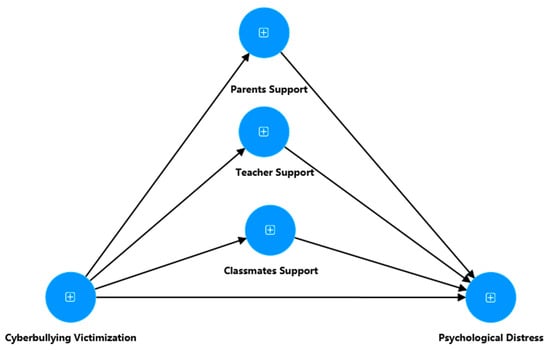
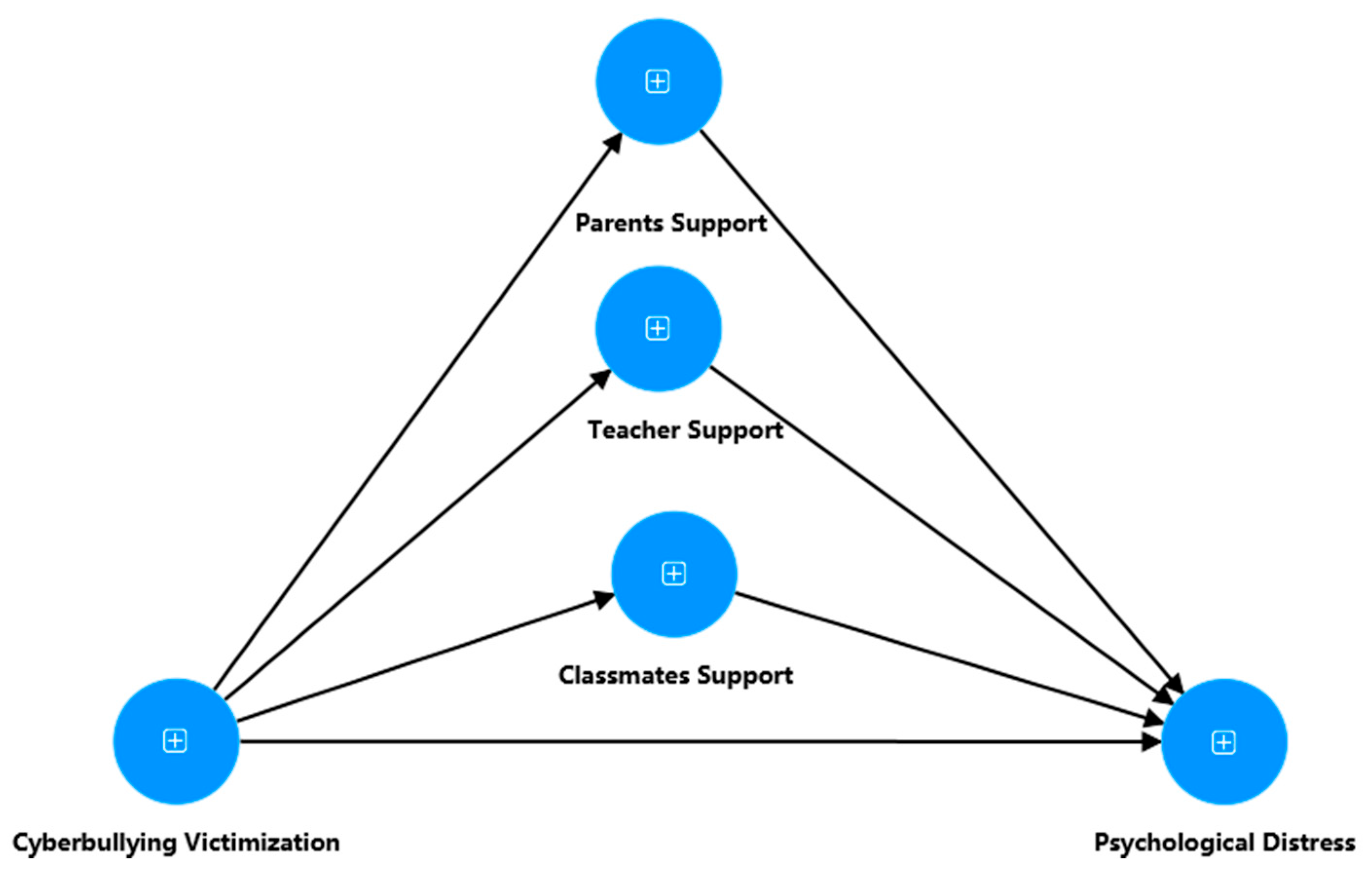
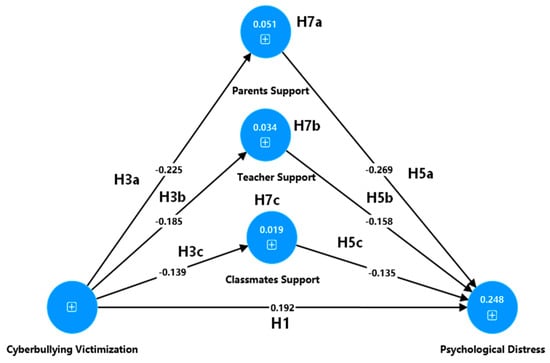
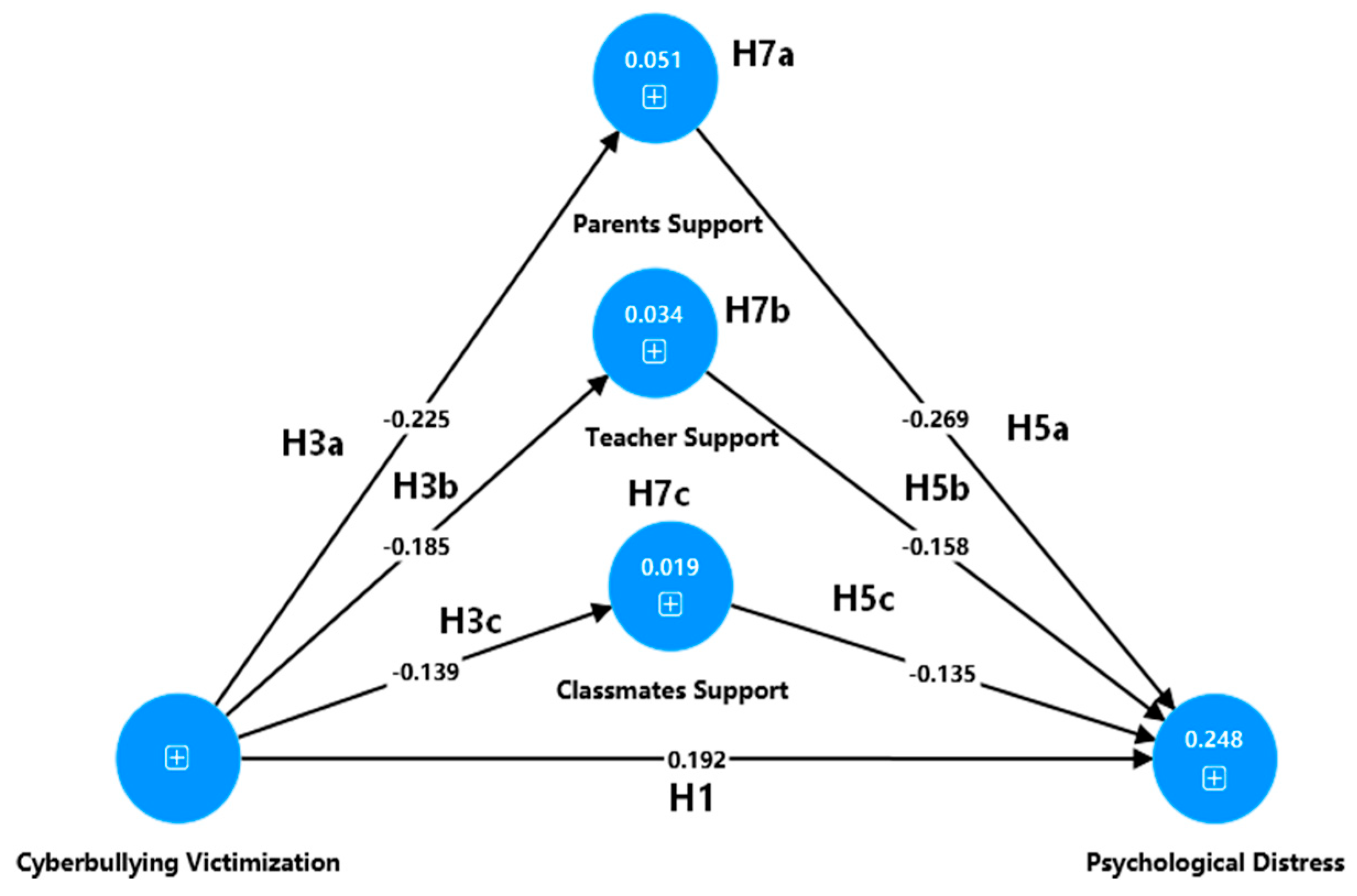
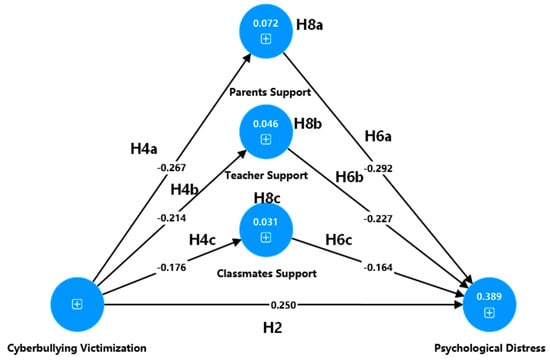
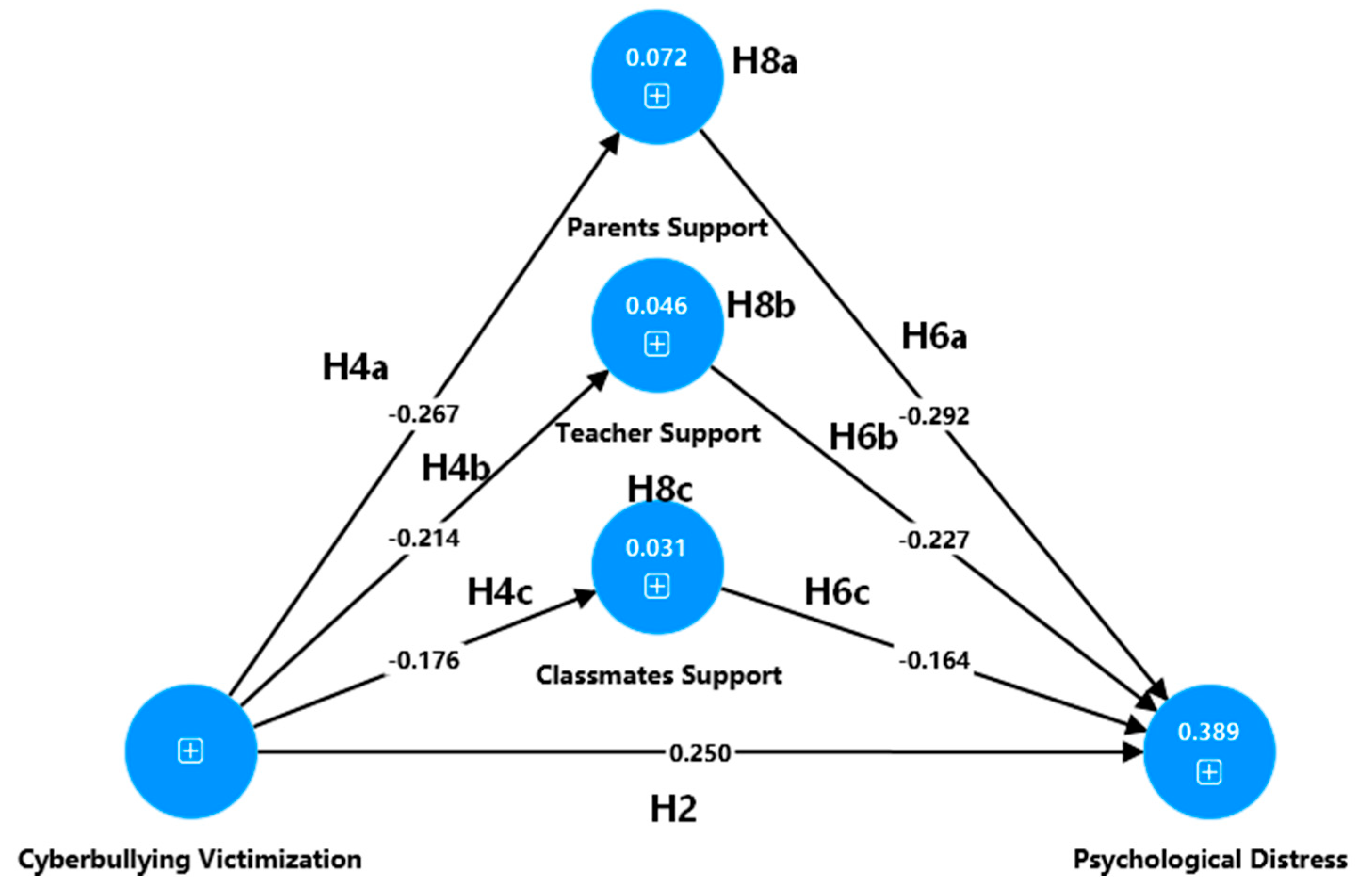

Disclaimer/Publisher’s Note: The statements, opinions and data contained in all publications are solely those of the individual author(s) and contributor(s) and not of MDPI and/or the editor(s). MDPI and/or the editor(s) disclaim responsibility for any injury to people or property resulting from any ideas, methods, instructions or products referred to in the content. |
© 2026 by the authors. Licensee MDPI, Basel, Switzerland. This article is an open access article distributed under the terms and conditions of the Creative Commons Attribution (CC BY) license.