


Abstract
Background/Objectives: Peritoneal dialysis (PD) offers home-based kidney replacement therapy but may be accompanied by psychological distress and reduced health-related quality of life (HRQoL). This study aimed to describe anxiety and depressive symptoms and to examine their associations, together with symptom burden and clinical characteristics, with HRQoL among Omani adults receiving PD. Methods: This secondary analysis of a multicenter cross-sectional study included 185 adults from five Ministry of Health hospitals. Anxiety and depression were measured with the Hospital Anxiety and Depression Scale (HADS), HRQoL with the Kidney Disease Quality of Life-36 (KDQOL-36), symptom burden with the Peritoneal Dialysis Symptoms and Life Impact Scale (PD-SLIS), and medication adherence with the Adherence to Refills and Medications Scale. Hierarchical multiple linear regression was used, with domain-specific and sensitivity analyses. Results: Borderline or clinically significant anxiety and depression scores (HADS ≥ 8) were present in 37.8% and 44.3% of participants, and scores ≥ 11 in 15.7% and 20.0%, respectively. The mean exploratory overall HRQoL composite score was 56.92 (SD = 16.27), and the mean Physical and Mental Component Summary T-scores were 39.00 and 44.78. In the final model (R2 = 0.64; adjusted R2 = 0.60), higher symptom burden (β = −0.34), depression (β = −0.33), and anxiety (β = −0.26) were independently associated with lower HRQoL (all p < 0.001). Obesity was also associated with lower HRQoL (B = −5.19, p = 0.021), although this finding should be interpreted cautiously. These associations were largely consistent across KDQOL-36 scales and sensitivity analyses. Conclusions: Elevated anxiety and depressive symptoms are common among Omani adults receiving PD and, together with symptom burden, are associated with lower HRQoL. Integrating psychological and symptom screening into PD follow-up, linked to appropriate assessment and support, warrants evaluation.
1. Introduction
Chronic kidney disease (CKD) is a growing public health concern globally [1]. In 2023, an estimated 788 million adults were living with CKD worldwide, with an age-standardized prevalence of 14.2%, compared with 378 million in 1990 [1]. The burden of CKD is particularly high in North Africa and the Middle East, where the prevalence has reached 18% [1], and the demand for kidney replacement therapy, including PD, is increasing across the Gulf region [2,3]. In Oman, approximately 463,000 adults were reported to have CKD in 2023, representing an age-standardized prevalence of 17.3% [1]. Patients who progress to kidney failure require kidney replacement therapy, such as kidney transplantation, hemodialysis, and peritoneal dialysis (PD) [4].
PD as a modality is unique because it provides home-based treatment and greater autonomy, and for the most part requires substantial self-management [5]. In Oman, the number of patients receiving dialysis in government facilities managed by the Ministry of Health increased from 2588 in 2023 to 2679 in 2024 [6]; these figures include all dialysis modalities, and 227 patients were receiving PD at the five Ministry of Health PD centers in 2025 [7]. Moreover, current guidance on care for CKD emphasizes symptom management and relief, Health-Related Quality of Life (HRQoL), and valuing patient preferences alongside clinical indicators when evaluating treatment and supporting shared decision-making [8,9].
It is well recognized in the literature that the demands of living with PD may have substantial psychological consequences [10]. Despite the autonomy associated with home-based treatment, patients must adapt to permanent dependence on dialysis, repeated daily or nightly exchanges, concerns about peritonitis and catheter complications, physical limitations, and uncertainty about future health [10]. These stressors contribute to anxiety and depressive symptoms, which may coexist with fatigue, sleep disturbance, physical limitations, and social withdrawal. In a Dutch multicenter study of patients receiving PD or hemodialysis, clinically significant anxiety and depressive symptoms were present in 22% and 43% of patients, respectively, with no difference between modalities [11]. Moreover, a longitudinal study (N = 191) found that among patients beginning PD, 23.6% had elevated anxiety and 39.6% had elevated depression scores at treatment initiation, and both symptoms did not improve during the first year of therapy [12]. Other studies have reported differing prevalence estimates because of variations in populations, cultural settings, measurement instruments, and thresholds used to identify clinically important symptoms; for example, self-report rating scales yield higher estimates of depression in dialysis patients than clinical interviews [5,13].
Anxiety and depressive symptoms are clinically important not only because of the associated emotional suffering but also because of their close relationship with patients’ perceptions of health and daily functioning [14]. It is possible that among patients with PD, anxiety and depressive symptoms are associated with lower HRQoL, as reported among patients receiving hemodialysis [14]. HRQoL is a multidimensional patient-reported outcome encompassing physical functioning, emotional well-being, social participation, disease burden, and the effects of kidney disease and its treatment on everyday life [15,16]. A systematic review of 38 studies found a negative association between anxiety, depression, stress, and HRQoL among patients receiving dialysis [17]. Similarly, longitudinal evidence among patients beginning PD demonstrated that elevated anxiety and depression were associated with poorer overall HRQoL [12]. However, most of this evidence comes from East Asian, European, and North American populations. Studies from the Middle East, including Saudi Arabia [18,19,20], Bahrain [21], Qatar [22], and Iran [23], have mainly compared HRQoL between dialysis modalities or described the prevalence and correlates of depression, and few have examined anxiety, depressive symptoms, symptom burden, and HRQoL together in patients receiving PD. To our knowledge, no such study has been conducted in Oman, which has a distinctive healthcare system (free healthcare for all citizens) and socio-religious context.
The relationship between psychological distress and HRQoL is likely multidirectional and influenced by biological, psychological, and social factors [24,25]. Anxiety and depression may intensify patients’ perceptions of physical symptoms, reduce motivation and self-care capacity, disrupt sleep, limit physical activity, and contribute to social isolation, thereby reducing HRQoL [17,25]. Conversely, impaired physical functioning, persistent symptoms, treatment demands, and reduced social participation may increase psychological distress [10,26].
The present study was guided by the Wilson and Cleary model of HRQoL, which links biological and physiological variables, symptom status, functional status, and general health perceptions to overall quality of life, with individual and environmental characteristics influencing each level [27]. Within this model, PD-related physical symptoms and psychological symptoms (anxiety and depression) are components of symptom status, whereas sociodemographic and clinical characteristics represent individual and biological influences. Psychological adjustment to chronic illness also involves how patients interpret their condition, their perceived control, and the coping strategies they use. For example, among patients with CKD, illness perceptions and maladaptive coping were associated with psychological distress over and above clinical kidney factors [28]. This suggests that illness perceptions and coping may also shape both psychological distress and perceived HRQoL in people managing home-based dialysis.
Previous studies focusing on patients receiving PD have identified anxiety and depression as important correlates of HRQoL even after accounting for sociodemographic and clinical characteristics [12,25]. More recent evidence suggests that anxiety partly mediates the relationship between symptom burden and quality of life, illustrating how psychological and physical experiences may interact [25].
Previous reports show that poor psychological or HRQoL outcomes are associated with older age, female sex, lower education, unemployment, limited social support, financial hardship, comorbidities, longer duration of dialysis, symptom burden, and negative perceptions of PD [21,29]. The findings concerning these predictors have not been consistent across settings. For example, younger age and diabetes predicted anxiety in one longitudinal PD cohort, whereas diabetes predicted depression [12]. Such variation indicates that psychological distress and HRQoL may depend on the population, culture, healthcare system, and characteristics of treatment [30,31]. This highlights the need for studies that can inform targeted interventions in different populations.
In Oman, the evidence about anxiety, depression, and HRQoL among patients receiving PD is limited, as almost all previous studies focused on patients receiving hemodialysis [32,33]; the only multicenter study of Omani patients receiving PD, from which the present data are drawn, examined symptom burden and medication adherence but not psychological distress or HRQoL [7]. Moreover, the Omani context may present distinctive influences on psychological adjustment, including family-centered care, cultural and religious beliefs, and health service organization. Identifying anxiety and depression and understanding their relationship with HRQoL may help healthcare professionals to improve screening, symptom management, counselling, and multidisciplinary approaches to promote better quality of life among patients receiving PD. Therefore, this study aimed to (1) describe the prevalence of anxiety and depressive symptoms and (2) examine the associations of anxiety, depressive symptoms, PD-related symptom burden, and sociodemographic and clinical characteristics with HRQoL among adult Omanis receiving PD. We hypothesized that higher anxiety, depressive symptoms, and symptom burden would each be independently associated with lower HRQoL after adjustment for sociodemographic and clinical characteristics.
2. Materials and Methods
2.1. Study Design
This manuscript reports a secondary analysis of data from a broader quantitative, descriptive, cross-sectional, correlational study investigating clinical and patient-reported outcomes among adult Omanis receiving PD. The parent study included the same 185 participants, recruited between July and November 2025, and its findings on dialysis-related symptom burden and medication adherence, including the sociodemographic and clinical profile of the sample, have been published previously [7]. Anxiety, depressive symptoms, and HRQoL were not analyzed in that report; the present analysis is new in examining the HADS and KDQOL-36 data and their associations with symptom burden and clinical characteristics. Reporting follows the STROBE guideline for cross-sectional studies (Supplementary File S1). The present analysis was restricted to these variables. The cross-sectional design allowed associations to be examined at a single time point but did not permit conclusions about causal relationships.
2.2. Setting and Participants
The study was conducted at five government facilities (Ministry of Health hospitals) providing PD services in different regions of Oman. The five sites included Royal Hospital, Nizwa Hospital, Ibri Hospital, Al-Rustaq Hospital, and Sohar Hospital. These sites include tertiary and secondary hospitals. These were selected because they provide geographical and service-level representation of adults receiving PD within Oman’s public healthcare system.
The study population comprised adult Omanis receiving PD and attending the participating dialysis units or nephrology clinics between July and November 2025. The participants were eligible if they were Omani nationals aged 18 years or older and had received PD for at least three months. Participants were excluded if they had severe cognitive impairment or a major psychiatric disorder that could interfere with questionnaire completion, were pregnant or breastfeeding, had severe hearing or speech impairment preventing effective communication, or were participating in another clinical study that could influence their health status or quality of life. Severe cognitive impairment and major psychiatric disorders were identified from documented diagnoses in the medical records [7].
2.3. Sample Size and Sampling
The required sample size was estimated using G*Power version 3.1.9.7 (Heinrich-Heine-Universität Düsseldorf, Düsseldorf, Germany; F test, linear multiple regression, fixed model, R2 deviation from zero). The calculation assumed a medium effect size of f2 = 0.15, statistical power of 80%, a two-sided alpha level of 0.05, and up to 10 potential predictors in a multiple linear regression model [34]. The minimum required sample was 118 participants. Because the final model included 19 predictor terms (after dummy coding of body mass index), the calculation was repeated for 19 predictors, giving a minimum of 153 participants; the analytic sample of 183 provided an estimated power of 0.89 to detect an effect of f2 = 0.15. Recruitment was not stopped at this minimum because the sample size of the parent study had been calculated for its own regression analyses (minimum of 172 participants, increased to allow for non-response) [7]. The final sample comprised 185 participants.
A stratified random sampling approach was used, with each participating hospital treated as a stratum. Lists of potentially eligible patients were prepared with the assistance of PD nurses and hospital records. Eligible patients were assigned random numbers and approached in random order. The final sample included 39 participants from the Royal Hospital, 68 from Nizwa Hospital, 43 from Ibri Hospital, 20 from Al-Rustaq Hospital, and 15 from Sohar Hospital. The total PD population at the five centers was 227 patients (Royal 54, Nizwa 71, Ibri 58, Al-Rustaq 26, and Sohar 18) [7]; thus, the sample represented 81.5% of this population, with site-specific sampling fractions ranging from 72.2% (Royal Hospital) to 95.8% (Nizwa Hospital). Because allocation was not strictly proportional, site-weighted prevalence estimates were also calculated. The numbers of patients screened, found ineligible, and declining participation at each site were not available for this analysis.
2.4. Study Variables and Instruments
The main variables considered were the participants’ demographic and clinical characteristics, psychological distress (anxiety and depressive symptoms), and HRQoL. The demographic variables included age, sex, marital status, living arrangement, educational level, and employment status. Clinical variables included time since end-stage kidney disease (ESKD) diagnosis, body mass index, number and types of comorbidities, number of medications, hemoglobin level, serum creatinine level, medication adherence, PD-related symptoms, and distance from the treating hospital. Time on PD and PD modality (continuous ambulatory or automated PD) were not recorded separately. Body mass index was recorded only in categories (<18.5, 18.5–24.9, 25.0–29.9, and ≥30 kg/m2); weight and height were not available in the study dataset. The self-reported demographic data were supplemented with clinical information extracted from participants’ medical records to improve data accuracy. Comorbidities, current medications, body mass index category, and laboratory values were extracted from the medical records by trained research assistants; the most recent laboratory values recorded in the medical record at the time of questionnaire completion were used, so that all data refer to a single time point [7]. The interval between the laboratory tests and questionnaire completion was not recorded.
Psychological distress (anxiety and depression): The Hospital Anxiety and Depression Scale (HADS) was used to assess psychological distress. The HADS is widely used in medical and chronic illness populations because it assesses anxiety and depressive symptoms while limiting the influence of somatic symptoms that may overlap with physical illness [35]. The HADS contains 14 items, equally divided between the anxiety (HADS-A) and depression (HADS-D) subscales. Each item is rated from 0 to 3, yielding a score of 0–21 for each subscale. Scores of 0–7 indicate scores within the normal range, 8–10 indicate borderline symptoms, and 11–21 indicate clinically significant symptoms. Because the HADS is a screening instrument, these categories indicate elevated symptoms rather than psychiatric diagnoses, and optimal cut-offs in dialysis patients may differ from the conventional threshold of 8 [36,37]. The Arabic version has been developed and validated, with Cronbach’s alpha values of 0.83 for HADS-A and 0.77 for HADS-D [38], and has been used to assess psychological distress in Omani patients [39]. Therefore, the HADS was considered appropriate for assessing psychological distress among Omani patients undergoing PD. In the present sample, Cronbach’s alpha was 0.815 for HADS-A, 0.791 for HADS-D, and 0.874 for the overall scale.
Health-related quality of life (HRQoL): The HRQoL was assessed using the validated Arabic version of the Kidney Disease Quality of Life 36-Item Short Form Survey (KDQOL-36). The KDQOL-36 was developed from the original Kidney Disease Quality of Life instrument designed by Hays and colleagues for individuals with kidney disease, including those receiving dialysis [16,40]. It combines kidney disease-specific domains with generic physical and mental health measures, enabling a broad assessment of the impact of kidney disease and its treatment on daily life. The scale has 36 items across five scales: the 12-Item Short Form Survey (SF-12; items 1–12), from which the Physical Component Summary (PCS) and Mental Component Summary (MCS) are derived; burden of kidney disease (items 13–16); symptoms/problems of kidney disease (items 17–28); and effects of kidney disease on daily life (items 29–36). Items were recoded to a 0–100 scale according to the RAND scoring manual, with higher scores indicating better HRQoL, and each kidney-specific scale score was calculated as the mean of the answered items when at least half of the items were answered [40]. The PCS and MCS were calculated from the SF-12 items using the standard norm-based algorithm (mean of 50 and SD of 10 in the United States general population) [41]. The Arabic KDQOL-36 has acceptable validity and internal consistency, with an overall Cronbach’s alpha of 0.81 [42]; however, it was validated in patients receiving hemodialysis and kidney transplant recipients rather than in patients receiving PD.
Because the KDQOL-36 has no validated total score, the five standard scale scores were analyzed separately. To provide a single summary index, an overall HRQoL score was also calculated as the unweighted mean of five 0–100 scale scores: the three kidney-specific scales and the SF-12 physical (items 1–5 and 8) and mental (items 6, 7, and 9–12) health item scales, each transformed to 0–100. This composite gives equal weight to each scale; it is not a validated KDQOL-36 score and is interpreted as an exploratory summary, with domain-specific results presented alongside it. In the present study, Cronbach’s alpha was 0.92 for all 36 KDQOL-36 items, 0.71 for the burden of kidney disease scale, 0.88 for the symptoms/problems scale, and 0.79 for the effects of kidney disease scale. For the SF-12 items, alpha was 0.76 for the six physical health items and 0.71 for the six mental health items; because the PCS and MCS are weighted summaries of heterogeneous items, these coefficients describe the item sets rather than the summary scores themselves.
Symptom burden: PD-related symptom burden was assessed using the Peritoneal Dialysis Symptoms and Life Impact Scale (PD-SLIS), a self-report instrument developed by the research team for the parent study [7]. Parts I and II rate the severity of 28 symptoms (22 non-abdominal and 6 abdominal) from 0 (none) to 10 (most severe), and Part III rates the interference of symptoms with six areas of daily life from 0 to 10. The instrument was developed in English, forward-translated into Arabic by the researchers, reviewed by two Arabic language experts for conceptual equivalence and clarity, and pilot-tested with a small group of patients receiving PD [7]. Its content validity, factor structure, and criterion validity have not yet been formally established. In the present analysis, the total score was calculated as the mean of all 34 item scores (range 0–10, higher scores indicating greater burden), so that a one-point difference corresponds to an average difference of one point on the 0–10 rating across all items. In the parent study [7], symptom burden was reported as the sum of the 28 symptom severity items (mean 82.56); this corresponds to a mean item score of 2.95 for the same 28 items in the present sample, so the different values reflect the scoring method rather than different data. Cronbach’s alpha in the present sample was 0.95 for the 34 items.
Medication adherence: Adherence was assessed using the 12-item Adherence to Refills and Medications Scale (ARMS) [43], using the validated Arabic version [44]. Items are rated from 1 (never) to 4 (always), and item 12 (planning ahead to refill medications) is reverse-scored, giving a total score of 12–48, with higher scores indicating poorer adherence; as in the parent study, scores above 16 were classified as low adherence [7]. In the present analysis, item 12 was reverse-scored and two out-of-range item values were treated as missing, with the total prorated from the remaining items; consequently, the mean ARMS score differs slightly from that reported in the parent study. Cronbach’s alpha in the present sample was 0.79.
2.5. Data Collection
Data collection began after the training of research assistants. Research assistants received standardized training on participant recruitment, informed consent, confidentiality, questionnaire administration, assessment of questionnaire completeness, and extraction of clinical data from medical records. Eligible patients were approached during visits to the dialysis units or nephrology clinics and were informed about the study’s purpose and procedures. Participants who were willing to consent and participate completed the Arabic questionnaire package electronically through a secure link or in paper format, depending on preference. Paper questionnaires were completed at the clinic (approximately 30 min) or were returned within one week. Participants who could not read or write (n = 39) completed the questionnaire at the clinic with the assistance of trained research assistants, who read the items aloud and recorded the responses. The mode of administration was not recorded separately for each participant; therefore, a sensitivity analysis excluding non-literate participants was performed. Selected demographic and clinical information was extracted from medical records by the research team after receiving permission from the participants.
2.6. Data Analysis
The data were analyzed using IBM SPSS Statistics version 28 (IBM Corp., Armonk, NY, USA; Supplementary File S2). Before analysis, questionnaires were checked for completeness and consistency, assigned identification codes, and screened for duplicate or substantially incomplete responses. Frequency distributions were examined to identify missing values, coding errors, and potential outliers. The distributions of continuous variables were assessed using the Shapiro–Wilk test and visual inspection of histograms and Q-Q plots. Internal consistency was evaluated using Cronbach’s alpha. Shapiro–Wilk tests indicated departures from normality for most continuous variables (p < 0.01), except age and hemoglobin. Because time since diagnosis was markedly skewed, Spearman’s correlation was used for this variable; Pearson correlation was retained for the other variables because of the sample size and the approximately normal distribution of the regression residuals. Missing data were minimal: item 12 of the KDQOL-36 had one out-of-range value, item 35 had four missing responses, and two participants had missing PD-SLIS items. Scale scores were calculated from the available items, and complete-case analysis was used; therefore, the main regression model included 183 participants and the PCS and MCS models included 182 participants.
Participant characteristics were summarized using frequencies and percentages for categorical variables and means, standard deviations, ranges, and minimum and maximum values for continuous variables. The prevalence and severity of anxiety and depression were described using the HADS-A and HADS-D scores’ established ranges and categories. HRQoL was summarized using the overall and domain-specific KDQOL-36 scores. Pearson correlation coefficients were calculated to examine relationships between anxiety, depression, clinical factors, and HRQoL after verifying assumptions for parametric testing. Group differences in HRQoL were examined with independent-samples t-tests (reported as the first-listed category minus the second) and one-way ANOVA, with Cohen’s d and eta squared (η2) as effect sizes; Tukey’s honestly significant difference test was used for post hoc comparisons, and differences between the borderline and clinical HADS groups were reported with Tukey-adjusted 95% confidence intervals (CIs). The correlations of anxiety and depression with HRQoL were compared using Steiger’s test for dependent correlations. Because about 25 bivariate tests were performed without correction for multiple testing, the bivariate analyses were considered exploratory. All statistical tests were two-sided, and p < 0.05 was considered statistically significant.
Multiple linear regression was used to examine factors independently associated with overall HRQoL. Variables were selected a priori on the basis of the Wilson and Cleary model [27] and previous evidence, rather than bivariate significance, because bivariate screening can exclude important confounders [45,46]. Living arrangement was not included because only six participants lived alone, and distance from the hospital was reported descriptively only. Predictors were entered hierarchically in four blocks: (1) sociodemographic characteristics (age, sex, marital status, education, and employment); (2) clinical characteristics (time since diagnosis, number of daily medications, hemoglobin, serum creatinine, hypertension, diabetes mellitus, cardiovascular disease, body mass index, and medication adherence); (3) PD-related symptom burden; and (4) psychological distress (HADS-A and HADS-D scores). Serum creatinine, which in patients receiving PD mainly reflects muscle mass, residual kidney function, and dialysis dose, was retained as a routinely available clinical marker. Body mass index was dummy-coded with normal weight as the reference category. Education was entered as an ordinal variable, with dummy coding (non-literate as reference) examined in a sensitivity analysis. Employment compared working participants with all others (not working or retired). The change in R2 (ΔR2) and its F test were reported for each block. The final model was reported using unstandardized coefficients (B), standard errors, standardized coefficients (β), 95% CIs, p values, and squared semi-partial correlations (sr2) indicating the unique variance explained by each predictor. Model fit was evaluated using R2 and adjusted R2. Linearity, normality of residuals, homoscedasticity (Breusch–Pagan test), multicollinearity (variance inflation factor, VIF), and influential cases (standardized residuals and Cook’s distance) were examined.
The same model was fitted for each KDQOL-36 scale score (burden, symptoms/problems, effects, PCS, and MCS). Sensitivity analyses examined (a) an overall score excluding the symptoms/problems scale, to reduce content overlap with the PD-SLIS; (b) a symptom-only PD-SLIS score (Parts I and II, 28 items); (c) adjustment for hospital (Royal Hospital as reference) and hospital-clustered standard errors; (d) exclusion of non-literate participants; (e) education entered as dummy variables; and (f) additional adjustment for analgesic, central nervous system, or psychotropic medication use, a single indicator based on the medication categories extracted from the medical records, in which these medicines were recorded together and individual classes such as antidepressants or anxiolytics could not be distinguished. Shared content between the PD-SLIS, HADS, and KDQOL-36, and common method variance arising from simultaneous self-report, were considered when interpreting the results [47].
2.7. Ethical Considerations
Ethical approval was obtained from the Sultan Qaboos University College of Nursing Research and Ethics Committee (CON/MSN/2025/18; 6 March 2025) and the Ministry of Health Research and Ethics Committee in Oman (MoH/CSR/25/29836; 2 June 2025). Administrative permission was obtained from all five participating hospitals before recruitment began. The study was conducted in accordance with the Declaration of Helsinki. Participation was voluntary, and participants were informed of the study’s purpose, procedures, potential benefits and risks, confidentiality protections, and the right to withdraw without affecting their care. Informed consent was obtained from all participants. For non-literate participants, the information sheet was read aloud by a research assistant and consent was documented. Questionnaires contained no names or direct identifiers, and coded study data were stored in password-protected electronic files or secured physical storage accessible only to the research team.
3. Results
3.1. Participant Characteristics and Differences in HRQoL
Table 1 shows the sociodemographic characteristics of the 185 participants and the differences in health-related quality of life (HRQoL) across categories of these characteristics. Participants had a mean age of 51.54 ± 14.92 years, and men and women were almost equally represented (49.7% and 50.3%, respectively) in the sample. Most participants were married (72.4%) and lived with their families (96.8%). The most common educational level was high school (31.9%), while 21.1% were non-literate. More than half were not working (51.9%), 38.4% were retired, and only 9.7% were employed. There were no significant differences in HRQoL according to the different categories of participants’ demographic characteristics (all p > 0.05), and effect sizes were small (Cohen’s d ≤ 0.25; η2 ≤ 0.03). These bivariate findings do not exclude smaller associations that the study may have lacked power to detect.
Table 1.
Sociodemographic characteristics of patients on peritoneal dialysis and differences in health-related quality of life (N = 185).
3.2. Clinical Characteristics and Differences in HRQoL
Table 2 shows the clinical characteristics of the participants and the differences in HRQoL across clinical categories. The mean time since ESKD diagnosis was 67.08 ± 69.82 months, and participants took an average of 7.20 ± 3.31 medications daily, with a medication-taking frequency of 3.08 ± 1.07 times per day. The mean hemoglobin level was 10.28 ± 1.70 g/dL, and the mean serum creatinine level was 849.09 ± 310.00 µmol/L. The mean medication adherence (ARMS) and symptom burden (PD-SLIS) scores were 19.82 ± 4.67 and 3.14 ± 1.93, respectively, and 129 participants (69.7%) had low adherence (ARMS > 16); this proportion differs from that reported in the parent study (66.5%) [7] because of differences in scoring: in the present analysis, item 12 was reverse-scored, out-of-range values were treated as missing, and only scores above 16 were classified as low adherence (Section 2.4). Almost all participants had at least one comorbidity (96.8%), most commonly hypertension (89.2%) and diabetes mellitus (51.4%). Regarding body mass index, most participants had normal weight (36.8%) or overweight (32.4%). Poorer medication adherence showed a weak negative correlation with HRQoL (r = −0.22, p = 0.002), while higher symptom burden showed a strong negative correlation with HRQoL (r = −0.61, p < 0.001).
Table 2.
Clinical characteristics of patients on peritoneal dialysis and differences in health-related quality of life (N = 185).
Time since diagnosis (rs = 0.07, p = 0.31), number of daily medications, medication-taking frequency, hemoglobin, serum creatinine, and distance from the hospital were not significantly associated with HRQoL (all p > 0.05). Similarly, HRQoL did not differ significantly by the presence of comorbidity or any specific disease (all p > 0.05). Body mass index was the only categorical clinical variable significantly associated with HRQoL (F(3, 181) = 3.52, p = 0.016, η2 = 0.06). Post hoc Tukey analysis showed that participants with obesity had lower HRQoL (50.18 ± 15.84) than those with normal weight (59.39 ± 14.94; mean difference −9.21, 95% CI −17.45 to −0.97, p = 0.022) and those who were overweight (59.33 ± 17.51; mean difference −9.15, 95% CI −17.59 to −0.71, p = 0.028). Because this result would not remain significant after Bonferroni correction for about 25 bivariate tests, it should be interpreted with caution. Overall, symptom burden, medication adherence, and obesity were the clinical factors associated with HRQoL in the bivariate analyses.
3.3. Levels of Anxiety and Depression and Differences in Health-Related Quality of Life
Table 3 shows the levels of anxiety and depression among the participants and the differences in HRQoL across these levels. The mean anxiety (HADS-A) score was 6.32 ± 4.05. Most participants had anxiety scores within the normal range (62.2%), while 22.2% had borderline anxiety and 15.7% had clinically significant anxiety scores (≥11). The mean depression (HADS-D) score was 7.01 ± 3.97. Just over half of the participants had depression scores within the normal range (55.7%), whereas 24.3% had borderline depression and 20.0% had clinically significant depression scores. Overall, more than one-third of participants had at least borderline anxiety (HADS-A ≥ 8; 37.8%), and nearly half had at least borderline depression (HADS-D ≥ 8; 44.3%). Site-weighted estimates were almost identical (anxiety ≥ 8, 37.9%; depression ≥ 8, 44.1%; anxiety ≥ 11, 16.1%; depression ≥ 11, 20.2%). HRQoL differed significantly across anxiety levels (F(2, 182) = 33.54, p < 0.001, η2 = 0.27). Participants with normal anxiety scores reported the highest HRQoL (63.29 ± 15.53), followed by those with borderline anxiety (49.28 ± 11.23) and clinical anxiety (42.47 ± 10.43). Similarly, HRQoL differed significantly across depression levels (F(2, 182) = 38.40, p < 0.001, η2 = 0.30). Participants with normal depression scores reported the highest HRQoL (64.66 ± 15.20), compared with those with borderline (49.55 ± 11.56) and clinical depression (44.35 ± 11.57). Post hoc (Tukey) analysis showed that participants with normal anxiety or depression levels had significantly higher HRQoL than those in the borderline and clinical groups (all p < 0.001). HRQoL was lower in the clinical than in the borderline groups, but these differences were not statistically significant (anxiety: 6.80 points, 95% CI −1.21 to 14.82, p = 0.114, d = 0.62; depression: 5.21 points, 95% CI −1.99 to 12.40, p = 0.204, d = 0.45). Given the small groups and wide confidence intervals, a clinically relevant difference between these groups cannot be excluded (Figure 1). These findings suggest that even borderline levels of anxiety and depression are associated with substantially lower reported HRQoL scores among patients on peritoneal dialysis; however, because no minimal important difference has been established for the composite score, these differences cannot be assumed to represent clinically meaningful impairment.
Table 3.
Levels of anxiety and depression and differences in health-related quality of life among Omani adults receiving peritoneal dialysis (N = 185).
Figure 1.
Overall HRQoL by HADS anxiety (left) and depression (right) category (n = 185). Boxes show the median and interquartile range, whiskers extend to 1.5 times the interquartile range, diamonds show means, and points show individual participants.
3.4. Health-Related Quality of Life Scores
As shown in Table 4, the mean exploratory overall HRQoL composite score was 56.92 (SD = 16.27; range = 20.83–94.38), indicating moderate HRQoL on this summary measure. The mean PCS and MCS T-scores were 39.00 (SD = 9.00) and 44.78 (SD = 9.55), respectively, both below the general population norm of 50, with greater impairment in physical than in mental health. For the kidney disease-specific domains, the symptoms/problems of kidney disease scale had the highest mean score (70.41, SD = 18.44), followed by the effects of kidney disease on daily life (65.26, SD = 18.81). The burden of kidney disease scale had the lowest mean score (50.17, SD = 22.29), indicating that the intrusiveness of kidney disease, the time spent managing it, frustration, and feeling a burden on the family had a notable effect on participants’ HRQoL.
Table 4.
Health-related quality of life scores among Omani adults receiving peritoneal dialysis (N = 185).
3.5. Correlations Among the Main Study Variables
Table 5 shows the correlations among the main study variables. Both anxiety and depression were significantly and negatively associated with health-related quality of life. Higher anxiety (r = −0.65, p < 0.001) and depression scores (r = −0.65, p < 0.001) were both associated with lower HRQoL, and the two correlations did not differ (Steiger’s z = 0.02, p = 0.98). Anxiety and depression were strongly correlated with each other (r = 0.65), and both were moderately correlated with symptom burden (r = 0.47 and 0.40, respectively). Anxiety and depression were also negatively correlated with the PCS (r = −0.34 and −0.52) and with each kidney-specific scale (r = −0.33 to −0.55), not only with the MCS. Symptom burden correlated most strongly with the symptoms/problems scale (r = −0.69).
Table 5.
Pearson correlations among anxiety, depression, symptom burden, medication adherence, and HRQoL scores (n = 182–185).
3.6. Factors Associated with Health-Related Quality of Life
Table 6 presents the final multiple linear regression model, and Table 7 shows the hierarchical steps. The overall model was statistically significant (F(19, 163) = 15.08, p < 0.001) and explained 63.7% of the variance in HRQoL (R2 = 0.637; adjusted R2 = 0.595). Sociodemographic characteristics explained 3.8% of the variance (p = 0.220); clinical characteristics added 14.2% (p = 0.004); symptom burden added 27.0% (p < 0.001); and anxiety and depression together added a further 18.7% (p < 0.001). In the final model, higher symptom burden (B = −2.83, 95% CI −3.77 to −1.88, β = −0.336, sr2 = 0.078), depression (B = −1.34, 95% CI −1.89 to −0.79, β = −0.325, sr2 = 0.052), and anxiety (B = −1.04, 95% CI −1.62 to −0.47, β = −0.259, sr2 = 0.029) were independently associated with lower HRQoL (all p < 0.001). Each one-point higher mean PD-SLIS score (on the 0–10 scale) was associated with a 2.83-point lower HRQoL score, and each one-point higher HADS-D or HADS-A score with a 1.34-point or 1.04-point lower score, respectively; the standardized coefficients of symptom burden and depression were similar. Obesity, compared with normal weight, was also associated with lower HRQoL (B = −5.19, 95% CI −9.59 to −0.79, p = 0.021), whereas underweight and overweight were not. The other sociodemographic characteristics, clinical factors, and medication adherence were not significantly associated with HRQoL after adjustment (all p > 0.05); however, the confidence intervals were wide for several of these variables, and smaller associations cannot be excluded. All variance inflation factors were below 2.5. Residuals were approximately normally distributed (Shapiro-Wilk p = 0.28), with no evidence of heteroscedasticity (Breusch-Pagan p = 0.26), no standardized residuals beyond ±3, and no influential cases (maximum Cook’s distance = 0.06). Overall, these findings indicate that psychological distress and symptom burden were the factors most strongly associated with HRQoL in this population.
Table 6.
Multiple linear regression of factors associated with overall HRQoL among patients receiving peritoneal dialysis (n = 183).
Table 7.
Hierarchical regression steps for overall HRQoL (n = 183).
3.7. Domain-Specific and Sensitivity Analyses
Table 8 shows the results for each KDQOL-36 scale and for the sensitivity analyses. Depression was independently associated with lower PCS (β = −0.43), MCS, and effects of kidney disease scores; anxiety was associated with lower MCS and with all three kidney-specific scales; and symptom burden was associated with lower MCS, symptoms/problems, and effects scores, with borderline associations with PCS (p = 0.059) and burden (p = 0.064). Thus, anxiety and depression remained associated with physical and kidney-specific dimensions of HRQoL, not only with mental health. When the symptoms/problems scale was removed from the overall score, symptom burden (β = −0.247), anxiety (β = −0.239), and depression (β = −0.377) remained significant (adjusted R2 = 0.532). Results were also similar when the symptom-only PD-SLIS score was used, after adjustment for hospital or with hospital-clustered standard errors, after exclusion of non-literate participants, with education entered as dummy variables, and after adjustment for analgesic, central nervous system, or psychotropic medication use (n = 23).
Table 8.
Associations of symptom burden, anxiety, and depression with KDQOL-36 scales and in sensitivity analyses.
4. Discussion
This study examined anxiety, depression, and HRQoL among Omani adults receiving PD. Overall, the findings indicate that Omani patients on PD experience elevated levels of psychological distress and moderate HRQoL. Borderline or clinically significant anxiety and depression scores (HADS ≥ 8) were present in 37.8% and 44.3% of participants, respectively, and scores of 11 or more were observed in 15.7% and 20.0% of participants. In the multivariable model, PD-related symptom burden, depression, anxiety, and, to a lesser extent, obesity were independently associated with lower HRQoL, and the full model explained 64% of its variance (adjusted R2 = 0.60). In contrast, sociodemographic characteristics, comorbidities, and laboratory markers were not independently associated with HRQoL, although the study may have lacked power to detect smaller associations. These findings underscore the importance of psychological well-being and symptom management as central components of PD care rather than secondary concerns.
The sample included 185 adults receiving PD from five hospitals in Oman, with a mean age of 51.54 years and an almost equal representation of men and women. Most were married and lived with their families, reflecting the family-oriented context of Omani society. This profile is broadly comparable with PD populations reported in Turkey, Qatar, Iran, and Brazil [22,23,48,49,50]. None of the sociodemographic characteristics was significantly associated with HRQoL. Younger, male, more educated, and employed participants tended to report slightly higher HRQoL, but these differences were small and non-significant, and they remained non-significant after adjustment. This may suggest that, in this population, the experience of living with PD is more closely related to HRQoL than demographic characteristics, although the absence of statistical significance does not establish the absence of an effect. Although family support may facilitate adjustment, it may not be sufficient to offset the physical and psychological burden of dialysis. The small number of employed participants and those living alone may also have limited the ability to detect differences in these subgroups.
Participants also had a substantial clinical burden. Nearly all had comorbidities, most commonly hypertension and diabetes mellitus, and participants took an average of 7.20 medications each day. Such treatment complexity may contribute to fatigue, treatment burden, and difficulties with daily self-management. Interestingly, neither the presence of comorbidity nor specific chronic conditions were significantly associated with HRQoL. Participants with diabetes reported somewhat lower HRQoL, but this difference was not significant. These findings suggest that objective clinical indicators may not fully capture how patients experience their illness, although the study was not powered to detect small effects of individual clinical variables. Rather, it appears to be the subjective burden of symptoms and emotional distress that is most strongly related to HRQoL [12,25].
Body mass index was the only categorical clinical variable significantly associated with HRQoL in the bivariate analysis. Participants with obesity reported lower HRQoL than those with normal weight or overweight. Obesity may add to physical limitations, fatigue, discomfort, and the challenges associated with PD. With body mass index dummy-coded, obesity remained independently associated with lower HRQoL after adjustment (about 5 points lower than normal weight), whereas underweight and overweight were not; this association was smaller than in the bivariate analysis and should be interpreted cautiously given the number of tests performed. Similarly, poorer medication adherence was weakly correlated with lower HRQoL, but this association was no longer significant after adjustment. Because the design was cross-sectional, it is not possible to determine whether symptom burden and low mood influence adherence, whether poor adherence worsens symptoms, or whether these variables share common causes.
The mean HADS-A score was 6.32, and 37.8% of participants reported borderline or clinically significant anxiety scores, including 15.7% with scores of 11 or more. Although most participants had anxiety scores within the normal range, the proportion of elevated anxiety is clinically important. Anxiety may arise from fear of peritonitis, catheter-related complications, treatment failure, disease progression, hospitalization, and the responsibility of performing dialysis at home. Similar research has reported that anxiety is a relevant concern among patients receiving PD, particularly when patients experience uncertainty about their health [11,12,25]. The mean HADS-A and HADS-D scores in the present study (6.32 and 7.01) were similar to those reported in a Turkish PD sample (6.7 and 6.46) [48]. Nadort et al. reported clinically significant anxiety and depressive symptoms in 22% and 43% of a mixed sample of patients receiving PD or hemodialysis, with no difference between modalities [11]; our estimates for the threshold of 11 were lower, whereas the proportion with depression scores of 8 or more was similar, although differences in instruments, thresholds, and populations limit direct comparison. Because the HADS is a screening instrument and optimal cut-offs in dialysis patients may differ from the conventional threshold [36,37], these proportions indicate elevated symptoms rather than diagnosed anxiety or depressive disorders.
Depression was more common than anxiety, with 44.3% of participants reporting borderline or clinically significant depressive symptoms (20.0% with scores of 11 or more). This may reflect the cumulative effects of chronic illness, loss of independence, physical limitations, changes in work and social roles, and long-term dependence on dialysis. Depression among people receiving PD has been associated with lower HRQoL [12]. The higher proportion of depressive symptoms in the present study supports the need for regular depression screening in PD services, which may help identify patients for further assessment; however, screening alone has not been shown to improve outcomes unless it is linked to appropriate assessment and treatment.
HRQoL differed markedly across levels of anxiety and depression. Participants with normal scores reported HRQoL around 14 to 15 points higher than those with borderline scores. Notably, HRQoL among participants with borderline anxiety or depression was already substantially reduced. The clinical groups had lower HRQoL than the borderline groups (by about 5 to 7 points), but this difference was not statistically significant and its confidence interval was wide; thus, the two groups should not be considered equivalent. This finding indicates that even subthreshold psychological symptoms are associated with substantially lower reported HRQoL, although the study cannot establish whether these differences represent clinically meaningful impairment, because no validated minimal important difference is available for the composite score. Screening and support should therefore not be reserved only for patients who meet clinical cut-off points. Moreover, a biopsychosocial understanding of PD suggests that emotional health is closely linked with physical symptoms, daily functioning, and social participation [12,51].
The exploratory overall HRQoL composite score was moderate, with a mean of 56.92; because this composite is not a validated KDQOL-36 score, it does not have the same psychometric status as the established KDQOL-36 scales, and comparisons with other studies are therefore based on the PCS, MCS, and kidney-specific scales. Physical health was more affected than mental health (PCS 39.00 vs. MCS 44.78), and the burden of kidney disease scale had the lowest score among the kidney-specific scales. This pattern is consistent with studies indicating that people receiving PD often experience low-to-moderate HRQoL, with greater impairment in physical functioning [19,20]. In a Saudi PD sample assessed with the KDQOL-36, the mean PCS was 44.75 [20], higher than in the present study, and in Romanian patients receiving hemodialysis the mean PCS and MCS were 36.49 and 48.83 [51]. Similar patterns have been reported among PD populations in Middle Eastern settings, where physical health may be more compromised than mental or social well-being [19].
The moderate HRQoL observed in this study may reflect both adaptation to home-based treatment and the continuing effects of symptoms, treatment demands, and emotional distress. Previous studies have shown that worry, tiredness, and dry skin are among the most distressing symptoms for patients receiving PD [25], and that pruritus is associated with lower physical and mental health scores [52]. A sense of autonomy with home-based treatment may contribute to better HRQoL for some patients, although this was not assessed in the present study. Correlation analysis showed that symptom burden, anxiety, and depression were each associated with poorer HRQoL (r = −0.61, −0.65, and −0.65, respectively). These findings are consistent with previous evidence showing that psychological distress is associated with poorer HRQoL in patients receiving PD beyond the effects of physical symptoms alone [12,25].
In the final multiple linear regression model, symptom burden, depression, and anxiety remained independently associated with HRQoL after adjustment for sociodemographic and clinical variables. Higher scores on each were associated with lower HRQoL. Symptom burden (β = −0.34) and depression (β = −0.33) showed similar standardized associations, followed by anxiety (β = −0.26), and the unique variance explained by each was 7.8%, 5.2%, and 2.9%, respectively. These results are aligned with studies identifying depression as an important correlate of reduced HRQoL in PD populations [12]. The relationships among symptom burden, anxiety, depression, and HRQoL are likely to be reciprocal: distress may amplify the perception of symptoms and their impact, and poor HRQoL and persistent symptoms may increase distress. Mediation was not tested, and the cross-sectional design does not allow the direction of these associations to be determined.
Symptom burden was strongly associated with HRQoL, and adding it to the model increased the adjusted R2 from 0.10 to 0.39. However, part of this association may reflect shared content between the PD-SLIS and the KDQOL-36, because both measure symptoms and their effects on daily life, and the HADS and SF-12 mental health items both assess mood. All measures were also self-reported at the same time, so shared method variance may have inflated the associations [47] and may partly explain why the explained variance was higher than in many other dialysis studies. The sensitivity analyses reduce, but do not remove, this concern: symptom burden, anxiety, and depression remained associated with HRQoL when the symptoms/problems scale was removed from the outcome and when a symptom-only PD-SLIS score was used, and anxiety and depression were associated with physical and kidney-specific scales as well as with the MCS. Nevertheless, because the HADS and several KDQOL-36 domains capture related emotional and functional experiences, the associations between psychological distress and HRQoL may partly reflect conceptual overlap and shared self-report methodology and should not be interpreted as relationships between fully distinct constructs. This finding suggests that the impact of symptoms on daily life may be more closely related to HRQoL than objective clinical indicators. Therefore, clinicians should assess not only whether a symptom is present but also how it affects mobility, sleep, self-care, social participation, family roles, and enjoyment of life. Taken together, the findings support an integrated model of PD care in which routine psychological assessment and symptom management are embedded in regular follow-up care, with timely referral for psychological support when needed.
The Omani context may shape both distress and its reporting. Most participants lived with their families, and family members are often closely involved in home-based dialysis, which may provide practical and emotional support but may also increase concern about being a burden; notably, the Burden of Kidney Disease scale, which includes feeling a burden on the family, had the lowest score in this sample. Religious coping and acceptance of illness are common in Omani society and may support adjustment, whereas stigma surrounding mental illness may lead to under-reporting of anxiety and depressive symptoms, particularly when questionnaires are completed with assistance. Free access to government healthcare may also reduce financial strain compared with settings where dialysis is self-funded. Because these factors were not measured, future research should examine family support, religious coping, illness perceptions, and mental-health stigma as potential influences on distress and HRQoL among Omani patients receiving PD.
4.1. Clinical Implications
The findings support a patient-centered, biopsychosocial approach to PD care in Oman. Symptom burden, depression, and anxiety were the factors most strongly associated with HRQoL. Clinical follow-up should therefore assess the burden and functional impact of symptoms, in addition to physical, laboratory, and treatment parameters.
Routine screening for anxiety and depression could be integrated into PD services for all patients. Brief validated instruments, such as the HADS, can help identify patients whose psychological symptoms may otherwise remain undetected. However, the present study did not evaluate screening or interventions, and screening alone is unlikely to improve outcomes unless it is linked to further assessment, referral, and effective treatment. A multidisciplinary model is likely to be helpful during management of PD-related symptoms and psychological distress. Nephrologists, nurses, psychologists, dietitians, social workers, and other professionals can contribute to timely assessment, early recognition of complications, management, and referral. Nurses have a central role in symptom and psychological screening, patient education, coping support, family engagement, referral coordination, and follow-up; for patients with a high symptom burden, referral to palliative care services for symptom management could also be considered. Dietitians can provide individualized nutritional guidance for patients with obesity and support weight management. These recommendations are clinically plausible approaches supported by the broader literature, and their effectiveness among Omani patients receiving PD requires evaluation in intervention studies.
4.2. Strengths and Limitations
This study provides valuable evidence regarding anxiety, depression, symptom burden, and HRQoL among Omani adults receiving PD, a population that remains underrepresented in the literature. It included 185 participants from five hospitals, representing 81.5% of the PD population at these centers, and used validated Arabic versions of the HADS and KDQOL-36. The final model adjusted for a wide range of sociodemographic and clinical factors and explained a substantial proportion of the variance in HRQoL (adjusted R2 = 0.60), and the main findings were consistent across domain-specific and sensitivity analyses. These features strengthen the relevance of the findings for PD care in Oman.
Several limitations should be considered. The cross-sectional design prevents causal conclusions regarding symptom burden, anxiety, depression, and HRQoL, and reciprocal relationships are plausible. Self-reported measures may be affected by recall or social-desirability bias, particularly for psychological symptoms and medication adherence; assisted completion for non-literate participants may have increased this bias, and the mode of administration was not recorded for each participant. All measures were collected at the same time from the same respondents, so common method variance may have inflated the associations [47]. Some subgroups, including participants living alone, those without comorbidity, and employed participants, were small, which may have reduced statistical power to detect differences. Body mass index was available only as a categorical variable, and some KDQOL-36 items assess symptoms that overlap with the symptom burden measure; although sensitivity analyses supported the main findings, this overlap may have strengthened the observed association between symptom burden and HRQoL. The overall HRQoL score was an unweighted composite of the five KDQOL-36 scales and is not a validated summary score; results based on it should therefore be regarded as exploratory and interpreted alongside the established KDQOL-36 scales. The PD-SLIS was developed for the parent study, and only its internal consistency has been established. The Arabic KDQOL-36 has not been validated specifically in patients receiving PD. The numbers of patients screened, ineligible, and declining participation were not available, so the response rate could not be calculated, and the exclusion of patients with documented cognitive impairment or major psychiatric disorders probably led to an underestimate of psychological distress. About 25 bivariate tests were performed without correction for multiple testing, so the bivariate findings should be regarded as exploratory. In addition, potentially relevant influences including health literacy, income, caregiver burden, time on PD (time since ESKD diagnosis was recorded instead), PD modality (continuous ambulatory or automated PD), previous kidney replacement therapy, residual kidney function, dialysis adequacy, serum albumin, history of peritonitis, hospital admissions, specific antidepressant or anxiolytic use (these medicines were recorded only within a combined analgesic, central nervous system, or psychotropic category), and previous mental-health history were not assessed. Finally, HADS categories indicate elevated symptoms on a screening instrument rather than clinical diagnoses. The findings apply mainly to Omani adults receiving PD in Ministry of Health hospitals and may not be generalizable to patients treated in other healthcare settings, to non-Omani residents, or to other dialysis populations.
5. Conclusions
Anxiety and depression symptoms were common among Omani adults receiving peritoneal dialysis: 37.8% and 44.3% had borderline or clinically significant scores (HADS ≥ 8), and 15.7% and 20.0% had scores of 11 or more. Symptom burden, depression, and anxiety were independently associated with poorer overall health-related quality of life scores, with largely consistent results across the KDQOL-36 scales, whereas sociodemographic characteristics, comorbidities, and laboratory markers were not significantly associated after adjustment. Obesity was also associated with lower HRQoL after adjustment, although this finding should be interpreted cautiously. Even borderline levels of anxiety and depression were associated with substantially lower reported HRQoL scores. These findings support the integration of routine psychological screening, symptom assessment, and symptom management approaches using multidisciplinary patient-centered care frameworks. Early symptom management, counselling, family support, and timely referral to mental health services may help improve quality of life and overall well-being in this population, but their effectiveness requires evaluation in longitudinal and intervention studies.
Supplementary Materials
The following supporting information can be downloaded at https://www.mdpi.com/article/10.3390/medsci14080828/s1: Supplementary File S1: STROBE Statement—Checklist of Items Included in Reports of Cross-Sectional Studies; Supplementary File S2: Analytic procedures in IBM SPSS Statistics.
Author Contributions
I.A.S.: conceptualization; methodology; investigation; writing—review and editing; project administration. E.R.L.: conceptualization; methodology; investigation; data curation; formal analysis; writing-original draft; writing—review and editing; project administration; supervision. O.A.: conceptualization; methodology; writing—review and editing; project administration. J.K.M.: conceptualization; methodology; investigation; data curation; formal analysis; writing—original draft; writing—review and editing; project administration; supervision. Y.A.A., H.A.S., T.A.R. and S.A.: investigation; resources; writing—review and editing. All authors have read and agreed to the published version of the manuscript.
Funding
This research was funded by the Ministry of Higher Education, Research and Innovation, Sultanate of Oman (Grant No: RC/GRG/CON/AH/25/463).
Institutional Review Board Statement
The study was conducted in accordance with the Declaration of Helsinki. Ethical approval was obtained from the College of Nursing Ethics Committee, Sultan Qaboos University (CON/MSN/2025/18), dated 6 March 2025, and the Ministry of Health Research and Ethics Committee in Oman (Proposal ID: MoH/CSR/25/29836), dated 2 June 2025. Administrative permission was also obtained from the management of all five participating hospitals, Royal Hospital, Nizwa Hospital, Ibri Hospital, Al-Rustaq Hospital, and Sohar Hospital, prior to the commencement of data collection. All approvals were secured before data collection began in July 2025.
Informed Consent Statement
Informed consent was obtained from all subjects involved in the study.
Data Availability Statement
The data presented in this study are available on request from the corresponding author due to privacy and ethical concerns.
Conflicts of Interest
The authors declare no conflicts of interest.
Abbreviations
| ANOVA | Analysis of variance |
| ARMS | Adherence to Refills and Medications Scale |
| CI | Confidence interval |
| CKD | Chronic kidney disease |
| ESKD | End-stage kidney disease |
| HADS | Hospital Anxiety and Depression Scale |
| HADS-A | Hospital Anxiety and Depression Scale-Anxiety subscale |
| HADS-D | Hospital Anxiety and Depression Scale-Depression subscale |
| HRQoL | Health-related quality of life |
| KDQOL-36 | Kidney Disease Quality of Life 36-Item Short Form Survey |
| MCS | Mental Component Summary |
| PCS | Physical Component Summary |
| PD | Peritoneal dialysis |
| PD-SLIS | Peritoneal Dialysis Symptoms and Life Impact Scale |
| SD | Standard deviation |
| SF-12 | 12-Item Short Form Survey |
| VIF | Variance inflation factor |
References
- GBD 2023 Chronic Kidney Disease Collaborators. Global, regional, and national burden of chronic kidney disease in adults, 1990–2023, and its attributable risk factors: A systematic analysis for the Global Burden of Disease Study 2023. Lancet 2025, 406, 2461–2482. [Google Scholar] [CrossRef] [Scilit] [PubMed]
- Vachharajani, T.; Jasuja, S.; AlSahow, A.; Alghamdi, S.M.G.; Al-Aradi, A.H.; Al Salmi, I.; Bernieh, B.; Bahbahani, Y.; Alali, F.; Ramachandran, R.; et al. Current status and future of end-stage kidney disease in Gulf Cooperation Council countries: Challenges and opportunities. Saudi J. Kidney Dis. Transpl. 2021, 32, 1073–1088. [Google Scholar] [CrossRef] [Scilit] [PubMed]
- Al Sahlawi, M.; AlRukhaimi, M.; Al-Ghamdi, S.M.; Al Salmi, I.; Al-Aradi, A.H.; Hamad, A.; AlSahow, A. Peritoneal dialysis in the Arabian Gulf countries: Challenges and opportunities. Perit. Dial. Int. 2024, 44, 171–176. [Google Scholar] [CrossRef] [Scilit] [PubMed]
- Wang, L.; He, Y.; Han, C.; Zhu, P.; Zhou, Y.; Tang, R.; He, W. Global burden of chronic kidney disease and risk factors, 1990–2021: An update from the global burden of disease study 2021. Front. Public Health 2025, 13, 1542329. [Google Scholar] [CrossRef] [Scilit] [PubMed]
- Bello, A.K.; Okpechi, I.G.; Osman, M.A.; Cho, Y.; Cullis, B.; Htay, H.; Jha, V.; Makusidi, M.A.; McCulloch, M.; Shah, N.; et al. Epidemiology of peritoneal dialysis outcomes. Nat. Rev. Nephrol. 2022, 18, 779–793. [Google Scholar] [CrossRef] [Scilit] [PubMed]
- Ministry of Health, Sultanate of Oman. Health Facts 2024. Available online: https://www.moh.gov.om/media/lnwjoogy/health-facts-2024.pdf (accessed on 14 November 2026).
- Al Saidi, I.; Muliira, J.K.; Lazarus, E.R.; Alzaabi, O. The burden of dialysis-related symptoms and medication non-adherence among patients on peritoneal dialysis in Oman: A multi-center study. Kidney Dial. 2026, 6, 57. [Google Scholar] [CrossRef] [Scilit]
- Levin, A.; Ahmed, S.B.; Carrero, J.J.; Foster, B.; Francis, A.; Hall, R.K.; Herrington, W.G.; Hill, G.; Inker, L.A.; Kazancıoğlu, R.; et al. Executive summary of the KDIGO 2024 Clinical Practice Guideline for the Evaluation and Management of Chronic Kidney Disease: Known knowns and known unknowns. Kidney Int. 2024, 105, 684–701. [Google Scholar] [CrossRef] [Scilit] [PubMed]
- Scripcariu, D.; Covic, A.; Agavriloaei, L.M.; Agavriloaei, B.D.; Joghiu, T.; Onofriescu, M.; Burlacu, A.; Voroneanu, L.; Kanbay, M.; Covic, A. Dialysis versus conservative kidney management in older adults: Why one size does not fit all. Int. Urol. Nephrol. 2026, 58, 3689–3704. [Google Scholar] [CrossRef] [Scilit] [PubMed]
- Diao, K.; Wang, J.; Huang, Y.; Zhang, Y.; Guo, D.; Zhang, L.; Shan, Y. The experience of social isolation in patients receiving peritoneal dialysis: A qualitative study. BMC Psychol. 2025, 13, 947. [Google Scholar] [CrossRef] [Scilit] [PubMed]
- Nadort, E.; Schouten, R.W.; Luijkx, X.; Shaw, P.K.C.; van Ittersum, F.J.; Smets, Y.F.; Vleming, L.J.; Dekker, F.W.; Broekman, B.F.; Siegert, C.E. Symptom dimensions of anxiety and depression in patients receiving peritoneal dialysis compared to haemodialysis. Perit. Dial. Int. 2022, 42, 259–269. [Google Scholar] [CrossRef] [Scilit] [PubMed]
- Mok, M.M.Y.; Liu, C.K.M.; Lam, M.F.; Kwan, L.P.Y.; Chan, G.C.W.; Ma, M.K.M.; Yap, D.Y.H.; Chiu, F.; Choy, C.B.Y.; Tang, S.C.W.; et al. A longitudinal study on the prevalence and risk factors for depression and anxiety, quality of life, and clinical outcomes in incident peritoneal dialysis patients. Perit. Dial. Int. 2019, 39, 74–82. [Google Scholar] [CrossRef] [Scilit] [PubMed]
- Palmer, S.; Vecchio, M.; Craig, J.C.; Tonelli, M.; Johnson, D.W.; Nicolucci, A.; Pellegrini, F.; Saglimbene, V.; Logroscino, G.; Fishbane, S.; et al. Prevalence of depression in chronic kidney disease: Systematic review and meta-analysis of observational studies. Kidney Int. 2013, 84, 179–191. [Google Scholar] [CrossRef] [Scilit] [PubMed]
- Cukor, D.; Coplan, J.; Brown, C.; Friedman, S.; Newville, H.; Safier, M.; Spielman, L.A.; Peterson, R.A.; Kimmel, P.L. Anxiety disorders in adults treated by hemodialysis: A single-center study. Am. J. Kidney Dis. 2008, 52, 128–136. [Google Scholar] [CrossRef] [Scilit] [PubMed]
- Ferrans, C.E.; Zerwic, J.J.; Wilbur, J.E.; Larson, J.L. Conceptual model of health-related quality of life. J. Nurs. Scholarsh. 2005, 37, 336–342. [Google Scholar] [CrossRef] [Scilit] [PubMed]
- Peipert, J.D.; Bentler, P.M.; Klicko, K.; Hays, R.D. Psychometric properties of the Kidney Disease Quality of Life 36-Item Short-Form Survey (KDQOL-36) in the United States. Am. J. Kidney Dis. 2018, 71, 461–468. [Google Scholar] [CrossRef] [Scilit] [PubMed]
- García-Llana, H.; Remor, E.; Del Peso, G.; Selgas, R. The role of depression, anxiety, stress and adherence to treatment in dialysis patients’ health-related quality of life: A systematic review of the literature. Nefrologia 2014, 34, 637–657. [Google Scholar] [CrossRef] [Scilit] [PubMed]
- Shdaifat, E.A. Quality of life, depression, and anxiety in patients undergoing renal replacement therapies in Saudi Arabia. Sci. World J. 2022, 2022, 7756586. [Google Scholar] [CrossRef] [Scilit] [PubMed]
- Alhabib, H.A.; Alhabib, A.; Mohamed, N.S.; Serhan, L.F.; Alabdullah, A.; Alramadhan, S.; Al Habeeb, A.J. Differences in quality of life between patients on peritoneal dialysis and hemodialysis in Saudi Arabia: A cross-sectional study. Cureus 2025, 17, e78328. [Google Scholar] [CrossRef] [Scilit] [PubMed]
- Alshehri, M.; Alshehri, A.; Alfageeh, A.; Asiri, K.; Alshehri, A.; Alqahtani, F.; Alshehri, M.; Alshabab, M.; Asiri, O. Who have a better-kidney-related quality of life: Peritoneal dialysis or hemodialysis patients? A cross sectional study from Saudi Arabia. BMC Nephrol. 2023, 24, 216. [Google Scholar] [CrossRef] [Scilit] [PubMed]
- Aljenaidi, H.; Alayoobi, L.; Alqassab, W.; Alfehaid, A.; Albuainain, M.; AlMuhanadi, R.; Alotaibi, S.; Almutiri, M.; Jaradat, A.; El-Agroudy, A.E. Quality of life in hemodialysis versus peritoneal dialysis patients in Bahrain. Cureus 2023, 15, e49408. [Google Scholar] [CrossRef] [Scilit] [PubMed]
- Al-Ali, F.; Elshirbeny, M.; Hamad, A.; Kaddourah, A.; Ghonimi, T.; Ibrahim, R.; Fouda, T. Prevalence of depression and sleep disorders in patients on dialysis: A cross-sectional study in Qatar. Int. J. Nephrol. 2021, 2021, 5533416. [Google Scholar] [CrossRef] [Scilit] [PubMed]
- Bazazzadeh, S.; Sharbafchi, M.R.; Naeini, M.K.; Hosseini, S.M.; Atapour, A.; Mortazavi, M. Evaluation of factors related to depression in peritoneal dialysis patients: A multicenter cross-sectional study. Ren. Replace. Ther. 2023, 9, 17. [Google Scholar] [CrossRef] [Scilit]
- Al-Rajhi, W.; Al Salmi, I. Quality of life and health related quality of life among end-stage kidney disease patients: Methodology assessment. J. Nephrol. Ren. Ther. 2020, 6, 039. [Google Scholar] [CrossRef] [Scilit] [PubMed]
- Chen, S.; Wang, Y.; Feng, S.; Shen, M.; Zhang, F.; Song, K.; Li, W.; Wang, Y. Anxiety as a mediator between symptom distress and quality of life in peritoneal dialysis patients: Insights from mediation analysis and nonlinear models. Ren. Fail. 2025, 47, 2458763. [Google Scholar] [CrossRef] [Scilit] [PubMed]
- Ramasamy, S.; Galhotra, A.; Agarwal, V.; Rathore, V. Living with dialysis: Activities of daily life, social participation, and quality of life among hemodialysis patients in Chhattisgarh. J. Fam. Med. Prim. Care 2025, 14, 4362–4369. [Google Scholar] [CrossRef] [Scilit] [PubMed]
- Wilson, I.B.; Cleary, P.D. Linking clinical variables with health-related quality of life: A conceptual model of patient outcomes. JAMA 1995, 273, 59–65. [Google Scholar] [CrossRef] [Scilit]
- Muscat, P.; Weinman, J.; Farrugia, E.; Callus, R.; Chilcot, J. Illness perceptions predict distress in patients with chronic kidney disease. BMC Psychol. 2021, 9, 75. [Google Scholar] [CrossRef] [Scilit] [PubMed]
- Muxunov, A.; Almazan, J.; Kalinina, D.; Kuanshaliyeva, Z.; Gaipov, A.; Makhadiyeva, D.; Kabibulatova, A.; Madikenova, M.; Nabiyev, A.; Sarria-Santamera, A. Health-related quality of life in chronic kidney disease patients in low- and lower-middle income countries: A systematic review and meta-analysis. Qual. Life Res. 2026, 35, 28. [Google Scholar] [CrossRef] [Scilit] [PubMed]
- Kangas, T.; Milis, S.L.; Vanthomme, K.; Vandenheede, H. The social determinants of health-related quality of life among people with chronic disease: A systematic literature review. Qual. Life Res. 2025, 34, 2501–2511. [Google Scholar] [CrossRef] [Scilit] [PubMed]
- Fukuhara, S.; Lopes, A.A.; Bragg-Gresham, J.L.; Kurokawa, K.; Mapes, D.L.; Akizawa, T.; Bommer, J.; Canaud, B.J.; Port, F.K.; Held, P.J. Health-related quality of life among dialysis patients on three continents: The Dialysis Outcomes and Practice Patterns Study. Kidney Int. 2003, 64, 1903–1910. [Google Scholar] [CrossRef] [Scilit] [PubMed]
- Al Salmi, I.; Kamble, P.; Lazarus, E.R.; D’Souza, M.S.; Al Maimani, Y.; Hannawi, S. Kidney disease-specific quality of life among patients on hemodialysis. Int. J. Nephrol. 2021, 2021, 8876559. [Google Scholar] [CrossRef] [Scilit] [PubMed]
- Lazarus, E.R.; Muliira, J.K.; Hassan, J.; Chandrababu, R.; Al-Naamani, Z.; Palani, R.K. Symptom burden, self-efficacy, and satisfaction with nursing care in adults undergoing hemodialysis in Oman: A cross-sectional study. Nurs. Rep. 2026, 16, 65. [Google Scholar] [CrossRef] [Scilit] [PubMed]
- Kang, H. Sample size determination and power analysis using the G*Power software. J. Educ. Eval. Health Prof. 2021, 18, 17. [Google Scholar] [CrossRef] [Scilit] [PubMed]
- Zigmond, A.S.; Snaith, R.P. The hospital anxiety and depression scale. Acta Psychiatr. Scand. 1983, 67, 361–370. [Google Scholar] [CrossRef] [Scilit] [PubMed]
- Loosman, W.L.; Siegert, C.E.H.; Korzec, A.; Honig, A. Validity of the Hospital Anxiety and Depression Scale and the Beck Depression Inventory for use in end-stage renal disease patients. Br. J. Clin. Psychol. 2010, 49, 507–516. [Google Scholar] [CrossRef] [Scilit] [PubMed]
- Preljevic, V.T.; Østhus, T.B.H.; Sandvik, L.; Opjordsmoen, S.; Nordhus, I.H.; Os, I.; Dammen, T. Screening for anxiety and depression in dialysis patients: Comparison of the Hospital Anxiety and Depression Scale and the Beck Depression Inventory. J. Psychosom. Res. 2012, 73, 139–144. [Google Scholar] [CrossRef] [Scilit] [PubMed]
- Terkawi, A.S.; Tsang, S.; AlKahtani, G.J.; Al-Mousa, S.H.; Al Musaed, S.; AlZoraigi, U.S.; Alasfar, E.M.; Doais, K.S.; Abdulrahman, A.; Altirkawi, K.A. Development and validation of Arabic version of the Hospital Anxiety and Depression Scale. Saudi J. Anaesth. 2017, 11, S11–S18. [Google Scholar] [CrossRef] [Scilit] [PubMed]
- Al-Fahdi, A.; Chan, M.F.; Al-Siyabi, W.; Al-Yafai, E.; Al-Khatri, M.; Al-Azri, M. Prevalence of psychological distress and associated factors among Omani women diagnosed with breast cancer: A single-centre, cross-sectional study. BMJ Open 2023, 13, e073967. [Google Scholar] [CrossRef] [Scilit] [PubMed]
- Hays, R.D.; Kallich, J.D.; Mapes, D.L.; Coons, S.J.; Amin, N.; Carter, W.B.; Kamberg, C. Kidney Disease Quality of Life Short Form (KDQOL-SF), Version 1.3: A Manual for Use and Scoring; P-7994; RAND: Santa Monica, CA, USA, 1997. [Google Scholar]
- Ware, J.E.; Kosinski, M.; Keller, S.D. A 12-Item Short-Form Health Survey: Construction of scales and preliminary tests of reliability and validity. Med. Care 1996, 34, 220–233. [Google Scholar] [CrossRef] [Scilit] [PubMed]
- Elamin, S.; Elbasher, A.H.E.; Ali, S.E.E.; Abu-Aisha, H. Arabic translation, adaptation, and validation of the kidney disease quality of life short-form 36. Saudi J. Kidney Dis. Transpl. 2019, 30, 1322–1332. [Google Scholar] [CrossRef] [Scilit] [PubMed]
- Kripalani, S.; Risser, J.; Gatti, M.E.; Jacobson, T.A. Development and evaluation of the Adherence to Refills and Medications Scale (ARMS) among low-literacy patients with chronic disease. Value Health 2009, 12, 118–123. [Google Scholar] [CrossRef] [Scilit] [PubMed]
- Alammari, G.; Alhazzani, H.; AlRajhi, N.; Sales, I.; Jamal, A.; Almigbal, T.H.; Batais, M.A.; Asiri, Y.A.; AlRuthia, Y. Validation of an Arabic version of the Adherence to Refills and Medications Scale (ARMS). Healthcare 2021, 9, 1430. [Google Scholar] [CrossRef] [Scilit] [PubMed]
- Sun, G.W.; Shook, T.L.; Kay, G.L. Inappropriate use of bivariable analysis to screen risk factors for use in multivariable analysis. J. Clin. Epidemiol. 1996, 49, 907–916. [Google Scholar] [CrossRef] [Scilit] [PubMed]
- Heinze, G.; Dunkler, D. Five myths about variable selection. Transpl. Int. 2017, 30, 6–10. [Google Scholar] [CrossRef] [Scilit] [PubMed]
- Podsakoff, P.M.; MacKenzie, S.B.; Lee, J.Y.; Podsakoff, N.P. Common method biases in behavioral research: A critical review of the literature and recommended remedies. J. Appl. Psychol. 2003, 88, 879–903. [Google Scholar] [CrossRef] [Scilit] [PubMed]
- Ada, S.; Ozcan, S.G. Comparison of mood status and treatment adherence between dialysis modalities. Ther. Apher. Dial. 2025, 29, 639–645. [Google Scholar] [CrossRef] [Scilit] [PubMed]
- Guedes, M.; Wallim, L.; Guetter, C.R.; Jiao, Y.; Rigodon, V.; Mysayphonh, C.; Usvyat, L.A.; Barretti, P.; Kotanko, P.; Larkin, J.W.; et al. Fatigue in incident peritoneal dialysis and mortality: A real-world side-by-side study in Brazil and the United States. PLoS ONE 2022, 17, e0270214. [Google Scholar] [CrossRef] [Scilit] [PubMed]
- Karaca, C.; Eren, N.; Dincer, M.T.; Turan, S.; Karaca, H.K.; Kucuk, M.; Kose, S.; Bek, S.G.; Bakir, A.; Dervisoglu, E.; et al. How dialysis patients cope with a curfew? A comparison of psychological status between hemodialysis and peritoneal dialysis patients during the COVID-19 pandemic. Blood Purif. 2022, 51, 458–463. [Google Scholar] [CrossRef] [Scilit] [PubMed]
- Luca, A.L.; Militaru, F.; Văduva, C.M.; Dinu, I.R.; Maria, D.T.; Mușat, M.I.; Rădulescu, V.M.; Udriștoiu, I.; Moța, E. Depression, anxiety, stress symptoms and health-related quality of life in hemodialysis patients: Cross-sectional findings from a Romanian cohort. Medicina 2026, 62, 242. [Google Scholar] [CrossRef] [Scilit] [PubMed]
- Tennankore, K.K.; McCullough, K.; Bieber, B.; Cho, Y.; Johnson, D.W.; Kanjanabuch, T.; Kawanishi, H.; Kim, Y.L.; Lambie, M.; Rigatto, C.; et al. Prevalence and outcomes of chronic kidney disease-associated pruritus: International results from Peritoneal Dialysis Outcomes and Practice Patterns Study. Clin. J. Am. Soc. Nephrol. 2024, 19, 1622–1634. [Google Scholar] [CrossRef] [Scilit] [PubMed]
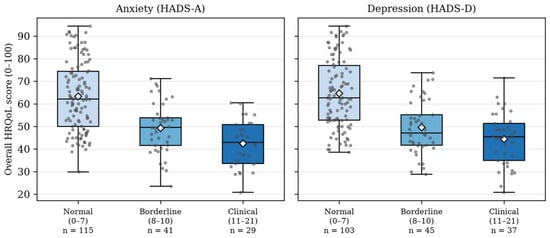
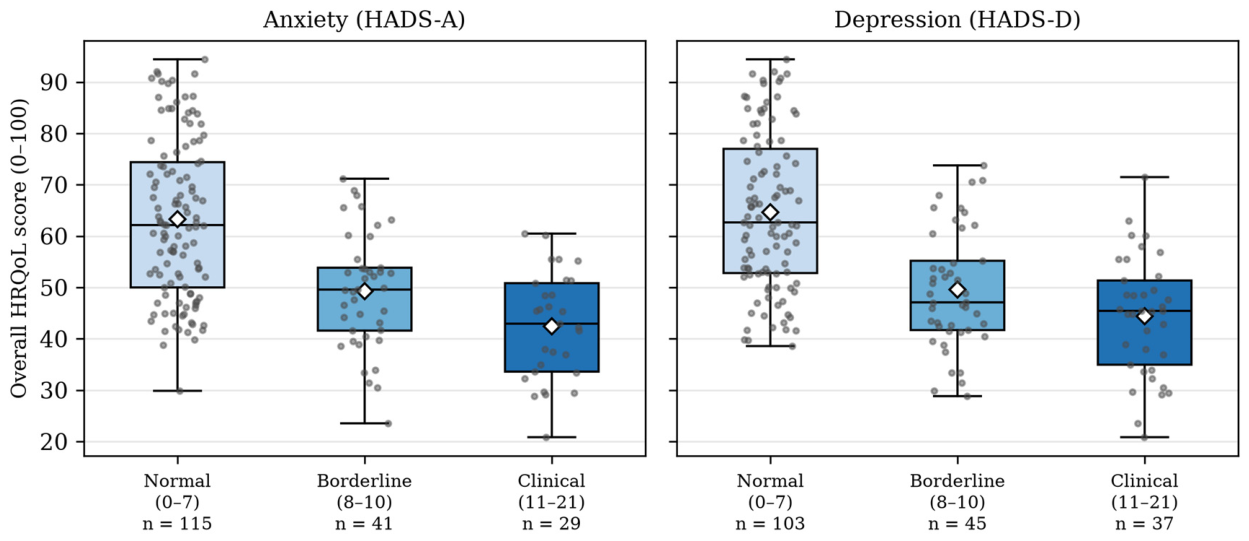

Disclaimer/Publisher’s Note: The statements, opinions and data contained in all publications are solely those of the individual author(s) and contributor(s) and not of MDPI and/or the editor(s). MDPI and/or the editor(s) disclaim responsibility for any injury to people or property resulting from any ideas, methods, instructions or products referred to in the content. |
© 2026 by the authors. Licensee MDPI, Basel, Switzerland. This article is an open access article distributed under the terms and conditions of the Creative Commons Attribution (CC BY) license.