


Abstract
Background/Objectives: Frailty and prefrailty are associated with reduced physical performance and increased clinical-functional vulnerability. This randomized controlled trial evaluated the effects of supervised multicomponent exercise versus health education on walking capacity, fall risk, frailty, and clinical-functional vulnerability in prefrail and frail older women. Methods: This assessor-blinded randomized controlled trial included 34 community-dwelling older women allocated to supervised Vivifrail-based multicomponent exercise (n = 15) or health education (n = 19). Both groups participated in two 45-min sessions weekly for 12 weeks. The co-primary outcomes were six-minute walk test (6MWT) distance and Timed Up and Go Test (TUGT) completion time. Secondary outcomes were Edmonton Frailty Scale (EFS) and Clinical-Functional Vulnerability Index-20 (IVCF-20) scores. Intention-to-treat analyses used multiple imputation and baseline-adjusted analysis of covariance, with a Bonferroni-adjusted significance threshold of p < 0.025 for the co-primary outcomes. Results: Of 34 randomized participants, 27 (79.4%) completed follow-up. The intention-to-treat analysis showed greater 6MWT distance in the exercise group (adjusted between-group difference, 107.69 m; 95% CI, 59.44–155.94; p < 0.001). TUGT completion time also favored exercise (−2.02 s; 95% CI, −3.82 to −0.23; p = 0.0295), but did not meet the Bonferroni-adjusted significance threshold. Complete-case analyses showed favorable differences in both outcomes. Exploratory analyses indicated a small reduction in IVCF-20 scores (adjusted difference, −0.55 points; p = 0.0299), without changes in vulnerability classification. EFS scores did not differ significantly between groups (p = 0.2562). Conclusions: Supervised multicomponent exercise improved walking capacity compared with health education, whereas evidence for improvements in fall risk and multidimensional frailty-related outcomes was less conclusive. These preliminary findings require cautious interpretation because of the smaller-than-planned sample and loss to follow-up.
1. Introduction
Frailty is a multidimensional geriatric condition characterized by reduced physiological reserve and increased vulnerability to stressors, contributing to adverse health outcomes in older adults [1]. The frailty phenotype proposed by Fried et al. [2] identifies an intermediate stage between robustness and frailty, characterized by the presence of one or two physical criteria. This condition, known as prefrailty, represents a potentially reversible state and an important opportunity for early intervention [3,4]. Frailty trajectories are dynamic, with transitions between robust, prefrail, and frail states occurring over time [5]. A systematic review and meta-analysis involving 42,775 community-dwelling older adults reported that 13.7% improved their frailty status during follow-up, with transitions to robustness occurring more frequently among prefrail than frail individuals (23.1% versus 3.3%) [5]. These findings emphasize the importance of interventions targeting older adults before more advanced frailty develops.
Frailty is associated with declining physical function, reduced walking capacity, impaired mobility, and limitations in daily activities [6,7,8,9,10]. Prefrail and frail older adults also have a greater likelihood of experiencing falls than robust individuals [11,12,13]. However, functional mobility assessments, such as the Timed Up and Go Test (TUGT), measure physical performance relevant to fall-risk screening rather than directly establishing fall incidence or prevention. Moreover, physical performance alone does not capture the multidimensional characteristics of frailty. The Clinical-Functional Vulnerability Index-20 (IVCF-20), developed and validated in Brazil, assesses age, self-perceived health, functional disability, cognition, mood, mobility, communication, and comorbidities, providing complementary information about older adults’ clinical and functional health [14,15,16]. Assessing walking capacity and functional mobility alongside frailty and clinical-functional vulnerability may therefore offer a broader understanding of intervention-related changes.
Physical exercise is a major nonpharmacological strategy for addressing frailty and its functional consequences [17,18]. Multicomponent interventions combining resistance, aerobic, balance, and functional training target several physiological and functional limitations associated with frailty. Previous evidence indicates that exercise-based interventions, particularly resistance and multicomponent programs, can improve physical performance and may help prevent frailty progression among prefrail and frail older adults [17,18]. Nevertheless, improvements in walking capacity and functional mobility do not necessarily translate into corresponding changes in multidimensional frailty or clinical-functional vulnerability. These outcomes represent related but distinct aspects of health and may respond differently to the same intervention.
Among multicomponent approaches, Vivifrail provides an individualized exercise program incorporating strength, balance, gait, flexibility, and endurance training according to older adults’ functional capabilities. Previous investigations have reported improvements in physical performance and intrinsic capacity following Vivifrail-based interventions [19,20]. A systematic review and meta-analysis including 12 studies and 1026 participants identified significant improvements in physical performance, handgrip strength, and cognitive function, whereas effects on activities of daily living were not statistically significant [21]. Although these findings support the potential benefits of Vivifrail, evidence regarding its effects on multidimensional frailty and clinical-functional vulnerability remains less established, particularly in Brazilian community settings [22,23]. Furthermore, comparisons with an active health education intervention providing similar session frequency, professional contact, and opportunities for social interaction may help clarify the benefits associated with structured exercise beyond those related to participation in organized group activities. Evaluating these complementary outcomes within the same randomized trial may therefore address an important gap in the existing evidence.
Accordingly, this randomized controlled trial aimed to compare the effects of a 12-week supervised Vivifrail-based multicomponent exercise program with those of an active health education intervention among community-dwelling prefrail and frail older women in Brazil. The primary outcomes were functional capacity, assessed using the Six-Minute Walk Test (6MWT), and fall risk, assessed using the TUGT. Frailty, assessed using the Edmonton Frail Scale (EFS), and clinical-functional vulnerability, assessed using the IVCF-20, were evaluated as secondary outcomes, with their analyses interpreted as exploratory. We hypothesized that supervised multicomponent exercise would produce greater improvements in functional capacity and fall risk than health education, while potentially influencing multidimensional frailty and clinical-functional vulnerability.
2. Materials and Methods
2.1. Study Design and Setting
This was a parallel-group, assessor-blinded randomized controlled trial conducted among community-dwelling older women attending the CONVIVER Community Center in Rio Verde, Goiás, Brazil. Participants were randomly assigned to either a supervised multicomponent exercise group or an active health education control group, with a planned allocation ratio of 1:1. Recruitment was conducted in July 2026, and the 12-week intervention took place from August to October 2026. Baseline assessments were performed before randomization, and postintervention assessments were conducted immediately after completion of the intervention period. The trial enrolled fewer participants than the prespecified sample size, as detailed in Section 2.3. The study was conducted and reported in accordance with the Consolidated Standards of Reporting Trials (CONSORT) guidelines and the study protocol was previously published [23].
2.2. Participants and Recruitment
Participants were recruited in July 2026 among older adults regularly attending activities at the CONVIVER Community Center in Rio Verde, Goiás, Brazil. Recruitment was conducted on-site during the center’s routine activities. Potential participants were approached by members of the research team and informed about the study objectives and procedures before eligibility screening. Written informed consent was obtained before baseline assessments [23]. Eligible participants were required to be aged 60 years or older, live independently in the community, regularly attend activities at the CONVIVER Community Center, and be classified as prefrail or frail according to the Edmonton Frailty Scale (EFS) [24,25]. Based on the classification adopted in the study, EFS scores of 5–6 indicated prefrailty, scores ≥7 indicated frailty, and scores of 0–4 indicated nonfrailty and therefore did not meet the frailty-related eligibility criterion [25]. Cognitive function was assessed using the Mini-Mental State Examination (MMSE) [26,27], with eligibility determined according to the education-adjusted criteria specified in the published study protocol [23]. Participants were also required to be clinically able to participate safely in supervised exercise. Exclusion criteria included acute or unstable cardiovascular conditions; severe neurological, orthopedic, or musculoskeletal impairments that could compromise safe exercise participation; severe visual, auditory, or communication impairments affecting assessment procedures; hospitalization or clinical instability within the preceding three months; inability to complete the assessments; and refusal to participate or withdrawal of informed consent [23].
2.3. Sample Size
The sample size was estimated a priori using G*Power software (version 3.1.9.7; Heinrich Heine University) [28,29]. The calculation was based on the primary outcomes of functional capacity and fall risk, assessed using the Six-Minute Walk Test (6MWT) and Timed Up and Go Test (TUGT), respectively. An effect size of 0.56 was adopted based on a previous 12-week exercise intervention investigating functional capacity and fall-related outcomes in older adults [30]. Assuming a planned statistical power of 95% and a two-sided significance level of 5% (α = 0.05), the estimated sample size was 35 participants per group, resulting in a target sample of 70 participants for the two-group randomized controlled trial [23]. Recruitment was conducted at the CONVIVER Community Center in July 2026. All individuals available for recruitment during this period were approached and assessed for eligibility. Of the 70 individuals screened, 36 did not meet the prespecified frailty criterion, and 34 eligible participants were enrolled and randomized, representing 48.6% of the planned sample size. Recruitment was concluded after the available population had been exhausted, rather than because of an interim analysis or an assessment of intervention effects. Consequently, the trial did not achieve its prespecified sample size. This shortfall reduced statistical precision and limited the ability to detect smaller between-group differences, particularly for secondary outcomes. The findings should therefore be interpreted cautiously, with emphasis on effect estimates and their confidence intervals.
2.4. Randomization and Blinding
Following eligibility screening and completion of baseline assessments, participants were randomly allocated to either the supervised multicomponent exercise group or the health education control group. The trial protocol specified a planned 1:1 allocation ratio, with randomization stratified according to frailty status (prefrail or frail), as classified by the Edmonton Frailty Scale (EFS). The allocation sequence was generated using the Research Randomizer platform by an independent researcher who was not involved in participant recruitment, outcome assessments, intervention delivery, or data analysis. Among the 34 randomized participants, 19 were allocated to the control group and 15 to the intervention group. Although the observed allocation differed numerically from the planned ratio, the proportions of prefrail and frail participants were similar between groups. The original randomization sequence was no longer available for retrospective verification; therefore, the specific randomization procedure responsible for the observed numerical imbalance could not be confirmed. Allocation concealment was implemented using sequentially numbered, opaque, sealed envelopes prepared in advance by the independent researcher. Following completion of baseline assessments, the next sequential envelope was opened by a research assistant who was not involved in outcome assessment, and participants were informed of their group assignment [23]. Owing to the nature of the interventions, participants and the physiotherapists responsible for delivering the supervised exercise sessions and health education activities could not be blinded to group allocation. Outcome assessors and data analysts remained blinded to group allocation throughout the study. Participants were instructed not to disclose their assigned group to the outcome assessors during postintervention assessments [23].
2.5. Interventions
Participants in both groups underwent baseline and postintervention assessments and were instructed to maintain their usual care and daily activities throughout the 12-week study period. To minimize contamination, participants were instructed not to initiate new structured exercise programs outside the study protocol during the intervention period, and physical activity performed outside the study was monitored through self-report [23].
2.5.1. Intervention Group
Participants allocated to the intervention group took part in a 12-week supervised multicomponent exercise program based on the Vivifrail model, an exercise approach developed for older adults according to their functional capacity [23,31]. The program consisted of two supervised sessions per week, totaling 24 sessions, with each session lasting approximately 45 min. Sessions were conducted in small groups at the CONVIVER Community Center under the supervision of trained physiotherapists. The exercise program comprised eight exercises targeting functional endurance, muscle strength, balance, mobility, gait, and flexibility: walking, towel twisting, sit-to-stand, stair climbing, lifting water-filled bottles, figure-eight walking, arm stretching, and leg stretching. Walking was prescribed for 10 min, whereas the remaining exercises followed predefined sets, repetitions, and holding times. The same exercise prescription was maintained throughout the 12-week intervention period. A detailed description of each exercise, including execution procedures, sets, repetitions, duration, and rest intervals, is provided in Supplementary Table S1. Exercise intensity was monitored using the Borg Rating of Perceived Exertion scale, with a target intensity of 11–13 points, corresponding to light to somewhat hard exertion [23,32]. Participants were instructed to perform the exercises within this perceived exertion range, respecting individual functional capacity and clinical tolerance. External support was permitted when necessary to ensure safe exercise performance. Physiological responses and clinical symptoms, including excessive fatigue, dizziness, pain, dyspnea, and cardiovascular symptoms, were monitored throughout the sessions. Physiotherapists responsible for the intervention received standardized training regarding exercise execution, intensity monitoring, and safety procedures before the intervention began [23]. Attendance was recorded at each session, and intervention delivery was documented using standardized field diaries, including exercise completion, interruptions, necessary adaptations, and adverse events or clinical symptoms [23].
2.5.2. Control Group
Participants allocated to the control group attended a structured health education program consisting of 24 theoretical sessions delivered twice weekly over 12 weeks at the CONVIVER Community Center. Each session lasted approximately 45 min and addressed topics related to healthy aging, chronic disease prevention, self-care, mental health, nutrition, and well-being. All sessions were exclusively educational, including those addressing yoga, dance, and fall prevention, and did not involve supervised physical exercises or practical movement activities. One modification was made to the originally planned educational program: the Tai Chi Chuan session was replaced by an additional theoretical lecture on the prevention of diabetes mellitus and arterial hypertension. All other topics were maintained as described in the published study protocol [23]. The health education program served as an active comparator, providing a frequency and duration of contact comparable to those of the exercise intervention while promoting participant engagement and social interaction without introducing structured physical exercise. Participants continued to receive the usual community-based activities and support available at the CONVIVER Community Center throughout the study period. Following completion of the postintervention assessments, participants allocated to the control group were invited to participate in the supervised multicomponent exercise program, and those who accepted the invitation subsequently received the intervention [23].
2.6. Outcome Measures
The two primary outcomes were walking capacity, assessed using the 6-Minute Walk Test (6MWT), and fall-risk-related functional performance, assessed using the Timed Up and Go Test (TUGT). Secondary outcomes included frailty, assessed using the Edmonton Frailty Scale (EFS), and clinical-functional vulnerability, assessed using the Clinical-Functional Vulnerability Index-20 (IVCF-20). All outcomes were assessed at baseline and immediately after completion of the 12-week intervention period [23]. All physical performance assessments were conducted at the CONVIVER Community Center, during the periods in which participants usually attended the facility. Participants were instructed to wear comfortable footwear and to continue taking their usual medications according to their medical prescriptions. Walking aids were permitted for participants who routinely used them. Standardized verbal instructions and encouragement were provided as appropriate for each test. No familiarization trials were performed. Both the 6MWT and TUGT were administered once at each assessment time point, without repeated trials on the same day. The distance walked during the 6MWT and the completion time recorded during the TUGT were used for the analyses.
2.6.1. Functional Capacity
Functional capacity was assessed using the 6-Minute Walk Test (6MWT), following the standardized recommendations of the American Thoracic Society [33]. Participants were instructed to walk as far as possible during 6 min at a self-selected pace, and the total distance walked was recorded in meters. Standardized instructions and encouragement were provided according to the test protocol. The assessment was performed at baseline and repeated immediately after the 12-week intervention period [23]. The distance achieved during the 6MWT was also compared with the predicted distance calculated using a reference equation developed for the Brazilian population: 6-min walk distance (6MWD) = 890.46 − (6.11 × age) + (0.0345 × age2) + (48.87 × sex) − (4.87 × body mass index), with sex coded as 1 for male and 0 for female [34]. Higher distances indicated better functional capacity.
2.6.2. Fall Risk
Fall risk was assessed using the Timed Up and Go Test (TUGT), a standardized performance-based measure of functional mobility commonly used as part of fall-risk screening in older adults [35,36]. Participants began the test seated in a chair and, following standardized instructions, were asked to stand, walk 3 m at their usual and safe walking pace, turn around, return to the chair, and sit down. The time required to complete the task was recorded in seconds. The TUGT was performed at baseline and repeated immediately after the 12-week intervention period [23]. Lower completion times indicated better functional mobility performance, which may be associated with a more favorable fall-risk profile. Changes in TUGT completion time were analyzed as a continuous outcome. Although the TUGT was used as an indicator relevant to fall-risk screening, actual fall incidence was not prospectively assessed. Therefore, improvements in TUGT performance were interpreted as improvements in functional mobility associated with fall-risk screening rather than direct evidence of reduced fall occurrence.
2.6.3. Frailty
Frailty was assessed using the Edmonton Frailty Scale (EFS), a multidimensional instrument developed to identify frailty in older adults [24] and cross-culturally adapted and validated for use in the Brazilian population [25]. The EFS assesses multiple domains related to frailty, including cognition, general health status, functional independence, social support, medication use, nutrition, mood, continence, and functional performance. The total score ranges from 0 to 17 points, with higher scores indicating greater frailty. In accordance with the classification adopted in the study protocol, scores of 0–4 were considered nonfrail, scores of 5–6 indicated prefrailty, and scores ≥ 7 indicated frailty [23,25]. The EFS was administered at baseline and repeated immediately after the 12-week intervention period. Changes in the total EFS score were analyzed as a continuous outcome, with reductions in score indicating improvement in frailty status.
2.6.4. Clinical-Functional Vulnerability
Clinical-functional vulnerability was assessed using the Clinical-Functional Vulnerability Index-20 (IVCF-20), a multidimensional screening instrument developed and validated in Brazil for the rapid identification of vulnerability among older adults [14]. The instrument comprises 20 items distributed across 8 dimensions: age, self-perceived health, activities of daily living, cognition, mood, mobility, communication, and multiple comorbidities. The total score ranges from 0 to 40 points, with higher scores indicating greater clinical-functional vulnerability. Scores of 0–6 indicate a robust status, scores of 7–14 indicate potential clinical-functional vulnerability, and scores ≥15 indicate a high level of clinical-functional vulnerability [14]. The IVCF-20 was administered at baseline and repeated immediately after the 12-week intervention period. Changes in the total IVCF-20 score were analyzed as a continuous outcome, with reductions in score indicating improvement in clinical-functional vulnerability.
2.7. Baseline Characterization
2.7.1. Cognitive Function
Cognitive function was assessed at baseline using the Mini-Mental State Examination (MMSE), a widely used screening instrument for global cognitive function originally developed by Folstein et al. [26]. The MMSE assesses cognitive domains including orientation, registration, attention and calculation, recall, language, and the ability to follow simple commands, generating a total score ranging from 0 to 30 points, with higher scores indicating better cognitive performance. The MMSE was administered during eligibility screening to assess whether participants met the cognitive inclusion criteria and could understand and follow the study procedures. Eligibility was determined using education-adjusted cutoff values established for the Brazilian population, as specified in the published study protocol [23,27]. MMSE scores were also used to characterize baseline cognitive performance and were not considered intervention outcomes [23].
2.7.2. Depressive Symptoms
Depressive symptoms were assessed at baseline using the 15-item Geriatric Depression Scale (GDS-15), a shortened version of the original Geriatric Depression Scale developed specifically for screening depressive symptoms in older adults [37,38]. The GDS-15 consists of 15 dichotomous items addressing mood-related symptoms, with a total score ranging from 0 to 15 points and higher scores indicating a greater number of depressive symptoms. The Brazilian validated version of the instrument was used, and a cutoff score of ≥6 points was adopted to indicate the presence of clinically relevant depressive symptoms [39]. GDS-15 scores were obtained at baseline for characterization of the study population and were not considered an intervention outcome [23].
2.7.3. Physical Activity Status
Physical activity status was assessed at baseline using the short form of the International Physical Activity Questionnaire (IPAQ), validated for use in the Brazilian population [40]. The questionnaire assesses the frequency and duration of vigorous-intensity physical activity, moderate-intensity physical activity, and walking performed for at least 10 continuous minutes, as well as time spent sitting during a typical week. Based on the criteria prespecified in the study protocol, participants were classified into four physical activity levels: inactive, insufficiently active, active, or very active. Participants classified as inactive reported no regular physical activity lasting at least 10 continuous minutes during the week, whereas those classified as insufficiently active reported some physical activity but did not achieve the minimum recommended levels. Participants classified as active met the recommendation of at least 150 min of moderate-intensity physical activity per week, 75 min of vigorous-intensity physical activity per week, or an equivalent combination of both. Participants classified as very active exceeded the minimum recommended physical activity levels according to the criteria adopted in the study protocol. Baseline IPAQ data were used to characterize the study population, whereas postintervention measurements were used exclusively to monitor potential contamination between groups and were not considered efficacy outcomes [23,40].
2.7.4. Calf Circumference
Calf circumference was measured at baseline as an anthropometric screening indicator of reduced muscle mass in older adults. Measurements were obtained with participants in a standardized position using a nonelastic measuring tape placed around the widest portion of the calf, without compressing the underlying tissues. The measurement was recorded in centimeters. The cutoff point of <33 cm was adopted to identify low calf circumference in women, according to the sex-specific criteria established in the study protocol [23,41]. Calf circumference was used exclusively for baseline characterization and was not considered an intervention outcome.
2.7.5. Fear of Falling
Fear of falling was assessed at baseline using the Falls Efficacy Scale–International (FES-I), a 16-item instrument developed to assess concern about falling during a range of physical and social activities of daily living [42]. Each item is scored on a 4-point scale ranging from 1 (not at all concerned) to 4 (very concerned), resulting in a total score ranging from 16 to 64 points, with higher scores indicating greater concern about falling. The Brazilian version of the FES-I has demonstrated adequate reliability and validity for use among older adults [43]. For baseline characterization, total FES-I scores were classified as low concern about falling (16–19 points), moderate concern about falling (20–27 points), or high concern about falling (28–64 points), according to established cut points [44]. FES-I scores and their corresponding categories were used to characterize fear of falling in the study population and were not considered intervention outcomes [23].
2.7.6. Sociodemographic and General Health Characteristics
Sociodemographic characteristics were collected at baseline through individual interviews using a standardized assessment form developed for the study [23]. Variables included age (in years and categorized as 60–74 or ≥75 years), self-reported skin color (White, Brown, or Black), marital or partner status (with or without a partner), number of children, years of education, educational attainment (no formal education, incomplete or complete primary education, incomplete or complete secondary education, or completed higher education), monthly household income expressed in Brazilian minimum wages, and sources of income (retirement pension, survivor pension, self-employment, rental income, or other sources). Multiple sources of income could be reported. General health characteristics were assessed using the same standardized assessment form [23]. Self-rated health was classified as positive (excellent or good) or negative (fair, poor, or very poor). Participants reported previously diagnosed comorbidities, including diabetes mellitus, systemic arterial hypertension, obesity, cancer, musculoskeletal diseases, cardiovascular diseases, respiratory diseases, neurological diseases, and other health conditions. Multiple comorbidities could be reported. Smoking status was categorized as never smoker, former smoker, or current smoker. Alcohol consumption was classified as currently not drinking, former drinker, or current drinker. The currently not drinking category included participants who reported no alcohol consumption at the time of assessment, without distinguishing lifetime abstainers from those who had previously consumed alcohol unless former drinking was explicitly reported. All sociodemographic and general health variables were used exclusively to characterize the baseline profile of participants in the intervention and control groups and were not considered intervention outcomes.
2.8. Adherence and Adverse Events
Attendance was recorded at each session in both the supervised multicomponent exercise group and the health education control group using standardized attendance records. Participants allocated to the supervised multicomponent exercise group were considered adherent to the intervention when they attended at least 75% of the 24 scheduled sessions. Participants with attendance below this threshold were considered nonadherent for the per-protocol analysis but were retained in the intention-to-treat analysis whenever applicable [23].
Adverse events and clinical symptoms occurring during the study sessions were monitored and recorded in both groups. In the supervised exercise group, participants were observed for excessive fatigue, dizziness, pain, dyspnea, cardiovascular symptoms, falls, musculoskeletal injuries, or any other clinical event requiring modification or interruption of the session. Any occurrence, its management, and whether the participant was able to resume the session were documented in the intervention records.
In the health education control group, clinical incidents occurring during the educational sessions were also recorded, allowing the monitoring of participant safety throughout the study period.
2.9. Statistical Analyses
Statistical analyses were conducted using Python (version 3.13.5), with the pandas (version 2.2.3), SciPy (version 1.17.0), and statsmodels (version 0.14.6) libraries. Continuous variables were summarized as means and standard deviations, whereas categorical variables were expressed as absolute and relative frequencies. Baseline sociodemographic and clinical characteristics were summarized descriptively for each randomized group, without statistical significance testing of between-group baseline differences. The two co-primary outcomes were functional exercise capacity, assessed using the Six-Minute Walk Test (6MWT), and functional mobility performance associated with fall risk, assessed using the Timed Up and Go Test (TUGT). Frailty, assessed using the Edmonton Frail Scale (EFS), and clinical-functional vulnerability, assessed using the Clinical-Functional Vulnerability Index-20 (IVCF-20), were evaluated as secondary outcomes.
The primary between-group analyses were performed using analysis of covariance (ANCOVA), with postintervention values as dependent variables, randomized group as the independent variable, and the corresponding baseline outcome value as a covariate. This approach was selected to account for baseline outcome values when estimating intervention effects, as recommended for randomized trials with baseline and follow-up measurements [45]. Adjusted between-group differences were reported with 95% confidence intervals (CIs) and p values. Partial eta squared (ηp2) was calculated as an effect size measure for complete-case ANCOVA models. To account for the two co-primary outcomes, a Bonferroni-adjusted significance threshold of p < 0.025 was applied.
Individual change scores were calculated as postintervention minus baseline values (Δ = postintervention − baseline). Within-group changes were examined using the Wilcoxon signed-rank test when applicable. Between-group differences in change scores were assessed using the Mann–Whitney U test. Unadjusted standardized between-group differences in change scores (Cohen’s d) were calculated descriptively.
The intention-to-treat (ITT) analysis included all randomized participants (n = 34; control group, n = 19; intervention group, n = 15), analyzed according to their original group allocation. Missing postintervention primary outcome values were addressed using multiple imputation by chained equations with predictive mean matching (MICE-PMM), an approach intended to account for uncertainty associated with missing observations under assumptions about the missing-data mechanism [46,47].
The imputation model incorporated randomized group allocation, age, baseline frailty score, baseline values of both primary outcomes, and the other postintervention primary outcome. A total of 200 imputed datasets were generated using five predictive mean matching donors. Donors were selected from the combined sample, with randomized group allocation included as a predictor rather than used to restrict the donor pool. ANCOVA estimates were combined according to Rubin’s rules, with small-sample adjustments to the degrees of freedom [48,49].
Complete-case analyses were conducted among participants with available baseline and postintervention assessments (n = 27; control group, n = 16; intervention group, n = 11). A per-protocol sensitivity analysis was defined according to completion of at least 75% of the 24 scheduled sessions in the allocated study group. All participants with complete postintervention assessments met this adherence criterion; therefore, the per-protocol and complete-case populations were identical.
Secondary outcomes were analyzed using available complete-case data. Between-group comparisons of EFS and IVCF-20 change scores were supplemented by exploratory ANCOVA models adjusted for the corresponding baseline scores. These secondary analyses were considered exploratory, and no multiplicity adjustment was applied.
Potential effect modification by baseline performance was explored using ANCOVA models incorporating treatment-by-baseline interaction terms. Model assumptions were assessed through residual diagnostics. Baseline characteristics were compared descriptively between participants with and without postintervention assessments.
The multiple-imputation analysis assumed that missing outcomes were missing at random conditional on observed variables included in the imputation model. Imputation performance was assessed by examining the plausibility of imputed values and comparing pooled estimates across subsets of the completed datasets. Exploratory missing-not-at-random sensitivity analyses used a delta-adjusted pattern-mixture approach, applying progressively unfavorable shifts to imputed outcomes among participants without follow-up assessments.
All statistical tests were two-sided. Statistical significance was established at p < 0.05, except for the two co-primary outcomes, for which the Bonferroni-adjusted threshold of p < 0.025 was applied.
2.10. Ethical Considerations
The study was approved by the Research Ethics Committee of the University of Rio Verde (UniRV), Brazil, under approval number 6,658,796 (20 February 2024; CAAE: 77067323.1.0000.5077). The trial was registered in the Brazilian Registry of Clinical Trials (ReBEC; registration number RBR-9zvtc5b) on 26 June 2024. All study procedures were conducted in accordance with the ethical principles of the Declaration of Helsinki and applicable Brazilian regulations governing research involving human participants. Before enrollment, all participants received information regarding the study objectives, procedures, potential risks, and expected benefits.
Written informed consent was obtained from all participants before baseline assessments. Participation was voluntary, and participants were informed of their right to withdraw from the study at any time without consequences for their access to services or activities provided by the CONVIVER Community Center. Participant confidentiality was maintained throughout the study. Data were handled using coded identifiers, and personal information was restricted to authorized members of the research team. Study findings were reported in aggregate form to prevent identification of individual participants [23].
3. Results
3.1. Participant Flow and Adherence
A total of 70 women were assessed for eligibility, of whom 36 were excluded because they were classified as nonfrail according to the Edmonton Frail Scale (EFS scores 0–4). The remaining 34 participants were randomized to the control group (n = 19) or the intervention group (n = 15). All randomized participants received their allocated interventions. Seven participants did not complete the postintervention assessments (control group, n = 3; intervention group, n = 4). The reported reasons for missing follow-up assessments were insufficient attendance (n = 4), personal circumstances preventing continued participation (n = 2), and relocation to another city (n = 1). All seven participants without postintervention assessments attended fewer than 75% of the scheduled sessions. Across all randomized participants, the mean number of sessions attended was 17.95 of 24 (74.8%) in the control group and 16.07 of 24 (66.9%) in the intervention group. Median attendance was 20 sessions (range: 1–24) and 19 sessions (range: 1–24), respectively. Among participants with complete follow-up assessments, mean attendance was 20.56 sessions (85.7%) in the control group and 20.73 sessions (86.4%) in the intervention group. All 27 participants with complete follow-up attended at least 18 of the 24 scheduled sessions, corresponding to the prespecified 75% adherence threshold applied to both study groups. Consequently, 34 participants were included in the intention-to-treat analysis (control group, n = 19; intervention group, n = 15), with missing postintervention outcomes addressed through multiple imputation. Complete-case and per-protocol analyses included the same 27 participants (control group, n = 16; intervention group, n = 11). Participant flow through enrollment, randomization, follow-up, and analysis is illustrated in Figure 1.
Figure 1.
Participant flow through enrollment, randomization, follow-up, and analysis.
3.2. Baseline Characteristics
Baseline sociodemographic and clinical characteristics of all 34 randomized participants are summarized in Table 1, according to their original group allocation, irrespective of follow-up status. An exploratory descriptive comparison of baseline characteristics between participants with complete follow-up assessments (n = 27) and those without postintervention assessments (n = 7) revealed differences in initial functional performance and frailty-related measures. Participants without follow-up assessments had a lower mean 6MWT distance (209.07 ± 51.96 vs. 323.81 ± 102.20 m), a longer mean TUGT completion time (18.09 ± 3.97 vs. 12.42 ± 4.91 s), and higher mean EFS (8.00 ± 2.08 vs. 6.26 ± 1.23 points) and IVCF-20 scores (15.14 ± 6.72 vs. 11.30 ± 5.61 points). These descriptive differences suggest that participants without follow-up assessments had poorer baseline functional performance and greater frailty-related impairment, which should be considered when interpreting analyses involving missing postintervention outcomes (Supplementary Table S3).
Table 1.
Baseline Characteristics of Randomized Participants.
3.3. Primary Outcomes
In the primary intention-to-treat analysis using multiple imputation for missing postintervention values, the intervention group had a greater baseline-adjusted six-minute walk distance than the control group (adjusted between-group difference, 107.69 m; 95% CI, 59.44 to 155.94; p < 0.001). Timed Up and Go Test completion time was also lower in the intervention group (adjusted difference, −2.02 s; 95% CI, −3.82 to −0.23; p = 0.0295) (Table 2). After applying the Bonferroni-adjusted significance threshold of p < 0.025 for the two co-primary outcomes, the between-group difference remained statistically significant for the 6MWT but not for the TUGT.
Table 2.
Effects of the multicomponent exercise intervention on primary outcomes: baseline-adjusted ANCOVA.
The complete-case analyses were directionally consistent with the intention-to-treat findings. The adjusted between-group differences were 99.84 m (95% CI, 59.63 to 140.04; p < 0.001) for the 6MWT and −1.65 s (95% CI, −2.93 to −0.36; p = 0.0141) for the TUGT. Both outcomes met the Bonferroni-adjusted significance threshold in the complete-case analyses. Figure 2 illustrates the observed trajectories among the 27 women with paired assessments; the plotted descriptive values are neither imputed nor baseline adjusted.
Figure 2.
Individual trajectories and observed group means (±standard deviation) for (A) six-minute walk test distance and (B) Timed Up and Go Test completion time at baseline and postintervention. Data are presented for participants with complete paired assessments (control, n = 16; intervention, n = 11). Values are neither imputed nor baseline adjusted.
The per-protocol sensitivity analysis yielded results identical to those of the complete-case ANCOVA for both primary outcomes. All 27 participants with complete follow-up data met the prespecified adherence threshold of at least 75% of the 24 scheduled sessions, applied to both study groups. Consequently, the per-protocol and complete-case analyses included the same participants and produced identical adjusted estimates (Table A1).
3.4. Secondary Outcomes
Changes in frailty and clinical-functional vulnerability scores among participants with complete follow-up assessments are presented in Table 3. The intervention group showed a greater reduction in IVCF-20 scores than the control group (mean change, −0.55 ± 0.93 vs. 0.00 ± 0.00 points; p = 0.033, Mann–Whitney U test). In contrast, the between-group difference in EFS change scores was not statistically significant (−0.27 ± 0.65 vs. −0.06 ± 0.25 points; p = 0.207).
Table 3.
(A) Changes in frailty and clinical-functional vulnerability (complete cases). (B) Clinical classifications at baseline and postintervention (complete cases).
In exploratory ANCOVA models adjusted for the corresponding baseline scores, the intervention group had a lower postintervention IVCF-20 score than the control group (adjusted between-group difference, −0.55 points; 95% CI, −1.03 to −0.06; p = 0.0299; partial η2 = 0.182). No statistically significant adjusted between-group difference was observed for the EFS (−0.21 points; 95% CI, −0.58 to 0.16; p = 0.2562; partial η2 = 0.053). These secondary analyses were exploratory and should be interpreted cautiously.
Clinical classifications based on the EFS and IVCF-20 are presented in Table 3. According to the EFS, one participant in the intervention group was classified as nonfrail after the intervention, while the number classified as frail decreased from four to three. No changes in EFS classification frequencies were observed in the control group. IVCF-20 classification frequencies remained unchanged in both groups, despite modest reductions in individual scores in the intervention group.
3.5. Within-Group Changes and Additional Functional Measures
In the complete-case population, the intervention group showed a statistically significant within-group improvement in 6MWT distance (mean change, +72.36 m; Wilcoxon signed-rank test, p = 0.0049), whereas the control group showed a mean decrease of 9.19 m without a statistically significant change (p = 0.1405). Within-group changes in TUGT, EFS, and IVCF-20 were not statistically significant in either group (all p > 0.05). Mean TUGT completion time decreased by 1.13 s in the intervention group and increased by 0.30 s in the control group.
Unadjusted standardized between-group differences in change scores (Cohen’s d) were 1.58 for the 6MWT, −0.94 for the TUGT, −0.46 for the EFS, and −0.92 for the IVCF-20. These standardized estimates are descriptive and should be interpreted cautiously given the small sample size. In particular, the large standardized value for IVCF-20 reflects limited variability in change scores and does not imply a large absolute clinical improvement.
In the complete-case sample, the mean predicted 6MWT distance was 476.60 m in the control group and 473.12 m in the intervention group. Mean observed-to-predicted distance percentages were 61.18% and 77.42% at baseline, and 59.31% and 92.71% at follow-up, respectively. These are descriptive individual percentages, not ANCOVA-adjusted estimates.
3.6. Sensitivity Analyses, Model Assumptions, and Safety
All 27 participants with postintervention assessments met the prespecified adherence threshold of at least 75% of scheduled sessions. Therefore, the per-protocol and complete-case analyses included the same participants and yielded identical baseline-adjusted estimates for both primary outcomes (Table A1). The complete-case analyses were directionally consistent with the intention-to-treat findings, although the statistical significance of the TUGT result differed after applying the Bonferroni-adjusted threshold of p < 0.025.
Exploratory treatment-by-baseline interaction analyses in the complete-case population indicated differences in regression slopes for the 6MWT (interaction coefficient, −0.650; 95% CI, −0.961 to −0.338; p < 0.001) and TUGT (interaction coefficient, −0.464; 95% CI, −0.885 to −0.043; p = 0.0322). The 6MWT interaction remained statistically significant in leave-one-out analyses, whereas the TUGT interaction was less stable. These findings suggest potential heterogeneity in treatment effects according to baseline performance and should be interpreted cautiously because of the small sample size and exploratory nature of the analyses. The exploratory treatment-by-baseline interactions for both primary outcomes are illustrated in Figure 3.
Figure 3.
Exploratory treatment-by-baseline interactions for the six-minute walk test and Timed Up and Go Test. (A) Relationship between baseline and postintervention six-minute walk test (6MWT) distances. (B) Relationship between baseline and postintervention Timed Up and Go Test (TUGT) completion times. Points represent individual participants with complete follow-up assessments (n = 27; exercise group, n = 11; health education group, n = 16). Solid lines represent fitted values from linear regression models including treatment group, baseline performance, and their interaction; shaded areas indicate 95% confidence intervals for the fitted mean. These complete-case analyses are exploratory and should not be interpreted as confirmatory evidence of treatment-effect modification.
Residual diagnostics for the baseline-adjusted complete-case models did not identify statistically significant departures from normality or evidence of heteroscedasticity. Nevertheless, these tests have limited power in small samples.
The intention-to-treat analysis relied on multiple imputation under the missing-at-random assumption. Imputation diagnostics showed relatively stable pooled treatment estimates across the first and second halves of the 200 completed datasets. In exploratory delta-adjusted sensitivity analyses, the 6MWT treatment effect remained statistically significant under the examined scenarios in which missing intervention-group outcomes were assumed to be up to 100 m lower than their missing-at-random imputed values. In contrast, the TUGT findings were more sensitive to departures from this assumption, with progressively weaker evidence of a treatment effect when longer completion times were assigned to participants with missing outcomes.
Participants without postintervention assessments had poorer baseline functional performance and greater frailty-related impairment than participants with complete follow-up data (Supplementary Table S3). These differences warrant caution when interpreting the imputed estimates, as the missing-at-random assumption cannot be verified from the observed data alone.
No adverse events were reported during the 12-week study period. No participant reported additional physical exercise outside the assigned study activities; therefore, no self-reported contamination by external exercise was identified. The achieved randomized sample (n = 34) was smaller than the planned sample (n = 70), limiting statistical precision and generalizability.
4. Discussion
This randomized controlled trial investigated the effects of a 12-week supervised multicomponent exercise program on walking capacity, fall risk, and frailty-related outcomes in community-dwelling prefrail and frail older women. The primary intention-to-treat analysis demonstrated a significant improvement in six-minute walk distance compared with health education, whereas the favorable between-group difference in Timed Up and Go Test (TUGT) performance did not meet the Bonferroni-adjusted significance threshold. The use of health education as an active comparator is an important methodological strength, as both groups participated in structured activities of similar frequency and duration, although only the intervention group received supervised exercise. Regarding secondary outcomes, a small reduction in Clinical-Functional Vulnerability Index-20 scores was observed in the intervention group, without changes in vulnerability classification, while Edmonton Frail Scale scores did not differ significantly between groups. Overall, these preliminary findings suggest that supervised multicomponent exercise may improve walking capacity in prefrail and frail older women, although its effects on functional mobility and multidimensional frailty remain uncertain.
The improvement in six-minute walk distance observed in the present study suggests that supervised multicomponent exercise may enhance walking capacity in prefrail and frail older women. The baseline-adjusted between-group difference of 107.69 m observed in the intention-to-treat analysis indicates a potentially meaningful functional benefit, although its clinical significance should be interpreted cautiously given the small sample size and differences between populations used to establish clinically important change thresholds. Improved walking capacity may facilitate everyday activities requiring sustained ambulation and contribute to functional independence. Our findings are consistent with broader evidence supporting the benefits of multicomponent exercise on physical performance in frail older adults. Yang et al. [50] reported improvements in functional outcomes, including gait speed and physical performance, in a systematic review and meta-analysis of randomized controlled trials. Similarly, Wang et al. [51] identified benefits in functional mobility following multicomponent exercise interventions among community-dwelling frail older adults. In the SPRINTT trial, Bernabei et al. [52] demonstrated that a multicomponent intervention reduced the incidence of mobility disability in older adults with physical frailty and sarcopenia. Although these studies evaluated different populations and functional outcomes, their findings provide relevant context for the improvement in walking capacity observed in our trial.
The magnitude of the improvement in walking capacity may also be clinically relevant. In the intention-to-treat analysis, the baseline-adjusted between-group difference in six-minute walk distance was 107.69 m (95% CI, 59.44–155.94), favoring the intervention group. Among participants with complete follow-up data, the intervention group showed a mean increase of 72.36 m, whereas the control group exhibited a mean decrease of 9.19 m. These findings can be considered in relation to previously reported minimal clinically important differences (MCIDs). Kwok et al. [53] identified an MCID of 17.8 m among moderately frail older adults with fear of falling, while Bohannon and Crouch [54] reported estimates ranging from 14.0 to 30.5 m across clinical populations. Although the observed changes exceeded these reference values, MCIDs are population-dependent, and their applicability to the present sample remains uncertain. Moreover, group-level improvements do not establish that every participant experienced a clinically meaningful benefit. Descriptively, the mean percentage of predicted walking distance increased from 77.42% to 92.71% in the intervention group, whereas it decreased from 61.18% to 59.31% in the control group. These findings further suggest a favorable functional response to the intervention, although the predicted-distance percentages were not subjected to inferential testing.
The reduction in Timed Up and Go Test (TUGT) completion time observed in the intervention group suggests a favorable effect of supervised multicomponent exercise on fall risk screening. However, although the intention-to-treat analysis showed an adjusted between-group difference of −2.02 s, this result did not reach the Bonferroni-adjusted significance threshold (p = 0.0295). The TUGT integrates standing from a chair, walking, turning, and returning to a seated position; therefore, shorter completion times may reflect improved performance in mobility tasks relevant to daily functioning. Our findings are consistent with those of Yang et al. [50], whose systematic review and meta-analysis reported favorable effects of multicomponent exercise on TUG performance, gait speed, and balance in frail older adults. Similarly, Wang et al. [51] identified improvements in TUG performance following multicomponent exercise interventions among community-dwelling frail older adults. Sadjapong et al. [55] also reported improvements in TUG performance after 12 and 24 weeks of a program combining aerobic, resistance, and balance exercises. Nevertheless, the clinical importance of the approximately 2-s adjusted difference remains uncertain, particularly given the small sample size and the variability of clinically meaningful TUGT changes across populations. Furthermore, improved TUGT performance should not be interpreted as evidence of reduced fall incidence, as falls were not prospectively assessed in this trial.
The functional improvements observed in the present trial may be explained, at least in part, by the complementary effects of the exercise components included in the intervention. Resistance exercises may enhance the muscular capacity required for walking and sit-to-stand transitions, whereas balance and functional exercises may contribute to postural control, movement coordination, and efficiency during changes in direction. Together, these adaptations could help explain the greater walking capacity observed in the six-minute walk test and the favorable, although statistically inconclusive, findings for Timed Up and Go Test performance. Supporting this interpretation, Li et al. [56] reported beneficial effects of multicomponent exercise on muscle strength, muscular endurance, and balance in frail older adults. Similarly, Weng et al. [57] found that strength exercises combined with other training modalities improved several measures of physical performance, including functional mobility. Sadjapong et al. [55] also demonstrated improvements in physical performance following a program integrating aerobic, resistance, and balance exercises. Nevertheless, these mechanisms should be regarded as plausible explanations rather than established mediators of the observed effects, because changes in muscle strength, neuromuscular function, and postural control were not directly assessed in this trial.
Despite the improvement in walking capacity and the favorable findings for TUGT performance, the intervention did not produce a statistically significant between-group difference in Edmonton Frailty Scale (EFS) scores. Although the intervention group showed a small mean reduction of 0.27 points, only one participant transitioned from prefrail to nonfrail status during follow-up. This finding contrasts with previous studies reporting improvements in frailty following multicomponent exercise interventions. Yang et al. [50], in a systematic review and meta-analysis of randomized controlled trials, reported beneficial effects of multicomponent exercise on frailty-related outcomes, while Sirikul et al. [58] identified favorable effects of exercise-based interventions on physical frailty among community-dwelling older adults. Similarly, Sadjapong et al. [55] reported reductions in frailty following a multicomponent exercise program. Differences in frailty assessment instruments may partly explain these contrasting findings, as measures focused on physical frailty may be more responsive to exercise-induced functional changes than multidimensional instruments such as the EFS, which also incorporate nonphysical domains. The 12-week intervention period and the smaller-than-planned sample may also have limited the ability to detect modest changes in overall frailty. However, the absence of a statistically significant difference may also reflect a genuinely limited effect of the intervention on multidimensional frailty. Therefore, these findings should be interpreted as inconclusive regarding changes in overall frailty, rather than as evidence of either a meaningful improvement or the complete absence of an intervention effect.
In contrast to the findings for the Edmonton Frailty Scale, the baseline-adjusted analysis of the Clinical-Functional Vulnerability Index-20 (IVCF-20) showed a statistically significant between-group difference favoring the intervention (adjusted difference, −0.55 points; p = 0.0299). However, the magnitude of this difference was small, and no participants transitioned between clinical-functional vulnerability categories during follow-up. These findings suggest a modest favorable change in vulnerability-related scores, although its clinical relevance remains uncertain. The IVCF-20 assesses multiple dimensions of health and functioning, including physical mobility, cognition, mood, communication, and comorbidities. Consequently, improvements in physical performance may not necessarily translate into substantial changes in overall vulnerability scores or classifications, particularly over a 12-week period. This interpretation is consistent with the broader distinction between improvements in physical performance and changes in multidimensional frailty-related outcomes reported in exercise intervention studies [50,59]. Furthermore, because an established minimal clinically important difference for the IVCF-20 was not available for this population, the statistically significant finding should not be interpreted as demonstrating a clinically meaningful reduction in overall vulnerability. Given the secondary nature of this outcome and the limited sample size, this result should be considered exploratory. Longer follow-up and studies examining the responsiveness of the IVCF-20 to exercise interventions are needed to clarify its clinical significance.
The clinical characteristics of the participants provide important context for interpreting the functional findings of this trial. At baseline, comorbidities were common, and a substantial proportion of participants reported poor self-rated health and high levels of fear of falling. These characteristics are relevant in prefrail and frail older women, as they may coexist with mobility limitations and reduced participation in everyday activities. Previous evidence has demonstrated an association between fear of falling and frailty among community-dwelling older adults [60], while Canever et al. [61] identified associations between patterns of multimorbidity and fear of falling. Furthermore, Mo et al. [62] reported a bidirectional longitudinal relationship between frailty and fear of falling, highlighting the complex interplay between physical vulnerability and perceived fall risk. In this context, the improvement in walking capacity observed in our trial suggests that supervised multicomponent exercise may provide functional benefits in a population with multiple clinical vulnerabilities. However, the present study was not designed or adequately powered to determine whether comorbidities, self-rated health, or fear of falling modified the response to the intervention. Therefore, these characteristics should be considered contextual factors rather than established predictors of treatment effectiveness.
The intention-to-treat and complete-case analyses yielded directionally consistent findings for both functional outcomes, providing additional support for the observed improvement in walking capacity. However, although the six-minute walk test remained statistically significant in both analyses, the Timed Up and Go Test met the Bonferroni-adjusted significance threshold only in the complete-case analysis. These differences, together with the small sample size and loss to follow-up, warrant cautious interpretation. Multiple imputation was performed under the missing-at-random assumption, which cannot be verified from the observed data. Furthermore, participants without follow-up assessments had poorer baseline functional performance and greater frailty-related impairment, raising concerns about potential bias associated with missing outcomes. Exploratory complete-case analyses suggested that treatment effects might vary according to baseline physical performance, with group-by-baseline interactions observed for both functional outcomes. The interaction for the six-minute walk test was more stable in leave-one-out sensitivity analyses, whereas the interaction for the Timed Up and Go Test was less consistent. Nevertheless, these exploratory findings should be regarded as hypothesis-generating rather than definitive evidence of effect modification, particularly given the limited sample size and statistical power for interaction testing. Future adequately powered trials should investigate whether baseline functional capacity influences responsiveness to multicomponent exercise and assess the persistence of treatment effects over longer follow-up periods.
This study has several methodological strengths. The randomized controlled design enabled a prospective comparison between supervised multicomponent exercise and an active health education control condition in community-dwelling prefrail and frail older women. The intervention combined different exercise components within a structured, supervised program, providing a potentially feasible approach to improving physical performance in community settings. Standardized, performance-based assessments, including the six-minute walk test and Timed Up and Go Test, allowed objective evaluation of walking capacity and functional mobility, while the Edmonton Frailty Scale and Clinical-Functional Vulnerability Index-20 provided complementary assessments of multidimensional frailty-related outcomes. Furthermore, the use of multiple imputation for missing follow-up data, alongside complete-case and per-protocol sensitivity analyses, enabled examination of the consistency of the findings across analytical approaches. Nevertheless, these methods do not eliminate potential bias arising from missing outcomes, and the smaller-than-planned sample limits the precision and generalizability of the estimates.
Several limitations should be considered when interpreting the findings of this trial. First, the achieved sample was substantially smaller than planned (34 of 70 participants randomized), with only 27 completing follow-up, limiting statistical precision, power to detect modest effects, and generalizability. Second, the loss of seven participants introduced potential attrition bias, particularly because those without follow-up assessments had poorer baseline functional performance and greater frailty-related impairment. Although multiple imputation was used to address missing outcomes, the missing-at-random assumption cannot be verified, and residual bias cannot be excluded. Third, participants and intervention providers could not be blinded to group allocation, potentially introducing performance and expectation-related biases, particularly for effort-dependent assessments such as the six-minute walk test. Fourth, the single-center setting, inclusion of only community-dwelling older women, and 12-week intervention without longer-term follow-up limit generalizability and prevent conclusions regarding the sustainability of treatment effects. Finally, muscle strength, balance adaptations, and other potential physiological mechanisms were not directly assessed, and the trial did not establish whether changes in functional performance translated into fewer falls or greater independence in daily activities. Taken together, these limitations indicate that the findings should be considered preliminary and require confirmation in larger, adequately powered trials with longer follow-up and broader outcome assessments.
5. Conclusions
In this randomized controlled trial, a 12-week supervised multicomponent exercise program improved walking capacity in community-dwelling prefrail and frail older women compared with a health education control condition. The improvement in six-minute walk distance was consistent across multiple-imputation and complete-case analyses, whereas the favorable difference in Timed Up and Go Test performance did not reach the Bonferroni-adjusted significance threshold in the primary intention-to-treat analysis. In contrast, changes in multidimensional frailty-related outcomes were limited, with a small reduction in IVCF-20 scores and no statistically significant between-group difference in EFS scores or meaningful changes in frailty classifications. These preliminary findings suggest that supervised multicomponent exercise may improve walking capacity over a relatively short period, even when broader measures of frailty and clinical-functional vulnerability remain largely unchanged. However, the smaller-than-planned sample and loss to follow-up warrant cautious interpretation. Larger randomized trials with longer follow-up are needed to confirm these findings and determine whether functional improvements translate into sustained benefits and clinically meaningful changes in frailty status.
Supplementary Materials
The following supporting information can be downloaded at https://www.mdpi.com/article/10.3390/medsci14070800/s1: Table S1: Multicomponent Exercise Intervention Protocol; Table S2: Health Education Sessions Delivered to the Control Group; Table S3: Baseline Characteristics of Participants With and Without Follow-up Assessments.
Author Contributions
Conceptualization, A.P.F.A. and D.A.d.A.P.O.; methodology, A.P.F.A., R.F.d.O. and D.A.d.A.P.O.; formal analysis, M.B.d.M.T.d.N., L.M.M.M. and R.C.D.d.S.; investigation, M.F.P.C.C., L.G.P., V.O.A., M.d.J.F., G.M.O. and M.F.G.P.; resources, A.P.F.A., F.M.P. and G.E.N.; writing—original draft preparation, A.P.F.A. and F.M.P.; writing—review and editing, C.B. and D.A.d.A.P.O.; supervision, A.P.F.A., F.M.P., G.E.N., R.C.D.d.S., C.B. and D.A.d.A.P.O.; project administration, D.A.d.A.P.O.; funding acquisition, R.F.d.O. All authors have read and agreed to the published version of the manuscript.
Funding
This research was funded by the Conselho Nacional de Desenvolvimento Científico e Tecnológico (CNPq), Brazil, grant number 112308/20252.
Institutional Review Board Statement
The study was conducted in accordance with the Declaration of Helsinki and approved by the Research Ethics Committee of the University of Rio Verde (UniRV), Brazil (approval number 6,658,796; CAAE: 77067323.1.0000.5077; date of approval: 20 February 2024). This randomized controlled trial was registered in the Brazilian Registry of Clinical Trials (ReBEC) under registration number RBR-9zvtc5b on 26 June 2024.
Informed Consent Statement
Informed consent was obtained from all subjects involved in the study. Written informed consent has been obtained from all subjects involved in the study to publish this paper.
Data Availability Statement
The original contributions presented in this study are included in the article/Supplementary Materials. Further inquiries can be directed to the corresponding author.
Acknowledgments
The authors gratefully acknowledge the support and collaboration of the CONVIVER Community Center, the University of Rio Verde (UniRV), and the Evangelical University of Goiás (UniEVANGÉLICA), whose institutional assistance contributed to the successful implementation of this study. During manuscript preparation, the authors employed ChatGPT (GPT-5.6 Sol, OpenAI), Grammarly (https://www.grammarly.com/, Grammarly, Inc., San Francisco, CA, USA), and Google Translate (Google LLC, Mountain View, CA, USA), all accessed in October 2026, to support English translation, grammatical revision, proofreading, and improvements in the clarity and readability of the text. The use of these tools was limited to linguistic and editorial assistance and did not involve the generation, statistical analysis, or interpretation of research data. The authors have reviewed and edited the output and take full responsibility for the content of this publication.
Conflicts of Interest
The authors declare no conflicts of interest. The funders had no role in the design of the study; in the collection, analyses, or interpretation of data; in the writing of the manuscript; or in the decision to publish the results.
Abbreviations
The following abbreviations are used in this manuscript:
| 6MWD | Six-Minute Walk Distance |
| 6MWT | Six-Minute Walk Test |
| ANCOVA | Analysis of Covariance |
| ATS | American Thoracic Society |
| CAAE | Certificate of Presentation for Ethical Consideration |
| CI | Confidence Interval |
| CONSORT | Consolidated Standards of Reporting Trials |
| EFS | Edmonton Frailty Scale |
| FES-I | Falls Efficacy Scale–International |
| GDS-15 | 15-item Geriatric Depression Scale |
| IPAQ | International Physical Activity Questionnaire |
| ITT | Intention-to-Treat |
| IVCF-20 | Clinical-Functional Vulnerability Index-20 |
| MCID | Minimal Clinically Important Difference |
| MICE-PMM | Multiple Imputation by Chained Equations with Predictive Mean Matching |
| MMSE | Mini-Mental State Examination |
| ReBEC | Brazilian Registry of Clinical Trials |
| RPE | Rating of Perceived Exertion |
| TUGT | Timed Up and Go Test |
Appendix A
This appendix presents the per-protocol sensitivity analysis of the primary outcomes, including functional capacity assessed by the six-minute walk test (6MWT) and fall risk assessed by the Timed Up and Go Test (TUGT). The analysis included 27 participants who completed the postintervention assessments and achieved the predefined adherence threshold of at least 75% of scheduled sessions (control group, n = 16; intervention group, n = 11). As all participants with complete follow-up data met the adherence criterion, the per-protocol population was identical to the complete-case population. Accordingly, the adjusted estimates obtained from the analysis of covariance (ANCOVA) were identical for both analytical approaches (Table A1).
Table A1.
Per-protocol sensitivity analysis of primary outcomes following the 12-week supervised multicomponent exercise intervention.
References
- Dent, E.; Martin, F.C.; Bergman, H.; Woo, J.; Romero-Ortuno, R.; Walston, J.D. Management of frailty: Opportunities, challenges, and future directions. Lancet 2019, 394, 1376–1386. [Google Scholar] [CrossRef] [Scilit]
- Fried, L.P.; Tangen, C.M.; Walston, J.; Newman, A.B.; Hirsch, C.; Gottdiener, J.; Seeman, T.; Tracy, R.; Kop, W.J.; Burke, G.; et al. Frailty in older adults: Evidence for a phenotype. J. Gerontol. A Biol. Sci. Med. Sci. 2001, 56, M146–M157. [Google Scholar] [CrossRef] [Scilit]
- Sezgin, D.; Liew, A.; O’Donovan, M.R.; O’Caoimh, R. Pre-frailty as a multi-dimensional construct: A systematic review of definitions in the scientific literature. Geriatr. Nurs. 2020, 41, 139–146. [Google Scholar] [CrossRef] [Scilit]
- Rasiah, J.; Cummings, G.G.; Gruneir, A.; Oelke, N.D.; Estabrooks, C.; Holroyd-Leduc, J. Prefrailty in older adults: A concept analysis. Int. J. Nurs. Stud. 2020, 108, 103618. [Google Scholar] [CrossRef] [Scilit]
- Kojima, G.; Taniguchi, Y.; Iliffe, S.; Jivraj, S.; Walters, K. Transitions between frailty states among community-dwelling older people: A systematic review and meta-analysis. Ageing Res. Rev. 2019, 50, 81–88. [Google Scholar] [CrossRef] [Scilit]
- Merchant, R.A.; Chen, M.Z.; Wong, B.L.L.; Ng, S.E.; Shirooka, H.; Lim, J.Y.; Sandrasageran, S.; Morley, J.E. Relationship between fear of falling, fear-related activity restriction, frailty, and sarcopenia. J. Am. Geriatr. Soc. 2020, 68, 2602–2608. [Google Scholar] [CrossRef] [Scilit]
- Tay, L.B.G.; Chua, M.P.W.; Tay, E.L.; Chan, H.N.; Mah, S.M.; Latib, A.; Wong, C.Q.Y.; Ng, Y.S. Multidomain geriatric screen and physical fitness assessment identify prefrailty/frailty and potentially modifiable risk factors in community-dwelling older adults. Ann. Acad. Med. Singap. 2019, 48, 171–180. [Google Scholar] [CrossRef] [Scilit]
- Boxer, R.S.; Wang, Z.; Walsh, S.J.; Hager, D.; Kenny, A.M. The utility of the 6-minute walk test as a measure of frailty in older adults with heart failure. Am. J. Geriatr. Cardiol. 2008, 17, 7–12. [Google Scholar] [CrossRef] [Scilit]
- Jin, U.; Yoon, M.; Ha, J.; Lee, S.; Yun, D.; Kim, J.; Oh, J.; Park, S.; Lee, S.; Kang, S.; et al. Association between frailty and physical performance in older patients with heart failure. Clin. Cardiol. 2023, 46, 1530–1537. [Google Scholar] [CrossRef] [Scilit]
- Seldeen, K.L.; Rahman, A.S.; Redae, Y.; Satchidanand, N.; Mador, M.J.; Ma, C.; Soparkar, M.; Lima, A.R.; Ezeilo, I.N.; Troen, B.R. VO2MAX, 6-minute walk, and muscle strength each correlate with frailty in US veterans. Front. Physiol. 2024, 15, 1393221. [Google Scholar] [CrossRef] [Scilit]
- Kojima, G. Frailty as a predictor of future falls among community-dwelling older people: A systematic review and meta-analysis. J. Am. Med. Dir. Assoc. 2015, 16, 1027–1033. [Google Scholar] [CrossRef] [Scilit]
- Taguchi, C.K.; Menezes, P.d.L.; Melo, A.C.S.; de Santana, L.S.; Conceição, W.R.S.; de Souza, G.F.; Araújo, B.C.L.; da Silva, A.R. Síndrome da fragilidade e riscos para quedas em idosos da comunidade. CoDAS 2022, 34, e20210025. [Google Scholar] [CrossRef] [Scilit]
- Yang, Z.C.; Lin, H.; Jiang, G.H.; Chu, Y.H.; Gao, J.H.; Tong, Z.J.; Wang, Z.H. Frailty is a risk factor for falls in the older adults: A systematic review and meta-analysis. J. Nutr. Health Aging 2023, 27, 487–495. [Google Scholar] [CrossRef] [Scilit]
- de Moraes, E.N.; Carmo, J.A.; de Moraes, F.L.; Azevedo, R.S.; Machado, C.J.; Montilla, D.E.R. Clinical-Functional Vulnerability Index-20 (IVCF-20): Rapid recognition of frail older adults. Rev. Saude Publica 2016, 50, 81. [Google Scholar] [CrossRef] [Scilit]
- Carneiro, J.A.; Souza, A.S.O.; Maia, L.C.; Costa, F.M.; Moraes, E.N.; Caldeira, A.P. Frailty in community-dwelling older people: Comparing screening instruments. Rev. Saude Publica 2020, 54, 119. [Google Scholar] [CrossRef] [Scilit]
- Freitas, T.F.; Caixeta, W.H.V.; Freitas, R.F.; Caldeira, A.P.; Costa, F.M.; Carneiro, J.A. Comparison of frailty in oldest-old people using the Clinical-Functional Vulnerability Index-20 (IVCF-20) and Edmonton Frail Scale (EFS). Rev. Bras. Geriatr. Gerontol. 2023, 26, e230072. [Google Scholar] [CrossRef] [Scilit]
- Eidam, A.; Durga, J.; Bauer, J.M.; Zimmermann, S.; Vey, J.A.; Rapp, K.; Schwenk, M.; Cesari, M.; Benzinger, P. Interventions to prevent the onset of frailty in adults aged 60 and older (PRAE-Frail): A systematic review and network meta-analysis. Eur. Geriatr. Med. 2024, 15, 1169–1185. [Google Scholar] [CrossRef] [Scilit]
- Money, A.; MacKenzie, A.; Parchment, A.; Norman, G.; Harris, D.; Ahmed, S.; McGarrigle, L.; Hawley-Hague, H.; Todd, C. Evidence on non-pharmacological interventions for preventing or reversing physical frailty in community-dwelling older adults aged over 50 years: Overview of systematic reviews. BMC Geriatr. 2025, 25, 183. [Google Scholar] [CrossRef] [Scilit]
- Casas-Herrero, A.; Sáez de Asteasu, M.L.; Antón-Rodrigo, I.; Sánchez-Sánchez, J.L.; Montero-Odasso, M.; Marín-Epelde, I.; Ramón-Espinoza, F.; Zambom-Ferraresi, F.; Petidier-Torregrosa, R.; Elexpuru-Estomba, J.; et al. Effects of Vivifrail multicomponent intervention on functional capacity: A multicentre, randomized controlled trial. J. Cachexia Sarcopenia Muscle 2022, 13, 884–893. [Google Scholar] [CrossRef] [Scilit]
- Sánchez-Sánchez, J.L.; de Souto Barreto, P.; Antón-Rodrigo, I.; Ramón-Espinoza, F.; Marín-Epelde, I.; Sánchez-Latorre, M.; Moral-Cuesta, D.; Casas-Herrero, A. Effects of a 12-week Vivifrail exercise program on intrinsic capacity among frail cognitively impaired community-dwelling older adults: Secondary analysis of a multicentre randomised clinical trial. Age Ageing 2022, 51, afac303, Erratum in Age Ageing 2023, 52, afad050. [Google Scholar] [CrossRef] [Scilit]
- Chen, J.; Liu, H.; Zhao, H.; Yao, J.; Lu, Y. The effects of Vivifrail-based multicomponent training on physical and cognitive function in frail older adults: A systematic review and meta-analysis. Front. Physiol. 2025, 16, 1646833. [Google Scholar] [CrossRef] [Scilit]
- Petrella, M.; Aprahamian, I.; Mamoni, R.L.; Romanini, C.F.V.; Lima, N.A.; Robello, E.C.; Costa, D.L.; An, V.N.; Aguirre, B.N.; Galdeano, J.R.; et al. The effect of a multicomponent exercise protocol (VIVIFRAIL©) on inflammatory profile and physical performance of older adults with different frailty status: Study protocol for a randomized controlled trial. BMC Geriatr. 2021, 21, 83. [Google Scholar] [CrossRef] [Scilit]
- Arantes, A.P.F.; Pires, F.M.; Brand, C.; Oliveira, R.F.; Oliveira, D.A.A. Influence of a Multicomponent Supervised Exercise Program on Frail and Prefrail Community-Dwelling Older Adults: Protocol for a Randomized Controlled Trial. JMIR Res. Protoc. 2026, 15, e93130. [Google Scholar] [CrossRef] [Scilit]
- Rolfson, D.B.; Majumdar, S.R.; Tsuyuki, R.T.; Tahir, A.; Rockwood, K. Validity and reliability of the Edmonton Frail Scale. Age Ageing 2006, 35, 526–529. [Google Scholar] [CrossRef] [Scilit]
- Fabrício-Wehbe, S.C.C.; Schiaveto, F.V.; Vendrusculo, T.R.P.; Haas, V.J.; Dantas, R.A.S.; Rodrigues, R.A.P. Cross-cultural adaptation and validity of the Edmonton Frail Scale—EFS in a Brazilian elderly sample. Rev. Lat. Am. Enferm. 2009, 17, 1043–1049. [Google Scholar] [CrossRef] [Scilit]
- Folstein, M.F.; Folstein, S.E.; McHugh, P.R. “Mini-mental state”: A practical method for grading the cognitive state of patients for the clinician. J. Psychiatr. Res. 1975, 12, 189–198. [Google Scholar] [CrossRef] [Scilit]
- Lourenço, R.A.; Veras, R.P. Mini-Mental State Examination: Psychometric characteristics in elderly outpatients. Rev. Saúde Pública 2006, 40, 712–719. [Google Scholar] [CrossRef] [Scilit]
- Faul, F.; Erdfelder, E.; Lang, A.G.; Buchner, A. G*Power 3: A flexible statistical power analysis program for the social, behavioral, and biomedical sciences. Behav. Res. Methods 2007, 39, 175–191. [Google Scholar] [CrossRef] [Scilit]
- Faul, F.; Erdfelder, E.; Buchner, A.; Lang, A.G. Statistical power analyses using G*Power 3.1: Tests for correlation and regression analyses. Behav. Res. Methods 2009, 41, 1149–1160. [Google Scholar] [CrossRef] [Scilit]
- Espejo-Antúnez, L.; Pérez-Mármol, J.M.; Cardero-Durán, M.Á.; Toledo-Marhuenda, J.V.; Albornoz-Cabello, M. The Effect of Proprioceptive Exercises on Balance and Physical Function in Institutionalized Older Adults: A Randomized Controlled Trial. Arch. Phys. Med. Rehabil. 2020, 101, 1780–1788. [Google Scholar] [CrossRef] [Scilit]
- Izquierdo, M.; Casas-Herrero, A.; Martínez-Velilla, N.; Alonso-Bouzón, C.; Rodríguez-Mañas, L. Un ejemplo de cooperación para la implementación de programas relacionados con el desarrollo de ejercicio en ancianos frágiles: Programa europeo Erasmus + «Vivifrail». Rev. Esp. Geriatr. Gerontol. 2017, 52, 110–111. [Google Scholar] [CrossRef] [Scilit]
- Borg, G.A. Psychophysical bases of perceived exertion. Med. Sci. Sports Exerc. 1982, 14, 377–381. [Google Scholar] [CrossRef] [Scilit]
- ATS Committee on Proficiency Standards for Clinical Pulmonary Function Laboratories. ATS statement: Guidelines for the six-minute walk test. Am. J. Respir. Crit. Care Med. 2002, 166, 111–117, Erratum in Am. J. Respir. Crit. Care Med. 2016, 193, 1185. [Google Scholar] [CrossRef] [Scilit]
- Britto, R.R.; Probst, V.S.; de Andrade, A.F.D.; Samora, G.A.R.; Hernandes, N.A.; Marinho, P.E.M.; Karsten, M.; Pitta, F.; Parreira, V.F. Reference equations for the six-minute walk distance based on a Brazilian multicenter study. Braz. J. Phys. Ther. 2013, 17, 556–563. [Google Scholar] [CrossRef] [Scilit]
- Podsiadlo, D.; Richardson, S. The Timed “Up & Go”: A test of basic functional mobility for frail elderly persons. J. Am. Geriatr. Soc. 1991, 39, 142–148. [Google Scholar] [CrossRef] [Scilit]
- Alexandre, T.S.; Meira, D.M.; Rico, N.C.; Mizuta, S.K. Accuracy of Timed Up and Go Test for screening risk of falls among community-dwelling elderly. Rev. Bras. Fisioter. 2012, 16, 381–388. [Google Scholar] [CrossRef] [Scilit]
- Yesavage, J.A.; Brink, T.L.; Rose, T.L.; Lum, O.; Huang, V.; Adey, M.; Leirer, V.O. Development and validation of a geriatric depression screening scale: A preliminary report. J. Psychiatr. Res. 1982, 17, 37–49. [Google Scholar] [CrossRef] [Scilit]
- Sheikh, J.I.; Yesavage, J.A. Geriatric Depression Scale (GDS): Recent evidence and development of a shorter version. In Clinical Gerontology: A Guide to Assessment and Intervention; Brink, T.L., Ed.; Haworth Press: New York, NY, USA, 1986. [Google Scholar]
- Almeida, O.P.; Almeida, S.A. Short versions of the Geriatric Depression Scale: A study of their validity for the diagnosis of a major depressive episode according to ICD-10 and DSM-IV. Int. J. Geriatr. Psychiatry 1999, 14, 858–865. [Google Scholar] [CrossRef] [Scilit]
- Matsudo, S.; Araújo, T.; Matsudo, V.; Andrade, D.; Andrade, E.; Oliveira, L.C.; Braggion, G. Questionário Internacional de Atividade Física (IPAQ): Estudo de validade e reprodutibilidade no Brasil. Rev. Bras. Ativ. Fis. Saude 2001, 6, 5–18. [Google Scholar]
- Pagotto, V.; Santos, K.F.; Malaquias, S.G.; Bachion, M.M.; Silveira, E.A. Calf circumference: Clinical validation for evaluation of muscle mass in the elderly. Rev. Bras. Enferm. 2018, 71, 322–328. [Google Scholar] [CrossRef] [Scilit]
- Yardley, L.; Beyer, N.; Hauer, K.; Kempen, G.; Piot-Ziegler, C.; Todd, C. Development and initial validation of the Falls Efficacy Scale-International (FES-I). Age Ageing 2005, 34, 614–619. [Google Scholar] [CrossRef] [Scilit]
- Camargos, F.F.O.; Dias, R.C.; Dias, J.M.D.; Freire, M.T.F. Cross-cultural adaptation and evaluation of the psychometric properties of the Falls Efficacy Scale-International among elderly Brazilians (FES-I-BRAZIL). Rev. Bras. Fisioter. 2010, 14, 237–243. [Google Scholar]
- Delbaere, K.; Close, J.C.T.; Mikolaizak, A.S.; Sachdev, P.S.; Brodaty, H.; Lord, S.R. The Falls Efficacy Scale International (FES-I): A comprehensive longitudinal validation study. Age Ageing 2010, 39, 210–216. [Google Scholar] [CrossRef] [Scilit]
- Vickers, A.J.; Altman, D.G. Statistics notes: Analysing controlled trials with baseline and follow up measurements. BMJ 2001, 323, 1123–1124. [Google Scholar] [CrossRef] [Scilit]
- White, I.R.; Horton, N.J.; Carpenter, J.; Pocock, S.J. Strategy for intention to treat analysis in randomised trials with missing outcome data. BMJ 2011, 342, d40. [Google Scholar] [CrossRef] [Scilit]
- van Buuren, S.; Groothuis-Oudshoorn, K. mice: Multivariate Imputation by Chained Equations in R. J. Stat. Softw. 2011, 45, 1–67. [Google Scholar] [CrossRef] [Scilit]
- Rubin, D.B. Multiple Imputation for Nonresponse in Surveys; John Wiley & Sons: New York, NY, USA, 1987. [Google Scholar] [CrossRef] [Scilit]
- Barnard, J.; Rubin, D.B. Small-sample degrees of freedom with multiple imputation. Biometrika 1999, 86, 948–955. [Google Scholar] [CrossRef] [Scilit]
- Yang, X.; Li, S.; Xu, L.F.; Liu, H.; Li, Y.; Song, X.; Bao, J.; Liao, S.; Xi, Y.; Guo, G. Effects of multicomponent exercise on frailty status and physical function in frail older adults: A meta-analysis and systematic review. Exp. Gerontol. 2024, 197, 112604. [Google Scholar] [CrossRef] [Scilit]
- Wang, H.; Liang, Y.; Wu, H.; Shi, H.; Hou, R. Effect of multicomponent exercise intervention in community dwelling frail elderly: A systematic review and meta-analysis. Arch. Gerontol. Geriatr. 2024, 126, 105543. [Google Scholar] [CrossRef] [Scilit]
- Bernabei, R.; Landi, F.; Calvani, R.; Cesari, M.; Del Signore, S.; Anker, S.D.; Bejuit, R.; Bordes, P.; Cherubini, A.; Cruz-Jentoft, A.J.; et al. Multicomponent intervention to prevent mobility disability in frail older adults: Randomised controlled trial (SPRINTT project). BMJ 2022, 377, e068788. [Google Scholar] [CrossRef] [Scilit]
- Kwok, B.O.C.; Pua, Y.H.; Mamun, K.; Wong, W.P. The minimal clinically important difference of six-minute walk in Asian older adults. BMC Geriatr. 2013, 13, 23. [Google Scholar] [CrossRef] [Scilit]
- Bohannon, R.W.; Crouch, R. Minimal clinically important difference for change in 6-minute walk test distance of adults with pathology: A systematic review. J. Eval. Clin. Pract. 2017, 23, 377–381. [Google Scholar] [CrossRef] [Scilit]
- Sadjapong, U.; Yodkeeree, S.; Sungkarat, S.; Siviroj, P. Multicomponent exercise program reduces frailty and inflammatory biomarkers and improves physical performance in community-dwelling older adults: A randomized controlled trial. Int. J. Environ. Res. Public Health 2020, 17, 3760. [Google Scholar] [CrossRef] [Scilit]
- Li, Y.; Gao, Y.; Hu, S.; Chen, H.; Zhang, M.; Yang, Y.; Liu, Y. Effects of multicomponent exercise on the muscle strength, muscle endurance and balance of frail older adults: A meta-analysis of randomised controlled trials. J. Clin. Nurs. 2022, 32, 1795–1805. [Google Scholar] [CrossRef] [Scilit]
- Weng, W.H.; Cheng, Y.-H.; Yang, T.-H.; Lee, S.-J.; Yang, Y.-R.; Wang, R.-Y. Effects of strength exercises combined with other training on physical performance in frail older adults: A systematic review and meta-analysis. Arch. Gerontol. Geriatr. 2022, 102, 104757. [Google Scholar] [CrossRef] [Scilit]
- Sirikul, W.; Buawangpong, N.; Pinyopornpanish, K.; Siviroj, P. Impact of multicomponent exercise and nutritional supplement interventions for improving physical frailty in community-dwelling older adults: A systematic review and meta-analysis. BMC Geriatr. 2024, 24, 958. [Google Scholar] [CrossRef] [Scilit]
- Da Silva Sobrinho, A.C.; De Paula Venancio, R.C.; Da Silva Rodrigues, G.; Porto, M.; Schwenger, L.L.; Belo, L.F.; Ferreira, L.K.; Bueno, C.; De Oliveira Gomes, G.A. Systematic review of interventions for pre-frail and frail older adults: Evidence from clinical trials on frailty levels. Arch. Gerontol. Geriatr. 2025, 134, 105851. [Google Scholar] [CrossRef] [Scilit]
- De Souza, L.F.; Canever, J.B.; De Souza Moreira, B.; Danielewicz, A.L.; De Avelar, N.C.D. Association between fear of falling and frailty in community-dwelling older adults: A systematic review. Clin. Interv. Aging 2022, 17, 129–140. [Google Scholar] [CrossRef] [Scilit]
- Canever, J.B.; de Souza Moreira, B.; Danielewicz, A.L.; de Avelar, N.C.P. Are multimorbidity patterns associated with fear of falling in community-dwelling older adults? BMC Geriatr. 2022, 22, 192. [Google Scholar] [CrossRef] [Scilit]
- Mo, C.; Peng, W.; Luo, Y.S.; Tang, S.; Liu, M.H. Bidirectional relationship between fear of falling and frailty among community-dwelling older adults: A longitudinal study. Geriatr. Nurs. 2023, 51, 286–292. [Google Scholar] [CrossRef] [Scilit]
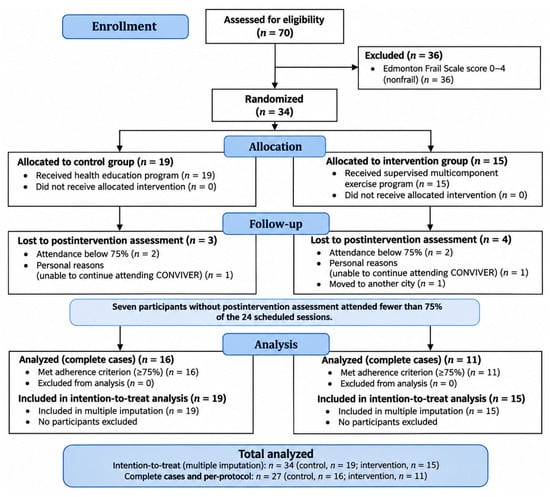
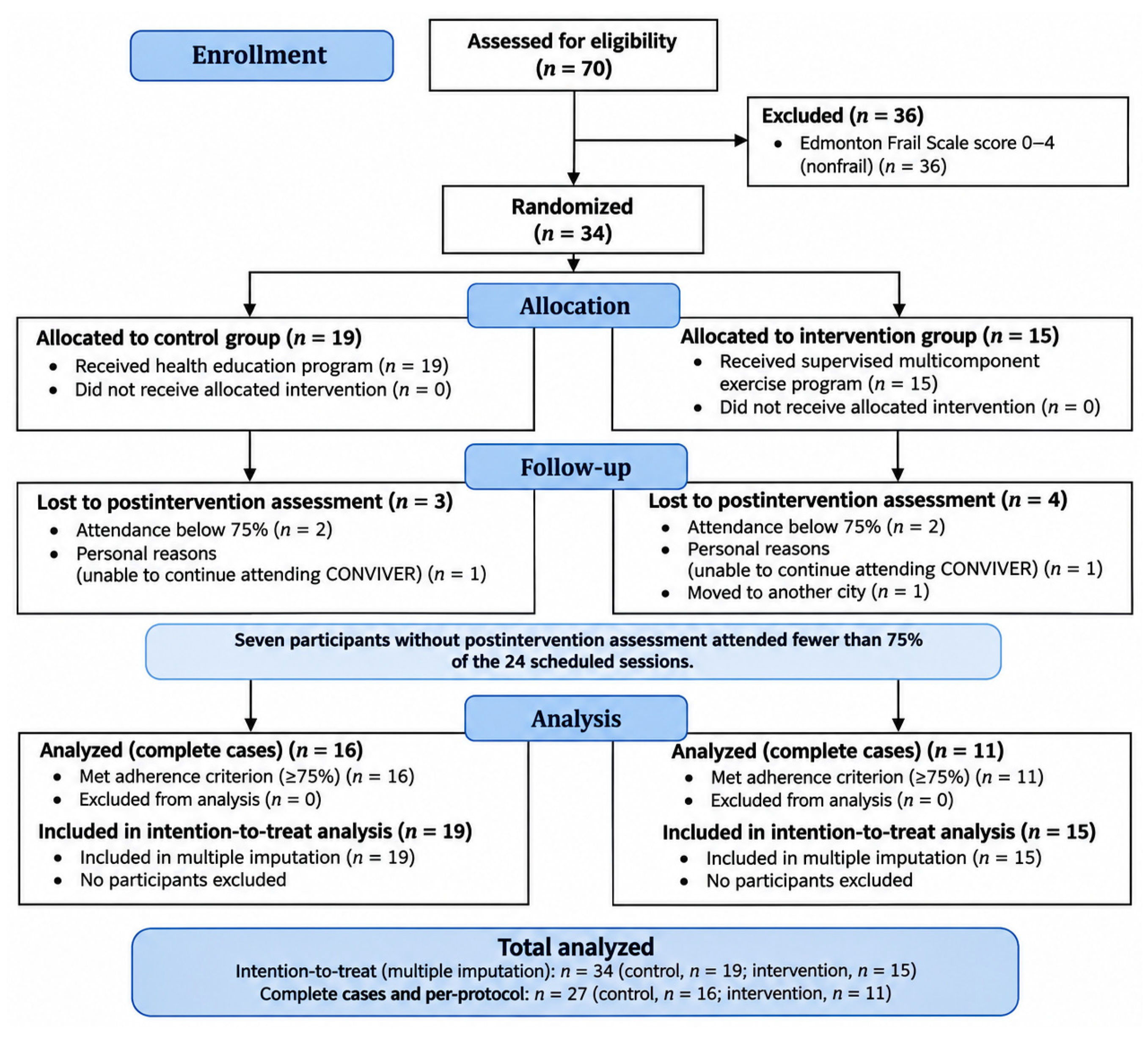
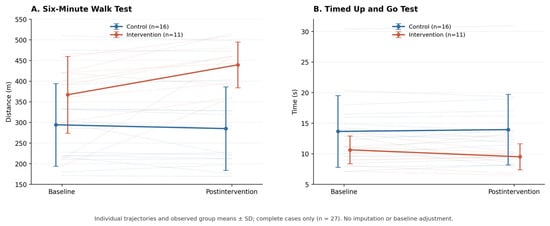
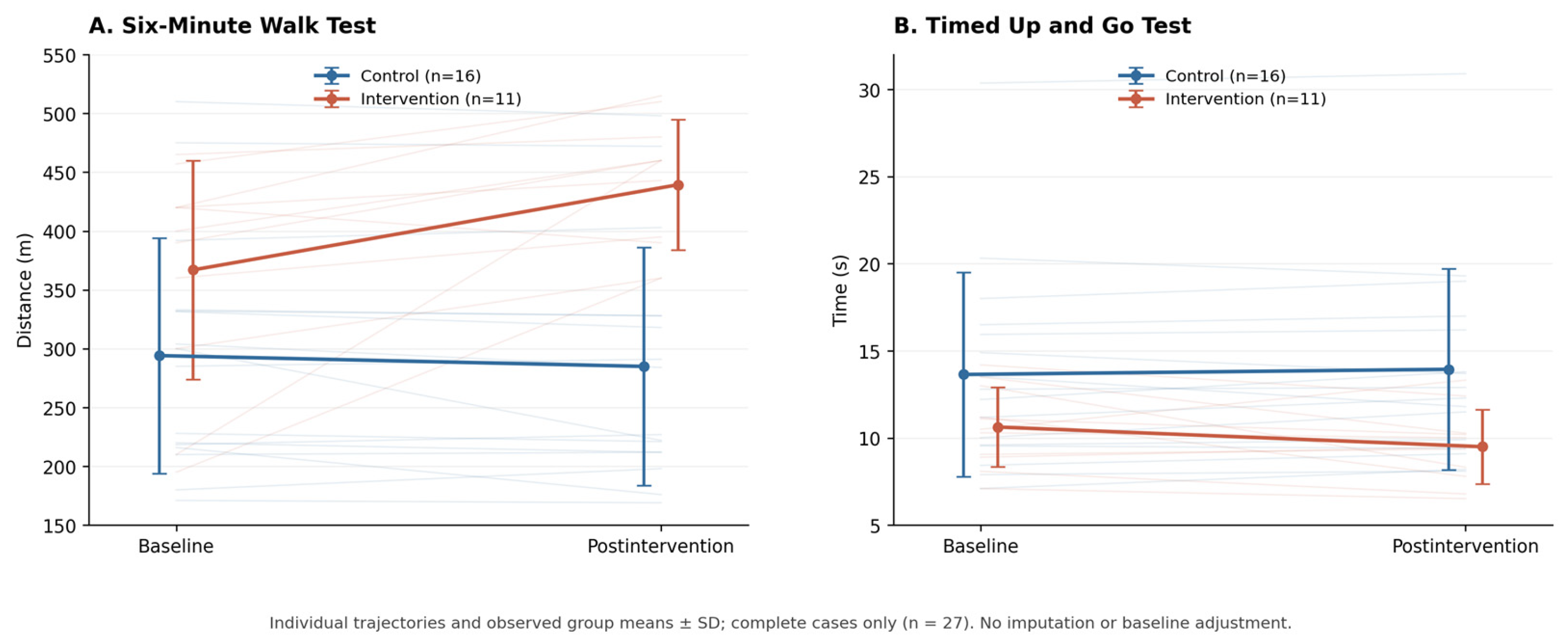
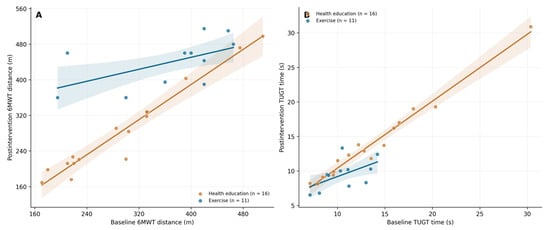
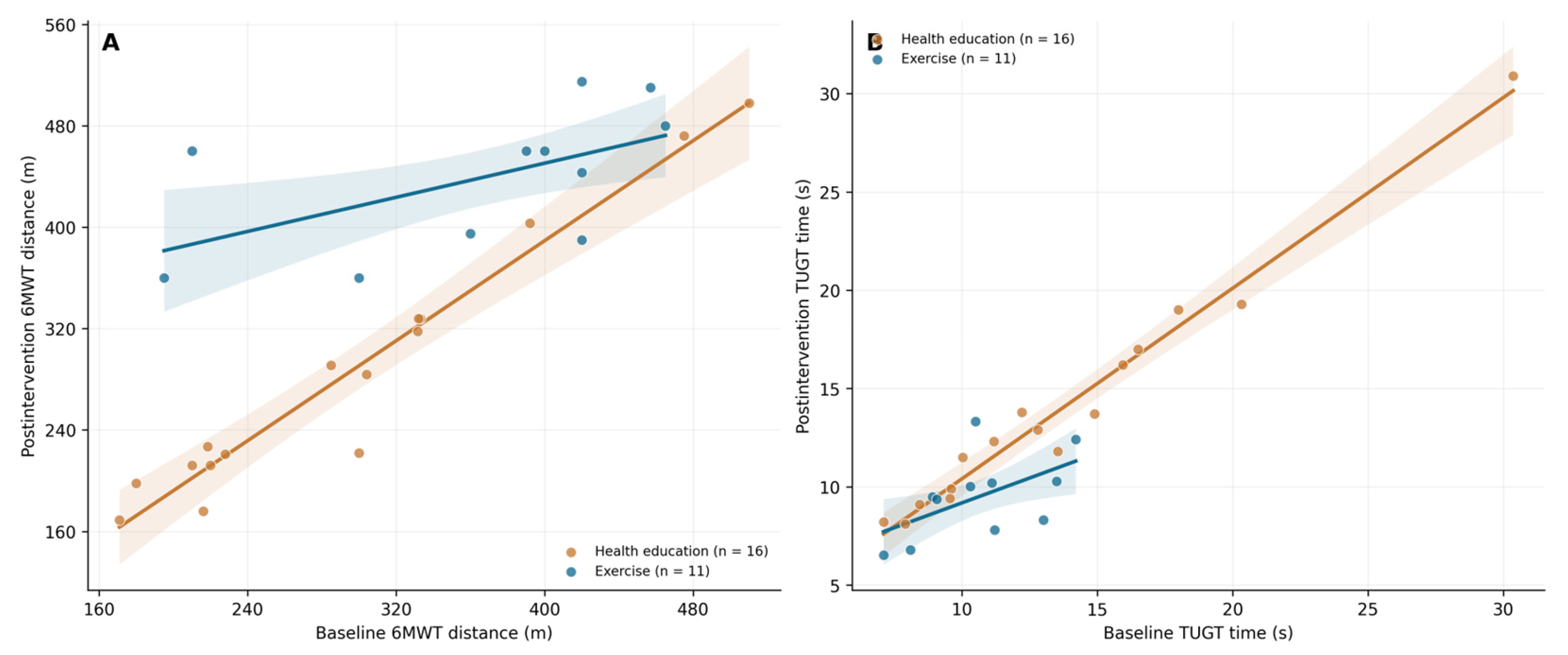

Disclaimer/Publisher’s Note: The statements, opinions and data contained in all publications are solely those of the individual author(s) and contributor(s) and not of MDPI and/or the editor(s). MDPI and/or the editor(s) disclaim responsibility for any injury to people or property resulting from any ideas, methods, instructions or products referred to in the content. |
© 2026 by the authors. Licensee MDPI, Basel, Switzerland. This article is an open access article distributed under the terms and conditions of the Creative Commons Attribution (CC BY) license.