


Abstract
Reservoir-triggered seismicity (RTS) is commonly associated with stress perturbations induced by reservoir loading and pore-pressure diffusion within fractured rock masses. Shortly after the initial impoundment of the Irapé Hydropower Plant (Minas Gerais, Brazil), a sequence of induced earthquakes was recorded, providing an opportunity to investigate the compatibility between reservoir loading and the observed seismic response. This study presents a first-order hydromechanical assessment integrating finite element modelling, analytical elasticity solutions, and pore-pressure diffusion theory to evaluate the spatial distribution of stress perturbations and the characteristic diffusion times associated with reservoir impoundment. A two-dimensional elastic model was developed to simulate stress redistribution induced by the maximum reservoir load, while a parametric diffusion analysis was performed for representative hydraulic diffusivities and hypocentral depth scenarios between 1 and 6 km. Numerical results showed excellent agreement with the analytical elasticity solution (RMSE = 14.36 kPa, MAE = 11.08 kPa, mean relative error = 1.38%, and R2 = 0.999), supporting the reliability of the numerical model. The simulations indicate that vertical stress perturbations decrease from approximately 1.8–2.0 MPa immediately beneath the reservoir to about 0.01–0.1 MPa at kilometer-scale depths, where the recorded seismicity is presumed to occur. The diffusion analysis indicates that pore-pressure propagation to these depths generally requires substantially longer times than the interval between reservoir filling and the onset of seismic activity. Nevertheless, owing to uncertainties in hydraulic diffusivity, fracture connectivity, and hypocentral depth estimates, the diffusion results are interpreted as a first-order sensitivity analysis rather than a site-specific prediction. Overall, the results support the temporal compatibility and physical plausibility of rapid elastic stress redistribution as a potential triggering mechanism, while recognizing that the available geological and seismological data are insufficient to establish a direct causal relationship or demonstrate fault reactivation.
1. Introduction
Induced seismicity constitutes a multidisciplinary field within geoscience that involves the interaction between geological processes, geomechanical conditions, and anthropogenic activities capable of modifying the natural stress state of the Earth’s crust. This phenomenon has been associated with several human activities, including the construction of large dams [1,2,3,4,5], geothermal exploitation [6,7], oil and gas extraction [8,9], underground nuclear explosions [10,11], carbon dioxide injection into deep geological formations [12,13,14], and regional load changes within the crust [15]. Owing to its implications for geological hazard assessment and the safety of critical infrastructure, induced seismicity has become an increasingly important research topic, requiring a better understanding of the physical mechanisms governing earthquake triggering and fault reactivation [16,17].
Recent advances have demonstrated that induced seismicity results from complex hydromechanical interactions involving elastic stress transfer, pore-pressure diffusion, poroelastic effects, fault permeability, and geological heterogeneity [18,19,20,21]. These mechanisms may operate simultaneously, producing both immediate and delayed seismic responses depending on local geological and hydraulic conditions.
Among the different forms of induced seismicity, reservoir-triggered seismicity (RTS) is one of the most extensively documented phenomena. RTS is generally associated with the impoundment of large reservoirs and is commonly interpreted through two principal mechanisms. The first corresponds to the rapid elastic response generated by the additional hydraulic load imposed by the reservoir, producing almost instantaneous stress perturbations within the surrounding crust. The second involves pore-pressure diffusion through fractures and discontinuities, progressively reducing the effective normal stress acting on pre-existing faults and potentially promoting delayed seismicity [22,23,24,25,26,27]. Recent studies further indicate that poroelastic stress transfer, aseismic slip propagation, structural inheritance, and hydraulic connectivity jointly control the spatial and temporal evolution of induced earthquakes, highlighting that RTS rarely results from a single physical mechanism [28,29].
Several reservoir-induced seismicity cases worldwide have reinforced the importance of integrating geological observations, seismic monitoring, and hydromechanical modelling to distinguish the relative contributions of elastic stress transfer and hydraulic diffusion. In Brazil, studies conducted at the Nova Ponte reservoir demonstrated that rapid seismic responses may be associated with undrained poroelastic stress transfer, whereas delayed seismicity depends strongly on preferential hydraulic pathways capable of transmitting pore-pressure perturbations to seismogenic depths [30]. More recent investigations have also shown that shallow seismicity is often governed by hydraulic diffusion, whereas deeper events may be dominated by poroelastic stress perturbations and tectonic inheritance [31,32]. In addition, studies in the Aswan reservoir highlighted the fundamental role of pre-existing geological structures in controlling earthquake clustering, reinforcing the concept that reservoirs generally act as triggering agents on critically stressed faults rather than generating new seismic sources [33]. Fully coupled poromechanical simulations have further demonstrated that the evolution of induced seismicity depends on the interaction among elastic stress redistribution, fluid diffusion, fault properties, and geological heterogeneity [34,35,36,37,38,39].
The Irapé Hydropower Plant, located in Minas Gerais State, Brazil, represents an important case study because seismic activity was recorded shortly after reservoir impoundment [30,40]. Previous investigations documented the occurrence and temporal evolution of the seismic sequence; however, quantitative evaluations relating reservoir-induced stress perturbations to the observed seismicity remain limited. In particular, few Brazilian studies integrate seismic observations, elastic stress modelling, and first-order hydraulic diffusion analyses to evaluate whether the temporal and spatial distribution of earthquakes is mechanically compatible with stress perturbations generated by reservoir loading.
Elastic solutions for a semi-infinite medium indicate that the hydraulic load imposed by large reservoirs may generate stress perturbations on the order of 0.1 MPa at depths of several kilometres, values comparable to stress changes capable of triggering slip on critically stressed faults. Conversely, considering the relatively low permeability of the lithologies underlying the Irapé reservoir, pore-pressure diffusion would be expected to propagate over substantially longer characteristic times. Consequently, the relatively rapid onset of seismic activity following reservoir filling suggests that elastic stress transfer may have contributed to the observed seismic response, although pore-pressure diffusion cannot be excluded and must also be evaluated [22,23].
Within this context, the present study investigates the influence of reservoir loading on the stress state beneath the Irapé Hydropower Plant and evaluates its compatibility with the observed seismicity. Unlike previous investigations that primarily documented the occurrence of induced earthquakes or discussed possible triggering mechanisms, this work combines seismic observations, elastic stress modelling, and first-order pore-pressure diffusion analysis to assess the physical plausibility and temporal compatibility of different triggering mechanisms. Rather than attempting to demonstrate fault reactivation, the proposed methodology provides a first-order mechanical assessment of whether the observed seismicity is consistent with stress perturbations generated by reservoir impoundment, while explicitly recognizing the limitations imposed by the available seismic dataset.
2. Mathematical Framework
2.1. Reservoir-Triggered Seismicity
Reservoir-Triggered Seismicity (RTS) is a phenomenon observed in several regions of the world following the impoundment of large reservoirs associated with dams [41,42]. This process has been documented in different geological contexts since the mid-twentieth century and is generally associated with changes in the stress state of the Earth’s crust caused by hydraulic loading and the infiltration of water into fracture and fault systems [43].
Early systematic observations of RTS showed that seismic activity may exhibit different temporal patterns following reservoir impoundment. In some cases, seismic events occur almost immediately after the increase in water level, whereas in others the seismic activity becomes evident only after months or even years. These distinct temporal responses suggest that different physical mechanisms may control the triggering of induced seismicity.
In general, two primary mechanisms are considered responsible for the potential reactivation of geological faults in regions subjected to reservoir impoundment:
- (i)
- changes in the stress state caused by the loading of the water mass, and
- (ii)
- the increase in pore pressure resulting from water infiltration into rock formations [2], as illustrated in Figure 1.Figure 1. Conceptual model of reservoir-triggered seismicity resulting from hydraulic loading and pore pressure increase in fractured rock formations.
2.2. Stress Changes Induced by Reservoir Loading
The impoundment of a reservoir produces a significant increase in the load applied to the Earth’s surface. This additional load alters the stress state within the rock mass and may promote the reactivation of pre-existing geological faults that are already close to failure conditions.
From a mechanical standpoint, the reservoir can be represented as a distributed load acting on an elastic half-space. In a simplified formulation, the vertical pressure imposed by the water column can be expressed by Equation (1):
where
- is the density of water,
- is the gravitational acceleration, and
- is the height of the water column.
This additional load produces stress perturbations that can propagate several kilometers into the crust. Previous studies indicate that stress variations on the order of 0.01 to 0.1 MPa may be sufficient to trigger slip on critically stressed faults [14,23]. This mechanism is commonly referred to as the rapid response mechanism, since the redistribution of stresses occurs elastically and therefore almost instantaneously after reservoir filling [22].
The stress perturbation induced by reservoir loading can be analytically estimated using classical elasticity solutions for a half-space subjected to a distributed surface load. In this framework, the reservoir may be idealized as a uniformly loaded area acting on the surface of the crust, allowing the use of analytical solutions derived from the Boussinesq problem.
Considering an equivalent circular loaded area with radius , the variation of vertical stress with depth along the axis of symmetry can be expressed by Equation (2):
where
- is the induced vertical stress at depth ,
- represents the surface pressure associated with the reservoir water column, and
- is the equivalent radius of the loaded area.
This analytical formulation describes the decay of induced stresses with increasing depth and provides an important theoretical reference for interpreting stress perturbations generated by hydraulic loading. Moreover, this solution can be used as a baseline for comparison and validation of results obtained from numerical models based on the finite element method.
2.3. Analytical Model of Pore Pressure Diffusion
In addition to the mechanical loading effect, the increase in reservoir water level may generate hydraulic perturbations that propagate into the rock mass through fractures, discontinuities, and connected porous media. This process results in an increase in pore pressure at depth, which reduces effective stresses and may facilitate the reactivation of pre-existing faults.
In studies of induced seismicity, pore pressure diffusion is often invoked to explain seismic events that occur with a time delay relative to reservoir filling, particularly in geological environments characterized by moderate to high permeability.
From a mathematical perspective, the propagation of pore pressure in a homogeneous, saturated, and isotropic medium can be described by the classical one-dimensional hydraulic diffusion equation [44], as given by Equation (3):
where
- is the pore pressure,
- represents the distance measured from the hydraulic boundary,
- is time, and
- is the hydraulic diffusivity coefficient.
Equation (3) was solved analytically considering a one-dimensional, homogeneous, isotropic, and fully saturated semi-infinite medium. The initial condition assumes hydrostatic equilibrium throughout the medium prior to reservoir impoundment, whereas the boundary condition consists of an instantaneous and constant pore-pressure increase imposed at the reservoir boundary (x = 0). Under these assumptions, the classical analytical solution can be obtained through the similarity transformation of the diffusion equation and is expressed in terms of the complementary error function.
This coefficient controls the rate at which the hydraulic perturbation propagates through the medium and, in a simplified formulation, may be expressed by Equation (4) [45]:
where
- is the hydraulic conductivity and
- is the specific storage coefficient.
In more complete formulations, hydraulic diffusivity may also be related to poroelastic properties of the medium, including rock and fluid compressibility.
For the case of an instantaneous pressure increase imposed at the boundary in a semi-infinite medium initially at hydraulic equilibrium, the analytical solution of the diffusion equation is given by Equation (5) [46]:
where
- is the overpressure applied at the boundary.
The complementary error function solution represents the transient propagation of pore-pressure perturbations within the rock mass. It results from applying a similarity variable that combines distance and time into a single dimensionless parameter, allowing the diffusion equation to be reduced to an ordinary differential equation. This analytical solution is widely adopted in hydrogeology and reservoir-triggered seismicity studies because it provides a first-order description of hydraulic diffusion in porous media.
The complementary error function is defined by Equation (6):
This solution describes the spatial and temporal attenuation of hydraulic perturbations within the rock mass. For small distances or sufficiently long times, the argument of the complementary error function tends to zero, and the pore pressure approaches the boundary value. Conversely, for large distances or short times, the argument becomes large and tends to zero, indicating that the perturbation has not yet significantly reached that location.
In the context of reservoir-triggered seismicity, this formulation allows estimating whether pore pressure increases induced by reservoir impoundment can reach depths or distances comparable to those of the observed seismic events within time intervals consistent with the seismic records.
The characteristic distance reached by the hydraulic perturbation after a time can be estimated by Equation (7) [47]:
where represents the characteristic distance reached by the hydraulic perturbation after a time .
Similarly, the characteristic time required for pore pressure to reach a distance may be estimated by Equation (8) [48]:
These expressions are particularly useful for preliminary analyses because they allow the temporal scale of hydraulic diffusion to be compared with the time interval between reservoir filling and the onset of seismic activity.
From a physical standpoint, the model indicates that in media with low hydraulic diffusivity the propagation of pore pressure is slow, and deep hydraulic perturbations may require months, years, or even longer periods to develop. In such cases, seismic events occurring shortly after reservoir impoundment tend to be more consistent with rapid elastic response mechanisms associated with surface loading. Conversely, when hydraulic diffusivity is sufficiently high, pore pressure diffusion may play a dominant role in the delayed triggering of seismic events, particularly along permeable fault zones.
For application to the Irapé Hydropower Plant case, the analytical solution based on the complementary error function may be used as a first-order tool to evaluate the plausibility of the diffusion mechanism. By considering hypothetical kilometer-scale depths commonly reported in reservoir-triggered seismicity studies and plausible values of hydraulic diffusivity for the local lithologies, it is possible to estimate hypothetical propagation times while recognizing that the hypocentral depths in the Irapé dataset remain substantially uncertain.
Comparing this theoretical time with the actual time interval observed between reservoir filling and the occurrence of seismic events allows assessing whether pore pressure diffusion constitutes a physically plausible mechanism for the recorded seismicity.
Thus, the analytical model based on the solution provides a simple yet robust theoretical framework for evaluating the compatibility between hydraulic properties of the rock mass, event depth, and the temporal delay of seismic activity. Although it represents a simplification of the real problem—since it neglects heterogeneities, anisotropy, flow in discrete fractures, and full hydro-mechanical coupling—the model provides an important reference for distinguishing between mechanisms dominated by hydraulic diffusion and those associated with rapid stress changes induced by reservoir loading.
3. Methodology
Application to the Irapé Hydropower Plant Case
In the case of the Irapé Hydropower Plant (HPP), located in the state of Minas Gerais, Brazil (Figure 2), the structure consists of a large rockfill dam with a central clay core, reaching a height of approximately 205–208 m, which makes it the highest dam in Brazil. The reservoir, impounded on the Jequitinhonha River, has a storage capacity of about and a surface area of approximately 137 km2. These characteristics classify Irapé as a large-scale hydraulic structure capable of inducing significant stress perturbations in the surrounding crust. Seismic records indicate the occurrence of seismic activity shortly after the initial filling of the reservoir. This behavior suggests that changes in the stress state induced by reservoir loading may play an important role in the activation of pre-existing geological faults in the region.
Figure 2.
Location of the Irapé Hydropower Plant and the seismological monitoring network installed during reservoir impoundment.
In this context, the combined analysis of the stress field induced by the reservoir and the process of pore pressure diffusion becomes fundamental for understanding the mechanisms responsible for the observed seismicity. Modeling these perturbations allows estimating the portion of the crust potentially affected by hydraulic loading and evaluating whether the characteristic time scales of hydraulic diffusion are compatible with the occurrence of the recorded seismic events.
The area surrounding the Irapé Hydroelectric Power Plant overlies rocks of the Macaúbas Group, located within the external zone of the Araçuaí Orogen [49,50], where metamorphic rocks ranging from greenschist facies to medium amphibolite facies predominate, with metamorphic grade increasing from west to east.
The Macaúbas Group consists of metasedimentary rocks originally deposited in a marginal basin adjacent to the São Francisco Craton and metamorphosed during the Neoproterozoic Brasiliano–Pan-African Event [51]. The present arrangement and stratigraphic sequence of these rocks suggest a glaciomarine depositional environment for the protoliths, which, after metamorphism, generated quartzites, phyllites, ferruginous metadiamictites, ferruginous quartz schists, and staurolite–biotite–quartz schists in the more distal portions of the basin. The predominant lithotype surrounding the Irapé Hydroelectric Plant dam is ferruginous quartz–sericite schist, together with kyanite quartzite associated with meta-psammitic lenses formed under higher-pressure conditions during the ductile deformation phases.
The present-day tectonic stress field in southeastern Brazil is characterized by regional variability associated with intraplate stress transmission and inherited crustal anisotropies. According to the stress compilation of Assumpção et al. (2016) [52], the northeastern portion of Minas Gerais is characterized by a regional orientation of the principal horizontal stresses (SHmax/SHmin). Together with the mapped structural lineaments, this information provides the regional tectonic framework adopted in the present study. However, the available geological and seismological data are insufficient to evaluate fault stability or to infer whether specific faults are favourably oriented for reactivation.
Figure 3 summarizes the regional tectonic stress framework, local structural lineaments, and the focal mechanism of the main induced seismic event recorded during reservoir filling.
Figure 3.
Regional and local tectonic stress framework of the Irapé Hydropower Plant (HPP). (a) Regional SHmax/SHmin orientation in northeastern Minas Gerais based on Assumpção et al. (2016) [52]. (b) Local structural lineaments and seismic epicenters around the reservoir. (c) Focal mechanism of the main induced earthquake (Md 3.0) indicating a predominantly extensional regime with a subvertical σ1 axis and NE–SW nodal planes [53].
Silva et al. [54] described two phases of ductile deformation responsible for the formation of the main foliation and an asymmetric zonal crenulation cleavage, which, according to Marshak et al. [50], is associated with the collapse of the orogenic edifice. In addition, brittle structures are abundant at the outcrop scale, with fractures predominantly oriented in the N40E direction and secondarily in the N30W direction. This structural pattern is reflected in the local topography, particularly in controlling the orientation of the region’s main rivers, including the Jequitinhonha River and its tributaries, which locally form canyons that significantly contributed to the region’s hydroelectric potential, as well as the Araçuaí River, located in a parallel valley a few kilometers southeastward, possibly captured by a structure of similar orientation described near the dam site.
According to Silva [54], the pre-existing brittle structures contributed to the stabilization of the local geodynamic regime following the stress increase associated with reservoir impoundment. These authors identified sets of cogenetic brittle faults within the same structural domain where seismic events were recorded, exhibiting orientations similar to those inferred from the focal mechanism of the seismic event with the highest recorded magnitude.
The structural framework of the region is dominated by NE–SW-oriented lineaments, including faults, shear zones, and lithological contacts, which control both the geomorphology and the distribution of geophysical anomalies. These structures extend to crustal depths on the order of several kilometers, with geophysical interpretations suggesting features reaching depths of up to approximately 10 km. Such pre-existing discontinuities represent potential zones of stress concentration and preferential pathways for fluid migration.
Prior to reservoir impoundment, the study area exhibited low levels of natural seismicity, consistent with typical intraplate conditions in stable cratonic regions. However, seismic monitoring conducted during the initial filling phase of the Irapé reservoir revealed a clear increase in seismic activity associated with the impoundment process. Although pre-existing geological structures may represent potential pathways for stress concentration and fluid migration, the available seismic data do not provide sufficient evidence to establish a direct structural control on the observed seismicity (Figure 4).
Figure 4.
Geological and structural map of the Irapé Hydropower Plant (HPP) area, southeastern Brazil, highlighting the main lithological units and structural lineaments [4].
The filling of the Irapé reservoir began in 2005 and was completed in 2006, the year in which the project was officially inaugurated. During this period, seismological monitoring was carried out using three seismic stations (Figure 2), whose objective was to analyze reservoir-triggered seismicity during the filling stage.
Silva [54] performed studies on reservoir-induced seismicity at the Irapé Hydropower Plant and identified a direct temporal correlation between seismic events and the reservoir filling process, as shown in Figure 5. The results indicated that the largest recorded event reached a magnitude of 3.0 Md (duration magnitude) during the final stage of reservoir impoundment. The magnitudes reported in this study are based on duration magnitude (Md), which is commonly employed in local seismic networks with limited station coverage because it provides a robust estimate for small-to-moderate seismic events. Their analysis indicated that the spatial distribution of the recorded seismic events exhibited a preferential orientation broadly consistent with regional topographic and structural lineaments. These observations suggest a possible relationship between the spatial distribution of seismicity and pre-existing geological structures; however, direct inference regarding fault-plane orientations should be interpreted cautiously due to the limited availability of focal mechanism solutions and detailed fault geometry information.
Figure 5.
Temporal evolution of seismicity recorded during the filling of the Irapé reservoir, highlighting the occurrence of the largest magnitude event [54].
The seismic catalogue analysed in this study was obtained from the published datasets reported by Chimpliganond et al. [54] and subsequently described in detail by Silva [4], rather than being relocated or reprocessed in the present work. Consequently, the earthquake locations, magnitudes and associated uncertainties correspond to the original monitoring campaign conducted by the Seismological Observatory of the University of Brasília. The analyses presented herein focus on evaluating the compatibility between the observed seismicity and reservoir-induced stress perturbations, rather than on generating a new seismic catalogue.
Consequently, the earthquake locations, magnitudes, and associated uncertainties correspond to the original monitoring campaign conducted by the Seismological Observatory of the University of Brasília. The complete catalogue comprises approximately 200 recorded earthquakes, with reported magnitudes ranging from Md 0.1 to Md 3.0. Because the available seismic network consisted of only three operational stations during most of the analysed period, hypocentral depths are subject to considerable uncertainty, whereas epicentral locations and magnitude estimates are comparatively more reliable. No formal magnitude-of-completeness (Mc) analysis was performed in this study, since the objective was not to generate a new seismic catalogue but rather to evaluate the compatibility between the published seismic observations and the stress perturbations induced by reservoir loading.
The seismic events recorded during the reservoir filling stage appear temporally associated with the impoundment process and spatially concentrated near the dam and reservoir margins, as shown in Figure 6. Higher-magnitude events occur preferentially in these areas, where hydraulic loading may have contributed to local stress perturbations within the crust.
Figure 6.
Spatial distribution of seismic events recorded during the filling of the Irapé reservoir relative to the dam axis and reservoir extent.
The seismological monitoring of the area influenced by the Irapé Hydroelectric Power Plant (HPP) began during the construction phase on 17 September 2003, with the installation of station IRPI, which remained in operation until 17 May 2005. During the initial reservoir filling phase, stations IRP1, IRP2, IRP3, and IRP4 operated either fully or partially over a two-month monitoring period. However, seismic activity was not simultaneously recorded at all stations during this interval. Therefore, only events detected by the three operational stations were selected for analysis in order to improve the reliability of hypocentral location estimates.
The seismic monitoring network around the Irapé reservoir consisted of surface-installed stations designed to detect local microseismic activity associated with reservoir impoundment. The sensors employed at the operational stations consisted of short-period seismometers (Guralp 40T-1) coupled with Reftek digitalizers operating at a sampling frequency of 100 samples per second. The systems were powered by batteries and solar panels installed outside the station shelters (Figure 7). The distances between the operational stations and the dam axis ranged from 23 to 35 km, with station IRP2 being the farthest from the dam (Figure 7).
Figure 7.
Seismic recording equipment: (a) seismometer and datalogger installed in the field; (b) telemetry system with solar panel, GPS antenna, and communication equipment; and (c) location of the seismographic monitoring stations around the Irapé Hydropower Plant reservoir.
The apparent discrepancy between the total number of seismic events presented in Figure 5 and the subset shown in Figure 6 is related to the event selection criterion adopted for spatial visualization. While Figure 5 includes the complete seismic catalog, Figure 6 presents only the higher-magnitude events, excluding those with magnitudes lower than 1.0. This filtering procedure was adopted to improve the visualization and interpretation of the main spatial seismicity patterns.
The spatial configuration of the network provided partial coverage of the reservoir area, with inter-station distances on the order of several kilometers. While this configuration is sufficient for detecting seismic events and estimating their approximate epicentral locations, it imposes limitations on the accuracy of hypocentral depth determination. In particular, the reduced number of stations and limited azimuthal coverage introduce significant uncertainties in depth estimation, whereas horizontal location and magnitude estimates are comparatively more reliable. Consequently, interpretations relying on kilometer-scale hypocentral depths should be regarded as exploratory and subject to considerable uncertainty.
Seismic noise conditions were not systematically characterized in the available dataset; however, typical environmental and instrumental noise sources associated with surface installations may affect the detectability of low-magnitude events. A more detailed assessment of noise spectra, including comparison with standard reference models such as the New High Noise Model (NHNM) and New Low Noise Model (NLNM), is recommended for future studies.
4. Numerical Modeling of Stress Changes Induced by Reservoir Loading
To investigate stress perturbations induced by the filling of the Irapé Hydropower Plant reservoir, a two-dimensional geomechanical model representing the crustal domain of the studied region was developed. The modeling strategy follows the approach presented by Vanderlei da Silveira et al. [53] allowing the evaluation of stress redistribution within the crust associated with the additional load imposed by the reservoir water column. Initially, a geological profile was defined along the reservoir, passing through the region where the largest seismic event was recorded. This profile allows the evaluation of variations in the stress field induced by hydraulic loading within the crust.
The crustal rock mass was modeled as an isotropic elastic medium with mechanical properties representative of continental crustal rocks. Average values of Young’s modulus E = 70,000 MPa, Poisson’s ratio ν = 0.25, and density ρ = 2670 kg/m3 were adopted. These parameters are consistent with typical geomechanical properties reported in the literature for crystalline crustal rocks [55,56] and are commonly used in studies involving crustal modeling and stress changes induced by reservoirs.
Although the Macaúbas Group exhibits significant lithological heterogeneity, metamorphic foliation, brittle fault zones, and structural anisotropy, the present numerical model intentionally represents the crust as a homogeneous isotropic elastic medium. This simplification is consistent with the objective of the study, which is to evaluate the first-order regional stress perturbations generated by reservoir loading rather than local stress concentrations associated with individual geological structures. Representative average mechanical properties were therefore adopted to describe the crustal domain and to allow direct comparison with the analytical elasticity solution used for model validation.
It is recognized that lithological contrasts, elastic anisotropy, and fault zones may locally modify both the magnitude and orientation of stress perturbations. Consequently, the numerical results presented herein should be interpreted as regional first-order estimates of reservoir-induced stress redistribution rather than detailed predictions of the stress state acting on specific faults. Future studies incorporating three-dimensional geological models, anisotropic constitutive behavior, and explicit fault representations may provide more accurate evaluations of local stress concentrations and fault stability.
The numerical analysis was performed using the finite element method implemented in the computational environment ANSYS Multiphysics (ANSYS® Multiphysics v.14.5 (ANSYS Inc., Canonsburg, PA, USA)) [57]. The crustal domain was discretized using PLANE183 elements, which correspond to eight-node quadratic two-dimensional elements suitable for structural analyses under plane strain conditions.
The final mesh used in the simulations consisted of approximately 2595 finite elements and 8119 nodes, a configuration previously verified for numerical stability in earlier studies (Figure 8).
Figure 8.
Finite element mesh used in the geomechanical modeling of the crustal domain beneath the Irapé reservoir. The cyan region represents the discretized crustal domain, while the red region corresponds to the reservoir area where the hydraulic load was applied.
The load imposed by the reservoir was estimated based on the height of the water column, according to Equation (1). In addition, an analysis of pore pressure diffusion within the rock mass beneath the reservoir was conducted using the analytical solution of the hydraulic diffusion equation.
This analysis allowed estimating the characteristic time required for hydraulic perturbations to reach hypothetical depths ranging from shallow crustal levels (1–3 km) to deeper levels (4–6 km), commonly considered in reservoir-triggered seismicity studies. These depths were selected to perform a first-order sensitivity analysis rather than to represent confirmed hypocentral depths at the Irapé reservoir, whose depth estimates remain highly uncertain owing to the limited seismic monitoring network.
However, it is important to note that the estimation of hypocentral depths is subject to significant uncertainty due to the limited number of seismic stations (three stations), which reduces vertical resolution and may result in considerable errors in depth determination.
Finally, the results obtained from the stress modeling and pore-pressure diffusion analyses were compared with the seismological records obtained during reservoir impoundment. The objective of this comparison was to evaluate the physical plausibility and temporal compatibility of different triggering mechanisms potentially associated with the observed seismicity, while explicitly considering the uncertainty affecting hypocentral depth estimates and the limitations of the available seismic monitoring network.
5. Results
5.1. Distribution of the Observed Seismicity
During the reservoir filling process of the Irapé HPP, several seismic events were recorded in the region surrounding the dam. Seismological records indicate that most events occurred during periods of rising reservoir levels, suggesting a temporal correlation between hydraulic loading and seismic activity.
The spatial distribution of epicenters reveals a clear concentration near the dam axis and along the reservoir margins. This pattern suggests that seismicity is preferentially associated with areas subjected to higher hydraulic loads. The observed clustering of events is illustrated in Figure 9.
Figure 9.
Spatial distribution of the epicenters of seismic events recorded in the Irapé Hydropower Plant region.
Furthermore, although some mapped regional discontinuities exhibit a dominant NE–SW orientation, the spatial distribution of the observed epicenters does not provide clear evidence of direct alignment with these structures. Instead, the events appear to be mainly concentrated near the dam axis and along the reservoir margins, broadly following the reservoir and river valley geometry. It should be emphasized that the alignment adopted in the present study was defined as a methodological criterion based on the expected hydraulic loading conditions and the proximity to the dam axis, since these regions are expected to experience the greatest stress perturbations induced by reservoir impoundment. Therefore, any potential structural control by pre-existing geological discontinuities should be interpreted cautiously and regarded as a hypothesis requiring further investigation rather than a definitive conclusion.
5.2. Stresses Induced by Reservoir Loading
Based on the modeling of reservoir hydraulic loading, it was possible to estimate the perturbation of the crustal stress field associated with the filling of the Irapé reservoir. Considering the distributed load generated by the water column, the results indicate that the reservoir may produce stress perturbations capable of propagating several kilometers into the crust.
Figure 10 presents the spatial distribution of the vertical stress perturbation induced by reservoir loading, obtained through finite element numerical modeling. The largest stress increments occur in shallow regions and near the reservoir axis, where the hydraulic loading is maximum. With increasing depth, a gradual reduction in the magnitude of these perturbations is observed, indicating the attenuation of induced stresses with increasing distance from the loaded area.
Figure 10.
Variation in vertical stress induced by reservoir loading as a function of depth obtained by numerical modeling.
It should be emphasized that the stress values presented in Figure 10 represent incremental vertical stress variations (Δσz) and follow the sign convention adopted in this study, in which negative values correspond to compressive stresses. Therefore, the negative values observed beneath the reservoir should not be interpreted as a reduction in loading or a decrease in the total vertical stress field. Instead, they represent compressive stress increments induced by reservoir loading and the associated mechanical redistribution of stresses within the surrounding crustal medium.
The geometry of the stress field shown in Figure 10 reveals the formation of a stress bulb propagating into the crust, with the highest concentration located beneath the central portion of the reservoir. This behavior is consistent with classical elasticity solutions for distributed loads acting on a half-space, where stress increments gradually decrease with increasing depth and lateral distance from the loaded region.
Although the calculated stress perturbations reach magnitudes on the order of 0.01–0.1 MPa at depths of several kilometers, these results should not be interpreted as direct evidence of earthquake triggering or fault reactivation at such depths. The available seismic dataset does not sufficiently constrain hypocentral depths because of the limited geometry of the temporary seismic monitoring network. Furthermore, vertical stress perturbations alone are insufficient to determine fault activation, since fault reactivation depends on the complete stress tensor, fault orientation, the regional in situ stress field, and changes in effective normal and shear stresses acting on pre-existing fault planes [58,59]. Therefore, the present results should be interpreted as a first-order assessment of the spatial distribution and magnitude of reservoir-induced stress perturbations rather than as a direct characterization of fault triggering mechanisms. The highest stress perturbations (approximately 1.8–2.0 MPa) occur immediately beneath the reservoir load, where the hydrostatic pressure is directly applied. These stresses attenuate rapidly with both depth and horizontal distance, reaching values on the order of 0.01–0.1 MPa at kilometer-scale depths relevant to the observed seismicity. Consequently, only these attenuated stress perturbations were considered when evaluating the temporal compatibility and physical plausibility of reservoir-induced stress redistribution with the observed seismic sequence.
To assess the consistency of the numerical results, a comparison was performed between the vertical stress values calculated by the finite element model and those predicted by an analytical elasticity solution for a half-space subjected to a distributed surface load. The comparison between numerical and analytical results was carried out using a nonlinear parameter-fitting procedure. The adopted functional form corresponded to the classical elasticity solution for a uniformly loaded circular area acting on a half-space, with an additional residual stress term included to represent the tail behavior observed in the numerical results at greater depths. The analytical model parameters were obtained by minimizing the sum of squared differences between the numerically computed vertical stresses and those predicted by the analytical expression along depth.
The expression used to evaluate the error between the numerical and analytical results is given by Equation (9):
where corresponds to the numerically obtained stresses and represents the values predicted by the analytical solution.
The analytical solution adopted may be expressed by Equation (10):
where represents the pressure associated with the reservoir loading and corresponds to the equivalent radius of the loaded area.
Using a nonlinear regression algorithm, the fitted parameters were obtained. In the adjustment derived from the figure, the resulting values were:
This comparison is presented in Figure 11, which shows the variation in vertical stress perturbation with depth obtained by both methods. A good agreement is observed between the numerical results and the analytical solution, particularly in the shallow regions where the effect of hydraulic loading is more pronounced.
Figure 11.
Comparison between the finite element results and the adjusted analytical solution for the vertical stress induced by reservoir-water loading as a function of depth.
The vertical stress decreases progressively with depth, indicating the attenuation of the mechanical effect of the reservoir load within the crust.
The results show that the vertical stress induced by the weight of the reservoir water is highest near the surface and progressively decreases with depth. This behavior is consistent with the expected stress diffusion pattern produced by a distributed surface load, confirming that the reservoir filling generates measurable but depth-attenuated perturbations in the crustal stress field.
To quantitatively assess the agreement between the finite element results and the analytical solution, the root mean square error (RMSE), mean absolute error (MAE), mean relative error, and coefficient of determination were calculated. The resulting RMSE and MAE were 14.36 kPa and 11.08 kPa, respectively, while the mean relative error was 1.38% and was 0.9990. These results quantitatively confirm the close agreement between the numerical and analytical stress distributions shown in Figure 11.
These results suggest that even relatively small stress perturbations induced by reservoir loading could contribute to fault destabilization under critically stressed conditions, as discussed by Talwani and Zoback [14,23].
5.3. Parametric Analysis of Pore Pressure Diffusion
The pore pressure diffusion analysis was carried out using an analytical model based on the classical solution of the hydraulic diffusion equation. Considering plausible values of hydraulic diffusivity for the lithologies present in the Irapé region, the characteristic time required for hydraulic perturbations to propagate to different depths within the rock mass was estimated.
To assess the plausibility of pore pressure diffusion as a triggering mechanism for the observed seismicity, the analytical solution for a homogeneous semi-infinite medium subjected to a pressure variation at the hydraulic boundary was employed, as defined in Equation (5). Accordingly, the spatial and temporal evolution of pore pressure was evaluated based on this formulation, where represents the pore pressure at a distance from the hydraulic boundary after a time , is the overpressure applied at the boundary, and corresponds to the hydraulic diffusivity of the medium.
As a first approximation, the characteristic time required for the hydraulic perturbation to reach a distance may be estimated by equation:
This relation provides an order-of-magnitude estimate for the time required for pore pressure increase to propagate to the depth associated with the seismogenic region.
Given the uncertainty associated with hypocentral depth estimates, the adopted depths should not be interpreted as representative values for the Irapé seismicity. Instead, the diffusion analysis is treated as a parametric plausibility assessment covering a broad range of hypothetical kilometer-scale depths commonly discussed in reservoir-triggered seismicity studies. Different hydraulic diffusivity values representative of crystalline rocks and fractured media were considered. Although most selected events are shallow and affected by hypocentral uncertainty, deeper events reported in the catalog motivated the use of kilometer-scale depths for the parametric diffusion analysis.
To evaluate the temporal compatibility between hydraulic diffusion and the seismic activity observed during reservoir impoundment, a first-order parametric analysis of pore-pressure diffusion was performed using the analytical solution presented in Section 2.3. The analysis considered five representative depths (1, 2, 3, 4, and 6 km), representing both shallow crustal levels, where reservoir-triggered seismicity is frequently reported, and deeper regions commonly discussed in studies of induced seismicity. These depths do not represent confirmed hypocentral locations for the Irapé seismic sequence, but rather reference values adopted to investigate the sensitivity of pore-pressure propagation with increasing depth.
The pore-pressure evolution was evaluated for three representative hydraulic diffusivities (D = 0.01, 0.1, and 1.0 m2/s), covering the range commonly reported for fractured crystalline rocks. The analytical solution was normalized by the pressure increase imposed at the reservoir boundary (P/P0), allowing direct comparison of the characteristic diffusion times under different hydraulic conditions.
Figure 12 presents the temporal evolution of normalized pore-pressure diffusion for the five hypothetical depths and the three representative hydraulic diffusivities considered in this study.
Figure 12.
Normalized pore-pressure evolution (P/P0) as a function of time for representative depths beneath the reservoir. (a) Hydraulic diffusivity D = 0.01 m2/s. (b) Hydraulic diffusivity D = 0.1 m2/s. (c) Hydraulic diffusivity D = 1.0 m2/s. Colored curves represent hypothetical depths of 1, 2, 3, 4, and 6 km.
As expected from the analytical solution of the diffusion equation, pore-pressure perturbations propagate progressively more slowly as depth increases. For all hydraulic diffusivities investigated, shallow crustal levels (1–3 km) experience a substantially faster increase in pore pressure than deeper regions (4–6 km). This behavior reflects the diffusive nature of hydraulic propagation, for which the characteristic propagation time increases approximately with the square of the travel distance.
The influence of hydraulic diffusivity is also evident. Under relatively high diffusivity conditions (D = 1.0 m2/s), pore-pressure perturbations propagate rapidly through the fractured medium, reaching shallow crustal levels within relatively short periods after reservoir impoundment. In contrast, for lower diffusivities (D = 0.01 m2/s), the propagation front advances much more slowly, requiring several years to reach depths of only a few kilometers. Intermediate diffusivity values (D = 0.1 m2/s) produce an intermediate behavior, with propagation times ranging from several months to a few years depending on depth.
These results demonstrate that pore-pressure diffusion is strongly controlled by both hydraulic diffusivity and propagation distance. The inclusion of shallower reference depths (1–3 km) shows that diffusion may plausibly contribute to seismicity occurring within the upper crust, particularly under relatively permeable conditions. However, propagation toward greater depths (4–6 km) requires significantly longer timescales, especially for diffusivities typically reported for fractured crystalline rocks.
It should be emphasized that the hypocentral depths available for the Irapé seismic sequence are affected by considerable uncertainty owing to the limited geometry of the seismic monitoring network. Consequently, the selected depths should not be interpreted as actual earthquake locations but rather as representative distances adopted to evaluate the physical plausibility of pore-pressure diffusion under different scenarios.
Overall, the parametric analysis indicates that hydraulic diffusion may contribute to the long-term evolution of reservoir-induced seismicity, particularly at shallow depths or along highly permeable fracture systems. Nevertheless, the relatively rapid occurrence of the first recorded seismic events after reservoir impoundment remains more consistent with the hypothesis of rapid elastic stress transfer than with pore-pressure diffusion acting as the sole triggering mechanism. Figure 13 presents the characteristic time required for pore pressure diffusion to reach kilometer-scale depths as a function of the hydraulic diffusivity of the medium.
Figure 13.
Characteristic time required for pore-pressure perturbations to reach representative depths of 1, 2, 3, 4, and 6 km as a function of hydraulic diffusivity.
To complement the parametric analysis presented in Figure 13, Table 1 summarizes the characteristic propagation times estimated for representative depths ranging from 1 to 6 km under three representative hydraulic diffusivities. These values provide an order-of-magnitude reference for evaluating the temporal compatibility between pore-pressure diffusion and the observed seismic activity during reservoir impoundment.
Table 1.
Estimated characteristic propagation time of pore-pressure perturbations for different hydraulic diffusivity values.
The results indicate that the time required for hydraulic perturbations to reach kilometre-scale depths depends strongly on the hydraulic diffusivity of the medium. Although the present analysis is performed within a parametric framework, the adopted diffusivity range m2/s) is consistent with values commonly reported for fractured crystalline rocks and reservoir environments. The Irapé Hydropower Plant is situated within a Precambrian crystalline basement characterized by fractured rock masses and structural discontinuities. Although no site-specific hydraulic measurements are currently available, the effective hydraulic diffusivity is expected to be of the same order of magnitude as values reported for similar geological settings. From a physical standpoint, hydraulic diffusivity may be approximated by , where is the hydraulic conductivity and is the specific storage. Typical values reported for fractured crystalline rocks ( m/s and to Pa−1) are broadly consistent with the adopted diffusivity interval. Under these conditions, the characteristic diffusion times range from days to several years, depending on the hydraulic diffusivity, and are compatible with the broad spectrum of temporal responses reported for reservoir-triggered seismicity. Since direct in situ measurements of hydraulic diffusivity are unavailable for the Irapé reservoir, the present analysis relies on representative values reported in the literature to provide physically meaningful estimates of pore-pressure propagation.
It can be observed that, for typical hydraulic diffusivity values reported for crystalline rocks, pore-pressure perturbations propagate only a few kilometres even after several years. Consequently, hydraulic diffusion is expected to evolve over considerably longer timescales than the rapid stress transfer associated with the initial reservoir loading.
On the other hand, only relatively high hydraulic diffusivity values (c ≥ 1 m2/s) would produce propagation times on the order of weeks to months. Such values are generally associated with highly fractured rock masses or hydrogeological systems exhibiting high hydraulic connectivity, conditions that may locally occur but are not necessarily representative of the regional crystalline basement surrounding the Irapé reservoir.
Therefore, although pore-pressure diffusion may contribute to the long-term evolution of reservoir-triggered seismicity, the present first-order analysis indicates that diffusion alone is unlikely to represent the dominant mechanism responsible for the initial seismic response following reservoir impoundment. Instead, the characteristic diffusion times suggest that hydraulic processes are expected to become progressively more important as pore-pressure perturbations migrate through the fractured rock mass over longer timescales.
Recent studies have demonstrated that the temporal and spatial evolution of seismicity patterns, including seismic migration, hypocenter clustering, and depth-dependent activation, provides important information regarding the dominant triggering mechanisms associated with reservoir-induced seismicity. Seismic migration analyses have been widely employed to distinguish rapid poroelastic stress transfer from slower pore-pressure diffusion processes, since mechanically induced stress perturbations may propagate almost instantaneously, whereas hydraulic diffusion typically evolves over longer timescales controlled by permeability and hydraulic connectivity [60,61]. Furthermore, recent hydromechanical studies indicate that induced seismicity may exhibit heterogeneous spatial and temporal distributions due to fault-zone heterogeneity, permeability anisotropy, and coupled poromechanical effects [20,21]. In this context, the interpretation of seismic migration exclusively as a diffusion-controlled process may oversimplify the complex hydromechanical interactions governing reservoir-triggered seismicity.
The diffusion analysis presented herein should therefore be regarded as a first-order assessment of characteristic hydraulic propagation times rather than as a site-specific prediction of earthquake occurrence. Three principal sources of uncertainty should be acknowledged. First, hydraulic diffusivity values were adopted from published studies because no in situ hydraulic measurements are currently available for the Irapé reservoir. Second, the simplified one-dimensional diffusion model neglects the influence of heterogeneous fracture connectivity, which may locally accelerate or delay pore-pressure propagation. Third, uncertainties remain regarding the hydraulic properties and structural complexity of the fractured rock mass. Despite these limitations, the analysis provides a physically consistent framework for evaluating the characteristic timescales of pore-pressure diffusion in crystalline rocks. Overall, the results indicate that elastic stress perturbations generated immediately after reservoir loading and the subsequent evolution of pore-pressure diffusion are complementary hydromechanical processes that may jointly contribute to reservoir-triggered seismicity, with their relative importance depending on local geological and hydraulic conditions.
5.4. Comparison Between Seismic Triggering Mechanisms
The comparison between the results obtained from stress field modeling and pore pressure diffusion analysis allows a discussion of the mechanisms responsible for the seismicity observed in the Irapé region.
The calculations indicate that reservoir hydraulic loading is capable of generating stress perturbations of the order required to trigger the reactivation of geological faults that are close to failure conditions. In addition, the relatively immediate character of the elastic crustal response to hydraulic loading is compatible with the rapid occurrence of seismic events after reservoir filling.
In contrast, the characteristic times estimated for pore pressure propagation suggest that diffusive mechanisms would tend to produce seismic responses on longer timescales. Therefore, the results indicate that the seismicity recorded during the filling of the Irapé reservoir is more consistent with a rapid response mechanism associated with reservoir loading, as proposed in classical studies on reservoir-triggered seismicity [22,23].
To further evaluate the relationship between the induced stress field and the depth of the recorded seismic events, the variation in vertical stress perturbation with depth was analyzed.
Figure 14 presents the decay of vertical stress perturbation induced by reservoir loading with depth, together with the depth range in which the seismic events associated with reservoir filling were recorded.
Figure 14.
Decay of vertical stress perturbation induced by reservoir loading with depth and the depth interval of the recorded seismic events.
It is observed that the stress increment is maximum near the surface and decreases progressively with increasing depth, a behavior consistent with classical elasticity solutions for distributed loads acting on half-spaces. However, even at kilometer-scale depths, the stress perturbations remain on the order of hundreds of kilopascals.
The shaded region in Figure 14 indicates the depth range in which the seismic events associated with reservoir filling were recorded. It is noted that, even at these depths, the stress perturbations remain sufficiently high to favor the reactivation of geological faults that are close to failure.
Thus, although pore pressure diffusion may contribute to the evolution of seismicity over longer timescales—especially along permeable fault zones—the results indicate that the predominant mechanism responsible for seismic activation during the filling of the Irapé reservoir is most likely associated with the rapid perturbation of the stress field induced by reservoir hydraulic loading.
This behavior is in agreement with the rapid response mechanism proposed by Simpson et al. [22] and Talwani [23], according to which small stress variations may be sufficient to trigger slip along critically stressed geological faults.
Unlike the triggering-front approach proposed by Shapiro et al. [62], which estimates hydraulic diffusivity from the migration envelope of a complete seismic sequence, the present analysis does not seek to invert hydraulic parameters. Instead, it evaluates whether diffusion time scales computed for representative hydraulic diffusivities and hypocentral depths are broadly compatible with the observed seismic sequence.
Although the present study quantifies the vertical stress perturbations induced by reservoir loading, these results should not be interpreted as direct indicators of fault reactivation. Fault stability is controlled by changes in Coulomb Failure Stress (ΔCFS), which depend on the complete stress tensor, fault orientation, frictional properties, and pore-pressure evolution. Because these parameters are not sufficiently constrained for the Irapé reservoir, the present analyses are intentionally restricted to a first-order assessment of reservoir-induced stress perturbations and their compatibility with the observed seismicity. Future studies incorporating detailed fault geometry and in situ stress data may extend the present approach through Coulomb stress analyses [63].
6. Conclusions
This study investigated the compatibility between reservoir loading and the seismicity observed during the initial impoundment of the Irapé Hydropower Plant by integrating finite element modelling, analytical elasticity solutions, and a first-order pore-pressure diffusion analysis. Rather than attempting to demonstrate fault reactivation, the adopted methodology was designed to evaluate whether the observed seismic sequence is mechanically and temporally compatible with stress perturbations induced by reservoir loading.
The numerical simulations indicate that the maximum vertical stress perturbations (approximately 1.8–2.0 MPa) occur immediately beneath the reservoir floor, where the hydrostatic load is directly applied. These perturbations attenuate rapidly with depth and lateral distance, reaching approximately 0.01–0.1 MPa at kilometer-scale depths, which are the stress levels relevant to the comparison with the observed seismicity. Validation against the analytical elasticity solution demonstrated excellent agreement, confirming the robustness of the adopted numerical approach.
The pore-pressure diffusion analysis showed that the characteristic propagation times depend strongly on hydraulic diffusivity, fracture connectivity, and the assumed hypocentral depth. For representative hydraulic diffusivities associated with fractured crystalline rocks, diffusion-controlled perturbations generally require longer times to reach kilometer-scale depths than the interval observed between reservoir impoundment and the onset of seismic activity. However, because no site-specific hydraulic measurements are available and hypocentral depths remain poorly constrained, these results should be interpreted as a first-order sensitivity analysis rather than as quantitative predictions.
The available seismic catalogue indicates a clear temporal association between reservoir impoundment and the increase in seismic activity. Nevertheless, the limited geometry of the temporary seismic monitoring network introduces considerable uncertainty in hypocentral depth determination, preventing reliable event-by-event comparisons with theoretical diffusion fronts and precluding definitive identification of the dominant triggering mechanism.
Consequently, the present results should not be interpreted as evidence of fault reactivation. Instead, they provide a physically consistent framework demonstrating that reservoir loading generates measurable crustal stress perturbations that are temporally compatible with the observed seismicity. Within the limitations of the available geological, hydraulic, and seismological data, the study supports the physical plausibility of rapid elastic stress redistribution as a potential contributor to the observed seismic response, while recognizing that pore-pressure diffusion may also contribute under favorable hydraulic conditions. Future investigations combining three-dimensional coupled hydro-mechanical modelling, improved hypocentral locations, and site-specific hydraulic characterization will be essential to better constrain the relative contributions of these mechanisms.
Author Contributions
Conceptualization, I.V.d.S.; methodology, I.V.d.S.; numerical modeling, I.V.d.S.; finite element implementation, I.V.d.S.; software and simulations, I.V.d.S.; validation of the numerical model, I.V.d.S.; formal analysis, I.V.d.S.; investigation, I.V.d.S.; data curation, I.V.d.S.; visualization, I.V.d.S.; writing—original draft preparation, I.V.d.S.; writing—review and editing, G.G.; supervision and critical analysis of the results, G.G. All authors have read and agreed to the published version of the manuscript.
Funding
This research received no external funding and was conducted as part of the doctoral research developed at the Graduate Program in Structures and Civil Construction (PECC), University of Brasília (UnB), Brazil.
Data Availability Statement
The data supporting the findings of this study are available from the corresponding author upon reasonable request.
Acknowledgments
The authors acknowledge the Graduate Program in Structures and Civil Construction (PECC), University of Brasília (UnB), for academic support and the Federal Institute of Paraíba (IFPB) for institutional support during the development of this research. During the preparation of this manuscript, the authors used OpenAI’s ChatGPT (GPT-5.5) solely to assist with English language editing and improve the clarity and readability of the manuscript. All scientific content, analyses, interpretations, and conclusions were developed, verified, and approved exclusively by the authors.
Conflicts of Interest
The authors declare no conflicts of interest.
References
- Gupta, H.K. The Present Status of Reservoir Induced Seismicity Investigations with Special Emphasis on Koyna Earthquakes. Tectonophysics 1985, 118, 257–279. [Google Scholar] [CrossRef] [Scilit]
- Gupta, H.K. Review: Reservoir Triggered Seismicity (RTS) at Koyna, India, over the Past 50 Yrs. Bull. Seismol. Soc. Am. Bull. Seismol. Soc. Am. 2018, 108, 2907–2918. [Google Scholar] [CrossRef] [Scilit]
- Gupta, H.K. Koyna, India, an Ideal Site for near Field Earthquake Observations. J. Geol. Soc. India 2017, 90, 645–652. [Google Scholar] [CrossRef] [Scilit]
- da Silva, G.F. Interpretação Geológica e Geofísica Da Área de Influência Da Usina Hidrelétrica de Irapé, MG. Master’s Thesis, Universidade de Brasília, Brasilia, Brazil, 2014. [Google Scholar]
- da Silveira, I.V. Estudo Da Influência Da Crosta Local No Comportamento Sísmico Do Sistema Barragem Gravidade-Reservatório-Fundação. Master’s Thesis, Universidade de Brasília, Brasilia, Brazil, 2018. [Google Scholar]
- Evans, K.F.; Zappone, A.; Kraft, T.; Deichmann, N.; Moia, F. A Survey of the Induced Seismic Responses to Fluid Injection in Geothermal and CO2 Reservoirs in Europe. Geothermics 2012, 41, 30–54. [Google Scholar] [CrossRef] [Scilit]
- Majer, E.; Nelson, J.; Robertson-Tait, A.; Savy, J.; Wong, I. Protocol for Addressing Induced Seismicity Associated with Enhanced Geothermal Systems; U.S. Department of Energy: Washington, DC, USA, 2011.
- Buttinelli, M.; Improta, L.; Bagh, S.; Chiarabba, C. Inversion of Inherited Thrusts by Wastewater Injection Induced Seismicity at the Val d’Agri Oilfield (Italy). Sci. Rep. 2016, 6, 37165. [Google Scholar] [CrossRef] [Scilit] [PubMed]
- Ruiz-Barajas, S.; Sharma, N.; Convertito, V.; Zollo, A.; Benito, B. Temporal Evolution of a Seismic Sequence Induced by a Gas Injection in the Eastern Coast of Spain. Sci. Rep. 2017, 7, 2901. [Google Scholar] [CrossRef] [Scilit] [PubMed]
- Arkhipova, E.V.; Zhigalin, A.D.; Morozova, L.I.; Nikolaev, A.V. The van Earthquake on October 23, 2011: Natural and Technogenic Causes. Dokl. Earth Sci. 2012, 446, 1176–1179. [Google Scholar] [CrossRef] [Scilit]
- Balassanian, S.Y. Earthquakes Induced by Deep Penetrating Bombing? Acta Seismol. Sin. 2005, 27, 691–695. [Google Scholar] [CrossRef] [Scilit]
- Nicol, A.; Carne, R.; Gerstenberger, M.; Christophersen, A. Induced Seismicity and Its Implications for CO2 Storage Risk. Energy Procedia 2011, 4, 3699–3706. [Google Scholar] [CrossRef] [Scilit]
- Nicol, A.; Gerstenberger, M.; Bromley, C.; Carne, R.; Chardot, L.; Ellis, S.; Jenkins, C.; Siggins, T.; Viskovic, P. Induced Seismicity; Observations, Risks and Mitigation Measures at CO2 Storage Sites. Energy Procedia 2013, 37, 4749–4756. [Google Scholar] [CrossRef] [Scilit]
- Zoback, M.D.; Gorelick, S.M. Earthquake Triggering and Large-Scale Geologic Storage of Carbon Dioxide. Proc. Natl. Acad. Sci. USA 2012, 109, 10164–10168. [Google Scholar] [CrossRef] [Scilit] [PubMed]
- Henriquet, M.; Avouac, J.-P.; Bills, B.G. Crustal Rheology of Southern Tibet Constrained from Lake-Induced Viscoelastic Deformation. Earth Planet. Sci. Lett. 2019, 506, 308–322. [Google Scholar] [CrossRef] [Scilit]
- McClure, M.W.; Horne, R.N. Correlations Between Formation Properties and Induced Seismicity During High Pressure Injection into Granitic Rock. Eng. Geol. 2014, 175, 74–80. [Google Scholar] [CrossRef] [Scilit]
- McClure, M.W.; Horne, R.N. An Investigation of Stimulation Mechanisms in Enhanced Geothermal Systems. Int. J. Rock Mech. Min. Sci. 2014, 72, 242–260. [Google Scholar] [CrossRef] [Scilit]
- Li, B.Q.; Khoshmanesh, M.; Avouac, J. Surface Deformation and Seismicity Induced by Poroelastic Stress at the Raft River Geothermal Field, Idaho, USA. Geophys. Res. Lett. 2021, 48, e2021GL095108. [Google Scholar] [CrossRef] [Scilit]
- Stokes, S.M.; Ge, S.; Brown, M.R.M.; Menezes, E.A.; Sheehan, A.F.; Tiampo, K.F. Pore Pressure Diffusion and Onset of Induced Seismicity. J. Geophys. Res. Solid Earth 2023, 128, e2022JB026012. [Google Scholar] [CrossRef] [Scilit]
- Yang, Y.; Yang, H.; Zi, J. Stress Transfer Outpaces Injection-Induced Aseismic Slip and Triggers Seismicity. Sci. Rep. 2023, 13, 16626. [Google Scholar] [CrossRef] [Scilit] [PubMed]
- Kivi, I.R.; Vilarrasa, V.; Kim, K.-I.; Yoo, H.; Min, K.-B. On the Role of Poroelastic Stressing and Pore Pressure Diffusion in Discrete Fracture and Fault System in Triggering Post-Injection Seismicity in Enhanced Geothermal Systems. Int. J. Rock Mech. Min. Sci. 2024, 175, 105673. [Google Scholar] [CrossRef] [Scilit]
- Simpson, D.W. Triggered Earthquakes. Annu. Rev. Earth Planet. Sci. 1986, 14, 21–42. [Google Scholar] [CrossRef]
- Talwani, P. Speculation on the Causes of Continuing Seismicity near Koyna Reservoir, India. Pure Appl. Geophys. PAGEOPH 1995, 145, 167–174. [Google Scholar] [CrossRef] [Scilit]
- Valoroso, L.; Improta, L.; Chiaraluce, L.; Di Stefano, R.; Ferranti, L.; Govoni, A.; Chiarabba, C. Active Faults and Induced Seismicity in the Val d’Agri Area (Southern Apennines, Italy). Geophys. J. Int. 2009, 178, 488–502. [Google Scholar] [CrossRef] [Scilit]
- Raza, H.; Kivi, I.R.; França, G.S.; Vilarrasa, V. Reservoir Impoundment-Triggered Seismicity in Brazil: The Case of M4.0 Nova Ponte Earthquake. Sci. Rep. 2023, 13, 22226. [Google Scholar] [CrossRef] [Scilit] [PubMed]
- Foulger, G.R.; Wilson, M.P.; Gluyas, J.G.; Julian, B.R.; Davies, R.J. Global Review of Human-Induced Earthquakes. Earth Sci. Rev. 2018, 178, 438–514. [Google Scholar] [CrossRef] [Scilit]
- Gupta, H.K.; Rastogi, B.K.; Narain, H. Some Discriminatory Characteristics of Earthquakes Near the Kariba, Kremasta, and Koyna Artificial Lakes. Bull. Seismol. Soc. Am. 1972, 62, 493–507. [Google Scholar] [CrossRef] [Scilit]
- De Barros, L.; Wynants-Morel, N.; Cappa, F.; Danré, P. Migration of Fluid-Induced Seismicity Reveals the Seismogenic State of Faults. J. Geophys. Res. Solid Earth 2021, 126, e2021JB022767. [Google Scholar] [CrossRef] [Scilit]
- Sáez, A.; Lecampion, B. Post-Injection Aseismic Slip as a Mechanism for the Delayed Triggering of Seismicity. Proc. R. Soc. A Math. Phys. Eng. Sci. 2023, 479, 20220810. [Google Scholar] [CrossRef] [Scilit]
- Raza, H.; França, G.S.; Sayão, E.; Vilarrasa, V. Earthquakes Triggered by the Subsurface Undrained Response to Reservoir Impoundment at Irapé, Brazil. Solid Earth 2024, 15, 1407–1417. [Google Scholar] [CrossRef] [Scilit]
- Zhao, R.; Xue, J.; Deng, K. Modelling Seismicity Pattern of Reservoir-Induced Earthquakes Including Poroelastic Stressing and Nucleation Effects. Geophys. J. Int. 2022, 232, 739–749. [Google Scholar] [CrossRef] [Scilit]
- Li, L.; Luo, G. What Causes the Spatiotemporal Patterns of Seismicity in the Three Gorges Reservoir Area, Central China? Earth Planet. Sci. Lett. 2022, 592, 117618. [Google Scholar] [CrossRef] [Scilit]
- Stabile, T.A.; Fat-Helbary, E.R.; Serlenga, V.; Panebianco, S.; Tizzani, P.; Castaldo, R.; Telesca, L.; El-Amin, E.M.; Hamed, A. Fault Structure and Earthquake Clustering in Aswan Region (Egypt) Revealed by High-Precision Earthquake Location from 35 Years of Recorded Natural and Induced Seismicity. Earth Planet. Sci. Lett. 2024, 642, 118881. [Google Scholar] [CrossRef] [Scilit]
- Boyet, A.; De Simone, S.; Ge, S.; Vilarrasa, V. Poroelastic Stress Relaxation, Slip Stress Transfer and Friction Weakening Controlled Post-Injection Seismicity at the Basel Enhanced Geothermal System. Commun. Earth Environ. 2023, 4, 104. [Google Scholar] [CrossRef] [Scilit]
- Ge, S.; Saar, M.O. Review: Induced Seismicity During Geoenergy Development—A Hydromechanical Perspective. J. Geophys. Res. Solid Earth 2022, 127, e2021JB023141. [Google Scholar] [CrossRef] [Scilit]
- Paluszny, A.; Schultz, R.; Zimmermann, G. Induced Seismicity in Coupled Subsurface Systems. Philos. Trans. R. Soc. A Math. Phys. Eng. Sci. 2024, 382, 20230193. [Google Scholar] [CrossRef] [Scilit] [PubMed]
- Wei, S.; Chen, X.; Li, J.; Ma, J.; Huang, G. A High-Resolution Microseismic Source Location Method Based on Contrast Source Algorithm. Geophys. J. Int. 2022, 232, 548–568. [Google Scholar] [CrossRef] [Scilit]
- Gerardi, G.; Dublanchet, P.; Jeannin, L.; Kazantsev, A.; Duboeuf, L.; Ramadhan, I.; Azis, H.; Ganefianto, N.; Nugroho, I.A. Geomechanical Modelling of Injection-Induced Seismicity: The Case Study of the Muara Laboh Geothermal Plant. Geophys. J. Int. 2024, 237, 818–837. [Google Scholar] [CrossRef] [Scilit]
- Gischig, V.S.; Rinaldi, A.P.; Alcolea, A.; Bethman, F.; Broccardo, M.; Bröker, K.; Castilla, R.; Ciardo, F.; Clasen Repollés, V.; Durand, V.; et al. Updating Induced Seismic Hazard Assessments during Hydraulic Stimulation Experiments in Underground Laboratories: Workflow and Limitations. Solid Earth 2025, 16, 1153–1180. [Google Scholar] [CrossRef] [Scilit]
- Sayão, E.; França, G.S.; Holanda, M.; Gonçalves, A. Spatial Database and Website for Reservoir-Triggered Seismicity in Brazil. Nat. Hazards Earth Syst. Sci. 2020, 20, 2001–2019. [Google Scholar] [CrossRef] [Scilit]
- Chang, K.W.; Yoon, H. Permeability-Controlled Migration of Induced Seismicity to Deeper Depths near Venus in North Texas. Sci. Rep. 2022, 12, 1382. [Google Scholar] [CrossRef] [Scilit] [PubMed]
- Wilson, M.P.; Foulger, G.R.; Gluyas, J.G.; Davies, R.J.; Julian, B.R. HiQuake: The Human-Induced Earthquake Database. Seismol. Res. Lett. 2017, 88, 1560–1565. [Google Scholar] [CrossRef] [Scilit]
- Gupta, H.K. A Review of Recent Studies of Triggered Earthquakes by Artificial Water Reservoirs with Special Emphasis on Earthquakes in Koyna, India. Earth Sci. Rev. 2002, 58, 279–310. [Google Scholar] [CrossRef] [Scilit]
- Rice, J.R.; Cleary, M.P. Some Basic Stress Diffusion Solutions for Fluid-saturated Elastic Porous Media with Compressible Constituents. Rev. Geophys. 1976, 14, 227–241. [Google Scholar] [CrossRef] [Scilit]
- Wang, H.F. Theory of Linear Poroelasticity with Applications to Geomechanics and Hydrogeology; Princeton University Press: Princeton, NJ, USA, 2017. [Google Scholar]
- Crank, J. The Mathematics of Diffusion; Clarendon Press: Oxford, UK, 2011. [Google Scholar]
- Shapiro, S.A.; Huenges, E.; Borm, G. Estimating the Crust Permeability from Fluid-Injection-Induced Seismic Emission at the KTB Site. Geophys. J. Int. 1997, 131, F15–F18. [Google Scholar] [CrossRef] [Scilit]
- Carslaw, H.S.; Jaeger, J.C. Conduction of Heat in Solids; Clarendon Press: Oxford, UK; Oxford University Press: Oxford, UK, 2011. [Google Scholar]
- Pedrosa-Soares, A.C.; Babinski, M.; Noce, C.; Martins, M.; Queiroga, G.; Vilela, F. Chapter 49 The Neoproterozoic Macaúbas Group, Araçuaí Orogen, SE Brazil. Geol. Soc. Lond. Mem. 2011, 36, 523–534. [Google Scholar] [CrossRef] [Scilit]
- Marshak, S.; Alkmim, F.F.; Whittington, A.; Pedrosa-Soares, A.C. Extensional Collapse in the Neoproterozoic Araçuaí Orogen, Eastern Brazil: A Setting for Reactivation of Asymmetric Crenulation Cleavage. J. Struct. Geol. 2006, 28, 129–147. [Google Scholar] [CrossRef] [Scilit]
- Pedrosa-Soares, A.C.; Noce, C.M.; de Alkmim, F.F.; da Silva, L.C.; Babinski, M.; Cordani, U.; Castañeda, C. Orógeno Araçuaí: Síntese do Conhecimento 30 anos após Almeida, 1977. Geonomos 2013, 15, 1–16. [Google Scholar] [CrossRef] [Scilit]
- Assumpção, M.; Dias, F.L.; Zevallos, I.; Naliboff, J.B. Intraplate Stress Field in South America from Earthquake Focal Mechanisms. J. S. Am. Earth Sci. 2016, 71, 278–295. [Google Scholar] [CrossRef] [Scilit]
- Silveira, I.; José Pedroso, L.; De Oliveira de França Júnior, D. Análise Do Estado de Tensão Na Característica de Sismos Induzidos Por Reservatório Para Um Estudo de Caso Da UHE de Irapé Em Minas Gerais. Rev. DE Geociências DO Nordeste 2023, 9, 41–55. [Google Scholar] [CrossRef] [Scilit]
- da Silva, G.F.; de Araújo Filho, J.O.; Von Huelsen, M.G.; Chimpliganond, C.N.; França, G.S. Influência de Estruturas Brasilianas Na Sismicidade Desencadeada Por Reservatório Na Usina Hidrelétrica de Irapé, Minas Gerais, Brasil. Braz. J. Geol. 2014, 44, 375–386. [Google Scholar] [CrossRef] [Scilit]
- Jaeger, J.C.; Cook, N.G.W.; Zimmerman, R. Fundamentals of Rock Mechanics; Wiley: Hoboken, NJ, USA, 2009. [Google Scholar]
- Turcotte, D.L.; Schubert, G. Geodynamics; Cambridge University Press: Cambridge, UK, 2014. [Google Scholar]
- ANSYS, Inc. ANSYS Mechanical APDL 2024 R2; ANSYS, Inc.: Canonsburg, PA, USA, 2024. [Google Scholar]
- Zhang, M.; Ge, S.; Yang, Q.; Ma, X. Impoundment-Associated Hydro-Mechanical Changes and Regional Seismicity Near the Xiluodu Reservoir, Southwestern China. J. Geophys. Res. Solid Earth 2021, 126, e2020JB021590. [Google Scholar] [CrossRef] [Scilit]
- King, G.C.P.; Stein, R.S.; Lin, J. Static Stress Changes and the Triggering of Earthquakes. Bull. Seismol. Soc. Am. 1994, 84, 935–953. [Google Scholar] [CrossRef] [Scilit]
- Zhai, G.; Shirzaei, M.; Manga, M.; Chen, X. Pore-Pressure Diffusion, Enhanced by Poroelastic Stresses, Controls Induced Seismicity in Oklahoma. Proc. Natl. Acad. Sci. USA 2019, 116, 16228–16233. [Google Scholar] [CrossRef] [Scilit] [PubMed]
- Dong, S.; Li, L.; Zhao, L.; Shen, X.; Wang, W.; Huang, H.; Peng, B.; Xu, X.; Gao, R. Seismic Evidence for Fluid-Driven Pore Pressure Increase and Its Links With Induced Seismicity in the Xinfengjiang Reservoir, South China. J. Geophys. Res. Solid Earth 2022, 127, e2021JB023548. [Google Scholar] [CrossRef] [Scilit]
- Shapiro, S.A.; Rothert, E.; Rath, V.; Rindschwentner, J. Characterization of Fluid Transport Properties of Reservoirs Using Induced Microseismicity. Geophysics 2002, 67, 212–220. [Google Scholar] [CrossRef] [Scilit]
- Bao, P.; Hui, G.; Hu, Y.; Song, R.; Chen, Z.; Zhang, K.; Pi, Z.; Li, Y.; Ge, C.; Yao, F.; et al. Comprehensive Characterization of Hydraulic Fracture Propagations and Prevention of Pre-Existing Fault Failure in Duvernay Shale Reservoirs. Eng. Fail. Anal. 2025, 173, 109461. [Google Scholar] [CrossRef] [Scilit]
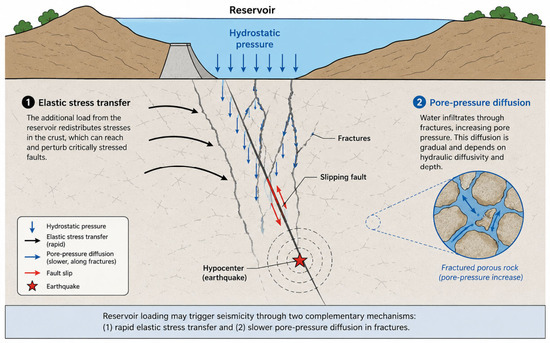
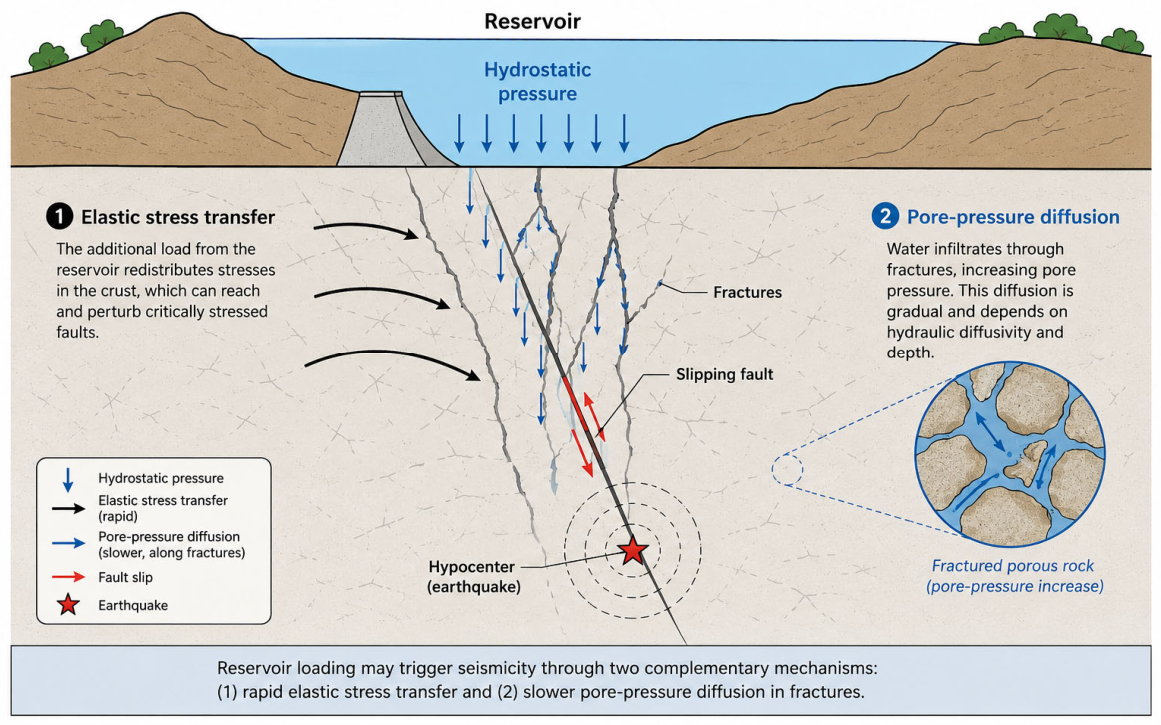
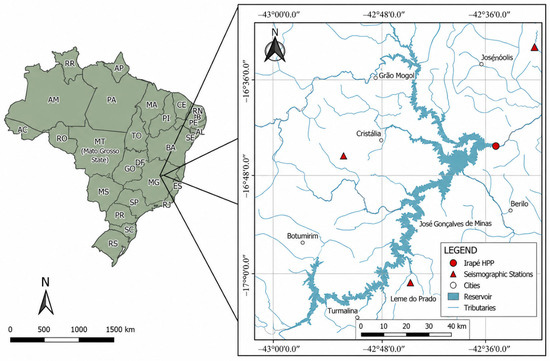
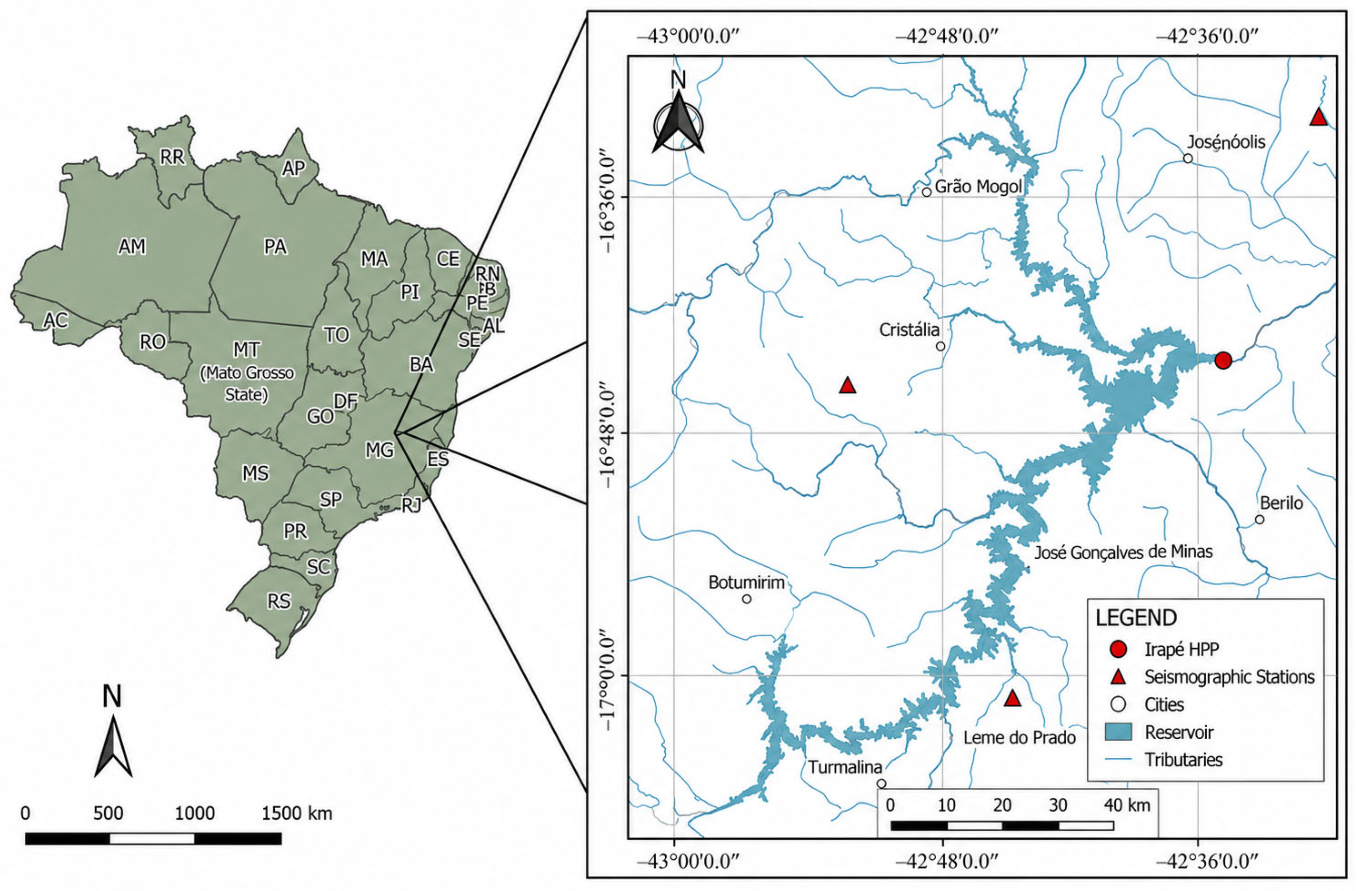
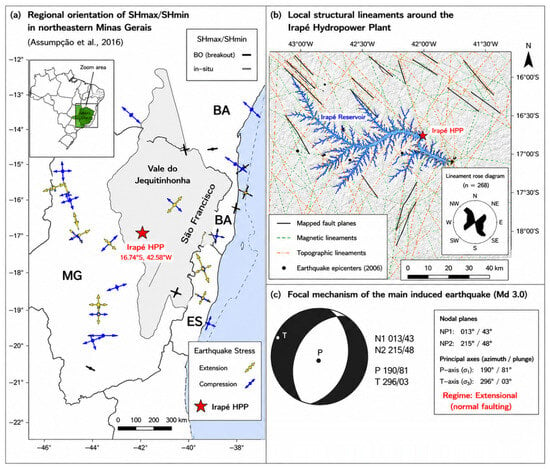
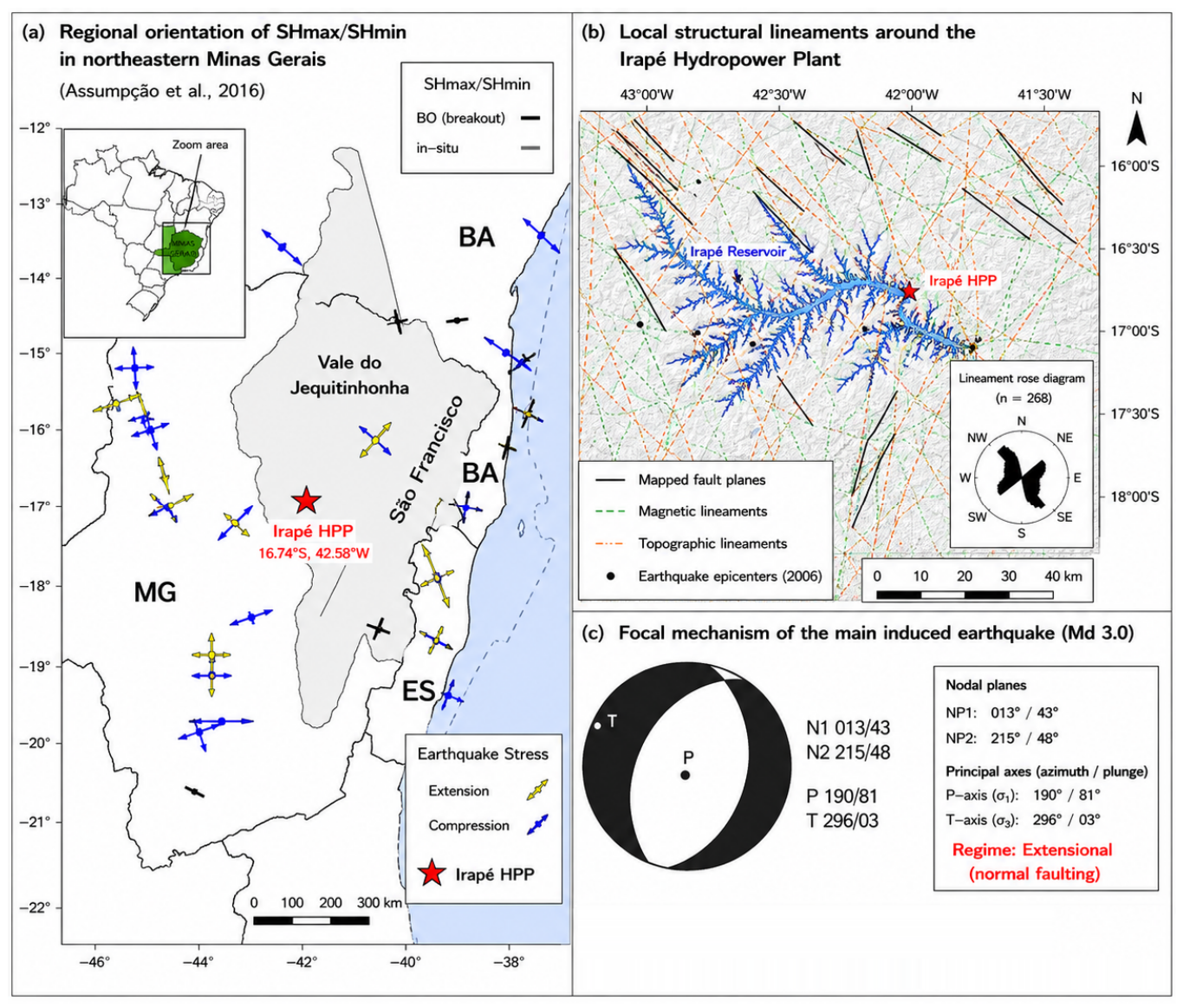
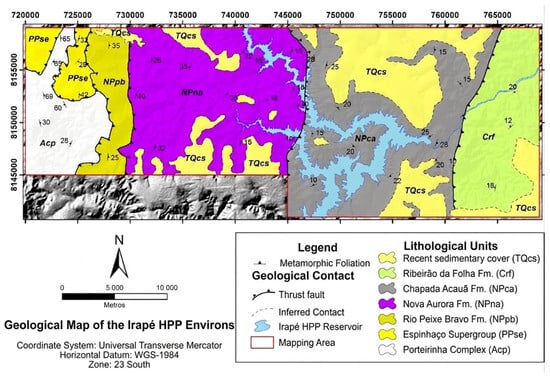
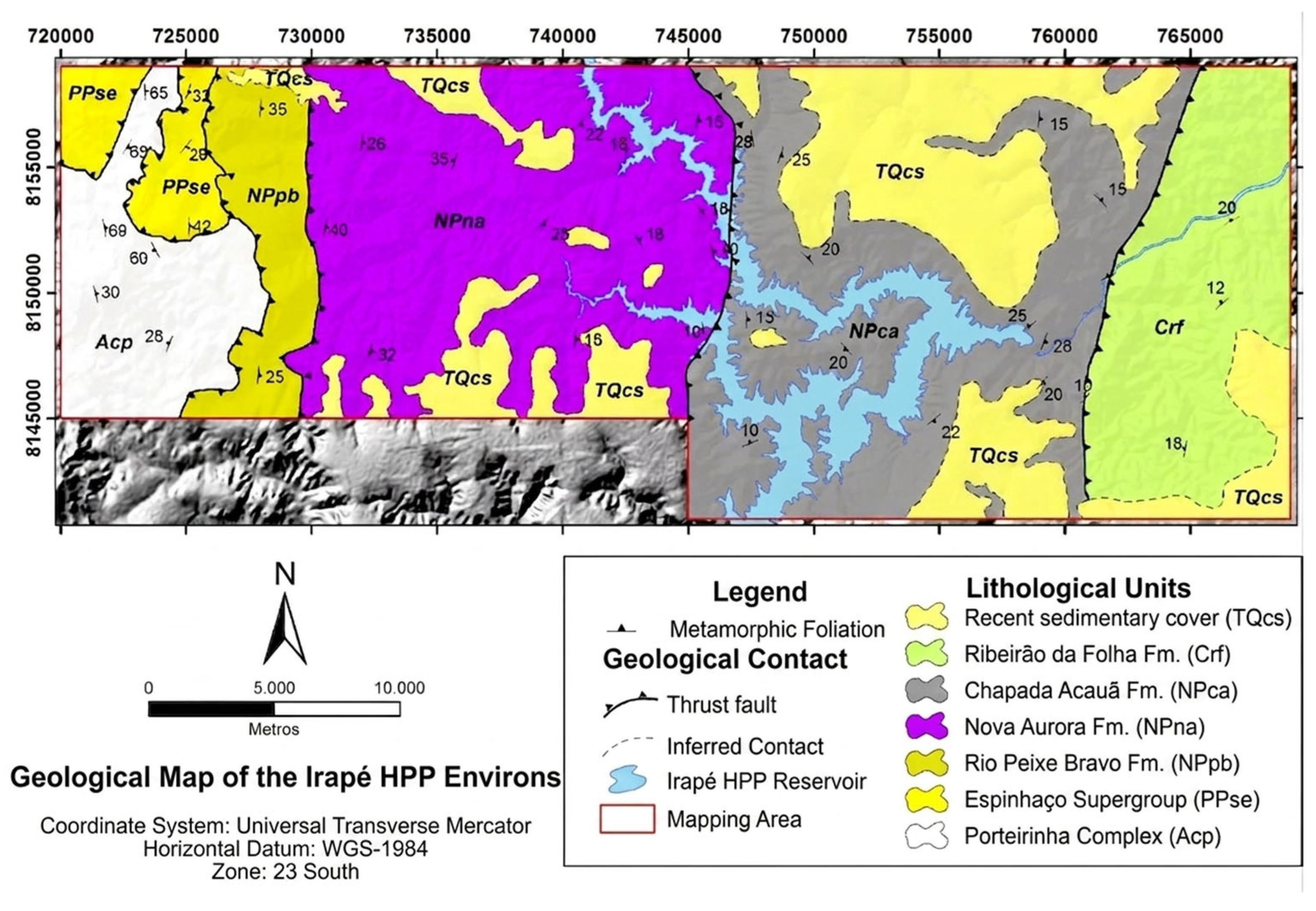
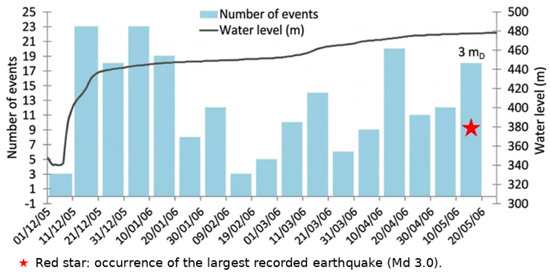
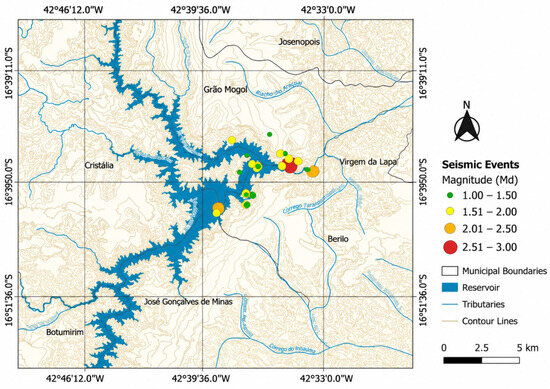
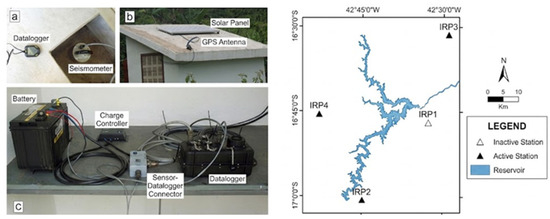
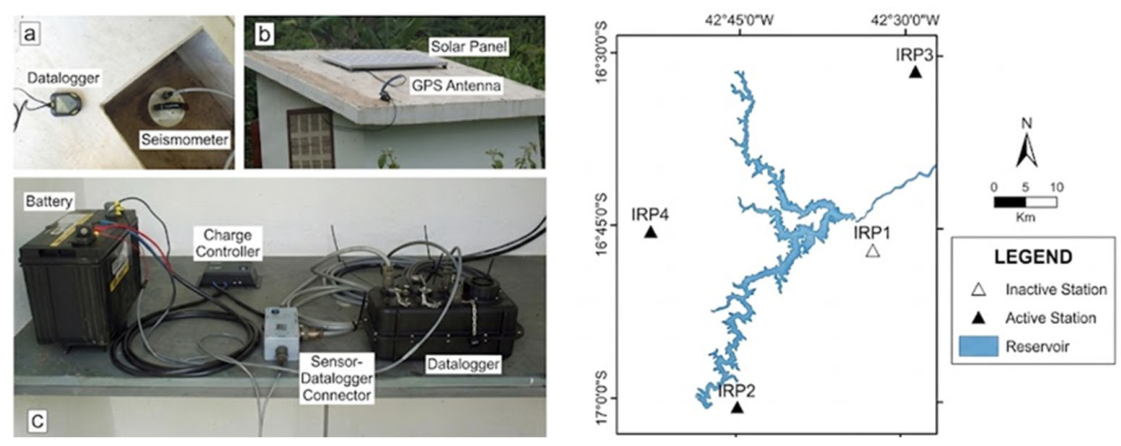
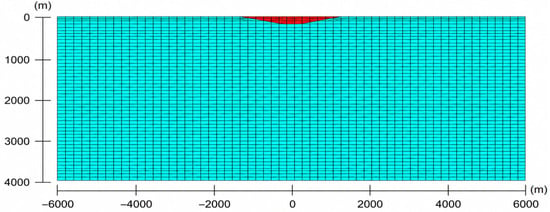
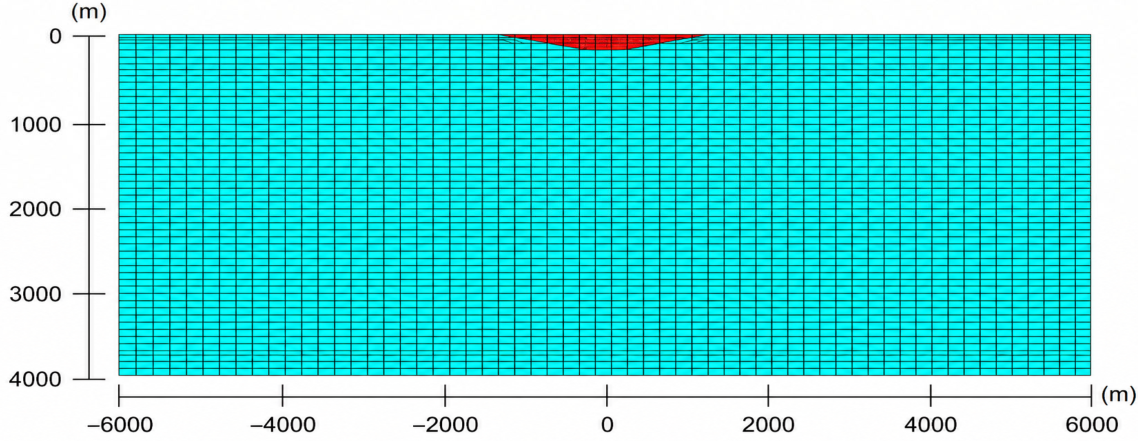
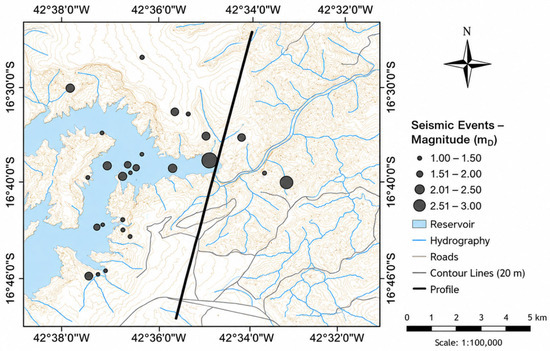
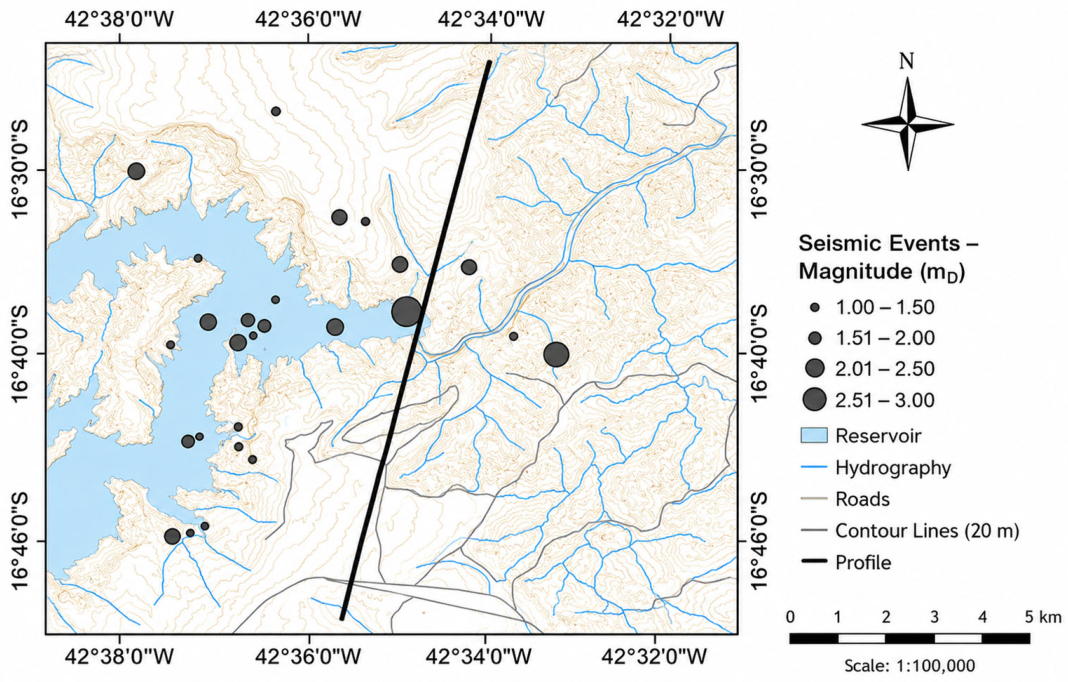
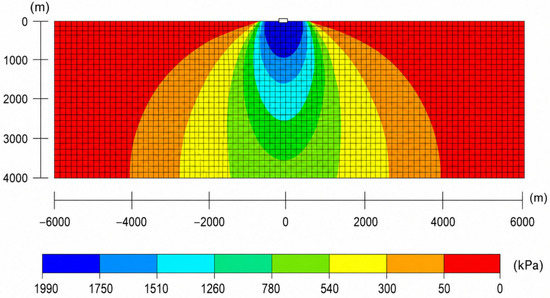
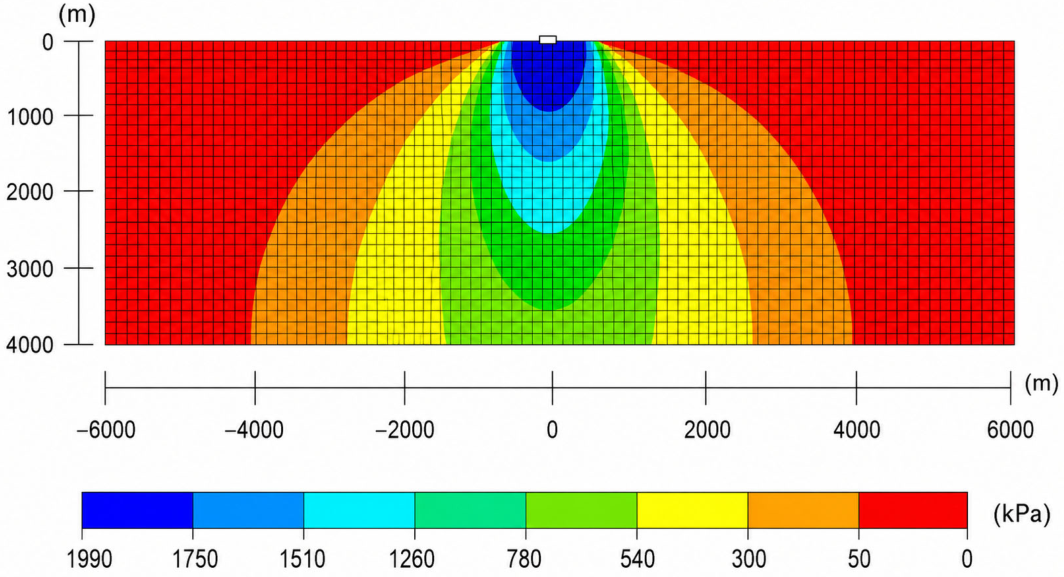
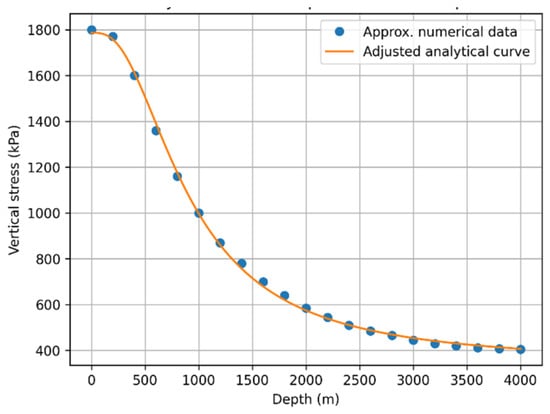
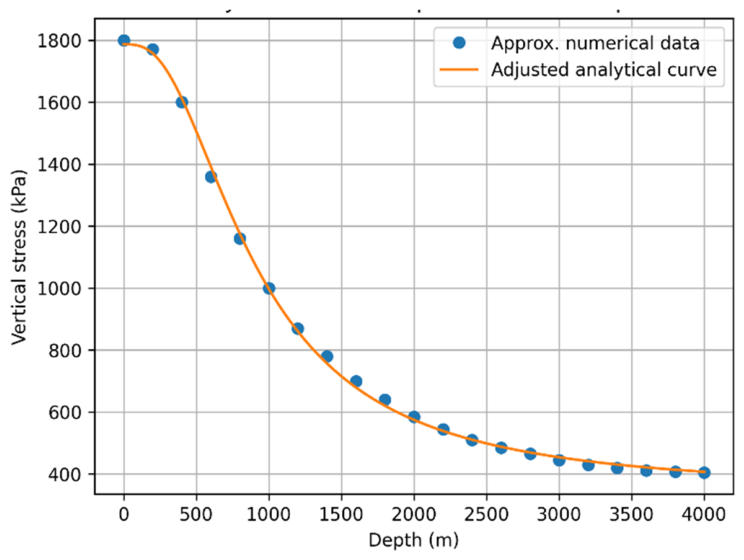
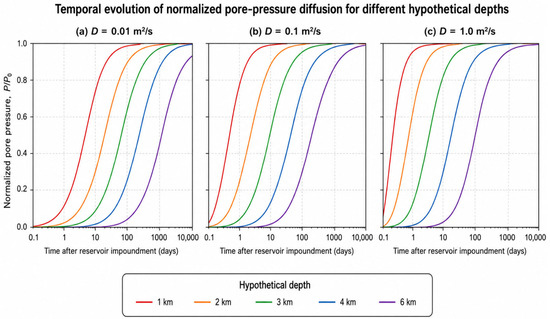
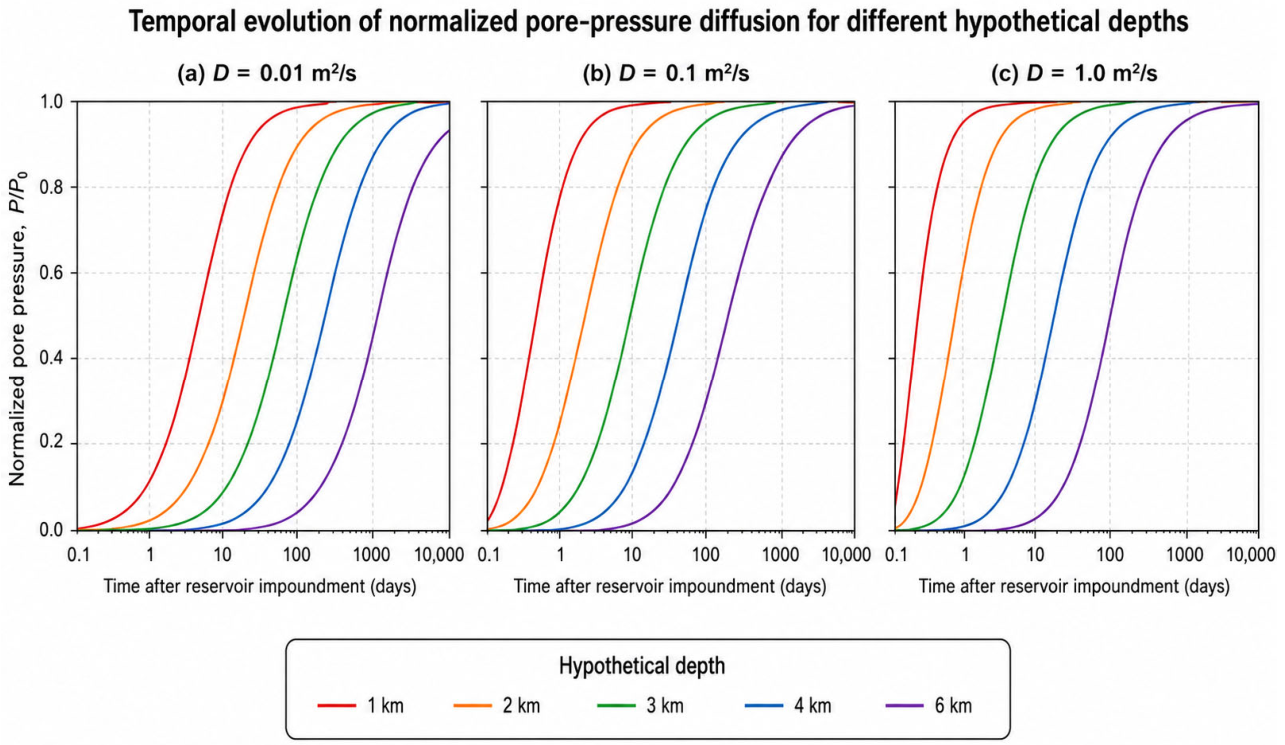
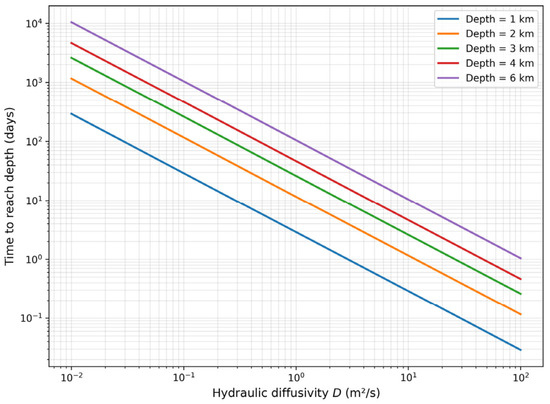
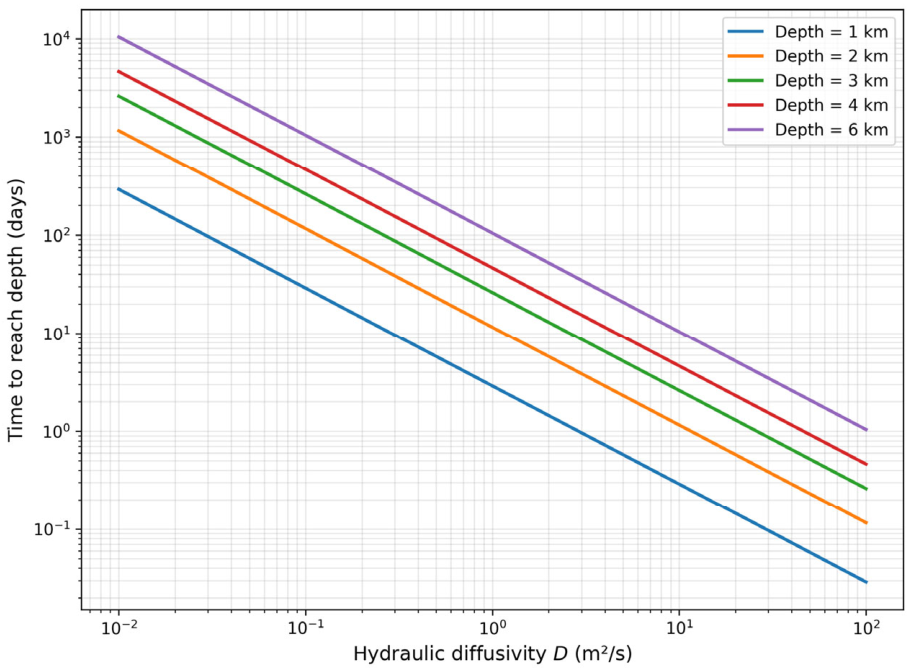
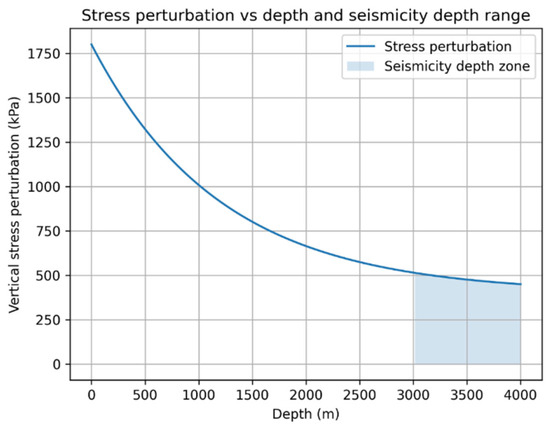
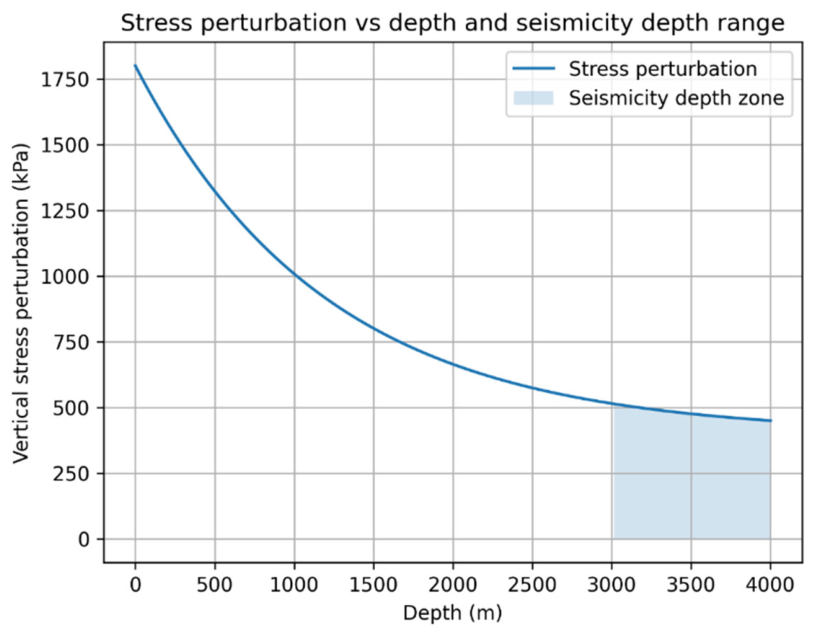

Disclaimer/Publisher’s Note: The statements, opinions and data contained in all publications are solely those of the individual author(s) and contributor(s) and not of MDPI and/or the editor(s). MDPI and/or the editor(s) disclaim responsibility for any injury to people or property resulting from any ideas, methods, instructions or products referred to in the content. |
© 2026 by the authors. Licensee MDPI, Basel, Switzerland. This article is an open access article distributed under the terms and conditions of the Creative Commons Attribution (CC BY) license.