


Abstract
Lonicera japonica is used in herbal beverages and is being investigated as a source of fermented ingredients and food preservatives. This narrative review examines raw material preparation, microbial processing, chemical transformation, digestive fate, and food applications. Plant organ, harvest stage, extraction, and drying affect the composition of the starting material and must be considered when comparing preparations. Lactic acid fermentation changes acidity, viable cell counts, and measured phenolic profiles, with responses varying among strains and process conditions. Mixed-culture and exploratory fungal studies examine additional processing routes, with distinct products and safety requirements. Digestive and intestinal microbial models show further changes in constituent recovery and metabolism, but do not establish human absorption or efficacy. Food studies have tested honeysuckle preparations in refrigerated foods, active packaging, and formulated products, with outcomes varying by preparation and matrix. Food-preservation studies have reported reduced microbial growth or oxidation in refrigerated meat and shrimp. Packaging and formulation studies have also reported changes in film properties, antioxidant activity, and sensory acceptance. The evidence supports preparation-specific development based on botanical identity, process conditions, composition, delivered dose, and intended use. Direct comparisons of fermented and unfermented preparations in the same food matrix are needed to determine whether microbial processing adds value beyond extraction and acidification.
1. Introduction
The value of Lonicera japonica Thunb. as a food ingredient lies not only in the presence of chlorogenic acid. Its flower buds, flowers, and leaves contain different mixtures of phenolic acids, flavonoids, iridoids, and volatile compounds, and these mixtures change during the preparation stage [1]. Beverage producers require acceptable sensory properties and compositional stability; meat processors need functional effects that persist in protein and lipid-rich matrices; and packaging developers require controlled release without compromising material performance [2]. Phytochemical and bioactivity studies provide useful background, but do not establish which preparation best suits a particular food product [3].
Microbial processing provides a potential means of modifying Lonicera japonica Thunb. material before consumption [4]. Recent studies have examined several approaches, including the fermentation of honeysuckle liquids with lactic acid bacteria, the use of mixed microbial cultures in kombucha-style beverages, and the supplementation of Monascus fermentation with honeysuckle [5,6]. However, these processing systems and their resulting products are not directly interchangeable. They differ in microbial composition, processing conditions, product format, and metabolite profiles. Furthermore, an observed increase in phenolic content does not necessarily demonstrate that specific microbial enzymatic conversions have occurred. The central question is therefore not simply whether fermentation is beneficial, but which components are modified during microbial processing and whether these changes meet the requirements of the intended food application.
A separate body of research has investigated honeysuckle extracts for their antibacterial and antioxidant properties. For instance, honeysuckle preparations have been applied to refrigerated shrimp and rabbit meat, while extracts from its leaves have been incorporated into edible films [7,8,9,10]. These studies bring the research closer to practical food applications by evaluating honeysuckle-derived components in actual food matrices or under specific material constraints. However, most have used unfermented extracts. Therefore, although studies of microbial processing and food preservation have both reported beneficial effects, these findings do not establish that fermented extracts are more effective for food preservation. The evidence from the two research areas must first be evaluated independently and then systematically compared to determine whether microbial processing provides an application-specific advantage.
The comparison also works after consumption. Digestive fluids and fecal communities can change honeysuckle ingredients, so the substances that enter the body are not necessarily the same as those that actually meet intestinal cells or microorganisms [11,12]. Fermentation before consumption and microbial conversion in the colon are separate processes with different organisms, substrates, and endpoints. A study measuring the recovery of phenolics after simulated digestion answers a different question from one measuring growth inhibition in broth, and neither alone demonstrates a health benefit in people. If these research findings are organized according to the stage of measurement, their practical significance becomes even clearer.
Recent reviews summarize the phytochemistry, metabolism, and commercial applications of Lonicera japonica [1,2,3]. Reviews of fermented medicinal-plant extracts also consider microbial platforms and potential applications [13]. The present review focuses on how the preparation tested, its processing history, and the experimental model determine the conclusions relevant to food development. We distinguish compositional changes, responses in experimental models, performance in food matrices, and direct comparisons of fermented and unfermented preparations. This approach connects the existing findings to the evidence needed for a specific food application.
To support this assessment, the review presents a claim-specific evidence framework and a checklist for matched experiments in Section 7. The framework links different types of observations to the conclusions they support. The checklist specifies the preparation, dose, controls, and application endpoints needed to compare fermented and unfermented products. Figure 1 outlines the processing and application routes considered throughout the review.
Figure 1.
Evidence streams in Lonicera japonica food research. Solid arrows organize published evidence on fermented products (Section 4), constituent transformation and gastrointestinal models (Section 5), and extract-based food applications (Section 6), with raw-material preparation addressed in Section 3. They do not trace a single preparation through every stage. The dashed arrow marks a proposed comparison of fermented and unfermented preparations on a defined dose basis in the same food matrix (Section 7.2). Most reviewed preservation studies tested unfermented extracts, so they do not establish the added value of fermentation in that setting. Representative studies: [4,7,8,9,11,14].
2. Literature Search and Review Scope
The literature search for this review was conducted in the PubMed and Crossref databases on 5 August 2026, with an updated search performed on October 15. Botanical and common-name variants of Lonicera japonica were combined with terms related to fermentation, biotransformation, food and beverages, preservation, digestion, microbiota, antibacterial activity, and contamination. The complete PubMed search string, Crossref queries, and database-specific retrieval settings are provided in Supplementary Methods S1.1. Additional sources were identified from an existing Lonicera-microbe bibliography, reference lists, and targeted searches of publisher websites.
Investigations were selected for their relevance to L. japonica processing, compositional change, digestion, or food applications. Results for preparations reported as L. japonica formed the direct botanical evidence; findings for other Lonicera species were not transferred to L. japonica. Comparative authentication studies were retained as methodological context. Consensus documents and methodological papers were included where they helped define terminology or the analytical framework. Additional sources were identified through reference checking and targeted searches of publisher websites. Plant endophyte studies, clinical treatments without a corresponding food preparation, and cosmetic or feed applications were not considered direct food evidence. One non-food fermentation study was retained to illustrate the distinction between microbial conversion and food suitability.
Bibliographic information and DOI assignments were checked using Crossref, PubMed, or Europe PMC when available, and the original publisher records. Chinese-language original studies were included when the publisher provided sufficient source information. Experimental details were extracted for the plant organ, preparation, microorganism, comparator, dose basis, food matrix, and measured endpoint. Interpretation considered whether each finding concerned composition, a response in an experimental model, performance in a food matrix, or a direct fermentation comparison. The corresponding decision rules are presented in Section 7.1. Table S1 identifies the material examined for each source. The full-text methods, results, tables, and figures supporting the cited claims were checked, and source-internal inconsistencies affecting interpretation are recorded in Table S3. The search record, source-level access information, endpoint coding, and editorial decisions are provided (Methods S1 and Tables S1–S3). Quantitative pooling was not undertaken because the studies differed in plant organ, preparation and fermentation procedures, comparator, dose basis, and experimental model. Chemical composition, digestive recovery, intestinal transport and preservation performance also represent different outcomes. Findings were therefore synthesized narratively within the relevant processing system or application, with attention to the preparation, comparison, and endpoint used in each study.
For each study included in the evidence matrix, we recorded the experimental model, comparator, exposure and its measurement basis, and experimental unit and reported replication. Each row represents the preparation and experimental branch supporting the mapped assessments. Results from separate purified-compound experiments or other botanical arms were not assigned to the honeysuckle preparation. Technical measurements, sensory-panel size, and independent experimental units were distinguished; reported triplicates were not assumed to represent independent production batches.
Assessments were coded in the order C-A-F-O-S-D-H: C, analyte-resolving characterization of named constituents or metabolites, including tentative assignments; A, antimicrobial assays in agar, broth or surface models; F, microbial enumeration during food preservation; O, lipid or protein oxidation measured in food; S, sensory evaluation by human assessors; D, simulated digestion, epithelial transport or intestinal microbial conversion; and H, experiments in intact animals or humans. Aggregate equivalent assays alone did not qualify as C. Starter enumeration and fruit-decay indices did not qualify as F; radical-scavenging and model-emulsion UV-stability assays did not qualify as O; cultured-cell experiments did not qualify as H. A value of 1 indicates an assessment documented in the material examined; 0 indicates that it was not documented there. The codes describe assessment coverage, not effect direction or study quality.
Data extraction and assessment coding were divided between the authors, and the resulting entries were checked against the cited sources. Agreement between the coding set reported in Table S2 and the comparison coding set was assessed across 34 studies and seven assessment categories using unweighted Cohen’s κ in R 4.4.1. Category-specific κ values ranged from 0.837 to 1.000. Overall agreement was 97.90% (233/238 decisions), with a pooled descriptive κ of 0.942. Category-specific results are provided in the Table S2 footnote.
Quantitative treatment-control contrasts were extracted at matched observation times within individual studies. Differences were expressed in the original measurement units, including log CFU/g for viable counts and percentage points for reported digestion percentages; relative differences were reported where supported by the source data. Values read approximately from figures were distinguished from numerical values reported in the text or tables. Threshold observations were summarized separately as the first sampled exceedance in each group.
3. Plant Material and Pre-Fermentation Processing
3.1. Botanical Identification, Plant Organ, and Harvest Stage
Lonicera japonica Thunb. denotes the botanical species. Jinyinhua (Lonicerae Japonicae Flos) refers to its dried flower buds or early-opening flowers, whereas Shanyinhua (Lonicerae Flos) is a separate, multi-source material that includes L. macranthoides, L. hypoglauca, L. confusa and L. fulvotomentosa [15,16]. In this review, honeysuckle refers to L. japonica, and leaf and stem preparations are identified explicitly. Common names such as Rendong are not used as ingredient specifications. Buds and flowers follow the descriptions in the cited sources, with unreported harvest stages left unspecified.
Raw-material specifications should record the species, organ, harvest date and developmental stage, origin, supplier and batch, and drying and storage history, with a voucher specimen or authenticated reference material identified. Where morphology is insufficient, or substitution is suspected, DNA authentication should report the validated barcode locus, sequence quality, reference accessions and assignment criteria. ITS2 and psbA-trnH provide established options for distinguishing L. japonica from related species [15]. Chromatographic assessment should document extraction and analytical conditions and demonstrate precision, repeatability and sample-solution stability. A fingerprint, supplemented where appropriate by selected marker measurements, should characterize batch composition and be validated for the species and preparation examined [16]. Chlorogenic acid alone does not establish species identity. Retaining starting material permits identity checks before fermentation or extraction.
Organ identity also defines the chemical starting point. Metabolomic analysis of flowers, buds, leaves and stems revealed distinct distributions of flavonoids, phenolic acids and iridoids [17]. Another comparison found higher hydroxycinnamic acid and flavonoid levels in leaves than in buds and stems [18]. Leaf-derived ingredients and floral preparations therefore require separate descriptions when processing and application results are compared.
Harvest stage changes the balance among ingredient attributes. The stage associated with the highest levels of several major volatile constituents differed from the stage associated with the highest chlorogenic acid content [19]. Within individual flowers, phenolic acids were concentrated in the calyx and flavonoids in the corolla; the bud-to-bloom transition altered these profiles and increased measured sugar fractions [20]. These findings make harvest stage relevant to phenolic composition and the carbohydrate supply entering a process; studies testing how harvest stage affects starter performance were not identified in the reviewed literature. An analysis of 55 differently colored batches likewise associated green-white material with higher values for several phenolic and antioxidant measurements [21]. Color can assist lot screening, while compound-specific analysis resolves differences that appearance alone cannot explain.
3.2. Extraction and Physical Processing
The fermentation medium has already undergone pretreatment before inoculation. Soaking and boiling alter phenolic acids, flavonoids, and iridoids over time. Prolonged heating causes constituent losses, whereas early soaking preserves some heat-sensitive iridoids [22]. Heating experiments reported an intermediate peak in antioxidant activity, while dry heat changed chlorogenic acid content according to treatment time and temperature [23,24]. Stir-frying fixation also altered volatile and non-volatile constituent profiles in L. japonica flower tea [25]. Section 7.2 describes the matched controls needed to distinguish pretreatment effects from fermentation-associated changes.
Extraction methods also alter the prepared substrate. High-shear and ultra-high-pressure extraction optimized phenolic recovery without microbial treatment; the high-shear study also reported stronger analytical responses in enriched fractions [26,27]. Cellulase-assisted extraction varied ethanol concentration, temperature, and pH. The leaf-polysaccharide protocol combined solvent pretreatment, polyethylene glycol, ultrasonication, and enzymes [28,29]. These protocols combine several operations and do not isolate the contribution of a single enzyme. The cellulase study did not report independent botanical authentication, and the leaf-polysaccharide study did not establish food-grade solvent-residue criteria. These studies address substrate preparation rather than validated beverage formulations.
Extraction yield and extract composition use different denominators. In the ultrasound-assisted leaf study, a Folin–Ciocalteu assay calibrated with chlorogenic acid estimated the phenolic-equivalent amount in the supernatant. The authors divided this amount by the starting leaf-material mass to calculate extraction yield. They used the same assay on the freeze-dried extract to determine its phenolic content [30]. This assay-based yield is not the gravimetric yield of dried extract or a selective determination of chlorogenic acid. Section 7.2 sets out the reporting requirements for comparing preparations.
Drying also changes ingredient handling properties. Vacuum-drying experiments evaluated water distribution, solubility, and flowability alongside phenolic markers and antioxidant capacity, linking the process to dry-ingredient handling [31]. Metabolomic profiling also distinguished drying condensate from plant-material comparators, identifying a chemically distinct side stream [32]. These results give a reason to follow both retained and displaced constituents during manufacture; they do not establish that condensate is an edible recovery product or that an optimized dryer setting is a microbial kill step.
3.3. Constituent Release During Pretreatment
Native enzymes provide a nonmicrobial route to compositional change. Flower-bud enzyme preparations displayed polyphenol oxidase activity toward chlorogenic acid and other diphenols [33]. This phenomenon makes endogenous oxidation a plausible contributor during handling, with its contribution to any manufacturing process still requiring measurement. It also distinguishes the liberation of existing compounds from their subsequent reaction once tissue structure has been disrupted.
Polysaccharides serve as an excellent illustration of this distinction. By fractionating flower extracts, researchers isolated a neutral component with predominantly starch-like characteristics, alongside several acidic pectic components exhibiting varying molecular size distributions and antioxidant activities [34]. Consequently, the term honeysuckle polysaccharides actually refers to a range of preparations. During the structural characterization of a specific pectin, endo-polygalacturonase released oligogalacturonides with degrees of polymerization ranging from 1 to 8; subsequent independent alkaline de-esterification altered the radical-scavenging activity of these products [35]. In this process, recovery, chain cleavage, and the removal of ester groups constitute experimentally distinguishable procedural steps. While this provides more compelling evidence of structural transformation than mere changes in total carbohydrate concentration, the process involves enzymatic and chemical treatments applied to specific components, rather than representing microbial transformation within a food matrix.
3.4. Chemical Quality and Microbial Status
Favorable chemical test results do not necessarily equate to acceptable raw material quality. Research has shown that floral materials fumigated with sulfur exhibit alterations in their iridoid chemical constituents and contain high levels of residual sulfur dioxide; paradoxically, however, they demonstrate stronger antioxidant activity compared to sun-dried samples [36]. Consequently, the retention of specific constituents, the formation of reaction products, and the control of residues represent distinct and independent dimensions within quality standards. Without a clear understanding of the specific mechanisms driving this enhanced antioxidant activity, one cannot judge the relative quality of different preparations based solely on the level of such activity.
Raw-material microbiology adds an independent requirement. Fungal ITS2 metabarcoding detected different community profiles among fresh, oven-dried, and shade-dried L. japonica floral material [37]; a culture-based survey also recovered fungi from L. japonica within a larger herbal-material collection [38]. These findings support attention to hygiene, moisture, and storage, while the DNA-based observations do not establish viability or mycotoxin contamination. Neither the small drying comparison nor an extract’s laboratory antimicrobial activity validates the microbiological condition of a finished ingredient. Low end-point pH and successful starter growth likewise require interpretation within the complete process and storage conditions [39].
Lot selection connects these quality attributes to reproducibility. Replicate measurements from one extraction describe analytical precision; independent extractions and botanical lots address other sources of variation. Retaining an unfermented sample from each lot permits a direct comparison of the process effect against its own starting material. For seasonal inputs, a reproducible final specification may be more informative than a large percentage increase that depends on a low starting concentration. The useful question is whether the process delivers the required composition and performance across the materials it is intended to accept.
4. Fermentation Systems and Product Quality
4.1. Lactic Acid Fermentation of Honeysuckle Beverages
Current names are used for Lactiplantibacillus plantarum (formerly Lactobacillus plantarum), Lacticaseibacillus rhamnosus (formerly Lactobacillus rhamnosus) and Lacticaseibacillus paracasei (formerly Lactobacillus paracasei). Lactobacillus acidophilus retains its genus name under the 2020 reclassification. Table S4 summarizes the reported identity, provenance, accession information, and strain-specific safety tests for the selected starters discussed individually below.
Lactic acid fermentation can support beverage production without increasing every plant marker. An early study of a honeysuckle-containing compound herbal tea selected Lactiplantibacillus plantarum PMO at 37 °C for 14 h, with 3% inoculum and 7% added sugar; chlorogenic acid remained approximately stable during fermentation [40]. Ran and colleagues subsequently optimized Lactobacillus acidophilus zrx02 and Lactiplantibacillus plantarum zrx03 at a 1:1 ratio, using 37 °C for 24 h, 3% inoculum, and 8% sugar. The resulting preparation reached pH 3.10 and 9.84 log CFU/mL, alongside antioxidant-related measurements and a high score from a small trained sensory panel [4]. These are formulation-specific operating points, not general requirements for fermenting the species.
Among the ten starter preparations compared, Lactobacillus acidophilus zrx02 gave the highest measured total phenolic, total flavonoid, and chlorogenic acid contents under the tested conditions [41]. These values were 26.48%, 22.59% and 33.57% higher, respectively, than those of the uninoculated control. These advantages are strain- and assay-specific. Shared investigators and strain resources connect the comparison and optimization studies within one development program; they do not provide independent laboratory replication. In another system, Lacticaseibacillus rhamnosus L08 fermentation increased xanthine-oxidase inhibitory activity and changed the volatile profile, extending the measured functions beyond radical scavenging [42]. These observations suggest a processing effect on the tested enzyme-inhibitory and volatile characteristics, rather than demonstrating urate lowering after consumption.
Antibacterial testing also depends on the target system. In a botanical screen, fermentation with vinegar-mash-derived Lacticaseibacillus paracasei E10 increased the activity of L. japonica against E. coli K-12 relative to its unfermented counterpart. The fermented preparation also inhibited donor-derived oral communities in vitro, and LC-MS analysis documented changes in its metabolite profile [43]. This supports testing a fermented preparation but does not yet connect its activity to preservation in a food matrix. Metabolite and pathway associations identify candidates for mechanistic work rather than demonstrated biosynthetic flux.
Storage introduces a different selection criterion. With L. acidophilus zrx02, viable counts fell from 9.79 to 8.31 log CFU/mL over 15 days at 4 °C, while sensory and color attributes deteriorated [14]. Its selected fermentation conditions, 35 °C for 19 h with 3% inoculum, also differed from the mixed-culture process. High starter counts therefore need to be interpreted alongside product acceptance. Leaf-based tea offers another formulation: a study compared its antioxidant and volatile characteristics with three commercial herbal teas [44]. Those comparators do not isolate fermentation from botanical composition, and inconsistent Chinese and Latin starter names in the source leave strain identity unresolved. Here, we summarized the separate preparations and outcomes tested (Table 1).
Table 1.
Selected microbial processing systems and the product attributes they directly address.
4.2. Mixed Cultures and Compound Beverages
Mixed microbial cultures do not always outperform simpler combinations of strains. In kombucha-style herbal teas, retaining honeysuckle residue did not significantly alter Trolox-equivalent antioxidant capacity or sensory scores in the tested system; the substantial residue-associated antioxidant increases were reported for Camellia petelotii, not honeysuckle [5]. A comparison of bacterial, yeast, and mixed fermentation of an enzymatic flower hydrolysate reported endpoint-dependent responses, including increased hydroxyl-radical scavenging with bacterial and mixed cultures and increased cytoprotective activity with the mixed culture [48]. Therefore, comparisons must account for enzymatic pre-treatment, microbial composition, and the evaluation metrics used. The value of mixed starter cultures cannot be inferred solely from the number of microbial species they contain.
Alcoholic products provide direct evidence for the study of this category. In solid-state fermented beverages produced from pure flowers, both characteristic aroma compounds and chlorogenic acid have been detected [46]. In one enzyme-assisted brewing process, researchers used the Saccharomyces cerevisiae strain EC1118 alongside an aroma-producing yeast, yielding a final product with an ethanol concentration of approximately 17% (v/v). Its volatile composition differed from that of liquor-extraction products, whereas the reported GC-MS profiles showed no obvious difference between fermentations with and without plant residue [47]. These studies have established specific processing pathways and product compositions. However, factors such as heating, the use of exogenous enzymes, and the addition of exogenous glucose and ethanol make it difficult to attribute the presence of specific components only to microbial activity. Moreover, because these products are alcohol based, their exposure and safety assessments must be conducted differently from those of nonalcoholic fermented beverages.
Composite beverages require source-specific interpretation. A study compared pear wine fermented with several edible flowers, including L. japonica, but detailed volatile and non-volatile profiling focused on pear wine and rose–pear wine [45]. Those detailed compositional results cannot be transferred directly to the honeysuckle formulation. Because sugars, nitrogen sources, and aroma precursors derived from fruit can all influence fermentation outcomes, the inclusion of appropriate single-substrate and mixed-substrate control groups would help clarify the specific contribution of honeysuckle to the process.
Tea processing terminology also needs to be interpreted from the perspective of production techniques. Honeysuckle black tea processing not only changed chemical composition but also bacterial community associations [53]. These results leave microbial conversion unresolved from plant enzyme oxidation, heating, and drying. Fermented foods involve desired microbial growth and enzymatic conversion, but living cultures need not remain at consumption [39]. Therefore, time, temperature, oxygen exposure, and post-processing include more information than the fermentation label alone.
4.3. Fungal and Other Bacterial Fermentations
Fungal systems illustrate the distinction between the recovery of plant-derived constituents and the production of microbial metabolites. Solid-state fermentation of a honeysuckle-rice-flour substrate with Monascus anka yielded higher phenolic and radical-scavenging measurements than the reported unfermented honeysuckle comparator [49]. In another study involving Monascus purpureus, the addition of honeysuckle was found to increase the yield of monacolin K, achieving a 1.54-fold increase under specific liquid fermentation conditions [6]. As the changes in volatile components were assessed in a separate solid-state fermentation experiment, the observations regarding yield and aroma pertain to distinct experimental branches. Monacolin K represents a microbial product, whereas the variation in the recovery of plant phenolics relates to the chemical constituents originally present in the plant material.
Fungal product specifications must account for both desired metabolites and contaminants. The M. purpureus M1 study described its strain as low-citrinin producing but did not quantify citrinin after honeysuckle supplementation; the M. anka study also reported no citrinin measurements [6,49]. Food-oriented development therefore requires matrix-validated citrinin quantification in the final preparation across independent batches and intended storage conditions, with recovery and detection and quantification limits reported. Monacolin K should be measured separately where produced, and its exposure assessed at the intended serving size. The volatile analysis in [6] also requires sensory validation.
Processing residues can serve as a distinct target for recycling and recovery. Treatment of honeysuckle distillation residual liquid with Bacillus subtilis increased the chlorogenic-acid-calibrated absorbance response, whereas Aspergillus niger increased the rutin-calibrated total-flavonoid response; B. subtilis did not increase the latter response in the preliminary comparison [50,51]. Mixed fermentation of Bacillus subtilis and Aspergillus niger on the residue after hot water extraction can increase the chlorogenic acid extraction yield measured by high-performance liquid chromatography (HPLC) [52]. These are lab-level recovery processes rather than validated food preparations: the addition of culture media, the specificity of the detection methods, and the methanol extraction analysis used in the residue studies all distinguish them from edible formulations. These results support studies on extraction efficiency but do not confirm the presence of de novo synthesis of phenolics.
A previous process involving Alcaligenes piechaudii serves as a clear example of a non-food borderline case: it utilized a bacterial strain capable of degrading diesel fuel, an oil-containing culture medium, and an extraction method employing organic solvents [54]. While findings related to antioxidant activity and tyrosinase inhibition may offer insights for exploratory biotransformation research, the specific strain, substrates, and product recovery procedures used are entirely unsuitable for food-grade beverage products.
4.4. Product Specific Optimization and Evaluation
Process optimization should target the intended product. Relevant outcomes include beverage bitterness, reproducible antimicrobial activity, and control of fungal metabolites. These outcomes need not improve together. In honeysuckle teas, phenolic acids correlated with bitterness and some flavonoid glycosides with astringency; black tea was the least bitter of the products tested [55]. These associations do not identify the compounds responsible, but they show why total phenolic content alone cannot predict sensory quality.
Evaluate the preparation in its final formulation and at the intended inclusion level. Select processing conditions for chemical stability, sensory acceptance, or storage performance rather than the largest response in a single assay. Section 7.2 consolidates the dose and control requirements for these comparisons.
5. Constituent Transformation and Digestive Fate
5.1. Molecular Changes During Microbial Processing
Interpreting the reported changes in phenolics and antioxidant activity requires distinguishing constituent release, loss, and molecular conversion [4,41]. Starter-specific responses therefore need to be examined at the compound level.
An increase in measured content can stem from various sources. Release from a plant matrix, the cleavage of conjugated compounds, changes in extraction efficiency, and microbial synthesis can all alter the analytical signal. In studies comparing fermentation starters, total phenolics and total flavonoids are typically determined via colorimetric assays, chlorogenic acid is measured using high-performance liquid chromatography (HPLC), and broader compositional differences are assessed through liquid chromatography-mass spectrometry (LC-MS) [41]. These analytical methods address different questions. Since the reaction with the Folin–Ciocalteu reagent is not limited to phenolic compounds, but also involves various proteins, thiols, and vitamins, a change in the total response does not necessarily reflect a mass balance [56]. By measuring specific components and quantifying liquid and solid-phase fractions separately, it is possible to distinguish between an increase in recovery and an actual increase in total content. When comparing filtered beverages with fermented beverages that include the whole plant material, it is particularly important to report both the final product volume and the initial mass of the dry substrate.
Enzyme studies in other bacterial systems identify reactions to test in honeysuckle preparations. For instance, Lactobacillus johnsonii NCC 533 can convert chlorogenic acid, found in coffee, first into caffeic acid, and subsequently into 4-vinylcatechol [57]. Among 32 Bifidobacterium strains, chlorogenic acid-hydrolyzing activity was primarily observed in Bifidobacterium animalis strains, while one additional Bifidobacterium longum strain exhibited weaker activity. The expression and characterization of the esterase Balat_0669 have established a link at the enzymatic level [58].
The reduction of hydroxycinnamic acids represents another metabolic pathway. Through gene knockout experiments and biochemical characterization, researchers identified an NADH-dependent HcrAB system in Lactiplantibacillus plantarum. Meanwhile, studies on heterofermentative bacteria have revealed that their reductases are species-specific, and the observed reduction phenotypes cannot always be fully explained by known reductase genes [59,60]. Although these mechanisms have been validated in other substrates or organisms, they have not yet been confirmed in the Lonicera japonica (honeysuckle) fermentation strains reviewed in this article. Nevertheless, these findings offer clear criteria for strain selection: esterase activity, the depletion of precursor substances, and the formation of corresponding products provide more meaningful indicators than growth performance alone.
These enzyme studies define specific reactions to test against the constituents present in a honeysuckle preparation. Chlorogenic acid and individual dicaffeoylquinic acid isomers require separate esterase assays. A DiCQA-hydrolyzing esterase from human-derived Limosilactobacillus fermentum LF-12 provides a relevant precedent: activity depended on the substrate isomer and culture carbon source and was low at pH 3.5–4.0 [61]. Activity therefore needs to be measured under the conditions of the intended fermentation. HcrAB-type reduction concerns the free hydroxycinnamic acids released after ester cleavage, rather than hydrolysis of the caffeoylquinic ester itself [59,60].
Glycosides require a complementary screening strategy. Lactiplantibacillus plantarum LLB converted luteoloside to luteolin in a defined-substrate assay, making substrate-active β-glucosidases candidates for testing in honeysuckle starters [62]. Recombinant BglX from Bifidobacterium longum H-1 converted loganin to loganetin, providing an enzyme-level reference for an iridoid substrate [63]. Secoxyloganin and sweroside declined during fecal incubation of honeysuckle extract, but the responsible enzymes and products expected during manufacturing fermentation remain unresolved [11]. Table S5 connects these substrates to candidate activities, products, and experiments needed to establish a pathway.
The transformation process also alters the antimicrobial properties of substances. Research on phenolic acids has shown that antimicrobial activity is enhanced at lower pH levels [64]; conversely, several products resulting from bacterial reduction or decarboxylation exhibit lower activity than their precursor compounds. Consequently, starter cultures can thrive in substrates rich in phenolic compounds, partly because they can transform inhibitory molecules without generating substances with even stronger antimicrobial effects. This mechanism provides a chemical rationale for conducting comparisons under conditions of constant pH, as acidification and the transformation of phenolic compounds may operate at different levels. It also explains why total antioxidant capacity alone is an unreliable predictor of antimicrobial performance in a finished food ingredient.
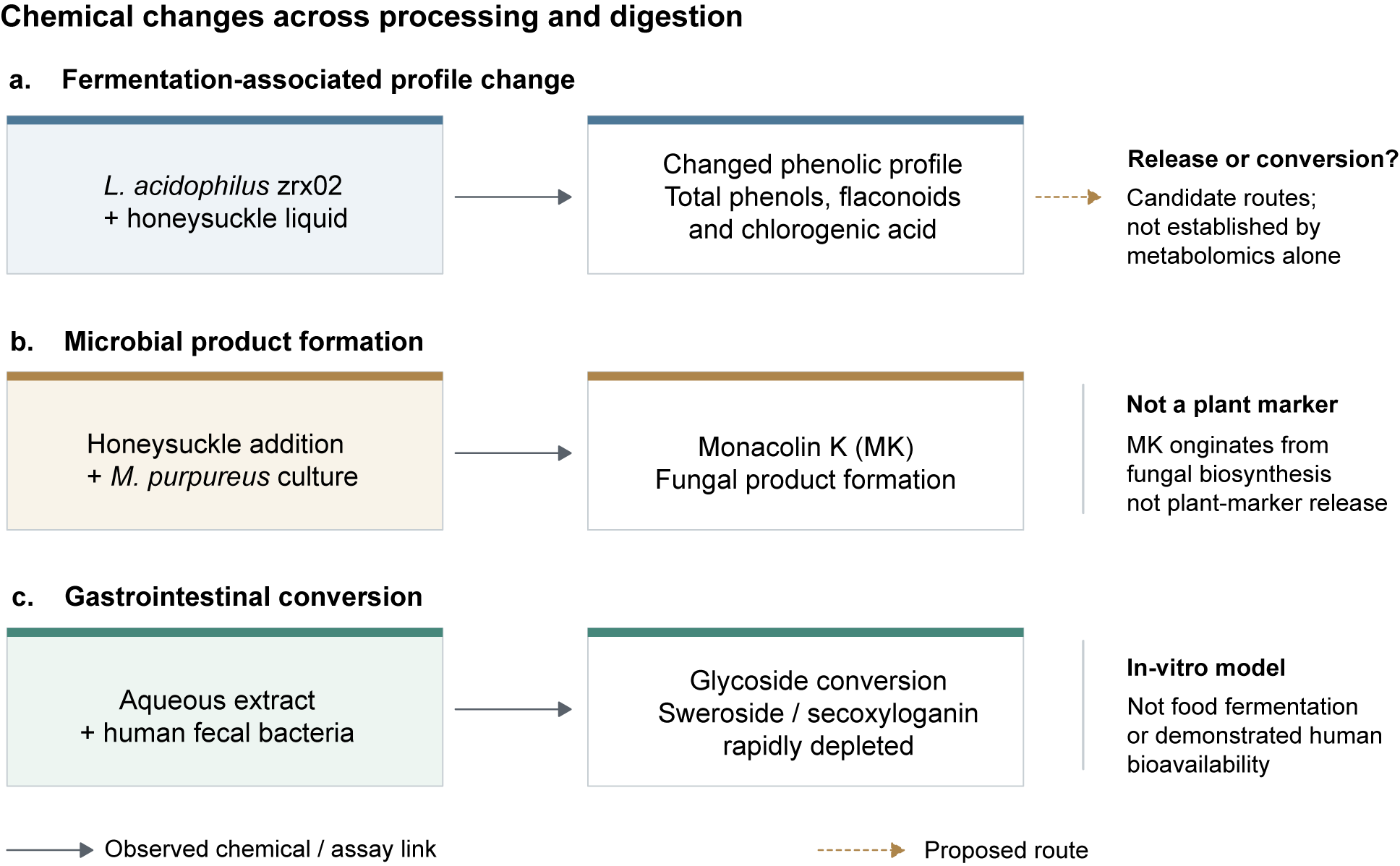
While metabolomics expands the scope of detectable changes, it cannot, on its own, determine the biochemical origins of these alterations. In a fermentation process using Lactobacillus acidophilus zrx02, 991 differentially abundant metabolites, comprising both increased and decreased species, were identified across 79 metabolic pathways [41]. This extensive response suggests that the fermentation process is characterized more by a redistribution of components than by a simple, overall enrichment. Mapping these metabolites to specific pathways allows for the formulation of hypotheses regarding substance transformation; further investigation, such as quantitative precursor-product analysis, enzymatic activity assays, or isotope tracing, can then clarify whether these changes stem from actual biochemical transformations or merely from differences in solubility or annotation artifacts. Figure 2 distinguishes fermentation-associated changes in phenolic profiles, fungal production of monacolin K, and changes in glycoside profiles during in vitro fecal incubation.
Figure 2.
Chemical changes during Lonicera japonica processing and intestinal incubation. (a) Fermentation with L. acidophilus zrx02 changed the measured phenolic profile; the contributions of compound release, altered extractability, and molecular conversion remain unresolved. (b) M. purpureus cultured with honeysuckle produced monacolin K, a fungal metabolite. (c) Incubation of honeysuckle extract with human fecal bacteria changed its glycoside profile in vitro. Solid arrows indicate reported treatment–outcome relationships; the dashed arrow in (a) marks the unresolved route behind the phenolic change.
5.2. Simulated Digestion and Bioaccessibility
The composition of components measured at the end of fermentation serves as the starting point for the digestive process. Bioaccessibility refers to the fraction of substances released and made available for absorption, whereas systemic bioavailability further depends on epithelial transport and subsequent metabolic processes. Standardized digestion models help to distinguish the effects inherent to food components themselves from those arising from variations in experimental conditions. The INFOGEST model simulates the sequential stages of digestion- oral, gastric, and small intestinal- under defined conditions; its static configuration is designed for endpoint comparisons rather than for simulating the physiological kinetics of digestion [65]. It is crucial to recognize this distinction when correlating experiments involving isolated digestive fluids with dynamic systems, or when interpreting chemical recovery rates as measures of exposure.
The research of Chang et al. describes separate incubations of an aqueous L. japonica extract with gastric fluid, intestinal fluid, and human fecal bacteria [11]. It reports 72 prototype compounds in the starting extract, with 70, 69, and 29 prototypes detected after the respective incubations; fecal incubation yielded 70 metabolite annotations. Eight monitored constituents were reported to be more stable in digestive fluids, whereas sweroside and secoxyloganin declined particularly rapidly in the fecal-bacterial model. These observations suggest that constituents stable in digestive-fluid incubations may undergo more extensive conversion in fecal-bacterial cultures. The independent incubations do not establish the sequential fate of the extract during gastrointestinal transit.
The fermentation process also alters the recovery rates of substances during digestion. In a dynamic simulation study involving honeysuckle extract fermented with Lactobacillus acidophilus, the reported in vitro recovery percentages for the fermented and control preparations were: total phenolics, 29.72% vs. 22.03%; flavonoids, 21.80% vs. 17.28%; and chlorogenic acid, 36.93% vs. 25.67% [14]. These comparisons link processing methods to digestive outcomes. These results indicate higher recovery percentages under the tested conditions, but do not establish greater human absorption. Absolute amounts recovered per serving also depend on the initial constituent content. In food product development, key reference metrics include the specific types and quantities of substances that remain available per serving. Reporting both the initial concentration and the digestive recovery rate helps to distinguish between a higher starting quantity and improved stability or enhanced release during the digestive process.
The epithelial transport process introduces an additional layer of selectivity. In a Caco-2 cell monolayer model, phenolic acids from Lonicera japonica (honeysuckle) exhibit higher apparent permeability when present as part of an extract compared to when they are tested as individual compounds, though overall transport levels remain low. Researchers suggest that tight junctions and efflux transporters play a role in this phenomenon [66]. These findings indicate that co-existing components can influence the transport process, an effect that is independent of the amounts of these components released into digestive fluids. Furthermore, this highlights a meaningful link between fermentation chemistry and absorption studies: by comparing corresponding digestion products within an epithelial cell model, one can determine whether alterations in compositional makeup affect the transport process. This comparative analysis offers greater explanatory value than simply ranking fermented samples based on their total phenolic content.
5.3. Colonic Metabolism and Evidence in the Host
There is an interplay between the components of honeysuckle (Lonicera japonica) and the gut microbiota: the microbiota biotransforms the extract, while the extract, in turn, alters the composition of the microbiota and its fermentation products. The SHIME study used pooled fecal microbiota from six donors with type 2 diabetes and included a seven-day extract-treatment phase. Compared with the end of stabilization, acetate, propionate and total short-chain fatty acid concentrations were higher in all three colonic compartments after treatment. Butyrate increased significantly in the ascending and descending compartments, whereas the transverse compartment showed no significant difference. Chromatographic profiles also indicated changes in extract constituents [12]. The study reported increased relative abundances of Prevotella and Bacteroides and decreased abundances of Shigella and the taxon annotated as Lactobacillus. These findings characterize the specific donor-derived culture system; the genus names alone are insufficient to determine whether these shifts represent beneficial or detrimental functional outcomes.
Animal experiments have provided evidence regarding the efficacy of the ingested preparation. In a model of dexamethasone-induced osteoporosis (6 rats per group), a preparation fermented with Lactiplantibacillus plantarum increased femoral bone mineral density (BMD) compared to the model group; this was accompanied by alterations in serum metabolites and the gut microbiota [67]. While the mean BMD for this preparation was numerically higher than that observed in groups receiving either the extracts alone or the unfermented mixture, the significance markers in the figures did not distinguish between these specific treatment groups. Consequently, while the skeletal outcomes support the efficacy of the complete preparation, they do not demonstrate that the fermentation process confers an additional advantage over the corresponding unfermented mixture. The preparation consists of milk, glucose, extracts, and microbial biomass. Although correlations between the microbial community and metabolites may offer leads for future research, they do not allow for the differentiation between microbe-mediated effects and the direct effects of the preparation’s constituents. Future studies comparing the effects of the live-culture preparation, heat-inactivated preparation, and cell-free preparation would help clarify the specific contributions of each component.
A prebiotic substrate must be selectively utilized by host microorganisms and confer a health benefit; increased short-chain fatty acid production alone does not establish this property [68]. Probiotic status requires live microorganisms, an adequate administered amount, and demonstrated benefit to the host. A postbiotic preparation must contain inanimate microorganisms and/or their components and confer a host health benefit [69,70]. Fermentation, cell viability and changes in microbiota composition do not by themselves establish these properties. Product terminology should therefore reflect evidence for the preparation intended for consumption. Table 2 summarizes chemical changes and findings from digestion, transport and intestinal microbial models, together with their interpretative limits.
Table 2.
Evidence connecting preparation, chemical change, and digestive fate.
6. Food Applications: Preservation, Packaging, and Formulation
6.1. Antimicrobial Activity and Food-Contact Applications
The application of Lonicera japonica (honeysuckle) in food preservation is supported by various lines of evidence: it demonstrates inhibitory effects under laboratory culture conditions, controls surface microorganisms, and delays food spoilage. Early screening studies on honeysuckle flower essential oils and leaf ethanol extracts have shown that these substances possess inhibitory activity against foodborne pathogens and spoilage-causing bacteria [71]. Activity-guided fractionation identified J3B2 as the most active leaf-extract fraction in the reported antibacterial assays against Staphylococcus aureus and Escherichia coli; it mainly contained 3,5-di-O-caffeoylquinic acid and 4,5-di-O-caffeoylquinic acid [72]. Furthermore, both aqueous and ethanolic extracts of Lonicera japonica can inhibit Bacillus cereus (ATCC 14579), whereas commercially available standards of chlorogenic acid and macranthoidin B showed no activity within the tested concentration ranges. The minimum inhibitory concentrations (MICs), after appropriate adjustments, for luteolin, quercetin, and kaempferol were found to be 15.625, 31.25, and 15.625 μg/mL, respectively [73]. Experiments involving the leakage of intracellular contents, combined with observations via electron microscopy, have confirmed that these flavonoids cause damage to the microbial cell envelope. Consequently, the observed activity depends on the specific extracted components and the target microorganisms; it is not possible to rank the efficacy of different preparations across various activity assays based solely on a single phenolic marker. Moreover, the fact that these substances inhibit vegetative cells does not necessarily imply that their effects on microbial spores or toxin production are equally well understood.
The growth state of microorganisms can alter the interpretation of antimicrobial test results. In assays targeting planktonic Staphylococcus aureus and Listeria monocytogenes, the minimum inhibitory concentration (MIC) of a commercially available Lonicera japonica (Japanese honeysuckle) essential oil was found to be 0.15625% and 0.3125% (v/v), respectively. However, in experiments conducted on glass surfaces, treatment of established biofilms with 1.25% of this essential oil removed only 1.57% of the S. aureus biomass [74]. On stainless steel surfaces, the essential oil achieved a biomass reduction of 41.97% for S. aureus and 45.53% for Escherichia coli; conversely, the reduction in biomass for L. monocytogenes and Salmonella paratyphi B was not statistically significant. As the crystal violet staining method was employed to quantify attached biomass, these findings distinguish surface biomass removal from susceptibility in broth culture and reduction in the number of viable cells.
Polyphenolic fractions offer an alternative approach for surface treatment. For Cronobacter sakazakii, a pathogen isolated from infant formula, the reported minimum inhibitory concentration (MIC) is 4–8 mg/mL, while the minimum bactericidal concentration (MBC) is 8–16 mg/mL. This treatment causes damage to cell membranes and the leakage of cellular contents, accompanied by a decline in intracellular ATP levels and reactive oxygen species (ROS) content. Furthermore, bacteria within biofilms can be inactivated on surfaces such as stainless steel, glass, tinplate, and polyvinyl chloride (PVC) [75]. These findings support the use of polyphenolic fractions for the treatment of food-contact materials, rather than incorporating them as additives directly into infant formula.
6.2. Preservation in Real Foods
In experiments involving food matrices, there is a clear link between antimicrobial activity and food spoilage, the very process that preservation aims to delay. In a study on cured rabbit meat, researchers applied a reported 4% honeysuckle extract treatment prepared from dried flowers using 65% ethanol; the percentage basis was not clearly specified. Both raw and cooked meat samples were vacuum-packaged and stored at 4 °C for 15 days. The results indicated that the extract reduced both the total viable count and the total volatile basic nitrogen (TVB-N) content in the rabbit meat [9]. In the cooked meat control group, microbial indicators exceeded the acceptable threshold, as defined by the authors, by day 12, whereas the treated cooked meat did not reach this threshold until day 15. Oxidation patterns also varied by product type: between days 0 and 12, the treated raw meat exhibited lower levels of thiobarbituric acid-reactive substances (TBARS), while for the cooked meat, a difference was observed by day 15. Consequently, this preservation treatment exerts a combined effect on both microbial and oxidative processes, with the timing of these effects becoming apparent depending on the specific processing method employed.
Shrimp spoilage during refrigerated storage involves microbial growth and enzymatic melanosis. In a cold-storage study, treatment with a commercial aqueous honeysuckle (Lonicera japonica) extract (16 mg/mL, 17 min) reduced viable counts, TVB-N, lipid oxidation, and browning over 9 days at 4 °C [8]. A separate study applied a 0.1% aqueous honeysuckle-leaf extract to fresh chicken and reported lower mean TBARS and volatile basic nitrogen values than the untreated control on days 1, 3, and 5 of refrigerated storage [76]. The chicken study evaluated chemical and physical quality rather than microbial counts; it therefore provides evidence for oxidation control, not microbial preservation. Together, these studies assess honeysuckle preparations against different preservation endpoints in distinct food matrices.
In refrigerated pork patties, both honeysuckle extract and chlorogenic acid were found to reduce lipid oxidation and the formation of protein carbonyls, while also slowing the loss of hardness, elasticity, chewiness, and cohesiveness [77]. The antioxidant activity of chlorogenic acid observed here contrasts with its lack of inhibitory effect against Bacillus cereus in other experiments [73], a distinction that highlights the need for separate experimental assessments for the protection of food lipids and proteins versus the inhibition of bacterial growth.
Furthermore, the chemical environment of a food matrix can alter the form in which additives exist. In pork patties containing the extract, researchers identified eight polyphenol-amino acid adducts, with the chlorogenic acid-cysteine adduct showing the highest relative abundance [78]. The accumulation of these adducts in patties supplemented with chlorogenic acid was further enhanced by factors such as high-oxygen packaging, extended storage, or more thorough cooking [78]. Consequently, the initial amount added does not provide a comprehensive picture of the actual exposure to phenolic compounds following processing; therefore, assessments must account not only for free (unbound) components but also for those conjugated with proteins.
Research on the preservation of fruits offers a useful point of comparison for the positive results observed in meat and shrimp. An aqueous extract of honeysuckle (Lonicera japonica) has been shown to inhibit microbial isolates responsible for the spoilage of mulberries, producing zones of inhibition ranging from 6.5 to 15.5 mm in diameter at a concentration of 400 mg/mL. Fruit coating was tested separately with extract alone and with extract–1-methylcyclopropene (1-MCP) mixtures. The mixtures failed to preserve the fruit over the reported storage period [79]. Consequently, results from antimicrobial screening alone cannot substitute for empirical testing of a comprehensive preservation protocol tailored to a specific food product.
6.3. Active Packaging
Packaging materials can incorporate bioactive plant-based components, with their practical utility determined by the material’s inherent barrier and mechanical properties. In a composite film composed of carboxymethyl konjac glucomannan, konjac glucomannan, and gelatin, the addition of 25% (v/v) leaf extract increased the elongation at break by a factor of 1.39 to 1.50, with numerically lower water vapor permeability than the corresponding films without extract [7]. In antimicrobial assays, 100 mg of the film was placed into 5 mL of broth medium inoculated with microorganisms and incubated at 37 °C for 6 h. Results indicated that one specific formulation reduced the viable cell counts of Staphylococcus aureus, Listeria monocytogenes, and Escherichia coli by 96.81%, 89.81%, and 89.94%, respectively, compared to a control group without the film. Films lacking the extract exhibited no antimicrobial activity. This experiment demonstrates that the films retain antimicrobial properties after preparation, albeit with a trade-off in material performance, where the enhancement of certain characteristics comes at the expense of others. It should be noted that the inhibition percentages observed in broth media do not directly equate to the actual microbial reduction or shelf-life extension that might be achieved when such films are used to cover food products.
The responsive characteristics of these materials vary depending on their specific formulations. Incorporating honeysuckle extract into chitosan-based films improves moisture resistance and enhances both antioxidant capacity and the inhibition of E. coli; however, it also leads to a decline in tensile strength and elongation at break. Furthermore, the films become darker in color and exhibit increased water solubility [80]. The chitosan-based system gained moisture resistance but lost some extensibility. The konjac/gelatin system showed greater extensibility and numerically lower water vapor permeability after extract addition [7]. Given the variations in the plant parts used and the polymer matrices employed, the final physical properties depend on the overall formulation rather than solely on the addition of honeysuckle.
6.4. Formulation and Delivered Dose
Extract addition can improve chemical measurements while reducing sensory acceptance. In a biscuit study, a commercial extract containing 5% chlorogenic acid replaced flour at 1–4 parts per 100 parts of the combined flour-and-extract blend. These percentages refer to the blend, not the total dough mass. After baking at 200 °C for 20 min, the biscuits had higher phenolic acid contents and antioxidant activity in chemical assays. A 10-member expert panel rated the 1% formulation similarly to the control but gave higher-inclusion formulations lower scores. Hardness and brightness also decreased [81]. The study assessed fortification and sensory quality rather than preservation.
Leaf polysaccharides also stabilized a model delivery system. Ultrasound treatment of whey protein isolate and leaf polysaccharides at a 3:1 protein-to-polysaccharide ratio, with 1.7% emulsifier, produced an emulsion with a median droplet size of 317.70 ± 5.26 nm. After 5 days of UV exposure at 30 °C, β-carotene retention was 70.14%, compared with 58.84% in the whey-protein-only system and 47.02% in corn oil [82]. These results concern photostability in a model emulsion, not microbial shelf life, sensory acceptance or delivery during digestion. Table 3 summarizes the preparations, treatment levels, outcomes and interpretative limits of the preservation, packaging and formulation studies.
Table 3.
Preservation, formulation and packaging applications of principally unfermented honeysuckle preparations.
Discrepancies in how dosage is reported pose a major obstacle to comparative research. The actual exposure level is influenced by various factors, including the extract loading in the film, the concentration of the treatment solution, and the quantity of extract applied. For instance, some studies involving rabbits mention an ethanol extraction process but fail to specify how the solvent was removed or how the extract was subsequently reconstituted [9,10]. To enable meaningful comparisons, it is essential to define the solid content, compositional profile, and residual solvent levels of the extracts, and to calculate the actual amount applied per unit mass or surface area of the food. Furthermore, a distinction must be made between the loading within the film and the release at the interface; a high application volume of a low-concentration extract may still result in a very low actual release of active substances. In the context of surface treatments, the duration of contact and the methods used to remove residues should also be explicitly defined as part of the treatment protocol.
Most preservation studies examined unfermented extracts or essential oils. Their findings describe the performance of those preparations and do not establish whether fermentation improves preservation in the same food matrix.
7. Discussion and Research Priorities
7.1. Integrating Processing and Food Application Evidence
The studies in Section 4, Section 5 and Section 6 address different stages of food development. Table 4 links each type of observation to the conclusion it supports. Figure 3 presents assessment coverage alongside the experimental model, comparator, exposure, and reported replication. Filled cells indicate assessments documented in the material examined. Open cells indicate that an assessment was not documented in that material; they do not establish that it was absent from the original study. These study characteristics help interpret the findings, whereas the number of filled cells does not measure effect magnitude or study quality. Assessment codes and source anchors are provided in Table S2.
Table 4.
Evidence framework and decision rules for claims about Lonicera japonica food applications.
Figure 3.
Evidence matrix of selected Lonicera japonica studies. The matrix includes 34 original studies that directly examined a L. japonica preparation in microbial processing, digestive or host models, or food-related applications and documented at least one assessment category [4,5,6,7,8,9,10,11,12,14,40,41,42,43,44,46,47,48,49,53,66,67,71,72,73,75,76,77,78,79,80,81,82,83]. Each row shows the experimental model, comparator, exposure, and reported replication alongside the assessments documented. Filled cells indicate assessments documented in the material examined; open cells indicate assessments not documented there, not necessarily assessments absent from the study. Blue, teal, and ochre identify microbial processing, digestive or host models, and food or microbial applications, respectively. The colors do not indicate study quality. Coding rules are described in Section 2, and study-level codes and source anchors are provided in Table S2. In the replication column, n denotes the number of experimental units or replicates specified in each row. Technical replicates were not treated as independent production batches. “Not reported” and “unclear” describe how replication was reported in the source.
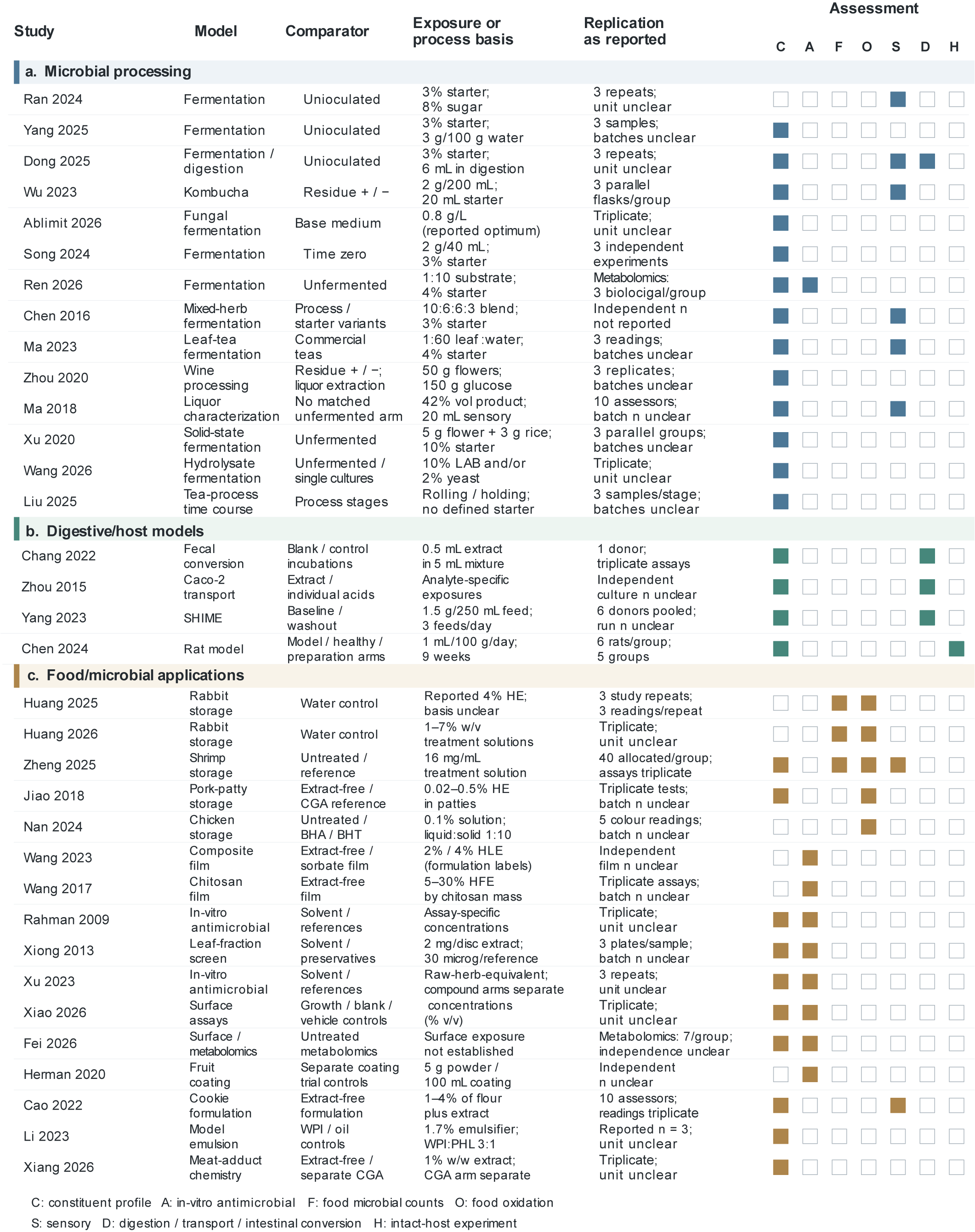
Table 5 brings together quantitative treatment-control comparisons from the preservation and digestion studies. In refrigerated shrimp, the extract-treated group had approximately 0.6 log CFU/g fewer viable microorganisms than the control on day 6, together with a 0.94-point higher overall sensory score [8]. In cooked rabbit meat, extract treatment lowered TVB-N by 18.2% on day 15 [9]. In raw rabbit meat, the nominal 7% (w/v) treatment lowered day-5 TVB-N from 13.24 to 9.55 mg/100 g, a difference of 3.69 mg/100 g [10]. These contrasts quantify the performance of unfermented extracts under their respective application conditions.
The fermentation comparison addresses a different endpoint. After simulated intestinal digestion, the reported chlorogenic acid percentage was 36.93% for fermented honeysuckle liquid and 25.67% for the uninoculated control, a difference of 11.26 percentage points [14]. Total phenolics and flavonoids showed corresponding differences of 7.69 and 4.52 percentage points. These results concern the tested digestion model rather than food preservation or human absorption. Equal beverage volumes also do not imply equal constituent inputs after fermentation.
Comparability is strongest within each study. Across studies, treatment-solution concentrations cannot be converted into a common retained dose per kilogram of food without extract-solids and uptake measurements; the basis of the reported 4% treatment in one study is also insufficiently specified. Shelf-life interpretation depends on the endpoint and sampling schedule. In the study [9], the first sampled exceedance of the authors’ microbial criterion occurred on days 12 and 15 in control and treated cooked meat, respectively, placing threshold crossing within days 9–12 and 12–15 rather than establishing an exact 3-day extension. Differences in preparations, dose bases, matrices and outcomes therefore prevent these contrasts from being combined into a common effect estimate. They nevertheless provide quantitative benchmarks for testing fermented and unfermented preparations together in the same food matrix, using the controls outlined in Section 7.2.
Table 5.
Quantitative within-study comparisons of Lonicera japonica preparations and their corresponding controls.
7.2. Disentangling Acidity, Microbial Biomass, and Constituent Transformation
Figure 4 translates the comparison criteria in Table 4 into a proposed experimental design. The core comparison between the whole fermented preparation (Figure 4c) and the matched uninoculated control (Figure 4a) estimates the overall fermentation-associated effect, including acidification. The acidified control (Figure 4b) and separated fractions (Figure 4d–f) address additional questions about acidity, soluble components, and microbial cells. The checklist below specifies the process records and measurements needed to interpret these comparisons.
Figure 4.
Proposed control framework for fermented Lonicera japonica preparations (Section 7.2). The six experimental arms are the matched processed uninoculated control (a), the pH-matched acidified control (b), the whole fermented preparation (c), cell-free supernatant (d), washed live cells (e), and washed inactivated cells (f). The core comparison is between arms (a) and (c). For arm (b), specify the acidulant or acid mixture and, where feasible, match the measured organic acid profile of arm (c). Report pH, titratable acidity, and the identities and concentrations of the major organic acids for arms (b,c). Match doses on a parent-product-equivalent basis and match the carrier matrices. Check fraction recovery, cell removal, viability, and any chemical changes introduced by processing. Select endpoints for chemical fate, food-matrix performance, sensory quality and storage, and digestion according to the comparisons described in Section 7.2 and Table 4.
Checklist for Matched Experiments
- Document the fermentation and final treatment. Report the strain, inoculum, co-substrates, incubation conditions, and post-fermentation treatment. Starter comparisons and process optimization in honeysuckle show that these choices influence the measured outcomes [4,41].
- Distinguish overall effects from acidity-related effects. Retain the unadjusted fermented-uninoculated comparison to estimate the overall process effect, including acidification. For arm b, specify the acidulant or acid mixture and, where feasible, reproduce the identity and relative proportions of the organic acids measured in the whole fermented preparation. Matching pH alone does not match acid composition; using the measured fermentation acid profile helps control chemical differences relevant to antimicrobial and sensory comparisons. Report pH, titratable acidity and the identities and concentrations of the major organic acids in both arm b and the whole fermented preparation. The antibacterial activity of phenolic acids also varies with pH [64].
- Characterize fractions before comparing their effects. When fractions are compared, state the amount of whole ferment represented by each fraction and measure its recovery. Verify cell removal from cell-free material and assess viability in both live-cell and inactivated preparations. Document the inactivation procedure and confirm its effectiveness [70]. Check for chemical changes introduced by washing, filtration, or inactivation.
- Trace constituent fate to the point of use. Follow a selected marker panel through fermentation, stabilization, storage and food application, accounting for liquid and retained solids where relevant. Where an explanation concerns a specific enzyme or gene, activity assays or functional tests can provide additional pathway evidence, as illustrated in other bacterial systems [58,59]. Figure 2 summarizes the chemical distinctions motivating these measurements.
- Reassess the final preparation during storage. Test the clarified, heat-treated, or dried preparation in the form intended for consumption or food addition. In fermented honeysuckle liquid, viable counts and sensory quality changed during refrigerated storage [14]. Evaluate the final preparation throughout its intended storage period using the application criteria in Table 4.
7.3. Preparation-Specific Safety and Quality Control
Safety assessments focus on products in their final form for consumption, accounting for changes introduced through concentration, processing, or formulation adjustments. A short-term study in rats indicated that an ethanol extract of the leaves showed no significant toxicity under the tested conditions [83]. However, this finding cannot be directly applied to establish intake limits for fermented floral beverages or concentrated antimicrobial fractions. Similarly, while the behavior of pesticides during cultivation, drying, and brewing demonstrates that processing stages influence exposure levels, this does not imply that fermentation eliminates pesticide residues [84]. When traditional raw materials are concentrated or incorporated into new formulations, factors such as botanical identification, residue limits, solvent recovery, and projected consumption levels remain critical.
Botanical substitution also changes the basis for food-compliance assessment. In China, pharmacopoeial recognition is one of several conditions for inclusion in the food-medicine catalog; traditional food use and a satisfactory safety assessment are also required [85]. The species, edible organ, preparation and intended use should therefore be checked against the applicable food rules. Jinyinhua’s food-use status should not be extrapolated to Shanyinhua, leaves, stems or differently processed concentrates. Requirements in other markets must be assessed separately.
Regarding microbial components, the identification of a specific strain and the safety of its intended use are distinct from the organism’s growth capacity or acid tolerance. Table S4 distinguishes reported species assignments, sequence accessions, culture-collection deposits and strain-specific safety tests. The sources report GenBank accessions for zrx02 and zrx03 and the culture-collection designation CGMCC 22744 for E10 [4,14,43]. These identifiers support traceability but do not constitute safety assessments. The cited honeysuckle studies did not report strain-specific antimicrobial resistance, hemolysis, or undesirable-metabolite tests for these selected starters. Scientific assessment frameworks emphasize the characterization of the microorganism itself, its associated safety profile, and the evidence supporting any claimed health benefits [86]. Strain-specific characteristics and processing methods dictate which potential hazards, such as acquired antimicrobial resistance, undesirable metabolites, or contamination risks, require evaluation. These factors are highlighted here to define the focus of the assessment, not to suggest that such issues necessarily arise in research involving honeysuckle. For processes involving fungi, particular attention must be paid to their metabolic profile. Data on survival under refrigerated conditions or a low final pH cannot serve as a substitute for stability testing of the finished product.
Fermentation-associated hazards depend on the starter, substrate and final product. Biogenic-amine assessment should combine screening of candidate cultures with measurements in the fermented preparation and during storage [87]. For alcoholic preparations, ethyl carbamate and relevant precursors, particularly urea and citrulline, warrant assessment because formation can continue during storage [88]. Fungal systems require the preparation-specific citrinin measurements described in Section 4.3 [89]. Phenolic and iridoid conversion products should be identified and quantified before their safety or functional value is inferred. Acquired antimicrobial resistance requires phenotypic and genomic assessment, including the genetic context of relevant determinants; detecting a resistance gene does not itself demonstrate transfer [86]. Table S6 organizes these checks by product type and analytical endpoint.
Product descriptions should identify the material tested, such as fermented honeysuckle liquid, a cell-free fermented fraction, or an inactivated culture preparation. Section 5.3 defines the evidence required for health-related product terminology.
The final form of the finished product is another factor that must be considered. If a product contains live bacteria, its distribution strategy may differ from that used for ingredients that have been clarified or heat-treated; furthermore, final processing steps can alter the chemical composition of the product. Consequently, it is essential to test the material both before and after any intended stabilization processes. For preservative-containing concentrates, the key performance metric is the reproducibility of their activity once diluted and incorporated into a food product. In the case of fermented beverages, the composition of the product in its final, ready-to-consume state, along with its acceptable sensory shelf life, is more meaningful than the peak cell density achieved within the fermentation tank. These points are offered as suggested development guidelines rather than established performance standards for all honeysuckle-based products.
7.4. Priorities for Food Product Development
Independent botanical lots and fermentation batches are needed to assess reproducibility, followed by testing under realistic storage conditions. Studies using zrx02 or rabbit meat provide starting points, but independent materials and laboratory settings are needed to assess how widely their findings apply [4,9,10,14,41].
8. Conclusions
Lonicera japonica (honeysuckle) has diverse applications in the food sector, including its use in fermented beverages, as a source of transformed compounds, as an antioxidant extract, and as an antimicrobial packaging material. Lactic acid fermentation studies mainly document process conditions and compositional changes, whereas refrigerated-food studies mainly evaluate specific applications of unfermented extracts. While digestion models introduce further stages of chemical transformation, they do not confirm efficacy in the human body. These findings suggest that development should focus on specific formulations rather than promoting the general benefits of fermentation.
The priority is to link a defined fermentation process to performance in the intended food product. Matched comparisons should determine whether microbial processing provides a reproducible advantage at an acceptable dose and under realistic storage conditions.
Supplementary Materials
The following supporting information can be downloaded at: https://www.mdpi.com/article/10.3390/microorganisms14122752/s1, Supplementary Methods S1,Literature search, source selection, data extraction, and evidence coding; Table S1, cited source and access audit; Table S2, Assessments documented in the material examined for studies represented in Figure 3; Table S3, Source verification and evidence-scope decisions. Table S4, Reported identity, provenance, and safety information for selected bacterial starters discussed individually in this review.; Table S5, Substrate-specific hypotheses and validation requirements for microbial transformation of honeysuckle constituents; Table S6, Proposed safety assessment checklist for fermented honeysuckle preparations.
Author Contributions
H.W. (Haizhen Wang): Conceptualization, Investigation, Data curation, Draft writing, Review and editing. H.W. (Huibi Wang): Conceptualization, Methodology, Validation, Visualization, Draft writing, Review and editing, Supervision. All authors have read and agreed to the published version of the manuscript.
Funding
This work was supported by the Key Research and Development Project of Luliang City (Agriculture) (grant number 2024NY09) and the Lyuliang University Young Academic Backbone Project (grant number 03012090121). The funders had no role in the preparation of this paper or the decision to submit it for publication.
Institutional Review Board Statement
Not applicable. This review reports no new experiments involving humans or animals.
Informed Consent Statement
Not applicable.
Data Availability Statement
No new data were created or analyzed in this study. Data sharing is not applicable to this article.
Acknowledgments
Declaration of Generative AI and AI-Assisted Technologies: During the preparation of this review, the authors used ChatGPT (OpenAI, model version 6.1-Soul) for language editing. The authors then reviewed and revised the manuscript and take full responsibility for its final content.
Conflicts of Interest
The authors declare that they have no known competing financial interests or personal relationships that could have appeared to influence the work reported in this paper.
References
- Zheng, S.; Liu, S.; Hou, A.; Wang, S.; Na, Y.; Hu, J.; Jiang, H.; Yang, L. Systematic Review of Lonicerae Japonicae Flos: A Significant Food and Traditional Chinese Medicine. Front. Pharmacol. 2022, 13, 1013992. [Google Scholar] [CrossRef] [Scilit] [PubMed]
- Yang, X.; Yan, D. Function, Mechanism of Action, Metabolism, and Commercial Application of Lonicera japonica: A Review. Food Sci. Hum. Wellness 2025, 14, 9250051. [Google Scholar] [CrossRef] [Scilit]
- Wang, S.; Xiang, F.; Long, W.; Zhang, L.; Zhang, W.; He, F.; Ho, C.T.; Li, S. Insights into the Health-Promoting Properties and Nutraceutical and Food Applications of Lonicera japonica Thunb. Molecules 2026, 31, 3540. [Google Scholar] [CrossRef] [Scilit] [PubMed]
- Ran, J.; Tang, Y.; Mao, W.; Meng, X.; Jiao, L.; Li, Y.; Zhao, R.; Zhou, H. Optimization of the Fermentation Process and Antioxidant Activity of Mixed Lactic Acid Bacteria for Honeysuckle Beverage. Front. Microbiol. 2024, 15, 1364448. [Google Scholar] [CrossRef] [Scilit] [PubMed]
- Wu, S.X.; Xiong, R.G.; Cheng, J.; Xu, X.Y.; Tang, G.Y.; Huang, S.Y.; Zhou, D.D.; Saimaiti, A.; Gan, R.Y.; Li, H.B. Preparation, Antioxidant Activities and Bioactive Components of Kombucha Beverages from Golden-Flower Tea (Camellia petelotii) and Honeysuckle-Flower Tea (Lonicera japonica). Foods 2023, 12, 3010. [Google Scholar] [CrossRef] [Scilit] [PubMed]
- Ablimit, A.; Zhai, Y.; Chen, M.; Sun, Q.; Liu, W.; Zhai, D.; Dong, L.; Huang, A.; Sun, B.; Wang, C.; et al. Honeysuckle as a Bio-Enhancer in Monascus Purpureus Fermentation: Synergistic Improvement of Monacolin K Yield and Flavor Complexity. Foods 2026, 15, 560. [Google Scholar] [CrossRef] [Scilit] [PubMed]
- Wang, M.; Li, Y.C.; Meng, F.B.; Wang, Q.; Wang, Z.W.; Liu, D.Y. Effect of Honeysuckle Leaf Extract on the Physicochemical Properties of Carboxymethyl Konjac Glucomannan/Konjac Glucomannan/Gelatin Composite Edible Film. Food Chem. X 2023, 18, 100675. [Google Scholar] [CrossRef] [Scilit] [PubMed]
- Zheng, O.; Chen, H.; Jia, X.; Liu, Y.; Sun, Q.; Wang, Z.; Liu, S. Inhibitory Effect of Honeysuckle (Lonicera japonica Thunb.) Extract on the Melanosis and Quality Deterioration of Pacific White Shrimp (Litopenaeus Vannamei) During Cold Storage. Foods 2025, 14, 2928. [Google Scholar] [CrossRef] [Scilit] [PubMed]
- Huang, X.; Chen, W.; Yang, S.; Wang, B.; Hu, X.; Dong, Z.; Zhang, J. Honeysuckle Extracts (Lonicera japonica Thunb.): Understanding Insights into the Antioxidant Effect on Preserving Qualities of Rabbit Meat During Refrigerated Storage. Foods 2025, 14, 4194. [Google Scholar] [CrossRef] [Scilit] [PubMed]
- Huang, X.; Chen, W.; Tong, Z.; Tang, P.; Yang, S.; Zhang, X.; Duan, F.; Zhang, J. Honeysuckle (Lonicera japonica Thunb.) Extract as a Natural Preservative for Rabbit Meat: Inhibition of Lipid and Protein Oxidation and Maintenance of Myofibrillar Protein Functionality. Foods 2026, 15, 2766. [Google Scholar] [CrossRef] [Scilit] [PubMed]
- Chang, Y.; Li, C.; Wang, R.; Li, X.; Guo, S.; Zhang, W.; Liu, B. The Metabolic Profile Elucidation of Lonicera japonica Flos Water Extract and the Metabolic Characteristics Evaluation of Bioactive Compounds in Human Gastrointestinal Tract in Vitro. J. Pharm. Biomed. Anal. 2022, 219, 114906. [Google Scholar] [CrossRef] [Scilit] [PubMed]
- Yang, L.; Zhou, J.; Luo, Y.; Kang, X.; Lai, X.; Zhou, Z.; Zhong, X.; Liu, D. The Regulatory Effects of Lonicera japonica Flos on Fecal Microbiota from Humans with Type 2 Diabetes in a SHIME Model. J. Herb. Med. 2023, 39, 100654. [Google Scholar] [CrossRef] [Scilit]
- Travičić, V.; Pezo, L.; Sulejmanović, M.; Tenji, D.; Perović, M.; Ćetković, G.; Ćetković, N. State-of-the-Art Perspectives on Postbiotic-Oriented Systems Derived from Fermented Medicinal Plant Extracts. Foods 2026, 15, 864. [Google Scholar] [CrossRef] [Scilit] [PubMed]
- Dong, X.; Shi, H.; Zhang, S.; Deng, X.; Ge, Y.; Li, Y. Impact of Fermentation on the Processing and Digestion Characteristics of Honeysuckle Polyphenols by Lactobacillus Acidophilus. Front. Nutr. 2025, 12, 1570648. [Google Scholar] [CrossRef] [Scilit] [PubMed]
- Hou, D.; Song, J.; Shi, L.; Ma, X.; Xin, T.; Han, J.; Xiao, W.; Sun, Z.; Cheng, R.; Yao, H. Stability and Accuracy Assessment of Identification of Traditional Chinese Materia Medica Using DNA Barcoding: A Case Study on Flos Lonicerae Japonicae. BioMed Res. Int. 2013, 2013, 549037. [Google Scholar] [CrossRef] [Scilit] [PubMed]
- Gu, L.; Xie, X.; Wang, B.; Jin, Y.; Wang, L.; Wang, J.; Yin, G.; Bi, K.; Wang, T. Discrimination of Lonicerae Japonicae Flos According to Species, Growth Mode, Processing Method, and Geographical Origin with Ultra-High Performance Liquid Chromatography Analysis and Chemical Pattern Recognition. J. Pharm. Biomed. Anal. 2022, 219, 114924. [Google Scholar] [CrossRef] [Scilit] [PubMed]
- Wang, Y.; Li, L.; Ji, W.; Liu, S.; Fan, J.; Lu, H.; Wang, X. Metabolomics Analysis of Different Tissues of Lonicera japonica Thunb. Based on Liquid Chromatography with Mass Spectrometry. Metabolites 2023, 13, 186. [Google Scholar] [CrossRef] [Scilit] [PubMed]
- Li, R.J.; Kuang, X.P.; Wang, W.J.; Wan, C.P.; Li, W.X. Comparison of Chemical Constitution and Bioactivity among Different Parts of Lonicera japonica Thunb. J. Sci. Food Agric. 2020, 100, 614–622. [Google Scholar] [CrossRef] [Scilit] [PubMed]
- Wang, L.M.; Li, M.T.; Yan, Y.Y.; Ao, M.Z.; Wu, G.; Yu, L.J. Influence of Flowering Stage of Lonicera japonica Thunb. on Variation in Volatiles and Chlorogenic Acid. J. Sci. Food Agric. 2009, 89, 953–957, Erratum in J. Sci. Food Agric. 2009, 89, 1622. [Google Scholar] [CrossRef] [Scilit]
- Feng, W.; Li, Z.; Dai, X.; Shu, Y.; Yu, C.; Wu, Y.; Li, W. Integrated Metabolomics and Molecular Docking Reveal Spatial and Developmental Variations in Flavor and Bioactive Constituents of Lonicera japonica Flos. Foods 2026, 15, 1619. [Google Scholar] [CrossRef] [Scilit] [PubMed]
- Liu, Z.; Cheng, Y.; Chao, Z. A Comprehensive Quality Analysis of Different Colors of Medicinal and Edible Honeysuckle. Foods 2023, 12, 3126. [Google Scholar] [CrossRef] [Scilit] [PubMed]
- Ding, H.; Sun, C.; Kang, C.; Liu, Y.; Wang, X.; Li, L. Dynamic Chemical Profiling of Lonicera japonica Flos During the Maceration and Decoction Processes Integrating UPLC-MS and Molecular Networking. Foods 2026, 15, 1421. [Google Scholar] [CrossRef] [Scilit] [PubMed]
- Lee, J.; Park, G.; Chang, Y.H. Nutraceuticals and Antioxidant Properties of Lonicera japonica Thunb. as Affected by Heating Time. Int. J. Food Prop. 2019, 22, 630–645. [Google Scholar] [CrossRef] [Scilit]
- Zhao, P.; Dong, K.; Liu, Y.; Zhang, H.; Jia, Q.; Wang, Y.; Hu, P.; Zhang, M. Investigating the Thermal Transformations of Chlorogenic Acids During Dry-Heating Processing of Lonicerae Japonicae Flos. Int. J. Food Sci. 2026, 2026, 7566064. [Google Scholar] [CrossRef] [Scilit] [PubMed]
- Mi, Y.; Dong, H.; Liu, S.; Chen, J.; Wang, X. Effects of Stir-Frying Fixation on the Chemical Components of Lonicerae Japonicae Flos Tea: GC-IMS and UPLC-HRMS. Anal. Methods 2025, 17, 5448–5458. [Google Scholar] [CrossRef] [Scilit] [PubMed]
- Fan, Z.; Li, L.; Bai, X.; Zhang, H.; Liu, Q.; Zhang, H.; Fu, Y.; Moyo, R. Extraction Optimization, Antioxidant Activity, and Tyrosinase Inhibitory Capacity of Polyphenols from Lonicera japonica. Food Sci. Nutr. 2019, 7, 1786–1794. [Google Scholar] [CrossRef] [Scilit] [PubMed]
- Hu, W.; Guo, T.; Jiang, W.J.; Dong, G.L.; Chen, D.W.; Yang, S.L.; Li, H.R. Effects of Ultrahigh Pressure Extraction on Yield and Antioxidant Activity of Chlorogenic Acid and Cynaroside Extracted from Flower Buds of Lonicera japonica. Chin. J. Nat. Med. 2015, 13, 445–453. [Google Scholar] [CrossRef] [Scilit] [PubMed]
- Yu, S.; Kong, F.; Bi, Y.; Huang, X.; Huang, M. Optimization of Process Parameters and Kinetic Model of Enzymatic Extraction of Polyphenols from Lonicerae Flos. Pharmacogn. Mag. 2016, 12, 70–74. [Google Scholar] [CrossRef] [Scilit] [PubMed]
- Wu, W.; Huang, T.; Xiang, F. Polyethylene Glycol-Based Ultrasonic-Assisted Enzymatic Extraction, Characterization, and Antioxidant Activity in Vitro and in Vivo of Polysaccharides from Lonicerae Japonica Leaves. Food Sci. Nutr. 2019, 7, 3452–3462. [Google Scholar] [CrossRef] [Scilit] [PubMed]
- Li, G.; Bao, C.; Zhang, H.; Bai, L. Ultrasound-Assisted Extraction of Polyphenols from Lonicera japonica Leaves and Their α-Glucosidase Inhibition. Front. Nutr. 2025, 12, 1542217. [Google Scholar] [CrossRef] [Scilit] [PubMed]
- Xu, P.; Zhang, Z.; Peng, X.; Yang, J.; Li, X.; Yuan, T.; Jia, X.; Liu, Y.; Abdullaev, O.; Jenis, J. Study on Vacuum Drying Kinetics and Processing of the Lonicera japonica Thunb. Aqueous Extracts. LWT 2022, 167, 113868. [Google Scholar] [CrossRef] [Scilit]
- Li, D.; Zhang, J.; Sun, Y.; Chai, C.; Wang, F.; Fan, B.; Li, L.; Gao, S.; Wang, H.; Yang, C.; et al. The Utilization Value of Condensate Water from the Drying Process of Lonicera japonica via Metabolomics Analysis. Metabolites 2025, 15, 569. [Google Scholar] [CrossRef] [Scilit] [PubMed]
- Liu, N.N.; Liu, W.; Wang, D.J.; Zhou, Y.B.; Lin, X.J.; Wang, X.; Li, S.B. Purification and Partial Characterization of Polyphenol Oxidase from the Flower Buds of Lonicera japonica Thunb. Food Chem. 2013, 138, 478–483. [Google Scholar] [CrossRef] [Scilit] [PubMed]
- Zhang, T.; Liu, H.; Bai, X.; Liu, P.; Yang, Y.; Huang, J.; Zhou, L.; Min, X. Fractionation and Antioxidant Activities of the Water-Soluble Polysaccharides from Lonicera japonica Thunb. Int. J. Biol. Macromol. 2020, 151, 1058–1066. [Google Scholar] [CrossRef] [Scilit] [PubMed]
- Qi, X.; Yu, Y.; Wang, X.; Xu, J.; Wang, X.; Feng, Z.; Zhou, Y.; Xiao, H.; Sun, L. Structural Characterization and Anti-Oxidation Activity Evaluation of Pectin from Lonicera japonica Thunb. Front. Nutr. 2022, 9, 998462. [Google Scholar] [CrossRef] [Scilit] [PubMed]
- Guo, A.L.; Chen, L.M.; Wang, Y.M.; Liu, X.Q.; Zhang, Q.W.; Gao, H.M.; Wang, Z.M.; Xiao, W.; Wang, Z.Z. Influence of Sulfur Fumigation on the Chemical Constituents and Antioxidant Activity of Buds of Lonicera japonica. Molecules 2014, 19, 16640–16655. [Google Scholar] [CrossRef] [Scilit] [PubMed]
- Dao, Y.; Yu, J.; Yang, M.; Han, J.; Fan, C.; Pang, X. DNA Metabarcoding Reveals the Fungal Community on the Surface of Lonicerae Japonicae Flos, an Edible and Medicinal Herb. Int. J. Mol. Sci. 2023, 24, 15081. [Google Scholar] [CrossRef] [Scilit] [PubMed]
- Wang, G.; Jiao, M.; Hu, J.; Xun, Y.; Chen, L.; Qiu, J.; Ji, F.; Lee, Y.W.; Shi, J.; Xu, J. Quantitative Analysis of Fungal Contamination of Different Herbal Medicines in China. Toxins 2024, 16, 229. [Google Scholar] [CrossRef] [Scilit] [PubMed]
- Marco, M.L.; Sanders, M.E.; Gänzle, M.; Arrieta, M.C.; Cotter, P.D.; De Vuyst, L.; Hill, C.; Holzapfel, W.; Lebeer, S.; Merenstein, D.; et al. The International Scientific Association for Probiotics and Prebiotics (ISAPP) Consensus Statement on Fermented Foods. Nat. Rev. Gastroenterol. Hepatol. 2021, 18, 196–208. [Google Scholar] [CrossRef] [Scilit] [PubMed]
- Chen, K.; Oh, Y.J.; Li, H.; Kim, T.S.; He, Z.; Yeo, I.H. Development of Honeysuckle Herbal Tea by Fermentation with Lactobacillus plantarum. Food Sci. 2016, 37, 131–136. [Google Scholar] [CrossRef]
- Yang, J.; Shi, H.; Cai, L.; Zhang, S.; Zhao, Y.; Su, X.; Sun, H.; Cao, Y.; Li, Y. Effects of Different Lactic Acid Bacteria Fermentation on Active Substances and Functional Characteristics of Honeysuckle Liquid: Analysis of Metabolites of Honeysuckle Liquid Based on Metabolomics. Front. Microbiol. 2025, 16, 1595351. [Google Scholar] [CrossRef] [Scilit] [PubMed]
- Song, Y.; Liu, Q.; Munir, M.; Gao, Y.; He, J.; Liu, L.; Zhang, G.; Li, X.; Li, C.; Qi, X. Effect of Lacticaseibacillus Rhamnosus L08 Fermentation on Xanthine Oxidase Inhibitory Activity and Flavour Profile of Honeysuckle (Lonicera japonica Thunb.). LWT 2024, 200, 116196. [Google Scholar] [CrossRef] [Scilit]
- Ren, Y.; Ling, F.; Zhang, S.; Jiang, M.; Li, L.; Zhang, X.; Geng, Y.; Xue, Y.; Shi, J.S. Metabolic Reprogramming of Lonicera japonica by Lacticaseibacillus Paracasei E10 Fermentation Enhances Antibacterial Activity through Flavonoid and Lipid Pathway Activation. Food Biosci. 2026, 82, 109248. [Google Scholar] [CrossRef] [Scilit]
- Ma, Y.; Xiong, R.; Xiao, X.; Chen, X.; Xie, L.; Wei, Z.; Yu, K.; Huang, H.; Yu, X. Preparation of Herbal Tea Fermented by Lactobacillus from Lonicera japonica leaves and Analysis of Its Antioxidant Activity. Sci. Technol. Food Ind. 2023, 44, 254–261. [Google Scholar] [CrossRef]
- Yang, M.; Wang, J.; Li, L.; Xiong, Q.; Li, X.; Zhou, X. Influence of Edible Flower Inclusion on the Nutritional and Flavor Changes of Fermented Pear Wine. Front. Nutr. 2025, 12, 1604754. [Google Scholar] [CrossRef] [Scilit] [PubMed]
- Ma, Y.; Huang, Y.; Tang, D.; Pan, C. Flavor Characteristics and Bioactive Components of Pure Honeysuckle Flower Liquor Produced by Solid-State Fermentation. Food Sci. 2018, 39, 249–255. [Google Scholar] [CrossRef]
- Zhou, X.; Borras-Hidalgo, O.; Ruan, W.; Liu, X.; Lin, G. Analysis of the Flavor and Active Compounds in Lonicera japonica Wine Produced by a New Extraction and Fermentation Method. Am. J. Food Sci. Technol. 2020, 8, 185–195. [Google Scholar] [CrossRef] [Scilit]
- Wang, Y.; Lin, D.; Yan, S.; Gao, C.; Zhu, Z.; Gong, W.; Zhou, Y.; Yan, L.; Hu, Z.; Wang, Q.; et al. Synergistic Enhancement of Antioxidant and Cytoprotective Activities in Lonicerae Japonicae Flos Enzymatic Hydrolysate via Co-Fermentation: Metabolomics Unraveling Key Biotransformation Pathways. Eur. Food Res. Technol. 2026, 252, 230. [Google Scholar] [CrossRef] [Scilit]
- Xu, W.-L.; Bei, Q.; Liang, S.-Y.; Zhang, J.-Y.; Wu, Z.-Q. Improvement of the Antioxidative Activities of Flos Lonicerae japonicae through Its Solid-state Fermentation with Monascus. Mod. Food Sci. Technol. 2020, 36, 47–53. [Google Scholar] [CrossRef]
- Zhang, F.; Dai, Z.; Xiang, F.; Li, J.; Xie, S. Optimization of bioconversion process of chlorogenic acid in honeysuckle distillation residual liquid. China Brew. 2019, 38, 134–137. [Google Scholar] [CrossRef]
- Lu, S.; Yu, C.; Xiang, F.; Xiong, T.; Cao, C.; Hu, Z.; Zhou, L. Optimization of bioconversion process of total flavonoids in honeysuckle distillation residue. China Brew. 2019, 38, 90–93. [Google Scholar] [CrossRef]
- Yuan, Y.; Li, C.; Dai, J.; Men, D.; Zhao, C.; Tao, L.; Tian, Y. Optimization of extraction conditions for chlorogenic acid extraction from honeysuckle waste residue and antioxidant activity. China Brew. 2024, 43, 170–176. [Google Scholar] [CrossRef]
- Liu, S.; Dong, H.; Lu, H.; Li, Y.; Zhang, G.; Mi, Y.; Wang, X. Dynamic Changes in Composition during Processing of Lonicerae Japonicae Flos Black Tea. Food Chem. 2025, 493, 145684. [Google Scholar] [CrossRef] [Scilit] [PubMed]
- Chen, Y.S.; Liou, H.C.; Chan, C.F. Tyrosinase Inhibitory Effect and Antioxidative Activities of Fermented and Ethanol Extracts of Rhodiola Rosea and Lonicera japonica. Sci. World J. 2013, 2013, 612739. [Google Scholar] [CrossRef] [Scilit] [PubMed]
- Mei, X.; Lu, Y.; Zhang, L.; Kang, C.; Cui, Y.; Zhang, L.; Wang, J.; Song, Z. Widely Targeted Metabolomics Bridges the Sensory Characteristics and Bioactive Components of Three Typical Lonicera japonica Flower Tea. Food Chem. 2025, 481, 144009. [Google Scholar] [CrossRef] [Scilit] [PubMed]
- Everette, J.D.; Bryant, Q.M.; Green, A.M.; Abbey, Y.A.; Wangila, G.W.; Walker, R.B. Thorough Study of Reactivity of Various Compound Classes toward the Folin-Ciocalteu Reagent. J. Agric. Food Chem. 2010, 58, 8139–8144. [Google Scholar] [CrossRef] [Scilit] [PubMed]
- Bel-Rhlid, R.; Thapa, D.; Kraehenbuehl, K.; Hansen, C.; Fischer, L. Biotransformation of Caffeoyl Quinic Acids from Green Coffee Extracts by Lactobacillus Johnsonii NCC 533. AMB Express 2013, 3, 28. [Google Scholar] [CrossRef] [Scilit] [PubMed]
- Raimondi, S.; Anighoro, A.; Quartieri, A.; Amaretti, A.; Tomás-Barberán, F.A.; Rastelli, G.; Rossi, M. Role of Bifidobacteria in the Hydrolysis of Chlorogenic Acid. MicrobiologyOpen 2015, 4, 41–52. [Google Scholar] [CrossRef] [Scilit] [PubMed]
- Santamaría, L.; Reverón, I.; López de Felipe, F.; de las Rivas, B.; Muñoz, R. Unravelling the Reduction Pathway as an Alternative Metabolic Route to Hydroxycinnamate Decarboxylation in Lactobacillus Plantarum. Appl. Environ. Microbiol. 2018, 84, e01123-18. [Google Scholar] [CrossRef] [Scilit] [PubMed]
- Gaur, G.; Oh, J.H.; Filannino, P.; Gobbetti, M.; van Pijkeren, J.P.; Gänzle, M.G. Genetic Determinants of Hydroxycinnamic Acid Metabolism in Heterofermentative Lactobacilli. Appl. Environ. Microbiol. 2020, 86, e02461-19. [Google Scholar] [CrossRef] [Scilit] [PubMed]
- Liu, Y.; Xie, M.; Wan, P.; Chen, G.; Chen, C.; Chen, D.; Yu, S.; Zeng, X.; Sun, Y. Purification, Characterization and Molecular Cloning of a Dicaffeoylquinic Acid-Hydrolyzing Esterase from Human-Derived Lactobacillus Fermentum LF-12. Food Funct. 2020, 11, 3235–3244. [Google Scholar] [CrossRef] [Scilit] [PubMed]
- Ma, X.; Chen, Y.; Li, L.; Wang, T.; Teng, K.; Su, J.; Li, L.; Li, L.; Li, H.; Diao, W.; et al. Efficient Utilization of Shuanghuanglian Medicine Residues by Microbial Transformation with Flavonoid Glycosides-Hydrolyzing Strains. Front. Microbiol. 2025, 16, 1553399. [Google Scholar] [CrossRef] [Scilit] [PubMed]
- Jung, I.-H.; Lee, J.H.; Hyun, Y.-J.; Kim, D.-H. Metabolism of Ginsenoside Rb1 by Human Intestinal Microflora and Cloning of Its Metabolizing β-D-Glucosidase from Bifidobacterium Longum H-1. Biol. Pharm. Bull. 2012, 35, 573–581. [Google Scholar] [CrossRef] [Scilit] [PubMed]
- Sánchez-Maldonado, A.F.; Schieber, A.; Gänzle, M.G. Structure-Function Relationships of the Antibacterial Activity of Phenolic Acids and Their Metabolism by Lactic Acid Bacteria. J. Appl. Microbiol. 2011, 111, 1176–1184. [Google Scholar] [CrossRef] [Scilit] [PubMed]
- Brodkorb, A.; Egger, L.; Alminger, M.; Alvito, P.; Assunção, R.; Ballance, S.; Bohn, T.; Bourlieu-Lacanal, C.; Boutrou, R.; Carrière, F.; et al. INFOGEST Static in Vitro Simulation of Gastrointestinal Food Digestion. Nat. Protoc. 2019, 14, 991–1014. [Google Scholar] [CrossRef] [Scilit] [PubMed]
- Zhou, W.; Shan, J.; Wang, S.; Cai, B.; Di, L. Transepithelial Transport of Phenolic Acids in Flos Lonicerae Japonicae in Intestinal Caco-2 Cell Monolayers. Food Funct. 2015, 6, 3072–3080. [Google Scholar] [CrossRef] [Scilit] [PubMed]
- Chen, Z.; Xu, W.; Luo, J.; Liu, L.; Peng, X. Lonicera japonica Fermented by Lactobacillus Plantarum Improve Multiple Patterns Driven Osteoporosis. Foods 2024, 13, 2649. [Google Scholar] [CrossRef] [Scilit] [PubMed]
- Gibson, G.R.; Hutkins, R.; Sanders, M.E.; Prescott, S.L.; Reimer, R.A.; Salminen, S.J.; Scott, K.; Stanton, C.; Swanson, K.S.; Cani, P.D.; et al. Expert Consensus Document: The International Scientific Association for Probiotics and Prebiotics (ISAPP) Consensus Statement on the Definition and Scope of Prebiotics. Nat. Rev. Gastroenterol. Hepatol. 2017, 14, 491–502. [Google Scholar] [CrossRef] [Scilit] [PubMed]
- Hill, C.; Guarner, F.; Reid, G.; Gibson, G.R.; Merenstein, D.J.; Pot, B.; Morelli, L.; Canani, R.B.; Flint, H.J.; Salminen, S.; et al. The International Scientific Association for Probiotics and Prebiotics Consensus Statement on the Scope and Appropriate Use of the Term Probiotic. Nat. Rev. Gastroenterol. Hepatol. 2014, 11, 506–514. [Google Scholar] [CrossRef] [Scilit] [PubMed]
- Salminen, S.; Collado, M.C.; Endo, A.; Hill, C.; Lebeer, S.; Quigley, E.M.M.; Sanders, M.E.; Shamir, R.; Swann, J.R.; Szajewska, H.; et al. The International Scientific Association for Probiotics and Prebiotics (ISAPP) Consensus Statement on the Definition and Scope of Postbiotics. Nat. Rev. Gastroenterol. Hepatol. 2021, 18, 649–667, Erratum in Nat. Rev. Gastroenterol. Hepatol. 2021, 18, 671; Erratum in Nat. Rev. Gastroenterol. Hepatol. 2022, 19, 551. [Google Scholar] [CrossRef] [Scilit] [PubMed]
- Rahman, A.; Kang, S.C. In Vitro Control of Food-Borne and Food Spoilage Bacteria by Essential Oil and Ethanol Extracts of Lonicera japonica Thunb. Food Chem. 2009, 116, 670–675. [Google Scholar] [CrossRef] [Scilit]
- Xiong, J.; Li, S.; Wang, W.; Hong, Y.; Tang, K.; Luo, Q. Screening and Identification of the Antibacterial Bioactive Compounds from Lonicera japonica Thunb. Leaves. Food Chem. 2013, 138, 327–333. [Google Scholar] [CrossRef] [Scilit] [PubMed]
- Xu, N.; Du, L.H.; Chen, Y.C.; Zhang, J.H.; Zhu, Q.F.; Chen, R.; Peng, G.P.; Wang, Q.M.; Yu, H.Z.; Rao, L.Q. Lonicera japonica Thunb. as a Promising Antibacterial Agent for Bacillus Cereus ATCC14579 Based on Network Pharmacology, Metabolomics, and in Vitro Experiments. RSC Adv. 2023, 13, 15379–15390, Erratum in RSC Adv. 2024, 14, 11322.. [Google Scholar] [CrossRef] [Scilit] [PubMed]
- Xiao, W.; Liu, X.; Tan, X.; Hu, L.; Xiao, Y.; Yang, H.; Zhu, H. Essential Oils Derived from Traditional Chinese Medicinal Herbs as Natural Antimicrobial Candidates for Foodborne Pathogen Control: Antibacterial Activity, Biofilm Removal, and Volatile Composition. Foods 2026, 15, 2675. [Google Scholar] [CrossRef] [Scilit] [PubMed]
- Fei, P.; Zhai, Y.; Zhang, Y.; Fan, X.; Fang, R.; Duan, D.; Pang, Z.; Ma, Y.; Sun, M.; Guo, L. Unveiling the Mechanism of Lonicera japonica Thunb. Polyphenols against Cronobacter Sakazakii from Powdered Infant Formula by Untargeted Metabolomics and Its Application as a Natural Disinfectant. J. Dairy Sci. 2026, 109, 1020–1035. [Google Scholar] [CrossRef] [Scilit] [PubMed]
- Nan, H.; Stepanova, T.; Li, B. Application of Water Extract from Honey-Suckle (Lonicera japonica Thunb) Leaves and Its Effect on the Quality of Fresh Chicken Meat. Sci. Agric. Bohem. 2024, 55, 79–87. [Google Scholar] [CrossRef] [Scilit]
- Jiao, M.; Zhao, M.; Lin, L.; Wang, Y. Lonicera japonica Thunb. Extract Improves the Quality of Cold-Stored Porcine Patty through Inhibition of Lipid and Myofibrillar Protein Oxidation. Int. J. Food Sci. Technol. 2018, 53, 986–993. [Google Scholar] [CrossRef] [Scilit]
- Xiang, F.; Li, X.; Ye, S.; Zhang, W.; Zhou, G.; Tang, C. Covalent Interactions between Lonicera japonica Extract and Meat Proteins: Adduct Identification and Process-Dependent Chlorogenic Acid–Cysteine Formation in Meat Patties. Food Res. Int. 2026, 242, 120216. [Google Scholar] [CrossRef] [Scilit] [PubMed]
- Herman, R.A.; Wang, J.Z.; Amuzu, P.; Shittu, S.; Wu, F.A.; Wang, J. Evaluation of Inhibitory Activities of Two Medicinal Plant Extracts Parkia Biglobosa and Lonicera japonica against Spoilage Microorganisms Isolated from Mulberry Fruit. J. Food Process. Preserv. 2020, 44, e14630. [Google Scholar] [CrossRef] [Scilit]
- Wang, L.; Wang, Q.; Tong, J.; Zhou, J. Physicochemical Properties of Chitosan Films Incorporated with Honeysuckle Flower Extract for Active Food Packaging. J. Food Process Eng. 2017, 40, e12305. [Google Scholar] [CrossRef] [Scilit]
- Cao, W.; Chen, J.; Li, L.; Ren, G.; Duan, X.; Zhou, Q.; Zhang, M.; Gao, D.; Zhang, S.; Liu, X. Cookies Fortified with Lonicera japonica Thunb. Extracts: Impact on Phenolic Acid Content, Antioxidant Activity and Physical Properties. Molecules 2022, 27, 5033. [Google Scholar] [CrossRef] [Scilit] [PubMed]
- Li, Y.; Liu, B.; Yang, J.; Sun, J.; Ran, J.; Liang, X.; Li, Y. Characterization of Polysaccharide from Lonicera japonica Thunb Leaves and Its Application in Nano-Emulsion. Front. Nutr. 2023, 10, 1248611. [Google Scholar] [CrossRef] [Scilit] [PubMed]
- Thanabhorn, S.; Jaijoy, K.; Thamaree, S.; Ingkaninan, K.; Panthong, A. Acute and Subacute Toxicity Study of the Ethanol Extract from Lonicera japonica Thunb. J. Ethnopharmacol. 2006, 107, 370–373. [Google Scholar] [CrossRef] [Scilit] [PubMed]
- Fang, Q.; Shi, Y.; Cao, H.; Tong, Z.; Xiao, J.; Liao, M.; Wu, X.; Hua, R. Degradation Dynamics and Dietary Risk Assessments of Two Neonicotinoid Insecticides during Lonicera japonica Planting, Drying, and Tea Brewing Processes. J. Agric. Food Chem. 2017, 65, 1483–1488. [Google Scholar] [CrossRef] [Scilit] [PubMed]
- National Health Commission of the People’s Republic of China. Provisions for the Management of the Catalogue of Substances Traditionally Used as Both Food and Chinese Medicinal Materials. Notice No. 36 of 2021, 10 November 2021. 2021. Available online: https://www.nhc.gov.cn/cms-search/downFiles/095988c378c549e28082c987d2ab0af2.pdf (accessed on 21 November 2026).
- Binda, S.; Hill, C.; Johansen, E.; Obis, D.; Pot, B.; Sanders, M.E.; Tremblay, A.; Ouwehand, A.C. Criteria to Qualify Microorganisms as “Probiotic” in Foods and Dietary Supplements. Front. Microbiol. 2020, 11, 1662. [Google Scholar] [CrossRef] [Scilit] [PubMed]
- EFSA Panel on Biological Hazards (BIOHAZ). Scientific Opinion on Risk Based Control of Biogenic Amine Formation in Fermented Foods. EFSA J. 2011, 9, 2393. [Google Scholar] [CrossRef] [Scilit]
- Butzke, C.E.; Bisson, L.F. Ethyl Carbamate Preventative Action Manual; U.S. Food and Drug Administration (FDA), Center for Food Safety and Applied Nutrition: Washington, DC, USA, 1997.
- EFSA Panel on Contaminants in the Food Chain (CONTAM). Scientific Opinion on the Risks for Public and Animal Health Related to the Presence of Citrinin in Food and Feed. EFSA J. 2012, 10, 2605. [Google Scholar] [CrossRef] [Scilit] [PubMed]
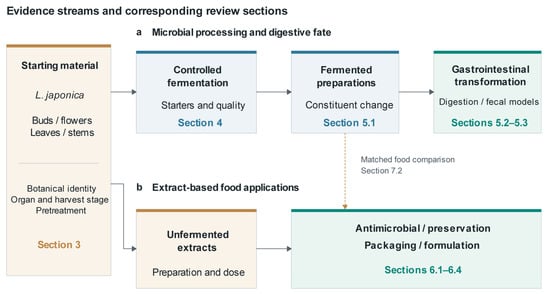
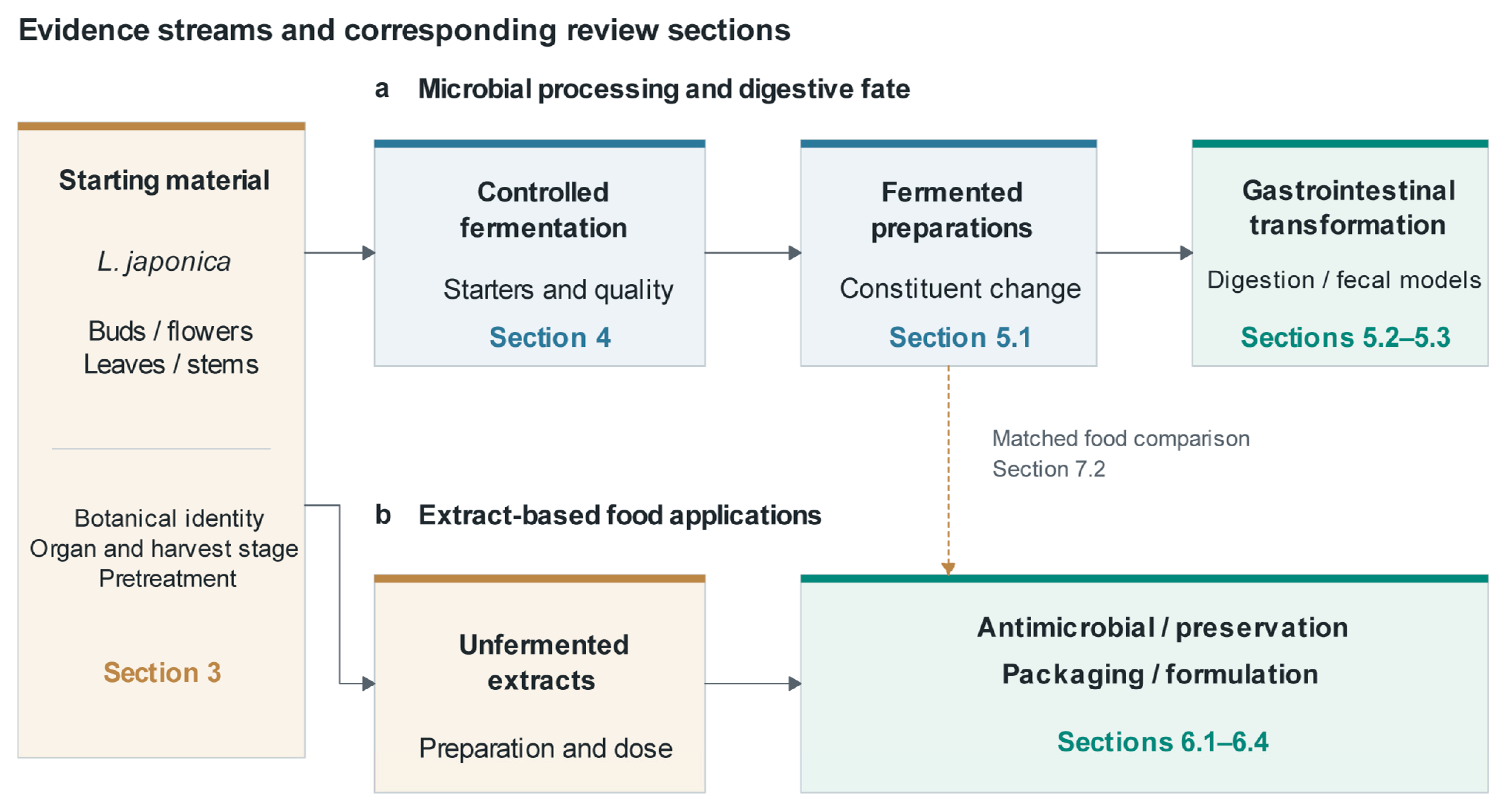
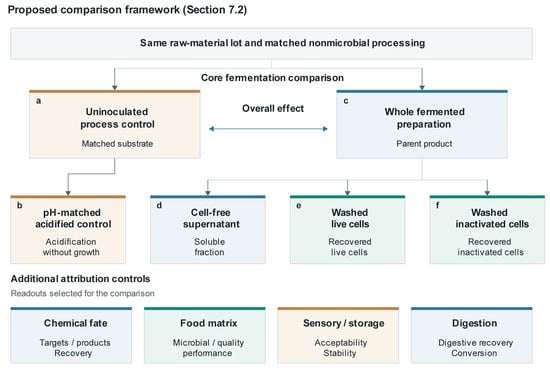
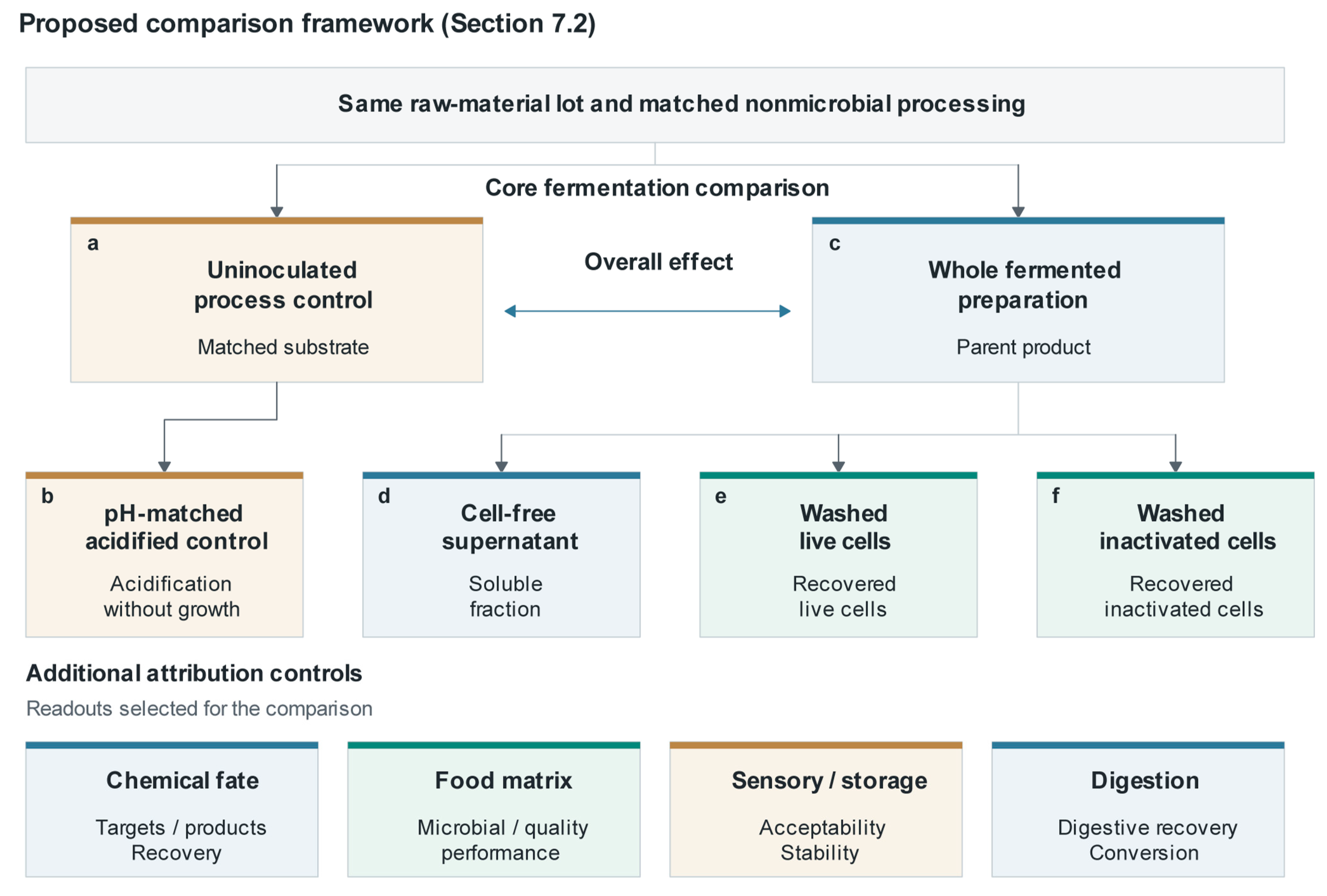

Disclaimer/Publisher’s Note: The statements, opinions and data contained in all publications are solely those of the individual author(s) and contributor(s) and not of MDPI and/or the editor(s). MDPI and/or the editor(s) disclaim responsibility for any injury to people or property resulting from any ideas, methods, instructions or products referred to in the content. |
© 2026 by the authors. Licensee MDPI, Basel, Switzerland. This article is an open access article distributed under the terms and conditions of the Creative Commons Attribution (CC BY) license.