


Abstract
Gut microbiota contribute to host ecological adaptation, but their role in host genomic evolution remains controversial. This review examines factors shaping gut microbial communities in small mammals and their potential roles in host adaptation. The relative contributions of host phylogeny, diet, and geographic isolation vary with taxonomic scale. A cross-species rodent study found that host phylogeny explained up to 34% of microbial variation at deeper taxonomic levels, whereas diet and geography may exert stronger influences within closely related lineages. Stable-isotope analyses of five co-occurring desert rodents showed that gut microbes supplied approximately 40–50% of essential amino acids in herbivorous species, compared with approximately 20% in omnivorous and insectivorous species. Gut microbiota may influence host phenotypes through metabolic, gut–brain, and immune pathways, potentially contributing to phenotypic plasticity rather than host genetic adaptation. However, the reversibility and transgenerational persistence of these effects remain insufficiently understood. Metagenomic and metabolomic studies of steppe rodents further illustrate short-term microbial responses to environmental conditions. Overall, gut microbiota may mediate ecological adaptation, but direct evidence that they drive host genomic evolution remains limited. Future research should investigate cross-generational effects and host genotype-microbiome interactions through large-scale comparative and experimental studies.
1. Introduction
The extent to which gut microbiota and their hosts interact bidirectionally and whether microbes act as passive responders or active participants in this relationship remains a central debate in animal ecology and evolutionary biology [1,2]. In this review, the term gut microbiota refers to the community of microorganisms inhabiting the gastrointestinal tract, whereas gut microbiome encompasses the microorganisms, their collective genetic material, and their potential functions [3]. Host–microbiome interactions refer to the bidirectional relationships through which host characteristics shape microbial communities, while microorganisms and their products can, in turn, influence host physiology and phenotypes. Gut microbiota form intimate symbiotic relationships with their hosts by participating in key life processes such as nutritional metabolism, immune regulation, and behavioral modulation, and the collective genetic repertoire of the gut microbiome far exceeds that of the host, earning the gut microbiome the designation of the animal’s “second genome” [4,5,6]. Although high-throughput sequencing and multi-omics technologies have greatly advanced research over the past two decades [7,8,9,10], distinguishing microbiome-mediated changes in host phenotypes from evolutionary changes in the host genome remains a prominent methodological challenge in evolutionary biology. Suzuki and Ley [11] pointed out that the microbiome can influence host evolution by modifying the adaptive landscape without requiring coevolution between host and microbes, implying that microbially mediated phenotypic changes may arise without corresponding changes in the host genome. Here, phenotypic plasticity refers to the ability of a given genotype to produce different phenotypes in response to environmental variation, without necessarily involving changes in the host genome [12]. In contrast, genetic adaptation refers to heritable evolutionary changes in populations resulting from natural selection acting on genetic variation across generations, resulting in increased fitness under specific environmental conditions [13]. Meanwhile, cross-generational tracking experiments have shown that genetic changes are more likely to reverse than reinforce existing plastic phenotypes, and phenotypic plasticity does not necessarily lead to genetic adaptation [14]. However, the role of microbes in long-term host evolution remains unclear, and fundamental parameters such as the persistence time and transmission routes of symbiotic lineages await clarification [15,16,17]. To understand the role of microbes in host evolution, it is first necessary to clarify which factors shape microbial community structure [18,19].
Gut microbial community structure is influenced by multiple factors, including host genetic background, diet, geographic isolation, age, social behavior, and antibiotic use [20,21,22]. Among these, host phylogeny, dietary selection, and geographic isolation are the three most extensively studied factors and are highly covariant with one another. Closely related species tend to inhabit similar geographic regions and share similar dietary preferences, making it difficult to precisely disentangle the independent effect of any single factor [10,23,24,25,26,27]. The relative weights of these three factors may depend on the spatial or taxonomic scale of the study, yet systematic quantification of their interactive effects remains a weak link. Within host–microbiome interactions, microbes are not merely shaped unidirectionally by host genetics and the environment; they also participate in host phenotypic regulation through three pathways metabolic interactions, immune regulation, and the gut–brain axis [2,9,28]. Together, these pathways confer upon the host a relatively rapid capacity for phenotypic adjustment in response to fluctuating environmental conditions, representing microbiome-mediated phenotypic plasticity rather than necessarily indicating genetic adaptation.
This raises a more critical methodological question: can existing correlational evidence support the notion that microbial differences contribute to host evolutionary differentiation, or does it merely reflect the passive shaping of microbes by host genetics and environmental factors? Although germ free animal microbiota transplantation experiments can verify the causal effects of microbes on specific phenotypes [29,30,31,32], such evidence is based on simplified hosts and controlled environments and cannot be directly extrapolated to the complexity of long-term evolutionary processes in natural populations. Based on current evidence, this review leans toward the view that microbes and their hosts form a bidirectional regulatory loop on ecological timescales, rather than microbes unidirectionally driving the long-term genetic evolution of the host. However, establishing this inference still requires systematic integration of multiple lines of evidence, including longitudinal time series data, natural experimental designs, and functional gene pathway validation. Accordingly, this review focuses on small mammals and examines the factors shaping gut microbial community structure. It also explores the physiological pathways through which gut microbiota influence host responses to environmental challenges. Particular attention is given to the distinction between microbiome-mediated phenotypic plasticity and host genetic evolution. By integrating these perspectives, this review aims to provide new insights into host–microbiome interactions and their potential evolutionary significance.
While recent reviews have broadly discussed the microbiome and host evolution [33], they often mix laboratory models with wild populations and fail to target a specific taxonomic group. Even recent syntheses acknowledge that the extent to which host factors shape microbiome assembly and evolution remains unclear [34]. Crucially, many previous works conflate reversible phenotypic plasticity with irreversible genetic adaptation. To address these gaps, this review provides three distinct novel insights. First, we propose a baseline-modulation framework, clarifying that while host phylogeny sets a deep evolutionary baseline, dietary and geographic factors act as overriding modulators within closely related lineages. Second, by focusing strictly on wild small mammals, we integrate recent field studies and our own group’s empirical data to reflect real-world ecological selection pressures. Finally, we draw a strict conceptual boundary between phenotypic plasticity and adaptive evolution, arguing that current evidence establishes gut microbiota primarily as ecological mediators rather than confirmed drivers of genomic evolution.
2. Materials and Methods
In this review, information from journal articles, books, and theses was thoroughly collected and studied. This study is designed as a narrative review, aiming to provide a critical synthesis and conceptual framework rather than a quantitative meta-analysis. The available literature was searched through the databases of PubMed, Web of Science, ScienceDirect, Google Scholar, and CNKI (China National Knowledge Infrastructure) with the following keywords and strings: “gut microbiota”, “small mammals”, “adaptive evolution”, “phylosymbiosis”, “functional convergence”, “dietary selection”, “geographic isolation”, “phenotypic plasticity”, “gut-brain axis”, “immune interactions”, and “genotype-by-microbiome interaction”. The last access to the online databases was conducted in September 2026.
The literature screening process was conducted as follows: An initial search yielded approximately 550 records. After removing duplicates and excluding non-mammalian or unrelated studies (approximately 280 records), 270 articles underwent full-text screening. During the full-text review, a further 168 articles were excluded for reasons including a focus on taxa outside Rodentia and Lagomorpha, focusing solely on clinical applications, lacking ecological context, or not providing sufficient evolutionary insights. Finally, a total of 102 core articles were included in this review.
The final articles were selected based on the following inclusion criteria: (1) The article examined the influence of host phylogeny, dietary selection, or geographic isolation on gut microbial community structure in small mammals. (2) The article described the metabolic, neural, or immune pathways through which gut microbiota influence host phenotypes. (3) The article investigated the response of gut microbiota to environmental stress in small mammals. (4) The article evaluated the interaction between host genotype and gut microbiome, or the evolutionary significance of microbially mediated phenotypic plasticity. Both field studies and laboratory experiments were selected to estimate the ecological and evolutionary significance of gut microbiota in small mammals. The search results were then revised, and the information was analyzed, categorized, and presented in sections to effectively address the scope of this review.
3. Multiple Determinants of Gut Microbial Community Structure
3.1. Phylogenetic Signal and Host Genetic Background
In cross-species comparative studies, the association between host phylogenetic relationships and gut microbial community structure is termed “phylosymbiosis” [35,36,37,38]. That is, closely related hosts exhibit greater similarity in gut microbial communities than more distantly related hosts, even when inhabiting different environments [39,40,41]. The mechanisms underlying phylosymbiosis may include: (1) filtering of the microbial colonization environment by host genetic differences [37,42]; (2) long-term codiversification of microbes and host lineages through vertical transmission [16,38,43]; and (3) conservative changes in host physiological traits (e.g., gut morphology, digestive enzyme profiles, immune features) along the phylogeny [38,42]. Zhang et al. [44] examined seven rodent species from Inner Mongolia grasslands, comparing gut microbial composition across wild natural populations, laboratory reared populations, and treatments with different diets and temperature acclimation. They found that the microbial similarity tree was highly consistent with host phylogenetic relationships, indicating that phylogenetic signals remain detectable even under altered environmental conditions, thereby confirming the robustness of this pattern. Having established the stable existence of phylosymbiosis, quantifying its contribution relative to ecological factors such as diet and geography became the next question to address. Neha et al. [41] studied 12 rodent species from seven locations in North America and found that host phylogenetic distance explained 34% of the variation in gut microbial composition, whereas diet explained only 10% and geographic origin only 3%, suggesting that phylogenetic relationships act as a primary structural determinant within their studied rodent system. However, Brown et al. [45] investigated 14 sympatric small mammal species (spanning Rodentia and Lagomorpha) in African savannas and revealed that although phylogenetic signals constitute a foundational framework, this signal was markedly weakened when the analysis was restricted to within Rodentia, where microbial differences correlated more strongly with ecological traits such as body size and diet. Both studies support the judgment that “the strength of phylogenetic signals varies with taxonomic scale,” yet the specific scale thresholds remain to be clarified through further comparative research.
Taken together, the strength of phylosymbiosis exhibits clear comparative scale dependence: among more distantly related host taxa (e.g., between different orders), host genetic differences constitute the foundational framework of microbial community structure; among more closely related taxa (e.g., within the same family or genus), this signal can be overridden or modulated by local variation in ecological traits such as diet and body size [23,46]. Therefore, the shaping effect of phylogeny on gut microbiota should be understood as a gradient effect that varies with comparative scale and environmental conditions, rather than a constant universal rule.
3.2. Dietary Selection and Functional Convergence
Dietary selection is one of the most direct environmental factors influencing gut microbial community composition [47,48]. Unlike the long-term conservatism of phylogenetic signals, the effects of diet on microbes can occur over shorter timescales, exhibiting a high degree of plasticity [49,50]. When different host species face similar dietary selection pressures, their gut microbial communities independently evolve similar metabolic functions [47,51,52], a phenomenon known as functional convergence.
Kohl et al. [53] conducted a comparative analysis of five sympatric rodent species with divergent diets and found that the herbivorous Neotoma sp. harbored the highest microbial diversity, the granivorous Chaetodipus penicillatus and Dipodomys merriami were enriched in fiber digestion related genes, and the insectivorous Onychomys torridus was enriched in chitin degradation genes. Different hosts with similar diets converged in fiber degradation gene abundance, whereas taxa with markedly different diets exhibited directional differentiation between fiber degradation and chitin degradation, with the direction of functional differences precisely corresponding to the type of dietary difference. Because the five rodent species studied were all sympatric and belonged to different genus-level lineages, there was no systematic association between phylogenetic distance and diet type, allowing the dietary effect to be partially disentangled. While these findings provide robust evidence at the community prediction level, they require further functional validation. This pattern was also corroborated by our research group. We systematically analyzed four sympatric desert rodent species using 16S genomics and found that functional gene differences primarily clustered along the dietary gradient rather than host relatedness [54], highly consistent with Kohl et al. [53]. To move beyond predictive inferences to direct empirical evidence, we examined three sympatric desert jerboa species using integrated metagenomics and metabolomics and found that the insectivorous Euchoreutes naso was significantly enriched in chitin degradation related enzyme families, whereas the primarily herbivorous Orientallactaga sibirica and Dipus sagitta were enriched in cellulose degradation related enzyme systems, with host serum metabolite profiles highly consistent with the direction of microbial functional differentiation [55]. Using stable isotope analysis, Besser et al. [56] demonstrated from a direct physiological perspective that the degree of microbial nutritional compensation for the host decreases along the dietary gradient. Specifically, herbivorous taxa relied significantly more on microbes for essential macromolecules (approximately 40–50%) compared to insectivorous or omnivorous taxa (approximately 20%). Together, these multi-tiered evidence from 16S prediction to metagenomic/metabolomic measurement and physiological isotopes collectively demonstrate that the gut microbial metabolic profiles are precisely matched to the host’s dietary gradient.
Cross-species comparisons have revealed functional convergence of gut microbiota among different hosts driven by dietary convergence [47,57]. However, the extent to which gut microbial communities adjust in composition and function within a single host under different dietary conditions remains unclear. Our research group conducted a comparative study of the Myospalax aspalax in two habitats artificial Pinus sylvestris plantations and adjacent grasslands and found that Pinaceae plants accounted for 39.91% of stomach contents in woodland individuals, whereas Rosaceae dominated (42.69%) in grassland individuals. Accompanying this dietary divergence, the relative abundances of Proteobacteria, Actinobacteria, Desulfovibrio, and Lactobacillus were significantly elevated in woodland individuals, with metabolic functional pathways concurrently upregulated, indicating that dietary shifts can similarly induce systematic adjustments in gut microbial composition within a species [58].
The above evidence indicates that the shaping effect of diet on gut microbiota is scale- dependent: in interspecific comparisons, dietary convergence drives microbial functional convergence; in intraspecific comparisons, dietary shifts trigger plastic reorganization of microbial composition and metabolic pathways. Diet is not only a dominant environmental factor shaping microbial community structure but also a key link connecting microbial function to host physiological and phenotypic responses to ecological conditions.
3.3. Geographic Isolation and Spatial Distribution Patterns of Gut Microbiota
Unlike dietary selection, which can reshape microbial communities over short timescales, the effects of geographic isolation on gut microbiota involve deeper spatial processes. Geographic isolation operates primarily through three pathways: first, differences in food resources among geographic regions indirectly alter the microbes and substrates ingested by hosts; second, differences in environmental microbial pools among regions limit the microbial species available to hosts; and third, reduced contact frequency among hosts due to geographic distance limits horizontal transmission of microbes [59,60,61]. Greater sympatric ecological differences imply stronger effects of habitat use or diet, whereas greater allopatric ecological differences indicate a stronger influence of geographic distance on gut microbial community differentiation [59,60].
At the community composition level, Wang et al. [62] studied four rodent species the Apodemus agrarius, Apodemus peninsulae, Tamias sibiricus, and Myodes rufocanus distributed in Heilongjiang and Liaoning provinces and found that gut microbial community structure was more similar among species within the same geographic population, with microbial community similarity decreasing as geographic distance increased, suggesting that physical distance poses a barrier to horizontal bacterial transmission. However, geographic distance covaries to some extent with host phylogeny and dietary differences, and its independent effect requires validation through more rigorous spatial control designs. At the strain-level, Dillard et al. [61] studied Peromyscus maniculatus populations from 13 field sites across the United States. By jointly analyzing gut bacterial genomes and host mitochondrial genomes, they separated the effects of geographic distance from host maternal genetic background and found that strain differentiation in 27 dominant gut bacterial species (including Muribaculaceae and Lachnospiraceae) was significantly correlated with geographic distance, independent of host maternal ancestry. Notably, the isolation by distance (IBD) effect was significantly weakened in spore forming gut bacteria, suggesting that sporulation, a trait that may facilitate microbial dispersal, can attenuate the geographic structure of strain diversity. At the functional level, Guo et al. [63] conducted a metagenomic analysis of Eospalax baileyi from nine geographic populations in Qinghai Province and found significant differences in gut microbial community composition, α diversity, and carbohydrate metabolism pathways among populations, with environmental factors (altitude, annual precipitation, isothermality) and host genetic distance all significantly correlated with microbial community structure.
Taken together, the effects of geographic distance on gut microbiota can be summarized at three levels: at the community composition level, similarity decreases with increasing distance. at the strain lineage level, differentiation occurs independently of host genetic background (modulated by bacterial dispersal capacity), and at the metabolic function level, metabolic potential differentiation is driven by environmental heterogeneity.
3.4. Integrated Assessment of Phylogeny, Dietary Selection, and Geographic Factors
Under natural conditions, host phylogenetic relationships, dietary selection, and geographic distance are broadly correlated: closely related species tend to inhabit similar geographic regions and share similar dietary preferences [27,41,64]. This means that the effect of any single factor may be confounded or exaggerated by the covariation of the others. Evidence from comparative studies suggests that the relative contributions of these factors are context dependent. For example, Neha et al. [41] found that host phylogenetic distance explained a larger proportion of gut microbial compositional variation than diet or geographic origin in their rodent dataset. In contrast, Brown et al. [45] showed that the phylogenetic signal was weakened when comparisons were restricted to more closely related small mammals, with ecological characteristics such as diet and body size becoming more influential. These findings indicate that the relative importance of host phylogeny and ecological factors may vary with the taxonomic scale and composition of the host communities being compared. Indeed, even in systems where a strong phylogenetic signal is detected, phylogenetic distance only accounted for 34% of the microbial variation, with diet and geography explaining 10% and 3% [41], respectively. This quantitative partitioning highlights that gut microbial community assembly is a highly multifactorial process, and a large proportion of the variation remains unexplained, likely driven by stochastic processes or unmeasured host-specific and environmental factors. Evidence from other research groups also supports the contributions of dietary and geographic factors to gut microbial variation. Cross-species comparisons have revealed functional convergence among gut microbiomes of mammals with similar dietary niches [47,57]. Kohl et al. [53], for example, reported dietary associations in the gut microbiota of American pikas, providing evidence that dietary differences may be reflected in microbial community characteristics and functions. From a nutritional perspective, Besser et al. [56] further demonstrated that the degree of microbial nutritional compensation differs among dietary groups, suggesting that the functional contribution of gut microbes is not uniform across host feeding strategies. In addition, studies of mammalian gut microbiota have identified associations between geographic separation and microbial community or lineage differentiation [59,60,62]. Taken together, these independent findings indicate that diet and geography can contribute to microbial variation, although their effects may interact with host phylogenetic and ecological characteristics.
Nevertheless, separating the effects of diet from those of host phylogeny remains challenging in natural populations because these variables frequently covary. To further examine this issue, our research group investigated sympatric desert rodents and related small mammals with contrasting dietary characteristics. This research approach provides a complementary perspective by examining dietary variation among hosts with relatively similar phylogenetic backgrounds. Specifically, functional gene analyses of four desert rodent species revealed that genes associated with fiber digestion and chitin degradation were enriched in accordance with the dietary characteristics of the hosts [54]. Metagenomic and metabolomic analyses of three desert jerboa species further showed that dietary differences were associated not only with microbial functional profiles but also with differences in host serum metabolite profiles [55]. In addition, a comparison of plateau zokors inhabiting woodland and grassland habitats provided evidence that dietary variation was also associated with changes in gut microbial composition and metabolic functions within a single host species [58]. The conceptual framework and supporting empirical evidence from these studies are summarized in Figure 1. When considered alongside the independent studies described above, these findings support the view that dietary selection is an important factor shaping gut microbial composition and function, particularly among closely related hosts with divergent dietary characteristics. However, the relative contribution of diet should not be considered independent of host phylogeny and geographic conditions in all cases. Moreover, associations between dietary differences and microbial functional profiles do not, by themselves, establish that diet is the sole or dominant determinant of microbial community structure. However, we emphasize that this “diet-dominant” pattern is derived primarily from studies on desert small mammals (including our group’s empirical data) and may not represent a universal law across all mammalian taxa. Future comparative studies encompassing broader ecological niches and diverse host lineages are required to test the generality of this framework. More broadly, the available evidence suggests that the effects of phylogeny, diet, and geography are not mutually exclusive; rather, their relative contributions and interactions may change across host species, ecological settings, and taxonomic scales. Nevertheless, this approach offers a feasible research strategy to address the methodological dilemma of factor covariation.
Figure 1.
Dietary influences on gut microbial community differentiation in desert rodents with similar phylogenetic backgrounds. The left panel illustrates the natural covariation among host phylogeny, dietary preferences, and geographic overlap, which complicates the separation of their independent effects on gut microbial communities. The middle panel presents the comparative research approach, using sympatric desert rodents with relatively similar phylogenetic backgrounds to investigate the potential influence of dietary differences on gut microbiota. The right panel summarizes evidence from three studies: (1) functional gene analyses showing associations between microbial functional profiles and host dietary types; (2) metagenomic and serum metabolomic analyses in jerboas, revealing associations between microbial functional potential and host serum metabolite profiles; and (3) field observations of Myospalax aspalax across different habitats, providing additional evidence of diet-associated variation within a single host species. The bottom panel presents the proposed conceptual framework, in which host phylogeny and geography contribute to baseline microbial community structure, while dietary selection may further modulate microbial community differentiation within the studied desert rodent system. Note on evidence types: The functional gene analyses and jerboa study provide empirical metagenomic and metabolomic evidence, respectively, whereas the Myospalax aspalax habitat comparison is based on field observational data. These findings support associations between dietary variation and gut microbial characteristics but do not, by themselves, establish causality. The baseline-modulation framework and the potential importance of dietary selection are proposed interpretations based on this specific desert rodent system and should not be regarded as universally established patterns.
In addition, current research faces two general methodological limitations. First, most studies rely on genus-level or OTU level resolution of 16S rRNA genes, making it difficult to distinguish functionally redundant microbial lineages and potentially underestimating the filtering effects of dietary selection and geographic isolation on specific functional groups. Second, although strain-level and functional gene level studies provide finer scale evidence [61,63], such studies remain relatively few. Future research should integrate strain-level and functional gene level analytical approaches within large scale, multi species comparative frameworks to systematically evaluate the independent effects of the three factors and their interactions.
4. Pathways Through Which Gut Microbiota Influence Host Phenotypes
Having established how host phylogeny, diet, and geography shape the baseline of gut microbial communities, a crucial question arises: how do these shaped microbial communities reciprocally influence host phenotypes? To answer this, Section 4 systematically reviews the three primary physiological pathways metabolic interactions, the gut–brain axis, and immune interactions through which gut microbiota exert regulatory effects on their hosts.
4.1. Metabolic Interactions
Mammals possess limited enzymatic capacity for degrading complex polysaccharides (e.g., plant cellulose, hemicellulose, and insect chitin), whereas the abundant carbohydrate active enzyme (CAZyme) gene families in the gut microbial genome effectively fill this metabolic gap [65,66]. This metabolic complementarity enables hosts to utilize otherwise indigestible food resources, thereby broadening their dietary niche [65,67]. Specifically, gut microbiota ferment dietary fibers and polysaccharides that the host cannot digest, producing short-chain fatty acids (SCFAs, primarily acetate, propionate, and butyrate), which supply approximately 2–10% of the host’s daily energy requirements (depending on dietary composition) and serve as important energy substrates for intestinal epithelial cells, maintaining intestinal barrier integrity [68,69,70]. In addition, gut microbiota participate in B vitamin synthesis, bile acid transformation (converting primary bile acids to secondary bile acids via bile salt hydrolase), and aromatic amino acid metabolism, with their metabolites further regulating host lipid metabolism, insulin sensitivity, and neurotransmitter synthesis [71,72,73,74]. The ecological significance of this metabolic complementarity is particularly prominent in mammals that consume extreme diets or toxic foods.
Our research group’s metagenomic analysis of the Rhombomys opimus, which primarily feeds on Haloxylon ammodendron in desert regions, revealed specific enrichment of gut microbes in fiber degradation and detoxification related metabolic pathways, suggesting that microbes not only assist the host in decomposing high fiber foods but may also metabolically transform toxic secondary compounds in saxoul, enabling the host to utilize this food resource that other species cannot digest [75]. Similarly, the tolerance of the Neotoma lepida to creosote bush resin also depends on the degradation capacity of specific gut microbes, and antibiotic treatment significantly reduces its decomposition efficiency [76]. The metabolic compensation provided by microbes is not limited to detoxification; in broader dietary comparisons, their functional configuration also exhibits directional differentiation along the dietary gradient. At the direct physiological level, Besser et al. [56] used amino acid carbon (δ13C) and nitrogen (δ15N) isotope analysis to show that herbivorous rodents depend significantly more on microbially synthesized essential amino acids (approximately 40–50%) than insectivorous/omnivorous rodents (approximately 20%), providing independent protein level evidence for the differentiation of microbial metabolic functions along the dietary gradient. At the functional prediction level, the gut microbial communities of herbivorous rodents carry a higher functional load in cellulose degradation enzyme systems and short chain fatty acid production pathways; insectivorous taxa are enriched in chitin degradation related enzyme families; and omnivorous taxa fall between the two, with their microbiomes maintaining relatively balanced functional allocation across multiple substrate utilization pathways [53]. Both Kohl et al. [53] and our research group’s comparative studies on desert rodents and desert jerboas support this pattern [54,55]. However, while Kohl et al. relied on taxonomic prediction, our group’s subsequent metagenomic and metabolomic analyses provided direct functional evidence. This precise correspondence between metabolic functional profiles and the dietary gradient has led to gut microbiota being regarded as an “extended genome” of the host’s energy acquisition strategy. It not only provides degradation capabilities absent from the host’s own genome, but also, through flexible adjustment of metabolic flux, endows the host with physiological resilience when facing dietary shifts or resource limitations. Together, these multi-tiered evidence lines (from gene prediction to metagenomic sequencing and physiological isotopes) collectively demonstrate that the gut microbial metabolic profiles are precisely matched to the host’s dietary gradient.
4.2. The Gut–Brain Axis
Bidirectional communication between gut microbiota and the central nervous system is mediated through the gut–brain axis, whereby microbial metabolites (such as short-chain fatty acids, tryptophan metabolites, and neuroactive amines) act on intestinal enteroendocrine cells and vagal afferent fibers, thereby influencing neurotransmitter balance and neuroendocrine activity in the central nervous system [77,78,79]. At the behavioral and physiological levels, the gut–brain axis influences the behavioral and physiological flexibility of wild rodents through multiple dimensions. Among these, foraging decisions, hoarding strategies, and thermoregulation constitute core strategies for wild mammals coping with seasonal resource scarcity, corresponding to three progressive stages, food acquisition, storage, and reduction in energy expenditure.
Foraging decisions are the core behavior in the resource acquisition stage. Trevelline et al. [80] transplanted gut microbiota from three rodent species with divergent diets into germ free mice and found that recipient mice exhibited autonomous food selection behavior consistent with the dietary preferences of donor species, with this effect correlated with differences in circulating essential amino acid levels. This finding indicates that gut microbiota can influence foraging decisions by modulating the host’s nutritional state perception through the gut–brain axis, aligning behavioral output with microbial metabolic functions. From a functional perspective, this feedback loop enables rodents to make dietary choices favorable to their own nutrient acquisition in environments with diverse food resources. However, food acquisition only addresses the immediate problem of resource utilization; coping with seasonal resource fluctuations requires hoarding strategies.
Hoarding strategies further address the temporal mismatch of resources. Zhao et al. [81] found that tannins in Quercus seeds altered the gut microbial composition and function of the Tamias sibiricus, modulating serum L tryptophan levels and hippocampal proteome expression through the gut–brain axis, ultimately enhancing spatial memory and scatter hoarding behavior. This study revealed a regulatory pathway whereby plant secondary metabolites, mediated by gut microbiota, influence spatial memory through the gut–brain axis and thereby regulate hoarding behavior. From a field survival perspective, enhanced spatial memory directly improves the recall efficiency of food cache locations, while strengthened scatter hoarding behavior effectively reduces the risk of cache theft by sympatric competitors together constituting a behavioral response that may help rodents cope with seasonal food scarcity.
When food resources become scarce, thermoregulation provides the host with a final physiological safeguard by reducing energy expenditure. Bao et al. [82] transplanted gut microbiota from hibernating Marmota himalayana into mice and successfully induced a hibernation like state, with recipient mice showing a rectal temperature decrease of approximately 4 °C, reduced respiratory rate and locomotor activity, and heat concentrated in brown adipose tissue. Mechanistically, the transplanted microbiota acted on the hypothalamic thermoregulatory center through Bacteroides mediated sphingolipid metabolism via the gut–brain axis, inducing a hypometabolic maintenance state. This regulation directly intervenes in the host’s energy balance and thermophysiological regulation, enabling animals to enter a hypometabolic maintenance state under extreme environmental conditions an independent pathway through which microbes, beyond behavioral regulation, enhance host physiological adjustment to environmental challenges by directly modulating physiological homeostasis. The above three directions correspond to different stages of food acquisition, storage, and energy expenditure, respectively, but whether their regulation constitutes an integrated physiological and behavioral response still requires further integrative analysis.
Taken together, the regulation of foraging decisions, hoarding strategies, and thermoregulation by gut microbiota through the gut–brain axis is not independent but rather corresponds to three progressive stages of wild rodents coping with seasonal resource scarcity acquiring food, storing food, and reducing energy expenditure collectively constituting an integrated behavioral and physiological response to seasonal resource scarcity. However, the above evidence derives mostly from laboratory transplantation experiments and behavioral assays, and the actual fitness effects of gut–brain axis regulation under natural selection pressures in the field (such as impacts on overwinter survival, reproductive success, and interspecific competition outcomes) still lack direct quantitative evidence. This remains a key gap in advancing the field from mechanistic verification to ecological significance assessment.
4.3. Immune Interactions
A bidirectional regulatory relationship exists between the intestinal immune system and gut microbiota [83,84]. The immune system recognizes and tolerates commensal microbiota through multiple mechanisms, restricting them to the intestinal lumen. Mucus secreted by intestinal epithelial cells and goblet cells forms a physical barrier [85]. The antibacterial lectin RegIIIγ is secreted by intestinal epithelial cells and maintains an approximately 50 μm “sterile zone” on the small intestinal mucosal surface, physically segregating microbes from the host epithelium; RegIIIγ deficient mice exhibit a significant increase in mucosa associated bacteria (particularly Gram-positive bacteria) and enhanced adaptive immune responses [86]. Secretory IgA (sIgA) restricts microbes to the intestinal lumen through immune exclusion, or regulates their colonization and metabolism by coating specific microbial groups. IgA coating patterns exhibit high taxonomic selectivity, with approximately 40–80% of bacteria in the small intestine coated by IgA [87]. Conversely, gut microbiota interact with pattern recognition receptors (TLRs, NODs) on intestinal epithelial cells and antigen presenting cells through their components, and regulate immune cell differentiation and function via their metabolites (such as short-chain fatty acids). For example, microbially derived propionate activates intestinal epithelial GPR43, upregulates Reg3β/γ expression, enhances antibacterial capacity, and promotes stem cell proliferation after intestinal injury [88].
The regulation of microbial composition by the immune system has been mechanistically validated in gene knockout mice. Estela et al. [89] used NOD mice, transgenic 116C NOD mice, and immunodeficient mouse models in co-housing experiments, demonstrating that NOD mice co-housed with 116C NOD mice showed significantly reduced T1D incidence, whereas 116C NOD mice co-housed with NOD mice showed significantly increased incidence, accompanied by changes in gut microbiota, reduced intestinal permeability, altered T/B cell subsets, and a shift from Th1 to Th17 responses. Using the RAG-2−/− genetic background, they further found that T cells promoted the proliferation of segmented filamentous bacteria in young NOD and 116C NOD mice, while Bifidobacterium colonization depended on the presence of lymphocytes [89]. Furthermore, IgA, as a core effector molecule of mucosal immunity, further demonstrates through its coating patterns that the immune system does not passively accept microbial colonization but actively shapes microbial community composition through specific recognition. IgA seq studies have shown that the small intestine is the primary site of IgA coated microbes, and IgA coating of atypical commensals such as segmented filamentous bacteria and Mucispirillum depends on T cell help, whereas coating of most commensals occurs primarily through T cell independent pathways, reflecting a layered regulatory strategy of the immune system toward different microbial groups [90].
The above studies confirm the active regulation of microbial composition by the immune system. Conversely, the functional state of immune receptors can also influence host metabolic phenotypes by altering microbial community structure. Vijay-Kumar et al. [91] found that mice lacking Toll like receptor 5 (TLR5) exhibited metabolic syndrome features including hyperphagia, hyperlipidemia, hypertension, insulin resistance, and obesity, with these metabolic changes accompanied by significant alterations in gut microbial composition. After transplanting the gut microbiota of TLR5 deficient mice into wild type germ free mice, recipient mice also acquired phenotypes including hyperphagia, obesity, and insulin resistance, indicating that microbial community changes are a contributing factor to metabolic syndrome rather than an accompanying phenomenon. This study demonstrated through microbiota transplantation experiments that TLR5 deficiency induced gut microbial changes are sufficient to transmit the metabolic syndrome phenotype to wild type germ free mice, suggesting that gut microbiota serve as a key mediator between immune receptor function and host metabolic phenotype.
In summary, the interaction between gut microbiota and the immune system exhibits clear bidirectionality, the immune system actively regulates microbial community structure and composition through multiple effector mechanisms including T cells, B cells, IgA, and antibacterial lectins, while gut microbiota feedback on host immune status through their components and metabolites. This bidirectional regulatory relationship makes the immune system an important interface for host microbe interactions, with its functional state determining not only which microbes can colonize and proliferate but also indirectly determining the direction of microbial metabolite effects on host phenotypes. However, existing studies have mostly focused on unidirectional immune effects on microbes or microbial effects on the host, and the causal sequence of the two directions within the same experimental system remains to be further elucidated. However, subsequent studies have shown that TLR5 deficiency alone does not necessarily lead to metabolic syndrome. Environmental factors, particularly the specific composition of the gut microbiome, also play a critical role in phenotype development [92], These findings suggest that the causal relationship among immune function, gut microbes, and metabolism is context dependent and may vary with environmental conditions.
4.4. From Phenotypic Plasticity to Adaptive Evolution
Metabolic interactions, gut–brain axis regulation, and immune interactions are all specific manifestations of host phenotypic plasticity mediated by gut microbiota, enabling hosts to rapidly adjust their physiological and behavioral states without changes in their genetic background [93,94]. However, phenotypic plasticity itself is not the endpoint of evolution. Host responses to new environments may occur at two distinct levels. First, phenotypic plasticity involves phenotypic changes induced by environmental shifts without changes in the host’s genetic material. Second, genetic adaptation involves heritable changes in host populations resulting from natural selection acting on genetic variation across generations, potentially leading to stable adaptive phenotypes [95]. Therefore, whether phenotypic plasticity serves as a facilitator of adaptive evolution or merely as a short term buffer against environmental perturbations with its phenotypic changes potentially overridden or reversed by subsequent genetic changes remains one of the core controversies in understanding ecological and evolutionary responses to environmental change. To determine whether microbiome mediated plasticity carries evolutionary significance, it is first necessary to understand how the microbiome responds to environmental stress.
The response of the microbiome to environmental stress has been validated across multiple stress types, but its response patterns vary by stress type. Here, three typical stresses low temperature, drought, and high altitude are used as examples. Exposing mice to low temperature induces changes in the gut microbiome, and transplanting this cold associated microbiota into germ free mice induces phenotypes such as adipose tissue browning that may improve cold tolerance, indicating that hosts can utilize changes in microbiome composition as environmental signals to trigger corresponding plastic responses [94]. Our research group’s Zhang et al. [96] studied the Orientallactaga sibirica and found that under water deprivation stress, the species exhibited significantly higher gut microbial α diversity than controls, with increased abundance of bacterial genera associated with short chain fatty acid production and elevated abundance of genes related to metabolism and cellular processes with prolonged stress duration, suggesting that the Orientallactaga sibirica copes with arid environments by adjusting the composition and function of its gut microbiome. In contrast, Zhang et al. [97] studied plateau pikas (Ochotona curzoniae) along an altitudinal gradient on the Qinghai Tibetan Plateau and found that with increasing altitude, gut microbial diversity significantly decreased, co-occurrence network complexity concurrently declined, but short chain fatty acid levels remained stable. In community composition, Bacteroidetes abundance significantly increased while Firmicutes abundance decreased, community assembly processes became more deterministic, and pathways related to metabolism, genetic information processing, and organismal systems were upregulated. These changes collectively represent a multidimensional microbial response to high-altitude hypoxic conditions, reduced diversity and network simplification may reflect enhanced deterministic selection, while stable SCFA levels indicate that a new supply–demand balance has formed between host and microbes to support energy metabolism under high altitude hypoxic conditions.
The above studies indicate that the microbiome can respond to environmental stress and trigger plastic responses, but whether this plasticity carries evolutionary significance depends on its interaction with the host genetic background, requiring validation under conditions that exclude environmental interference. Benga et al. [98] mixed embryos from two mouse genotypes and transplanted them into common recipients, allowing them to be colonized with the same microbiome at birth and tracking them for six consecutive generations. They found that host genetic factors exerted significantly greater control over microbiome composition than maternal legacy effects, with maternal legacy dominating the microbiome only in the first generation. This result indicates that in a constant environment, host genotype is the long-term determinant of microbiome composition, providing the premise for the existence of genotype-by-microbiome (G×M) interactions. If host genotype cannot persistently shape microbiome composition, then differences in responses to the same microbiome among different host genotypes would lack a stable genetic background foundation. Building on this, Faivre et al. [99] further found through bidirectional fecal microbiota transplantation experiments that the same microbiome can produce phenotypic effects of different directions or magnitudes in different host genotypes, CBA mice receiving SJL microbiota showed reduced early parasite fecundity and upregulated IL-4 expression, whereas SJL mice receiving CBA microbiota remained resistant, directly confirming the existence of G×M interactions in rodents. The relationships among microbiome-mediated phenotypic plasticity, environmental stress responses, and host genotype-microbiome interactions are summarized in Figure 2.
Figure 2.
Microbiome-mediated phenotypic plasticity and genotype-by-microbiome (G×M) interactions in host responses to environmental challenges. The upper-left panel distinguishes two levels of host adaptation: phenotypic plasticity, which may involve relatively rapid and potentially reversible microbiome-mediated physiological responses without changes to the host genome, and genetic adaptation, which involves heritable genomic changes shaped by natural selection. The upper-right panel summarizes gut microbiome responses to three environmental challenges: (1) low-temperature exposure in mice, associated with microbiome changes and adipose tissue browning, a process potentially contributing to cold adaptation; (2) drought stress in Orientallactaga sibirica, associated with increased gut microbial α-diversity, greater representation of short-chain fatty acid (SCFA)-producing bacteria, and changes in microbial genes related to metabolic and cellular processes; and (3) high-altitude conditions in plateau pikas, associated with reduced microbial diversity and network complexity, relatively stable SCFA levels, and shifts in the relative abundances of Bacteroidetes and Firmicutes. The lower-left panel illustrates experimental evidence for host genotype-microbiome interactions in mice. Comparisons involving CBA and SJL mice and fecal microbiota transplantation (FMT) are used to examine how host genetic background and microbiome composition relate to parasite fecundity, interleukin-4 (IL-4) levels, and resistance phenotypes. The panel also depicts changes across generations (F1–F6), highlighting the potential contribution of maternal microbial inheritance and host genotype to microbiome composition. The bottom legend defines the symbols and abbreviations used in the figure. Overall, the figure illustrates how microbiome-mediated physiological responses may contribute to short-term phenotypic plasticity, while host genetic background and genotype-by-microbiome interactions may influence the persistence and phenotypic consequences of these responses. Note on evidence types: The examples represent different experimental and observational approaches. The mouse cold-exposure and genotype-microbiome studies provide experimental evidence for microbiome-associated physiological or phenotypic effects, whereas the jerboa and plateau pika examples primarily illustrate associations between environmental conditions and gut microbial characteristics. The proposed relationships between microbiome-mediated phenotypic plasticity and longer-term host evolutionary change remain conceptual and require further experimental and cross-generational validation. Associations between microbial composition, functional potential, and host phenotypes should not be interpreted as direct evidence of causality unless supported by appropriate experimental manipulation.
It is crucial to conceptually distinguish between the “vertical transmission of gut microbiota” and “host genetic adaptation.” While certain microbial lineages can be vertically transmitted from mother to offspring [43], this represents the inheritance of an ecological symbiotic system rather than the inheritance of host genes. Acquiring these microbes may immediately alter the offspring’s physiological phenotype (e.g., digestive capacity); however, this remains within the realm of phenotypic plasticity, as no changes in the host genome have occurred. Only when these microbial-driven phenotypic shifts impose a selective pressure that leads to the fixation of specific host alleles (e.g., immune or metabolic genes) can it be defined as adaptive evolution. Current studies on wild small mammals primarily demonstrate the former (plasticity), rather than the latter (genomic evolution).
Taken together, microbiome-mediated phenotypic plasticity and its interaction with host genetic background have been validated in rodents, but whether the microbiome promotes host adaptive evolution at the genomic level still lacks direct evidence. In most studies, microbiome mediated plasticity enables rapid host phenotypic shifts to buffer acute stress. However, this plasticity remains reversible and vulnerable to perturbation, often reducing selection pressure and thereby delaying rather than driving long-term genetic adaptation [13,100]. To establish a causal relationship for microbiome driven adaptive evolution, at least the following conditions must be met: a measurable association between microbiome composition and host fitness; an interaction between host genotype and microbiome composition; and the phenotypic differences induced by the microbiome must be capable of producing heritable variation. Currently, field studies meeting these conditions remain extremely limited. Therefore, a more cautious judgment is that gut microbiota are important participants and mediators of mammalian ecological responses and phenotypic plasticity, but their role as drivers at the macroevolutionary scale awaits validation through long-term longitudinal studies, cross-generational experiments, and direct measurements of natural selection strength.
5. Conclusions and Future Perspectives
While Section 4 delineates the profound physiological impacts of gut microbiota on host phenotypes via multiple pathways, these effects are largely observed within a single generation. A central question remains: Do these microbially mediated phenotypic adjustments merely represent short-term ecological plasticity, or can they drive long-term adaptive evolution? Based on the integrated analysis presented in this review, the core judgment of this paper is as follows: gut microbiota serve as important mediators of ecological responses and phenotypic plasticity in small mammals, but direct evidence for their role as drivers at the genomic evolutionary scale remains lacking. This judgment is supported by three lines of evidence: the contributions of phylogeny, dietary selection, and geographic isolation exhibit scale dependence; the phenotypic effects of the three pathways—metabolic interactions, the gut–brain axis, and immune interactions—are largely reversible, and even when vertical transmission of microbes occurs, it represents ecological inheritance rather than host-genomic evolution; and our research group’s studies on steppe rodents also support the short timescale nature of microbial responses. These characteristics collectively conform to the definition of phenotypic plasticity rather than genetic adaptation.
Although the above evidence supports the plastic role of microbes over short timescales, several core controversies remain regarding their significance at the evolutionary scale. First, does microbially mediated phenotypic plasticity carry cross-generational evolutionary significance? The microbiome can be vertically transmitted through the maternal line, but the stability and fidelity of this transmission and its long-term effects on host fitness remain unclear [43]. Future research should establish long-term monitoring systems for wild populations, tracking the associations between microbiome changes and host reproductive success and survival rates to assess the evolutionary potential of vertical transmission. Second, even if the microbiome can be transmitted across generations, its interaction with the host genetic background remains the key to determining its evolutionary significance. G×M interactions have been confirmed under laboratory conditions, but whether genetic background microbiome interaction effects are equally significant in wild natural populations remains unclear [101]. Using natural hybrid zones or population differentiation systems to test differences in responses to similar microbial compositions among different host genotypes represents a feasible research direction. Finally, does microbiome mediated plasticity promote or buffer adaptive evolution? One view holds that plasticity buys time for genetic evolution, while another holds that plasticity reduces selection pressure and thereby delays genetic evolution. Both hypotheses have theoretical support but lack direct experimental testing [11,13,14,102]. Designing cross-generational selection experiments that compare the rate of host genetic response to selection pressure under different microbial states while controlling microbiome composition could provide key evidence for testing this controversy.
Author Contributions
Author Contributions: Conceptualization, Q.L. and H.F.; methodology, Q.L.; investigation, Q.L., F.B., G.C. and R.G.; resources, H.F.; writing-original draft preparation, Q.L.; writing-review and editing, Q.L., F.B., G.C., R.G. and H.F.; visualization, Q.L.; supervision, H.F.; project administration, H.F.; funding acquisition, H.F. All authors have read and agreed to the published version of the manuscript.
Funding
This research was funded by the National Key Research and Development Program of China (grant number 2024YFD1400500), the Key Research and Development Program of Inner Mongolia Autonomous Region (grant number 2025YFHH0177), and the Key Program of the Natural Science Foundation of Inner Mongolia (grant number 2025ZD033).
Institutional Review Board Statement
Not applicable.
Informed Consent Statement
Not applicable.
Data Availability Statement
No new data were created or analyzed in this study. Data sharing is not applicable to this article.
Conflicts of Interest
The authors declare no conflicts of interest.
References
- Lu, Q.; Stappenbeck, T.S. Local barriers configure systemic communications between the host and microbiota. Science 2022, 376, 950–955. [Google Scholar] [CrossRef] [Scilit]
- Pepke, M.L.; Hansen, S.B.; Limborg, M.T. Unraveling host regulation of gut microbiota through the epigenome-microbiome axis. Trends Microbiol. 2024, 32, 1229–1240. [Google Scholar] [CrossRef] [Scilit]
- Berg, G.; Rybakova, D.; Fischer, D.; Cernava, T.; Verges, M.-C.C.; Charles, T.; Chen, X.; Cocolin, L.; Eversole, K.; Corral, G.H.; et al. Microbiome definition re-visited: Old concepts and new challenges. Microbiome 2020, 8, 103, Erratum in Microbiome 2020, 8, 119. https://doi.org/10.1186/s40168-020-00905-x. [Google Scholar] [CrossRef] [Scilit]
- Yizengaw Adnie, L.; Wang, G.-H. Microbial epigenetic regulation as a multilevel regulatory interface in host-microbe interactions. Gut Microbes 2026, 18, 2725428. [Google Scholar] [CrossRef] [Scilit]
- Li, H.; Liu, L.; Lin, G.; Zhao, F.; Sun, R.; He, B.; Huang, Z. Comparative Analysis of Gut Microbiota in Two Cucurbit Leaf Beetles Reveals Divergent Adaptation Strategies Linked to Host Plant Range. Biology 2026, 15, 314. [Google Scholar] [CrossRef] [Scilit]
- Li, Y.; Chen, Y.; Fan, Y.; Chen, Y.; Chen, Y. Dynamic network modeling of gut microbiota during Alzheimer’s disease progression in mice. Gut Microbes 2023, 15, 2172672. [Google Scholar] [CrossRef] [Scilit]
- Liu, L.; Chen, X.; Liu, L.; Qin, H. Clostridium butyricum Potentially Improves Immunity and Nutrition through Alteration of the Microbiota and Metabolism of Elderly People with Malnutrition in Long-Term Care. Nutrients 2022, 14, 3546. [Google Scholar] [CrossRef] [Scilit]
- Jiang, Y.; Jiang, S.; Wang, Z.; Zhu, P.; Zhang, J.; Teng, F.; Huang, S. Precise probiotic therapy: Advances, bottlenecks, and the road to microbiome-informed nutrition. Gut Microbes 2026, 18, 2623359. [Google Scholar] [CrossRef] [Scilit]
- Hou, L.; Wu, C.; Qin, X.; Li, J. Research Progress on Association Analysis Methods between Functional Metagenomics and Metabolomics of Gut Microbiota. Acta Microbiol. Sin. 2019, 59, 1813–1822. [Google Scholar] [CrossRef]
- Kohl, K.D.; Varner, J.; Wilkening, J.L.; Dearing, M.D. Gut microbial communities of American pikas (Ochotona princeps): Evidence for phylosymbiosis and adaptations to novel diets. J. Anim. Ecol. 2018, 87, 323–330. [Google Scholar] [CrossRef] [Scilit]
- Suzuki, T.A.; Ley, R.E. The role of the microbiota in human genetic adaptation. Science 2020, 370, 1180. [Google Scholar] [CrossRef] [Scilit]
- Fordyce, J.A. The evolutionary consequences of ecological interactions mediated through phenotypic plasticity. J. Exp. Biol. 2006, 209, 2377–2383. [Google Scholar] [CrossRef] [Scilit]
- Kolodny, O.; Schulenburg, H. Microbiome-mediated plasticity directs host evolution along several distinct time scales. Philos. Trans. R. Soc. B Biol. Sci. 2020, 375, 20190589. [Google Scholar] [CrossRef] [Scilit]
- Ho, W.-C.; Zhang, J. Genetic Gene Expression Changes during Environmental Adaptations Tend to Reverse Plastic Changes Even after the Correction for Statistical Nonindependence. Mol. Biol. Evol. 2019, 36, 604–612, Erratum in Mol. Biol. Evol. 2019, 36, 1847–1848. https://doi.org/10.1093/molbev/msz073. [Google Scholar] [CrossRef] [Scilit]
- Henry, L.P.; Bruijning, M.; Forsberg, S.K.G.; Ayroles, J.F. The microbiome extends host evolutionary potential. Nat. Commun. 2021, 12, 5141. [Google Scholar] [CrossRef] [Scilit]
- Groussin, M.; Mazel, F.; Alm, E.J. Co-evolution and Co-speciation of Host-Gut Bacteria Systems. Cell Host Microbe 2020, 28, 12–22. [Google Scholar] [CrossRef] [Scilit]
- Week, B.; Russell, S.L.; Schulenburg, H.; Bohannan, B.J.M.; Bruijning, M. Applying evolutionary theory to understand host-microbiome evolution. Nat. Ecol. Evol. 2025, 9, 1769–1780. [Google Scholar] [CrossRef] [Scilit]
- Schwartzman, J.A.; Ruby, E.G. Stress as a Normal Cue in the Symbiotic Environment. Trends Microbiol. 2016, 24, 414–424. [Google Scholar] [CrossRef] [Scilit]
- Geng, J.; Sui, Z.; Dou, W.; Miao, Y.; Wang, T.; Wei, X.; Chen, S.; Zhang, Z.; Xiao, J.; Huang, D. 16S rRNA Gene Sequencing Reveals Specific Gut Microbes Common to Medicinal Insects. Front. Microbiol. 2022, 13, 892767. [Google Scholar] [CrossRef] [Scilit]
- Bu, Y.; Sun, F.; Liu, L.; He, X.; Wang, H.; Chen, Z.; He, T.; Xu, S.; Zhao, X.; Meng, X. Comparative study on the rumen microbial communities and functions between Wagyu and Holstein calves. BMC Genom. 2026, 27, 20. [Google Scholar] [CrossRef] [Scilit]
- Lv, L.; Zhang, F.; Zhou, H.; Xiao, W.; Hu, Y.; Wang, W.; Zhu, Z.; Zhu, F.; Qin, D.; Hu, X. Seasonal Variations in the Structure and Function of the Gut Flora in Adult Male Rhesus Macaques Reared in Outdoor Colonies. Microorganisms 2025, 13, 117. [Google Scholar] [CrossRef] [Scilit]
- Cao, Z.; Wang, D.; Cui, Y.; Huang, F.; Liu, Y.; Dai, J.; Wu, W.; Dai, Z.; Xie, J.; Zhu, X.; et al. Diet, nutrient characteristics and gut microbiome between summer and winter drive adaptive strategies of East China sika deer (Cervus nippon kopschi) in the Yangtze River basin. BMC Microbiol. 2025, 25, 626. [Google Scholar] [CrossRef] [Scilit]
- Rojas, C.A.; Ramirez-Barahona, S.; Holekamp, K.E.; Theis, K.R. Host phylogeny and host ecology structure the mammalian gut microbiota at different taxonomic scales. Anim. Microbiome 2021, 3, 33. [Google Scholar] [CrossRef] [Scilit]
- Amato, K.R.; Sanders, J.G.; Song, S.J.; Nute, M.; Metcalf, J.L.; Thompson, L.R.; Morton, J.T.; Amir, A.; McKenzie, V.J.; Humphrey, G.; et al. Evolutionary trends in host physiology outweigh dietary niche in structuring primate gut microbiomes. ISME J. 2019, 13, 576–587. [Google Scholar] [CrossRef] [Scilit]
- Suzuki, T.A.; Ley, R.E. Microbes set the (woodrat) menu: Host genetics control diet-specific gut microbes. Proc. Natl. Acad. Sci. USA 2022, 119, e2120125118. [Google Scholar] [CrossRef] [Scilit]
- Suzuki, T.A.; Phifer-Rixey, M.; Mack, K.L.; Sheehan, M.J.; Lin, D.; Bi, K.; Nachman, M.W. Host genetic determinants of the gut microbiota of wild mice. Mol. Ecol. 2019, 28, 3197–3207. [Google Scholar] [CrossRef] [Scilit]
- Mazel, F.; Davis, K.M.; Loudon, A.; Kwong, W.K.; Groussin, M.; Parfrey, L.W. Is Host Filtering the Main Driver of Phylosymbiosis across the Tree of Life? mSystems 2018, 3, e00097-18. [Google Scholar] [CrossRef] [Scilit]
- Wang, M.; Sun, J.; Zhao, X.; Yang, G.; Yu, T. Research Progress on the Interaction between Host Genetic Background and Gut Microbiota. Acta Microbiol. Sin. 2024, 64, 76–97. [Google Scholar] [CrossRef]
- Wei, Y.; Li, X.; Ji, B.; Qu, L. Recent advances on the recovery, modulation and synthetic biology of gut microbiota and hosts. Sci. Sin. Vitae 2022, 52, 249–265. [Google Scholar] [CrossRef] [Scilit]
- Feng, Y.-C.; Liu, X.-X.; Yu, H.; Liu, R.; Pang, T.-S.; Wang, H.-N.; Peng, Z.-W. Fecal Microbiota Transplantation From Patients with Social Anxiety Disorder Is Associated with General Anxiety-Like Behavior and Gut Microbiota Alterations in Mice. Brain Behav. 2026, 16, e71561. [Google Scholar] [CrossRef] [Scilit]
- Suzuki, T.A.; Tanja, A.-S.; Waters, J.L.; Jakob, D.; Vu, D.L.; Ballinger, M.A.; Di Rienzi, S.C.; Chang, H.; De Araujo, I.E.; Tyakht, A.V.; et al. Selection and transmission of the gut microbiome alone can shift mammalian behavior. Nat. Commun. 2025, 16, 9482. [Google Scholar] [CrossRef] [Scilit]
- Binyamin, D.; Werbner, N.; Nuriel-Ohayon, M.; Uzan, A.; Mor, H.; Abbas, A.; Ziv, O.; Teperino, R.; Gutman, R.; Koren, O. The aging mouse microbiome has obesogenic characteristics. Genome Med. 2020, 12, 87. [Google Scholar] [CrossRef] [Scilit]
- Wei, L.; Peng, Y.; Mao, J.; Hu, Q. Adaptive Evolution in the Mammalian Gut Microbiota: Insights and Discoveries. Curr. Microbiol. 2025, 82, 525. [Google Scholar] [CrossRef] [Scilit]
- Maritan, E.; Quagliariello, A.; Frago, E.; Patarnello, T.; Martino, M.E. The role of animal hosts in shaping gut microbiome variation. Philos. Trans. R. Soc. B Biol. Sci. 2024, 379, 20230071. [Google Scholar] [CrossRef] [Scilit]
- Boscaro, V.; Holt, C.C.; Van Steenkiste, N.W.L.; Herranz, M.; Irwin, N.A.T.; Alvarez-Campos, P.; Grzelak, K.; Holovachov, O.; Kerbl, A.; Mathur, V.; et al. Microbiomes of microscopic marine invertebrates do not reveal signatures of phylosymbiosis. Nat. Microbiol. 2022, 7, 810–819. [Google Scholar] [CrossRef] [Scilit]
- Tang, R.; Wang, J.; Wang, X.; Zeng, M.; Gao, W.; Yang, K.; Xu, L.; Li, Y.; Zhou, C.; Yue, B.; et al. Large-scale metagenomic analysis reveals host genetics shapes microbiomes in wild freshwater fish gut and skin. Cell Rep. 2026, 45, 116930. [Google Scholar] [CrossRef] [Scilit]
- Brooks, A.W.; Kohl, K.D.; Brucker, R.M.; van Opstal, E.J.; Bordenstein, S.R. Phylosymbiosis: Relationships and Functional Effects of Microbial Communities across Host Evolutionary History. PLoS Biol. 2016, 14, e2000225, Erratum in PLoS Biol. 2017, 15, e1002587. https://doi.org/10.1371/journal.pbio.1002587. [Google Scholar] [CrossRef] [Scilit]
- Lim, S.J.; Bordenstein, S.R. An introduction to phylosymbiosis. Proc. R. Soc. B Biol. Sci. 2020, 287, 20192900. [Google Scholar] [CrossRef] [Scilit]
- Malukiewicz, J.; Cartwright, R.A.; Dergam, J.A.; Igayara, C.S.; Kessler, S.; Moreira, S.B.; Nash, L.T.; Nicola, P.A.; Pereira, L.C.M.; Pissinatti, A.; et al. The gut microbiome of exudivorous marmosets in the wild and captivity. Sci. Rep. 2022, 12, 5049. [Google Scholar] [CrossRef] [Scilit]
- Yang, P.; Bati, H.; Feng, E.; Hu, J.; An, X.; Tan, R.; Dou, X.; Chen, T.; Tao, Y.; Liu, S.; et al. Differences in the gut microbiota of the black-faced spoonbill (Platalea minor) across different regions in China. Front. Microbiol. 2025, 16, 1551391, Erratum in Front. Microbiol. 2025, 16, 1682719. https://doi.org/10.3389/fmicb.2025.1682719. [Google Scholar] [CrossRef] [Scilit]
- Neha, S.A.; Hanson, J.D.; Wilkinson, J.E.; Bradley, R.D.; Phillips, C.D. Impacts of host phylogeny, diet, and geography on the gut microbiome of rodents. PLoS ONE 2025, 20, e0316101. [Google Scholar] [CrossRef] [Scilit]
- Mallott, E.K.; Amato, K.R. Host specificity of the gut microbiome. Nat. Rev. Microbiol. 2021, 19, 639–653. [Google Scholar] [CrossRef] [Scilit]
- Moeller, A.H.; Suzuki, T.A.; Phifer-Rixey, M.; Nachman, M.W. Transmission modes of the mammalian gut microbiota. Science 2018, 362, 453–456. [Google Scholar] [CrossRef] [Scilit]
- Zhang, X.Y.; Khakisahneh, S.; Liu, W.; Zhang, X.; Zhai, W.; Cheng, J.; Speakman, J.R.; Wang, D.H. Phylogenetic signal in gut microbial community rather than in rodent metabolic traits. Natl. Sci. Rev. 2023, 10, nwad209. [Google Scholar] [CrossRef] [Scilit]
- Brown, B.R.P.; Goheen, J.R.; Newsome, S.D.; Pringle, R.M.; Palmer, T.M.; Khasoha, L.M.; Kartzinel, T.R. Host phylogeny and functional traits differentiate gut microbiomes in a diverse natural community of small mammals. Mol. Ecol. 2023, 32, 2320–2334. [Google Scholar] [CrossRef] [Scilit]
- Youngblut, N.D.; Reischer, G.H.; Walters, W.; Schuster, N.; Walzer, C.; Stalder, G.; Ley, R.E.; Farnleitner, A.H. Host diet and evolutionary history explain different aspects of gut microbiome diversity among vertebrate clades. Nat. Commun. 2019, 10, 2200. [Google Scholar] [CrossRef] [Scilit]
- Muegge, B.D.; Kuczynski, J.; Knights, D.; Clemente, J.C.; Gonzalez, A.; Fontana, L.; Henrissat, B.; Knight, R.; Gordon, J.I. Diet Drives Convergence in Gut Microbiome Functions Across Mammalian Phylogeny and Within Humans. Science 2011, 332, 970–974. [Google Scholar] [CrossRef] [Scilit]
- Ley, R.E.; Hamady, M.; Lozupone, C.; Turnbaugh, P.J.; Ramey, R.R.; Bircher, J.S.; Schlegel, M.L.; Tucker, T.A.; Schrenzel, M.D.; Knight, R.; et al. Evolution of mammals and their gut microbes. Science 2008, 320, 1647–1651. [Google Scholar] [CrossRef] [Scilit]
- David, L.A.; Maurice, C.F.; Carmody, R.N.; Gootenberg, D.B.; Button, J.E.; Wolfe, B.E.; Ling, A.V.; Devlin, A.S.; Varma, Y.; Fischbach, M.A.; et al. Diet rapidly and reproducibly alters the human gut microbiome. Nature 2014, 505, 559–566. [Google Scholar] [CrossRef] [Scilit]
- Lin, C.-Y.; Jha, A.R.; Oba, P.M.; Yotis, S.M.; Shmalberg, J.; Honaker, R.W.; Swanson, K.S. Longitudinal fecal microbiome and metabolite data demonstrate rapid shifts and subsequent stabilization after an abrupt dietary change in healthy adult dogs. Anim. Microbiome 2022, 4, 46. [Google Scholar] [CrossRef] [Scilit]
- Brunetti, A.E.; Lyra, M.L.; Monteiro, J.P.C.; Zurano, J.P.; Baldo, D.; Haddad, C.F.B.; Moeller, A.H. Convergence of gut microbiota in myrmecophagous amphibians. Proc. R. Soc. B Biol. Sci. 2023, 290, 20232223. [Google Scholar] [CrossRef] [Scilit]
- Huang, G.; Wang, X.; Hu, Y.; Wu, Q.; Nie, Y.; Dong, J.; Ding, Y.; Yan, L.; Wei, F. Diet drives convergent evolution of gut microbiomes in bamboo-eating species. Sci. China Life Sci. 2021, 64, 88–95. [Google Scholar] [CrossRef] [Scilit]
- Kohl, K.D.; Dieppa-Colon, E.; Goyco-Blas, J.; Peralta-Martinez, K.; Scafidi, L.; Shah, S.; Zawacki, E.; Barts, N.; Ahn, Y.; Hedayati, S.; et al. Gut Microbial Ecology of Five Species of Sympatric Desert Rodents in Relation to Herbivorous and Insectivorous Feeding Strategies. Integr. Comp. Biol. 2022, 62, 237–251. [Google Scholar] [CrossRef] [Scilit]
- Chu, D.; Zhang, H.; Shang, Z.; Liu, N.; Fu, H.; Yuan, S. Gut Microecology of Four Sympatric Desert Rodents Varies by Diet. Ecol. Evol. 2025, 15, e70992. [Google Scholar] [CrossRef] [Scilit]
- Zhang, H. Research on Feeding Habits and Nutritional Adaptation Strategies of Three Jerboa Species in Desert Areas Based on Multi-Omics. Ph.D. Thesis, Inner Mongolia Agricultural University, Hohhot, China, 2025. (In Chinese) [Google Scholar] [CrossRef]
- Besser, A.C.; Manlick, P.J.; Blevins, C.M.; Takacs-Vesbach, C.D.; Newsome, S.D. Variation in gut microbial contribution of essential amino acids to host protein metabolism in a wild small mammal community. Ecol. Lett. 2023, 26, 1359–1369. [Google Scholar] [CrossRef] [Scilit]
- Delsuc, F.; Metcalf, J.L.; Parfrey, L.W.; Song, S.J.; Gonzalez, A.; Knight, R. Convergence of gut microbiomes in myrmecophagous mammals. Mol. Ecol. 2014, 23, 1301–1317. [Google Scholar] [CrossRef] [Scilit]
- Chen, J.; Niu, X.; Zhao, Z.; Wu, K.; Yuan, S.; Cheng, Y.; Hasigaowa; Fu, H. Spring Diet of Plateau Zokor in Pinus sylvestris var. mongolica Plantations and Its Relationship with Gut Microbiota. Pratacult. Sci. 2026, 1–22. (In Chinese) [Google Scholar]
- Linnenbrink, M.; Wang, J.; Hardouin, E.A.; Kuenzel, S.; Metzler, D.; Baines, J.F. The role of biogeography in shaping diversity of the intestinal microbiota in house mice. Mol. Ecol. 2013, 22, 1904–1916. [Google Scholar] [CrossRef] [Scilit]
- Moeller, A.H.; Suzuki, T.A.; Lin, D.; Lacey, E.A.; Wasser, S.K.; Nachman, M.W. Dispersal limitation promotes the diversification of the mammalian gut microbiota. Proc. Natl. Acad. Sci. USA 2017, 114, 13768–13773. [Google Scholar] [CrossRef] [Scilit]
- Dillard, B.A.; Sanders, J.G.; Husain, A.P.; Yule, K.M.; Moeller, A.H. Isolation by distance promotes gut microbial strain divergence in wild mouse populations. Nat. Ecol. Evol. 2026, 10, 1145–1154. [Google Scholar] [CrossRef] [Scilit]
- Wang, Z.; Zhang, C.; Li, G.; Yi, X. The influence of species identity and geographic locations on gut microbiota of small rodents. Front. Microbiol. 2022, 13, 983660. [Google Scholar] [CrossRef] [Scilit]
- Guo, J.; Liang, C.; Cairang, L.; Si, L.; Yan, J.; Liu, D. Metagenomics reveals gut microbial differences and ecological adaptation in plateau zokor (Eospalax baileyi) populations. BMC Microbiol. 2026, 26, 519. [Google Scholar] [CrossRef] [Scilit]
- Weinstein, S.B.; Martinez-Mota, R.; Stapleton, T.E.; Klure, D.M.; Greenhalgh, R.; Orr, T.J.; Dale, C.; Kohl, K.D.; Dearing, M.D. Microbiome stability and structure is governed by host phylogeny over diet and geography in woodrats (Neotoma spp.). Proc. Natl. Acad. Sci. USA 2021, 118, e2108787118. [Google Scholar] [CrossRef] [Scilit]
- Zhu, L.; Wu, Q.; Dai, J.; Zhang, S.; Wei, F. Evidence of cellulose metabolism by the giant panda gut microbiome. Proc. Natl. Acad. Sci. USA 2011, 108, 17714–17719. [Google Scholar] [CrossRef] [Scilit]
- Tasse, L.; Bercovici, J.; Pizzut-Serin, S.; Robe, P.; Tap, J.; Klopp, C.; Cantarel, B.L.; Coutinho, P.M.; Henrissat, B.; Leclerc, M.; et al. Functional metagenomics to mine the human gut microbiome for dietary fiber catabolic enzymes. Genome Res. 2010, 20, 1605–1612. [Google Scholar] [CrossRef] [Scilit]
- Froidurot, A.; Julliand, V. Cellulolytic bacteria in the large intestine of mammals. Gut Microbes 2022, 14, 2031694. [Google Scholar] [CrossRef] [Scilit]
- Arnoldini, M.; Sharma, R.; Moresi, C.; Chure, G.; Chabbey, J.; Slack, E.; Cremer, J. Quantifying the varying harvest of fermentation products from the human gut microbiota. Cell 2025, 188, 5332–5342.e16. [Google Scholar] [CrossRef] [Scilit]
- Ma, J.; Piao, X.; Mahfuz, S.; Long, S.; Wang, J. The interaction among gut microbes, the intestinal barrier and short chain fatty acids. Anim. Nutr. 2022, 9, 159–174. [Google Scholar] [CrossRef] [Scilit]
- Fagundes, R.R.; Belt, S.C.; Bakker, B.M.; Dijkstra, G.; Harmsen, H.J.M.; Faber, K.N. Beyond butyrate: Microbial fiber metabolism supporting colonic epithelial homeostasis. Trends Microbiol. 2024, 32, 178–189. [Google Scholar] [CrossRef] [Scilit]
- Tarracchini, C.; Bottacini, F.; Mancabelli, L.; Lugli, G.A.; Turroni, F.; van Sinderen, D.; Ventura, M.; Milani, C. Approaches to dissect the vitamin biosynthetic network of the gut microbiota. Microbiome Res. Rep. 2025, 4, 37. [Google Scholar] [CrossRef] [Scilit]
- Yang, Y.; Ke, Y.; Liu, X.; Zhang, Z.; Zhang, R.; Tian, F.; Zhi, L.; Zhao, G.; Lv, B.; Hua, S.; et al. Navigating the B vitamins: Dietary diversity, microbial synthesis, and human health. Cell Host Microbe 2024, 32, 12–18. [Google Scholar] [CrossRef] [Scilit]
- Long, S.L.; Gahan, C.G.M.; Joyce, S.A. Interactions between gut bacteria and bile in health and disease. Mol. Asp. Med. 2017, 56, 54–65. [Google Scholar] [CrossRef] [Scilit]
- Firrman, J.; Friedman, E.S.; Hecht, A.; Strange, W.C.; Narrowe, A.B.; Mahalak, K.; Wu, G.D.; Liu, L. Preservation of conjugated primary bile acids by oxygenation of the small intestinal microbiota in vitro. mBio 2024, 15, e0094324. [Google Scholar] [CrossRef] [Scilit]
- Liu, N. Revealing the Diet Specialization Mechanism of the Great Gerbil Based on Gut Microbiota. Master’s Thesis, Inner Mongolia Agricultural University, Hohhot, China, 2025. (In Chinese) [Google Scholar] [CrossRef]
- Greenhalgh, R.; Klure, D.M.; Orr, T.J.; Armstrong, N.M.; Shapiro, M.D.; Dearing, M.D. The desert woodrat (Neotoma lepida) induces a diversity of biotransformation genes in response to creosote bush resin. Comp. Biochem. Physiol. C Toxicol. Pharmacol. 2024, 280, 109870. [Google Scholar] [CrossRef] [Scilit]
- Khan, M.T.; Zohair, M.; Khan, A.; Kashif, A.; Mumtaz, S.; Muskan, F. From Gut to Brain: The roles of intestinal microbiota, immune system, and hormones in intestinal physiology and gut-brain-axis. Mol. Cell. Endocrinol. 2025, 607, 112599. [Google Scholar] [CrossRef] [Scilit]
- Ohara, T.E.; Hsiao, E.Y. Microbiota-neuroepithelial signalling across the gut-brain axis. Nat. Rev. Microbiol. 2025, 23, 371–384. [Google Scholar] [CrossRef] [Scilit]
- Park, J.C.; Chang, L.; Kwon, H.-K.; Im, S.-H. Beyond the gut:decoding the gut-immune-brain axis in health and disease. Cell. Mol. Immunol. 2025, 22, 1287–1312. [Google Scholar] [CrossRef] [Scilit]
- Trevelline, B.K.; Kohl, K.D. The gut microbiome influences host diet selection behavior. Proc. Natl. Acad. Sci. USA 2022, 119, e2117537119. [Google Scholar] [CrossRef] [Scilit]
- Zhao, X.; Guo, J.; Wang, Y.; Yi, X. High-tannin food enhances spatial memory and scatter-hoarding in rodents via the microbiota-gut-brain axis. Microbiome 2024, 12, 140. [Google Scholar] [CrossRef] [Scilit]
- Bao, Z.; Guo, C.; Chen, Y.; Lei, T.; Peng, H.; Zhang, H.; Zhang, X.; Ban, Y.; Qi, D.; Feng, J.; et al. Intestinal bacteria trigger a hibernation-like state in homotherms via the gut-brain axis. npj Biofilms Microbiomes 2025, 11, 229. [Google Scholar] [CrossRef] [Scilit]
- Belkaid, Y.; Harrison, O.J. Homeostatic Immunity and the Microbiota. Immunity 2017, 46, 562–576. [Google Scholar] [CrossRef] [Scilit]
- Maynard, C.L.; Elson, C.O.; Hatton, R.D.; Weaver, C.T. Reciprocal interactions of the intestinal microbiota and immune system. Nature 2012, 489, 231–241. [Google Scholar] [CrossRef] [Scilit]
- Pelaseyed, T.; Bergstrom, J.H.; Gustafsson, J.K.; Ermund, A.; Birchenough, G.M.H.; Schutte, A.; van der Post, S.; Svensson, F.; Rodriguez-Pineiro, A.M.; Nystrom, E.E.L.; et al. The mucus and mucins of the goblet cells and enterocytes provide the first defense line of the gastrointestinal tract and interact with the immune system. Immunol. Rev. 2014, 260, 8–20. [Google Scholar] [CrossRef] [Scilit]
- Vaishnava, S.; Yamamoto, M.; Severson, K.M.; Ruhn, K.A.; Yu, X.; Koren, O.; Ley, R.; Wakeland, E.K.; Hooper, L.V. The Antibacterial Lectin RegIIIγ Promotes the Spatial Segregation of Microbiota and Host in the Intestine. Science 2011, 334, 255–258, Erratum in Science 2026, 392, eaei3444. https://doi.org/10.1126/science.aei3444. [Google Scholar] [CrossRef] [Scilit]
- Bunker, J.J.; Flynn, T.M.; Koval, J.C.; Shaw, D.G.; Meisel, M.; McDonald, B.D.; Ishizuka, I.E.; Dent, A.L.; Wilson, P.C.; Jabri, B.; et al. Innate and Adaptive Humoral Responses Coat Distinct Commensal Bacteria with Immunoglobulin A. Immunity 2015, 43, 541–553. [Google Scholar] [CrossRef] [Scilit]
- Zhao, Y.; Chen, F.; Wu, W.; Sun, M.; Bilotta, A.J.; Yao, S.; Xiao, Y.; Huang, X.; Eaves-Pyles, T.D.; Golovko, G.; et al. GPR43 mediates microbiota metabolite SCFA regulation of antimicrobial peptide expression in intestinal epithelial cells via activation of mTOR and STAT3. Mucosal Immunol. 2018, 11, 752–762. [Google Scholar] [CrossRef] [Scilit]
- Rosell-Mases, E.; Santiago, A.; Corral-Pujol, M.; Yanez, F.; Varela, E.; Egia-Mendikute, L.; Arpa, B.; Cosovanu, C.; Panosa, A.; Serrano-Gomez, G.; et al. Mutual modulation of gut microbiota and the immune system in type 1 diabetes models. Nat. Commun. 2023, 14, 7770. [Google Scholar] [CrossRef] [Scilit]
- Macpherson, A.J.; Mccoy, K.D. Independence Day for IgA. Immunity 2015, 43, 416–418. [Google Scholar] [CrossRef] [Scilit]
- Vijay-Kumar, M.; Aitken, J.D.; Carvalho, F.A.; Cullender, T.C.; Mwangi, S.; Srinivasan, S.; Sitaraman, S.V.; Knight, R.; Ley, R.E.; Gewirtz, A.T. Metabolic Syndrome and Altered Gut Microbiota in Mice Lacking Toll-Like Receptor 5. Science 2010, 328, 228–231. [Google Scholar] [CrossRef] [Scilit]
- Zhang, W.; Hartmann, R.; Tun, H.M.; Elson, C.O.; Khafipour, E.; Garvey, W.T. Deletion of the Toll-Like Receptor 5 Gene Per Se Does Not Determine the Gut Microbiome Profile That Induces Metabolic Syndrome: Environment Trumps Genotype. PLoS ONE 2016, 11, e0150943. [Google Scholar] [CrossRef] [Scilit]
- Alberdi, A.; Aizpurua, O.; Bohmann, K.; Zepeda-Mendoza, M.L.; Gilbert, M.T.P. Do Vertebrate Gut Metagenomes Confer Rapid Ecological Adaptation? Trends Ecol. Evol. 2016, 31, 689–699. [Google Scholar] [CrossRef] [Scilit]
- Moeller, A.H.; Sanders, J.G. Roles of the gut microbiota in the adaptive evolution of mammalian species. Philos. Trans. R. Soc. B Biol. Sci. 2020, 375, 20190597. [Google Scholar] [CrossRef] [Scilit]
- Liu, Y.-N.; Chen, R.-M.; Pu, Q.-T.; Nneji, L.M.; Sun, Y.-B. Expression Plasticity of Transposable Elements Is Highly Associated with Organismal Re-adaptation to Ancestral Environments. Genome Biol. Evol. 2022, 14, evac084. [Google Scholar] [CrossRef] [Scilit]
- Zhang, H.; Chu, D.; Yan, H.; Sun, S.; Wu, X.; Fu, H.; Yuan, S. The role of gut microbes in drought adaptation in the five-toed jerboa (Orientallactaga sibirica). BMC Microbiol. 2025, 25, 482. [Google Scholar] [CrossRef] [Scilit]
- Zhang, Y.; Wang, Y.; Yao, B.; Tan, Z.; Chen, X.; Wang, R.; Ji, W.; Qu, J. Responses of gut microbiota to altitude in a small mammal on Qinghai-Tibetan Plateau. Comp. Biochem. Physiol. D Genom. Proteom. 2025, 55, 101467. [Google Scholar] [CrossRef] [Scilit]
- Benga, L.; Rehm, A.; Gougoula, C.; Westhoff, P.; Wachtmeister, T.; Benten, W.P.M.; Engelhardt, E.; Weber, A.P.M.; Koehrer, K.; Sager, M.; et al. The host genotype actively shapes its microbiome across generations in laboratory mice. Microbiome 2024, 12, 256. [Google Scholar] [CrossRef] [Scilit]
- Faivre, B.; Bellenger, J.; Rieu, A.; Guivier, E.; Galan, M.; Ollivier, A.; Poloni, L.; Sorci, G. Disentangling the effect of host genetics and gut microbiota on resistance to an intestinal parasite. Int. J. Parasitol. 2019, 49, 873–883. [Google Scholar] [CrossRef] [Scilit]
- Voolstra, C.R.; Hermann, R.J.; Stibor, H.; Keller, A.; Becks, L. Timescale mismatch: Redefining ecological opportunity for evolution in the Anthropocene. EMBO J. 2026, 45, 6359–6366. [Google Scholar] [CrossRef] [Scilit]
- Lin, D.; Lacey, E.A.; Bach, B.H.; Bi, K.; Conroy, C.J.; Suvorov, A.; Bowie, R.C.K. Gut microbial diversity across a contact zone for California voles: Implications for lineage divergence of hosts and mitonuclear mismatch in the assembly of the mammalian gut microbiome. Mol. Ecol. 2020, 29, 1873–1889. [Google Scholar] [CrossRef] [Scilit]
- Ho, W.-C.; Zhang, J. Evolutionary adaptations to new environments generally reverse plastic phenotypic changes. Nat. Commun. 2018, 9, 833, Erratum in Nat. Commun. 2018, 9, 833. https://doi.org/10.1038/s41467-018-03360-3. [Google Scholar] [CrossRef] [Scilit]
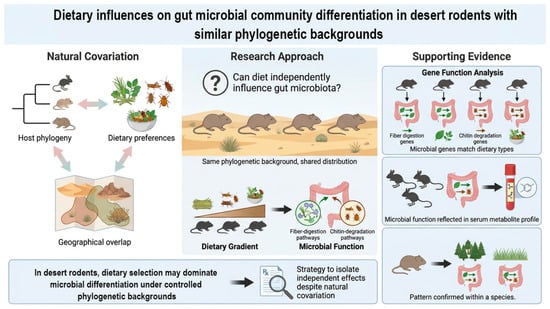
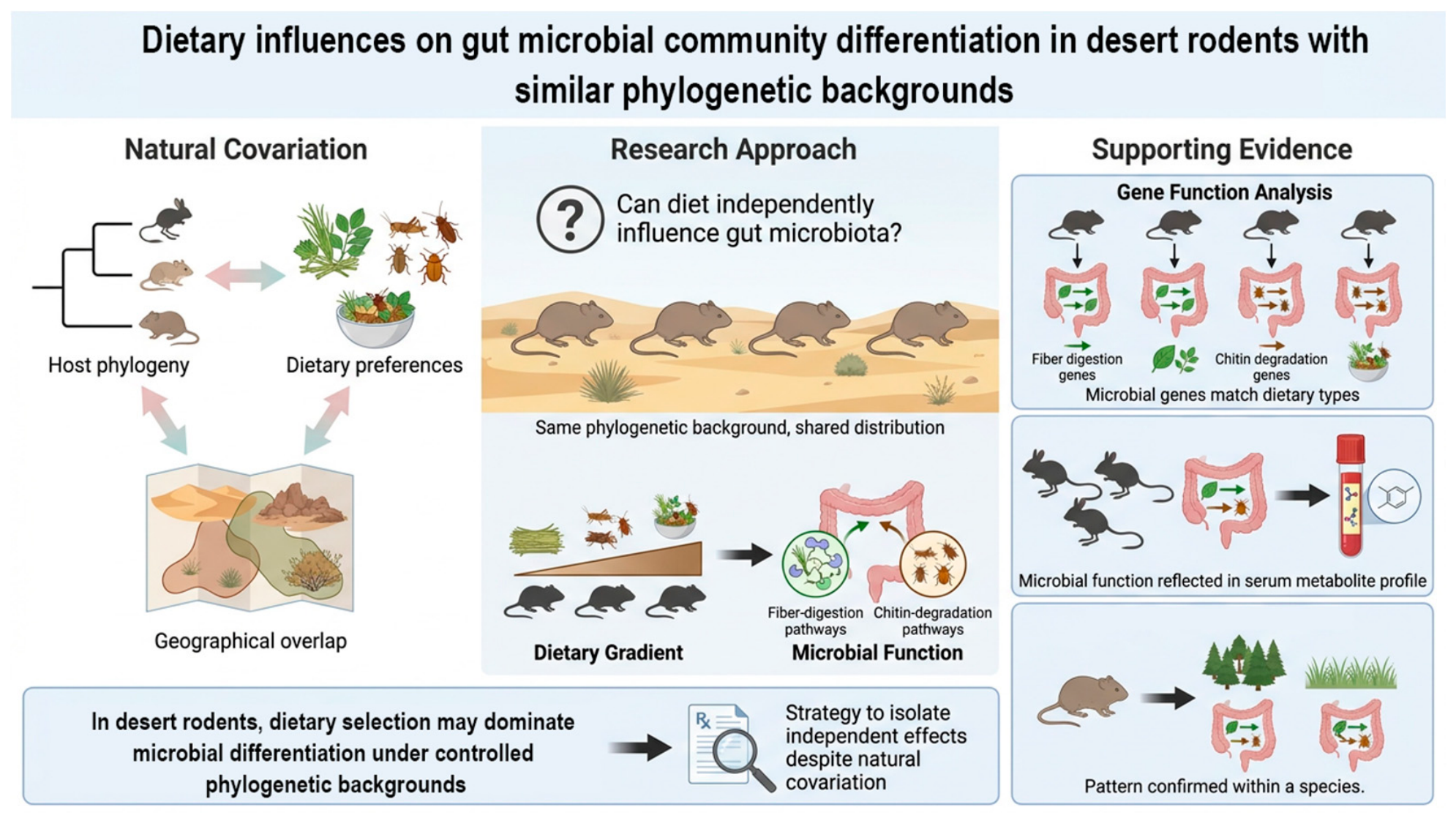
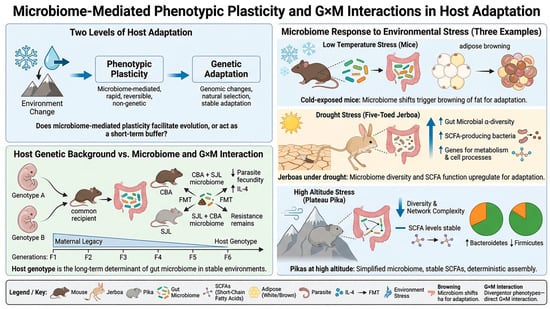
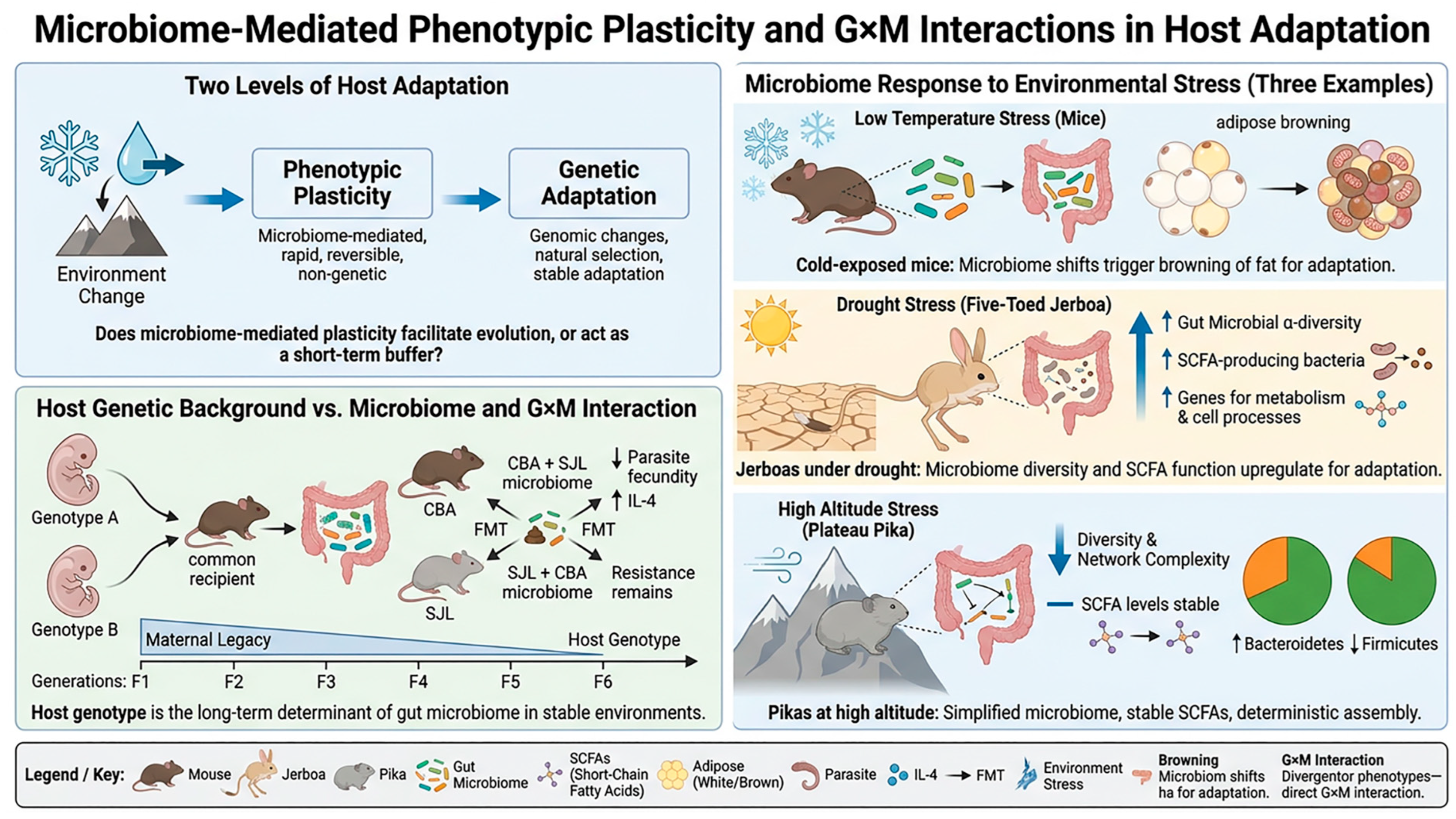
Disclaimer/Publisher’s Note: The statements, opinions and data contained in all publications are solely those of the individual author(s) and contributor(s) and not of MDPI and/or the editor(s). MDPI and/or the editor(s) disclaim responsibility for any injury to people or property resulting from any ideas, methods, instructions or products referred to in the content. |
© 2026 by the authors. Licensee MDPI, Basel, Switzerland. This article is an open access article distributed under the terms and conditions of the Creative Commons Attribution (CC BY) license.