


Abstract
Purpose: Despite the increasing use of digital platforms during health emergencies, little is known about the cognitive and structural mechanisms through which social media quality information influences preventive healthcare behaviour, particularly in low-resource settings. Drawing on the integration of the Protection Motivation Theory and Andersen’s Behavioural Model, this study examines how social media quality information shapes preventive healthcare behaviour in Sierra Leone by investigating the mediating role of risk perception and the moderating role of psychological resilience. Methods: A quantitative, cross-sectional survey approach was adopted, and data were collected from social media users in Sierra Leone, Africa, and analysed using IBM SPSS 25 and SmartPLS 4.1 to evaluate the measurement and structural models. Results: The findings disclose that SMQI significantly influences preventive behaviour both directly and indirectly via RP. Furthermore, RES positively and significantly moderates the relationship between risk perception and preventive healthcare behaviour, acting as a catalyst for action, while access to preventive resources (AcPR) serves as a critical enabling factor. Implications: This study advances health behaviour theory by integrating cognitive, psychological, and structural determinants into a cohesive model and establishes resilience as a vital boundary condition for effective crisis response. The findings offer actionable insights for policymakers and health communicators to design high-quality social media interventions that not only inform citizens but also foster the psychological resilience necessary for sustained health compliance.
1. Introduction
Risk communication is an essential part of public health emergency management aimed at helping the general public understand risks and adopt protective behaviours (Parmer et al. 2016). Previous research has extensively studied risk communication and preventive health behaviour in the context of infectious disease outbreaks. However, it is important to remember that public health emergencies can arise from non-communicable threats that yield significant societal and human health impacts. An example of this challenge is the continuing synthetic drug epidemic in Sierra Leone, where “Kush” has rapidly spread as a highly dangerous synthetic substance that is associated with severe health complications, mental illness, social instability, and high mortality rates (Onohuean and Oosthuizen 2025; Pessima et al. 2023). This crisis is exacerbated by misinformation and poor health communication, which fundamentally undermine infection control efforts (Bird and de Bruijne 2025; Cole 2024). As a result, it is extremely important, from a public health perspective, to understand the determinants that lead individuals to comply with preventive measures.
Unlike infectious disease outbreaks, the Kush epidemic is driven primarily by behavioural, social, informational, and environmental factors rather than biological transmission (Onohuean and Oosthuizen 2025; Pessima et al. 2023). Accordingly, preventive health behaviour in this context refers to voluntary actions that reduce substance-related risks, such as seeking credible health information, avoiding high-risk substance use, and engaging with prevention or support services. Therefore, this study does not equate substance abuse prevention with infectious disease prevention; instead, it examines how cognitive and structural factors influence individuals’ adoption of protective behaviours during the Kush crisis in Sierra Leone (De et al. 2024).
The growth of digital technologies has shifted how people find health information and react to public health threats. A significant role in health communication has been played by social media, such as Twitter and Facebook, where governments, healthcare organisations, communities, and citizens can now freely communicate with each other (Jang and Baek 2019). Social media has become an important source of information about the Kush epidemic in Sierra Leone, providing platforms for health authorities to raise awareness and alert the public on preventive measures. Moreover, digital platforms can catalyse misinformation, rumours, and low-quality information, which may shape public perception of risk or undermine prevention activities (De et al. 2024; Zarocostas 2020). Therefore, the quality of this information has played a crucial role in recognising how people respond to public health emergencies.
For example, an extensive body of research exists on health communication and social media-induced behavioural change (Judijanto and Nurhakim 2025), yet important gaps remain in our understanding of the mechanisms linking information quality to preventive health behaviour. While previous studies have primarily centred on information exposure or platform usage, the relative impact of discrete dimensions of information quality, such as accuracy, credibility, clarity, and timeliness, on both risk perception and behavioural decision-making remains relatively under-researched. In addition, the body of research on public health crises related to substance use is much less advanced than that in infectious disease settings.
The current study aims to fill these gaps by linking the Protection Motivation Theory (PMT) with Andersen’s Behavioural Model of Health Services Utilisation. While perception of vulnerability and severity is the basis on which individuals assess the threat and subsequently develop motivation to protect themselves (PMT), Andersen’s Model highlighted that enabling resources like access to care, digital capabilities, and social support are key drivers for facilitating behavioural action (Andersen 1995; Xin and Ren 2023). While these frameworks have emerged from different research traditions, recent work proposes an integrative framework that could yield a fuller account of preventive health behaviour in the context of complex public health crises by combining cognitive and structural perspectives (De et al. 2024). However, empirical research that combines these viewpoints is sparse and nearly non-existent in the setting of substance abuse epidemics among developing countries.
Lastly, within PMT research, risk perception is mostly explored as a direct predictor of behaviour (Trifiletti et al. 2022), rather than as a mechanism through which information quality affects the behavioural response. For example, psychological resilience has been demonstrated to improve individuals ability in threatening information processing (Liu et al. 2025) and the effect of adapting to adversities; however this construct still needs a thorough consideration for its moderating role between risk perception and preventive health behaviour in the communication specific for public health domain studies (Bondarchuk et al. 2024; Xiang et al. 2024). Moreover, enabling resources from Andersen, such as access to services, digital literacy, and social support have seldom been integrated with cognitive threat appraisal mechanisms, though they may shape behavioural outcomes.
The study therefore proposes an integrated framework incorporating social media information quality, risk perception, enabling resources and psychological resilience to explain preventive health behaviour during the Kush epidemic in Sierra Leone. In particular, it examines the following: (1) The role of social media information quality on risk perception; (2) enabling resources promoting preventive health behaviour; (3) the mediating role of risk perception in translating information quality into preventive health behaviour; and (4) psychological resilience as a moderator to strengthen the translation of risk perceptions into protective action. This paper adds to the emerging body of research into digital public health communication and applies existing cognitive and structural theories of health behaviour in a neglected but burgeoning context of public health.
2. Literature Review and Study Hypotheses
Numerous research fields have conducted extensive investigations on healthcare behaviour (De et al. 2024). However, over the past few decades, PHB has attracted attention only as a noteworthy field of study (Dangaiso et al. 2026). The groundbreaking work of Jayanti and Burns (1998) on behaviour is credited with recognising a comprehensive grasp of the habit. Additionally, as it became clearer (Han et al. 2023) that the use of PHB helped lower the risk of pandemic disease, the alarming mortality rate among people afflicted with the disease drove research on PHB (Kim and Lee 2026). Research on PHB was conducted from a variety of perspectives, including consumer, medical, and economic. Over the past 10 years, several scholars have conducted SLRs (De et al. 2024) to better understand PHB. A significant problem that highlights Africa’s public health issues is the continent’s unequal share of global death and morbidity from pandemic diseases (Bangura et al. 2025).
2.1. Contextual Background: Health Emergencies and Digital Governance in Sierra Leone
2.1.1. The Epidemic Evolution: From Pathogens to Synthetic Substance Abuse
Sierra Leone’s public health landscape is defined by compounding crises. While the structural impacts of the 2014–2016 Ebola outbreak and COVID-19 pandemic persist (WHO 2023), the nation faces an emergent third wave: widespread synthetic substance abuse. Overall substance prevalence has reached 86.7%, driven primarily by “Kush”, a highly volatile synthetic compound mixed with cannabis, tramadol, and synthetic opioids (nitazenes) that can be 25 times stronger than fentanyl (Bird and de Bruijne 2025; Pessima et al. 2023; WHO 2024). Initially a localised issue in 2022, Kush has rapidly escalated into a transnational threat across West Africa, causing severe overdose mortality, organ failure, and self-harm among the youth demographic (Bangura et al. 2025; Bird and de Bruijne 2025; Fofana 2024).
2.1.2. Socioeconomic Drivers and Institutional Strain
The penetration of Kush is rooted in deep socioeconomic vulnerabilities; initiation is heavily driven by chronic youth unemployment, systemic stress, and trauma from historical violence; however, its intense chemical addictiveness prevents cessation due to severe withdrawal symptoms and a lack of support systems (Bangura et al. 2024; WHO 2024). This crisis has severely strained both social and healthcare infrastructures. Nationally, it has triggered widespread relationship instability and marital dissolution (Pessima et al. 2023). Clinically, it has pushed psychiatric facilities to a catastrophic collapse; medical establishments in Freetown, with Kush accounting for 90% of male hospitalisations, are overwhelming rehabilitation centres at triple their capacity (Baldeh et al. 2024).
2.1.3. The Administrative Paradox: Carceral Laws vs. Digital Regulation
A critical barrier to mitigating this crisis is an administrative paradox: the state relies on outdated public health legislation but maintains highly agile digital regulations. Digital governance has evolved rapidly, guided by the National Digital Strategy; parliament enacted the Cybersecurity and Crime Act of 2021 to regulate online spaces during crises strictly (Ministry of Information and Communications 2020; Government of Sierra Leone 2021). Section 44 of this Act criminalises the reckless transmission of misinformation, giving the state broad authority to monitor and censor social media platforms under the banner of public safety.
2.1.4. The Information Ecosystem: Policy Gaps and Social Media Quality Information (SMQI)
Despite rigorous digital content policing, the complete absence of a formalised national Health Communication Policy has left the digital information ecosystem highly vulnerable to “moral panics” and unverified rumours, such as claims that Kush contains ground human bones (Cole 2024). This regulatory vacuum creates a distinct operational paradox. While social media platforms proved to be agile, vital tools for countering misinformation during the Ebola and COVID-19 crises (Banerjee and Meena 2021), the current lack of a unified state communication approach forces citizens to navigate an unregulated digital landscape of official warnings and viral rumours independently. This specific governance failure underscores the imperative of the current study: understanding how citizens evaluate and determine social media quality information (SMQI) in a high-risk, low-trust public health environment is essential for designing effective preventive healthcare behaviours and modernising health administration.
2.2. Preventive Healthcare Behaviour (PHB)
One of the most important aspects of government pandemic management is improving individuals’ preventative healthcare habits. People’s mental health is harmed by negative psychological states like panic during health disasters (Wang et al. 2020), which can also result in abnormal social behaviours such as panic buying. In this situation, work on citizens’ preventive healthcare behaviours (PHBs) is necessary.
Preventive behaviours directly determine the effectiveness of pandemic control. Citizens’ commitment to preventive practices may be improved by identifying the factors that drive them. Specifically, vulnerability, perceived risk, fear (Yıldırım et al. 2021), subjective norms (Liu et al. 2020), perceived efficacy, positive emotions (Dai et al. 2020), and trust in the government are some of the factors that significantly predict the preventive behaviours of the people when faced with a health emergency (Min et al. 2020). The government believes that encouraging risk communication, dispelling rumours and distributing protective gear can affect residents’ preventive behaviours (Dai et al. 2020). Notably, social media is thought to be a useful tool for encouraging citizens’ preventive behaviours during outbreaks of viruses or unsafe substances (e.g., Kush) (Li and Liu 2020) by providing accurate, scientific preventive measures and disseminating pandemic information (Dai et al. 2020).
2.3. Social Media Quality Information (SMQI)
Social media platforms have become essential to people’s everyday lives in the age of technology. Government initiatives to enhance public communications through social media have increased in recent years (Aladwani and Dwivedi 2018). Social media may be the most appropriate medium for raising awareness and commitment to the proposed protection protocols, as it has over 3 billion users worldwide (Statista 2020). Social media capabilities, such as banners and pop-ups, can inform users about new health information and remind them to practice preventive measures, such as handwashing and social distancing (Merchant and Lurie 2020). Furthermore, the ability of social media to spread information instantly will help detect and manage infectious diseases. For example, more than 190 million people mentioned coronavirus on social media within 24 h of the WHO declaring the pandemic (Yammine 2020). It demonstrates how crucial social media was in spreading information during the health pandemic. Additionally, during a health emergency, social media can have both beneficial and detrimental consequences.
The level of information available on social media in the digital age is a crucial factor in ensuring successful preventive healthcare behaviours during pandemics. The use of social media enables administrators to communicate about protective measures more quickly than traditional media (Nisar and Shafiq 2019) and enables the public to take vital protective actions (Yusof et al. 2020). For instance, government accounts served as predominant sources during the H1N1 and COVID-19 pandemics to promote public awareness and prevention (McNeill et al. 2016), and data surveillance from these platforms can help organisations facilitate timely actions to decrease mortality (Li and Cardie 2013). However, the efficacy of these tools depends heavily on information integrity; the spread of misinformation and pseudoscience undermines public health efforts (Chou et al. 2021) and can cause psychological distress when users struggle to find trustworthy sources (Yu et al. 2020). Therefore, there should be improvements in the credibility of government reports and fact figures (Chou et al. 2021) to reduce undesirable consequences such as fear and panic (Kaya 2020) and ensure that social media is a legitimate means of health protection. Hence, based on this understanding, the study hypothesises the following:
H1.
Social media quality information is positively associated with PHB.
2.4. Social Media Quality Information and Risk Perception
The capacity of media channels to alter public threat evaluations is well-established across both legacy and contemporary digital communication ecosystems (Dudo et al. 2007; Yin and Lui 2024). Within public health crises, this relationship is robustly explained by the Social Amplification of Risk Framework, which demonstrates that information channels do not merely mirror factual developments but act as amplification or reduction stations that reshape the public’s psychological experience of an emergency (Depoux et al. 2020; Kasperson et al. 1988). Empirical evidence across historical epidemics (e.g., SARS, MERS, H1N1) indicates that social media content plays a dual role: it serves as an indispensable baseline for acquiring real-time status updates while simultaneously acting as a psychological trigger for strong affective responses like fear and anxiety (Hansen 2009; Oh et al. 2021; Van Den Bulck and Custers 2009). In low-resource public health crises, such as the emerging Kush substance epidemic in Africa, the core challenge is not a lack of information volume, but rather the presence of an “infodemic” characterised by viral rumours and unverified public panics (Zarocostas 2020). Consequently, the public’s baseline risk perception is directly dependent on information quality attributes (e.g., accuracy, credibility, and source legitimacy). When official and validated health communication is streamed on digital platforms, it systematically establishes a credible cognitive foundation that enables citizens to accurately calibrate their subjective danger levels and behaviour options (Jang and Baek 2019; Oh et al. 2021). Therefore, we hypothesise:
H2.
Social media quality information is positively associated with risk perception.
2.5. Risk Perception and PHB
Realising sustained behavioural modifications during public health emergencies relies heavily on an individual’s cognitive appraisal of the underlying threat. Theoretically, this is supported by the intersection of the Protection Motivation Theory (PMT), which posits that assessments of susceptibility and severity drive protective actions (Rogers 1975), and Andersen’s Behavioural Model, which frames these cognitive threat evaluations as a “perceived need” that triggers health system utilisation (Babitsch et al. 2012). A wide body of literature across non-communicable hazards and infectious crises confirms that heightened risk perception serves as a powerful motivator for behavioural compliance, prompting actions such as vaccine uptake, strict hygiene maintenance, and spatial distancing (Ahmed et al. 2018; Freimuth et al. 2017; Meira et al. 2024; Oh et al. 2021). Therefore, we hypothesise:
H3.
Risk perception is positively associated with preventive healthcare behaviour.
Moreover, crucially, contemporary behavioural research suggests that exposure to information rarely sparks immediate protective behaviours; instead, it operates indirectly by filtering through an individual’s internal cognitive pathways (Paul and Headley-Johnson 2025). In this capacity, risk perception functions as a vital structural mediator. It acts as a cognitive bridge that intercepts raw external predisposing inputs (such as social media quality information) and transforms them into an actionable internal motivation for protective compliance (De et al. 2024; Meira et al. 2024). By framing risk perception as a mediator rather than a simple direct predictor, this study maps out how digital messaging translates into physical protective habits during ongoing health crises. Therefore, we hypothesise:
H4.
Risk perception mediates the relationship between social media quality information and preventive healthcare behaviour.
2.6. Moderating Role of Resilience
The relationship between risk perception and preventive healthcare behaviour is not always direct; it is significantly influenced by an individual’s psychological capacity to adapt. According to the Protection Motivation Theory (PMT), high-risk perception alone may lead to maladaptive avoidance or pandemic fatigue if not paired with adequate coping capacity (Sheeran et al. 2014). Psychological resilience, as a coping capacity, reflects and moderates perceptions of risk to shape preventive behaviour. Resilience is a buffer that changes the adverse impact of fear (as a result of risk perception) into a positive response (preventive behaviour). Research by Fletcher and Sarkar (2013) defines resilience as an adaptive process, suggesting that resilient individuals are better equipped to interpret health threats not as paralysing stressors, but as manageable challenges. Consequently, when risk perception is high, individuals with high resilience are more likely to engage in proactive self-care (e.g., hygiene, social distancing) because they possess the self-efficacy to believe their actions matter (Yıldırım and Arslan 2020). Conversely, low resilience may weaken this association, causing individuals to succumb to anxiety rather than adherence, even when they perceive high risk (Dryhurst et al. 2020). Qualitative studies in the recent past support this interaction, indicating that resilience and risk perception interrelate to increase behavioural confidence in dealing with high-risk diseases (Heydari and Noudehi 2025). The perceived threat also increases the likelihood that high-resilience individuals will adopt preventive behaviour, which aligns with the coping appraisal dimension of PMT. Therefore, resilience is postulated to enhance the impact of risk perception on preventive behaviour.
H5.
Resilience moderates the relationship between risk perception and preventive healthcare behaviour, such that the positive association is stronger among individuals with higher resilience.
2.7. Enabling Factor and Preventive Healthcare Behaviour
Within the combined concept of the Protection Motivation Theory (PMT) and the Andersen Behavioural Model, access to preventive resources is a decisive Enabling Factor. Although the intent to act is determined by psychological motivation (risk perception), structural availability often determines the actual execution of preventive behaviour. Recent research that directly applied the Andersen Model shows that enabling resources, including the physical accessibility of PPE, vaccines, and diagnostic services, are independent predictors of compliance, often surpassing the effects of psychological factors (Agustini et al. 2022). For example, Joseph et al. (2023) found that, among medical and frontline workers, physical access to protective equipment was strongly associated with compliance (p < 0.001), but its unavailability was the leading barrier to high-risk awareness. In addition, Chien et al. (2023) showed that although people with high health literacy (one of the predisposing factors) engage in protective behaviours (social distancing, hygiene), these behaviours are statistically dependent on external cues to action and on the availability of resources through health systems. Therefore, the relationship between psychological motivation and actual preventive healthcare behaviour is a necessary bridge provided by access to preventive resources.
H6.
Access to preventive resources is positively associated with preventive healthcare behaviour.
2.8. Theoretical Framework
The research addresses an important gap in the literature on preventive health by removing the constraints of single-theory applications (Figure 1). Although the Protection Motivation Theory (PMT) is useful for explaining the cognitive factors behind behaviour, namely how social media information elicits risk perception and then the intent (Rogers 1975). It tends to ignore structural and psychological obstacles to action. On the other hand, the Behavioural Model by Andersen is better at identifying enabling factors (structural resources) but fails to describe cognitive information processing (Andersen 1995). This paper provides an integrated and holistic (Motivation–Ability–Capacity) approach by incorporating these frameworks (De et al. 2024). Moreover, all hypotheses collectively explain the cognitive, psychological, and structural mechanisms underlying preventive healthcare behaviour. It reasons that preventive behaviour is not just an outcome of fear (risk perception) and information (social media), but also requires the structural capacity to act (access to resources) and the psychological capacity to cope (resilience). This model contributes to the literature by showing that access and resilience are not merely background variables but crucial conditions that determine whether safety behaviours yield high-quality information or trigger panic and inaction. This bi-lens method will provide a better forecast of human behaviour during health crises than either theory alone.
Figure 1.
Theoretical framework.
3. Methods
3.1. Data Collection
This study, grounded in the positivist paradigm, uses quantitative methods to assess the relative importance of different elements of social media quality information (SMQI) content streams in driving users’ Preventive Healthcare Behavioural (PHB) responses. Data collection in Sierra Leone (from November to December 2025) was through English self-administered Facebook and WhatsApp user questionnaires. Participants were provided with a brief overview of the study and its concepts while maintaining strict confidentiality to elicit honest, unbiased responses regarding data quality. A proactive follow-up strategy was also employed to ensure completion of all surveys while maintaining a rapid data collection timeline. More specifically, researchers sent telephone reminders to participants who had not submitted earlier answers. To maintain the integrity of this study, these phone calls were conducted in accordance with previously established institutional-level privacy protocols and ethical research guidelines for human subjects, while promoting participant confidentiality and reducing non-response bias (Kallmuenzer et al. 2025).
3.2. Sample and Procedure
This study explored the impact of perceptions of information shared via official social media channels on public actual and intended behaviours in response to two health emergencies (Kush) in Sierra Leone. It collected data through a link to the form, distributed via convenience sampling via Facebook, Messenger, and WhatsApp statuses. This resulted in a final sample of 384 valid questionnaires, which is suitable for further data analysis. Since the data contained some missing values, we handled them by replacing them with the mean of the k-nearest cases. After performing this imputation, the Mahalanobis distance was used to detect and handle multivariate outliers, with each data point measured as a distance from the data centre, as recommended by Tabachnick and Fidell (2013).
PLS-SEM was chosen because it works well even with complex theories having one or more constructs, mediation, and competition effects. This is a well-established strategy for theory testing (Becker et al. 2012; Lew and Sinkovics 2013), widely used across several fields in the social sciences, management, human resource management (Becker et al. 2012), and marketing. In this regard, PLS-SEM offers considerable statistical freedom for the present research, because it accounts for smaller sample sizes and different measurement scales with satisfactory reliability at the cost of the stringent assumptions on data normality imposed by covariance-based SEM. The study used procedural and statistical remedies recommended by Podsakoff et al. (2003) to reduce the potential risk of CMB associated with self-reported data. To minimise common method bias within this single-wave cross-sectional design, psychological separation was maintained in the instrument by utilising different response formats, ensuring strict participant anonymity, and shuffling the order of the latent construct scales (Kaya and Karatepe 2020). Statistically, the entire dataset showed little collinearity, as indicated by construct-level variance inflation factors (VIFs) in SmartPLS (Kock 2015), with all VIFs below the conservative cutoff of 3.3, ensuring that CMB does not threaten the validity of the findings.
3.3. Measures
The questionnaire comprised two sections: the first captured respondent demographics, while the second utilised a 33-item, five-point Likert scale (ranging from 1 = strongly disagree to 5 = strongly agree) to measure the research constructs. To ensure content validity, the instrument was adapted from pre-validated measurement scales in prior empirical literature (Table 1). Although measured via Likert scales, the constructs were treated as interval data for the SEM analysis, a practice well supported when multiple indicators are used (Sarstedt et al. 2021). Prior to structural modelling, internal consistency and convergent validity were rigorously verified. All constructs exceeded the recommended 0.70 threshold for both Cronbach’s alpha (CBA) and Composite Reliability (CR) and surpassed the 0.50 benchmark for Average Variance Extracted (AVE), confirming the instrument’s psychometric robustness.
Table 1.
Measurement scales of constructs.
Because validated psychometric instruments specifically designed for community behavioural responses to the Kush crisis are currently unavailable, this study adapted established PMT-based scales from infectious disease frameworks, modifying item wording to preserve theoretical consistency while reflecting the Sierra Leonean context. Consequently, several measurement items intentionally combine infection control metrics (e.g., evaluating masks/sanitisers) with synthetic drug vulnerabilities. This dual operationalisation directly mirrors the concurrent realities of the public health crisis in Sierra Leone during the data collection period, where the national government managed both the devastating Kush epidemic and viral outbreaks (such as Mpox) and the lingering COVID-19 response under a single, centralised emergency framework. Thus, while some elements of infectious disease terminology remain, this integrated approach accurately captures how public access to resources and health-protective cognitions were structurally clustered within a unified public health infrastructure, and the structural findings should be interpreted in light of this context-driven measurement adaptation.
4. Results
The proposed framework uses Partial Least Squares Structural Equation Modelling (PLS-SEM) to examine the predictive and causal relationships among social media information quality, risk perception, resilience, access to preventive resources, and public preventive healthcare behaviour. PLS-SEM is appropriate because the model includes mediation (risk perception), moderation (resilience), and direct/indirect paths, and it can handle reflective constructs with small-to-moderate sample sizes and non-normal data.
- Social media quality information (predisposing factor) is expected to influence risk perception (mediator: perceived need + threat appraisal), which, in turn, drives preventive healthcare behaviour (DV).
- Resilience moderates the effect of risk perception on preventive behaviour, while access to preventive resources (AcPR) acts as an enabling factor directly facilitating preventive action.
This method allows robust estimation of path coefficients, indirect effects, and interaction terms, providing both theoretical validation and predictive insights. By integrating Andersen’s Behavioural Model and the Protection Motivation Theory (PMT), the PLS-SEM framework captures the joint influence of cognitive appraisal, coping capacity, and structural facilitation on preventive healthcare behaviour in social media-mediated health contexts. The current chapter is prepared in the following order: data screening and the presentation of respondent demographic profiles come first, followed by preliminary analyses, including the response rate. Additionally, data coding, missing values, normality, collinearity diagnostics, and outlier evaluation are reported in this chapter. Additionally, following a thorough screening process, the researcher conducted the primary analysis of the data, starting with a measurement model analysis to confirm the validity of the modified measures. To demonstrate the altered constructs’ discriminant validity, convergent validity, internal consistency reliability, and item-level reliability, a measurement model analysis was conducted. Furthermore, structural analysis is carried out and reported in terms of the R-square level, the model’s predictive relevance, and the importance of variables for testing hypotheses based on the instrument’s data.
4.1. Demographic Analysis
The profile of the respondents is shown in Table 2. The preliminary distribution of respondents by gender is shown in the demographic analysis. The response rate was 77.3% among male respondents and 22.7% among female respondents. The study acknowledges the gender imbalance in the sample, and this distribution reflects context-specific constraints in Sierra Leone, where differences in digital and internet access, participation in survey-based research, and socio-cultural factors can influence response patterns. Similar gender disparities in survey participation and access to digital information have been reported in prior studies conducted in developing-country contexts (Ofori et al. 2021). In addition, the study’s dominant age group is adults aged 20 to 35 years (67.4%), and the highest educational attainment of the respondents is a bachelor’s degree (50.8%) or higher (19.0%).
Table 2.
Study demographic information.
4.2. Data Screening
Following the screening, the data have been checked for several basic statistical conditions associated with the research variables, including multicollinearity and normality, to verify the findings and correct simple errors such as Type I and Type II errors. A multicollinearity test (Table 3) is used to assess the relationship between two or more exogenous variables when there is an insignificant correlation between an independent variable and the other independent variables (Hair et al. 2010). Furthermore, Tabachnick and Fidell (2013) state that the most reliable statistical test for detecting multicollinearity, especially when independent variables exhibit high levels of correlation, is the identification of the variance inflation factor (VIF) and tolerance value.
Table 3.
Multicollinearity analysis (dependent variable: PHB).
According to Tabachnick and Fidell (2013), the conventional thresholds are a tolerance of more than 0.2 and a VIF of less than 5. Table 3 above demonstrates that all variables have tolerance values more than 0.2 and VIF values less than 5, indicating the absence of multicollinearity. Nevertheless, as Table 4 illustrates, a correlation matrix was generated in SPSS to identify multicollinearity among the separate latent constructs. According to the data, there is no significant association between any of the independent latent constructs; that is, every value in the correlation matrix (Table 4) is below the critical value (r = 0.9). The absence of strong association between the variables is indicated by this (Hair et al. 2010).
Table 4.
Correlation analysis.
Data normality was successfully established according to the guidelines of Hair et al. (2010), in which values exceeding 2.58$ indicate a violation of normality. The study’s skewness values (ranging from −0.566 to −1.453) and kurtosis values (ranging from −0.432 to 2.405) fell well within these acceptable thresholds (Supplementary Table S2). Additionally, descriptive statistics for the primary variables revealed mean scores ranging from 3.47 to 4.18, standard deviations ranging from 0.7241 to 0.9904 (Supplementary Table S3).
4.3. Assessment of PLS-SEM Path Model
To achieve the research goals, PLS-SEM is employed in the second section of the results to test the theoretical suppositions (Sarstedt et al. 2021). PLS-SEM is used to examine the proposed relationships between endogenous and exogenous latent constructs, which are visualised in path diagrams, as goodness-of-fit indices are neither suitable nor sufficient for validating a research model. Data analysis is conducted in two fundamental processes (Figure 2) to assess the PLS-SEM path: the measurement model and the structural model.
Figure 2.
PLS-SEM path assessment model.
4.4. Measurement Model
The measurement model involved evaluating the reliability, convergent validity, and discriminant validity of the constructs. Prior to conducting reliability and validity tests, the researcher examined the factor loadings of each construct of the variables under study. Indicators should primarily be considered for elimination if their outer loadings fall below the critical threshold of 0.50. Because three indicators, slightly below 0.7 (e.g., SMQI8 = 0.657 and SMQI9 = 0.644), sit comfortably above the 0.50 cutoff and make significant absolute contributions to the construct (Cenfetelli and Bassellier 2009), their retention is statistically sound. Additionally, explicitly advised that indicators with outer loadings between 0.40 and 0.70 should be deleted only if their removal results in a necessary increase in Composite Reliability (CR) or Average Variance Extracted (AVE) above their respective required thresholds. Because the broader construct (e.g., SMQI) already comfortably meets and exceeds the stringent requirements for both AVE (>0.50) and CR (>0.70) with these items included, their removal was deemed unnecessary. Moreover, retaining these specific indicators ensures that the study does not sacrifice the construct’s content validity and theoretical comprehensiveness (e.g., SMQI) to achieve marginal statistical gains. Table 5’s results show that all items in the model have an outer loading of at least 0.5.
Table 5.
Reliability and validity results of the research model.
According to the literature (Hair et al. 2010), the Average Variance Extracted (AVE) should be at least 0.5, and the Composite Reliability (CR) should be at least 0.7. All variables in Table 5 are highly reliable, and each variable’s AVE exceeds the 0.50 cutoff, indicating that the measurement model is trustworthy for further analysis. The Supplementary File (Figures S1 and S2) shows the values of AVE, item loadings, and path coefficients. To confirm that the variables are internally consistent, Cronbach’s alpha is also computed. A general guideline is as follows: values greater than 0.9, 0.8, and 0.7 are categorised as excellent, good, and acceptable, respectively.
Model Discriminant Validity
Discriminant validity assesses whether a latent variable differs from the other latent variables in the model. This is satisfied when the square root of the AVE for each construct exceeds its highest correlation with any other latent variable (Fornell and Larcker 1981), which is the case in this study (Supplementary Table S4). In addition, the model was evaluated using the more recent Heterotrait–Monotrait (HTMT) ratio of correlations (Henseler et al. 2015; Pittino et al. 2018). The confidence intervals (charts) did not cross 1.0 (Supplementary Figure S3), reaffirming that all HTMT values were well below the stricter 0.90 threshold and confirming strong discriminant validity across the variables. A measurement model assessment was conducted as an indispensable foundation of the PLS-SEM analysis to validate the psychometric properties of the survey instrument (Supplementary Figure S4). The analysis found that all indicators measurably pertain to their intended constructs, demonstrate internal consistency reliability (despite being a relatively simple measure), and exhibit convergent validity (ensuring sufficient shared variance among indicators) and discriminant validity between latent variables in an integrated model.
4.5. Structural Modelling
The structural model is based on assessing four things: first, the significance of paths; second, the R-squared; third, the predictive relevance or impact of IVs on DV; and last, mediating and moderating effects.
4.5.1. Direct Relationships
According to Hair et al. (2019), important paths offer statistical support for the model’s causal association. In regression line analysis, where t-values indicate the significance of the regression path and beta values represent the regression coefficients, the path coefficients are comparable to beta values. A t-value of ±1.645 for a one-tailed sample and ±1.967 or above for a two-tailed sample is considered significant. This study tests four direct associations between social media quality information (SMQI) and public preventive healthcare behaviour (PHB) in health emergencies; all four are well supported, as Table 6 (PLS) demonstrates, and align with the mainstream findings. The path coefficients, t-values, and p-values are shown in Figure 3 along with the standard deviation values and bootstrapping results as discussed below.
Table 6.
Testing of hypotheses (direct effects of PLS).
Figure 3.
Bootstrapping for direct relationships along with p-value and R-square.
The structural model assessment confirms that all direct hypotheses are supported with statistical significance (p < 0.001). Specifically, social media quality information (SMQI) demonstrates a robust positive effect on preventive healthcare behaviour (PHB) (β = 0.622, t = 12.373, p < 0.001), supporting H1, and an even stronger influence on risk perception (RP) (β = 0.710, t = 24.347, p < 0.001), supporting H2. Furthermore, risk perception (RP) significantly predicted PHB (β = 0.165, t = 2.732, p = 0.006), thereby validating H3. Similarly, active participation/response (AcPR) showed a positive and significant impact on PHB (β = 0.153, t = 2.663, p = 0.008), thereby supporting H6. These findings collectively indicate that high-quality information and elevated risk perception are critical drivers of preventive behaviour in the proposed model.
4.5.2. Significance of Model
Examining the hypotheses came next once the path model’s suitability was determined. The structural model’s predictive power was evaluated using R-square values, and the significance level of the path coefficients was determined (Henseler et al. 2014). R-square value of up to 0.19 is considered poor, 0.33 is considered moderate, and 0.67 is considered satisfactory. The R-square for each endogenous latent variable is shown in Table 7, where the R-square for preventative healthcare behaviour (PHB) is 0.664 with a p-value of 0.000, and the R-square for risk perception (RP) is 0.50 with a p-value of 0.000.
Table 7.
R Square of endogenous latent constructs.
4.5.3. Predictive Relevance
The blindfolding method is also used in this study to evaluate the model’s predictive significance. The model has predictive relevance for the reflecting endogenous latent variable if the Q2 value is greater than zero (0), as recommended by Sarstedt et al. (2021). Table 8 shows the Q-square values.
Table 8.
Model’s predictive relevance (Q2).
4.5.4. Mediation and Moderation of Structural Model
In this work, the mediation is investigated by bootstrapping, as proposed by Preacher and Hayes (2004). To investigate mediation and moderation, bootstrapping was first used to estimate path coefficients, and then t-values were used to evaluate the direct and indirect effects of the variables. A substantial relationship was found between the variables (see Table 9 and Figure 4). The following are the specific outcomes.
Table 9.
Total indirect effects of model.
Figure 4.
Direct and indirect relationships.
The analysis of total indirect effects reveals that both the mediating and moderating mechanisms in the model are statistically significant, providing further support for the proposed theoretical pathways. Risk perception (RP) exhibits a significant mediating effect in the relationship between social media information quality (SMQI) and public preventive behaviour (PHB). This indicates that SMQI influences preventive behaviour not only directly but also indirectly by shaping individuals’ cognitive evaluation of health risks. Given that the direct path from SMQI to PHB remains significant, the mediation is partial, suggesting the coexistence of both cognitive (risk appraisal) and non-cognitive informational pathways in driving preventive behaviour.
Moreover, the interaction between resilience and risk perception (RES × RP) is positive and significant, supporting the moderating role of resilience in the RP-PHB relationship. This observation suggests that more resilient people are better placed to convert perceived risk into preventive adaptation, whereas less resilient people might respond inadequately to risk signals. The significant main effect and significant interaction of RP indicate a partial moderation effect, supporting the conditioning of behavioural responses to perceived threats by coping capacity, as predicted by the Protection Motivation Theory (PMT). Overall, these indirect effects validate the integrated PMT–Andersen framework, demonstrating that preventive behaviour is shaped through a combination of information quality, cognitive risk appraisal, psychological resilience, and enabling conditions, thereby offering a more comprehensive explanation of preventive action in digital health contexts.
5. Discussion and Conclusions
The primary objective of this study was to examine the influence of social media quality information (SMQI) on preventive healthcare behaviour (PHB) during health emergencies in Sierra Leone, Africa. By integrating the Protection Motivation Theory (PMT) with Andersen’s Behavioural Model, the study investigated the mediating role of risk perception (RP), the moderating role of psychological resilience (RES), and the direct impact of access to preventive resources (AcPR). The empirical results from the PLS-SEM analysis support all hypothesised relationships, confirming the validity of the proposed “Motivation–Ability–Capacity” framework.
5.1. Direct and Indirect Effects
Our findings answered the questions raised in the study’s introduction. First, findings demonstrate that SMQI significantly shapes the RP, as accurate, clear, credible, and timely information strongly increases health awareness of health threats, specifically in the era of health disasters. The results explain that well-structured digital health information increases threat appraisal by elevating perceived severity and vulnerability, thereby strengthening individuals’ perceived need for preventive healthcare actions. The statistical results show a robust positive relationship between social media quality information (SMQI) and preventive healthcare behaviour (PHB), supporting H1. This aligns with prior research suggesting that when digital platforms provide accurate, timely, and credible information (Abdul-Kareem and Oladimeji 2024), citizens are more likely to adopt protective measures (Mensah et al. 2023). In Sierra Leone, where traditional media reach may be limited (Sserwanja et al. 2022), this finding confirms that social media serves as a critical “first responder” for health education. Similarly, SMQI demonstrated a strong positive influence on risk perception, supporting H2. This verifies the “Social Amplification of Risk Framework” (Kasperson et al. 1988), suggesting that this framework not only provides signals about risk but also increases the perception of risk, behaviour-related risk, and its consequences. As a result, information on social platforms significantly shapes how individuals assess the severity and vulnerability of health threats, such as Kush (Liu 2022; Morelli et al. 2022). Regarding the statistical findings for the core PMT construct, risk perception significantly predicted PHB, supporting H3. While the effect size is smaller than that of SMQI, it supports the theoretical premise that high perceived susceptibility and severity motivate individuals to engage in self-protective actions, such as social distancing and hygiene practices. Additionally, access to preventive resources (AcPR) significantly influenced PHB, supporting H6. This finding is supported by previous research (Vann et al. 2022; Brown et al. 2022) and answers the second question that the reinforces the utility of Andersen’s Behavioural Model, demonstrating that psychological motivation and risk awareness alone are insufficient; preventive healthcare behavioural is more likely to occur when structural enablers (e.g., masks, vaccine, sanitisers, and oxygen) support the individual’s ability to act.
Moreover, the study’s findings address the third question by explaining how SMQI translates into PHB through cognitive and structural mechanisms. SMQI has an association with PHB, both directly and indirectly through RP, while RES moderates this process, and AcPR enables behavioural execution. Together, these findings demonstrate that PHB emerges from the collective influence of quality information, cognitive risk appraisal, psychological coping capacity, and structural support. The statistical results show that mediation analysis confirmed that risk perception partially mediates the relationship between SMQI and PHB (supporting H4). This suggests that high-quality information drives behaviour through a dual pathway: it directly informs users of what to do (direct effect) and indirectly motivates them by heightening their cognitive appraisal of the threat (indirect effect). This finding bridges the gap between information diffusion and behavioural change, confirming that risk appraisal is a necessary cognitive step for sustained preventive action (Borges and Byrne 2022; Duong et al. 2024; Liu 2022).
Furthermore, the fourth and final question answered that RES conditions behavioural responses to perceived risk. The statistical results indicate that the moderation analysis revealed that psychological resilience positively strengthens the relationship between risk perception and PHB (supporting H5). Previous research supports the findings, showing that resilience shapes behaviour (Caniëls and Curseu 2024) and moderates the relationship between distress and preventive healthcare behaviour (Kuhn et al. 2022). Another study found that childhood resilience moderated the association between adverse childhood experiences and health risk behaviours (Flynn et al. 2022). This result is particularly significant for the African context, where health systems are often overwhelmed (Chetty 2024; Lalla-Edward et al. 2022). It implies that resilient individuals—those who are capable of bouncing back from stress—are better equipped to translate their risk perception into adaptive behaviours rather than yielding to panic. High resilience strengthens the association between RP and PHB, whereas low resilience weakens it. This supports the integrated framework’s assertion that “coping capacity” is a vital condition for effective crisis response.
A notably strong correlation was observed between social media quality information (SMQI) and preventive healthcare behaviour (PHB). While this aligns perfectly with the theoretical expectation that high-quality digital information drives protective action, it is critical to confirm that these constructs remain distinct. Conceptually, SMQI measures the perception of an exogenous digital stimulus, whereas PHB captures the physical execution of health protocols. Furthermore, the empirical robustness of this distinction was verified; discriminant validity was rigorously established using the HTMT ratio (Henseler et al. 2015), and a full collinearity assessment confirmed the absence of pathological multicollinearity (Kock 2015). Consequently, the strong relationship identified between these variables represents a genuine behavioural outcome rather than substantial construct overlap.
5.2. Theoretical Implications
This study makes several key contributions to the digital health communication literature. First, integration of PMT and Andersen’s Model: by combining cognitive drivers (risk perception) with structural determinants (access to resources), this study answers recent calls (De et al. 2024) for holistic models that address both “motivation” and “ability”. It proves that preventive behaviour is a function of knowing the risk (PMT) and having the resources to act (Andersen). Second, social media offered a variety of pandemic information to assist the public in adopting preventive measures (Adhikari et al. 2020) in understanding the severity of health issues (such as Kush, etc.), the progression and dissemination of the pandemic (Bento et al. 2020), and the closest location of new cases (Cho et al. 2020). However, the impact of various types of information (such as fake, actual, timely and statistical) on public conduct is often overlooked (Wu et al. 2022). According to our research, high-quality social media information about health emergencies improves people’s preventive healthcare practices without increasing anxiety. Third, by contrasting the psychological and behavioural responses of residents across regions (core or semi-core pandemic), this study also supports pandemic management. The psychological and behavioural reactions of the general public were thoroughly examined in earlier studies (Wang et al. 2020). Public perceptions and protective behaviours regarding these elements, however, are likely to change depending on the pandemic level. Thus, citizens who can step back from stress are more likely to adopt preventive healthcare behaviours. In this study, our findings confirm the above argument by highlighting the role of resilience in digital health. While previous studies often treated risk perception as a direct antecedent (Maartensson and Loi 2022; Trifiletti et al. 2022), this study establishes resilience as a critical boundary condition. It theoretically extends PMT by demonstrating that fear (risk perception) translates into action only when individuals possess the psychological capital to cope with the threat. Fourth, information quality as a precursor: the study shifts the focus from mere “social media exposure” to information quality (SMQI). It provides empirical evidence that the quality (accuracy, relevance, timeliness) of information is the primary antecedent that triggers the entire cognitive-behavioural process.
Practical Implications
The results provide practical measures for government health administrators, authorities, and policymakers in Sierra Leone and other developing countries. First, there is a need to improve the quality of digital content. As SMQI is the best predictor of public preventive behaviour, health ministries should focus on verifying the information in their official social media feeds. Fighting fake news about Kush or viral pandemics is as important as distributing medical resources. Second, the study focused on coping appraisal, so public health campaigns must no longer be based on fear appeals. The messages must be tailored to empower citizens and focus on self-efficacy and community resilience to avoid pandemic fatigue. Third, the study bridging the resource gap indicates that tangible interventions must support communication campaigns. Governments must ensure that recommended tools (e.g., masks, testing kits) are physically accessible in communities, as motivation without access does not lead to behaviour change.
Drawing on the insights of Wu et al. (2022), this study offers practical takeaways for governments and policymakers to enhance pandemic management through high-quality social media information. Governments should establish and actively maintain official accounts on major social media platforms to strengthen credibility and influence. Pandemic-related information should be disseminated in varied formats while carefully managing message frequency to avoid information overload. Additionally, public communication strategies should be tailored to local epidemic conditions and individual differences among citizens to manage and promote preventive healthcare behaviour effectively. Additionally, there is a need for human-centred approaches to drug control and rehabilitation, particularly for substances such as Kush. The West Africa Drug Policy Network has advocated for reform of the National Drug Control Act (2008) to incorporate humane and evidence-based approaches to the rehabilitation of people who use drugs (WADPN 2024).
5.3. Conclusion, Limitations and Future Research Agenda
To sum up, the current study has explained the processes by which social media quality information influences preventive healthcare behaviour. High-quality information catalyses a processing system that incorporates risk perception and conditioning through psychological resilience and access to resources, thereby making the study valid and justifying a new integrated paradigm. The findings emphasise that the optimal way to manage the pandemic is to establish a tripartite approach: enhance the quality of digital information ecosystems, build population psychological resilience, and ensure the structural availability of preventive resources. By addressing these cognitive, psychological, and structural factors simultaneously, health authorities can significantly enhance public compliance and safety during health emergencies.
This work has limitations that offer opportunities for further investigation; nevertheless, it has merits. First, the cross-sectional nature of the study limits the ability to establish causal relationships among social media information quality, risk perception, resilience, access to resources, and preventive healthcare behaviour. Although the proposed relationships are theoretically grounded and supported by statistical analysis, the findings should be interpreted as associative and predictive rather than definitive evidence of causation. Consequently, future research should employ longitudinal, panel, or experimental designs to establish temporal ordering and examine how citizens’ psychological states and preventive healthcare behaviours evolve in response to social media information. Second, the reliance on self-reported data for PHB may introduce social desirability bias (Self-Reported Measures). Future studies could incorporate objective data, such as app-based mobility tracking or public hygiene compliance logs, to validate reported behaviours. Third, the reliance on an online convenience sampling strategy created a pronounced gender imbalance and a systematic selection bias that favours individuals with regular internet access, smartphones, and basic digital literacy (Ofori et al. 2021). Consequently, this recruitment method inherently excludes the most vulnerable, marginalised, and digitally disconnected populations in Sierra Leone, such as street-entrenched youth and severely dependent drug users, who are often the most catastrophically affected by the ‘Kush’ substance abuse crisis. Because our data captures the perspectives of digitally active citizens rather than those on the extreme fringes of economic and digital marginalisation, the generalizability of these findings is bounded. Future investigations should aim to bridge this digital divide by deploying offline, probability-based sampling techniques (such as stratified or cluster random sampling) and face-to-face community fieldwork, while utilising multi-group analyses to examine potential demographic differences across gender, age, education, and geographical regions. Fourth, the study focused on Sierra Leone (Contextual Specificity), which provides unique insights into the African context; however, future scholars should test this integrated model in other developing nations to establish the generalizability of the findings regarding resilience and access to resources. Fifth, future studies should include broader age groups and examine factors such as social media influencer partnerships, visual interactivity, posting timing, personality traits, and audience demographics to understand social media-based decision-making in Sierra Leone better (Bolton et al. 2013). Sixth, although current study uses the approach of PLS-SEM to study net effects in the case of net effects in the quality of social media quality information, risk perception, resilience, resource availability for the prevention of risk, and preventive healthcare behaviour in the general public, future studies can benefit from the application of fuzzy-set Qualitative Comparative Analysis (fsQCA) in order to analyse different equifinal pathways for the acquisition of preventive healthcare behaviour as well as how different pathways can lead to the acquisition of preventive healthcare behaviour in the general public despite weak conditions in various psychological parameters from the general public’s side (Kallmuenzer et al. 2025). Seventh, an additional limitation relates to the measurement instruments used in this study. Due to the absence of validated psychometric scales specifically designed to assess preventive healthcare behaviour and coping appraisals in the context of Sierra Leone’s emerging Kush epidemic, several measures were adapted from established the Protection Motivation Theory (PMT) instruments originally developed for infectious disease settings. Although these scales provide a theoretically grounded foundation and reflect the integrated public health communication strategies implemented in Sierra Leone, some items retain an infectious disease orientation (e.g., perceived vulnerability to infection and access to protective equipment), which may not fully capture behavioural dimensions unique to substance abuse prevention and harm reduction. Future research should therefore develop and validate context-specific measurement instruments capable of distinguishing between infectious disease prevention behaviours and behaviours associated with synthetic drug prevention and recovery. Finally, this study treated social media as a single information source, without distinguishing among specific platforms or comparing it with other information channels such as mass media, scientific experts, informal sources or rumours. The effects of information across various sources and platforms (e.g., TikTok vs. WhatsApp) on risk perception, resilience, and preventive healthcare behaviour should be studied in future research. These comparisons would help explain the comparative strength and validity of social media quality information for communicating within the field of health to the country’s population.
Supplementary Materials
The following supporting information can be downloaded at: https://www.mdpi.com/article/10.3390/socsci15080558/s1.
Author Contributions
Conceptualisation, U.J.; methodology, U.J.; validation, U.J.; formal analysis, U.J., S.S. and L.K.; data curation, U.J.; writing—original draft preparation, U.J.; writing—review and editing, U.J., L.K. and S.S.; supervision, S.S. and L.K.; project administration, U.J.; funding acquisition, S.S. and L.K. All authors have read and agreed to the published version of the manuscript.
Funding
This work was supported by the Key Project of National Social Science Fund of China under Grant 25AGL001: Research on the Evolution Mechanism and Governance Strategies of Security Resilience of China’s Strategic Hinterland.
Institutional Review Board Statement
Ethical review and approval were waived for this study due to the provisions of Sections 4.1 to 4.7 of the Sierra Leone National Research for Policy Health, as established in 2021 and outlined below: The basis for this exemption is outlined below: Minimal Risk: The study involves survey (self-administered questionnaire) method related to preventive health behaviour, presenting no more than minimal risk to participants. Non-Sensitive Data: No collection of sensitive personal health records or clinical interventions is involved. Voluntary Participation: Participants were fully informed of the study’s purpose and procedures, and participation was entirely voluntary. Confidentiality: All responses were anonymized, and data secured stored to protect participants’ privacy. Public Interest: The study focuses on preventive behavioural pathways in the digital era, without targeting vulnerable populations or minors, thereby contributing to broader public health knowledge.
Informed Consent Statement
Informed consent was obtained from all subjects involved in the study.
Data Availability Statement
The data used to support the findings of this study are available from the corresponding author upon request.
Acknowledgments
The authors would like to thank the College of Public Administration, Huazhong University of Science and Technology, Wuhan-China, for their administrative assistance.
Conflicts of Interest
The authors declare no conflicts of interest.
References
- Abdul-Kareem, Abdulrazaq Kayode, and Kazeem Adebayo Oladimeji. 2024. Cultivating the digital citizen: Trust, digital literacy and e-government adoption. Transforming Government: People, Process and Policy 18: 270–86. [Google Scholar] [CrossRef] [Scilit]
- Adhikari, Sasmita Poudel, Sha Meng, Yu-Ju Wu, Yu-Ping Mao, Rui-Xue Ye, Qing-Zhi Wang, Chang Sun, Sean Sylvia, Scott Rozelle, Hein Raat, and et al. 2020. Epidemiology, causes, clinical manifestation and diagnosis, prevention and control of coronavirus disease (COVID-19) during the early outbreak period: A scoping review. Infectious Diseases of Poverty 9: 1–12. [Google Scholar] [CrossRef] [Scilit] [PubMed]
- Agustini, Novi, Yayi Suryo Prabandari, Laksono Trisnantoro, Eti Nurwati, and Bhisma Murti. 2022. Predisposing, enabling, and reinforcing factors of COVID-19 prevention behavior: A mixed-methods study. Journal of Preventive Medicine and Public Health 55: 542–50. [Google Scholar]
- Ahmed, Naheed, Sandra C. Quinn, Gregory R. Hancock, Vicki S. Freimuth, and Amelia Jamison. 2018. Social media use and influenza vaccine uptake among White and African American adults. Vaccine 36: 7556–61. [Google Scholar] [CrossRef] [Scilit] [PubMed]
- Aladwani, Adel M., and Yogesh K. Dwivedi. 2018. Towards a theory of SocioCitizenry: Quality anticipation, trust configuration, and approved adaptation of governmental social media. International Journal of Information Management 43: 261–72. [Google Scholar] [CrossRef] [Scilit]
- Andersen, Ronald M. 1995. Revisiting the behavioral model and access to medical care: Does it matter? Journal of Health and Social Behavior 36: 1–10. [Google Scholar] [CrossRef] [Scilit]
- Babitsch, Birgit, Daniela Gohl, and Thomas Von Lengerke. 2012. Re-revisiting Andersen’s Behavioral Model of Health Services Use: A systematic review of studies from 1998–2011. GMS Psycho-Social Medicine 9: Doc11. [Google Scholar] [PubMed]
- Baldeh, Mamadu, Samuel Adeyemi Williams, and Abdulai Jawo Bah. 2024. Drug use among young people in Sierra Leone. The Lancet 404: 238. [Google Scholar] [CrossRef] [Scilit] [PubMed]
- Banerjee, Debanjan, and Kolar S. Meena. 2021. COVID-19 as an “infodemic” in public health: Critical role of the social media. Frontiers in Public Health 9: 610623, Retraction in 2022, Frontiers in Public Health 10: 1124839. [Google Scholar] [CrossRef] [Scilit] [PubMed]
- Bangura, Ronald Abu, Alhassan Mayei, Patrick Fatoma, Joseph Anderson Bunting-Graden, and Rashid Ansumana. 2025. Beyond the Smoke: Exploring the Multi-faceted Realities of Kush Use Among Sierra Leonean Youths: Social Drivers and health risk of Kush. West African Journal of One Health-Epidemiology 1: 42–51. [Google Scholar]
- Bangura, Ronald Abu, Alhassan Mayei, Patrick Fatoma, Joseph Anderson Bunting-Graden, John Peter Kaisam, and Rashid Ansumana. 2024. Beyond the Smoke: A Phenomenological Study of Health and Social Implications of Kush Use Among Sierra Leonean Youths. medRxiv. 2024.04.24.24306083. [Google Scholar] [CrossRef] [Scilit]
- Becker, Jan-Michael, Kristina Klein, and Martin Wetzels. 2012. Hierarchical latent variable models in PLS-SEM: Guidelines for using reflective-formative type models. Long Range Planning 45: 359–94. [Google Scholar] [CrossRef] [Scilit]
- Bento, Ana I., Thuy Nguyen, Coady Wing, Felipe Lozano-Rojas, Yong-Yeol Ahn, and Kosali Simon. 2020. Evidence from internet search data shows information-seeking responses to news of local COVID-19 cases. Proceedings of the National Academy of Sciences of the United States of America 117: 11220–22. [Google Scholar] [CrossRef] [Scilit] [PubMed]
- Bird, Lucia, and Kars de Bruijne. 2025. Kush in Sierra Leone: West Africa’s Growing Synthetic Drugs Challenge. Global Initiative Against Transnational Organized Crime. February 25. Available online: https://globalinitiative.net/analysis/kush-in-sierra-leone/ (accessed on 16 January 2026).
- Bolton, Ruth N., A. Parasuraman, Ankie Hoefnagels, Nanne Migchels, Sertan Kabadayi, Thorsten Gruber, Yuliya Komarova Loureiro, and David Solnet. 2013. Understanding Generation Y and their use of social media: A review and research agenda. Journal of Service Management 24: 245–67. [Google Scholar] [CrossRef] [Scilit]
- Bondarchuk, Olena, Valentyna Balakhtar, Nataliia Pinchuk, Ivan Pustovalov, and Kateryna Pavlenok. 2024. Coping with stressfull situations using coping strategies and their impact on mental health. Multidisciplinary Reviews 7: 2024spe034. [Google Scholar] [CrossRef] [Scilit]
- Borges, Joyce, and Molly Byrne. 2022. Investigating COVID-19 risk perception and preventive behaviours in third-level students in Ireland. Acta Psychologica 224: 103535. [Google Scholar] [CrossRef] [Scilit] [PubMed]
- Brown, Lauren G., Erika R. Hoover, Birkneh T. Besrat, Candace Burns-Lynch, Rashida Frankson, Shawana L. Jones, and Amber G. Garcia-Williams. 2022. Application of the Capability, Opportunity, Motivation and Behavior (COM-B) model to identify predictors of two self-reported hand hygiene behaviors (handwashing and hand sanitiser use) to prevent COVID-19 infection among US adults, Fall 2020. BMC Public Health 22: 2360. [Google Scholar] [CrossRef] [Scilit] [PubMed]
- Caniëls, Marjolein C. J., and Petru Curseu. 2024. Contagious resilience—How leaders’ resilient behaviour promotes followers’ resilient behaviour. Leadership & Organization Development Journal 45: 754–75. [Google Scholar] [CrossRef] [Scilit]
- Cenfetelli, Ronald T., and Geneviève Bassellier. 2009. Interpretation of formative measurement in information systems research. MIS Quarterly 33: 689–708. [Google Scholar] [CrossRef] [Scilit]
- Chetty, Morgan. 2024. Challenges facing healthsystems in Africa. Medical Chronicle 2024: 44. [Google Scholar]
- Chien, Yen-Ju, Yung-Chang Chang, and Feng-Chang Cheng. 2023. Factors associated with levels of public engagement in protective behaviors during the COVID-19 pandemic: Causal-comparative study based on the Health Belief Model. JMIR Human Factors 10: e49687. [Google Scholar] [CrossRef] [Scilit] [PubMed]
- Cho, Hyunghoon, Daphne Ippolito, and Yun William Yu. 2020. Contact Tracing Mobile Apps for COVID-19: Privacy Considerations and Related Trade-offs. arXiv arXiv:2003.11511. [Google Scholar]
- Chou, Wen-Ying Sylvia, Anna Gaysynsky, and Robin C. Vanderpool. 2021. The COVID-19 misinfodemic: Moving beyond fact-checking. Health Education & Behavior 48: 9–13. [Google Scholar] [CrossRef] [Scilit] [PubMed]
- Cole, Michael. 2024. Kush: What Is this Dangerous New West African Drug That Supposedly Contains Human Bones? The Conversation. January 15. Available online: https://theconversation.com/kush-what-is-this-dangerous-new-west-african-drug-that-supposedlycontains-human-bones-220608 (accessed on 16 January 2026).
- Dai, Bibing, Di Fu, Guangteng Meng, Bingsheng Liu, Qi Li, and Xun Liu. 2020. The effects of governmental and individual predictors on COVID-19 protective behaviors in China: A path analysis model. Public Administration Review 80: 797–804. [Google Scholar] [CrossRef] [Scilit] [PubMed]
- Dangaiso, Phillip, Brighton Nyagadza, Constantino Pedzisai, and Divaries Cosmas Jaravaza. 2026. Integrating individual consciousness and indigenous culture to predict university students’ STIs preventive health behaviours: Reinvigorating Africa’s forgotten longevity antidote. Critical Public Health 36: 2611444. [Google Scholar] [CrossRef] [Scilit]
- De, Saptarshi, Anurag Gupta, and Vipul Sharma. 2024. Integrating Andersen’s Behavioral Model and Protection Motivation Theory to improve preventive health service utilisation. Journal of Health Services Research & Policy 29: 77–86. [Google Scholar]
- Depoux, Anneliese, Sam Martin, Emilie Karafillakis, Raman Preet, Annelies Wilder-Smith, and Heidi Larson. 2020. The pandemic of social media panic travels faster than the COVID-19 outbreak. Journal of Travel Medicine 27: taaa031. [Google Scholar] [CrossRef] [Scilit] [PubMed]
- Dryhurst, Sarah, Claudia R. Schneider, John Kerr, Alexandra L. J. Freeman, Gabriel Recchia, Anne Marthe van der Bles, David Spiegelhalter, and Sander van der Linden. 2020. Risk perceptions of COVID-19 around the world. Journal of Risk Research 23: 994–1006. [Google Scholar] [CrossRef] [Scilit]
- Dudo, Anthony D., Michael F. Dahlstrom, and Dominique Brossard. 2007. Reporting a potential pandemic: A risk related assessment of avian influenza coverage in U.S. newspapers. Science Communication 28: 429–54. [Google Scholar] [CrossRef] [Scilit]
- Duong, Hue Trong, Hoa Thanh Nguyen, Soroya Julian McFarlane, and Long Thang Van Nguyen. 2024. Risk perception and COVID-19 preventive behaviors: Application of the integrative model of behavioral prediction. The Social Science Journal 61: 873–86. [Google Scholar] [CrossRef] [Scilit]
- Fletcher, David, and Mustafa Sarkar. 2013. Psychological Resilience: A review and critique of definitions, concepts, and theory. European Psychologist 18: 12–23. [Google Scholar]
- Flynn, Talon P., Jamie E. Parnes, and Bradley T. Conner. 2022. Personality disorders, risky behaviors, and adversity: The moderating role of resilience. Psychological Reports 125: 2936–55. [Google Scholar] [CrossRef] [Scilit] [PubMed]
- Fofana, U. 2024. Sierra Leone declares national emergency over drug abuse as Kush ravages communities. BBC News, April 5. Available online: https://www.bbc.com/news/world-africa-68742694 (accessed on 16 January 2026).
- Fornell, Claes, and David F. Larcker. 1981. Evaluating structural equation models with unobservable variables and measurement error. Journal of Marketing Research 18: 39–50. [Google Scholar] [CrossRef] [Scilit]
- Freimuth, Vicki S., Amelia Jamison, Gregory Hancock, Donald Musa, Karen Hilyard, and Sandra Crouse Quinn. 2017. The role of risk perception in flu vaccine behavior among African-American and white adults in the United States. Risk Analysis 37: 2150–63. [Google Scholar] [CrossRef] [Scilit] [PubMed]
- Government of Sierra Leone. 2021. The Cyber Security and Crime Act, 2021; Sierra Leone Parliament. Supplement to the Sierra Leone Gazette. No. 74. Freetown: Government of Sierra Leone, CXLXII.
- Hair, Joseph F., Jeffrey J. Risher, Marko Sarstedt, and Christian M. Ringle. 2019. When to use and how to report the results of PLS-SEM. European Business Review 31: 2–24. [Google Scholar] [CrossRef] [Scilit]
- Hair, Joseph F., Jr., William C. Black, Barry J. Babin, and Rolph E. Anderson. 2010. Multivariate Data Analysis a Global Perspective, 7th ed. Pearson Global Edition. New Jersey: Pearson Prentice Hall. [Google Scholar]
- Han, Qing, Bang Zheng, Mioara Cristea, Maximilian Agostini, Jocelyn J. Bélanger, Ben Gützkow, Jannis Kreienkamp, PsyCorona Collaboration, and N. Pontus Leander. 2023. Trust in government regarding COVID-19 and its associations with preventive health behaviour and prosocial behaviour during the pandemic: A cross-sectional and longitudinal study. Psychological Medicine 53: 149–59. [Google Scholar] [CrossRef] [Scilit] [PubMed]
- Hansen, Ketil Fred. 2009. Approaching doomsday: How SARS was presented in the Norwegian media. Journal of Risk Research 12: 345–60. [Google Scholar] [CrossRef] [Scilit][Green Version]
- Henseler, Jörg, Christian M. Ringle, and Marko Sarstedt. 2015. A new criterion for assessing discriminant validity in variance-based structural equation modeling. Journal of the Academy of Marketing Science 43: 115–35. [Google Scholar] [CrossRef] [Scilit]
- Henseler, Jörg, Temme K. Dijkstra, Marko Sarstedt, Christian M. Ringle, Adamantios Diamantopoulos, Detmar W. Straub, David J. Ketchen, Jr., Joseph F. Hair, Jr., G. Tomas M. Hult, and Roger J. Calantone. 2014. Common beliefs and reality about PLS: Comments on Rönkkö and Evermann (2013). Organisational Research Methods 17: 182–209. [Google Scholar]
- Heydari, Sedigheh, and Mahdi Mahdizade Noudehi. 2025. Psychological Resilience and Risk Perception in the Management of High-Risk Diseases. International Journal of Reliability, Risk and Safety 8: 1–10. [Google Scholar]
- Jang, Kyungeun, and Young Min Baek. 2019. When information from public health officials is untrustworthy: The use of online news, interpersonal networks, and social media during the MERS outbreak in South Korea. Health Communication 34: 991–98. [Google Scholar] [CrossRef] [Scilit] [PubMed]
- Jayanti, Rama K., and Alvin C. Burns. 1998. The antecedents of preventive health care behavior: An empirical study. Journal of the Academy of Marketing Science 26: 6–15. [Google Scholar] [CrossRef] [Scilit]
- Joseph, Jincy, Biju Soman, and Krishnan Vidya. 2023. Factors influencing compliance with Personal Protective Equipment (PPE) use among healthcare workers. Cureus 15: e35183. [Google Scholar] [CrossRef] [Scilit] [PubMed]
- Judijanto, Loso, and Lukman Nurhakim. 2025. The Effectiveness of environmental campaigns in social media on People’s Behaviour Change. Prosiding Seminar Nasional Indonesia 3: 34–41. [Google Scholar]
- Kallmuenzer, Andreas, Rashid Khurshid, Hafiz Muhammad Usman Khizar, and Jingbo Yuan. 2025. Unveiling the hidden dynamics: A configurational analysis of personality traits, demographic factors, and knowledge hiding. Journal of Innovation & Knowledge 10: 100666. [Google Scholar] [CrossRef] [Scilit]
- Kasperson, Roger E., Ortwin Renn, Paul Slovic, Halina S. Brown, Jacque Emel, Robert Goble, Jeanne X. Kasperson, and Samuel Ratick. 1988. The social amplification of risk: A conceptual framework. Risk Analysis 8: 177–87. [Google Scholar] [CrossRef] [Scilit]
- Kasting, Maggie L., Sharon Wilson, and Gregory D. Zimet. 2016. Acceptance of a protective vaccine: The influence of access and convenience. Vaccine 34: 1320–25. [Google Scholar]
- Kaya, Bahar, and Osman M. Karatepe. 2020. Does servant leadership better explain work engagement, career satisfaction and adaptive performance than authentic leadership? International Journal of Contemporary Hospitality Management 32: 2075–95. [Google Scholar] [CrossRef] [Scilit]
- Kaya, Tugberk. 2020. The changes in the effects of social media use of Cypriots due to COVID-19 pandemic. Technology in Society 63: 101380. [Google Scholar] [CrossRef] [Scilit] [PubMed]
- Kim, Sujin, and SoYoung Lee. 2026. Enhancing Preventive Health Risk Behaviors: The Synergistic Effect of Anthropomorphism and Benefit Appeals on Social Media. Communication Reports 39: 1–19. [Google Scholar] [CrossRef] [Scilit]
- Kock, Ned. 2015. Common method bias in PLS-SEM: A full collinearity assessment approach. International Journal of e-Collaboration (IJeC) 11: 1–10. [Google Scholar] [CrossRef] [Scilit]
- Kuhn, Tyler A., Anthony Vander Horst, Gregory C. Gibson, Kimberly A. Cleveland, Craig Wawrosch, Cynthia Hunt, Christopher J. Woolverton, and Joel W. Hughes. 2022. Distress and prevention behaviors during the COVID-19 pandemic among college students: The moderating role of resilience. International Journal of Behavioral Medicine 29: 524–29. [Google Scholar] [CrossRef] [Scilit] [PubMed]
- Lalla-Edward, Samanta T., Atiya Mosam, Jennifer Hove, Agnes Erzse, Teurai Rwafa-Ponela, Jessica Price, Athini Nyatela, Sizwe Nqakala, Kathleen Kahn, Stephen Tollman, and et al. 2022. Essential health services delivery in South Africa during COVID-19: Community and healthcare worker perspectives. Frontiers in Public Health 10: 992481. [Google Scholar] [CrossRef] [Scilit] [PubMed]
- Lew, Yong Kyu, and Rudolf R. Sinkovics. 2013. Crossing borders and industry sectors: Behavioral governance in strategic alliances and product innovation for competitive advantage. Long Range Planning 46: 13–38. [Google Scholar] [CrossRef] [Scilit]
- Li, Jiwei, and Claire Cardie. 2013. In Early stage influenza detection from Twitter. arXiv arXiv:1309.7340. [Google Scholar]
- Li, Xiaojing, and Qinliang Liu. 2020. Social media use, eHealth literacy, disease knowledge, and preventive behaviors in the COVID-19 pandemic: Cross-sectional study on Chinese netizens. Journal of Medical Internet Research 22: E19684. [Google Scholar] [CrossRef] [Scilit] [PubMed]
- Liu, Huan. 2022. Official social media and its impact on public behavior during the first wave of COVID-19 in China. BMC Public Health 22: 1–13. [Google Scholar] [CrossRef] [Scilit] [PubMed]
- Liu, Liqun, Jingzhong Xie, Ke Li, and Suhe Ji. 2020. Exploring how media influence preventive behavior and excessive preventive intention during the COVID-19 pandemic in China. International Journal of Environmental Research and Public Health 17: 7990. [Google Scholar] [CrossRef] [Scilit] [PubMed]
- Liu, Yuan, Ying Chen, and Zhi Qian. 2025. Psychological resilience moderates coping behaviors during health crises. Journal of Health Psychology 30: 456–73. [Google Scholar]
- Maartensson, Hanna, and Natasha M. Loi. 2022. Exploring the relationships between risk perception, behavioural willingness, and constructive hope in pro-environmental behaviour. Environmental Education Research 28: 600–13. [Google Scholar] [CrossRef] [Scilit]
- Mat Dawi, Norazryana, Hamidreza Namazi, Ha Jin Hwang, Suriani Ismail, Petra Maresova, and Ondrej Krejcar. 2021. Attitude toward protective behavior engagement during COVID-19 pandemic in Malaysia: The role of e-government and social media. Frontiers in Public Health 9: 609716. [Google Scholar] [CrossRef] [Scilit] [PubMed]
- McNeill, Andrew, Peter R. Harris, and Pam Briggs. 2016. Twitter influence on UK vaccination and antiviral uptake during the 2009 H1N1 pandemic. Frontiers in Public Health 4: 26. [Google Scholar] [CrossRef] [Scilit] [PubMed]
- Meira, Ana Paula Gasques, Bruno Fuschini Favaro, Amanda Sylvestre de Oliveira, Lais Mariano Zanin, and Diogo Thimoteo da Cunha. 2024. The role of risk perception as a competitive mediator of trust and purchase intention for vegetables produced with pesticides. Food Control 160: 110351. [Google Scholar] [CrossRef] [Scilit]
- Mensah, Isaac Kofi, Muhammad Khalil Khan, Juan Liang, Nan Zhu, Li-Wei Lin, and Deborah Simon Mwakapesa. 2023. The moderating influence of perceived government information transparency on COVID-19 pandemic information adoption on social media systems. Frontiers in Psychology 14: 1172094. [Google Scholar] [CrossRef] [Scilit] [PubMed]
- Merchant, Raina M., and Nicole Lurie. 2020. Social media and emergency preparedness in response to novel coronavirus. JAMA 323: 2011–12. [Google Scholar] [CrossRef] [Scilit] [PubMed]
- Min, Chen, Fei Shen, Wenting Yu, and Yajie Chu. 2020. The relationship between government trust and preventive behaviors during the COVID-19 pandemic in China: Exploring the roles of knowledge and negative emotion. Preventive Medicine 141: 106288. [Google Scholar] [CrossRef] [Scilit] [PubMed]
- Ministry of Information and Communications. 2020. National Digital Strategy; Freetown: Ministry of Information and Communications.
- Morelli, Stefano, Veronica Pazzi, Olga Nardini, and Sara Bonati. 2022. Framing disaster risk perception and vulnerability in social media communication: A literature review. Sustainability 14: 9148. [Google Scholar] [CrossRef] [Scilit]
- Nisar, Sobia, and Muhammad Shafiq. 2019. Framework for efficient utilisation of social media in Pakistan’s healthcare sector. Technology in Society 56: 31–43. [Google Scholar] [CrossRef] [Scilit]
- Ofori, Philomina P., Ethel Asante Antwi, and Adelaide Asante-Oduro. 2021. The behavioral intention in accessing digital healthcare information on social media. International Journal of Scientific Research in Science and Technology 8: 510–21. [Google Scholar] [CrossRef] [Scilit]
- Oh, Sang-Hwa, Seo Yoon Lee, and Changhyun Han. 2021. The effects of social media use on preventive behaviors during infectious disease outbreaks: The mediating role of self-relevant emotions and public risk perception. Health Communication 36: 972–81. [Google Scholar] [CrossRef] [Scilit] [PubMed]
- Onohuean, Hope, and Frasia Oosthuizen. 2025. The burden of unlawful use of opioid and associated epidemiological characteristics in Africa: A scoping review. PLoS ONE 20: E0317036. [Google Scholar] [CrossRef] [Scilit] [PubMed]
- Parmer, John, Cynthia Baur, Dogan Eroglu, Keri Lubell, Christine Prue, Barbara Reynolds, and James Weaver. 2016. Crisis and emergency risk messaging in mass media news stories: Is the public getting the information they need to protect their health? Health Communication 31: 1215–22. [Google Scholar] [CrossRef] [Scilit] [PubMed]
- Paul, Bernadette, and Sely-Ann Headley-Johnson. 2025. The impact of social media on health behaviors, a systematic review. Healthcare 13: 2763. [Google Scholar] [CrossRef] [Scilit] [PubMed]
- Pessima, Abubakarr, John Fallah, Paul A. Bourne, and Thomas Muchee. 2023. An Assessment of the Prevalence and Effects of Substance Use on Mental Health among Commercial Motorcyclists in Kambia District, Sierra Leone. International Journal of Recent Advances in Psychology & Psychotherapy 7: 1–24. [Google Scholar]
- Pittino, Daniel, Ascensión Barroso Martínez, Francesco Chirico, and Ramón Sanguino Galván. 2018. Psychological ownership, knowledge sharing and entrepreneurial orientation in family firms: The moderating role of governance heterogeneity. Journal of Business Research 84: 312–26. [Google Scholar] [CrossRef] [Scilit]
- Podsakoff, Philip M., Scott B. MacKenzie, Jeong-Yeon Lee, and Nathan P. Podsakoff. 2003. Common method biases in behavioral research: A critical review of the literature and recommended remedies. Journal of Applied Psychology 88: 879–903. [Google Scholar] [CrossRef] [Scilit] [PubMed]
- Preacher, Kristopher J., and Andrew F. Hayes. 2004. SPSS and SAS procedures for estimating indirect effects in simple mediation models. Behavior Research Methods, Instruments, & Computers 36: 717–31. [Google Scholar] [CrossRef] [Scilit] [PubMed]
- Rogers, Ronald W. 1975. A protection motivation theory of fear appeals and attitude change. The Journal of Psychology 91: 93–114. [Google Scholar] [CrossRef] [Scilit] [PubMed]
- Sarstedt, Marko, Christian M. Ringle, and Joseph F. Hair. 2021. Partial least squares structural equation modeling. In Handbook of Market Research. Cham: Springer International Publishing, pp. 587–632. [Google Scholar]
- Shahnazi, Hossein, Maryam Ahmadi-Livani, Bagher Pahlavanzadeh, Abdolhalim Rajabi, Mohammad Shoaib Hamrah, and Abdurrahman Charkazi. 2020. Assessing preventive health behaviors from COVID-19: A cross sectional study with health belief model in Golestan Province, Northern of Iran. Infectious Diseases of Poverty 9: 1–9. [Google Scholar] [CrossRef] [Scilit] [PubMed]
- Sheeran, Paul, Peter R. Harris, and Tracy E. Epton. 2014. The impact of risk appraisals on preventive behavior: A meta-analysis. Health Psychology 33: 105. [Google Scholar]
- Smith, Bruce W., Jeanne Dalen, Kathryn Wiggins, Erin Tooley, Paulette Christopher, and Jennifer Bernard. 2008. The brief resilience scale: Assessing the ability to bounce back. International Journal of Behavioral Medicine 15: 194–200. [Google Scholar] [CrossRef] [Scilit] [PubMed]
- Sserwanja, Quraish, Patricia Turimumahoro, Lilian Nuwabaine, Kassim Kamara, and Milton W. Musaba. 2022. Association between exposure to family planning messages on different mass media channels and the utilization of modern contraceptives among young women in Sierra Leone: Insights from the 2019 Sierra Leone Demographic Health Survey. BMC Women’s Health 22: 1–10. [Google Scholar] [CrossRef] [Scilit] [PubMed]
- Statista. 2020. Social Media—Statistics & Facts. Available online: https://www.statista.com/topics/1164/social-networks/ (accessed on 24 July 2020).
- Tabachnick, Barbara G., and Linda S. Fidell. 2013. Using Multivariate Statistics, 6th ed. New Jersey: Pearson Education, Inc. [Google Scholar]
- Trifiletti, Elena, Soraya E. Shamloo, Martina Faccini, and Agustina Zaka. 2022. Psychological predictors of protective behaviours during the Covid-19 pandemic: Theory of planned behaviour and risk perception. Journal of Community & Applied Social Psychology 32: 382–97. [Google Scholar] [CrossRef] [Scilit] [PubMed]
- Van Den Bulck, Jan, and Kathleen Custers. 2009. Television exposure is related to fear of avian flu, an Ecological Study across 23 member states of the European Union. European Journal of Public Health 19: 370–74. [Google Scholar] [CrossRef] [Scilit] [PubMed]
- Vann, Richard J., Emily C. Tanner, and Elvira Kizilova. 2022. Perceived access, fear, and preventative behavior: Key relationships for positive outcomes during the COVID-19 health crisis. Journal of Consumer Affairs 56: 141–57. [Google Scholar] [CrossRef] [Scilit] [PubMed]
- WADPN. 2024. West Africa Drug Policy Network: Sierra Leone Chapter. West Africa Drug Policy Network. Available online: https://www.wadpn.org/sierra-leone (accessed on 30 October 2024).
- Wang, Cuiyan, Agata Chudzicka-Czupała, Damian Grabowski, Riyu Pan, Katarzyna Adamus, Xiaoyang Wan, Mateusz Hetnał, Yilin Tan, Agnieszka Olszewska-Guizzo, Linkang Xu, and et al. 2020. The Association Between Physical and Mental Health and Face Mask Use During the COVID-19 Pandemic: A Comparison of Two Countries with Different Views and Practices. Frontiers in Psychiatry 11: 1729. [Google Scholar] [CrossRef] [Scilit] [PubMed]
- World Health Organization (WHO). 2023. Sierra Leone: WHO Coronavirus Disease (COVID-19) Dashboard. Available online: https://covid19.who.int/region/afro/country/sl (accessed on 16 January 2026).
- World Health Organization (WHO). 2024. Tackling Substance Abuse: WHO Supports Efforts to Combat the Kush Epidemic in Sierra Leone. WHO Regional Office for Africa. April 19. Available online: https://www.afro.who.int/countries/sierra-leone/news/tackling-substance-abuse-who-supports-efforts-combat-kush-epidemic-sierra-leone (accessed on 16 January 2026).
- Wu, Guobin, Xiaopeng Deng, and Bingsheng Liu. 2022. Managing urban citizens’ panic levels and preventive behaviours during COVID-19 with pandemic information released by social media. Cities 120: 103490. [Google Scholar] [CrossRef] [Scilit] [PubMed]
- Xiang, Wang, Yonghe Zhang, Xin Pan, Xuemei Liu, and Guiqiu Xu. 2024. Analysis of coping capacities and cognitive biases of novice drivers—A questionnaire-based study. PLoS ONE 19: E0297763. [Google Scholar] [CrossRef] [Scilit] [PubMed]
- Xin, Yu, and Xiaohui Ren. 2023. Determinants of province-based health service utilization according to Andersen’ s Behavioral Model: A population-based spatial panel modeling study. BMC Public Health 23: 1–14. [Google Scholar] [CrossRef] [Scilit] [PubMed]
- Yammine, Samantha. 2020. Going viral: How to boost the spread of coronavirus science on social media. Nature 581: 345–46. [Google Scholar] [CrossRef] [Scilit] [PubMed]
- Yin, Jason Dean-Chen, and Juliana Nga-Man Lui. 2024. Factors influencing risk perception during Public Health Emergencies of International Concern (PHEIC): A scoping review. BMC Public Health 24: 1–31. [Google Scholar] [CrossRef] [Scilit] [PubMed]
- Yu, Sen-Chi, Hong-Ren Chen, An-Chia Liu, and Hsin-Yu Lee. 2020. Toward COVID-19 information: Infodemic or fear of missing out? Healthcare 8: 550. [Google Scholar] [CrossRef] [Scilit] [PubMed]
- Yusof, Aimi Nadia Mohd, Muhamad Zaid Muuti, Lydia Aiseah Ariffin, and Mark Kiak Min Tan. 2020. Sharing Information on COVID-19: The ethical challenges in the Malaysian setting. Asian Bioethics Review 12: 349–61. [Google Scholar] [CrossRef] [Scilit] [PubMed]
- Yıldırım, Murat, and Gökmen Arslan. 2020. Exploring the associations between resilience, dispositional hope, and subjective well-being. Psychology, Health & Medicine 26: 496–505. [Google Scholar]
- Yıldırım, Murat, Ekmel Geçer, and Ömer Akgül. 2021. The impacts of vulnerability, perceived risk, and fear on preventive behaviours against COVID-19. Psychology, Health & Medicine 26: 35–43. [Google Scholar] [CrossRef] [Scilit] [PubMed]
- Zarocostas, John. 2020. How to fight an infodemic. The Lancet 395: 676. [Google Scholar] [CrossRef] [Scilit] [PubMed]
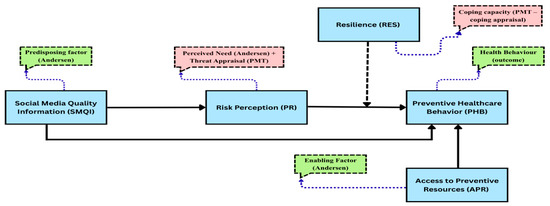
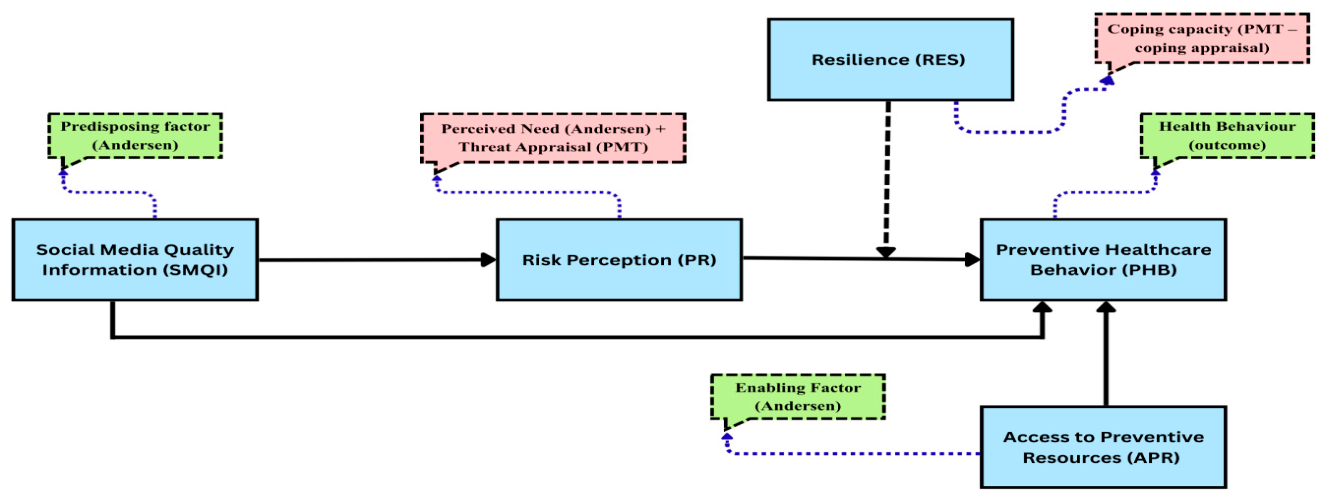
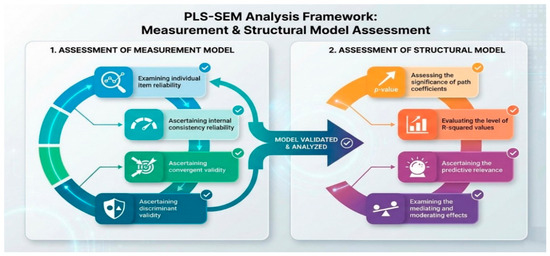
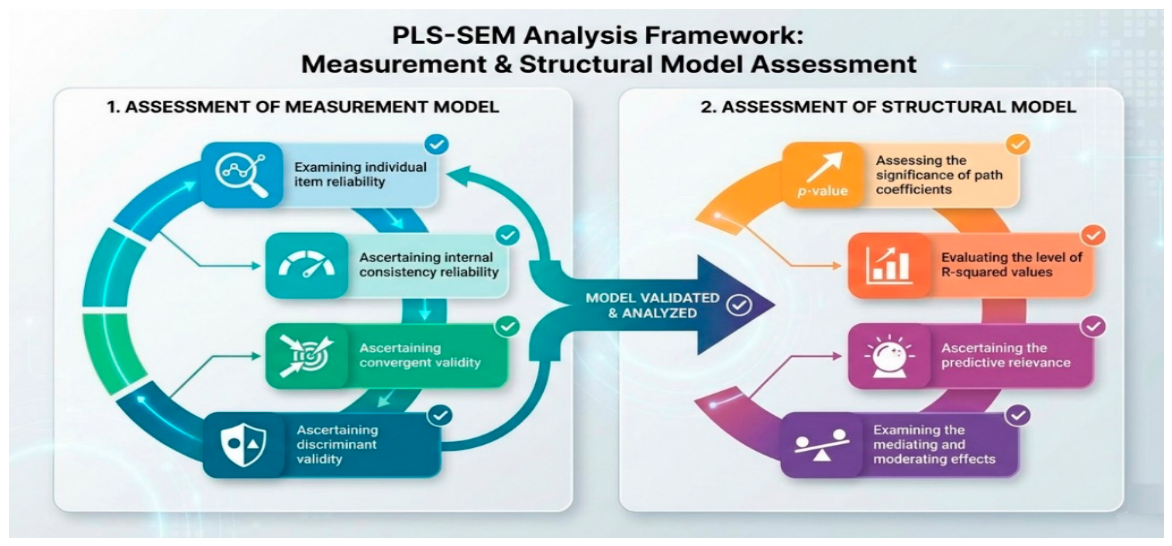
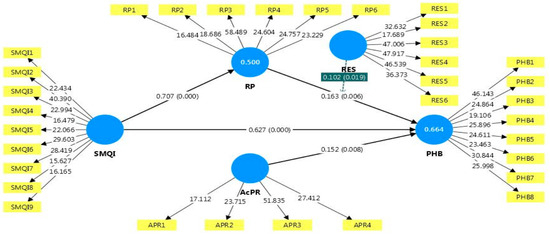
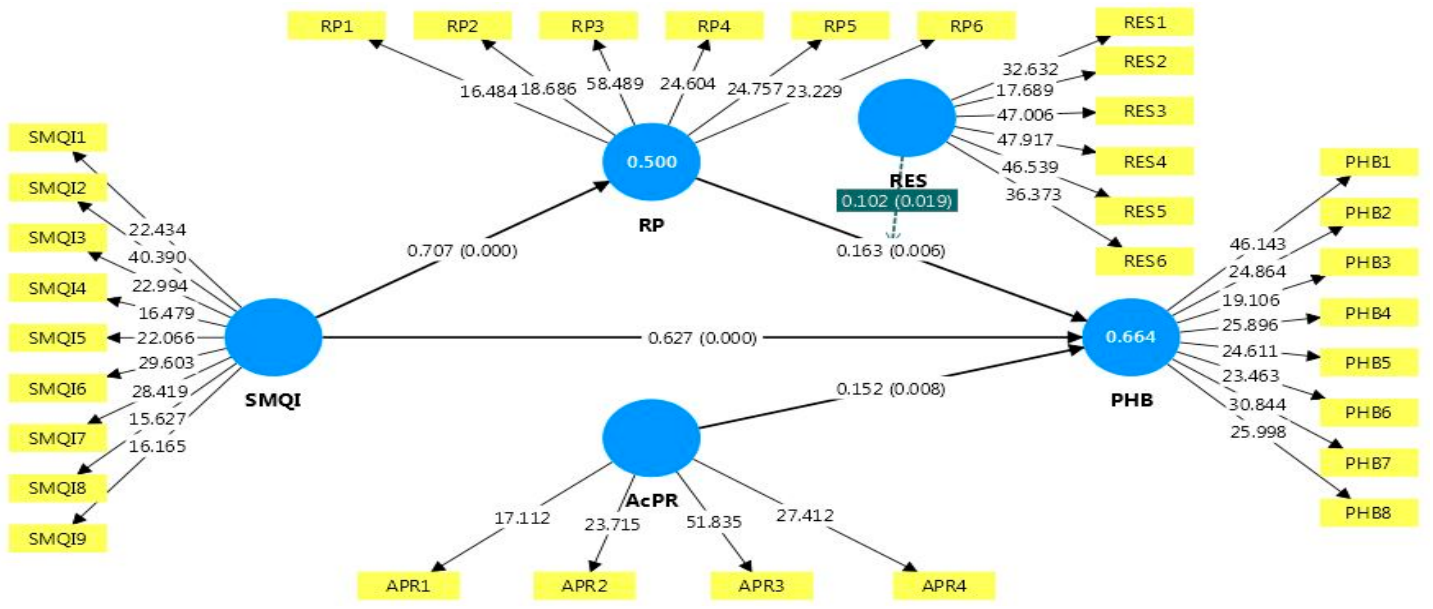
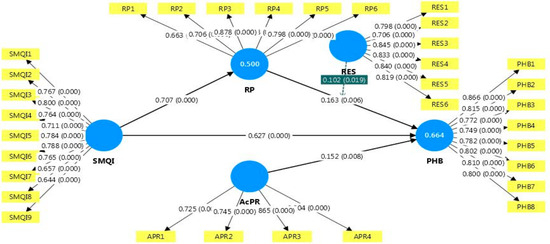
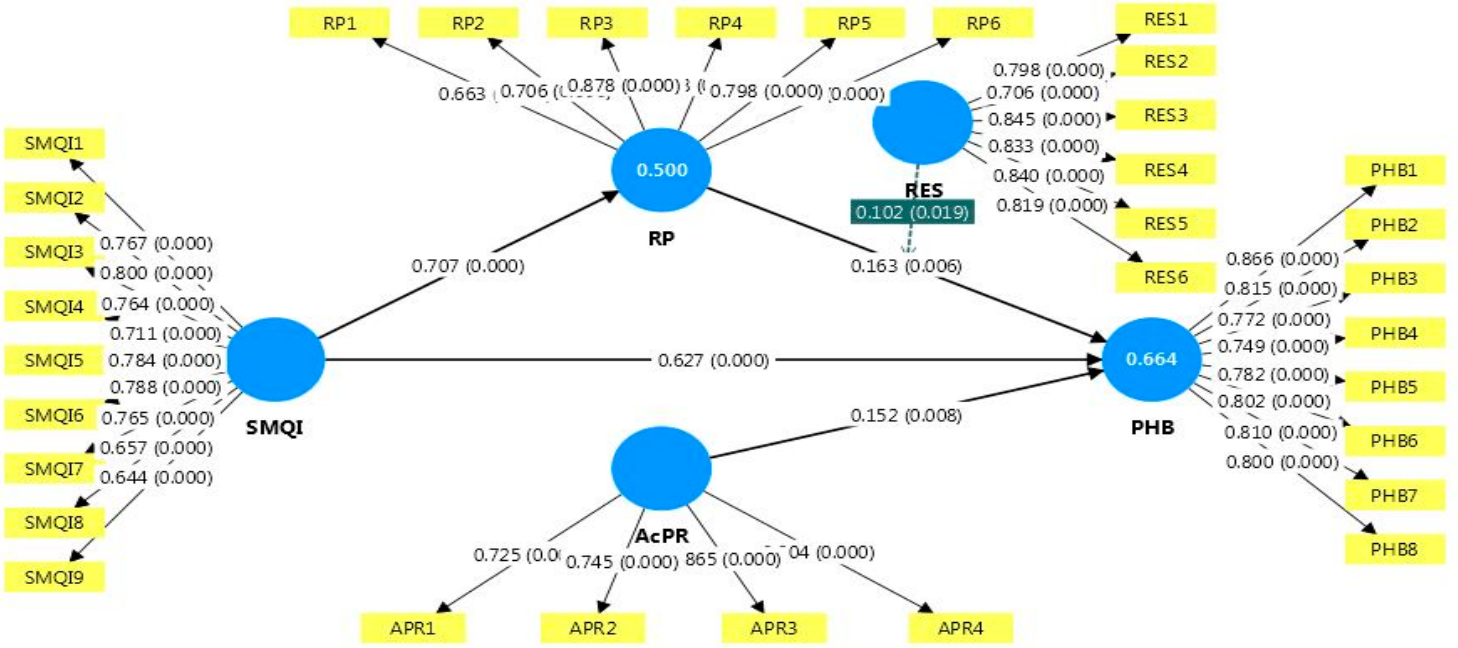

Disclaimer/Publisher’s Note: The statements, opinions and data contained in all publications are solely those of the individual author(s) and contributor(s) and not of MDPI and/or the editor(s). MDPI and/or the editor(s) disclaim responsibility for any injury to people or property resulting from any ideas, methods, instructions or products referred to in the content. |
© 2026 by the authors. Licensee MDPI, Basel, Switzerland. This article is an open access article distributed under the terms and conditions of the Creative Commons Attribution (CC BY) license.