


Abstract
Status characteristics and expectation states theory (SC-EST) describes how general beliefs about capability contribute to disproportionate rates of power, prestige, and resource outcomes between group members. Similarly, endorsements for competition stem from a general belief that it is useful for identifying which people are more capable and therefore more deserving of limited or highly valued resources. This paper investigates the relationship between both contexts simultaneously by considering whether introducing intergroup competition into an otherwise collectively oriented task situation essentially promotes inequality between diverse group members. Using a two-condition experiment, we demonstrate how interaction dynamics change in racially diverse task groups when their task involves intergroup competition compared to no competition. The findings support our predictions that intergroup competition promotes inequality by reproducing and exacerbating macro-level inequalities in micro-level interpersonal interactions. Specifically, white group members were significantly less likely to defer (i.e., accept others’ suggestions) when the group task involved intergroup competition. Overall, these results offer insight into the diverging effects of unequal group processes in group settings and the detrimental effects of competition.
1. Introduction
The reproduction of racial and ethnic hierarchies is a persistent and virulent reality. In the United States, it occurs across most social institutions in the form of disparities that disproportionally benefit white identified populations compared to Latin, Indigenous, Asian, and Black populations. Examples are numerous, including employment where Black Americans have consistently higher rates of unemployment than all other racial groups (U.S. Bureau of Labor Statistics 2025), congressional representation with white political leaders occupying significantly more seats in both the Senate and House of Representatives (Schaeffer 2023), academic review processes where editorial boards, grant reviewers, awardees, and authors alike predominately identify as white (Roberts et al. 2020; Taffe and Gilpin 2021; Wu 2020), and countless others.
While it is clear that there are conditions which interrupt and decrease the impact of racial hierarchies (Berger and Fişek 2006; Dobbin et al. 2007; Goar and Sell 2005; Kalev and Dobbin 2020; Manago et al. 2019; Markovsky et al. 1984; C. Ridgeway 1991, Webster and Driskell 1978), it is also the case that other conditions exist in which these disparate systems reproduce, stabilize, and grow. In this paper, we analyze how one particular context, intergroup competition, can contribute in such a way by exacerbating inequalities within an otherwise collectively oriented task group.
Many groups are faced with intergroup competition—for example, research and development teams, sports teams, educational teams, and legislative committees. And although group settings like these are expected to promote interdependence and cooperation for obtaining a shared goal, we contend that when faced with competing against another group, the group members actually increase inequality within their group.
1.1. Dynamics of Racially Diverse Groups
Much of what is understood about racially heterogeneous interaction in small groups originates from early social psychological research (e.g., Katz and Benjamin 1960; Katz et al. 1958, 1965). Findings from this collection of studies revealed that rates of participation and engagement in task groups comprising equal numbers of Black and white males not only varied, but that Black group members consistently had lower participation and engagement than did their white counterparts, despite there being no difference in experience or expertise.
Berger, Zelditch, Cohen, and colleagues referenced these early exploratory studies when first developing status characteristics and expectations states theory (SC-EST) to formally explain how expectations associated with socially significant characteristics affect intergroup dynamics in ways that reproduce and reinforce macro-level inequalities (e.g., structural racism) during micro-level interactions (e.g., interpersonal and aversive racism) (Berger et al. 1966, 1972).
At the core of SC-EST is the idea that members of task groups rely on societal beliefs about different status characteristics to generate performance expectations that impact how they interact with one another. In task-oriented groups focused on cooperative and collective problem solving, group members who are designated as having higher status ranking are afforded more prestige and control over decision-making compared to those designated as having lower status ranking (Berger et al. 1977, 1986, 1972, 1974, 1989, 1980, 1985).
While there are differing kinds of characteristics that are used in group processes, the characteristics that are often used as a basis for the group’s hierarchy are specific or diffuse status. Specific status characteristics have explicit types of ability and have at least two differentially evaluated states that correspond with specific performance expectations. Using mathematical aptitude as an example, having more aptitude for algebra is believed to be favorable and carries expectations of performing well on other mathematical tasks. This is compared to having less aptitude, which is considered unfavorable and is associated with poorer performance expectations. As such, the states of having more or less algebraic aptitude are ascribed higher status and lower status, respectively (Berger and Fişek 1970; Freese 1976).
Diffuse status characteristics similarly have two or more differentially evaluated states (high or low) that correspond to specific performance expectations. However, they also correspond with general performance expectations that apply to most situations.1 Examples of diffuse status characteristics include race or ethnicity (Biagas and Bianchi 2016; Goar and Sell 2005; Manago et al. 2019; Melamed et al. 2019; Walker et al. 2014; Webster and Driskell 1978), gender or sex (see summaries in Foschi 2000; C. L. Ridgeway 2011; Ridgeway and Correll 2004) and age (Freese and Cohen 1973; Kelley et al. 2017; Webster et al. 2008). Other things being equal, those perceived to have higher diffuse status (for example, men or white people) tend to be associated with higher performance expectations in most task situations.
There are instances in which high performance expectations are associated with lower diffuse status states. For example, women are often perceived as better at performing tasks that involve baking and childcare compared to men, and people who are Black are often perceived as performing better on some tasks involving athletic skill compared to people who are white. However, SC-EST emphasizes that diffuse status characteristics are so powerful that these high-performance expectations for those with lower diffuse status are viewed either as exceptions to the rule or as consistent with the stereotypes.
The process by which status characteristics form expectations which then translate into behavior is termed the status generalization process (Berger et al. 1977; Webster and Driskell 1978; Webster and Rashotte 2010).2 That is, when group members differ on at least one status element such as a diffuse status characteristic, that status element becomes salient. Unless information is presented to the group that renders the status element irrelevant to their task, group members will form expectations for task performance that are consistent with general societal evaluations. Finally, expectations are translated into observable power and prestige, which comprises a variety of behaviors. The behaviors most often analyzed are those that identify who is afforded opportunities to act or voice opinions, who is most active, who is most likely to defer to other group members’ suggestions, or who is less likely to defer and instead over-rule others’ opinions. The burden of proof process is an important assumption of SC-EST which describes how status characteristics structure interaction unless there is information or evidence to the contrary. In this way, inequality can easily reproduce. Additionally, initial differences in behavior are likely to create self-fulfilling prophecies. In a group composed of women and men, for example, if a woman defers more frequently than anyone else, it serves to indicate to both her and to the others that she may “not be as competent”. Subsequently, when decisions about leadership roles are made by others, she is more likely to be overlooked.
It might initially seem that those disadvantaged by the status generalization process would simply ignore it or even rebel. However, as demonstrated by much research, people of lower status are often penalized for not deferring and are instead rewarded with some respect and dignity for their deference. Correll et al. (2017) discuss this issue in terms of third-order expectations—how the expectations of what “most people” think or believe shape people’s behavior even if they do not personally agree. Ridgeway and Nakagawa (2017, p. 132) similarly discuss how lower status people are granted “a modicum of respect: the dignity of being seen as reasonable.”
Figure 1 demonstrates a way to visually depict the status generalization process through graph theory (Berger et al. 1977). For simplicity, the graph depicts two people, P and O, interacting as a group that must work collectively (i.e., reach consensus) to complete a task to the best of their ability. They differ on a socially significant characteristic and based on their respective states of that characteristic; P has higher diffuse status D(+) while O has lower diffuse status D(−). After the diffuse status difference is “activated,” the group members form general expectations of ability and competence associated with their respective diffuse status rankings. In this case, P who possesses higher diffuse status is generally expected to have more skill, capability, and competence Γ(+) relative to O who possesses lower diffuse status Γ(−). General expectations then translate into specific task performance, where P is expected to perform better on the task C*(+) than O C*(−). Consequently, both group members perceive P as being more likely to succeed at the task T(+) while perceiving O as having less likelihood of success T(−). They then interact with each other in ways that afford P greater observable power and prestige compared to O.
Figure 1.
Graph Theory Model (Berger et al. 1977).
The status generalization process can also be understood by applying an aggregation assumption that takes into consideration the paths connected, and the signs connected to each symbol. In this model, each actor is connected to the task in two ways. The first path represents how individual actors form expectations of their task performance based on their own characteristics, while the second path represents the comparison process that occurs between their respective diffuse states via a negative measure of dimensionality. With actor P, for example, the first path has four connections (P – D(+) – Γ(+) – C*(+) – T(+)), the second is indirect with five connections (P – D(+) – [dimensionality(−)] – D(+) – Γ(+) – C*(+) – T(+)), and both paths end up being positive.3 Actor O has the same number of paths and connections; however, both paths end up being negative (O – D(−) – Γ(−) – C*(−) – T(−)), (O – D(+) – [dimensionality(−)] – D(−) – Γ(−) – C*(−) – T(−)). Aggregate expectations are then computed by combining all like signed paths for each actor and computing the difference between them, which ultimately results in actor P having more expected advantage on task performance than actor O (Correll and Ridgeway 2003; Fişek et al. 1992).
The generalization process is often done at an unconscious level,4 and because this is the case, neither the lower nor higher status group members are likely to challenge the legitimacy of those various expectations (discussion of this and potential challenges to legitimacy are discussed in Ridgeway and Correll 2006). These assumptions highlight the prominence of socially constructed status beliefs and their perceived usefulness in the absence of more specific information. In other words, because the status generalization process is so strong, unless there is an intentional process to interrupt it, the status quo is maintained such that those who enter a group and who are perceived as having higher status retain that status, just as those who enter and are perceived as having lower status.
1.2. Diffuse Status Interventions
One important branch of study explores how the status generalization process can be diminished or eliminated. Much of this research has examined how adding information about group members’ skills or performance might change interaction. This has involved adding information about a group member’s specific status characteristics that contradict the evaluation associated with diffuse status characteristics. In terms of the graph theory, this would mean that more paths (of specific status characteristics) are added to the graph that contradict the paths of the diffuse status characteristics. (That is, establishing a high state of specific characteristics for those lower in diffuse status or coupling the low state of a specific characteristic for those higher in diffuse status.) These studies used the diffuse status of race (Cohen and Roper 1972; Webster and Driskell 1978), age (Freese and Cohen 1973), education (Markovsky et al. 1984) and gender (Pugh and Wahrman 1983; Wagner et al. 1986).
Other interventions include redesigning the institutional context and legitimacy of the diffuse status characteristic for gender (Correll et al. 2017; Johnson 1994; Love and Davis 2014; Lucas 2003) and differing resources by gender (Ridgeway et al. 1998). Some formulations have considered how the norms or rules for interaction might change the inequality generated by diffuse status characteristics. Using race as a diffuse status characteristic, Walker et al. (2014) found that when group members with lower diffuse status were afforded more opportunities to act, they also subsequently developed more influence.
Less attention has been paid to the actual tasks themselves. Somewhat related to the concept of increasing action opportunities for those lower in diffuse status, Cohen (1993) and her colleagues developed a technique they called the multiability intervention. They developed curricula for classrooms that included group activities (such as measuring a dinosaur) and informed children that many different abilities were associated with doing well. Teachers would then monitor and point out aspects in which children who were otherwise not high interactors were actually contributing (Lotan 2022). Goar and Sell (2005) further developed this idea of inconsistent complexity and only defined tasks differently rather than creating new tasks. In groups composed of Black and white women, they found that this inconsistent complexity decreased inequality but did not sacrifice group productivity. Using this inconsistent complexity definition in groups of Mexican American and white women, Manago et al. (2019) reproduced this finding and further found that groups with decreased inequality had higher synergy, which is a specific kind of group productivity.
In terms of the graph theory in Figure 1, the inconsistent complexity intervention interferes in the typical paths by incorporating more specific status characteristics separating individuals and by creating tasks that have different (and inconsistently evaluated) subtasks. Some of these specific status characteristics for the individuals may be evaluated as higher than others while other characteristics for the same individual may be evaluated as lower than others. The present study also considers the nature of the tasks group members must complete. However, we consider how instituting certain rules about a task actually modifies the task, thereby strengthening the expectations associated with the diffuse status characteristic. We specifically consider race as the diffuse status characteristic and consider zero-sum intergroup competition as the institutional rule. This approach is important for several reasons. First, theoretically, it asks if the task itself, rather than characteristics of the interactants, can change parts of the status generalizations process. Second, for researchers interested in applications to decrease inequality, it is much easier to change the group context than it is to change the group members themselves.
1.3. How Does Competition Change the Task Structure and Interaction Within a Group?
1.3.1. Groups Involved in Intergroup Competition
There is a respected tradition within group processes, social interdependence theory (Deutsch 1949), that maintains that competition of one team or group against another team or group increases cohesion within each group. That is, the individual has a sense of belonging and identifies with their group (Grieve and Hogg 1999; Lawler et al. 2000). However, there is relatively little literature that explores how the intragroup inequality might be affected by competition. In particular, intergroup competition requires that actors within the same group coordinate with one another, manage their collective resources, and reach consensus to win or succeed at some desired outcome. Indeed, these characteristics of task groups are the same as those we described in our discussion of SC-EST.
We know that participation in such groups is unequal, especially when status characteristics differentiate group members (Berger et al. 1977; Berger and Webster 2022; Sell and Webster 2025). Further, we argue that defining the task structure as zero-sum and intergroup competitive introduces two new components to the status generalization process. The first is competitive task performance (T2). Unlike the base task performance (T1), it incorporates the risk associated with the potential loss of resources to another group. The second is competitive task performance (C*2), which is related to, but different from, the specific task performance (C*1). This new component results from group members trying to circumvent the risk associated with competition by relying even more so on status beliefs (i.e., stereotypes) associated with diffuse status characteristics to identify who among them are the most and least capable. Consequently, this amplifies the status generalization process, increases unequal behavior between group members, and exacerbates the degree of inequality:
Assumption 1:
Zero-sum intergroup competition adds new information about the risk of loss that affects the status generalization process: competitive task performance (C*2) associated with the competitive task (T2).
Assumption 2:
The value of an actor’s competitive task performance (C*2) is symmetrically related to the competitive task (T2).
Assumption 3:
Unless there is information to the contrary, the value of an actor’s specific task performance (C*1) is symmetrically related to their competitive task performance (C*2).
In other words, we predict that group members who are associated with lower evaluated diffuse status characteristics will be afforded even less power and prestige (e.g., deferred to less, defer to others more, and have few action opportunities) when the task involves zero-sum competition with another group. At the same time, group members with highly evaluated diffuse status characteristics will be more advantaged and thereby defer less and have more action opportunities.
Figure 2 illustrates this assumption with a new iteration of the original graph theory.5 When group members are told they must compete on a task with another group where only one of the two groups can win, it changes how abilities might be inferred. It introduces a new aspect of task performance: the ability to perform under the pressure of competition. By this logic, if P possesses the higher state of the diffuse characteristic, they will possess the higher state of specific task performance C*1(+), and they will generally possess the higher state of the competitive task performance C*2(+).
Figure 2.
Graph Theory Model, adapted with new assumptions regarding competition.
It may seem that performing on a task and competing on the same task are the same thing but not only are they different, they are sometimes differentially evaluated. For example, it is not unusual to hear that someone fades under the pressure of competing in a task that they would otherwise perform well on. Some research addresses how even the prospect of competing can create anxiety in team settings and how the resulting performance varies. For example, Ford et al.’s (2017) summary of various conceptualizations of individual people’s responses and group responses to anxiety prompted by competition reveal how both low and high anxiety can lead to poor performance. These results support the argument that competitive settings might involve skills that differ from general (i.e., non-competitive) performance skills.
Despite the real difference between performing on a task and competing on the same task, we propose that the status generalization process will remain influential. In other words, we expect that the evaluation of the diffuse status generates a halo effect that connects performing on a task to the idea of competitive advantage to those who already have higher status. This is likely to occur unless evidence to the contrary is presented—that is, unless a higher status actor demonstrates problems with competing. Group members who are higher in status are allowed the benefit of the doubt, whereas those lower in status receive no such benefit. This concept, that those who are initially high in diffuse status are given the benefit of the doubt while those initially low in diffuse status are not accorded such a benefit, is part of Foschi and colleagues’ arguments about double standards of evaluation (Foschi 2000).
We examine these effects using deference rates. These represent the difference between each group member’s initial decision toward a task relative to their group’s final decision on said task. The larger the difference between the group’s final decision and a single group member’s initial decision, the more the group member was influenced by their group, that is, they deferred more. Alternatively, the smaller the difference, the less the group member was influenced, meaning they deferred less. In interactive contexts, deferring less can happen through initial consensus within the group or it can occur through changing others’ decisions.6 Since each group operates as a unit, degrees of deference can be measured. Therefore, under the scope conditions that unacquainted group members who differ by race are committed to completing an unfamiliar task to the best of their collective ability, we hypothesize the following:
Hypothesis 1:
Deference rates will vary based on group members’ race, which operates as a diffuse status characteristic.
(This hypothesis establishes whether race functions as a diffuse status characteristic for this study.)
Hypothesis 2:
White group members will exhibit less deference compared to Black group members.
(This hypothesis establishes the states of diffuse status, that is that white group members have higher status compared to Black group members.)
Hypothesis 3:
Black group members will exhibit more deference when the task involves intergroup competition compared to no competition.
Hypothesis 4:
White group members will exhibit less deference when the task involves intergroup competition compared to no competition.
1.3.2. How Does Competition Affect Group Performance?
Although many studies comparing cooperation and competition exist, the vast majority focus on comparing different contexts and incentive structures, which differ from the conditions outlined in this paper. Therefore, it is important to clarify the type of cooperation and competition studied.
Much of the research comparing cooperation and competition has focused on individual-level achievement under cooperative or competitive settings. For example, some studies that focus primarily on social identity and self-categorization have found that the mere presence of a competing group may improve a group’s performance as well as increase commitment and affect between group members (Sherif 1998; Sherif et al. 1988). Importantly, however, these group-level investigations do not address what happens in terms of the intergroup processes, such as observable power and prestige, which are known to affect individual outcomes.
Alternatively, results from some of the early research in education and intergroup dynamics demonstrate that learning levels tend to be higher when students engage in cooperative learning rather than competitive learning (Hammond and Goldman 1961; Johnson et al. 1981, 1983, 1984; Johnson and Johnson 2012; Whittemore 1924). And in racially heterogeneous student groups, differences between Black and white students’ task achievement were minimal when groups worked cooperatively as opposed to competitively (Johnson et al. 1984). However, as mentioned in Johnson and Johnson (2009), what cooperative learning means differs based on class curricula. Cooperative learning is sometimes instituted as a type of team-to-team competition. In such cases, the learning tends to be higher than individualist learning but somewhat less than team learning without competition (Johnson et al. 1981). Alternatively, Baer et al. (2010) examined groups interacting under differing degrees of competition and found that the creativity of the groups is less in both low- and high-competitive groups relative to medium-competitive groups.
Other studies have examined how intergroup competition can increase productivity, specifically intragroup contributions to public goods (Bornstein and Erev 1994; Bornstein et al. 1999; Erev et al. 1993; Mulvey and Ribbens 1999). However, the public goods paradigm also has several features that make it unique from the intergroup dynamics and education studies mentioned earlier, namely that with the former (1) the contributions to the group work involve little coordination, (2) there are no ongoing conversations or deliberations, (3) productivity is totally defined by the amount of the good produced, and (4) in most public goods settings, the ability to contribute is not tied to a specific skill. Note that the paradigm also increases the possible reward attainable with competition—in fact, the very point that enables the derivation of the prediction is that the competition leads to increased productivity. In other words, the reward associated with winning the competition increases the expected value of the contributions (be they tokens or picking oranges as in Erev et al. 1993), thereby changing the structure of the social dilemma.
Overall, there are mixed findings in terms of exactly how or under what conditions competition might increase (or decrease) group performance. However, integrating the few theoretical factors that have been directly tested with SC-EST scope conditions could help clarify how and why competition may decrease group performance. These include the knowledge that one group is directly competing against another group for a reward that only one group can have, the knowledge that the group itself must coordinate activities, and the knowledge that the only differentiating information about group members is their racial identity (Goar et al. 2013; Goar and Sell 2005; Johnson et al. 1984; Johnson and Johnson 1995; Manago et al. 2019).
We predict that intergroup competition creates two related but independent tasks and increases inequality among group members and thereby affects group performance. Although group members are expected to collaborate toward the task, the added weight of the competitive task performance (C*2) to the status generalization process will exacerbate differences in observable power and prestige.
The argument is that when groups are unequal, ideas are less likely to be shared openly. As Tindale et al. (2012) find, groups do not always perform better than individuals. However, when groups have open communication and trust and a shared understanding of the task (Cannon-Bowers et al. 1993), they do better. Inequality, we argue, impedes the process, because it impedes “open communication,” which includes disagreement as well as agreement. This manifests as group members disregarding decisions made by low-status group members at higher rates, while simultaneously placing more value in decisions made by high-status group members. Because this is the case, alternative ideas are not adequately examined, and as a result, groups spend much of their time discussing agreements rather than deliberating disagreements (Kameda et al. 2012; Tindale et al. 2012). Further, this line of argument relates to the literature on “herding” in which there is pressure toward conformity, and a problem arises when information contrary to that expressed by an “expert” or by more people is not explored (see discussion of this property by Baddeley 2013). Based on the previously specified scope conditions, we predict:
Hypothesis 5:
Group task performance will be weaker when tasks involve intergroup competition compared to no competition.
2. Materials and Methods
2.1. Experimenal Design
A controlled laboratory experiment was designed to analyze the extent to which race operates as a diffuse status characteristic and that intergroup competition exacerbates inequality in terms of deference rates. Further, we posit that the inequality resulting from the combined effects of status generalization and intergroup competition interferes with the task and weakens the group’s performance overall. Experiments are ideal for testing abstract theories or principles because they enable control for extraneous factors and so rule out plausible alternatives for the results. They do not enable direct generalization to a particular empirical circumstance, but they can detail how the independent variables impact outcomes (Webster and Sell 2007, 2014).
For the purposes of this study, we compared the results of groups who worked on the same tasks, but only some were informed that they were competing with other groups. Additionally, to rule out alternative hypotheses concerning task orientation based on reward, we established rewards associated with task success that were equivalent. That is, in both competitive and non-competitive conditions, groups earned the same bonus amount. The difference between the two is that in the non-competitive condition, success was described as performing especially well on the task; in the intergroup competition condition, success was described as performing better than another group on the task. Additionally, we exploited the advantages of experimental design by controlling the information participants received about the tasks themselves, who delivered the information, the time allotted for the tasks, and the structure and composition of the groups.
Participants were recruited from the undergraduate population of a large public southwestern university and had previously volunteered to be included in a subject pool for paid research participation.7 We controlled the group size and composition to enable comparisons to earlier studies that examined interventions based on task definition (Goar and Sell 2005; Manago et al. 2019, 2022).8 In the groups we considered, we focused only on one diffuse status characteristic, race. To do this, we controlled other diffuse status characteristics including age and gender. In particular, the groups were composed of participants who self-identified as women, ages 18–25. Since we examined the diffuse status characteristic of race, groups were composed of two women who self-identified as non-Hispanic white and one woman who self-identified as non-Hispanic Black. In total, the study included 40 three-person groups.9
2.2. Procedure
Research assistants scheduled participants according to their time availability. Each potential group was then randomly assigned to either the baseline (no competition) or experimental (intergroup competition) condition. At the start of each group session, a research assistant provided participants with nametags displaying their first name and instructed them to sit at three partitioned desks.10 At the corner of each desk was a placard displaying the group’s identification number, participants’ identification numbers, and participants’ first names.
After collecting signed consent forms, the research assistant instructed participants to read task instructions while following along to a video recording of a senior, non-Hispanic white woman researcher reading aloud the same printed instructions. The instructions informed the participants that they would be contributing to a study that investigates how people work together on problem-solving tasks. To accomplish this, the participants were required to complete two complex survival tasks. The recording emphasized the importance of completing the task to the best of their ability at several points throughout the recording and informed participants that they had the chance of earning a monetary bonus based on how well the group performed on the two complex tasks.
Once the video concluded, the research assistant provided each participant with a pre-session questionnaire—ostensibly for recording purposes. The questionnaire ensured that participants would know the identity of everyone in the group and their names. Further, participants reiterated how they would be paid and what the bonus entailed (thus ensuring the manipulation of the two conditions).
Next, participants were given 20 min to individually complete the two complex survival tasks. The scenario for both tasks described how the participant was a member of a group whose goal was to get from their current crash-site location to a safer location using the items that are available to them (Hall and Watson 1970; Johnson and Johnson 2012). In one scenario, the group was “lost on the moon” and needed to travel from their downed vessel to the mothership using 15 items. In the other, the group was “stranded in the desert” and needed to travel from their wrecked minibus to the nearest ranch using 12 items. Participants were instructed to list the items from most to least important for each task and provide a brief rationale for each ranking. Once the allotted 20 min lapsed, participants sat together at a small table and worked as a group to reach a final consensus on the item rankings for the two tasks. Although participants referred to their individual rank responses to help guide their decision-making, they were instructed not to make changes to those original answers. This group task portion of the session lasted for 30 min.
Following the individual and group tasks, participants returned to their partitioned desks and completed several questionnaires. After completing the questionnaires, the research assistant debriefed the participants, thanked them for their time, and paid them as they exited the laboratory.
2.3. Independent Variables
The video instruction information that described how a monetary bonus could be earned was adjusted to introduce either the no competition or intergroup competition condition manipulations. All groups were told that they had the opportunity to earn bonus funds based on how well their group’s rankings matched experts’ rankings on the same tasks. However, groups that were assigned to the no competition condition received these subsequent instructions:
“The bonus depends on how many correct responses your group develops. Remember that how well you do is based on how close your group’s responses are to expert responses. The closer, the better, and of course it’s very, very important that you rank every single item since you lose points if you don’t.”
Alternatively, groups assigned to the intergroup competition condition were instructed that earning bonus funds depended on their group’s task performance compared to another group. Specifically, they were told:
“Your group today is in DIRECT COMPETITION with another group that has also worked on these tasks. Either YOUR group or the OTHER group will win the bonus. You will find out immediately after the study finishes whether your group or the other group won the competition. Remember that the competition is based on how close your group responses are to the expert responses. The closer, the better, and of course it’s very, very important that you rank every single item since you will lose points in the competition if you don’t. Whichever team wins the competition wins the bonus money.”
Additional information provided in the video strengthened the manipulation by further emphasizing the competitive aspect of the tasks and the fact that bonuses would only be given to one group pending their performance on the tasks. This was done to ensure that the groups in the intergroup competition condition fully understood the potential of earning more money and that the success of the group is what would determine their chances of obtaining the bonus. In reality, all groups, regardless of condition, were paid bonus funds at the end of their study session.
2.4. Dependent Variables
Two dependent variables were analyzed for the purpose of this paper. The first was deference rates.11 These were calculated for each participant by taking the values for each item on a given survival task and subtracting them from the group’s final ranked values. Next, the absolute value was taken for each difference. Finally, the differences were summed and divided by the total number of ranked items for each task, respectively. The greater the difference between individual and group rankings, the more often they accepted influence and deferred to other group members. Alternatively, lower values indicated that they deferred less to their other group members and had more similarity in responses between their own and their group’s rankings.
The second dependent variable was group task performance on the complex survival tasks. Each group’s final task rankings were compared to expert answers to analyze how closely the responses matched. Like the deference variable, this was calculated by subtracting the group’s ranked values for each item from the expert’s ranked values. The absolute value was taken for each of those differences, then summed and divided by the total number of ranked items for each task to get group task performance. The greater the difference between the group’s rankings and experts’ rankings, the less well groups performed on the task. Alternatively, lower values indicated greater similarity between group’s responses and experts’ responses, which corresponds to better task performance.
2.5. Manipulation and Scope Condition Checks
To ensure that all scope conditions were met and manipulations took effect, each participant was given a pre-session questionnaire immediately after reviewing the video instructions for the session. In the first segment, participants were expected to answer “Yes” to statements that there were “correct or incorrect responses”, that “some people seem to do better overall than others at the tasks”, that “a bonus amount of money” could be earned, that “people do better on the tasks when they work as a group”, and that “earning a bonus depends on your group’s performance on the tasks”. For statements that “people do better on the tasks when working alone” and “earning a bonus depends your individual performance on the tasks,” participants were expected to answer “No.” However, the correct response to the remaining statement, “your group must perform better than another group to earn the bonus”, varied based on the study condition to which the groups were randomly assigned. Participants in the intergroup competition condition were expected to answer “Yes” while participants in the no competition condition were expected to answer “No.”
The last segment of the questionnaire instructed participants to name each group member, specify their gender category (e.g., woman, man), and specify their race or ethnic category (e.g., Black, Hispanic, white). After indicating characteristics for their two group members, participants answered the same questions of gender and race for themselves.12 A review of these checks resulted in a total of 108 participants left for the final sample (36 groups, 18 per condition).13
3. Results
Statistical analyses were conducted using Stata 19 (StataCorp 2025) software. We first analyzed the effect of the groups in which the participants interacted to determine if a multilevel analysis was required. Postestimation results for the unrestricted intraclass correlation coefficient (ICC) revealed that the effect of the groups accounted for only 2.3% (0.0226) of the total variance in deference rates. As an additional check, we computed the design effect, which considers the size of the groups at each level and the ICC. The result is a value less than two, indicating that multilevel modeling is unnecessary (for discussion of the conditions under which multilevel modeling should be used, see Peugh 2010). Based on these results, and given that Hypothesis 2–5 are unidirectional predictions, we conducted standard one-tailed t-tests.14
3.1. Deference and Race
Deference was measured by comparing group members’ individual responses on the two survival tasks to their group’s final responses.15 For Hypothesis 1, we predicted that deference rates would vary based on group members’ race, which we assert operates as a diffuse status characteristic under the study’s conditions. Table 1 displays the results for the effects of condition (no competition, intergroup competition) and race (Black, white) on deference. As expected, the deference rates between group members differ significantly by condition (F (1, 105) = 4.62, p = 0.034, η2p = 0.12) and by race (F (1, 105) = 14.58, p = 0.0002, η2p = 0.12), thereby supporting Hypothesis 1.
Table 1.
Analysis of variance results for deference rates by condition and race, combined tasks.
The next step is to assess if the effect of race on deference rates operates such that white group members exhibit less deference than Black group members (Hypothesis 2). Table 2 presents results comparing deference rates of Black and white group members when the two survival tasks are averaged. As predicted, white group members’ deference rates (M = 1.89, SD = 0.68) compared to Black group members’ (M = 2.40, SD = 0.67) were significantly lower t(106) = −3.75, p = 0.0001, which provides support for Hypothesis 2.
Table 2.
T-test results for deference rates by race.
3.2. Deference, Race, and Intergroup Competition
For Hypotheses 3 and 4, respectively, we predicted that when the group task involved intergroup competition compared to no competition, Black group members would exhibit more deference and white group members would exhibit less deference. We know, from the analysis in Table 1, that condition significantly affects deference rates. To further examine how this occurs, we conduct t-tests for deference rates between conditions for both Black and white participants. As shown in Table 3, counter to our predictions, Black group members’ deference rates in the intergroup competition condition (M = 2.29, SD = 0.76) were lower than in the no competition condition (M = 2.51, SD = 0.56), though the difference did not reach statistical significance t(34) = 0.99, p = 0.166. However, deference rates for white group members in the intergroup competition condition (M = 1.74, SD = 0.70) compared to the no competition condition (M = 2.04, SD = 0.63) were significantly lower t(70) = 1.92, p = 0.029, which provides support for Hypothesis 4.16
Table 3.
T-test results for deference rates by condition across race.
3.3. Group Task Performance
For Hypothesis 5, we predicted that group task performance would be weaker when the task involved intergroup competition compared to no competition. The results reported in Table 4 show that group task performance was weaker on average for groups in the intergroup competition condition (M = 3.45, SD = 0.35) compared to the no competition condition (M = 3.37, SD = 0.36); however, the effect did not reach statistical significance t(106) = −1.11, p = 0.135. Although the notion that intergroup competition diminishes group task performance is unsupported, it is important to note that the results clearly indicate that competition did not increase group performance as some previous research would suggest.
Table 4.
T-test results for group task performance differences (expert vs. study group), by condition.
4. Discussion
The purpose of this paper was to investigate the consequences of incorporating zero-sum intergroup competition into an otherwise cooperative small group task. We predicted that if group members in these small task-oriented contexts differed based on a socially significant characteristic, that the characteristic would operate as a diffuse status mechanism, impacting interactions in ways that privilege high-status group members and disadvantage presumed low-status group members. Furthermore, introducing the prospect of a rival (i.e., competing) group would exacerbate rates of inequality and reduce overall group task performance. To test these predictions, we constructed a controlled laboratory experiment with three-person task groups differentiated based on race. Those groups were randomly assigned to either a no competition or intergroup competition study condition.
Our results first support the prediction that race operates as a diffuse status characteristic, that is, regardless of condition, white group members deferred less than Black group members. Further, simply adding the information that the group is competing against another group did lead white group members to defer less. This supports the idea that competition changes group interaction, at least for those who are usually socially advantaged (i.e., white people). However, for Black group members, there was confounding but little difference.
One possible explanation for this is that intergroup competition asymmetrically affects group members’ performance expectations. White group members may have presumed negative competitive task performance for Black group members and deferred even less in competitive conditions, having assumed that it was necessary to perform well on the task (as suggested in the theoretical discussion). However, there is no evidence that Black group members possessed the same competitive task performance as their counterparts. This implies, then, that behavioral outcomes in these small group settings can be differentially affected, and the difference is in whether high- or low-status group members perceive added information as relevant to their task success.
The idea that people who are socially advantaged are more affected by interventions in inequality is a pattern in some (but certainly not all) similar research. For example, while Manago et al. (2019) found that defining tasks differently (an inconsistent complexity intervention) did decrease inequality, it did so primarily through changes by white group members. Additionally, in the extensive research on intergroup contact, there is overwhelming support for the finding that increased outgroup interaction leads to decreased prejudice. However, contact effects for those from socially advantaged groups tend to be stronger than the effects for historically marginalized groups (Pettigrew and Tropp 2006, 2011). We need to be cautious of generalizing from this research, however. For the most part, the intergroup contact literature concerns measures of prejudice rather than measures of group behavior, and the Manago et al. (2019) groups interacted over multiple weeks and were not composed of Black and white women, as our groups were. In spite of these differences, however, asymmetry between those from advantaged and disadvantaged groups is important to consider in further research. There may be multiple reasons for why asymmetry might occur, including a lack of clarity around third-order beliefs about how performance is tied to diffuse status.
Another possibility might be that the tasks themselves did not enable much movement up in terms of deference. That is, when deference is high, there might be a ceiling effect in terms of measurement. This is an important methodological point, and we did try to address it by considering two tasks rather than just one, consequently increasing the potential range of the dependent variable.
We also predicted that group task performance would be negatively impacted in competitive conditions compared to non-competitive conditions. Rather than working cooperatively, we predicted that white group members would be less likely to consider Black group members’ rationale for what they believed to be the correct answers to the tasks. The implication of this would be that while competitive and non-competitive groups may interact collectively based on the scope conditions of SC-EST, competitive groups do not work as inclusively. As a result, groups in competitive conditions effectively diminish their opportunity to come to correct responses. Although our prediction for diminished performance in competitive settings was not supported, the findings also do not support competition as a means for increasing performance on a group task. Consequently, our findings seem to suggest that zero-sum competition has few advantages for the groups since success on the task is not heightened by it. However, it does have a disadvantage: inequality with the groups is heightened.
Directions for Future Research
There are both methodological and theoretical possibilities for future research. First, the number of studies is small, a result of timing and context issues. Future studies should aim to increase the number of groups to provide more precise and reliable results. One possible way to do this is to conduct online studies with research platforms housing large subject pools (e.g., Qualtrics, Prolific.co). Other considerations include increasing the number of tasks and the duration of the group’s deliberation, which could increase the studies’ power overall.
There are several further studies that can help delineate how group processes might be different in intergroup competitions. First, it is possible that further analysis of what group members say during the decision-making process can provide more descriptive information for assessing the degree of influence. This also might aid in the interpretation of how the Black women responded to the white women who deferred less. We know from past research that out and out disagreements are relatively rare in newly formed task groups, but we would expect that specific voiced agreements might differ and that who most often talks (and for how long) might differ. This was the case, for example, in Goar and Sell (2005). Second, a subsequent experiment incorporating the modifications suggested above could be conducted to determine whether the effects of competition change depending on the terms of the competition. Recall that participants in the competitive condition are told that they would be competing against another group and provided no other information about the other group. Predictions can be made to assess whether the effects of competition from this paper are the same if more information about the outside competing group is provided (i.e., participants with more or less education, participants) or whether a group is necessary to generate the same findings (i.e., against a designated standard).
Finally, we hope to extend our investigation by examining groups with differing compositions. To ensure comparability with other studies that examined interventions, we kept the groups small, with two white women and one Black woman. But investigation of how group composition might change group dynamics could reveal the strength of both status generalization processes as well as interventions.
Our study results also suggest that further examination is important for specifying exactly how zero-sum competition affects groups. This study was a conservative test of the effects of zero-sum competition for groups meeting for the first time. Even under these quite restrictive conditions, this kind of competition increased inequality with white women deferring less. Even if the effects are modest, we know these differences can often cumulate. Indeed, this is the essence of the burden of proof assumption. Once a person acquires higher status, they are given the benefit of the doubt; once they acquire lower status, they must prove that lower status should not matter. This begs the question, if zero-sum competition hastens or reinforces the lower status of some while reinforcing the higher status of others without increases in group performance, why would we encourage it?
Author Contributions
Conceptualization, C.J.M. and J.S.; methodology, C.J.M.; software, C.J.M. and J.S.; validation, C.J.M. and J.S.; formal analysis, C.J.M. and J.S.; investigation, C.J.M.; resources, C.J.M.; data curation, C.J.M.; writing—original draft, C.J.M.; writing—review & editing, C.J.M. and J.S.; Visualization, C.J.M.; supervision, J.S.; project administration, C.J.M.; funding acquisition, C.J.M. All authors have read and agreed to the published version of the manuscript.
Funding
This work was supported with funding from the Department of Sociology Student Awards Committee at Texas A&M University, 2015.
Institutional Review Board Statement
The study was conducted in accordance with the Declaration of Helsinki and approved by the Institutional Review Board of Texas A&M University (IRB2015-0097, March 2015).
Informed Consent Statement
Informed consent was obtained from all subjects involved in the study.
Data Availability Statement
The data presented in this study are available on request from the corresponding author for the purposes of peer review.
Acknowledgments
We would like to thank the study participants for their generosity, as well as Amy Arndt, Rebecca Havis, Kaitlin Williams, and Oluwaseun “Hannah” Rahaman for their assistance and dedication to this project. We would like to thank the study participants for their generosity, as well as a select group of undergraduate re-searchers for their assistance and dedication to this project. We are also grateful to the reviewers and editor for their constructive feedback and support.
Conflicts of Interest
The authors report there are no competing interests to declare.
Abbreviation
The following abbreviation is used in this manuscript:
| SC-EST | Status Characteristics and Expectation States Theory |
Notes
| 1 | The emphasis on most situations denotes that the task itself must be considered. |
| 2 | For recent review articles of the history of the early developments of expectation states processes, see Berger and Webster (2022) and Sell and Webster (2025). |
| 3 | Since actor P possesses the positive state of the characteristic compared to actor O, their connection to the task through actor O’s direct path becomes positive. |
| 4 | Gaertner et al.’s (2005) study on aversive racism offers some insight for how this can occur through social categorization processes. Of course, examples like these exclude instances of actors who knowingly discriminate against others based on socially significant characteristics. |
| 5 | We are grateful for the suggestions we received on earlier iterations of this paper that helped us refine our adaptation of the Graph Theory Model and clarify the theoretical development. |
| 6 | There will be differences in the spread of responses by group. However, because groups are randomly assigned, such differences should also be randomly distributed. |
| 7 | Ethics approvals for this study were obtained by the Texas A&M University Institutional Review Board (IRB2015-0097D). |
| 8 | All studies mentioned used groups composed of two white women and one woman from a historically marginalized group. In this first study of competition, we kept this same composition to enable comparisons to these earlier studies. The composition of the groups, two white women and one black woman, brings up the possibility that the white women are also affected by in-group bias. Admittedly, this could be a factor. However, the composition is exactly the same in each condition, and so differences between the (randomly assigned) conditions could not be explained by the composition. |
| 9 | The decision about the specific group composition was originally based on power disparities in a given society. In the case of race and ethnicity in the United States, most task groups working on the type of analytical skills we consider here would be composed of fewer people of color than white people. Therefore, the smallest such group would be composed of three members. |
| 10 | The size of the room allowed for three partitioned desks complete with rolling chairs. Each desk faced one of three walls. A workstation containing study documents and A/V equipment was against the fourth wall at the front of the room. The center of the room remained vacant until a round table was rolled out for the group task portion of the study. |
| 11 | This is the same measure used in Manago et al. (2019, 2022) and is virtually the same measure as that mentioned in (Cheng et al. 2013, 2014). Cheng and colleagues refer to this as a behavioral measure of social influence, which has the advantage that it is a measure of behavior vs. simply peer reports. Groups are randomly assigned to conditions and so such initial differences should not bias the results between the conditions. |
| 12 | A review of pre-test sessions indicated that this was an appropriate design feature. That is, writing the names and characteristics of each group member was not viewed by participants as unusual (since they did similar tasks when registering themselves as a potential study participant) and it also made post-experimental questions about group activity easy to respond to. |
| 13 | In two separate groups, one group member incorrectly responded to the item stating that the task involved correct and incorrect responses. In a third group, one group member incorrectly identified a group member as Latina and a second group member failed to list race/ethnic categories for the two other group members. And in a fourth group, one group member incorrectly responded to the item stating that earning the bonus depended on the group’s performance on their tasks. |
| 14 | We understand that there are different views about one-tailed and two-tailed tests. (For fascinating discussions, see Deborah Mayo’s (2018) book, Statistical Inference a Severe Testing.) We do use one-tailed tests in our predictions that specify direction as they are directly implied by our formulation. |
| 15 | Several participants failed to complete both the individual study tasks in full. For example, the “lost in the desert” survival task included 12 items to be ranked, but a participant may have only ranked items 1–10 and failed to rank the remaining two items as 11 or 12. To correct for the missing data in these cases, the missing rank values were summed and divided by the total number of missing rank values. Keeping with the previous example, this means that the value for the two remaining items was imputed as 11.5. This process of imputing missing rank items occurred in seventeen of the 108 cases. |
| 16 | As we mentioned, Hypotheses 2–5 all predict unidirectional effects and consequently, we used one-tailed t-tests for our analysis. Two-tailed t-tests result in the same statistical conclusion with the possible exception of Hypothesis 4 which would be significant at p = 0.058 instead of p = 0.029. We conducted a separate analysis on each group member’s proportion of deference relative to each group member to distinguish between white group member’s deference processes in more detail. The results demonstrate that on average, white group members (W1, W2) had lower deference proportions between each other (no competition: W1→W2 = 0.498, W2→W1 = 0.502; intergroup competition: W1→W2 = 0.479, W2→W1 = 0.521) than they did with their Black group member (no competition: W1→B = 0.555, W2→B = 0.557; intergroup competition: W1→B = 0.569, W2→B = 0.576). In other words, while white group members deferred to each other at variable rates, overall, they still deferred least of all to their Black group member. |
References
- Baddeley, Michelle. 2013. Herding, Social Influence and Expert Opinion. Journal of Economic Methodology 20: 35–44. [Google Scholar] [CrossRef] [Scilit]
- Baer, Markus, Roger Th. A. J. Leenders, Greg R. Oldham, and Abhijeet K. Vadera. 2010. Win or Lose the Battle for Creativity: The Power and Perils of Intergroup Competition. Academy of Management Journal 53: 827–45. [Google Scholar] [CrossRef] [Scilit]
- Berger, Joseph, and Murray Webster, Jr. 2022. Anatomy of the Expectation States Research Program. In Unequals: The Power of Status and Expectations in Our Social Lives. Edited by Murray Webster, Jr. and Lisa Slattery Walker. New York: Oxford University Press, pp. 36–69. [Google Scholar]
- Berger, Joseph, and Mustafa Hamit Fişek. 1970. Consistent and Inconsistent Status Characteristics and the Determination of Power and Prestige Orders. Sociometry 33: 287–304. [Google Scholar] [CrossRef] [Scilit] [PubMed]
- Berger, Joseph, and Mustafa Hamit Fişek. 2006. Diffuse Status Characteristics and the Spread of Status Value: A Formal Theory. American Journal of Sociology 111: 1038–79. [Google Scholar] [CrossRef] [Scilit]
- Berger, Joseph, Bernard P. Cohen, and Morris Zelditch, Jr. 1966. Status Characteristics and Expectation States. In Sociological Theories in Progress: New Formulations. Boston: Houghton Mifflin Harcourt Publishing Company, vol. 1, pp. 29–46. [Google Scholar]
- Berger, Joseph, Bernard P. Cohen, and Morris Zelditch, Jr. 1972. Status Characteristics and Social Interaction. American Sociological Review 37: 241–55. [Google Scholar] [CrossRef] [Scilit]
- Berger, Joseph, David G. Wagner, and Morris Zelditch, Jr. 1985. Introduction: Expectation States Theory: Review and Assessment. In Status, Rewards, and Influence. Edited by Joseph Berger and Morris Zelditch, Jr. San Francisco: Jossey-Bass, pp. 1–72. [Google Scholar]
- Berger, Joseph, Murray Webster, Jr., Cecilia Ridgeway, and Susan J. Rosenholtz. 1986. Status Cues, Expectations, and Behavior. Advances in Group Processes 3: 1–22. [Google Scholar]
- Berger, Joseph, Mustafa Hamit Fişek, and Robert Z. Norman. 1989. The Evolution of Status Expectations: A Theoretical Extension. In Sociological Theories in Progress: New Formulations. Boston: Houghton Mifflin Harcourt Publishing Company, pp. 100–30. [Google Scholar]
- Berger, Joseph, Mustafa Hamit Fişek, Robert Z. Norman, and Morris Zelditch, Jr. 1977. Status Characteristics and Social Interaction: An Expectation States Approach. New York: Elsevier Scientific Publishing, Co. [Google Scholar]
- Berger, Joseph, Susan J. Rosenholtz, and Morris Zelditch, Jr. 1980. Status Organizing Processes. Annual Review of Sociology 6: 479–508. [Google Scholar] [CrossRef] [Scilit]
- Berger, Joseph, Thomas L. Conner, and Mustafa Hamit Fişek. 1974. Expectation States Theory: A Theoretical Research Program. Cambridge: Winthrop. [Google Scholar]
- Biagas, David E., and Alison J. Bianchi. 2016. The Latin Americanization Thesis: An Expectation States Approach. Social Forces 94: 1335–58. [Google Scholar] [CrossRef] [Scilit]
- Bornstein, Gary, and Ido Erev. 1994. The Enhancing Effect of Intergroup Competition on Group Performance. International Journal of Conflict Management 5: 271–83. [Google Scholar] [CrossRef] [Scilit]
- Bornstein, Gary, Uri Gneezy, and Rosemarie Nagel. 1999. The Effect of Intergroup Competition on Group Coordination: An Experimental Study. Games and Economic Behavior 41: 1–25. [Google Scholar]
- Cannon-Bowers, Janis A., Eduardo Salas, and Sharolyn Converse. 1993. Shared Mental Models in Expert Team Decision Making. In Individual and Group Decision Making: Current Issues. Hillsdale: Lawrence Erlbaum Associates, Inc., pp. 221–46. [Google Scholar]
- Cheng, Joey T., Jessica L. Tracy, and Cameron Anderson. 2014. The Psychology of Social Status. Edited by Joey T. Cheng, Jessica L. Tracy and Cameron Anderson. New York: Springer. [Google Scholar]
- Cheng, Joey T., Jessica L. Tracy, Tom Foulsham, Alan Kingstone, and Joseph Henrich. 2013. Two Ways to the Top: Evidence That Dominance and Prestige Are Distinct yet Viable Avenues to Social Rank and Influence. Journal of Personality and Social Psychology 104: 103–25. [Google Scholar] [CrossRef] [Scilit]
- Cohen, Elizabeth G. 1993. From Theory to Practice: The Development of an Applied Research Program. In Theoretical Research Programs: Studies in the Growth of Theory. Edited by Joseph Berger and Morris Zelditch, Jr. Stanford: Stanford University Press, pp. 385–415. [Google Scholar]
- Cohen, Elizabeth G., and Susan S. Roper. 1972. Modification of Interracial Interaction Disability: An Application of Status Characteristics Theory. American Sociological Review 37: 643–57. [Google Scholar] [CrossRef] [Scilit]
- Correll, Shelley J., and Cecilia L. Ridgeway. 2003. Expectation States Theory. In Handbook of Social Psychology. Edited by John Delamater. New York: Kluwer Academic/Plenum Publishers, pp. 29–51. [Google Scholar]
- Correll, Shelley J., Cecilia L. Ridgeway, Ezra W. Zuckerman, Sharon Jank, Sara Jordan-Bloch, and Sandra Nakagawa. 2017. It’s the Conventional Thought That Counts: How Third-Order Inference Produces Status Advantage. American Sociological Review 82: 297–327. [Google Scholar] [CrossRef] [Scilit]
- Deutsch, Morton. 1949. A Theory of Co-Operation and Competition. Human Relations 2: 129–52. [Google Scholar] [CrossRef] [Scilit]
- Dobbin, Frank, Alexandra Kalev, and Erin Kelly. 2007. Diversity Management in Corporate America. Contexts 6: 21–27. [Google Scholar] [CrossRef] [Scilit]
- Erev, Ido, Gary Bornstein, and Rachely Galili. 1993. Constructive Intergroup Competition as a Solution to the Free Rider Problem: A Field Experiment. Journal of Experimental Social Psychology 29: 463–78. [Google Scholar] [CrossRef] [Scilit]
- Fişek, Mustafa Hamit, Robert Z. Norman, and Max Nelson-Kilger. 1992. Status Characteristics and Expectation States Theory: A Priori Model Parameters and Test. Journal of Mathematical Sociology 16: 285–303. [Google Scholar] [CrossRef] [Scilit]
- Ford, Jessica, Kenneth Ildefonso, Megan Jones, and Monna Arvinen-Barrow. 2017. Sport-Related Anxiety: Current Insights. Open Access Journal of Sports Medicine 8: 205–12. [Google Scholar] [CrossRef] [Scilit]
- Foschi, Martha. 2000. Double Standards for Competence: Theory and Research. Annual Review of Sociology 26: 21–42. [Google Scholar] [CrossRef] [Scilit]
- Freese, Lee. 1976. The Generalization of Specific Performance Expectations. Sociometry 39: 194–200. [Google Scholar] [CrossRef] [Scilit]
- Freese, Lee, and Bernard P. Cohen. 1973. Eliminating Status Generalization. Sociometry 36: 177–93. [Google Scholar] [CrossRef] [Scilit]
- Gaertner, Samuel L., John F. Dovidio, Jason Nier, Gordon Hodson, and Melissa A. Houlette. 2005. Aversive Racism: Bias without Intention. In Handbook of Employment Discrimination Research. Edited by Laura B. Nielsen and Robert L. Nelson. Berlin/Heidelberg: Springer, pp. 377–93. [Google Scholar]
- Goar, Carla, and Jane Sell. 2005. Using Task Definition to Modify Racial Inequality within Task Groups. The Sociological Quarterly 46: 525–43. [Google Scholar] [CrossRef] [Scilit]
- Goar, Carla, Jane Sell, Bianca Manago, Calixto Melero, and Bobbi Reidinger. 2013. Race and Ethnic Composition of Groups: Experimental Investigations. In Advances in Group Processes. Leeds: Emerald Group Publishing Limited, pp. 47–75. [Google Scholar] [CrossRef] [Scilit]
- Grieve, Paul G., and Michael A. Hogg. 1999. Subjective Uncertainty and Intergroup Discrimination in the Minimal Group Situation. Personality and Social Psychology Bulletin 25: 926–40. [Google Scholar] [CrossRef] [Scilit]
- Hall, Jay, and Wilfred Harvey Watson. 1970. The Effects of a Normative Intervention on Group Decision-Making Performance. Human Relations 23: 299–317. [Google Scholar] [CrossRef] [Scilit]
- Hammond, Leo Keith, and Morton Goldman. 1961. Competition and Non-Competition and Its Relationship to Individual and Group Productivity. Sociometry 24: 46–60. [Google Scholar] [CrossRef] [Scilit]
- Johnson, Cathryn. 1994. Gender, Legitimate Authority, and Leader-Subordinate Conversations. American Sociological Review 59: 122–35. [Google Scholar] [CrossRef] [Scilit]
- Johnson, David H., and Frank P. Johnson. 2012. Joining Together: Group Theory and Group Skills, 11th ed. Harlow: Pearson. [Google Scholar]
- Johnson, David W., and Roger T. Johnson. 1995. Relationships Between Black and White Students in Intergroup Cooperation and Competition. Journal of Social Psychology 125: 421–28. [Google Scholar] [CrossRef] [Scilit]
- Johnson, David W., and Roger T. Johnson. 2009. An Educational Psychology Success Story: Social Interdependence Theory and Cooperative Learning. Educational Researcher 38: 365–79. [Google Scholar] [CrossRef] [Scilit]
- Johnson, David W., Geoffrey Maruyama, Roger Johnson, Deborah Nelson, and Linda Skon. 1981. Effects of Cooperative, Competitive, and Individualistic Goal Structures on Achievement: A Meta-Analysis. Psychological Bulletin 89: 47–62. [Google Scholar] [CrossRef]
- Johnson, David W., Roger T. Johnson, and Geoffrey Maruyama. 1983. Interdependence and Interpersonal Attraction among Heterogeneous and Homogeneous Individuals: A Theoretical Formulation and a Meta-Analysis of the Research. Review of Educational Research 53: 5–54. [Google Scholar] [CrossRef]
- Johnson, David W., Roger T. Johnson, Margaret Tiffany, and Brian Zaidman. 1984. Cross-Ethnic Relationships: The Impact of Intergroup Cooperation and Intergroup Competition. Journal of Educational Research 78: 75–79. [Google Scholar] [CrossRef] [Scilit]
- Kalev, Alexandra, and Frank Dobbin. 2020. Companies Need to Think Bigger Than Diversity Training. Harvard Business Review. October 20. Available online: https://hbr.org/2020/10/companies-need-to-think-bigger-than-diversity-training (accessed on 2 July 2024).
- Kameda, Tatsuya, Thomas Wisdom, Wataru Toyokawa, and Keigo Inukai. 2012. Is Consensus-Seeking Unique to Humans? A Selective Review of Animal Group Decision-Making and Its Implications for (Human) Social Psychology. Group Processes & Intergroup Relations 15: 673–89. [Google Scholar] [CrossRef] [Scilit]
- Katz, Irwin, and Lawrence Benjamin. 1960. Effects of White Authoritarianism in Biracial Work Groups. Journal of Abnormal and Social Psychology 61: 448–56. [Google Scholar] [CrossRef] [Scilit] [PubMed]
- Katz, Irwin, Judith Goldston, and Lawrence Benjamin. 1958. Behavior and Productivity in Biracial Work Groups. Human Relations 11: 123–41. [Google Scholar] [CrossRef] [Scilit]
- Katz, Irwin, Samuel Oliver Roberts, and James M. Robinson. 1965. Effects of Task Difficulty, Race of Administrator, and Instructions on Digit-Symbol Performance of Negros. Journal of Personality and Social Psychology 2: 53–59. [Google Scholar] [CrossRef] [Scilit]
- Kelley, Christopher P., Shane D. Soboroff, and Michael J. Lovaglia. 2017. The Status Value of Age. Social Science Research 66: 22–31. [Google Scholar] [CrossRef] [Scilit]
- Lawler, Edward J., Shane R. Thye, and Jeongkoo Yoon. 2000. Emotion and Group Cohesion in Productive Exchange. American Journal of Sociology 106: 616–57. [Google Scholar] [CrossRef] [Scilit]
- Lotan, Rachel A. 2022. Equitable Classrooms: A Compelling Connection between Theory and Practice. In Unequals: The Power and of Status and Expectation in Our Social Lives. Oxford: Oxford University Press, pp. 178–99. [Google Scholar]
- Love, Tony P., and Jenny L. Davis. 2014. The Effect of Status on Role-Taking Accuracy. American Sociological Review 79: 848–65. [Google Scholar] [CrossRef] [Scilit]
- Lucas, Jeffrey W. 2003. Status Processes and the Institutionalization of Women and Leaders. American Sociological Review 68: 464–80. [Google Scholar] [CrossRef] [Scilit]
- Manago, Bianca, Jane Sell, and Carla Goar. 2019. Groups, Inequality, and Synergy. Social Forces 97: 1365–88. [Google Scholar] [CrossRef] [Scilit]
- Manago, Bianca, Jane Sell, and Carla Goar. 2022. Racial and Ethnic Status Distinctions and Discrimination: The Effects of Prior Contact and Group Interaction. RSF: The Russell Sage Foundation Journal of the Social Sciences 8: 132–57. [Google Scholar] [CrossRef] [Scilit]
- Markovsky, Barry, Le Roy F. Smith, and Joseph Berger. 1984. Do Status Interventions Persist? American Sociological Review 49: 373. [Google Scholar] [CrossRef] [Scilit]
- Mayo, Deborah G. 2018. Statistical Inference and Severe Testing: How to Get Beyond the Statistics Wars. Cambridge: Cambridge Press. [Google Scholar]
- Melamed, David, Christopher W. Munn, Leanne Barry, Bradley Montgomery, and Oneya F. Okuwobi. 2019. Status Characteristics, Implicit Bias, and the Production of Racial Inequality. American Sociological Review 84: 1013–36. [Google Scholar] [CrossRef] [Scilit]
- Mulvey, Paul W., and Barbara A. Ribbens. 1999. The Effects of Intergroup Competition and Assigned Group Goals on Group Efficacy and Group Effectiveness. Small Group Research 30: 651–77. [Google Scholar] [CrossRef] [Scilit]
- Pettigrew, Thomas F., and Linda R. Tropp. 2006. A Meta-Analytic Test of Intergroup Contact Theory. Interpersonal Relations and Group Processes 90: 751–83. [Google Scholar] [CrossRef] [Scilit]
- Pettigrew, Thomas F., and Linda R. Tropp. 2011. When Groups Meet: The Dynamics of Intergroup Contact. New York: Psychology Press. [Google Scholar]
- Peugh, James L. 2010. A Practical Guide to Multilevel Modeling. Journal of School Psychology 48: 85–112. [Google Scholar] [CrossRef] [Scilit]
- Pugh, Meredith D., and Ralph Wahrman. 1983. Neutralizing Sexism in Mixed-Sex Groups: Do Women Have to Be Better Than Men? American Journal of Sociology 88: 746–62. [Google Scholar] [CrossRef] [Scilit]
- Ridgeway, Cecilia. 1991. The Social Construction of Status Value: Gender and Other Nominal Characteristics. Social Forces 70: 367–86. [Google Scholar] [CrossRef]
- Ridgeway, Cecilia L. 2011. Framed by Gender: How Gender Persists in the Modern World. New York: Oxford University Press. [Google Scholar]
- Ridgeway, Cecilia L., and Sandra Nakagawa. 2017. Is Deference the Price of Being Seen as Reasonable? How Status Hierarchies Incentivize Acceptance of Low Status. Social Psychology Quarterly 80: 132–52. [Google Scholar] [CrossRef] [Scilit]
- Ridgeway, Cecilia L., and Shelley J. Correll. 2004. Unpacking the Gender System: A Theoretical Perspective on Gender Beliefs and Social Relations. Gender & Society 18: 510–31. [Google Scholar] [CrossRef] [Scilit]
- Ridgeway, Cecilia L., and Shelley J. Correll. 2006. Consensus and the Creation of Status Beliefs. Social Forces 85: 431–53. [Google Scholar] [CrossRef] [Scilit]
- Ridgeway, Cecilia L., Elizabeth Heger Boyle, Kathy J. Kuipers, and Dawn T. Robinson. 1998. How Do Status Beliefs Develop? The Role of Resources and Interactional Experience. American Sociological Review 63: 331. [Google Scholar] [CrossRef] [Scilit]
- Roberts, Steven O., Carmelle Bareket-Shavit, Forrest A. Dollins, Peter D. Goldie, and Elizabeth Mortenson. 2020. Racial Inequality in Psychological Research: Trends of the Past and Recommendations for the Future. Perspectives on Psychological Science 15: 1295–309. [Google Scholar] [CrossRef] [Scilit] [PubMed]
- Schaeffer, Katherine. 2023. The Changing Face of Congress in 8 Charts. Washington: Pew Research Center. Available online: https://www.pewresearch.org/short-reads/2023/02/07/the-changing-face-of-congress/#:~:text=Despite%20this%20growing%20racial%20and,at%20an%20all%2Dtime%20high (accessed on 2 March 2024).
- Sell, Jane, and Murray Webster, Jr. 2025. Status and Performance Expectations. In Handbook of Social Psychology. Edited by Lisa S. Walker and Gretchen Peterson. Cheltenham: Edward Elgar Publishing, pp. 115–39. [Google Scholar]
- Sherif, Muzafer. 1998. Experiment in Group Conflict. In Human Emotions: A Reader. Malden: Blackwell, pp. 245–52. [Google Scholar]
- Sherif, Muzafer, O. J. Harvey, Jack B. White, William R. Hood, and Carolyn W. Sherif. 1988. The Robbers Cave Experiment: Intergroup Conflict and Cooperation. Middletown: Wesleyan University Press. [Google Scholar]
- StataCorp. 2025. Stata Statistical Software: Release 19. College Station: StataCorp. [Google Scholar]
- Taffe, Michael A., and Nicholas W. Gilpin. 2021. Equity, Diversity and Inclusion: Racial Inequity in Grant Funding from the US National Institutes of Health. eLife 10: e65697. [Google Scholar] [CrossRef] [Scilit]
- Tindale, Robert Scott, Christine M. Smith, Amanda Dykema-Engblade, and Katharina Kluwe. 2012. Good and Bad Group Performance: Same Process—Different Outcomes. Group Processes & Intergroup Relations 15: 603–18. [Google Scholar] [CrossRef] [Scilit]
- U.S. Bureau of Labor Statistics. 2025. E-16. Unemployment Rates by Age, Sex, Race, and Hispanic or Latino Ethnicity; Washington, DC: U.S. Bureau of Labor Statistics. Available online: https://www.bls.gov/web/empsit/cpsee_e16.htm (accessed on 3 March 2025).
- Wagner, David G., Rebecca S. Ford, and Thomas W. Ford. 1986. Can Gender Inequalities Be Reduced? American Sociological Review 51: 47–61. [Google Scholar] [CrossRef] [Scilit]
- Walker, Lisa Slattery, Sharon C. Doerer, and Murray Webster, Jr. 2014. Status, Participation, and Influence in Task Groups. Sociological Perspectives 57: 364–81. [Google Scholar] [CrossRef] [Scilit]
- Webster, Murray, Jr., and James E. Driskell, Jr. 1978. Status Generalization: A Review and Some New Data. American Sociological Review 43: 220–37. [Google Scholar] [CrossRef] [Scilit]
- Webster, Murray, Jr., and Jane Sell. 2007. Theory and Experimentation in the Social Sciences. In The SAGE Handbook of Social Science Methodology. Edited by William Outhwaite and Stephen P. Turner. London: Sage Publications, Ltd., pp. 192–211. [Google Scholar]
- Webster, Murray, Jr., and Jane Sell. 2014. Why Do Experiments? In Laboratory Experiments in the Social Sciences. Edited by Murray Webster, Jr. and Jane Sell. Oxford: Elsevier Inc., pp. 5–21. [Google Scholar]
- Webster, Murray, Jr., and Lisa Slattery Rashotte. 2010. Behavior, Expectations and Status. Social Forces 88: 1021–49. [Google Scholar] [CrossRef] [Scilit]
- Webster, Murray, Jr., Lisa Slattery Rashotte, and Joseph M. Whitmeyer. 2008. Theoretical and Intuitive Models. Social Science Research 37: 4–17. [Google Scholar] [CrossRef] [Scilit]
- Whittemore, Irving C. 1924. The Influence of Competition on Performance: An Experimental Study. Journal of Abnormal Psychology and Social Psychology 19: 236–53. [Google Scholar] [CrossRef] [Scilit]
- Wu, Katherine J. 2020. Scientific Journals Commit to Diversity but Lack the Data. The New York Times, October 30.


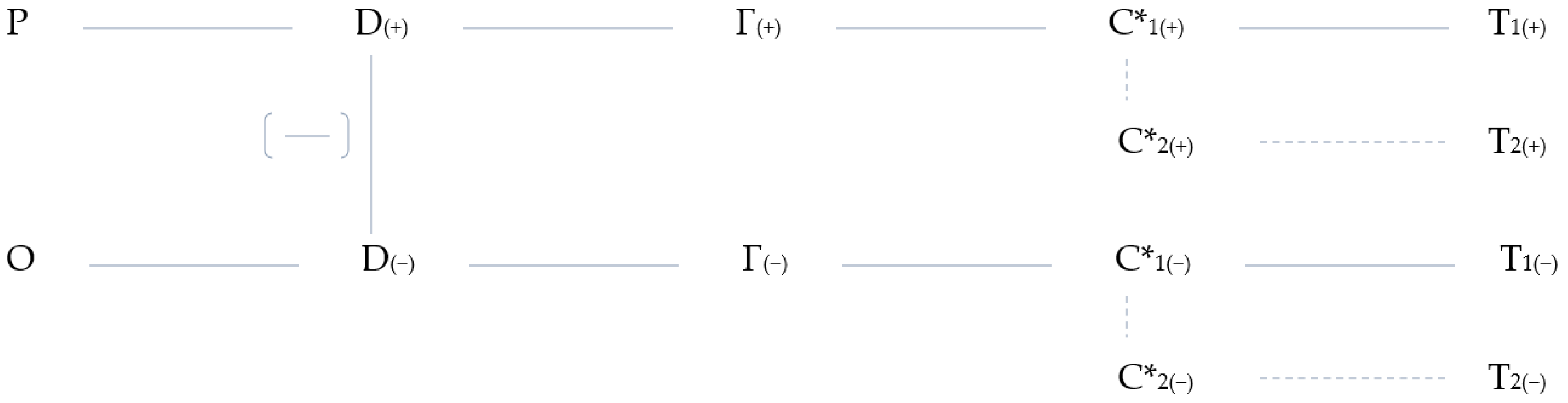

Disclaimer/Publisher’s Note: The statements, opinions and data contained in all publications are solely those of the individual author(s) and contributor(s) and not of MDPI and/or the editor(s). MDPI and/or the editor(s) disclaim responsibility for any injury to people or property resulting from any ideas, methods, instructions or products referred to in the content. |
© 2026 by the authors. Licensee MDPI, Basel, Switzerland. This article is an open access article distributed under the terms and conditions of the Creative Commons Attribution (CC BY) license.