


Abstract
The use of Information and Communication Technologies is considered an ideal tool for ensuring attention to diversity in the classroom due to their multiple teaching possibilities, ranging from accessibility and adaptability to heterogeneity of learning profiles. However, to use it properly, teachers need to have a range of skills and abilities, as well as an appropriate attitude. This study aims to understand the training that future teachers receive in the application of technology focused on attention to diversity, as well as to gather their opinions and analyse differences in the data obtained based on certain demographic categories. To this end, a subscale of the DPTIC-AUT-Q questionnaire was administered to 547 students enrolled in the Early Childhood Education and Primary Education degree programmes at the University of Granada. The results obtained show how technologies applied for addressing diversity generate positive opinions among participants and can be very beneficial if used appropriately and with relevant training, although many future teachers claim not to have the necessary skills to do so. This should be considered when reformulating curricula, including content that facilitates the acquisition of the necessary skills and competencies.
1. Introduction
Since the adoption of the Sustainable Development Goals (SDGs) by the United Nations General Assembly and the United Nations Development Programme, education systems worldwide—as key institutions of social organisation—have intensified their efforts to ensure inclusive, equitable and quality education and promote lifelong learning opportunities for all (SDG 4). Despite this policy commitment and institutional momentum, several reports, including Equity and Inclusion in Education (OECD 2023) at the international level and Inclusive Education: The Way Forward—National Report: Spain (MEFP 2025) at the national level, concur that progress towards effective inclusive education has stagnated. At this juncture, it is important to clarify what inclusive education is and what it aims to achieve. Inclusive education is defined as a process oriented towards guaranteeing the right to quality education for all learners, regardless of their characteristics, needs or difficulties. This entails identifying the barriers that hinder learners’ participation and removing them in order to ensure their presence and educational progress (Forteza et al. 2019; Rodríguez Fuentes 2020; Peña García et al. 2025). However, this is only feasible when learners are provided with the necessary support, resources and reasonable adjustments. As noted above, European and national reports have pointed to a degree of stagnation, shaped by a set of interrelated factors. In this regard, Checa-Domene et al. (2025) highlight the rigidity and uniformity of educational structures, the scarcity of available resources, the absence of national strategies to assess real progress in this area, and insufficient teacher training to address the needs of a heterogeneous student body in relation to background, gender, abilities, and levels of cognitive and socio-emotional development.
In this regard, numerous scientific publications have shown that a teacher’s role constitutes one of the main challenges in achieving a genuine transformation of education towards the inclusion of all students across all stages and levels (Bosse et al. 2024). Providing high-quality support to students in general, and to learners with disabilities in particular, remains a major challenge for teachers, largely due to insufficient initial and in-service training, the complexity of adapting methodologies and teaching tools to each learner’s context, and the increasing number of diagnoses, as is the case for neurodevelopmental disorders (García-García et al. 2025; Fortea Sevilla et al. 2013). Indeed, the TALIS 2024 (MEFP 2025) report, which provides essential evidence on teachers’ needs and working conditions and how this shape everyday practice, indicates that, in Spain, supporting students with Special Educational Needs (SENs) associated with functional diversity remains a key challenge, particularly considering teachers’ perceived self-efficacy for addressing diversity. This reinforces the view that progress towards high-quality inclusive education is not fully secured across all educational contexts (MEFP 2025). In addition to these considerations, it is necessary to emphasise that “including” is not synonymous with integrating learners or merely enrolling them in a mainstream school when such provision does not offer reasonable adjustments aligned with their characteristics and needs. From a normative standpoint, inclusive education entails “including” everyone at all levels, without any form of exclusion, and it carries an obligation to ensure equal opportunities in response to learners’ diversity (United Nations 2007). In this context, it is also essential to clarify what is meant by “learners’ diversity” in the regulatory framework and what “attention to diversity” implies. This term refers to the set of pedagogical, organisational and support actions that an educational institution provides to address learner variability (learning paces and styles; linguistic, cultural or health-related factors; motivation; or abilities) (Regional Government of Andalusia 2015). From this perspective, intervention and support are not conceived as measures for only some learners; rather, they are understood as a principle applicable to all learners and across all educational stages. Therefore, decisions concerning attention to diversity entail changes, improvements or adaptations in how teaching is delivered, how provision is organised, and how learning is assessed.
However, addressing this underlying problem and moving towards full inclusion requires strengthening education systems so that they can serve all learners (García-García et al. 2025; Fortea Sevilla et al. 2013). In recent years, educational research has shown sustained interest in identifying and analysing pedagogical approaches and resources that enable and promote the inclusion of all learners, particularly those with disabilities. Within this framework, digital technologies have been increasingly recognised as versatile tools for classroom practice, both in mainstream settings and in provision for learners with disabilities, partly because they offer flexibility and can enhance access to content, information and knowledge. Consequently, national and international institutions have prioritised policies aimed at strengthening the digital profile of teachers and learners, promoting the use of technology not only as a support for learning and for the development of digitally competent citizens (LOMLOE 2020), but also as a means of supporting equitable access to education for all students.
1.1. Educational Technology for Addressing Diversity
Educational technology encompasses a range of resources that can motivate learning (Martínez Pérez 2020), enhance participation and educational inclusion (Saladino et al. 2020), and support the development of communication and language, cognition, emotional development (Lozano Martínez et al. 2013), and social interaction skills (Terrazas Acedo et al. 2016; Conti et al. 2021). This helps to explain the increasing uptake of accessible digital educational resources for diverse learners, alongside a growing body of empirical research demonstrating their potential. Examples include mobile app interventions by Aguilar-Velázquez et al. (2020) targeting basic instrumental skills; studies by Wagle et al. (2021) and Wright et al. (2020) aimed at developing executive functions in students with autism spectrum disorder; findings by Kim et al. (2024), who reported significant improvements in the computational thinking skills of students with intellectual disabilities following robot programming classes, in terms of conceptual understanding, practical application and perspective; work by Hong and Kim (2024), who examined AI-related professional self-efficacy in students with intellectual disabilities and suggested that AI-based approaches can promote active learning, understanding, professional exploration and long-term planning; the work of Marques et al. (2017), who enabled blind students to programme the Doonie robot to control its movement and detect obstacles, thereby supporting visuospatial skills; research by Luccio and Gaspari (2020), who developed two mobile applications for the ELF Sanbot robot that supported interaction and the playback of sign-language videos, facilitating sign-language learning for students with hearing impairments; and Mahdi et al. (2024), who, building on the potential of the MyJay robot, designed play environments in which robots acted as mediators (e.g., collecting or throwing balls), enabling children with upper-limb difficulties to participate in games requiring physical effort.
After reviewing interventions supported by digital resources, it becomes apparent that these approaches not only emphasise motivation and participation but also have broader practical implications by targeting developmental domains that may be substantially affected in learners with disabilities. Accordingly, educational technology can be understood as a valuable resource to support the learning of learners with disabilities, as its effective implementation can enhance learning outcomes, accessibility, and other skills that are central to the learning process.
However, despite legislation supporting their use and a substantial body of empirical evidence demonstrating their benefits for the education of diverse learners (Ercolano et al. 2024; Guerrero-Vásquez et al. 2024), the integration of digital resources into school curricula remains a major challenge for educational authorities. In this regard, the difficulties faced by education systems when incorporating digital resources can be grouped into several interrelated areas. These include the digital divide and the inequalities in access experienced by certain groups—particularly learners with disabilities—and the limited availability of resources tailored to their learning needs (Burgos Mendieta et al. 2024; Gallardo García 2025; Gao et al. 2025; Naimanova et al. 2025). Further challenges include the superficial use of educational technology within an outdated curriculum, in which digital tools are treated as complementary rather than as integral to the teaching–learning process (Burgos Mendieta et al. 2024; Christopoulos and Sprangers 2021); limited social and community engagement to foster the conscious, critical and ethical exercise of digital citizenship (Aceituno 2025; De la Cruz Redondo and García Luque 2025; Rodríguez Izquierdo 2022); insufficient knowledge of how educational technology can be used for student assessment (Bracho Hernández 2021; Mora Mera et al. 2024; Restrepo Valencia et al. 2023); inadequate funding from education administrations and, consequently, limited resources available to schools (Sabayleh and Alramamneh 2020; Vega Gualán et al. 2023); shortcomings in the continuing professional development of in-service teachers (Manso and Garrido-Martos 2021; Núñez Angulo and Santamaría Conde 2022; López-Rupérez et al. 2021); and limitations in the initial preparation of future teachers (Cotán Fernández et al. 2024; Prior Rodriguez et al. 2024; Tuárez Bravo et al. 2023).
1.2. Digital Training for Teachers to Support Students with Functional Diversity
The last point is particularly important, as initial teacher education lays the foundations for a deep understanding and for the effective and responsible implementation of digital technologies in classrooms that include learners with disabilities. In this sense, recognising the diversity and potential of digital technologies constitutes a central element in educational transformation (Bravo-Morales et al. 2023). Within this framework, the concept of teachers’ digital competence has emerged, encompassing the knowledge, skills and attitudes that enable teachers to plan teaching, implement appropriate digital measures, and evaluate the teaching–learning process through the use of technology. In line with this, the DigCompEdu framework has been developed as a key reference in Spain for assessing digital competence across educational stages and for informing future training programmes in response to identified needs (Redecker 2017; Fernández Batanero et al. 2021).
Continuing with teachers’ digital competence, several studies indicate that training in educational technology for both in-service and pre-service teachers remains an area with scope for improvement. At the regional level in Andalusia, Cabero-Almenara et al. (2021) reported low-to-moderate levels of knowledge regarding the use of digital resources with learners with disabilities and noted that men showed lower digital competence than women. In Ceuta and Granada, Checa-Domene et al. (2025) found positive attitudes towards the use of emerging technologies, alongside scope for improvement in implementation and knowledge—particularly in pre-service teachers’ self-perceived ability to adapt subject content to learners’ educational needs through digital tools and resources. Across Andalusia, Castilla-La Mancha and Catalonia, Fernández Batanero et al. (2017, 2018) and Fernández Batanero et al. (2020) observed low levels of training and knowledge in technologies applied to learners with disabilities. In Jaén, González Medina et al. (2024) reported limited teacher knowledge of digital resources, highlighting the need for further digital training and greater resistance among older teachers. In Valencia, Lledó Carreres et al. (2020) identified insufficient digital training among students generally and, more specifically, among students with disabilities, particularly in relation to creating adapted and accessible digital content. In Barcelona, Martínez Pérez (2020) reported low levels of knowledge about digital technologies and argued for a rethinking of educational policies that serve all learners, beginning with foundational and transversal preparation in initial teacher education to strengthen the value of inclusive education. By contrast, in a larger study with teachers across Spain, Ortiz-Jiménez et al. (2020) found a positive predisposition towards ICT for learners with functional diversity, while also underscoring the need to reinforce and deepen the pedagogical possibilities of educational technology to address diverse educational needs and support its effective integration.
On the other hand, at the international level, the situation is not substantially more favourable. In Portugal, Moça Ramos and Valente de Andrade (2016) reported insufficient digital training among teachers overall, although they found higher competence among those working with learners with disabilities. In Greece, Nikolopoulou et al. (2021) indicated scope for improvement in knowledge of educational technology and noted that younger teachers were more inclined to use these resources. In Jordan, Sabayleh and Alramamneh (2020) reported limited professional training for the design of digital educational programmes, weak coordination among teachers, and constrained resources and equipment in schools. Likewise, in Italy, Saladino et al. (2020) highlighted the need for training in educational technology after identifying low levels of teachers’ digital competence. In Jordan, Shater et al. (2023) reported positive attitudes towards technology while also emphasising the need to deepen teachers’ knowledge; women, in turn, scored higher than men in their use of technological resources. Taken together, the evidence suggests a recurring pattern across many countries and educational contexts: positive attitudes towards educational technology alongside a level of competence that remains open to improvement, particularly in relation to comprehensive support for learners with disabilities.
These studies reveal significant shortcomings in teachers’ digital competence, both in initial teacher education and continuing professional development. Although attitudes towards educational technology may be positive, this has not consistently translated into appropriate pedagogical use, particularly when educational technology is intended to function as an essential support within the learning process of learners with disabilities, especially in early childhood and primary education.
Consequently, to link educational technology with attention to diversity from an inclusive perspective, this study was conducted within the framework of a research project at the Faculty of Education Sciences, University of Granada. The study examines the training profile of students enrolled in the Early Childhood Education and Primary Education degree programmes regarding digital resources and attention to diversity, with the aim of identifying training needs and informing the subsequent design of targeted interventions. Accordingly, the study pursued the following objectives:
- To examine the educational technology training of future teachers at the University of Granada in relation to supporting learners with disabilities;
- To analyse pre-service teachers’ opinions regarding the potential of educational technology for learners with disabilities;
- To examine the attitude–training mismatch and its variation according to sociodemographic variables.
In relation to the stated objectives, it should be noted that this study does not seek to assess future teachers’ digital competence per se. Rather, it aims to capture attitudes and describe identified needs, based on participants’ self-perceived training, their views on technology, and the requirements for its use with learners with functional diversity. In alignment with DigCompEdu—which focuses on what teachers should be able to do with technology—this study provides evidence on dispositions, personal impressions, and perceived needs associated with the use of digital resources. Accordingly, the present article seeks to identify the aspects that generate the greatest attitudinal consensus, the requirements for implementing technology in real practice (i.e., barriers and supports), and the training domains or topics that appear less developed within initial teacher education. Therefore, the study examines perceptions regarding technology for learners with functional diversity, as well as the curricular implications of holding positive attitudes and favourable views towards it.
2. Materials and Methods
2.1. Design and Participants
For this study, a non-experimental, descriptive, cross-sectional design was adopted. A total of 547 students enrolled in the University of Granada’s Bachelor’s degrees programmes in Early Childhood Education (n = 126) and Primary Education (n = 421) participated (Table 1). Participants were aged 17–48 years (M = 20.63). A non-probability convenience sampling strategy was employed, as selection did not depend on chance but rather on participants’ availability and the research team’s access to participants (Hernández et al. 2014). Questionnaire administration required that participants met a key inclusion criterion: being enrolled in the Bachelor’s degree programme in Early Childhood Education or Primary Education at the University of Granada (Spain). According to the Faculty of Education Sciences’ Academic Report for the 2023/2024 academic year, the total number of enrolled students was 3322 (Early Childhood Education, n = 1300; Primary Education, n = 2022). On this basis, the achieved sample size was considered adequate for representativeness. The confidence level was set at 95% with a 5% margin of error, yielding a minimum required sample size of n = 344 (Krejcie and Morgan 1970).
Table 1.
Descriptives data.
Regarding the high proportion of participants who identified as female, this distribution is unlikely to constitute a major source of bias, insofar as the Social Sciences typically show a high proportion of women (Gallardo-Montes et al. 2022; Gialamas et al. 2013). It is also noteworthy that a substantial proportion of students reported having had no contact with people with disabilities. According to the Spanish National Statistics Institute (Instituto Nacional de Estadística; INE), the disability rate in Spain in 2025 is 9% (National Institute of Statistics 2025). Given this population context, it is not unexpected that many participants report no prior contact with people with disabilities. Accordingly, these figures are interpreted as reflecting the broader sociodemographic distribution, rather than indicating systematic bias in the study.
It is important to clarify why this study was conducted in the province of Granada. The research represents an initial step within a broader project aimed at mapping training needs related to educational technology and learners with functional diversity, in order to inform the subsequent design and implementation of training initiatives in both initial teacher education and continuing professional development. Moreover, the University of Granada reports a high number of graduates from the Bachelor’s degree programmes in Early Childhood Education and Primary Education, with a total of 1075 graduates (Academic Report 2023–2024). On this basis, the findings provide an informative overview of training-related patterns within undergraduate teacher education in this institutional context, particularly with regard to supporting learners with special educational needs associated with functional diversity.
2.2. Instruments
Two questionnaires were administered for data collection. An ad hoc questionnaire was used to collect sociodemographic information (for example, sex, age, degree programme and year of study), as well as information on whether participants reported any specific educational support needs and their level of contact with, and experience of, people with disabilities.
In addition, the Demands and Potentials of ICT and Apps for Assisting People with Autism questionnaire (DPTIC-AUT-Q) (Rodríguez Fuentes et al. 2021) was administered to examine pre-service teachers’ opinions, training and use of ICT in relation to supporting learners with functional diversity. It is important to note that the questionnaire comprises four subscales focusing on different domains: Subscale 1, “Professionals’ opinions, training and use of ICT to support people with functional diversity”; Subscale 2, “Professionals’ training and use of ICT to support people with autism”; Subscale 3, “Uses and benefits of apps in work with people with autism”; and Subscale 4, “Uses and possibilities of specific apps for people with autism”.
In line with the objectives of this research, only Subscale 1 was used. This decision was made because the remaining subscales focus specifically on educational technology applied to learners with autism spectrum disorder, rather than addressing learners with functional diversity in a more general sense. The scale uses a five-point Likert response format (1 = Strongly disagree; 2 = Disagree; 3 = Neither agree nor disagree; 4 = Agree; 5 = Strongly agree). Subscale 1 comprises 22 items organised into three main dimensions:
- (a)
- Dimension I. Opinions regarding the use of ICT in teaching practice (Items 1–11);
- (b)
- Dimension II. ICT training requirements for working with people with functional diversity (Items 12–16);
- (c)
- Dimension III. Future teachers’ perceptions of their training in relation to ICT for supporting people with functional diversity (Items 17–22).
The DPTIC-AUT-Q instrument was originally validated using a representative sample of in-service teachers (Rodríguez Fuentes et al. 2021). However, as the participants in the present study were pre-service teachers, it was necessary to examine the instrument’s structural validity and to determine the grouping of items into factors. To this end, an Exploratory Factor Analysis (EFA) was conducted, with a slight modification of the original item grouping. The Kaiser–Meyer–Olkin (KMO) measure of sampling adequacy yielded a value of 0.944, which is considered excellent (Cohen et al. 2017). Bartlett’s test of sphericity was also statistically significant, χ2(231) = 7836.79, p < 0.001, indicating that inter-item correlations were sufficiently large to proceed with the EFA.
For the EFA, a principal component extraction approach was used, with Varimax rotation and Kaiser normalisation. The decision on the number of factors was guided by the instrument’s theoretical structure (Rodríguez Fuentes et al. 2021) and by the Kaiser–Guttman criterion (eigenvalues > 1). The resulting solution explained 63.43% of the total variance (Table 2). Although the EFA yielded three factors, several items were partially reassigned relative to the original distribution.
Table 2.
Eigenvalues obtained through EFA.
The internal consistency reported for the original scale was α = 0.986 (Rodríguez Fuentes et al. 2021). In the present study, the Cronbach alpha value was α = 0.919, which indicates adequate reliability. More specifically, good-to-excellent values were observed for each dimension (Tuapanta Dacto et al. 2017): αFactor I = 0.948; αFactor II = 0.834; and a αFactor III = 0.793.
The selection of the DPTIC-AUT-Q instrument was based on psychometric quality and thematic relevance. Unlike other questionnaires addressing educational technology in relation to diversity (Cabero-Almenara et al. 2016; Fernández Batanero and Campos 2012; Ortiz Colón et al. 2014; Pegalajar Palomino 2015), which tend to include items on general attitudes towards ICT or functional diversity, the present instrument covers core teaching-related dimensions—such as training requirements, views on technology, and self-perceived digital competence—specifically in relation to functional diversity. The instrument’s quality is further supported by the exploratory and confirmatory factor analyses reported by Rodríguez Fuentes et al. (2021) and by the strong internal consistency observed in the present study. Finally, its recent publication suggests that it is well aligned with the current technological context of educational settings.
2.3. Procedure
The questionnaire was administered during the 2024/2025 academic year. An online form containing the items was created using Google Forms. Access to participants was facilitated by obtaining permission from lecturers teaching the relevant modules to invite students to complete the questionnaire at the beginning or end of theoretical classes. To encourage participation, a QR code was distributed in person to students enrolled in the Early Childhood Education and Primary Education degree programmes, enabling direct access to the questionnaire. The study was explained to participants, including the voluntary nature of participation and the assurance of anonymity for the data provided. Completion time was approximately 15 min.
Throughout the procedure, the study complied with the ethical principles for research involving human participants set out in the Declaration of Helsinki (1975) and was conducted under the supervision of the Research Ethics Committee of the Vice-Rectorate for Research and Transfer at the University of Granada (Approval No. 5278/CEIH/2025).
2.4. Data Analysis
Statistical analyses were conducted using IBM SPSS Statistics (version 28.0; IBM Corp., Chicago, IL, USA), R (version 4.4.2), and RStudio (version 2025.09.2). Once the data had been coded, distributional assumptions were examined. The Kolmogorov–Smirnov test indicated that the assumption of normality was not met in all cases. Descriptive statistics were computed using the mean (M) and standard deviation (SD), and comparisons were made across dimensions. Given the departures from normality, non-parametric tests were used for group comparisons: Mann–Whitney U tests for two independent groups and Kruskal–Wallis tests for three or more independent groups; effect sizes were calculated in each case. Associations between age, year of study, and frequency of contact with individuals with special educational needs (SENs) and the study dimensions were examined using Spearman’s rank correlations, with significance thresholds set at p < 0.05 and p < 0.01. In addition, multivariable linear regression models were fitted for Factors 1 and 3 and to analyse the attitude–training gap. To reduce sensitivity to heteroscedasticity and potential departures from normality, heteroscedasticity-consistent robust standard errors (HC3) were used. As the factor scores were based on five-point Likert-type items, they were treated as approximately continuous under an interval-scale approximation. For the sex variable, the single case selecting the “other” option was excluded due to the estimation instability caused by a category with n = 1.
3. Results
With respect to training in digital technologies among pre-service teachers, lower scores were observed compared with opinions about these technologies and consideration of the requirements for their use in the context of attention to diversity (Figure 1). Accordingly, Dimension 2 (Training) was located around the “Neither agree nor disagree” response level (M = 3.09; SD = 0.78), whereas Dimension 1 (Opinions) was at the “Agree” level (M = 4.00; SD = 0.77) and Dimension 3 (Requirements) was close to “Agree” (M = 3.82; SD = 0.85).
Figure 1.
Comparative assessment of dimensions of digital technologies in teacher training.
In Table 3, the mean and mode values indicated that pre-service teachers’ opinions (Dimension 1) regarding educational technology for learners with functional diversity were positioned between “Agree” and “Strongly agree”. With respect to implementation requirements (Dimension 3), responses clustered around “Agree” and “Strongly agree”. Finally, perceptions of training in educational technology (Dimension 2) were situated between “Neither agree nor disagree” and “Agree”. Overall, the descriptive statistics indicated a tendency towards favourable ratings, suggesting that perceptions of educational technology for learners with special educational needs were generally positive, while also reflecting awareness of implementation requirements and scope for improvement in self-perceived training.
Table 3.
Opinion and training on digital technologies for students with functional diversity.
For Dimension 1 (Opinions), pre-service teachers reported that digital technologies used to support learners with functional diversity facilitated access to information (Item 10), increased motivation to learn (Item 9), provided greater flexibility in the teaching–learning process (Item 3), offered multiple opportunities for classroom work (Item 7), enabled responses to learners’ educational needs (Item 4), enhanced teachers’ competences (Item 1), allowed teaching objectives to be achieved more flexibly (Item 11), and supported more effective attention to diversity (Item 15). To a lesser extent, participants endorsed the view that technology improved the performance and effectiveness of learners with functional diversity (Item 8), promoted inclusion (Item 6), and was easy to use (Item 5). Lower levels of agreement were also reported for the statement that its use required guidance during the teaching–learning process (Item 2).
Concerning Dimension 2 (Training), participants agreed that educational technology, in the context of support for diversity, facilitated the design and adaptation of activities (Item 21) and supported the assessment process (Item 22), and that they would be able to select specific ICT resources according to learners’ needs (Item 16). Conversely, lower levels of agreement were observed regarding knowledge of the main limitations of technology when used with learners with functional diversity (Item 17), awareness of online sources where specific resources could be located (Item 18), the ability to design activities using different software applications (Item 19), and, overall, feeling prepared to support learners through the use of educational technology (Item 20).
Regarding Dimension 3 (Requirements), participants indicated that the use of educational technology required specific training (Item 13) and entailed greater material resources and investment from public authorities (Item 14). By contrast, lower levels of agreement were observed for the statement that its use required greater dedication and effort (Item 12).
Considering responses by gender, statistically significant differences were observed across two factors according to the Mann–Whitney U test: Opinion (U = 24,780.00; p = 0.001) and Requirements (U = 25,851.00; p = 0.006). Participants who identified as female reported slightly higher mean scores than those who identified as male for Opinion on digital technologies (M = 4.06; SD = 0.76 vs. M = 3.83; SD = 0.78), with a small effect size (d = 0.28), and for perceived requirements for their use (M = 3.88; SD = 0.86 vs. M = 3.67; SD = 0.82), also with a small effect (d = 0.25).
With respect to age, statistically significant differences were observed for the Opinions factor (Kruskal–Wallis H = 20.33; p = 0.001), with a small effect size (ε2 = 0.04), and for Requirements (H = 5.66; p = 0.049), also with a small effect size (ε2 = 0.01), but not for Training (H = 3.37; p = 0.155). Participants aged 21–30 years reported more favourable opinions of digital technologies than the younger (17–20 years) and older (31–48 years) groups (17–20 years: M = 3.88; SD = 0.77; 21–30 years: M = 4.15; SD = 0.75; 31–48 years: M = 4.11; SD = 0.78). They also reported greater recognition of the requirements, particularly among the oldest group (17–20 years: M = 3.74; SD = 0.86; 21–30 years: M = 3.92; SD = 0.85; 31–48 years: M = 3.97; SD = 0.62). By contrast, self-perceived training did not differ across age groups, indicating that perceived preparedness remained broadly homogeneous across the age ranges considered.
With respect to degree programme, no statistically significant differences were observed between students enrolled in Early Childhood Education and those in Primary Education, indicating that perception patterns were broadly consistent across both programmes. By contrast, year of study showed statistically significant differences according to the Kruskal–Wallis test. Fourth-year students scored higher than the other cohorts in Opinion (H = 47.50; p = 0.001), Training (H = 13.15; p = 0.004) Requirements (H = 28.82; p = 0.001), with small effect sizes in all cases (ε2opinion = 0.09; ε2instruction = 0.02; ε2requirements = 0.05). Although the effect sizes were small, the results were consistent with progression through the programme and the accumulation of academic experience. As the academic year increased, pre-service teachers were expected to report greater confidence and more critical awareness of educational technology in relation to special education contexts.
With respect to the “having a SEN” variable, statistically significant differences were observed only for the Training factor (U = 3642.00; p = 0.019). Participants who reported a SEN perceived themselves as better trained in educational technology for supporting learners with functional diversity than those who did not report a SEN (M = 3.46; SD = 0.65 vs. M = 3.08; SD = 0.77), with a medium effect size (d = 0.53). Pre-service teachers reporting a SEN related to neurodevelopmental conditions, sensory or physical disabilities, and/or learning difficulties showed higher agreement with training-related items, potentially reflecting their own experience and competence developed throughout their schooling.
In addition, “having contact with individuals with functional diversity” showed statistically significant differences for Opinion (U = 30,308.00; p = 0.012) and Training (U = 30,024.00; p = 0.008) but not for Requirements (U = 32,308.50; p = 0.163). Participants who reported contact with a family member, friend, or acquaintance with special educational needs (SENs) expressed more favourable opinions towards digital technologies than those without such contact (M = 4.10; SD = 0.74 vs. M = 3.94; SD = 0.78), with a small effect size (d = 0.21). They also reported higher self-perceived training than those without contact (M = 3.23; SD = 0.80 vs. M = 3.01; SD = 0.75), also with a small effect size (d = 0.28). Although the effect sizes were small, these findings were consistent with the literature and the broader social context, suggesting that close contact with functional diversity may have been associated with differences in pre-service teachers’ self-perceptions.
Correlational analyses were conducted (Table 4). A statistically significant and substantial association was observed between Factor 1 (Opinion) and Factor 3 (Requirements) (r = 0.521; p = 0.001), such that more favourable opinions towards digital technologies for supporting learners with functional diversity were associated with greater awareness of their implementation requirements. In addition, several small-to-moderate but statistically significant correlations were observed: age with frequency of contact with individuals with special educational needs (SENs) (r = 0.144; p = 0.001), age with Factor 1 (Opinion) (r = 0.188; p = 0.001), age with Factor 3 (Requirements) (r = 0.101; p = 0.003), year of study with Factor 1 (Opinion) (r = 0.288; p = 0.001), year of study with Factor 3 (Requirements) (r = 0.214; p = 0.001), year of study with Factor 2 (instruction) (r = 0.151; p = 0.001), Factor 1 (opinion) with Factor 2 (Training) (r = 0.230; p = 0.001), and Factor 3 (Requirements) with Factor 2 (Training) (r = 0.108; p = 0.001).
Table 4.
Spearman’s correlation analysis among age, year of study, frequency of contact with individuals with special educational needs (SENs), Factor 1 (Opinion), Factor 2 (Training), and Factor 3 (Requirements).
Overall, positive evaluations of technology were accompanied by greater awareness of the conditions required for its implementation among learners with special educational needs. Similarly, the remaining correlations, although smaller, were statistically significant and were consistent with the notion that training trajectory and the greater maturity associated with age and year of study were related to more favourable opinions of technologies used to support diversity.
To extend the analyses beyond bivariate comparisons, three multiple linear regression (OLS) models were estimated, one for each dimension: Model A, with F2 (Training) as the dependent variable; Model B, with F1 (Opinions) as the dependent variable; and Model C, with F3 (Requirements) as the dependent variable. The same covariates were entered simultaneously in all three models (sex, year of study, degree programme, contact with individuals with special educational needs (SENs), and presence of a SEN). In addition, Model C included F1 and F2 as predictors to evaluate their independent contributions to F3 in the presence of the covariates. In all cases, the coefficient b was interpreted as the expected change in the factor mean score (scale 1–5) associated with a one-unit increase or category of the predictor, holding the remaining variables constant.
First, the model with Training (F2) as the dependent variable showed a pattern consistent with a training gradient associated with academic progression (Figure 2). Compared with first-year students, second-year students showed higher Training scores (b = 0.169; p = 0.041), and fourth-year students showed a larger increase (b = 0.349; p = 0.001). No conclusive effect was observed for third-year students. With respect to gender, women reported lower perceived digital training than men (b = −0.213; p = 0.005). Likewise, having contact with individuals with special educational needs (SENs) (b = 0.174; p = 0.015) and reporting a SEN (b = 0.359; p = 0.019) were associated with an additional increase in Training. By contrast, degree programme (Early Childhood Education vs. Primary Education) showed no statistically significant differences.
Figure 2.
Training (F2) by year of study: adjusted means with 95% CI.
The second model, in which Factor 1 (Opinion) served as the dependent variable (Figure 3), showed an effect of year of study. Second-year students scored higher than first-year students (b = 0.201; p = 0.018), and fourth-year students showed an even larger increase (b = 0.563; p = 0.001). In addition, women reported slightly more favourable opinions towards educational technology than men (b = 0.142; p = 0.061), although this effect did not reach conventional levels of statistical significance. The remaining variables did not provide evidence of an association in the model.
Figure 3.
Opinion (F1) by year of study: adjusted means with 95% CI.
Third, an explanatory model for Requirements (F3) was estimated in which F1 and F2 were entered simultaneously, alongside the remaining sociodemographic variables (Figure 4). Opinion (F1) emerged as the dominant predictor of Requirements (b = 0.664; p = 0.001), whereas Training (F2) did not contribute an independent association (b = −0.006; p = 0.901). None of the remaining covariates showed statistically significant effects. In addition, a comparison of nested models confirmed that adding Training did not increase the explained variance in Requirements once Opinion were included (F = 0.019; p = 0.891), with a negligible change in R2 (0.383; ΔR2 = 0.00002). Accordingly, perceived implementation requirements for educational technology were strongly associated with attitudes (F1), whereas self-perceived training did not provide an independent contribution.
Figure 4.
Multivariable model for Requirements (F3): coefficients with 95% CI (robust standard errors).
Continuing the analyses, an indicator of the attitude–training gap was constructed as the difference between F1 and F2 (F1−F2), such that positive values indicated more favourable attitudes than self-perceived training (and values close to zero indicated greater alignment between the two) (Figure 5). In this multivariable model, women showed a larger gap (b = 0.355; p = 0.001), indicating that, after accounting for the sociodemographic covariates, the difference between attitudes and self-perceived training was greater than that observed among men. Likewise, fourth-year students showed a small difference compared with first-year students (b = 0.214; p = 0.057), although this effect did not reach conventional levels of statistical significance. The remaining variables did not provide evidence of an association in the model.
Figure 5.
Attitude–training gap by sex within each year of study: adjusted means with 95% CI (multivariable model).
4. Discussion
A growing body of commentary has argued that the use of ICT in classrooms may entail more harm than benefit for learners (Sevillano García 2020). Similarly, some schools have introduced restrictions on the use of screens in teaching, based on national regulations (Ministry of the Presidency, Justice, and Local Administration of the Community of Madrid 2025). Nevertheless, a larger body of research continues to emphasise the value of technology when it is used appropriately as a pedagogical tool, particularly, as in the present study, when it is employed to support inclusive provision and attention to diversity. For example, Navas-Bonilla et al. (2025) and Rathore (2025) highlight the potential of ICT to transform learning environments by making them more inclusive and accessible, given the opportunities it offers to adapt to learners’ diverse needs.
Focusing on participants’ opinions in the present study, they highlighted the benefits of using technology in the classroom as a tool to support attention to diversity. Muñoz Guerrero (2025) noted that classroom technology could enable learning to become more personalised and motivating, while also identifying potential challenges, including the need for teacher training, limited internet access in some areas, and the risk of fostering students’ dependence on screens. Nevertheless, a substantial body of evidence indicated that the appropriate use of classroom technologies could support learning acquisition (Alam et al. 2025; Muñoz Guerrero 2025; Soto Corzo et al. 2025).
Regarding requirements, participants particularly emphasised the need for specific training and investment in resources. This pattern was also noted by Alam et al. (2025), who underlined the importance of strengthening teachers’ digital competences. By contrast, there was less agreement regarding the need for greater time investment (i.e., effort) and regarding the ability to select the most appropriate tool in each specific case to yield tangible benefits for the teaching–learning process and, consequently, for supporting attention to diversity, which was consistent with the findings related to Training. In this regard, participants indicated that ICT facilitated the design and adaptation of activities, in line with Bravo-Palacios et al. (2025). However, they reported limited knowledge of where to locate online resources and how to use different programmes, both essential conditions for ensuring that ICT can be used efficiently to support diversity. These results were consistent with those reported by Nicolás Cano (2025), who found that over 100 Early Childhood Education teachers in that study reported a perceived lack of training and institutional support.
These findings suggested the need to reconsider what is being taught within university degree programmes to support attention to diversity through educational technology. In this respect, it was important to reflect on the attitude–training gap identified in the preceding analyses. Participants’ positive attitudes and favourable predisposition towards technology were evident, underscoring its perceived usefulness for learners with functional diversity. However, self-perceived training diverged from these attitudes, as it concerned more specific competences (namely, selecting, evaluating, designing, adapting, and providing guidance in the use of digital resources) which required more targeted training. It was therefore unsurprising that pre-service teachers viewed technology as a valuable support for learning, while not yet fully mastering the procedures required for its effective use in inclusive education contexts. In addition, it was advisable to examine the degree programme syllabi, as there were no specific modules focused on educational technology for attention to diversity. Although the curriculum included subjects addressing one theme or the other, there was no broad and dedicated module integrating both. This limited opportunities for developing a deep and applied understanding of the potential of technology for learners with functional diversity. Indeed, Peregrina Nievas et al. (2023), who analysed the syllabi of the Early Childhood Education and Primary Education degree programmes at the University of Granada in relation to ICT, reported a very limited presence of explicit educational technology content. In this respect, positive attitudes towards technology appeared to be sustained by its widely recognised social usefulness within the contemporary knowledge and information society (Cabero-Almenara and Ruiz-Palmero 2017). By contrast, self-perceived training remained neutral, as the university curriculum offered few learning opportunities to develop digital competences related to attention to diversity.
Particular attention was given to items for which responses were less homogeneous, such as Item 5 (“They are easy to use in the context of attention to diversity”), Item 19 (“I know how to design activities using educational software”), and Item 20 (“I feel prepared to support learners using educational technology”). As these items referred to the ease of using ICT to design resources for attention to diversity and to perceived preparedness, it was plausible that the observed variability reflected differences in participants’ individual ICT competence and/or their affinity with technology.
In relation to the demographic findings, statistically significant differences were observed by sex. Women reported more favourable opinions of the use of technology as a tool to support attention to diversity, as well as greater recognition of the requirements associated with its use. This latter pattern was particularly relevant considering studies such as Usart Rodriguez et al. (2025), who argued that higher digital competence during teacher education predicted subsequent ICT use in the classroom. At the same time, the multivariable regression analyses indicated that men reported higher self-perceived training than women. These findings were interpreted with caution, as they reflected perceptions rather than objectively assessed capabilities (e.g., digital competence) and may therefore have been influenced by participants’ self-standards or self-critical tendencies.
With respect to age, the most favourable opinions were reported by participants aged 21–30 years, whereas the greatest awareness of the requirements for ICT use was observed among those aged over 30. However, despite this more realistic perception of implementation requirements among older participants, self-perceived training was homogeneous across age groups. Accordingly, subjective perceptions of digital preparedness did not appear to be conditioned by age, but rather by factors related to the preparation provided within undergraduate teacher education programmes. This reinforced the view that engaging in real-world interventions combining educational technology with support for learners with functional diversity was a distinguishing factor in developing technological self-confidence. These findings suggested that interventions, research and innovation projects, and school-based placements should prioritise learning experiences supported by adapted digital resources, rather than focusing on students’ sociodemographic characteristics.
With respect to degree programme, no differences were observed between Early Childhood Education and Primary Education, as reported in previous studies, given the similarity in training provision and practical experiences (Alastor et al. 2024). By contrast, year of study did show differences. As expected, fourth-year pre-service teachers perceived themselves as better trained and more aware of the requirements for using digital resources in diverse classrooms, and they also reported more favourable attitudes towards technological potential (Cepa-Rodríguez and Murgiondo 2024). As students progressed through the programme, the presence of modules that—even if they provided limited depth in assistive educational technology—broadened their exposure to digital training and possibilities. Practical experiences, playful didactic activities, and school placements also contributed, enabling students to encounter, develop, and consolidate digital knowledge. As the multivariable regressions indicated, the shift from first to second year was particularly influential, and this pattern was even more pronounced in the fourth year. However, the gradient was not linear, as third year appeared to reflect a training plateau. In this respect, it would be appropriate to examine in greater depth the content and learning experiences implemented at this stage of the degree programme.
Other variables, such as having contact with individuals with special educational needs (SENs) or reporting a SEN, also showed differences, mainly in self-perceived training. This pattern, together with the correlational analyses, highlighted how proximity to people with functional diversity could increase future teachers’ sensitivity and awareness. Participants who reported prior contact with individuals with functional diversity expressed more favourable attitudes and opinions, as well as higher self-perceived training. Likewise, reporting a SEN may have meant that participants were more familiar with adapted digital resources and accessibility options, potentially leading to stronger competence in relation to assistive technology due to personal needs. In this context, it was important to implement practical training actions that integrated educational technology with direct interaction and application in real settings with children, adolescents, and adults with diverse characteristics, strengths, and needs, as close experiences appeared to function as moderators of attitudes and expectations regarding the potential of ICT to support diversity. Finally, given that training outcomes were based on perceptions, participants reporting a SEN may have felt more prepared to use ICT, potentially because they identified supports, resources, and strategies involved in the teaching–learning process more readily.
With respect to the attitude–training gap (F1−F2), the results encouraged reflection and supported a more nuanced understanding of the pre-service teacher profile. Practical experiences involving educational technology and learners with special educational needs should not be limited to curriculum content of a purely instrumental nature. Instead, the emphasis should be placed on designing learning situations linked to positive attitudes towards diversity, to the realities of schools in terms of available resources, and to teachers’ actual digital competence. Only in this way was it possible to reduce the mismatch between the valuation of educational technology and future teachers’ digital preparedness.
In summary, pre-service teachers’ predisposition towards using technology as a pedagogical tool to support attention to diversity appeared favourable; however, most also reported awareness of limitations, particularly regarding knowledge of specific software and its functionality. The more favourable participants’ opinions, the greater their awareness of the requirements for effective implementation. These findings could serve as a starting point for reflecting on the need to incorporate, within the curricula of Bachelor’s degree programmes in Early Childhood Education and Primary Education, content aimed at developing the skills and competences required to use ICT as a tool for inclusion in response to the diversity of contemporary classrooms. As noted previously, locating specific resources, using programmes, and designing activities with specialised educational software showed scope for improvement. Accordingly, recommendations for initial teacher education could include targeted modules addressing these areas, for example: designing social stories using pictographic language (e.g., ARASAAC); adapting texts into easy-to-read formats (particularly for learners with intellectual disabilities); creating tactile materials and Braille resources using appropriate tools (for learners with visual impairments); learning basic signing to support communication through sign-supported speech (commonly used with some learners with autism spectrum disorder who do not yet use oral language); learning sign language (for learners with hearing impairments); evaluating the accessibility of existing digital resources (linked to Item 18); designing activities with accessible software (linked to Item 19); planning scaffolding, guidance and support for learners with functional diversity when using digital resources (linked to Item 20); and developing technology-supported assessment activities (linked to Items 17 and 22). These are illustrative examples that could be considered in both initial teacher education and continuing professional development for in-service teachers, as training needs in both contexts have been reported as broadly similar (Gallardo-Montes et al. 2024).
Regarding the challenges associated with implementing ICT to support attention to diversity, one potential obstacle was resistance to change among some teachers. In this respect, Triana Galindo et al. (2025) argued that key dimensions to consider included acceptance, indifference, passive resistance, and active resistance. In addition, the required economic investment needed to be considered, particularly in a system that allocated limited resources to education, with funding reportedly declining over time and remaining below the European average (Díez-Gutiérrez 2022).
5. Conclusions
Regarding the study’s limitations, the sample was selected through convenience sampling, which limited the generalisability of the findings. Future research should extend the study to other geographical contexts, as the present results reflected data collected only at the University of Granada. It would be of interest to replicate the study by first including other Andalusian universities, thereby enabling comparisons, identifying good practices, and providing a broader overview focused on Andalusia. The study could then be expanded to other autonomous communities to obtain data that were more representative of universities across Spain.
Similarly, it would be pertinent to conduct further psychometric analyses of the DPTIC-AUT-Q with pre-service teachers, as the original version was validated with in-service professionals working with learners with functional diversity (Rodríguez Fuentes et al. 2021). Although the high reliability obtained in the present study (α = 0.919) supported the instrument’s internal consistency among pre-service teachers, further psychometric work would be advisable to confirm the scale’s factorial structure. Such research would enable examination of whether the construct dimensions remained stable when perceptions of technology for supporting learners with functional diversity were shaped by the training provided within undergraduate teacher education programmes.
Likewise, the methodological limitations inherent in the use of self-report measures should be acknowledged (Karpen 2018; Rodríguez Fuentes and Caurcel Cara 2020). Because questionnaires and scales rely on subjective perceptions (self-perceived digital training here), responses may be influenced by socially desirable responding aligned with what is perceived as professionally appropriate, rather than reflecting actual knowledge. In this respect, the gap identified between training and attitudes towards technology should not be interpreted solely as low training, but rather as a typical accuracy gradient associated with self-report measures. Previous research has suggested that social desirability and attitudinal responding may be heightened when the topic is inclusive education (Lüke and Grosche 2017). Therefore, future studies should triangulate questionnaire findings with discussion groups, focus groups, or individual semi-structured interviews in order to examine in greater depth both training and attitudes towards technology in classrooms that include learners with functional diversity.
It is important to note that the effect sizes reported in most cases were small. This did not constitute a problem or methodological error, as in large samples it is common to observe statistically significant differences between variables that nevertheless have limited magnitude. Moreover, in educational and psychoeducational research, variables that frequently yield group differences—such as sex or age—often act as predictors of complex constructs, including self-perceptions and attitudes (Funder and Ozer 2019; Lüke and Grosche 2017; Sullivan and Feinn 2012).
The data obtained provided insight into perceptions of technology as a support tool for attention to diversity and enabled the identification of related strengths and weaknesses. In turn, these findings may inform revisions to module syllabi aimed at preparing future teachers to support attention to diversity in the classroom. Likewise, the results may provide a rationale for considering the use of ICT to support attention to diversity within higher education classrooms.
The results paved the way for developing proposals that included training aimed at framing ICT as a tool that could enhance and enable support for attention to diversity. Such training initiatives could be directed, first, at students enrolled in the Bachelor’s degree programmes in Early Childhood Education and Primary Education, as well as in the Master’s programme for teacher training in Compulsory Secondary Education and Upper Secondary Education (Bachillerato), Vocational Training, and Language Teaching. These initiatives could be embedded within an existing module or offered as a stand-alone course with ECTS credit recognition. Likewise, given that contact with individuals with special educational needs (SENs) was associated with more favourable views of ICT, practical actions could be designed to facilitate students’ contact with individuals with SEN. Second, a training course could be designed for in-service teachers and delivered through Teacher Training Centres.
Author Contributions
Conceptualization, C.d.P.G.-M., I.Á.-R., L.C.-D. and C.C.-G.; methodology, C.d.P.G.-M., I.Á.-R., L.C.-D. and C.C.-G.; software, C.d.P.G.-M., I.Á.-R., L.C.-D. and C.C.-G.; validation, C.d.P.G.-M., I.Á.-R., L.C.-D. and C.C.-G.; formal analysis, C.d.P.G.-M., I.Á.-R., L.C.-D. and C.C.-G.; investigation, C.d.P.G.-M., I.Á.-R., L.C.-D. and C.C.-G.; resources, C.d.P.G.-M., I.Á.-R., L.C.-D. and C.C.-G.; data curation, C.d.P.G.-M., I.Á.-R., L.C.-D. and C.C.-G.; writing—original draft preparation, C.d.P.G.-M., I.Á.-R., L.C.-D. and C.C.-G.; writing—review and editing, C.d.P.G.-M., I.Á.-R., L.C.-D. and C.C.-G.; visualization, C.d.P.G.-M., I.Á.-R., L.C.-D. and C.C.-G.; supervision, C.d.P.G.-M., I.Á.-R., L.C.-D. and C.C.-G.; project administration, C.d.P.G.-M. and I.Á.-R.; funding acquisition, C.d.P.G.-M. and I.Á.-R. All authors have read and agreed to the published version of the manuscript.
Funding
This research was funded by Pre-Competitive Research Project Program for Young Researchers, Modality A–Young Doctors, grant number PPJIA2024-03 (University of Granada, Spain).
Institutional Review Board Statement
The study was conducted in accordance with the Declaration of Helsinki and approved by the Institutional Review Board (or Ethics Committee) of University of Granada (protocol code 5278/CEIH/2025) for studies involving humans.
Informed Consent Statement
Informed consent was obtained from all subjects involved in the study.
Data Availability Statement
Data is available upon request.
Conflicts of Interest
The authors declare no conflicts of interest.
References
- Academic Report. 2023–2024. Faculty of Education Sciences. University of Granada. Available online: https://educacion.ugr.es/sites/centros/educacion/public/inline-files/Memoria%20Acad%C3%A9mica%202023-24.pdf (accessed on 12 February 2026).
- Aceituno, David. 2025. Ciudadanía digital y política en tiempos de fakenews. Los desafíos para la formación de profesores de historia y ciencias sociales. Revista de Investigación en Didáctica de las Ciencias Sociales 16: 11–27. [Google Scholar] [CrossRef] [Scilit]
- Aguilar-Velázquez, Rosalba, Luis Isauro García, G. Corla, María Rebeca Toledo, Deissy Herrera, María Elena Hernández, and Jorge Manzo. 2020. LEA: Aplicación web para estimular la lectoescritura en niños con autismo. Eduscientia Divulgación de la Ciencia Educativa 3: 46–63. Available online: http://eduscientia.com/index.php/journal/article/view/74 (accessed on 31 July 2025).
- Alam, Talha Mahboob, George Adrian Stoica, Kshitij Sharma, and Özlem Özgöbek. 2025. Digital technologies in the classrooms in the last decade (2014–2023): A bibliometric analysis. Frontiers in Education 10: 1533588. [Google Scholar] [CrossRef] [Scilit]
- Alastor, Enrique, Francisco David Guillén-Gámez, and Julio Ruiz-Palmero. 2024. Digital competence of preservice teachers of pre-school and primary education: A multiple comparisons study. Revista Latinoamericana de Tecnología Educativa 23: 9–24. [Google Scholar] [CrossRef] [Scilit]
- Bosse, Ingo Karl, Daniela Nussbaumer, and Dennis Christian Hövel. 2024. The role of ICT as LT in shaping inclusive and special education—A systematic review for 2012–2023. Journal of Enabling Technologies 18: 134–68. [Google Scholar] [CrossRef] [Scilit]
- Bracho Hernández, Elsy Jackelin. 2021. Evaluación de los aprendizajes un tema indispensable desde las TIC: Reflexionando en un Contexto Global. Revista Scientific 6: 163–79. [Google Scholar] [CrossRef] [Scilit]
- Bravo-Morales, Dagniel, Susana Rufina Arteaga-González, and Lislién Rodríguez-Cárdenas. 2023. La atención a la diversidad educativa desde una perspectiva democrática y de justicia social. RETOS XXI 7. [Google Scholar] [CrossRef] [Scilit]
- Bravo-Palacios, Melva Clementina, Karina Flores-Romero, María Elena Merizalde-Campoverde, and Luis Alfonso Sabando-Giler. 2025. Inclusión y diversidad en el aula: Innovaciones para atender estudiantes con necesidades especiales. Revista Científica Multidisciplinaria HEXACIENCIAS 5: 261–78. Available online: https://soeici.org/index.php/hexaciencias/article/view/518 (accessed on 30 September 2025).
- Burgos Mendieta, Diana Jesús, Graciela Josefina Castro Castillo, Jefferson Estuardo Mendoza Carrera, and Martha Cecilia Ibarra Freire. 2024. Hábitos de lectoescritura en entornos educativos digitales en Ecuador. Revista de Ciencias Sociales 30: 349–64. [Google Scholar]
- Cabero-Almenara, Julio, and Julio Ruiz-Palmero. 2017. Las Tecnologías de la información y la comunicación para la inclusión: Reformulando la brecha digital. International Journal of Educational Research and Innovation 9: 16–30. Available online: https://www.upo.es/revistas/index.php/IJERI/article/view/2665 (accessed on 16 January 2026).
- Cabero-Almenara, Julio, Francisco D. Guillén-Gámez, Julio Ruiz-Palmero, and Antonio Palacios-Rodríguez. 2021. Teachers’ digital competence to assist students with functional diversity: Identification of factors through logistic regression methods. British Journal of Educational Technology 53: 41–57. [Google Scholar] [CrossRef] [Scilit]
- Cabero-Almenara, Julio, José María Fernández Batanero, and Margarita Córdoba Pérez. 2016. Conocimiento de las TIC aplicadas a las personas con discapacidades. Construcción de un instrumento de diagnóstico. Magis, Revista Internacional de Investigación en Educación 8: 157–76. [Google Scholar] [CrossRef] [Scilit]
- Cepa-Rodríguez, Estíbaliz, and Juan Etxeberria Murgiondo. 2024. Digital competence among 1st and 4th year primary education undergraduate students: A comparative study of face-to-face and on-line teaching. Education and Information Technologies 29: 24881–98. [Google Scholar] [CrossRef] [Scilit]
- Checa-Domene, Lara, Inmaculada García-Martínez, Carmen del Pilar Gallardo-Montes, and Laura Cambil-Díaz. 2025. Alfabetización en Ciencias Computacionales de futuros docentes para atender a la diversidad. Edutec, Revista Electrónica de Tecnología Educativa, 55–70. [Google Scholar] [CrossRef] [Scilit]
- Christopoulos, Athanasios, and Pieter Sprangers. 2021. Integration of educational technology during the COVID-19 pandemic: An analysis of teacher and student receptions. Cogent Education 8: 1964690. [Google Scholar] [CrossRef] [Scilit]
- Cohen, Louis, Lawrence Manion, and Keith Morrison. 2017. Research Methods in Education, 8th ed. Abingdon: Routledge. New York: Taylor and Francis. [Google Scholar]
- Conti, Daniela, Grazia Trubia, Serafino Buono, Santo Di Nuovo, and Alessandro Di Nuovo. 2021. An empirical study on integrating a small humanoid robot to support the therapy of children with autism spectrum disorder and Intellectual Disability. Interaction Studies 22: 177–211. [Google Scholar] [CrossRef] [Scilit]
- Cotán Fernández, Almudena, José Ramón Márquez Díaz, Katia Álvarez Díaz, and José Alberto Gallardo López. 2024. Recursos tecnológicos y formación docente para la inclusión educativa de estudiantes con discapacidad en la universidad. European Public & Social Innovation Review 9: 1–20. [Google Scholar] [CrossRef] [Scilit]
- Declaration of Helsinki. 1975. Recommendations Guiding Medical Doctors in Biomedical Research Involving Human Subjects. Ferney-Voltaire: World Medical Association. Available online: https://www.wma.net/what-we-do/medical-ethics/declaration-of-helsinki/doh-oct1975/ (accessed on 17 December 2025).
- De la Cruz Redondo, Alba, and Antonia García Luque. 2025. Cerrando brechas: Género y competencias digitales en la formación inicial del profesorado para una ciudadanía digital igualitaria. Feminismo/s 45: 22–66. [Google Scholar] [CrossRef] [Scilit]
- Díez-Gutiérrez, Enrique-Javier. 2022. Invasión en educación. Journal of Supranational Policies of Education 15: 48–63. [Google Scholar] [CrossRef] [Scilit]
- Ercolano, Giovanni, Silvia Rossi, Daniela Conti, and Alessandro Di Nuovo. 2024. Gesture recognition with a 2D low-resolution embedded camera to minimise intrusion in robot-led training of children with autism spectrum disorder. Applied Intelligence 54: 6579–91. [Google Scholar] [CrossRef] [Scilit]
- Fernández Batanero, José María, and Blas Bermejo Campos. 2012. Actitudes docentes hacia las TIC en centros de buenas prácticas educativas con orientación inclusiva. Enseñanza Teaching 30: 45–61. Available online: https://revistas.usal.es/tres/index.php/0212-5374/article/view/9296 (accessed on 12 February 2026).
- Fernández Batanero, José María, Doutor Pedro Tadeu, and Julio Cabero A. 2018. ICT and disabilities construction of a diagnostic instrument in Spain. Journal of Social Studies Education Research 9: 332–50. Available online: https://www.jsser.org/index.php/jsser/article/view/291 (accessed on 17 December 2025).
- Fernández Batanero, José María, Pedro Román Graván, and Carmen Siles Rojas. 2020. Are primary education teachers from Catalonia (Spain) trained on ICT and disability? Digital Education Review 37: 288–303. [Google Scholar] [CrossRef] [Scilit]
- Fernández Batanero, José María, Pedro Román Graván, and Mohammed El Homrani. 2017. TIC y discapacidad. Conocimiento del profesorado de educación primaria en Andalucía. Aula Abierta 46: 65–72. [Google Scholar] [CrossRef] [Scilit]
- Fernández Batanero, José María, Pedro Román-Graván, Marta Montenegro-Rueda, Eloy López-Meneses, and José Fernández-Cerero. 2021. Digital Teaching Competence in Higher Education: A systematic review. Education Sciences 11: 689. [Google Scholar] [CrossRef] [Scilit]
- Fortea Sevilla, María del Sol, María Olga Escandell Bermúdez, and José Juan Castro Sánchez. 2013. Aumento de la prevalencia de los trastornos del espectro autista: Una revisión teórica. International Journal of Developmental and Educational Psychology 1: 747–64. Available online: https://www.redalyc.org/pdf/3498/349852058061.pdf (accessed on 24 July 2025).
- Forteza, Dolors, Laura Fuster, and Francisca Moreno-Tallón. 2019. Barreras para el Aprendizaje y la Participación en la Escuela del Alumnado con Dislexia: Voces de Familias. Revista Internacional de Educación para la Justicia Social 8: 113–30. [Google Scholar] [CrossRef] [Scilit]
- Funder, David C., and Daniel J. Ozer. 2019. Evaluating effect size in psychological research: Sense and nonsense. Advances in Methods and Practices in Psychological Science 2: 156–68. [Google Scholar] [CrossRef] [Scilit]
- Gallardo García, Martín. 2025. La educación digital: Alternativa viable para la inclusión de los estudiantes con discapacidad en las instituciones de educación superior. In Estudiantes al centro: Claves para entender la Educación Inclusiva. Edited by Erslem Armendáriz, Inmaculada Méndez, Javier Tarango and Isabel Guzmán. Murcia: Digitum, University of Murcia, pp. 137–43. Available online: https://dialnet.unirioja.es/servlet/articulo?codigo=10413970 (accessed on 28 July 2025).
- Gallardo-Montes, Carmen del Pilar, Antonio Rodriguez Fuentes, Maria Jesus Caurcel Cara, and Davide Capperucci. 2022. Functionality of apps for people with autism: Comparison between educators from Florence and Granada. International Journal of Environmental Research and Public Health 19: 7019. [Google Scholar] [CrossRef] [Scilit] [PubMed]
- Gallardo-Montes, Carmen del Pilar, María Jesús Caurcel Cara, Antonio Rodriguez Fuentes, and Davide Capperucci. 2024. Opinions, training and requirements regarding ICT of educators in Florence and Granada for students with functional diversity. Universal Access in the Information Society 23: 889–99. [Google Scholar] [CrossRef] [Scilit]
- Gao, Genmao, Yitong Li, and Jiaqi Gan. 2025. Challenges and opportunities on the internet: Exploring the digital lives of people with intellectual disability—A case study on students from H special education school in Hangzhou. International Journal of Developmental Disabilities, 1–14. [Google Scholar] [CrossRef] [Scilit]
- García-García, Laura, Manuel Martí-Vilar, Sergio Hidalgo-Fuentes, and Javier Cabedo-Peri. 2025. Enhancing emotional intelligence in autism spectrum disorder through intervention: A systematic review. European Journal of Investigation in Health, Psychology and Education 15: 33. [Google Scholar] [CrossRef] [Scilit]
- Gialamas, Vasilis, Kleopatra Nikolopoulou, and George Koutromanos. 2013. Student teachers’ perceptions about the impact of internet usage on their learning and jobs. Computers & Education 62: 1–7. [Google Scholar] [CrossRef] [Scilit]
- González Medina, Isaac, Eufrasio Pérez Navío, Óscar Gavín Chocano, and Inmaculada García Martínez. 2024. Diferencias entre los estudiantes de Educación Infantil y Primaria en la actitud, uso y conocimiento de las TIC. Revista Electrónica Interuniversitaria de Formación del Profesorado 27: 225–41. [Google Scholar] [CrossRef] [Scilit]
- Guerrero-Vásquez, Luis F., Vladimir E. Robles-Bykbaev, Pedro A. Cordero-Jara, and Pablo S. Jara-Jimbo. 2024. Design and Evaluation of a Mobile Robotic Assistant for Emotional Learning in Individuals with ASD: Expert Evaluation Stage. International Journal of Social Robotics 16: 1765–81. [Google Scholar] [CrossRef] [Scilit]
- Hernández, Roberto, Carlos Fernández, and Pilar Baptista. 2014. Metodología de la Investigación, 6th ed. Columbus: McGraw Hill Education. [Google Scholar]
- Hong, HeeWon, and YeonKyoung Kim. 2024. Applying artificial intelligence in career education for students with intellectual disabilities: The effects on career self-efficacy and learning flow. Education and Information Technologies 29: 25237–56. [Google Scholar] [CrossRef] [Scilit]
- Karpen, Samuel C. 2018. The Social Psychology of Biased Self-Assessment. American Journal of Pharmaceutical Education 82: 6299. [Google Scholar] [CrossRef] [Scilit] [PubMed]
- Kim, MiJeong, JaMee Kim, and WonGyu Lee. 2024. Enhancing computational thinking in students with autism spectrum disorder and intellectual disabilities: A robot programming approach. International Journal of Developmental Disabilities, 1–16. [Google Scholar] [CrossRef] [Scilit]
- Krejcie, Robert V., and Daryle W. Morgan. 1970. Determining Sample Size for Research Activities. Educational and Psychological Measurement 30: 607–10. [Google Scholar] [CrossRef] [Scilit]
- Lledó Carreres, Asunción, Alejandro Lorenzo Lledó, Elena Pérez Vázquez, Gonzalo Lorenzo Lledó, and Alba Gilabert Cerdá. 2020. Medidas inclusivas a través de las T.I.C. en las aulas específicas de los centros: Barreras y fortalezas. In La tecnología como eje del cambio metodológico. Coordinated by Ernesto Colomo Magaña, Enrique Sánchez Rivas, Julio Ruiz Palmero and José Sánchez Rodríguez. Málaga: University of Malaga–UMA Editorial, pp. 1416–1420. [Google Scholar]
- LOMLOE. 2020. Organic Law 3/2020, of 29 December, Amending Organic Law 2/2006, of 3 May, on Education. Spain. Available online: https://www.boe.es/boe/dias/2020/12/30/pdfs/BOE-A-2020-17264.pdf (accessed on 12 February 2026).
- Lozano Martínez, Josefina, F. Javier Ballesta Pagán, Salvador Alcaraz García, and Mª Carmen Cerezo Máiquez. 2013. Las Tecnologías de la Información y la Comunicación (TIC) en el proceso de enseñanza y aprendizaje del alumnado con Trastorno del Espectro Autista (TEA). Revista Fuentes 14: 193–208. Available online: https://revistascientificas.us.es/index.php/fuentes/article/view/2359 (accessed on 28 July 2025).
- López-Rupérez, Francisco, Isabel García García, and Eva Expósito-Casas. 2021. Formación inicial y formación permanente del profesorado de Educación Secundaria en España un análisis territorial. Bordón 73: 65–84. [Google Scholar] [CrossRef] [Scilit]
- Luccio, Flaminia L., and Diego Gaspari. 2020. Learning Sign Language from a Sanbot Robot. Paper presented at the GoodTechs ’20: Conference on Smart Objects and Technologies for Social Good, Antwerp, Belgium, September 14–16. [Google Scholar] [CrossRef] [Scilit]
- Lüke, Timo, and Michael Grosche. 2017. What do I think about inclusive education? It depends on who is asking. Experimental evidence for a social desirability bias in attitudes towards inclusion. International Journal of Inclusive Education 22: 38–53. [Google Scholar] [CrossRef] [Scilit]
- Mahdi, Hamza, Melanie Jouaiti, Shahed Saleh, and Kerstin Dautenhahn. 2024. Towards accessible robot-assisted physical play for children with physical disabilities. MyJay, from user-centred design to an initial feasibility study. Interaction Studies 25: 36–69. [Google Scholar] [CrossRef] [Scilit]
- Manso, Jesús, and Rocío Garrido-Martos. 2021. Formación inicial y acceso a la profesión: Qué demandan los docentes. Revista de Educación 393: 293–319. [Google Scholar] [CrossRef] [Scilit]
- Marques, Guilherme H. M., Daniel C. Einloft, Augusto C. P. Bergamin, Joice A. Marek, Renan G. Maidana, Marcia B. Campos, Isabel H. Manssour, and Alexandre M. Amory. 2017. Donnie robot: Towards an accessible and educational robot for visually impaired people. Paper presented at the 2017 Latin American Robotics Symposium (LARS) and 2017 Brazilian Symposium on Robotics (SBR), Curitiba, Brazil, November 8–11. [Google Scholar]
- Martínez Pérez, Sandra. 2020. Tecnologías de Información y Comunicación, Realidad Aumentada y Atención a la Diversidad en la formación del profesorado. Transdigital 1: 2–20. [Google Scholar] [CrossRef] [Scilit]
- Ministry of Education, Vocational Training and Sport. 2025. Talis 2024. International Study of Teaching and Learning. Spanish Report. National Institute for Educational Assessment. Available online: https://www.libreria.educacion.gob.es/libro/talis-2024-estudio-internacional-de-la-ensenanza-y-el-aprendizaje-informe-espanol_186331/ (accessed on 17 December 2025).
- Ministry of the Presidency, Justice, and Local Administration of the Community of Madrid. 2025. Decree 64/2025, of July 23, of the Governing Council, Regulating and Limiting the Use of Digital Devices in Publicly Funded Educational Institutions in the Community of Madrid. Spain. Available online: https://gestiona.comunidad.madrid/wleg_pub/secure/normativas/contenidoNormativa.jsf?opcion=VerHtml&nmnorma=14181&eli=true (accessed on 12 February 2026).
- Moça Ramos, Sara Isabel, and António Manuel Valente de Andrade. 2016. ICT in Portuguese reference schools for the education of blind and partially sighted students. Education and Information Technologies 21: 625–41. [Google Scholar] [CrossRef] [Scilit]
- Mora Mera, Meyvilin María, Carlos Roberto Ochoa Gonzalez, Miguel Ángel Cango Zhinín, and Jefferson Olimpo Gutiérrez Bastidas. 2024. Innovación Educativa en la Universidad: Uso de TIC e Inteligencia Artificial para mejorar la enseñanza y evaluación. Reincisol 3: 6409–27. [Google Scholar] [CrossRef] [Scilit]
- Muñoz Guerrero, Fabiola Katiusca. 2025. El impacto de la tecnología en la educación básica y su influencia en el desarrollo del aprendizaje infantil. Ciencia y Educación 6: 190–203. [Google Scholar] [CrossRef]
- Naimanova, Nazira, Aizhan Sapargaliyeva, Bibigul Almukhambetova, and Assem Mamekova. 2025. Preparation of a Teacher to Use Digital Technology in Teaching Primary Students with Intellectual Disabilities. Journal of Information Technology Education: Innovations in Practice 24: 6. [Google Scholar] [CrossRef] [Scilit]
- National Institute of Statistics. 2025. Disability Rate in Spain; Madrid: National Institute of Statistics (Spain). Available online: https://www.ine.es/ (accessed on 17 December 2025).
- Navas-Bonilla, Carmen del Rosario, Julio Andrés Guerra-Arango, Daniel Alejandro Oviedo-Guado, and Daniel Eduardo Murillo-Noriega. 2025. Inclusive education through technology: A systematic review of types, tools and characteristics. Frontiers in Education 10: 1527851. [Google Scholar] [CrossRef] [Scilit]
- Nicolás Cano, María del Mar. 2025. Integración de las TIC en la Educación Infantil para la inclusión: Percepciones docentes y desafíos. Revista Internacional Interdisciplinar de Divulgación Científica 3: 111–19. Available online: https://riidici.com/index.php/home/article/view/56 (accessed on 30 September 2025).
- Nikolopoulou, Kleopatra, Vasilis Gialamas, Konstantinos Lavidas, and Vassilis Komis. 2021. Teachers’ readiness to adopt mobile learning in classrooms: A study in Greece. Technology, Knowledge and Learning 26: 53–77. [Google Scholar] [CrossRef] [Scilit]
- Núñez Angulo, Beatriz F., and Rosa Mª Santamaría Conde. 2022. La formación continua en la Escuela Inclusiva a nivel europeo. Human Review 13: 1–14. [Google Scholar] [CrossRef] [Scilit]
- OECD. 2023. Equity and Inclusion in Education. Finding Strength Through Diversity. Paris: Organization for Economic Cooperation and Development. [Google Scholar] [CrossRef] [Scilit]
- Ortiz Colón, Ana María, Lorenzo Almazán Moreno, Mónica Peñaherrera León, and Javier Cachón Zagalaz. 2014. Formación en tic de futuros maestros desde el análisis de la práctica en la Universidad de Jaén. Píxel-Bit. Revista de Medios y Educación 44: 127–42. [Google Scholar] [CrossRef] [Scilit]
- Ortiz-Jiménez, Luis, Victoria Figueredo-Canosa, Macarena Castellary López, and María Carmen López Berlanga. 2020. Teachers’ perceptions of the use of ICTS in the educational response to students with disabilities. Sustainability 12: 9446. [Google Scholar] [CrossRef] [Scilit]
- Pegalajar Palomino, Mª del Carmen. 2015. Diseño y validación de un cuestionario sobre percepciones de futuros docentes hacia las TIC para el desarrollo de prácticas inclusivas. Píxel-Bit. Revista de Medios y Educación 47: 89–104. [Google Scholar] [CrossRef] [Scilit]
- Peña García, Gloria María, Ana Rosa Medina Gutiérrez, Aníbal Zaldívar Colado, María de Jesús Pérez Vázquez, Rosa Ávila Valdez, and Cristina González Rendón. 2025. Barreras para el aprendizaje y la participación: Percepción de docentes en universidad pública de Sinaloa. Revista Dilemas Contemporáneos 3: 20. [Google Scholar] [CrossRef] [Scilit]
- Peregrina Nievas, Paula, Carmen del Pilar Gallardo Montes, María Jesús Caurcel Cara, and Emilio Crisol Moya. 2023. La formación en TIC de los estudiantes de Educación Infantil y Primaria: Un análisis de contenido de la Universidad de Granada. In Educación, Tecnología, Innovación y Transferencia del Conocimiento. Edited by E. López Meneses and C. Bernal Bravo. Madrid: Dykinson, pp. 51–60. Available online: https://produccioncientifica.ugr.es/documentos/65aaca26a7c3852d0a721056?lang=en (accessed on 16 January 2026).
- Prior Rodriguez, Liliana, Silverio Pérez Cáceres, and Elba María Méndez Casanova. 2024. Desarrollo de Competencias Digitales en estudiantes de Secundaria: Un diagnóstico para la implementación de un proyecto de gestión del aprendizaje. RETOS XXI 8: 1–14. [Google Scholar] [CrossRef] [Scilit]
- Rathore, Chanchal. 2025. Special Education Teachers’ Perception towards the Use of Information and Communication Technology (ICT) in Classroom. International Journal on Science and Technology (IJSAT) 16: 1–6. [Google Scholar] [CrossRef] [Scilit]
- Redecker, Christine. 2017. European Framework for the Digital Competence of Educators: DigCompEdu. Luxembourg: Publications Office of the European Union. [Google Scholar] [CrossRef]
- Regional Government of Andalusia. 2015. Instructions of 22 June 2015, from the Directorate-General for Participation and Equity, Establishing the Protocol for the Detection and Identification of Students with Specific Educational Support Needs and the Organisation of the Educational Response. Regional Government of Andalusia, Department of Education—Directorate-General for Participation and Equity. Available online: https://www.juntadeandalucia.es (accessed on 14 January 2026).
- Restrepo Valencia, Jose Ignacio, Claudia Patricia Manotas Maestre, and Lidda Maryory Rincon Delgado. 2023. Fortalecimiento de procesos de inclusión mediante la evaluación de desempeños a estudiantes con discapacidad cognitiva. Revista Nacional e Internacional de Educación Inclusiva 16: 168–90. Available online: https://revistaeducacioninclusiva.es/index.php/REI/article/view/866 (accessed on 28 July 2025).
- Rodríguez Fuentes, Antonio. 2020. A propósito de la diversidad de capacidades y necesidades. RETOS XXI 4: 1–12. [Google Scholar] [CrossRef] [Scilit]
- Rodríguez Fuentes, Antonio, and María Jesús Caurcel Cara. 2020. Análisis actitudinal de las nuevas generaciones docentes hacia la inclusión educativa. RELIEVE—Revista Electrónica de Investigación y Evaluación Educativa 26: 5. [Google Scholar] [CrossRef] [Scilit]
- Rodríguez Fuentes, Antonio, María Jesús Caurcel Cara, Carmen del Pilar Gallardo-Montes, and Emilio Crisol Moya. 2021. Psychometric Properties of the Questionnaire “Demands and Potentials of ICT and Apps for Assisting People with Autism” (DPTIC-AUT-Q). Education Sciences 11: 586. [Google Scholar] [CrossRef] [Scilit]
- Rodríguez Izquierdo, Rosa María. 2022. Ciudadanía Activa y Discapacidad Intelectual. Barcelona: Octaedro. [Google Scholar]
- Sabayleh, Obaid Abdelkarim, and Abdellatif Khalaf Alramamneh. 2020. Obstacles of implementing educational techniques in special education centres from autism teachers’ perspective. Cypriot Journal of Educational Sciences 15: 171–83. [Google Scholar] [CrossRef] [Scilit]
- Saladino, Melchiorre, Diana Marín Suelves, and Ángel San Martín Alonso. 2020. Percepción docente del aprendizaje mediado tecnológicamente en aulas italianas. Revista Interuniversitaria de Formación del Profesorado 34: 175–94. [Google Scholar] [CrossRef] [Scilit]
- Sevillano García, María Luisa. 2020. Tecnología digital en el aprendizaje de temas transversales. Innovación Educativa 30: 75–94. [Google Scholar] [CrossRef] [Scilit]
- Shater, Azhar, Asmaa J. AlMahdawi, and M. A. S. Khasawneh. 2023. The digital learning of disabled students: Perceptions of teachers in public schools. Information Sciences Letters: An International Journal 12: 879–87. [Google Scholar] [CrossRef] [Scilit]
- Soto Corzo, Carlos Alberto, Carlos Alfredo Ormeño Román, and Danny Dominguez Pillaca. 2025. La Tecnología 4.0 en la gestión de los aprendizajes. Geneva: Zenodo. [Google Scholar] [CrossRef]
- Sullivan, Gail M., and Richard Feinn. 2012. Using Effect Size—Or Why the P Value Is Not Enough. Journal of Graduate Medical Education 4: 279–82. [Google Scholar] [CrossRef] [Scilit]
- Terrazas Acedo, Miguel, Susana Sánchez Herrera, and María Teresa Becerra Traver. 2016. Las TIC como herramienta de apoyo para personas con Trastorno del Espectro Autista (TEA). Revista Nacional e Internacional de Educación Inclusiva 9: 102–36. Available online: https://dialnet.unirioja.es/servlet/articulo?codigo=5600282 (accessed on 31 July 2025).
- Triana Galindo, Sulay, Maribel Diaz Espinoza, Giovanni Antonio Freire Jaramillo, Marcela Requena-Cando, Narcisa Isabel Cordero Alvarado, and Clemencia Magdalena Aguirre Pluas. 2025. Factores de resistencia al uso de las TICs en docentes de educación superior. Universidad, Ciencia y Tecnología 29: 39–49. [Google Scholar] [CrossRef] [Scilit]
- Tuapanta Dacto, Jorge Vinicio, Miguel Angel Duque Vaca, and Angel Patricio Mena Reinoso. 2017. Alfa de Cronbach para validar un cuestionario de uso de TIC en docentes universitarios. Revista mktDescubre 10: 37–48. [Google Scholar]
- Tuárez Bravo, Héctor Manuel, Cinthya Katterine Merchán Zambrano, Vilma Verónica Manrique Merchán, and Angela María Franco. 2023. Educación Inclusiva, las TIC, tendencias y perspectivas en Ecuador. Conocimiento Global 9: 142–51. [Google Scholar] [CrossRef] [Scilit]
- United Nations. 2007. Convention on the Rights of Persons with Disabilities. New York: United Nations. Available online: https://www.ohchr.org/sites/default/files/Ch_IV_15.pdf (accessed on 14 January 2026).
- Usart Rodriguez, Mireia, Maria Verdú Pina, Jordi Villoro Armengol, and Carme Grimalt Álvaro. 2025. La competencia digital de los docentes como predictora del uso de la tecnología en las aulas españolas. Zona Próxima 43: 5–36. [Google Scholar] [CrossRef] [Scilit]
- Vega Gualán, Edwin Leonardo, Ronald Servilio Cueva Pacheco, Eva Karina Piña Piña, Jessica Viviana Montero Siguencia, Mélida Susana Montero Saiteros, Marco Vinicio Solano Cabrera, M. S. Montero-Saiteros, and M. V. Solano-Cabrera. 2023. Estrategias para abordar los efectos de la falta de recursos en la educación. Revista InveCom 3: 1–14. [Google Scholar] [CrossRef]
- Wagle, Surbhit, Arka Ghosh, P. Karthic, Akriti Ghosh, Tarana Pervaiz, Rashmi Kapoor, Koumudi Patil, and Nitin Gupta. 2021. Development and testing of a game-based digital intervention for working memory training in autism spectrum disorder. Scientific Reports 11: 13800. [Google Scholar] [CrossRef] [Scilit]
- Wright, Rachel E., Don D. McMahon, David F. Cihak, and Kathryn Hirschfelder. 2020. Smartwatch executive function supports for students with ID and ASD. Journal of Special Education Technology 37: 63–73. [Google Scholar] [CrossRef] [Scilit]
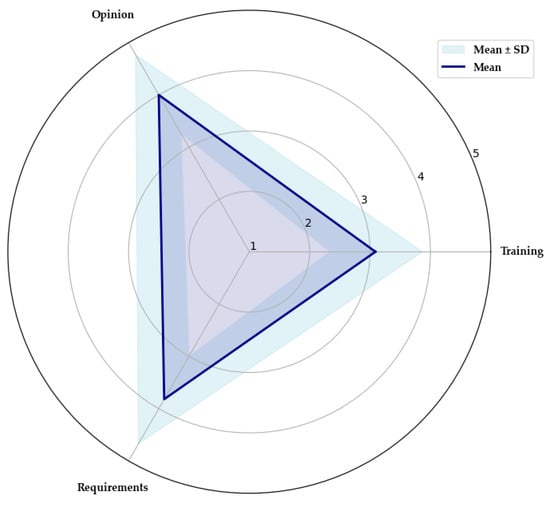
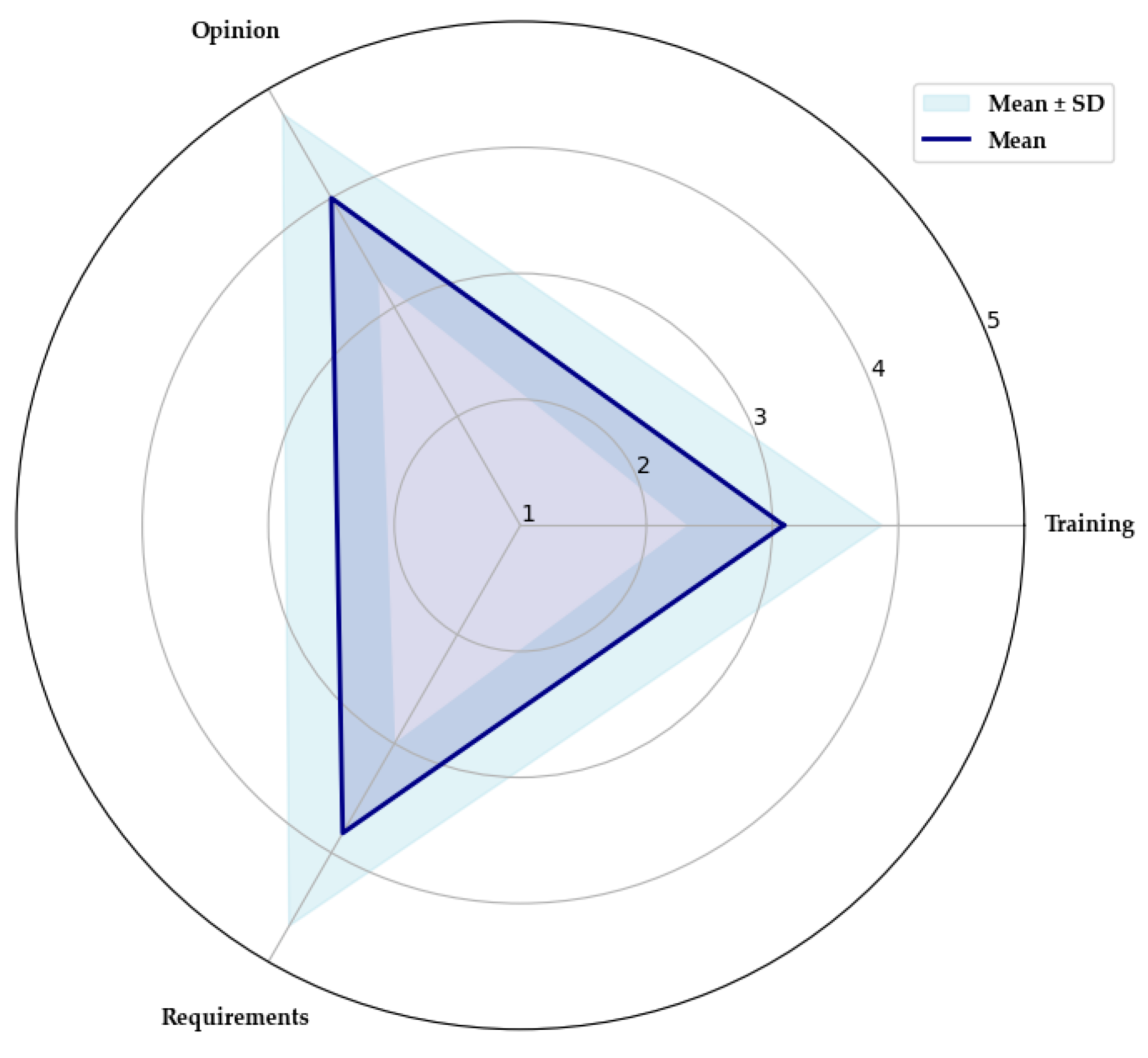
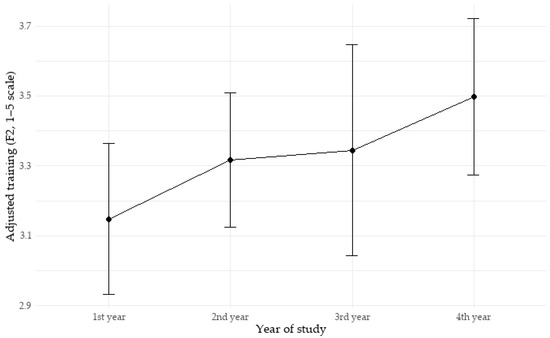
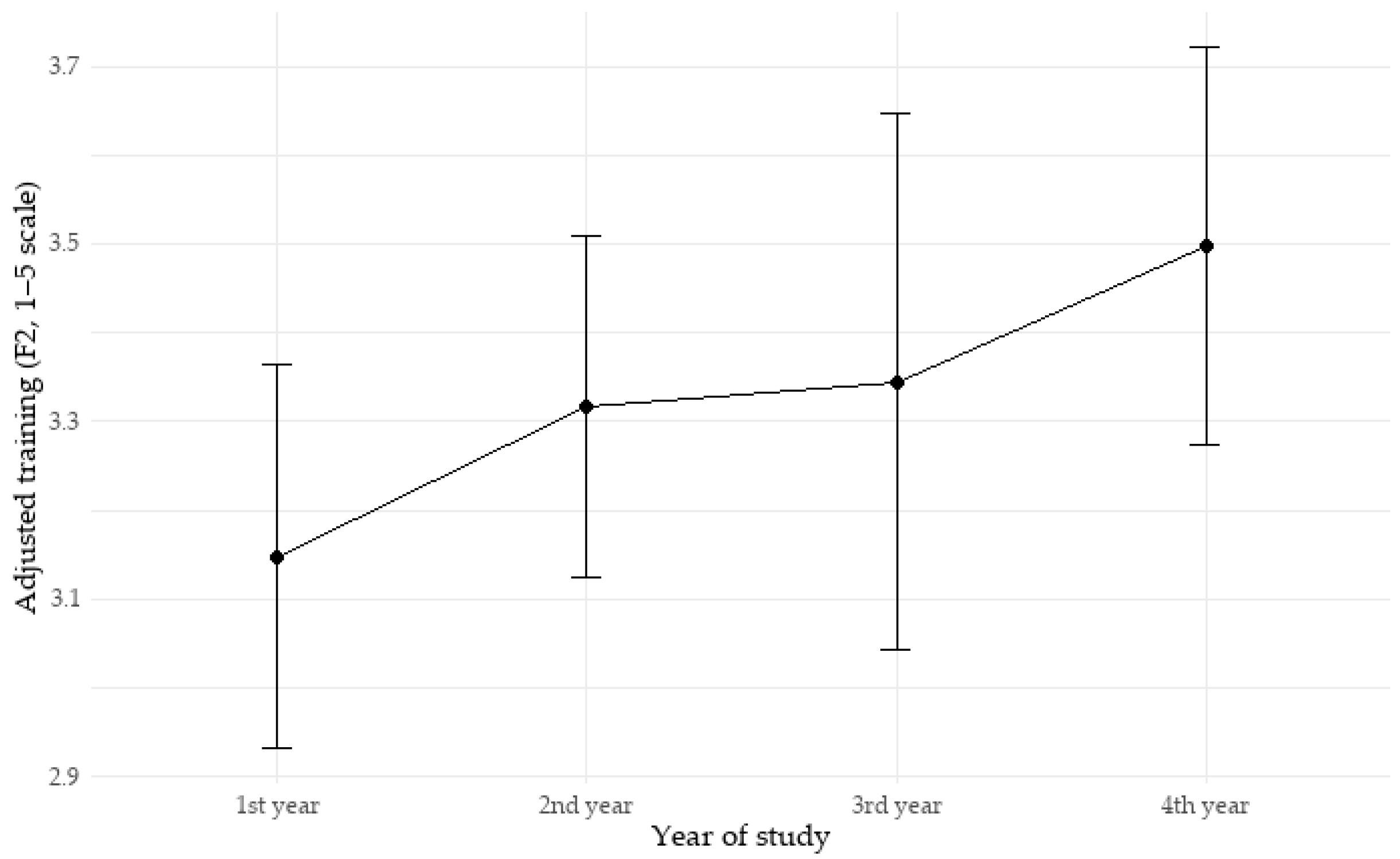
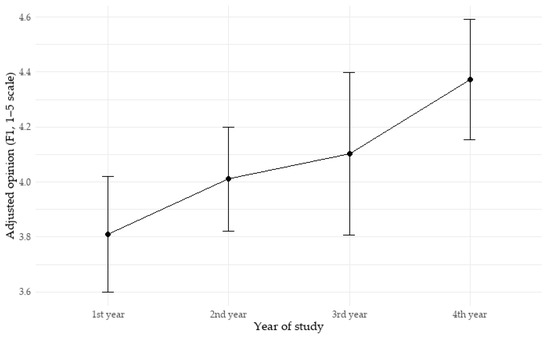
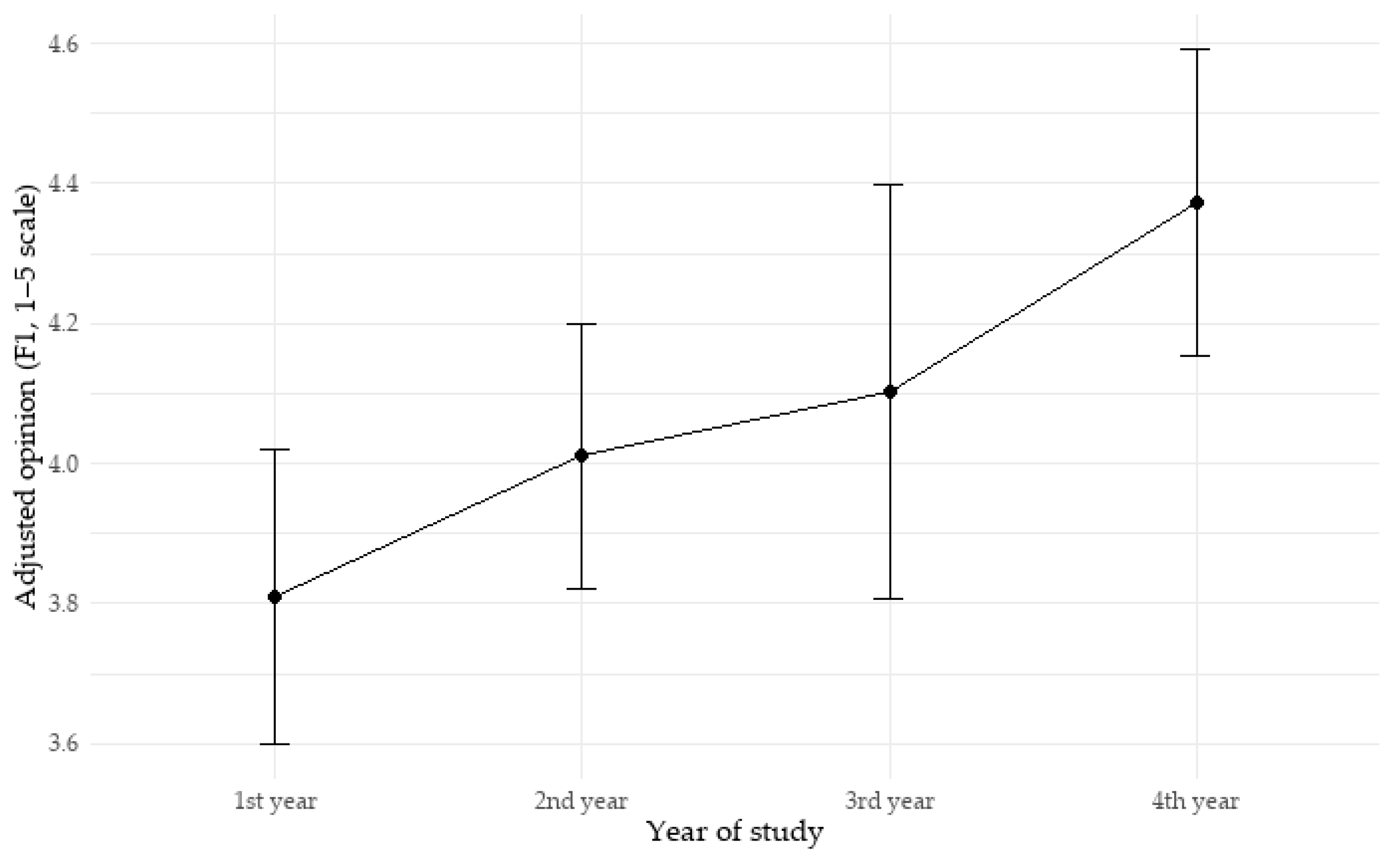
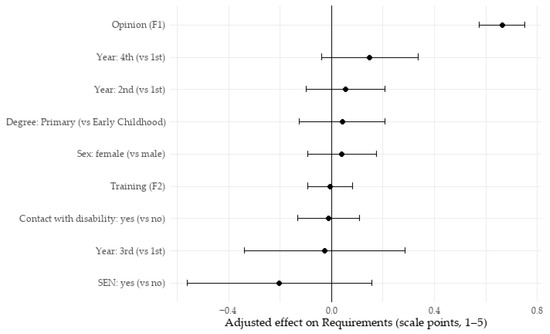
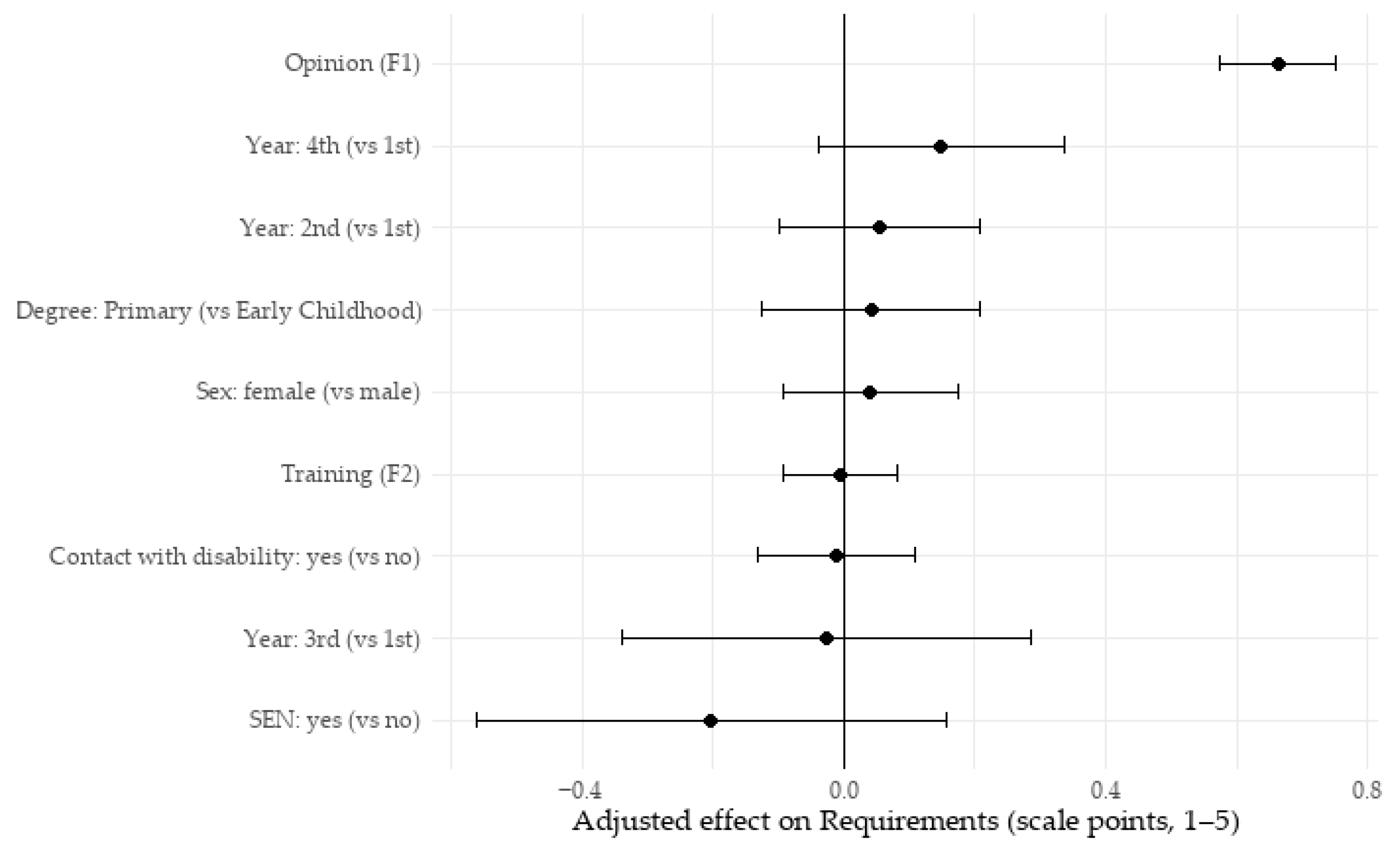
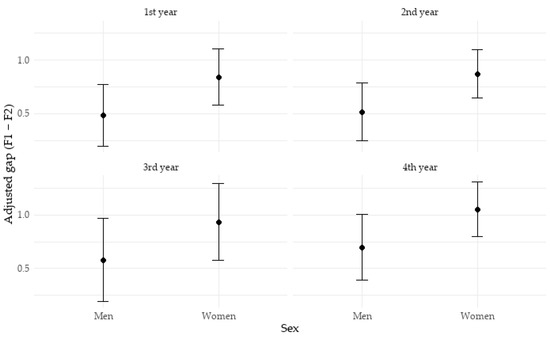
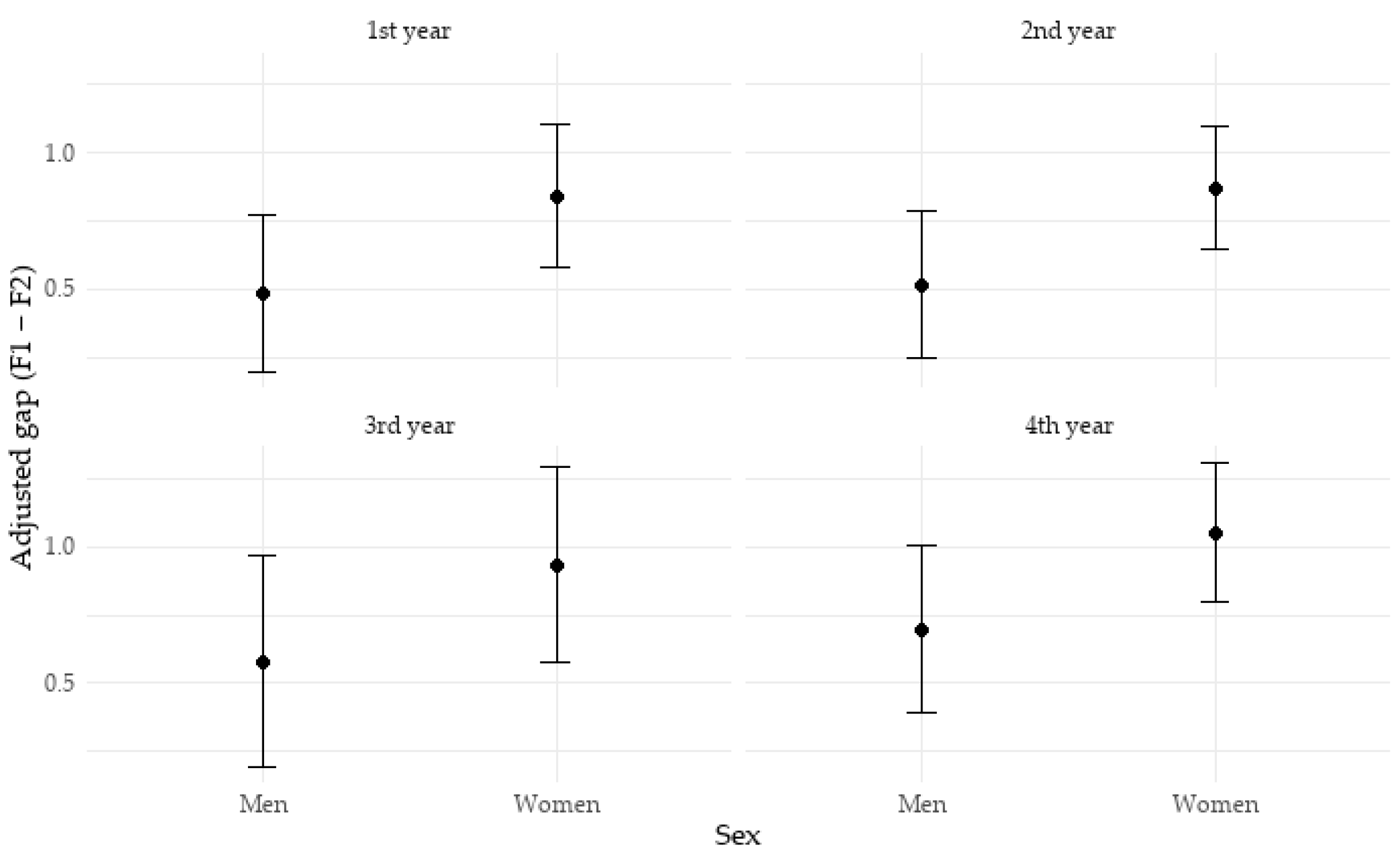

Disclaimer/Publisher’s Note: The statements, opinions and data contained in all publications are solely those of the individual author(s) and contributor(s) and not of MDPI and/or the editor(s). MDPI and/or the editor(s) disclaim responsibility for any injury to people or property resulting from any ideas, methods, instructions or products referred to in the content. |
© 2026 by the authors. Licensee MDPI, Basel, Switzerland. This article is an open access article distributed under the terms and conditions of the Creative Commons Attribution (CC BY) license.