


Abstract
Indigenous Peoples remain disproportionately represented in juvenile and adult legal systems, yet risk assessment tools and desistance theories often overlook cultural context. This study uses data from the Incarcerated Serious and Violent Young Offender Study of 869 individuals (311 Indigenous, 558 White) first incarcerated as youth (ages 12–17). It examines whether informal social control measured in early adulthood (ages 18–23), using domains derived from the Community Risk-Needs Assessment (CRNA), predicts subsequent adult convictions. Poisson models indicated that higher scores on the informal social control scale were associated with lower subsequent adult conviction rates. This association did not significantly vary by ethnicity. Domain-specific associations emerged across family relationships, living arrangements, intimate partners, academic/vocational skills, and employment. Exploratory analyses identified interactions by Indigenous identity for living arrangements, employment, and academic/vocational skills. Overall, CRNA-derived measures of informal social control (a) did not significantly underperform among Indigenous participants and (b) helped identify that issues with employment and academic/vocational skills may be of particular concern for Indigenous Peoples. However, comparable predictive performance neither supports maintaining existing assessment practices unchanged nor establishes cultural comprehensiveness. Future research should examine whether culturally grounded sources of support are adequately represented within conventional assessment frameworks and whether they provide additional or differential information for understanding desistance among Indigenous Peoples.
1. Introduction
Racialized populations are disproportionately represented across criminal legal systems, with Indigenous Peoples experiencing particularly pronounced disparities in settler-colonial jurisdictions. Within Canada, Indigenous Peoples are overrepresented in the criminal legal system, reflecting longstanding colonial and structural inequalities (Department of Justice Canada 2024; Office of the Correctional Investigator [OCI] 2014, 2020). These persistent disparities raise important questions about whether conventional correctional frameworks adequately account for the historical, cultural, and structural circumstances affecting Indigenous Peoples in the criminal legal system.
The racial invariance thesis implies that theories of offending generalize across race/ethnicity (Unnever 2019; Unnever et al. 2016). However, tests of this thesis are rare, especially in developmental and life-course criminology (McCuish and Corrado 2018; Piquero 2015). Criminological theories thus tend to be deracialized, but not necessarily because this is an empirically supported practice. Instead, a lack of data has made it difficult to examine whether assumptions of racial invariance are valid. Addressing such assumptions is particularly important in Sampson and Laub’s (1993) age-graded theory of informal social control. This is a prominent and well-supported theory of desistance (Bersani and Doherty 2018). Its key concepts are reflected in certain justice system policies, such as those supporting community reentry (Andrews and Bonta 2010). On the other hand, Indigenous overrepresentation in the justice system may partly reflect differences in how conventional sources of informal social control relate to offending. For Indigenous Peoples, factors emphasized in life-course theory and community reentry planning, such as employment, vocational training, and intimate partnerships, may be less strongly associated with reductions in offending.
The present study addressed this gap using data from the Incarcerated Serious and Violent Young Offender Study (ISVYOS). The ISVYOS is a longitudinal study of incarcerated youth in British Columbia, Canada, who were followed into adulthood. We used these data to address the following questions: (1) Do Indigenous and White participants differ in their levels of informal social control? (2) Is informal social control associated with subsequent adult convictions after accounting for relevant background characteristics? (3) Does Indigenous identity moderate the association between informal social control and adult convictions? We included a measure of the cumulative level of informal social control and also conducted more exploratory analyses of individual sources of informal social control. We begin with a general overview of the age-graded theory of informal social control. We then discuss the potential need for consideration of sources of informal social control that may be unique to particular cultures or ethnic groups, as well as why some sources of informal social control may vary in their influence on offending across different cultures and ethnic groups.
1.1. Informal Social Control and the Transition to Adulthood
Developmental and life-course criminology examines how significant life events and social relationships influence offending persistence and desistance (Farrington 2003). Within this tradition, Sampson and Laub’s (1993) age-graded theory of informal social control emphasizes the importance of social bonds in shaping criminal behaviour. Relationships with family, peers, intimate partners, and employers can create attachments and obligations that discourage offending. Their relative importance may also change over the life course, with employment and intimate relationships becoming increasingly relevant during adulthood versus adolescence (Laub and Sampson 2003; Uggen 2000).
Informal social control influences desistance through several interconnected mechanisms, including social support, supervision, structured routines, and opportunities for identity transformation (Sampson and Laub 2005). Life transitions such as obtaining employment, pursuing education, or establishing stable relationships may serve as turning points by creating opportunities to disengage from previous patterns of offending.
Emerging adulthood is a particularly important period for examining these processes. As individuals transition from adolescence into adulthood, changes in education, employment, relationships, and living arrangements may create opportunities for desistance or expose them to additional instability. Educational engagement can provide structure and social capital, while stable housing may facilitate the development and maintenance of supportive relationships (Abeling-Judge 2019; Kirk 2009). Conversely, housing instability and limited employment opportunities may constrain access to these conventional sources of informal social control (Widdowson and Siennick 2021). However, access to employment, stable housing, and supportive family relationships is not equally distributed, and these circumstances must be considered alongside the broader social and structural conditions in which they develop. These considerations raise questions about whether conventional sources of informal social control apply across different racial and cultural contexts.
1.2. Neutrality in Informal Social Control and Risk Assessment
The foundational research informing age-graded theory drew heavily on White male samples, raising questions about how well its findings generalize to populations with different historical, social, and structural circumstances (Laub and Sampson 2003). Subsequent scholarship has challenged assumptions of racial invariance, suggesting that both offending trajectories and the influence of informal social control may vary across racialized populations (Fader 2013; Nielsen 1999; Reasons et al. 2016; Unnever et al. 2016).
The assumption of race neutrality matters especially when informal social control is incorporated into correctional risk assessment. Conventional assessment frameworks often treat employment, education, family relationships, and peer associations as risk or protective sources. Yet access to these resources is uneven, and their meaning may differ across cultural contexts. Carbado and Roithmayr (2014) argue that claims of neutrality can obscure the racialized structures that shape social experiences and institutional practices. Applied to informal social control, this perspective raises questions about whether conventional measures distinguish individual circumstances from the broader structural conditions that influence access to social and economic opportunities. For example, the strength of the relationship between employment and lower levels of offending may be weaker for racialized persons who face unequal access to economic opportunities (e.g., employed but passed over for promotion). These ideas have been considered in life-course theory discussions of the importance of historical context (e.g., the impact of redlining on curtailing wealth accumulation for Black Americans; Bradford 1979). However, direct tests of whether informal social control’s impact on offending varies by ethnicity are lacking.
These concerns are relevant for the risk–need–responsivity (RNR) model, which informs many contemporary correctional assessment instruments and intervention practices (Bonta and Andrews 2017). The model is organized around three principles: risk, need, and responsivity. The risk principle emphasizes matching intervention intensity to an individual’s likelihood of reoffending, while the need principle focuses intervention on dynamic risk factors associated with criminal behaviour, commonly referred to as criminogenic needs. The responsivity principle emphasizes adapting interventions to individuals’ learning styles, abilities, motivations, and personal and cultural circumstances to enhance their effectiveness (Bonta and Andrews 2017).
Although research has demonstrated that several established risk factors predict recidivism among Indigenous populations, differences in predictive accuracy have also been identified. In their meta-analysis, Gutierrez et al. (2013) found that all eight major risk/need domains predicted general and violent recidivism among Indigenous individuals. However, procriminal attitudes and leisure/recreation demonstrated lower predictive accuracy for Indigenous participants than for non-Indigenous participants. These findings complicate the assumption that risk factors operate the same way across populations. They also highlight the importance of distinguishing predictive accuracy from cultural relevance. A measure may predict subsequent convictions while still limiting its ability to capture the social relationships, cultural practices, and structural circumstances that shape individuals’ lives.
1.3. Informal Social Control Among Indigenous Peoples
For Indigenous Peoples, the availability and meaning of informal social control must be considered in relation to historical and ongoing colonialism. Policies involving land dispossession, residential schools, family separation, and forced assimilation have disrupted Indigenous kinship systems, cultural continuity, and community relationships (Monchalin 2016; Palmater 2018). Contemporary inequalities in housing, education, and employment further shape access to the conventional social resources emphasized in life-course criminology. These historical and structural circumstances are important when considering the applicability of age-graded theory, which emphasizes how attachments to conventional social institutions and transitions into adult roles may influence offending and desistance. Although family relationships, employment, and intimate partnerships may matter across populations, broader historical and structural conditions shape opportunities to establish and maintain these relationships, as well as their social and cultural meanings.
However, interpreting these circumstances primarily through an individual risk framework may obscure their structural origins. For example, unstable housing or limited employment opportunities may be classified as criminogenic needs without adequately accounting for the colonial and socioeconomic conditions contributing to them. Moreover, conventional measures of informal social control may overlook culturally grounded sources of support, including extended kinship networks, relationships with Elders, cultural teachings, and collective responsibilities. Although Sampson and Laub’s (1993) theory recognizes the importance of family relationships and the obligations associated with social bonds, its emphasis on conventional institutions may not fully capture how relationships and responsibilities are understood within Indigenous contexts. For example, family relationships may extend beyond immediate family members to include broader kinship networks and intergenerational relationships through which support, knowledge, and responsibilities are maintained. Similarly, community responsibilities may involve reciprocal obligations and forms of accountability that extend beyond the individual attachments and commitments emphasized in conventional theories of informal social control. From this perspective, relationships matter not only because they discourage offending but also because they sustain belonging, cultural continuity, and responsibilities to others. The significance of these relationships varies across Indigenous Nations and communities and cannot be adequately captured by a single, generalized conception of Indigenous culture (Tamatea 2016; Woldgabreal et al. 2020).
These considerations suggest both areas of convergence and potential limitations in applying age-graded theory to Indigenous Peoples. The theory’s emphasis on social relationships is consistent with the broader importance of relational ties and responsibilities, but the sources and meanings of these relationships may not be fully represented by conventional sources of family stability, employment, or intimate partnerships (Laub and Sampson 2003; Tamatea 2016). For example, conventional assessments of family relationships may not fully capture the significance of extended kinship networks or relationships with Elders (Barker 2024; Monchalin 2016). Likewise, conventional sources of employment and living arrangements may capture important aspects of stability without accounting for the broader community relationships and responsibilities through which individuals experience support (Alfred and Corntassel 2005). Consequently, conventional sources of informal social control may remain associated with subsequent offending while providing an incomplete account of the relationships and circumstances relevant to Indigenous Peoples (Gutierrez et al. 2013; Kyne 2024; Tamatea 2016). This distinction is particularly important when concepts derived from life-course theory are operationalized using correctional risk assessment instruments, which may overlook culturally relevant protective factors or interpret circumstances shaped by colonialism primarily as sources of individual risk (Kyne 2024; Muir et al. 2023).
Yessine and Bonta (2009) examined offending trajectories among Indigenous and non-Indigenous male youth under probation supervision in Manitoba. Indigenous youth were more likely to experience family instability, substance use, and negative peer associations, whereas accommodation problems were associated with membership in a chronic high-offending trajectory among non-Indigenous youth. Although the study did not directly examine informal social control, several of these circumstances, particularly family relationships, peer associations, and housing stability, overlap with conventional sources of informal social control. The findings raise questions about whether these social circumstances are similarly associated with offending across Indigenous and non-Indigenous populations.
Similarly, McCuish and Corrado (2018) examined offending trajectories among Indigenous and White participants in the Incarcerated Serious and Violent Young Offender Study. Although Indigenous participants experienced greater social adversity, they did not differ from White participants in their likelihood of assignment to the highest offending trajectory. While this study did not directly test informal social control, its findings suggest that differences in exposure to adverse social circumstances do not necessarily correspond to differences in offending trajectories. Together, these studies provide a basis for examining whether conventional sources of informal social control, including family relationships, peer associations, and living arrangements, are similarly associated with subsequent convictions among Indigenous and White participants. However, examining these associations does not establish whether conventional sources adequately capture the full range of relationships and responsibilities that may be meaningful within Indigenous contexts.
More recent research has also examined group differences in how structured risk assessment instruments perform. Peterson-Badali (2024), for example, found that Indigenous youth assessed using the Youth Level of Service/Case Management Inventory received higher average risk scores and were less frequently classified as low risk than non-Indigenous youth. The instrument includes domains related to conventional sources of informal social control, including family circumstances and parenting, education/employment, and peer relations. Although the instrument demonstrated predictive utility, the findings also identified differences in its ability to distinguish recidivists and non-recidivists across groups. While Peterson-Badali (2024) examined overall risk scores rather than individual domains, these findings provide further context for examining whether conventional sources of informal social control are similarly associated with subsequent convictions among Indigenous and White participants. They also reinforce the importance of distinguishing the predictive utility of established assessment domains from their ability to capture culturally relevant sources of informal social control.
2. Materials and Methods
2.1. Sample & Procedures
The present study used data from the Incarcerated Serious and Violent Young Offender Study (ISVYOS), a prospective longitudinal study of justice-involved male and female youth in British Columbia, Canada. The British Columbia Ministry of Children and Family Development, which oversaw incarcerated youth care in the province, granted ISVYOS researchers access to youth custody centres for participant recruitment. Researchers recruited participants between 1998 and 2011. Among the 1719 youth recruited into the broader study, 1640 completed an intake interview with an ISVYOS research assistant. Interviews were conducted privately, away from other youth and custody staff. Before providing assent, participants were provided with information describing the purpose and procedures of the study, their right to withdraw, and the limits of confidentiality. Intake interviews lasted approximately 90 min and included questions related to schooling, family, substance use, mental health, and involvement in antisocial and criminal behaviour.
Researchers collected follow-up data through the Corrections Network (CORNET), an electronic software program for client management and supervision. CORNET includes data on all individuals involved in the provincial justice system in British Columbia. Each person has a searchable electronic file containing multiple sources of information, including criminal history. Because CORNET is centralized and integral to BC Corrections’ operations, the current study could collect comparable follow-up data for participants born over a decade apart without merging or linking data sources. Full details of the study sample and its procedures are discussed in the ISVYOS Cohort Profile (McCuish et al. 2022). Descriptive statistics for the sample are outlined in Table 1.
Table 1.
Descriptive statistics for Indigenous and White participants (n = 869).
2.2. Measures
2.2.1. Informal Social Control
The Community Risk-Needs Assessment (CRNA) is a structured assessment tool used in case management across the criminal legal system. The tool is based on the RNR model’s eight central risk factors (Andrews and Bonta 2010) and includes sources of antisocial attitudes and personality traits, crime-involved peers, past criminal behaviour, family and intimate partner issues, education and employment issues, substance use, and unstructured supervision and activities. Introduced in British Columbia in 1996, the CRNA was developed primarily to assess correctional risk and needs and has subsequently been validated for use with male and female individuals, including Indigenous Peoples. Gress (2010) reported predictive accuracy of approximately 70–75%. The intention was for the CRNA to be administered every six months, typically by probation officers, to monitor changes in risk and needs factors for individuals under supervision and guide intervention strategies (Gress 2010). The CRNA is scored by probation officers using information reported by the individual, collateral contacts (e.g., family members), and past reports (e.g., pre-sentence reports).1 As such, CRNA ratings reflect an institutional assessment of participants’ social circumstances rather than participants’ own understanding of their relationships and sources of support.
The CRNA includes nine dynamic needs sources that are scored on a four-point scale (0–3; see Table 1). Five of these sources (family relationships, intimate relationships, living arrangements, employment, and academic/vocational skills) were used as sources of informal social control. These domains reflect conventional sources of informal social control and overlap with established risk/need factors incorporated into the RNR framework (Andrews and Bonta 2010; Lussier and McCuish 2016). Their selection was informed by their conceptual correspondence with the relationships, institutional attachments, and social circumstances emphasized in age-graded theory. Still, this correspondence does not establish that the sources directly measure the mechanisms of informal social control. Family and intimate partner relationships may create attachments, obligations, and informal supervision that discourage offending. However, professional assessments of these relationships do not inherently establish the quality of individuals’ attachments, the responsibilities associated with these relationships, or how support is experienced.
Living arrangements reflect housing stability and security, which can support community investments that strengthen ties to social institutions (Sampson and Laub 1990). Nevertheless, residential stability does not necessarily indicate that an individual experiences supportive relationships, belonging, or informal supervision within their living environment. The employment source reflects employment circumstances associated with the potential adult roles that Laub and Sampson (2003) emphasized as important to desistance. However, employment circumstances do not directly establish the extent to which individuals develop attachments to work, commitments to employers or coworkers, or a stake in conformity.
Academic/vocational skills reflect the value of training and education for creating employment opportunities and developing social networks and stake-in-conformity (Sampson and Laub 1990). Similarly, these skills may facilitate access to conventional social institutions without directly measuring educational attachment or commitment. Although these domains align with conventional sources of informal social control emphasized in age-graded theory, the CRNA was not developed specifically to measure this construct. Instead, the selected sources indicate social circumstances associated with informal social control without directly measuring the attachments, obligations, and commitments through which these circumstances may influence desistance. Accordingly, the resulting measure is best understood as an index of professionally assessed conventional sources of informal social control, rather than a direct measure of the underlying theoretical mechanisms.
The five CRNA sources were originally rated by correctional personnel using four categories: A (factors seen as an asset to community adjustment), B (no immediate need for improvement), C (some need for improvement), and D (considerable need for improvement). For this study, we reverse-coded these ratings numerically so that D = 0, C = 1, B = 2, and A = 3, with higher scores indicating more favourable assessments of conventional sources of informal social control. These categories reflect correctional personnel’s assessments of whether particular circumstances interfere with or support desistance. Although the categories are ordered, they do not necessarily represent equivalent increments in informal social control (e.g., the difference between a “0” and a “1” may not be equal to the difference between a “2” and a “3”). Moreover, equivalent ratings may reflect different social circumstances or sources of support, particularly when conventional assessment categories do not fully capture culturally grounded relationships and responsibilities. Items were summed to create a scale indexing the selected conventional sources of informal social control (M = 4.90; SD = 3.64). Scale scores were prorated in instances where a participant was missing data on one of the five items. Participants were excluded from the current study if they lacked data on more than one item (see Section 2.3). The informal social control scale showed good internal consistency (Cronbach’s α = 0.823), and values were similar for Indigenous (α = 0.818) and White participants (α = 0.826). However, similar internal consistency estimates do not show that the scale captures all relevant sources of informal social control or that its constituent domains mean the same thing across Indigenous and White participants.
2.2.2. Control Variables
Control variables reflect data derived from both self-report and official information. Regarding official data, we controlled for the number of convictions incurred in adolescence (ages 12–17) to account for the relationship between past and future offending. We also controlled for a participant’s age at the time of their first CRNA rating between ages 18–23 (M = 19.14; SD = 1.37) because, as individuals age, they are more likely to desist from offending and have more of an opportunity to acquire positive sources of informal social control (Savolainen 2009). Given the potential for birth cohort effects (Neil and Sampson 2021), we controlled for a participant’s year of birth. We divided the sample into two cohorts: participants born 1979–1986 who were adjudicated under the Young Offenders Act (n = 297; 34.2% of sample), and participants born 1987–1998 who were adjudicated under the Youth Criminal Justice Act (n = 572; 65.8% of sample).
Regarding self-report data, during the intake interview, participants reported their gender as either male or female. Participants were also asked to self-report the ethnic group that best represented them. We restricted the current study to White and Indigenous participants. Participants who reported perceiving themselves as Métis or both Indigenous and another ethnicity were coded as Indigenous (n = 11). Additionally, we controlled for family adversity, which was measured based on six self-reported questions about substance use, abuse, mental health, and criminal behaviour in a participant’s immediate biological family (M = 3.25; SD = 1.59). This measure was included to account for adverse family circumstances experienced earlier in life when examining the association between informal social control and subsequent adult convictions.
2.2.3. Convictions in Adulthood
CORNET records the date of each criminal conviction in British Columbia. For each participant, convictions were coded at each year of age, beginning in the year of age that followed their CRNA rating and continuing until their age at the most recent wave of data collection in December 2023 (Mean convictions = 14.50; SD = 14.79). Participants were different ages at the end of the follow-up period (M = 33.06; SD = 4.67; Range = 24–43) and had also spent varying lengths of time in the community due to periods of incarceration. We therefore also measured exposure time to indicate the proportion of the follow-up period in which a participant was in the community and therefore freer to offend.
2.3. Analytic Strategy
The present study limited its analytic sample to interviewed participants who self-reported their ethnicity as either White or Indigenous (n = 1300). Among this group, we further restricted the sample by excluding participants who did not have follow-up data available due to either (a) moving outside of the Province of British Columbia during the follow-up period (n = 33), (b) experiencing mortality during the follow-up period (n = 19), (c) having a criminal record sealed or otherwise unable to be retrieved (n = 68), or (d) not receiving a CRNA between ages 18–23 or lacking data on at least four of the five sources of informal social control used to create the global scale (n = 311). The analytic sample thus included 869 ISVYOS participants.
All analyses were performed in Stata (Version 16). Given that convictions during the follow-up period reflect count data, we ran a series of Poisson regression models. The log of exposure time was included as an offset variable to account for differences in the proportion of the follow-up period that participants spent in the community, and robust standard errors were specified to account for potential misspecification of the conditional variance. Although the Pearson goodness-of-fit test was significant and negative binomial models produced lower AIC and BIC values, suggesting better relative model fit, we retained Poisson regression as the primary analytic approach. This decision was informed by the distinction between overdispersion and misspecification of the conditional mean, and the additional distributional assumptions imposed by negative binomial regression (Berk and MacDonald 2008; Midgette et al. 2021). Poisson regression with robust standard errors consistently estimates the conditional mean parameters under appropriate assumptions, even when conditional variance exceeds the mean (Berk and MacDonald 2008; Midgette et al. 2021). Negative binomial models were also estimated as sensitivity analyses, and instances where substantive conclusions differed between the two approaches are reported in the Section 3.
The primary analyses focused on the overall informal social control scale. A main effects model was first estimated to examine its association with adult convictions after adjusting for the specified covariates. A subsequent model introduced an interaction term between informal social control and Indigenous identity to assess whether the association differed between Indigenous and White participants. Informal social control was mean-centred before constructing the interaction term. We also examined individual sources from the informal social control scale across a series of analyses that followed the same structure described above. These analyses examined associations between professionally assessed conventional sources of informal social control and subsequent adult convictions, without directly testing the attachments, commitments, and obligations through which social bonds are theorized to influence offending and desistance.
Each of the five domains was examined in a separate model and entered as a categorical predictor. Interaction terms between Indigenous identity and the assessment categories were subsequently introduced to examine whether associations with subsequent convictions differed across groups. Predicted conviction rates were estimated using the margins command in Stata to further examine the patterns underlying the interaction effects.
The domain-specific analyses were exploratory and intended to identify potential differences in associations that may not be apparent at the overall scale level. Because each domain included four assessment categories, these analyses involved multiple statistical comparisons, increasing the possibility of chance findings. Furthermore, relatively few participants received an “asset” rating across the five domains, limiting the precision of estimates involving these categories. Accordingly, we interpreted the domain-specific findings cautiously and considered them hypothesis-generating rather than confirmatory.
Cultural and Methodological Considerations
Research involving Indigenous Peoples has historically been shaped by colonial relationships in which Indigenous communities have frequently been studied without exercising meaningful authority over the research process or benefiting from its outcomes (Antoine 2017; Simonds and Christopher 2013). Within criminology, these concerns extend to the development and application of standardized assessment instruments, which may privilege individual-level measures of risk and protection while giving insufficient attention to Indigenous social relationships, cultural practices, and the structural conditions associated with criminalization (Deckert 2016).
These considerations are particularly relevant to the present study because it drew on sources from an existing correctional risk and needs assessment to measure informal social control. Although the selected domains align with conventional theories of informal social control, their operational definitions may not capture the range of relationships, responsibilities, and support relevant to Indigenous participants. For example, standardized measures of family relationships, employment, and living arrangements may not adequately capture extended kinship networks, land-based activities, non-wage contributions, or culturally specific understandings of stability and community responsibility. Consequently, equivalent assessment ratings may reflect different social circumstances or sources of support across Indigenous and White participants, particularly when conventional categories do not account for the historical, structural, and cultural contexts in which these circumstances develop.
The present study did not employ an Indigenous research methodology nor involve Indigenous communities in the original design and development of its measures. Rather, it used secondary quantitative data to examine whether the association between a conventional measure of informal social control and subsequent adult convictions differs between Indigenous and White participants. Examining the composite scale alongside its constituent domains allows consideration of whether scale-level associations hold across different sources of informal social control. However, because the measures were not developed through Indigenous community participation, the analyses cannot establish whether the selected domains reflect Indigenous understandings of informal social control or adequately represent culturally grounded sources of support. This limitation matters especially when interpreting findings from correctional assessment instruments, as the categories used to identify risk and protective factors may not fully reflect the relationships, responsibilities, and structural circumstances relevant to Indigenous Peoples (Deckert 2016; Simonds and Christopher 2013).
This approach has important limitations. Statistical differences between ethnic groups cannot, on their own, establish whether a measure is culturally appropriate, whether its underlying constructs have equivalent meanings, or whether observed associations reflect the effects of broader colonial and structural conditions. Similarly, the absence of statistically significant differences does not establish that a measure functions equivalently across populations. Accordingly, the findings are interpreted as associations between professionally assessed conventional sources of informal social control and subsequent convictions, without assuming that these measures capture the full range of relationships and supports relevant to Indigenous participants. These considerations inform the interpretation of the findings and the study’s broader examination of whether conventional informal social control measures apply to Indigenous participants.
The use of secondary data also limits how much the study’s design can incorporate Indigenous research principles concerning community involvement and authority over research decisions. Although this analysis is not Indigenous-led or community-partnered, these limitations highlight the importance of Indigenous involvement in future decisions about conceptualization, measurement, interpretation, and the appropriate use of culturally grounded sources of support (Andersen and Kukutai 2016; Kovach 2021; Datta 2018; Deckert 2016; Simonds and Christopher 2013).
3. Results
A series of bivariate analyses compared study variables across Indigenous and White participants (see Table 1). In terms of significant associations, the proportion of Indigenous participants in Cohort II (i.e., participants born between 1987–1998) was significantly higher than the proportion of Indigenous participants in Cohort I (i.e., participants born between 1979–1986), which reflects ongoing concerns in Canada about increases in the overrepresentation of Indigenous People in custody facilities (Department of Justice Canada 2024). The proportion of Indigenous participants who self-reported identifying as female was significantly higher than that of White participants. This also reflects observations that the overrepresentation of Indigenous People in custody facilities is especially true for girls. Lastly, Indigenous participants averaged significantly higher scores on the family adversity scale when compared to the average for White participants. There were no significant differences between Indigenous and White participants on the informal social control scale or individual sources of informal social control.
3.1. Poisson Models for Informal Social Control Scale
Model 1 of Table 2 shows the results of a Poisson regression analysis where our principal interest was in the association between (1) the informal social control scale and conviction frequency and (2) Indigenous identity and conviction frequency. With respect to the informal social control scale, each one-unit increase was associated with a 3.0% decrease in the expected conviction rate (p = 0.013). A one-standard-deviation increase in this scale was related to an 11.2% decrease in expected convictions. This would approximate the difference between, for example, scoring a “0” on a given source (i.e., considerable need for improvement) and a “3” (i.e., asset to community adjustment). The expected incidence rate of convictions was 21% higher for Indigenous participants compared to White participants (p = 0.018).
Table 2.
Poisson regression analyses with convictions post-CRNA as the outcome of interest (informal social control scale).
Model 2 of Table 2 added an interaction term between Indigenous identity and informal social control. The interaction term was not significant. Figure 1 provides a visual illustration of how the expected incidence rate of convictions at a given score on the informal social control scale did not differ between Indigenous participants and White participants.
Figure 1.
Predicted incidence rate of convictions as a function of informal social control scale scores across White and Indigenous participants. Notes. Shaded regions represent 95% confidence intervals. Predictions were estimated from Poisson regression models adjusting for youth convictions, age at CRNA, birth cohort, gender, and family adversity, with an offset for exposure time.
3.2. Poisson Models for Informal Social Control Sources
Table 3 displays a series of five Poisson regression models. Each model includes a unique informal social control source and includes all other variables from Table 2. Each informal social control source was significantly associated with follow-up convictions. Although these associations were generally in the expected direction, significant differences often were not observed when comparing the highest score on a given source to the lowest score on a given source. We suspect that this is because a given source was rarely deemed an “asset” for participants (see Table 1).
Table 3.
Poisson regression analyses with convictions post-CRNA as the outcome of interest (informal social control sources).
Analyses from Table 3 were repeated but with the inclusion of an interaction term between the informal social control source under examination and ethnicity. Significant interaction effects (see Figure 2) emerged for the informal social control sources measuring living arrangements (Panel A), employment pattern (Panel B), and academic/vocational skills (Panel C). We used Stata’s margins function to further inspect the predicted incidence rates of convictions across assessment categories and ethnic groups.
Figure 2.
Predicted incidence rate of convictions as a function of living arrangements (Panel A), employment pattern (Panel B), and academic/vocational skills (Panel C) across White and Indigenous participants. Notes. Separate analyses performed for each informal social control source. 0 = Considerable need for improvement; 1 = Some need for improvement; 2 = No immediate need for improvement; 3 = Asset to community adjustment. Shaded regions represent 95% confidence intervals. Predictions were estimated from Poisson regression models adjusting for youth convictions, age at CRNA, birth cohort, gender, and family adversity, with an offset for exposure time.
With respect to living arrangements, Indigenous participants who received an “asset” rating on this source had a lower predicted incidence rate of convictions compared to Indigenous participants who received a “considerable need for improvement” rating on this source. The same was not observed for White participants; as indicated by marginal counts, confidence intervals overlapped across each category of the living arrangements source. However, a statistically significant association in one group and a nonsignificant association in another does not, by itself, establish that the associations differ between groups. Interaction terms must be used to test whether the association between living arrangement ratings and subsequent convictions varies by Indigenous identity. Moreover, only seven Indigenous participants received an “asset” rating on living arrangements, limiting the precision of estimates for this category (see Table 1).
For the employment pattern and academic/vocational skills sources, the observed interactions followed a different pattern. Specifically, Indigenous participants who received a “some need for improvement” rating on either source had significantly higher predicted incidence rates of convictions than White participants who received the same score. These differences were specific to particular assessment categories and do not indicate that the overall associations between employment or academic/vocational skills and subsequent convictions were consistently weaker or stronger for either group. Given the exploratory nature of these analyses and the multiple comparisons, they signal directions for future research and should not inform correctional practice without further investigation and replication.
Given the small number of participants in certain assessment categories and the multiple exploratory comparisons conducted, these domain-specific findings should be interpreted cautiously. In particular, the observed differences may be sensitive to the distribution of participants across categories and should not be considered definitive evidence of differences in the operation of informal social control across groups.
3.3. Sensitivity Analyses
First, given ongoing discussion about the appropriate scenarios for using Poisson regression to analyze count data (e.g., Berk and MacDonald 2008; Rydberg and Carkin 2017), the above models were replicated using negative binomial analyses. A complete summary of these findings is provided in the supplemental materials document. Regarding the models in Table 2 and Figure 1, aside from ethnicity moving from significant (Poisson) to not significant (negative binomial), substantive conclusions remained the same (see Table S1 in the supplemental materials document). Consistent with the main effect models in Table 3, Table S2 shows that each source of informal social control was significantly related to offending and in the expected direction. However, in Table 3, “no immediate need for improvement” within the family relationships domain was associated with a significantly lower reconviction incidence rate than the reference category. In the negative binomial model in Table S2, this comparison was not significant. The same pattern was observed for the employment domain. Finally, in the negative binomial model in Table S2, “asset to community adjustment” within the academic/vocational skills source of informal social control was associated with a significantly lower incidence rate of reconviction compared to the reference category. In the Poisson model in Table 3, this comparison was not significant. Regarding interaction effects, the same three sources of informal social control that were significant in the Poisson models were significant in the negative binomial models, and the interpretation of the significant interactions was identical across each source of informal social control (compare Figure 2 to Figure S2).
Second, the low prevalence of “asset” ratings on individual sources of informal social control raises concerns about imprecise estimates and large standard errors. Table S3 of the supplemental materials reanalyzed each source of informal social control after merging “asset” ratings into the “no immediate need for improvement” rating. Interpretations of “no immediate need for improvement” ratings on each source of informal social control did not change. For interaction effects (compare Figure 2 to Figure S3), after merging the two positive categories, the interaction term for “living arrangements” was no longer significant. This makes sense given that the original significant finding occurred when specifically isolating those who received an “asset” rating. Given the rarity of “asset” ratings, it is not necessarily surprising that the result was non-significant after adding in the group who scored “no immediate need for improvement”.
4. Discussion
One possible contributing factor to the overrepresentation of Indigenous Peoples in Canada’s criminal legal system is the reliance on correctional policies (e.g., RNR model) supporting community reentry of incarcerated persons that are not sensitive to cultural differences. Informal social controls (e.g., employment, marriage, parenthood) play an important role in theories regarding desistance (e.g., Laub and Sampson 2003) as well as correctional intervention practices (Andrews and Bonta 2010). However, it is typically assumed that sources of informal social control function to reduce offending similarly across different racial groups (Unnever 2019; Unnever et al. 2016). This assumption requires empirical verification. Examining whether conventional sources of informal social control are similarly associated with subsequent convictions among Indigenous and White participants can help assess the broader applicability of theories and policies that emphasize informal social control. The present study used longitudinal data on incarcerated youth from Canada to examine whether informal social control was associated with subsequent adult convictions among Indigenous and White participants. Three findings warrant particular attention. First, higher overall informal social control was associated with lower follow-up conviction rates. Second, the interaction between overall informal social control and Indigenous identity was not statistically significant. Third, exploratory analyses of individual informal social control sources indicated that associations with subsequent convictions differed across Indigenous and White participants for (1) living arrangements, (2) employment pattern, and (3) academic/vocational skills. In particular, Indigenous participants receiving a “some need for improvement” rating on the employment pattern and academic/vocational skill sources had significantly higher expected conviction rates than White participants receiving the same rating. We interpret these differences below but recommend caution because of (a) the exploratory nature of these analyses and (b) the rarity with which participants received an “asset” rating on individual sources, which resulted in low cell counts (see Table 1).
4.1. Overall Level of Informal Social Control
Acquiring informal social control is a gradual, cumulative process (Savolainen 2009), so it is important to consider a person’s overall level of informal social control. The association between overall informal social control and subsequent adult convictions aligns with life-course criminological research that emphasizes the importance of social bonds during the transition to adulthood (Laub and Sampson 2003; Sampson and Laub 1993). In the current study, ISVYOS participants with more favourable circumstances across family relationships, intimate partners, housing, employment, and academic/vocational skills had lower adult conviction rates after accounting for relevant background characteristics. However, the magnitude of this association was modest: each one-unit increase in the overall scale was associated with a 3.0% reduction in the expected conviction rate.
The interaction between overall informal social control and Indigenous identity was not statistically significant. However, this does not establish that informal social control operates equivalently across groups or that the CRNA captures culturally relevant forms of support to the same extent. Similar predictive associations can coexist with differences in how social relationships are experienced, accessed, and assessed. Moreover, the five-domain scale reflects conventional sources of informal social control rather than the full range of relational and cultural supports that may be meaningful within diverse Indigenous communities (Gutierrez et al. 2013; Tamatea 2016; Waldram 1997).
4.2. Interpreting Individual Sources of Informal Social Control
Across each individual source of informal social control, only approximately 5% of participants received an “asset” rating. On the one hand, this finding is an important reminder that this type of sample (i.e., incarcerated youth in British Columbia) experiences a variety of difficulties that make successful community reentry challenging. On the other hand, the rarity with which participants received an “asset” rating implies that our analyses are limited by low cell counts and mainly provide directions for future research as opposed to confirming the utility of individual sources of informal social control across White and Indigenous participants in this sample. Further examination of individual sources of informal social control remains important for understanding whether the associations with subsequent convictions differ across populations. However, given the exploratory nature of the present analyses and the small number of participants receiving an “asset” rating across individual domains, these findings should be interpreted cautiously. Additional research using a larger sample and more detailed measures is needed to determine whether the observed associations are consistent and substantively meaningful before drawing conclusions about their implications for correctional practice.
All five sources of informal social control were related to conviction rates during the follow-up period. The findings were not always straightforward to interpret, possibly because of low cell counts, and should be considered useful primarily for generating future hypotheses. For example, participants with an “asset to community adjustment” rating on the family relationships source did not have a significantly different incidence rate of convictions compared to participants with a “considerable need for improvement” rating. Yet, participants with a “no immediate need for improvement” rating on this source had a significantly lower conviction incidence rate than participants with a “considerable need for improvement” rating. There are at least three possibilities for this pattern of findings. First, the relatively small number of participants receiving an “asset” rating across the five sources may have limited the precision of estimates for these categories. Second, the ratings may not consistently distinguish between the absence of circumstances that interfere with desistance and the presence of relationships or resources that contributed to an “asset” rating. Because the CRNA reflects assessments by correctional personnel, differences in how staff interpreted or applied these categories may also have contributed to the observed patterns. However, the present study cannot determine whether such differences occurred. Some intimate relationships can increase the risk of reoffending (Horney et al. 1995), and so it may be difficult to discern which types of intimate partners/companionships were truly an asset to community adjustment for members of the current study. Third, although we controlled for gender and age, future research may find that the relationship between individual sources of informal social control and offending is more consistent when looking within a specific gender or age. For example, it is possible that in this sample there was a gendered effect of intimate partners given that hypergamy (i.e., “marrying up”) is more common for men than women. Although not directly examined in the current study, it is possible that intimate partnerships are more likely to influence desistance for men compared to women (Sampson et al. 2006). Similarly, other research has noted that actors like employment to influence desistance only for those older than their mid-twenties (Uggen 2000).
Regarding interaction analyses, three domain-specific findings warrant consideration, although their exploratory nature and the distribution of participants across assessment categories limit the conclusions that can be drawn. First, more favourable living arrangement ratings were generally associated with lower predicted conviction rates among Indigenous participants, particularly for those receiving an “asset” rating. However, only seven Indigenous participants received this rating, limiting the precision of the estimate and warranting caution in interpreting the observed association. Furthermore, the absence of a corresponding statistically significant association among White participants does not, by itself, establish that the association differed significantly between groups. Second, Indigenous participants with a “some need for improvement” rating on both the employment pattern source and the academic/vocational skills source had a significantly higher expected incidence rate of convictions compared to White participants with the same score. However, these differences were observed at particular assessment categories and should not be interpreted as evidence that employment or academic/vocational skills were consistently more or less strongly associated with convictions across groups. Although these findings may reflect meaningful differences in the relationship between the two informal social control sources and subsequent convictions, we were unable to examine whether such differences are related to differences in how White and Indigenous participants responded to difficulties with employment and vocational training or, for example, whether Indigenous participants who received a “some need for improvement” rating actually differed in important ways from White participants who received the same rating.
Despite decades of legislative, judicial, and correctional initiatives aimed at addressing Indigenous overrepresentation in Canada’s criminal legal system, substantial disparities persist (Department of Justice Canada 2024; Office of the Correctional Investigator [OCI] 2024). These disparities also raise questions about how correctional assessment practices account for the different social and structural circumstances experienced by Indigenous and White participants. One possibility is that comparable ratings did not necessarily reflect equivalent circumstances across groups. For example, Indigenous and White participants receiving the same employment rating may have differed in the nature, severity, or structural origins of the difficulties being assessed. Alternatively, differences in how probation officers interpreted or applied assessment criteria may have contributed to variation in ratings. However, the present study cannot determine whether assessment practices differed. Moreover, given the domain-specific analyses involved multiple exploratory comparisons without multiple-testing adjustments, the statistically significant interactions may include chance findings. These results should therefore be interpreted as preliminary and warrant replication before drawing substantive conclusions about differences in how conventional sources of informal social control relate to subsequent convictions among Indigenous and White participants.
4.3. Structural Circumstances and the Interpretation of Risk
The difficulties encountered in interpreting these domains illustrate an important measurement issue. Ratings such as “some need for improvement,” “no immediate need for improvement,” and “asset to community adjustment” imply an ordered progression in how strongly a circumstance supports desistance. Yet protective factors are not simply the inverse of risk factors, and the absence of circumstances that interfere with desistance does not necessarily indicate the presence of relationships or resources that actively support it. The observed associations with subsequent convictions did not consistently follow the expected ordering, as illustrated by the findings for family relationships, where a rating of “no immediate need for improvement” was associated with lower expected conviction rates, but a strength rating was not associated with a statistically significant difference relative to “considerable need for improvement”. This does not necessarily invalidate the underlying domains, nor does it establish that the ratings lack predictive utility. Instead, it raises questions about whether the categories adequately distinguish between the absence of risk-related difficulties and the presence of protective resources, and whether those distinctions mean the same thing across the populations being assessed.
The study’s findings must also be understood in relation to the structural conditions shaping access to conventional sources of informal social control. Housing stability, employment, educational opportunities, and family relationships are not solely individual attributes. Broader socioeconomic circumstances and, for Indigenous Peoples, the historical and ongoing effects of colonial policies and institutions influence them (Monchalin 2016; Palmater 2018).
This distinction matters when correctional risk assessment incorporates these circumstances. An individual experiencing housing instability or limited employment opportunities may receive an unfavourable assessment even when those circumstances reflect barriers beyond their immediate control. Moreover, conventional sources on family, employment, and education may overlook culturally grounded relationships and contributions, including extended kinship networks, community responsibilities, and work or learning that occur outside formal institutions.
The present findings cannot establish that these limitations produced biased CRNA scores or explain the observed interactions. Nevertheless, they show why predictive associations alone are not sufficient evidence of cultural relevance. The overall informal social control scale and several individual categories were associated with subsequent convictions, but these findings do not establish that the domains comprehensively represent the sources of support available to Indigenous participants or that identical ratings have equivalent meanings across groups.
4.4. Limitations & Future Research
Several limitations qualify the interpretation of these findings. The study relied on a sample of individuals initially incarcerated during adolescence in British Columbia, limiting generalizability to other justice-involved populations and jurisdictions. The study measured Indigenous identity as a broad category, preventing examination of differences among First Nations, Inuit, and Métis participants or across distinct Nations and communities. Future research would benefit from including measures of cultural identity (e.g., extent of participation in Indigenous ceremonies) to avoid assumptions that Indigenous ethnicity reflects a homogeneous group of people.
The CRNA-derived informal social control measure also reflects correctional personnel’s assessments rather than participants’ own accounts of their relationships and social circumstances. While the selected domains correspond to conventional sources of informal social control, they assess circumstances associated with these sources without directly measuring the attachments, commitments, obligations, or relationship qualities emphasized in age-graded theory. Moreover, the quality of these relationships and circumstances may be important. For example, employment may be more strongly associated with desistance when individuals develop meaningful attachments to their work, rather than simply obtaining a job (Uggen 2000; Nguyen and Loughran 2018). The present study could not examine these distinctions.
Similar limitations apply to family and intimate partner relationships, as favourable assessments of these circumstances do not necessarily indicate supportive relationships or the meanings individuals attach to them. Consequently, the study cannot determine whether the instrument captured culturally meaningful supports or whether groups applied ratings consistently. Equivalent ratings may reflect different experiences of social support, stability, or responsibility, particularly when relationships extend beyond those emphasized in conventional assessment frameworks. Although the informal social control scale demonstrated similar internal consistency among Indigenous and White participants, this does not establish that the underlying constructs were measured equivalently across groups. Future research should examine the measurement properties of individual domains, including their category distributions, inter-rater reliability, and measurement equivalence, alongside qualitative accounts of how Indigenous participants understand and experience the relationships being assessed.
The individual-domain findings require particular caution. The four-category analyses revealed associations that did not consistently follow the expected ordering of the ratings. Relatively few participants received an “asset” rating, particularly among Indigenous participants, with only seven receiving this rating for living arrangements. These small cell sizes limit the precision and stability of estimates involving less frequently observed categories and increase their sensitivity to individual observations. Furthermore, missing domain data led to different analytic sample sizes across domains, complicating comparisons. The exploratory nature of the interaction analyses and the lack of multiple-comparison adjustments further limit the conclusions that can be drawn from the statistically significant findings. Given that multiple domain-specific interactions and category-level comparisons were examined, some statistically significant associations may have emerged by chance. Moreover, the absence of a statistically significant interaction at the overall scale level does not establish that associations are equivalent across groups, just as significant domain-specific findings do not necessarily demonstrate substantive differences in how informal social control operates. Replication using larger samples and more detailed measures is needed before interpreting these patterns as substantive group differences. Finally, the outcome was based on official adult convictions, which reflect not only offending but also decisions made throughout the criminal legal system. The study therefore cannot determine whether the observed associations would be identical for self-reported offending or other measures of desistance.
Future research would benefit from examining conventional and culturally grounded sources of support together, with Indigenous communities involved in defining the constructs and determining how to measure them. Potential areas of inquiry include extended kinship networks, relationships with Elders, connections to land, cultural teachings, and responsibilities to families and communities, which may not be adequately represented within conventional assessment domains (Kyne 2024; Monchalin 2016; Tamatea 2016; Woldgabreal et al. 2020). However, the relevance and meaning of these relationships and practices may differ across Indigenous Nations and communities and should not be assumed to be uniform. Indigenous-led or community-partnered qualitative research could examine how justice-involved Indigenous Peoples understand and experience these sources of support, including how relationships, responsibilities, and cultural connections may contribute to their experiences of stability, belonging, and desistance. Such research could identify culturally relevant dimensions of support that conventional risk assessment frameworks overlook or inadequately represent, and that have been criticized for their limited consideration of Indigenous understandings of risk and protective factors (Day et al. 2018; Tamatea 2016; Woldgabreal et al. 2020).
Subsequent quantitative research could examine whether these community-defined sources of support are adequately represented by existing assessment domains and whether they provide additional information for understanding offending and desistance. Longitudinal studies incorporating conventional sources and culturally informed measures could examine their respective associations with similar outcomes while accounting for the structural circumstances that shape access to social and cultural resources. However, identifying culturally informed sources of support does not necessarily establish that they should be incorporated into standardized correctional risk assessment instruments. Translating Indigenous relationships, cultural practices, and responsibilities into assessment categories may reduce their significance and link them to offending, or interpret circumstances shaped by colonialism primarily as individual risk factors (Muir et al. 2023). Decisions about whether and how such knowledge is incorporated into assessment and rehabilitation practices should therefore involve Indigenous communities in determining its appropriate use. Such work would help establish whether existing assessment domains require refinement, whether additional domains are necessary, or whether more fundamental changes to the conceptualization of informal social control are warranted.
5. Conclusions
This study examined the relationship between conventional sources of informal social control, as measured through selected correctional assessment indicators, and subsequent adult convictions among Indigenous and White justice-involved individuals. Higher overall scores on the CRNA-derived informal social control scale were associated with a modest reduction in subsequent conviction rates, and Indigenous identity did not significantly moderate this association. Although exploratory analyses identified some differences in how individual domains related to subsequent convictions across groups, these findings require cautious interpretation.
Overall, the findings suggest that selected conventional assessment indicators are associated with subsequent convictions among justice-involved individuals. However, these associations do not establish that the indicators directly capture the attachments, commitments, and obligations through which informal social control is theorized to influence offending. Moreover, the predictive utility of these measures does not necessarily establish their cultural relevance or indicate that identical ratings reflect comparable circumstances across populations. These limitations suggest that the findings should not be interpreted as sufficient evidence to support existing correctional assessment practices without further examination of how the indicators are conceptualized, measured, and applied. Further research is needed to examine how researchers conceptualize and measure sources of informal social control, including whether conventional assessment domains adequately capture the relationships, responsibilities, and supports relevant to Indigenous Peoples. Such work should also consider the broader structural circumstances that shape access to these sources of informal social control.
Supplementary Materials
The following supporting information can be downloaded at: https://www.mdpi.com/article/10.3390/socsci15110778/s1. Figure S1: Predicted incidence rate of convictions as a function of CRNA informal social control scores across White and Indigenous participants; Figure S2: Predicted incidence rate of convictions as a function of living arrangements (Panel A), employment pattern (Panel B), and academic/vocational skills (Panel C) across White and Indigenous participants (negative binomial models); Figure S3: Predicted incidence rate of convictions as a function of living arrangements (Panel A), employment pattern (Panel B), and academic/vocational skills (Panel C) across White and Indigenous participants (recoded categories); Table S1: Negative Binomial Regression Analyses Predicting Subsequent Adult Convictions: Overall Informal Social Control Scale; Table S2: Negative Binomial Regression Analyses Predicting Subsequent Adult Convictions: Individual Informal Social Control Domains; Table S3: Poisson Regression Analyses Predicting Subsequent Adult Convictions: Individual Informal Social Control Domains.
Author Contributions
Conceptualization, A.K. and E.C.M.; Methodology, A.K. and E.C.M.; Formal analysis, A.K. and E.C.M.; Investigation, A.K. and E.C.M.; Writing—original draft, A.K. and E.C.M.; Writing—review & editing, A.K. and E.C.M.; Funding acquisition, E.C.M. All authors have read and agreed to the published version of the manuscript.
Funding
This research was funded by the Social Sciences and Humanities Research Council of Canada (SSHRC; 435-2020-0150).
Institutional Review Board Statement
The study received ethics approval from the Simon Fraser University Research Ethics Board (Study Number: 30000018). The project initially received ethics approval in 1998. The most recent annual approval is 3 December 2025 and expires 3 December 2026. The Ministry of Children and Family Development authorized the research team to approach incarcerated youth regarding participation in the study.
Informed Consent Statement
Before participation, youth received and read an information sheet outlining the study’s purpose. Participation was voluntary, and youth were given the opportunity to assent to participate. Only youth who provided assent proceeded with the interview.
Data Availability Statement
Data used in this study may be accessed by completing a confidentiality form available from the second author. An in-progress codebook documenting measures from the Incarcerated Serious and Violent Young Offender Study (ISVYOS) is available at: https://www.researchgate.net/publication/347516754_Working_Document_ISVYOS_Codebook (accessed on 14 October 2026).
Conflicts of Interest
The authors declare no conflicts of interest. The research was conducted in the absence of any commercial or financial relationships that could be construed as potential conflicts of interest.
Note
| 1 | Although we lacked data on participant perceptions of informal social control, prior studies identified concordance between self- and professional-reported informal social controls. Further, these professional ratings demonstrated predictive validity in terms of their association with social outcomes (Polaschek et al. 2022). |
References
- Abeling-Judge, David. 2019. Stopping out and going back: The impact of educational attainment on criminal desistance among stopped-out offenders. Crime & Delinquency 65: 527–54. [Google Scholar] [CrossRef] [Scilit]
- Alfred, Taiaiake, and Jeff Corntassel. 2005. Being Indigenous: Resurgences against contemporary colonialism. Government and Opposition 40: 597–614. [Google Scholar] [CrossRef] [Scilit]
- Andersen, Chris, and Tahu Kukutai. 2016. Reclaiming the statistical “native”: Quantitative historical research beyond the pale. In Sources and Methods in Indigenous Studies. Edited by Chris Andersen and Jean M. O’Brien. Abingdon: Routledge, pp. 41–48. [Google Scholar] [CrossRef] [Scilit]
- Andrews, Donald A., and James Bonta. 2010. The Psychology of Criminal Conduct, 5th ed. Walnut Creek: Anderson Publishing. [Google Scholar]
- Antoine, Derek. 2017. Pushing the academy: The need for decolonizing research. Canadian Journal of Communication 42: 113–19. [Google Scholar] [CrossRef] [Scilit]
- Barker, Adam J. 2024. Carcerality and the elimination of Indigenous people in Canada. The Canadian Geographer/Le Géographe Canadien 69: 1–13. [Google Scholar] [CrossRef] [Scilit]
- Berk, Richard, and John MacDonald. 2008. Overdispersion and Poisson regression. Journal of Quantitative Criminology 24: 269–84. [Google Scholar] [CrossRef] [Scilit]
- Bersani, Bianca E., and Elaine Eggleston Doherty. 2018. Desistance from offending in the twenty-first century. Annual Review of Criminology 1: 311–34. [Google Scholar] [CrossRef] [Scilit]
- Bonta, James, and Don A. Andrews. 2017. The Psychology of Criminal Conduct, 6th ed. New York: Routledge. [Google Scholar]
- Bradford, Calvin. 1979. Financing home ownership: The federal role in neighborhood decline. Urban Affairs Quarterly 14: 313–35. [Google Scholar] [CrossRef] [Scilit]
- Carbado, Devon W., and Daria Roithmayr. 2014. Critical race theory meets social science. Annual Review of Law and Social Science 10: 149–67. [Google Scholar] [CrossRef] [Scilit]
- Datta, Ranjan. 2018. Decolonizing both researcher and research and its effectiveness in Indigenous research. Research Ethics 14: 1–24. [Google Scholar] [CrossRef] [Scilit]
- Day, Andrew, Armon J. Tamatea, Sharon Casey, and Lynore Geia. 2018. Assessing violence risk with Aboriginal and Torres Strait Islander offenders: Considerations for forensic practice. Psychiatry, Psychology and Law 25: 452–64. [Google Scholar] [CrossRef] [Scilit] [PubMed]
- Deckert, Antje. 2016. Criminologists, duct tape, and Indigenous peoples: Quantifying the use of silencing research methods. International Journal of Comparative and Applied Criminal Justice 40: 43–62. [Google Scholar] [CrossRef] [Scilit]
- Department of Justice Canada. 2024. The Overrepresentation of Indigenous People in the Criminal Justice System. Available online: https://www.justice.gc.ca/eng/rp-pr/jr/jf-pf/2024/nov.html (accessed on 30 September 2026).
- Fader, Jamie. 2013. Falling Back: Incarceration and Transitions to Adulthood Among Urban Youth. New Brunswick: Rutgers University Press. [Google Scholar]
- Farrington, David P. 2003. Developmental and life-course criminology: Key theoretical and empirical issues. Criminology 41: 221–25. [Google Scholar] [CrossRef] [Scilit]
- Gress, Carmen. 2010. Revealing Research & Evaluation (RREV) (Issue 3). Community Corrections and Corporate Programs Division, Government of British Columbia. Available online: https://www2.gov.bc.ca/assets/gov/law-crime-and-justice/criminal-justice/corrections/research-evaluation/issue-3.pdf (accessed on 30 September 2026).
- Gutierrez, Leticia, Holly A. Wilson, Tanya Rugge, and James Bonta. 2013. The prediction of recidivism with Aboriginal offenders: A theoretically informed meta-analysis. Canadian Journal of Criminology and Criminal Justice 55: 55–99. [Google Scholar] [CrossRef] [Scilit]
- Horney, Julie, D. Wayne Osgood, and Ineke Haen Marshall. 1995. Criminal careers in the short-term: Intra-individual variability in crime and its relation to local life circumstances. American Sociological Review 60: 655–73. [Google Scholar] [CrossRef] [Scilit]
- Kirk, David S. 2009. A natural experiment on residential change and recidivism: Lessons from Hurricane Katrina. American Sociological Review 74: 484–505. [Google Scholar] [CrossRef] [Scilit]
- Kovach, Margaret. 2021. Indigenous Methodologies: Characteristics, Conversations, and Contexts, 2nd ed. Toronto: University of Toronto Press. [Google Scholar]
- Kyne, A. 2024. The Violence of Justice Policy: Risk Assessments and the Criminalization of Indigenous People. Toronto: Yellowhead Institute, January 17, Available online: https://yellowheadinstitute.org/2024/violence-of-justice-policy/ (accessed on 30 September 2026).
- Laub, John H., and Robert J. Sampson. 2003. Shared Beginnings, Divergent Lives: Delinquent Boys to Age 70. Cambridge: Harvard University Press. [Google Scholar]
- Lussier, Patrick, and Evan McCuish. 2016. Desistance from crime without reintegration: A longitudinal study of the social context and life course path to desistance in a sample of adults convicted of a sex crime. International Journal of Offender Therapy and Comparative Criminology 60: 1791–812. [Google Scholar] [CrossRef] [Scilit] [PubMed]
- McCuish, Evan, Patrick Lussier, and Raymond Corrado. 2022. Cohort profile: The incarcerated serious and violent young offender study. Journal of Developmental and Life-Course Criminology 8: 315–35. [Google Scholar] [CrossRef] [Scilit]
- McCuish, Evan C., and Raymond R. Corrado. 2018. Do risk and protective factors for chronic offending vary across Indigenous and White youth followed prospectively through full adulthood? Crime & Delinquency 64: 1247–70. [Google Scholar] [CrossRef] [Scilit]
- Midgette, Greg, Beau Kilmer, Nancy Nicosia, and Paul Heaton. 2021. A natural experiment to test the effect of sanction certainty and celerity on substance-impaired driving: North Dakota’s 24/7 Sobriety Program. Journal of Quantitative Criminology 37: 647–70. [Google Scholar] [CrossRef] [Scilit] [PubMed]
- Monchalin, Lisa. 2016. The Colonial Problem: An Indigenous Perspective on Crime and Injustice in Canada. Toronto: University of Toronto Press. [Google Scholar]
- Muir, Nicole M., Jodi L. Viljoen, and Stephane M. Shepherd. 2023. Violence risk assessment tools and Indigenous peoples: Colonialism as an underlying cause of risk ratings on the SAVRY. International Journal of Forensic Mental Health 22: 289–301. [Google Scholar] [CrossRef] [Scilit]
- Neil, Roland, and Robert J. Sampson. 2021. The birth lottery of history: Arrest over the life course of multiple cohorts coming of age, 1995–2018. American Journal of Sociology 126: 1127–78. [Google Scholar] [CrossRef] [Scilit] [PubMed]
- Nguyen, Holly, and Thomas A. Loughran. 2018. On the measurement and identification of turning points in criminology. Annual Review of Criminology 1: 335–58. [Google Scholar] [CrossRef] [Scilit]
- Nielsen, Amie L. 1999. Testing Sampson and Laub’s life course theory: Age, race/ethnicity, and drunkenness. Deviant Behavior 20: 129–51. [Google Scholar] [CrossRef] [Scilit]
- Office of the Correctional Investigator (OCI). 2014. Annual Report of the Office of the Correctional Investigator 2013–14. Available online: https://oci-bec.gc.ca/en/content/annual-report-office-correctional-investigator-2013-2014 (accessed on 30 September 2026).
- Office of the Correctional Investigator (OCI). 2020. Annual Report of the Office of the Correctional Investigator 2019–20. Available online: https://oci-bec.gc.ca/en/content/office-correctional-investigator-annual-report-2019-2020 (accessed on 30 September 2026).
- Office of the Correctional Investigator (OCI). 2024. Annual Report of the Office of the Correctional Investigator 2024–25. Available online: https://oci-bec.gc.ca/sites/default/files/2025-12/Annual%20Report%20EN%202025.pdf (accessed on 30 September 2026).
- Palmater, Pamela. 2018. Confronting racism and over-incarceration of Indigenous peoples in Canada. Journal of Community Corrections 27: 5–12. [Google Scholar] [CrossRef] [Scilit]
- Peterson-Badali, Michele. 2024. Comparing predictive validity of Youth Level of Service/Case Management Inventory scores in Indigenous and non-Indigenous Canadian youth. Law and Human Behavior 49: 151–62. [Google Scholar] [CrossRef] [Scilit] [PubMed]
- Piquero, Alex R. 2015. Understanding race/ethnicity differences in offending across the life course: Gaps and opportunities. Journal of Developmental and Life-Course Criminology 1: 21–32. [Google Scholar] [CrossRef] [Scilit]
- Polaschek, Devon, Rebecca Bell, Allanah Casey, Sophie Dickson, and Julia Yesberg. 2022. Do triarchic psychopathy components of New Zealand high-risk parolees predict probation officer relationship quality, quality of life on parole, and recidivism? International Journal of Offender Therapy and Comparative Criminology 66: 1682–702. [Google Scholar] [CrossRef] [Scilit] [PubMed]
- Reasons, Charles, Shereen Hassan, Melinda Bige, Christianne Paras, and Simranjit Arora. 2016. Race and criminal justice in Canada. International Journal of Criminal Justice Sciences 11: 75–99. Available online: https://ijcjs.com/menu-script/index.php/ijcjs/article/view/173 (accessed on 30 September 2026).
- Rydberg, Jason, and Danielle Carkin. 2017. Utilizing alternate models for analyzing count outcomes. Crime & Delinquency 63: 61–76. [Google Scholar] [CrossRef] [Scilit]
- Sampson, Robert J., and John H. Laub. 1990. Crime and deviance over the life course: The salience of adult social bonds. American Sociological Review 55: 609–27. [Google Scholar] [CrossRef] [Scilit] [PubMed]
- Sampson, Robert J., and John H. Laub. 1993. Crime in the Making: Pathways and Turning Points Through Life. Cambridge: Harvard University Press. [Google Scholar]
- Sampson, Robert J., and John H. Laub. 2005. A life-course view of the development of crime. The Annals of the American Academy of Political and Social Science 602: 12–45. [Google Scholar] [CrossRef] [Scilit]
- Sampson, Robert J., John H. Laub, and Christopher Wimer. 2006. Does marriage reduce crime? A counterfactual approach to within-individual causal effects. Criminology 44: 465–508. [Google Scholar] [CrossRef] [Scilit]
- Savolainen, Jukka. 2009. Work, family and criminal desistance: Adult social bonds in a Nordic welfare state. The British Journal of Criminology 49: 285–304. [Google Scholar] [CrossRef] [Scilit]
- Simonds, Vanessa W., and Suzanne Christopher. 2013. Adapting Western research methods to Indigenous ways of knowing. American Journal of Public Health 103: 2185–92. [Google Scholar] [CrossRef] [Scilit] [PubMed]
- Tamatea, Armon J. 2016. Culture is our business: Issues and challenges for forensic and correctional psychologists. Australian Journal of Forensic Sciences 49: 564–78. [Google Scholar] [CrossRef] [Scilit]
- Uggen, Christopher. 2000. Work as a turning point in the life course of criminals: A duration model of age, employment, and recidivism. American Sociological Review 65: 529–46. [Google Scholar] [CrossRef] [Scilit]
- Unnever, James. D. 2019. Ethnicity and crime in the Netherlands. International Criminal Justice Review 29: 187–204. [Google Scholar] [CrossRef] [Scilit]
- Unnever, James D., J. C. Barnes, and Francis T. Cullen. 2016. The racial invariance thesis revisited: Testing an African American theory of offending. Journal of Contemporary Criminal Justice 32: 7–26. [Google Scholar] [CrossRef] [Scilit]
- Waldram, James B. 1997. The Way of the Pipe: Aboriginal Spirituality and Symbolic Healing in Canadian Prisons. Peterborough: Broadview Press. [Google Scholar]
- Widdowson, Alex O., and Sonja E. Siennick. 2021. The effects of residential mobility on criminal persistence and desistance during the transition to adulthood. Journal of Research in Crime and Delinquency 58: 151–91. [Google Scholar] [CrossRef] [Scilit]
- Woldgabreal, Yilma, Andrew Day, and Armon Tamatea. 2020. Do risk assessments play a role in the enduring ‘color line’? Advancing Corrections 10, 18–28. Available online: https://www.researchgate.net/publication/346654525 (accessed on 30 September 2026). [CrossRef] [Scilit]
- Yessine, Annie K., and James Bonta. 2009. The offending trajectories of youthful Aboriginal offenders. Canadian Journal of Criminology and Criminal Justice 51: 435–72. [Google Scholar] [CrossRef] [Scilit]
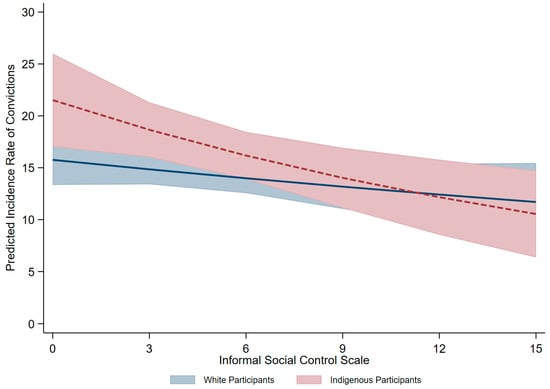
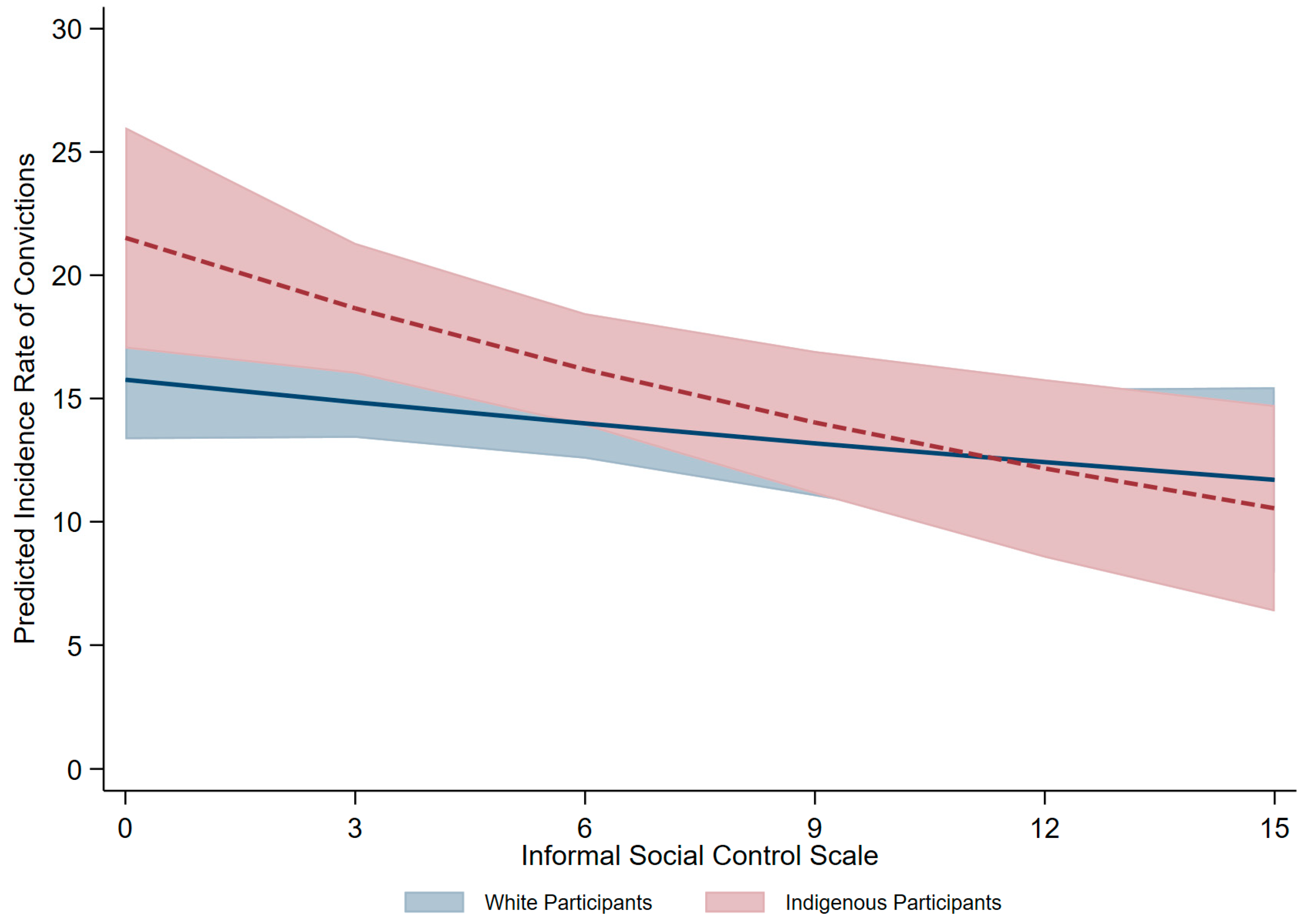
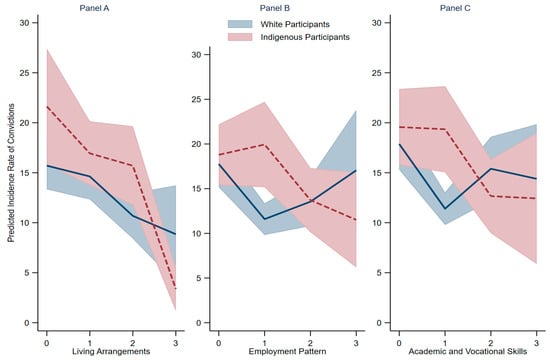
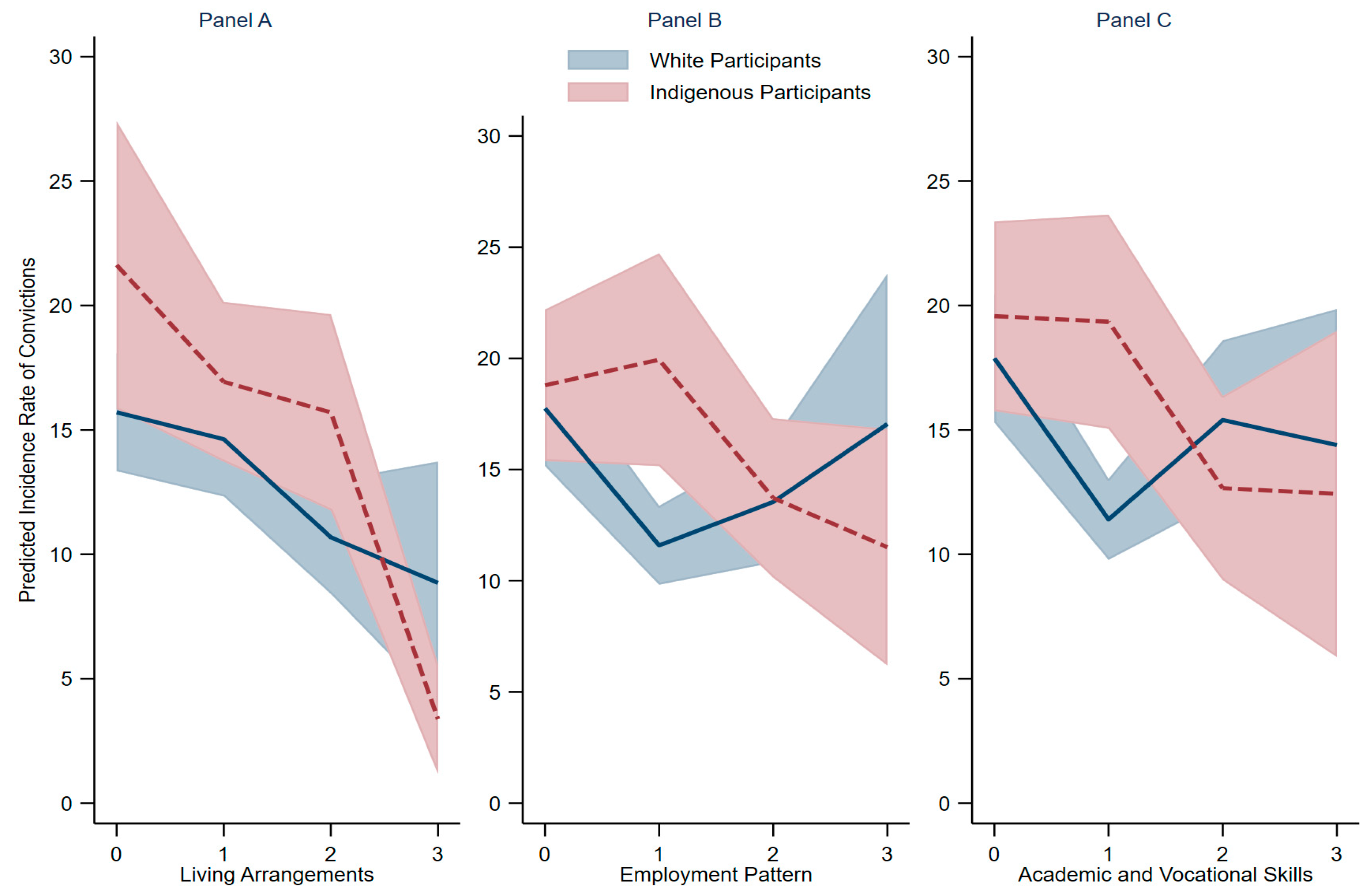

Disclaimer/Publisher’s Note: The statements, opinions and data contained in all publications are solely those of the individual author(s) and contributor(s) and not of MDPI and/or the editor(s). MDPI and/or the editor(s) disclaim responsibility for any injury to people or property resulting from any ideas, methods, instructions or products referred to in the content. |
© 2026 by the authors. Licensee MDPI, Basel, Switzerland. This article is an open access article distributed under the terms and conditions of the Creative Commons Attribution (CC BY) license.