


Abstract
Indoor Environmental Quality (IEQ) plays a vital role in occupant health and productivity. However, current Building Management Systems (BMS) often struggle in sustaining optimal IEQ levels due to limitations in data management and lack of occupant-centric feedback loops. To address these gaps, this research synthesizes the state-of-the-art methods for IEQ monitoring, assessment, and control within Building Automation Systems (BAS), identifying both technological and methodological advancements, as well as highlighting the challenges and potential opportunities for future innovations. Employing the Preferred Reporting Items for Systematic Reviews and Meta-Analyses (PRISMA) methodology, this multi-stage literature review analyzes 176 publications from 1997 to 2024, with a focus on the decade of rapid technological evolution from 2014 to 2024. The review focuses on high-impact journals indexed in Scopus to ensure quality while acknowledging the potential bias inherent in a single-database search. The synthesis reveals a methodological shift in monitoring from sparse, zone-level sensing towards dense, multi-modal systems that incorporate physiological data via wearables and behavioral recognition through computer vision. Assessment techniques are evolving from static models such as the Predicted Mean Vote (PMV) towards adaptive, personalized frameworks supported by Digital Twins and integrated simulations. Furthermore, control logic is transitioning toward Reinforcement Learning and Model Predictive Control to proactively manage occupancy surges and environmental variables. This evolution of monitoring approaches, assessment techniques, and control strategies is represented within the study’s Three-Tiered Developmental Trajectory, providing a novel Body of Knowledge (BOK) for mapping the transition of building systems from reactive tools to autonomous, occupant-centric agents. This study also introduces a Cross-Modal Interaction Matrix to systematically analyze the systemic trade-offs between IEQ domains. Furthermore, by establishing the “Implementation Frontier,” this work identifies the specific technical and ethical bottlenecks, such as “false vacancy” sensing errors, fragmented data silos, and the ethical complexities of high-resolution data collection that prevent academic innovations from becoming industry standards. To bridge these gaps, we conclude that the next generation of “cognitive buildings” must prioritize three pillars: resolving binary sensing limitations, harmonizing data via vendor-neutral APIs, and adopting privacy-preserving architectures to ensure scalable, interoperable, and occupant-centric optimization.
1. Introduction
The pursuit of a sustainable built environment has evolved from a primary focus on energy conservation to approaches that also prioritize the human experience, as discussed in the study by Zeng and Pishdad [1]. Indoor Environmental Quality (IEQ) has, therefore, become a central performance indicator because it is directly linked to occupant health and productivity, especially in contexts where people spend most of their time indoors. For example, statistics from Klepeis et al. [2] reveals that most people in the United States and Canada spend around 87% of their time indoors. Consequently, buildings must be designed not merely as static shelters but as dynamic systems for human occupancy, management, and operation [3].
This paradigm shift necessitates that the enhancement of IEQ extends beyond the preliminary phases of architectural design and planning to construction and the long-term operational phases of a building’s lifecycle. True sustainability of the built environment encompasses environmental, economic, and social dimensions. While environmental performance has traditionally been measured by energy metrics and carbon footprints, economic performance by operational costs, social performance relies on satisfying occupants’ needs regarding a comfortable and healthy lifestyle. As noted in the study by Zeng and Pishdad [1], social dimension is gaining significance gradually within sustainable development frameworks in the U.S., with the maintenance of excellent IEQ serving as a primary pillar of social sustainability.
1.1. Evolution of Sustainable Building Paradigms
To contextualize the growing significance of IEQ research and its industrial feasibility, sustainable building paradigms are often described as progressing through four stages including: green (energy efficiency and carbon footprint reduction [4,5]), healthy (reducing Sick Building Symptom (SBS) and pollutant exposure), comfortable (maintaining high thermal, acoustic, visual, and air quality standards), and productivity-boosting (supporting cognition, alertness, and decision-making [6]). These stages represent a hierarchy of needs within the built environment (conceptually similar to Maslow’s Hierarchy of Needs [7], see Figure 1).
Figure 1.
A hierarchy of needs within the built environment.
To navigate these stages effectively, one of the key approaches the industry has increasingly adopted is Post Occupancy Evaluation (POE), a systematic process for assessing how well buildings meet the needs of their occupants over time [8]. Importantly, when integrated with occupant interface, Building Automation Systems (BAS) serve as the technological engine which makes modern dynamic POE possible. By transitioning POE from static surveys to real-time operations, BAS enables a continuous loop of three major processes: IEQ Monitoring, IEQ Assessment, and IEQ Control. “Static” monitoring leverages established benchmarks from International Organization for Standardization (ISO), Building Management Systems (BMS), and Sustainable Building Rating Tools (SBRT) to verify compliance with predetermined environmental standards and design specifications. “Dynamic” monitoring facilitated by BAS continuously input sensor data and occupant feedback to adapt to changing conditions. Consequently, IEQ assessment integrates both objective environmental data and subjective occupant perceptions, allowing BAS control strategies to responsively optimize IEQ parameters. Overall, the proposed BAS-enabled framework transforms POE from a static retrospective assessment into an active tool. By correlating subjective feedback with objective sensor data, this framework could isolate specific environmental variables that are most critical for IEQ optimization.
1.2. The Role of Building Automation Systems
In parallel with the evolution of sustainability concepts, Building Automation Systems (BAS) have gained ubiquity within the building industry. These systems automate, monitor, and optimize multiple building subsystems, including Heating, Ventilation, and Air Conditioning (HVAC); lighting; mechanical, electrical, and plumbing (MEP); security; and other systems through centralized or distributed control architectures [9]. Historically, BAS architectures were limited to manual oversight or simple rule-based control for complex tasks. The Fourth Industrial Revolution has introduced advancements in Artificial Intelligence (AI) and data analytics that now enable near-real-time analysis and automated decision-making [10]. Several review studies have examined BAS analytics and control, for example as just mentioned AI-big data surveys of building automation and management systems [10] and HVAC adaptive-predictive control reviews [11], while complementary reviews discuss IEQ evaluation approaches such as POE and IEQ assessment surveys [8,12]. However, these reviews are typically subsystem- or method-specific and do not provide an integrated cross-domain synthesis of BAS-enabled monitoring, assessment, and control across thermal, IAQ, visual, and acoustic comfort, which is the focus of this study.
Recent studies have demonstrated that AI-assisted BAS could utilize machine learning models, such as regression, prediction, and classification, to streamline IEQ optimization while addressing energy utilization concerns [10,13,14]. However, many deployed systems still face practical barriers, including limited sensing resolution, fragmented data across proprietary platforms, and weak integration of occupant feedback, which constrain sustained IEQ optimization in real operation. This creates a gap between research potential and operational practice that motivates a structured synthesis of BAS-enabled IEQ monitoring, assessment, and control.
1.3. Research Objectives and Framework
Consequently, this study provides a systematic literature review of the state-of-the-art research focusing on utilizing BAS for IEQ optimization. It offers a comprehensive synthesis of monitoring, assessment, and control methodologies over four distinct tangible IEQ factors: thermal comfort, Indoor Air Quality (IAQ), visual and lighting comfort, as well as acoustic comfort [11]. It also identifies critical gaps in the current literature, specifically addressing the challenges in sensor technology, data interoperability, advanced analytics, occupant-centric dynamic controls, and the management of trade-offs between comfort and energy efficiency. Besides, two major research questions are to be answered throughout the literature review process, which are:
- RQ1: How do Building Automation Systems (BAS) and related technologies currently assist with the tangible monitoring, assessment, and control of diverse IEQ factors?
- RQ2: What are the persistent gaps and technological challenges that hinder the development of fully adaptive and scalable BAS for IEQ optimization?
To address these two research questions, this study employs a systematic literature review following the Preferred Reporting Items for Systematic Reviews and Meta-Analyses (PRISMA) guidelines [12], which encompass a clear database selection, well-defined inclusion and exclusion criteria, and iterative screening procedures to ensure comprehensive coverage of relevant publications. By unifying a well-acknowledged rigorous methodological framework with an in-depth evaluation of articles representing the status quo, the outcomes of this paper include (1) key opportunities in deploying advanced BAS solutions and strategies for future research and practical implementation, and (2) challenges which impede BAS implementation, regarding energy-comfort trade-off analysis, data reliability and security, as well as ethical considerations in building management and occupant data.
2. Research Methodology
To systematically assess the state-of-the-art of IEQ optimization utilizing BAS, and to ensure a rigorous and transparent examination of the existing literature, this study was conducted in compliance with the Preferred Reporting Items for Systematic Reviews and Meta-Analysis (PRISMA) methodology [12]. The review protocol was not registered.
2.1. Database Selection and Search Strategy
This process began with an initial comprehensive database search aimed at capturing peer-reviewed studies relevant to Indoor Environmental Quality (IEQ), Post-Occupancy Evaluation (POE), and Building Automation Systems (BAS). Academic database Scopus was systematically queried using carefully designed keyword combinations and Boolean operators to maximize coverage. While relying on a single database presents a methodological limitation, Scopus was selected as the primary search engine due to its broad and comprehensive indexing of high-impact technical engineering and building science literature. The decision to prioritize depth within a highly relevant repository over breadth across multiple databases (such as Web of Science or ScienceDirect) was made to maintain a focused, high-quality corpus of core BAS and IEQ research. However, it is acknowledged that this approach limits the retrieved results strictly to publications indexed within this specific engine. To ensure a comprehensive retrieval of relevant literature, the search strategy targeted the core metadata of the literature. Specifically, the query examined the Article Title, Abstract, and Keywords (denoted by the Scopus field code TITLE-ABS-KEY) to capture related terms (see Figure 2). Here are the exact queries inputted in Scopus:
Figure 2.
Keyword selection for PRISMA methodology.
TITLE-ABS-KEY (“indoor environmental quality” OR “indoor air quality” OR “ventilation” OR “thermal comfort” OR “lighting design” OR “daylighting” OR “acoustics” OR “noise pollution” OR “airborne contaminants” OR “carbon dioxide” OR “particulate matter” OR “HVAC system *” OR “sustainability” OR “green building *”)
AND
TITLE-ABS-KEY (“post-occupancy evaluation” OR “building performance” OR “occupant satisfaction” OR “user experience” OR “feedback system *” OR “survey *” OR “questionnaire *” OR “LEED certification” OR “zero energy building *” OR “focus group *” OR “user-centered design”)
AND
TITLE-ABS-KEY (“building automation system *” OR “facility management system *” OR “smart building *” OR “energy optimization” OR “energy demand response” OR “sensor *” OR “controller *” OR “actuator *” OR “data logger*” OR “adaptive control*” OR “communication protocol *” OR “smart technology” OR “energy efficiency”)
2.2. Identification of Relevant Articles
This broad search yielded a total of 11,622 documents (see Figure 3 and Figure 4). To focus on contemporary scholarship, the publication window was then limited to the decade preceding the data collection phase (2014–2024), reducing the dataset to 7149 records. This decade aligns with the rapid acceleration of the fourth industrial revolution and the widespread integration of Internet of Things (IoT) sensing technologies into building management systems. Additional filters were then applied to refine the searching results: only peer-reviewed journal articles written in English were included, resulting in a subset of 4033 documents.
Figure 3.
PRISMA flow diagram generated using ShinyApp by Haddaway et al. [13].
Figure 4.
PRISMA flow diagram created by authors.
2.3. Screening of Relevant Articles
To ensure the review is focusing on multidisciplinary IEQ research and core building science publications, a strict quality control filter was applied to the sources of the publications. To ensure the review focused rigorously on multidisciplinary IEQ research and established building science publications, a frequency-based quality control filter was ap-plied. Journals contributing fewer than 40 articles, equivalent to less than one percent of the search results, were excluded. This threshold was established pragmatically to manage the large volume of initial results and mitigate the inclusion of peripheral or non-standardized sources. While this step successfully refined the dataset to 1133 highly relevant documents, it is acknowledged that this criterion introduces a potential bias by omitting valid studies published in smaller, niche, or newly established journals. In the subsequent stage, the titles and abstracts of these 1133 results were carefully screened for relevance to occupant-centric BAS, IEQ monitoring, assessment, and control, as well as POE methodologies and case studies, leading to 267 results. Only those studies aligned with the scope of this research were advanced to full-text review for final inclusion in the systematic analysis.
2.4. Eligibility of Relevant Articles
During this stage, articles were evaluated and excluded if they (1) lacked a clear Building Automation System control component, (2) focused solely on outdoor environments without indoor implications, or (3) failed to demonstrate an integration of occupant feedback. The selection process utilized a master Excel database where reviewers highlighted the relevance of papers using a color-coding system to facilitate the decision to drop non-relevant studies. As a result, the final screening process yielded 122 articles.
2.5. Inclusion of Relevant Articles
Subsequently, a Backward Snowballing technique, which includes systematically reviewing the references of included articles, identified an additional 54 relevant papers. Thus, the final corpus for the in-depth review comprised 176 articles (see Figure 3 and Figure 4). A comprehensive summary of all the included studies, including bibliographic metadata and research context, is provided in Table A1 in the Appendix A.
2.6. Data Extraction from the Selected Articles
Following the final selection of 176 articles, a data extraction process was conducted to build a comprehensive master database. After categorizing the papers, each author was responsible for extracting the data manually from all papers within their specific category. For each included study, bibliographic metadata, including Authors, Title, Publication Year, Research Location, and Digital Object Identifier (DOI) were extracted and cataloged, facilitating the bibliometric analysis presented in Section 3.1. Beyond general metadata, specific categorical data regarding applied standards, monitoring approaches, assessment methods, and control strategies were manually extracted and tabulated (see Appendix A, Table A2, Table A3, Table A4, Table A5, Table A6, Table A7, Table A8, Table A9, Table A10, Table A11, Table A12, Table A13, Table A14, Table A15, Table A16 and Table A17). This conceptual framework standardized the categorization of monitoring, assessment, and control strategies across all domains, ensuring consistent mapping onto the quantitative distributions. Furthermore, to ensure reproducibility, a subset of the extracted data was independently cross-checked among the authors to verify classification consistency. To visualize the current technological landscape and thematic evolution of these systems, a quantitative content analysis was performed on this extracted dataset. This involved mapping the distribution of research across geographic locations, which is critical in IEQ research as it shows the climatic context and the applicable regulatory standards (ASHRAE, CEN). This mapping identifies whether the current literature is skewed toward specific climates, which affects the generalizability of the findings. Besides, number of publications and building typologies for specific IEQ domains (Thermal, IAQ, Visual, and Acoustic) are displayed in bar charts to illustrate how environmental priorities shift depending on the primary function of the facility. In addition, heat maps are generated to illustrate the distribution of research methods across the IEQ domains. The encoding method for these heat maps utilizes a frequency-based color scale, where each cell represents the absolute count of studies meeting a specific intersection of IEQ domain and methodological approach. Higher color densities (hot spots) indicate established research trends, while lower densities (cool spots) highlight emerging gaps. All bibliometric visualizations and comparative figures were generated using Python 3.12.3 -based data science libraries, utilizing Pandas 2.3.3 for data structuring and Matplotlib 3.9.4 and Seaborn 0.13.2 for the generation of heat maps and bar charts.
3. Literature Review Findings
3.1. Bibliometric Overview and Research Trends
To begin with, a quantitative analysis of the selected literature reveals distinct geographical and typological trends across the four IEQ domains. Geographically, research priorities vary significantly by region (see Figure 5 and manually extracted information from Table A2, Table A6, Table A10 and Table A14 in the Appendix A). Thermal Comfort research is predominantly led by China (22.7%), followed by Spain (12.1%), and the U.S. (9.1%). In contrast, the U.S. (15.8%) is the primary hub for Indoor Air Quality (IAQ), with a secondary concentration of studies emerging from Canada (10.5%), and Poland (5.3%). This distribution suggests that the research priorities are heavily influenced by regional urbanization rates and climate-specific energy mandates. For instance, the dominance of thermal comfort studies in China and the EU correlates with aggressive national targets for building decarbonization and the adoption of high performance HVAC standards.
Figure 5.
Research distribution by country for: (a) Thermal Comfort (66 papers); (b) Indoor Air Quality and Ventilation Comfort (38 papers); (c) Visual and Lighting Comfort (14 papers); (d) Acoustic Comfort (4 papers).
In terms of Visual and Lighting Comfort, research contributions are globally distributed throughout North America (USA (14.3%), the Middle East (Egypt (14.3%), Israel (7.1%), Saudi Arabia (7.1%), Iran (7.1%)), and Europe or Asia, rather than a single dominant hub. Acoustic Comfort research remains concentrated in Western nations, specifically Germany (50%), Spain (25%), Portugal (25%)) and the United States (25%), pointing toward a localized maturation of acoustic regulations compared to the more globally harmonized thermal and air quality frameworks.
A temporal analysis of the publication dates indicates a synchronized acceleration in research output across all IEQ domains, particularly following the onset of the global pandemic (refer to manually extracted information from Table A2, Table A6, Table A10, and Table A14 in the Appendix A). This surge reflects a fundamental shift in the “healthy building” paradigm, where IEQ optimization transitioned from a luxury feature to a core component of institutional resilience. Thermal Comfort research has exhibited a consistent annual increase since 2020, reflecting a sustained and growing academic interest in thermal regulation and optimization (see Figure 6a). Similarly, IAQ research shows a clear surge annually from 2021 to 2024 (see Figure 7a), driven by a heightened societal awareness of airborne transmission risks and the subsequent demand for proactive ventilation controls. Visual Comfort displays the most dramatic growth trajectory, with a sharp surge in publications observed in 2023 and peaking in 2024 (see Figure 8a), marking an immediate industry pivot toward human-centric lighting technologies as office environments were redesigned for post-pandemic occupancy. In contrast, Acoustic Comfort follows a more dispersed timeline. While foundational work appears in 2005 and 2010, there is a notable resurgence of interest in 2022 and 2023 (see Figure 9a), pointing toward a renewed focus on acoustic standards in recent years.
Figure 6.
Publications on Thermal Comfort per year: (a) stacked bar chart; (b) bar chart showing building types.
Figure 7.
Publications on Indoor Air Quality and Ventilation Comfort per year: (a) stacked bar chart; (b) bar chart showing building types.
Figure 8.
Publications Visual and Lighting Comfort per year: (a) stacked bar chart; (b) bar chart showing building types.
Figure 9.
Publications Acoustic Comfort per year: (a) stacked bar chart; (b) bar chart showing building types.
Regarding building typologies, the literature reveals a divergence in research priorities tailored to the specific functional demands of indoor spaces. Thermal Comfort research is predominantly concentrated on “Educational” and “Residential” environments, underscoring a prioritization of spaces where cognitive performance and restorative sleep are significant (see Figure 6b). The prioritization of living, learning, and working spaces is similar to Acoustic Comfort research (n = 4), where “Educational” environments account for half (2 of 4) of the selected studies (see Figure 9b), underscoring the critical necessity of speech intelligibility and noise control in classrooms. IAQ research targets “Office” buildings as the primary area of attention, followed closely by “Residential” settings (see Figure 7b), reflecting the commercial sector’s focus on air quality as a primary driver of workplace productivity and employee retention. This differs slightly from the thermal comfort literature by placing a stronger relative emphasis on commercial workspaces over educational settings. Visual Comfort research places a predominant concentration on “Office” environments, followed by “Educational” buildings (see Figure 8b), indicating a clear prioritization of visual performance in workspaces where lighting quality is critical for productivity.
The analysis of cited standards reveals differences between globally dominant frameworks and domain-specific national regulations (refer to manually extracted information from Table A2, Table A6, Table A10, and Table A14 in the Appendix A), see Figure 10. ASHRAE Standards (specifically 55 and 62.1) and ISO Standards serve as “common language” across Thermal Comfort, IAQ, and Visual Comfort research, establishing a foundational baseline for global comparison. However, the influence of European standards (EN/CEN) is significantly more pronounced in IAQ and Thermal Comfort studies, reflecting the strong regulatory push for energy efficiency in the EU. Visual Comfort introduces a distinct layer of “Green Certification” influence, with frequent citations of LEED, WELL, and BREEAM alongside technical standards like IESNA. This suggests that visual comfort research is often propelled by market-based sustainability ratings and occupant-wellbeing certifications rather than mere technical compliance. In contrast, Acoustic Comfort operates under a highly fragmented, region-specific regulatory landscape. Unlike the other domains, it relies heavily on national legal statutes (e.g., German Aircraft Noise Act, Spanish legal acoustic requirements) and specific technical protocols like ISO 3382-2, highlighting a reliance on local legal compliance over global consensus and revealing a significant opportunity for the development of internationalized acoustic optimization protocols.
Figure 10.
Distribution of standards for four IEQ domains.
3.2. State-of-the-Art in IEQ Monitoring, Assessment, and Control Assisted with BAS and Related Technologies
The integration of Building Automation Systems (BAS) and related technologies such as the Internet of Things (IoT) and Building Information Modeling (BIM), is important for achieving robust monitoring, assessment, and dynamic control of the Indoor Environmental Quality (IEQ) within modern built environments [14,15]. BAS or Building Automated Control Systems (BACS) are defined as computer-based, automated systems designed to manage building’s mechanical and electrical systems. Their fundamental objective is to optimize energy efficiency while maintaining occupants’ comfort [16,17]. The following subsections explain how BAS and advanced control mechanisms address tangible IEQ performance across monitoring, assessment, and control strategies [15,18]. To ensure the stability and reproducibility of this manual classification, the extraction process was strictly guided by the structured taxonomy presented in Figure 11. Monitoring Approaches encompasses all mechanisms used to generate input data, whether physical (sensors), subjective (surveys), or virtual (simulation and archived data). Assessment Techniques refers to the analytical layer where that data is processed against specific criteria. Control Strategies refers to the operational strategies used to modify environmental conditions. Critically, this taxonomy serves as the structural foundation for the bibliometric analysis in this study. The specific sub-domains identified in are standardized to serve as the row labels for the heat map visualizations presented in the subsequent results sections. This ensures that the conceptual classification maps directly onto the quantitative distribution of the literature.
Figure 11.
Tree of IEQ representing systematic literature review findings for IEQ Monitoring, Assessment, and Control assisted with BAS and related technologies.
3.2.1. Monitoring Approaches for Four IEQ Domains
Regarding thermal comfort monitoring, both objective and subjective data are fed into the BAS or associated platforms. As for objective data collection, key environmental variables required to calculate conventional thermal comfort indices such as the Predicted Mean Vote (PMV) and Predicted Percentage Dissatisfied (PPD) are measured by sensors [19,20,21,22,23]. Measured key environmental variables include air temperature, relative humidity, air velocity, and mean radiant temperature [19,20,23,24,25,26]. In addition to objective inputs, subjective individual physiological data are collected through wearable sensors [26,27], which include skin temperature (usually measured around hands or neck), heart rate, and metabolic rate [26]. Skin temperature has been demonstrated to be applicable as a predictor for metabolic rate, thermal sensation, and overall thermal comfort [26]. With wrist skin temperature and heart rate data utilized in both linear and non-linear model, predicted thermal sensation could be calculated for integration into control system [26,28]. As for more advanced monitoring techniques than wearable sensors, such as video surveillance, thermal discomfort is inferred by occupants’ thermal-adaptive behaviors [29]. Although this approach avoids the need for wearable sensors and the deployment of an extensive network of in-room environmental sensors, specific human poses or gestures reflecting discomfort status, such as “crossing one’s arms,” “rubbing one’s hands,” or “fanning oneself with an object,” have to be defined clearly [29]. Assisted with computer vision models, these thermal-adaptive actions could be identified and classified within an acceptable precision range [29]. Another benefit for utilizing BAS for thermal comfort monitoring is the ability to visualizing the real-time IoT sensor data within BIM platforms [14]. Facility managers now could interact with a virtual 3D model with monitored thermal conditions, where specific areas experiencing thermal comfort or discomfort levels based on predetermined thresholds could be recorded with time and location. These records could also subsequently generate real-time alarms for facility managers, helping them to make proactive decisions more efficiently [14].
The monitoring of air-pollutant in real-time is increasing vital, especially since occupants spend a majority of their time indoor, where pollutant concentrations are always higher than outdoor levels [30,31,32]. BASs and smart thermostats could offer platforms for extracting and analyzing environmental data, providing opportunities for user-customized ventilation and continuous estimation of air infiltration rates [33]. The emergence of IoT sensors, often categorized as low-cost sensors (LCSs), makes it commercially available to monitor real-time IAQ and deploy control interventions [30,34,35]. As for the kinds of air pollutant that are tracked by those sensors, CO2, PM2.5, Total Volatile Organic Compounds (TVOCs), carbon monoxide (CO), Nitrogen Oxides (NOx), formaldehyde, and radon are frequently mentioned within the literature [30,32,34,35,36,37,38,39,40]. CO2 concentration is widely adopted as an indicator for assessing suitable indoor conditions and triggering ventilation procedures, especially in high-density spaces where human breathing is the primary source of bioeffluents [36,39]. Non-dispersive infrared (NDIR) sensors are usually used for CO2 monitoring [32], but issues such as sensor drift remain for these commercial CO2 sensors due to component degradation, aging, and mechanical stress, necessitating frequent maintenance and calibration for precise Demand-Controlled Ventilation [40]. Besides CO2, VOCs are another major pollutant for monitoring, used by Photoionization Detectors (PIDs) which could be potentially integrated with BASs for real-time ventilation control [30]. With the aid of these PIDs, episodic VOC emission events caused by chemical disinfectants could be identified [30]. Moreover, as for monitoring PM2.5, consistent accuracy to detect concentration levels remains a challenge for consumer-grade devices [32]. Besides accuracy, the utility of consumer-grade monitors is highly dependent on factors like responsiveness, quality of data visualization, and portability, which directly influence how users interact with the building performance data [32]. In addition to objective sensing, a subset of studies also capture subjective IAQ-related feedback (for example, perceived air quality [41], odor perception, and symptom or complaint reports [34]) to contextualize sensor readings and support decision-making.
The monitoring of visual and lighting conditions relies on collecting comprehensive data regarding lighting quantity, distribution, energy input, and occupant behavior using multiple sensing technologies [42]. A range of sensors, both traditional and advanced, were employed for monitoring visual environments and occupancy in the literature. For example, photometric instruments such as luxmeters (e.g., Sper Scientific Lux/FC PCS-100 840020C and Light Level Sensor PS-2177) and luminance meters (e.g., Konica Minolta LS-110), are utilized for measuring illuminance and point measurements of luminance, respectively. Light intensity sensor modules are strategically placed inside and outside (e.g., 1 m from a window) to detect ambient sunlight intensity [43]. Regarding real-time calibration of luminance values derived from image processing, a chroma meter (e.g., Konica Minolta Chroma meter CS-150) may be used [44]. Besides photometric sensors, modern control systems frequently utilize digital cameras or High Dynamic Range imaging (HDRi) surveillance cameras as HDR vision sensors [44]. Different with simple luminance meters, these HDRi sensors are valued for their low cost and ability to rapidly collect high-resolution luminance distribution data across a wide field of view [44]. To ensure the functionality of the smart light systems, one requirement could be the detection of occupant presence and movement [43]. Common occupancy sensors include passive infrared (PIR) sensors, microwave Doppler sensors, and ultrasound sensor [43]. In conclusion, in terms of values for monitoring, they fall into several key categories necessary for performance evaluation: illuminance (Desk illuminance [45], Average illuminance-Task (Eh-task), and Average illuminance-Room (Eh-room) [42], standardized benchmarks for target illuminance vary based on task complexity, such as 300 lux for general office work and 500 to 1000 lux for more demanding tasks [44,46]), luminance (Desktop luminance (cd/m3), Partition luminance (cd/m3) [45]), glare (Vertical eye illuminance (Ev-eye) [42]), as well as power and energy (Lighting Power Density (LPD) and Energy Use Intensity (EUI), representing the yearly energy consumption per square meter (kWh/m2) encompassing artificial lighting, cooling, and equipment load). Some studies also incorporate subjective visual feedback through POE questionnaires (for example, satisfaction with brightness, glare [47], and lighting quality [48]) as an input alongside sensor data.
The study of acoustic comfort, while critical for optimizing cognitive performance and occupant health, has historically received comparatively less published attention than other core, tangible IEQ factors. This gap is largely due to historical and institutional biases favoring non-educational settings like offices, along with contradictory protocols and inadequate metrics [49]. Current research often overlooks the specific physical and mental health needs of classrooms, prioritizing worker productivity instead. Furthermore, standardized acoustic assessments such as background noise and Reverberation Time frequently mandate closed windows, directly conflicting with ventilation protocols required for IAQ and virus mitigation. Additionally, reliance on single parameters like Reverberation Time in some national regulations is insufficient. Comprehensive assessment must integrate metrics such as the Speech Transmission Index (STI) and background noise levels to capture the full acoustic environment [49]. To address these challenges, within the limited literature, several rigorous methodologies for monitoring acoustic environment has been developed. Acoustic measurements typically employ specialized equipment such as an M2230 microphone connected to an XL2 audio analyzer for signal recording [49]. Additionally, the Nor140 sound level meter (Norsonic) has been specifically used to measure the Speech Transmission Index (STI) via the STIPA method, as well as background noise levels [50]. Parameters under monitoring are quantifying the performance of a space for speech communication. These parameters include Reverberation Time (RT), Background Noise (BN) levels, Speech Transmission Index (STI), and Clarity (C50) [49,50]. Beyond objective measurements, subjective acoustic comfort is also captured in some studies using pre/post occupancy surveys to reflect perceived distraction and satisfaction [51].
Based on the synthesis of the selected literature as well as the manually extracted contents summarized in Table A2, Table A6, Table A10, and Table A14 in the Appendix A, here is a heat map visualizing the monitoring approaches across four IEQ domains (see Figure 12). This heat map reveals a distinct methodological difference between IEQ domains, suggesting that the monitoring protocols are currently domain-specific rather than unified. Thermal comfort emerges as a hybrid discipline, balancing continuous field monitoring with high-frequency subjective surveys, reflecting an understanding that thermal satisfaction is both physical and perceptual. In contrast, IAQ is heavily sensor-centered and relying on CFD simulations, often neglecting the “human-as-a-sensor” feedback loop. This creates an information silo where physiological stress captured in thermal studies is rarely correlated with air pollutant exposure in the same built environment. Furthermore, while Visual Comfort monitoring is increasingly integrated with performance modeling with simulation tools as well as occupancy-sensing via HDRi cameras, acoustic monitoring remains an isolated, episodic activity. The “cool spots” across the het map for wearable sensing and multi-modal data fusion suggest that the industry has yet to achieve a unified occupant profile that captures all four environmental factors simultaneously.
Figure 12.
Heatmap of monitoring approaches across IEQ domains. (Note: The data distribution is representative of our specific keyword selection and the papers meeting the inclusion criteria for this review).
To maintain methodological clarity, this study establishes a formal distinction between IEQ monitoring approaches and assessment techniques. Monitoring is defined as the phase of raw data acquisition, encompassing the use of physical sensors (IoT/WSN), subjective feedback (surveys/POE), and virtual or archived datasets (BMS logs/simulations) to generate environmental and behavioral inputs. In contrast, Assessment represents the subsequent analytical layer where these raw data streams are processed into evaluative indices, predictive models, or regulatory benchmarks. In the visual comfort domain specifically, the measurement of point-in-time task illuminance or surface luminance constitutes a monitoring output, whereas the derivation of integrated, climate-based metrics such as Spatial Daylight Autonomy (sDA) or Daylight Glare Probability (DGP) is classified as an assessment output.
3.2.2. Assessment Techniques for Four IEQ Domains
Operational assessment of thermal comfort within BAS focuses on maximizing the thermal satisfaction while simultaneously achieving low energy consumption. Traditionally, PMV and PPD are utilized for determining acceptable thermal conditions [19,52]. However, the reliability of the PMV and PPD model is challenged. Some research shows that it could correctly estimate thermal sensation for only 34% of the cases [53]. That’s why for long-term and holistic assessment of thermal comfort, specifically in dynamic environments, hours of exceedance (frequency of thermal discomfort) [24], exceedance degree hours (summation of the severity of each hour that conditions fall outside a defined comfort zone) [53], and Environmental Quality Index for Thermal Comfort (EQITC) (percentage of time PMV values fall into specific comfort categories) [24], are used to quantify both discomfort severity and frequency.
Considering the assessment approaches for IAQ and ventilation performance, they are increasingly moving forward towards integrated and multicriteria frameworks which combine physical measurements, predictive modeling, and regulatory compliance [54]. Research by Heibati et al. have successfully developed combined simulation tools, including coupling EnergyPlus for energy, CONTAM for contaminant transport, and WUFI for heat and moisture transport, using mechanisms based on the exchange of temperature, airflow, and heating–cooling control variables [54]. Besides integrated models to assess energy, IAQ, and moisture dynamics, simulation techniques, such as CFD analysis and WTT are also integrated to provide essential airflow data for building energy contaminant transport models [55]. In addition to integrated modeling and simulation, several quantitative indices are commonly utilized to measure system effectiveness, including Air Distribution Performance Index (ADPI), Effective Draft Temperature (EDT), Pollutant Removal Effectiveness (PRE), and Infection Probability (IP) [56,57]. Beyond objective assessment, subjective approaches are proved to be crucial, as research by Parhizkar et al. [58] and Anastasi et al. [59] reveal that lower CO2 concentrations correlate positively with higher well-being indices and reduced reports of respiratory symptom. Subjective feedbacks could also suggest possible perceivable IAQ change thresholds, noting complaints occur more frequently when PM2.5 concentrations exceed 80 μg/m3 during cooking [34].
Similar to thermal comfort, the assessment of visual and lighting conditions employs a mixed-methods approach integrating objective, simulation-based metrics with subjective evaluations of occupant perceptions. Considering simulation-based assessment, advanced daylighting design usually utilizes dynamic, climate-based daylight simulations (e.g., using engines like Radiance, EnergyPlus, Daysim, Honeybee, and Ladybug Tools) to evaluate performance across an entire year [42,48,55,60]. These dynamic metrics summarize the annual sufficiency and distribution of light [42,60].
Useful Daylight Illuminance (UDI). It measures the percentage of occupied time when daylight illuminance falls within a useful range (e.g., 100–3000 lux [61] or 200–1000 lux [55]), ensuring the space is neither too dark nor excessively bright [62].
- Daylight Autonomy (DA or DLA). It calculates the percentage of occupied hours per year when a minimum illuminance threshold (e.g., 300 lux) is met by natural light alone [42,48,55].
- Spatial Daylight Autonomy (sDA). It evaluates the annual sufficiency of daylight levels by examining the percentage of the working plane area that meets a minimum illuminance level for a specified fraction of operational hours [42,48,63].
- Annual Sunlight Exposure (ASE). It indicates the annual potential for visual discomfort by calculating the percentage of the working plane area that exceeds a high illuminance level (e.g., 1000 lux) for a specified number of hours (e.g., 250 h) [42,48].
- Daylight Glare Probability (DGP). It provides an accurate prediction of the subjective perception of daylighting glare [42,44,48,55]. DGP degrees are classified from Imperceptible (DGP < 0.35) to Intolerable (DGP > 0.45) [44,55].
- Unified Glare Rating (UGR). It is specifically designed for assessing discomfort caused by indoor artificial lighting [44].
- Daylight Glare Index (DGI). It is often used in historical research, though luminance-based metrics are now generally favored [42,60,64].
In terms of subjective assessment, particularly Post-Occupancy Evaluations (POE), questionnaires, often employing Likert scales, are utilized to gather feedback on satisfaction with natural light levels, glare, and lighting quality [42,46,47,48]. These surveys could help determine if luminous conditions meet human needs related to mood, health, safety, and aesthetic judgments [45]. Research from Davoodi et al. suggests that occupants’ perception of the lit environment mainly relies on the instantaneous perception rather than average annual metrics (e.g., DA or ASE) [42]. Furthermore, simple metrics such as horizontal illuminance on the task area (Eh-task) sometimes exhibit a higher correlation with perceived visual comfort than complex metrics like DA or DGP, emphasizing the importance of light quantity on the immediate work plane for user satisfaction [42].
The assessment of acoustic comfort is multifaceted, relying on comparisons of measured objective parameters against regulatory thresholds, scenario-based testing, and increasingly, human-centric evaluation via spatial visualization and subjective surveys. Objective acoustic parameters, including RT and C50, are rigorously calculated based on impulse responses and recorded signals, generally adhering to standards such as ISO 3382–2:2008 [49]. Speech intelligibility is assessed by measuring STI, often using the STIPA method, in accordance with specifications outlined in the IEC 60268–16:2020 standard [49]. Noise levels could be assessed against standards using Noise Criteria (NC) curves, such as NC-40 or less recommended by ASA S.12.2-2008 for open-office plans with forced-air distribution systems [49,50]. Together these metrics characterize reverberation (RT), clarity (C50), speech intelligibility (STI/STIPA), and background noise acceptability (NC). In addition Glean et al., (2022) [50] complementing them with occupant surveys to relate measured performance to perceived distraction and satisfaction.
Based on the synthesis of the selected literature as well as the manually extracted contents summarized in Table A3, Table A7, Table A11, and Table A15 in the Appendix A, here is a heat map visualizing the assessment techniques across four IEQ domains (see Figure 13). Overall, the assessment techniques within IEQ research are divided into prescriptive compliance and predictive modeling. A cross-dimensional comparison of assessment techniques reveals a “maturity gradient” across the IEQ domains. Thermal and visual comfort lead the field in innovation, shifting from static prescriptive compliance (e.g., PMV or 300-lux thresholds) towards dynamic, predictive modeling using Machine Learning and Multi-Objective Optimization. In contrast, IAQ and acoustic assessments remain largely defensive and prescriptive, relying heavily on standards compliance by comparing levels against WHO or ASHRAE limits. Besides, it also focuses more on statistical correlation rather than predictive AI models. This lack of analytical harmony prevents the development of a standardized IEQ communication protocol. Currently, assessment models operate in parallel, failing to account for how perceived comfort in one domain (e.g., visual satisfaction in a daylit space) may broaden the acceptable range in another (e.g., thermal tolerance), a synergy that remains an unexploited opportunity for energy optimization.
Figure 13.
Heatmap of assessment techniques across IEQ domains (Note: The data distribution is representative of our specific keyword selection and the papers meeting the inclusion criteria for this review).
3.2.3. Control Strategies for Four IEQ Domains
Moving away from fixed setpoints to dynamic adjustments catered to individual thermal satisfaction, BAS enabled control strategies could help achieve user-centric thermal control. This control integrates personal thermal comfort profiles into the Heating, Ventilation, and Air Conditioning (HVAC) control loop [27,65,66]. Some control systems utilize advanced computation, such as Machine Learning (ML) to forecast thermal comfort states and dynamically adjust system operation [65]. Some systems adopts fuzzy control algorithms, using the calculated group thermal sensation derived from individual thermal sensations to optimize and adjust the zone temperature setpoint [28,67], to balance between comfort and energy savings by setting indoor temperatures near the neutral PMV value [67]. Besides centralized thermal control, utilizing decentralized or localized heating and cooling systems could also optimize thermal environment to occupants’ needs [68]. Examples include heated or cooled office chairs, thermoelectric walls, and fans on the desk [26,68]. The control logic for these decentralized systems is often based on local sensation values of specific body parts such as head, arm, pelvis, or overall thermal sensation values [68]. Collectively implementing adaptive controllers with decentralized HVAC systems could allow a wider acceptable thermal range, leading to significant reductions in energy consumption while maintaining occupants’ comfort.
In terms of control strategies for IAQ, dynamic and energy-efficient management of ventilation and HVAC systems could be facilitated by the advancement of BAS and artificial intelligence. Compared with Constant Air Volume (CAV) systems, Demand-Controlled Ventilation (DCV) systems are a primary strategy for optimizing airflow through dynamically adjusting ventilation rates based on real-time sensor data, resulting in potentially up to 40% energy savings [36]. Among all the DCV systems, CO2-based DCV is widely researched and implemented, particularly in commercial and educational buildings, due to the link between CO2 concentration and ventilation needs [36,40]. One challenge for implementing DCV systems in multi-zone buildings is sensor infrastructure costs, which is then addressed using an “adjacent control” method [40]. Regarding the assistance of AI for control strategies, it helps improve traditional rule-based control (RBC) and Proportional-Integral-Derivative (PID) methods by incorporating predictive and adaptive capabilities [69,70]. Among all the advanced control methods, three concepts are mentioned frequently: Model Predictive Control (MPC), Reinforcement Learning (RL), as well as Fuzzy Logic and Neural Networks. MPC, although proved to be an optimal strategy successfully balancing energy usage while maintaining indoor conditions, relies heavily on the quality and accuracy of the underlying thermal and energy simulation models [69,70]. Unlike MPC, Reinforcement Learning (RL) algorithms, often integrated with deep neural networks (DQN), are model-free techniques used to optimize the operation of multiple indoor climate devices (including air purifiers, ventilation systems, and kitchen hoods) to maintain IAQ with energy efficiency [69]. According to the research from Kim and Moon, RL-based controls have been demonstrated to reduce indoor CO2 concentration and energy usage simultaneously [69]. Besides these two methods, Artificial Neural Networks (ANNs) and fuzzy models (such as the Takagi-Sugeno fuzzy model) are also employed for predicting CO2 concentration, modeling chiller components, and enabling real-time optimal control schemes in HVAC systems.
As for control strategies for Visual and Lighting Comfort, modern lighting control systems are usually automated, integrating information technology with sensors and actuators [43,46]. These systems, incorporating Internet of Things (IoT), Building Information Modeling (BIM), and Wireless Sensor Networks (WSNs), could automatically regulate the dimming levels of Light Emitting Diodes (LEDs) based on real-time inputs such as available daylight, occupancy presence, and predefined schedules [43]. One specific advanced context-aware control system mentioned by Budhiyanto et al. is High Dynamic Range Image (HDRi) Surveillance Lighting Control System (HSLDCS), which utilizes HDR vision IP cameras to measure luminance distribution and automatically adjust window blinds and LED lamps according to predefined control rules tailored to various activities, such as discussion and slideshows [44]. This HSLDCS implementation has demonstrated 43% to 63% energy savings, depending on daylight availability [44]. Besides, Multi-Objective Optimization (MOO) frameworks utilizing algorithms, like NSGA-III, genetic algorithms (MOGA), and artificial neural networks were also employed in several studies to create a proper trade-off between energy efficiency, daylight, and thermal comfort [46,48,61,63]. Various optimal design variables were identified to help balance competing performance objectives, including orientation, window-to-wall ratio, and shading design parameters [61,62]. Specifically, to ensure the operation of MOO frameworks, shading systems are becoming increasingly dynamic and adaptive to manage solar radiation and glare, particularly in highly luminous climates [62,64]. Three typical dynamic shading devices were employed based on the investigation of the literature, which are movable shading devices, photovoltaic integrated shading devices (PVSDs), and biomimetic adaptive shading skins. According to the studies by Pérez-Carramiñana et al., external movable shading devices such as Venetian blinds or louvers are generally more effective than interior systems regarding a reduction in cooling demand and improvement of thermal comfort, since they could diffuse daylight and achieve a more adequate, homogeneous illuminance [46]. In terms of dynamic PVSDs, it could generate electricity and simultaneously reduce cooling loads [71]. Control strategies for dynamic PVSDs include optimizing the individual and combined movement (e.g., dual-axis rotation) of the panels to balance PV generation, building loads, and daylighting throughout the year [71]. At last, as for biomimetic adaptive shading skins, they were inspired by biological systems such as the Gazania flower or tree morphology. They could dynamically adjust their geometry in response to environmental triggers like light and temperature to optimize daylight exposure, reduce visual discomfort, and enhance energy efficiency [63].
The control strategies for maintaining acoustic comfort generally involve passive design and surface treatments, active sound management systems, and measures specifically designed to mitigate the conflict arising from necessary ventilation protocols. Effective control starts with the architectural design and materials selection to acoustically separate different functional areas and significantly increasing sound absorption through the use of high-performance surfaces [50]. Within the specialized subset of open-plan office research, active sound management serves as a targeted control strategy to improve speech privacy. This involves the strategic addition of broadband background noise to raise the ambient sound floor (e.g., NC−40 or 46dBA to 48dBA), thereby reducing the distraction of irrelevant speech [50]. A major challenge for acoustic control, especially in educational buildings that rely on natural ventilation, is balancing acoustic requirements with the necessity of achieving adequate IAQ, particularly during periods requiring increased ventilation to minimize airborne virus transmission. Since opening windows and doors could increase background noise from external sources (such as road traffic or pedestrian noise), which in turn worsens STI and speech intelligibility. Research suggests that strategic choices regarding classroom location and orientation can help maintain background noise levels close to recommended ranges even with windows open [49].
Based on the synthesis of the selected literature as well as the manually extracted contents summarized in Table A4, Table A8, Table A12, and Table A16 in the Appendix A, here is a heat map visualizing the assessment techniques across four IEQ domains (see Figure 14). The control strategies landscape is characterized by a “conflict zone” where optimization in one domain frequently compromises another. Our synthesis identifies a primary operational conflict between IAQ and acoustics: the increased ventilation rates required for virus mitigation and air freshness often raise background noise levels, directly degrading speech transmission index and cognitive performance. While the thermal and visual domains are beginning to bridge this gap through integrated MOO frameworks, such as optimizing dynamic shading to balance solar heat gain and glare, IAQ and acoustics remain operationally isolated. The transition toward “cognitive buildings” is currently hindered by these trade-offs. While thermal and IAQ domains utilize Reinforcement Learning (RL) for autonomous control, they often do so without acoustic-awareness, potentially leading to noise-included dissatisfaction. Future industry requires moving beyond component-level control toward systemic architectures which resolves these cross-dimensional trade-offs in real time.
Figure 14.
Heatmap of control strategies across IEQ domains (Note: The data distribution is representative of our specific keyword selection and the papers meeting the inclusion criteria for this review).
3.3. Synthesis: The Developmental Trajectory of IEQ Optimization
The systematic synthesis of the reviewed literature reveals a clear developmental trajectory for BAS in managing IEQ. Rather than progressing at a uniform rate, the four IEQ domains exhibit varying levels of technological and methodological maturity. To provide a comparative framework for this evolution, this study introduces a three-tiered developmental trajectory, demonstrating the transition of building systems from simple, reactive tools toward autonomous, occupant-centric agents.
Tier 1, foundational or the compliance phase, represents the traditional baseline of building management. At this stage, the primary objective is meeting minimum regulatory standards through fixed, “one-size-fits-all” setpoints. Monitoring is characterized by sparse, zone-level sensing often prone to “false vacancy” errors, while assessment relies on static, universal models like the PMV. Control logic remains rooted in manual behaviors or rule-based schedules. Currently, in contrast to the autonomous optimization seen in thermal systems, Acoustic Comfort remains primarily in the “foundational” tier. While specific interventions, like sound-masking, are utilized in niche contexts, the broader domain still relies heavily on passive architectural design and surface sound absorption, with significantly less adoption of real-time, BAS-integrated optimization algorithms compared to the thermal or visual factors.
Tier 2, integrated or the data-driven phase, marks a transition towards continuous field monitoring and digital integration. This tier utilizes IoT-based sensor networks and low-cost sensors to better align building operations with real-time environmental conditions. Assessment techniques evolve towards statistical correlations and integrated multicriteria frameworks, such as coupling contaminant transport with energy models. Control strategies frequently implement Demand-Controlled Ventilation and PID loops that adjust setpoints based on live sensor feedback. Indoor Air Quality is the dominant domain in this tier, having successfully integrated real-time CO2 and pollutant tracking into dynamic ventilation logic.
Tier 3, Intelligent or the cognitive phase, represents the frontier of the field, where buildings possess “reasoning” capabilities to proactively balance conflicting goals of energy efficiency and individual well-being. Monitoring at this level is dense and multi-modal, incorporating physiological data from wearables and behavioral recognition through computer vision to “see” and “feel” the environment like a human. Assessment utilizes adaptive, personalized frameworks supported by Digital Twins and machine learning to predict individual comfort states. Control logic is fully autonomous, leveraging MPC and RL to manage environmental variables. Thermal and Visual Comfort are currently leading domains migrating into this intelligent tier, utilizing MOO to resolve complex trade-offs in real time.
Here are three tables summarizing the characteristics of monitoring, assessment, and control for each tier, as well as examples of each IEQ factor at each tier, see Table 1, Table 2, and Table 3.
Table 1.
Developmental trajectory of IEQ monitoring approaches.
Table 2.
Developmental trajectory of IEQ assessment techniques.
Table 3.
Developmental trajectory of IEQ control strategies.
4. Gaps, Opportunities, and Challenges in BAS-Enabled IEQ Optimization
Despite the advancements detailed above, the systematic review reveals persistent gaps which hinder the development of fully adaptive, occupant-centric Building Automation Systems (BAS). These deficiencies span sensor technology, data interoperability, system integration, advanced analytics, occupant-centric dynamic controls, and the complex trade-offs between comfort, operational efficiency, and energy management. By synthesizing these findings into a unified “Gap → Opportunity → Challenge” framework, this section moves beyond a descriptive summary to propose a targeted research roadmap.
4.1. Theme I. Standardization—From Data Interoperability Silos to Unified Frameworks
4.1.1. The Gap: Connectivity and Integration Barriers
Regarding Sensor and Connectivity Deficiencies, calibration errors could be one of the most observed gaps in the literature. Sensor accuracy is compromised by environmental factors such as lighting and spatial geometry, as demonstrated by Seghezzi et al. [72] in IoT-based occupancy sensors, Unzu et al. [73] in fiber optic networks, and Ding et al. [30] in photoionization detectors for VOC monitoring. Similarly, Pietraru et al. [35] noted calibration complexities in low-cost air quality systems, which are further compounded by limited detection capabilities in specific pollutants or occupancy patterns, with chair-integrated sensors facing reliability issues [74], wearable sensors showing variability in thermal comfort predictions [26,27,75,76], and low-cost IoT submeters exhibiting limitations in real-time fault detection [77,78]. What’s more, high costs and calibration complexities limit sensor deployment in resource-constrained settings, as highlighted by Zhang et al. [79] in their sensor cost-effectiveness analysis, Pietraru et al. [35] in low-cost air quality monitoring, and Fissore et al. [78] in multi-sensor IEQ devices. Beyond hardware limitations, a more systematic issue exists at the network level. Protocol heterogeneity could compromise effective data transmission throughout different platforms, as diverse protocols like BACnet, KNX, and oBIX hinder seamless data exchange, as noted by Neugschwandtner et al. [80], Fernbach et al. [81], and Domingues et al. [82] who concluded that no single approach fully covers BAS functionalities. Mahalik and Lee [83] identified similar challenges with LonWorksTM networks. Moreover, the industry’s shift towards cloud-based platforms introduce latency that impairs real-time IEQ control, as observed by Bharany et al. [84] in energy-efficient systems, Uzair et al. [85] in MQTT-based solutions, and Devagiri et al. [86] in multi-view clustering. Last but not least, IoT data collection raises privacy concerns, with Bakar et al. [87] highlighting risks in occupant data handling, Dibley et al. [88] noting challenges in ontology-based semantic interoperability, and Sovacool et al. [89] discussing demographic differences in adoption. In terms of System Integration Barriers, large-scale BAS deployment faces scalability challenges, with edge computing showing promise but lacking standardized frameworks, as per Habib et al. [18]. Tang et al. [90] emphasized integration issues with BIM and BACnet, while Ramsauer et al. [91] highlighted WSN and occupant feedback integration. Also, the compatibility issues between systems requires more focuses, as seen in EnOcean-based demand response [92], cyber-physical architectures [93], and Domingues et al. noting fragmented BAS functionalities [82]. Lastly, fault tolerance and maintenance is also one of the challenges. Actuator faults in VAV units require adaptive estimation [94], while incomplete sensor data necessitate advanced reconstruction methods, as shown by Zhao et al. [95] and Liang et al. [96] in KPCA-based diagnostics. These technological fragments all contribute to “information silos” that prevent large-scale, scalable BAS deployment.
4.1.2. The Opportunity: Enhanced Interoperability and Data Standardization
The systematic review of these multifaceted connectivity deficiencies underscores a critical need for a paradigm shift from individual hardware fixes towards service-oriented architectures. The literature suggests that the resolution to protocol fragmentation lies in unified semantic models. Establishing standardized communication protocols is critical to ensure seamless data exchange across the building lifecycle [80,81,90].
Recent case studies from the literature illustrate the practical implementation of this opportunity, providing detailed scalability analysis and a critical evaluation of the technical issues that remain. For example, Fernbach et al. [81] proposed a technical framework to map the BACnet interworking model to the OPC Unified Architecture (OPC UA), aiming to provide standardized, technology-independent access to BAS applications. By creating a unified information model, the study demonstrated how OPC UA clients could interact with heterogeneous BACnet devices without the need for technology-specific drivers [81]. Similarly, Tang et al. [90] developed a Model View Definition (MVD) for BACnet within the Industry Foundation Classes (IFC) framework. It utilized Information Delivery Manual (IDM) and MVD methodologies to define an IFC subset schema, which was tested with Revit and a web browser to demonstrate practical BAS information exchange. This study validated the feasibility of integrating BAS data into BIM tools to support lifecycle management [90]. These advancements represent a pathway towards a vendor-neutral digital ecosystem.
4.1.3. The Implementation Frontier: Technical and Methodological Gaps
While these case studies validate the feasibility of a unified framework, their practical scaling reveals secondary layer of “residual gaps” that form the current research frontier, where the focus shifts from “if” these systems can connect to “how efficiently” they can operate at scale. Moving from architectural concepts to industry standards requires addressing:
- Information Modeling and Management Silos. Current BAS management levels still predominantly rely on technology-specific drivers, which prevents a truly technology-independent method of communication between heterogeneous devices. Overcoming these silos requires generic information modeling concepts and the convergence of standards like BACnet into service-oriented architectures like OPC UA to enable well-defined, cross-platform client access [81].
- Protocol Universality and Data Complexity. The current mapping scope is restricted exclusively to BACnet and OPC UA, neglecting other major industry protocols like KNX or LonWorks, which limits the universality of the mapping concept. Furthermore, mapping specific BACnet properties that use complex data types remains a challenge, as they are not yet fully representable in generic OPC UA information models [81].
- Performance Benchmarking and Scalability. Existing research focuses primarily on architectural feasibility rather than providing empirical data on communication latency or throughput overhead introduced by the OPC UA server layer. Scaling to large-scale buildings with thousands of data points requires a deeper investigation into the overhead of maintaining complex address spaces [81].
- Management Level Isolation. The proposed solution addresses interoperability at the management level but does not solve the underlying hardware-level communication barriers between heterogeneous field-level sensors and actuators. True scalability necessitates vendor-neutral gateways [81].
- Semantic Mapping and Structural Constraints. Most existing data mapping between BACnet and IFC is achieved manually, and the validation of exported data remains an inefficient, error-prone manual process. Transitioning to a scalable standard requires the development of automatic MVD-based data validation and vendor-neutral gateways to replace these manual workflows and mitigate data quality issues. Also, existing IFC entities fail to satisfy all BACnet object types, often necessitating the use of generic proxies like IfcBuildingElementProxy, which fail to represent complex object connectivity. Future deployment requires high-resolution entity definitions that can resolve these structural limitations without compromising model integrity.
- Real-Time Data and Tool Interoperability. While the IFC framework is suitable for static metadata, it is not currently considered an appropriate framework for representing the dynamic, time-series data generated by real-time sensors. Furthermore, prominent facility management tools, such as Metasys and Niagara, are not BIM-based, creating significant interoperability barriers that hinder the adoption of standardized IFC data formats in actual building operations.
4.2. Theme II. Intelligence—Scaling Advanced Analytics for Proactive Maintenance
4.2.1. The Gap: Computational and Modeling Limitations
The deployment of intelligent algorithms is currently constrained by a disconnect between high-fidelity modeling and real-world resource availability. MPC requires intensive resources and accurate building models, leading to high computational demands, limiting the usage in smaller buildings, as noted by Hu and Karava [97], De Coninck and Helsen [98], and Gholamzadehmir et al. [15], who reported inconsistent energy savings. Besides, ML algorithms, such as ANNs used by Yang et al. [99], Chegari et al. [100], and Yue et al. [101], require large datasets, posing challenges related to Data Volume and Scalability challenges. Smarra et al. [102] also highlighted interpretability issues in data-driven predictive control. Additionally, variability and inconsistency in reported energy savings, as seen in adaptive-predictive controls [15] and genetic algorithms [103,104,105], necessitates standardized metrics, as emphasized by Salsbury et al. [106] and Schwartz et al. [107]. Furthermore, real-time processing deficiencies persist in the current BAS systems. As noted by Fu and Zhang [70], Kim and Moon [69], and Deng et al. [108], reinforcement learning for HVAC optimization faces latency issues. Besides, inaccuracies in fault diagnosis were reported in the literature. KPCA-based fault detection requires improved feature selection [96], while hybrid models need diverse seasonal data, as shown by Bezyan and Zmeureanu [109], Zhong et al. [110], and Subramaniam et al. [94]. In addition, the functionality of multi-view analytics remains limited. Multi-instance clustering detects deviations but lacks robustness in incomplete datasets, as per Devagiri et al. [86], Xiong et al. [33], and Wickramasinghe et al. [111].
4.2.2. The Opportunity: Advanced Analytics for Predictive Maintenance
To bridge these computational gaps, the literature identifies a shift toward decentralized and privacy-preserving analytics. By moving processing closer to the data source or utilizing advanced machine learning frameworks, researchers are attempting to resolve the conflict between high-fidelity prediction and the latency issues inherent in current BAS. By leveraging machine learning and IoT data streams, building systems can transition from reactive to proactive operation, anticipating maintenance needs and occupant preferences before comfort is compromised. A key development in this area is the “human-as-a-sensor” approach. The recent literature explores this area through privacy-preserving frameworks and wearable-based sensing. For example, Bakar et al. [87] proposed privacy-preserving analytics, utilizing differential privacy, homomorphic encryption, and federated learning, as a primary mitigation strategy. These methods enable predictive maintenance, such as HVAC fault detection, and occupant behavior forecasting while ensuring building-level data processing remains compliant with rigorous regulations like the General Data Protection Regulation (GDPR) [87]. Complementing this study, Salamone et al. [112] highlighted how wearables, such as smartwatches and personal sensors, can collect real-time IEQ data to indicate building-level system failures. For example, localized elevations in CO2 levels reported by wearables could signal ventilation faults that traditional wall-mounted sensors might miss, prompting BAS to adjust settings accordingly. This “human-as-a-sensor” approach enables more responsive BAS adjustments but necessitates secure data handling to align with ethical privacy considerations [87].
4.2.3. The Implementation Frontier: Sensing Ambiguity and Validation Barriers
However, the logic of these advanced algorithmic approaches remains tethered to the quality and transparency of the underlying data streams. As these models move from theoretical simulation to industry standards, a new set of “Reliability and Ethical Challenges” has emerged:
- Sensing Ambiguity and Privacy Protection. A significant challenge persists in the inability of current sensor networks to differentiate between generic environmental data and sensitive data directly related to occupants. Without high-resolution sensing that can isolate personal behavioral information at the source, privacy-preserving pipelines struggle to effectively target the specific data streams that require protection.
- Empirical Validation of Compliance. While cloud-based platforms and IoT frameworks support real-time data processing, there is a lack of thorough, large-scale evaluation to verify whether these theoretical architectures ensure actual compliance with data protection laws like the GDPR. Current research is heavily skewed toward technical implementation, with only 5% of studies specifically evaluating the effectiveness of existing regulations in the context of smart buildings [87].
- The Calibration Gap. Only 60% of the reviewed cases included an accuracy test against calibrated reference instruments [112]. Reliability for air quality monitoring drops as low as 40%, while acoustic and thermal domains sit at approximately 45%. This lack of rigorous benchmarking introduces significant variability and limits the reliability of uncalibrated hardware for critical BAS integration.
- Open-Source Sharing and Scalability. A critical barrier to scalability is the near-total absence of open-source sharing. Only one of the 68 reviewed studies released their wearable device in the public domain [112]. Encouraging open-source development is essential to promote the transparency, proliferation, and customization of devices across diverse building contexts and software platforms.
- Hardware Integration and Power Constraints. Many prototypes continue to struggle with high power draw from sensors and the need for better integration into clothing and apparel for improved daily usability [112]. Furthermore, using smartphones for acoustic monitoring introduces data inconsistency due to varying microphone sensitivity levels across different hardware models.
4.3. Theme III. Human-Centricity—Occupant-Centric Dynamic Controls
4.3.1. The Gap: Perception and Feedback Modeling
The primary challenge in achieving occupant-centricity is the persistent inaccuracy in detecting human comfort. Video-based systems could achieve only 78% accuracy [29], with wearable devices facing correlation challenges [26,75,76]. Moreover, the reliance on static standards fails to account for seasonal variations and dynamic thermal responses. Li et al. [113] noted weak predictive power of PMV/PPD indices, while Favero [114] highlighted dynamic thermal responses. Also, the feedback integration remains limited. POE surveys reveal satisfaction discrepancies [8,115,116,117], with real-time loops struggling with data ambiguity [118,119,120]. What’s more, since seasonal variations affect comfort zones [52,121], it requires dynamic models which follows beyond static standards [25,67,122,123,124]. This is compounded by responsiveness gaps, where occupancy-based HVAC systems struggle with system latency [125,126] and a lack of effective occupant-in-the-loop integration [127,128].
4.3.2. The Opportunity: Increasingly Occupant-Centric and Adaptive Control
In response to these gaps, the transition from static, “one-size-fits-all” standards to dynamic, occupant-centric models is currently being facilitated by Agent-Based Modeling (ABM) and personalized comfort profiling. These methods allow the BAS to treat occupants as active, intelligent “agents” rather than passive thermal loads, enabling more granular control of the indoor environment. These approaches leverage real-time occupant data and advanced algorithms to dynamically adjust building systems, ensuring personalized comfort while optimizing energy efficiency without the waste associated with static schedules. Experimental evidence supports this trend: Peng et al. [129] developed a learning-based demand-driven cooling control strategy for office buildings, utilizing machine learning to predict occupancy patterns and dynamically adjust HVAC temperature setpoints. The study achieved energy savings ranging from 5.7% (office M1) to 39.4% (office P1) compared to conventionally scheduled cooling systems, maintaining thermal comfort by aligning cooling with actual occupancy. Similarly, simulation frameworks utilizing Agent-based Modeling and EnergyPlus, such as those by Jung and Jazizadeh [66], indicate that integrating personalized thermal comfort profiles into the HVAC control loops could achieve energy savings ranging from −3.5% to 21.4% (depending on occupancy patterns, with positive savings in most scenarios). This demonstrates the potential to maintain or enhance thermal comfort while reducing energy use, effectively addressing economic barriers by optimizing consumption and supporting regulatory frameworks for adaptive control [130].
4.3.3. The Implementation Frontier: Scaling and Fairness Challenges
Despite the significant energy-saving potential demonstrated in these pilots, transitioning these solutions to the complex, multi-zone environments of modern campuses reveal critical “Contextual Friction”:
- The “False Vacancy” Problem. Current binary motion sensors cannot distinguish between an empty room and an occupant sitting near-motionless. For large-scale applications, integrating more sophisticated occupancy-counting or indoor-positioning systems with high-resolution and privacy-preserving will be necessary to accurately infer thermal loads.
- Algorithmic Adaptability. While the K-Nearest Neighbor (KNN) algorithm is computationally efficient, it currently struggles with stochastic, “non-predominant” behaviors, such as short-duration visits or irregular late-day arrivals. Future deployment requires algorithms capable of handling high-variance occupancy patterns without compromising thermal comfort.
- The Density Diminishing Return. Energy-saving potential is inversely correlated with occupancy rates. In high-occupancy zones, individual preferences often converge with generalized models, offering negligible benefits [66].
- Thermal Fairness and Conflict Resolution. In multi-occupancy spaces, applying a single collective setpoint can violate “fairness” if the strategy is biased toward specific individuals, leading to persistent dissatisfaction for others [66]. Transitioning to a scalable standard necessitates robust conflict resolution mechanisms that balance individual preferences with group satisfaction and building-level energy objectives.
- User Engagement and Behavioral Attributes. Current research often relies on restricted engagement models that do not fully account for varied human behavior attributes, such as a user’s willingness to trade off personal comfort for building-level energy saving objectives [66].
4.4. Theme IV. Connection—Resolving Comfort, Efficiency, and Energy Trade-Offs
4.4.1. The Gap: Lack of Standardized Metrics and Comfort Discrepancies
The final systematic challenge lies in the lack of unified frameworks to evaluate the trade-offs between comfort and consumption. Several POE studies reveal performance gaps in green buildings [131,132,133,134,135], with different sustainable rating tools showing different IEQ requirements [134,136,137]. Besides, climate variations could affect energy savings [138,139,140,141], with context-dependent retrofit strategies unequal distribution of hidden energy consumption [142,143,144,145]. Lastly, in terms of comfort-energy discrepancies, sometimes building’s energy consumption does not align with the actual comfort experienced by its occupants. Overheating issues in Passivhaus designs [138,146] and seasonal assessments [52,121,122,147] highlight the need for adaptive strategies [148,149].
4.4.2. The Opportunity: Integrated Recommendations for Trade-Off Management
To resolve these connections, the literature suggest that BAS must move beyond isolated subsystem control towards a multi-objective optimization approach that accounts for the inherent conflicts and synergies between IEQ variables. Addressing these complex interdependencies requires a three-step integrated approach: (1) standardized evaluation frameworks should be developed to establish consistent metrics for assessing these trade-offs [131,132,133,134,135,137], thereby ensuring generalizability across diverse building types and facilitating more reliable comparisons of IEQ and energy performance, (2) occupant engagement tools, such as dashboards and educational platforms, should be promoted to empower users and encourage energy-conscious behaviors [60,115,150,151,152], drawing on insights into dissatisfaction factors and perceptual influences [58,153,154,155,156,157,158,159], and (3) climate-specific adaptive BAS configurations should be designed, incorporating renewable energy sources and adaptive strategies to optimize energy use while maintaining comfort [138,139,140,141,142,143,144,145,148,149], with a focus on life cycle cost analyses to balance long-term sustainability [146,160].
Here is a table representing a systematic analysis of cross-modal IEQ subsystem interactions, see Table 4.
Table 4.
Systematic analysis of cross-modal IEQ subsystem interactions.
4.4.3. The Implementation Frontier: Engagement and Feedback Deficiencies
However, the final barrier to achieving resilient performance is the “Human-Interface Gap.” Even the most mathematically optimized algorithm can fail if the human element, user perception, engagement, and psychological response, is not adequately integrated into the control loop:
- Engagement Barriers: Occupants are often not engaged in managing their energy use, leading to dissatisfaction with building conditions and systems, as highlighted by various surveys [115,153,155,156,161]. When occupants are not active participants in the building’s energy strategy, they are less likely to adopt energy-saving behaviors.
- Interface Complexity: Interfaces (thermostats, control panels) used to manage lighting, heating, and cooling are often complex and confusing, hindering the user’s ability to operate systems efficiently [150,152,157,158,159].
- The Perception-Objective Disconnect: Multi-objective optimization algorithms like NSGA-II could reduce energy consumption but overlook user preferences [61,101,104,105,162], as noted by Roumi et al. [160]. Last but not least, people’s feeling towards their environment is heavily influenced by perception and psychology, not just objective measurements [58,154,156,159].
In conclusion, the synthesis of these four themes underscores the multifaceted and interconnected challenges impeding the full potential of BAS. By prioritizing research in standardized protocols, privacy-preserving analytics, and context-aware interfaces, future advancements could bridge these gaps. Ultimately, resolving these challenges will align BAS development with global sustainability goals, paving the way for intelligent buildings that are both human-centered and environmentally resilient.
5. Conclusions, Limitations, and Future Research Directions
5.1. Synthesis of Findings
This systematic review of 176 peer-reviewed studies confirms that BAS have evolved from passive infrastructure management tools into active, intelligent agents of IEQ optimization. The integration of IoT sensors, machine learning algorithms, and cloud computing has fundamentally expanded the capabilities of BAS monitoring, assessment, and control. This research provides comprehensive answers to the core research questions established in the study’s framework:
- RQ1: Current State of BAS-Enabled IEQ. Regarding monitoring, the field has transitioned from sparse, zone-level monitoring into dense, multi-modal sensing. The inclusion of physiological data via wearables and behavioral data through computer vision allows BAS to “see” and “feel” the environment in ways closer to human perception than traditional thermostatic readings. Assessment techniques show a methodological shift from static, universal metrics (e.g., the PMV model) toward adaptive, dynamic, and personalized assessment frameworks supported by Digital Twins and integrated simulations. Control logic is rapidly moving toward Model Predictive Control (MPC) and Reinforcement Learning (RL), which anticipate future states, such as weather changes or occupancy surges, to flatten energy demand while maintaining excellent IEQ.
- RQ2: Persistent Gaps and Challenges. Despite these advancements, significant implementation gaps remain between academic potential and operational reality. While research focuses on advanced AI and RL, the industry continues to struggle with basic sensor calibration, high capital costs, and a lack of fundamental interoperability. The reliance on disparate protocols creates data silos which hinder large-scale AI implementation. Furthermore, the industry faces significant challenges regarding the ethical dimensions of data collection, requiring a delicate balance between high-resolution utility and the potential risks of privacy leaks.
The synthesis of this review reveals three primary requirements for the next generation of building systems, representing the necessary transition from foundational challenges to transformative opportunities:
- Resolution of the “False Vacancy” Gap. There is a critical need to move beyond binary motion detection to high-resolution, personalized sensing. This is essential to detect sedentary occupants and resolve individual comfort needs that traditional sensors often overlook.
- Harmonization of Data Silos. Future systems must transition from static metadata mapping to dynamic, vendor-neutral APIs. This allows real-world BAS to interact seamlessly with BIM and IoT data streams, fostering operational longevity.
- The Ethics-Performance Balance. Research must prioritize privacy-preserving analytics, such as federated learning and encrypted data handling. This ensures that the “human-as-a-sensor” approach can be implemented without compromising occupant trust or regulatory compliance.
5.2. Limitations of This Review
While this systematic review provides a robust synthesis of BAS for IEQ optimization, several limitations must be acknowledged to contextualize its findings and guide future improvements:
- Temporal and Geographic Scope. The literature search was restricted to English-language, peer-reviewed journal articles from 2014 to 2024, accessed through Scopus. This focus may exclude valuable insights from non-English studies, particularly from regions with unique building practices or extreme climates, such as tropical or arid environments (e.g., region-specific solutions from Asia or Latin America). Furthermore, given that this work reaches the industry in 2026, the rapid acceleration of technologies, specifically generative AI in facility management, occupant-in-the-loop Digital Twins, and privacy-preserving analytics, means that findings from the Scopus data window require continuous updates to remain fully current in this fast-moving field.
- Inclusion Criteria and Source Selection. While this review provides a thorough overview of recent trends, it encounters several limitations. First, the search relied on a predefined keyword strategy applied to specific bibliographic databases. Consequently, relevant studies using different terminology or indexed elsewhere may have been missed, introducing a possible selection bias. Additionally, using predefined technical anchors without the initial use of “vague searching” (e.g., wildcards such as visual*) may have influenced the total volume of articles retrieved. Thus, the results and conclusions of this review are solely based on the included papers, which may affect the generalizability of the findings across different technical contexts. What’s more, the inclusion criteria prioritized English-language peer-reviewed journals and applied a strict frequency-based filter, excluding journals contributing fewer than 40 articles to the initial search. While this threshold ensured a focus on established, high-impact building science literature, it constitutes a significant limitation, as it inherently introduces selection bias. This filter may have inadvertently omitted cutting-edge methodologies or highly specific IEQ case studies published in niche, emerging, or regional journals. Furthermore, the reliance on a single database (Scopus) and the exclusion of “gray literature” and conference proceedings limit the breadth of the review. These exclusions potentially overlook rapid technological advancements in IoT and AI-driven BAS that often appear first in conference venues before reaching journal publication.
- Methodological Heterogeneity. The diversity of methodologies and definitions across the 176 studies complicates direct comparative analysis and generalizability. Significant variations in how thermal comfort is assessed (e.g., PMV/PPD vs. adaptive models) and how BAS architectures or protocols are implemented challenged the synthesis process. This heterogeneity directly impacted the length and formatting of the comprehensive summary tables provided in the Appendix A.
- Non-Technical Barriers. The review primarily emphasizes technical gaps, such as sensor calibration, data interoperability, and computational demands, but provides limited discussion on economic, social, and policy barriers. As highlighted by Pedersen et al. [157] and Sovacool et al. [89], the high initial capital required for high-resolution monitoring and the lack of clear regulatory incentives or policy support often prevent the commercial transition of these integrated systems. User acceptance and institutional readiness remain underexplored areas that are critical for widespread adoption. Additionally, the ethical implications of occupant data collection, such as privacy concerns, are acknowledged but not fully addressed with actionable solutions, constraining the review’s utility in privacy-sensitive contexts.
5.3. Suggestions of Future Research Directions
To bridge the identified gaps and capitalize on the opportunities presented throughout this review, future research should prioritize the following domains:
Standardization of “Human-in-the-Loop” Data. There is an urgent need for a standardized “Occupant-Centric Communication Protocol.” As proposed by Shagar et al. [11], just as BACnet standardizes equipment data, the industry requires a universal schema for subjective occupant feedback to ensure it can be interpreted seamlessly by BAS across diverse vendors. Establishing this protocol is a major industry milestone necessary to move beyond proprietary silos.
Privacy-Preserving AI for Secure Data Collection. Research must move beyond simply collecting more data to collecting data securely. Testing Federated Learning architectures is a priority. This allows for local data processing on edge devices where only model updates, rather than raw personal data, are transmitted to the cloud. Such techniques are vital to resolving the persistent ethical and privacy concerns inherent in “human-as-a-sensor” behavioral monitoring.
Cost-Benefit and Policy Research. Future work must include rigorous economic studies and Cost-Benefit Analysis (CBA) of high-resolution IEQ monitoring. Building managers and stakeholders require empirical, data-driven proof that the energy savings and productivity gains derived from “human-in-the-loop” systems justify the high initial capital investment and potential privacy risks. Investigating policy incentives to offset these implementation costs is essential for commercial adoption.
Cognitive Buildings and Building Cognition. Future work should explore the integration of Digital Twins with cognitive capabilities. A cognitive building would not merely automate tasks but would possess the reasoning power to balance conflicting goals, such as “energy cost reduction” vs. “acoustic privacy maintenance” vs. “flushing airborne pathogens.” Developing robust ethical AI frameworks for these decision-making engines is a critical frontier.
Longitudinal Interoperability and Reliability Studies. While several studies propose interoperability frameworks, such as mapping BACnet to OPC UA [81], few validate these in long-term, real-world deployments. Future research should focus on quantifying the maintenance burden, reliability, and technical debt of these middleware solutions over the entire building lifecycle to ensure they are viable for large-scale portfolios.
5.4. Conclusions
In conclusion, the convergence of BAS and IEQ represents a critical route toward a green, healthy, comfortable, and productivity-boosting built environment. By addressing the specific technical and ethical challenges identified in this review, specifically the implementation gaps regarding sensor calibration and data integration, research can transition from isolated, simulation-based studies to the robust, multi-zone portfolios required for broader impact.
By mitigating the challenges of data integration and placing the occupant at the center of the control loop, the next generation of buildings can move beyond merely being efficient to actively revitalizing for their inhabitants. For building managers and policymakers, the primary takeaway is that interoperability is the prerequisite for intelligence. True IEQ optimization cannot be achieved through advanced algorithms alone until the industry standardizes the human-building interface to allow for seamless, secure, and scalable data exchange.
These findings directly inform the objectives of this study, which aims to bridge the divide between theoretical optimization and the creation of practical, scalable, and occupant-responsive building environments.
Supplementary Materials
The following supporting information can be downloaded at: https://www.mdpi.com/article/10.3390/buildings16061267/s1, PRISMA 2020 Checklist.
Author Contributions
Conceptualization, Q.Z. and M.S.; methodology, Q.Z., M.S., and K.F.; software, Q.Z.; validation, Q.Z. and M.S.; formal analysis, Q.Z. and M.S.; investigation, Q.Z.; resources, Q.Z., M.S., and K.F.; data curation, Q.Z.; writing—original draft preparation, Q.Z. and M.S.; writing—review and editing, Q.Z., M.S., K.F., E.Y., and P.P.; visualization, Q.Z.; supervision, E.Y. and P.P.; project administration, Q.Z. All authors have read and agreed to the published version of the manuscript.
Funding
This research received no external funding.
Data Availability Statement
The original contributions presented in this study are included in the article/Supplementary Materials. Further inquiries can be directed to the corresponding authors.
Conflicts of Interest
The authors declare no conflicts of interest.
Abbreviations
The following abbreviations are used in this manuscript:
| ABM | Agent-based Modeling |
| ADH | Annual Discomfort Degree-Hours |
| ADPI | Air Diffusion Performance Index |
| AI | Artificial Intelligence |
| AMV | Actual Mean Vote |
| ANNs | Artificial Neural Networks |
| ANSI | American National Standards Institute |
| APCS | Adaptive-Predictive Control Strategies |
| API | Application Programming Interface |
| ASA | American Standards Association |
| ASE | Annual Sunlight Exposure |
| ASHRAE | American Society of Heating, Refrigerating, and Air-Conditioning Engineers |
| ASTM | American Society for Testing and Materials |
| BACnet | Building Automation and Control Network |
| BACS | Building Automated Control Systems |
| BAS | Building Automated Systems |
| BCVTB | Building Controls Virtual Test Bed |
| BIM | Building Information Modeling |
| BMS | Building Management System |
| BN | Background Noise |
| BOSSA | Building Occupants Survey System Australia |
| BREEAM | Building Research Establishment Environmental Assessment Methodology |
| CAV | Constant Air Volume |
| CBA | Cost-Benefit Analysis |
| CBE | Center for the Built Environment |
| CCOHS | Canadian Centre for Occupational Health and Safety |
| CFD | Computational Fluid Dynamics |
| CIBSE | Chartered Institution of Building Services Engineers |
| CNN | Convolutional Neural Network |
| COVID | Coronavirus Disease |
| DCV | Demand-Controlled Ventilation |
| DGI | Daylight Glare Index |
| DGP | Daylight Glare Probability |
| DHS | District Heating System |
| DLA | Daylight Autonomy |
| DOI | Digital Object Identifier |
| DQN | Deep Neural Networks |
| DRL | Deep Reinforcement Learning |
| DT | Digital Twin |
| EDT | Effective Draft Temperature |
| EQITC | Environmental Quality Index for Thermal Comfort |
| EUI | Energy Use Intensity |
| GA | Genetic Algorithm |
| GDPR | General Data Protection Regulation |
| GIS | Geographic Information System |
| HDRi | High Dynamic Range imaging |
| HSLDCS | High Dynamic Range Image Surveillance Lighting Control System |
| HVAC | Heating, Ventilation, and Air Conditioning |
| IAQ | Indoor Air Quality |
| IDM | Information Delivery Manual |
| IEC | International Electrotechnical Commission |
| IEQ | Indoor Environmental Quality |
| IESNA | Illuminating Engineering Society of North America |
| IFC | Industry Foundation Classes |
| IP | Infection Probability |
| ISO | International Organization for Standardization |
| KNN | K-Nearest Neighbor |
| KNX | Konnex |
| KPCA | Kernel Principal Component Analysis |
| LCC | Life Cycle Cost |
| LCSs | Low-cost Sensors |
| LEDs | Light Emitting Diodes |
| LEED | Leadership in Energy and Environmental Design |
| LPD | Lighting Power Density |
| MEP | Mechanical, Electrical, and Plumbing |
| ML | Machine Learning |
| MOGA | Multi-Objective Genetic Algorithm |
| MOO | Multi-Objective Optimization |
| MPC | Model Predictive Control |
| MQTT | Message Queuing Telemetry Transport) |
| MVD | Model View Definition |
| NC | Noise Criteria |
| NDIR | Non-dispersive infrared |
| NSGA | Non-dominated Sorting Genetic Algorithm |
| OPC UA | Open Platform Communications Unified Architecture |
| PCA | Principal Component Analysis |
| PID | Photoionization Detectors |
| PIR | Passive Infrared |
| PM | Particulate Matter |
| PMV | Predicted Mean Vote |
| POE | Post-occupancy Evaluation |
| PPD | Predicted Percentage Dissatisfied |
| PRE | Pollutant Removal Effectiveness |
| PRISMA | Preferred Reporting Items for Systematic Reviews and Meta-Analysis |
| PVSDs | Photovoltaic Integrated Shading Devices |
| RBC | Rule-based Control |
| REST API | Representational State Transfer Application Programming Interface |
| RL | Reinforcement Learning |
| RT | Reverberation Time |
| SBRT | Sustainable Building Rating Tools |
| SBS | Sick Building Symptoms |
| SQL | Structured Query Language |
| STI | Speech Transmission Index |
| STIPA | Speech Transmission Index for Public Address systems |
| TVOCs | Total Volatile Organic Compounds |
| UDI | Useful Daylight Illuminance |
| UGR | Unified Glare Rating |
| UK | United Kingdom |
| USA | United States of America |
| VAV | Variable Air Volume |
| VOCs | Volatile Organic Compounds |
| WHO | World Health Organization |
| WSNs | Wireless Sensor Networks |
| WTT | Wind Tunnel Testing |
| WUFI | Wärme Und Feuchte Instationär |
Appendix A
Table A1.
Year, research Location, and building type of each selected paper in this systematic literature review. (In this table, an asterisk (*) is used to denote the 54 additional articles identified through the backward snowballing technique).
Table A2.
Year, research location, building type, and standards referred of each selected paper for thermal comfort research.
Table A3.
Monitoring approach of each selected paper for thermal comfort research.
Table A4.
Assessment technique of each selected paper for thermal comfort research.
Table A5.
Control strategy of each selected paper for thermal comfort research.
Table A6.
Year, research location, building type, and standards referred of each selected paper for indoor air quality research.
Table A7.
Monitoring approach of each selected paper for indoor air quality research.
Table A8.
Assessment technique of each selected paper for indoor air quality research.
Table A9.
Control strategy of each selected paper for indoor air quality research.
Table A10.
Year, research location, building type, and standards referred of each selected paper for visual and lighting comfort research.
Table A11.
Monitoring approach of each selected paper for visual and lighting comfort research.
Table A12.
Assessment technique of each selected paper for visual and lighting comfort research.
Table A13.
Control strategy of each selected paper for visual and lighting comfort research.
Table A14.
Year, research location, building type, and standards referred of each selected paper for acoustic comfort research.
Table A15.
Monitoring approach of each selected paper for acoustic comfort research.
Table A16.
Assessment technique of each selected paper for acoustic comfort research.
Table A17.
Control strategy of each selected paper for acoustic comfort research.
References
- Zeng, Q.; Pishdad, P. The Evolution of Sustainable Building Rating Tools: A Systematic Literature Review. Smart Sustain. Built Environ. 2024, 14, 1230–1263. [Google Scholar] [CrossRef] [Scilit]
- Klepeis, N.E.; Nelson, W.C.; Ott, W.R.; Robinson, J.P.; Tsang, A.M.; Switzer, P.; Behar, J.V.; Hern, S.C.; Engelmann, W.H. The National Human Activity Pattern Survey (NHAPS): A Resource for Assessing Exposure to Environmental Pollutants. J. Expo. Sci. Environ. Epidemiol. 2001, 11, 231–252. [Google Scholar] [CrossRef] [Scilit] [PubMed]
- Nimlyat, P.S.; Kandar, M.Z. Appraisal of Indoor Environmental Quality (IEQ) in Healthcare Facilities: A Literature Review. Sustain. Cities Soc. 2015, 17, 61–68. [Google Scholar] [CrossRef] [Scilit]
- Cheng, M.-Y.; Chiu, K.-C.; Lien, L.-C.; Wu, Y.-W.; Lin, J.-J. Economic and Energy Consumption Analysis of Smart Building—MEGA House. Build. Environ. 2016, 100, 215–226. [Google Scholar] [CrossRef] [Scilit]
- Yue, H.; Tong, L.; Jin, J.; Chen, H.; Zhang, J.; Li, J.; Cai, F.; Zhao, Y.; An, C. Design of Plant Intelligent Lighting Control System Based on LED Light Source. In Proceedings of the 7th International Conference on Cyber Security and Information Engineering, Brisbane QLD Australia, 23–25 September 2022; ACM: New York, NY, USA, 2022; pp. 1002–1006. [Google Scholar]
- Frontczak, M.; Wargocki, P. Literature Survey on How Different Factors Influence Human Comfort in Indoor Environments. Build. Environ. 2011, 46, 922–937. [Google Scholar] [CrossRef] [Scilit]
- Rojas, M.; Méndez, A.; Watkins-Fassler, K. The Hierarchy of Needs Empirical Examination of Maslow’s Theory and Lessons for Development. World Dev. 2023, 165, 106185. [Google Scholar] [CrossRef] [Scilit]
- Li, P.; Froese, T.M.; Brager, G. Post-Occupancy Evaluation: State-of-the-Art Analysis and State-of-the-Practice Review. Build. Environ. 2018, 133, 187–202. [Google Scholar] [CrossRef] [Scilit]
- Ippolito, M.G.; Riva Sanseverino, E.; Zizzo, G. Impact of Building Automation Control Systems and Technical Building Management Systems on the Energy Performance Class of Residential Buildings: An Italian Case Study. Energy Build. 2014, 69, 33–40. [Google Scholar] [CrossRef] [Scilit]
- Himeur, Y.; Elnour, M.; Fadli, F.; Meskin, N.; Petri, I.; Rezgui, Y.; Bensaali, F.; Amira, A. AI-Big Data Analytics for Building Automation and Management Systems: A Survey, Actual Challenges and Future Perspectives. Artif. Intell. Rev. 2023, 56, 4929–5021. [Google Scholar] [CrossRef] [Scilit]
- Shagar, M.; Zeng, Q.; Baru, A.; Yang, E.; Pishdad, P. Systematic Review of Residential Indoor Environmental Quality Assessment Surveys and the Development of an Exemplary Novel Survey Identifying and Analyzing Tool. Build. Environ. 2025, 284, 113448. [Google Scholar] [CrossRef] [Scilit]
- Moher, D.; Liberati, A.; Tetzlaff, J.; Altman, D.G.; Group, T.P. Preferred Reporting Items for Systematic Reviews and Meta-Analyses: The PRISMA Statement. PLoS Med. 2009, 6, e1000097. [Google Scholar] [CrossRef] [Scilit] [PubMed]
- Haddaway, N.R.; Page, M.J.; Pritchard, C.C.; McGuinness, L.A. PRISMA2020: An R Package and Shiny App for Producing PRISMA 2020-Compliant Flow Diagrams, with Interactivity for Optimised Digital Transparency and Open Synthesis. Campbell Syst. Rev. 2022, 18, e1230. [Google Scholar] [CrossRef] [Scilit] [PubMed]
- Valinejadshoubi, M.; Moselhi, O.; Bagchi, A.; Salem, A. Development of an IoT and BIM-Based Automated Alert System for Thermal Comfort Monitoring in Buildings. Sustain. Cities Soc. 2021, 66, 102602. [Google Scholar] [CrossRef] [Scilit]
- Gholamzadehmir, M.; Del Pero, C.; Buffa, S.; Fedrizzi, R. Adaptive-Predictive Control Strategy for HVAC Systems in Smart Buildings—A Review. Sustain. Cities Soc. 2020, 63, 102480. [Google Scholar] [CrossRef] [Scilit]
- ISO 16484-3:2005(En); Building Automation and Control Systems (BACS)—Part 3: Functions. ISO: Geneva, Switzerland, 2005. Available online: https://www.iso.org/obp/ui/en/#iso:std:iso:16484:-3:ed-1:v2:en (accessed on 15 March 2024).
- American Society of Heating, Refrigerating and Air-Conditioning Engineers. 2023 ASHRAE® Handbook: HVAC Applications; ASHRAE: Washington, DC, USA, 2023. [Google Scholar]
- Habib, M.; Bollin, E.; Wang, Q. Edge-Based Solution for Battery Energy Management System: Investigating the Integration Capability into the Building Automation System. J. Energy Storage 2023, 72, 108479. [Google Scholar] [CrossRef] [Scilit]
- Ruz, M.L.; Garrido, J.; Vázquez, F. Educational Tool for the Learning of Thermal Comfort Control Based on PMV-PPD Indices. Comput. Appl. Eng. Educ. 2018, 26, 906–917. [Google Scholar] [CrossRef] [Scilit]
- Romero-Lara, M.J.; Comino, F.; Ruiz de Adana, M. Seasonal Analysis Comparison of Three Air-Cooling Systems in Terms of Thermal Comfort, Air Quality and Energy Consumption for School Buildings in Mediterranean Climates. Energies 2021, 14, 4436. [Google Scholar] [CrossRef] [Scilit]
- Hegazi, Y.S.; Shalaby, H.A.; Mohamed, M.A.A. Adaptive Reuse Decisions for Historic Buildings in Relation to Energy Efficiency and Thermal Comfort—Cairo Citadel, a Case Study from Egypt. Sustainability 2021, 13, 10531. [Google Scholar] [CrossRef] [Scilit]
- Li, R.; Liu, Y.; Yu, G.; Guo, H.; Qin, S. Establishment of a Thermal Comfort Model for Spectator Areas of Air-Supported Membrane Ice Rinks in Severe Cold Regions: A Case Study in Harbin, China. Energies 2023, 16, 4598. [Google Scholar] [CrossRef] [Scilit]
- Barbosa, E.F.T.; Labaki, L.C.; Castro, A.P.A.S.; Lopes, F.S.D. Energy Efficiency and Thermal Comfort Analysis in a Higher Education Building in Brazil. Sustainability 2024, 16, 462. [Google Scholar] [CrossRef] [Scilit]
- Chen, W.-A.; Wang, Y.-H.; Chang, H.-J.; Hwang, R.-L. Development of a Rapid Assessment Tool for Integrating Thermal Comfort in Early Design Stage of Energy-Efficient Office Buildings. Appl. Energy 2024, 363, 123072. [Google Scholar] [CrossRef] [Scilit]
- Bouzidi, Y.; El Akili, Z.; Gademer, A.; Tazi, N.; Chahboun, A. How Can We Adapt Thermal Comfort for Disabled Patients? A Case Study of French Healthcare Buildings in Summer. Energies 2021, 14, 4530. [Google Scholar] [CrossRef] [Scilit]
- Čulić, A.; Nižetić, S.; Šolić, P.; Perković, T.; Čongradac, V. Smart Monitoring Technologies for Personal Thermal Comfort: A Review. J. Clean. Prod. 2021, 312, 127685. [Google Scholar] [CrossRef] [Scilit]
- Liu, S. Personal Thermal Comfort Models Based on Physiological Parameters Measured by Wearable Sensors; University of California, Berkeley: San Francisco, CA, USA, 2018. [Google Scholar]
- Zhao, Y.; Li, W.; Jiang, C. Thermal Sensation and Occupancy-Based Cooperative Control Method for Multi-Zone VAV Air-Conditioning Systems. J. Build. Eng. 2023, 66, 105859. [Google Scholar] [CrossRef] [Scilit]
- Duan, W.; Wang, Y.; Li, J.; Zheng, Y.; Ning, C.; Duan, P. Real-Time Surveillance-Video-Based Personalized Thermal Comfort Recognition. Energy Build. 2021, 244, 110989. [Google Scholar] [CrossRef] [Scilit]
- Ding, X.; Lu, H.; Jiang, J.; Tasoglou, A.; Shah, A.D.; Jung, N. Real-Time Indoor Sensing of Volatile Organic Compounds during Building Disinfection Events via Photoionization Detection and Proton Transfer Reaction Mass Spectrometry. Build. Environ. 2023, 246, 110953. [Google Scholar] [CrossRef] [Scilit]
- Gonzalez-Martin, J.; Kraakman, N.J.R.; Perez, C.; Lebrero, R.; Munoz, R. A State–of–the-Art Review on Indoor Air Pollution and Strategies for Indoor Air Pollution Control. Chemosphere 2021, 262, 128376. [Google Scholar] [CrossRef] [Scilit]
- Peters, T.; Zhen, C. Evaluating Indoor Air Quality Monitoring Devices for Healthy Homes. Buildings 2024, 14, 102. [Google Scholar] [CrossRef] [Scilit]
- Xiong, Z.; Berquist, J.; Gunay, H.B.; Cruickshank, C.A. An Inquiry into the Use of Indoor CO2 and Humidity Ratio Trend Data with Inverse Modelling to Estimate Air Infiltration. Build. Environ. 2021, 206, 108365. [Google Scholar] [CrossRef] [Scilit]
- Son, Y.J.; Pope, Z.C.; Pantelic, J. Perceived Air Quality and Satisfaction during Implementation of an Automated Indoor Air Quality Monitoring and Control System. Build. Environ. 2023, 243, 110713. [Google Scholar] [CrossRef] [Scilit]
- Pietraru, R.N.; Olteanu, A.; Adochiei, I.-R.; Adochiei, F.-C. Reengineering Indoor Air Quality Monitoring Systems to Improve End-User Experience. Sensors 2024, 24, 2659. [Google Scholar] [CrossRef] [Scilit] [PubMed]
- Ferdyn-Grygierek, J.; Grygierek, K. Ventilation Methods for Improving the Indoor Air Quality and Energy Efficiency of Multi-Family Buildings in Central Europe. Energies 2024, 17, 2232. [Google Scholar] [CrossRef] [Scilit]
- Lopes, M.B.; Kanama, N.; Poirier, B.; Guyot, G.; Ondarts, M.; Gonze, E.; Mendes, N. A Numerical and Experimental Study to Compare Different IAQ-Based Smart Ventilation Techniques. Buildings 2024, 14, 3555. [Google Scholar] [CrossRef] [Scilit]
- Coggins, A.M.; Wemken, N.; Mishra, A.K.; Sharkey, M.; Horgan, L.; Cowie, H.; Bourdin, E.; McIntyre, B. Indoor Air Quality, Thermal Comfort and Ventilation in Deep Energy Retrofitted Irish Dwellings. Build. Environ. 2022, 219, 109236. [Google Scholar] [CrossRef] [Scilit]
- Tagliabue, L.C.; Re Cecconi, F.; Rinaldi, S.; Ciribini, A.L.C. Data Driven Indoor Air Quality Prediction in Educational Facilities Based on IoT Network. Energy Build. 2021, 236, 110782. [Google Scholar] [CrossRef] [Scilit]
- Hobson, B.W.; Markus, A.A.; Gunay, H.B.; Rizvi, F. Minimum Sensor Grid Density and Configuration to Enable CO2-Based Demand-Controlled Ventilation in an Office Building. Energy Build. 2023, 298, 113536. [Google Scholar] [CrossRef] [Scilit]
- Wargocki, P.; Sundell, J.; Bischof, W.; Brundrett, G.; Fanger, P.O.; Gyntelberg, F.; Hanssen, S.O.; Harrison, P.; Pickering, A.; Seppänen, O. Ventilation and Health in Non-Industrial Indoor Environments: Report from a European Multidisciplinary Scientific Consensus Meeting (EUROVEN). Indoor Air 2002, 12, 113–128. [Google Scholar] [CrossRef] [Scilit]
- Davoodi, A.; Johansson, P.; Aries, M. The Use of Lighting Simulation in the Evidence-Based Design Process: A Case Study Approach Using Visual Comfort Analysis in Offices. Build. Simul. 2020, 13, 141–153. [Google Scholar] [CrossRef] [Scilit]
- Shao, Z.; Li, Y.; Huang, P.; Abed, A.M.; Ali, E.; Elkamchouchi, D.H.; Abbas, M.; Zhang, G. Analysis of the Opportunities and Costs of Energy Saving in Lightning System of Library Buildings with the Aid of Building Information Modelling and Internet of Things. Fuel 2023, 352, 128918. [Google Scholar] [CrossRef] [Scilit]
- Budhiyanto, A.; Chiou, Y.-S. Visual Comfort and Energy Savings in Classrooms Using Surveillance Camera Derived HDR Images for Lighting and Daylighting Control System. J. Build. Eng. 2024, 86, 108841. [Google Scholar] [CrossRef] [Scilit]
- Veitch, J.A.; Newsham, G.R. Lighting Quality and Energy-Efficiency Effects on Task Performance, Mood, Health, Satisfaction, and Comfort. J. Illum. Eng. Soc. 1998, 27, 107–129. [Google Scholar] [CrossRef] [Scilit]
- Pérez-Carramiñana, C.; González-Avilés, Á.B.; Castilla, N.; Galiano-Garrigós, A. Influence of Sun Shading Devices on Energy Efficiency, Thermal Comfort and Lighting Comfort in a Warm Semi-Arid Dry Mediterranean Climate. Buildings 2024, 14, 556. [Google Scholar] [CrossRef] [Scilit]
- Elbellahy, S.; Alotaibi, B.S.; Abuhussain, M.A. Field Measurements of Post-Operation Evaluation of Daylighting and Thermal Comfort in Hot and Arid Climates: A Pilot Study of Three Educational Buildings on the Najran University Campus in Saudi Arabia. J. Build. Eng. 2024, 82, 108174. [Google Scholar] [CrossRef] [Scilit]
- Chen, Z.; Utaberta, N.; Seghier, T.E. Optimal Semi-Transparent Photovoltaic (STPV) Window Based on Energy Performance, Daylighting Quality, and Occupant Satisfaction—A Case Study of Private Office in Chengdu China. Energy Build. 2024, 319, 114502. [Google Scholar] [CrossRef] [Scilit]
- Aguilar, A.J.; de la Hoz-Torres, M.L.; Costa, N.; Arezes, P.; Martínez-Aires, M.D.; Ruiz, D.P. Indoor Acoustic Quality of Educational Buildings in South West Europe: Influence of Current Ventilation Strategies. J. Build. Eng. 2023, 80, 108012. [Google Scholar] [CrossRef] [Scilit]
- Glean, A.A.; Gatland, S.D.; Elzeyadi, I. Visualization of Acoustic Comfort in an Open-Plan, High-Performance Glass Building. Buildings 2022, 12, 338. [Google Scholar] [CrossRef] [Scilit]
- Babisch, W. Transportation Noise and Cardiovascular Risk: Updated Review and Synthesis of Epidemiological Studies Indicate That the Evidence Has Increased. Noise Health 2006, 8, 1–29. [Google Scholar] [CrossRef] [Scilit]
- Romero, P.; Valero-Amaro, V.; Isidoro, R.; Miranda, M.T. Analysis of Determining Factors in the Thermal Comfort of University Students. A Comparative Study between Spain and Portugal. Energy Build. 2024, 308, 114022. [Google Scholar] [CrossRef] [Scilit]
- Salimi, S.; Estrella Guillén, E.; Samuelson, H. Decoupling Awake and Asleep Thermal Comfort: Impact on Building Design Optimization. J. Build. Eng. 2024, 82, 108183. [Google Scholar] [CrossRef] [Scilit]
- Heibati, S.; Maref, W.; Saber, H.H. Assessing the Energy, Indoor Air Quality, and Moisture Performance for a Three-Story Building Using an Integrated Model, Part Three: Development of Integrated Model and Applications. Energies 2021, 14, 5648. [Google Scholar] [CrossRef] [Scilit]
- Abbas, G.M.; Gursel Dino, I.; Percin, M. An Integrated Pipeline for Building Performance Analysis: Daylighting, Energy, Natural Ventilation, and Airborne Contaminant Dispersion. J. Build. Eng. 2023, 75, 106991. [Google Scholar] [CrossRef] [Scilit]
- Ren, C.; Chen, H.; Wang, J.; Feng, Z.; Cao, S.-J. Ventilation Impacts on Infection Risk Mitigation, Improvement of Environmental Quality and Energy Efficiency for Subway Carriages. Build. Environ. 2022, 222, 109358. [Google Scholar] [CrossRef] [Scilit] [PubMed]
- Yau, Y.H.; Rajput, U.A.; Rajpar, A.H.; Lastovets, N. Effects of Air Supply Terminal Devices on the Performance of Variable Refrigerant Flow Integrated Stratum Ventilation System: An Experimental Study. Energies 2022, 15, 1265. [Google Scholar] [CrossRef] [Scilit]
- Parhizkar, H.; Taddei, P.; Weziak-Bialowolska, D.; McNeely, E.; Spengler, J.D.; Cedeño Laurent, J.G. Objective Indoor Air Quality Parameters and Their Association to Respiratory Health and Well-Being among Office Workers. Build. Environ. 2023, 246, 110984. [Google Scholar] [CrossRef] [Scilit]
- Anastasi, G.; Bartoli, C.; Conti, P.; Crisostomi, E.; Franco, A.; Saponara, S.; Testi, D.; Thomopulos, D.; Vallati, C. Optimized Energy and Air Quality Management of Shared Smart Buildings in the COVID-19 Scenario. Energies 2021, 14, 2124. [Google Scholar] [CrossRef] [Scilit]
- Reinhart, C.F.; Wienold, J. The Daylighting Dashboard–A Simulation-Based Design Analysis for Daylit Spaces. Build. Environ. 2011, 46, 386–396. [Google Scholar] [CrossRef] [Scilit]
- Razmi, A.; Rahbar, M.; Bemanian, M. PCA-ANN Integrated NSGA-III Framework for Dormitory Building Design Optimization: Energy Efficiency, Daylight, and Thermal Comfort. Appl. Energy 2022, 305, 117828. [Google Scholar] [CrossRef] [Scilit]
- Gaber, B.; Zhan, C.; Han, X.; Omar, M.; Li, G. Employing ANN for Daylight and Energy Prediction of Hot Climate Office Buildings: A Case Study of New Cairo, Egypt. Archit. Eng. Des. Manag. 2023, 20, 1752–1776. [Google Scholar] [CrossRef] [Scilit]
- Ashraf, N.; Abdin, A.R. Biomimetic Design Synthesis and Digital Optimization of Building Shading Skin: A Novel Conceptual Framework for Enhanced Energy Efficiency. Energy Build. 2024, 323, 114824. [Google Scholar] [CrossRef] [Scilit]
- Ochoa, C.E.; Capeluto, I.G. Evaluating Visual Comfort and Performance of Three Natural Lighting Systems for Deep Office Buildings in Highly Luminous Climates. Build. Environ. 2006, 41, 1128–1135. [Google Scholar] [CrossRef] [Scilit]
- Haifeng, L.; Hou, H.C.; Gou, Z. User-Centric Approach to Optimizing Thermal Comfort in University Classrooms: Utilizing Computer Vision and Q-XGBoost Reinforcement Learning. Energy Build. 2024, 323, 114808. [Google Scholar] [CrossRef] [Scilit]
- Jung, W.; Jazizadeh, F. Energy Saving Potentials of Integrating Personal Thermal Comfort Models for Control of Building Systems: Comprehensive Quantification through Combinatorial Consideration of Influential Parameters. Appl. Energy 2020, 268, 114882. [Google Scholar] [CrossRef] [Scilit]
- Barbadilla-Martín, E.; Ragel-Bonilla, J.C.; Aparicio-Ruiz, P.; Guadix, J. Analysing the Indoor Temperature Ranges for an Efficient Control of HVAC Systems. Energy Build. 2023, 301, 113681. [Google Scholar] [CrossRef] [Scilit]
- Boudier, K.; Hoffmann, S. Analysis of the Potential of Decentralized Heating and Cooling Systems to Improve Thermal Comfort and Reduce Energy Consumption through an Adaptive Building Controller. Energies 2022, 15, 1100. [Google Scholar] [CrossRef] [Scilit]
- Kim, S.H.; Moon, H.J. The Performance of Reinforcement Learning for Indoor Climate Control Devices According to the Level of Outdoor Air Particulate Matters. Buildings 2023, 13, 3062. [Google Scholar] [CrossRef] [Scilit]
- Fu, C.; Zhang, Y. Research and Application of Predictive Control Method Based on Deep Reinforcement Learning for HVAC Systems. IEEE Access 2021, 9, 130845–130852. [Google Scholar] [CrossRef] [Scilit]
- Oh, S.; Choi, G.-S.; Kim, H. Climate-Adaptive Building Envelope Controls: Assessing the Impact on Building Performance. Sustainability 2024, 16, 288. [Google Scholar] [CrossRef] [Scilit]
- Seghezzi, E.; Locatelli, M.; Pellegrini, L.; Pattini, G.; Di Giuda, G.M.; Tagliabue, L.C.; Boella, G. Towards an Occupancy-Oriented Digital Twin for Facility Management: Test Campaign and Sensors Assessment. Appl. Sci. 2021, 11, 3108. [Google Scholar] [CrossRef] [Scilit]
- Unzu, R.; Nazabal, J.A.; Vargas, G.; Hernández, R.J.; Fernández-Valdivielso, C.; Urriza, N.; Galarza, M.; Lopez-Amo, M. Fiber Optic and KNX Sensors Network for Remote Monitoring a New Building Cladding System. Autom. Constr. 2013, 30, 9–14. [Google Scholar] [CrossRef] [Scilit]
- Labeodan, T.; Zeiler, W.; Boxem, G.; Zhao, Y. Occupancy Measurement in Commercial Office Buildings for Demand-Driven Control Applications—A Survey and Detection System Evaluation. Energy Build. 2015, 93, 303–314. [Google Scholar] [CrossRef] [Scilit]
- Čulić, A.; Nižetić, S.; Šolić, P.; Perković, T.; Anđelković, A.; Čongradac, V. Investigation of Personal Thermal Comfort in Office Building by Implementation of Smart Bracelet: A Case Study. Energy 2022, 260, 124973. [Google Scholar] [CrossRef] [Scilit]
- Kane, F.; Abbate, J.; Landahl, E.C.; Potosnak, M.J. Monitoring Particulate Matter with Wearable Sensors and the Influence on Student Environmental Attitudes. Sensors 2022, 22, 1295. [Google Scholar] [CrossRef] [Scilit] [PubMed]
- Alonso-Rosa, M.; Gil-de-Castro, A.; Medina-Gracia, R.; Moreno-Munoz, A.; Cañete-Carmona, E. Novel Internet of Things Platform for In-Building Power Quality Submetering. Appl. Sci. 2018, 8, 1320. [Google Scholar] [CrossRef] [Scilit]
- Fissore, V.I.; Arcamone, G.; Astolfi, A.; Barbaro, A.; Carullo, A.; Chiavassa, P.; Clerico, M.; Fantucci, S.; Fiori, F.; Gallione, D.; et al. Multi-Sensor Device for Traceable Monitoring of Indoor Environmental Quality. Sensors 2024, 24, 2893. [Google Scholar] [CrossRef] [Scilit] [PubMed]
- Zhang, L.; Leach, M.; Chen, J.; Hu, Y. Sensor Cost-Effectiveness Analysis for Data-Driven Fault Detection and Diagnostics in Commercial Buildings. Energy 2023, 263, 125577. [Google Scholar] [CrossRef] [Scilit]
- Neugschwandtner, M.; Neugschwandtner, G.; Kastner, W. Web Services in Building Automation: Mapping KNX to oBIX. In Proceedings of the 2007 5th IEEE International Conference on Industrial Informatics, Vienna, Austria, 23–27 June 2007; Volume 1, pp. 87–92. [Google Scholar]
- Fernbach, A.; Granzer, W.; Kastner, W. Interoperability at the Management Level of Building Automation Systems: A Case Study for BACnet and OPC UA. In Proceedings of the ETFA2011, Toulouse, France, 5–9 September 2011; IEEE: New York, NY, USA, 2011; pp. 1–8. [Google Scholar]
- Domingues, P.; Carreira, P.; Vieira, R.; Kastner, W. Building Automation Systems: Concepts and Technology Review. Comput. Stand. Interfaces 2016, 45, 1–12. [Google Scholar] [CrossRef] [Scilit]
- Mahalik, N.G.P.C.; Lee, S.K. A Study on Production Line Automation with LonWorksTM Control Networks. Comput. Stand. Interfaces 2002, 24, 21–27. [Google Scholar] [CrossRef] [Scilit]
- Bharany, S.; Sharma, S.; Khalaf, O.I.; Abdulsahib, G.M.; Al Humaimeedy, A.S.; Aldhyani, T.H.H.; Maashi, M.; Alkahtani, H. A Systematic Survey on Energy-Efficient Techniques in Sustainable Cloud Computing. Sustainability 2022, 14, 6256. [Google Scholar] [CrossRef] [Scilit]
- Uzair, M.; Al-Kafrawi, S.Y.; Al-Janadi, K.M.; Al-Bulushi, I.A. A Low-Cost IoT Based Buildings Management System (BMS) Using Arduino Mega 2560 And Raspberry Pi 4 For Smart Monitoring and Automation. Int. J. Electr. Comput. Eng. Syst. 2022, 13, 219–236. [Google Scholar] [CrossRef] [Scilit]
- Devagiri, V.M.; Boeva, V.; Abghari, S.; Basiri, F.; Lavesson, N. Multi-View Data Analysis Techniques for Monitoring Smart Building Systems. Sensors 2021, 21, 6775. [Google Scholar] [CrossRef] [Scilit]
- Bakar, A.A.; Yussof, S.; Ghapar, A.A.; Sameon, S.S.; Jørgensen, B.N. A Review of Privacy Concerns in Energy-Efficient Smart Buildings: Risks, Rights, and Regulations. Energies 2024, 17, 977. [Google Scholar] [CrossRef] [Scilit]
- Dibley, M.; Li, H.; Rezgui, Y.; Miles, J. An Integrated Framework Utilising Software Agent Reasoning and Ontology Models for Sensor Based Building Monitoring. J. Civ. Eng. Manag. 2015, 21, 356–375. [Google Scholar] [CrossRef] [Scilit]
- Sovacool, B.K.; Martiskainen, M.; Furszyfer Del Rio, D.D. Knowledge, Energy Sustainability, and Vulnerability in the Demographics of Smart Home Technology Diffusion. Energy Policy 2021, 153, 112196. [Google Scholar] [CrossRef] [Scilit]
- Tang, S.; Shelden, D.R.; Eastman, C.M.; Pishdad-Bozorgi, P.; Gao, X. BIM Assisted Building Automation System Information Exchange Using BACnet and IFC. Autom. Constr. 2020, 110, 103049. [Google Scholar] [CrossRef] [Scilit]
- Ramsauer, D.; Dorfmann, M.; Tellioğlu, H.; Kastner, W. Human Perception and Building Automation Systems. Energies 2022, 15, 1745. [Google Scholar] [CrossRef] [Scilit]
- Li, Y.-C.; Hong, S.H. BACnet–EnOcean Smart Grid Gateway and Its Application to Demand Response in Buildings. Energy Build. 2014, 78, 183–191. [Google Scholar] [CrossRef] [Scilit]
- Mary Reena, K.E.; Theckethil Mathew, A.; Jacob, L. An Occupancy Based Cyber-Physical System Design for Intelligent Building Automation. Math. Probl. Eng. 2015, 2015, e132182. [Google Scholar] [CrossRef] [Scilit]
- Subramaniam, A.M.; Jain, T.; Yamé, J.J. Bilinear Observer-Based Robust Adaptive Fault Estimation for Multizone Building VAV Terminal Units. J. Build. Perform. Simul. 2023, 16, 717–733. [Google Scholar] [CrossRef] [Scilit]
- Zhao, T.; Zhang, B.; Li, M.; Liu, G.; Wang, P. Handling Fault Detection and Diagnosis in Incomplete Sensor Measurements for BAS Based HVAC System. J. Build. Eng. 2023, 80, 108098. [Google Scholar] [CrossRef] [Scilit]
- Liang, A.; Hu, Y.; Li, G. The Impact of Improved PCA Method Based on Anomaly Detection on Chiller Sensor Fault Detection. Int. J. Refrig. 2023, 155, 184–194. [Google Scholar] [CrossRef] [Scilit]
- Hu, J.; Karava, P. A State-Space Modeling Approach and Multi-Level Optimization Algorithm for Predictive Control of Multi-Zone Buildings with Mixed-Mode Cooling. Build. Environ. 2014, 80, 259–273. [Google Scholar] [CrossRef] [Scilit]
- De Coninck, R.; Helsen, L. Practical Implementation and Evaluation of Model Predictive Control for an Office Building in Brussels. Energy Build. 2016, 111, 290–298. [Google Scholar] [CrossRef] [Scilit]
- Yang, S.; Wan, M.P.; Chen, W.; Ng, B.F.; Dubey, S. Model Predictive Control with Adaptive Machine-Learning-Based Model for Building Energy Efficiency and Comfort Optimization. Appl. Energy 2020, 271, 115147. [Google Scholar] [CrossRef] [Scilit]
- Chegari, B.; Tabaa, M.; Simeu, E.; Moutaouakkil, F.; Medromi, H. An Optimal Surrogate-Model-Based Approach to Support Comfortable and Nearly Zero Energy Buildings Design. Energy 2022, 248, 123584. [Google Scholar] [CrossRef] [Scilit]
- Yue, N.; Li, L.; Morandi, A.; Zhao, Y. A Metamodel-Based Multi-Objective Optimization Method to Balance Thermal Comfort and Energy Efficiency in a Campus Gymnasium. Energy Build. 2021, 253, 111513. [Google Scholar] [CrossRef] [Scilit]
- Smarra, F.; Jain, A.; de Rubeis, T.; Ambrosini, D.; D’Innocenzo, A.; Mangharam, R. Data-Driven Model Predictive Control Using Random Forests for Building Energy Optimization and Climate Control. Appl. Energy 2018, 226, 1252–1272. [Google Scholar] [CrossRef] [Scilit]
- Shaikh, P.H.; Nor, N.B.M.; Nallagownden, P.; Elamvazuthi, I. Intelligent Multi-Objective Optimization for Building Energy and Comfort Management. J. King Saud Univ. Eng. Sci. 2018, 30, 195–204. [Google Scholar] [CrossRef] [Scilit]
- Rosso, F.; Ciancio, V.; Dell’Olmo, J.; Salata, F. Multi-Objective Optimization of Building Retrofit in the Mediterranean Climate by Means of Genetic Algorithm Application. Energy Build. 2020, 216, 109945. [Google Scholar] [CrossRef] [Scilit]
- Salata, F.; Ciancio, V.; Dell’Olmo, J.; Golasi, I.; Palusci, O.; Coppi, M. Effects of Local Conditions on the Multi-Variable and Multi-Objective Energy Optimization of Residential Buildings Using Genetic Algorithms. Appl. Energy 2020, 260, 114289. [Google Scholar] [CrossRef] [Scilit]
- Salsbury, T.I.; Rogers, A.P.; Yoder, T.A.; Johnson, S.R.; Duan, X. A New Control Score Concept for Building Performance Assessment. J. Build. Eng. 2023, 66, 105770. [Google Scholar] [CrossRef] [Scilit]
- Schwartz, Y.; Godoy-Shimizu, D.; Korolija, I.; Dong, J.; Hong, S.M.; Mavrogianni, A.; Mumovic, D. Developing a Data-Driven School Building Stock Energy and Indoor Environmental Quality Modelling Method. Energy Build. 2021, 249, 111249. [Google Scholar] [CrossRef] [Scilit]
- Deng, J.; Eklund, M.; Sierla, S.; Savolainen, J.; Niemistö, H.; Karhela, T.; Vyatkin, V. Deep Reinforcement Learning for Fuel Cost Optimization in District Heating. Sustain. Cities Soc. 2023, 99, 104955. [Google Scholar] [CrossRef] [Scilit]
- Bezyan, B.; Zmeureanu, R. Detection and Diagnosis of Dependent Faults That Trigger False Symptoms of Heating and Mechanical Ventilation Systems Using Combined Machine Learning and Rule-Based Techniques. Energies 2022, 15, 1691. [Google Scholar] [CrossRef] [Scilit]
- Zhong, F.; Calautit, J.K.; Wu, Y. Fault Data Seasonal Imbalance and Insufficiency Impacts on Data-Driven Heating, Ventilation and Air-Conditioning Fault Detection and Diagnosis Performances for Energy-Efficient Building Operations. Energy 2023, 282, 128180. [Google Scholar] [CrossRef] [Scilit]
- Wickramasinghe, A.; Muthukumarana, S.; Loewen, D.; Schaubroeck, M. Temperature Clusters in Commercial Buildings Using K-Means and Time Series Clustering. Energy Inform. 2022, 5, 1. [Google Scholar] [CrossRef] [Scilit]
- Salamone, F.; Masullo, M.; Sibilio, S. Wearable Devices for Environmental Monitoring in the Built Environment: A Systematic Review. Sensors 2021, 21, 4727. [Google Scholar] [CrossRef] [Scilit]
- Li, P.; Parkinson, T.; Schiavon, S.; Froese, T.M.; de Dear, R.; Rysanek, A.; Staub-French, S. Improved Long-Term Thermal Comfort Indices for Continuous Monitoring. Energy Build. 2020, 224, 110270. [Google Scholar] [CrossRef] [Scilit]
- Favero, M.; Sartori, I.; Carlucci, S. Human Thermal Comfort under Dynamic Conditions: An Experimental Study. Build. Environ. 2021, 204, 108144. [Google Scholar] [CrossRef] [Scilit]
- Graham, L.T.; Parkinson, T.; Schiavon, S. Lessons Learned from 20 Years of CBE’s Occupant Surveys. Build. Cities 2021, 2, 166–184. [Google Scholar] [CrossRef] [Scilit]
- Asojo, A.; Vo, H.; Bae, S. The Impact of Design Interventions on Occupant Satisfaction: A Workplace Pre-and Post-Occupancy Evaluation Analysis. Sustainability 2021, 13, 13571. [Google Scholar] [CrossRef] [Scilit]
- Oseland, N. What Is POE? In A Practical Guide to Post-Occupancy Evaluation and Researching Building User Experience; Routledge: London, UK, 2023; pp. 1–15. [Google Scholar]
- Ros, K.; Mocanu, E.; Seifert, C. Airport Restroom Cleanliness Prediction Using Real Time User Feedback Data. In Proceedings of the 2019 IEEE 5th International Conference on Collaboration and Internet Computing (CIC), Los Angeles, CA, USA, 12–14 December 2019; IEEE: New York, NY, USA, 2019; pp. 1–10. [Google Scholar]
- Hossain, M.; Weng, Z.; Schiano-Phan, R.; Scott, D.; Lau, B. Application of IoT and BEMS to Visualise the Environmental Performance of an Educational Building. Energies 2020, 13, 4009. [Google Scholar] [CrossRef] [Scilit]
- Edirisinghe, R.; Woo, J. BIM-Based Performance Monitoring for Smart Building Management. Facilities 2021, 39, 19–35. [Google Scholar] [CrossRef] [Scilit]
- Yue, L.; Zhongqing, C. Seasonal Thermal Comfort and Adaptive Behaviours for the Occupants of Residential Buildings: Shaoxing as a Case Study. Energy Build. 2023, 292, 113165. [Google Scholar] [CrossRef] [Scilit]
- Zhao, S.; Yang, L.; Gao, S.; Li, M.; Yan, H.; Zhai, Y. Field Investigation on the Thermal Environment and Thermal Comfort in Shopping Malls in the Cold Zone of China. Build. Environ. 2022, 214, 108892. [Google Scholar] [CrossRef] [Scilit]
- Safarova, S.; van Hoof, J.; Law, L.; Zander, K.K.; Garnett, S.T. Thermal Comfort in a Tropical Savanna Climate: The Case of Home Occupants in Darwin, Australia. Energy Build. 2022, 266, 112074. [Google Scholar] [CrossRef] [Scilit]
- Baquero, M.T.; Forcada, N. Thermal Comfort of Older People during Summer in the Continental Mediterranean Climate. J. Build. Eng. 2022, 54, 104680. [Google Scholar] [CrossRef] [Scilit]
- Kong, M.; Dong, B.; Zhang, R.; O’Neill, Z. HVAC Energy Savings, Thermal Comfort and Air Quality for Occupant-Centric Control through a Side-by-Side Experimental Study. Appl. Energy 2022, 306, 117987. [Google Scholar] [CrossRef] [Scilit]
- Abdel-Razek, S.A.; Marie, H.S.; Alshehri, A.; Elzeki, O.M. Energy Efficiency through the Implementation of an AI Model to Predict Room Occupancy Based on Thermal Comfort Parameters. Sustainability 2022, 14, 7734. [Google Scholar] [CrossRef] [Scilit]
- Lee, K.S.; Lee, J.-J.; Aucremanne, C.; Shah, I.; Ghahramani, A. Towards Democratization of Digital Twins: Design Principles for Transformation into a Human-Building Interface. Build. Environ. 2023, 244, 110771. [Google Scholar] [CrossRef] [Scilit]
- Rasheed, E.; Wang, K.; Hashemi, A.; Mahmoodi, M.; Panchalingam, K. Integrating Internet of Things (IoT) Approach to Post-Occupancy Evaluation (POE): An Experimental At-the-Moment Occupant Comfort Control System. Buildings 2024, 14, 2095. [Google Scholar] [CrossRef] [Scilit]
- Peng, Y.; Rysanek, A.; Nagy, Z.; Schlüter, A. Occupancy Learning-Based Demand-Driven Cooling Control for Office Spaces. Build. Environ. 2017, 122, 145–160. [Google Scholar] [CrossRef] [Scilit]
- Rissetto, R.; Schweiker, M.; Wagner, A. Personalized Ceiling Fans: Effects of Air Motion, Air Direction and Personal Control on Thermal Comfort. Energy Build. 2021, 235, 110721. [Google Scholar] [CrossRef] [Scilit]
- Menadue, V.; Soebarto, V.; Williamson, T. The Effect of Internal Environmental Quality on Occupant Satisfaction in Commercial Office Buildings. HVAC R Res. 2013, 19, 1051–1062. [Google Scholar] [CrossRef] [Scilit]
- Newsham, G.R.; Birt, B.J.; Arsenault, C.; Thompson, A.J.L.; Veitch, J.A.; Mancini, S.; Galasiu, A.D.; Gover, B.N.; MacDonald, I.A.; Burns, G.J. Do Green Buildings Have Better Indoor Environments? New Evidence. Build. Res. Inf. 2013, 41, 415–434. [Google Scholar] [CrossRef] [Scilit]
- Lin, B.; Liu, Y.; Wang, Z.; Pei, Z.; Davies, M. Measured Energy Use and Indoor Environment Quality in Green Office Buildings in China. Energy Build. 2016, 129, 9–18. [Google Scholar] [CrossRef] [Scilit]
- Altomonte, S.; Schiavon, S.; Kent, M.G.; Brager, G. Indoor Environmental Quality and Occupant Satisfaction in Green-Certified Buildings. Build. Res. Inf. 2019, 47, 255–274. [Google Scholar] [CrossRef] [Scilit]
- Qiao, J.; Zhang, X.; Hao, C.; Liu, S.; Zhang, Y.; Xing, K.; Yang, P. Post-Occupancy Evaluation of the Actual Performance of a Low-Carbon Building. Energy Rep. 2023, 10, 228–243. [Google Scholar] [CrossRef] [Scilit]
- Hua, Y.; Göçer, Ö.; Göçer, K. Spatial Mapping of Occupant Satisfaction and Indoor Environment Quality in a LEED Platinum Campus Building. Build. Environ. 2014, 79, 124–137. [Google Scholar] [CrossRef] [Scilit]
- Wang, R.; He, Z.; Zhai, X.; Lu, S. Application and Performance Evaluation of Key Technologies in Green Buildings. Energies 2024, 17, 6418. [Google Scholar] [CrossRef] [Scilit]
- Vidal, I.R.; Otaegi, J.; Oregi, X. Thermal Comfort in Nzeb Collective Housing in Northern Spain. Sustainability 2020, 12, 9630. [Google Scholar] [CrossRef] [Scilit]
- Moazzen, N.; Karagüler, M.E.; Ashrafian, T. Comprehensive Parameters for the Definition of Nearly Zero Energy and Cost Optimal Levels Considering the Life Cycle Energy and Thermal Comfort of School Buildings. Energy Build. 2021, 253, 111487. [Google Scholar] [CrossRef] [Scilit]
- Stasi, R.; Ruggiero, F.; Berardi, U. The Efficiency of Hybrid Ventilation on Cooling Energy Savings in NZEBs. J. Build. Eng. 2022, 53, 104401. [Google Scholar] [CrossRef] [Scilit]
- Duan, Z.; Li, H.; Hu, K.; Shi, C. Energy Efficiency Assessment of Existing Rural Houses in Nantong Based on Human Thermal Comfort. Buildings 2024, 14, 1974. [Google Scholar] [CrossRef] [Scilit]
- Duran, Ö.; Lomas, K.J. Retrofitting Post-War Office Buildings: Interventions for Energy Efficiency, Improved Comfort, Productivity and Cost Reduction. J. Build. Eng. 2021, 42, 102746. [Google Scholar] [CrossRef] [Scilit]
- Kang, Y.; Ma, N.; Bunster, V.; Chang, V.W.-C.; Zhou, J. Optimizing the Passive House Planning Package Simulation Tool: A Bottom-up Dynamic Approach to Reduce Building Performance Gap. Energy Build. 2022, 276, 112512. [Google Scholar] [CrossRef] [Scilit]
- Ohene, E.; Hsu, S.-C.; Chan, A.P.C. Feasibility and Retrofit Guidelines towards Net-Zero Energy Buildings in Tropical Climates: A Case of Ghana. Energy Build. 2022, 269, 112252. [Google Scholar] [CrossRef] [Scilit]
- Vallati, A.; Di Matteo, M.; Fiorini, C.V. Retrofit Proposals for Energy Efficiency and Thermal Comfort in Historic Public Buildings: The Case of the Engineering Faculty’s Seat of Sapienza University. Energies 2023, 16, 151. [Google Scholar] [CrossRef] [Scilit]
- Rodríguez-Vidal, I.; Hernández-Minguillón, R.J.; Otaegi, J. Long-Term Analysis of Energy Consumption and Thermal Comfort in a Passivhaus Apartment in Spain. Buildings 2024, 14, 878. [Google Scholar] [CrossRef] [Scilit]
- Wang, X.; Ding, C.; Zhou, M.; Cai, W.; Ma, X.; Yuan, J. Assessment of Space Heating Consumption Efficiency Based on a Household Survey in the Hot Summer and Cold Winter Climate Zone in China. Energy 2023, 274, 127381. [Google Scholar] [CrossRef] [Scilit]
- Pai, A.; Kumar, B. Experimental Investigation of TABS and All Air System in Tropical Savanna Climate: A Thermal Comfort and Energy Performance Study. Energy Build. 2023, 299, 113593. [Google Scholar] [CrossRef] [Scilit]
- Kim, J.; Naganathan, H.; Moon, S.; Jang, D. Optimizing Comfort and Sustainability: The Impact of Passive Cooling and Eco-Friendly Materials on Indoor Temperature Reduction—A Case Study. Buildings 2024, 14, 3218. [Google Scholar] [CrossRef] [Scilit]
- Ceccarini, C.; Mirri, S.; Prandi, C. Designing Interfaces to Display Sensor Data: A Case Study in the Human-Building Interaction Field Targeting a University Community. Sensors 2022, 22, 3361. [Google Scholar] [CrossRef] [Scilit]
- Li, Y.; Zhou, X.; Pan, Y.; He, W. How Engagement in the Industry-Education Integration Promotes One’s Attitudes toward Energy Efficiency. Evidence from Chinese University Students. Sustainability 2022, 14, 15890. [Google Scholar] [CrossRef] [Scilit]
- Bortolini, R.; Forcada, N. Association between Building Characteristics and Indoor Environmental Quality through Post-Occupancy Evaluation. Energies 2021, 14, 1659. [Google Scholar] [CrossRef] [Scilit]
- Newsham, G.R.; Veitch, J.A.; Charles, K.E. Risk Factors for Dissatisfaction with the Indoor Environment in Open-Plan Offices: An Analysis of COPE Field Study Data. Indoor Air 2008, 18, 271–282. [Google Scholar] [CrossRef] [Scilit] [PubMed]
- Ponterosso, P.; Gaterell, M.; Williams, J. Post Occupancy Evaluation and Internal Environmental Monitoring of the New BREEAM “Excellent” Land Rover/Ben Ainslie Racing Team Headquarters Offices. Build. Environ. 2018, 146, 133–142. [Google Scholar] [CrossRef] [Scilit]
- Licina, D.; Langer, S. Indoor Air Quality Investigation before and after Relocation to WELL-Certified Office Buildings. Build. Environ. 2021, 204, 108182. [Google Scholar] [CrossRef] [Scilit]
- Rahanjam, B.A.; Ilbeigi, M. Post-Occupancy Evaluation of Office Buildings’ Indoor Environmental Quality from the Perspectives of Architects and Non-Architects (Case Study: Iran). J. Build. Eng. 2021, 42, 102782. [Google Scholar] [CrossRef] [Scilit]
- Pedersen, E.; Borell, J.; Li, Y.; Stålne, K. Good Indoor Environmental Quality (IEQ) and High Energy Efficiency in Multifamily Dwellings: How Do Tenants View the Conditions Needed to Achieve Both? Build. Environ. 2021, 191, 107581. [Google Scholar] [CrossRef] [Scilit]
- Ju, Y.; Wang, Z.; Ju, X.; Cao, B.; Chen, C.; Lin, B. Understanding Occupancy Patterns of University Libraries in the Post-Pandemic Era. Energy Build. 2023, 291, 113138. [Google Scholar] [CrossRef] [Scilit]
- Al Mughairi, M.; Beach, T.; Rezgui, Y. Post-Occupancy Evaluation for Enhancing Building Performance and Automation Deployment. J. Build. Eng. 2023, 77, 107388. [Google Scholar] [CrossRef] [Scilit]
- Roumi, S.; Zhang, F.; Stewart, R.A.; Santamouris, M. Weighting of Indoor Environment Quality Parameters for Occupant Satisfaction and Energy Efficiency. Build. Environ. 2023, 228, 109898. [Google Scholar] [CrossRef] [Scilit]
- Bluyssen, P.M.; Aries, M.; van Dommelen, P. Comfort of Workers in Office Buildings: The European HOPE Project. Build. Environ. 2011, 46, 280–288. [Google Scholar] [CrossRef] [Scilit]
- Liu, M.; Que, Y.; Yang, N.; Yan, C.; Liu, Q. Research on Multi-Objective Optimization Design of University Student Center in China Based on Low Energy Consumption and Thermal Comfort. Energies 2024, 17, 2082. [Google Scholar] [CrossRef] [Scilit]
- Abdelaziz, O.M.; Cui, X.; Sun, X. Enhancing Underground Thermal Environments in Cairo: The Role of Subway Entrance Geometry in Optimizing Natural Ventilation. Buildings 2024, 14, 2785. [Google Scholar] [CrossRef] [Scilit]
- Anupong, W.; Muda, I.; AbdulAmeer, S.A.; Al-Kharsan, I.H.; Alviz-Meza, A.; Cárdenas-Escrocia, Y. Energy Consumption and Carbon Dioxide Production Optimization in an Educational Building Using the Supported Vector Machine and Ant Colony System. Sustainability 2023, 15, 3118. [Google Scholar] [CrossRef] [Scilit]
- Barbosa, K.H.; Scolaro, T.P.; Ghisi, E. Enhancing Building Sustainability: Integrating User Behaviour and Solar Orientation in the Thermal Performance of Houses. Sustainability 2024, 16, 8349. [Google Scholar] [CrossRef] [Scilit]
- Behzadi, A.; Gram, A.; Thorin, E.; Sadrizadeh, S. A Hybrid Machine Learning-Assisted Optimization and Rule-Based Energy Monitoring of a Green Concept Based on Low-Temperature Heating and High-Temperature Cooling System. J. Clean. Prod. 2023, 384, 135535. [Google Scholar] [CrossRef] [Scilit]
- Berneiser, J.; Auerswald, S.; Maier, D.; Gölz, S.; Carbonare, N.; Pflug, T. Feeling the Breeze? Ventilation Practices and Occupant Requirements for Mechanical Ventilation in Residential Buildings. Energy Build. 2024, 302, 113702. [Google Scholar] [CrossRef] [Scilit]
- Fisk, W.J. The Ventilation Problem in Schools: Literature Review. Indoor Air 2017, 27, 1039–1051. [Google Scholar] [CrossRef] [Scilit]
- Grygierek, K.; Nateghi, S.; Ferdyn-Grygierek, J.; Kaczmarczyk, J. Controlling and Limiting Infection Risk, Thermal Dis-comfort, and Low Indoor Air Quality in a Classroom through Natural Ventilation Controlled by Smart Windows. Energies 2023, 16, 592. [Google Scholar] [CrossRef] [Scilit]
- Gupta, V.; Sarkar, A.; Saxena, A.; Jana, A.; Bandyopadhyay, S. Appliance Utility in Low-Income Housing: On the Relation between Socio-Economic Characteristics, Thermal Comfort and Appliance Usage Pattern. Energy Build. 2024, 323, 114849. [Google Scholar] [CrossRef] [Scilit]
- Hong, X.; Yang, X.; You, Y.; Shi, F.; Yang, F.; Cui, C.; Gong, Y.; Qian, D. Comparative Analysis of Hydrogel-Based Thermotropic Glazing and Fixed Horizontal Overhangs in Building Performance. Build. Environ. 2024, 266, 112116. [Google Scholar] [CrossRef] [Scilit]
- Hwang, R.-L.; Chen, W.-A. Creating Glazed Facades Performance Map Based on Energy and Thermal Comfort Perspective for Office Building Design Strategies in Asian Hot-Humid Climate Zone. Appl. Energy 2022, 311, 118689. [Google Scholar] [CrossRef] [Scilit]
- Klatte, M.; Lachmann, T.; Schlittmeier, S.; Hellbruck, J. The Irrelevant Sound Effect in Short-Term Memory: Is There Developmental Change? Eur. J. Cogn. Psychol. 2010, 22, 1168–1191. [Google Scholar] [CrossRef] [Scilit]
- Li, Y.; Yoon, Y.; Bae, Y.; Im, P. Evaluation of Thermostat Location for Multizone Commercial Building Performance. J. Build. Eng. 2023, 70, 106212. [Google Scholar] [CrossRef] [Scilit]
- Li, J.; Pantelic, J.; Merchant, C.B.; Chen, K.W.; Izuhara, I.; Yuki, R.; Meggers, F.M.; Schiavon, S. Comparison of the Environmental, Energy, and Thermal Comfort Performance of Air and Radiant Cooling Systems in a Zero-Energy Office Building in Singapore. Energy Build. 2024, 318, 114487. [Google Scholar] [CrossRef] [Scilit]
- Loche, I.; Bre, F.; Gimenez, J.M.; Loonen, R.; Neves, L.O. Balcony Design to Improve Natural Ventilation and Energy Performance in High-Rise Mixed-Mode Office Buildings. Build. Environ. 2024, 258, 111636. [Google Scholar] [CrossRef] [Scilit]
- Luo, X.; Sun, Y.; Liu, X.; Gao, Y.; Sun, H.; Liu, Y. Course Timetable Optimization for a University Teaching Building Con-sidering the Building Energy Efficiency and Time-Varying Thermal Perception of Students. Build. Environ. 2022, 219, 109175. [Google Scholar] [CrossRef] [Scilit]
- Martins Gnecco, V.; Pigliautile, I.; Pisello, A.L. Long-Term Thermal Comfort Monitoring via Wearable Sensing Techniques: Correlation between Environmental Metrics and Subjective Perception. Sensors 2023, 23, 576. [Google Scholar] [CrossRef] [Scilit]
- Merabtine, A.; Maalouf, C.; Al Waheed Hawila, A.; Martaj, N.; Polidori, G. Building Energy Audit, Thermal Comfort, and IAQ Assessment of a School Building: A Case Study. Build. Environ. 2018, 145, 62–76. [Google Scholar] [CrossRef] [Scilit]
- Nagy, G.; Abdelhady, E. Smart Sensing Competence for Heritage Building Performance: An Experimental Field Study to Evaluate the Actual Smart Sensing Measurements of Thermal Comfort Compared to Poe Results. WSEAS Trans. Power Syst. 2021, 16, 97–103. [Google Scholar] [CrossRef] [Scilit]
- Naves, A.X.; Esteller, L.J.; Haddad, A.N.; Boer, D. Targeting Energy Efficiency through Air Conditioning Operational Modes for Residential Buildings in Tropical Climates, Assisted by Solar Energy and Thermal Energy Storage. Case Study Brazil. Sustainability 2021, 13, 12831. [Google Scholar] [CrossRef] [Scilit]
- Orman, Ł.J.; Majewski, G.; Radek, N.; Pietraszek, J. Analysis of Thermal Comfort in Intelligent and Traditional Buildings. Energies 2022, 15, 6522. [Google Scholar] [CrossRef] [Scilit]
- Pourtangestani, M.; Izadyar, N.; Jamei, E.; Vrcelj, Z. Linking Occupant Behavior and Window Design through Post-Occupancy Evaluation: Enhancing Natural Ventilation and Indoor Air Quality. Buildings 2024, 14, 1638. [Google Scholar] [CrossRef] [Scilit]
- Shi, F.; You, Y.; Yang, X.; Hong, X. Annual Evaluation of the Visual-Thermal Comfort and Energy Performance of Ther-motropic Glazing in a Reference Office Room of China. Build. Environ. 2024, 254, 111378. [Google Scholar] [CrossRef] [Scilit]
- Shi, K.; Ren, J.; Cao, X.; Kong, X. Optimizing Thermal Comfort in an Atrium-Structure Library: On-Site Measurement and TRNSYS-CONTAM Co-Simulation. Build. Environ. 2024, 266, 112041. [Google Scholar] [CrossRef] [Scilit]
- Sousa, J.M.; Babuška, R.; Verbruggen, H.B. Fuzzy Predictive Control Applied to an Air-Conditioning System. Control. Engi-Neering Pract. 1997, 5, 1395–1406. [Google Scholar] [CrossRef] [Scilit]
- Vasanthkumar, C.H.; Roselyn, J.P.; Uthra, R.A.; Devaraj, D. Adaptive Damper Control for HVAC Systems Based on Human Occupancy and Indoor Parameters: A Development Study. Front. Energy Res. 2022, 10, 1017785. [Google Scholar] [CrossRef] [Scilit]
- Viitanen, H.; Vinha, J.; Salminen, K.; Ojanen, T.; Peuhkuri, R.; Paajanen, L.; Lähdesmäki, K. Moisture and Bio-Deterioration Risk of Building Materials and Structures. J. Build. Phys. 2010, 33, 201–224. [Google Scholar] [CrossRef] [Scilit]
- Yadav, M.K.; Verma, A.; Panigrahi, B.K.; Rakshit, D. Real-Time Optimal Hierarchy Control of HVAC System with Max-imized Ancillary Service Support in Smart Buildings: An Experimental Approach. Energy Build. 2024, 324, 114844. [Google Scholar] [CrossRef] [Scilit]
- Yang, S.; Fiorito, F.; Prasad, D.; Sproul, A.; Cannavale, A. A Sensitivity Analysis of Design Parameters of BIPV/T-DSF in Relation to Building Energy and Thermal Comfort Performances. J. Build. Eng. 2021, 41, 102426. [Google Scholar] [CrossRef] [Scilit]
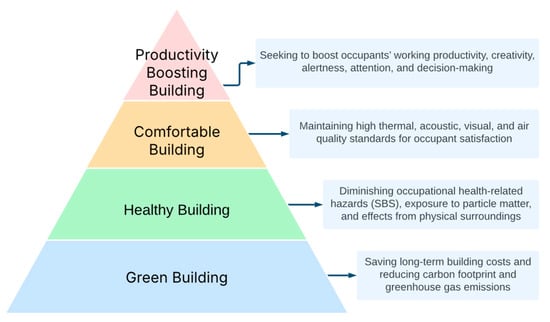
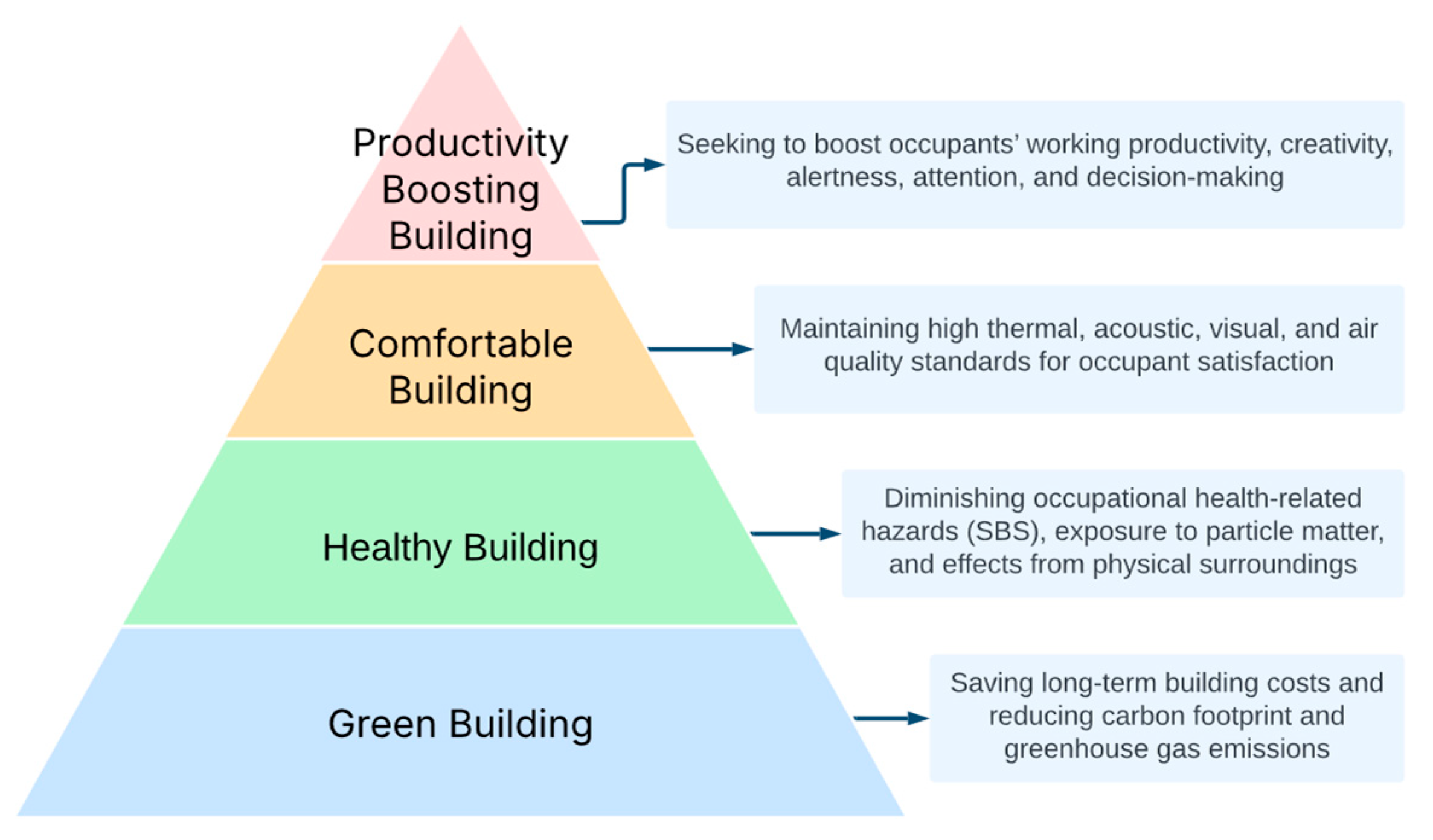
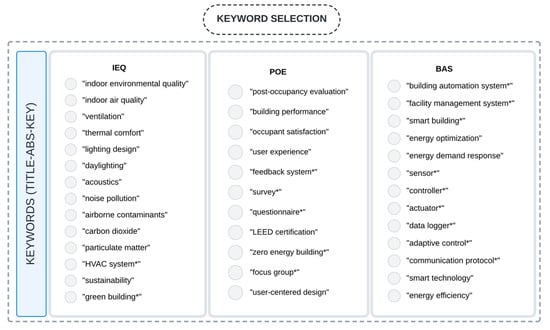
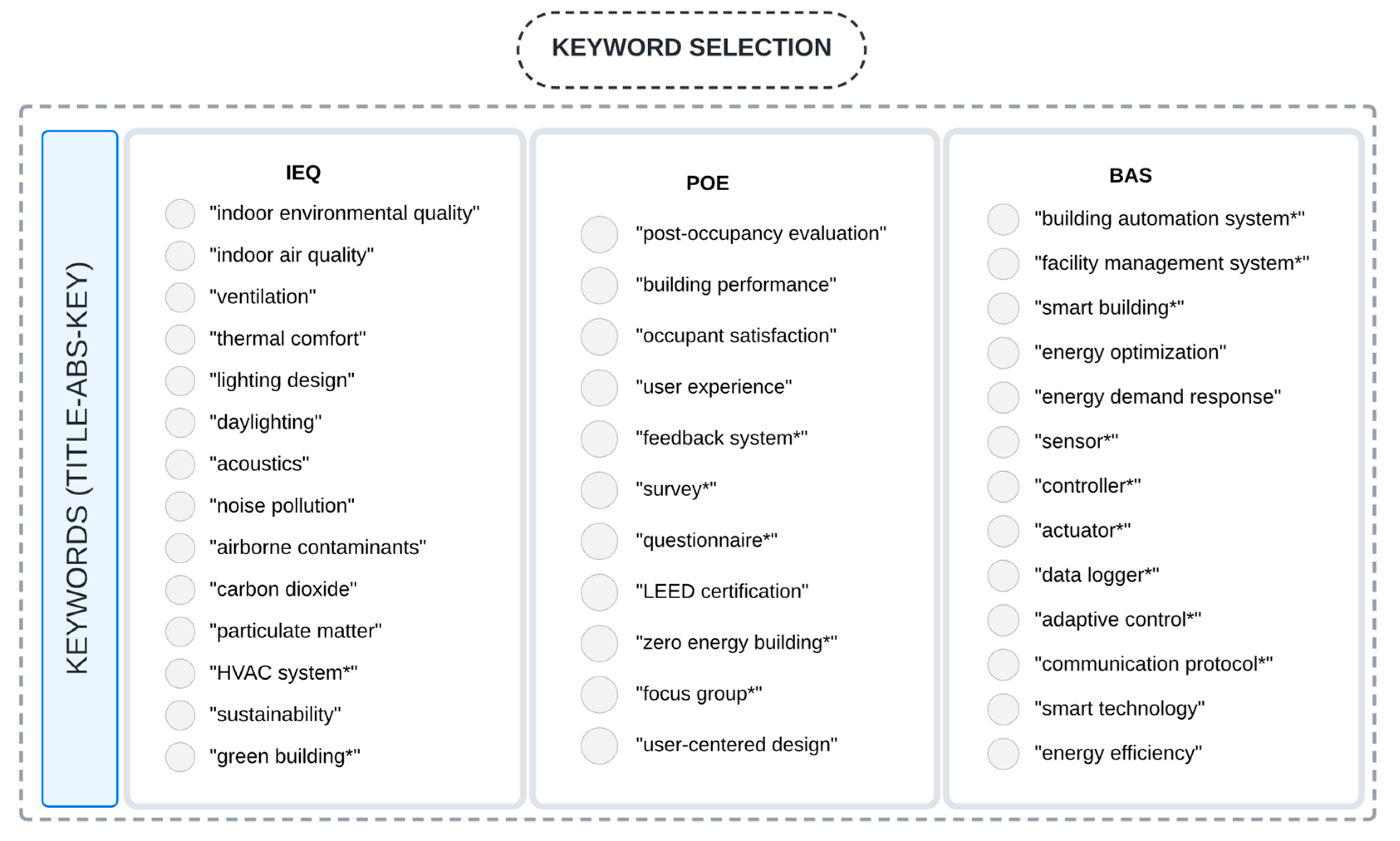
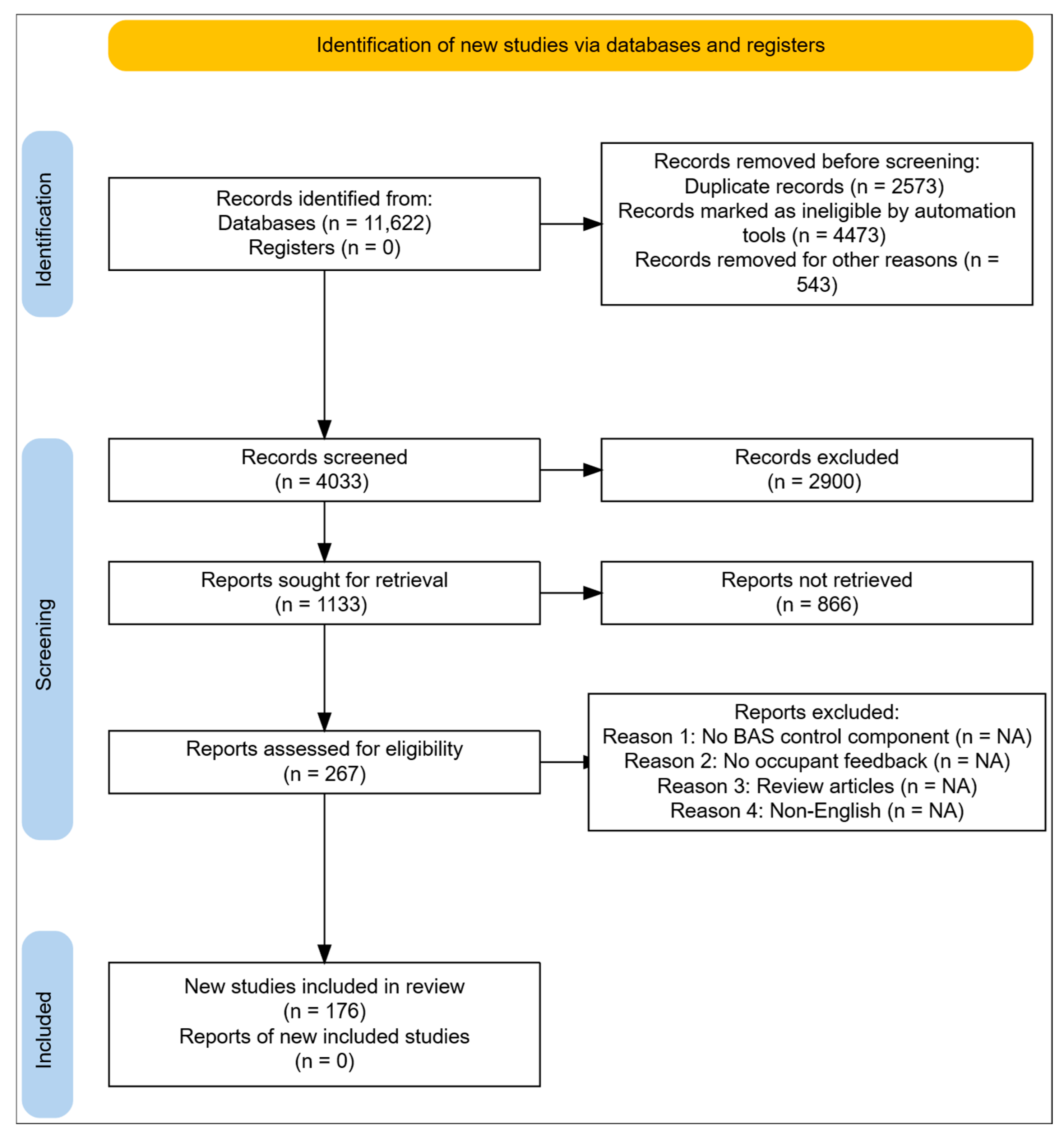
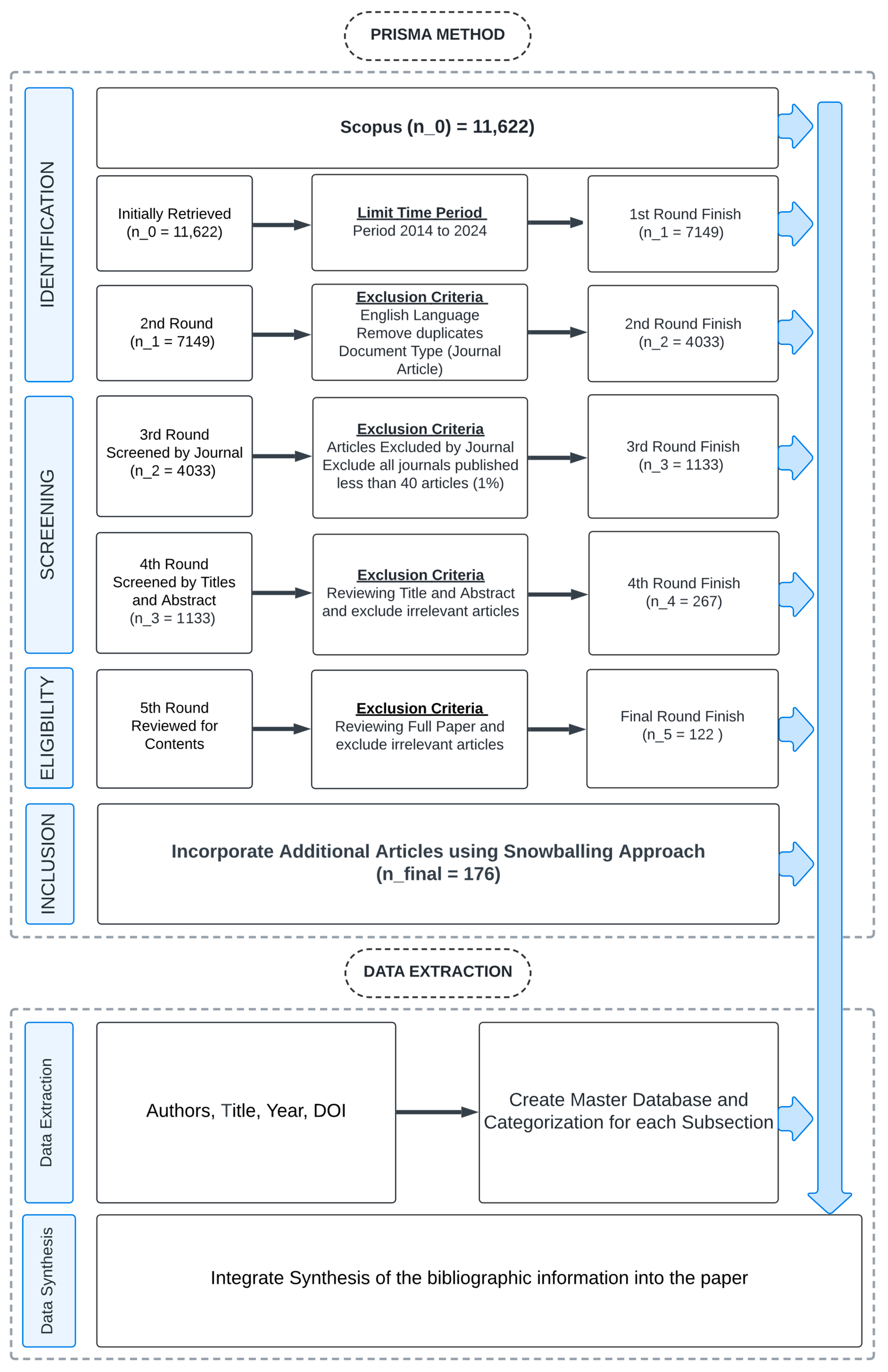
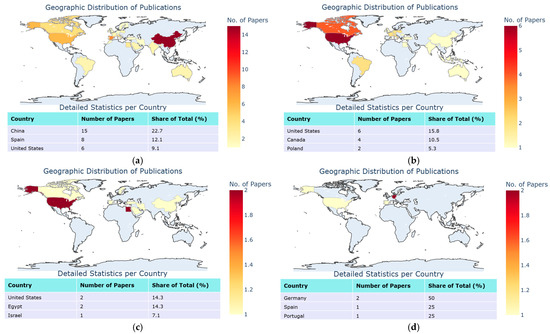
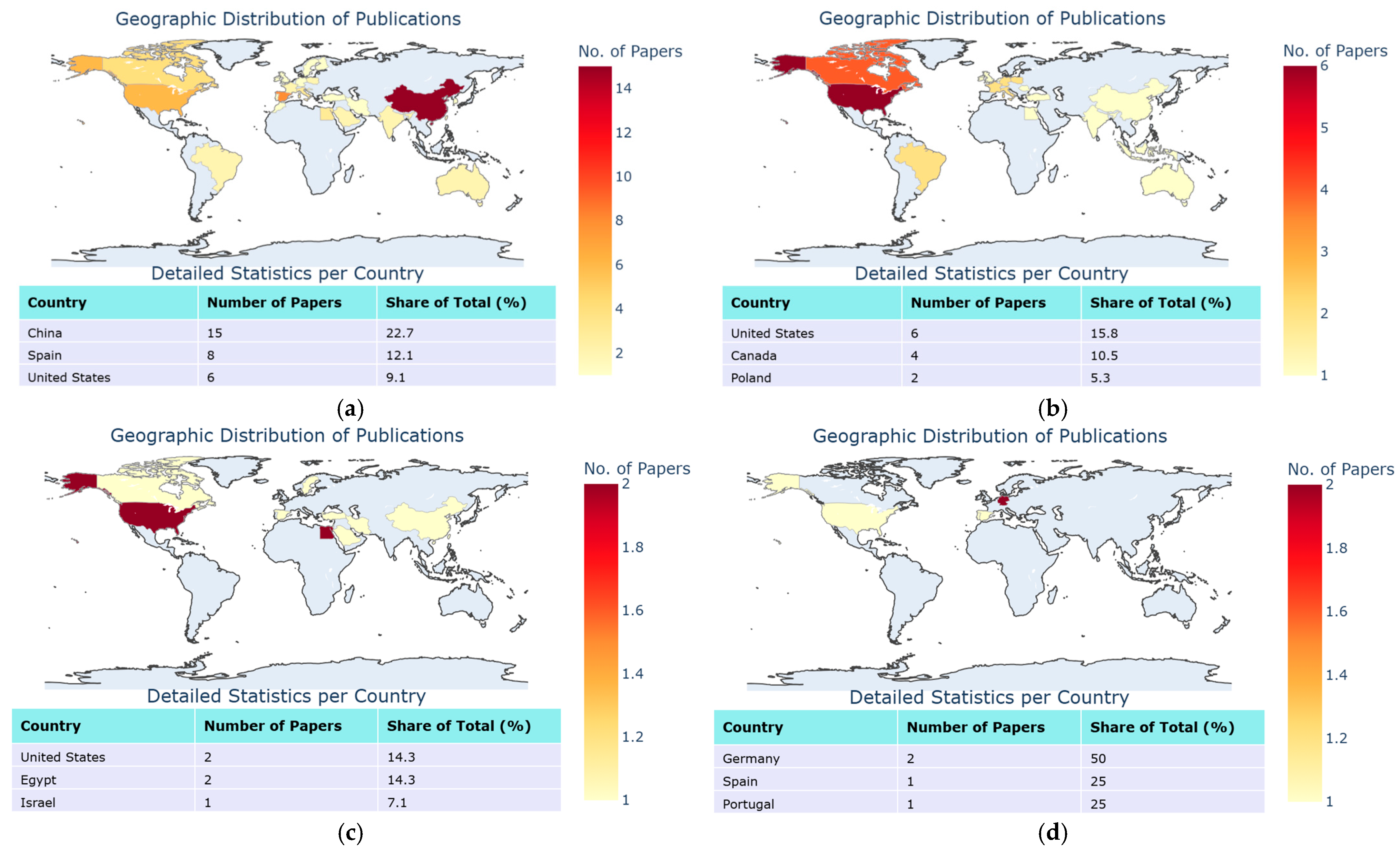
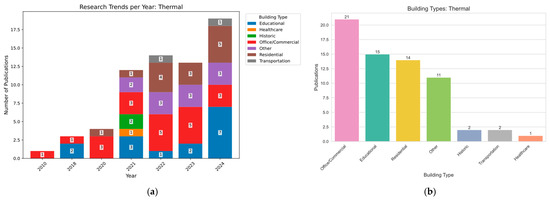
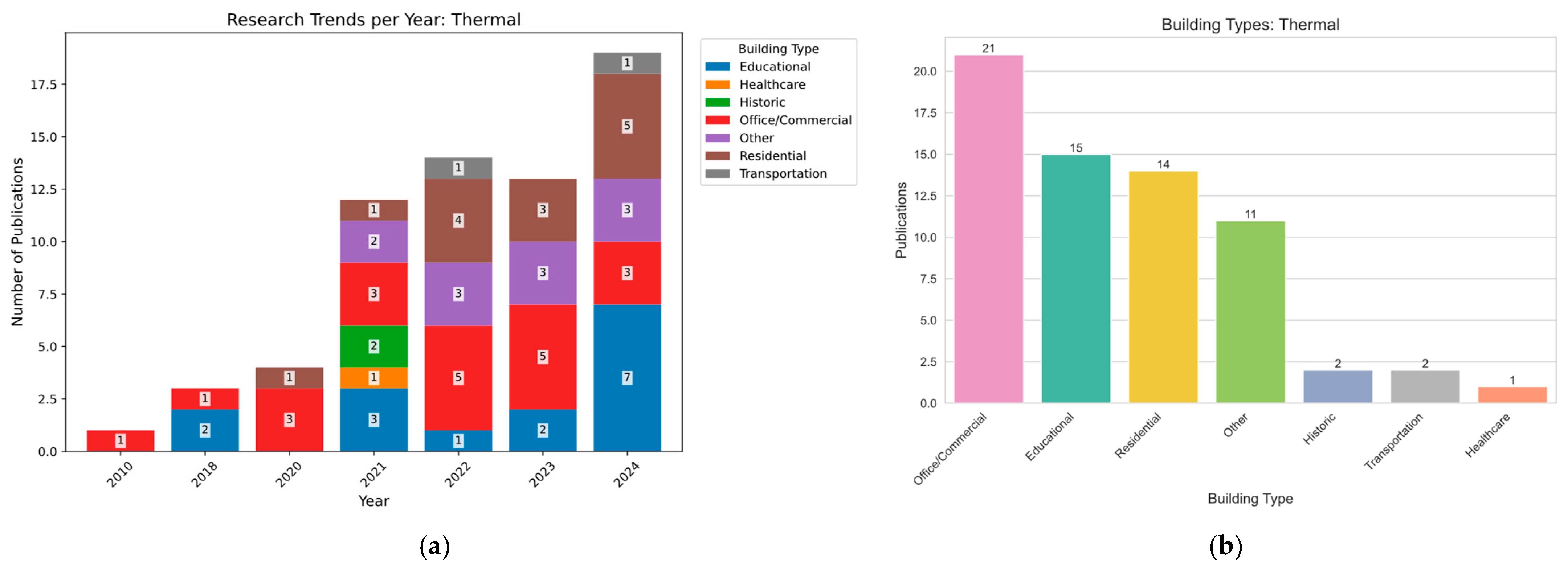
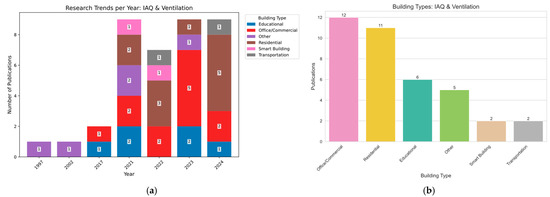
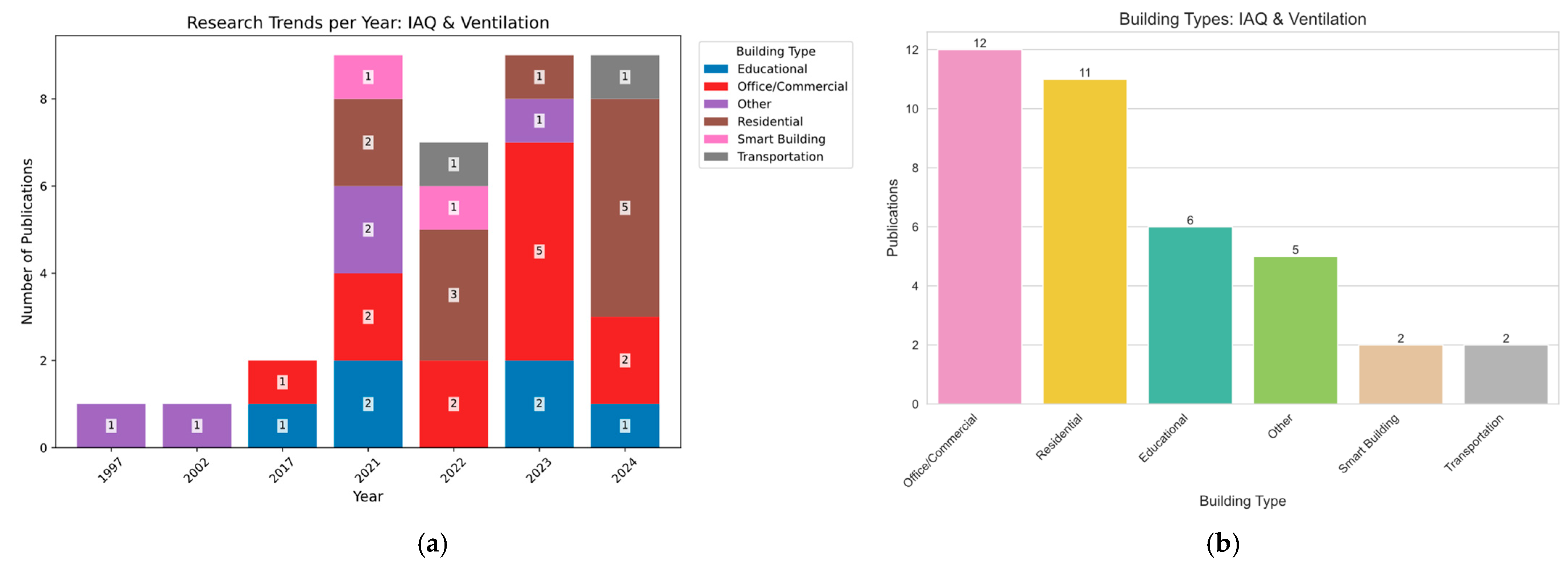
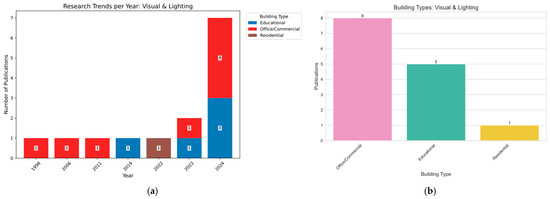
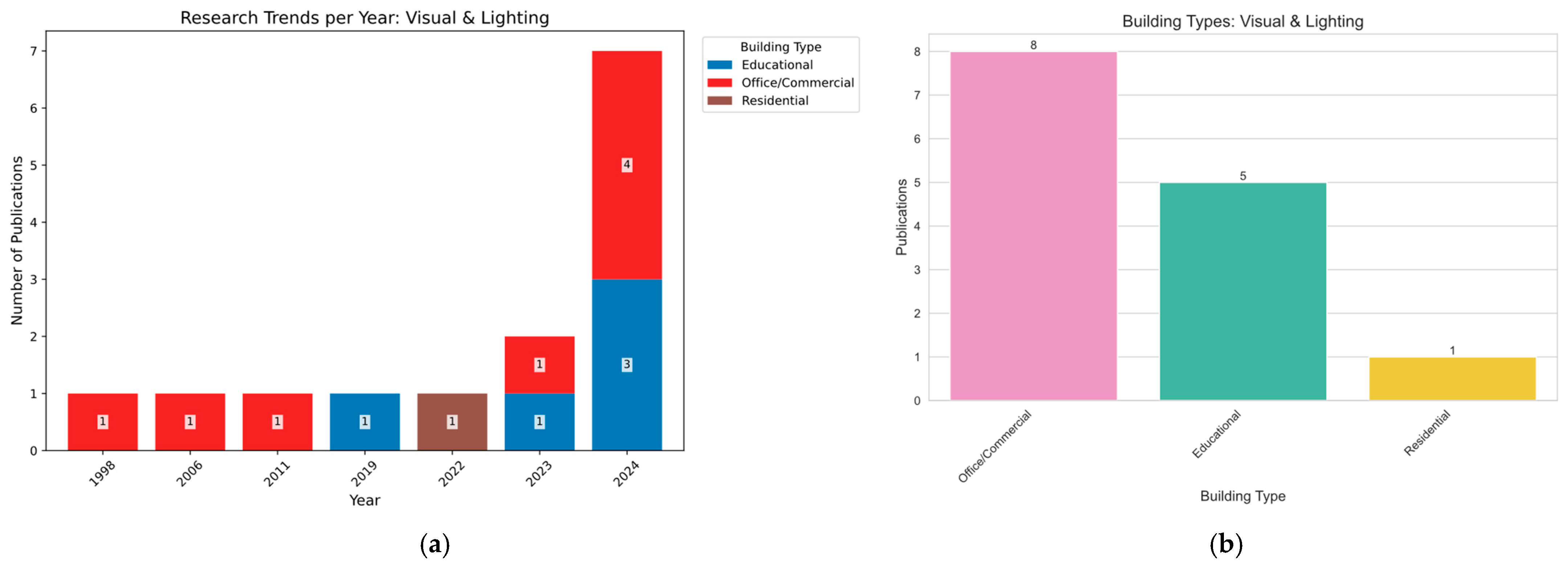
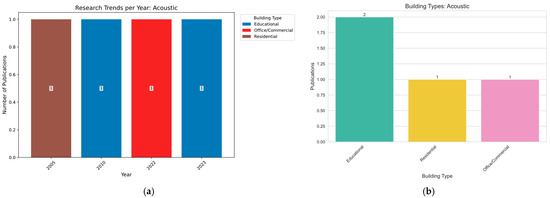
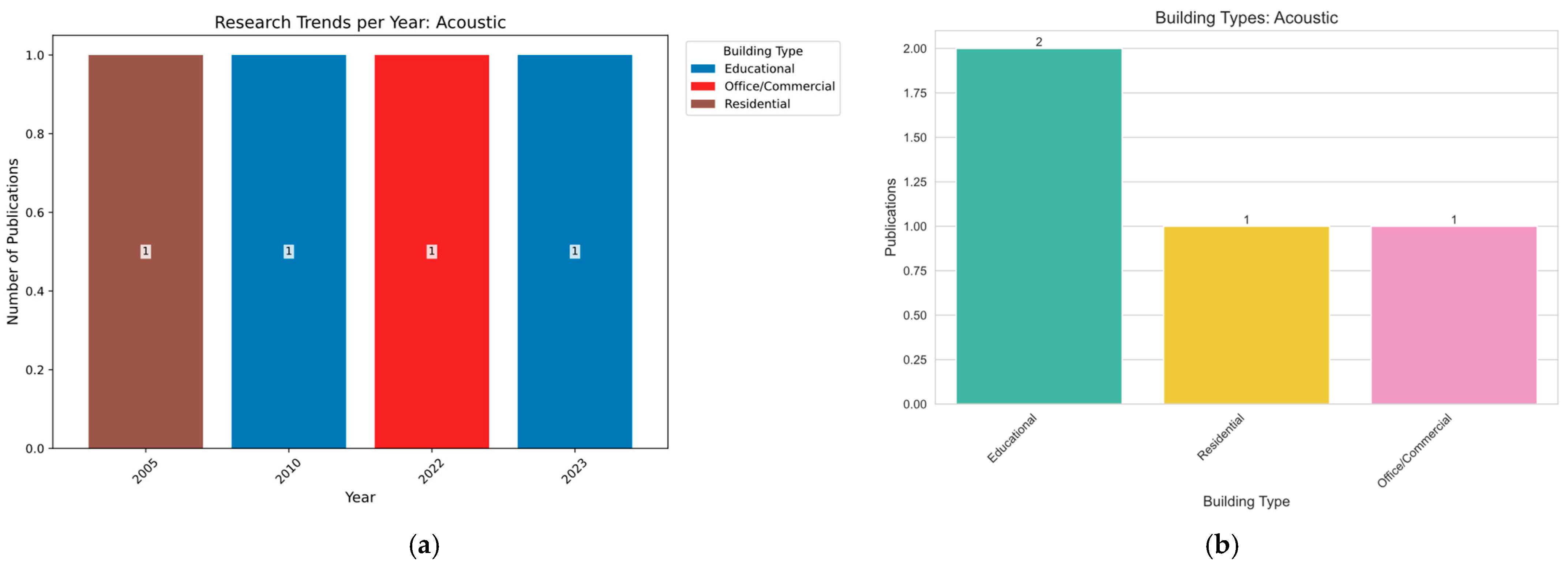
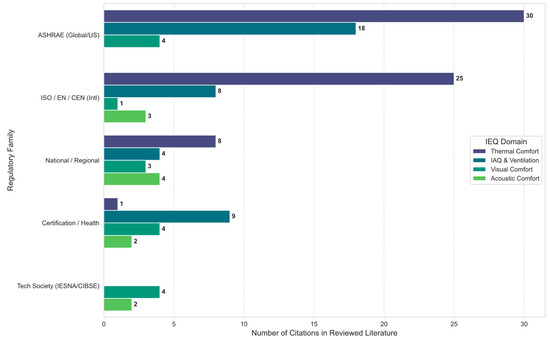
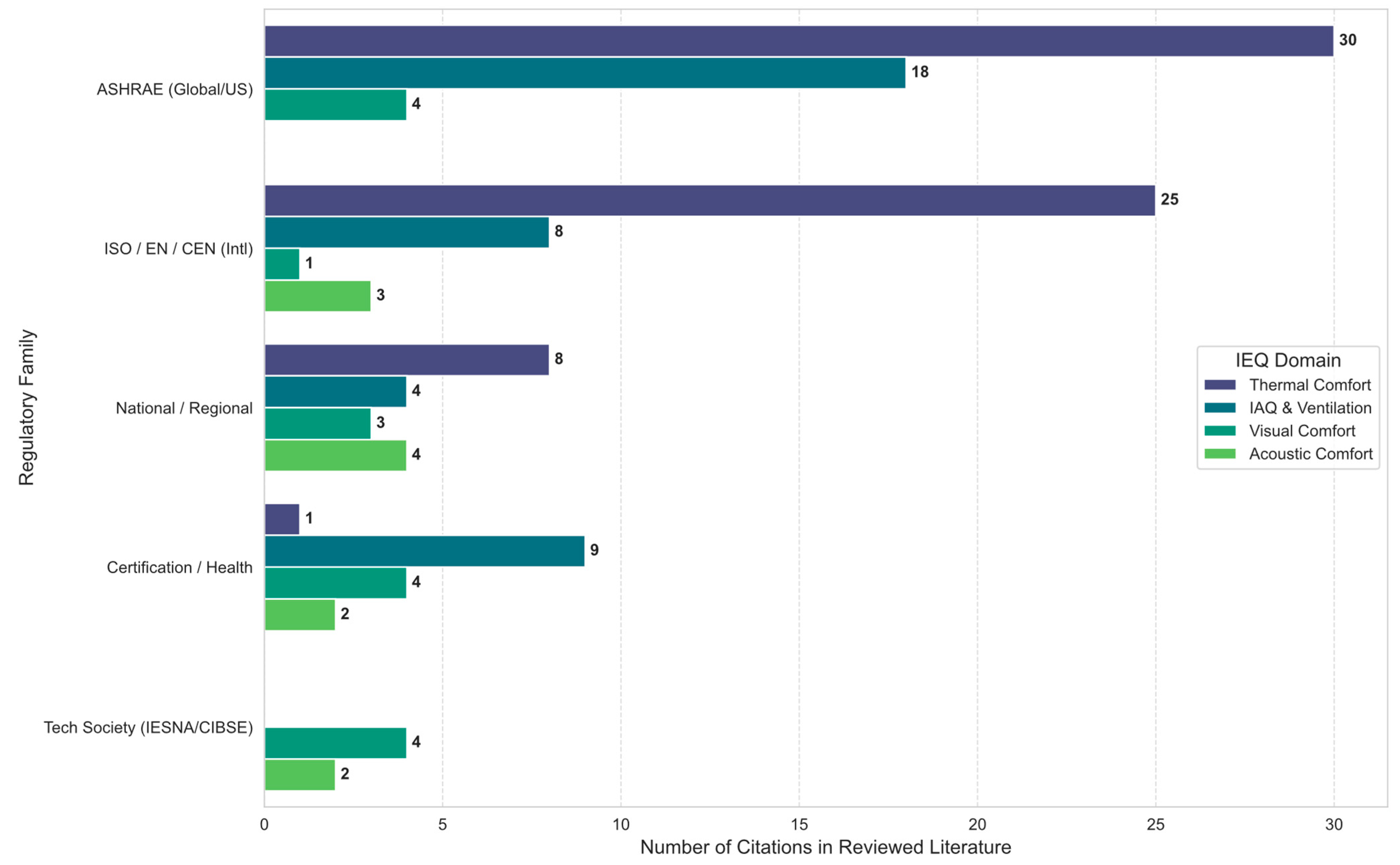
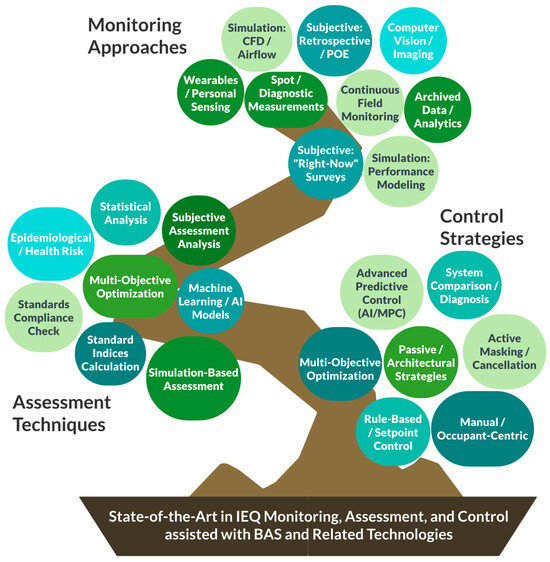
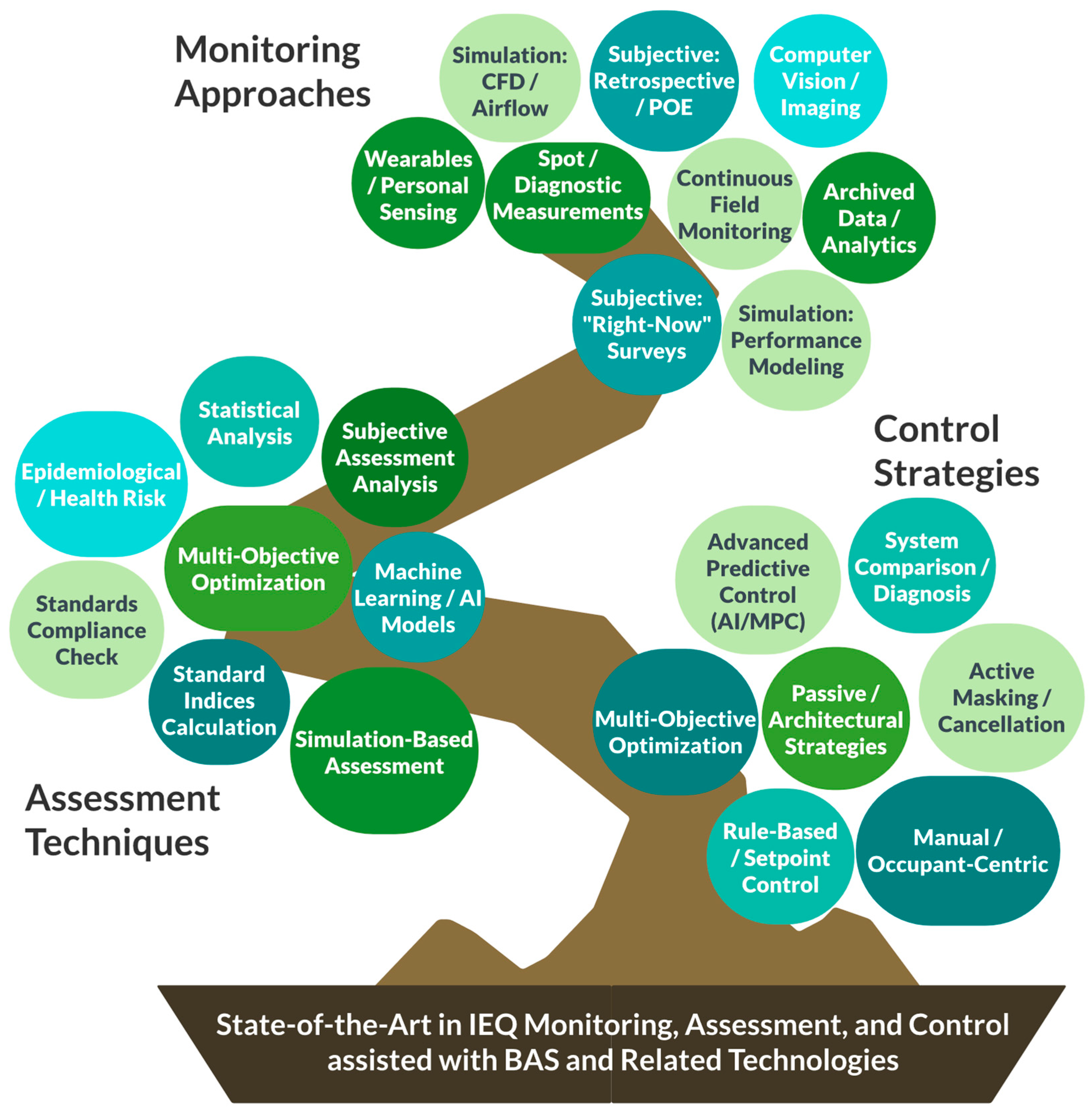
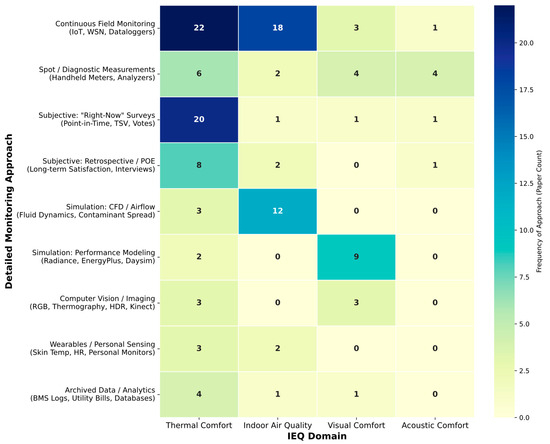
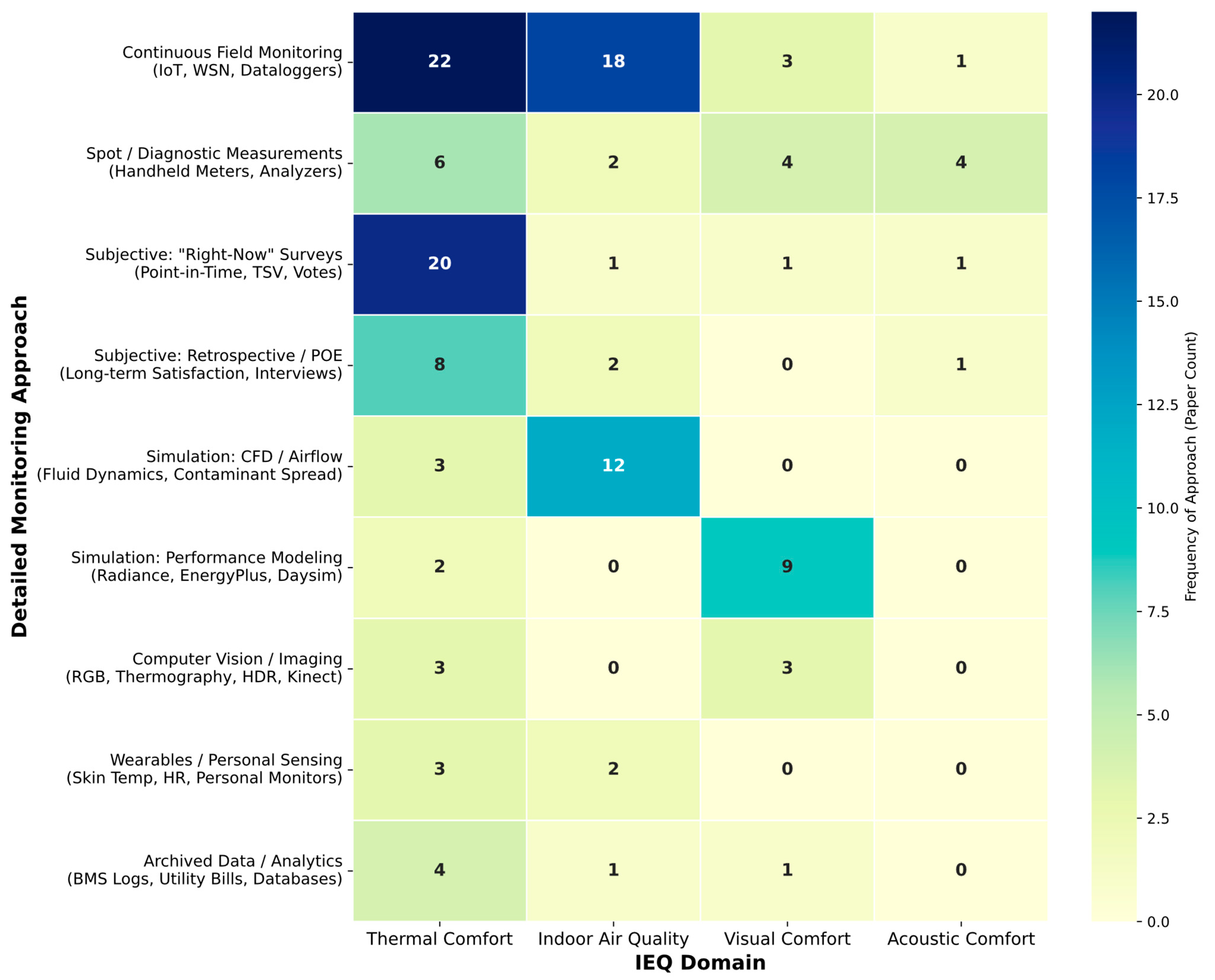
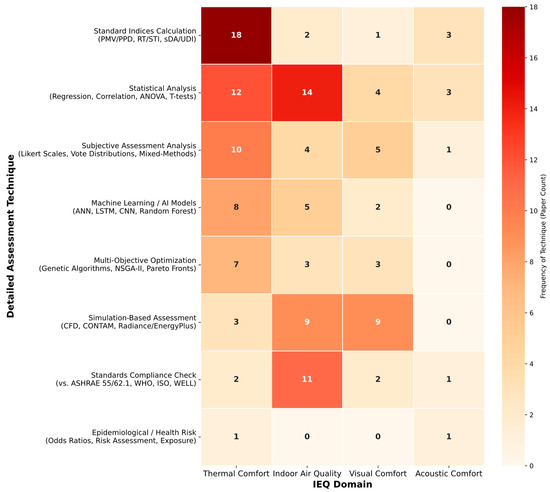
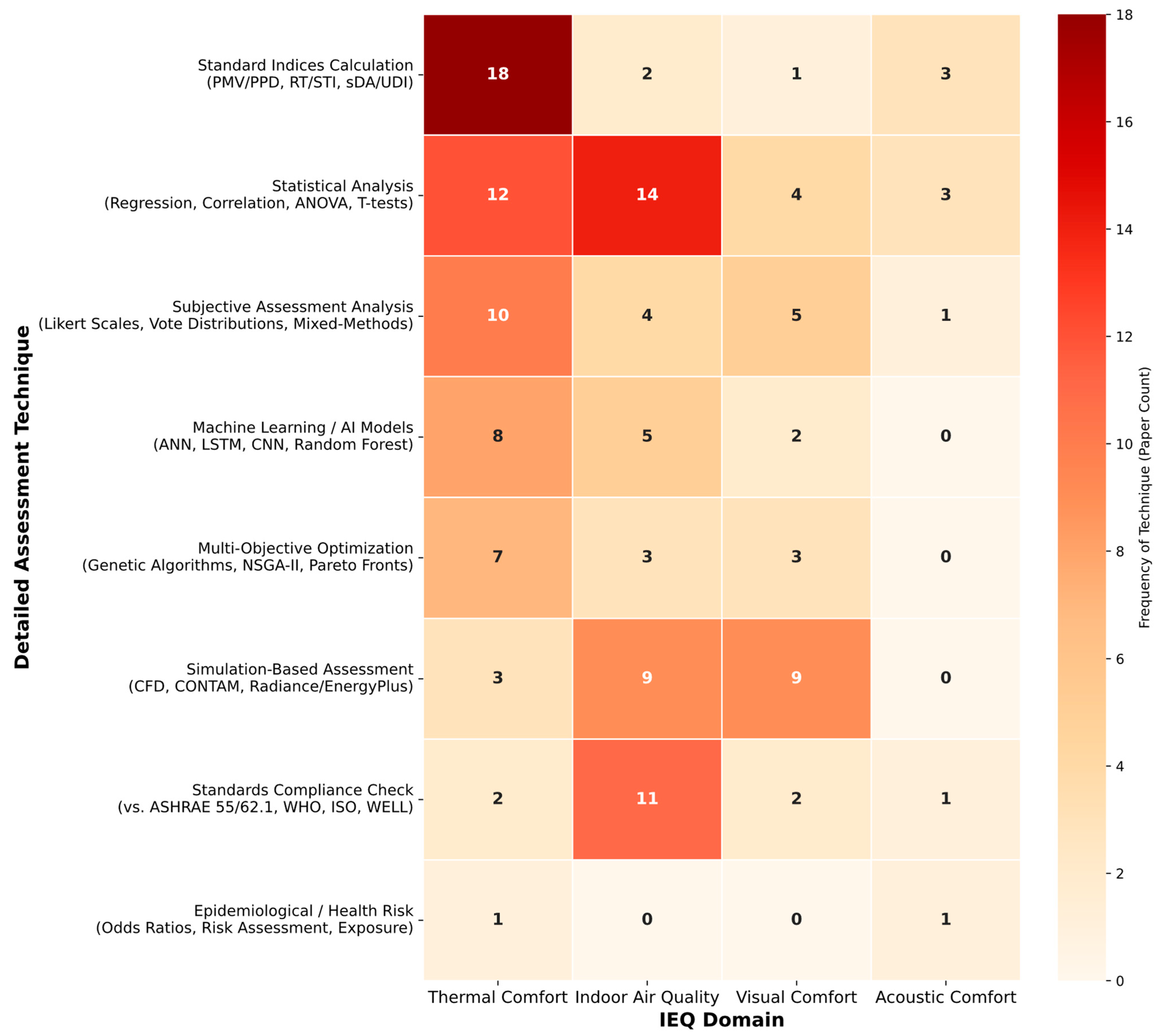
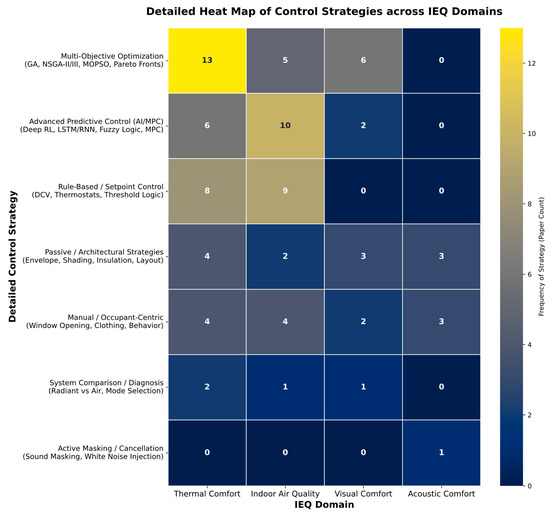
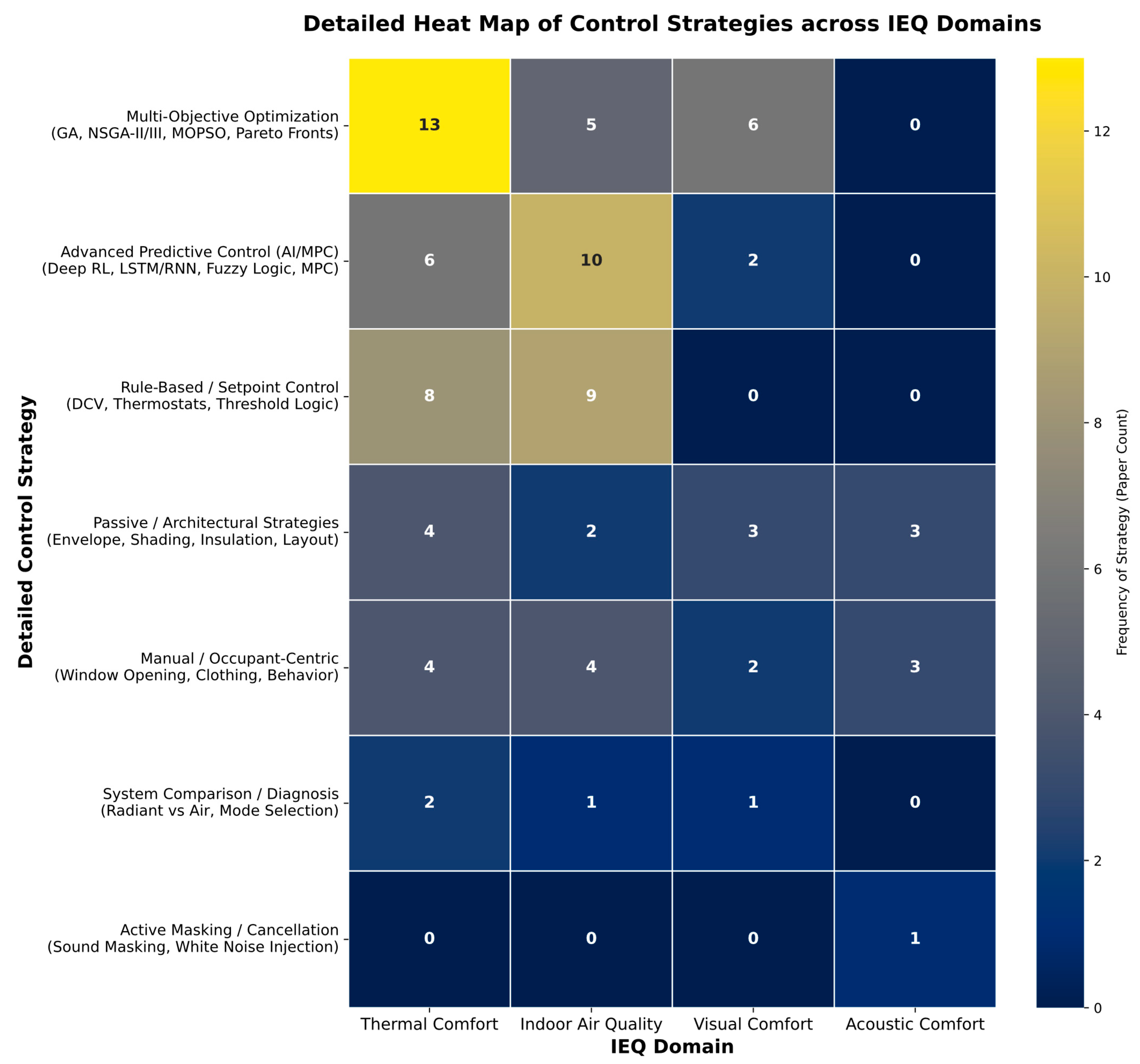

Disclaimer/Publisher’s Note: The statements, opinions and data contained in all publications are solely those of the individual author(s) and contributor(s) and not of MDPI and/or the editor(s). MDPI and/or the editor(s) disclaim responsibility for any injury to people or property resulting from any ideas, methods, instructions or products referred to in the content. |
© 2026 by the authors. Licensee MDPI, Basel, Switzerland. This article is an open access article distributed under the terms and conditions of the Creative Commons Attribution (CC BY) license.