


Abstract
Visual monitoring of personal protective equipment (PPE) in construction involves equipment detection, worker-specific compliance assessment, and warning delivery. This critical review synthesizes 176 original studies on image- and video-based deep learning for construction PPE monitoring. Three overlapping themes cover detection and wearing recognition, worker and task compliance, and monitoring systems and deployment. Equipment localization, wearing recognition, and attachment assessment depend on different input assumptions, annotations, and evaluation units. Within-study comparisons identify trade-offs between wearing-state accuracy and throughput, while temporal buffering changes when a violation is recorded. Device benchmarks, recorded-video tests, and controlled site demonstrations evaluate different parts of the monitoring process. Six runtime configuration fields were examined in 119 studies with identified quantitative runtime results. Hardware is explicitly linked to execution in 75 studies, compared with eight for inference batch and three for numerical precision. Incomplete configuration descriptions constrain reproducible comparisons. The resulting reporting framework links recognition targets, runtime settings, and warning endpoints to evaluation requirements for construction applications.
1. Introduction
Construction monitoring of personal protective equipment (PPE) must consider both equipment and its use. A helmet may be needed throughout a work area, whereas a welding mask or fall-protection connection depends on the activity and exposure of a particular worker. Cameras provide a way to observe these conditions without attaching a sensor to every item. For construction managers, however, the useful output is usually a decision about a worker or a violation episode that can be checked and acted upon.
Early visual studies addressed non-hardhat recognition and benchmark-based hardhat detection, followed by multi-class PPE recognition on construction imagery [1,2,3,4]. Detection models have incorporated feature enhancement, attention, lightweight backbones, and image restoration to address distant helmets, partial occlusion, and difficult lighting [5,6,7,8,9]. Person-centered attributes, tracking, and worker re-identification support wearing-state decisions across people and time [10,11,12,13,14,15]. Context, activity, relationship, and language-based methods address task requirements and equipment connections [16,17,18,19].
An equipment detector and a compliance monitor consequently solve related but distinct problems. Detecting a helmet somewhere in an image leaves its ownership unresolved when workers overlap. Recognizing a harness does not establish whether its hook is connected to an appropriate support. A missed detection in one frame can reflect momentary occlusion rather than a sustained violation. A monitoring system then converts these observations into worker decisions, event records, or warnings. Reported mean average precision (mAP), attribute accuracy, tracking performance, and frames per second (FPS) each describe part of this process. Comparisons therefore need to account for prediction targets, evaluation units, and processing conditions.
Construction conditions determine which PPE details a camera can capture and which workloads a system can sustain. Camera distance, viewpoint, illumination, worker density, and changing PPE appearance alter visual inputs; site power, communication links, and available hardware constrain execution. Studies of fog, low light, body-worn imagery, and domain adaptation address some of these variations [6,8,9,20,21,22]. Construction-worker research also places PPE availability and actual use within the wider management context [23]. Selecting a monitoring configuration therefore requires matching observable PPE detail, computing resources, and output timing to the intended safety task.
Existing reviews cover PPE methods, datasets, and implementation challenges. Vukicevic et al. compare industrial PPE methods, datasets, personnel identification, and computational costs, while Barlybayev et al. examine robustness, reporting quality, and practical operating conditions [24,25]. Mubasher et al. compare traditional and smart construction PPE, including adoption barriers, hazard alerts, and safety outcomes [26]. Their proposed framework also distinguishes alert acknowledgment from the generation of a warning. Broader construction-safety and smart-PPE reviews address additional applications and sensing modalities [27,28,29,30,31,32,33], while OpenConstruction synthesizes visual dataset provenance and characteristics [34].
Table 1 compares how prior reviews address worker identification, computing requirements, and alerts. For construction monitoring, we ask which worker-level compliance decisions the reported experiments support and whether the measured processing times are relevant to the intended intervention. This review traces how monitoring systems detect PPE, associate it with a worker, apply the relevant safety rule, and produce a monitoring output. We compare experiments by their prediction targets, evaluation units, and reported execution settings.
Table 1.
Scope and analytical focus of closely related PPE reviews.
This review asks three questions. First, which methods address PPE detection, wearing recognition, and visual variation, and under what data conditions are their results obtained? Second, how are equipment ownership, task requirements, connection relationships, and persistent violations assessed? Third, what experiments support runtime, integrated monitoring, and site-use claims, and what reporting would make those experiments easier to interpret?
This critical review synthesizes 176 original studies of image- and video-based deep learning for construction PPE monitoring. It distinguishes equipment localization, person-specific wearing recognition, and task or attachment decisions according to their inputs, annotations, and evaluation units. It analyzes within-study trade-offs in tracking, temporal buffering, and device optimization, and examines six runtime configuration fields across 119 studies with identified quantitative runtime results. These analyses inform contribution-specific recommendations for dataset design, compliance evaluation, runtime measurement, and monitoring outputs. Section 2 explains selection and extraction; Section 3 synthesizes the evidence; Section 4 discusses construction implications; Section 5 and Section 6 present limitations, research directions, and conclusions.
2. Review Methods
2.1. Review Design and Eligibility
This structured critical review examines how image- and video-based deep learning supports construction PPE recognition, worker-specific compliance, and monitoring operation. Study selection used predefined eligibility criteria, and execution reporting was assessed descriptively. Preferred Reporting Items for Systematic Reviews and Meta-Analyses (PRISMA) 2020 and its extension for reporting literature searches (PRISMA-S) informed the reporting of sources, search terms, and study selection [35,36].
Eligible reports presented original method development, comparison, experiments, or application evaluation. They had to use visual input and deep learning for an identifiable PPE-related task, with construction data, an explicit construction activity, or a traceable construction-PPE benchmark. Helmet, vest, harness, glove, wearing-state, ownership, activity, and connection decisions were eligible. Mixed industrial and construction experiments were distinguished. A construction-oriented title alone was insufficient when the actual tests used only manufacturing or warehouse data. Conversely, a factory-oriented title did not exclude a study whose experiments used an identifiable construction benchmark.
Reviews, surveys without visual-method experiments, non-PPE hazard studies, purely traditional vision, sensor-only PPE studies, theses, and standalone data deposits were outside the primary analytical set. A dataset article with original detector benchmarking remained eligible. Camera-derived skeletal action recognition and hybrid visual–sensor compliance were included when visual observations actually contributed to a PPE decision; their outputs were not described as direct visual confirmation of attachment. Neither missing digital object identifiers (DOIs) nor missing full-text access was an academic exclusion criterion. Qualitative application evaluation could qualify, but a proposed PPE rule without an identifiable experimental application did not automatically qualify.
2.2. Information Sources and Record Selection
Records were assembled from Web of Science Core Collection, American Society of Civil Engineers (ASCE) Library, and the authors’ existing personal literature collection. Web of Science provided multidisciplinary coverage, and ASCE Library covered civil-engineering journals and conference proceedings. The documented Web of Science settings specify the Topic field, all editions, and a publication window of 1 January 2010–20 October 2026. We searched the ASCE Library using Advanced Search in the All Content field, which includes full text. The search covered publications from January 2010 through October 2026 across all document types. Table S1 records the search settings and source membership. Both databases were searched using the Boolean expression below:
(“construction site*” OR “construction worker*” OR “construction safety” OR “building site*”) AND (“personal protective equipment” OR PPE OR “safety helmet*” OR hardhat* OR “hard hat*” OR “safety vest*” OR “safety harness*”) AND (“computer vision” OR “deep learning” OR “object detection” OR YOLO OR “image recognition”).
Web of Science yielded 162 records, and the authors’ personal literature collection supplied 17 candidates. We checked these records by DOI, title, and publisher metadata. Candidates from all three sources had to use visual input and deep learning for an identifiable construction PPE task and present original method development, an experiment, a comparison, or an application evaluation (Section 2.1). After full-text assessment, 15 of the 17 personal-collection candidates met the criteria.
ASCE Library yielded 177 records. Eleven matched Web of Science or personal-collection records by DOI. Title and abstract screening left 16 ASCE records for full-text assessment, all of which met the eligibility criteria. Forty RIS records contained proceedings-volume metadata. For each record, we used its position in the RIS batch to identify the corresponding paper on the ASCE search-results page and verified the match against the publisher’s article record. Table S1 lists the RIS filename, batch position, volume DOI, article DOI, and verification source.
The three sources yielded 356 records and 345 unique candidates after deduplication. Title and abstract screening excluded 158 candidates. Of the 187 full texts assessed, 11 were excluded, and 176 met the eligibility criteria. Table S1 lists the screening decisions and duplicate links. Figure 1 summarizes the study selection process. Of the 11 full-text exclusions, four lacked a construction setting, task, or benchmark, five had no identifiable PPE evaluation results, and two used methods outside the visual deep-learning scope. Individual exclusion reasons and source passages are documented in Table S1.
Figure 1.
Study selection from Web of Science, the personal literature collection, and American Society of Civil Engineers (ASCE) Library: 356 identified records, 11 duplicates removed, 345 unique candidates, 158 title/abstract exclusions, 187 full texts retrieved and assessed, 11 full-text exclusions, and 176 included publications. Solid arrows indicate the study selection flow; the light-blue box denotes the included publications. The dashed branch identifies the analytical subset of 119 publications with numerical execution results.
2.3. Evidence Extraction and Source Verification
Reports were matched to titles and DOIs before extraction. Source versions were recorded, including author preprints where the version of record was unavailable. Table S1 records the source version and full-text access for each of the 176 included reports, including publisher PDFs, repository versions, and structured full-text articles. Bibliographic metadata, dataset partitions, evaluation settings, and execution results were linked to source passages or tables. Counts refer to publications rather than statistically independent experiments: multiple reports may reuse a benchmark, recording, or method.
Data extraction focused on methods, experimental settings, tables, and figures. Table S1 records study characteristics, and Table S2 links each runtime field to its configuration, reporting status, and source location. Information not located in the inspected material was distinguished from information reported ambiguously.
The comparison unit is a reported experiment: its prediction target, dataset, split, model variant, metric, platform, and measured component. The extraction separates equipment detection, person attributes, relation or action inference, temporal decisions, and operational outputs. Source locators are provided in Supplementary Tables S1–S3. Publication identifiers link the study, runtime, and case records across the Supplementary Tables. Discrepancies between reported values and metric definitions are documented in Tables S2 and S3.
2.4. Thematic Organization and Execution Reporting
Three overlapping themes organize the synthesis (Table 2). Each study contributes once to the total, but may contribute to several themes. Broad systems coverage includes efficiency proxies and execution experiments as well as monitoring functions; it is not a deployment count. Comparisons prioritize alternatives evaluated within a study. Between-study results instead identify differences in targets, workloads, data, or operational boundaries. Accuracy and speed are not pooled across incompatible tests.
Table 2.
Themes and separately recorded evidence.
Numerical execution eligibility required an original processing result for a visual component or an integrated, visually informed monitoring pipeline. Training duration, camera frame rate, display refresh, configured persistence, model size, and FLOPs alone did not qualify; a separately timed nonvisual sensor classifier did not establish visual-pipeline execution. Table S2 records eligibility for all 176 included studies: 119 contain an identified numerical execution result, 56 have no qualifying result located in the inspected material, and 1 has unresolved attribution of the reported timing experiment.
For the 119 studies with identified execution results, six fields were examined: timed hardware, runtime input, execution backend, inference batch, numerical precision, and timing boundary. Each field was coded as Explicit, Unclear, Searched_not_located, or Not_checked, with a source locator and configuration description. Training settings were not treated as inference settings without a documented link; unspecified precision was not assumed to be 32-bit floating point (FP32), and a frame-oriented description did not establish batch one. Multiple platforms or configurations were retained separately in the record text, while descriptive counts deduplicated publication IDs. Runtime memory and power were evaluated through source-specific cases rather than a uniform corpus audit.
At the publication level, a field is Explicit if at least one timed configuration has a reported value that clearly applies to the component or pipeline measured in that configuration. A field is Unclear if the available information across configurations has only ambiguous links to the measurements or describes only part of the measured pipeline. For example, if the timing covers both YOLO and OpenPose, an input size reported only for YOLO is coded as Unclear for that configuration. The same code applies to hardware or batch settings reported only for training. Table S2 records source-video resolution separately from the dimensions supplied to the timed model. Acquisition resolution alone is coded as Unclear for runtime input. Not located (Searched_not_located in Table S2) indicates that no relevant information was found in the inspected methods, implementation, and results. These categories characterize reporting completeness and traceability. Incomplete reporting limits independent reconstruction, while the quality of the experimental procedure requires separate assessment.
Table S3 presents selected system experiments with their test setting, observation duration, participants or streams, endpoint, and denominator. Acquisition periods, recorded-video lengths, configured waits, measured warning delays, and worker responses were recorded as separate variables.
3. Evidence Synthesis
3.1. Characteristics of the Selected Studies
The 176 included studies span 2018–2026, with 34 records in 2025 and 49 in 2026. Helmet-oriented recognition is prominent alongside reflective vests, harnesses and hooks, gloves, masks, footwear, and task-dependent combinations. The study roster in Table S1 records the equipment, source data, and evaluation setting rather than treating every PPE task as the same object-detection problem. A helmet box, a wearing attribute, and a connection relation require different labels and observations.
Under overlapping coding, 175 studies address detection or wearing recognition, 68 address worker or task analysis, and 159 address systems and deployment, including efficiency and execution. Of the 176 studies, 59 contribute to all three themes; 100 combine detection with systems only, 8 combine detection with worker/task analysis only, 8 address detection alone, and 1 addresses worker/task analysis alone. The worker-only study uses skeletal actions as a PPE-use proxy rather than direct equipment localization. Figure 2 presents the theme totals and their exact intersections.
Figure 2.
Theme coverage and exact intersections among 176 included studies. Left: non-exclusive theme totals. Upper-right: publication counts for the combinations identified by the aligned dot matrix below. Blue dots indicate included themes, connected when more than one theme is present; gray dots indicate excluded themes. All seven combinations, including zero-count groups, are shown. Systems coverage includes efficiency and component execution, not only workplace deployment.
Recurring benchmark families include SHWD and related hardhat datasets, CHV/CHVG, GDUT-HWD, Pictor-v3, and SHEL5K, alongside custom site photographs, video frames, person crops, and synthetic imagery (Table S1). Their reuse broadens method comparison but does not create independent replications. Random image partitions are distinct from separating recordings, workers, cameras, or sites. For example, the person-attribute study separates recordings and camera locations, whereas the unmanned aerial vehicle (UAV) helmet study uses a random image partition [12,37]. The underground-construction study states that images from the same site or continuous segment remain in one subset [38]. These protocols test different transfer assumptions. Similarly, evaluating recorded site footage, staged tasks, and a live service during work provides different evidence even when all inputs originated on construction sites.
3.2. Detection and Wearing Recognition
Whole-frame detectors provide a direct way to localize PPE in construction images. Early far-field and benchmark studies established the task, while later work expanded the equipment classes and feature designs [1,2,3,4,39]. Small-object enhancement, attention, compact backbones, and Transformer variants address different recognition constraints [5,7,40,41,42,43,44,45]. Within-study comparisons show trade-offs hidden by architecture labels: an improved YOLOv7-tiny increased mAP at an intersection-over-union (IoU) threshold of 0.5 from 91.6% to 94.9%, while RTX3090 throughput decreased from 274.3 to 263.1 FPS [46]. Wei et al. provide another matched comparison: BiFEL-YOLOv5s improves mAP at IoU 0.5 from 81.9% to 82.8% on their SHWD subset, while throughput decreases from 96.2 to 83.8 FPS [47]. These comparisons show the recognition gain and its execution cost under each study’s test conditions. Swin-based feature fusion provides another approach to detector design [45].
Person-centered attributes and keypoints change the target from an isolated item to its wearing state. Wu et al. combine worker detection and tracking with helmet/harness attribute classification, reporting 96.44% mean attribute accuracy and 86.76% instance accuracy [11]. The difference reflects two evaluation definitions, not conflicting estimates of one metric. Akhazhanov et al. examine six attributes on manually annotated person crops; vest average precision (AP) reaches 0.9952, whereas mask AP is 0.6950 with greater run-to-run variation [12]. These findings expose class-specific difficulty behind a single average. Their crop-based tests omit missed workers and person-box errors. Chin-strap inspection makes correct-use labels explicit: the displayed confusion counts correspond to 93.55% accuracy, which differs from the higher value stated in the study text [48]. Standardized wearing and joint object/keypoint models use still other targets [10,49].
Model variants also require consistent attribution. In the early hardhat benchmark, 83.89% mAP belongs to SSD-RPA512, whereas 3.22 FPS belongs to Pelee-RPA304 [2]. The real-site comparison reports 52 FPS for YOLOv5s and 86.55% mAP for YOLOv5x [4]. Neither pair describes one operating point. ESD-RTDETR reports 115.4 FPS on Tesla V100 and evaluates augmented construction images and separate datasets; this is a graphics processing unit (GPU) benchmark rather than an embedded-site deployment [50]. Dataset construction and parameter-search studies expand the evaluated datasets and model configurations [51,52,53,54,55,56].
Environmental methods are best compared by the disturbance actually tested. Fog-aware restoration, illumination enhancement, domain adaptation, and weather augmentation address different causes of visual failure [6,8,9,20,21,22]. Gyawali et al. report 83.2% mAP at IoU 0.5 for a weather-resistant model versus 79.7% for its baseline on 205 real-site normal- and low-light images [21]. This provides evidence on site imagery, but not on a second site or naturally occurring severe rain and fog. Distillation-based tests involving simulated adverse conditions support a different robustness claim [57]. Meanwhile, ESPCN-YOLO processing varies from 14 ms at 640 × 480 to 48.9 ms at 1920 × 1080 [8]. The resolution comparison demonstrates that execution cost depends on the processed input; it does not isolate the cost of image enhancement.
Data design often determines what those results mean. Akhazhanov et al. separate recordings and camera locations before producing person crops and report repeated training and attribute calibration [12]. By contrast, a random image split of UAV observations does not establish performance on a held-out flight or site, even when detector mAP is high [37]. Synthetic images can enlarge rare-PPE examples: Xu et al. report gains from real-plus-synthetic training, and Yi et al. retain real-only validation and test images [18,19]. Caption-based zero-shot monitoring further reduces dependence on a fixed labelled inventory, but its limited-label comparisons answer a different question from a fully supervised benchmark [58].
Dataset design also changes the meaning of an apparent violation label. In a head-center association study, most non-wearers in the benchmark were civilians; the authors warn that direct classification could exploit clothing or worker identity rather than PPE use [59]. To reduce this confound, compare wearing and non-wearing examples drawn from the same or comparable groups of workers. A dataset study provides original YOLOv8 and YOLOv11 benchmarks with an explicit class inventory and evaluation protocol [60].
Retrieval and staged classification extend the range of PPE recognition methods. Nath and Behzadan evaluate PPE-related image retrieval on Pictor-v4 person crops [61]. Gugssa et al. first locate the hands and then classify glove use [62].
3.3. Architectural Mechanisms and Construction-Specific Trade-Offs
Small PPE targets can be lost when successive backbone downsampling reduces a helmet, chin strap, or hook to only a few feature locations. Multi-scale feature fusion combines fine spatial detail with deeper semantic features. Enlarging feature maps increases activation memory and computation, however, and may amplify background responses. YOLO-Helmet adds a detection layer for small targets [44]. In a modified YOLOv7-tiny model, Wang et al. combine efficient multi-scale attention (EMA), Dynamic Head (DyHead), and Wise-IoU (WIoU) loss [46]. The ablation results reported by Wang et al. [46] compare each modification individually with the same baseline. The baseline mAP50 is 91.6%, compared with 92.1% for EMA alone, 92.3% for DyHead alone, and 91.7% for WIoU alone. The configuration with all three modifications reaches 94.9%, a gain of 3.3 percentage points. The table reports aggregate helmet performance. To determine whether a design improves detection of small or occluded PPE, report recall by class, target size, and occlusion level. Vary feature fusion and input resolution separately when testing their effects.
Attention and Transformer-based models can combine evidence across separated image regions, helping relate a partially visible item to a worker or surrounding scene [6,45,50]. Swin-style local windows constrain attention cost, whereas broader interaction extends contextual information at additional computation and memory cost. Context may help disambiguate an occluded item but cannot recover an unobserved attachment with certainty. Under dense overlap, localization and ownership errors should be evaluated separately: attending to a nearby helmet is not sufficient if it belongs to another worker. Keypoints, one-to-one geometric matching, and explicit relation graphs supply complementary constraints on this assignment [18,63].
Restoration changes the image entering the detector, as in dehazing and low-light enhancement [8,9]. Augmentation changes the training data: Ding and Luo use style transfer to represent extreme conditions, and Zheng and Cai evaluate generated training images [64,65]. Enhancement can preserve useful contrast but also distort weak edges or textures; generated images may contain unrealistic PPE geometry. Zheng and Cai compare three training sets of 800 images each: real images, weather-augmented real images, or a mix of 500 weather-augmented real images and 300 generated images. On the same augmented validation set, their reported results show mAP50 values of 0.909, 0.923, and 0.937, respectively. On that set, glasses AP50 rises from 0.440 with real images to 0.695 with the hybrid set [65]. Lan et al.’s weather-processing front end illustrates the execution cost: the reported pass-through and enhanced paths take 9.09 and 30.04 ms, respectively [66]. These times cover preprocessing only. Tests on naturally degraded site footage can show whether the changes improve PPE recognition under the intended conditions.
Lightweight backbones, distillation, and quantization reduce different resource demands. Fewer parameters can lower storage without reducing latency when memory access, operator support, or post-processing dominates [5,57,63]. Ali et al.’s CPU benchmark even reports higher throughput for YOLOv11s than YOLOv11n under its stated setup, illustrating why model size cannot substitute for device measurement [67].
Open-vocabulary detection addresses category coverage by using text to specify target classes. This flexibility affects how categories are defined and how predictions are calibrated. A matched construction comparison reports 80, 58, and 18 FPS for YOLO-World, fine-tuned YOLOv8, and OWL-ViT, respectively [68]; these are detector benchmarks rather than response-time measurements. Assess each architectural choice by the failure it addresses, the resources it requires, and whether worker-level decisions remain accurate.
3.4. Worker and Task Compliance
Person–PPE association is the first step beyond item detection. Geometric matching, head-region estimation, tracking, and worker re-identification help determine who is protected [13,14,37]. Their value becomes apparent in a matched wearing-state comparison: Lee et al. improve accuracy from 84.1% to 91.3% with DeepSORT association, while throughput falls from 41.7 to 33.3 FPS [15]. Temporal continuity adds information and processing cost. Cai et al. associate helmet/vest violations with radio-frequency identification (RFID) identities through visual tracking and distance trajectories, reporting identity-matching accuracy of 1.0000 within stable tracking segments [69]. Cheng et al. report 32 FPS for detection, re-identification, and classification, omitting incident-reporting time; a 30-s buffer reduces incident-log false discoveries from 15% to 2% [13]. That result supports reduced false logging, while leaving the retention of brief genuine violations to be assessed separately.
Temporal decisions also require an explicit event definition. Helmet–head matching with state tracking can stabilize wearing classifications, whereas a fixed consecutive-frame rule defines when a scene triggers a warning [14,37]. Episode-level evaluation measures how reliably a system detects violation episodes. For example, Chen et al. evaluate violation detection in surveillance clips from three construction positions and report F1 scores of 92.00%, 95.45%, and 90.91% [70]. This moves evaluation beyond individual frames. A conventional hardhat framework supplies historical context but is outside the deep-learning study count [71]; underground monitoring evaluates worker safety labels and uncertainty [38]. These endpoints provide evidence about generated decisions, with different ground-truth units from notification delivery or worker action. A temporal alarm study also compares filtered and unfiltered decisions, but frame-wise counts and window-level alarms have different denominators; its reported improvement cannot be converted into a standard false-alarm-rate reduction [72].
Context and activity determine which equipment a worker needs. Chern et al. compare depth estimation and semantic segmentation for distinguishing work at height from ground work, then apply corresponding PPE requirements [16]. On the same assessment problem, safety-assessment AP is 78.50% for the depth route and 86.22% for segmentation. Small relationship-bearing items remain difficult: strap AP is 58.8%. Farooqui et al. combine object detection with depth estimation for construction safety monitoring [73]. Liang et al. combine gaze-based welding recognition with ontology rules for task-specific PPE [17]. The framework selects PPE rules from the recognized activity and maps visual observations to ontology-based checks. Tool context provides another test: learned human–object interaction achieves 66.20% precision and 64.86% recall for missing hand protection, versus 24.14% and 51.21% for multiclass detection [74]. Chen et al. similarly combine YOLOv4/OpenPose observations with linguistic rule graphs, testing height and grinder scenarios with seven volunteers [75]. Together, these studies show why equipment recognition and the inference of its requirement need separate evaluation.
Connection assessment extends the decision to relationships among equipment. Yi et al. infer wearing and connection edges among workers, harnesses, hooks, lifelines, and anchorages, then compare the visual graph with a safety-rule graph [18]. Their relation predictor reports Recall@100 of 0.89, a measure of recovered relationships rather than complete compliance accuracy. Detection-guided language reasoning offers a complementary route: Xu et al. improve their task-specific compliance-reasoning accuracy from 83.8% with raw-image input to 87.6% with object guidance [19]. Akhtamov et al. use head keypoints and one-to-one geometric matching to associate a helmet with a worker, then evaluate both CPPE performance and transfer to SHWD and SHEL5K [63]. This directly tests a wearing relation alongside object detection. Language-generated explanations instead require evaluation of answer correctness and uncertainty. Presence detection, learned relations, and rule reasoning contribute different evidence to the same worker-level question. Lim et al. report worker and harness recognition in a qualitative scaffold application; hook recognition and connection verification remain future work [76].
Fall-protection assessment has several distinct levels: detecting a harness or hook; associating it with the correct worker; observing a connection between the hook and a lifeline or anchorage; establishing that the anchorage and equipment arrangement are suitable for the task. Visual relation methods represent observable wearing and connection edges [18]. A visible connection alone does not verify load capacity, structural integrity, certification, or an adequate fall-arrest arrangement. For scaffold and roof work, the monitoring output should identify the worker, the observed connection, and the applicable rule. It should flag any required connection that cannot be verified from the available view. Anchorage suitability may require inspection records or other verified information beyond the camera image. These levels connect visual monitoring to the wider fall-protection inspection process.
The methods also differ in how explicitly they represent a safety requirement. Attribute classification encodes a predefined wearing label; contextual assessment selects a rule from inferred work conditions; a scene graph represents the entities and relations against which a rule is checked. Language-based methods can express a wider answer, but make the definition of a correct answer especially important. High-formwork harness recognition provides another example of why the unit must remain explicit: its worker/equipment compliance assessment and desktop detector throughput are separate tests [77].
Scene graphs, rule retrieval, and visual question answering address different parts of PPE assessment. Wang et al. combine visual attention, scene graphs, and linguistic extraction to detect PPE misuse during human–robot collaboration [78]. A separate image-based inspection study uses regulatory retrieval to link generated answers to safety requirements [79]. Wang and Issa evaluate PPE counting [80]. Sahraoui et al. assess construction hazards through visual question answering [81]. Counting visible equipment and answering a PPE rule question provide different evidence from identifying a correctly protected individual. The small CLIP study by Samsami and Bahdan includes an erroneous high-visibility-clothing label in its qualitative construction-image evaluation [82]. Its overall hazard-matching result should not be interpreted as PPE-specific detection accuracy.
Action and sensor inputs support indirect or hybrid assessments of PPE use. Depth-camera skeletons provide an alternative action representation: a Kinect–LSTM study tests harness-use actions with 29 student participants in simulated tasks, not actual anchorage verification [83]. Another study evaluates controlled safety incentives and feedback with 50 workers; its compliance changes concern a short experimental task rather than automatic alarm delivery or accident reduction [84]. These approaches assess behavior through different proxies and should not share an undifferentiated compliance-accuracy scale. Similarly, harness–worker matching evaluates wearing association [85], whereas a scaffolding framework combines visually detected worker/risk-zone information with IMU/SVM-classified hook state [86].
3.5. Monitoring Systems and Deployment
Compression and runtime optimization support constrained hardware when evaluated on the intended platform. Named Jetson tests provide evidence beyond parameters or floating-point operations (FLOPs) [87,88,89,90]. Deng et al. reduce Jetson Nano processing from 116.9 to 32.2 ms per frame using their optimized model and engine [88]. Chang et al. report 35.36 detector FPS on Jetson Xavier NX [87]. Akhtamov et al. report mean latencies of 16.82 ms on Jetson Orin Nano and 24.35 ms on Jetson AGX Orin, both using TensorRT FP16 in a 15 W operating mode [63].
Quantization, batching, and distribution introduce further trade-offs. Miglionico et al.’s Raspberry Pi 5 experiment reports 10.20 FPS on an 8-bit integer (INT8) Coral Edge tensor processing unit (TPU) path versus 1.77 FPS with native Torch on the central processing unit (CPU); glove AP50 changes from 66.14% in the reported full-precision comparison to 49.86% on the INT8 TPU [91]. Its actual datasets and demonstration videos concern industrial workers, forklifts, and warehouse/dealership settings. Table S3 presents this study as an industrial engineering comparator outside the 176-study construction corpus (U174 in Table S1). Liao et al. instead test construction helmet workloads on Orin and ROCK 5B under batch variation [90]. An A100 multi-stream comparison further shows that fewer parameters need not mean higher serving throughput; its replay benchmark excludes live input/output [92].
Monitoring functions include tracking, dashboards, violation records, question answering, and generated reports [11,93,94,95,96,97]. Component and output evaluation should remain separate. In a teleoperated robot study, Hu and Assaad report 68.5 detector FPS on Jetson AGX Orin but 4.3 FPS for integrated monitoring at a timber assembly worksite; the separate 0.5 Hz value concerns map refresh, not recognition throughput [98]. Wen et al. report detector and visual question answering (VQA) results, not combined reporting throughput [94]; expert assessment of graph- or language-generated outputs instead concerns sampled correctness or usability [18,19]. Table S3 records the setting and endpoint of illustrative system studies.
For site deployment, measure throughput across the monitoring pipeline, including any localization, mapping, and output handling. The earlier UGV inspection study and the mask-monitoring robot demonstrate mobile sensing and warnings in controlled construction applications [99,100]. Poudel et al. use language reasoning to generate spoken responses to detected hazards [101]. The reported mean latency was 30 s, measured from hazard detection to the return of the generated audio to the drone. This processing delay motivates a separate, faster path for urgent warnings. For a multi-camera installation, measure aggregate throughput and per-stream latency while the cameras run concurrently. Transmission, scheduling, and temporary link loss can increase output age even when model inference remains fast. Systems should distinguish a current verified observation, stale evidence, and camera or communication failure.
Controlled and live demonstrations test additional parts of the monitoring chain. The hot-work framework links gaze-guided activity recognition, task-specific PPE rules, voice alerts, and safety reports [17]. This connects activity-dependent requirements to a defined output workflow. Mean rectification-confirmation delay is reported as 3.8 s, although the 11 tabulated observations average 4.0 s (Table S3). This endpoint measures system confirmation after corrective action, rather than worker response time. The augmented-reality proof of concept uses seven workers and two live camera feeds; its five-second refresh is configured rather than measured acknowledgment or correction time [102].
Acquisition and execution durations require the same care. The edge-camera study acquires data over seven days with three cameras, but its model runtime comparison uses two cameras and five runs per model; 0.20 s for SSD MobileNet V2 and 2.75 s for YOLOv5 concern that processing comparison, not warning delivery [103]. The UAV study’s 10-, 13-, and 15-s discovery intervals for missing helmet, harness, and lifeline are not worker reaction times [104]. A Raspberry Pi experiment takes 3 h 14 min to process a 23 min 12 s recorded video, which measures computational cost rather than operational uptime [105].
3.6. Runtime Reporting
The extraction records identify numerical execution results in 119 included studies (Table S2). Hardware is explicitly linked to execution in 75/119 (63.0%), runtime input in 34/119 (28.6%), backend in 54/119 (45.4%), inference batch in 8/119 (6.7%), numerical precision in 3/119 (2.5%), and timing boundary in 31/119 (26.1%). Figure 3 summarizes the reporting status of the six execution configuration fields. The corresponding numbers of ambiguous entries are 36, 48, 37, 82, 4, and 43. For the same six fields, the corresponding information was not found in 8, 37, 28, 29, 112, and 45 studies, respectively. The timing examples cover weather preprocessing [66], detector inference [67,68], and the interval from detection to the return of generated audio [101].
Figure 3.
Six-field configuration checks for 119 studies with identified numerical execution results. Explicit denotes a source-supported link to the timed experiment; Unclear denotes ambiguous linkage or scope; not located denotes information not found in the inspected material. Each bar sums to 119 studies.
The largest ambiguity concerns the relation between training setup and the timed experiment. A batch size or GPU listed under training does not necessarily describe the reported FPS. Timing boundaries also vary between a detector, a detector–tracker chain, replay serving, and a complete warning process. For example, a laptop experiment lists 25.10 ms beside 60.70 FPS, but the timing scope is insufficiently specified to interpret the two values as reciprocals [106]. Resource observations add workload-specific context: one detector reports 887 MB GPU usage and 37.6 ms on RTX2080Ti, while a harness study reports approximately 1800 MB on Tesla T4 at 15–18 FPS [107,108].
4. Construction Implications and Reporting Framework
4.1. Recognition Under Construction Conditions
Across the three themes, a useful comparison begins with the decision the application must support. Table 3 groups the literature by methodological contribution rather than individual model name. A hardhat detector, a person-crop attribute classifier, and a relationship graph may all concern PPE, yet each requires a different observation and produces a different answer. Their apparent performance gains can only guide construction practice when those inputs and outputs match the intended inspection task. For example, an approach tested on isolated people may be informative for a controlled access point, but crowded scaffold imagery also requires evidence about finding and separating those people.
Table 3.
Method families: inputs, outputs, matched tests, and limitations.
Capture conditions should therefore be treated as part of the monitoring design. Distant helmets, partially visible straps, and hooks occupy different fractions of an image. Increasing resolution or restoring low-light detail can assist recognition, while changing processing cost and leaving hidden attachments unobservable [8,16]. A camera arrangement selected only for broad area coverage may provide insufficient evidence for a connection decision. The comparative literature supports reporting viewpoint, distance, occlusion, and the observable PPE detail alongside accuracy. When an essential relationship is outside the camera view, the system should retain an uncertain state instead of assigning compliance from equipment presence alone.
Data partitions are equally consequential. Recording, worker, camera, or site grouping should match the intended generalization test, with related observations assigned to the same subset [12,38]. Reused benchmarks support controlled within-dataset comparisons but leave transfer to new work areas unresolved unless tested separately. Repeated training, per-class results, and calibration help identify unstable or rare attributes that an average conceals. In the attribute study, calibration helps some classes more than others [12]. Application thresholds therefore need evaluation for the relevant PPE labels and capture conditions, followed by checks on the resulting worker-level decisions.
The appropriate comparison also depends on whether equipment presence or correct use is observable. A full-frame detector is a reasonable starting point for locating helmets across a work area. A person-centered model may better match a checklist at an access point, provided that the person can be found reliably. An attachment decision requires sufficient view of both the equipment and its connection. Choosing the simplest representation that answers the actual safety question can reduce annotation and processing demands. Conversely, simplifying the target to equipment presence is inadequate when the claimed output concerns correct attachment or task-specific protection.
4.2. Worker Decisions and Intervention
Worker-level compliance assessment links scene-level equipment detections to the person performing a specific task. Association determines equipment ownership; context determines requirements; relationships determine acceptable use. The safety question determines which of these functions is needed. Their additional complexity is justified when the required relation is observable, and the study supplies ground truth for it.
Evaluating each transition helps locate failure. An incorrect compliance label may originate in a missed worker, an item assigned to the wrong worker, an activity error, or a missing graph edge. A final accuracy value cannot reveal which module needs improvement. Evaluating rule logic with annotated inputs can isolate reasoning errors from upstream visual errors. A complementary evaluation must pass predicted rather than ideal inputs through the complete decision process. For language-generated explanations, correctness, consistency, uncertainty handling, and human interpretation are relevant endpoints, whereas fluent wording alone is insufficient evidence of a correct safety assessment [19].
Temporal filtering creates a particularly practical trade-off. Repeated observations can reduce transient errors and duplicate records, but the chosen persistence interval also affects how soon a genuine event becomes visible to the system. A monitoring paper should state the window in seconds as well as frames, because the same frame count produces different waits at different processing rates. Episode recall, first-warning delay, and repeated alarms per episode can then show whether reduced false logging is obtained at an acceptable cost [13,15,72]. This interpretation is especially relevant for short violations that a long buffer may suppress.
Monitoring outputs should be evaluated against the action expected from their recipient. A safety officer reviewing a daily report may benefit from grouped episodes and supporting clips, whereas an immediate warning needs a timely and sufficiently specific decision. The site application should identify who reviews the output, how an uncertain case is handled, and what counts as acknowledgment or correction. Report generation, notification delivery, acknowledgment, and corrective action require distinct endpoints [17,95,109].
Routine operation additionally exposes background alarms, missed episodes, communication failures, and maintenance demands. These outcomes require an observation duration and an opportunity denominator, such as camera-hours or observed worker passages. Studies should justify their decision interval against the intended use and report both missed events and unnecessary interruptions. Where automatic judgment is unreliable, retaining an uncertain state and requesting review may be preferable to forcing a binary label. The resulting review workload also needs evaluation.
Three application settings imply different choices. At a controlled access point, a short camera distance, a constrained passage, and a clear person view can support per-worker helmet and vest checks. Report false acceptances and false rejections per worker passage, and measure whether warnings reach workers before entry. An entry check does not establish continued PPE use during later work. In general site surveillance, changing viewpoints, overlapping workers, and temporary occlusion require identity continuity, an explicit unknown state, and episode-based assessment. Camera placement should prioritize adequate PPE detail in the intended work zones, with alarms and missed episodes reported per observed opportunity or camera-hour.
For high-risk work at height, the relevant observation includes the worker’s activity, harness, hook, and connection path. Wide-area helmet coverage is insufficient when hooks or anchorages are outside the view. Use a closer or complementary camera view to inspect the connection. Annotate observable connections for evaluation and refer unresolved cases for human review. Acceptable warning delay should be determined from the time available to intervene in that task, rather than inherited from a detector FPS or a fixed buffer used elsewhere. A delayed, language-generated explanation may support incident review, but should not postpone a simpler, verified warning when rapid intervention is required.
4.3. Execution Choices and Operational Trade-Offs
Table 4 compares system tests whose observation windows and endpoints lead to different operational interpretations. Reduced parameter count can assist model selection without predicting board-level latency. Likewise, quantization and batching can increase throughput while changing class accuracy or the waiting time of an individual frame. Embedded experiments are most informative when accuracy and execution refer to the same model, precision, input, and platform. The named-device literature shows why these conditions belong in a deployment claim [63,88,90,91]. A high desktop FPS figure provides useful computation evidence for its own workload, but should not be transferred to a UAV or low-power board without measurement.
Table 4.
System evaluation conditions and operational trade-offs (details in Table S3).
The modified YOLOv7-tiny improved mAP50 by 3.3 percentage points and reduced throughput by approximately 4.1% [46]. This trade-off can be worthwhile if the model misses fewer instances of required PPE and the integrated system still issues warnings within the time available for intervention. Assessing this trade-off requires worker-level missed-violation rates and complete-system measurements that include simultaneous decoding, association, persistence, and warning delivery alongside the RTX3090 detector benchmark. For several camera streams, the decision should use class-specific error costs and measured aggregate load, per-stream latency, and dropped frames. Where throughput is already near capacity, a smaller detector with a better camera view may be preferable; where critical small targets remain missed, additional computation may be justified. This links the reported accuracy–throughput trade-off to the workload and safety priorities of the intended installation.
The execution audit explains why a model name and FPS are insufficient for selecting a monitoring configuration. Inference batching changes throughput and request waiting time, while precision can change class-specific accuracy. Quantization and batching should therefore be evaluated with recognition performance on the same workload, as illustrated by the paired results in Table 4 and the device studies [63,90,91]. A detector-only interval also excludes costs that an operator may experience, such as decoding, resizing, suppression, association, persistence, and communication.
System architecture should follow the workload and available infrastructure. Edge processing can reduce dependence on a cloud round trip while adding local memory, power, cooling, and maintenance constraints [105,110]. Multiple cameras introduce scheduling, decoding, and network demands absent from an isolated image benchmark. Resource measurements on one board or in one numerical mode cannot be tied to throughput from another. A construction application should also make camera or connection loss visible to the operator: silence must not be indistinguishable from an interval without violations. Sustained runs with explicit stream counts, dropped frames, and availability are needed to test these operational properties.
Industrial edge-PPE studies provide relevant engineering comparisons, although their application setting should remain explicit [111,112,113]. A board-level speed result may help select candidate hardware, but construction introduces changing camera positions, weather exposure, and work-area layouts that require local validation.
4.4. Reporting Framework
Table 5 presents a reporting checklist for visual PPE studies. Each item can be marked as reported with a source location, not applicable with a reason, or not reported. The checklist links the prediction target to the data, decision, and execution evidence needed to interpret it. Items about warning delivery or human response apply only when those functions form part of the claimed contribution.
Table 5.
Reporting checklist for visual PPE recognition and compliance monitoring.
4.5. Explainability and Safety Decision Support
An explanation should help the safety officer check whether the selected rule applies to the task and whether the visual evidence supports the alert. Gyawali et al. use gradient-weighted class activation mapping (Grad-CAM) to examine PPE-related model attention under adverse visual conditions [21]. Such visualizations can expose attention to irrelevant background, but an attention map alone does not establish a causal explanation or a correct wearing relationship. As an example of feature attribution in engineering, Sarıışık et al. use Shapley additive explanations (SHAP) to show how environmental inputs contribute to predictions for hybrid photovoltaic (PV)–wind park lighting [114]. For worker-level decisions, a more useful record combines the person and PPE observations, the inferred association or connection, the selected requirement, and the uncertainty of that chain. Scene-graph and regulatory-retrieval methods provide ways to expose these intermediate elements [18,78,79].
An artificial intelligence (AI)-assisted decision-support interface should therefore allow an operator to inspect the source image or clip, check the rule and model version, and confirm or reject an uncertain event. Test whether explanations are correct and change appropriately when the visual evidence changes. Measure review time and decision errors to assess whether the explanations help operators. A plausible generated justification or a high text-similarity score cannot substitute for verified PPE evidence. This distinction supports accountable use while retaining human responsibility for cases that depend on unseen connections or nonvisual inspection information.
5. Limitations and Research Directions
5.1. Coverage and Generalizability
Database indexing, search terms, and publication windows limit the coverage of the review. The available Web of Science search records are the export and search note. The discovery routes for the personal-collection records are unknown, and the collection may favor topics familiar to the authors. Table S1 identifies the source of each record.
Publications that reuse datasets or related system designs may draw on overlapping experimental evidence. Differences in class inventories, data partitions, platforms, and decision units limit direct performance comparisons. Person-crop benchmarks, synthetic weather, staged tasks, and single-site recordings each represent particular observation conditions. The conclusions therefore provide task-specific principles for selecting and evaluating monitoring systems; their application to a new installation requires validation against its workers, camera views, environmental conditions, and intervention times.
5.2. Vision–Language and Multimodal Models
Vision–language models (VLMs) offer a shift from fixed equipment labels toward text-conditioned recognition and task-dependent questions. The reviewed open-vocabulary detector, counting, and hazard-question studies illustrate this flexibility [68,80,81]. The next step is grounded compliance assessment: identify the person and equipment, infer only observable relationships, retrieve the applicable requirement, and return a decision with traceable evidence. Captioning, image–text similarity, and language reasoning should be compared with a supervised detector-plus-rule baseline under the same PPE task and annotation budget [19,58,82]. Evaluation should include unseen equipment and tasks, prompt variation, worker association, and an option to abstain when the necessary detail is unavailable.
Multimodal foundation models could combine images, depth, activity histories, and verified regulatory or inspection information. Regulatory retrieval can constrain a response to documented requirements, while object guidance can reduce reliance on an unconstrained scene description [19,79]. Neither guarantees that the retrieved rule is appropriate or that a described connection is visible. Benchmarks should separate visual grounding, rule selection, and final compliance correctness, and test contradictory inputs and missing modalities. Human review is particularly important when an apparently confident explanation depends on hidden attachment or anchorage properties.
5.3. Cloud–Edge Operation and Prospective Evaluation
Cloud–edge collaboration can assign low-latency detection and elementary rule checks to local hardware while reserving larger-model reasoning and report generation for an edge server or cloud service. Its performance depends on the balance between local processing capacity and communication, model-loading, and queueing costs, together with connectivity and data-handling requirements. Evaluate the latency of the local warning path separately from that of remote explanation generation (Section 3.5). Local fallback should retain essential monitoring when remote reasoning is unavailable, and outputs should identify stale or incomplete evidence. Power-aware computing is also needed where a continuous power supply is unavailable. Future evaluations should measure energy consumption and battery endurance alongside warning latency under sustained workloads, and examine how adaptive inference rates, model selection, and local–remote task allocation preserve essential monitoring within the available power budget.
A practical research sequence is to establish held-out worker/recording/site performance, then test the same configuration under simultaneous streams, and finally assess a sustained site service. The first stage examines recognition and upstream-error propagation; the second measures per-stream latency, load, dropped frames, and unavailable inputs; the third evaluates missed episodes, unnecessary warnings, acknowledgment or correction where claimed, and operator workload over a stated duration. These stages connect the mechanisms reviewed here to the checklist in Table 5 and provide a progression from component benchmarking to sustained site evaluation [13,15,63,92].
6. Conclusions
This critical review synthesized 176 studies on visual PPE detection and compliance monitoring in construction. The synthesis distinguishes equipment localization, person-specific wearing recognition, and task-dependent compliance assessment. Association and connection reasoning extend detection toward worker-level decisions, while tracking and temporal buffering introduce trade-offs among decision stability, processing cost, and decision intervals. Method comparisons therefore depend on the prediction target, input assumptions, and evaluation unit.
Among 119 studies with identified numerical execution results, hardware was explicitly linked to the timed experiment in 75 studies, compared with eight for inference batch and three for numerical precision. These reporting differences constrain reproducible comparisons.
Construction managers and safety personnel should choose a monitoring setup based on the safety task, the detail visible to the cameras, and the time available to intervene. Entry screening can use a controlled view of each worker. General surveillance requires reliable worker association and episode detection. For work at height, check visible connections in the camera views and use site inspections or verified records to assess anchorage suitability. The reporting checklist makes these links explicit so that researchers and practitioners can judge whether a study supports the intended installation. We recommend that future PPE studies submit a completed version of the reporting checklist in Table 5 as standard Supplementary Materials to support consistent documentation and comparison.
Supplementary Materials
The following supporting information can be downloaded at https://www.mdpi.com/article/10.3390/buildings16234729/s1. Supplementary_Data.xlsx contains three worksheets: Table S1, search details, screening decisions for 356 source records (345 unique candidates), and characteristics of the 176 included studies; Table S2, runtime eligibility for all 176 included studies and six configuration fields for the 119 studies with identified numerical execution results; and Table S3, selected system experiments and their evaluation conditions, including an industrial comparator excluded from the included-study counts. The Web of Science records used for screening are provided in savedrecs.xlsx, and the ASCE Library export is provided in nine RIS files.
Author Contributions
Conceptualization, J.C. and H.L.; writing—original draft preparation, J.W.; writing—review and editing, H.Y. All authors have read and agreed to the published version of the manuscript.
Funding
This research was partially supported by the National Natural Science Foundation of China (Nos. 62277001 and U25A20446) and the Beijing Natural Science Foundation (No. L233026).
Institutional Review Board Statement
Not applicable.
Informed Consent Statement
Not applicable.
Data Availability Statement
The screening records, extracted data, and database search records are available in the Supplementary Files.
Conflicts of Interest
The authors declare no conflicts of interest. The sponsors had no role in the design, execution, interpretation, or writing of the study.
References
- Fang, Q.; Li, H.; Luo, X.; Ding, L.; Luo, H.; Rose, T.M.; An, W. Detecting non-hardhat-use by a deep learning method from far-field surveillance videos. Autom. Constr. 2018, 85, 1–9. [Google Scholar] [CrossRef] [Scilit]
- Wu, J.; Cai, N.; Chen, W.; Wang, H.; Wang, G. Automatic detection of hardhats worn by construction personnel: A deep learning approach and benchmark dataset. Autom. Constr. 2019, 106, 102894. [Google Scholar] [CrossRef] [Scilit]
- Nath, N.D.; Behzadan, A.H.; Paal, S.G. Deep learning for site safety: Real-time detection of personal protective equipment. Autom. Constr. 2020, 112, 103085. [Google Scholar] [CrossRef] [Scilit]
- Wang, Z.; Wu, Y.; Yang, L.; Thirunavukarasu, A.; Evison, C.; Zhao, Y. Fast Personal Protective Equipment Detection for Real Construction Sites Using Deep Learning Approaches. Sensors 2021, 21, 3478. [Google Scholar] [CrossRef] [Scilit] [PubMed]
- Li, X.; Ji, H. Enhanced safety helmet detection through optimized YOLO11: Addressing complex scenarios and lightweight design. J. Real.-Time Image Process. 2025, 22, 128. [Google Scholar] [CrossRef] [Scilit]
- Wang, S. Automated non-PPE detection on construction sites using YOLOv10 and transformer architectures for surveillance and body worn cameras with benchmark datasets. Sci. Rep. 2025, 15, 27043. [Google Scholar] [CrossRef] [Scilit] [PubMed]
- Yang, X.; Wang, J.; Dong, M. SDCB-YOLO: A High-Precision Model for Detecting Safety Helmets and Reflective Clothing in Complex Environments. Appl. Sci. 2024, 14, 7267. [Google Scholar] [CrossRef] [Scilit]
- Malaikrisanachalee, S.; Wongwai, N.; Kowcharoen, E. ESPCN-YOLO: A High-Accuracy Framework for Personal Protective Equipment Detection Under Low-Light and Small Object Conditions. Buildings 2025, 15, 1609. [Google Scholar] [CrossRef] [Scilit]
- Liu, Z.; Sun, C.; Wang, X. DST-DETR: Image Dehazing RT-DETR for Safety Helmet Detection in Foggy Weather. Sensors 2024, 24, 4628. [Google Scholar] [CrossRef] [Scilit] [PubMed]
- Li, J.; Zhao, X.; Zhou, G.; Zhang, M. Standardized use inspection of workers’ personal protective equipment based on deep learning. Saf. Sci. 2022, 150, 105689. [Google Scholar] [CrossRef] [Scilit]
- Wu, X.; Li, Y.; Long, J.; Zhang, S.; Wan, S.; Mei, S. A Remote-Vision-Based Safety Helmet and Harness Monitoring System Based on Attribute Knowledge Modeling. Remote Sens. 2023, 15, 347. [Google Scholar] [CrossRef] [Scilit]
- Akhazhanov, S.; Sarsembayeva, A.; Bibalayev, O.; Omarov, A.; Bekov, M.; Mikhailov, D.; Zhamaladinova, Z. Multi-Label PPE Classification from Construction-Site Person Crops: Calibration, Reproducibility, and Operational Robustness. Buildings 2026, 16, 3536. [Google Scholar] [CrossRef] [Scilit]
- Cheng, J.C.P.; Wong, P.K.-Y.; Luo, H.; Wang, M.; Leung, P.H. Vision-based monitoring of site safety compliance based on worker re-identification and personal protective equipment classification. Autom. Constr. 2022, 139, 104312. [Google Scholar] [CrossRef] [Scilit]
- Zhang, Y.; Huang, S.; Qin, J.; Li, X.; Zhang, Z.; Fan, Q.; Tan, Q. Detection of helmet use among construction workers via helmet-head region matching and state tracking. Autom. Constr. 2025, 171, 105987. [Google Scholar] [CrossRef] [Scilit]
- Lee, Y.-R.; Jung, S.-H.; Kang, K.-S.; Ryu, H.-C.; Ryu, H.-G. Deep learning-based framework for monitoring wearing personal protective equipment on construction sites. J. Comput. Des. Eng. 2023, 10, 905–917. [Google Scholar] [CrossRef] [Scilit]
- Chern, W.-C.; Hyeon, J.; Nguyen, T.V.; Asari, V.K.; Kim, H. Context-aware safety assessment system for far-field monitoring. Autom. Constr. 2023, 149, 104779. [Google Scholar] [CrossRef] [Scilit]
- Liang, Y.; Cai, R.; Li, J.; Yi, W.; Xue, H.; Tan, Y. Gaze-guided activity recognition for task-specific personal protective equipment compliance monitoring in hot work: An ontology-computer vision approach. Adv. Eng. Inform. 2026, 70, 104211. [Google Scholar] [CrossRef] [Scilit]
- Yi, W.; Xu, W.; Tan, Y. Regulation-aligned PPE compliance assessment for work-at-height using visual relationships and scene graph reasoning. Adv. Eng. Inform. 2026, 74, 104612. [Google Scholar] [CrossRef] [Scilit]
- Xu, W.; Yi, W.; Tan, Y. Generative AI-driven data augmentation and object-guided vision-language reasoning for PPE compliance analysis in work-at-height. Adv. Eng. Inform. 2026, 71, 104364. [Google Scholar] [CrossRef] [Scilit]
- Wang, S. Domain-adaptive faster r-cnn for non-PPE identification on construction sites from bodyworn and general images. Sci. Rep. 2026, 16, 4793. [Google Scholar] [CrossRef] [Scilit] [PubMed]
- Gyawali, S.; Mohammadjafari, A.; Ghimire, S.; Habibnezhad, M. Reliable vision-based PPE detection for construction safety in adverse environmental conditions. Buildings 2026, 16, 2447. [Google Scholar] [CrossRef] [Scilit]
- Liu, S.; Wang, J. AE-LFOG-YOLO: Robust safety helmet detection via adaptive anchors and illumination invariant learning. Sci. Rep. 2026, 16, 6402. [Google Scholar] [CrossRef] [Scilit] [PubMed]
- Atasoy, M.; Temel, B.A.; Basaga, H.B. A Study on the Use of Personal Protective Equipment among Construction Workers in Türkiye. Buildings 2024, 14, 2430. [Google Scholar] [CrossRef] [Scilit]
- Vukicevic, A.M.; Petrovic, M.; Milosevic, P.; Peulic, A.; Jovanovic, K.; Novakovic, A. A systematic review of computer vision-based personal protective equipment compliance in industry practice: Advancements, challenges and future directions. Artif. Intell. Rev. 2024, 57, 319. [Google Scholar] [CrossRef] [Scilit]
- Barlybayev, A.; Milosz, M.; Amangeldy, N.; Li, G.; Razakhova, B.; Tazhibay, A.; Nazyrova, A.; Lamasheva, Z. Systematic review of computer-vision technologies for personal protective equipment compliance monitoring. Computers 2026, 15, 388. [Google Scholar] [CrossRef] [Scilit]
- Mubasher, M.; Chen, W.T.; Merrett, H.C.; Marpaung, B. Bridging the safety gap: A systematic review of traditional and smart personal protective equipment in construction safety. KSCE J. Civ. Eng. 2026, 30, 100510. [Google Scholar] [CrossRef] [Scilit]
- Badhan, S.J.; Samsami, R. Artificial intelligence (AI) in construction safety: A systematic literature review. Buildings 2025, 15, 4084. [Google Scholar] [CrossRef] [Scilit]
- Gbiengu, P.; Khan, M.; Ibrahim, A.; Anjum, S.; Sakib, M.N.; Nnaji, C. Application of artificial intelligence in construction health and safety management: A systematic review and path forward. J. Inf. Technol. Constr. 2026, 31, 699–737. [Google Scholar] [CrossRef] [Scilit]
- Mohy, A.A.; Bassioni, H.A.; Elgendi, E.O.; Hassan, T.M. Innovations in safety management for construction sites: The role of deep learning and computer vision techniques. Constr. Innov. 2026, 26, 551–578. [Google Scholar] [CrossRef] [Scilit]
- Gao, Z.; Sultan, A. AI for improving construction safety: A systematic literature review. EPiC Ser. Built Environ. 2023, 4, 354–362. [Google Scholar] [CrossRef] [Scilit]
- Rabbi, A.B.K.; Jeelani, I. AI integration in construction safety: Current state, challenges, and future opportunities in text, vision, and audio based applications. Autom. Constr. 2024, 164, 105443. [Google Scholar] [CrossRef] [Scilit]
- Rasouli, S.; Alipouri, Y.; Chamanzad, S. Smart Personal Protective Equipment (PPE) for construction safety: A literature review. Saf. Sci. 2024, 170, 106368. [Google Scholar] [CrossRef] [Scilit]
- Maali, O.; Ko, C.-H.; Nguyen, P.H.D. Applications of existing and emerging construction safety technologies. Autom. Constr. 2024, 158, 105231. [Google Scholar] [CrossRef] [Scilit]
- Xiong, R.; Wang, Y.; Cai, J.; Liu, K.; Zhu, Y.; Tang, P.; El-Gohary, N. Openconstruction: A systematic synthesis of open visual data sets for data-centric intelligence in construction monitoring. J. Comput. Civ. Eng. 2026, 40, 03126002. [Google Scholar] [CrossRef] [Scilit]
- Page, M.J.; McKenzie, J.E.; Bossuyt, P.M.; Boutron, I.; Hoffmann, T.C.; Mulrow, C.D.; Shamseer, L.; Tetzlaff, J.M.; Akl, E.A.; Brennan, S.E.; et al. The PRISMA 2020 statement: An updated guideline for reporting systematic reviews. BMJ 2021, 372, n71. [Google Scholar] [CrossRef] [Scilit] [PubMed]
- Rethlefsen, M.L.; Kirtley, S.; Waffenschmidt, S.; Ayala, A.P.; Moher, D.; Page, M.J.; Koffel, J.B.; PRISMA-S Group. PRISMA-s: An extension to the PRISMA statement for reporting literature searches in systematic reviews. Syst. Rev. 2021, 10, 39. [Google Scholar] [CrossRef] [Scilit]
- Jiao, X.; Li, C.; Zhang, X.; Fan, J.; Cai, Z.; Zhou, Z.; Wang, Y. Detection Method for Safety Helmet Wearing on Construction Sites Based on UAV Images and YOLOv8. Buildings 2025, 15, 354. [Google Scholar] [CrossRef] [Scilit]
- Zhang, Z. Visual detection of workers’ personal protective equipment for underground construction safety management. Front. Earth Sci. 2026, 14, 1878141. [Google Scholar] [CrossRef] [Scilit]
- Otgonbold, M.-E.; Gochoo, M.; Alnajjar, F.; Ali, L.; Tan, T.-H.; Hsieh, J.-W.; Chen, P.-Y. SHEL5K: An extended dataset and benchmarking for safety helmet detection. Sensors 2022, 22, 2315. [Google Scholar] [CrossRef] [Scilit] [PubMed]
- Wang, B.; Yu, J.; Feng, C.; Wang, K.; Li, J. CR-DETR: An efficient model for the personal protective equipment detection in construction scenarios. Eng. Res. Express 2026, 8, 105113. [Google Scholar] [CrossRef] [Scilit]
- Saeheaw, T. SC-YOLO: A Real-Time CSP-Based YOLOv11n Variant Optimized with Sophia for Accurate PPE Detection on Construction Sites. Buildings 2025, 15, 2854. [Google Scholar] [CrossRef] [Scilit]
- Zhang, C.; Du, Y.; Xiao, X.; Gu, Y. GE-YOLO: A lightweight object detection method for helmet wearing state. Signal Image Video Process. 2025, 19, 411. [Google Scholar] [CrossRef] [Scilit]
- Li, C.; Wang, J.; Luo, B.; Yin, T.; Liu, B.; Lu, J. SD-YOLOv5: A rapid detection method for personal protective equipment on construction sites. Front. Built Environ. 2025, 11, 1563483. [Google Scholar] [CrossRef] [Scilit]
- Yang, G.; Hong, X.; Sheng, Y.; Sun, L. YOLO-Helmet: A Novel Algorithm for Detecting Dense Small Safety Helmets in Construction Scenes. IEEE Access 2024, 12, 107170–107180. [Google Scholar] [CrossRef] [Scilit]
- Xiang, C.; Yin, D.; Song, F.; Yu, Z.; Jian, X.; Gong, H. A Fast and Robust Safety Helmet Network Based on a Mutilscale Swin Transformer. Buildings 2024, 14, 688. [Google Scholar] [CrossRef] [Scilit]
- Wang, S.; Wu, P.; Wu, Q. Safety helmet detection based on improved YOLOv7-tiny with multiple feature enhancement. J. Real.-Time Image Process. 2024, 21, 120. [Google Scholar] [CrossRef] [Scilit]
- Wei, L.; Liu, P.; Ren, H.; Xiao, D. Research on helmet wearing detection method based on deep learning. Sci. Rep. 2024, 14, 7010. [Google Scholar] [CrossRef] [Scilit] [PubMed]
- Li, C.; Jiao, X.; Zhang, X.; Zhou, Z.; Xu, Y.; Fan, Y.; Wang, Y. Intelligent Detection Method for the Wearing Status of Safety Helmet Chin Straps at Construction Sites. Buildings 2026, 16, 1160. [Google Scholar] [CrossRef] [Scilit]
- Yang, B.; Xiao, H.; Zhang, B. A unified object and keypoint detection framework for Personal Protective Equipment use. Dev. Built Environ. 2024, 20, 100559. [Google Scholar] [CrossRef] [Scilit]
- Shi, J.; Huang, X.; Zeng, M. ESD-RTDETR: A lightweight safety detection model for complex construction site environments. Digit. Signal Process. 2026, 184, 106484. [Google Scholar] [CrossRef] [Scilit]
- Liu, Y.; Wang, J. Personal Protective Equipment Detection for Construction Workers: A Novel Dataset and Enhanced YOLOv5 Approach. IEEE Access 2024, 12, 47338–47358. [Google Scholar] [CrossRef] [Scilit]
- Kisaezehra; Farooq, M.U.; Bhutto, M.A.; Kazi, A.K. Real-Time Safety Helmet Detection Using YOLOv5 at Construction Sites. Intell. Autom. Soft Comput. 2023, 36, 911–927. [Google Scholar] [CrossRef] [Scilit]
- Nguyen, N.-T.; Tran, Q.; Dao, C.-H.; Nguyen, D.A.; Tran, D.-H. Automatic Detection of Personal Protective Equipment in Construction Sites Using Metaheuristic Optimized YOLOv5. Arab. J. Sci. Eng. 2024, 49, 13519–13537. [Google Scholar] [CrossRef] [Scilit]
- Wang, S.; Kim, H.; Yeo, J.; Kim, J. YOLOv10-based multi-scale variant object detection for multicategory PPE non-compliance monitoring on construction sites. Sci. Rep. 2026, 16, 24591. [Google Scholar] [CrossRef] [Scilit] [PubMed]
- Wu, Z.; Lei, X.; Kumar, M. Advancing construction safety: YOLOv8-cgs helmet detection model. PLoS ONE 2025, 20, e0321713. [Google Scholar] [CrossRef] [Scilit] [PubMed]
- Mohy, A.A.; Bassioni, H.A.; Elgendi, E.O.; Hassan, T.M. Deep Learning Enabled Computer Vision Model for Automated Safety Compliance in Construction Environments. J. Inf. Technol. Constr. 2025, 30, 1398–1430. [Google Scholar] [CrossRef] [Scilit]
- Zhou, C.; Zhang, R.; Fu, Y.; Wen, X.; Tian, S. Personal protective equipment detection method based on knowledge distillation. Multimed. Syst. 2026, 32, 501. [Google Scholar] [CrossRef] [Scilit]
- Gil, D.; Lee, G. Zero-shot monitoring of construction workers’ personal protective equipment based on image captioning. Autom. Constr. 2024, 164, 105470. [Google Scholar] [CrossRef] [Scilit]
- Wojcik, B.; Zarski, M.; Ksiazek, K.; Miszczak, J.A.; Skibniewski, M.J. A deep learning method for hard-hat-wearing detection based on head center localization. Bull. Pol. Acad. Sci.-Tech. Sci. 2023, 71, e147340. [Google Scholar] [CrossRef] [Scilit]
- Huang, M.; Cheng, Y. Dataset of personal protective equipment. Data Brief 2025, 62, 111988. [Google Scholar] [CrossRef] [Scilit] [PubMed]
- Nath, N.D.; Behzadan, A.H. Deep Learning Detection of Personal Protective Equipment to Maintain Safety Compliance on Construction Sites. In Construction Research Congress 2020: Computer Applications; American Society of Civil Engineers: Reston, VA, USA, 2020; pp. 181–190. [Google Scholar] [CrossRef] [Scilit]
- Gugssa, M.; Gurbuz, A.; Wang, J.; Ma, J.; Bourgouin, J. PPE-Glove Detection for Construction Safety Enhancement Based on Transfer Learning. In Computing in Civil Engineering 2021; American Society of Civil Engineers: Reston, VA, USA, 2022; pp. 58–65. [Google Scholar] [CrossRef] [Scilit]
- Akhtamov, A.; Ryu, J.H.; Park, Y.-H.; Uddin, M.A.; Nasridinov, A. A lightweight pose-guided fusion approach for accurate safety helmet compliance monitoring on edge devices. Sci. Rep. 2026, 16, 30945. [Google Scholar] [CrossRef] [Scilit]
- Ding, Y.; Luo, X. Personal Protective Equipment Detection in Extreme Construction Conditions. In Computing in Civil Engineering 2023; American Society of Civil Engineers: Reston, VA, USA, 2024; pp. 672–679. [Google Scholar] [CrossRef] [Scilit]
- Zheng, R.; Cai, H. Improving Generalization Capability of Vision Systems in PPE Detection through Artificial Intelligence-Generated Synthetic Images. In Construction Research Congress 2026; American Society of Civil Engineers: Reston, VA, USA, 2026; pp. 73–83. [Google Scholar] [CrossRef] [Scilit]
- Lan, R.; Falomo, O.; Awolusi, I. Weather-Integrated Computer Vision Framework for Real-Time Construction Safety Risk Assessment. In Construction Research Congress 2026; American Society of Civil Engineers: Reston, VA, USA, 2026; pp. 900–909. [Google Scholar] [CrossRef] [Scilit]
- Ali, S.; Alzarrad, A.; Chowdhury, S.; Narman, H.S. Automated Detection of PPE Compliance Using YOLOv11 Variants in Construction Environments. In Construction Research Congress 2026; American Society of Civil Engineers: Reston, VA, USA, 2026; pp. 1257–1266. [Google Scholar] [CrossRef] [Scilit]
- Ovid, A.; Albert, A.; Chen, G.; Alsharef, A.; Uddin, S.M.J. Evaluating Closed-Set and Open-Vocabulary Object Detectors in Real-Time Construction Environment. In Construction Research Congress 2026; American Society of Civil Engineers: Reston, VA, USA, 2026; pp. 868–877. [Google Scholar] [CrossRef] [Scilit]
- Cai, R.; Liang, Y.; Chen, X.; Li, J.; Tang, J.; Tan, Y. Dynamic distance trajectory correlation for associating unsafe behavior with worker identity: A multimodal CV–RFID integration approach. Adv. Eng. Inform. 2026, 71, 104380. [Google Scholar] [CrossRef] [Scilit]
- Chen, Q.; Long, D.; Wang, S.; Chen, Q.; Yuan, B. Real-Time Detection of Personal Protective Equipment Violations for Construction Workers Using Semisupervised Learning and Video Clips. J. Constr. Eng. Manag. 2025, 151, 04024213. [Google Scholar] [CrossRef] [Scilit]
- Mneymneh, B.E.; Abbas, M.; Khoury, H. Vision-based framework for intelligent monitoring of hardhat wearing on construction sites. J. Comput. Civ. Eng. 2019, 33, 04018066. [Google Scholar] [CrossRef] [Scilit]
- Zaidi, S.F.A.; Yang, J.; Abbas, M.S.; Hussain, R.; Lee, D.; Park, C. Vision-Based Construction Safety Monitoring Utilizing Temporal Analysis to Reduce False Alarms. Buildings 2024, 14, 1878. [Google Scholar] [CrossRef] [Scilit]
- Farooqui, R.U.; El Al Alaoui, M.; Amal, I.; Malik, A.W. AI-Powered Real-Time Safety Monitoring in Construction: An Object Detection and Depth Estimation Approach. In Construction Research Congress 2026; American Society of Civil Engineers: Reston, VA, USA, 2026; pp. 920–929. [Google Scholar] [CrossRef] [Scilit]
- Tang, S.; Roberts, D.; Golparvar-Fard, M. Human-object interaction recognition for automatic construction site safety inspection. Autom. Constr. 2020, 120, 103356. [Google Scholar] [CrossRef] [Scilit]
- Chen, S.; Demachi, K.; Dong, F. Graph-based linguistic and visual information integration for on-site occupational hazards identification. Autom. Constr. 2022, 137, 104191. [Google Scholar] [CrossRef] [Scilit]
- Lim, J.; Jung, D.G.; Park, C.; Kim, D.Y. Computer Vision Process Development regarding Worker’s Safety Harness and Hook to Prevent Fall Accidents: Focused on System Scaffolds in South Korea. Adv. Civ. Eng. 2022, 2022, 4678479. [Google Scholar] [CrossRef] [Scilit]
- Yao, G.; Liu, L.; Yang, Y.; Cai, X. A vision-based sensing framework for PPE detection and safety harness compliance recognition in high-formwork construction environments using YOLO-ilb. Sensors 2026, 26, 4147. [Google Scholar] [CrossRef] [Scilit] [PubMed]
- Wang, L.; Yuan, J.; Zhou, S.; König, M. Automatic Detection of Unsafe Behaviors Resulting from the Improper Use of PPE during Human–Robot Collaboration. J. Comput. Civ. Eng. 2026, 40, 04025147. [Google Scholar] [CrossRef] [Scilit]
- Wang, N.; Lu, Y.; Li, X.; Chen, Z.; Wang, H. Enhanced Construction Safety Inspection Framework: Combining Image-Based Analysis with Regulatory Knowledge. In Construction Research Congress 2026; American Society of Civil Engineers: Reston, VA, USA, 2026; pp. 199–208. [Google Scholar] [CrossRef] [Scilit]
- Wang, N.; Issa, R.R.A. Multimodal AI for Advancing Construction Safety through Visual Question Answering. In Construction Research Congress 2026; American Society of Civil Engineers: Reston, VA, USA, 2026; pp. 452–462. [Google Scholar] [CrossRef] [Scilit]
- Sahraoui, I.; Gao, L.; Senouci, A.; Din, Z.; Kim, K.; Sun, J. Automated Hazard Detection in Construction Sites Using Vision-Language Models. In International Conference on Transportation and Development 2026; American Society of Civil Engineers: Reston, VA, USA, 2026; pp. 218–231. [Google Scholar] [CrossRef] [Scilit]
- Samsami, R.; Bahdan, S. Automated Hazard Detection on Construction Sites Using Contrastive Language-Image Pre-Training (CLIP): A Zero-Shot Learning Approach with Human-Centric Evaluation. In Computing in Civil Engineering 2025: Computational and Intelligent Technologies; American Society of Civil Engineers: Reston, VA, USA, 2026; pp. 538–542. [Google Scholar] [CrossRef] [Scilit]
- Guo, H.; Zhang, Z.; Yu, R.; Sun, Y.; Li, H. Action Recognition Based on 3D Skeleton and LSTM for the Monitoring of Construction Workers’ Safety Harness Usage. J. Constr. Eng. Manag. 2023, 149, 04023015. [Google Scholar] [CrossRef] [Scilit]
- Lee, B.; Kim, H. Evaluating the effects of safety incentives on worker safety behavior control through image-based activity classification. Front. Public Health 2024, 12, 1430697. [Google Scholar] [CrossRef] [Scilit] [PubMed]
- Xu, Z.; Huang, J.; Huang, K. A novel computer vision-based approach for monitoring safety harness use in construction. Iet Image Process. 2023, 17, 1071–1085. [Google Scholar] [CrossRef] [Scilit]
- Khan, M.; Khalid, R.; Anjum, S.; Van-Tien Tran, S.; Park, C. Fall Prevention from Scaffolding Using Computer Vision and IoT-Based Monitoring. J. Constr. Eng. Manag. 2022, 148, 04022051. [Google Scholar] [CrossRef] [Scilit]
- Chang, R.; Li, B.; Dang, J.; Yang, C.; Pan, A.; Yang, Y. Real-time intelligent detection system for illegal wearing of on-site power construction worker based on edge-YOLO and low-cost edge devices. Appl. Sci. 2023, 13, 8287. [Google Scholar] [CrossRef] [Scilit]
- Deng, Z.; Yao, C.; Yin, Q. Safety helmet wearing detection based on jetson nano and improved YOLOv5. Adv. Civ. Eng. 2023, 2023, 1959962. [Google Scholar] [CrossRef] [Scilit]
- Tong, B.; Li, G.; Bu, X.; Wang, Y.; Yu, X. A deep learning-based algorithm for the detection of personal protective equipment. PLoS ONE 2025, 20, e0322115. [Google Scholar] [CrossRef] [Scilit] [PubMed]
- Liao, L.; Chen, L.; Zhang, B.; Liu, X.; Yan, W.; Yu, Y. Dataset and approach for helmet-wearing detection with edge devices at construction sites. Concurr. Comput. Pract. Exp. 2026, 38, e70692. [Google Scholar] [CrossRef] [Scilit]
- Miglionico, G.C.; Di Rienzo, F.; Ducange, P.; Marcelloni, F.; Vallati, C. Edge-Based PPE Detection for Urban Construction Under Realistic Visual Conditions. In Proceedings of the 2026 IEEE International Conference on Smart Computing Workshops and Other Affiliated Events (SmartComp Companion); IEEE: Piscataway, NJ, USA, 2026; pp. 279–284. [Google Scholar] [CrossRef] [Scilit]
- Tareq, M.; Chainbi, W. Comparative evaluation of YOLOv8n and YOLOv10n for personal protective equipment detection: Accuracy and multi-stream serving efficiency on HPC infrastructure. J. Supercomput. 2026, 82, 776. [Google Scholar] [CrossRef] [Scilit]
- Delhi, V.S.K.; Sankarlal, R.; Thomas, A. Detection of personal protective equipment (PPE) compliance on construction site using computer vision based deep learning techniques. Front. Built Environ. 2020, 6, 136. [Google Scholar] [CrossRef] [Scilit]
- Wen, S.; Park, M.; Tran, D.Q.; Lee, S.; Park, S. Automated construction safety reporting system integrating deep learning-based real-time advanced detection and visual question answering. Adv. Eng. Softw. 2024, 198, 103779. [Google Scholar] [CrossRef] [Scilit]
- Elesawy, A.; Osman, H.; El-Anwar, O.; Mohammed Abdelkader, E. Automated multi-class PPE detection in Egyptian construction worksites using YOLO. Discov. Civ. Eng. 2026, 3, 157. [Google Scholar] [CrossRef] [Scilit]
- Liu, L.; Guo, Z.; Liu, Z.; Zhang, Y.; Cai, R.; Hu, X.; Yang, R.; Wang, G. Multi-Task Intelligent Monitoring of Construction Safety Based on Computer Vision. Buildings 2024, 14, 2429. [Google Scholar] [CrossRef] [Scilit]
- Omarov, A.; Akhazhanov, S.; Zhamaladinova, Z. UAV-based automated monitoring of personal protective equipment compliance on construction sites: A field performance evaluation. Technobius 2026, 6, 0110. [Google Scholar] [CrossRef] [Scilit]
- Hu, X.; Assaad, R.H. Real-time workforce monitoring and management through robotic teleoperation, mobile multi-modal visual and auditory sensing, and edge deep learning analytics. Eng. Appl. Artif. Intell. 2026, 176, 114729. [Google Scholar] [CrossRef] [Scilit]
- Hu, X.; Assaad, R.H. Intelligent Inspection and Warning Robotic System for Onsite Construction Safety Monitoring Using Computer Vision and Unmanned Ground Vehicle. In Construction Research Congress 2024; American Society of Civil Engineers: Reston, VA, USA, 2024; pp. 628–637. [Google Scholar] [CrossRef] [Scilit]
- Seagers, J.; Liu, Y.; Jebelli, H. Smart Robotic System to Fight the Spread of COVID-19 at Construction Sites. In Construction Research Congress 2022; American Society of Civil Engineers: Reston, VA, USA, 2022; pp. 452–461. [Google Scholar] [CrossRef] [Scilit]
- Poudel, O.; Assaad, R.H.; Awada, M. Integrating Large Language Models (LLMs) with Autonomous Aerial Drone Robotics and Computer Vision for Contextual Adaptive Construction Site Safety Management and Risk Assessment. In Computing in Civil Engineering 2025: Resilient, Robotic, and Educational Systems; American Society of Civil Engineers: Reston, VA, USA, 2026; pp. 509–518. [Google Scholar] [CrossRef] [Scilit]
- Kreutter, A.; Wyckoff, E.; Ray, J.; Loh, K.J. Noninvasive Worker Safety Monitoring and Augmented Reality Feedback for Real-Time Intervention. Safety 2026, 12, 90. [Google Scholar] [CrossRef] [Scilit]
- Sanjeewani, P.; Neuber, G.; Fitzgerald, J.; Chandrasena, N.; Potums, S.; Alavi, A.; Lane, C. Real-Time Personal Protective Equipment Non-Compliance Recognition on AI Edge Cameras. Electronics 2024, 13, 2990. [Google Scholar] [CrossRef] [Scilit]
- Shanti, M.Z.; Cho, C.; de Soto, B.G.; Byon, Y.; Yeun, C.Y.; Kim, T.Y. Real-time monitoring of work-at-height safety hazards in construction sites using drones and deep learning. J. Saf. Res. 2022, 83, 364–370. [Google Scholar] [CrossRef] [Scilit] [PubMed]
- Chen, C.; Gu, H.; Lian, S.; Zhao, Y.; Xiao, B. Investigation of Edge Computing in Computer Vision-Based Construction Resource Detection. Buildings 2022, 12, 2167. [Google Scholar] [CrossRef] [Scilit]
- Zhang, H.; Li, J.; Li, Z.; Kong, L.; Zhao, X. Real-time safety helmet detection using multi-scale feature-gated fusion. Autom. Constr. 2026, 186, 106891. [Google Scholar] [CrossRef] [Scilit]
- Tang, S.; Golparvar-Fard, M. Machine Learning-Based Risk Analysis for Construction Worker Safety from Ubiquitous Site Photos and Videos. J. Comput. Civ. Eng. 2021, 35, 04021020. [Google Scholar] [CrossRef] [Scilit]
- Shanti, M.Z.; An, B.; Yeun, C.Y.; Cho, C.; Damiani, E.; Kim, T. Enhancing Worker Safety at Heights: A Deep Learning Model for Detecting Helmets and Harnesses Using DETR Architecture. IEEE Access 2025, 13, 151788–151802. [Google Scholar] [CrossRef] [Scilit]
- Sivanraj, S.; Uduwage, D.N.L.S.; Tripathi, M. Real-time safety detection on construction sites using a vision-language and NLP-based model. Adv. Eng. Inform. 2026, 69, 103889. [Google Scholar] [CrossRef] [Scilit]
- Gugssa, M.; Li, L.; Pu, L.; Gurbuz, A.; Luo, Y.; Wang, J. Enabling near-real-time safety glove detection through edge computing and transfer learning: Comparative analysis of edge and cloud computing-based methods. Eng. Constr. Archit. Manag. 2025, 32, 4700–4717. [Google Scholar] [CrossRef] [Scilit]
- Miglionico, G.C.; Ducange, P.; Marcelloni, F.; Vallati, C.; Di Rienzo, F. Performance Evaluation of YOLOv5 on Edge Devices for Personal Protective Equipment Detection. In Proceedings of the 2024 International Joint Conference on Neural Networks (IJCNN); IEEE: Piscataway, NJ, USA, 2024; pp. 1–8. [Google Scholar] [CrossRef] [Scilit]
- Lema, D.G.; Usamentiaga, R.; García, D.F. Low-cost system for real-time verification of personal protective equipment in industrial facilities using edge computing devices. J. Real.-Time Image Process. 2023, 20, 111. [Google Scholar] [CrossRef] [Scilit]
- Ke, X.; Chen, W.; Guo, W. 100+ FPS detector of personal protective equipment for worker safety: A deep learning approach for green edge computing. Peer-to-Peer Netw. Appl. 2022, 15, 950–972. [Google Scholar] [CrossRef] [Scilit] [PubMed]
- Sarıışık, G.; İlhan, N.; Demir, S. Integrated Data-Driven and Interaction-Based Evaluation of Hybrid PV–Wind Systems for Sustainable Urban Park Lighting Design. Buildings 2026, 16, 2891. [Google Scholar] [CrossRef] [Scilit]
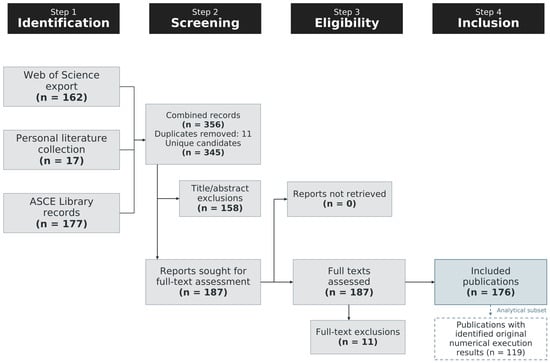
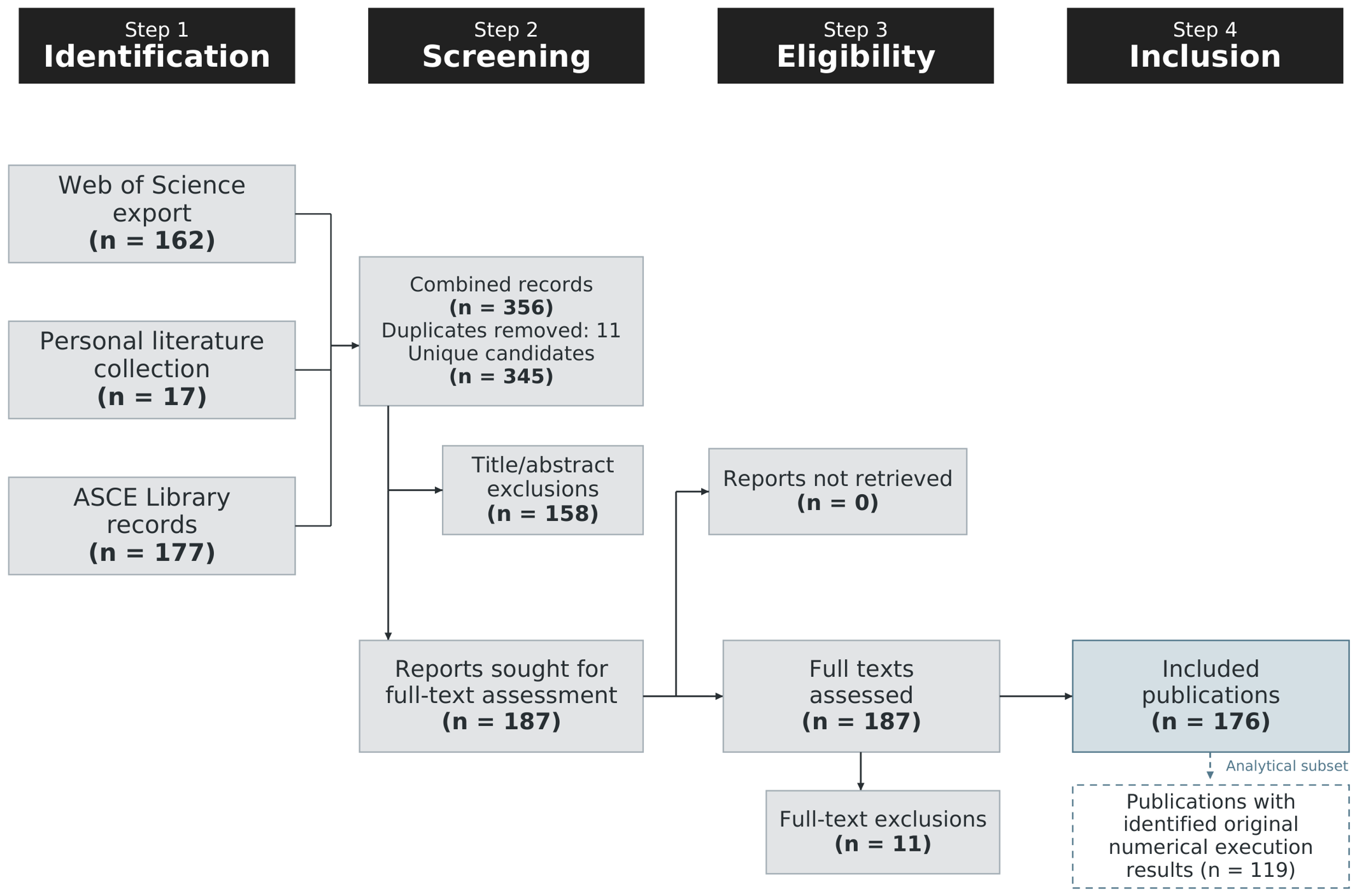
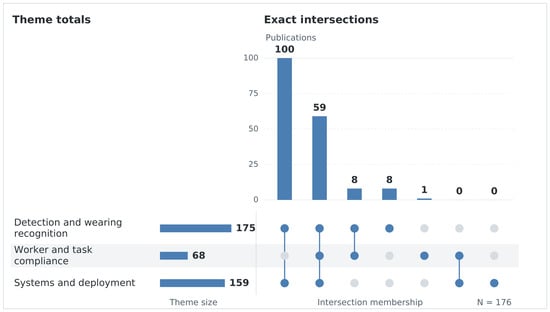
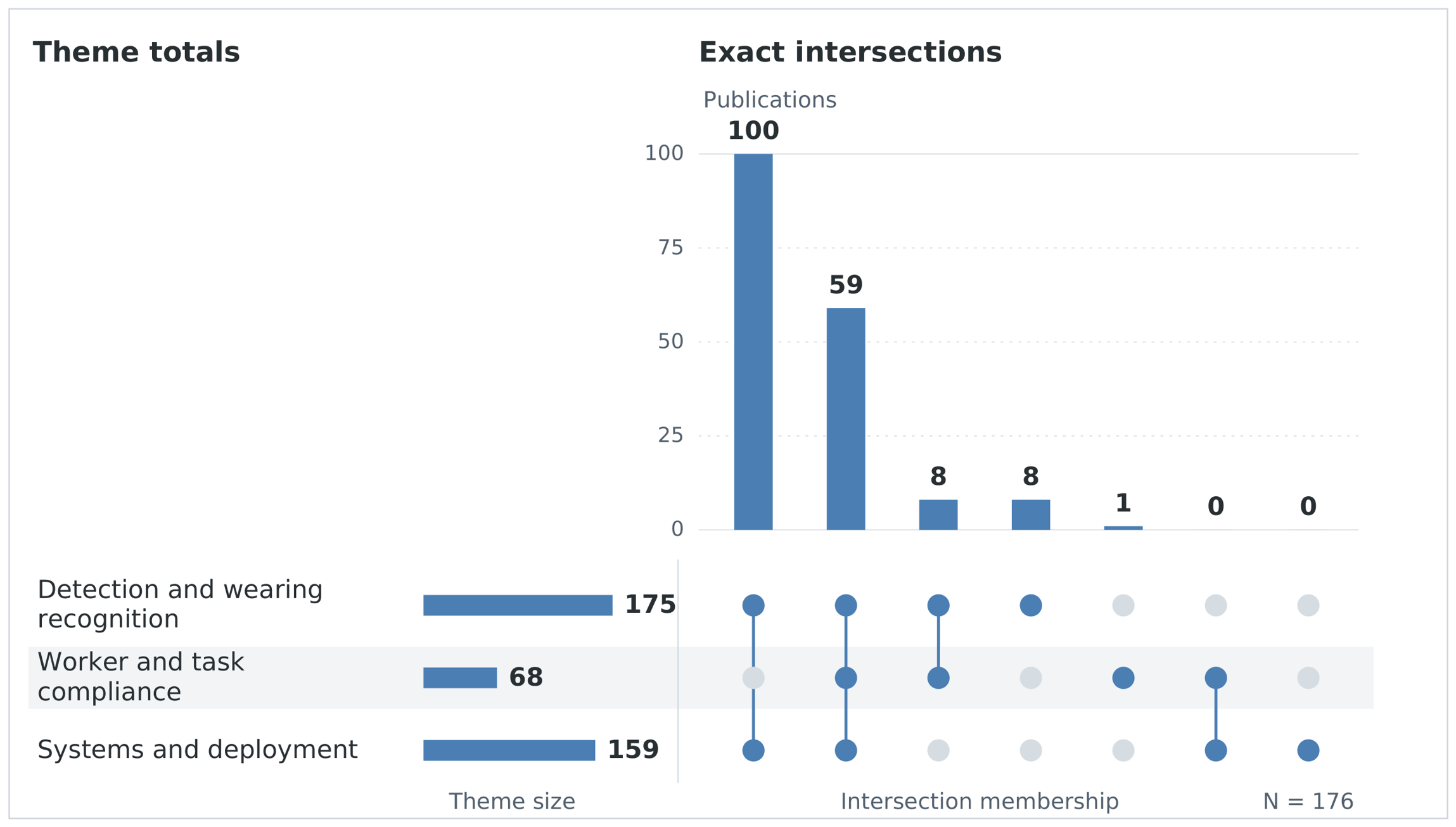
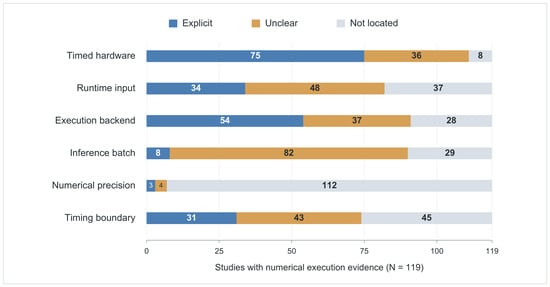
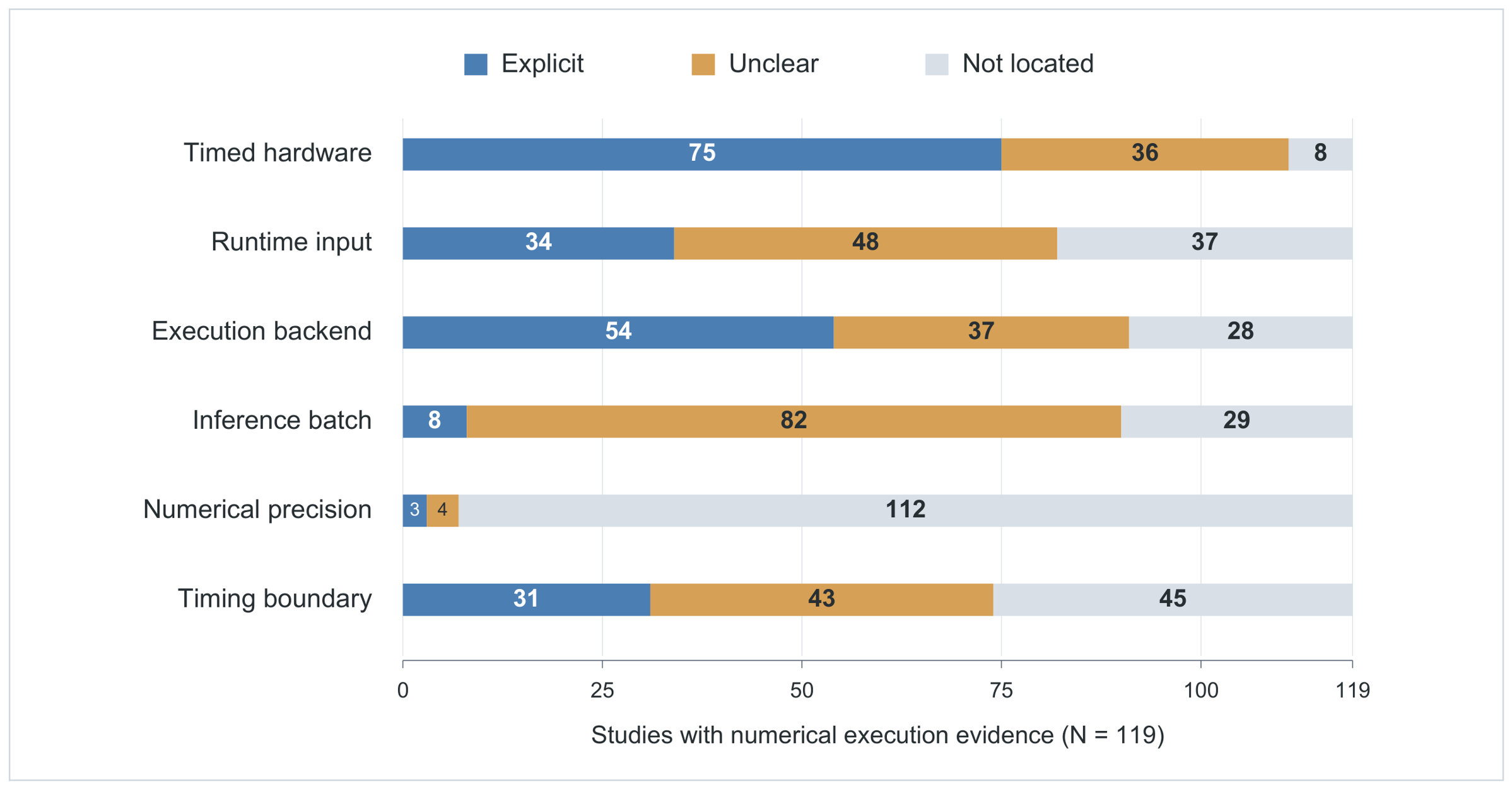

Disclaimer/Publisher’s Note: The statements, opinions and data contained in all publications are solely those of the individual author(s) and contributor(s) and not of MDPI and/or the editor(s). MDPI and/or the editor(s) disclaim responsibility for any injury to people or property resulting from any ideas, methods, instructions or products referred to in the content. |
© 2026 by the authors. Licensee MDPI, Basel, Switzerland. This article is an open access article distributed under the terms and conditions of the Creative Commons Attribution (CC BY) license.