


Abstract
The digitization of architectural heritage should go beyond spatial reconstruction and information presentation. It should also help users develop emotional connections with cultural content. This study explores an LLM-assisted human–AI collaborative design approach to emotional experience in digital architectural heritage. The study uses Liu Bei Hall and its surrounding spaces at Chengdu Wuhou Shrine as a case study. Based on architectural and cultural materials and user needs, the study identifies four design dimensions: spatial exploration, contextual narrative, interactive feedback, and experience pacing. The researchers developed three desktop-based prototypes and evaluated them with 164 participants. The unadjusted analysis showed significantly higher emotional engagement in the LLM-assisted condition than in the information-presentation condition. However, this difference became smaller and was no longer statistically significant after adjusting for covariates. All four design dimensions were significantly positively correlated with emotional engagement, and the four-factor regression model explained 53.7% of its variance. Interactive feedback showed the strongest independent association with emotional engagement, while contextual narrative also retained a significant positive association. Follow-up interviews further highlighted the importance of coordinating spatial exploration, cultural narrative, interactive feedback, and experience pacing to create coherent digital heritage experiences. These findings suggest that LLMs can support design thinking, content organization, and iterative development. Their main value lies in assisting human designers rather than replacing them.
1. Introduction
The value of architectural heritage lies not only in its physical forms, such as façades, materials, and construction techniques, but also in its spatial use, historical activities, and cultural meanings [1]. Advances in three-dimensional modeling, virtual reality, and real-time interaction technologies have made digital representation an important means of presenting and disseminating architectural heritage [2,3]. However, greater spatial visibility through digitization does not necessarily lead to a deeper user experience. Previous studies have indicated that the effectiveness of digital cultural heritage experiences depends not only on digital models and technical implementation but also on experience design, modes of interaction, and users’ perceptions of cultural content [4,5]. When digital representation focuses mainly on model viewing, free navigation, and textual descriptions, users may recognize architectural forms but struggle to develop a deeper understanding of the relationships among space, historical activities, and cultural meanings.
Emotional experience offers a new design perspective on the digital representation of architectural heritage. Previous studies have indicated that immersive digital heritage environments can enhance visual and spatial experiences, elicit emotional responses through narrative, interaction, and multisensory stimuli, and strengthen users’ connections with cultural content [5,6,7]. Spatial routes, architectural details, cultural narratives, and interactive feedback may all influence users’ perceptions of architectural atmosphere and cultural meaning. Therefore, digital representation should consider not only model accuracy and visual effects but also how space, narrative, and interaction jointly shape users’ emotional experiences. Previous studies have explored narrative, immersion, sensory experience, and user engagement in digital heritage [8]. However, much of this research has focused on the final user experience and its evaluation, with less attention given to the underlying design process. A transparent and traceable research process is still needed to translate emotional experience into specific design requirements, develop design alternatives, and establish links between design decisions and user feedback.
In recent years, large language models (LLMs) have created new possibilities for this design process. Previous studies have shown that LLMs can support design activities such as requirements analysis, information synthesis, concept generation, and design iteration. They have also become increasingly important tools in human–AI collaborative design [9,10,11]. However, design content generated by general-purpose LLMs may be overly generic and poorly adapted to domain-specific knowledge and design contexts. Additional domain information and human judgment are therefore still needed to improve the relevance and feasibility of design proposals [12]. Accordingly, the value of LLMs in the digital representation of architectural heritage should not be assessed solely by their ability to generate design proposals. Further examination is needed to understand how LLMs contribute to design decisions through designers’ judgment, selection, and revision. It is also important to examine how these decisions are ultimately translated into concrete experiences that users can evaluate.
This study addresses the limited integration of emotional experience into architectural heritage digitization and the lack of empirical evidence on the role of LLMs in design practice. It develops an LLM-assisted human–AI collaborative design process focused on emotional experience, using Liu Bei Hall of Hanzhaolie Temple and its adjacent spaces within Chengdu Wuhou Shrine as a case study. The study identifies four design dimensions based on architectural and cultural materials and user needs: spatial exploration, contextual narrative, interactive feedback, and experience pacing. Three desktop-based virtual prototypes are then developed: basic information presentation, human-designed emotional experience, and LLM-assisted human–AI collaborative design. The study uses controlled user experiments and interviews to compare these design approaches in terms of emotional engagement, affective responses, exploratory interest, and interaction experience. It also examines the relationships between spatial, narrative, and interactive features and users’ emotional responses.
This study makes three main contributions. First, it develops a traceable LLM-assisted human–AI collaborative design process. Second, it empirically evaluates user experience across different approaches to the digital representation of architectural heritage by comparing three controlled prototypes. Third, it draws on quantitative and qualitative findings to further discuss the collaborative role of generative artificial intelligence in designing emotional experiences for architectural heritage.
2. Related Research and Research Framework
2.1. Digital Spaces of Architectural Heritage and User Experience
Advances in three-dimensional modeling, HBIM, and extended reality technologies have expanded the digital representation of architectural heritage beyond static information documentation to include spatial representation, cultural interpretation, and interactive experience. Previous studies have shown that digital models can integrate architectural forms with heritage information. When combined with virtual and extended reality technologies, these models can support spatial navigation, object interaction, and access to cultural information [13,14,15]. In recent years, digital heritage research has also expanded beyond geometric modeling and visual representation to address user engagement, meaning-making, and experience evaluation [16,17,18,19].
Previous studies have begun to explore emotion and experience in digital heritage environments. For example, research on digital games involving historic architecture has incorporated narrative, immersion, and emotional responses into user experience evaluation [20,21]. Research on digital heritage spaces has also examined experience formation in virtual environments from the perspectives of sensory design and user needs [19,22]. These studies indicate that the experiential quality of digital architectural heritage depends not only on model accuracy and visual realism but also on spatial organization, information presentation, narrative approaches, and interaction design [15,19,21]. Therefore, digital representation involves not only the technical reconstruction of architectural information but also the design and organization of the user experience process.
Digital experiences of architectural heritage are closely related to spatial characteristics. Entrances, courtyards, passageways, architectural components, and visibility relationships between spaces define architectural form and provide specific settings for narrative and interaction. When cultural information is linked to corresponding spatial nodes, users’ viewing positions, exploration sequences, and understanding of content can become part of a continuous experiential process [15,23,24]. Previous studies have also shown that spatial navigation, narrative organization, and modes of interaction jointly influence users’ understanding of virtual heritage environments, their engagement with these environments, and their emotional responses [19,21,25,26]. Research on digital museum narratives and location-based cultural storytelling has further highlighted the importance of experience flow, content sequencing, and attention management in organizing cultural experiences [27,28]. Based on these studies, this paper identifies spatial exploration, contextual narrative, interactive feedback, and experience pacing as four core design dimensions for organizing digital experiences of architectural heritage. It further examines the relationships between these dimensions and users’ emotional experiences.
2.2. Conceptualization and Measurement of Emotional Experience
This study defines emotional experience as users’ immediate affective responses elicited by the combined effects of space, narrative, and interaction in a digital architectural heritage environment, along with their emotional engagement with architectural content. Unlike visual preference or attention alone, emotional engagement emphasizes users’ emotional involvement in architectural spaces, historical contexts, and associated cultural content, as well as their subjective connections with these elements during the experience [5,19].
Affective responses are described along two dimensions: valence and arousal. Valence refers to the positive or negative orientation of an emotional experience, whereas arousal indicates the level of emotional activation [29,30]. Higher arousal does not necessarily indicate a better experience. Scenes characterized by solemnity, quietness, or a sense of historical loss may also evoke strong and meaningful emotional responses.
Emotional experience should also be distinguished from related constructs, including engagement, satisfaction, presence, and cultural identity. Previous research has shown that user engagement is a multidimensional construct and cannot be adequately represented by a single emotional indicator [31]. Accordingly, this study uses emotional engagement as the core evaluation indicator, together with valence, arousal, comprehensibility, willingness to explore, and interaction experience, to comprehensively evaluate different digital representation designs.
2.3. LLM-Assisted Human–AI Collaborative Design
Advances in generative artificial intelligence have enabled large language models (LLMs) to play an increasingly important role in organizing design requirements, generating concepts, and iterating design proposals [9,32]. Previous studies have begun to apply language models and generative design methods to historic architecture and related fields of cultural heritage design. These studies have also explored collaboration between artificial intelligence and human designers [32,33]. Compared with fully automated generation, LLM-assisted human–AI collaborative design emphasizes the integration of the models’ generative capabilities with designers’ professional judgment [32,34,35,36].
In this study, LLMs support three main stages of the design process. First, they assist in synthesizing experience design requirements based on architectural spaces, historical materials, and target users’ needs. Second, they generate candidate proposals for spatial narratives, experience nodes, and modes of interaction. Third, they help organize user feedback and support subsequent analyses of design proposals. Designers remain responsible for defining experience objectives, assessing the relevance of generated suggestions to the specific architecture, selecting and revising generated content, and completing the final prototype design. Therefore, model outputs are treated as candidate materials within the design process rather than as final proposals to be directly adopted [32,35,36].
The primary aim of this collaborative approach is not to demonstrate that LLMs can independently produce superior designs. Instead, this study examines whether LLMs, under the continuous selection and revision of human designers, can expand the range of design alternatives, support design decisions, and ultimately contribute to experiential designs that differ from those developed through conventional human design processes.
2.4. Research Framework and Hypotheses
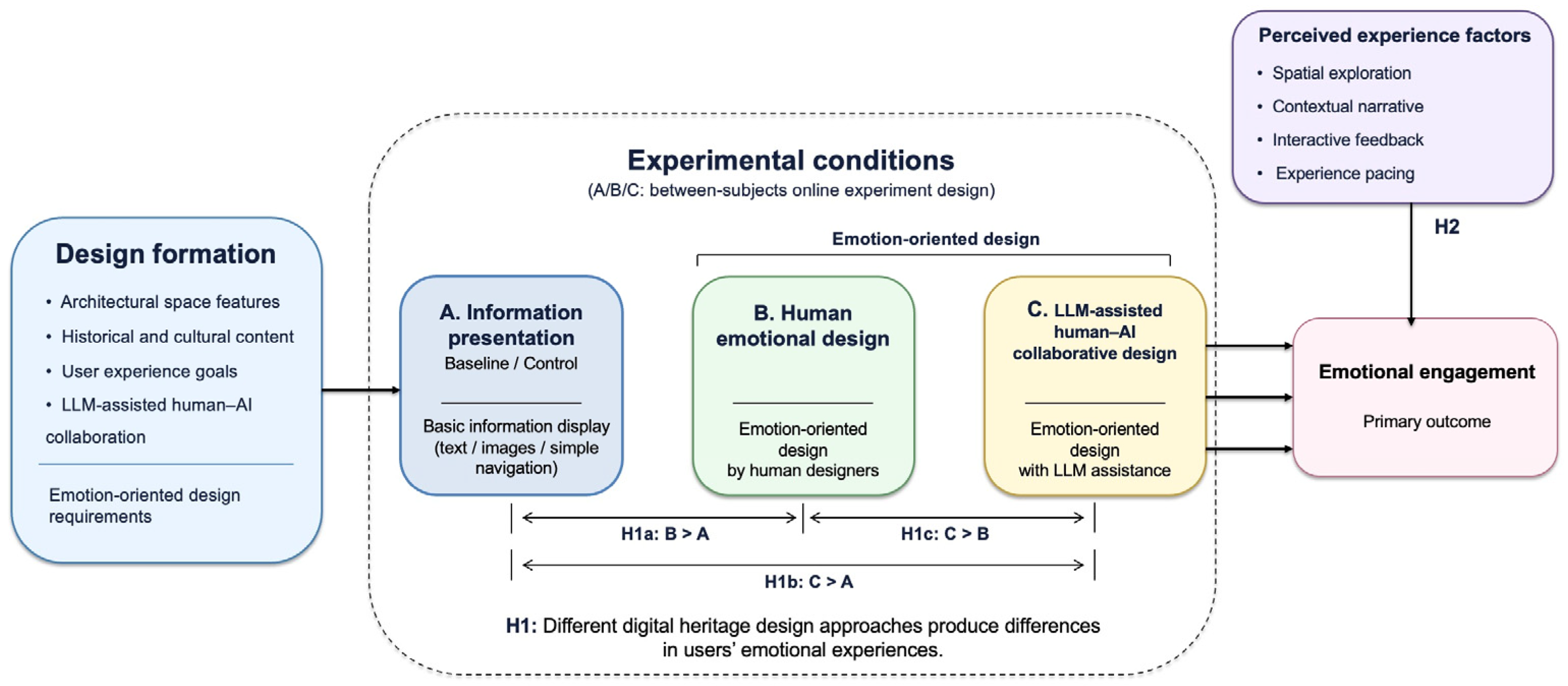
Building on previous research, this study develops a framework for the digital representation of architectural heritage that focuses on emotional experience. The framework consists of two interconnected levels: design development and user validation (Figure 1).
At the design development level, emotional experience requirements are first derived from architectural spatial characteristics, historical and cultural content, and user experience objectives. These requirements are then translated into four specific design dimensions: spatial exploration, contextual narrative, interactive feedback, and experience pacing. In this process, LLMs support requirements synthesis, the generation of design alternatives, and content organization. Designers remain responsible for evaluating, selecting, revising, and ultimately implementing the proposals. This collaborative process forms the basis of LLM-assisted human–AI collaborative design.
At the user validation level, this study develops three digital representation prototypes: basic information presentation, human-designed emotional experience, and LLM-assisted human–AI collaborative design. The study compares these prototypes within the same desktop virtual environment, using identical architectural content and basic interaction conditions. This comparison examines the effects of different design approaches on users’ emotional experiences. Emotional engagement serves as the primary outcome variable. The analysis also includes indicators of affective responses, exploratory experience, content understanding, and interaction experience to provide a comprehensive evaluation.
Based on this research framework, the following hypotheses are proposed:
H1.
Different design approaches to the digital representation of architectural heritage produce differences in users’ emotional experiences.
More specifically:
H1a.
Compared with basic information presentation, human-designed emotional experience increases users’ emotional engagement.
H1b.
Compared with basic information presentation, LLM-assisted human–AI collaborative design increases users’ emotional engagement.
H1c.
Compared with human-designed emotional experience, LLM-assisted human–AI collaborative design increases users’ emotional engagement.
In addition to comparing the overall designs, this study further examines the relationships between specific experiential factors and emotional engagement. Accordingly, the following hypothesis is proposed:
H2.
Users’ evaluations of spatial exploration, contextual narrative, interactive feedback, and experience pacing are significantly associated with their emotional engagement.
These hypotheses form the primary validation pathways within the research framework. In the experiment, spatial exploration, contextual narrative, interactive feedback, and experience pacing are integrated into the design proposals. Therefore, this study does not directly attribute differences between the overall designs to any single design factor unless further experiments isolate the effects of these elements.
Figure 1.
Research framework for the LLM-assisted human–AI collaborative design process. A, B, and C represent the three experimental conditions; H1 and H2 denote research hypotheses.
3. Methods
3.1. Research Procedure
This study follows a three-stage research process: design development, prototype construction, and user validation. It examines the application of LLM-assisted human–AI collaborative design to the digital representation of architectural heritage and compares the effects of different design approaches on users’ emotional experiences.
In the first stage, the study organizes architectural spatial information, historical and cultural materials, and relevant visual materials related to the study site. These materials are combined with user needs to formulate design requirements focused on emotional experience. In the second stage, the study develops three desktop-based virtual prototypes: basic information presentation, human-designed emotional experience, and LLM-assisted human–AI collaborative design. All three prototypes use consistent architectural content and a common technical environment. In the third stage, the study uses user experiments and interviews to compare experiences across the three prototypes. It also examines the relationships between users’ emotional responses and design factors, including spatial exploration, contextual narrative, interactive feedback, and experience pacing. Figure 2 illustrates the overall research procedure.
Figure 2.
Overall research procedure. The procedure comprises design development, prototype construction, and user validation.
3.2. Study Site
This study selects Liu Bei Hall of Hanzhaolie Temple and its adjacent spaces within Chengdu Wuhou Shrine, China, as the case study site. Figure 3 shows the study area. The site has relatively well-defined spatial boundaries and strong connections to Shu Han history, historical figures and their narratives, and associated cultural memory. These characteristics make the site highly recognizable in its historical and cultural context. Liu Bei Hall and its surrounding areas also include various spatial types, such as courtyards, corridors, halls, and transitional spaces. These spaces provide a relatively clear sequence of entry, observation, movement, and exploration. This spatial arrangement makes the site suitable for a short desktop-based virtual experience in an experimental setting.
Figure 3.
Study site and experimental area. The study area includes Liu Bei Hall and its adjacent spaces within Chengdu Wuhou Shrine, China.
This study organizes and verifies the architectural forms, spatial relationships, information about historical figures, and cultural content of the study area. The primary sources include publicly available official materials from Chengdu Wuhou Shrine Museum, such as its online museum resources and the Wuhou Shrine Digital Cultural Tour. Additional materials include historical and contemporary images, architectural descriptions, plans, visitor guidance information, and relevant historical and cultural literature. Based on these materials, the study establishes a unified foundational repository containing architectural spatial information, core historical and cultural content, images, and narrative materials suitable for digital presentation. Documented historical and architectural information served as the factual basis for the design process. The study developed the narrative structure and experiential content without altering the underlying historical facts. This repository serves as a common content foundation for all three experimental prototypes. It ensures consistency in the architectural subject and core cultural information across experimental conditions.
This study focuses on Liu Bei Hall and its adjacent spaces rather than a complete digital reconstruction of Chengdu Wuhou Shrine. The selected scope preserves representative architectural spaces and cultural content associated with historical figures. It also allows the study to control the duration of the user experience and the amount of information presented, enabling a more focused comparison across experimental conditions.
3.3. Experimental Design
3.3.1. Experimental Prototype Design
This study develops three desktop-based experimental prototypes using the same foundational materials, architectural subject, and technical conditions. The prototypes represent three design approaches: basic information presentation, human-designed emotional experience, and LLM-assisted human–AI collaborative design. All three prototypes focus on Liu Bei Hall and its adjacent spaces. They share the same core historical and cultural information, principal spatial scope, basic operating conditions, and overall experience duration. The main differences among the prototypes lie in content organization, spatial exploration, contextual narrative, interactive feedback, and experience pacing.
The basic information presentation prototype (A) serves as the experimental baseline. It adopts a conventional webpage-like approach to information presentation, using images, text, basic browsing, and clicking to present architectural features and related cultural content. This prototype does not include additional systematic emotional narratives, exploration guidance, or enhanced interactive feedback. It represents a relatively common approach to digital heritage information presentation.
The human-designed emotional experience prototype (B) uses the same architectural and cultural content. Based on the previously established emotion-oriented design requirements, designers reorganize spatial exploration routes, cultural narratives, modes of interaction, and experience pacing. The design process emphasizes experiential continuity between spatial nodes, the relationship between cultural content and specific architectural spaces, and changes in users’ information acquisition and emotional responses during exploration. This process results in a digital prototype focused on emotional experience.
The LLM-assisted human–AI collaborative design prototype (C) uses the same emotional experience objectives and foundational materials as Group B. However, it incorporates LLM participation in requirements synthesis, the generation of narrative and interaction proposals, and design iteration. The LLM primarily generates candidate design proposals, expands the range of design ideas, and supports iterative refinement. Designers evaluate the compatibility of the generated content with architectural spaces, historical and cultural information, and practical interaction conditions. They then finalize the design through selection, revision, additional prompting, and integration.
The workflow used ChatGPT (model version: GPT-6.1 Sol) and Codex(model version: GPT-6.1 Sol) across three stages: architectural analysis and presentation planning, Blender(version 5.2 LTS)-based 3D modeling, and interactive website development. Representative prompts were as follows: (1) “Analyze the architectural and cultural characteristics of Liu Bei Hall and propose suitable digital presentation strategies”; (2) “Use Blender to construct a 3D model of Liu Bei Hall based on the provided architectural references, while preserving its principal architectural features and spatial relationships”; and (3) “Develop an interactive website that integrates the 3D architectural model, cultural narratives, spatial navigation, and interactive feedback based on the predefined design requirements.” The research team evaluated the generated outputs based on architectural accuracy, cultural authenticity, alignment with emotional experience objectives, and technical feasibility. The team then selected, revised, or excluded these outputs based on the evaluation results. The researchers retained responsibility for all final design decisions.
To ensure comparability across the three experimental prototypes, this study maintains consistent architectural subjects, principal spatial scope, core historical and cultural information, basic operating conditions, and overall experience duration. The prototypes differ primarily in information organization, spatial exploration strategies, narrative structure, interactive feedback, experience pacing, and the involvement of LLMs in the design process. Figure 4 illustrates the specific production processes, software tools, and final output formats of the three experimental prototypes.
Figure 4.
Production processes for the three prototypes. A, B, and C represent basic information presentation, human-designed emotional experience, and LLM-assisted human–AI collaborative design, respectively.
3.3.2. Participants
Participants were recruited online and randomly assigned to one of three experimental conditions using a computer-generated randomization procedure. The formal experiment included 164 valid adult participants who were randomly assigned to one of three experimental conditions: basic information presentation (A), human-designed emotional experience (B), and LLM-assisted human–AI collaborative design (C). Groups A, B, and C included 56, 53, and 55 participants, respectively, resulting in a relatively balanced sample across the three conditions. Each participant experienced only one prototype to minimize familiarity effects and comparison bias associated with repeated exposure to the same architectural spaces. A sensitivity power analysis was conducted for the three-group comparison, with a significance level of α = 0.05 and a target statistical power of 0.80. With a sample of 164 participants, the study design could detect an effect size of approximately Cohen’s f = 0.245. This indicates sufficient sensitivity to detect moderate overall differences among the three groups.
Participants were required to have basic computer skills and the ability to use a mouse and keyboard for browsing and interaction in a desktop digital environment. The study also collected demographic and background information, including gender, age, and whether participants had backgrounds in architecture, design, cultural heritage, history, or digital media. In addition, the study recorded participants’ familiarity with Chengdu Wuhou Shrine, Three Kingdoms history, and Shu Han culture, as well as their prior experience with digital/3D environments. These data were used to describe the sample characteristics and support the interpretation of subsequent experience evaluations. Table 1 presents the characteristics of participants across the three experimental groups. Baseline characteristics showed some variation across the three experimental groups. One-way ANOVA indicated significant between-group differences in familiarity with Three Kingdoms/Shu Han culture (F(2, 161) = 4.04, p = 0.019) and prior digital/3D experience (F(2, 161) = 5.43, p = 0.005), whereas the difference in familiarity with Chengdu Wuhou Shrine was not statistically significant (F(2, 161) = 3.03, p = 0.051). Standardized mean differences (Cohen’s d) between Groups C and A were 0.43, 0.47, and 0.61 for heritage-site familiarity, cultural familiarity, and digital/3D experience, respectively. These baseline differences were considered in the subsequent covariate-adjusted analysis.
Table 1.
Characteristics of participants in the three groups.
3.3.3. Experimental Procedure
Before the experiment, participants reviewed the study information, provided informed consent, and completed a demographic questionnaire and a pre-experience affect assessment. After completing standardized practice with the controls, participants entered their randomly assigned virtual prototype. They then explored and interacted with Liu Bei Hall and its adjacent spaces for approximately 5–8 min. All three prototypes used the same basic navigation method and experience duration. During the experiment, participants were not informed whether their assigned prototype had been developed with LLM assistance. This measure was intended to reduce the influence of prior knowledge on their evaluations. The researchers conducting the experiment were aware of group assignments because they were responsible for preparing and presenting the corresponding prototypes. However, the study applied standardized instructions, interaction procedures, and experience durations consistently across all three experimental conditions to minimize potential procedural bias.
After the experience, participants completed a multidimensional user experience questionnaire assessing emotional engagement, affective responses, exploratory experience, content understanding, interaction experience, and specific design factors. Subsequently, selected participants from the three experimental conditions were invited to participate in semi-structured interviews. These interviews further examined how space, narrative, interaction, and experience pacing influenced participants’ understanding, exploration, and emotional responses.
This study received ethical approval from the relevant ethics committee of Tarim University (Approval No. PB20260907001). All participants took part voluntarily and provided informed consent before the experiment.
3.3.4. Questionnaire Design and Open-Ended Interviews
A structured questionnaire was used to assess participants’ subjective evaluations after viewing the digital prototype materials. The questionnaire covered demographic information, pre-experience affective state, post-experience evaluations, evaluations of specific experiential factors, perceptions of design organization, and open-ended feedback. All evaluative items used a seven-point Likert scale, except for demographic information, valence/arousal measures, and open-ended questions. The questionnaire items were adapted from established measures and contextualized for the architectural heritage experience examined in this study.
The core evaluation dimensions included emotional engagement, exploratory experience, content understanding, interaction experience, spatial exploration, contextual narrative, interactive feedback, experience pacing, and perceptions of design organization. Emotional engagement reflected the degree to which participants felt emotionally involved with architectural spaces and related cultural content. Exploratory experience assessed participants’ willingness to continue exploring and actively accessing content. Content understanding assessed participants’ comprehension of architectural spaces, historical and cultural content, and the relationships between them. Interaction experience assessed the comprehensibility, fluency, and level of interactive support provided by the digital prototypes. Spatial exploration, contextual narrative, interactive feedback, and experience pacing were also used to evaluate differences in how the design approaches organized specific experiences. The measurement dimensions and item structure are presented in Table 2. The complete questionnaire items and corresponding scoring information are provided in Appendix A.
Table 2.
Questionnaire measurement dimensions and item structure.
After completing the questionnaire, four volunteers from each of the three experimental conditions (12 participants in total) were recruited from among the questionnaire respondents for open-ended semi-structured interviews. These interviews aimed to provide further insight into the experiential factors underlying the quantitative results. The interviews focused on memorable spaces or content, spatial exploration processes, participants’ understanding of and responses to cultural narratives, interactive feedback, overall experience pacing, and emotional changes. Participants were also asked to identify which design factors most supported their understanding of architectural and cultural content and which factors influenced their emotional engagement. Where appropriate, participants in Group C were also asked about their perceptions of design organization and the completeness of the overall experience in the prototype. However, LLM participation was not explicitly emphasized before the interviews to minimize the influence of prior knowledge on participants’ responses.
The interviews used open-ended questions, and researchers asked follow-up questions based on participants’ responses to obtain more detailed descriptions of their experiences. The interview materials were then organized and synthesized into themes. These themes helped explain differences in quantitative evaluations among the three prototypes and provided further insight into the relationships between spatial exploration, contextual narrative, interactive feedback, experience pacing, and users’ emotional responses. Two researchers independently coded the interview materials using five analytical dimensions: spatial exploration, contextual narrative, interactive feedback, experience pacing, and emotional engagement. The researchers then discussed and resolved coding discrepancies and consolidated the codes into themes.
3.4. Data Analysis
Questionnaire data were analyzed using R. Descriptive statistics were calculated for each measurement dimension, and Cronbach’s α was used to assess the internal consistency of the scales. Where necessary, the Kaiser–Meyer–Olkin (KMO) measure and Bartlett’s test of sphericity were used to evaluate the suitability of the questionnaire structure.
To compare the three experimental prototypes, one-way analysis of variance (ANOVA) was used to examine differences among Groups A, B, and C in emotional engagement, exploratory experience, content understanding, interaction experience, and evaluations of related design factors. Tukey’s HSD or Games–Howell post hoc comparisons were conducted based on the results of the tests for homogeneity of variance. Changes in valence and arousal between pre- and post-experience assessments were also calculated and compared across the three groups.
To account for potential baseline differences among the three experimental groups, an analysis of covariance (ANCOVA) was conducted as the primary covariate-adjusted analysis of emotional engagement. Experimental condition was included as a fixed factor, while familiarity with Chengdu Wuhou Shrine, familiarity with Three Kingdoms/Shu Han culture, and prior experience with digital/3D environments were included as covariates. Adjusted group means and Tukey-adjusted pairwise comparisons were then examined to determine whether the observed differences remained after controlling for these baseline characteristics.
For H2, correlation analysis and multiple linear regression were used to examine the relationships between spatial exploration, contextual narrative, interactive feedback, experience pacing, and emotional engagement. All statistical tests were two-sided, with a significance threshold of p < 0.05. Effect sizes were also reported. Open-ended questionnaire responses and interview materials were analyzed thematically to support the interpretation of the quantitative findings.
4. Results
4.1. Effects of Experimental Conditions on Users’ Emotional Experiences
To examine the effects of different digital representation approaches on users’ emotional experiences, this study analyzes both immediate affective changes and emotional engagement. First, the study compares participants’ pre- and post-experience valence and arousal across the three experimental conditions to determine whether the prototypes elicit different degrees of immediate affective change. Emotional engagement is then used as the primary outcome variable to compare Groups A, B, and C. This comparison further examines differences in emotional experience among basic information presentation, human-designed emotional experience, and LLM-assisted human–AI collaborative design.
4.1.1. Changes in Valence and Arousal
To examine the effects of the digital prototypes on participants’ immediate affective states, pre- and post-experience valence and arousal were compared separately for Groups A, B, and C. Change scores were calculated by subtracting pre-experience scores from post-experience scores (Post–Pre). Figure 5 presents the pre–post changes in affective indicators and the distributions of change scores across the three groups.
Figure 5.
Changes in valence and arousal across the three experimental conditions. (A) Mean pre–post changes in valence and 95% confidence intervals for Groups A, B, and C; (B) mean pre–post changes in arousal and 95% confidence intervals for the three groups; (C) distributions of valence and arousal change scores (Post–Pre) for the three groups. Between-group differences in change scores were examined using one-way ANOVA.
For valence, mean scores were generally stable before and after the experience in all three groups. Valence in Group A decreased from 4.39 (SD = 1.59) before the experience to 4.34 (SD = 1.59) afterward; in Group B, it decreased from 4.68 (SD = 1.38) to 4.62 (SD = 1.50); and in Group C, it decreased from 5.24 (SD = 1.35) to 5.09 (SD = 1.19). The corresponding mean changes were all small, indicating that none of the three experimental conditions elicited a pronounced overall change in valence. A one-way ANOVA of valence change scores revealed no significant between-group difference, F(2, 161) = 0.09, p = 0.914, η2 = 0.001. This result is consistent with the distributions in Figure 5A,C: valence change scores in all three groups were largely concentrated around 0, with substantial overlap among the group distributions.
In contrast to the relatively stable pattern of valence, arousal exhibited more pronounced directional differences across the three experimental conditions. Mean arousal increased from 4.11 (SD = 1.69) to 4.23 (SD = 1.43) in Group A and from 4.66 (SD = 1.58) to 4.92 (SD = 1.38) in Group B, whereas it decreased from 5.16 (SD = 1.24) to 4.73 (SD = 1.22) in Group C. Groups A and B showed slight increases in arousal, while Group C showed a downward trend, as illustrated in Figure 5B. Further comparison of arousal change scores revealed a statistically significant between-group difference, F(2, 161) = 4.47, p = 0.013, η2 = 0.053, indicating that the experimental condition explained approximately 5.3% of the variance in arousal changes. Figure 5C likewise shows that the change scores in Groups A and B were generally closer to or slightly above 0, whereas the distribution in Group C was more strongly oriented toward negative values.
Overall, the experimental conditions did not significantly affect participants’ overall valence, although some between-group differences were observed in arousal changes. These findings indicate that the effects of different digital representation approaches on users’ affective experiences were not simply reflected in a more positive overall mood. Instead, these effects may be more closely associated with emotional activation and emotional engagement with specific content. Accordingly, the following section uses emotional engagement as the primary outcome variable to compare the three experimental conditions and further test H1 and its sub-hypotheses.
4.1.2. Differences in Emotional Engagement Across Experimental Conditions
Emotional engagement was measured using five items (Q11–Q15) assessing participants’ emotional involvement, affective attraction, emotional connection, and lasting impressions associated with architectural spaces and related cultural content during the experience. The scale demonstrated good internal consistency (Cronbach’s α = 0.887). Therefore, the mean score of the five items was used as the composite emotional engagement score.
As shown in Table 3, mean emotional engagement increased across the three experimental conditions. The mean score was 4.21 (SD = 1.35) for the basic information presentation group (A), 4.74 (SD = 1.11) for the human-designed emotional experience group (B), and 5.09 (SD = 0.95) for the LLM-assisted human–AI collaborative design group (C). Levene’s test for homogeneity of variance was significant, F (2, 161) = 6.66, p = 0.002, indicating unequal variances across groups. Welch’s one-way ANOVA was therefore used for the between-group comparison. The results revealed a significant overall difference in emotional engagement across the three experimental conditions, Welch’s F (2, 105.38) = 7.83, p < 0.001.
Table 3.
Descriptive statistics and between-group comparison of emotional engagement across the three experimental conditions.
Pairwise comparisons were subsequently conducted using the Games–Howell method (Table 4). Emotional engagement was higher in Group B than in Group A, but the difference did not reach statistical significance (p = 0.068). Group C showed significantly higher emotional engagement than Group A (p < 0.001). Although Group C also scored higher than Group B, this difference likewise did not reach statistical significance (p = 0.200). Therefore, H1a was not statistically supported, H1b was supported, and H1c was not supported. The corresponding Cohen’s d values were 0.429 for B–A, 0.749 for C–A, and 0.333 for C–B, with the largest standardized difference observed between Groups C and A.
Table 4.
Games–Howell pairwise comparisons for emotional engagement.
Figure 6 shows the distributions of emotional engagement scores across the three groups. Overall, Group A showed lower scores and greater dispersion, while Group B showed a shift toward higher scores. Group C showed a greater concentration of scores in the higher range, with relatively less within-group dispersion. This pattern is consistent with the descriptive statistics, which indicate an increasing trend in mean emotional engagement across the three groups (A < B < C).
Figure 6.
Distributions of emotional engagement scores and between-group comparisons across the three experimental conditions.
The boxplots, individual observations, and mean points in Figure 6 further indicate that overall emotional engagement was higher in Group C than in Groups A and B. Games–Howell post hoc comparisons showed that the difference between Groups A and B was not statistically significant (p = 0.068), the difference between Groups A and C was significant (p < 0.001), and the difference between Groups B and C was not statistically significant (p = 0.200). Thus, the significant between-group difference was primarily observed between Groups C and A.
The covariate-adjusted analysis was conducted using ANCOVA to evaluate between-group differences in emotional engagement after accounting for familiarity with Chengdu Wuhou Shrine, familiarity with Three Kingdoms/Shu Han culture, and prior experience with digital/3D environments. After adjusting for these covariates, the overall effect of experimental condition did not reach statistical significance (F(2, 158) = 2.82, p = 0.063). Nevertheless, the adjusted mean emotional engagement scores maintained the same descriptive ordering as the unadjusted results, with Group C (4.84) scoring higher than Group B (4.63) and Group A (4.56). Tukey-adjusted pairwise comparisons showed a positive adjusted difference between Groups C and A (mean difference = 0.281, 95% CI [−0.013, 0.574], p = 0.064), although this comparison did not meet the conventional significance threshold. The differences between Groups B and A (mean difference = 0.068, 95% CI [−0.225, 0.360], p = 0.848) and between Groups C and B (mean difference = 0.213, 95% CI [−0.076, 0.502], p = 0.191) were also not statistically significant. These findings indicate that the direction of the observed group differences was maintained after covariate adjustment, while their statistical strength was reduced.
Supplementary correlation analyses revealed significant positive associations between emotional engagement and familiarity with Chengdu Wuhou Shrine (r = 0.692, p < 0.001), familiarity with Three Kingdoms/Shu Han culture (r = 0.742, p < 0.001), and prior experience with digital/3D environments (r = 0.719, p < 0.001). These findings indicate that baseline familiarity and digital experience were closely associated with emotional engagement, providing additional context for interpreting the covariate-adjusted group comparisons.
Overall, the unadjusted analysis showed significantly higher emotional engagement in the LLM-assisted human–AI collaborative design group (C) than in the basic information presentation group (A). However, the remaining pairwise differences were not statistically significant. The subsequent ANCOVA showed that Group C retained the highest adjusted mean emotional engagement score, although the adjusted between-group differences were not statistically significant. Notably, Group C showed the highest mean emotional engagement despite a decrease in arousal after the experience, whereas Groups A and B showed slight increases in arousal. This pattern indicates that higher emotional engagement was not necessarily accompanied by an increase in immediate emotional arousal. Together with the results presented in Section 4.1.1, these findings suggest that the three digital representation approaches were associated with different patterns of emotional experience. The LLM-assisted approach showed a descriptively favorable pattern in emotional engagement. However, the reduced differences after covariate adjustment indicate that participants’ prior cultural familiarity and digital experience should be considered when interpreting the observed outcomes. Accordingly, these findings provide preliminary support for the potential of LLM-assisted human–AI collaboration in organizing emotional experiences of architectural heritage. They also highlight the need for further validation under more balanced baseline conditions.
4.2. Relationships Between Design Factors and Emotional Engagement
Building on the preceding between-group comparisons, this study further examines the relationships between specific design factors and emotional engagement. In accordance with H2, the analysis focuses on four design dimensions: spatial exploration, contextual narrative, interactive feedback, and experience pacing. It also examines the independent associations of these dimensions with emotional engagement when all four are included simultaneously in the model.
Internal consistency and descriptive statistics were first examined for the four design dimensions. Cronbach’s α values for spatial exploration, contextual narrative, interactive feedback, and experience pacing were 0.836, 0.864, 0.850, and 0.792, respectively, indicating acceptable to good internal consistency across the four dimensions. Their respective means were 4.77 (SD = 1.13), 4.88 (SD = 1.20), 4.77 (SD = 1.25), and 4.78 (SD = 1.19). Detailed results are presented in Table 5.
Table 5.
Reliability and descriptive statistics for the four design factors.
4.2.1. Correlations Between Design Factors and Emotional Engagement
To test H2, Pearson correlation analysis was used to examine the relationships between spatial exploration, contextual narrative, interactive feedback, experience pacing, and emotional engagement. The results are presented in Table 6. All four design factors were significantly positively correlated with emotional engagement. The correlation between spatial exploration and emotional engagement was r = 0.567, p < 0.001, and that between contextual narrative and emotional engagement was r = 0.619, p < 0.001. Interactive feedback showed the strongest correlation with emotional engagement, r = 0.702, p < 0.001. Experience pacing was also significantly positively correlated with emotional engagement (r = 0.646, p < 0.001).
Table 6.
Correlation matrix for emotional engagement and the four design factors.
The four design factors were also significantly positively correlated with each other. Spatial exploration and contextual narrative were strongly correlated (r = 0.866, p < 0.001). The correlation between spatial exploration and interactive feedback was r = 0.622, and that between contextual narrative and interactive feedback was r = 0.661; both were statistically significant (p < 0.001). Experience pacing was positively correlated with spatial exploration (r = 0.616), contextual narrative (r = 0.640), and interactive feedback (r = 0.870), with all correlations reaching statistical significance (p < 0.001). The overall correlation structure is shown in Table 6 and Figure 7.
Figure 7.
Heatmap of the Pearson correlation matrix for emotional engagement and the four design factors. All reported correlations were statistically significant (p < 0.001).
A heatmap of the correlation matrix was also plotted to provide a more intuitive representation of the relationships among the variables, as shown in Figure 7. Overall, interactive feedback had the strongest positive correlation with emotional engagement, followed by experience pacing, contextual narrative, and spatial exploration. Spatial exploration and contextual narrative were also strongly correlated with each other. A similarly strong correlation was observed between interactive feedback and experience pacing.
These results indicate that more positive evaluations of spatial exploration, contextual narrative, interactive feedback, and experience pacing were generally associated with higher emotional engagement. Thus, H2 was supported at the correlational level. Multiple linear regression was subsequently conducted to further determine the independent contribution of each design factor when all four were included in the model simultaneously.
4.2.2. Predictive Effects of Design Factors on Emotional Engagement
With emotional engagement as the dependent variable, spatial exploration, contextual narrative, interactive feedback, and experience pacing were entered simultaneously into a multiple linear regression model. The overall model was statistically significant, F(4, 159) = 46.06, p < 0.001, R2 = 0.537, adjusted R2 = 0.525, indicating that the four design factors jointly explained approximately 53.7% of the variance in emotional engagement.
The detailed regression results are presented in Table 7. Interactive feedback showed the strongest independent predictive effect (β = 0.461, p < 0.001), and contextual narrative also had a significant positive effect (β = 0.254, p = 0.027). In contrast, spatial exploration (β = 0.016, p = 0.886) and experience pacing (β = 0.073, p = 0.514) did not show significant independent predictive effects when all four design factors were included in the model simultaneously.
Table 7.
Multiple linear regression results for the four design factors predicting emotional engagement.
Regarding multicollinearity, all four predictors had VIF values below 5: 4.11 for spatial exploration, 4.44 for contextual narrative, 4.46 for interactive feedback, and 4.28 for experience pacing, indicating a generally acceptable range. However, the strong correlation between spatial exploration and contextual narrative (r = 0.866), as well as that between interactive feedback and experience pacing (r = 0.870), suggests substantial shared variance among these dimensions. This may help explain why spatial exploration and experience pacing were significantly associated with emotional engagement in the correlation analysis but did not show significant independent effects in the multiple regression model.
Taken together, spatial exploration, contextual narrative, interactive feedback, and experience pacing were all significantly correlated with emotional engagement, supporting H2 at the correlational level. Further regression analysis showed that contextual narrative and interactive feedback retained significant independent effects after controlling for the other factors, with interactive feedback exhibiting the strongest relative effect. Although spatial exploration and experience pacing were significantly correlated with emotional engagement, neither showed a significant independent effect in the joint model, suggesting that their explanatory contributions may overlap with those of the other experiential factors.
4.3. Semi-Structured Interview Results
To further understand why the digital representation approaches produced different experiences, four participants were selected from each of the three experimental conditions, A, B, and C, yielding 12 participants for semi-structured interviews. The interviews primarily addressed spatial exploration, contextual narrative, interactive feedback, experience pacing, and overall emotional experience, focusing on how the design approaches influenced participants’ understanding and exploration of architectural spaces and cultural content and their emotional involvement. Inter-coder reliability was assessed using Cohen’s kappa (κ = 0.880), indicating a high level of agreement between the two coders. Selected anonymized participant quotations are presented below to illustrate the identified themes. The original responses were translated from Chinese into English for reporting purposes, with attention to preserving the participants’ intended meanings and the context of their statements.
Overall, participants’ descriptions of their experiences differed noticeably across the three groups. Feedback from Group A focused mainly on information acquisition itself. Participants generally understood the basic architectural and cultural content but provided relatively few descriptions of connections between spaces, narrative continuity, or motivation for further exploration. Some participants considered this version sufficient for basic information communication but described the overall experience as closer to “browsing materials”, with relatively limited connections between spatial exploration and cultural content. Accordingly, Group A’s experience was characterized more by information reception and less by sustained emotional involvement. As one participant from Group A stated, “My most immediate impression was that I was reading an introduction to the architecture and its cultural background. I could understand the content and what it was trying to convey. The main benefit was gaining some information, while the rest of the experience felt fairly ordinary.”
In contrast, participants in Group B more frequently mentioned the effects of spatial movement, connections between content, and narrative organization on their experience. They generally connected specific architectural spaces with related historical and cultural content and considered spatial exploration helpful for understanding relationships between different locations. Some participants also noted that when narrative content was associated with specific spatial nodes, it more readily evoked associations with historical figures, events, and architectural settings, thereby enhancing their understanding and memory of cultural content. One participant from Group B noted, “During the experience, I found myself imagining the historical figures and the circumstances in which events took place. The images were not very clear, but they encouraged me to think about those situations.” This finding is broadly consistent with the quantitative trend of higher emotional engagement in Group B than in Group A.
Feedback from Group C focused more on the coherence of the overall experience, interactive feedback, and content organization. Participants generally considered the connections among spatial nodes, narrative information, and interaction prompts relatively natural. During the exploration process, they could quickly understand the actions available to them and the relationship between the current content and the broader cultural context. With regard to interactive feedback in particular, some participants felt that timely and explicit feedback strengthened their sense of confirmation about the outcomes of their actions and encouraged further exploration. As one participant from Group C described, “I could understand how the experience worked, and I received responses fairly quickly after clicking. This made me more willing to continue exploring and experiencing what came next.” Participants in Group C also more readily described an overall impression formed during the experience, rather than merely recalling isolated pieces of information or individual spaces.
Regarding the four design factors, the interview results were largely consistent with the quantitative analysis in Section 4.2. First, spatial exploration provided a basis for understanding architectural spatial relationships, such that cultural content was no longer presented as isolated information. Second, contextual narrative helped connect historical information with specific spatial nodes, making it easier for participants to develop a continuous understanding of cultural content. Third, interactive feedback enhanced participants’ sense of participation and willingness to continue exploring through explicit responses to their actions and exploration prompts. Fourth, experience pacing helped organize spatial exploration, information presentation, and interaction into a coherent experiential process. By comparison, simply increasing the freedom of spatial navigation did not necessarily lead directly to greater emotional engagement; its effects often depended on the joint contributions of narrative content and interactive feedback.
Regarding experience pacing, some participants felt that overly dense information or excessively rapid spatial transitions weakened their understanding of cultural content. In contrast, more coherent content presentation and a moderate pace of exploration helped maintain attention and integrate space, narrative, and interaction into a more coherent experiential process. These qualitative observations complement the quantitative findings, which showed a significant positive correlation between experience pacing and emotional engagement, although experience pacing did not retain a significant independent association in the four-factor regression model. This suggests that emotional experience may develop through the integration of spatial exploration, cultural narrative, interactive feedback, and experience pacing, with these interrelated design dimensions contributing to the overall organization of the experience.
5. Discussion
This study focuses on emotional experience and LLM-assisted human–AI collaborative design in the digital representation of architectural heritage. Through three experimental conditions—basic information presentation, human-designed emotional experience, and LLM-assisted human–AI collaborative design—it examines the effects of different design approaches on users’ emotional experiences and further analyzes the relationships among spatial exploration, contextual narrative, interactive feedback, experience pacing, and emotional engagement. The findings reveal several complementary patterns in emotional experience formation. First, the three experimental conditions showed no significant differences in valence changes, whereas arousal changes differed significantly across groups, suggesting that immediate affective responses and emotional engagement represent distinct aspects of user experience. Second, the LLM-assisted condition exhibited the highest emotional engagement, with a significant advantage over basic information presentation in the unadjusted analysis. Although this difference was attenuated and no longer statistically significant after adjustment for baseline characteristics, the descriptive ordering of the three groups remained consistent (A < B < C). Third, all four design factors were significantly correlated with emotional engagement, but contextual narrative and interactive feedback exhibited more stable independent effects in the four-factor regression model. Finally, the semi-structured interviews provided complementary qualitative insights, indicating that participants’ emotional experiences were shaped by the integration of spatial exploration, cultural narrative, interactive feedback, and experience pacing. Together, these findings highlight the importance of organizing architectural space and cultural content into coherent experiential processes, while providing an empirical basis for examining the role of LLM-assisted human–AI collaboration in architectural heritage design.
5.1. Effects of Different Digital Representation Approaches on Emotional Engagement
The results showed an increasing trend in mean emotional engagement across the three groups, A < B < C. In the unadjusted analysis, Group C scored significantly higher than Group A, supporting H1b at the unadjusted level. However, neither the difference between Groups B and A nor that between Groups C and B reached statistical significance; thus, H1a and H1c were not supported. The additional ANCOVA indicated that, although Group C retained the highest adjusted mean emotional engagement and the descriptive ordering remained consistent, the between-group differences no longer reached statistical significance after controlling for participants’ baseline characteristics. Thus, the support for H1b was not maintained after covariate adjustment.
The higher emotional engagement observed in Group C than in Group A in the unadjusted analysis suggests that, compared with digital presentations centered on factual information and basic browsing, the integrated organization of space, narrative, and interaction may contribute to sustained emotional engagement with architectural spaces and cultural content. Previous research on cultural heritage VR has likewise indicated that improvements in user experience depend not only on technology or visual presentation, but also closely on narrative organization, modes of interaction, and whether users can actively engage with cultural content [24].
The covariate-adjusted analysis provides further insight into these findings. Although the adjusted difference between Groups C and A was reduced, its estimated direction remained positive, suggesting a descriptively favorable pattern for the LLM-assisted condition. At the same time, the attenuation of the group differences indicates that participants’ prior familiarity with the heritage site, related cultural knowledge, and digital/3D experience may have contributed to the observed emotional engagement outcomes. Therefore, the findings should be interpreted as indicating the potential of integrated emotional experience design rather than establishing a statistically confirmed advantage after accounting for baseline characteristics.
However, the lack of support for H1a indicates that manually incorporating emotional design does not necessarily produce a consistent and significant advantage. Emotional experience does not arise simply from adding stories, visual effects, or spatial nodes; it depends more on whether these elements can be organized into a coherent and comprehensible experiential process that provides feedback. The lack of support for H1c also warrants attention. Although Group C had a higher mean score than Group B, this difference is insufficient to demonstrate that LLM-assisted design is significantly superior to well-developed human design in terms of final user experience. Therefore, this study does not support the conclusion that “LLMs can directly replace designers”; rather, it supports understanding them as collaborative tools for broadening design ideas, organizing complex information, and assisting iteration. A systematic review of LLMs and design similarly indicates that LLMs can contribute to multiple stages, from understanding requirements to generating proposals, but are more appropriately positioned as complementing rather than replacing designers [9].
5.2. Differences Between General Affective States and Emotional Engagement
This study further found that the effects of the experimental conditions on valence were relatively limited. Although arousal differed among groups, the direction of its changes was not fully consistent with the levels of emotional engagement. For example, Group C had the highest emotional engagement but did not show a corresponding increase in arousal.
This finding suggests that “emotional engagement” in digital architectural heritage experiences cannot simply be equated with making users more excited or more pleased. Valence and arousal primarily reflect immediate and general affective states, whereas emotional engagement more closely concerns whether users develop psychological involvement in and sustained connections with specific buildings, historical figures, historical contexts, and cultural content. Thus, even when a digital heritage experience does not significantly change users’ overall affective state, it may still enhance their emotional engagement with specific cultural content.
This finding is consistent with the distinctions among “immersion”, “engagement”, “narrative”, and “emotional connection” in recent research on cultural heritage XR. A relevant systematic review indicates that XR can enhance engagement and emotional connections in cultural heritage experiences, but these effects depend strongly on interaction design, narrative frameworks, and content authenticity, rather than arising automatically from technological stimulation itself [16,43]. Research on digital museums further demonstrates that interaction and narrative can create more memorable experiences by enhancing users’ engagement with cultural objects [44].
Accordingly, this study argues that the goal of emotional design for architectural heritage should be to foster emotional connections that accumulate progressively through spatial understanding, cultural associations, and interactive participation, rather than to create brief emotional peaks.
5.3. Relationships Among Design Dimensions and Emotional Engagement
H2 was supported at the level of correlation analysis. Spatial exploration, contextual narrative, interactive feedback, and experience pacing were all significantly positively correlated with emotional engagement. Interactive feedback showed the strongest correlation with emotional engagement, followed by experience pacing, contextual narrative and spatial exploration. Together, the four factors explained approximately 53.7% of the variance in emotional engagement, indicating that emotional experience in architectural heritage does not arise from a single visual or spatial factor, but is more likely to be associated with multiple interrelated design dimensions.
Among these factors, interactive feedback exhibited the strongest independent positive association with emotional engagement in the regression model. This indicates that the value of interaction design lies not merely in adding operable functions, but in whether users receive clear, timely, and culturally meaningful responses after their actions. Interaction can translate into continued exploration and emotional engagement when users understand the outcomes of their actions and subsequently obtain information related to the architecture or cultural content. Recent research on cultural heritage XR likewise emphasizes that different interaction structures may produce different user experience outcomes even when the underlying content remains consistent [45].
Contextual narrative also retained a significant independent positive association with emotional engagement. This finding indicates that architectural spaces alone are insufficient to fully convey cultural meaning; historical figures, events, and relationships need to be connected to specific spatial nodes through narrative. Previous studies have shown that interactive digital storytelling enables users to participate in the narrative through exploration and choice, rather than merely viewing historical information, thereby enhancing understanding and immersion [24,46].
In contrast, although spatial exploration was significantly correlated with emotional engagement, it no longer exhibited a significant independent effect in the multiple regression. Given the strong correlation between spatial exploration and contextual narrative, this may indicate that the value of spatial exploration does not derive entirely from “free movement” itself, but requires narrative and feedback to acquire meaning. In other words, access to more spaces does not necessarily produce a stronger emotional experience. Exploration may translate into emotional engagement only when it helps users discover cultural clues, understand spatial relationships, and receive ongoing feedback.
Experience pacing showed a similar pattern. Although it was significantly positively correlated with emotional engagement (r = 0.646, p < 0.001), its independent regression coefficient was not statistically significant when the other three design dimensions were included (β = 0.073, p = 0.514). Notably, experience pacing was strongly correlated with interactive feedback (r = 0.870), suggesting substantial overlap in their evaluations. This finding does not imply that experience pacing is unimportant; rather, its association with emotional engagement may be closely related to how spatial exploration, narrative content, and interactive responses are coordinated throughout the experience. The qualitative interviews further indicated that coherent content progression and a moderate pace of exploration helped participants maintain attention and understand cultural information. Together, these findings suggest that experience pacing is a relevant component of the overall experience organization, although its independent contribution could not be established in the joint regression model.
The strong correlations between spatial exploration and contextual narrative (r = 0.866), and between interactive feedback and experience pacing (r = 0.870), also indicate considerable shared variance among the design dimensions. Therefore, the independent regression coefficients should be interpreted cautiously, and further research is needed to distinguish their respective contributions.
These findings have direct implications for architectural heritage digitization: three-dimensional space should be understood as an experiential structure that supports narrative, interaction, experience pacing, and cultural interpretation, rather than as the endpoint of digitization.
5.4. The Role of LLMs in Human–AI Collaborative Design
In this study, Group C scored significantly higher than Group A in the unadjusted analysis but did not differ significantly from Group B. After adjustment for baseline characteristics, Group C retained the highest mean emotional engagement, although the between-group differences were attenuated. These findings suggest the potential value of LLMs as collaborative design tools, without establishing their superiority over the human-designed emotional experience condition. The value of LLMs may lie less in “generating a better final design than a designer” than in helping designers organize requirements, expand the space of design alternatives, structure narrative content, and iterate designs more quickly [47,48].
The absence of a statistically significant advantage for Group C over Group B can also be considered in relation to previous empirical studies of AI-assisted design. Vo [49] compared design outcomes produced by AI, human designers, and human–AI collaboration across different design stages and found that human–AI collaboration did not consistently outperform human design. Similarly, Lin [50] reported that although AI-assisted ideation improved certain aspects of idea development and participants’ perceived task experience, these advantages did not translate into statistically robust improvements in expert-rated preliminary design refinement. Although these studies evaluated design creativity and development outcomes rather than emotional engagement in architectural heritage, they suggest that the benefits of AI assistance may depend on the design stage and evaluation criteria. In the present study, the nonsignificant difference between Groups C and B is consistent with this broader pattern, indicating that LLM support during design development does not necessarily result in a measurable advantage in the final user experience.
Previous studies have shown that LLMs can participate in early design activities such as requirements synthesis, persona generation, scenario development, and functional ideation, and can produce design outcomes that are to some extent comparable to those of human researchers [51]. Meanwhile, research on UX professionals’ actual use of LLMs for creative tasks has found that human–AI collaboration is not a one-off act of generation, but develops progressively through continued questioning, revision, judgment, and task evolution [48].
This is consistent with the design process for Group C in this study. The LLM primarily contributed to generating candidate proposals, developing narrative and interaction ideas, and organizing requirements, while designers remained responsible for assessing the compatibility of the generated content with architectural spaces, historical facts, and practical technical conditions. Therefore, this study more strongly supports a “human-in-the-loop” collaborative approach in which LLMs provide expansion and assistance, while human designers retain authority over cultural judgment and final decisions. Related design research also emphasizes that, when LLMs participate in conceptual design, human experts’ understanding of requirements, review of proposals, and final selection remain essential to ensuring feasibility and reliability [52,53].
For the architectural heritage digitization sector, this means that the potential value of LLMs lies primarily in optimizing design processes rather than directly replacing design positions. Future digital heritage projects can use LLMs to organize materials, synthesize user needs, draft cultural narratives, expand interaction proposals, and support rapid iteration. However, content involving historical authenticity, cultural interpretation, and the final experiential structure still requires review by designers, architectural heritage experts, and relevant cultural researchers. The resulting mode of work is more likely to be a collaborative closed loop of “cultural materials–LLM-assisted generation–designer judgment–expert verification–user validation.”
6. Conclusions
Using the Liu Bei Hall of Hanzhaolie Temple and its adjacent spaces within Chengdu Wuhou Shrine as a case study, this research investigates emotional experience in the digital representation of architectural heritage through three experimental conditions: basic information presentation, human-designed emotional experience, and LLM-assisted human–AI collaborative design. The study compares these approaches in terms of immediate affective changes, emotional engagement, and specific design factors, and further examines the relationships among spatial exploration, contextual narrative, interactive feedback, experience pacing and emotional engagement.
The results show an increasing trend in emotional engagement across the three conditions, A < B < C. The LLM-assisted human–AI collaborative design group scored significantly higher than the basic information presentation group in the unadjusted analysis. Although Group C showed higher emotional engagement than Group B, this difference was not statistically significant in the unadjusted analysis. After adjusting for participants’ baseline characteristics, neither the overall group effect (F(2, 158) = 2.82, p = 0.063) nor the C–A comparison (mean difference = 0.281, 95% CI [−0.013, 0.574], p = 0.064) reached statistical significance, despite Group C retaining the highest adjusted mean emotional engagement. These findings suggest the potential of LLM-assisted design to support users’ emotional engagement with architectural spaces and cultural content, but its value should not be interpreted as replacing human design. Rather, LLMs appear more suitable for supporting requirements organization, design ideation, narrative development, and iterative interaction design.
Spatial exploration, contextual narrative, interactive feedback, and experience pacing were all positively associated with emotional engagement. Interactive feedback showed the strongest independent predictive effect, while contextual narrative also remained significant. In contrast, spatial exploration and experience pacing did not exhibit significant independent effects in the four-factor regression model. The strong correlations between spatial exploration and contextual narrative, and between interactive feedback and experience pacing, suggest that these dimensions may share substantial explanatory variance. These findings suggest that emotional experience in digital architectural heritage environments does not arise from visual stimulation or spatial browsing alone, but from the combined organization of space, narrative, interaction, and experience pacing.
Based on these findings, this study proposes an emotion-oriented collaborative design pathway of “cultural materials–LLM-assisted generation–designer judgment–expert verification–user validation.” This framework extends architectural heritage digitization from accurate representation toward experiences that can also be understood, explored, and emotionally engaged with, while clarifying LLMs as collaborative support tools rather than substitutes for designers and cultural experts.
Several limitations should also be acknowledged. The study is based on Liu Bei Hall and its adjacent spaces within Chengdu Wuhou Shrine, a single architectural heritage case whose spatial characteristics and cultural context may not fully represent other heritage sites. Furthermore, the desktop-based presentation may not capture the embodied interaction and immersive experience associated with VR or AR environments. These factors may limit the generalizability of the findings. Furthermore, differences in participants’ baseline cultural familiarity and prior digital/3D experience may have influenced the observed emotional engagement outcomes. Although these characteristics were considered through ANCOVA, residual confounding cannot be entirely excluded. In addition, the effects of LLM use could not be completely separated from differences in final design quality, and the four design dimensions were strongly interrelated in certain pairs, limiting the ability to isolate their individual contributions to emotional engagement. In particular, the substantial correlations between spatial exploration and contextual narrative, as well as between interactive feedback and experience pacing, may have affected the precision of their independent regression estimates. An additional limitation concerns the potential influence of common-method bias, as these experiential dimensions and emotional engagement were measured using the same self-report questionnaire. Shared response tendencies may have contributed to the observed correlations among these variables. Future studies could incorporate behavioral observations, interaction logs, or complementary measurement methods to reduce reliance on self-reported data.
Future research should therefore extend the evaluation to different architectural heritage settings and immersive platforms, and use experimental designs that systematically separate spatial, narrative, interactive feedback, and experience pacing dimensions, while ensuring better balance in participants’ baseline characteristics.
Author Contributions
Conceptualization, J.S. and P.W.; methodology, J.S., Y.Z. and P.W.; software, J.S. and P.W.; validation, J.S., Y.Z. and P.W.; formal analysis, J.S., Y.Z. and P.W.; investigation, J.S. and P.W.; resources, J.S. and P.W.; data curation, J.S. and P.W.; writing—original draft preparation, J.S. and P.W.; writing—review and editing, J.S., Y.Z. and P.W.; visualization, J.S. and P.W.; supervision, J.S. and P.W.; project administration, J.S. and P.W.; funding acquisition, J.S.,Y.Z. and P.W. All authors have read and agreed to the published version of the manuscript.
Funding
This research was supported by the Humanities and Social Sciences Research Fund of the Ministry of Education of China (Grant No. 22XJJC850001).
Institutional Review Board Statement
The study was conducted in accordance with the Declaration of Helsinki. Ethical approval was obtained from the relevant ethics committee of Tarim University (Approval No. PB20260907001). The study involved anonymous questionnaires and interviews on non-medical design activities, collected no identifiable personal data, and posed minimal risk to participants.
Informed Consent Statement
Informed consent was obtained from all subjects involved in the study. No identifiable images or personal data of participants are included in this article.
Data Availability Statement
The original contributions presented in this study are included in the article. Further inquiries can be directed to the corresponding author.
Conflicts of Interest
The authors declare no conflicts of interest.
Abbreviations
The following abbreviations are used in this manuscript:
| AI | Artificial intelligence |
| ANOVA | Analysis of variance |
| ANCOVA | Analysis of Covariance |
| AR | Augmented reality |
| HBIM | Historic Building Information Modeling |
| KMO | Kaiser–Meyer–Olkin |
| LLM | Large language model |
| SD | Standard deviation |
| UX | User experience |
| VIF | Variance inflation factor |
| VR | Virtual reality |
| XR | Extended reality |
Appendix A
Full Questionnaire Items and Scoring Information
| Item | Measurement Dimension | Questionnaire Item |
| Q3 | Background Information | What is your gender? |
| Q4 | What is your age? | |
| Q5 | Is your academic or professional background related to architecture, design, cultural heritage, history, or digital media? | |
| Q6 | Before this experience, how familiar were you with Chengdu Wuhou Shrine? | |
| Q7 | Before this experience, how familiar were you with the history of the Three Kingdoms and Shu Han culture? | |
| Q8 | How much experience do you have using 3D virtual environments, digital guides, VR/AR, or 3D games? | |
| Q9 | Pre-Experience Affective State | Before the experience begins, how would you rate your current overall emotional valence? |
| Q10 | Before the experience begins, how would you rate your current level of emotional arousal? | |
| Q11 | Emotional Engagement | During the experience just completed, I felt emotionally engaged with Liu Bei Hall and its related cultural content. |
| Q12 | During the experience, I felt emotionally attracted to the architectural space and its historical content. | |
| Q13 | The experience just completed made me feel an emotional connection with the history and culture embodied in Liu Bei Hall. | |
| Q14 | The spatial and cultural content in the experience elicited genuine emotional responses from me. | |
| Q15 | After the experience, certain spaces, stories, or cultural content still left a strong emotional impression on me. | |
| Q16 | Post-Experience Affective State | After the experience, how would you rate your current overall emotional valence? |
| Q17 | After the experience, how would you rate your current level of emotional arousal? | |
| Q18 | Exploratory Experience | The experience just completed stimulated my interest in further exploring Liu Bei Hall and its related spaces. |
| Q19 | I would be willing to actively view additional spatial nodes or cultural content in the experience. | |
| Q20 | The process of spatial exploration made me want to spend more time in this digital environment. | |
| Q21 | After the experience, I would still like to learn more about Chengdu Wuhou Shrine and related cultural heritage. | |
| Q22 | Content Understanding | The experience just completed helped me understand the basic spatial composition of Liu Bei Hall. |
| Q23 | The experience just completed helped me understand the relationship between the architectural space and its related historical and cultural content. | |
| Q24 | The organization of information in the experience made the relevant cultural content easy to understand. | |
| Q25 | After the experience, I could clearly recall the main information about the building and its related cultural content. | |
| Q26 | Interaction Experience | I could easily understand how to navigate and operate the digital experience. |
| Q27 | The interaction methods effectively supported my acquisition of architectural and cultural information. | |
| Q28 | The system provided clear and timely feedback on my actions. | |
| Q29 | The overall interaction process was smooth and did not noticeably interfere with my experience of the architectural and cultural content. | |
| Q30 | Spatial Exploration | The spatial exploration methods helped me understand relationships between different architectural areas. |
| Q31 | The exploration route allowed me to progressively discover important spatial and cultural content. | |
| Q32 | I could perceive a relatively continuous experiential relationship between different spatial nodes. | |
| Q33 | The process of spatial exploration enhanced my perception of the overall environment of Liu Bei Hall. | |
| Q34 | Contextual Narrative | The narrative content was clearly connected to the corresponding architectural spaces or cultural nodes. |
| Q35 | The narrative content helped me understand the historical figures, events, or cultural meanings behind the architecture. | |
| Q36 | The way the narrative was organized gave the experience a relatively clear contextual progression. | |
| Q37 | The combination of space and narrative strengthened my impression of the cultural content. | |
| Q38 | Interactive Feedback | Interactive feedback indicated what I could observe or explore next. |
| Q39 | Interactive feedback increased my attention to key spatial or cultural information. | |
| Q40 | Interactive feedback made me feel that I was actively participating rather than passively watching. | |
| Q41 | Interactive feedback corresponded well to the current spatial and narrative content. | |
| Q42 | Experience Pacing | The overall pace of the experience felt natural, neither too fast nor too drawn out. |
| Q43 | The pacing of spatial exploration, information reading, and interaction was well coordinated. | |
| Q44 | The pacing supported a gradual progression from entering and exploring to understanding and reflecting. | |
| Q45 | Perception of Design Organization | I felt that the digital experience not only presented architectural information but also deliberately organized my viewing and exploration process. |
| Q46 | I could perceive purposeful design organization across space, content, and interaction in the experience. | |
| Note. Q1 and Q2 were informed consent statements and were not included in the questionnaire scoring or statistical analyses. | ||
References
- Chen, K.; Huang, M.; Zhang, P.; Lu, Y. From material remains to institutional logic: A Three-dimensional synergistic framework for architectural heritage research. Built Herit. 2025, 9, 71. [Google Scholar] [CrossRef] [Scilit]
- Ma, Y.; Tong, Q.; He, X.; Su, B. Exploring virtual restoration of architectural heritage through a systematic review. npj Herit. Sci. 2025, 13, 167. [Google Scholar] [CrossRef] [Scilit]
- Rodriguez-Garcia, B.; Guillen-Sanz, H.; Checa, D.; Bustillo, A. A systematic review of virtual 3D reconstructions of Cultural Heritage in immersive Virtual Reality. Multimed. Tools Appl. 2024, 83, 89743–89793. [Google Scholar] [CrossRef] [Scilit]
- Gong, Q.; Zou, N.; Yang, W.; Zheng, Q.; Chen, P. User experience model and design strategies for virtual reality-based cultural heritage exhibition. Virtual Real. 2024, 28, 69. [Google Scholar] [CrossRef] [Scilit]
- Lin, C.; Xia, G.; Nickpour, F.; Chen, Y. A review of emotional design in extended reality for the preservation of culture heritage. npj Herit. Sci. 2025, 13, 86. [Google Scholar] [CrossRef] [Scilit]
- Leow, F.-T.; Ch’ng, E. Analysing narrative engagement with immersive environments: Designing audience-centric experiences for cultural heritage learning. Mus. Manag. Curatorship 2021, 36, 342–361. [Google Scholar] [CrossRef] [Scilit]
- Ren, X.; Hao, X.; Xu, J.; Xu, J. Digital rebirth: How task-technology fit drive immersion and user engagement in intangible cultural heritage VR. npj Herit. Sci. 2026, 14, 157. [Google Scholar] [CrossRef] [Scilit]
- Mercimek, N.; Bulbul, A. Virtual reality for cultural heritage: A systematic review and the proposal of the AMUX-VR framework. Int. J. Hum.–Comput. Interact. 2026, 42, 6844–6869. [Google Scholar] [CrossRef] [Scilit]
- Zhou, Y.; Chen, C.-H. Examining the impact of large language models on design: Functions, strengths, limitations, and roles. Des. Artif. Intell. 2025, 1, 100017. [Google Scholar] [CrossRef] [Scilit]
- Fang, C.; Zhu, Y.; Fang, L.; Long, Y.; Lin, H.; Cong, Y.; Wang, S.J. Generative AI-enhanced human-AI collaborative conceptual design: A systematic literature review. Des. Stud. 2025, 97, 101300. [Google Scholar] [CrossRef] [Scilit]
- Yu, W.F. AI as a co-creator and a design material: Transforming the design process. Des. Stud. 2025, 97, 101303. [Google Scholar] [CrossRef] [Scilit]
- Li, Z.; Liu, Z.; Sa, G.; Sun, J.; Hou, M.; Tan, J.; Sun, L.; Wei, J. Knowledge-enhanced large language models for ideation to implementation: A new paradigm in product design. Appl. Soft Comput. 2025, 176, 113147. [Google Scholar] [CrossRef] [Scilit]
- Lovell, L.J.; Davies, R.J.; Hunt, D.V.L. The application of historic building information modelling (HBIM) to cultural heritage: A review. Heritage 2023, 6, 6691–6717. [Google Scholar] [CrossRef] [Scilit]
- El Barhoumi, N.; Hajji, R. HBIM and extended reality for cultural mediation of historical heritage: A review. Int. Arch. Photogramm. Remote Sens. Spat. Inf. Sci. 2024, 48, 125–132. [Google Scholar] [CrossRef] [Scilit]
- Bekele, M.K.; Pierdicca, R.; Frontoni, E.; Malinverni, E.S.; Gain, J. A survey of augmented, virtual, and mixed reality for cultural heritage. J. Comput. Cult. Herit. 2018, 11, 1–36. [Google Scholar] [CrossRef] [Scilit]
- Partarakis, N.; Katsantonis, M.N.; Zidianakis, E. A Systematic Review of Extended Reality (XR) Applications in Cultural Heritage. Heritage 2026, 9, 215. [Google Scholar] [CrossRef] [Scilit]
- Abukarki, H.J. Beyond preservation: A survey of the role of virtual reality in experiencing and understanding historical architectural spaces. Buildings 2025, 15, 1531. [Google Scholar] [CrossRef] [Scilit]
- Zhou, Q.; Wang, S.; Wang, J. Exploring user experience in virtual industrial heritage platforms: Impact of cultural identity, functional clarity, scene interactivity, and narrative quality. Buildings 2025, 15, 253. [Google Scholar] [CrossRef] [Scilit]
- Sylaiou, S.; Mania, K.; Karoulis, A.; White, M. Exploring the relationship between presence and enjoyment in a virtual museum. Int. J. Hum.-Comput. Stud. 2010, 68, 243–253. [Google Scholar] [CrossRef] [Scilit]
- Wang, S.; Yu, J.; Yang, W.; Yan, W.; Nah, K. The impact of role-playing game experience on the sustainable development of ancient architectural cultural heritage tourism: A mediation modeling study based on SOR theory. Buildings 2025, 15, 2032. [Google Scholar] [CrossRef] [Scilit]
- Sun, S.; Sun, Y.; Li, J. Research on emotional design for VR games in digital cultural heritage: A case of Tianjin Marco Polo Square’s virtual–real integrated digital scene. Heritage 2026, 9, 185. [Google Scholar] [CrossRef] [Scilit]
- Marto, A.; Gonçalves, A.; Melo, M.; Bessa, M. A survey of multisensory VR and AR applications for cultural heritage. Comput. Graph. 2022, 102, 426–440. [Google Scholar] [CrossRef] [Scilit]
- Ibrahim, N.; Ali, N.M. A conceptual framework for designing virtual heritage environment for cultural learning. J. Comput. Cult. Herit. 2018, 11, 1–27. [Google Scholar] [CrossRef] [Scilit]
- Choi, J.W.; Park, J.J.; Jun, H.J. An interactive virtual reality approach to understanding cultural heritage through storyliving: A case study of Seoul City Wall (Hanyangdoseong) in South Korea. Appl. Sci. 2024, 14, 11348. [Google Scholar] [CrossRef] [Scilit]
- Li, Q.; Chen, Z.; Wu, T.; Shen, C.; Yang, Y.; Zhao, X. Exploring the effects of narrative augmented reality in cultural heritage: A study on emotional arousal, intrinsic motivation, cognitive load, and learning. Int. J. Hum.–Comput. Interact. 2026, 42, 16–26. [Google Scholar] [CrossRef] [Scilit]
- Manghisi, V.M.; Uva, A.E.; Fiorentino, M.; Gattullo, M.; Boccaccio, A.; Monno, G. Enhancing user engagement through the user centric design of a mid-air gesture-based interface for the navigation of virtual- tours in cultural heritage expositions. J. Cult. Herit. 2018, 32, 186–197. [Google Scholar] [CrossRef] [Scilit]
- Roussou, M.; Katifori, A. Flow, Staging, Wayfinding, Personalization: Evaluating User Experience with Mobile Museum Narratives. Multimodal Technol. Interact. 2018, 2, 32. [Google Scholar] [CrossRef] [Scilit]
- Millard, D.E.; Packer, H.; Howard, Y.; Hargood, C. The Balance of Attention: The Challenges of Creating Locative Cultural Storytelling Experiences. J. Comput. Cult. Herit. 2020, 13, 35. [Google Scholar]
- Russell, J.A. A circumplex model of affect. J. Personal. Soc. Psychol. 1980, 39, 1161. [Google Scholar] [CrossRef] [Scilit]
- Bradley, M.M.; Lang, P.J. Measuring emotion: The self-assessment manikin and the semantic differential. J. Behav. Ther. Exp. Psychiatry 1994, 25, 49–59. [Google Scholar] [CrossRef] [Scilit] [PubMed]
- O’Brien, H.L.; Cairns, P.; Hall, M. A practical approach to measuring user engagement with the refined user engagement scale (UES) and new UES short form. Int. J. Hum.-Comput. Stud. 2018, 112, 28–39. [Google Scholar] [CrossRef] [Scilit]
- Xu, S.; Wei, Y.; Zheng, P.; Zhang, J.; Yu, C. LLM enabled generative collaborative design in a mixed reality environment. J. Manuf. Syst. 2024, 74, 703–715. [Google Scholar] [CrossRef] [Scilit]
- Wang, Y.; Li, T.; Zhao, Y.; Zhang, B.; Huang, X. Generative AI in Architectural Conceptual Design: A Structured Scoping Review of LLMs, Text-to-Image Diffusion Models, Spatial Layout Generation, BIM-AI Coupling, and Human-AI Workflows. Buildings 2026, 16, 2882. [Google Scholar] [CrossRef] [Scilit]
- Wang, X.; Jiang, Z.; Xiong, Y.; Liu, A. Human-LLM collaboration in generative design for customization. J. Manuf. Syst. 2025, 80, 425–435. [Google Scholar] [CrossRef] [Scilit]
- Ma, K.; Moore, G.; Shyam, V.; Villarrubia, J.; Goucher-Lambert, K.; Brubaker, E.R. Human-AI collaboration among engineering and design professionals: Three strategies of generative AI use. In International Design Engineering Technical Conferences and Computers and Information in Engineering Conference; ASME: New York, NY, USA, 2024; Volume 88407. [Google Scholar]
- Lee, S.Y.; Law, M.; Hoffman, G. When and how to use AI in the design process? Implications for human-AI design collaboration. Int. J. Hum.–Comput. Interact. 2025, 41, 1569–1584. [Google Scholar] [CrossRef] [Scilit]
- O’Brien, H.L.; Toms, E.G. The development and evaluation of a survey to measure user engagement. J. Am. Soc. Inf. Sci. Technol. 2010, 61, 50–69. [Google Scholar] [CrossRef] [Scilit]
- Busselle, R.; Bilandzic, H. Measuring narrative engagement. Media Psychol. 2009, 12, 321–347. [Google Scholar] [CrossRef] [Scilit]
- Witmer, B.G.; Singer, M.J. Measuring presence in virtual environments: A presence questionnaire. Presence 1998, 7, 225–240. [Google Scholar] [CrossRef] [Scilit]
- Laugwitz, B.; Held, T.; Schrepp, M. Construction and evaluation of a user experience questionnaire. In Symposium of the Austrian HCI and Usability Engineering Group; Springer: Berlin/Heidelberg, Germany, 2008; pp. 63–76. [Google Scholar]
- Green, M.C.; Brock, T.C. The role of transportation in the persuasiveness of public narratives. J. Personal. Soc. Psychol. 2000, 79, 701–721. [Google Scholar] [CrossRef] [Scilit] [PubMed]
- IJsselsteijn, W.A.; de Kort, Y.A.W.; Poels, K. The Game Experience Questionnaire; Technische Universiteit Eindhoven: Eindhoven, The Netherlands, 2013; 9 p. [Google Scholar]
- Innocente, C.; Ulrich, L.; Moos, S.; Vezzetti, E. A framework study on the use of immersive XR technologies in the cultural heritage domain. J. Cult. Herit. 2023, 62, 268–283. [Google Scholar] [CrossRef] [Scilit]
- Chen, Q.; Huang, X.; Li, S. Digital storytelling in VR museums: How interaction with museum treasures affects tourists’ responses? Tour. Manag. 2026, 114, 105376. [Google Scholar] [CrossRef] [Scilit]
- Kim, H.; Cho, Y.; Park, K.S. Comparing Interaction Structures for User Experience in XR Cultural Heritage Learning. Electronics 2026, 15, 4238. [Google Scholar] [CrossRef] [Scilit]
- Rizvic, S.; Boskovic, D.; Mijatovic, B. Advanced interactive digital storytelling in digital heritage applications. Digit. Appl. Archaeol. Cult. Herit. 2024, 33, e00334. [Google Scholar] [CrossRef] [Scilit]
- Chen, L.; Song, Y.; Guo, J.; Sun, L.; Childs, P.; Yin, Y. How generative AI supports human in conceptual design. Des. Sci. 2025, 11, e9. [Google Scholar] [CrossRef] [Scilit]
- Zhou, Z.; Gao, W.; Li, Y.; Yu, J. Understanding the interaction between human and LLMs-based AI in creative tasks: Insights from UX professionals’ collaboration and communication with ChatGPT. Des. Stud. 2026, 104, 101403. [Google Scholar] [CrossRef] [Scilit]
- Vo, K.H.T. “Who” Designs Better? A Competition among Human, Artificial Intelligence and Human–AI Collaboration. Des. Sci. 2025, 11, e37. [Google Scholar] [CrossRef] [Scilit]
- Lin, Y.-J. Generative AI as a Cognitive Support Tool in Early-Stage Design Ideation: A Human–AI Co-Ideation Experiment. PLoS ONE 2026, 21, e0358542. [Google Scholar] [CrossRef] [Scilit] [PubMed]
- De Paoli, S. User personas, ideation and large language models: A post-hoc study. Int. J. Hum.-Comput. Stud. 2025, 208, 103690. [Google Scholar] [CrossRef] [Scilit]
- Xu, Y.; Xie, J.; Liu, X.; Cui, H.; Liu, M. A Human-in-the-Loop conceptual design framework jointly driven by large language models and knowledge graphs. Adv. Eng. Inform. 2026, 74, 104646. [Google Scholar] [CrossRef] [Scilit]
- Song, B.; Zhu, Q.; Luo, J. Human-AI collaboration by design. Proc. Des. Soc. 2024, 4, 2247–2256. [Google Scholar] [CrossRef] [Scilit]
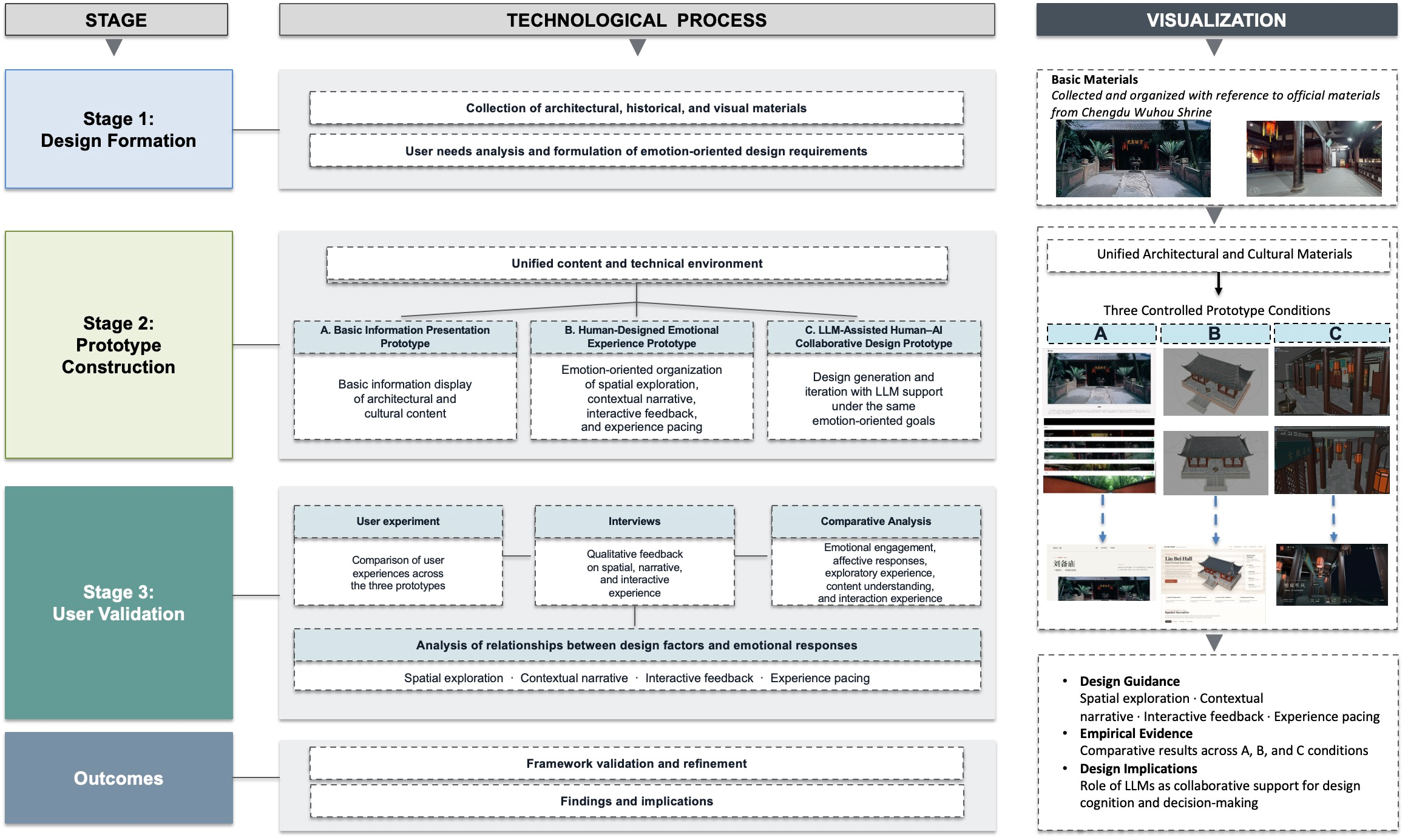
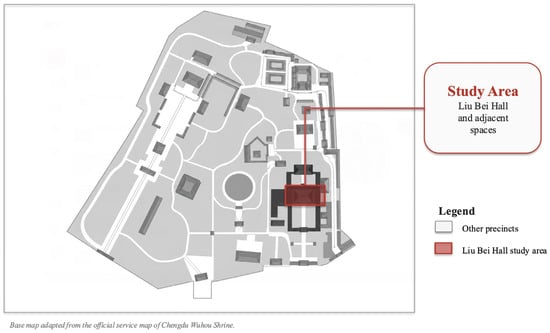
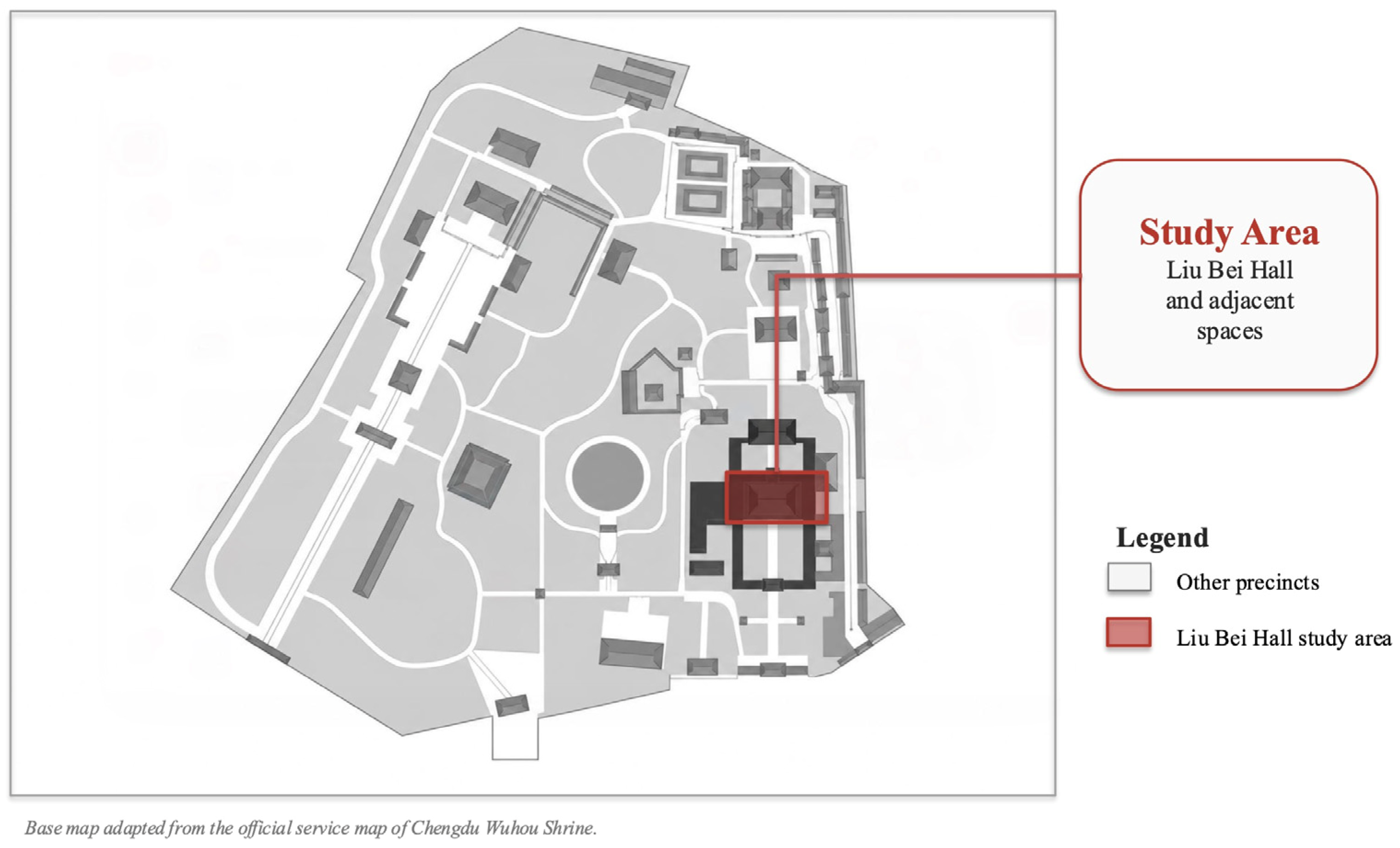
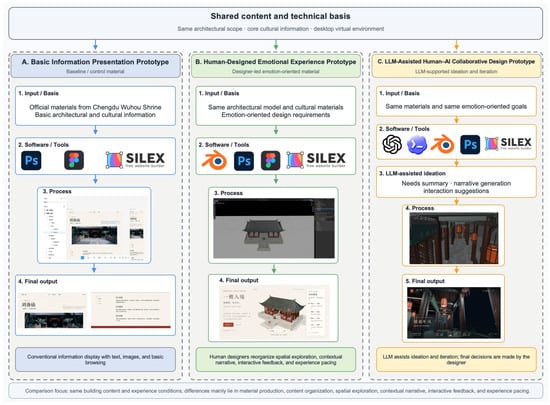
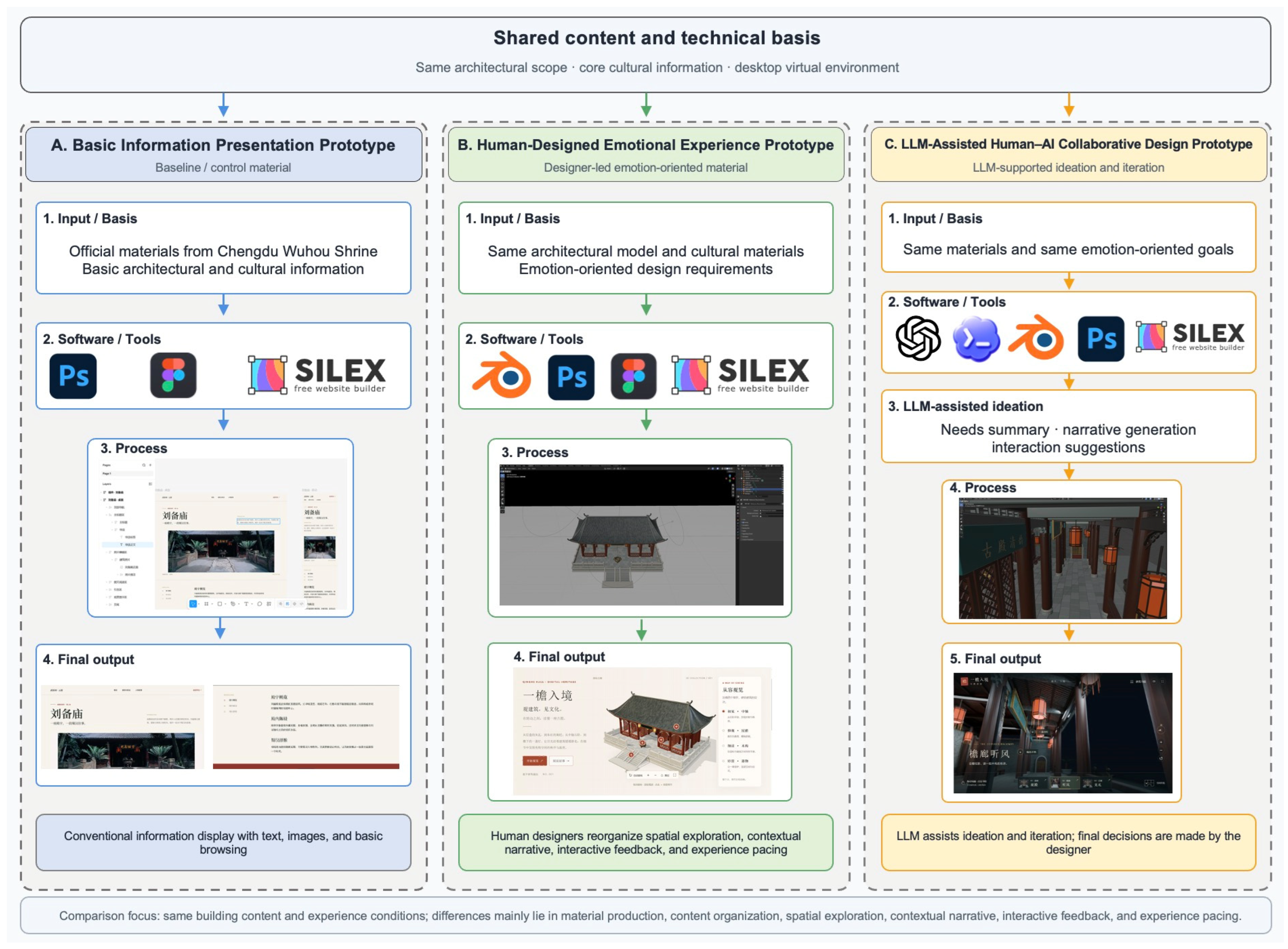
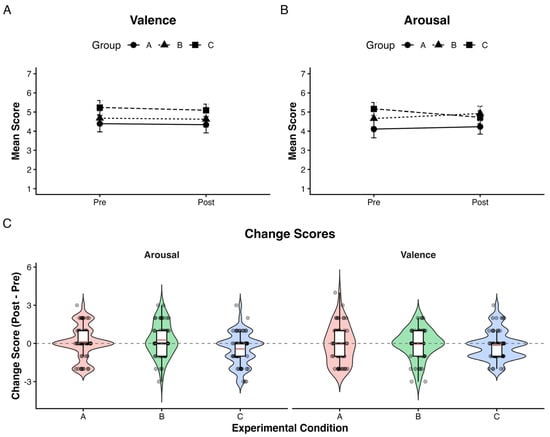
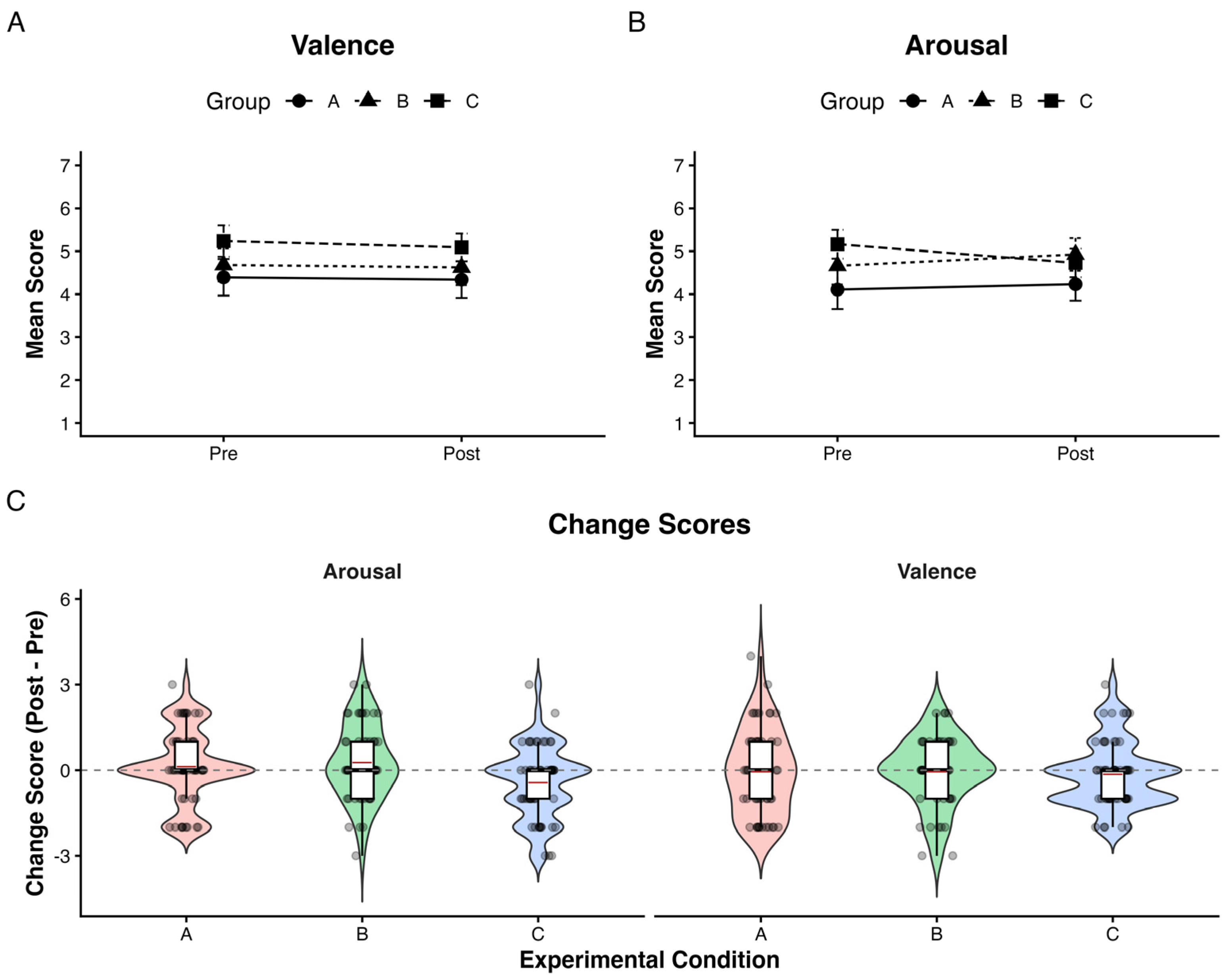
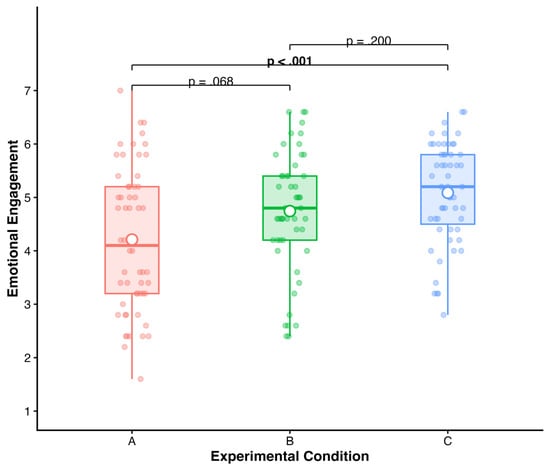
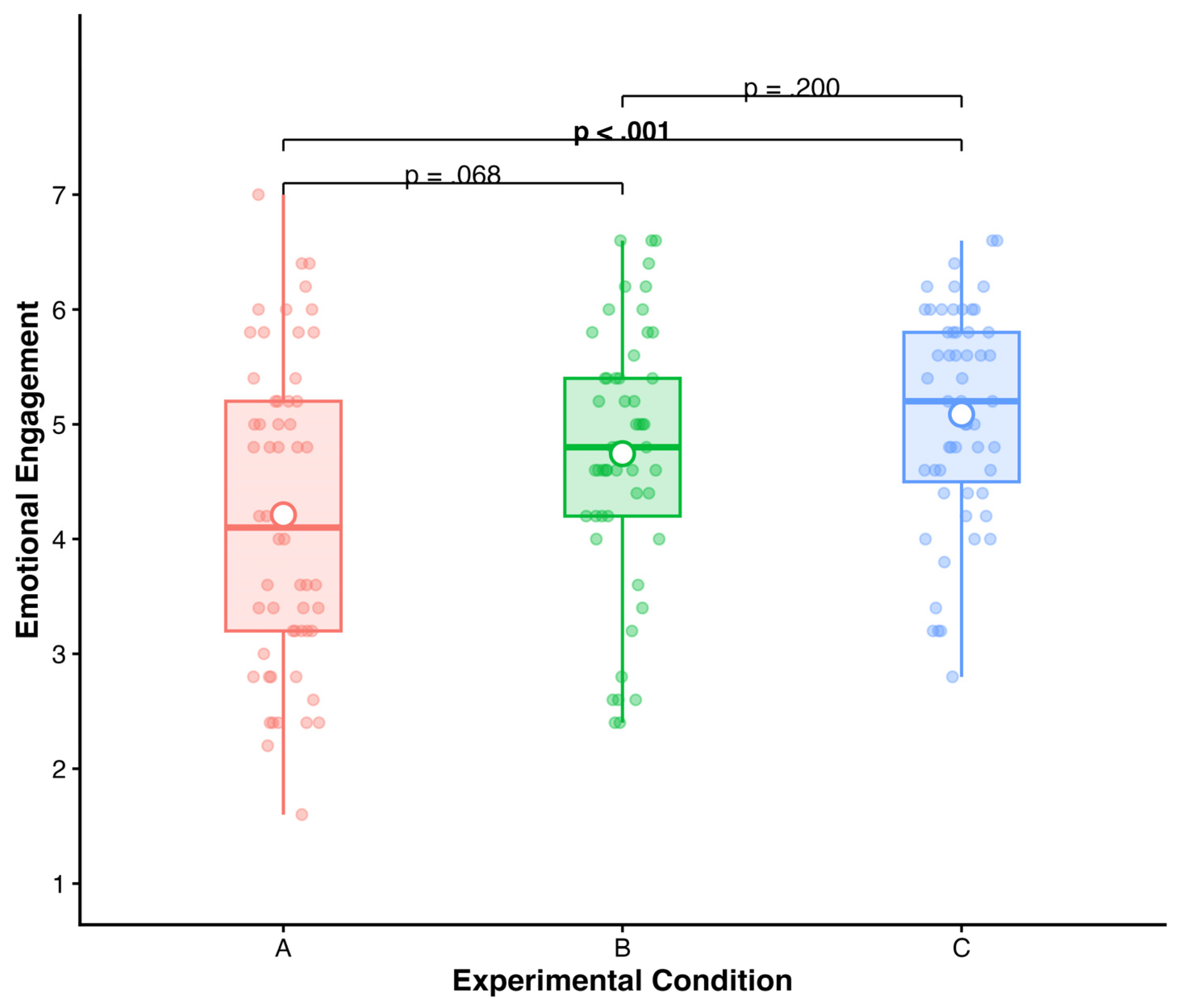
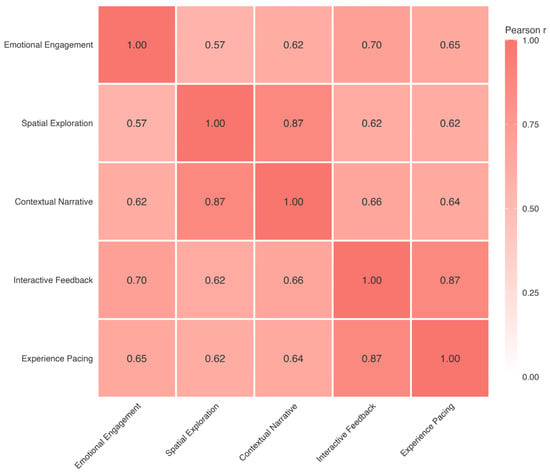
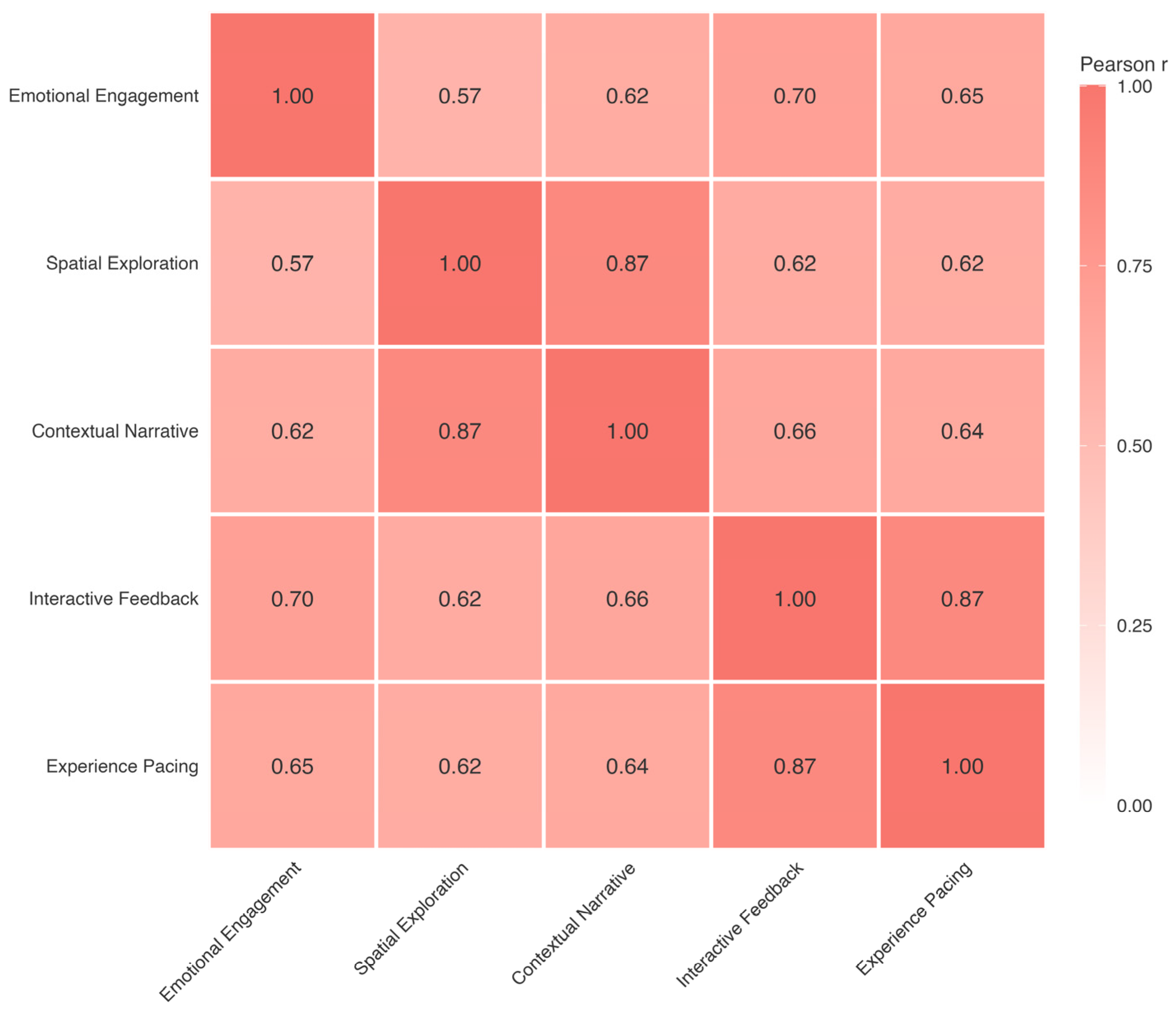

Disclaimer/Publisher’s Note: The statements, opinions and data contained in all publications are solely those of the individual author(s) and contributor(s) and not of MDPI and/or the editor(s). MDPI and/or the editor(s) disclaim responsibility for any injury to people or property resulting from any ideas, methods, instructions or products referred to in the content. |
© 2026 by the authors. Licensee MDPI, Basel, Switzerland. This article is an open access article distributed under the terms and conditions of the Creative Commons Attribution (CC BY) license.